



Most beginners do not fail because they are lazy. They fail because the plan asks for too much on day three and then acts shocked when real life interferes.
A good set of 30-day workout challenges for beginners should feel almost too easy at first. That is the point. If the starting line makes you nervous, the plan is probably too fancy.
The cleanest baseline is a mix of walking, bodyweight strength, and mobility. That lines up with plain public-health guidance: about 150 minutes of moderate activity a week, plus strength work at least twice weekly. You do not need a gym membership to get there.
The challenges below solve different beginner problems: no confidence, stiff joints, low stamina, weak glutes, shaky balance, and the classic “I was fine until the second week” problem. Pick the one that matches your life, not the one that sounds toughest. Simple wins.
1. 10-Minute Walk and Mobility Challenge

Ten minutes sounds tiny until you do it every day.
This is the challenge I like for people who have been doing almost nothing and want a clean restart. Walk for 10 minutes a day and tack on 5 minutes of mobility after the walk: ankle circles, arm circles, hip hinges, and a few slow bodyweight squats to a chair. By the end of the month, the habit matters more than the pace.
Why It Works
Walking is the least dramatic form of cardio, which is exactly why it works. It lowers the barrier so much that you stop negotiating with yourself before every session.
- Days 1-10: 10-minute walk + 5-minute mobility
- Days 11-20: 12-minute walk + 5-minute mobility
- Days 21-30: 15-minute walk + 5-minute mobility
Pro tip: keep your shoes where you can see them. If the shoes are hidden, the workout starts losing arguments before breakfast.
2. Wall Push-Up Progression Challenge
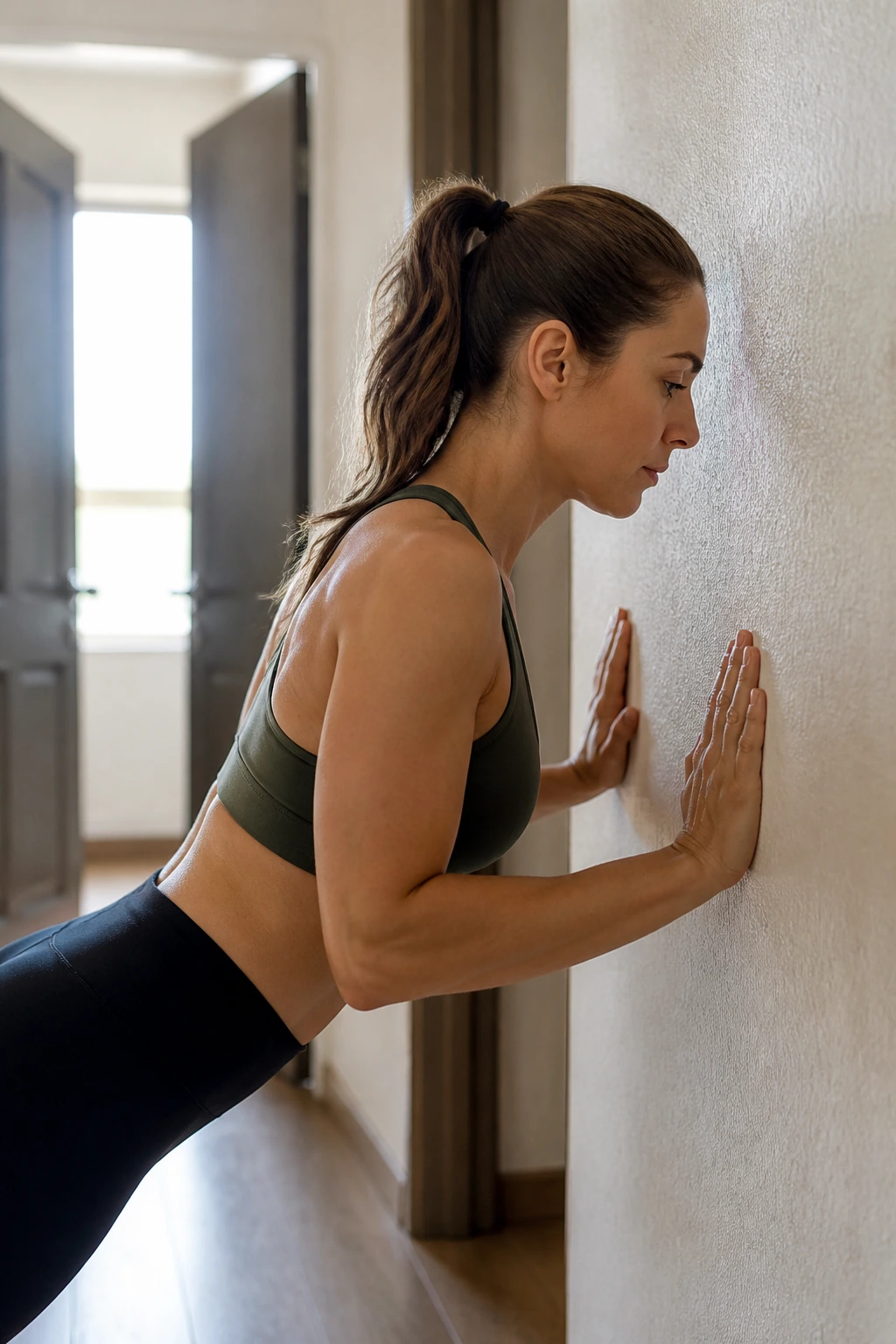
Can you build real upper-body strength without dropping to the floor on day one?
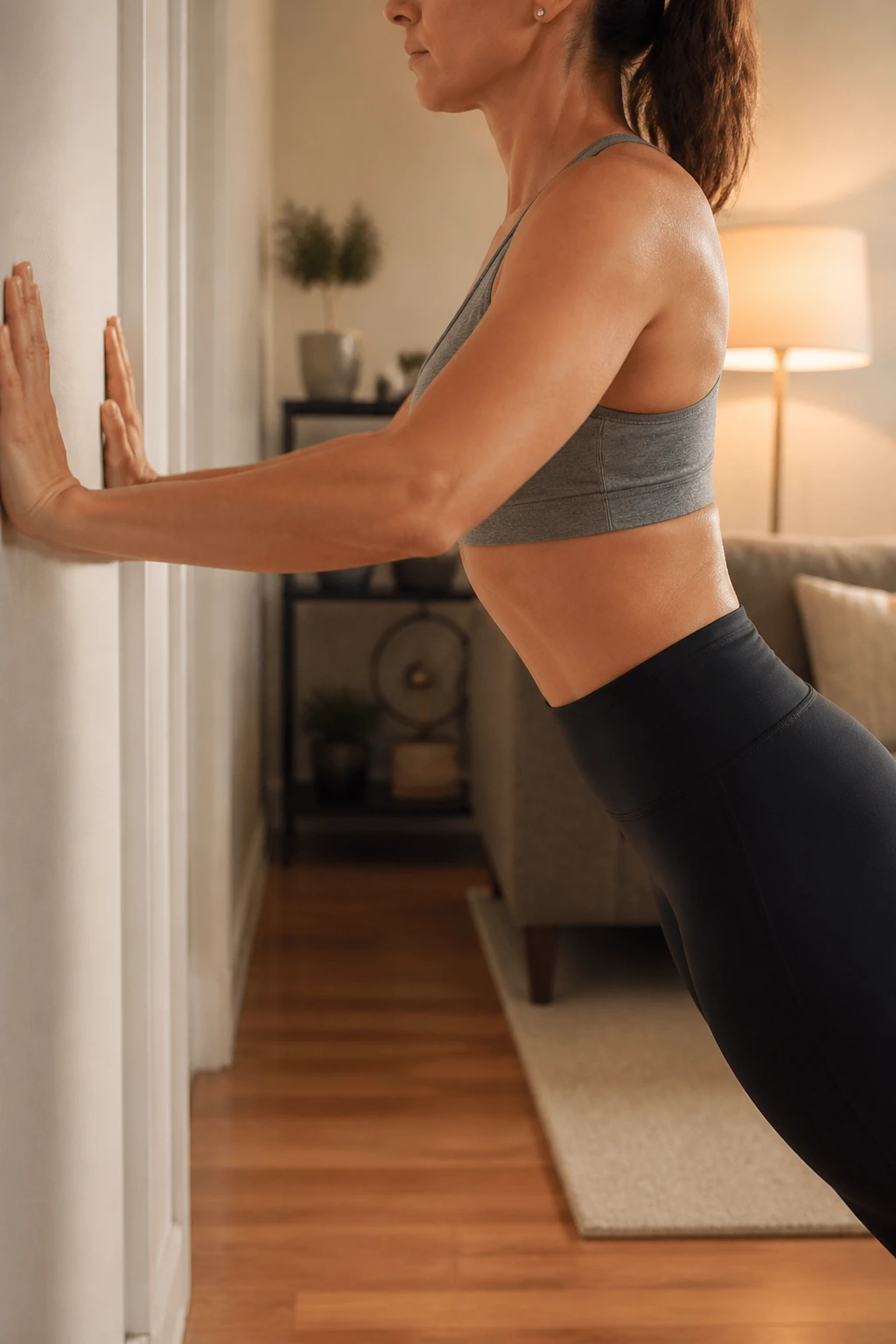
Yes. Start with wall push-ups, then move to a countertop, then a sturdy bench, and only later go to the floor. The win here is not bragging rights. It is learning how to brace your torso, keep your elbows from flaring like wings, and press with control instead of flopping through the rep.
A good starting dose is 3 sets of 8 to 12 reps, three times a week. Keep your body in a straight line from head to heels, and stop each set when the last rep slows down. That little pause matters. It teaches you what good effort feels like without turning the movement into a shrug.
3. 30-Day Squat Ladder Challenge
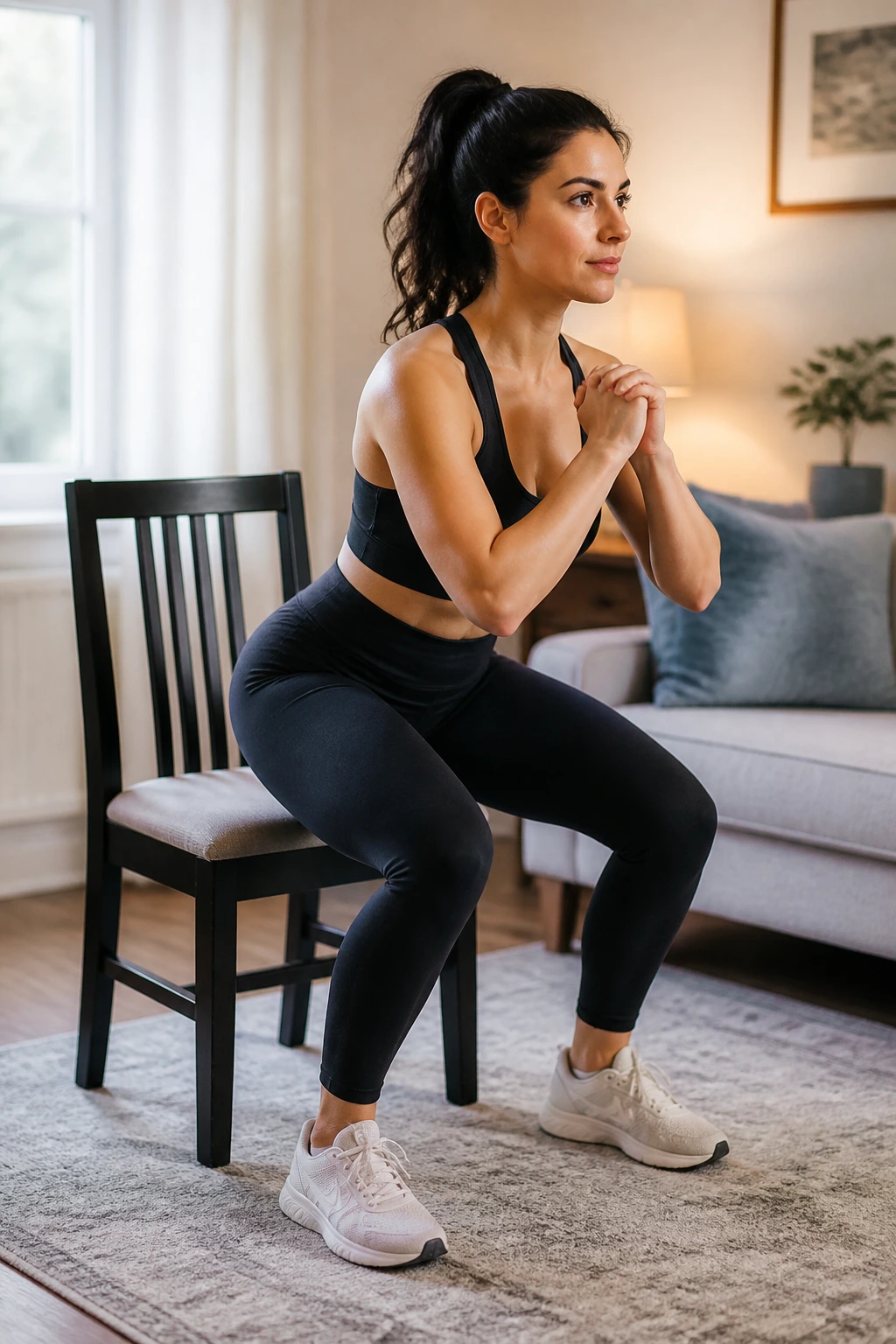
A lot of beginners quit squats because they chase depth before control.
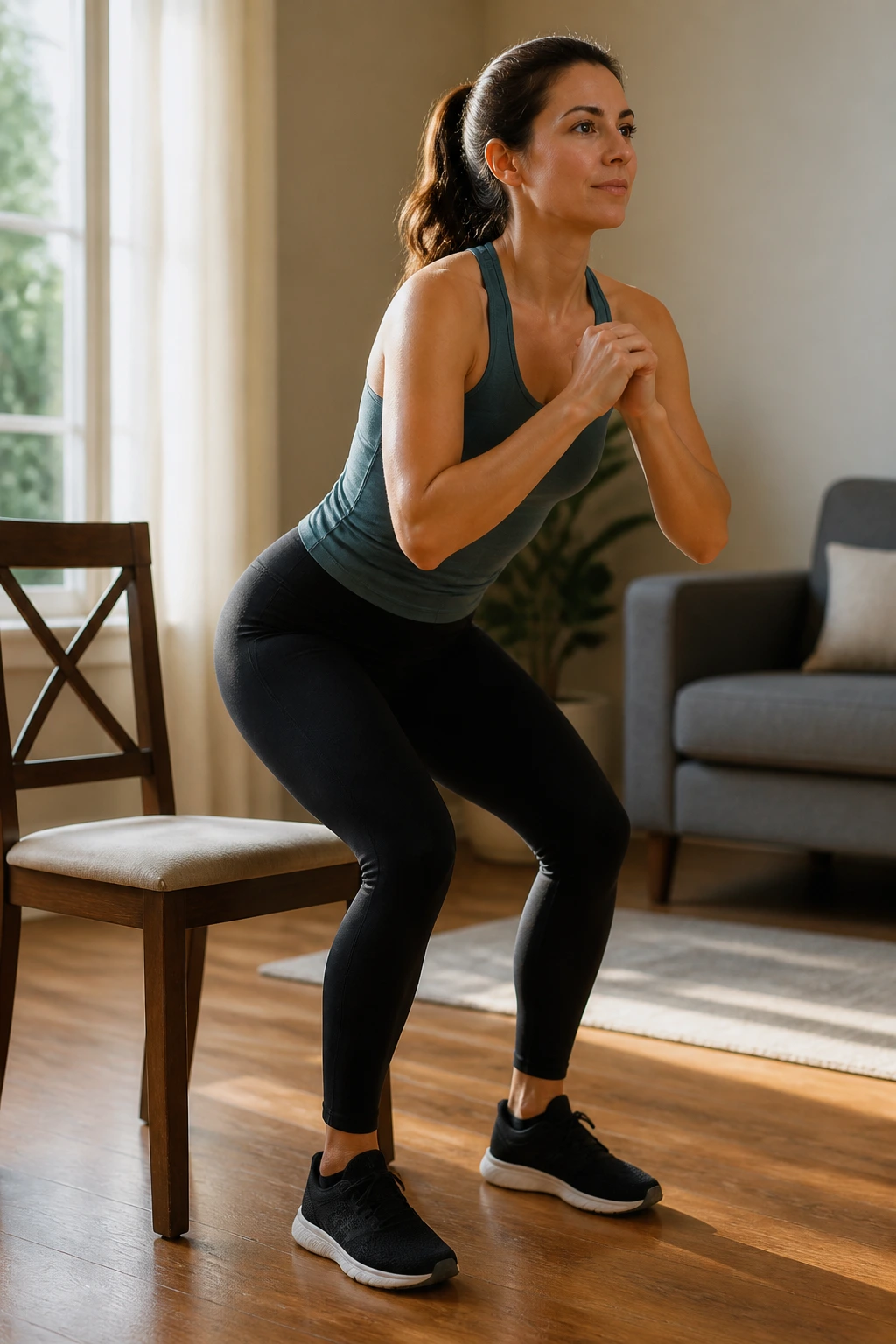
Start with a chair behind you and use it as a target. On days 1 through 10, do 10 bodyweight squats a day. Days 11 through 20, go to 15 a day. Days 21 through 30, do 20 a day, or split them into 2 sets of 10 if that keeps your form clean. Not fancy. Just repeatable.
How to Keep Your Knees Happy
Your knees do not need to be locked in place; they need to track in the same direction as your toes. That small detail saves people from a lot of sloppy reps.
- Sit back slightly as if reaching for the chair
- Keep your heels down
- Stand up by driving through the whole foot
- Stop if your knees cave inward
And yes, a shallow squat counts. You are training the pattern first.
4. Beginner Plank Accumulation Challenge
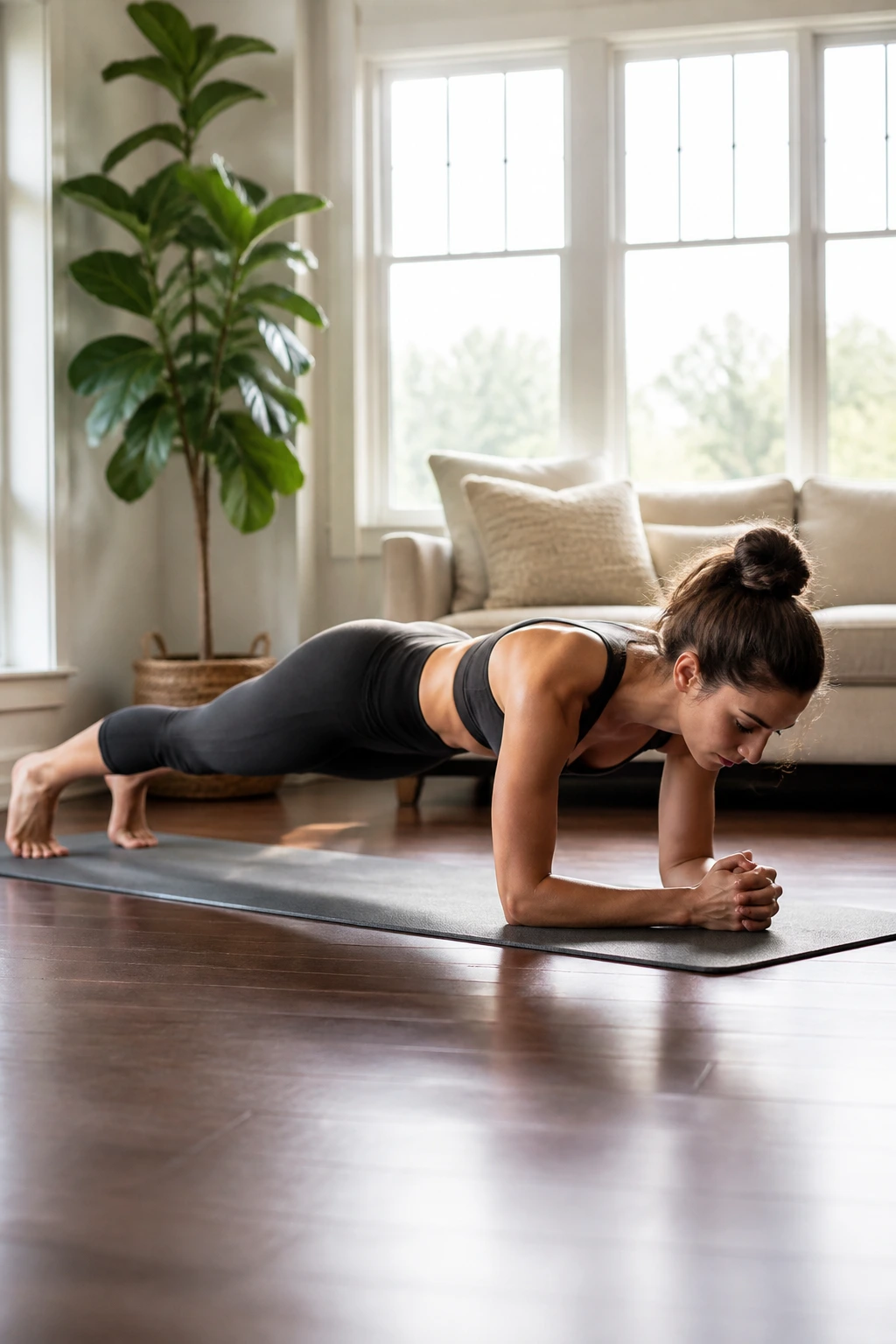
A 30-second plank is fine. Ten good 10-second holds can be better.
This challenge is about total time under tension, not one heroic hold that leaves your lower back angry. On day 1, try 3 rounds of 10 seconds. Build toward 4 rounds of 20 seconds by the middle of the month, then 3 rounds of 30 seconds near the end if the shape stays solid.
Do not chase the clock if your hips are sagging. Squeeze your glutes, press the floor away, and keep your ribs from popping up. The plank should feel like work in the belly and shoulders, not like a strain in the neck.
5. Low-Impact Cardio Interval Challenge

Your breathing should pick up. Your joints should not protest.
That is the sweet spot for this one. Rotate through 30 seconds of marching in place, step jacks, shadow boxing, and side steps, then take 30 seconds of easy walking. Do 6 to 10 rounds depending on how you feel. This gives you a real cardio challenge without the jump-scare impact of burpees.
I like this format because it is easy to scale. Marching feels too easy? Lift the knees a little higher. Shadow boxing too awkward? Keep your fists light and just move the feet. You are building the habit of working hard for short bursts, then recovering on purpose. That skill matters later.
6. Resistance Band Full-Body Challenge
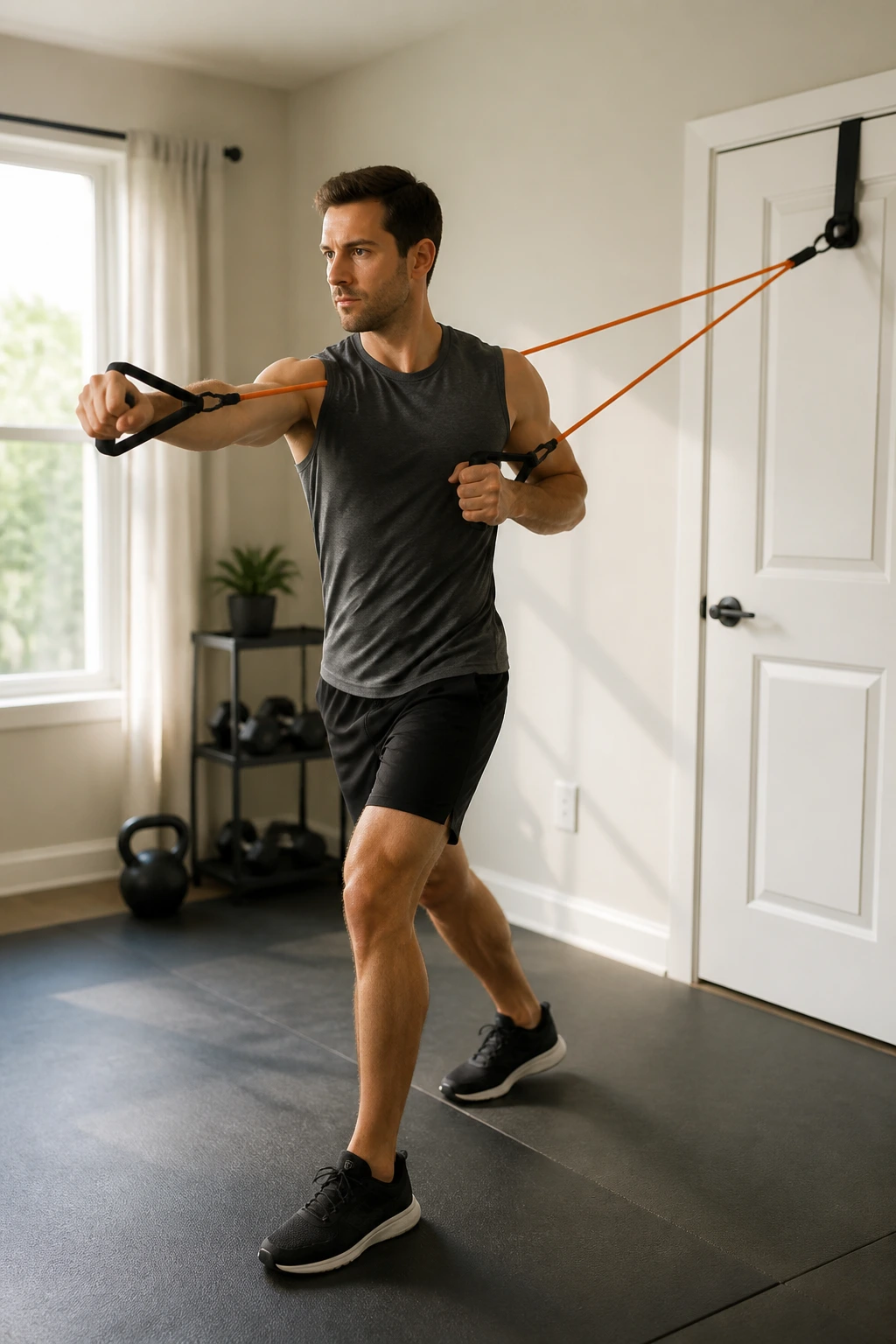
Unlike random machines at the gym, bands teach you to control both the push and the return.
Loop a band around a sturdy post or use a door anchor if you have one that feels secure. Then cycle through band squats, rows, chest presses, lateral walks, and pull-aparts. Do 2 to 3 rounds, 8 to 15 reps each, three days a week. The band should feel challenging near the end of the set, not impossible from the first rep.
The best part? Bands are cheap, light, and easy to stash in a drawer. The annoying part is that they can snap back if you lose control, so don’t rush the release. Slow the return phase down. That is where a lot of the work happens.
7. Stair Climb Challenge
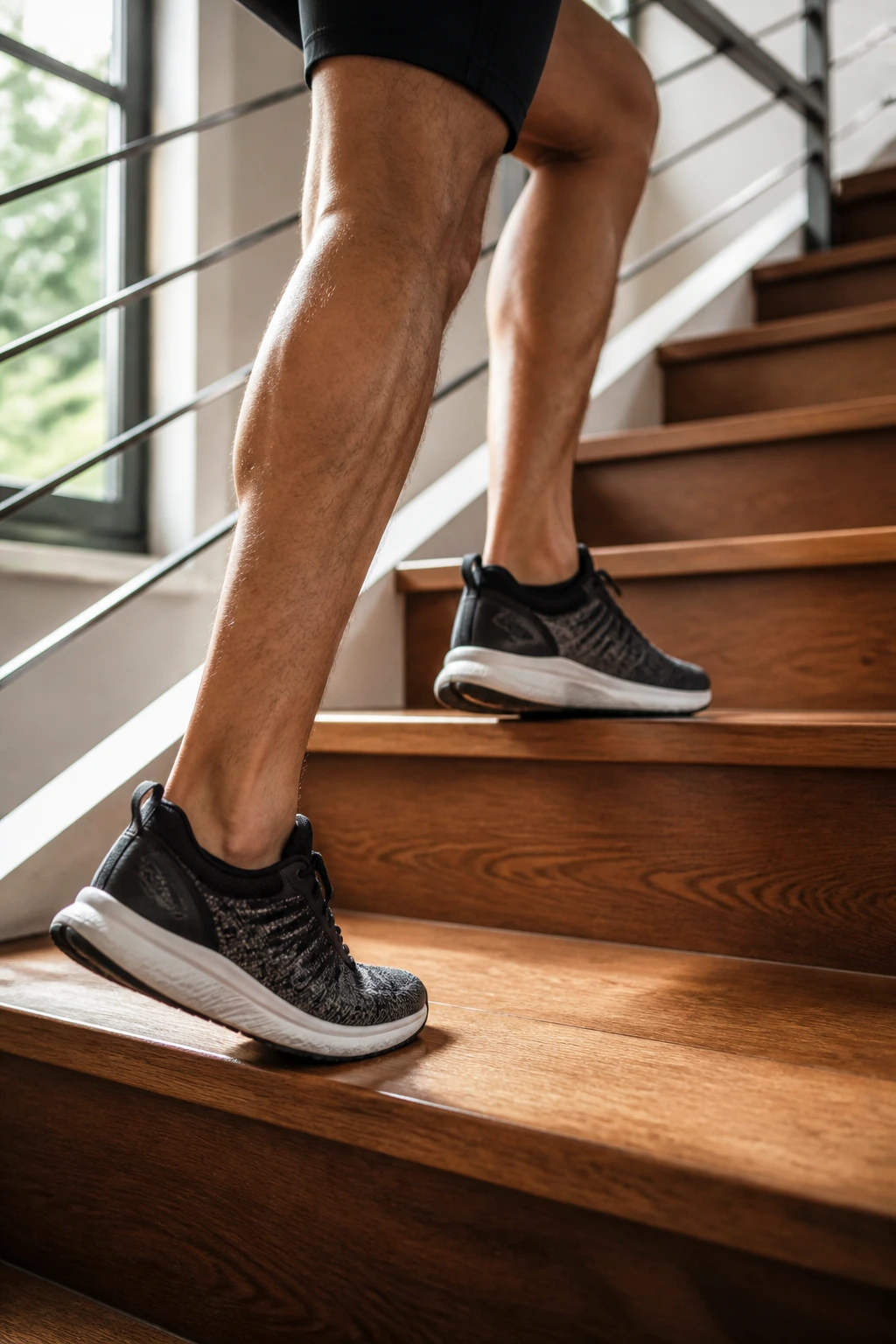
Stairs are rude in the best way.
If you have access to a staircase, you already have a built-in conditioning tool. Start with 5 minutes of steady climbing at a pace where you can still breathe through your nose for part of the effort. Rest on the landing or at the bottom, then repeat. Add 1 to 2 minutes every few sessions until you can handle 15 minutes without feeling cooked.
What to Watch For
The point is steady effort, not racing. Short steps usually feel better than long lunges up each stair.
- Use the rail if balance feels off
- Keep your torso tall
- Step down with control; don’t fling yourself downhill
- Stop if your calves or knees get sharp pain
A staircase can humble you fast. That is part of the appeal.
8. Core Stability Challenge
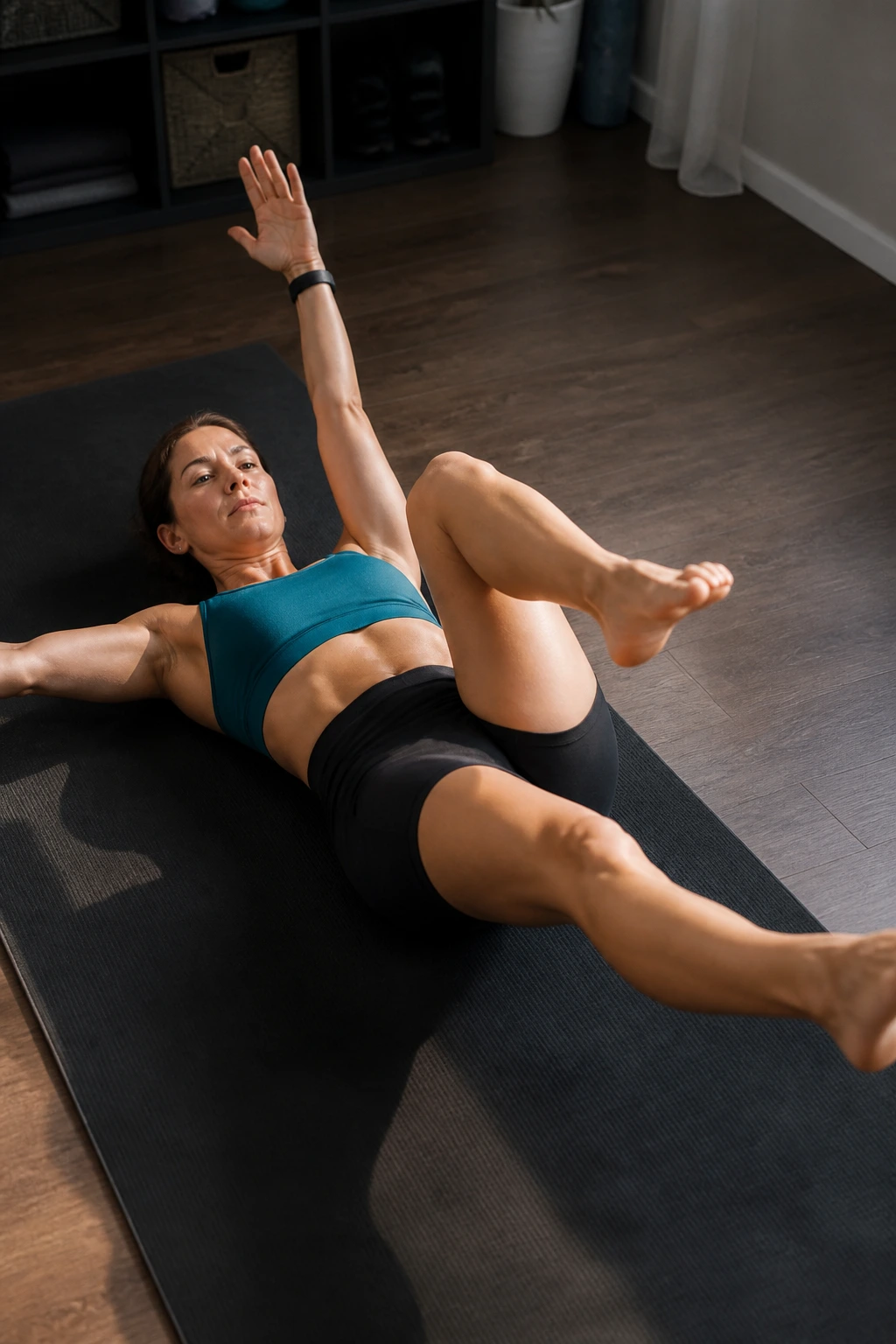
Why do dead bugs and bird dogs matter so much?
Because the core is not just about crunches. It is about stopping your lower back from arching, twisting, or collapsing when your arms and legs move. Begin with dead bugs, bird dogs, and side planks. Try 2 sets of 6 to 8 slow reps per side for the moving drills and 15 to 20-second holds for the side plank.
Keep the movements small and clean. If your lower back lifts off the floor during a dead bug, shorten the range. If a side plank feels like a shoulder fight, bend your knees and stack them instead of going full lever right away. The challenge is control. Not exhaustion.
9. Step Count Ramp-Up Challenge
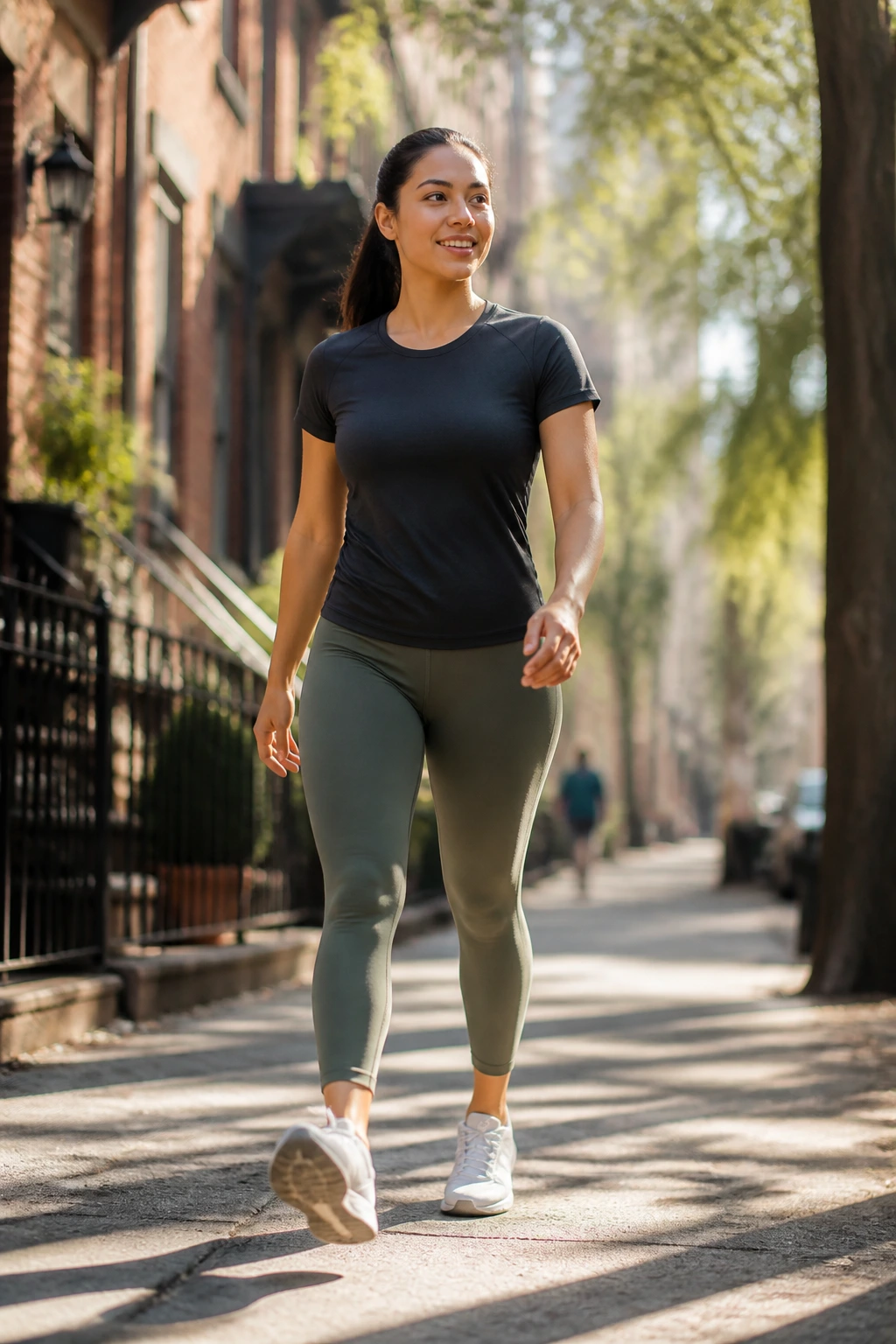
If you’re starting from 3,000 steps, jumping to 10,000 is a good way to hate your own life.
This challenge works by nudging your baseline upward in small chunks. Add 500 to 1,000 steps a day every 5 days. That might mean a short walk after lunch, a lap around the block after dinner, or pacing while you take phone calls. It adds up faster than people expect.
How to Make It Stick
You do not need a perfect step target. You need repeatable places to get the steps.
- Park a little farther away
- Walk during one phone call a day
- Take a 5-minute lap after meals
- Use stairs for one trip instead of the elevator
By the end of 30 days, your walking volume can be meaningfully higher without one brutal workout.
10. Glute Bridge and Hip Hinge Challenge
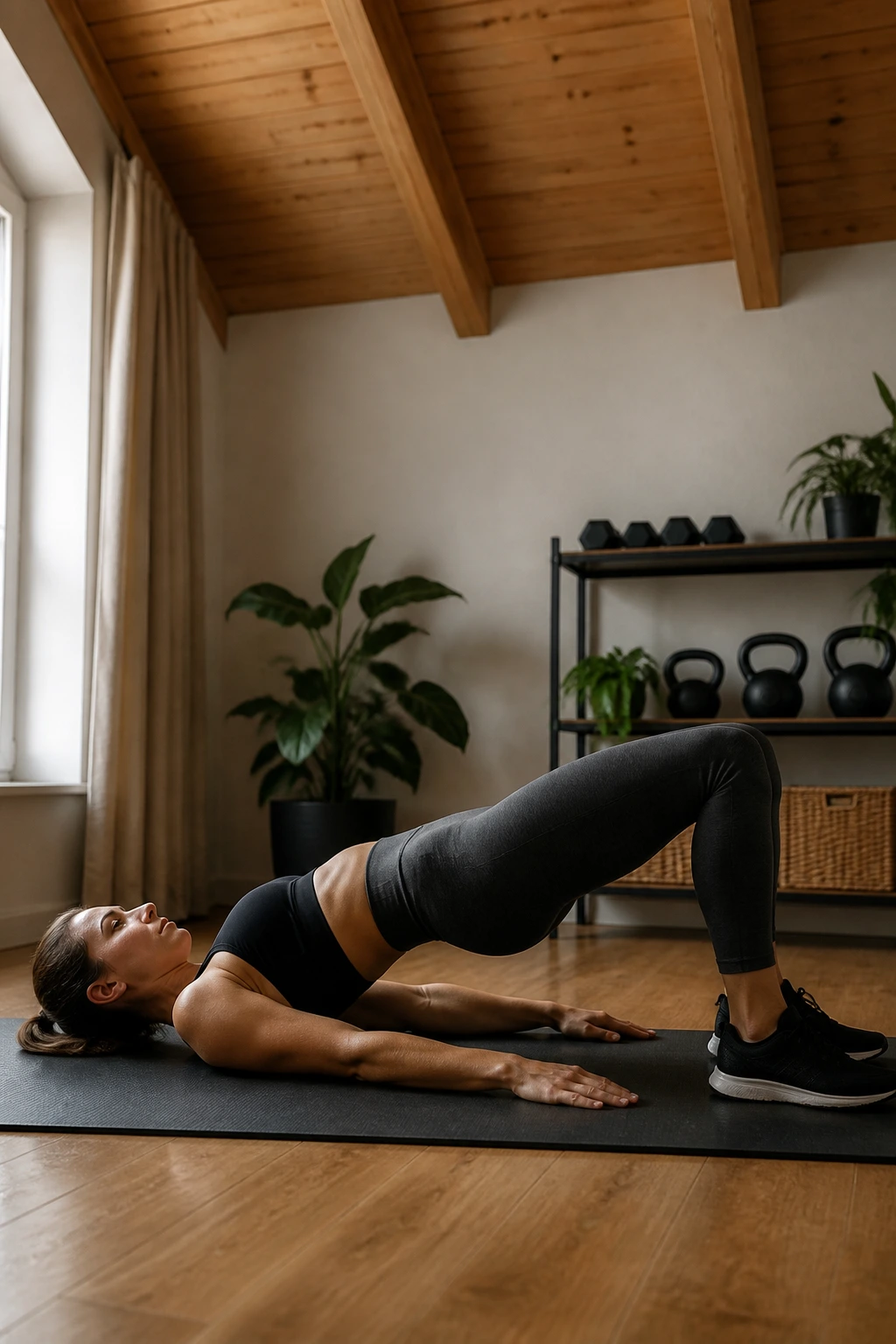
A lot of beginner backs complain because the hips are asleep.
Glute bridges wake them up fast. Lie on the floor, bend your knees, plant your feet, and lift your hips until your body makes a long line from shoulders to knees. Do 3 sets of 10 to 15 reps, pausing for 1 second at the top. After that, practice a hip hinge with your hands on your hips or a broomstick along your spine.
The hinge matters because it teaches you to bend at the hips instead of folding your lower back. That pattern carries over into squats, deadlifts, and even picking up laundry without grunting. Small move. Big payoff.
11. Dance Cardio Challenge

Dance cardio works best when you stop worrying about looking smooth.
Pick a playlist with 3 to 5 songs and move for the whole track, then rest for 30 to 60 seconds before the next one. You can repeat the same songs for a week if that keeps things simple. Step-touch, grapevine, knee lifts, arm swings — none of it needs to be graceful.
What matters is that your heart rate rises and you stay loose enough to keep going. Shoulders down. Jaw unclenched. Feet moving. I like this one for people who get bored fast, because the music does half the mental work. If you dread exercise, this challenge can sneak around that problem.
12. Yoga Flow and Recovery Challenge
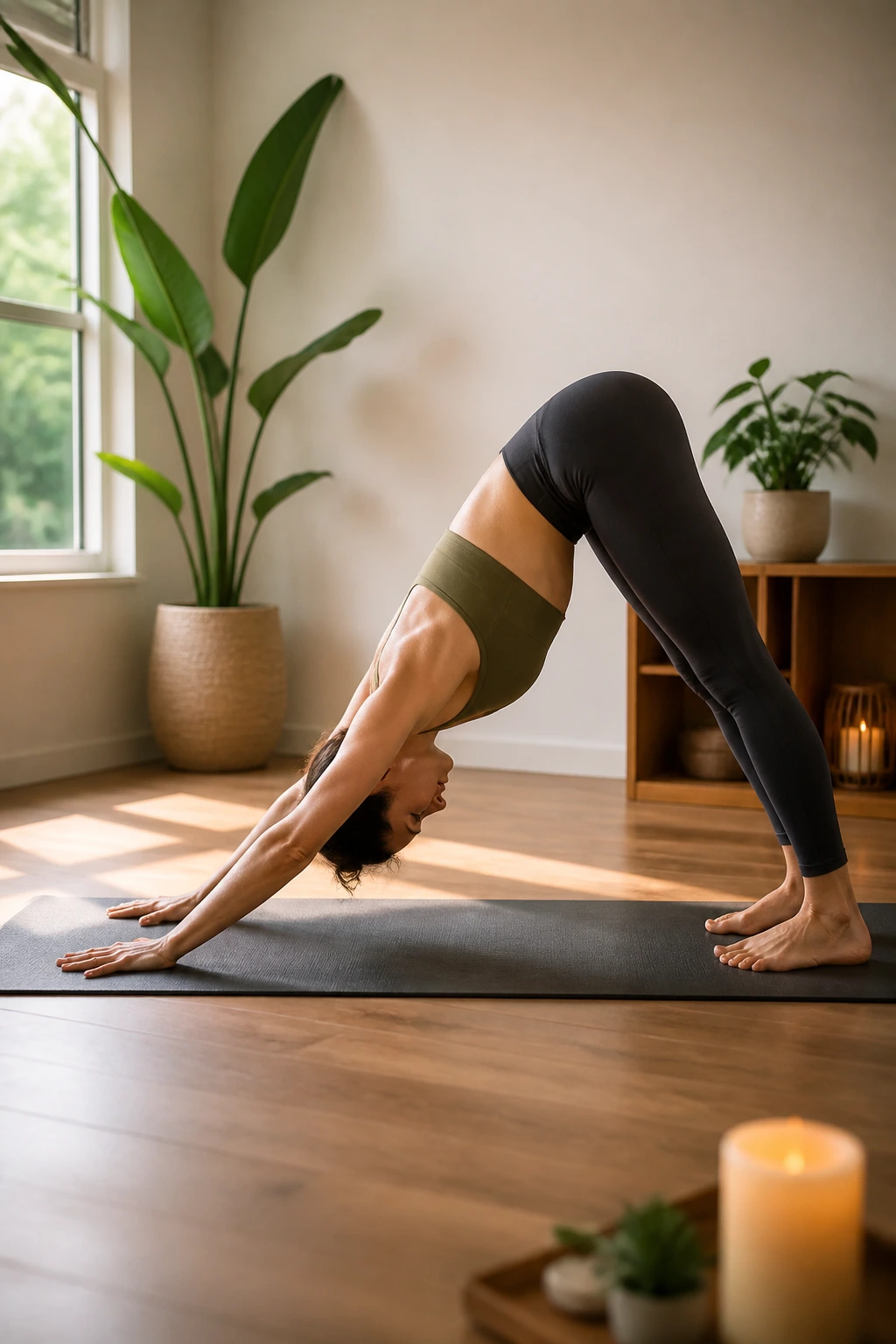
What if the challenge is to recover on purpose?
That sounds soft until you’ve spent a week with tight hips and a cranky lower back. A beginner yoga flow can be as simple as cat-cow, child’s pose, low lunge, downward dog, and a gentle standing forward fold. Spend 10 to 15 minutes on it, most days of the month, and move slowly enough that your breathing stays smooth.
A Simple Daily Flow
Try one round of each movement, then repeat if your body wants more.
- Cat-cow for 5 slow breaths
- Child’s pose for 30 seconds
- Low lunge for 3 breaths per side
- Downward dog for 5 breaths
- Forward fold for 5 breaths
No need to turn it into a performance. The goal is to feel less stiff when you stand up.
13. Beginner Run-Walk Challenge

Day 1 can be 1 minute of jogging and 2 minutes of walking, repeated 8 times. That is enough.
A run-walk plan is one of the cleanest ways to build endurance without getting trashed by it. Add a little more jogging time every 4 to 5 sessions — maybe 90 seconds jog, 2 minutes walk, then 2 minutes jog, 90 seconds walk. By the end of the month, some beginners can run longer stretches. Others just feel more comfortable moving. Both count.
Pick flat ground, decent shoes, and a pace that feels slightly too slow. That last part matters. If you start too fast, the challenge becomes a survival test. Keep the jog conversational, and let the walking breaks do their job.
14. Dumbbell Strength Challenge
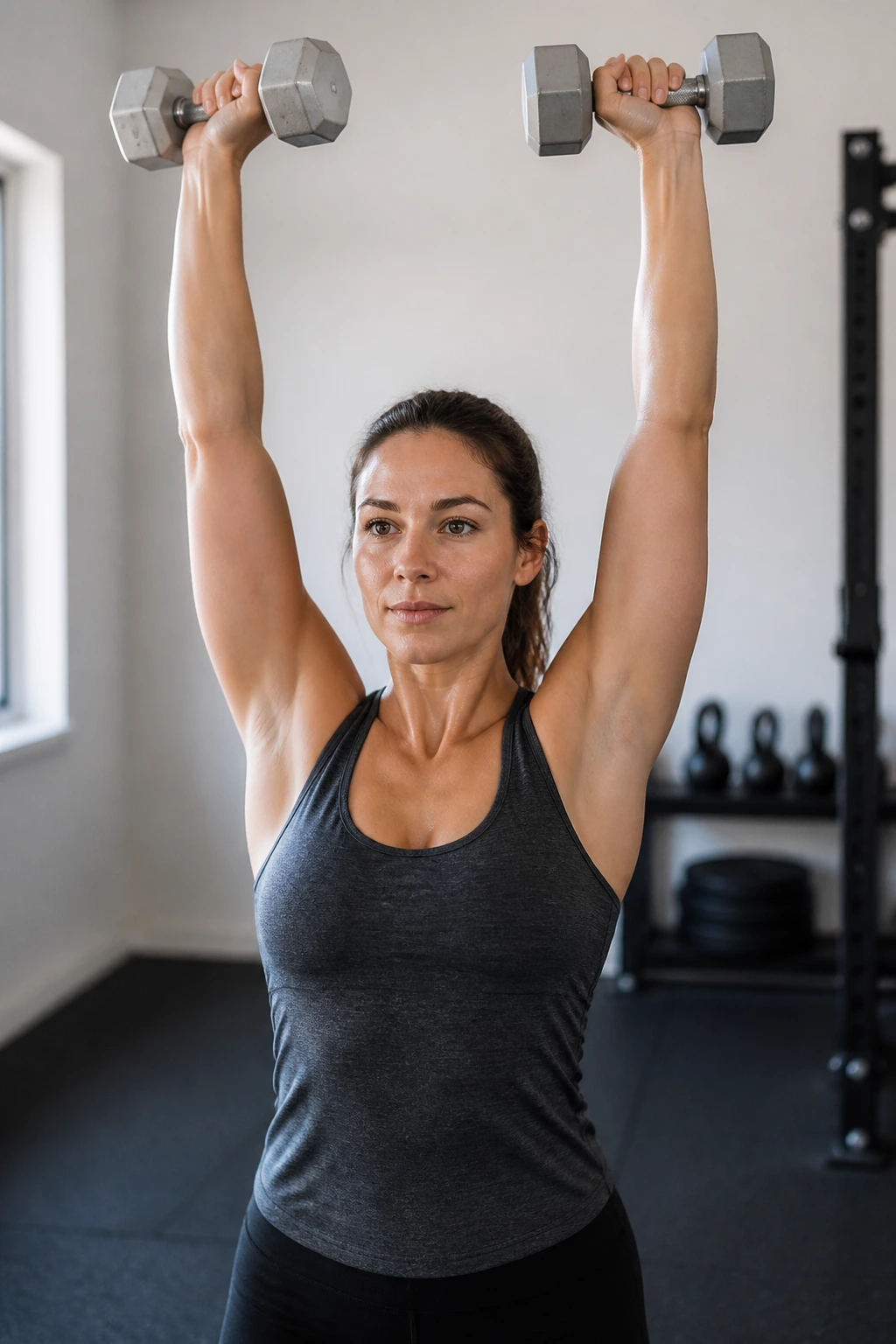
Two light dumbbells can do more than a whole rack you never touch.
Use them for goblet squats, floor presses, one-arm rows, Romanian deadlifts, and overhead presses. Start with 2 to 3 sessions a week, 2 sets of 8 reps each, then move to 3 sets once the form looks tidy. If the last two reps feel sloppy, the weight is too heavy or the pace is too fast.
The key is keeping the movements honest. Floor presses should touch down lightly, not bounce. Rows should pull the elbow back, not jerk the shoulder. A small pair of dumbbells can teach real strength if you use them with patience.
15. Chair Workout Challenge
Need a plan that works from a chair or during a rough week?
This one does. Start with seated marches, chair sit-to-stands, overhead reaches, seated knee extensions, and wall push-ups. A beginner can do 2 rounds of 8 to 12 reps for each move, with plenty of breathing room. It looks simple because it is simple. That is the point.
The best part is how easy it is to make this feel like a real workout without needing a mat or a lot of floor space. Sit tall, move with intention, and avoid bouncing through the reps. If getting down to the floor is a hassle, this challenge removes that excuse without making the session weak.
16. Posture and Upper Back Challenge
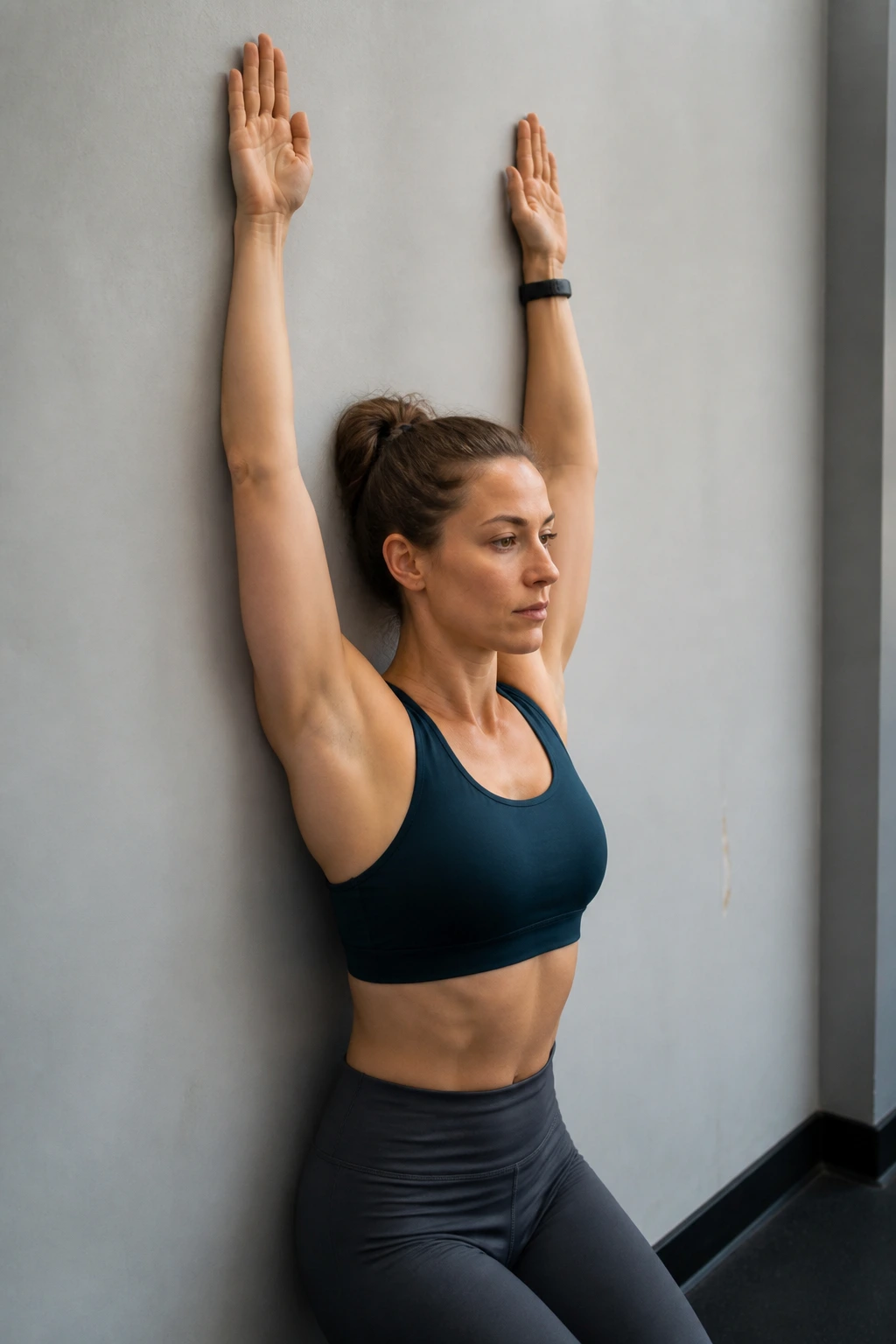
If you sit all day, the back of your body starts acting lazy.
This challenge wakes it up with wall slides, band rows, reverse flies with very light weights or no weight at all, and chin tucks. You can do 2 to 3 sets of 10 reps, three times a week, or spread the work into 5-minute posture breaks during the day. The point is not to stand like a soldier. It is to give your shoulders something better to do than curl inward.
A strong upper back also makes your walking, pressing, and carrying work feel cleaner. Oddly enough, people notice the change faster than they expect — not because they look different right away, but because their neck and shoulders stop feeling cooked.
17. Balance and Ankle Strength Challenge
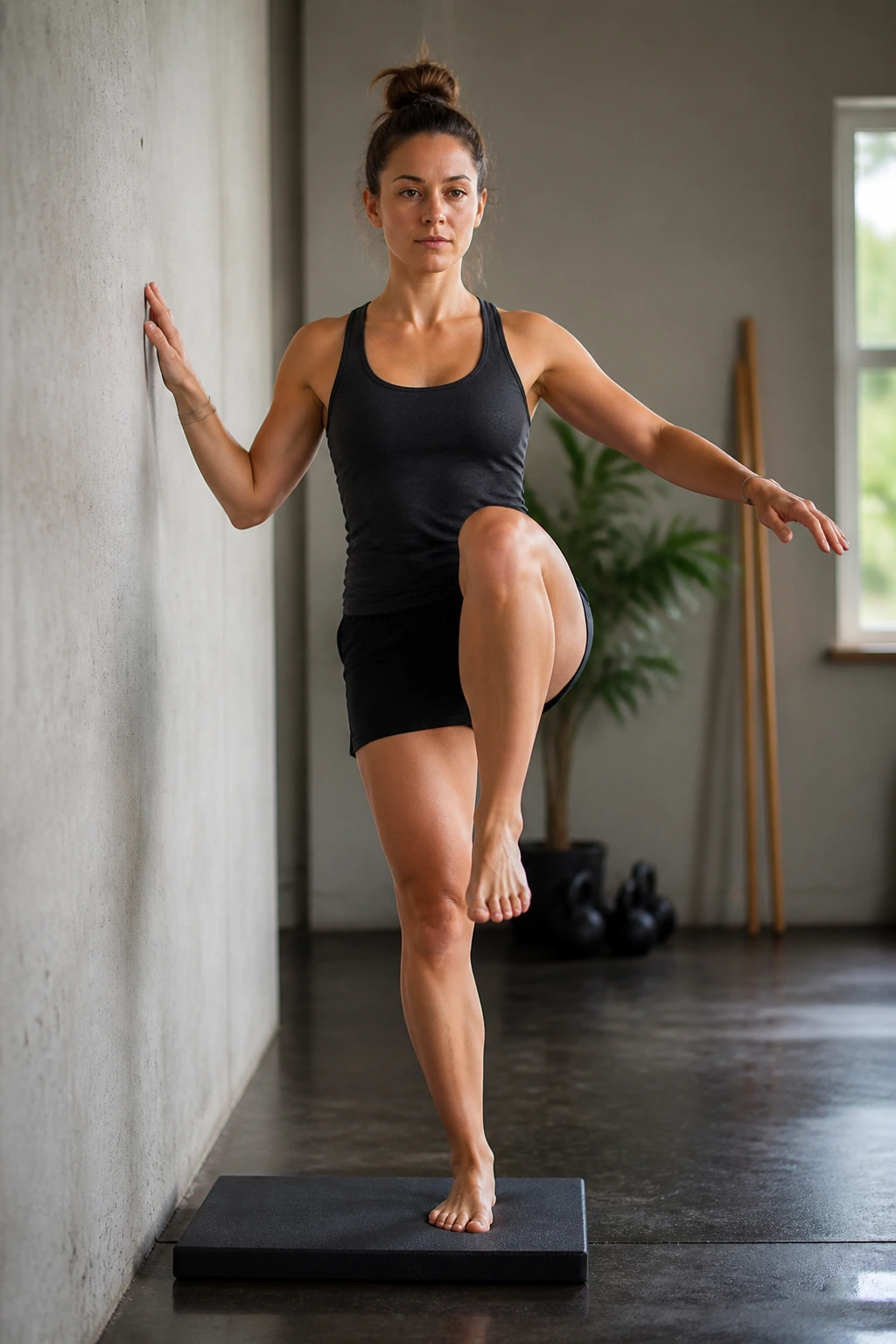
Balance training feels small until you lose it.
Start with single-leg stands for 20 to 30 seconds, heel-to-toe walks, slow calf raises, and ankle circles. Do them near a wall or countertop so you can catch yourself. After a week or so, try closing your eyes for a few seconds during the single-leg stand, but only if the open-eyed version feels steady.
Tiny Moves That Pay Off
Your feet do a lot more than people think. Treat them like part of the workout.
- Calf raises: 2 sets of 15
- Single-leg stand: 3 rounds per side
- Heel-to-toe walk: 10 slow steps
- Ankle circles: 5 each direction
Barefoot work can help on a safe, non-slippery floor, but skip it if your feet get cranky.
18. Kettlebell Basics Challenge
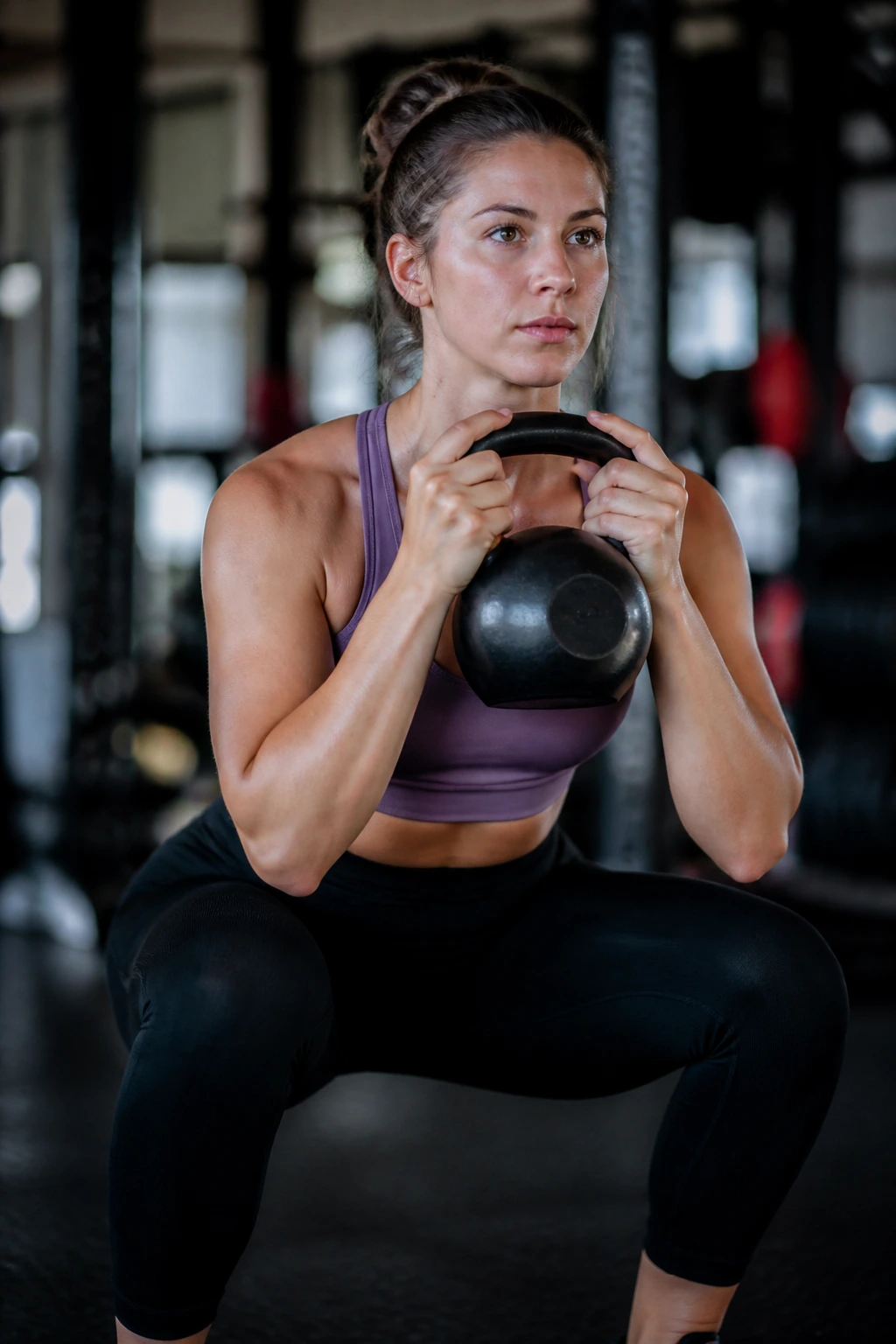
A kettlebell deadlift should feel crisp, not floppy.
If you have one, start with deadlifts, goblet squats, and suitcase carries. For many beginners, a kettlebell in the 8 to 12 kg range is enough to learn the hinge without turning the workout into a wrestling match. Use 2 to 3 sets of 6 to 10 reps for the lifts and 20 to 40-second carries per side.
The bell wants you to stay organized. Grip it, brace, stand tall, and lower it with control. If you do not have a kettlebell, a dumbbell works fine. The movement pattern matters more than the tool.
19. Backyard Circuit Challenge
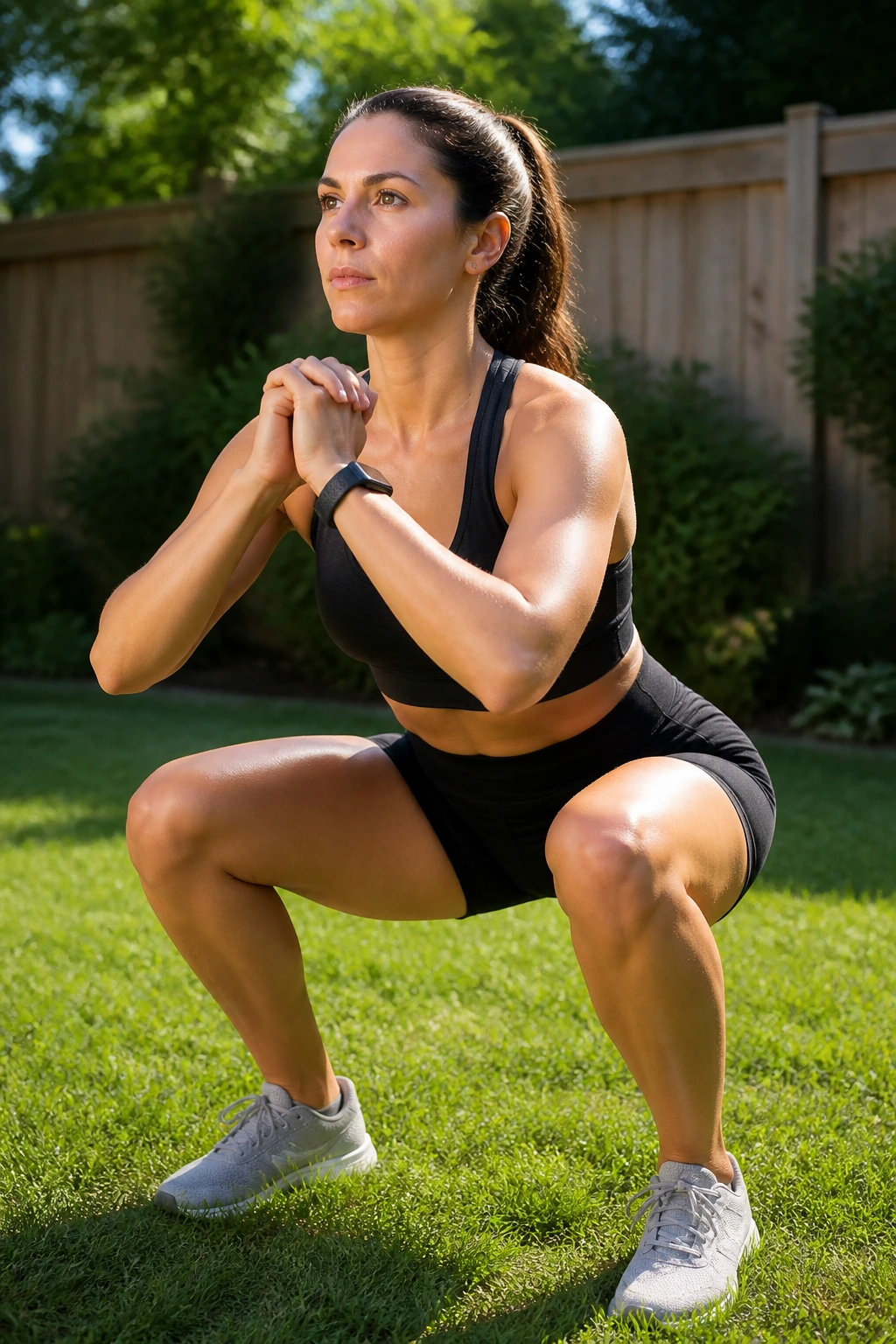
Unlike a gym plan, this one does not care if you’re in your driveway, on the patio, or in a patch of shade behind the house.
Choose 4 moves: bodyweight squats, incline push-ups on a bench, reverse lunges, and a plank or march in place. Do 2 rounds for the first 10 days, 3 rounds for the middle 10, then 4 rounds or a slightly slower pace near the end. Give yourself 30 to 60 seconds of rest between moves if needed.
The backyard setting helps because it makes the workout feel less formal. There is less setup, less fuss, and fewer reasons to skip. Sometimes that matters more than the exercise selection itself.
20. Ground-Up Push-Up Challenge
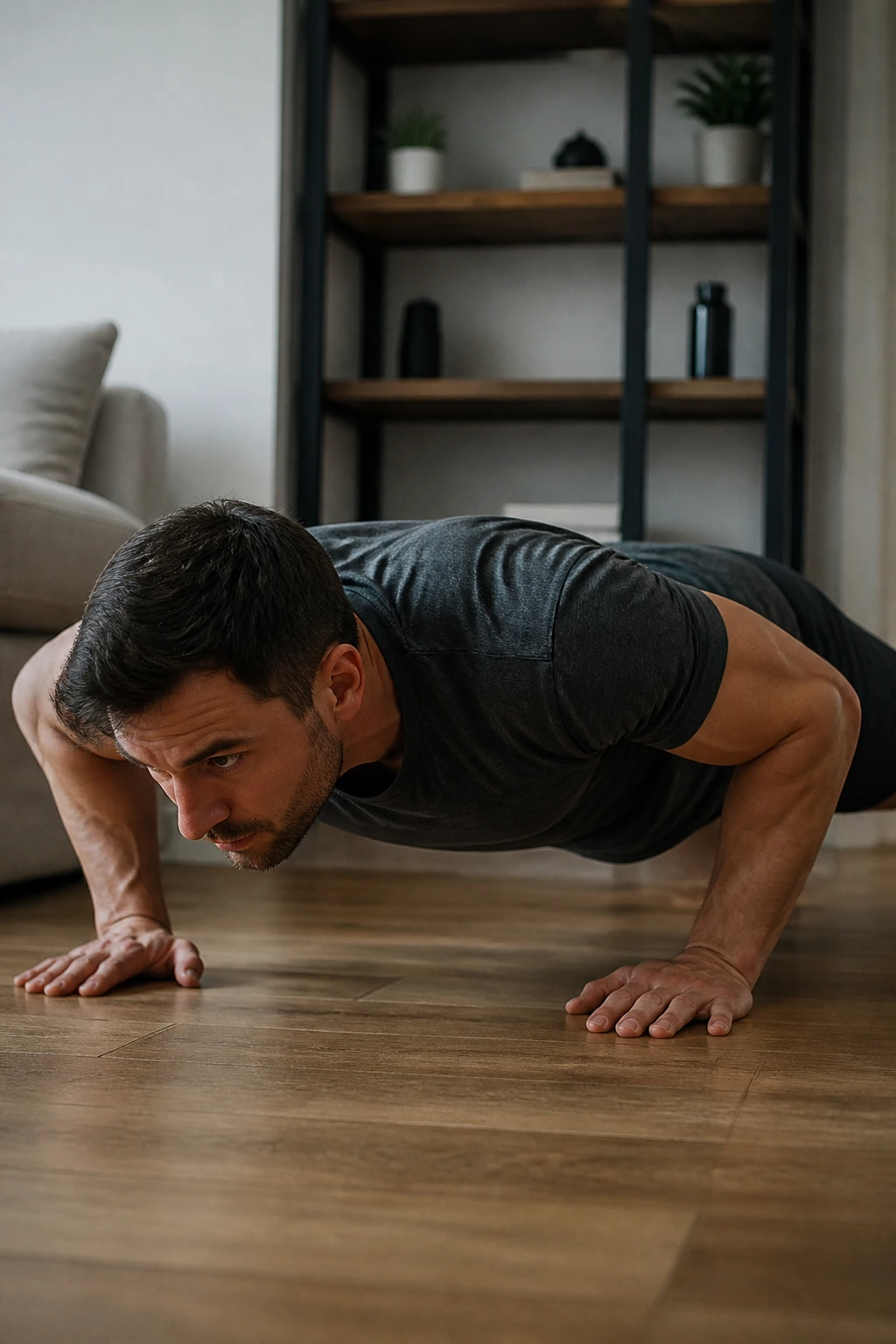
The floor is not the goal. Control is.
Start at the wall, move to a countertop, then a bench, then the knees, and finally the floor when your body is ready. Use 3 sets of 5 to 8 reps at each level, and stay there until the last rep looks clean. If your hips sag or your neck cranes forward, the level is too hard for now.
How to Move Up
The progression should feel almost boring. That’s good.
- Wall push-up: easiest starting point
- Counter push-up: a solid middle step
- Bench push-up: more bodyweight load
- Knee push-up: real floor strength builder
Do not rush the transition. One clean rep at a harder angle is worth more than ten messy ones.
21. Movement Snack Challenge
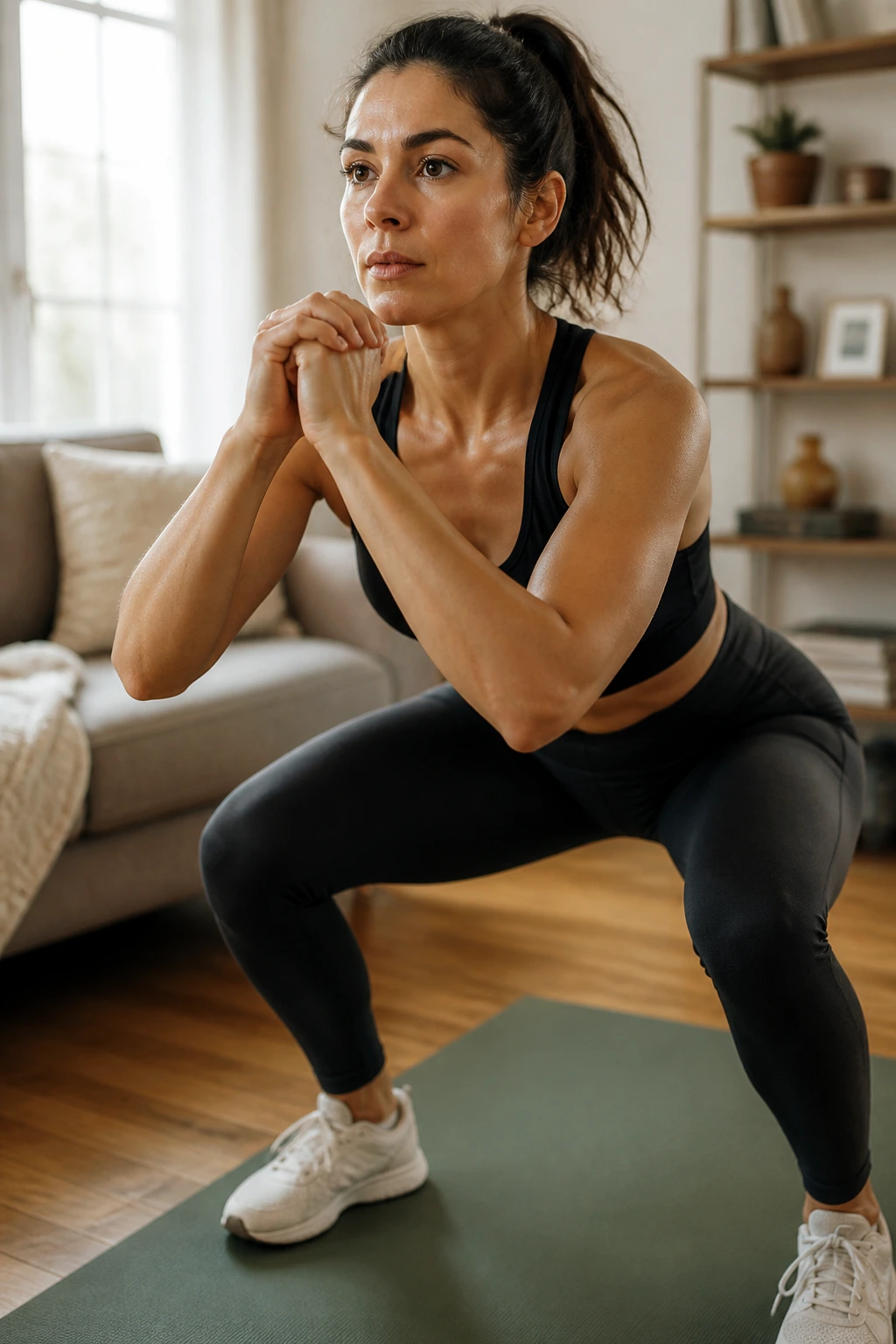
Can five minutes count? Absolutely.
This challenge uses short movement snacks scattered through the day: 1 minute of squats, 1 minute of marching, 1 minute of wall push-ups, 1 minute of stretching, and 1 minute of brisk walking. Do three or four of these mini-sessions and you’ve built a real amount of movement without carving out a full workout block.
I like this for busy people because it kills the all-or-nothing trap. A day with three tiny sessions is still a success. Put one snack after coffee, one after lunch, and one before dinner. That rhythm is easier to repeat than a heroic 45-minute plan you keep postponing.
22. Farmer Carry Challenge
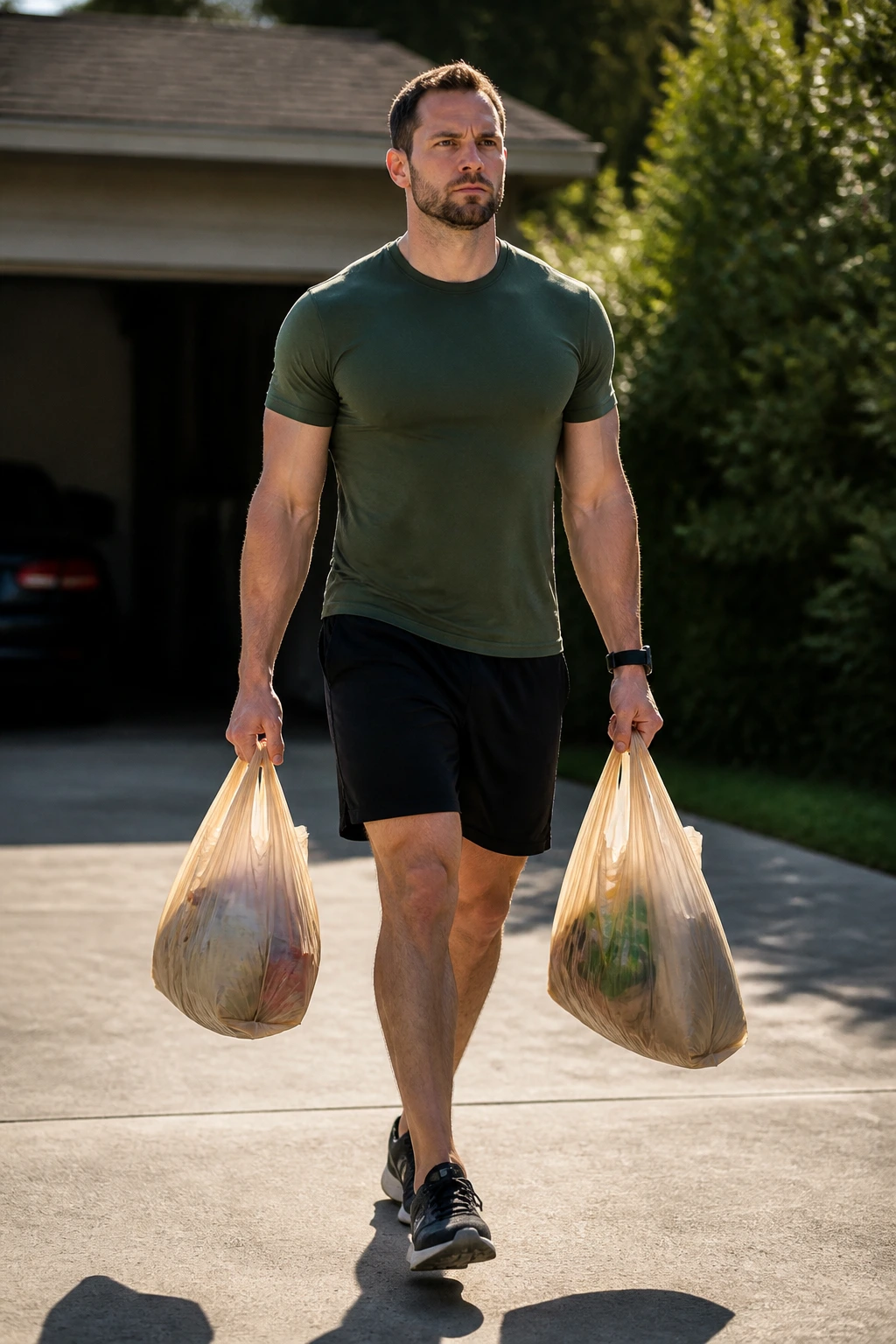
Pick up two bags of groceries and walk with purpose, and suddenly your core gets the message.
Farmer carries are simple: hold two dumbbells, kettlebells, or heavy grocery bags and walk for 20 to 40 seconds. Keep your ribs down, shoulders relaxed, and steps steady. Do 4 to 6 carries after a short warm-up, two or three times a week.
This challenge builds grip, posture, and trunk strength without a lot of moving parts. It also exposes sloppy habits fast. If you lean to one side, the load is uneven. If you shrug, the weight is too much or you are trying to survive the carry instead of owning it.
23. Low-Impact HIIT Challenge
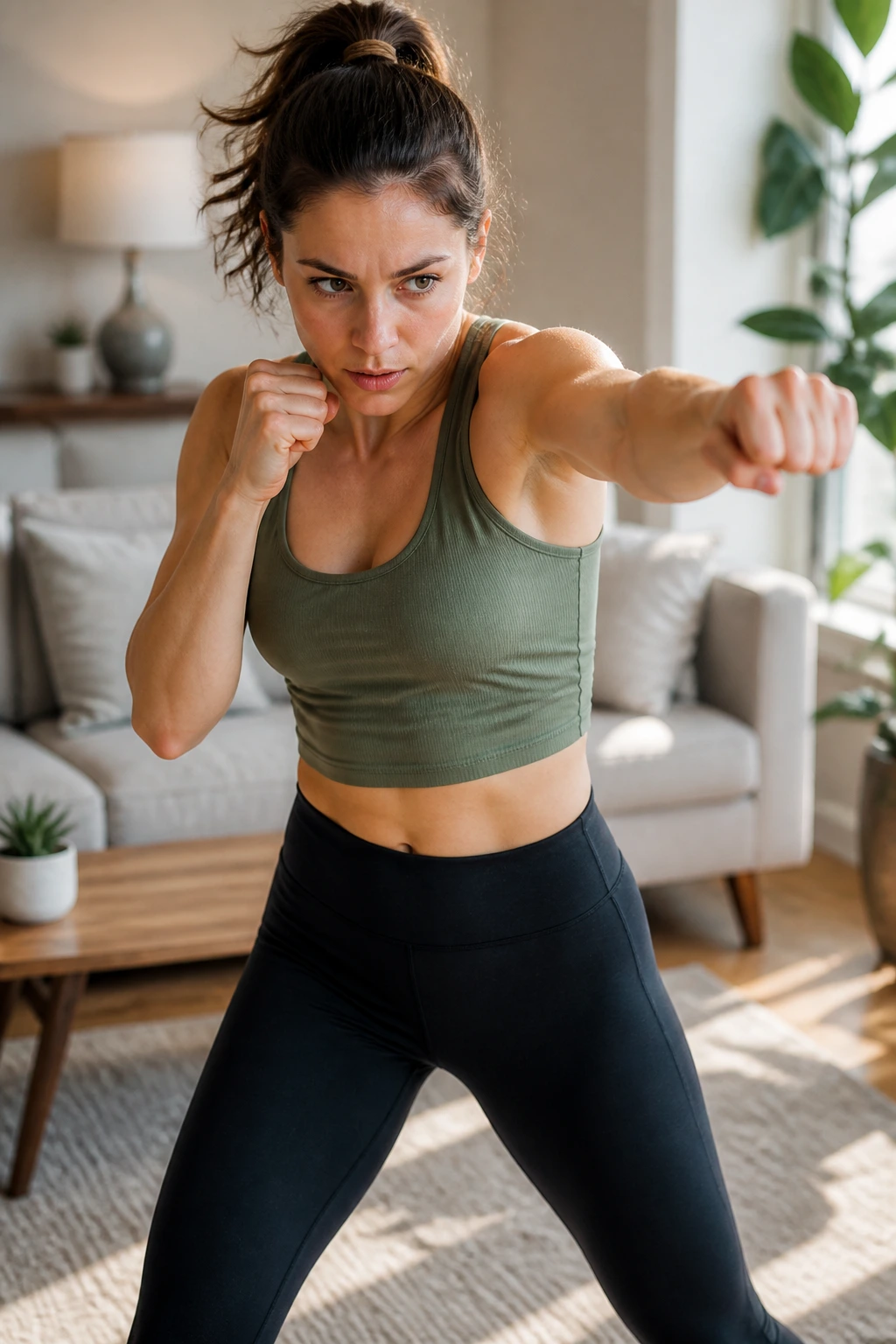
HIIT is fine for beginners if the “high” part is about effort, not chaos.
Use a timer with 20 seconds of work and 40 seconds of rest, then cycle through marching knees, step jacks, bodyweight squats, and shadow boxing. Start with 6 rounds and build to 10 rounds as the month goes on. The rest periods are not a weakness. They are what make the plan beginner-friendly.
Keep the moves clean enough that you could repeat them tomorrow without limping around. If your form breaks hard, the pace is too aggressive. The best low-impact intervals feel brisk, sweaty, and controlled — not like an emergency.
24. Squat-to-Stand Mobility Challenge
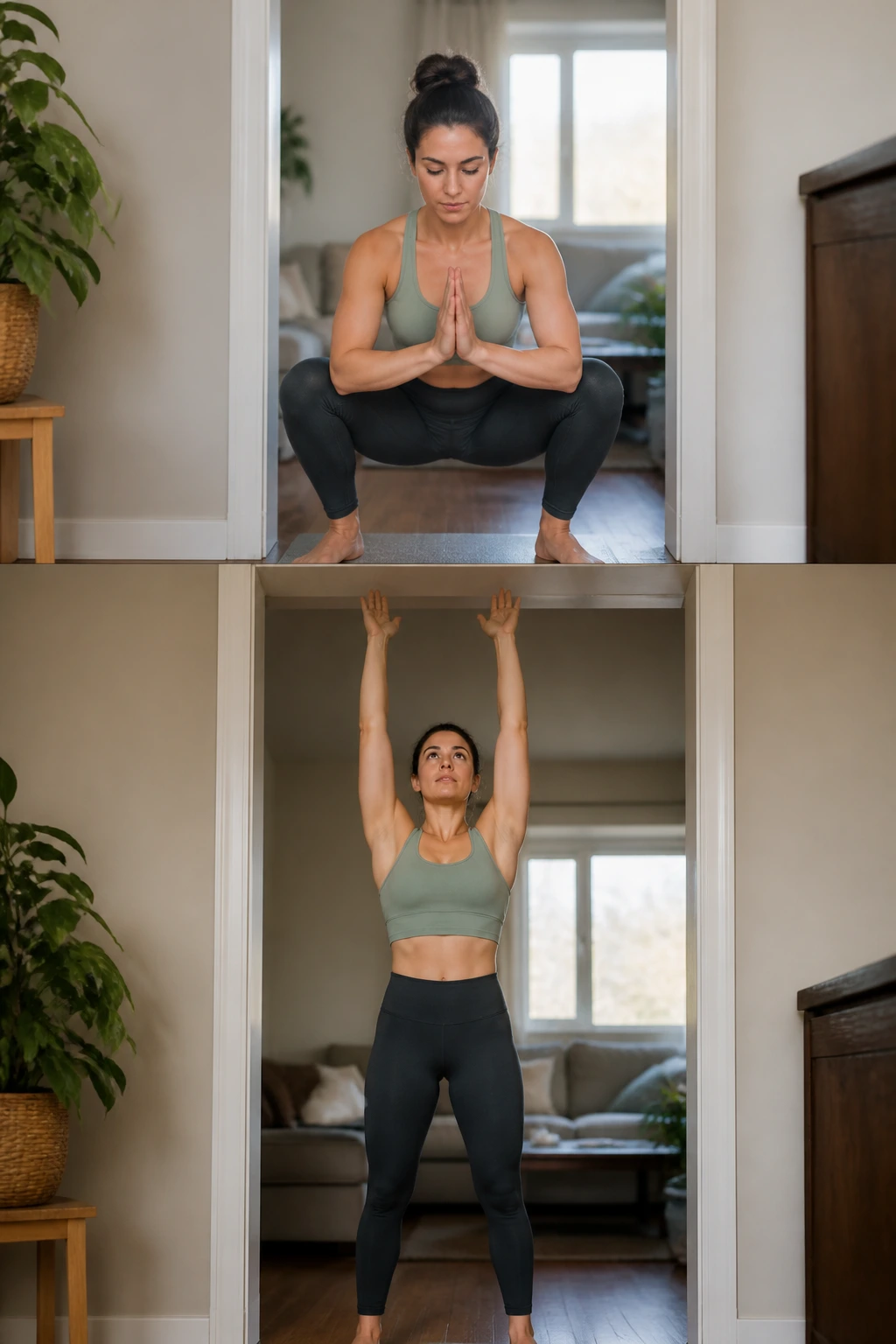
Sink into a squat, stand tall, and do it again. Simple, but not careless.
This mobility pattern opens the hips and ankles while teaching your body how to move from the floor to standing without stiffness. Hold the bottom of a supported squat for 3 to 5 breaths, then stand and reach overhead. Repeat 5 to 8 times during a session, or use it as a warm-up before your main workout.
A doorway, countertop, or sturdy chair makes the movement easier. If your heels pop up, widen your stance a little and shorten the depth. The position should feel useful, not like a test you’re trying to pass.
25. Walking Hills Challenge

A hill is a cheap piece of gym equipment.
Find a mild incline outside or raise the treadmill setting a little, then walk uphill for 30 to 90 seconds at a time. Recover on the way down or on flat ground. Start with 5 rounds and build toward 10 rounds over the month. Keep the pace brisk enough to challenge your lungs, but not so hard that you need to stop and gulp air every time.
Hill Rules That Save Your Legs
The trick is staying smooth on the way up. Shorter steps usually win.
- Lean slightly from the ankles, not the waist
- Keep your chin level
- Drive through the whole foot
- Slow down if your calves start cramping
Hills make even a short walk feel honest. I’m a fan.
26. Breathing and Bracing Challenge
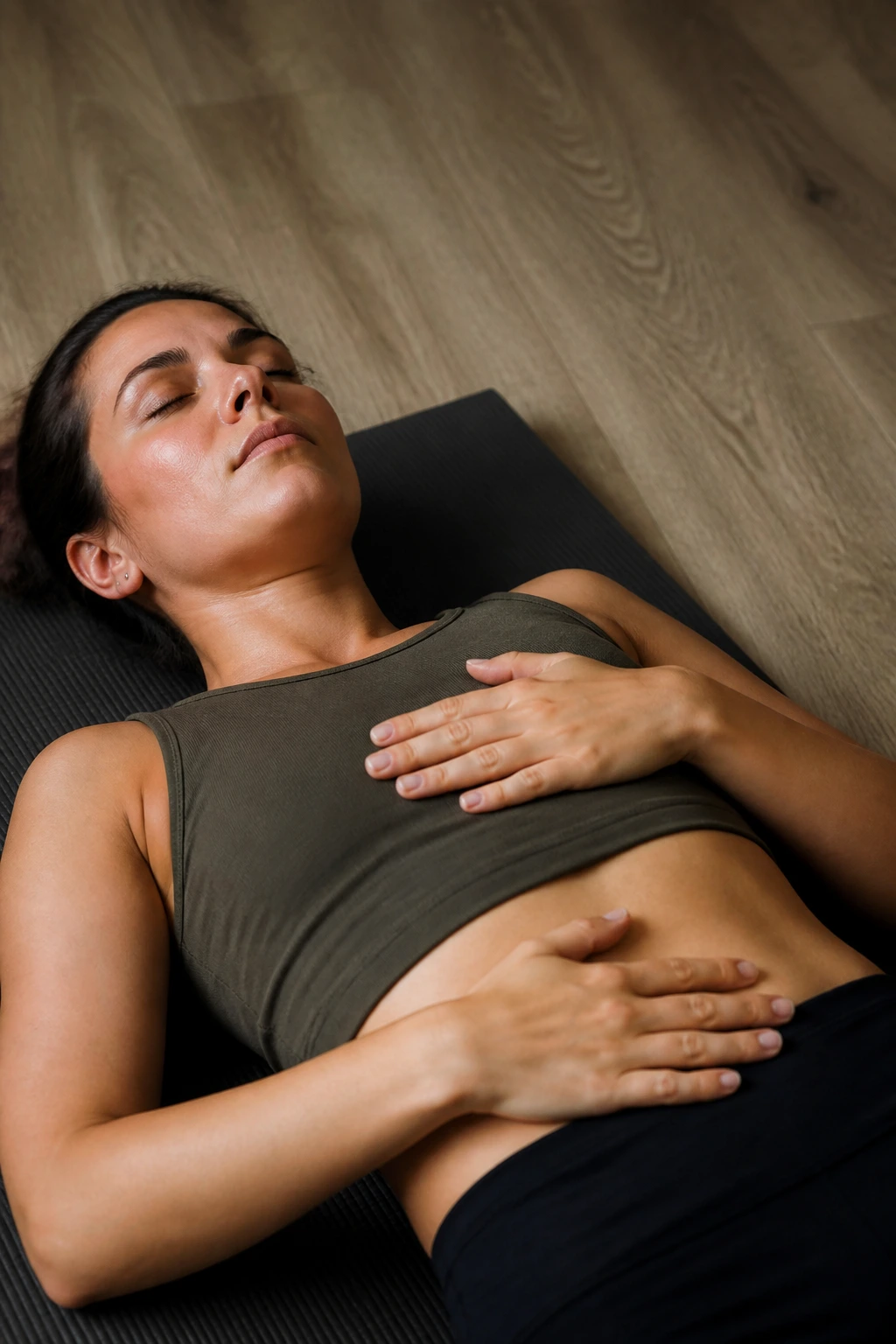
If your core work leaves you sore in the neck, the breathing is off.
Start with 90/90 breathing on the floor, one hand on the ribs, one hand on the belly. Exhale fully, feel the ribs come down, then inhale quietly through the nose. After a few breaths, add a gentle brace before a squat, dead bug, or carry. Do 5 breathing cycles before training and 2 or 3 cycles between harder sets.
This challenge is less flashy than squats or push-ups, but it fixes a lot of messy movement. People often brace too hard or not at all. You want pressure, not panic. Think steady, organized tension.
27. One-Minute Movement Challenge
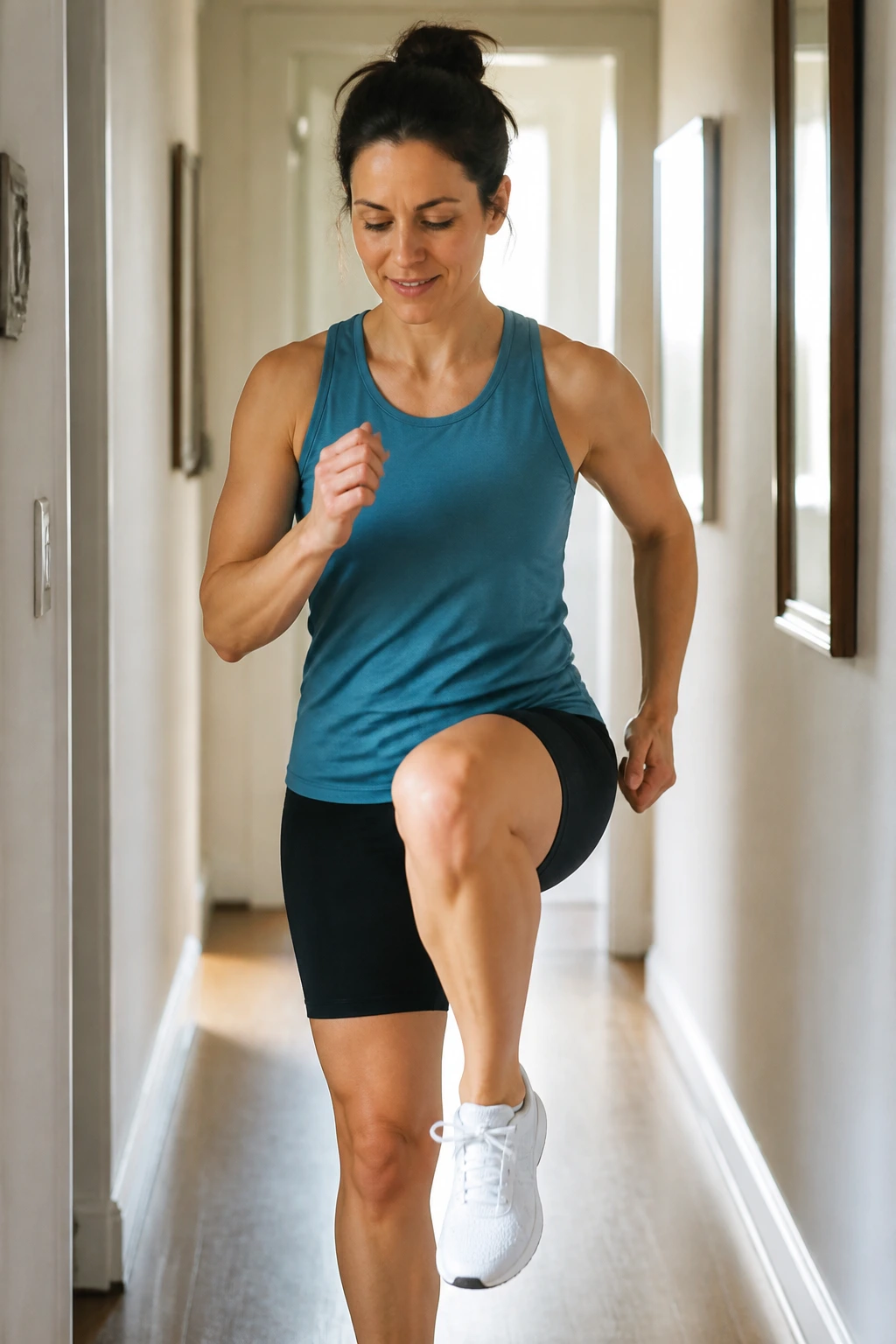
One minute sounds too small until you stack it 30 times.
Use a timer and move for 60 seconds every hour, or every time you finish a cup of coffee. March in place, do air squats, reach overhead, or walk the hallway. By the end of the day, those tiny bursts can add up to a surprisingly decent amount of activity.
This is one of the smartest beginner habits because it removes the need for a full reset. You do not have to “start over” after a busy morning. You just do another minute. That small mental shift is worth more than people give it credit for.
28. Upper-Body Band Challenge
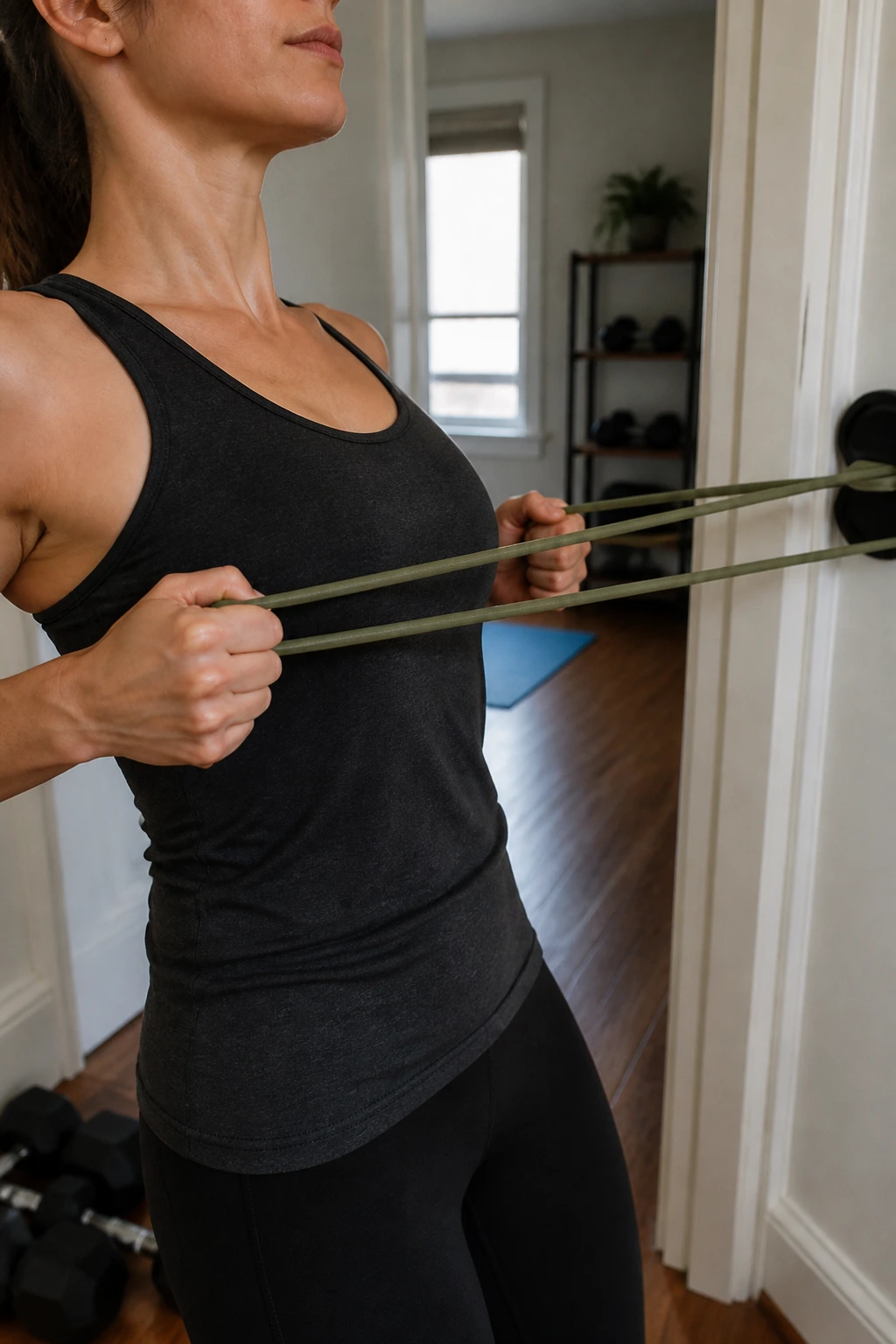
Bands are awkward at first. Then they become useful in that slightly annoying way that means they work.
Build the challenge around band rows, chest presses, face pulls, pull-aparts, and triceps pressdowns. Do 2 to 3 sets of 10 to 15 reps, two or three times a week. Use a light band first. If you can rip through the whole set without feeling the last few reps, step up the resistance.
The shoulder blades should move smoothly, not jerk around. Rows should land near the ribs. Face pulls should stay light and controlled. This is not about looking heroic. It is about making the upper body feel less stiff and more coordinated.
29. Weekend Warrior Reset Challenge
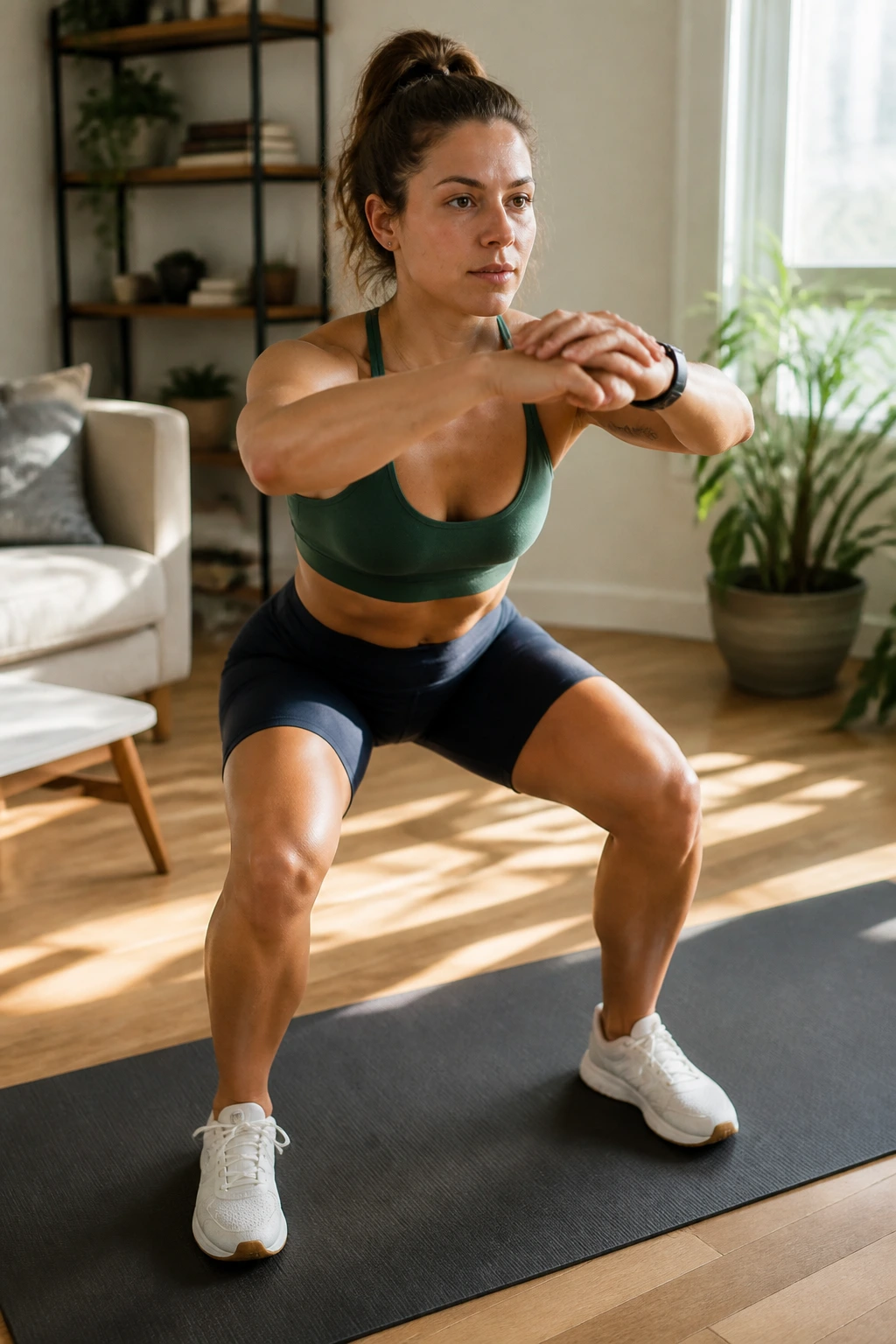
Some beginners do fine Monday through Friday and then disappear on Saturday.
This challenge fixes that pattern by making the weekend part of the plan, not a break from it. Use three short weekday sessions of 10 to 15 minutes and one longer weekend session of 25 to 30 minutes. On the off days, keep walking and stretching lightly. The goal is a rhythm that survives errands, bad weather, and late nights.
I like this one for people who keep promising themselves they’ll “start fresh on Monday.” The reset built into the plan makes that unnecessary. You already have a next session. No drama.
30. Consistency Reset Challenge
The most useful beginner challenge may be the least exciting one.
Pick one push move, one pull move, and one leg or walk move. That could be wall push-ups, band rows, and squats; or it could be incline push-ups, farmer carries, and brisk walking. Do 10 to 15 minutes a day for 30 days and keep the goal brutally simple: show up, log it, move on.
What Makes It Work
You are not chasing soreness. You are chasing a streak.
- Keep the exercise menu tiny
- Use the same time each day if possible
- Track every session with a checkmark or calendar X
- Leave one rep or one minute in the tank
That restraint is what makes the month finishable. If you want one challenge that teaches the real lesson of beginner training, this is it.
The Bottom Line
The smartest 30-day workout challenge is the one you can repeat when you are tired, busy, and not feeling especially inspired. That is the hidden test. Fancy plans fail there.
Pick one challenge, write it down, and make the starting version almost laughably manageable. If it feels easy on day 1, good. That usually means you can still be doing it on day 30.
If you want the cleanest path, choose a challenge built around walking or bodyweight work, then keep the progression small. The streak matters more than the brag.
