



A good 30 Pilates workouts for a 30 day challenge should not leave you wrecked by day three. It should leave you standing a little taller, breathing a little deeper, and noticing muscles that have been hiding in plain sight — the low abs, the outer hips, the upper back that slumps every time you scroll too long.
Pilates rewards clean setup more than heroic effort. A rushed hundred does less than a slow, well-controlled ten-breath version with the ribs stacked over the pelvis and the neck relaxed. That’s why the early workouts matter so much: they teach your body the positions that make every later move feel smoother.
You do not need a reformer, a studio mirror, or a drawer full of props. A mat, a wall, a loop band, and maybe a small pillow or ball are enough for most of this challenge. The sessions below build in a way that makes sense — breath first, then core control, then hips, back body, rotation, balance, and full-body flow.
Start with the first one. It sets the tone.
1. Breath and Pelvic Clock Reset
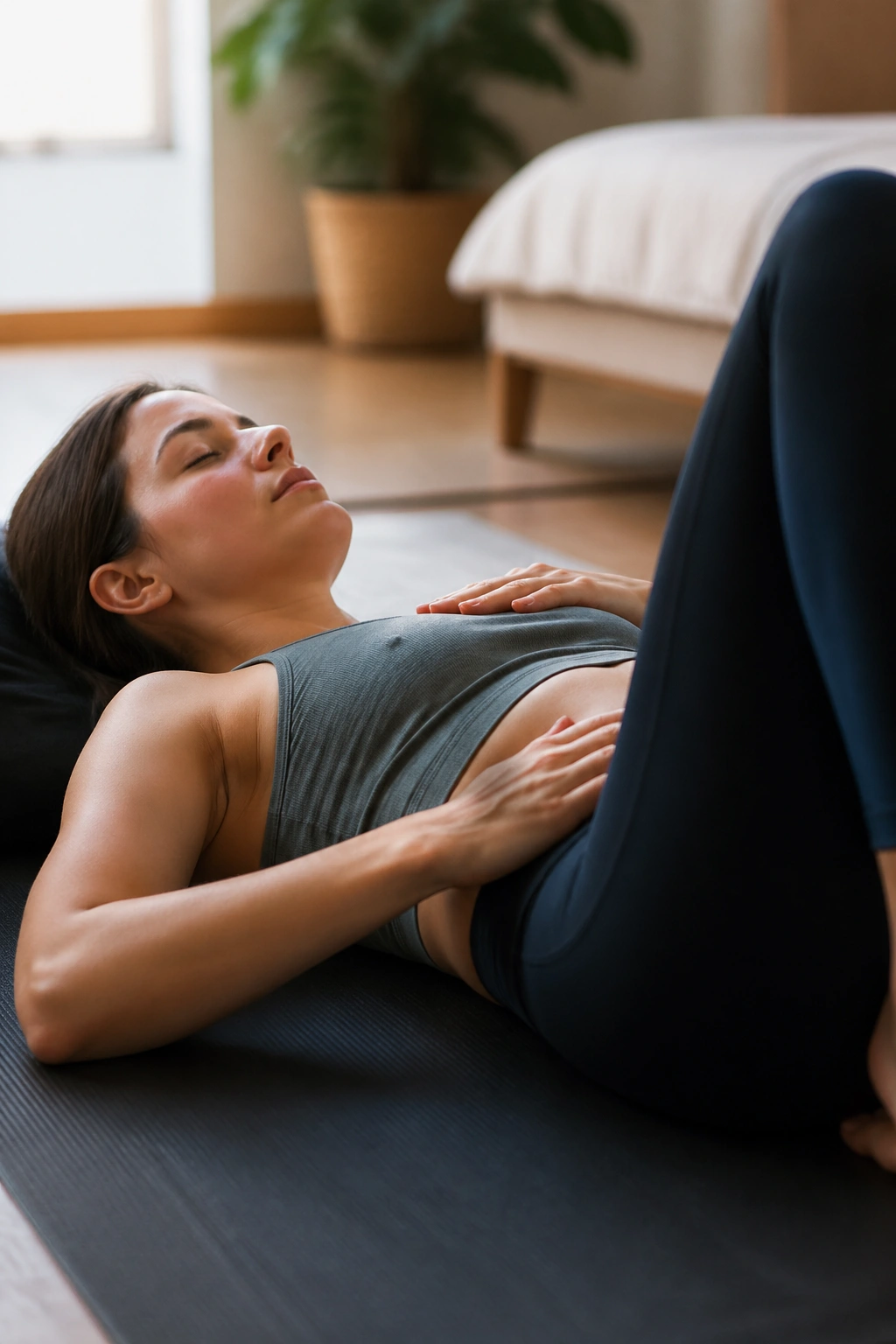
Lie on your back with your knees bent and your feet flat on the mat. This is the kind of start that looks almost too simple, and that’s exactly why it works. When you can settle your breath and pelvis here, the rest of the challenge stops feeling random.
What to Feel First
Take 5 slow breaths. Inhale through your nose and feel your side ribs widen. Exhale through your mouth and let the front ribs soften down, not jam down. Then imagine your pelvis as a clock: 12 at the pubic bone, 6 at the tailbone, 3 and 9 at the hip points.
- 5 breaths with the ribs expanding sideways
- 5 gentle pelvic tilts
- 5 circles in each direction with the pelvis
- 5 slow shoulder rolls
Tip: If your lower back arches hard on the inhale, reduce the size of the breath. Bigger is not better here.
2. The Hundred Prep and Rib Control
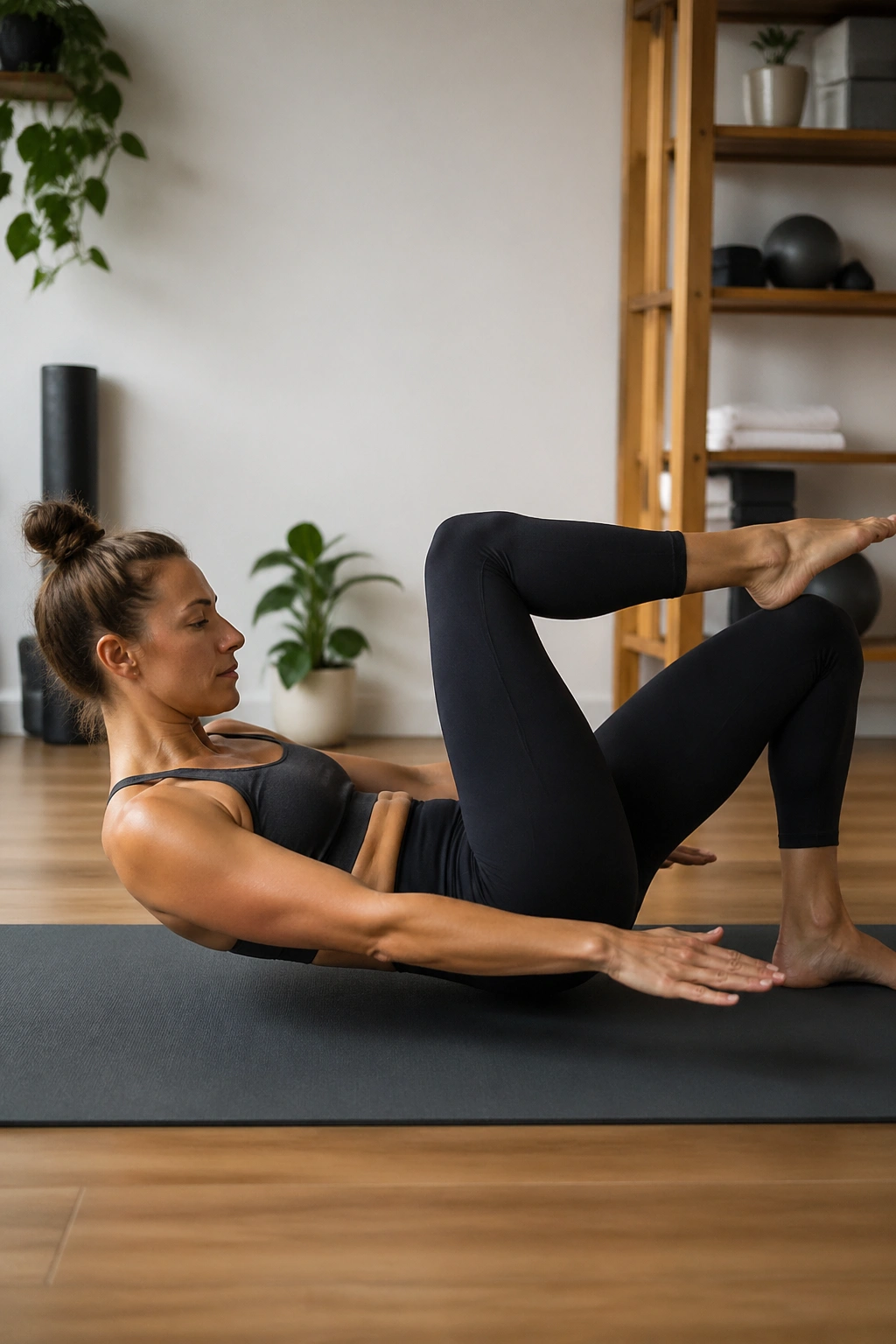
The Hundred gets talked about like it’s some sort of rite of passage, but the prep is where the useful work happens. Head down or head lifted, the real goal is the same: keep the ribs from flaring and the belly from doming while the arms move.
I like this one on the second day because it shows you whether your center is actually doing anything. Start with tabletop legs, or keep one foot down if your back feels touchy. Pump the arms 10 times, breathe, and repeat for 5 rounds. If the neck tenses, put your head back down and keep going.
The movement should feel brisk, not sloppy. Sharp pumps. Steady breath. No neck drama.
3. Glute Bridge Ladder
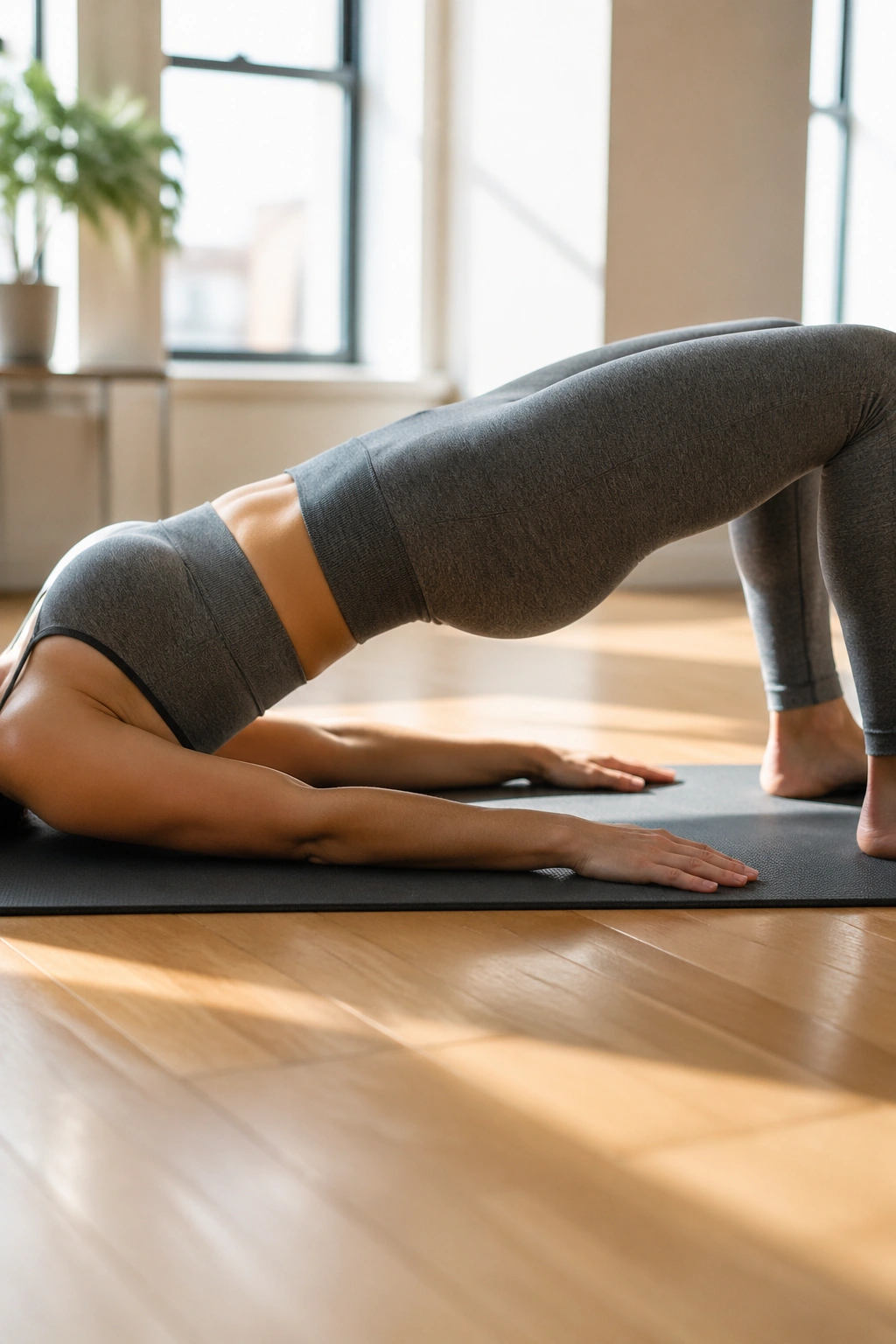
A bridge sounds basic until you do it slowly enough to feel one cheek try to take over. That is the whole point here. You want both glutes working, the hamstrings helping, and the ribs staying quiet instead of popping up like a tent.
Lift into a bridge on an inhale, pause for 3 counts at the top, and lower one vertebra at a time. Do 6 full reps, then hold the last bridge and pulse 10 times in a tiny range. If that feels too easy, march one foot at a time while keeping the pelvis level.
Bridge Cues That Matter
- Feet hip-width apart
- Heels close enough to touch your fingertips
- Knees pointing straight ahead
- Lift only until the hips are in line with the knees and shoulders
One hard truth: If your hamstrings cramp, your feet are probably too far away.
4. Dead Bug and Single-Leg Stretch
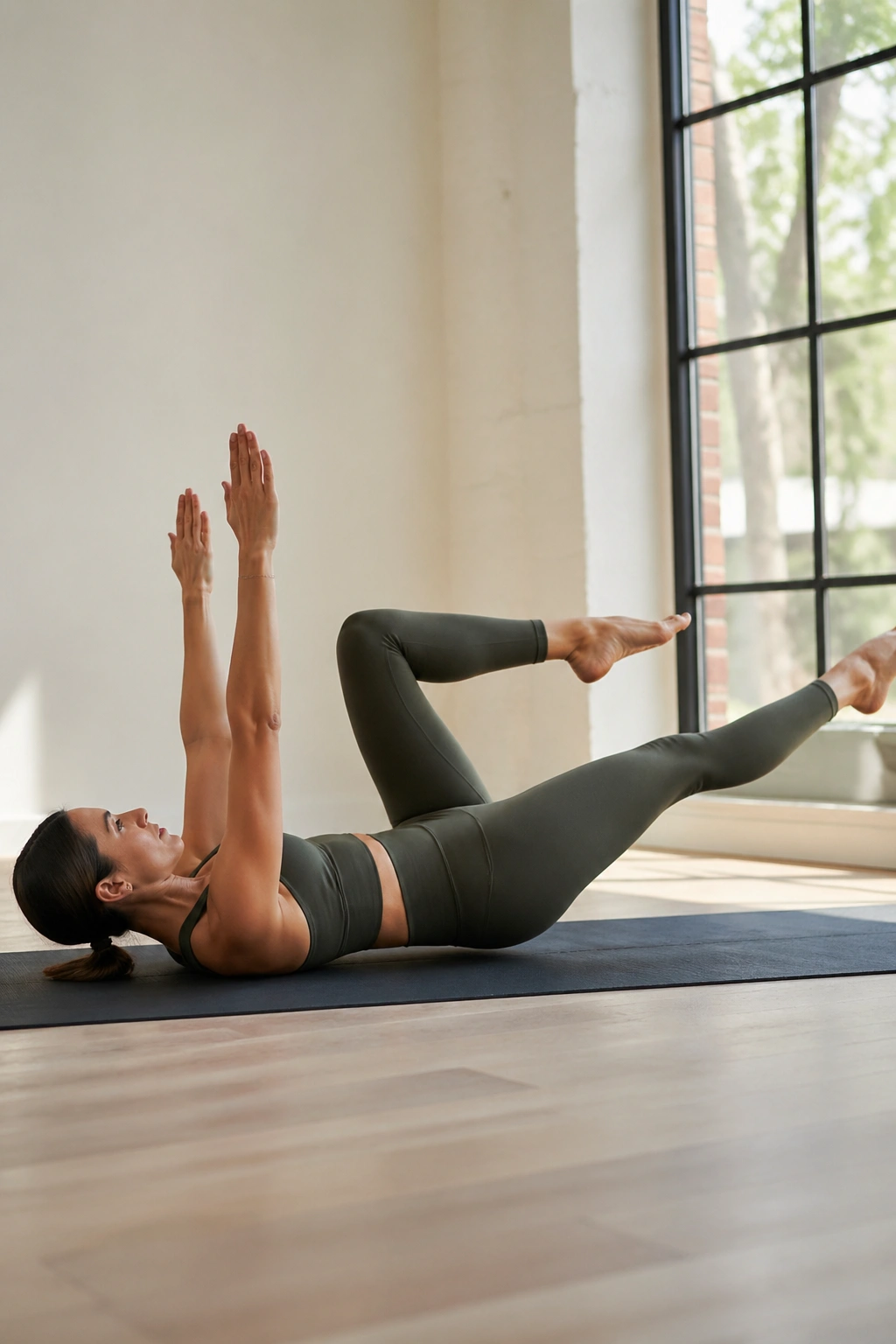
Why put a dead bug in the middle of a Pilates challenge? Because it teaches the low belly to work without the neck trying to help. And that makes everything else cleaner.
Start with one knee in tabletop and the other leg extended long if your back stays quiet. Switch sides slowly for 8 reps each side. Then move into single-leg stretch: one knee in, the other leg long, hands lightly on the shin, exhale as you switch. Keep the pelvis heavy and the movement small. If the lower back lifts, shorten the leg reach.
How to Keep the Back Quiet
The back of the ribs should feel wide and heavy on the mat. If they start popping up, you’re moving too fast. Slow down. Seriously.
5. Roll-Up With a Reach
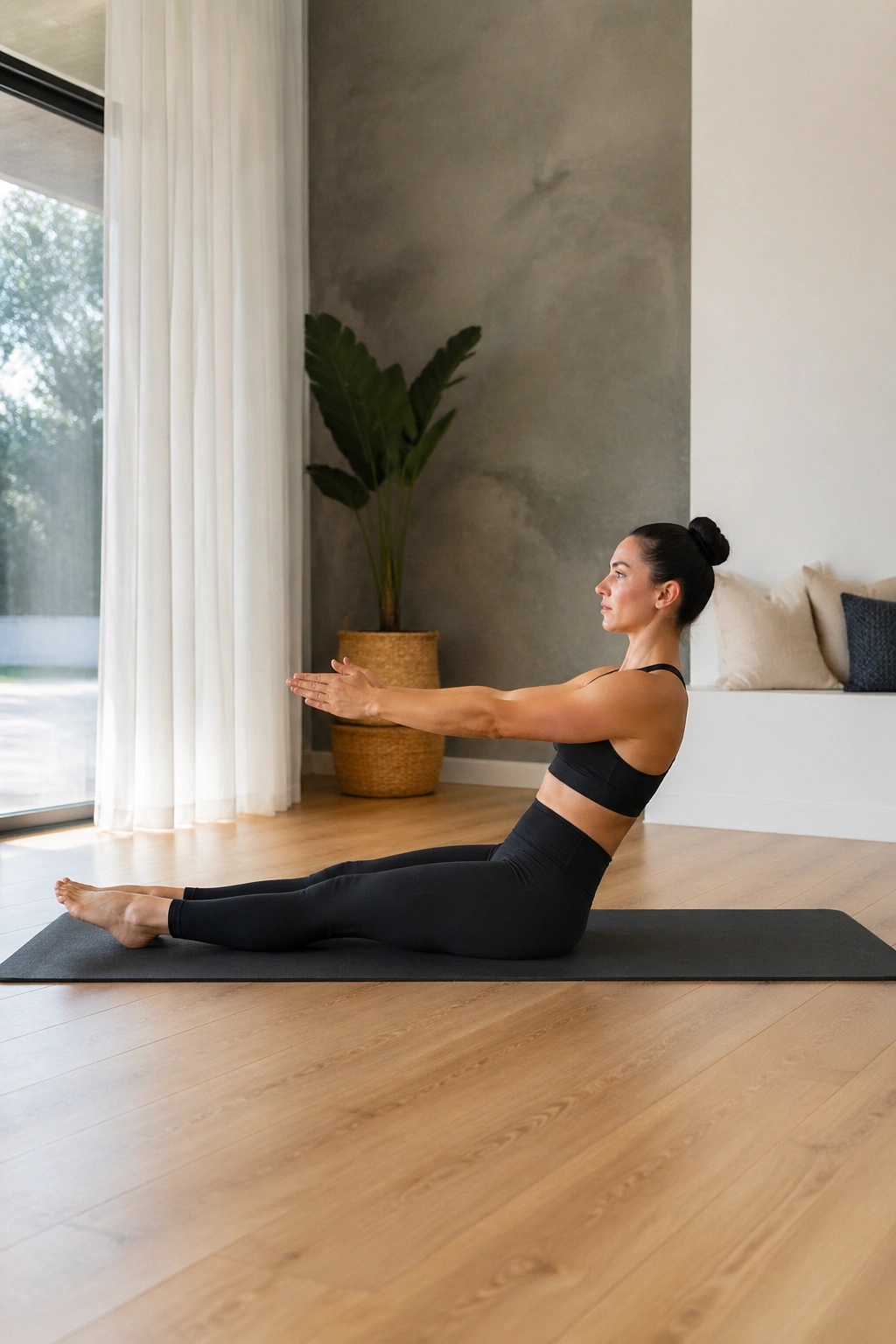
The roll-up is the kind of move that tells the truth. You cannot fake it with momentum for long. Either the spine articulates segment by segment, or it doesn’t, and the mat makes that obvious.
Use bent knees if your hamstrings tug. Start lying down with arms overhead, inhale to nod the chin, then exhale and peel up through the spine until you’re sitting tall. Reach forward over the legs without collapsing the chest, then slowly roll back down. Try 5 controlled reps. No yanking. No flinging.
A strap around the feet can help if the backs of the legs are tight. Keep the shoulders soft on the descent. That’s the part people rush.
6. Side-Lying Outer Hip Series
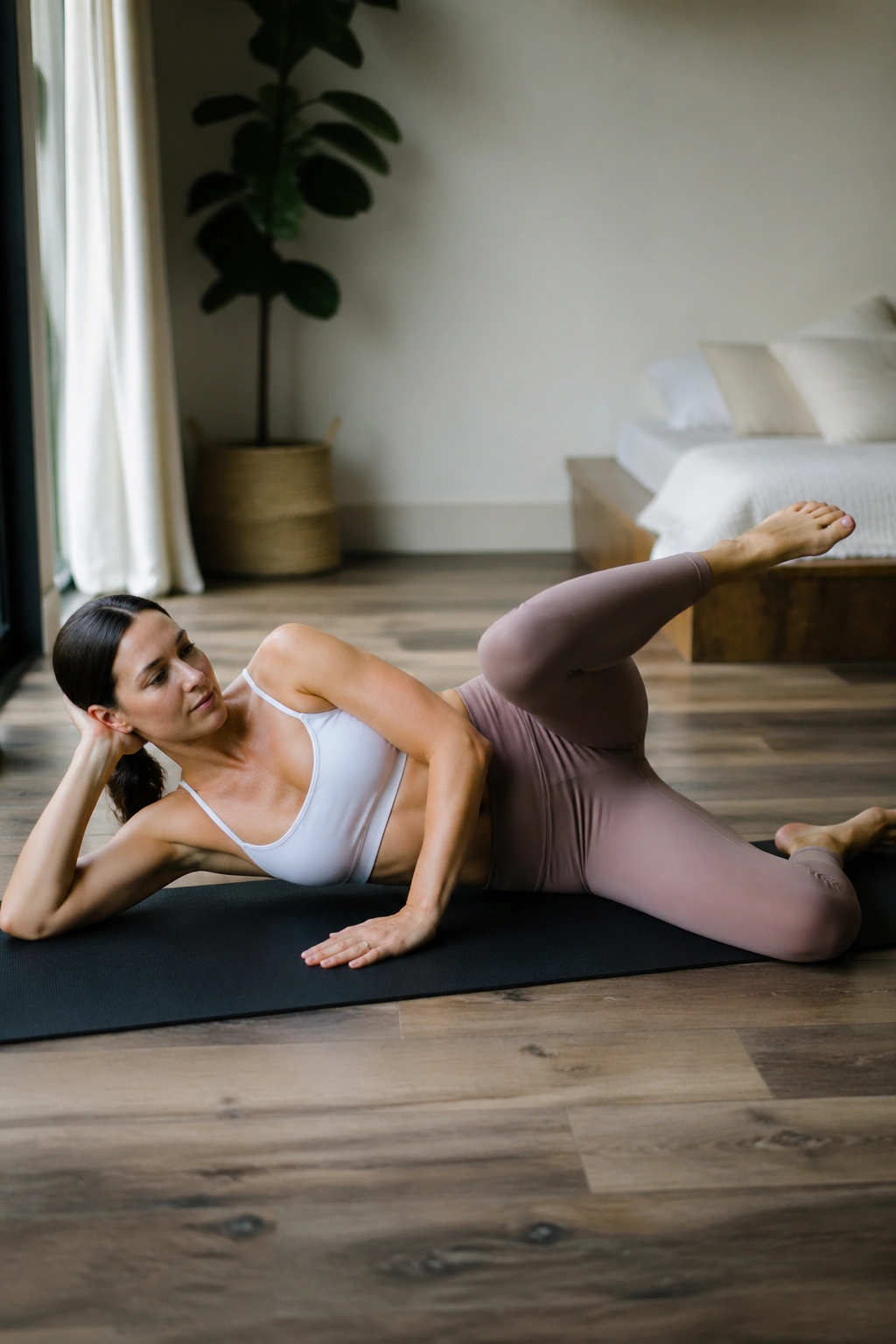
Lie on one side with your head supported and your legs stacked. This one burns in a sneaky place — the outer hip, not the front thigh — when it’s done well. That’s the sign you’re recruiting the glute medius instead of letting the hip flexors do their usual loud performance.
Lift the top leg 8 times with the foot flexed, then 8 tiny circles forward and back, then hold the leg at hip height for 10 seconds. Keep the waistline long and the pelvis still. If the top hip rolls back, shorten the range. Small range, clean work. I’d take that over a giant sloppy lift any day.
A folded towel under the waist can help if the side of your body feels jammed into the floor.
7. Clamshells Into Side Kicks
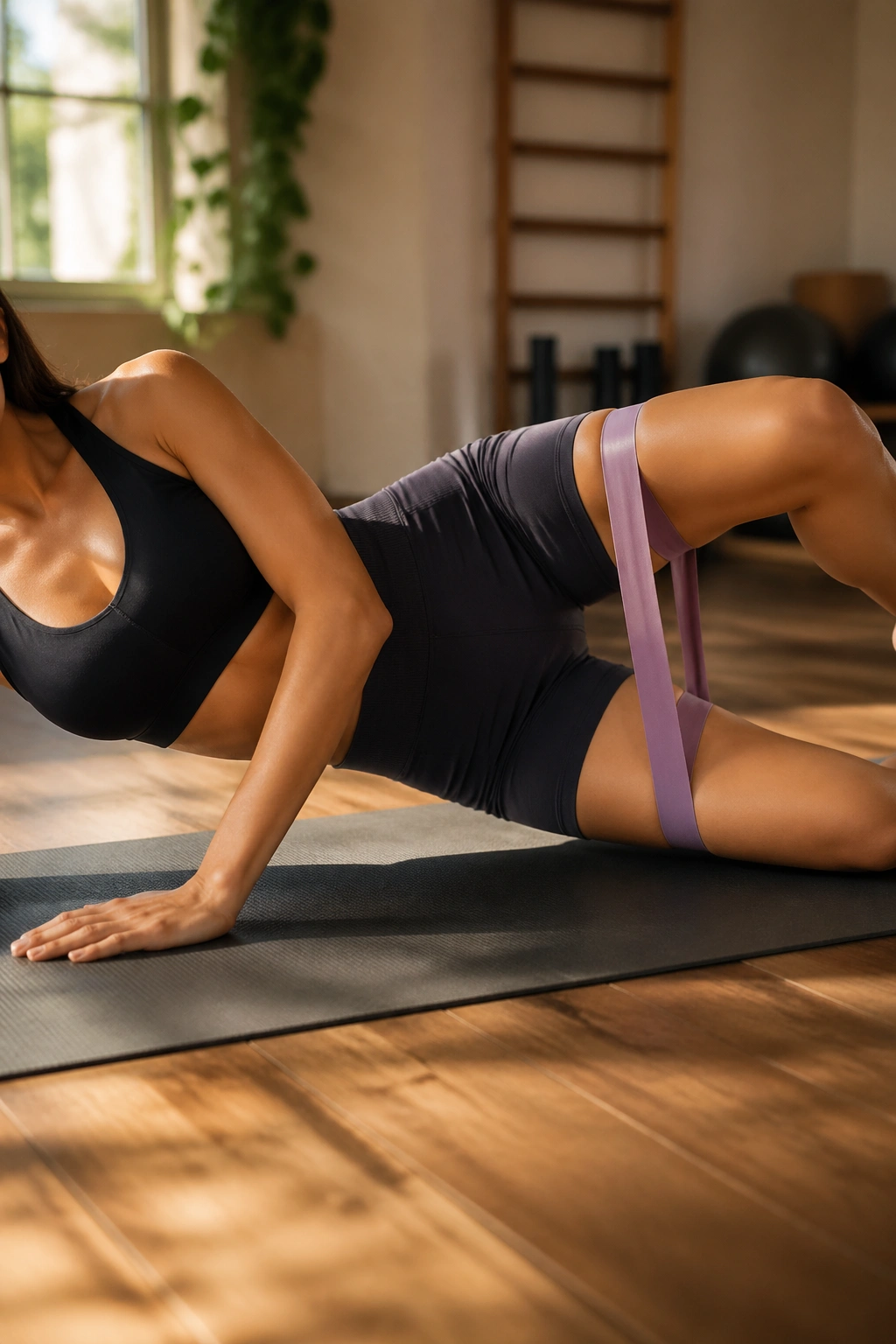
A loop band above the knees changes this one fast. Not because the band magically fixes anything, but because it gives you feedback the second the hips start cheating. The clamshell opens the outer hip; the side kick adds length and control.
Bend the knees, keep the feet together, and open the top knee 10 times without rolling the pelvis back. Then straighten the top leg and kick it forward and back in a small range for 8 reps. Finish with 8 lifts of the straight leg. If the lower waist collapses, reduce the height and slow the tempo.
Best use: This is a strong day for people who sit a lot. The side hip wakes up fast.
8. Swimming for the Back Body
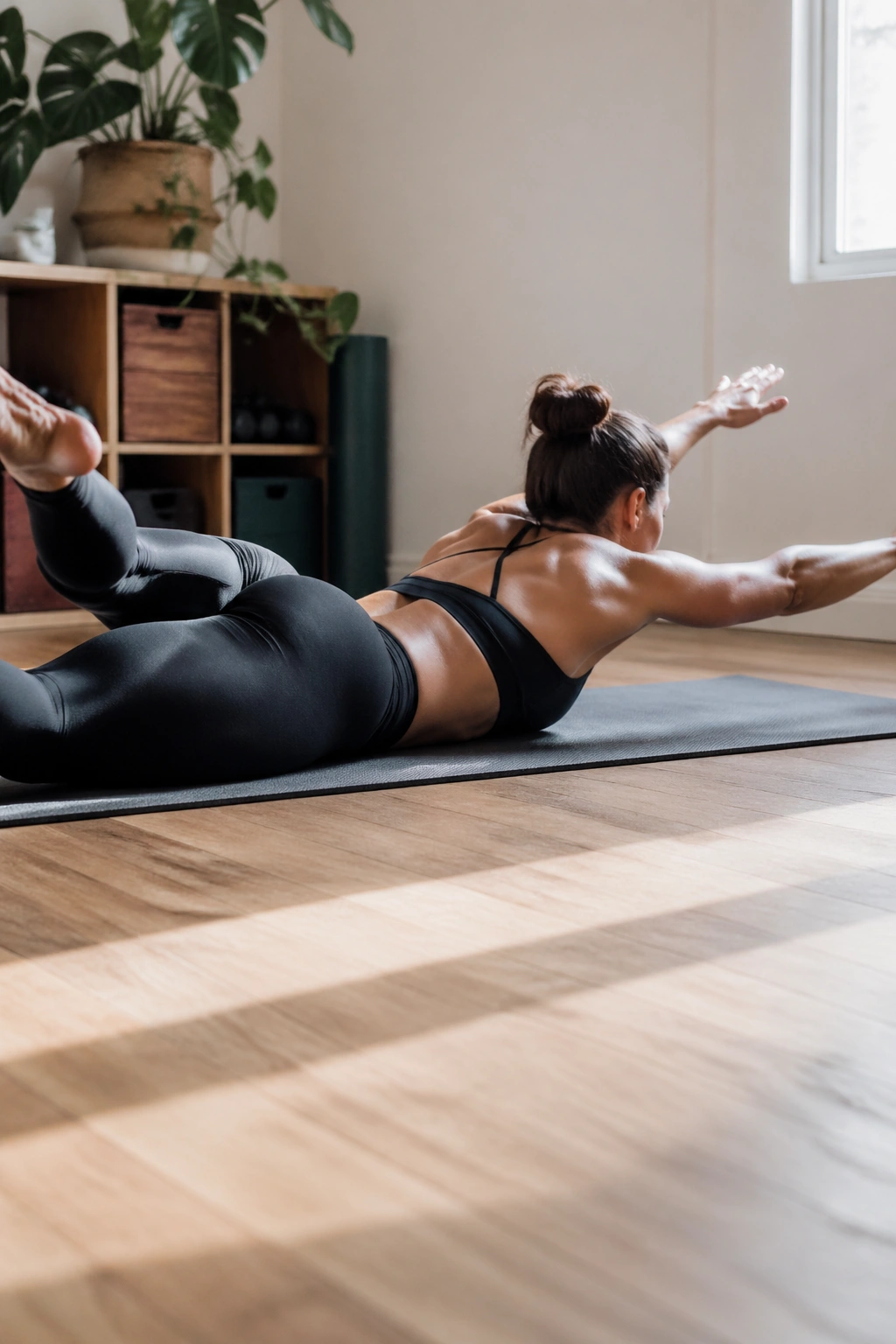
Face down and lengthened is a good change after all the supine work. Swimming wakes up the back body, which Pilates people love talking about for a reason: if your spine only ever bends forward, your posture starts to feel like a question mark.
Reach both arms long, float the chest a little, and begin alternating opposite arm and leg lifts. Count 20 slow kicks, then rest. Repeat 3 times. Keep the forehead or nose lightly down, the neck long, and the ribs from hammering into the mat. The lift is small. That’s normal.
If the low back grabs, raise the chest less. If the shoulders creep up, stop and reset. No prizes for force.
9. Forearm Plank With Knee Taps
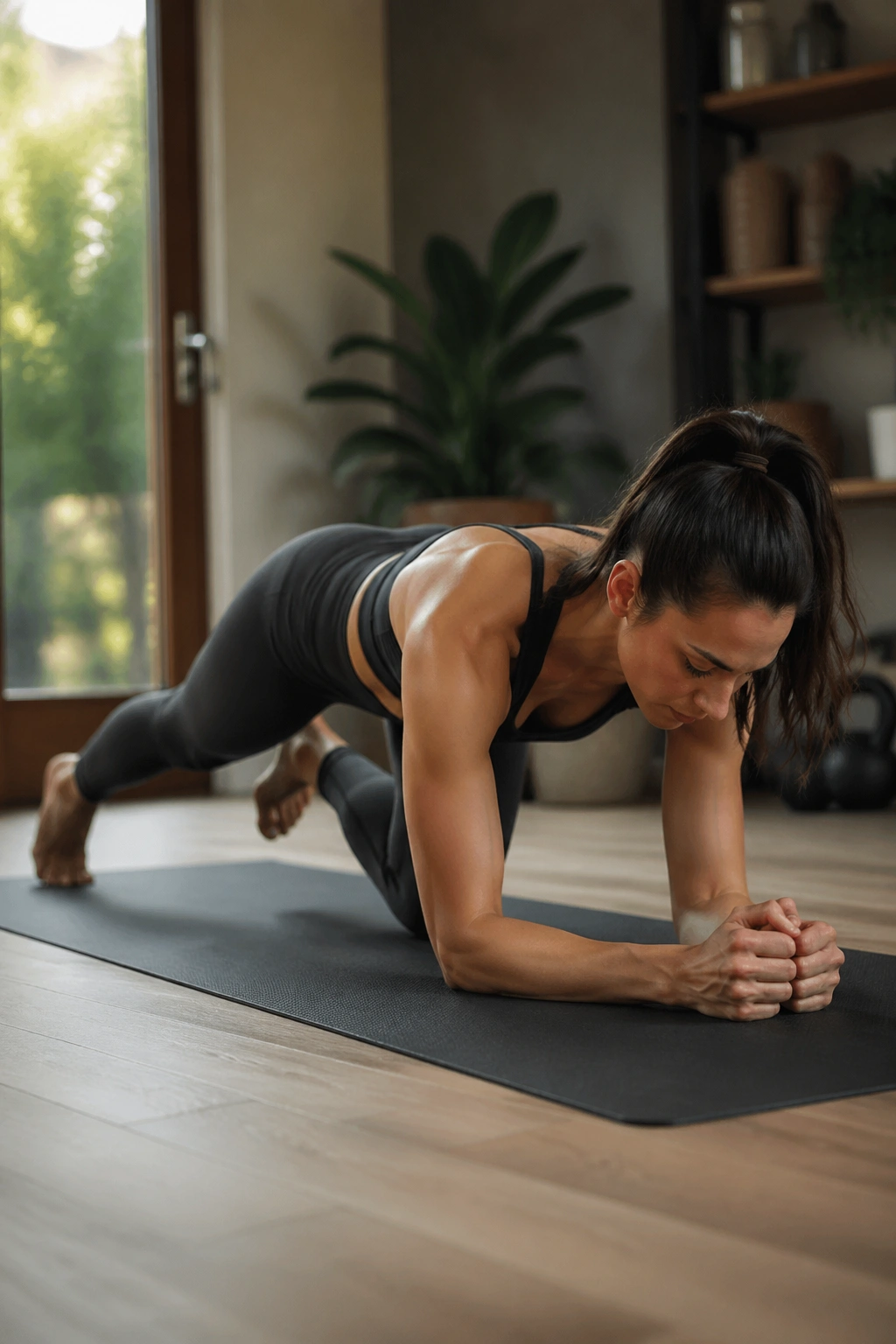
A plank with knee taps asks for more than core strength. It asks for shoulder stability, breath control, and a little patience. Crunches never quite train that same blend, and that is why this one earns its spot.
Hold a forearm plank from the toes or the knees. Tap one knee down and lift it back up, alternating sides for 20 total taps. Keep the hips from rocking side to side. If the wrists or shoulders protest, put the knees down and keep the body in one long line from head to knees. That still counts.
What Makes It Harder Than It Looks
Your job is not to move fast. Your job is to keep the torso still while one leg shifts. That is harder, and much more useful.
10. Spine Twist and Seated Rotation
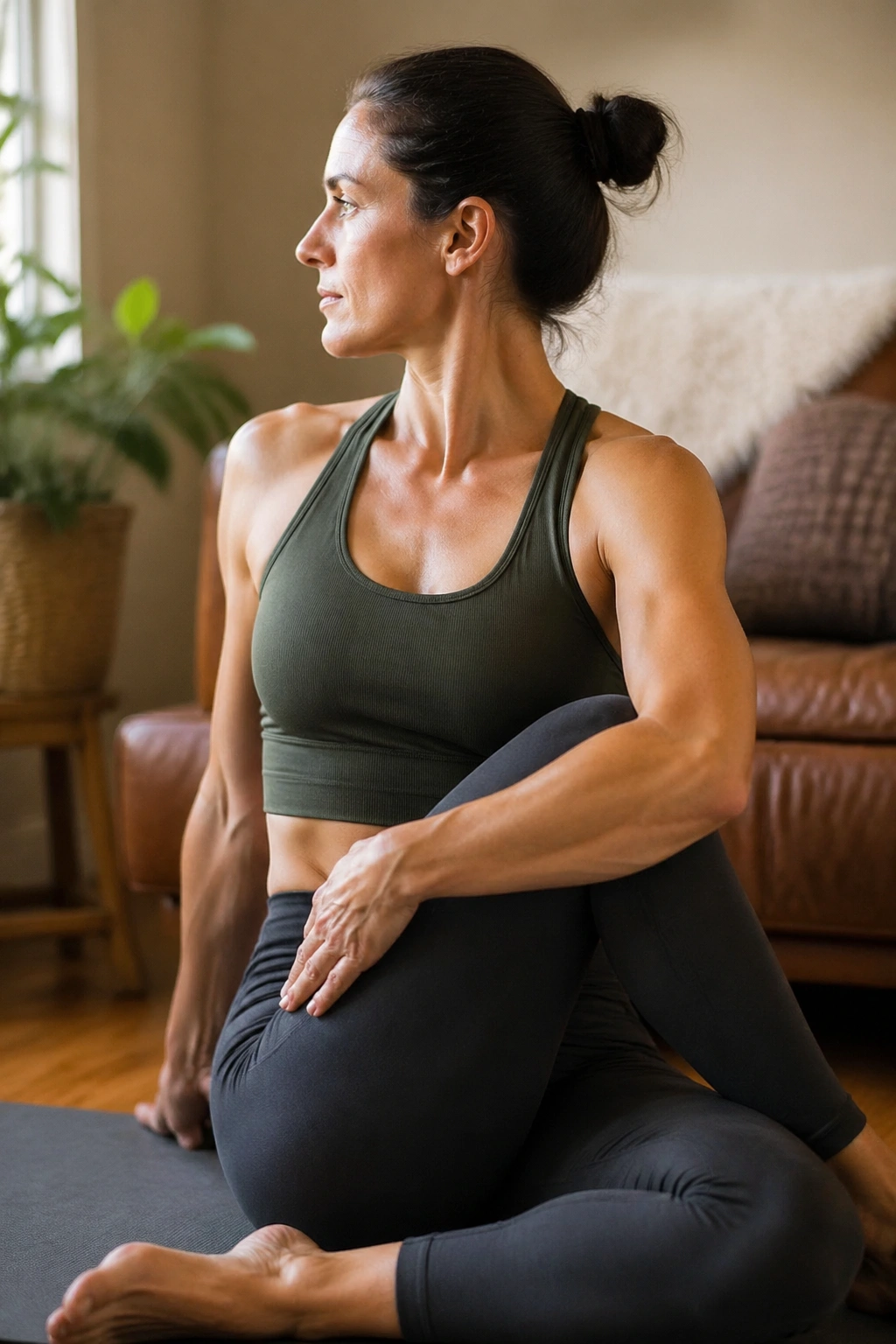
Sit tall with the legs long or crossed, whichever lets you stay upright without gripping. Rotate from the ribs, not from the shoulders. That distinction matters. The shoulders can only move so far; the rib cage is where the good stuff happens.
Take 4 slow twists to each side. On each exhale, grow taller first, then rotate a little farther. Keep the pelvis anchored and the collarbones wide. If your knees pull up or the lower back rounds, bend the knees and sit on a folded towel.
Why This One Sticks
A seated twist teaches control through the midsection without needing speed or momentum. That’s Pilates in a nutshell, even if the movement looks modest from the outside.
11. Bent-Knee Teaser Prep
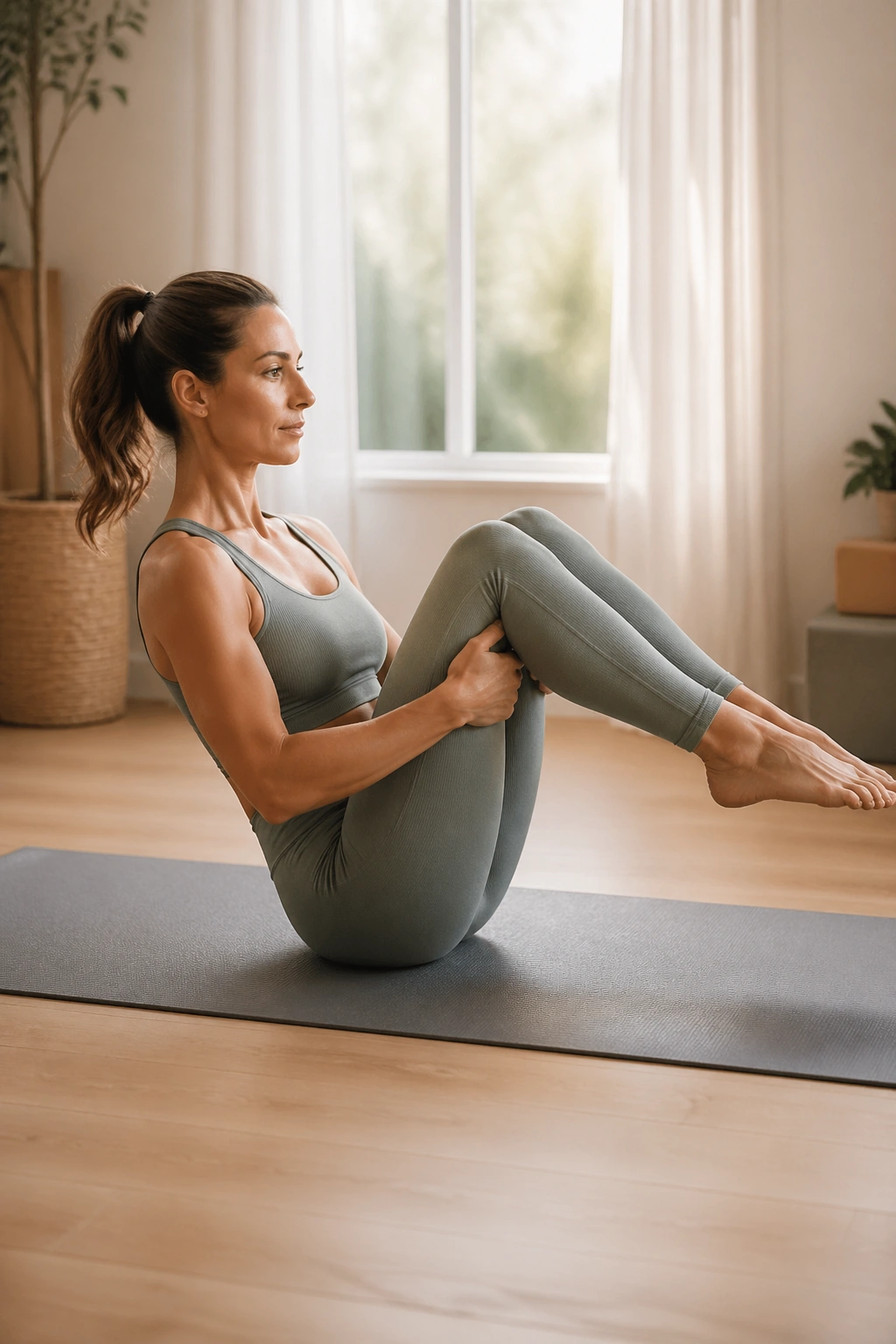
A full teaser can be a bit much on day eleven. Bent-knee teaser prep keeps the shape, the balance challenge, and the abdominal work, without demanding circus-level flexibility. Good trade.
Hold behind the thighs if needed. Roll back to a low scoop, then return to balance on the sit bones with the knees bent and shins lifted. Extend one leg at a time if that feels steady. Do 5 reps. Keep the chin slightly nodded so the neck doesn’t try to boss the movement around.
The important part is the pause at balance. Not the fancy shape. A quiet, controlled hold tells you more than a big dramatic lift.
12. The Saw and Hamstring Length
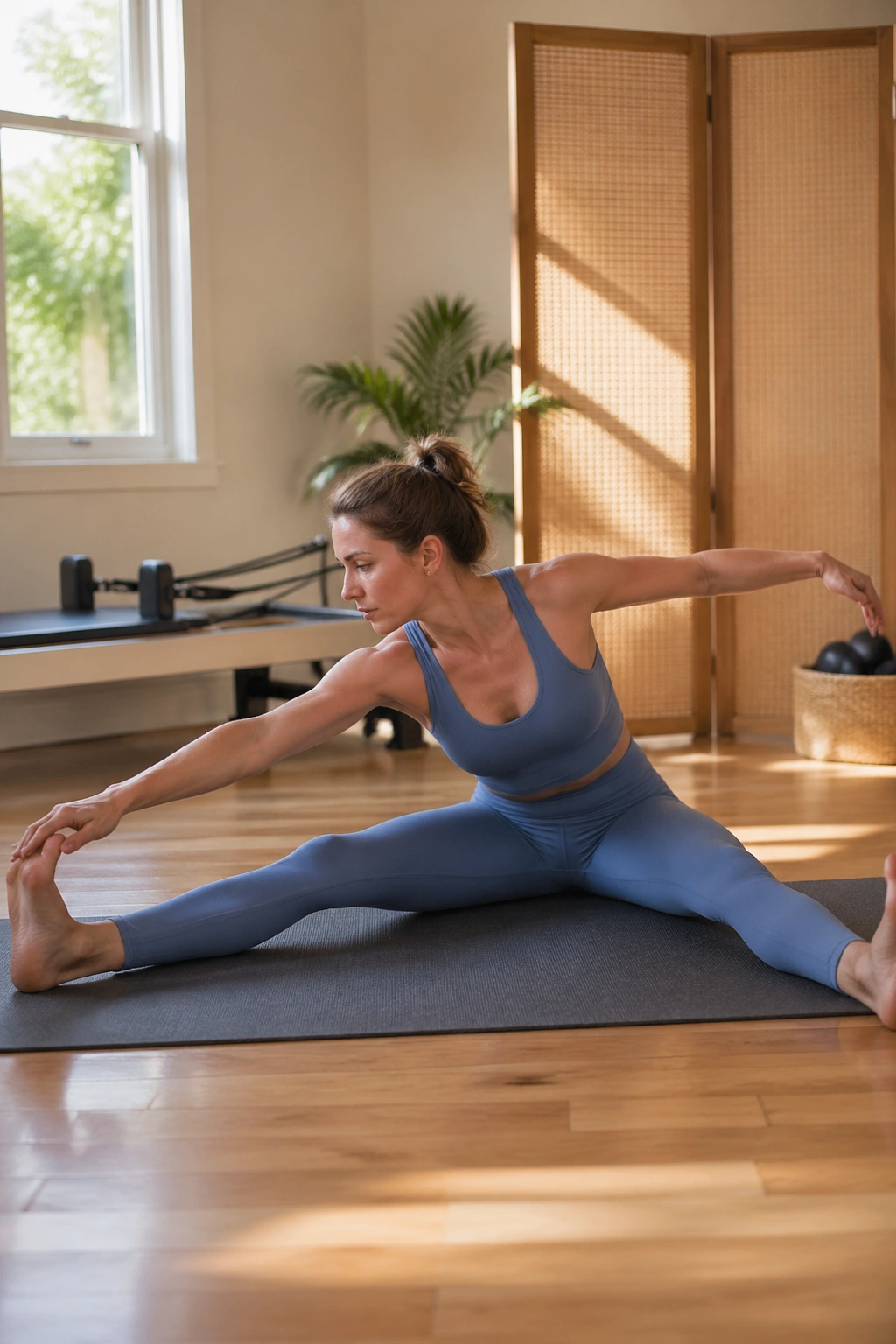
Wide legs, tall spine, twist, reach. The Saw sounds dramatic, but it’s mostly about keeping the seat heavy while the upper body moves in space. It’s one of those exercises that gives you hamstring length and spinal rotation in the same package.
Sit in a wide V with the legs comfortable, not forced. Inhale to grow taller, exhale to rotate and reach the opposite pinky toe. Come back up slowly and switch sides. Do 4 rounds each way. If the hamstrings tug too hard, bend the knees a little. If the lower back rounds, sit on a cushion.
The reach should skim past the leg, not collapse onto it. Long spine first. Then twist.
13. Shoulder Bridge Marches
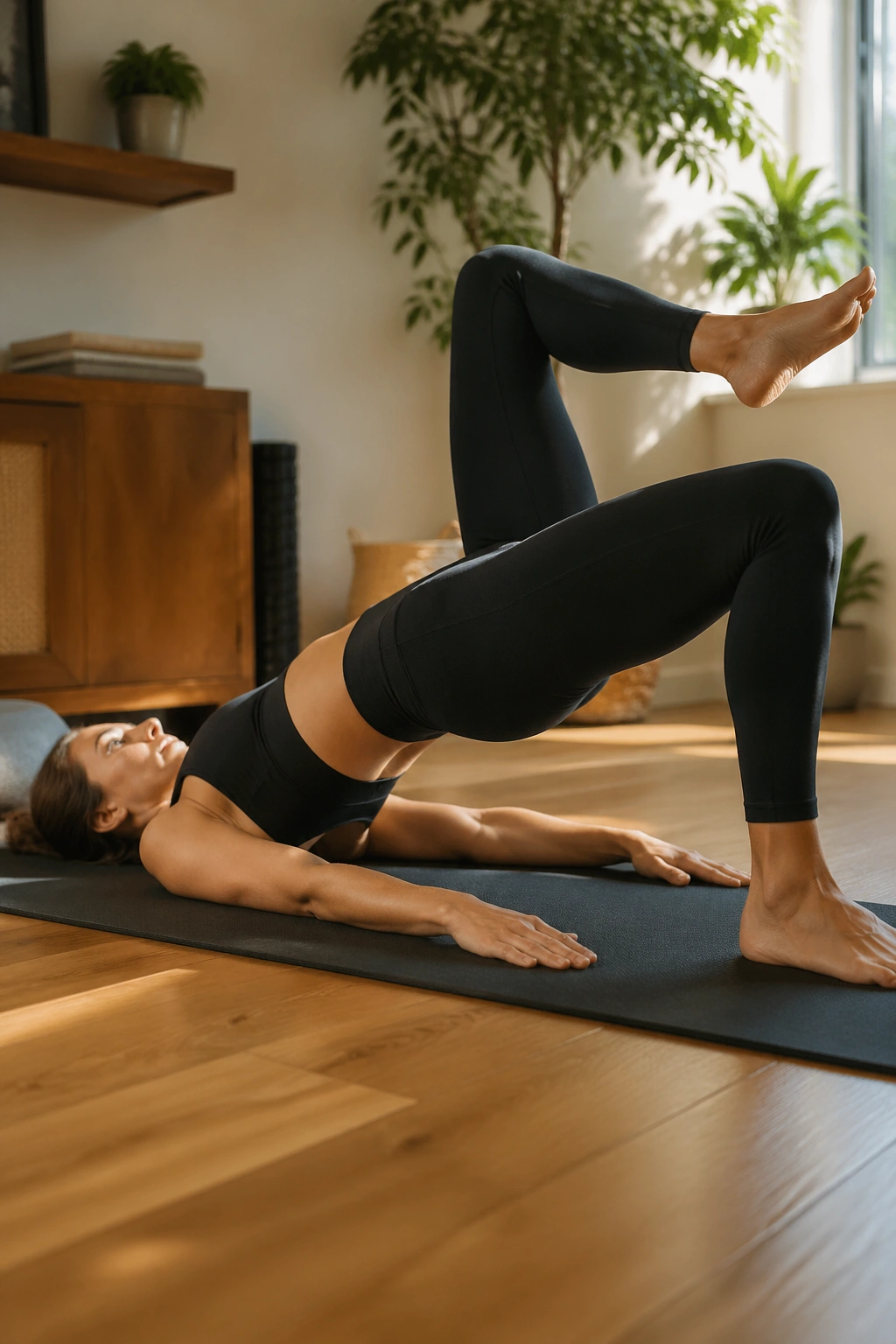
A bridge is one thing. A bridge that stays steady while one foot floats is another. That tiny march is the whole lesson: keep the pelvis level while the legs change shape underneath you.
Lift into bridge and hold. March one foot up an inch or two, set it back down, then switch sides. Do 8 marches total, rest, and repeat for 2 rounds. Keep the hips from swaying. If the standing leg cramps, lower the hips a touch and slow the march.
This one rewards honesty. If the pelvis wobbles, the range is too big. Shrink it until it feels controlled.
14. Leg Circles and Hip Mobility
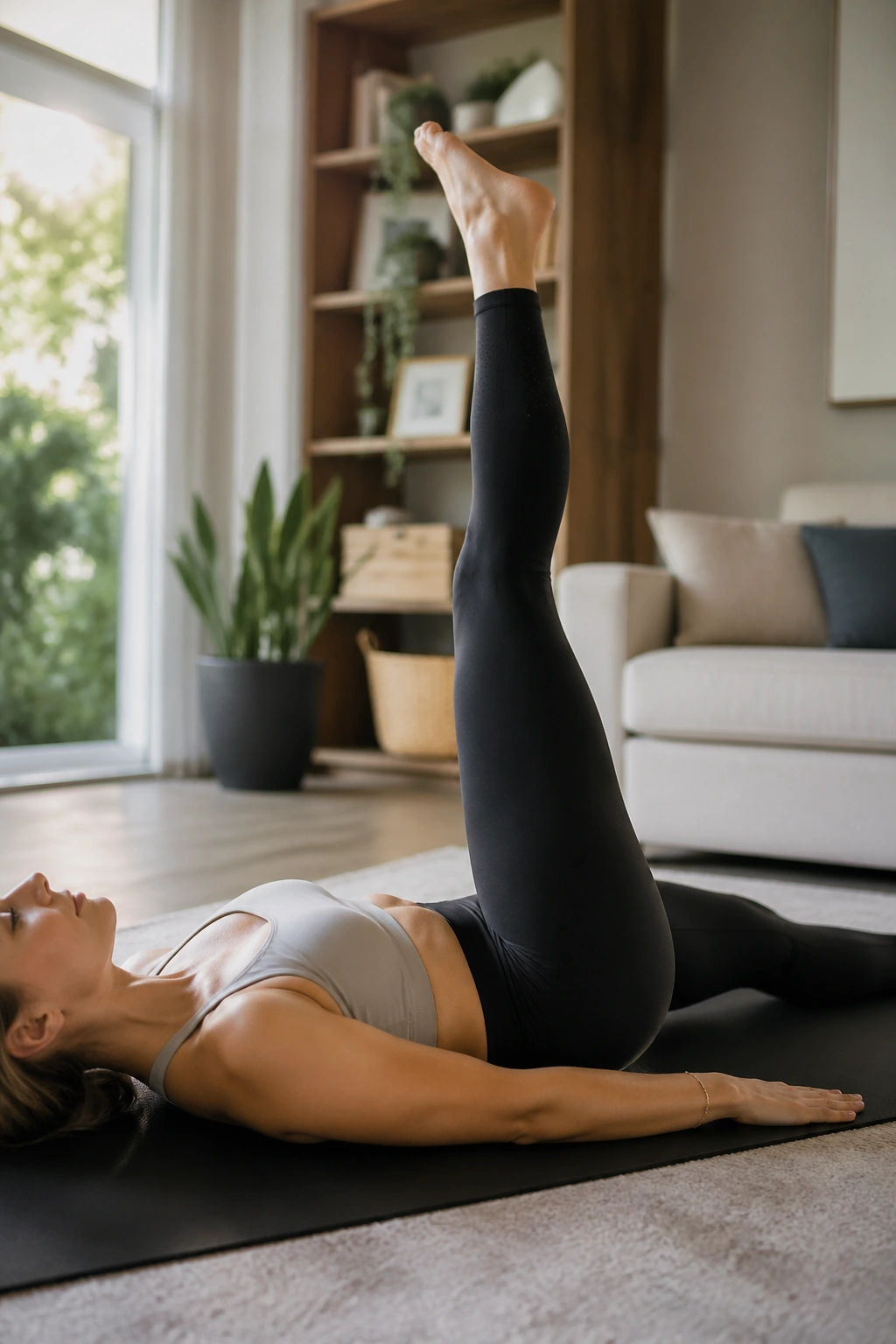
A lot of people make leg circles huge because big circles look impressive. They also make the pelvis tip all over the place. Small circles are better. Way better.
Lie down, extend one leg toward the ceiling, and trace a circle about the size of a dinner plate. Do 5 circles each direction, then switch legs. Keep the opposite hip heavy, and keep the circle smooth rather than jerky. If the hip flexor pinches, bend the lifted knee a little and reduce the height.
The Part to Watch
If your lower back starts arching, the leg is too low or the circle is too large. Back off. The goal is control, not range for its own sake.
15. Kneeling Side Leg Series
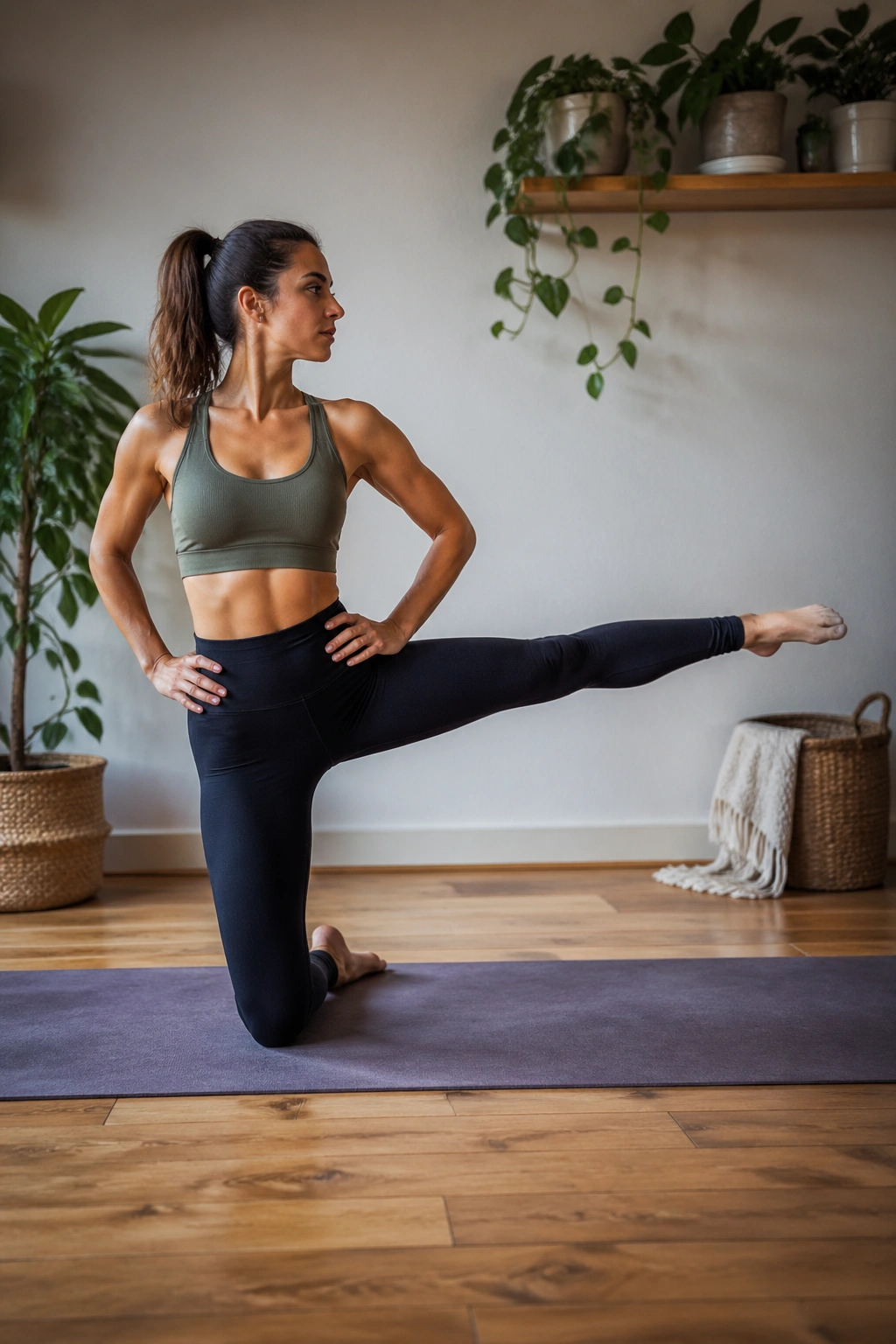
This one looks simple and feels sneaky. Get into a half-kneeling position with one knee down, the other leg long to the side, foot flat if needed. It brings balance, outer hip strength, and a little dignity-testing wobble all at once.
Lift the long leg 8 times, then hold it at hip height for 8 small pulses. Finish with 8 slow circles. Keep the torso upright and the standing hip from collapsing. If balance gets weird, touch one hand to the wall. That is not cheating. That is smart.
The side glute should feel awake by the end. Not the lower back. Not the front of the hip. The side.
16. Swan Prep for Upper Back Strength
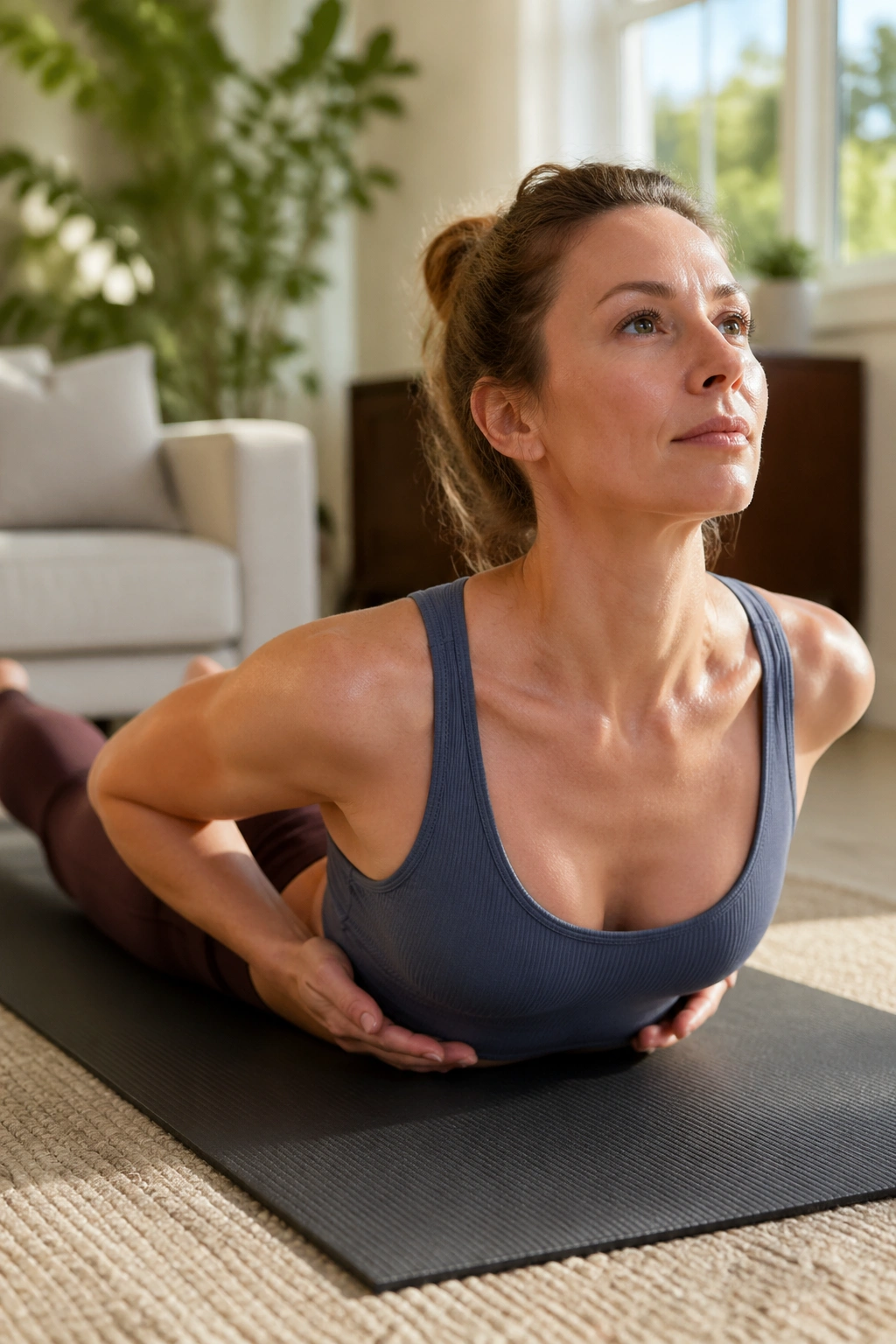
Can you feel the difference between a chest lift and a back bend? Swan prep teaches it fast. The lift comes from the upper back and the back of the ribs, not from cranking the neck into the ceiling.
Lie prone with the hands under the shoulders or beside the ribs. Inhale to lengthen forward, then lift the chest only a few inches as the collarbones widen. Lower with control. Do 6 reps. The movement should feel smooth and contained, not floppy. If the low back compresses, lift less.
What to Watch For
The hands are there to assist, not to shove. If you push hard enough to feel your shoulders jam up, you’re doing too much.
17. Roll Like a Ball Balance Practice
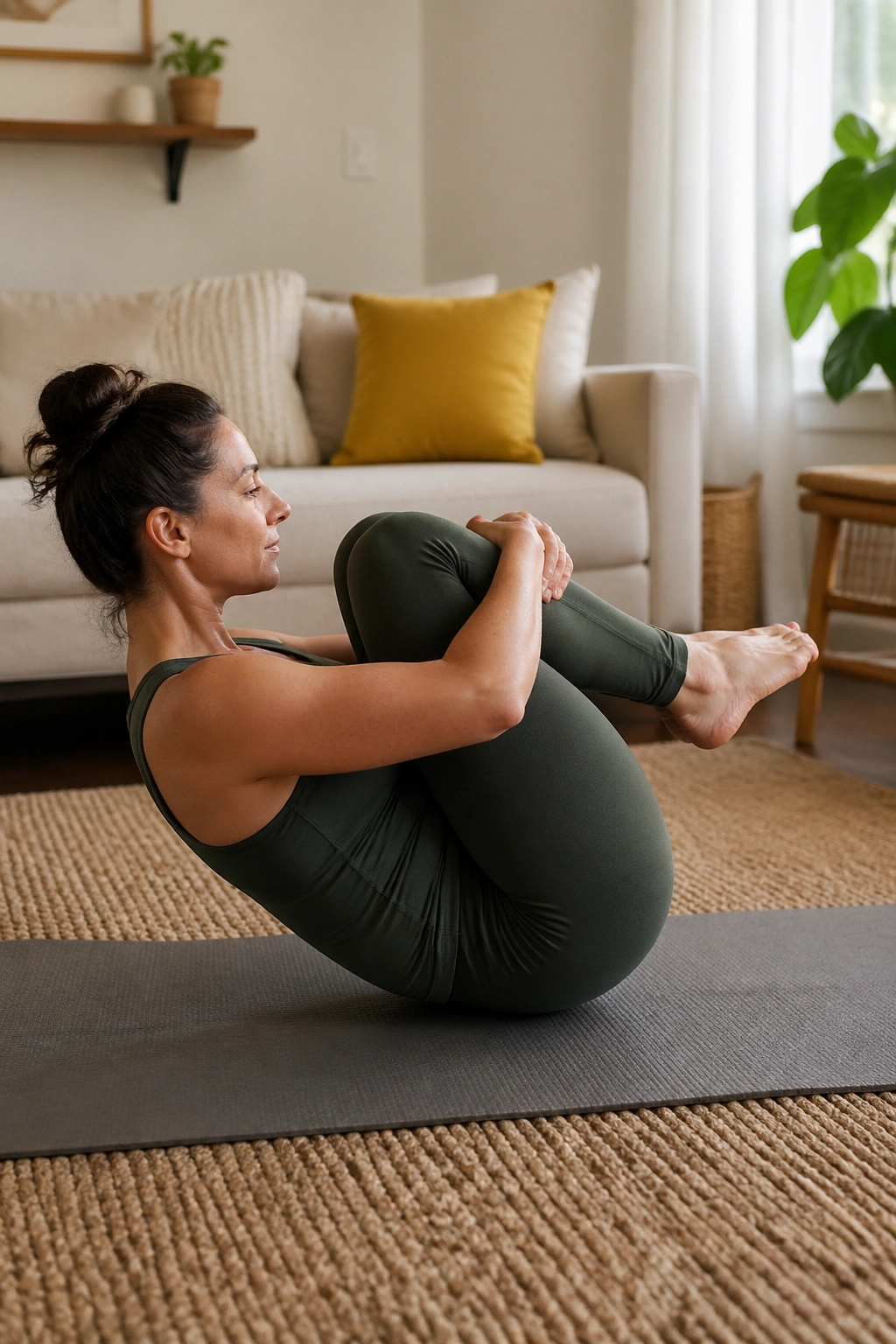
This is the playful one, and I mean that in the best way. Roll Like a Ball asks you to stay tucked, stay rounded, and keep the balance point under control while the spine does a little massage on the mat. It’s also a sneaky abdominal exercise.
Sit, hug the knees in, and balance back onto the sacrum. Roll back to the shoulder blades, then return to balance without letting the feet hit the floor. Do 6 rolls, rest, and repeat once. If the motion feels rough, widen the knees a bit and slow it down. Do not slam into the mat.
The trick is the pause at the top. That’s where the control lives.
18. Full Mat Flow for Endurance
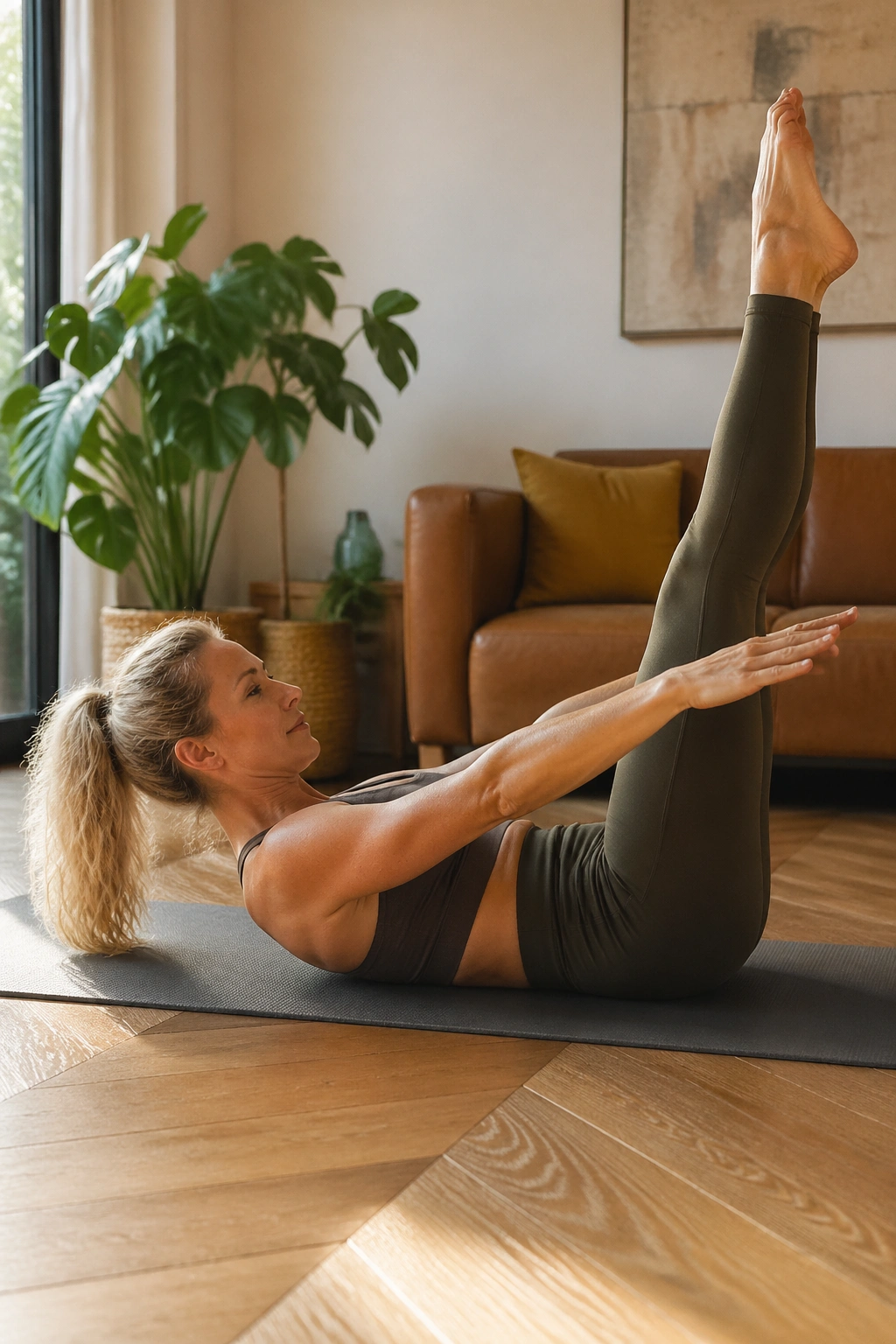
By the middle of the challenge, it helps to string things together. A short flow keeps the body warm and tests whether the control from earlier days is actually sticking. This is where Pilates starts to feel less like isolated drills and more like movement.
Try 1 round of each: 8 hundred prep pumps, 6 bridges, 8 single-leg stretches, 6 roll-ups, 6 swan preps. Rest briefly, then repeat the whole set once more. Keep the transitions clean. Set up the next move before you rush into it.
A flow like this tells you a lot. If the neck burns first, the head work is too aggressive. If the hips seize, the bridges need a slower tempo.
19. Inner Thigh Squeeze Series
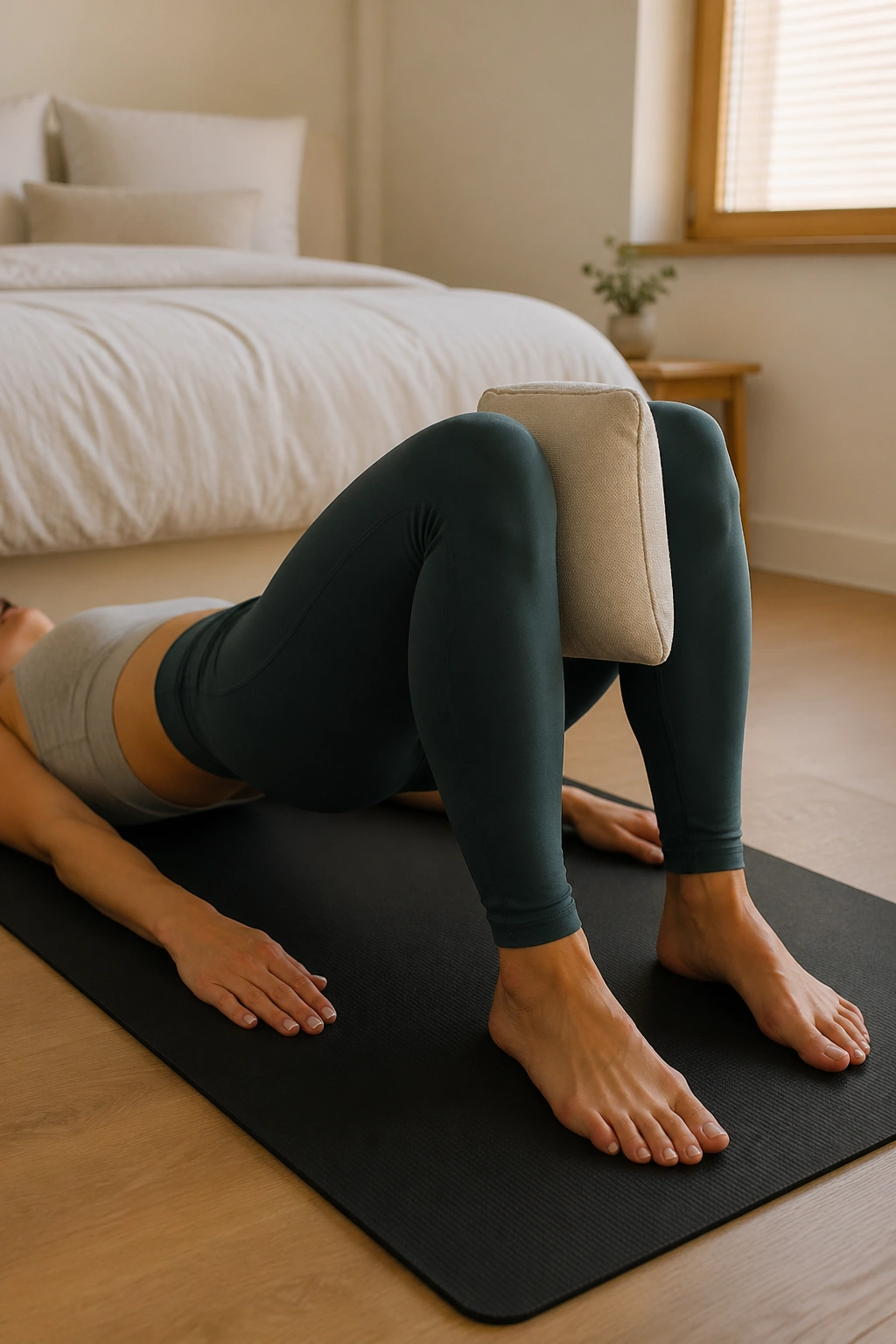
A pillow or small ball between the knees can turn a plain bridge into a surprisingly focused workout. The inner thighs help stabilize the pelvis more than most people expect, and this series makes that obvious fast.
Lie on your back with the knees bent and squeeze the pillow gently for 10 seconds. Release, then lift into a bridge while keeping the squeeze light. Lower and repeat for 6 rounds. Add 10 tiny pulses at the top if you want more heat. Keep the pressure steady rather than crushing the pillow.
A Detail People Miss
The squeeze should feel like a light handshake, not a death grip. If the glutes turn off and the hip flexors take over, ease up.
20. Hundred With Toe Taps
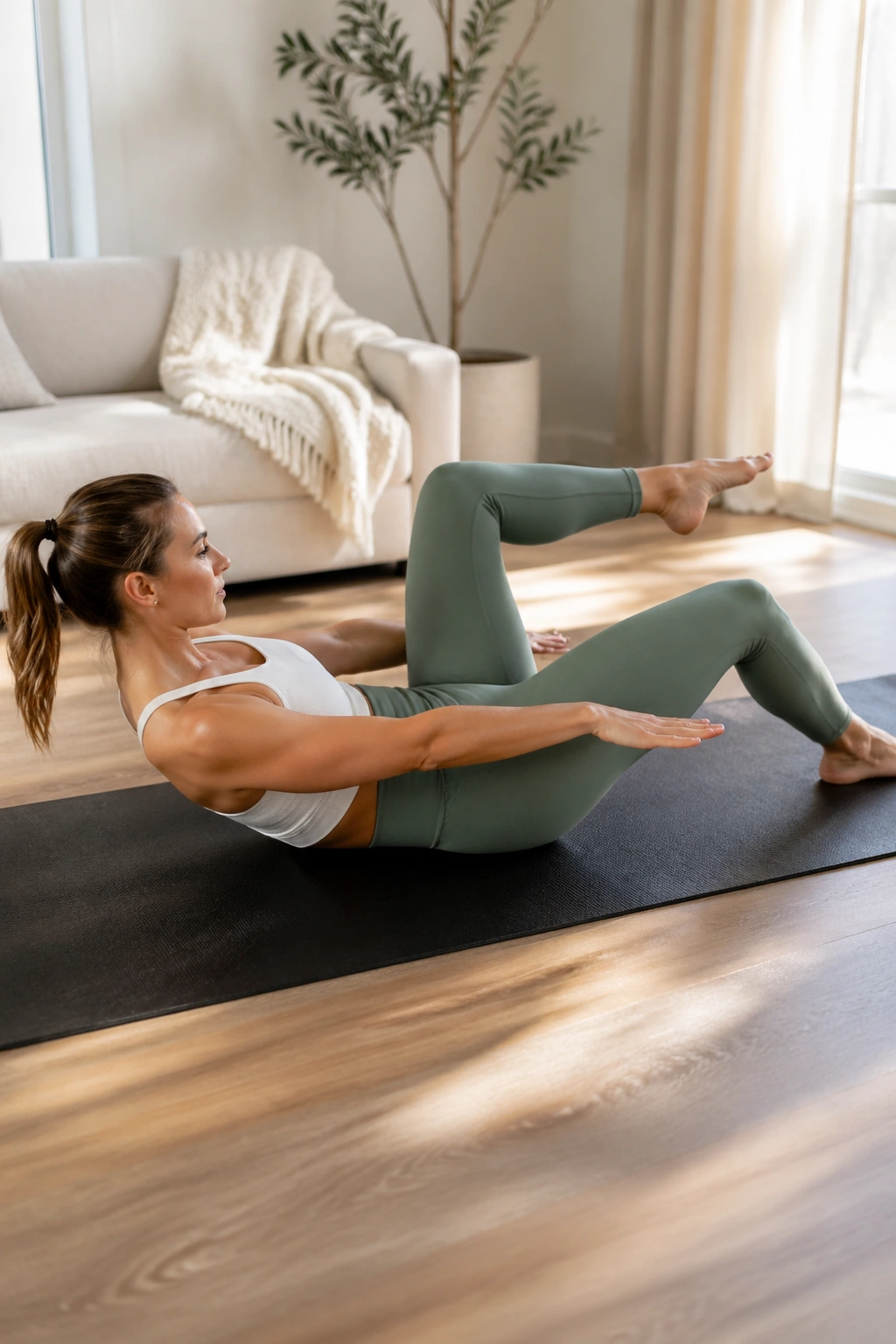
This is the more demanding cousin of the earlier hundred prep. Once the center is a little more awake, toe taps make the low belly work harder without turning the movement into a crunch-fest.
Lift to tabletop, head down or up, and alternate toe taps to the mat for 10 taps per side. Keep the arms pumping, the ribs heavy, and the pelvis still. Do 3 rounds. If the lower back arches, return to one foot down for a set. No shame in that. It’s smarter than forcing the shape.
The breathing rhythm matters here. If the breath gets choppy, the core usually does too.
21. Side Bend and Oblique Lift
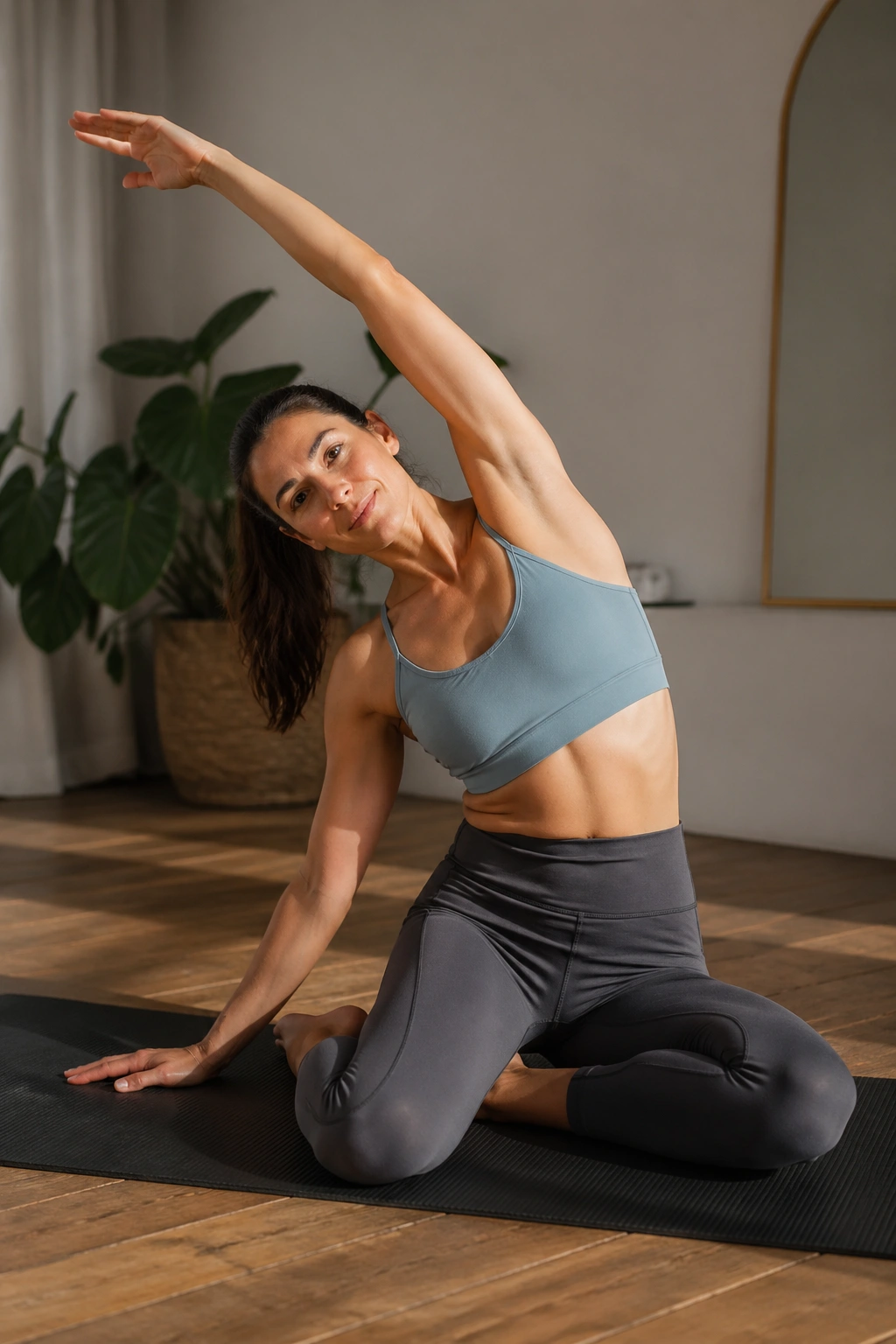
Side bends get treated like a finishing move, but they deserve more credit than that. They train the obliques, the side waist, and the muscles that help the rib cage move without dumping into the lower back.
Sit sideways or kneel with one hand down and lift the opposite arm overhead. Bend away from the supporting hand, then pull back to center using the side waist. Do 6 reps each side. Keep the hips stacked and the neck long. If the shoulder gets jammed, reduce the range and think more “length” than “bend.”
Unlike a side crunch, this one keeps space between the ribs. That matters more than the depth of the bend.
22. Wall Pilates Posture Reset
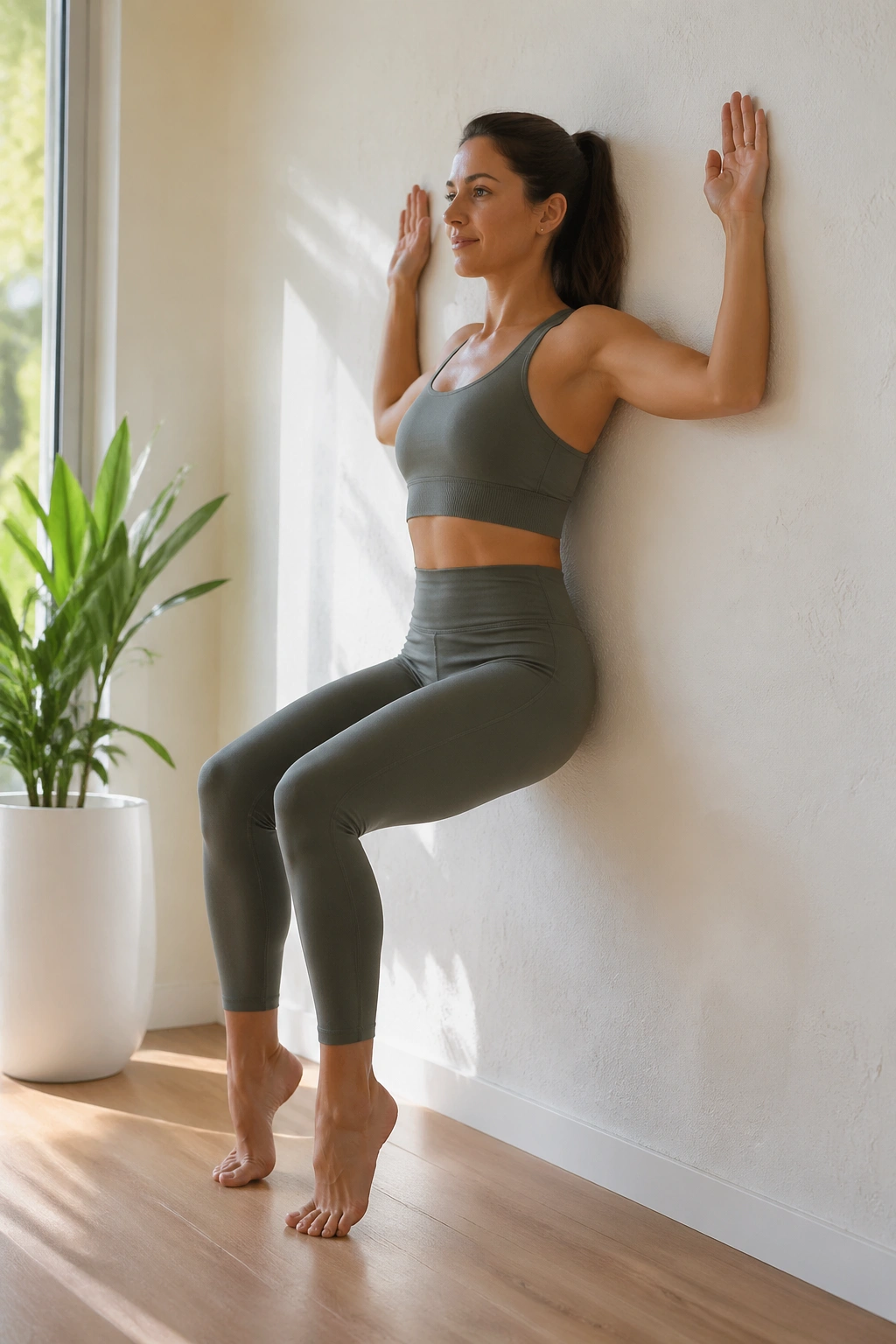
What do you do on the day your body feels a little crooked? Use the wall. Standing work changes the feedback completely. You can feel the back of the head, ribs, pelvis, and heels all at once, which makes it harder to cheat.
Stand with your heels a few inches from the wall, the back of your pelvis touching lightly, and the ribs soft. Do 10 wall angels, 10 calf raises, and 10 small squat pulses. Keep the chin level and the lower back from over-arching. If the arms don’t slide easily, move them slower.
Quick Checklist
- Head gently against the wall
- Ribs soft
- Weight even across both feet
- Breath steady through the nose
That’s enough. Really.
23. Reverse Plank and Triceps Support
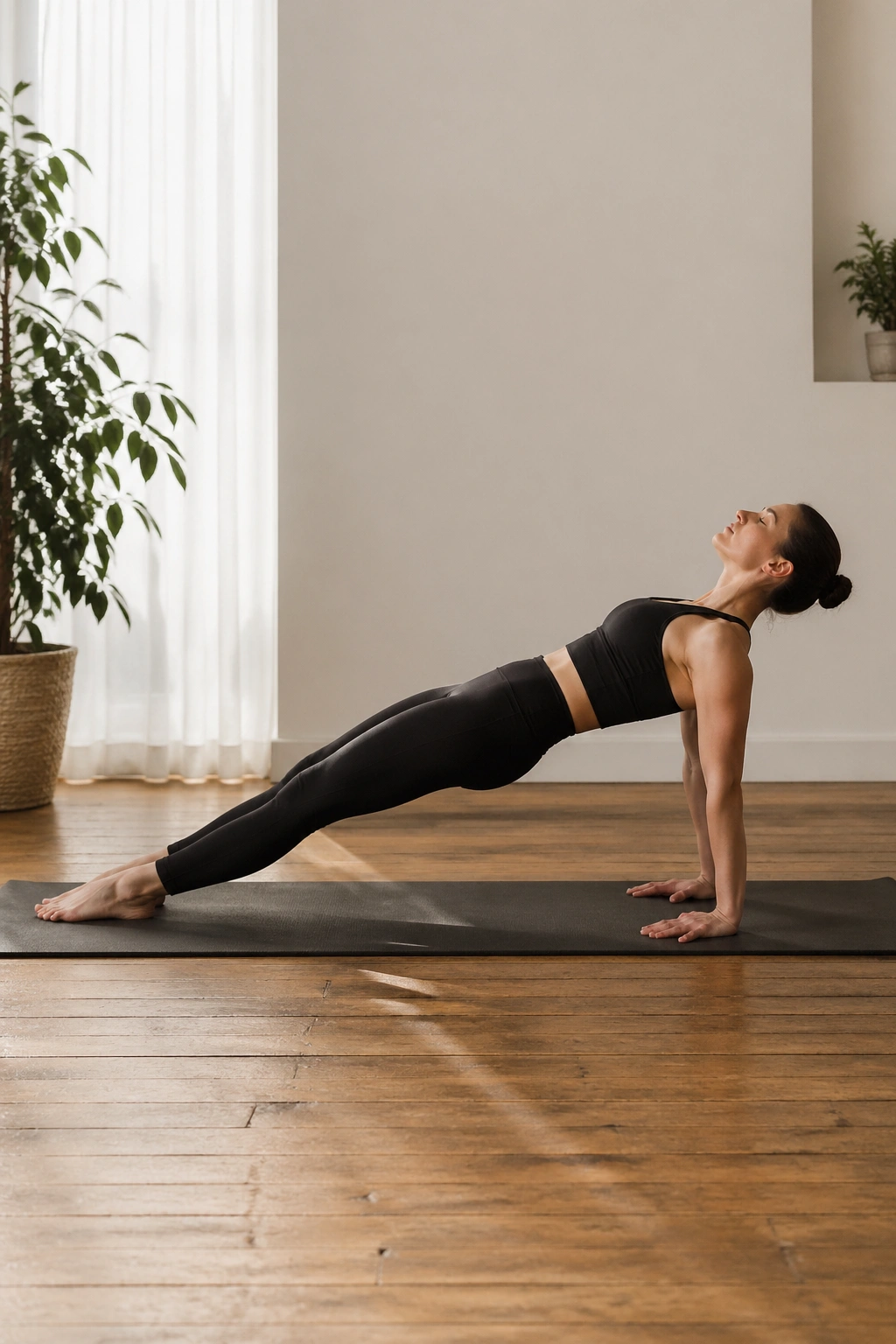
Reverse plank gets people grumpy in a hurry, which is a decent sign it’s doing useful work. It asks the back body, the triceps, and the hamstrings to show up together. That combination is worth the trouble.
Sit with the hands behind the hips, fingers pointing toward the feet if your wrists allow it. Lift the hips into a reverse plank with bent knees first, then straighten a little if the shoulders stay happy. Hold for 15 to 20 seconds, lower, and repeat 3 times. If the neck feels strained, look slightly forward instead of throwing the head back.
The move should feel long and open across the chest, not jammed in the shoulders.
24. Mermaid Stretch and Side Body Reach
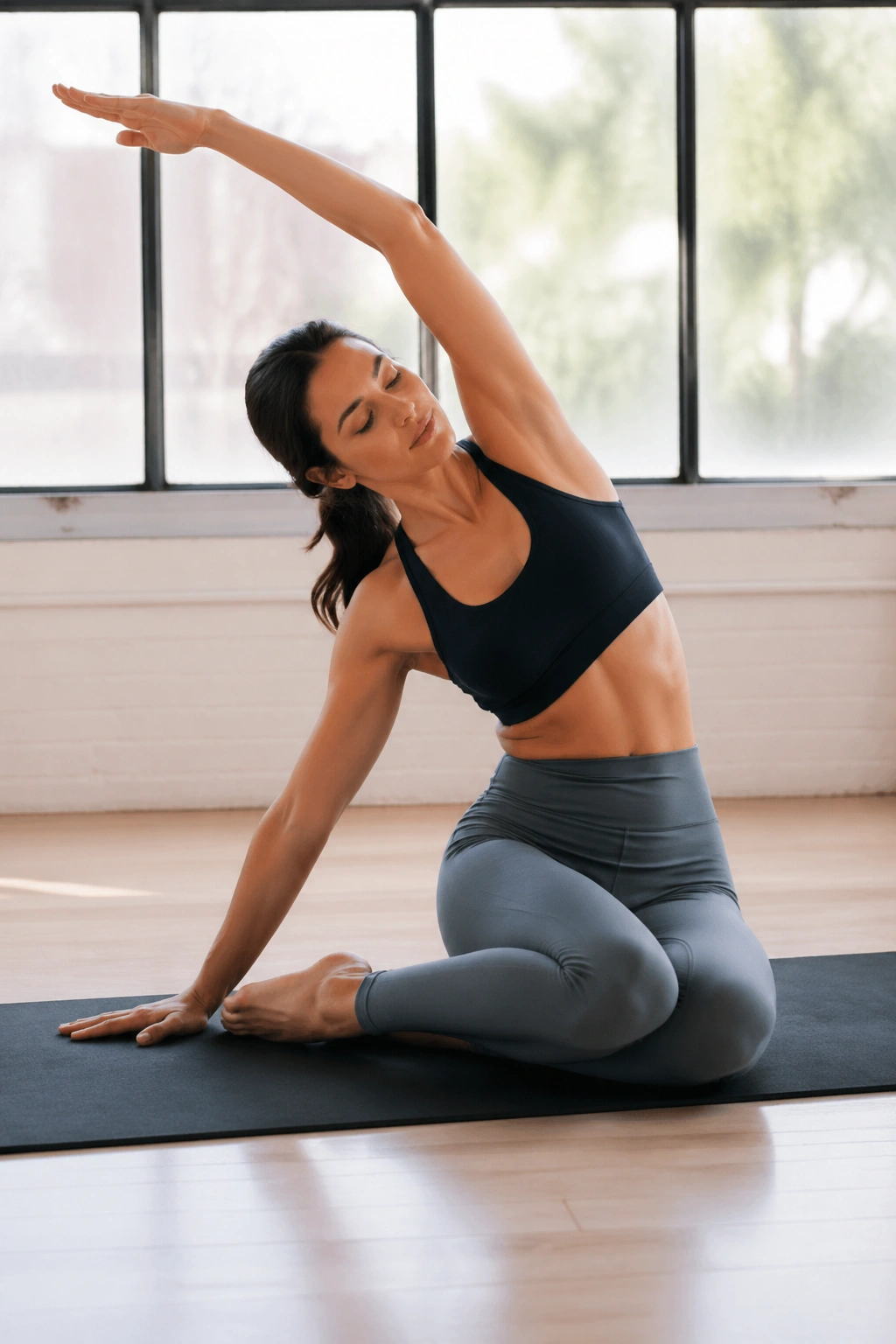
Some days need less intensity and more length. Mermaid is the quiet reset that keeps the challenge from becoming a grind. It opens the side body, asks the ribs to breathe, and gives the spine a break from all the control work.
Sit to one side, knees folded comfortably, and reach the top arm overhead as you side bend. Inhale into the ribs that are facing the ceiling. Exhale and come back up. Do 3 slow rounds on each side, then hold the deepest reach for one full breath. If the hips complain, sit on a folded towel.
It’s a recovery move, but not a throwaway one. The side body will thank you later.
25. Dead Bug Bridge Combo
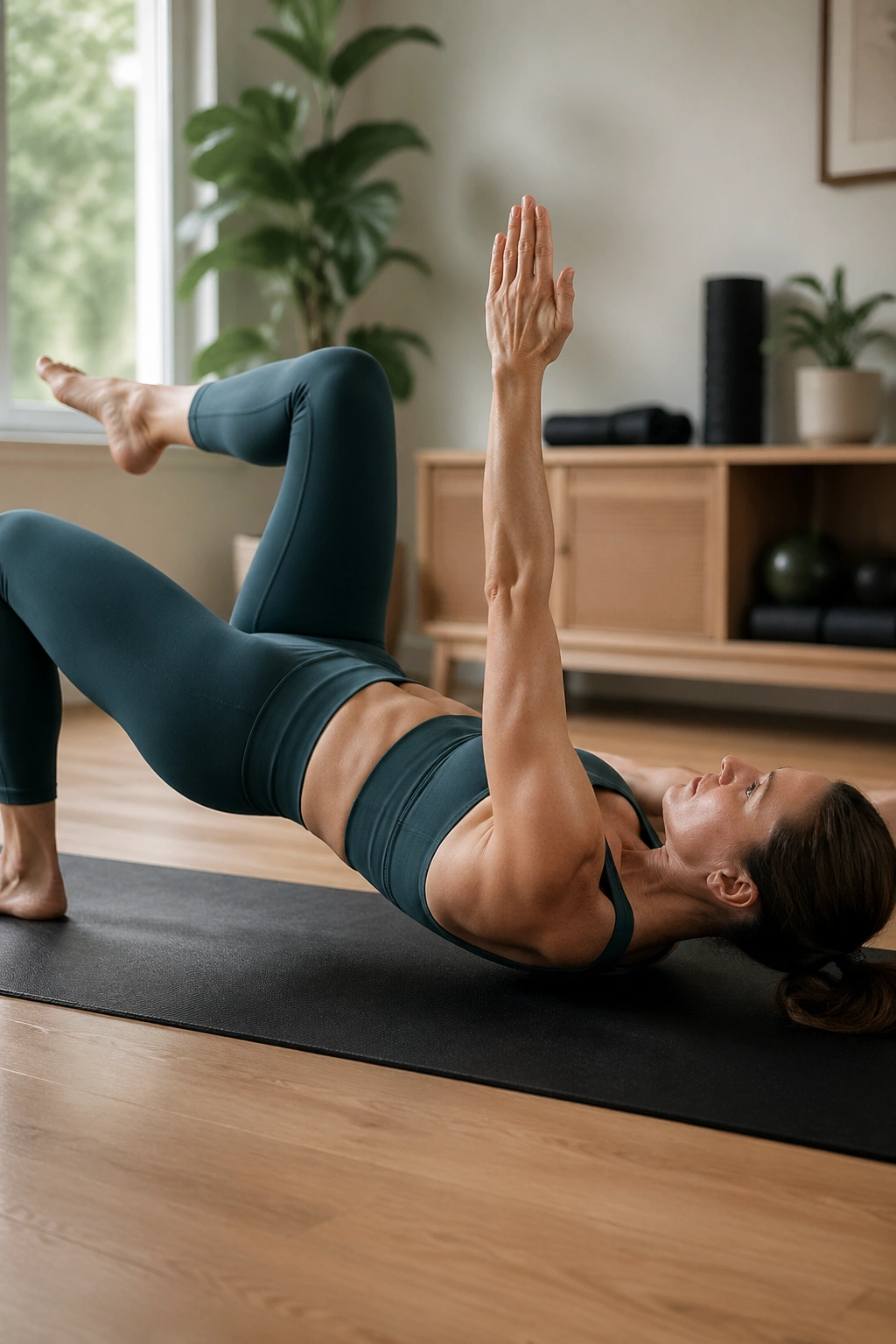
Putting a bridge and a dead bug together sounds slightly annoying, and it is. That’s why it works. You have to keep the pelvis steady while the legs change shape in two different positions, which exposes every lazy shortcut in the core.
Start in bridge with the hips lifted. Lower with control, then come to tabletop and alternate dead bug taps or single-leg reaches. Do 4 bridge reps and 6 dead bug switches per side for 2 rounds. If that’s too much, split the two moves and rest between them. The challenge is the control, not the suffering.
Why This One Stands Out
It connects the lower body to the trunk without speed. That connection is the thing people usually want from Pilates, even if they ask for “abs” instead.
26. Single-Leg Kick for Hamstrings
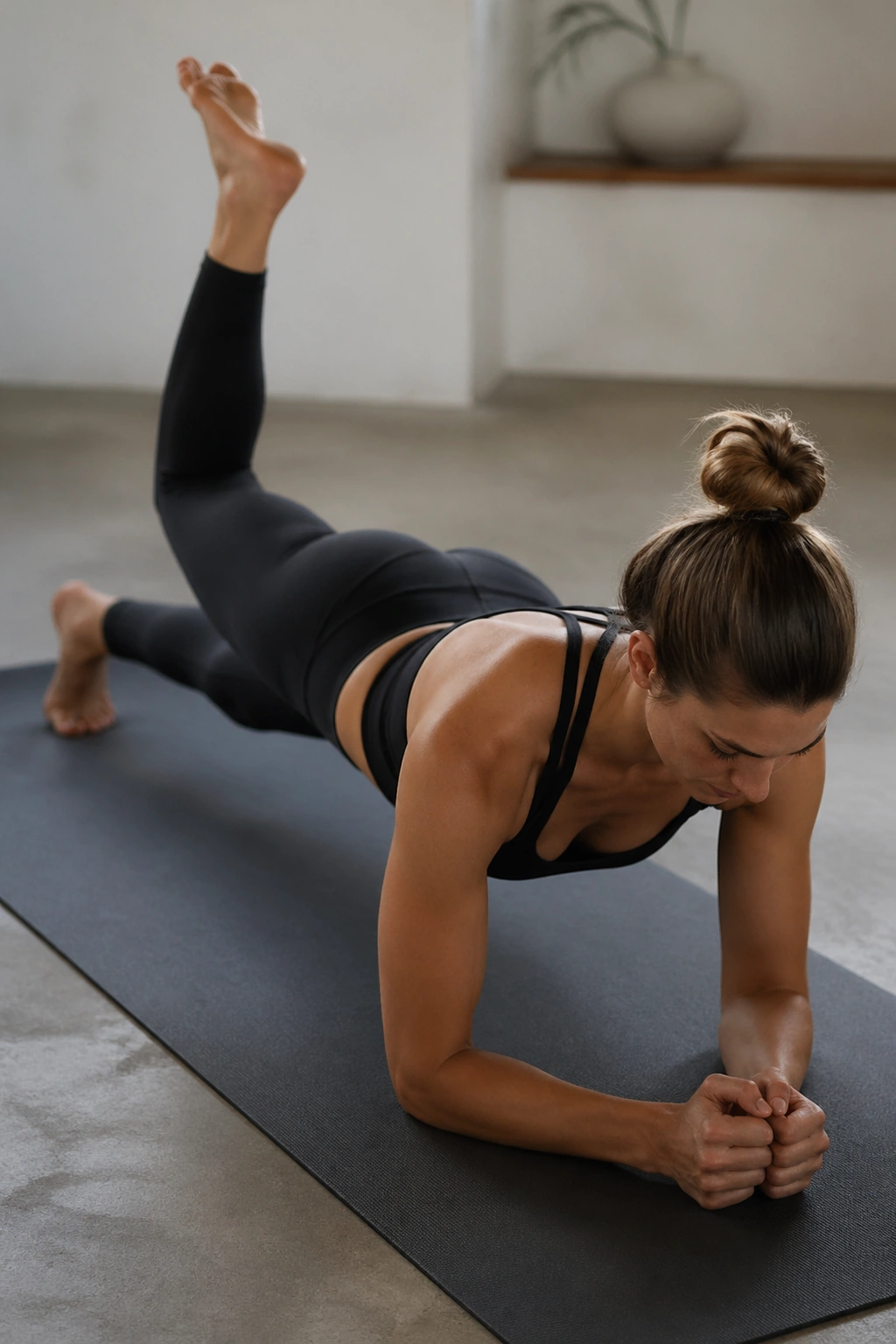
Lie face down, prop up on forearms, and kick one heel toward the seat in two small pulses. Then switch. Single-Leg Kick is a hamstring workout, sure, but it also asks the pelvis to stay calm while the knees bend and the upper body holds itself up.
Do 6 kicks per side, then repeat once more. Keep the belly gently lifted off the mat and the shoulders away from the ears. If the low back compresses, lower the chest a little. If the hamstrings cramp, make the kick smaller and slower.
This one feels old-school in the best way. Clean, direct, no fuss.
27. Open-Leg Rocker Prep
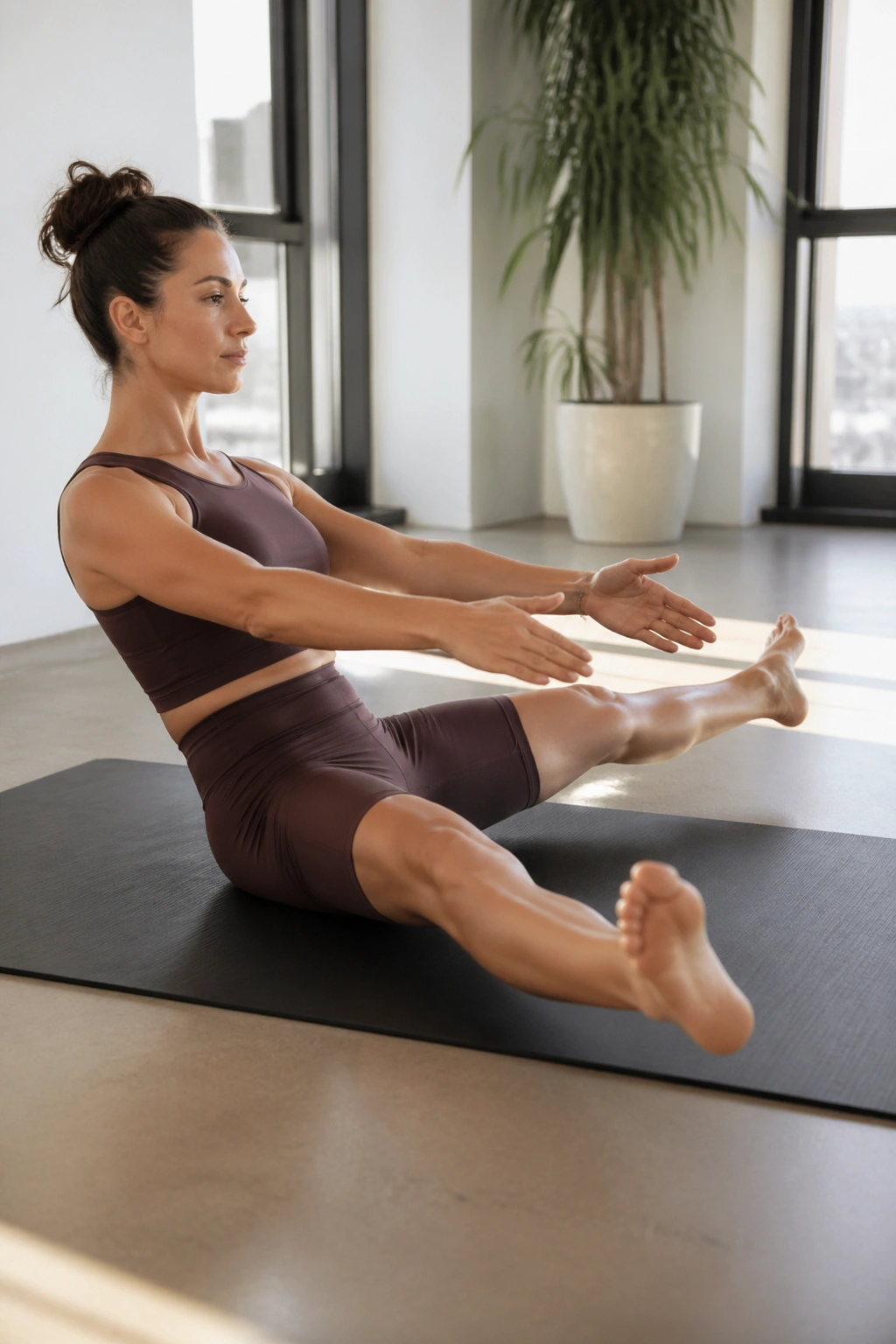
Open-Leg Rocker is a balance exercise with a stubborn streak. The prep version is kinder. You still get the sit-bone challenge and the spinal control, but the risk of face-planting into the mat goes way down.
Sit tall, extend one leg and then the other, and hold behind the thighs if needed. Shift weight back a few inches, return to balance, and keep the chest open. Do 4 to 6 reps. If holding the legs straight feels too ambitious, keep the knees bent and focus on staying rounded but steady.
The point is not to swing. It’s to hover, catch yourself, and come back with control.
28. Band Burn for Arms and Hips
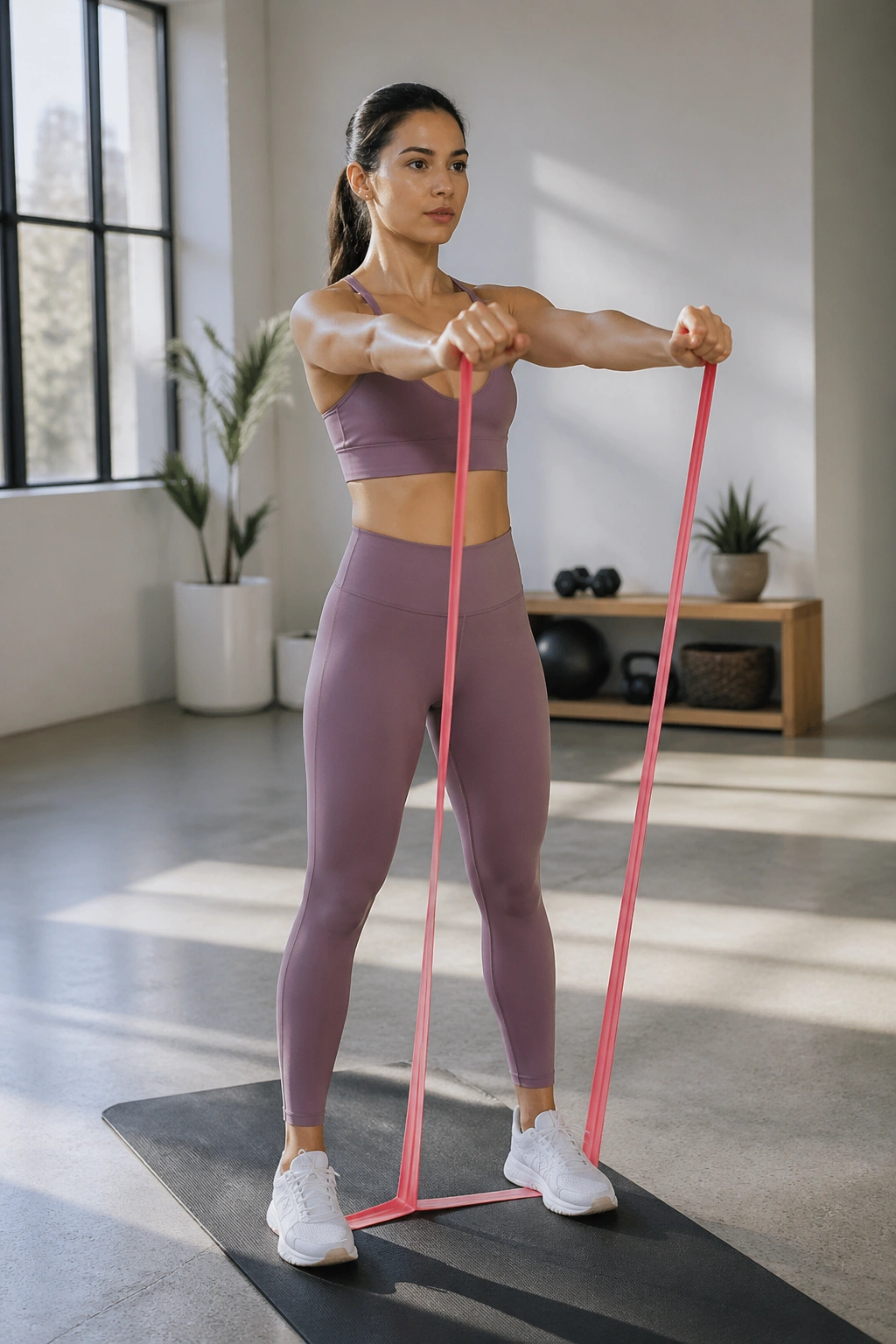
A loop band can make Pilates feel louder in a good way. Not because you need more intensity for the sake of intensity, but because the band gives you honest feedback on the arms and hips at the same time.
Try 10 standing arm presses, 10 side steps each way, and 8 seated or supine abduction presses. Keep the shoulders down and the band tension moderate — too tight and you’ll hike the shoulders or twist the pelvis. A light to medium band usually does the job.
What to Notice
If the movement turns into shrugging, the band is too heavy or the range is too big. Make it smaller. Keep it clean.
29. Mixed Circuit for Core and Glutes
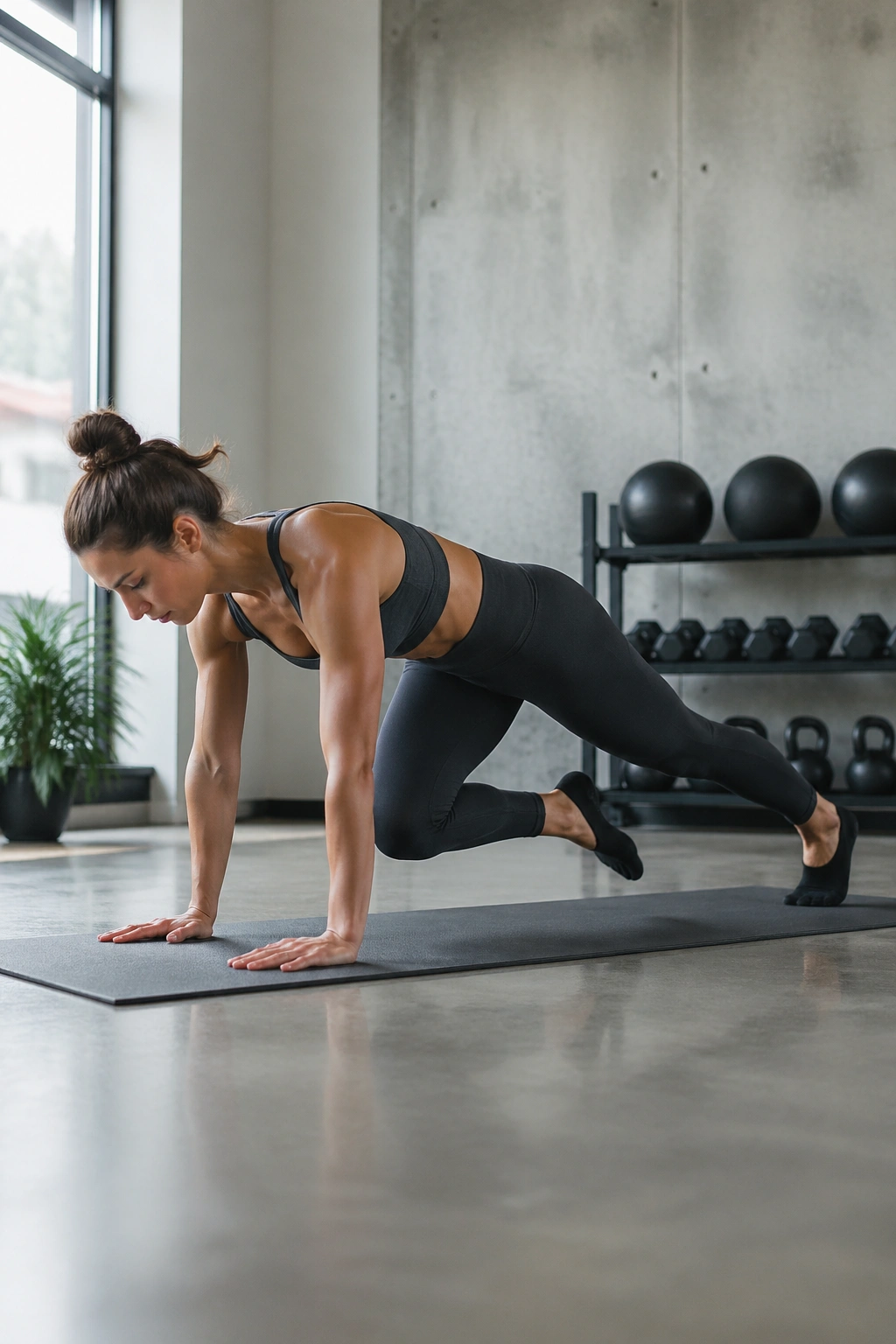
Near the end of a challenge, I like one workout that feels like a sampler platter. It shows you what stuck. It also tells you where the body still cheats under fatigue, which is useful information, even if it is mildly annoying.
Run this circuit 3 times: 8 plank knee taps, 6 bridge marches each side, 8 side kicks each side, and 5 roll-ups. Rest for 30 to 45 seconds between rounds. Keep the quality high enough that the last rep still looks like the first one. If form falls apart, trim the reps. The goal is not to empty the tank.
That little circuit is a good mirror. It shows the core, glutes, shoulders, and breathing all at once.
30. Final Flow and Self-Test
The last workout should feel familiar, not flashy. Pick 5 moves from the month — one breath-based reset, one core drill, one bridge, one back-body move, and one balance exercise — and run them in a clean flow. This is less about proving anything and more about noticing what changed.
I’d use the same mat, the same time of day if possible, and the same 20-minute window. Do 2 rounds. Notice whether the ribs stay quieter, whether the pelvis finds neutral faster, and whether the neck gets less bossy during the harder moves. Those small shifts matter more than whether one exercise suddenly feels easy.
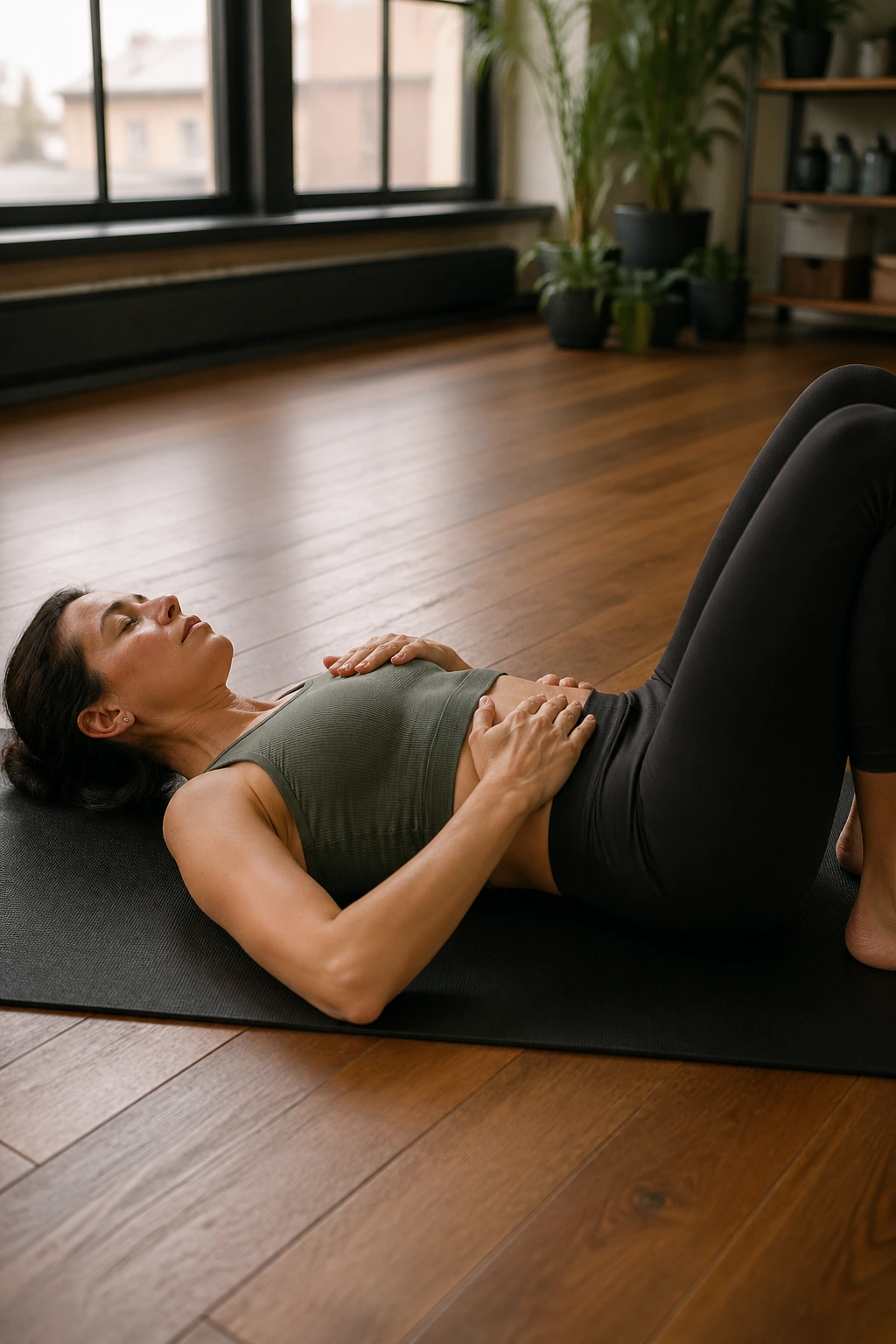
Finish with 5 slow breaths on your back. Let that be the scorecard.
Final Thoughts
A month of Pilates works best when the workouts keep teaching the same lesson from different angles: control first, range second, ego last. That sounds plain, but plain is good here. It keeps the body honest.
The best part is that the challenge does not need to end at day 30. Repeat the sections that lit up your core without aggravating your back, and keep the quiet days in the mix too. The gentler workouts often turn out to be the ones that change the way you move the most.
And if one day feels disappointing, that’s fine. Pilates has a funny way of making the boring reps matter more than the dramatic ones, which is exactly why it keeps paying off when you stick with it.
