



Belly fat loss gets easier when the plan is boring enough to repeat. That sounds less exciting than a detox cleanse or a dramatic carb ban, but it works better for real life. You cannot spot-reduce fat from your stomach, so the job is to build a way of eating that keeps you in a steady calorie deficit without turning every meal into a fight.
The waist tends to be the first place people notice change and the last place they trust. Fair enough. A lot of the frustration comes from meals that look harmless on the plate but stack up fast: sugary drinks, oversized portions, snacky lunches, and dinners that are light on protein but heavy on starch. When the food has enough protein and fiber, hunger gets quieter. When it doesn’t, the fridge starts calling your name an hour later.
What works best is usually plain on purpose. Protein. Vegetables. Beans. Whole grains in measured portions. Fewer liquid calories. Less random snacking. Nothing glamorous there, and that is exactly the point.
1. Start with a Modest Calorie Deficit
A belly fat loss plan lives or dies on this one idea: you need to eat a little less energy than you burn. Not starve. Not “cleanse.” Not live on grapefruit and hope. A modest deficit of about 300 to 500 calories a day is often enough to start moving the scale and the waistline without making you feel punished.
The easiest way to do that is through small, repeatable changes. Trim one starch serving at dinner. Swap soda for sparkling water. Keep breakfast protein-heavy so you’re not hunting for snacks by 10 a.m. A few small cuts usually beat one miserable overhaul.
What Makes the Deficit Stick
- Use a smaller dinner plate, around 9 inches instead of a big 12-inch one.
- Keep cooked starches to about 1 cup per meal unless you’ve trained hard that day.
- Choose one treat, not three, after dinner.
- Skip second helpings unless you’re truly still hungry 15 minutes later.
No magic here. Just math that doesn’t make you dread lunch.
2. Build Breakfast Around 25 to 35 Grams of Protein
A high-protein breakfast is one of the easiest diet plan ideas for belly fat loss because it cuts the morning snack spiral before it starts. Eggs, Greek yogurt, cottage cheese, tofu scramble, and protein-rich oats all do the same useful thing: they keep hunger down for hours instead of minutes.
Why Breakfast Matters
Protein takes longer to digest than refined carbs, and that slower ride matters. A breakfast built around 25 to 35 grams of protein usually feels more solid than a bowl of cereal that disappears halfway through the commute. You do not need a huge plate. You need staying power.
Here’s the part I like: protein breakfast plans are flexible. If you hate eggs, skip them. If you’re a sweet breakfast person, use plain Greek yogurt with berries and chia seeds. If you want something hot, make a tofu scramble with peppers and onions. The details can change. The protein anchor should not.
3. Fill Half the Plate with Non-Starchy Vegetables
The plate method works because vegetables bring volume without piling on calories. Half a plate of broccoli, zucchini, cabbage, spinach, peppers, green beans, or salad leaves gives you chew, fiber, and a little visual sanity. You feel like you ate a meal, not a suggestion.
What Counts as Non-Starchy
Think leafy greens, cauliflower, mushrooms, asparagus, tomatoes, cucumber, and carrots in normal portions. Potatoes, corn, and peas do not go in this bucket; they count more like starch. That distinction matters if your goal is belly fat loss and your plate is sneaking toward a carb pile.
How to Make It Taste Good
- Roast vegetables at 425°F so they brown at the edges.
- Toss them with 1 to 2 teaspoons of olive oil, not a flood.
- Use salt, black pepper, garlic, lemon, chili flakes, and fresh herbs.
- Keep a jar of salsa or vinaigrette ready so plain vegetables do not feel like punishment.
A vegetable-heavy plate is not a side dish. It is the whole trick.
4. Make Fiber the Quiet Hero of Lunch
Lunch can go sideways fast if it is built from white bread, a sad protein bar, and a coffee. A fiber-forward lunch steadies the rest of the day because it slows digestion and helps you stay full through the afternoon slump. That matters more than people want to admit.
A Lunch That Holds You
A good target is 8 to 12 grams of fiber at lunch. That can come from lentil soup, a bean salad, whole-grain wraps, berries, or a big bowl with greens, chicken, avocado, and quinoa. The point is not to stuff yourself with roughage. The point is to make the meal take longer to leave your system.
- Chickpeas in a salad add fiber and texture.
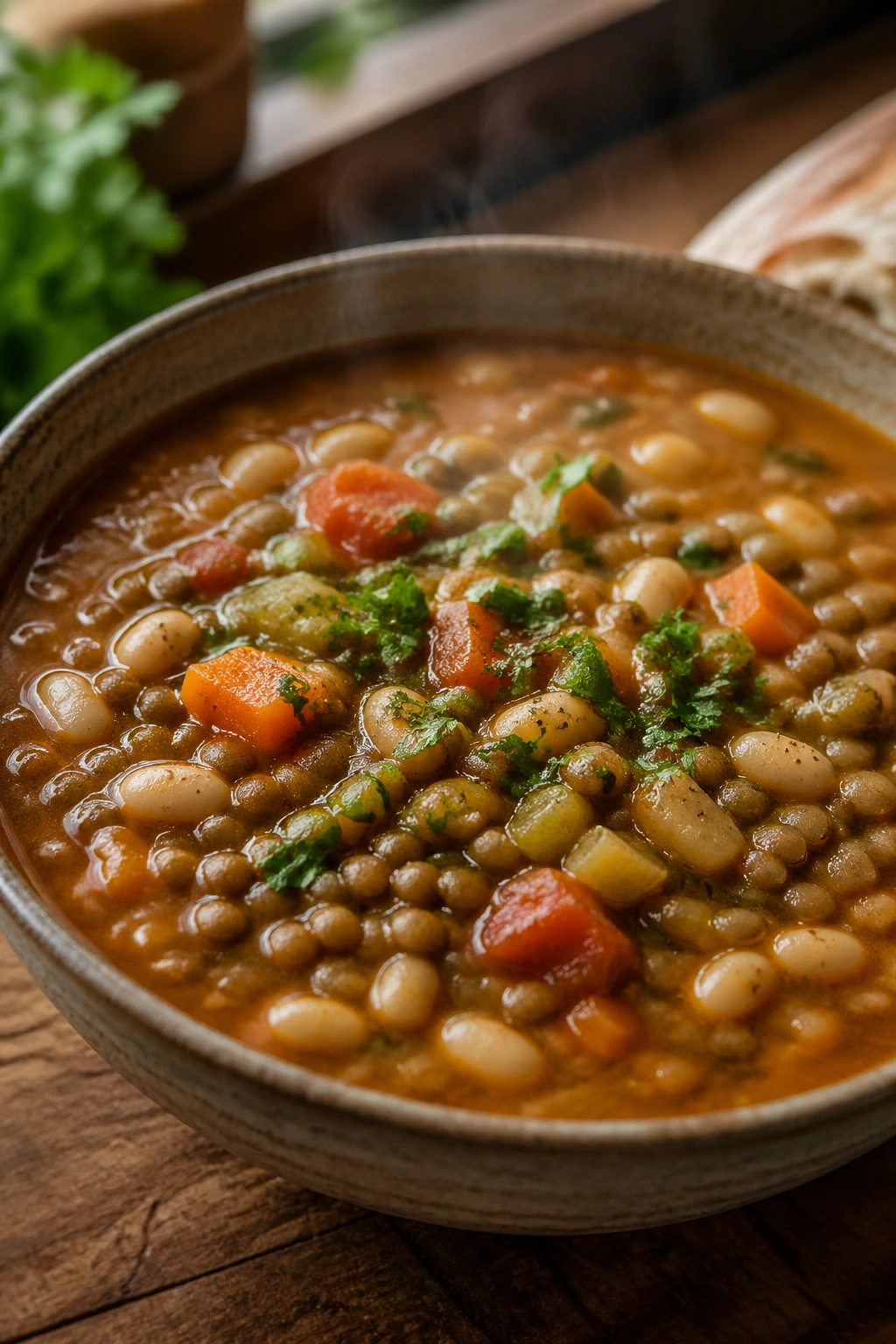
- Lentils in soup give you protein and bulk at the same time.
- A pear or apple after lunch is easier than reaching for cookies.
- Whole-grain bread beats fluffy white bread when you’re trying to stay full.
If lunch keeps you calm, dinner gets a lot easier.
5. Drop Sugary Drinks and Fancy Coffee Calories
This one is dull, and it works. Soda, sweet tea, bottled juice, flavored coffee drinks, and sugar-heavy smoothies can add a few hundred calories without making you feel much fuller. That’s bad tradecraft when belly fat loss is the goal.
Water is the obvious swap, but there are other sane choices: sparkling water, unsweetened iced tea, black coffee, or coffee with a small splash of milk. If you love a flavored coffee, make it at home and measure the syrup or sweetener. Do not pour freehand and pretend the cup is still “light.”
A lot of waistline progress comes from cleaning up the stuff you drink between meals. The calories are sneaky. The fix is not glamorous. It is just effective.
6. Put Beans and Lentils on Weekly Repeat
Beans and lentils are one of the best deals in food, and I mean that in a practical way. They bring fiber, plant protein, slow carbs, and enough bulk to make a meal feel finished. A bowl of lentil soup or black beans with rice often lands better than a plate full of lean meat with no texture.
Why They Work So Well
They digest slowly, which helps with hunger. They’re cheap. They store well. And they fit almost anywhere: chili, salads, wraps, curries, soups, grain bowls. That versatility matters because the best diet plan ideas for belly fat loss are the ones that do not collapse when you get busy.
A good rhythm is two to four bean-based meals a week. If your stomach is not used to them, start smaller. Half a cup is enough to begin. Rinse canned beans well, cook lentils until soft, and season boldly. Bland beans are the fastest way to quit on beans.
7. Try a 12-Hour Overnight Eating Window
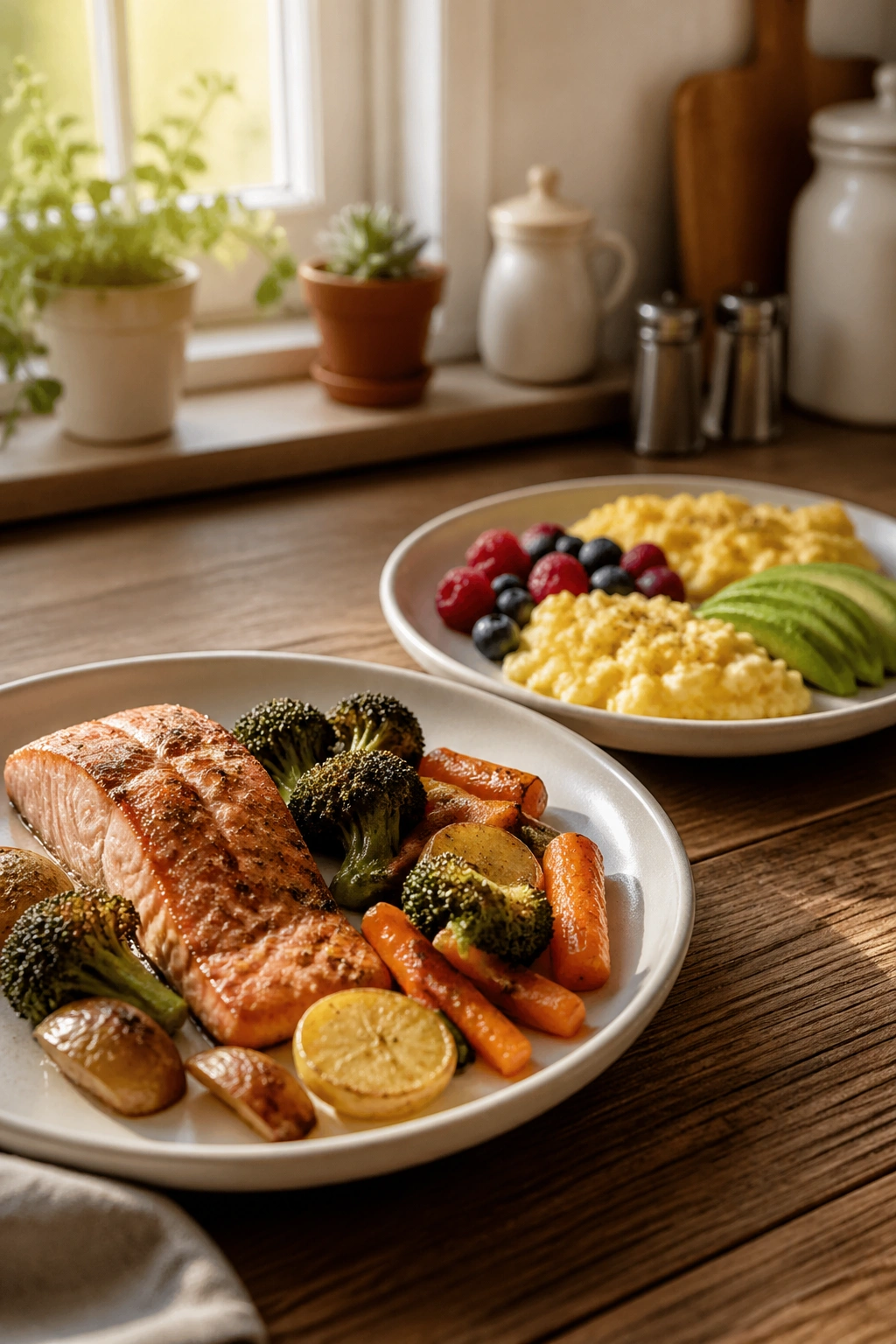
A 12-hour eating window is one of the calmest ways to stop late-night nibbling. If dinner ends at 7 p.m., breakfast starts at 7 a.m. That is not aggressive fasting. It is a built-in pause that gives your kitchen a closing time.
A Simple Version
You do not need a fancy schedule. Pick a 12-hour stretch that fits your life and keep it steady for a couple of weeks. Some people like 8 a.m. to 8 p.m. Others feel better with 7 a.m. to 7 p.m. The real win is consistency, because random late snacks are usually where extra calories hide.
This plan is not a fat-burning spell. It is a guardrail. If a shorter eating window makes you ravenous, scale it back. But if your weakest moment is the post-dinner couch drift, this small rule can quietly help the waistline.
8. Keep Dinner Smaller Than Lunch
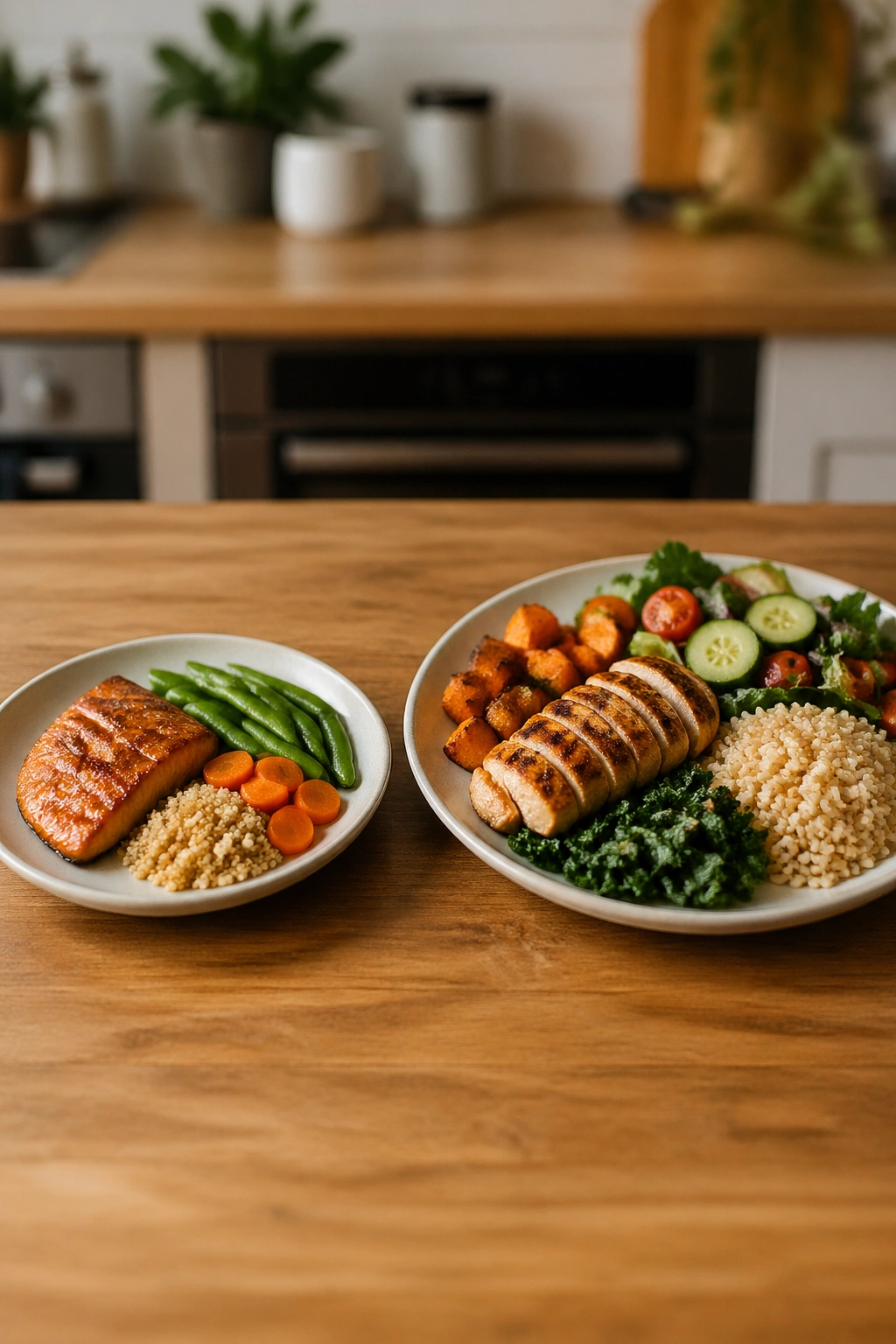
Dinner is where many otherwise sensible plans lose the plot. You get home tired, hungry, and a little annoyed, and the portions start to swell. Keeping dinner lighter than lunch can trim a surprising number of calories without making you feel deprived.
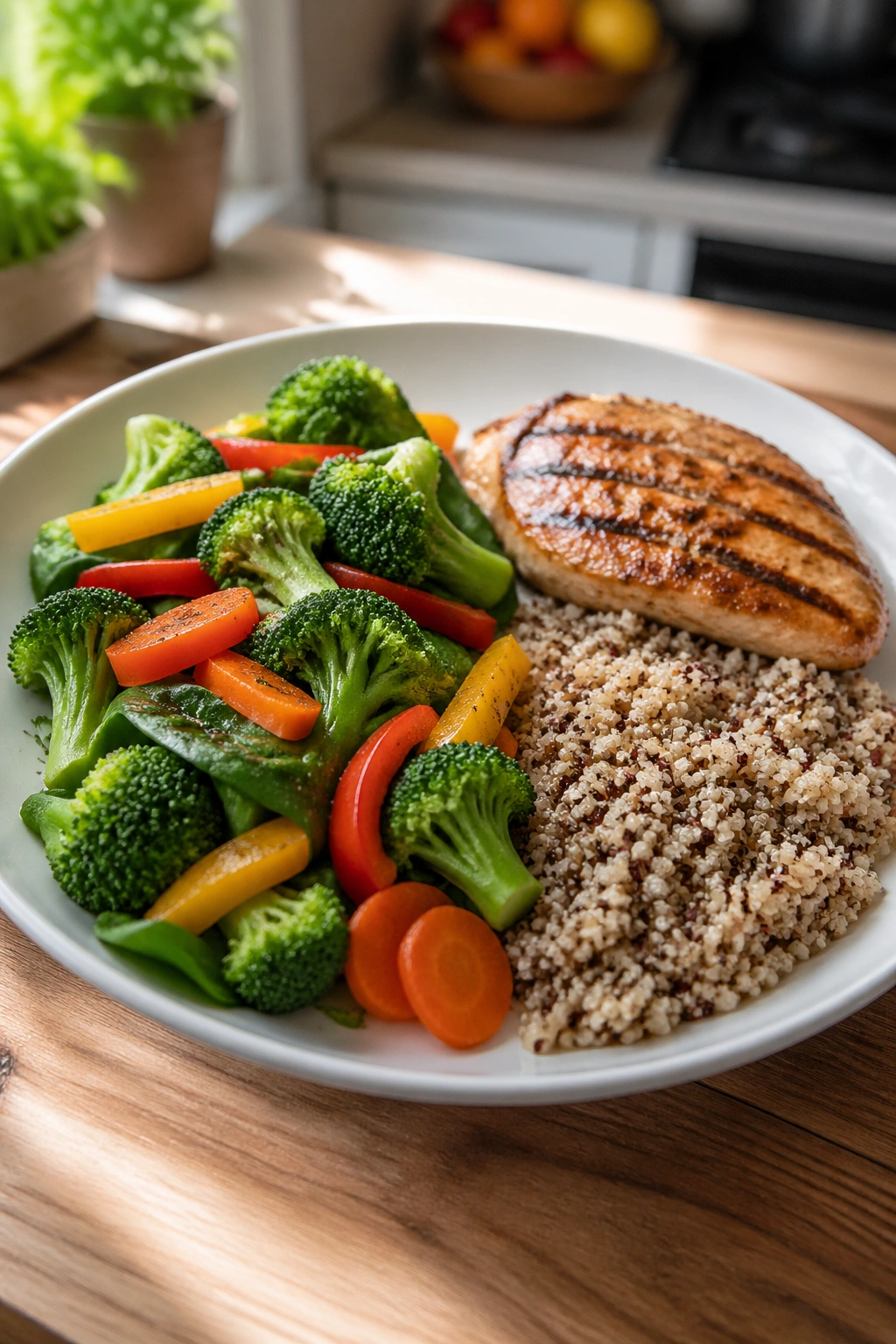
Think of dinner as a clean landing, not a food festival. A plate of grilled chicken, roasted vegetables, and a modest scoop of rice is enough. A mountain of pasta with bread on the side usually is not. I like to tell people to stop chasing the feeling of being stuffed. Comfortable is enough.
9. Rotate Lean Protein and One Starch at Dinner
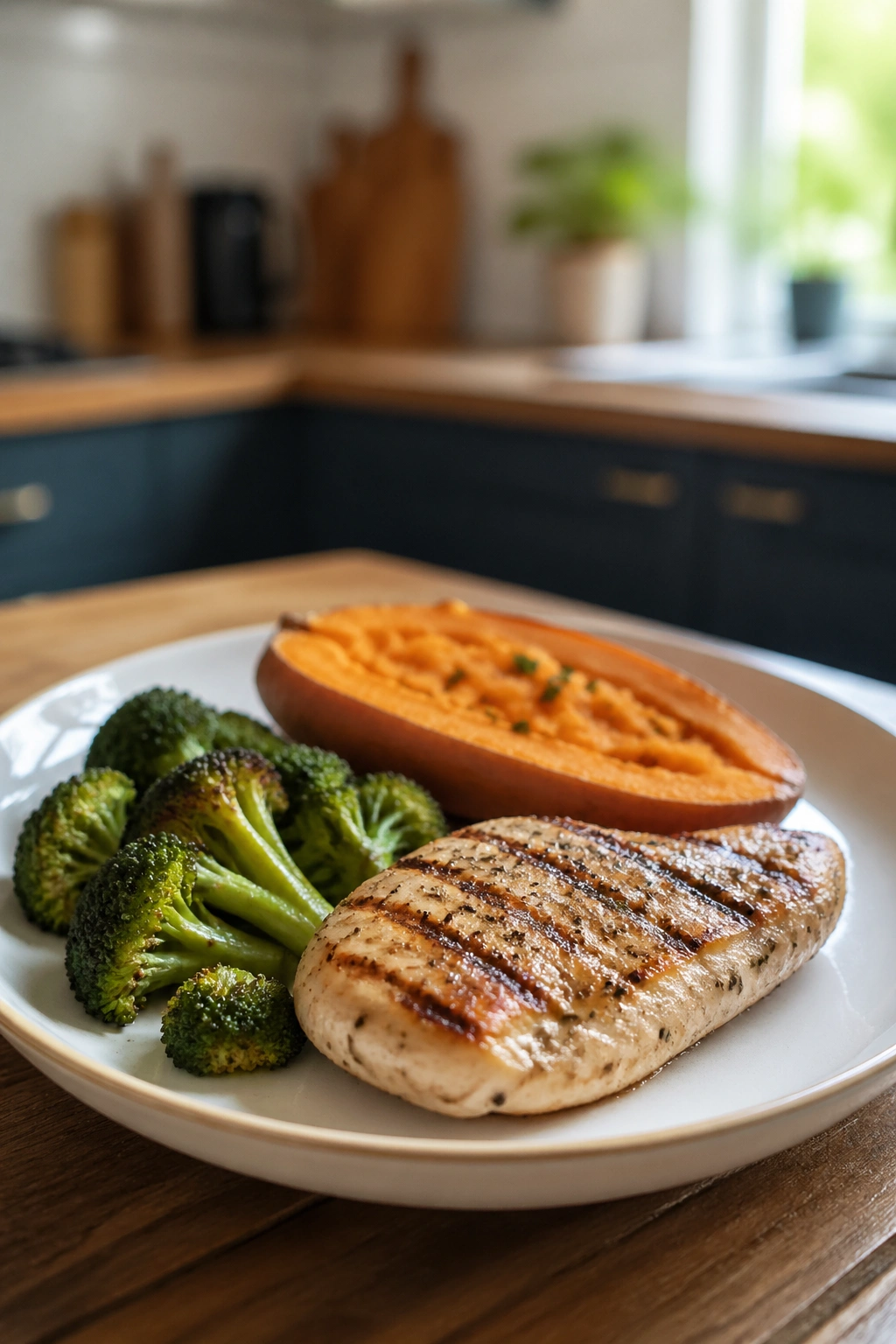
A dinner built around one lean protein and one starch is easy to repeat and hard to mess up. Chicken breast and sweet potato. Salmon and rice. Turkey and whole-wheat pasta. Tofu and quinoa. The structure stays the same, but the food does not get boring.
What you’re avoiding here is the double-starch trap: pasta plus bread, rice plus chips, noodles plus dessert that turns into a second dinner. One starch portion is usually plenty when the rest of the plate has vegetables. Keep protein around 4 to 6 ounces cooked, and let the starch play a supporting role. That balance does more for belly fat loss than most people expect.
10. Turn Snacks into Fruit Plus Protein
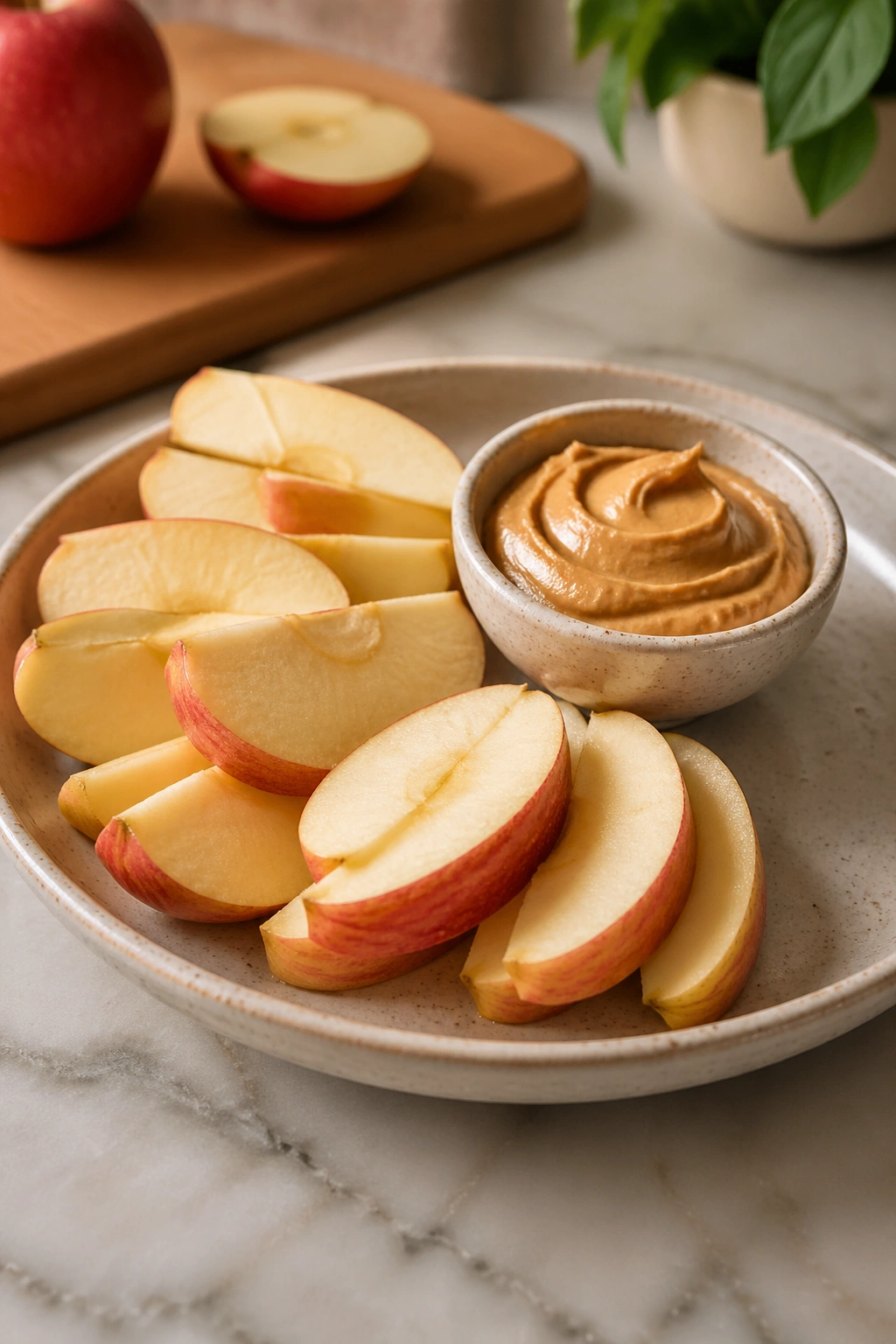
A snack should do a job. If it does not quiet hunger for at least a couple of hours, it’s usually just a calorie detour. Pairing fruit with protein is a cleaner move than grabbing crackers or a pastry and hoping for the best.
Easy Pairings That Work
- Apple slices with 1 to 2 tablespoons of peanut butter
- Greek yogurt with berries
- Cottage cheese with pineapple
- A banana with a handful of almonds
- Carrots with hummus and a boiled egg
Fruit gives you volume and sweetness. Protein makes it stick. That combo is a better bet than snack bars that look virtuous but vanish in three bites. Keep the portions honest, though. A small bowl beats a giant “healthy” trail mix every time.
11. Put Ultra-Processed Foods on a Short Leash
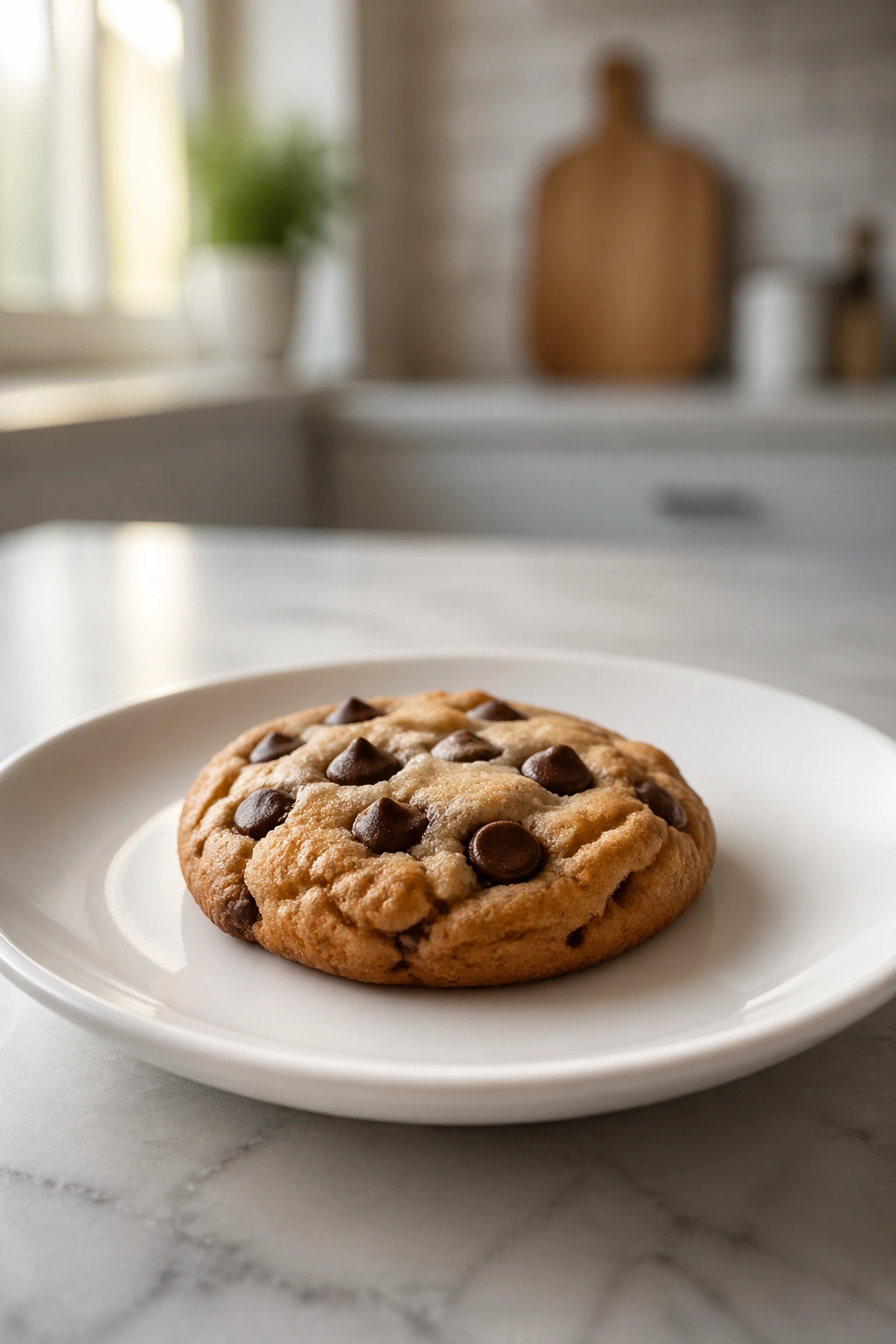
Packaged snacks, fast-food meals, frosted cereals, and a lot of shelf-stable desserts are built to be easy to overeat. That is not a moral issue. It is a food design issue. These foods tend to be soft, salty, sweet, and fast to chew, which makes it easy to eat more before your brain catches up.
You do not need to ban them forever. But if they show up at every meal, belly fat loss gets harder because the calories climb while fullness stays low. Keep them in the plan in smaller, deliberate amounts. One serving. Not the whole bag. That’s the difference between a treat and a habit.
12. Make Soups and Stews a Weekly Anchor
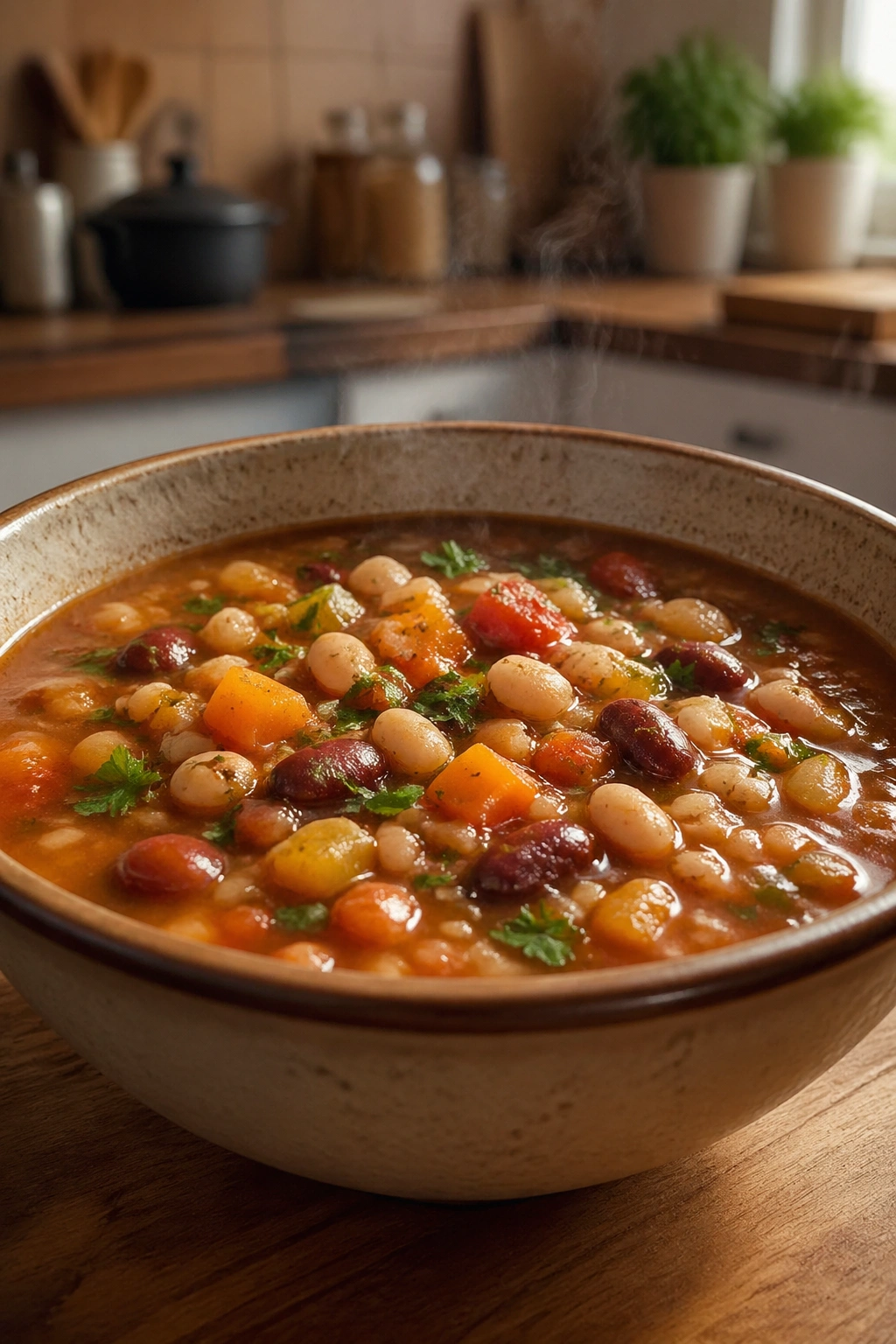
Soup is one of my favorite diet moves because it feels generous without being calorie heavy. Broth, vegetables, beans, lean meat, and a modest starch make a bowl that fills the stomach well. Stews do the same thing, just thicker and a little heartier.
A chili made with turkey, beans, tomatoes, onions, and peppers can feed you for days. Same with chicken vegetable soup or lentil stew. These meals are forgiving, cheap, and easy to portion. They also reheat well, which is handy when your week gets messy and takeout starts whispering.
13. Eat Fish Twice a Week
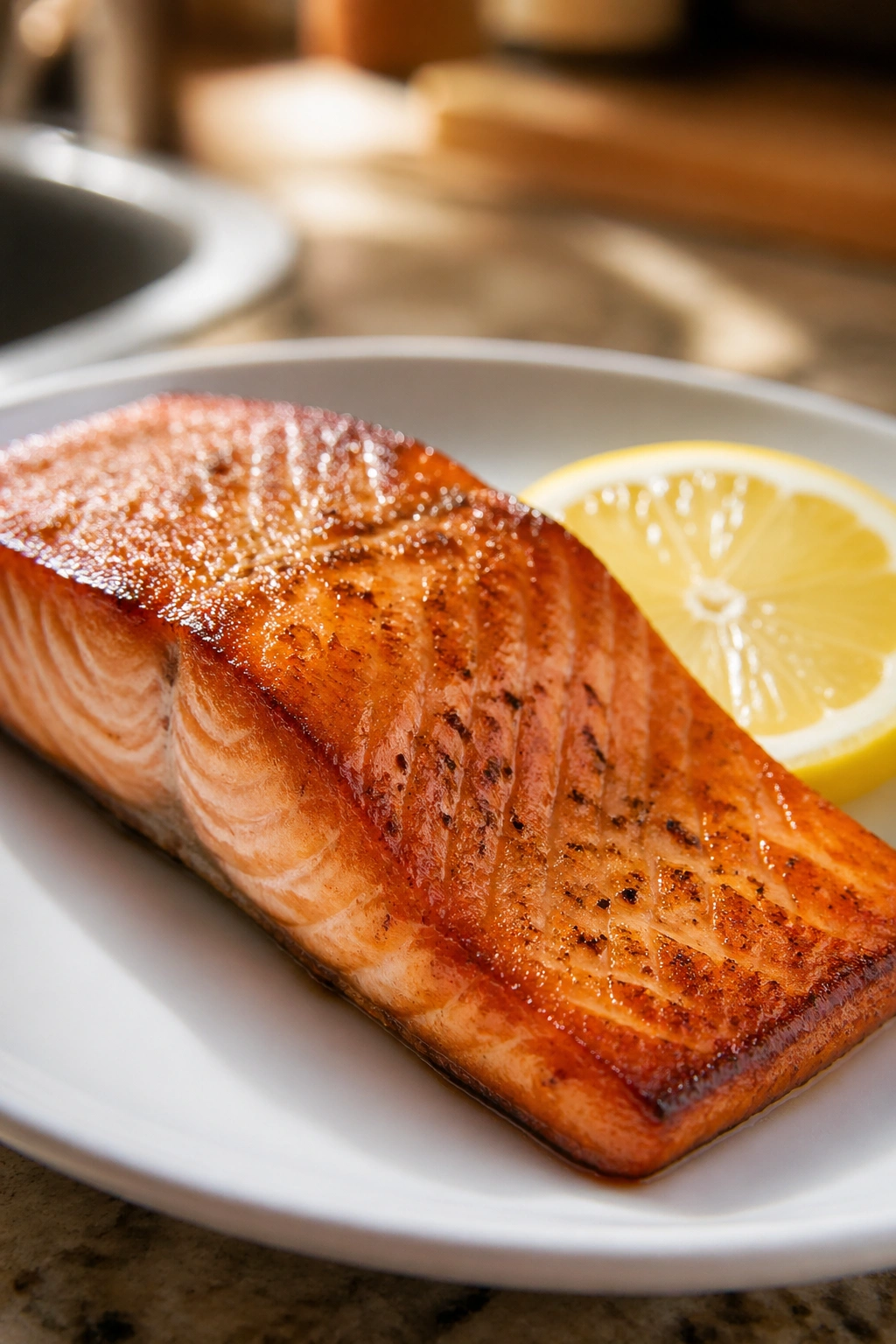
Fish is a clean fit for belly fat loss because it brings protein without needing a giant portion. Salmon, trout, sardines, tuna, cod, and haddock all work. Some bring more omega-3 fats than others, but they all help keep meals balanced and filling.
Easy Ways to Use It
- Bake salmon with lemon and dill at 400°F for 12 to 15 minutes.
- Toss tuna with Greek yogurt, celery, and mustard for a lunch bowl.
- Pan-sear cod and serve it with roasted carrots and potatoes.
- Keep canned sardines or salmon on hand for fast lunches.
Fish is not magic food. It is just a smart one: high in protein, easy to cook, and less likely to turn into a calorie bomb than creamy takeout.
14. Start Dinner with a Salad or Broth
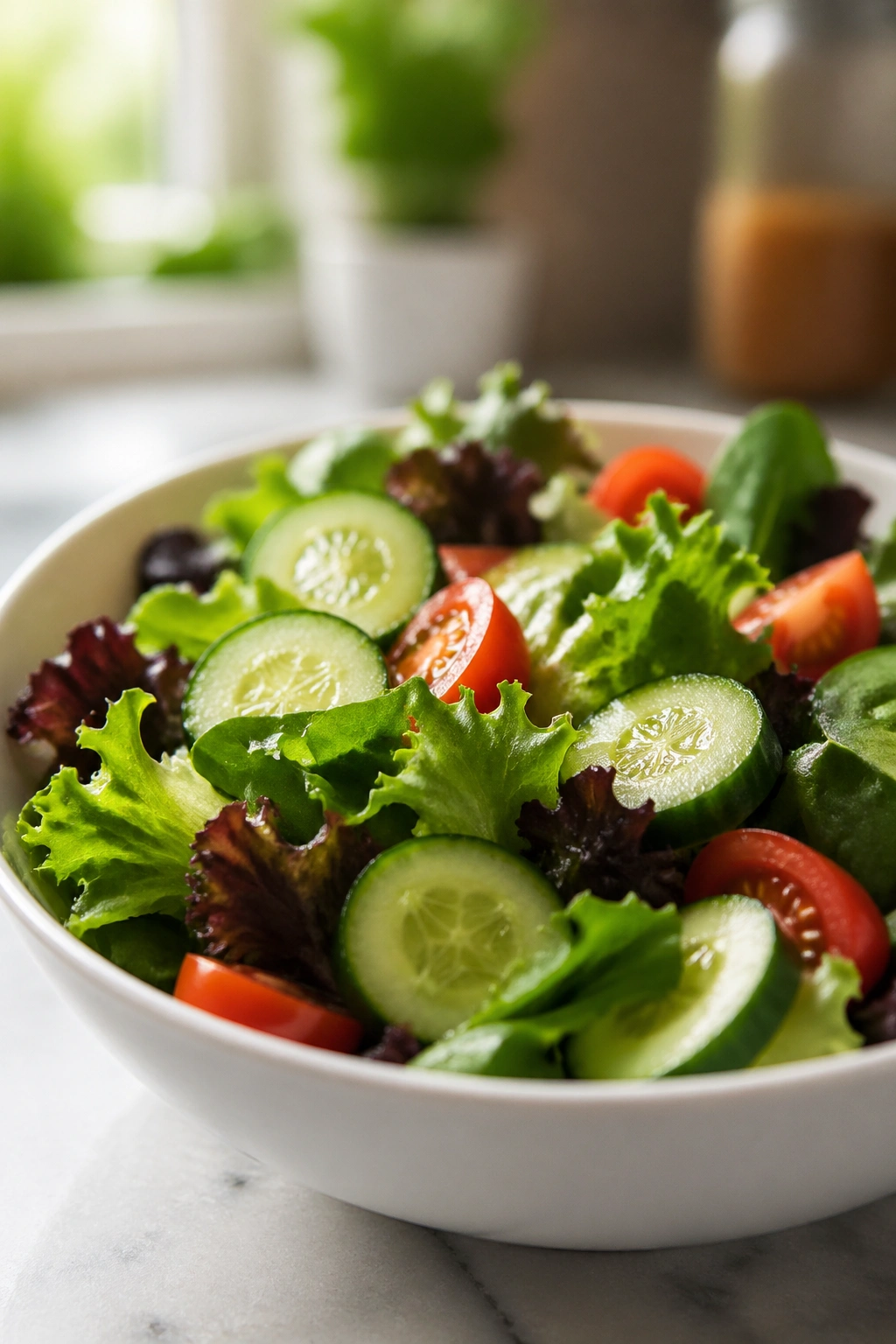
A salad starter or a small bowl of broth can take the edge off hunger before the main course arrives. That little pause changes how much you eat later, which is the whole point. You are not tricking yourself. You are creating a buffer.
A simple salad works best: greens, cucumber, tomatoes, and a measured dressing, maybe 1 tablespoon of olive oil-based vinaigrette. Broth works too, especially if you like warm food and do not want a big pre-meal salad. Either way, the starter should be small enough to warm up appetite, not kill it.
15. Add One Meatless Day Each Week
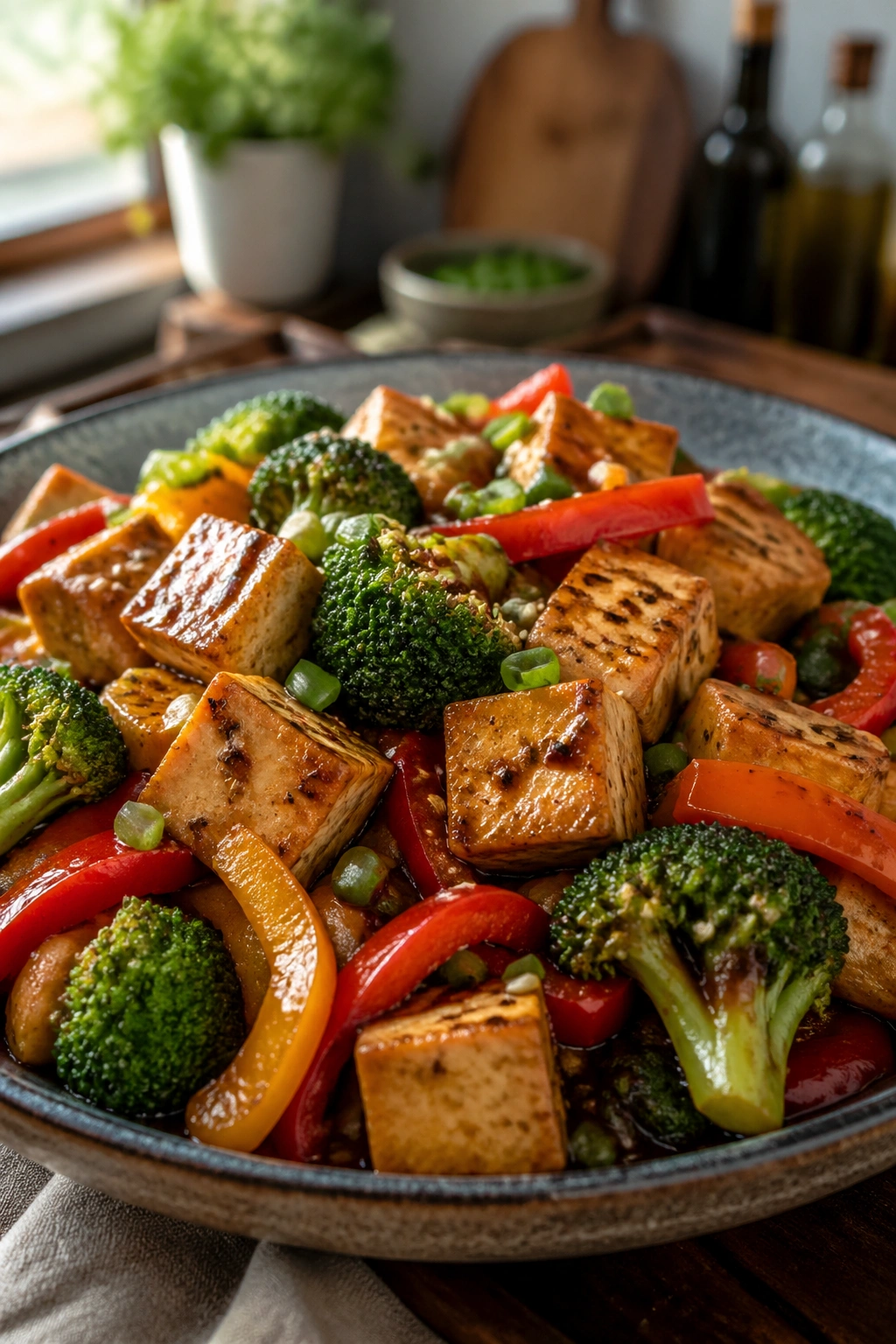
A meatless day is a useful way to lower calories without counting every bite. It also pushes beans, lentils, tofu, eggs, yogurt, and grains into the spotlight. Those foods can carry a meal just fine when they are built with intent.
A meatless day does not need to mean salad all day. Try tofu stir-fry at lunch, lentil soup at dinner, and Greek yogurt with fruit earlier on. The point is to make plant-based meals feel normal instead of like a side quest. If you still want dairy or eggs, keep them in. This is about structure, not purity.
16. Use the Plate Method at Restaurants
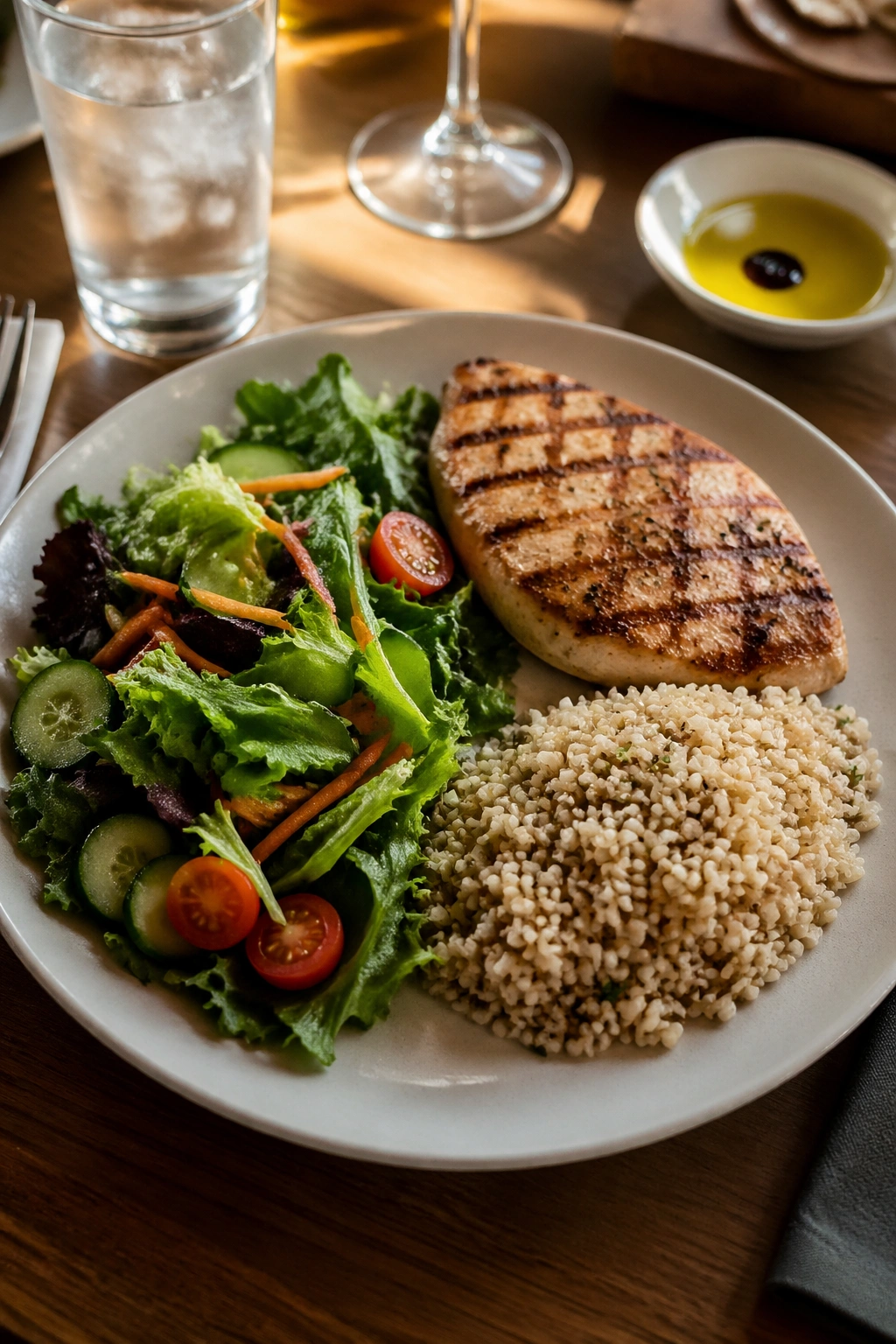
Restaurant meals get oversized fast, and that is where the plate method earns its keep. Aim for half vegetables, one quarter protein, and one quarter starch. If the kitchen brings a huge plate, mentally split it before you start eating.
Easy Orders to Ask For
- Grilled chicken with vegetables and a side potato
- Stir-fry with extra vegetables and sauce on the side
- Burrito bowl with double fajita veggies and light rice
- Steak, salad, and roasted vegetables instead of fries
You do not need to eat half the bread basket to be social. You need a plan before the menu arrives. That tiny bit of forethought is worth more than a hundred rules you forget by dessert.
17. Stop Grazing After Dinner

Late-night grazing is where a lot of belly fat loss plans get chipped apart. A few crackers here, a spoon of peanut butter there, and suddenly the day’s calorie target is gone. The food may not look like much. It adds up anyway.
A simple cutoff helps. Brush your teeth after dinner. Make herbal tea. Put the kitchen to bed. If you genuinely need food because dinner was too small, fix dinner next time rather than raiding the pantry tonight. That’s the grown-up move. Boring? Sure. Effective? Absolutely.
18. Choose Whole Grains Over Refined Ones
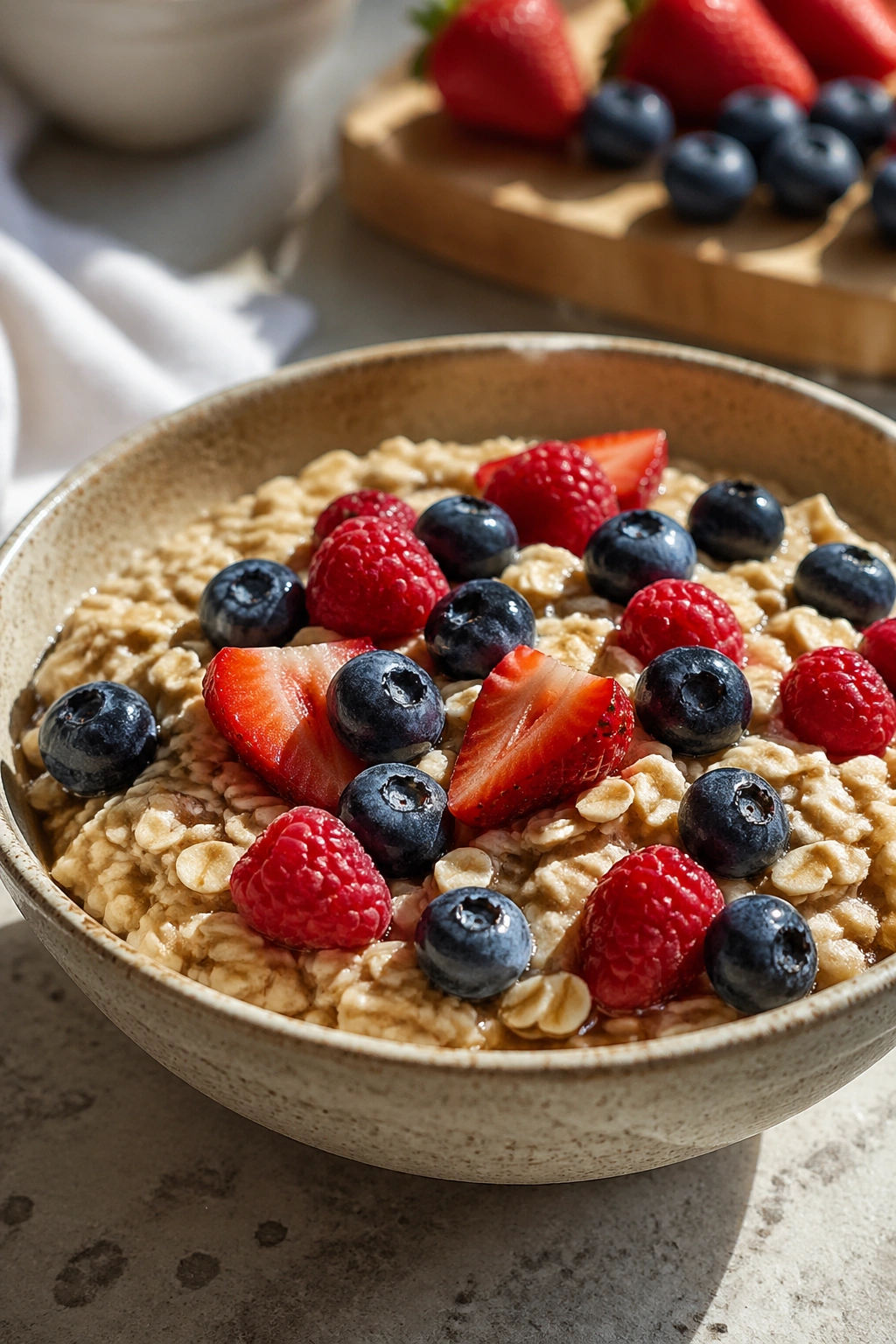
Whole grains keep the fiber, bran, and slower digestion that refined grains lose. Oats, brown rice, barley, farro, whole-wheat bread, and quinoa usually help with fullness better than white bread or plain pasta. The difference is not dramatic in one meal. Over time, it matters.
That does not mean every grain must be brown and chewy. It means the default should tilt toward the version that has some texture and staying power. A bowl of oatmeal with berries will usually help your appetite more than a sugary pastry. Same calories? Not even close in how they behave.
19. Keep Alcohol Light or Leave It Out
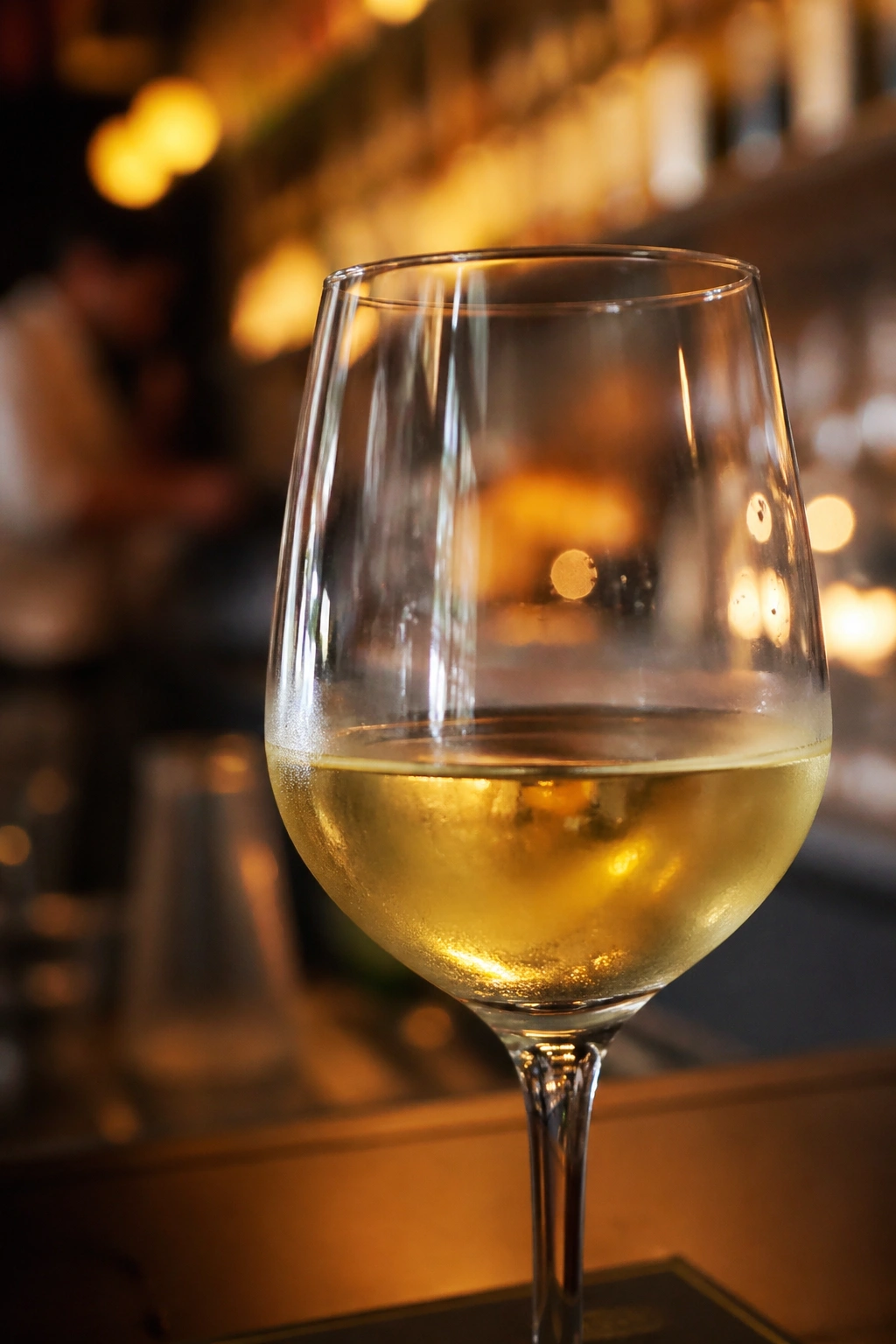
Alcohol can get in the way of belly fat loss in three ways: calories, appetite, and sleep. A couple of drinks can loosen your food choices at the same time your body gets less rest. That is a rough combo.
If you drink, keep it deliberate. One glass of dry wine. One beer. A spirit with soda water and lime. No giant cocktails loaded with juice and syrup. And if you notice that a drink almost always leads to late-night snacking, the simplest fix is to skip it on most nights. That answer is less exciting than “moderation,” but it is more honest.
20. Make Water and Unsweetened Tea the Default
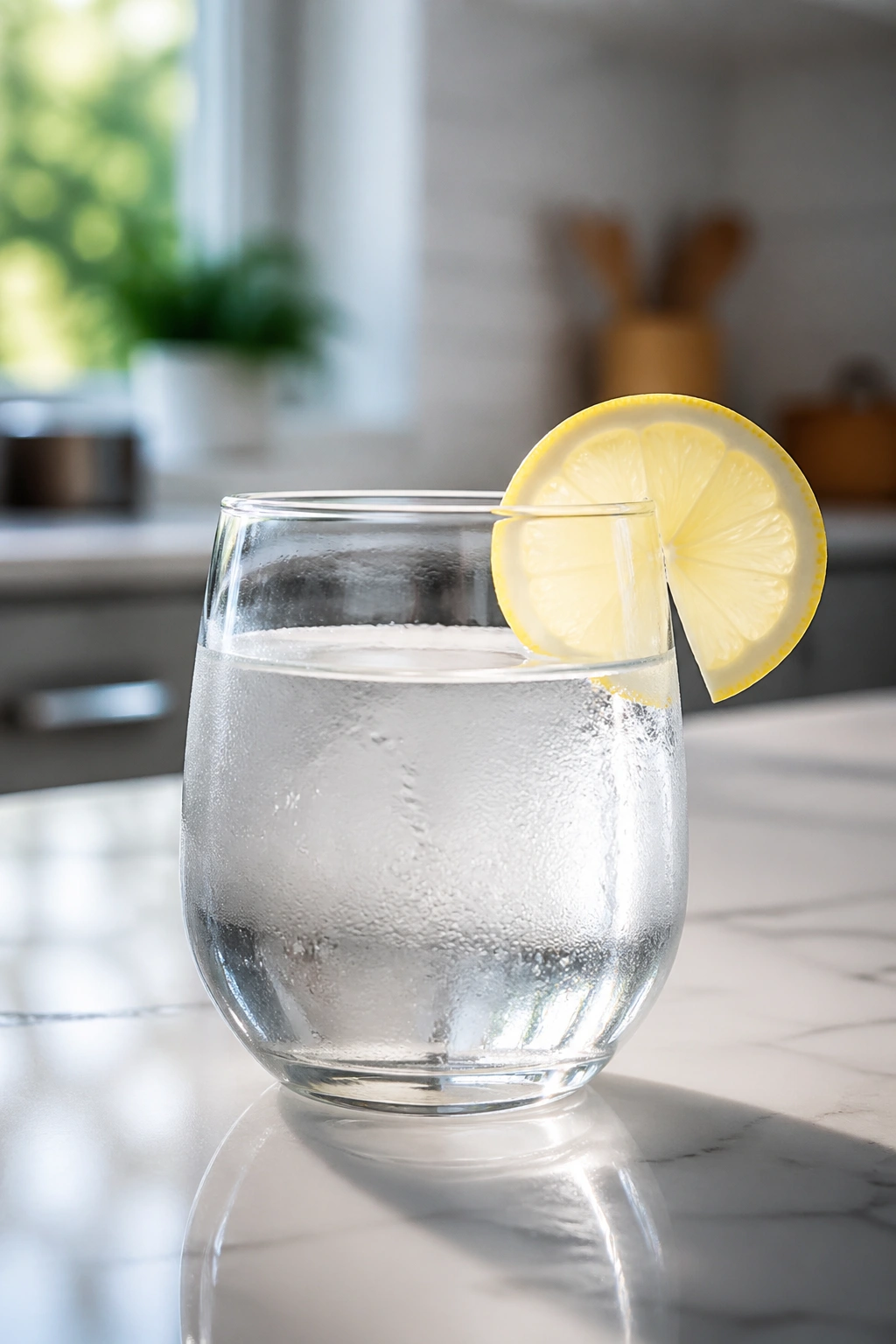
Thirst gets mistaken for hunger more often than people think, and sweet drinks make the confusion worse. Water, sparkling water, unsweetened tea, and black coffee should be the regulars in your lineup. They keep the day simple and the calorie count quiet.
What to Sip On
- Plain water with lemon or cucumber if you need a little flavor
- Sparkling water when you want a more satisfying mouthfeel
- Unsweetened green, black, or herbal tea
- Black coffee, or coffee with a measured splash of milk
A lot of people do not need a new diet plan. They need one less sweet drink and one more glass of water before snack time.
21. Eat Slower and Stop at Comfortable Fullness
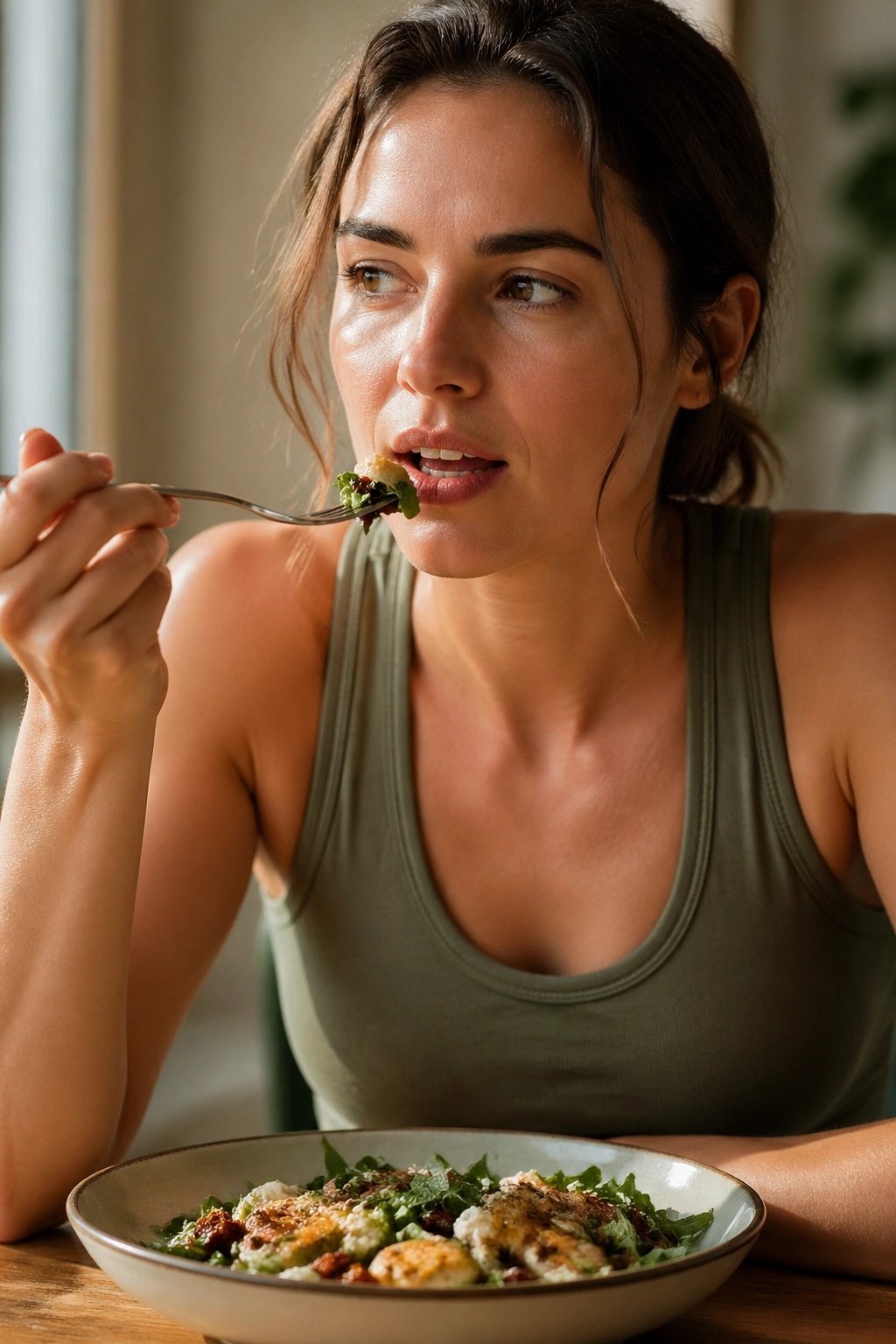
Fast eating makes it easy to overshoot your needs before your brain has a chance to notice. If you finish a meal in 5 minutes, your body has not had much time to send the “that’s enough” signal. Aim for closer to 15 or 20 minutes.
Put the fork down between bites. Chew the food. Take a sip of water. That sounds almost too plain to matter, yet it changes how full you feel by the end of the meal. A comfortable belly is not the same thing as a stuffed one. Learn that line.
22. Use Yogurt, Kefir, or Other Fermented Foods
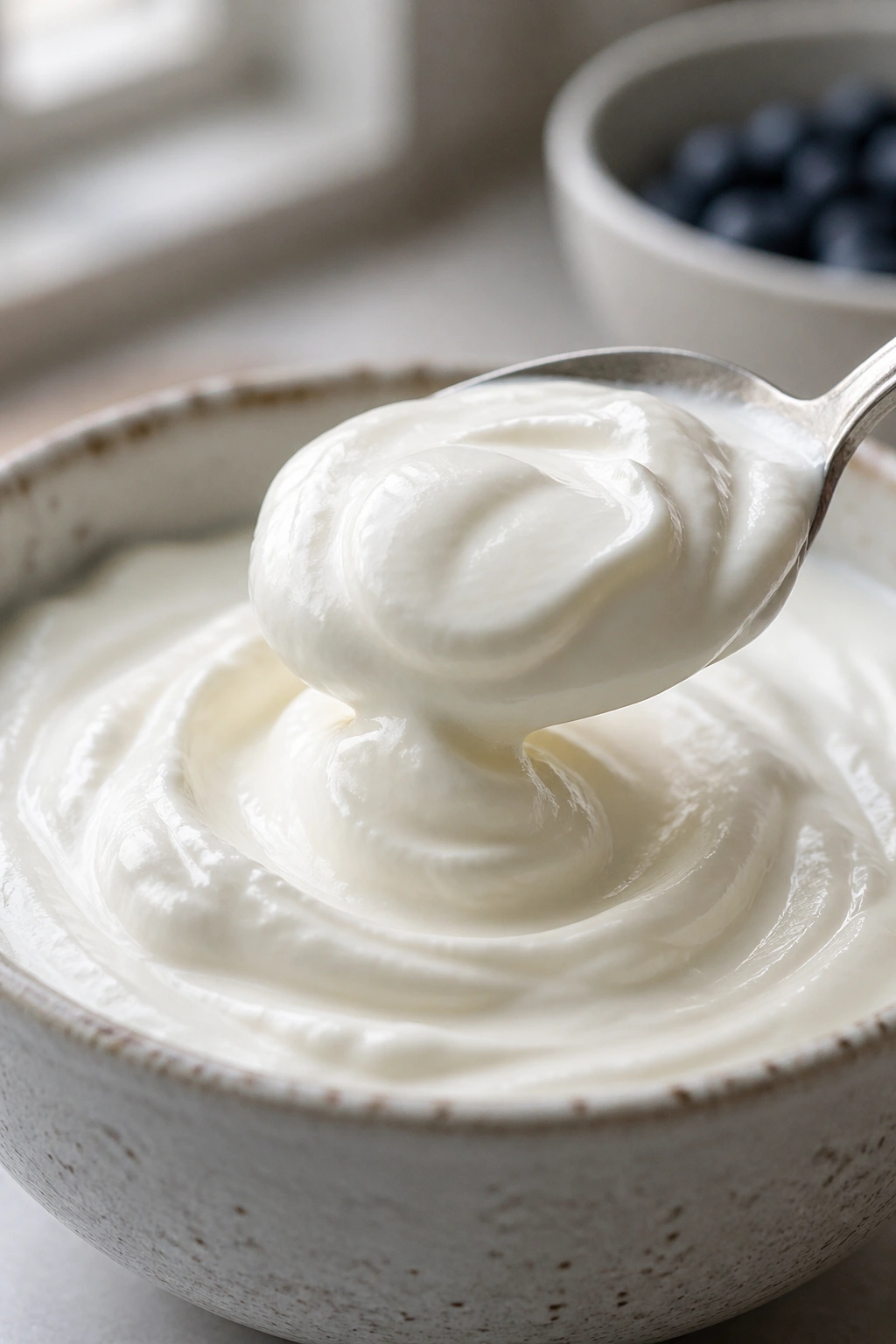
Fermented foods are a nice fit for meal plans that aim at belly fat loss because they can help meals feel more complete without being heavy. Plain Greek yogurt, kefir, sauerkraut, kimchi, and miso all bring a strong flavor punch or a thick texture, which means a little goes a long way.
Yogurt and kefir are the easiest place to start if you want protein plus a tangy finish. Use them in breakfasts, dips, or smoothies made with real fruit and not a mountain of syrup. If you like salty foods, a small serving of sauerkraut or kimchi can wake up a bland plate of rice and chicken fast.
23. Plan Dessert Instead of Snacking on Sweets
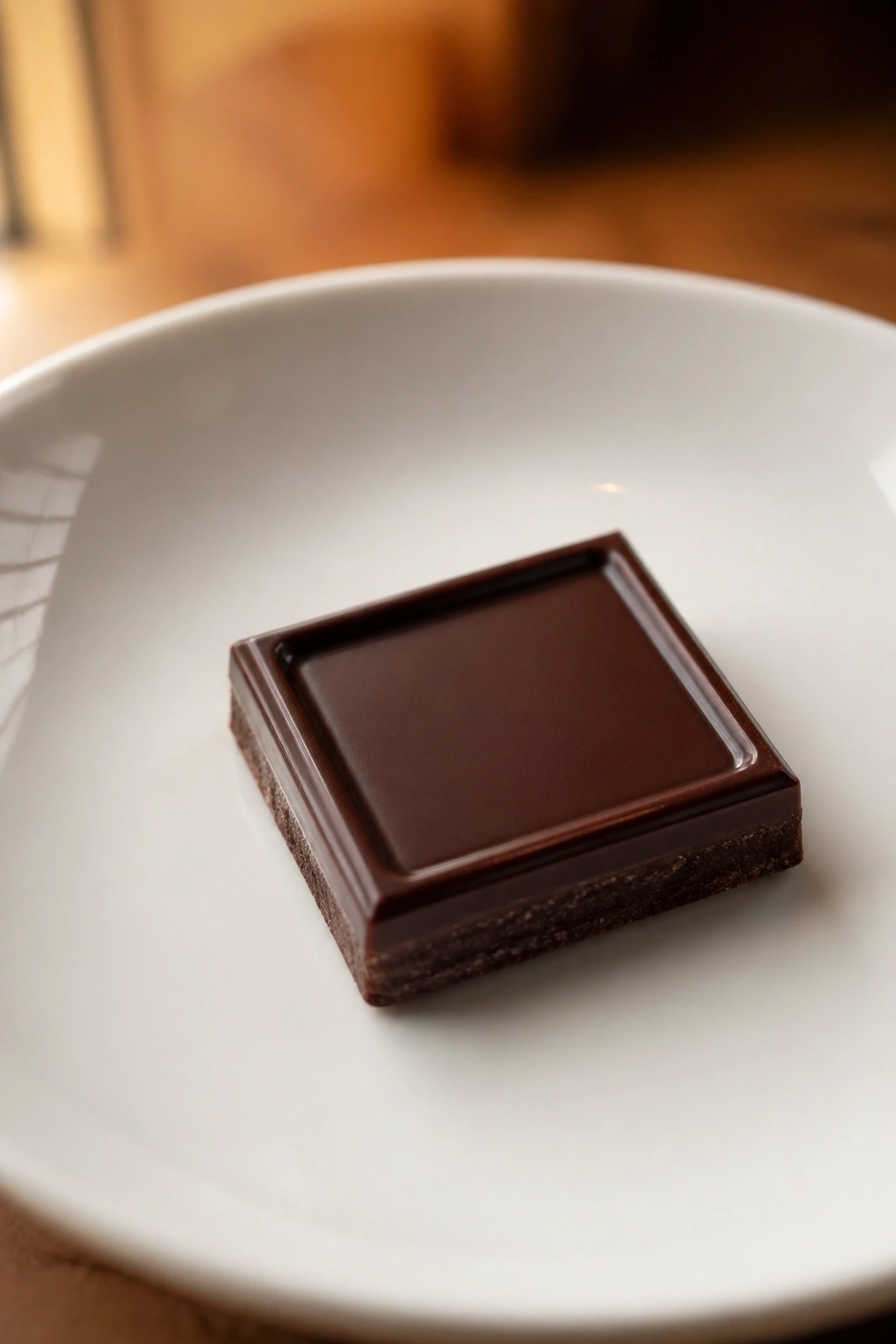
A planned dessert beats a random snack attack. One square of dark chocolate, a small bowl of berries with whipped Greek yogurt, or a scoop of ice cream in a measured bowl can fit a sane plan better than grazing on cookies all evening.
The difference is control. Planned dessert happens after dinner, in one portion, on purpose. Snacky sweets happen while watching TV and somehow become three rounds of “just a little more.” If you like sweet food, keep it. Put it in a box. Eat it on a plate. Move on.
24. Pick Cooking Methods That Keep Calories Down
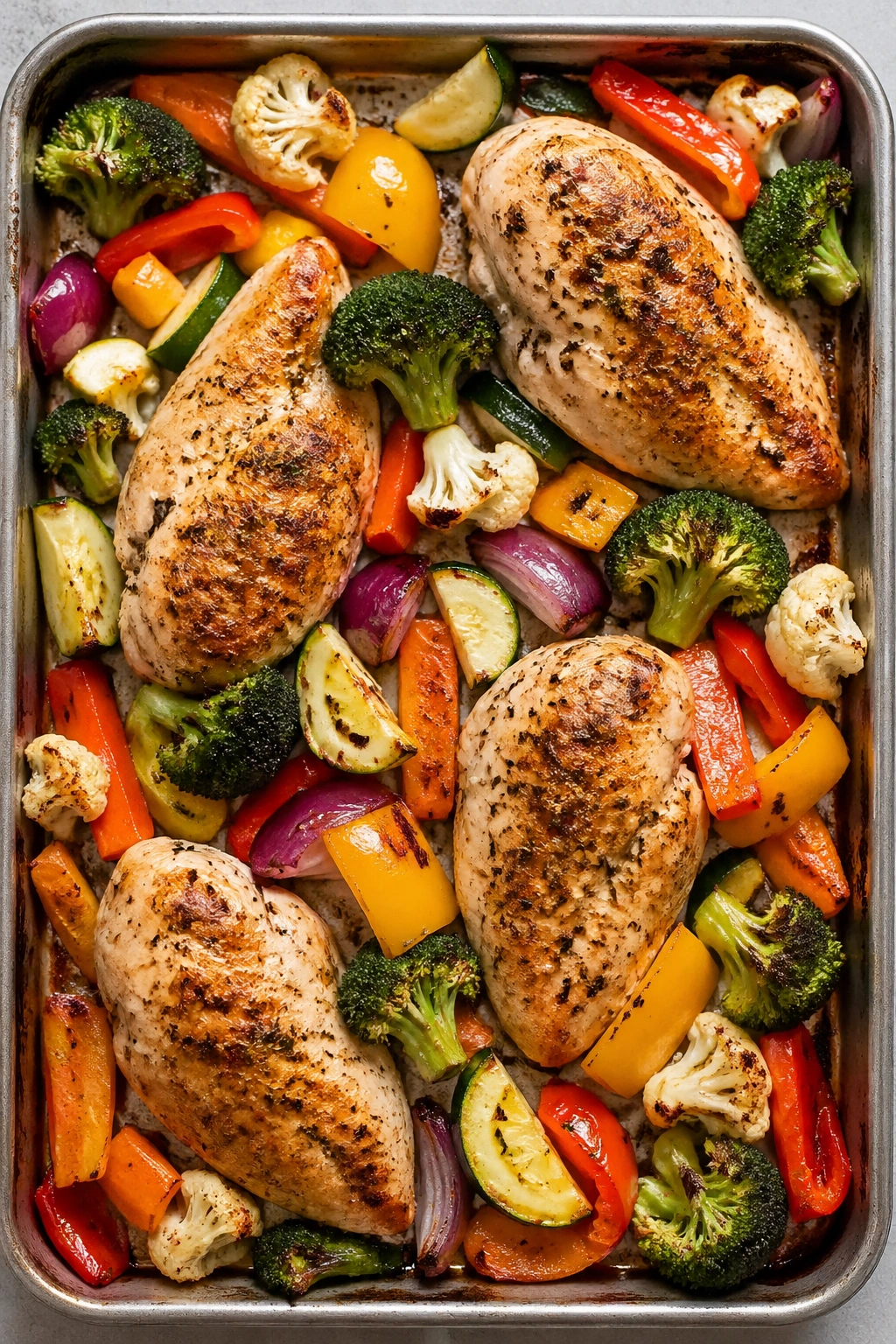
How you cook matters almost as much as what you cook. Baking, grilling, steaming, air-frying, and roasting usually use less added fat than pan-frying or deep-frying. That does not make one method morally superior. It just makes the calorie math cleaner.
Good Defaults
- Roast chicken and vegetables on one sheet pan.
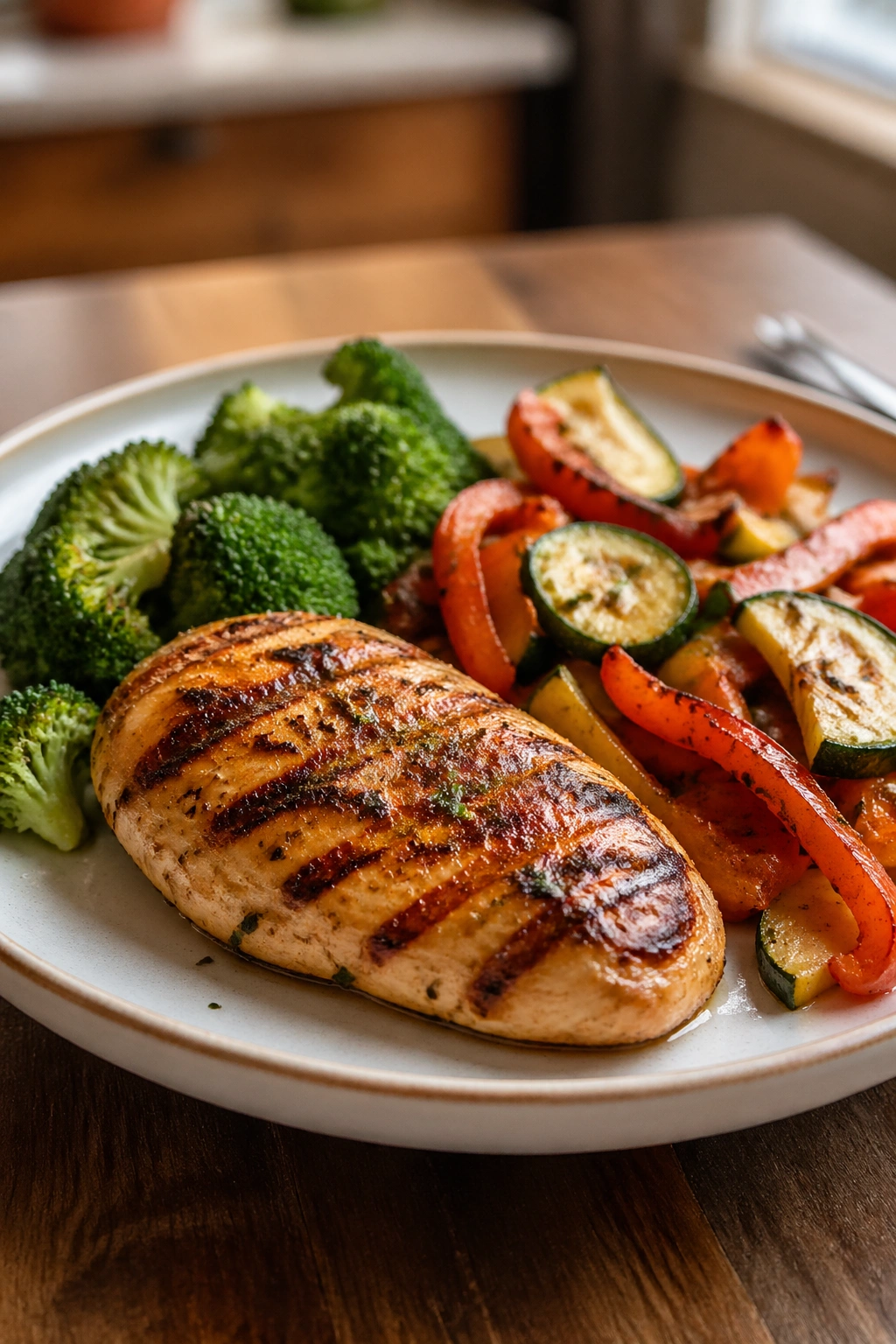
- Grill fish or lean meat with a simple spice rub.
- Steam green beans or broccoli, then finish with lemon.
- Air-fry potatoes with 1 tablespoon of oil instead of soaking them in fat.
The goal is not dry food. The goal is food that tastes like food without quietly doubling the calorie count.
25. Keep Sodium and Sauces in Check
A heavy hand with salt, soy sauce, bottled dressing, creamy dips, and takeout sauces can make your waist feel puffier, even when the issue is water retention rather than fat gain. That can mess with your head if you weigh or measure often.
Use sauces like accents, not soup. Ask for them on the side. Measure them at home. A tablespoon of dressing is a different animal from a free-pour shake that coats the whole bowl. If your belly feels tight after a salty meal, that does not mean your diet failed. It usually means you need a day or two of normal food and water.
26. Shop from a List, Not a Mood
The grocery store can either support belly fat loss or quietly sabotage it. If you wander in hungry and unplanned, the cart fills up with impulse food fast. Shopping from a list keeps the kitchen stocked with meals, not random snacks.
A Simple List Structure
- 3 proteins: chicken, eggs, Greek yogurt
- 4 vegetables: broccoli, spinach, peppers, salad greens
- 2 fruits: apples, berries
- 2 starches: oats, brown rice
- 2 extras: olive oil, beans
That kind of list keeps the week from turning into takeout by Wednesday. You do not need a perfect pantry. You need a pantry that makes decent choices easier than bad ones.
27. Repeat the Same Breakfast on Busy Days
Decision fatigue is real. If breakfast becomes a daily negotiation, the chances of ending up with toast, pastries, or a drive-thru breakfast go up fast. A repeatable breakfast saves brainpower.
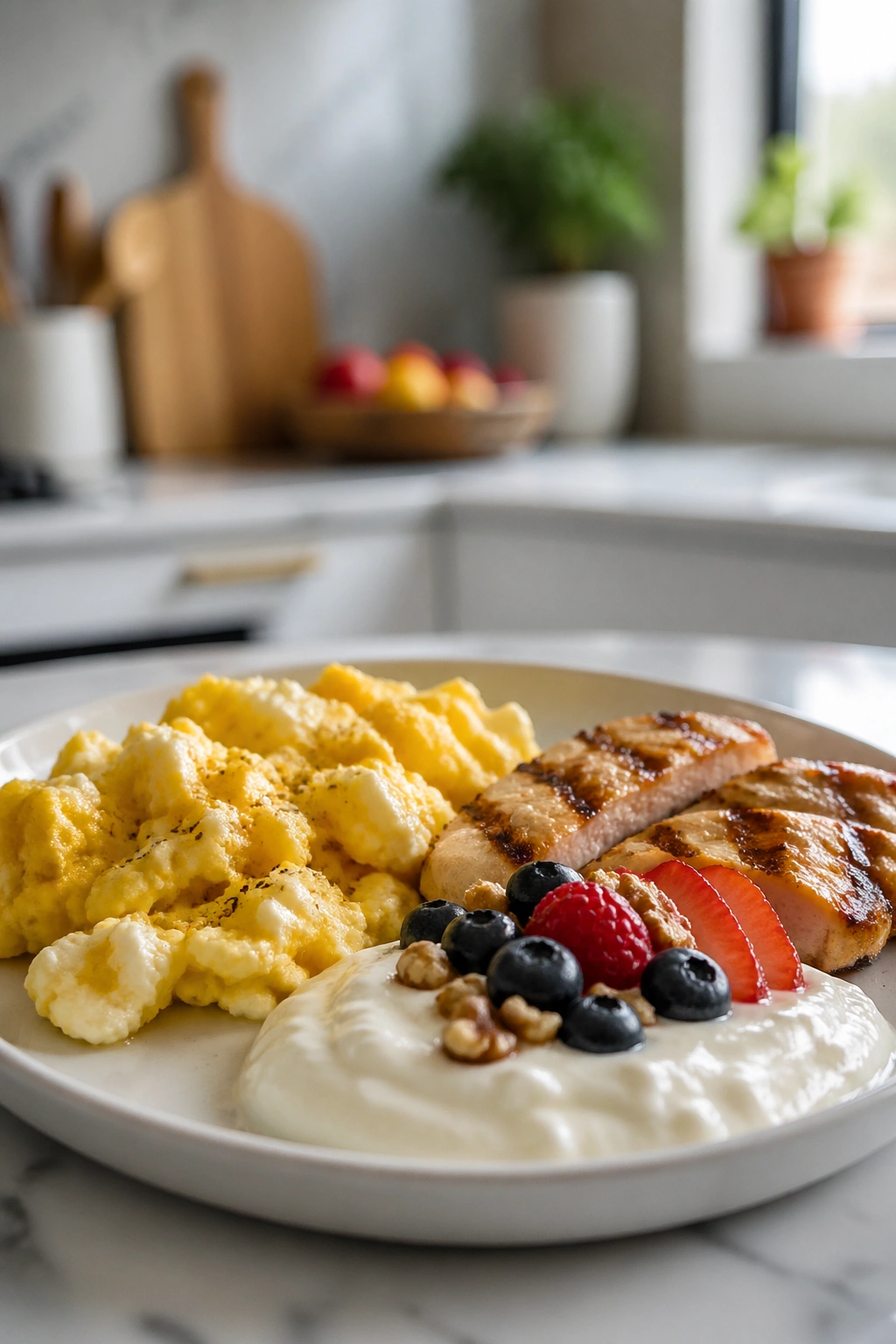
Pick one meal and let it live on autopilot: Greek yogurt with berries and chia, eggs with spinach and toast, oatmeal with protein powder, or a tofu scramble wrap. The food can be plain. The point is to remove friction. Save your attention for the meals that tend to wobble.
28. Turn Leftovers into Tomorrow’s Lunch
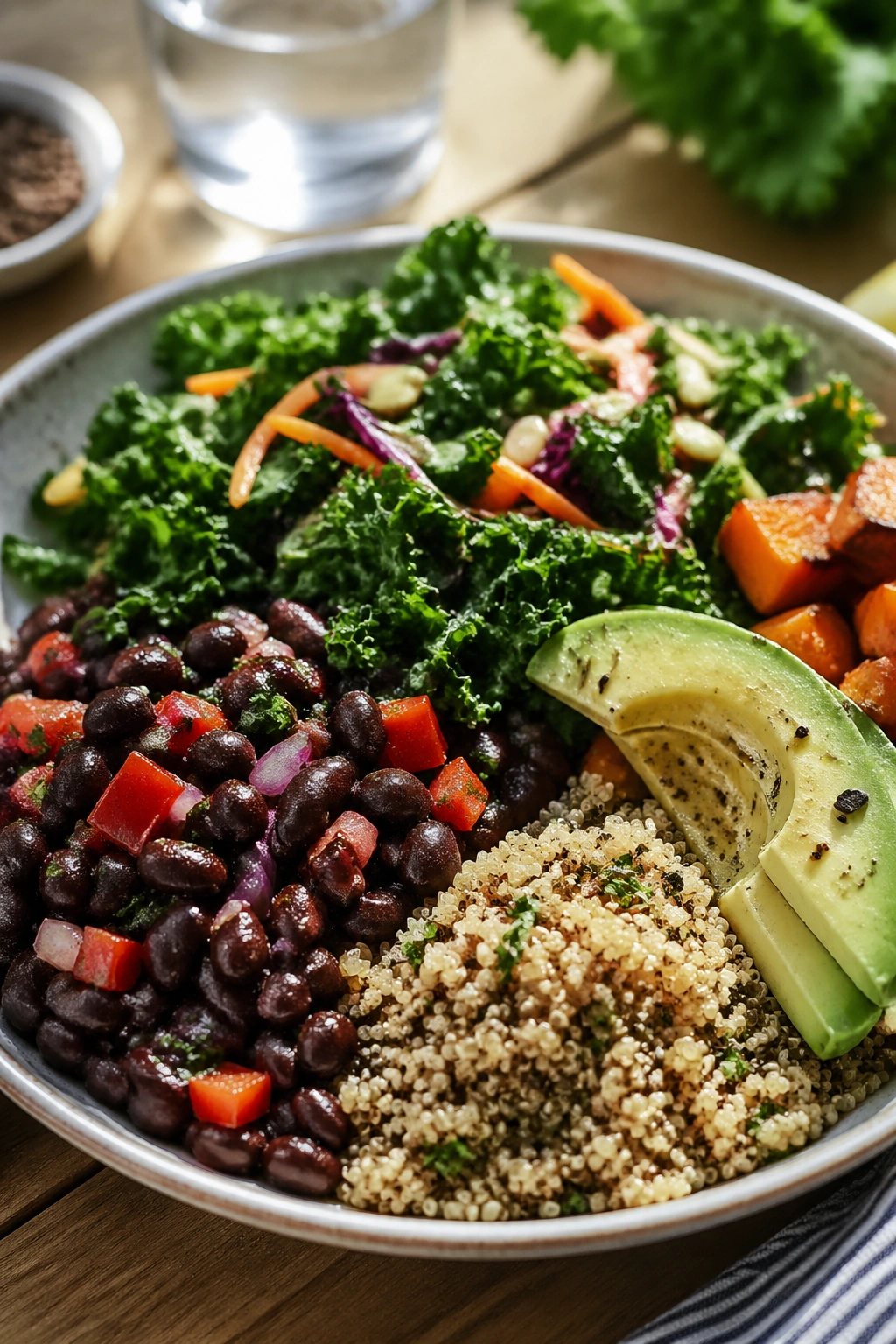
Leftovers are a cheat code if you use them on purpose. Make enough dinner for two meals, then pack the extra into a lunch container before you sit down to eat. That one move prevents random lunch decisions the next day.
What Works Best as Leftovers
- Chili or lentil stew
- Roasted chicken with vegetables
- Grain bowls with rice, beans, and greens
- Soup with a side of fruit or yogurt
A leftover lunch is usually cheaper, faster, and better balanced than a meal assembled out of vending-machine options and whatever is left in the office fridge. The waistline likes that kind of predictability.
29. Measure Nuts, Seeds, and Olive Oil
This is where many “healthy” plans quietly drift off course. Nuts, seeds, nut butter, olive oil, and avocado are good foods. They are also calorie dense, which means a loose hand can add 200 to 400 calories before you blink.
Use real measures. One tablespoon of olive oil. A ¼ cup of nuts. Two tablespoons of peanut butter. A measured sprinkle of seeds. These foods still belong in a belly fat loss plan, but they need boundaries. Free pouring is how a salad turns into a stealth calorie bomb.
30. Build a Repeatable Belly Fat Loss Template
The best diet plan idea is the one you can keep using after the excitement wears off. Build a simple template: protein at each meal, vegetables at lunch and dinner, one starch portion when you want it, fruit for sweetness, and drinks that do not drag calories with them. That pattern is steady enough to run for months, which is where waistline change usually happens.
If you want a clean starting point, think in meals, not rules. Breakfast with 25 to 35 grams of protein. Lunch with fiber. Dinner with a sensible starch and a lot of vegetables. Snacks only when they actually solve hunger. No drama. No perfect week required.
A plan that feels ordinary is often the one that works. And if you can repeat it on a tired day, a busy day, and a slightly messy day, you’ve got something worth keeping.
