



If your squat numbers are climbing but your jeans still fit the same in the back, you are not broken; your training is probably just lopsided. The best glute building exercises for women hit the hips from different angles, and that matters more than people like to admit.
Squats have their place. So do hinges, step-ups, abductions, and a few ugly-looking isolation moves that burn in the last ten reps.
The glutes do more than make a lift look good. Glute max drives hip extension, glute med and min help keep the pelvis steady when you walk, run, or stand on one leg, and both jobs deserve attention if you want shape and strength that holds up outside the gym.
One exercise can carry a session. A good mix carries a training block. The 30 movements below give you both.
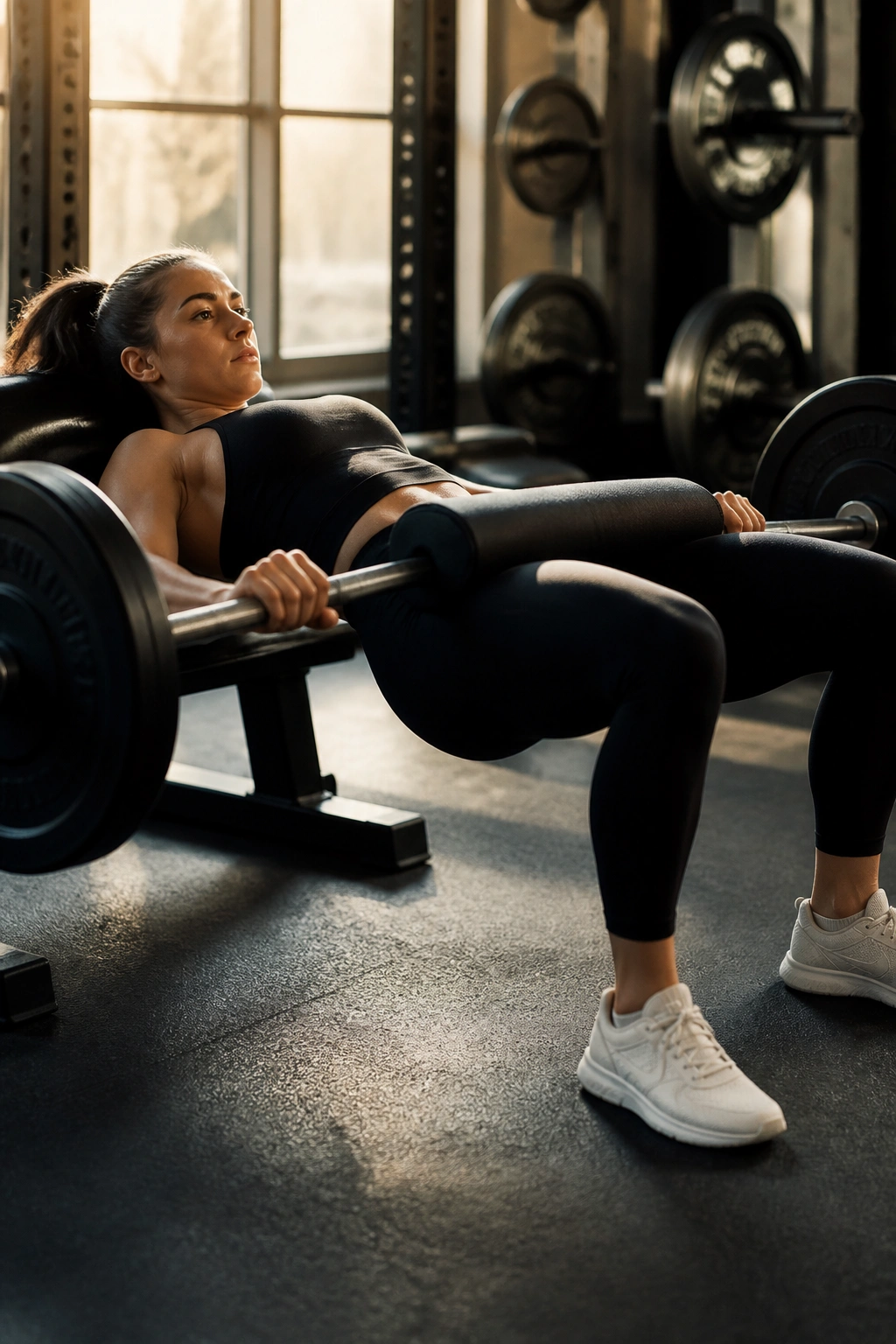
1. Barbell Hip Thrusts for Glute Building
If you only had room for one heavy glute move, this is the one I’d keep. Barbell hip thrusts let you load the glutes hard in a position where the lower back can stay out of the way, which is exactly why they show up in so many serious lower-body programs.
Why They Work So Well
The top of the rep is where the money is. When your torso is roughly parallel to the floor and your shins are close to vertical, the glutes do a lot of the work to finish hip extension. That peak squeeze is hard to fake.
Set the bench so the bottom edge sits just below your shoulder blades. Keep your chin tucked, ribs down, and drive through the whole foot instead of rolling onto your toes.
- Use a pad or folded mat across the hips.
- Pause for 1 second at the top.
- Stop when your pelvis is level, not when your lower back arches.
Best cue: drive the hips up, then stop the lift with your glutes, not your spine.
2. Dumbbell Glute Bridges
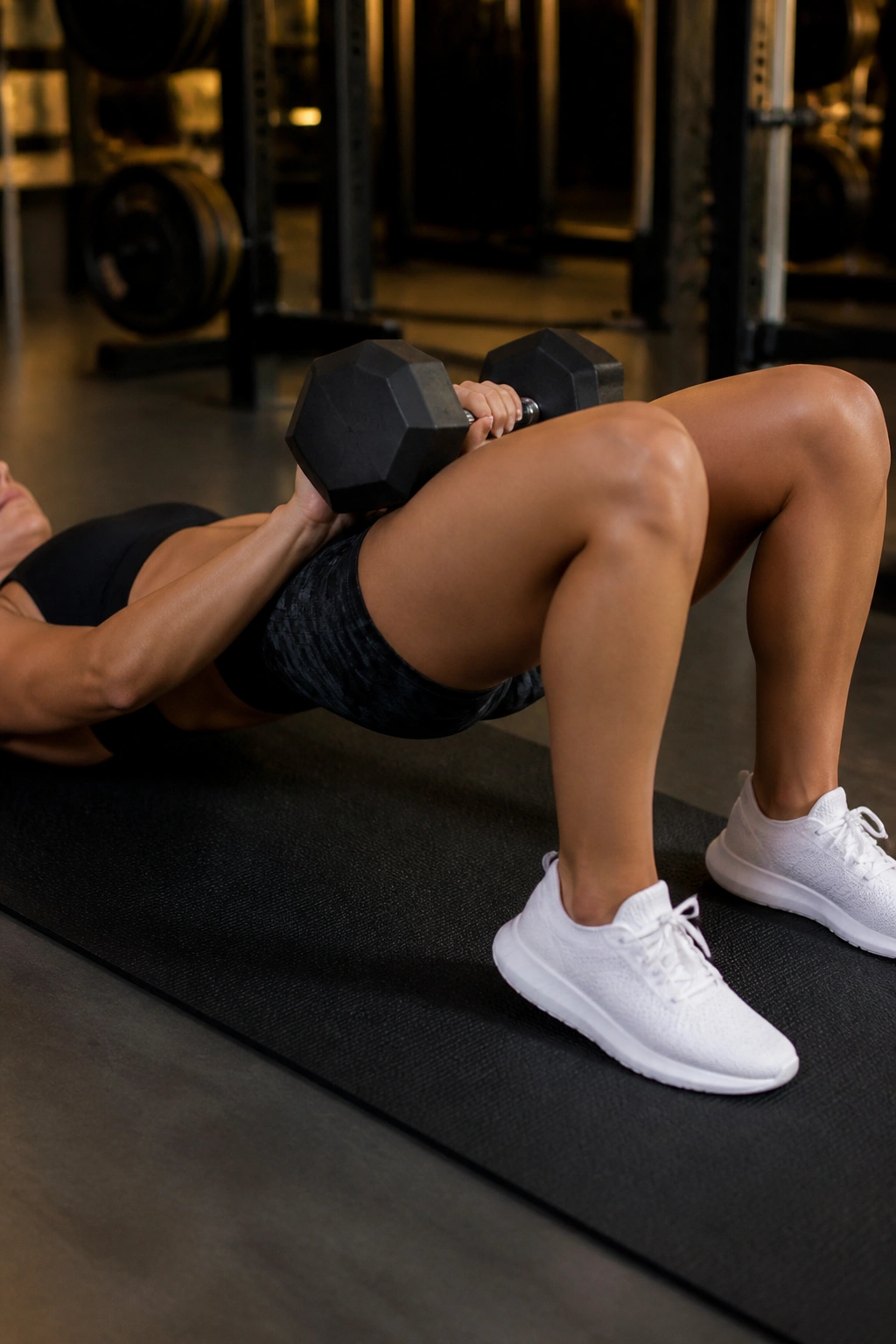
A dumbbell glute bridge looks simple, and that is the point. It gives you a clean, floor-based pattern that is easier to learn than a barbell thrust and easier to set up when you train at home or in a crowded gym.
Lie on the floor with your feet flat and the dumbbell resting across your hips. Keep your heels about a foot from your butt, then press up until your knees, hips, and shoulders form a straight line. Do not overextend at the top; a flat, hard squeeze beats a lazy back arch every time.
This one is especially useful if you want to build glutes without frying your lower back. It also works well as a warm-up before heavier thrusts.
3. Romanian Deadlifts
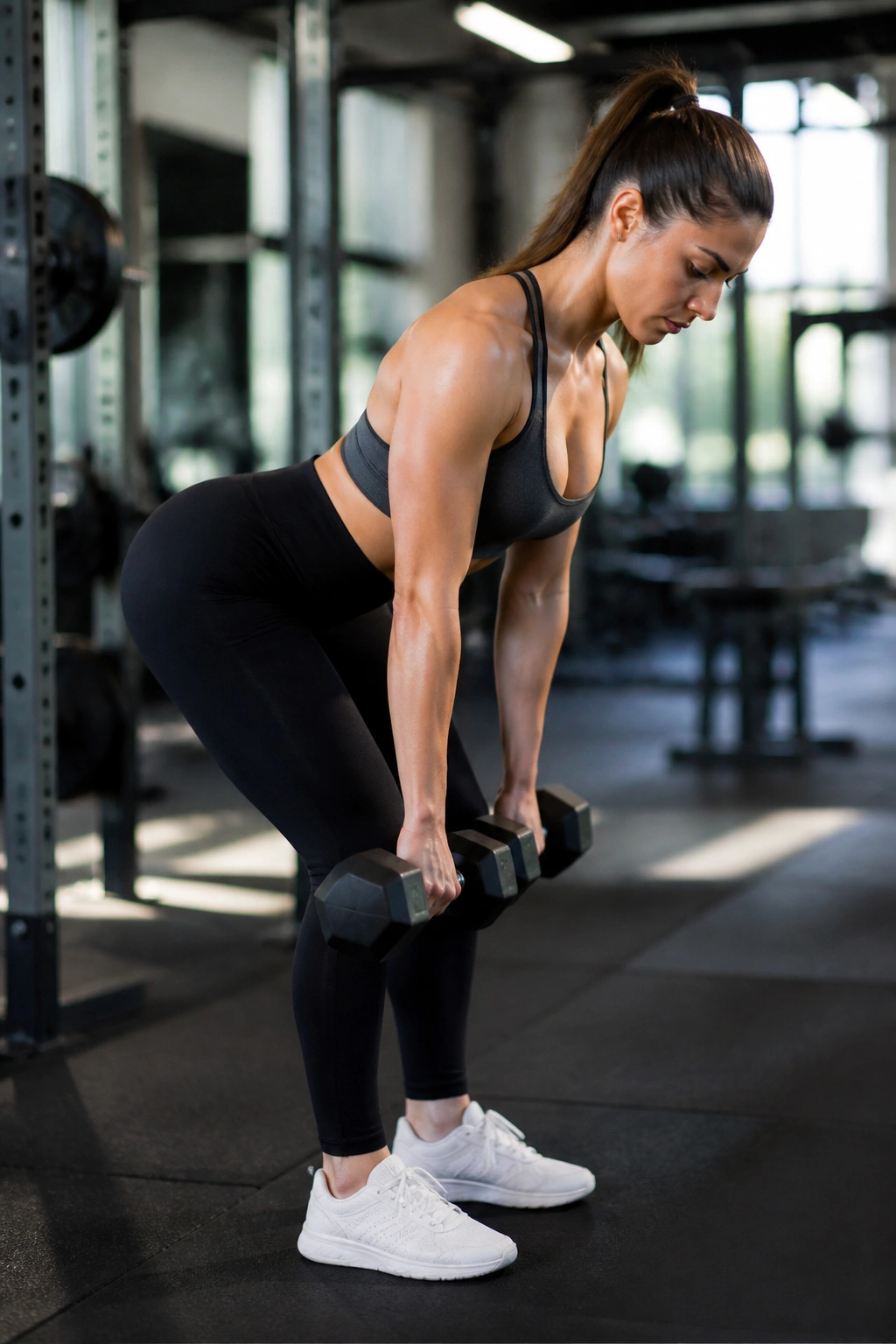
Romanian deadlifts are the hinge that teaches your glutes to lengthen under load. That stretch matters. A lot. If your training only includes short-range moves, you miss a big part of what makes the glutes grow and look fuller from the side.
How to Hinge Without Turning It Into a Back Lift
Start standing tall with dumbbells or a barbell in front of your thighs. Soften the knees, push the hips back, and let the weight travel close to the legs. The torso tips forward because the hips move back, not because you are reaching the weight toward the floor.
Lower until you feel a firm stretch in the hamstrings and glutes, then stand by driving the hips forward. Keep the spine neutral and stop the descent the moment your back wants to round.
Best Use
- Great for heavier lower-rep work.
- Good for glute and hamstring balance.
- Best done slow on the way down.
4. Bulgarian Split Squats
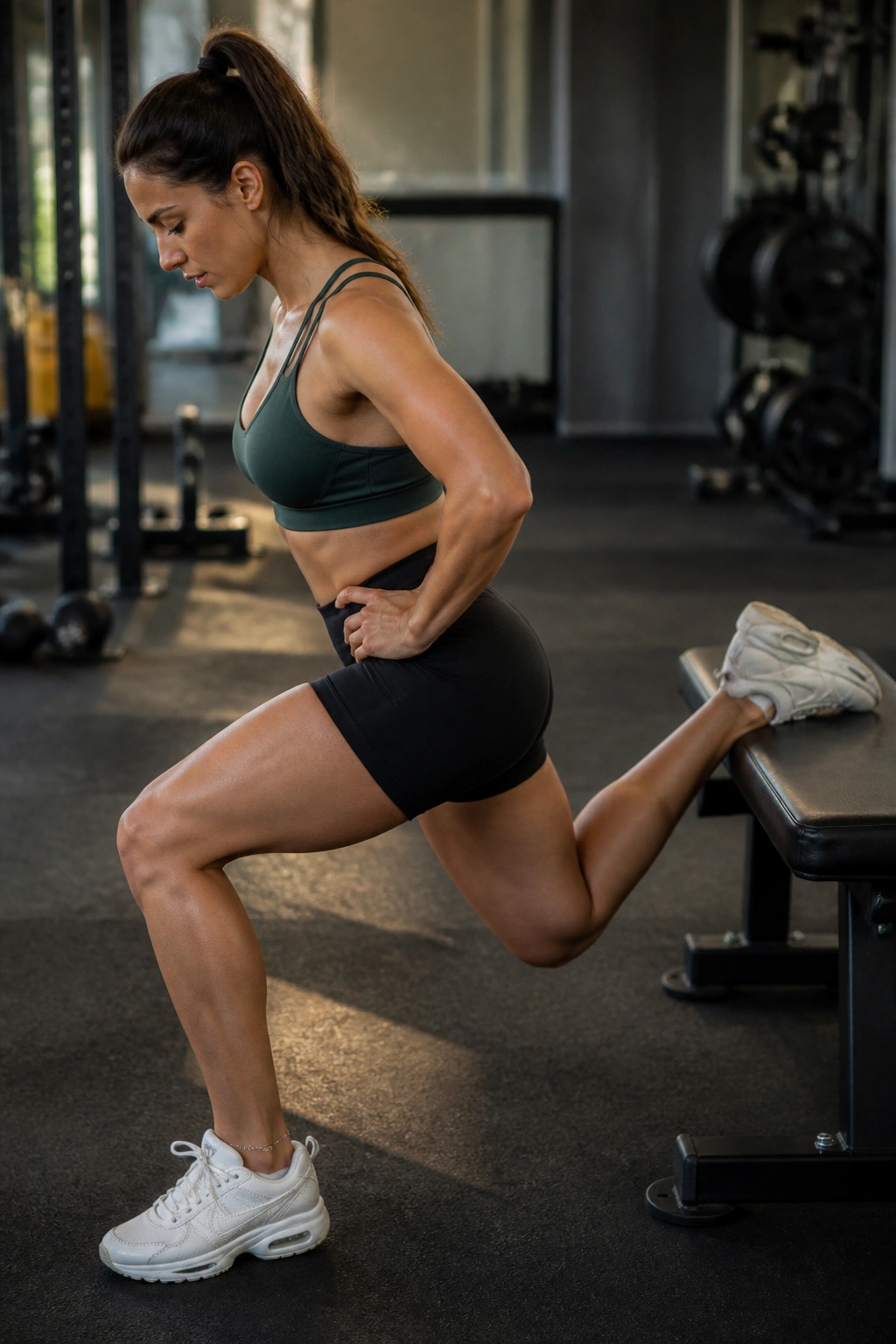
These are brutal in the best way. One leg works, the other one just hangs there and reminds you that balance is a real training quality, not a bonus.
Bulgarian split squats load the front glute through a deep range, especially when you take a slightly longer stance and lean the torso a bit forward. That forward lean is not cheating. It shifts more tension to the glutes and away from the knees.
A lot of people make this move miserable by keeping the stance too short. Give yourself room. Drop straight down, keep the front heel planted, and push through the midfoot and heel on the way up.
If you want rounder, stronger glutes and cleaner single-leg control, this belongs in the rotation.
5. Step-Ups
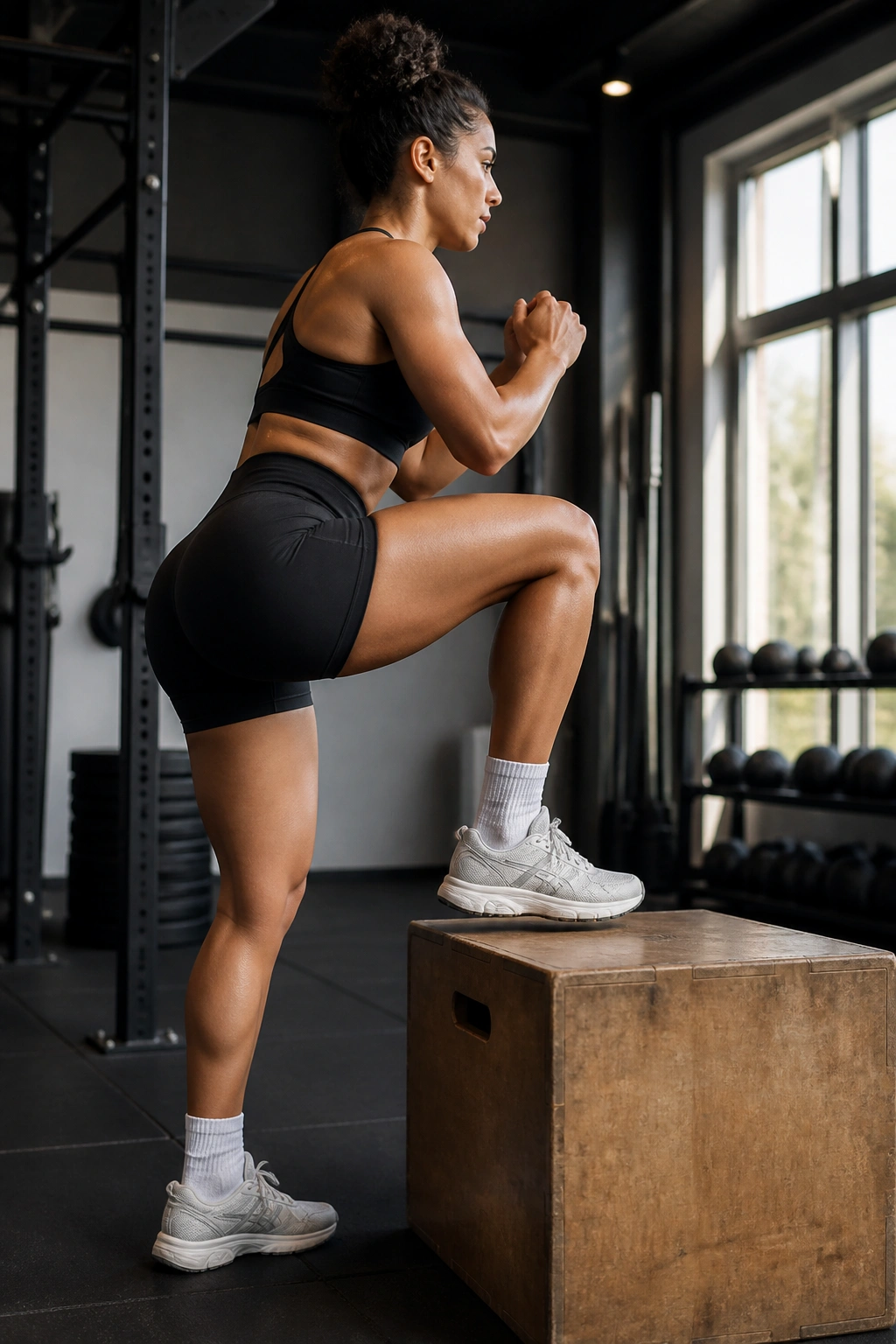
Step-ups look easy until you put a real box under one foot and try to stand without bouncing off the back leg. That’s when the glutes start talking.
The box height matters. Knee height or slightly below is usually enough; if the box gets too tall, people start cheating with the lower back and the trailing leg. Keep the working foot flat, lean forward a little, and drive through the whole foot to stand.
What Makes Them Worth Keeping
Step-ups train hip extension in a standing pattern, which carries over well to walking, climbing, and running. They also expose side-to-side differences fast.
A useful rule: the back leg should help with balance, not power. If you can spring up with the trailing foot, the box is too low or you are using momentum.
6. Cable Kickbacks
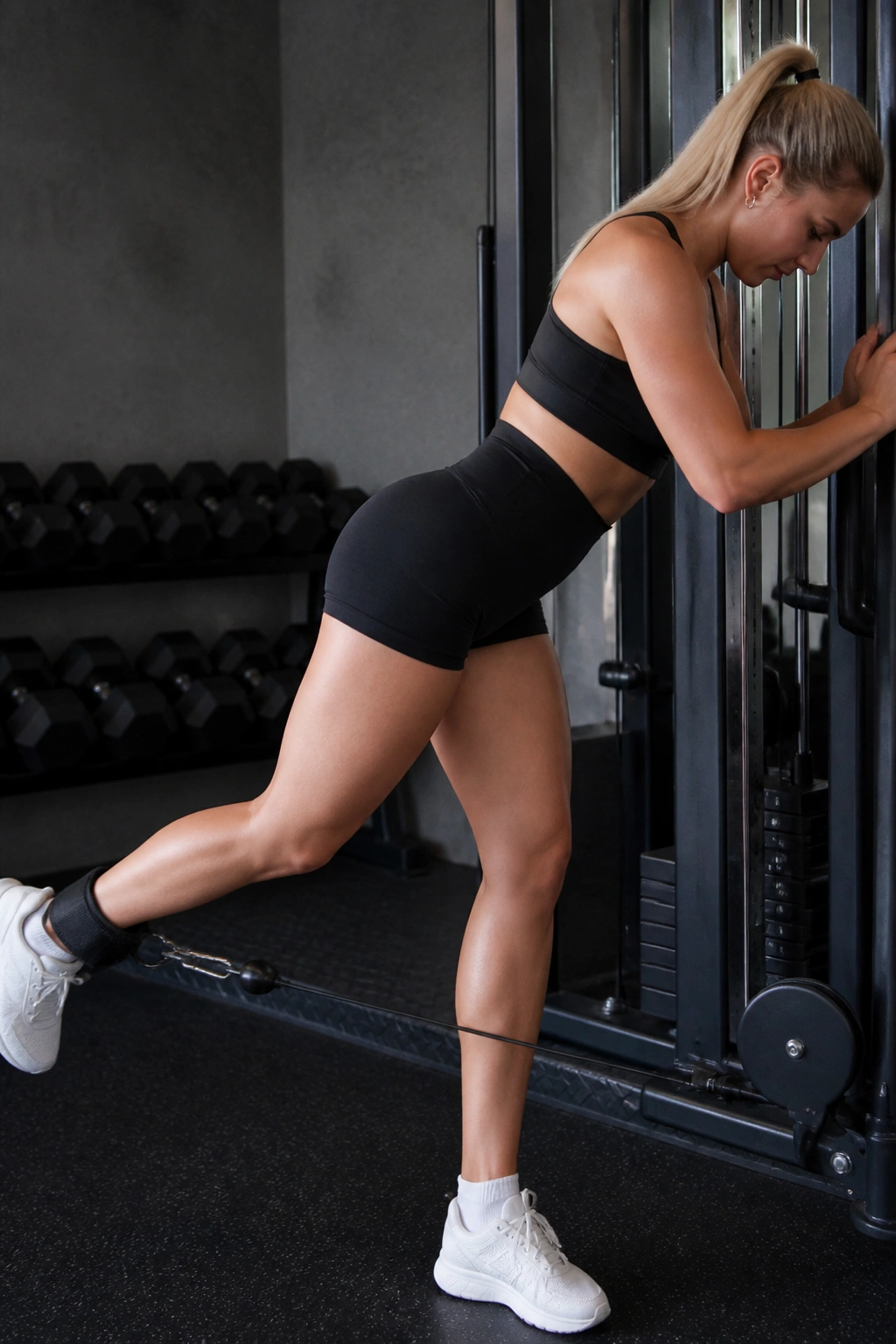
Cable kickbacks are one of the cleanest ways to isolate the glute max without a lot of extra noise from the rest of the leg. They’re not the heaviest move on this list, and they’re not supposed to be.
Stand tall, hinge slightly forward, and keep the working leg bent just enough to move smoothly. Kick back in a controlled arc, pause for a beat, then return under control. The torso should stay mostly still. If your upper body is swinging, the glutes are not getting the full job.
This exercise works well near the end of a workout when you want tension, not chaos. Use a lower weight than you think you need, and make the last 5 reps feel slow and deliberate.
7. Curtsy Lunges
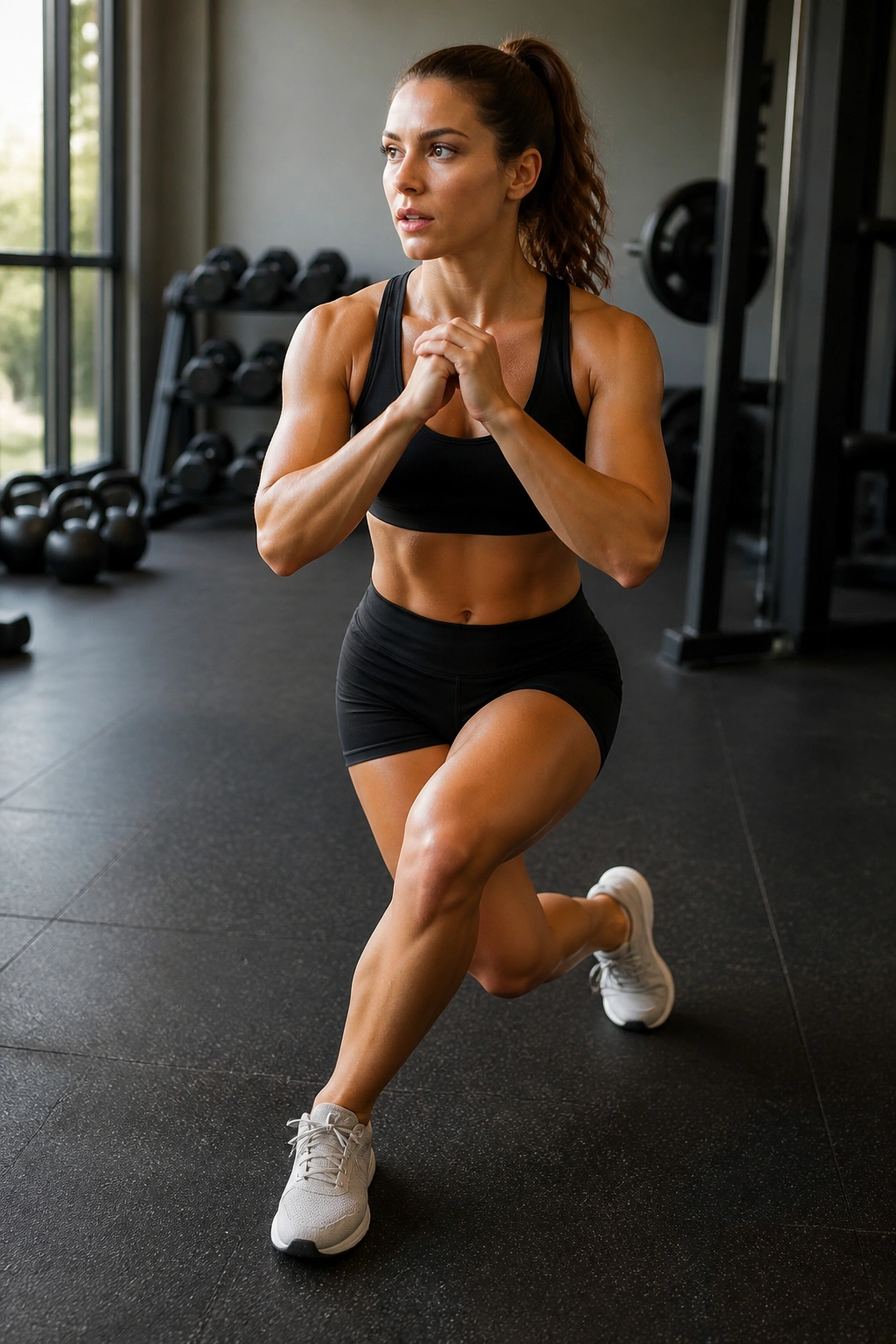
Curtsy lunges hit the outer glute and the stabilizers that help the pelvis stay steady. They also light up the adductors a bit, which is one reason they feel different from a straight reverse lunge.
Step one leg diagonally behind the other, then drop under control. Keep the front knee tracking in line with the toes and avoid letting the hips twist open. That twist is where the movement gets sloppy.
What to Watch For
- Keep the step moderate, not extreme.
- Stay tall through the torso.
- Use bodyweight first if your knees dislike the diagonal path.
Curtsy lunges are a good choice for women who want more side-glute work without living on cables or bands. They’re also sneaky, which is probably why people hate them after the second set.
8. Frog Pumps
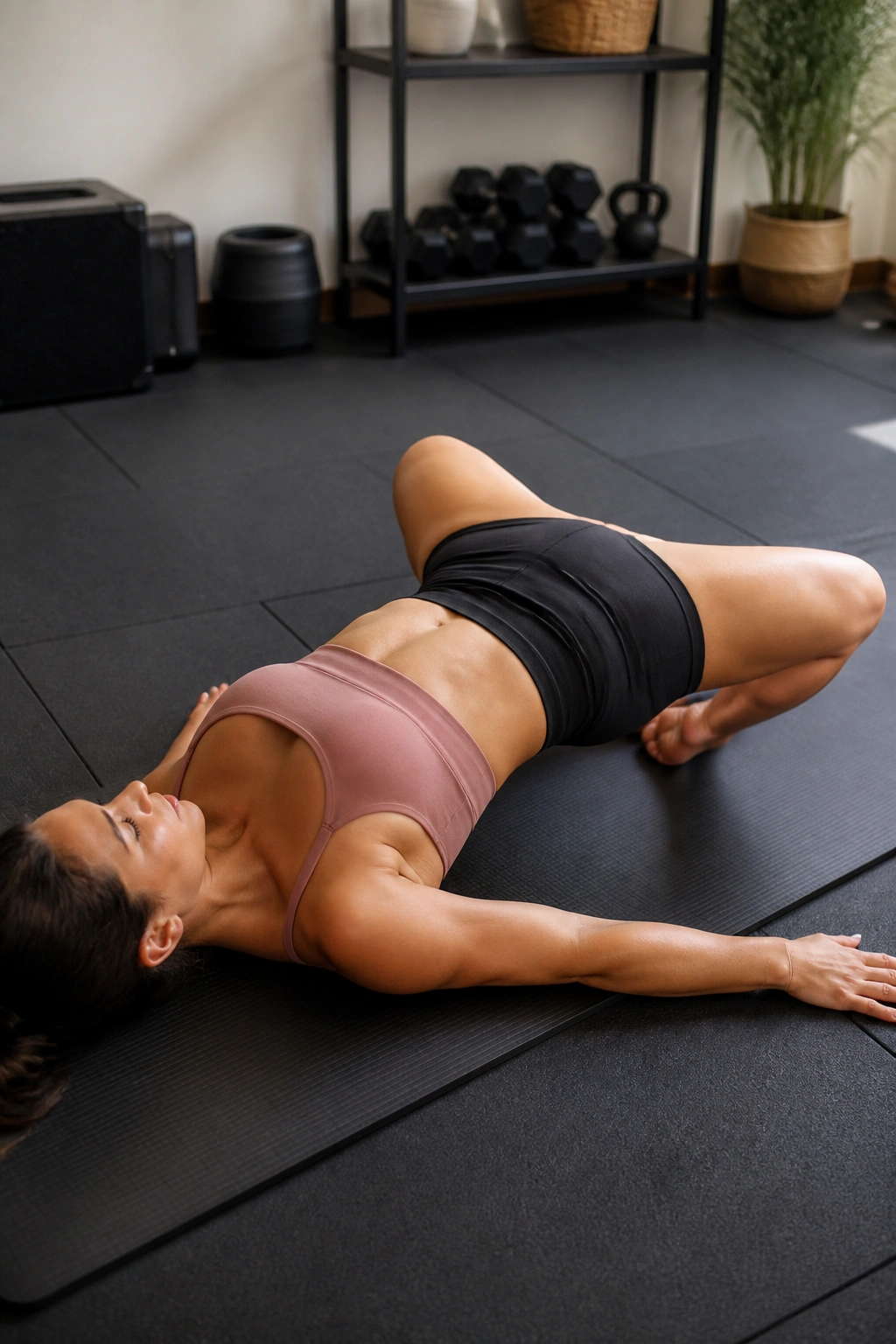
Frog pumps are the high-rep finisher you pull out when the glutes need a sting, not a sermon. They look almost too easy on paper. Then the burn shows up.
Lie on your back, bring the soles of your feet together, and let the knees fall open. Press the hips up in a short, sharp range, then lower with control. The movement is small, but the squeeze at the top can be nasty if you keep tension constant.
How to Make Them Work
- Keep the feet close to the body.
- Add a mini band above the knees if you want more outward pressure.
- Use 20 to 40 reps for a finisher set.
Frog pumps are especially useful after heavier work like thrusts or squats. They are not a main lift. They are the thing that makes the main lift feel unfinished if you skip them.
9. Sumo Deadlifts
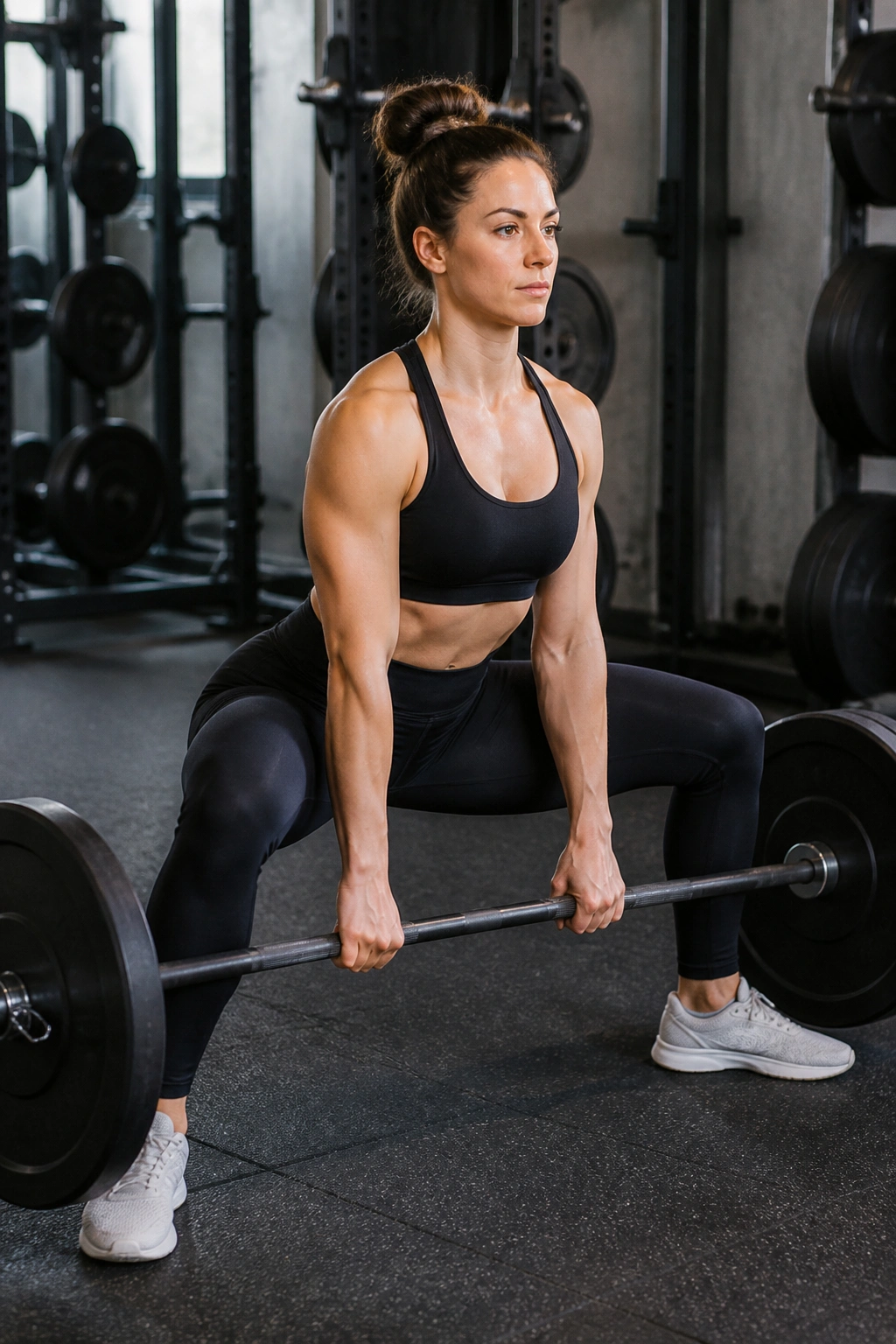
A wider stance changes the feel fast. Sumo deadlifts shift more demand into the glutes and adductors while keeping the torso a little more upright than a conventional pull.
Set the feet wider than shoulder width with the toes turned out. Drop the hips until your shins can angle forward, brace hard, and push the floor apart as you stand. The bar should stay close to the body the whole way.
This lift is a good fit for women who like pulling heavy but want less spinal fatigue than a conventional deadlift can create. It is also a decent way to train the inner thigh and the glutes together, which matters more than people think when the goal is a strong lower body.
10. Walking Lunges
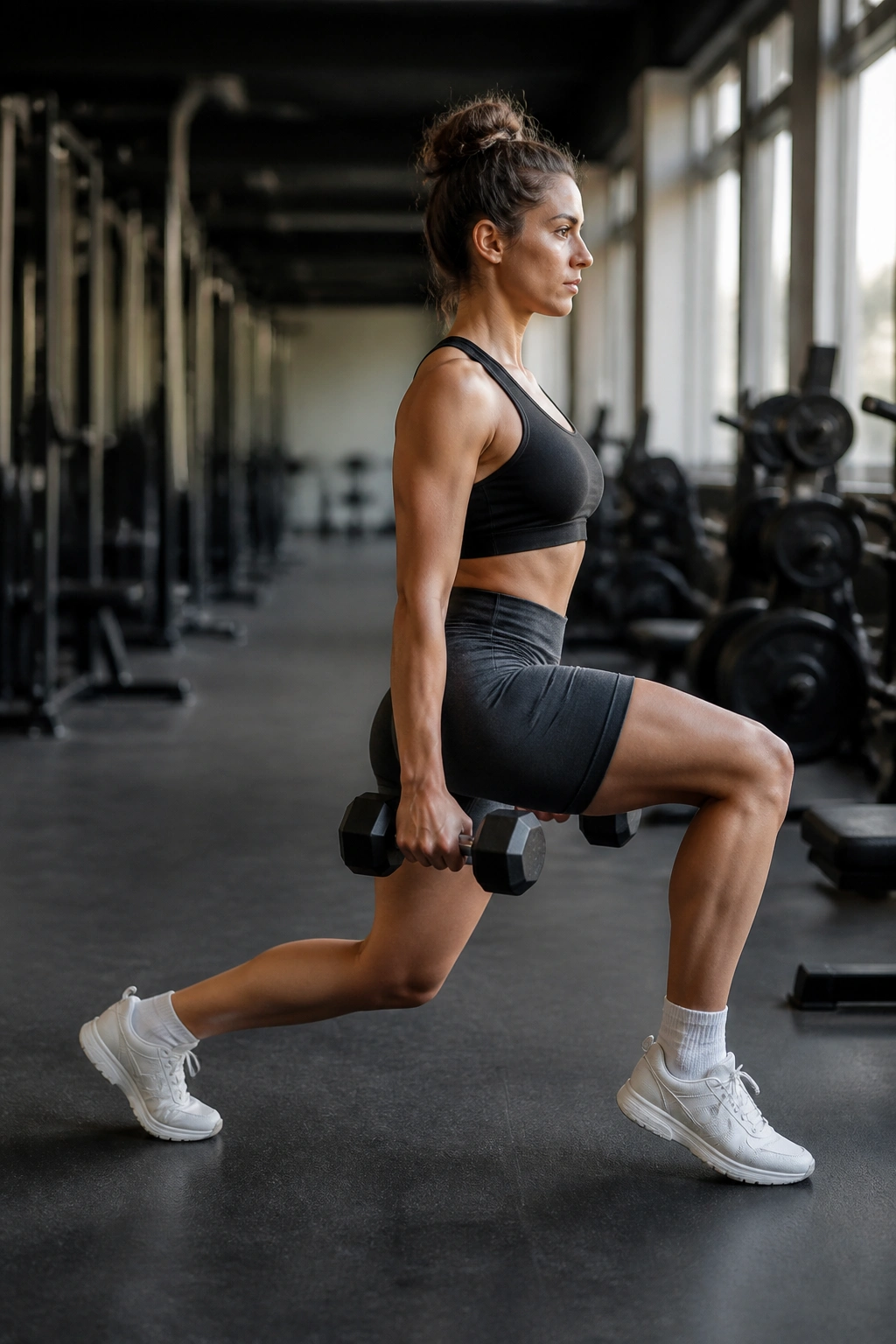
Walking lunges are one of those moves that quietly build a lot of things at once: glute size, balance, work capacity, and the kind of leg endurance you notice when stairs stop feeling rude.
Take a long enough step that the front shin can stay angled forward without collapsing the knee. Drop straight down, press through the front heel, then bring the back leg through into the next stride. Short steps turn this into a quad party. Long steps make the glutes work harder.
A couple of controlled sets can do more than a giant sloppy circuit. Keep the torso proud, move with intent, and let the glutes do the job of moving your body forward, one step at a time.
11. B-Stance Romanian Deadlifts for Glute Growth
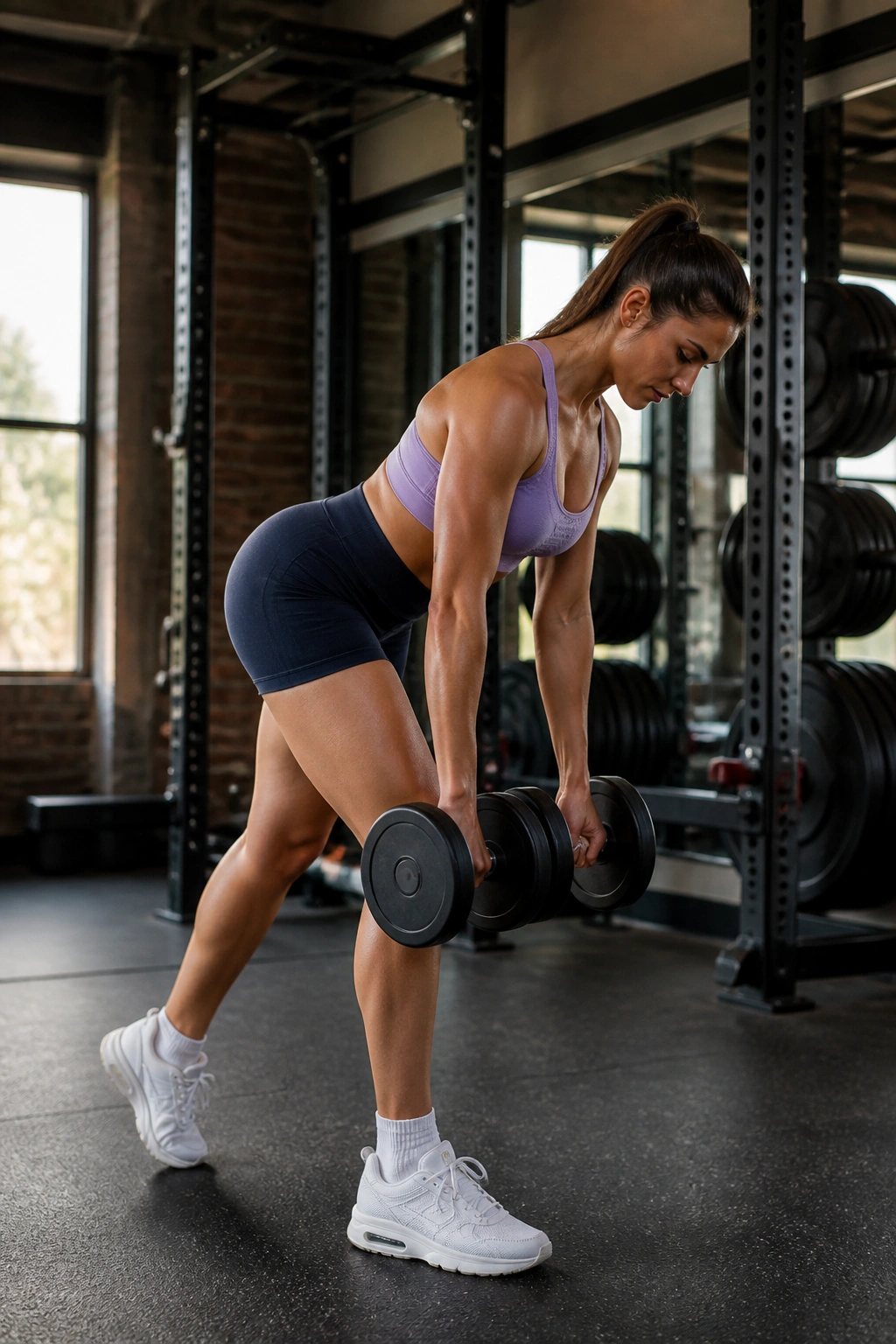
This is the useful middle ground between a bilateral hinge and a single-leg balance fight. One foot carries most of the load, the back foot acts like a kickstand, and the working glute gets a long stretch without the wobble of a true single-leg deadlift.
What Makes It Different
You can load a B-stance RDL more heavily than most people can load a single-leg version, which makes it a smart bridge toward strength. It also lets you focus on one side at a time if one glute is clearly weaker.
Use a narrow staggered stance, keep about 80 to 90 percent of your weight on the front leg, and hinge like a regular RDL. The back foot is there for balance, not power.
Best Cue
Keep the front hip square. If the pelvis opens up toward the back leg, you lose the point of the movement.
12. Single-Leg Glute Bridges
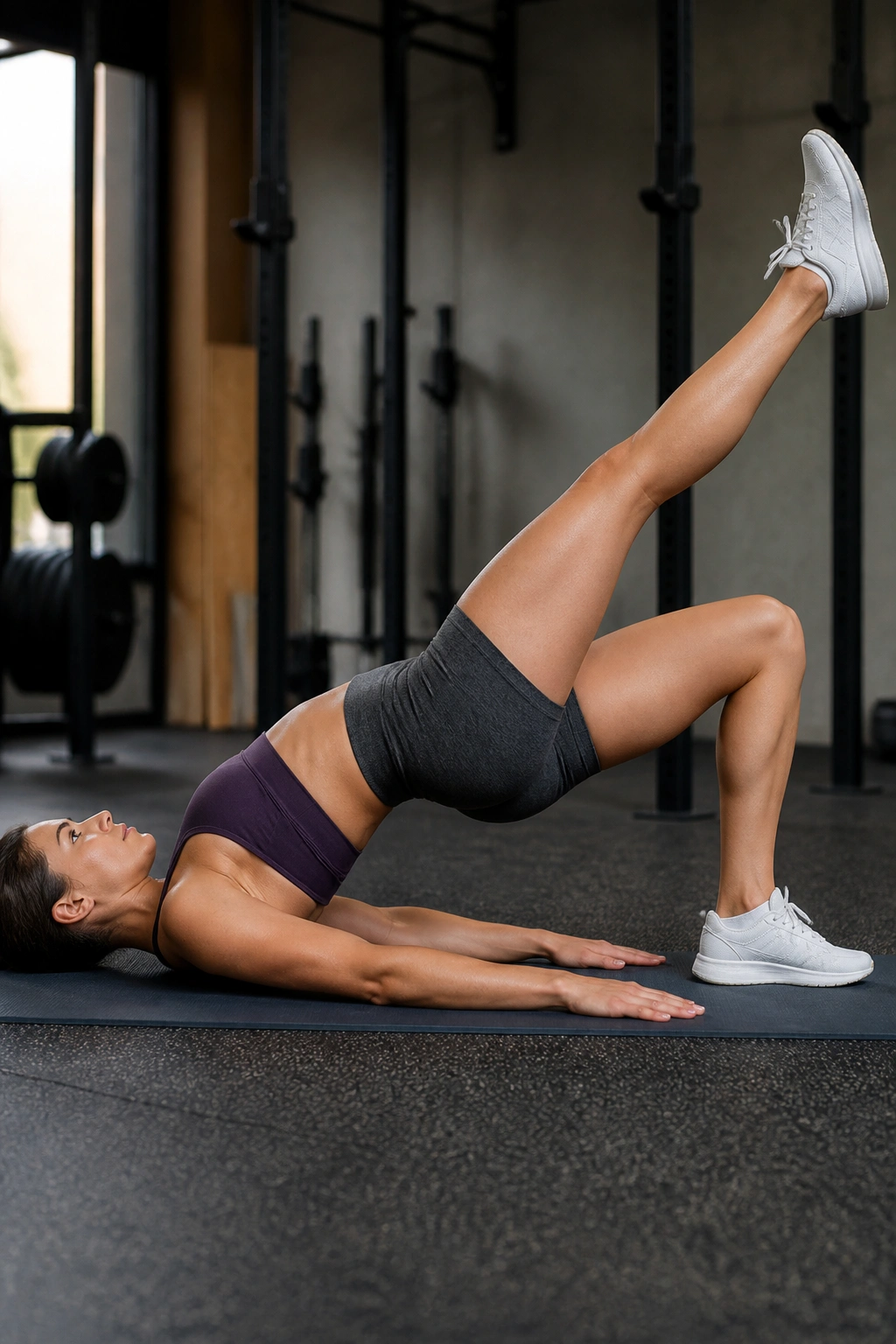
Single-leg glute bridges are a humbling little test. One side does the work, the other side gets no help, and any weakness shows up fast.
Lie on your back with one knee bent and the other leg lifted. Drive through the planted heel and raise the hips until the pelvis is level. Do not let the working side drop or twist. The goal is a clean bridge, not a wobbly one.
These are useful when you want to clean up asymmetries or give the glutes a bodyweight-only day that still feels honest. They also pair well with heavy bilateral work because they teach one side to keep its shape under load.
If cramping shows up in the hamstring, bring the heel a touch closer to the glutes and try again.
13. Reverse Lunges
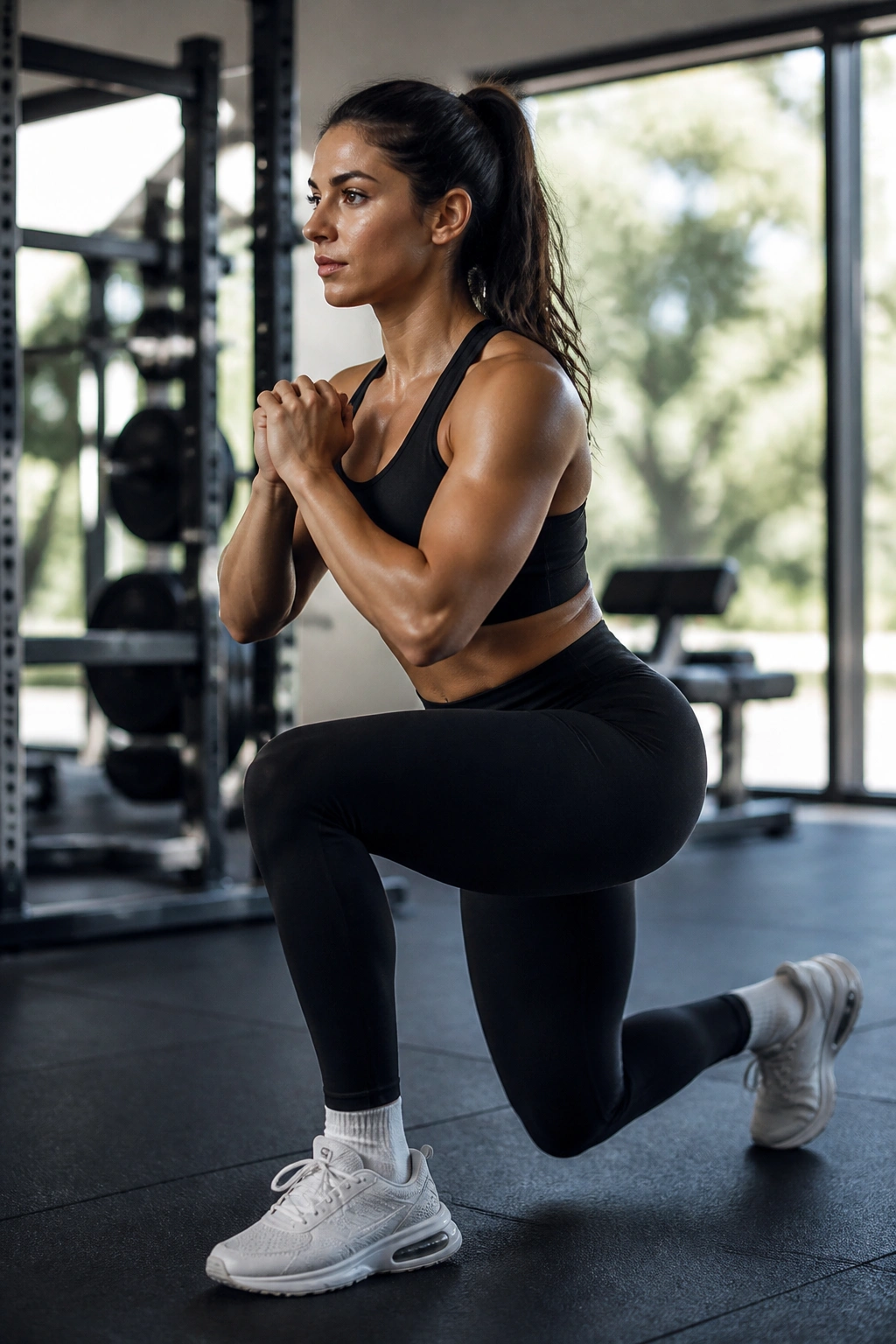
Reverse lunges are often kinder to the knees than forward lunges, and that makes them a smart pick for a lot of women who want glute work without cranky joints.
Step back, not forward. That backward step gives you a smoother descent and lets the front glute take on more of the load when you drive back up. Keep the front foot planted and the torso slightly forward, but not folded over.
The nice part here is control. You can make reverse lunges feel lighter, slower, or brutally hard just by changing the depth and the load. Dumbbells work well, but bodyweight still counts if you’re learning the pattern.
If step-ups feel awkward, this is often the easier single-leg place to start.
14. Kettlebell Swings
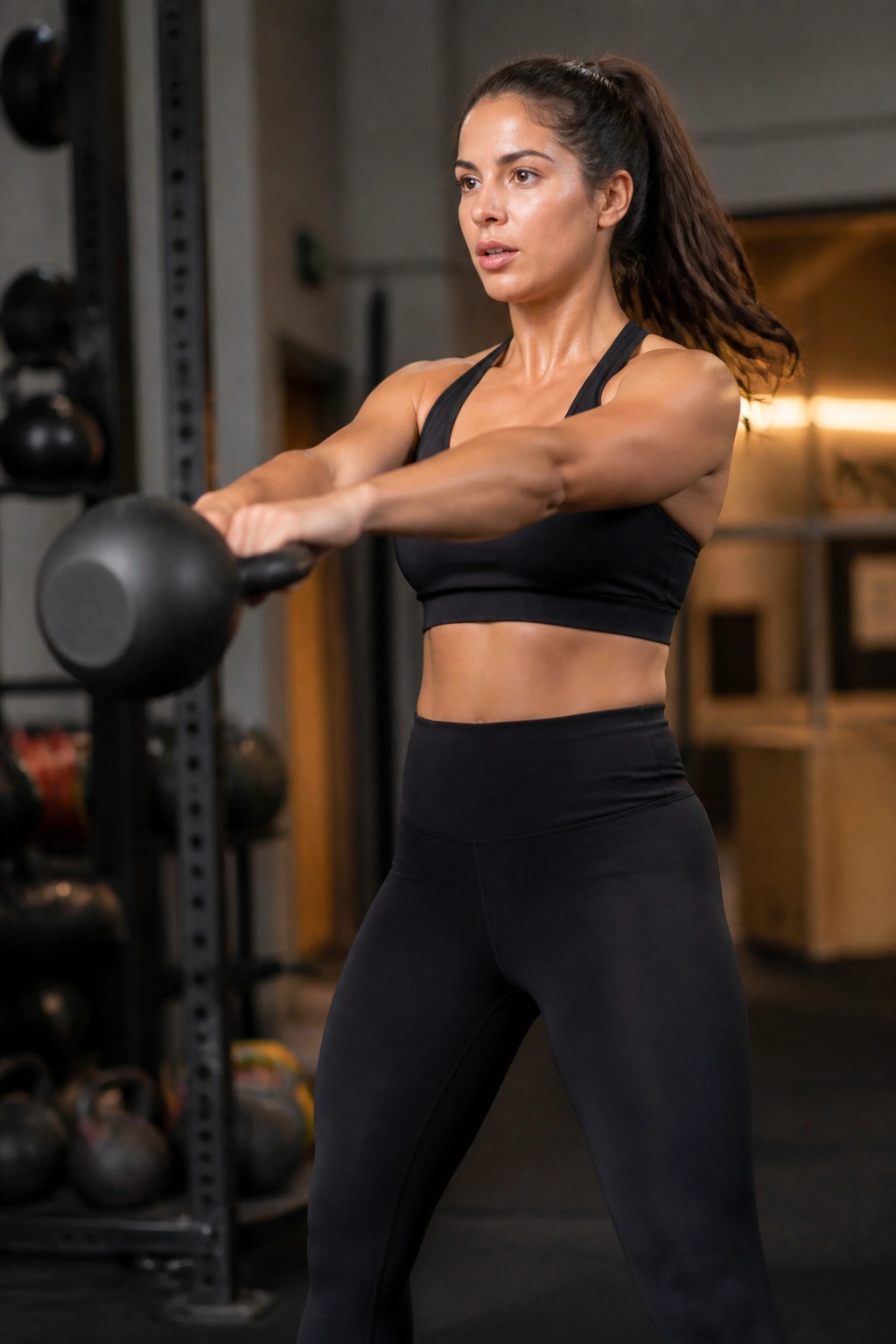
A kettlebell swing is not a squat. People keep confusing that, and the glutes pay for it.
The movement is a snap of the hips, not a dip of the knees. Hinge back, let the bell swing between the thighs, then explode forward by squeezing the glutes hard and snapping the hips through. The bell should float. If you are lifting it with your shoulders, the pattern is off.
Why It Belongs on a Glute List
Swings train the glutes to fire fast. That matters for power, athletic carryover, and the kind of hip snap that helps with deadlifts and jumps.
They also work well when you want conditioning without turning the session into endless cardio. Keep reps crisp. When the swing starts looking lazy, stop.
15. Donkey Kicks
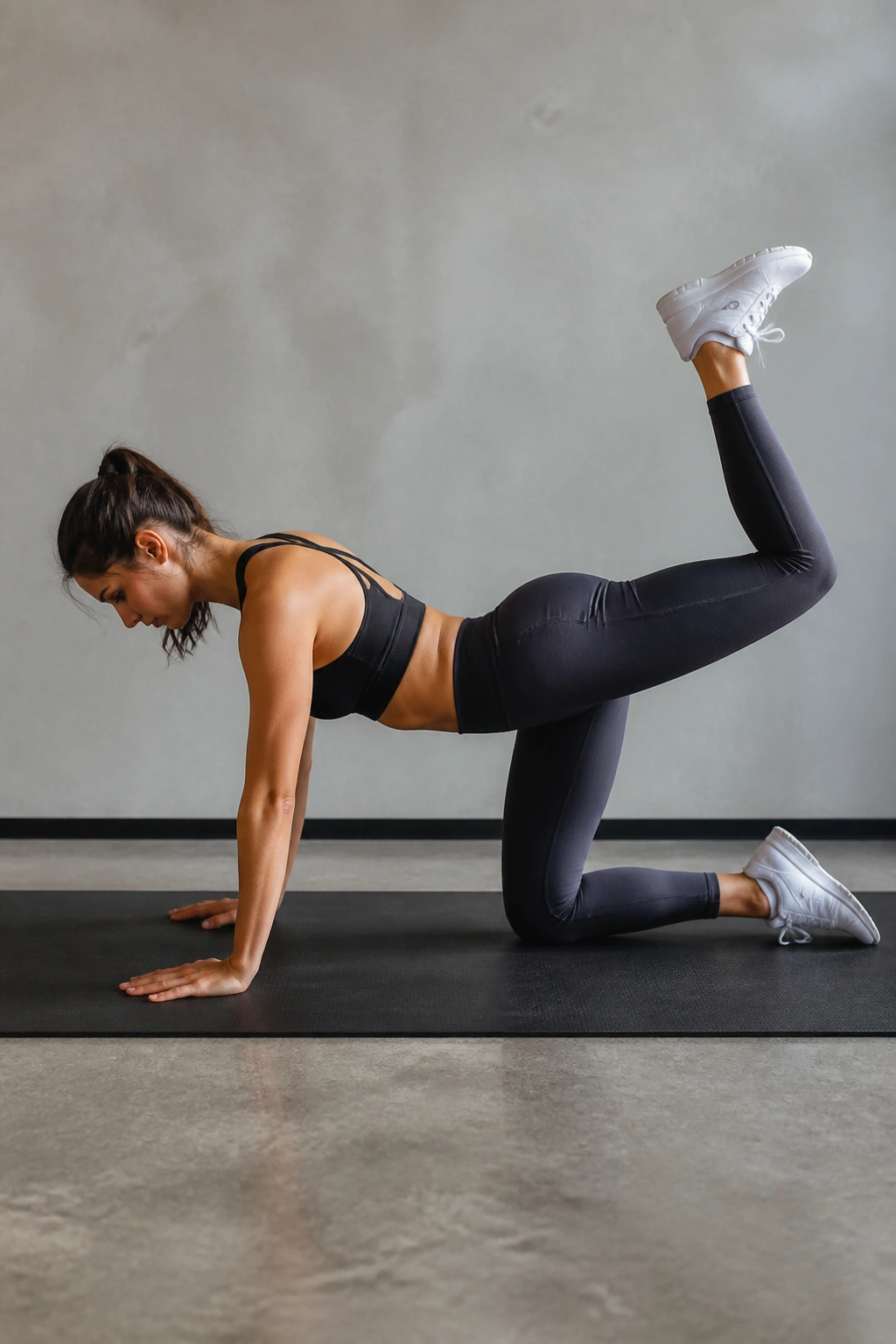
Donkey kicks are one of those exercises people write off because they are done on the floor and don’t look dramatic. That’s a mistake. They are clean, direct, and easy to feel when you do them right.
Start on hands and knees. Keep the knee bent at roughly 90 degrees, brace the core, and drive the sole of the foot toward the ceiling without arching the lower back. The movement should come from the hip, not a big spine swing.
You can add an ankle weight or a light band, but the quality has to stay high. If your ribs flare up, the glutes are not the problem. Your back is doing too much.
Donkey kicks are good on low-energy days and good in finishers. They’re also a nice bridge between beginner work and more loaded cable variations.
16. Fire Hydrants
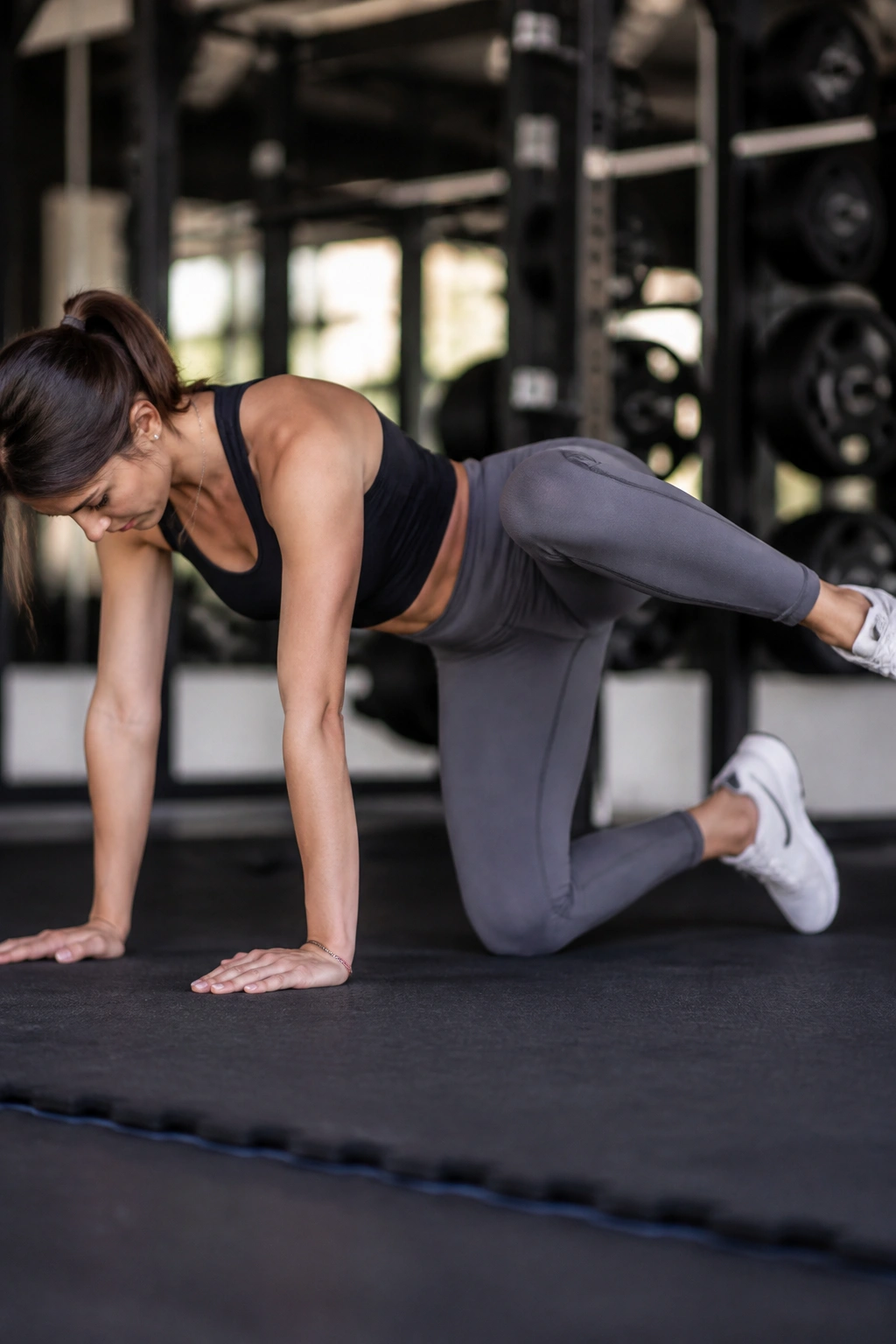
Fire hydrants target the glute medius, the muscle that helps keep the pelvis from dropping when you stand on one leg. That’s not glamorous, but it matters. A lot.
From all fours, lift one knee out to the side while keeping the knee bent. The pelvis should stay square to the floor. If you shift your weight to cheat the height, the outer glute loses tension.
One clean set can reveal things fast. If one side barely moves while the other side burns, you’ve got useful information, not a problem.
Use fire hydrants as a warm-up, a rehab-style accessory, or a finisher after bigger lifts. They are small on the outside and sneaky inside the hip.
17. Lateral Band Walks
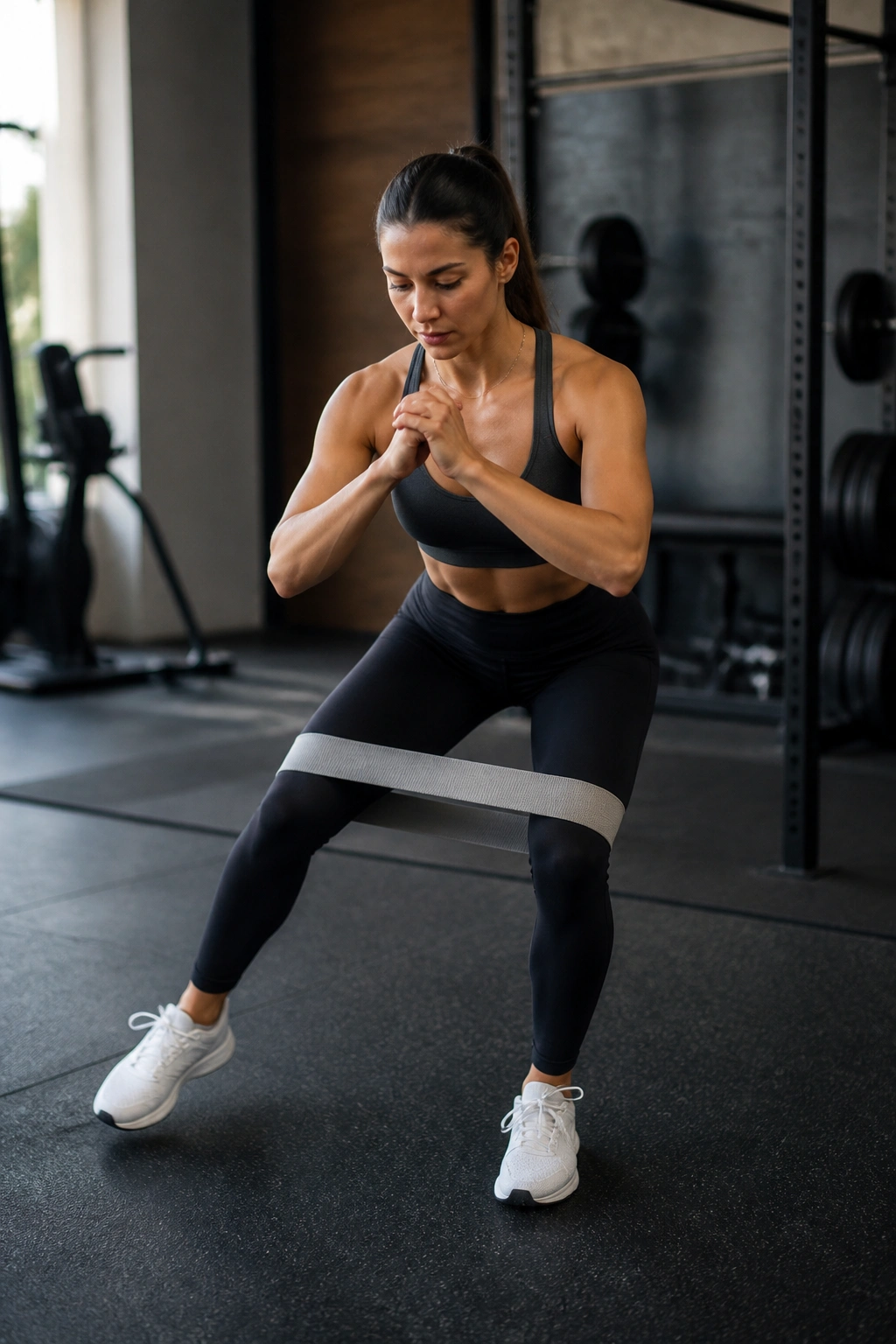
Lateral band walks are a cheap piece of equipment doing real work. Put a band above the knees or around the ankles, sink into a quarter squat, and step sideways without letting the knees cave.
The key is tension. Keep the band stretched, keep the feet parallel, and take short, controlled steps. If the torso sways all over the place, the outer hips are no longer the main event.
Quick Form Cues
- Chest stays quiet.
- Hips stay level.
- Steps stay small.
- Knees press out against the band.
These are not sexy, and I mean that in the nicest way. They are useful because they wake up the glute med before heavier lifts and help the knees track better during squats, lunges, and step-ups.
18. Clamshells
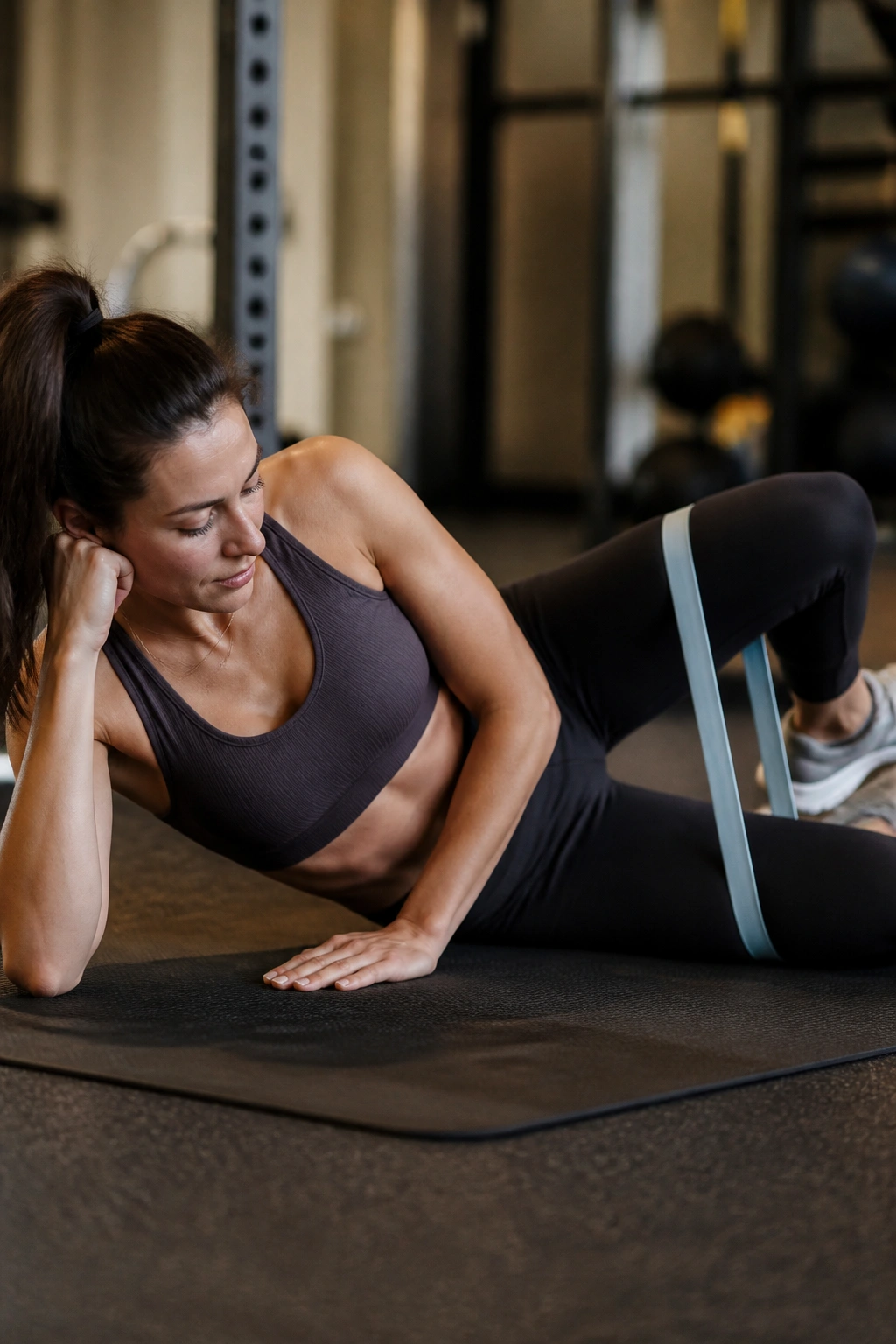
Clamshells are the move people skip right before they get annoyed that their outer hips never seem to turn on. Funny how that works.
Lie on your side with knees bent and feet together. Keep the pelvis stacked and lift the top knee without rolling backward. The range is tiny, which is the whole point. You are trying to get the side glute to work, not to show off how high the knee can open.
A mini band above the knees adds more tension, but bodyweight is fine if the movement is new. Slow reps matter here. Fast reps turn this into a sloppy twist through the waist.
Clamshells make a decent warm-up before split squats, deadlifts, or lateral work. They’re also one of the few small moves that can make a big difference when they’re done consistently.
19. Box Squats
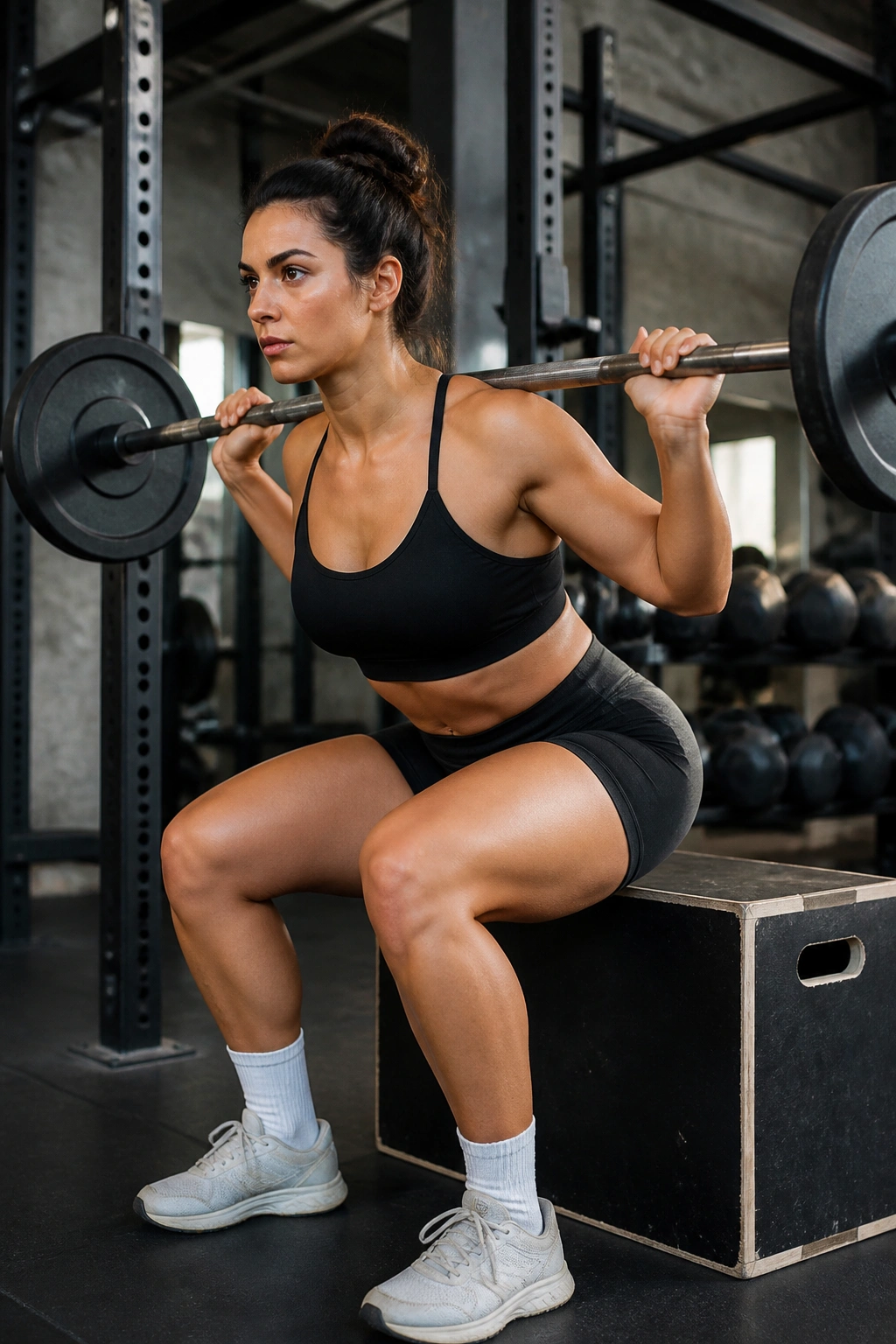
Box squats give you a target. That sounds boring, but a target changes the whole lift. You control the depth, keep the torso braced, and learn to sit back with some purpose instead of free-falling into the bottom.
Use a box or bench that lands around parallel or a little above, depending on mobility and skill. Sit back until you touch lightly, keep tension in the legs, then stand without relaxing on the box. Do not crash and relax. That kills the benefit.
Why Glutes Like This Pattern
The pause on the box teaches force from a dead stop. That’s useful for glute strength because you have to create tension before you move.
- Good for controlled depth.
- Helpful for learning bracing.
- Nice for people who hate bouncing out of the bottom.
20. Goblet Squats
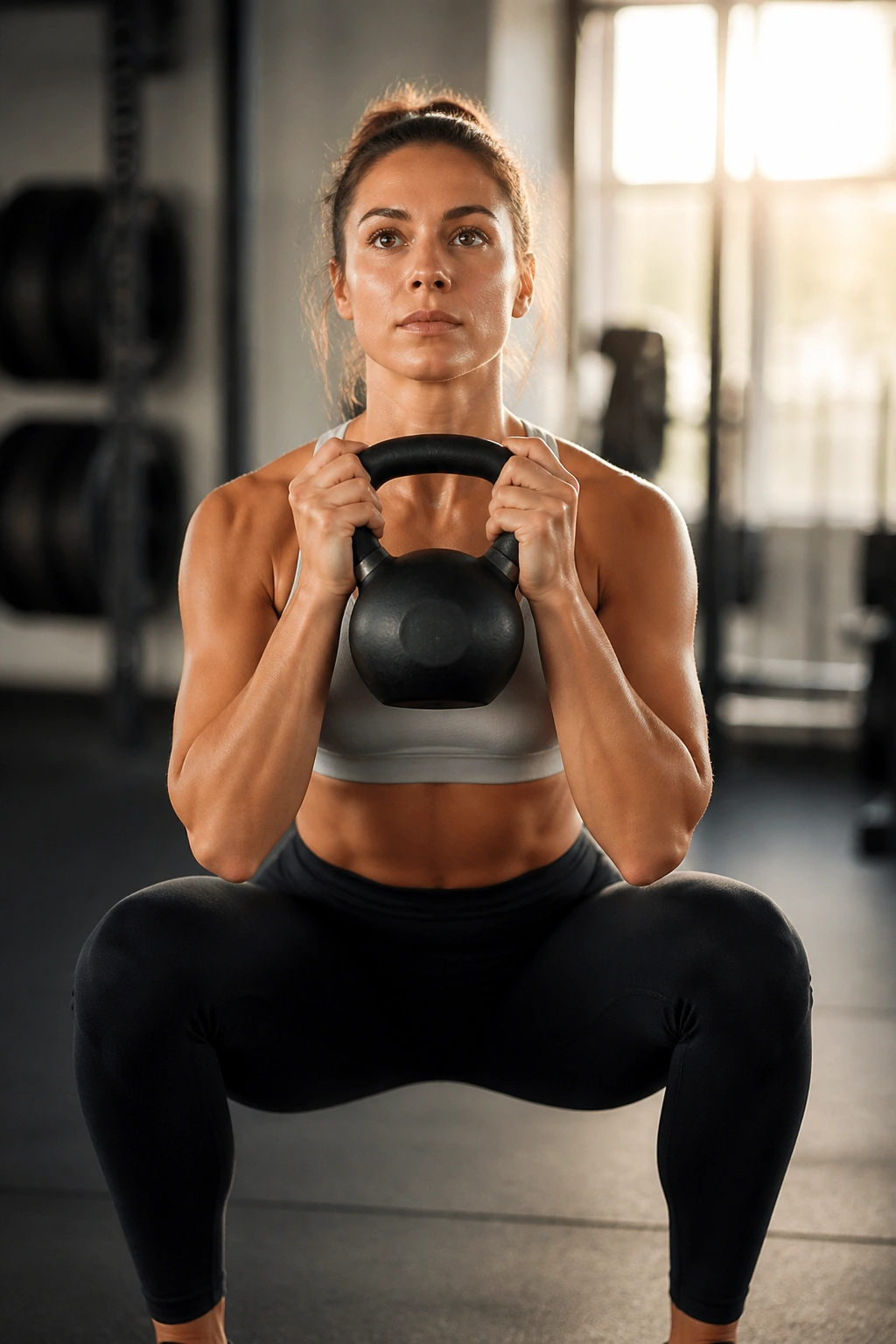
Goblet squats are the squat version of a good teacher. They keep the load in front of you, which makes it easier to stay upright, brace the core, and learn depth without folding in half.
Hold a dumbbell or kettlebell at chest level, brace the ribs down, and sit between the hips. Let the knees track over the toes and keep the whole foot on the floor. The glutes work hardest when you own the bottom position instead of dropping past it like a sack of laundry.
They’re especially useful if you want a simpler squat variation before moving to barbell work. Also, a goblet squat can travel well. One dumbbell, a square of floor, done.
21. Smith Machine Hip Thrusts
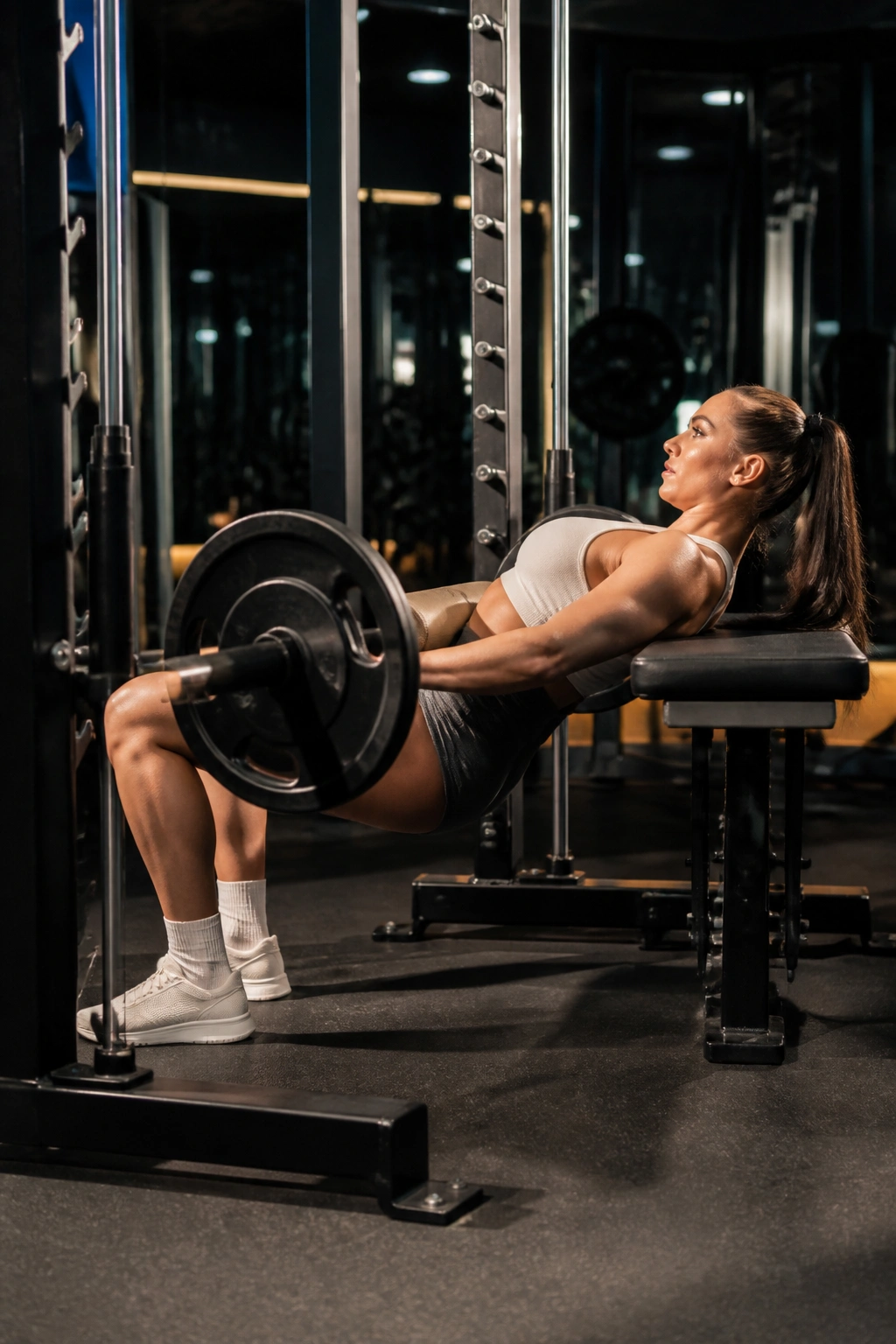
Some lifters love free barbells. Some just want to get their hips under a load and move on. The Smith machine makes that easier.
The fixed bar path can feel weird the first time, but it also reduces setup chaos. You can line up the bench, set your feet, and focus on the glutes without worrying about keeping the bar from rolling. That alone is worth something.
What to Keep in Mind
Use the same rules as a regular hip thrust: chin tucked, ribs down, shins vertical at the top, no lower-back flare. The machine makes loading easy, so it is tempting to chase weight too fast. Don’t.
This is a solid option when you want heavier hip thrust volume, especially if your gym setup makes barbell work annoying.
22. Cable Pull-Throughs
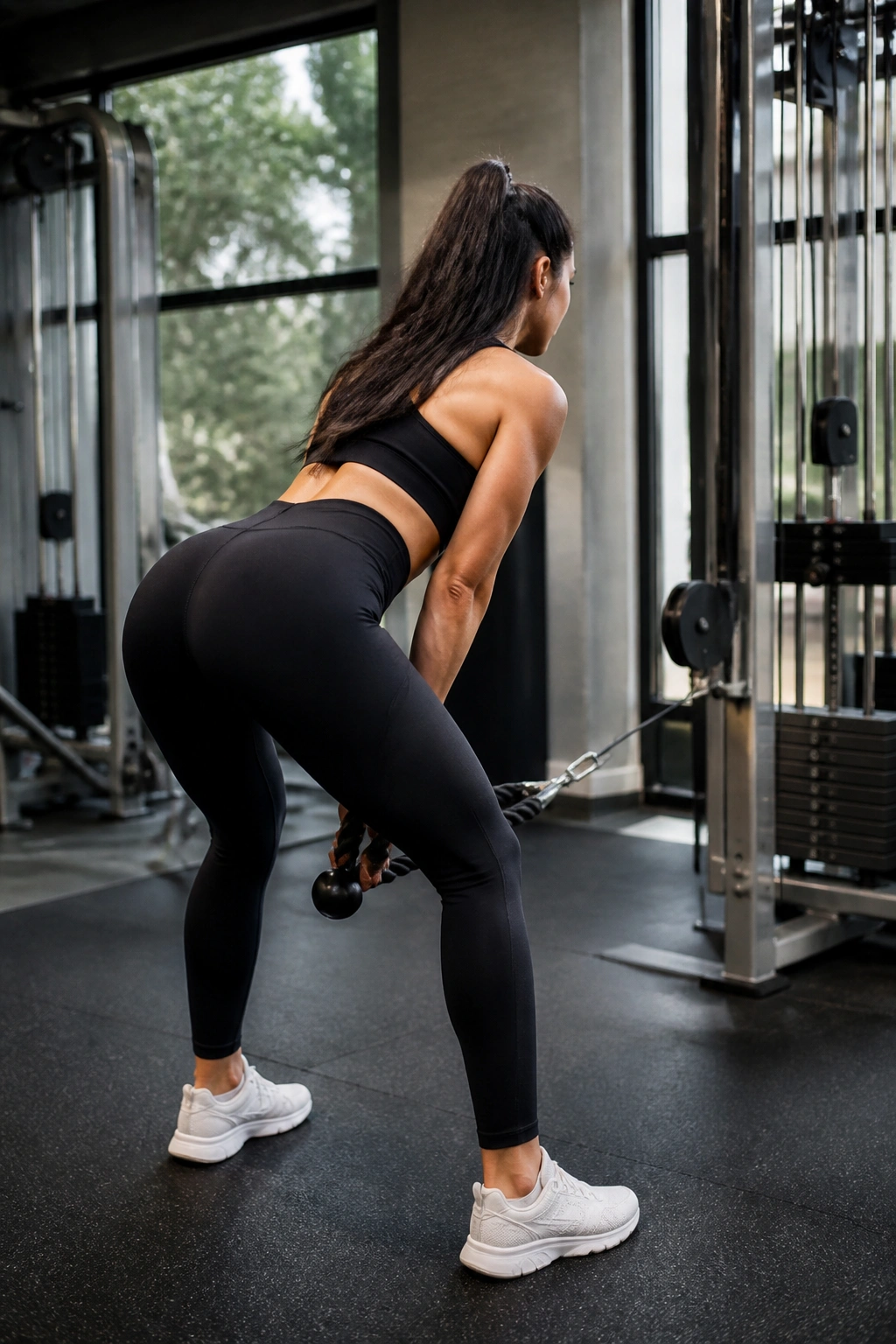
Cable pull-throughs are one of my favorite hinge variations because they teach the hip snap without asking your back to carry the whole show.
Stand facing away from the stack with the rope between your legs. Step out until there is tension, hinge the hips back, then drive forward until the glutes lock out the rep. The cable should pull you backward at the start, and you should resist that pull with a clean hinge.
The motion feels a little strange until it clicks. Then it starts to feel like a standing glute bridge with a longer range. Keep the arms passive. The rope is a handle, not the engine.
Cable pull-throughs work well on lighter days or as a second hinge after RDLs.
23. Landmine Squats
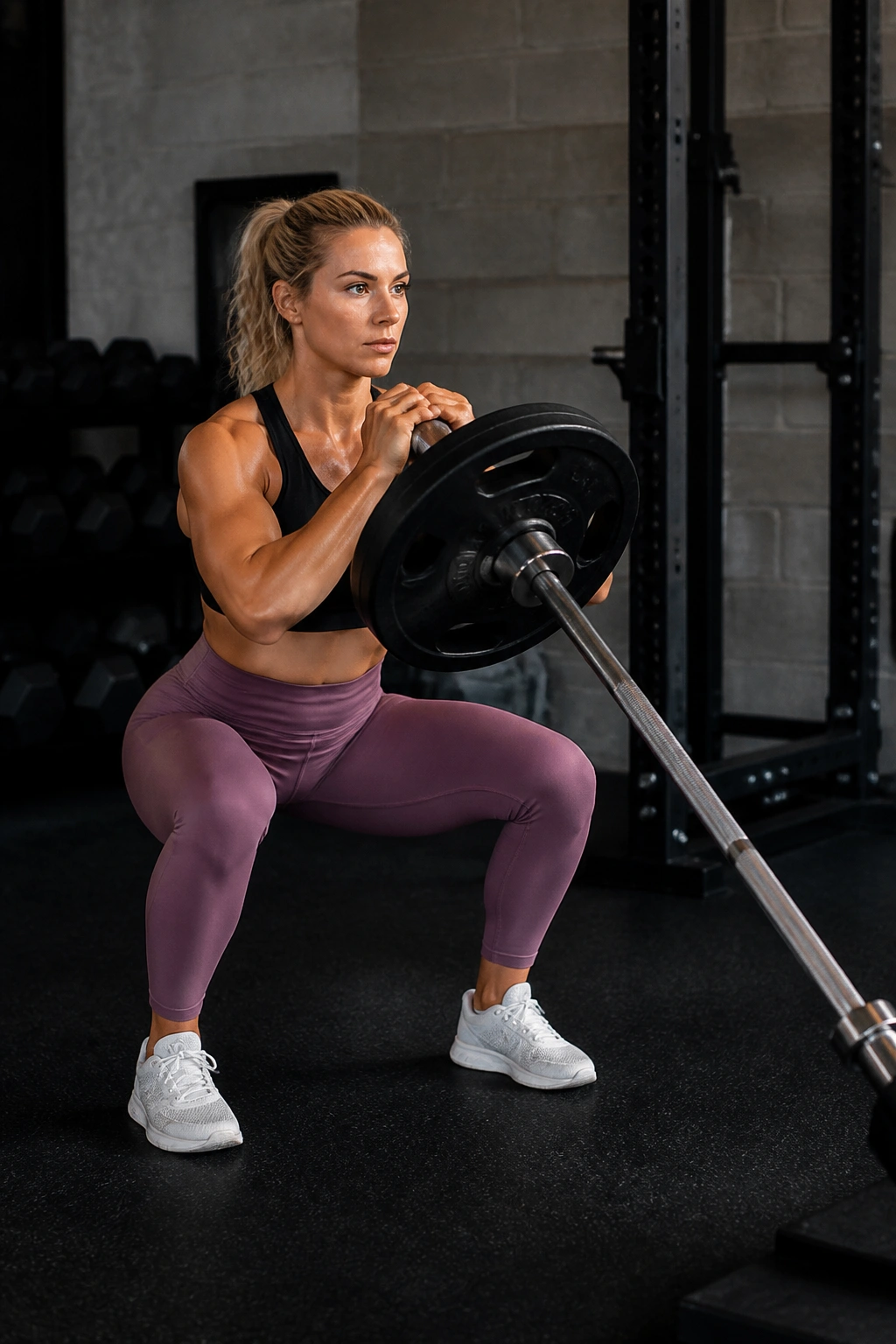
Landmine squats sit somewhere between a squat and a press, and that hybrid path is part of why they feel good on the hips. The load travels in an arc, which can make the movement easier to control than a straight barbell back squat for some lifters.
Hold the sleeve or use a landmine attachment, keep the feet planted, and squat down with the torso braced. The front-loaded feel pushes you to stay upright, but the glutes still do real work on the way out of the bottom.
This is a nice option if traditional squats beat up your lower back or just never seem to find the glutes well. It also pairs nicely with split squats because it trains a similar pattern with a different feel.
24. Cable Hip Abductions for Glute Building
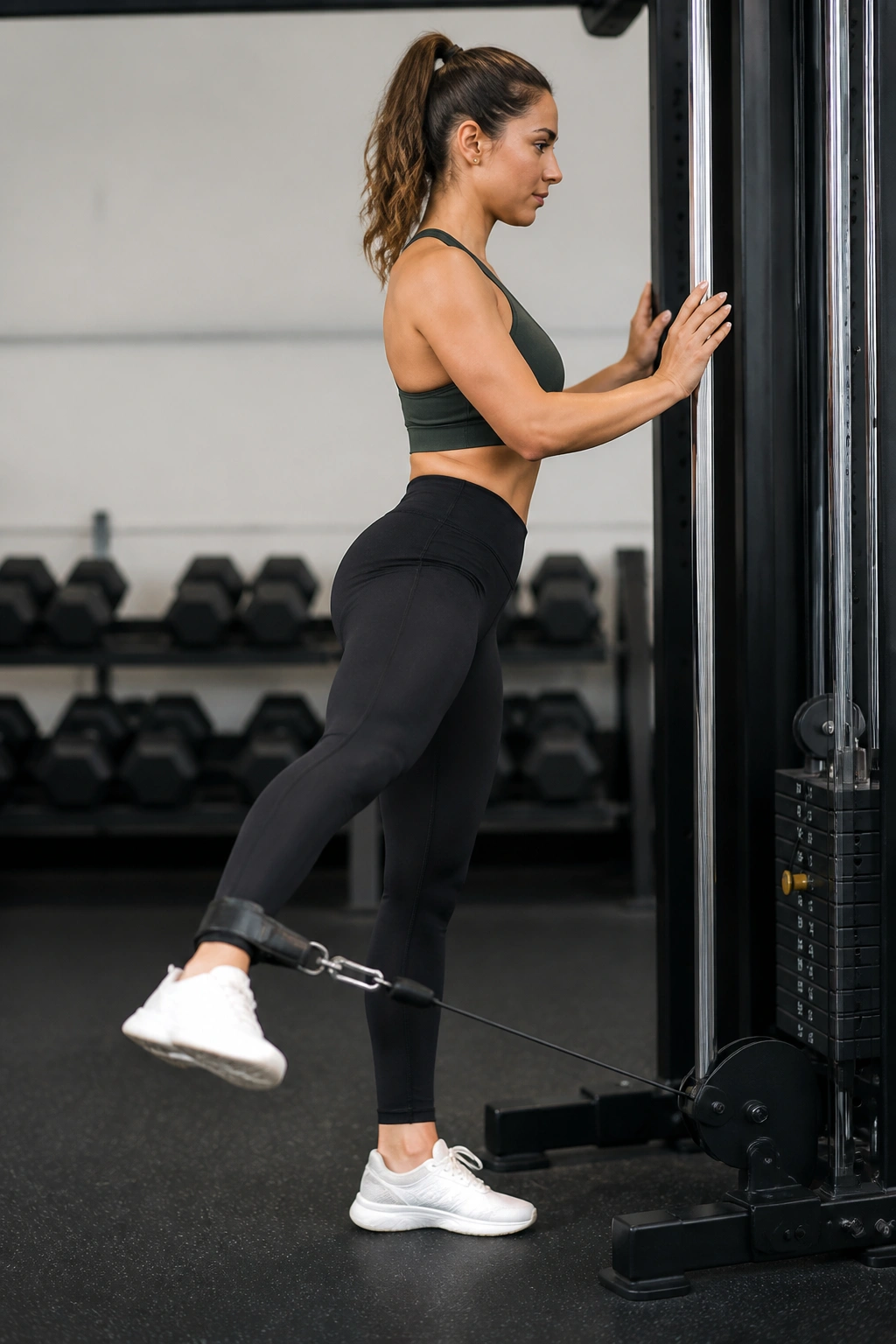
If the outer glute is the weak link, cable hip abductions are the honest answer. They target hip abduction directly, which means the side of the glute has to do the work instead of hiding behind a bigger lift.
Attach the ankle strap, stand tall, and move the leg out to the side without leaning the torso. The movement should look clean and a little boring. That is good. The less the body cheats, the more the side glute has to earn its keep.
Best Way to Use Them
- Use light to moderate load.
- Keep a slow return.
- Pause a beat at the top.
These are especially useful after squats or lunges when the glutes are already warm but not fried.
25. Deficit Reverse Lunges
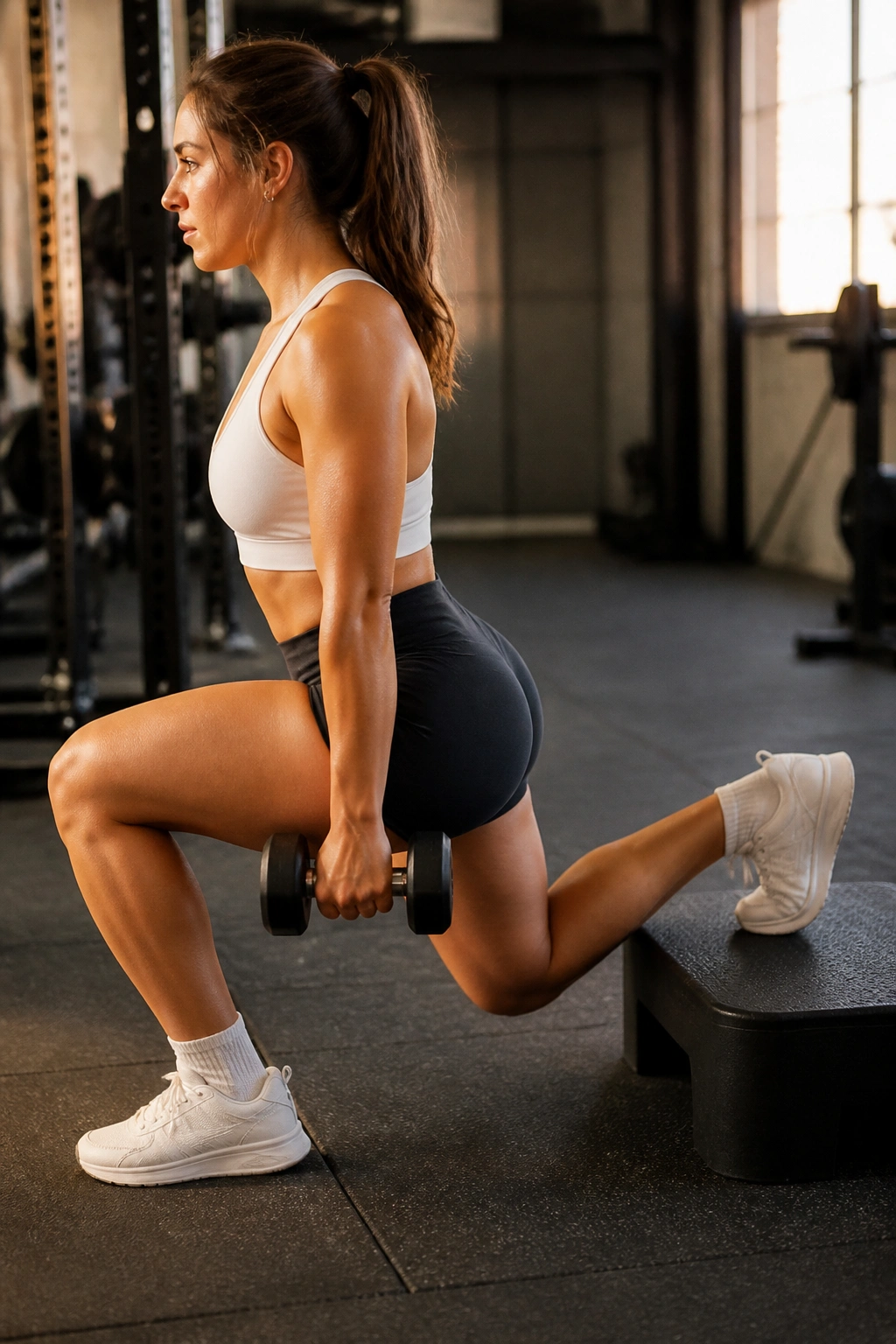
A deficit reverse lunge adds a little extra range by letting the back foot step off a small platform or plate. That extra depth increases the stretch on the glute of the front leg, and the stretch is where a lot of people miss the point.
Step back carefully, descend under control, and keep the front heel heavy. The front hip should bend deeply, but the torso should stay braced. If you rush the descent, the exercise turns sloppy fast.
This variation is not for every day, and that’s fine. It shines when you want more range without changing the whole pattern. Use it when standard reverse lunges feel too easy or too short.
26. Single-Leg Romanian Deadlifts
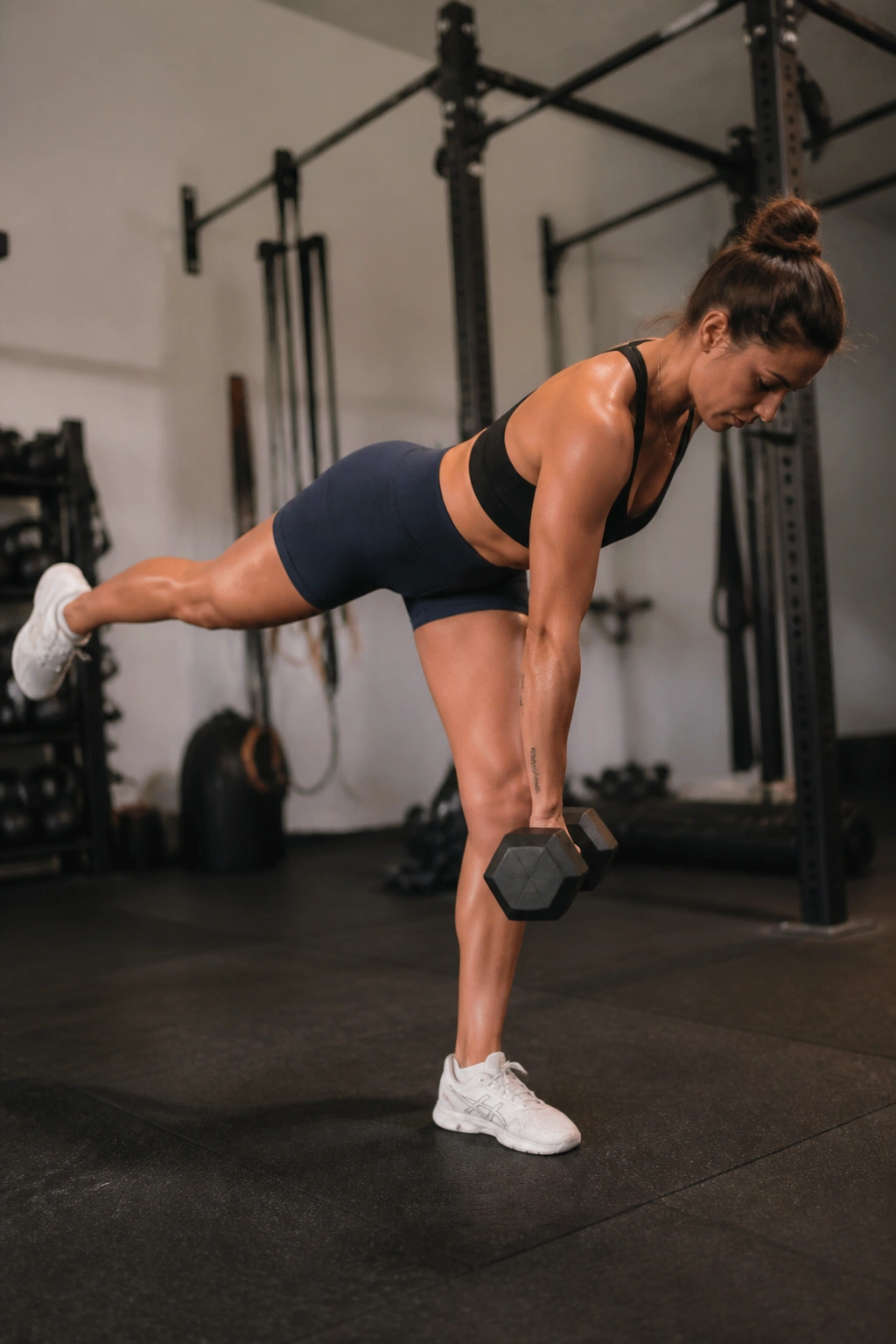
Single-leg RDLs are balance, hinge, and glute control all packed into one exercise. They also expose cheating right away, which is useful even if it feels rude.
Stand on one leg, keep a soft knee, and tip the torso forward while the free leg reaches back like a counterweight. The hips stay square to the floor. If the pelvis opens up, the working glute loses tension and the move becomes a wobble contest.
A hand on a wall or rack is fine at first. There is no prize for falling over in a perfect line. Once the pattern feels stable, add dumbbells and move slowly.
This exercise is a clean way to build glutes and hamstrings while teaching one side to carry more of the load.
27. 45-Degree Back Extensions
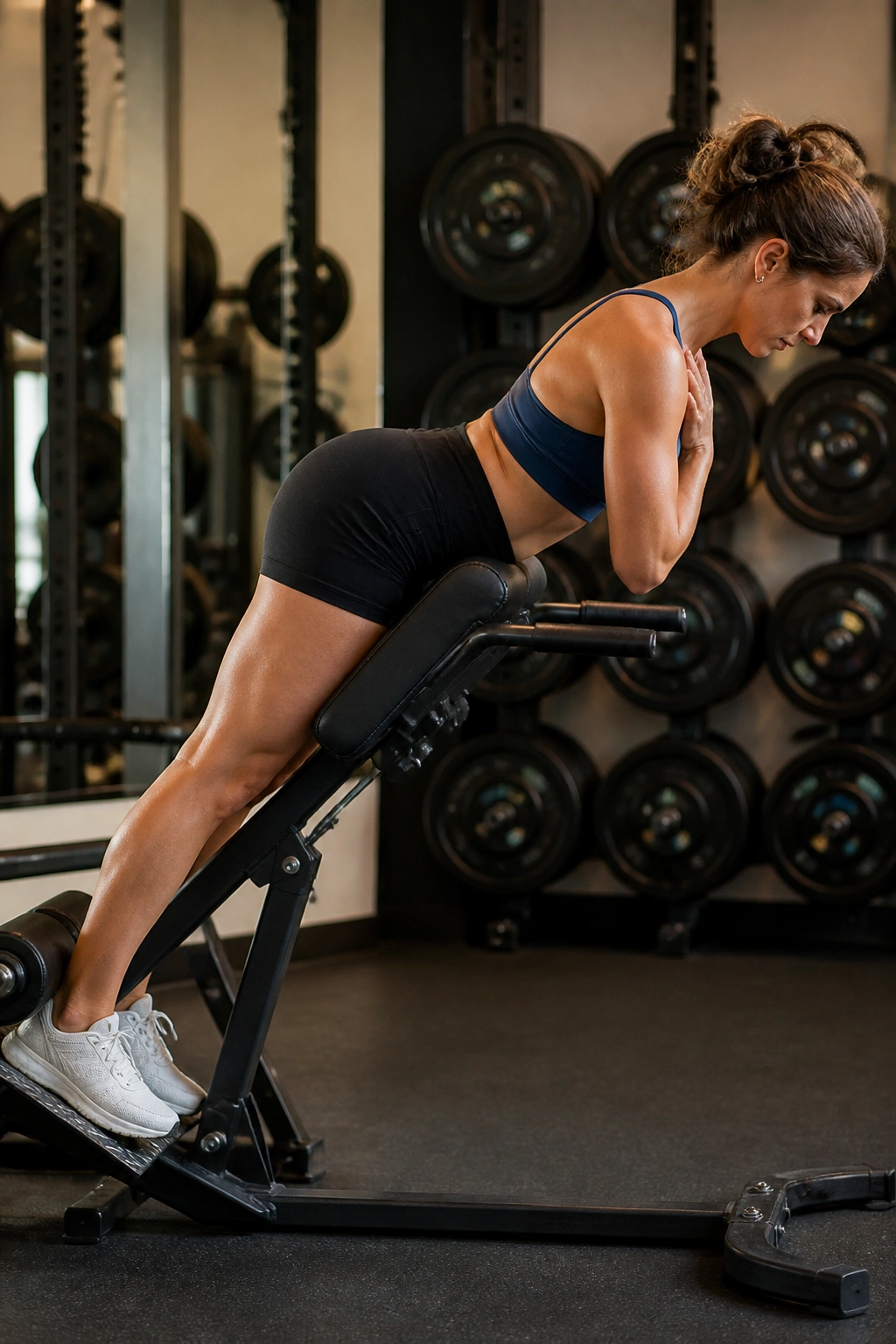
A back extension bench is not just for the lower back. Shift the emphasis to the glutes, and it becomes a useful posterior-chain builder.
Set the pad so your hips can hinge freely, then lower under control with a neutral spine. Come up by driving the hips into extension and squeezing the glutes at the top. Do not fling the torso upward. That turns a glute move into a lower-back yank.
How to Bias the Glutes
- Round the upper back a touch only if the setup calls for it.
- Keep the chin tucked.
- Hold a dumbbell or plate against the chest once bodyweight feels easy.
This one is underrated because it looks plain. In practice, it gives you a long range, a big stretch, and a very honest lockout.
28. Leg Press With High Foot Placement
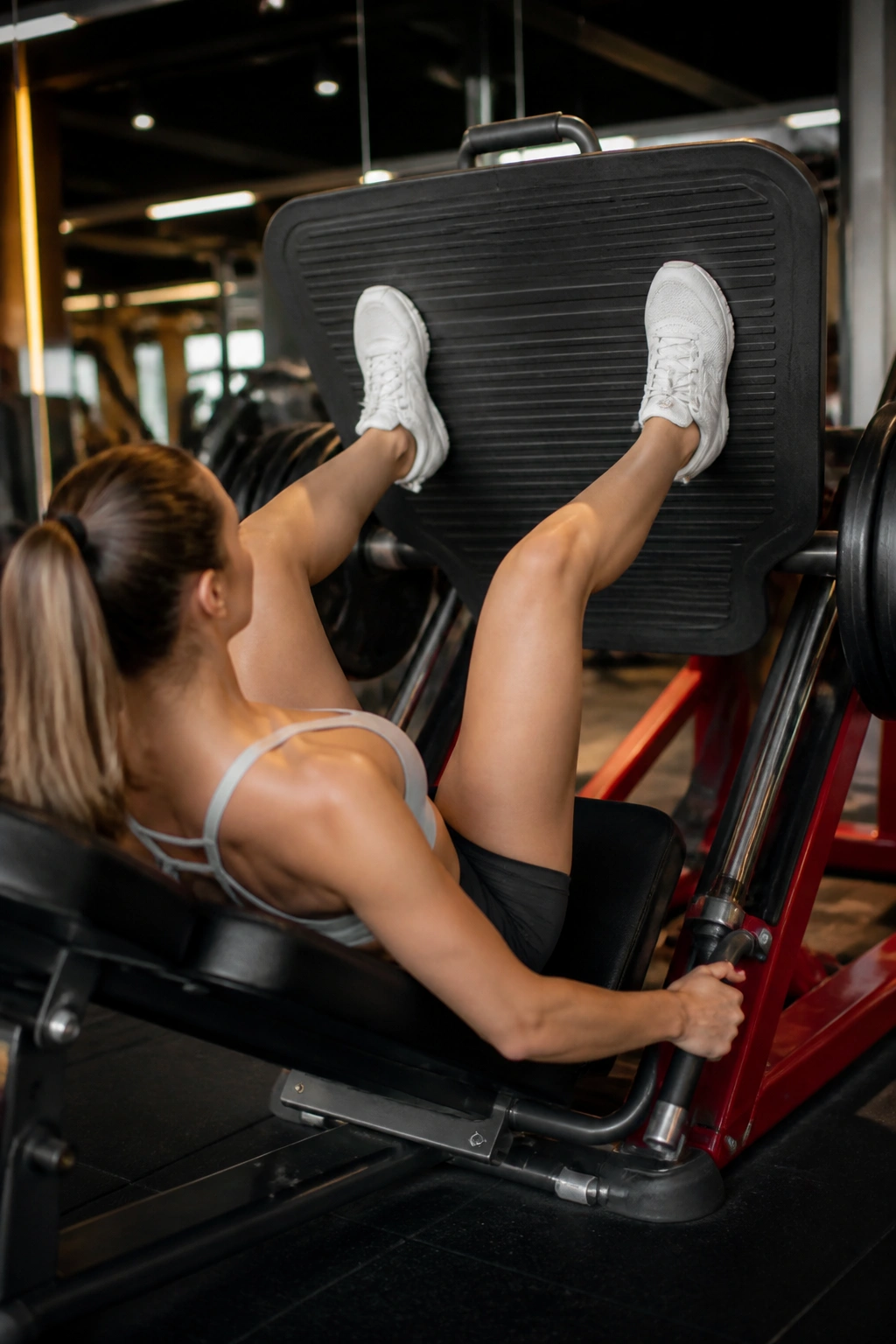
A leg press can be a glute exercise if you stop planting your feet low and narrow like you’re trying to win a quad contest. Move the feet higher and a little wider, and the hip angle changes in a way the glutes appreciate.
Press through the heels and midfoot, lower with control, and let the knees bend deeply without curling the lower back off the pad. The sled should move smoothly; no bouncing out of the bottom.
This is a good machine option for heavier volume when your spine needs a break from free weights. It also works well for women who like lower-body training but don’t love barbell setups. That’s a fair trade.
29. Hack Squats With Glute Bias
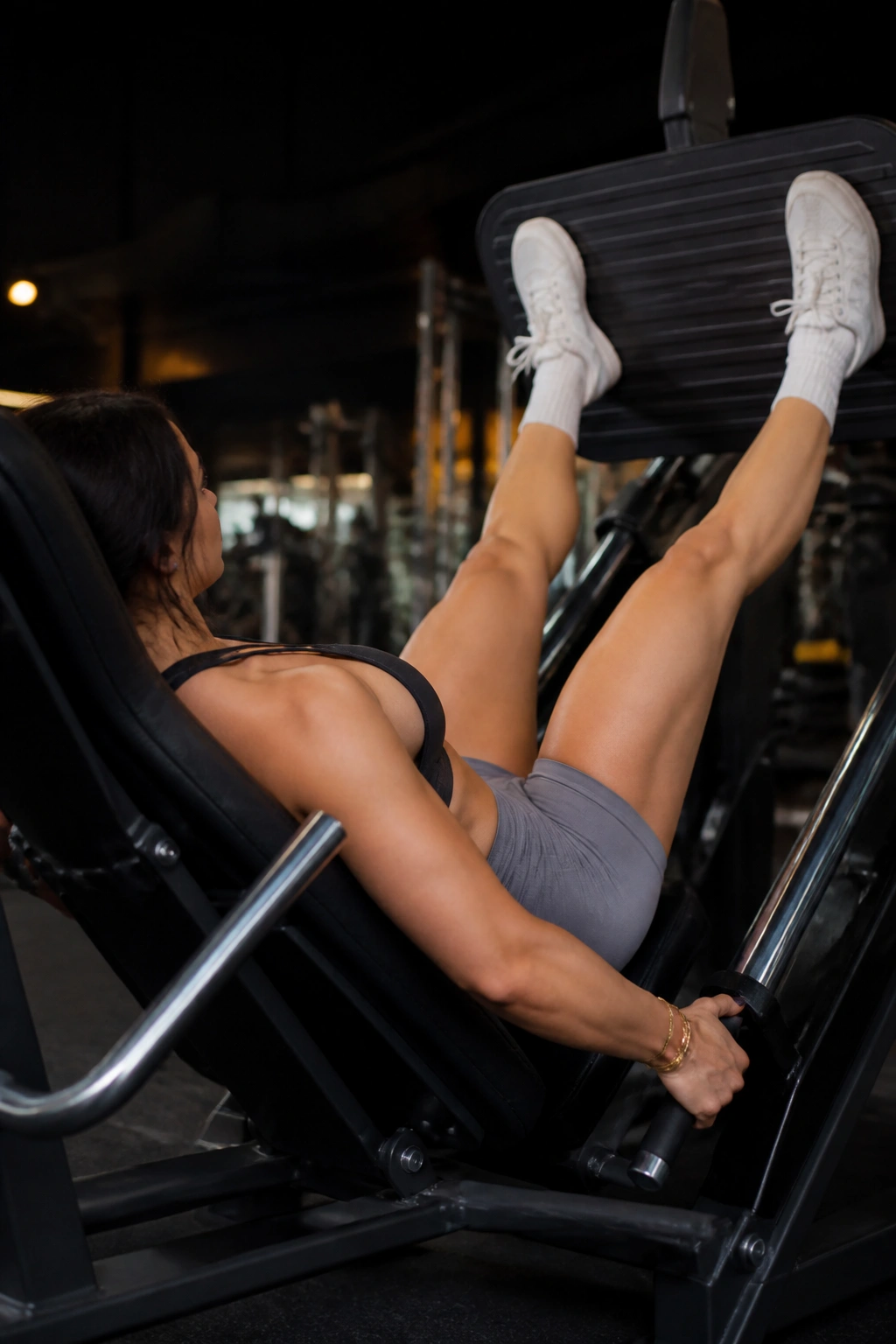
Hack squats usually get filed under quad work, but foot placement changes the story. Put the feet a bit higher on the platform, take control of the descent, and the glutes get pulled into the bottom position more than people expect.
Keep the whole foot planted and avoid dumping into the knees. The machine helps with stability, which lets you focus on driving out of the bottom with the hips instead of worrying about balance.
There is a catch. If you go too low too fast, the pelvis can tuck under and the lower back takes over. Stay in a range you can own. The machine is supposed to help, not bully you.
Hack squats are useful when you want load, consistency, and less technical fuss.
30. Glute Bridge Marches
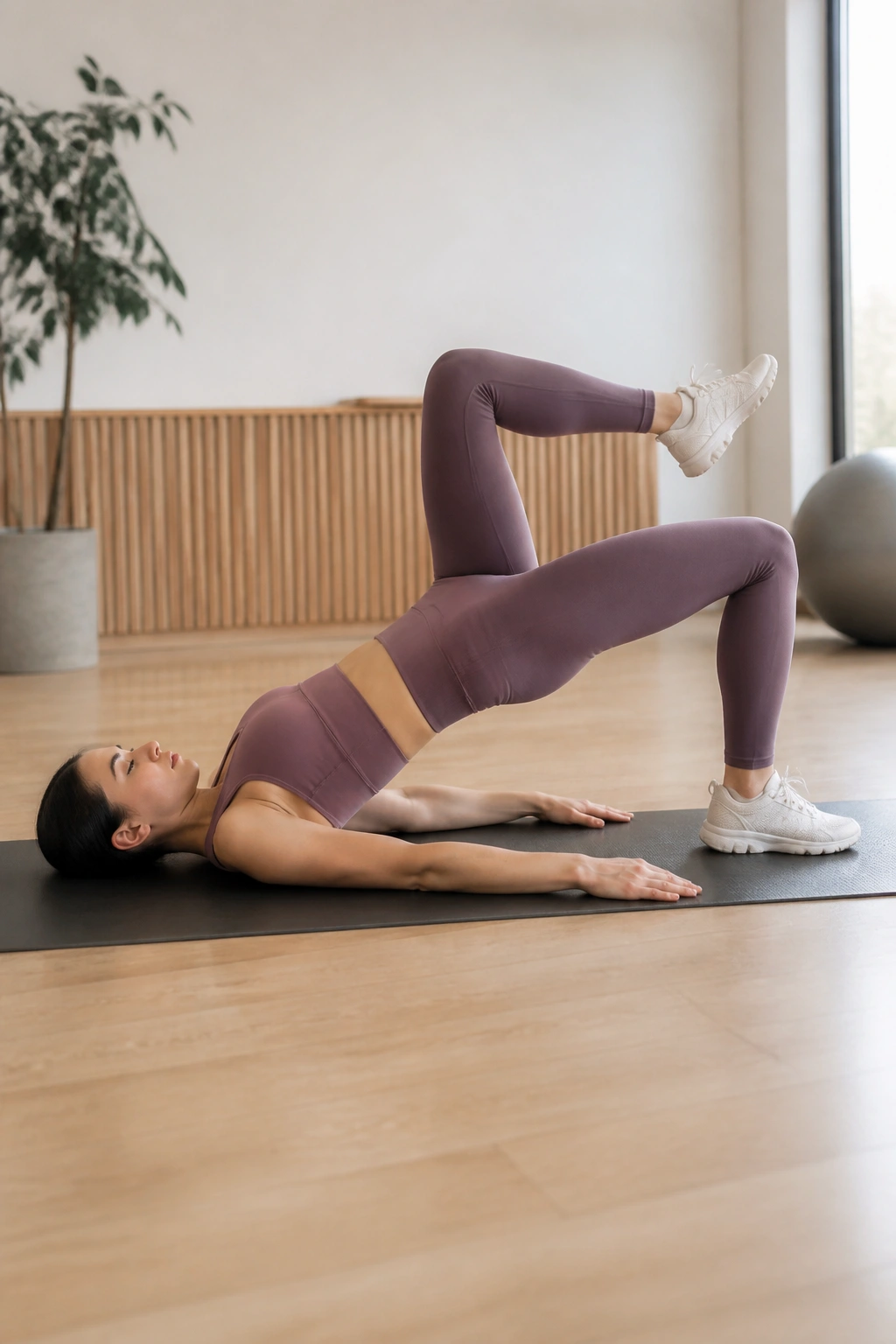
Glute bridge marches look small, and that is exactly why they work. You hold the bridge, keep the hips level, and lift one knee at a time without letting the pelvis twist.
It is an anti-rotation drill disguised as a glute finisher. The standing side has to keep the hips up while the marching side moves, and that challenge wakes up the stabilizers that heavy lifts can miss.
What to Feel
- Hips stay high.
- The lower back stays quiet.
- Each knee lift is controlled, not rushed.
Use these at the end of a session or as a warm-up when you want to remind the body how to keep tension through the trunk and hips at the same time. They are small. They are sneaky. They also make your bridge work feel cleaner.
Final Thoughts
The best glute plan is usually not the longest one. It is the one that gives you a heavy hip extension move, a hinge, one or two single-leg patterns, and something that trains abduction without turning every session into a max-effort grind.
Pick six to eight exercises from the list and keep them around long enough to get stronger at them. Chasing a new move every week looks busy, but progress comes from adding reps, load, control, or cleaner range on the same basics.
And if a move only lights up your lower back or your knees, don’t force the romance. Swap it, fix the setup, or move on. The glutes are not that mysterious once you give them a fair shot.
