



Leg day isn’t just about moving weight from point A to point B; it’s about metabolic demand, muscular endurance, and the kind of functional strength that carries over into everything you do outside the gym. Too many people treat lower body training as a static, grinding affair—three sets of ten, rest, repeat, boredom. But when you switch to circuit training, you force your heart rate up and keep it there, turning a routine lifting session into a full-body conditioning experience. You are not just building quads and glutes; you are building a motor that runs hotter and longer.
Circuits are arguably the most efficient way to tax your muscles while simultaneously keeping the clock moving. Because you cycle through movements with minimal rest, you aren’t just training for aesthetics; you are training for capacity. If you have ever felt like you could squat heavy but had nothing left in the tank after a flight of stairs, circuits are the missing piece of your programming. They bridge the gap between heavy, slow strength work and the gasping intensity of high-intensity interval training.
The secret isn’t just the intensity; it’s the variety. By rotating through different planes of motion, you catch muscle fibers that traditional straight-set training often ignores. Below are twenty distinct approaches, each designed to strip away the stagnation of standard leg days and replace it with sustained, hard-hitting effort. Whether you have a full rack of plates or just a single pair of dumbbells, these protocols demand focus.
1. The Bodyweight Foundation Circuit
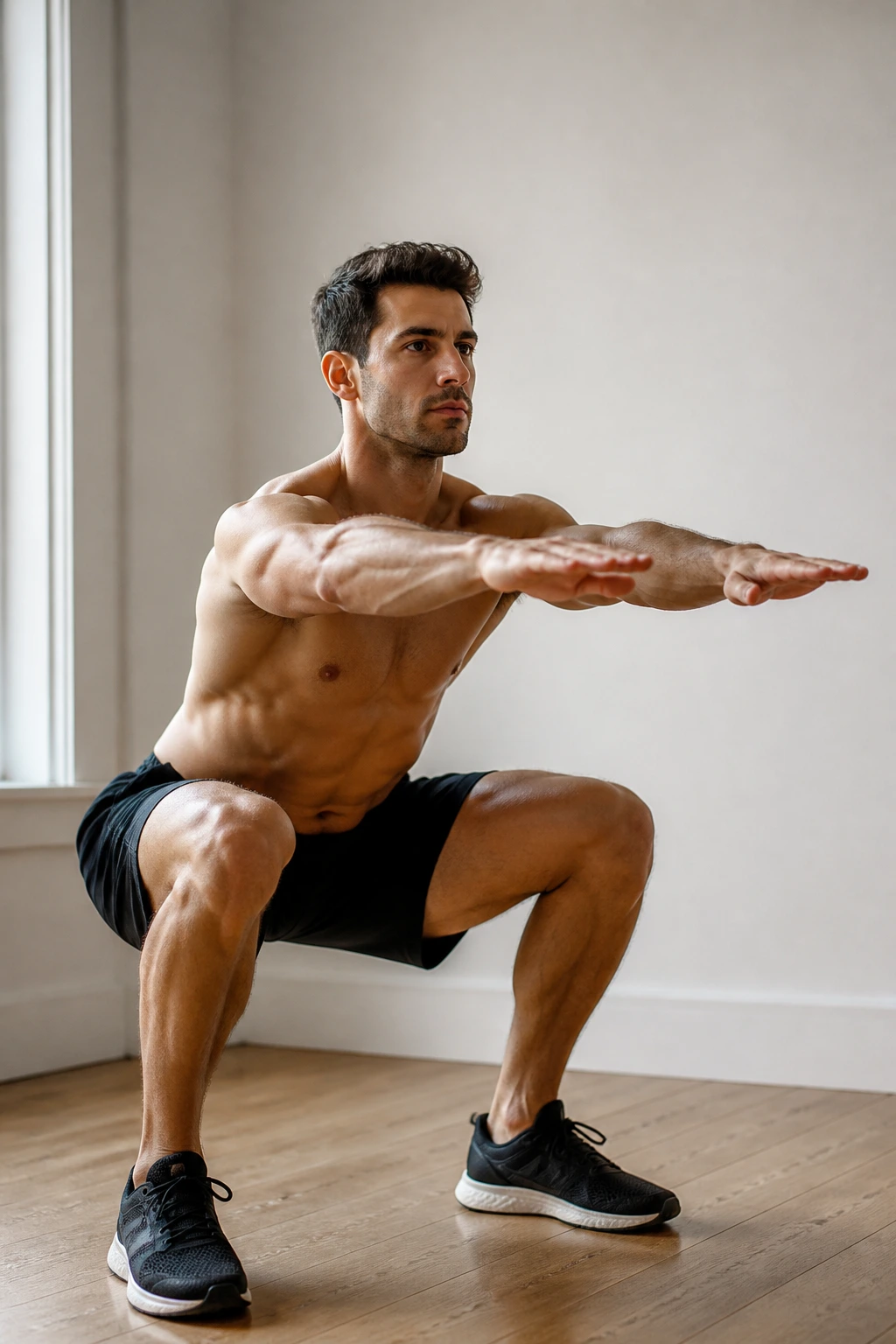
Sometimes you need to master your own gravity before you start throwing iron around. This circuit focuses on fundamental movement patterns: squatting, hinging, and lunging. It is the perfect reset for your nervous system and reinforces the technical cues that often get lost when you’re chasing a personal best.
Why It Works for Stability
Mastering your body weight requires core integration that you can’t fake. When you rely solely on your own mass, your stabilizers have to fire rapidly to keep you centered. If you lose your form here, you lose the rep. It is an honest assessment of your functional baseline.
The Protocol
- 20 Air Squats
- 15 Reverse Lunges per leg
- 15 Glute Bridges
- 10 Lateral Lunges per side
- 1-minute Wall Sit to finish Pro Tip: Move through these with a slow, controlled tempo—three seconds down, one second hold—to keep the time under tension high without needing extra weight.
2. Kettlebell Hinge and Swing Power
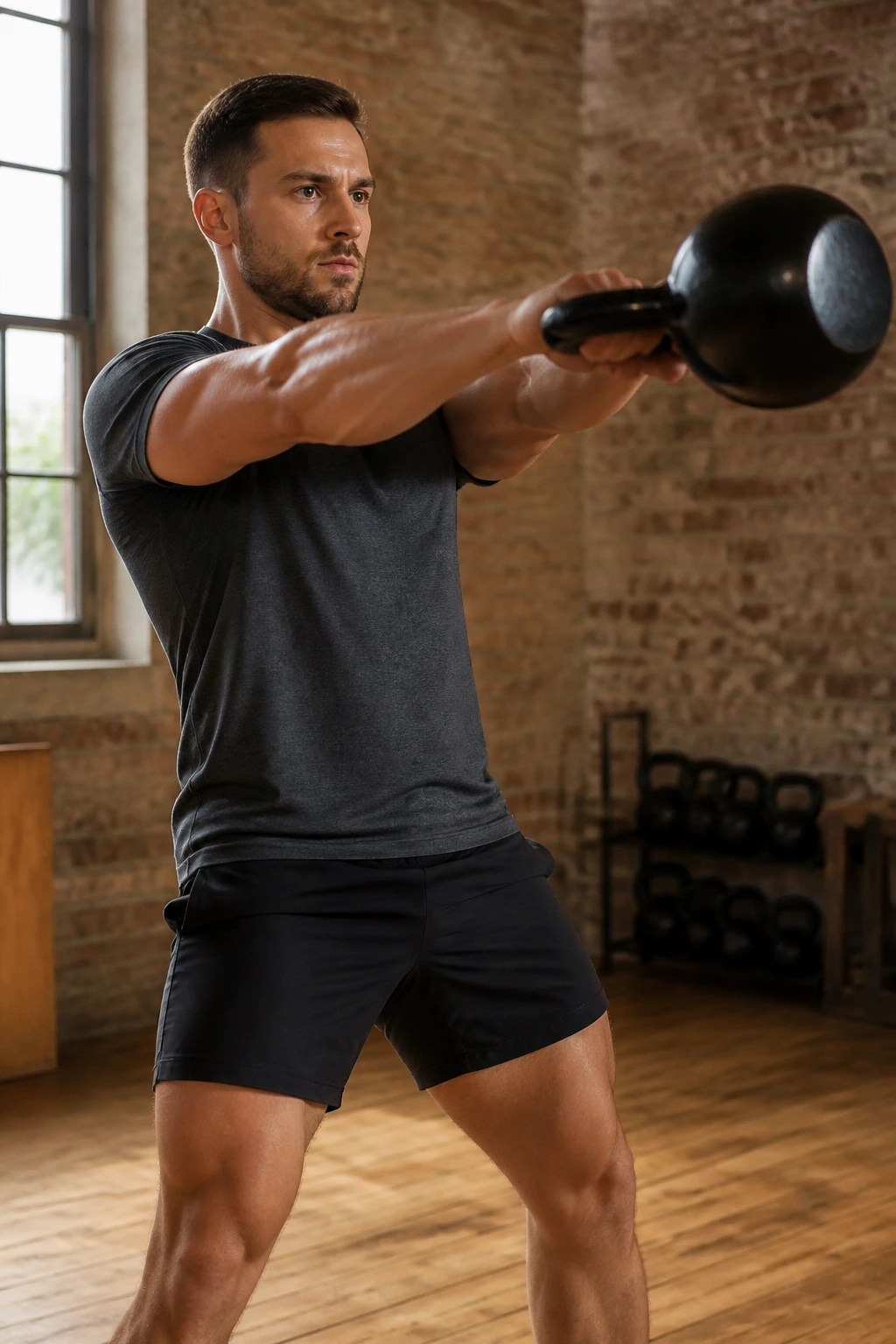
The kettlebell is built for the posterior chain. This circuit is all about explosive hip extension. If you want to build a powerful back-side—hamstrings, glutes, and lower back—you need a movement that generates force from the hips, not the knees.
This is not a squat-heavy circuit; it is a hinge-heavy circuit. You should feel the tension in your hamstrings as you load the bottom of every swing or deadlift. If you feel it in your lower back, you are likely not hinging far enough or you are squatting the weight instead of snapping your hips forward. Focus on the feeling of a heavy door closing with your glutes. Keep your core braced as if you were about to take a punch. This tension is what protects your spine while the kettlebell does the heavy lifting.
3. Dumbbell Endurance Burner
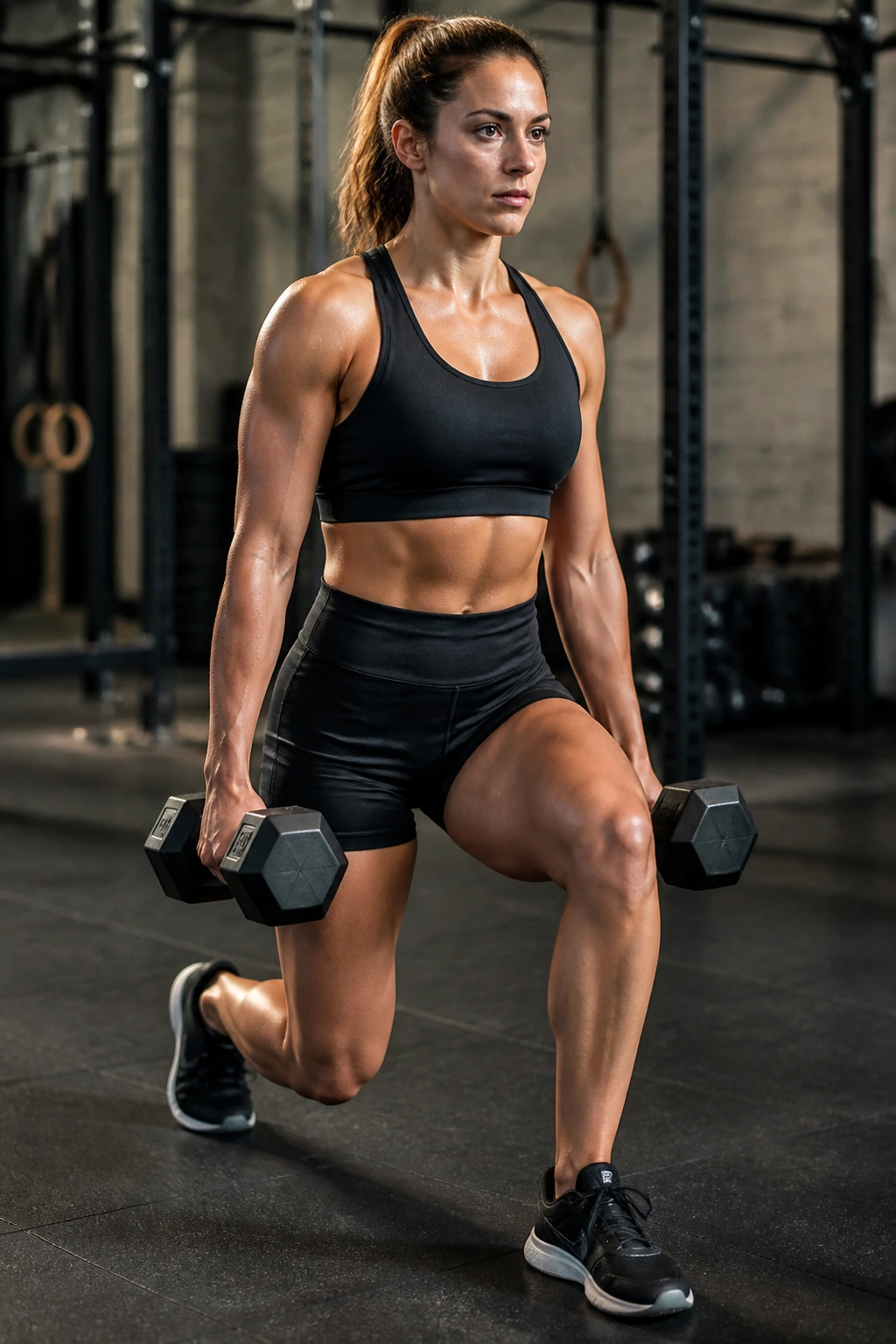
High reps with moderate weight is a deceptive beast. You might look at a pair of 20-pound dumbbells and think it’s easy, but after three minutes of continuous work, your legs will be screaming. This circuit prioritizes muscular endurance over raw power.
The goal here is continuous motion. You should not be resting between exercises. If you find yourself dropping the weights, you went too heavy; if you find yourself bored, you went too light. The sweet spot is a weight that allows you to finish the final five reps of every set with perfect form, even while your lungs are burning. By the time you reach the third round, the lactic acid accumulation will be significant. Embrace the burn.
4. Plyometric Explosion Protocol
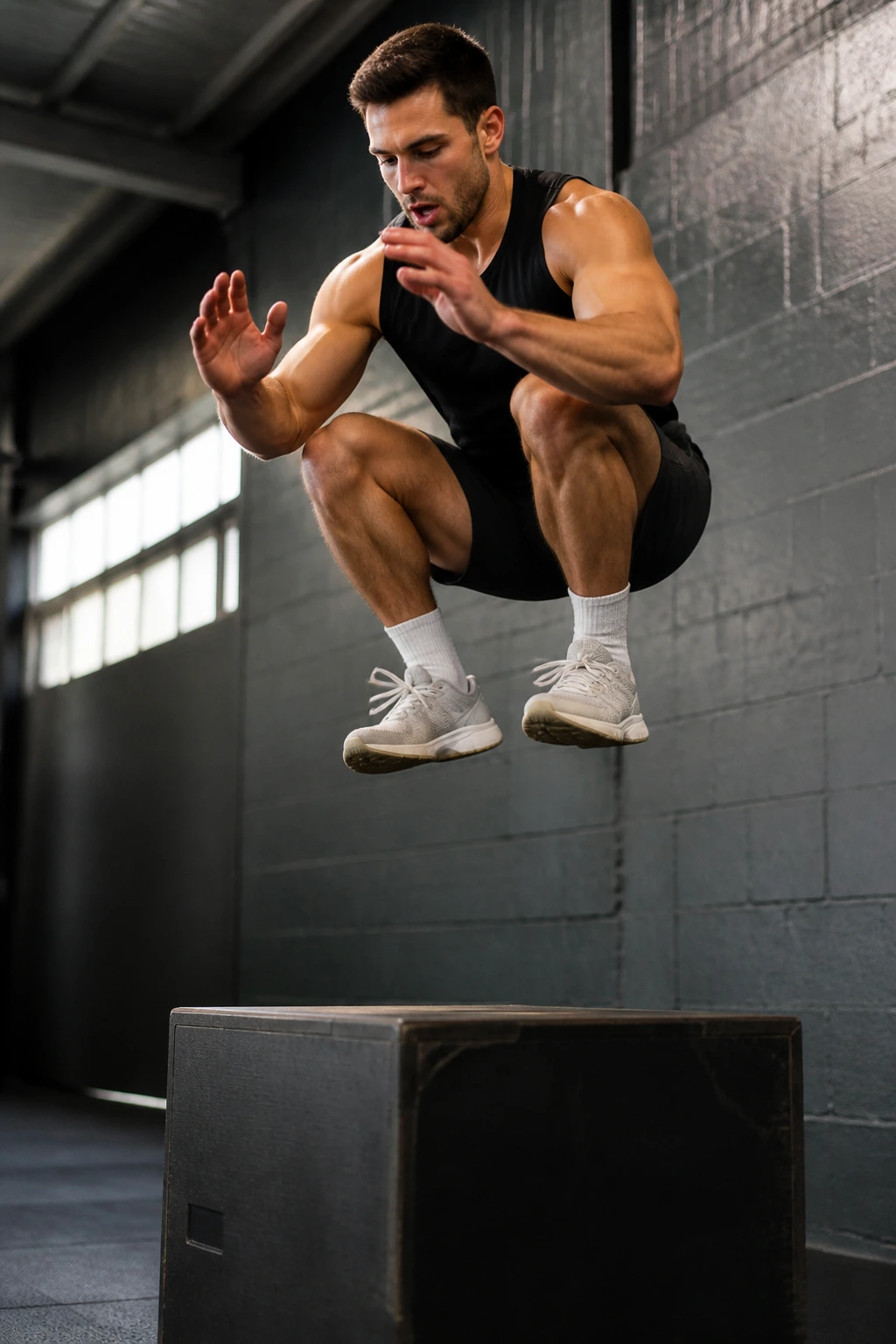
Leg power isn’t just about how much you can lift; it’s about how fast you can express that force. Plyometrics train your nervous system to fire motor units rapidly. This is the circuit that takes you from moving heavy weight slowly to moving lighter weight with violent intent.
The Movements
- Box Jumps (jump up, step down)
- Split Squat Jumps
- Lateral Skater Hops
- Broad Jumps Essential Note: Always focus on landing softly. The “noise” of your landing should be minimal. If you are slamming into the floor, you are not absorbing force with your muscles; you are absorbing it with your joints. Control the descent.
5. Barbell Compound Hybrid
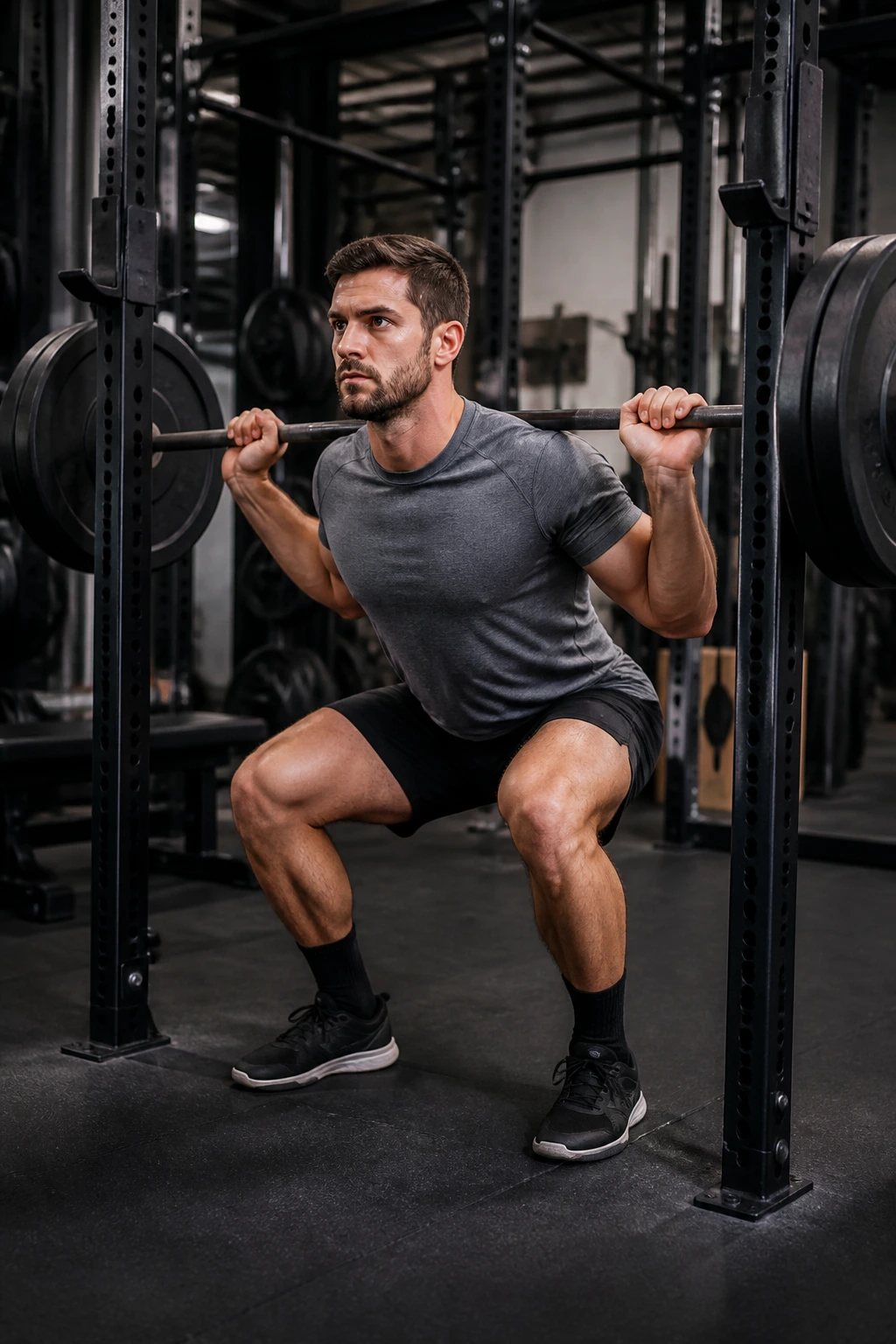
If you have access to a power rack, this is the gold standard for pure strength. We are combining the two most effective leg movements—back squats and Romanian deadlifts—into a single, high-intensity cycle. You don’t need a massive amount of weight to get the job done when your rest periods are truncated.
This circuit targets the entire leg musculature from different angles. The squat puts the primary stress on the quads, while the Romanian deadlift shifts that load directly to the hamstrings and glutes. Transitioning between these two is brutal but effective. Because you are fatiguing the quads and then immediately stressing the posterior chain, the overall metabolic demand on your legs is significantly higher than if you performed these movements on separate days. Keep your transitions fast—rack the bar, move to the next station, and go.
6. Single-Leg Stability Challenge
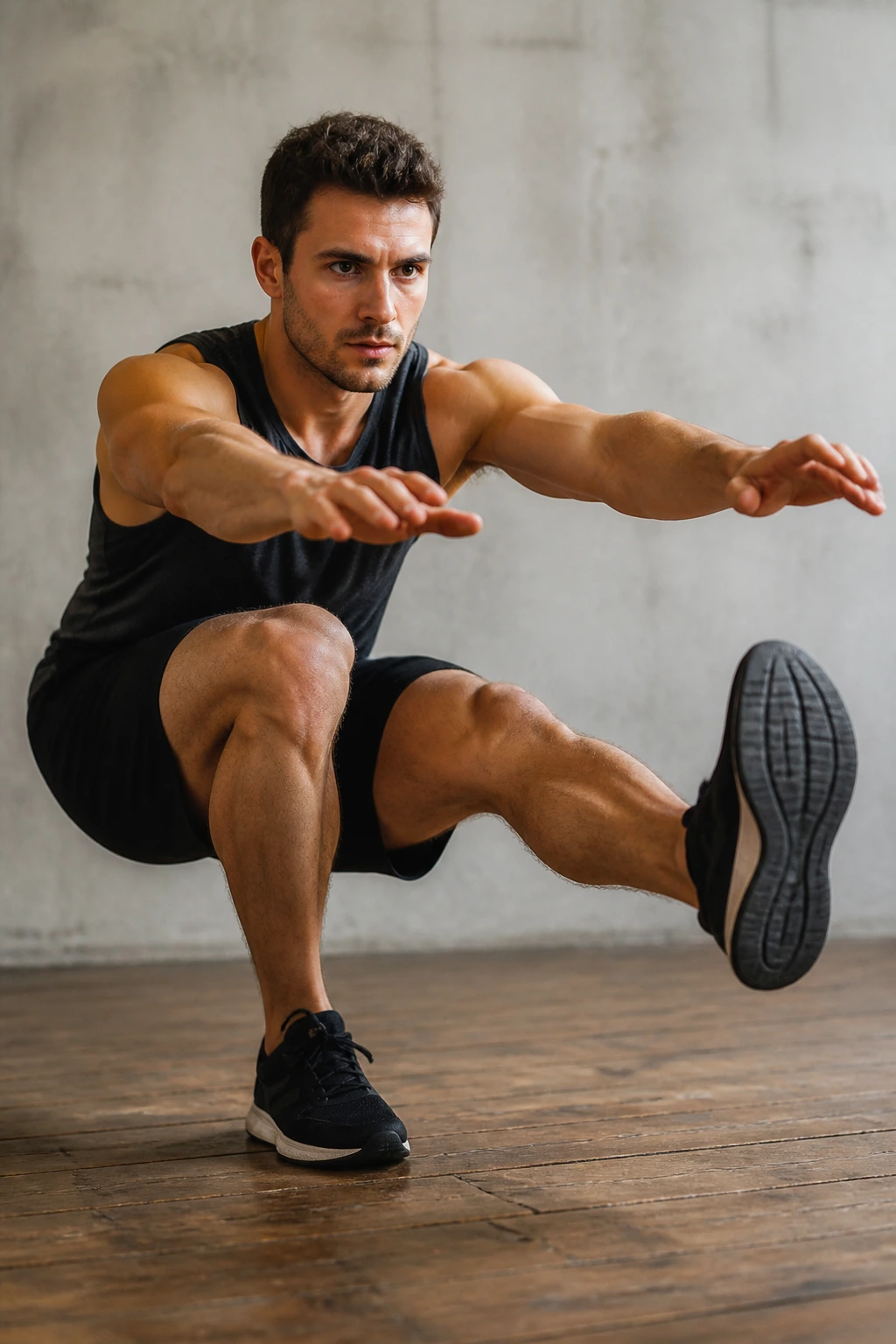
Asymmetry is the enemy of athletic longevity. If your left leg is stronger than your right, you are prone to compensation patterns that eventually lead to injury. This circuit forces each leg to work independently, eliminating the possibility of your stronger side carrying the workload.
Why This Matters
Most of us have a dominant side. When you do a standard barbell squat, your dominant side often works harder without you realizing it. Unilateral training—work that focuses on one limb at a time—is the great equalizer. It forces your hips to remain level and your core to rotate against the weight, which is exactly how human beings move in real life. If you feel wobbly, that is not a sign to quit; it is a sign that your stabilizers are getting the exact work they need.
7. The Sandbag Shift Protocol
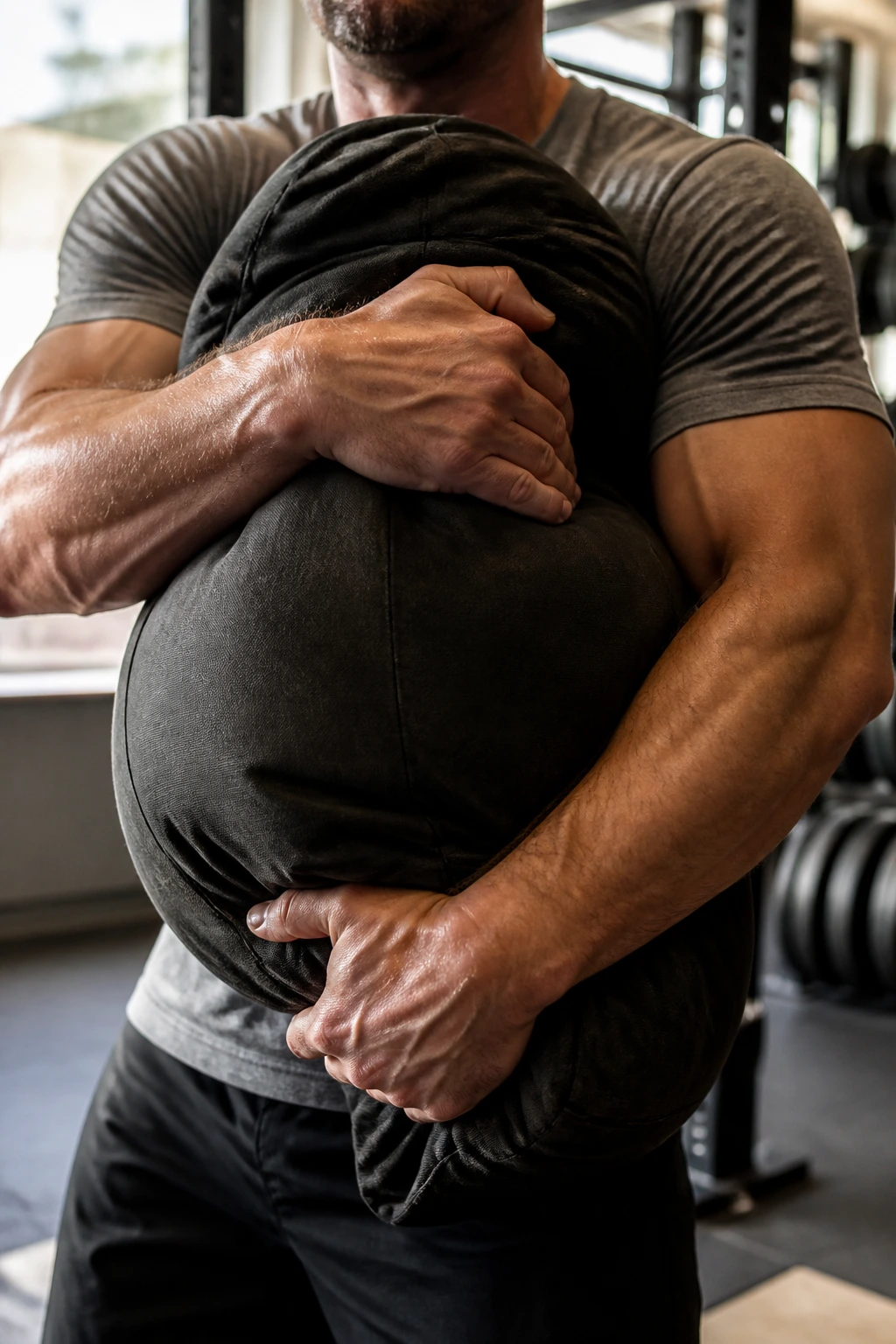
Sandbags are uncomfortable. They are awkward, they shift mid-movement, and they never sit quite the way a barbell does. That instability is exactly why they are a top-tier tool for leg development. You have to fight to keep the weight centered.
When you hold a sandbag in a bear hug position, you are forced to maintain a more upright posture, which places incredible stress on the quads. As the sand shifts, your core has to react in real-time to stabilize you. This circuit should be performed with a heavy, sand-filled bag. Do not try to move fast here; move with intent. Take your time to stabilize the weight before every rep. The physical cost of managing the instability is where the true gains in functional leg strength are made.
8. Resistance Band Constant Tension
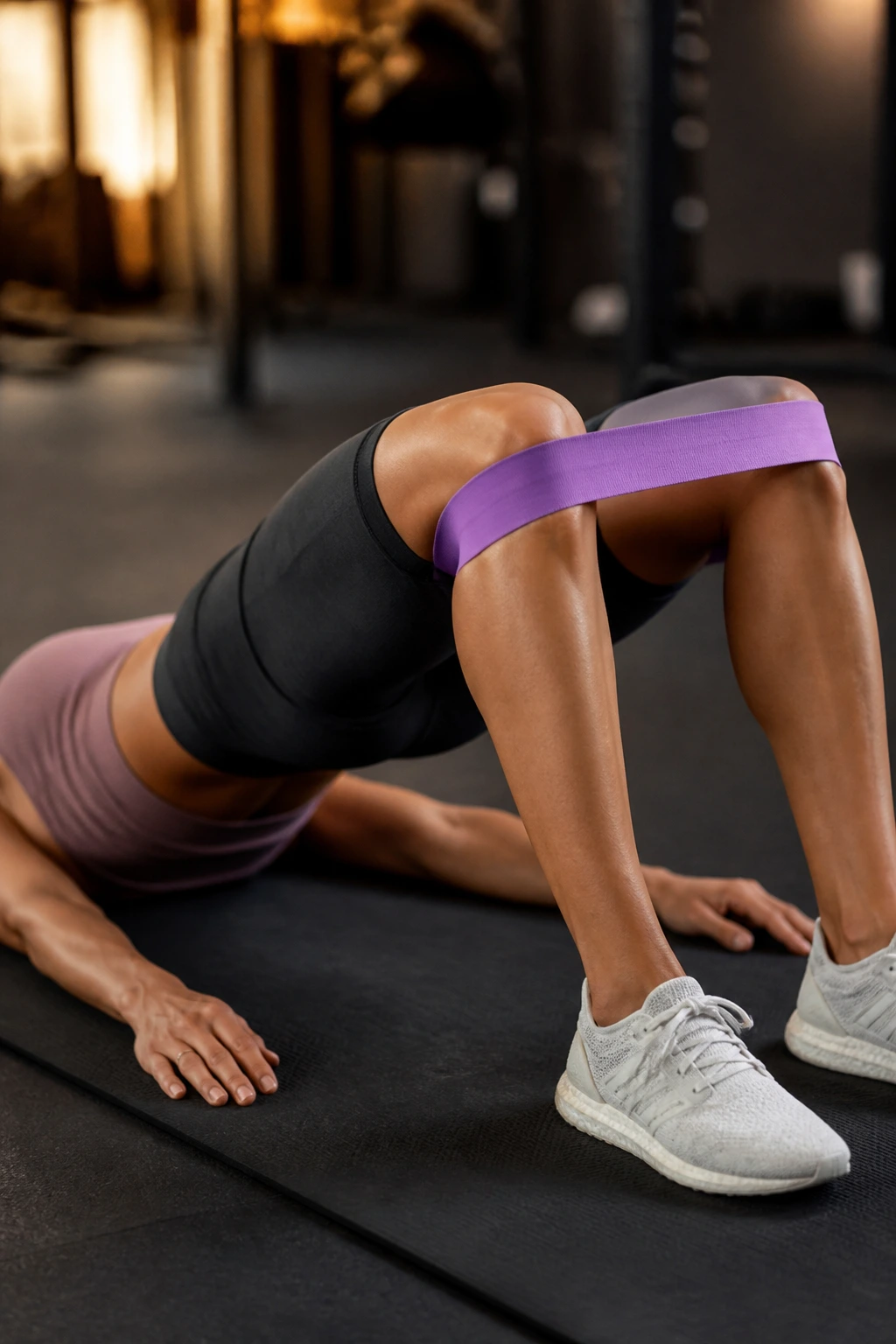
Bands provide “accommodating resistance,” meaning the weight gets harder the further you move into the range of motion. This is perfect for hitting the glutes at the point of peak contraction. You don’t get the same effect from a heavy weight that feels lightest at the top of the lift.
How to Execute
- Banded Lateral Walks
- Banded Glute Bridges
- Banded Squats
- Banded Kickbacks Pro Tip: Use a heavy resistance band and perform these slowly. The goal is not to reach a specific rep count but to keep the band stretched throughout the entire set. If the band goes slack, you’ve lost the tension. Maintain that constant pull.
9. The Five-Minute “Finisher”
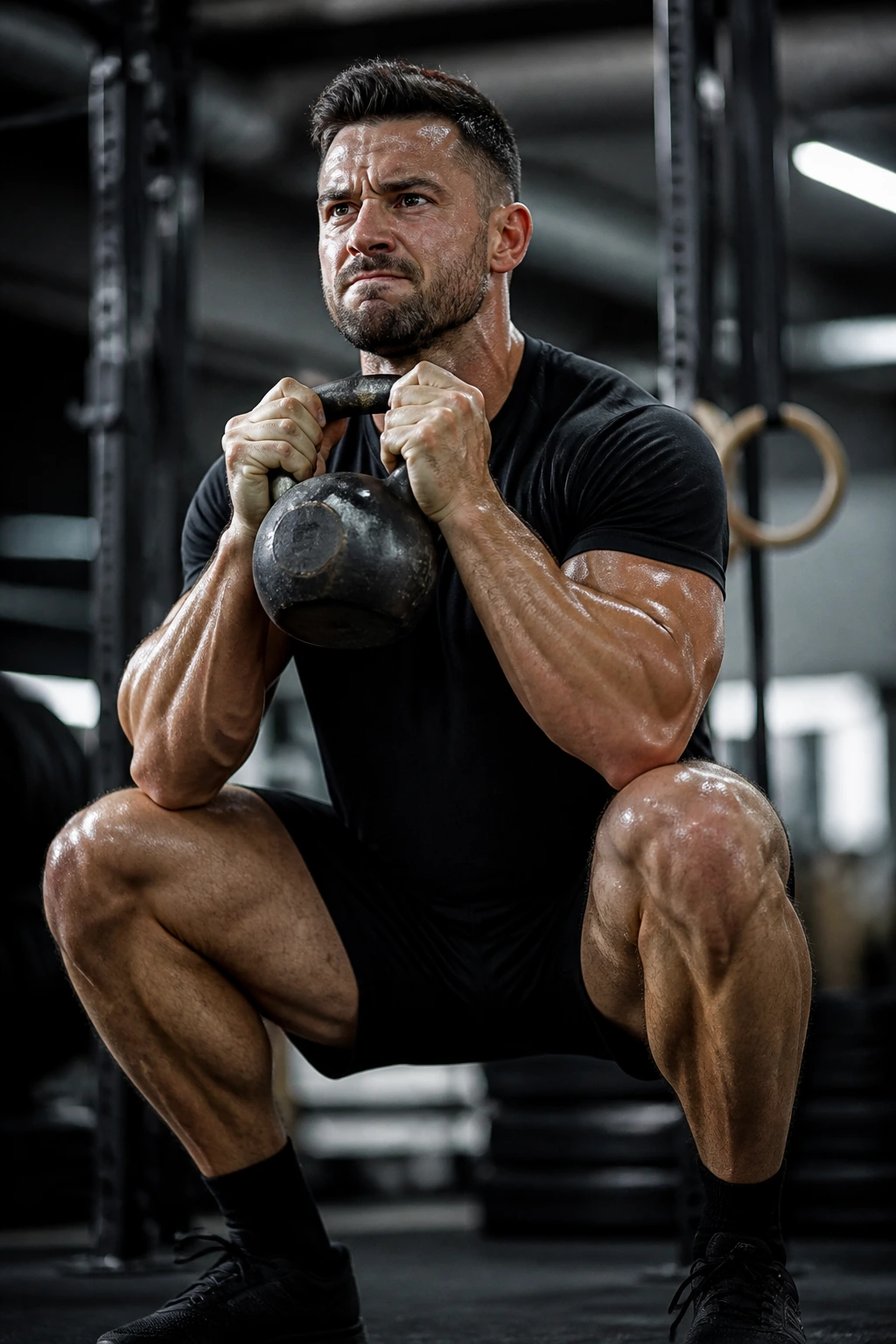
Sometimes your workout window is small, and you need to maximize every second. This is a high-density circuit designed to be completed in five minutes or less. It is not meant for long-term strength building; it is meant to absolutely annihilate your glycogen stores and leave your legs shaking.
Do not think about form as much as you think about survival. You have 300 seconds to complete as many reps of goblet squats, lunges, and jumping lunges as you can. It sounds short, but if you push the pace, you will be gasping for air within the first ninety seconds. This is the ultimate “no excuses” workout. If you have five minutes, you have no reason not to work your legs. Save this for the end of a longer training session when you want to make sure you have left everything on the floor.
10. Posterior Chain Isolation
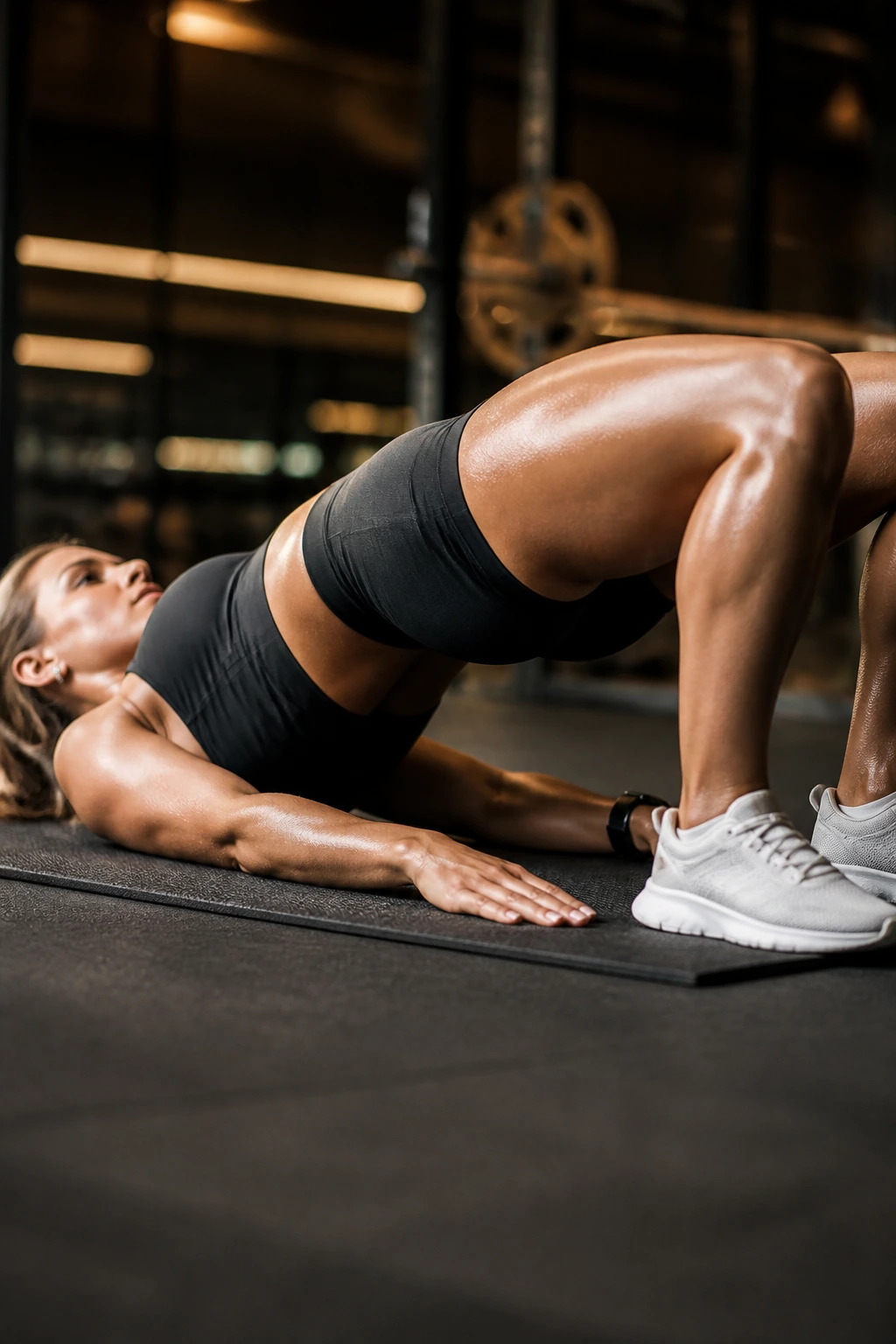
If your glutes and hamstrings are lagging, you need a circuit that removes the quads from the equation as much as possible. This is not about how much weight you can push; it’s about how hard you can squeeze. Mind-muscle connection is the primary metric here.
You should perform these movements with a deliberate pause at the point of maximum tension—at the top of the bridge or the fully contracted point of the curl. Focus on feeling the glute fibers fire. If you find your lower back taking over, shorten your range of motion. You don’t need a heavy load to isolate these muscles, but you do need to be meticulous about your positioning. A few heavy reps with poor form are worth far less than moderate reps with absolute control.
11. Front-Loaded Quad Focus
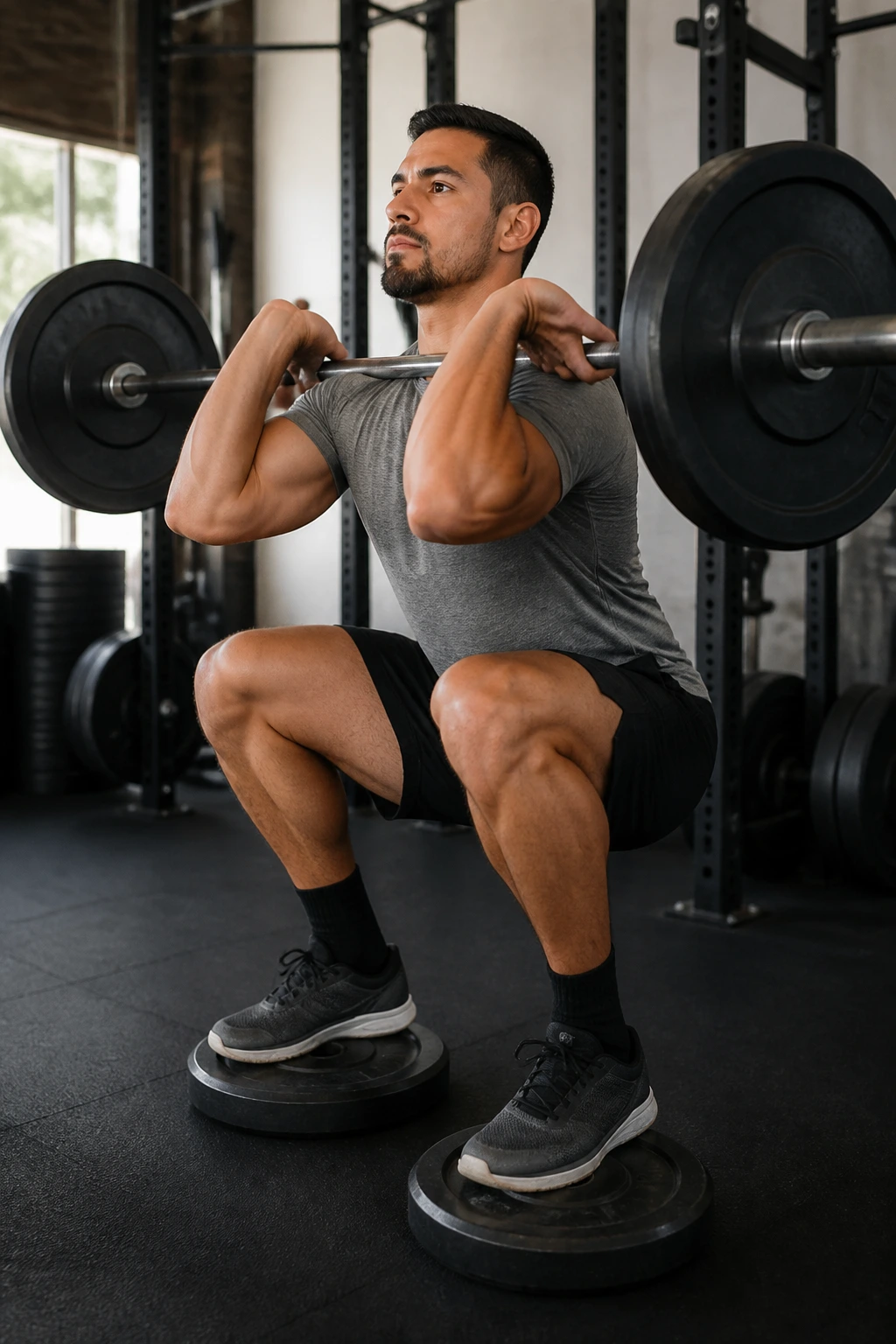
Back squats are great, but they emphasize the posterior chain. If you want legs that look like tree trunks from the front, you need to shift the load forward. Front squats and goblet squats move the center of gravity in front of you, forcing your quads to work twice as hard to keep you upright.
Why It’s Different
With the weight in front of you, you cannot cheat by leaning forward. If you lean, you drop the weight. It forces a vertical torso, which keeps the tension strictly on the quadriceps. This is a difficult position for many, particularly those with tight ankles or stiff upper backs. If you struggle to stay upright, elevate your heels on small plates. This adjustment allows for deeper knee flexion, which is the key to stimulating quad growth. Don’t fight your anatomy; adjust your setup to ensure the quad is the primary mover.
12. Eccentric Tempo Protocol

Most people focus on the “up” part of the lift. But the “down” part—the eccentric phase—is where most muscle damage (and therefore most growth) occurs. This circuit uses a slow-tempo strategy: three to five seconds to descend, a one-second pause at the bottom, and an explosive ascent.
When you lengthen the eccentric phase, you significantly increase the time under tension. You will find that you have to lower your weights substantially compared to what you usually use. That is fine. A 50-pound dumbbell moved with a five-second eccentric tempo is far more taxing than a 70-pound dumbbell dropped into the hole. Watch the clock on every single rep. If you find yourself rushing the descent because your muscles are burning, you have defeated the purpose. Stay slow.
13. Every Minute On The Minute (EMOM)

The EMOM format is brutal because the clock is your drill sergeant. You start a set at the beginning of the minute, and whatever time remains in that minute is your only rest. As you get more tired, your rest time shrinks.
Sample Structure
- Min 1: 15 Goblet Squats
- Min 2: 20 Alternating Lunges
- Min 3: 15 Kettlebell Swings
- Min 4: Rest
- Repeat for 4 rounds. The beauty of this is that it forces you to maintain intensity even when your heart rate is redlining. If you are too slow on the reps, you get less rest, which makes the next round harder. It is a self-regulating system that forces you to be efficient.
14. As Many Reps As Possible (AMRAP)
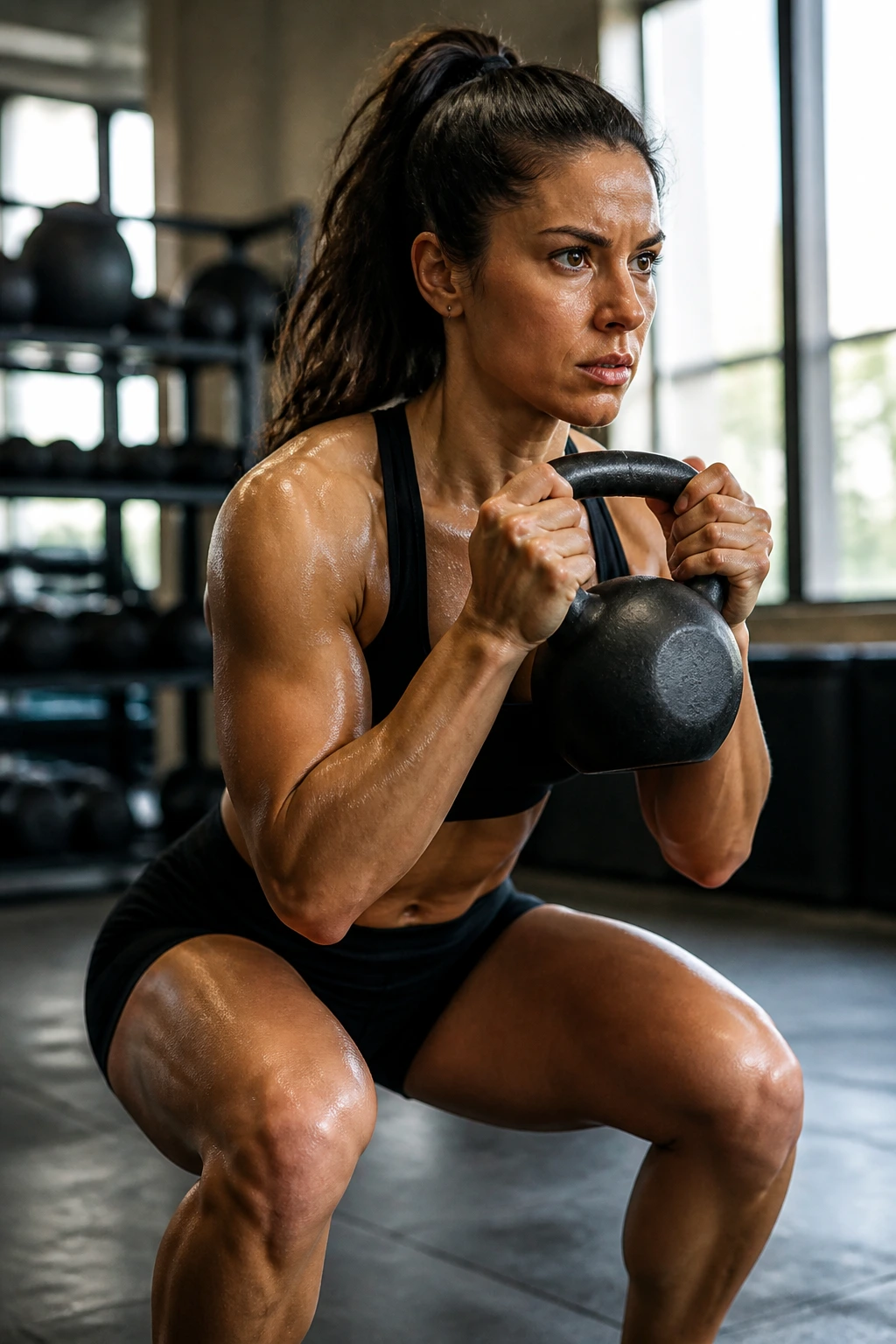
This is an old-school bodybuilding approach repurposed for circuit training. Pick a circuit of four movements. Set a timer for twelve minutes. Your goal is to complete as many rounds as possible without stopping to check your phone or catch your breath.
This approach tests your mental toughness more than your physical strength. At the ten-minute mark, your legs will feel heavy, and your brain will start coming up with excuses to slow down. That is exactly when the growth happens. Ignore the urge to pause. Keep the weights light enough that you can maintain decent form, but heavy enough that the final reps of every exercise are a struggle. This is the ultimate test of work capacity.
15. The Tabata Protocol

Tabata is short, sharp, and intense. It’s 20 seconds of maximum effort followed by 10 seconds of rest. Eight rounds of one exercise equals four minutes. In this circuit, we perform a four-exercise rotation using this timing.
Because the work intervals are so short, you must go at 100% effort. If you aren’t breathless by the end of the 20 seconds, you are not working hard enough. The 10 seconds of rest is barely enough to set up for the next move, let alone recover. This isn’t for building massive strength; it’s for metabolic conditioning. It will leave you drenched in sweat and your legs shaking in ways that heavy squats never could.
16. Hybrid Barbell and Dumbbell Strength

Combining heavy barbell movements with accessory dumbbell work allows you to get the best of both worlds: pure strength and muscular hypertrophy. Start with the heavy barbell move, then immediately transition to a high-rep dumbbell exercise.
This is a classic “contrast” set. You tax the nervous system with the heavy bar, then flood the muscle with blood using the lighter dumbbells. It is exhausting, but it provides a training stimulus that straight strength or straight conditioning can’t replicate. Do not be afraid to reduce the weight on the dumbbells. You will be tired from the barbell work, and your goal is to keep the reps moving, not to fail on the accessory movements.
17. Core and Legs Integration
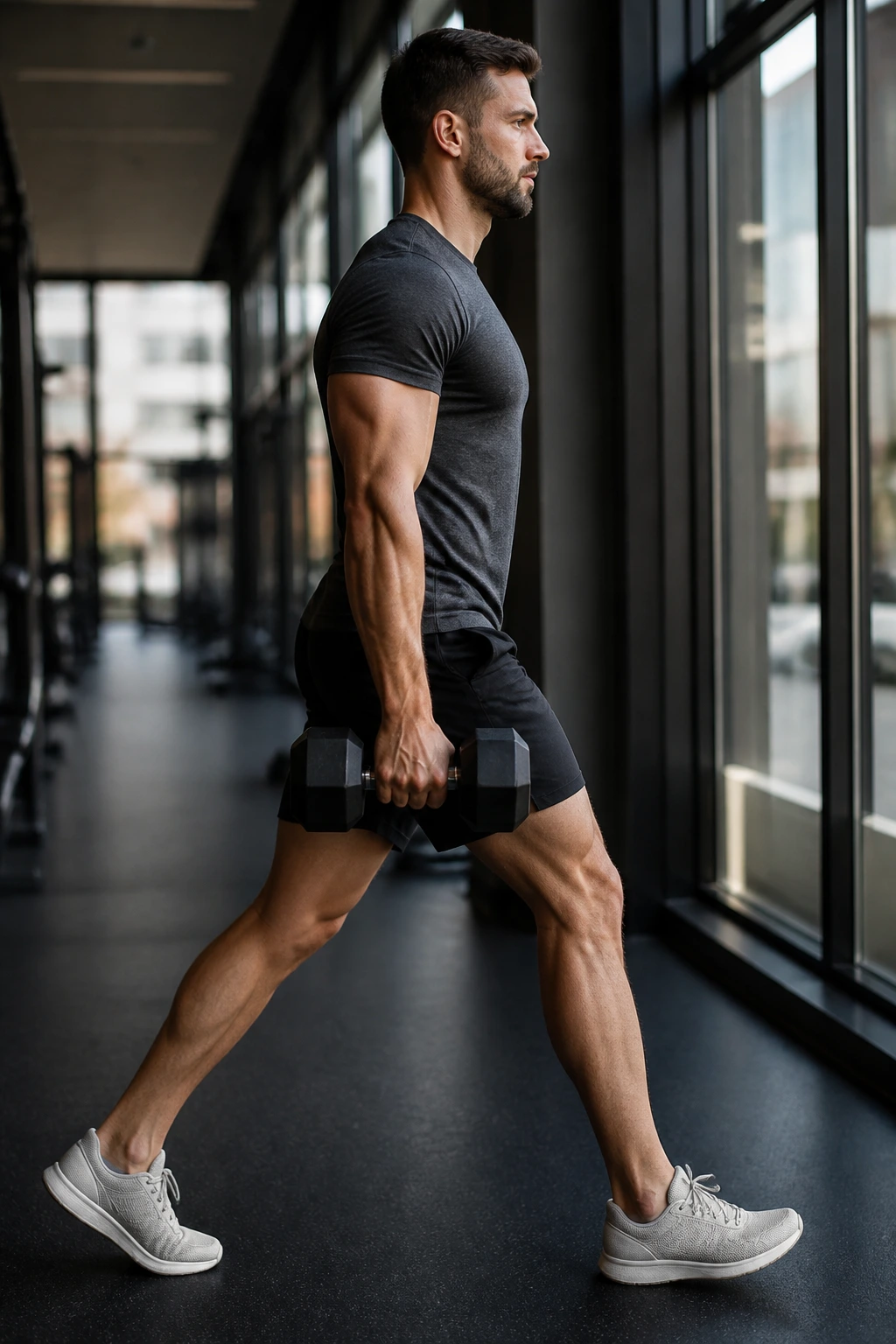
Your legs don’t move in a vacuum; they move in conjunction with your core. If your core is weak, your legs can’t produce maximum force. This circuit adds movements like loaded carries and rotational lunges to ensure your lower body is working as part of a cohesive system.
Why This Works
The “legs” are just a set of levers. Without a strong, stable core, those levers lose efficiency. Exercises like a suitcase carry—holding a heavy weight in one hand while walking—force your obliques to stabilize your hips. When you combine this with lunges or step-ups, you are teaching your body how to maintain alignment under load. It’s not just about the leg burn; it’s about how that burn transfers to your overall athleticism. You will be surprised by how much more stable your squats feel after a few weeks of this.
18. Sled and Cardio Hybrid

If you have access to a sled, you have the ultimate leg-conditioning tool. Sled work is strictly concentric—there is no eccentric phase, which means you can train incredibly hard with very little soreness the next day. It is the perfect way to add volume to your leg training.
Push the sled for 20 yards, then immediately perform a set of bodyweight lunges. Repeat this until you have pushed the sled 100 yards total. The lactic acid buildup is instantaneous. The sled is unique because it forces you into a hinge position, which hits the glutes hard, while the walking motion forces the quads to drive you forward. It is arguably the most efficient leg-conditioning circuit in existence. If you don’t have a sled, a heavy stationary bike sprint will yield similar metabolic results.
19. Advanced Plyometric Volume
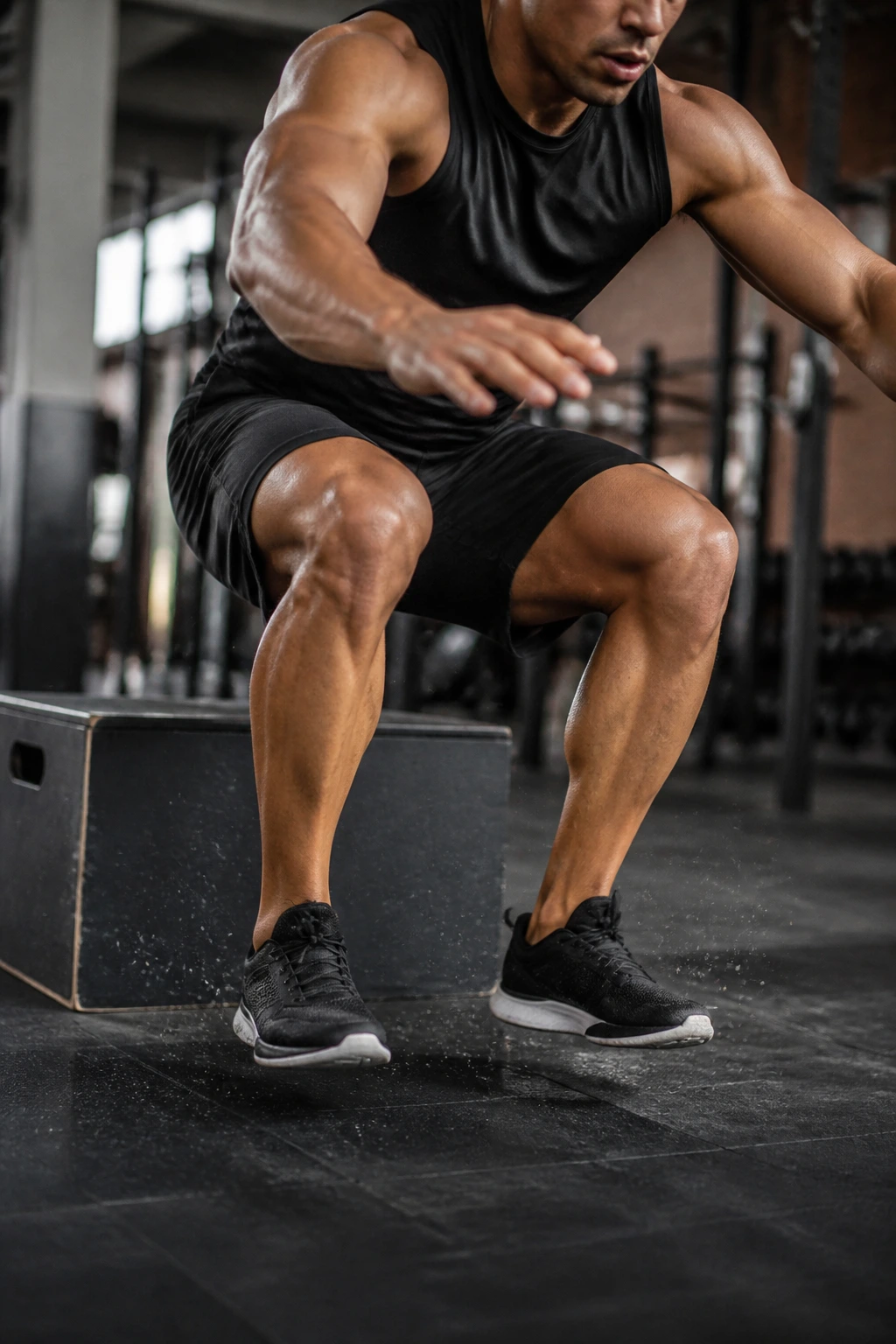
This circuit is for those who already have a solid base of strength and need to improve their explosiveness. It involves higher-impact movements like depth jumps and single-leg bounds. This is high-skill work, so it must be done with precision.
Critical Safety Note
Only attempt this if you have been training for at least six months. This is not for beginners. Your joints need to be prepared for the impact. If you feel any sharp pain in your knees or ankles, stop immediately. The goal here is to be quick and light, like a cat. Do not stomp. Every jump should be a demonstration of control. The volume is low, but the intensity is high.
20. The “Deep Stretch” Flow

Strength without mobility is a trap. This final circuit focuses on end-range strength—the ability to produce force at the bottom of a deep squat or lunge. We use movements that push your joints to their limits.
This isn’t about cardio; it’s about control. You will move through deep Cossack squats and long, slow lunges. You should aim to get as low as possible on every repetition. This builds strength in positions where most people are vulnerable. When you get comfortable at the bottom of a deep squat, the “top” of the movement becomes significantly easier. Treat this as a practice of movement quality. If you aren’t sweating, you aren’t going deep enough.
Final Thoughts
The most effective leg workout is the one that forces you to push past the comfortable, repetitive habits of standard gym training. You don’t need a custom machine or a complex array of equipment to see progress; you just need to alter the variables. Whether you choose to focus on plyometric speed, slow eccentric tempos, or high-density EMOM formats, the goal is always the same: to demand more from your muscles than they are used to giving.
Consistency is a given, but intensity is a choice. You can go through the motions for years and see minimal change, or you can commit to circuits that make you question your choices halfway through the workout. Choose the latter. Your legs are the largest muscle group in your body, and they are capable of handling more than you think. Give them a reason to grow, and they will adapt. Just remember: the hardest part is simply starting the circuit. Once you’re in it, the momentum takes over.
