



There is a specific kind of fatigue that hits your quadriceps after a set of heavy squats—a dull, throbbing ache that tells you exactly how much work you have just done. It is not the sharp, alarming pain of injury, but the deep, satisfying exhaustion of muscle fibers being recruited, stressed, and ultimately, forced to adapt. When you commit to a 30-day squat challenge, you are not just looking for a number on a calendar. You are chasing that specific adaptation. You are training your nervous system to handle load and your muscles to become more efficient at moving weight through space.
The squat is arguably the most functional movement a human can perform. We sit, we stand, we lift things off the ground, and we lower ourselves to pick things up. Strengthening this pattern does not just change the way your legs look; it changes the way you move through your environment. If you approach the next month with a plan rather than just random effort, you can transform your lower body strength in ways that carry over to every other aspect of your physical life.
The Biomechanics of a Proper Squat
Before you worry about volume or hitting a specific number of repetitions, you have to look at the mechanics of the movement itself. A squat is not just “sitting down and standing up.” It is a complex, synchronized effort involving your ankles, knees, hips, and core. When you do it right, the weight is distributed evenly, and your joints feel supported. When you do it wrong, you are essentially asking your lower back or knees to do work they were never designed to handle.
Your starting stance matters more than most people realize. Stand with your feet roughly shoulder-width apart, with your toes turned slightly outward—maybe 15 to 30 degrees. This foot position allows your femurs to clear your pelvis as you descend, which is critical for hitting proper depth without rounding your lower back. If you try to squat with feet perfectly parallel and close together, you are going to fight your own anatomy, and you will likely see your heels pop off the floor.
Understanding Depth and Range of Motion
Depth is a point of contention in many gyms, but for general strength and hypertrophy, your goal should be to get your hip crease below the top of your knees. This is the definition of “parallel.” If you stop high, you miss out on full recruitment of the glutes and hamstrings, focusing almost entirely on the quads. Going lower, provided your spine remains neutral, is better for long-term joint health. If you lose your arch and your tailbone starts to tuck under—a phenomenon known as “butt wink”—you have gone too deep for your current mobility. Stop just above that point and work to improve your range of motion over time.
Why Squats Build Foundation Strength

Squats are a compound movement, meaning they force multiple joints and muscle groups to act in unison. This is why they are often called the king of leg exercises. Unlike a leg extension machine, which isolates one muscle and puts significant shearing force on the knee joint, a squat requires your core to stabilize your spine, your back to maintain posture, and your legs to generate massive force.
This demand creates a systemic response in your body. When you load a barbell or even a heavy dumbbell and squat, your central nervous system has to manage the load. You are training stability, balance, and coordination simultaneously. This is why people who squat consistently often find that their performance in other athletic endeavors—running, jumping, or even just hiking—improves drastically. You are training the body to function as a single, powerful unit rather than a collection of separate parts.
Common Mistakes That Sabotage Progress

If you notice that your lower back hurts after squatting, or your knees feel “pinchy” and uncomfortable, your form is likely the culprit. One of the most frequent errors is letting the knees cave inward, which experts call valgus collapse. This puts immense pressure on the medial collateral ligament and prevents the glutes from engaging properly. Think about actively pushing your knees outward as you stand up.
Another frequent offender is the “good morning” squat, where your hips shoot up faster than your shoulders, turning a squat into a weird, weighted bend-over. This happens when the quads are weak relative to the glutes or lower back. If this happens, your body is defaulting to the strongest levers it has, but it is putting your lumbar spine in a vulnerable position. Always initiate the squat by pushing your hips back and down simultaneously, rather than just dropping your knees forward.
Essential Warm-Up Routine for Squat Days
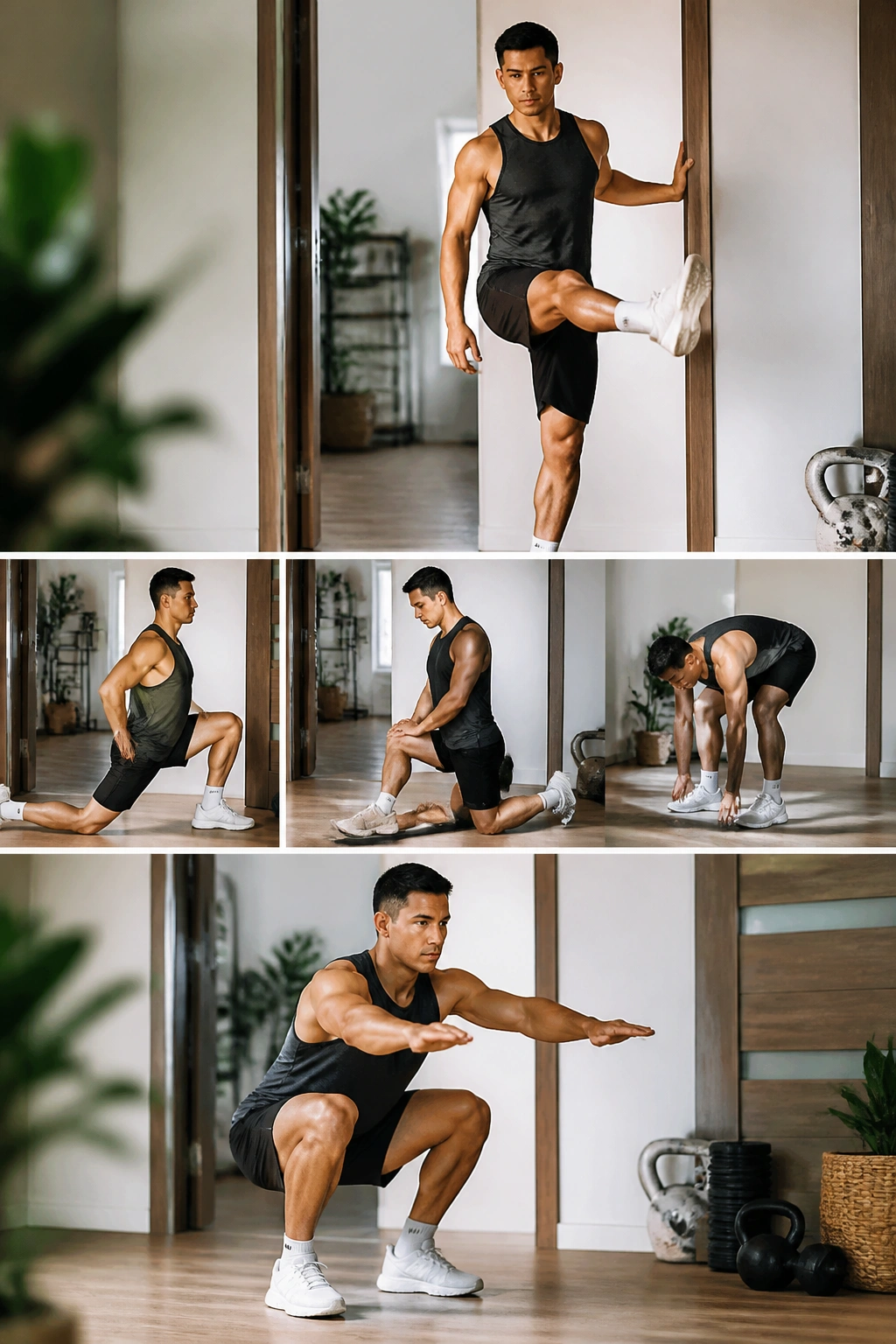
Never walk into the gym or your living room and immediately try to perform a heavy squat. Your joints need synovial fluid to circulate, and your muscles need to be primed for the load. A good warm-up should take about five to ten minutes and focus on the hips and ankles—the two joints that often restrict squat depth.
Start with bodyweight movements to build heat. Two rounds of 10 lunges, 10 air squats, and 30 seconds of high knees will get your heart rate up. Follow this with specific mobility work. Leg swings (forward-backward and side-to-side) help loosen the hip flexors, which are notoriously tight in anyone who sits for a living. Finally, spend a minute or two in a deep, bodyweight squat position, holding onto a doorframe or a sturdy piece of furniture if you need to, to open up your hips and ankles.
The 30-Day Squat Progression Framework
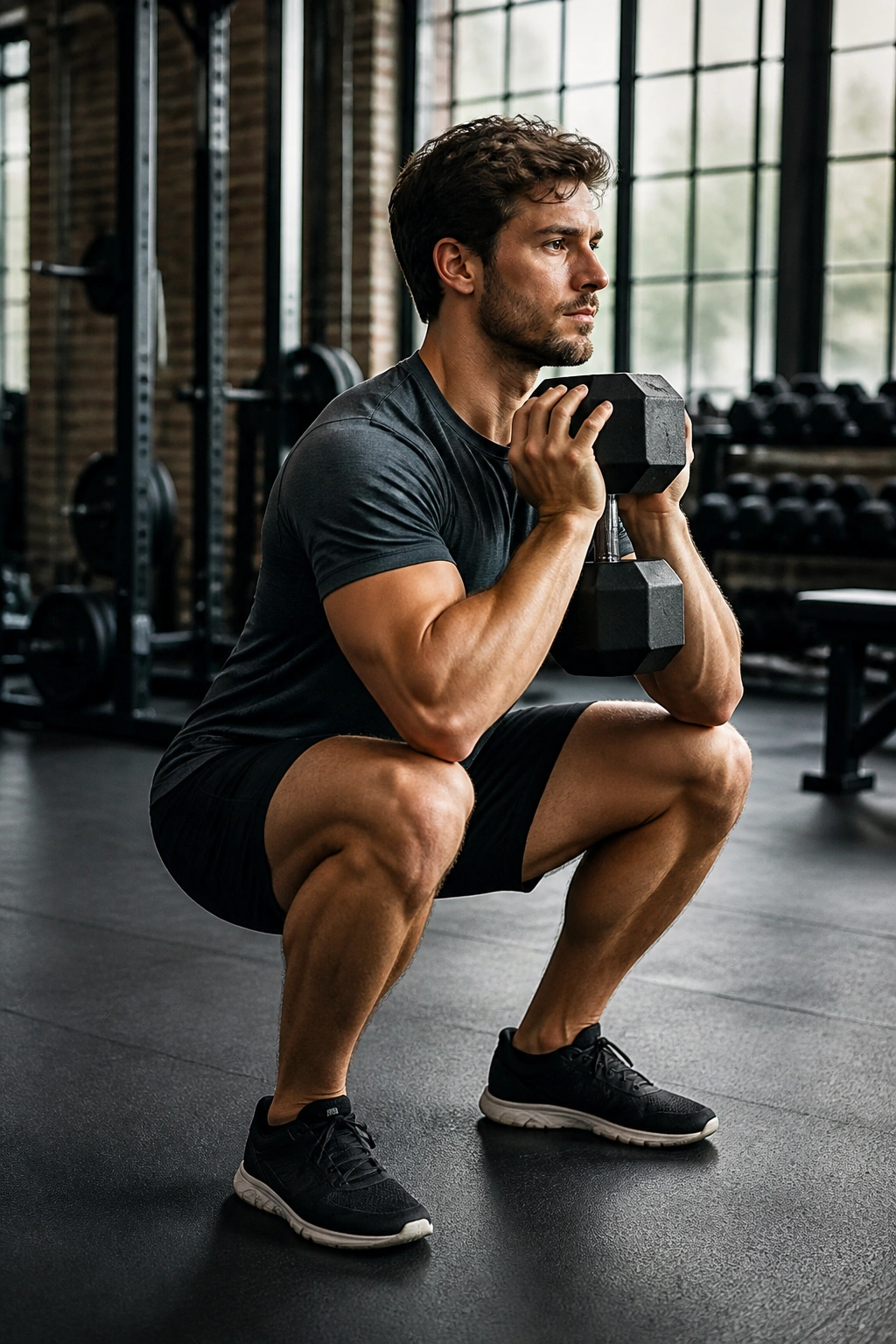
To see results, you cannot just perform the same number of repetitions every single day for a month. That is how you hit a plateau in two weeks and get bored by week three. Instead, use a periodized approach. Divide the 30 days into three blocks of intensity and volume.
For the first ten days, focus on technique and moderate volume. This is your foundation. Perform sets that leave you feeling like you have two or three reps left in the tank. Do not push to failure yet. Your goal here is to cement the pattern.
The next ten days are about increasing volume. You might add an extra set to each workout or increase the number of repetitions per set by two or three. The intensity should start to creep up. You will feel more fatigue, and your recovery needs will increase. This is the “meat” of the challenge.
The final ten days are for testing and consolidation. If you have been doing bodyweight squats, try holding a dumbbell or a backpack filled with books. If you have been using weight, focus on slowing down your tempo. A three-second descent—the eccentric phase—adds a massive amount of tension to the muscle and creates a serious growth stimulus.
Equipment: Bodyweight vs. Weighted Squats
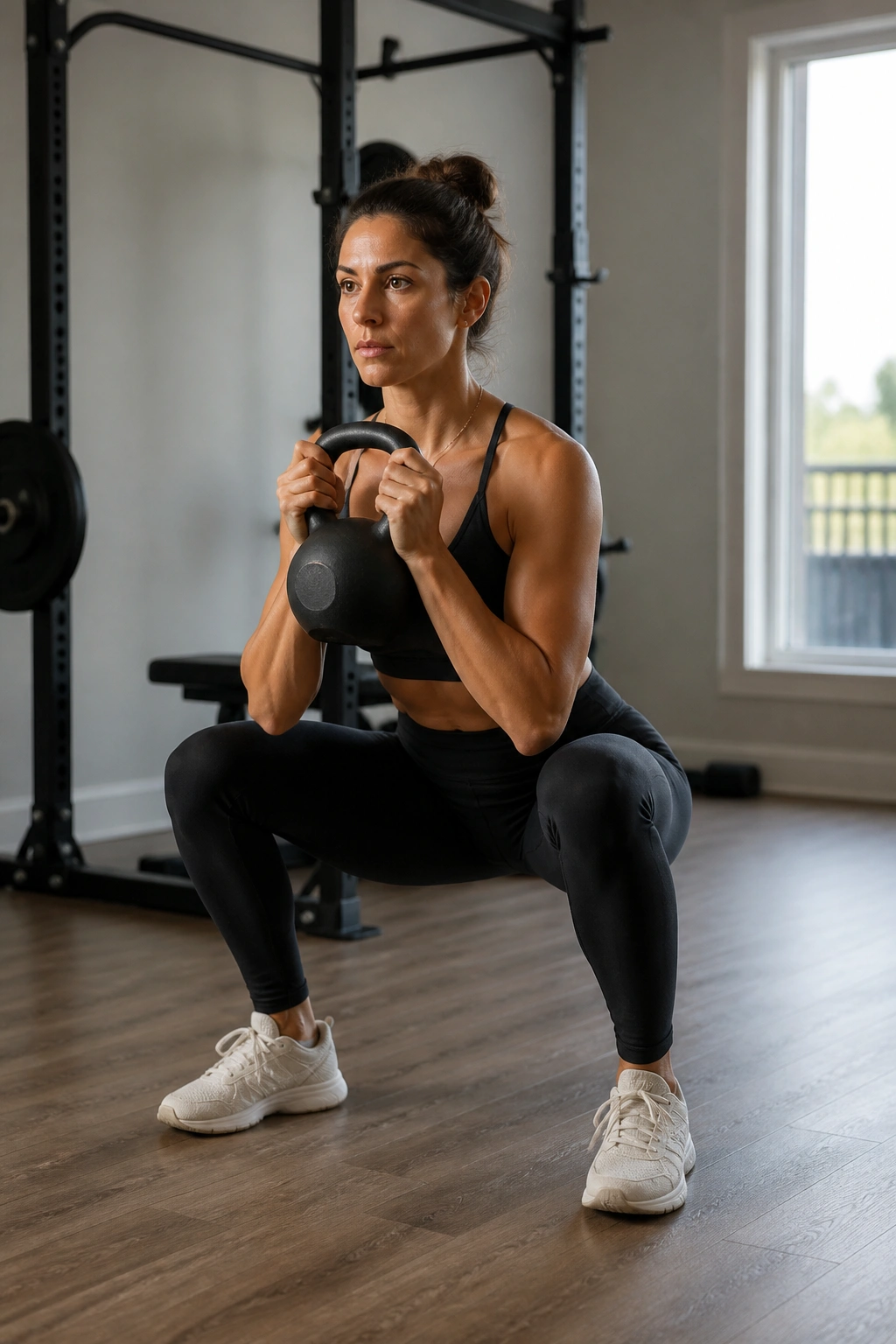
Many people believe that without a full gym setup, they cannot build significant leg strength. This is simply not true. While a heavy barbell is the gold standard for maximal strength, you can build impressive quads and glutes with bodyweight movements and household items. The key is to increase the relative intensity.
When you are doing bodyweight squats and they start to feel easy, do not just perform 100 reps. Instead, change the variable. Switch to pause squats, where you hold the bottom position for three seconds. Or try tempo squats, where you go down slow and explode up. If you have access to a heavy object—a gallon jug of water, a bag of soil, or a toddler—hold it at your chest in a goblet position. This forces your core to stay tight and your chest to stay upright, making even a light weight feel heavy.
Different Squat Variations to Target Muscles

If you do the same squat variation for 30 days, your body will eventually adapt to that specific angle of resistance. To maximize your results, rotate through a few variations. The standard squat is great, but it is not the only way.
The Sumo Squat, with a wide stance and toes pointed out, places more emphasis on the inner thighs (adductors) and the glutes. It is a fantastic variation if you want to target those areas while still getting the benefits of a squat.
The Bulgarian Split Squat, where one foot is elevated behind you on a chair or couch, is the great equalizer. It is essentially a single-leg squat. Because you are training one leg at a time, you can effectively double the load on that leg without needing heavy gym equipment. It is also brutal on the core and demands massive stability. You will likely find one leg is stronger than the other—this is normal. Use the weaker leg to dictate the volume.
Tracking Your Progress Over the Month
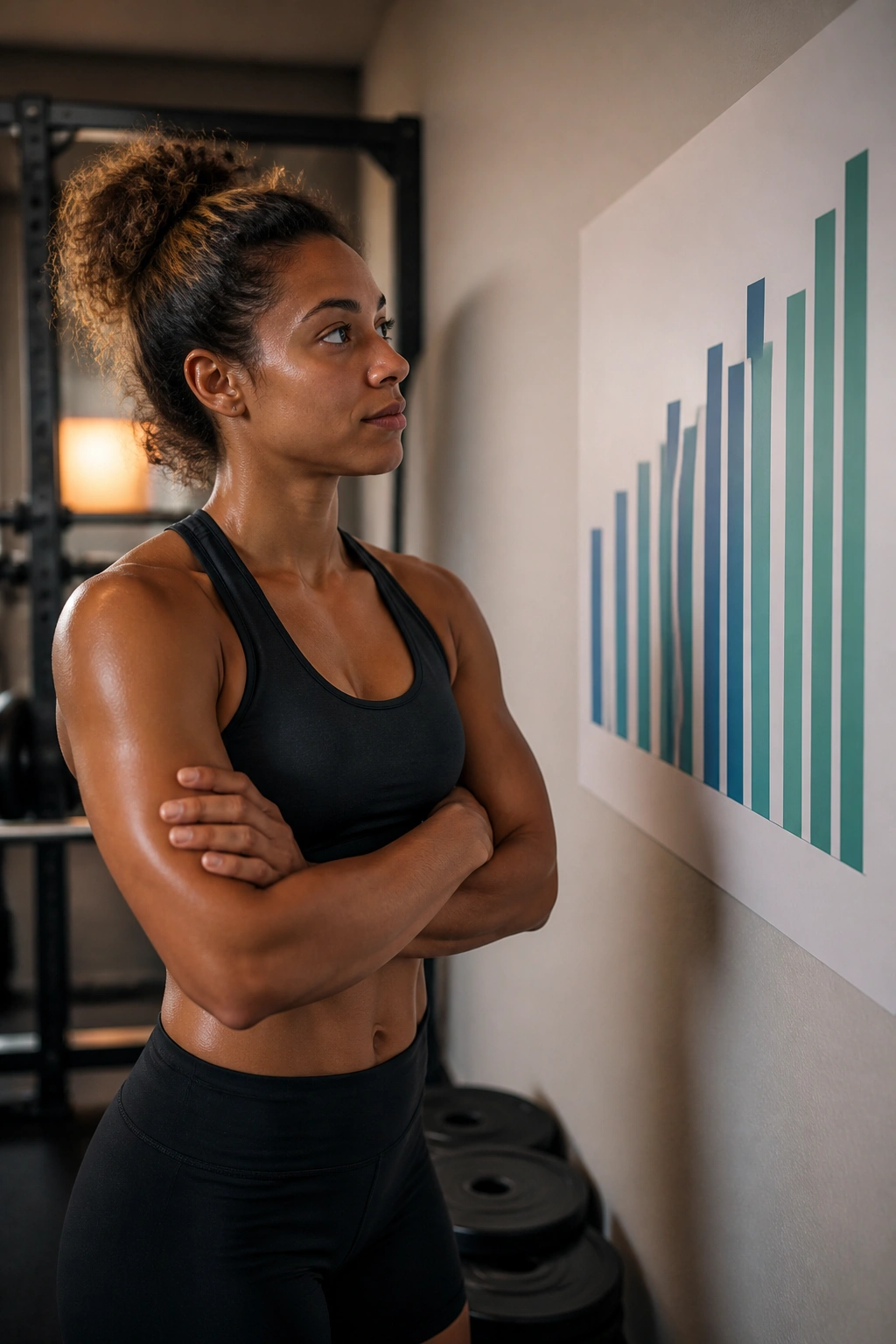
If you do not measure it, you are just exercising. If you measure it, you are training. Get a notebook or use the notes app on your phone. Write down the date, the variation you performed, the number of sets, the repetitions, and how the weight felt.
The most important metric is not just the number of reps; it is the perceived exertion. Rate your sets on a scale of 1 to 10. A 10 is absolute failure—you could not move the weight one more inch if your life depended on it. A 5 is easy, something you could do for twice as many reps. Aim to keep most of your sets around a 7 or 8. This is the “sweet spot” for building strength without burning out your central nervous system or inviting injury.
Dealing with Soreness and Recovery
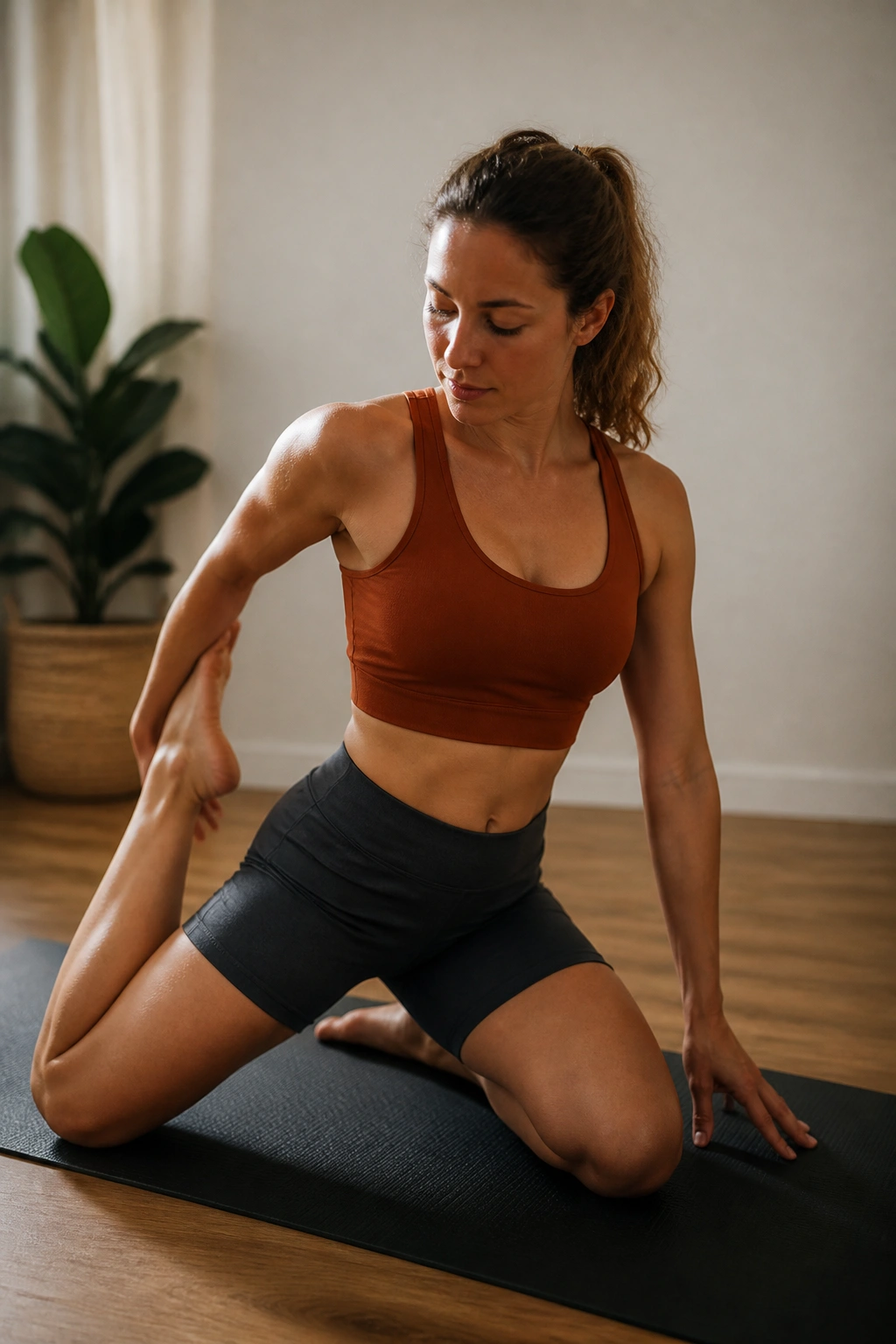
You are going to be sore. That is a fact. Delayed Onset Muscle Soreness (DOMS) usually peaks 24 to 48 hours after a strenuous workout. It feels like a stiff, heavy ache in the quads and glutes. This is the result of microscopic tears in the muscle fibers, which is exactly how muscles grow. They tear, they repair, and they come back stronger.
Do not fear soreness, but do not work through it by doing high-intensity exercise on the same muscle groups. If you are extremely sore, active recovery is better than passive rest. Go for a light walk, do some gentle yoga, or take a hot bath. Keep moving. Blood flow carries nutrients to the damaged tissues and helps clear out the metabolic waste products that contribute to the feeling of stiffness. If you sit on the couch for two days, you will feel ten times worse when you finally stand up.
Nutrition and Hydration for Leg Growth

Your legs are big muscles. They require fuel to repair. If you are doing this 30-day challenge hoping to get stronger, you must prioritize your protein intake. Aim for roughly 1.6 to 2 grams of protein per kilogram of your body weight. This provides the amino acids necessary to rebuild the muscle tissue you are breaking down.
Hydration is just as important. Muscles are largely water, and even mild dehydration can decrease your strength output and delay recovery time. If you find yourself cramping or feeling unusually fatigued, check your water intake. You do not need expensive electrolyte powders, but a pinch of sea salt in your water before a workout can help with muscle contractions if you are sweating heavily.
Breathing Techniques for Better Stability

Most people hold their breath during a squat without realizing it. This is a mistake. The way you breathe determines how stable your spine is. Learn the Valsalva maneuver: take a deep breath into your belly—not your chest—just before you descend. Hold that air and brace your abdominal muscles as if someone is about to punch you in the gut.
This pressure creates a rigid cylinder of air inside your torso, which supports your spine from the inside out. Once you reach the top of the squat, exhale. This technique is non-negotiable once you start adding weight. It is the difference between a shaky, unstable squat and one where you feel planted and powerful.
Integrating Squats into a Larger Workout Plan
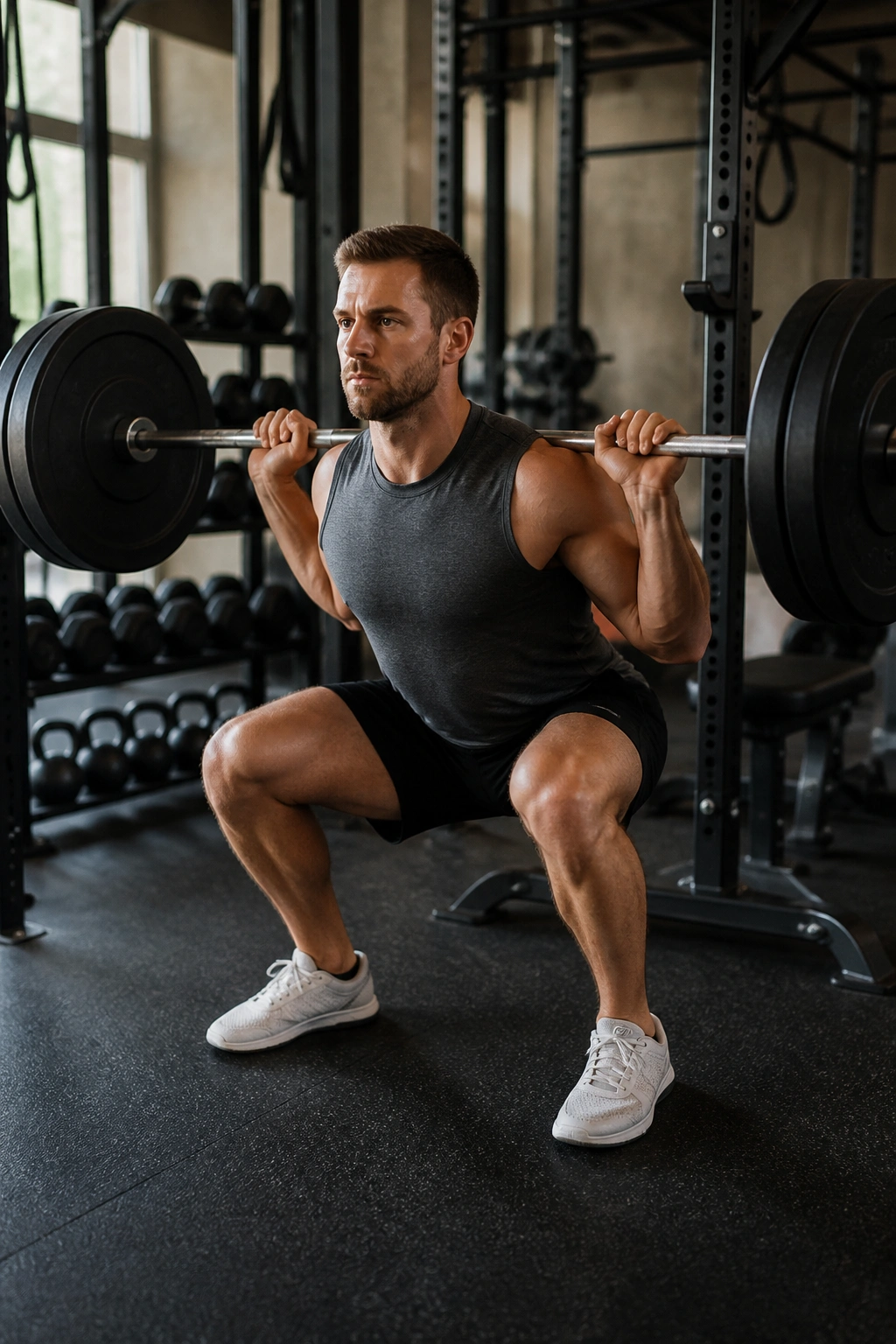
Do not fall into the trap of only doing squats for 30 days. Your body needs balance. If you focus solely on leg exercises for a month, you are neglecting your back, chest, and shoulders. Your body works as a kinetic chain, and a strong upper body helps you stabilize heavy loads for squats.
If you are following a structured routine, squatting three or four times a week is plenty. If you are doing a “squat every day” challenge, keep the volume low on some days and high on others. Treat the high-volume days as your primary stimulus and the low-volume days as recovery or technique practice. If you ignore your upper body, you will create imbalances that might come back to haunt you later.
Squatting with Limited Mobility or Injury Concerns

If you have a history of knee or back issues, do not assume you have to avoid squats. Often, the squat is not the problem; the way you are squatting is. If you cannot squat to parallel without pain, do not force it. Use a box or a chair to squat to a higher depth initially. This is called a box squat.
The box provides a target and ensures you are sitting back into your hips rather than dropping your knees forward. It takes the guesswork out of depth. If you feel pain, stop immediately and re-evaluate your form. Sometimes, simply narrowing or widening your stance or changing your foot angle is enough to clear up the discomfort. If you have a serious medical condition, consult a professional, but do not let general stiffness keep you from the most effective exercise in existence.
Mental Discipline: Staying Consistent for 30 Days

The biggest barrier to completing a 30-day challenge is not physical—it is mental. There will be days when you are tired, days when you are busy, and days when you would rather be anywhere else than under a load. Consistency is what separates those who get results from those who quit.
When you do not feel like working out, commit to doing just five minutes. Tell yourself, “I will do the warm-up and one set of squats, and if I still want to quit after that, I can.” Nine times out of ten, once you start, you will finish. The hardest part is almost always getting the shoes on and starting the first set.
How to Build on Your Success After Day 30

Once you hit day 30, do not just stop. That would be like training for a race and stopping at the finish line without a plan for what comes next. Take stock of what you have achieved. Are you stronger? Is your form better? Do your knees feel more stable?
Use this data to set your next goal. If you were doing bodyweight, start adding a backpack with some weight in it. If you were using a 20-pound dumbbell, see if you can handle 25 or 30 pounds. If you have access to a gym, maybe it is time to move to the barbell rack. The principle of progressive overload—the idea that you must gradually increase the difficulty of your training to keep improving—is what you should apply next. You are not done; you are just getting started.
Final Thoughts
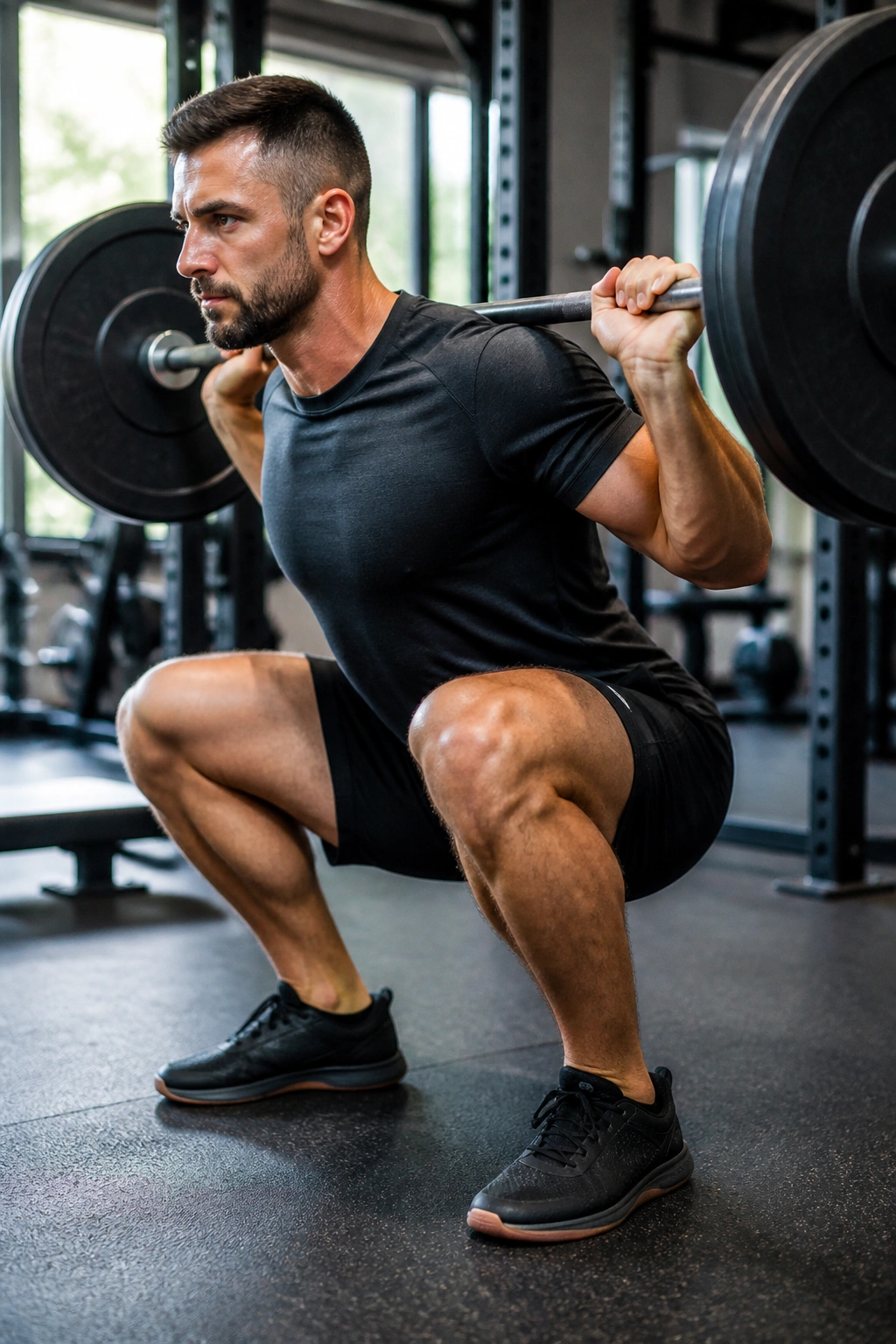
The squat is a journey, not a destination. There is no point where you “master” the squat completely; there is always a way to make it more precise, more stable, or more challenging. Over the next month, focus on the process rather than the outcome. Pay attention to how your feet feel on the floor, how your breath supports your spine, and how your muscles feel as they contract.
When you finish these 30 days, you will likely find that you carry yourself differently. You might notice that getting out of a chair requires less effort or that walking up stairs feels almost effortless. That is the true value of the squat. It makes the rest of your life easier. Keep the intensity high, keep your form tight, and enjoy the process of becoming stronger, one squat at a time.
