



Most people walk into the gym, step under a barbell, and start squatting without ever stopping to consider if their glutes are actually doing the work. You might think you are building a stronger, more lifted butt, but if your lower back aches after a set or your quads feel like they are about to explode while your backside feels relatively fresh, you are missing the point. Building the glutes is not just about moving weight from point A to point B; it is about intentional recruitment.
To see real changes in the shape and strength of your posterior chain, you have to prioritize the mind-muscle connection. You are not just performing repetitions; you are learning how to isolate the largest muscle group in your body. When you do it right, you feel a deep, burning contraction in your glutes with every rep. When you get it wrong, you are simply loading your joints and taxing your nervous system without the aesthetic or functional payoff you are aiming for.
This 30-day approach focuses on movement patterns that force your glutes to fire. We are not just going to do standard squats for a month. That would be boring, and frankly, it would be ineffective. Instead, we are going to cycle through variations that attack the muscle from different angles, ensuring that the gluteus maximus, medius, and minimus all get their turn to work.
The Mechanics of a True Glute-Building Squat
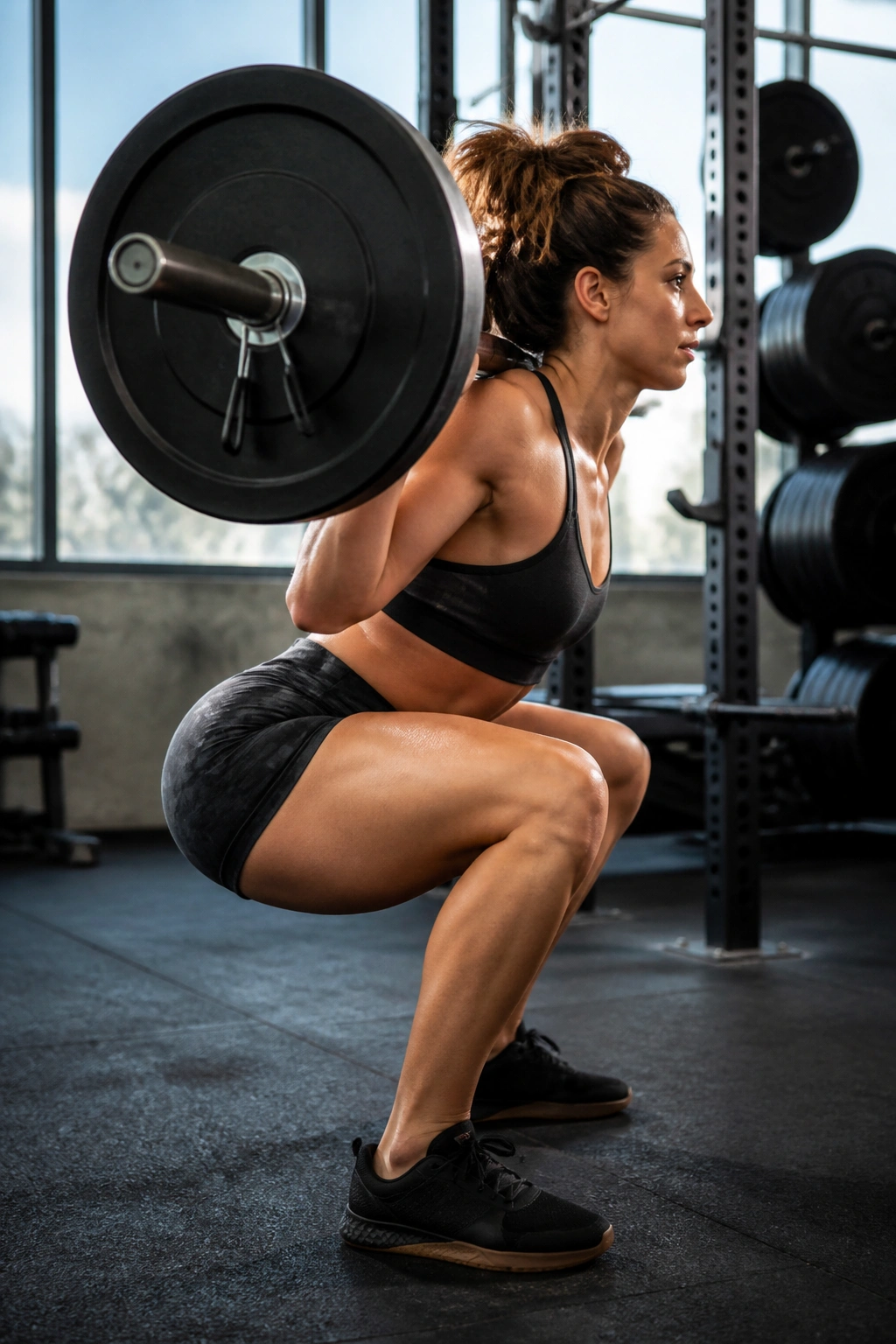
If you want to build your glutes, the standard high-bar back squat is rarely the best starting point. Most people, when they put a bar on their back, instinctively fold forward or shift their weight onto their toes, which immediately turns the movement into a quad and lower-back exercise. To target the butt, you need to change your mechanics.
Your stance is the first variable to adjust. A slightly wider stance, with your feet about shoulder-width apart and your toes pointed outward at roughly a thirty-degree angle, opens up the hips. This rotation allows you to sink deeper into the movement, which is critical for glute recruitment. You want your knees to track over your toes, not cave inward. If your knees collapse inward, you are putting your ligaments at risk and losing tension in the gluteus medius.
Next, focus on your hip hinge. Before you even descend, push your hips backward as if you are trying to touch the wall behind you with your backside. This small initiation prevents your knees from shooting forward first. As you squat, imagine you are spreading the floor apart with your feet. This simple mental cue activates the external rotators of the hip, ensuring your glutes are engaged from the very beginning of the descent.
Finally, pay attention to your depth. You do not need to go “ass-to-grass” if it causes your lower back to round—that is called the “butt wink,” and it is a one-way ticket to spinal discomfort. Go as deep as your hip mobility allows while keeping your spine neutral and your chest up. The deeper you go, the more the glutes are stretched under load, and that stretch is the secret to growth.
Why Your Current Squat Routine Might Be Failing
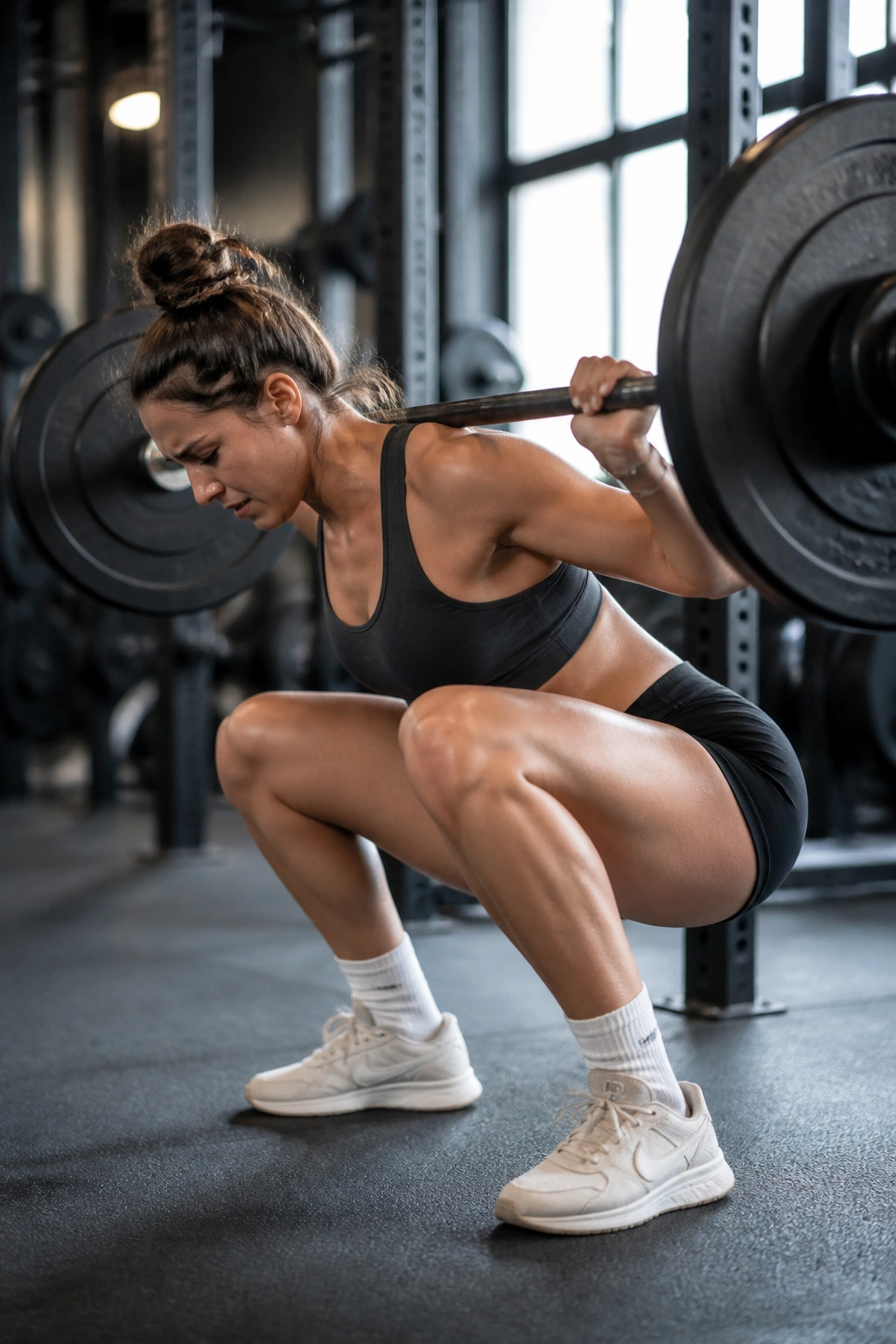
You have probably spent weeks or even months squatting, yet you see minimal change in the shape or firmness of your glutes. This is frustrating, but it is also common. The most frequent reason for this plateau is the lack of progressive overload—the practice of gradually increasing the difficulty of your workouts. If you do three sets of ten reps with the same weight every single week, your muscles have no reason to adapt or change.
Another major culprit is the absence of tempo variation. When you speed through your repetitions, you rely on momentum rather than muscle contraction. You are using the bounce out of the bottom of the squat to do the work for you. By slowing down the eccentric phase—the lowering part of the squat—you increase the time the muscle spends under tension. This is where the magic happens.
Your choice of exercise is also a limiting factor. The barbell squat is a compound movement, but it is not the most efficient tool for glute isolation. If you do not complement your squats with variations like Bulgarian split squats, curtsy lunges, or weighted glute bridges, you are leaving gains on the table. Your glutes are complex muscles; they respond best when you hit them from various stances, tempos, and loads.
Lastly, consider your recovery. You might be squatting too often without allowing your glutes the time they need to repair and grow. Muscle is built during rest, not during the workout. If you are squatting heavy five days a week, you are likely just breaking down tissue without ever giving it the window it needs to rebuild. Consistency is key, but intensity and recovery must be balanced.
Anatomy 101: Understanding the Gluteal Muscles
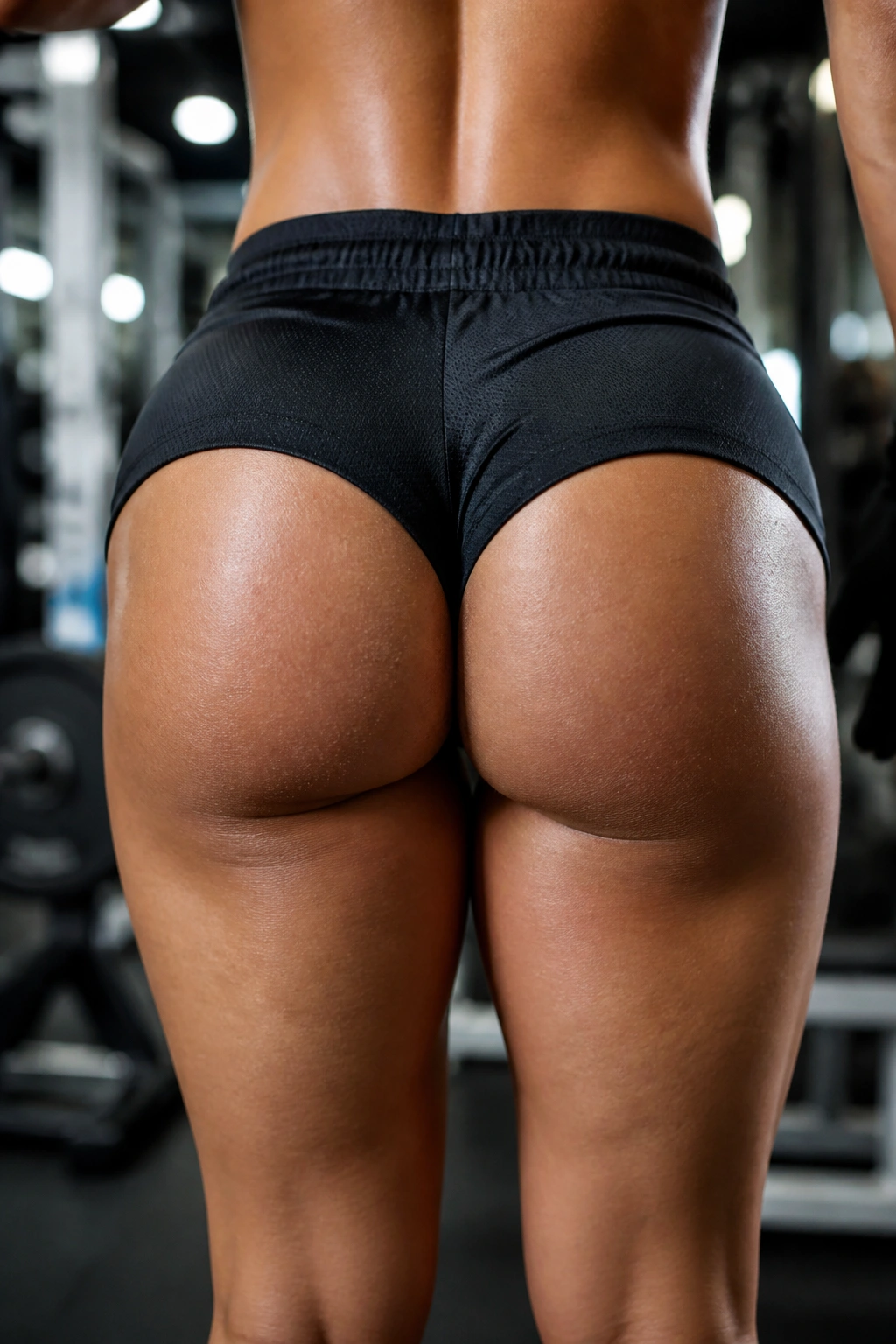
To sculpt your backside, you need to know what you are actually training. The gluteus maximus is the primary muscle, responsible for the shape and size of your butt. Its main function is hip extension—pushing your hips forward—which is exactly what happens when you stand up from the bottom of a squat. To fully engage it, you need to ensure your hips reach full lockout at the top of the movement.
Then there is the gluteus medius, located on the upper outer portion of your hip. This muscle is responsible for hip abduction, or moving your leg away from the midline of your body. When you perform wide-stance squats or any movement that requires balance, the gluteus medius is the stabilizer keeping you upright. Training this muscle creates that “shelf” look at the top of the glutes.
The gluteus minimus is the smallest of the three, sitting beneath the gluteus medius. It works in tandem with the medius to stabilize the pelvis. While it is rarely the star of the show, a well-developed minimus provides the foundation for the medius. If you only focus on heavy squats, you tend to neglect the medius and minimus, which is why some people develop thick legs but lack the definition and lift in their glutes.
Understanding these roles helps you select the right exercises. If you want a lifted look, you need exercises that include abduction—like sumo squats or lateral movements—alongside heavy hip extension exercises. This is why a varied approach is the only way to get a balanced, aesthetic result.
Essential Warm-ups to Prime the Posterior Chain
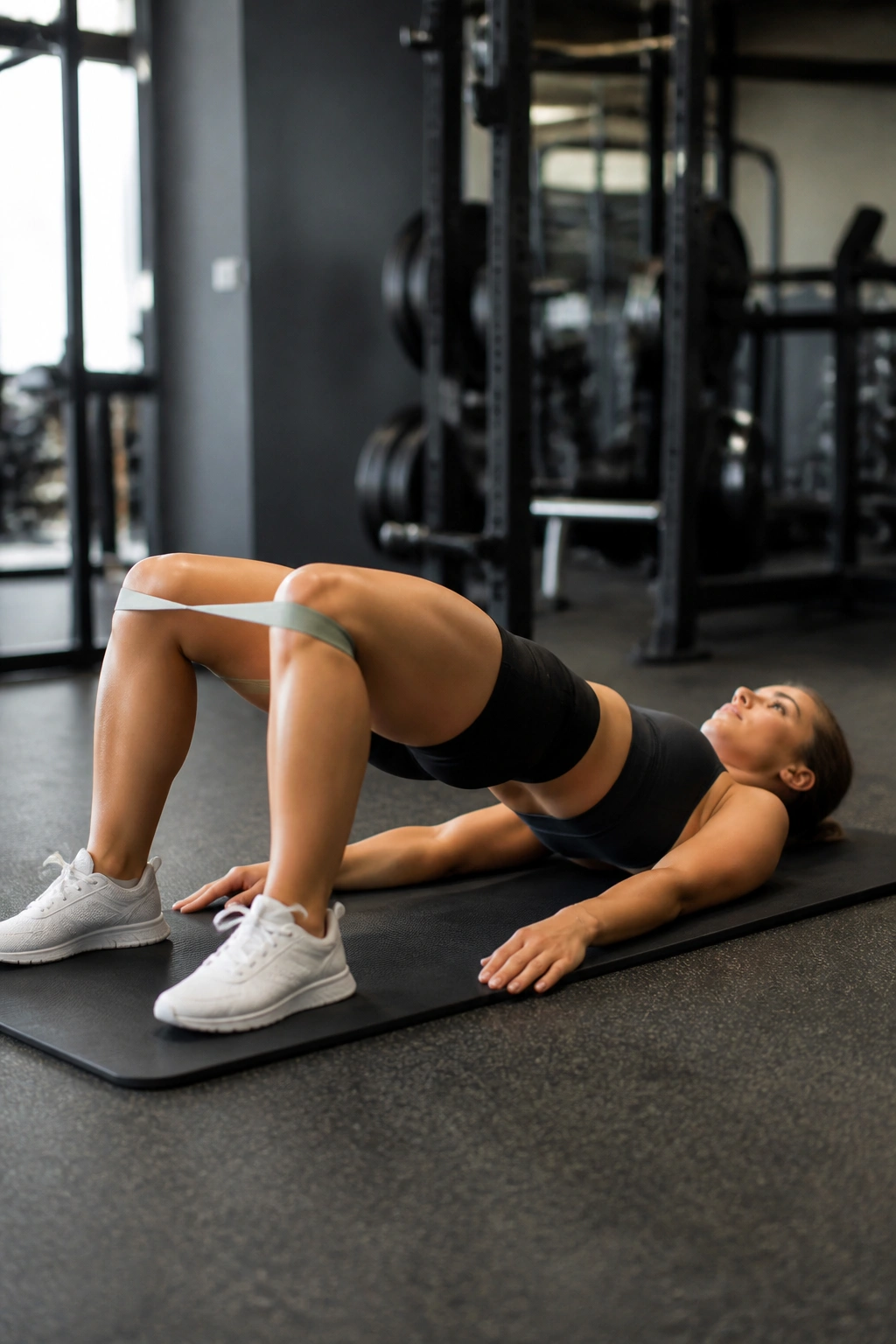
Never, and I mean never, walk up to a squat rack cold. Your glutes have been sitting dormant while you worked, drove your car, or sat on the couch. You need to “wake them up.” A proper warm-up creates a connection between your brain and your glute muscles so that when you add weight, your body knows exactly which muscles should be firing.
Start with banded glute bridges. Place a resistance band around your knees and lie on your back. Lift your hips toward the ceiling, driving through your heels, and squeeze your glutes hard at the top. The band forces you to push your knees out, which activates the gluteus medius instantly. Do two sets of twenty repetitions. By the end, you should feel a distinct burn.
After bridges, transition to bird-dogs. This is a core stability exercise that also engages the glutes. On all fours, extend your opposite arm and opposite leg simultaneously, keeping your back flat. Focus on squeezing your glute as you extend your leg backward. This movement teaches you to dissociate the movement of your hip from the movement of your lumbar spine, preventing lower back takeover during heavy squats.
Finally, do some bodyweight lateral walks with a band around your ankles. Keeping your knees slightly bent and your chest forward, take small, controlled steps to the side. You are not trying to get your heart rate up here; you are trying to fatigue the glute medius. This will ensure that when you move to your main lifts, your hips are stable and your glutes are primed for maximum engagement.
The 30-Day Progression: Week 1 Foundation
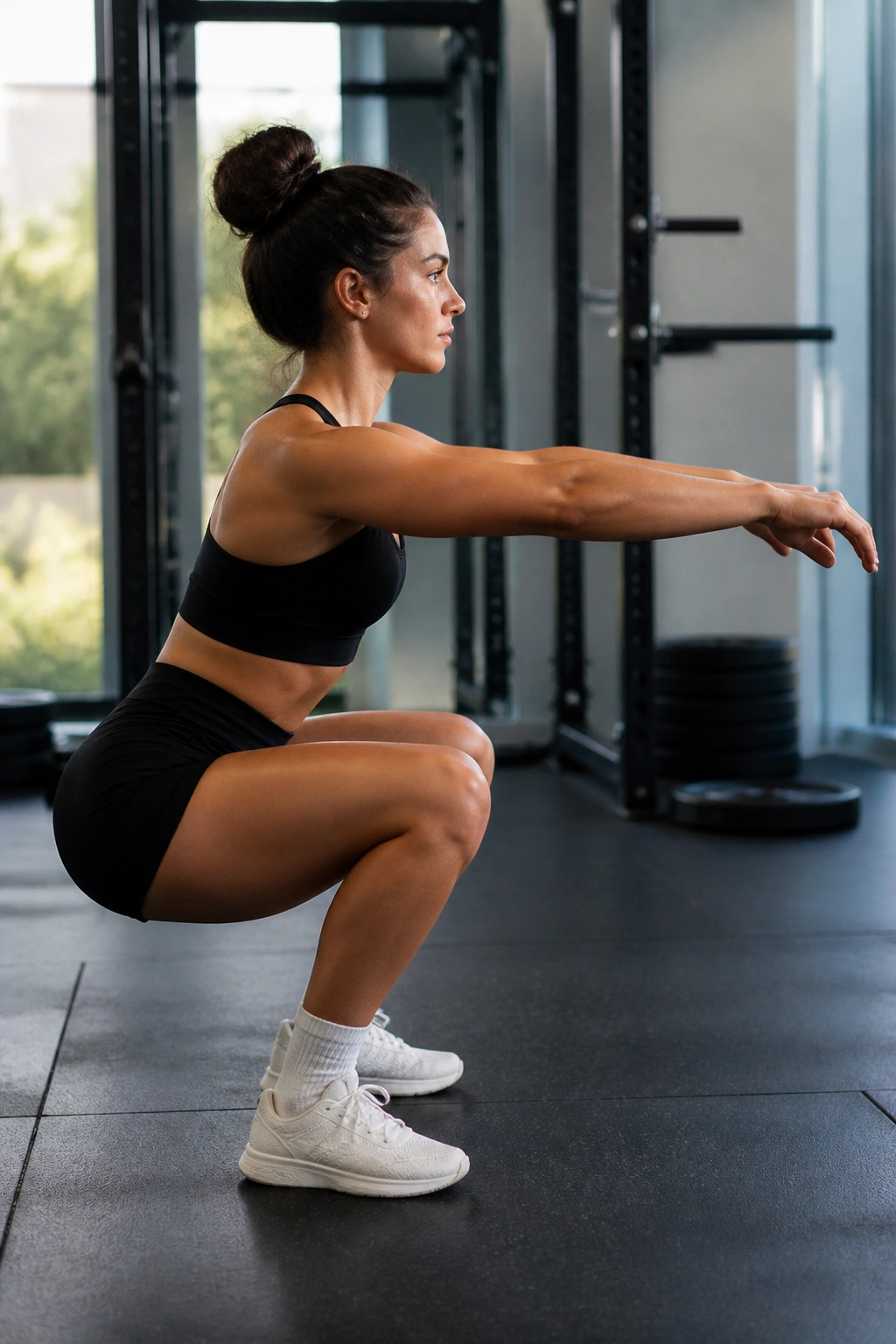
In the first week, we focus entirely on movement quality. If you cannot do a perfect bodyweight squat, you have no business putting a barbell on your back. Forget about heavy weight for these seven days. Your goal is to master the range of motion and feel the muscle working.
Perform bodyweight squats, but with a specific tempo: three seconds down, a one-second pause at the bottom, and one second up. The pause at the bottom is non-negotiable. It removes the elastic energy of your muscles, forcing your glutes to initiate the upward movement from a dead stop. This builds incredible strength at the hardest part of the lift.
Perform this routine three times during the week, with at least one rest day in between sessions. Aim for four sets of fifteen repetitions. If your glutes are not burning by the fourth set, you are either moving too fast or you aren’t going deep enough. Use this week to film yourself from the side. Watch your spine—is it neutral? Watch your knees—are they caving? Fix these issues now, before we add weight.
This week isn’t about feeling “sore” in a way that prevents you from walking; it is about building the habit of perfect form. If you cheat the form now, the entire rest of the month will be less effective. Treat these reps as a skill you are trying to perfect, not a chore you are trying to finish.
The 30-Day Progression: Week 2 Increasing Time Under Tension
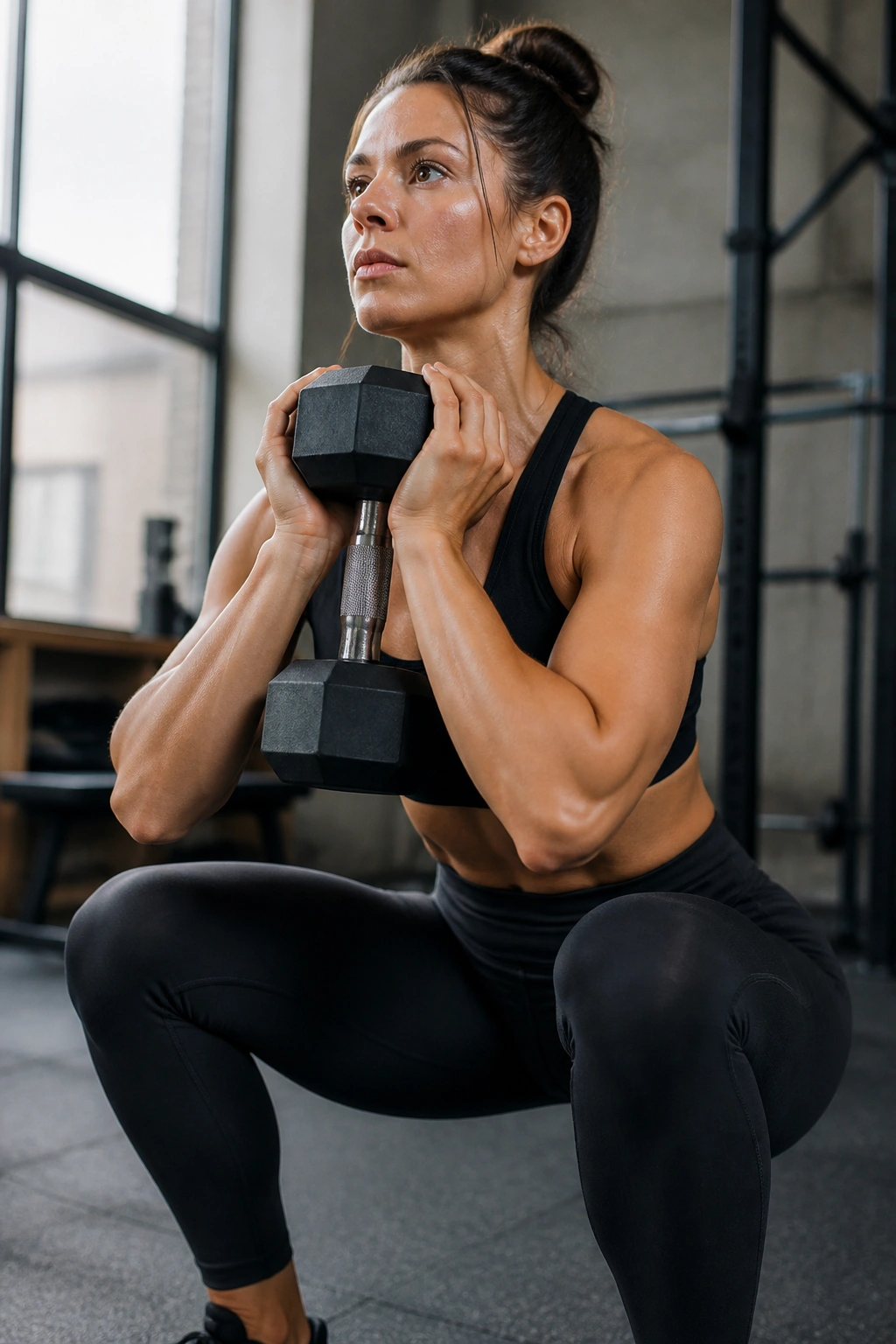
Now that you have the form dialed in, it is time to increase the challenge. We are going to introduce goblet squats. Hold a single dumbbell or kettlebell against your chest. This external weight acts as a counterbalance, which actually helps you keep your chest up and sink deeper into your squat. It is a fantastic tool for glute development because the weight in front forces you to engage your core, keeping your spine stable while your hips do the work.
In Week 2, we introduce “1.5 reps.” This is a brutal technique that will change how you view squatting. For every rep, descend into the full squat, come up halfway, go back down to the bottom, and then stand all the way up. That counts as one repetition. This technique keeps your glutes under constant tension for the entire set because they never get a moment of relaxation at the top of the movement.
Perform three sets of ten 1.5 reps. This will feel significantly harder than the standard squats from Week 1. You will likely need to use a lighter weight than you think, and that is perfectly fine. The goal is to reach that point of “muscular failure”—where you physically cannot complete another repetition with good form—within that ten-rep range.
Rest intervals should remain around sixty to ninety seconds. You want to be recovered enough to perform the next set with quality, but not so recovered that your heart rate drops completely. Keep the intensity high and the focus sharp. If your quads start screaming, that is normal, but make sure you are still consciously squeezing your glutes as you ascend.
The 30-Day Progression: Week 3 Integrating Unilateral Movements

Week 3 is where we separate the serious lifters from the rest. We are going to introduce unilateral—single-leg—movements. The Bulgarian split squat is the gold standard for glute development. It forces you to support your body weight on one leg, which inherently requires more stabilization from the gluteus medius, and it puts a massive stretch on the gluteus maximus.
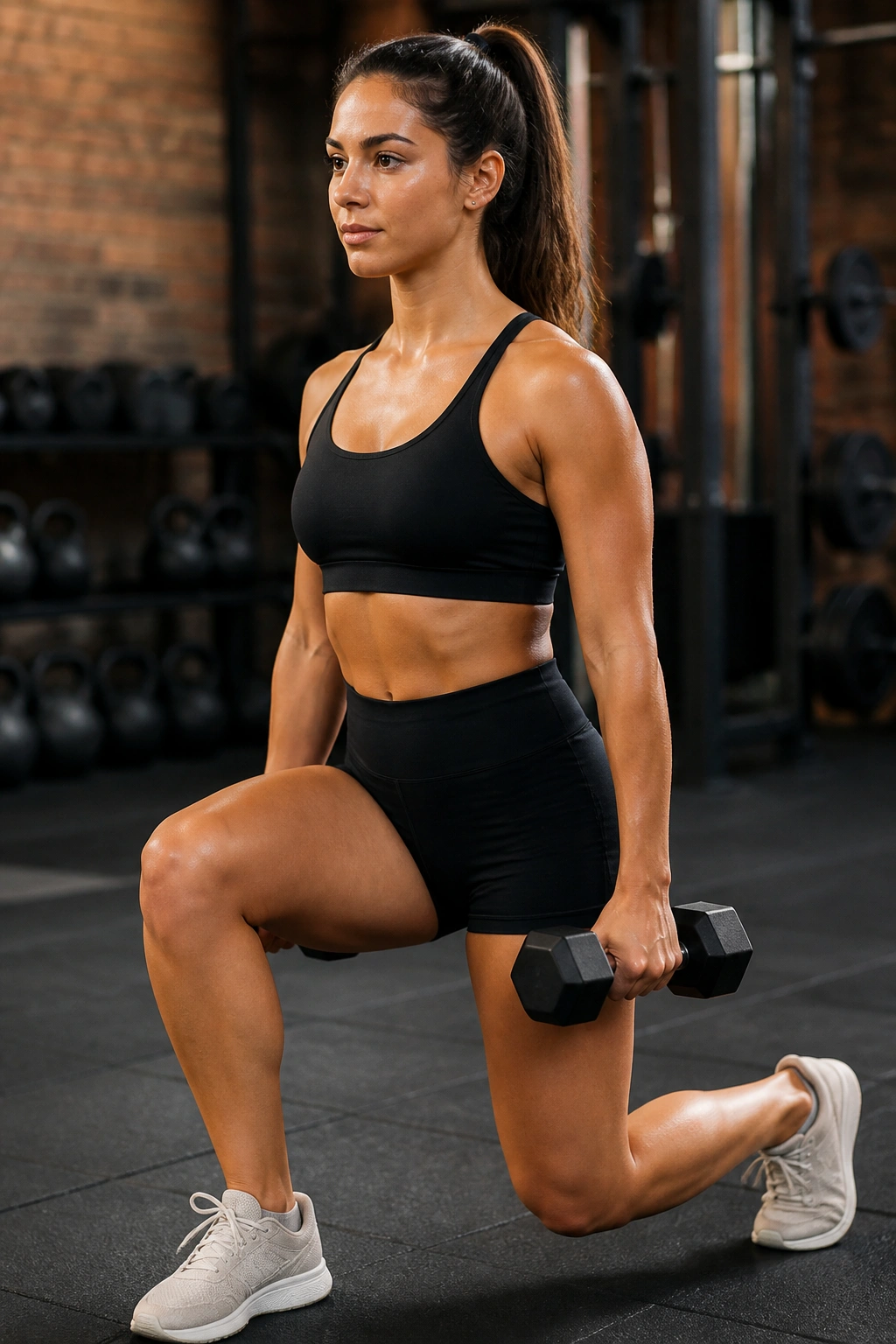
To perform this, place your back foot on a bench or sturdy chair. Step your front foot out far enough so that when you descend, your front knee does not track far over your toes. Lower your hips straight down, ensuring that your weight is distributed through your front heel. If you feel this mostly in your back leg’s quad, shift your front foot slightly forward and lean your torso slightly forward. Leaning the torso puts the glute under much greater tension.
Do four sets of eight reps on each leg. Take your time. Unilateral work requires balance, and if you rush, you will wobble. Use light dumbbells in each hand if you need, but prioritize the depth and the stretch in that front glute. You should feel the muscle “loading” at the bottom of the movement.
This week will likely make you sore. That is to be expected. Because you are training one side at a time, you are effectively doubling the volume on your glutes without the systemic fatigue that comes from heavy bilateral loading. Keep the tempo controlled—two seconds down, one second hold at the bottom, one second up.
The 30-Day Progression: Week 4 Peak Performance

For the final week, we are combining everything we have learned. We are going to use weighted sumo squats as our primary movement. By taking a wide stance and pointing your toes out, you shift a significant amount of the load onto the glutes and inner thighs. Hold a heavy dumbbell or kettlebell between your legs.
The program for this week:
- Day 1: Four sets of eight reps of weighted sumo squats, combined with three sets of twelve glute bridges (weighted).
- Day 2: Rest or active recovery (walking, light cycling).
- Day 3: Four sets of ten Bulgarian split squats, focusing on a slow, three-second descent.
- Day 4: Rest.
- Day 5: A “circuit” day. Perform 15 bodyweight squats, 15 walking lunges, and 15 glute bridges, with no rest between exercises. Complete four rounds of this circuit. This is to build metabolic fatigue.
- Day 6: Rest.
- Day 7: Final max effort session. Heavy weighted sumo squats—five sets of five, pushing as heavy as you can maintain form, followed by one “burnout” set of 20 bodyweight squats to failure.
This week is about testing your limits. You have spent three weeks building the foundation, fixing your form, and increasing your time under tension. Now, we push the volume and the load. You will be tired, but you should also feel stronger and more connected to the muscles you are working.
Essential Squat Variations for Maximum Glute Recruitment
If you get bored of the standard squat, use this menu of variations. The sumo squat is likely your best friend for glute growth. The wide stance forces external rotation at the hips, which is a primary job of the glutes. Ensure your feet are at least shoulder-width apart, and don’t be afraid to point those toes out.
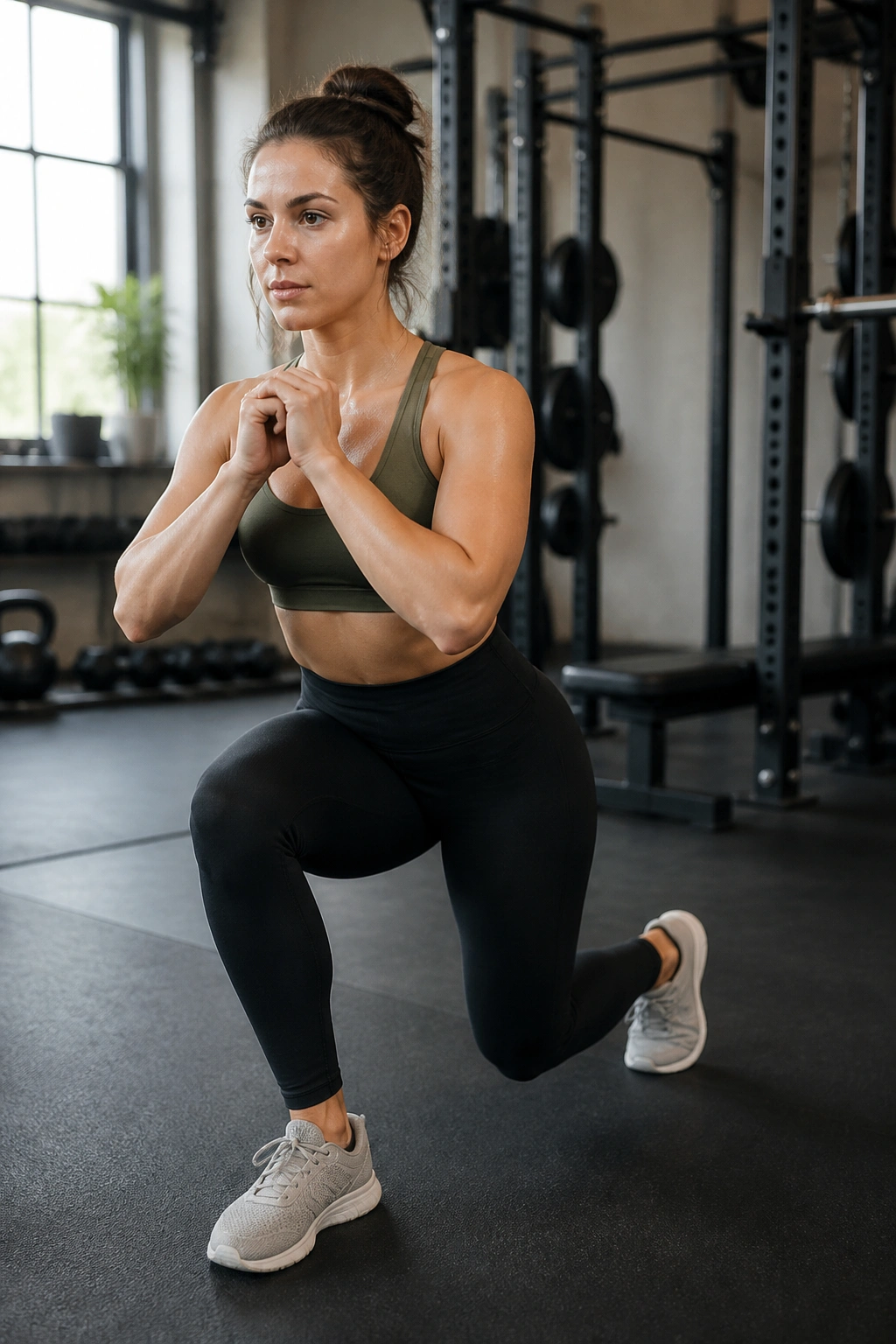
The Curtsy Lunge is another under-utilized gem. Step one leg behind and across the other, as if you are doing a polite curtsy. This movement places the front leg’s gluteus medius in a compromised, stretched position, which builds stability and definition. It is a fantastic movement to add to the end of a workout when your legs are already tired.
Do not overlook the Box Squat. This is a great way to learn how to sit back properly. Set up a box or bench behind you. Squat down until your glutes just graze the box—do not sit and relax on it—then explode back up. This forces you to reverse your momentum at the bottom, which is crucial for building explosive glute power.
Finally, the Goblet Squat remains one of the most effective tools for beginners and pros alike. Holding the weight at your chest acts as a counterbalance. It allows you to sit deeper and keep your torso upright, which naturally shifts the emphasis away from the quads and toward the glutes. If you ever feel like your form is failing on heavy barbell squats, go back to the goblet squat to reset your technique.
How to Incorporate Weighted Resistance Properly

Progressive overload is the golden rule of muscle growth. Once you can comfortably hit your target reps with good form, you have to make the exercise harder. The most obvious way to do this is by adding weight, but you should only do so once your technique is flawless. If you add weight to a bad movement, you are just compounding your errors.
Start by adding small increments—think 2.5 or 5-pound plates. It is better to increase the weight slowly and maintain perfect form than to jump up in weight and start swinging your torso or using momentum. A heavy squat with poor form will build your lower back, not your butt.
Another way to add resistance without just piling on plates is through the use of resistance bands. Place a band around your knees during your squats. This forces your knees to cave inward, and your glutes have to work double-time to push them out. It adds tension throughout the entire movement, making a relatively light squat feel significantly heavier and more demanding on the glutes.
When you reach a point where you cannot safely add more weight, increase the volume or decrease the rest time. Try doing five sets instead of four, or cut your rest time from sixty seconds to forty-five. Your muscles do not know how many pounds you are lifting; they only know tension. If you create more tension, they have to adapt.
Nutrition and Recovery for Muscle Growth

You can squat until the cows come home, but if you aren’t feeding your body the fuel it needs to repair and build muscle, you won’t see results. Muscle repair requires protein. You should aim for roughly 0.8 to 1 gram of protein per pound of your body weight every day. This doesn’t mean you have to drink protein shakes constantly, but it does mean that every meal should have a solid protein source—chicken, fish, eggs, tofu, beans, or lentils.
Hydration is also non-negotiable. Muscle tissue is largely water. When you are dehydrated, your muscles flatten out, your recovery slows down, and your performance in the gym suffers. Drink water throughout the day, not just while you are working out. If your urine is consistently dark, you are not drinking enough.
Sleep is the final piece of the puzzle. When you sleep, your body releases growth hormones that facilitate muscle repair. If you are getting five hours of sleep and training hard, you are essentially spinning your wheels. Aim for seven to nine hours of quality sleep. Your glutes grow while you are in bed, not while you are in the gym.
Finally, do not fear carbohydrates. They are the primary fuel source for high-intensity lifting. You need them to replenish your glycogen stores after a squat session. Focus on complex carbohydrates like oats, brown rice, potatoes, and quinoa. They provide sustained energy, which is exactly what you need to power through those final, brutal sets of Bulgarian split squats.
Common Mistakes That Sabotage Glute Gains

One of the most common mistakes is “ego lifting”—putting too much weight on the bar because you want to look strong. If you are bouncing at the bottom, rounding your back, or using your lower back to yank the weight up, you are wasting your time. Drop the weight until you can control every inch of the movement.
Another error is ignoring the mind-muscle connection. It sounds like a cliché, but it is scientifically valid. If you are staring at the clock or thinking about your to-do list, you aren’t feeling your glutes. During every single repetition, mentally squeeze your glutes at the top. Visualize the muscle fibers contracting. That focus changes the neural drive to the muscle, making the movement more efficient.
Over-training is another trap. People think that if they want a bigger butt, they should train it every single day. The glutes are large, powerful muscles, but they still need 48 hours to recover after a heavy training session. If you train them daily, you might actually be causing muscle loss due to excessive breakdown without adequate recovery.
Finally, failing to track your workouts is a major oversight. How do you know if you are getting stronger if you don’t remember what you lifted last week? Keep a simple log—a notebook or an app—and write down your exercises, sets, reps, and weights. If you aren’t doing more this week than you did last week (either in weight, reps, or control), you aren’t progressing.
Tracking Your Progress Without Obsessing Over Mirrors

It is natural to want to see changes quickly, but glute development is a slow process. If you spend every day staring in the mirror, you will only see the lack of change, which is discouraging. Mirrors are deceptive—lighting, angle, and even the clothes you are wearing can skew your perception.
Instead, use objective measures. Take progress photos, but do them properly. Once a month, at the same time of day, in the same lighting, wearing the same clothes, take photos from the front, side, and back. When you compare these photos over a three-month period, the changes will be much more apparent than if you look in the mirror every morning.
Use a measuring tape. Measure the circumference of your hips at the widest point and the circumference of each thigh. Sometimes the scale won’t budge, but your measurements will show that your body composition is changing—you are losing fat and building muscle.
Most importantly, track your performance. Is the weight that felt heavy three weeks ago now manageable? Can you do more reps than you could previously? These are the real metrics of success. If you are getting stronger, the aesthetic changes will follow. Trust the process, do the work, and the results will eventually materialize.
Maintaining Your Results Beyond the 30-Day Challenge
What happens after day 30? Do not just quit. If you stop the stimulus, your body will eventually revert. The key to maintaining your results is to transition into a sustainable long-term routine. You don’t need to do intense 30-day challenges forever; you just need to keep challenging your glutes with consistent, progressive resistance.
Aim for two to three lower-body sessions per week. You can combine your squats with other movements like deadlifts, lunges, and glute-focused machine work. The variety you learned during this 30-day period should be part of your permanent toolkit. Rotate your focus—one week on heavy squats, the next on unilateral volume, the next on tempo work.
Always listen to your body. There is a difference between “good” soreness (delayed onset muscle soreness) and “bad” pain (joint pain, sharp shooting sensations). If you feel sharp pain, back off immediately. Your longevity is more important than a single workout.
Finally, keep changing your variables. Muscles adapt to stress. If you get comfortable, you stop growing. Once every month or two, change your rep ranges, try a new variation, or focus on a different tempo. By constantly giving your body a reason to adapt, you ensure that your glutes stay strong, lifted, and functional for the long haul.
Final Thoughts
Building a stronger, lifted posterior is a game of patience and precision. There is no magic pill, and there is no secret exercise that will transform your body overnight. It comes down to the basics: mastering your form, applying progressive overload, eating to fuel your recovery, and staying consistent when the progress seems slow.
You have the tools now. You understand the anatomy, you know the variations, and you have a 30-day roadmap to guide you. The only thing left to do is the work. Do not shy away from the hard days. Do not skip the warm-ups. Do not let your ego compromise your technique.
Remember, every time you step up to that squat rack, you are making a choice to invest in your physical health and your aesthetic goals. Make that time count. Feel every contraction, fight through the fatigue, and stay focused on the long-term transformation. Your glutes are waiting for you to wake them up. Get after it.
