



The inner thigh muscles, known anatomically as the adductor group, are some of the most misunderstood and overlooked muscle fibers in the human body. People often fixate on their glutes or quads, treating the inner thighs as an afterthought. This is a mistake. Your adductors—the pectineus, adductor brevis, adductor longus, adductor magnus, and gracilis—do far more than just look good in a pair of shorts. They are the primary stabilizers of your pelvis and are essential for protecting your knee joints during almost every movement, from walking up a flight of stairs to landing a jump.
When these muscles are weak, other parts of the kinetic chain suffer. You might find your knees caving inward during a squat, or you might struggle with lower back pain because your pelvis isn’t properly supported. Strengthening this area isn’t just about aesthetics; it is about building a functional, resilient lower body that moves without friction or pain.
If you have tried “thigh master” style gadgets in the past, you know that superficial squeezing doesn’t build the strength you are actually looking for. True development in the inner thighs requires compound movements, consistent tension, and a focus on the mind-muscle connection. You have to move beyond just trying to “spot reduce”—which is a physiological myth anyway—and focus on building real, dense muscle tissue. The following exercises are designed to recruit those adductor fibers directly, forcing them to work through their full range of motion.
1. Sumo Squats
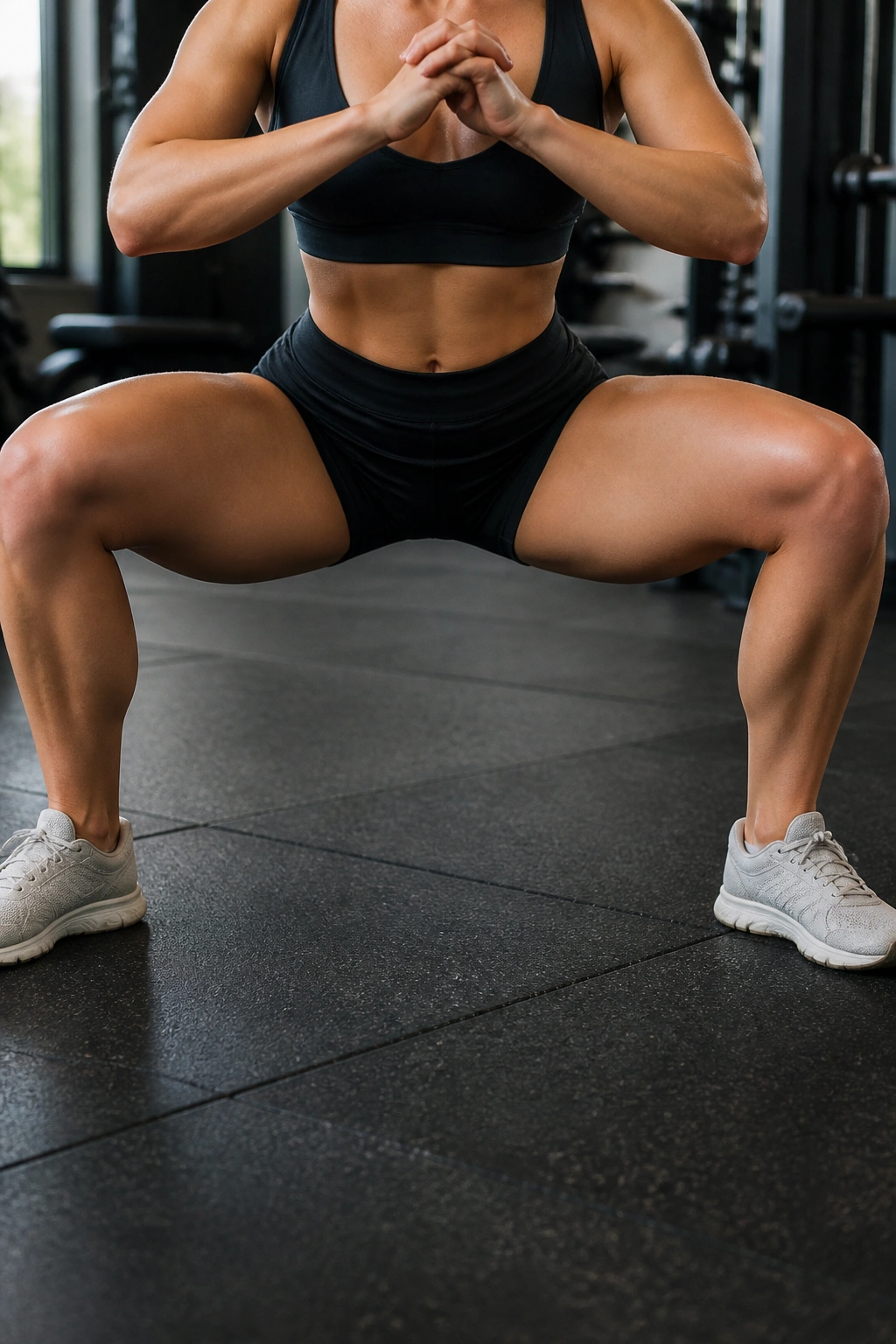
The sumo squat is the bread and butter of inner thigh training. By widening your stance and rotating your feet outward, you shift the mechanical load from the quads onto the adductors. It changes the geometry of the lift, forcing your inner thighs to stabilize your torso throughout the entire range of motion.
The Mechanics of the Stance
- Set your feet: Plant your feet wider than shoulder-width, with your toes turned out at a 45-degree angle.
- The descent: Lower your hips straight down, keeping your chest tall.
- The push: Drive through your heels. Imagine you are trying to push the floor apart with your feet.
Pro tip: Do not let your knees collapse inward. As you descend, actively push your knees out in the direction of your toes. If your knees cave in, you lose the adductor activation and place dangerous shearing force on your knee ligaments. This one adjustment is the difference between a productive rep and a potentially damaging one.
2. Lateral Lunges
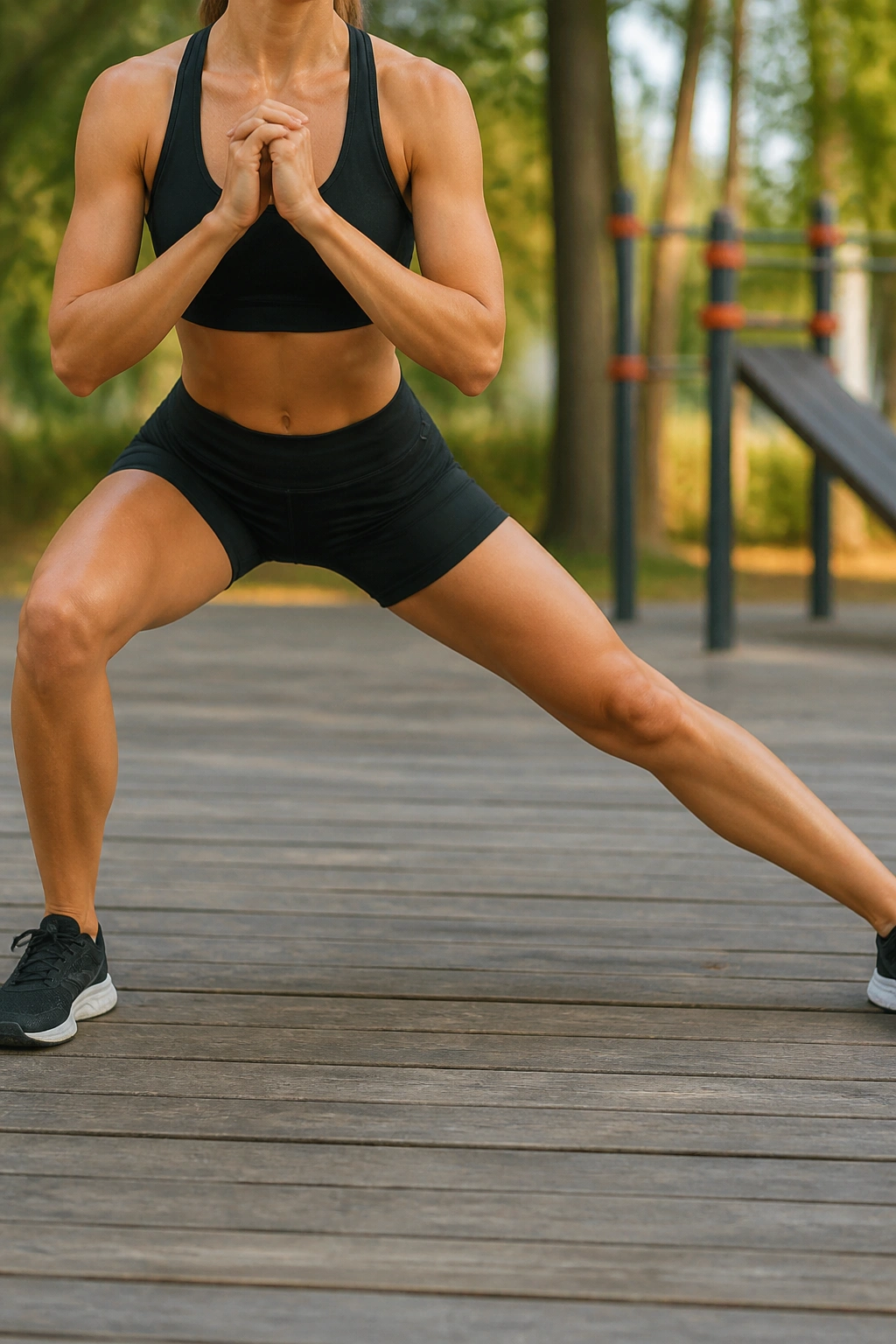
Walking and running are sagittal plane movements—everything happens forward and backward. Your inner thighs, however, are primarily responsible for movement in the frontal plane, or side-to-side. Lateral lunges are the single best way to train this plane of motion and force your adductors to work eccentrically as you decelerate.
Why They Work
The deep stretch you feel in the inner thigh of the straight leg during a lateral lunge is where the magic happens. You are lengthening the adductor under load. This eccentric loading builds significant strength and flexibility, which protects you from groin strains, a common injury for people who only ever train forward and backward.
Technique Checklist
- Keep your torso relatively upright.
- Sit your hips back as if you are reaching for a chair placed behind your heel.
- Ensure the foot of your lunging leg stays completely flat on the floor. If your heel lifts off the ground, your ankle mobility is likely the bottleneck—fix that before going for depth.
3. Curtsy Lunges
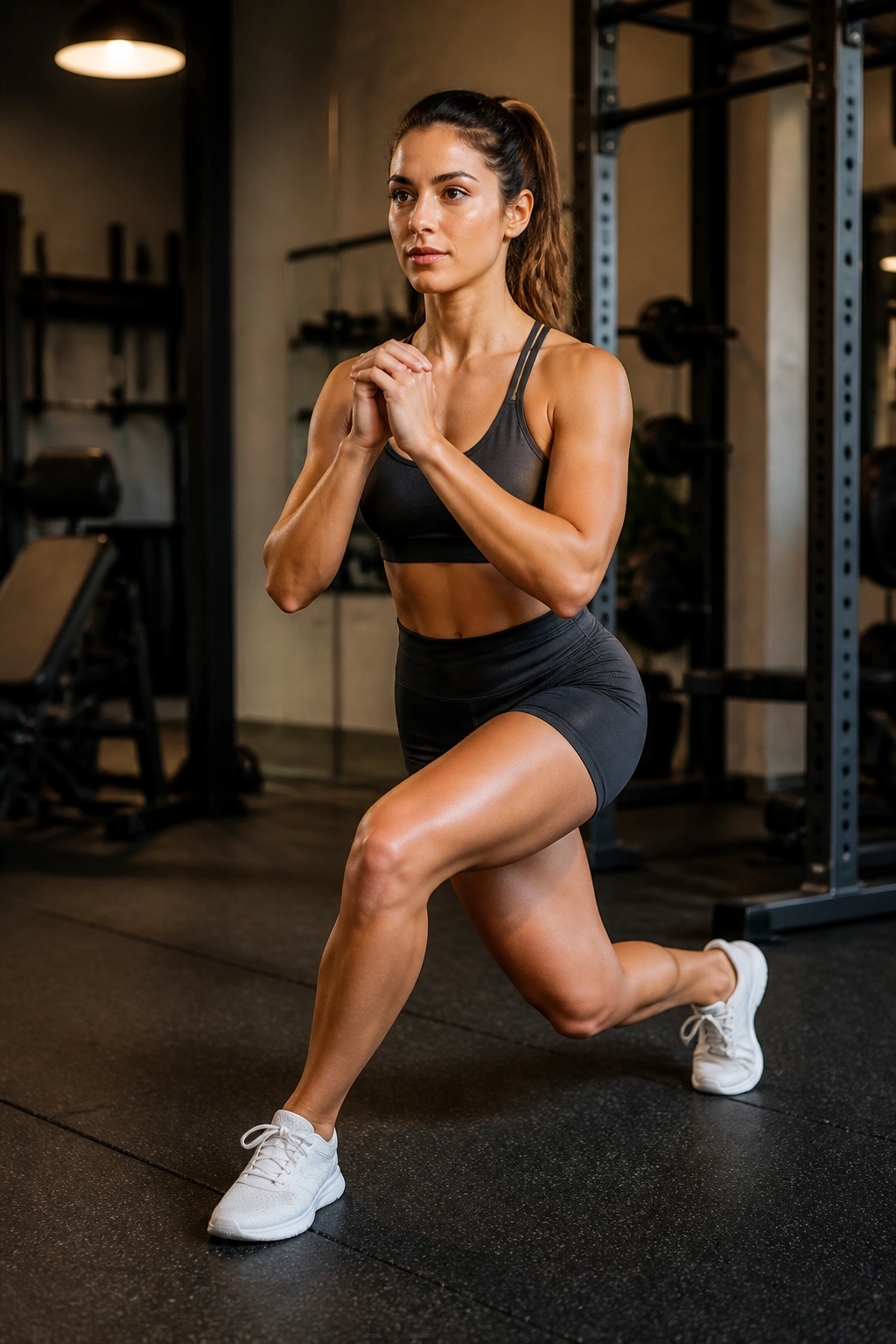
The curtsy lunge is an underrated movement. Because you are stepping behind and across your body, you are creating a diagonal vector of movement. This rotation forces the inner thigh of the front leg to work overtime to stabilize the femur in the hip socket. It is more than just a “glute” move; it is a stability nightmare in the best way possible.
Adding Resistance
Once you master the bodyweight version, do not get complacent. Hold a pair of dumbbells at your sides or a single kettlebell in a goblet position against your chest. The extra weight forces your adductors to fight harder against the rotational force, leading to greater muscle fiber recruitment. Just keep your movements slow. If you rush, you lose the stability aspect of the exercise.
4. Inner Thigh Leg Lifts
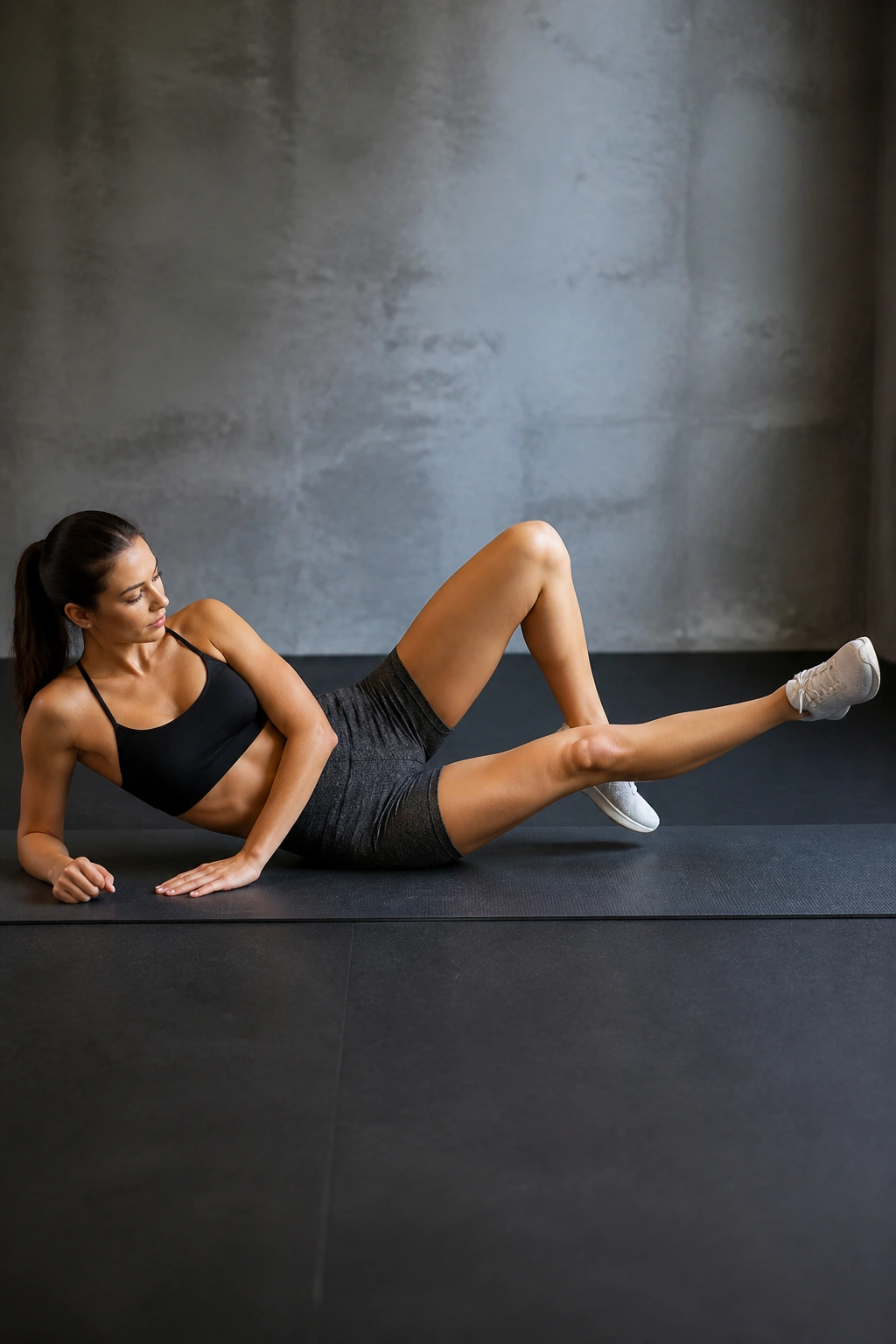
Sometimes, the simplest tools are the most effective. This is floor work, and it is humbling. You are isolating the adductor entirely without the help of gravity or momentum. It is essentially a physical therapy exercise that has been co-opted by athletes for its ability to target the gracilis muscle specifically.
The Setup
- Lie on your side.
- Bend your top leg and place your foot behind your bottom knee.
- Keep your bottom leg straight, foot flexed.
- Lift that bottom leg as high as possible without rolling your hips backward.
The catch: You must keep your hips stacked directly on top of one another. Most people rock their pelvis backward to gain height, which completely removes the tension from the inner thigh. If you can only lift your leg two inches off the floor with perfect form, then those two inches are worth more than ten inches of sloppy, cheated reps.
5. Plie Squats
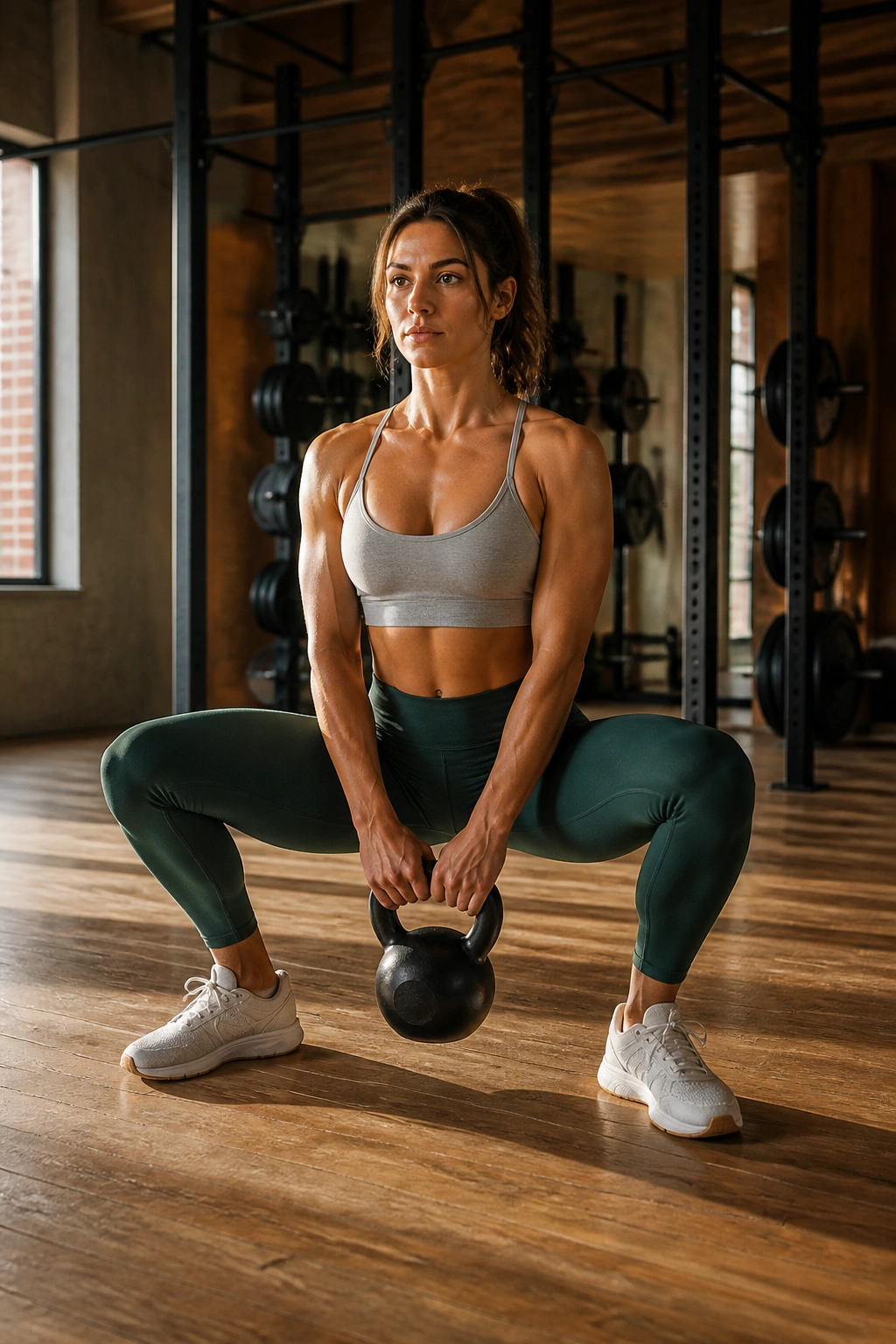
While they share DNA with sumo squats, plie squats focus more on the “ballet-style” hold and sustained contraction. The key differentiator here is the tempo. You aren’t just moving up and down; you are spending time under tension at the bottom of the movement, which creates a distinct “burn” that forces the muscle to adapt.
How to execute for maximum gain
Hold a weight between your legs—a kettlebell is perfect here. Lower yourself into a deep squat, keeping your glutes tucked slightly. Pulse at the bottom for three seconds before driving back up. That pause at the bottom is where the adductors are at their most stretched and vulnerable position. Holding tension there is what builds the strength that prevents your legs from shaking when you fatigue during high-rep sets.
6. Glute Bridges with Squeeze
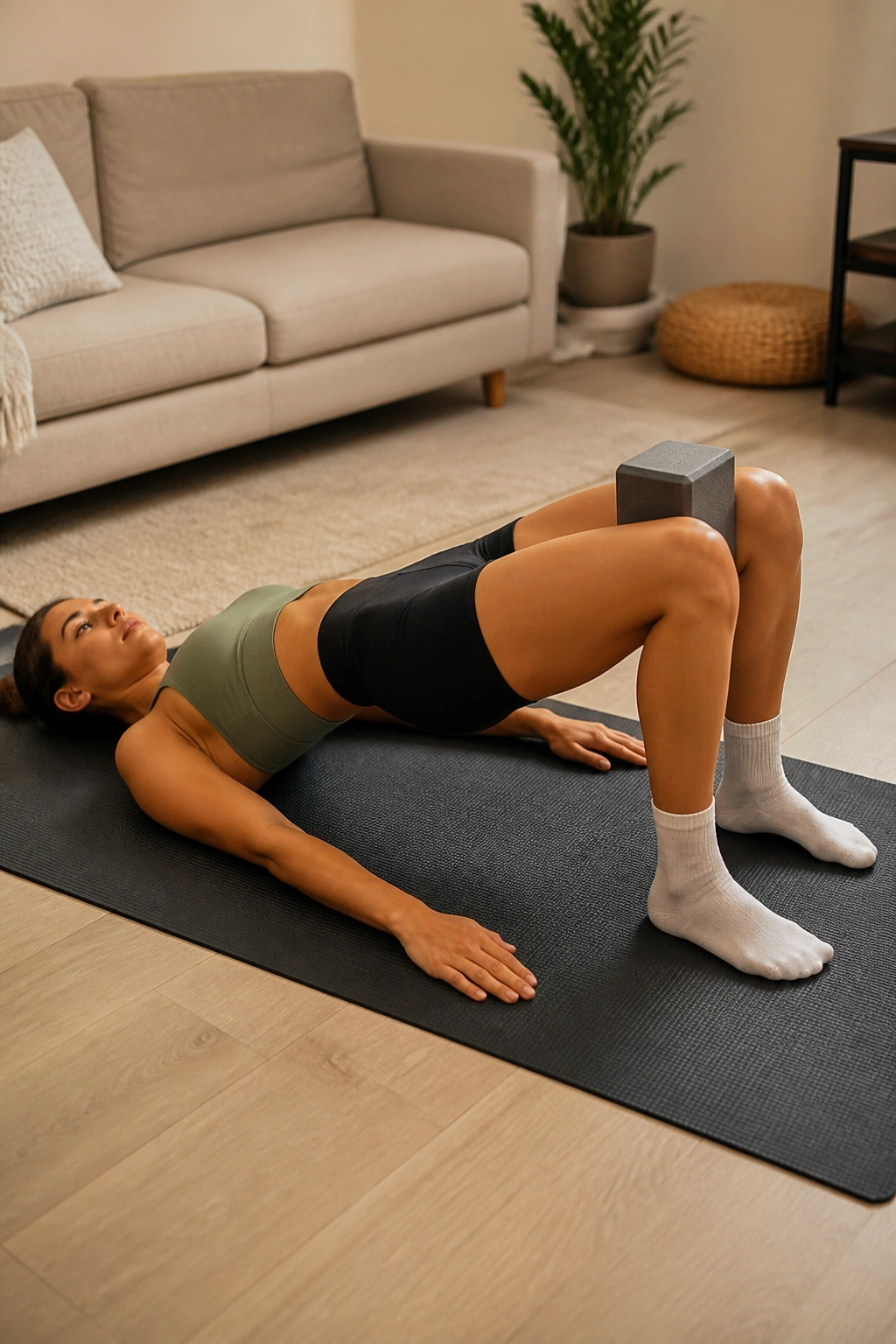
This is a deceptive exercise. By placing an object between your knees, you force your adductors into a constant isometric contraction while your glutes perform a dynamic concentric movement. It forces two muscle groups to work in opposition, which creates a very high level of neuromuscular fatigue.
The Equipment
You can use a foam yoga block, a small medicine ball, or even a thick rolled-up towel. Place it between your knees. As you lift your hips into the bridge, you must squeeze that object with everything you have. Do not let it drop. If you focus only on the bridge, you are cheating the adductor work. The goal is to maximize the inward pressure of your knees throughout the entire rep.
7. Cossack Squats
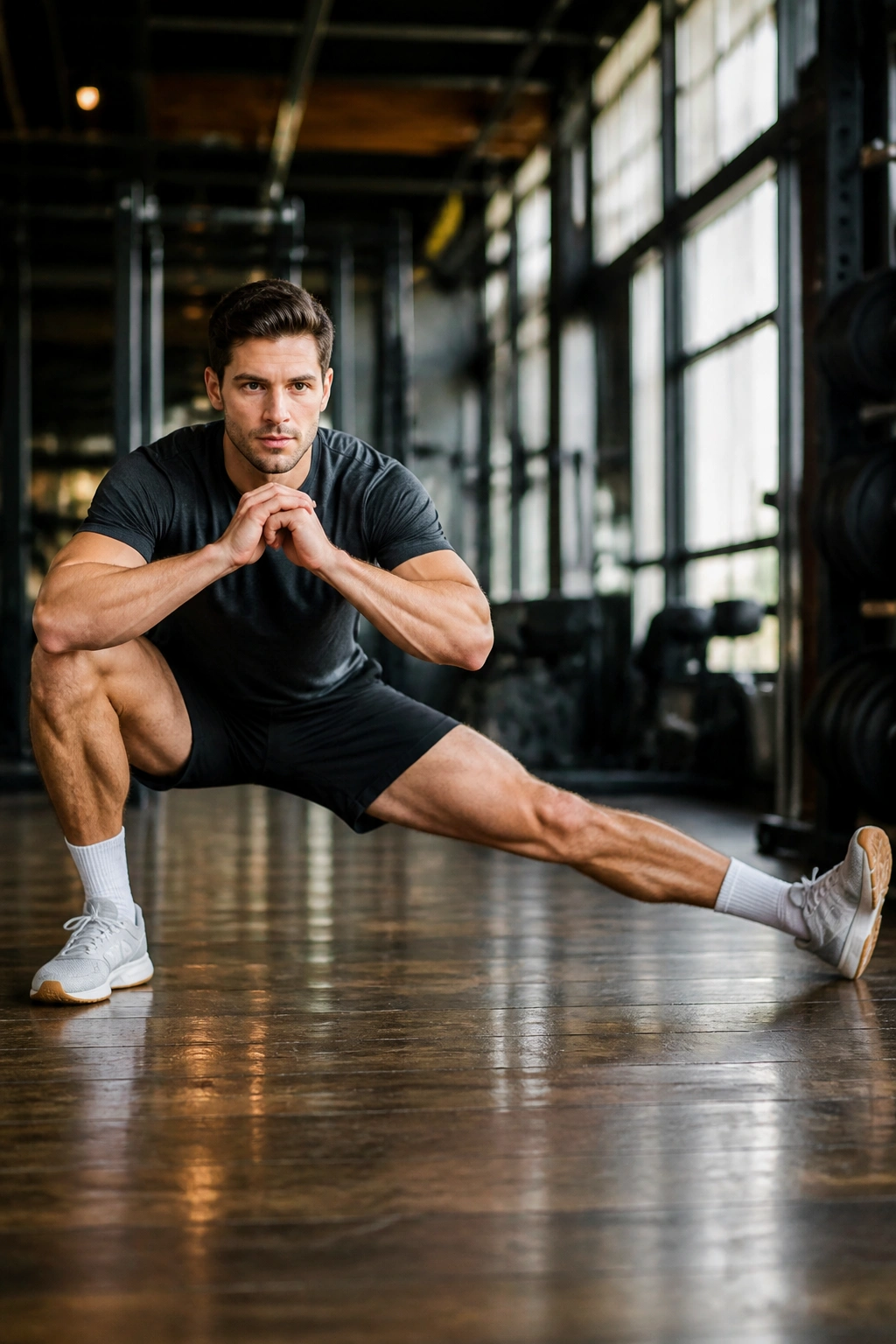
If you want to know if your adductors are actually strong, try a Cossack squat. This is a deep lateral squat where you go as low as possible on one leg while keeping the other leg fully extended with the heel planted. It is a mobility test disguised as a strength move.
Handling the Difficulty
This movement requires significant ankle and hip mobility. If you cannot get low without falling backward, hold onto a sturdy pole or squat rack for support. Use your hands to stabilize your body, but keep your focus entirely on the leg doing the work. You should feel a deep, intense stretch in the adductor magnus of your straight leg. This is not about speed; it is about controlled, deep-range strength.
8. Stability Ball Squeezes
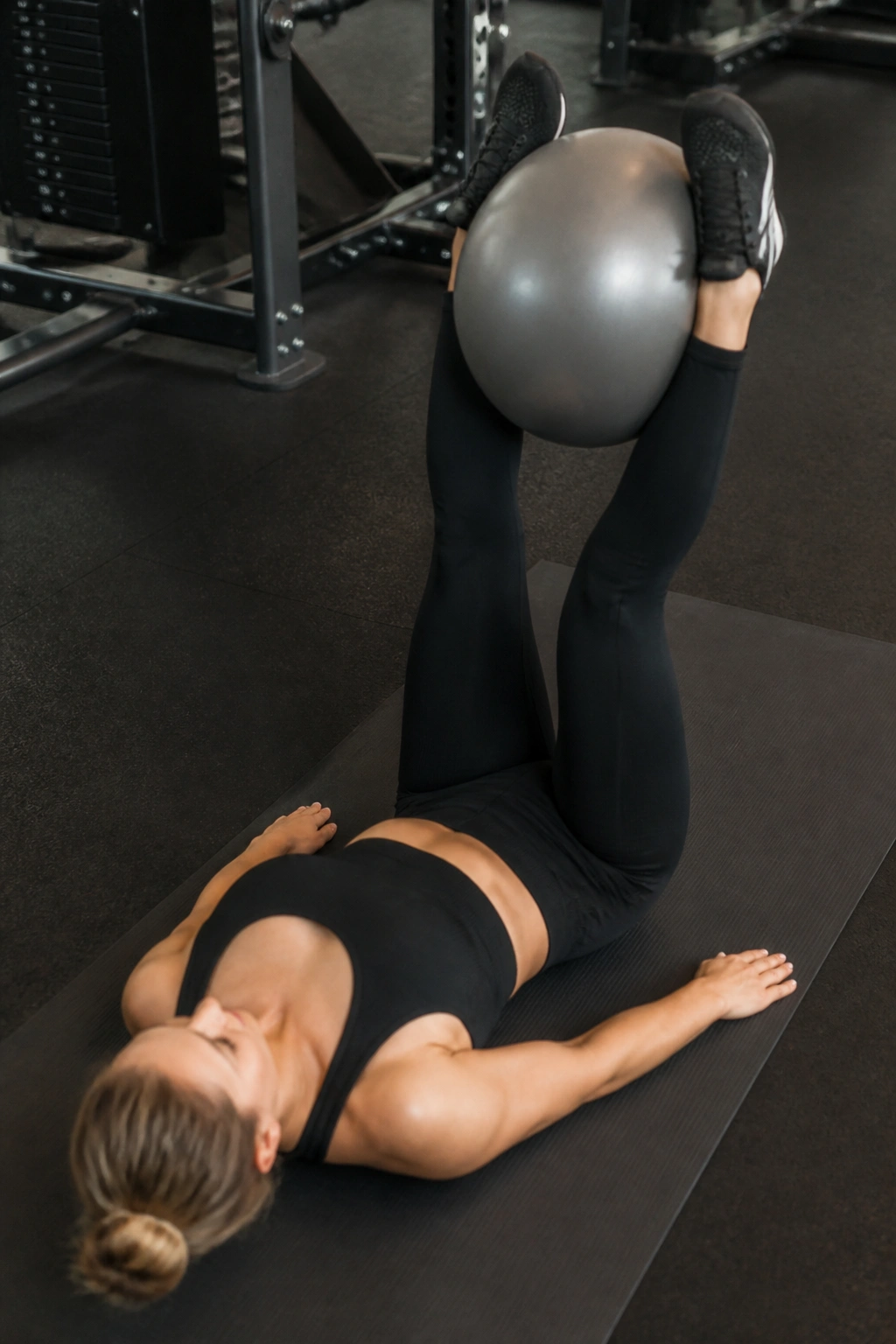
Using a stability ball for inner thigh work changes the lever arm of the exercise. Because the ball is large and requires a wider knee spread, you are able to engage different portions of the adductor complex. It also forces your core to engage to keep the ball from wobbling.
The Variation
Lie on your back, legs extended straight up to the ceiling, with the stability ball between your calves or ankles. Squeeze the ball and hold for five seconds. Release slightly, but do not let the ball drop. Repeat this for 10 to 15 reps. This creates a massive amount of metabolic stress in the lower thighs, which is perfect for building endurance in those often-neglected smaller stabilizing muscles.
9. Scissor Kicks
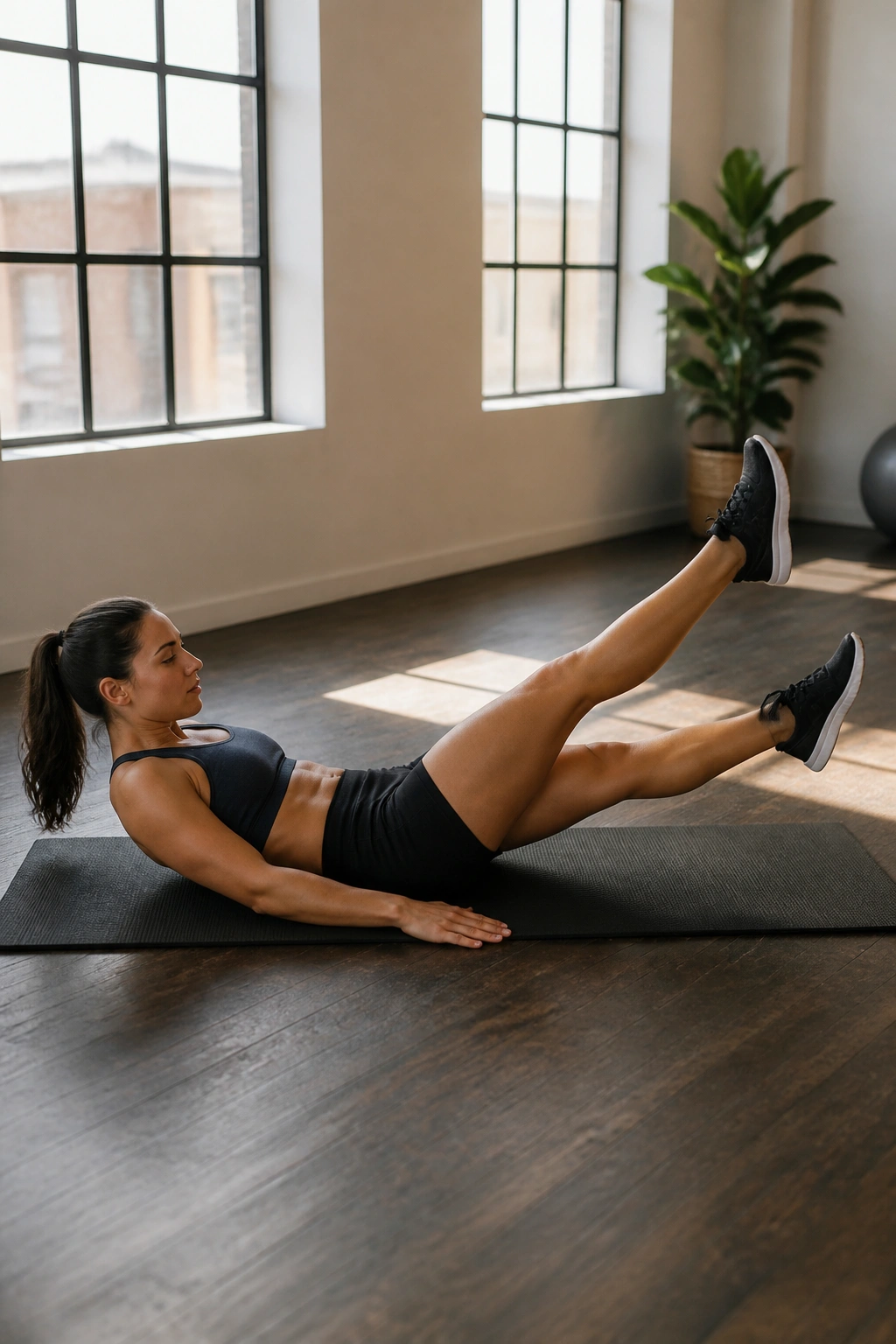
Scissor kicks are usually marketed as an abdominal exercise, but if you execute them correctly, they are a phenomenal adductor burner. The key is in the range of motion. Instead of tiny, rapid movements, perform long, slow, sweeping motions across your body.
The Focus
Keep your lower back pressed firmly into the floor. As you scissor your legs, cross them over one another, aiming to engage the inner thigh on each pass. If you feel this mostly in your hip flexors, try to focus on “squeezing” your inner thighs together as they cross. The intent to close the gap between your legs is what creates the tension, not the speed of the legs.
10. Sliding Disk Lunges
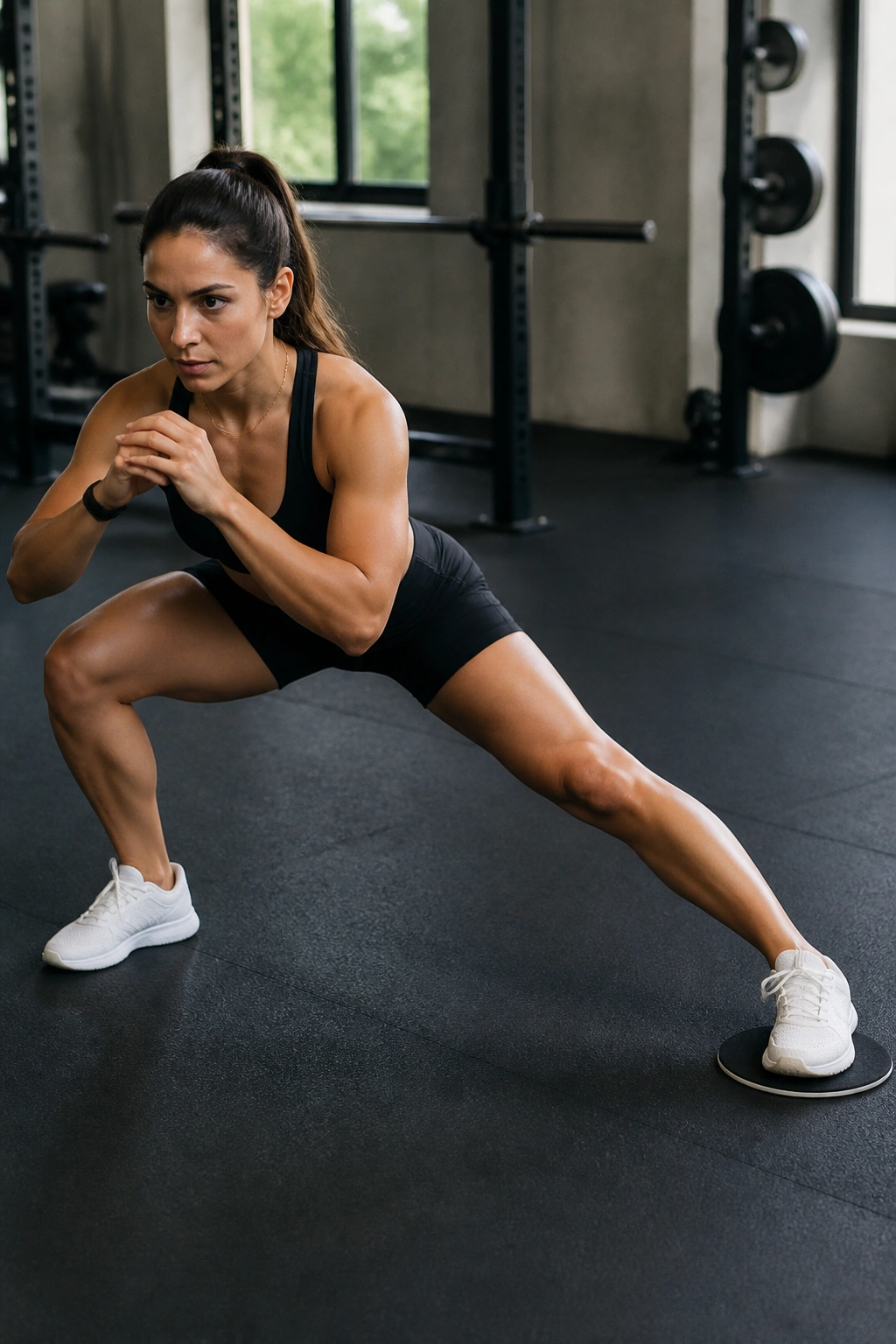
Friction is your friend when you want to isolate the inner thigh. Sliding disks—or even two paper plates on a carpeted floor—allow you to introduce a “controlled slide” that requires the inner thigh to pull your weight back toward the center. It is a closed-chain exercise, meaning your foot stays fixed, which is generally better for knee health.
The Technique
Place one foot on a disk. Step out into a lateral lunge, allowing the foot on the disk to slide out. Now, here is the work: use your inner thigh to pull that disk back to the starting position. You have to fight against the friction of the disk on the floor. It is essentially a seated adductor machine movement done standing up.
11. Side-Lying Leg Circles
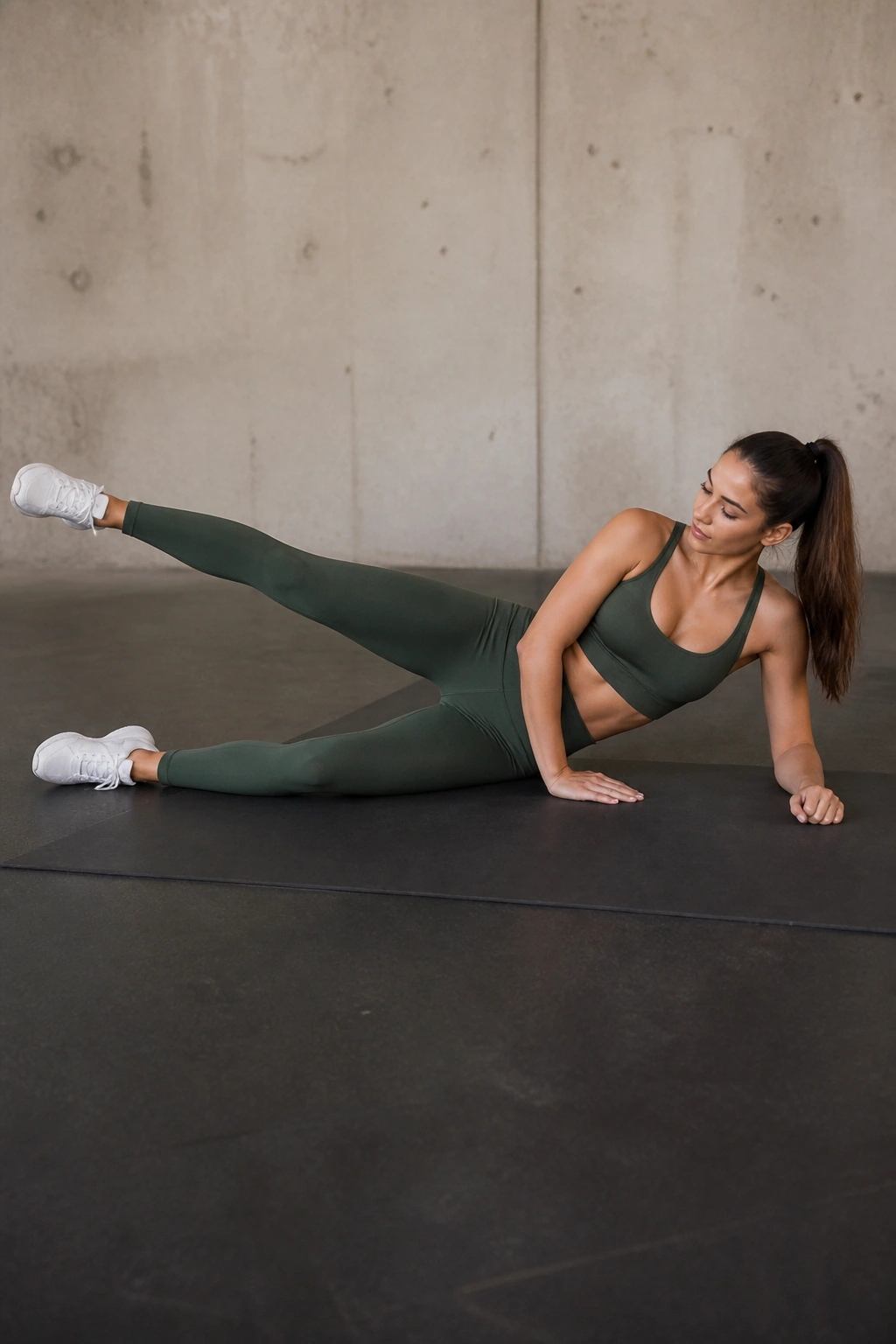
These are endurance builders. They aren’t meant to be heavy; they are meant to fatigue the muscle fibers through sustained, high-repetition movement. It is the kind of exercise that starts out easy and, after forty seconds, feels like your leg weighs a hundred pounds.
The Drill
- Lie on your side, legs stacked.
- Raise the top leg slightly and begin drawing small circles with your heel.
- Perform 15 circles clockwise, then 15 counter-clockwise.
- Switch legs and repeat.
The mistake: Don’t let your torso twist. The only thing that should be moving is your hip joint. If your upper body is swaying back and forth, you are using momentum and spinal movement to cheat the work. Pin your ribcage to the floor and isolate the movement strictly to the hip.
12. Frog Pumps
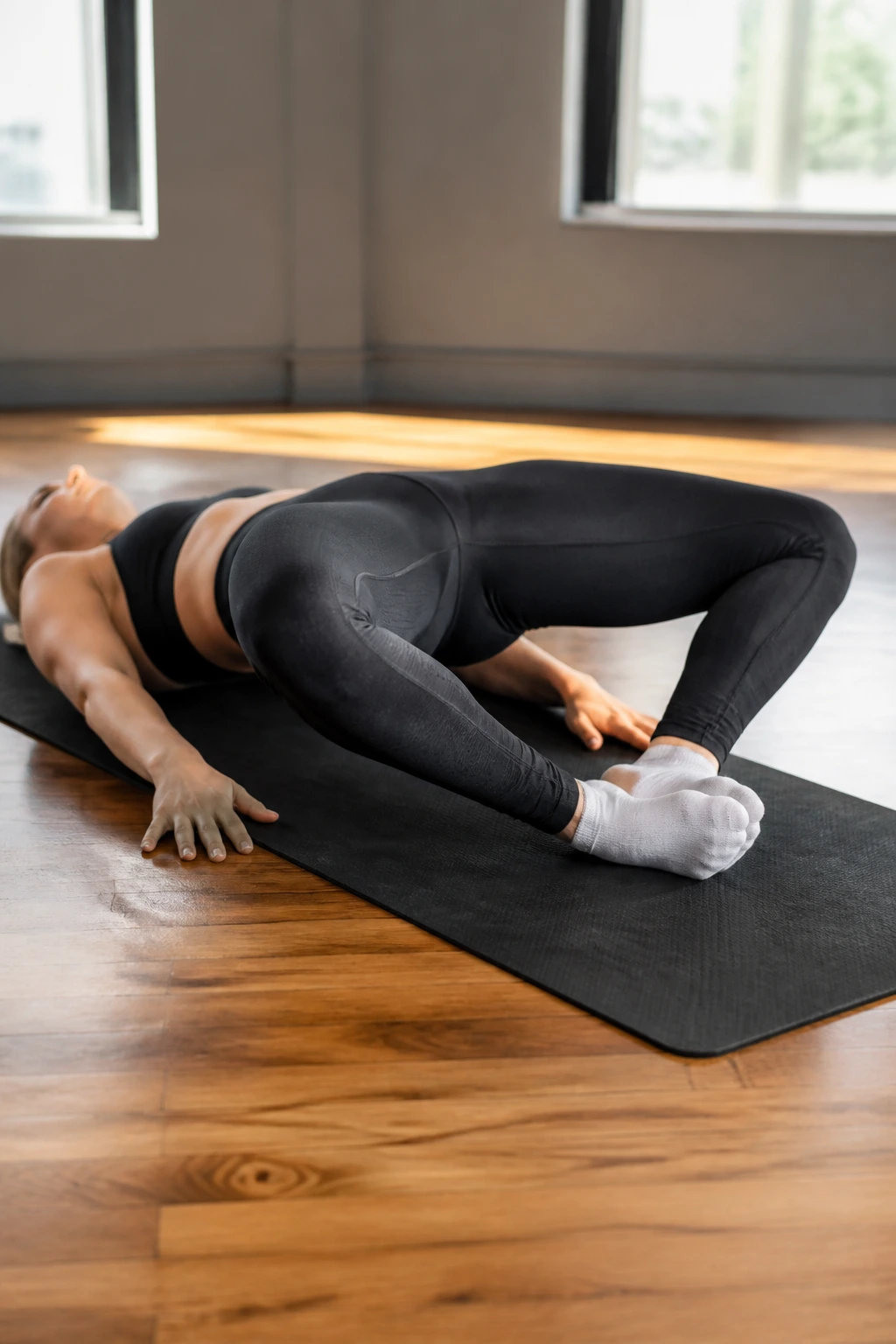
Frog pumps are a peculiar-looking exercise, but they are incredibly effective at targeting the deep hip adductors and the glutes simultaneously. By placing your feet together and knees out (the “frog” position), you essentially turn off the quads and force the inner thighs to manage the load.
Proper Form
Lie on your back, soles of your feet touching, knees out to the sides. Drive your heels together—literally push your feet into one another—and lift your hips. The act of pushing your feet together recruits the adductors, while the hip bridge recruits the glutes. It is a dual-purpose movement that saves time and maximizes muscle recruitment in a tight, shortened range of motion.
13. Standing Cable Adductions
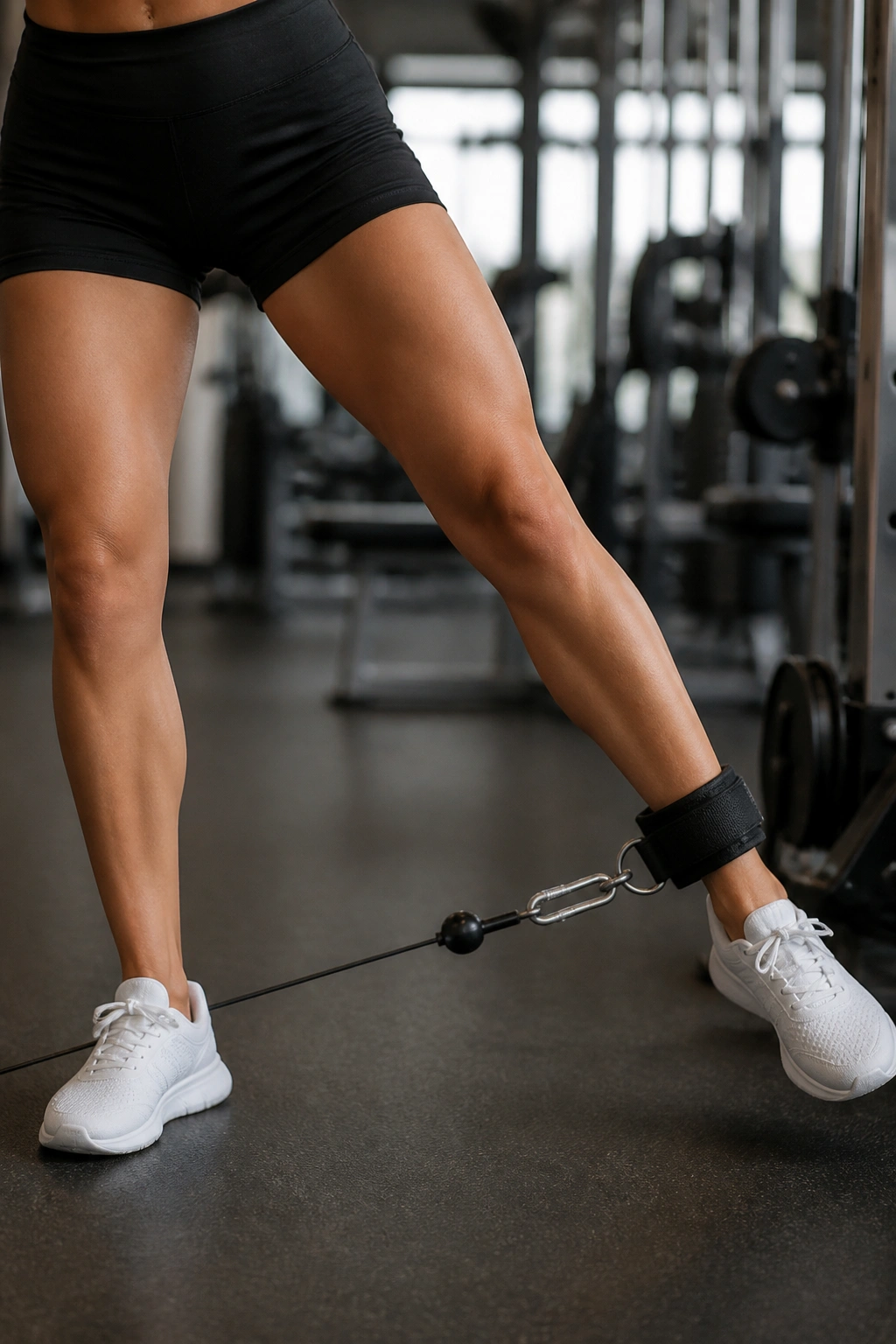
If you have access to a gym, this is the gold standard for isolated, resisted adductor training. Using a cable machine with a low-pulley setting and an ankle cuff, you can load the inner thigh with resistance that matches the muscle’s strength curve.
The Setup
Stand perpendicular to the cable stack, with the working leg closest to the machine. Bring the leg across your body, moving it toward the midline. The key is to avoid using your torso to generate momentum. If you find yourself swinging your hips to get the weight moving, the weight is too heavy. Drop the stack, slow the movement down, and focus on the squeeze at the point where your legs are closest together.
14. Resistance Band Adduction Walks
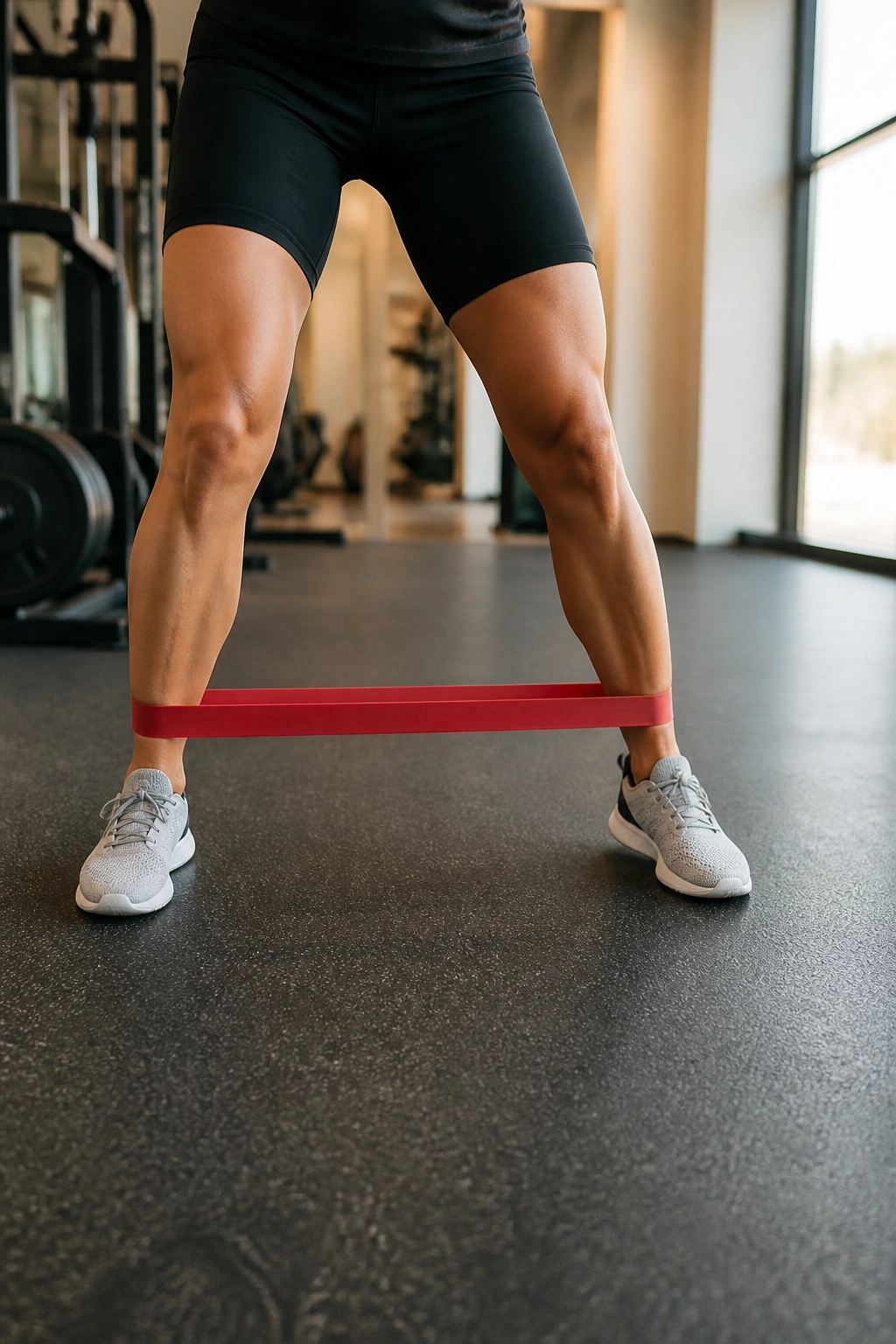
This exercise forces your inner thighs to stabilize your gait. Wrap a resistance band around your ankles and stand with feet hip-width apart, knees slightly bent. Take small, controlled steps to the side, maintaining tension on the band at all times.
Why this creates tone
The adductors are responsible for “bringing the leg to the midline.” By constantly fighting the band’s resistance as you step, you are performing endless repetitions of adduction. It is a fantastic finisher for a leg workout. Do not rush these steps; the goal is to feel the constant, twitchy fatigue in the inner thighs as they fight to prevent the band from pulling your legs together.
15. Wide Stance Box Squats
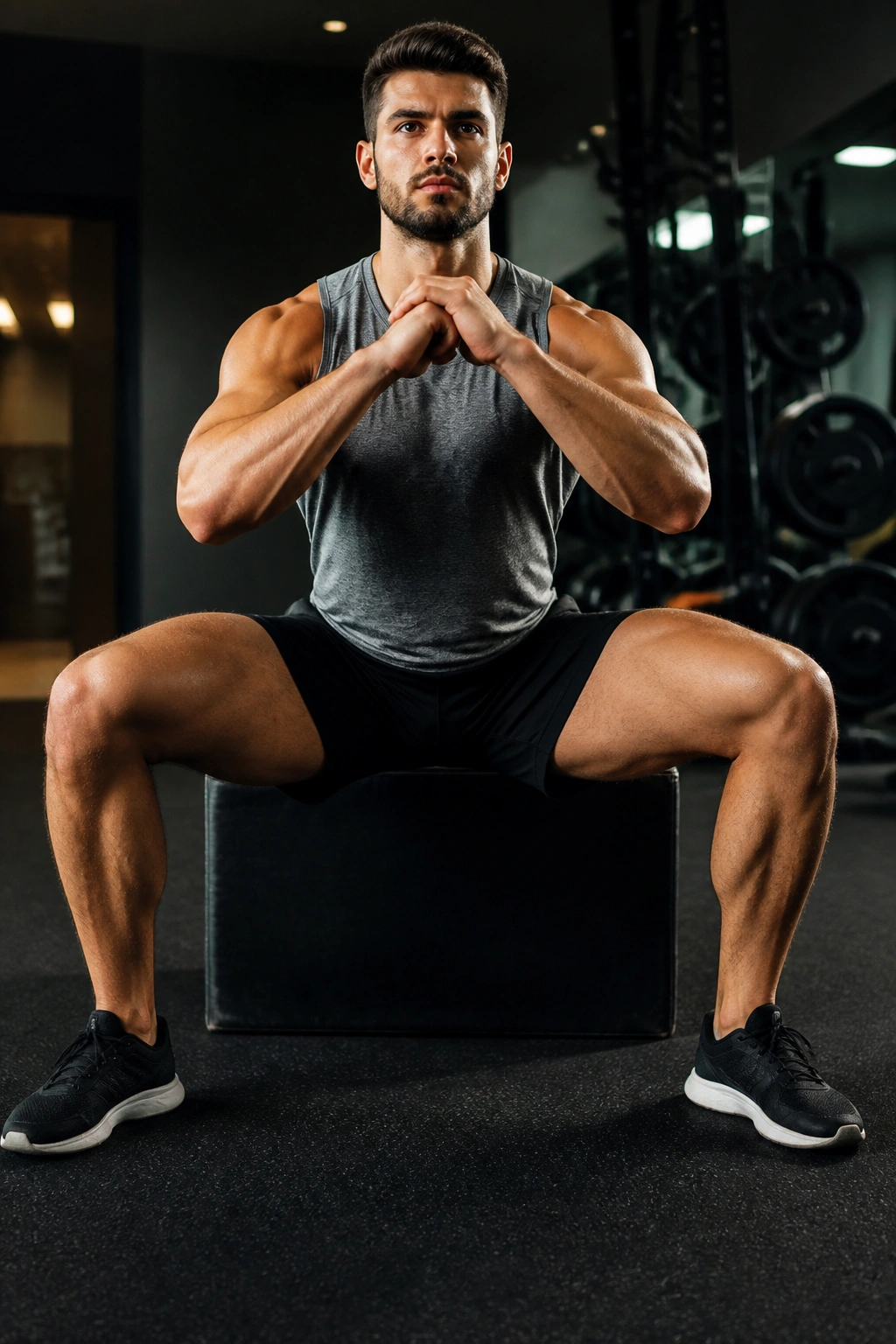
Box squats teach you how to sit back into your hips, but when you widen that stance, they become an incredible adductor builder. The box provides a target, which allows you to safely sit deeper into the movement without fear of losing your balance.
Executing the Box Squat
- Set your feet wide.
- Sit back until your glutes touch the box, but do not relax completely.
- Maintain tension in your inner thighs as you sit.
- Drive up through your heels.
The box forces you to come to a near-stop at the bottom. This eliminates the “stretch reflex” you get from a regular squat, meaning your muscles have to generate force from a dead stop. This is arguably the most effective way to build raw, functional strength in the inner thigh complex, as it forces the muscles to work without the help of kinetic energy.
Final Thoughts
Building toned, strong inner thighs is not about finding the one “perfect” exercise. It is about understanding that the adductors are dynamic stabilizers. They need to be worked in the frontal plane (lateral lunges), the transverse plane (curtsy lunges), and through isometric holds (ball squeezes). If you only ever do standard squats, you will never fully develop these muscles because you are mostly ignoring the side-to-side and rotational functions they were designed to handle.
Start by integrating two or three of these movements into your regular leg routine. You do not need to do all fifteen in one session; that would be overkill and counterproductive. Instead, treat your inner thighs like any other muscle group. Give them focused attention, track your progress by the weight you can handle or the number of reps you can perform with perfect form, and be patient. Muscle development is a slow, steady process. When you start to feel more stable during your heavier lifts and notice less knee discomfort, you will know the work is paying off. Consistency beats intensity every time, so keep showing up and doing the work.
