



There is a specific kind of optimism that comes with taping a piece of paper to your refrigerator. You mark off day one, perform your thirty air squats, and feel a surge of accomplishment. It feels simple. It feels manageable. By day five, the novelty starts to wear thin, and the repetitive strain on your quadriceps begins to announce itself. By day fifteen, you are not just doing a challenge; you are renegotiating your relationship with gravity.
Many people stumble into these monthly challenges expecting a dramatic physical transformation. They want the aesthetic payoff—the sculpted legs, the firmer glutes. Those changes do happen, of course, but the real, lasting results of a month spent squatting daily often surprise people in ways that have nothing to do with what they see in the mirror. You are training your nervous system, your joints, and your mental resilience as much as you are training your muscles.
The true value of this experience lies in the cumulative effect. Performing hundreds of squats over four weeks does not just build muscle; it reorganizes how your body carries itself through the world. You stop seeing a flight of stairs as an obstacle and start seeing them as a functional movement pattern you have already mastered. If you commit to the process, the payout is substantial. Here are eighteen of the most distinct, physiological, and practical results that typically emerge after completing thirty days of consistent squatting.
1. Increased Glute Definition
Most people start a squat challenge for the glutes, and they are usually rewarded for it. However, the result isn’t just about “getting bigger.” It is about recruitment. Many of us spend our days sitting, which turns our glutes into dormant tissue. A month of daily squatting forces these muscles to wake up and fire correctly. You will notice that your glutes feel firmer not just because you have added a layer of muscle, but because you have improved your neuromuscular connection to them.
Why This Happens
When you squat, you are putting your gluteus maximus through a full range of motion under tension. This is the primary driver of muscle adaptation. You are essentially teaching your brain to use your glutes to move your body, rather than relying solely on your quadriceps or lower back.
- Muscle Activation: You will likely feel a dull ache in your glutes by week two, which is a sign of consistent activation.
- Tone, Not Just Bulk: While thirty days is short for significant hypertrophy, you will see a reduction in soft tissue and an increase in density.
Pro tip: Slow down the eccentric phase—the way down. Taking three full seconds to lower yourself into the squat places significantly more tension on the glutes than just dropping down quickly.
2. Stronger Core Engagement
If you squat correctly, you aren’t just moving your legs; you are bracing your entire trunk against the load. Every repetition is a mini-plank. After thirty days, your core—specifically the transverse abdominis, which acts like a natural weight belt—becomes significantly better at stabilizing your spine. You will find that you don’t even have to think about tightening your stomach before lifting something; it becomes an automatic, subconscious reflex.
The Mechanics of the Bracing Breath
You cannot perform an effective squat without creating intra-abdominal pressure. This pressure pushes against your spine from the inside, protecting it. By the end of the month, your body has logged hundreds of repetitions of this protective maneuver. This is not about having a six-pack; it is about having a functional, supportive structure that makes everyday movements feel effortless.
- Posture Correction: Because your core is stronger, you will naturally stop slouching.
- Injury Prevention: This core strength translates directly to other movements, reducing the likelihood of straining your back while picking up groceries or playing with kids.
3. Improved Knee Stability
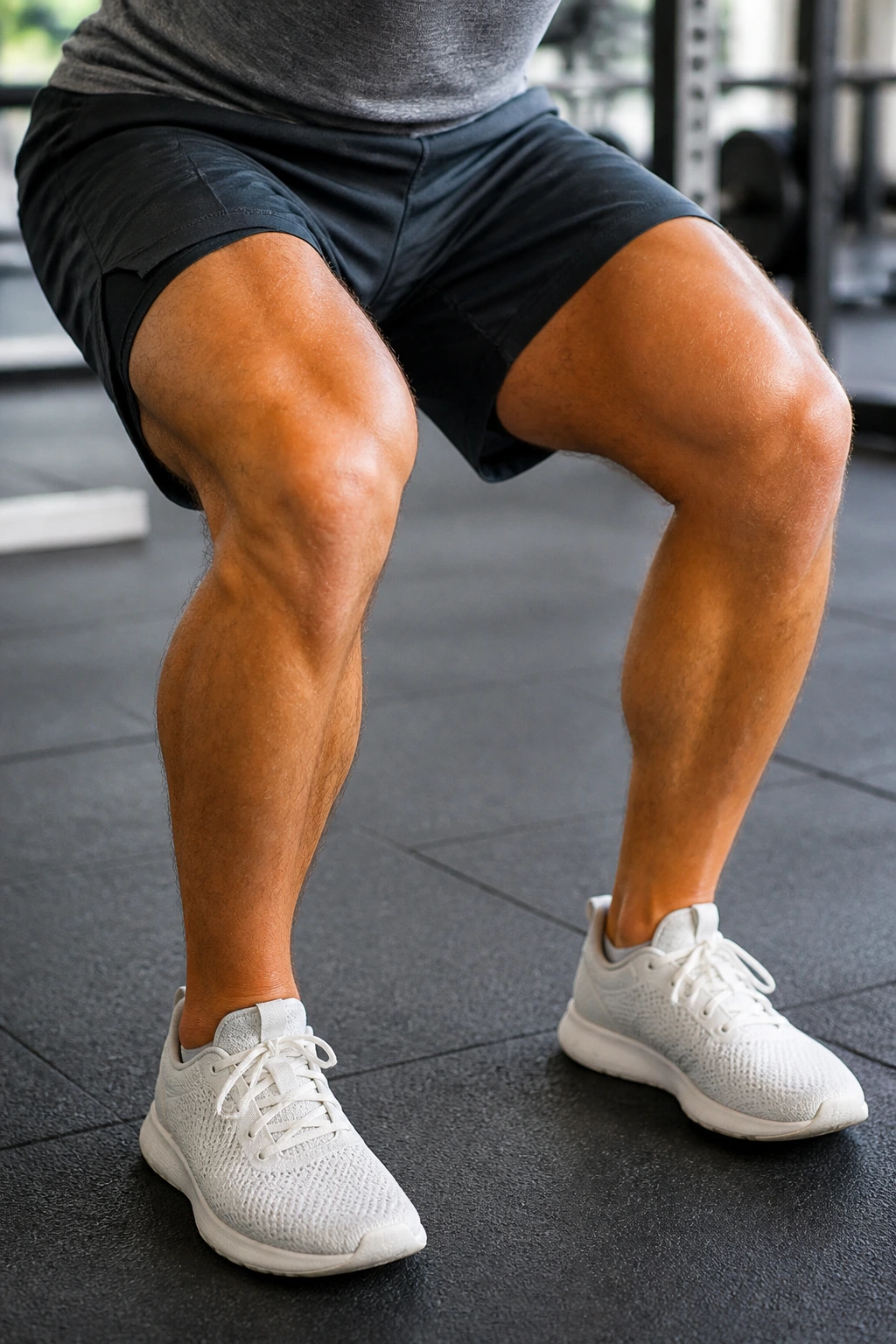
There is a common, persistent myth that squats are “bad for your knees.” In reality, the opposite is true. When performed with proper form—keeping your knees in line with your toes and avoiding collapse—squats strengthen the musculature surrounding the knee joint. Over thirty days, you are essentially fortifying the ligaments and tendons by consistently taking them through a safe, controlled range of motion.
Why Your Knees Benefit
The squat strengthens the quadriceps and hamstrings, which are the primary support systems for the knee. If these muscles are weak, the knee joint takes all the impact. By strengthening the “movers,” you offload the stress from the joint itself. You will likely notice that small aches and pains that used to crop up after long walks start to disappear as your joint stability improves.
4. Enhanced Lower Back Resilience
Lower back pain is often a symptom of weakness elsewhere. If your glutes and core are not doing their job, your lower back—a delicate and crucial structure—has to pick up the slack. By strengthening the posterior chain through squatting, you are giving your lower back a rest. It no longer has to overcompensate for your lack of posterior stability.
The Posterior Chain Connection
Your hamstrings, glutes, and lower back muscles work as a unit. When you squat, you aren’t isolating the back; you are training it to support your body weight during movement. This leads to a distinct feeling of “tightness” in the lumbar region that feels like strength rather than tension. It is the feeling of a spine that is properly supported by the muscles surrounding it.
5. Greater Range of Motion
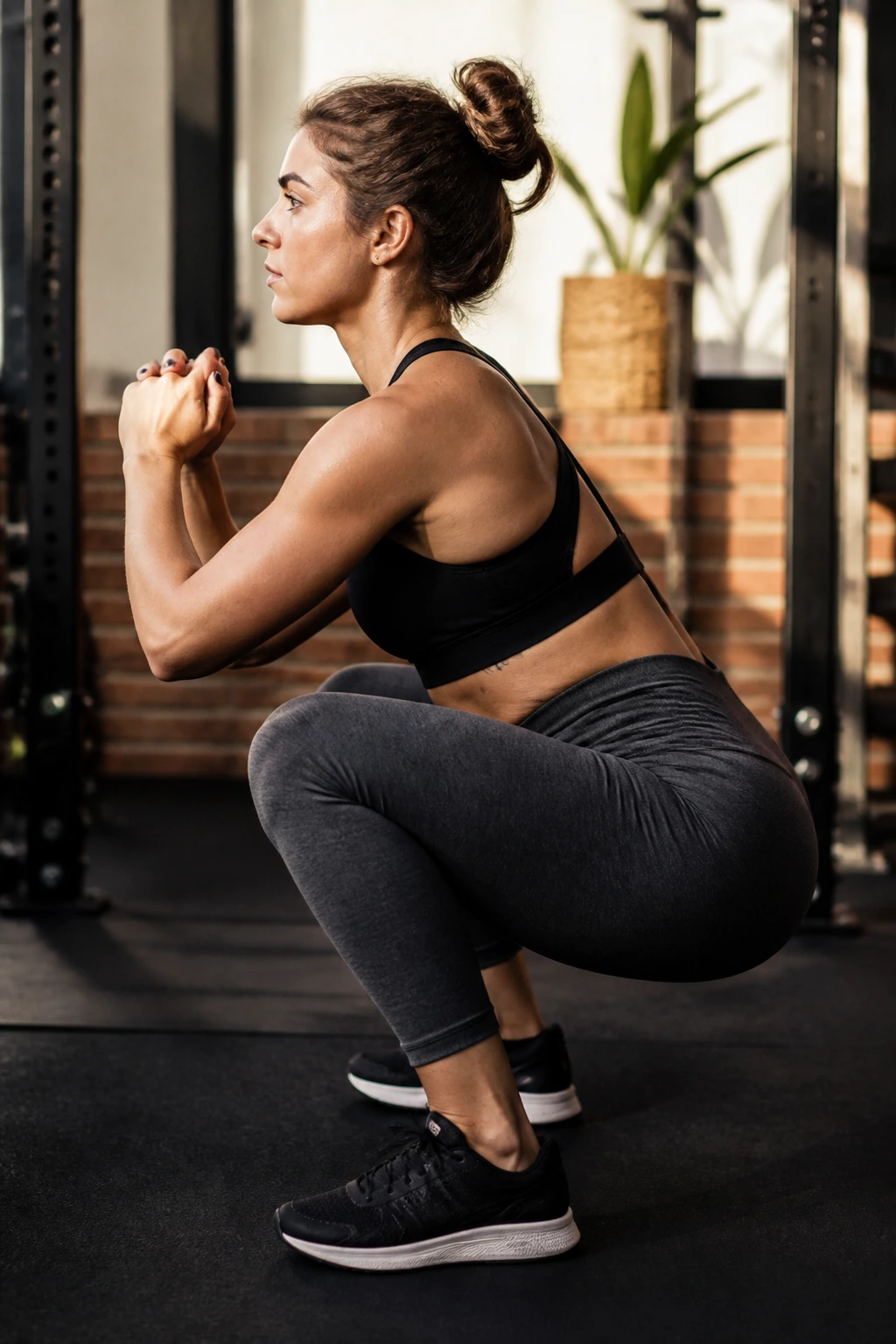
At the beginning of the challenge, you might find that you can only get your thighs parallel to the floor before your heels lift or your balance falters. By day thirty, you will find you can sink lower, more comfortably. This is the result of your tissues adapting to the repetitive demand. Your hips, ankles, and knees have all “learned” that they need to accommodate a deeper squat to complete the daily requirement.
Improving Mobility
This isn’t just about stretching. It is about dynamic mobility. You are stretching the muscles in the back of your legs and the front of your hips while they are under load. This is far more effective than static stretching alone for increasing the usable range of motion in your hips and ankles.
6. Better Functional Mobility
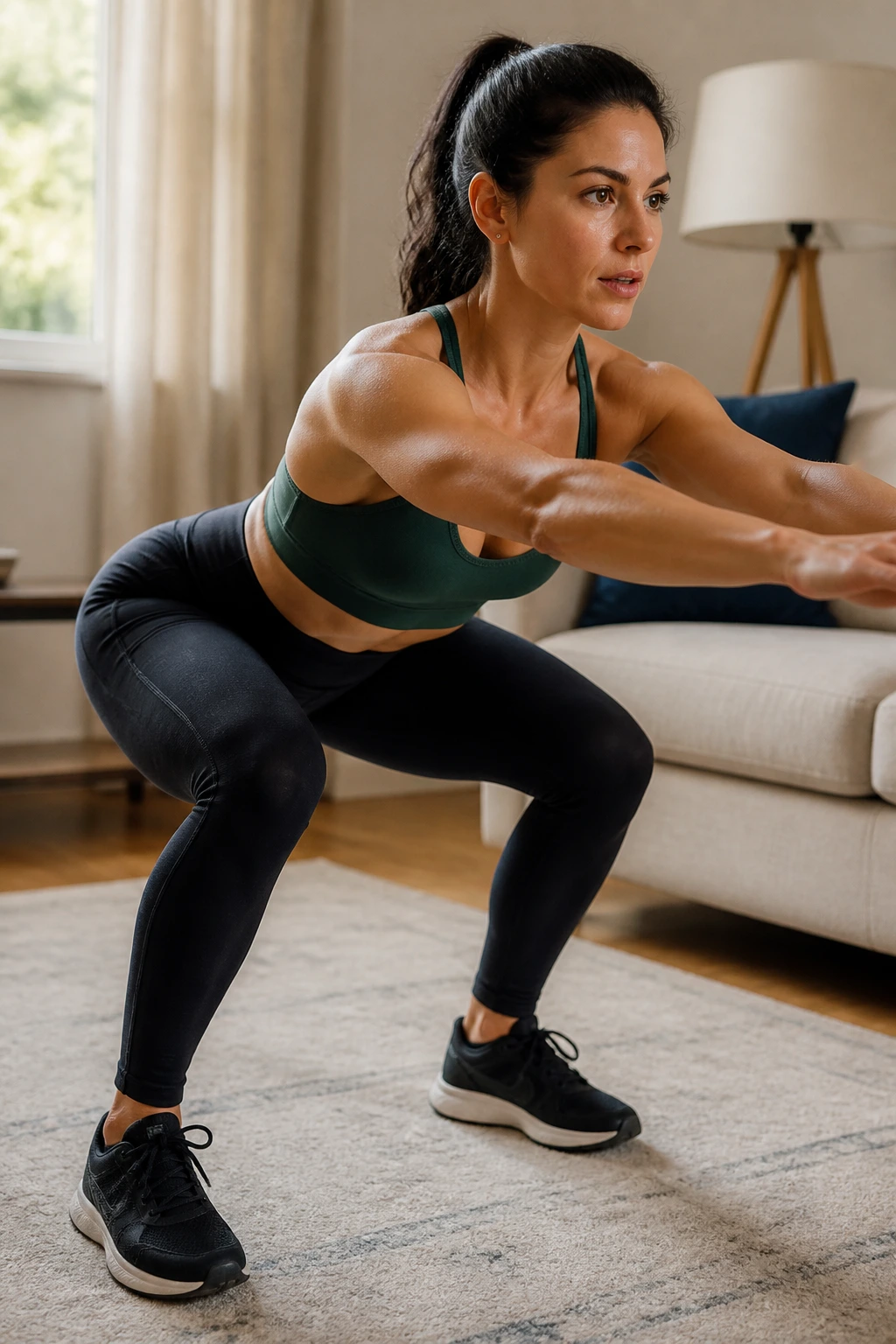
Functional mobility is the ability to move your body through space without discomfort, and it is the single most important metric for long-term health. A month of squatting is essentially a month of practicing one of the most fundamental human movements. You are essentially training your body to be better at being a human.
The Practical Payoff
Think about the last time you had to pick something up off the floor. Did you bend at the waist, putting massive stress on your spine? Or did you hinge at the hips and drop your center of gravity? After thirty days of squatting, your brain starts to default to the latter. You stop “bending” to pick things up and start “squatting” to pick them up. This is a subtle but massive win for your long-term spinal health.
7. Increased Metabolism
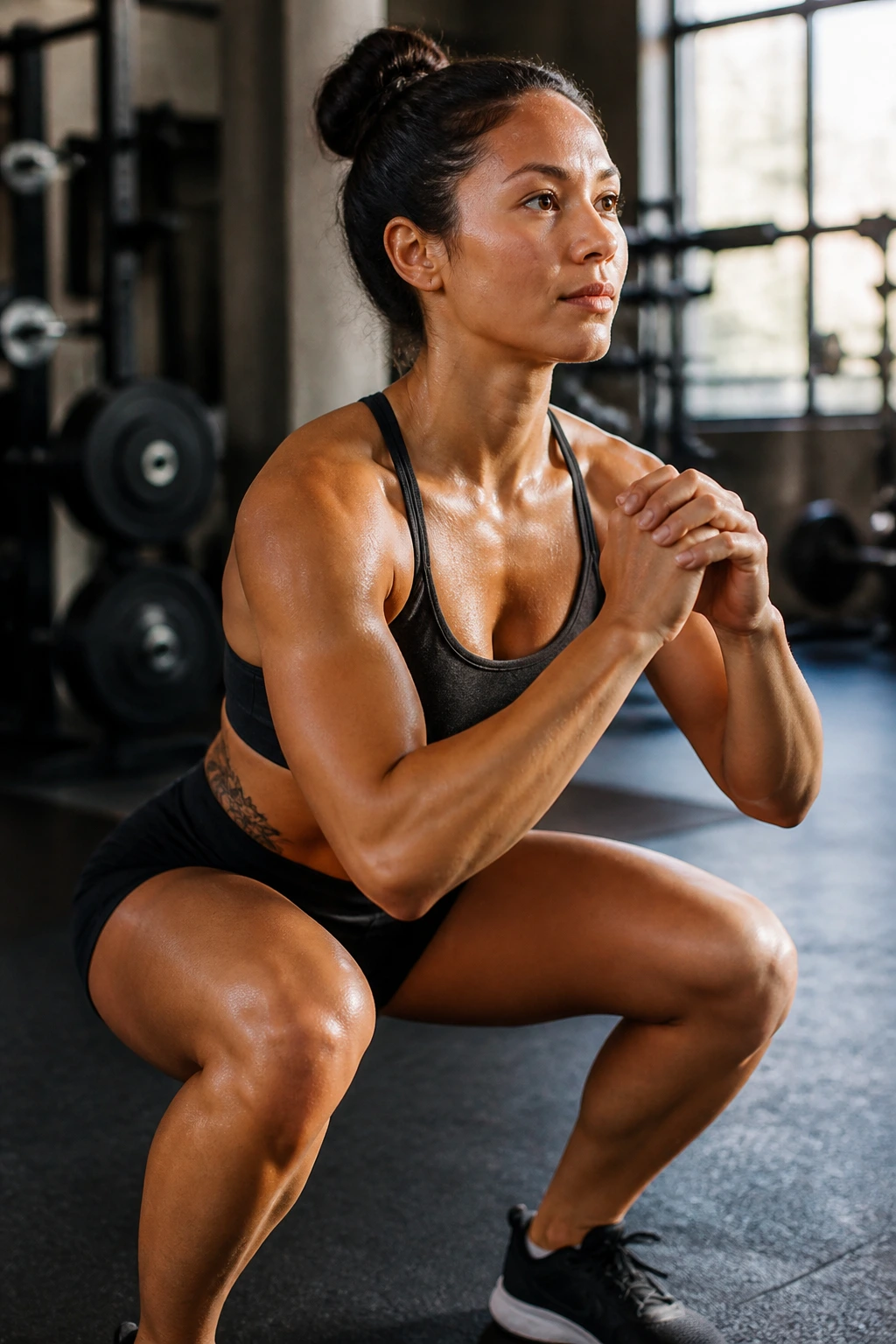
Squats use the largest muscle groups in the human body: the quadriceps, hamstrings, and glutes. Engaging these muscles requires significant energy—more energy than almost any other standard exercise. When you perform high-volume squats daily, you are creating a metabolic demand that persists even after you have finished your final rep.
The Afterburn Effect
While you won’t incinerate thousands of calories, you are increasing your metabolic rate. This is due to the oxygen cost required to repair the muscle fibers you have damaged during the workout. Think of it as a low-level engine fire that keeps burning for hours after your session. Consistent, daily use of large muscle groups is one of the most reliable ways to maintain a healthy metabolism without needing to spend hours in the gym.
8. Mental Discipline Gains

This is perhaps the most underrated result of any thirty-day challenge. Squatting every day is rarely about the physical difficulty of the first few reps; it is about the difficulty of showing up on day twenty-two when you are tired, busy, or just don’t feel like it. By completing the challenge, you are proving to yourself that you can follow through on a commitment.
The Habit Loop
The mental benefit stems from the consistency. You are carving out a habit loop: cue, routine, reward. By the end of the month, the “I don’t want to” voice becomes quieter, and the “I just do it” voice gets louder. This is a transferable skill. Once you realize you can tackle a physical challenge for thirty days, you start to believe you can tackle other challenges in your life with the same consistency.
9. Reduced Daily Fatigue
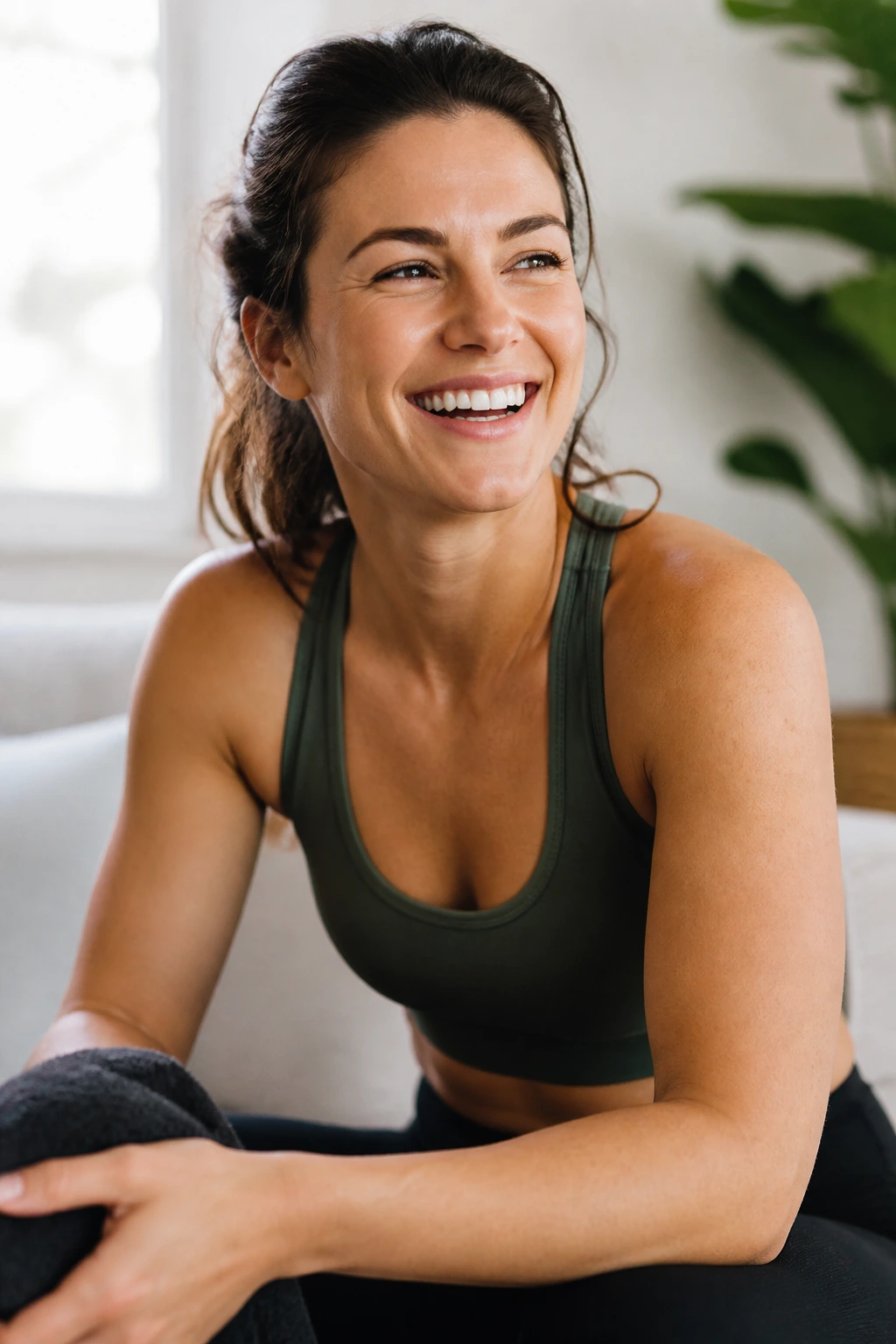
It sounds counterintuitive. How does adding a workout to your day make you feel less tired? The answer lies in your cardiovascular efficiency and your body’s ability to handle stress. Regular physical activity increases the number of mitochondria in your cells—the power plants of your body. The more efficient your mitochondria are at producing energy, the more energetic you feel throughout the rest of your day.
Energy Regulation
Furthermore, the daily movement helps regulate your blood flow. If you spend your work hours sitting at a desk, your blood tends to pool in your lower extremities. Squatting acts as a pump, forcing that blood to recirculate through your core and upper body. You will likely notice a “lift” in your energy levels shortly after finishing your daily set.
10. Better Posture Alignment
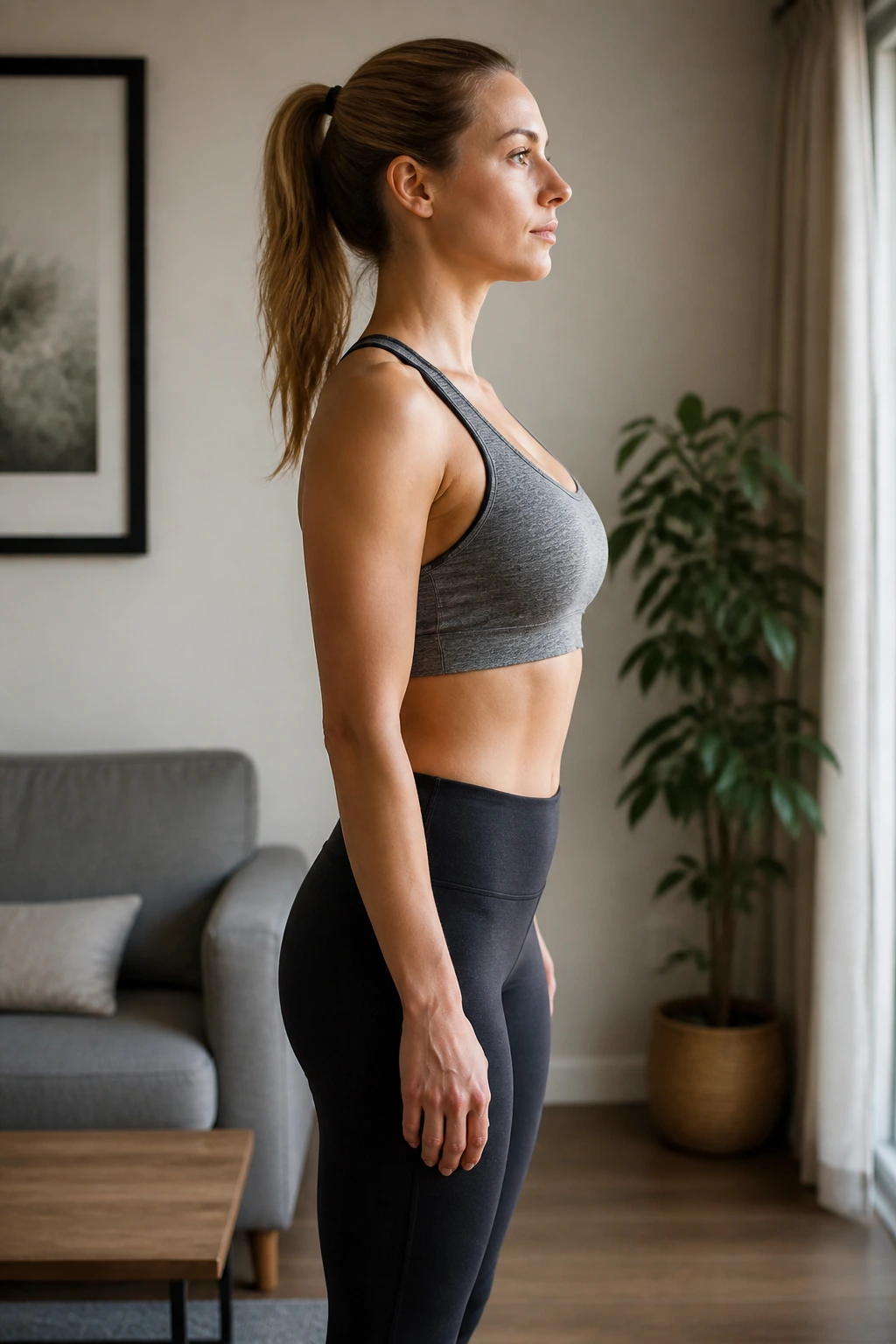
Posture is not just about “standing up straight.” It is about having the structural integrity to hold your body in a neutral position without conscious effort. When your glutes are weak, your pelvis tends to tilt forward (anterior pelvic tilt), which causes your lower back to arch excessively and your shoulders to round forward.
The Chain Reaction
As your glutes and core get stronger, your pelvis settles into a more neutral alignment. This neutral pelvis creates a domino effect up your entire kinetic chain. Your ribcage stacks better over your hips, your shoulders drop away from your ears, and your head stops jutting forward. You aren’t “fixing” your posture; you are fixing the muscular imbalances that were causing your posture to collapse.
11. Improved Balance and Coordination
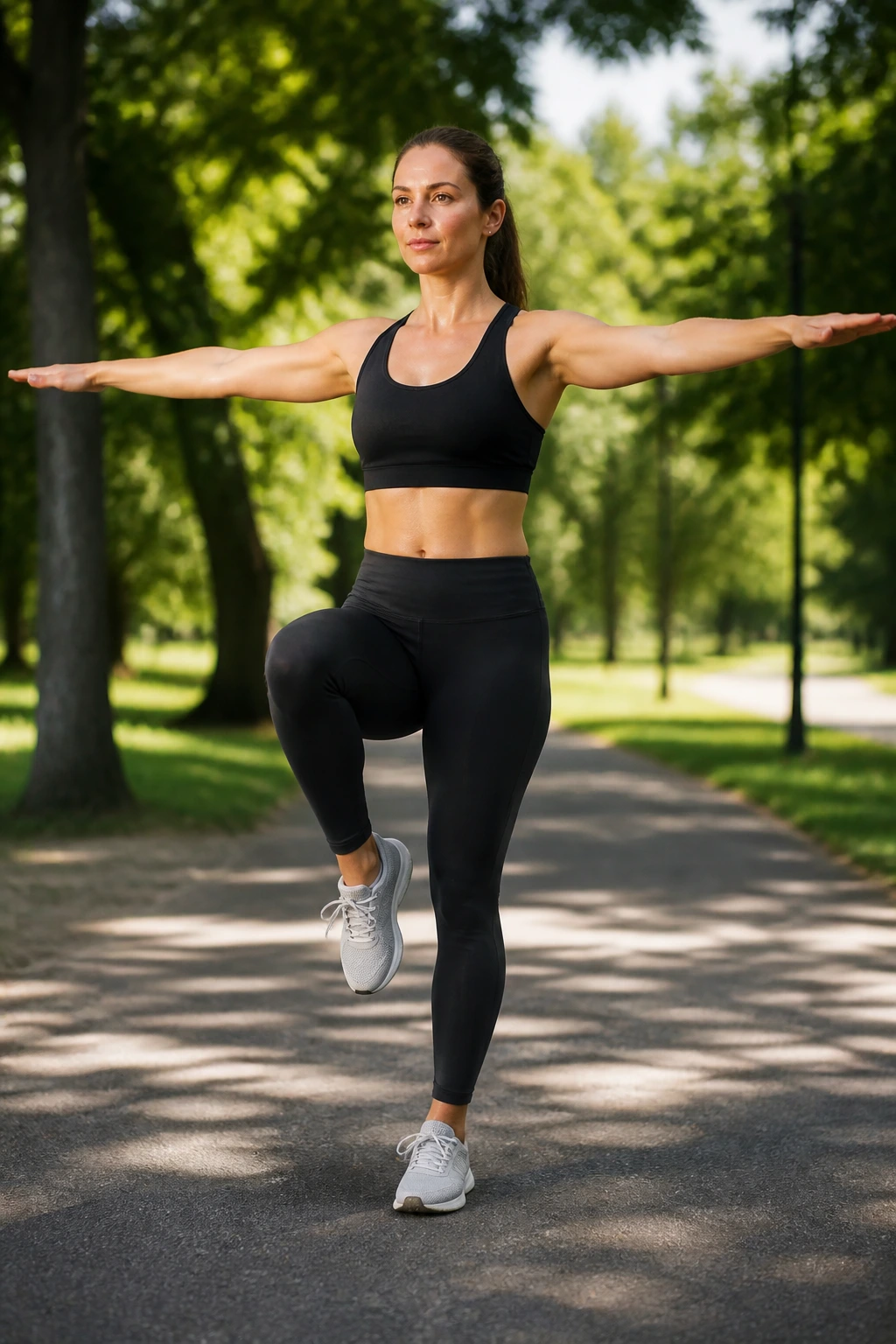
Squatting is not a static exercise. It requires constant, microscopic adjustments from your ankles, knees, and hips to keep your center of gravity balanced over your mid-foot. Daily practice refines this neuromuscular control. You are teaching your brain to be more aware of where your body is in space—a concept known as proprioception.
The Real-World Application
You will notice this when you are walking on uneven surfaces, stepping off a curb, or trying to stand on one leg to put on a sock. These mundane tasks become noticeably easier because your nervous system has been primed to stabilize you. It is a subtle, almost invisible improvement, but it makes your body feel much more “sure-footed.”
12. Increased Leg Power
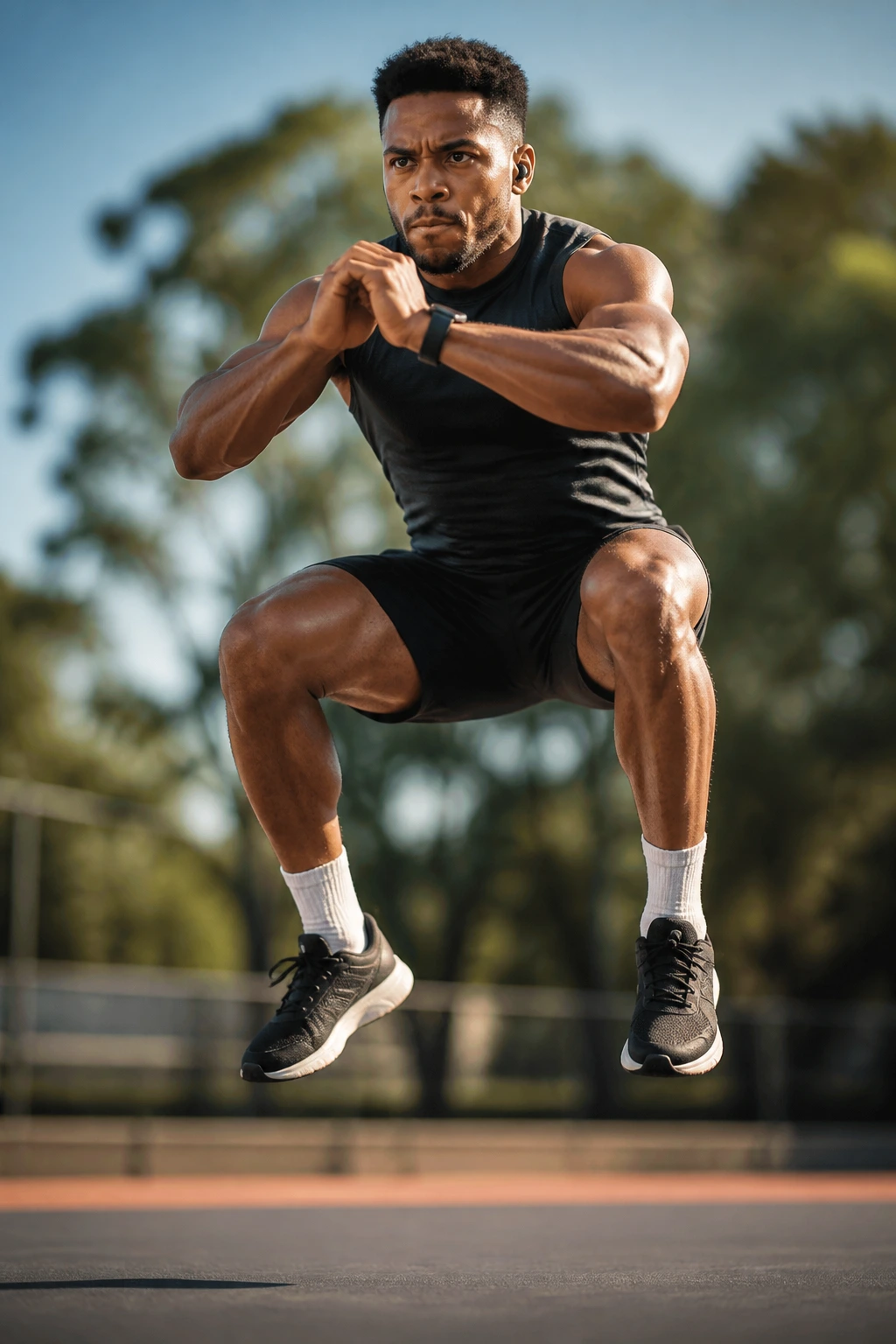
While a thirty-day challenge is not a powerlifting program, you are still performing hundreds of repetitions. This cumulative volume builds endurance and power in your legs. You will notice this when you walk up a flight of stairs or hike up a hill. Where you used to feel a burning sensation in your thighs, you now feel power and control.
Explosive Potential
This power comes from the recruitment of fast-twitch muscle fibers. When you push yourself through a set of squats—even air squats—you are engaging these fibers. Over a month, this trains your legs to generate force more effectively. You aren’t just enduring the movement; you are becoming capable of producing more work in less time.
13. Stronger Hip Flexors
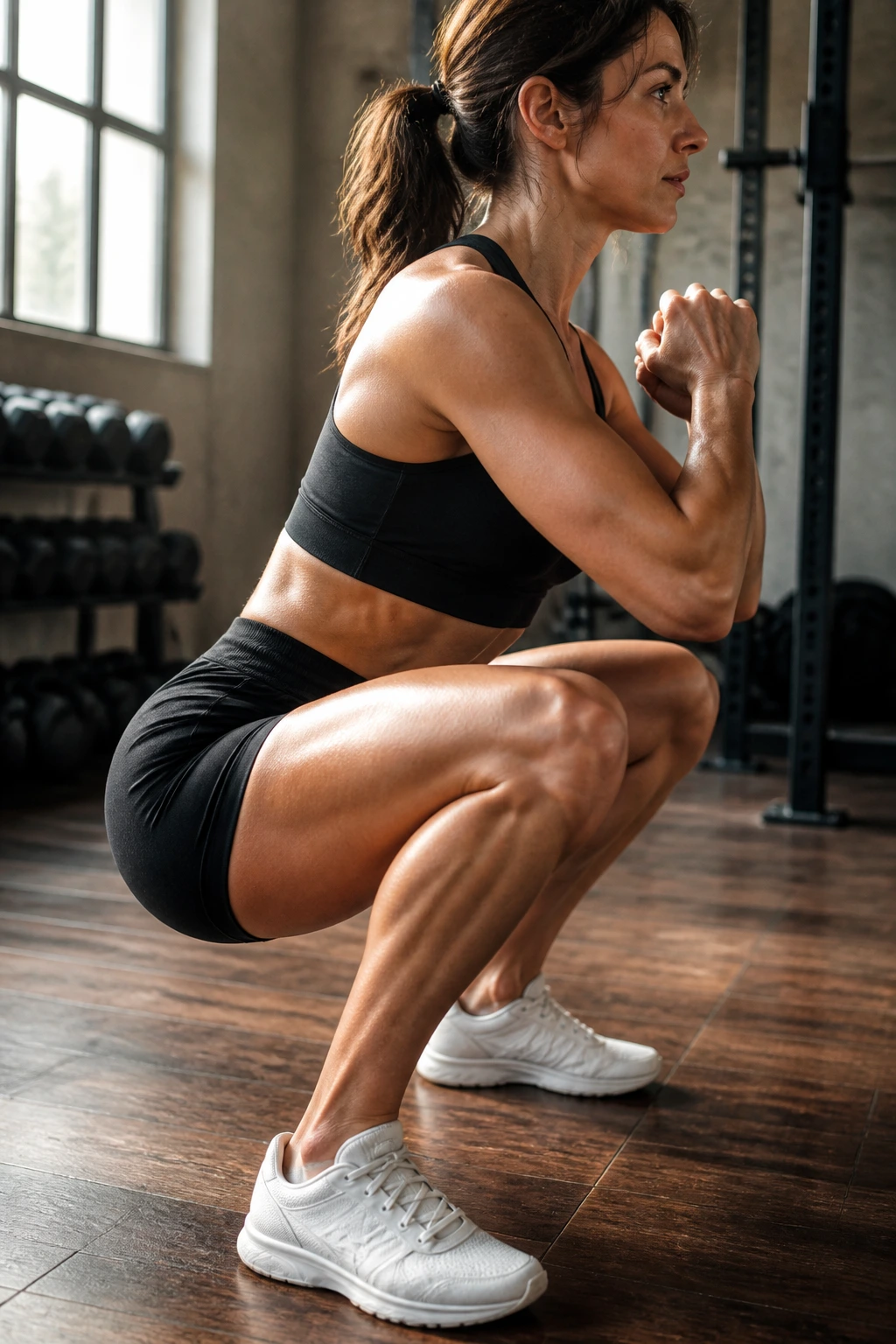
The hip flexors are often misunderstood. People think they are just “tight” and need stretching, but they are often weak. When you squat deeply, your hip flexors have to engage to pull your torso down and assist in the return to the standing position. Strengthening them through squatting can actually alleviate that “tight” feeling that comes from sitting all day.
The Synergy of Muscles
Your hip flexors work in tandem with your glutes. When the flexors are strong and mobile, they allow for a smoother squat. By the end of the month, you will likely find that your hips feel “freer.” It is a sensation of unlocking a joint that has been held hostage by inactivity.
14. Greater Bone Density Stimulation
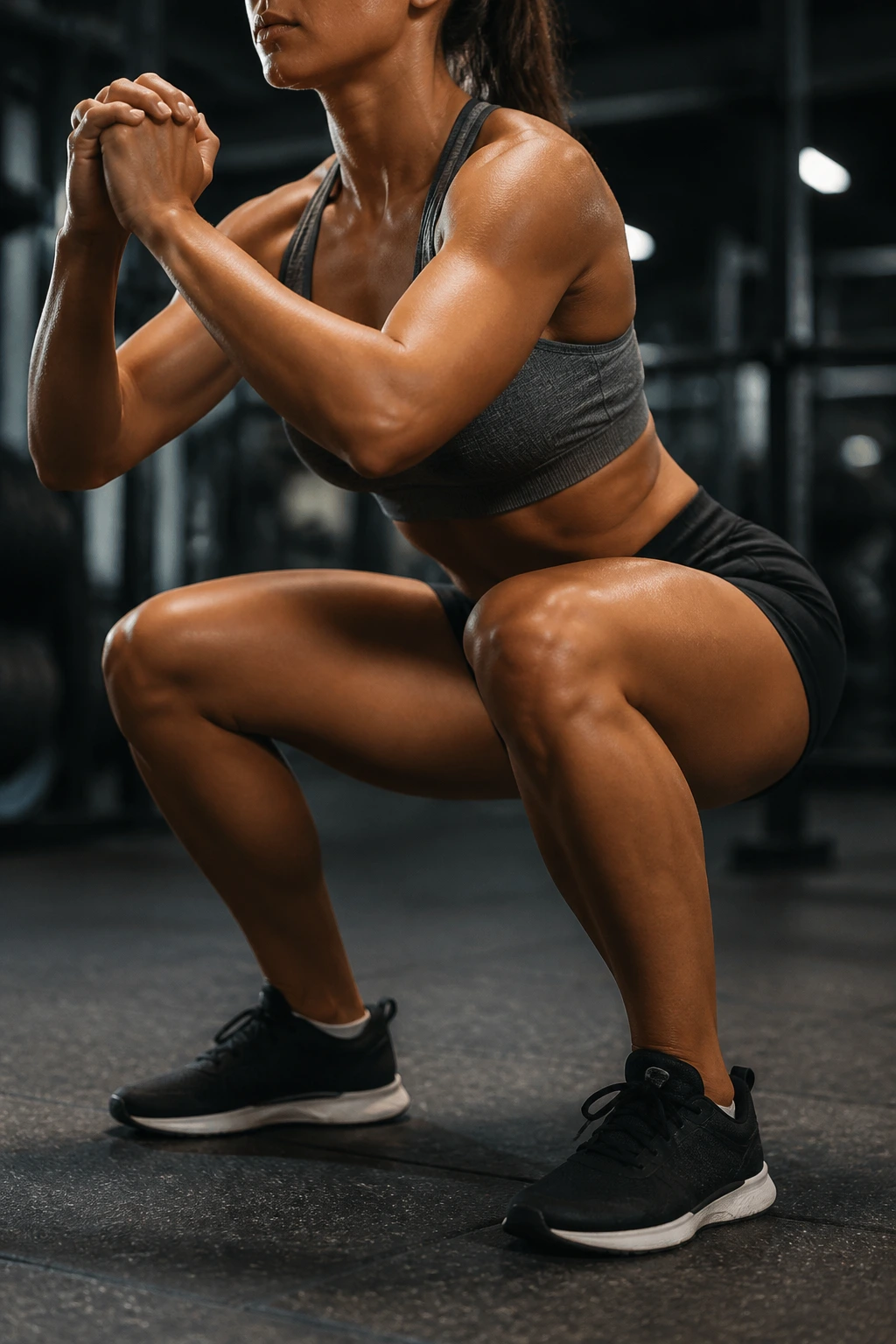
This is a long-term result, but the process starts from the very first rep. Bones are dynamic tissues; they respond to the loads placed upon them by becoming denser and stronger. This is known as Wolff’s Law. When you squat, you place a compressive load on your femurs, tibia, and vertebrae.
Building Resilience
Your body senses this compression and responds by depositing minerals into the bone matrix. While thirty days is not enough to dramatically alter your bone mineral density, you are signaling to your skeleton that it needs to be robust. Consistent squatting over time is one of the best preventative measures for maintaining skeletal integrity as the years go by.
15. Noticeable Calf Tone
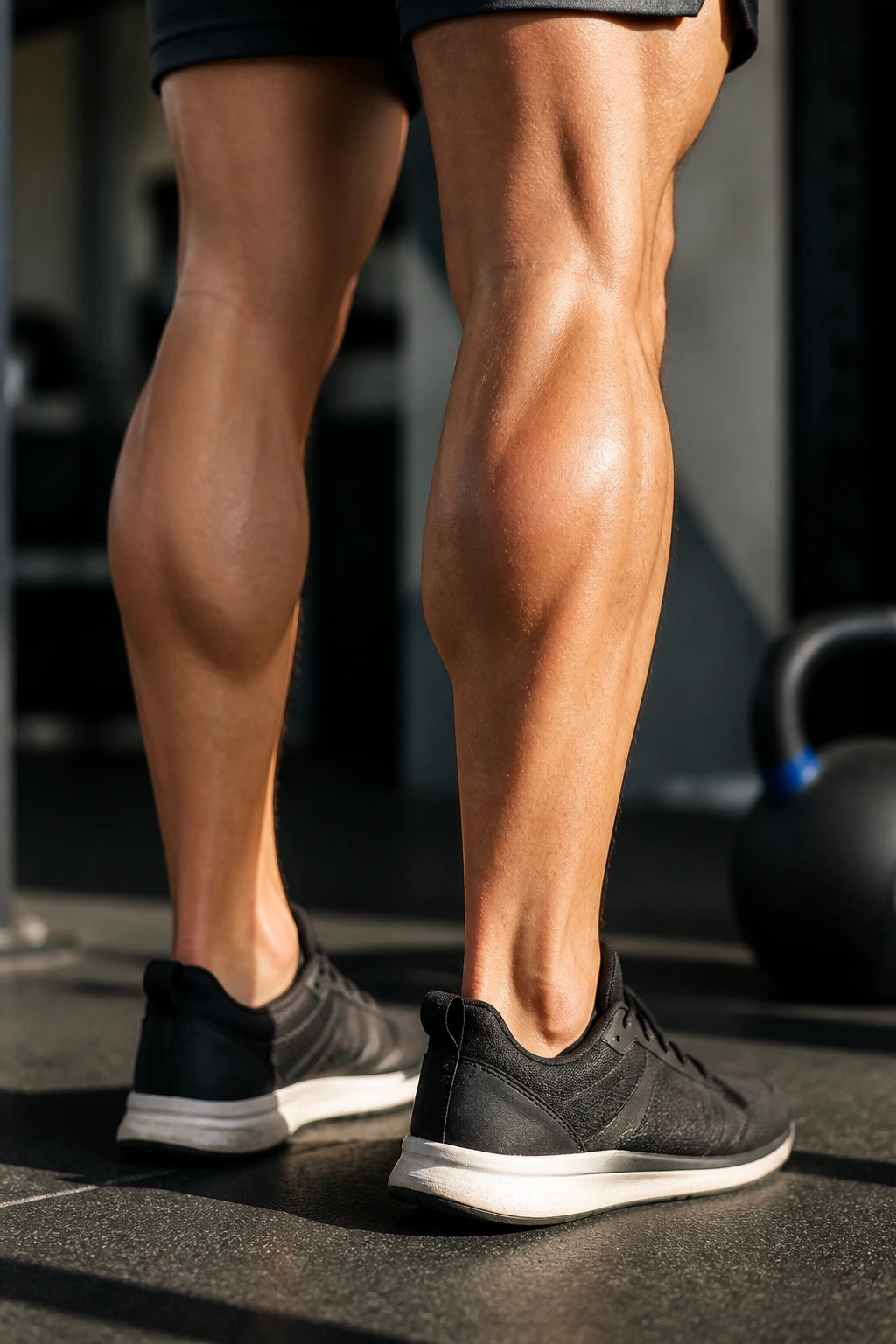
Many people forget that the calves act as the primary stabilizers for the squat. If your ankles are tight, your calves have to work overtime to keep your heels on the ground during the movement. You will likely feel a significant burn in your calves, especially if you perform the squats with good form and without lifting your heels.
The Stabilizing Role
Your lower legs are not just there to fill out your pants; they are the foundation. When you squat, your calves engage to balance you. By day thirty, this daily stabilization work results in a noticeable increase in calf endurance and muscle density, giving your lower legs a more defined, athletic appearance.
16. Increased Blood Circulation
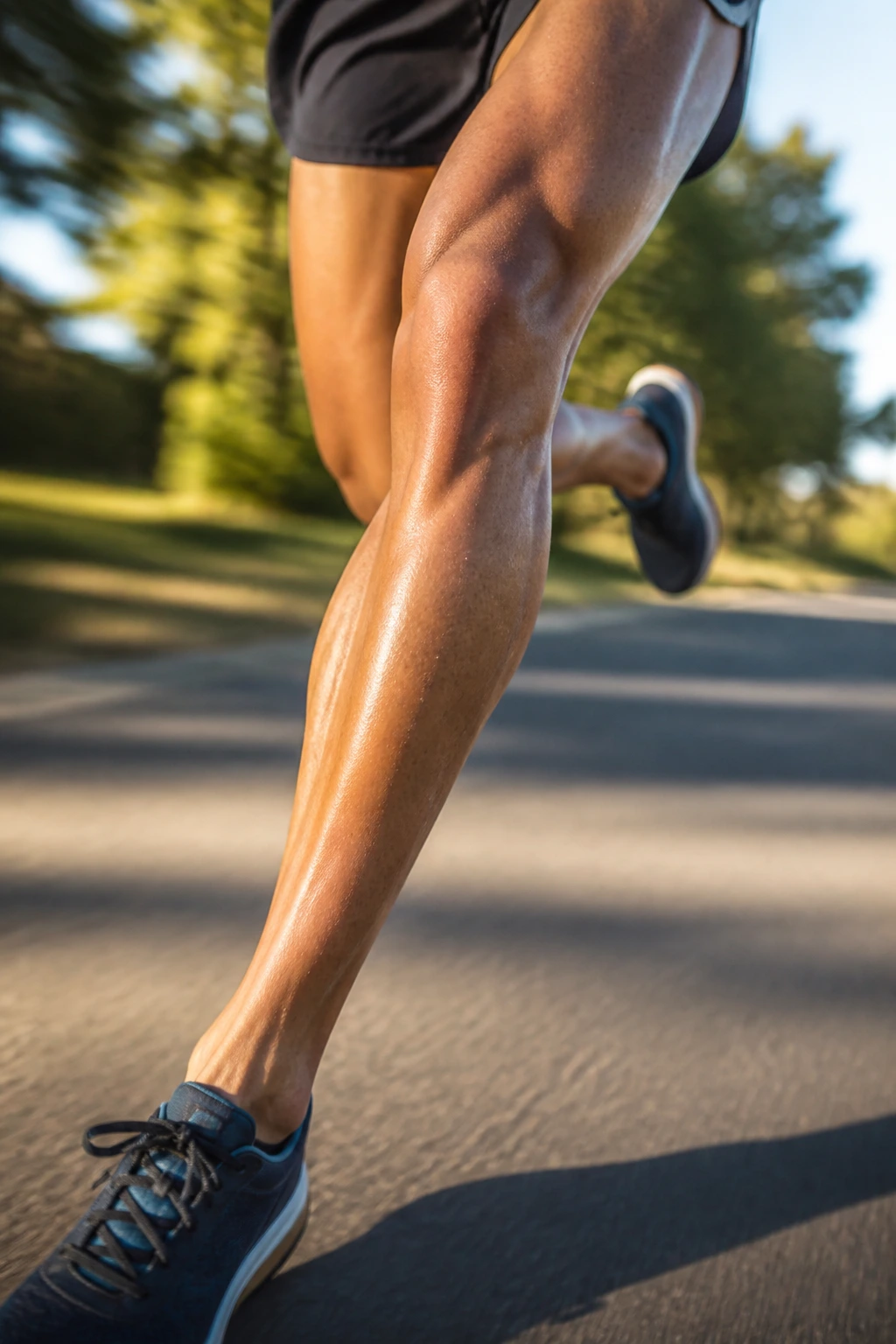
Your legs contain the largest blood vessels in your body. When you work the leg muscles, you are essentially opening up wide pathways for blood to flow. This isn’t just about oxygen delivery to the muscles; it is about overall cardiovascular health.
The “Second Heart”
The muscles in your legs are often called the “second heart.” Their contraction helps push venous blood back up toward the heart, which reduces the workload on your cardiovascular system. After a month of squatting, your circulation will feel more efficient. You might notice that your feet and hands stay warmer, or that you feel less lethargic during the mid-afternoon slump.
17. Improved Ankle Flexibility
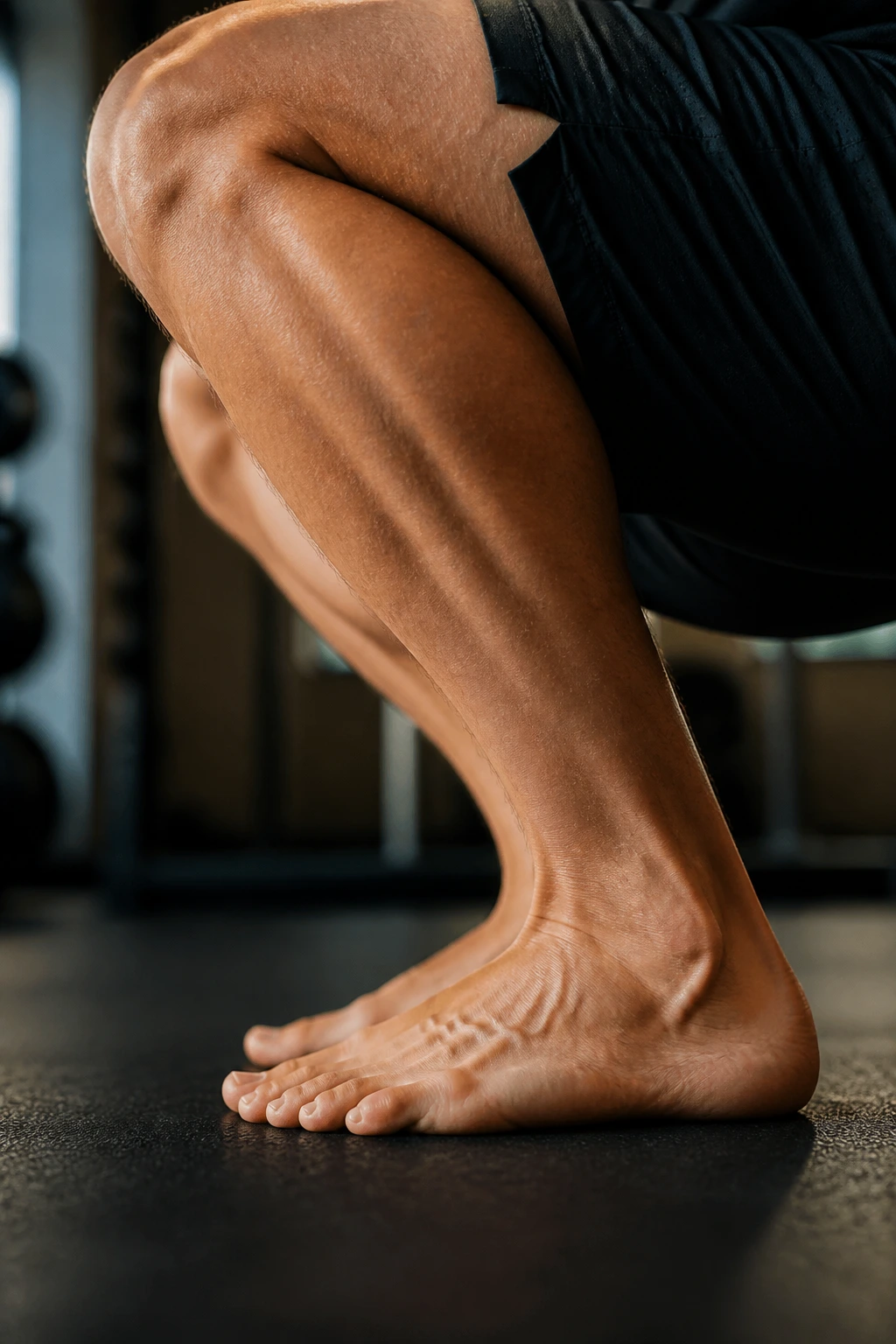
The ankle is often the bottleneck in the squat. If your ankles are stiff, you can’t get your knees over your toes, which forces your chest to lean forward excessively. Thirty days of squatting forces your ankles to dorsiflex—the movement where your toes pull toward your shin—repeatedly.
Earning the Depth
This daily, repetitive dorsiflexion gradually loosens the tight tendons and muscles around the ankle joint. You will find that by the end of the month, your squat form looks much cleaner. You are able to sit back and down with more upright posture because your ankles have “given” you the range of motion you were missing on day one.
18. Boosted Athletic Confidence

This result is purely psychological but profoundly powerful. When you look in the mirror after thirty days and see legs that look a bit firmer, or when you walk up a flight of stairs and realize you aren’t winded, something shifts in your brain. You start to see yourself as someone who does things, not just someone who wants to do things.
The Identity Shift
This confidence is the greatest takeaway. You have moved from a place of “should” to a place of “did.” That shift in identity—from a sedentary person to an active one—is what keeps the momentum going. The squat challenge is just a starting point. It proves to you that your body is capable of change, and that the only price for that change is consistency.
Final Thoughts
The beauty of a thirty-day squat challenge is not in the extreme, overnight changes that social media often promises. It is in the modest, cumulative reality of consistency. If you approach this with the idea that you are building a foundation rather than sculpting a statue, you will find far more success.
You will have days where your joints feel stiff and your motivation is non-existent. Push through the stiffness, but listen to your body if it signals genuine pain. The goal is to move, not to break. Keep your form tight, your breathing controlled, and your focus on the movement itself. By the time you reach the end of the month, you will likely find that you aren’t just done with the challenge—you are ready to start something else.
