



A 30-day ab and squat challenge sounds tidy on paper. Thirty days. A chart. Some sore legs. A little bragging rights at the end.
Simple doesn’t mean casual.
The trap is obvious: people chase the number of reps and forget that squats and core work are skills first, burn second. If your knees cave inward, your low back takes over, or your ab work turns into a neck tug, the challenge stops being training and starts becoming a grind. A smart version leaves you moving better, not just sweating harder.
That’s why the best 30-day ab and squat challenges don’t live or die on volume alone. They use the month to build cleaner reps, a stronger brace, better hip control, and enough recovery that you can keep showing up without feeling like you got run over by a truck on day nine. That balance matters more than any shiny rep ladder.
What a 30-Day Ab and Squat Challenge Actually Trains
A good 30-day ab and squat challenge is not really about abs in the beach-photo sense. It’s about teaching your trunk to hold shape while your legs do work. That’s a different job, and it matters more than people think.
Your “core” is not one muscle. It’s a group of muscles that help your spine stay steady while your arms and legs move. Squats ask those muscles to brace under load, even when the load is just your own body weight. If you do them well, your midsection learns to resist collapsing, twisting, or flaring out. That is useful in the gym, and it’s useful in daily life when you pick up groceries or carry a kid or stand up from a low couch without wobbling.
The squat side of the challenge
Squats train the quads, glutes, adductors, calves, and the trunk muscles that keep you upright. A challenge built around squats can improve leg endurance fast because you practice the same pattern over and over. That repetition is the point.
What people miss is that squats also teach coordination. A decent bodyweight squat asks your feet to stay planted, your hips to move back and down, and your ribcage to stay stacked over your pelvis. That’s a lot to manage at once. Easy looking? Sure. Easy to do well under fatigue? Not always.
The ab side of the challenge
Ab work is more than crunches. If the challenge is worth your time, it should include movements that resist motion, not just create motion. Planks, dead bugs, hollow holds, and side planks teach you how to stay stiff in the right places.
That stiffness is not a bad thing. It is control.
Why the pairing works
Squats and ab work fit together because they both reward bracing, breathing, and repeatable form. One teaches the lower body to produce force. The other teaches the trunk to transmit that force without leaking it all over the place. Put them together and you get a challenge that feels more like training than cardio cosplay.
Why Squats and Core Work Get Paired So Often
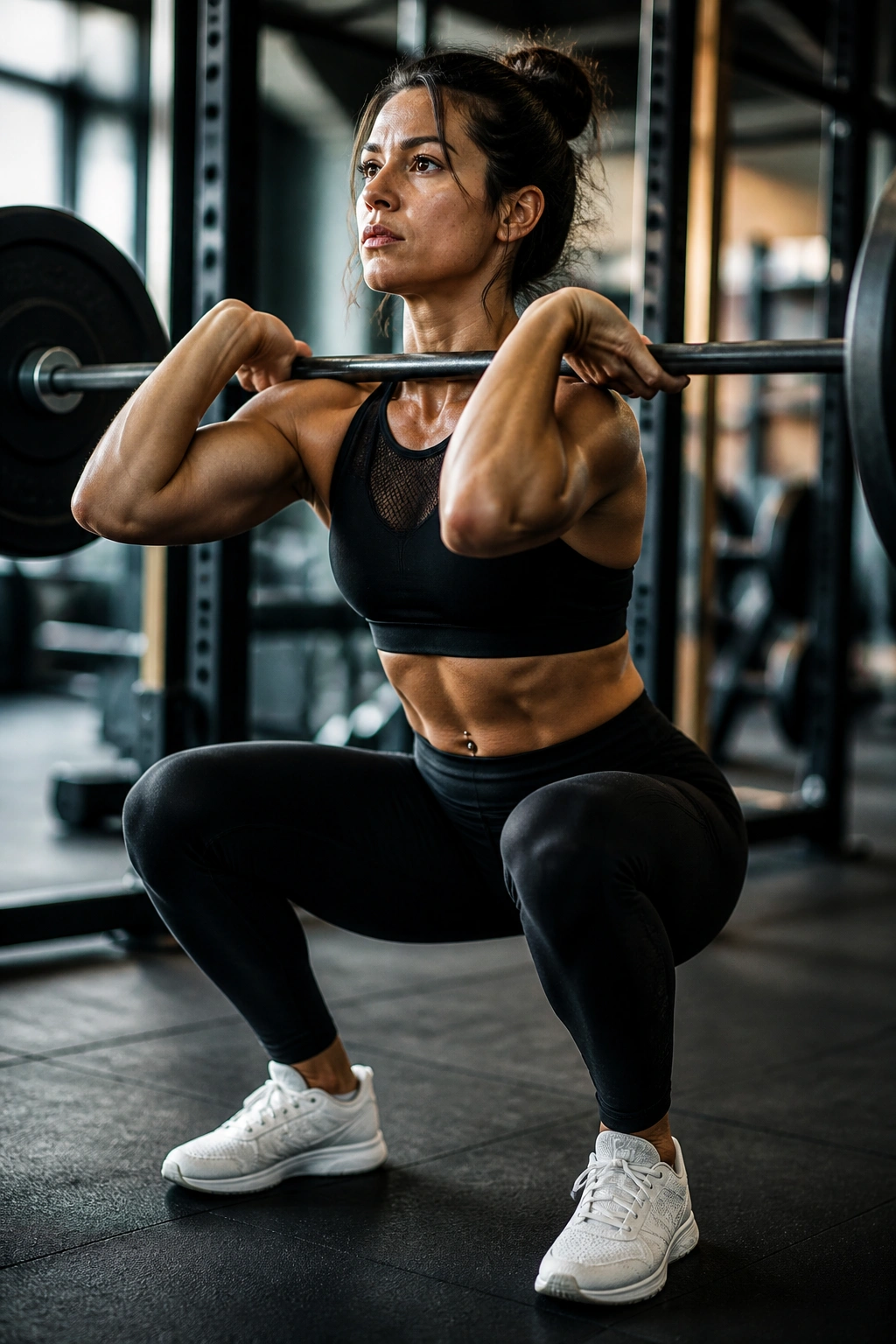
Why do these two show up together so much? Because they solve each other’s weak spots.
A squat without core control turns messy fast. Your chest drops, your lower back rounds, and your hips shoot up before your legs have finished their job. Ab work without leg training can turn into a tiny little island of effort that never really touches the rest of your body. Put them side by side and the feedback becomes clearer. You can feel when the brace gives out. You can feel when the legs stop contributing.
That feedback loop is useful. A challenge should give you feedback.
When I like a pairing like this, I usually think in terms of movement quality before muscle burn. Squats tell you whether your hips, ankles, and trunk are talking to each other. Ab work tells you whether you can keep your spine quiet when the rest of you wants to move. Together, they give you a rough but honest picture of how your body is handling load.
There’s another reason they work so well: both can be scaled without fancy gear. A chair squat, a slow air squat, a goblet squat with one dumbbell, a dead bug, a forearm plank, a side plank. That’s enough to cover a lot of ground.
A lot.
And that makes these challenges easy to follow, which is probably why people stick with them longer than a random mash-up of exercises they barely understand. The plan feels clear. The reps feel countable. The whole thing has a rhythm.
The Mistake That Turns a Challenge Into a Knee and Low-Back Annoyance
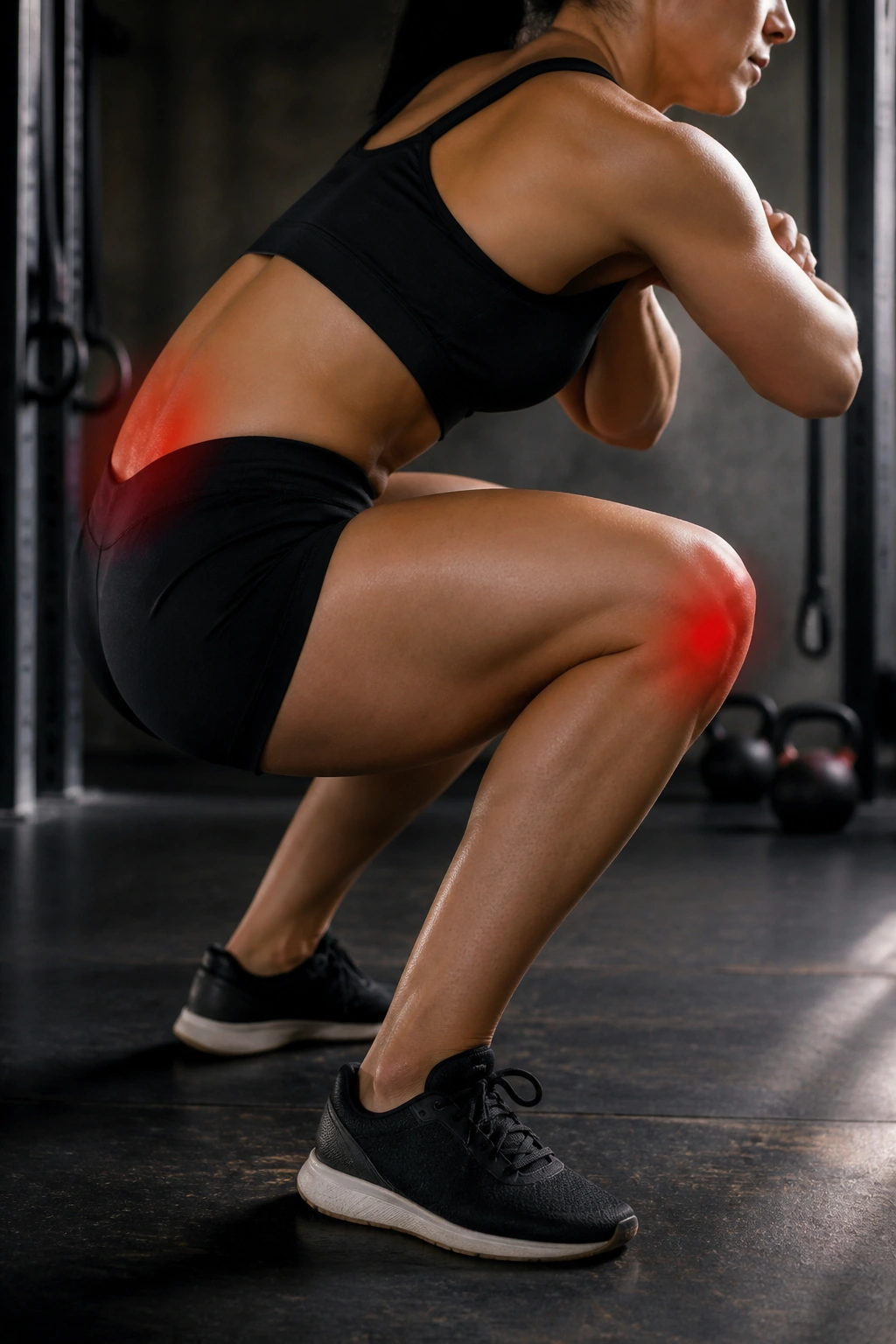
More reps can be the wrong move.
That sounds backward, but it’s true. A 30-day challenge gets ugly when every day becomes a test of how much sloppy movement you can survive. Knees start diving inward on squats. The low back starts taking over ab moves that should be handled by the trunk. People call that “pushing through,” but a lot of the time it’s just practicing bad form while tired.
The first warning sign is speed. If your squats get faster and uglier as the days go on, the challenge is probably asking for too many reps too soon. The second warning sign is compensation. If your neck, hips, or lower back keep showing up to do the work that your abs or legs were supposed to do, the challenge needs a reset.
Common red flags to watch for
- Your heels lift on most squats.
- Your knees cave inward at the bottom.
- Your lower back arches hard during planks or leg raises.
- Your neck gets sore from crunch-style ab work.
- You need a full day just to stop limping around.
Those signs do not mean you should quit forever. They mean the plan is too aggressive, or the exercise choice is off.
The better rule
Stop each set while you still own the movement. That means your last rep should look like the first one, only slower and more tired. If the last three reps become a mess, cut the set. One clean set beats two ugly ones, every time.
And yes, that can feel frustrating. Good. Frustration usually shows up right where the useful adjustment is hiding.
How to Choose Reps, Sets, and Rest Without Guessing
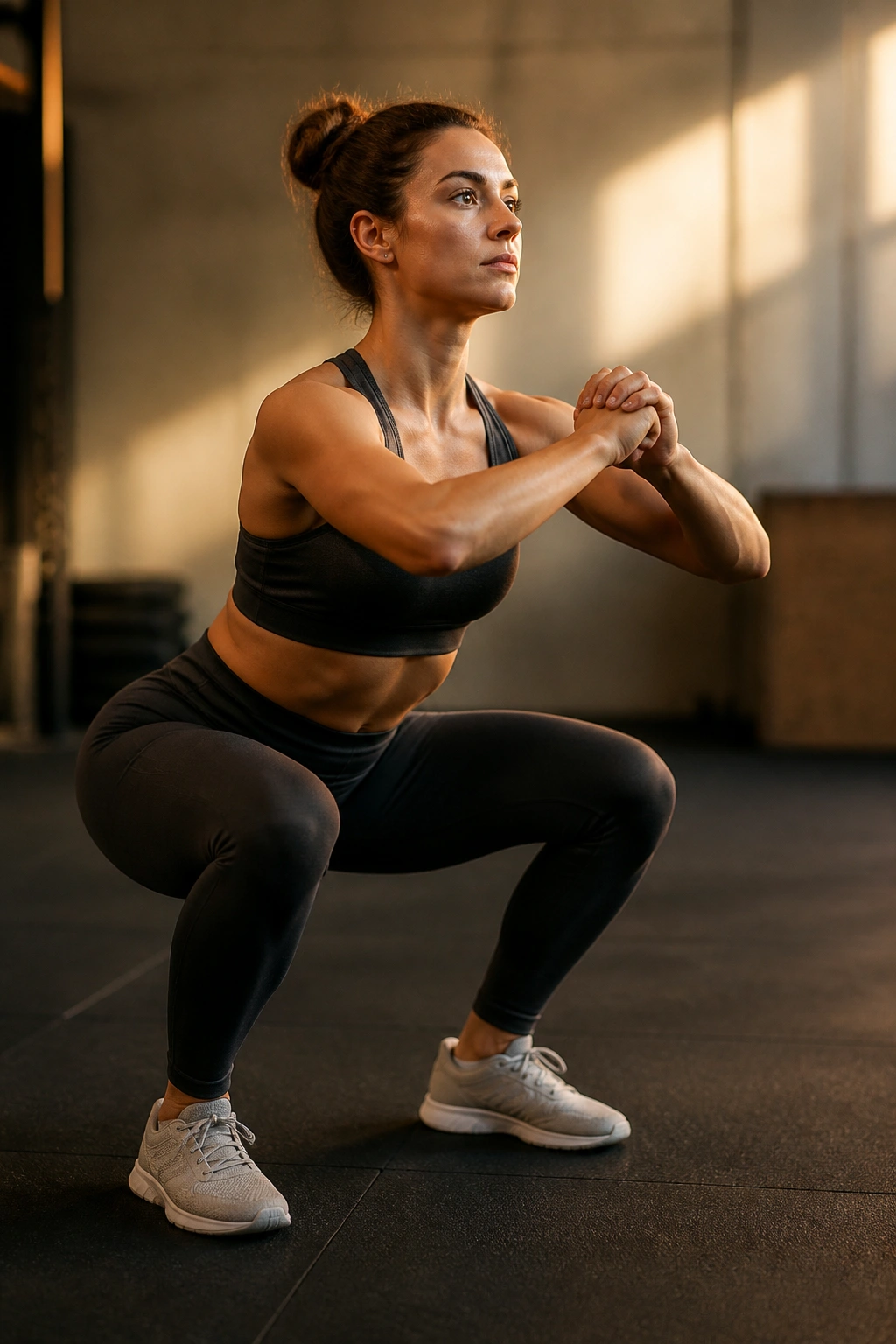
A challenge works better when it has a clear dose. Too little, and it feels like warm-up leftovers. Too much, and your legs hate stairs for four days.
For most people starting a 30-day ab and squat challenge, a sensible baseline is 2 to 4 sets of 8 to 15 squats and 2 to 4 core sets held or repeated for 15 to 40 seconds. That range leaves room for beginners and for people who already train. It also gives you enough volume to feel a change without needing an hour-long workout.
Rest matters more than ego likes to admit. If you’re doing bodyweight squats, 30 to 60 seconds between sets is often enough early on. If you’re adding tempo, pauses, or dumbbells, rest closer to 60 to 90 seconds so the next set doesn’t turn into survival mode. For core holds, 20 to 45 seconds of rest usually works well.
A simple way to set your starting point
- If you’re new: start with 2 sets.
- If your form stays clean: add 1 set after several sessions.
- If you can’t finish a set without breaking shape: cut the reps by 20 to 30 percent.
- If you finish every set and could do five more reps: increase difficulty next time with slower tempo, a pause, or added load.
The best part? You do not need to guess forever. The first week gives you enough data. If the movement feels too easy and your form stays crisp, nudge it up. If your body feels beat up and your reps look like they were done in a hurry, pull back.
That adjustment is not failure. It is training.
Squat Form That Keeps Your Heels Down and Your Knees Happy
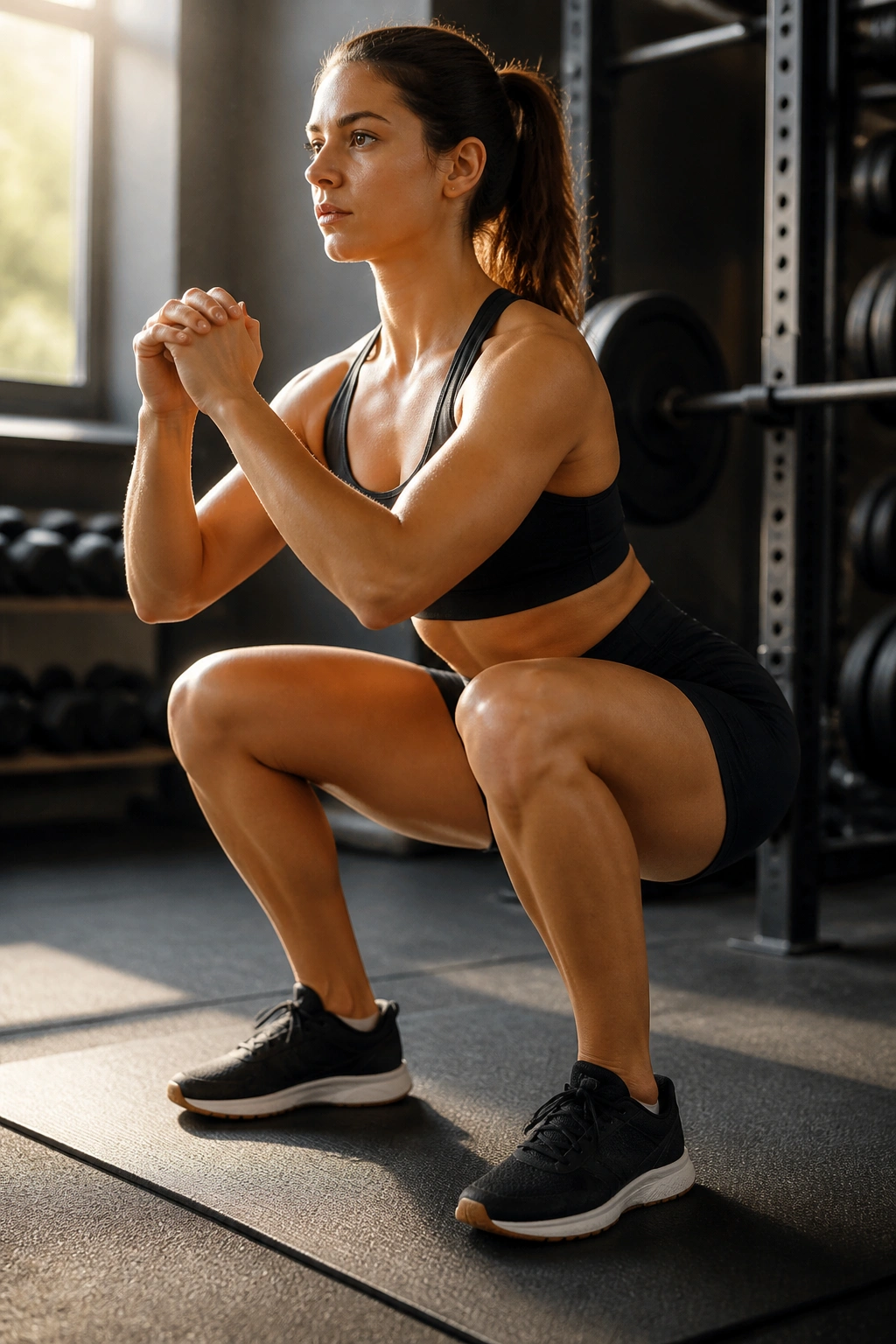
A good squat feels like a controlled sit-back, not a crash landing.
That’s the easiest way I know to explain it. You want your feet rooted, your chest proud but not puffed up, and your hips moving in a way that feels smooth rather than forced. When a squat goes well, it feels organized. Your whole body seems to agree on the plan.
Foot pressure first
Start with your feet about shoulder width apart, maybe a little wider if your hips like it. Spread your toes and press the floor under three points: the base of the big toe, the base of the little toe, and the heel. People call this a foot tripod. It sounds technical. It’s really just balance.
If your weight shoots into your toes, the squat usually turns into a forward fall. If your weight collapses into your heels with no pressure up front, you lose stability. You want the whole foot working.
Hips, knees, and chest
As you lower, let the knees travel in line with the toes instead of pinching inward. Sit between your hips, not straight down like you’re dropping through a trapdoor. Keep the ribcage from flaring wildly. A tiny forward lean is normal in many squats, especially bodyweight versions. A crumpled spine is not.
A few form cues that actually help
- Brace like someone is about to poke your side.
- Keep your heels heavy.
- Think “knees track, hips back.”
- Descend under control for 2 to 3 seconds.
- Stand by driving the floor away, not by snapping your hips forward.
If depth is the issue, use a box, bench, or chair as a target. Touch lightly. Do not plop. That touch gives you a clear bottom point and keeps the squat honest.
Core Exercises That Actually Make the Midsection Work
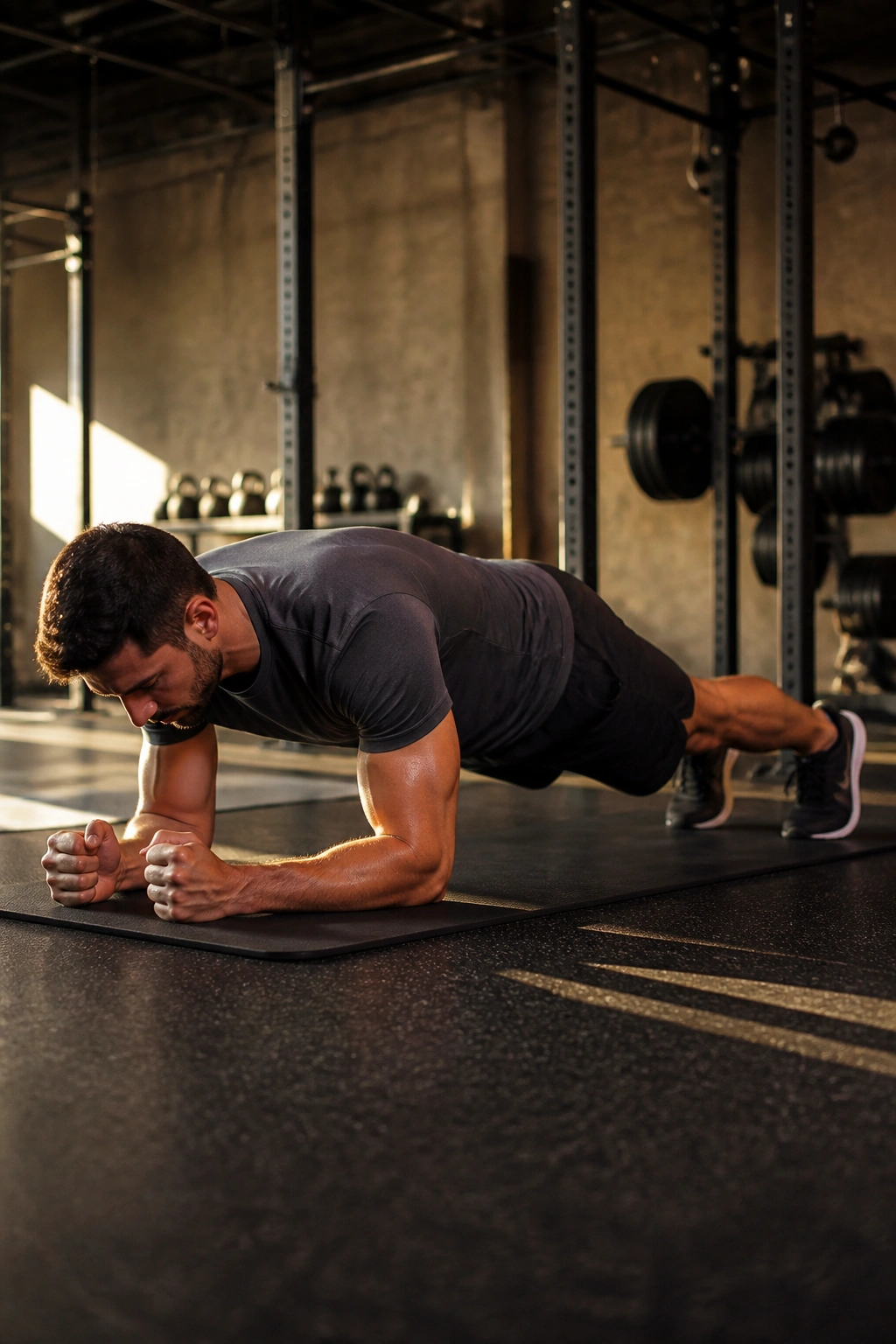
Not all ab exercises are worth the trouble.
Some are fine. Some are mostly noise. If your goal is a useful 30-day ab and squat challenge, the best core moves are the ones that teach your trunk to resist motion, support the spine, and keep your pelvis from wobbling all over the place.
Anti-extension: stopping the lower back from arching
Planks, dead bugs, and hollow holds live here. They teach you to keep your ribs down and your lower back from dumping into the floor or sagging toward the ground. A dead bug done slowly with a full exhale can light up your midsection far more than a dozen rushed crunches.
Start simple:
- Forearm plank, 15 to 30 seconds.
- Dead bug, 6 to 10 reps per side.
- Hollow hold, 10 to 20 seconds.
Flexion work: bending the trunk on purpose
Reverse crunches and controlled crunches still belong in the mix if they’re done with care. The mistake is yanking the neck or swinging the legs. Keep the movement small and precise. Curl the ribs toward the pelvis. That’s the whole job.
A good reverse crunch should feel like the lower abs are working, not like the hips are flinging up from momentum.
Anti-rotation and side support
Side planks, suitcase carries, and bird dogs train your body not to twist when one side is working harder than the other. That matters in squats because even a basic squat has tiny asymmetries. One ankle stiffens sooner. One hip shifts more. Side work catches that.
Use a small menu, not a giant one. Two core exercises per session is enough for most people. Rotate them across the week, and keep the reps or holds honest.
A 30-Day Progression You Can Follow Without Burning Out
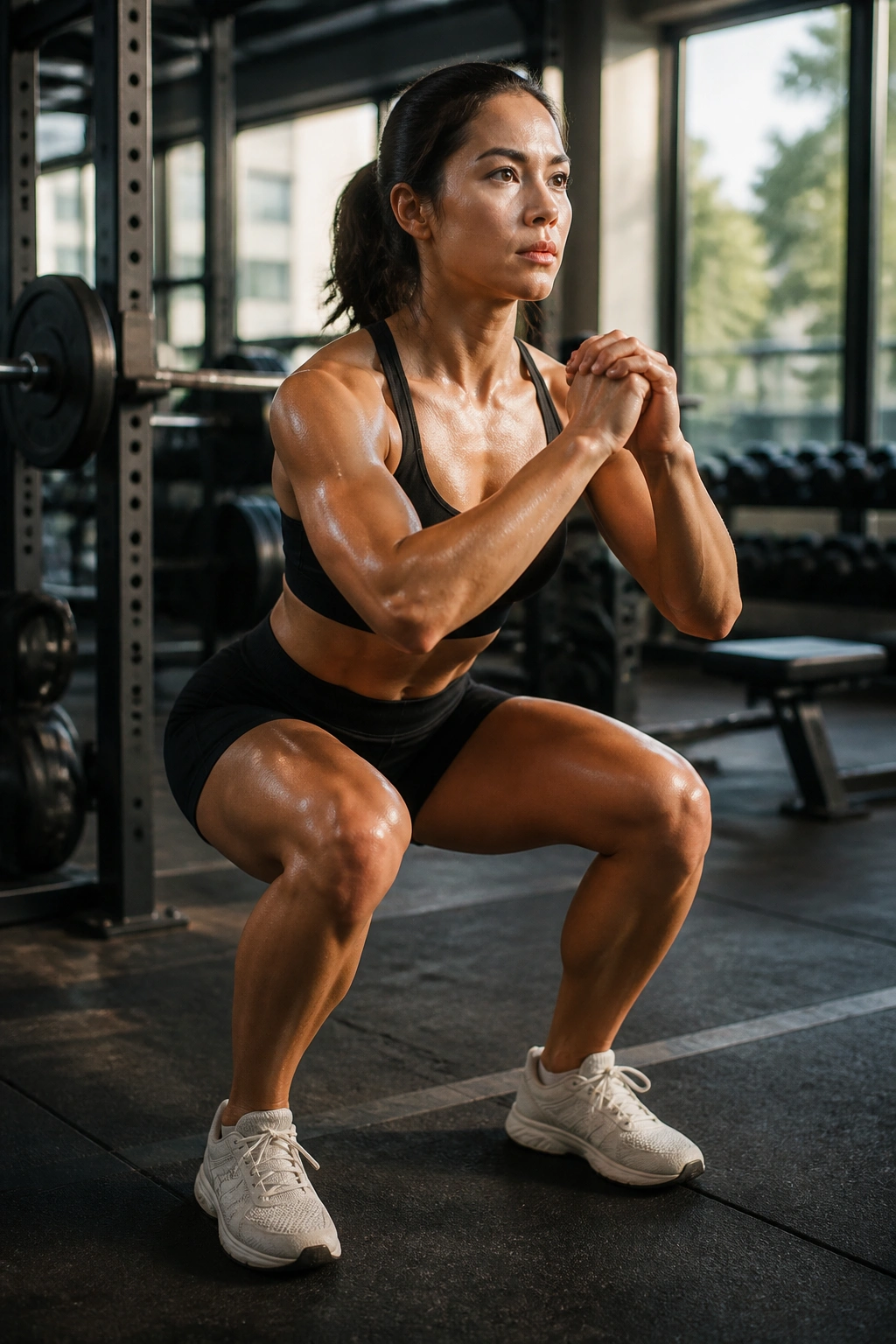
A 30-day ab and squat challenge should build. It should not spike on day one and collapse by day six.
The simplest way to handle the month is to treat it in four stages: learn, build, sharpen, and finish. You are not trying to max out every day. You are trying to make the work feel a little smoother by the end than it did at the start.
Days 1 to 7: Learn the pattern
Keep the volume modest. Two sets of 8 to 10 squats and two core drills held for 15 to 20 seconds is plenty.
Use this week to check your form in a mirror if you have one, or film a side view on your phone. You’re looking for stacked ribs, stable knees, and a squat that looks the same on rep 8 as it did on rep 2.
Days 8 to 14: Build the base
Move to 3 sets of 10 to 12 squats. Add a third core set or increase your plank to 20 to 25 seconds. If the movement still feels easy, slow the lowering phase to 3 seconds. That tiny pause on the way down changes the work more than people expect.
Days 15 to 21: Make it cleaner
This is where a lot of people get sloppy because the novelty wears off. Don’t chase speed. Add a pause at the bottom of each squat for one count, then stand. For core work, try one harder movement like a hollow hold or side plank instead of stacking endless planks.
Days 22 to 30: Finish with control
The final stretch should feel solid, not chaotic. Four sets can work here if recovery is holding up, but keep the reps reasonable. Quality beats drama.
A simple version:
- Squats: 3 to 4 sets of 10 to 15.
- Core: 3 rounds of 20 to 30 seconds each.
- Rest: 45 to 90 seconds between sets.
If you want daily movement, keep some days light. A brisk walk, mobility work, and one short core circuit are enough. You do not need to smash your legs every single day to complete a challenge.
Warm-Ups That Make the First Set Feel Better
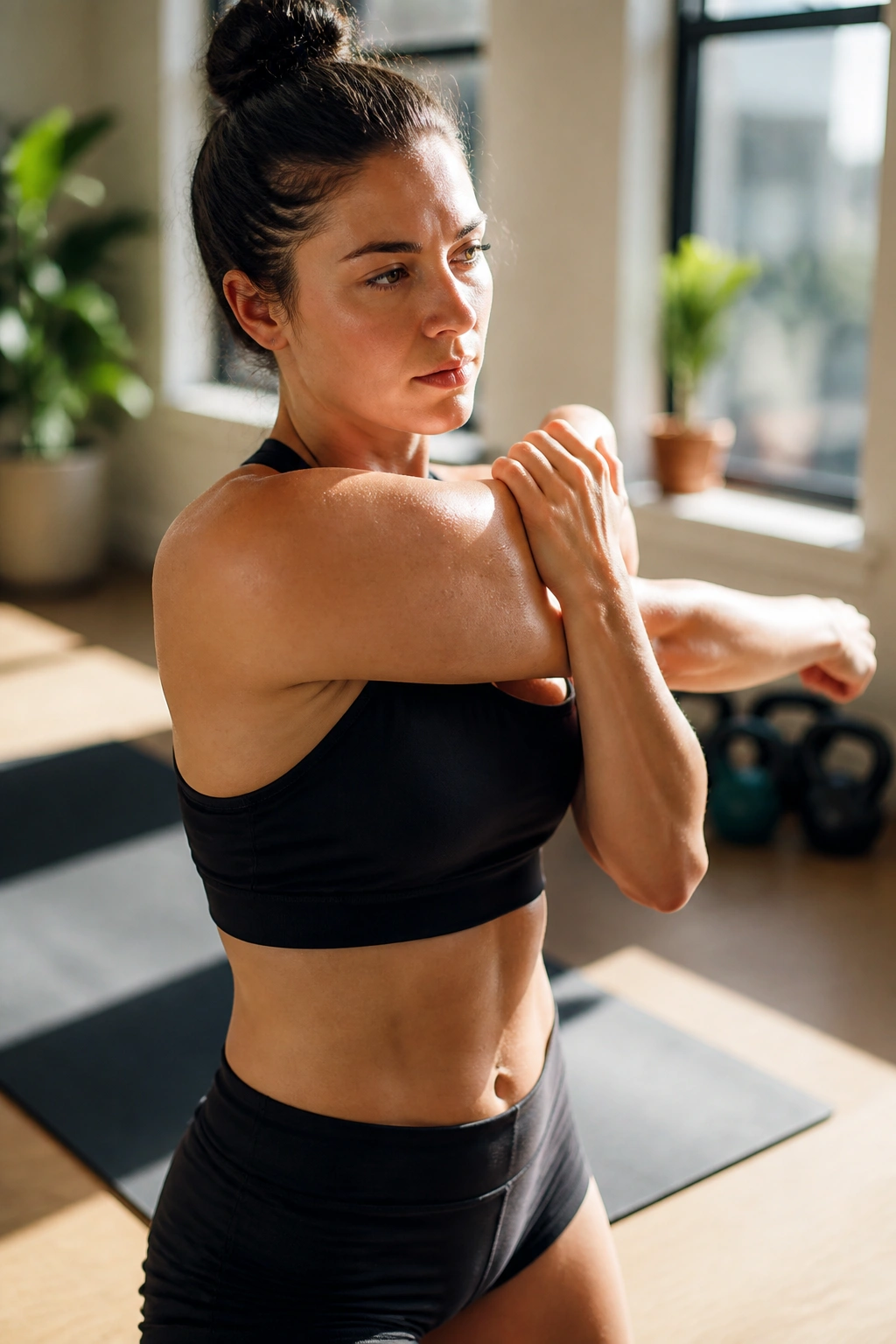
Cold muscles lie.
They make every squat feel clunky and every plank feel longer than it is. A short warm-up changes that fast, and it doesn’t need to eat your whole workout. Five to seven minutes is enough for most people.
Start by raising temperature
Walk briskly, march in place, or do easy step-ups for 2 minutes. You’re not trying to get exhausted. You just want a little heat and a slightly faster pulse.
Open the hips and ankles
Do 5 to 8 slow bodyweight squats, 10 hip hinges, and 5 ankle rocks per side. If your heels tend to lift, ankle mobility work helps more than most people think. That tiny restriction down there often shows up as a squat problem up top.
Wake up the trunk
A 15-second plank, 5 dead bugs per side, and 3 deep breaths with a strong exhale can switch the core on fast. The exhale matters. It helps the ribs settle and gives the abdominals a clear job before the work starts.
A good warm-up should leave you feeling prepared, not tired. If you’re sweating hard before the real set begins, you’ve probably done too much.
Recovery Days, Soreness, and When to Back Off
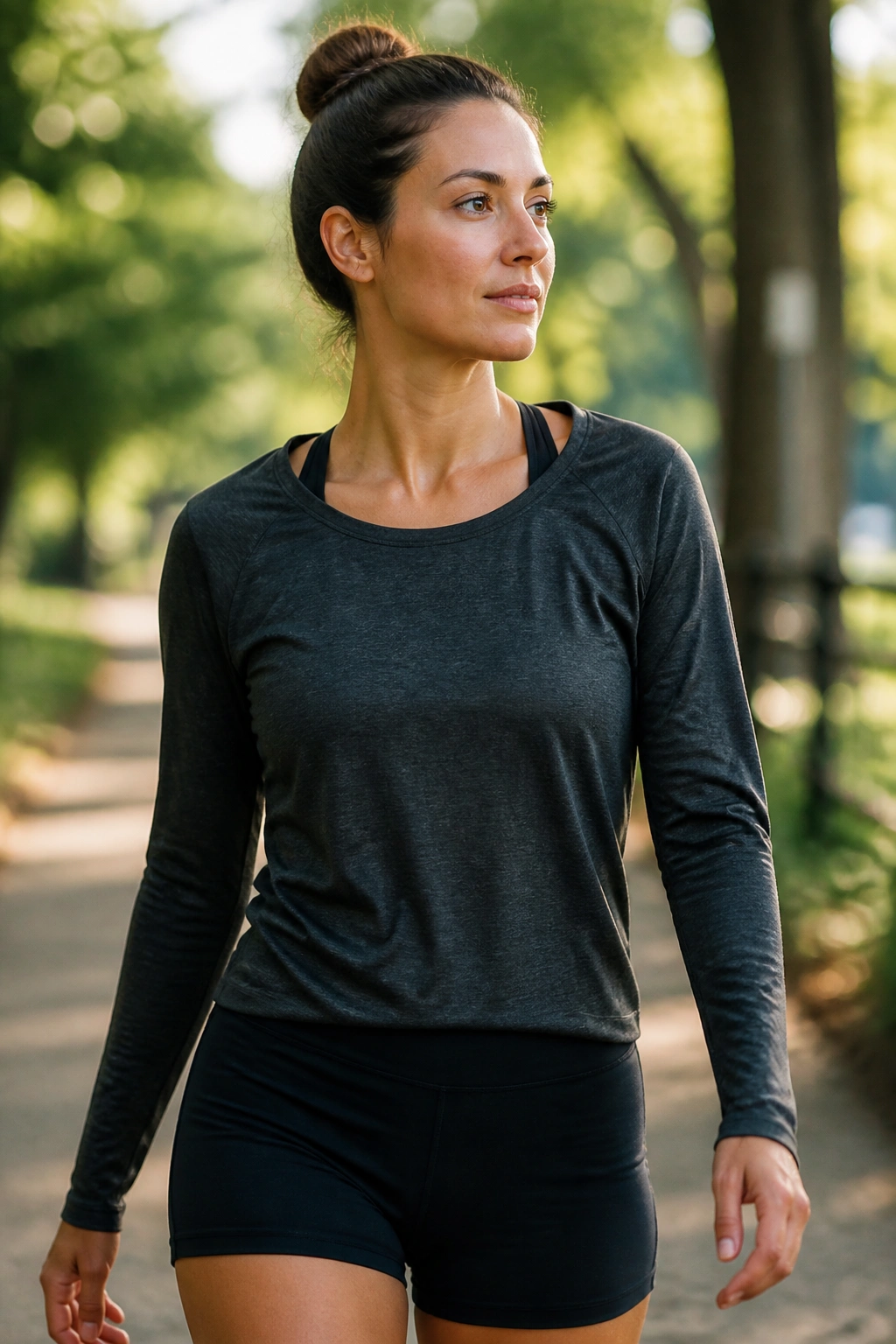
Sore is not the same as stronger.
That distinction saves a lot of people from making dumb choices in the middle of a challenge. Muscle soreness, especially in the thighs and glutes, is normal when you change volume or tempo. Sharp joint pain is different. So is pain that changes your gait, gets worse each rep, or hangs around long after the session ends.
What normal soreness looks like
- A dull ache in the quads or glutes.
- Stiffness when you stand up after sitting.
- Mild soreness that improves after a warm-up.
- Tired abs when you cough or laugh the next day.
That’s common. Annoying, yes. Dangerous, no.
What should make you stop and adjust
- Sharp knee pain on the way down.
- Low-back pain that pinches or radiates.
- Neck strain during core work.
- Swelling, limping, or a joint that feels unstable.
If any of that shows up, scale back. Use a box squat, cut your range, shorten your plank, or swap in dead bugs and bird dogs. There is no prize for stubbornness.
Sleep helps more than people want to hear. So does walking. A 15 to 30 minute easy walk on rest days can loosen the legs, reduce stiffness, and make the next session feel less like punishment. Hydration matters too, especially when your volume goes up and your sweat rate changes.
Food, Protein, and Why Visible Abs Are Not Just Crunches
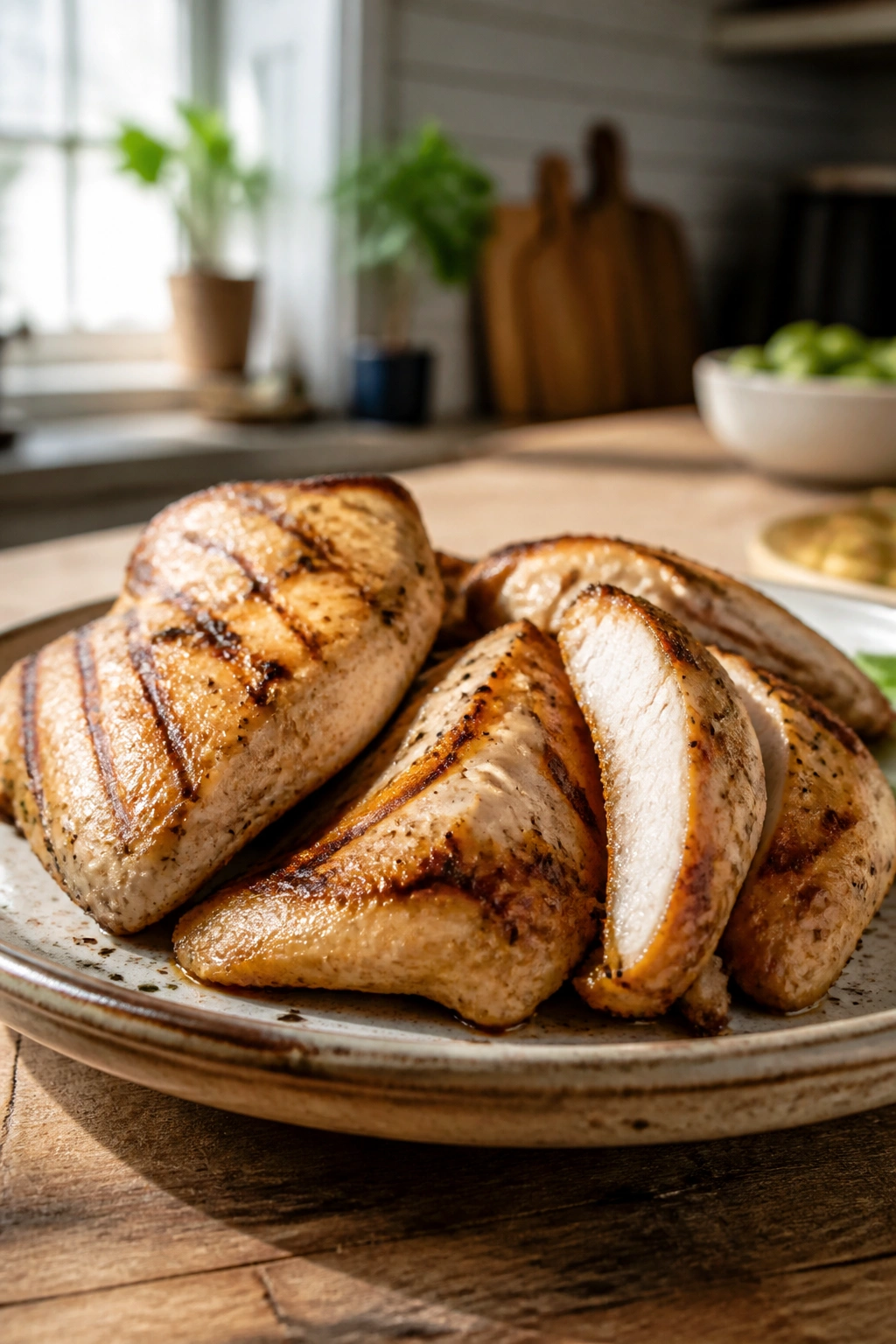
You can do every plank in the book and still not see much change if food intake never shifts.
That’s not a criticism. It’s just how the body works. Squats and ab work build muscle and skill, but visible abs usually depend on a lower layer of body fat over the trunk. The exact look people want varies a lot, and honestly, it doesn’t have to mean shredded. A tighter waist, better posture, and stronger bracing are already good wins.
Protein helps more than people admit
Aim to get protein at each meal. A rough target of 20 to 40 grams per meal works for a lot of adults, depending on body size and total daily intake. Eggs, Greek yogurt, chicken, tofu, fish, cottage cheese, beans, and whey all fit the bill.
Protein matters because a challenge like this makes your muscles ask for repair. If you never give them the raw material, recovery slows down and hunger tends to get louder.
Carbs are not the enemy
Squats use fuel. If you cut carbs so hard that your legs feel flat and your energy tanks, your workout quality usually drops. Oats, rice, potatoes, fruit, and whole grains can all help you train with more spring in your step.
Don’t ignore fiber and water
A diet that is low in fiber can make your stomach feel bloated and your appetite harder to read. Vegetables, fruit, beans, and whole grains keep things steadier. Water helps too, especially if you’re sweating more than usual.
Visible abs are a body-fat-and-muscle story, not a crunch-count story. That’s the part people need to hear before they get sold another miracle plan.
How to Track Progress Without Getting Weird About It
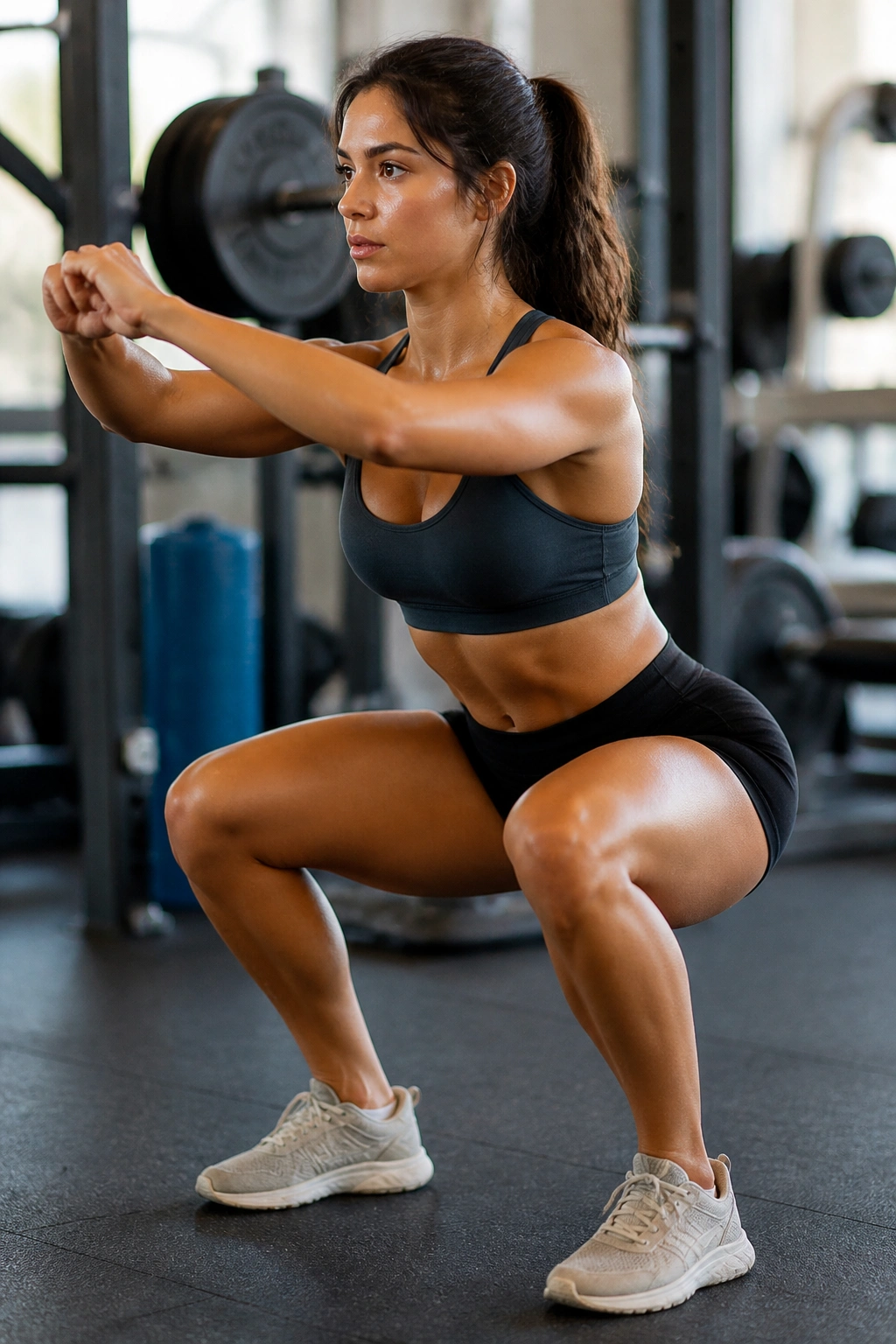
If you only use the mirror, the story gets messy fast.
Lighting changes. Bloating changes. Your opinion changes depending on whether you slept well or had too much salt the night before. That’s why tracking a 30-day ab and squat challenge works better when you use more than one measure.
Useful things to track
- Squat reps with clean form.
- Depth: chair touch, parallel, or below parallel.
- Plank time with a steady brace.
- Side plank time on each side.
- Waist measurement at the same point on the body, once a week.
- Energy during normal daily tasks like stairs, carrying bags, or getting up from the floor.
The performance numbers matter because they tell you whether the challenge is building capacity. The body-composition stuff matters too, but it’s slower and less dramatic day to day.
Photos can help, if you use them honestly
Take them in the same spot, same light, same time of day if possible. Front, side, and back. No flexing games. No sucking in. Just a plain record.
That record keeps your mind from rewriting the month in whatever direction your mood prefers. It also helps you spot changes in posture and trunk control that the scale will never catch.
Modifications for Beginners, Busy Weeks, and Sensitive Joints
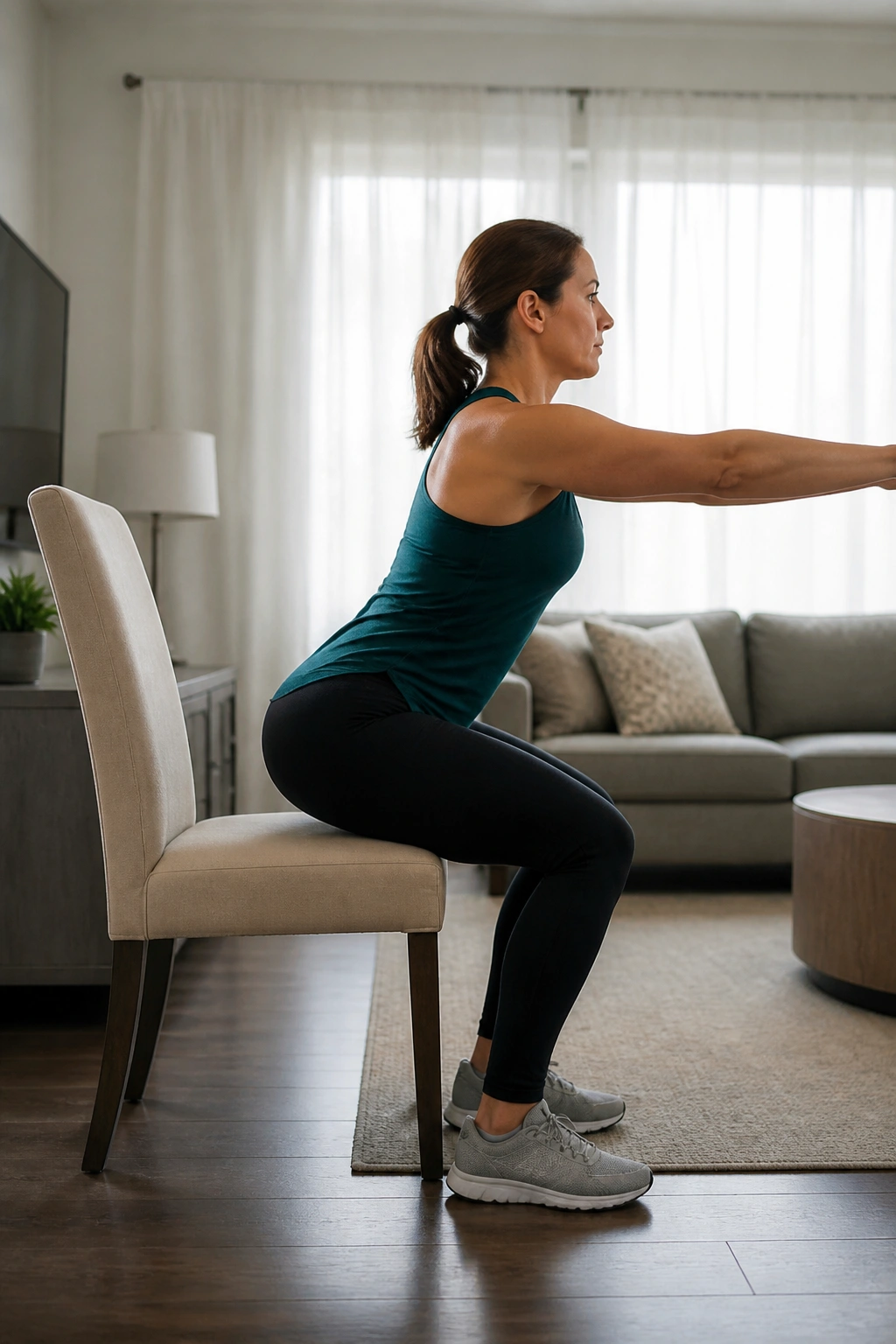
The hardest version of a challenge is not always the smartest one.
A beginner who jumps straight into deep squats, long planks, and daily volume can get wiped out in a week. Someone with cranky knees or a sensitive low back may need a different shape altogether. That’s fine. The point is to train, not to prove you can suffer.
If squats bother your knees
Try chair squats, box squats, or split squats with a short range. Keep your shin angle comfortable and let the hips do more of the work. A small heel lift can help some people, but don’t use it as a bandage for bad mechanics.
A slow sit-to-stand from a chair is less glamorous and often more useful than a deep bodyweight squat you can’t control.
If core work hurts your neck
Skip high-rep crunches for a while. Use dead bugs, bird dogs, and forearm planks instead. If planks bother your shoulders, raise your hands on a bench or couch. That small angle change takes pressure off fast.
If you only have 10 minutes
Do one squat set, one core set, and one mobility drill. That can still keep the habit alive.
- 12 chair squats
- 20-second plank
- 6 dead bugs per side
That’s enough on a hectic day. Not ideal, maybe. But enough to keep the chain intact.
If you have diagnosed joint issues, back pain, or a recent injury, get personal advice from a qualified clinician or trainer. Internet plans are not a replacement for eyes on your movement.
What To Do After Day 30 So You Don’t Stop Cold
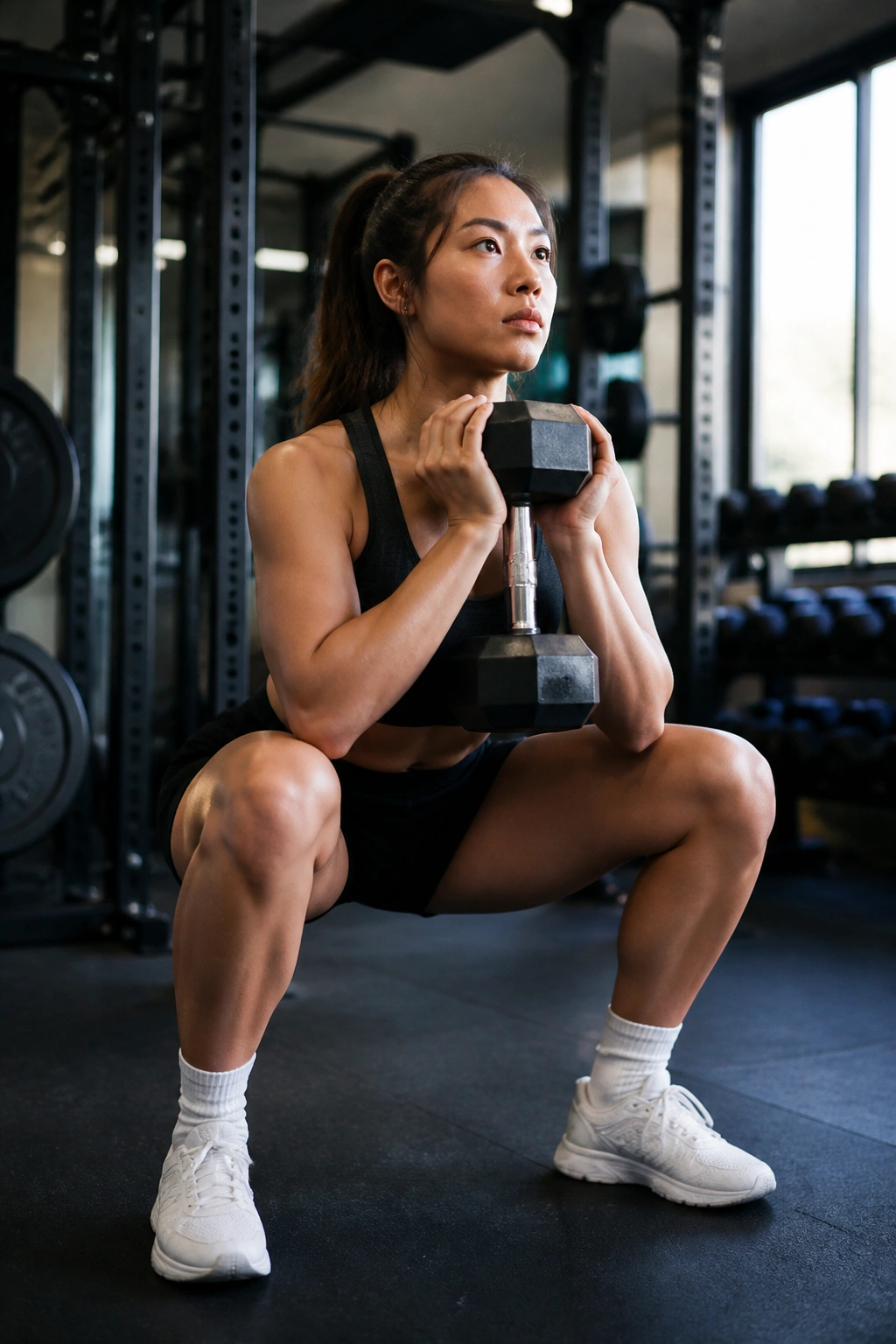
Stopping the moment the calendar flips is a waste of all the work you just did.
That does not mean you need to keep the exact challenge forever. It means you should keep the useful pieces and graduate them into something sturdier. A month of squats and core work gives you a base. What you build on that base can be a full-body routine, a strength plan, or a simple maintenance schedule.
Good next steps
- Keep squats twice a week.
- Keep direct core work twice a week.
- Add a push movement: push-ups, dumbbell presses, or incline presses.
- Add a pull movement: rows, band pulls, or assisted pull-ups.
- Add a hip hinge: Romanian deadlifts, good mornings, or glute bridges.
That mix turns a squat-and-ab challenge into a real full-body habit. It also makes the body look and feel more balanced, which is usually what people want once the novelty of the challenge fades.
Progress the right way
Don’t just add endless reps. Add a little load, slow the tempo, use single-leg work, or increase range where it makes sense. Goblet squats, split squats, and weighted planks can all take the challenge farther without making it chaotic.
The month gave you practice. The next phase should give you structure.
Final Thoughts

A 30-day ab and squat challenge works best when it respects form, recovery, and progression. That sounds plain, but plain is usually what works.
The better version leaves you with stronger legs, a steadier trunk, and a clearer sense of how your body handles repeated work. The bad version leaves you sore, sloppy, and annoyed with exercise for no good reason.
Keep the reps honest. Keep the brace tight. Keep the challenge useful, not punishing.
