



A full body day does not need to leave you wrecked.
The smartest all over workout hits a squat, a hinge, a push, a pull, and some kind of carry or core work, because that covers the biggest jobs your body does in the gym. When those patterns show up in the right order, the session feels cleaner, your heart rate climbs without turning sloppy, and you walk out knowing you trained more than your ego.
A lot of bad full body workout plans pile on exercises until the session turns blurry. Five honest moves can do more than twelve random ones if the loading makes sense, the rest periods are controlled, and the exercise order isn’t a mess. That is the part people skip.
The ideas here move from heavy to light, from barbell to bodyweight, and from sweaty to controlled. Pick the one that fits the room you have, the gear you can reach, and the kind of full body day your body can actually repeat next week. Good training should invite a second round.
1. Dumbbell Squat-to-Press Circuit
If you want one workout that wakes up legs, shoulders, lungs, and midsection fast, this is the easy answer. A dumbbell squat-to-press circuit feels simple on paper and sneaky-hard in practice, which is exactly why it works so well for an all over workout.
Why This Combo Works
The squat gets your quads and glutes moving first. The press ties the lower body to the upper body in one clean line, and the row keeps the session from turning into a front-side-only grind. That balance matters.
Run 4 rounds of this:
- 8 goblet squats
- 8 dumbbell push presses
- 10 bent-over dumbbell rows
- 30-second plank
- 60 to 75 seconds of rest
Keep two reps in reserve on the first two rounds. If your form falls apart by round three, the load is too heavy or the rests are too short.
How to Get the Most From It
Start with a weight you can control while breathing hard. Not a weight you can muscle around. Those are two different things.
A one-sentence rule helps here: the last rep should look like the first one. If your squat turns into a good-morning and your press turns into a shrug, back off.
This is the kind of full body day that works in a small gym, a home garage, or a busy commercial floor where you only want one pair of dumbbells and a bit of space.
2. Front Squat, Bench, and Row Day
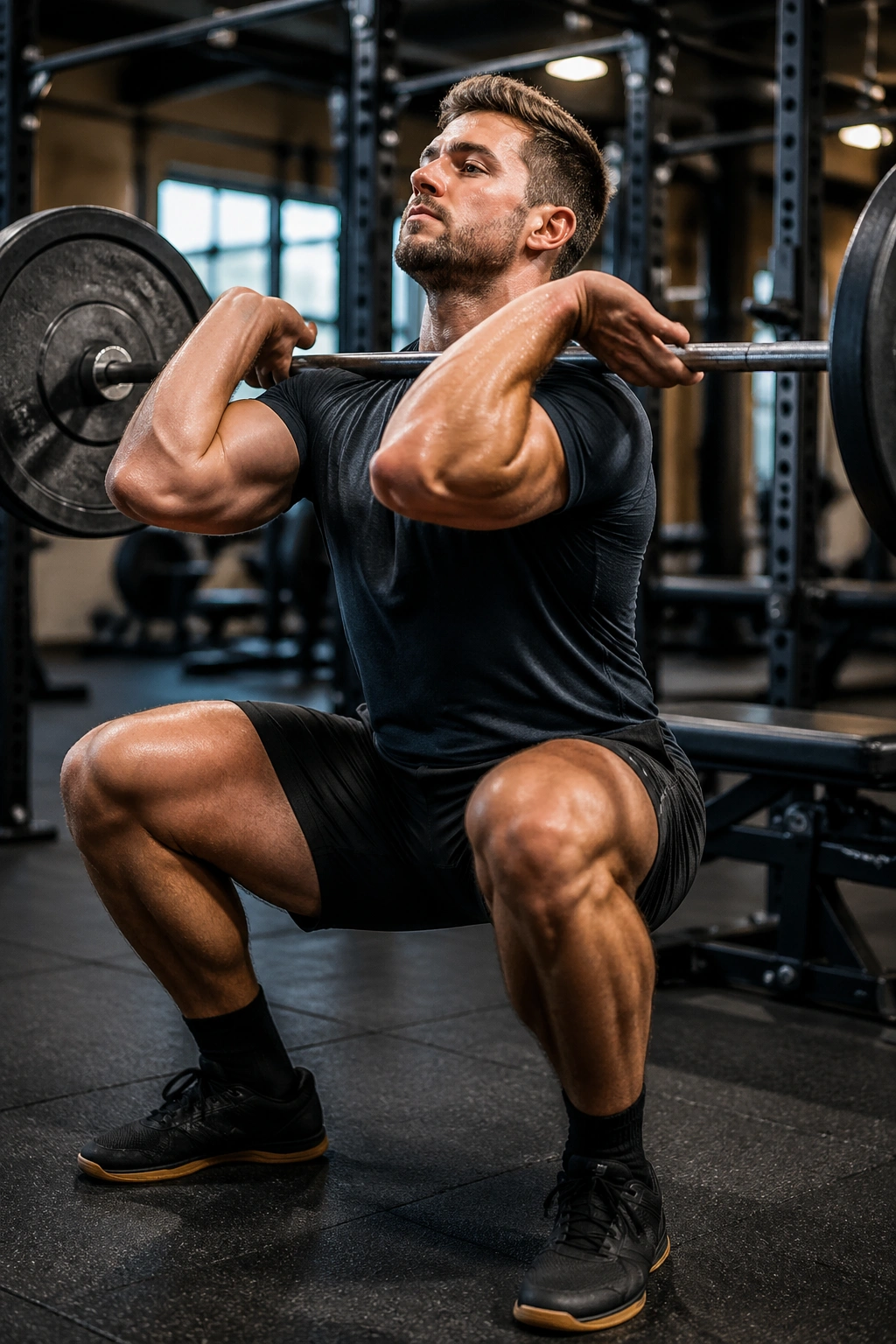
Why does a front-squat, bench, and row day feel so complete? Because it hits the body from three clean angles without turning the session into a circus.
The front squat loads the legs and trunk together. The bench press gives you a heavy push. The row balances the shoulder work and keeps your upper back from getting lazy. Add a carry at the end and the whole thing starts to feel like a proper full body workout, not just a chest-and-legs mashup.
The Simple Template
Try 5 sets of 5 on the front squat, 4 sets of 6 on the bench press, and 4 sets of 8 on a chest-supported row. Rest 90 to 120 seconds between sets.
Finish with 3 farmer carries of 30 to 40 meters. Heavy enough to make your grip complain, but not so heavy that you wobble like a shopping cart with a bad wheel.
A small note that matters: front squats punish sloppy bracing fast. If the bar drifts forward, the set stops being about strength and starts being about survival.
This one suits lifters who like structure. Clean reps, clear numbers, no guesswork.
3. The No-Equipment Density Day
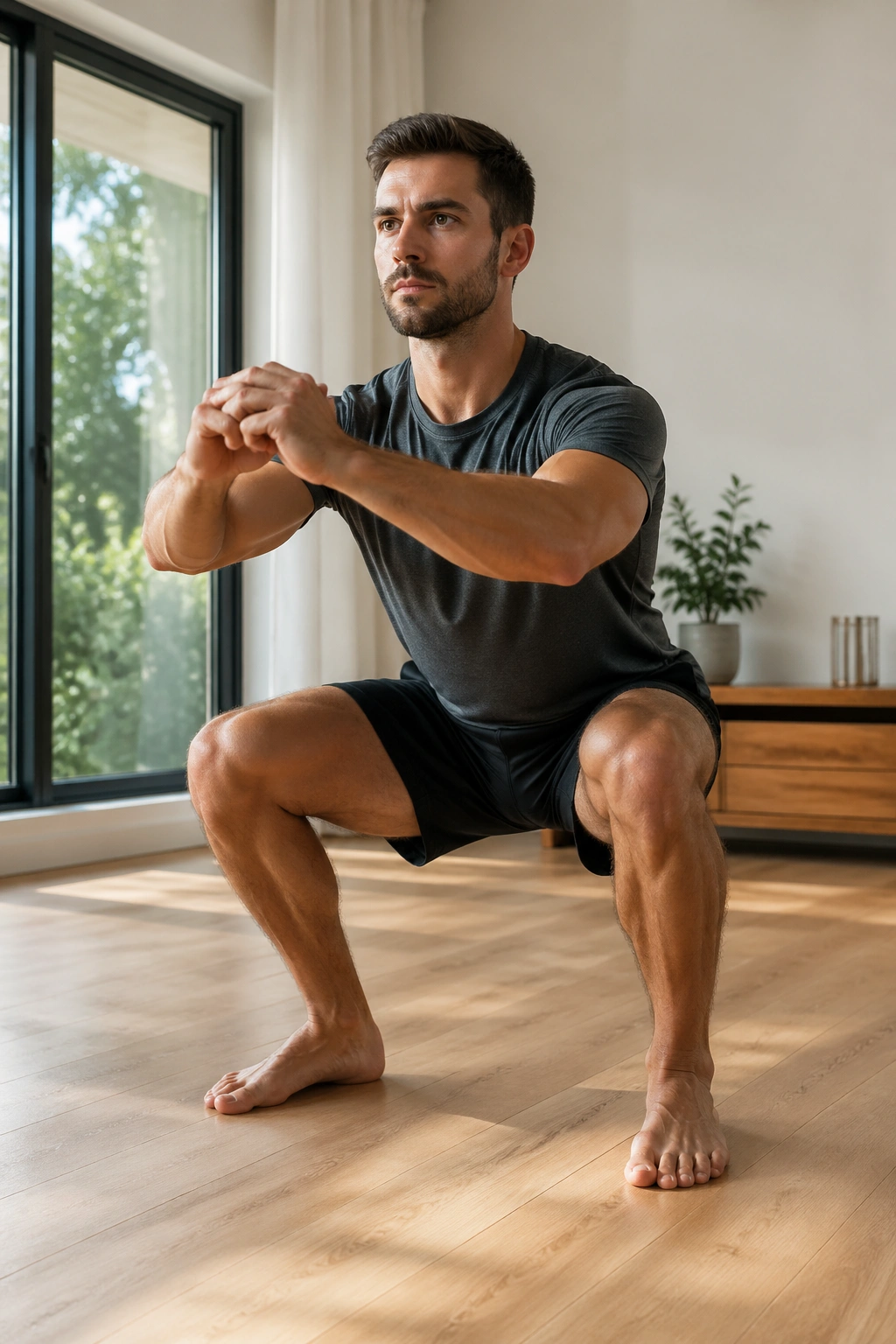
If your only tools are floor space and a stopwatch, you can still get a serious all over workout done. That is one of the nicest things about bodyweight training: it strips away the excuses and leaves you with a clean session.
Set a timer for 20 minutes and work through as many quality rounds as you can of:
- 10 air squats
- 8 push-ups
- 10 alternating reverse lunges
- 12 glute bridges
- 20 mountain climbers per side
Move at a pace where your breathing stays rough but controlled. The goal is not to sprint like a maniac for two minutes and then collapse. The goal is to keep the work honest for the whole block.
How to Scale It
If push-ups are too hard, put your hands on a bench or couch. If lunges bother your knees, shorten the step and keep the torso tall. If the workout feels too easy, slow the lowering phase to 3 seconds down on squats and push-ups.
No equipment. No problem.
A lot of people underestimate this kind of session because it looks plain. Plain is fine. Plain can be brutal, especially when the pace stays steady and the rest never gets generous.
4. Kettlebell Swing and Carry Session

A full body day does not need six exercises to be hard. Sometimes one kettlebell, used with enough intent, does the job beautifully.
The swing drives the hinge pattern. The clean and press adds power through the upper body. The carry finishes the whole thing by making your core, grip, and posture work together instead of separately. Simple. Hard.
What a Round Looks Like
Run 5 rounds of:
- 15 kettlebell swings
- 6 clean and presses per side
- 8 goblet squats
- 40-meter suitcase carry per side
Rest 60 to 90 seconds between rounds.
The swing should feel crisp, not yanked around by your arms. If the bell gets floaty and the handle starts smashing your forearm, the weight or timing is off. The carry should feel awkward in the best possible way — tall ribs, quiet shoulders, no leaning.
This is a strong choice if you like training that feels athletic without needing a lot of machines or setup.
5. The Machine-Friendly Joint Day
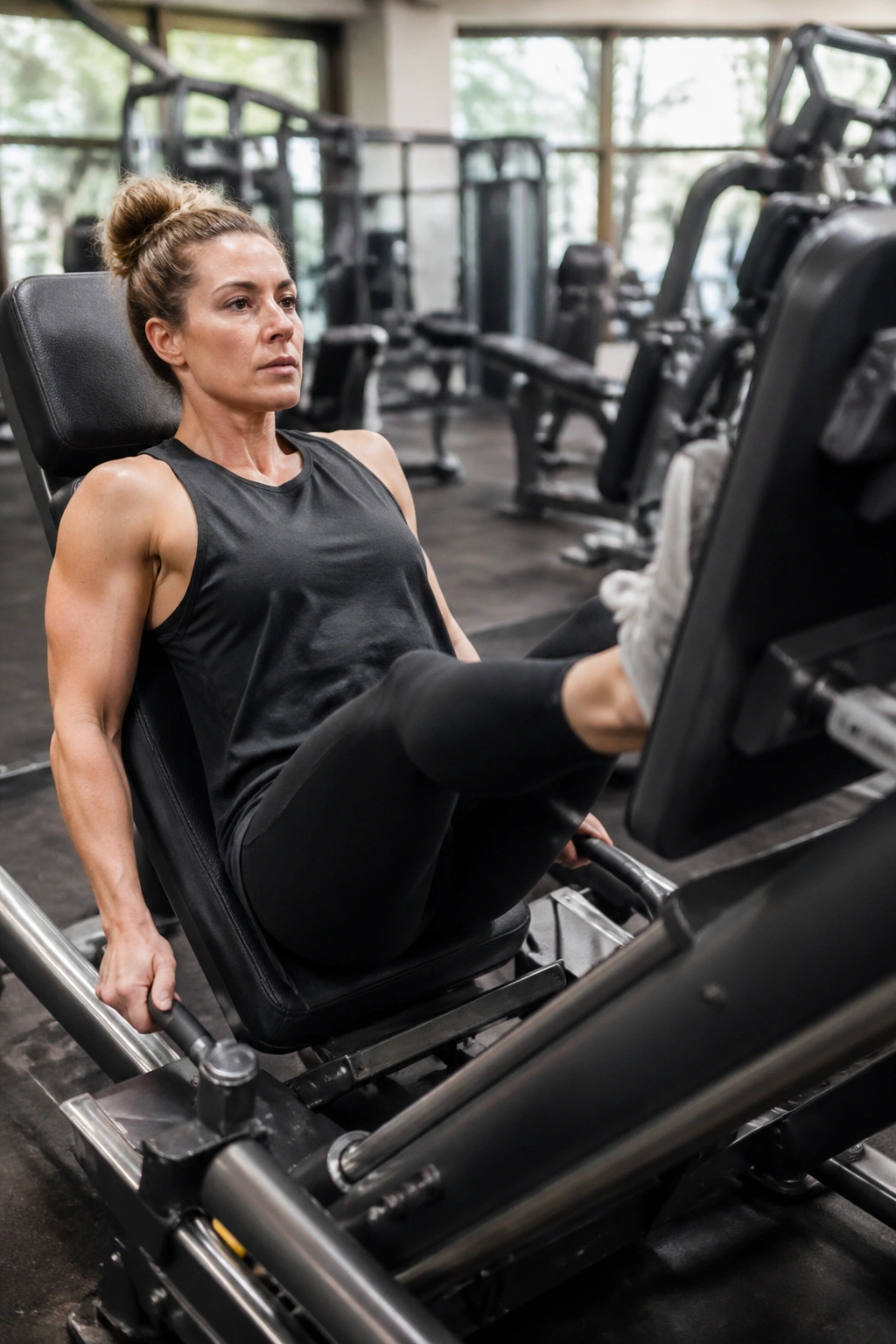
Machines are not a cheat code, but they are a very clean way to build a full body day when your joints want less drama.
A leg press takes some strain off the lower back. A chest press and seated row let you push and pull without balancing a bar. Hamstring curls, lat pulldowns, and shoulder machines let you keep the workload steady without needing a spotter or a lot of setup time.
A Solid Machine Circuit
Do 3 rounds of:
- 10 to 12 leg press reps
- 8 to 10 machine chest press reps
- 10 seated row reps
- 10 hamstring curl reps
- 10 lat pulldown reps
- 8 to 10 shoulder press reps
Rest 45 to 75 seconds between moves if you want more conditioning, or 90 seconds if you want more strength work.
What Makes It Worth Doing
Machine sessions are great when energy is low and form needs to stay tidy. They also let you push closer to failure without worrying as much about balance or the bar slipping out of line.
That said, do not turn it into a machine safari. Pick the ones that actually cover the major patterns and get out.
6. Tempo Training Day

Slowing the rep down can make a moderate weight feel far heavier than it looks. Tempo work is one of the most honest ways to build a full body workout, because it punishes sloppy control and rewards clean positions.
Use a 3-second lowering phase on each rep. Pause for 1 second at the bottom when the joint position allows it. Then drive up with purpose, not panic.
A Clean Tempo Session
Try 3 sets of 6 on each move:
- Tempo goblet squat
- Tempo dumbbell bench press
- Tempo Romanian deadlift
- Tempo split squat
- Tempo cable row
Rest 60 to 90 seconds between sets.
What You Should Feel
The descent should feel controlled, almost stubborn. The bottom position should feel stable, not mushy. If you rush the lowering phase, you lose the point of the workout and the load becomes just another number.
Tempo training is also a nice fix for people who want a full body day without chasing max weights. The burn shows up fast. So does the honesty.
7. Hinge-First Posterior Chain Day
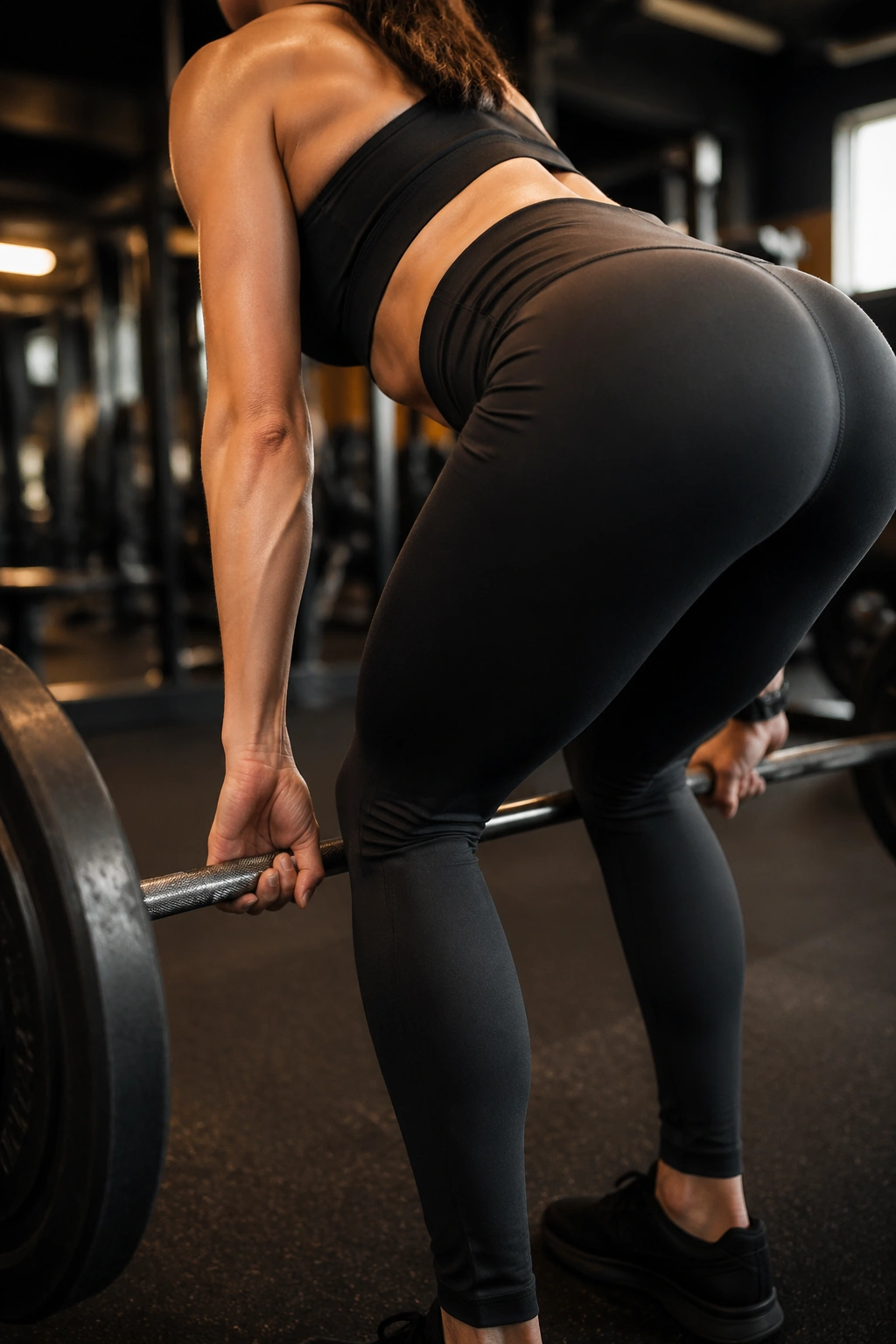
If your lower back, glutes, and hamstrings have been phoning it in, give them the first swing.
Starting with the hinge changes the feel of the whole session. Deadlifts or Romanian deadlifts ask for focus right away, and once that pattern is awake, the rest of the workout has a better shot at feeling powerful instead of scattered.
The Flow
Begin with 4 sets of 4 to 6 deadlifts or trap-bar deadlifts. Then move to 3 sets of 8 hip thrusts, 3 sets of 10 one-arm rows, and 3 sets of 8 reverse lunges per side. Finish with a 30-meter suitcase carry on each side.
A short setup like that covers the posterior chain, upper back, legs, and trunk in a way that feels connected.
One thing to watch: do not chase a max deadlift on a day like this. Leave a rep or two in the tank. The point is a strong full body day, not a test of how dramatic your warm-up face can get.
8. The Unilateral Stability Session
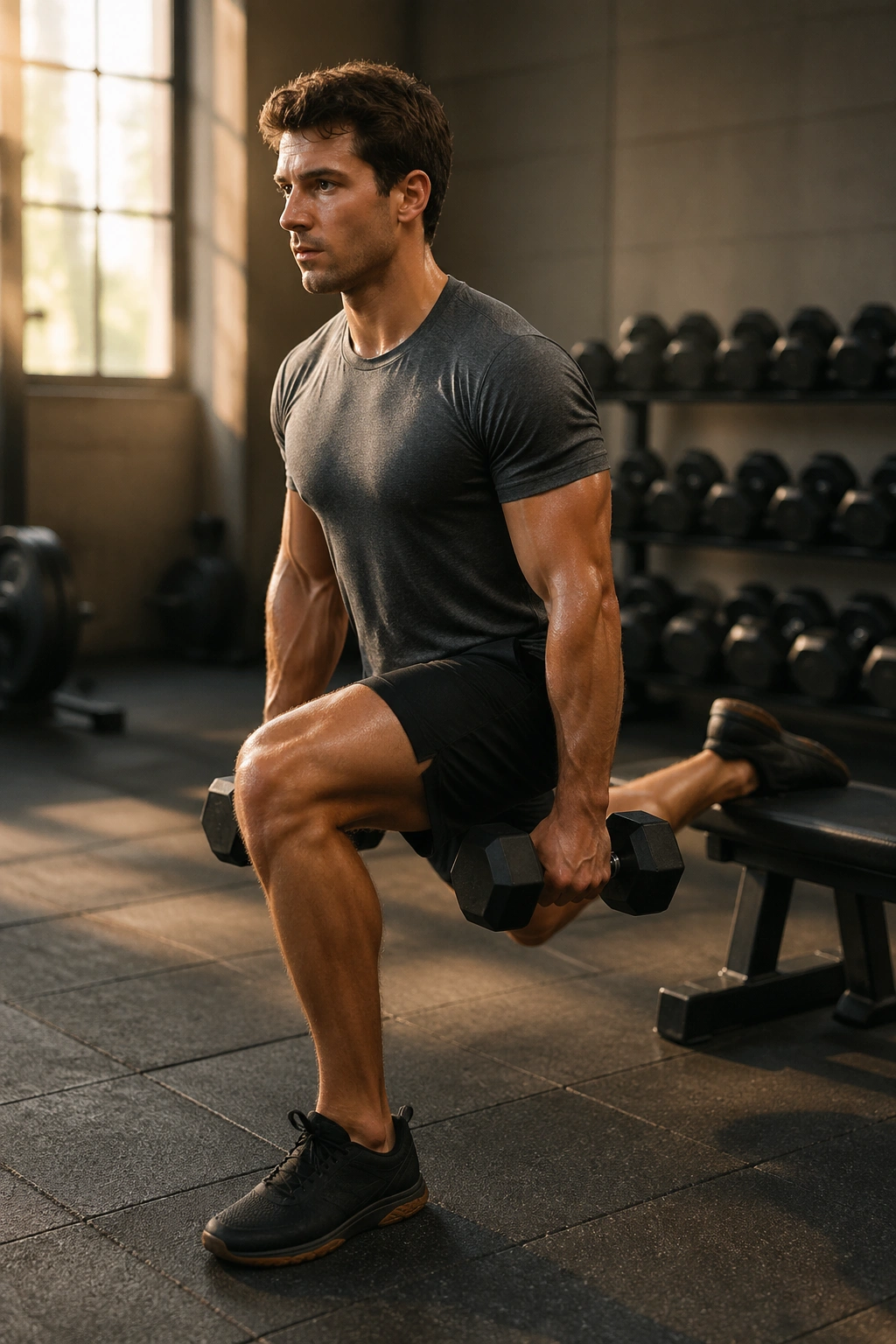
Why does one-sided work feel so humbling? Because it strips away the easy side-to-side cheating that bilateral lifts let you hide.
Split squats, single-arm presses, and one-leg hinges force you to stay honest. They also expose differences between sides fast. That can be annoying. It can also be useful in a hurry.
A Balanced Unilateral Circuit
Do 3 rounds of:
- 8 Bulgarian split squats per side
- 8 single-arm dumbbell presses per side
- 8 single-leg Romanian deadlifts per side
- 10 one-arm rows per side
- 30-second suitcase carry per side
Rest 45 to 60 seconds between exercises if the goal is conditioning, or 90 seconds if the goal is cleaner strength work.
What to Watch For
Keep the pelvis level on split squats and single-leg hinges. If your hips twist open, the load is too heavy or your stance is too narrow. And if your balance feels shaky at first, that is normal. A little wobble is part of the point.
This is a smart full body day for people who want stability, better control, and a quieter lower back.
9. Strength Meets Cardio Intervals
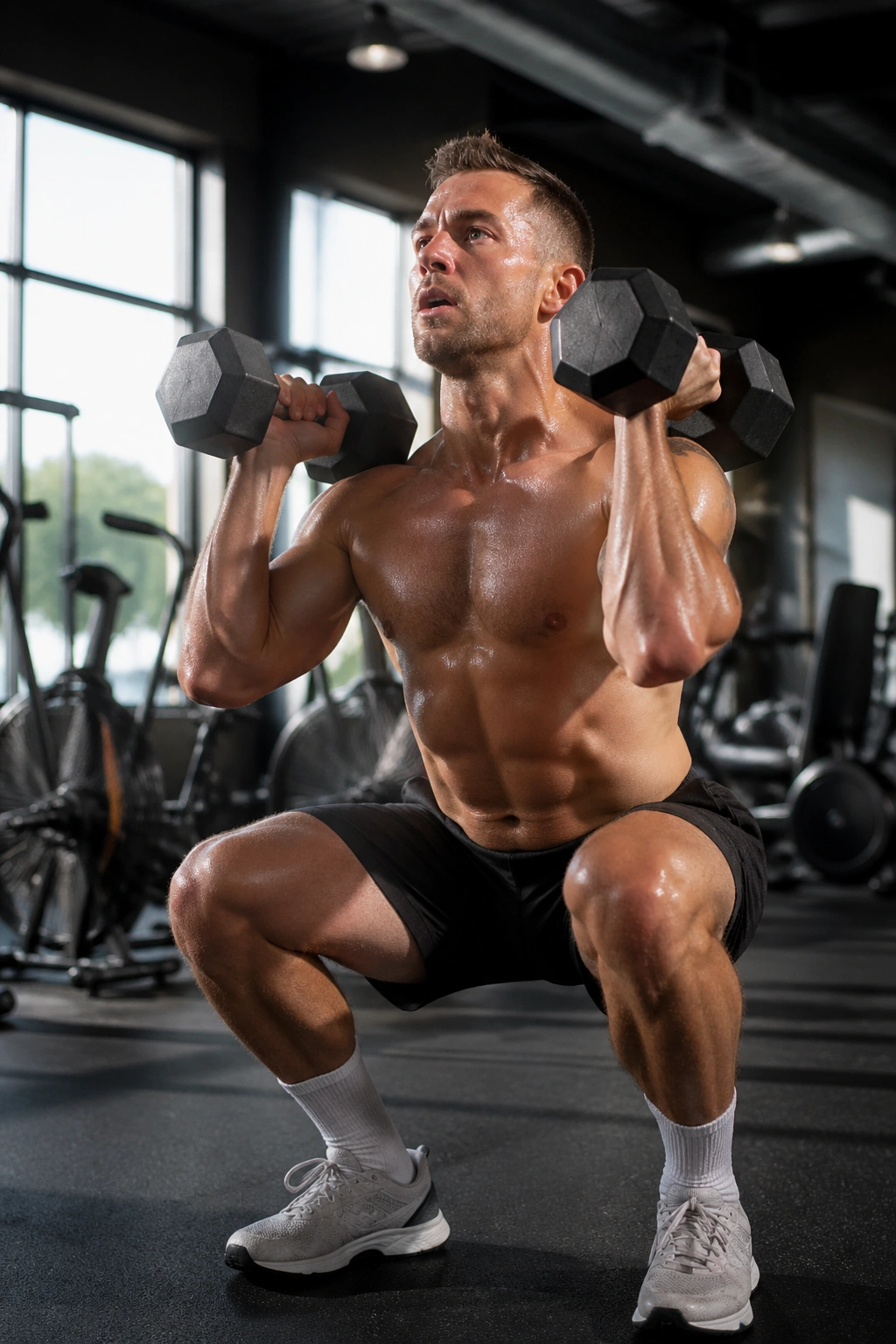
Not every all over workout needs to hide in the strength zone. Some days should leave your shirt damp and your breathing ugly in a good way.
A strength-plus-cardio interval session works because the lifting pieces keep the body honest, while the cardio pushes your heart rate into a place steady reps never reach. The mix is simple to program and hard to fake.
One Easy Format
Set up 5 rounds of:
- 6 dumbbell thrusters
- 10 calories on a bike, rower, or ski erg
- 8 walking lunges per side
- 10 push-ups
- 8 dumbbell rows per side
Work for 40 seconds, rest for 20 seconds, then move on.
That short rest is part of the flavor. It keeps the session sharp without turning it into a sloppy long grind.
This kind of full body day suits people who like a sweat session but still want actual strength work built into it. It is a good compromise, and I mean that in the useful sense, not the watered-down sense.
10. The Ladder Workout

A ladder feels almost too easy on paper: 2 reps, then 4, then 6, then 8. The trick is that the total work climbs faster than your brain expects.
Use four movements and add reps each round. A simple version looks like this:
The Setup
- Round 1: 2 goblet squats, 2 push-ups, 2 rows, 2 reverse lunges per side
- Round 2: 4 of each
- Round 3: 6 of each
- Round 4: 8 of each
Rest 45 to 60 seconds between rounds.
The ladder format is nice because it gives you a built-in rhythm. The early rounds feel almost playful. The later rounds are where the lungs wake up and the legs start negotiating with you.
How to Keep It Clean
Use a load you could handle for the first two rounds while chatting. Then let the later rounds get serious. If the last round turns into a mess, that is a sign to stop at 6 next time instead of forcing the full ladder.
It is a tidy way to get a full body workout without staring at a complicated plan.
11. The Minimal-Equipment Home Circuit
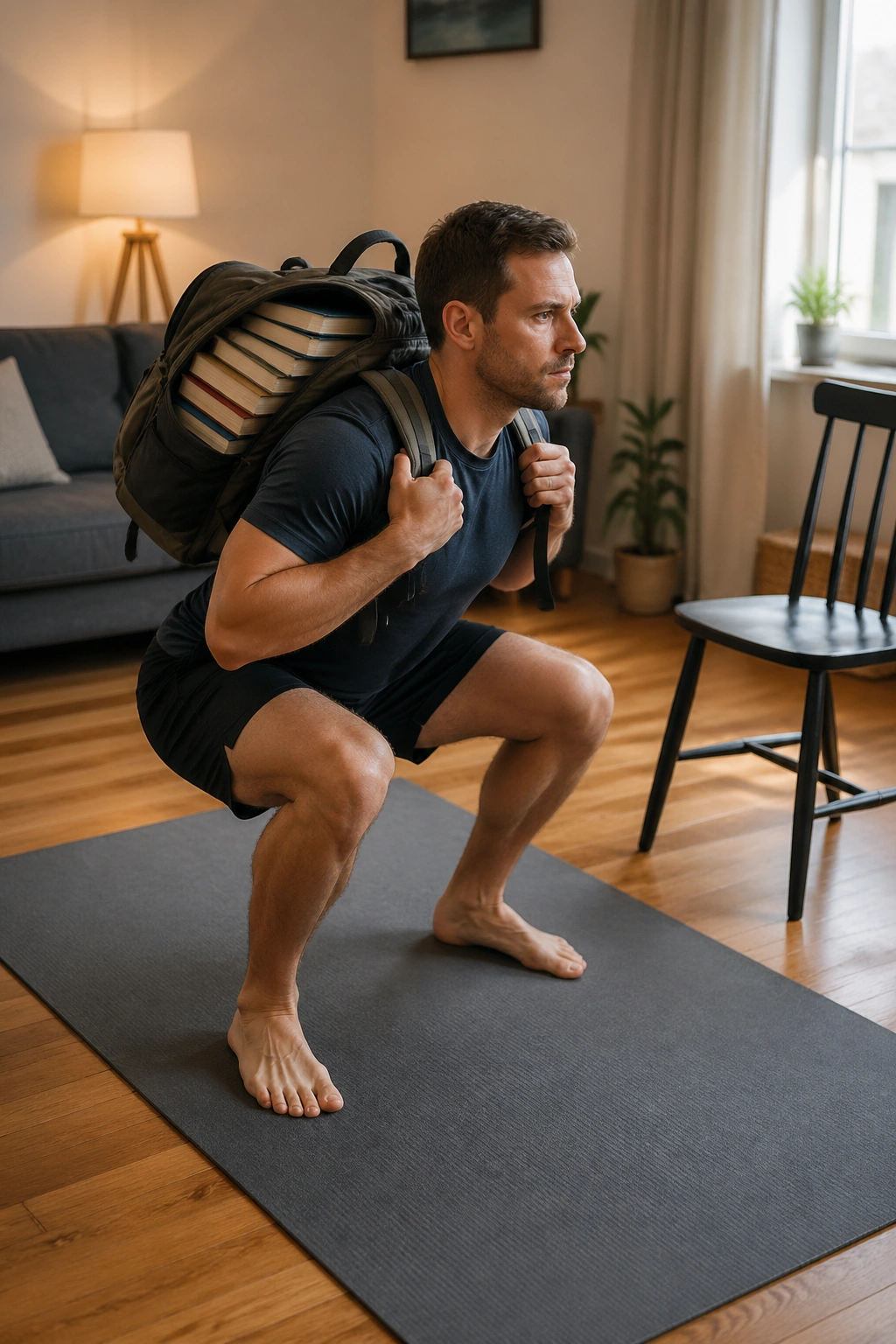
A backpack, a pair of books, and a sturdy chair are enough to make a decent full body day at home.
That’s not a motivational slogan. It’s practical. If you can load a backpack with books or water bottles, you can train legs, hips, shoulders, and back without leaving the house.
A Good Home Circuit
Do 4 rounds of:
- 12 backpack squats
- 10 push-ups on the floor or chair
- 12 backpack bent-over rows
- 10 hip bridges
- 20 shoulder taps per side
Rest 30 to 45 seconds between exercises if you want a brisk pace, or keep the rests longer and make the movements slower.
Small Tweaks That Matter
If the backpack feels too light, slow the lowering phase to 3 seconds. If it feels too awkward on your back, hold it in a goblet position. If push-ups are too rough, raise the hands on a couch or counter.
Home workouts only work when they fit real life. This one does, and that matters more than fancy gear.
12. Upper-Lower Blend With a Core Finish
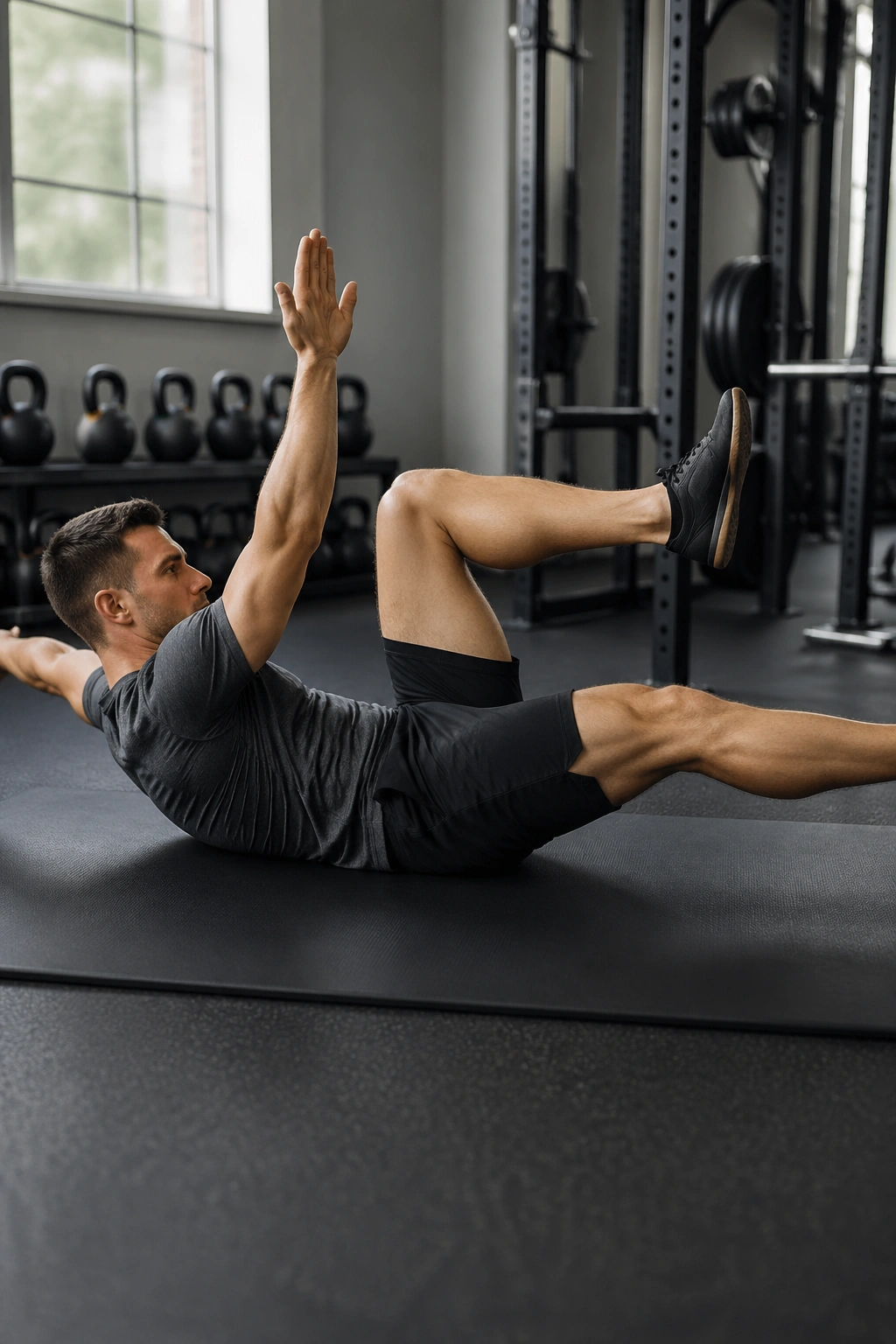
Can you separate the body into neat little halves and still call it a full body day? Sure, if you keep the pairings smart.
The simplest way is to alternate an upper-body move with a lower-body move, then finish with core work that actually resists motion instead of just folding and twisting the spine over and over.
A Straightforward Pairing Plan
Superset these:
- 4 sets of 6 bench presses + 4 sets of 8 split squats
- 4 sets of 8 lat pulldowns + 4 sets of 8 Romanian deadlifts
- 3 sets of 10 incline dumbbell presses + 3 sets of 10 step-ups
Then finish with:
- 3 sets of 30-second dead bugs
- 3 sets of 20-second side planks per side
Why It Feels Balanced
This format keeps the session moving without turning it into a metcon. Upper and lower body work share the spotlight, and the core gets trained as a brace, not just a mover.
A lot of people like this style because it feels organized. Nothing flashy. Nothing wasted.
13. The Athlete-Style Sprint and Lift Day

A track, a rower, or a bike can turn a full body day into something sharp and athletic fast.
The idea is to pair short bursts of speed with short, crisp lifts. You are not trying to build a marathon base here. You are trying to get the body to switch gears cleanly.
A Simple Run
Do 6 rounds of:
- 15 to 20 seconds of sprint effort
- 6 kettlebell deadlifts or dumbbell deadlifts
- 6 push presses
- 8 goblet squats
- 30 to 45 seconds of rest
If you sprint outside, keep the effort controlled on the first two rounds. No hero starts. Those usually end with sloppy mechanics and sore calves.
The lifting should stay crisp, even as the heart rate climbs. If the bar path goes ugly, the round is over.
This one is for people who like to feel a little competitive with the clock. It is direct, blunt, and honest.
14. The Recovery-Focused Full Body Flow
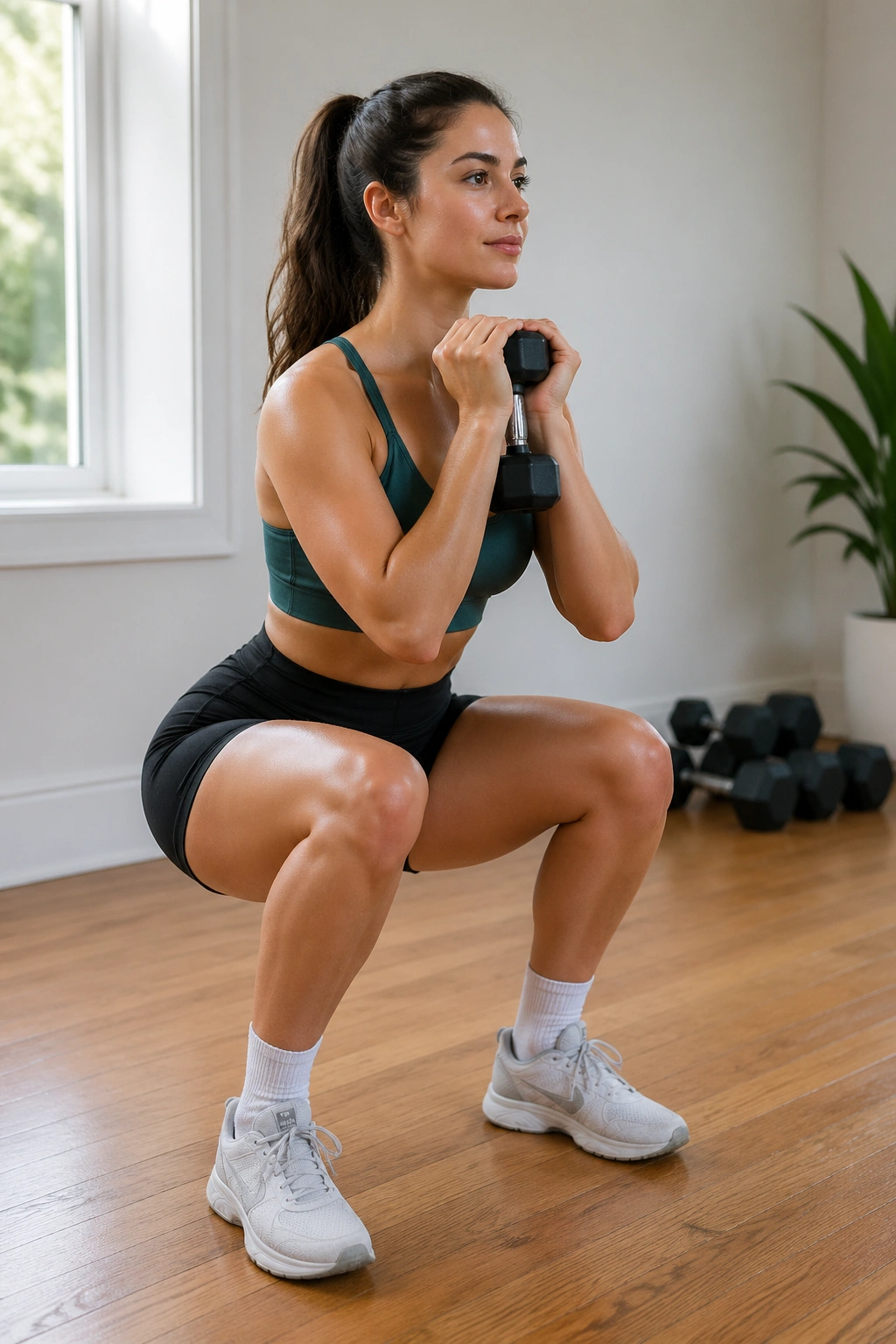
Harder is not always better. Some of the smartest full body days are the quiet ones that leave you moving well instead of flattened.
A recovery-focused session still hits the major patterns, but it keeps loads moderate, positions clean, and breathing under control. You should finish feeling better than when you walked in. That’s the whole point.
A Good Low-Stress Session
Try 2 to 3 rounds of:
- 6 bodyweight or light goblet squats
- 8 half-kneeling dumbbell presses per side
- 8 cable rows or band rows
- 10 glute bridges
- 30-second loaded carry
- 4 slow breaths between moves
What Makes It Worth Keeping
This kind of session works on days when sleep was off, stress was high, or your joints want less noise. The carries and slow reps keep the body engaged, but the pace stays calm.
No fireworks. Just good work.
And honestly, that’s a relief sometimes.
15. The Barbell Basics Day
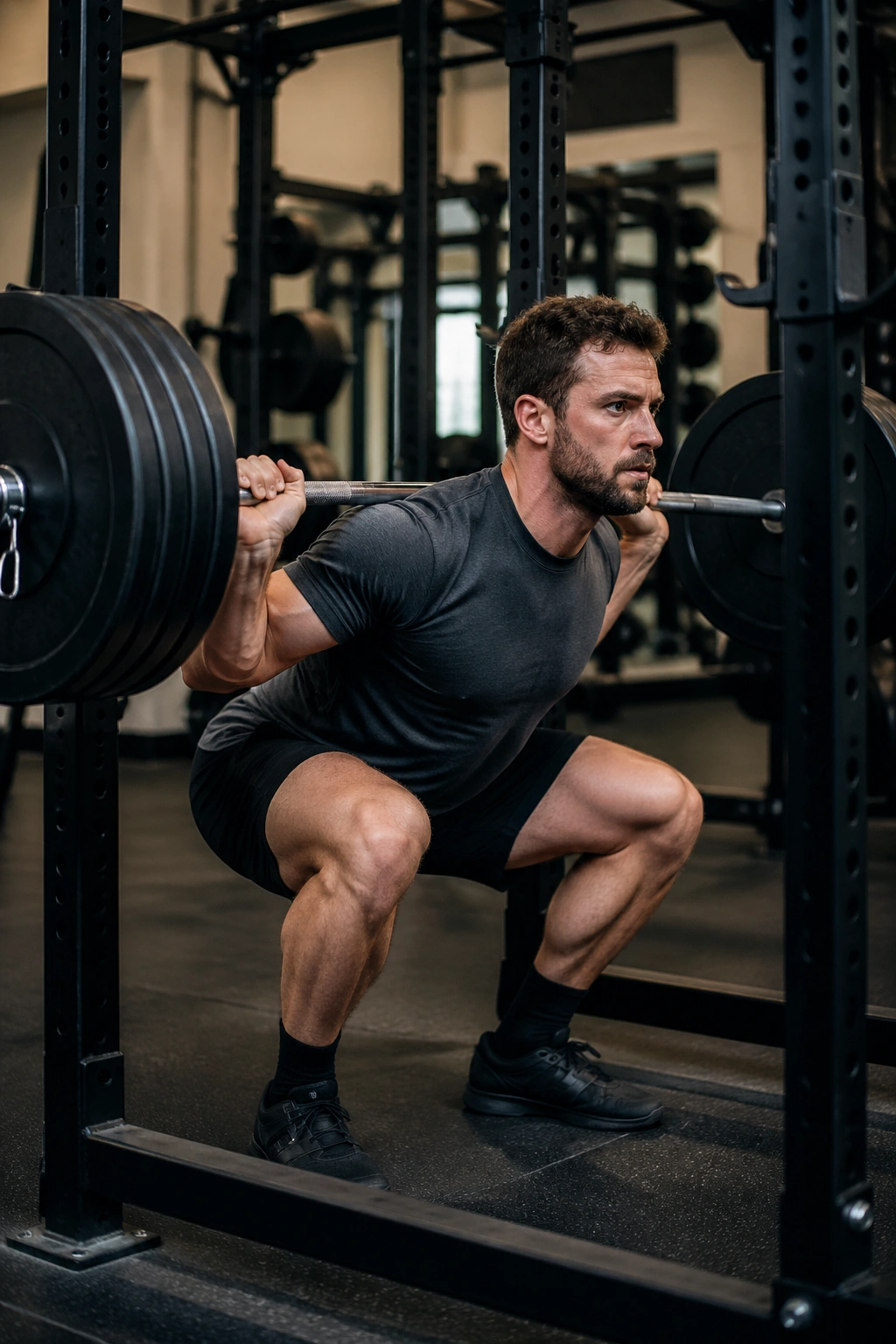
Four barbell lifts can cover more ground than a pile of random accessories. That is why a basic barbell day still deserves a place in any serious full body workout plan.
Back squats, overhead press, Romanian deadlifts, and barbell rows cover the main jobs well. They let you load the body heavily, track progress easily, and keep the workout from drifting into busywork.
The Core Lifts
- Back squat: 4 sets of 5
- Standing overhead press: 4 sets of 5
- Romanian deadlift: 3 sets of 6 to 8
- Barbell row or pull-up: 4 sets of 6 to 8
Rest 2 minutes on the heavy lifts and 90 seconds on the accessories.
What to Respect
The barbell rewards setup. Feet planted, brace set, bar path clean. If you rush the first rep, the whole set tends to slide sideways from there.
This is a good day for lifters who like tracking numbers and watching them climb in small, real increments.
16. The Core-Heavy Conditioning Circuit
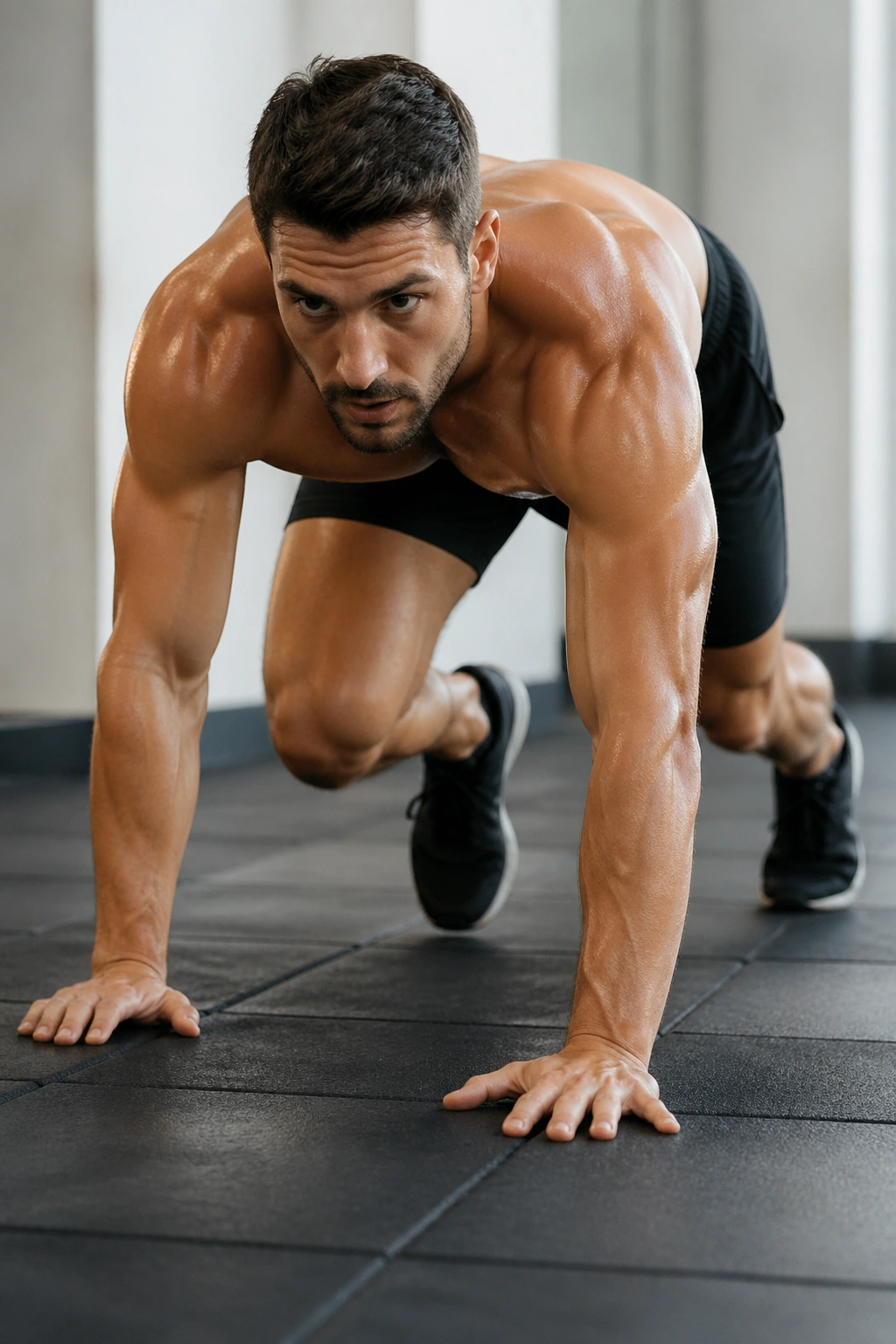
What if the main target is not your arms or legs, but your ability to hold shape when you’re tired?
That is where a core-heavy conditioning circuit earns its keep. Not by doing endless crunches, either. By making your trunk stop movement while the rest of the body is busy.
A Clean Circuit
Run 4 rounds of:
- 10 medicine ball slams
- 8 plank shoulder taps per side
- 10 bear crawls forward and back
- 20-second hollow hold
- 30-meter farmer carry
Rest 45 to 60 seconds between rounds.
The slam trains force. The crawl asks for shoulder control and hip stability. The hollow hold teaches you to keep the ribs down when you want to flare them. And the carry ties the whole thing together.
This session has a sneaky reputation in my head: it looks short, then it steals your breath. Fair trade.
17. The Travel-Friendly Hotel Room Workout
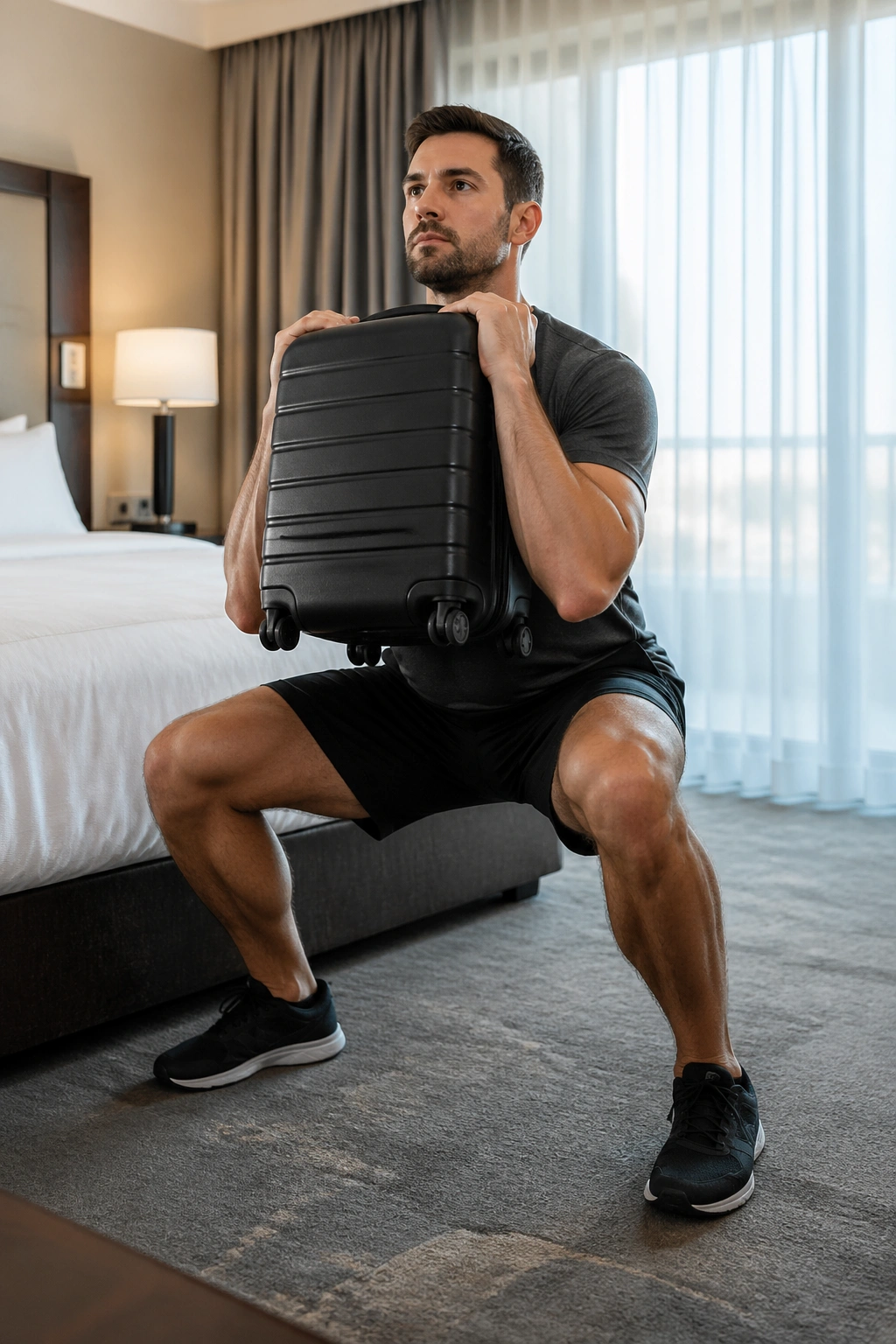
A suitcase, a towel, and a carpeted floor can handle more than people think.
If you’re stuck in a hotel room or squeezed into a tiny space, you can still build a respectable full body day with bodyweight moves, a little isometric work, and some careful loading from luggage if needed.
A Portable Template
Do 3 to 4 rounds of:
- 10 suitcase front squats
- 8 incline push-ups on a desk or bed edge
- 10 reverse lunges per side
- 12 glute bridges
- 20-second towel isometric row, if you have a safe anchor, or prone reverse snow angels
Rest 30 to 45 seconds between moves.
Safety First
Skip any row setup that feels sketchy. A bad anchor point is not worth it. If you cannot pull safely, use prone upper-back work instead and keep moving.
This is the kind of workout that saves a travel day from becoming a total wash. Not glamorous. Still useful.
18. The Dumbbell Complex Session

A dumbbell complex is one of those old-school ideas that still earns its place because it works hard without wasting a lot of time.
The rule is simple: use one pair of dumbbells and do several moves in a row without setting them down. That keeps the heart rate up, the grip engaged, and the whole body under load.
One Solid Complex
Perform 4 to 6 rounds of:
- 6 Romanian deadlifts
- 6 bent-over rows
- 6 hang cleans
- 6 front squats
- 6 push presses
- 6 reverse lunges per side
Rest 90 seconds after each round.
The weight should be light enough to keep the transitions clean. If you have to muscle the dumbbells into place every single time, the load is too heavy for a complex.
Simple rule: the first exercise sets the pace for the rest. Start controlled and the whole round holds together better.
19. The Machine-Only Hypertrophy Day
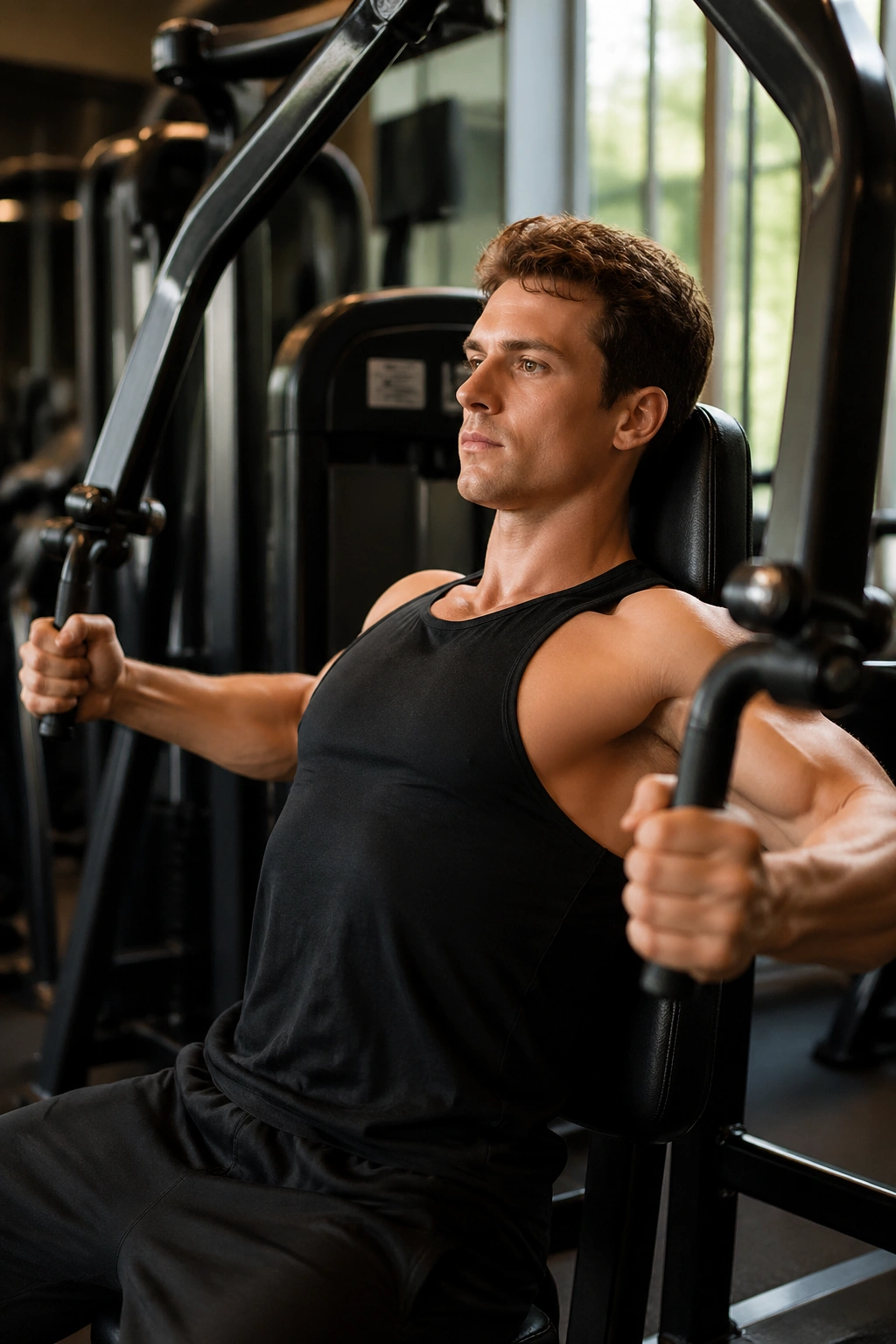
Machines can build muscle without a lot of drama, and I’m firmly in favor of that when the goal is a solid full body day with less setup and less joint stress.
The trick is to choose machines that cover the body from top to bottom instead of just hammering one area. Keep rests moderate and reps in the 8 to 12 range.
A Smart Machine Lineup
Try:
- 4 sets of 10 leg press reps
- 4 sets of 10 chest press reps
- 4 sets of 10 seated row reps
- 3 sets of 12 hamstring curls
- 3 sets of 10 lat pulldowns
- 3 sets of 10 shoulder press reps
- 2 to 3 sets of 12 cable crunches
Rest 60 to 75 seconds between sets.
Why It Works
This style lets you chase muscle without spending half the session moving plates and adjusting benches. It also makes it easier to keep form consistent, which matters when fatigue sets in.
It is not flashy. It does not need to be.
20. The Mixed-Modality Sweat Session
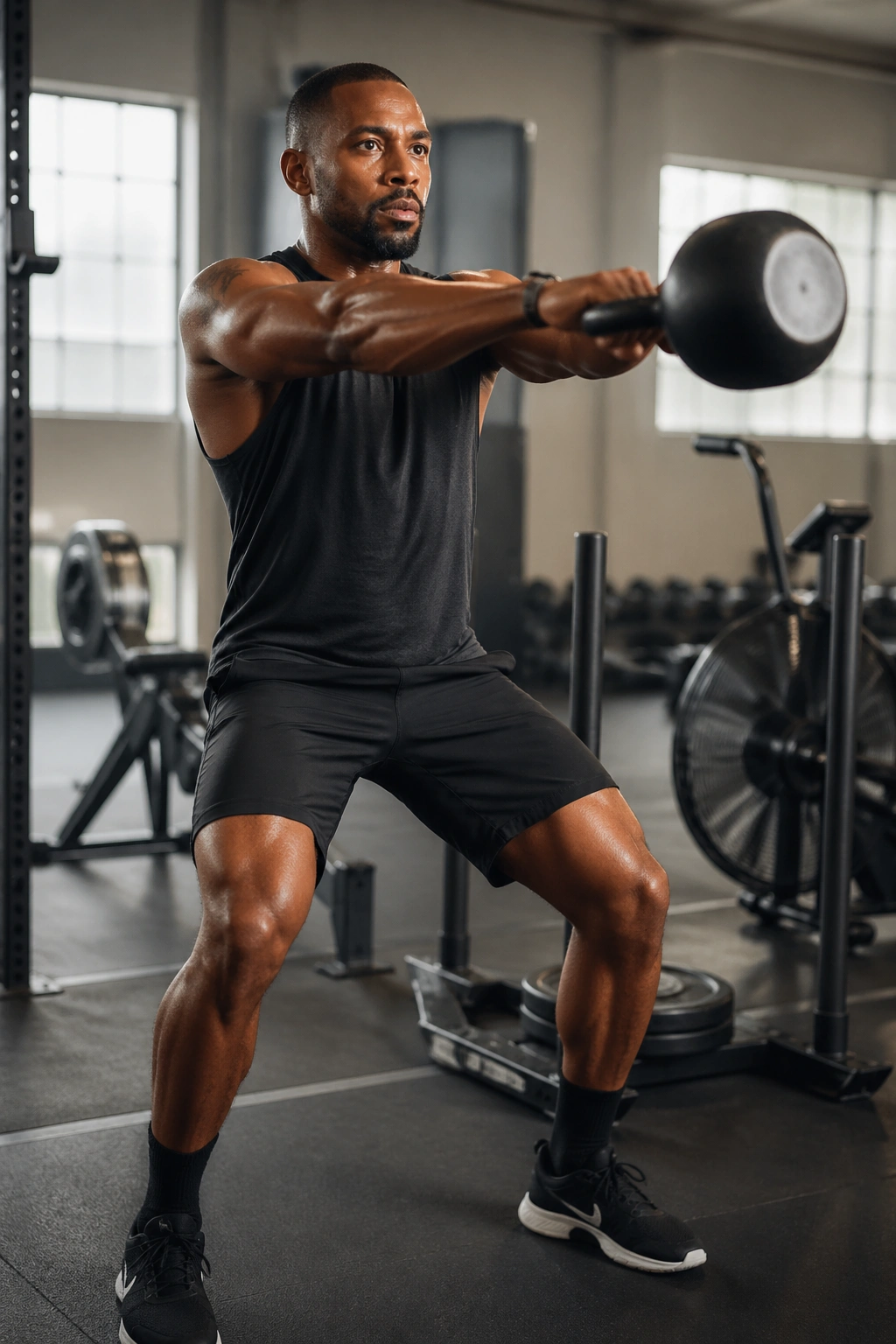
A rower, sled, bike, and kettlebell can make a full body day feel athletic without a lot of clutter.
Mixed-modality training is useful because each tool asks for something slightly different. The sled lights up the legs without much eccentric strain. The rower gets the heart rate up. The kettlebell adds hinge work and grip. Put them together and the session gets dense fast.
A Practical Circuit
Cycle through 5 stations:
- 45 seconds rower
- 10 sled pushes of 15 to 20 meters
- 15 kettlebell swings
- 10 push-ups
- 45 seconds bike
Rest 60 seconds after each full round.
If you want a cleaner strength bias, slow the pace and keep the reps lower. If you want more conditioning, shave the rest down and keep the movement smooth.
This is a good pick for people who like variety but still want a plan that makes sense.
21. The Joint-Friendly Strength Day

Need a session that leaves your knees and shoulders calmer instead of crankier?
That is what this one is for. It uses angles, sled work, cables, and controlled dumbbell moves to train the whole body while keeping the pressure a little lower than a straight barbell smash-up.
A Calm but Strong Template
Do 3 to 4 sets of:
- 6 box squats
- 8 incline dumbbell presses
- 10 cable rows
- 10 glute bridges
- 20-meter sled drags
- 8 Pallof presses per side
Rest 60 to 90 seconds between sets.
Why the Angles Help
Box squats can take some pressure off the knees if depth is the issue. Incline pressing often feels friendlier on the shoulders than flat pressing. Sled drags let the legs work hard without much joint pounding.
This is a good full body day for older lifters, banged-up lifters, or anyone who simply wants to train without making every rep a drama.
22. The One-and-Done Maintenance Workout
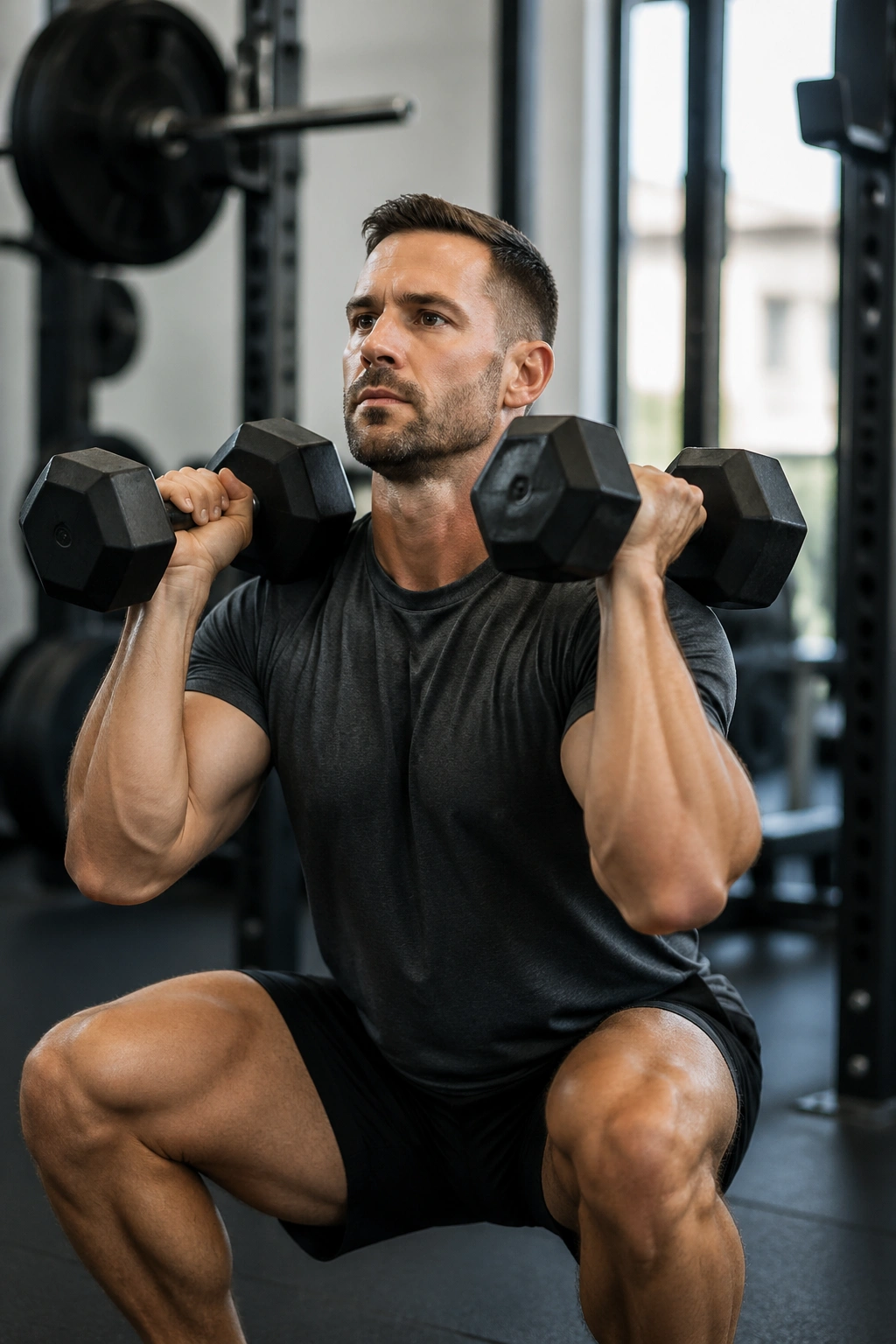
One honest 30-minute session can hold a lot together.
When life gets crowded, the goal is not some heroic masterpiece. It is to cover the basics, keep the patterns sharp, and leave the session feeling like you did enough to matter.
A Simple Maintenance Format
Use this:
- 5-minute warm-up: walk, bike, row, or brisk mobility
- 3 rounds of 8 squats, 8 hinges, 8 pushes, 8 pulls
- 2 loaded carries of 30 meters
- 1 core hold for 30 to 40 seconds
Rest 45 to 60 seconds between moves.
Keep the load moderate and the execution clean. If you finish and feel like you could have done a bit more, that is fine. That feeling usually means the workout was well judged, not weak.
A good full body day does not need to be loud. It needs to be repeatable. That is the piece people come back to, and the one that keeps a training week from falling apart when the schedule gets messy.
