



A good daily yoga practice for women does not need a candlelit room, a full hour, or the flexibility of a gymnast. It needs a handful of poses that wake up stiff hips, steady the spine, and leave your body feeling easier to live in.
That is the part people miss. They chase deep shapes too early, then wonder why they feel more tangled than loose. A smarter routine works closer to the ground: a standing reset, a few hip openers, some core work, one backbend, one twist, and a long exhale at the end.
I keep coming back to yoga poses for women that actually earn their spot on a mat. Not flashy. Useful. The best daily shapes do that quiet work of supporting posture, balance, strength, and recovery without asking you to build your day around them.
Some mornings you will move through all 28. Some days you will choose four and call it enough. Both count. The point is a practice that meets you where you are, then leaves you a little looser, a little steadier, and a lot less folded up.
1. Mountain Pose for a Standing Reset
Mountain Pose looks plain. That is exactly why it matters.
When a practice starts to feel scattered, Tadasana brings you back to the basics: feet, legs, ribs, breath, head. I like it because it teaches alignment without drama. You are not chasing a stretch here; you are learning how to stand in a way that costs your body less effort all day long.
What to feel in the feet
A lot of people treat Mountain Pose like “stand there and look polite.” That misses the point.
Instead, press through the big toe mound, little toe mound, and heel of each foot. Let the knees stay soft, not locked. Stack the ribs over the pelvis, then grow the crown of the head upward like someone gently pulled a string at the top of your skull.
- Feet hip-width apart if that feels steadier.
- Weight spread across all four corners of each foot.
- Thighs active, but not clenched.
- Jaw relaxed. Shoulders down.
Small tip: use Mountain Pose between other poses, and even between chores. It takes 10 seconds. It helps more than people expect.
2. Cat-Cow Stretch to Wake Up the Spine
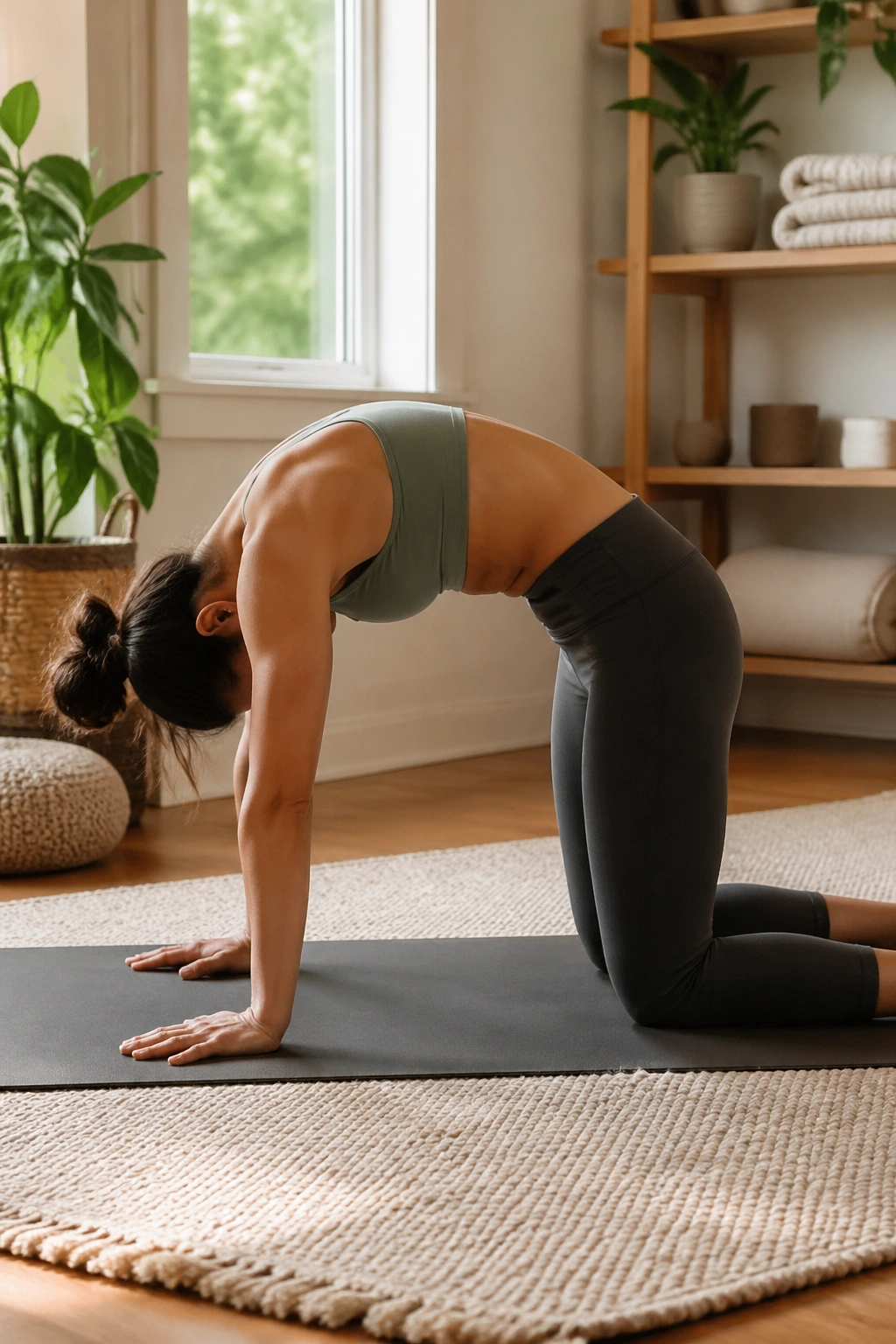
Cat-Cow is not a warm-up. It is a conversation with your spine.
A lot of women carry tension in the upper back, the low back, or both, and Cat-Cow gives those areas a chance to move without force. The inhale lets the chest broaden. The exhale lets the belly draw in and the spine round. That breath-movement pairing is what makes it feel so clean when it is done well.
On hands and knees, keep the wrists under the shoulders and the knees under the hips. Then move slowly. Really slowly. If the movement is rushed, the pose turns into a shoulder shrug with music playing in the background.
Five to eight rounds is enough for most daily practices. If the wrists complain, come down to forearms or place your hands on blocks. If the neck feels pinched, keep the gaze down instead of throwing the head back. No one gets extra points for making it bigger.
3. Downward-Facing Dog for Length Through the Whole Back Body
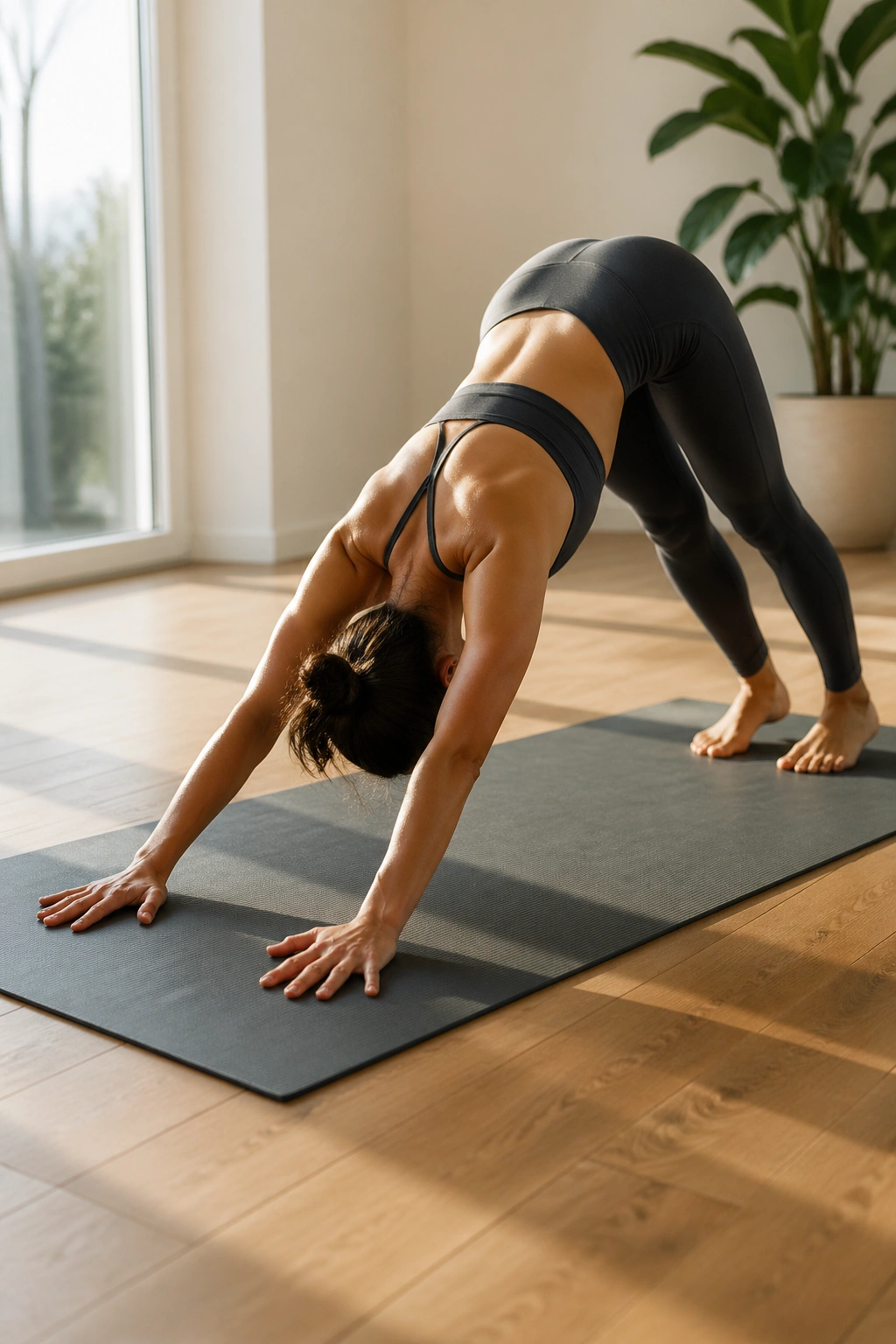
Why does this pose show up in so many routines? Because Downward-Facing Dog does a lot at once.
It stretches the calves, hamstrings, shoulders, and sides of the torso while building some real support through the arms and upper back. For women who sit at a desk, carry kids, drive a lot, or simply feel compressed by the end of the day, that combination is gold. The shape is half stretch, half strength, and that is why it keeps earning its place.
How to use it
Start with bent knees. I mean that. Bent knees are not a failure here; they are often the thing that lets the spine lengthen properly. Push the floor away, lift the hips, and think “long back” before you think “straight legs.”
- Hands spread wide, especially the index finger knuckles.
- Heels can hover.
- Head hangs between the arms.
- Pedal the feet to ease the calves.
If your shoulders feel jammed, take the pose at a wall or on blocks. A longer spine beats a lower heel. Every time.
4. Low Lunge for Tight Hip Flexors
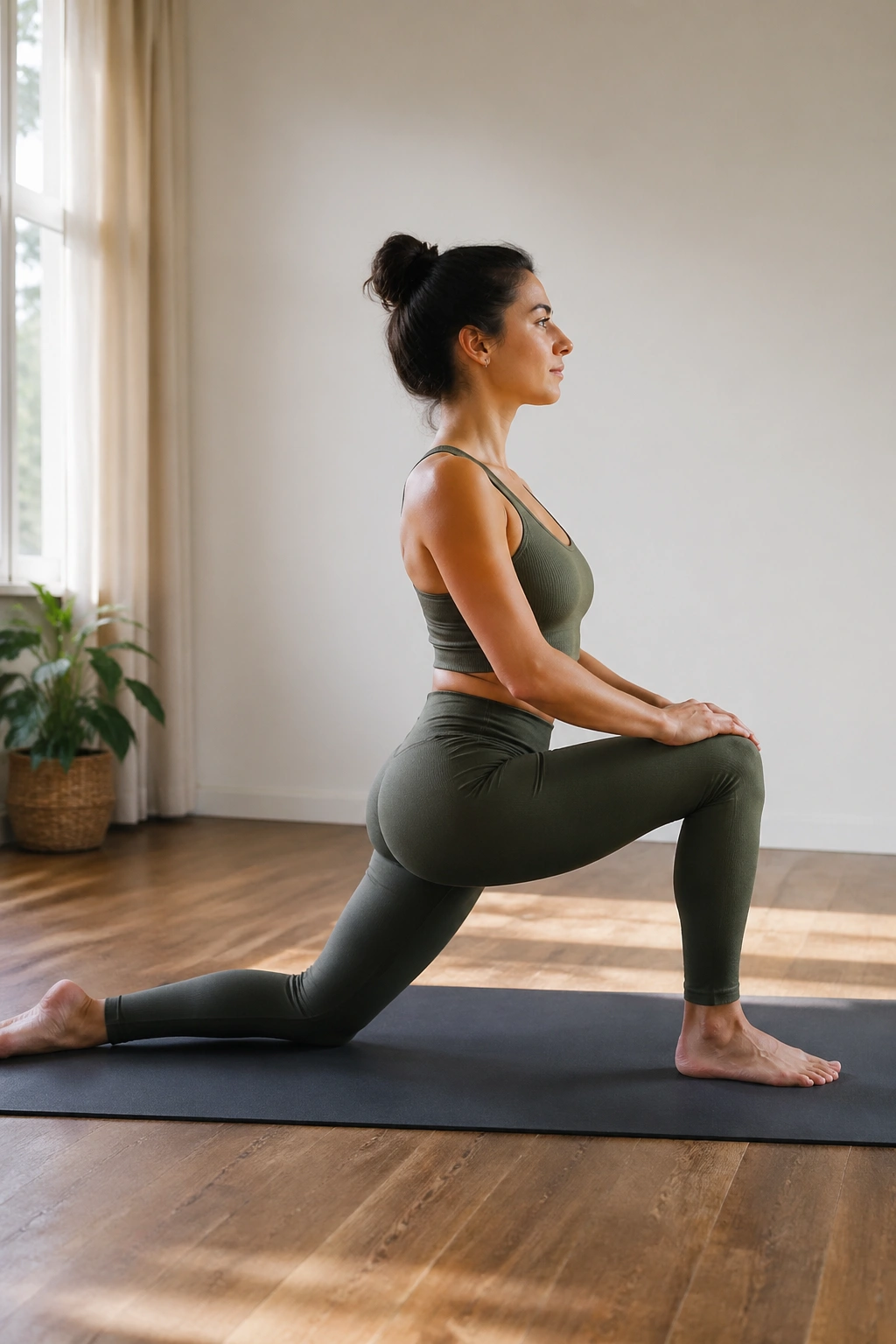
You can spot the women who need Low Lunge the most. They are the ones who stand up from a chair and make that tiny, annoyed face.
Sitting shortens the front of the hip. Walking up stairs, wearing heels, cycling, and carrying a bag on one shoulder all feed the same tight spot. Low Lunge opens that area without asking the body to do circus work. It is one of those poses that feels simple and practical, which is my favorite kind.
Place the back knee on a folded blanket if the floor is hard. Shorten the stance if the low back starts pinching. Keep the front knee over the ankle, and let the hips ease forward only as far as you can breathe without bracing.
- Pad the back knee.
- Keep the front foot flat.
- Squeeze the back glute lightly.
- Lift the chest without flaring the ribs.
A little bit goes a long way. Deep is not the goal.
5. Crescent Lunge for Heat and Balance
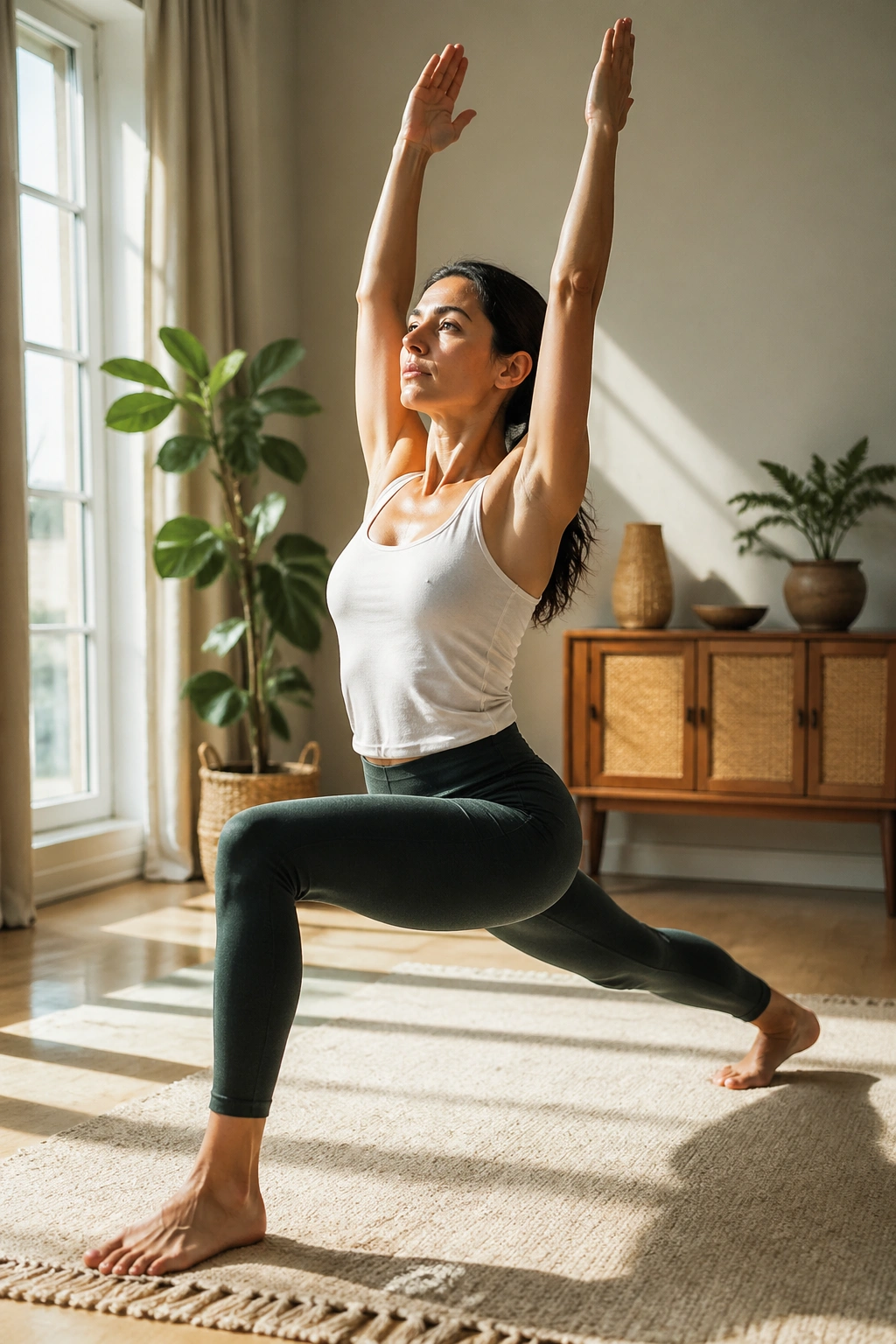
Crescent Lunge is where the practice starts to feel awake.
Unlike Low Lunge, the back knee lifts, so the legs have to work harder and the core has to stay honest. That makes Crescent Lunge useful on mornings when you feel foggy or flat. The pose wakes up the glutes, quads, calves, and the deep muscles around the waist without needing a speed boost from anything outside the mat.
Keep the front knee bent and stacked over the ankle. The back heel reaches back, the pelvis stays level, and the ribs do not dump forward. That last part matters more than people think. A big arch in the low back can fake openness for a second, then leave you stiff later.
Arms overhead if that feels steady. Hands on the hips if it does not. Some days I like the stillness of this shape more than the stretch itself. It makes you pay attention.
The pose works best when you stay honest about the back leg. Strong. Long. Quiet.
6. Warrior I for Strong Front-to-Back Lines
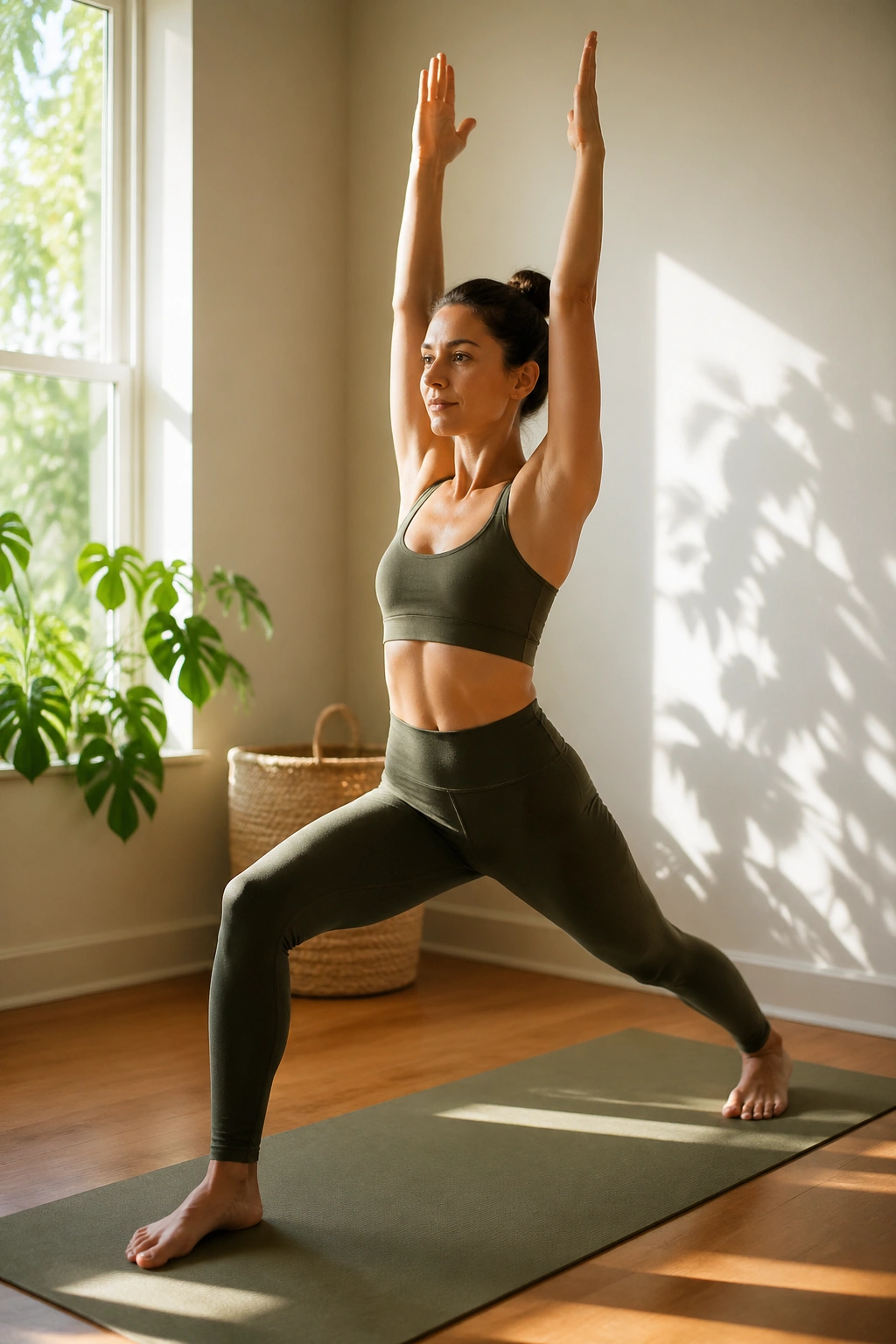
Warrior I is not the same thing as Crescent Lunge, and that difference matters.
Crescent is lighter and more mobile. Warrior I is more rooted, with the back heel pressing down and the torso facing forward. That fixed base changes the feel completely. The pose asks for front-body length, back-leg strength, and enough pelvic control to keep the low back from taking over.
I like Warrior I for women who want a standing posture that feels a little more grounded than the balance-heavy stuff. It gives structure. It also teaches the body to hold shape under effort, which carries into walking, lifting, and carrying without making a fuss about it.
Keep the stance short enough that the back heel can stay planted. Square the hips only as far as your body allows without strain. Arms can reach up, but if your shoulders are cranky, leave them at heart center for a round or two.
This one is about quiet strength, not drama.
7. Warrior II for Steady Legs and Open Hips
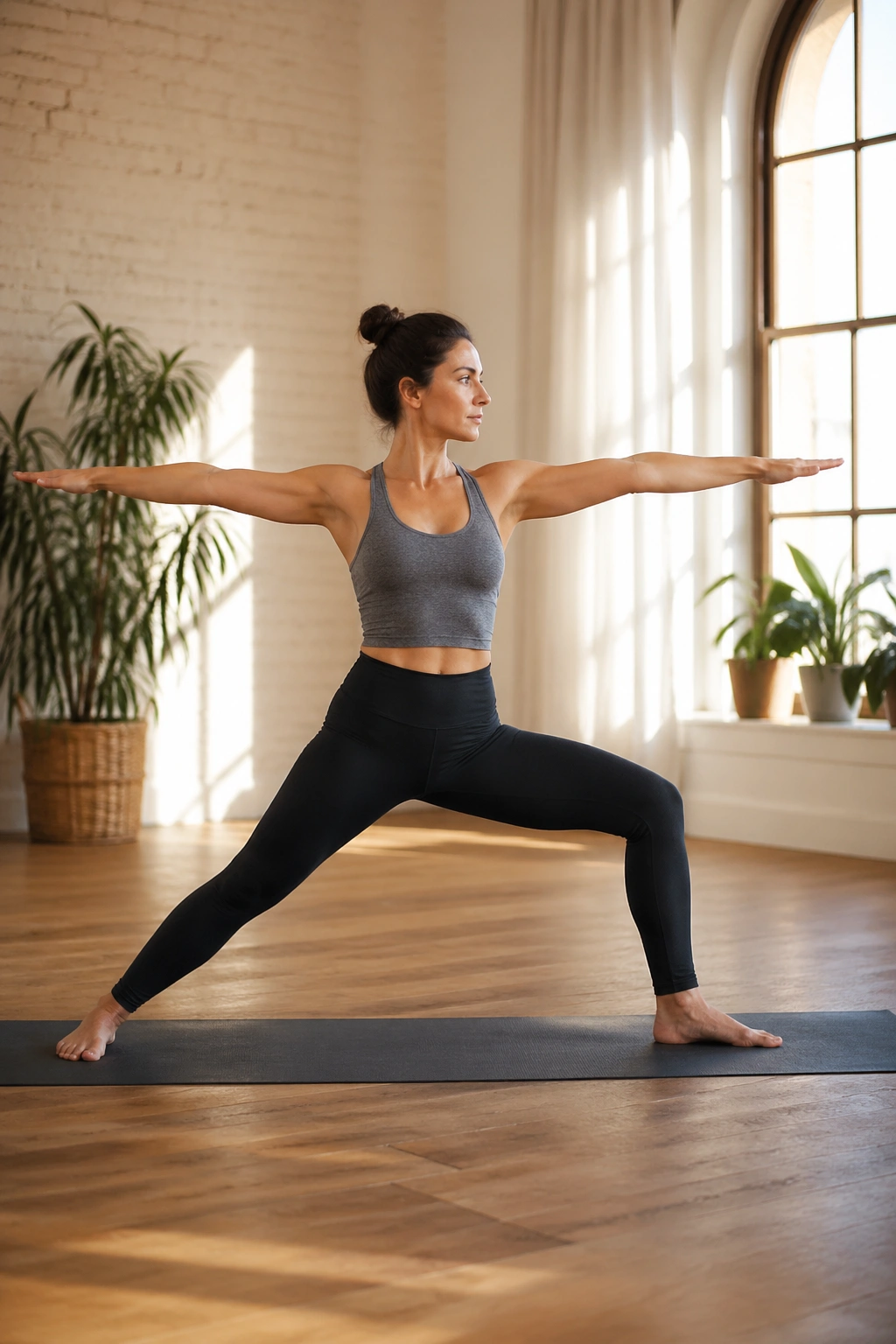
Warrior II looks simple from the outside. It is not lazy at all.
The pose builds stamina in the legs while opening the inner thighs and outer hips, and that is a useful mix for any daily yoga practice. For women who spend long stretches sitting or standing in one place, Warrior II gives the lower body a chance to wake up in a side-facing stance that feels stable and clear.
What to watch
The front knee tracks over the second toe. The back foot angles in slightly. Arms stretch out to the sides like you are occupying your own space without apology.
- Keep the torso centered over the hips.
- Press evenly through both feet.
- Soften the shoulders away from the ears.
- Gaze over the front hand, or straight ahead if your neck prefers it.
The common mistake is sinking into the front knee without engaging the back leg. That makes the pose collapse. Better to stay a little higher and feel both legs working.
Strong and steady beats low and sloppy.
8. Triangle Pose for the Side Body and Hamstrings
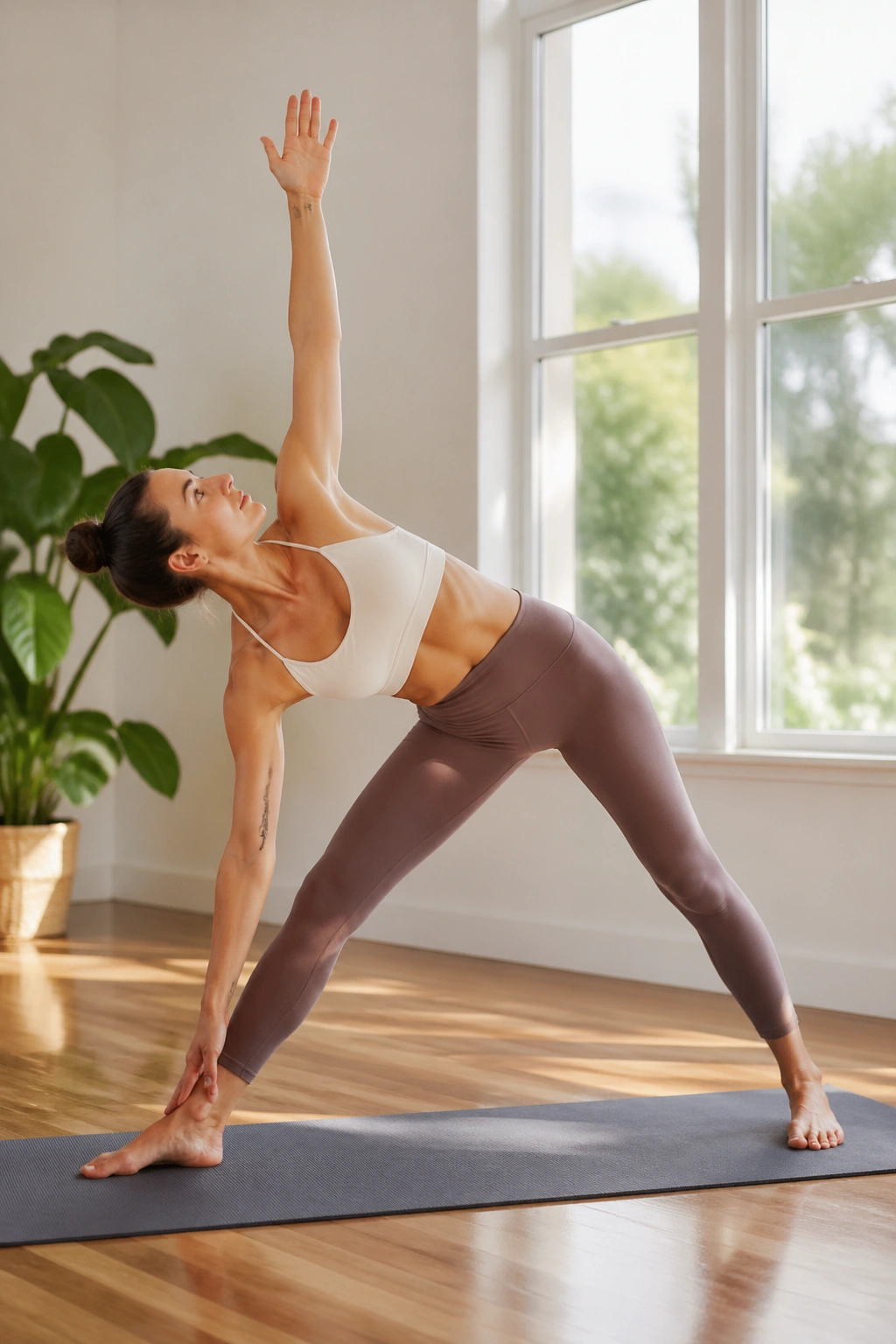
Triangle is not a floor-touching contest.
Triangle Pose works best when you stop trying to force your hand down and start paying attention to the length of the side body. That long line from hip to ribs to fingertips is what gives the pose its clean stretch. The hamstrings get attention too, but the side waist is the sneaky star.
If your bottom hand barely reaches the shin, that is fine. A block under the hand often makes the pose better, not worse, because it gives the chest space to open. Keep the front thigh gently lifting and the hips stacked in a way that feels organized rather than twisted into a knot.
This is a good daily pose for women who feel compressed through the waist, especially after a day of hunching over a keyboard or a steering wheel. The shape opens space. That is the real win.
Breathe into the ribs. Then breathe there again. The stretch shows up more cleanly when you stop muscling it.
9. Extended Side Angle for a Deeper Side Stretch
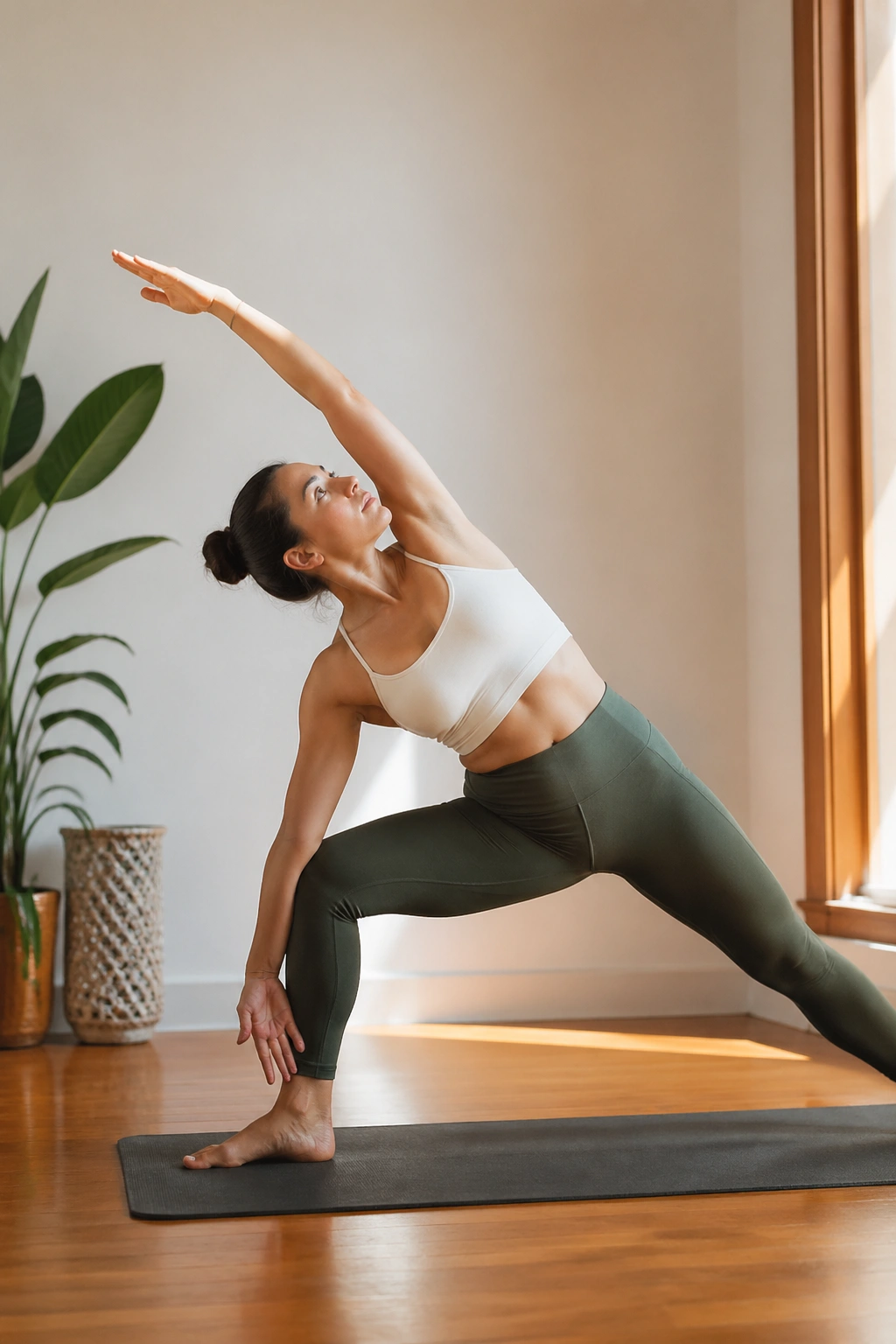
Why do people reach for this pose after a long day? Because Extended Side Angle feels like it draws the body out from the ribs all the way to the outer hip.
You get leg work from the front knee and back leg, plus a long line through the side of the torso. For women who want yoga poses that do more than just bend the spine, this one is a keeper. It has a grounded lower body and a reaching upper body, which makes it feel big without being sloppy.
How to keep it kind
Rest the forearm on the front thigh if the full side bend feels too much. Or place the bottom hand on a block outside the front foot. The goal is not how far you sink; the goal is how well you can breathe while the shape holds.
Keep the back leg active. Let the chest roll open without collapsing the front knee inward. If the neck gets tired, keep the gaze down or forward.
A lot of people treat this as a dramatic stretch. I like it more as a whole-body line.
10. Chair Pose for Legs That Need Work
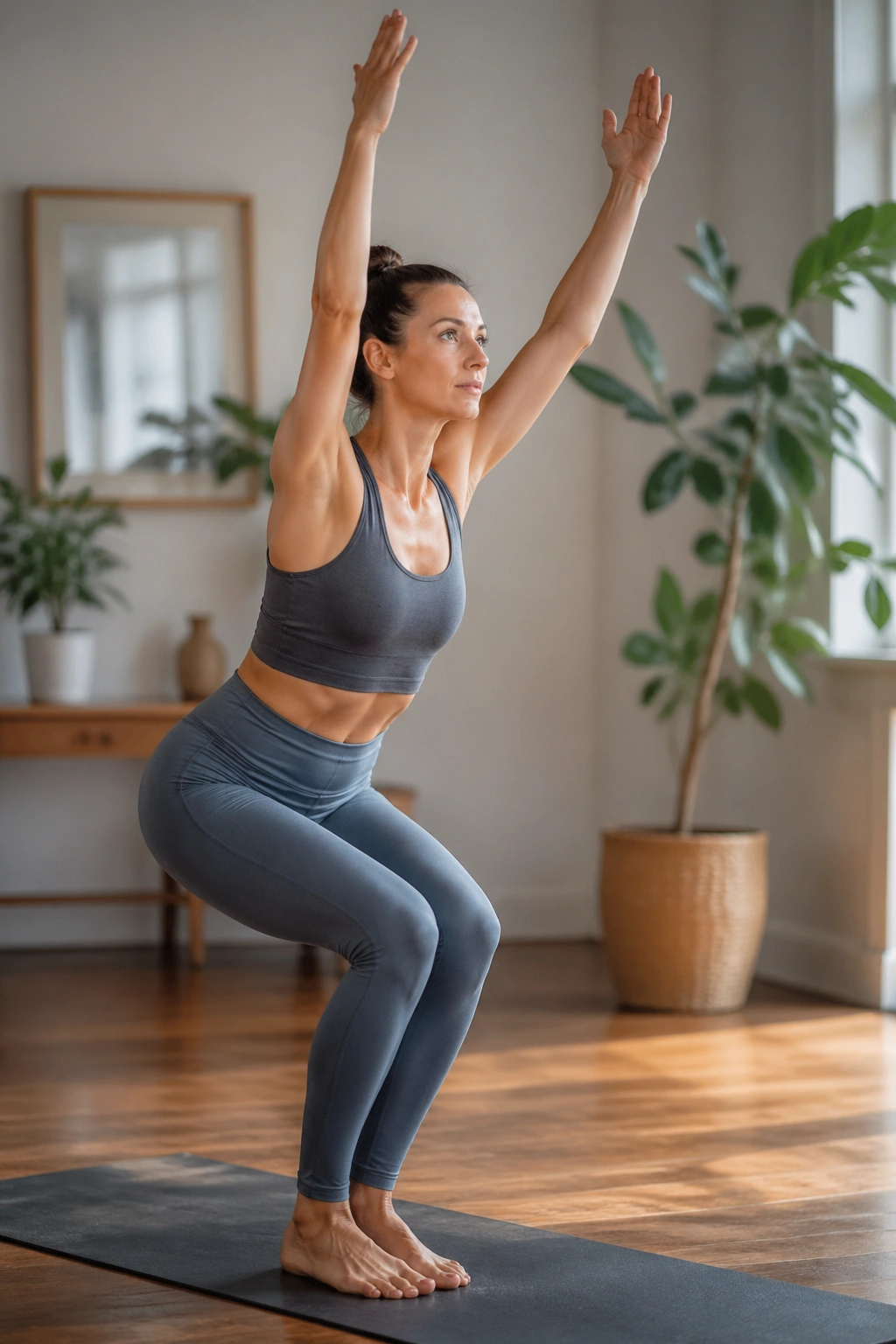
Chair Pose gets a bad reputation because it makes people sweat. Fair.
But Chair Pose is one of the most useful daily yoga poses for women because it trains the quads, glutes, calves, ankles, and core all at once. It also teaches the body how to sit back into strength without dumping into the knees. That skill matters more than people admit.
Imagine there is a low chair behind you and you are hovering just above it. Hips back, chest lifted, weight in the heels, but not so much that the toes float away. The arms can reach forward or overhead, depending on the shoulders.
- Knees track over the middle toes.
- Weight stays spread through the feet.
- Lower ribs do not flare.
- Neck stays long.
The mistake I see most is collapsing into the low back and calling it effort. That is not the same thing. A strong Chair Pose feels compact, not crushed.
11. Garland Pose for a Deep Hip and Ankle Opening
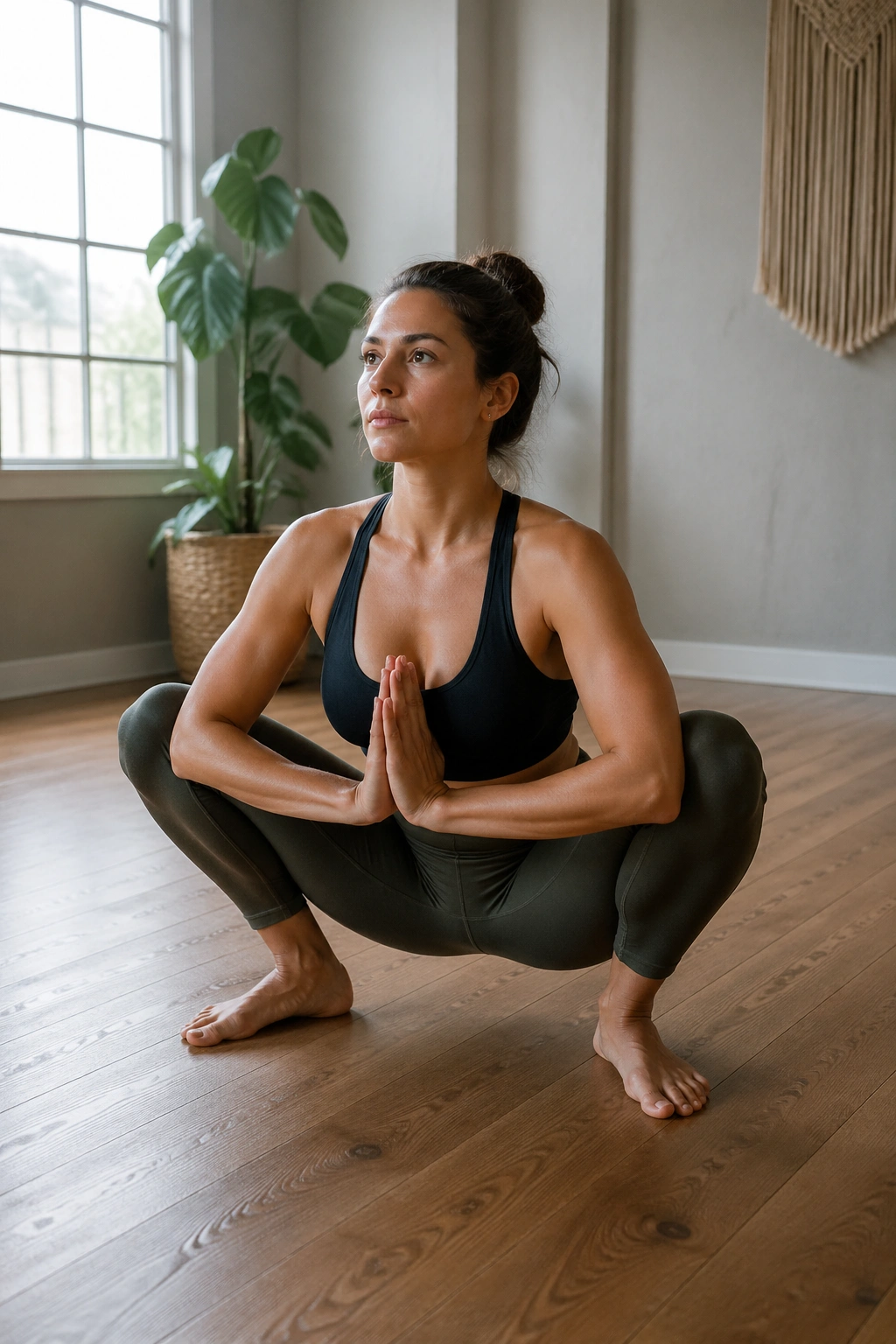
Garland Pose is a squat, yes, but that word undersells it.
In Malasana, the ankles, knees, hips, and lower back all get a vote. That is why it can feel so relieving when the body has spent too much time in chairs and cars. It also helps many women rediscover a shape that is natural for the body, even if modern furniture has convinced us otherwise.
If your heels lift, place a folded blanket under them or sit your hips on a yoga block. If your back rounds a little, do not panic. A long spine is nice, but relaxed breathing is nicer. Let the elbows press the inner knees only enough to encourage space, not force it.
I like this pose for the way it turns the pelvis into a place of rest instead of tension. That matters. Especially when the day has been all grip and no release.
Stay a few breaths. Then one more.
12. Bridge Pose for Glutes, Back, and Breath
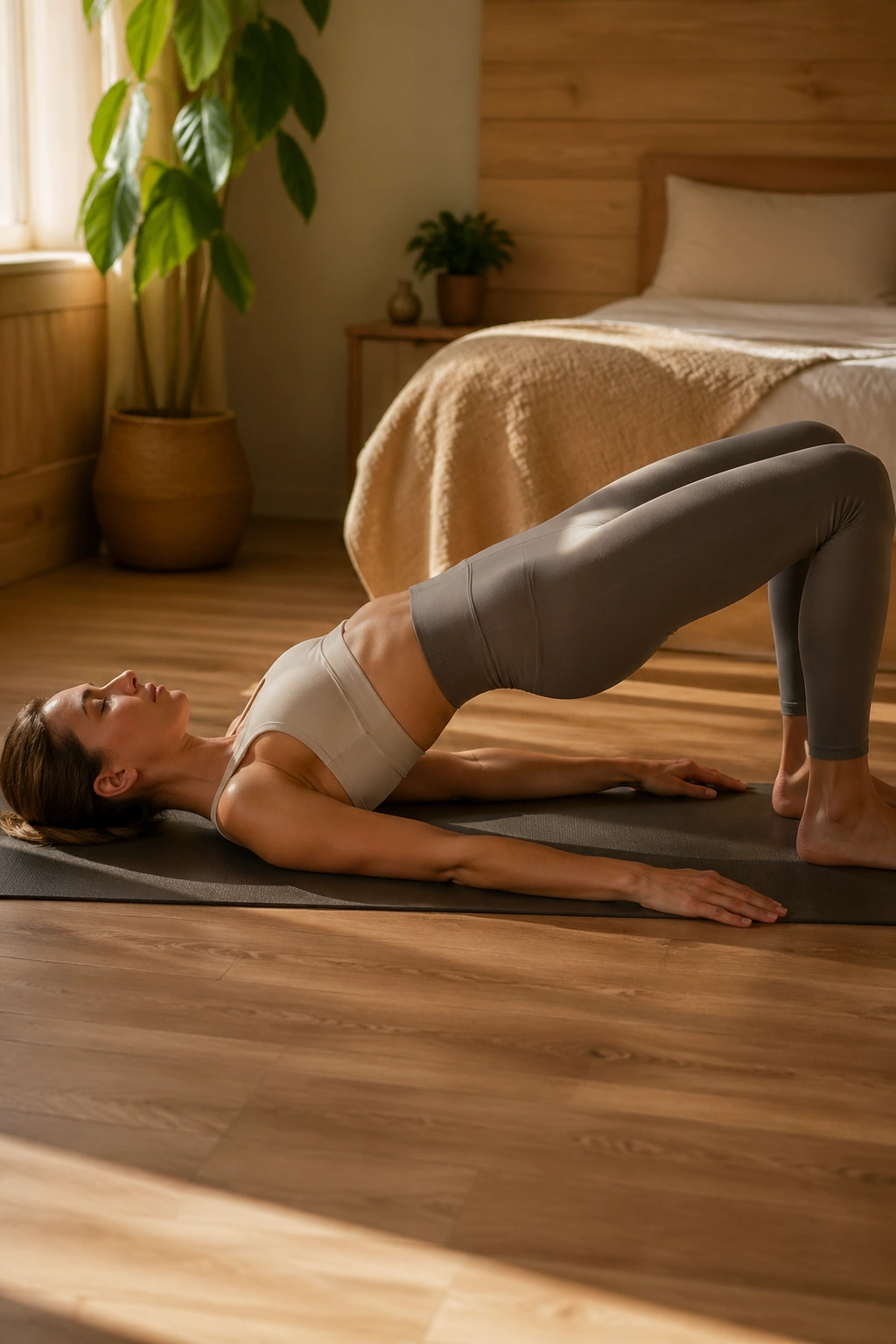
Bridge Pose is the quiet backbend I trust most in a daily routine.
Compared with bigger backbends, Bridge is easier to control and kinder to the low back when you keep the ribs and pelvis organized. It strengthens the glutes and hamstrings, opens the front of the hips, and gives the chest a gentle lift. For women who feel flattened by sitting or slumped from carrying things, that combination can feel like a reset.
Press the feet down and lift the hips only as high as you can without clenching your jaw. Keep the knees roughly hip-width. If the neck feels weird, tuck the shoulders underneath just a little or lower the lift. You do not need the highest arch in the room.
Three slow breaths is a solid start. Five is even better if the lower back feels fine. The best Bridge is the one you can hold without gripping.
13. Cobbler’s Pose for Relaxing the Inner Thighs
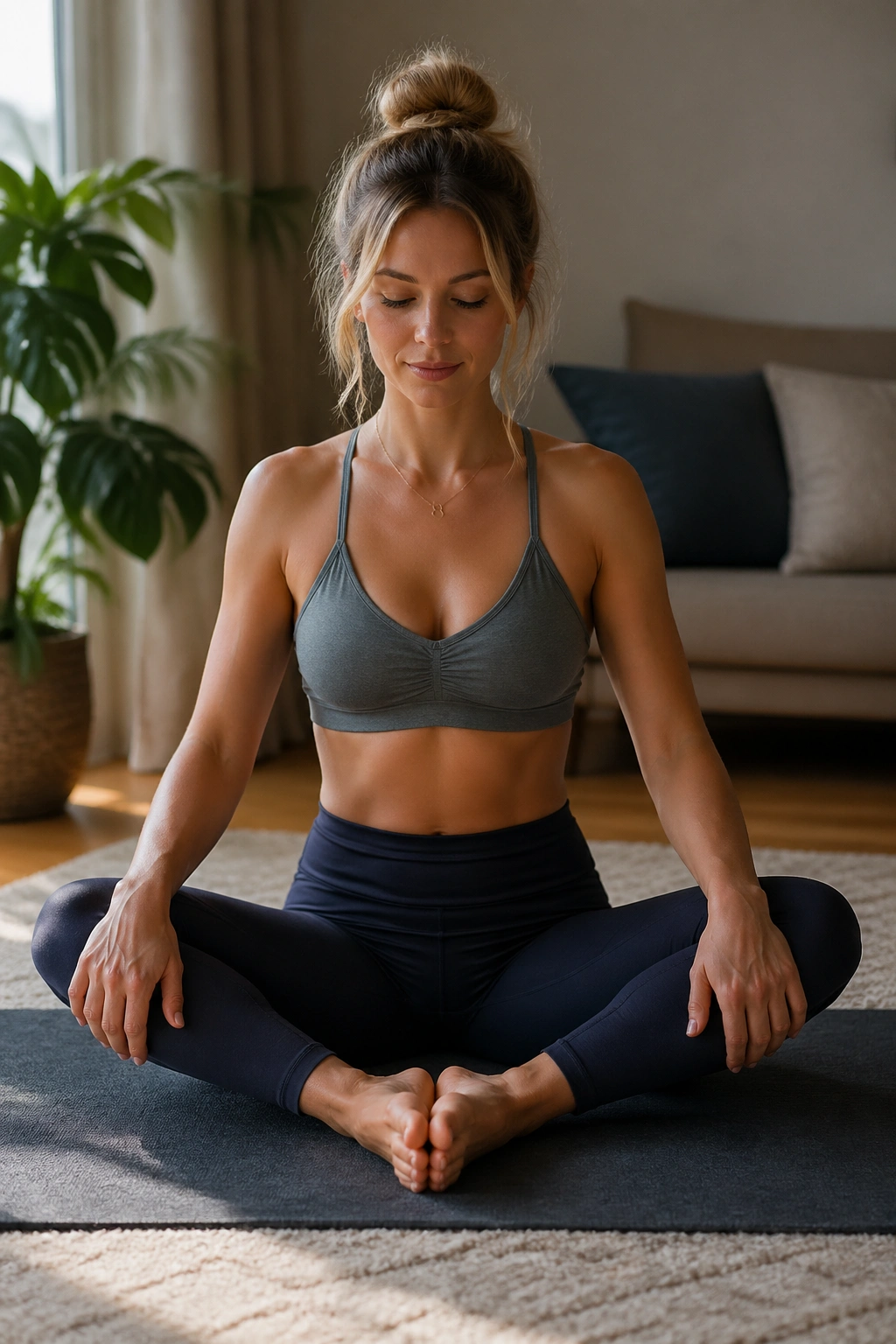
This is the pose I reach for when the inner thighs feel tight and the nervous system feels a little fried.
Cobbler’s Pose opens the hips from a seated position without asking for strength or balance. The soles of the feet come together, the knees fall outward, and the spine gets a chance to lengthen on its own. If you live in leggings, rush around all day, or spend too much time on the move, that slow opening can feel like a gift.
Sit like you mean it
Sit on a folded blanket if the pelvis rolls backward. That extra height often makes the whole pose better because it lets the spine stay upright instead of collapsing. If the knees hover high, place blocks or cushions under them.
- Hold the feet farther away from the pelvis for less intensity.
- Sit taller than you think you need to.
- Keep the shoulders soft.
- Use your breath to ease the inner thighs, not force them.
A short hold works. A long one works too. Comfort is the point here, not depth.
14. Seated Forward Fold for Hamstrings and Calm
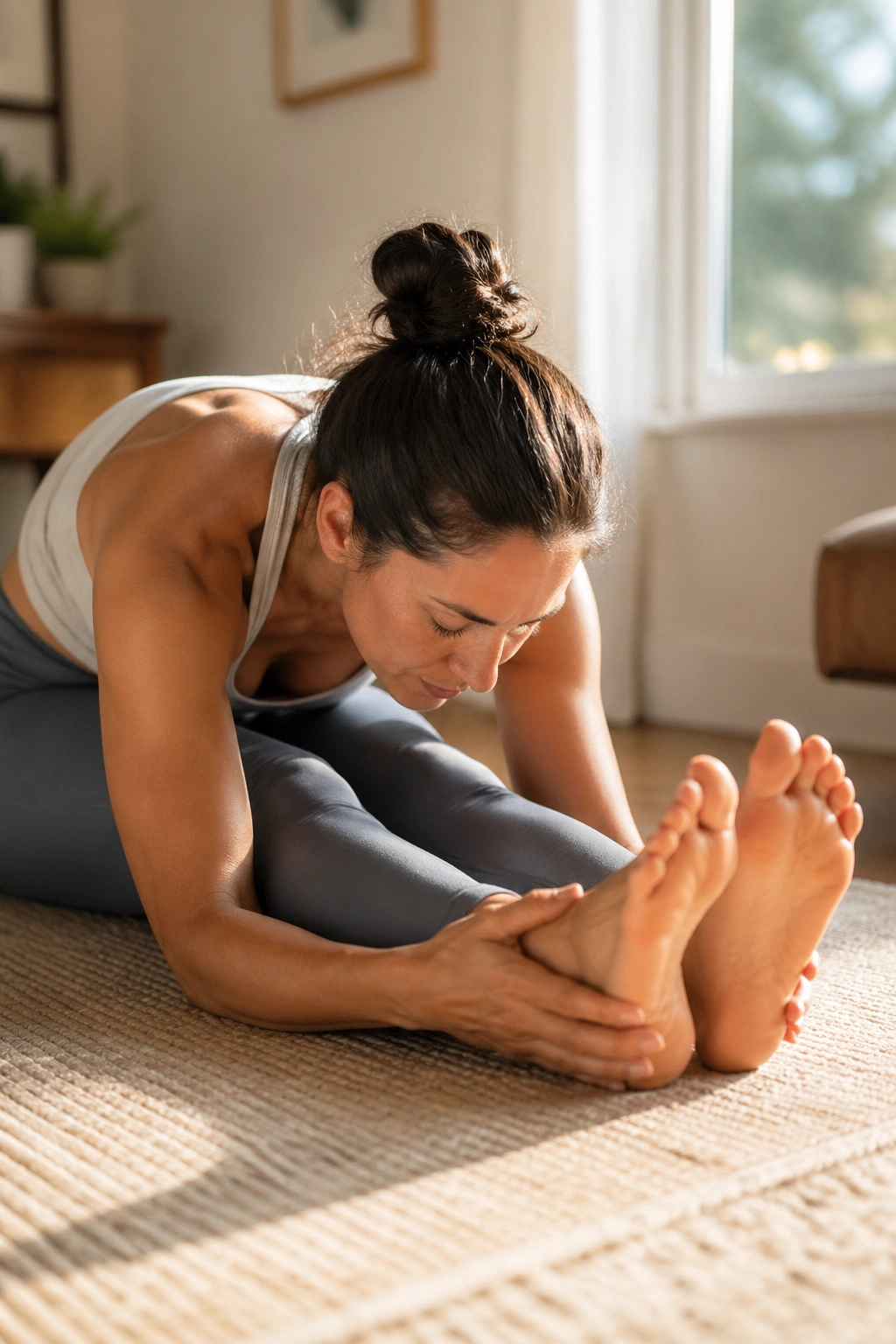
The point of Seated Forward Fold is not to touch your toes. I wish more people heard that.
This pose lengthens the hamstrings, the calves, and the whole back line of the body while encouraging the breath to slow down. For women whose bodies feel wired and tight at the same time, that is useful. The trick is to fold from the hips, not yank the head toward the feet like you are chasing a deadline.
Sit on a folded blanket if your pelvis tips backward. Bend the knees enough to keep the low back long. A strap around the feet is fair game, and frankly, often smarter than forcing a reach that the body has not earned yet.
Keep the chest broad for the first part of the fold. Only go as far as you can stay relaxed. A soft face usually means the stretch is honest.
15. Half Lord of the Fishes for a Clean Spinal Twist
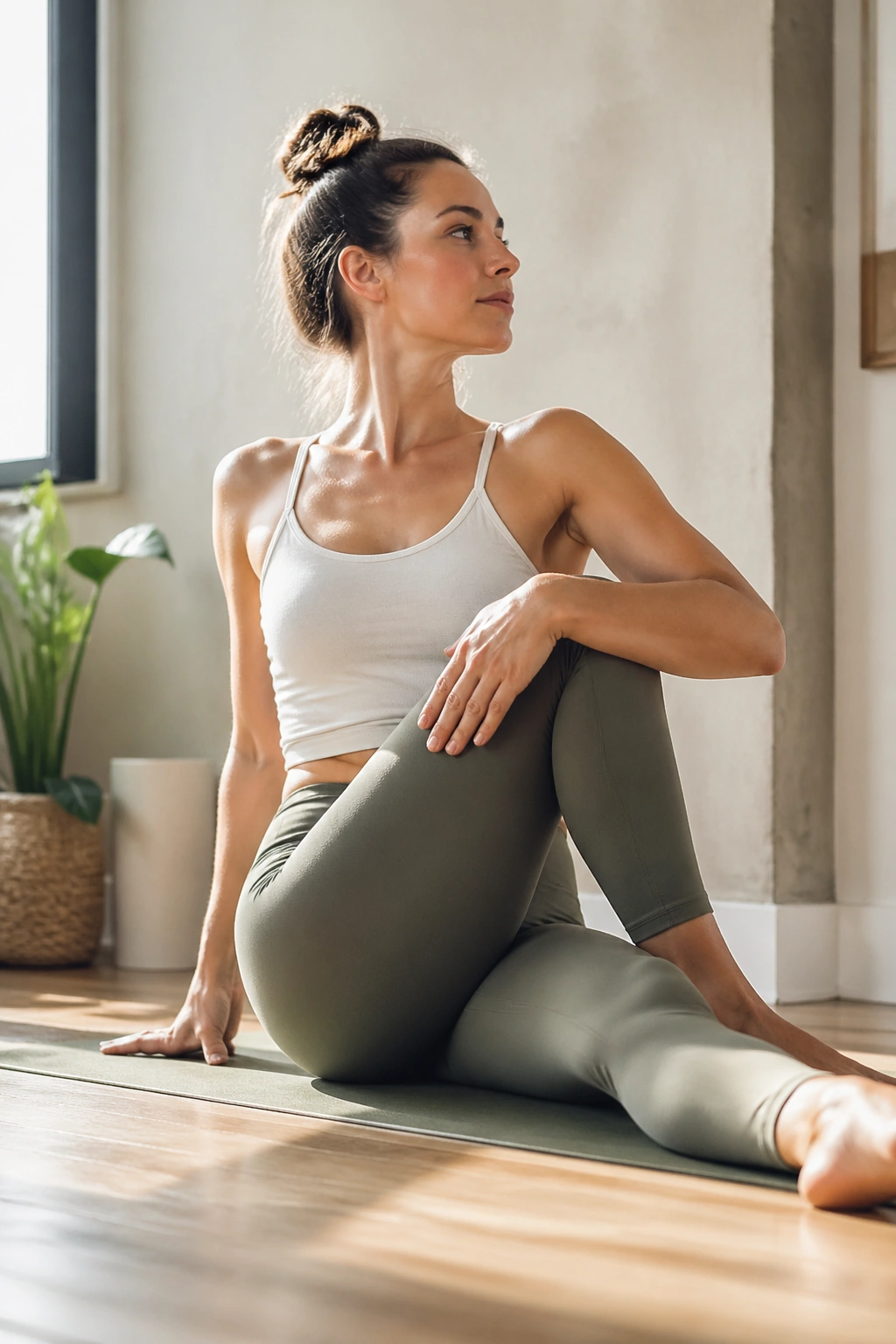
Twists can look fancy. Half Lord of the Fishes is more practical than fancy.
This seated twist helps rotate the spine, mobilize the ribs, and remind the upper back that it can move without the shoulders doing all the work. I like it as a mid-practice reset because it clears the stiffness that builds up around the waist and shoulders. It also feels tidy. Contained. Useful.
How to keep it kind
Sit tall first. Then twist from the ribs, not just the neck. The back hand can stay behind you for support, and the front elbow can press lightly against the outside of the opposite knee if that feels clean.
A lot of people wrench themselves into twists. That usually backfires. A better approach is to grow taller on the inhale and turn a little more on the exhale. Nothing heroic. Just steady movement.
If the sitting bones feel uneven, place a blanket under one hip. A twist only helps when the spine has room to lengthen first.
16. Pigeon Pose for the Outer Hip
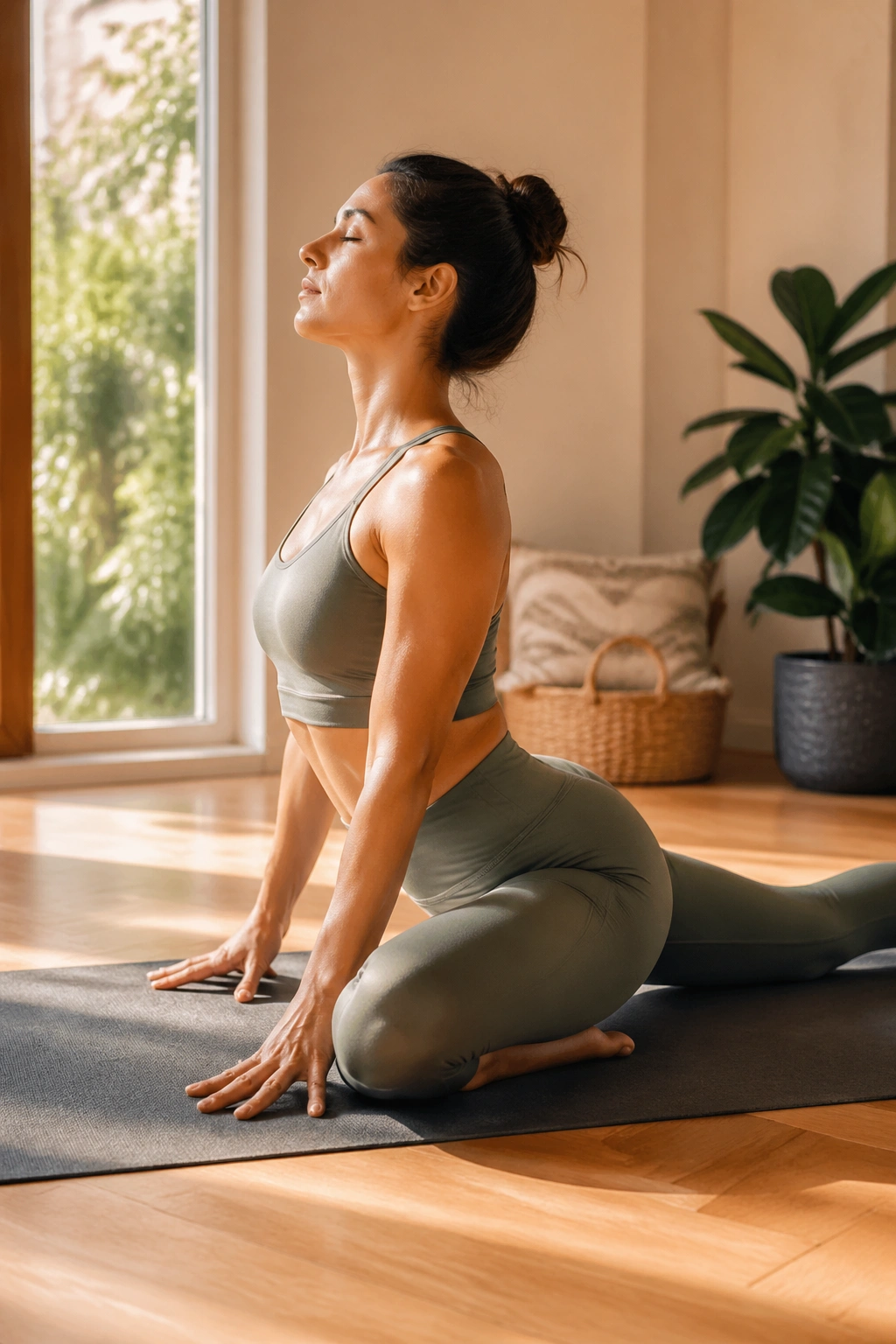
Pigeon Pose is the one people either love or glare at.
A tight outer hip can turn into all kinds of little annoyances—stiff walking, cranky low back days, that annoying feeling when one side of the pelvis seems louder than the other. Pigeon Pose goes after that area directly. It is strong medicine, which means it needs respect.
Keep the front shin as angled as your body allows. You do not need a perfect 90-degree setup. If the front hip hangs in the air, place a blanket or block under it. If the front knee complains, back out immediately. Sharp knee pain is not the same as a useful stretch.
I prefer to fold forward only after the hips have had a minute to settle. That pause matters. The first breath or two is usually about meeting the pose, not deepening it.
- Pad the back knee.
- Keep the back leg long and relaxed.
- Use props under the front hip.
- Come out slowly.
17. Figure Four Stretch for a Gentler Hip Release
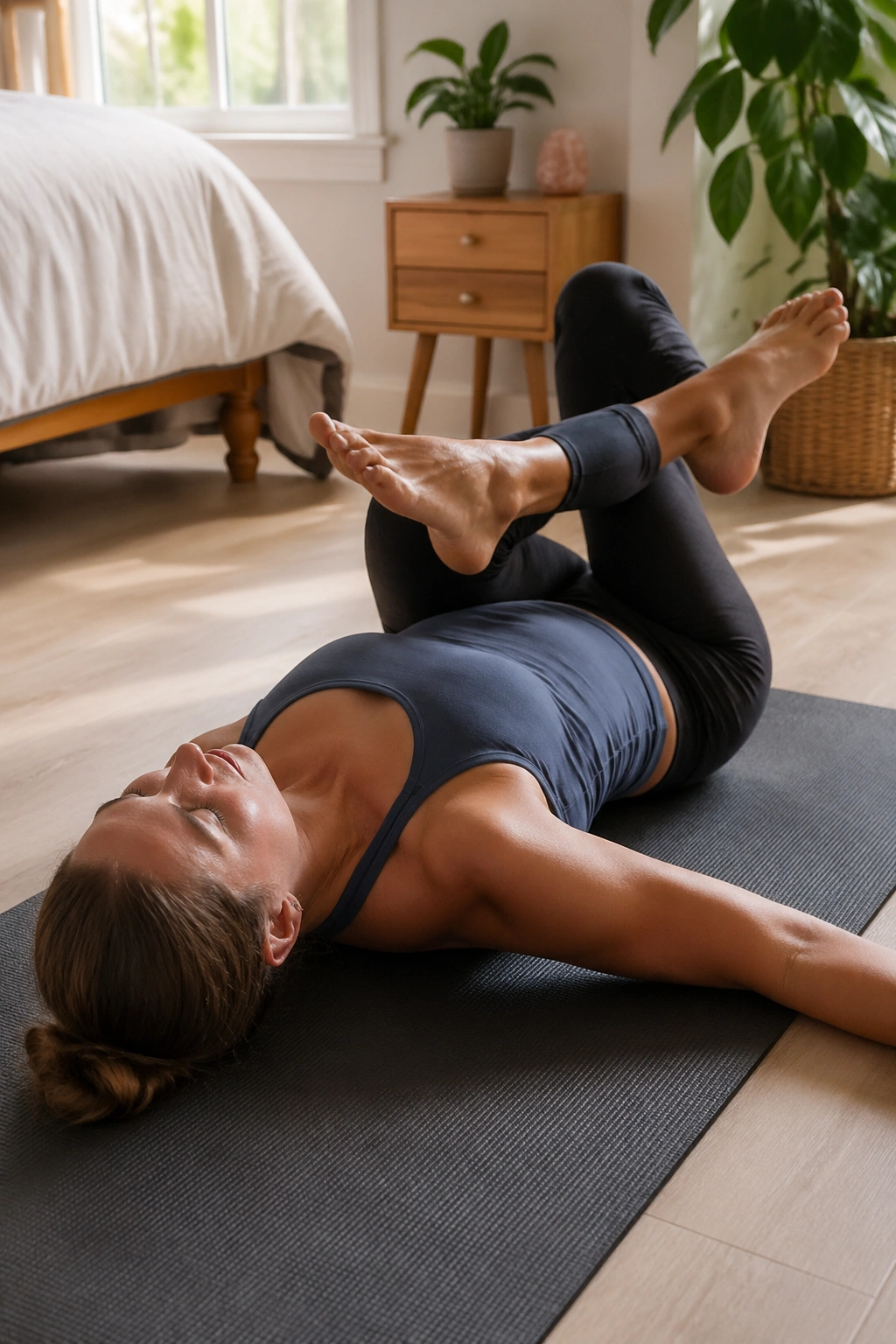
Figure Four Stretch is the calmer cousin of Pigeon.
On your back, one ankle crosses over the opposite thigh and the hips stay more protected. That makes it a good daily option for women who want to ease into the glutes and outer hips without putting weight on the front knee. It also pairs well with a short practice because you can settle into it quickly and breathe without much setup.
I like it after walking, strength work, or a long day at a desk. There is less drama than a kneeling hip opener, and sometimes that is exactly what the body wants. The pose lets you control the depth with the shape of your legs and the pull of your hands.
Draw the thigh in only as far as the low back stays quiet. If the neck or shoulders get tense, soften the grip. Gentle is not weak. It is often smarter.
18. Supine Twist for the Lower Back and Midline
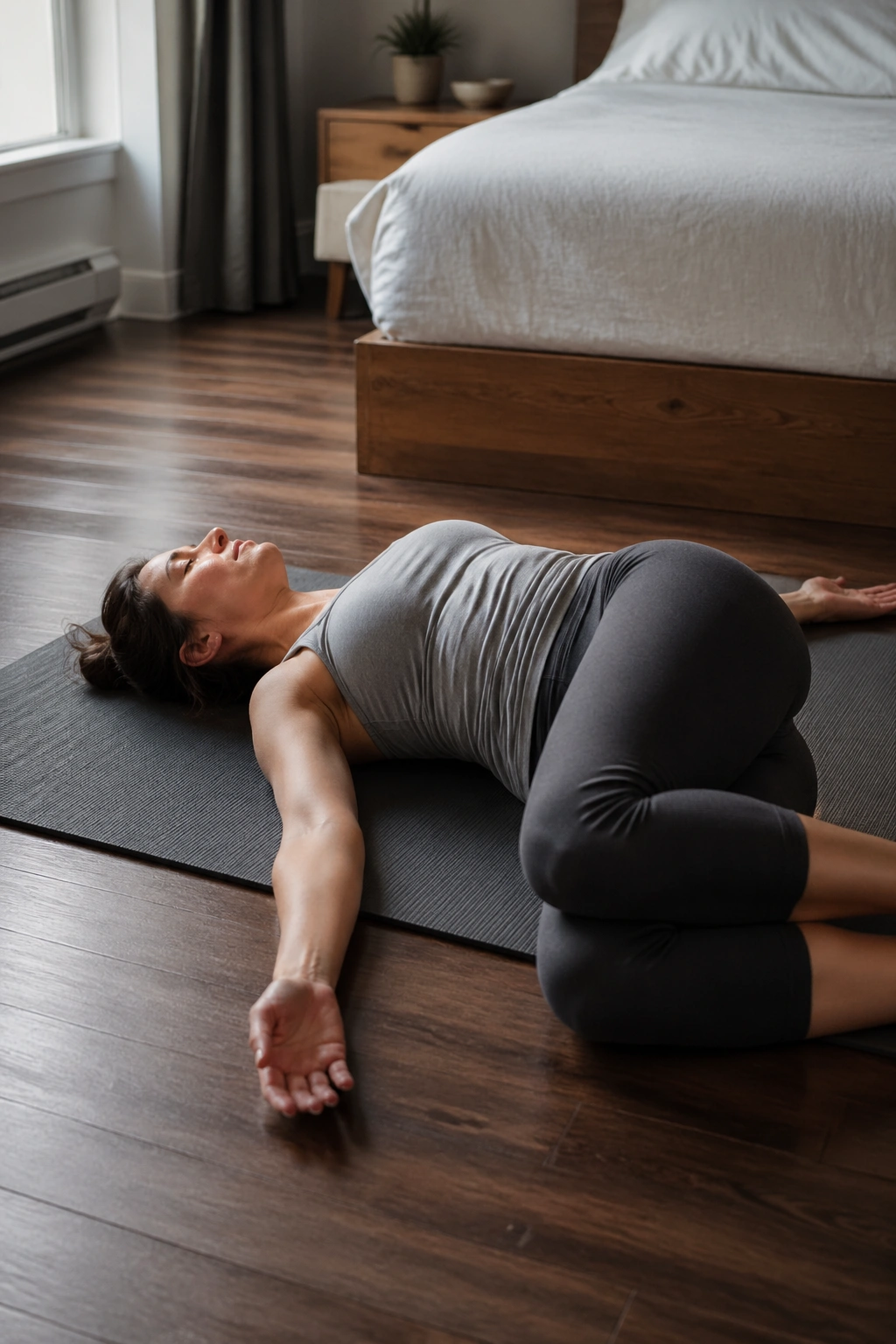
A floor twist is often better than a seated one at the end of practice.
Supine Twist gives the low back a chance to unwind while the floor does most of the work. The arms spread wide, the knees drop to one side, and the breath settles into the ribs. It feels cleaner than forcing a twist while sitting upright, especially after standing poses or core work.
For daily practice, this is one of the easiest ways to let the nervous system come down a notch. If the knees do not touch the floor, put a pillow or block under them. If the shoulders lift, that is fine. The floor is doing enough already.
Breathe into the side that feels tight, then let go on the exhale. Switch sides slowly. No rushing here. That would ruin the point.
19. Child’s Pose for a Full-Body Reset
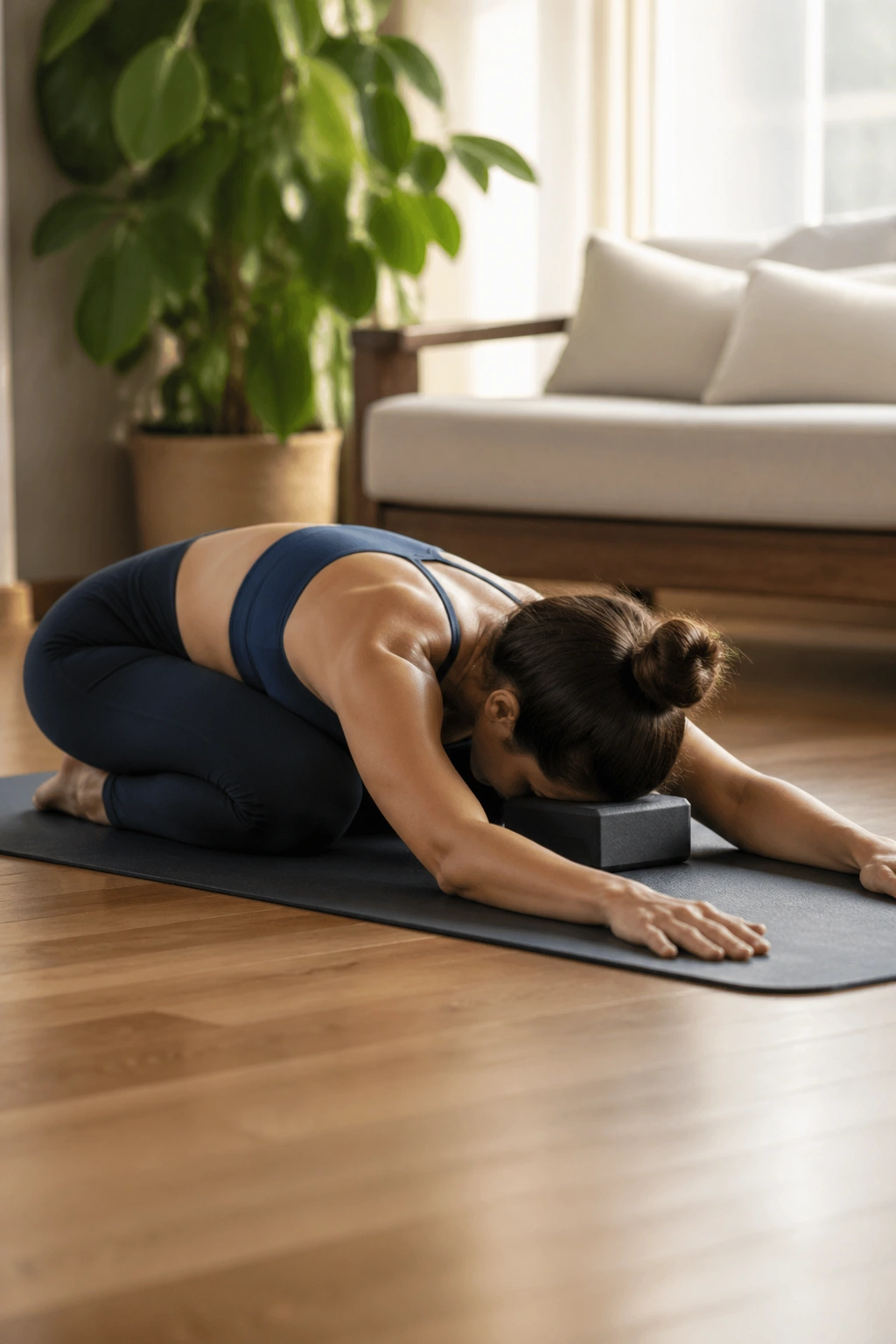
Child’s Pose is not quitting. It is pacing.
For women who need a break between stronger shapes, Balasana gives the hips, back, shoulders, and neck a place to soften at once. It is also one of the few poses that feels helpful whether you are tired, annoyed, or overstimulated by too many screens and too much noise.
Where to put the breath
Take the knees wide if the belly needs space. Keep them closer together if that feels more restful. Arms can stretch forward, or rest back beside the legs. A folded blanket under the hips can make the whole shape easier to stay in.
- Forehead supported on a block or stack of hands.
- Breath aimed into the low ribs.
- Shoulders melting away from the ears.
- Hips resting, not gripping.
Some days I stay in it for three breaths. Some days longer. If the body says “enough,” listen.
20. Plank Pose for Core Strength That Carries Over
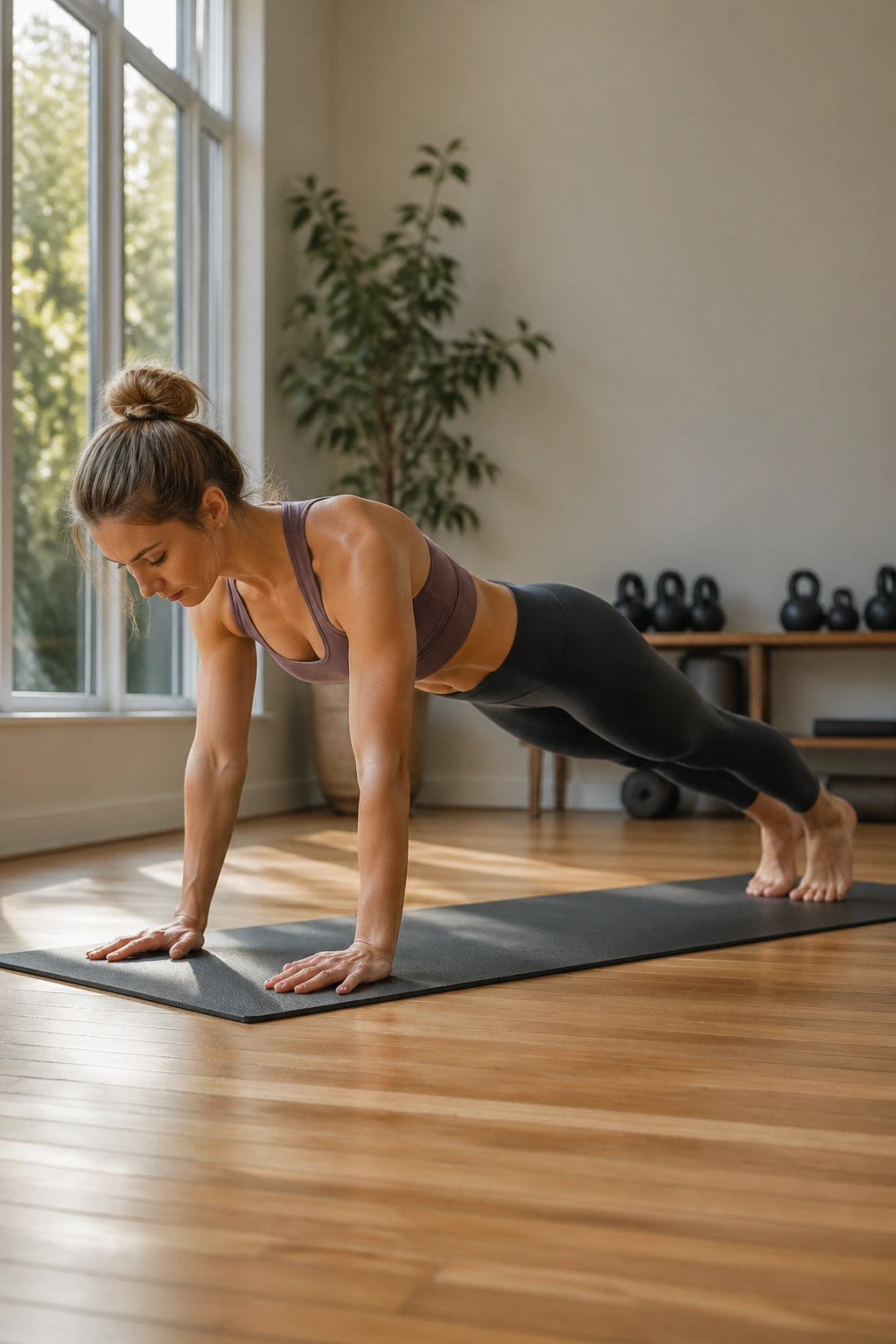
Plank Pose teaches the middle of the body to stay honest.
A lot of daily yoga practices lean too heavily on flexibility. Plank reminds the body that support matters too. It strengthens the shoulders, arms, abs, and the deep muscles that keep the torso from sagging when life gets busy. That carries into carrying groceries, lifting bags, pushing strollers, and all the other ordinary work people pretend is not exercise.
Line the shoulders over the wrists, press the floor away, and reach the heels back. Squeeze the thighs lightly. If the low back starts dropping, lower the knees. That is not a downgrade. That is a smart version of the pose.
Short holds are fine. Fifteen to thirty seconds done well can beat a shaky minute. Shape matters more than bravado.
21. Side Plank for Balance and Oblique Strength
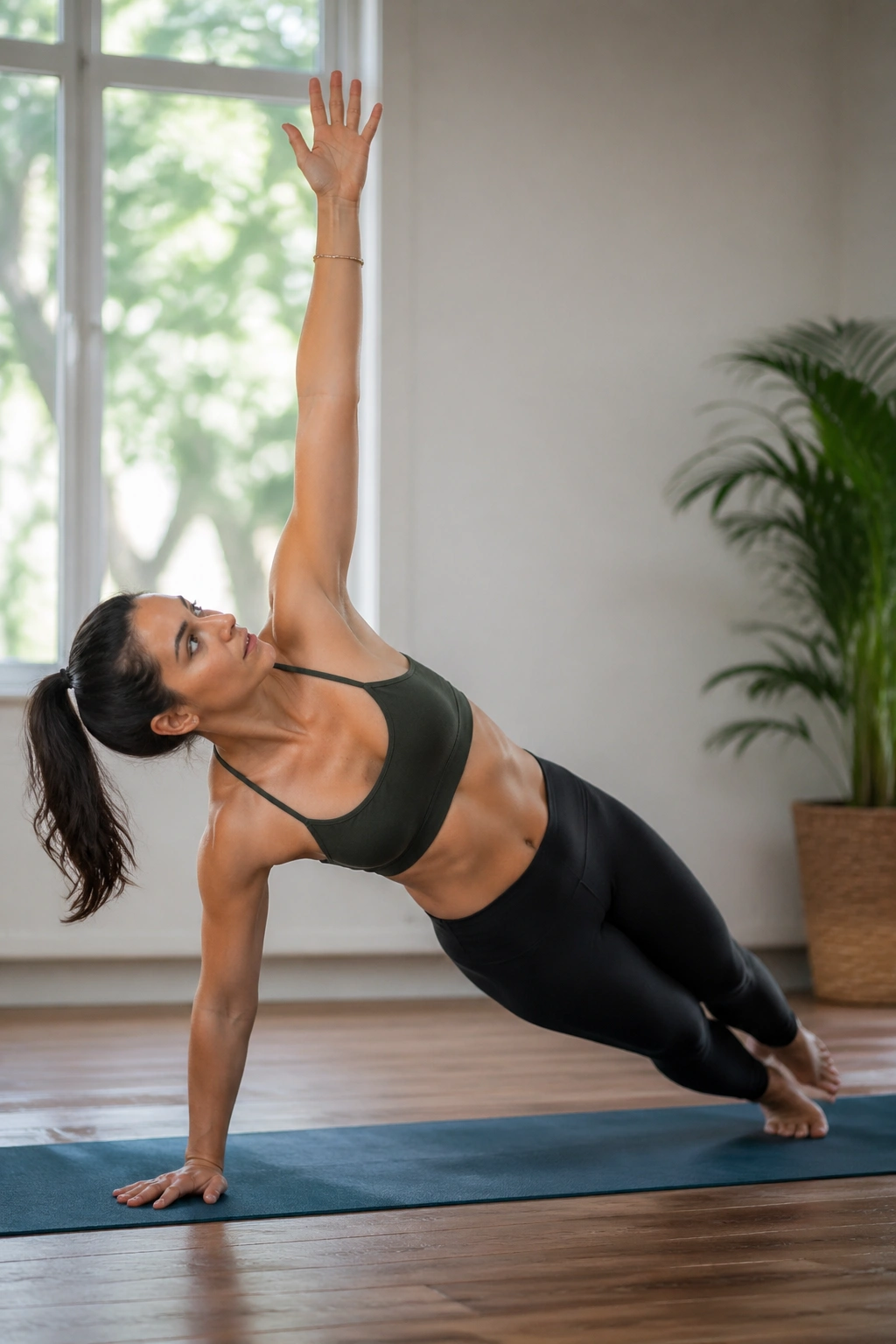
Why does Side Plank matter so much? Because it builds the stuff that keeps the torso from wobbling everywhere else.
The pose works the obliques, shoulders, wrists, outer hips, and the deep stabilizers along one side of the body. For women who want daily yoga poses that also support balance outside the mat, Side Plank is a strong pick. It teaches the body to hold itself upright when the ground gets a little less friendly.
How to keep it clean
Stack the feet if you are feeling strong, or drop the bottom knee to the floor for a more stable version. Lift through the bottom waist instead of collapsing into the shoulder. Keep the chest open enough that you can still breathe without sounding like you ran a sprint.
A wall works too. Honestly, the wall is underrated.
- Bottom hand under the shoulder.
- Top shoulder stacked.
- Hips lifted, not twisted down.
- Neck long.
The best version is the one you can control.
22. Boat Pose for the Deep Core
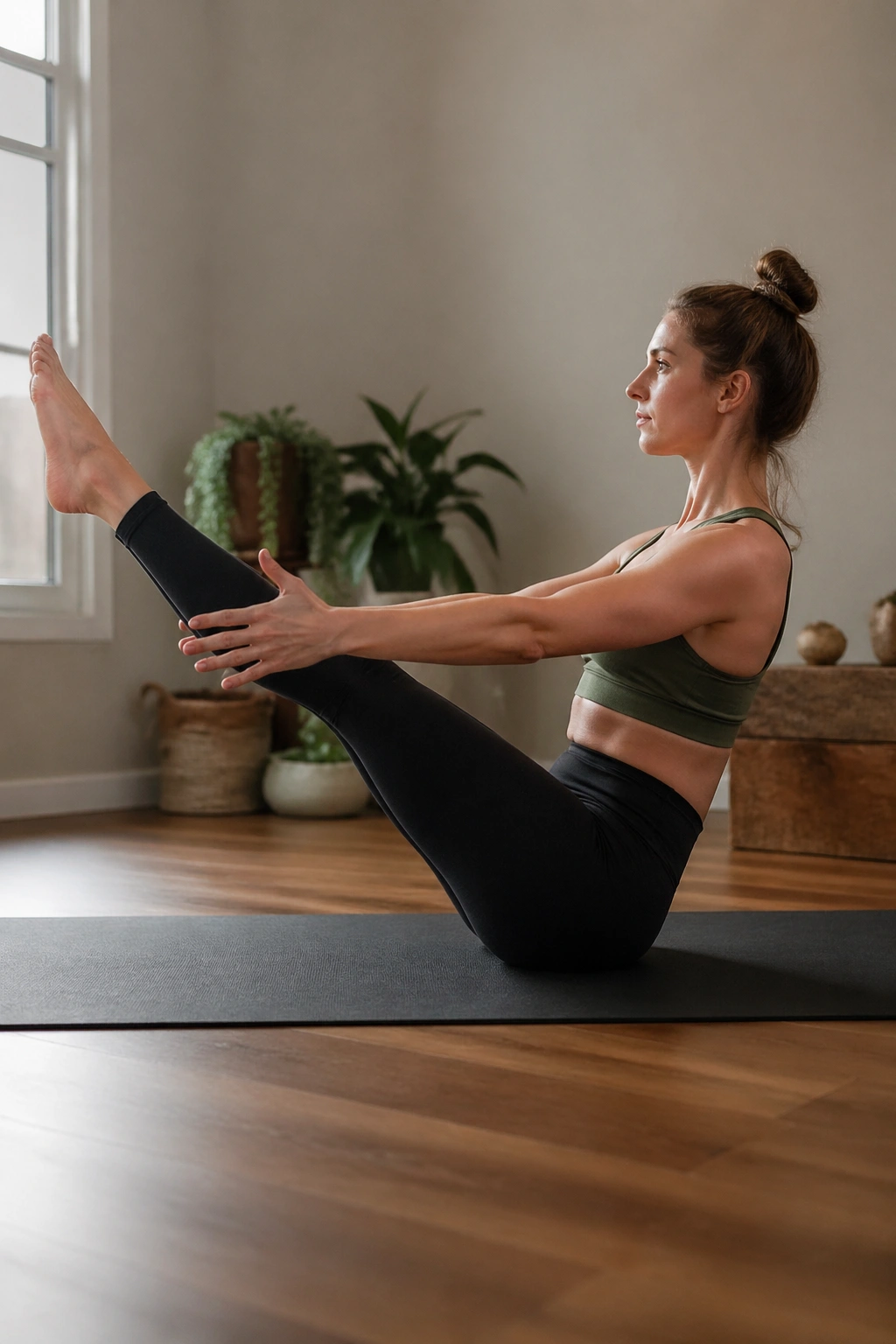
Boat Pose makes people laugh first and groan later.
It hits the deep core in a way that feels honest, because you cannot fake it for long. Navasana asks the hip flexors and abdominal wall to work together while the spine stays long. That is useful if you want strength that shows up in daily life instead of only in a yoga selfie.
Sit tall on the sit bones and lift one leg at a time if the full shape is too much. You can keep the knees bent. You can hold the backs of the thighs. You can even stay with the chest lifted and the toes touching the floor. That still counts.
The common mistake is rounding the back and calling it core work. It is not. A clean Boat feels tall first, then strong. The lower belly should wake up before the neck gets involved.
23. Locust Pose for the Back of the Body
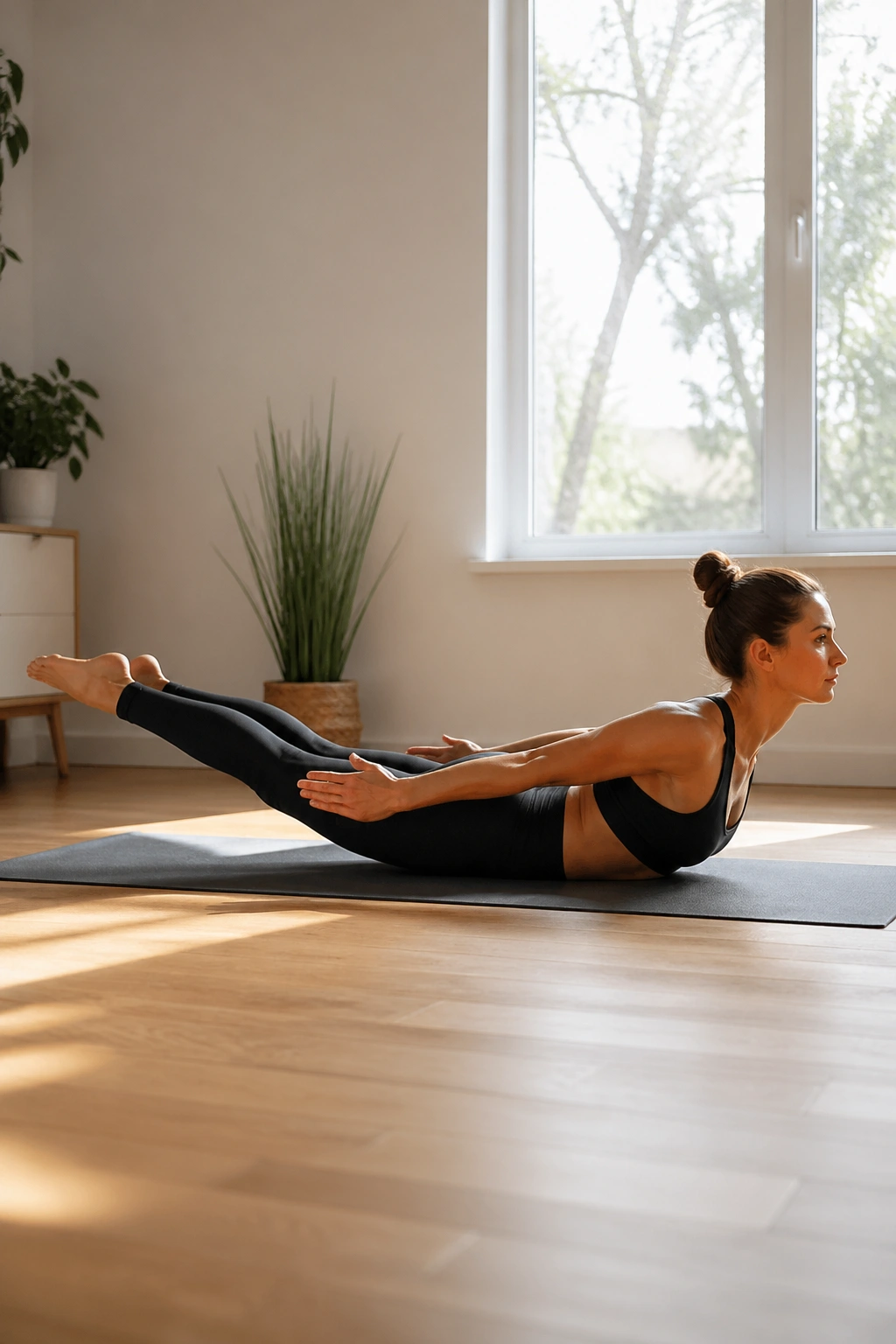
Locust Pose is the back-body antidote to sitting.
When women complain about a weak back, they usually mean the whole chain from the glutes to the upper back has gone quiet. Locust Pose wakes that chain up without asking for a big bend. It is one of the best daily floor poses for posture, especially if you spend too much time folded over devices or desks.
Lie on the belly with the arms by the sides, palms down. Lift the chest, arms, legs, or all three depending on what feels reasonable. Keep the back of the neck long. A tiny lift done cleanly is better than a huge lift with the low back squeezed into protest.
Hold for three to five breaths, then lower with control. Repeat once or twice. That is enough for a daily practice. More height is not more value.
24. Cobra Pose for Gentle Back Extension
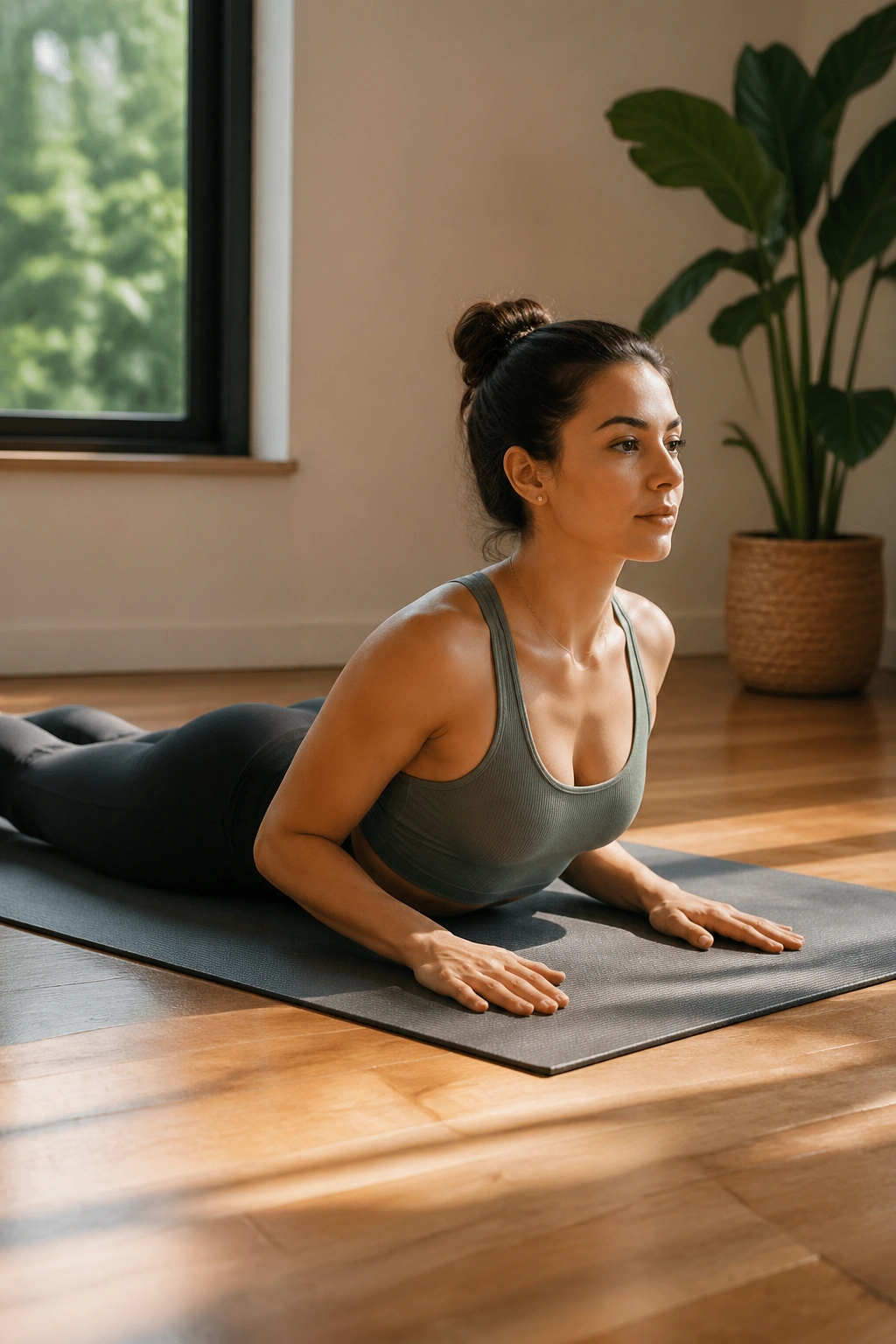
Cobra is where a lot of people either underdo it or overdo it.
A low Cobra Pose gives the front body a mild opening and wakes the spine without demanding a deep backbend. Compared with Upward-Facing Dog, it keeps more weight on the pelvis and legs, which makes it kinder for a lot of daily practices. That matters if your low back is sensitive or your shoulders get cranky.
Place the hands under the shoulders, elbows close to the ribs, and lift the chest only to the point where the lower ribs stay connected to the floor. The pubic bone stays grounded. The gaze stays forward or slightly down. If the shoulders start crawling up your ears, come down.
I like this pose after forward folds and core work. It brings the body back into balance. Small Cobra, done well, is plenty.
25. Camel Pose for Opening the Front Body
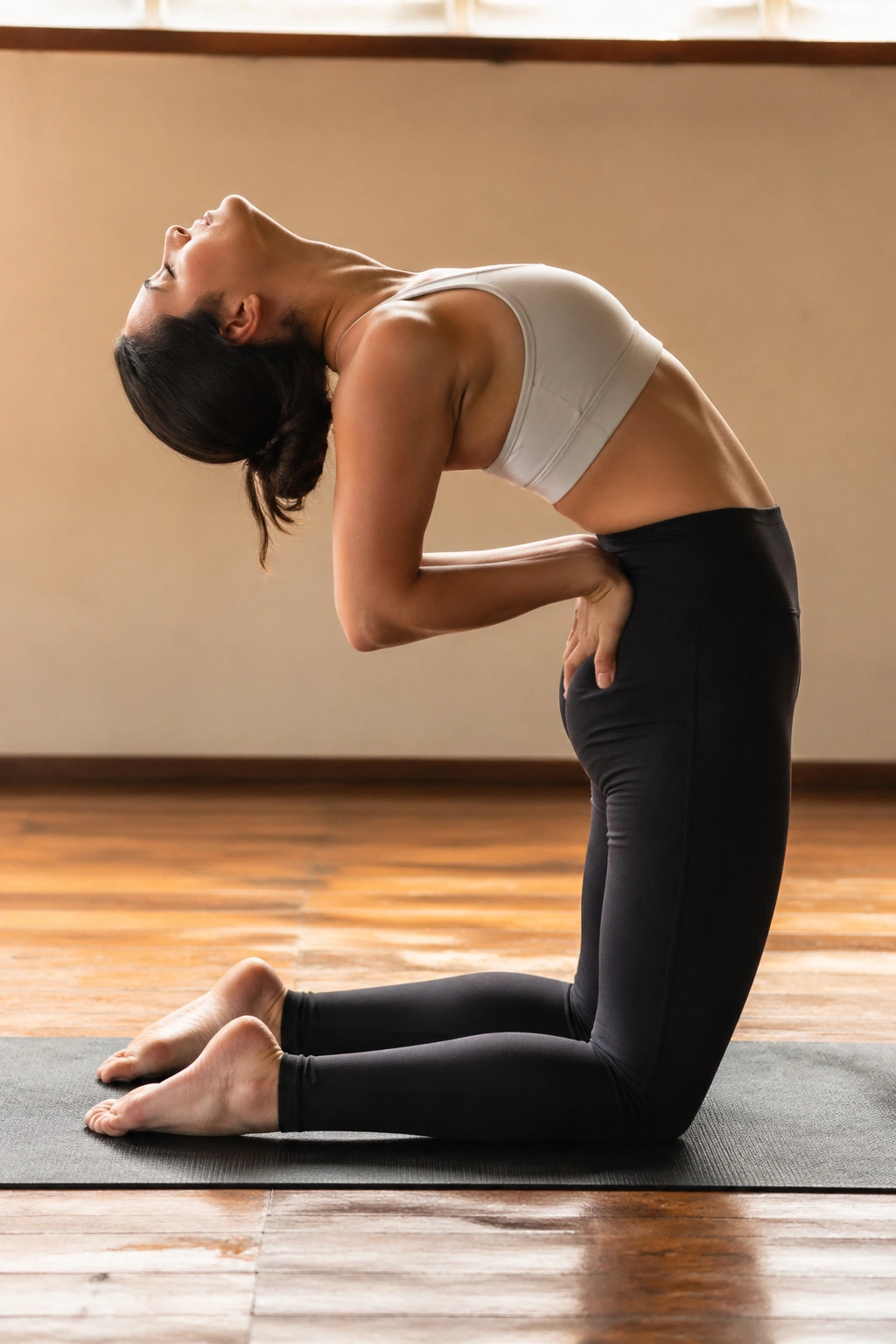
Camel Pose gets a bad reputation because people fling themselves backward and then blame the pose.
A better Camel Pose is slower, smaller, and more controlled. It opens the chest, hip flexors, and quadriceps while asking the front of the body to trust the back line a little more. For women who spend their days slouched forward, that front-body opening can feel huge.
How to make it kinder
Start tall on the knees with the hips stacked over the knees. Tuck the toes if that helps. Keep the hands on the low back first, not on the heels. Lift the sternum upward before you think about bending back.
- Keep the glutes softly engaged.
- Press the thighs forward.
- Lift through the breastbone.
- Stop before the low back pinches.
If reaching for the heels feels unstable, skip it. Hands on the low back are a valid version. Controlled opening beats a dramatic collapse every time.
26. Tree Pose for Balance You Can Feel
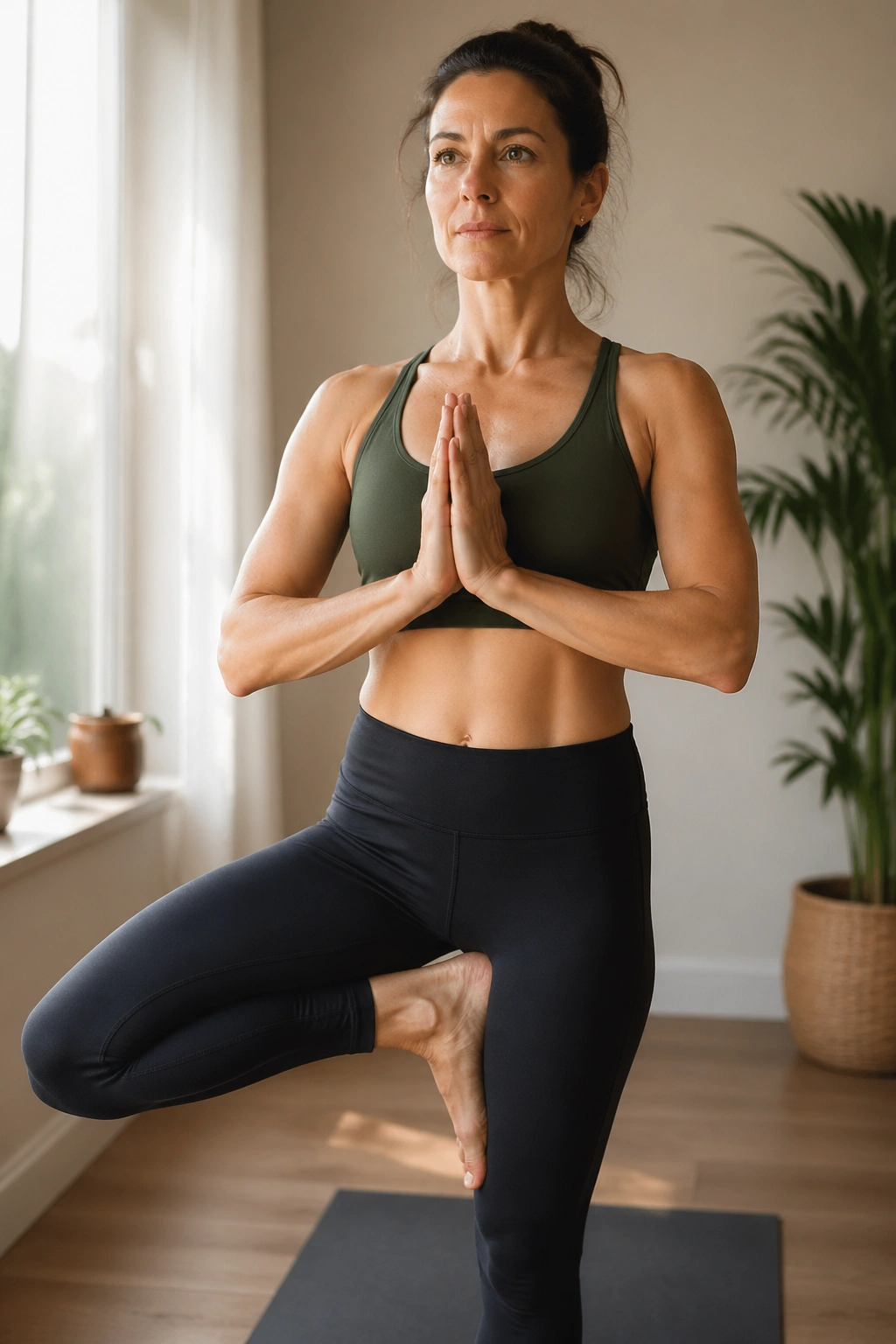
Balance is not a party trick. It is a skill.
Tree Pose trains the standing leg, the foot muscles, the hips, and the eyes to cooperate. That makes it one of the best daily yoga poses for women who want steadier movement in regular life. Getting in and out of a car, stepping onto a curb, standing on one foot while changing clothes—those are balance moments too.
Press the lifted foot into the inner calf or thigh, never the knee. Find one still point to look at. Then soften the toes of the standing foot instead of gripping them like claws. A wall can help a lot, and there is no shame in that.
Stay for a few slow breaths, then switch sides. The point is not wobble-free perfection. The point is learning how to wobble without panic.
27. Legs-Up-the-Wall for Recovery and Downshift
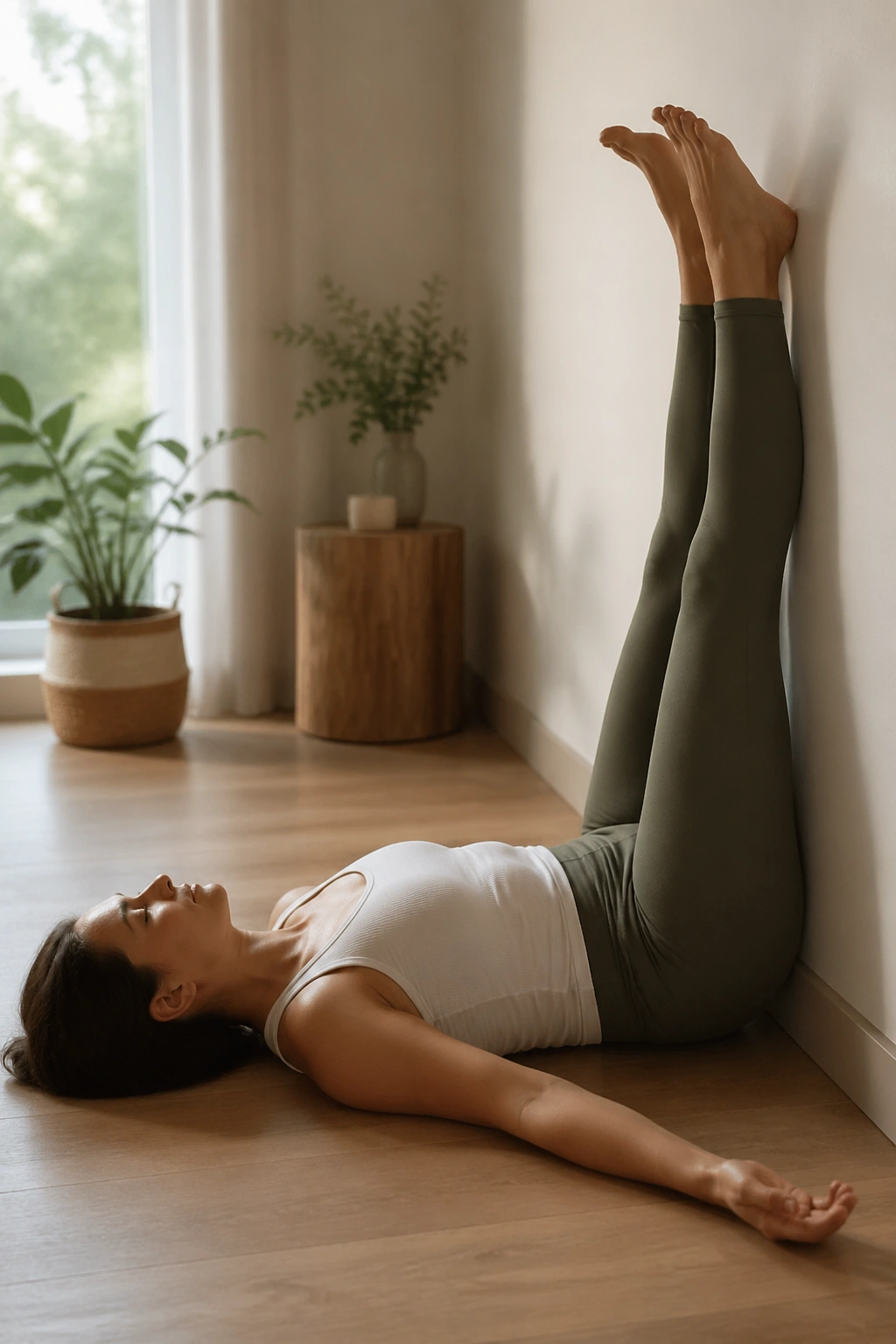
Why does lying upside down feel so good after a long day? Because Legs-Up-the-Wall asks very little from the body and gives a lot back.
It supports the legs, eases the low back, and helps the breath slow down. For women who are on their feet all day, sitting too much, or just feeling overcooked, this pose can be the cleanest way to end a daily practice. There is no effort prize here. Only relief.
How to set it up
Sit sideways next to a wall, swing the legs up, and let the hips stay close or a little away from the wall depending on hamstring comfort. A folded blanket under the hips can feel nice, but it is optional. Keep the arms relaxed.
- Close the eyes if that helps.
- Let the jaw loosen.
- Breathe low and slow.
- Stay for 5 to 10 minutes if you have time.
A small adjustment goes a long way. If the legs tingle, move them a bit farther from the wall.
28. Savasana for Ending Without Rushing
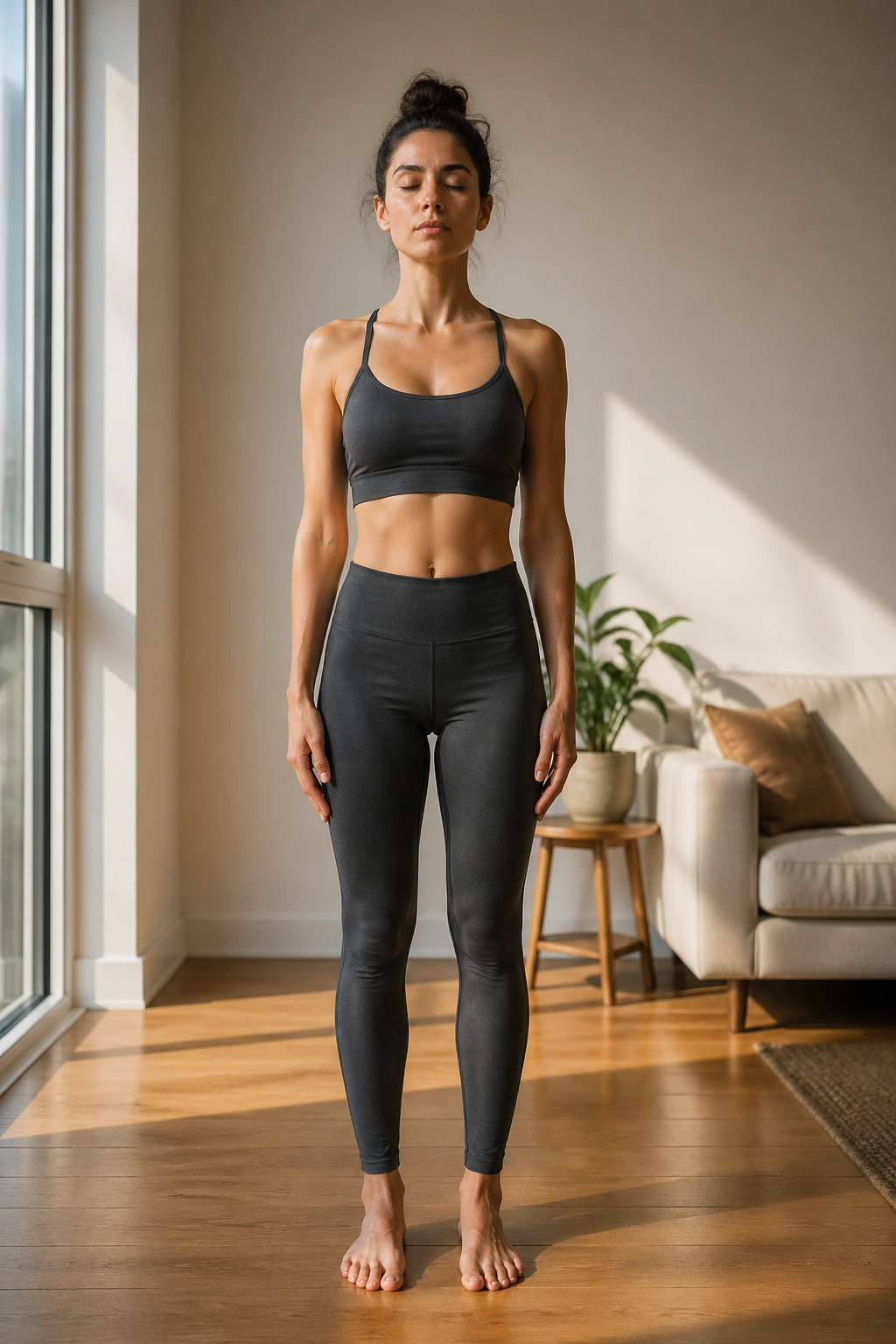
Every practice needs a landing.
Savasana is the place where the work gets to settle into the body. It is easy to skip because it looks like nothing is happening, but that is exactly why it matters. A lot of women spend the whole day doing, fixing, carrying, and deciding. Lying down with purpose is a different kind of discipline.
Place a bolster or folded blanket under the knees if the low back wants support. Let the feet fall open, the hands rest at the sides, and the eyes soften. If the mind starts racing, do not wrestle it. Put attention on the weight of the body sinking into the floor instead.
- Cover the eyes if light feels sharp.
- Keep the jaw loose.
- Let the tongue rest.
- Stay for at least a few slow breaths.
I like ending here because it teaches the practice not to stop with effort. It ends with release. That feels more honest than rushing off the mat with the body still braced. The last shape should help the next part of your day feel less noisy.
