



A morning yoga flow does not need to be long to earn its place in your day. Ten minutes on a mat can loosen a stiff back, calm the little panic that wakes up with you, and make the first hour feel less clumsy.
Most people make mornings harder than they need to be. They either do nothing and stay tight, or they jump into something intense before the joints have warmed up. That usually feels noble for about five minutes, then the shoulders creep up toward the ears and the hamstrings start sending complaints.
These yoga flow routines for mornings sit in the middle, where they belong. Some are short and floor-based, some move into standing shapes, and a few are strong enough to count as a proper workout without turning breakfast into collateral damage.
Pick the one that matches your body, not the one that looks nicest on paper. The first routine is the simplest place to start, and honestly, that’s often the one people keep coming back to.
1. 5-Minute Morning Yoga Flow
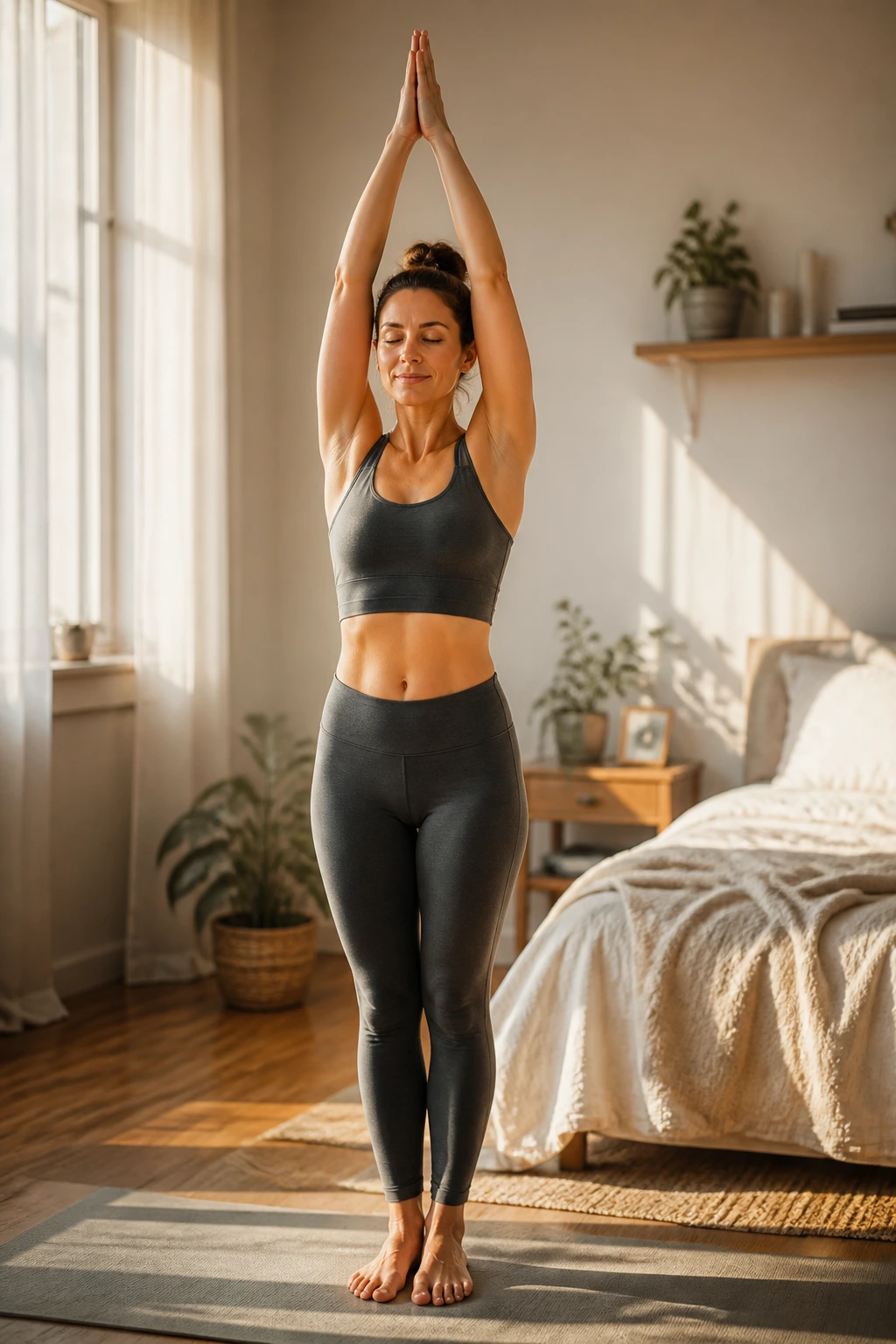
The quickest useful wake-up sequence is the one you’ll actually repeat tomorrow. Start in child’s pose for three breaths, move into cat-cow for five slow rounds, then step back to downward dog and stay for five breaths. Finish with a forward fold, half lift, and a big reach overhead as you stand.
How to Run It
- 3 breaths in child’s pose
- 5 cat-cow cycles
- 5 breaths in downward dog
- 3 breaths in standing forward fold
- 1 slow rise to mountain pose
Tip: Keep every transition slow. Morning stiffness hates jerky movement.
This one works because it gives the spine a clean arc in both directions before you ask for anything fancy. Your back gets moving, your calves get length, and your breath settles into a rhythm fast. No drama. No setup.
2. Neck and Shoulder Reset
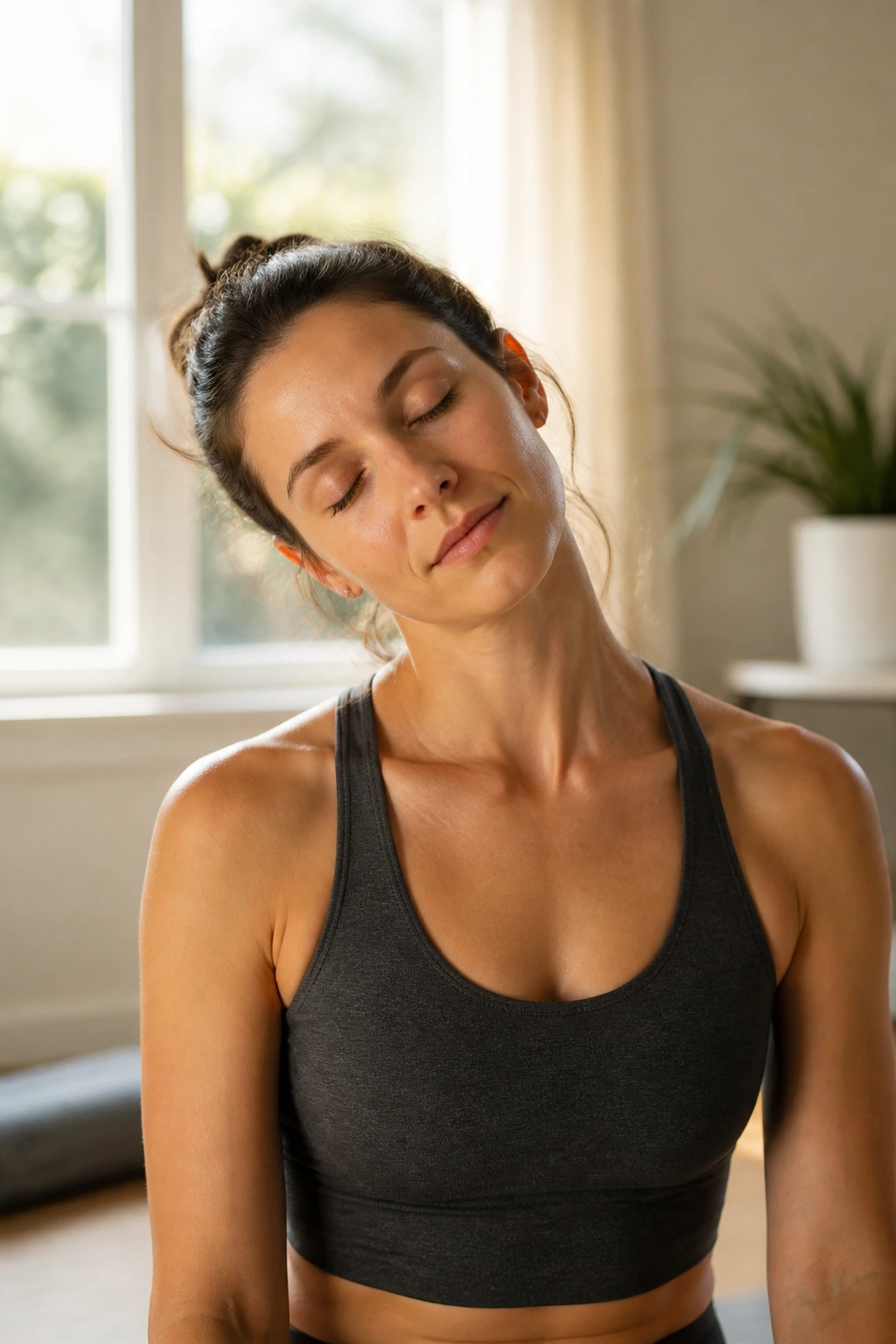
Your neck does not need a full yoga class. It needs about 90 seconds of honest movement and a little patience. Start standing or seated, drop one ear toward one shoulder, roll the chin across the chest, and sweep the shoulders back ten times.
Then bring in eagle arms or a simple hug-around-the-chest bind. Hold for three breaths, switch sides, and finish with thread-the-needle if your mat is already out. That one feels especially good after sleeping in a curled position or scrolling too long in bed. Keep the neck soft; do not yank it into shape.
A small flow like this pays off in a big way when your upper body wakes up stiff. The goal is not a dramatic stretch. It is to get the muscles around the base of the skull and the upper traps to stop acting like they own the day.
3. Cat-Cow to Downward Dog Starter
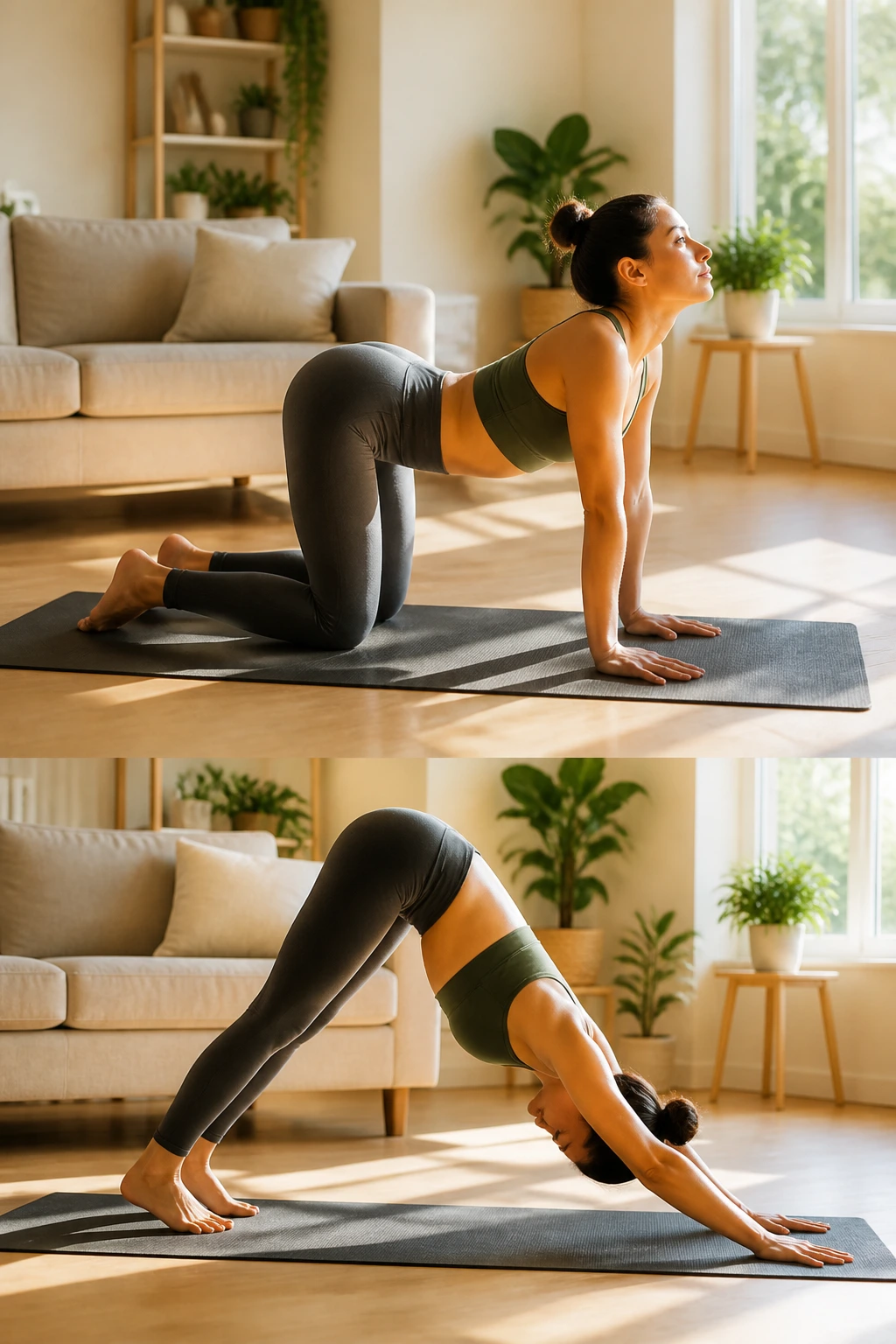
Why does cat-cow work so well first thing? Because it is simple, and because your spine likes being asked to move before it is asked to hold anything. From tabletop, round on the exhale, arch on the inhale, and keep the movement smooth for five to eight rounds.
How to Use It
After cat-cow, tuck the toes and lift into downward dog. Pedal the feet for a few breaths, then shift forward to a short plank and lower the knees if you want less load on the shoulders. Finish with child’s pose or cobra, depending on what feels better in your back.
This sequence is one of those routines I keep recommending because it is hard to mess up. The motions are clear, the pace is slow, and you can do it even on a sleepy brain. If your lower back feels cranky, keep the range small and move more with breath than with force.
4. Low Lunge Hip Opener
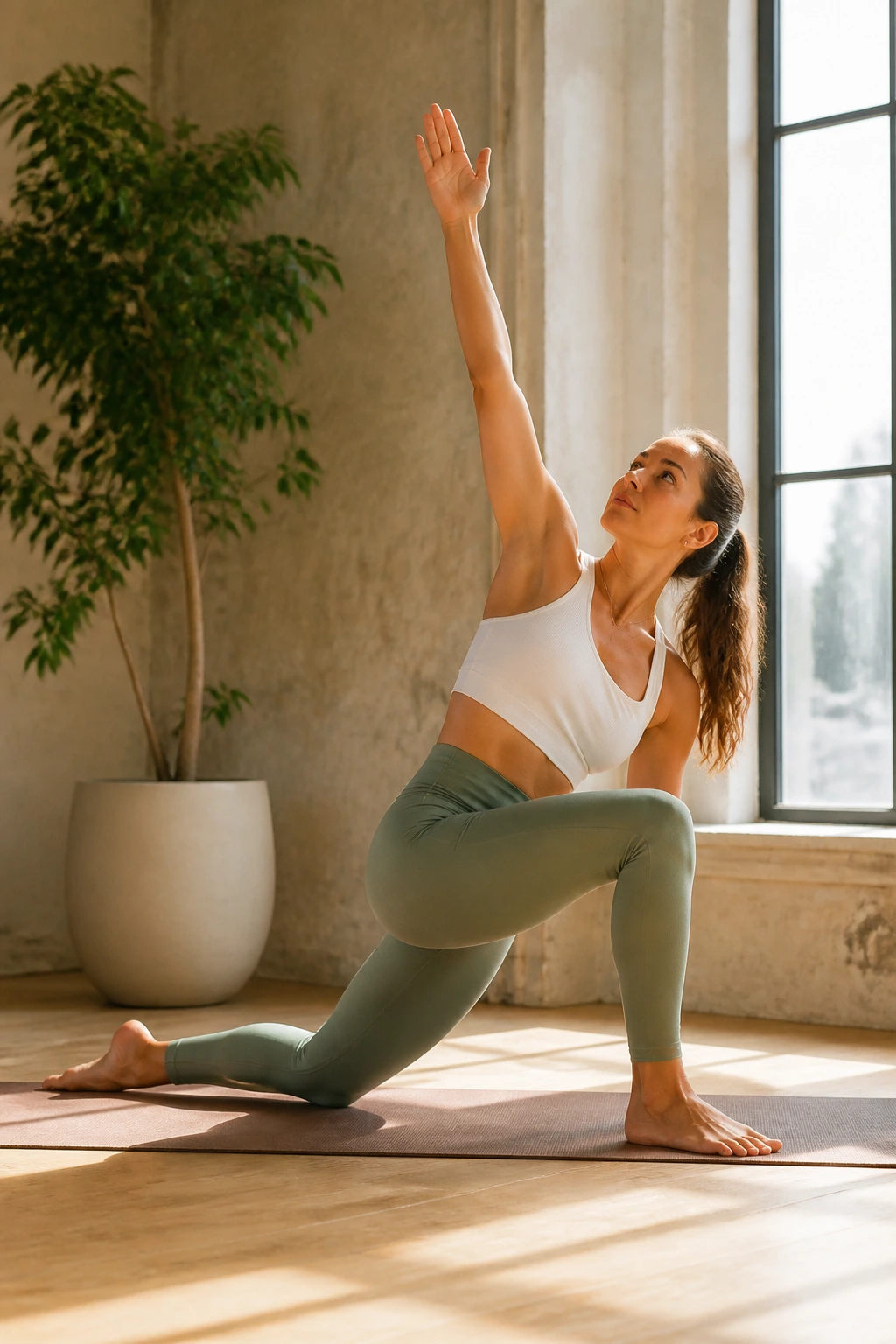
If you wake up with hips that feel welded shut, start here. Step one foot forward from tabletop into a low lunge, sink the back knee down, and let the pelvis tip forward just enough to feel the front of the hip open. Three breaths per side is enough to start.
Add a half split on each side if the hamstrings are part of the complaint. Then come back to low lunge and reach the same-side arm up for a gentle twist. Keep the front knee stacked over the ankle; let the back thigh rest instead of hovering. That little detail matters more than people think.
A good hip opener feels like space, not strain. If the stretch starts pulling in the front of the knee or pinching the low back, shorten the stance and back off a bit. Morning mobility should feel like permission, not a test.
5. Standing Forward Fold and Half Lift
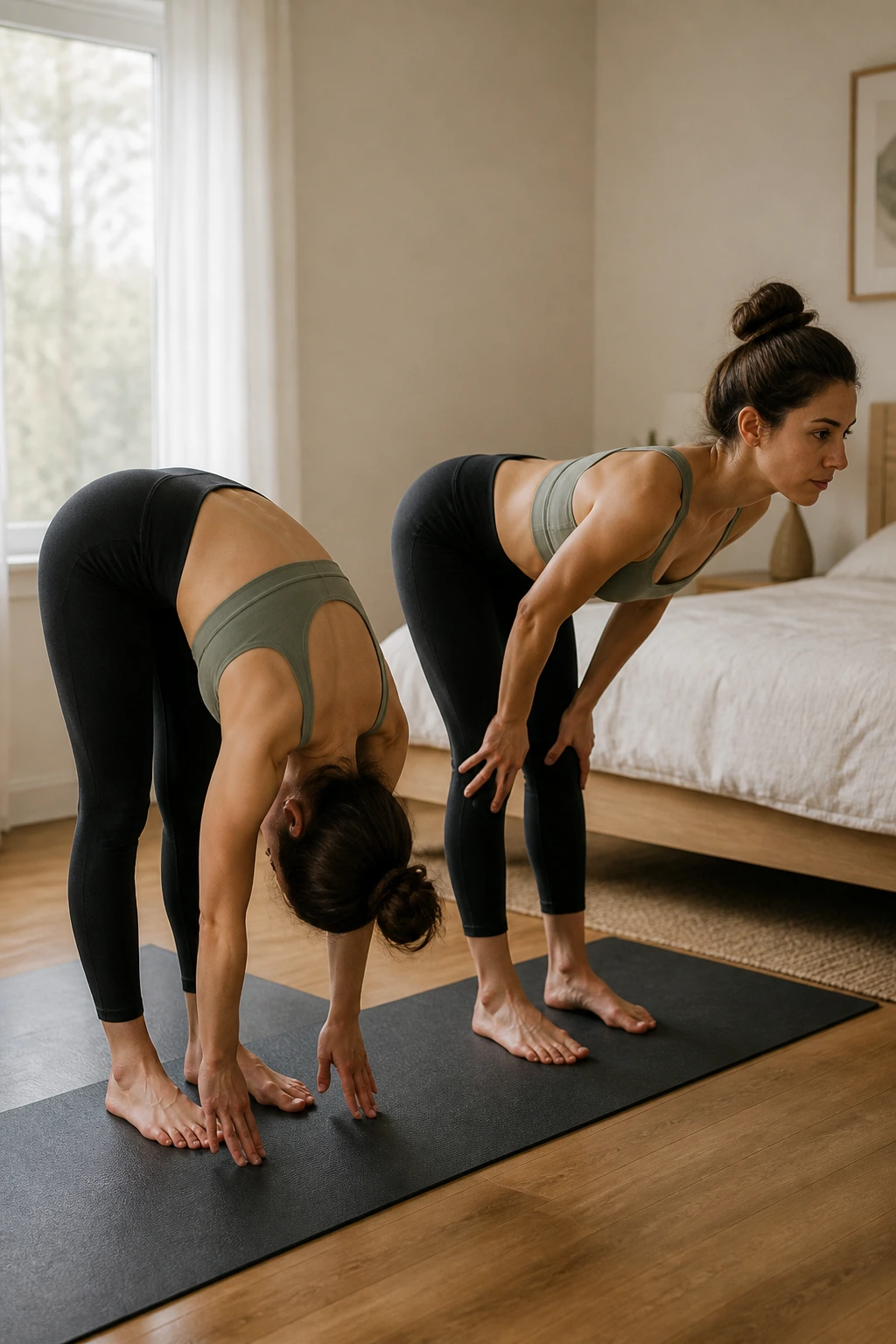
Bare feet on a cool mat. Soft knees. That first fold in the morning tells you a lot about how the body slept. Hang in a ragdoll fold for a few breaths, sway side to side, then move into a flat back half lift with hands on shins.
Repeat the cycle three times, then finish with chair pose for two slow breaths and return to mountain. The movement is small, but it wakes the hamstrings, calves, and spine in a clean line. If your back rounds easily, bend the knees more than you think you need to.
This flow is useful when you want something quiet but not sleepy. It is also a good one for people who spend the day standing, because it gets the back line moving without banging on the joints. Simple. Solid. No wasted motion.
6. Classic Sun Salutation A
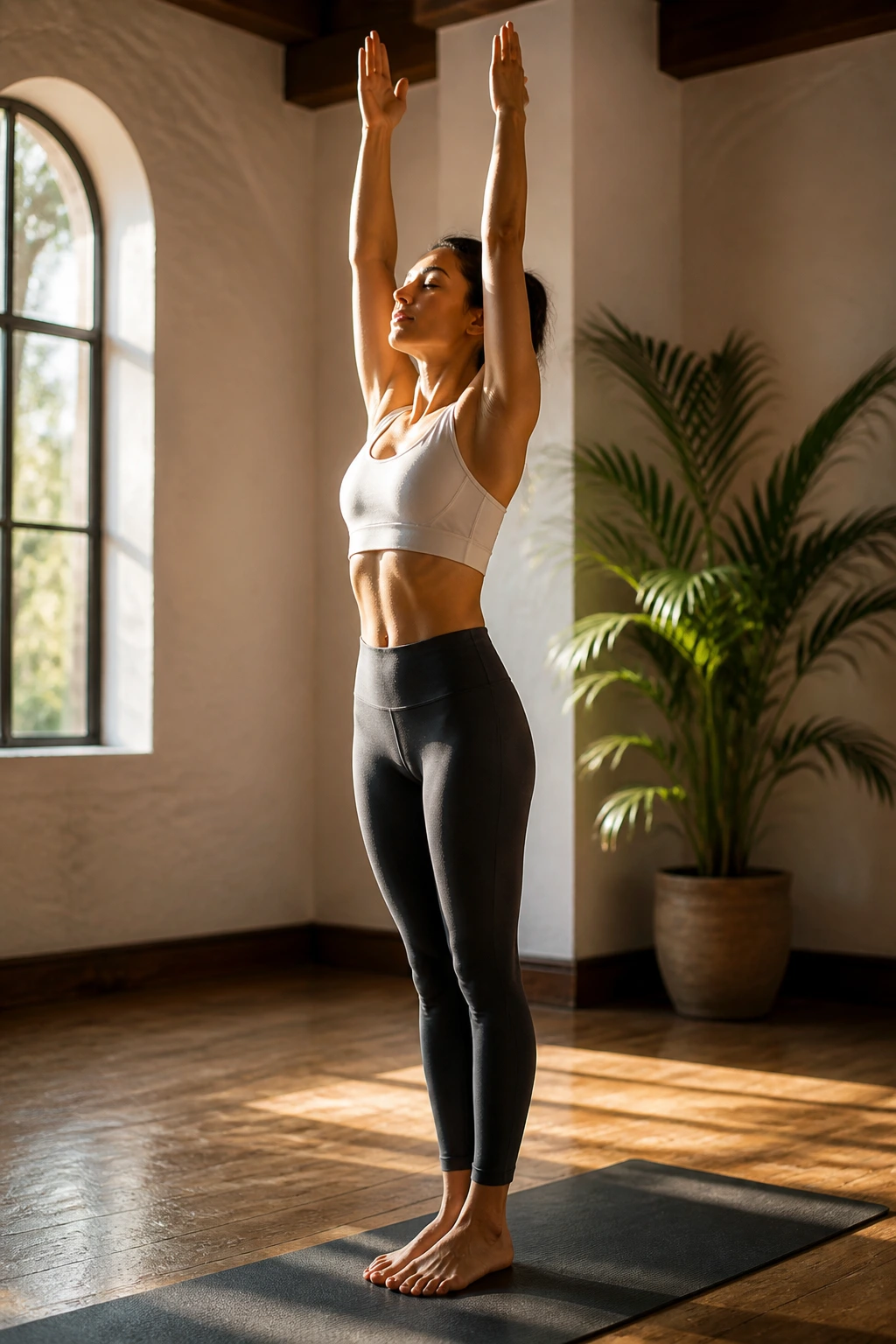
Sun Salutation A is the old reliable of morning yoga flow routines. From mountain, inhale the arms up, exhale into a fold, inhale to half lift, and exhale back to plank. Lower to knees or chaturanga, open into cobra or upward dog, then send the hips to downward dog.
What Makes It Different
Unlike a floor-only routine, this one builds heat quickly. You are using your whole body, not just stretching what feels tight. That matters when you want to shift from sleepy to alert without a separate workout.
A clean version usually takes 5 to 8 breaths per round, and three rounds is enough for most mornings. Move with control. If chaturanga feels rough on the shoulders, drop the knees and use cobra. There is no prize for grinding through sloppy form before coffee.
7. Side Body Stretch Flow
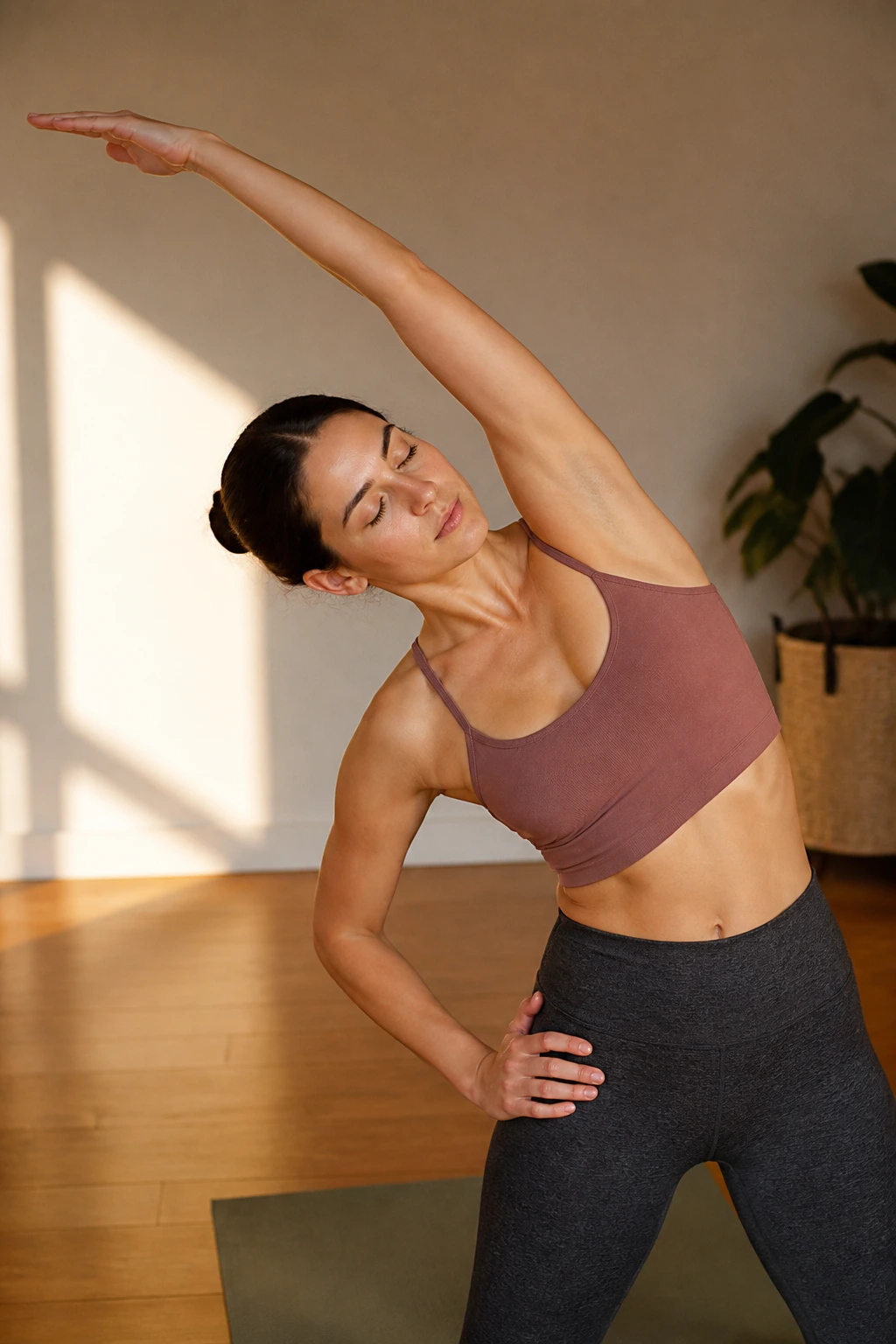
A side body sequence is the thing most morning routines forget, and that’s a mistake. The ribs, lats, and obliques can feel weirdly locked up after sleep, especially if you curl to one side all night. Start with mountain, reach one arm overhead, and lean gently to the opposite side for three breaths.
Then step into crescent lunge and keep the same arm overhead for a longer line through the waist. Add gate pose or a standing side bend if you want more room along the torso. Keep the hips steady. The stretch should travel along the side, not dump into the low back.
A Small Rule That Helps
If you can breathe only in the chest, you’re pushing too hard. Back off half an inch and let the ribs expand first. That little adjustment makes the stretch feel cleaner and lasts longer once you start moving around.
8. Gentle Twist Sequence
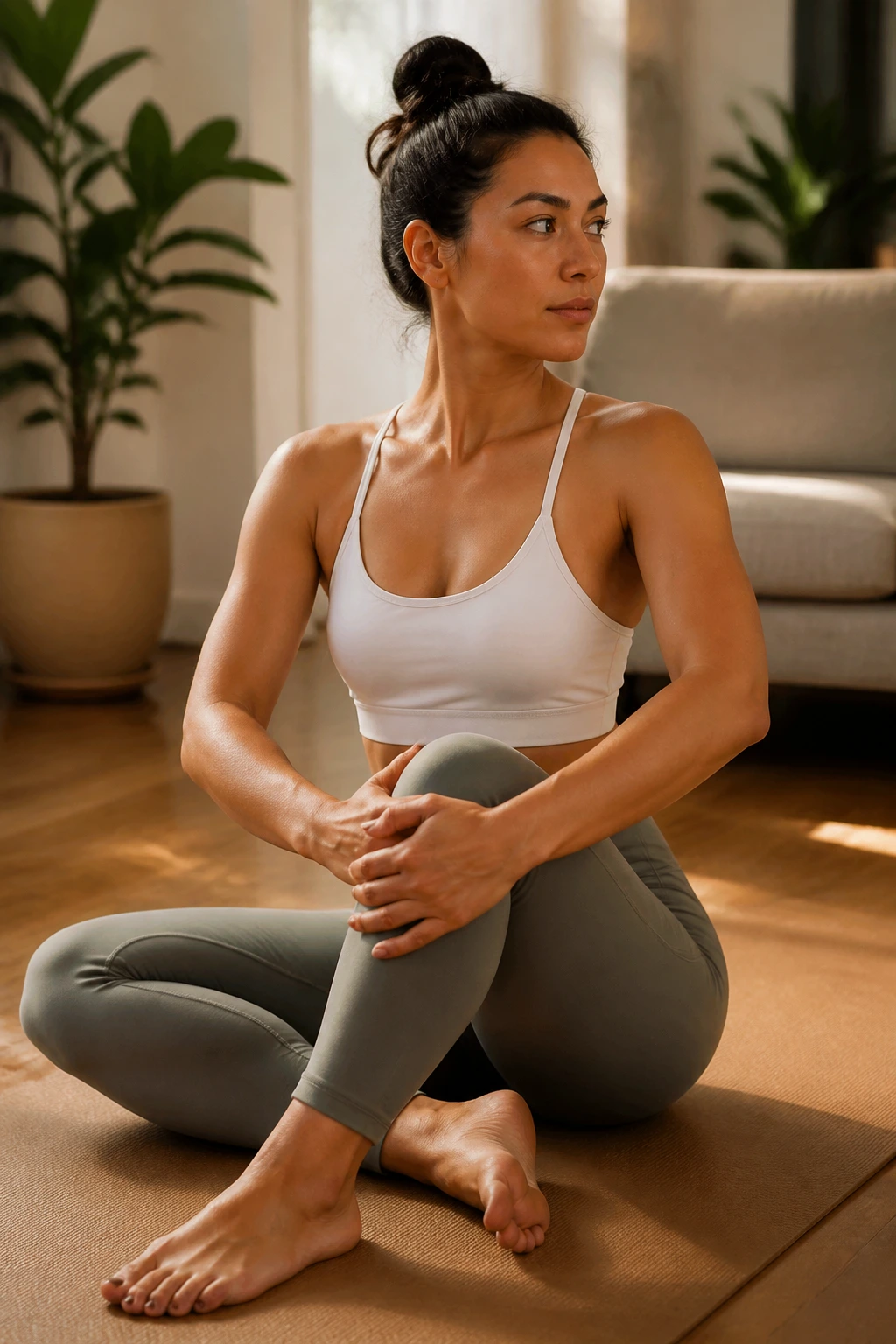
Twists are one of the fastest ways to wake up a back that feels like it slept in a knot. Sit tall or kneel, turn gently to one side, and hold for three breaths before switching. Then step into a low lunge twist, keeping the back knee down if you want a softer version.
A chair twist works well here too, especially if your morning starts with a lot of standing. Keep the belly soft and twist from the ribs, not just the arms. That keeps the neck from doing all the work. Good twists feel spacious and a little springy.
I like this sequence when the day ahead feels mentally crowded. The body gets a clear signal to lengthen and rotate, and that usually helps the brain stop buzzing for a moment. Not magic. Just useful.
9. Balance-Building Flow for Focus
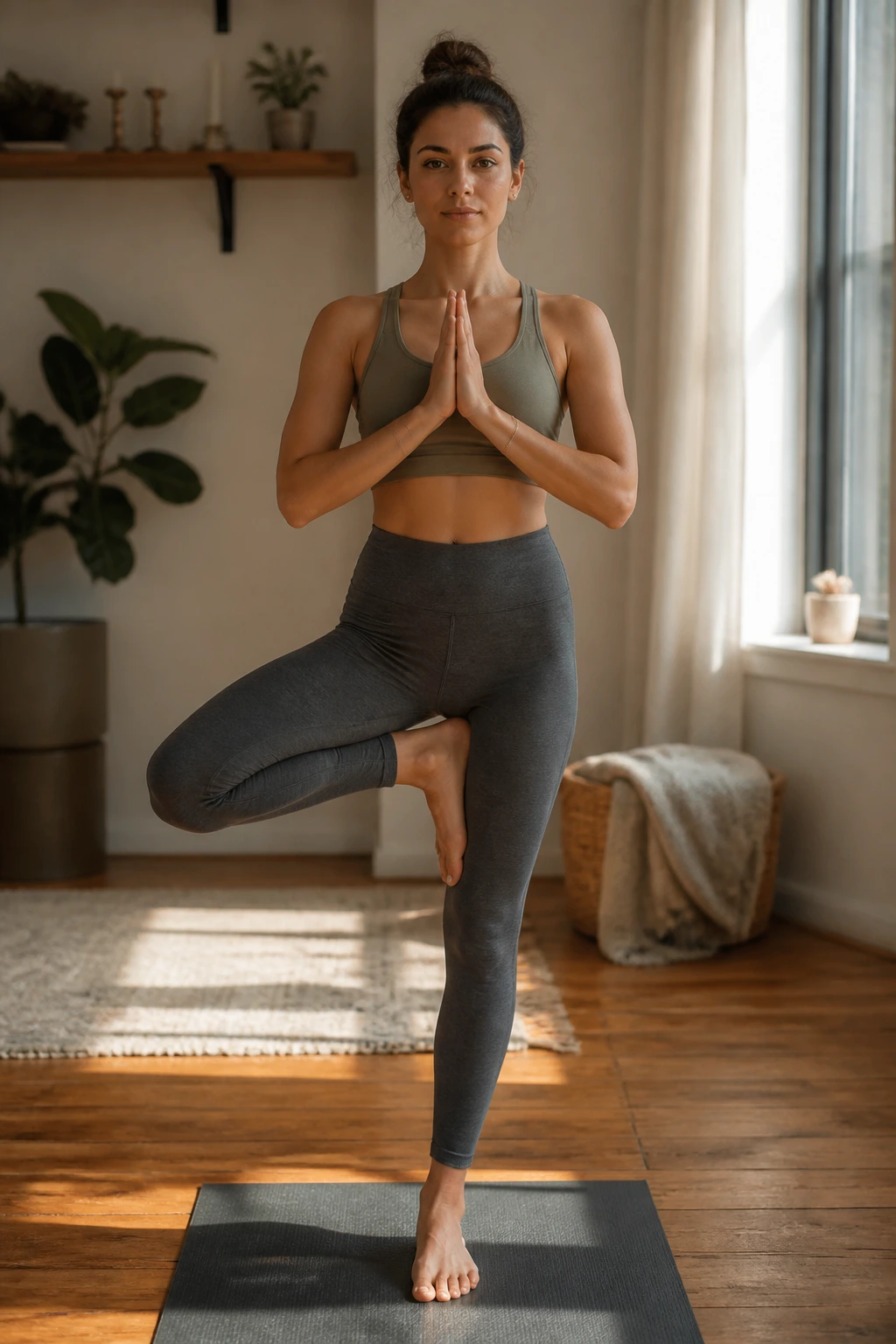
Can a standing balance routine sharpen your morning? Yes, and fast. Start in mountain, shift into tree pose for three steady breaths, then move to warrior III with hands at the heart or reaching forward. Switch sides and repeat once more.
Add a knee drive from crescent lunge if tree feels too wobbly first thing. That keeps the hips active without making the pose a circus act. Balance work is less about looking calm and more about finding one point of focus before the rest of the day starts tugging at you.
What to Watch For
- Keep the standing foot spread wide
- Soften the knee of the lifted leg
- Pick one still point on the floor
- Exhale before you step out of the pose
Tip: If your standing ankle wobbles, stay near a wall. That is smart, not weak.
10. Hamstring Unwind Flow
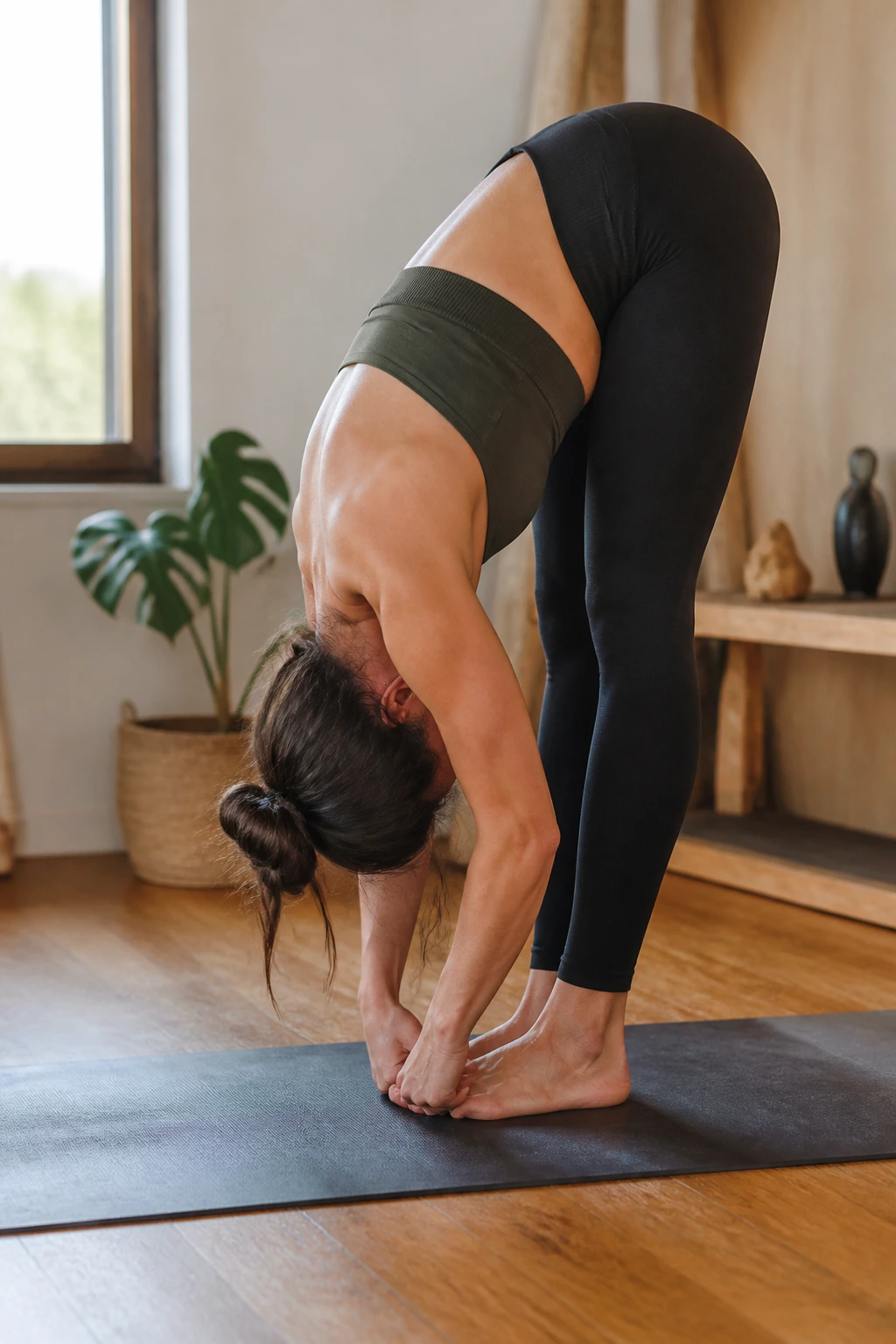
A lot of morning tightness lives in the back of the legs, not the back itself. Start with a forward fold, then move into half split on one side and pyramid pose on the other. Both give the hamstrings a different line of pull, which matters more than staying in one stretch for a long time.
From there, step into downward dog and pedal the feet for ten slow shifts. Finish with a wide-legged fold and let the head hang if that feels okay in the neck. Keep the knees softly bent if the hamstrings are talking back. They usually are.
This is one of the better morning yoga routines if you sit for long stretches. It opens the line from heel to hip without turning the sequence into a struggle. Tight legs hate force. They respond better to steady pressure and a few clean breaths.
11. Core and Breath Flow
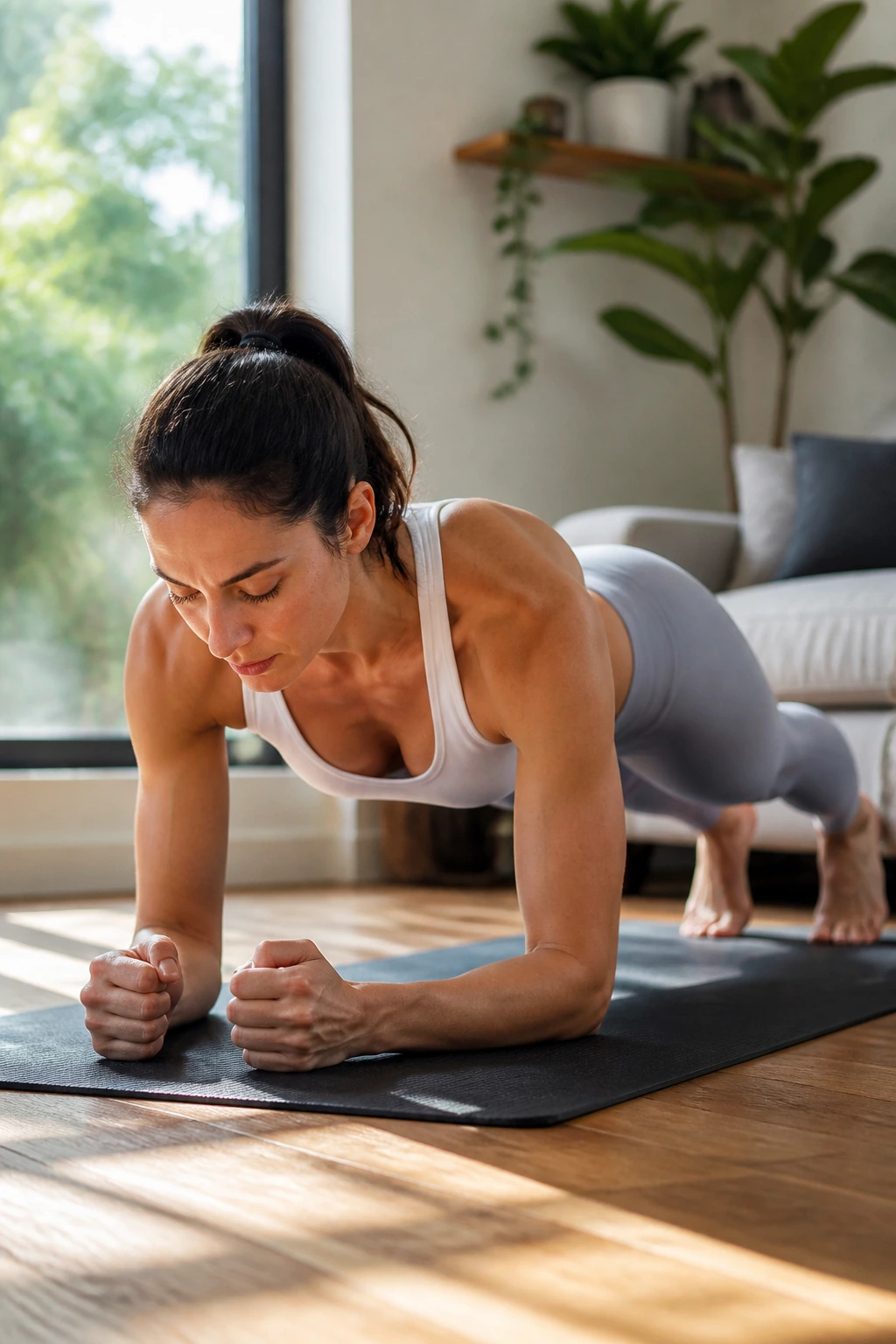
Strong mornings feel different when the center of the body is awake. Start in tabletop with slow knee taps, then come into forearm plank for 15 to 20 seconds. Add dead-bug-style leg reaches from your back if you want a gentler core drill, then move into dolphin or downward dog.
Why It Works
Your core and breath are linked more than people like to admit. When the exhale gets longer, the ribs settle and the midsection can support movement without bracing like crazy. That is what makes the rest of the flow feel cleaner.
After the plank work, rest in child’s pose for three breaths and notice how the front of the body feels. A little heat is the goal, not a shaking collapse. If your lower back starts pinching, shorten the hold and bring the knees down sooner.
12. Chest-Opening Flow for Desk Posture
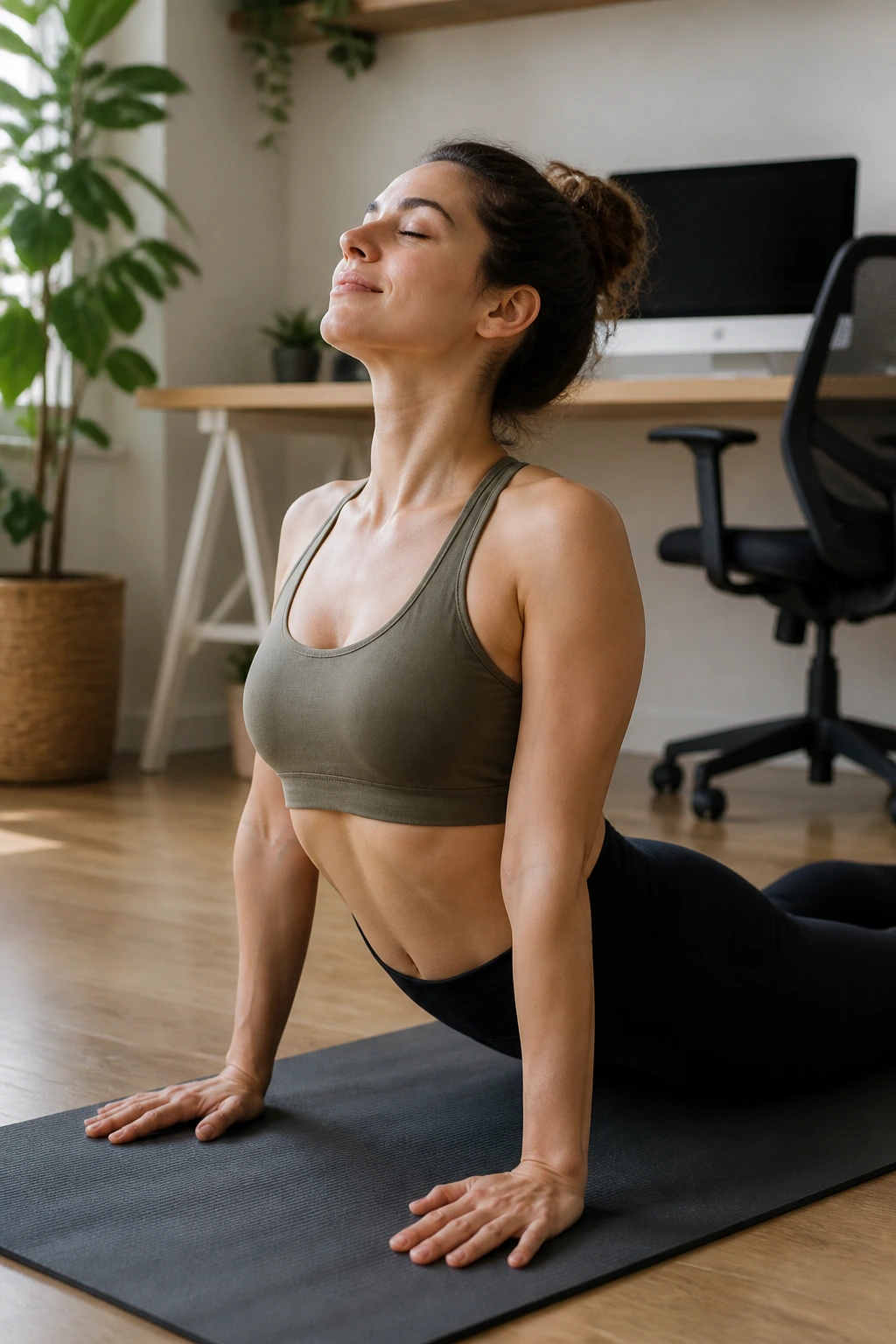
Unlike a basic stretch routine, this one gives the front of the body room to breathe. Start with sphinx pose, then slide into cobra for a few gentle lifts. Add puppy pose or extended child’s pose with the arms long if the shoulders need a softer opening.
Next, bring in cactus arms while lying on the floor, or interlace the hands behind the back in a standing fold if you want more of a shoulder line. Keep the chin slightly tucked so the neck does not overwork. The point is to unwind the rounded shape that sitting gives you.
A chest opener like this is useful on mornings when you know you will sit again soon. That sounds grim, but it’s honest. Open the front, and the rest of the day tends to feel a little less compressed.
13. Bedside Morning Yoga Flow
A bedside mat flow is the one I like when I do not want to think yet. Start on your back with knees hugged in, roll into happy baby, then cross into a reclined figure-four on each side. Keep the movements slow enough that your breath does not jump.
How to Move Through It
- Knees-to-chest for 3 breaths
- Happy baby for 3 breaths
- Reclined figure-four, both sides
- Supine twist, both sides
- Bridge pose for 3 slow lifts
That bridge at the end changes the tone of the whole sequence. The glutes wake up, the front of the hips lengthen, and the spine gets a simple extension without any strain. Good for groggy mornings. Good for lazy ones too.
14. Warrior Energy Flow
If you want something stronger than a stretch, warrior poses do the job without turning the morning into punishment. Start in mountain, step into warrior I, open to warrior II, then flow into reverse warrior and side angle. Move back through crescent and repeat on the other side.
Keep the front knee bent enough that you can still see your toes. That little check keeps the thigh honest. Warrior flows are useful because they build heat in the legs while opening the hips and chest at the same time. Not many morning routines do both well.
I reach for this one when I need to feel capable, not just limber. There is a difference. The shape of the stance seems to wake up the whole nervous system, and the standing work makes the day feel a little less slippery.
15. Spine Wake-Up Flow
Why does the spine feel like it belongs to someone else in the morning? Because it has been still for hours. Start by rolling down one vertebra at a time from standing, then come to tabletop for cat-cow and add a few tiny circles through the ribs.
How to Use It
Move from cat-cow into child’s pose, then rise to a gentle standing backbend with hands on the hips. Not a huge arch. Just enough to open the front body and let the upper back extend. Repeat the cycle twice, then finish with a slow fold.
This is one of those routines that looks easy on paper and still feels useful in real life. The spine gets flexion, extension, and a little rotation without a big leap in effort. If you sleep curled up, this one earns its keep fast.
16. Floor-Based Lazy Morning Flow
A floor-only sequence is perfect on mornings when standing feels like too much commitment. Start in child’s pose, move to thread-the-needle, then roll onto your back for a twist, bridge, and a long happy baby hold. That is enough to wake up almost everything.
The floor keeps the nervous system from getting overloaded early. You get movement without balance demands, which is a gift when you are half awake or your knees are a little cranky. It is also an easy way to stay consistent on colder mornings when the idea of standing around makes no sense.
One small trick helps here: keep the inhale soft and the exhale longer than usual. That makes the whole sequence feel calmer without making it sleepy. Weirdly effective. Very little effort, decent payoff.
17. Breath-Led Vinyasa Flow
A breath-led flow is less about the poses themselves and more about how you move through them. Stand in mountain, inhale to reach, exhale into a fold, inhale to half lift, and step back on the next exhale. The timing matters because it keeps the movement smooth instead of choppy.
Add plank, cobra, downward dog, and a low lunge on each side. Keep the transitions tight and clean, with no extra wandering in between. If you want a little more heat, repeat the whole pattern twice. That is usually enough to shift from sleepy to properly awake.
I like this one because it feels rhythmic. The breath gives the routine a beat, and the beat keeps your head from drifting somewhere else. If you like structure, this is your morning flow.
18. Ankle and Foot Mobility Flow
Most people ignore their feet until they hurt. Bad habit. Start with toe lifts, heel raises, and ankle circles while standing, then move into downward dog and pedal both feet for ten to twelve slow reps.
From there, step into a low lunge and drive the front heel down twice before pressing it forward again. Finish with a squat hold or goddess pose if your ankles can handle it. That combination wakes up the little joints that support everything above them.
What to Notice
- The arches should feel active, not clenched
- The calves may wake up fast
- Your balance improves after just a few rounds
- The floor contact gets steadier by the end
Tip: If the soles of your feet feel stiff, stay on the floor and roll the arches over a ball for 30 seconds first.
19. Gentle Backbend Flow
A good morning backbend should feel like opening a window, not bending a metal bar. Start with sphinx, then move to cobra with the elbows close to the ribs. After that, lift into locust pose for one short hold and come down slowly.
Add bridge pose and, if your body likes it, a low lunge with cactus arms. Keep the glutes lightly engaged so the low back does not pinch. That matters. People often throw themselves into backbends too fast and wonder why the front body feels fine while the lower spine complains.
This flow is one of my favorites on days when I wake up flat and heavy. Backbends tend to change that mood quickly. Not because they are flashy, but because they restore a little length through the front of the body and make breathing feel easier.
20. Full-Body Reset Flow
A full-body reset works when you want one sequence that touches everything without getting fancy. Start in mountain, fold forward, half lift, step into a low lunge, twist, move to plank, then down dog and back to standing. That alone gives you legs, spine, shoulders, and breath in one loop.
What makes it useful is the order. You move from simple to more loaded, then back again. That pattern wakes the whole system without making any one area do all the work. It also helps on mornings when your body feels mixed up rather than specifically tight.
Keep the pace moderate and stay honest about range. If one side feels grumpier, give it one extra breath. Little imbalances show up fast in a reset flow, and that is usually the point.
21. Standing Strength Flow
Can a morning yoga flow build real strength? Absolutely, if you stop treating standing poses like background scenery. Start with chair pose for three breaths, move into warrior II, then side angle, reverse warrior, and back to chair. Repeat on the other side.
Use the legs on purpose. Press the feet down, keep the knees tracking over the toes, and let the torso stay long instead of collapsing into the hips. That kind of work wakes up the quads, glutes, and midsection in a way a passive stretch never will.
I’d use this one on mornings when you want a workout feel without jumping, running, or anything loud enough to wake the whole house. It is strong, but not brutal. That balance is the sweet spot.
22. Calm Morning Flow for Busy Minds
Some mornings feel noisy before they even begin. Start on your back with one hand on the belly and one on the chest, then roll slowly into child’s pose, tabletop, and a soft forward fold. Keep the breath long, especially on the exhale.
From there, use cat-cow at half speed and add a seated fold or reclined twist if you want one more shape. Nothing sharp. Nothing rushed. The body often settles once the breath has somewhere to land.
A Simple Rhythm
- Inhale for 4
- Exhale for 6
- Move only on the breath
- Stop if your shoulders bunch up
That rhythm can make the whole practice feel steadier. Not perfect. Just steadier, which is usually what mornings actually need.
23. Travel-Friendly Flow
A travel-friendly flow has to work in a narrow hotel room, next to a bed, or in that weird strip of floor between a suitcase and a wall. Start with standing side bends, then fold, half lift, and step one foot back into a low lunge on each side. Finish with a standing twist and a few calf raises.
The key here is no floor dependence. You do not need a mat, and you do not need much space. That makes the routine easy to keep even when the rest of your day feels off. It also helps with the stiffness that comes from long sitting, which travel tends to gift everyone whether they asked for it or not.
This is the routine I’d choose when consistency matters more than elegance. A small practice done in a cramped room still counts.
24. 15-Minute Morning Yoga Flow
A 15-minute morning yoga flow is the sweet spot for people who want more than a quick stretch but less than a full class. Start with two rounds of sun salutation A, then step into low lunge, half split, warrior II, side angle, and a short balance pose like tree or chair.
Why It Feels Balanced
Unlike a short wake-up sequence, this one gives you enough time to warm the body properly. Unlike a long class, it does not wander. You can cover spinal movement, leg strength, hip opening, and a bit of breath work without dragging it out.
End with a seated twist and child’s pose. Those final floor shapes help the body land cleanly after the standing work. If you only memorize one longer morning routine, this is the one worth keeping nearby.
25. Longer Sunrise Flow
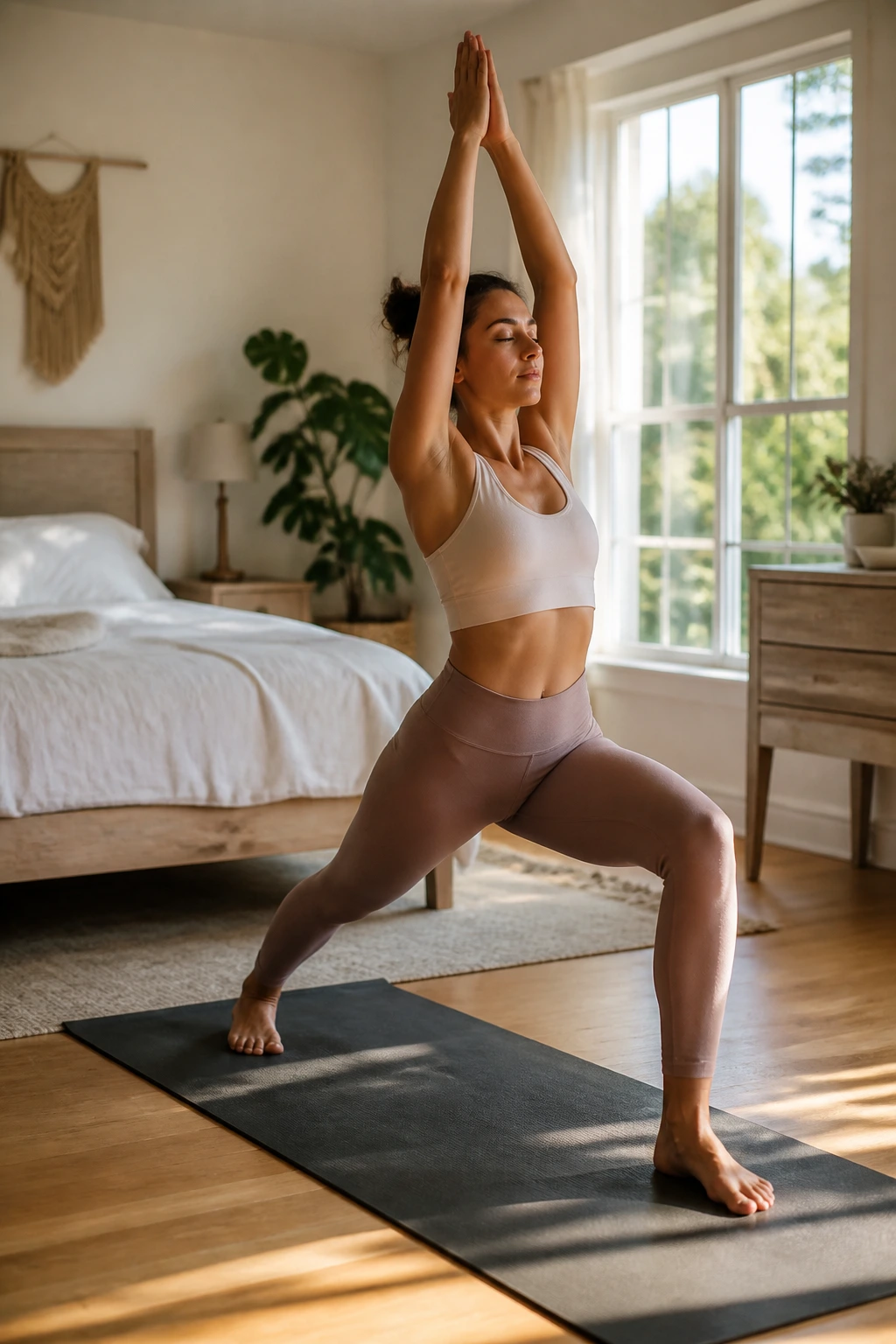
A longer flow is useful when you want the morning to feel like a real practice, not a quick fix. Start on the floor with breath awareness, move through cat-cow and thread-the-needle, rise into sun salutations, then layer in warriors, balance work, and a few floor shapes at the end.
A Good Order for It
- Breath and spinal warm-up
- Standing heat with sun salutations
- Hip and leg work through lunges and warriors
- Balance or core work
- Cool-down on the floor
That order matters because it respects the body’s wake-up process. You do not jump straight into deep shapes, and you do not finish while still holding tension in the shoulders. Give the sequence about 20 minutes if you want it to feel unrushed.
This is the kind of morning yoga flow I’d use on a day off, or on a day when I know the rest of the schedule will be noisy. It gives you enough movement to feel changed, and enough quiet to notice the change before the day takes over.
Final Thoughts
The best morning yoga routine is the one that fits the shape of your real morning. Some days call for five minutes on the floor. Other days need standing work, breath, and a little sweat.
Pick three flows and keep them on rotation. One for stiffness, one for energy, and one for the mornings when your head feels crowded before breakfast. That tiny bit of planning makes the whole habit easier to keep.
And if a flow feels too ambitious before coffee, cut it in half. That is often the smartest move in the room.
