



Bulking up takes more than a hard sweat. If you want to tone without bulking up, the real levers are load, rest, repetition quality, and what you eat after the session. A 15-minute bodyweight circuit and a 45-minute barbell session are not the same animal.
“Toned” is one of those gym words people use loosely. What they usually mean is some muscle shape showing through, with enough firmness to look athletic rather than soft. That comes from a mix of building a little muscle and keeping body fat in check. It does not come from magical “lengthening” moves or from avoiding strength work altogether.
The good news is that you do not need heavy, grindy lifting to get there. Moderate resistance, short rest, controlled tempo, and regular conditioning can change the way your body looks and feels without pushing training into size-focused territory. Sports medicine guidance has long leaned toward strength work a couple of times a week, and in practice that usually pairs well with walking, rowing, Pilates, cycling, or other lower-load sessions.
The workouts here lean into that kind of training. Some are joint-friendly. Some are sneaky hard. A few will light up your core in ways you’ll feel the next day when you reach for a coffee mug. Pick the ones you can repeat without dreading them. That part matters more than fancy gear.
1. Slow-Tempo Bodyweight Squats That Make Every Rep Count
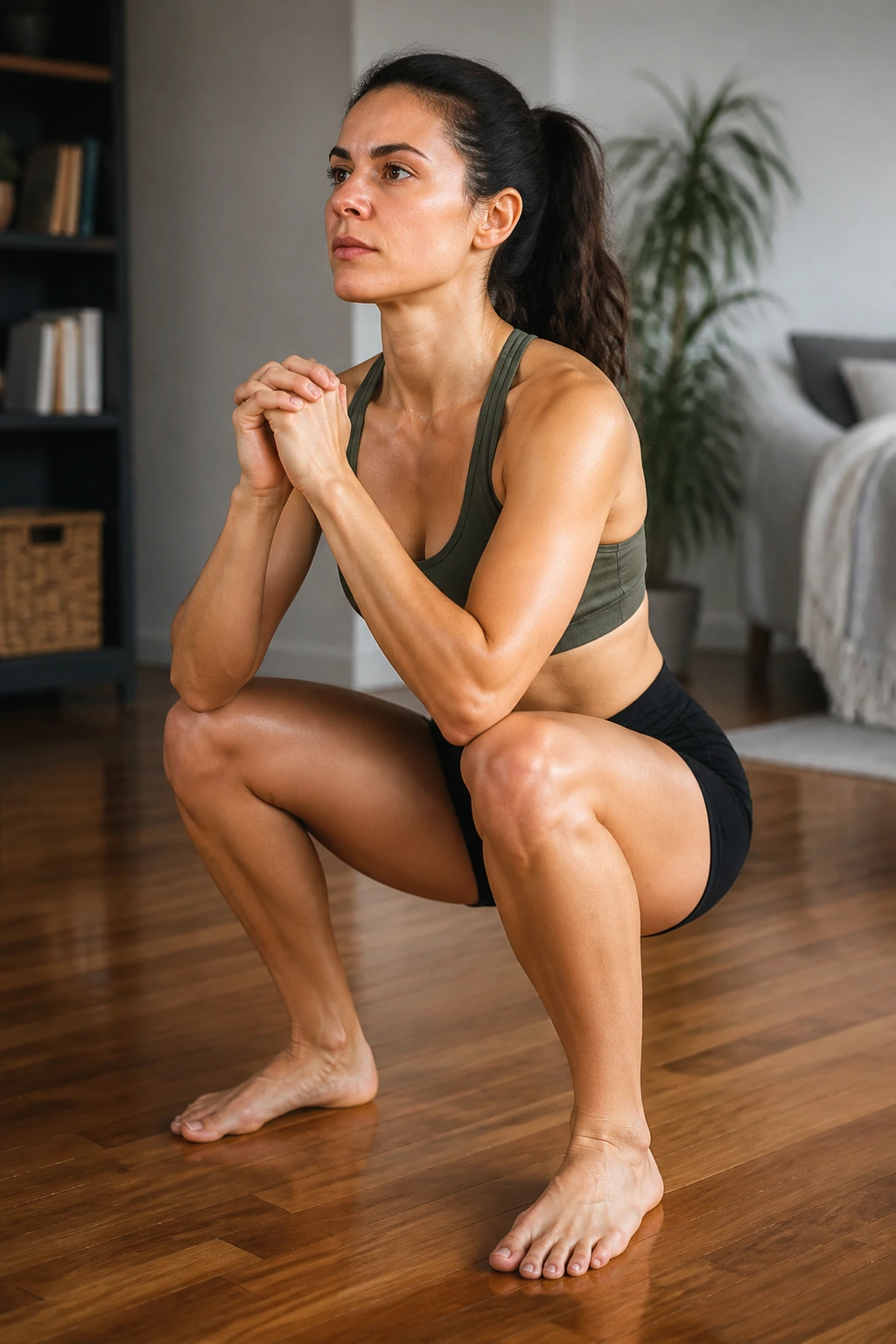
Fast squats are fine, but slow-tempo squats change the feel fast. A 3-second lowering phase and a brief pause at the bottom make bodyweight work feel dense without needing a heavy barbell, which is one reason this belongs on any list about toning without bulking up.
Why Tempo Matters
When you slow the lowering phase, your quads and glutes stay under tension longer. That gives you more work in each rep, so the set feels harder even when the load stays light.
That is the part people miss. You do not need to chase max weight every time you train legs.
How to Run the Workout
- 3 rounds
- 12 slow squats with a 3-second lower, a 1-second pause, and a strong stand
- 10 reverse lunges per leg
- 30-second wall sit
- 45 seconds of rest between moves
Keep your chest up, heels flat, and knees tracking in line with your toes. If your hips shoot up faster than your shoulders, the set got sloppy.
Tip: Stop 1-2 reps before your form turns into a wobble. Clean reps do more for shape than ugly ones.
2. Pilates Hundred and Leg Series for a Tight, Controlled Core
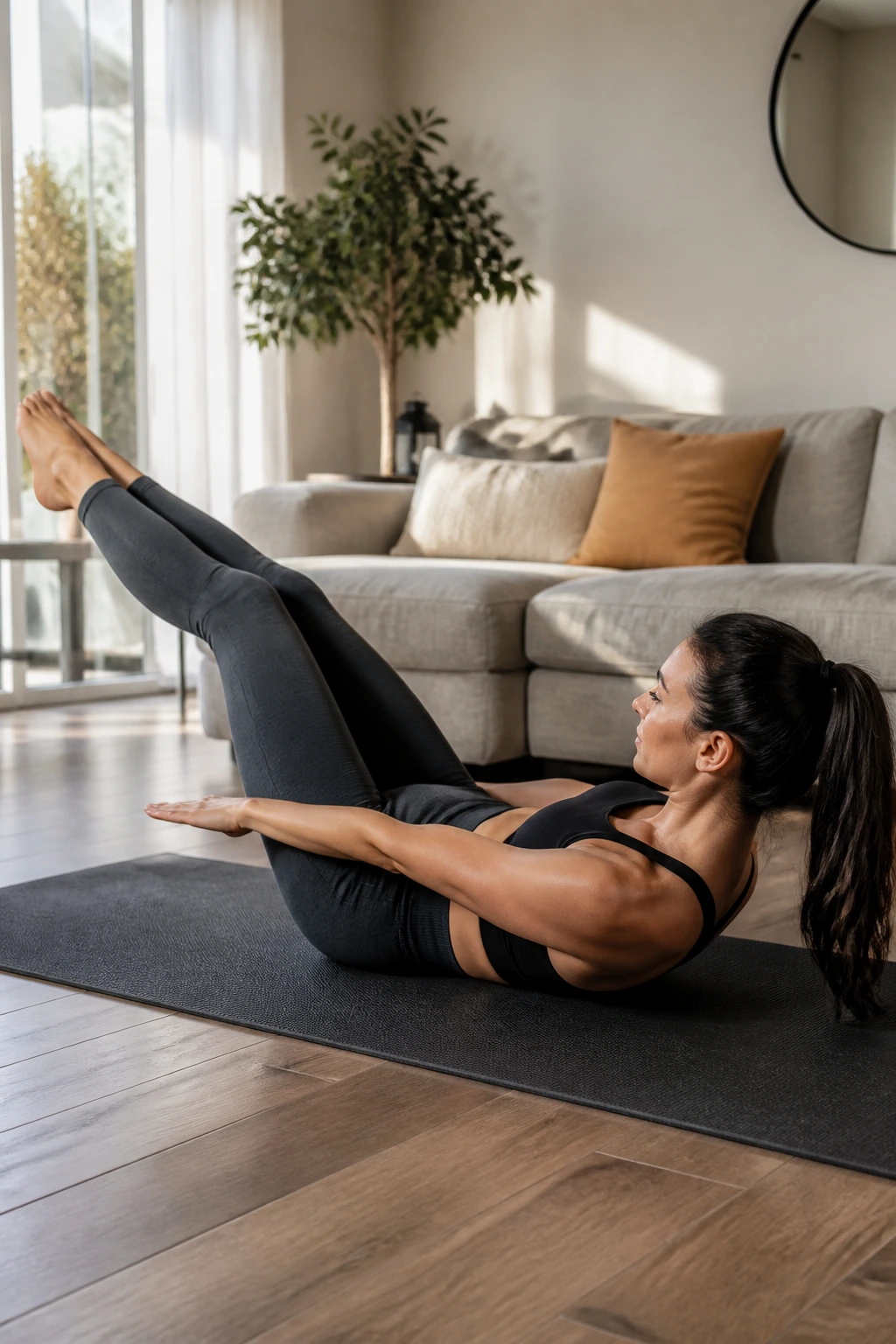
Pilates is not soft exercise when the pace is honest. The hundred, single-leg stretch, leg circles, and side-lying lifts light up the deep core and hip stabilizers without piling on load. You spend more time controlling position than chasing fatigue, which is exactly why the work feels clean rather than bulky.
A good mat sequence usually runs 15 to 25 minutes. Keep the movements small and the breathing steady — five counts in, five counts out on the hundred, then slow switches on the leg work. If your neck tightens, stop craning forward and put a folded towel under your head.
This is one of my favorite choices for people who want a firmer midsection and better posture without hammering the joints. It also pairs well with walking or easy cycling on the same day, because it does not chew up your legs the way heavy lower-body lifting can.
Do it on a grippy mat, not a slippery rug. The details matter. A tiny slip at the hip turns a precise movement into a shrug-fest.
3. Incline Walk Intervals That Wake Up Your Legs Without Beating Up Your Knees
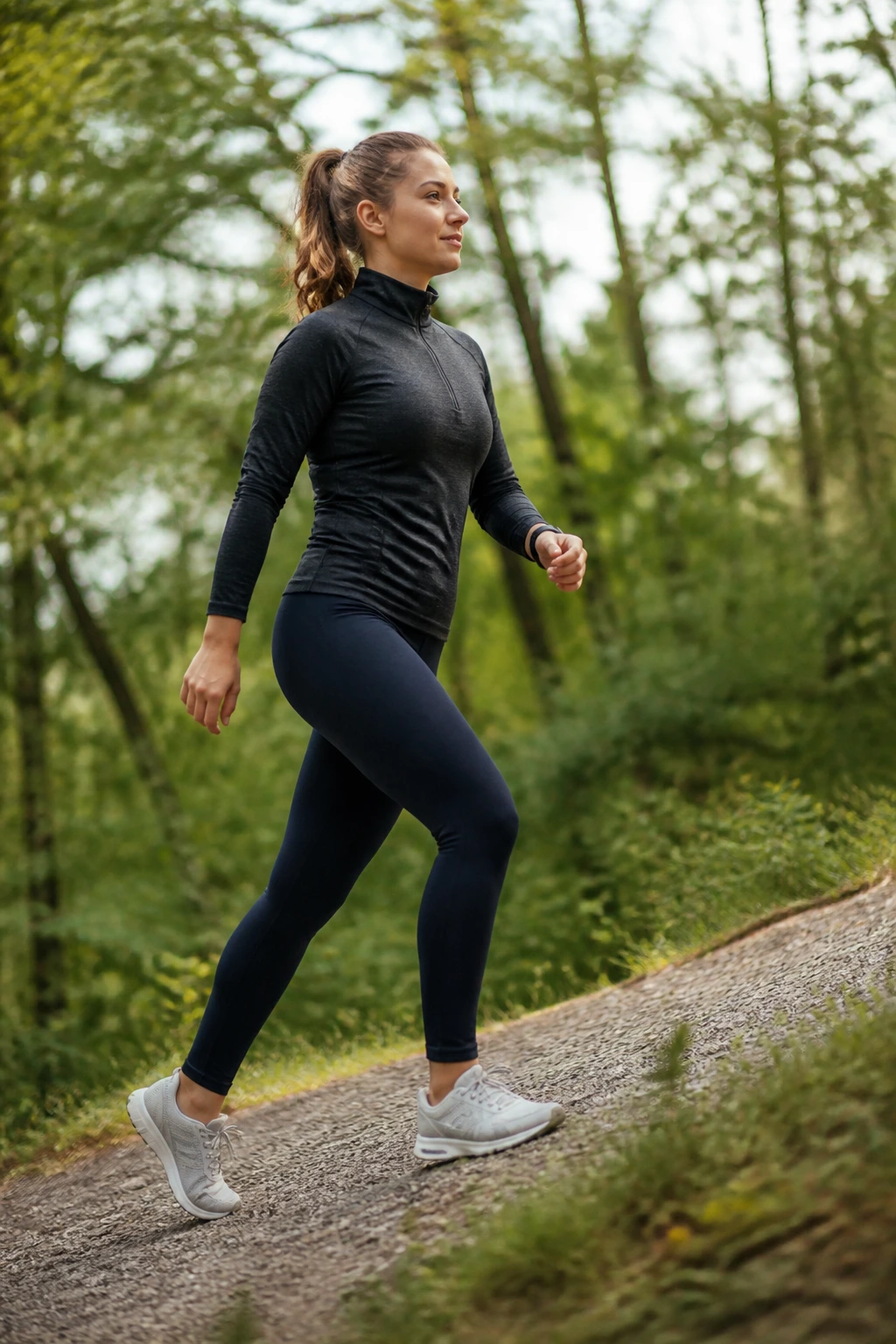
Why does a walk belong on a toning list? Because a steep enough incline turns ordinary walking into real lower-body work, and you can keep the impact low. A treadmill set between 4 and 10 percent incline can leave your glutes and calves talking without the jarring feel of sprint work.
How to Set the Pace
A simple format works well:
- 5 minutes easy warm-up
- 2 minutes brisk at 6 to 10 percent incline
- 2 minutes easy at 2 to 4 percent incline
- Repeat for 20 to 30 minutes total
Keep your stride short. Push the belt back with your legs instead of hanging on the rails. If you need the handrails for balance, fine — but if you’re leaning on them, the workout has already gone soft.
Small but useful detail: walk tall and let the incline do the work. No heroic sprinting. That just turns the session into a mess of bouncing and over-gripping.
This is a smart option on days when your legs feel flat but you still want output. It gets the heart rate up, keeps the impact modest, and gives you that “I worked” feeling without a heavy recovery bill.
4. Resistance-Band Glute Bridges for Shape and Stability
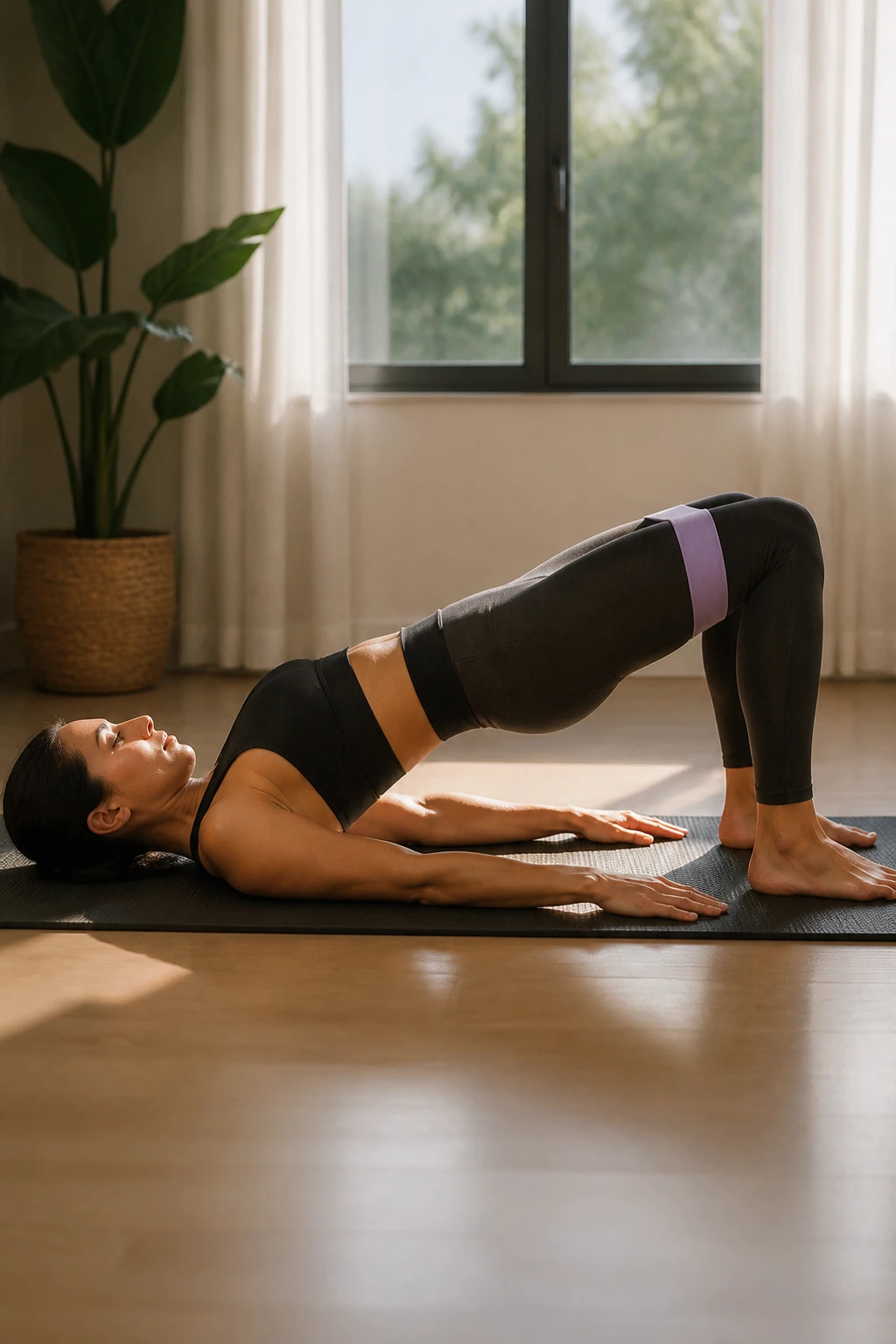
If you have ten quiet minutes and a mini-band, this workout sneaks up on you. Resistance-band glute bridges hit the glutes hard, especially when you add a pause at the top and keep your knees pressing gently outward against the band.
A good setup is simple: band above the knees, feet hip-width apart, ribs down, and chin slightly tucked. Drive through the heels, lift the hips until the torso makes a straight line from shoulders to knees, then hold for a count before lowering with control. The band gives your outer hips something to fight against, which makes the movement feel much more precise than a plain bridge.
- 3 rounds
- 15 glute bridges
- 20 small pulses at the top
- 10 single-leg bridges per side
- 30 to 40 seconds of rest
The glutes do not need pounding. They need consistent tension and clean hip extension. If your lower back starts doing the work, bring the range down a little and slow the tempo. That usually fixes the problem fast.
5. Kettlebell Deadlift Ladders for the Back Side of Your Body
A kettlebell deadlift looks plain. That is part of the appeal.
It trains the hinge pattern, which means the glutes, hamstrings, and lower back work together instead of letting one muscle group steal the show. Use a moderate kettlebell, stand with the bell between your feet, and push your hips back until your hands can grab the handle without rounding your spine. Then stand tall, squeeze the glutes, and lower the bell with the same control.
A ladder keeps the session honest without turning it into a max-strength grind. Try 10 reps, rest 30 seconds, 8 reps, rest 30 seconds, 6 reps, rest 30 seconds, then 4 reps. If you want a bit more, repeat the ladder once. The weight should feel like work by the end, but you should still be able to keep the bell close to your legs and your chest open.
No jump necessary.
This is a useful choice if you want the look and feel of strong legs and a firmer backside without the kind of loading that makes every session feel like a power meet. If your back rounds, the bell is too far from you or too heavy for the day. Fix that first.
6. Shadow Boxing Rounds That Hit Your Core and Shoulders at Once
Unlike heavy-bag work, shadow boxing asks for precision more than brute force. That makes it a clean fit for toning, because you can keep the pace sharp, the footwork active, and the shoulders under steady tension without cranking up load.
A smart round structure is 2 minutes on, 30 seconds off. Use the first minute for straight punches and movement, then add slips, hooks, and pivots in the second minute. Keep your hands up, rotate through the torso, and let the rear foot turn naturally when you throw the cross. The core does a surprising amount of work when the hips stay honest.
This is one of the easiest workouts to scale. Go light and crisp if you want a cardio-heavy session. Turn up the pace and add small defensive moves if you want more shoulder endurance and trunk control. Either way, you are not chasing size. You are chasing output.
It suits people who get bored on machines and want something that feels alive. The best part is that you need almost nothing — a bit of floor space, a timer, and enough patience to keep your guard up instead of flailing.
7. Rowing Machine Intervals That Work the Whole Body in One Sweep
The rower is brutally honest. If you yank with your arms first, it tells on you.
That is why it works so well for a leaner-looking body. Each stroke asks your legs to drive, your back to stabilize, your core to keep the body from folding, and your arms to finish the pull. One machine, lots of work. Keep the damper moderate, not maxed out, or the stroke starts to feel clunky and your form falls apart.
Three Form Cues That Matter
- Push with the legs first
- Hinge back from the hips, not the shoulders
- Finish the pull with the elbows, then return smoothly
A simple workout is 6 rounds of 250 meters hard with 75 seconds of easy rowing between efforts. If distance tracking annoys you, use 30 seconds strong and 90 seconds easy for 8 to 10 rounds.
Do not turn the handle into a biceps curl. That’s how people make rowing feel awful and miss the point.
This is a strong fit if you want a sweaty session that still feels controlled. It will build muscle endurance in the legs and back without asking you to chase heavy resistance, which keeps it in the “firm up” lane instead of the “add size fast” lane.
8. Light Dumbbell Complexes That Keep You Moving
One pair of light dumbbells can do plenty if you never put them down. That is the whole appeal of a complex: you string together several movements in a row, and the workout gets harder from the time under tension and the nonstop pace, not from a monster weight.
Try this sequence with a pair of dumbbells you can control cleanly for the entire round: Romanian deadlift, bent-over row, front squat, push press, reverse lunge. Use 5 reps of each movement, then rest 90 seconds. Do 4 rounds. If your grip goes first, the weight is too heavy or the rest is too short.
What makes this useful for toning is the blend of full-body work and short recovery. Your legs, back, shoulders, and core all stay busy, but none of the loads need to be so heavy that you drift into low-rep strength training. The pulse rises. The muscles work. The session stays tidy.
The main rule is simple: the last exercise should still look smooth. When the dumbbells start banging against your thighs or your torso starts twisting, cut the reps. No one gets bonus points for ugly fatigue.
9. Barre Pulse Sequences for Tiny Muscles That Still Burn
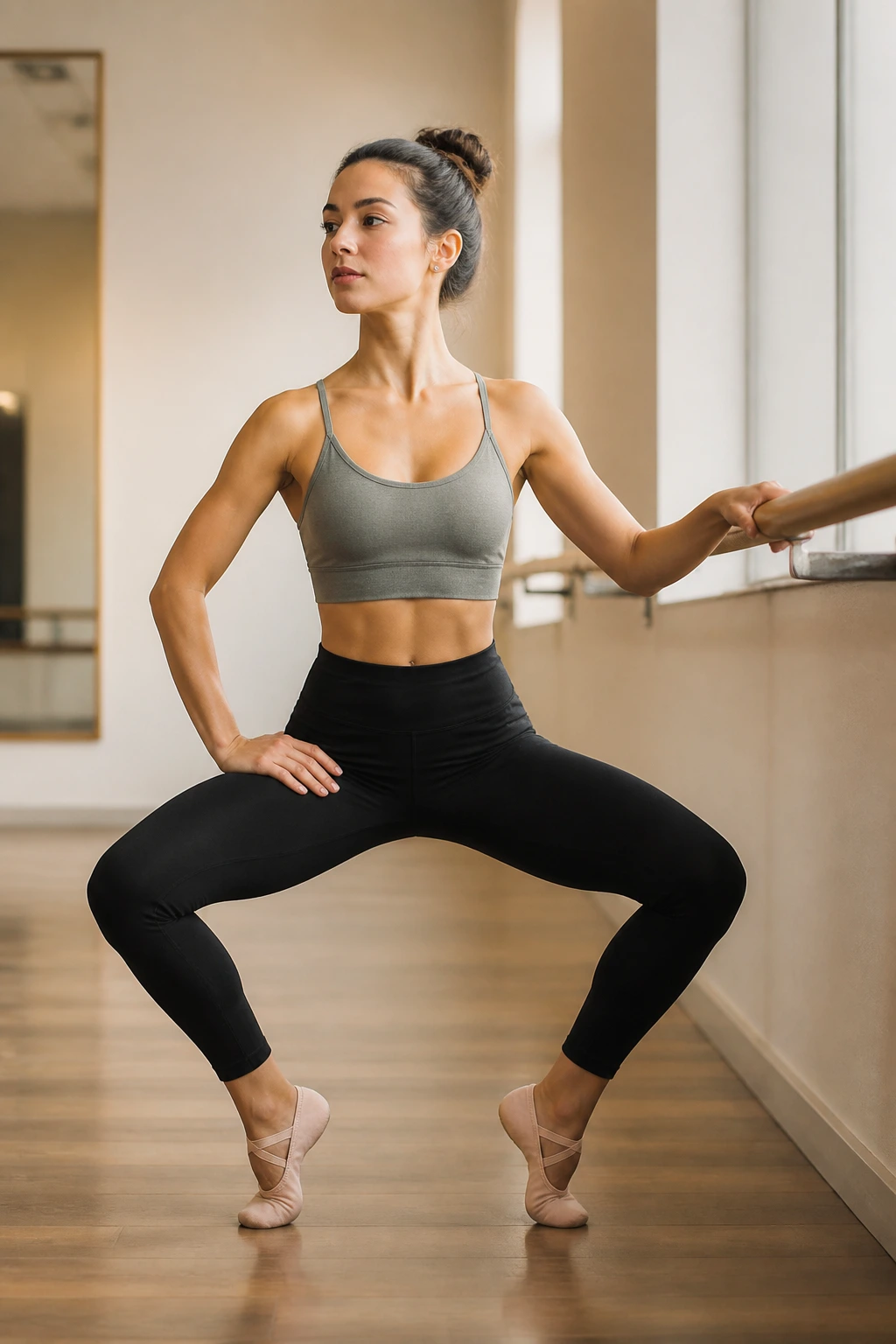
Why do those tiny pulses burn so much? Because the muscle never gets a clean break, and the range stays short enough that there is nowhere to hide.
Barre work looks almost too small at first glance. Then you hold a plié, pulse at the bottom, and realize your thighs are doing a quiet little protest. That is the point. The movement stays controlled, the posture stays lifted, and the session builds muscle endurance more than raw size. Good barre sessions are about tension, balance, and repetition under control.
How to Get the Burn Without Junk Volume
- 45 seconds of plié pulses
- 45 seconds of seat lifts or arabesque holds
- 45 seconds of calf raises
- 15 seconds of rest between stations
- 3 rounds total
Keep your pelvis neutral and your ribs stacked. If your lower back starts arching just to make the movement look bigger, bring the range down. A smaller, cleaner pulse usually does more.
This style is a smart pick if you want a leg session that feels elegant but not flimsy. It also plays well on recovery days, because it taxes the muscles without the joint pounding that comes with jumps or heavy loading.
10. Stair Climb Intervals That Leave No Question About Your Heart Rate

A stairwell can humble even fit people.
Climbing stairs turns bodyweight into resistance fast, and the upward drive makes the glutes and calves work with every step. You can use a stadium, a stair machine, or a flight of stairs in a building. The format is simple: climb hard for 20 to 30 seconds, walk down or recover for 60 to 90 seconds, then repeat 8 to 12 times.
What to Watch For
- Keep your whole foot on the step
- Lean slightly forward from the ankles
- Use the rails lightly, not as a crutch
- Drive through the glutes, not just the toes
The temptation is to sprint the first few rounds and then limp through the rest. Better to keep a pace you can repeat. The workout looks better when the later rounds still resemble the first ones.
This is one of the cleanest ways to get the lower body and lungs working together. You are not loading the spine with heavy weight, and you are not stuck in a machine seat. You are simply climbing, and the body has to answer.
11. Swimming Intervals That Spare Your Joints and Still Tax Your Muscles

Water does the resisting for you. That is the whole beauty of swimming intervals.
A pool session can be as easy or as hard as you want, which makes it a strong fit for people who want to tone without adding the wear and tear of repeated impact. Short repeats work especially well: 8 x 25 meters, 6 x 50 meters, or 10 x 25 meters with 20 to 40 seconds of rest. If you have a long pool, cut the rest a little. If your technique starts slipping, give yourself a touch more.
The important thing is to stay long through the body instead of thrashing. A smooth crawl stroke or breaststroke keeps the shoulders, back, and core engaged while the legs kick for balance and propulsion. If you flap and fight the water, your shoulders will complain before anything else. Clean strokes usually feel less dramatic but get more done.
This is also a useful choice on days when your knees or ankles are grumpy. The water unloads the joints, yet the muscles still have to push against resistance the whole way down the lane. It is work, just the quieter kind.
12. TRX Suspension Circuits That Use Your Own Body Weight as the Load
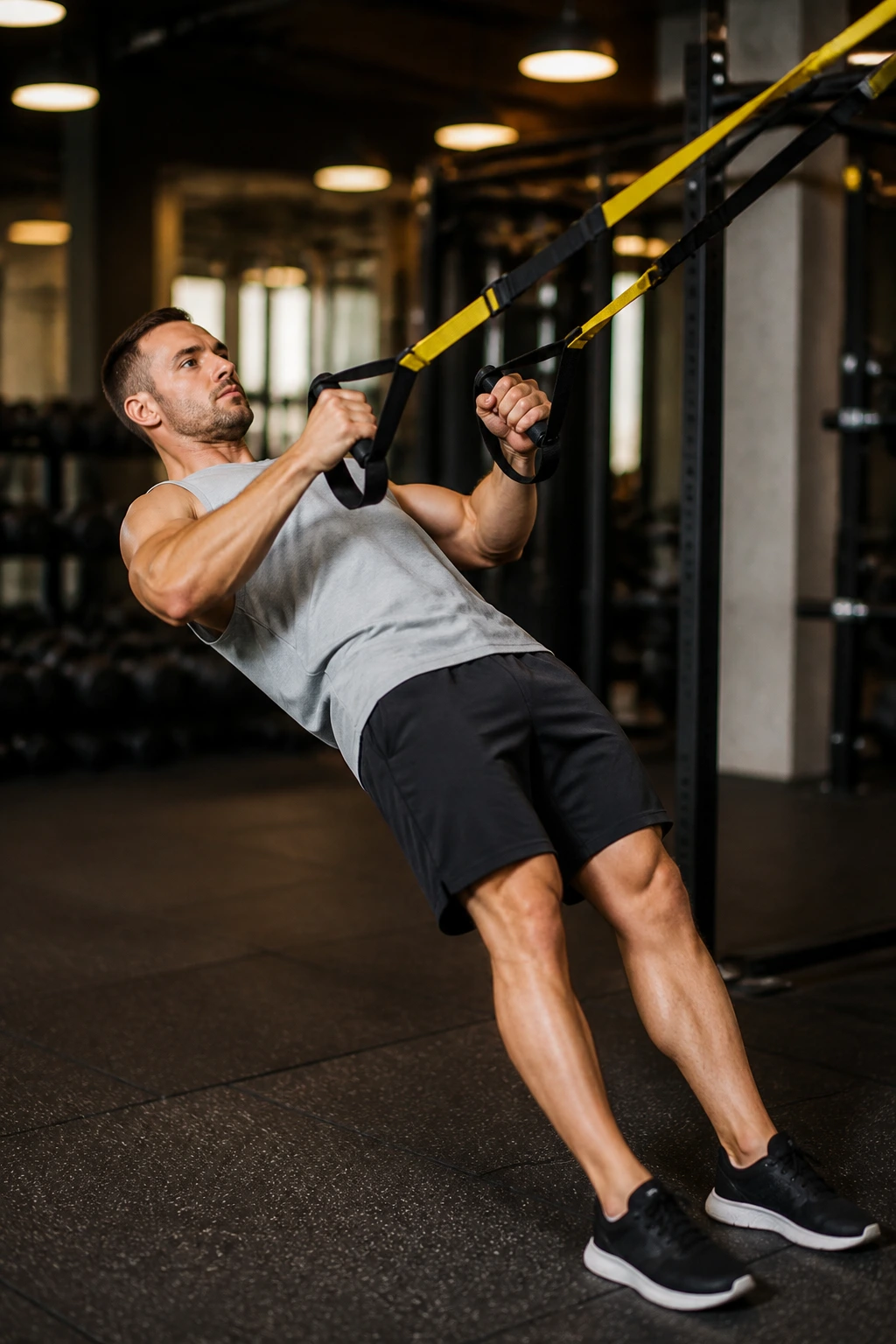
Unlike floor-based moves, suspension straps change the angle and make your body the weight. A tiny lean can turn an easy row into a serious one, which is why TRX work can stay in the toning lane without needing heavy external loads.
The trick is control. A good circuit might include TRX rows, chest presses, split squats, hamstring curls, and body saws. Do each move for 30 to 40 seconds, rest 20 seconds, and repeat the circuit 3 times. Keep your body in one long line and resist the urge to turn every exercise into a swing.
This style works best if you already have decent shoulder control and can hold your trunk steady under shifting load. If the straps are new to you, start with a steeper body angle so the movement feels manageable. As you get stronger, walk your feet farther forward and let the lever get longer.
It is a clean choice for people who want full-body work with a balance challenge built in. The session looks simple from across the room. Up close, it is a different story.
13. Cycling Hill Sprints That Build Leg Endurance Without Heavy Barbell Work
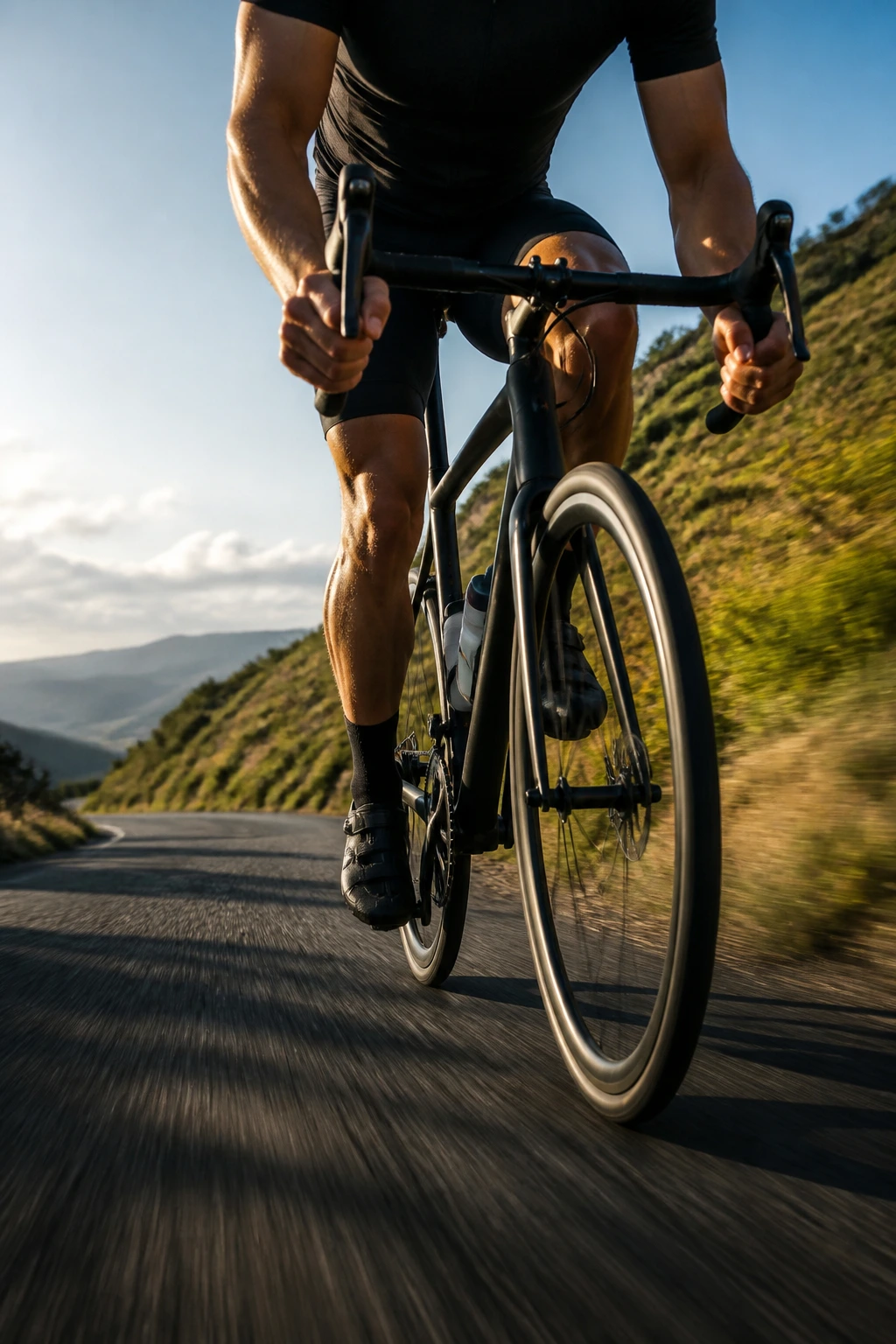
Short hill sprints on a bike are a sneaky leg workout. They load the quads and glutes hard for a few seconds, then let you recover enough to do it again without collapsing into a long, draining endurance grind.
Try 10 rounds of 20 seconds hard and 100 seconds easy. Keep the resistance moderate enough that your legs can turn the pedals with force, not just mash them. If you are on a stationary bike, a seated sprint usually keeps the session smoother than bouncing in and out of the saddle all the time. On a real hill, keep your shoulders relaxed and your cadence steady enough that your knees do not flare.
What to Watch For
- Smooth pedal strokes beat frantic ones
- A high seat that locks the hips is a bad idea
- Breathing should stay deep, not panicked
- If your lower back tightens, ease off the resistance
This is a good fit for people who like hard efforts but do not want to live under a squat rack. The legs get challenged. The heart rate climbs. The recovery stays manageable.
14. Yoga Strength Flow That Turns Holds Into Real Work
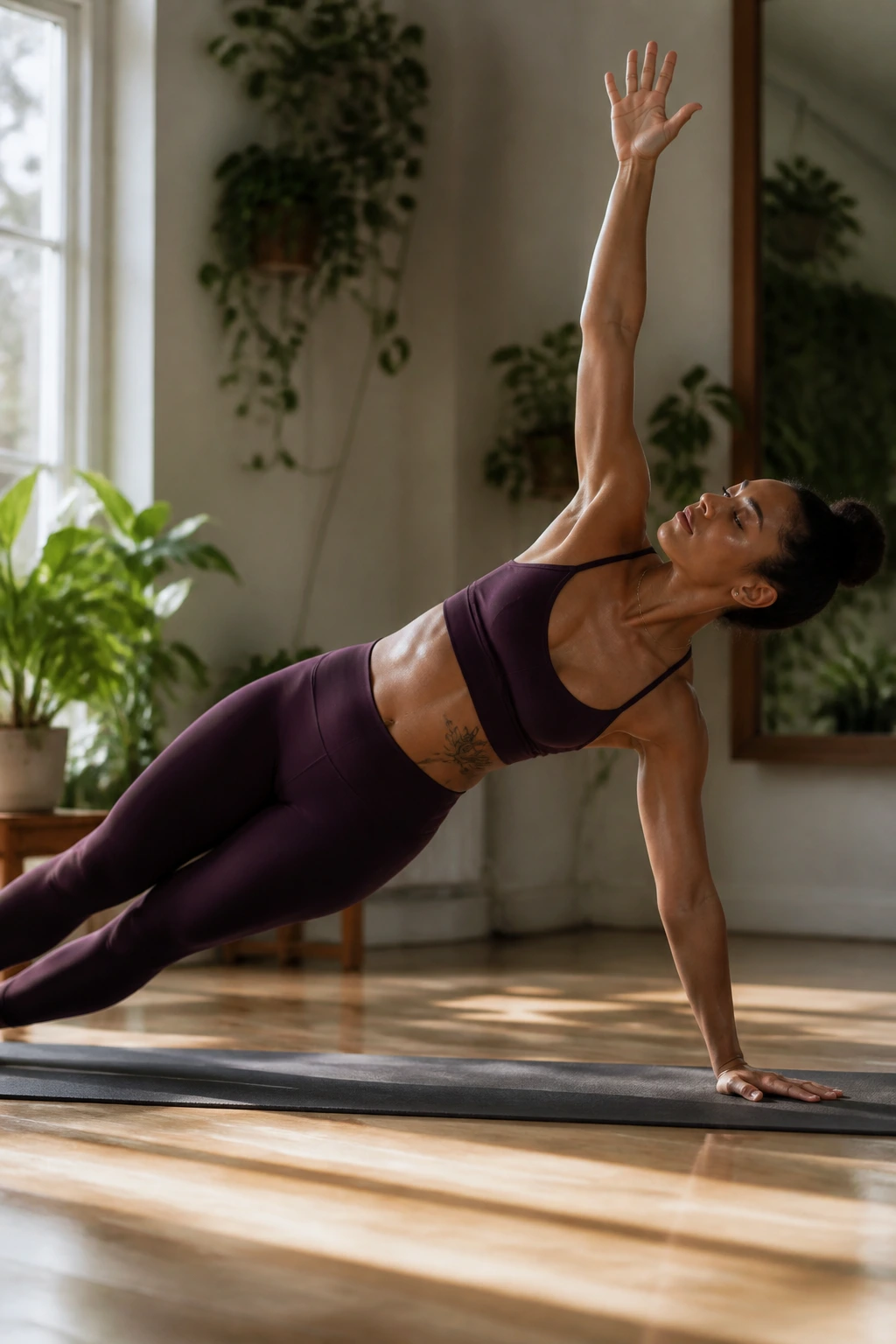
Yoga gets mislabeled as stretching, and that sells it short. A strength-focused flow can leave your shoulders, core, glutes, and upper back working for real, especially when you hold poses long enough to feel the shake.
Think plank, side plank, chair pose, warrior II, high lunge, and warrior III. Hold each shape for 3 to 5 breaths, then move deliberately into the next one. Slow transitions matter here. Rushing turns the session into a blur. Holding with control turns it into a legit strength workout.
The best part is that it builds endurance without the same loading pattern you get from heavy lifting. You are asking muscles to stabilize, not to chase bigger and bigger weights. That makes it a smart choice for people who want posture, balance, and a tighter midsection without turning every workout into a strength-bulk project.
If a pose makes you shake, good. If you are dumping into your joints to stay upright, back off. There is a difference, and it shows fast.
15. Jump Rope and Core Rounds for a Fast, No-Frills Finish
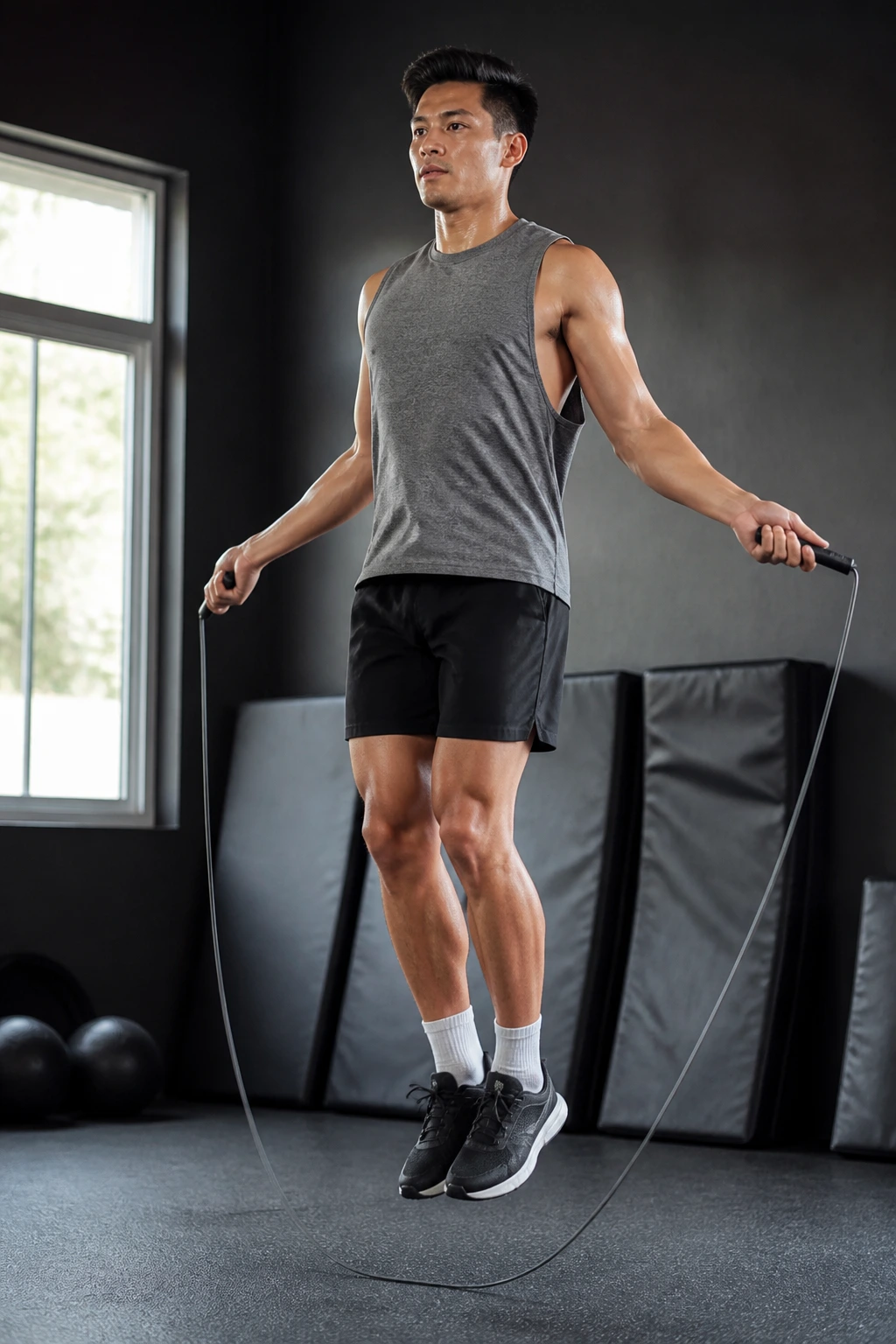
Can jump rope help tone? Yes — if you treat it as a real interval workout and not a little playground warm-up.
The rope raises the heart rate fast, the calves and shoulders stay active, and the coordination piece keeps your body honest. Pair it with core moves and you get a session that feels compact but not light. A simple round could look like this: 40 seconds jump rope, 20 seconds dead bug, 40 seconds jump rope, 20 seconds plank shoulder taps, 40 seconds jump rope, 20 seconds hollow hold. Rest 60 seconds and repeat 4 to 6 times.
How to Scale It
- Use a thin mat or a smooth floor
- Keep the hops low, almost quiet
- Turn the rope with the wrists, not big arm circles
- Swap in marching high knees if the impact gets annoying
This workout suits people who want short, punchy conditioning without a lot of setup. It also works well when you want to finish a session feeling worked but not flattened. If your shins tend to complain, shorten the rope intervals first. That small change usually solves more than people think.
Final Thoughts
The workouts that change how you look are usually the ones you can repeat without dragging yourself into the ground. That is especially true when the goal is to tone without bulking up — you want enough resistance to wake the muscles up, not so much volume that every session turns into a growth chase.
A good mix is often one lower-body strength day, one conditioning day, and one low-impact session that keeps you moving cleanly. Pick from this list based on what your joints tolerate and what you’ll actually do again next week. That sounds plain. It works.
The mirror responds to consistency, not drama. Pick three workouts, keep the sessions honest, and don’t let the food side drift into a surplus if size is the thing you’re trying to avoid.
