



A gym session can look busy and still go nowhere. The best workout tips from certified personal trainers tend to sound almost annoyingly plain: warm up, control the weight, leave a little in the tank, eat enough, sleep enough. That plainness is the point. It keeps you training next week, which matters far more than one heroic session that leaves you wrecked.
Sweat is not the scorecard.
A shaky set of squats with a round back, 90 seconds of frantic cardio, and a pile of random cable moves can leave you tired without giving you much to build on. Certified trainers usually care less about theatrics and more about three things you can repeat: good movement, sensible loading, and recovery that matches the work.
The CDC’s basic activity targets and the ACSM’s strength-training guidance both point in the same direction: regular movement, muscle work, and enough rest to adapt. That sounds dull until you realize dull is often what works. The tips below lean hard on that idea, and a few may annoy people who still think every workout should feel like punishment.
Start with the warm-up, because that’s where a lot of bad workouts begin.
1. Workout Tips From Certified Personal Trainers Start With a Real Warm-Up

A real warm-up does not look dramatic. No one needs ten minutes of flailing around and calling it prep. The goal is to raise temperature, open the joints you’re about to use, and rehearse the movement pattern before the weight gets serious.
A few arm circles will not do that for heavy presses. A quick walk on the treadmill and one empty-bar set can. Your first working set should feel like a step up, not a cold start.
What a warm-up should actually do
- Raise your breathing and pulse for 3 to 5 minutes.
- Move the joints you’ll train, like hips, ankles, shoulders, and thoracic spine.
- Practice the exact pattern with light load or body weight.
- Make the first work set feel smooth, not surprising.
Skip the warm-up at your own risk. The first thing most people notice is sloppy timing; the second is that their joints feel cranky for the rest of the session.
2. Write the Workout Before You Walk In

Why do some people wander from machine to machine and leave tired but unchanged? Because they showed up with energy and no plan. A trained eye sees this a mile away.
The fix is boring and effective. Write down your first exercise, your second, your reps, and your stop point before you get there. Three moves are enough for plenty of sessions: one big lift, one support lift, one accessory. If you know you’ll do 3 sets of 8 goblet squats, 3 sets of 10 rows, and 2 sets of 12 split squats, the workout stops being a negotiation.
That little bit of structure saves a huge amount of mental drag. You’re not deciding what to do while half the gym is waiting for the bench.
A good plan also keeps you from adding exercises just because the room looks full and you feel restless. Restless is not a training method.
3. Put the Big Lifts First

If you care about squat strength, do not burn your legs on random finishers before squatting. If you care about pressing strength, don’t empty the tank on triceps pushdowns and then wonder why your bench feels dead. The hardest, most technical lifts deserve your freshest attention.
This is one of those workout tips from certified personal trainers that sounds obvious only after someone says it out loud. Big movements need focus, bracing, and coordination. Once those fade, the load feels heavier than it should, and your form tends to drift.
Put squats, deadlifts, rows, pull-ups, and presses near the top of the session. Accessories can come later, when the goal shifts from pure performance to adding volume. That order matters.
Simple rule. Hardest thing first.
4. Stop Chasing Failure on Every Set

A lot of lifters think every set should end with the bar moving like wet cement. That’s a fast way to make the workout feel heroic and the next session feel ugly.
Most sets do better when you stop with 1 to 3 reps in reserve. That means you could have done a little more, but you chose not to. For compound lifts, that usually gives you better technique and more total work across the week. For smaller isolation moves, you can push closer to failure now and then, but making that your default is a bad trade.
Where failure belongs, if anywhere
- The last set of a curl or lateral raise, sometimes.
- A machine set where safety is simple.
- A test day, not a random Tuesday.
You do not need to bury yourself to make progress. Most people grow better when they leave the gym with enough in the tank to come back and do it again.
5. One of the Best Workout Tips From Certified Personal Trainers: Progress One Small Step at a Time

Progressive overload sounds fancy until you see it in real life. It usually looks like one more rep, or 2.5 to 5 more pounds, or one cleaner set than last week. That’s it. No magic, no drama.
The mistake people make is trying to jump too far. They go from 8 reps at 100 pounds to 8 reps at 125 pounds and then call the program bad when the jump was the problem. Small increases keep your joints, tendons, and technique in the game.
Easy ways to progress without forcing it
- Add 1 rep to each set before adding weight.
- Increase load by the smallest plate you have.
- Add one extra set only after the current work feels stable.
- Make the same weight look cleaner before making it heavier.
Microloading helps more than people expect. Two tiny plates can be the difference between steady progress and a grind that makes you stall for no good reason.
6. Use Full Range of Motion You Can Control

A half squat done well is better than a deep squat done badly. That said, most people hide behind short range because it feels easier, not because it serves a real purpose.
The useful range is the one you can own. On a press, that means the bar or dumbbells move far enough to challenge the muscle through the full motion without bouncing or losing position. On a squat, it means going as deep as you can while keeping your heels down, knees tracking, and spine under control. On a row, it means the shoulder blade moves, not just the elbow.
Range of motion is not a moral issue. It’s a training tool. A controlled deep rep usually builds more usable strength than a shortened rep done with ego.
One catch: if a joint pinches at the bottom, do not force the shape. Adjust stance, load, or exercise choice first.
7. Brace Harder, Breathe Better

A lot of shaky lifting comes from weak bracing, not weak legs or weak chest. Your torso is the bridge between the weight and the rest of you, so if it leaks, the whole lift feels messy.
Think about taking a breath into your belly and sides before the rep, then tightening around that air like you’re about to get bumped. That’s the brace. It should feel firm, not collapsed. On squats and deadlifts, this helps your spine stay stacked. On presses and rows, it gives your arms a solid base.
A simple bracing pattern
- Take a breath in before the rep.
- Tighten the midsection like you’re preparing for contact.
- Move the weight while staying firm through the torso.
- Exhale only when the hard part is done.
Do not turn bracing into panic breathing. If you’re dizzy after every set, your breathing rhythm needs work, not more intensity.
8. Rest Long Enough to Lift Well Again

Short rest is not automatically better. Sometimes it just makes your next set sloppy.
Heavy compound lifts often need 2 to 3 minutes between sets. Smaller isolation work can often use 60 to 90 seconds. If you’re still gasping after 30 seconds and your next set drops by 3 reps, that rest was too short for the job. You saved a minute and gave away quality.
A trainer will often choose the rest period based on the goal. Strength work needs more recovery. Hypertrophy work can tolerate a little less, but not zero. Conditioning work is a different animal altogether, and it should not be confused with strength training.
Rest is not laziness. It’s part of the set.
9. Track Your Sets, Reps, and Loads
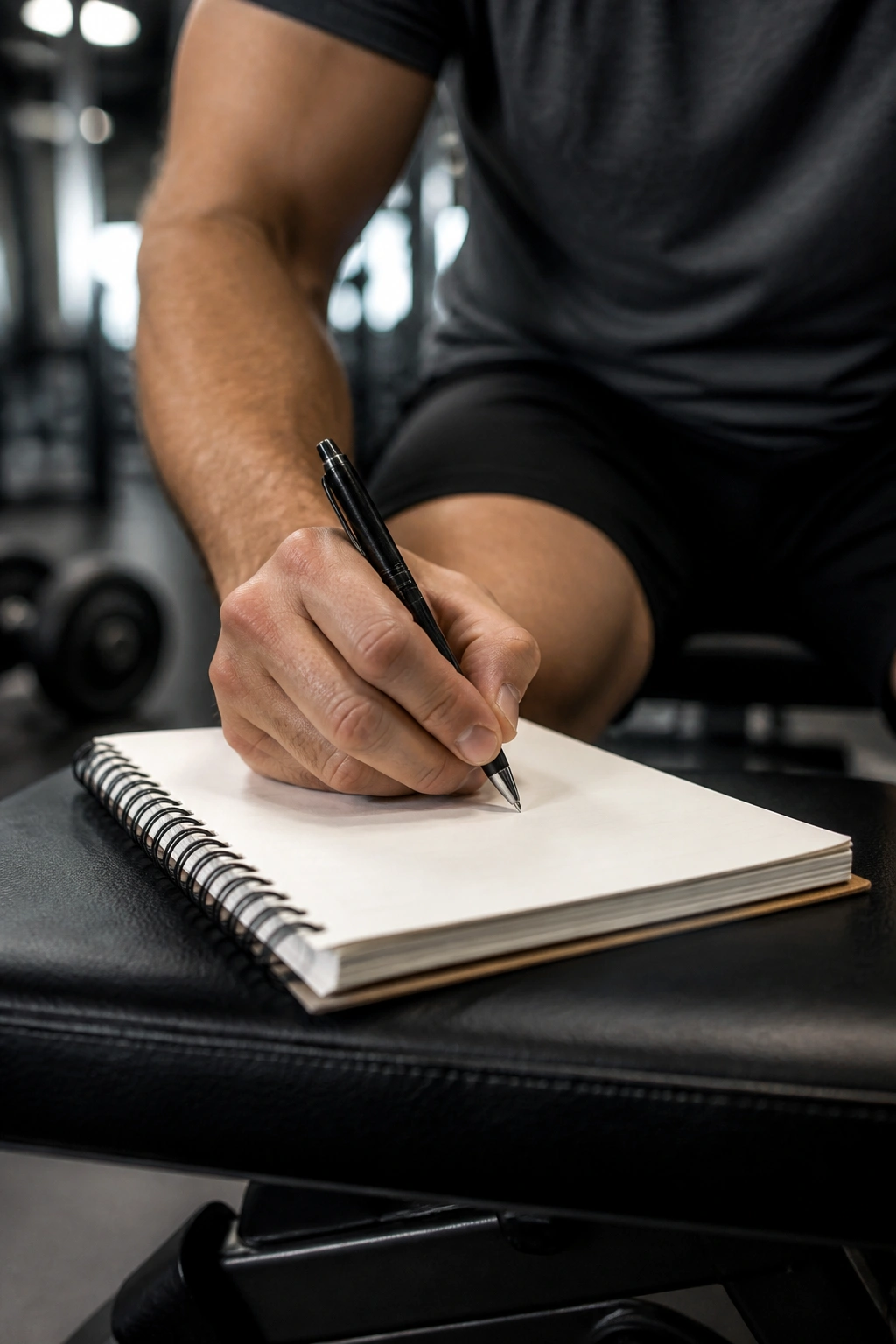
If you never write anything down, you will keep repeating the same workout and calling it consistency. That’s not the same thing. Training logs turn vague effort into measurable progress.
A notebook, phone note, or simple spreadsheet is enough. Write the exercise, weight, reps, and how hard the set felt. After a few weeks, patterns jump out. Maybe your rows stall at 10 reps. Maybe your split squats improve only when you sleep more. Maybe your overhead press climbs only when you stop adding extra shoulder work.
That information is gold.
It also takes the pressure off memory. Gym memory is terrible. Ask anyone who has “definitely” used 50-pound dumbbells before and then watches the same person struggle with 40s.
10. Learn the Difference Between Fatigue and Pain

Not every uncomfortable feeling means something is wrong, and not every hard effort should be waved off as normal. That distinction matters.
Muscle burn, shaky legs, heavy breathing, and a deep set of fatigue are common training sensations. Sharp joint pain, numbness, a pinch that gets worse with every rep, or pain that changes how you walk or lift is a different story. Don’t pretend those are the same.
Good discomfort versus bad pain
- Good: burning quads on a high-rep squat set.
- Good: forearms pumping up during dead hangs or rows.
- Bad: a sharp stab in the front of the shoulder on pressing.
- Bad: a knee pain that changes your stance mid-set.
If something feels wrong, cut the set short and change the movement. If it keeps happening, get it looked at. Toughing out the wrong kind of pain is not grit. It’s a dumb tax.
11. Pick Exercises That Fit Your Body

A long-legged lifter and a short-legged lifter do not always squat the same way. A person with cranky shoulders won’t press the same way as someone with loose, happy joints. Good programming respects body shape, mobility, and comfort.
That doesn’t mean hiding from hard things. It means using a variation that lets you train hard without constant fighting. Goblet squats can teach position before barbell back squats. Dumbbell presses may feel better than a barbell for some shoulders. Trap-bar deadlifts can be easier to load than straight-bar deadlifts for people with long torsos or fussier backs.
The point is not to find the “perfect” exercise. The point is to find the one you can repeat without dreading every session.
One size rarely fits all.
12. Machines Are Not Cheating
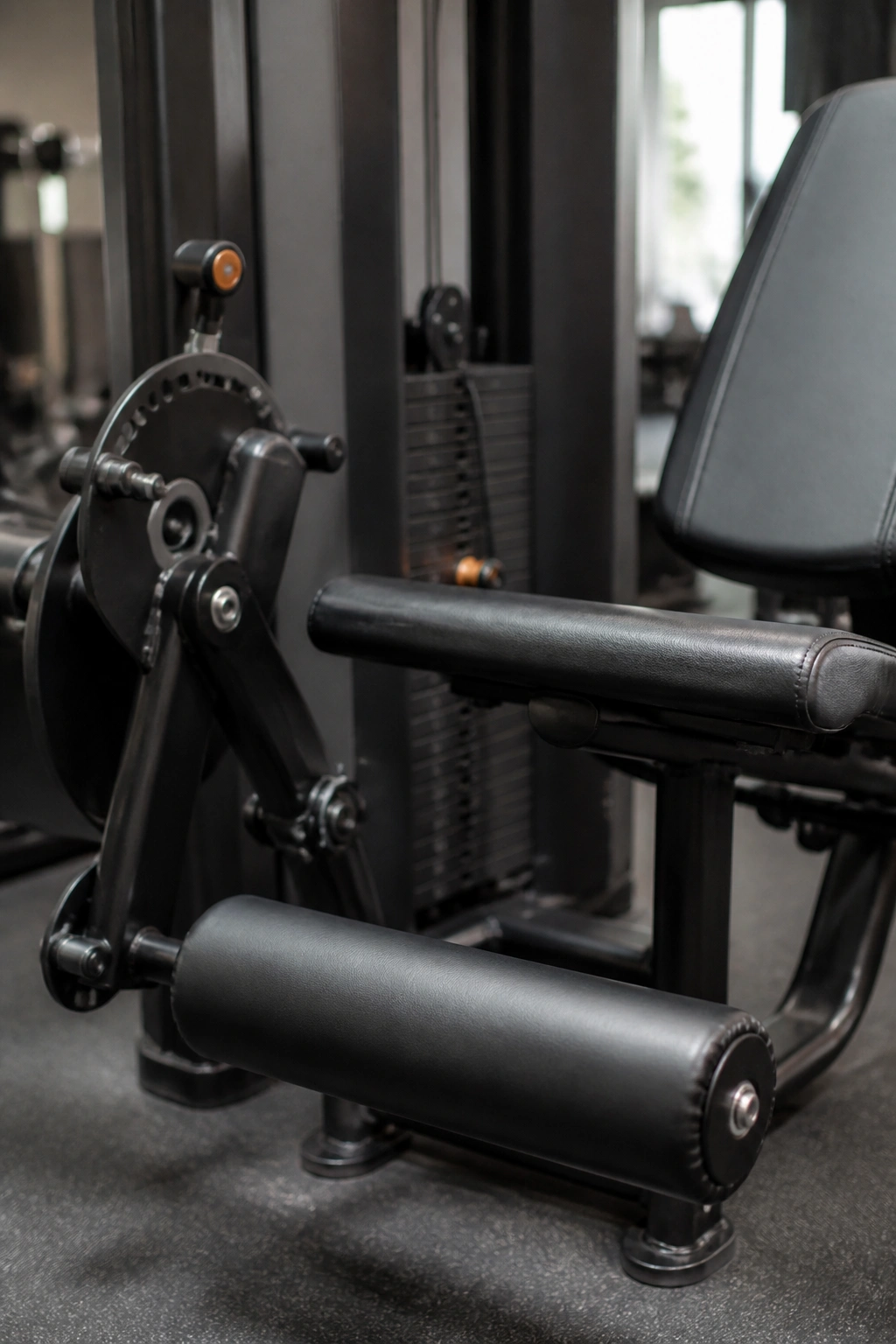
There’s a stubborn old idea that free weights are noble and machines are lazy. That idea wastes time.
Machines can be excellent when you want to hit a muscle hard without spending energy balancing the weight. A leg press lets you load the legs without asking the lower back to act like the limiting factor. A chest press machine can be easier to repeat when your shoulders are tired. A seated row often keeps the torso stable enough that the back actually does the work.
That matters if your goal is muscle growth, not a purity contest.
Machines also make sense late in a workout, after the big free-weight lifts are done. They’re efficient, stable, and easier to push close to the edge safely. Some of the best workouts blend both. No drama.
13. Train Push, Pull, Squat, Hinge, and Carry

A balanced program does not need to be complicated. It needs to hit the main movement patterns your body uses all the time. Push, pull, squat, hinge, and carry cover a huge amount of ground.
Push means pressing something away from you. Pull means bringing weight toward you. Squat means bending the knees and hips together. Hinge means loading the hips, like in a deadlift or Romanian deadlift. Carry means walking while holding weight, which sounds basic until your grip and trunk start complaining.
A simple weekly pattern
- Push: dumbbell bench press, push-ups, overhead press
- Pull: rows, lat pulldowns, assisted pull-ups
- Squat: goblet squat, front squat, leg press
- Hinge: RDLs, deadlifts, hip thrusts
- Carry: farmer’s carries, suitcase carries, loaded walks
A program that misses one of these patterns tends to leave holes. Maybe your back is strong but your hips are lazy. Maybe your pressing is fine, but you have no true pulling volume. Cover the basics, then get fancy if you still want to.
14. Balance Both Sides of the Body

Most people have a stronger side. They just don’t notice it until a single-arm row or split squat exposes the difference.
Unilateral work is not some niche trick. It helps clean up side-to-side gaps, builds better balance, and stops one strong side from doing all the work. A dumbbell split squat, single-arm chest press, or one-leg RDL can tell you a lot about what your body is doing when no one side gets to dominate.
A trainer will often use these moves after bilateral lifts, not instead of them. Heavy squats and presses still matter. Unilateral work fills the gaps they leave behind.
Good unilateral options
- Rear-foot elevated split squats
- Step-ups
- Single-arm dumbbell rows
- Single-leg RDLs
- Suitcase carries
If one side feels clumsy, that’s useful information. Don’t ignore it.
15. Keep Cardio Useful, Not Random

Cardio should support your training, not drain it for no reason. That’s the cleanest way to think about it.
If you lift hard, easy cardio can help recovery. Brisk walking, incline treadmill work, cycling, or rowing at a conversational pace can keep you moving without making your legs feel like paste. Hard intervals have a place too, but they can interfere with heavy lower-body sessions if you pile them on carelessly.
A lot of people make cardio complicated. They don’t need complicated. They need a plan. If fat loss is the goal, walking more often is brutally effective and easier to recover from than endless high-intensity sessions. If endurance matters, then cardio deserves its own lane.
Simple answer: match the tool to the job.
16. Adjust Volume Before You Blame Motivation

When a workout starts feeling impossible, the problem is not always discipline. Sometimes the plan is just too big.
Volume means how much work you’re doing: sets, reps, and exercises. If leg day has you dragging for an hour and a half, you may need fewer sets, not more hype. If your shoulders never recover, adding another press variation is probably the wrong move.
This is where smart trainers earn their keep. They cut junk volume before the client burns out. They remove one exercise, or drop one set, or trim the finisher nobody actually needs. That often improves performance fast.
You do not need to do everything. You need to do enough work to grow, then get out before the session turns sloppy.
17. Make Recovery Part of the Program

Recovery is not a reward for training hard. It is part of the work.
Sleep, food, hydration, and walking all affect how well you adapt. Most adults do best when sleep is closer to 7 to 9 hours. Protein helps repair tissue. Water keeps your output from dropping. A decent walk on an off day can make you feel better than another random sweat session.
Recovery habits that pay off
- Get a consistent sleep window.
- Eat enough protein across the day.
- Drink water before you’re thirsty.
- Keep easy movement in the week.
- Stop treating every sore muscle like an emergency.
A hard workout and a poor recovery plan cancel each other out faster than people want to admit.
18. Stop Testing Your Max Every Week

One-rep max testing has its place. Weekly max testing usually does not.
It’s heavy, tiring, and hard to recover from if you’re not built for that kind of work. Most people get more from rep PRs and estimated strength gains than from chasing a new max every few sessions. A set of 5 with cleaner form often tells you more about your real progress than a single ugly grind.
That does not mean you never test. It means you test on purpose, with enough rest, a clear setup, and a spotter when the lift calls for one. If the number on the bar matters more than the quality of the rep, the gym starts turning into a bad poker game.
Training is supposed to build strength. Not drain it for a screenshot.
19. Fix Form With Slower Reps and Lighter Loads

When a lift feels sloppy, the answer is usually not “add more weight and hope.” It’s slower reps, lighter load, and a cleaner setup.
Lower the weight and watch what happens when you control the lowering phase for 2 to 4 seconds. Pause at the bottom for a beat. Film the side angle. Ask whether the bar path stays smooth or bounces around like it has a mind of its own. The truth shows up fast when you slow the rep down.
Slower reps help you notice
- Where you lose tightness.
- Where your knees cave in.
- Where your shoulders shrug early.
- Where your lower back takes over.
Slower is not softer. It is often the fastest way to clean up a lift without guessing.
20. Workout Tips From Certified Personal Trainers Work Better With Sleep and Food

You can have the cleanest program in the room and still train like garbage if you show up underfed and half asleep. That part is not glamorous, but it matters.
Protein, carbs, and hydration are the quiet helpers. A meal with 20 to 40 grams of protein and some carbs before training can make a hard session feel a lot more stable. If you train early and can’t stomach much, even a banana and yogurt or a slice of toast with eggs is better than nothing. For longer or harder sessions, carbs before or after training help keep the tank from emptying.
Sleep is the other side of the same coin. Poor sleep tends to make heavy sets feel heavier and easy sets feel annoying. If your last few workouts felt flat, check the night before you blame the plan.
Food and sleep. Not sexy. Still real.
21. Take Easier Weeks Before You Feel Broken

A lot of people wait until they’re fried to back off. That’s backward.
A smart program includes lighter periods before you hit the wall. Sometimes that means cutting sets in half for a week. Sometimes it means keeping the exercises the same but lowering the load a little. Sometimes it means stopping one or two reps sooner and leaving the gym feeling fresh instead of drained.
Signs you need a lighter week
- The same weights feel heavier for no clear reason.
- Sleep quality drops.
- You’re sore for too long.
- Your form gets sloppy earlier in the session.
A deload is not quitting. It’s a short reset that lets you keep training without digging a hole you have to climb out of later.
22. Warm Up the Exact Movement You’ll Train

A general warm-up gets the body ready. A specific warm-up tells the nervous system what kind of work is coming.
If you’re back squatting, do a goblet squat or bodyweight squat first. If you’re pressing overhead, use lighter dumbbells or an empty bar and feel the groove. If you’re deadlifting, use hinge drills or light kettlebell swings to wake up the pattern. The closer the warm-up is to the lift, the more useful it usually is.
That’s why a good trainer doesn’t stop at “walk for five minutes.” They use ramp-up sets. Empty bar, then a light set, then a moderate set, then the first working set. By then, the movement feels familiar and the chances of a weird first rep drop a lot.
Specific beats generic here.
23. Make the First Five Minutes Ridiculously Easy

Starting is often the hardest part. Not the workout. The start.
Lay out your clothes. Fill the bottle. Put the shoes by the door. Set the first exercise in your notes app before you get there. If the opening five minutes feel too easy, that is a feature, not a flaw. You want the barrier to entry low enough that your brain can’t turn it into a whole debate.
A short walk, one light set, one checked box — that’s usually enough to shift from “I should train” to “I’m training.” Once the session starts, momentum does a lot of the heavy lifting. Before that, friction is the enemy.
Make the start stupid simple.
24. Stay Consistent by Choosing the Right Split

The best schedule is the one you can repeat without resenting it. A split that looks smart on paper but makes your life messy usually loses to a simpler one.
A full-body plan three days a week works well for many people who want fewer decisions and more frequency. An upper/lower split four days a week gives more room to push volume without cramming everything into one long session. A push/pull/legs split can be a good fit if you like spending more time in the gym and want clear training days.
A quick way to think about it
- Full body: fewer days, simpler recovery, strong for consistency.
- Upper/lower: balanced and practical for most people.
- Push/pull/legs: useful if you enjoy longer sessions and more gym days.
Pick the schedule that matches your real week. Not your fantasy week.
25. More Workout Tips From Certified Personal Trainers Only Matter If You Repeat What Works

Novelty is fun. Progress is repetitive.
The lifts that change your body are usually the ones you can do cleanly, week after week, without turning every session into an experiment. If a dumbbell row feels great, keep it. If a front squat builds your legs without trashing your back, keep it. If a simple walking plan helps your cardio and recovery, keep that too. You earn the right to change a program by first proving you can stick with it.
This is where a lot of people get restless. They swap exercises the moment one session feels ordinary. They assume ordinary means ineffective. Usually it means the program is finally stable enough to judge.
The useful question is not “What new thing should I try next?” It’s “What has been working long enough to deserve another month?” That question saves time, reduces noise, and keeps you from chasing shiny workouts that never stay around long enough to matter.
Repeat the good stuff. Then repeat it again. That’s how a lot of strong, fit people got there.
