



Thirty days is long enough to feel different in your clothes, on the stairs, and at the end of a long workday.
Thirty-day fitness challenges for women work because they strip exercise down to one clear goal. Not five goals. Not a whole personality overhaul. One lane, repeated often enough that your body starts to expect it.
A challenge that fits your real life beats a heroic plan you abandon by day six. That means picking the thing you’ll still do on a tired Tuesday, when the alarm was rude and your coffee is weak.
Some of these challenges are built for a restart. Some are for strength. A few are for days when you want movement to feel less like punishment and more like a clean reset. The smart move is to match the challenge to the gap you actually have, then stay annoyingly consistent with it.
1. The Brisk-Walk Base Builder

Walking looks almost too easy, which is why people underestimate it. They shouldn’t. A month of brisk walks can wake up your energy, calm the stiffness that creeps in from sitting, and give you a clean starting point if you’ve been off a routine for a while.
The challenge is simple: walk five to six days a week, starting at 20 minutes per session and building toward 40 to 45 minutes by the end of the month. Keep the pace quick enough that you can talk, but you wouldn’t want to sing. That’s the sweet spot.
How to pace the month
- Week 1: 20 minutes, 5 days
- Week 2: 25 minutes, 5 days
- Week 3: 30 to 35 minutes, 5 days
- Week 4: 40 to 45 minutes, 5 to 6 days
Use an outdoor loop, a treadmill, or a neighborhood route with one small hill if you want a little more work without turning it into a slog. Best for: anyone who needs a low-friction win. This one is boring in the best possible way.
2. The Squat-and-Hinge Strength Month
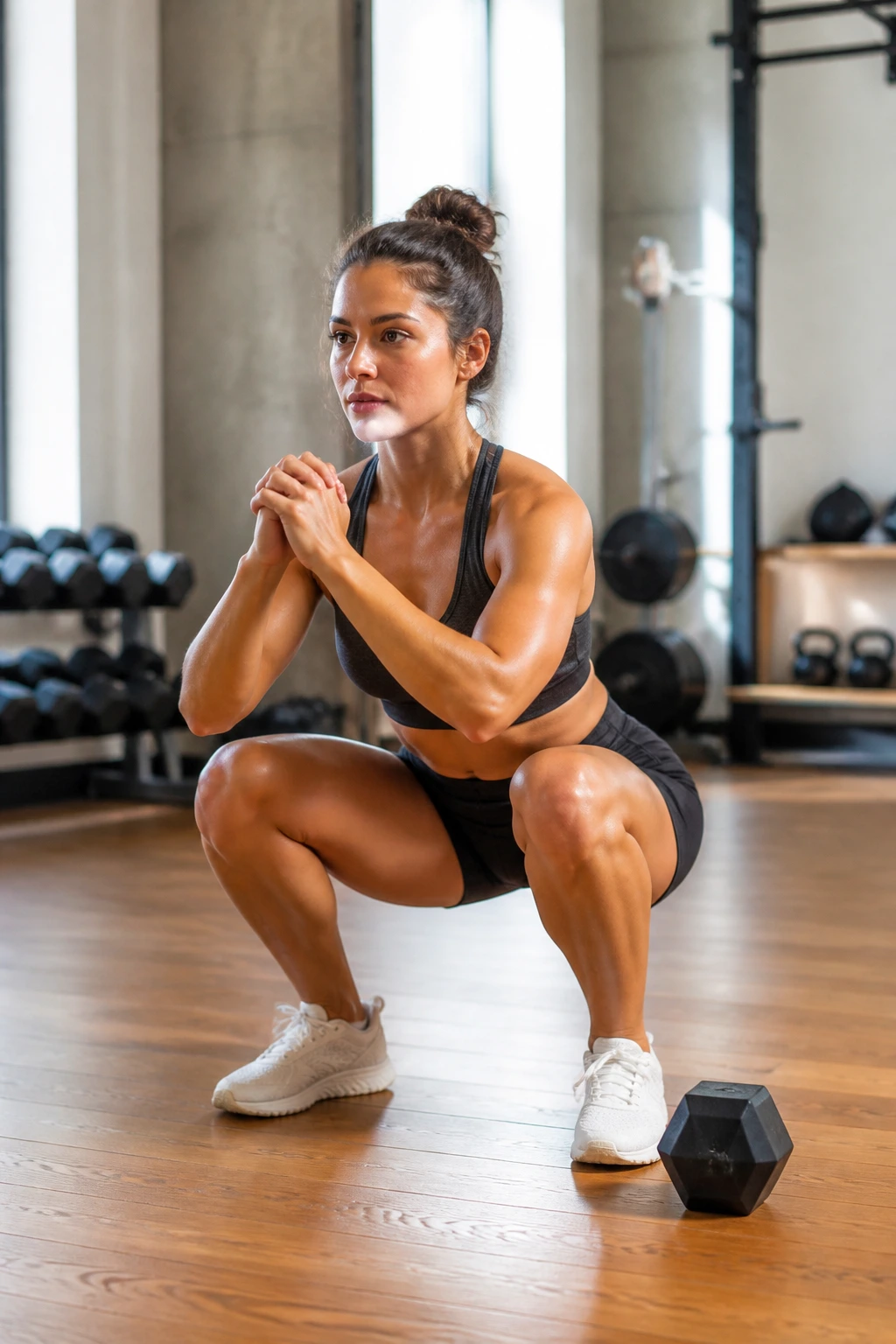
Why do squats and hip hinges show up in so many good programs? Because they train the two movement patterns you use constantly: sitting down, standing up, picking things up, carrying groceries, getting off the floor. Simple. Not flashy. Very useful.
For 30 days, train lower body strength three times a week with bodyweight squats, Romanian deadlifts, glute bridges, and reverse lunges. Start with 2 sets of 8 to 10 reps for each move, then climb to 3 sets of 10 to 12 reps with a dumbbell or kettlebell in hand if the movement feels clean.
How to use it
- Squats: sit back, keep your heels heavy, and let your knees track over your toes.
- Hinges: push your hips back instead of folding at the waist.
- Lunges: take a long enough step that your front knee stays stable.
If your knees get cranky, shorten the range and slow the lowering phase to 3 seconds down. That tiny change does more than people think. It’s a good month for building legs that feel useful, not just tired.
3. The Plank Ladder Challenge
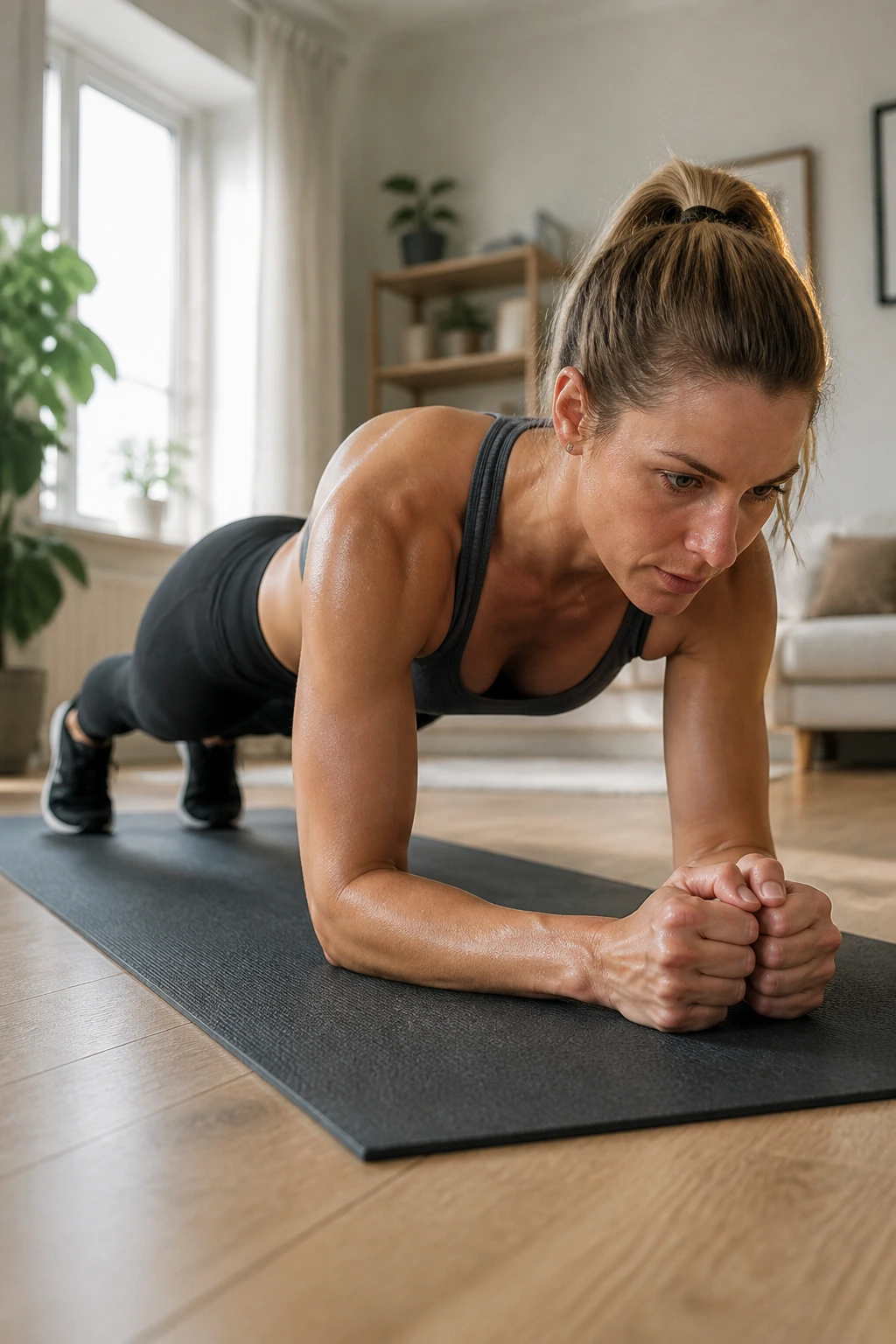
A plank challenge sounds small until you try to hold your ribs in place for real. Then it gets honest fast.
This version works better than the old “just hold longer every day” approach. Start with front planks, side planks, and dead bugs, and build the time in small jumps. A solid structure is 20 seconds on, 20 seconds off, repeated 4 times during the first week, then adding 5 to 10 seconds every few days.
Why it works
Your core is not a six-pack contest. It’s a support system. When it’s doing its job, your low back complains less and your posture stops collapsing halfway through the afternoon.
A simple ladder looks like this:
- Front plank: 20, 25, 30, 35 seconds
- Side plank: 15, 20, 25 seconds per side
- Dead bug: 8 reps per side, slow and controlled
Keep the shoulders stacked over the elbows or hands. If your lower back starts sagging, stop the set there. Quality beats heroics every single time.
4. The Push-Up Builder Challenge
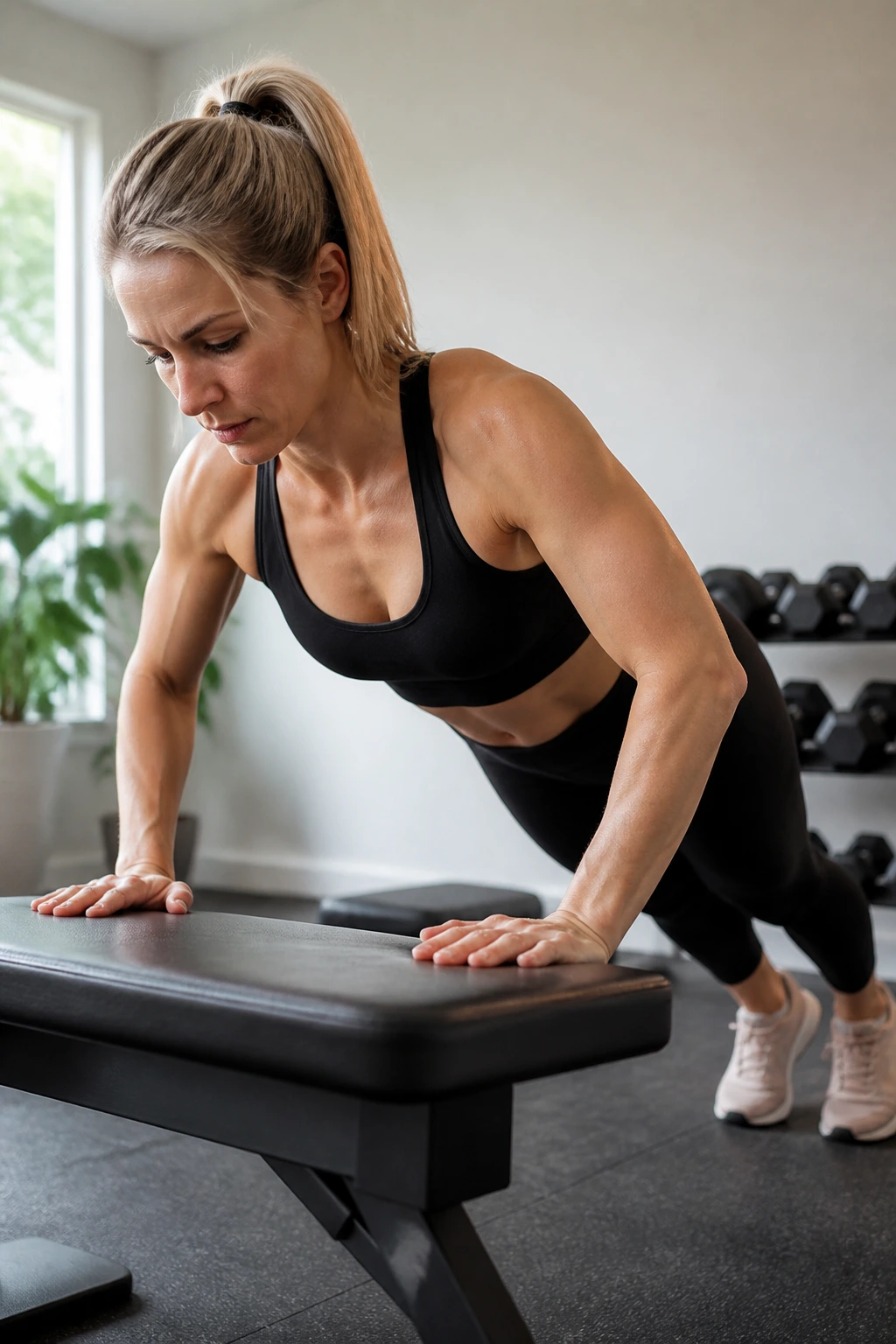
Push-ups scare people for no good reason. The movement itself is only hard when you jump to the full version too early. Once you start where you actually are, the whole thing gets friendlier.
Spend 30 days moving from wall push-ups to incline push-ups, then to knee push-ups or floor reps if they’re there. Do 3 sessions a week, and aim for 3 sets of 6 to 10 reps. The angle matters more than ego. A countertop version still counts. So does a bench, a couch arm, or the wall.
Keep your hands under or a little wider than your shoulders, and lower with control for 2 to 3 seconds. If your elbows flare out like chicken wings, bring them in a bit. That usually feels better on the shoulders.
You’ll know the month is working when the movement starts feeling less like a test and more like a skill. That shift matters.
5. The Low-Impact HIIT Month
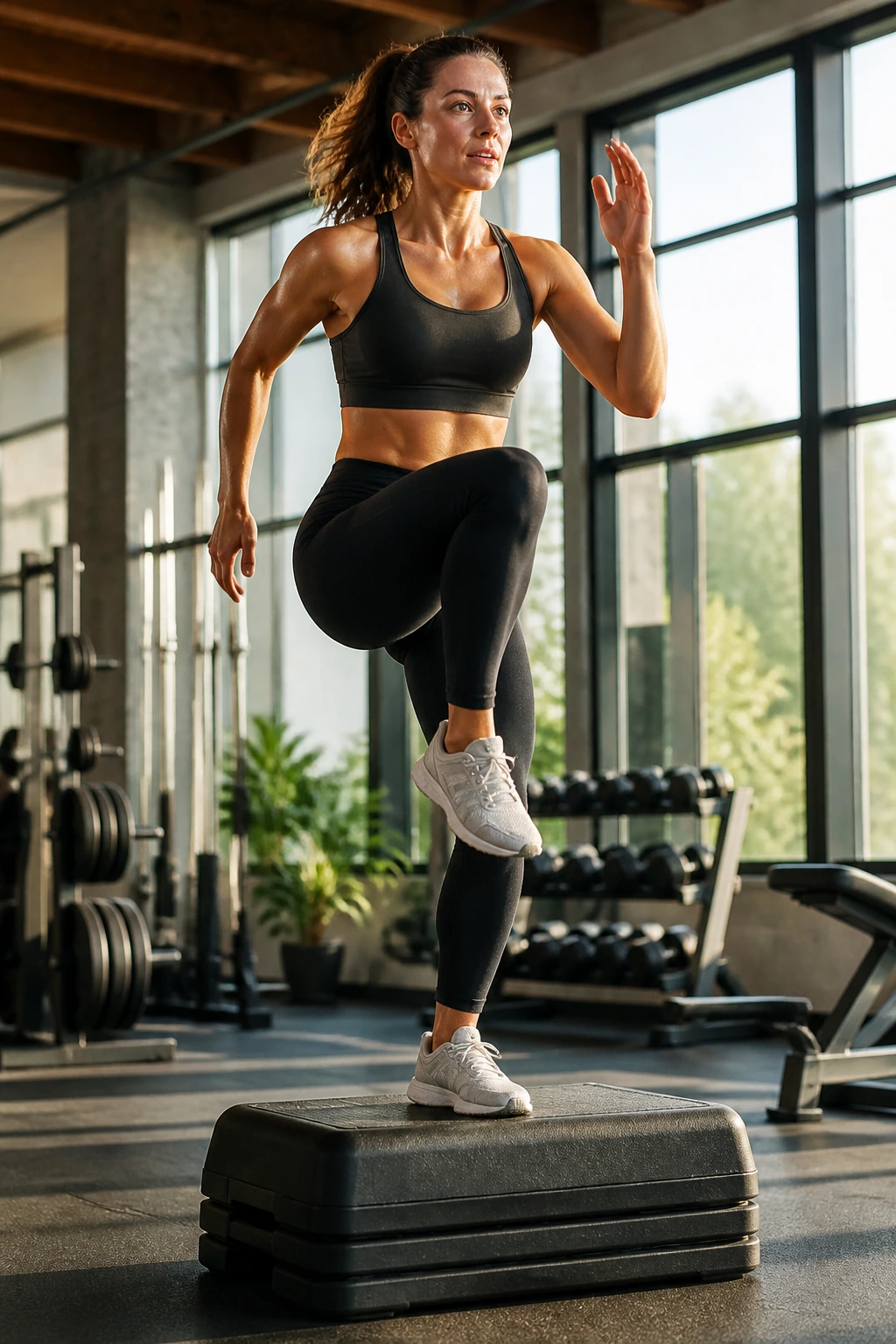
Not everyone wants jumping jacks, burpees, and a face full of regret. Fair enough. Low-impact HIIT gives you the sweat without beating up your joints.
A good session is 30 seconds hard, 30 to 45 seconds easy, repeated for 12 to 20 minutes. Pick moves that stay grounded: marching high knees, shadow boxing, step jacks, fast squats to a chair, mountain climbers on an incline, or speedy step-ups. The work should feel sharp. The landing should stay quiet.
What a session can look like
- 30 seconds fast march with arm drive
- 30 seconds easy walk
- 30 seconds squat to chair
- 30 seconds recovery
- 30 seconds shadow boxing
- 30 seconds recovery
Two or three sessions a week is enough to make this challenge worth doing. Tip: keep a timer visible. When people guess their intervals, the easy parts drift and the hard parts get messy.
6. The Yoga Mobility Flow Challenge
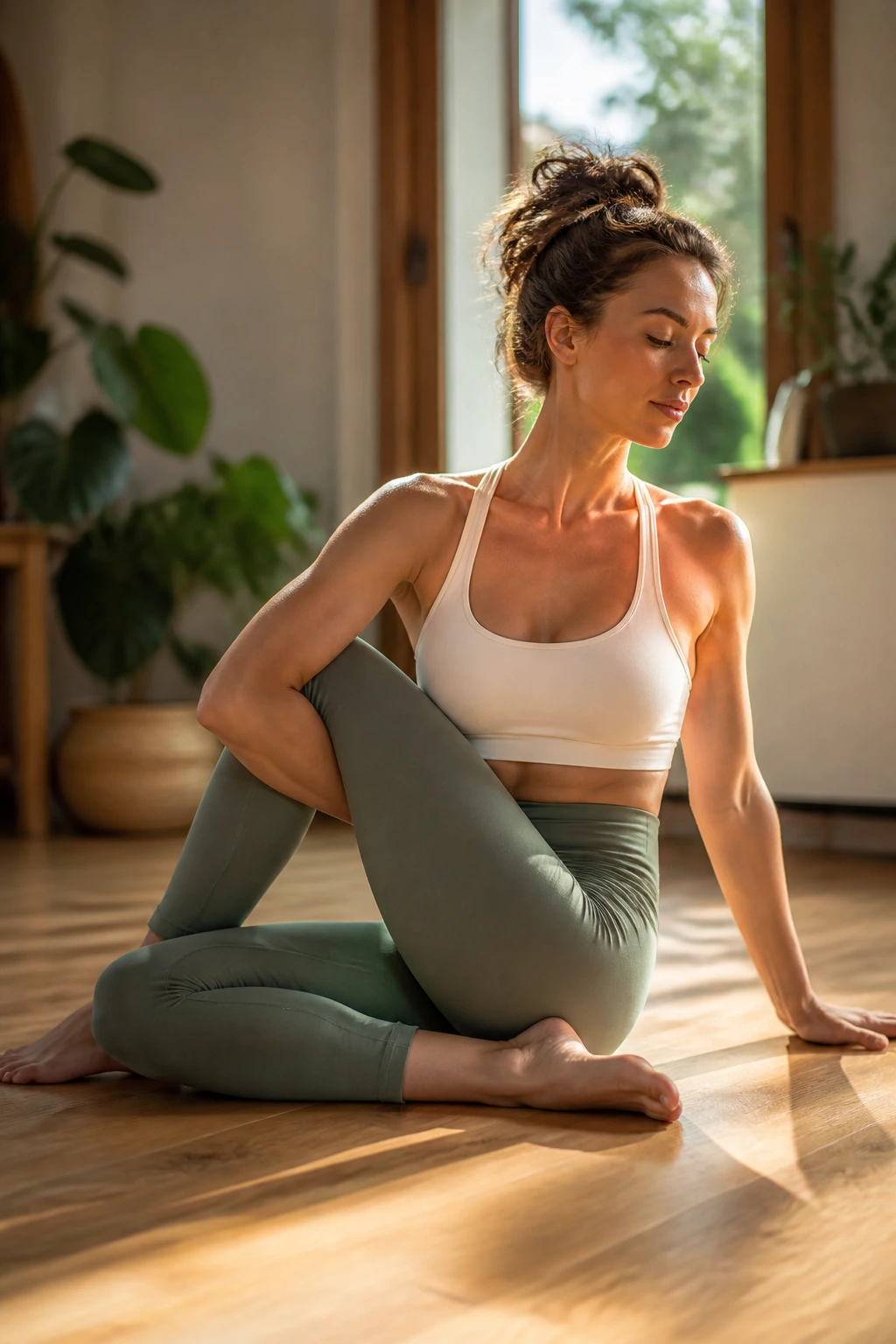
Yoga is one of the few things that can make a grumpy body feel less grumpy without demanding much equipment or setup. That’s the appeal.
This challenge is best for mornings, post-work wind-downs, or those days when your shoulders are parked around your ears. Spend 10 to 20 minutes a day moving through a short sequence: cat-cow, downward dog, low lunge, half split, thread-the-needle, and a seated twist. Nothing dramatic. Just enough to get the joints moving in more than one direction.
Unlike a cardio plan, this one doesn’t chase effort. It chases ease. That’s not lazy. It’s useful.
Choose a short repeatable flow and do it at the same time each day if you can. People underestimate how much routine matters here. The body usually likes knowing what comes next.
7. The 30-Day Dumbbell Strength Split
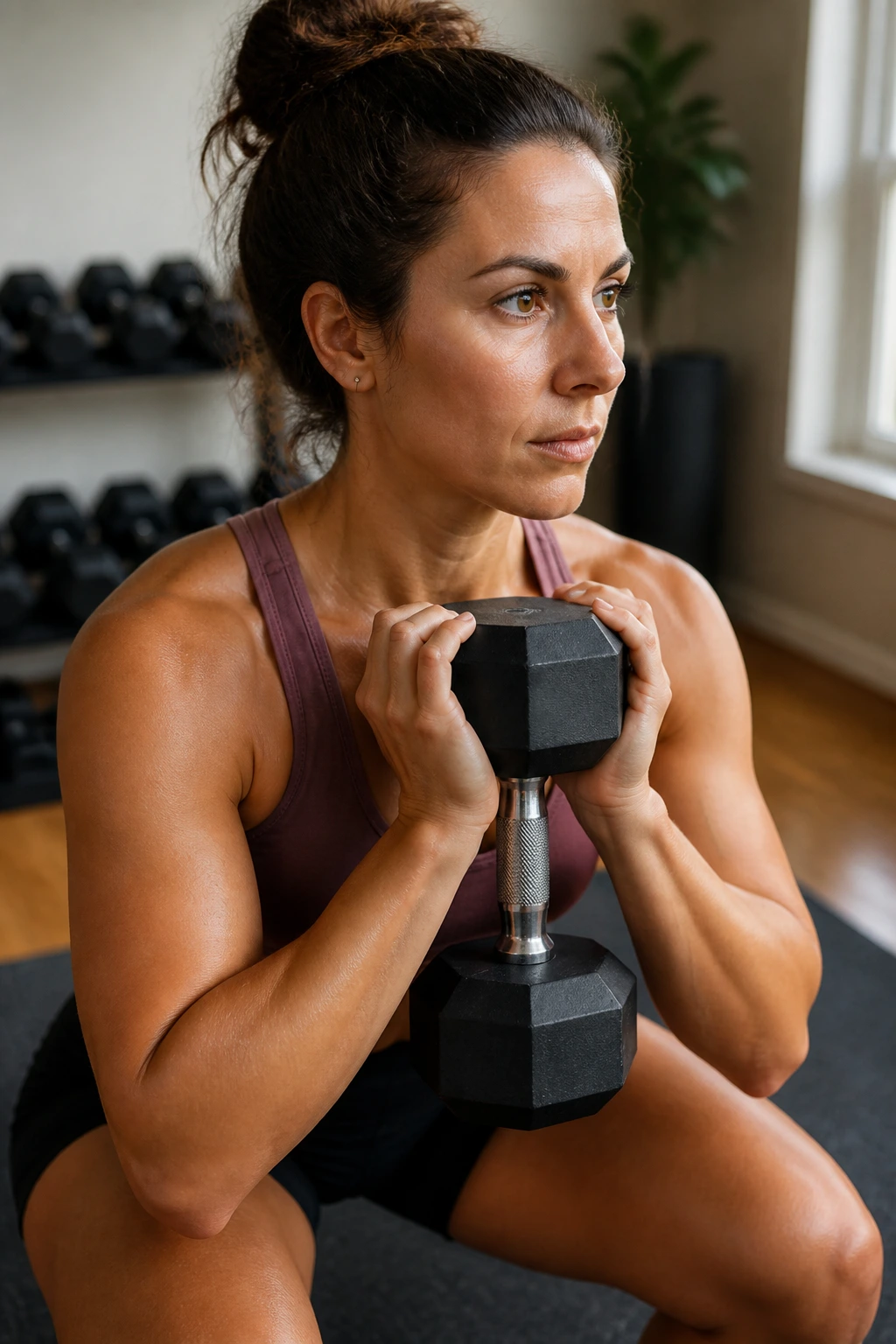
If you want one challenge that feels like a real training block, this is the one. Dumbbells give you enough resistance to build muscle, but they’re still simple enough for home use.
Train three days a week with an upper-body day, a lower-body day, and a full-body day. Start with 2 to 3 sets of 8 to 12 reps on moves like goblet squats, dumbbell rows, chest presses, shoulder presses, and deadlifts. Rest 60 to 90 seconds between sets.
A clean weekly pattern
- Day 1: Lower body
- Day 2: Upper body
- Day 3: Full body
- Day 4: Walk or mobility
- Day 5: Lower body
- Day 6: Upper body or cardio
- Day 7: Rest
Keep the weights honest. If the last two reps are not a little slow and ugly in the muscle-burning way, the load is probably too light. If your lower back takes over on rows or deadlifts, lighten the weight and fix the position first. Strength work pays off when the reps are clean.
8. The Stair-Climb Ladder

Stairs are rude. Also useful.
This challenge is what you reach for when you want cardio, leg strength, and a little grit without needing a gym. Use a stairwell, a stadium, or a sturdy step at home. Begin with 5 to 10 minutes, then build toward 15 to 20 minutes by the end of the month. The pace should be brisk, but not frantic.
How to structure it
- Week 1: 5 minutes, 3 days
- Week 2: 8 to 10 minutes, 3 days
- Week 3: 12 to 15 minutes, 3 to 4 days
- Week 4: 15 to 20 minutes, 4 days
If your knees don’t love continuous climbing, break it into rounds. A minute up, a minute easy, repeat. That still counts. It may count better, honestly, because you can keep the form cleaner.
The payoff is a stronger heart and sturdier legs. You’ll notice it on hill walks long before you notice it in the mirror.
9. The Pilates Mat Challenge
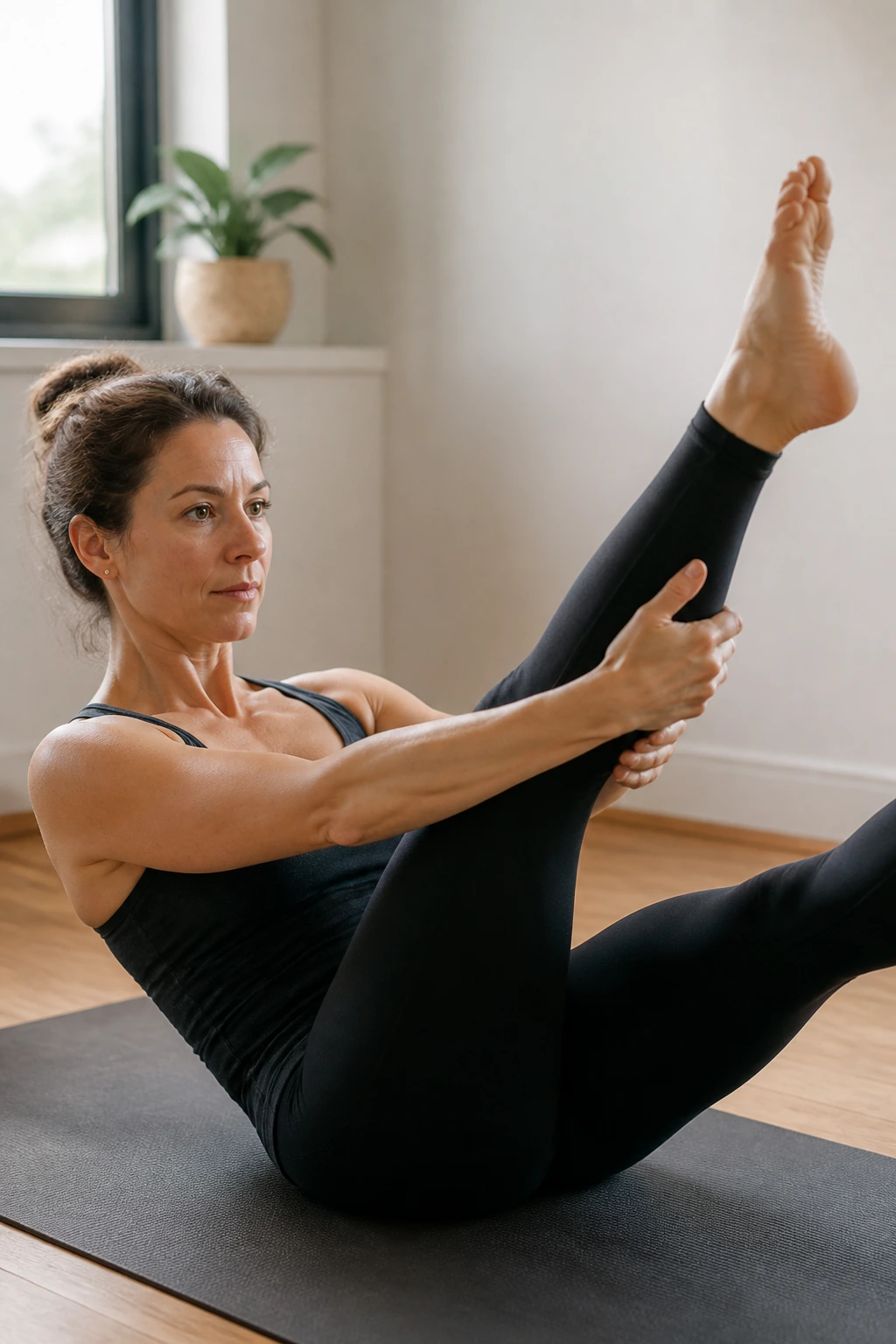
If crunches make your neck angry and sit-ups feel clunky, Pilates is probably a nicer fit. It teaches control, breath, and deep core engagement without shouting for attention.
For 30 days, do a 15-minute mat session four to five times a week. Build around pelvic tilts, hundred prep, single-leg stretch, glute bridge pulses, leg circles, and side-lying leg lifts. Slow is the whole point. If your tempo gets rushed, the work drops off.
What to focus on
- Ribcage staying quiet
- Lower back not arching off the floor
- Breath matching the movement
- Hips staying level on each side
This challenge works especially well for people who spend a lot of time seated or who want a tighter connection between breath and movement. It’s not loud. It’s precise. And precise work tends to stick.
10. The 30-Day Run-Walk Starter Plan

Running doesn’t need to start with a full mile. That’s one of the biggest mistakes people make. They go too hard, too soon, then blame running instead of the pacing.
Use a run-walk method three days a week. Start with 1 minute of easy running and 2 minutes of walking, repeated for 20 to 30 minutes. By week four, move to 3 minutes running and 2 minutes walking, or even a continuous 20-minute easy jog if it feels smooth.
The key is easy breathing. You should be able to speak in short phrases. If every run feels like a test, the pace is too fast. Slow down until your feet land quietly and your shoulders stop climbing toward your ears.
This challenge is a good fit for women who want a cardio habit without the pounding of long, hard runs. It builds the base first. The speed can wait.
11. The Resistance Band Reset
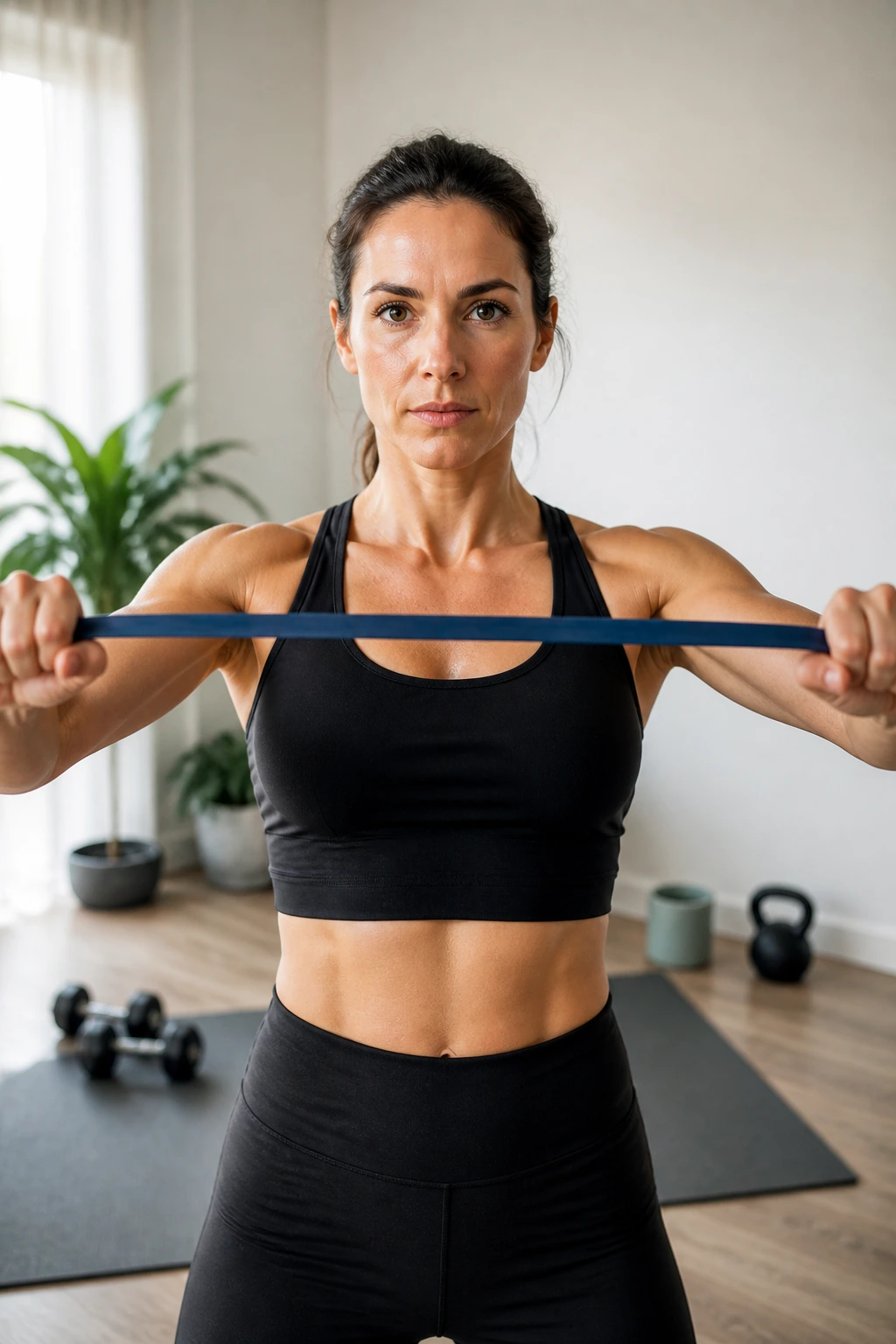
Resistance bands look harmless until your glutes and shoulders start shaking halfway through a set. Then they make sense.
Use this challenge for 15 to 20 minutes, four days a week, with moves like banded lateral walks, pull-aparts, glute bridges, rows, and overhead presses. Pick a light, medium, and stronger band if you have them. That little range gives you room to grow without buying a pile of gear.
How to use it well
- Keep the band under control on the way back
- Stop if the band snaps your joints into bad positions
- Use slow reps, especially on pull-aparts and rows
Bands are great for travel, small spaces, and days when you want to train without setting up a full gym corner. They also teach tension in a way dumbbells can’t always match. Slightly annoying. Very effective.
12. The Dance Cardio Challenge

Some people need structure. Others need music loud enough to make the room feel different. Dance cardio is for the second group.
Pick 20 to 30 minutes of movement, four or five days a week. Follow a class, a playlist, or your own rough routine. The moves do not need to be fancy. Step touches, grapevines, knee lifts, punches, and quick turns are enough if you keep moving.
Unlike punishment-style cardio, dance gives you a reason to stay in the room. That matters more than people admit. If you dread exercise, enjoyment is not a bonus. It’s the hook.
Try a simple rule: one song for warm-up, three songs for work, one song to cool down. That’s a tidy session with almost no thinking required. You can scale it up or down based on energy, which makes it easier to keep going when the month gets busy.
13. The Glute Activation Month
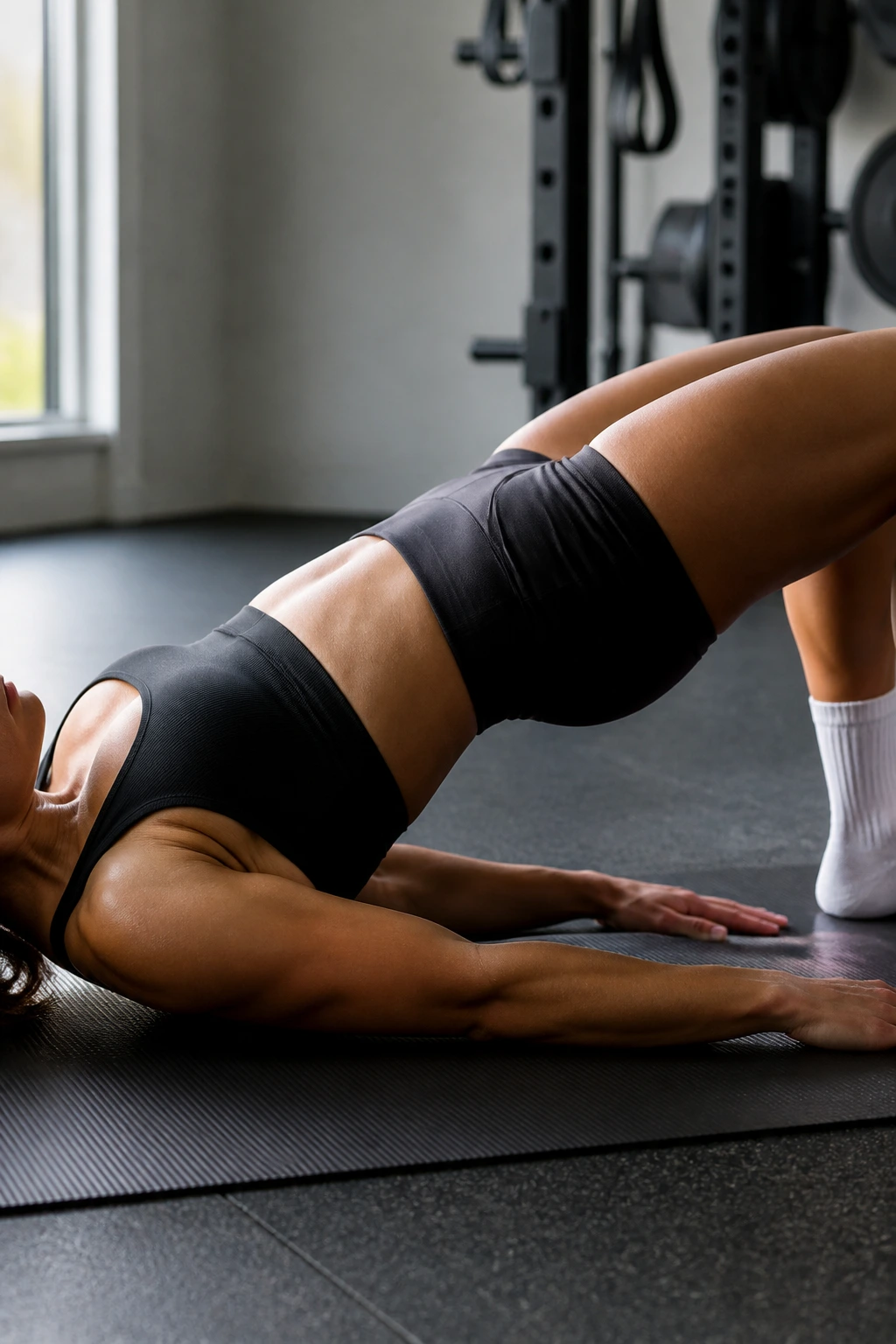
Glute work gets mocked until your hips and lower back start complaining. Then it suddenly seems clever.
This challenge focuses on bridge variations, hip thrusts, clamshells, donkey kicks, and band walks. Use it before lower-body workouts, after long sitting stretches, or as a short standalone routine. Five to ten minutes is enough if you’re doing it right.
Good exercises to repeat
- Glute bridge holds: 20 to 30 seconds
- Banded side steps: 10 to 15 steps each way
- Clamshells: 12 to 15 reps per side
- Single-leg bridge: 6 to 8 reps per side
The glutes help with hip stability, walking mechanics, and the way force moves through the body. When they wake up, a lot of little things feel easier. That’s the nicest part. Not the burn. The carryover.
14. The Upper-Back Posture Challenge
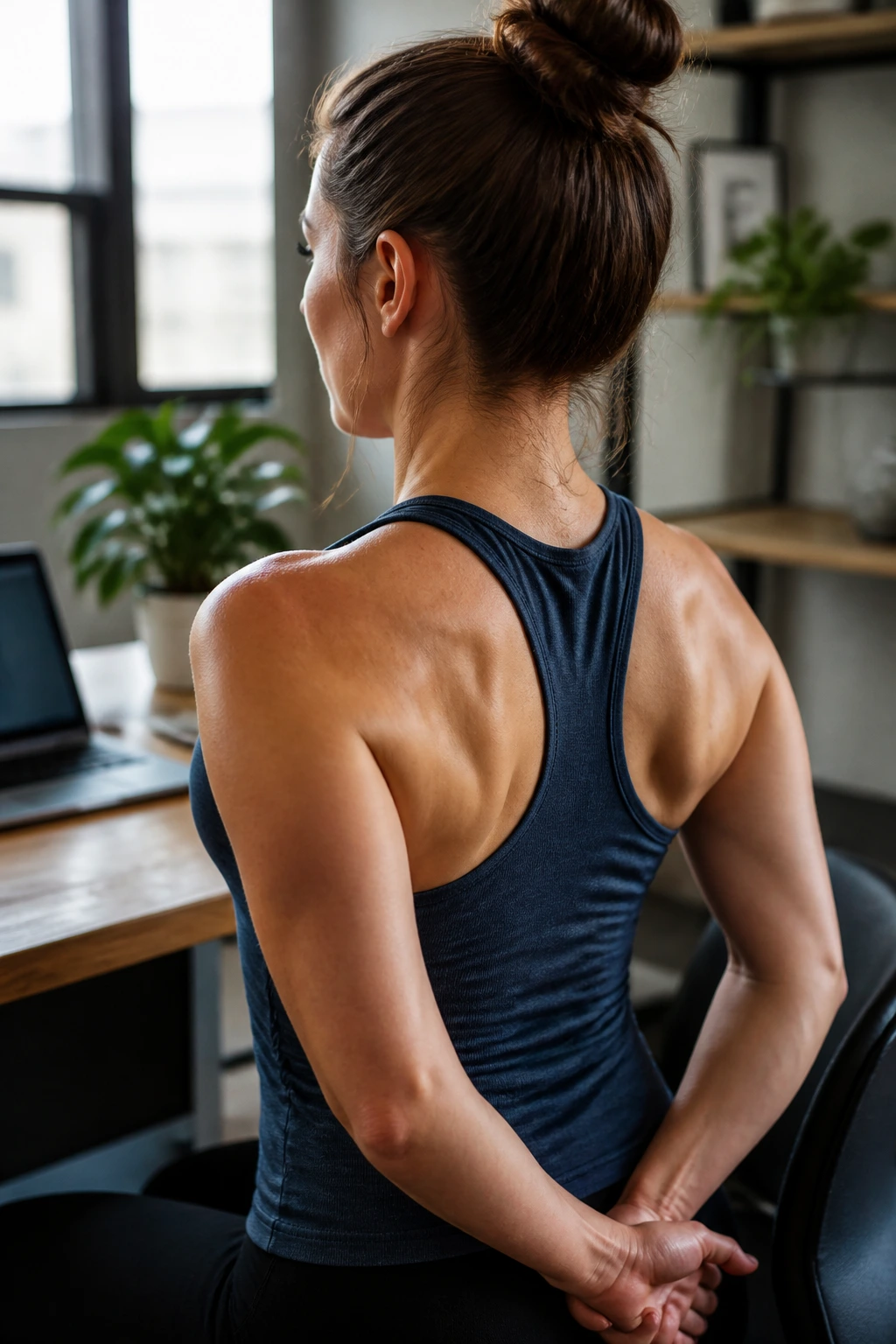
Why do so many shoulders round forward by the end of the day? Phones, desks, laptops, bags, life. All of it adds up.
This challenge aims at the muscles between your shoulder blades and along the back of the shoulders. Train 3 times a week with rows, reverse flyes, wall slides, Y-T-W raises, and face pulls if you have a cable or band. Keep the reps in the 10 to 15 range and move slowly enough that you can feel the shoulder blades glide.
What your body should do
- Neck stays long
- Ribs don’t flare
- Shoulder blades move, but don’t pinch hard
- Upper traps stay quiet
A lot of posture work fails because people yank through the reps too fast. Slow it down. A cleaner row with 8 honest reps does more than a sloppy set of 20. The point is not to stand like a soldier. It’s to stop feeling folded in half.
15. The Core and Pelvic Floor Rebuild
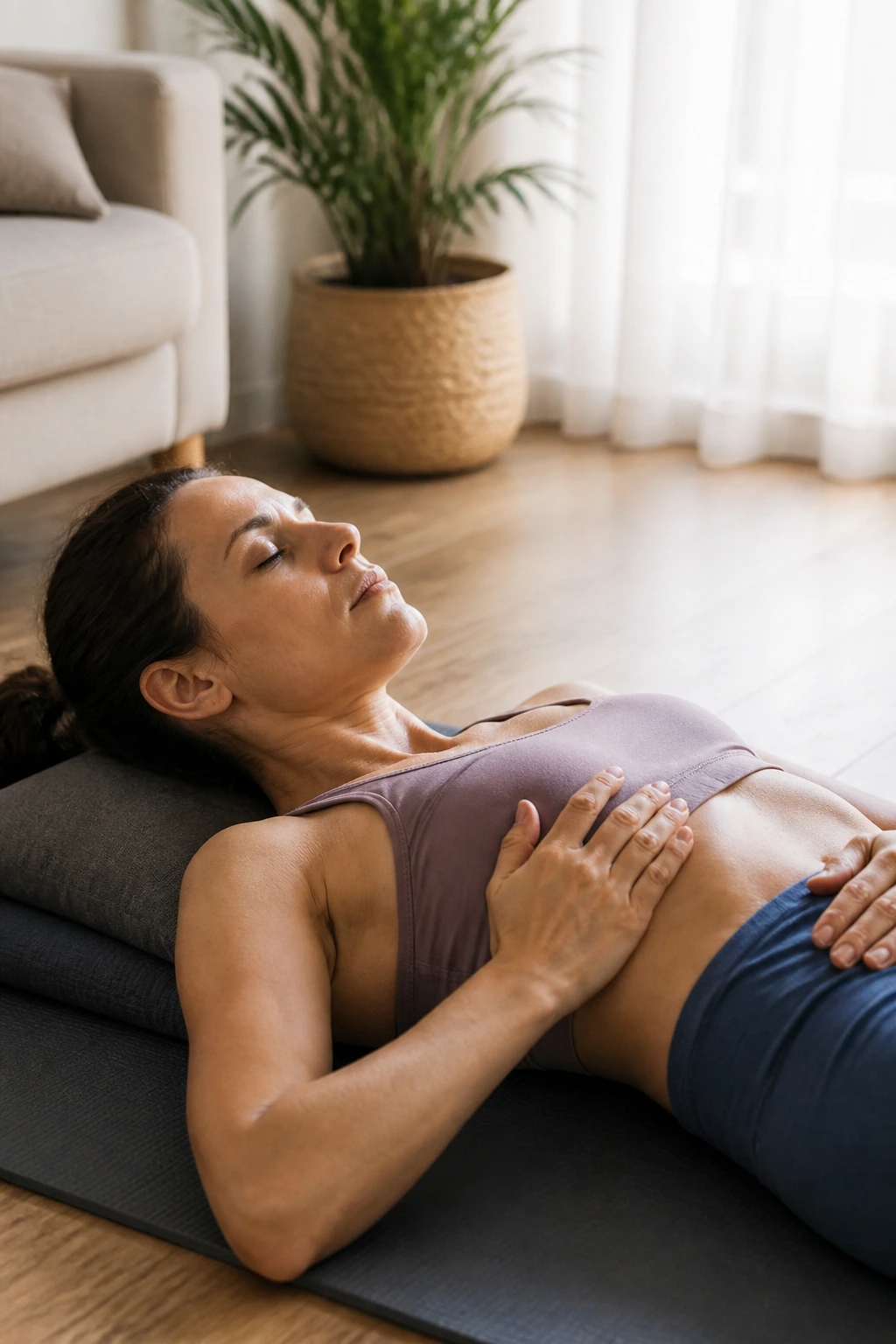
This challenge deserves care. If you’re postpartum, dealing with core weakness, or noticing pressure, heaviness, or leakage, gentler work is the right place to start, not a pile of crunches.
Use breathing-led movements: diaphragmatic breathing, heel slides, dead bugs, bird dogs, and supported bridges. Keep sessions short, around 10 to 15 minutes, and pay attention to how your body responds after each one. No rushing. No holding your breath through effort.
A calm starting sequence
- 5 slow breaths with ribs expanding
- 6 heel slides per side
- 6 dead bugs per side
- 8 bird dogs per side
- 10 bridge reps
If anything feels wrong in a sharp, heavy, or pressure-like way, back off and get help from a qualified clinician. That isn’t overcautious. It’s smart. Core rehab works best when it’s patient.
16. The Balance and Stability Challenge
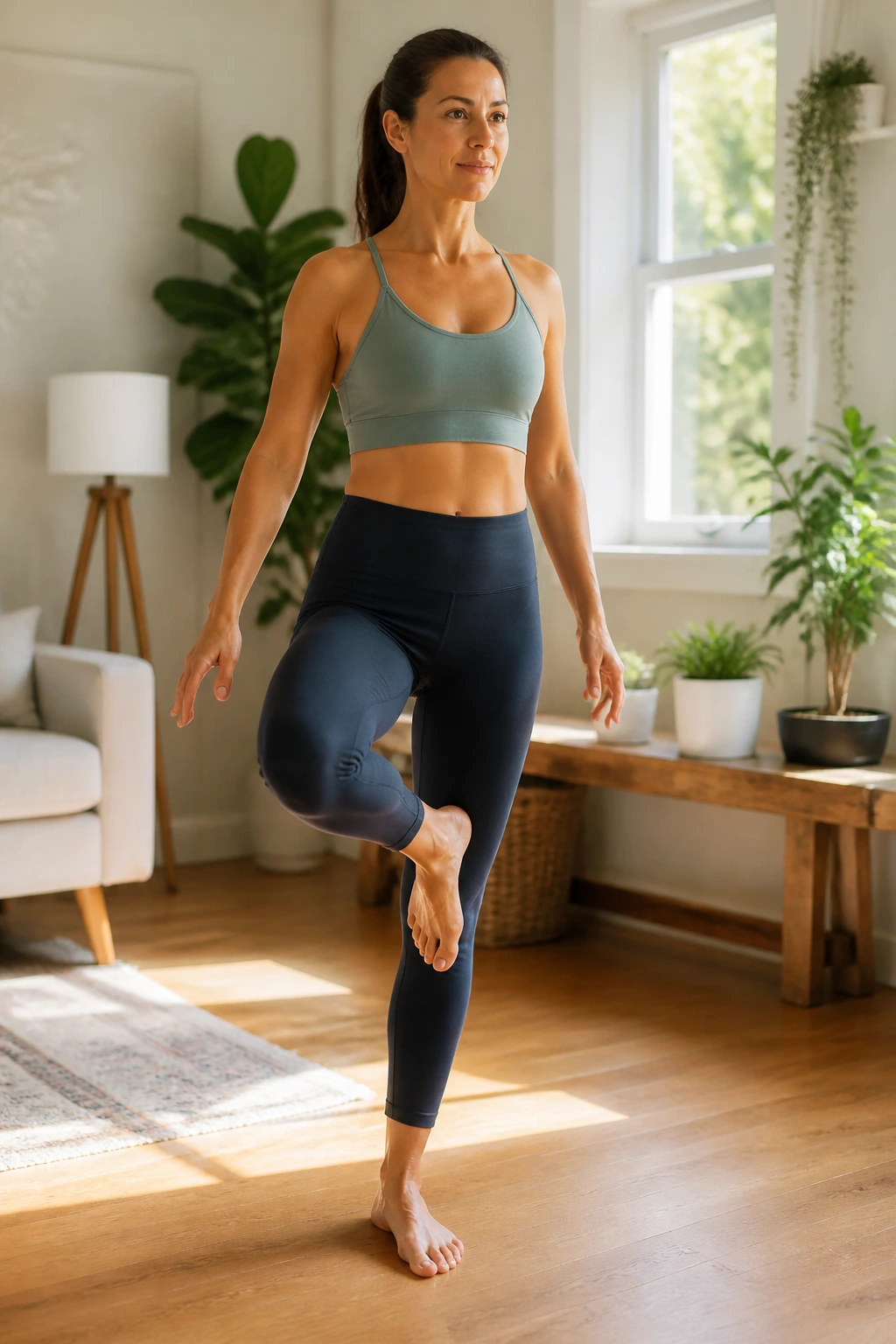
Balance work gets less attention than it should. Then one wobble on a curb or staircase reminds you why it matters.
Spend 5 to 10 minutes a day on single-leg stands, split squats, suitcase carries, and slow step-downs. Start with two feet on the floor nearby for support, then reduce the help as the month goes on. The goal is steadiness, not acrobatics.
People think balance is about ankles alone. It isn’t. It’s feet, hips, and trunk working together without arguing. That’s why the challenge can make everyday movement feel cleaner, from walking on uneven ground to carrying a heavy tote in one hand.
Single-leg work also tells you a lot about side-to-side differences. One side usually feels shakier. Fine. That’s information. Use it.
17. The Jump Rope Comeback
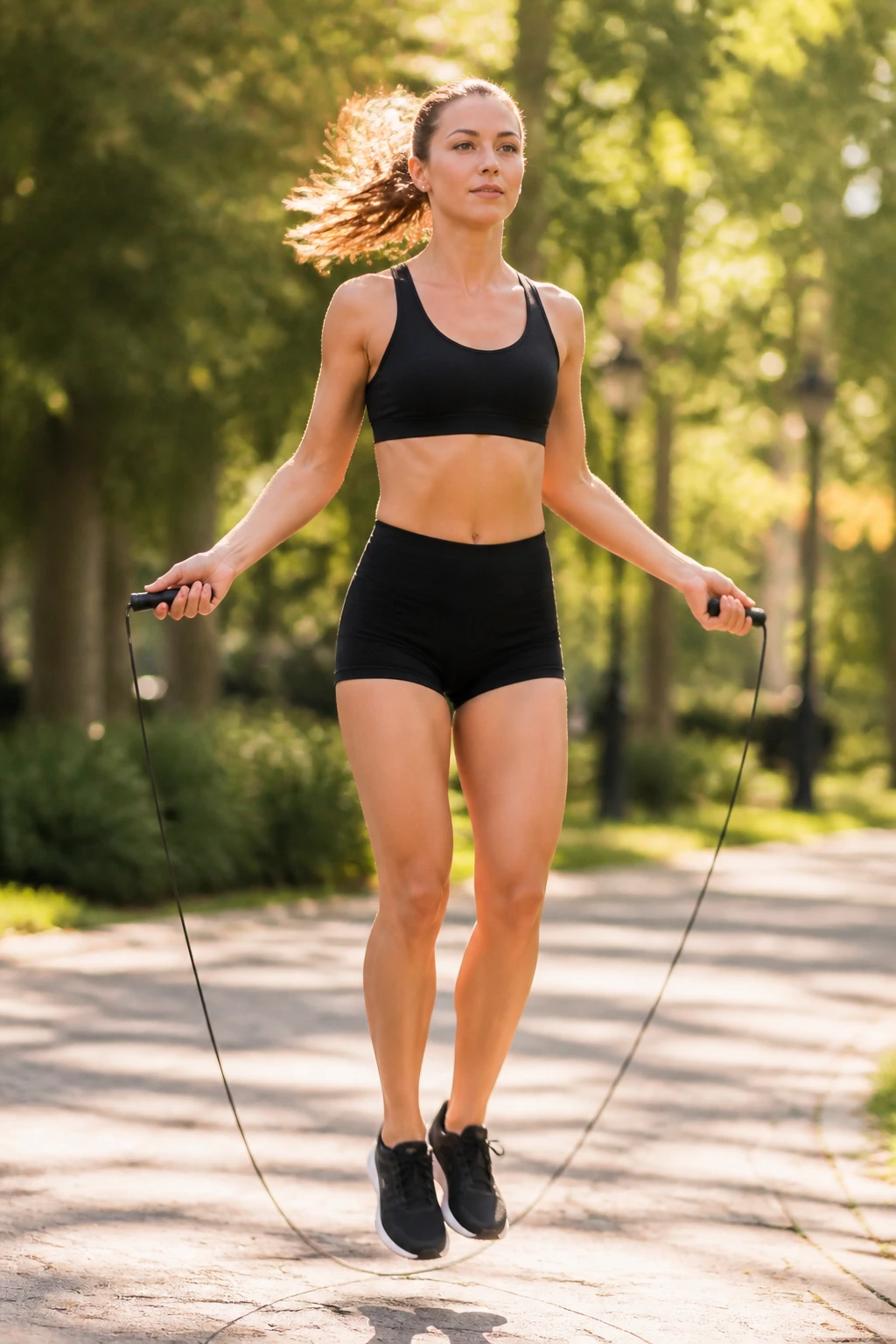
Jump rope looks playful until your calves complain on day two. Then it gets real.
Start with 30 seconds on, 30 to 60 seconds off, repeated for 8 to 12 rounds. Do it two or three times a week, not every day. The surface matters too. A smooth mat, wood floor, or rubber gym floor is easier on the joints than concrete. And yes, the shoes matter. You want enough cushioning to land softly.
What to watch for
- Elbows stay close to the body
- Rope turns from the wrists, not huge arm swings
- Land lightly through the middle of the foot
- Stop before form gets sloppy
This is one of those challenges that rewards restraint. People who start with short rounds tend to stick with it longer. People who go all-out for eight minutes straight often spend the next two days regretting the calves.
18. The Kettlebell Conditioning Month
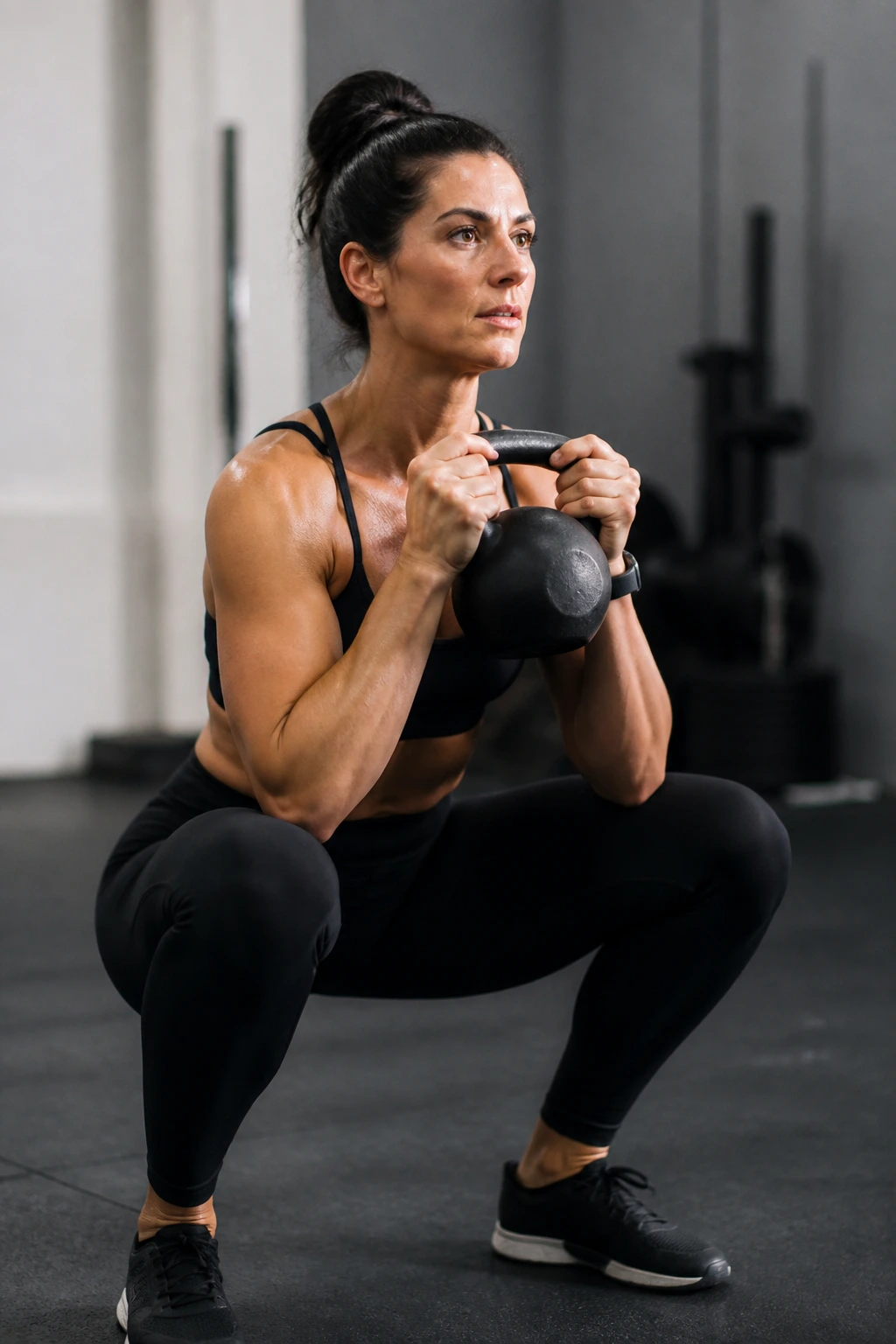
A kettlebell can do a lot in a small amount of space. That’s why people love it, and why it’s worth learning properly.
Use 2 to 4 sessions a week with deadlifts, swings, goblet squats, cleans, and carries. Start light enough that the bell never yanks you out of position. A session might be 3 rounds of 10 swings, 8 goblet squats, and a 30-second carry on each side. Rest as needed.
Unlike dumbbells, a kettlebell shifts the load a little off-center, which forces your grip, hips, and trunk to work harder together. That’s a good thing when the technique is right. If the lower back is doing all the drama, the bell is too heavy or the hinge is off.
This challenge is for women who want strength and conditioning in the same workout without needing a dozen machines.
19. The Bike or Spin Challenge
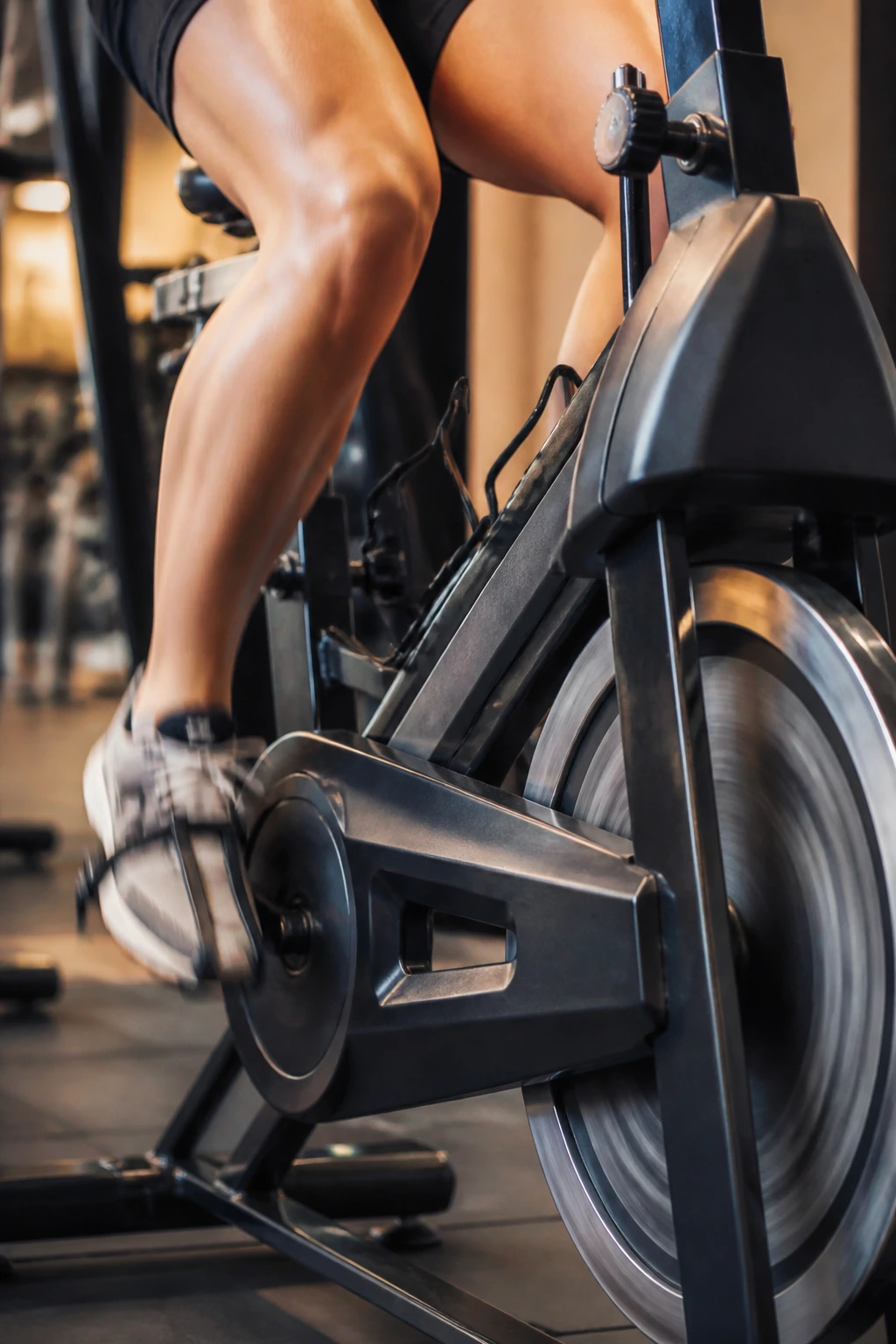
The bike is underrated. Quiet joints. Clean conditioning. No one cares if your hair gets messy.
Take on 20 to 30 minutes on a stationary bike or road bike, four times a week. Mix steady rides with interval days. A simple interval session is 1 minute hard, 2 minutes easy, repeated for 8 to 10 rounds. On steady days, keep the pace conversational and stay in the saddle long enough to build endurance.
The bike is especially kind to people whose knees dislike pounding. It also lets you control the work very precisely. Resistance goes up, cadence goes up, or both. No guesswork.
If you want more challenge without more impact, add short standing climbs or increase resistance by one notch each week. Small changes add up fast on a bike.
20. The Hiking Prep Challenge
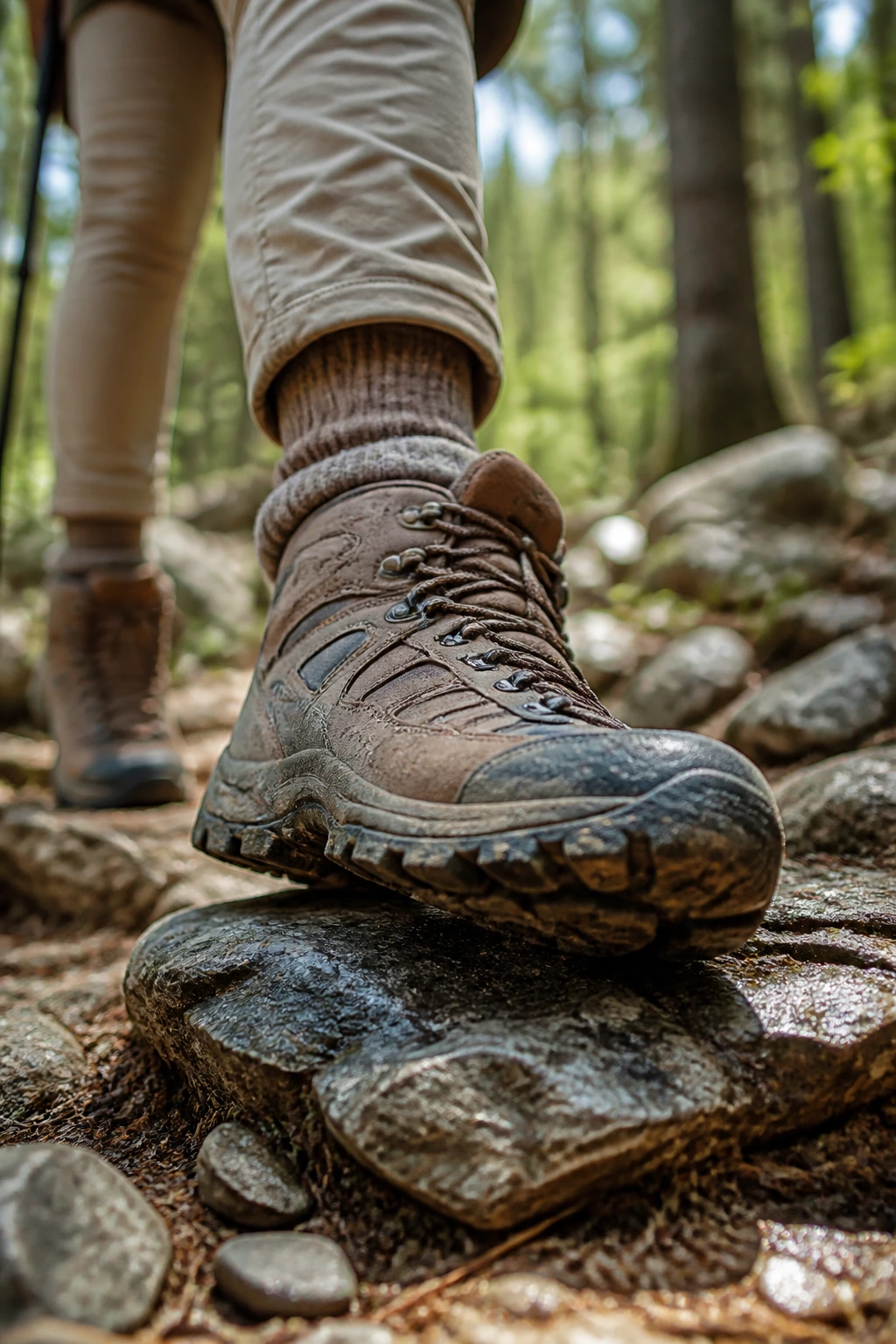
Do you want the trail to feel easier before you ever get there? Train for it.
Use this challenge if you like long walks, weekend hikes, or uneven ground but want your legs to stop whining halfway up the hill. Build in incline walks, calf raises, step-ups, and loaded carries three to four times a week. Add one longer outing each weekend if possible, even if it’s only 45 to 60 minutes.
How to make hiking feel easier
- Walk hills or treadmill inclines at a steady pace
- Do calf raises for 15 to 20 reps
- Practice step-ups onto an 8- to 12-inch step
- Carry a backpack or tote for 5 to 10 minutes
The most useful part is not speed. It’s time on your feet. Trail endurance comes from repeated effort, not a single heroic workout. A little hill work now saves a lot of panting later.
21. The Desk-Body Mobility Reset
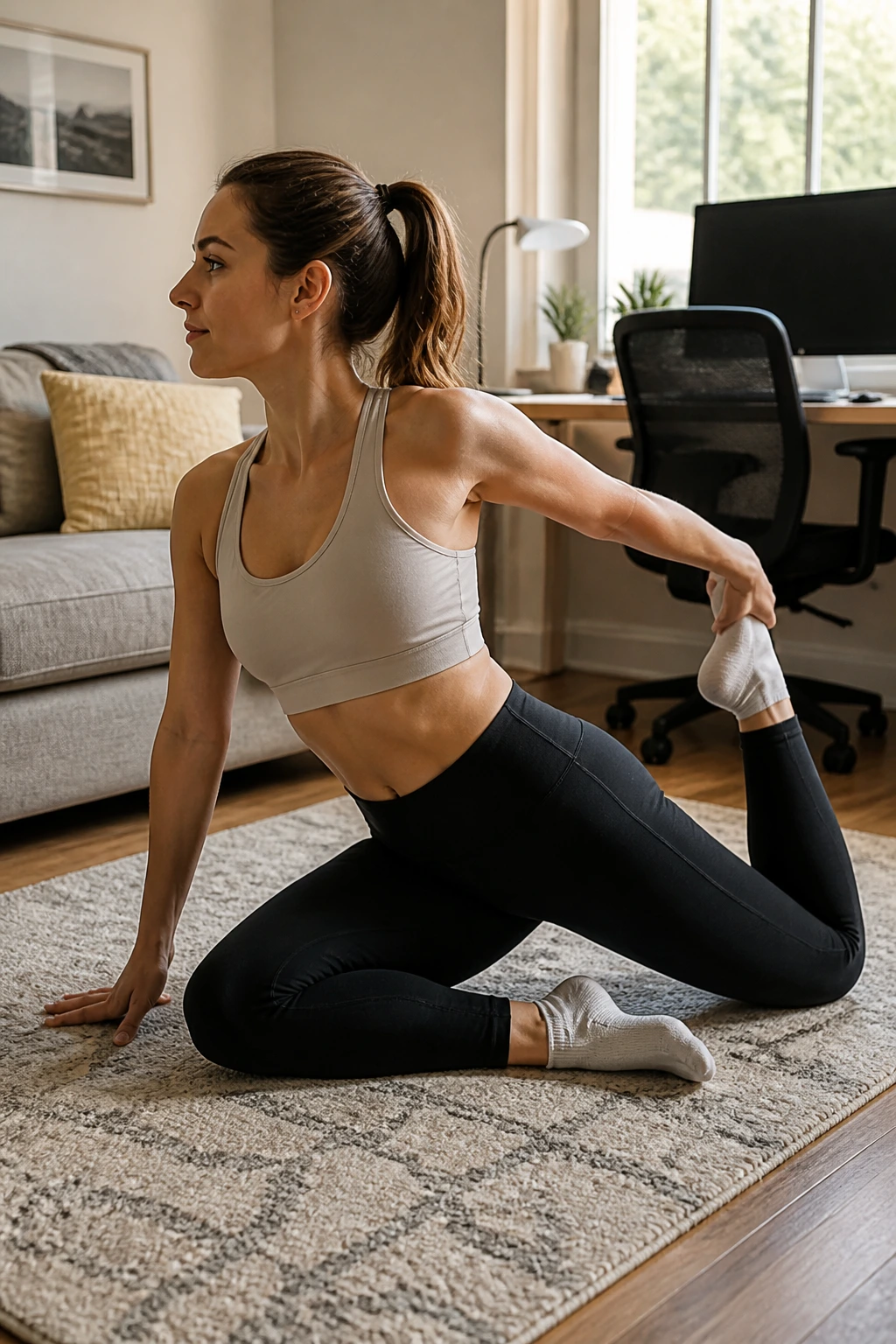
Sitting for long stretches does a number on the hips, ankles, and upper back. This challenge is the antidote.
Do a 6- to 10-minute reset once or twice a day. Work through ankle rocks, couch stretch, thoracic rotations, hip flexor stretches, and a few glute bridges. Keep everything smooth. No forcing, no bouncing, no trying to win the stretch.
A short reset sequence
- 8 ankle rocks per side
- 30 seconds couch stretch per side
- 6 thoracic rotations per side
- 10 glute bridges
- 5 deep breaths lying on the floor
That may look too easy. It isn’t. A short mobility break can change how your body feels by dinner, especially if your workday keeps you glued to a chair. This challenge is quiet, but it punches above its weight.
22. The Bodyweight Ladder Challenge
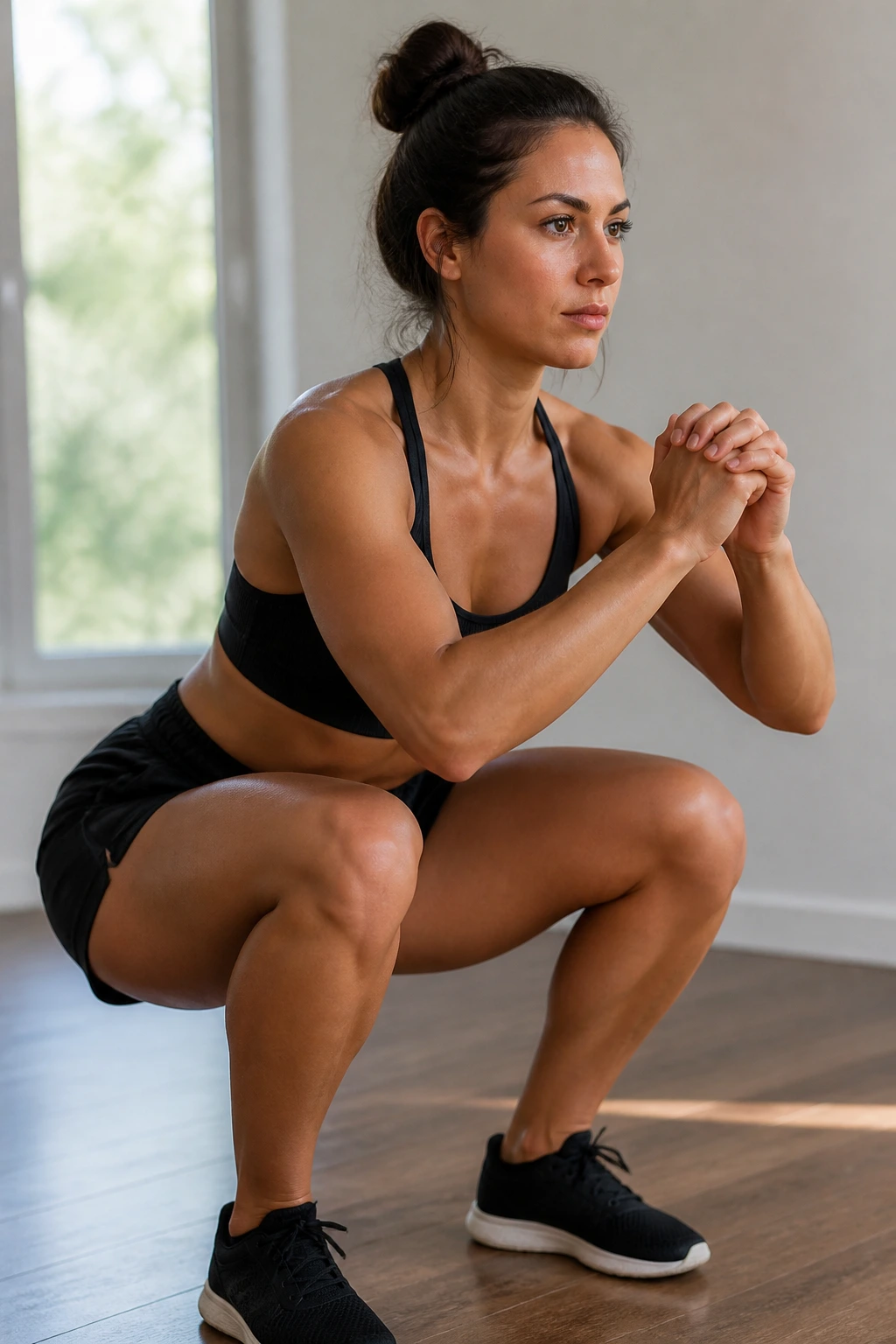
Bodyweight ladders have a nice old-school feel to them. No equipment. No fuss. Just a countdown of reps and a little grit.
Try a ladder like 2, 4, 6, 8, 6, 4, 2 for squats, push-ups, sit-to-stands, or alternating lunges. Rest 30 to 60 seconds between rounds. If that sounds too plain, good. Plain plans are often the ones people repeat.
The beauty of the ladder is that you can scale it without changing the whole structure. Need more challenge? Slow the lowering phase or use a harder variation. Need less? Cut the top rung in half and keep moving.
This one is especially good for home workouts where motivation is shaky. Once the reps are on paper, you just do the next rung. No overthinking. No wandering around the room wondering what comes next.
23. The Recovery-First Movement Month
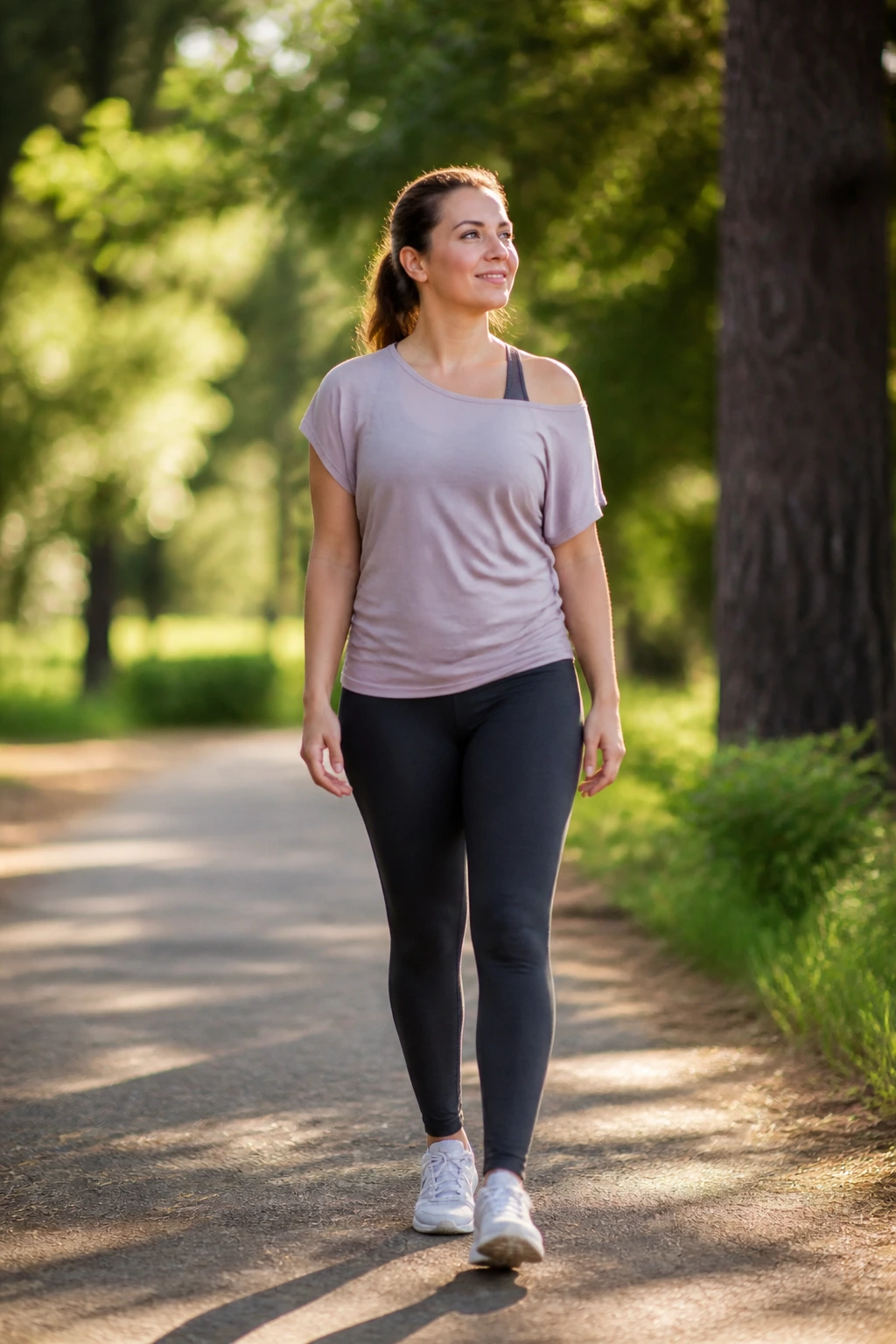
Not every challenge has to leave you drenched. Sometimes the best month is the one that helps you stop feeling worn down.
Use this challenge to pair daily walking, gentle stretching, breath work, and one or two easy strength sessions each week. Think of it as a reset rather than a push. A sample day might be a 20-minute walk, 5 minutes of stretching, and 2 minutes of slow nasal breathing before bed.
Good recovery pieces
- Legs-up-the-wall for 3 to 5 minutes
- Easy walk after dinner
- Child’s pose with side reach
- Slow exhale breathing
- Light band work if you want a little muscle tone
This challenge suits anyone coming back from a hard training stretch, a stressful month, or just a phase where everything feels a bit too loud. Recovery is training, too. The body only adapts when it gets some space.
24. The Speed-Walking Intervals Challenge

Walking can get sneaky-hard when you add intervals. That’s the charm.
Spend 25 to 35 minutes three or four times a week alternating 1 minute fast and 2 minutes easy. The fast minute should feel purposeful, almost like you’re late for something in a hurry that you do not want to admit to. The easy minute brings the breathing back under control.
Why it feels different
- Raises heart rate without impact
- Keeps joints happier than running
- Fits into a lunch break or school pickup window
- Builds cardio without a gym
This challenge is a nice middle ground for women who want more than a casual stroll but aren’t interested in pounding the pavement. Add arm drive, choose a route with light hills, or use a treadmill incline if the flat path gets boring.
25. The All-Systems Habit Builder
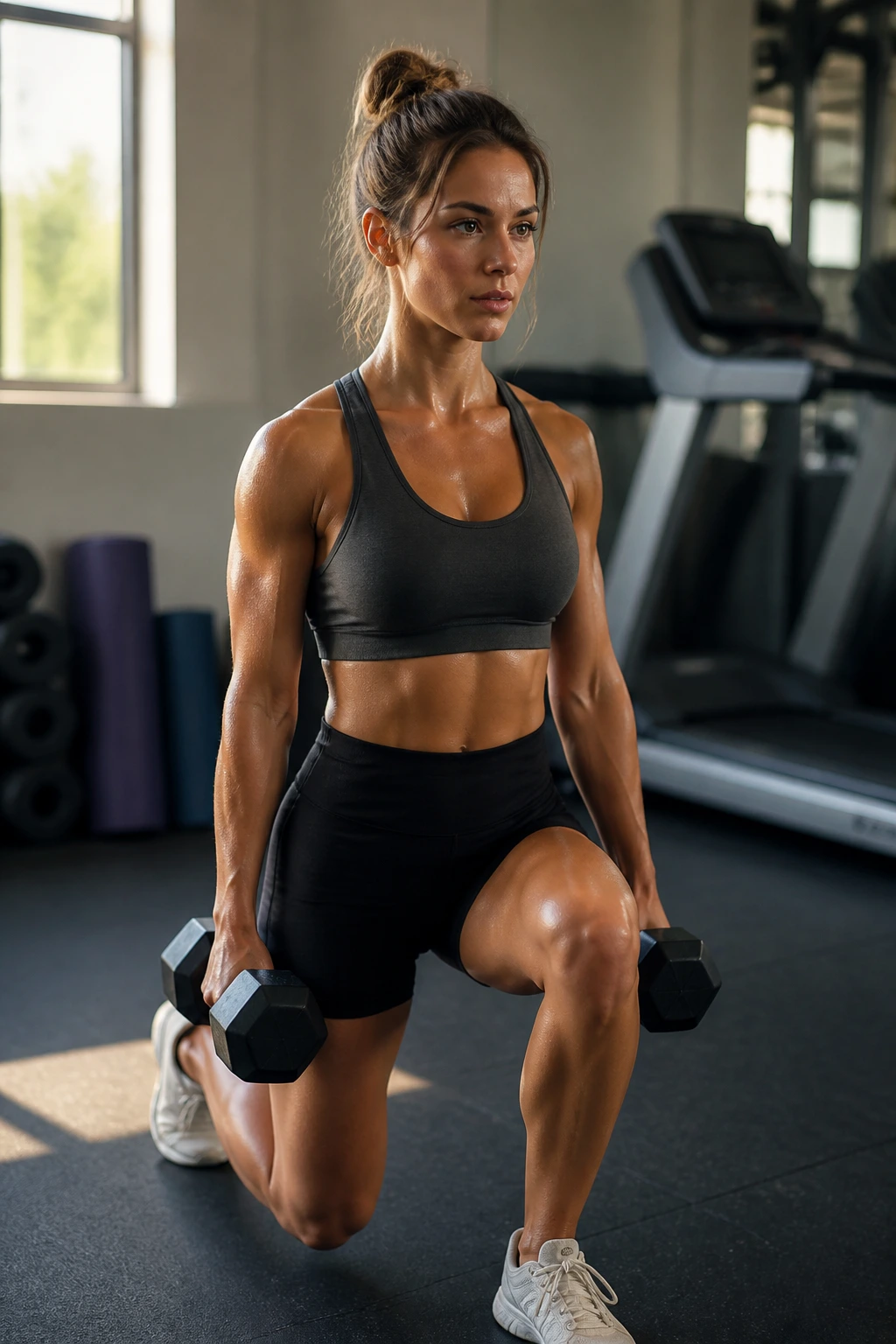
If you want one challenge that feels balanced, this is the cleanest option. It mixes strength, cardio, mobility, and recovery so you don’t end the month lopsided.
Use a weekly rhythm like this: 3 strength sessions, 2 cardio sessions, 1 mobility session, and daily walks or step goals on the other days. Keep the workouts short enough to survive real life: 25 to 40 minutes for strength, 20 to 30 minutes for cardio, and 10 to 15 minutes for mobility. That’s enough to move the needle without swallowing the week.
The reason this challenge works is simple. It doesn’t ask your body to be one thing all the time. It gives you strength work, heart work, and a bit of maintenance so nothing gets neglected. That balance tends to feel better than chasing one fitness quality until the wheels wobble.
Pick this one if you like structure but hate extremes. Pick it if you want the month to feel steady instead of dramatic. And if you finish all 30 days without needing a huge restart afterward, that’s the real win.
