



Sweat is not strength.
A lot of men learn that the hard way. They leave the gym drained, lungs burning, shirt soaked, and the bar hasn’t moved in weeks. The best workout routines for men building real strength look calmer than that: heavy compounds, sane weekly volume, and enough rest to let the nervous system catch up.
That does not mean easy. It means specific. A squat day should look like a squat day, not a random boot-camp remix with a barbell tossed in for decoration.
If you want the kind of strength that shows up in a heavy deadlift, a clean bench, a solid carry, and a body that still feels usable the next day, the details matter. The routines below keep the fluff low and the load honest. Start with the one that matches your recovery, then let the bar tell you the truth.
1. The 5×5 Barbell Foundation
The 5×5 plan is plain, and that is the whole point. Five sets of five on a big lift gives you enough work to build muscle, enough weight to build force, and enough repetition to lock in clean movement without turning the session into a circus.
A simple week usually runs three sessions: squat and press on one day, deadlift or row on another, then squat again with bench work. Add 5 pounds to upper-body lifts and 10 pounds to lower-body lifts when every rep stays crisp. If rep five turns into a slow wobble, the weight has already gone too far.
Add weight only when the last rep looks like the first. That rule saves a lot of bad training.
2. Upper-Lower Split With Heavy Top Sets
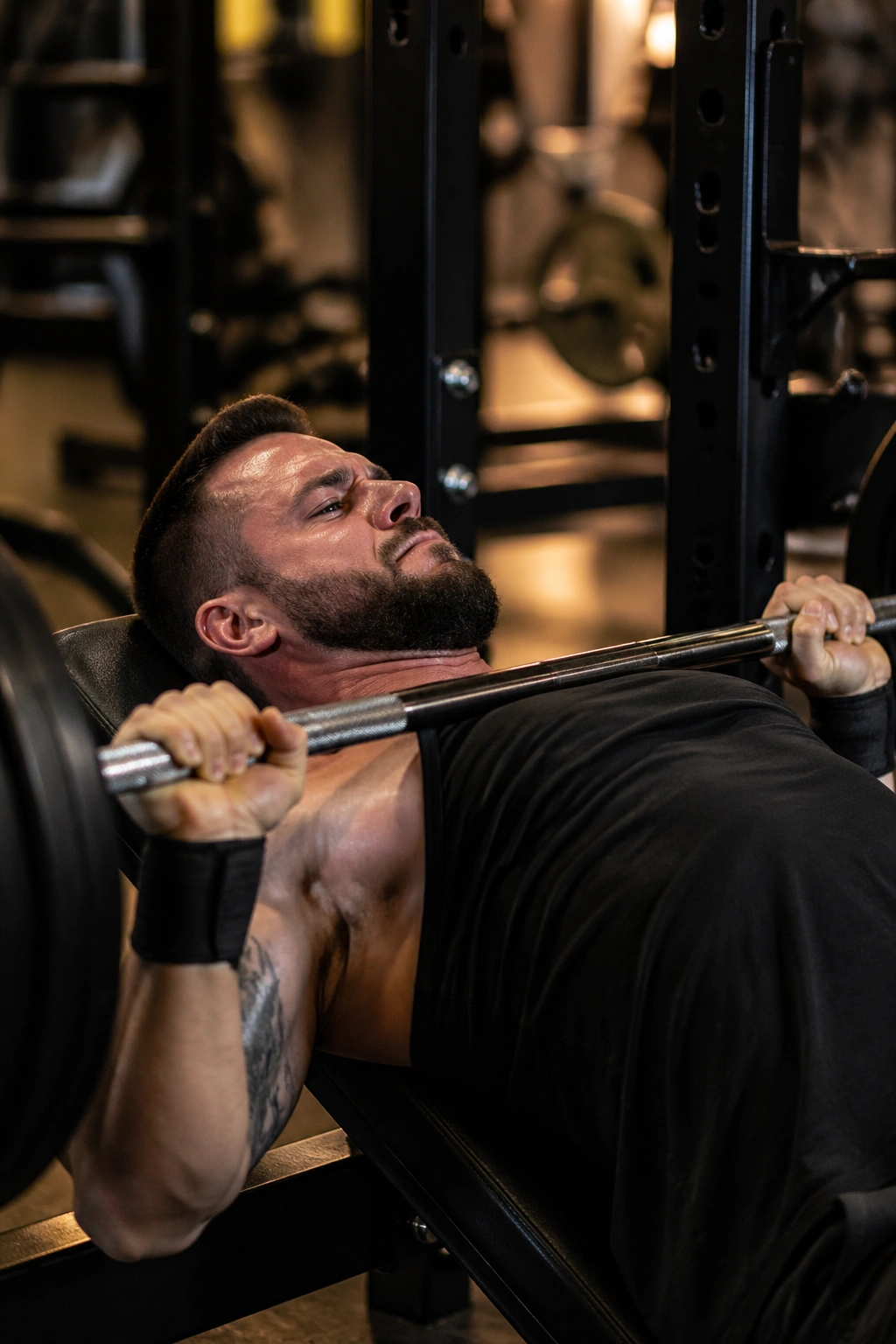
Can an upper-lower split build real strength? Absolutely, if you stop treating it like a bodybuilding menu. The trick is to make the first lift of the day the priority, not the warm-up to the rest of the workout.
Weekly Layout
- Upper Day 1: Bench press, row, overhead press, triceps
- Lower Day 1: Back squat, Romanian deadlift, abs
- Upper Day 2: Close-grip bench, pull-ups, incline dumbbell press
- Lower Day 2: Front squat or pause squat, deadlift variation, hamstrings
How to Progress
Work the first lift for 1 top set of 3 to 5 reps, then 2 to 4 back-off sets with a little less weight. The rest of the session should stay tight. Two or three accessories are enough; six is how people drift into junk volume and sore elbows.
This split works well if you want four hard lifting days without feeling beat up. It also gives you room to push one lower-body day heavy and the next one a little cleaner and faster.
3. Push-Pull-Legs for Strength and Recovery
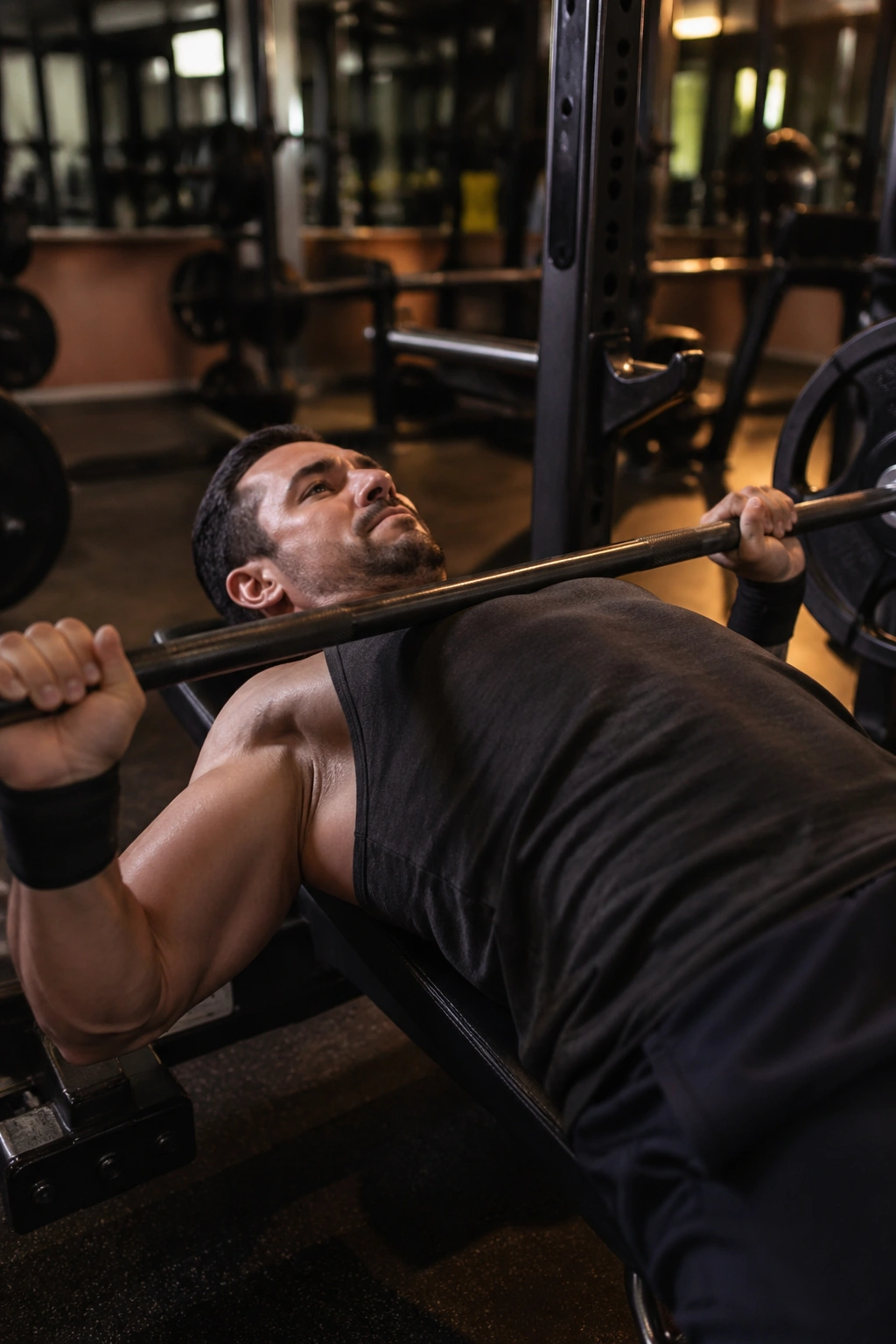
Push-pull-legs works for strength when the first lift matters more than the pump. That sounds obvious, but plenty of people turn PPL into an hour-and-a-half arm festival and wonder why their squat never climbs.
The useful version is blunt. Push day starts with bench or overhead press, pull day starts with a weighted pull-up or barbell row, and leg day starts with squat or deadlift. Keep the main lift at 3 to 5 hard sets, then cap the rest of the session at 2 to 3 assistance moves. If the accessories are taking longer than the main lift, the day has gone soft.
This split shines when you recover well and like training often. Six days can work. Five can work too. What you cannot do is chase fatigue on every session and still expect the bar to move heavier next month.
4. Deadlift Priority Day

A man with a stubborn deadlift usually has a very specific problem. The bar breaks the floor, the hips shoot up, the back rounds, and the pull turns into a slow grind that feels half-leg, half-prayer. Deadlift priority day is built to fix that.
Start with the deadlift itself for 1 heavy top set of 3, or 3 sets of 2 if your form gets messy under fatigue. Then add a pause deadlift below the knee, a Romanian deadlift, and a row. That’s enough. The lower back already gets plenty of work from the pull, so you do not need to punish it with five extra exercises.
- Main pull: Conventional or sumo deadlift
- Second pull: Paused deadlift or deficit deadlift
- Back work: Chest-supported row or barbell row
- Trunk work: Loaded plank or hanging leg raise
The goal is a cleaner start off the floor and a stronger lockout. Keep rest at 3 to 5 minutes on the main work. Short rest is great for suffering. It is not great for deadlift numbers.
5. Bench Press Priority Day
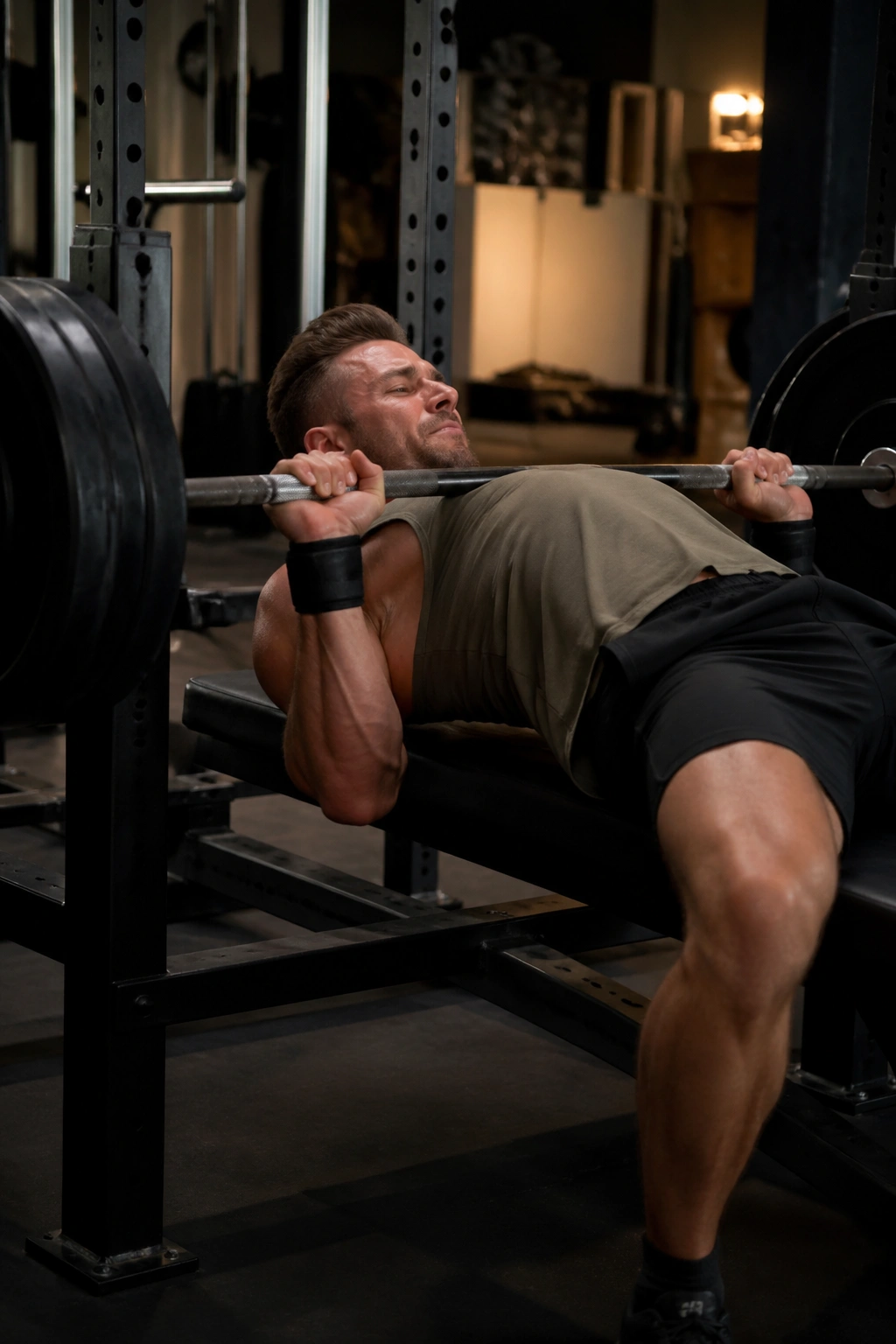
Unlike chest-day routines built around flyes and machines, a bench priority day is about skill, setup, and upper-back discipline. The bar should touch the same spot every rep. The feet should stay planted. The shoulders should feel locked in, not loose and drifting.
Bench twice a week if you can. One day is heavier, with 4 to 6 sets of 3 to 5 reps. The second day can be a paused bench or close-grip bench for 3 to 4 sets of 5 to 8. That second press matters more than people think, because it teaches you to stay tight when the bar slows down.
Upper-back work is not optional here. Rows, pulldowns, face pulls, and rear delt work keep the shoulders happy and give the press a sturdier base. Weak benches often look like chest problems, but the real issue is usually poor shelf strength between the shoulder blades.
6. Squat Priority Day

A squat that keeps stalling usually needs more than “squat more.” It needs better positions, better bracing, and enough time under the bar to make the groove feel automatic.
Run squat priority day with a heavy back squat first, then a front squat or pause squat as the second movement. The pause work is especially useful if you drop into the hole and bounce like a noodle. Hold the bottom for 1 to 2 seconds, stay tight, and drive up without folding at the hips.
After that, keep the accessory work honest. Bulgarian split squats, hamstring curls, and ab wheel rollouts do more for real strength than another chest machine ever will. If your torso collapses at the bottom, your trunk needs attention. If your knees cave, your single-leg work is too light or too sloppy.
7. Full-Body Three-Day Rotation

Three full-body sessions a week can build a very strong lifter, and they do it without stealing your whole life. The magic is frequency. You practice the major patterns often enough that the lifts feel familiar instead of rusty.
Monday
Back squat, bench press, row. Keep the main lift heavy and the others moderate.
Wednesday
Deadlift, overhead press, pull-up. This day should feel shorter and a bit nastier.
Friday
Front squat or pause squat, incline press, chest-supported row. Clean reps. No ego.
The big advantage is recovery. You never smash one muscle group so hard that the next session feels dead on arrival. The downside is obvious too: you need discipline. If you keep adding exercises, full-body stops being a strength plan and turns into a cluttered mess. Three hard movements, maybe four if the day is going well. That’s enough.
8. Four-Day Powerbuilding

Powerbuilding only works when the strength lift comes first. If you open with cables, curls, and a long list of warm-ups, the barbell work gets whatever energy is left. That’s backwards.
A clean four-day setup uses one heavy lift at the top, then enough hypertrophy work to build the muscle that supports it. Bench day might start with a top set of 4, then move to dumbbell incline press and rows. Lower day might start with a squat top set, then go to leg press, RDLs, and calves. The accessory work should help the main lift, not bury it.
This style suits men who want to add size while still pushing their numbers up. It’s a little more forgiving than pure strength work, and that matters if you’re not sleeping nine hours a night or eating like a machine. Keep the accessories to 2 movements per session and stop before the pump becomes the whole point.
9. Westside Conjugate Lite
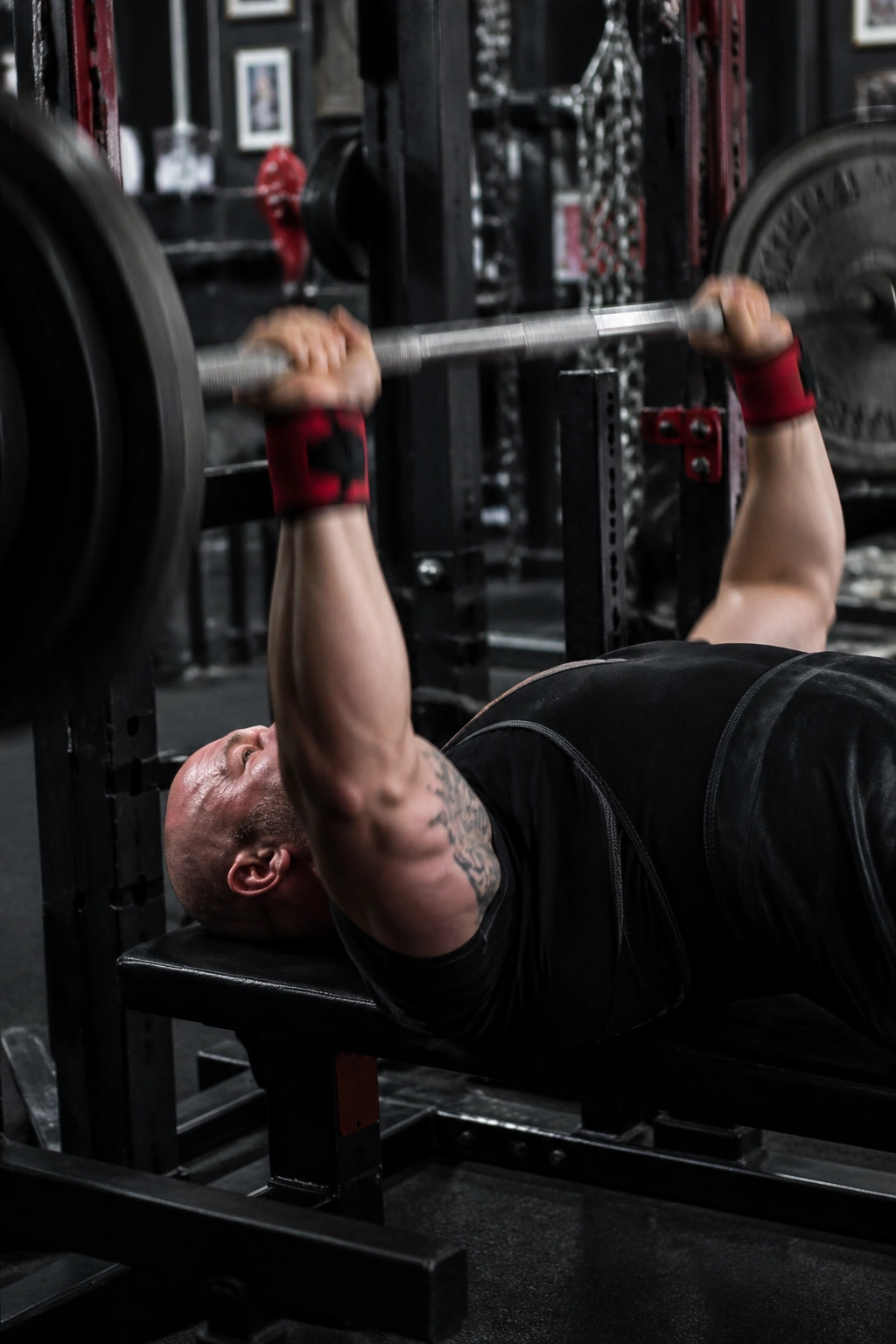
Why use conjugate if you’re not training for a meet? Because variation can keep heavy lifting fresh without letting your joints hate you.
A lighter Westside-style setup usually has two max effort days and two dynamic effort days. One upper day might be a heavy close-grip bench or floor press. One lower day might be a box squat or trap bar deadlift. The speed days use lighter loads moved hard and fast, often for 6 to 10 sets of 2 or 3 reps.
What It Looks Like
- Max effort upper: one heavy press variation, then rows and triceps
- Max effort lower: one heavy squat or pull variation, then hamstrings and abs
- Dynamic upper: speed bench with short rests
- Dynamic lower: speed squats or pulls, plus jumps or sled work
The key is rotation. Swap the main variation every 2 to 4 weeks before it gets stale. You are trying to train force production, not collect random exercises. Keep the list short. Conjugate gets messy when people overdecorate it.
10. Strongman Carries and Loading

A farmer’s walk tells you a lot. So does a sandbag clean. So does the way a man breathes after dragging a sled for 40 yards and trying not to fold in half.
Strongman-style training builds practical strength because it forces the whole body to work as one piece. Grip, trunk, upper back, legs, lungs — all of it has to cooperate. A good session can start with a heavy press, then move to carries, loading drills, and one hinge movement. That’s enough to leave your forearms lit up and your midsection braced for hours.
- Carries: Farmer’s walks, suitcase carries, yoke walks
- Loading: Sandbag to platform, stone lifts, keg loading
- Pressing: Log press or push press
- Finishers: Sled drags or hill carries
This style is rough in a good way. It builds the kind of strength that shows up when you pick up something awkward in real life. It also tends to be kind to the joints, which is not a small thing once heavy barbell work starts piling up.
11. Trap Bar Strength Routine

A trap bar does not feel glamorous. It feels useful. For many lifters, it lets you pull hard with a more upright torso, less lower-back strain, and less drama at the start of the rep.
That makes it a smart center piece if straight-bar deadlifts beat you up or if your leverages suit the trap bar better. Start with 4 to 6 sets of 3 reps, then add front squats, split squats, and row variations. Some lifters even pair trap bar deadlifts with low box jumps, but only if the jumps stay crisp and quiet. Sloppy jumping is just sloppy jumping.
The trap bar is also a good way to train force without frying yourself for the rest of the week. It is not a cheat. It is a tool. Use it when you want heavy pulling with a little less punishment, and do not feel guilty about that.
12. Olympic-Lift Primer

A loaded bar snapping off the floor and floating for a split second changes how your whole body moves. That is the appeal of Olympic-lift work: speed, power, and violence in small, controlled doses.
You do not need a full weightlifting program to borrow the useful part. A clean weekly setup might use power cleans, push presses, front squats, and clean pulls. Keep the reps low — 1 to 3 reps per set — because the goal is bar speed and timing, not exhaustion. Once the catches get sloppy, the training quality drops fast.
A Simple Weekly Pattern
- Day 1: Power clean, front squat
- Day 2: Push press, pull-ups
- Day 3: Clean pull, back squat
This style rewards patience. If your rack position is ugly, fix it before loading more weight. If your catch sounds like a crash, the bar is winning. The upside is real power and a torso that learns how to stay tight under force.
13. Heavy Singles and Back-Off Sets

A top single at RPE 8 — that means two reps left in the tank — can sharpen a lift without turning the day into a max-out contest. That is why this routine works so well for men who want strength without the emotional nonsense that comes with testing too often.
Take one heavy rep on the main lift, then drop the load and do 3 to 5 back-off sets of 3 to 5 reps. The single gives you practice with heavy weight in your hands. The back-offs give you enough volume to grow and groove the pattern. That combination is hard to beat.
It also keeps ego under control. A lot of lifters chase a true max every week and get buried by it. Heavy singles with clean back-off work give you the feeling of lifting heavy while still letting you recover and repeat. That’s the better deal.
14. Tempo and Pause Training

Can slower reps build strength? Yes, and they can clean up weak positions fast. A 3-second lower on a squat or bench makes it hard to fake control. A 2-second pause at the bottom strips out bounce and tells you exactly where the lift breaks down.
How to Count It
- 3-1-1 squat: Lower for 3 seconds, pause for 1, stand up hard
- 4-0-1 bench: Lower for 4 seconds, no pause, press with intent
- 2-second paused deadlift: Pause just off the floor or below the knee
Use tempo work for a block, not forever. It is great when your form gets loose, your chest caves on the bench, or your squat dives out of position. It is less useful once the movement is clean and you need heavier practice. A few weeks of controlled reps can make heavy reps feel much more stable.
15. Dumbbell-Only Strength Plan

Dumbbells are not a downgrade. They are a different problem. They demand more stability, expose side-to-side weakness, and force each arm or leg to earn its place.
A good dumbbell strength plan uses single-leg work, floor presses, 1-arm rows, and split squats. If you have adjustable dumbbells, you can push the loads hard enough to build real strength. The key is keeping the reps low enough to stay honest. Sets of 5 to 8 on the main moves usually work well.
This setup is excellent for a home gym or for a man who hates waiting on racks. It also cuts down on the cheating that sneaks into barbell work when one side tries to help the other. The trade-off is obvious: you may outgrow the heaviest dumbbells if the range is limited. If that happens, lean harder on unilateral work and slower tempo.
16. Bodyweight Strength Routine

A bodyweight plan builds strength when you load the patterns, not when you chase endless reps. Ten clean pull-ups with a weight belt tells a much better story than fifty ugly push-ups done for ego.
Weighted pull-ups, dips, ring rows, pistol squat progressions, and hard push-up variations can carry a serious routine. Start with 4 to 6 sets of 3 to 6 reps on the weighted moves. Once you can hit the top of that range cleanly, add a small load — 2.5 to 5 pounds at a time is usually enough.
The beauty of this approach is control. You can train hard in a small space, and you learn body tension in a way that transfers to barbell lifts too. The catch is that progress slows if you never add weight. Bodyweight strength is still strength. It just asks for patience and a little discipline with progression.
17. Kettlebell Strength Circuit

Kettlebells get mislabeled as cardio toys, which is lazy thinking. Heavy kettlebells can drive strength hard, especially when the reps stay low and the rests stay honest.
A useful session might start with double-kettlebell front squats, move to clean and press, then finish with swings and front rack carries. The swings should be snappy, not winded. The presses should stay strict until the last set. If your grip fails before your legs, that is feedback, not failure.
This kind of work is especially good when you want strength with a little extra work capacity baked in. It’s not the place to chase sloppy fatigue. One bell at a time, then two, then heavier bells. The body learns fast when the weights are heavy enough and the session is tight.
18. Posterior Chain Emphasis

If your back rounds, your hips stall, or your deadlift dies above the knee, your posterior chain probably needs more love. That means glutes, hamstrings, spinal erectors, and the upper back doing their jobs without complaint.
Where the Volume Goes
- Romanian deadlifts for hamstring tension
- Hip thrusts for lockout power
- Back extensions for endurance in the lower back
- Barbell rows for upper-back strength
A posterior-chain day works well after a squat-focused session or on its own as a lower-body accessory day. Keep the load moderate to heavy, but stop one rep before your form starts to fold. This is not a place for ego. It is a place for tension, range, and steady progress.
The payoff shows up in cleaner pulls, stronger hinges, and less breakdown late in sets. That’s the kind of boring result that matters.
19. Grip-Focused Strength Work

Grip is one of those things men ignore until the bar starts slipping. Then it becomes the whole problem.
A grip-focused routine uses dead hangs, thick-handle holds, farmer’s carries, plate pinches, towel pull-ups, and static barbell holds after your main work. Keep the holds short and brutal: 10 to 30 seconds for most work, longer only if the load stays sane. If you can’t close your hands the next morning, you probably found the right edge.
Strong grip training helps your deadlift, your rows, your carries, and even your pressing setup. It also teaches the hands to stay calm under pressure, which sounds silly until you feel the bar drift in your fingers on a heavy pull. Train it directly. Straps have their place, but they should not be your only answer.
20. Conditioning That Supports Strength

Can conditioning help strength? Yes, if it’s the right kind and the dose stays small. The goal is not to turn lifting into a breathing test. The goal is to recover between sets, move work around the gym without getting wrecked, and keep your work capacity from collapsing.
Sled pushes, bike sprints, rower intervals, and brisk hill walks fit this job better than long, ugly circuit work. Keep most of it under 15 minutes and place it away from your heaviest leg sessions if you can. A few hard pushes on a sled can raise your engine without beating up your joints.
If your conditioning leaves your squats flat for two days, it’s too much. If it helps you rest less between sets and keeps you moving with better posture, you nailed the dose. Strength likes capacity, but it doesn’t like nonsense.
21. Two-Day Minimalist Plan

A lot of lifters would progress faster on two focused days than on five scattered ones. That sounds unglamorous. It also works.
Day A
Back squat, bench press, row, abs.
Day B
Deadlift, overhead press, pull-up, split squat.
Each main lift gets 3 to 5 hard sets, usually in the 3 to 5 rep range. The accessories stay short and useful. If you have more than an hour, you’re probably adding too much. This plan is ideal for busy weeks, older lifters who need more recovery, or anyone who keeps missing sessions because the program is too demanding.
The nice part is momentum. Two good workouts a week are easier to defend than six half-done ones. Progress can still be strong, especially if you add small jumps and keep the technique clean.
22. Thirty-Minute Strength Sessions

Short sessions can be brutally effective when they are built around one main lift and a tiny amount of support work. The mistake is trying to cram too much in and then calling it “efficient.”
A 30-minute strength session should open with one barbell lift for 10 to 15 minutes, then move to a superset or two of accessory work. Say squats first, then rows and ab work in alternating sets. Or bench first, then pull-ups and triceps. Keep the rest tight, usually 60 to 120 seconds on assistance and a little longer on the heavy lift.
This style is perfect when your schedule is ugly. It is also useful when you’re trying to stay consistent without the mental drag of a long session. The trade-off is simple: you need discipline to stop at the right time. More minutes do not automatically mean more progress.
23. Hypertrophy-to-Strength Bridge

Is it better to get bigger before you get stronger? Sometimes, yes. A bridge block that starts with moderate reps and moves toward heavier work can build the muscle you need before you ask the nervous system to push harder.
Run the first block with 6 to 8 reps on the main lifts, then shift to 4 to 5 reps, then end with 3s or occasional heavy triples. That gives you enough muscle-building volume without abandoning strength practice. It’s useful for men who are lean, under-muscled, or coming out of a long phase of weak, unfocused training.
The real benefit is that you don’t jump straight into low-rep grinding before your base is ready. If the frame is thin, the heavy work often stalls. Build a little size, then press on. It’s the patient route, but the numbers tend to reward it.
24. Deload and Rebuild Week

A deload is not a vacation. It is a reset. The goal is to pull fatigue down so the next hard block can actually work.
Drop volume by 40 to 60 percent and keep the loads around 60 to 75 percent of your usual working weight. Move the bar with speed, stay crisp, and stop well before failure. A deload week is a good time for pauses, technique work, light mobility, and short carries. Your joints should feel better by the end of it, not more beaten up.
A lot of lifters hate deloads because they think rest means weakness. That’s nonsense. If the bar is getting slower, your sleep is slipping, and warm-ups feel heavy, the body already asked for the break. Ignore that long enough and the next hard week turns into a grindy mess.
25. Peaking Block for a New PR
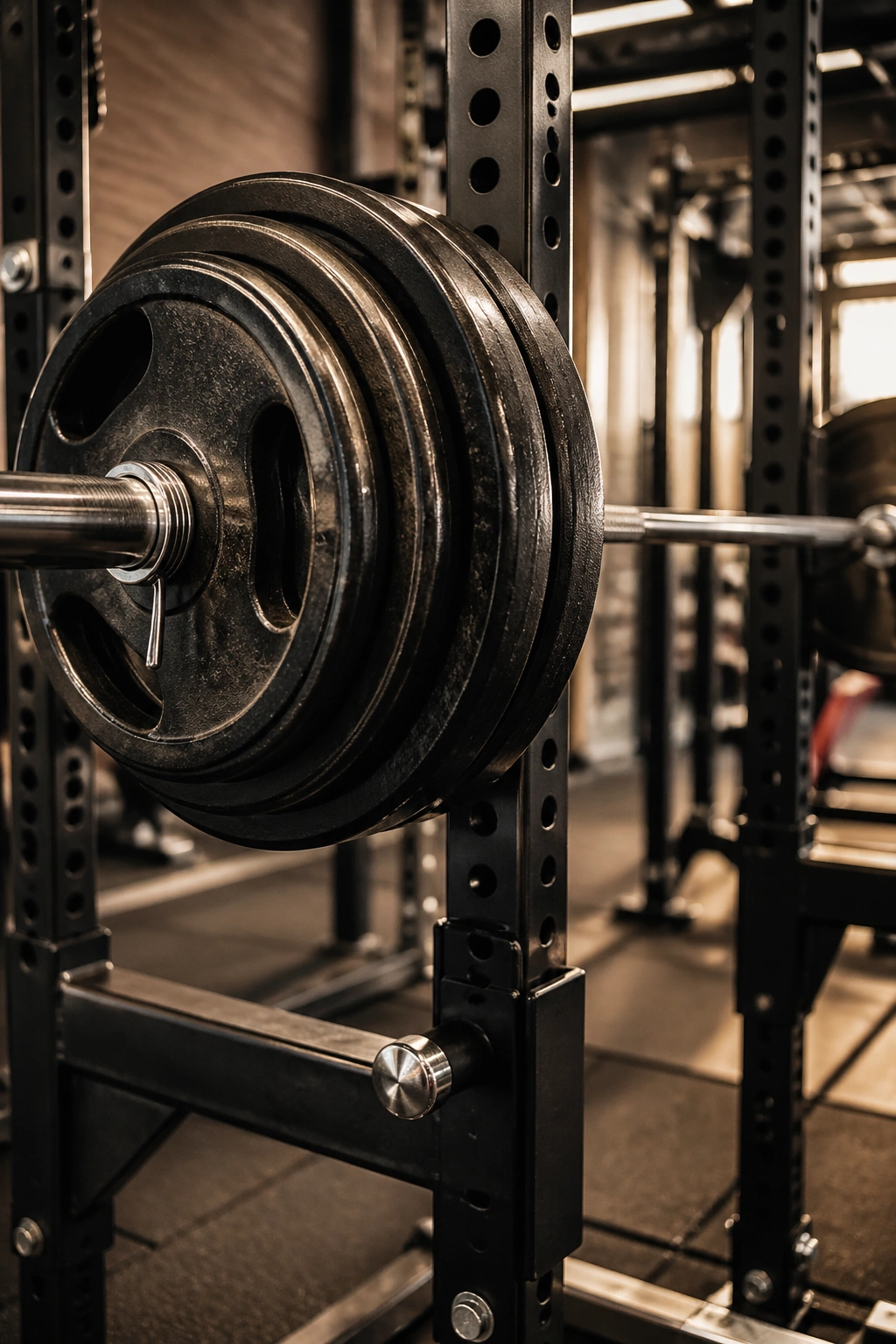
A good peak is not a panicked max-out session. It’s a short run of heavier singles, reduced fluff, and very clean practice with the exact lift you want to test.
Start 3 to 4 weeks out from the test day. Keep the main lift in the 1 to 3 rep range, with singles that feel like RPE 7 to 9 as the week gets closer. Cut accessory volume every week so you arrive fresh, not fried. Your warm-ups should feel snappy, and your work sets should look smooth on video if you happen to film them.
Food and sleep matter more here than people like to admit. Salt your meals, eat enough carbs the day before the test, and don’t stay up late pretending you can outrun biology. A strong peak feels calm, almost boring, until the bar loads up and the whole thing turns real. That is the point.
If you’re not sure which routine to run next, pick the simplest one that matches your life and keep it honest for eight solid weeks. Strength usually grows where the plan is clear, the weight is tracked, and the excuses get cut off early.
