



Oblique workouts get blamed for one thing they do not do: melt fat off the waist by themselves. That job still belongs to overall body fat loss, which is annoying, but there it is. The good news is that strong obliques do make a waist look tighter, help your posture sit cleaner, and give your midsection that firm, held-in look people usually mean when they say they want a sculpted waist.
The side muscles of your trunk do more than twist you toward a mirror. They brace when you carry groceries, keep you from tipping over in a heavy split squat, and stop your ribs from flaring when your breathing gets messy during hard training. A lot of people chase endless crunches and wonder why their core still feels weak. The missing piece is usually variety — some side-bending, some anti-rotation, some loaded carries, and a little rotational power.
No single move owns the whole job. Side planks are excellent. So are carries, chops, and a few carefully chosen rotation drills. Heavy dumbbell side bends can earn their place too, but only if you use them with control and do not turn every rep into a sloppy lean-and-heave situation.
Pick two or three of these moves after your main lift, or build a short core block with one isometric hold, one rotation drill, and one carry. That combination tends to feel a lot more useful than endless floor crunches, and your waist will usually feel it within a few weeks of consistent work. Start with the basics, then get sharper with the rest.
1. Side Plank Hold
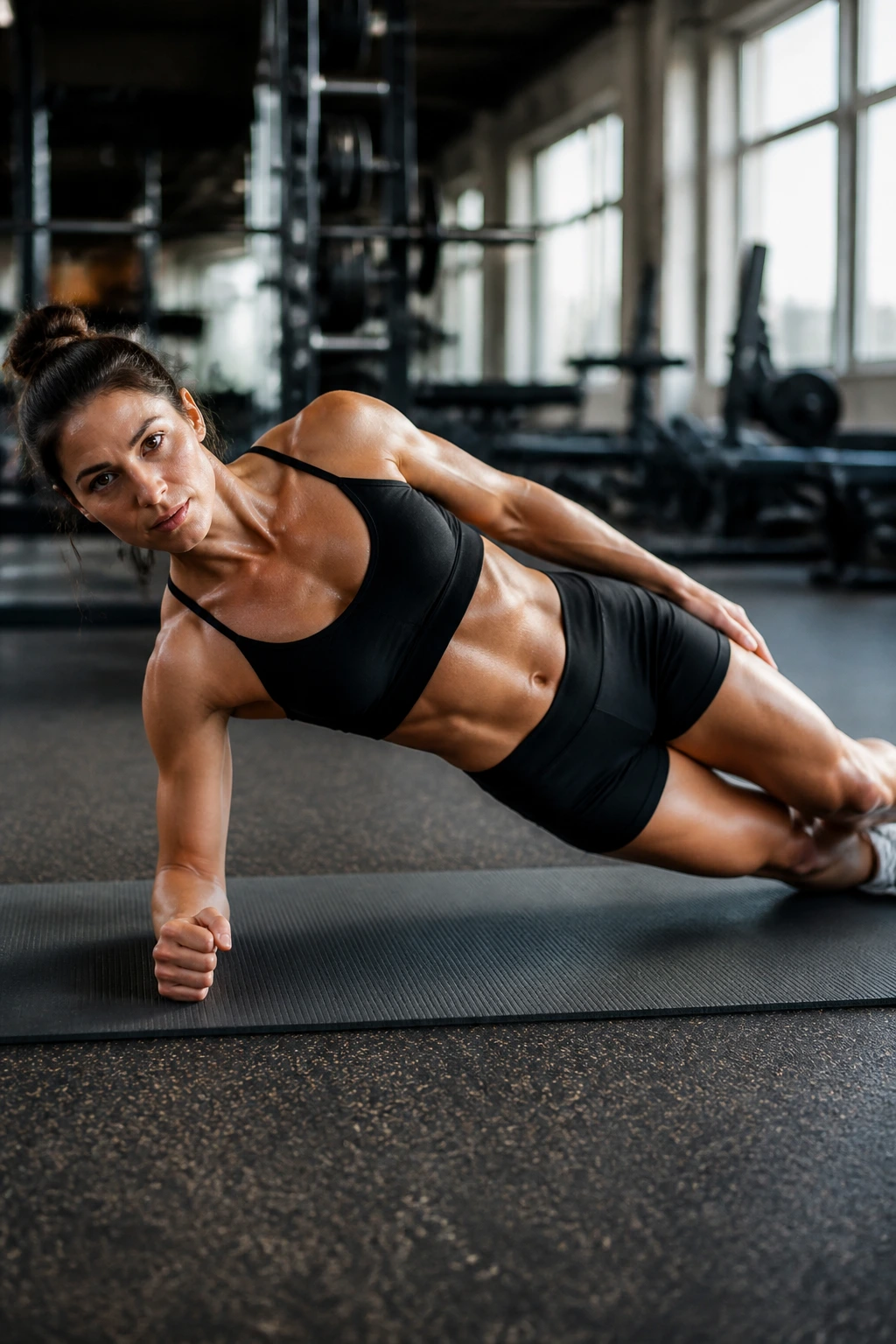
If I had to choose one oblique move for almost anyone, I’d start here. The side plank hold trains the waist to resist side-bending, which is a fancy way of saying your trunk learns how to stay stacked when gravity tries to pull you over.
Set your elbow directly under your shoulder and press the floor away. Your body should form a straight line from head to heel, and your top hip should stay lifted instead of sagging backward. Squeeze the glutes hard. That tiny cue makes the whole position feel steadier.
What to look for
- Hold for 20 to 40 seconds per side.
- Keep your neck long and your ribs down.
- Stop the set when your lower hip starts dropping.
- Use the bottom knee as a support if full planks are too much.
My favorite part: this move tells the truth fast. If your waist shakes like a leaf after 15 seconds, that’s useful information.
2. Side Plank Hip Dips
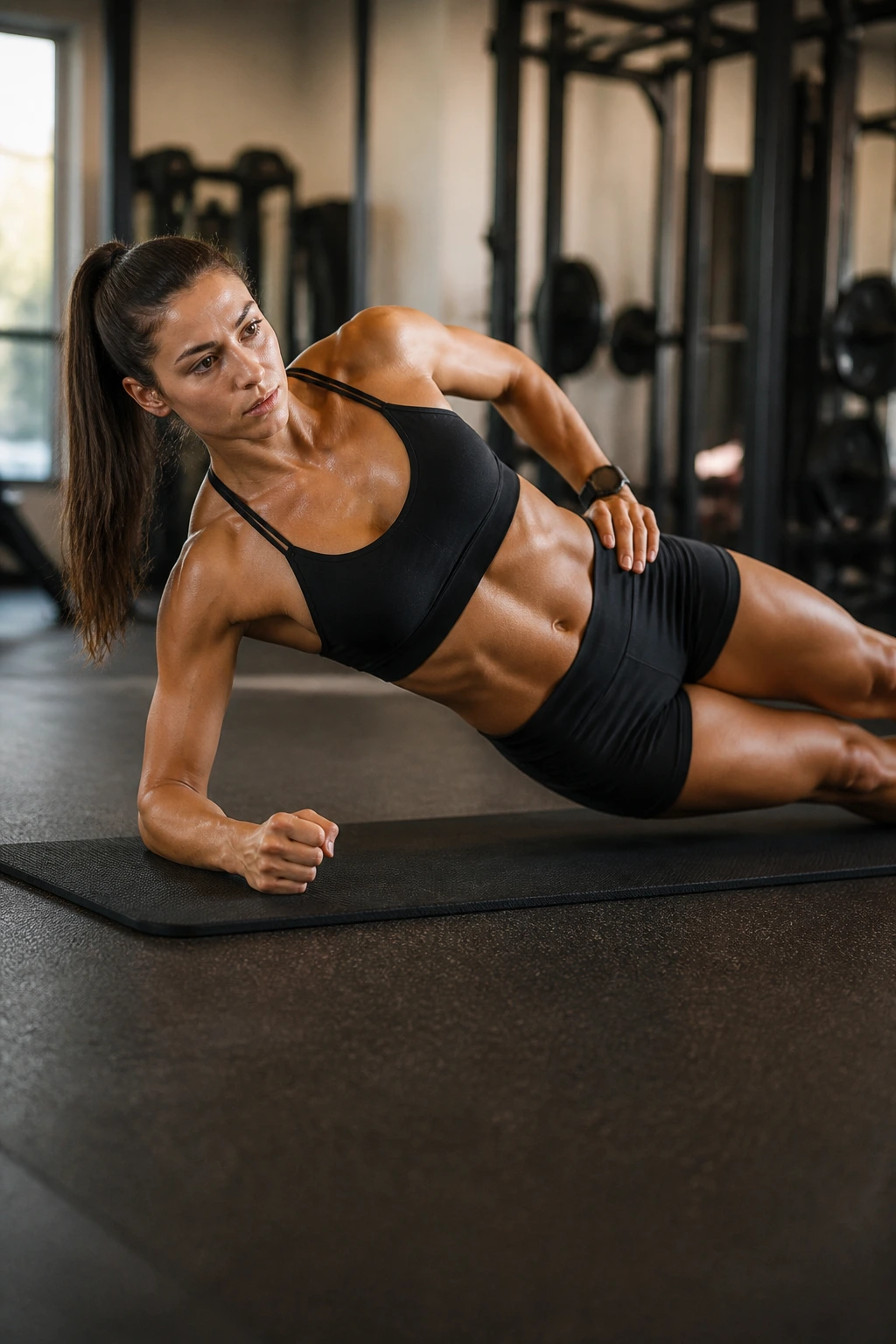
Why do hip dips matter? Because they turn the side plank into a moving drill instead of a static test. You lower the hip a few inches, then lift it back up using the obliques to control the motion instead of just hanging there.
The key is small range. Not dramatic. Not sloppy. Lower until you feel a stretch through the side waist, then drive the hip back up without throwing your shoulder out of place. If your torso wobbles all over the mat, the dip is probably too deep.
How to keep it honest
- Aim for 8 to 12 reps per side.
- Move slower on the way down than on the way up.
- Keep both feet stacked or staggered for balance.
- Think “lift from the waist,” not “kick from the legs.”
This one burns fast. Good. That’s the point.
3. Side Plank Reach-Through
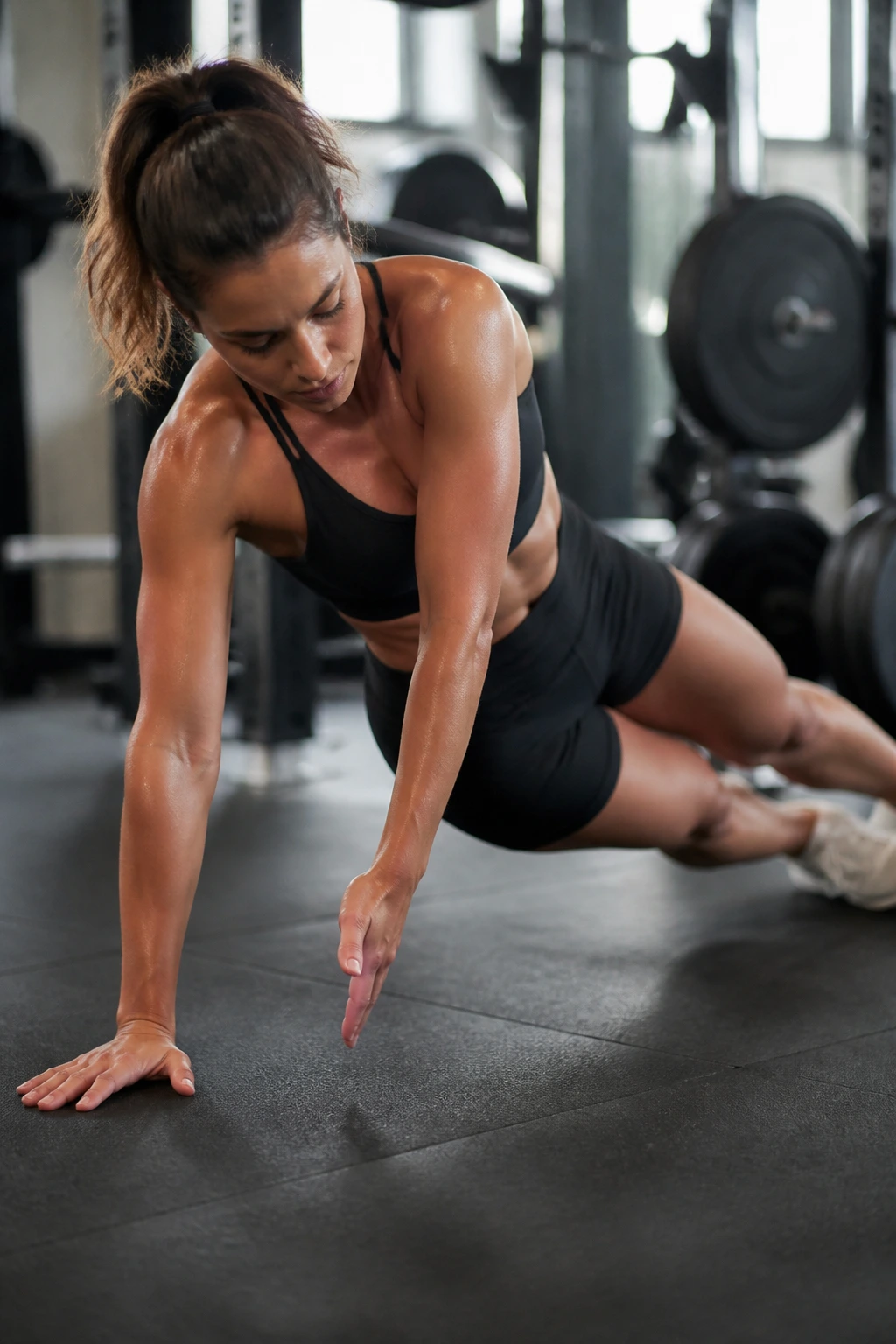
A side plank reach-through feels a little more athletic, and I like it for people who get bored easily. From a side plank, you thread your top arm under your torso, then open back up as if you’re pulling a rope through a narrow doorway.
The motion should come from the ribcage and upper torso, not from flinging the arm around. If the shoulder does all the work, the obliques miss the message. Keep your hips steady and your eyes following the hand as it reaches under.
Quick cues
- Try 6 to 10 slow reps per side.
- Exhale as you rotate open.
- Keep the lower hip lifted the whole time.
- Use a bent-knee version if the full plank feels shaky.
It’s a small move. It should still feel hard.
4. Bicycle Crunch
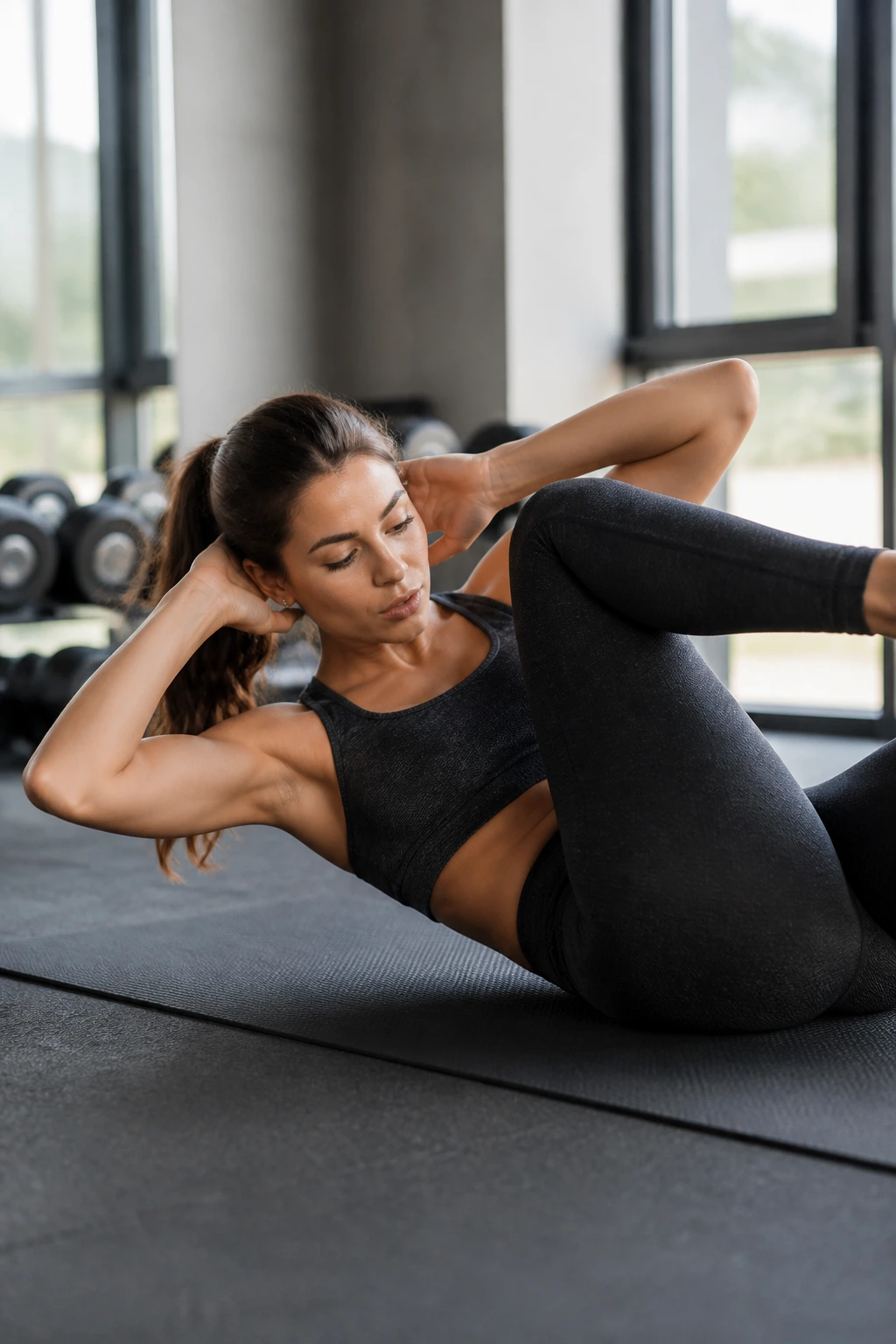
Bicycle crunches get mocked because people do them like they’re trying to pedal off a cliff. Done that way, they become a hip-flexor mess. Done slowly, with a real twist, they can hit the obliques hard.
Bring one knee toward the opposite elbow, but do not pull your neck forward to force the touch. Keep your chest open and rotate the ribcage instead of yanking with the arms. The best versions of this move look almost boring. That’s usually a sign the body is doing the work, not the momentum.
Practical details
- Use 10 to 20 total reps per side.
- Keep the lower back pressed into the floor.
- Move in a smooth, deliberate rhythm.
- Stop if your neck starts doing the job your abs should do.
Slow bicycles beat frantic bicycles every time. Every time.
5. Standing Cable Woodchop
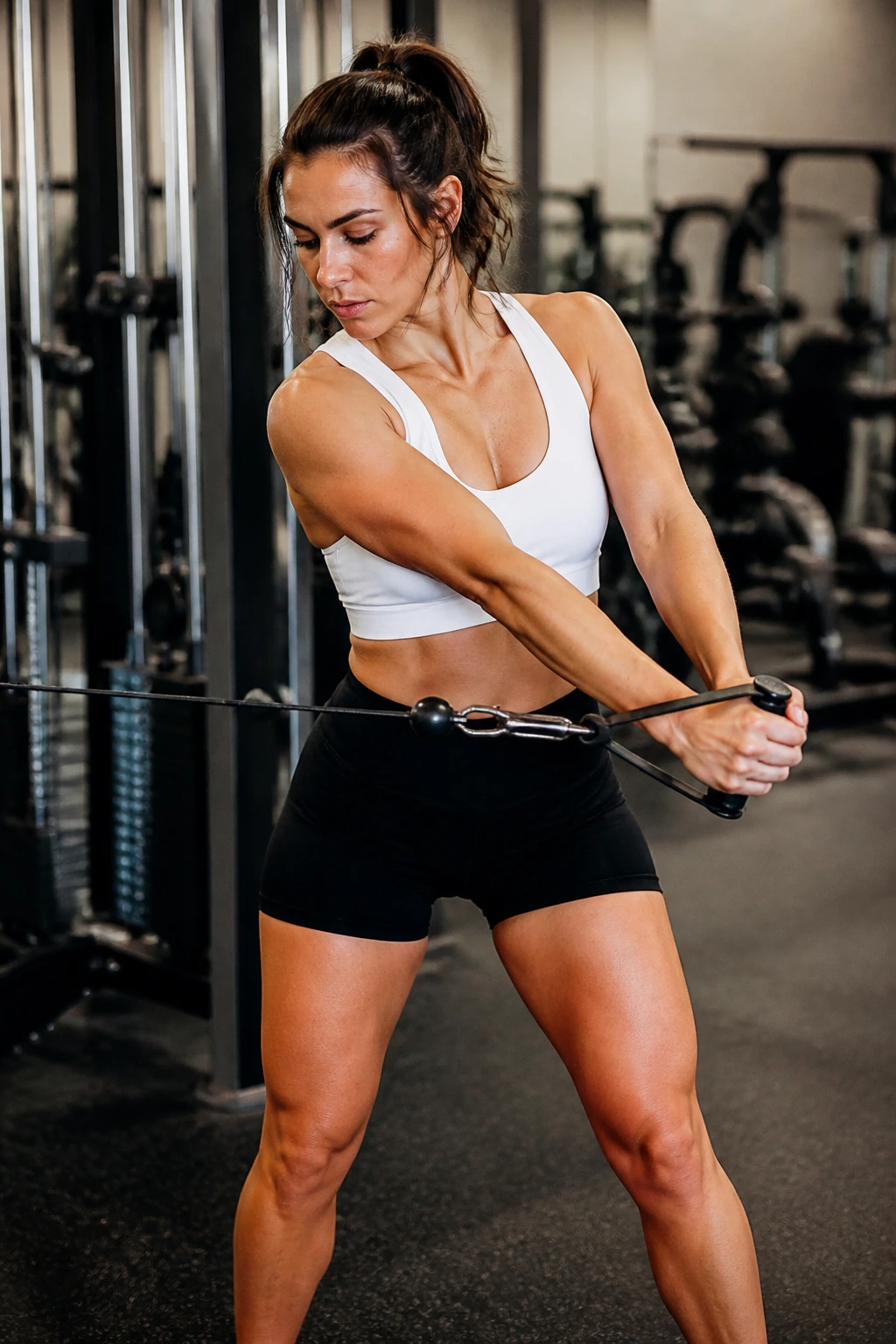
A standing cable woodchop is one of the cleanest oblique builders in the gym. It asks your trunk to rotate under control while the feet stay planted, which is a much more honest test than flinging a medicine ball around with no brakes.
Set the pulley high and pull the handle across your body toward the opposite hip. Let the torso and hips turn together, but keep the ribs from flying open. Exhale as you chop. That breath cue helps keep the waist tight and the movement crisp.
A good working set looks like this
- 3 sets of 8 to 12 reps per side.
- Moderate weight, not ego weight.
- Pause for a half second at the bottom.
- Reset fully before each rep.
If you want one gym move that feels strong and athletic at the same time, this is near the top of the list.
6. Half-Kneeling Cable Chop
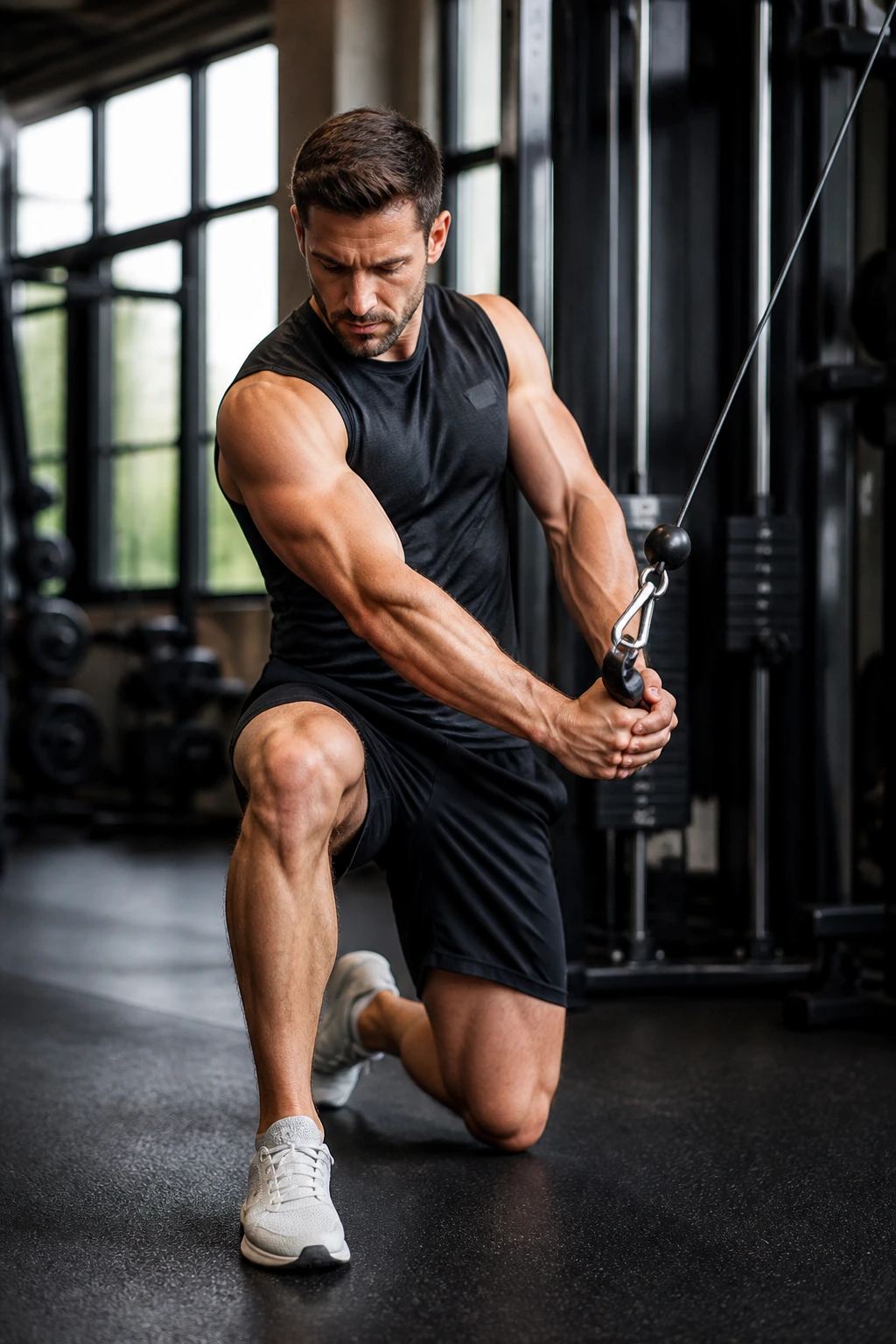
This version is cleaner than the standing chop, and that’s the whole reason I like it. One knee down takes the lower body cheating out of the equation, so the torso has nowhere to hide.
Keep the front foot flat, glute of the kneeling side switched on, and the cable moving from high to low across the body. The half-kneeling position forces better rib control, which matters more than most people think. Loose ribs make the waist look and feel looser too.
How to use it
- Work 8 to 10 reps per side.
- Go slower than you think you need to.
- Don’t let the back arch on the pull.
- Use a cable or strong resistance band.
This is one of those “less flashy, more useful” exercises. I’d take that trade all day.
7. Pallof Press
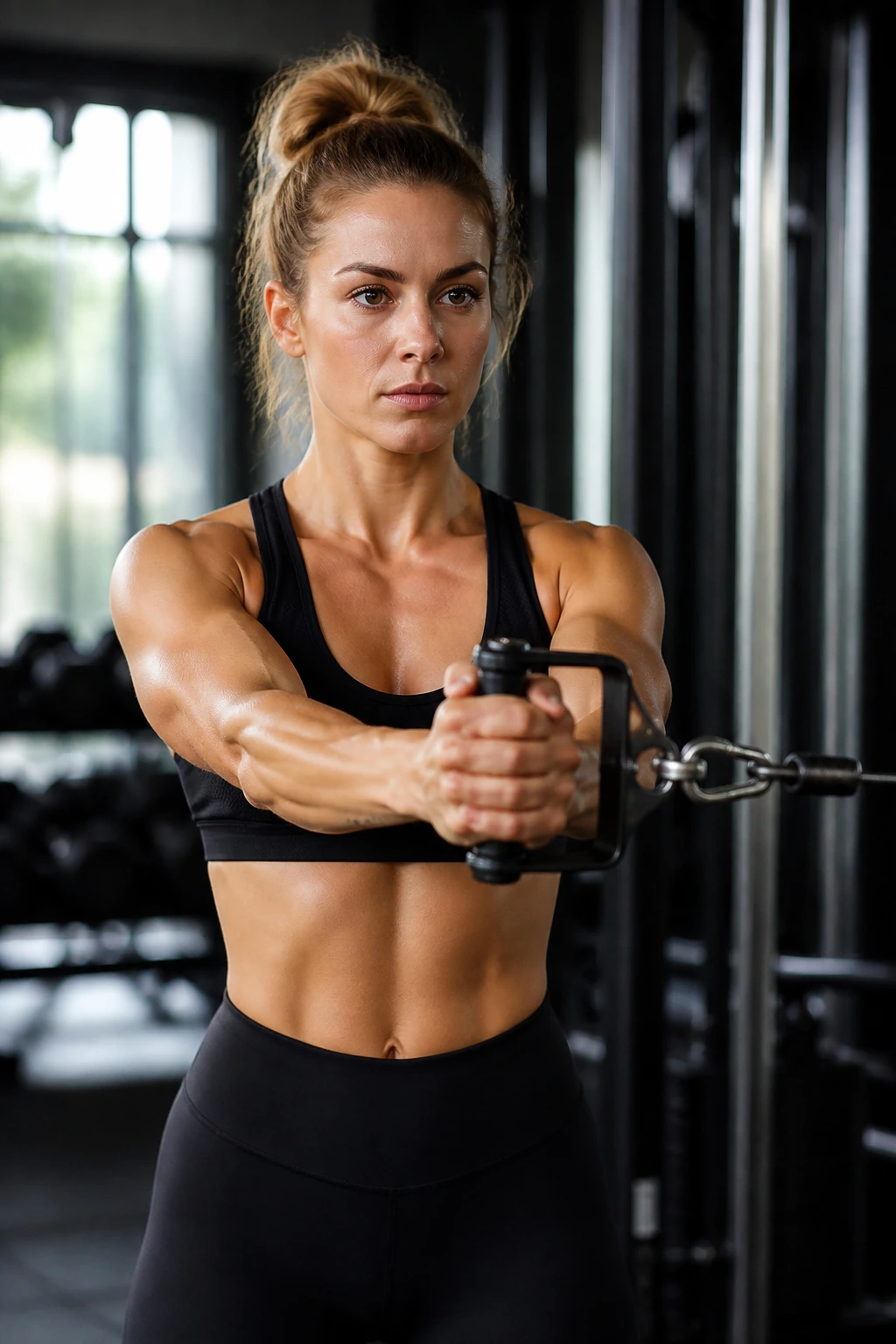
Why is a move that barely moves so good for the obliques? Because the obliques are not only rotators. They are also anti-rotation muscles, which means they fight the pull of a band or cable trying to twist you sideways.
Press the handle straight out from the chest, hold for a beat, then bring it back without letting the torso wobble. The waist should feel like a belt cinching down. If your shoulders shrug or your ribs flare, the load is too heavy.
How to load it
- Use 10 to 15 presses per side or 20-second holds.
- Stand tall with soft knees.
- Keep the feet planted and the hips square.
- The band or cable should feel annoying, not brutal.
What to watch for
- Don’t lean into the resistance.
- Don’t arch your lower back.
- Don’t rush the return.
Pallof presses are quiet little grinders. They work.
8. Suitcase Carry
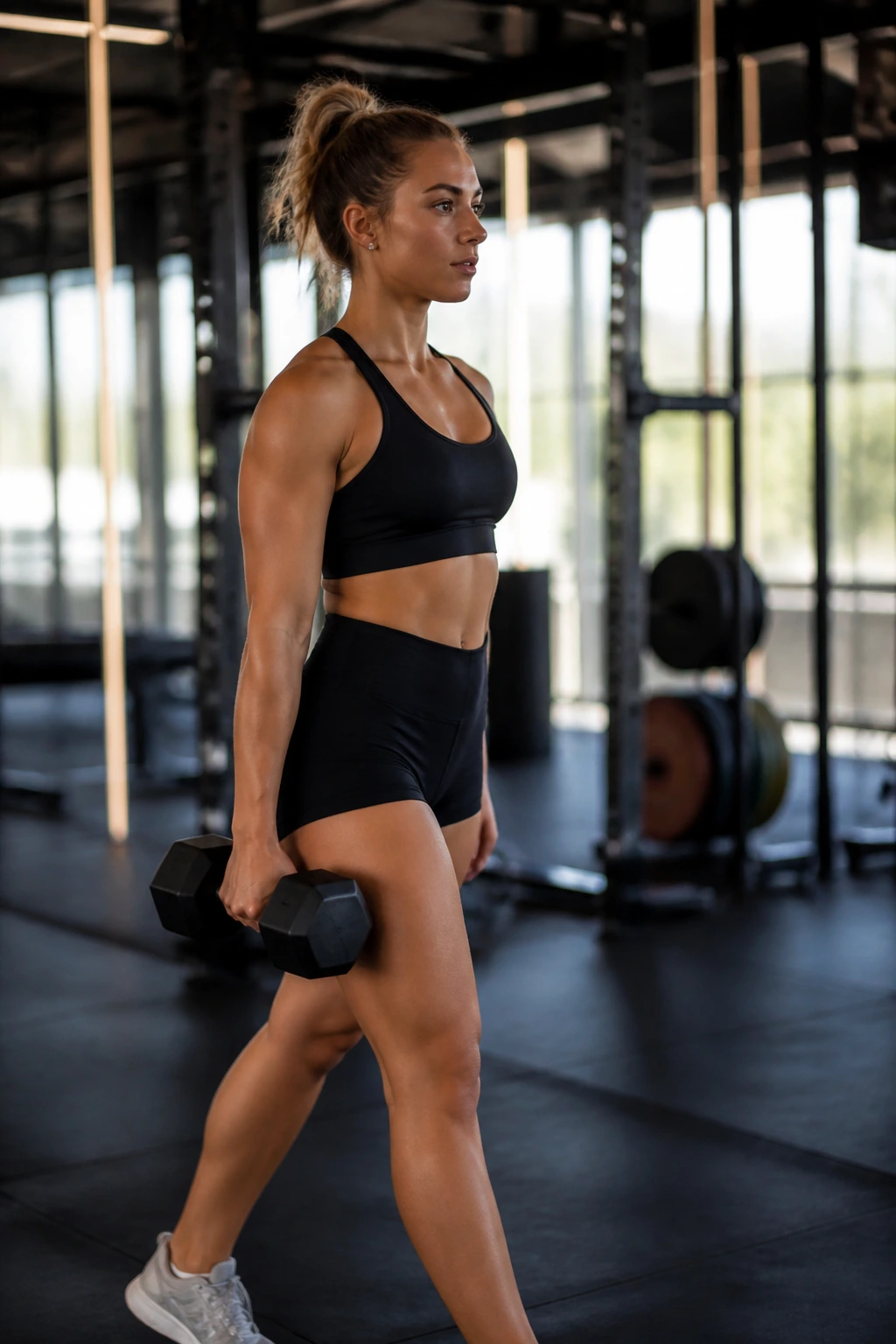
Walking with one heavy dumbbell at your side sounds too simple to matter. It is not. The suitcase carry lights up the obliques because your body has to stop the load from dragging you toward one side.
Stand tall, grip the weight hard, and walk with small, controlled steps. No leaning. No hip hitching. No drunken wobble. The best cue I know is to imagine a glass of water balanced on the top of your head — not because that sounds poetic, but because it keeps your torso honest.
- Carry for 20 to 40 yards or 20 to 30 seconds per side.
- Use a weight that challenges posture, not grip failure.
- Switch sides every set.
- Keep your shoulders level.
This one is gold for people who want a waist that feels braced in real life, not just on the floor.
9. Dumbbell Side Bend
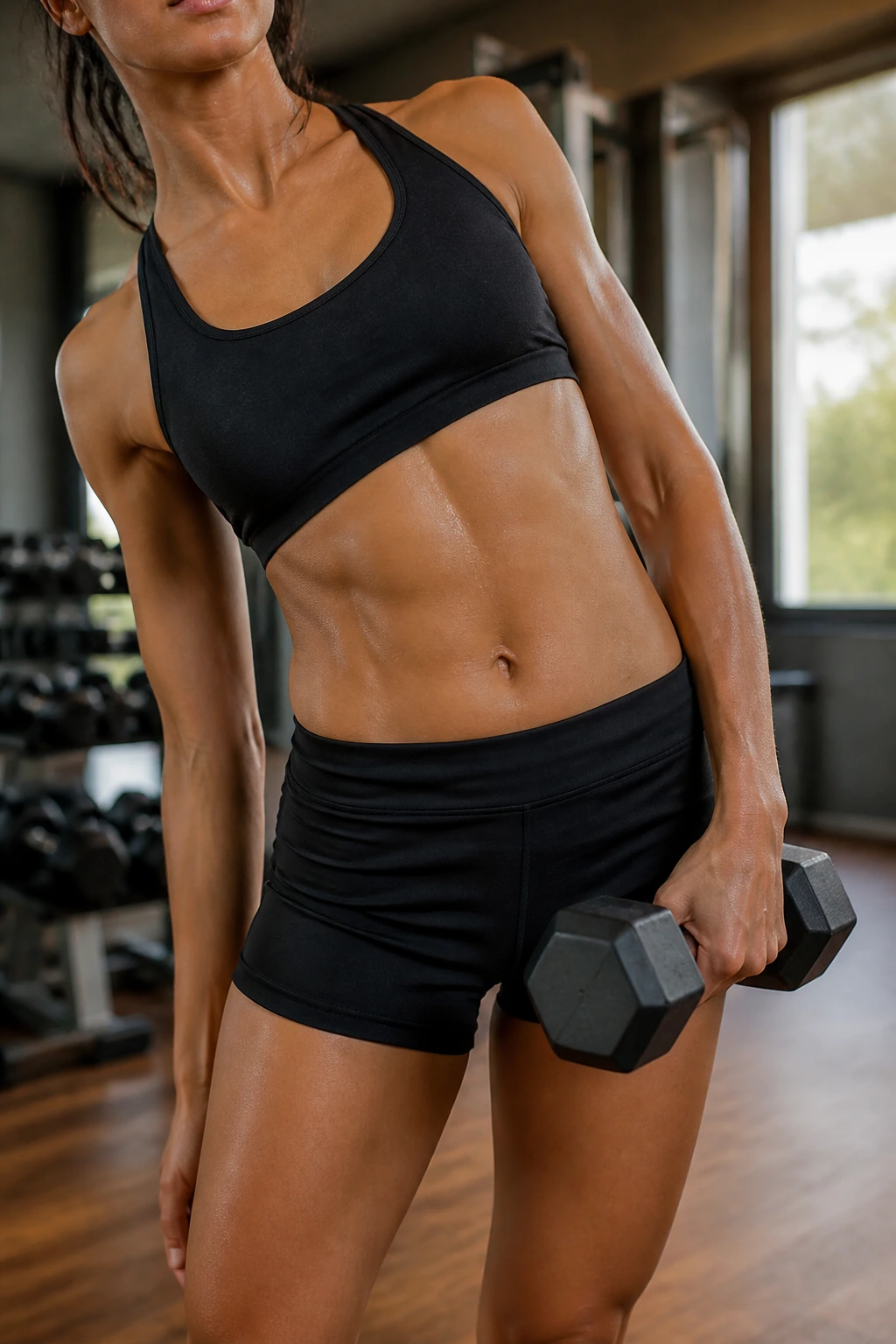
Yes, side bends belong on this list. The problem is not the exercise. The problem is the way people load it like they’re trying to collapse the whole side of their body into one rep.
Use a moderate dumbbell, keep your chest proud, and lower only as far as you can while staying in control. Then stand back up by squeezing the opposite side of the waist. The motion should feel smooth, not jerky. If you’re bouncing or swinging, the obliques have already lost the plot.
A good rule
- Use 8 to 12 reps per side.
- Pause briefly at the bottom stretch.
- Keep the neck neutral.
- Stop before the torso starts drifting forward.
Heavy side bends can be useful. Ugly side bends are a waste of time.
10. Russian Twist
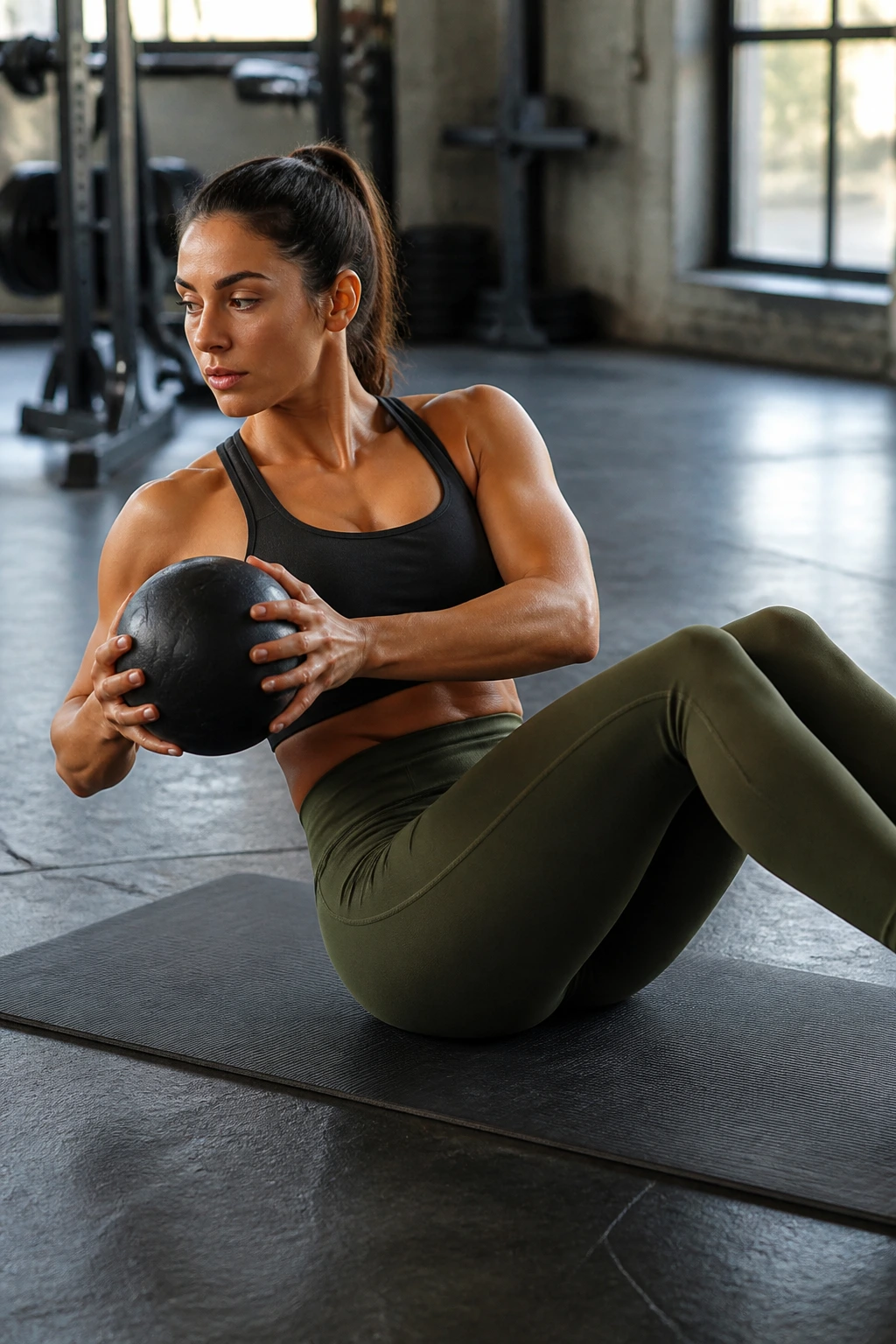
Russian twists can help build rotational control, but they’re also one of the easiest exercises to turn into a sloppy sit-and-flail session. Keep the chest lifted, the spine long, and the rotation coming from the torso instead of the arms.
A light plate or dumbbell is enough for most people. Lean back only as far as you can while keeping the low back stable. If your feet stay on the floor, fine. If you want more challenge, lift them — but only when you can keep the motion clean.
The useful version is slow, measured, and a little uncomfortable. The useless version is fast enough to make the floor shake.
Practical target
- Try 12 to 20 total twists.
- Rotate side to side with control.
- Keep the weight close to the chest.
- Breathe out on each turn.
11. Cross-Body Mountain Climbers
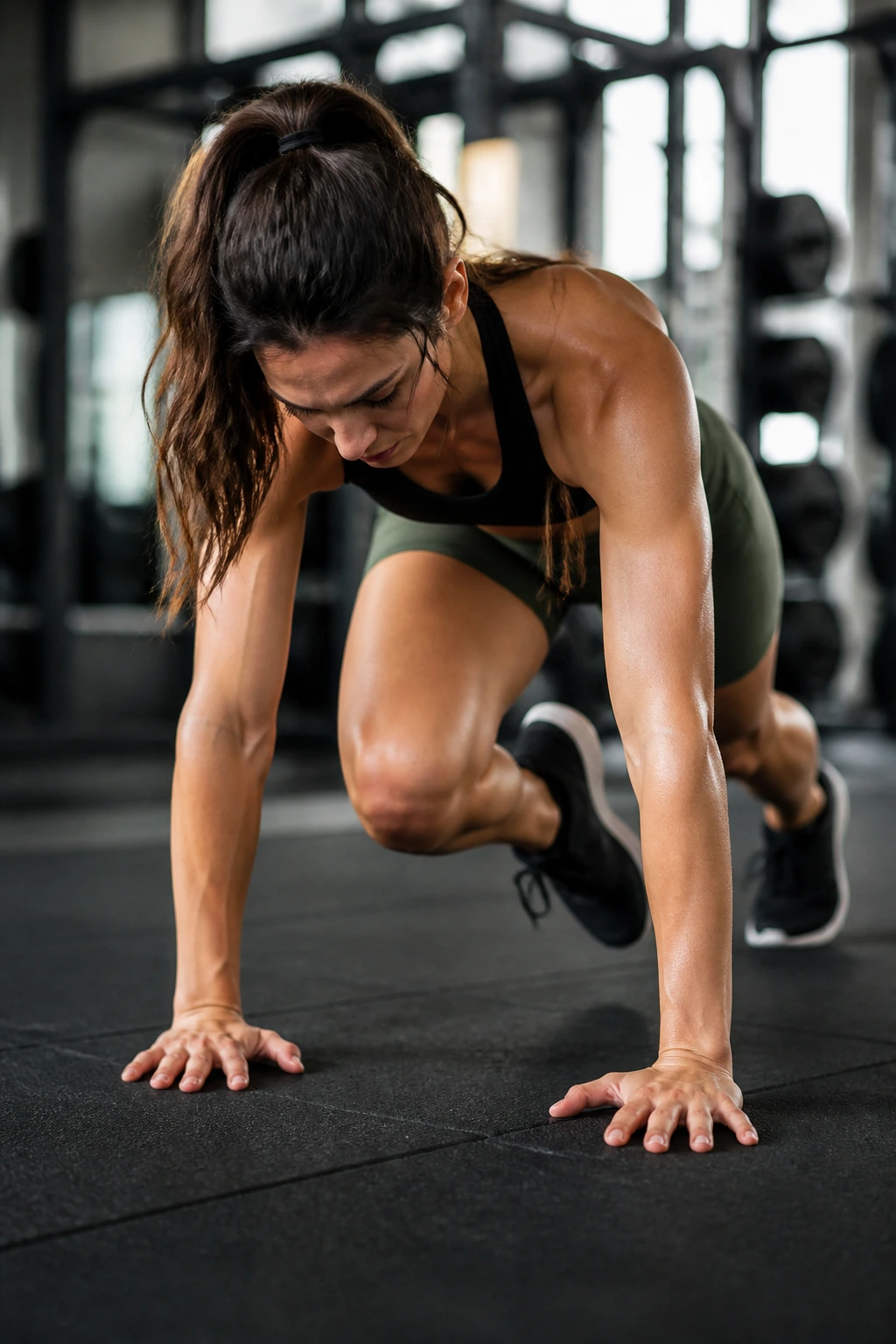
Cross-body mountain climbers are part core drill, part cardio, part humble reminder that your midsection is not as special as it thinks it is. Drive one knee toward the opposite elbow while the shoulders stay stacked over the hands.
The obliques fire to stop the hips from rolling all over the place. That’s the magic here. You are not chasing speed first. You are chasing control first, then speed later if the form holds up.
Good way to do them
- Work for 20 to 40 seconds.
- Keep the shoulders quiet.
- Bring the knee across, not just straight forward.
- Slow down if the low back starts sagging.
This is a sneaky finisher. It starts as core work and ends with your breathing getting loud.
12. Hanging Knee Raise with Twist
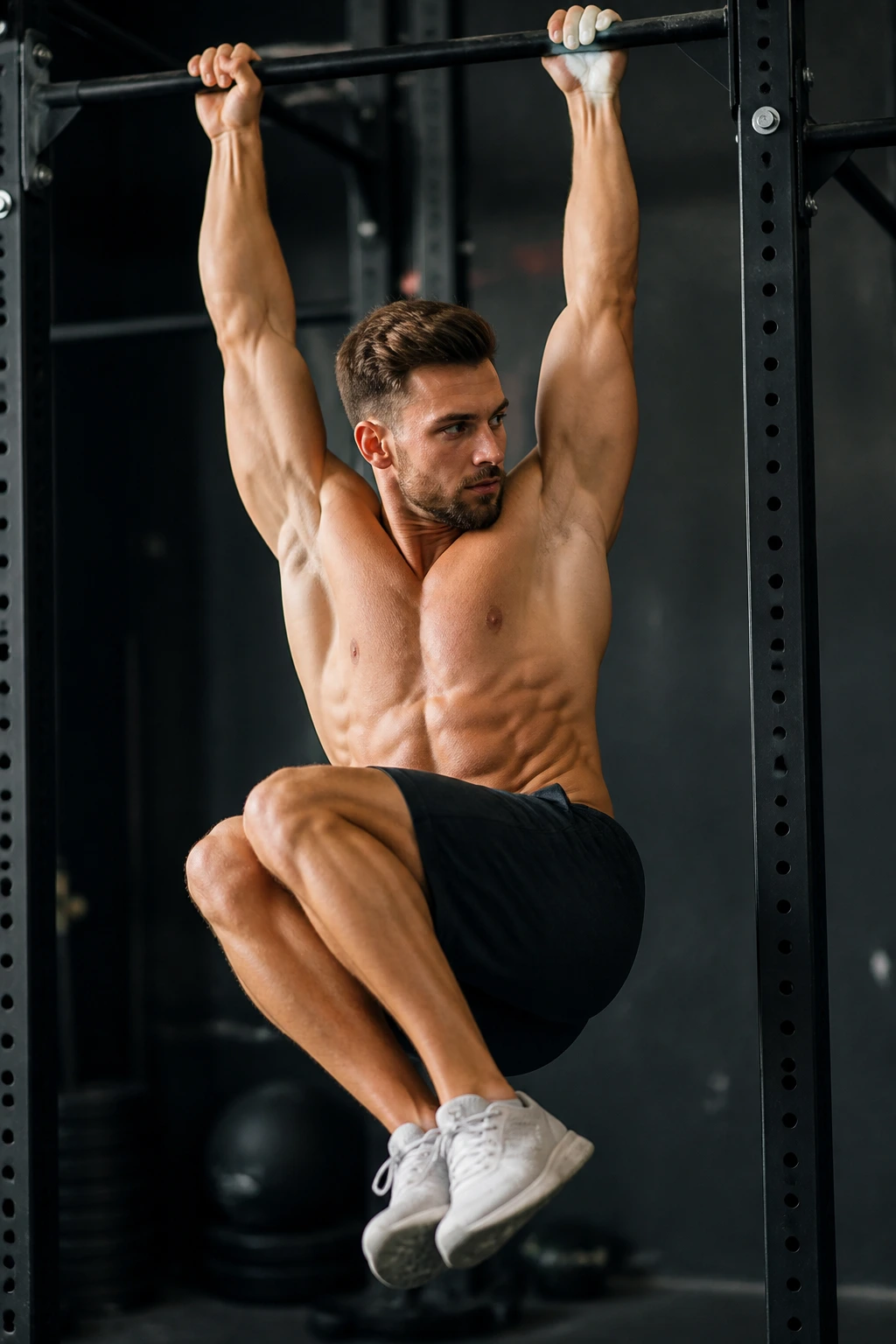
If you have a pull-up bar and decent grip strength, the hanging knee raise with twist is a smart way to hit the lower abs and obliques together. The trick is to keep the swing small. Bigger is not better here.
Hang tall, brace the midsection, then raise the knees toward one side of the torso. You do not need to whip the legs. In fact, whipping them usually means the hips are stealing the reps. Think of it as a controlled tuck with a little rotation at the top.
What helps
- Use 6 to 12 reps per side.
- Start with bent knees, not straight legs.
- Pause at the top for a beat.
- Lower under control, even when you want to drop.
What to watch for
- No swinging.
- No shrugging into the ears.
- No forcing a huge twist.
Small, strict reps win here.
13. Medicine Ball Side Toss
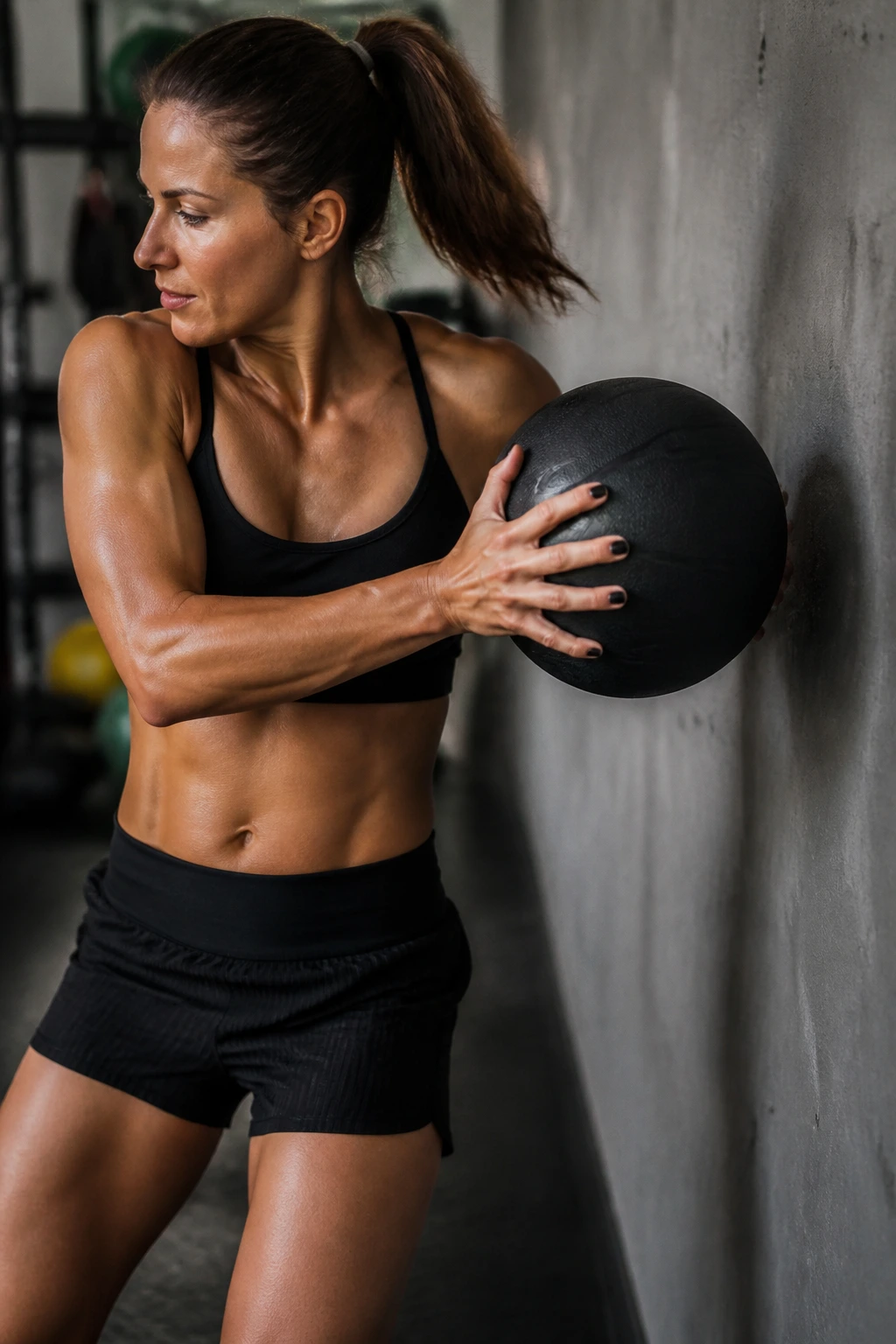
If you want a move that feels athletic from the first throw, this is it. The medicine ball side toss works best near a solid wall or rebound surface, where you can rotate, throw, catch, and reset without rushing the motion.
Stand sideways to the wall, load the hips, then throw the ball across your body with a sharp twist. Catch softly. The obliques and hips should work together, which is why this drill feels much more alive than a floor crunch.
Key details
- Use a ball you can throw hard for 5 to 8 reps per side.
- Keep the knees slightly bent.
- Rotate through the torso and hips together.
- Catch with soft hands and a braced core.
A well-thrown side toss feels snappy. A bad one feels like you’re tossing your spine around. Different story entirely.
14. Dead Bug with Opposite-Arm Reach
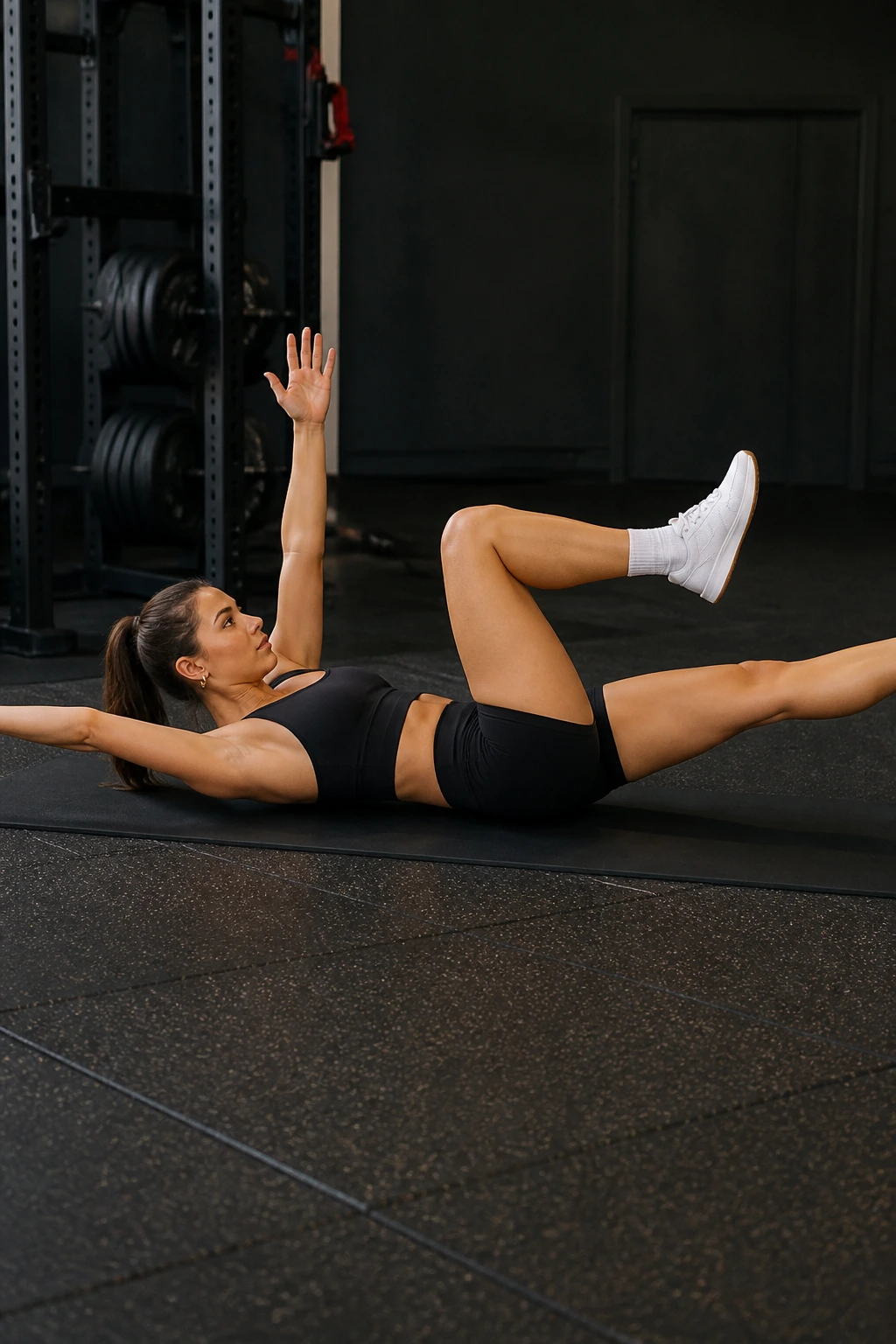
How can a slow floor drill train the waist? By forcing the obliques to stop the ribs from flaring while the opposite arm and leg reach away from each other. That restraint is the whole game.
Lie on your back, press the lower back gently into the floor, then extend one leg and the opposite arm. Reach long, not fast. The torso should stay quiet while the limbs move. If your back arches, shorten the range and slow the tempo.
How I’d program it
- Use 6 to 10 reps per side.
- Exhale as the arm and leg extend.
- Keep the chin slightly tucked.
- Reset fully before the next rep.
This one is not flashy. It is useful, though, and that counts more.
15. Plank Hip Taps
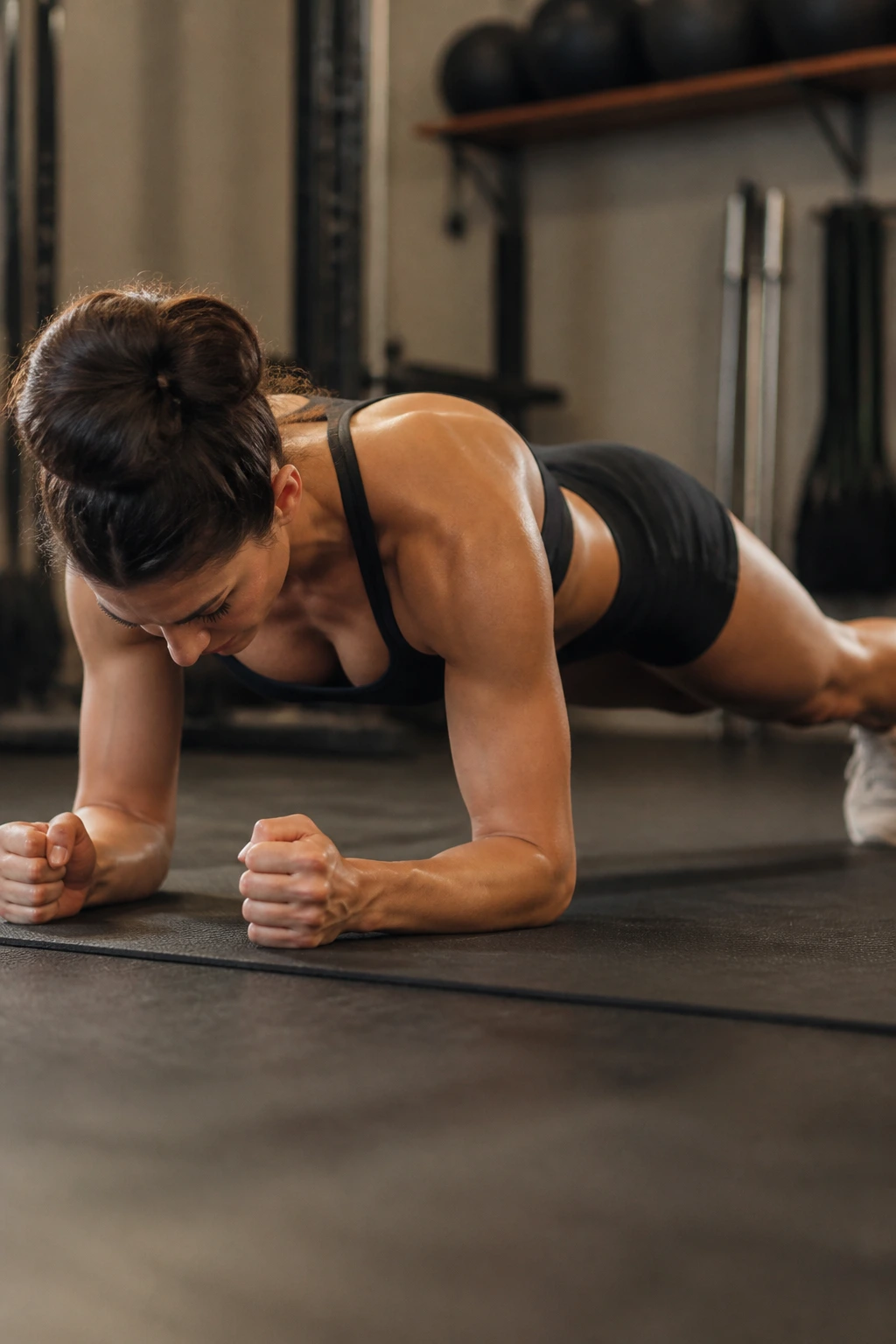
Plank hip taps take a basic front plank and add a little side-to-side motion that wakes up the obliques without needing much space or equipment. Start in a forearm plank, then lower one hip toward the floor and tap lightly before coming back to center.
The tap should be tiny. If you sink so low that your shoulders wobble or your lower back pinches, you’ve gone too far. The goal is control, not a dramatic range of motion.
- Try 10 to 20 taps total.
- Keep the elbows under the shoulders.
- Move the hips, not the whole body.
- Stay braced through the middle.
This is one of the best lunch-break core moves around. No setup. No excuses.
16. Stability Ball Side Crunch
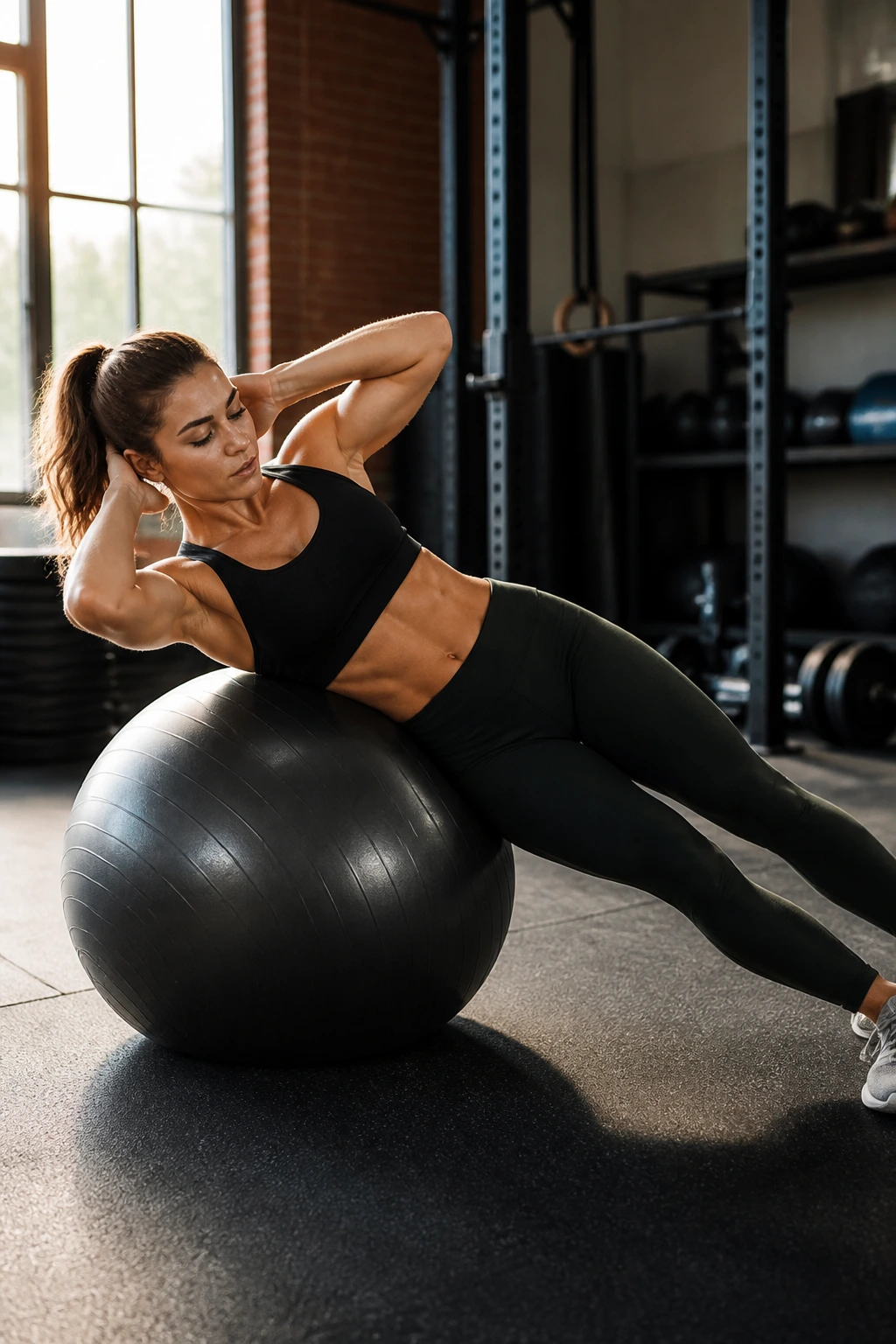
The stability ball side crunch looks simple, but the ball changes the whole feel. Your waist stretches over the curve, then contracts hard on the way up, and that longer range can be useful if you keep the motion clean.
Lie sideways over the ball with your feet anchored, then crunch the ribcage toward the hip on the same side. Do not yank the neck. Do not fling the torso. You want a tight squeeze through the side wall, almost like the ribs are closing toward the pelvis.
Useful details
- Aim for 10 to 15 reps per side.
- Use a slow lower, then a crisp lift.
- Keep the chin slightly tucked.
- Stop if the ball shifts around too much.
It feels awkward at first. Then it starts to feel like one of the better oblique isolation tools in the room.
17. Landmine Rotation
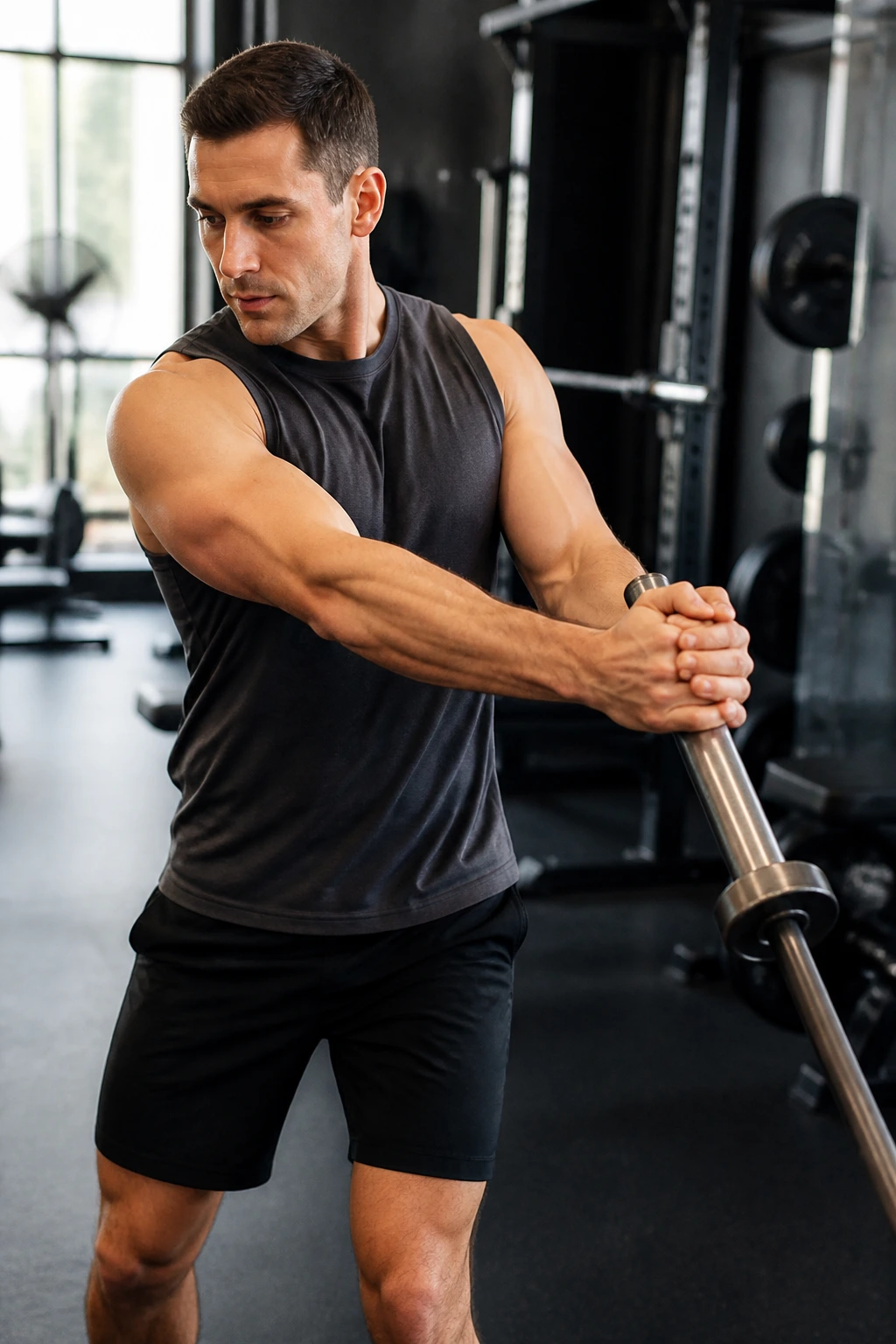
This is the closest thing to paid oblique work in a gym. A landmine rotation gives you a controlled arc with load, which makes the torso work hard without the chaos you get from sloppy free rotation.
Stand with both hands on the bar end, brace the core, and rotate the bar across the body in a sweeping path. The hips may turn a bit, but the waist should do the real work. Keep the movement smooth enough that you can feel every inch of the path.
A strong setup
- Use 8 to 12 reps per side.
- Start with a light bar load.
- Keep the feet planted.
- Rotate through the trunk, not just the shoulders.
When people ask me for one rotational move that feels powerful without looking silly, this one comes up fast.
18. Single-Arm Overhead Carry
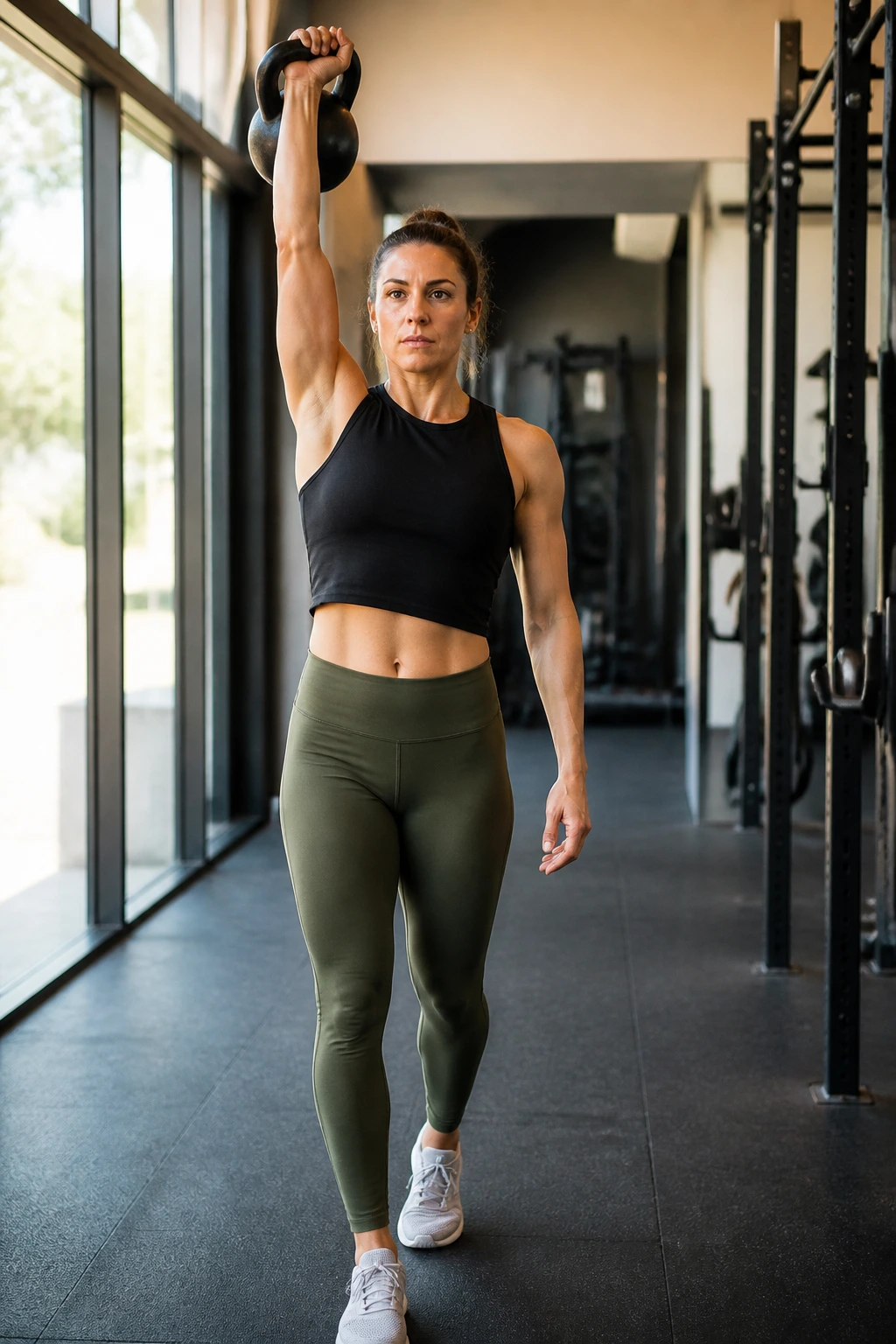
A single-arm overhead carry is a mean little test of the obliques because the weight is not only pulling you sideways — it is trying to tip your ribcage open too. Your job is to keep everything stacked.
Press one dumbbell or kettlebell overhead, lock the elbow, and walk slowly. The loaded side wants to drag the shoulder down and the opposite side wants to flare. The waist has to fight both. That makes this carry excellent for posture, shoulder stability, and trunk strength all at once.
Use it like this
- Walk for 20 to 30 seconds per side.
- Choose a light-to-moderate weight first.
- Keep the wrist over the shoulder.
- Stay tall through the crown of the head.
This one punishes lazy posture. Fair enough.
19. Offset Goblet Squat
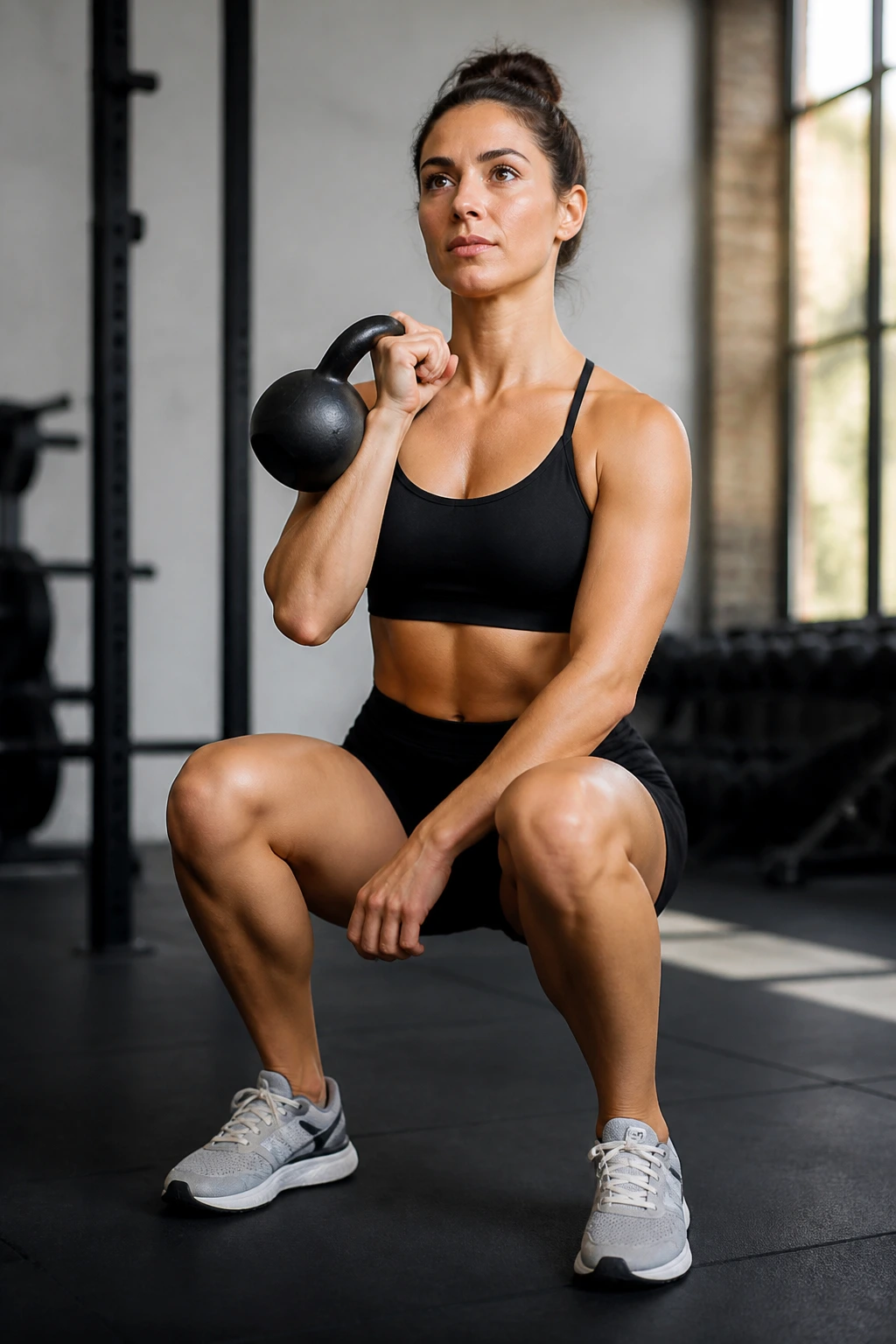
An offset goblet squat sounds small, but the off-center load makes your torso work much harder than a regular squat. Hold the kettlebell or dumbbell slightly to one side of the center line, then squat while resisting the urge to lean.
The legs do the obvious work. The obliques do the quiet work. That’s why I like this variation: it sneaks core training into a lower-body drill without turning the whole session into a circus.
Good form cues
- Use 6 to 10 reps per side.
- Keep the chest up and ribs stacked.
- Hold the weight close to the body.
- Switch the load to the other side after each set.
If you want a waist challenge that also feeds your legs, this is a smart pick.
20. Standing Band Rotation
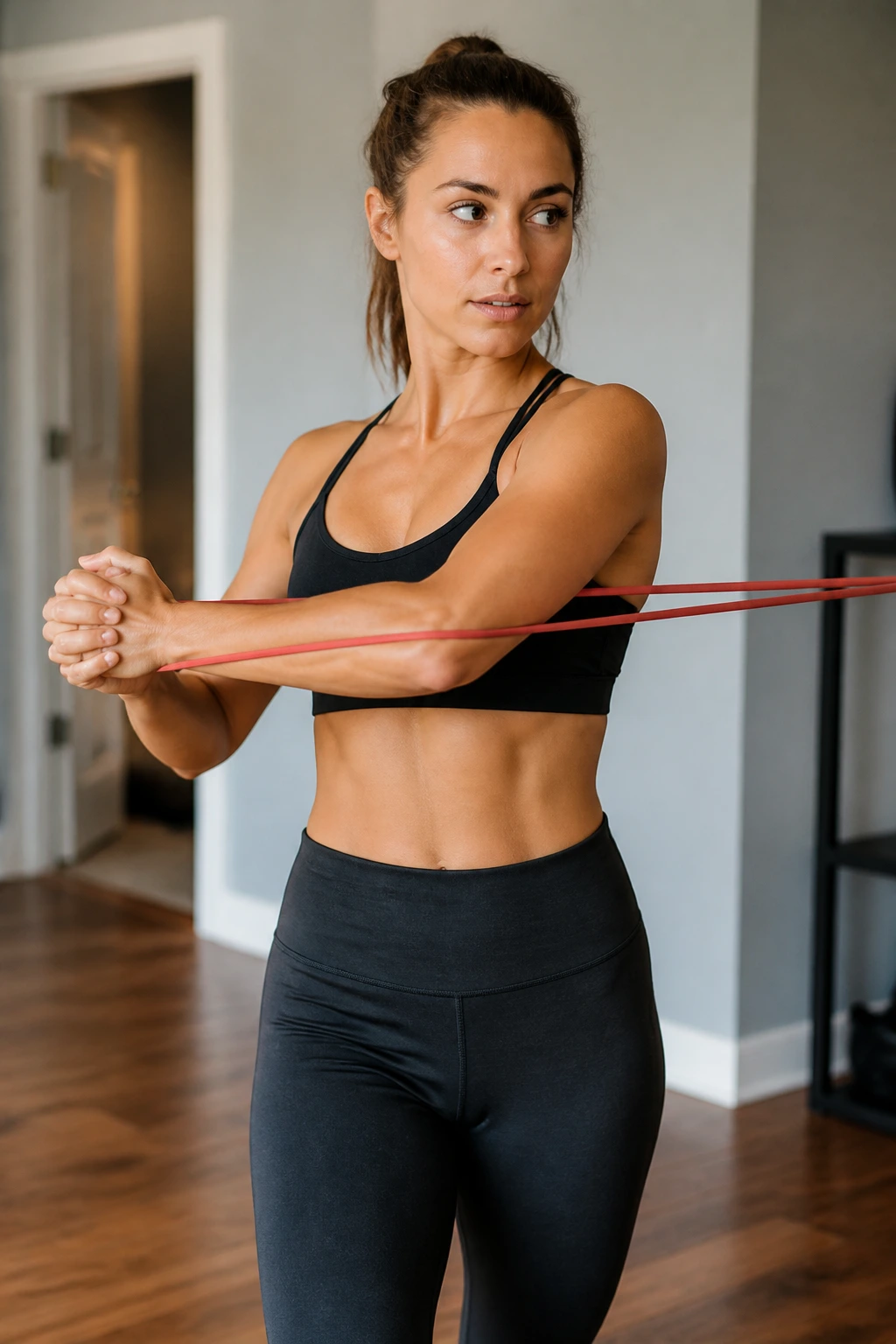
A standing band rotation is a simple home option that still delivers. Anchor a band at chest height, hold it with both hands, and rotate your torso away from the anchor while keeping your feet planted.
The band wants to pull you back to center. Your obliques resist that pull on the way out and control the return. Because the resistance changes through the range, the rep should feel smooth, not yanked.
Easy rules
- Use 10 to 15 reps per side.
- Keep the hips from spinning wildly.
- Exhale as you rotate.
- Return slowly, not with a snap.
A good band rotation leaves the side waist warm without beating up the joints. That is useful.
21. Bear Crawl Shoulder Tap
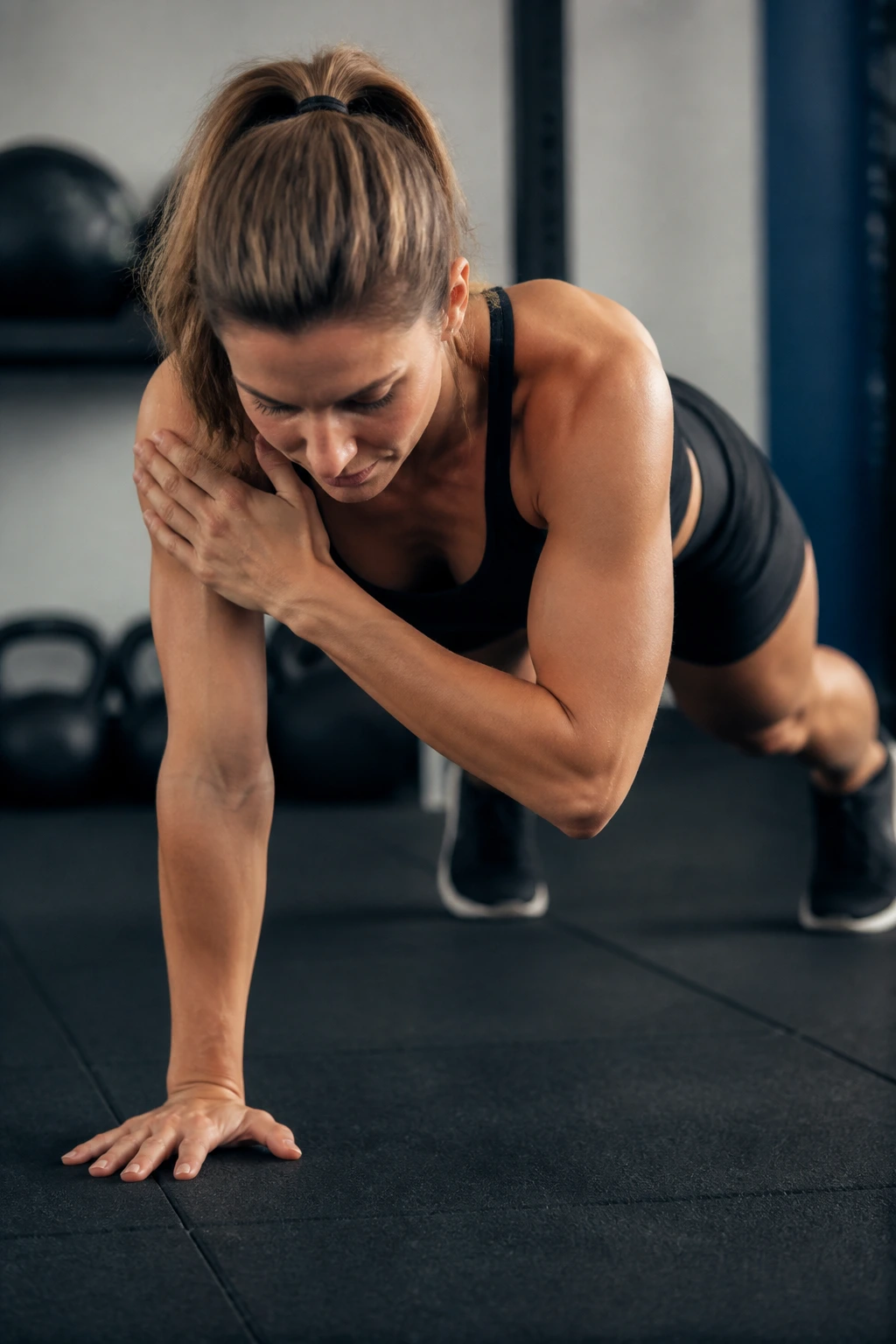
Can a crawl train the waist? Absolutely. In the bear crawl shoulder tap, the trunk has to stay almost still while one hand leaves the floor long enough to tap the opposite shoulder. That tiny shift makes the obliques work hard.
Start on hands and toes with knees hovering an inch or two off the floor. Tap one shoulder, place the hand back down, then switch sides. If the hips rock side to side like a boat, slow down and widen the feet a bit.
How to scale it
- Try 10 taps per side.
- Keep the knees low.
- Move one tap at a time.
- Hold the torso steady on purpose.
This move is sneaky. You do a few clean reps and suddenly your middle feels much less casual.
22. Windshield Wiper
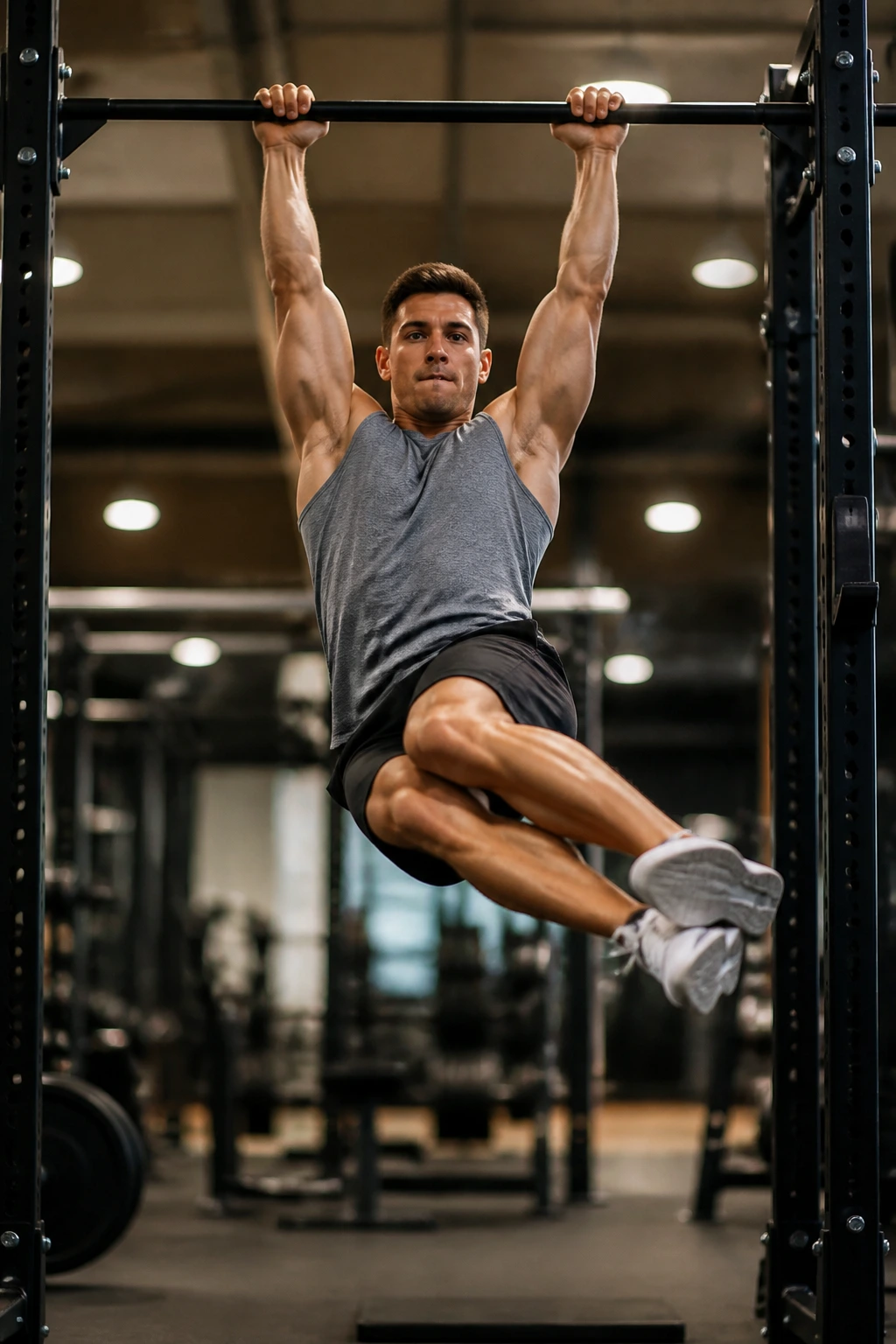
Windshield wipers are not beginner-friendly, and I’m glad they aren’t. They ask a lot from the obliques, the lower abs, and the shoulders if you’re hanging from a bar. The reward is a deep rotation challenge that feels clean when done well.
Start with bent knees if full straight-leg wipers are too much. Let the legs drop side to side in a controlled arc, and keep the swing from taking over. If you lose the lower back, shorten the range immediately. No ego here.
Important caution
- Use 4 to 8 reps per side.
- Bent knees make the drill much more manageable.
- Stop before the lumbar spine arches hard.
- Quality beats range every time.
This is the kind of move you earn, not the kind you force.
23. Heel Tap Crunch
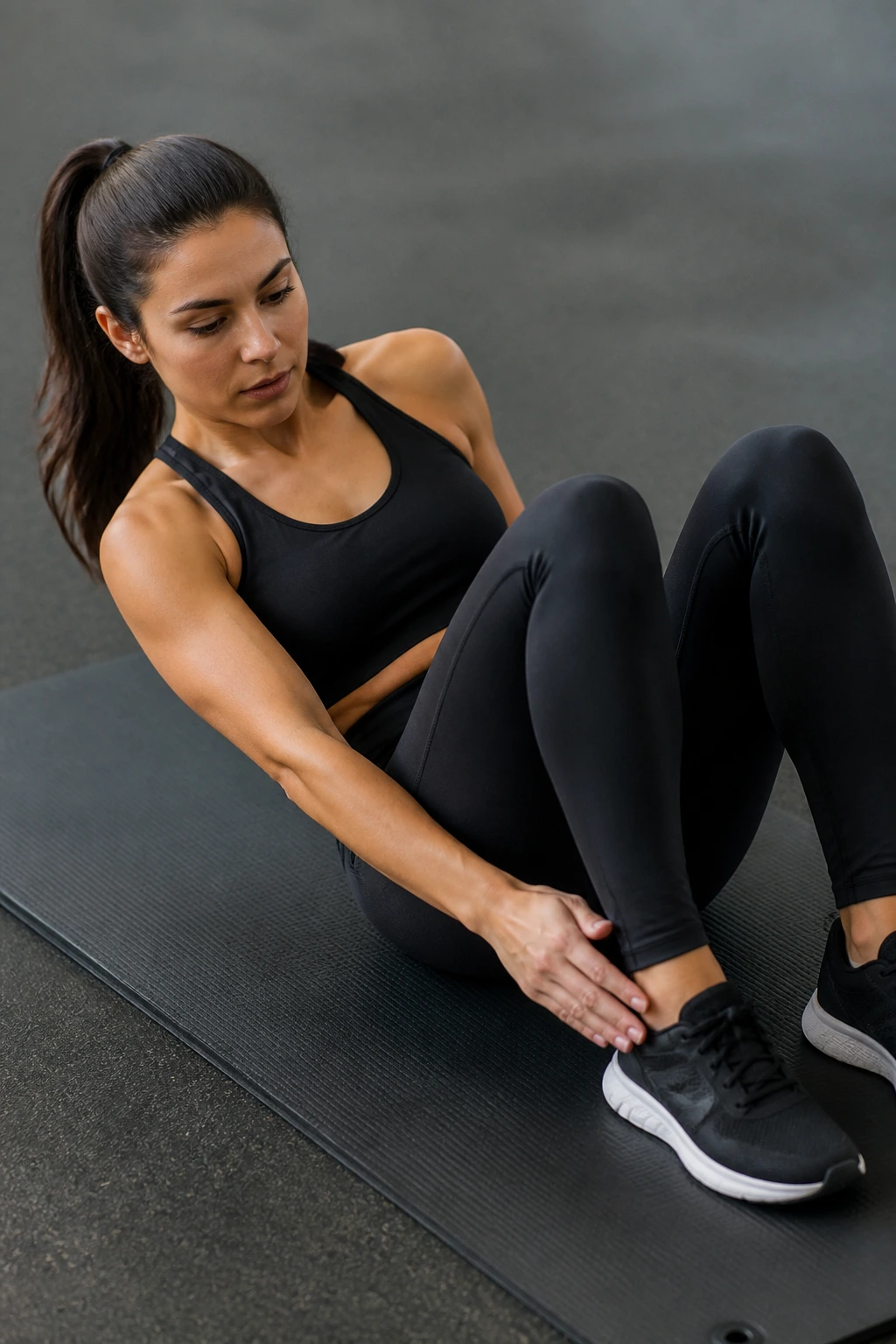
Heel tap crunches are old-school, and they still work. Lie on your back with knees bent, reach one hand toward the same-side heel, then switch. The side bend through the torso gives the obliques a job, while the abs keep the ribcage from popping up.
The motion is short and controlled. You are not trying to touch the heels by flinging your shoulders off the floor. You’re aiming for a small crunch and a slight side reach, with the lower back staying grounded.
Good numbers
- Use 15 to 20 total taps.
- Move in a steady rhythm.
- Keep the head and neck relaxed.
- Breathe out as you crunch.
It looks easy. It is not, once you do it with strict form.
24. Bird Dog Row
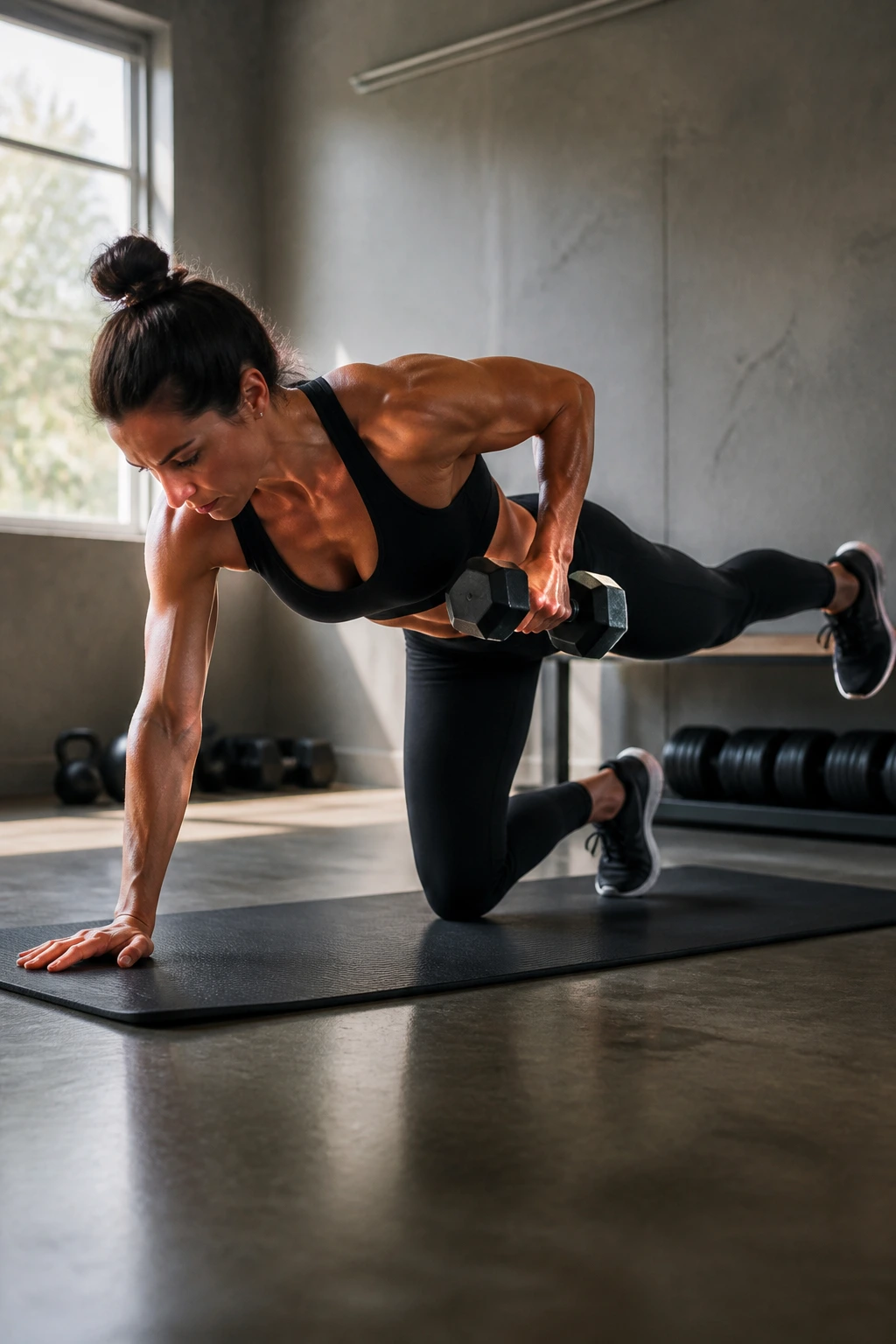
The bird dog row is one of those exercises that looks calm until you try to hold the torso still. From all fours, you row a dumbbell with one hand while the opposite leg stays extended behind you. The obliques light up because the body wants to twist and you refuse to let it.
Use a light dumbbell first. Press the floor away with the support hand, keep the hips level, and row without rocking the ribcage. If the waist collapses or the low back twists, the weight is too heavy. Simple fix.
Why it works
- Great for anti-rotation strength.
- Useful for home gyms.
- Friendly on the lower back when done well.
- Teaches cleaner trunk control than a lot of flashy core drills.
This one deserves more attention than it gets.
25. Side Plank Ladder Finisher
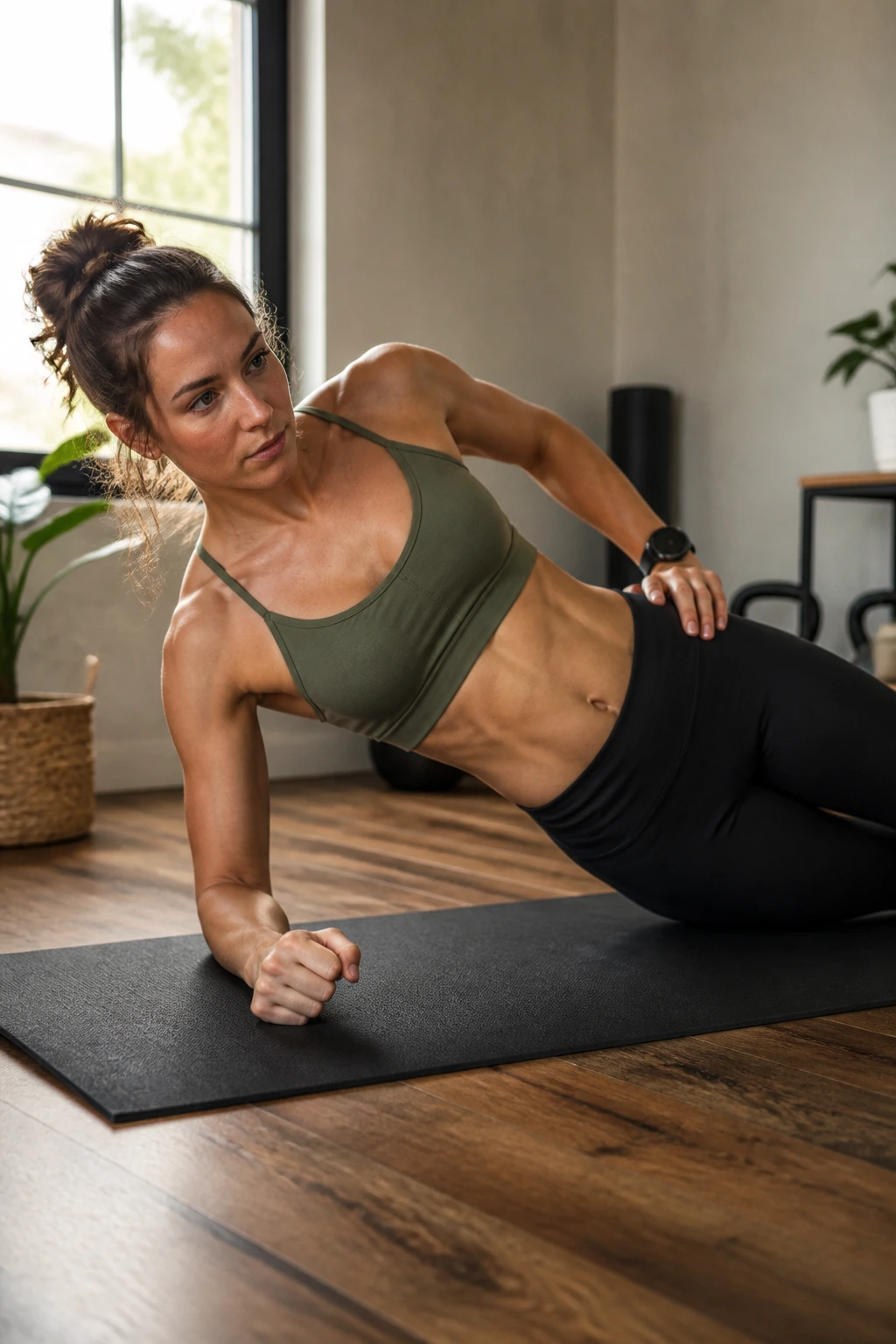
If you want a finisher that hits the side waist hard without needing much setup, this is the one I’d keep around. A side plank ladder moves from a simple hold into small pulses, then into a short reach or dip, so the obliques never get to coast.
How to run it
- Hold a side plank for 15 seconds.
- Add 8 hip dips on the same side.
- Finish with 5 reach-throughs.
- Rest for 30 to 45 seconds.
- Repeat on the other side.
Use 2 to 3 rounds total. That’s enough for most people after a lifting session, and it keeps the work focused instead of turning into a marathon. If your form falls apart halfway through round two, cut the volume. That’s not failure. That’s sensible training.
A tighter waist comes from strong obliques, yes, but also from choosing moves that force control instead of chaos. Keep the reps clean, load the carries with honesty, and do not let your core work turn into a momentum contest. The exercises above give you enough variety to build side-wall strength from almost every angle, which is the part that actually pays off.
