



The best personalized workout plans for women do not look alike, and that is the point. A woman training for a first 5K, a woman rebuilding after pregnancy, and a woman trying to get stronger at the gym need different doses of stress, recovery, and repetition.
A plan that ignores your joints, your schedule, and your actual energy tends to fall apart fast. The problem is rarely laziness. Most of the time, the program is too rigid, too long, or built around somebody else’s body and life.
Public health guidance usually circles around two simple ideas: move most days, and lift something heavy enough to matter at least twice a week. Plain advice, sure. The part that changes everything is the details — how many sets, how much rest, what to do on a tired day, and when to back off instead of forcing it.
So the real question is not “What is the best workout?” It’s “What is the best workout for you, right now?” The plans below are built around that idea, because a good training week should fit your life, not fight it.
1. The Start-From-Zero Strength Plan
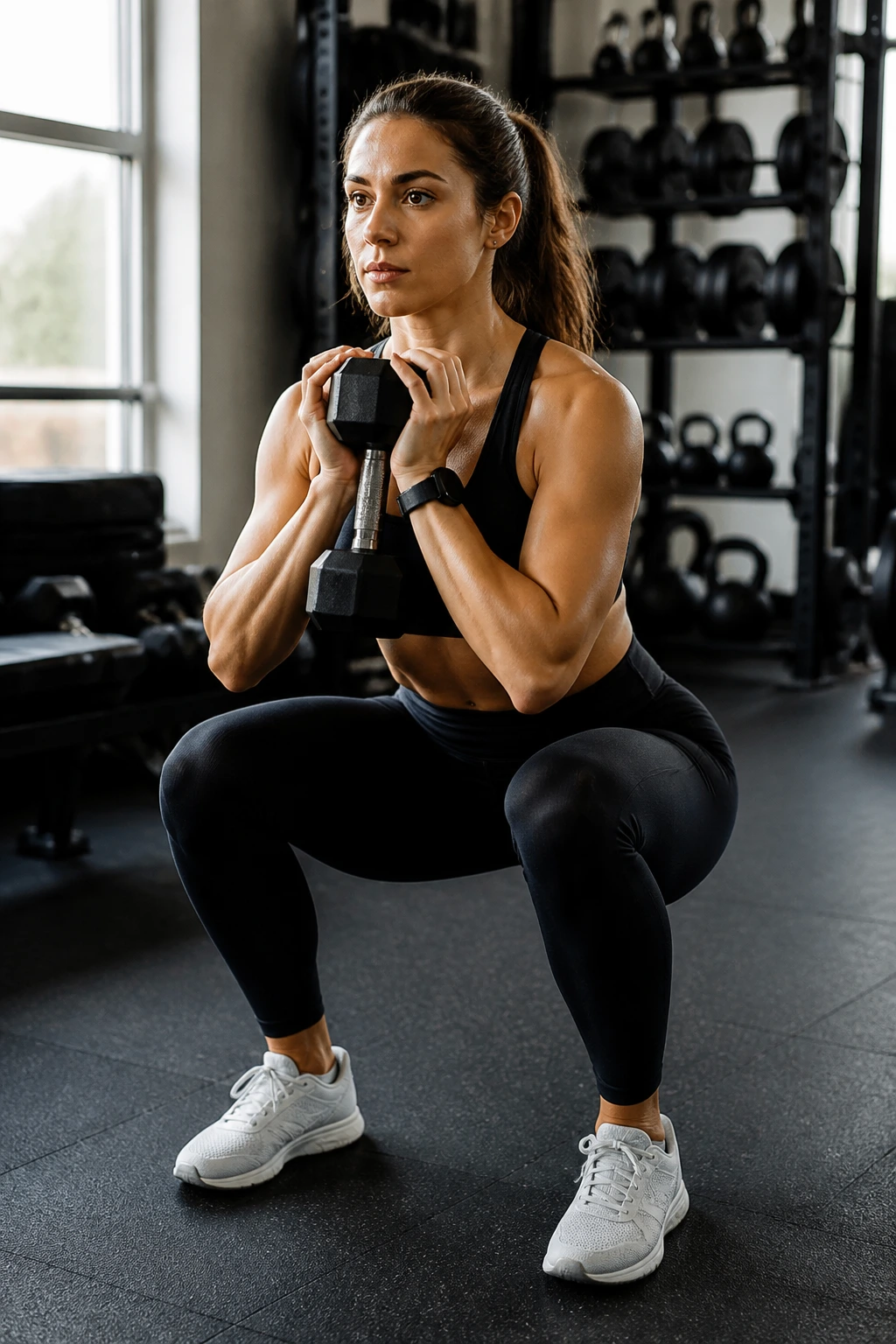
A beginner plan needs to feel sturdy, not fancy. Three full-body sessions a week is usually the sweet spot for women who are new to lifting and want a simple place to start.
Each workout can be built around five moves: a squat, a hinge, a push, a pull, and a carry. Think goblet squat, Romanian deadlift, incline push-up, one-arm dumbbell row, and a farmer carry. Two sets of 8 to 10 reps is enough at first. Leave about 2 reps in reserve on most sets, because sloppy form teaches bad habits fast.
What to focus on
- Use a weight that feels challenging by the last 2 reps.
- Rest 60 to 90 seconds between sets.
- Keep the warm-up short: 5 minutes of brisk walking, marching, or cycling.
- Add reps before you add weight.
- Stop a set if your form falls apart.
The big win here is confidence. You learn the patterns, your joints get used to loading, and you stop guessing. That matters more than chasing a sweat-soaked workout that leaves you wiped out for two days.
2. The Dumbbells-Only Home Plan
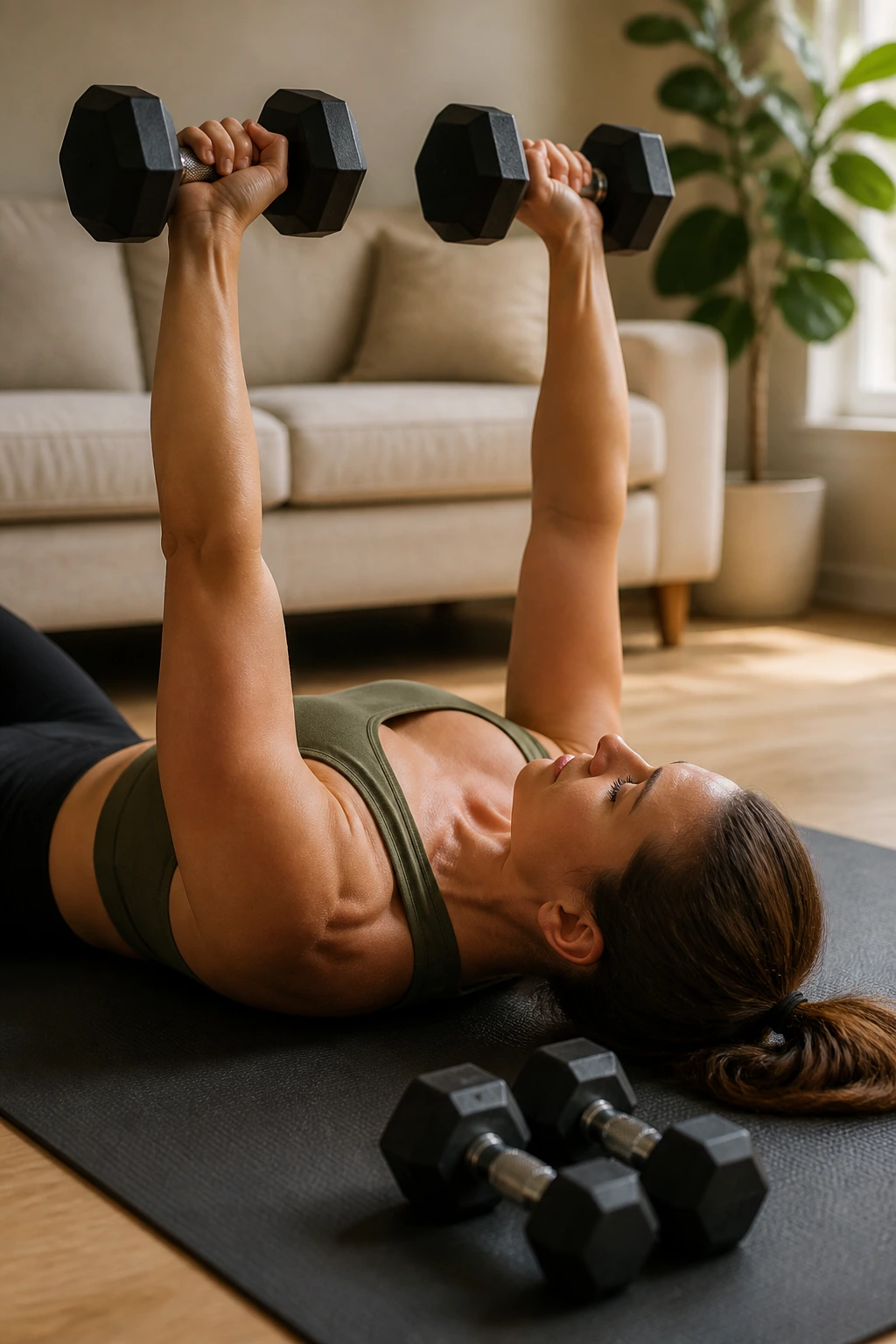
Do you need a full gym to get strong? Nope. Two pairs of dumbbells and a bit of floor space can cover a lot of ground.
This plan works well for women who want strength without commuting to a gym. I like a four-day upper/lower split here, because dumbbells are easy to organize and easy to progress. One lower-body day can use goblet squats, glute bridges, and reverse lunges. One upper-body day can lean on floor presses, rows, and shoulder presses.
Why dumbbells make sense
- They’re easy to store.
- They let you train one side at a time, which exposes weak spots.
- They work for small spaces and odd schedules.
- They’re forgiving if you’re still learning form.
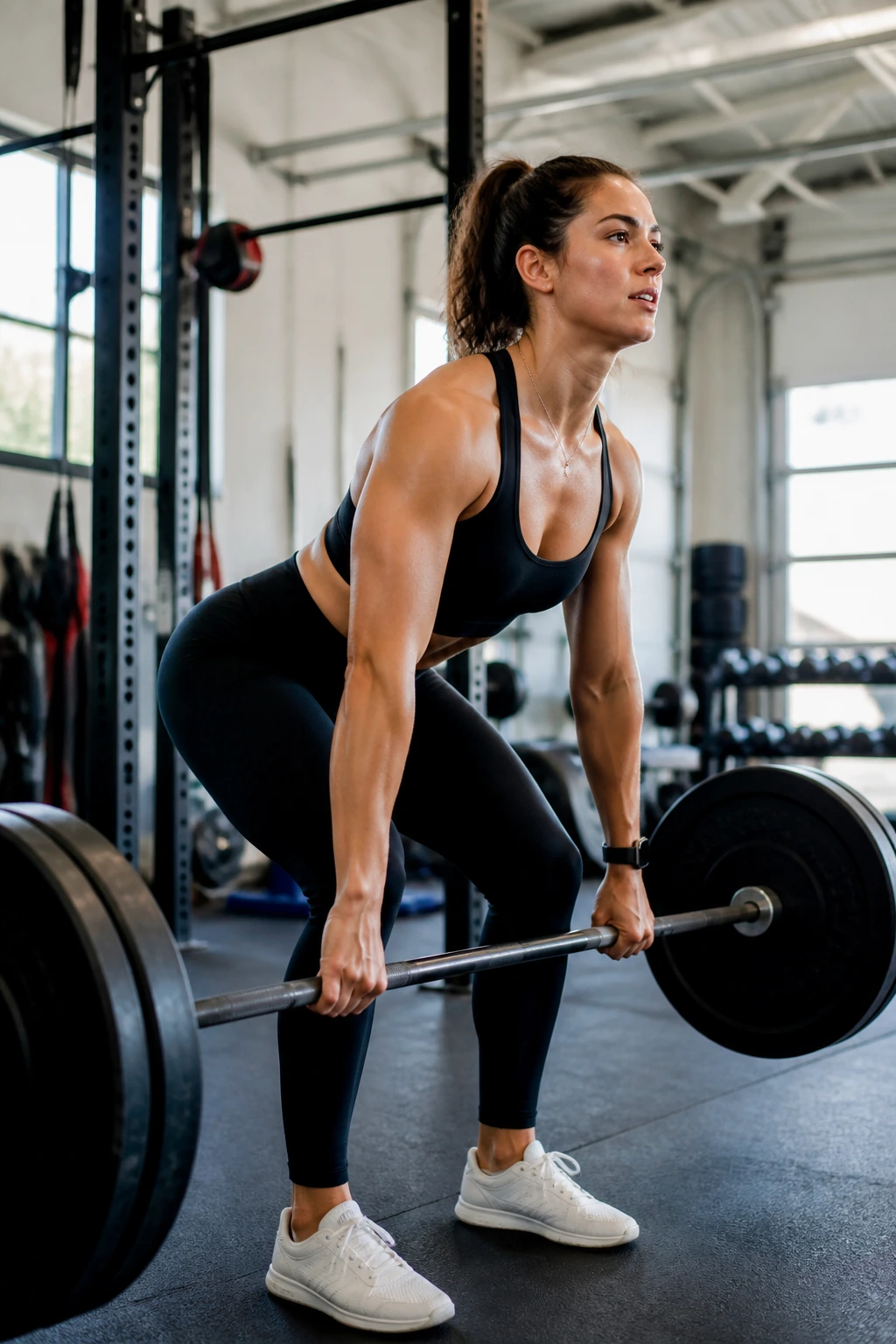
A simple weekly setup
Day 1: Lower body
Day 2: Upper body
Day 3: Rest or walk
Day 4: Lower body
Day 5: Upper body
The trick is not variety for its own sake. It’s picking movements you can repeat for weeks without getting bored or confused. If you only have one pair of 15-pound dumbbells, slow the lowering phase to 3 seconds and use single-leg work. That makes light weights feel much more useful.
3. The Fat-Loss Plan Built Around Steady Strength

Fat loss gets messy when people turn every workout into a punishment. Strength training should stay at the center, because it helps preserve muscle while you’re in a calorie deficit.
A practical weekly plan looks like three lifting sessions and two cardio days. The cardio does not need to be brutal. Brisk walking, cycling, incline treadmill work, or rowing for 25 to 40 minutes can do a lot when you repeat it consistently. Add one longer walk on the weekend if your schedule allows it.
The mistake I see most often is too much HIIT and not enough boring, repeatable movement. If your knees ache and your appetite is through the roof, your plan is probably too aggressive. A better fat-loss plan is one you can still do on a sleep-deprived Tuesday.
A useful rule: keep daily steps in the 7,000 to 10,000 range if that feels realistic, and use lifting to protect muscle. That combination tends to work better than trying to sweat out every meal. It’s not glamorous. It does work.
4. The Muscle-Gain Hypertrophy Plan
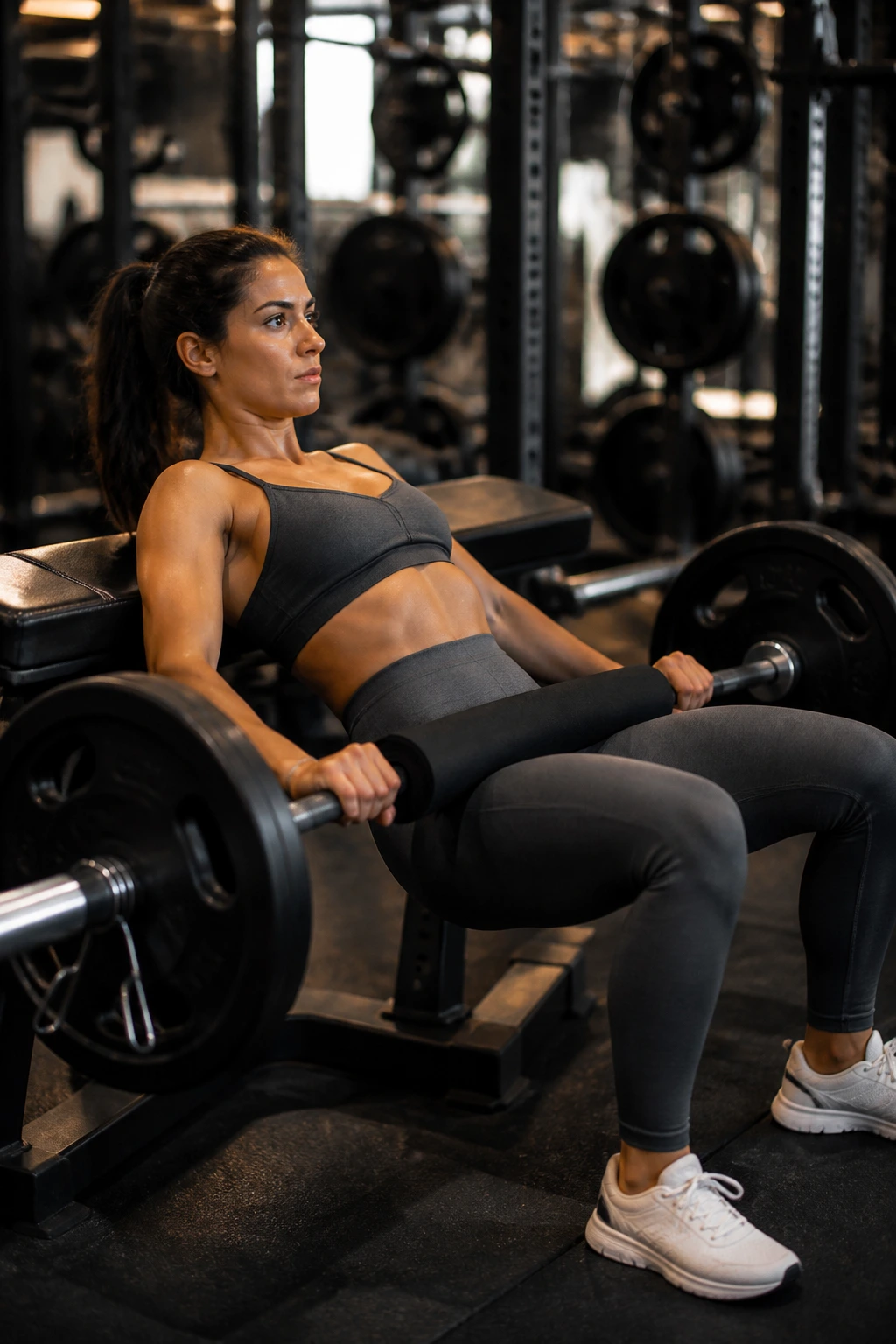
If the goal is shape, strength, and more visible muscle, this plan needs enough volume to matter. Four training days a week is a clean starting point for many women who want to build muscle without living in the gym.
Use 3 to 4 sets of 6 to 12 reps for most lifts, with longer rests on the harder sets. A dumbbell bench press, hip thrust, lat pulldown, split squat, and cable row fit this style well. Finish the last rep with good form, not with a grimace and a prayer.
How to grow without guessing
- Keep a workout log.
- Add 1 rep, then add a little weight.
- Rest 90 to 150 seconds on compound lifts.
- Use a controlled lowering phase.
- Train each muscle group at least twice a week.
Hypertrophy work rewards patience. You won’t see dramatic change after one heavy session, and that’s fine. What matters is that the same exercises feel slightly easier over time, then slightly heavier, then noticeably stronger. That slow climb is the whole game.
5. The Low-Impact Joint-Friendly Plan
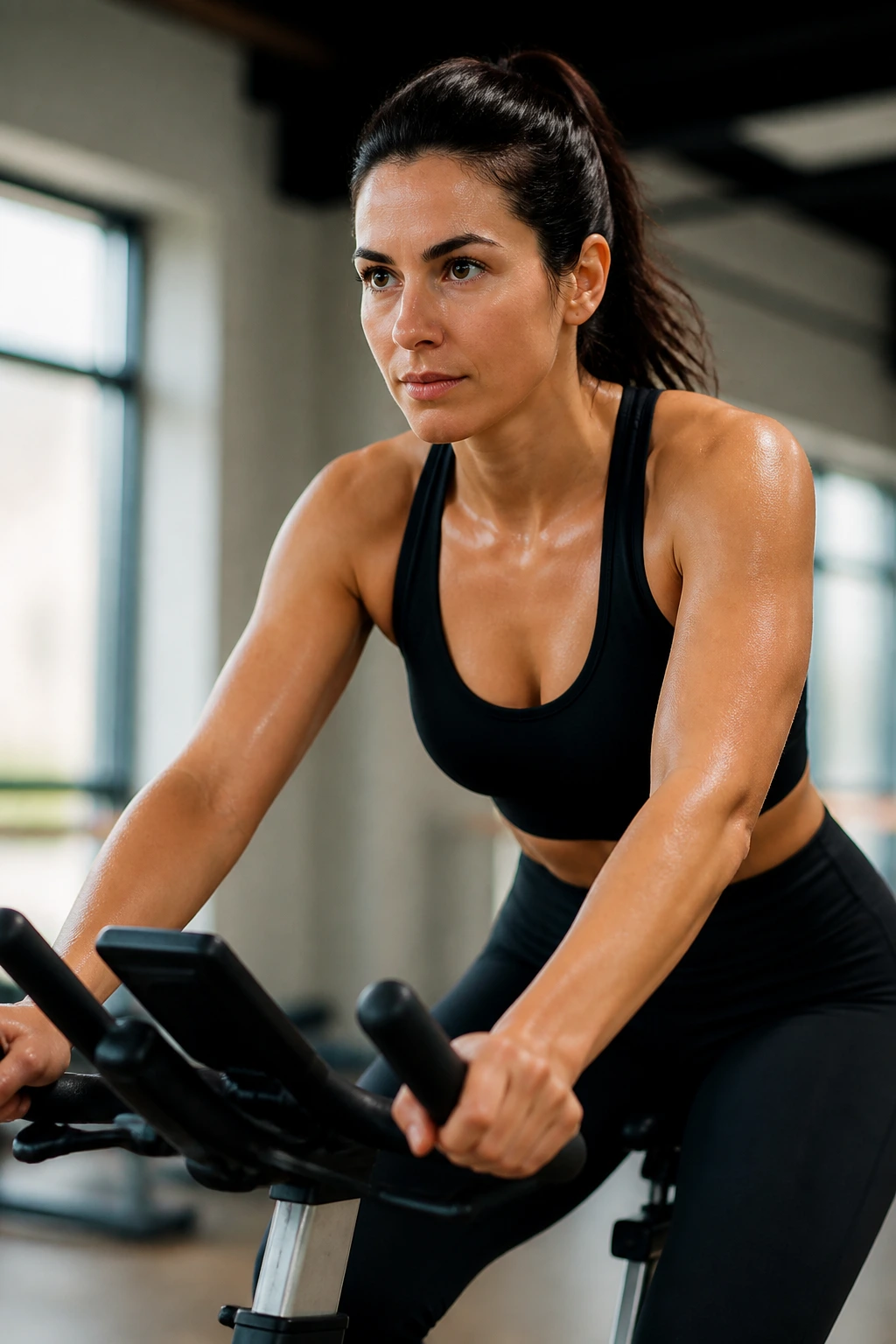
Some days your body wants training, not punishment. Low-impact does not mean low value.
This plan suits women dealing with cranky knees, sore feet, or a history of impact-heavy sports. Swap jump rope and burpees for cycling, elliptical work, rowing, sled pushes, or incline walking. Strength work can stay solid: step-ups, hip hinges, split squats, chest-supported rows, and landmine presses all load the body without pounding it.
A lot of people assume joint-friendly means soft. It doesn’t. It means smart. You can still train hard with a tempo of 3 seconds down, 1 second pause, and a powerful drive up. You can still work up a sweat. You can still get stronger.
What you want to avoid is the “all-out” habit. If every session leaves your joints cranky, your plan is costing you more than it gives back. Better to finish a workout feeling worked and able to repeat it tomorrow.
6. The HIIT and Lifting Blend
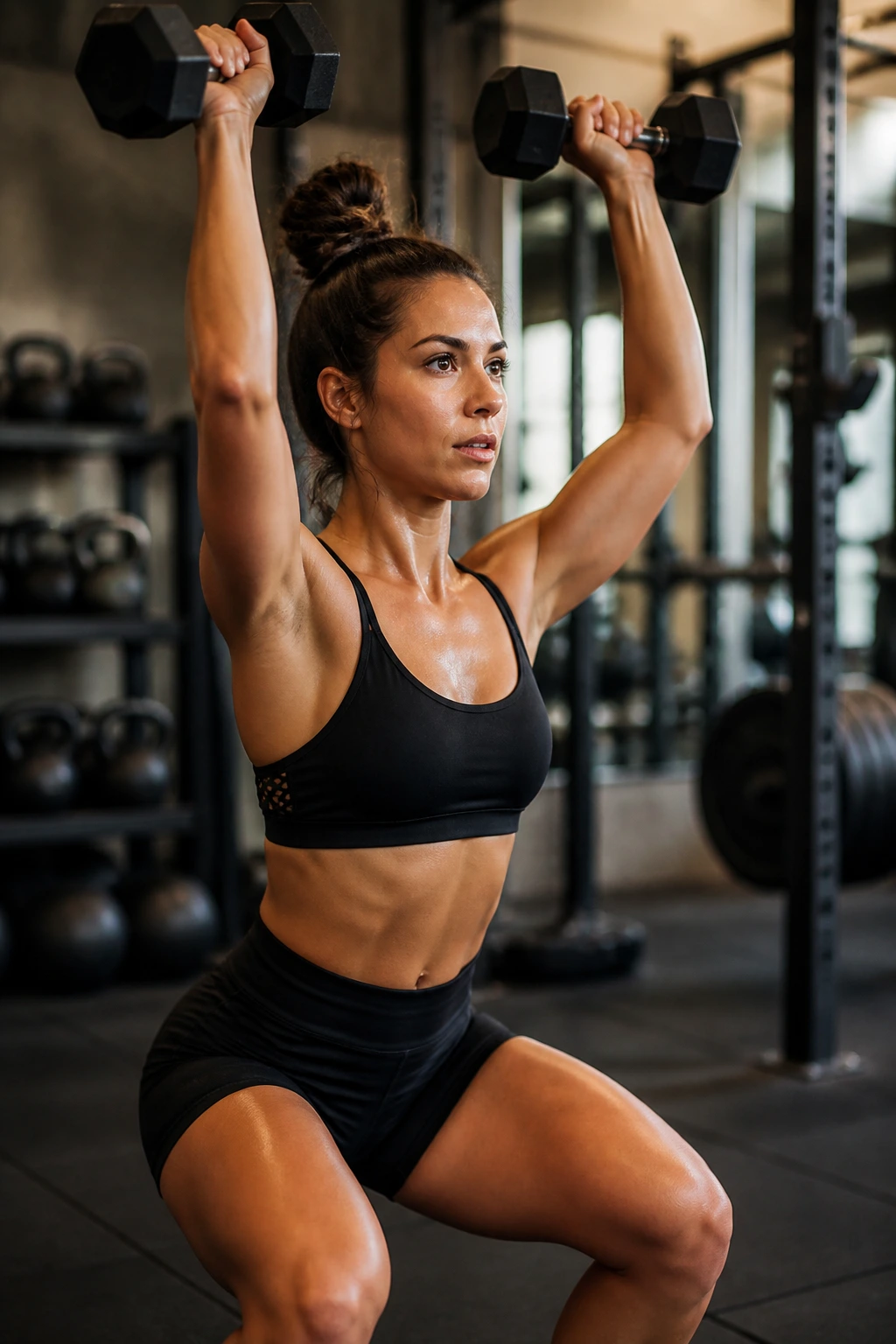
A hard interval session has its place. Just not every day.
This plan fits women who like to feel athletic and do not want their week filled with long cardio sessions. Two lifting days and one or two short HIIT sessions can be plenty. A good interval format might be 30 seconds hard, 90 seconds easy, repeated 8 to 10 times. That gives you work without dragging the session into a suffering contest.
How to place the work
- Lift first if strength is the priority.
- Put HIIT on a separate day if your legs are already tired.
- Keep one easy walk day between hard sessions.
- Cap HIIT at 12 to 20 minutes of actual work.
The catch is recovery. Too much high-intensity work can leave you flat, hungry, and weirdly sore. If you notice that your weights are dropping and your sleep is getting worse, the intervals are probably too frequent. One hard conditioning day can be enough.
7. The Runner’s Support Plan
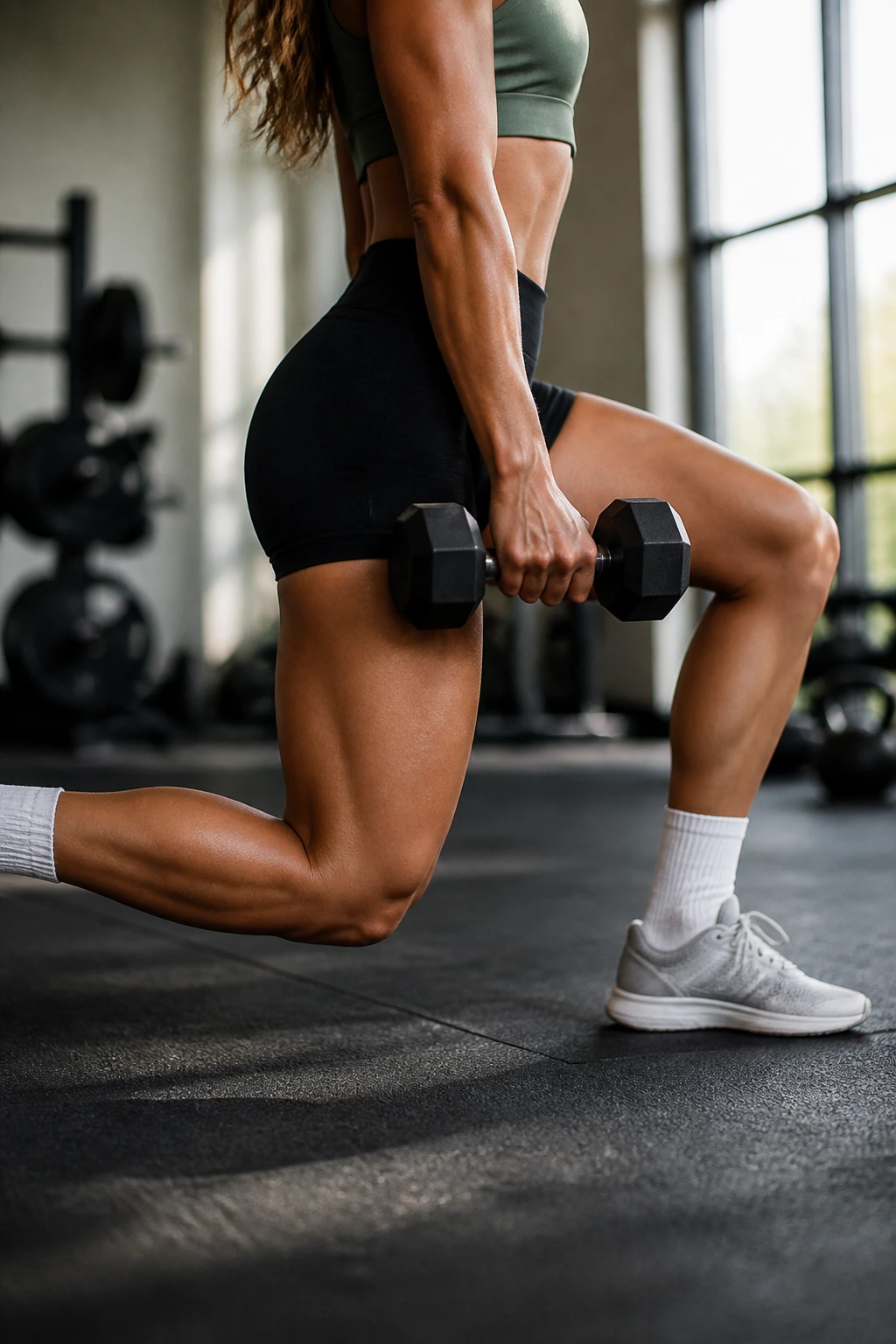
Distance running feels better when your body is strong enough to handle it. A runner who lifts usually runs better.
This plan is built for women who want to keep running without getting stuck in the same tight-hip, sore-calf loop. Use two strength sessions a week to support the legs and trunk. Think split squats, single-leg RDLs, calf raises, glute bridges, side planks, and rows. Add one quality run, one easy run, and one longer easy run if your schedule allows it.
What the week can look like
- Monday: Strength
- Tuesday: Easy run
- Wednesday: Rest or walk
- Thursday: Speed work or hills
- Friday: Strength
- Saturday: Long easy run
- Sunday: Recovery walk or complete rest
The details matter here. Strong calves and glutes often make the difference between feeling springy and feeling beat up. And if your stride starts to get sloppy after a hard run, that is a sign to back off, not to force one more mile.
8. The Postpartum Return-to-Training Plan
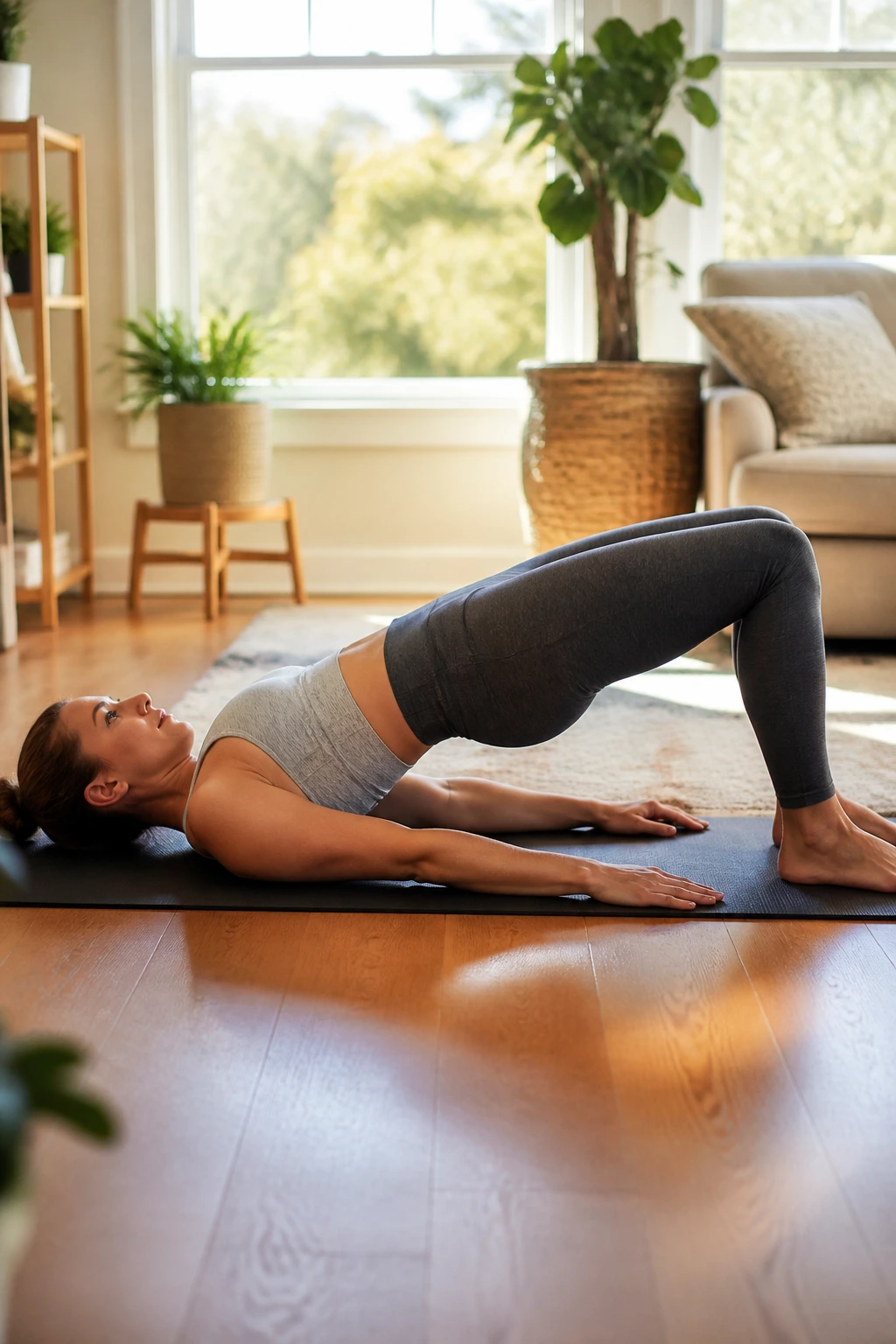
What if your body is healing and you still want to move? Then the plan needs to start low and rise slowly.
Postpartum training should begin with walking, breathing work, and very simple strength patterns after medical clearance. Dead bugs, glute bridges, bodyweight sit-to-stands, supported split squats, and light carries are all useful early on. The goal is not to “bounce back.” The goal is to rebuild tolerance without stirring up symptoms.
A sensible progression
- Start with 10 to 20 minute walks.
- Add floor-based core work.
- Move to bodyweight squats and hinges.
- Add light dumbbells only when movement feels calm.
- Watch for pressure, heaviness, leaking, or pain.
If any of those symptoms show up, slow the load and the range of motion. That is not weakness. It is information. A postpartum plan should feel calm, predictable, and repeatable. Chasing intensity too soon usually backfires.
9. The Perimenopause Strength Plan
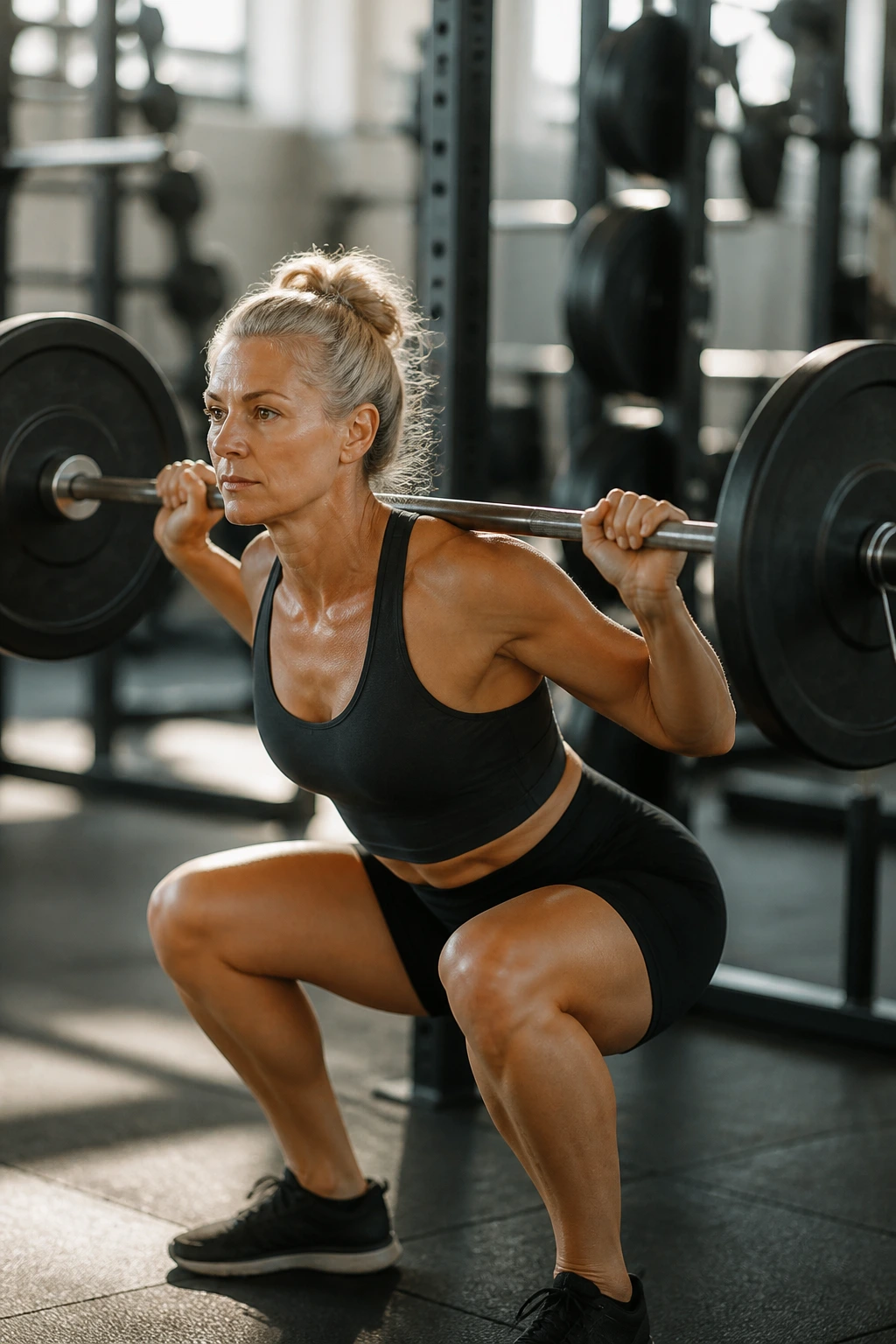
A lot of women are told to “do more cardio” when their bodies start changing. That’s lazy advice. Heavier strength training is often the smarter move.
This plan puts the focus on muscle, bone load, and recovery. Three to four lifting days a week can work well, with exercises like squats, presses, rows, deadlifts, and carries. Keep one or two conditioning sessions in the mix, but do not let them drown the lifting. A 15 to 25 minute incline walk or bike session is enough on some weeks.
What tends to help
- A longer warm-up than you used to need.
- More rest between hard sets.
- A slightly lower weekly volume if sleep is poor.
- A simple log so you can see real progress.
Hot flashes, mood swings, and sleep disruption can make training feel uneven. That’s where a little flexibility matters. Some women do best by keeping the main lifts consistent and trimming accessory work when energy dips. The workout does not need to be perfect. It needs to be doable.
10. The Cycle-Aware Flexible Plan
Can your monthly cycle shape training? Yes, but not in a rigid, silly way.
A cycle-aware plan works best when it stays flexible. On high-energy days, push heavier loads, harder intervals, or longer sessions. On low-energy days, strip the workout down to the essentials: one main lift, one accessory, and a walk. That simple green-yellow-red approach keeps training going without pretending every day feels the same.
A simple way to read the day
- Green day: train hard.
- Yellow day: train, but cut one set or reduce load.
- Red day: walk, mobilize, or do a short recovery circuit.
The point is not to micromanage every symptom. It’s to avoid the all-or-nothing trap. If you keep forcing hard sessions on exhausted days, your weekly average suffers anyway. A flexible plan keeps momentum alive when life feels messy.
11. The Desk-Job Posture Reset Plan
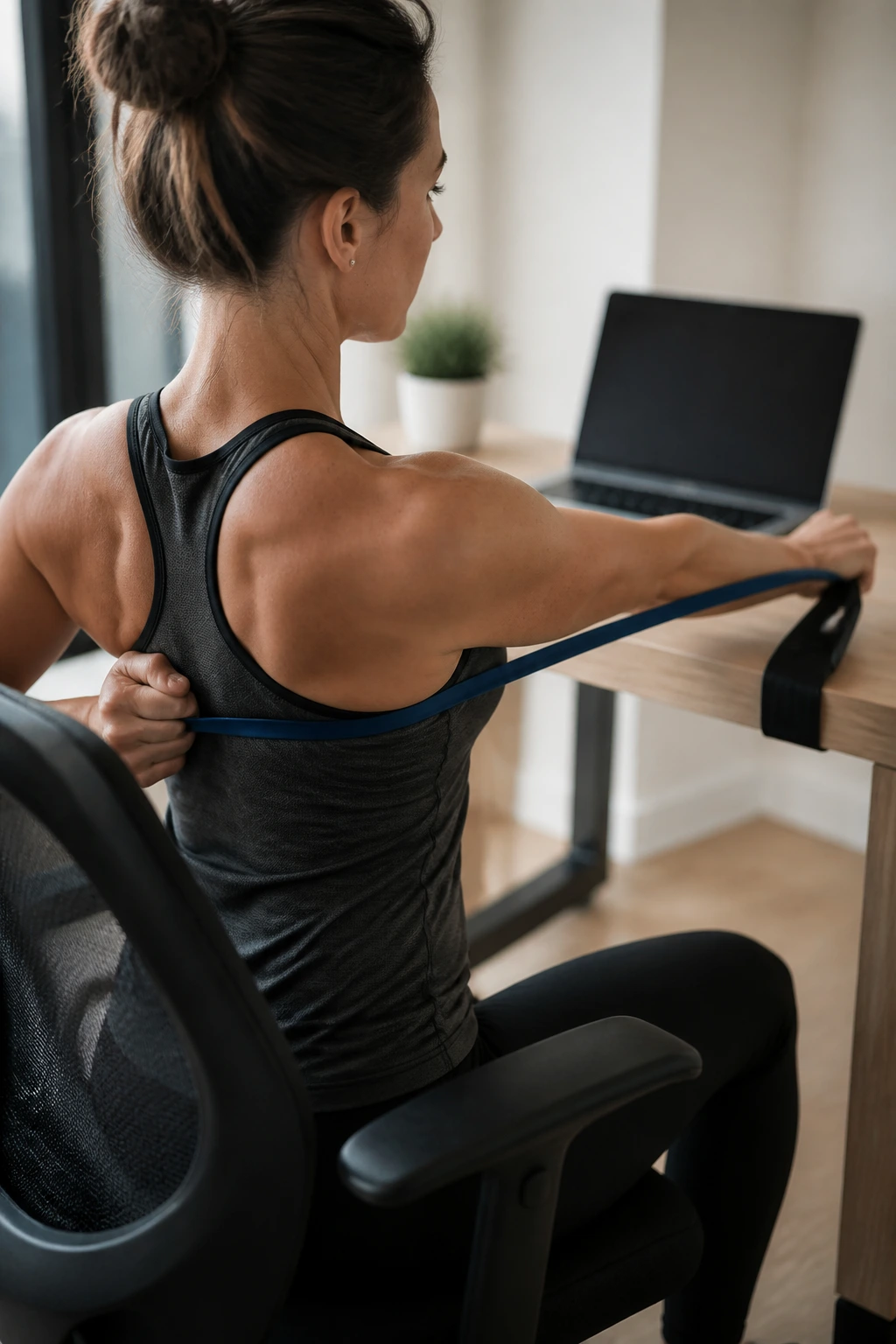
Sitting all day can make even strong women feel locked up. Your workout should undo some of that damage, not add to it.
This plan leans on upper-back work, glutes, core stability, and hip mobility. Rows, face pulls, rear-delt raises, glute bridges, reverse lunges, and thoracic rotations deserve a place here. So do short movement breaks during the day — 2 minutes of walking, a few bodyweight squats, shoulder circles, or a band pull-apart set.
I like this style because it feels practical. You can do it after work without needing a huge mental push. And yes, posture gets talked about like magic, which is nonsense. The real fix is usually a blend of stronger back muscles, less stiffness in the hips, and fewer hours spent folded over a keyboard.
If your neck feels better after rows and carries, that is a useful clue. Keep those. If one overhead movement makes your shoulders grumpy, skip it and use a landmine press or incline push-up instead.
12. The Travel-Friendly Hotel Room Plan
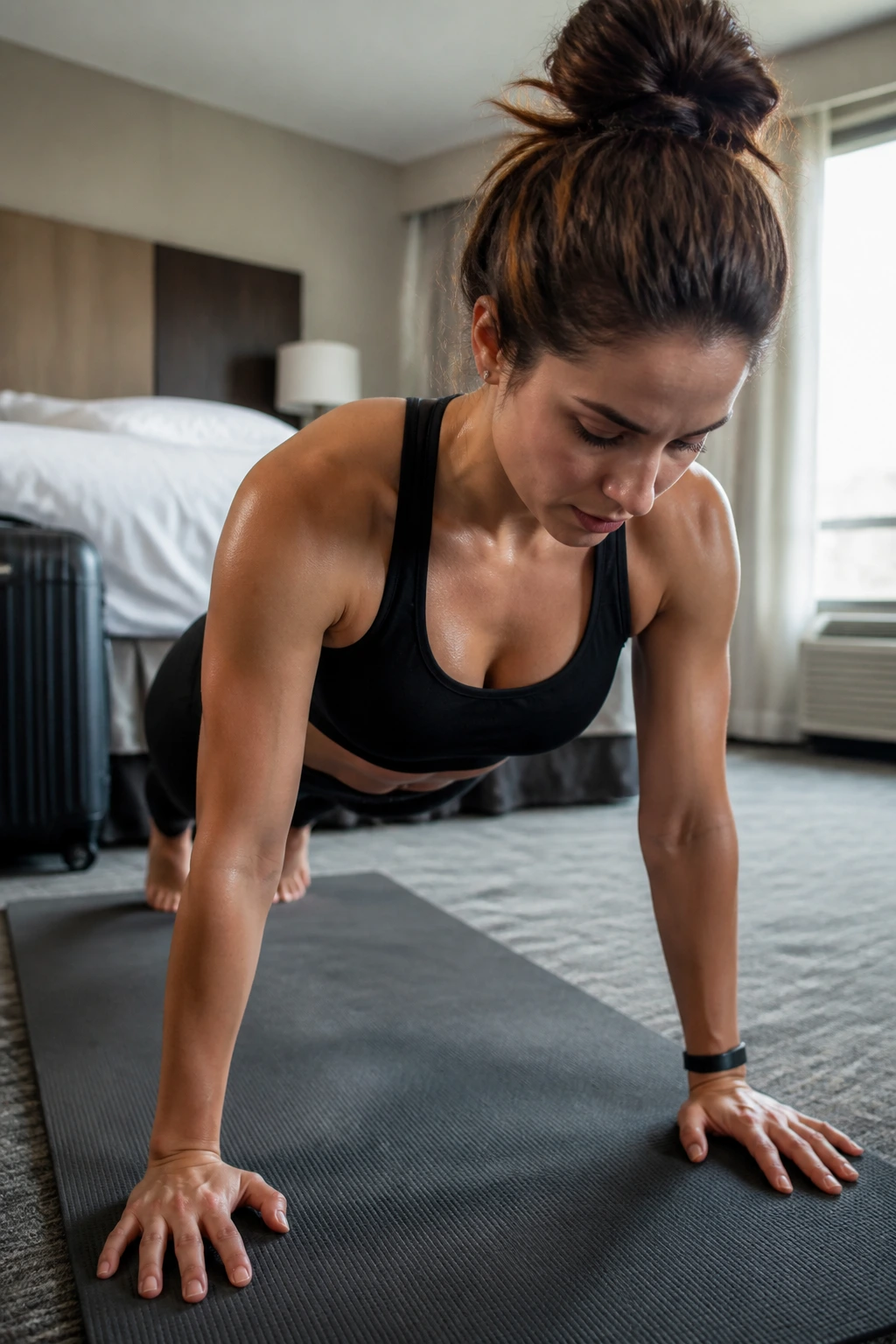
A suitcase can carry more than clothes. It can carry your entire workout plan.
This version is for women who travel often and need something that survives airport days, odd schedules, and tiny hotel rooms. A resistance band, a mini loop, and your bodyweight are enough for several solid sessions. Push-ups, split squats, glute bridges, band rows, plank variations, and stair intervals all fit well.
Pack this and you’re covered
- One long resistance band.
- One mini loop band.
- Workout shoes you actually like.
- A jump rope only if your joints tolerate it.
- A small notebook or phone app for tracking.
The best travel plan is short and stubborn. Twenty minutes of work beats skipping the week because the gym was inconvenient. I also like simple density blocks here: set a timer for 15 minutes and cycle through 4 exercises with clean form. No drama. No fancy setup.
13. The 20-Minute Busy-Week Plan
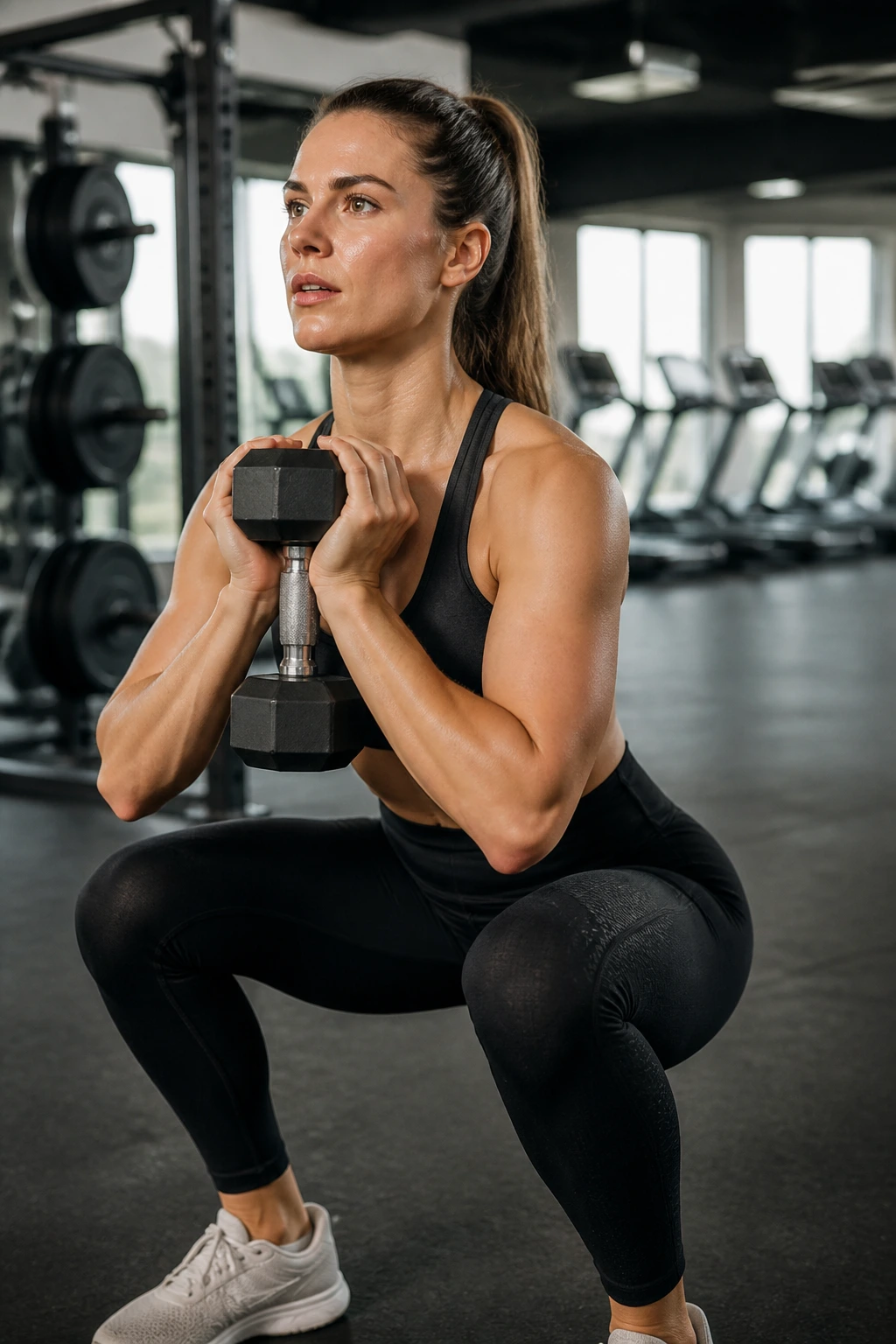
Short workouts are not fake workouts. They are survival tools.
This plan is built for women who have 20 minutes, maybe 25 if the coffee is strong and the toddler is distracted. Use full-body circuits three times a week. A good pattern is squat, push, pull, hinge, core. One round might be goblet squats, incline push-ups, dumbbell rows, Romanian deadlifts, and dead bugs.
Keep it tight
- 3 rounds.
- 40 seconds of work, 20 seconds to breathe.
- Or 8 reps per exercise, moving fast but clean.
- Stop before form breaks.
The beauty of this plan is that it removes the excuse of “not enough time.” There isn’t much room to wander, which is part of why it works. You leave knowing you touched every major muscle group, and that can carry a week better than a half-hearted hour.
14. The 40-Minute Balanced Weekly Plan
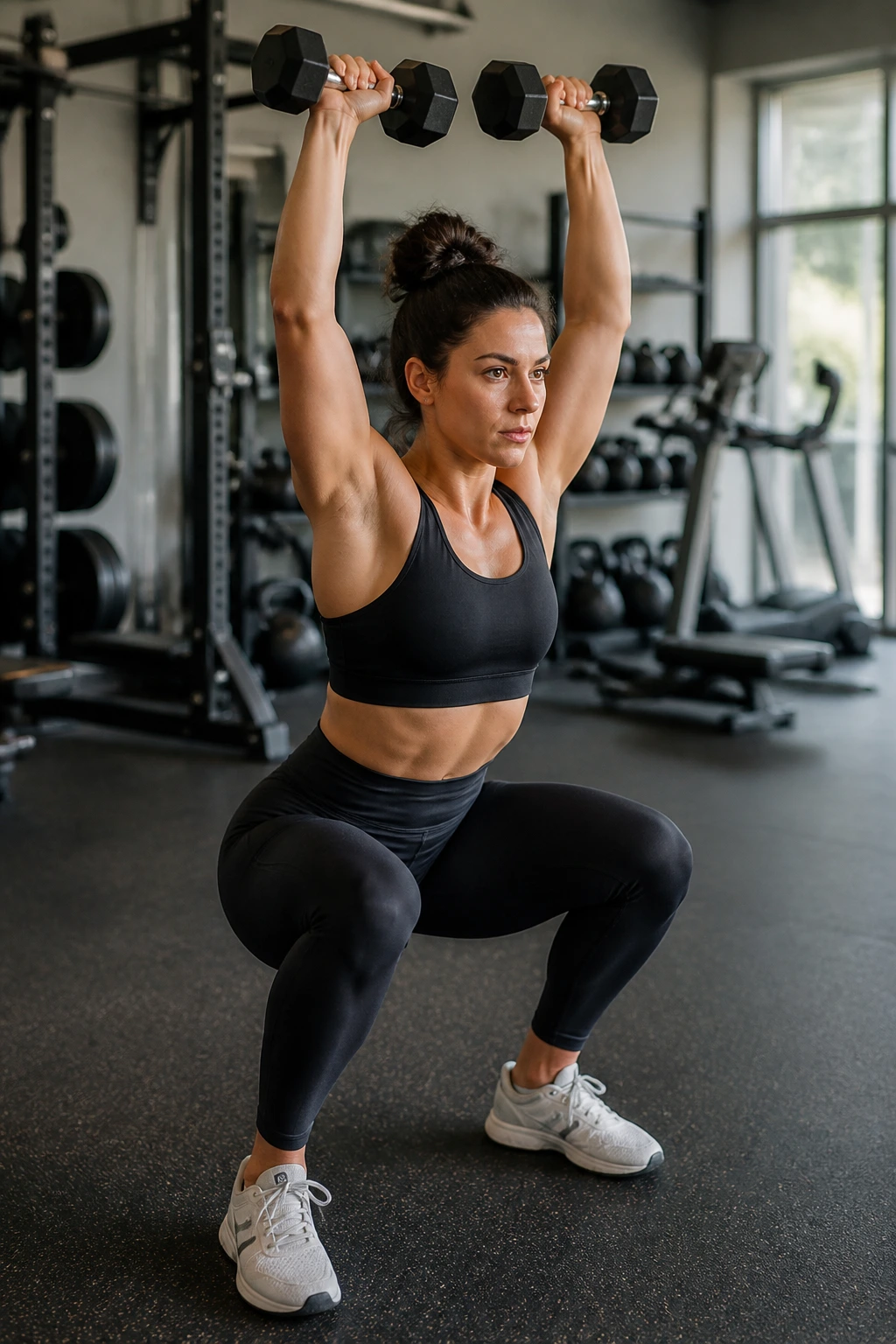
Why does 40 minutes feel so workable? Because it gives you enough time to do the job without turning the workout into a project.
This is the sweet spot for many women who want structure and results but do not want to live at the gym. Each session can include a 5-minute warm-up, 25 minutes of strength, 5 to 7 minutes of cardio or finisher work, and a short cooldown. That leaves enough room for quality without creeping into an hour and a half.
A clean weekly rhythm
- Day 1: Full body, heavier lower body emphasis
- Day 2: Upper body and core
- Day 3: Cardio intervals or incline walk
- Day 4: Full body, lighter and faster
- Day 5: Mobility and recovery
I like this plan because it’s honest. It acknowledges that most people have real lives, and it still gives you enough training dose to improve strength, energy, and conditioning. If 20-minute sessions feel too thin and 60-minute sessions feel impossible, this is the middle lane.
15. The Three-Day Full-Body Split
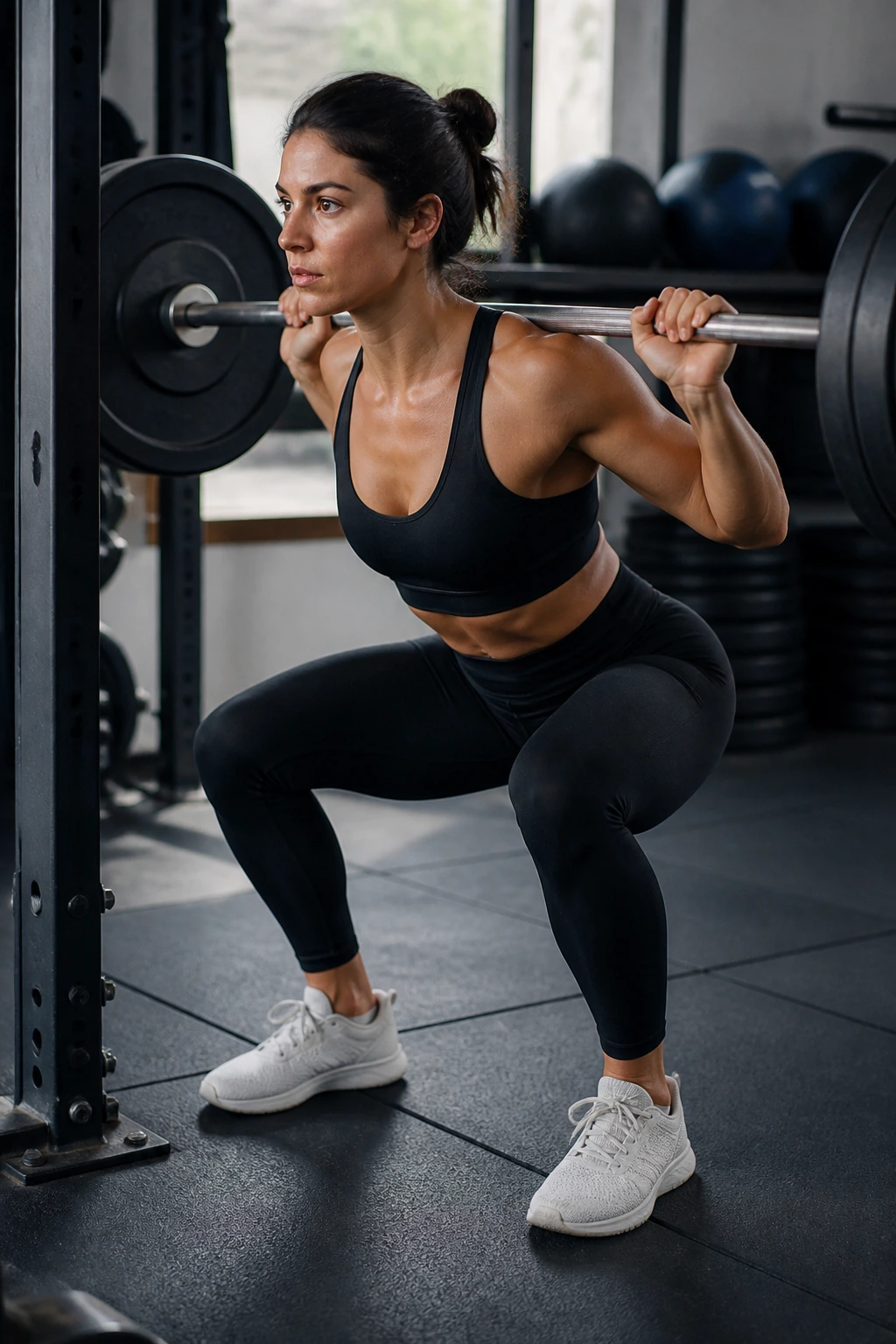
A simple three-day split can beat a complicated five-day plan that you never follow. Consistency beats cleverness.
This setup is good for women who want reliable progress with low mental overhead. Each workout hits the whole body, but with a different bias. One day can lean lower-body heavy, another can lean upper-body heavy, and the third can be balanced and a little lighter. Think squat or deadlift, press, row, carry, and one core movement each day.
The nice thing is recovery. You usually get a day between sessions, which helps if you’re juggling work, kids, or unpredictable sleep. You also get enough frequency to practice the lifts without feeling rushed.
If you like a plan that feels tidy, this one is hard to beat. It gives structure, but not so much structure that a single missed workout throws off your whole week.
16. The Four-Day Upper and Lower Split
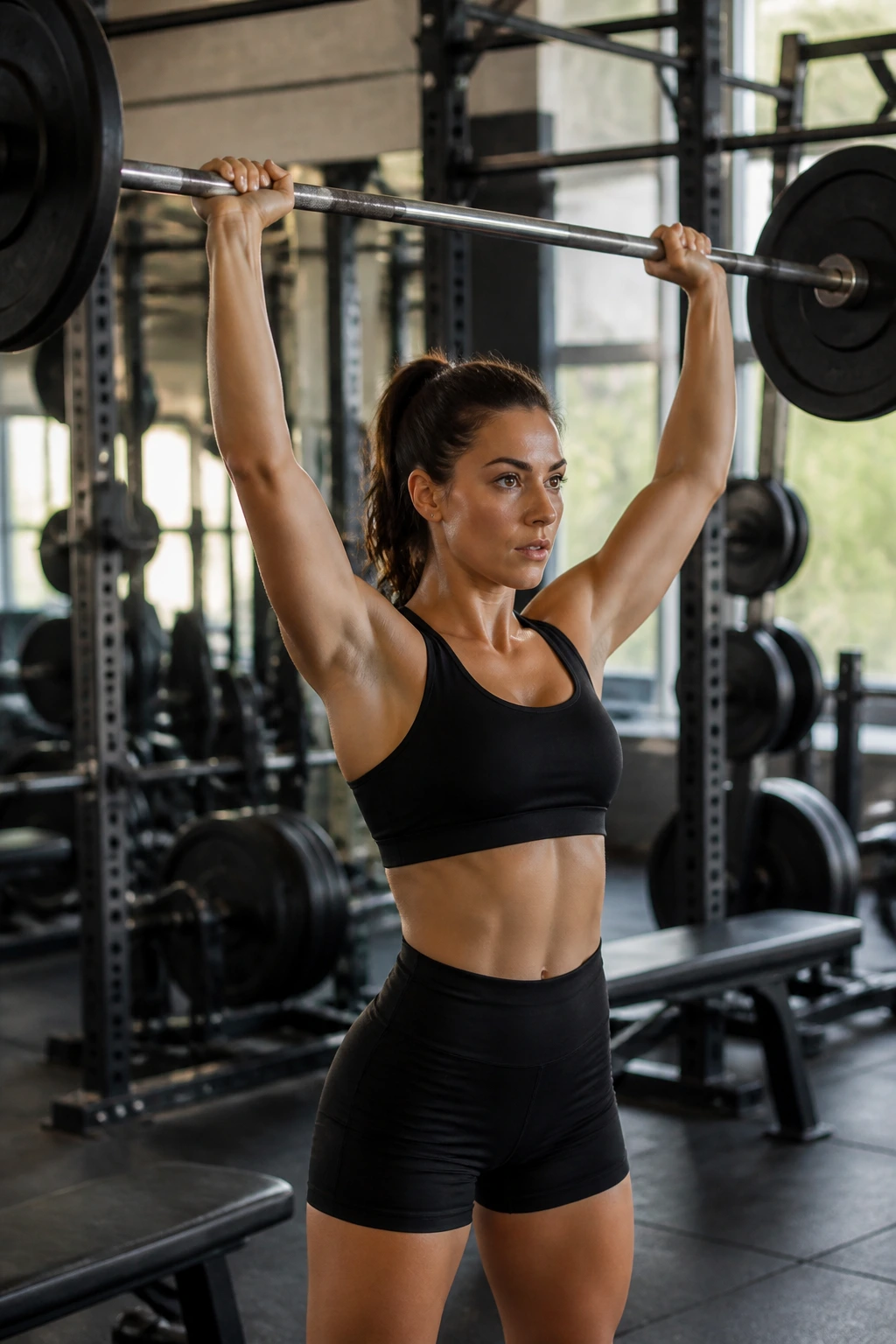
Four days lets you do more without turning every session into a marathon. That extra room matters if you want better progress on specific lifts.
A classic upper/lower split works well for women who can train four times a week and want more detail than a full-body plan offers. Lower body days can separate squat focus from hinge focus. Upper body days can separate push focus from pull focus. That means more quality reps, less rush, and usually better technique.
One simple version
Lower 1: squat, split squat, calf work, abs
Upper 1: press, row, rear delts, arms
Lower 2: deadlift, hip thrust, lunges, glutes
Upper 2: pull-down, incline press, carries, core
The reason I like this split is that it gives each muscle group its own spotlight. If glutes are a priority, or if your upper body needs more work, there is room to push. It also makes progression easier to track because the exercises repeat in a clean pattern.
17. The Glute-Focused Lower-Body Plan
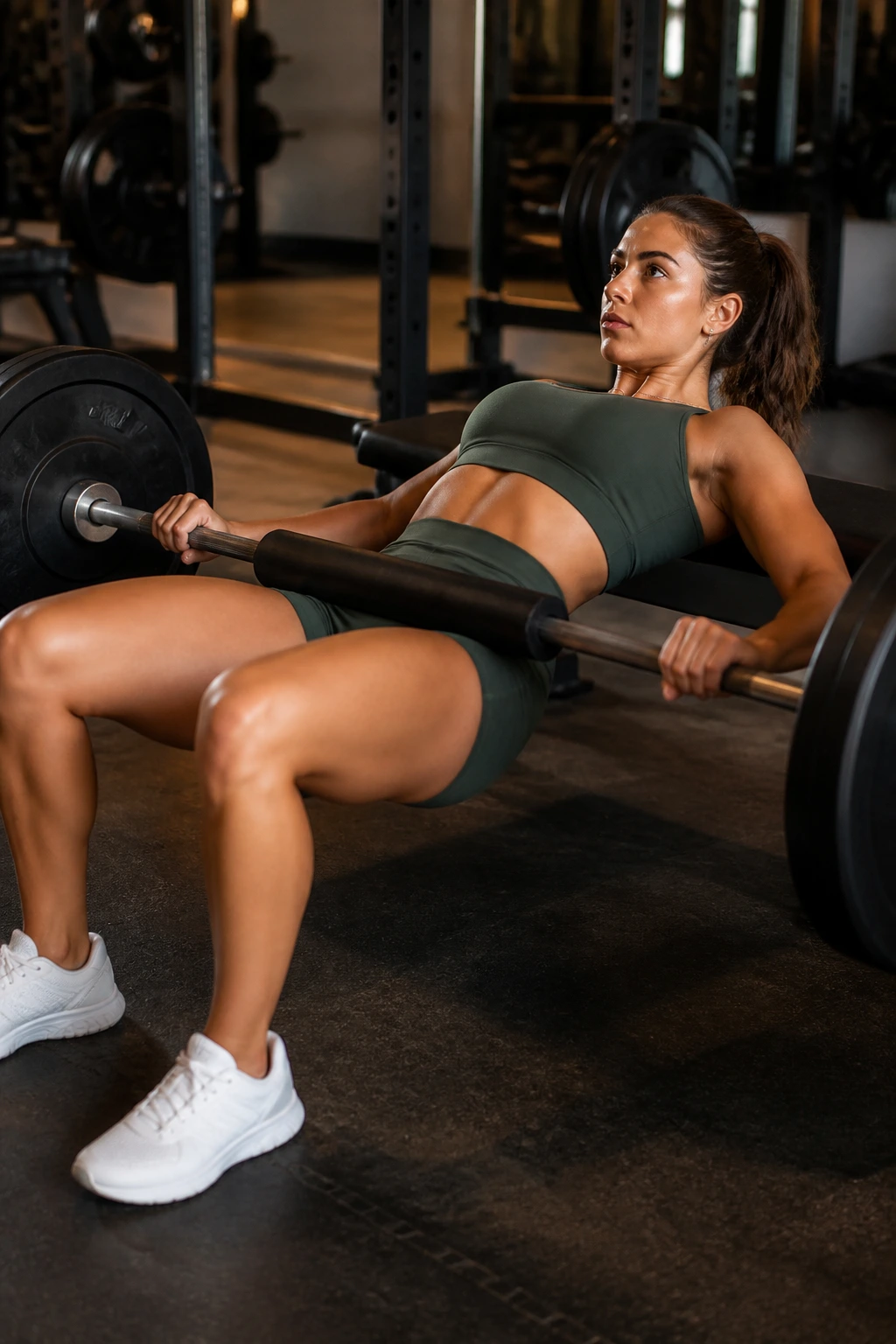
A glute plan should be more than endless kickbacks. The real work comes from heavy hip extension and smart single-leg loading.
This plan is for women who want stronger legs, better hip drive, and a little more shape through the lower body. Hip thrusts, Romanian deadlifts, Bulgarian split squats, step-ups, and cable or band abductions cover the main bases. Two lower-body days a week is enough for most people if the effort is honest.
What a good glute session feels like
- The first heavy lift is hard but crisp.
- The side glute work burns.
- Your hamstrings know they showed up.
- You can still walk normally after the gym.
I’m not a fan of glute plans that skip the big lifts and go straight to tiny-band burnout. That looks busy, but it often stalls fast. Give the glutes a reason to grow, and they’ll usually respond better than they do to endless fluff.
18. The Upper-Body Strength and Posture Plan
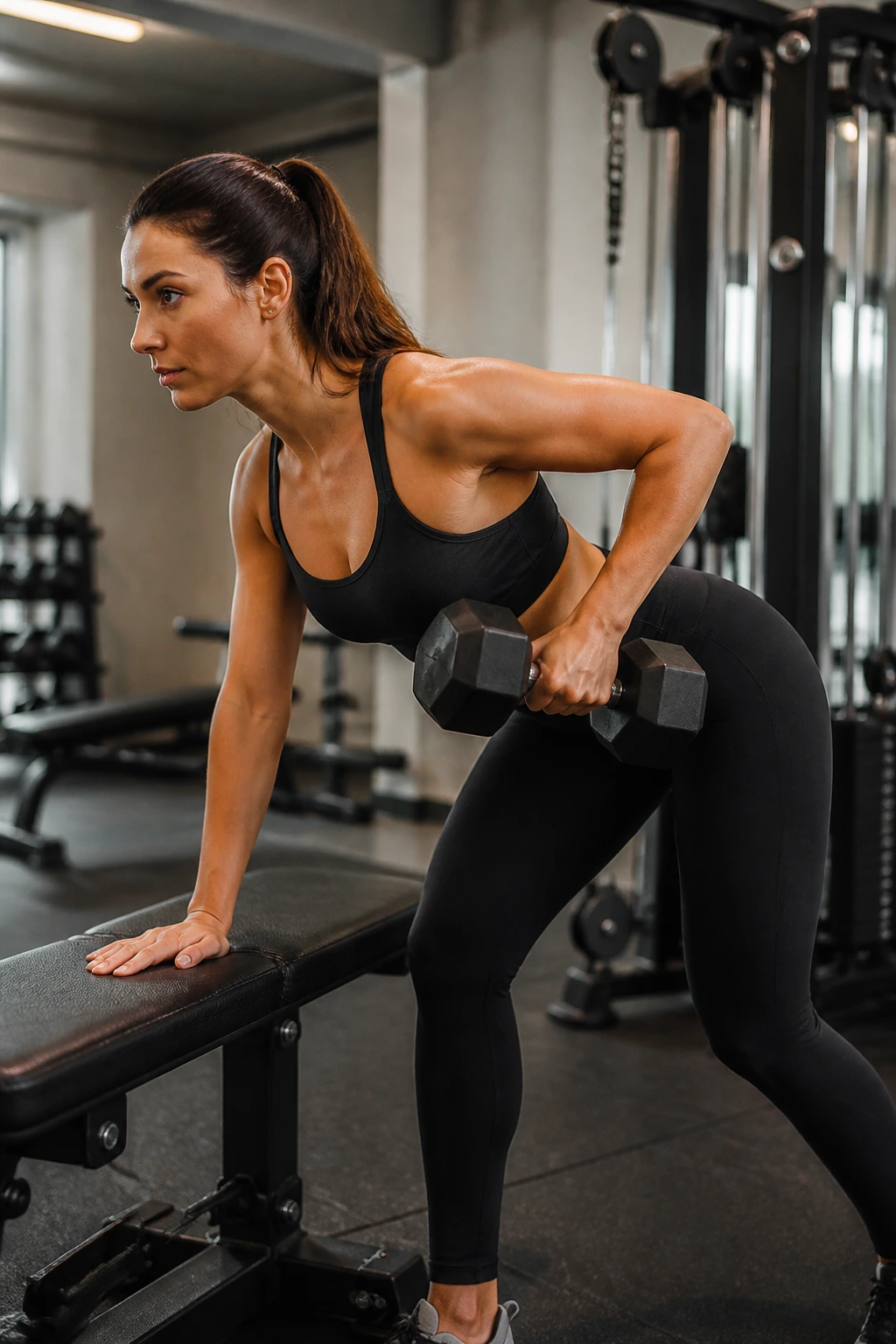
A strong upper body changes how training feels in daily life. It also tends to make posture work less annoying, which is a nice bonus.
This plan emphasizes rows, presses, carries, and shoulder-friendly accessory work. Women who spend a lot of time carrying bags, lifting kids, or sitting at a desk usually do well here. A balanced week might include dumbbell bench press, chest-supported rows, lat pulldowns, overhead carries, face pulls, and push-ups.
The big mistake is overdoing front-of-the-body work. Too many presses and not enough pulling can leave shoulders cranky. A simple fix is to keep at least one pull movement for every press movement, and often a little more.
If overhead pressing bothers your shoulders, swap in landmine presses or incline dumbbell presses. You do not need to force a movement that feels pinchy. Good plans bend without breaking.
19. The Core and Pelvic Floor Rebuild Plan
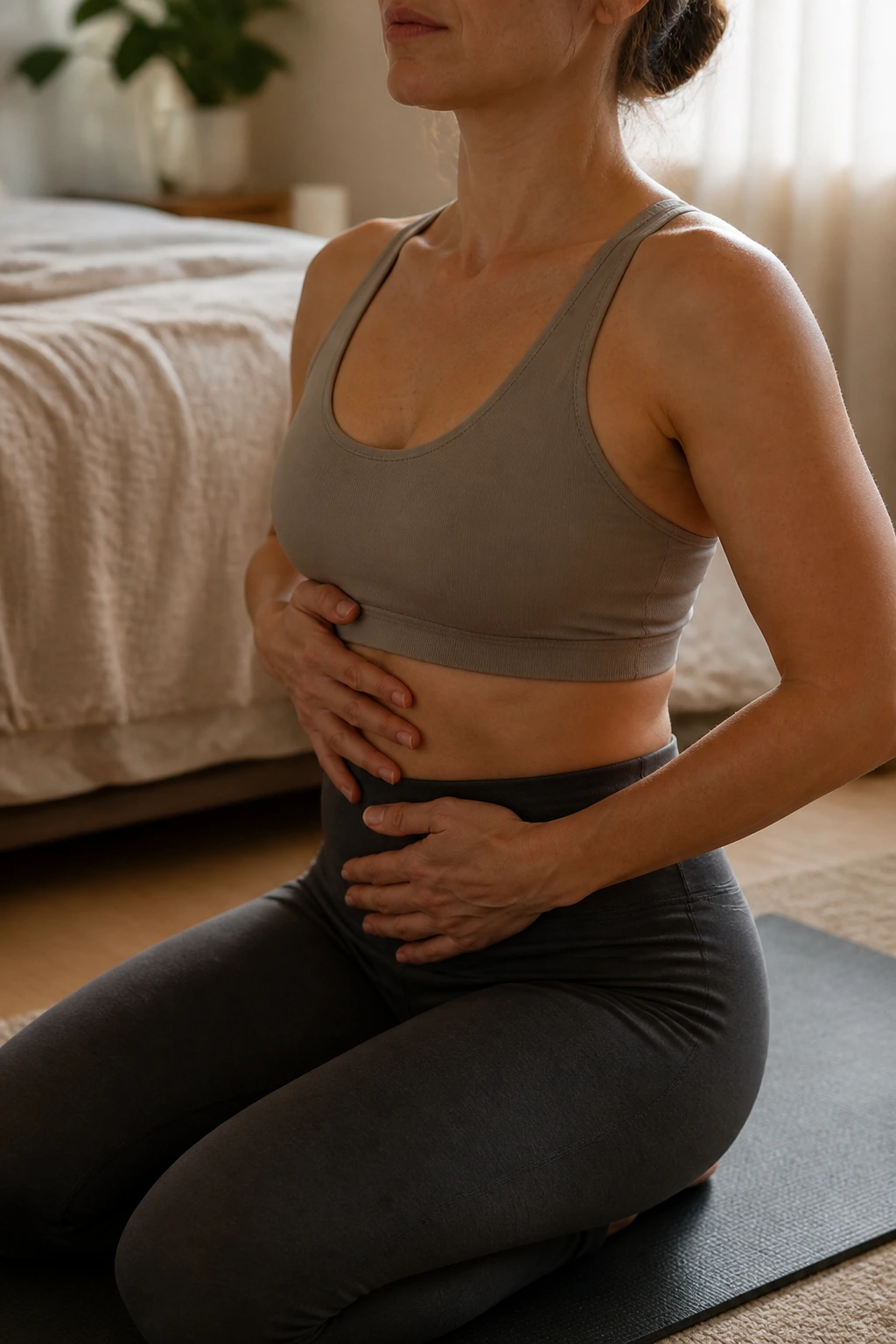
Can core training be gentle and still useful? Absolutely.
This plan is especially helpful after pregnancy, during periods of low back flare-ups, or anytime the center of your body feels off. Start with breathing, then build to dead bugs, bird dogs, side planks, Pallof presses, carries, and slow marching work. The point is to restore control before chasing harder abs work.
A smart progression
- Breathing and rib control
- Basic trunk stability
- Loaded carries and anti-rotation
- Heavier compound lifts
If you feel pressure, leaking, doming, or pain, that is a sign to scale back and choose simpler exercises. This is one place where slow wins. Fast progress is tempting, but a calm, steady rebuild usually pays off better than trying to rush into crunches and heavy lifting before you’re ready.
20. The Endurance Base-Building Plan

Some women want to feel like the gas tank never runs empty. That calls for a different mix than a pure strength plan.
Endurance base-building is about lots of easy work, not constant suffering. A weekly setup might include two or three easy cardio sessions at a pace where you can still talk, one longer session on the weekend, and two short strength workouts to keep your legs and trunk honest. Walking, cycling, rowing, swimming, or easy jogging all work.
Keep the effort honest
- You should finish feeling like you could keep going.
- Your breathing should stay controlled.
- The long session should not become a race.
- Strength work stays simple: squat, hinge, push, pull.
People often overestimate how hard endurance training needs to feel. Most of the time, a steady pace does more than a chaotic blast. That easy aerobic work builds a base you can actually recover from, which is the whole point.
21. The Bodyweight-Only Plan
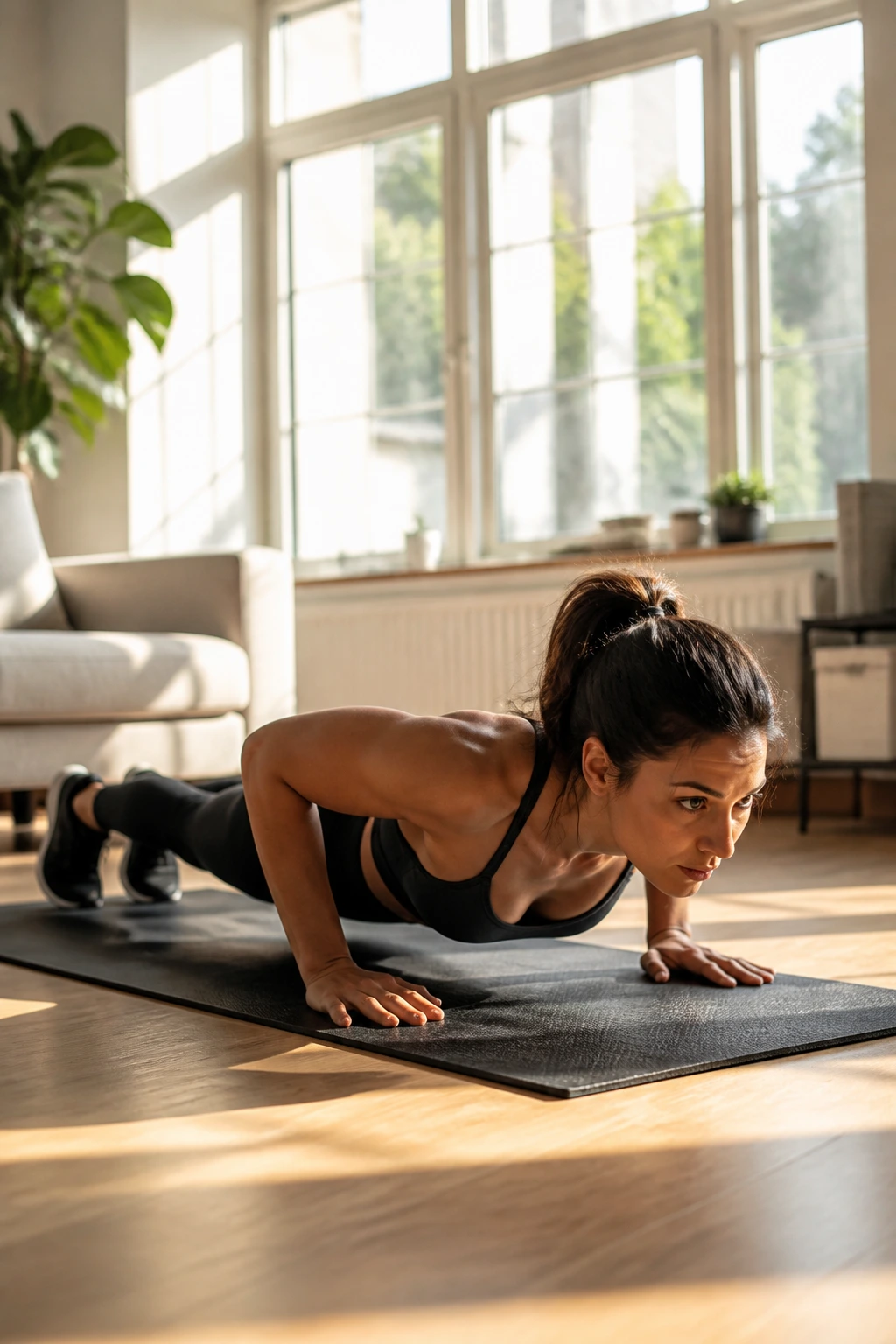
No equipment? Fine. Your own body can still give you a solid training week.
This plan works for women who are home, traveling, or simply not into equipment. Use tempo, pauses, and unilateral work to make bodyweight exercises more demanding. Push-ups, split squats, single-leg glute bridges, pike push-ups, plank variations, and squat holds all belong here. If you have a sturdy chair or step, that opens up step-ups and elevated push-up variations.
A bodyweight plan lives or dies on effort. Five lazy squats are nothing. Fifteen controlled squats with a 3-second lowering phase and a 1-second pause at the bottom can be a different story. The body notices tension, not just tools.
It’s also a good reminder that you do not need a perfect setup to stay consistent. A mat and a little floor space can carry a lot of training days.
22. The Barbell Strength Plan
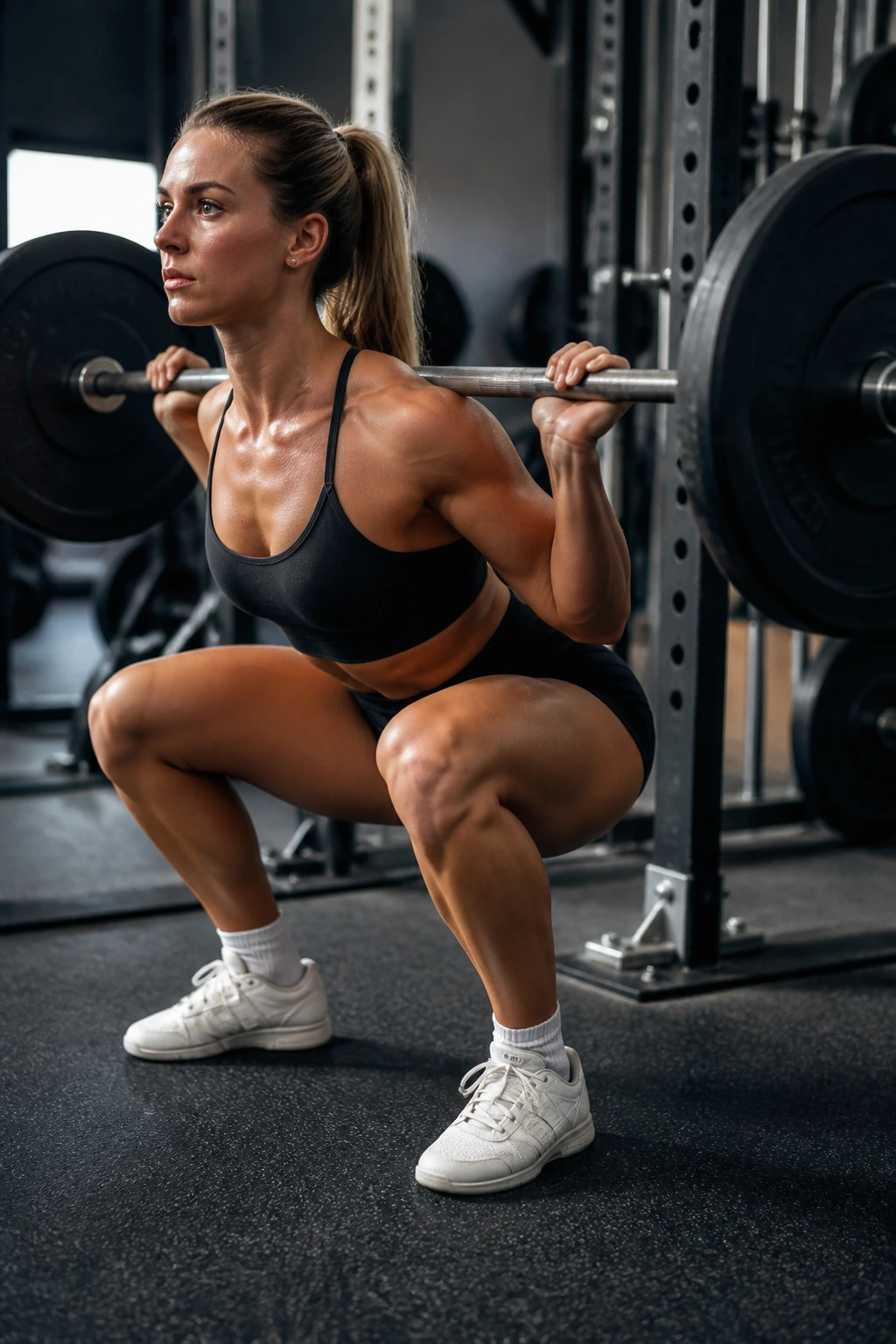
What if the goal is to get properly strong? Then the barbell deserves a place. It gives you the clearest path to progressive overload.
This plan fits women who want to train the big lifts: squat, deadlift, bench press, overhead press, and maybe barbell rows. Three to five working sets of 3 to 5 reps is a solid strength range for the main lifts. Accessories stay smaller and cleaner, usually 2 to 4 sets of 6 to 10 reps.
A basic structure
- Day 1: Squat focus
- Day 2: Bench and row focus
- Day 3: Deadlift focus
- Optional Day 4: Pressing and accessory work
Heavy training asks for patience. Rest 2 to 5 minutes on the main lifts, especially when the bar starts to feel honest. If your last rep turns into a grind-fest, you’ve probably gone too heavy for a productive day. The lift should feel challenging, not like a courtroom drama.
23. The Mobility and Strength Hybrid Plan
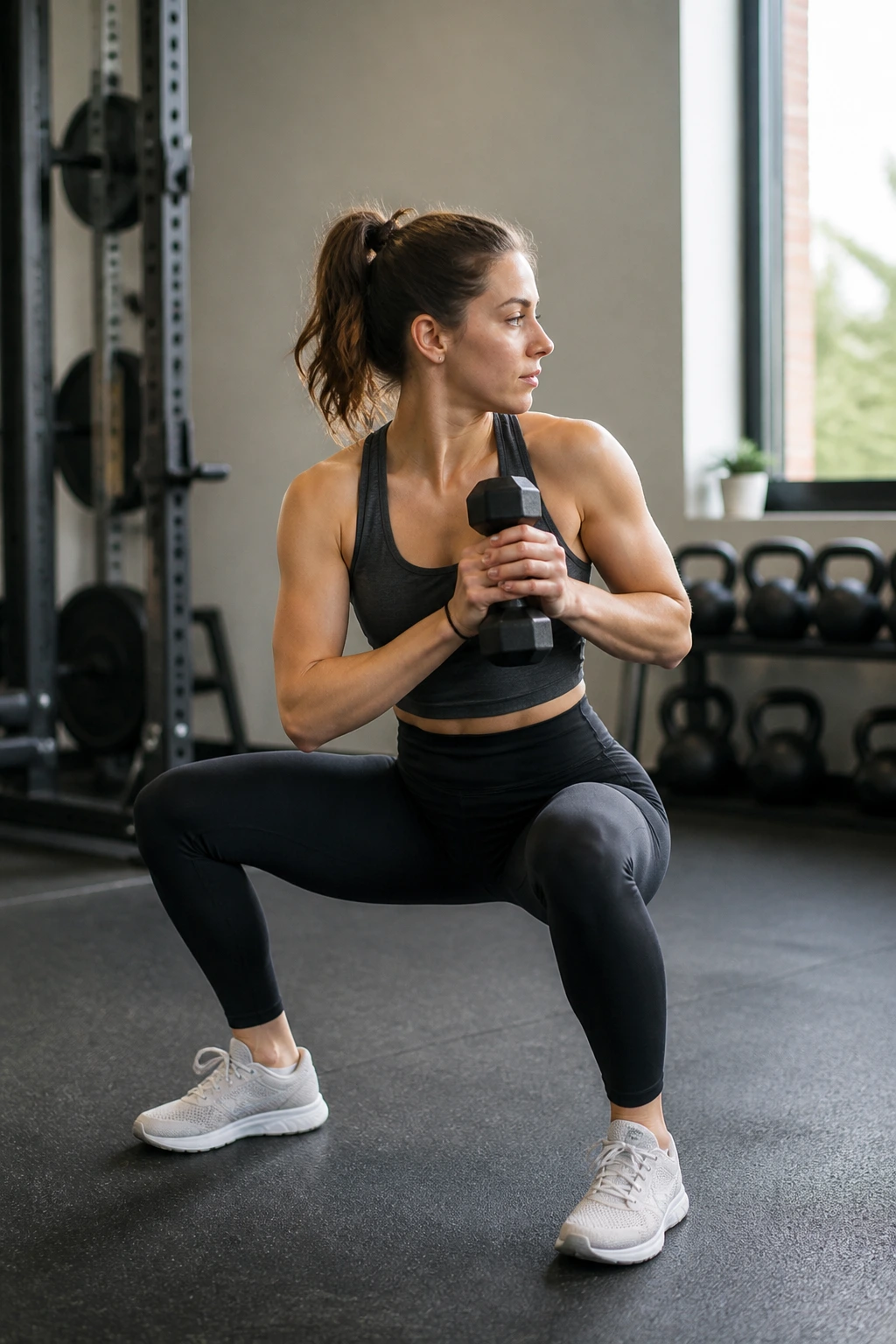
Stiff hips. Tight shoulders. A back that complains after long meetings. A hybrid plan can clean up a lot of that without turning your week into yoga homework.
This style blends lifting with mobility work inside the same session. Do a squat pattern, then spend a minute on a hip flexor stretch. Press overhead, then open up the thoracic spine. Pull rows, then finish with a loaded carry. The movements support each other instead of living in separate worlds.
Where this plan shines
- Women who feel stiff after sitting.
- Women who hate long warm-ups.
- Women who want strength but also want to move better.
- Women who need a plan that feels fresh without being chaotic.
I like this approach because it solves a real problem: people often wait until they feel loose before training, and they never feel loose enough. This plan turns mobility into part of the workout instead of a separate chore. Much easier to keep doing.
24. The Recovery-First Plan for Burnout
Some weeks your body wants less. That is not failure. That is feedback.
This plan is for women who feel flat, sleep-deprived, overly sore, or mentally cooked. Strip the week down to two light strength sessions, one or two walks, and one gentle cardio day like easy cycling. Keep loads moderate, cut sets in half if needed, and leave the gym feeling better than when you walked in.
A recovery-first week can look almost too easy on paper. That’s fine. The goal is to reduce stress, keep movement in the habit loop, and let the nervous system catch up. If you try to power through burnout with more intensity, you usually get the opposite of what you want.
I’ve seen people make more progress after a lighter week than after a heroic grind. Not because the easy week is magic. Because it gives the body room to adapt.
25. The Sport-Ready Power and Agility Plan

Strength is useful. Power is useful too. If you want to move fast, stop fast, and change direction without feeling clumsy, train both.
This plan suits women who play tennis, soccer, pickleball, basketball, volleyball, or any sport that asks for quick feet and fast reactions. Start with jumps, bounds, skips, short sprints, and lateral movement. Then add strength work like squats, deadlifts, presses, rows, split squats, and sled pushes if you have access to them. A 5- to 10-minute power block before the lift can wake the body up fast.
What belongs in the week
- 1 speed or agility day
- 2 strength days
- 1 sport skill session
- 1 easy recovery day
- 1 longer easy conditioning session
The best part is how transferable this feels. You walk differently when your hips are strong and your feet know where to go. You get up from the floor faster. You cut better on the court. And if you’re not playing a sport, you can still borrow the same idea for everyday life — quick starts, good brakes, clean landings.
The best personalized workout plan for women is the one that matches the life sitting outside the gym door. It should respect your recovery, fit your schedule, and aim at a goal that actually matters to you, not a generic version of fitness someone else invented.
Start with the plan that feels almost too easy to keep doing. Then make it a little harder, a little stronger, a little more honest. That is usually where the real progress lives.
