



Mountain climber workouts for cardio can look almost too simple to matter. Then your shoulders start to burn, your breathing gets choppy, and suddenly that little plank position feels like work you did not order.
That’s the charm, though. A good climber session hits the core, the shoulders, the hip flexors, and the lungs at the same time, which is why the move shows up in so many conditioning blocks. Keep the hips level and the pace honest, and the exercise turns into a small, ugly miracle. Rush it with sagging hips and it turns into flailing. Big difference.
I like climbers because they scale cleanly. Slow them down and they become a control drill. Put your hands on a bench and they’re friendlier on the wrists. Speed them up, add load, or pair them with another movement, and the cardio cost climbs fast. That flexibility is what makes them worth using instead of treating them like some random finisher you throw in when you’re short on ideas.
1. Standard Mountain Climber Cardio Ladder

This is the one I hand to people first. It is simple, honest, and a little mean in the best way.
Why the ladder works
Start with 20 seconds easy, then 30 seconds moderate, then 40 seconds hard, then back down to 30 and 20. Rest 60 seconds between rounds and repeat 3 to 5 times. The changing pace keeps you from settling into one lazy rhythm, which is exactly why your breathing climbs faster than it does on a steady march.
Keep your hands under your shoulders, press the floor away, and let the knees travel under the torso without throwing your hips around. If you can watch yourself in a mirror or on a phone screen, do it once. A lot of people think they’re moving fast when they’re actually bouncing.
Pro tip: stop the ladder at the first round where your back starts to sag. That’s the point where cardio turns into compensation.
2. Cross-Body Climbers for Obliques and Pace
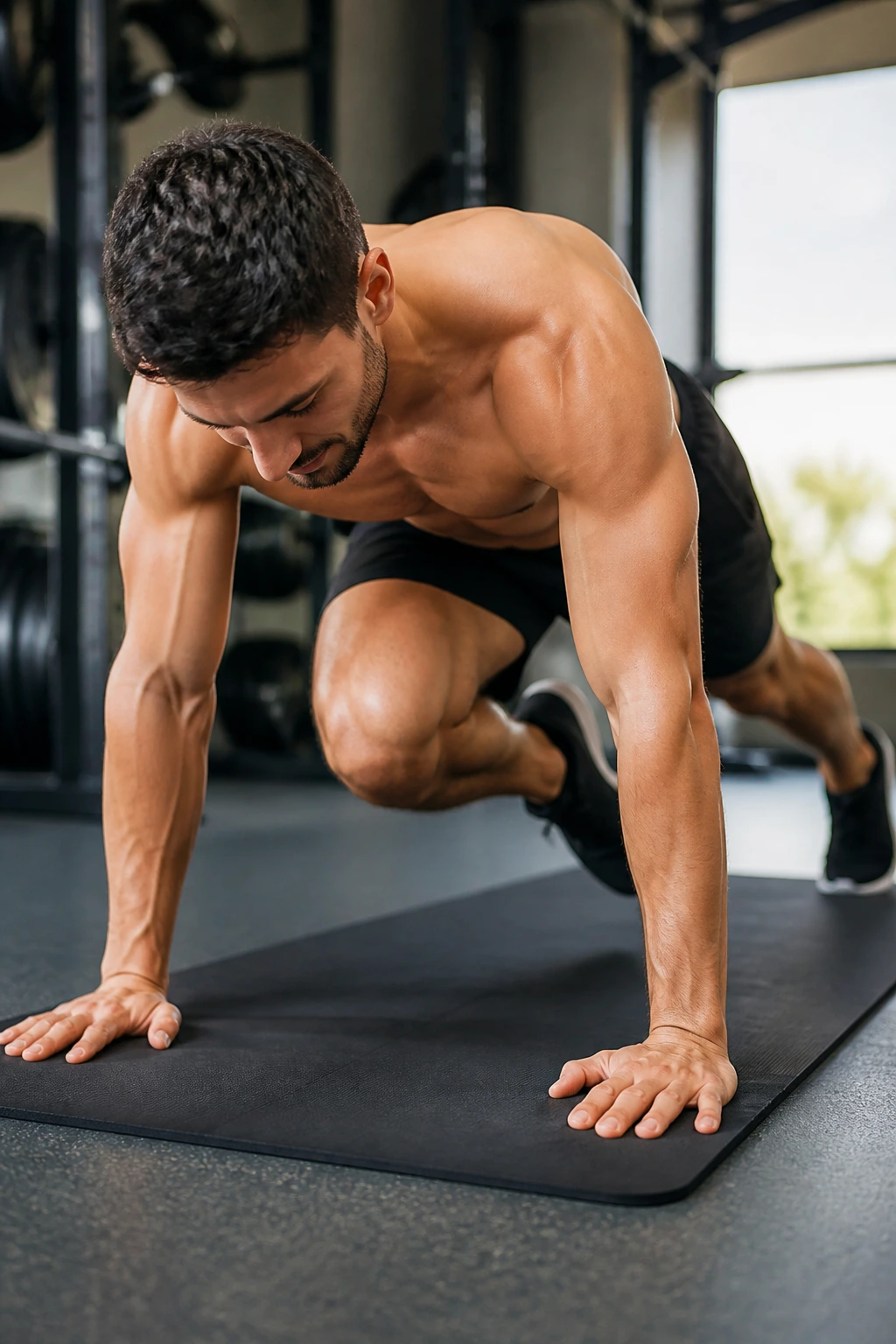
Why does crossing the knee toward the opposite elbow feel so much harder? Because your torso has to fight a little twist every single rep.
That extra anti-rotation demand changes the game. Your heart rate still rises fast, but now the obliques and deep trunk muscles are working to keep the shoulders and hips square. I like 4 rounds of 30 seconds with 15 seconds rest, or 6 rounds of 20 seconds if you want a sharper finish. Drive the knee across the body, not so far that you collapse the shoulder.
The mistake is easy to spot. People yank the leg across and let the whole pelvis swing with it. That turns the move into a sloppy side bend. Keep the sternum pointed to the floor, and think of the knee as threading under your chest instead.
3. Slow-Motion Climbers for Control

I’ve seen more people gas out on slow climbers than on sprint climbers. Strange, but true.
What makes them sneaky
Move with a 3-second knee drive, hold for 1 second at the top, then take 2 seconds to return the foot back. Do 4 sets of 8 to 10 reps per side with 30 to 45 seconds of rest. The slower tempo strips away momentum, so your core has to do the boring part. That’s usually where people discover they were borrowing stability from speed.
How to use it
- Keep the hands planted and the fingers spread wide.
- Drive one knee at a time, no hopping.
- Exhale as the knee comes forward.
- Hold the hips level, even if the pace feels annoyingly slow.
This version is great when you want cardio without the chaos. It still makes you breathe hard. It just does it with manners.
4. 20-Second Sprint Climbers

If you want a clean lung punch, this is it.
Work for 20 seconds at a pace you can barely keep for the full interval, then rest for 40 seconds. Do 10 rounds if you want a tight conditioning block, or 12 rounds if you’re feeling stubborn. The short work window keeps the effort sharp, and the longer rest lets you keep the reps crisp instead of turning into a bicycle on the floor.
Fast climbers work best when your shoulders stay locked over the wrists. No drifting. No collapsing into the mat. The knees should tap in a quick, even rhythm, and the landing should stay quiet enough that you’re not slapping the floor every rep.
One round feels manageable. Six rounds get rude. That’s the point.
5. Incline Climbers on a Bench

Your wrists will thank you for this one.
Put your hands on a stable bench, box, or couch edge about 12 to 24 inches high, then run the knees in from that elevated position. The higher angle takes some load off the shoulders and wrists, which makes the movement easier to hold for longer intervals. I like this setup for 8 rounds of 30 seconds on, 20 seconds off, especially for newer trainees.
Why the angle helps
A shallow incline lets you keep the torso straighter and the breathing more under control. That means you can stay in the work longer without your form folding in half. It also makes the move easier to coach, which is handy if you’re trying to learn what a solid climber actually feels like.
Best times to use it
- First-time climber sessions
- Wrist-sensitive days
- Warm-ups before harder conditioning
- Recovery workouts where you still want a sweat
If the bench wobbles, don’t use it. Simple rule. A shaky surface turns a useful drill into a bad idea.
6. Decline Climbers with Feet Elevated
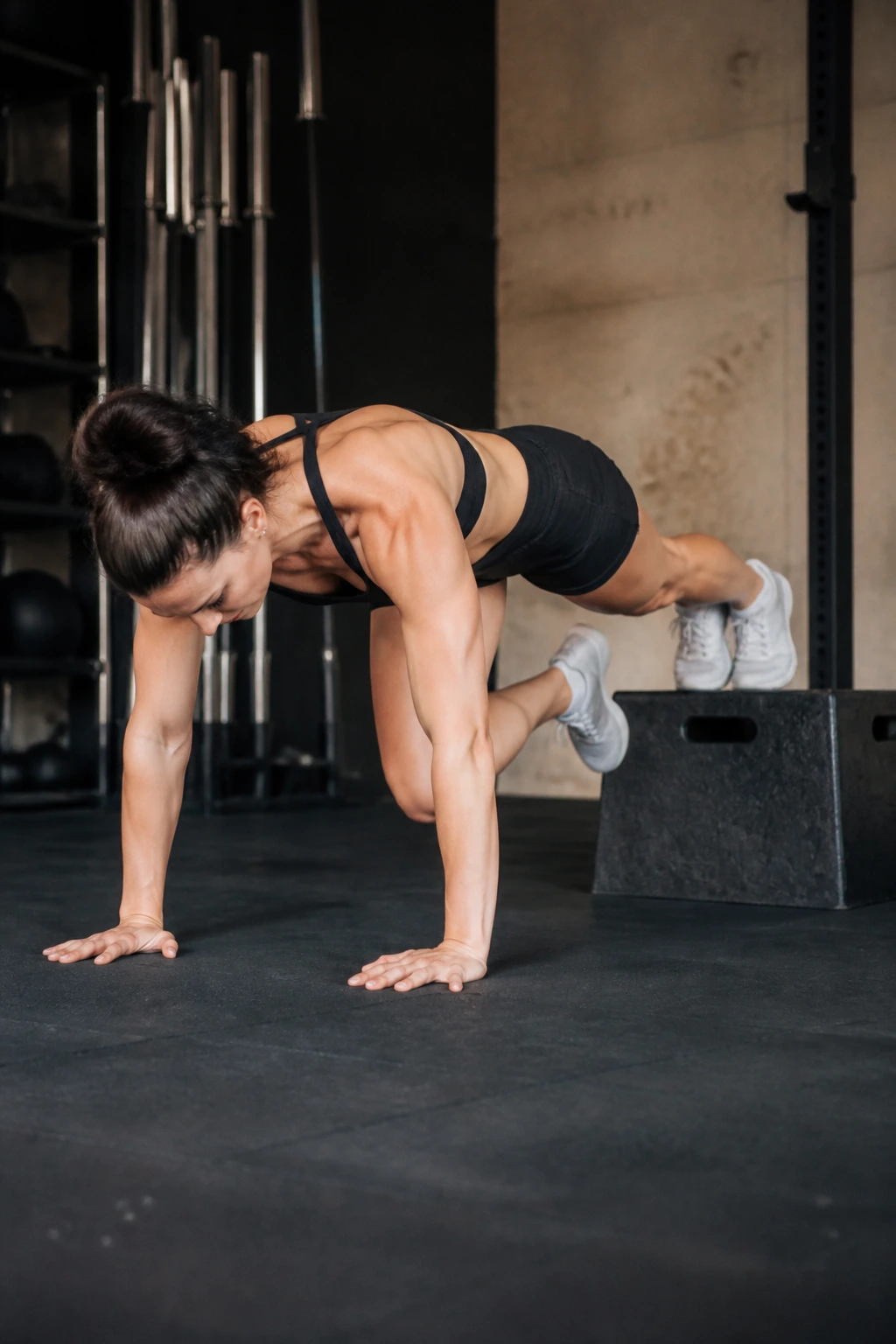
Elevating the feet does not just make climbers harder. It makes them stricter.
When your toes go on a low box, step, or sturdy bench, the shoulders have to work harder to keep the body from tipping forward. The core gets involved fast, and the whole position feels more compact. I’d keep the box low at first — 8 to 12 inches is enough. Start with 6 rounds of 15 to 20 seconds, then rest 45 to 60 seconds.
This version is best for people who already own the standard move. If your hips shoot up the second the feet leave the floor, don’t rush here. The elevated version punishes that exact habit.
Use it when you want a hard conditioning hit without adding more speed. It’s nasty in a quiet way.
7. Shoulder-Tap Climbers for Upper-Body Burn

This is the version that makes your arms complain in the middle of your cardio.
Do 4 climbers, then pause for 1 shoulder tap per side, then return to the knees. Or keep it simpler: 6 climbers + 2 taps repeated for 30 to 45 seconds. The tap forces a tiny weight shift, and that shift teaches the shoulders to resist rotation while the legs keep moving.
What to watch for
- Feet a little wider than standard climbers.
- Hands planted like you mean it.
- Hips steady, not swinging side to side.
- Tap the shoulder with control, not a slap.
The wider stance matters. Too narrow, and your pelvis starts to wobble the moment one hand leaves the floor. Too wide, and you lose the point of the drill. Somewhere in the middle is the sweet spot.
One clean set can tell you a lot about your stability. It’s a useful little truth test.
8. Slider Climbers with Towels or Discs
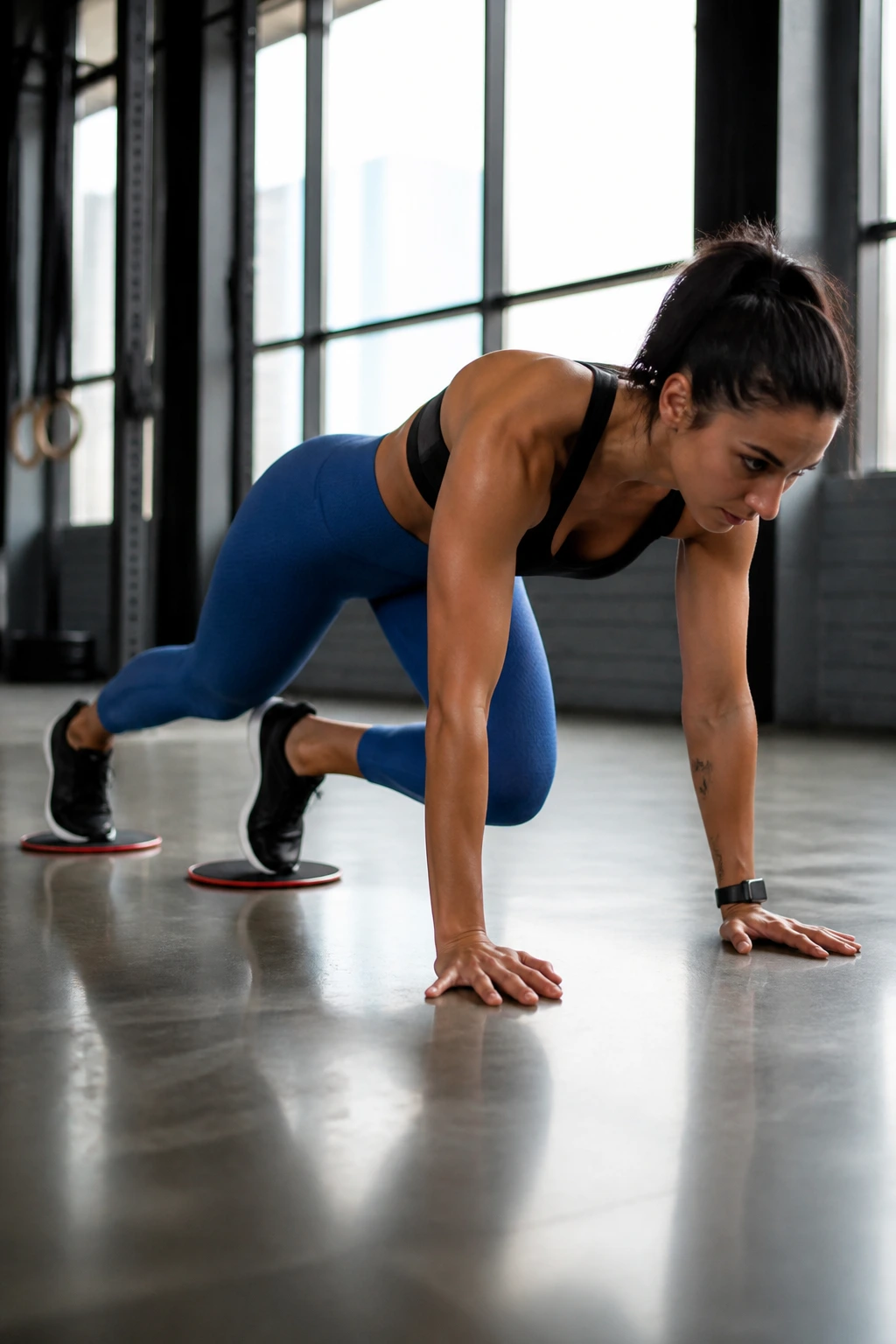
Put towels under your feet on a smooth floor and the whole workout changes.
The slide removes a lot of impact, but it also makes each rep more honest. Your hamstrings and lower abs have to control the return phase instead of letting the foot snap back under you. Try 4 rounds of 40 seconds with 20 seconds rest. Go slower than you think at first. Seriously.
This is a good choice on days when jumping feels like too much, or when you want a long conditioning block without pounding the floor. The movement should look smooth, almost gliding, but the effort is not smooth at all. If anything, the lack of friction makes poor positions show up faster.
If your floor is carpeted, skip this and use furniture sliders or thin paper plates. Cheap fix. Works fine.
9. Half-Range Pulse Climbers

Why do tiny pulses hurt so much? Because they keep the muscles under tension the whole time.
How to use it
Hold the top half of the climber and pulse the knee in a short range for 10 to 15 seconds, then switch legs. Another option is 15 seconds of pulses, then 15 seconds of full-range climbers. Run that pattern for 4 to 6 rounds. The smaller movement keeps your body from hiding behind momentum, which is useful when the goal is conditioning with control.
This version is a nice bridge between core work and cardio. It’s also good when the room is too small for explosive movement or when your joints want a break from bouncing. The pulses should feel tight, not frantic.
A lot of people try to make every climber huge. That’s not required. Sometimes the shortest range is the nastiest one.
10. Commando Climbers for Core and Arms

The first time people try commando climbers, they usually move too fast and regret it.
Start in a forearm plank, press up to hands one arm at a time, then perform 4 to 6 climbers, and return to forearms. That’s one cycle. Do 4 to 6 cycles with 30 to 45 seconds between them. The up-down plank transition taxes the shoulders and triceps before the knees even start moving, so the cardio cost climbs fast.
The clean version
- Keep the elbows under the shoulders.
- Set the feet a little wider than usual.
- Move one hand at a time when you press up.
- Don’t let the hips rock when you change levels.
This one is less about speed and more about staying organized while breathing hard. If you rush the transitions, the whole drill falls apart. If you stay tidy, it becomes a brutally efficient upper-body and core finisher.
11. Outside-In Climbers for Wide Hip Drive
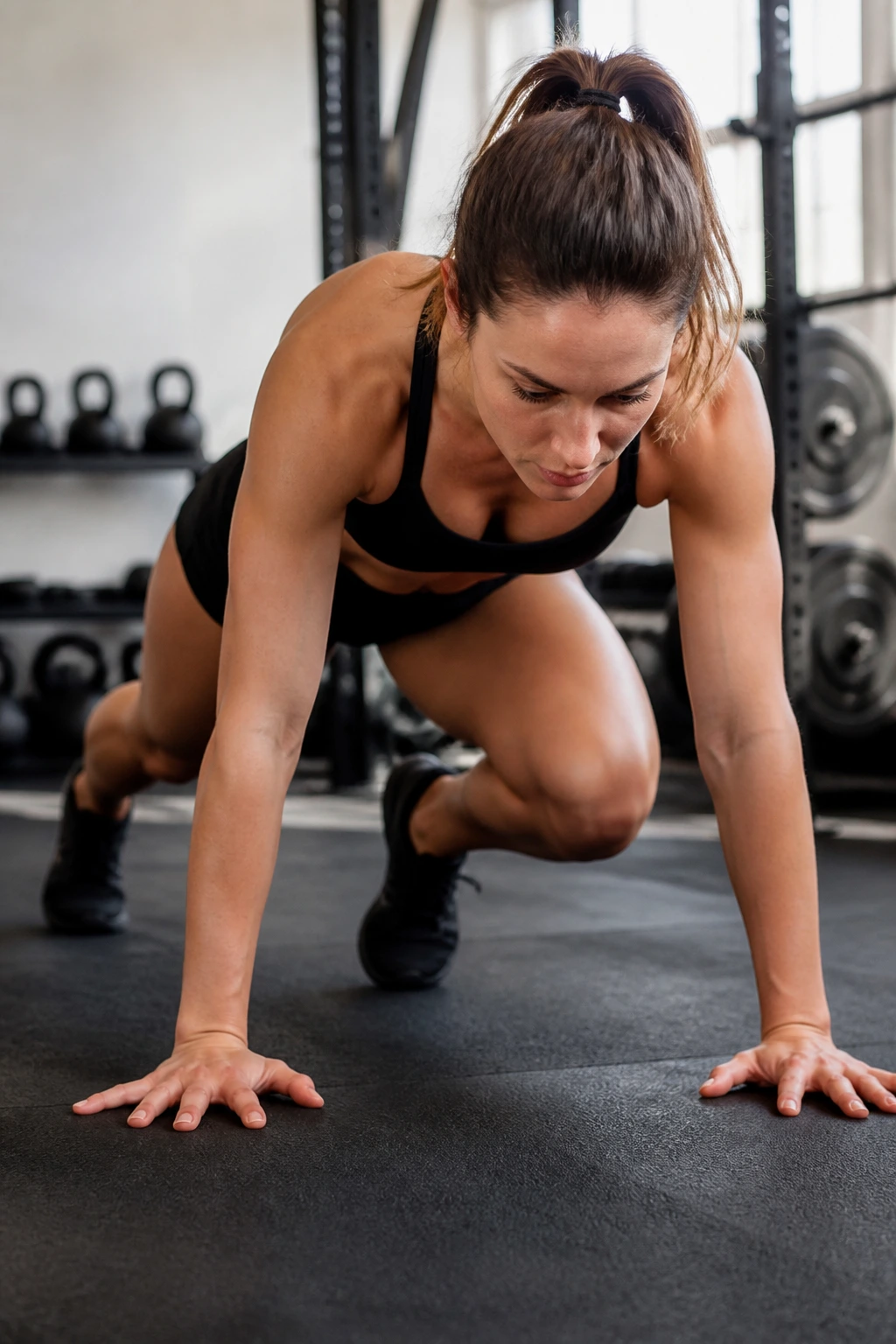
This version opens the hips more than standard climbers do. That’s the real difference.
Bring the knee toward the outside of the same elbow, then return it under the torso, almost like you’re tracing a shallow arc. The movement feels wider and a little more athletic, especially if your hips get tight after long sitting. Run 3 to 5 sets of 30 seconds with 20 seconds rest. You can alternate sides each rep or work one side for 10 seconds and switch.
The key is not to overreach. If the foot flies too far out, the shoulders start chasing it and the plank goes soft. Keep the upper body square, and let the leg do the travel. This is a good one when standard climbers start to feel stale.
It still counts as cardio. It just makes your hips notice the session too.
12. Skater Climbers for Side-to-Side Work

Unlike straight-line climbers, this version makes you manage side-to-side force every rep.
Drive the knee diagonally across the body, then land it back under the chest with a little lateral bias. The torso has to stay calm while the legs travel on a slant, which is why this one feels more athletic than neat. I like 4 rounds of 30 seconds with 30 seconds rest, or 6 rounds of 20 seconds if you want a sharper hit.
This is the workout I’d give someone who gets bored fast. The diagonal path makes the rhythm less predictable, and that helps if you’re the kind of person who tunes out during plain straight-ahead repeats. It also pairs nicely with other lateral drills later in a session.
Keep the feet under control on the way back. Wild feet mean wasted energy.
13. EMOM Climber Rounds
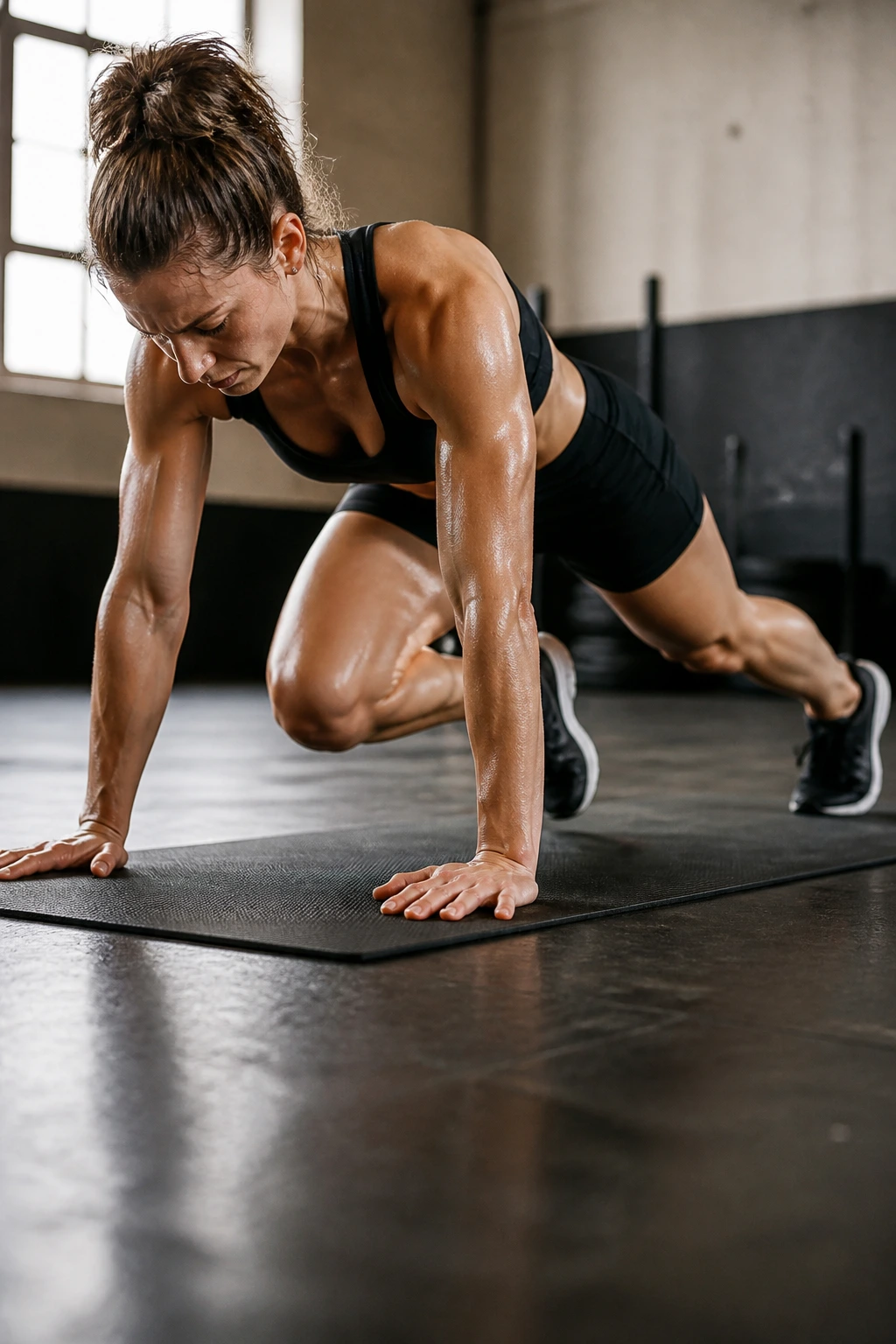
A minute sounds generous until you actually try to earn it.
A simple 10-minute setup
Set a timer for 10 minutes. On each minute, do 40 fast standard climbers or 20 cross-body climbers and rest for the remainder of the minute. If you finish with more than 15 seconds left, add 4 to 6 reps next round. If you miss the rest entirely, cut the number back.
That small adjustment matters. EMOM work is best when every round is repeatable, not when round one is a hero move and round four is a disaster. The pace should feel sharp, but not so wild that your shoulders start drifting.
This format is useful because it gives you structure without needing a complicated plan. You know exactly when each round starts. You know exactly when it ends. Clean and annoying. A good combination.
14. Tabata Mountain Climber Blasts

Four minutes can be enough to humble a person.
Tabata is 20 seconds hard, 10 seconds rest, repeated for 8 rounds. For climbers, I’d keep the pace fast but controlled. Do not sprint so hard in round one that your knees stop tracking cleanly by round five. If you want a longer block, rest 90 seconds and repeat the whole thing once.
The short recovery is the real sting. Ten seconds is barely enough time to take a deep breath and reset your hands, which is why this format feels so efficient. It also forces you to decide what matters most: speed, or clean shape. Pick clean shape first. The speed follows.
This one works well as a finish after strength work, especially if you want a short cardio hit and you’re done pretending otherwise.
15. Pyramid Climbers: 10-20-30-20-10

Do you want structure without overthinking? Use the pyramid.
One clean way to build heat
Start with 10 climbers per side, then 20, then 30, then back down to 20 and 10. Rest 20 to 30 seconds between rungs. The climb up feels manageable. The way down feels sneaky, because your breathing is already elevated and the legs are carrying some fatigue from the longer middle set.
I like this format because it gives you a clear finish line. You can push the middle without wondering how much is left. It also works with either standard climbers or cross-body climbers, depending on how twisty you want the session to feel.
If the 30-rep rung starts falling apart, don’t fake it. Cut it to 20 and keep the shape clean. The pyramid only works if the body stays organized.
16. Bear Crawl to Mountain Climber
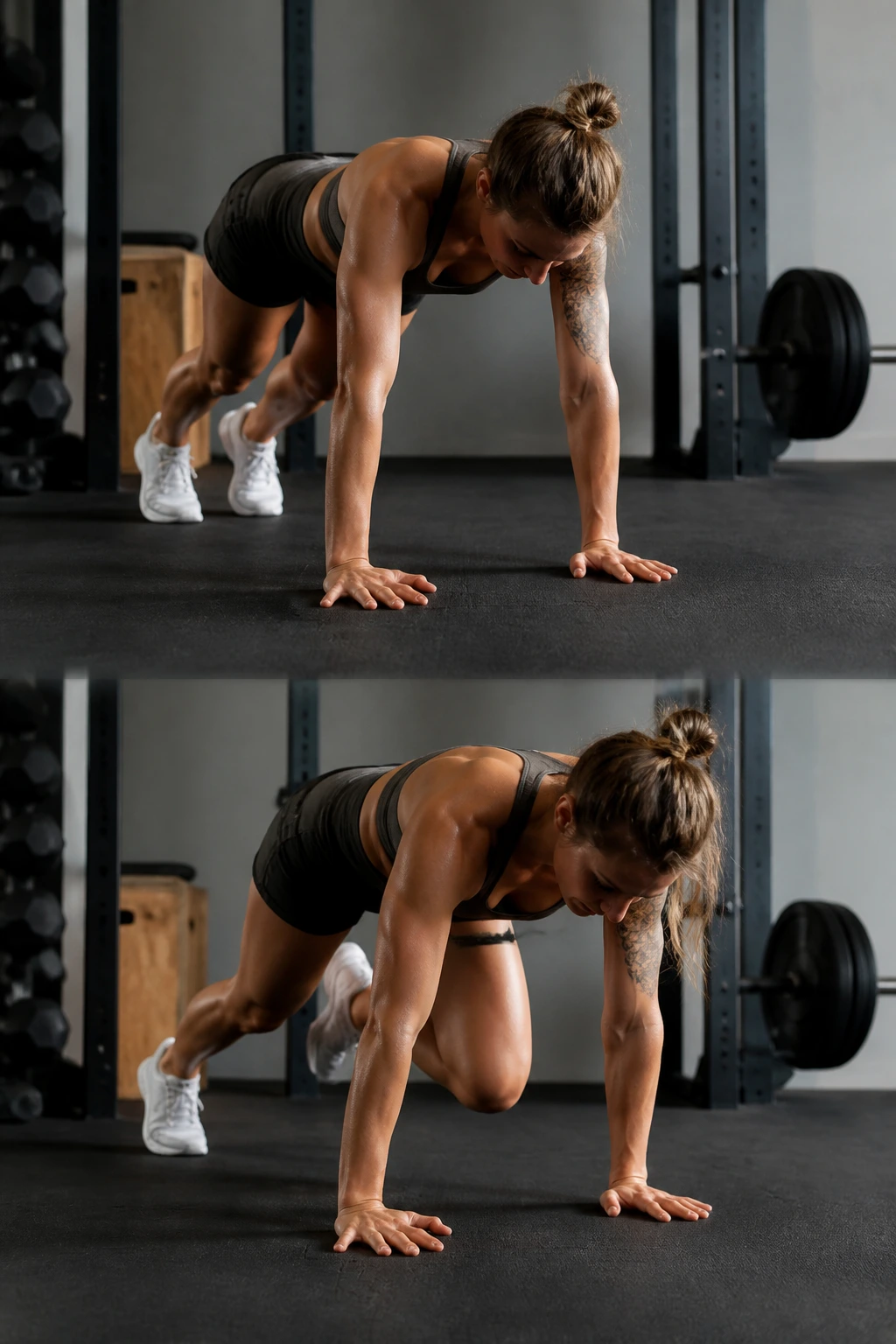
I’ve used this when a workout needs both cardio and a little chaos.
Move in a bear crawl for 20 seconds with the knees hovering about 2 inches off the floor, then drop into 20 seconds of mountain climbers. Rest 40 seconds and repeat for 6 rounds. The crawl wakes up the shoulders and quads, and the climbers finish the job when your breathing is already up.
What the sequence teaches
- Stay low in the crawl.
- Keep the hands planted under the shoulders.
- Don’t let the back sag when you switch.
- Move with short, quick steps instead of giant reaches.
The hand placement matters here more than people think. If your base gets sloppy during the crawl, the climber phase feels twice as messy. Start controlled. Finish faster. That’s the whole trick.
17. Weighted Vest Climbers
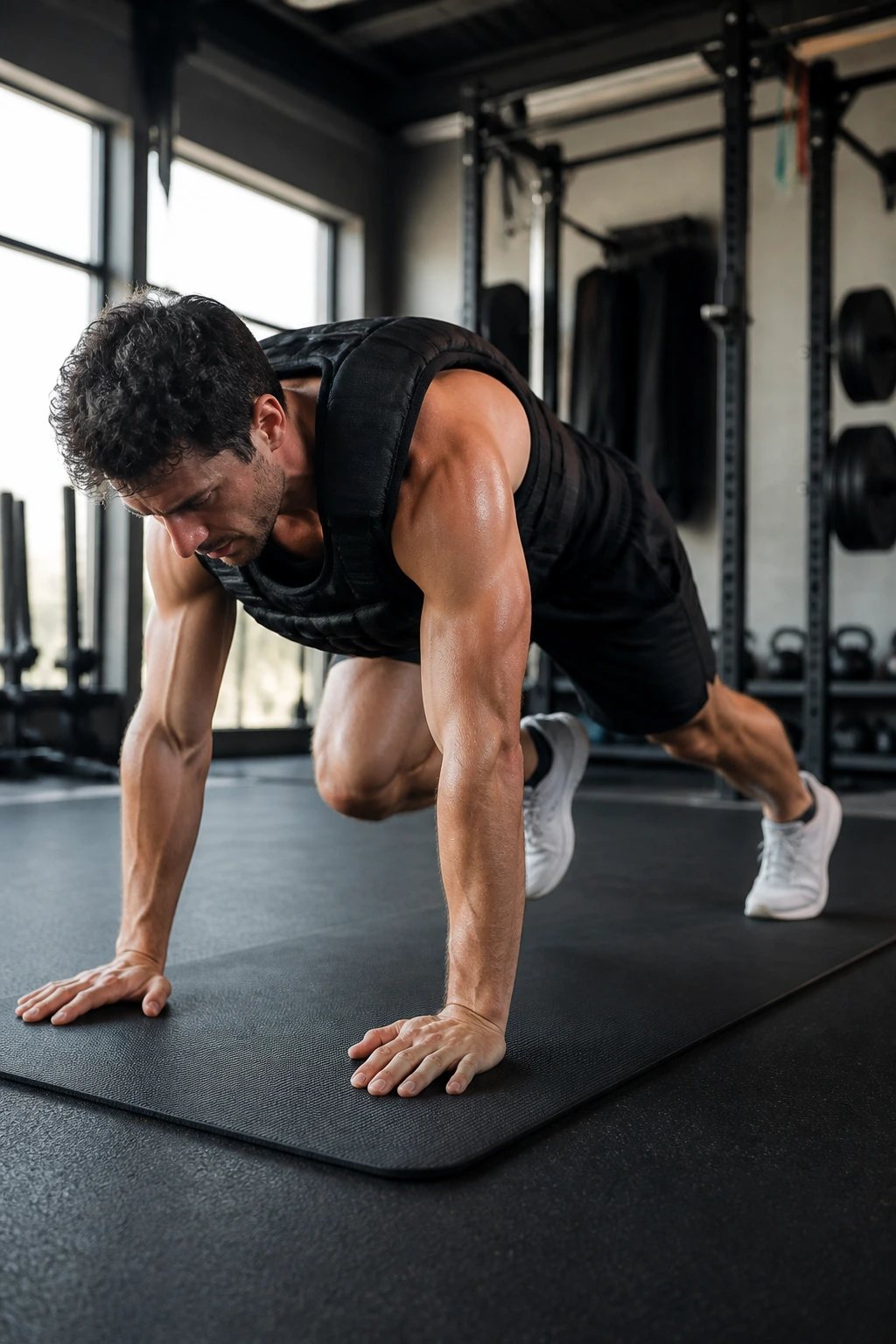
Adding load changes the math without changing the movement much.
A 5- to 10-pound weighted vest is enough for most people. Pair it with 4 to 6 sets of 20 to 25 seconds and 35 to 45 seconds of rest. The vest should sit snugly on the torso, not bounce around with each knee drive. If it shifts, it’s too loose or too heavy.
This version is best for people who already move well in a plank and want more work without turning the pace into a wild sprint. The extra load keeps the shoulders and trunk engaged longer, which makes the same interval feel far denser. It’s not a beginner option. It’s a “you already know what good form looks like” option.
If your lower back starts to arch, take the vest off. Simple fix. No drama.
18. Ankle-Weight Climbers
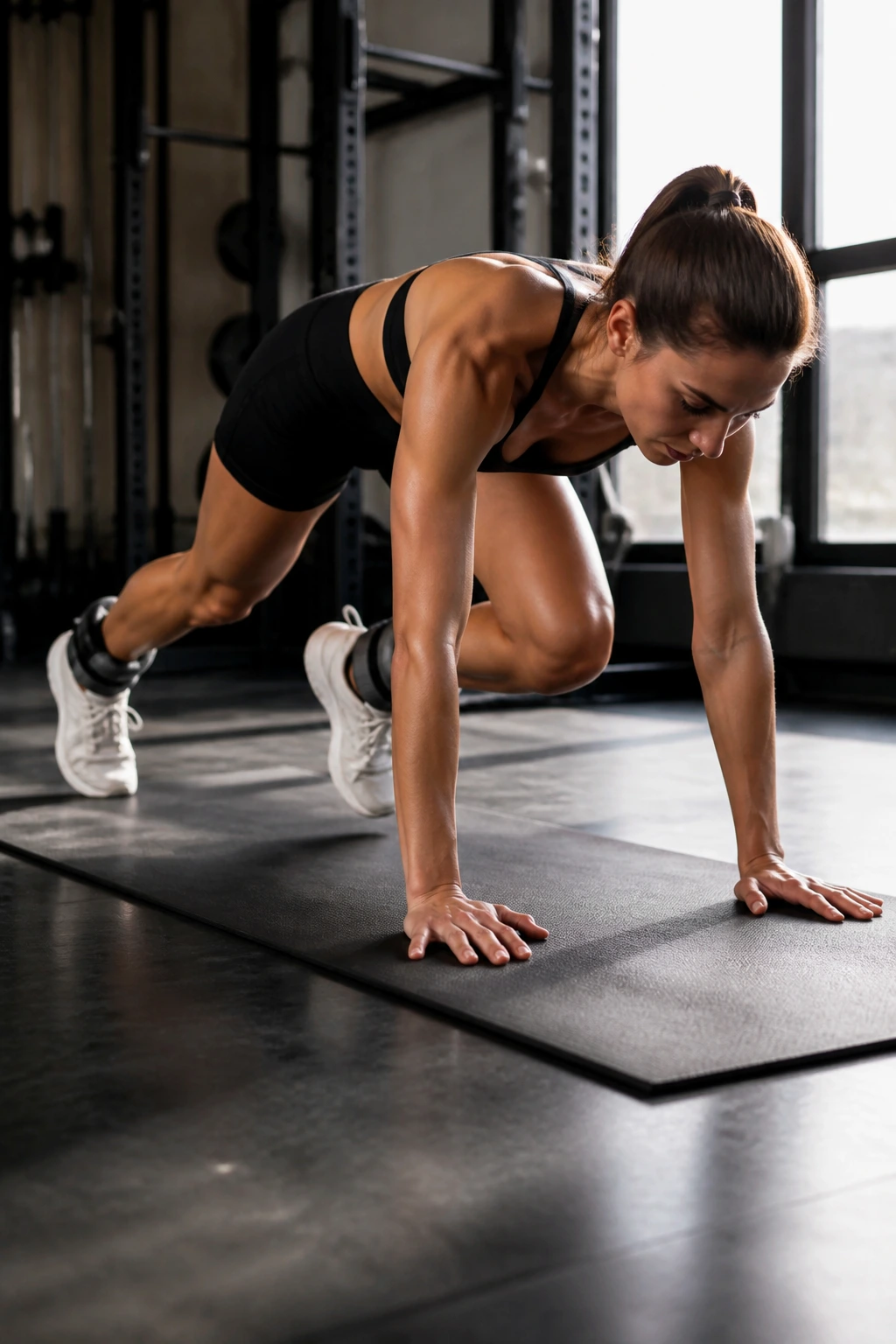
This is the most controversial one on the list, and for good reason.
Light ankle weights — think 1 pound to 2 pounds per ankle — can make the hip flexors and lower abs work harder during short climber intervals. Keep the sets short, around 15 to 20 seconds, and stop after 3 or 4 rounds. Anything longer tends to get sloppy fast.
The problem is that the extra weight can pull the legs out of clean alignment if your form is even a little loose. So I only like this for people who already have strong plank control and a decent tolerance for hip flexor work. If your knees or lower back grumble, ditch the weights immediately.
Used carefully, it adds a different kind of burn. Used carelessly, it’s just a headache with straps.
19. Climber to Push-Up Combo

What happens when you mix floor cardio with upper-body pressing? You run out of excuses.
Do 6 climbers, then 1 push-up, then repeat. If that’s too spicy, use 4 climbers instead. Run it for 30 to 45 seconds per round and rest 30 to 45 seconds between rounds. The push-up keeps the chest and triceps involved while the climbers keep the heart rate rising.
How to keep it clean
Keep the elbows from flaring, and lower the chest in one solid line. The moment the hips start sagging on the push-up, the combo stops being useful and starts being messy. Use a slightly wider foot stance if you need more stability.
This one works well in short conditioning blocks because it never lets one muscle group get a full break. The upper body pays, the legs pay, and your breathing gets louder than planned. Good. That means it’s working.
20. Lateral Shuffle and Climber Circuit
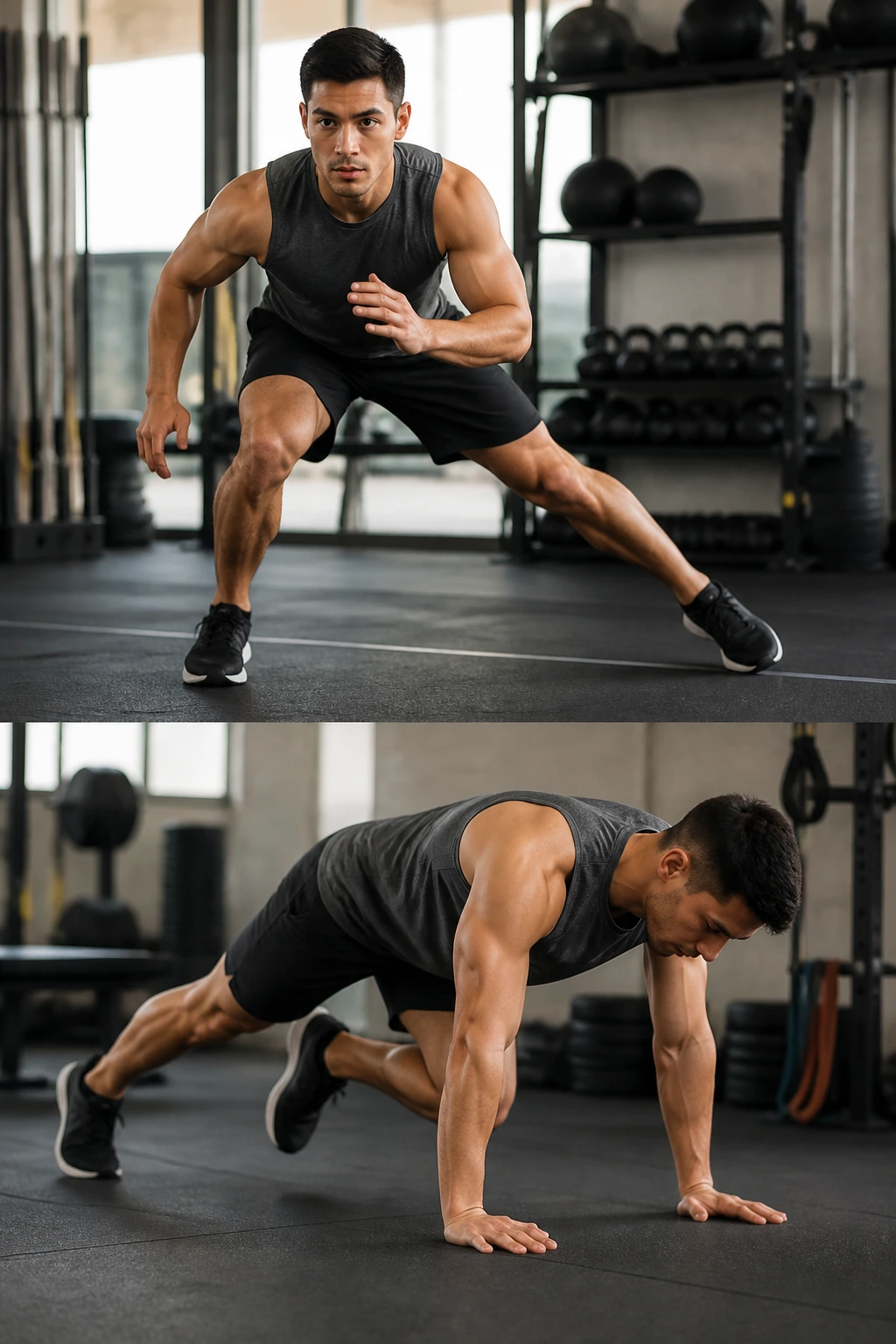
A straight floor pattern gets stale fast. This fixes that.
Shuffle 3 to 4 steps to the right, drop into 20 climbers, then shuffle back left and repeat. Do that for 3 to 5 rounds with 90 seconds of work and 30 seconds of rest. The side movement gives your legs a break from one exact angle, while the climbers keep the pulse up.
Why the combo holds up
The shuffle wakes up the inner and outer thighs, and the climbers bring the breathing back up before you settle down. That back-and-forth is useful when you want a little athletic feel without needing any gear. It also makes the workout feel less like a timer and more like a drill.
Keep the shuffle light. No stomping. The cleaner your footwork, the more useful the climbers feel when you hit the floor.
21. Climber to Jump Squat Burner
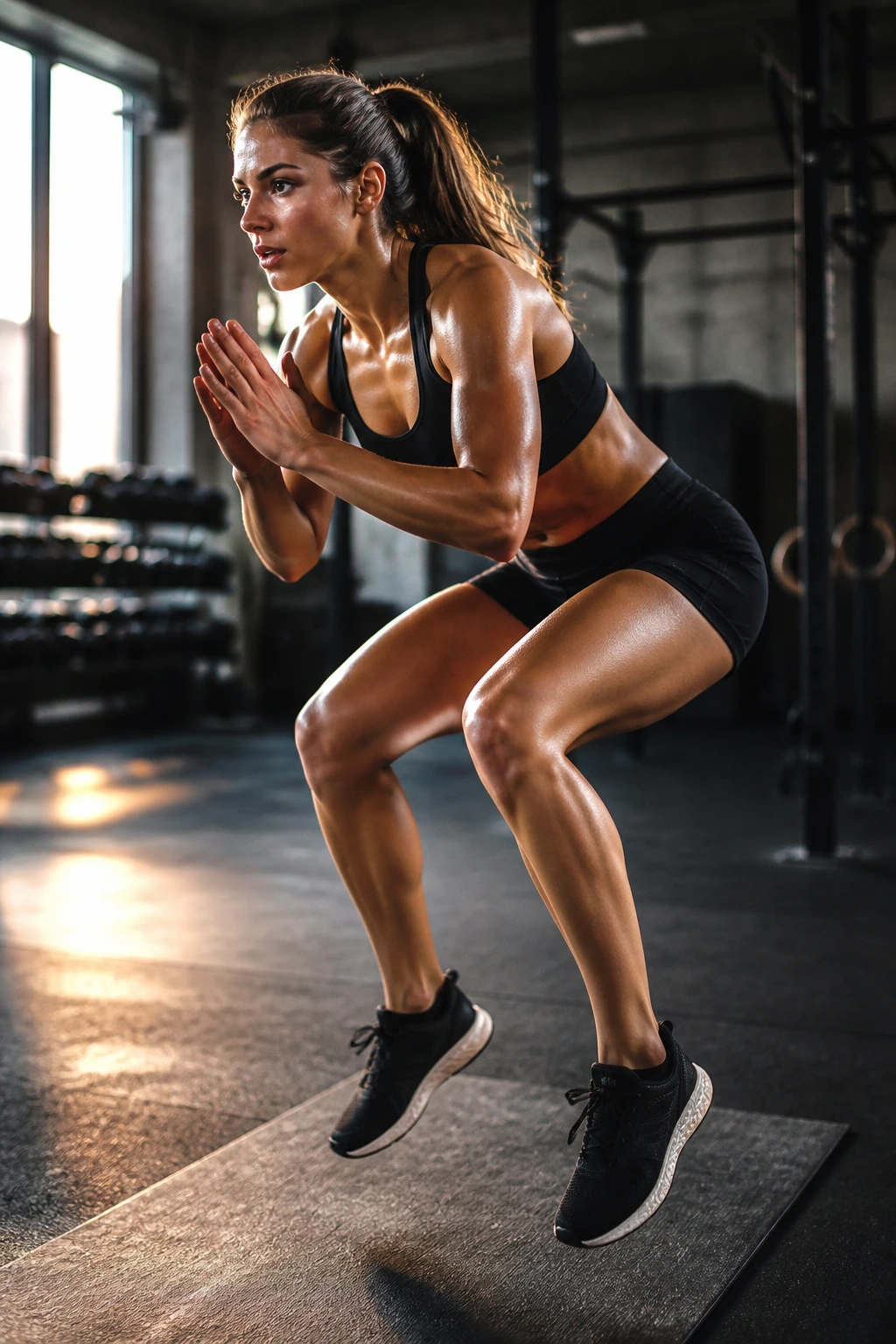
This one is loud, sweaty, and simple.
Do 10 climbers per leg, then pop up into 6 jump squats, then go back down and repeat for 4 to 6 rounds. Rest 45 seconds between rounds. The climbers jack up the heart rate, and the jump squats add a burst of leg power right after your core has already been taxed.
The main thing to watch is landing. Keep the jump squat depth modest, land softly, and reset your ribs before you go back to the floor. If the landings start sounding heavy, reduce the squat jumps to regular air squats for a round or two.
I like this more than endless climbers when I want the workout to feel like a circuit instead of a slog. It stays interesting. That matters more than people admit.
22. Spiderman Mountain Climbers
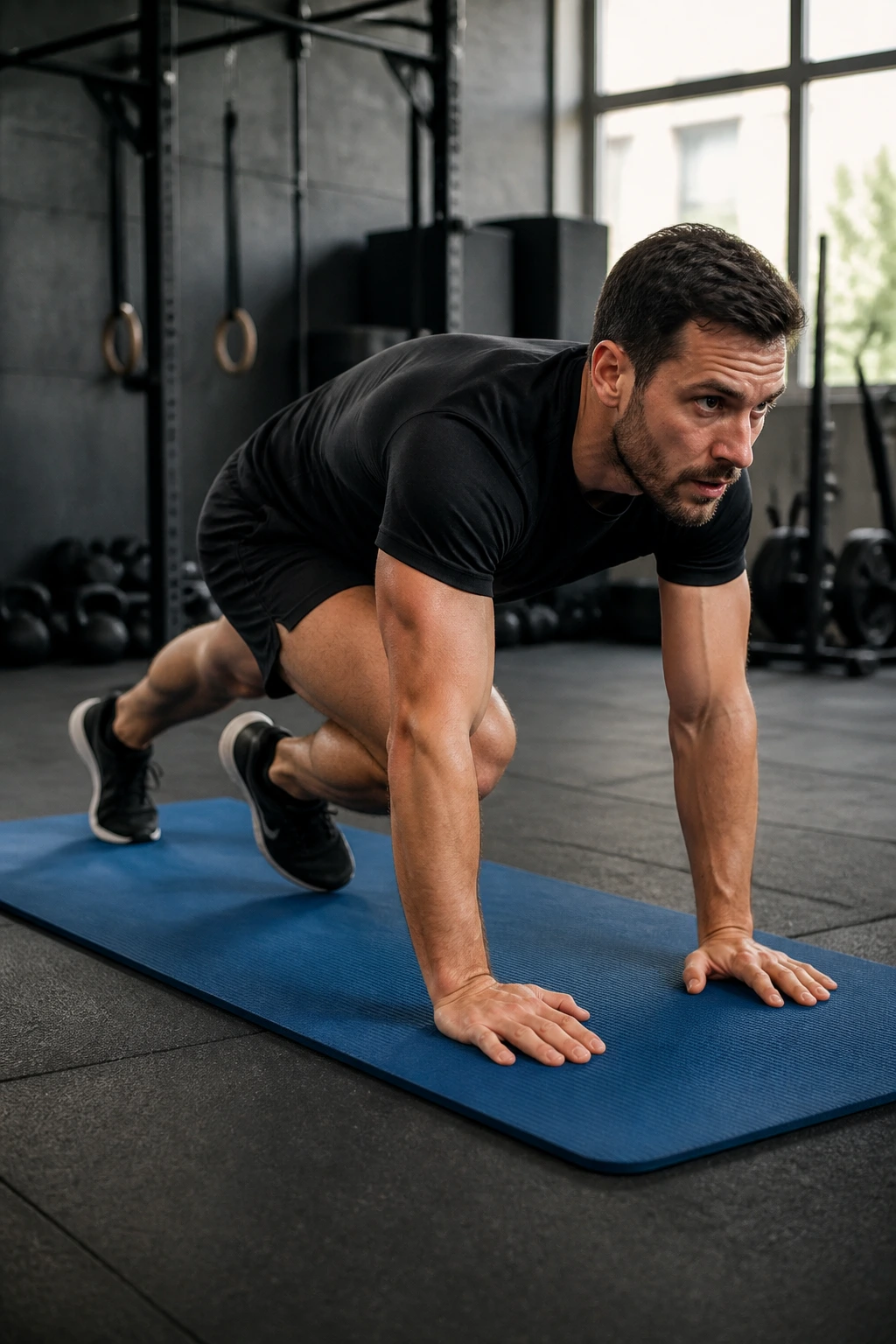
This version steals some of the best parts of a lunge and hands them to your plank.
Drive the knee outside the same elbow, let the hip open a little, then return the foot under the chest. The path is wider than a cross-body climber and more mobile than a standard one. Run 4 sets of 30 seconds with 15 to 20 seconds of rest.
What to watch for
- Shoulders stay stacked over the hands.
- The knee reaches wide, not just forward.
- The foot returns under control.
- Hips stay level instead of rolling open.
Spiderman climbers are one of my favorite warm-up choices when the hips feel tight and the workout still needs to count. They give you movement without losing the cardio edge. Not bad for a plank variation that looks almost too casual.
23. Isometric Hold and Drive Climbers
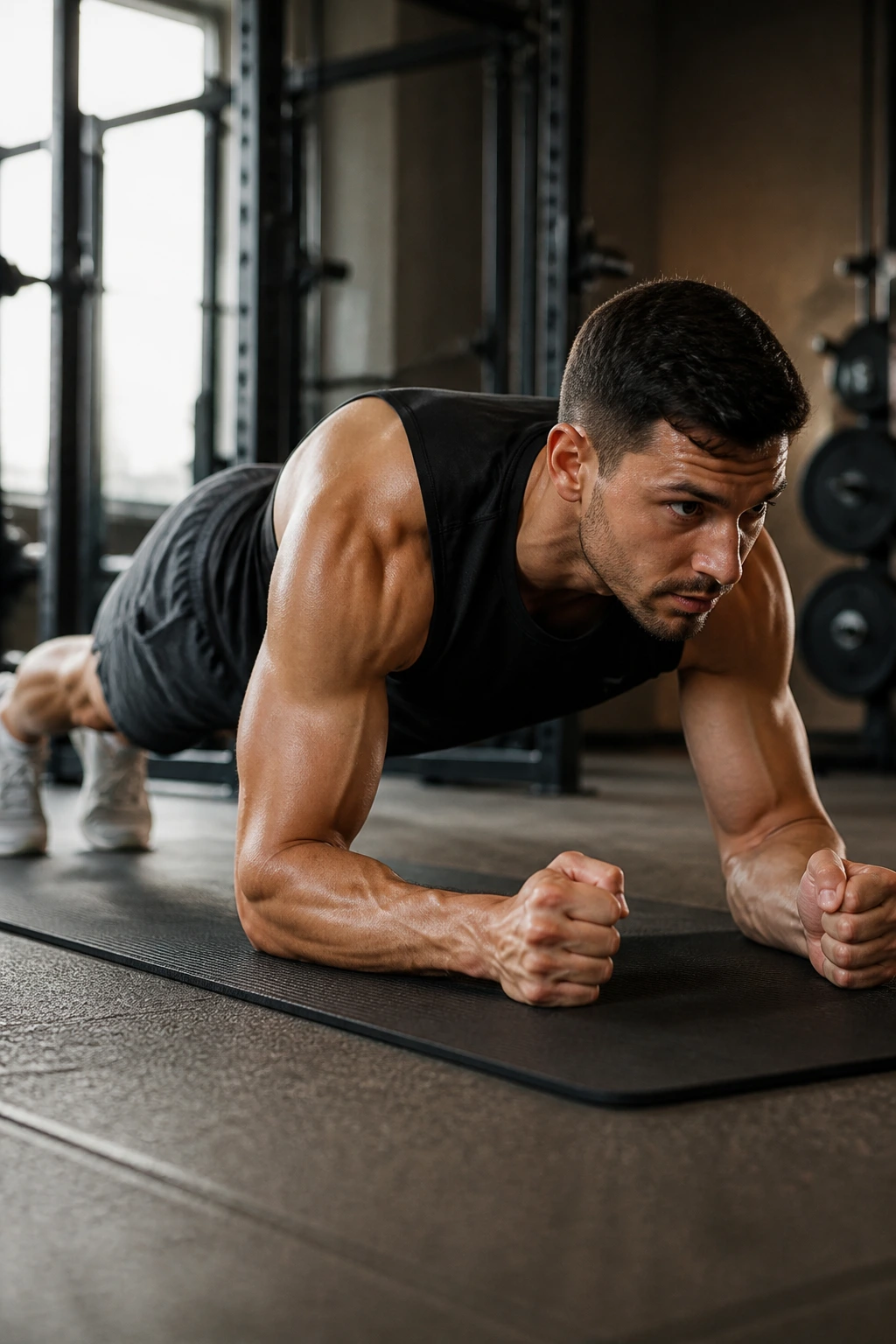
Hold still first. Then move fast. That contrast is the whole point.
How to use it
Set up in a strong plank and hold for 10 seconds. Then do 8 to 10 fast climbers per side. Rest 20 to 30 seconds and repeat for 5 rounds. The hold teaches tension, and the drive teaches speed while that tension is already in place.
This is a smart choice when the problem is not effort but sloppiness. A lot of climber workouts fall apart because people never learn how to lock the torso before they start moving. This fixes that fast. It also makes the breathing feel more deliberate, because you cannot hide behind constant motion.
The hold should feel active, not dead. Press the floor, squeeze the glutes, and keep the neck long. Then move.
24. 45/15 Density Climbers
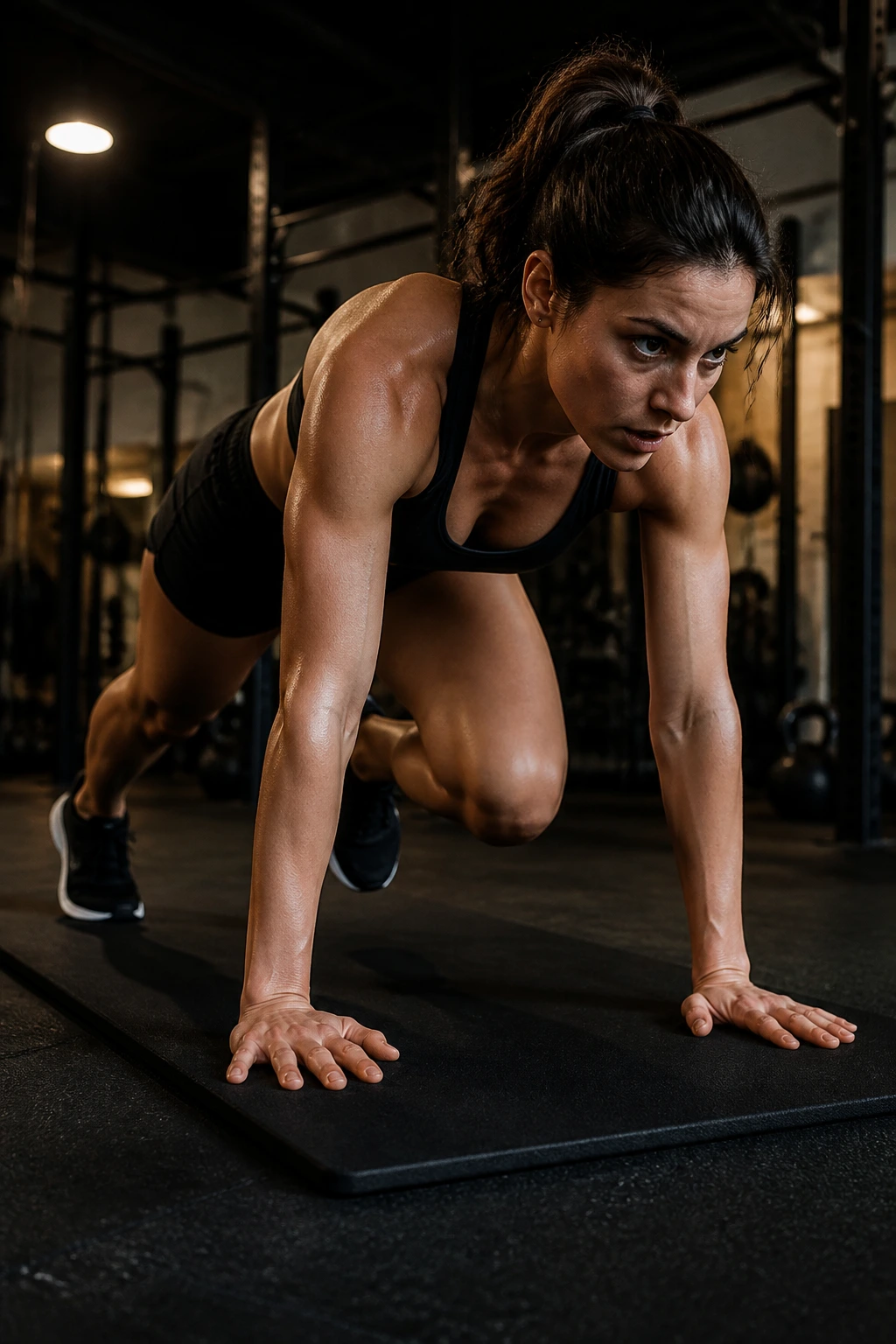
Forty-five seconds is long enough to expose a weak plank.
Work for 45 seconds, rest for 15 seconds, and repeat for 8 rounds. You can keep the pace moderate for the first two rounds, push harder through the middle, and finish with cleaner reps instead of all-out scrambling. That pacing matters more than people think. If every round is a sprint, the last half gets ugly.
Why this setup works
The rest is short enough that your breathing never really settles. The work window is long enough that you have to manage pace instead of relying on a quick burst. That combination makes the format useful for pure cardio days, especially when you want a block that feels structured but not rigid.
If you’re new to this one, count smooth knee drives instead of chasing maximum speed. Clean work wins here.
25. Mixed Cardio Finisher with Jump Rope Breaks
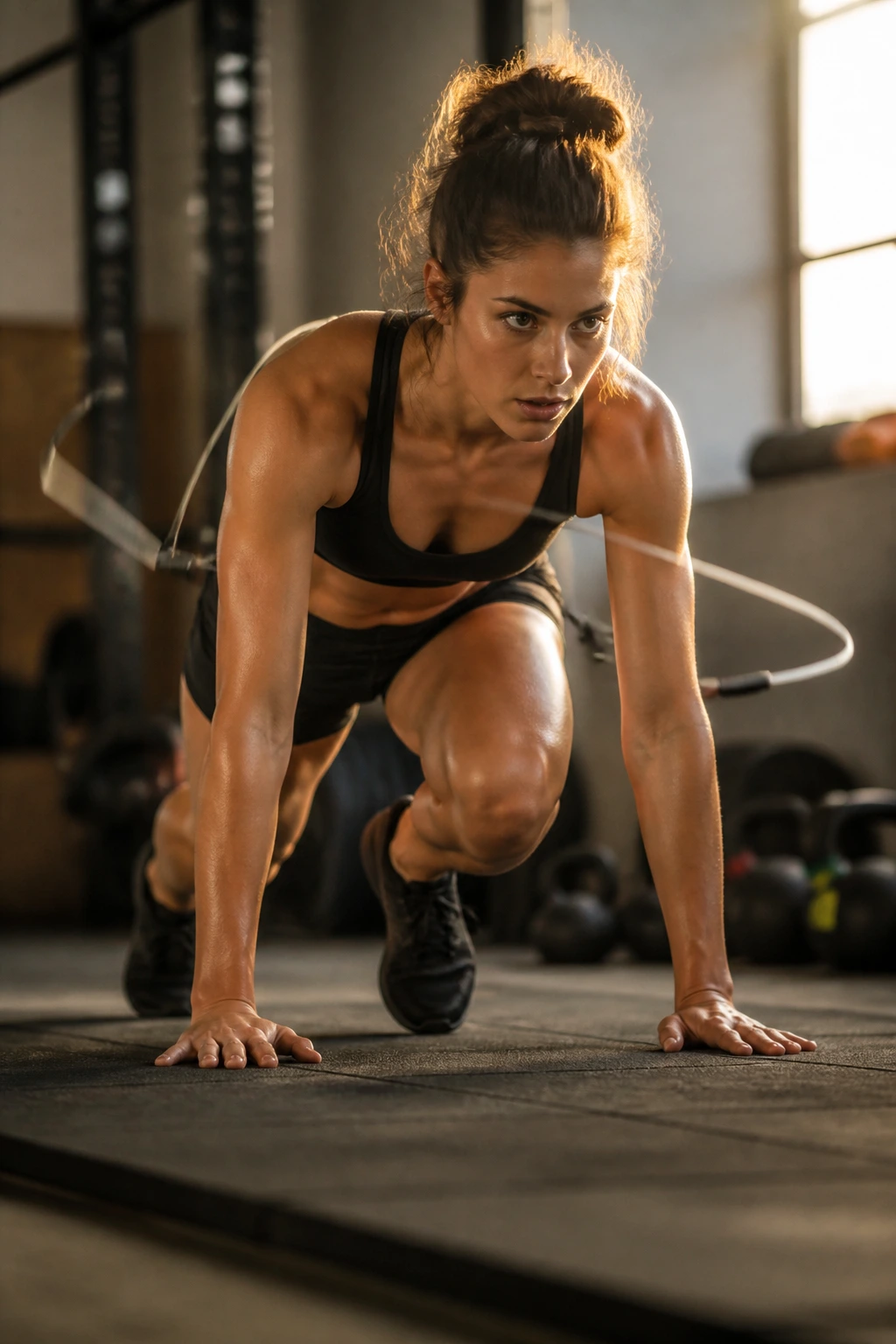
This is the one I’d save for the end of a session when the tank is already low.
Do 40 seconds of climbers, then 20 seconds of jump rope or imaginary rope, then 40 seconds of climbers, then 20 seconds of high knees or a fast march in place. Run that sequence for 3 to 5 minutes. The point is not to fully recover between blocks. The point is to keep the breathing messy without letting one pattern dominate too long.
Unlike a single-exercise finisher, this version changes the foot rhythm just enough to keep the mind awake. The climbers drive the shoulders and core, the rope work keeps the feet lively, and the marching break keeps the whole thing from turning into a stumble. It’s a clean way to finish without needing space, equipment, or a complicated setup.
If you’ve got a little more gas, push the climber segments harder. If not, keep the motion smooth and finish with posture intact. That counts.
Final Thoughts
Mountain climbers are one of those moves people underestimate because they don’t look dramatic from across the room. Then they try three hard rounds and realize the exercise has teeth.
What matters most is how you program them. Change the angle, the tempo, the surface, or the work-to-rest ratio, and you get a different workout without changing the basic shape of the movement. That’s why this exercise lasts. It’s simple, but not boring if you’re paying attention.
The best version is the one you can repeat with clean form and enough breathing room to finish the set without turning into a mess. That’s where the useful cardio lives.
