



The best toning workout routines are the ones you can repeat without dreading them. That’s the part people miss when they chase “burn” or try to sweat through something random from a scroll. A good routine leaves your muscles worked, your breathing up, and your joints calm enough that you’ll come back for another round.
Tone comes from two things working together: building a little muscle and keeping body fat in check over time. You do not need fancy equipment for that, and you definitely do not need to destroy yourself every session. Spot reduction is a fantasy. Squats do not melt thigh fat on command, and crunches do not carve out a waist by themselves. Still, the right mix of resistance, tempo, and rest can change how your body looks and feels in a pretty short stretch of consistent training.
That’s why the smartest plan usually blends different styles. Some days should be simple and hard. Some should feel steady and controlled. A few should be low-impact enough that you can train without feeling flattened afterward. The routines below cover that spread, from pure bodyweight work to dumbbells, bands, steps, machines, and recovery-focused movement.
Pick the one that matches your energy, your space, and your joints. Then keep going. That matters more than the perfect choice.
1. 20-Minute Bodyweight Toning Circuit
No equipment, no excuses. That sounds blunt, but it’s true. When you strip a workout down to your own bodyweight, you find out fast whether your form is clean and whether your conditioning is doing any work at all.
This circuit is one of my favorite starting points because it hits the big muscle groups without a lot of setup. Legs, chest, back of the core, glutes. All of it. The pace keeps your heart rate up, but the movements stay simple enough that beginners can learn them without feeling buried.
How to run it
- 40 seconds of air squats or chair squats
- 40 seconds of incline push-ups on a bench, couch, or wall
- 40 seconds of reverse lunges, alternating legs
- 40 seconds of glute bridges
- 40 seconds of dead bugs
- 40 seconds of plank hold
Rest 20 seconds between moves and 60 to 90 seconds between rounds. Do 2 rounds if you’re new, 3 rounds if you have a little base, and 4 rounds if you want the session to bite harder.
Why it works
The squat and lunge pattern takes care of the lower body. Push-ups train the chest and triceps. Dead bugs and planks teach the trunk to stay still when the limbs move, which is a bigger deal than people think.
Best tip: slow the lowering phase on squats and push-ups to about 3 seconds down. That tiny change makes bodyweight work feel a lot less casual.
2. Dumbbell Strength-and-Sculpt Ladder
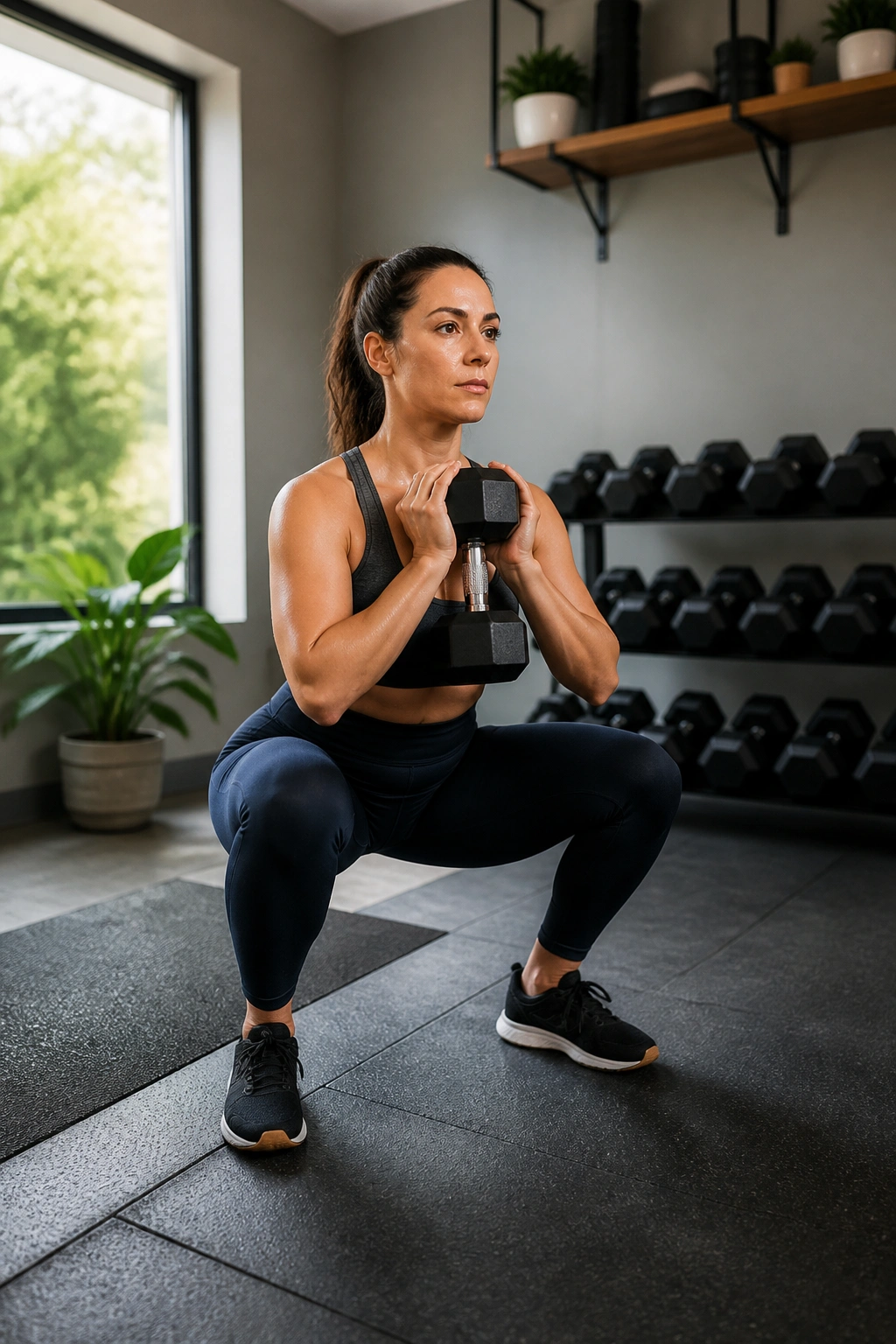
Heavy enough dumbbells make a short workout count. Light weights can help, sure. But if you want a routine that does more than leave you warm, you need enough load to make the last few reps feel real.
A ladder format works well here because it builds effort without making you stare at a huge block of same-same reps. Start with a manageable set of 8 reps, move to 10, then hit 12 only if your form still looks sharp. That keeps the session honest. It also makes the workout feel more like a climb than a slog.
Use these five moves:
- Goblet squat
- Dumbbell Romanian deadlift
- Single-arm row
- Floor press
- Standing overhead press
Do each exercise for 8 reps, then 10, then 12. Rest 45 to 75 seconds between moves. Beginners can stop at two rounds. More experienced lifters can run three or four.
The nice thing about this setup is that it trains both shape and strength. The squat and deadlift load the legs and glutes. The row and press clean up the upper body. Nothing flashy. Good work usually isn’t flashy.
If your shoulders feel cranky on the overhead press, swap in a neutral-grip press or cut the weight by a few pounds. That’s not backing off. That’s staying smart.
3. Resistance Band Glute-and-Core Burn
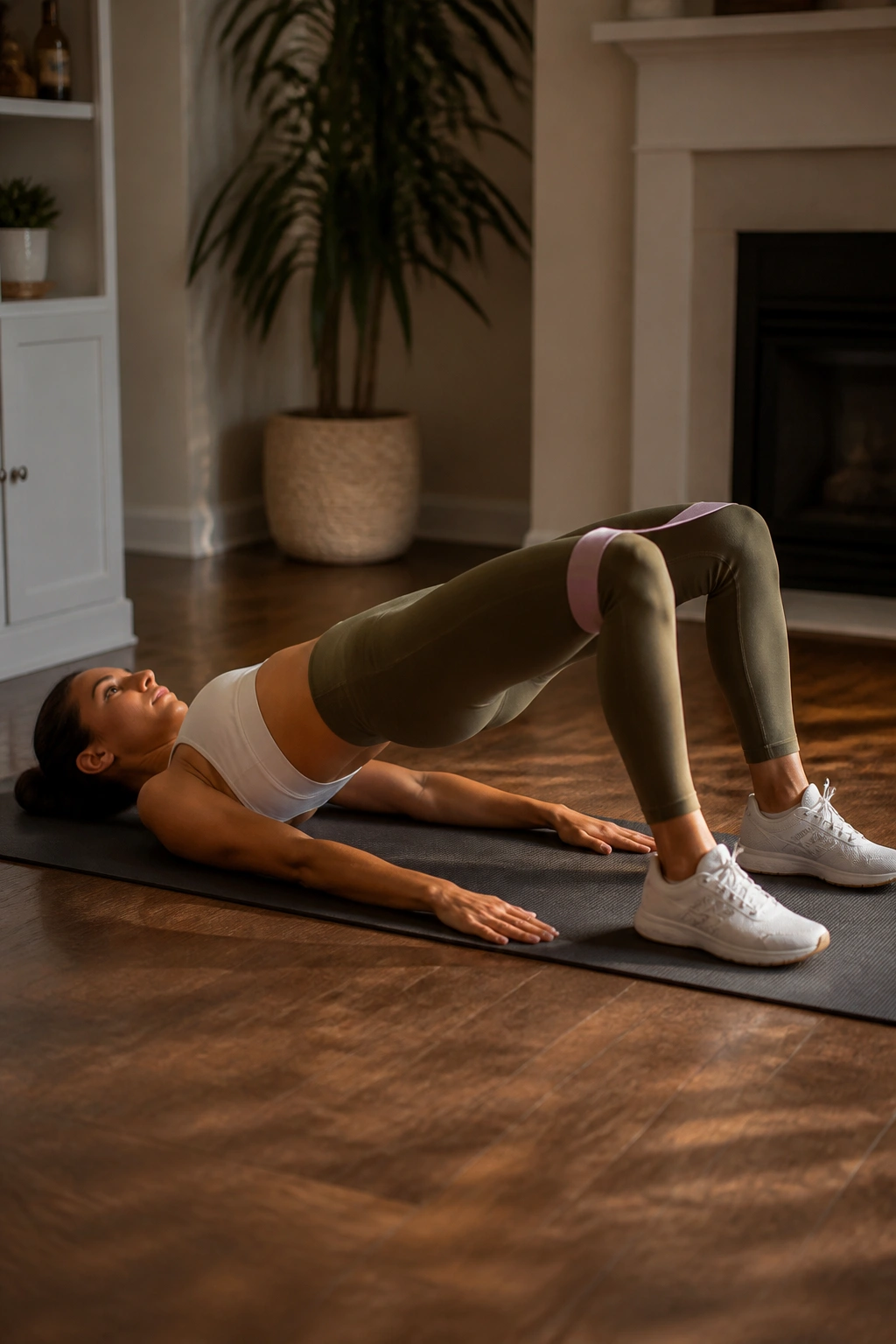
Why do resistance bands feel so brutal when the band itself looks harmless? Because they keep tension on the muscle through a range of motion that bodyweight often misses. That little strip of rubber is rude in the best way.
This routine is especially good if you want glute work that does not smash your knees or lower back. Bands add resistance where the movement usually gets easiest, so your hips and outer thighs stay under tension longer. The core work sneaks in as a stabilizer. You feel it when you try to keep your pelvis from wobbling.
What to do
- Banded glute bridge — 15 reps
- Lateral band walk — 12 steps each way
- Banded monster walk — 10 steps forward and 10 back
- Standing Pallof press — 10 reps each side
- Dead bug with band pull — 8 reps each side
Run 3 rounds with 30 to 45 seconds between exercises. If you’re new, use a light or medium band and keep the range tidy. If you’re stronger, slow the top of the glute bridge and hold it for 2 seconds.
How to get more out of it
Shorten the band path. That’s the easiest way to make the same exercise harder. You can also widen your stance a little on lateral walks, which turns up the burn fast.
Do not rush the dead bugs. If your lower back arches off the floor, the rep is too messy to count.
4. Low-Impact Lower-Body Pulse Routine
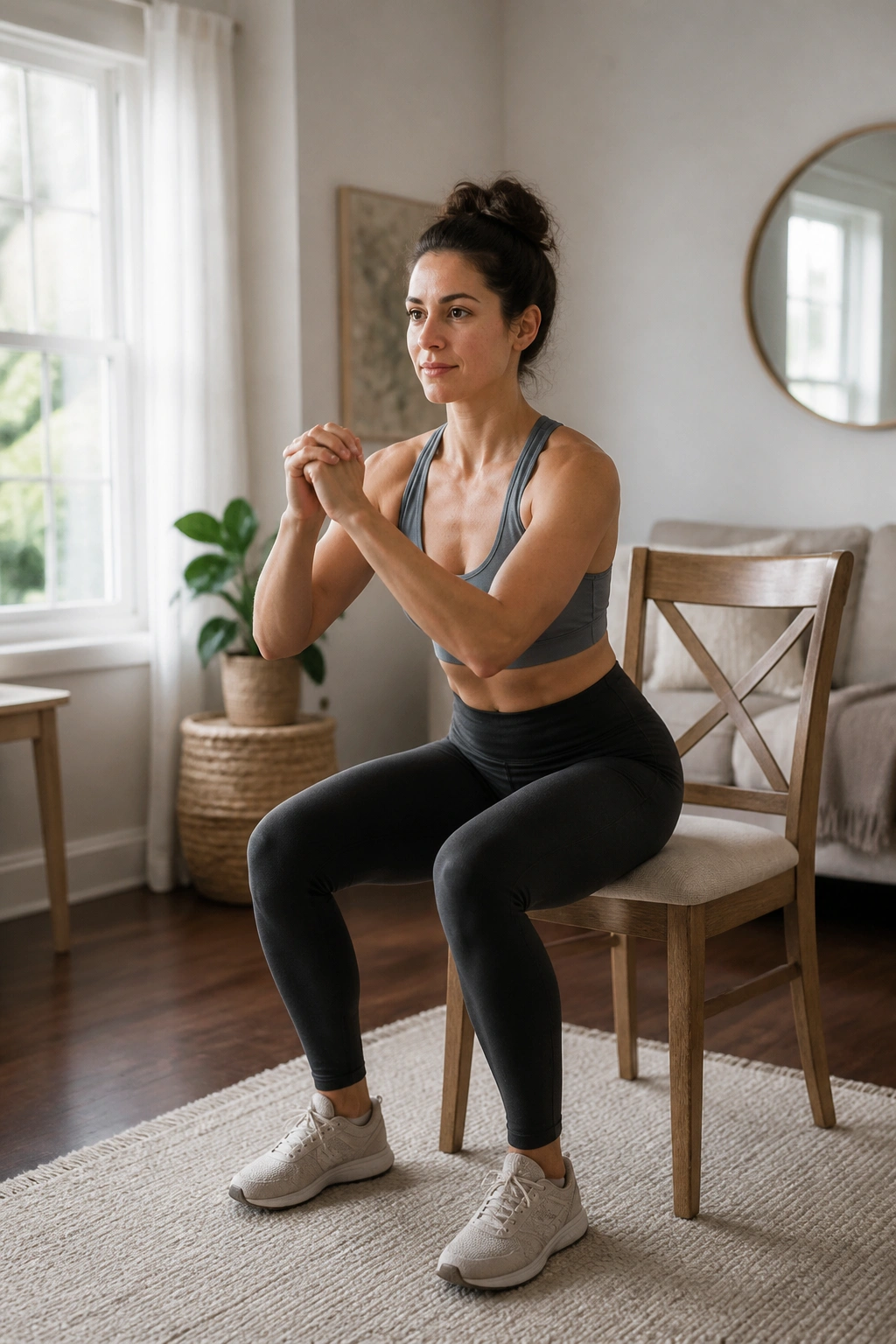
After a long day of sitting, your legs usually want motion, not a jumpy workout that rattles your joints. This is where a low-impact lower-body routine earns its keep. It still burns. It still shapes the legs and glutes. It just does it without all the noise.
A pulse routine is built on short ranges of motion and controlled holds. That means you get fatigue fast, but the joints stay happier than they do with lots of impact. It’s a good choice for home workouts, apartment floors, or any day when your body feels a bit stiff.
Use this sequence:
- Chair squat — 12 reps
- Split squat — 10 reps each leg
- Sumo squat pulse — 20 small pulses
- Wall sit — 30 to 45 seconds
- Standing calf raise — 20 reps
- Glute bridge hold — 30 seconds
Do 2 to 4 rounds with 45 seconds of rest between rounds. Beginners should keep the squat depth comfortable and use a chair for balance if needed. More advanced trainees can hold a dumbbell at the chest or add a 3-second pause at the bottom of each split squat.
The burn shows up fast. That’s the point.
If your knees are touchy, shorten the split squat range and keep your front shin more vertical. Small adjustment. Big difference.
5. Upper-Body Push-Pull Tone Session
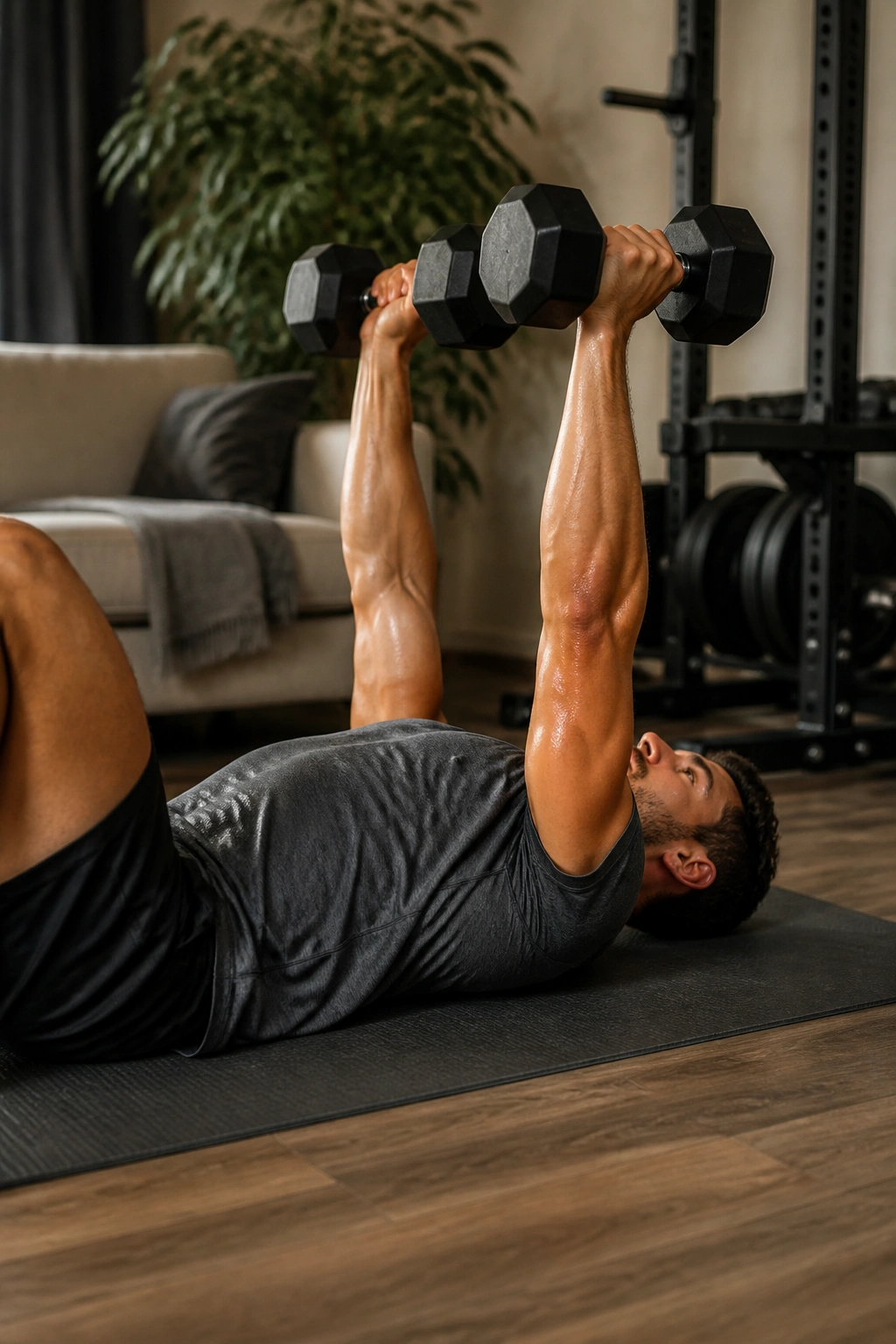
The upper-body day people skip is usually the one that matters most for posture. Push without pull leaves the shoulders rounded forward. Pull without push can leave the front side undertrained. Put them together and the whole thing starts to look and feel more balanced.
This is a clean dumbbell session that works well for a home gym or a corner of a regular gym floor. I like it because it has a sane rhythm. You press, then you pull. You work the chest and triceps, then you balance that with the back and rear shoulders. No wasted motion.
Start with dumbbell floor press and one-arm row for three sets of 10 reps each. Follow with standing shoulder press and rear delt fly for 8 to 12 reps. Finish with biceps curls and overhead triceps extensions if you still have gas in the tank.
Rest 45 to 60 seconds between paired moves. That pairing matters. It keeps the workout moving without turning it into a cardio mess.
What makes this session worth repeating is the feeling afterward. Your arms and shoulders are worked, but your upper back also feels awake. That’s the part people notice in the mirror and in the way they carry themselves.
If one shoulder hates overhead pressing, swap in an incline press or a landmine press. No hero points for painful form.
6. EMOM Cardio-and-Strength Mixer
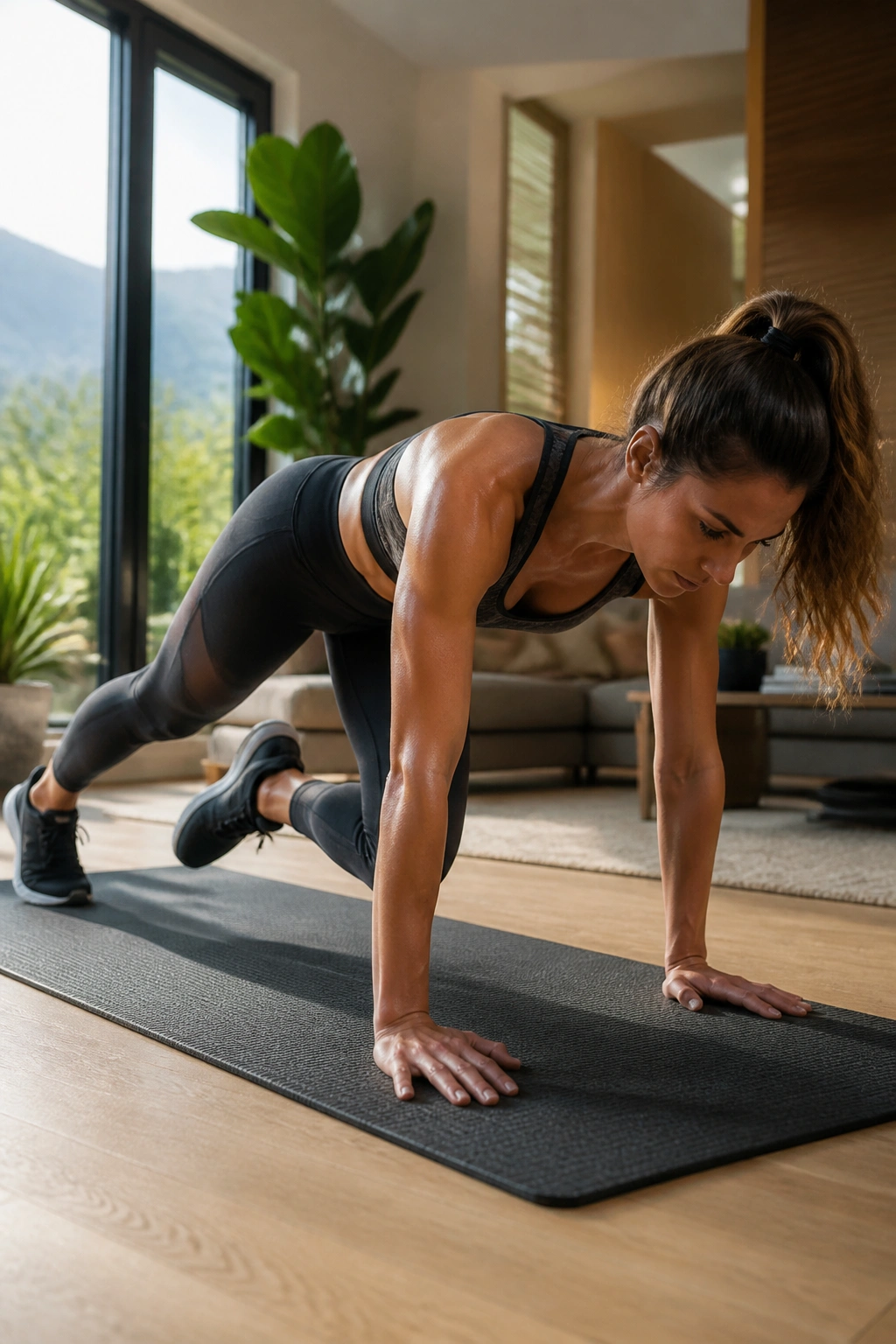
Unlike a long steady cardio session, an EMOM gives you a clock and a little pressure. Every minute starts fresh. Every minute demands a decision. That structure keeps the workout tight, and it keeps you from drifting into half-effort reps.
EMOM means every minute on the minute. You do the assigned reps, then rest for whatever time is left in the minute. The key is picking a rep count that lets you finish work in about 35 to 45 seconds, not 59.
Try this 16-minute format:
- Minute 1: 10 goblet squats
- Minute 2: 8 push-ups
- Minute 3: 10 kettlebell deadlifts or swings
- Minute 4: 12 mountain climbers each side or 30 seconds fast march
Repeat the four-minute block 4 times. If you’re new, cut the squat and push-up reps by 2 or 3. If you’re advanced, add load or make the last minute a hard pace on a bike, rower, or jump rope.
This setup is nice because it blends strength and conditioning without letting one wash out the other. You still get a training effect from the load, but you’re also breathing harder than you would in a slow, isolated lift session.
Keep the form clean when fatigue kicks in. Sloppy EMOMs are just noisy workouts.
7. Pilates-Inspired Core and Posture Flow
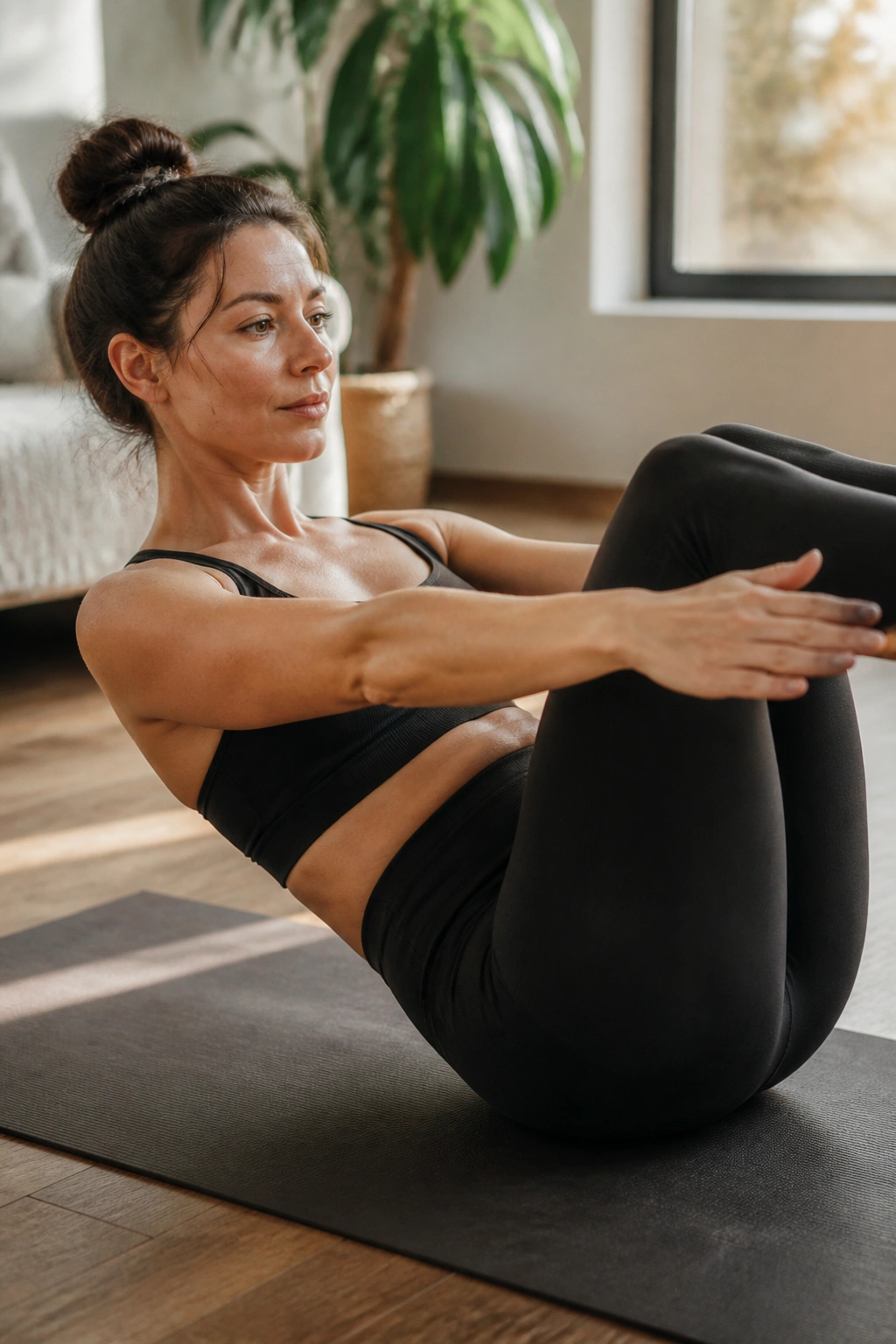
A Pilates-style session sounds gentle until your deep core starts shaking. Then you realize how much work happens when the movements get smaller and the breathing gets tighter.
This routine is about control. Rib cage down. Pelvis steady. Neck relaxed. If that sounds boring, fair enough. It isn’t flashy. It works anyway. The hidden benefit is posture. A lot of people feel “toned” in the upper body when their shoulders stop living at their ears.
Where to start
- Hundred prep — 30 seconds of controlled breathing
- Dead bug — 8 reps each side
- Bird dog — 8 reps each side
- Side-lying leg lift — 12 reps each side
- Glute bridge march — 10 marches total
- Wall slide — 10 slow reps
Do 2 to 3 rounds with a slow pace and minimal rest. Beginners can keep the range small and rest more between moves. Stronger lifters can add a light ankle weight on the leg lifts or hold the bridge at the top for 3 seconds.
What to watch for
The lower back should not take over. If it does, shorten the movement and breathe out longer on the hard part. That usually brings the ribs back down where they belong.
Best tip: move slower than feels necessary. That’s where the work shows up.
8. Kettlebell Hinge-and-Swing Routine

Kettlebells are built for hips. That’s the whole point. If you try to turn them into tiny dumbbells, you miss what makes them useful in the first place.
This routine leans hard into the hinge pattern, which is gold for the glutes, hamstrings, and lower back stability. A good kettlebell session feels athletic. It has snap, but it also has control. You should never feel like you’re just flinging the bell around and hoping for the best.
Use this order:
- Kettlebell deadlift — 10 reps
- Two-handed kettlebell swing — 15 reps
- Goblet squat — 8 reps
- Suitcase carry — 30 to 40 steps each side
- Kettlebell halo — 8 reps each direction
Run 3 to 5 rounds, resting 60 to 90 seconds between rounds. Beginners should stay with the deadlift until the hinge feels solid. Swings are great, but only if the hip drive is clean and the bell does not tug your shoulders forward.
The carry is the sleeper move here. One side at a time. No leaning. Your core has to keep the torso upright while your grip works overtime. That’s very toning, if you want to use that word honestly.
If you only have one kettlebell, the workout still works. One bell is enough.
9. Stair or Step-Up Conditioning Session
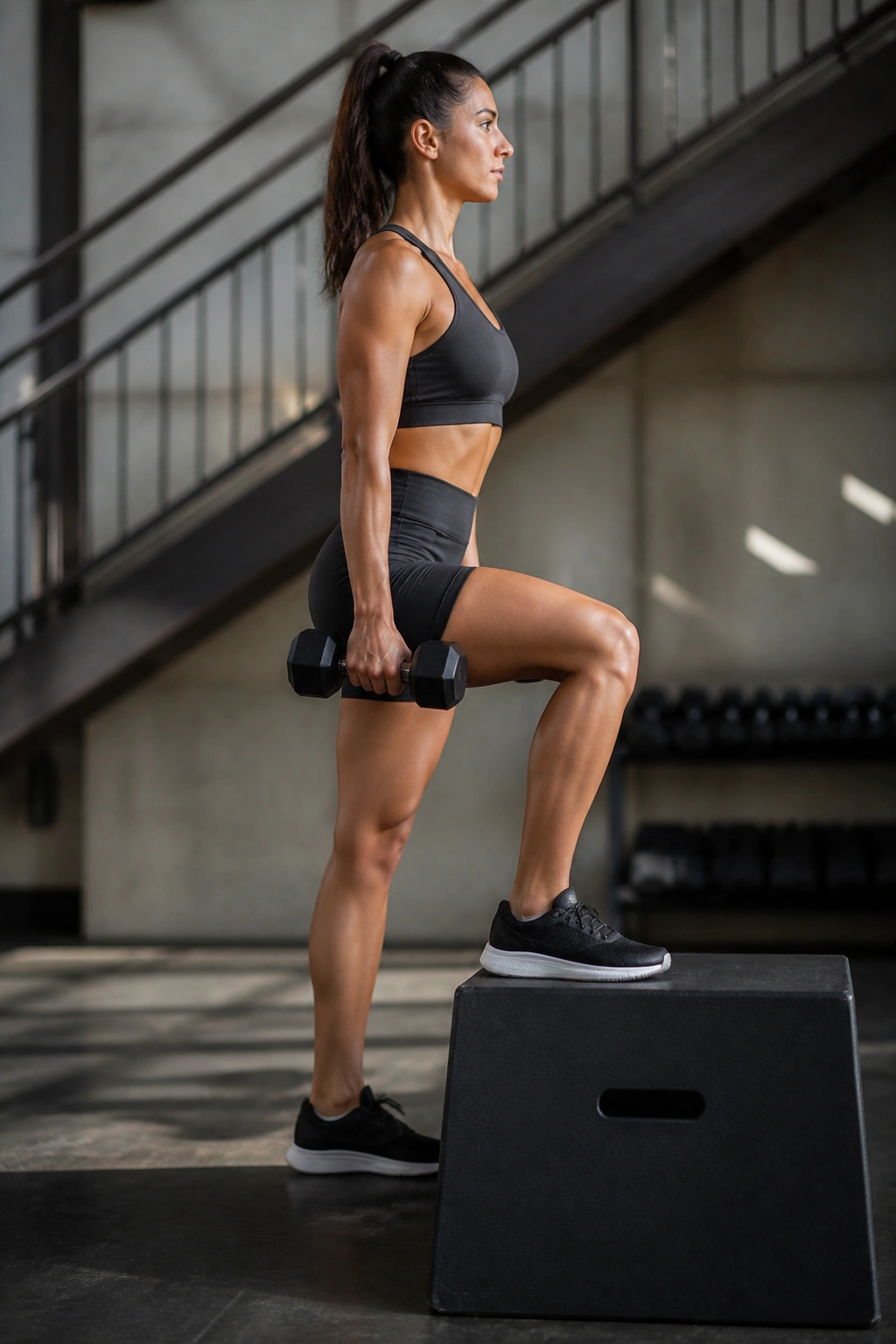
Why do stairs feel harder than they look? Because every step asks for a little force from the glutes, quads, and calves, and the whole thing stacks up fast. It’s simple work. Not easy work.
A step-up session is excellent when you want lower-body conditioning without jumping. A single step, stair, or stable box can handle the job. If you’ve got a sturdy step and decent shoes, you’ve got a workout.
Try this 18-minute format:
- 1 minute of alternating step-ups
- 30 seconds of right-leg lead step-ups
- 30 seconds of left-leg lead step-ups
- 1 minute of brisk march or easy recovery
- 30 seconds of lateral step-ups to the right
- 30 seconds of lateral step-ups to the left
Repeat that block 3 times. If you want more challenge, hold light dumbbells at your sides. If balance is the issue, keep one hand near a wall or railing and slow the pace.
The beauty of this routine is the symmetry. Leading with one leg only all the time can make the session feel lopsided. Alternating keeps the work cleaner and your hips happier.
Keep the whole foot on the step. Half-foot landings are sloppy and annoying on the ankles.
10. Beginner-Friendly Chair and Wall Workout
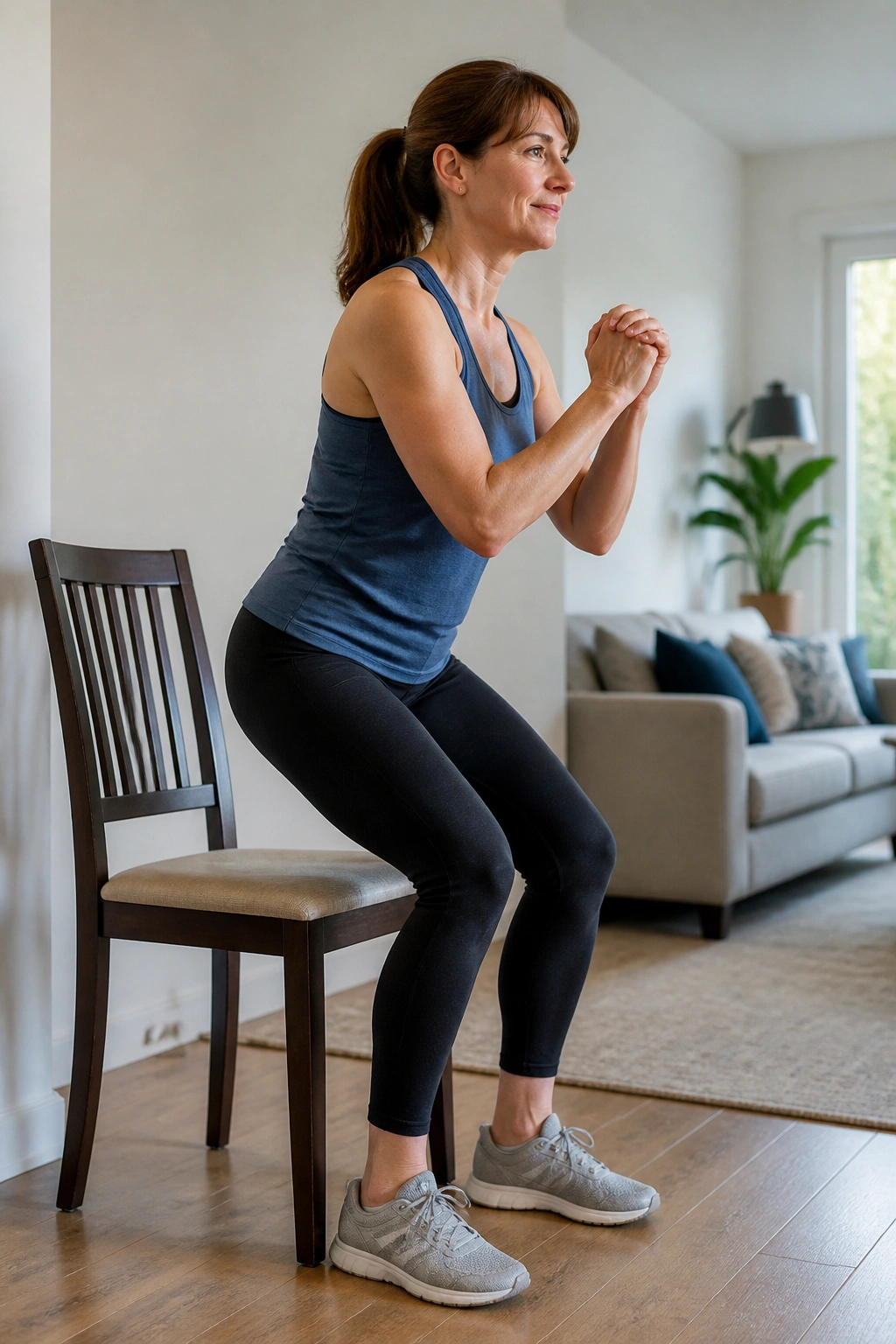
Some days, getting down on the floor is the problem. Not the workout. That’s why chair-and-wall sessions deserve a place on any serious list of toning workout routines.
This one is friendly to beginners, older adults, anyone coming back from a layoff, and people who simply want a safer starting point. You still train legs, chest, shoulders, and core. You just do it with support close by, which lowers the intimidation factor and keeps balance demands in check.
Simple setup
- Chair sit-to-stand — 10 reps
- Wall push-up — 10 to 12 reps
- Supported split squat with one hand on the wall — 8 reps each side
- Wall sit — 20 to 30 seconds
- Standing calf raise — 15 reps
- Countertop plank hold — 20 seconds
Do 2 to 4 rounds, resting about 45 seconds between exercises. If a move feels too easy, slow it down. If it feels too hard, shrink the range and keep the support hand on the wall.
This routine works because the body learns the patterns before it learns the load. That’s the right order. You can always make it harder later by moving to a lower chair, deeper squat, or less incline on the push-up.
One note. Keep the chair stable. Wobbly furniture is not a training tool.
11. Intermediate Split-Body Dumbbell Routine

A split routine gives you room to train harder without turning every session into a marathon. That’s why a lot of people who outgrow beginner circuits end up liking it. You can focus on fewer movements, use better weights, and stop rushing.
A good intermediate setup is a two-day split: one day for lower body and core, one day for upper body and glutes. You can repeat the pair across the week if your recovery is solid, or run it twice and leave more space between sessions.
Day A: lower body and core
Use goblet squats, Romanian deadlifts, reverse lunges, and planks. Do 3 to 4 sets of 8 to 10 reps on the first three moves and 3 holds of 30 to 45 seconds on the plank.
Day B: upper body and glutes
Use dumbbell floor press, one-arm row, lateral raise, hip thrust, and side plank. Stay in the 8 to 12 rep zone, with 60 to 75 seconds of rest between sets.
What makes this useful is the cleaner effort. You are not rushing from exercise to exercise just to stay busy. You are loading enough weight to make the last couple of reps matter.
If you like tracking progress, this is a good place to write numbers down. A single extra rep or a slightly heavier dumbbell is real progress.
12. Advanced Metabolic Circuit With Tempo Work
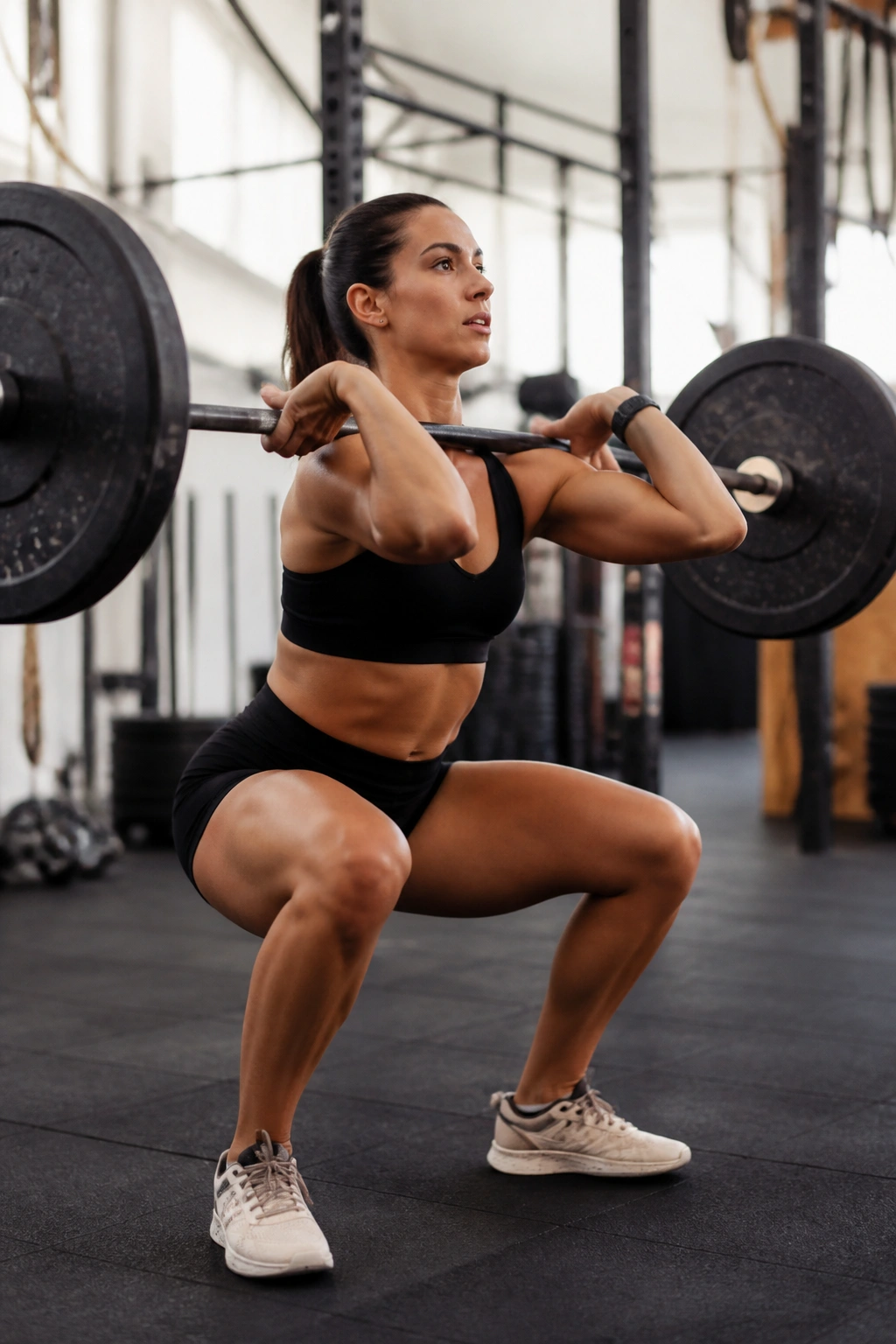
Unlike a fast circuit that rewards speed over control, tempo work makes you earn every inch of the rep. The lowering phase slows down. The pause gets honest. Even lighter weights start to feel heavy.
This is the routine for people who already know their basics and want more tension from each move. The trick is a 3-1-1 tempo: three seconds down, one second held, one second up. That turns ordinary lifts into stubborn ones.
Use this sequence:
- Front squat or goblet squat — 8 reps at 3-1-1 tempo
- Renegade row — 6 reps each side
- Push press — 8 reps
- Lateral lunge — 8 reps each side
- Mountain climber — 30 seconds
Run 4 rounds with 75 seconds of rest between rounds. Keep the weight moderate. Too heavy, and the tempo falls apart. Too light, and the workout turns soft.
The reason this works so well for toning is the time under tension. The muscle spends more time doing work, which changes how much stress it has to handle. That can be brutal in a good way, especially on squats and presses.
If your form starts slipping, lower the load before you lower the standards. That order matters.
13. Mobility-First Active Recovery Session
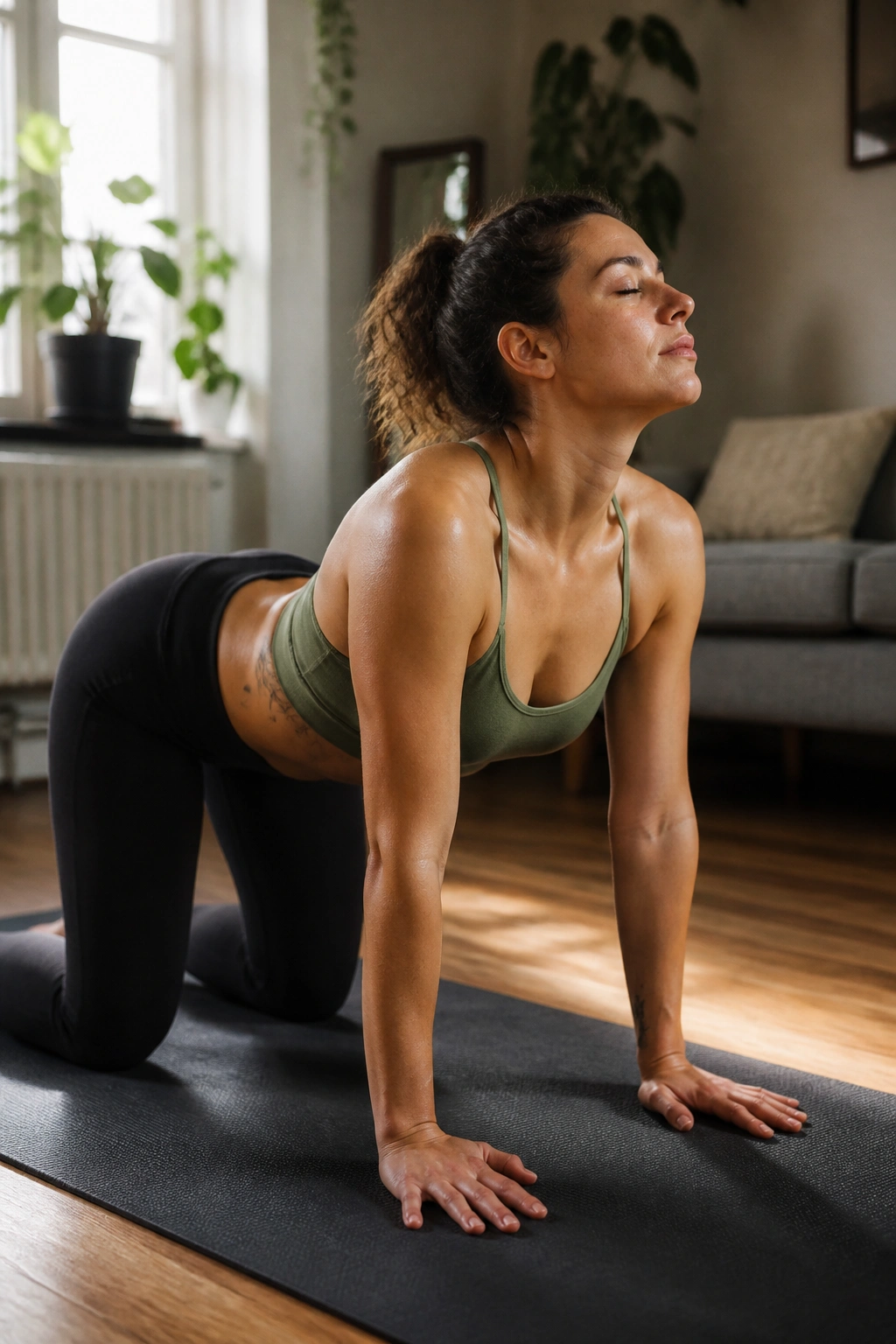
Recovery does not mean doing nothing. It means moving in a way that helps the next hard session feel better. This kind of day matters more than people want to admit.
A mobility-first routine is the one I’d choose when the body feels tight, the legs feel flat, or the shoulders have that slightly cranky feeling from too many pressing moves. You keep moving, but the pace stays calm. The goal is to finish looser than when you started.
The flow
- Cat-cow — 6 slow rounds
- World’s greatest stretch — 3 reps each side
- Glute bridge — 12 reps
- Bird dog — 6 reps each side
- Wall slide — 10 reps
- Farmer carry — 30 to 40 steps
Do the circuit for 2 to 3 rounds. Keep breathing through your nose if you can. If not, slow down a little more. Beginners can use bodyweight only. Stronger lifters can hold light dumbbells or kettlebells for the carry.
This session is not about chasing fatigue. If you finish sweaty and wrecked, you went too hard. You should feel more open, not flattened.
And yes, a lighter day still counts. Sometimes it’s the difference between training well tomorrow and dragging through it.
14. Bodyweight AMRAP for Small Spaces
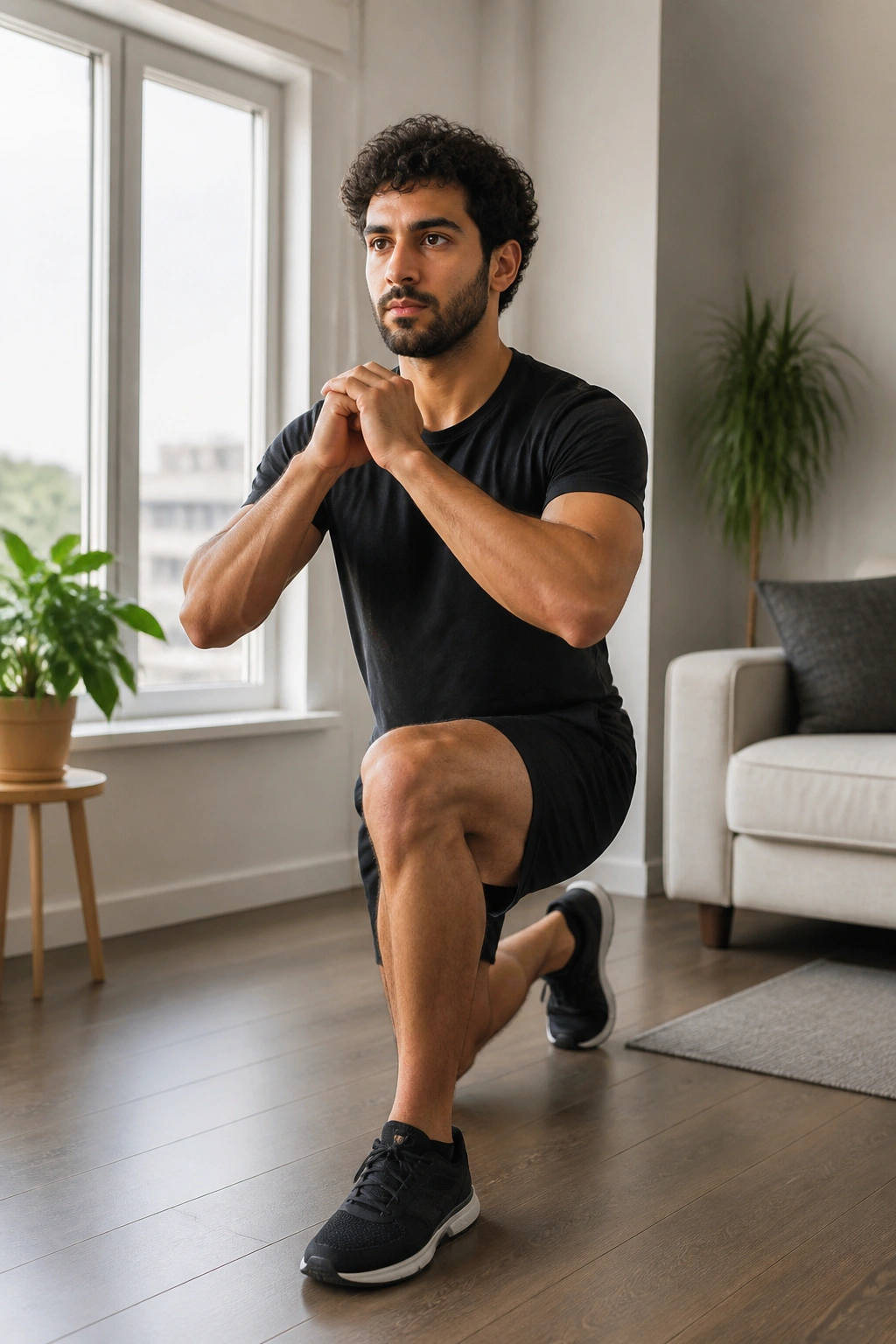
A room the size of a spare bedroom is enough. That’s the entire pitch here. Small space does not mean small effort.
AMRAP means as many rounds as possible in a set time. It sounds aggressive, and it can be, but the real trick is keeping the movements clean while the clock nudges you forward. This is excellent for apartment workouts, travel, or days when getting to a gym would take more effort than the workout itself.
Set a timer for 15 minutes and repeat this sequence:
- 10 air squats
- 8 incline push-ups or floor push-ups
- 12 reverse lunges total
- 20 mountain climbers total
- 30-second plank
Beginners should keep a steady pace and use a higher incline for push-ups. Intermediate trainees can drop the incline and move faster between exercises. Advanced people can add a backpack with a few books for the squats and lunges.
What makes AMRAP useful is the way it blends pacing and repetition. You self-regulate without stopping every minute to fiddle with equipment. You just keep moving.
Do not sprint the first five minutes. That turns the last ten into a grind.
15. Gym-Machine Toning Plan for Busy Days
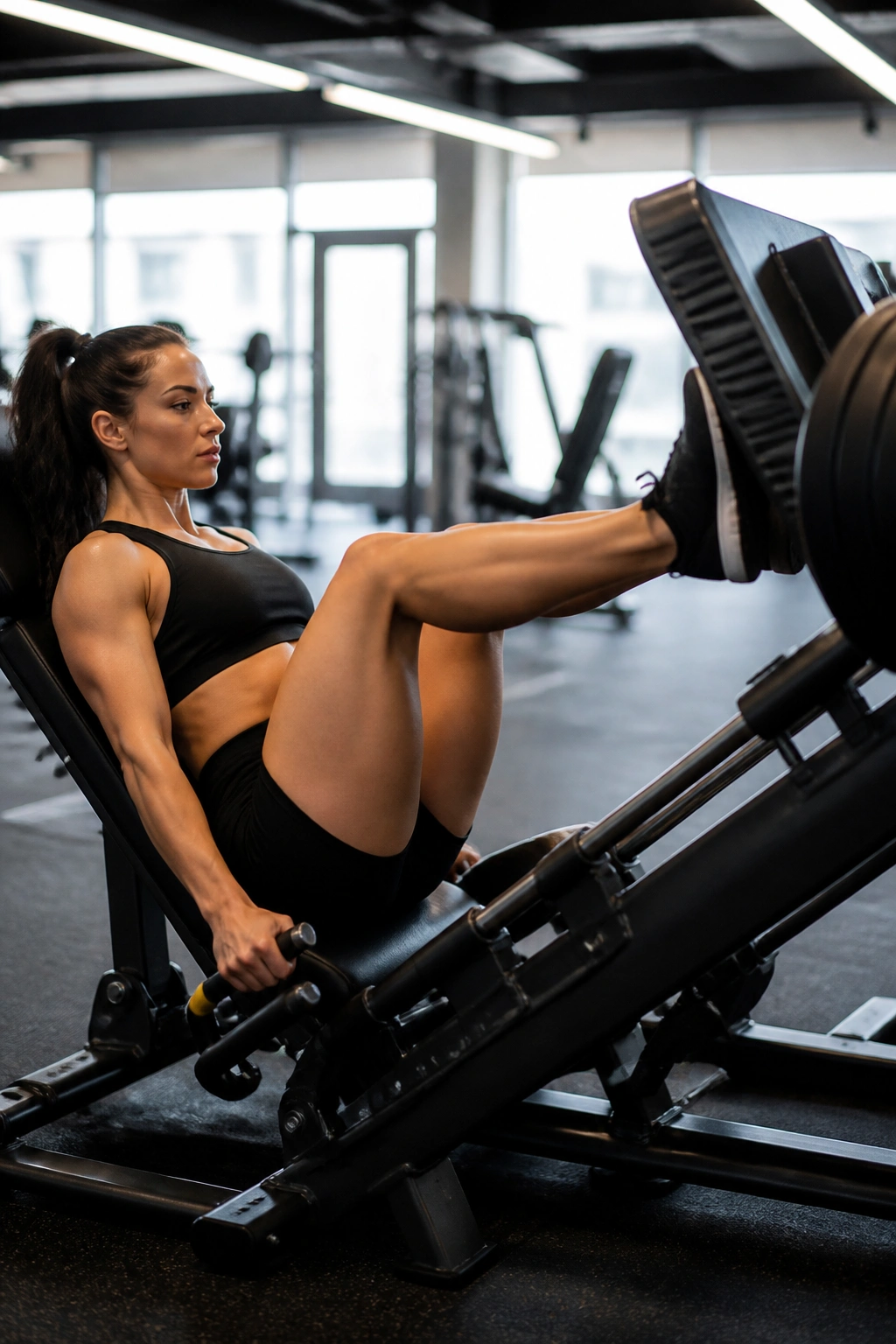
Why do machines deserve a place in a toning plan? Because they save time, make loading easy, and let you train hard without a lot of setup. That matters on days when you walk into the gym with one goal: get the work done and leave.
Machine-based training also helps people who want a stable path for the movement. The seat, back pad, and fixed line of travel cut down on balance noise, so the target muscles get more of the attention. That can be a nice change from free-weight work, especially if your form starts leaking when you get tired.
A solid machine round
- Leg press — 10 to 12 reps
- Seated row — 10 to 12 reps
- Chest press — 8 to 10 reps
- Lat pulldown — 10 reps
- Seated or lying leg curl — 12 reps
- Cable pull-through — 12 reps
Run 2 to 4 sets of each move, or pair them into supersets if the gym is crowded. Rest 45 to 75 seconds between sets. Beginners can stick to the lower end of the weight range and focus on full range of motion. More advanced lifters can slow the lowering phase and push the last set close to technical failure.
Machines are not boring if you use them well. They are efficient. That’s a different thing.
Final Thoughts
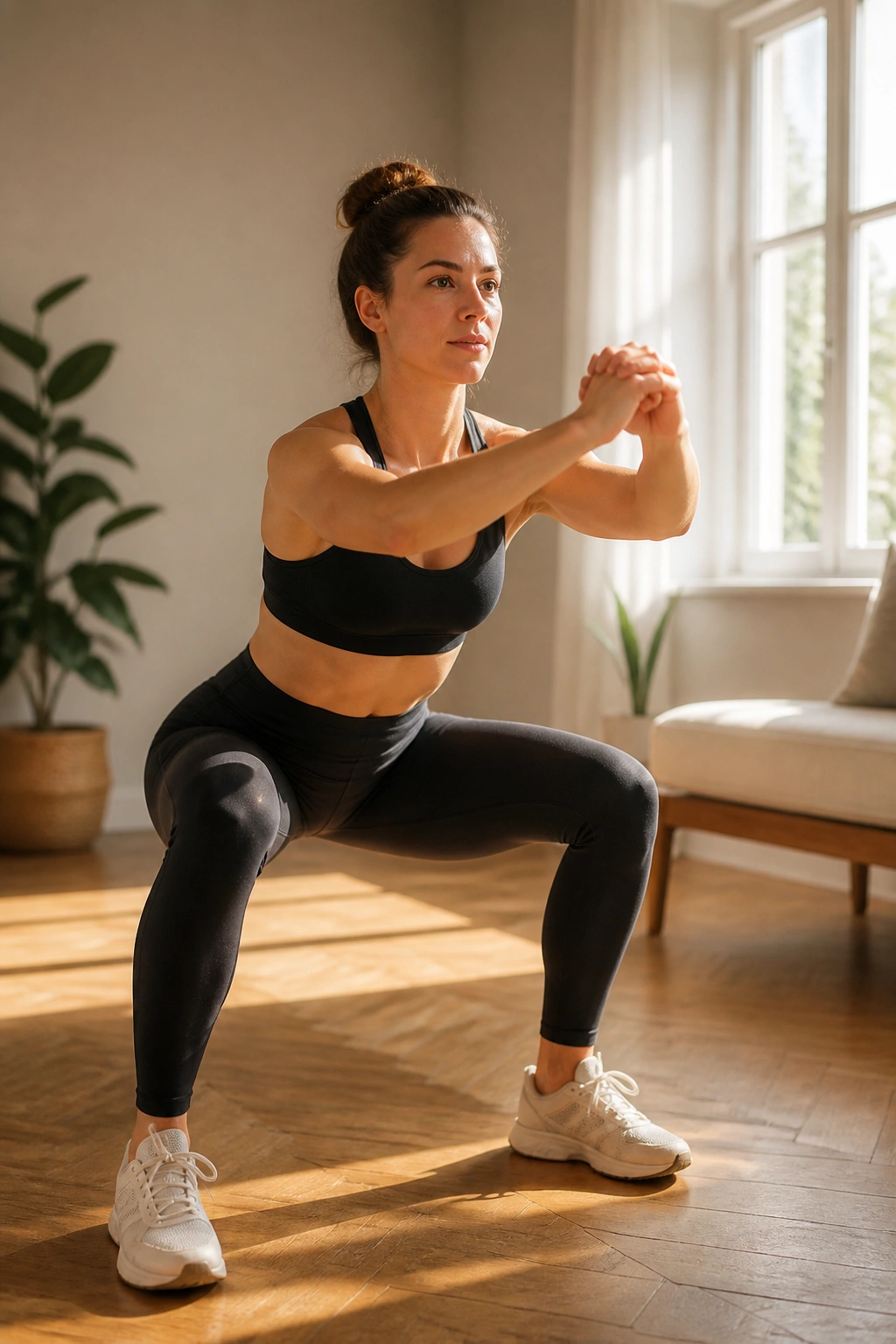
The routine that works is the one you’ll actually repeat next week. That sounds plain, but plain usually wins. A clean bodyweight circuit, a dumbbell ladder, or a machine session done with care beats a random sweat-fest every time.
Mix the styles. Keep one lower-impact option in the mix. Keep one loaded option too. And write your numbers down somewhere, because progressive overload is not magic — it’s a rep, a round, a little more weight, or a slower tempo than last time.
That is the part people can control. The rest gets easier once you stop treating every workout like a one-off.
