



Walk into a gym for the first time and the language can feel louder than the weights. Someone asks if you’re doing reps or sets, another person talks about tempo, and the trainer tells you to keep two reps in reserve. That’s usually the point where beginners go quiet.
Gym workout terms for total beginners are not some secret code, though they can sound like one at first. Most of them describe something plain: how many times you lift, how hard the set feels, how long you rest, or how a movement should look when you do it right. Once those words click, the whole room starts to make a lot more sense.
I’ve always thought this part matters more than people admit. You can own the right shoes, the right belt, even the right playlist, and still feel lost if you don’t know the language on the whiteboard or in a training app. That’s a frustrating place to be, especially when the fix is mostly vocabulary and a little practice.
It’s a small language, but it changes everything.
1. Reps

A rep is one full repetition of an exercise. One squat down and back up. One curl up and down. One bench press from chest to lockout. That’s it.
The tricky part for beginners is that reps sound smaller than they are. Ten reps of a dumbbell shoulder press can feel easy on rep 1 and rude on rep 9. The number only tells you how many times the movement happens; it says nothing about how hard those reps will feel by the end.
How to count a rep without cheating
A clean rep starts and finishes in the right place. If you do half the range and call it a full rep, you’re only fooling the notebook. The weight doesn’t care.
- Down and back up counts as one rep when the exercise has a lowering phase and a lifting phase.
- Stopping halfway shortens the work and changes the result.
- Swinging, bouncing, or using a big hip throw can turn one rep into a mess.
Quick tip: if your last rep looks wildly different from your first, the set may be too heavy for the way you’re trying to train.
2. Sets
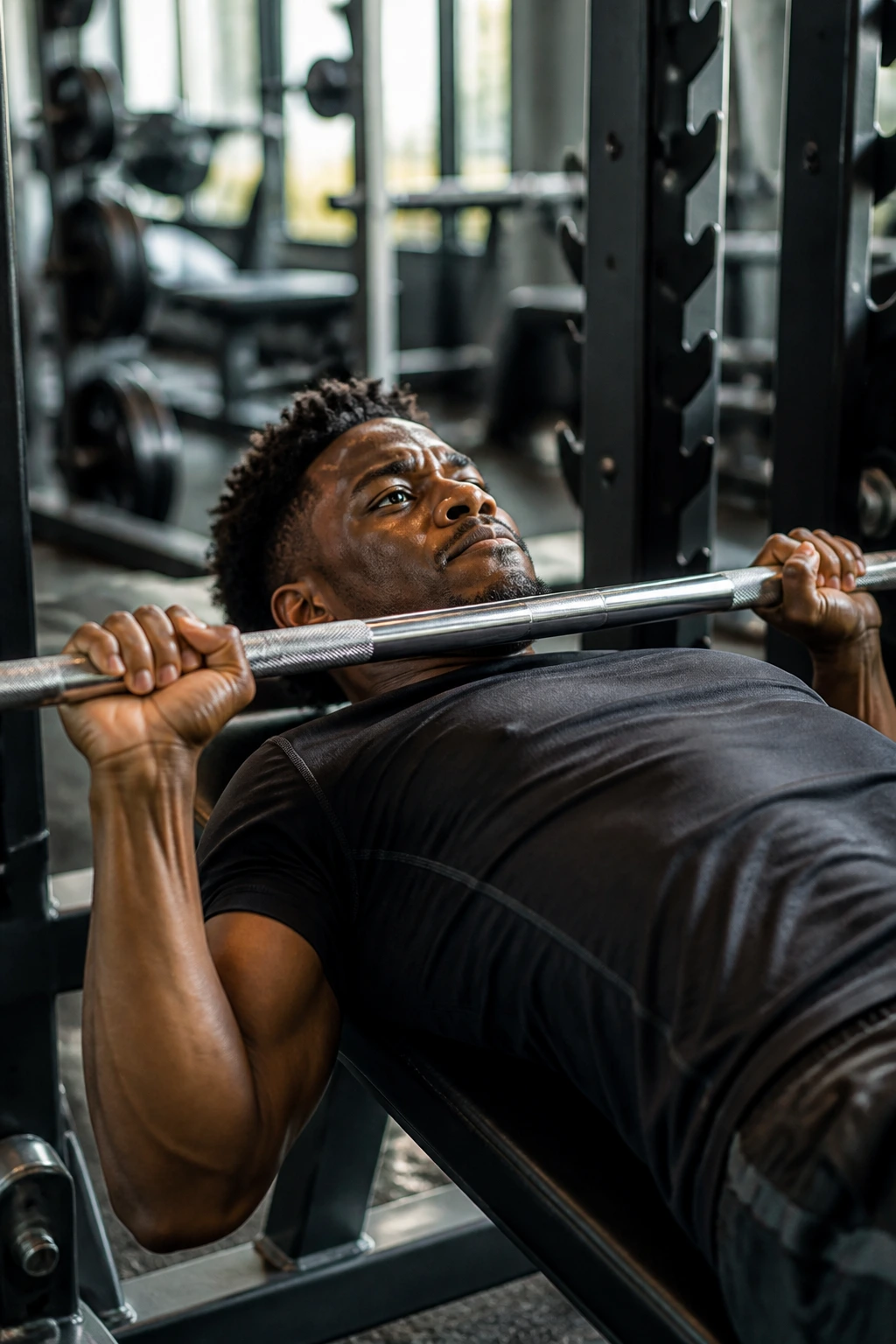
What, then, is a set? A set is a group of reps done one after another before you rest. If a program says 3 sets of 8, that means you do 8 reps, rest, then repeat that pattern two more times.
This is one of the first terms that makes a workout plan look less scary. “Three sets of eight” sounds tidy on paper, but it’s really just a way to organize effort so you don’t collapse into one long blur of lifting. The rest between sets matters, too. It gives your muscles and nervous system a chance to recover enough to do the next round with decent quality.
A set is not a race.
If you sprint through a set and turn the last four reps into half-reps, you may finish faster, but you’ll usually get less from the work. Beginners often think more speed is better because it feels efficient. In lifting, efficiency can be the wrong goal. A controlled set with a little rest between rounds usually teaches more, feels safer, and gives you a clearer sense of progress.
3. Warm-up

Picture this: you show up cold, load a bar, and try to squat hard on your first try. That’s a fast way to feel stiff, shaky, and annoyed.
A warm-up gets your body ready for the work that’s coming. It usually means a few minutes of light cardio, some dynamic movement, and then a lighter version of the exercise you plan to do. I like warm-ups that make the joints feel loose and the breathing pick up a little, not a full second workout that leaves you tired before the first real set.
What a useful warm-up looks like
- 3 to 5 minutes of easy cycling, walking, rowing, or treadmill pace
- 5 to 10 controlled bodyweight movements, like air squats or arm circles
- 1 to 3 lighter ramp-up sets before your working weight
The goal is not sweat for its own sake. It’s readiness. If your first work set feels less like a shock and more like a step up, the warm-up did its job. If you’re gasping after it, you went too far.
4. Cooldown

A cooldown is not dead time, and I’ll happily argue with anyone who treats it like an afterthought. It’s the few minutes after training when you let your breathing settle, your heart rate drop, and your body shift out of workout mode without slamming on the brakes.
Compared with a warm-up, a cooldown is gentler and less about performance. After a hard session, a short walk, slow bike ride, or easy mobility work can help you feel less stiff when you leave the gym. Some people also use this time for light stretching, especially after leg day or a long machine circuit. The point isn’t to “fix” anything magical. It’s to transition.
What a cooldown can be
- 3 to 5 minutes of easy walking or cycling
- Slow nasal breathing for a minute or two
- Gentle stretches for hips, chest, calves, or lats
Skip the weird idea that a cooldown must be dramatic. It doesn’t. Five calm minutes can be enough. And if you only have time for one thing, I’d still take a brief cooldown over sprinting out the door with your lungs on fire.
5. Range of Motion

A squat that drops only four inches is not the same as a squat that goes to a consistent depth. Range of motion, or ROM, is the distance through which a joint or exercise moves. Bigger ROM usually means the muscle works through more of its natural path.
That’s why range of motion comes up so often in the gym. It changes the feel of the lift, the muscles involved, and sometimes the result. A push-up done with a chest that nearly touches the floor is different from a push-up cut short at the top of the range. Same movement name. Different work.
You do not need to force a range that hurts. That’s the mistake people make when they hear “full range” and think it means “go deeper no matter what.” Good ROM is controlled, repeatable, and pain-free. If your hips, ankles, or shoulders won’t cooperate on a certain movement, the fix is often technique, mobility work, or a different exercise — not stubbornly pushing through bad positions.
6. Form

Form is the shape and control of the movement. It covers where your feet go, how your back stays stacked, how the weight path looks, and whether you’re using the right muscles instead of throwing the load around.
Looks matter. So does control.
Bad form usually shows up before pain does. The bar drifts forward on a squat. The dumbbell curls into your shoulder. The back arch gets bigger every rep. None of that means you’re weak or failing as a beginner. It means the weight or fatigue level is asking more of you than your current technique can handle.
What good form feels like
- The rep feels repeatable, not lucky
- Your body stays in the same position from rep to rep
- You can stop the movement where you planned to stop
What to watch for
- A jerky start that uses momentum
- Joints collapsing inward under load
- Reps getting uglier as the set goes on
A phone video from the side can be useful here. Not glamorous. Useful. A ten-second clip often shows things you can’t feel in the moment, especially on squats, presses, and deadlifts.
7. Spotter

Two people, one barbell, zero guesswork. That’s the short version of a spotter.
A spotter is someone who stands by during a lift and helps if the weight gets stuck or the lifter needs a hand. Bench press is the classic example, but spotters matter on heavy squats and other awkward lifts too. The best spotters are alert, calm, and not chatty. They know when to help and when to leave the lifter alone.
What a spotter actually does
- Watches the bar or dumbbells closely
- Helps if the lifter can’t finish the rep
- Stays ready without touching early
- Follows the lifter’s cue, not their own idea of danger
A spotter is not there to make the lift easier from the start. That’s the mistake. If someone grabs the bar too soon, the lift changes and the lifter never gets a true rep. Safety pins in a rack can also do part of the job, and sometimes they’re the cleaner option. For a beginner, learning to ask for a spot before the set starts is a good habit. It saves awkward guessing.
8. Progressive Overload
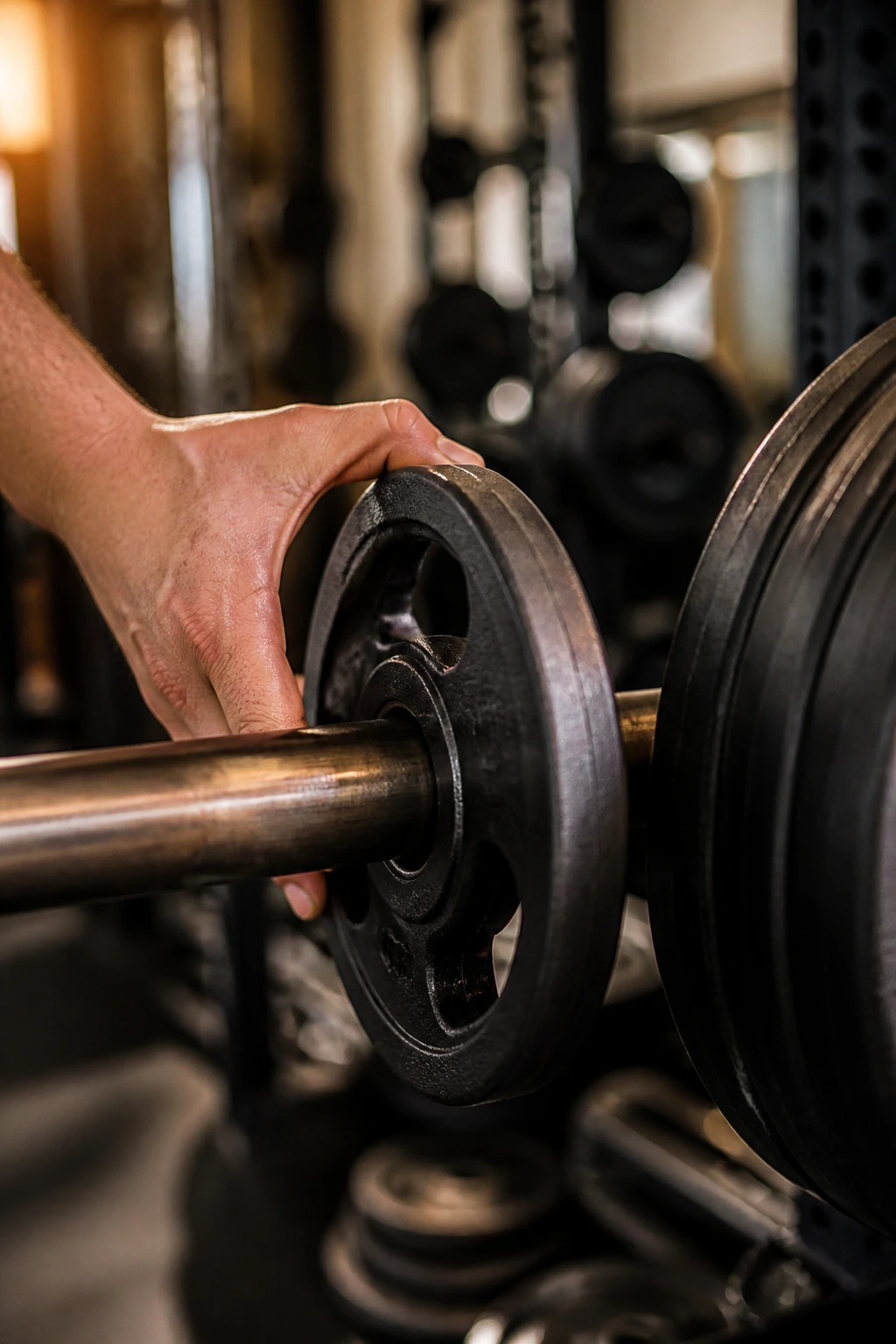
The lifters who keep improving rarely make giant jumps. They add a little weight, a rep, a set, or a small amount of control over time. That gradual push is progressive overload.
This term gets tossed around a lot, but the idea is simple. Your body adapts to the work you ask it to do. If the work never changes, progress usually slows. That doesn’t mean you need to pile plates on every session. A 2.5-pound jump on a dumbbell, one extra rep, or a cleaner set at the same weight all count.
The part beginners miss is that overload can show up in different ways. Heavier weight is the obvious version, but it’s not the only one. Better range of motion, shorter rest, and a steadier tempo can all make a workout harder without changing the load much. Keep a notebook, or use your phone. Guessing is a bad system. It gets fuzzy fast, and fuzzy progress is hard to repeat.
9. Tempo

Why do two squats with the same weight feel so different? Usually because the tempo changed.
Tempo is the speed of the lift. Most people talk about it as the pace of the lowering phase, the pause, and the lifting phase. A squat that takes three seconds to lower, one second to pause, and one second to stand up can feel very different from a fast bouncey rep that drops and pops right back out.
Reading the numbers
A simple tempo like 3-1-1 usually means:
- 3 seconds lowering the weight
- 1 second pause
- 1 second lifting the weight
Tempo can help beginners slow down and own the movement. It also exposes sloppy technique. If you can only squat well when you rush, the control is probably not there yet. That said, not every exercise needs a painfully slow pace. Too much tempo work can turn a normal workout into a grind. Use it when you need control, not as a badge of honor.
10. Compound Exercise

If you had time for only a few lifts, compound exercises would get the nod. These are movements that use more than one joint and more than one big muscle group at the same time.
Squats, deadlifts, bench presses, rows, pull-ups, and overhead presses all fit here. They tend to show up early in programs because they train a lot of body at once. That makes them efficient, but also demanding. A squat asks your hips, knees, ankles, torso, and breathing to work together. There’s no hiding from a compound lift.
Why they show up so often
- They build coordination, not just muscle size
- They usually burn more energy than small isolated moves
- They give beginners more “bang for the buck” in less time
Compound work is not automatically better for every goal, though. A person rehabbing a shoulder may need smaller moves first. A beginner who can’t yet control a deadlift may need lighter patterns before loading the bar. Still, if you learn the big lifts early, the rest of the gym starts to feel less random.
11. Isolation Exercise

A biceps curl only asks your elbow to do the work. That’s isolation in plain language.
Isolation exercises focus on one main joint and one main muscle group. Think leg extensions, triceps pushdowns, dumbbell curls, lateral raises, calf raises. They’re narrower than compound lifts, and that’s the point. You use them when you want to build a specific area, clean up a weak link, or get more work into a muscle without taxing the whole body as much.
The odd thing is that beginners sometimes dismiss isolation work because it looks less flashy. That’s a mistake. If your shoulders fold before your chest gets tired, a few controlled lateral raises can help. If your triceps lag behind your pressing, pushdowns can help. They’re not the main event in most plans, but they can solve small problems that big lifts don’t fix on their own.
Isolation moves also tend to be easier to learn. Less balance, fewer moving parts, more obvious burn. That makes them useful for building confidence while you learn the bigger lifts.
12. Superset
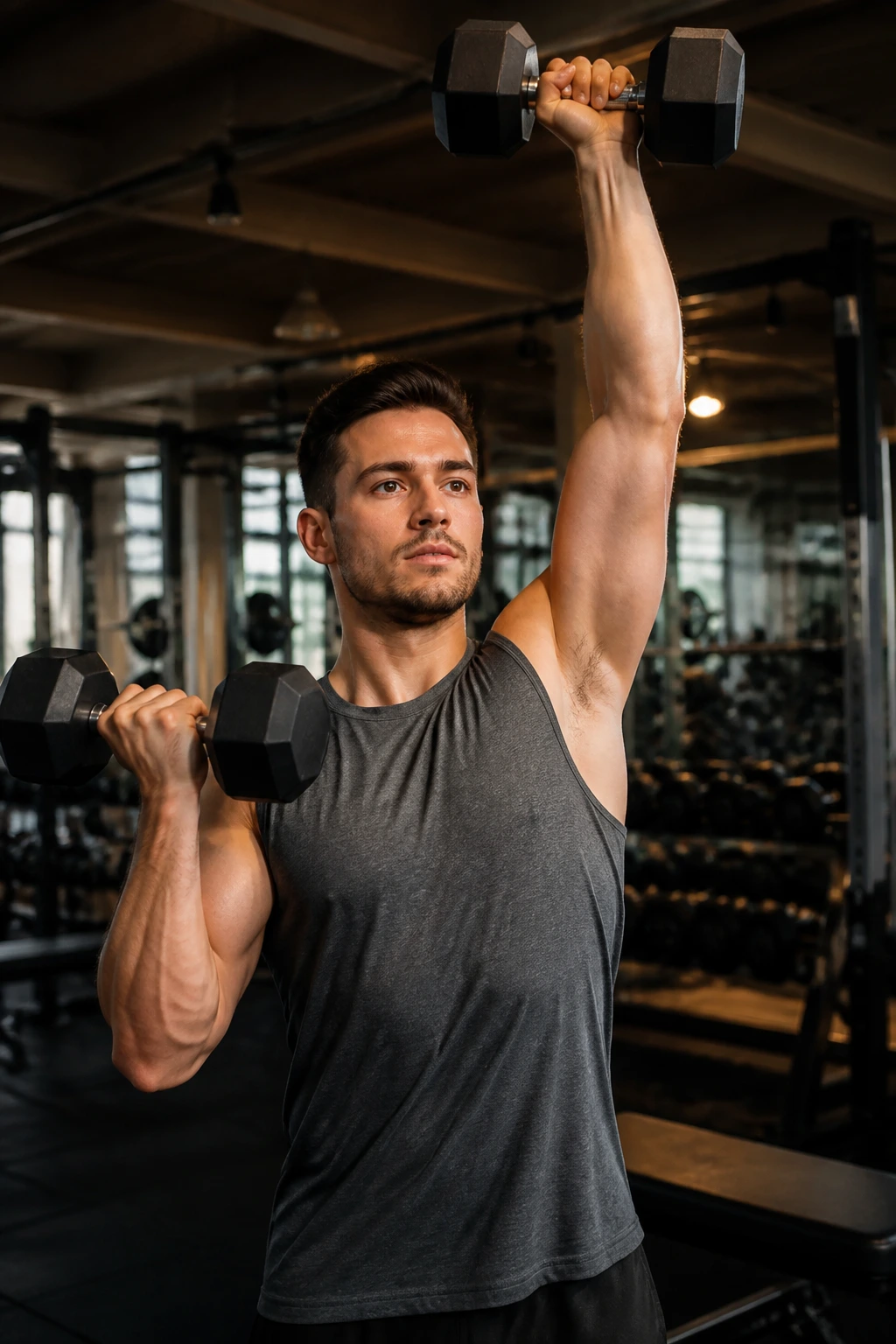
Supersets save time, but they can also make your workout sloppy if you use them without thinking.
A superset is two exercises done back-to-back with little or no rest in between. After both exercises, you rest. The pair can target the same muscle or totally different ones. Bench press into rows. Curls into triceps pushdowns. Goblet squats into plank holds. The structure matters more than the word.
Good pairings
- Push with pull, like chest press and row
- Upper body with lower body, like curls and lunges
- Main work with smaller accessory work, like squats and calf raises
The biggest beginner mistake is turning every superset into a race. If the second exercise gets so messy that your form falls apart, the pairing is too aggressive. Supersets work best when the exercises complement each other, not when they fight for the same muscles and ruin both sets. I like them for busy sessions because they cut idle time, but I don’t love them for every heavy lift. Heavy squats deserve focus. Not hurry.
13. Circuit
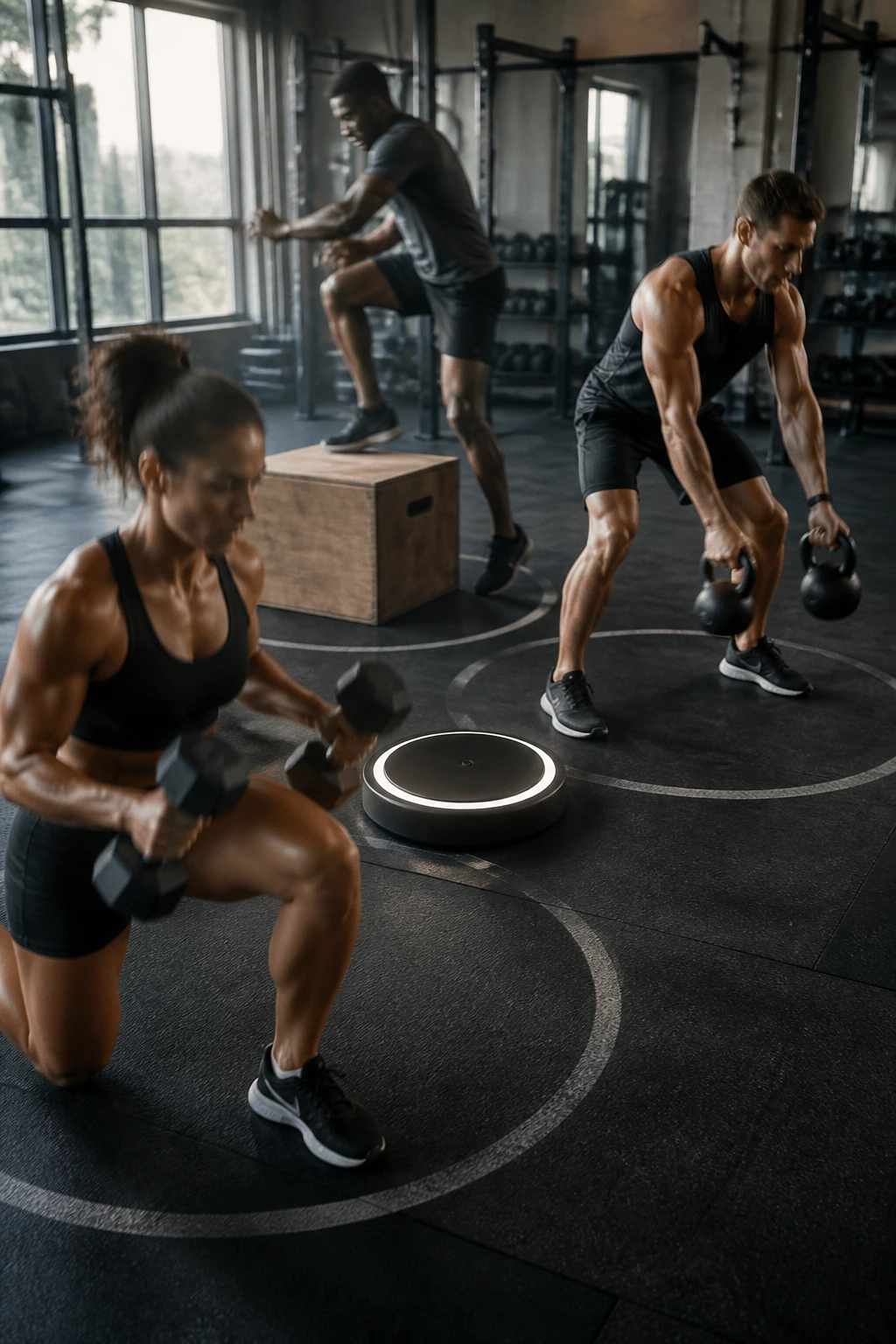
Three stations, one timer, and not much standing around. That’s a circuit in the gym.
Circuit training means moving through a sequence of exercises with short rests, then repeating the whole round. It feels busier than a standard weight workout because the pace stays up and your breathing keeps climbing. Some circuits are built for conditioning, some for fatiguing muscles, and some are a mix of both. The structure makes a big difference.
When circuits make sense
- You have limited time and want full-body work
- You want a slightly more cardio-heavy session
- You’re using lighter weights or bodyweight moves
A circuit is not the same thing as a superset, and beginners mix them up all the time. A superset is usually two exercises. A circuit usually has three or more. You might go squat, press, row, then rest. Or kettlebell deadlift, step-up, push-up, then rest. The pace can be sneaky, too. The weights may look light, but the burn shows up fast because the rest is short. That’s not failure. That’s the design.
14. Rest Interval

How long should you rest between sets? More than people think, less than your phone scroll if you’re honest.
A rest interval is the pause between sets or exercises. Short rests can make a workout feel more like conditioning. Longer rests help you lift heavier or keep your reps cleaner. A set of heavy squats usually needs more recovery than a set of cable triceps pushdowns. That’s normal, not a sign you’re slacking.
If you’re doing big lifts, 2 to 3 minutes is common. For smaller isolation work, 30 to 90 seconds may be enough. Those aren’t rules carved into stone. They’re starting points. If your breathing is still ragged and your form feels shaky, another 20 or 30 seconds can make the next set much better. If you’re fully ready in half the time, sitting around longer just makes the session drag.
The useful question is not “What is the shortest rest?” It’s “What rest gives me the kind of set I’m trying to perform?” That’s a better habit to build early.
15. RPE

A set rated 7 out of 10 tells you more than a guess at the weight.
RPE stands for rate of perceived exertion. In gym talk, it’s a way to judge how hard a set feels. Many lifters use a 1-to-10 scale, where 10 means all-out effort and 7 means you probably had a few reps left in the tank. Beginners often like RPE because it helps them train without needing perfect math on day one.
What the scale feels like
- RPE 5: easy, warm-up territory
- RPE 7: challenging, but controlled
- RPE 9: near the limit, one rep left maybe
- RPE 10: no more reps, full stop
The danger is mixing up hard effort with bad form. A set can feel hard and still be good. A set can also feel hard because the movement is sloppy and unstable. Those are not the same thing. Start by using RPE on exercises you already know well, not on brand-new movements. It gets more useful after you’ve felt a few honest sets and learned what a 7 or 8 actually feels like in your body.
16. Failure
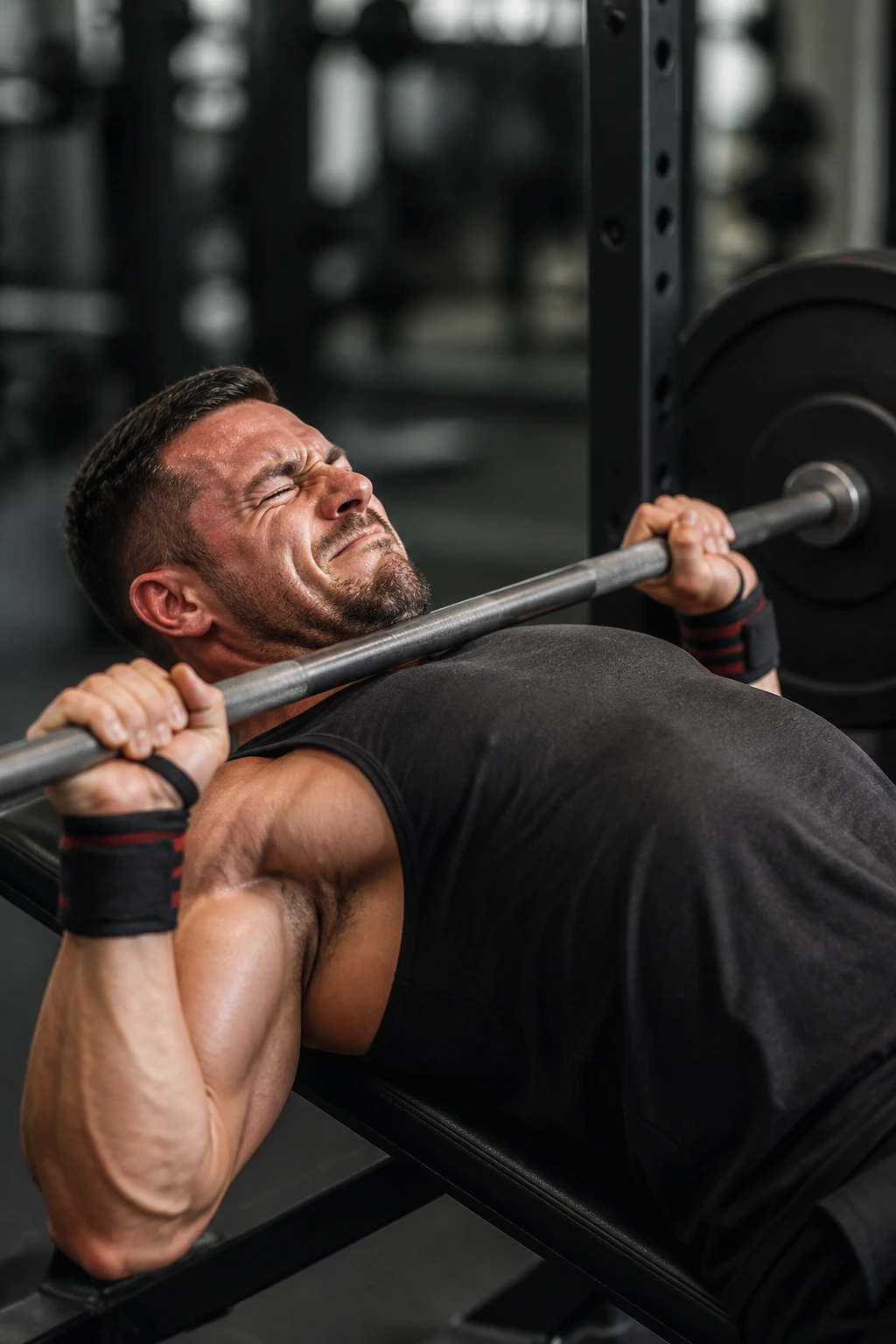
Not every set should end in a grimace.
Training to failure means you cannot complete another rep with proper form. That sounds dramatic because it is. The bar stops moving, your muscles tap out, and the set ends whether you planned for it or not. Some advanced lifters use failure carefully on small exercises. Beginners usually don’t need to chase it.
Why not? Because failure can blur into form breakdown fast. One ugly rep becomes two ugly reps, then the exercise turns into a mess. You also recover less cleanly from all-out sets, which can make the rest of your workout worse. On machines or small isolation moves, failure is more manageable. On a barbell squat, it’s a different story.
Safer ways to use it
- Save failure for small, controlled exercises
- Stop a rep or two early on heavy compound lifts
- Keep a clean technique standard before you chase fatigue
There’s a difference between hard work and reckless work. Beginners should learn that difference early. It saves joints, energy, and a lot of unnecessary drama.
17. PR

The first time your bench press hits a new number, you tend to remember the exact plate on the bar.
A PR is a personal record. It can mean the heaviest weight you’ve lifted for a movement, the most reps you’ve done with a certain weight, or even the cleanest version of a lift you’ve ever performed. The last part matters more than people think. A sloppy PR is still a record, but it’s not always the kind worth chasing over and over.
Small PRs count too
- One extra rep at the same weight
- A 2.5-pound jump on the bar
- Better depth on a squat at the same load
- A cleaner pull-up with no swing
Beginners sometimes wait for big moments only, and that’s a waste. Small PRs are easier to earn and often more useful. They also keep morale up. If the gym feels like a place where numbers only go up once in a blue moon, you’ll quit noticing progress. A training log fixes that. So does taking a photo of the plates when you hit a real milestone.
18. Volume
Volume is where a lot of confusing gym talk turns practical. It usually means how much total work you do, often counted as sets, reps, and sometimes the weight involved.
You do not need to turn this into a math class. A beginner-friendly way to think about volume is simple: more sets and reps usually mean more work. Five sets of five is a different training load from two sets of ten, even if the exercises are the same. Volume matters because it shapes fatigue, growth, and recovery.
How beginners misread volume
- They assume more is always better
- They add sets without checking recovery
- They mix up hard sets with junk volume
That last one matters. Junk volume is work that’s so sloppy or tired that it doesn’t add much value. You know the feeling: the 12th set starts looking like a bad guess. I’d rather see a beginner do fewer clean sets with solid effort than a pile of messy ones that leave them wrecked for no reason. More work only helps when you can still do it well.
19. Core

Your midsection tightens before a deadlift for a reason.
The core is not just the abs you see in a mirror. It includes the muscles around your trunk that help you brace, stabilize, and transfer force. That means the deep front muscles, the sides, the low back, and the muscles that keep your spine from folding when you load something heavy. In gym talk, “engage your core” usually means “brace your torso so you don’t leak force everywhere.”
What bracing feels like
- The ribs settle instead of flaring upward
- The belly firms without sucking in
- The torso feels like a strong cylinder, not a loose tube
A lot of beginners hear “core” and picture endless crunches. That’s only one tiny slice of it. Planks, dead bugs, carries, and even good squat practice train the core in more useful ways for most people. The goal is not a tired stomach. The goal is a torso that helps the rest of the lift feel stable. Once you feel what bracing does under load, you stop treating it like a vague cue and start using it like a tool.
20. 1RM
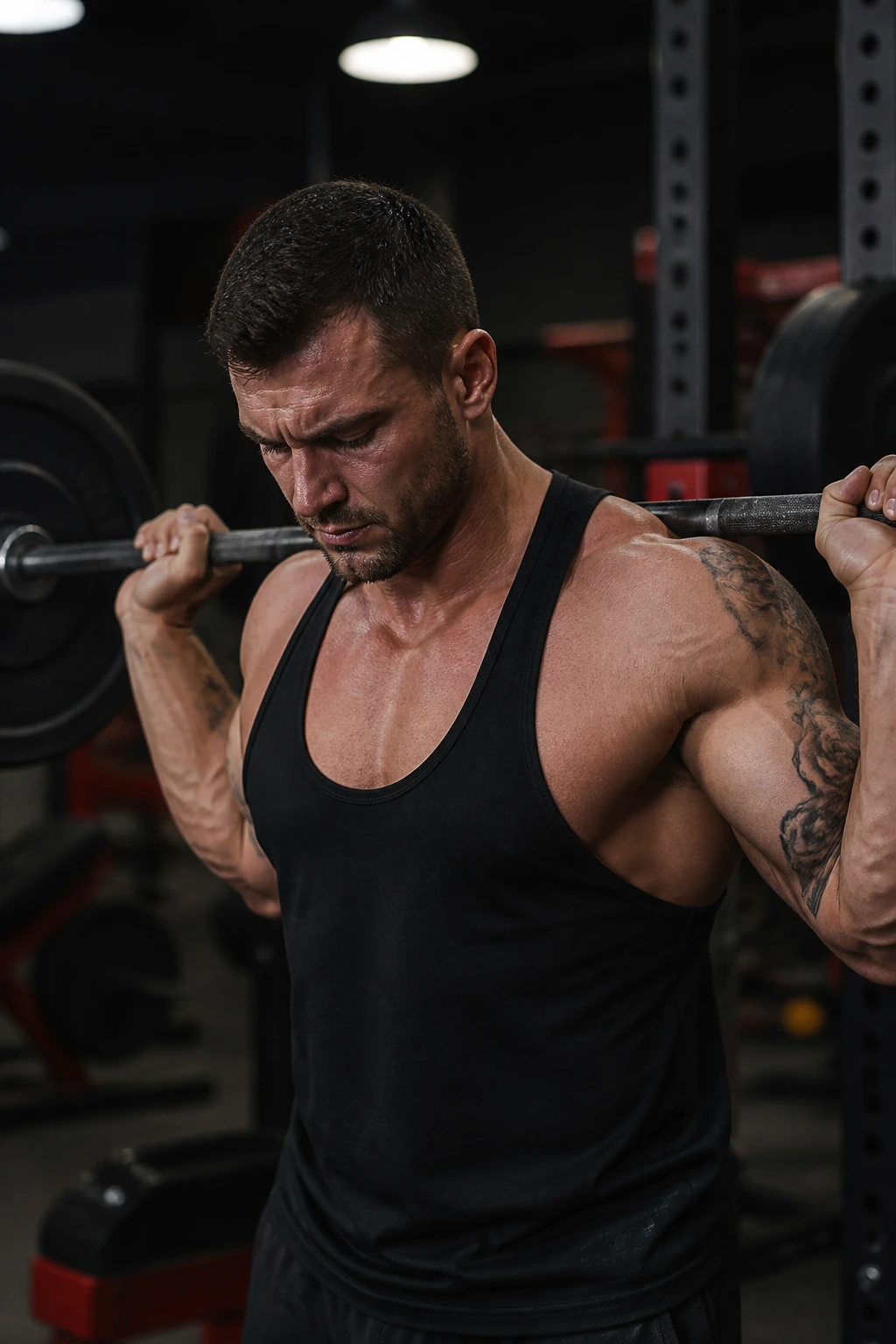
How much can you lift for one perfect rep? That’s the one-rep max, or 1RM.
This term shows up in strength programs and testing sessions, especially for squat, bench press, and deadlift. A 1RM is the heaviest weight you can lift for a single rep with good form. It’s a useful number, but it’s not one every beginner needs to chase right away. In fact, many people get more from building technique and consistency before they ever test a true max.
Safer ways to estimate strength
- Use a tough set of 3 to 5 reps and estimate from there
- Test on a machine or a safer lift first
- Ask for a spotter or use safety pins if you go heavy
A true 1RM test is demanding. The warm-up matters. The rest between attempts matters. So does your setup. If the bar path, breathing, or bracing are still shaky, there’s no prize for forcing it. A better move is to build reps, learn the lift, and come back to max testing when the pattern feels solid. Strength goes up in steps, not in dramatic movies.
Once these words stop sounding strange, the gym gets simpler fast. You won’t need to translate every line on a program sheet or every comment from the person next to you on the bench. You’ll just hear a set of numbers, a few cues, and a plan that makes sense. That’s a better place to train from.
