



Meal plan ideas for losing belly fat work best when they feel almost boring.
That sounds unexciting, but it’s the truth. No lunch or dinner can target belly fat by itself, and anyone selling a food that “melts” your midsection is selling a story, not a plan. What actually helps is a routine that keeps you full, keeps portions honest, and makes it easier to stay in a calorie deficit without feeling like you’re chewing on willpower all day.
The smartest menus tend to look plain on paper: eggs, yogurt, chicken, fish, beans, vegetables, fruit, oats, potatoes, rice, and a few measured fats. Nothing flashy. But those foods do a good job of handling hunger, which is where most belly-fat plans fall apart. If you’re hungry at 3 p.m., you start negotiating with the snack drawer. If dinner is too light, you raid the kitchen later. That’s the game.
A good meal plan also needs to fit real life. Busy day? You need fast food that’s not takeout. Low appetite in the morning? Fine, but don’t let that turn into a pastry-and-coffee gap that ends in a giant lunch. The ideas below are built around that kind of practical eating — filling, repeatable, and easy to scale up or down depending on your size, schedule, and training load.
1. High-Protein Meal Plan for Losing Belly Fat
Protein is the anchor here. If you build each meal around it, hunger gets quieter, and that alone can make a huge difference in how much you eat over the course of a day.
A simple version looks like this: breakfast could be 3 eggs with spinach and one slice of whole-grain toast; lunch could be a chicken salad with 4 to 6 ounces of chicken, cucumber, tomato, and 1 tablespoon of olive oil dressing; dinner could be salmon, broccoli, and a small baked potato. Add a piece of fruit or a cup of Greek yogurt if you need a snack.
The trick is not perfection. It’s repeatability. If you keep getting distracted by low-protein meals, you’ll keep getting hungry faster than you want to be.
What Makes It Work
- Aim for 25 to 35 grams of protein at each main meal.
- Keep starch portions honest: one fist of rice, one medium potato, or one slice of bread.
- Use vegetables to fill space on the plate.
- Pick one snack, not four small “bites” that turn into a second meal.
Best move: cook 2 proteins at once, like chicken breasts and hard-boiled eggs, so the whole day stays easy.
2. Mediterranean Meal Plan for Losing Belly Fat
This is the meal plan I’d hand to someone who wants food that tastes like food and not punishment. Olive oil, fish, beans, vegetables, fruit, and herbs can make a diet feel less like a diet, which matters more than people admit.
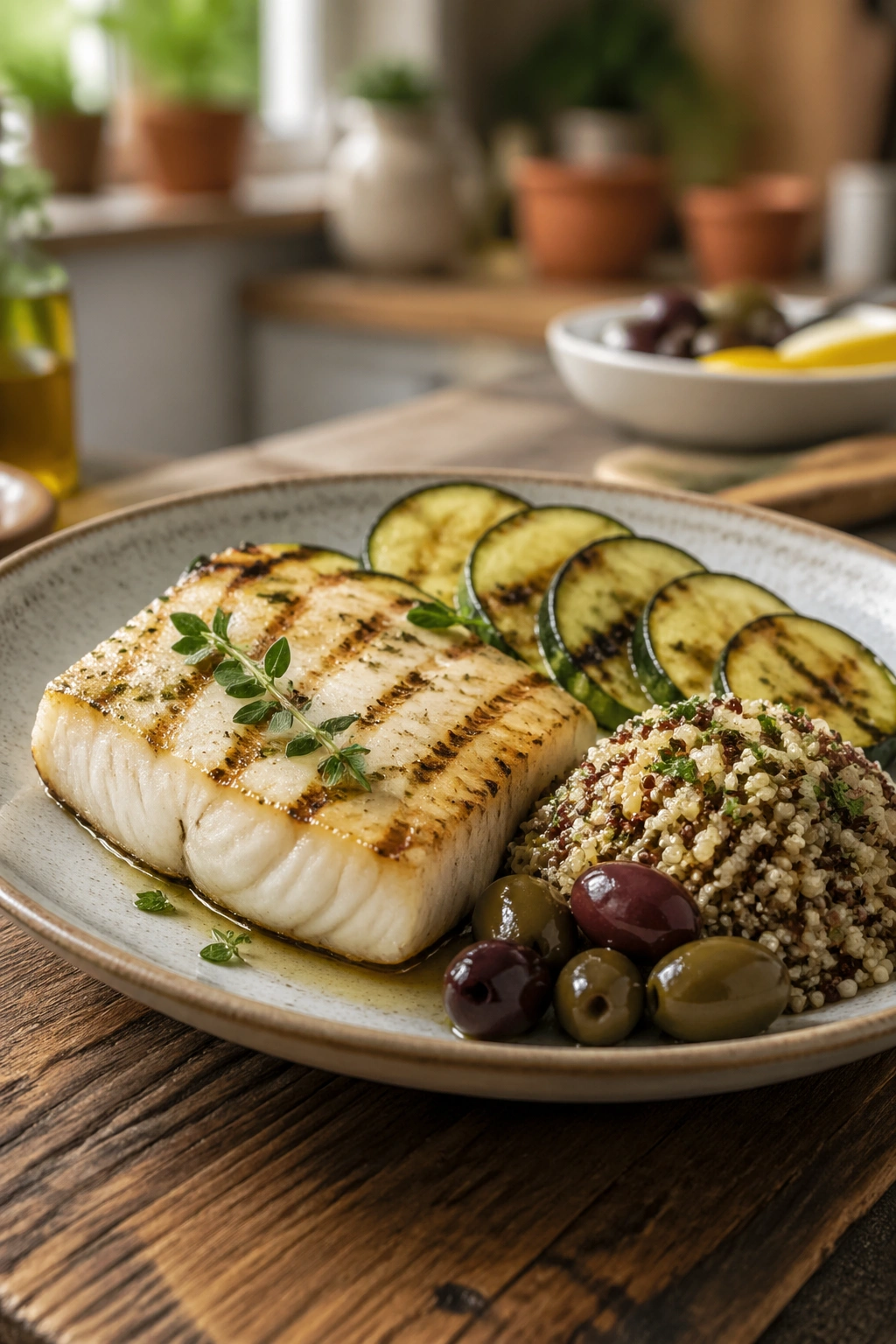
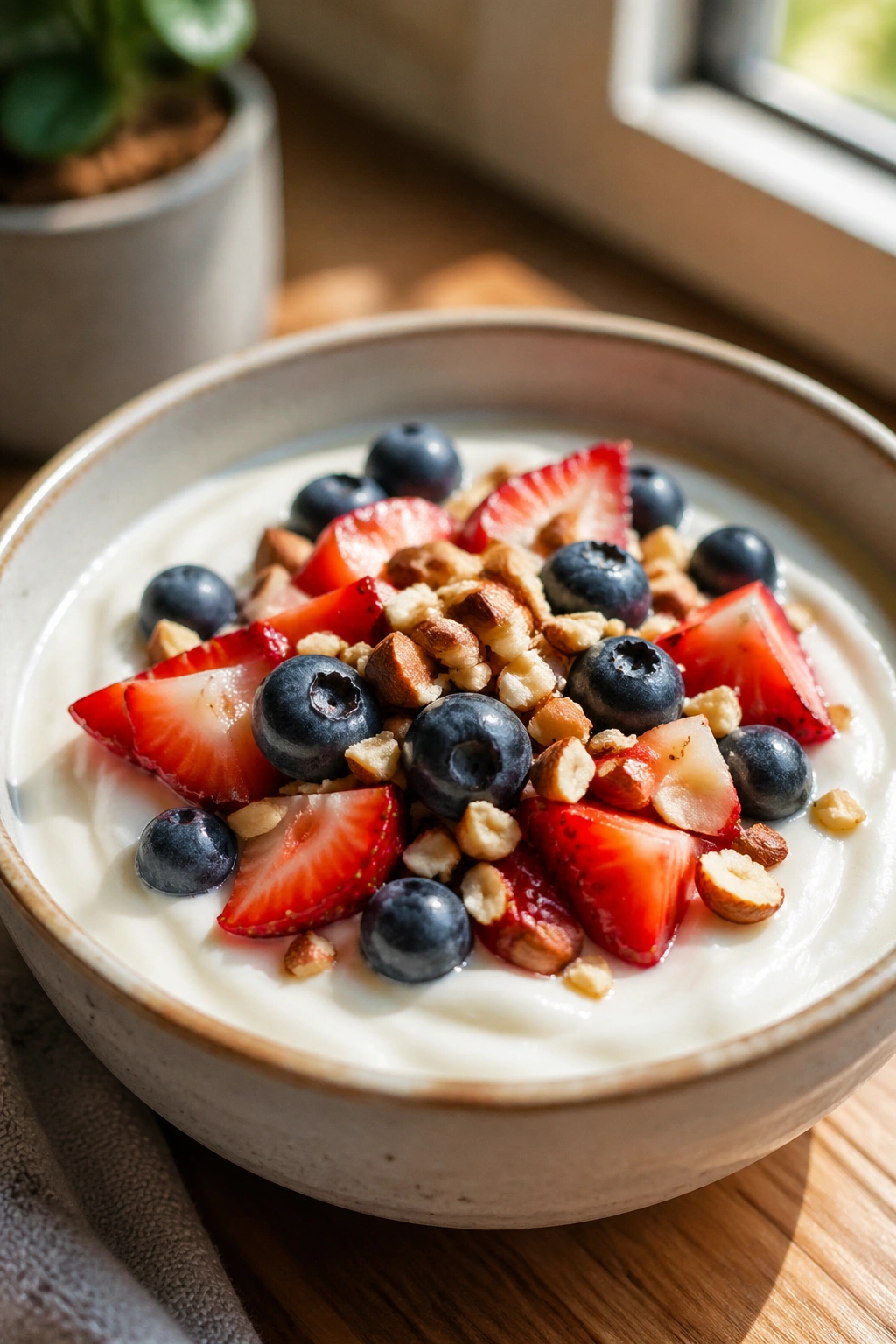
Start with a breakfast of plain Greek yogurt, berries, and a spoonful of chopped walnuts. Lunch can be a chickpea salad with cucumber, tomato, red onion, feta, and lemon. Dinner might be grilled salmon or white fish with roasted zucchini and a small scoop of quinoa. That’s a complete day without any weird products or hard rules.
The only catch is portion control with the fats. Olive oil is healthy, yes, but a free-pour habit can quietly add a few hundred calories. Measure it.
Why It Stays Satisfying
The protein from fish and yogurt helps, and the fiber from beans and vegetables slows things down. You’re not chasing a sugar crash every few hours.
And the flavors matter. Garlic, lemon, dill, parsley, olives, tomatoes — those keep the plan from feeling stripped down. If a meal tastes bright and fresh, you’re more likely to repeat it.
3. The Bigger Breakfast, Lighter Dinner Plan
What if your problem isn’t dinner at all? For a lot of people, the damage starts earlier, when breakfast is tiny and lunch is random, so by evening they’re eating like they’ve been stranded.
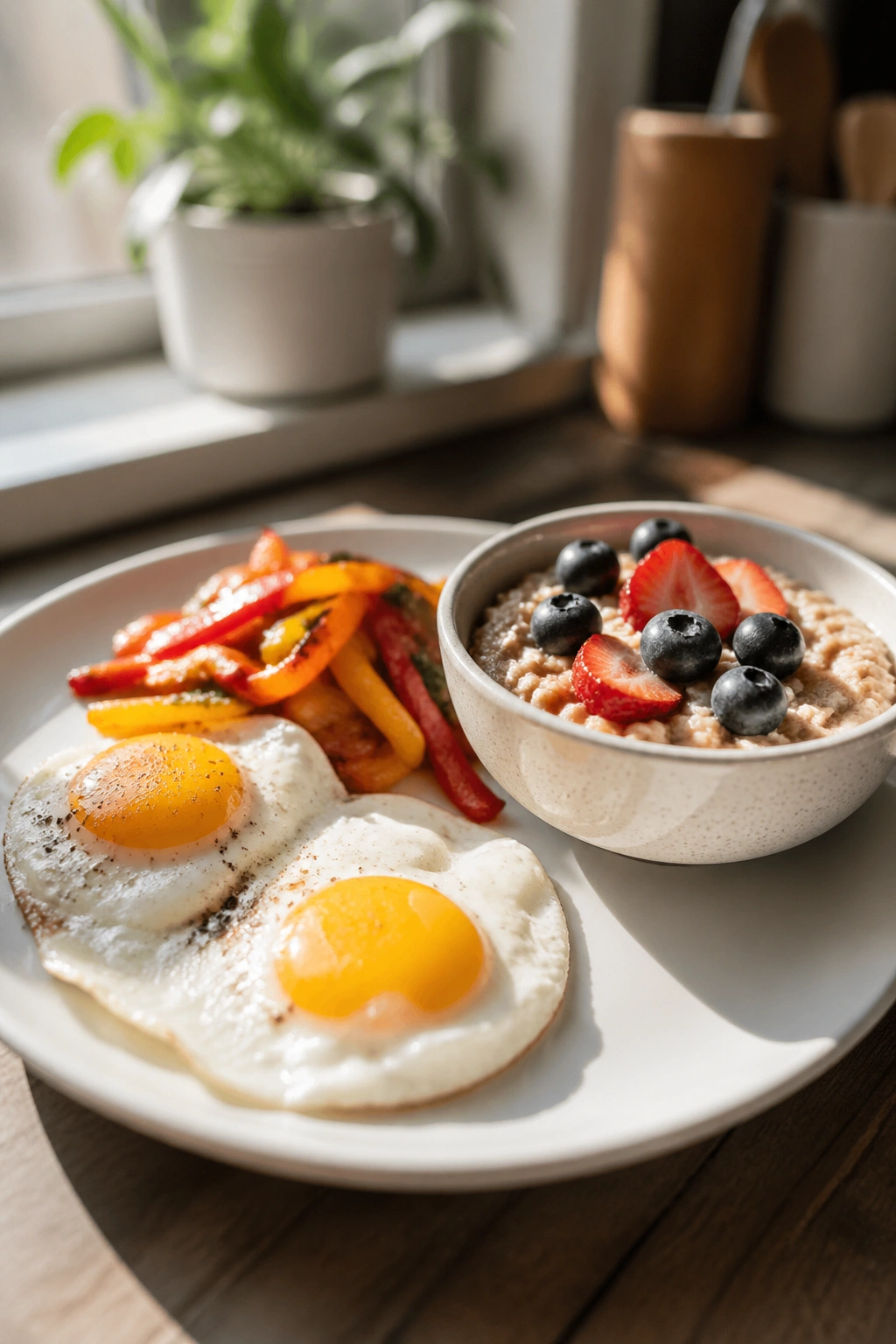
Front-load the day. A bigger breakfast might be two eggs, egg whites, sautéed peppers, oatmeal with berries, and coffee or tea. Lunch can be moderate — maybe turkey on whole-grain bread with a salad. Dinner stays lighter: soup, a grilled protein, steamed vegetables, and maybe a small serving of rice or potatoes.
That pattern can calm evening hunger without making you feel deprived. It also helps if you do your best thinking in the morning and your worst snacking at night.
A Good Fit If You…
- get ravenous after 6 p.m.
- skip breakfast and then overeat later
- prefer a fuller start to the day
- like simple dinners
No miracle here. Just a meal rhythm that keeps the wheels on.
4. Egg Wrap and Lean Lunch Day
Some days call for food you can eat with one hand while standing over the counter. This is one of those days.
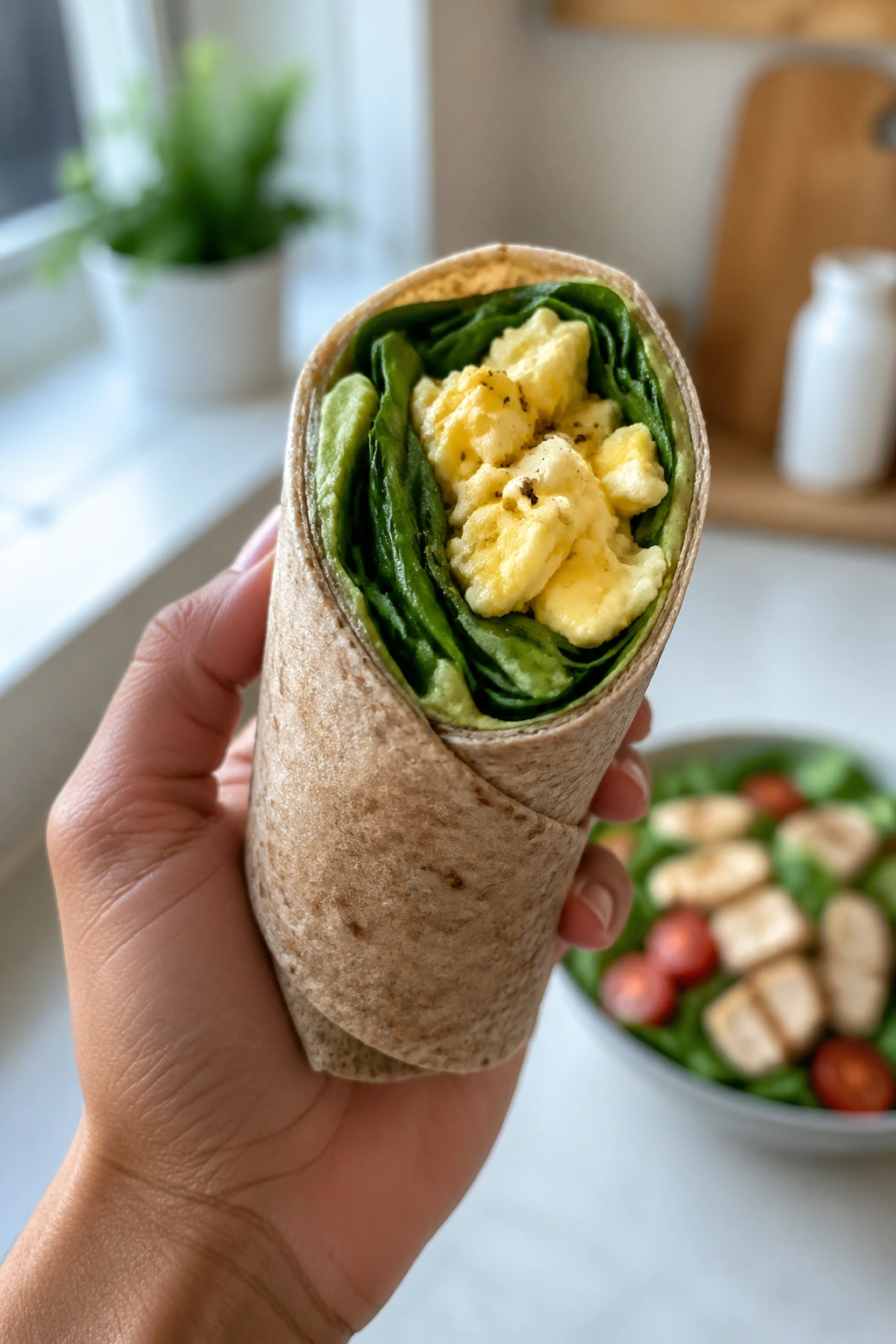
Make breakfast a whole-grain wrap filled with 2 eggs, extra egg whites if you want more volume, spinach, and salsa. Lunch can be a turkey sandwich with mustard, lettuce, tomato, and a side of carrots. Dinner stays clean and plain: grilled chicken, green beans, and a baked sweet potato. If you need something sweet, fruit is the easier choice.
The nice thing about this plan is that it doesn’t rely on huge portions. It relies on steady ones. That’s what keeps belly-fat loss moving in the right direction.
Small Tweaks That Matter
- Use a 10-inch tortilla, not the oversized restaurant wrap.
- Keep cheese to 1 ounce if you add it.
- Choose mustard, salsa, or hot sauce over heavy sauces.
- Add sliced vegetables to every sandwich or wrap.
A tiny wrap can be a disappointment. A well-built one can carry the morning.
5. Greek Yogurt, Berries, and Nuts Day
This is a lighter, cleaner day for people who don’t wake up hungry but still want structure.
Breakfast is a bowl of Greek yogurt with berries and a tablespoon or two of nuts. Lunch can be a tuna salad over greens or a turkey lettuce wrap. Dinner should not be another tiny snack masquerading as a meal — think baked fish, roasted vegetables, and a small serving of rice or potatoes. The point is to keep the day balanced, not to accidentally under-eat and then binge later.
The nuts are the part people mess up. A small handful is useful. Half the bag is a different story.
Use It When You Need a Calm Day
- early meetings
- low morning appetite
- a long afternoon without much movement
- a day after a heavier dinner the night before
Plain yogurt, fruit, and measured fat can keep things tidy. It’s not flashy. It works because it stays out of the way.
6. Chicken Salad and Broth Soup Combo
A bowl of broth soup before lunch is one of those old-school habits that still makes sense. It takes the edge off hunger without piling on calories.
Picture a lunch built around a cup of vegetable or chicken broth soup, then a big chicken salad with mixed greens, cucumbers, tomatoes, shredded carrots, and 4 to 5 ounces of chicken breast. Dinner can mirror that style: a lean protein, vegetables, and one measured carb. If you’re the kind of person who eats fast, this plan slows you down just enough to notice when you’re full.
There’s a reason soup shows up in a lot of weight-loss meal plans. It fills space. Water plus fiber plus protein does a lot of work together.
What to Watch For
Cream soups are not the same thing. Neither are giant bowls of noodles drowned in broth. Keep it light, keep it vegetable-heavy, and let the protein do its job.
7. Turkey Chili Batch-Cook Plan
Batch cooking saves people from their worst selves at 7:30 p.m. when they’re tired and sniffing around for snacks.
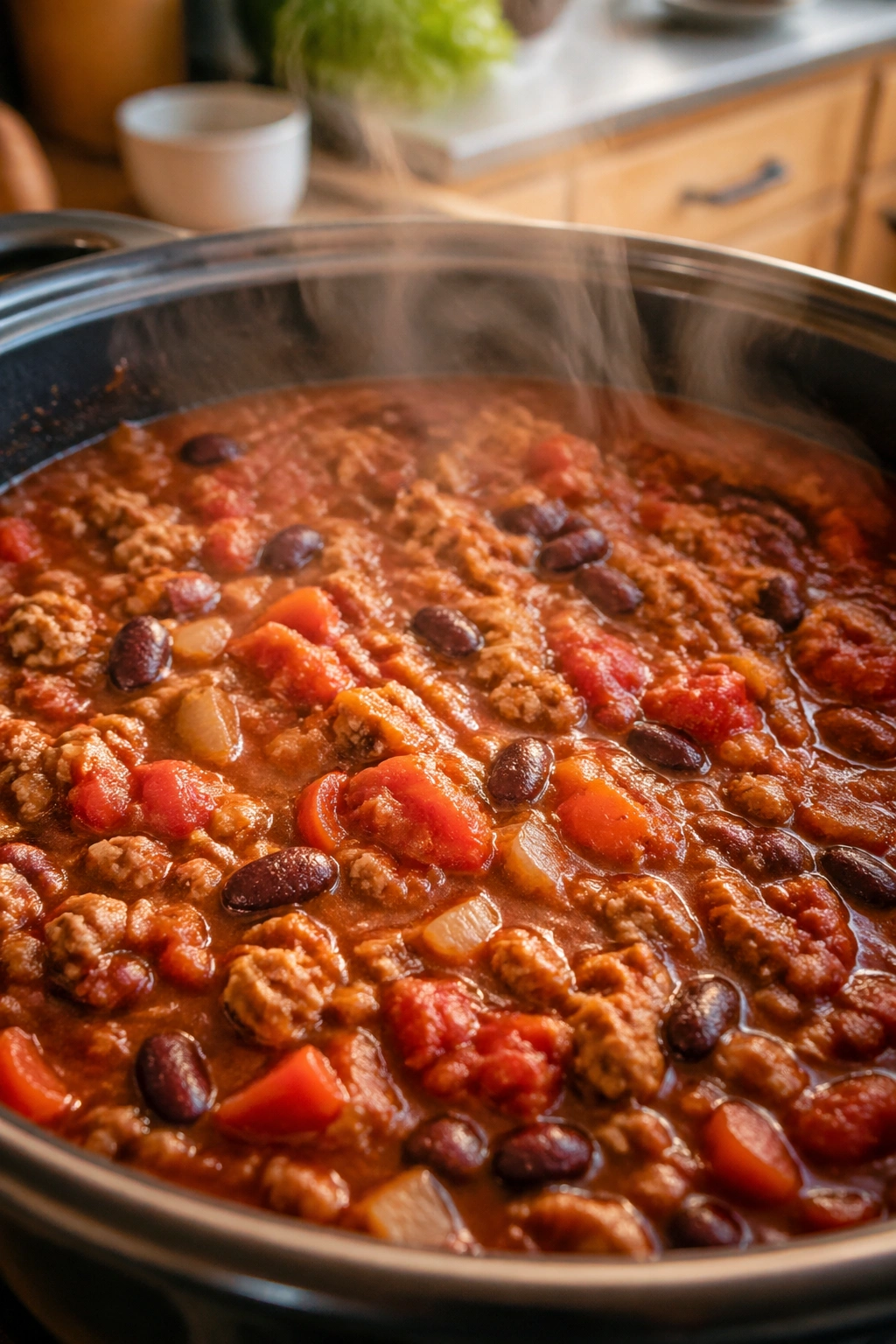
A big pot of turkey chili solves several problems at once. Use lean ground turkey, beans, tomatoes, onions, peppers, garlic, and chili powder. Portion it into containers with a side salad or a small scoop of rice. If you want a snack, have fruit or plain yogurt instead of chasing chips.
This plan works because chili tastes better after a day in the fridge, and the beans bring fiber plus staying power. It’s filling without being fragile. You can also freeze portions, which is handy when you don’t feel like cooking from scratch.
Easy Add-Ons
- chopped cilantro
- sliced jalapeños
- a spoon of Greek yogurt on top
- diced avocado, kept small
Don’t drown it in cheese. A little is fine. A heavy blanket of cheese turns a tidy meal into a calorie trap.
8. Tuna and White Bean Lunch Plan
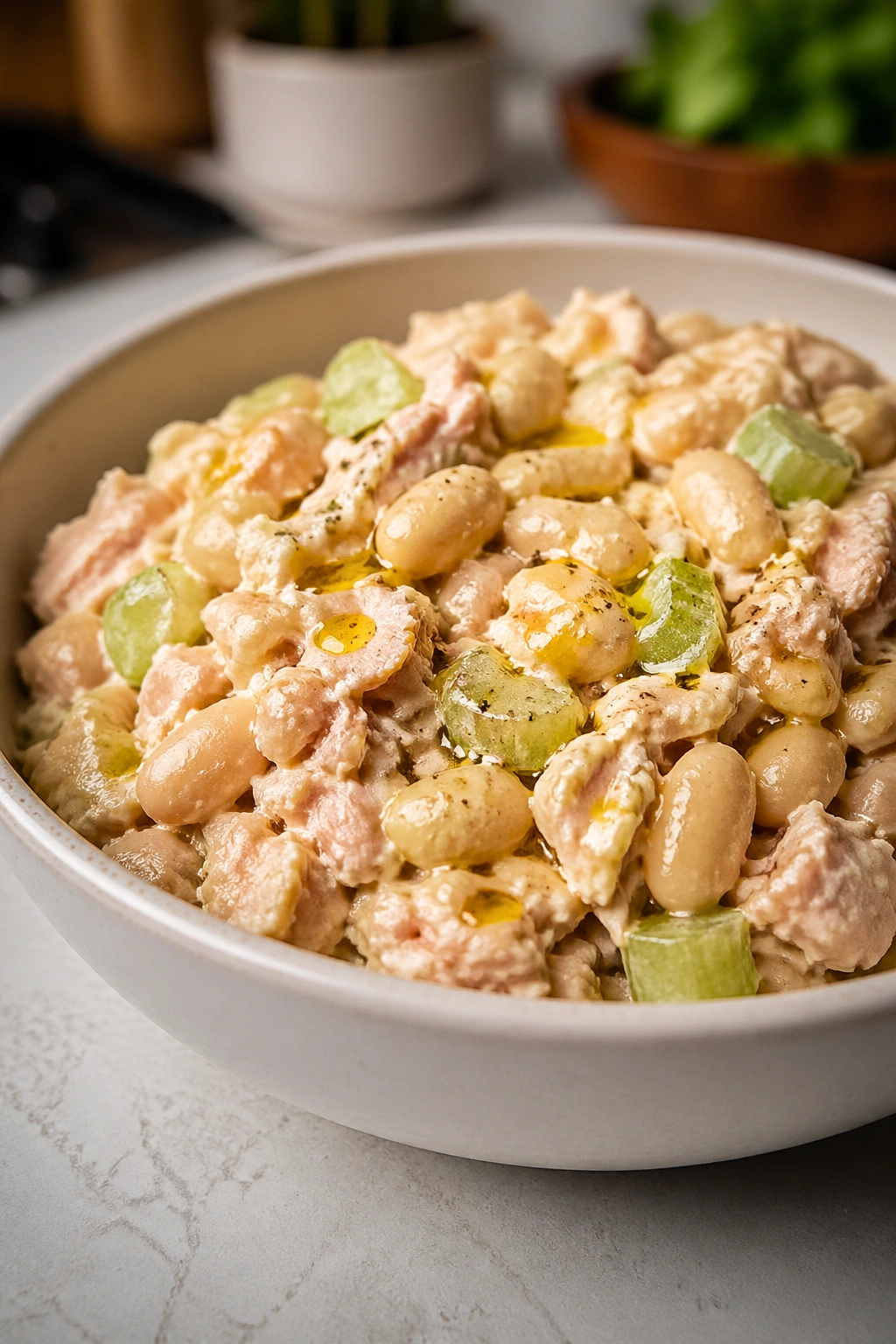
Pantry food gets dismissed too fast. That’s a mistake.
Tuna and white beans make a cheap, fast lunch that actually holds up. Mix canned tuna with drained white beans, lemon juice, chopped celery, parsley, and a little olive oil. Serve it over greens or spoon it into a whole-grain pita. Dinner can stay simple: a lean protein, roasted vegetables, and a small starch.
The beans matter here. They add fiber and bulk, which makes the meal feel much bigger than the ingredient list suggests. Tuna brings protein without much fuss. Lemon and herbs keep the whole thing from tasting flat.
This is the sort of lunch that can save a week. No delivery app needed.
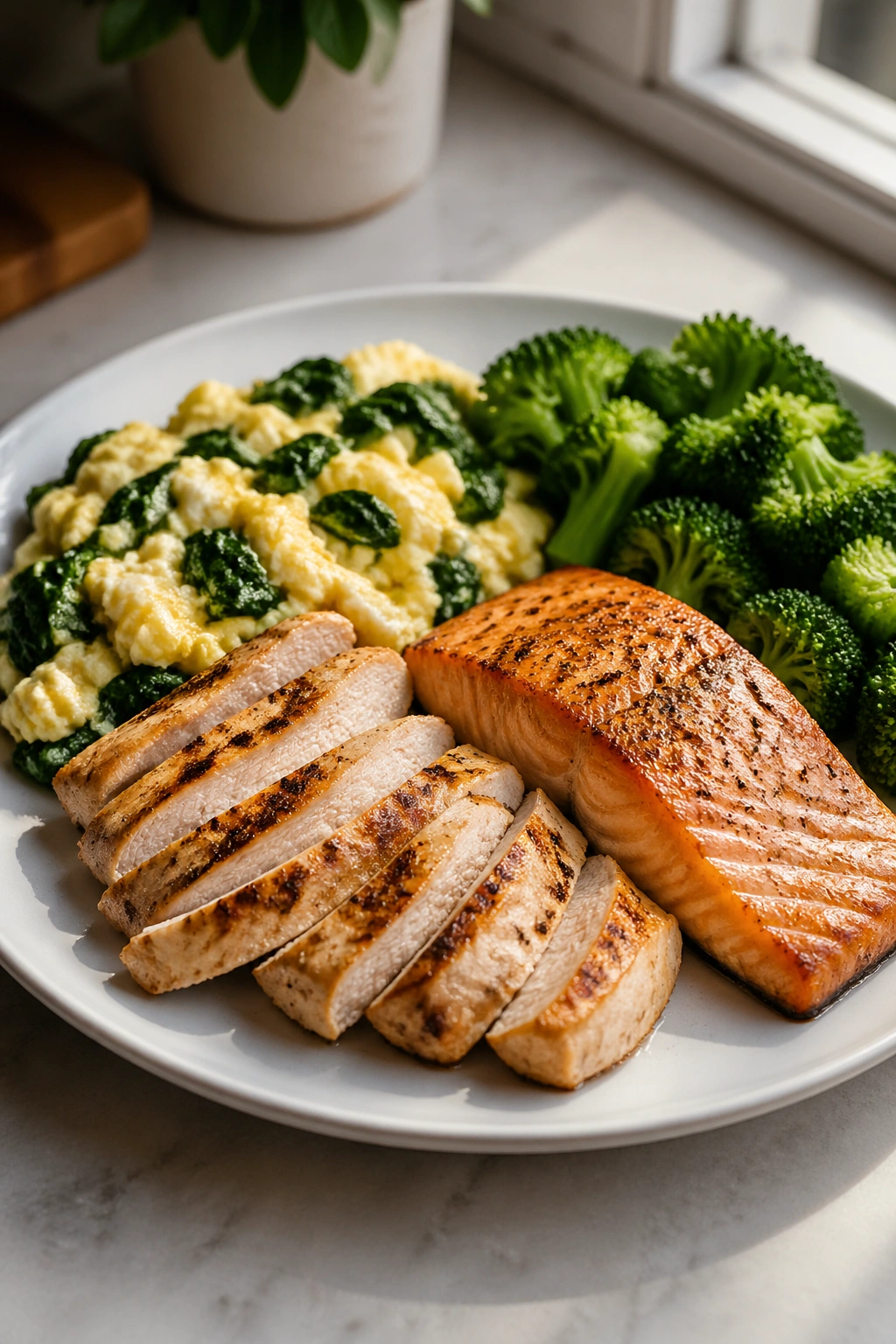
9. Salmon, Potato, and Greens Plate
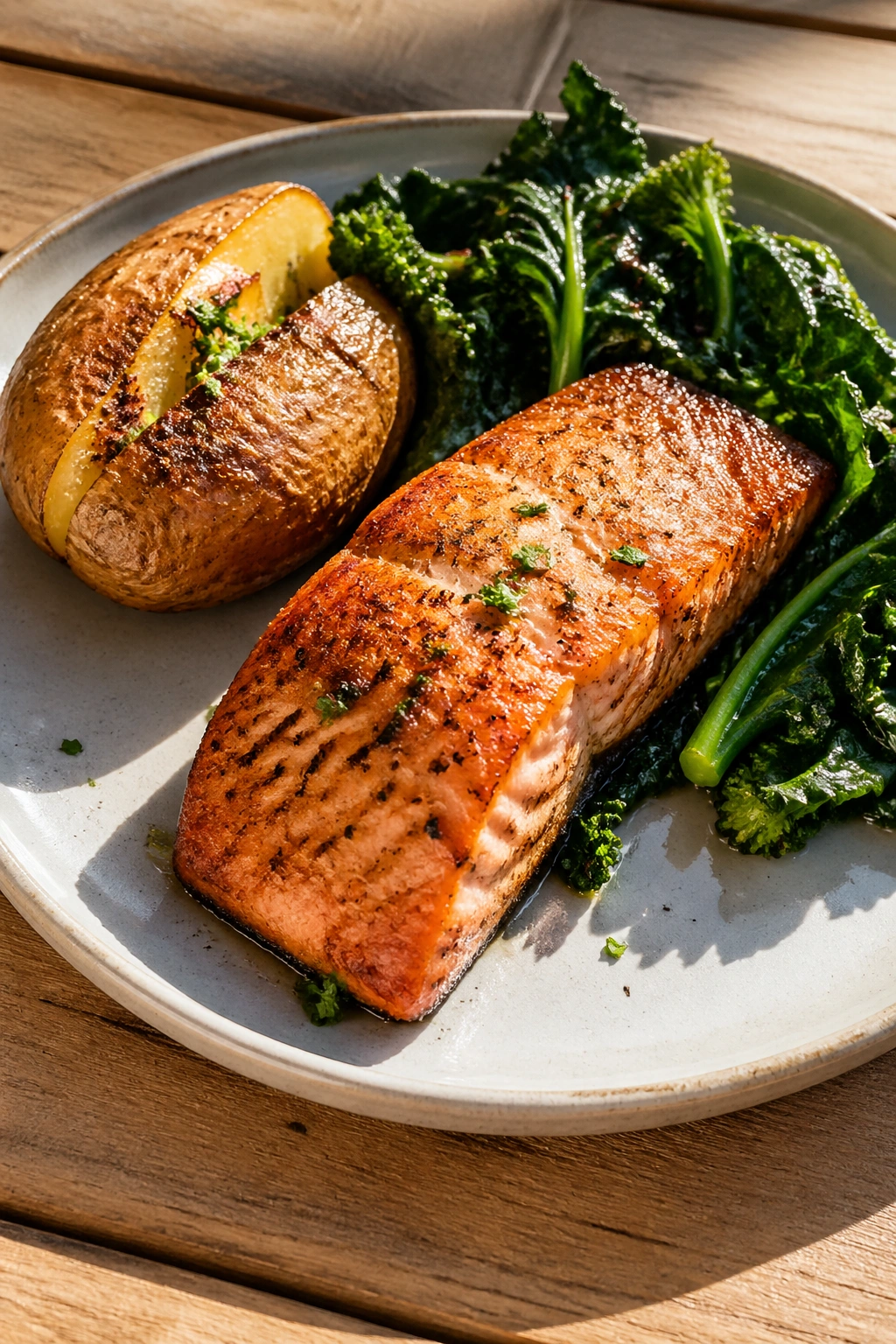
People love to fear potatoes when they’re trying to lose fat. I don’t. A medium potato with salmon and greens is a sensible meal, not a disaster.
Use a 5-ounce piece of salmon, roast or pan-sear it, and pair it with a medium potato and 2 cups of leafy greens or broccoli. Add lemon, pepper, and a light drizzle of oil. That dinner feels complete, which matters. Half-empty dinners often lead to wandering.
The omega-3 fats in salmon add richness, so you don’t need much else to feel satisfied. Potatoes also beat a lot of trendy substitutes when you’re asking a simple question: “What keeps me full without going overboard?”
A Good Habit Here
Eat the vegetables first if you tend to overdo starch. It’s a small thing, but it helps you notice the difference between full and stuffed.
10. Stir-Fry With Measured Rice
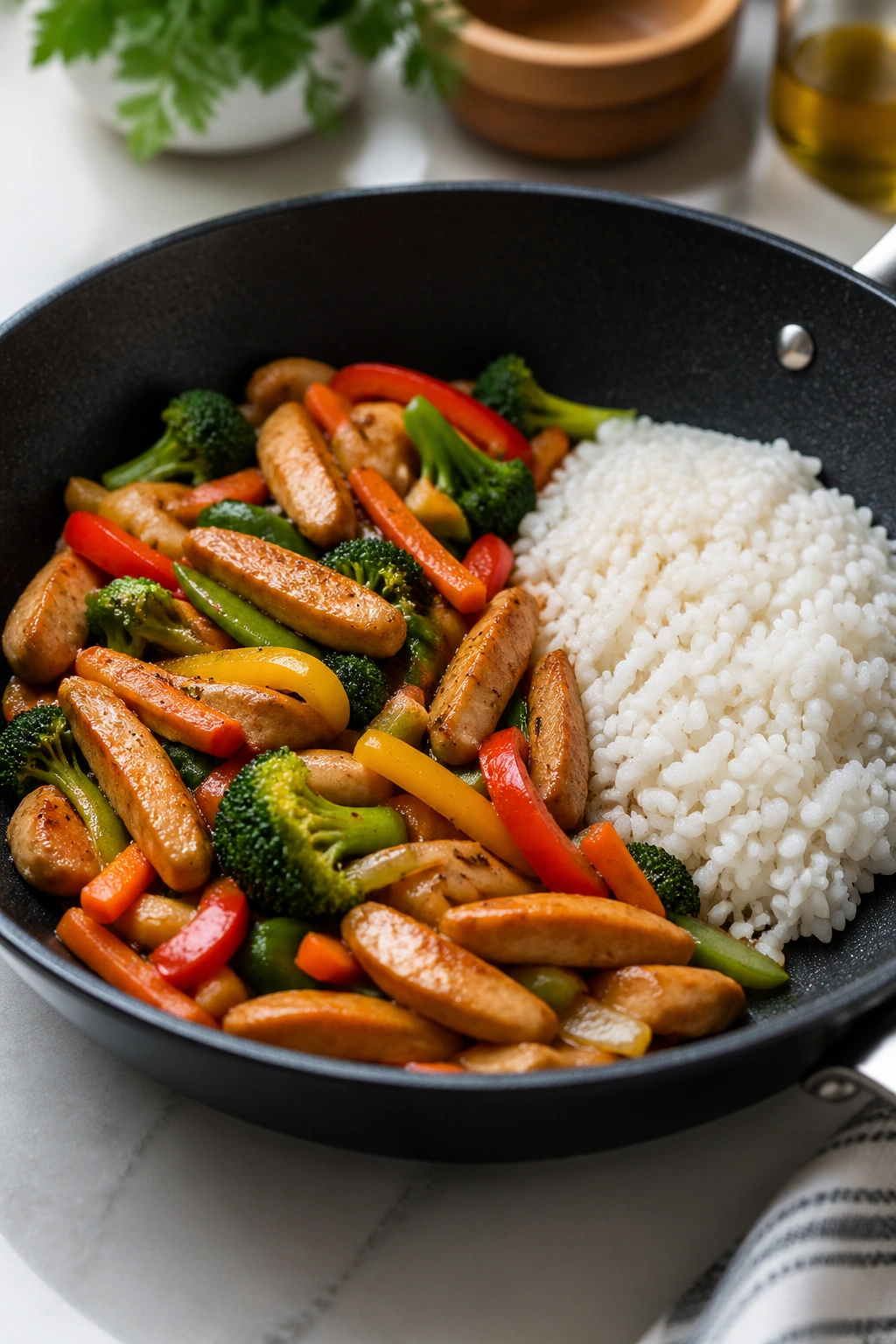
Stir-fries are only dangerous when the pan gets flooded with oil and the rice portion doubles.
The smarter version is straightforward: 2 cups of vegetables, 4 to 6 ounces of chicken, shrimp, tofu, or beef, and 1/2 to 1 cup of cooked rice. Use garlic, ginger, soy sauce, and a teaspoon or two of sesame oil for flavor. That gives you a meal with crunch, color, and enough substance to stop snack hunting later.
I like this plan because it feels like takeout without the runaway calories. Also, it cooks fast. Faster than most people expect.
Keep the Sauce in Check
- add sauce in stages
- use a nonstick skillet or wok
- keep rice measured after cooking, not before
- load up on cabbage, mushrooms, snap peas, or broccoli
Too much sauce is the hidden problem. A spoonful adds flavor. A flood adds calories without making the meal better.
11. Oatmeal and Eggs Morning Plan
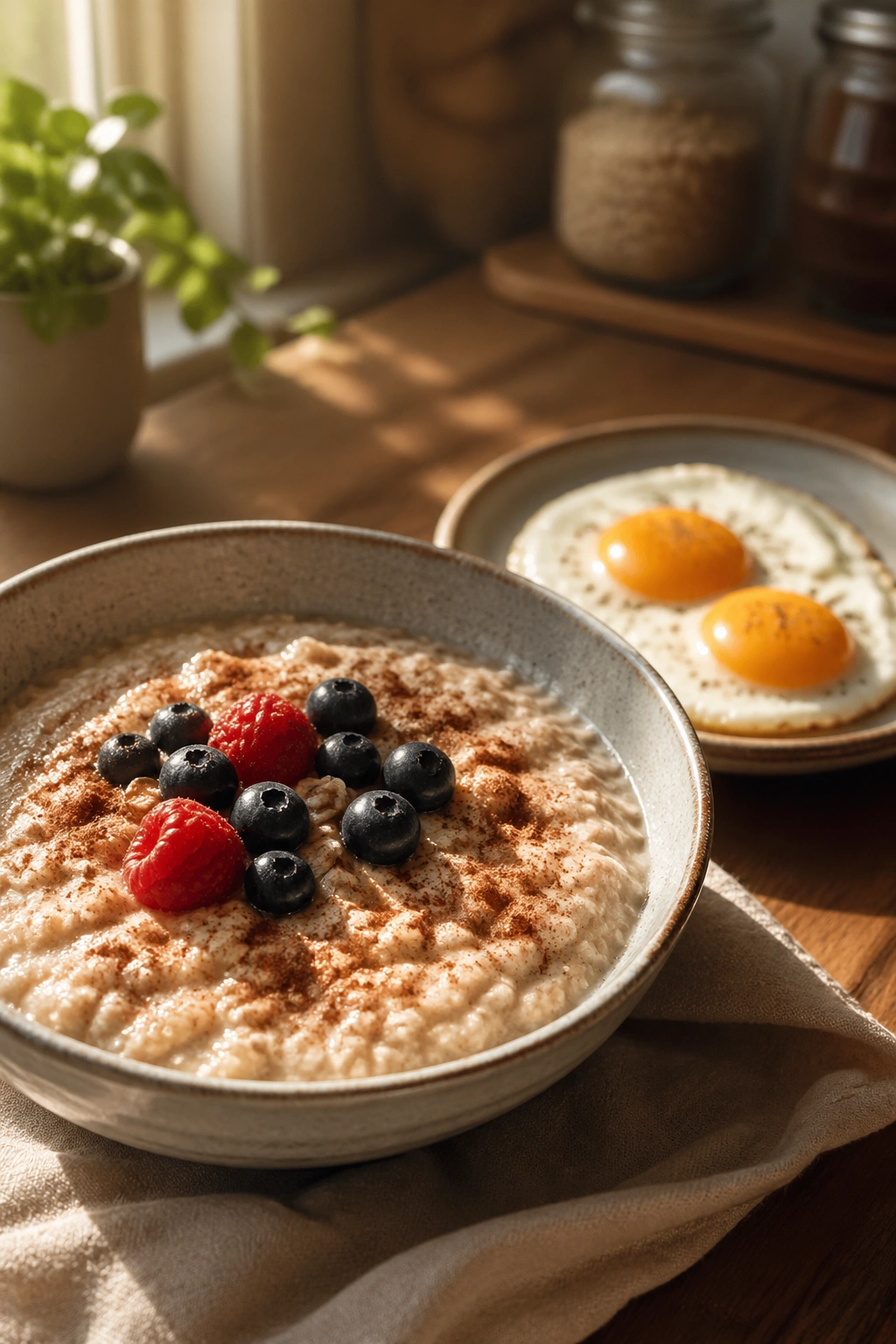
This is a classic because it works. Oatmeal gives you steady carbs and fiber, while eggs bring protein and richness.
Cook oatmeal with water or milk, then stir in cinnamon and berries. Add 2 eggs on the side, or use egg whites with one whole egg if you want a leaner version. Lunch can be a chicken or turkey bowl, and dinner can be fish or lean meat with vegetables. Simple. Familiar. Not boring in a bad way.
The big mistake with oatmeal is turning it into dessert. Honey, nuts, dried fruit, nut butter, and granola can all be fine, but piled together they make the bowl swing from useful to calorie-heavy fast.
Why This Plan Helps
It gives you a morning meal that feels warm and filling, which is useful if you usually reach for pastries or skip breakfast and crash later. A solid breakfast can quiet the rest of the day.
12. Lean Taco Bowl Night
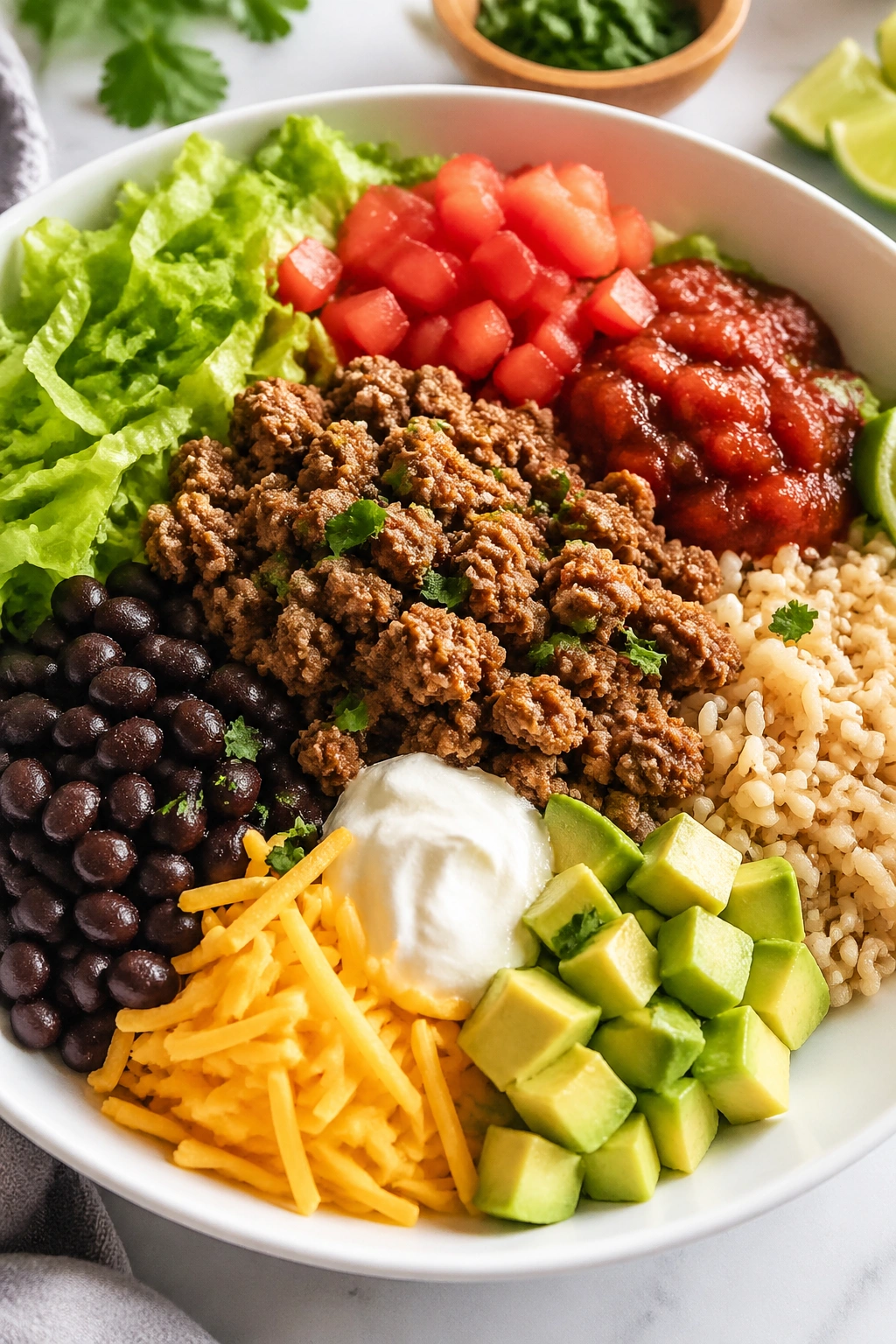
Taco food can fit a belly-fat plan beautifully if you stop at the bowl and skip the chaos.
Use seasoned ground turkey, shredded lettuce, salsa, black beans, diced tomato, onions, and a controlled scoop of rice or corn. Add a little avocado if you want it, but measure it. One-quarter of an avocado is plenty for most bowls. Dinner becomes satisfying without the greasy, oversized restaurant feel.
The reason this works is volume and flavor. Salsa, lettuce, onion, and tomato keep the bowl lively, while beans and turkey bring protein and fiber. It feels like a real meal, not a diet plate.
Build It Like This
- 4 to 5 ounces lean protein
- 1/2 cup beans
- 1/2 cup cooked rice or corn
- 1 to 2 cups lettuce and chopped vegetables
- salsa and lime for finish
That’s enough food. More is tempting, but not needed.
13. Vegetarian Protein Day
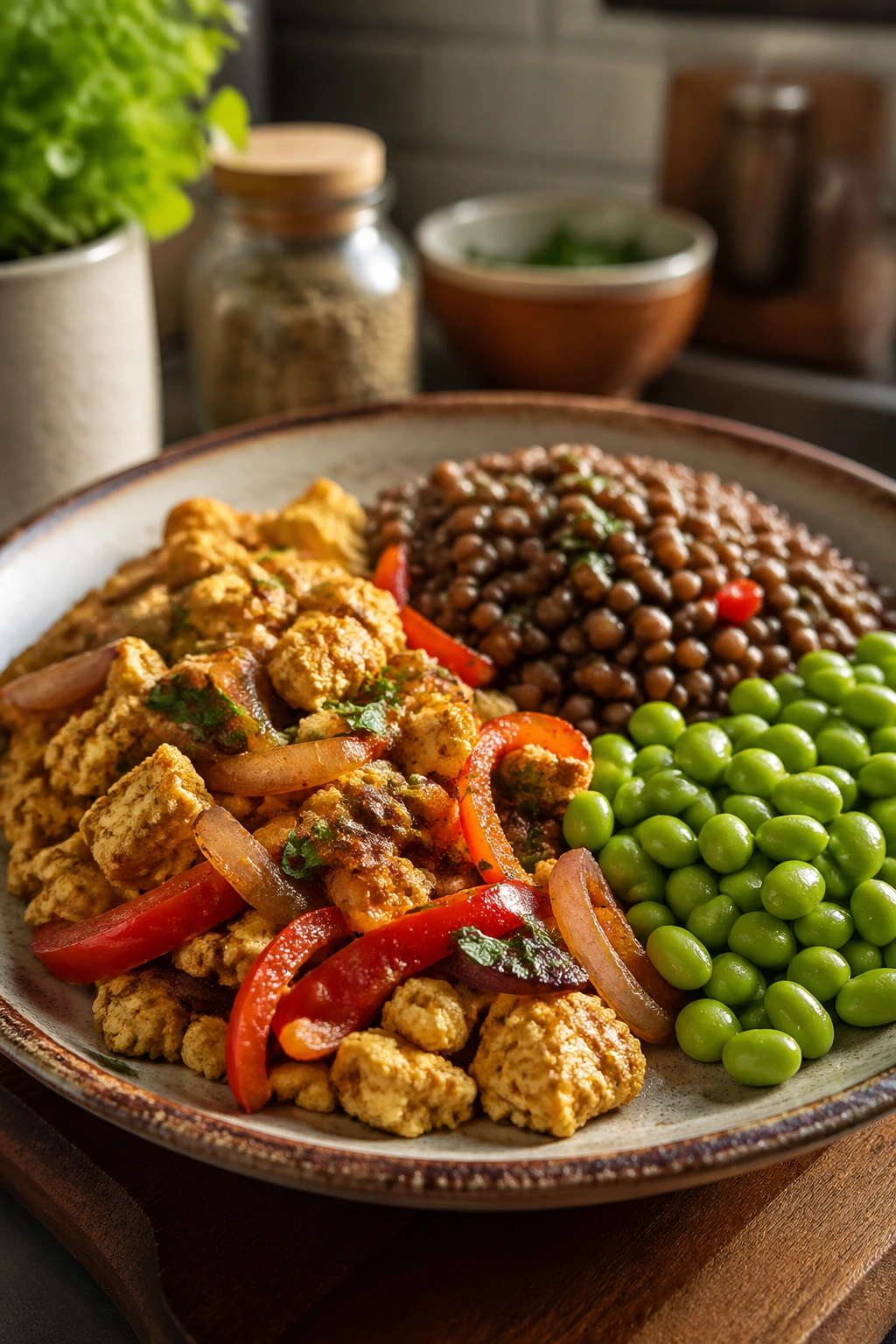
Meat-free does not mean light on protein. It just means you need to be a little more thoughtful.
A good vegetarian day might start with tofu scramble, peppers, onions, and toast. Lunch could be a lentil salad with cucumber, tomato, feta, and pumpkin seeds. Dinner might be tempeh, roasted cauliflower, and a small portion of brown rice. If dairy works for you, skyr or Greek yogurt can fill any protein gaps.
This kind of day can help with belly-fat loss because it puts fiber front and center. Beans, lentils, vegetables, and whole grains tend to fill the plate fast. The challenge is not fiber. The challenge is remembering to include enough protein so you stay full.
Strong Vegetarian Staples
- tofu
- tempeh
- lentils
- edamame
- skyr or Greek yogurt
- eggs, if you eat them
A plant-heavy day can be excellent. It just needs planning, or it turns into bread and snacks.
14. Soup-First Eating Plan
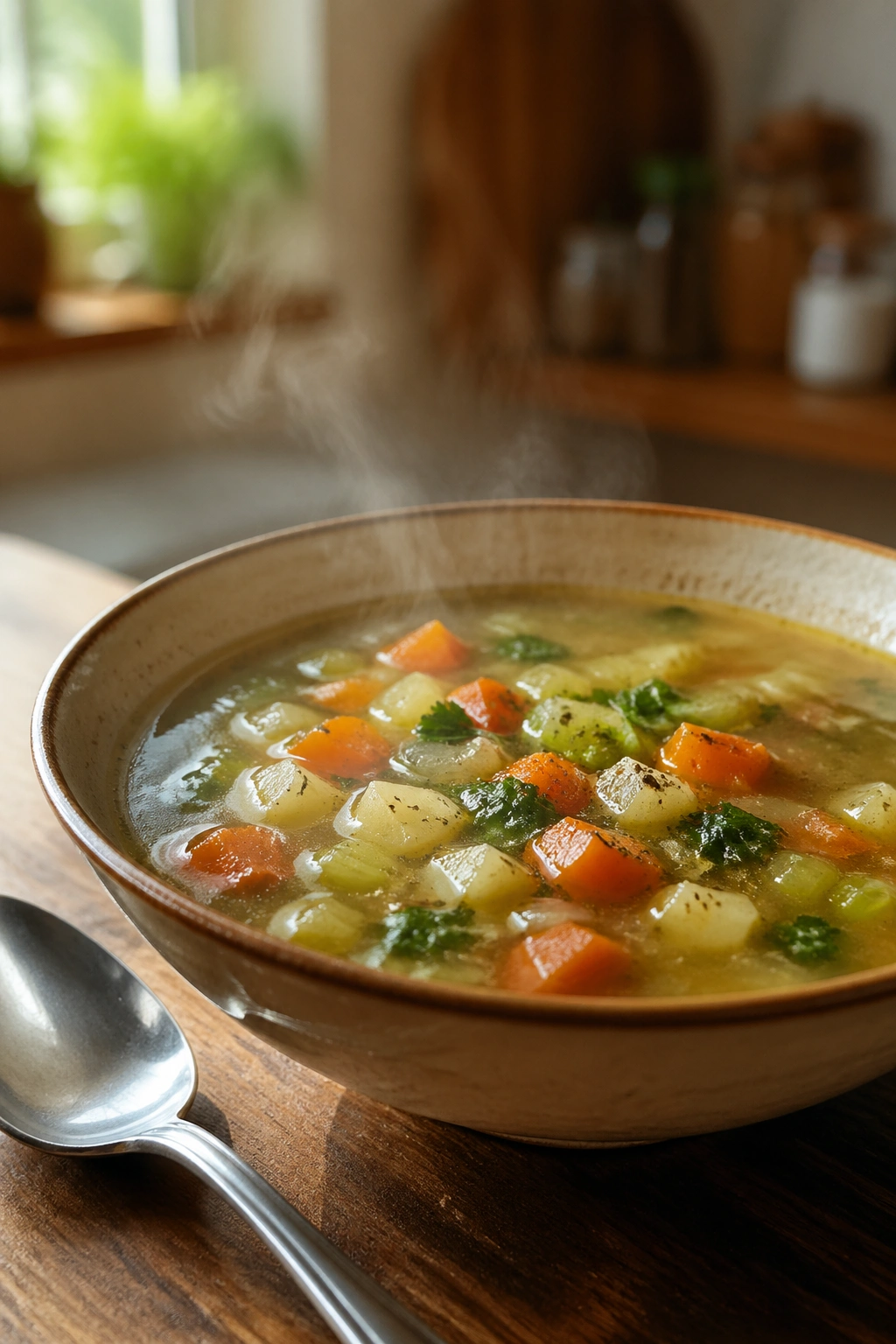
Start with a bowl of soup, and the rest of the meal usually gets more reasonable on its own.
That’s the whole idea here. Lunch or dinner begins with broth-based vegetable soup, minestrone, or chicken soup. After that, eat a balanced main plate: lean protein, vegetables, and a measured carb. The soup takes the edge off hunger, so you’re not inhaling the rest of the meal.
I like this plan for people who think they’re “bad with portions.” Often they’re not bad. They’re just arriving at meals too hungry.
Best Soups for This Pattern
- chicken and vegetable soup
- tomato-based vegetable soup
- miso with tofu and greens
- bean soup with a light broth
Skip heavy cream soups if the goal is fat loss. They taste good, sure. They also hide calories in a way that doesn’t help.
15. Smart Snack Box Day
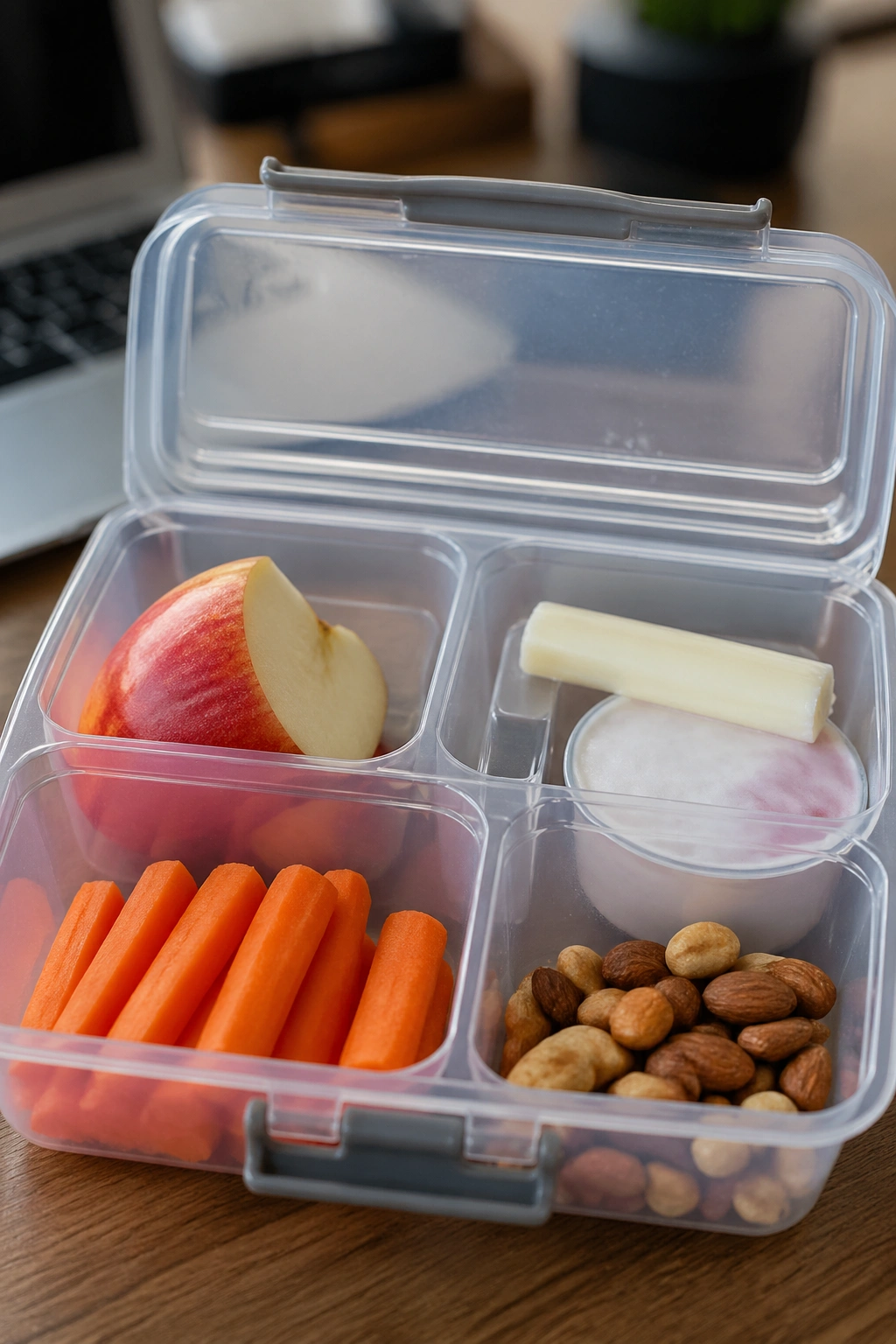
A lot of belly-fat trouble comes from random eating, not one massive meal. Snack boxes help put a fence around that habit.
Build a box with 2 or 3 planned snacks: a cheese stick and apple, carrots and hummus, jerky and grapes, or yogurt and berries. Keep nuts measured in a small container, not a giant bag. Then eat real meals on schedule, instead of grazing until dinner.
The point isn’t to snack more. It’s to snack on purpose.
What to Pack
- 1 piece of fruit
- 1 protein item, like yogurt, jerky, or cheese
- 1 crunchy vegetable, like carrots or snap peas
- 1 measured fat, like 15 almonds or a small spoon of hummus
This style works well in offices, cars, and long errands. It keeps the snack drawer from making decisions for you.
16. Sheet-Pan Chicken and Vegetables
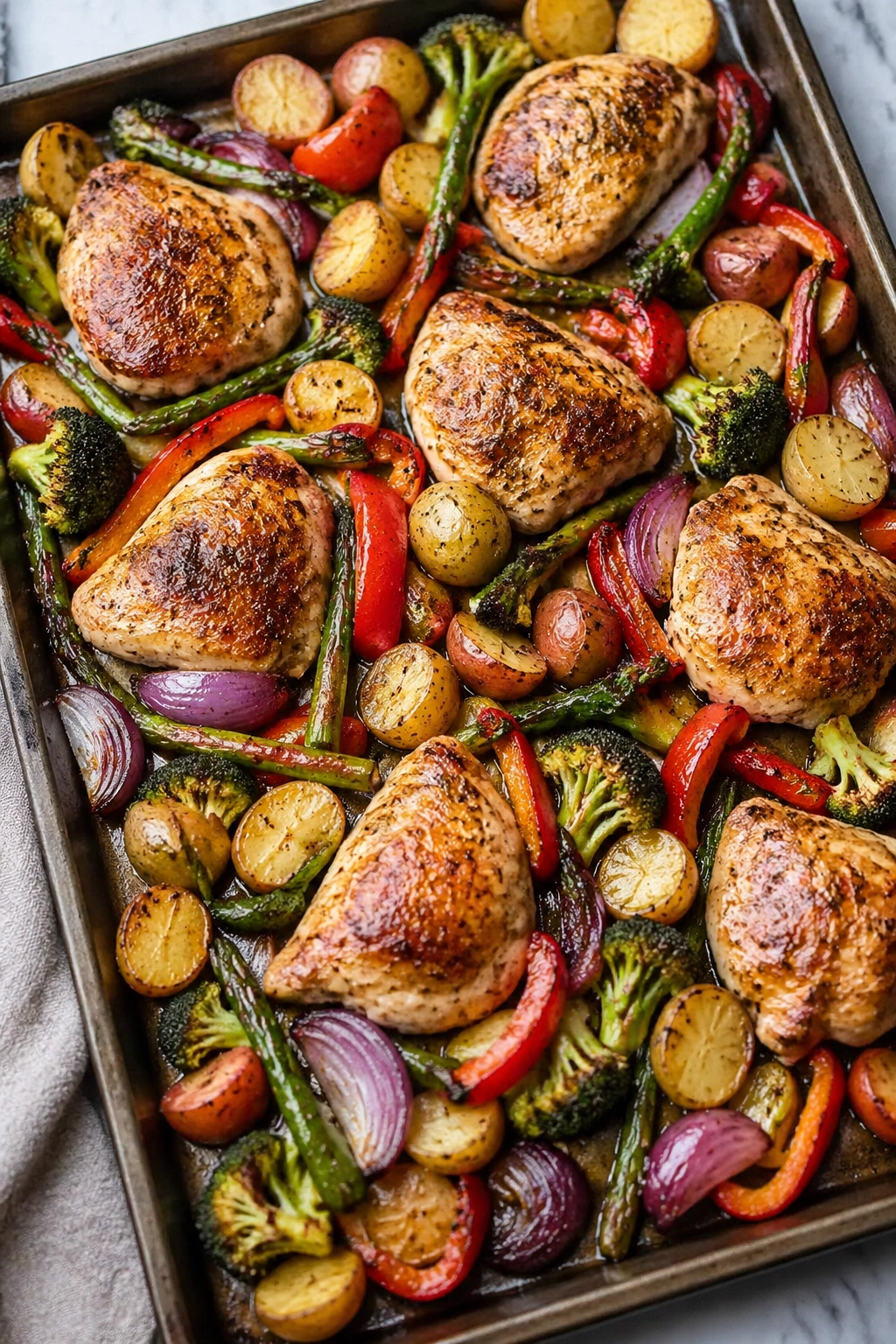
This is one of my favorites because dinner gets handled in about 30 minutes and the cleanup is easy.
Toss chicken breast or thighs with broccoli, bell peppers, onions, and zucchini. Use 1 to 2 tablespoons of olive oil for the whole pan, not each piece. Season with garlic, paprika, salt, and pepper. Roast until the chicken is cooked through and the vegetables are browned at the edges.
The beauty of sheet-pan cooking is that the plate ends up looking full without getting heavy. You can add a small serving of rice or potatoes if you need it, but the main event is still protein and vegetables.
Make It Better Than Average
- cut vegetables into similar sizes
- don’t crowd the pan
- roast hot enough to get browning
- save leftovers for lunch
Crowded pans steam instead of roast. That’s how sheet-pan dinners end up limp. Give the ingredients room.
17. Shrimp Rice Bowl With Crunchy Vegetables
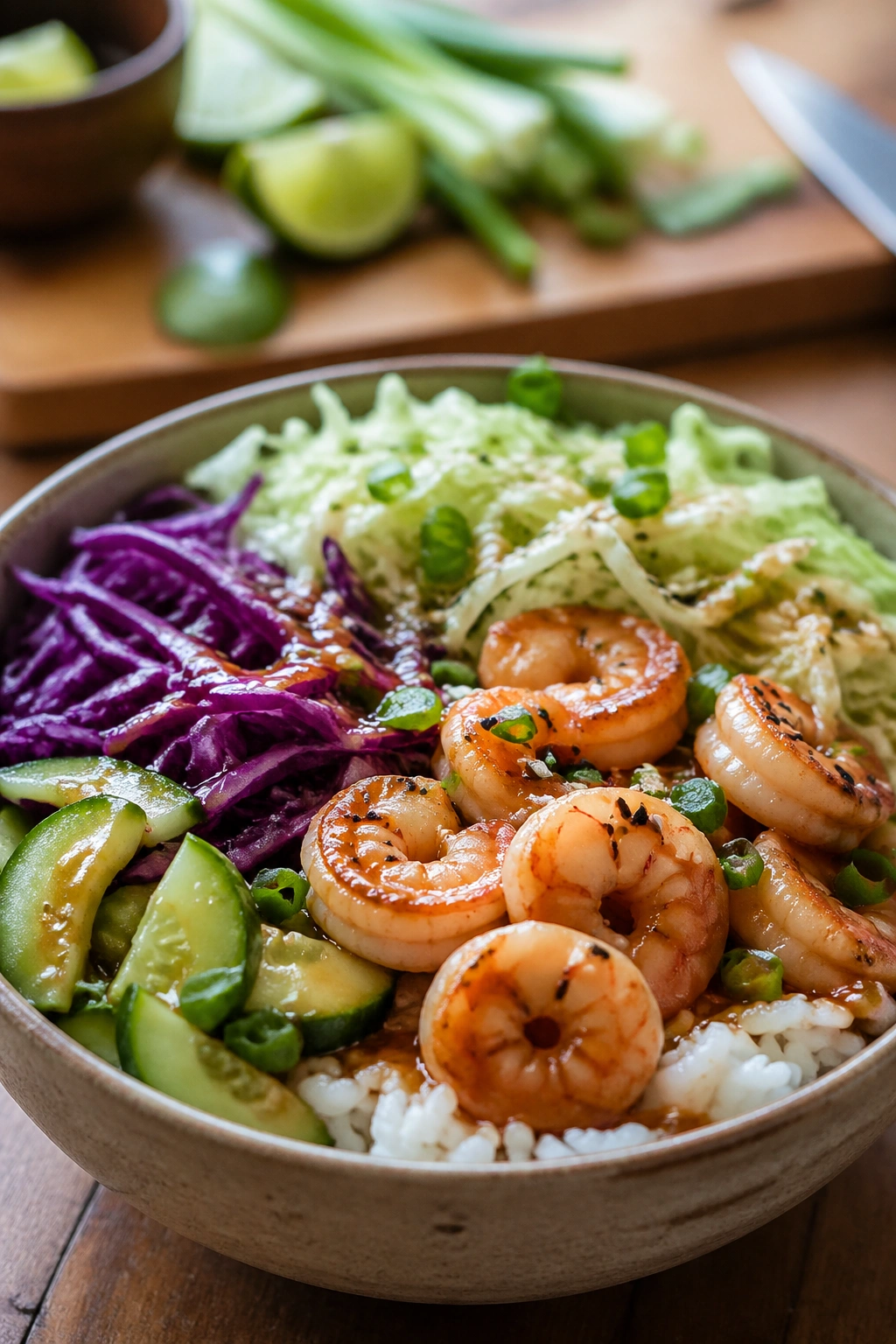
Shrimp is one of the easiest proteins to keep around for a lean meal. It cooks fast and tastes good with a lot of different seasonings.
Make a bowl with shrimp, rice, shredded cabbage, cucumber, scallions, and a light sauce made from soy sauce, lime, and a little sesame oil. Add carrots or edamame if you want more bite. The bowl should feel crisp and fresh, not drowned.
This plan is useful on nights when you want takeout energy but don’t want the takeout bill or the extra grease. Shrimp gives you plenty of protein for the calories, and cabbage adds volume like a champ.
A Tiny Upgrade
Toast sesame seeds in a dry pan for 30 seconds and scatter them on top. It takes almost no effort and gives the bowl a better finish.
18. Skyr and Lentil Lunch Plan
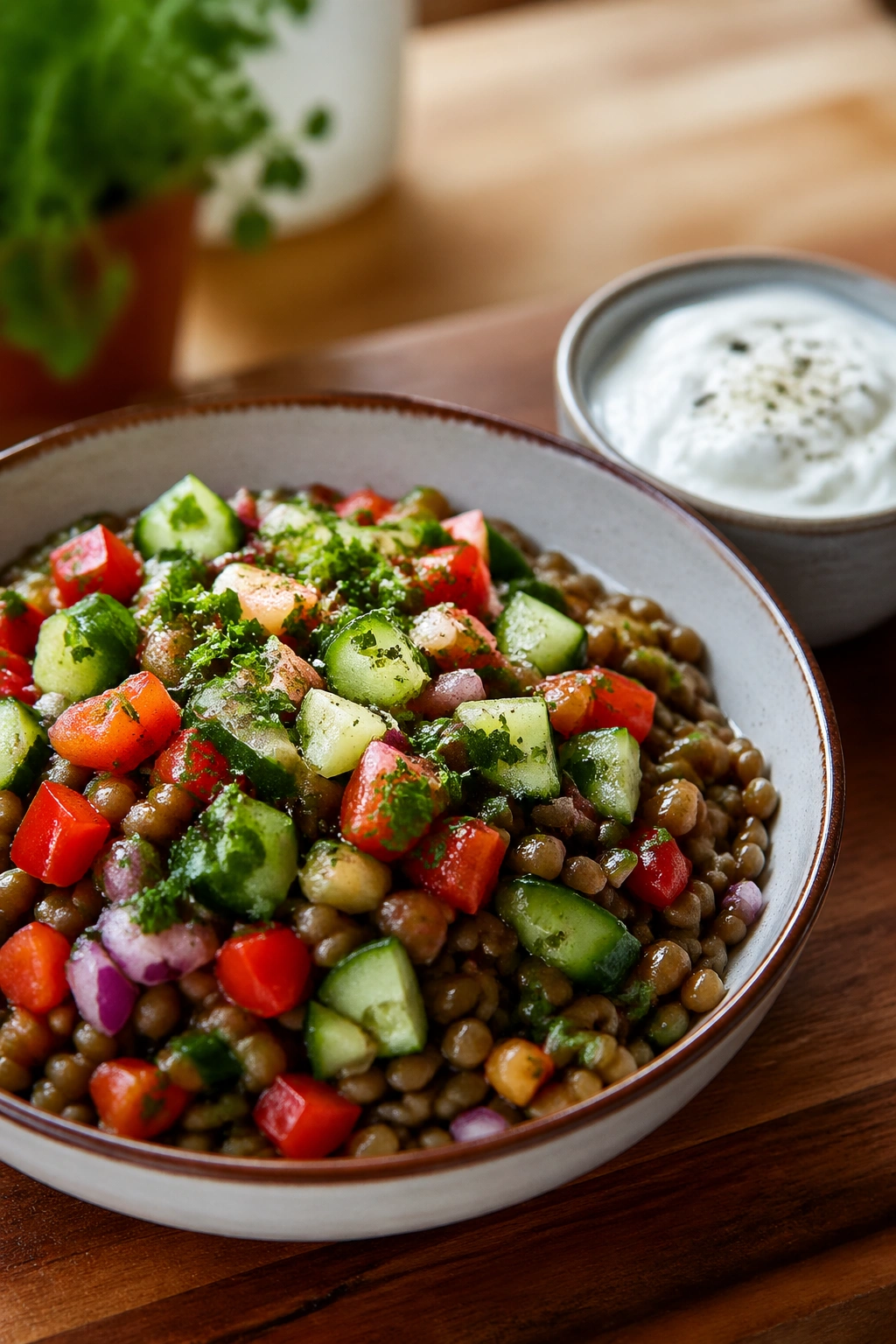
Skyr is one of those foods that makes a diet feel easier because it’s dense with protein and easy to eat fast. Lentils do the same for lunch.
Start with skyr or plain high-protein yogurt in the morning, maybe with berries or sliced apple. Lunch can be a lentil bowl with chopped vegetables, herbs, lemon, and a little olive oil. Dinner should still include a proper protein source, like chicken, fish, tofu, or eggs, because one good lunch does not carry a whole day by itself.
This is a good plan for people who like cold foods and don’t want to reheat leftovers every hour. It also suits desk days. No mess, no fuss.
Best Additions
- cucumber
- cherry tomatoes
- parsley
- feta
- pumpkin seeds
The lentils bring fiber, but the skyr brings the protein that keeps you from rummaging for snacks at 4 p.m.
19. Smart Sandwich Day
Sandwiches get a bad name when they’re built like a deli dare.
A better sandwich uses whole-grain bread, turkey or chicken, lettuce, tomato, onion, mustard, and maybe one thin slice of cheese. Put it with a side salad, raw vegetables, or a cup of soup. That gives you a lunch that feels normal and keeps portions under control.
The key is to stop at one sandwich and build around it. Two oversized sandwiches plus chips is a different category entirely. Same word. Very different outcome.
Easy Sandwich Rules
- choose bread with some fiber
- use mustard or light mayo, not both in giant amounts
- add crunchy vegetables
- pair it with fruit or soup instead of fries
A sandwich should help the plan, not ambush it.
20. Breakfast Meal Prep Muffins and Fruit
If mornings are rushed, cook once and eat for days.
Egg muffins with spinach, peppers, onions, and a little cheese make a neat breakfast. Pair two or three with fruit and maybe a slice of toast. Lunch can be leftovers, a salad with protein, or a grain bowl. Dinner stays normal and balanced. The benefit here is not glamour. It’s consistency.
These muffins are easy to portion, which is more useful than people think. One of the biggest reasons meal plans fail is that breakfast becomes whatever happens to be nearby. That usually isn’t a great strategy.
Good Pairings
- berries
- an apple
- whole-grain toast
- cottage cheese or yogurt, if you want extra protein
Make a dozen at once. They keep in the fridge for several days and reheat in under a minute.
21. Slow Cooker Stew Plan
Slow cooker stew feels old-fashioned, and that’s part of why it still works.
Use lean beef or chicken, carrots, celery, onions, potatoes, and broth. Let it cook until the meat is tender and the vegetables are soft but not falling apart. One bowl is filling in a way that’s hard to fake, especially if the broth is seasoned well and not too salty.
This plan shines on nights when you want dinner waiting for you. It also makes leftovers that hold up. Add a side salad if you want more volume, but the stew itself already does a lot of the work.
What Helps Most
- trim visible fat before cooking
- use enough vegetables to keep the bowl generous
- avoid loading up on bread with it
- cool leftovers fast and store them in shallow containers
A hearty stew can fit a fat-loss plan. The trick is serving it in a bowl, not a bucket.
22. Homemade Takeout Copycat Plan
People don’t usually crave “healthy food.” They crave their favorite takeout order. That’s useful information.
Instead of fighting the craving, copy it at home with better control. Make a burrito bowl with rice, salsa, beans, grilled chicken, lettuce, and a measured scoop of guacamole. Or build a sushi-style bowl with salmon, rice, cucumber, seaweed, and edamame. The point is to keep the flavor profile you like while trimming the overeating triggers: giant portions, deep-fried sides, and heavy sauces.
This is a smarter route than pretending you never want those foods in the first place. You do. Most people do.
The Home Version Wins Because…
- you decide the portion
- the oil is measured
- the vegetables are not an afterthought
- the meal still feels fun
That last part matters. A plan you dread usually falls apart.
23. Post-Workout Protein Day
If you train, food timing matters a little more than people like to admit.
After a workout, pair protein with a moderate carb source. Think chicken and rice, Greek yogurt and fruit, eggs and toast, or a protein smoothie with a banana. You do not need a giant reward meal. You do need enough to recover without turning the day into a buffet.
This kind of plan helps because exercise can make people either overeat or under-eat. One person treats training like a license to eat anything. Another person forgets to refuel and then snaps at the snack cabinet later. The sweet spot sits in the middle.
Good Post-Workout Combos
- 20 to 30 grams of protein
- one serving of fruit, rice, oats, or potatoes
- water or an unsweetened drink
Straightforward. No drama. It’s fuel, not a celebration cake.
24. Family Dinner Without the Extra Drift
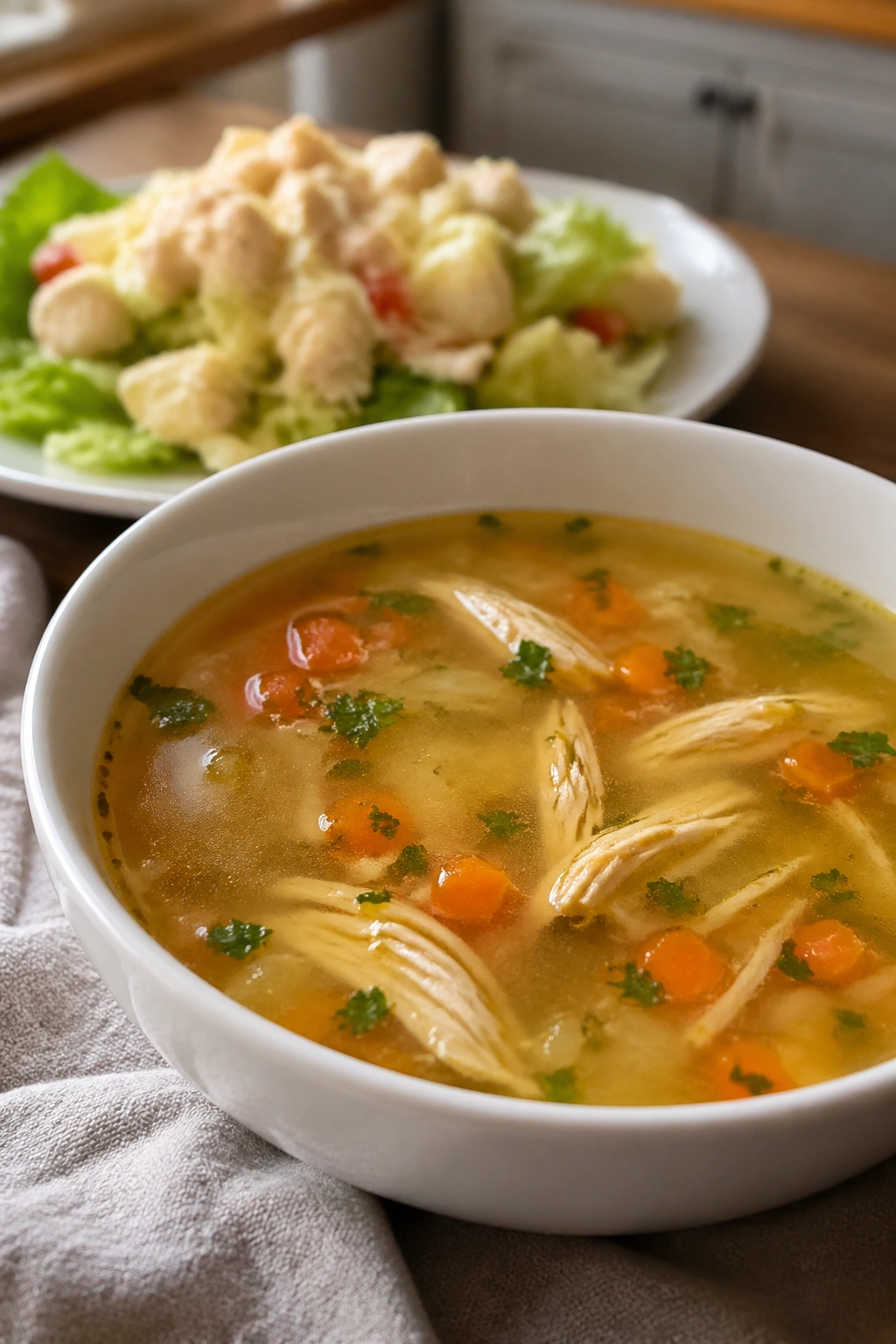
This one matters because many people do not cook separate meals. They eat the family meal and hope for the best.
You can keep the same dinner and still make it work. Use the plate rule: half vegetables, one palm of protein, one fist of starch, and a measured amount of sauce or cheese. If the family is having pasta, add a big side salad and keep the pasta portion to a sensible bowl rather than the full serving dish. If it’s tacos, use a bowl or a smaller tortilla, and go easy on the extras.
This plan saves sanity. No separate meal. No weird special food. Just better plating.
The Quiet Wins
- put vegetables on the table first
- serve yourself once
- keep second helpings for vegetables or protein
- use a smaller plate if you tend to overserve
Tiny shifts. Big difference over time.
25. The Repeatable 3-Day Rotation for Losing Belly Fat
A lot of people do better with a short rotation than with a seven-day master plan they never want to repeat.
Try three patterns and loop them. Day one can be the high-protein breakfast day, day two can be the Mediterranean day, and day three can be the soup-and-stew day. Then start again. Breakfasts, lunches, and dinners stay familiar enough that grocery shopping gets easier, but there’s enough change to keep boredom away.
This is the plan I’d trust for real life. It handles busy weeks, errands, workouts, and the occasional bad night of sleep. It also gives you room to adjust portions instead of starting over every Monday like a broken record.
A Simple Rotation Looks Like This
- Day 1: eggs, chicken salad, salmon and vegetables
- Day 2: yogurt, chickpea salad, fish or tofu with quinoa
- Day 3: oats, turkey chili, soup with a lean protein
If you want one practical rule to keep in your pocket, make it this: every meal needs protein, produce, and a portion you can actually finish without hunting for more food 20 minutes later. That’s the kind of structure that helps belly fat come down without making life annoying, and annoying diets rarely last long enough to matter.
