



A Pilates mat can humble you fast. Ten slow toe taps and a handful of bridges can leave your core shaking in a way that makes a hard run look almost polite.
That is part of the appeal. A 21 day weight loss plan built around Pilates routines does not need to punish your joints or leave you wiped out for the rest of the day. It needs to be repeatable, clear, and honest about what Pilates does well: build core strength, improve posture, wake up sleepy glutes, and make movement feel doable on the days when motivation is thin.
Pilates is not magic. It won’t erase a calorie surplus, and it won’t turn a handful of crunches into spot reduction. What it can do is help you train consistently, move better, and stack a little more daily energy use without the drama that comes with high-impact workouts. That matters more than people like to admit.
The plan below starts simple, then gets harder, then eases back off when your body needs it. That rhythm matters. Hammering the same hard session for 21 straight days is a fast way to hate exercise, and nobody needs that.
1. Pilates Breath and Brace
Start here, not with a flashy burn. Day 1 should teach your body how to hold itself, because every harder routine later in the plan depends on that skill.
Lie on your back with knees bent, feet flat, and one hand on your ribs. Inhale through your nose and feel the sides of your ribs widen. Exhale through your mouth and let your lower ribs settle down without flattening your whole spine into the floor. That tiny control is the base of a good Pilates weight loss plan. Without it, the rest turns sloppy.
Why This Works
The goal is not to “suck in” your stomach. It’s to find a steady brace that supports the spine while your arms and legs move. When that brace is on, toe taps, bridges, and planks feel cleaner and safer.
Run this sequence for 2 rounds:
- 5 slow breaths with ribs expanding side to side
- 8 tabletop toe taps, alternating legs
- 6 dead-bug arm reaches per side
- 10 glute squeezes at the top of a small bridge
- 20-second knees-down plank hold
Keep the exhale long. If your shoulders creep up toward your ears, reset and try again. That one correction will matter all month long.
2. Roll-Down Wake-Up
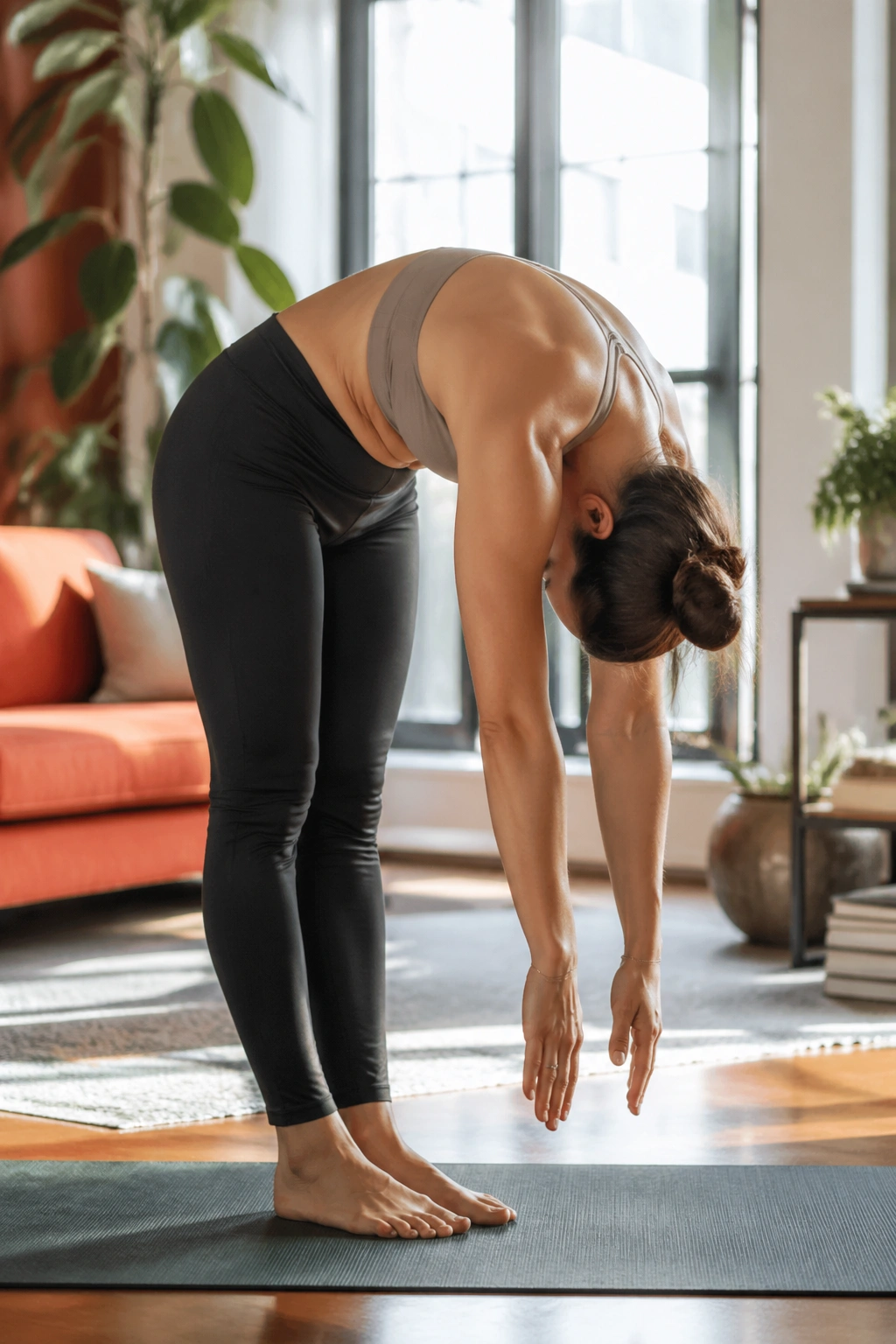
Standing Pilates earns its place early in the plan. It wakes up the legs, opens the back, and gets your heart rate moving without any jumpy nonsense.
Roll down one vertebra at a time until your hands reach toward the floor. Hang there for a breath, then roll back up slowly, stacking the spine. Add arm circles, side bends, and a few calf raises between each roll-down. The movement looks simple. It is not simple when you do it with control.
A good version of this routine feels like it stretches the back of the body while quietly lighting up the front. Your hamstrings get involved. Your abs get involved. Even your feet start working harder because you have to balance while you move.
Do 3 rounds of 45 seconds each, resting 15 seconds between rounds. If you want a little more work, hold the bottom of the roll-down for two breaths before rising. That tiny pause makes the whole thing more demanding.
3. Glute Bridge Ladder
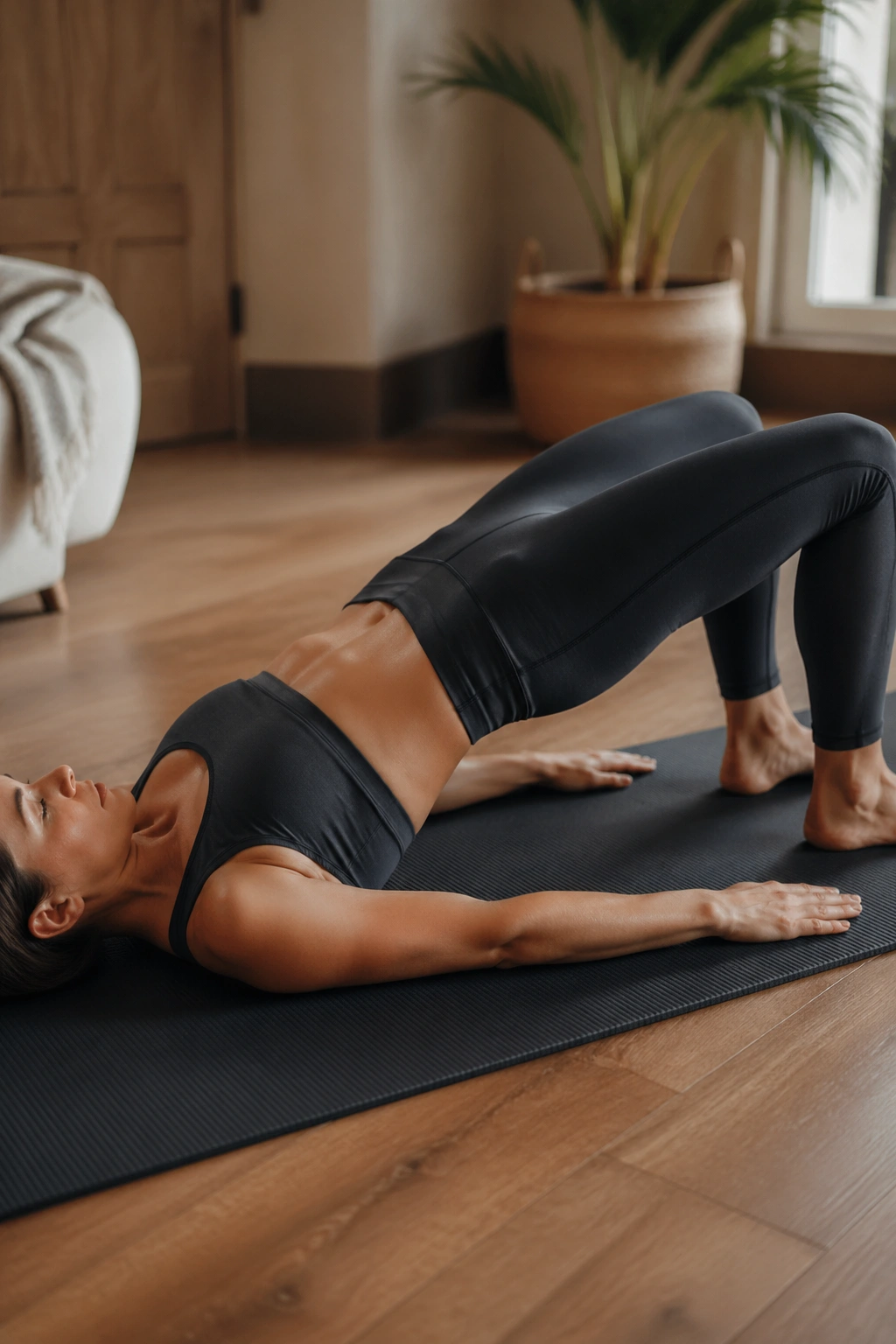
Why put glutes on day 3? Because weak glutes make everything else cheat. The lower back takes over, the hips feel sticky, and even basic standing work starts to wobble.
Glute bridges are one of the most useful Pilates routines for a weight loss plan because they train the posterior chain without smashing your knees. They also teach pelvic control, which matters more than people realize when the goal is to move well enough to keep moving every day.
How to Use It
Build the ladder from easy to hard:
- 10 slow bridges, 2-second squeeze at the top
- 10 bridge pulses, small and controlled
- 8 alternating marching bridges
- 6 single-leg bridges per side
- 20-second hold at the top, ribs down
If your hamstrings cramp, move your feet a little closer to your seat. If your lower back arches, shorten the lift and tighten the exhale. Small adjustments beat forcing the movement.
This one leaves you feeling worked, not wrecked. That’s the sweet spot.
4. The Hundred and Toe-Tap Combo
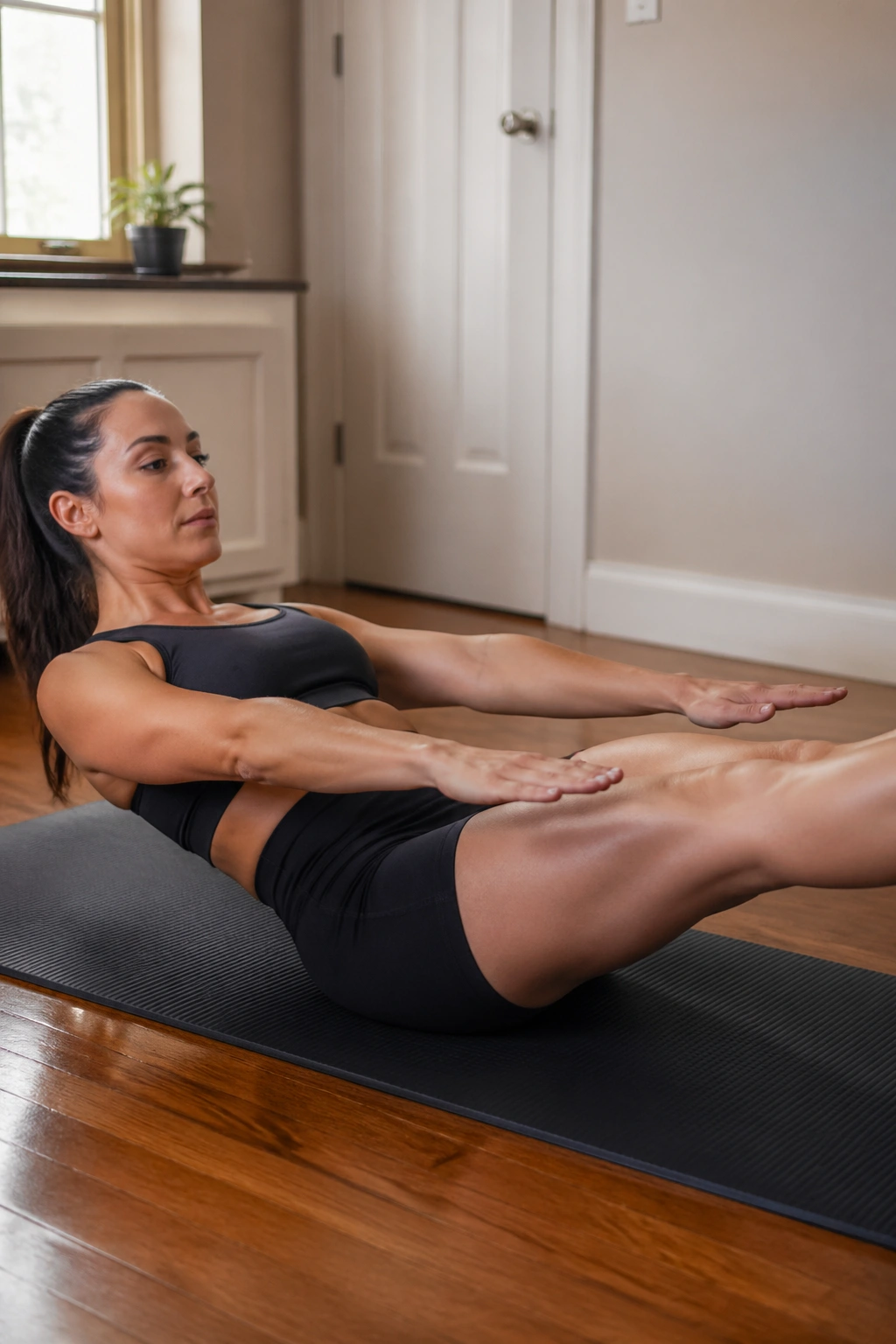
The Hundred looks neat on a screen. On a mat, it can feel like your core is trying to leave town.
That is why it belongs in a 21 day plan. It trains the deep abdominal wall and asks your breathing to stay calm while your limbs do annoying little jobs. Pair it with toe taps and the whole thing becomes a proper challenge without needing heavy equipment or a bunch of space.
What to Watch For
- Keep your neck long, not jammed forward.
- Pump the arms from the shoulder, not the wrist.
- Exhale on the effort, especially during the last few reps.
- If your lower back lifts hard off the mat, bend the knees more.
- Stop chasing speed. Control matters more than tempo.
A useful version is 5 rounds of 10 arm pumps, 10 toe taps, and 5 deep breaths. If your core shakes, good. That shake is feedback, not failure.
Do not rush this one. Sloppy reps turn it into a neck exercise, and that’s not what you want.
5. Side-Lying Waist Burner
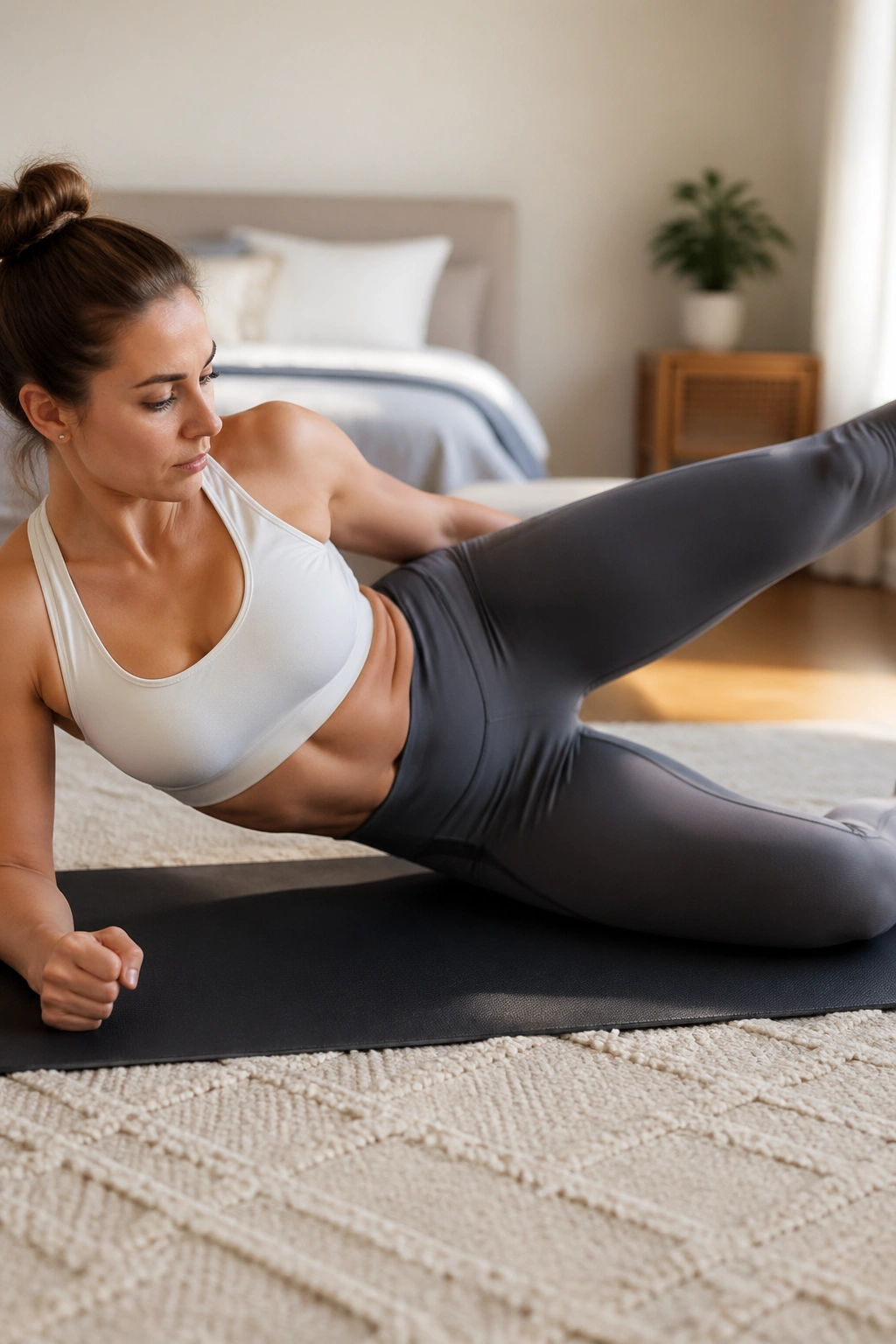
Side-lying Pilates work is sneaky. It does not look dramatic until you’re halfway through the second side and your outer hips start complaining.
This routine is built around side kicks, leg circles, clam shells, and small oblique lifts. The point is not to throw your leg around as high as possible. The point is to keep the waist long, the hip stacked, and the movement tight enough that the muscles have to work for every inch.
One nice thing about side-lying work: it lets you feel the difference between lazy motion and clean motion. The range is smaller than people expect. That’s fine. In fact, that’s the whole point.
Keep each side to 2 rounds of 45 to 60 seconds per move. If your upper body sinks into the floor, slide a folded towel under your waist. A little support can make the exercise more honest. Weirdly enough, that’s true.
6. Standing Pilates Flow
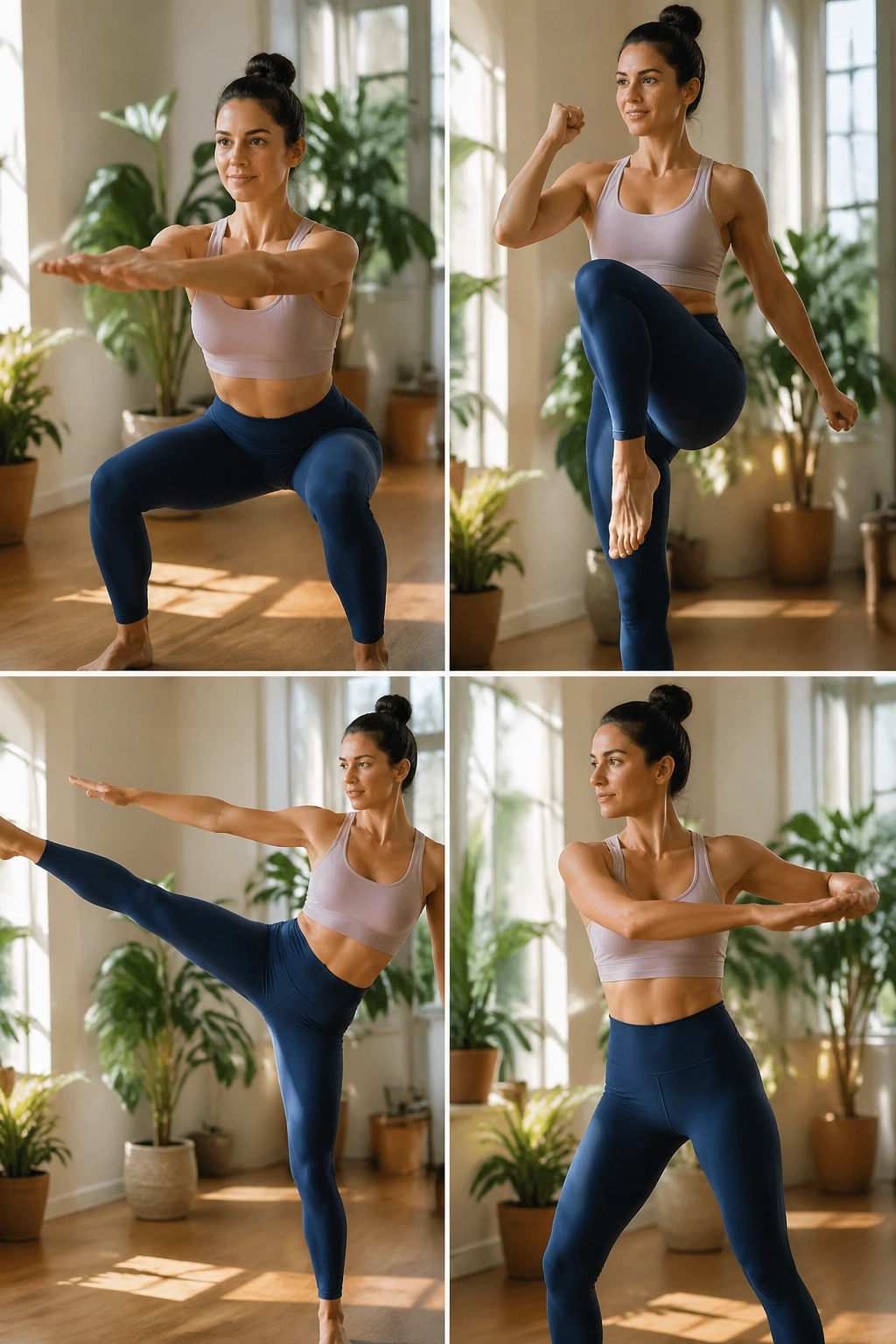
Unlike jump-heavy cardio, standing Pilates keeps your feet on the floor and still asks a lot from your body. That makes it one of the best routines for days when you want more effort but less impact.
Think of this session as a fast, tidy flow: parallel squats, knee lifts with arm reaches, standing side kicks, and slow torso rotations. Each move should feel crisp. If it gets sloppy, slow it down. If your pulse stays too low, shorten the rest between movements.
This routine works well for people who dislike getting down on the floor every day. It also fits into a small room, a hotel space, or a corner next to a desk. That matters more than it sounds. A plan survives when it is easy to start.
Three rounds of 6 to 8 reps per move is enough. Do not bounce through the knees. Keep the weight in the heels and the chest tall.
7. Forearm Plank and Knee-Drive Circuit
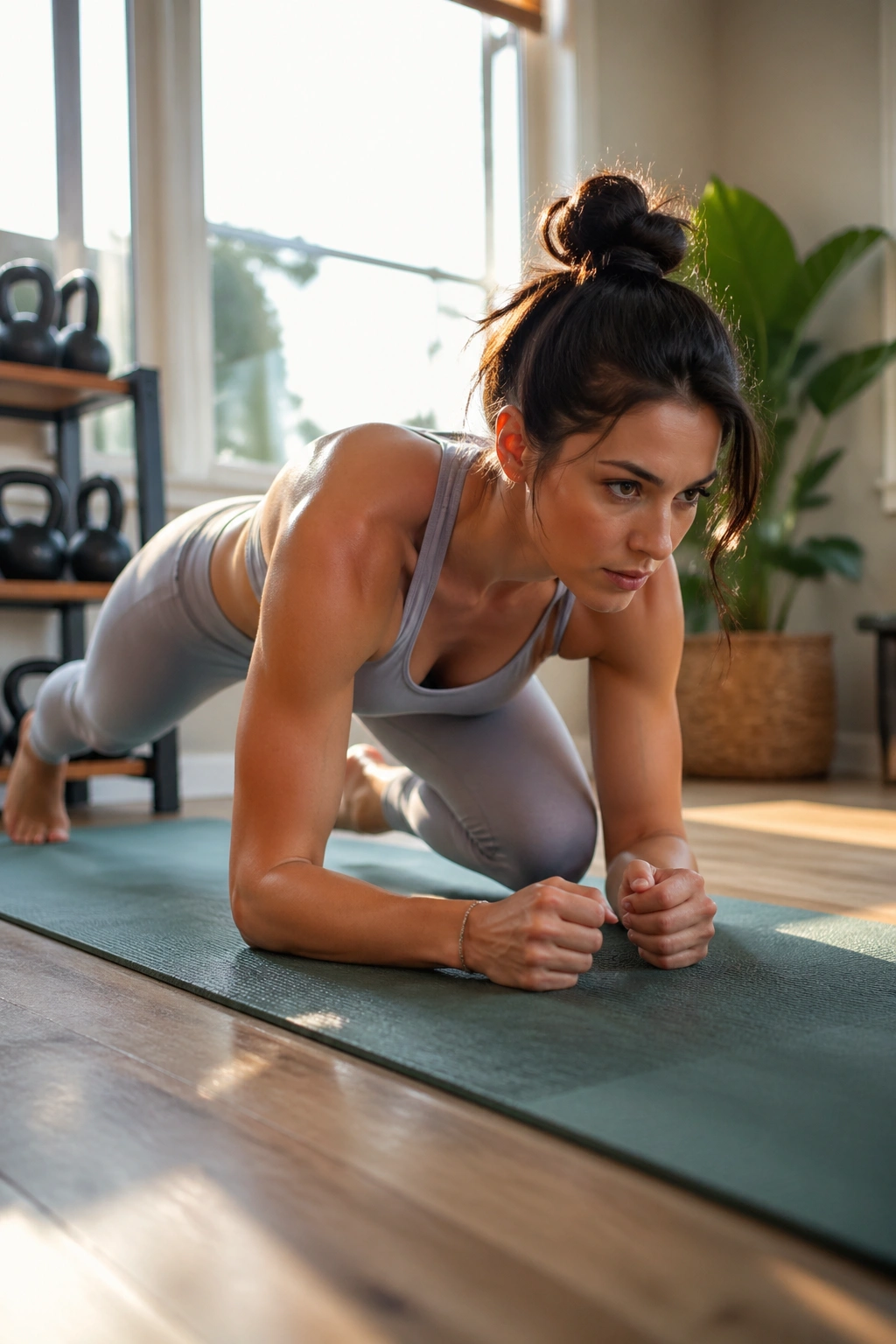
Planks are honest. They tell you very quickly whether your ribs flare, your hips sag, or your shoulders do all the work.
That honesty is useful. For a Pilates weight loss plan, you want routines that force the core to stabilize while the legs move. Forearm plank knee drives do exactly that. They also push your breathing, which is part of why they feel tougher than they look.
What to Watch For
- Elbows under shoulders.
- Neck long, eyes on the floor.
- Knees drive in without rocking the hips.
- Exhale as each knee comes forward.
- Stop before your lower back starts talking back.
Try 20 seconds of plank hold, then 8 knee drives, then 15 seconds of rest. Repeat 4 times. If full plank is too much, drop to the knees and keep the same rhythm. That is not a downgrade. It is smart training.
The burn should stay in the core and shoulders, not dump into the lower back. If it does, shorten the set and clean up the line of the body.
8. Single-Leg Balance and Inner-Thigh Day
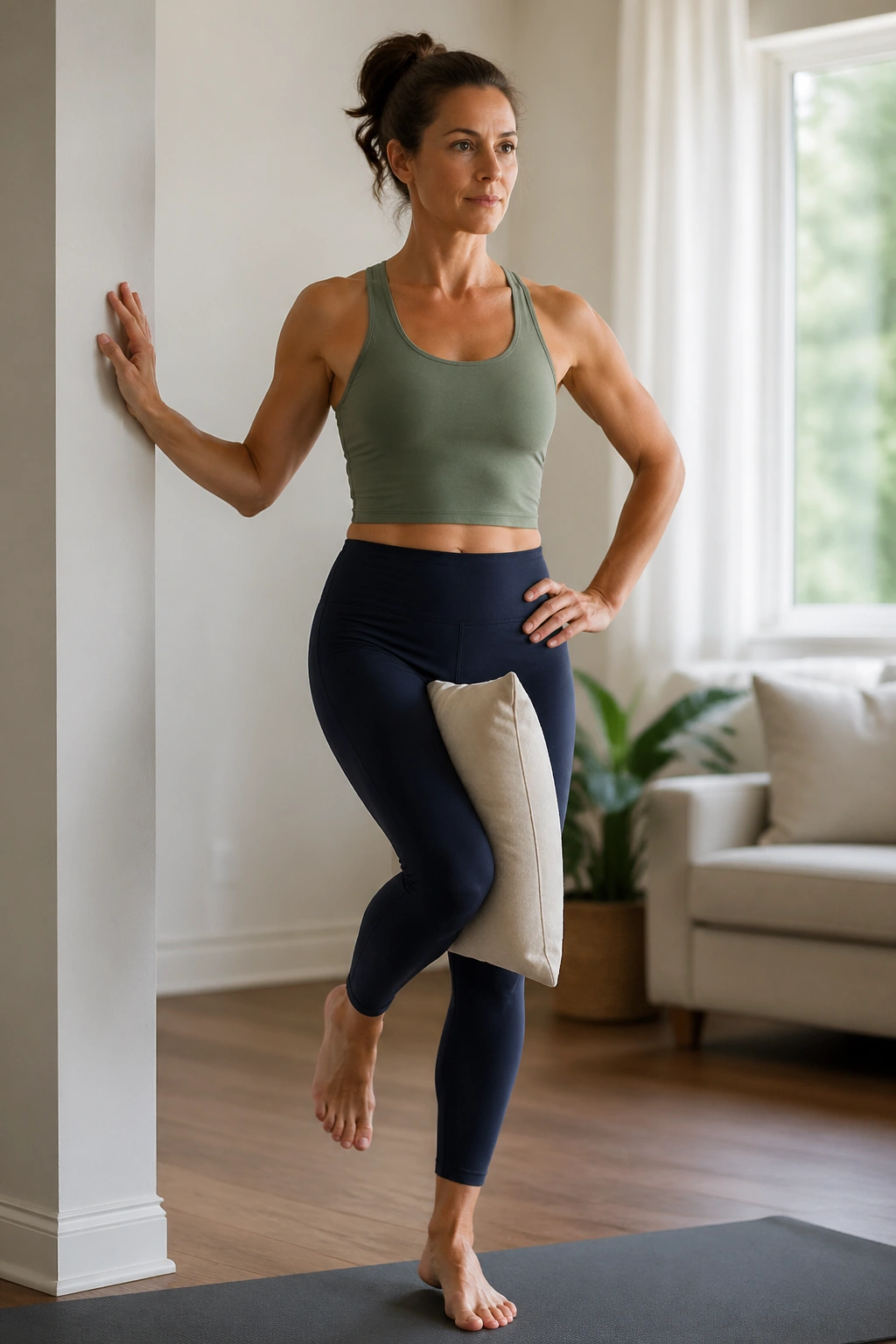
Why does balance matter in a weight loss plan? Because unstable work makes simple moves harder without adding impact.
Standing on one leg turns every small motion into a test. Add an inner-thigh squeeze with a pillow or ball, and the body has to organize itself from the hips down. That makes this routine useful for the legs, the glutes, and the deep stabilizers around the pelvis.
How to Use the Pillar
You only need a wall or chair for support.
- 8 standing knee lifts per side
- 8 slow rear reaches per side
- 10 gentle inner-thigh squeezes with a pillow
- 8 side leg lifts per side
- 20-second single-leg balance hold each side
A slight wobble is normal. A wild hop is not. Keep the standing knee soft and the standing foot active, especially under the big toe. That one detail changes everything.
This is a good day to go slower than you think you need to. Balance work punishes ego fast.
9. Pilates Squat and Chair Series
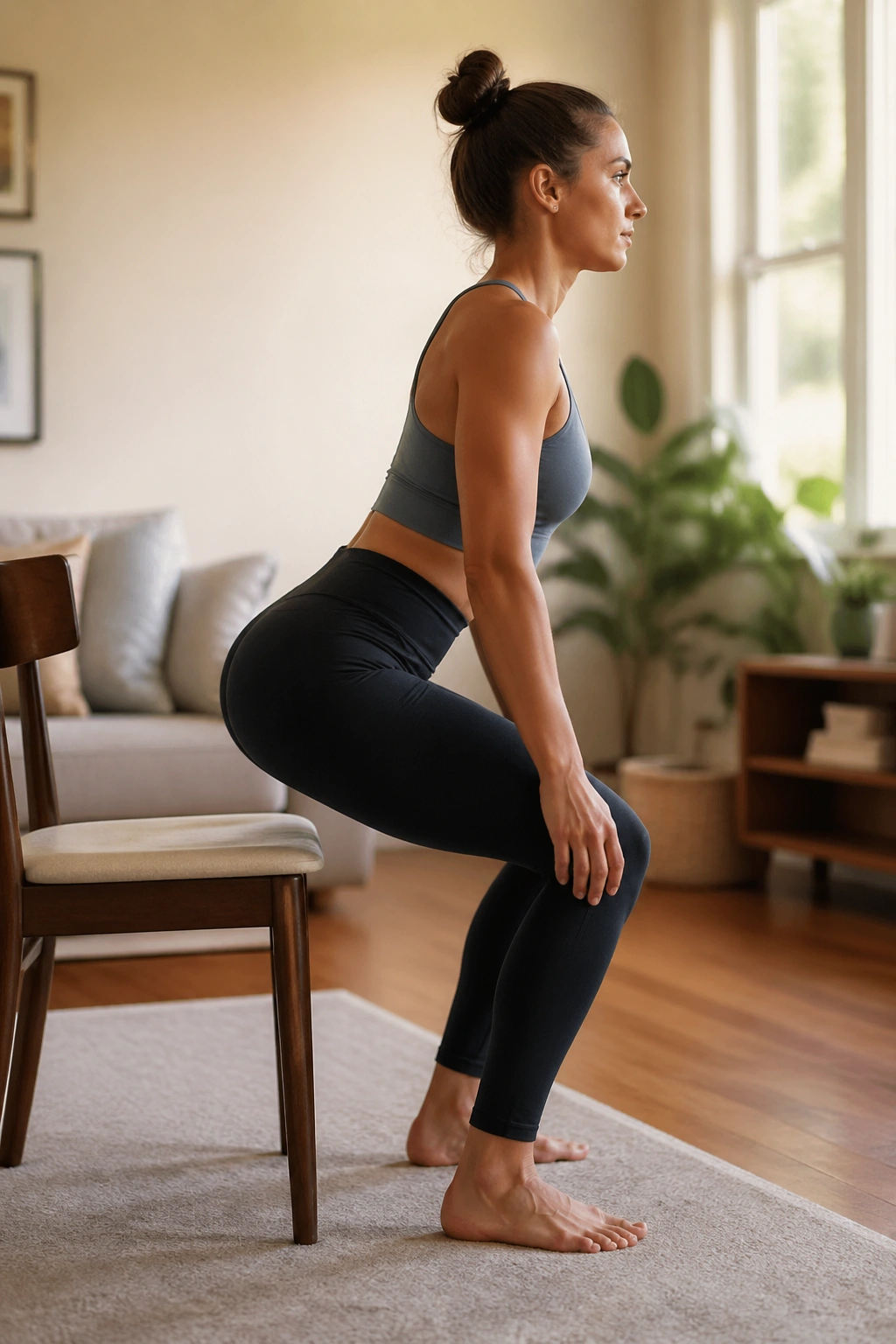
A chair is one of the best pieces of Pilates equipment nobody talks about. It gives you a target, a depth marker, and a reason not to cheat.
Sit back with control, hover just above the seat, then stand without locking the knees. Add heel raises, side steps, and pulse squats, and the session starts to look a lot more like useful lower-body work than a fluffy warm-up. It also burns more than people expect when you keep the tempo steady.
The Chair Is Honest
The chair tells you if you’re dumping weight into your knees. It tells you if your hips are collapsing inward. It also tells you whether you can stand up using your glutes instead of your lower back.
Use this sequence:
- 10 chair squats
- 10 squat pulses in a short range
- 12 heel raises
- 8 side steps each way
- 8 alternating standing knee lifts
If you want more challenge, hold a light water bottle in each hand and keep your shoulders relaxed. Depth does not matter as much as control. A cleaner half-squat beats a messy deep one.
10. Spine Twist and Mobility Reset
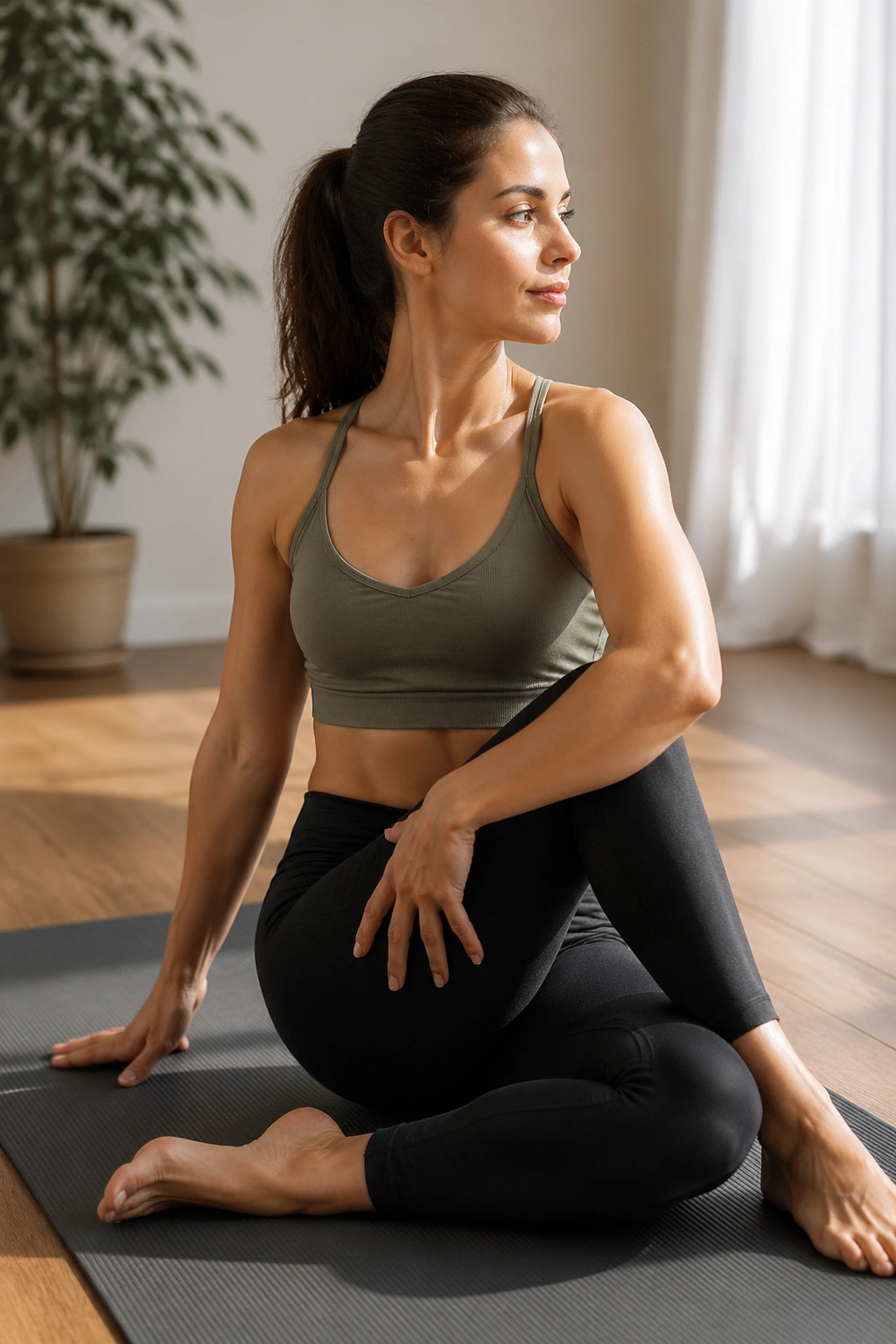
Rest days still count. In fact, they keep the rest of the plan from falling apart.
A mobility reset looks mild, but it does real work. Cat-cow, spine twist, hip circles, child’s pose, and thread-the-needle all give the back and hips a chance to open up after the more intense days. That helps you come back fresher for the next circuit instead of dragging yourself through it.
Keep this session around 15 to 20 minutes. Move slowly enough that you can feel where the stiffness sits. If one side feels tighter, spend an extra breath there. No need to force a symmetrical script when your body clearly has opinions.
This is also a good day for a longer walk. Not a power march. Just a steady walk with relaxed arms and a normal breathing pace. That extra movement helps the whole 21 day weight loss plan feel a little easier to live with.
11. Inner-Thigh Flow with a Pillow or Ring
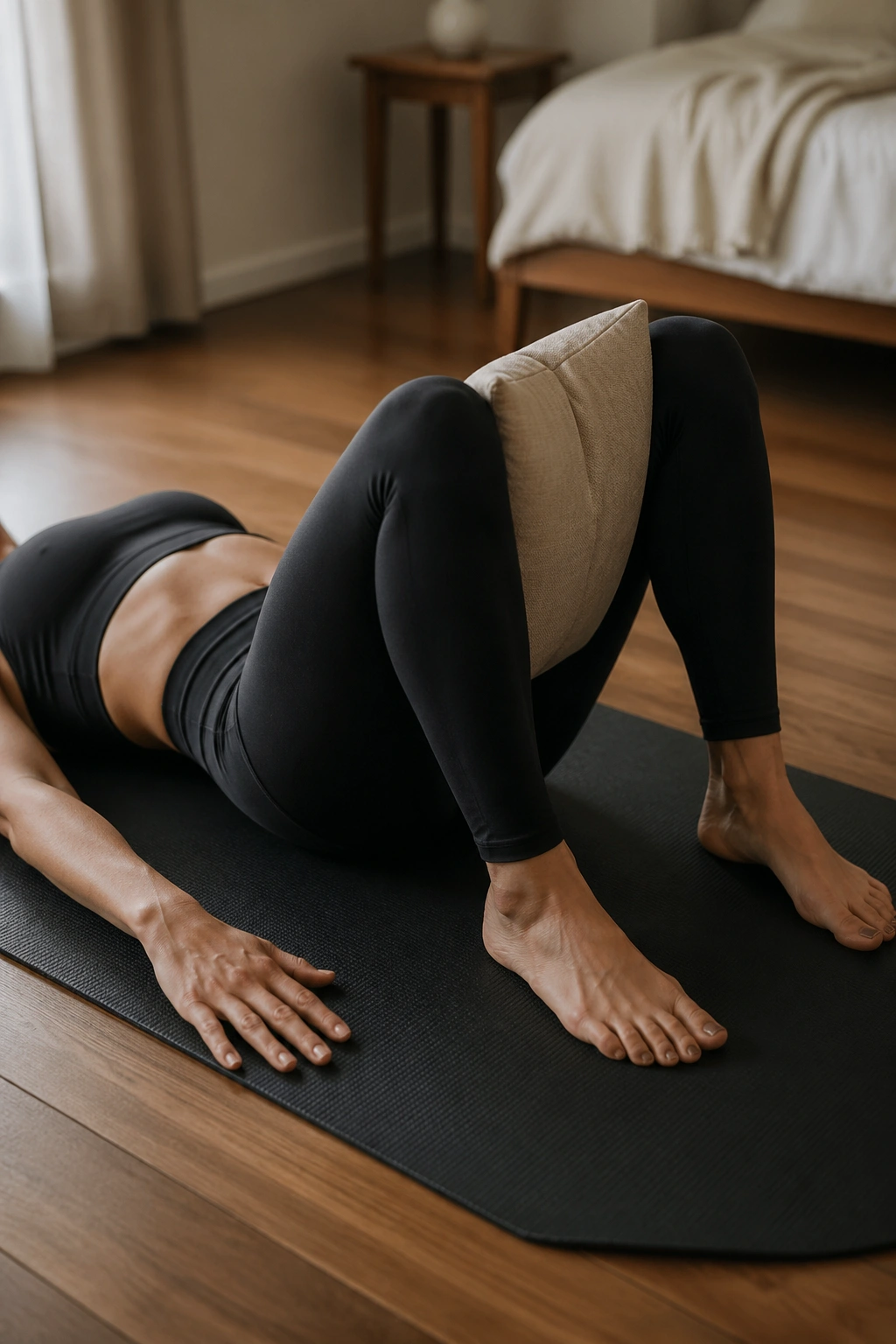
You do not need a fancy Pilates ring to make the adductors work. A firm pillow does the job if you press with intention.
Inner-thigh work is useful because the adductors help stabilize the pelvis. That means better control in squats, better balance in standing work, and less wobble in leg lifts. The movement looks tiny. The effect is not tiny.
No Ring Needed
Lie on your back with knees bent and place the pillow between your knees.
- Squeeze for 5 seconds
- Release for 3 seconds
- Repeat 10 times
- Add 12 small pulses at the end
- Finish with 6 slow bridges while keeping light pillow pressure
If you have a ring, use the same structure. If your hips start to grip, loosen the effort by about 20 percent. Harder is not always better here. A controlled squeeze with clean breathing gets more done than a frantic crush.
This routine pairs well with glute work because the inside and outside of the hips like to share the load. When one side gets lazy, the other side usually complains.
12. Full-Body Mat Circuit
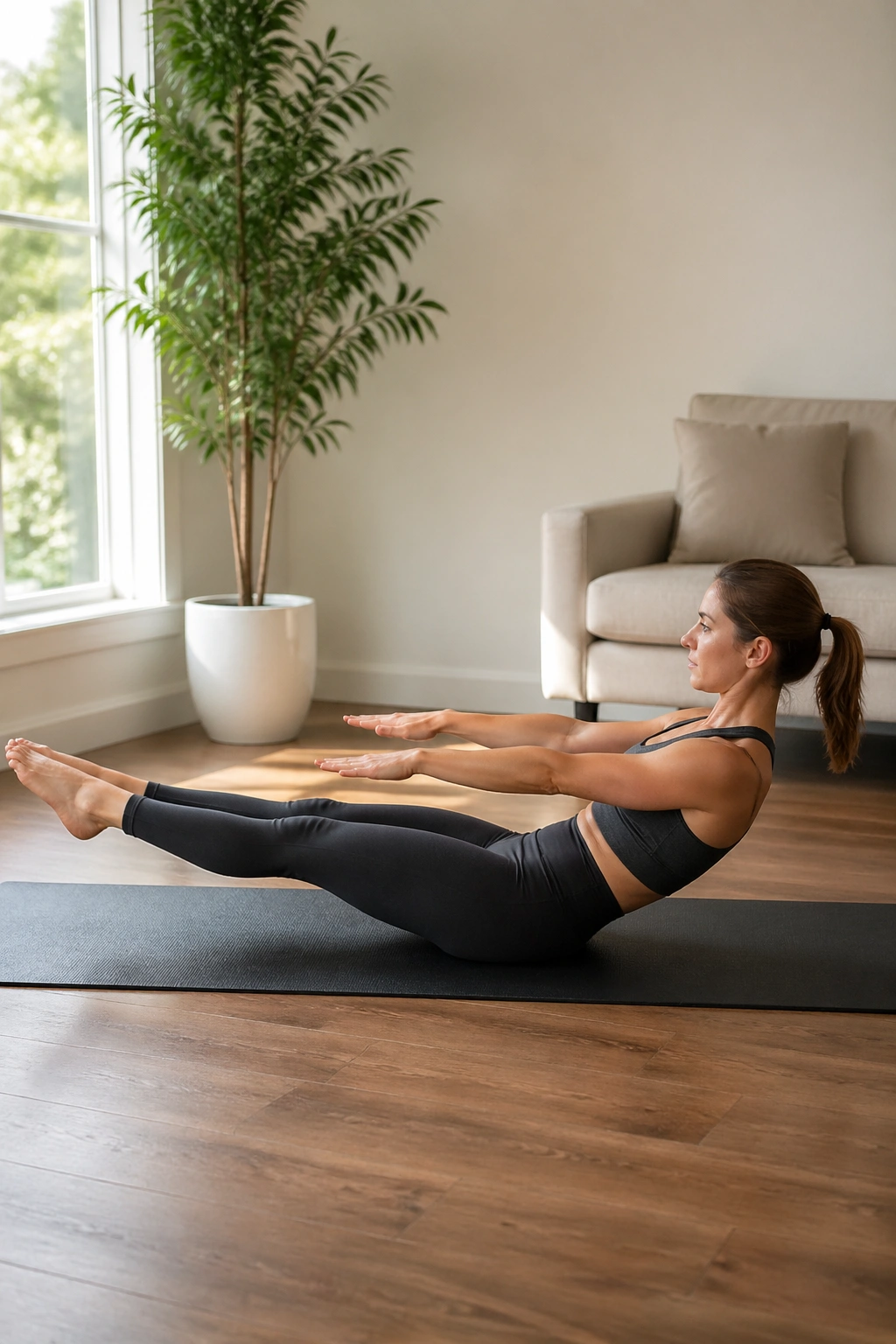
This is the workhorse day. The session that earns its keep.
A full-body mat circuit keeps the plan from becoming too split up and too precious. You move from core to hips to upper body to spine, then repeat. That kind of density makes Pilates feel more like a training session and less like a collection of pretty shapes.
Try this circuit for 3 rounds:
- 8 roll-ups or roll-downs
- 10 bridges
- 6 modified push-ups or kneeling presses
- 8 side kicks per leg
- 20-second teaser prep hold
Rest 30 seconds between rounds. If you need more room to breathe, rest 45 seconds. That is fine. The plan should be challenging, not theatrical.
A lot of people quit because they want every day to feel new and dramatic. Better to build a reliable circuit and do it well. That wins.
13. Oblique and Rotation Burner
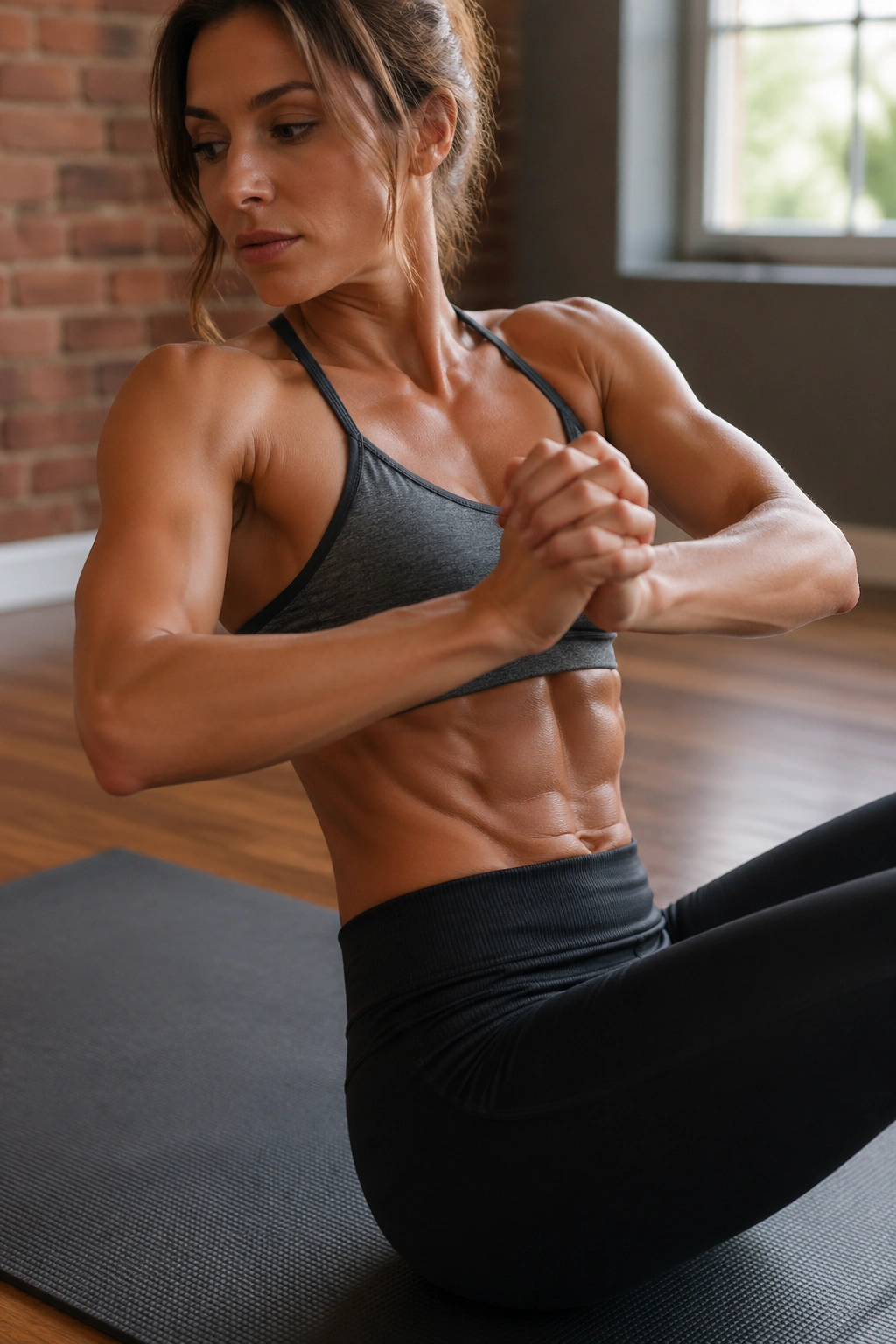
The first time you do crisscross slowly, it feels manageable. The sixth rep tells the truth.
Rotation work wakes up the obliques, the deep abs, and the muscles that keep the rib cage from flaring around every effort. That matters in Pilates, and it matters in a weight loss plan because a stable torso makes almost every other move cleaner.
Choose 3 or 4 rotation exercises: crisscross, saw, seated spine twist, and mermaid. Keep the movement coming from the ribs and upper waist, not from yanking the neck. If your elbows lead the motion, you’re probably twisting too hard.
A good cue is to exhale on the twist and pause for one beat at the end range. That pause makes the muscles work a little longer, which is exactly what you want. A small slowdown can turn an okay routine into a useful one.
14. Light-Band Leg and Arm Toning
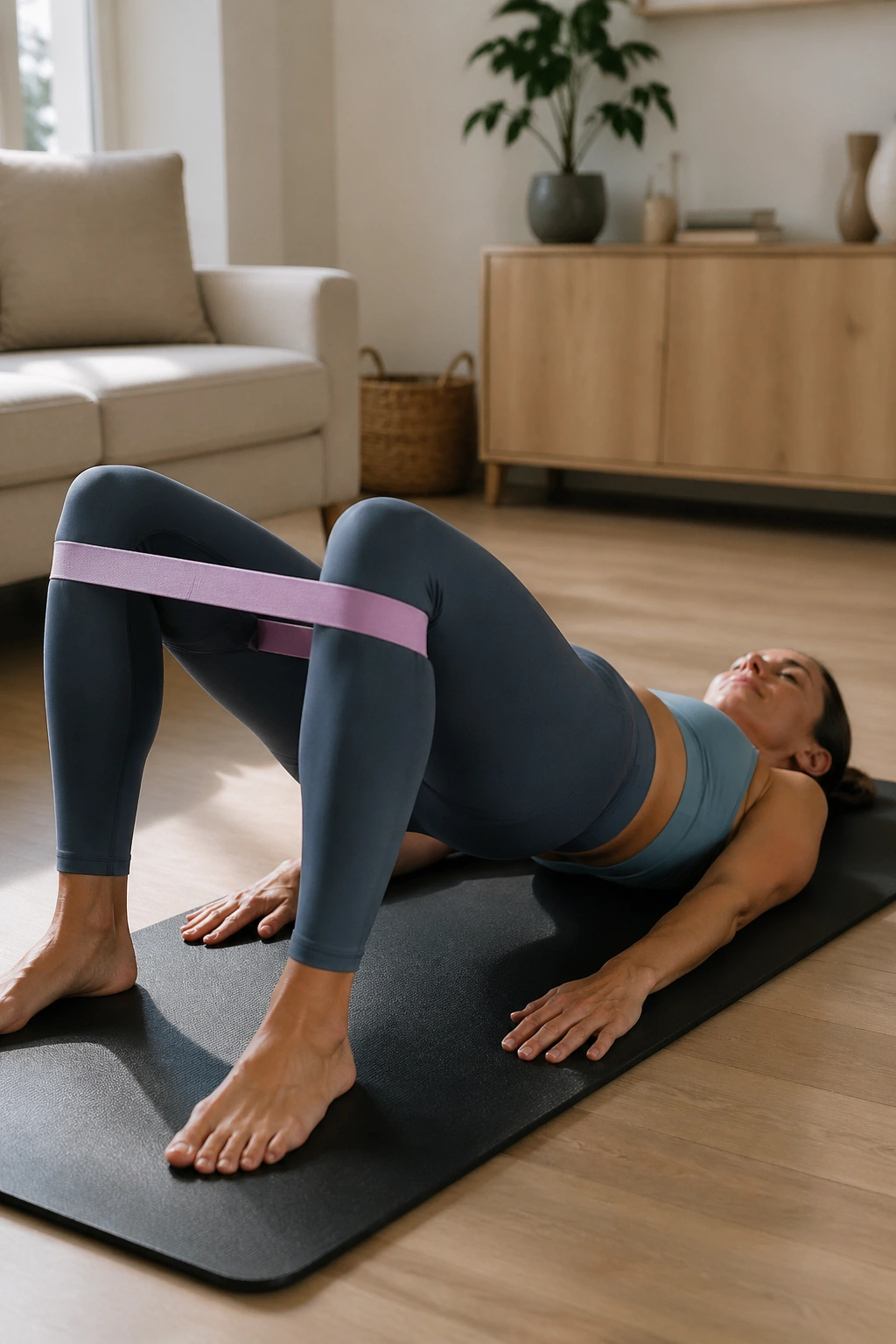
Unlike heavy resistance work, a light band lets you keep the movement smooth while still creating constant tension.
That makes band Pilates a smart choice for days when you want a little more load without feeling beat up. Loop the band above the knees for bridges and side steps. Use a longer band for rows, pull-aparts, or arm sweeps. Keep the resistance light enough that the movement stays clean.
Two sets of 12 reps is enough for most of these exercises. If the band starts sliding or your knees cave inward, you’re using too much resistance. That happens a lot. People grab the hardest band on the rack and then spend the whole session fighting it instead of training with it.
This routine works well for glutes, shoulders, and posture. It also gives the day a stronger strength-training feel, which helps the whole plan stay balanced.
15. Low-Impact Cardio Pilates Burst
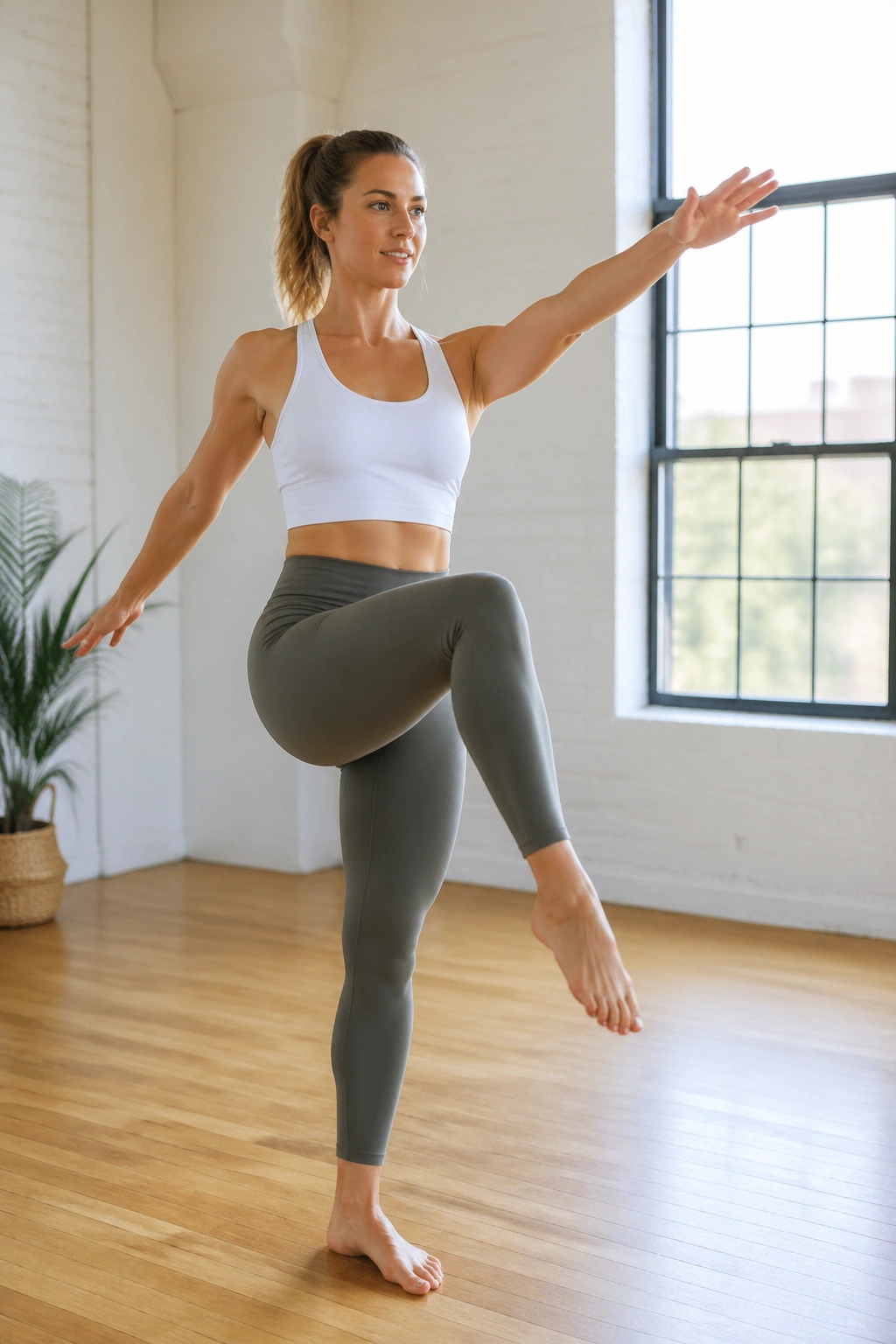
A low-impact cardio day can absolutely fit inside Pilates. It just looks calmer than a jump class and still leaves you breathing harder than you expected.
Interval Structure
Use 30 seconds of work and 15 seconds of rest for each move:
- Standing march with arm reaches
- Squat to calf raise
- Side step with knee lift
- Mountain climber on the mat, slow and controlled
- Plank walkout to knee drive
- Fast toe taps from tabletop
Repeat the circuit 2 to 4 times. If your form falls apart, cut the round short and keep the speed reasonable. The goal is a steady heart rate, not a mess of rushing.
This is a good day to pay attention to your breathing pattern. If you can only mouth-breathe, fine. If you can stay controlled through the nose for part of it, even better. The effort should be clear, but not chaotic.
16. Posture and Upper-Back Sculpt
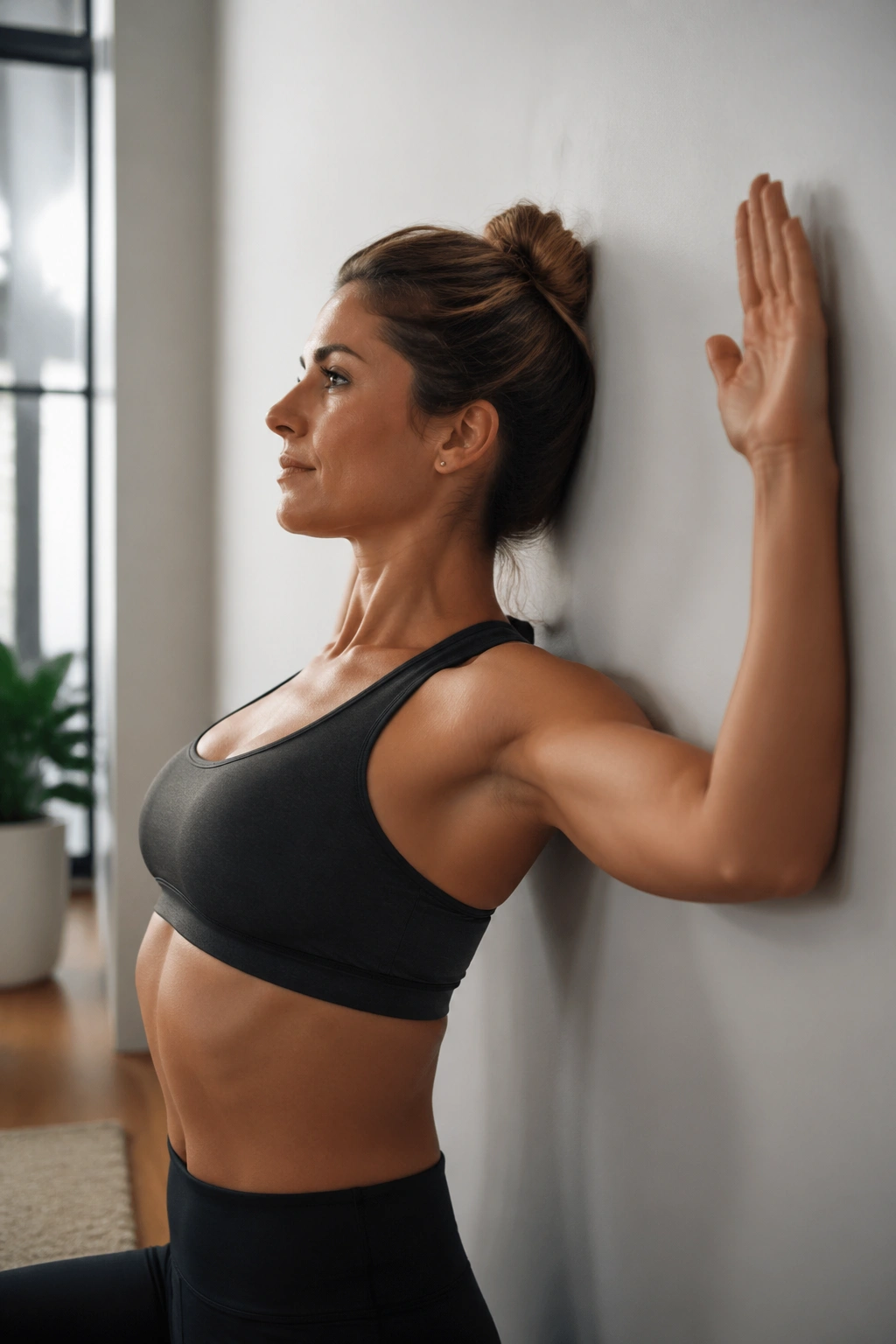
A lot of people focus on the front of the body and forget the back. That is a mistake.
Upper-back Pilates work helps the shoulders sit better, which changes how the whole body looks and moves. Swan prep, prone W lifts, wall angels, reverse snow angels, and light arm reaches wake up the muscles between the shoulder blades. Those are the muscles that keep your chest open and your neck from doing too much.
Keep the range small and clean. If you lift too high, the lower back steals the work. If your neck cranes forward, lower the chest and lengthen the crown of the head instead. That cue sounds small, but it saves the movement.
I like this day because it’s subtle. You feel taller by the end. Not magically taller. Just less folded up.
17. Hamstring and Posterior Chain Focus
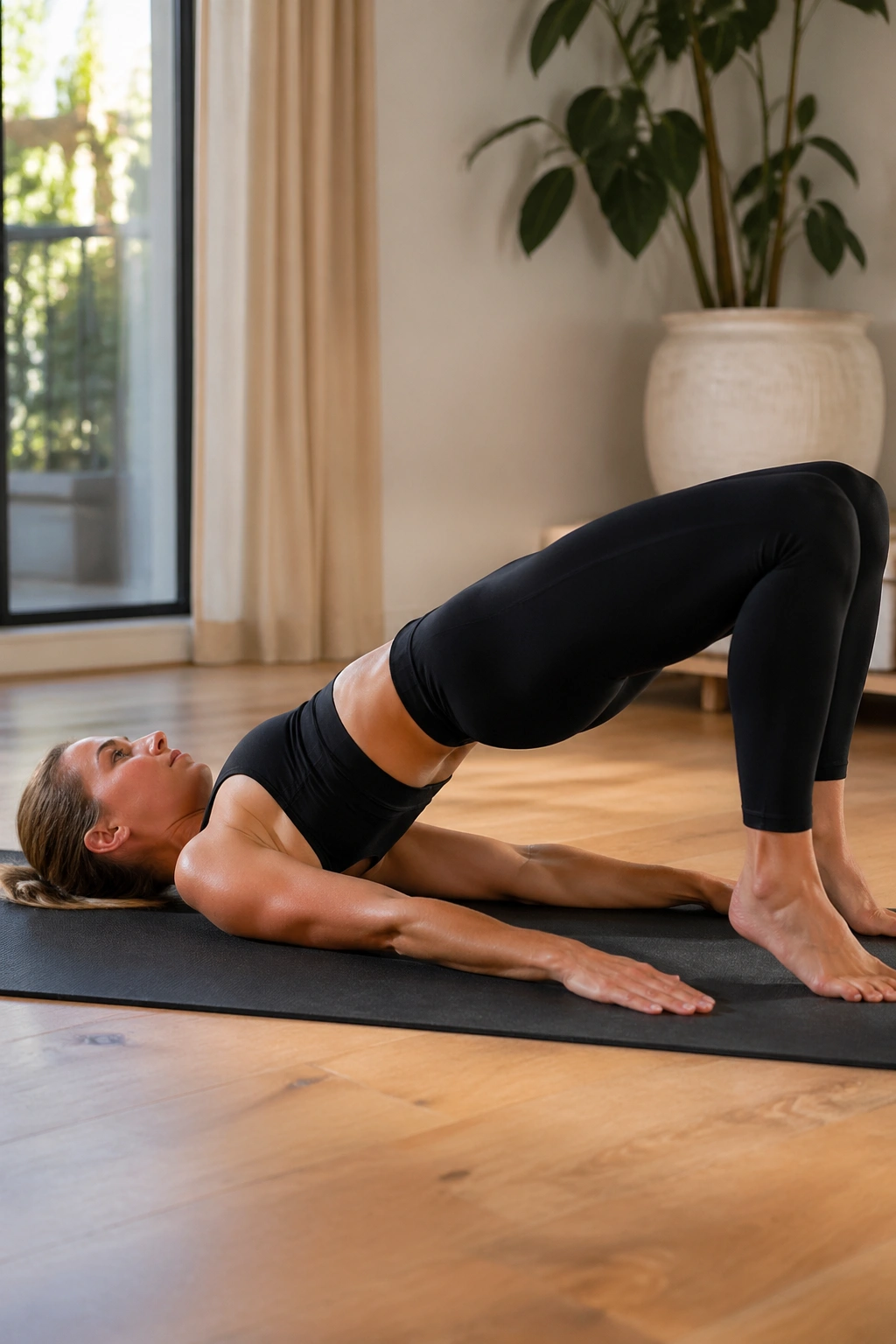
Hamstrings get ignored until they complain. Then everybody suddenly wants to stretch them for five minutes and call it a day.
Better to train them. Bridge walkouts, slider curls, single-leg hinges, and prone leg lifts all make the back side of the body work harder. That support helps with better squat form, more stable standing work, and cleaner balance on the other routines in the plan.
Why Hamstrings Matter
When the hamstrings are weak, the lower back often picks up the slack. When they’re active, the hips move with more control. That matters for anyone trying to keep Pilates useful as a long-term habit.
Try 8 bridge walkouts, 8 slider curls, and 6 single-leg hinges per side. Keep the tempo slow on the lowering phase. Three seconds down is enough to make the muscles pay attention.
This session should feel tight and deliberate. If it starts to feel like random leg flailing, stop and shorten the range.
18. Recovery Flow for Sore Days
What if your body feels cooked? Then the answer is not to force a hard session.
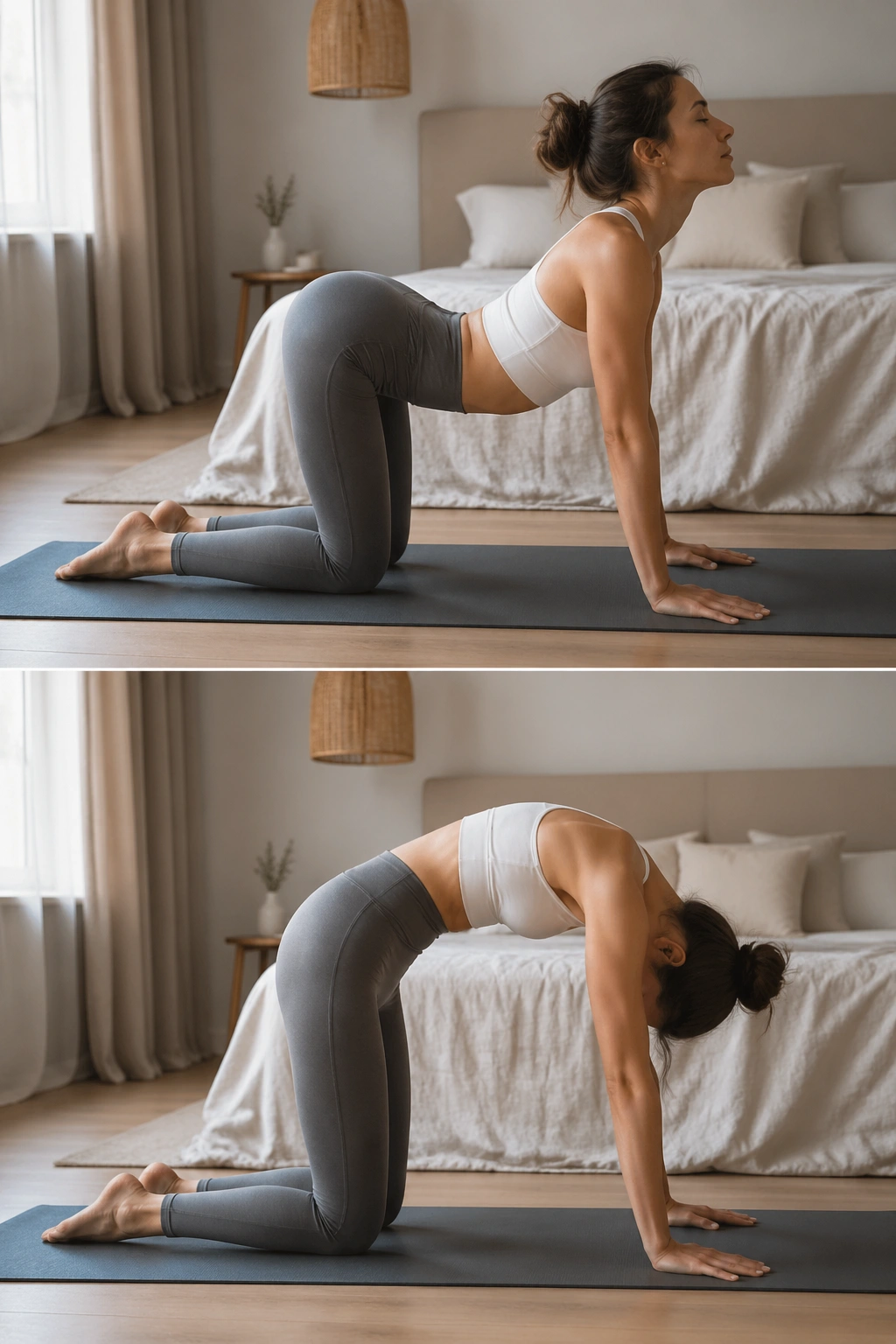
A recovery flow keeps the streak alive without piling on stress. Cat-cow, figure-4 stretch, low lunge, child’s pose, and gentle spinal rotation can loosen the hips and back while your heart rate stays low. You’re still training a little. You’re also letting the nervous system calm down, which matters more than the fitness crowd likes to admit.
Hold each position for 3 to 5 slow breaths. If one side feels locked up, stay there a little longer. Don’t chase depth. Chase ease.
This is the kind of session that keeps a 21 day weight loss plan from turning into an all-or-nothing mess. Some days need sweat. Some days need relief.
19. Endurance Ladder
This is the day where the plan starts to feel serious.
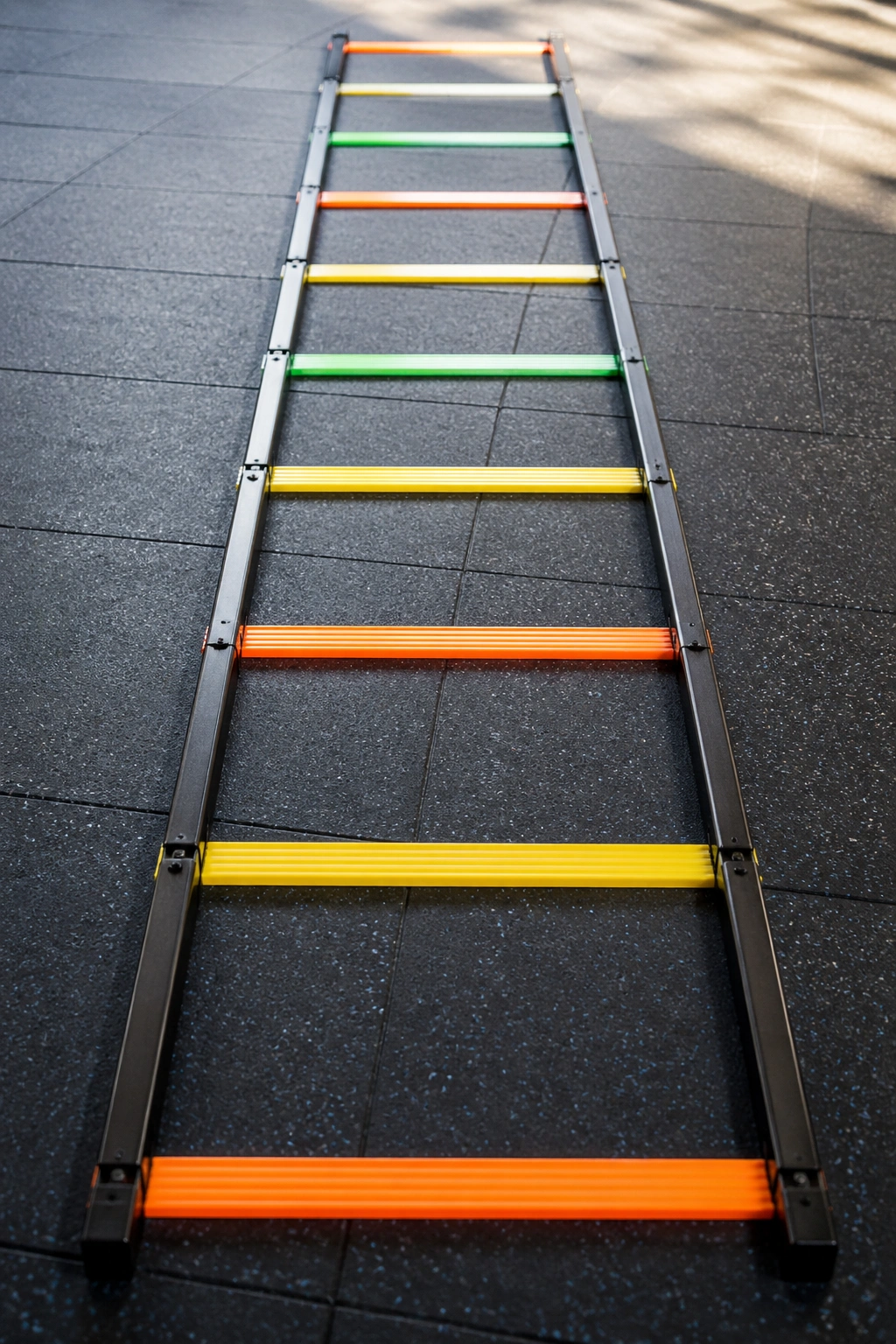
The ladder format asks you to repeat the same few Pilates moves with slightly longer sets each round. That builds muscular endurance, which is useful if you want workouts that last past the first burst of energy. It also teaches you not to panic when fatigue creeps in. Fatigue is part of the work.
The Ladder
Do each move for 4 reps, then 6, then 8, then 10:
- Roll-ups
- Bridges
- Toe taps
- Side kicks
- Modified push-ups
Rest 20 seconds between rungs. If the last rung gets ugly, stop at 8. Clean reps beat sloppy reps every time. No prize waits for the person who powers through bad form.
I like this session late in the plan because it shows you what has improved. The same move that felt shaky on day 4 starts to feel more predictable here.
20. Travel-Size Mat Routine
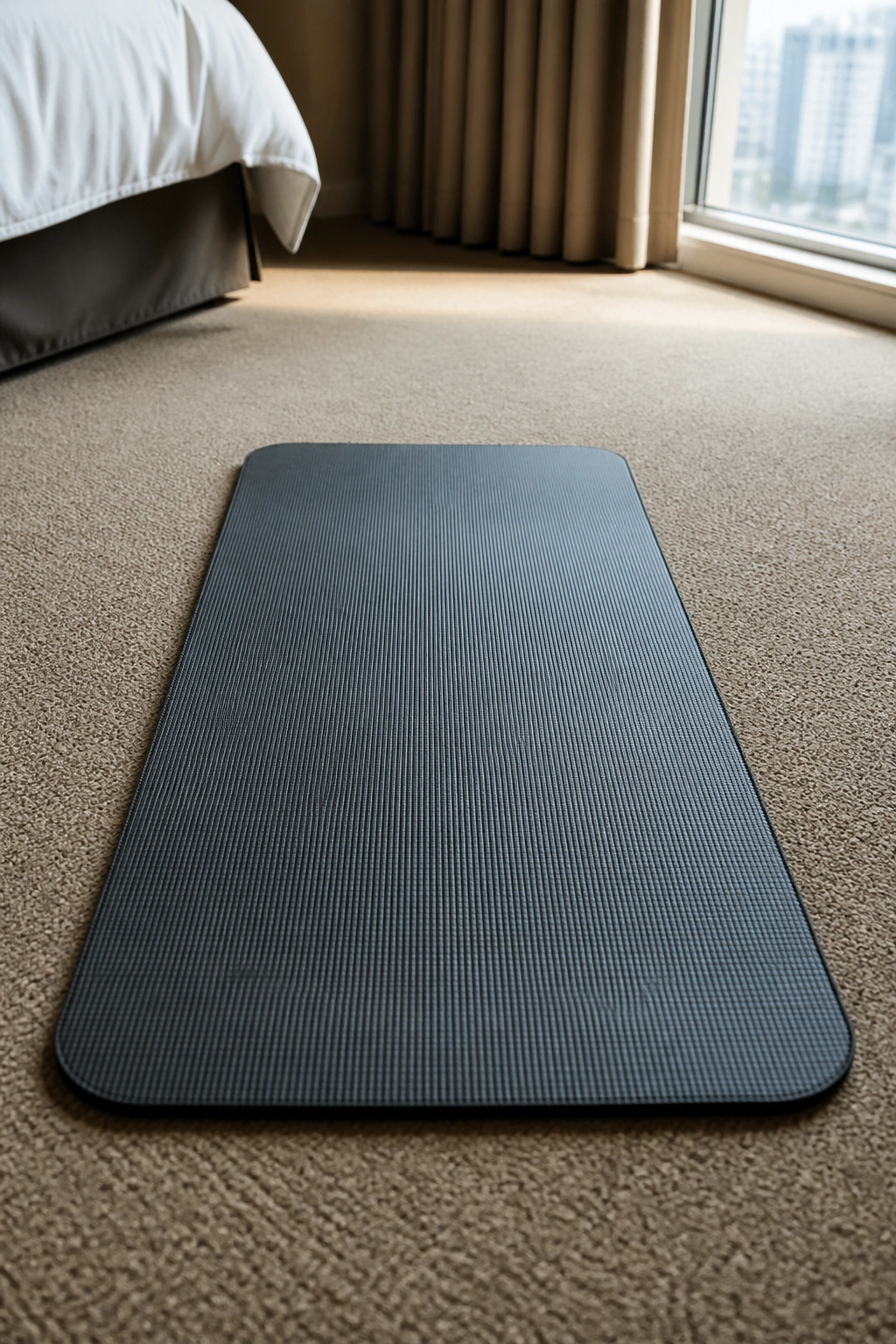
Hotel room. Small bedroom. Weird carpet. No problem.
This routine is built for tight spaces and low excuses. It uses standing work, floor work, and one small stretch sequence so you can keep the plan alive even when the day gets messy. That matters because consistency usually breaks in the gaps between normal life and perfect conditions.
Use this 12-minute sequence:
- 6 roll-downs
- 10 bridge lifts
- 8 tabletop toe taps per side
- 6 standing side bends per side
- 20-second side plank from the knees per side
- 3 slow hamstring folds
If you need to skip something, skip the side plank, not the whole session. A short routine beats the idea of a perfect routine that never happens. I’ll take the short one every time.
21. Reset
By day 21, the best move is not to celebrate by quitting.
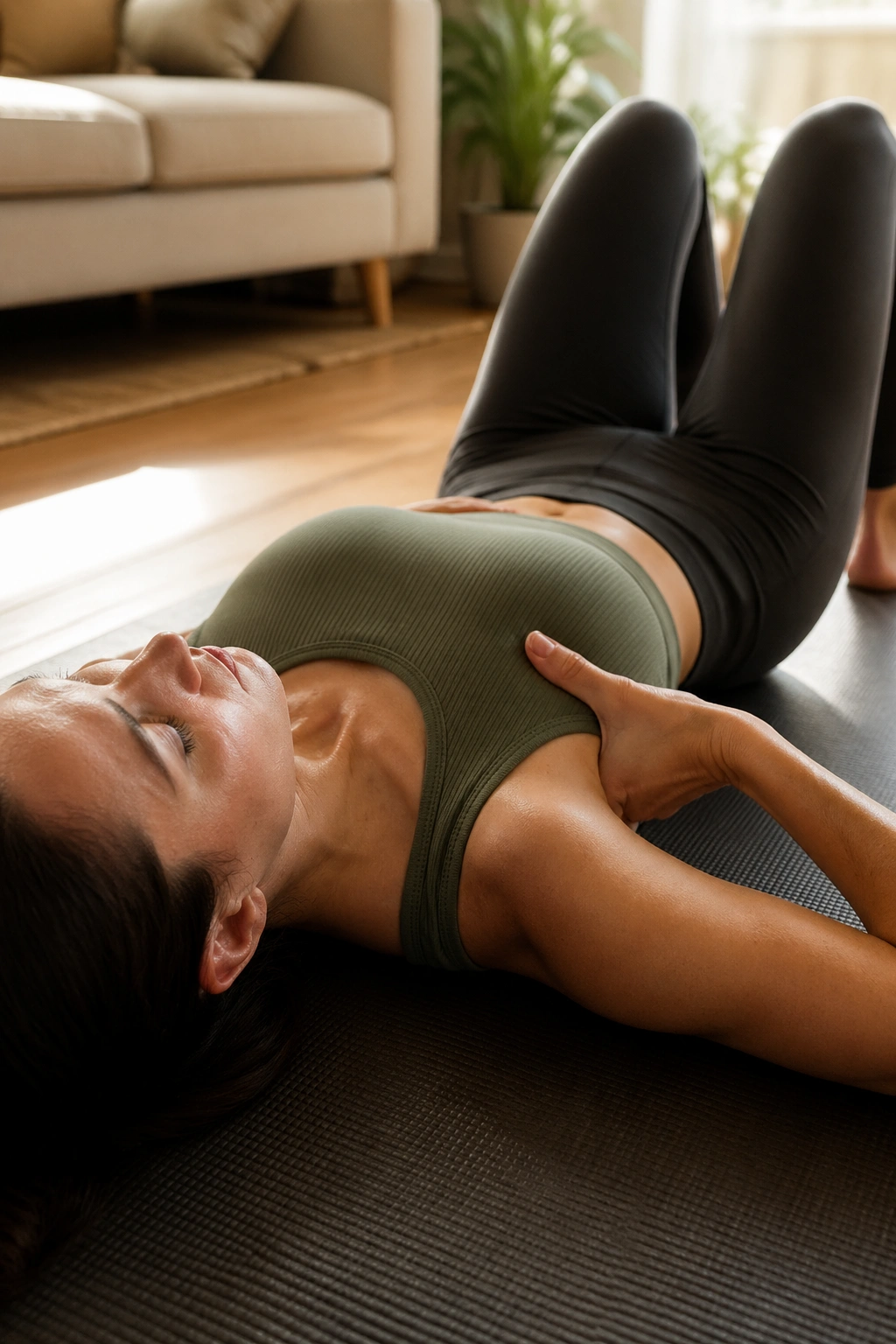
Pick your strongest three routines from the plan and do them again with cleaner form. Take a quick note on what changed: waist snugness, energy, walking pace, sleep, how your clothes sit at the hips. Those details matter more than a single dramatic workout ever will.
Then choose what you want to repeat next. Maybe it’s the standing flow, the bridge ladder, and the low-impact cardio burst. Maybe it’s the recovery day, because you learned that your body likes to be worked without being hammered. Either way, that is the real point of a Pilates-based weight loss plan: find the sessions you can live with, then keep showing up for them.
One last thing. If you want the scale to move, pair these routines with a sensible eating pattern and a little daily walking. That is not glamorous. It works anyway.
