



Sit-ups get blamed for a lot of things they never promised to do. They can strengthen your abs, make your trunk sturdier, and give you a hard little burn in the middle of a workout — but they will not peel belly fat off your body by themselves. That part is earned in the unglamorous places: the grocery cart, the step count, the sleep you get, and whether you keep showing up when the novelty wears off.
That said, sit up variations still matter. A lot. They’re simple, cheap, and easy to scale, which is more useful than people admit. Change the angle, change the leg position, add a twist, add load, or take the movement onto a bench, and suddenly you’re training the core in a different way. Some versions are better for beginners who need control. Others belong in brutal little finishers where your midsection is shaking and your breathing sounds like a lawn mower.
The trick is knowing what each variation is good for. A floor sit-up, a reverse crunch sit-up, and a weighted plate sit-up do not ask the body for the same thing. One teaches control. Another puts more emphasis on the lower abs and pelvic tuck. Another makes the whole movement heavy enough that you stop cheating halfway through. That’s the part most people miss when they search for belly fat loss workouts — the abs work is useful, but only when it’s part of a bigger fat-loss setup.
So let’s get practical. Start with the plain version, learn what good reps feel like, and then choose the variations that match your strength level, your back tolerance, and the amount of fire you want in your core.
1. Standard Sit-Up
The plain sit-up gets dismissed because it looks old-fashioned. That’s a mistake. If you can’t do this one cleanly, the fancier versions usually turn into neck yanks, hip-flexor swings, and sloppy momentum. Clean reps matter more than clever variations.
A good standard sit-up starts with your feet flat, knees bent, and ribs tucked instead of flared. Roll up one segment at a time, exhale as you rise, and stop before you turn the movement into a launch. Then lower with control. Not slow-motion theater. Just enough control that your shoulders and lower back both stay honest.
How to Use It in a Fat-Loss Circuit
Use this as a base move inside a circuit with squats, push-ups, rows, or brisk marching in place. It works best when your heart rate is already up and you’re not resting forever between sets.
- 2 to 4 sets of 10 to 20 reps
- 30 to 45 seconds of rest
- Keep the lowering phase smooth and steady
- Stop if your lower back starts to arch hard off the floor
Best cue: curl your ribs toward your pelvis instead of trying to “sit all the way up” with brute force. That little change keeps the movement on your abs instead of turning it into a sloppy hip flexor grind.
2. Cross-Arm Sit-Up
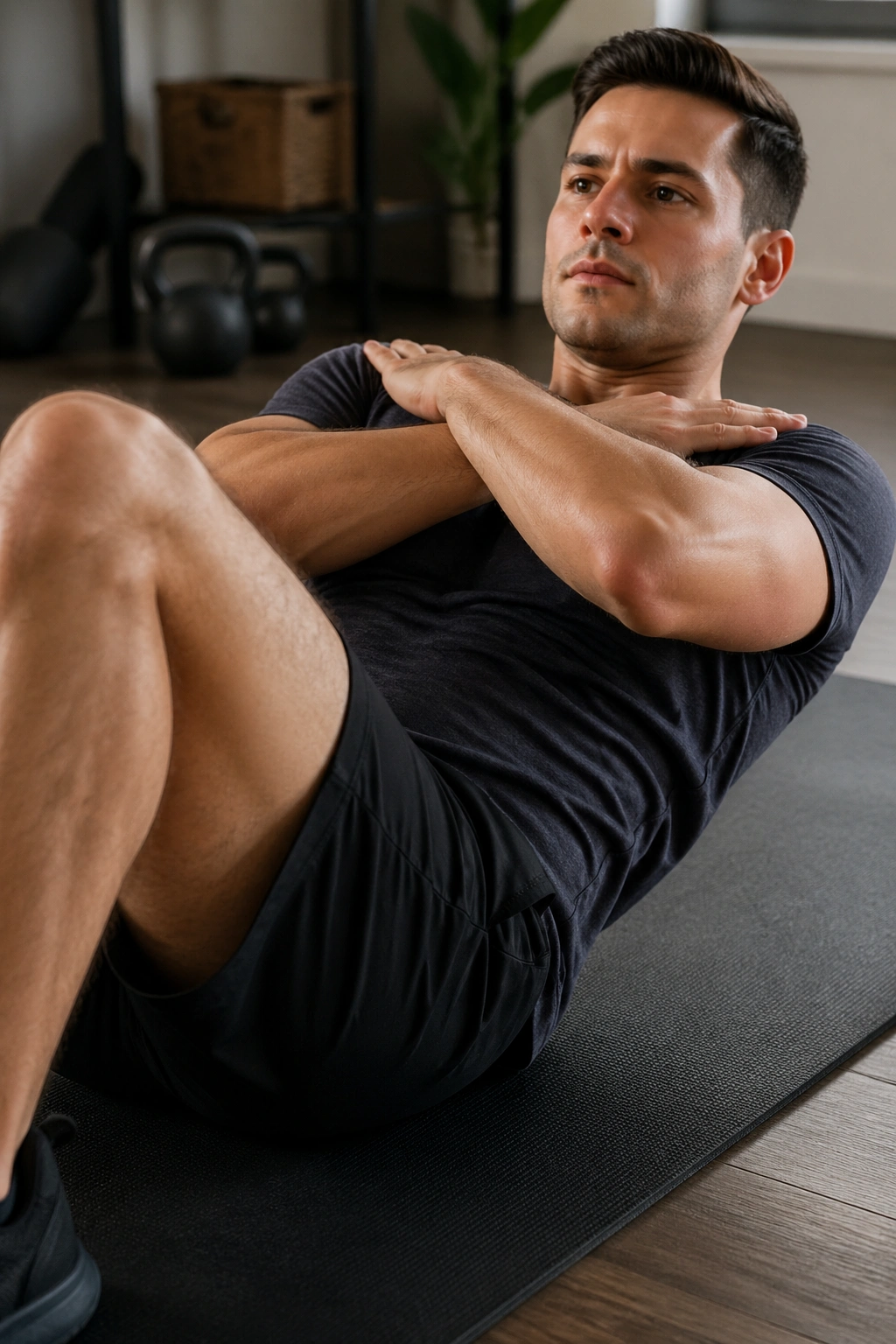
If your hands are always behind your head, you’re probably making the move easier than you think. Cross-arm sit-ups remove some of the temptation to pull on your neck, and that alone makes them worth using.
The arms crossed over the chest change the balance of the movement. You lose the false help that comes from yanking with your hands, so your abs have to do more of the real work. The rep feels shorter and cleaner, but the middle of your torso has to stay tight from start to finish. That matters when you’re trying to keep a core exercise honest inside a fat-loss routine.
This is also a good version for anyone who gets neck tightness from classic sit-ups. You’ll still need to control the descent, though. That part is non-negotiable. A fast drop turns the exercise into a noisy flop, and noisy flops do very little for the waistline.
If you want one small programming rule, use cross-arm sit-ups on the days when you want to keep the load moderate and the form strict. They fit nicely in higher-rep work, especially when you’re pairing them with walking, bike intervals, or a simple bodyweight circuit.
3. Twist Sit-Up
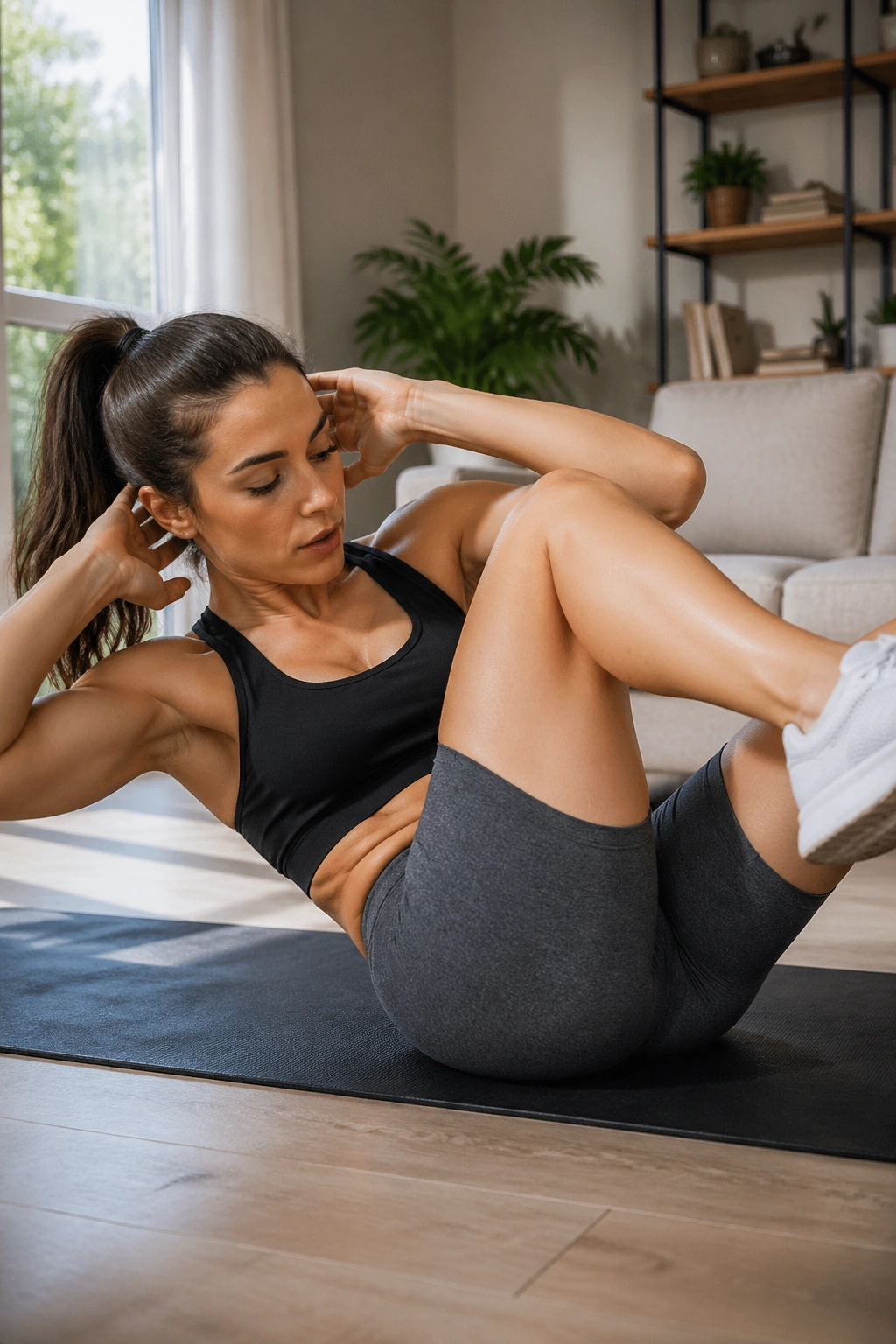
Why add a twist? Because your abs are not one flat sheet of muscle. The obliques do plenty of the work when you rotate under control, and twist sit-ups bring them into the conversation without needing equipment.
The movement is simple enough to describe and tricky enough to do well. As you rise, rotate the torso slightly so one elbow tracks toward the opposite knee or outer thigh. The key word there is slightly. If you swing hard, you’re not training control; you’re tossing your upper body around and hoping something useful happens. The useful part comes from resisting that twist and controlling it.
What Makes It Worth Doing
Twist sit-ups are useful when you want your core work to feel a little more athletic. They ask for rotation, balance, and timing, which gives you a stronger trunk for things like carrying groceries, swinging a kettlebell, or just not folding in half when you pick something up.
How to Get the Most From It
- Keep the twist small and smooth
- Move one shoulder toward the opposite knee
- Exhale on the way up
- Slow the return so your lower back doesn’t dump onto the floor
- Try 8 to 12 reps per side, or alternate sides for 16 to 24 total reps
This variation can light up the sides of your waist faster than a straight sit-up. It still will not melt belly fat on command. But for core work that feels useful and not fake, it earns its place.
4. Butterfly Sit-Up
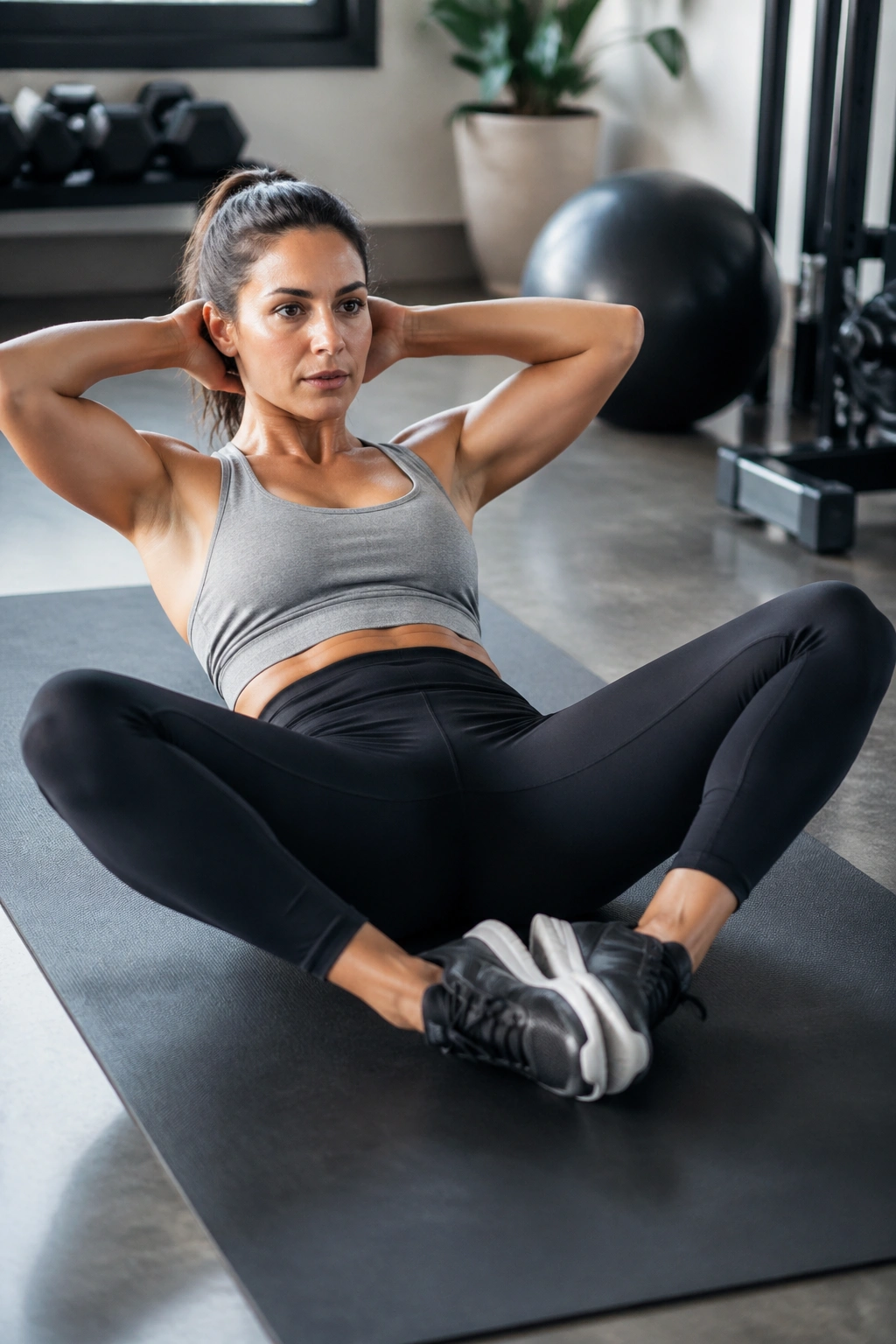
Sit on the floor with the soles of your feet touching, knees dropped open, and you’ll feel right away that this version changes the shape of the rep. It looks relaxed. It is not.
The butterfly position shortens the leverage a bit and puts your hips in a friendlier place for a lot of people. That can make the sit-up feel smoother, especially if your lower back gets cranky when your feet are locked under something. It also changes how your abs and hip flexors share the work, which is handy if you want a sit-up that feels different without needing a bench or a ball.
I like this one for beginners who need a less aggressive setup and for anyone who gets bored fast. The open-leg position also makes cheating harder in a different way. You can’t rely quite as much on a tight foot anchor, so you need to own the rep with your trunk.
The catch? If your hips are stiff, the butterfly setup can feel awkward at first. Don’t force your knees to the floor. Let them fall where they fall, keep your spine long on the way up, and use shorter sets until the position feels normal. Ten controlled reps beat twenty ugly ones every time.
5. Bicycle Sit-Up
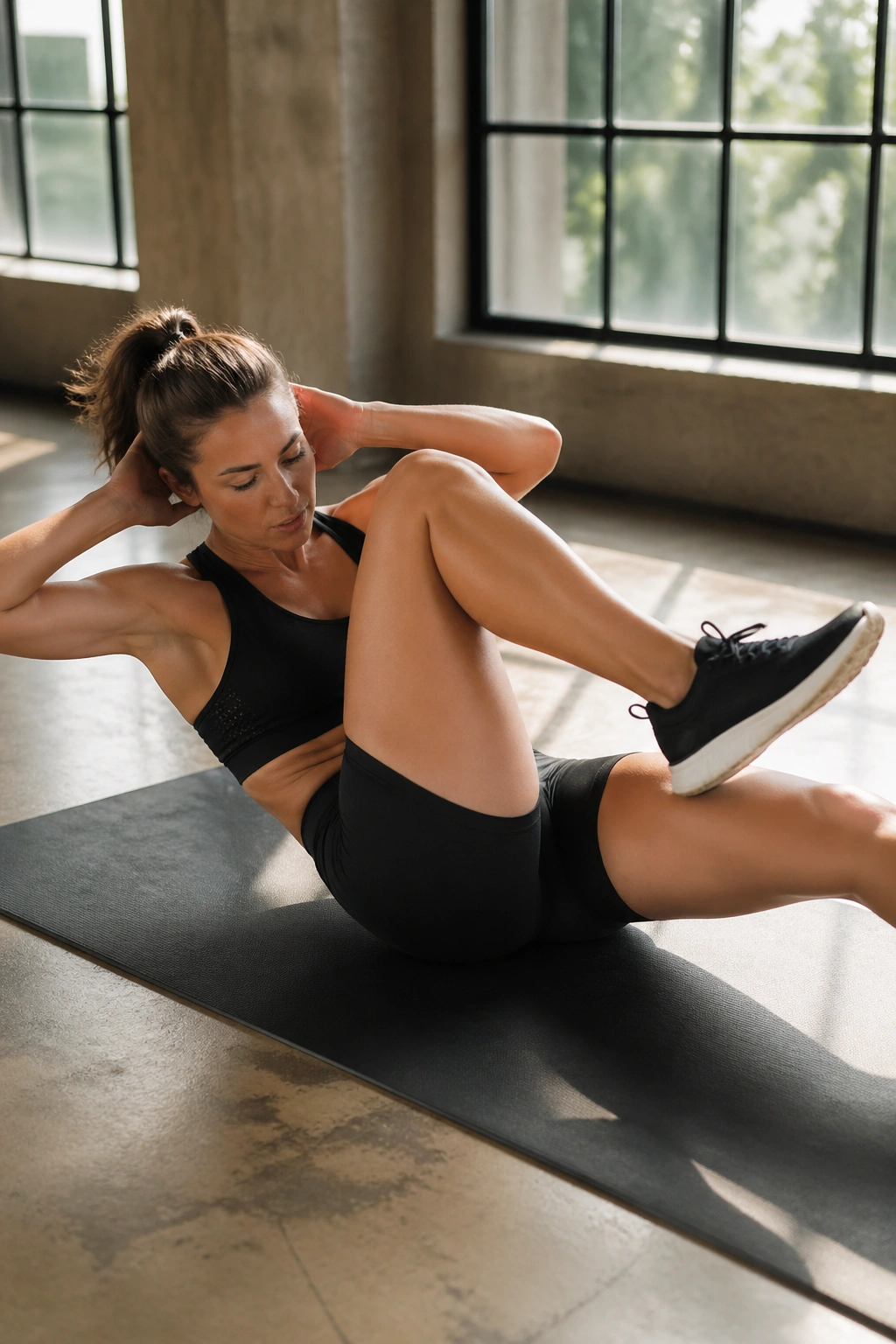
Bicycle sit-ups are one of those moves that looks casual until you’re halfway through a set and your abdomen starts complaining. That’s because the combination of crunching, rotating, and alternating the legs makes your core work harder than a plain sit-up.
The secret is rhythm. One side should not race ahead while the other side lags behind. Bring one shoulder toward the opposite knee, extend the other leg, switch sides, and keep the motion smooth enough that your lower back doesn’t bounce off the floor like it’s on springs. If your elbows are flaring wildly or your chin is jammed into your chest, you’re doing too much and getting too little.
This variation is excellent for conditioning-style core work. It raises the burn fast, and it fits neatly into circuits where you want a higher heart rate without needing a machine. It’s also one of the few ab moves that can feel almost cardio-like when you keep the pace steady for 30 to 40 seconds.
Don’t chase speed at the expense of shape. The set should look controlled even when it feels ugly. There’s a difference.
6. Reverse Crunch Sit-Up
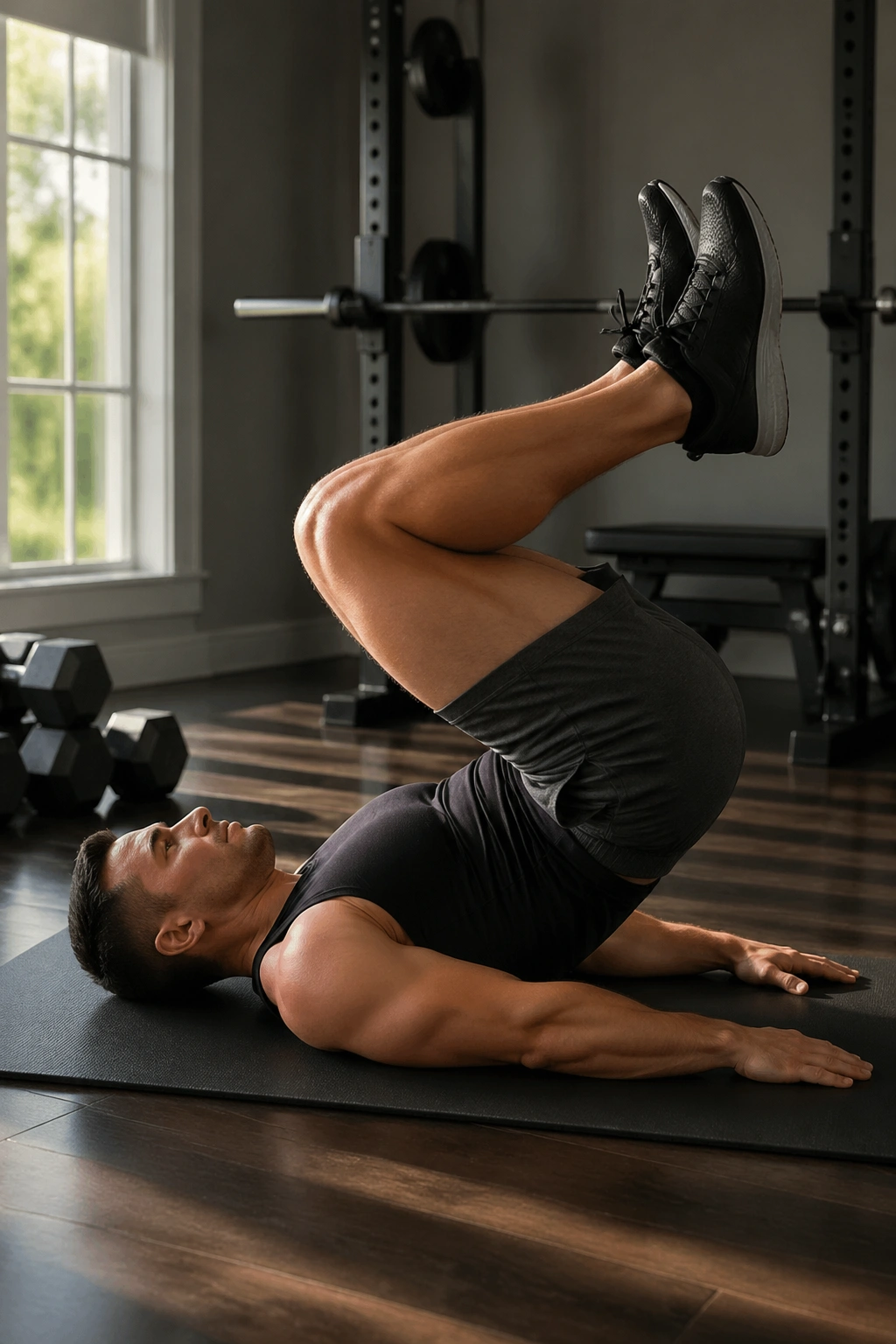
The reverse crunch is the quiet overachiever in the bunch. It looks small. It works hard. And for a lot of people, it’s easier on the neck and lower back than a full sit-up.
Instead of curling the torso first, you start by tucking the pelvis and lifting the hips slightly off the floor. That shifts more of the demand toward the lower portion of the abdominal wall and teaches you to control the curl from the bottom up. If your regular sit-ups come mostly from momentum, this one exposes that fast.
Compared with a standard sit-up, the reverse crunch usually feels cleaner in the lower back. That makes it a smart choice for people who want core work without a lot of spinal flexion. It’s also useful if you’re in the early stages of building abdominal strength and need a move that doesn’t ask for perfect leverage right away.
Use a short pause at the top. One second is enough. The hips should lift, the lower back should flatten, and then you lower with control. If your legs swing or your knees drift all over the place, the abs stop doing the job.
7. Incline Bench Sit-Up

A bench changes everything. Put your upper body on a slight incline, and the same sit-up suddenly feels longer, heavier, and more demanding from the first rep.
Why the Angle Matters
Gravity gets a better grip on you on an incline. That means your abs have to work through a bigger range of motion, and the start of the rep feels harder than on the floor. For belly fat loss workouts, that matters because the move becomes more taxing without needing a barbell or a machine stack. You’re just working against a more annoying angle.
Set-Up and Form
- Secure your feet under the bench or roller pads
- Keep your chin neutral, not jammed forward
- Lower until your upper back touches or nearly touches the pad
- Drive up without pulling with the neck
- Use 6 to 12 reps if the angle is steep, 10 to 15 if it is mild
This is not a beginner’s first choice if their back is weak or their core control is sloppy. But if you already own the basic floor version, incline sit-ups can be a strong step up. The movement feels direct, and there’s no mystery to it. Harder angle, harder rep. Clean, simple, effective.
8. Decline Bench Sit-Up
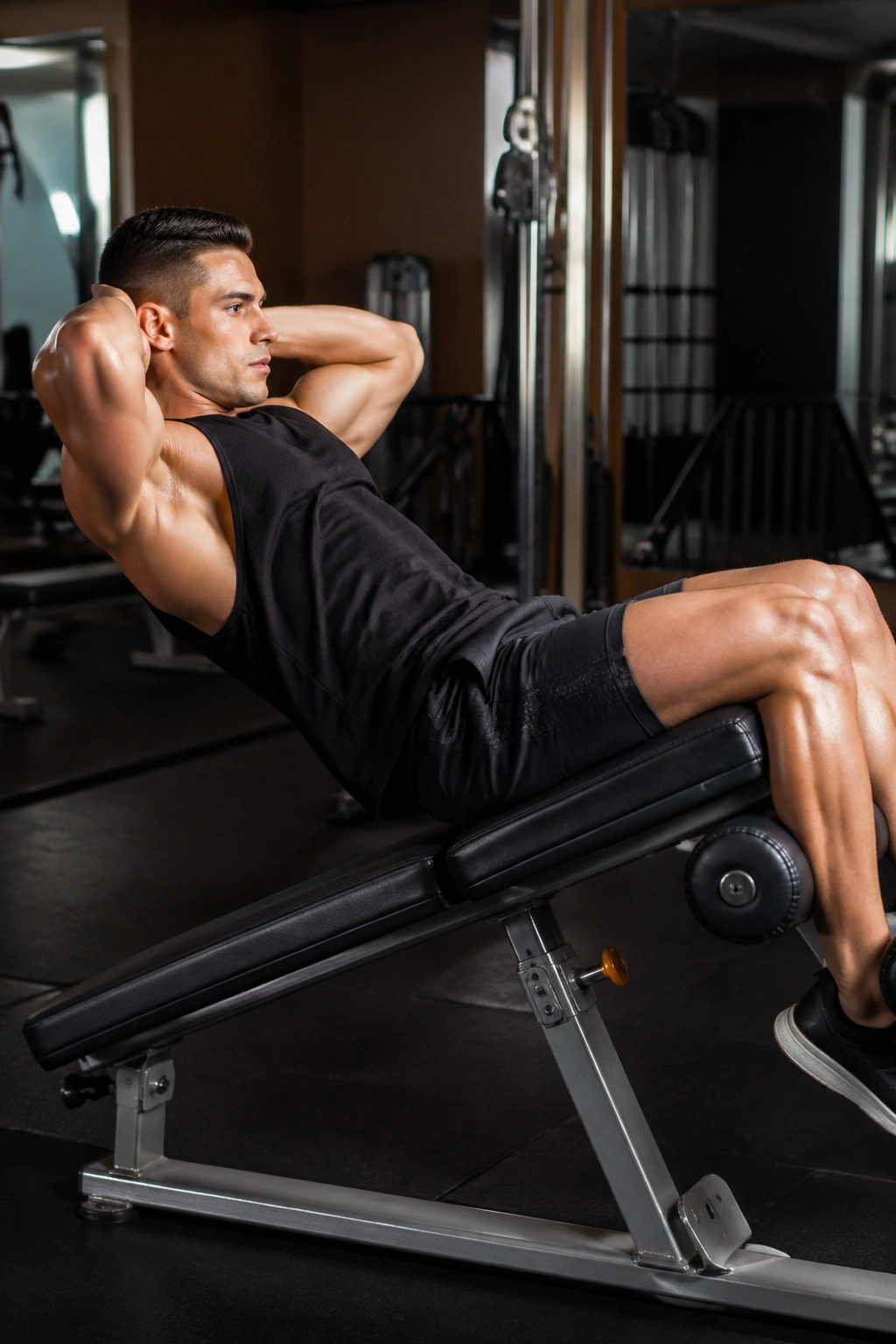
Harder is not always better. Decline sit-ups prove that point fast.
A decline bench makes the rep steeper and usually more punishing than an incline setup. The body has to fight gravity from a worse position, which is great if you already have decent core strength and want a serious challenge. It is not great if your lower back arches, your feet slip, or your reps become half-reps powered by momentum.
This is the version that reminds people that ab training can be humbling. The first few reps feel manageable. Then your trunk starts to shake. Then you realize the floor would have been kinder.
Decline sit-ups are best for short, focused sets. I’d rather see 5 clean reps here than 20 ugly ones. They pair well with other high-tension moves like planks, dead bugs, or slow mountain climbers, especially if you’re building a core finisher that leaves you breathing hard.
If you have any history of back irritation, approach this one carefully. A decline bench is not a badge of honor. It’s just a steeper angle. Use it when the basic versions feel too easy, not because you think suffering equals progress.
9. Weighted Plate Sit-Up

A weight plate changes the whole mood of the exercise. Suddenly the rep has a front-loaded pull, and cheating gets expensive.
Start with a small plate — 5, 10, maybe 15 pounds if you already train regularly — and hold it close to your chest. Don’t press it overhead and don’t let your elbows flare into some dramatic display. The point is to add resistance, not perform a weird upper-body balancing act. The abs should still initiate the curl.
What to Watch For
- Keep the plate hugged to the chest or just below the chin
- Move slower than you think you need to
- Stop the set when the lower back starts to lose contact in a bad way
- Use 8 to 12 controlled reps, not endless sloppy ones
Weighted sit-ups are a solid bridge between bodyweight work and real core strength training. They make the front of the torso do more work, and they can raise overall session intensity without forcing you into a machine-based setup. That makes them useful for fat-loss circuits where you want the heart rate up, the abs loaded, and the equipment list short.
This is also one of the best versions for progression. Add a little weight only when your form stays clean. Little jumps. No ego.
10. Medicine Ball Sit-Up

The best thing about a medicine ball sit-up is the way it feels in your hands. The ball is easy to hold, easy to reposition, and heavy enough to make the movement honest without being awkward the way a metal plate sometimes is.
Hold the ball against your chest or extend it slightly away from the body if you want the movement to feel tougher. The farther the ball moves from your center, the harder the lever becomes. That is not a small detail. A few inches of reach can turn a manageable set into a spicy one fast.
Medicine ball sit-ups are especially good in timed circuits. Thirty seconds on, thirty seconds off, maybe paired with jumping jacks or shadow boxing. They keep the core under tension while also making your upper body stay organized. If the ball starts to wander or your shoulders shrug up toward your ears, you’re losing the shape.
A small note that matters: choose a medicine ball you can control for the full range. If it’s too heavy, the neck and shoulders start helping too much. If it’s too light, you’re carrying a prop, not adding work. Somewhere in the middle is where it earns its keep.
11. Stability Ball Sit-Up

A stability ball changes the feel of the floor beneath you, and that wobble is the point. Your body has to make small corrections the whole time, which turns a straight sit-up into a balance-and-control drill.
The first rep usually feels odd. Your lower back is supported by the curve of the ball, your feet are planted, and your trunk has to decide whether it wants to curl or drift. Once you settle in, though, the movement can feel surprisingly smooth. The ball gives you a deeper stretch at the bottom, and that extra range can be useful if you want more abdominal engagement without jumping straight to decline work.
This is a smart option for people who like a little instability but do not want a full gymnastics-style core session. It sits in a nice middle ground. The body has to stabilize, but not so much that the rep becomes chaotic.
A lot of people rush the descent on this one and bounce through the bottom. Don’t. Let your torso lengthen over the ball, then curl back up under control. If your feet keep sliding or your lower ribs flare like a pop-up tent, reset your position and shorten the range a bit.
12. Pulse Sit-Up
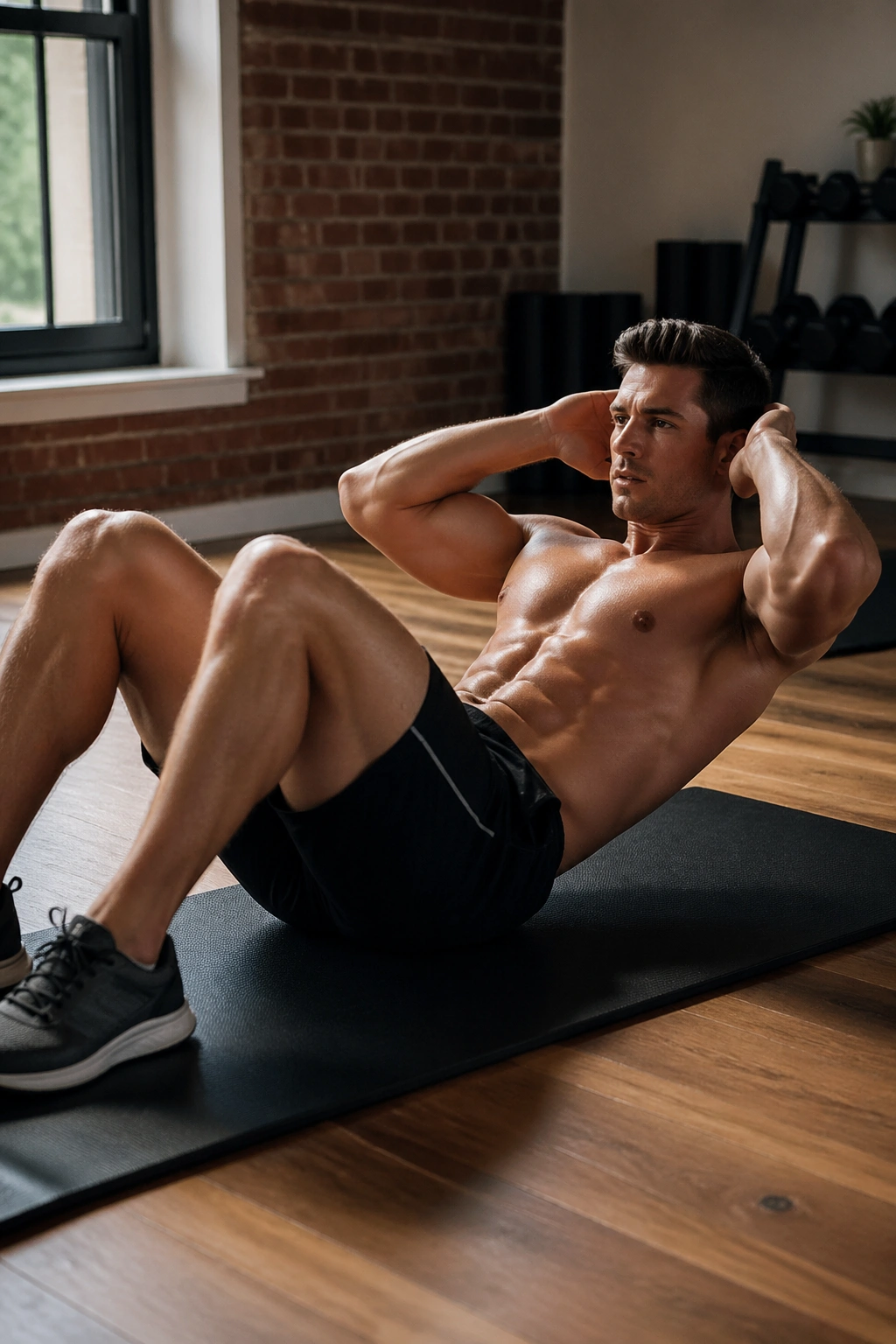
Pulse sit-ups are what you reach for when you want your abs to hate you in a very efficient way. The range is shorter, the tension stays on, and there’s nowhere to hide.
Instead of coming all the way up and all the way down each rep, you hold the upper half of the sit-up and pulse through a small range. That keeps the muscles under constant demand, which makes this variation excellent for finishers. It is not flashy. It is not gentle. It just keeps burning.
The beauty of the pulse version is that it works even when fatigue is already high. If you’ve done squats, carries, or intervals earlier in the workout, pulse sit-ups can finish the trunk without needing complicated technique. You’ll feel the front of the waist tighten fast, and the set will end before it feels elegant.
Use 15 to 25 pulses, or 20 to 30 seconds at a time, and keep the motion tiny. If the movement turns into a full sit-up by accident, lower back down and start again. Tiny reps. Hard tension. No drama.
The honest truth is that none of these sit-up variations burns belly fat on its own. They help you build a stronger midsection, spend a few more calories, and make your workouts more demanding, which is useful. But the waist changes when the whole routine changes — your food, your daily movement, your sleep, and the way you train.
So pick two or three of these and use them well. Keep the reps clean, keep the rest short, and keep the rest of your week from working against you. That’s the boring answer. It’s also the real one.
