



A plank will not melt belly fat by itself. I wish that were true, because it would save people a lot of time and a lot of nonsense.
What planks do well is build a harder, steadier midsection. They teach bracing, tighten up posture, and make your core work while the rest of you tries to stay still. That matters when your goal is a smaller waist, because the leaner look comes from overall fat loss, better muscle tone, and workouts you can repeat without wrecking your joints.
Some plank variations are calm and controlled. Others get ugly fast. The moving ones raise your heart rate, the unstable ones make your abs fight for balance, and the loaded ones turn a simple hold into a serious strength test. That mix is why plank work stays useful even when you’ve been training for a while.
The smart approach is to pick the right version for your body and use it inside a plan that also includes walking, strength training, and sane eating. Start with the basics. The floor is honest.
1. Forearm Plank
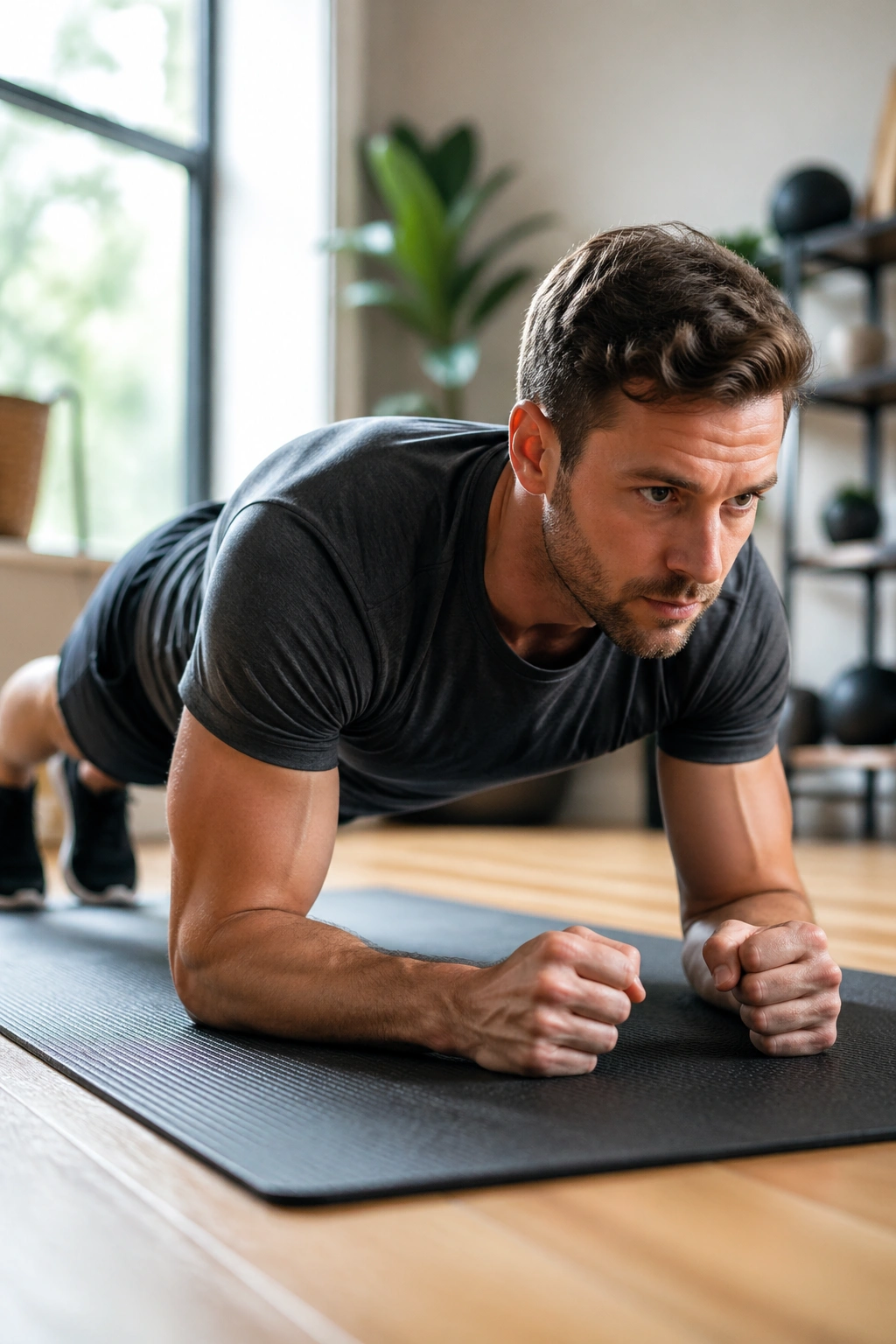
The forearm plank is the plainest version on the list, which is exactly why I keep it around. No drama. No bouncing. No tricks.
Set your elbows under your shoulders, press your forearms into the floor, and squeeze your glutes like you mean it. Your ribs should stay tucked down, your neck long, and your lower back quiet. A clean 20- to 40-second hold does more for your core than a sloppy minute spent sagging through the middle.
Why It Still Matters
This is an anti-extension hold, which means your abs are working to stop your spine from arching. That may sound boring, but it is the exact skill a lot of people are missing when they complain about their “lower belly.”
If the hold is too easy, don’t flail your legs or shrug your shoulders. Extend the set by 5 to 10 seconds, or make the brace cleaner. That tiny shift usually beats chasing a more complicated move too soon.
- Best for: beginners, core control, and learning how to brace without cheating.
- Common mistake: letting the hips drop and turning the plank into a slow backbend.
- Good starting dose: 3 to 5 sets of 20 to 30 seconds.
Tip: Exhale a little harder than feels natural. It helps lock the ribs down fast.
2. High Plank
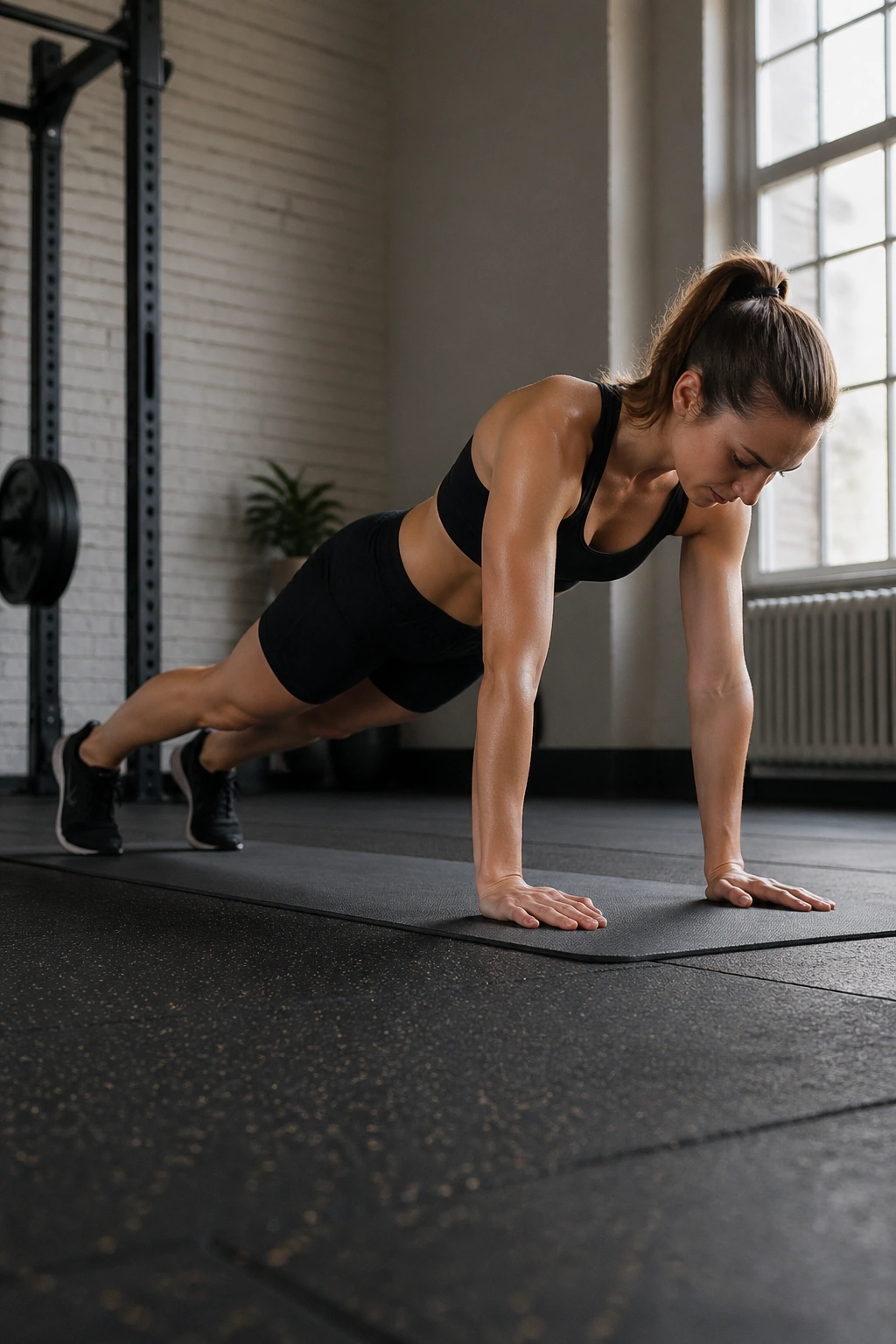
Why use a high plank when the forearm version already exists? Because sometimes you want more shoulder work, a faster heart rate, and a position that carries over to push-ups.
Hands go under the shoulders, fingers spread wide, and the floor gets pushed away the entire time. Keep the body in one straight line, but don’t lock yourself rigid in the wrong places. The elbows can stay soft. The shoulders should feel active, not jammed into your ears.
High plank is also a good reality check for wrist tolerance. If your wrists complain, try doing it on dumbbells, push-up handles, or with your hands on a bench. No prize is given for suffering through bad setup.
A clean hold for 15 to 30 seconds is plenty if you’re pairing it with other exercises. If you can breathe calmly and keep the hips from wandering, you’re doing the job.
3. Shoulder Tap Plank
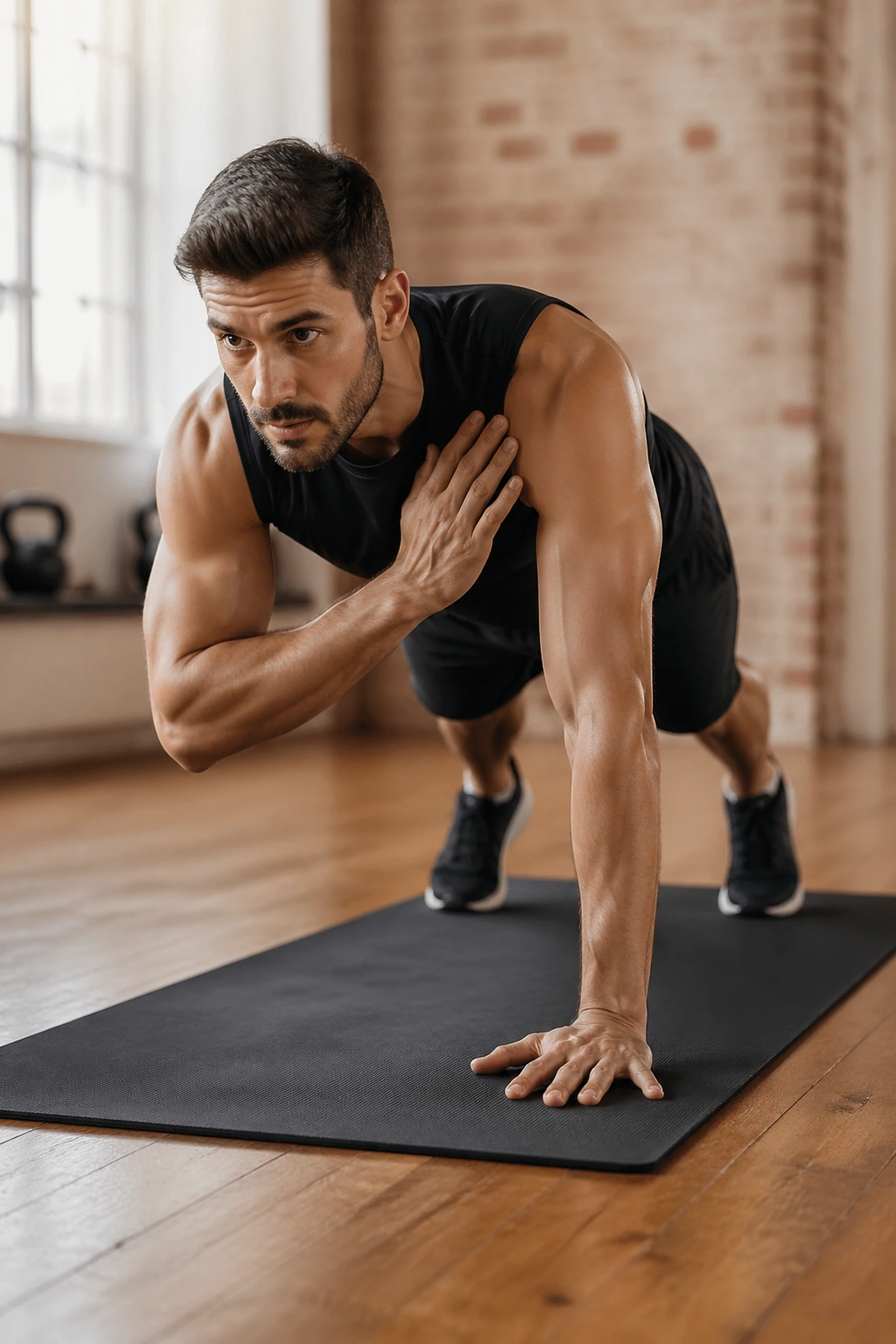
The first time people add shoulder taps, they usually learn how much their torso likes to twist. That’s the point.
Start in a high plank with your feet a little wider than hip width. Tap one shoulder with the opposite hand, set it back down, and switch sides without letting your hips sway. Slow taps are harder than fast ones, and they’re also more useful.
What Makes It Different
This variation trains anti-rotation, which is a fancy way of saying your abs have to stop your trunk from spinning while one arm moves. That skill shows up in running, lifting, and any workout where you do not want your body wobbling around like a loose shopping cart.
- Do this: keep the feet wide and press through the whole hand.
- Avoid this: reaching so hard that the hips rock side to side.
- Try this: 10 to 20 total taps, then rest 30 to 45 seconds.
One good rule: if the tap is quiet, your core is working. If your whole body shifts, the set got away from you.
4. Side Plank
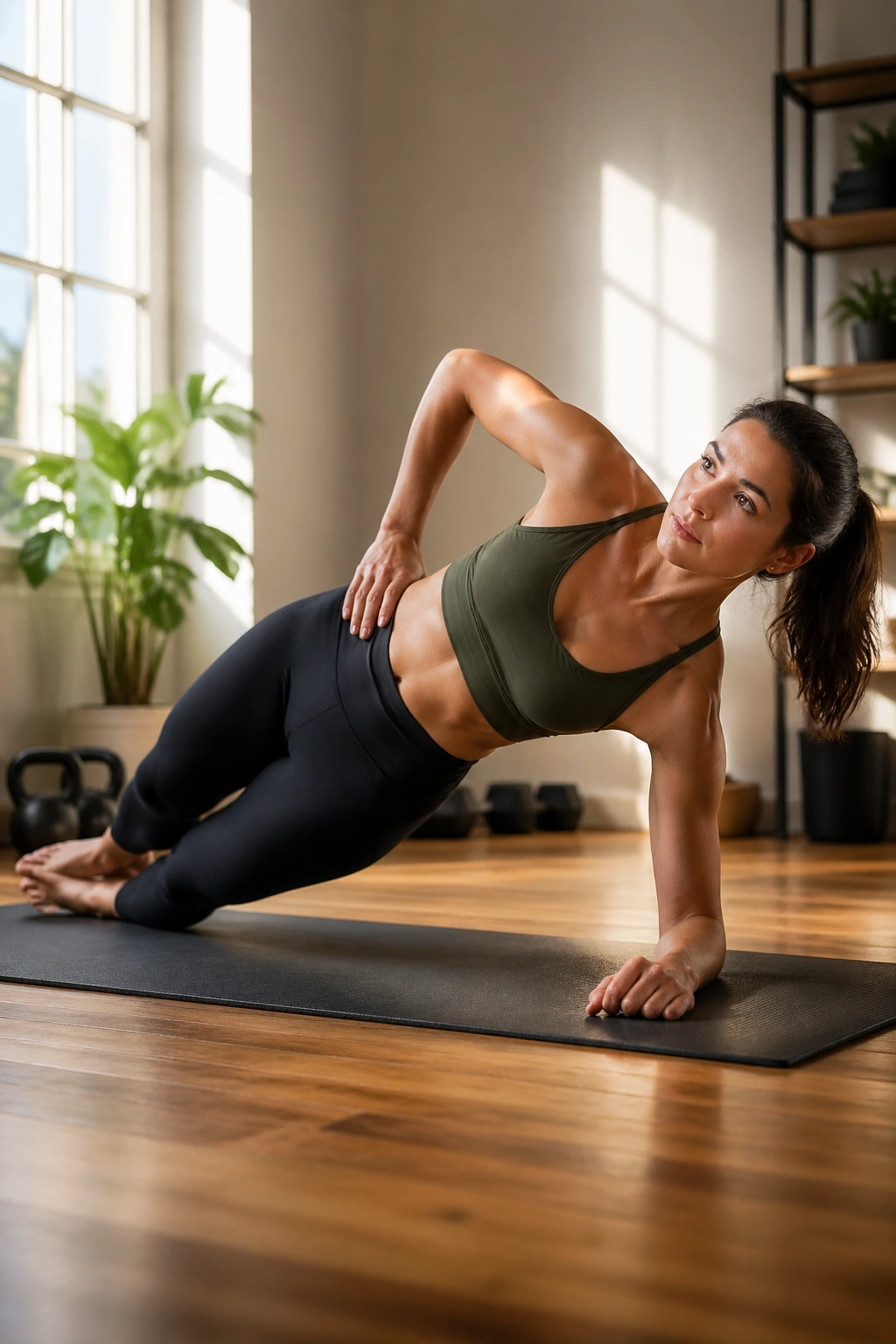
A side plank looks simple until you try to stay perfectly stacked. Then the whole thing gets rude.
Lie on one side, place the elbow under the shoulder, and lift the hips so the body forms a straight line from head to heels. The bottom side of the waist should feel engaged, and the top shoulder should stay open instead of collapsing forward. If your neck starts poking out, reset before it turns into a shrug contest.
I like side planks because they train the obliques and glute medius without needing motion. That matters for posture and for keeping the pelvis steady when you walk, run, or load a single side in everyday life. They also expose weak side-to-side control very fast. No hiding.
If a full side plank is too much, drop the bottom knee and keep the top leg long. That version still works. Do 20 to 40 seconds per side, and make both sides honest.
5. Side Plank Hip Dips
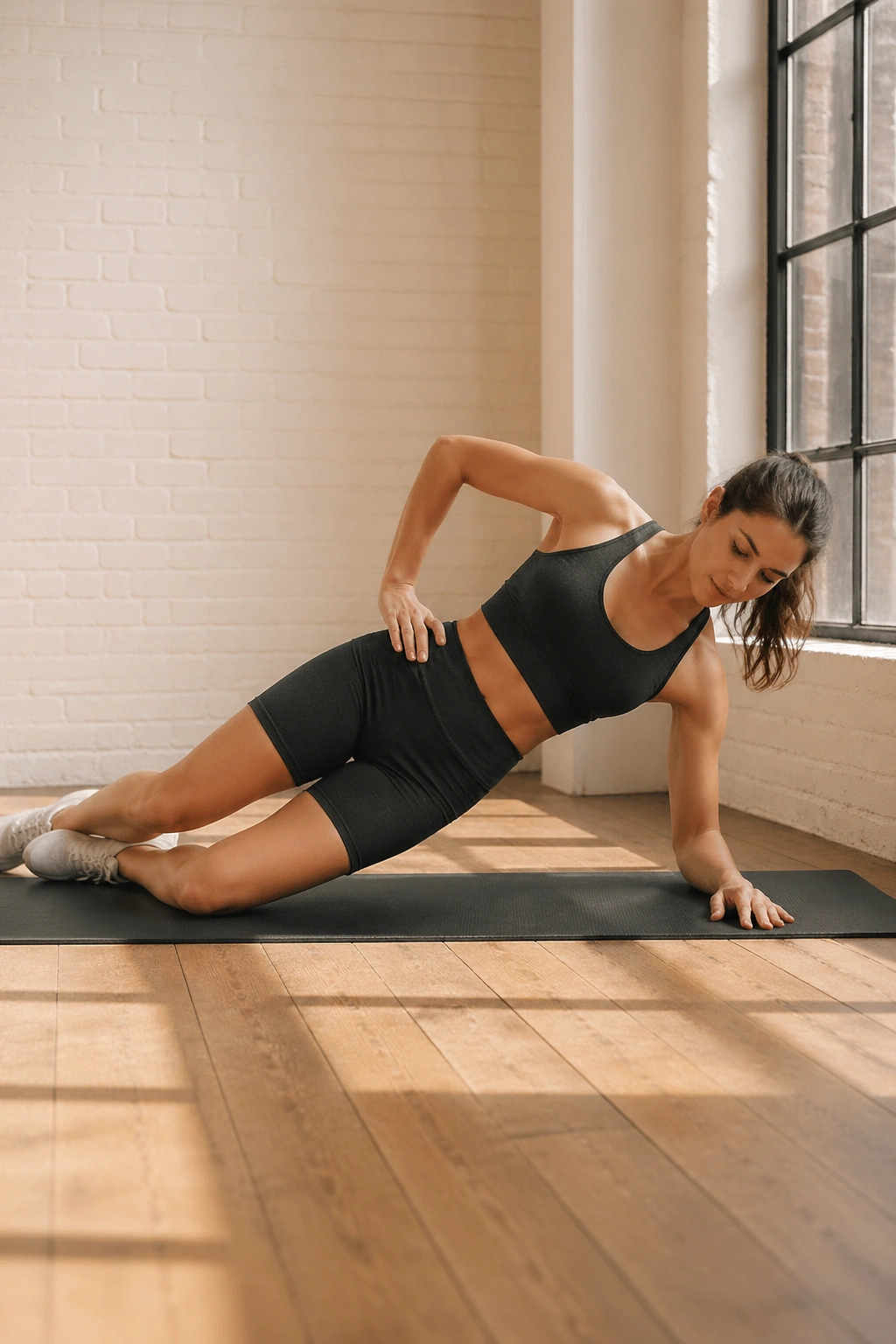
This one burns because it takes the stillness of a side plank and adds motion. The hips lower a few inches, then lift back up, and the obliques have to keep working through the whole arc.
I prefer this version when someone needs a plank that feels a little more athletic. It doesn’t just hold tension. It moves under tension. That usually means a higher heart rate and a bigger local burn around the side waist.
How to Use It
Keep the shoulder stacked over the elbow, then lower the hip just enough to feel the side of the waist lengthen. Come back up under control. If you bounce off the bottom, you’ve gone too fast.
- Start with: 8 to 12 dips per side.
- Rest with: 20 to 30 seconds between sides.
- Watch for: the top shoulder drifting forward or the neck cranking up.
A small range done cleanly beats a big range done with trash form. Every time.
6. Plank Jacks
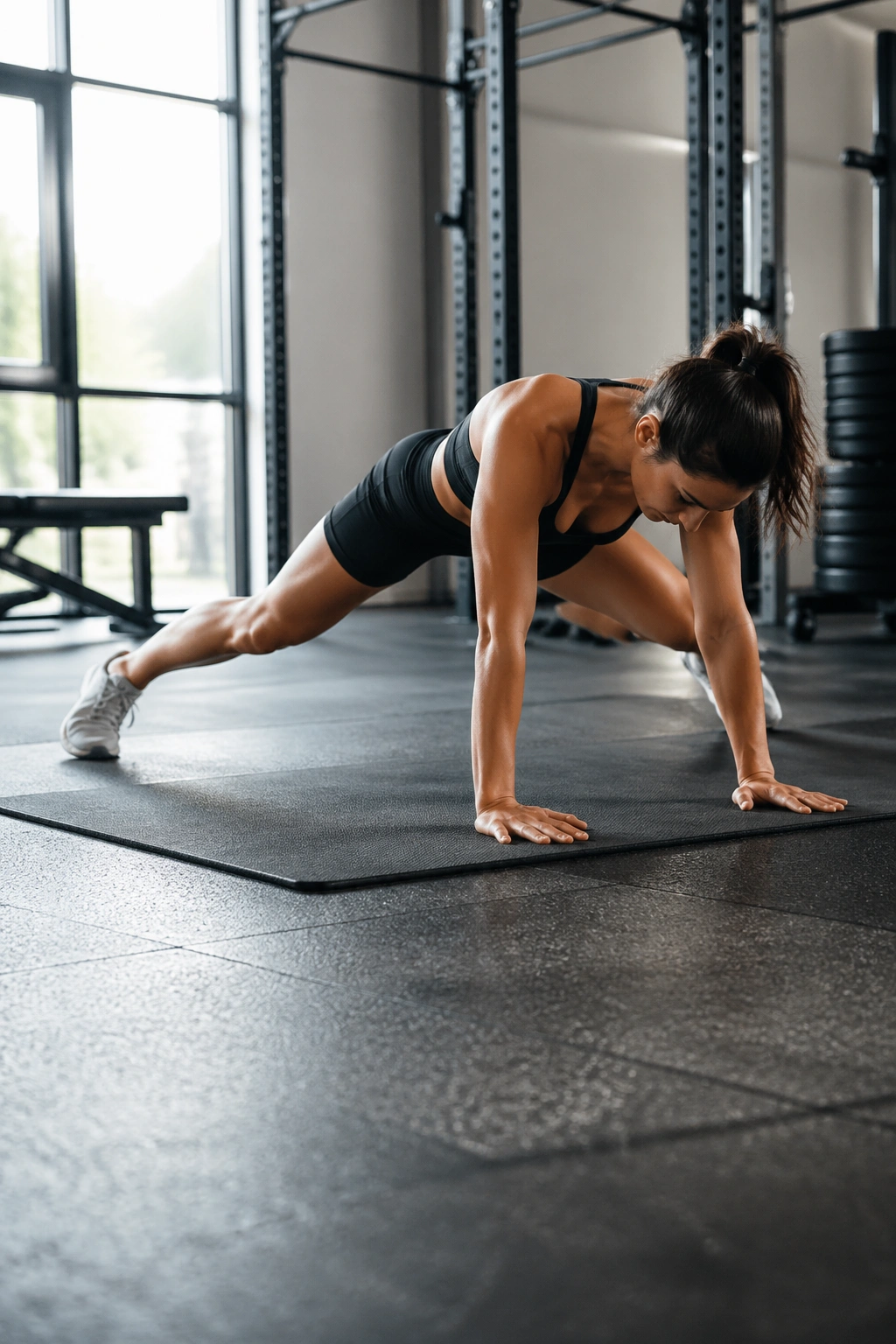
Can a plank actually feel like cardio? Yes. Plank jacks are one of the easiest ways to prove it.
From a high plank, jump the feet out and back in while the torso stays as quiet as possible. The movement looks simple, but your shoulders, core, and hips all have to resist the bounce. That’s why this version shows up in fat-loss circuits so often — it pushes output without needing equipment.
What to Watch For
The lower back is usually the first place to cheat. When the feet start moving faster, the pelvis can dip and the abs stop doing their share. Slow the pace before that happens.
- Good set length: 15 to 30 seconds.
- Good pairing: mountain climbers or a bodyweight squat.
- Bad sign: wrists hurting because you’re dumping weight into the hands.
If you want a plank that feels sweaty fast, this is a strong pick. If your shoulders are tired already, save it for earlier in the workout.
7. Cross-Body Mountain Climbers
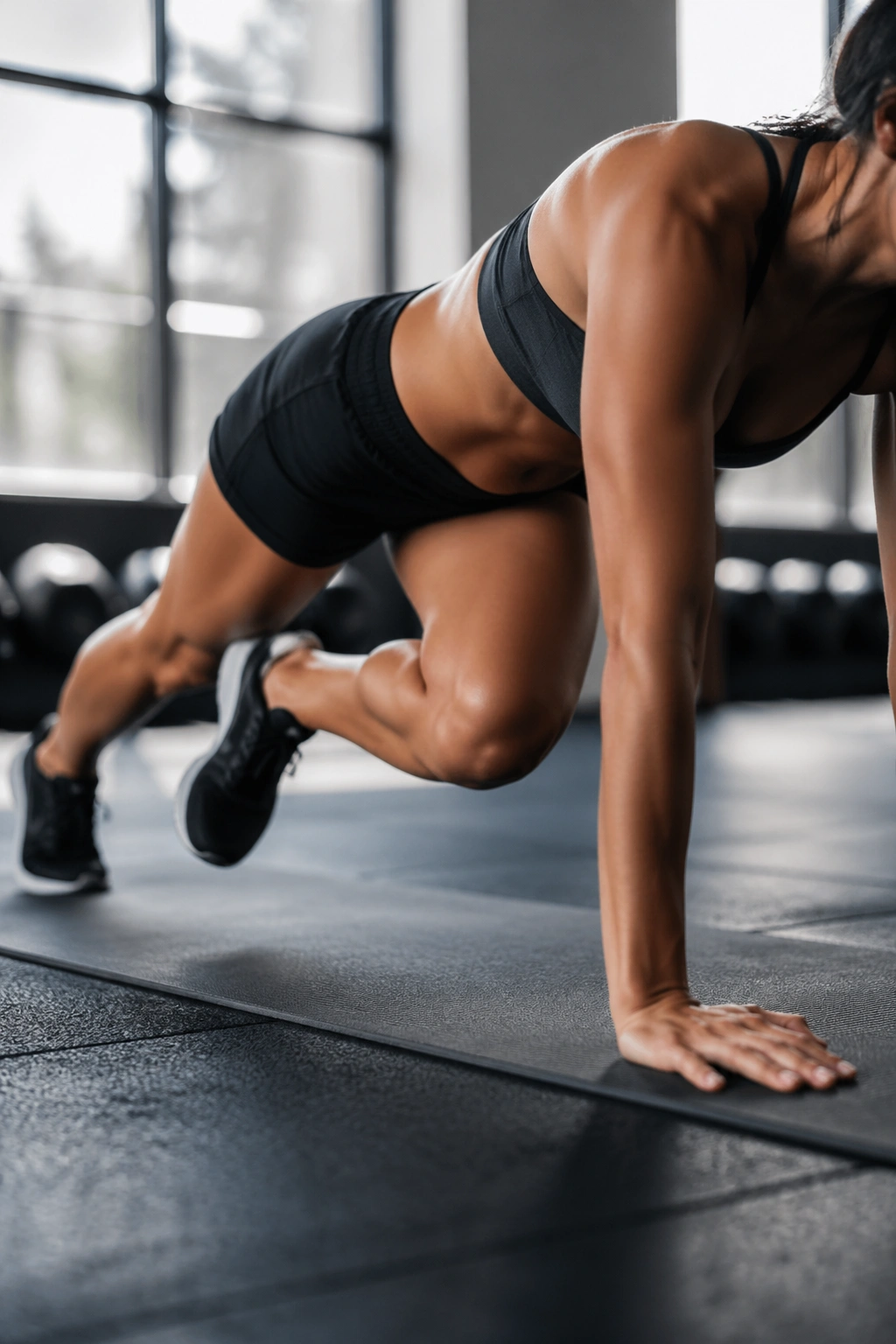
There’s a clean little trick hiding inside mountain climbers: if you bring the knee toward the opposite elbow, the abs light up more than they do with straight drives.
Stay in a high plank, then drive one knee across the body while keeping the shoulders level. The speed can be fast if you want conditioning, but slow cross-body reps are brutal in a different way. They force control. They also make it much harder to fake a strong core.
When people rush this move, the hips pop up and the shoulders drift behind the hands. Don’t let that happen. Think about moving the knee under the torso, not just flinging the leg forward. The rep should feel tight and deliberate.
A useful prescription is 20 to 40 seconds of work or 10 to 16 total cross-body drives. It’s a small movement, but it leaves a mark.
8. Reverse Plank
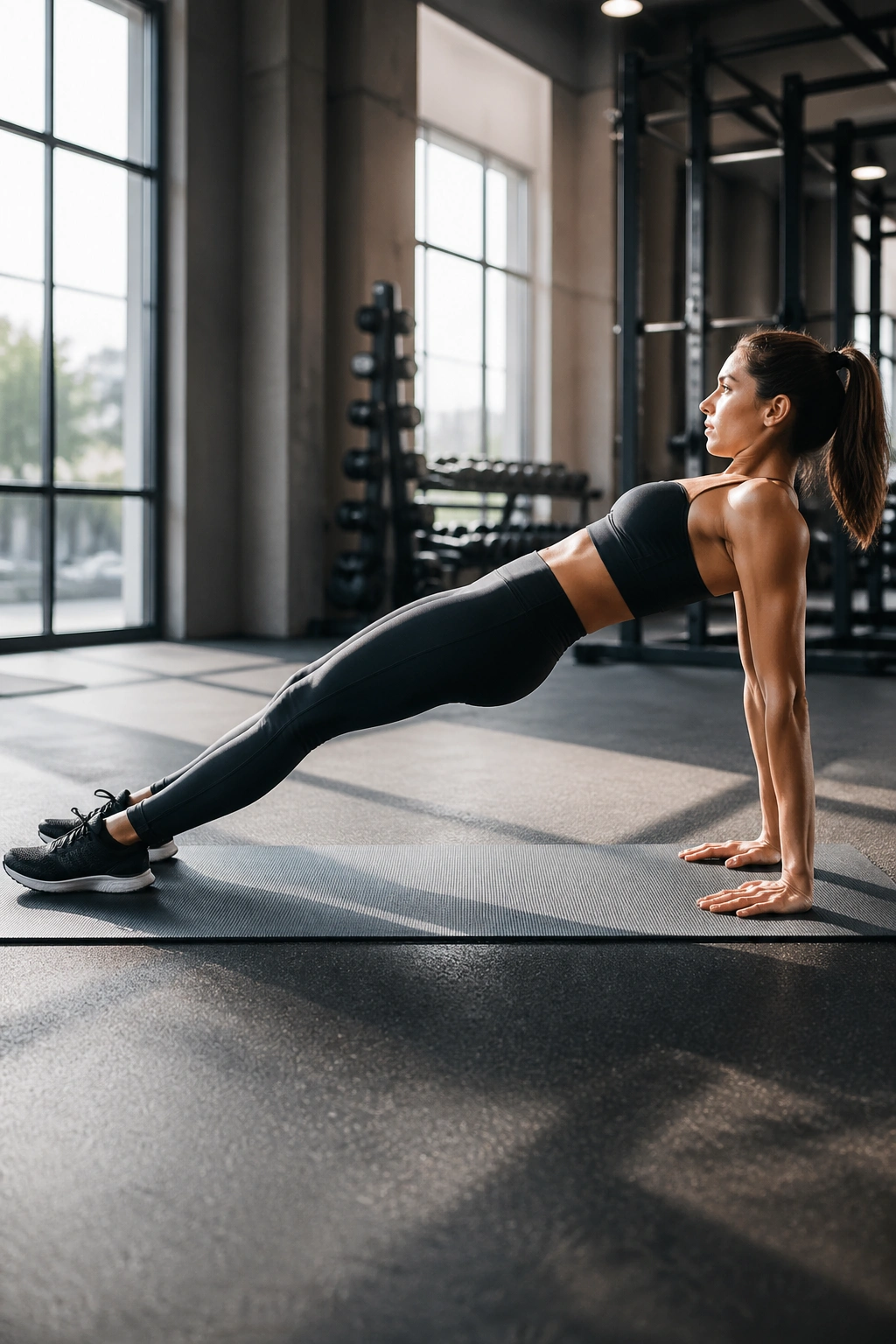
Most people live in the front of the body. Reverse planks remind them the back side exists.
Sit with your legs extended, place the hands behind the hips, and lift until the chest opens and the glutes engage. The body should form one long line from shoulders through heels. It looks calm. It is not calm if you do it right.
This variation hits the posterior chain — glutes, hamstrings, and rear shoulders — while still asking the trunk to stay braced. I like it as a balance piece after a lot of forward planking, push-ups, or sitting. Your body gets tired of folding forward. This helps fix that.
If the shoulders feel cranky in the extended position, shorten the hold or keep the knees bent. Do 15 to 30 seconds with real tension, not a sleepy lean-back. The hips should feel lifted, not merely propped up.
9. Up-Down Plank
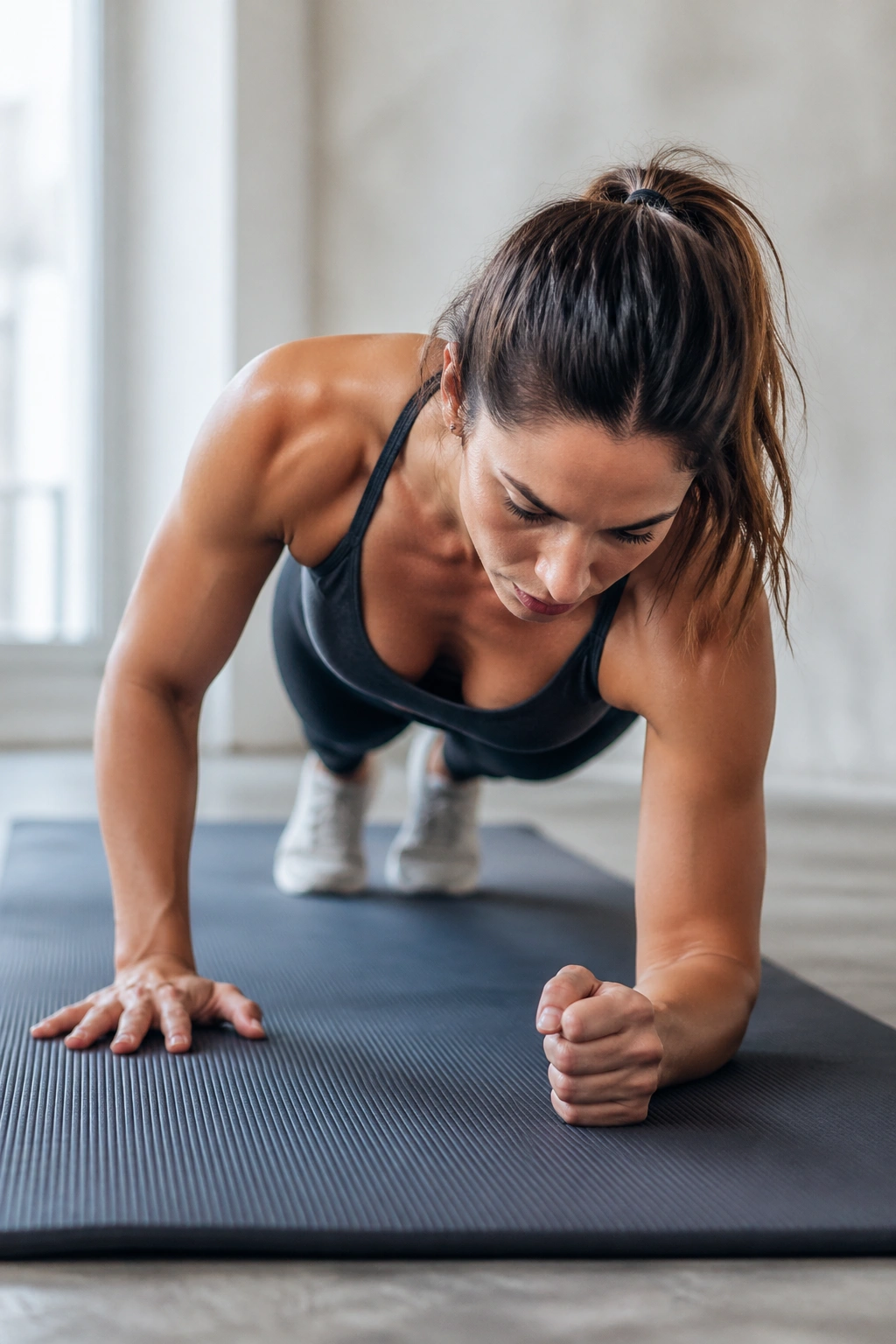
An up-down plank is a little like a push-up without the push. You lower from hands to forearms, then press back to hands, one side at a time or both sides in sequence.
That tiny change turns a static position into a small upper-body grind. The shoulders work harder, the triceps join the party, and the core has to stay braced while your base keeps changing. The movement also adds a bit of heart-rate punch, which is why it fits neatly into fat-loss workouts.
Keep the hips steady. That’s the whole game. If they twist wildly, the move turns into noise.
What Makes It Useful
It teaches you how to move under tension, which is a useful skill if your training includes push-ups, burpees, or any circuit that asks you to go from floor to floor without collapsing.
A solid target is 6 to 10 transitions per set. Lower yourself with control. Press up with control. Fast is fine later. Clean comes first.
10. Plank Walk
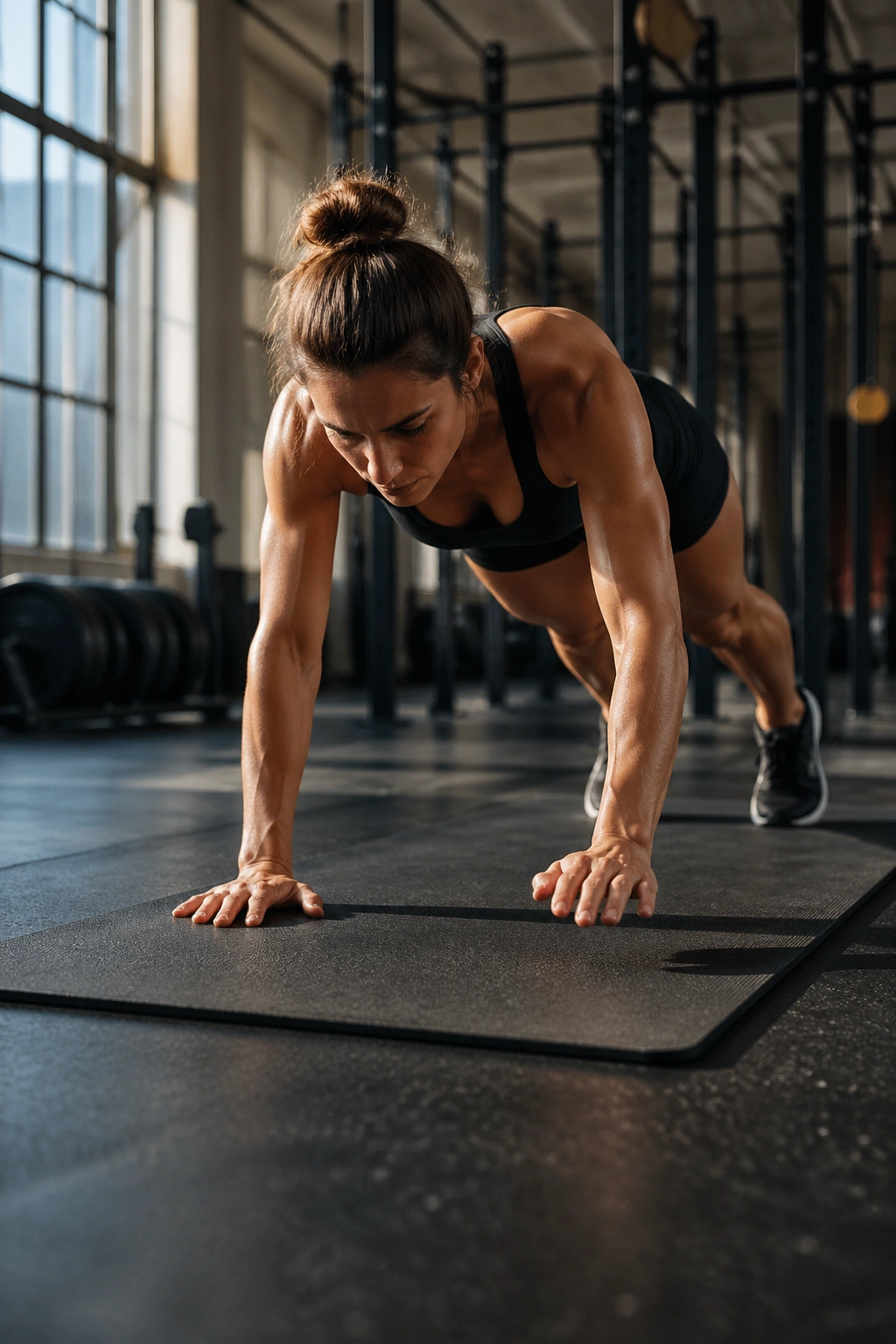
This one is underrated because it looks almost too simple to matter. It matters.
From a high plank, walk your hands a few inches forward, then bring them back under the shoulders. You can also walk the hands side to side if you want a slightly different feel. Either way, the center of mass shifts, and the abs have to react.
The longer reach makes the core work harder than a normal hold. It also turns a basic plank into something that feels closer to a moving drill than a rest position. That makes it useful in short finishers, especially when you want more total work without jumping.
Don’t chase distance. A few controlled steps are enough. If the low back starts to sag when your hands move forward, the lever got too long. Shorten it and keep the spine locked in.
I’d rather see 4 clean steps out and 4 steps back than a sloppy crawl across the room.
11. Spider-Man Plank
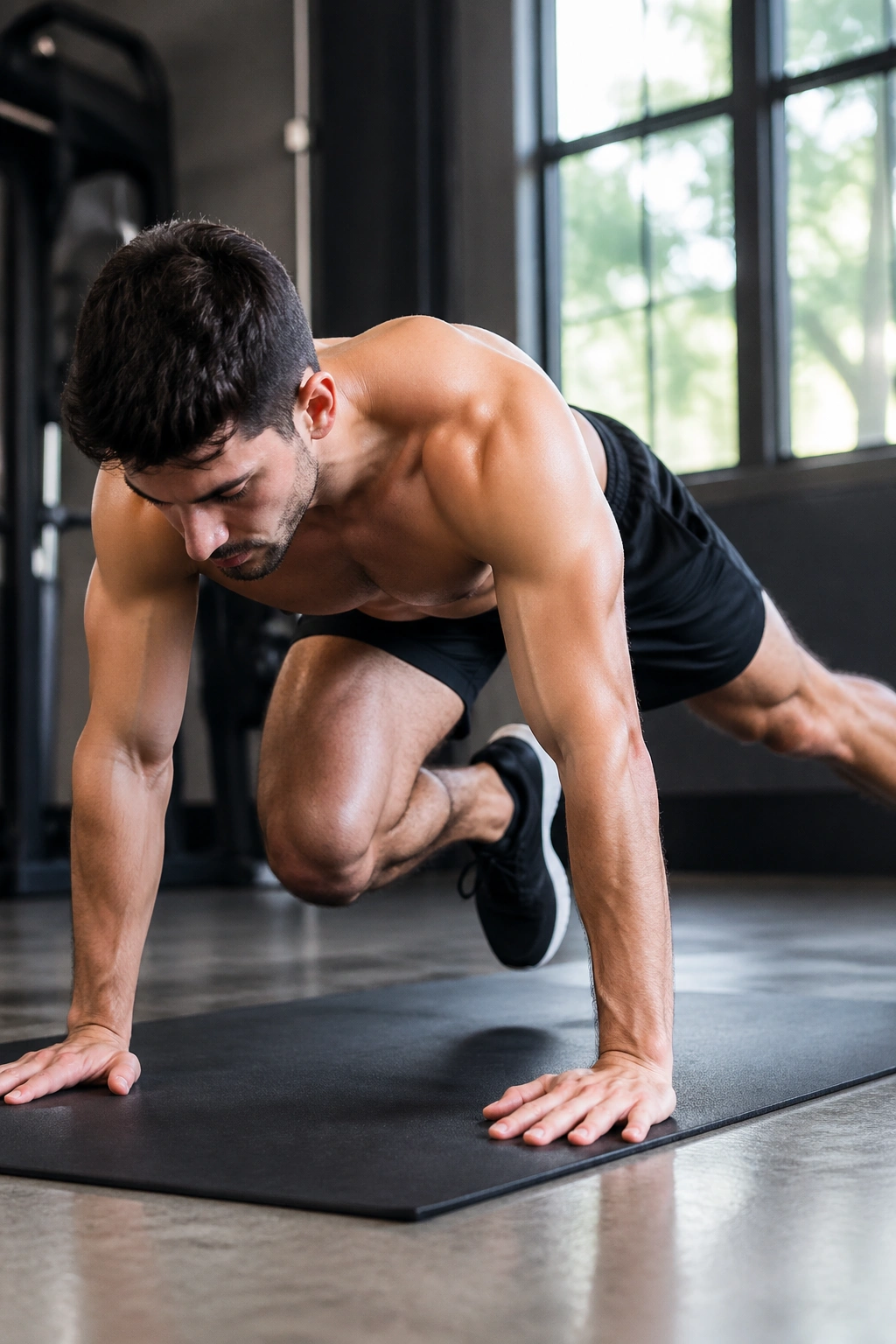
Why do so many people like this one? Because it feels a little athletic and a little mean.
From a high plank, bring one knee toward the outside of the same-side elbow, then return it to the floor and switch. The move opens the hip while making the obliques fire to keep the torso from rotating. That combination is gold if you want a plank that doesn’t feel like plain old holding.
How to Make It Harder
Keep the shoulders stacked and the hands planted firmly. If the hips shoot up, the core work drops. If the knee only half-moves, you miss the hip mobility piece.
- Reps: 6 to 10 per side.
- Pace: slow enough to control the torso, quick enough to keep the heart rate up.
- Best use: core finishers or warm-ups before lower-body work.
A clean spider-man plank should feel like your abs, hip flexors, and shoulders are arguing about who works hardest. That’s a good sign.
12. Long-Lever Plank
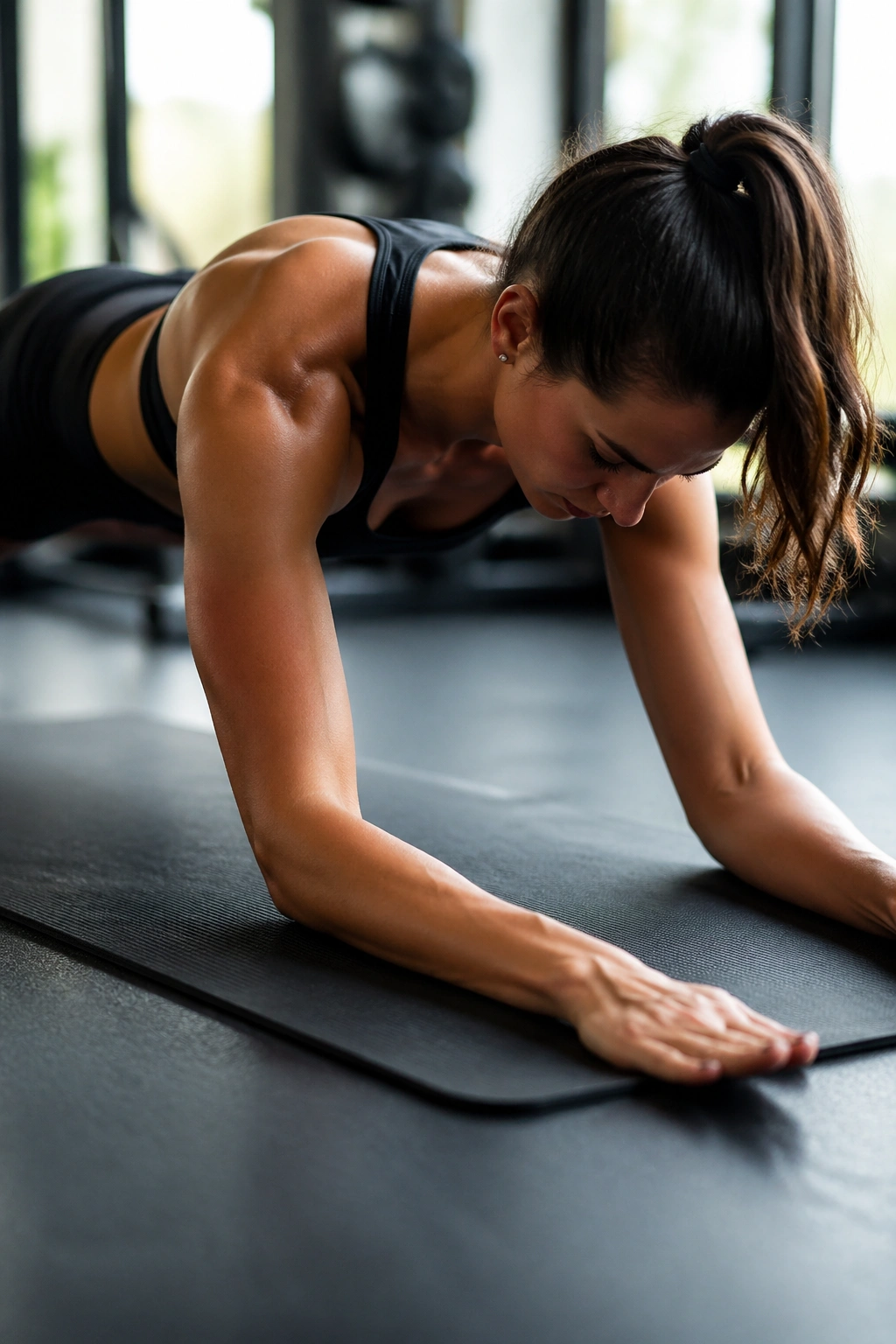
This is where the room gets quiet. A long-lever plank makes a standard plank meaner by moving the forearms or hands a few inches farther forward.
That tiny distance changes the lever and forces the core to work harder to stop the lower back from arching. You’ll feel it fast. Often within seconds. The abs don’t get to coast here, and the shoulders have to hold a stronger forward position too.
The first thing people notice is the shake. The second is the urge to sink through the middle. Both are normal. Both are part of why this variation shows up in more advanced bodyweight work.
Use 10 to 20 seconds at first. Short is fine. If your ribs flare or your lower back pinches, pull the hands back a little and own the position before you chase more difficulty. It’s a sharp tool. Use it cleanly.
13. Hollow Body Hold
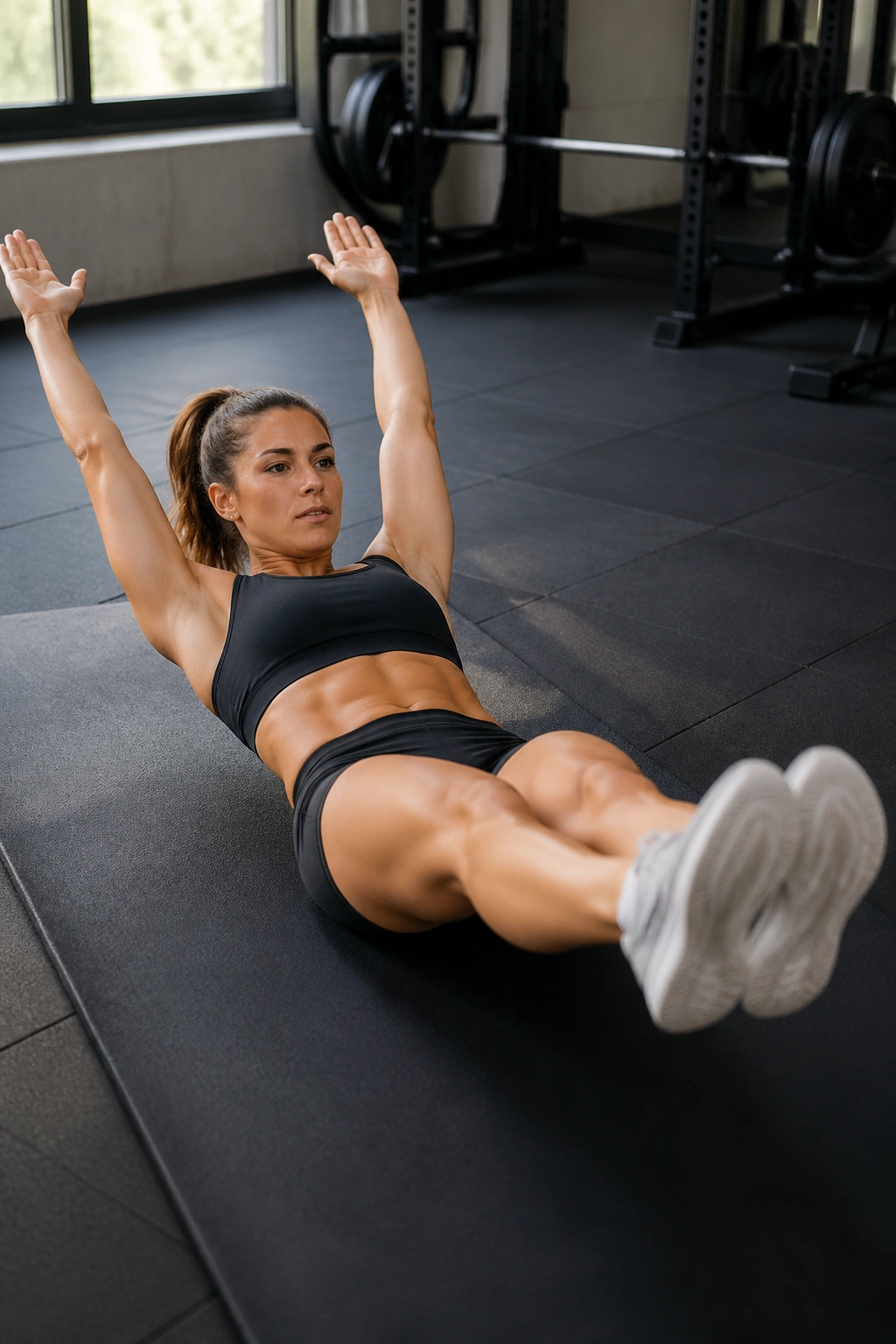
Gymnasts have been using hollow body work forever for a reason. It teaches the trunk how to stay tight when the limbs are long.
Lie on your back, press the lower back into the floor, lift the shoulders, and extend the legs until you can hold the shape without losing contact through the low spine. If that’s too much, bend the knees a little or keep the arms higher. The goal is tension, not collapse.
This isn’t a plank in the classic sense, but it belongs in the same family because it trains the same thing: midline control. A strong hollow position makes planks better, push-ups cleaner, and running posture less sloppy. It also hits the abs hard without needing speed.
A good hold is 15 to 30 seconds. The lower back should stay pinned. If it arches, the hold has gone too long or the lever is too big. Fix the shape, then try again.
14. Plank Saw
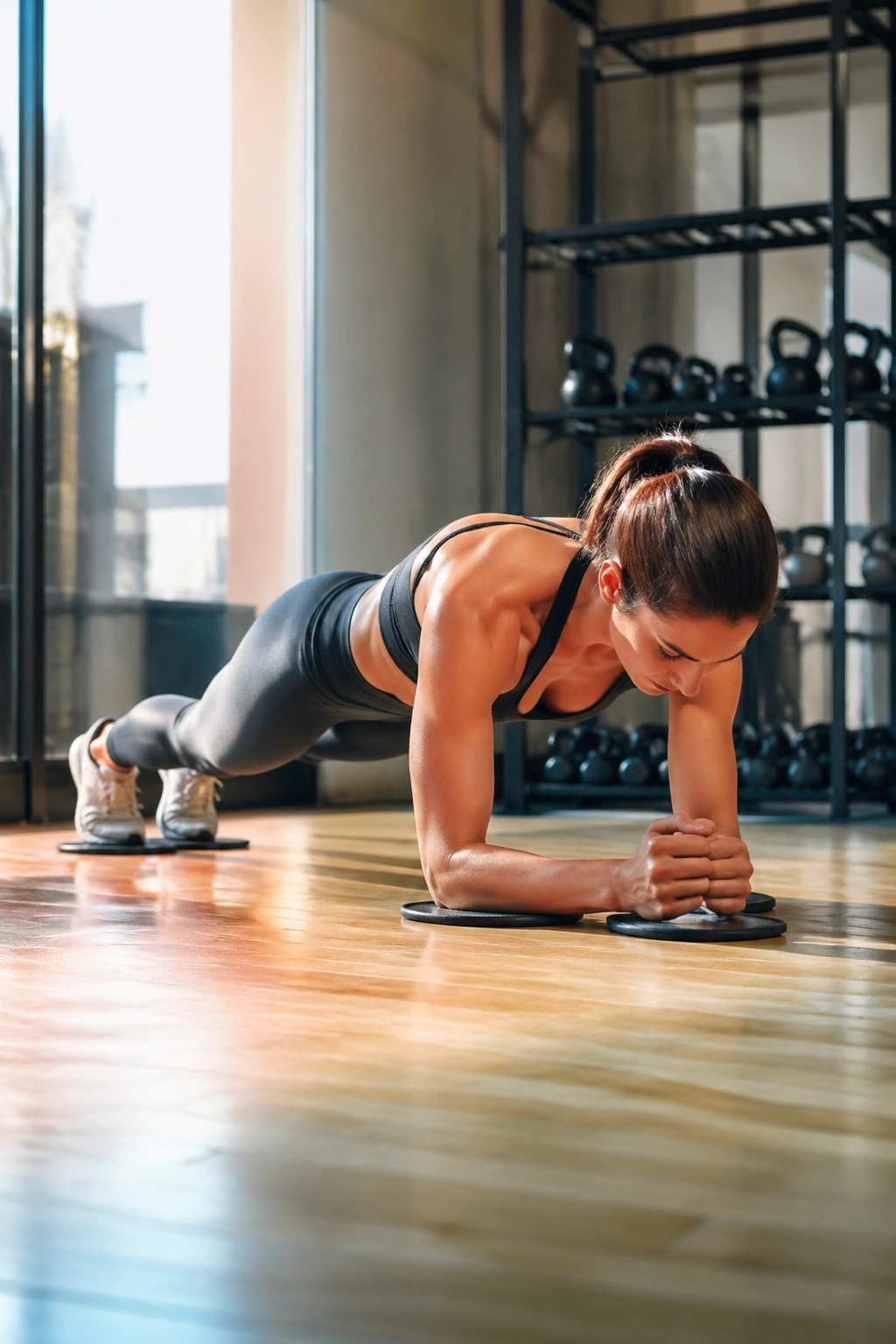
A plank saw is a moving plank with a little bite. You start in a forearm plank and rock the body forward and back just a few inches, usually by using sliders, towels, or a smooth floor.
Unlike a static hold, the body keeps shifting over the elbows. That makes the shoulders, abs, and lats work harder because they have to keep re-centering the torso over and over again. It’s a small motion with a strong payoff.
The Small Things That Matter
Keep the range short. Two to four inches is enough for most people. If the body starts folding or the ribs flare up, the saw got too big.
- Surface: sliders on hardwood or towels on tile work well.
- Rep range: 8 to 12 rocks.
- Warning: if your lower back complains, shorten the motion immediately.
I like this one because it feels controlled and hard at the same time. That combination is rare, and it’s useful.
15. Renegade Row Plank
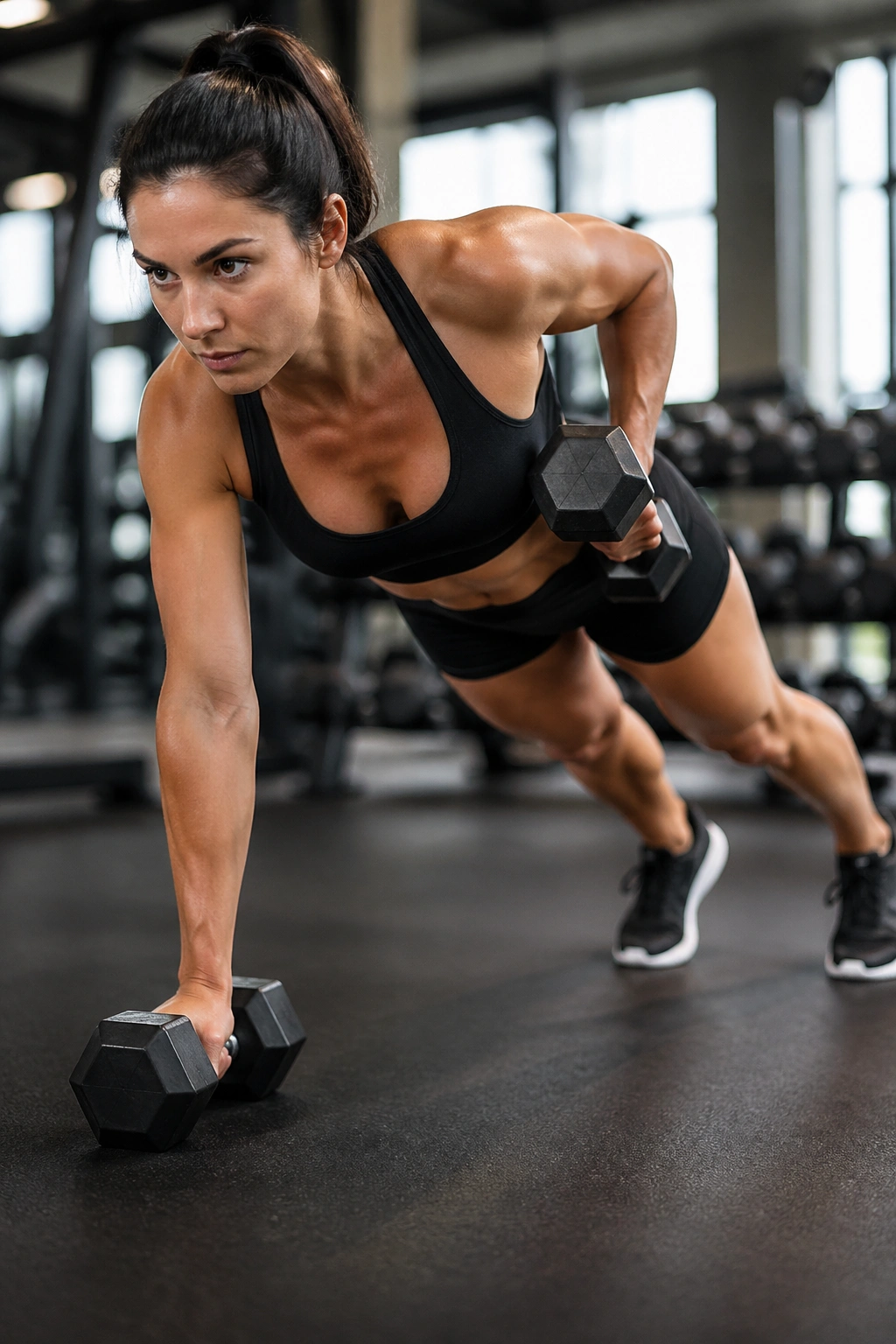
This is one of the best plank variations if you want your core to work while the upper body does something useful. You row one dumbbell while trying not to twist like a towel.
Set the hands on dumbbells or hex dumbbells, feet a little wider than hips, and row one arm at a time. The body wants to spin. Your abs have to stop that. Your grip, lats, and shoulders come along for the ride, which is why this move carries so much value in a fat-loss circuit.
Why I Like It for Fat-Loss Circuits
It does not just hold tension. It loads tension while the body moves. That usually means more demand per minute than a plain plank, especially when the rest periods are short.
- Start light: use dumbbells you can row without shrugging or twisting.
- Do: 6 to 8 rows per side.
- Don’t: pile on weight before you can keep the hips square.
If your feet are narrow, the set will turn into a wrestling match. Widen them. Be smart.
16. Single-Arm Plank
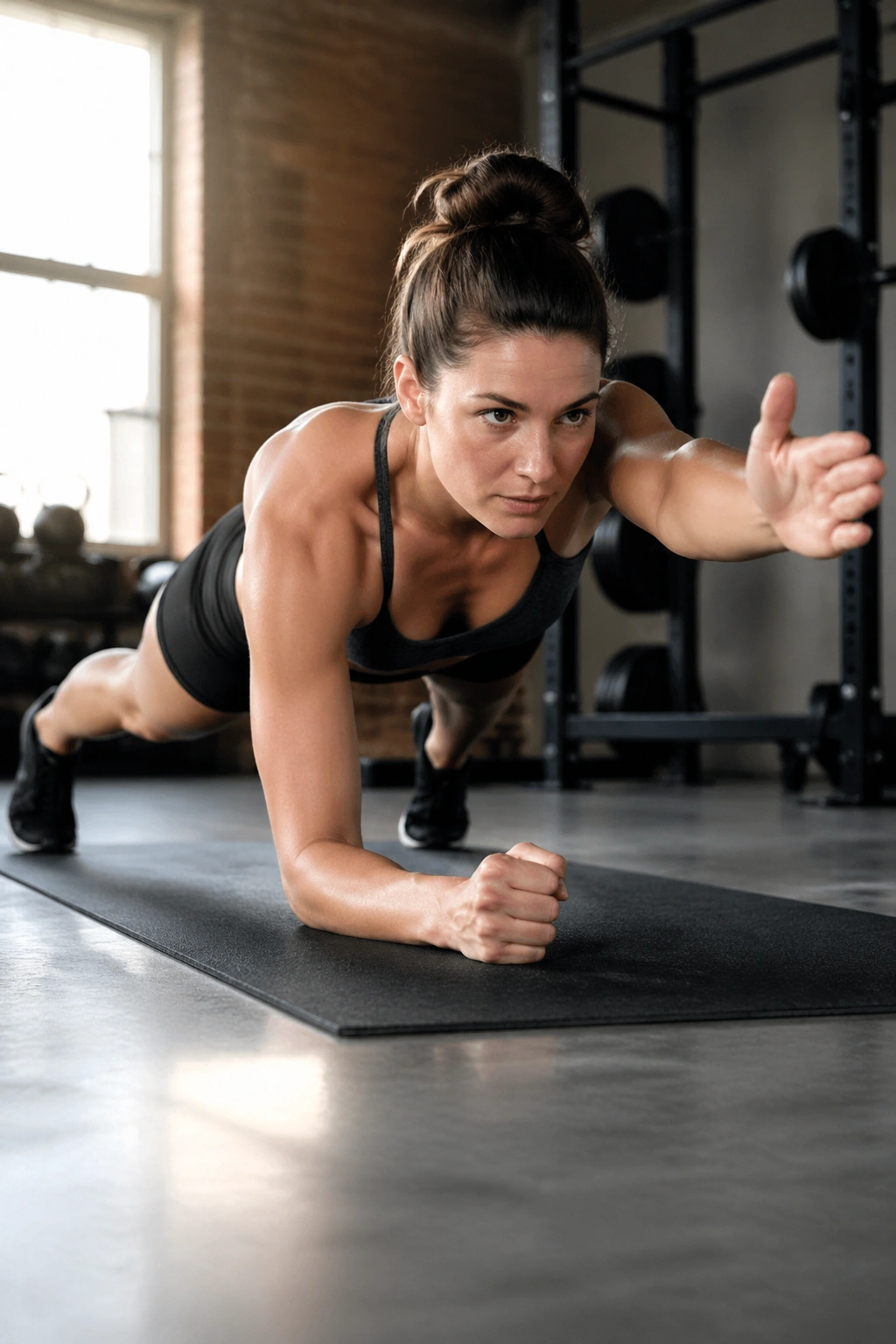
Take one hand away and the body gets honest fast.
A single-arm plank is exactly what it sounds like: one arm supports you while the other reaches forward, out to the side, or stays tucked near the body. The feet need to be wide, and the hips need to stay level. If they tilt, the exercise turns into a side bend.
This one is brutally useful for shoulder stability. The supporting side has to work hard, and the opposite side of the trunk has to resist rotation. It’s a good bridge between normal plank work and more advanced loaded carries or unilateral lifting.
Use short holds first. 10 to 15 seconds per side is enough for most people. If you can keep the torso quiet and breathe without panic, you’re on the right track. If not, go back to a two-hand plank and build from there. No shame in that.
17. Single-Leg Plank
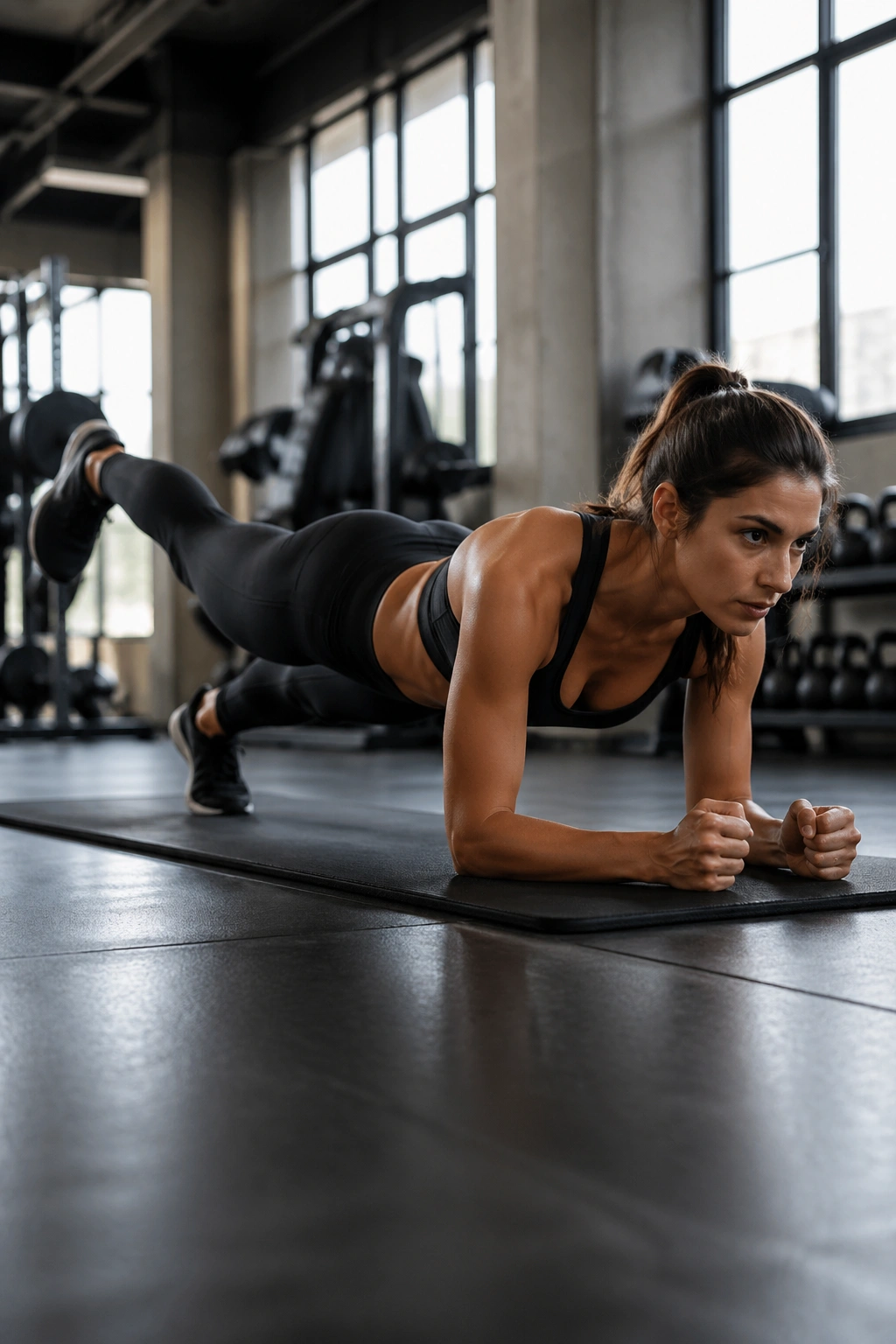
Why lift one foot if both feet are already doing fine? Because one foot off the floor forces the core and glutes to work harder to keep the pelvis from twisting.
Start in a forearm or high plank, then lift one foot a few inches. The movement is tiny. The challenge isn’t. Your hips want to rotate, your glutes want to help, and your ribs need to stay locked down. That makes this variation a sneaky upgrade for anyone who runs, hikes, or wants better control in split-stance strength work.
A clean single-leg plank should feel steady through the shoulders and noisy through the midsection. That’s fine. The goal is to stop the body from drifting, not to look elegant doing it.
Try 15 to 25 seconds per side. If your lower back feels like it’s taking over, lower the foot and reset. The best version is the one you can control without compensation.
18. Stability Ball Plank
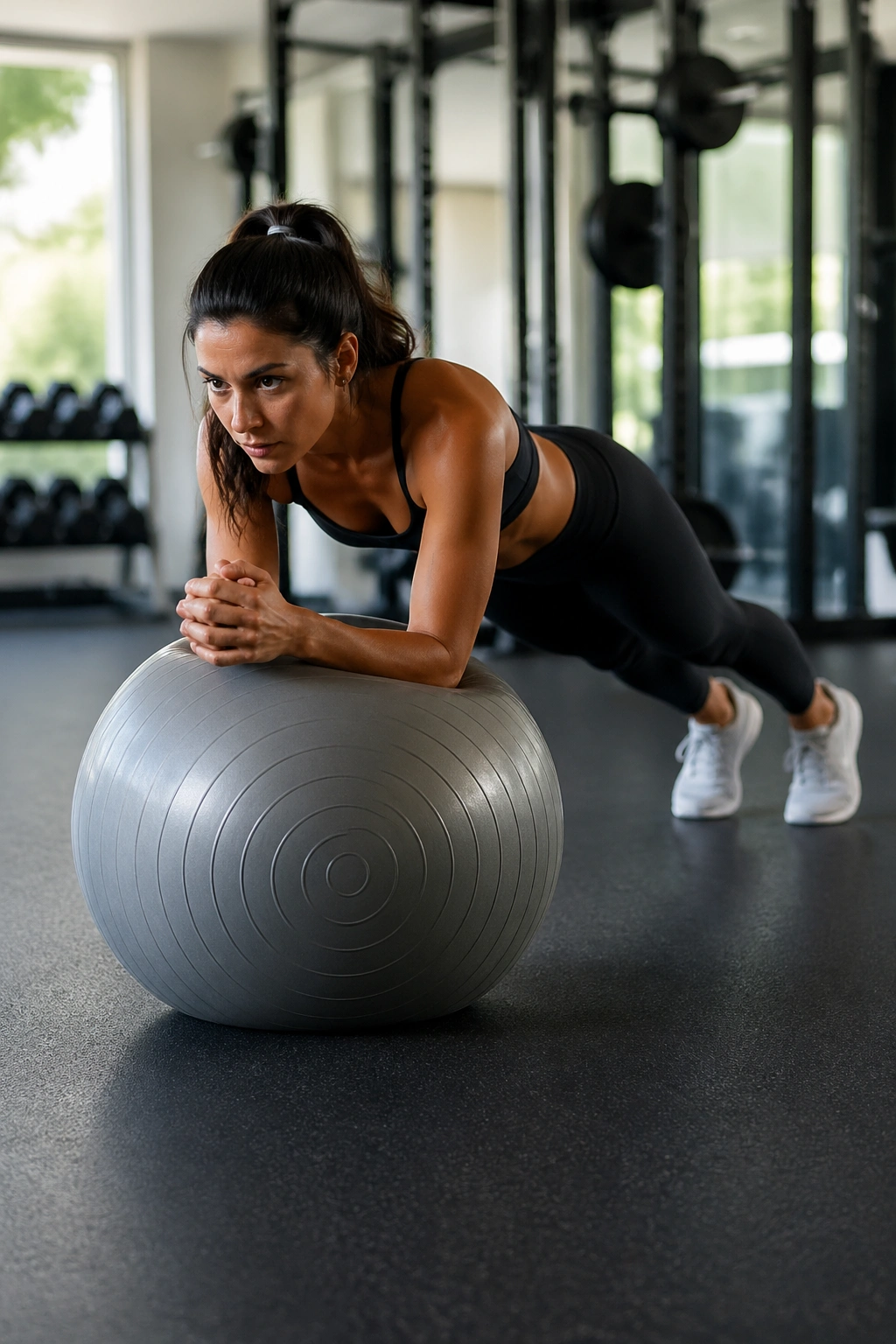
The ball never lets you fully relax, and that is why people hate it and need it.
Place the forearms on a stability ball, walk the feet back, and hold the plank while the ball tries to roll. Your body makes tiny corrections the whole time, which lights up the core, shoulders, and hips in a way a floor plank never quite does. The wobble is the point.
Why the Wobble Matters
The ball creates instability, so the abs have to do more than just hold a line. They have to react. That’s a useful stress if your basic planks are already clean and you want a harder challenge without adding weight.
- Short hold: 20 to 30 seconds is enough.
- Keep: the neck long and the ribs down.
- Avoid: chasing the ball forward so far that your lower back arches.
This is one of those moves that looks gentle until you try it. Then your whole front side wakes up.
19. Feet-On-Ball Plank
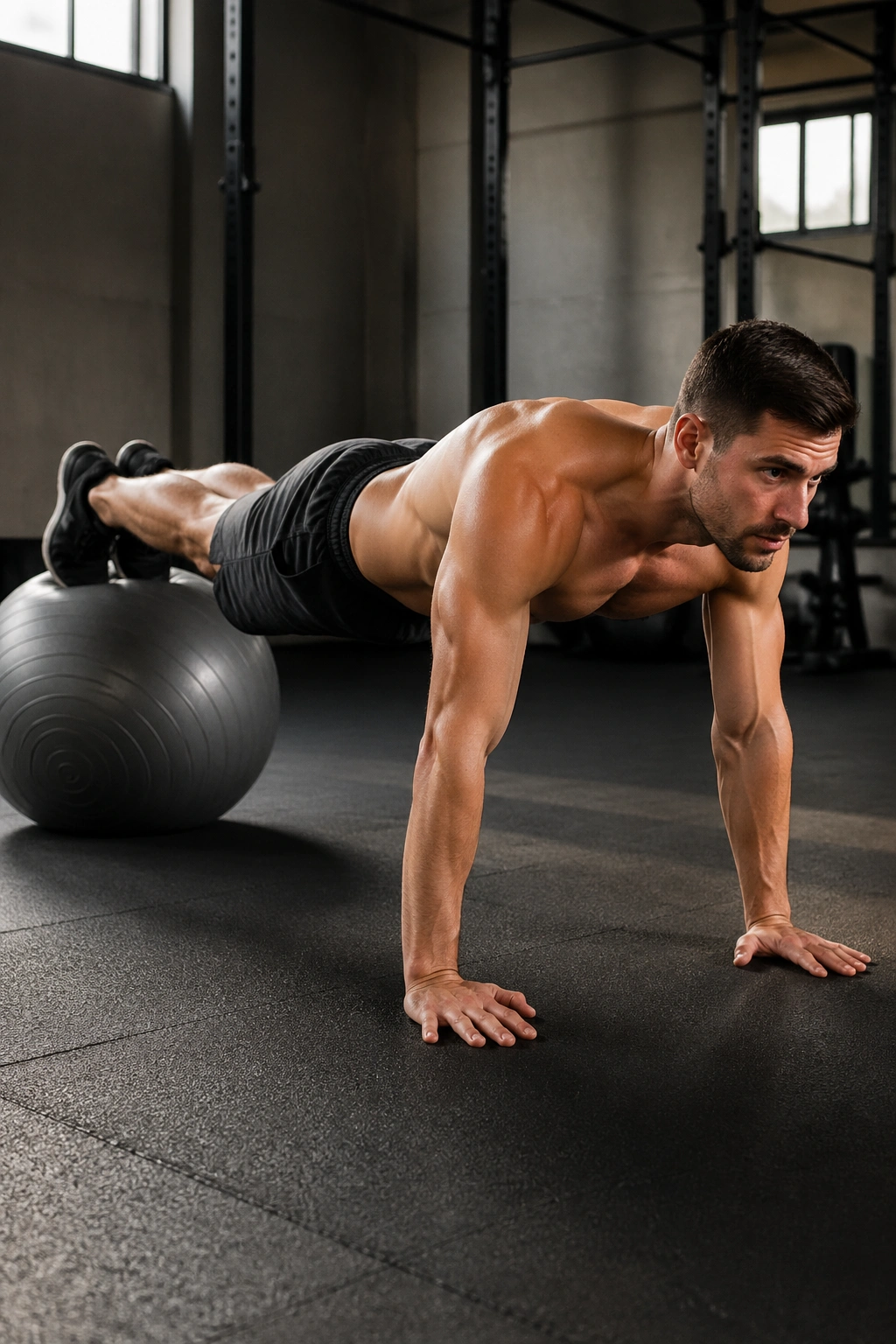
This version feels meaner than the forearm ball plank because the leverage gets longer and the instability shifts under the lower body.
Put the feet on the ball and the hands on the floor. From there, hold a standard plank while the ball tries to roll away. The abs have to brace hard, the glutes have to stay on, and the shoulders have to keep the whole mess from collapsing.
The first few seconds often feel fine. Then the feet start drifting and the core has to catch up. That is the useful part. You are training the body to stay organized when the base is moving underneath you, which is a skill that carries over to sport and to any workout with a lot of floor work.
Keep the set short. 10 to 20 seconds is plenty for most people. Longer is not automatically better if the shape falls apart. Crisp beats heroic.
20. TRX Plank
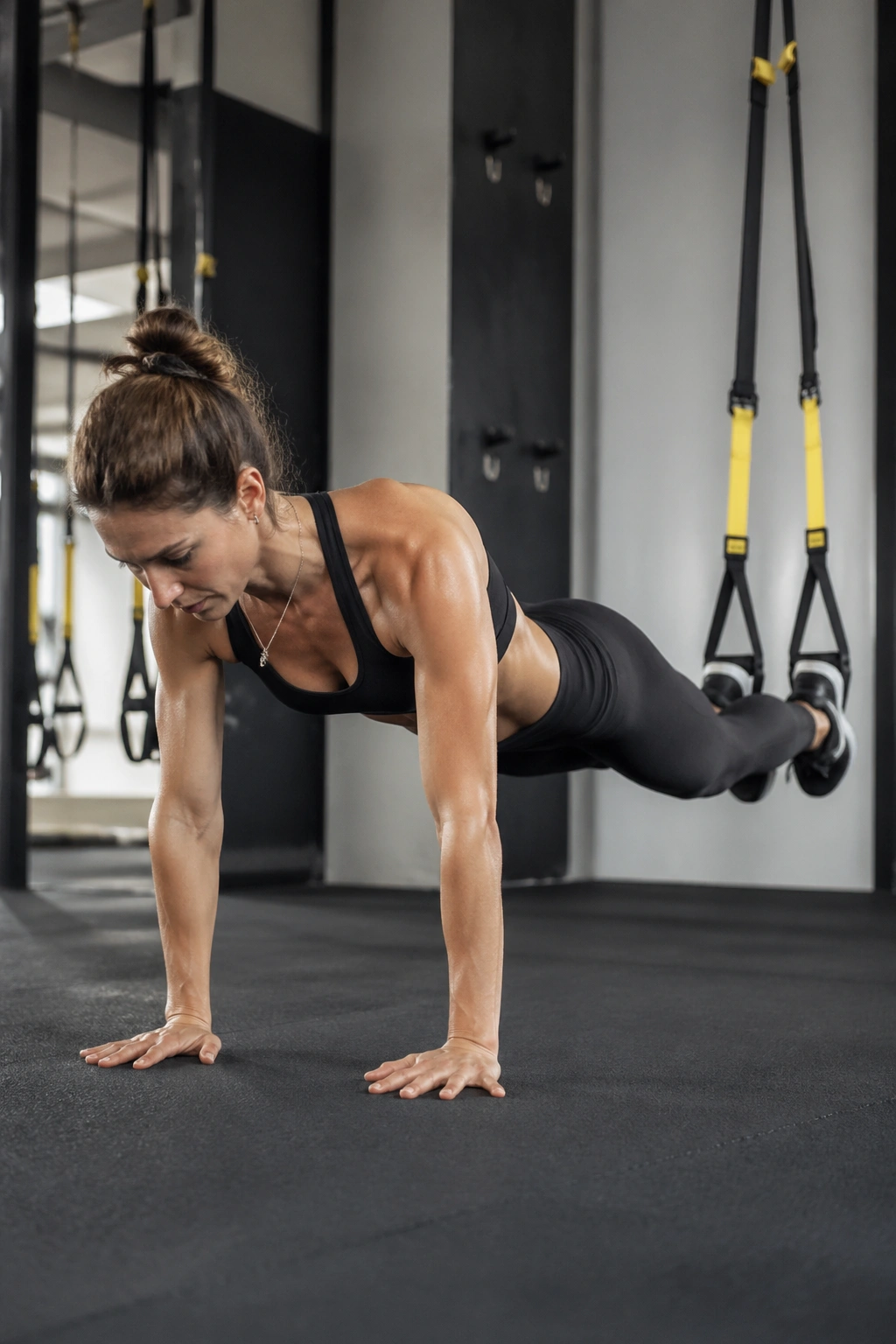
Compared with a floor plank, a TRX plank adds suspension and forces the body to react to every small shift. That’s the appeal.
You can place the feet in the straps and hold a high plank with the hands on the floor, or use the straps to support the forearms depending on the setup. Either way, the instability turns up fast. The core has to brace, the shoulders have to steady the front line, and the hips can’t wander for free.
Who It Fits Best
I like TRX planks for people who are past the basic version and want something that feels athletic without needing heavy equipment. They’re also good for circuits because the setup already makes the body work harder, even before you add movement.
- Hold time: 15 to 25 seconds.
- Setup note: keep the straps even and the feet centered.
- Important: stop before the low back starts to arch.
If a regular plank feels tame, this one has teeth.
21. Weighted Plank
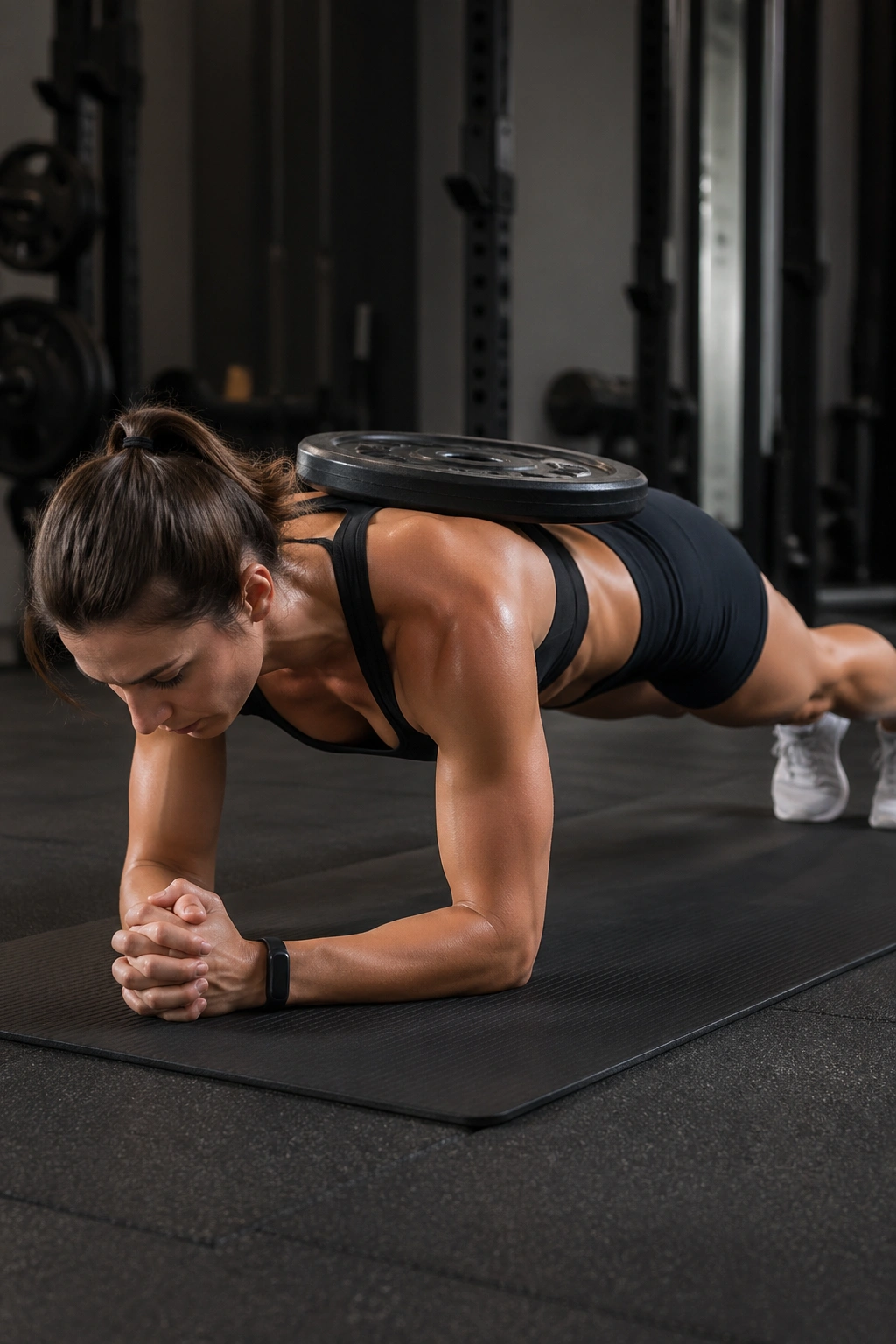
A weighted plank is not about ego. It’s about load.
Once you can hold a clean bodyweight plank for a solid minute, adding a plate, sandbag, or loaded vest can make sense. The weight should sit high on the back, around the shoulder blade area, not down near the lower spine. If it slides, the setup is wrong or the load is too awkward.
The set gets shorter when you add weight, and that is normal. 15 to 30 seconds can be enough. The point is not to survive forever. The point is to make the brace stronger under real pressure.
This variation belongs in the advanced corner of plank work. It gives you more local tension, more shoulder involvement, and a clearer strength stimulus than endless unweighted holds. If your form crumbles, strip the load back off. Fast. A sloppy weighted plank is just a bad plank with extra risk attached.
22. Plank to Pike on Sliders
This is the one I’d put near the end of a workout when I want a plank variation to pull double duty. It hits the abs, shoulders, and hip flexors, and it does it in a way that feels more like a real finisher than a hold.
Start in a high plank with your feet on sliders, towels, or gliding discs. Pull the hips up and back into a pike, then return to the plank under control. The move should look smooth, not jerky. If your knees stay soft and your lower back stays quiet, you’re doing it right.
The pike position asks the core to shorten hard, while the return to plank asks it to brace again. That switch is why the exercise feels so taxing. It also tends to raise the heart rate faster than a plain hold, which makes it useful when the goal is calorie burn and core work at the same time.
If I had to pick a simple plan, I’d choose 3 to 4 plank variations, train them twice a week, and keep the rest of the fat-loss work boring and consistent: walk more, lift something heavy, eat like a grown-up, and stop waiting for one core move to do a whole job it was never built to do.
