



The best leg and glute workouts at the gym are rarely the prettiest ones. A hard squat, a clean hinge, a split stance that makes your whole leg shake — those are the moves that actually change how your lower body feels when you climb stairs, sprint for a bus, or stand up from a low chair without thinking about it. If your current lower-body day is mostly random machines and a few rushed sets, the problem usually isn’t effort. It’s exercise selection.
The legs and glutes respond to load, stretch, and repetition, but they do not all respond to the same thing. Quads like knee bend. Hamstrings like a long lowering phase. Glutes wake up when the hip extends hard against resistance. Miss that mix and you can end up with a session that burns like crazy but does not build much. That part is maddening. Sweat is cheap.
A better lower-body session usually has a spine of big lifts — squat, hinge, thrust, lunge — then a few accessories that fill the gaps. That might mean a hack squat after a barbell squat, or a cable kickback after a heavy hinge, or a sled push when your joints want work without barbell drama. The details matter more than the label on the machine.
The list below leans on movements that earn their place. Some are heavy. Some look almost too simple. A few are humbling in that old-school way that leaves you gripping the rack and staring at the floor for a minute. Good. That usually means they did something useful.
1. Back Squat
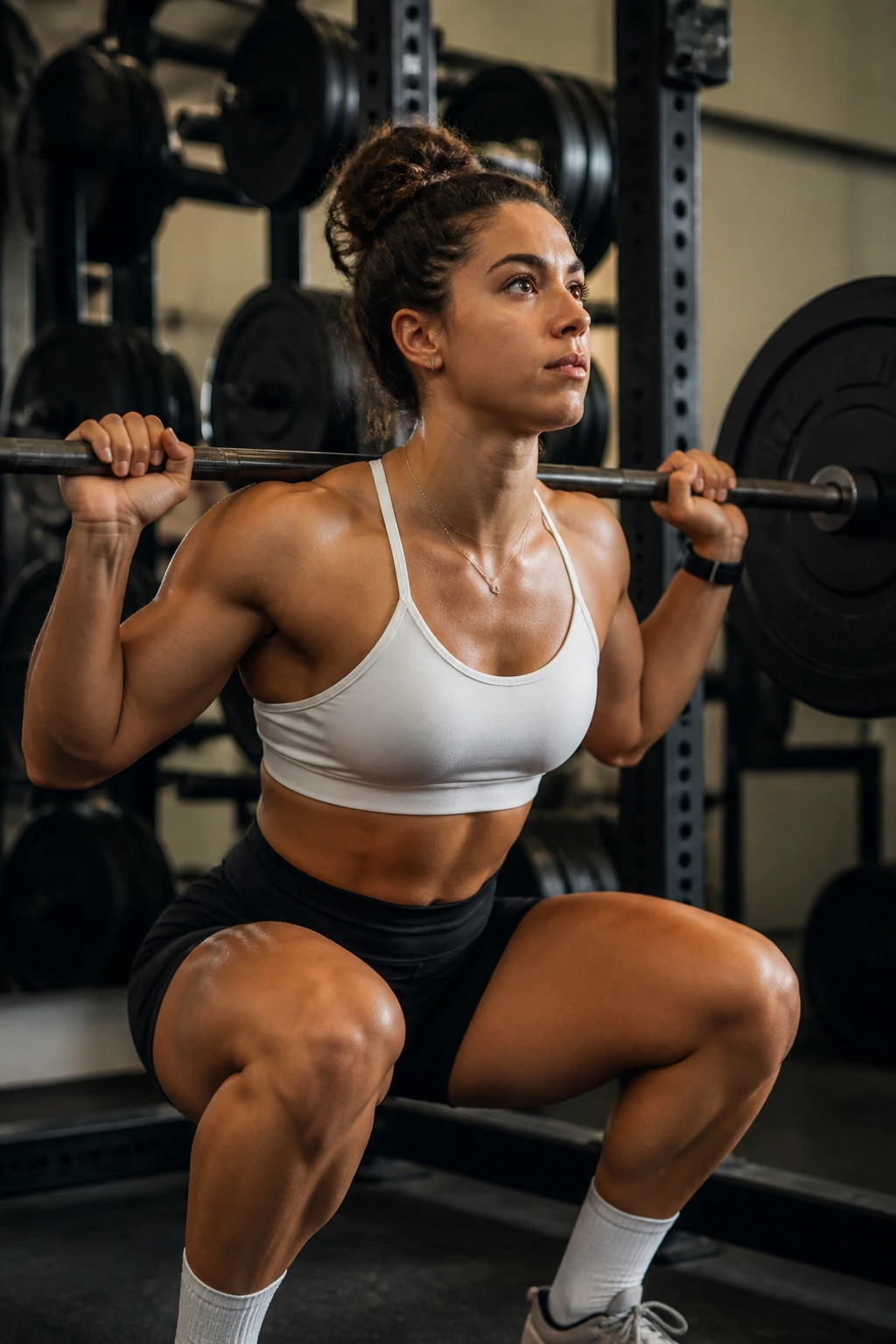
The back squat still earns its reputation because it gives you load, range, and coordination in one lift. If you want a leg movement that taxes quads, glutes, adductors, and your trunk all at once, this is the obvious place to start.
Why It Still Deserves a Spot
A back squat is not magic. It is just brutally efficient. A high-bar version tends to feel more upright and quad-heavy, while a low-bar version shifts more load to the hips and posterior chain. Both work. Pick the one you can own with depth and control.
- Set your feet about shoulder width apart.
- Take a breath and brace before you descend.
- Let your knees travel over your toes if your ankles allow it.
- Stop the rep when your pelvis starts to tuck under hard.
One good rep beats three ugly ones. If you have to cut the depth by an inch to keep your spine stacked, do that and load it well.
2. Barbell Hip Thrust
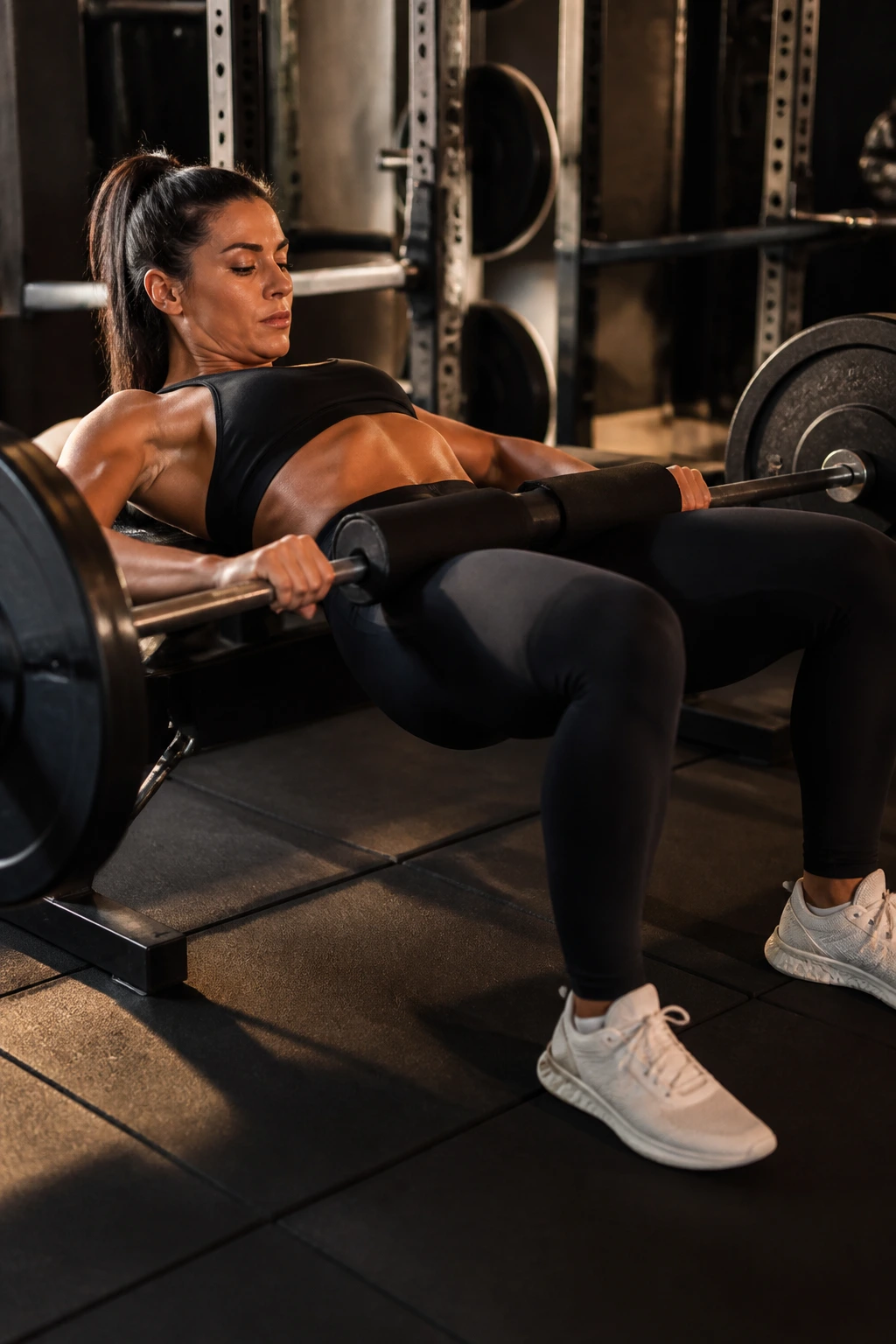
If the glutes are the star of your lower-body day, the hip thrust is hard to ignore. It loads the top half of the movement where the glutes are asked to shorten hard, which is exactly why so many people feel them light up here faster than in a squat.
The best reps do not come from tossing your ribs upward and calling it a lockout. They come from driving through the heels, keeping the chin tucked, and finishing with the pelvis slightly tucked instead of the lower back cranked into extension. That last part matters more than people think. A sloppy finish turns a glute exercise into a low-back shrug.
Use a bench height that lets your upper back stay planted and your shins end up close to vertical at the top. Eight to twelve reps works well for most lifters, and a 1-second squeeze at lockout keeps the movement honest. Heavy. Controlled. No bouncing.
3. Romanian Deadlift
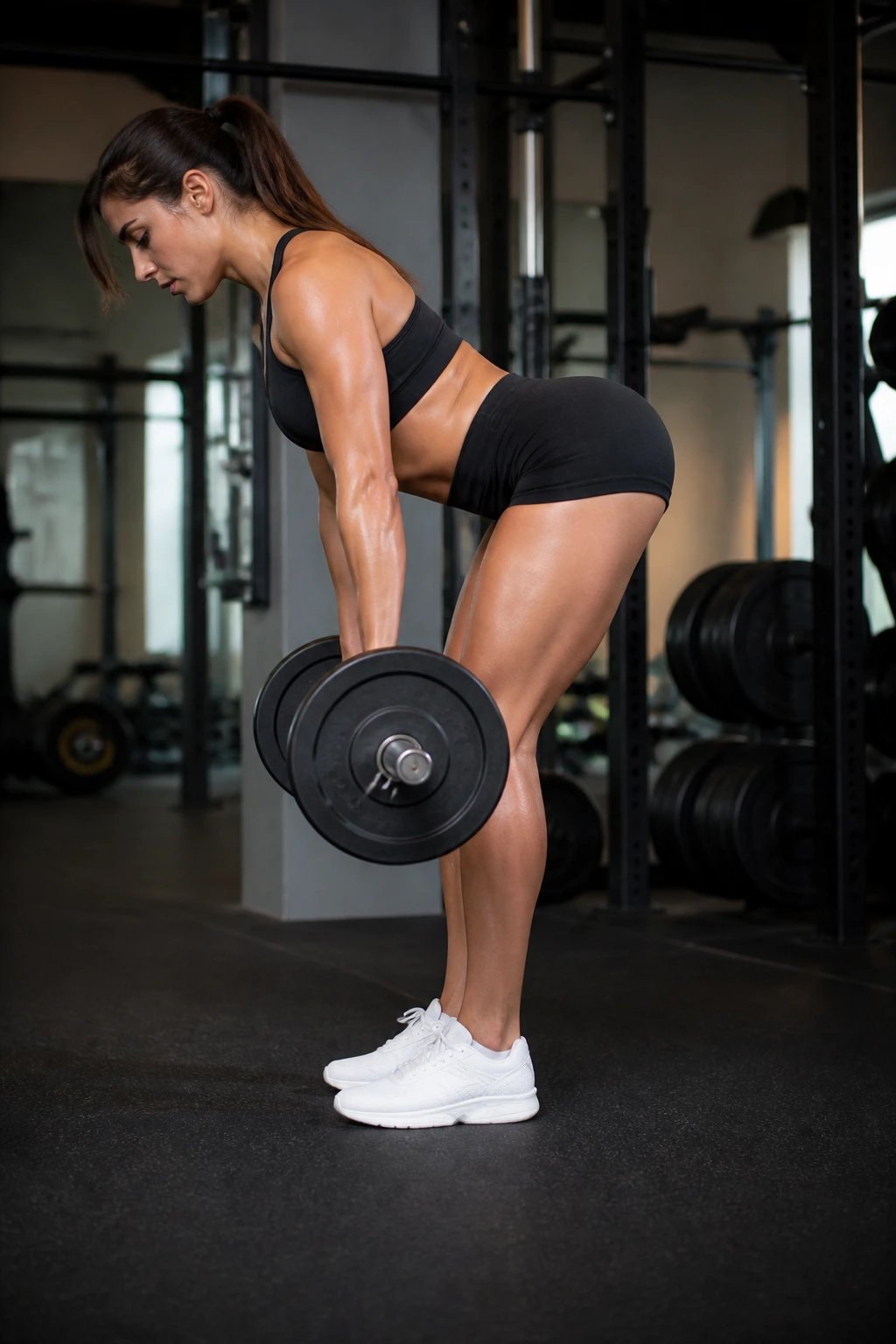
Why does the Romanian deadlift show up in so many serious leg and glute workouts? Because it loads the hamstrings and glutes while they are lengthening, and that stretched position is where a lot of people finally feel the back side of the leg doing real work.
Start with a soft knee bend, then push your hips back until the bar or dumbbells travel to about mid-shin. The weight should stay close to your legs the whole time. If it drifts away, your lower back starts paying for it. That is a bad trade.
How to Use It Well
Keep the descent slow enough that you can feel the hamstrings tighten before the bottom. Then stand by driving the floor away and bringing the hips through, not by yanking the chest up first. Three to four sets of 6 to 10 reps is plenty when the form is clean.
A lot of people call this a hamstring move. Fair. But the glutes matter here too, especially when you are strong enough to resist the bottom position without rounding.
4. Bulgarian Split Squat
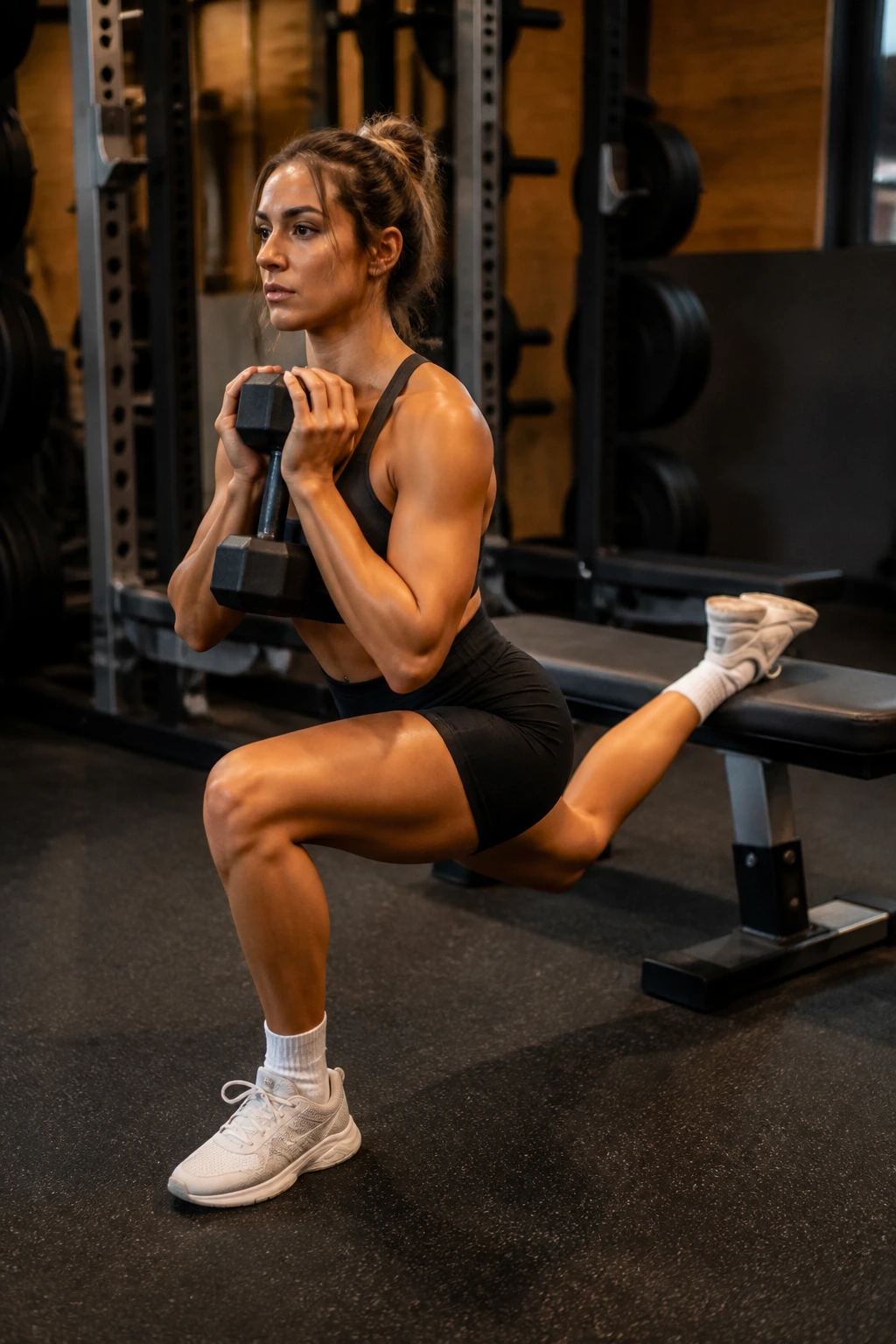
One dumbbell in each hand can make this exercise feel rude fast. The Bulgarian split squat looks like a simple setup, but the front leg gets loaded through a huge range of motion, and that makes it one of the best builders for glutes and quads alike.
The back foot is mostly there for balance. The real work happens in the front leg, especially if you take a longer stance and lean the torso slightly forward. That little lean shifts more tension into the glute and keeps the exercise from turning into a pure quad burner. A shorter stance does the opposite. Useful if you want it, annoying if you don’t.
- Put the back foot on a bench about knee height.
- Step the front foot far enough forward that the front heel stays down.
- Lower until the back knee nearly brushes the floor.
- Drive up through the front midfoot, not the toes.
If your balance is shaky, hold onto a rack with one hand. That is not cheating. That is smart training.
5. Leg Press
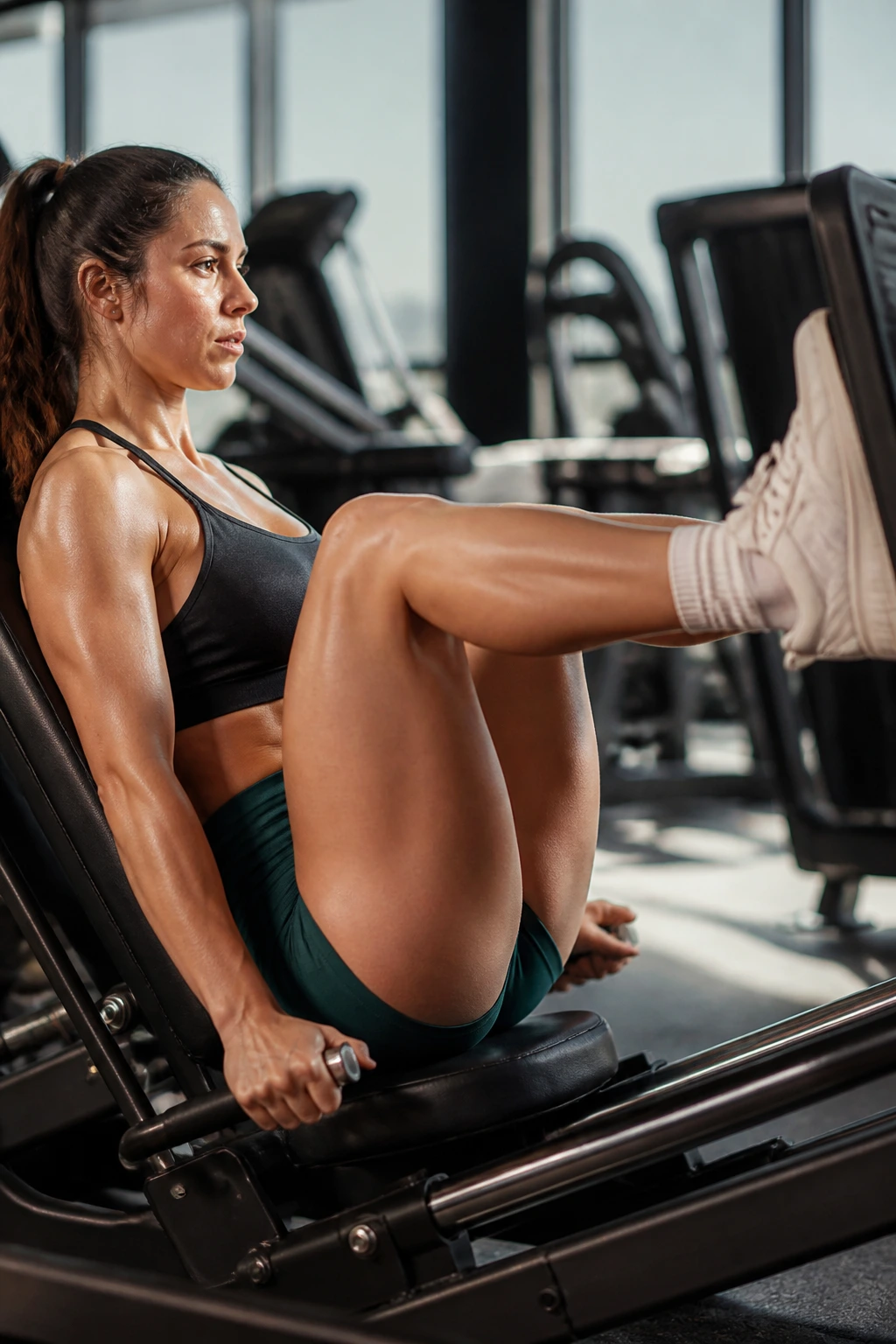
The leg press is boring in the best way. You sit down, pin your back against the pad, and let your legs do the job without worrying about balance or bar path. That makes it a sharp tool for adding volume after a squat or as a main lift when your lower back is fried.
Foot position changes the feel more than most people expect. Higher feet usually bring more glute and hamstring into the rep, while a lower stance biases the quads. Don’t turn it into a partial-rep ego contest. Go deep enough that your hips stay planted and the sled does not crash into the stops.
The machine also lets you load in a way that’s easier to repeat week after week. That matters. A lot of lifters can squat hard one day and then have a slightly different setup the next. The leg press removes some of that noise. Use it to chase clean reps, not a number nobody else cares about.
6. Walking Lunges
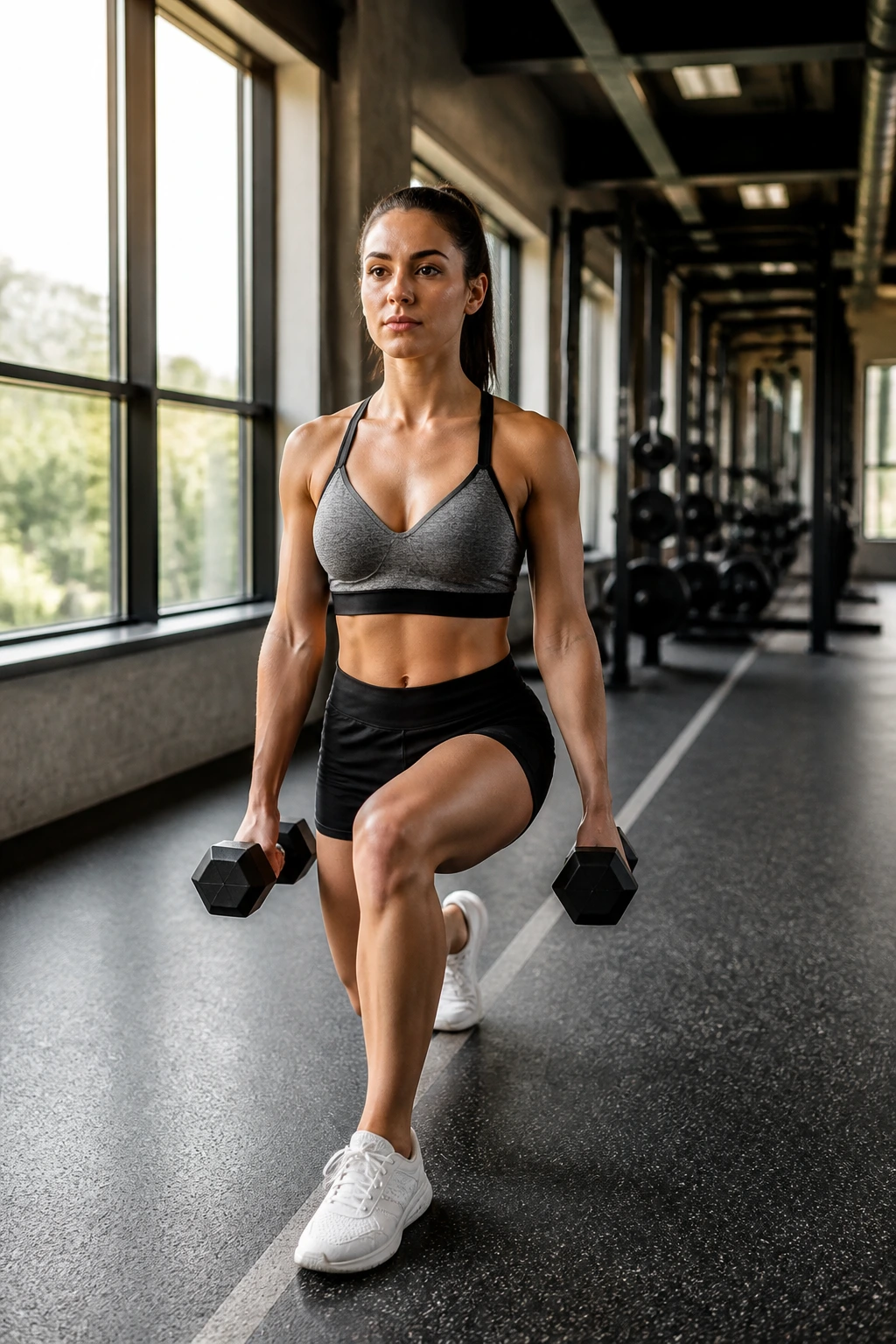
Walking lunges feel different from static lunges because they never quite let the legs relax. Every step becomes a new rep, and that constant movement makes them a sneaky way to build endurance, balance, and glute drive at the same time.
Unlike a reverse lunge, where you step back and reset, the walking version keeps you in motion. That makes it a little messier and a little more tiring. That is the appeal. If you want a lower-body finisher that also teaches you to stay upright under fatigue, this one earns its keep.
Use dumbbells you can carry without shrugging your shoulders up to your ears. Ten to 20 steps per leg is enough for most people. If your front knee caves or your stride gets tiny by the end, shorten the set before your form turns sloppy. Nobody needs a heroic wobble parade.
7. Hack Squat
If barbell squats bother your balance, the hack squat is the blunt answer. The machine locks the path, which lets you focus on depth, tension, and foot position instead of trying not to tip over.
Place your feet low on the platform if you want more quad work. Move them higher if your knees and hips prefer a more glute-friendly version. Either way, keep your back and hips glued to the pad. Do not rock forward to rescue a heavy rep. That’s how a clean machine lift turns into a half-squat with a back complaint attached.
Foot Position Changes the Feel
- Low and narrow: more quad emphasis.
- Higher and slightly wider: more glute and adductor work.
- Controlled bottom: better tension, less joint drama.
- No bounce off the safety stops: cleaner reps.
Some lifters write off the hack squat because it is not as glamorous as a barbell. Fine. It still loads the legs hard, and that is the whole point.
8. Cable Glute Kickback
This is one of the few glute exercises where ego is a liability. If the stack is heavy enough to swing your torso around, it is too heavy.
The best cable kickback happens when you keep the pelvis mostly still, hinge a touch forward, and drive the heel back and slightly up. The range is smaller than people expect. That is normal. A giant kick usually means the low back is taking over. The glute should do the work, not your spine.
A clean set of 12 to 20 reps works well here because the movement is about tension and shape, not max load. Pause for a count at the top and let the glute finish the rep before lowering under control. If you can do 20 messy reps, you picked the wrong weight.
9. Smith Machine Glute Bridge
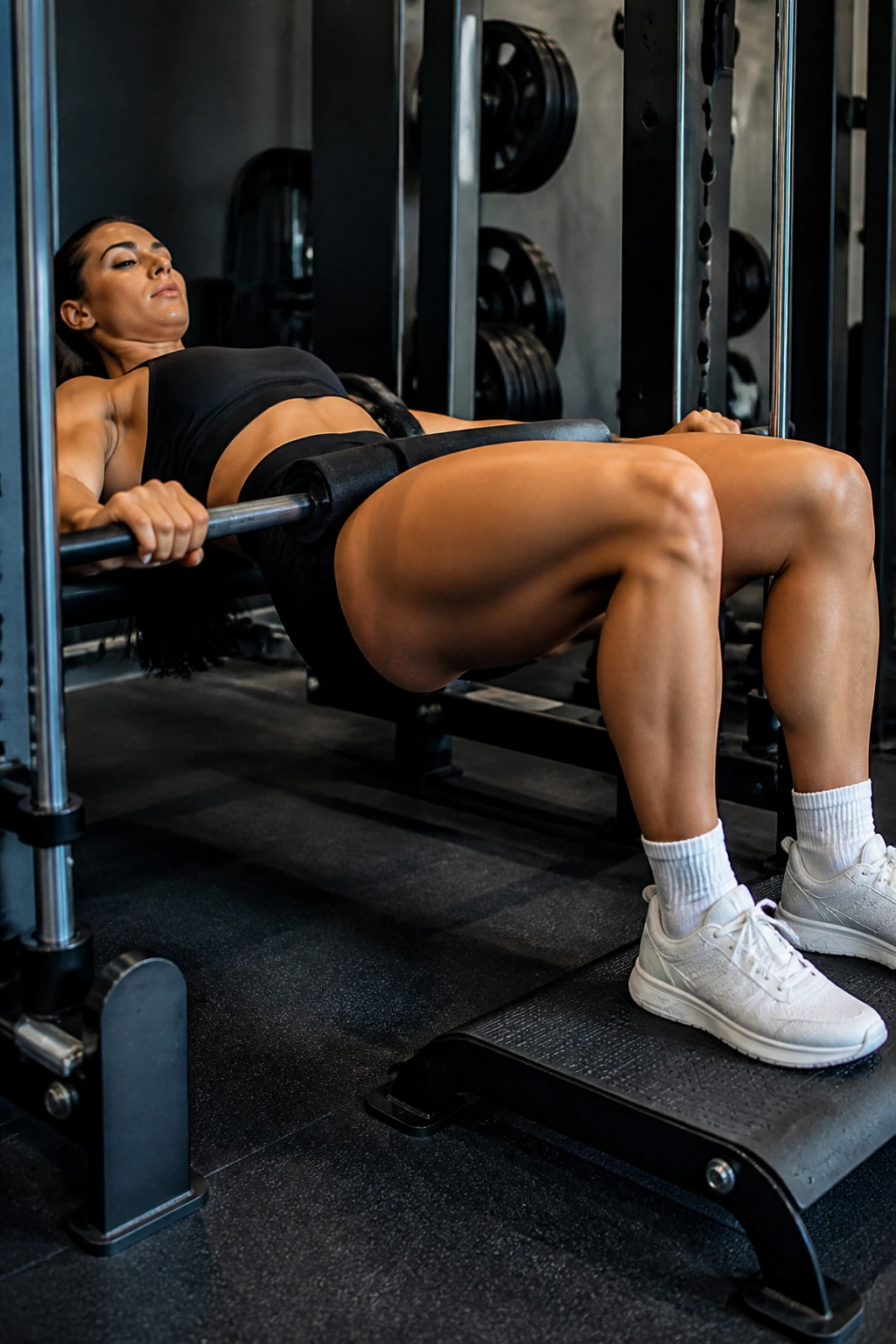
Why use a Smith machine for glute bridges instead of a barbell? Stability. The fixed bar path lets you set your feet, lock in your upper back, and keep the reps smooth without worrying about the bar rolling around on your hips.
That’s the real advantage. You can focus on the squeeze at the top and keep the lower back from overhelping. A lot of people actually get better glute output here than on a free barbell bridge because the setup feels simpler and the reps are easier to repeat.
Try placing your feet far enough away that your shins are close to vertical when you finish the rep. That tends to keep the tension where you want it. A 2-second squeeze at the top turns this from a casual machine move into a proper glute builder. Clean, steady, repeatable.
10. Seated or Lying Leg Curl
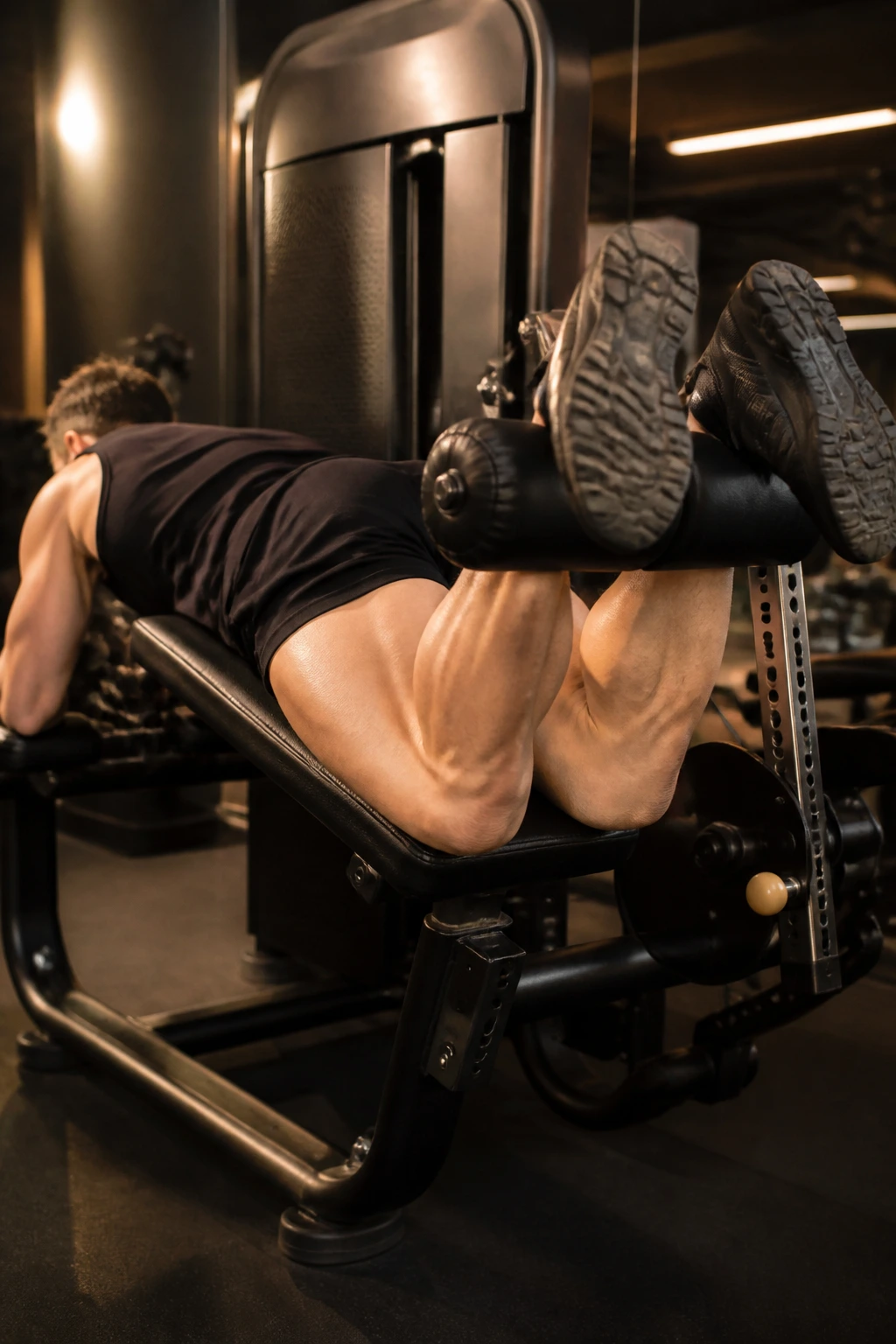
A leg curl looks small compared with a squat, but the hamstrings do not care about your ego. They care about knee flexion and control, and this is one of the cleanest ways to train both.
Seated leg curls usually feel a bit harsher in a good way because the hamstrings start in a longer position. Lying curls can feel easier to set up and a little more forgiving on the lower back. Either one works. Pick the machine that lets you keep your hips pinned and your reps smooth.
What To Watch For
- Keep your hips glued to the pad.
- Lower the weight slowly for 2 to 3 seconds.
- Stop before the stack slams.
- Use a full bend at the knee without cheating the range.
A hamstring curl is not flashy, but it fills a gap that squats and deadlifts leave behind. Skip it and your lower body is usually less balanced than you think.
11. Goblet Squat With Heel Elevation
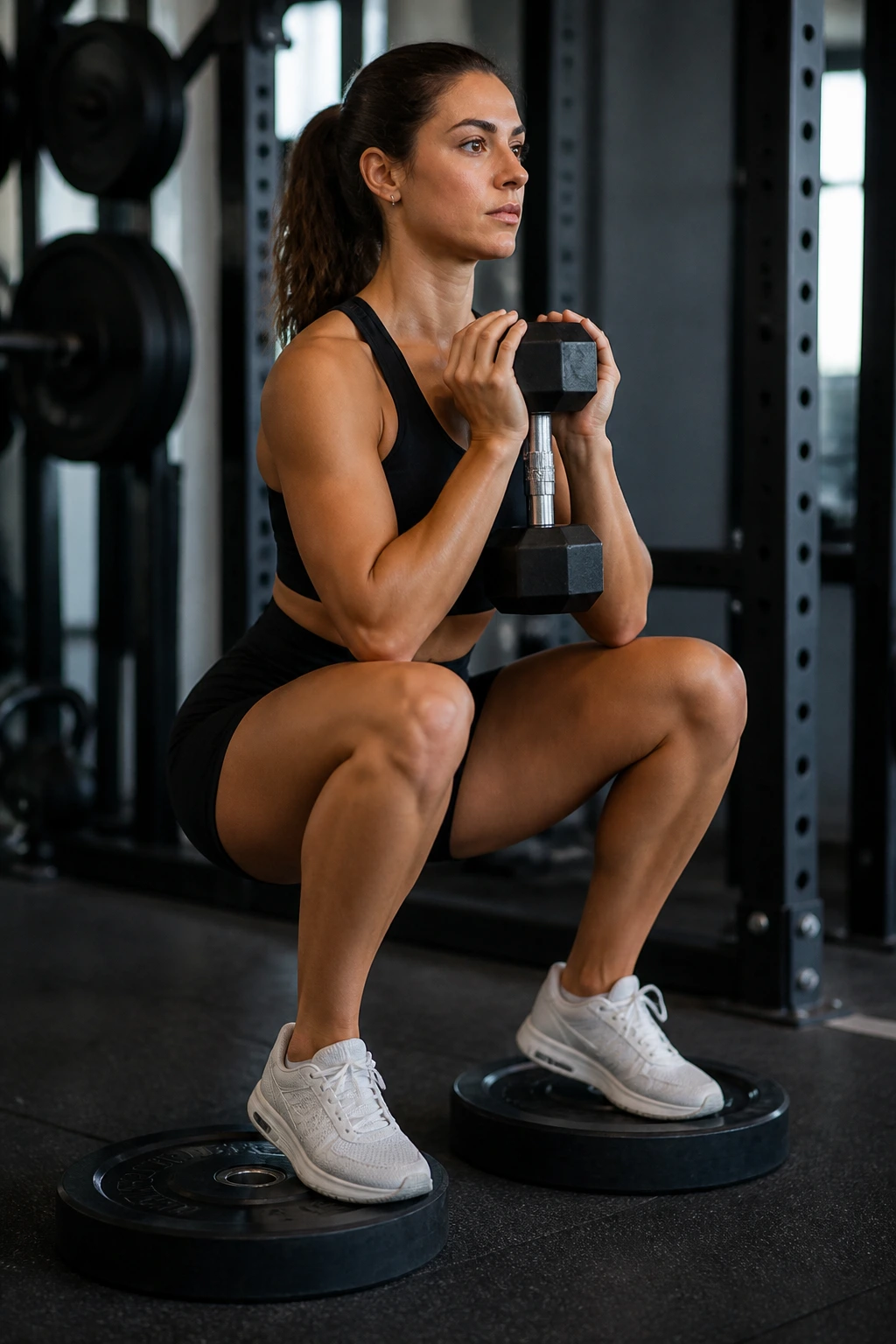
A heel-elevated goblet squat is one of the easiest ways to get more quad work without a barbell on your back. The raised heels let your knees travel forward more comfortably, which helps people with stiff ankles or long femurs stay upright.
This one is useful when you want to squat deep but your body keeps folding in half. Hold a dumbbell tight against your chest, stand on small plates or lifting wedges, and keep the torso tall as you descend. The weight stays centered, so the whole thing feels tidy.
It also makes a good teaching tool. If someone is new to lower-body training, this is a decent place to learn how a squat should feel before loading up the bar. Use 8 to 15 reps, and let the knees move. Fighting that forward travel usually ruins the point.
12. Step-Up
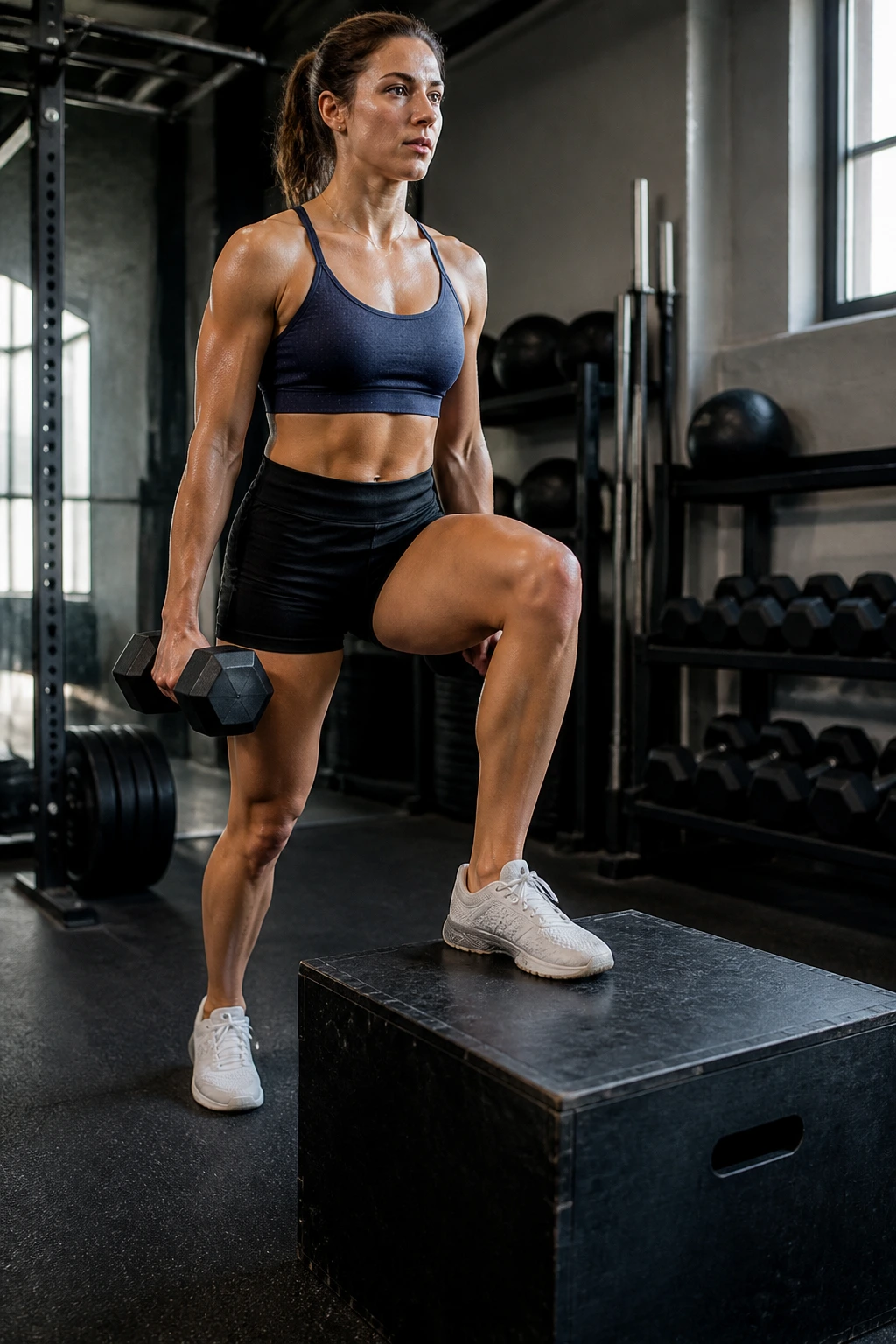
Step-ups look basic until you put a real dumbbell in your hands. Then the working leg has to lift your whole body with one clean drive, and that tells you a lot about side-to-side strength.
The height matters. A box that lands around knee height or a little below is usually enough. Too high, and people start pushing off the back leg or folding at the waist. Too low, and the exercise loses some of its value. The best reps are crisp: one foot on the box, stand fully, then lower with control.
This is a good option if you want a movement that carries over to hiking, field sports, or general life. The transfer is obvious. You stand on one leg, you balance, you drive. Simple. Honest. Harder than it looks.
13. Sumo Deadlift
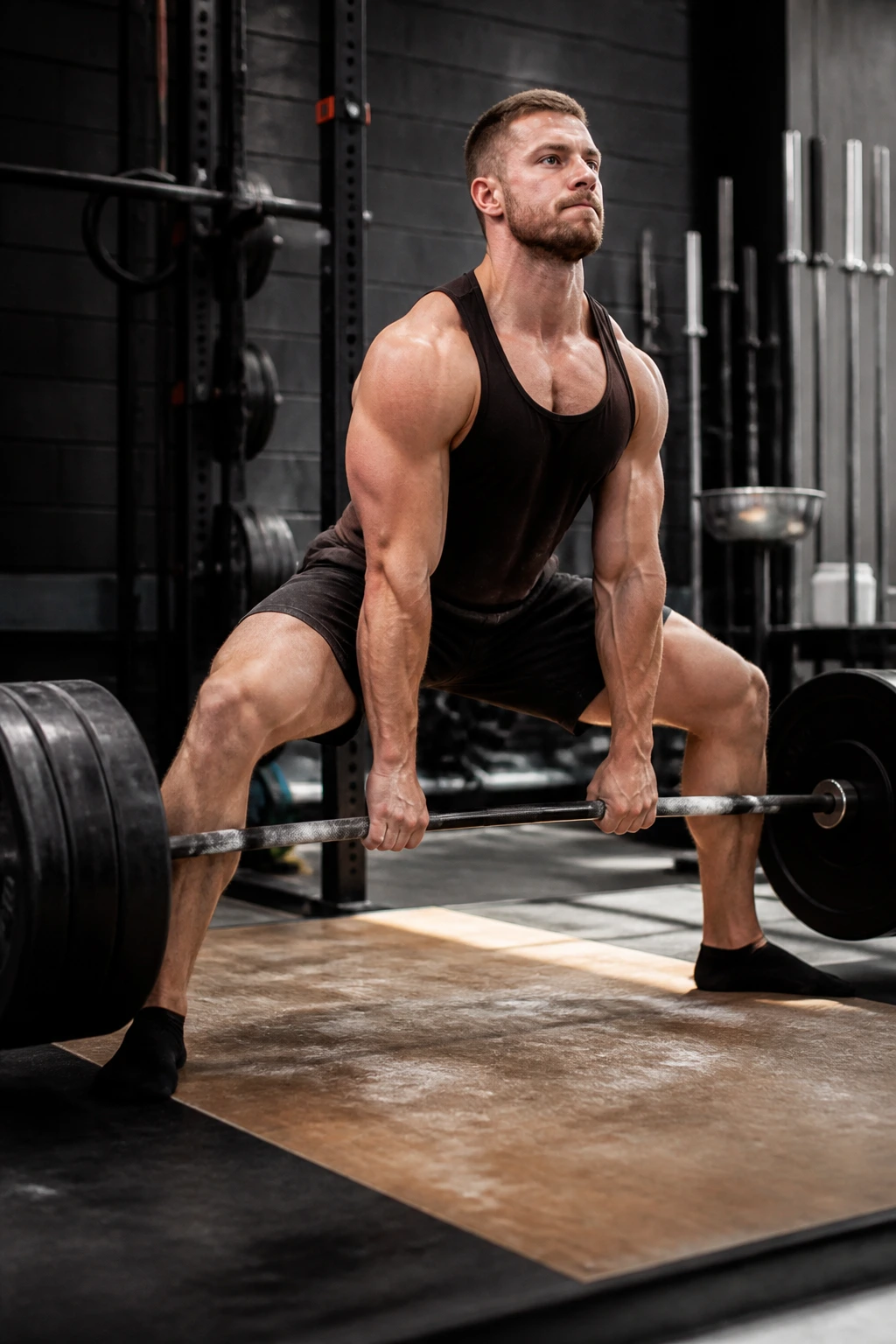
The sumo deadlift is not a shortcut; it is just a different tool. The wide stance changes the leverage and usually brings the adductors and glutes in harder than a narrow conventional pull.
Toe angle matters here. Pointing the feet out about 30 to 45 degrees gives the hips room to open. Your chest should stay proud, the bar should start close to the shins, and the knees need to track over the toes instead of collapsing inward. If you pull sumo like a stiff-legged conventional deadlift, the position will feel awful.
Where It Hits Best
- Glutes at lockout.
- Inner thighs off the floor.
- Quads in the first inch or two.
- Trunk, because it still has to brace hard.
Some people love sumo immediately. Others hate the stance for months. Both reactions are normal. If it feels stable and you can keep the bar path tight, it belongs on the list.
14. Reverse Lunge
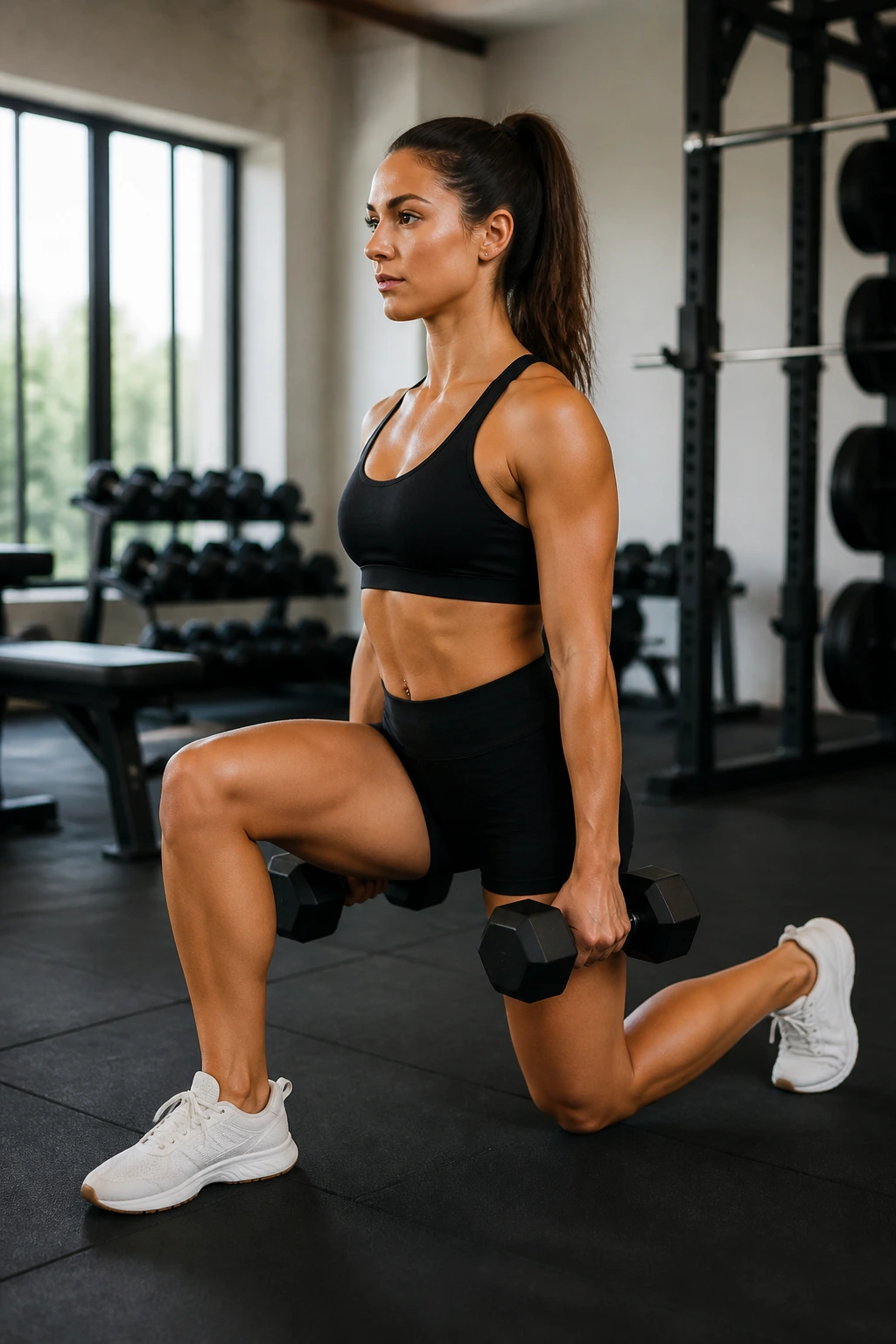
Reverse lunges tend to feel kinder on the knees than forward lunges. That alone makes them a useful choice for people who want single-leg work without a ton of joint irritation.
The backward step lets you control the drop and often keeps the front shin a little more vertical. That can shift the feel into the glutes while still hammering the quads. If you lean the torso slightly forward and keep the front heel planted, the glute demand goes up again. Small change. Big difference.
How To Keep It Clean
Hold dumbbells at your sides, step back far enough to create space, and lower until the back knee is close to the floor. Then drive the floor away with the front leg. Don’t bounce off the bottom. Don’t rush the switch. The exercise works because you have to own each rep.
15. Hip Abduction Machine
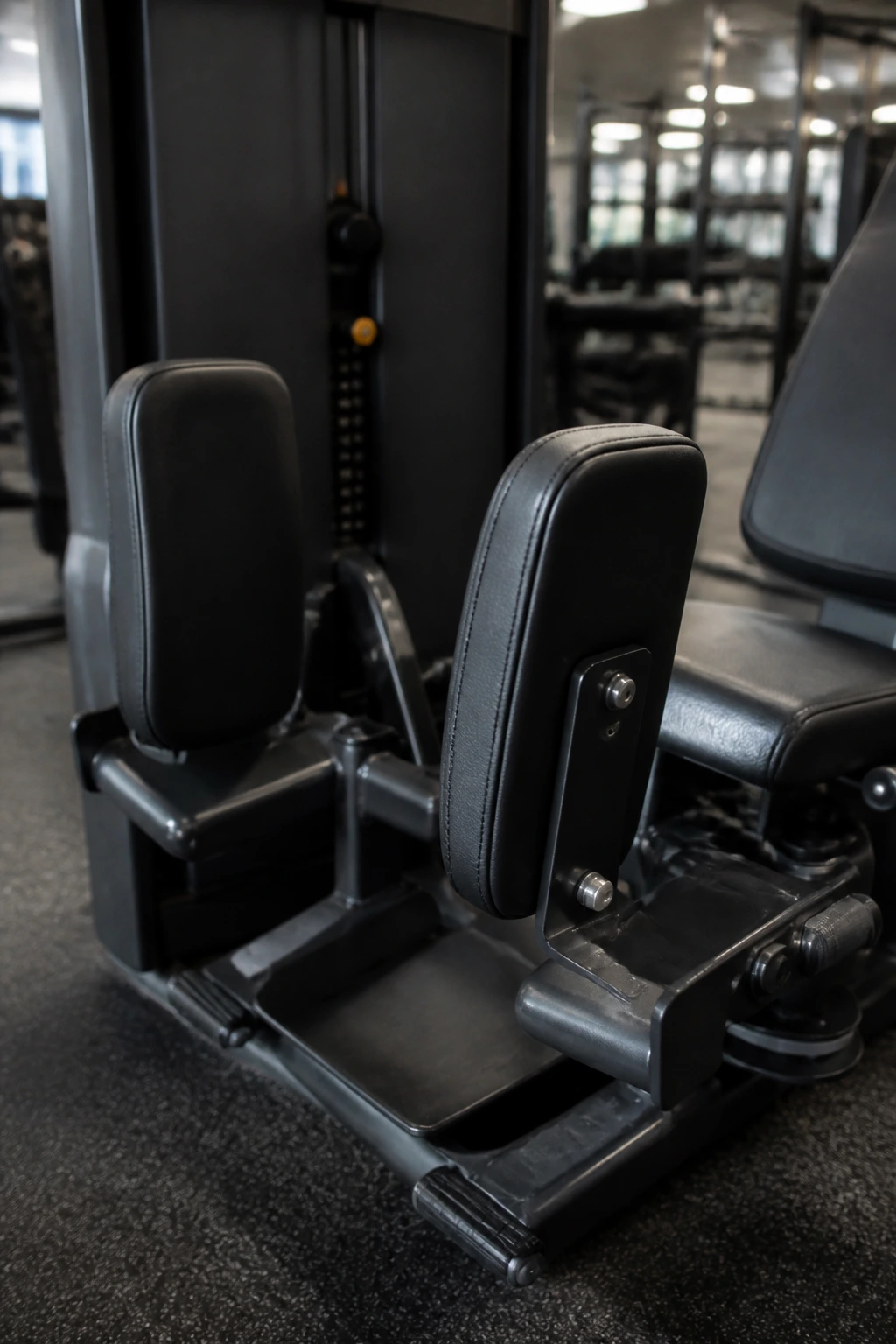
If your outer hips disappear when you train only squats and lunges, the hip abduction machine is worth your time. It trains the glute medius and glute minimus, which help stabilize the pelvis and give the side of the hip more shape and control.
People usually load this machine too heavy and start rocking their torso to move the stack. That is the tell. If your chest is heaving and your lower back is doing half the work, cut the weight. Sit tall, lean slightly forward if that helps you feel the side glutes better, and pause for a beat when the knees are open.
- Use a controlled opening on the way out.
- Hold the stretched-open position for 1 second.
- Return slowly instead of snapping the weight back.
- Keep the pelvis square.
This is not the hero lift. It is the finishing detail. And it matters more than most people admit.
16. Cable Pull-Through
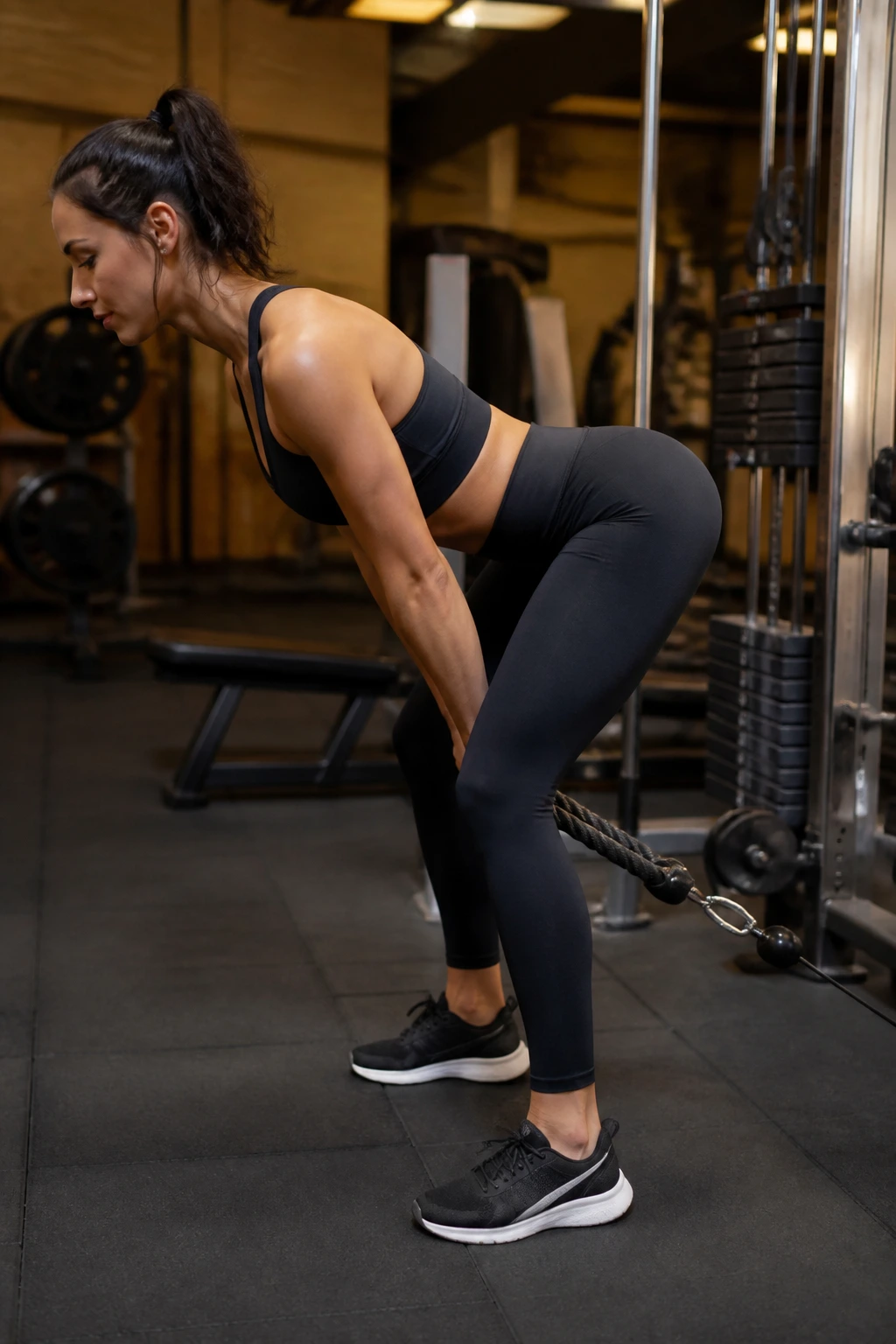
A cable pull-through is one of the nicest hinge patterns in the gym because the cable loads the hips without putting a bar on the spine. That makes it a smart option when you want glute and hamstring work without feeling crushed.
Stand facing away from the stack, rope between the legs, then walk forward until there is tension. Push the hips back, let the chest tip forward naturally, and drive through the hips to stand tall. The arms are just hooks. They should not be yanking the rope or pulling with the shoulders.
Use this move when you want a bit more volume after deadlifts or squats. Ten to 15 reps is a good range. The motion should feel like a hinge, not a weird squat with a rope attached. If it turns into a half-rep bounce, slow down and rebuild it.
17. Front Squat
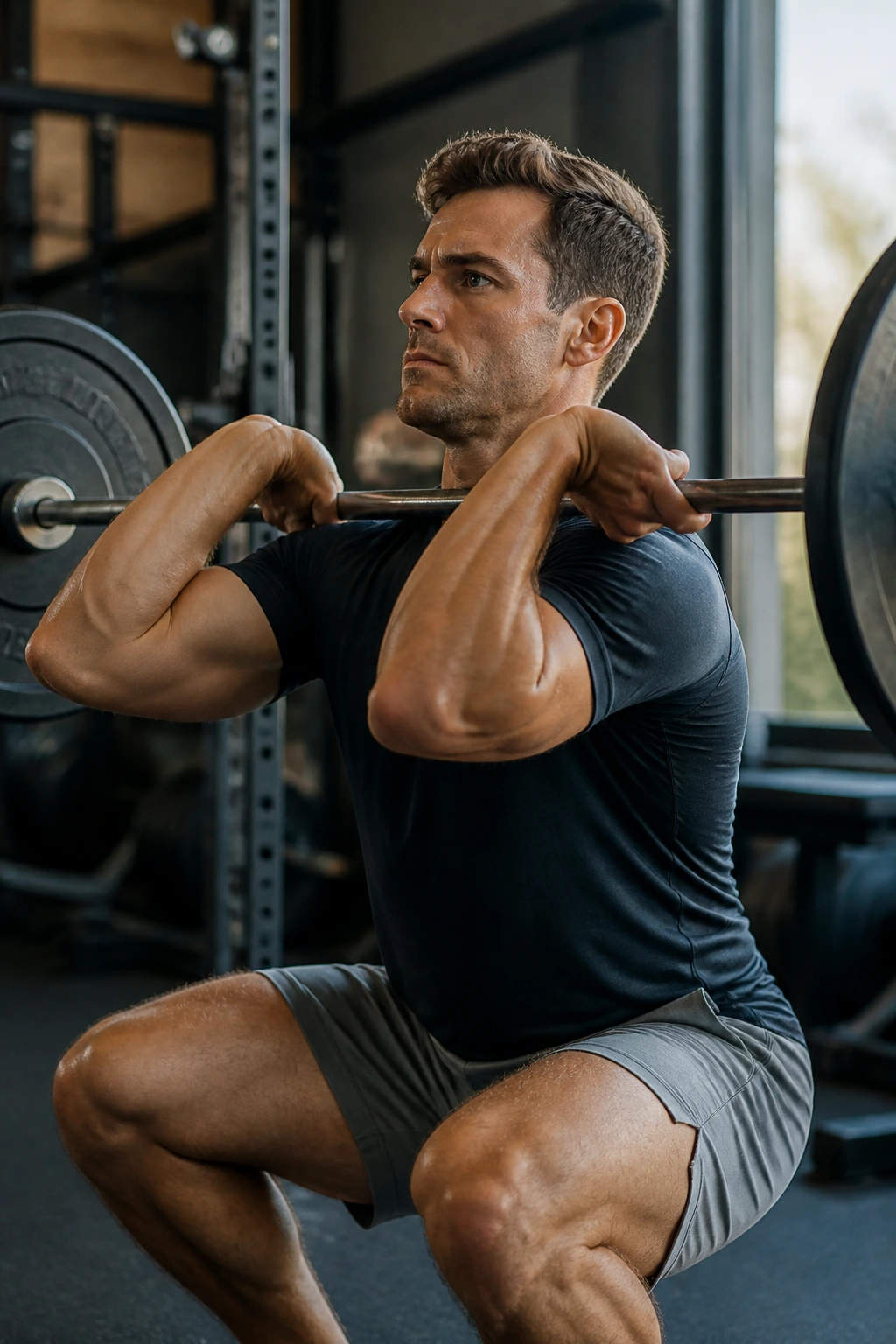
Front squats ask the quads to do more of the heavy lifting because the torso stays more upright. That changes the whole feel of the rep. Less forward lean. More upper-back demand. More knee bend.
They also teach a sort of disciplined bracing that carries over to other lifts. If the chest drops, the bar punishes you fast. If the elbows dive, the rack position falls apart. No mystery there. The exercise gives instant feedback.
People who like back squats often find front squats annoying at first. Fair. The front rack can be awkward, and wrist mobility sometimes gets in the way. Straps around the bar help. So does using a cross-arm grip if that is what your shoulders tolerate. If your goal is front-side leg strength, this is one of the cleanest ways to get it.
18. Curtsy Lunge
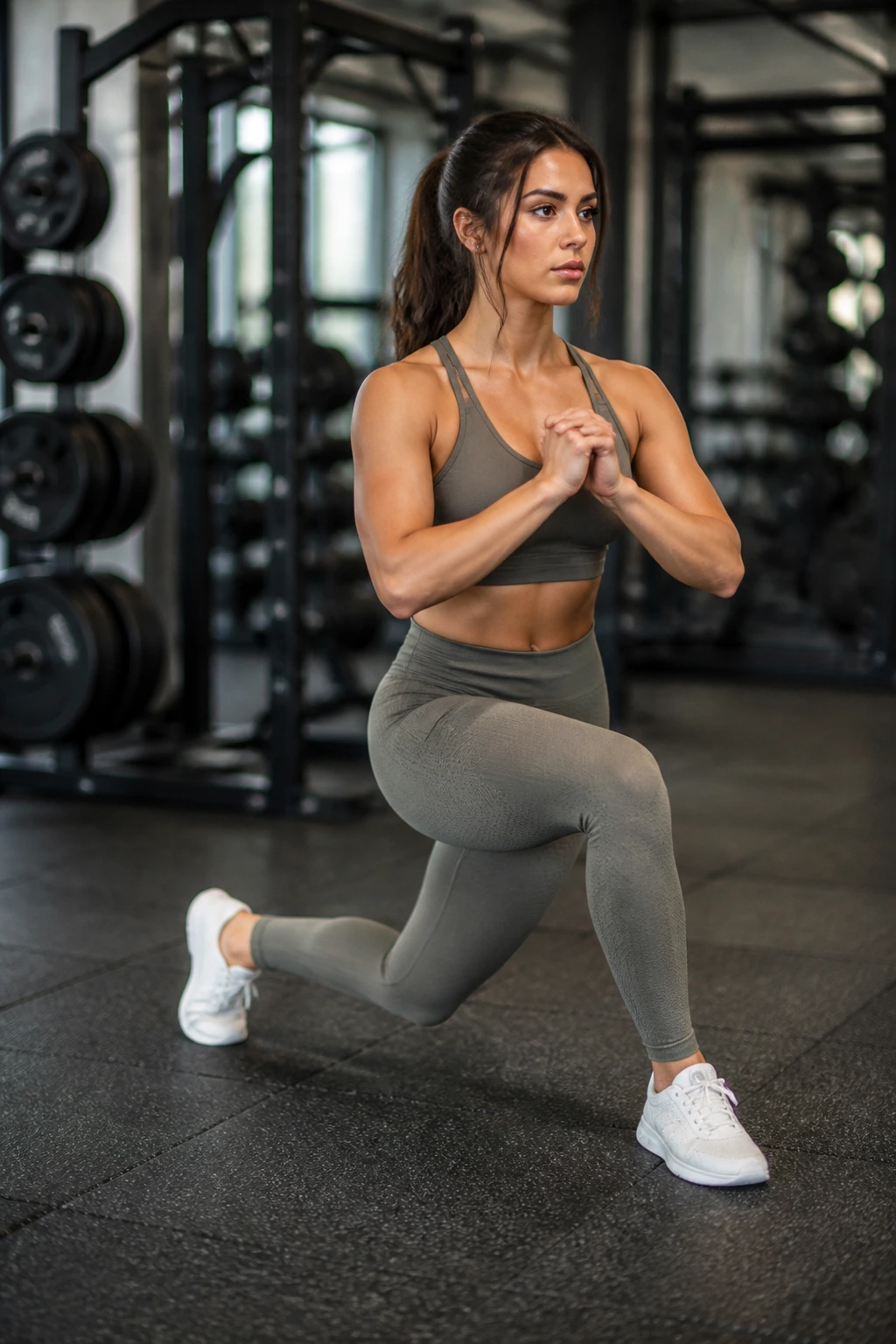
Curtsy lunges are a little divisive, and that is part of why they show up in real programs. The cross-behind step changes the line of pull enough to hit the glute med and adductors in a way a straight lunge does not.
That said, this is not the first move I would give someone with cranky knees. The angle can feel odd if you force a huge range or let the front knee collapse inward. Keep the step modest, stay controlled, and do not chase drama at the bottom.
A shallow curtsy lunge works better than a deep, messy one. That sounds boring. It is not. It is the version that lets you actually feel the side glute do its job instead of turning the rep into a balance contest.
19. Single-Leg Romanian Deadlift
Why do single-leg RDLs show up in so many lower-body sessions? Because they expose weak spots fast. Balance, hip control, and hamstring strength all have to show up together or the rep falls apart.
Hold a dumbbell in the opposite hand of the working leg if you want a little more anti-rotation challenge. Keep a soft knee, hinge the free leg back, and square the hips so they do not twist open. The goal is not to touch the floor. The goal is to feel a long line of tension from the hip into the hamstring while staying steady.
How To Keep Your Hips Square
- Pick one point on the floor and stare at it.
- Reach the back leg long instead of high.
- Keep the dumbbell close to the standing leg.
- Stop the rep before your back rounds.
It is a humbling move. That is why it works.
20. Frog Pumps
Frog pumps are ridiculous in the best possible way. They look almost silly at first glance, then the glutes start burning and the joke is over.
Lie on your back, bring the soles of your feet together, let the knees fall outward, and drive the hips up in short, hard reps. The range is small. The squeeze is not. This is one of those exercises where 20 smooth reps feel harmless and 40 turn into a full-body plea for mercy.
- Keep the low back from over-arching.
- Tuck the chin slightly.
- Use a short, quick rhythm.
- Finish with a hard squeeze at the top.
Frog pumps are not a replacement for heavy hip thrusts or squats. They are a finisher. A good one. Use them when you want blood in the glutes without loading your spine again.
21. Sissy Squat
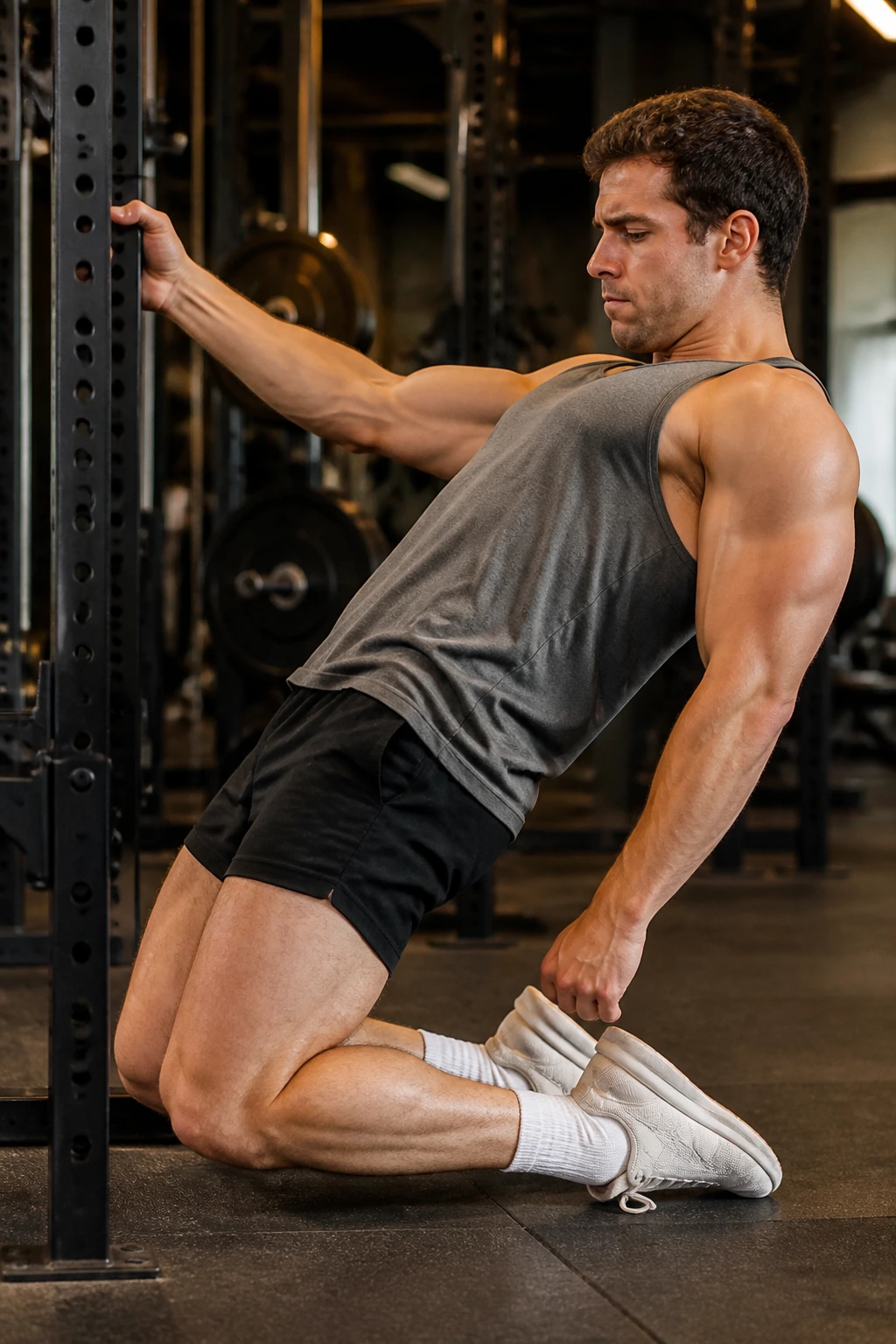
The sissy squat is a quad exercise with a bad reputation, mostly because people rush it. Done carefully, it is a sharp bodyweight or assisted move that loads the front of the thigh in a very direct way.
The knees travel forward a lot here. That is the point. To keep it usable, hold a rack for support and start with a tiny range of motion. As your tolerance improves, let the torso lean back slightly while the hips stay extended and the heels remain planted. It feels strange at first. Then it starts to feel like one of the purest quad burners in the room.
This is not the move to force if your knees are already angry. But if you can tolerate it, the exercise teaches control and lights up a part of the leg many lifters barely touch.
22. Cable Donkey Kick
A cable donkey kick is basically the stricter cousin of a kickback. The bent knee shortens the lever, which can make it easier to isolate the glute without the hamstrings taking over as much.
You stay hinged, brace the torso, and drive the sole of the foot up and back against the cable. Keep the pelvis steady. If the low back starts arching hard, the rep is drifting away from the glute and into lower-back compensation. Nobody wants that.
This version is handy when straight-leg kickbacks feel awkward or when you want a slightly different angle on the same muscle. Ten to 15 controlled reps is usually enough. Chase the squeeze, not a giant arc.
23. B-Stance Hip Thrust
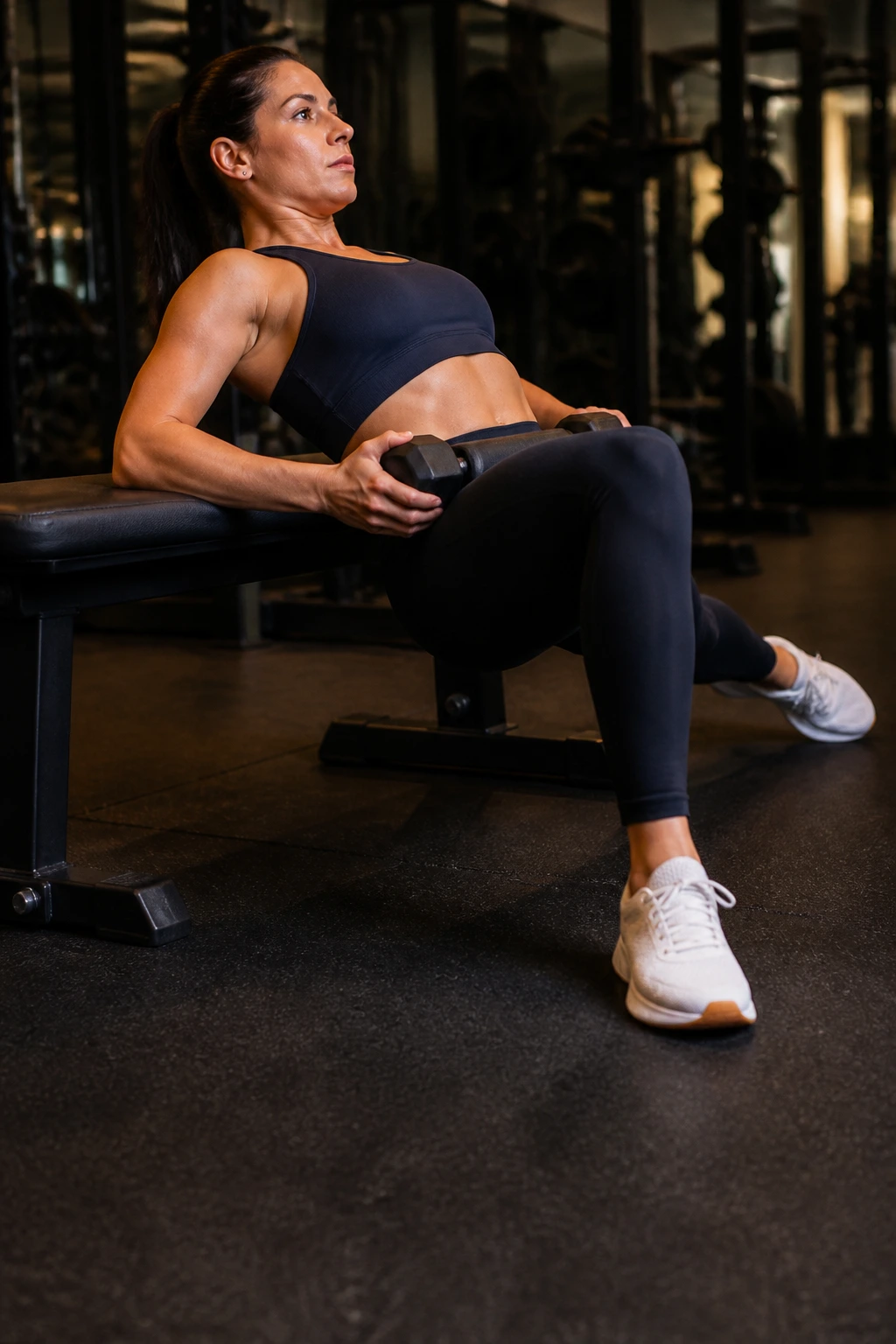
The B-stance hip thrust is one of the cleanest ways to train one side a little harder without the wobble of a full single-leg bridge. One foot does most of the work, and the other stays just there for balance.
That 80/20 load split makes it easier to spot asymmetries. If one side feels weaker, you will know fast. The setup is simple: one foot planted solidly, the other slightly forward with the toe touching lightly. Then drive through the working heel and finish the rep with the same pelvic tuck you would use on a standard thrust.
This is a smart choice after heavy bilateral work, when you want more glute volume but do not want to turn the session into a circus act. It gives you the one-side-at-a-time feel without requiring heroic balance.
24. Box Squat
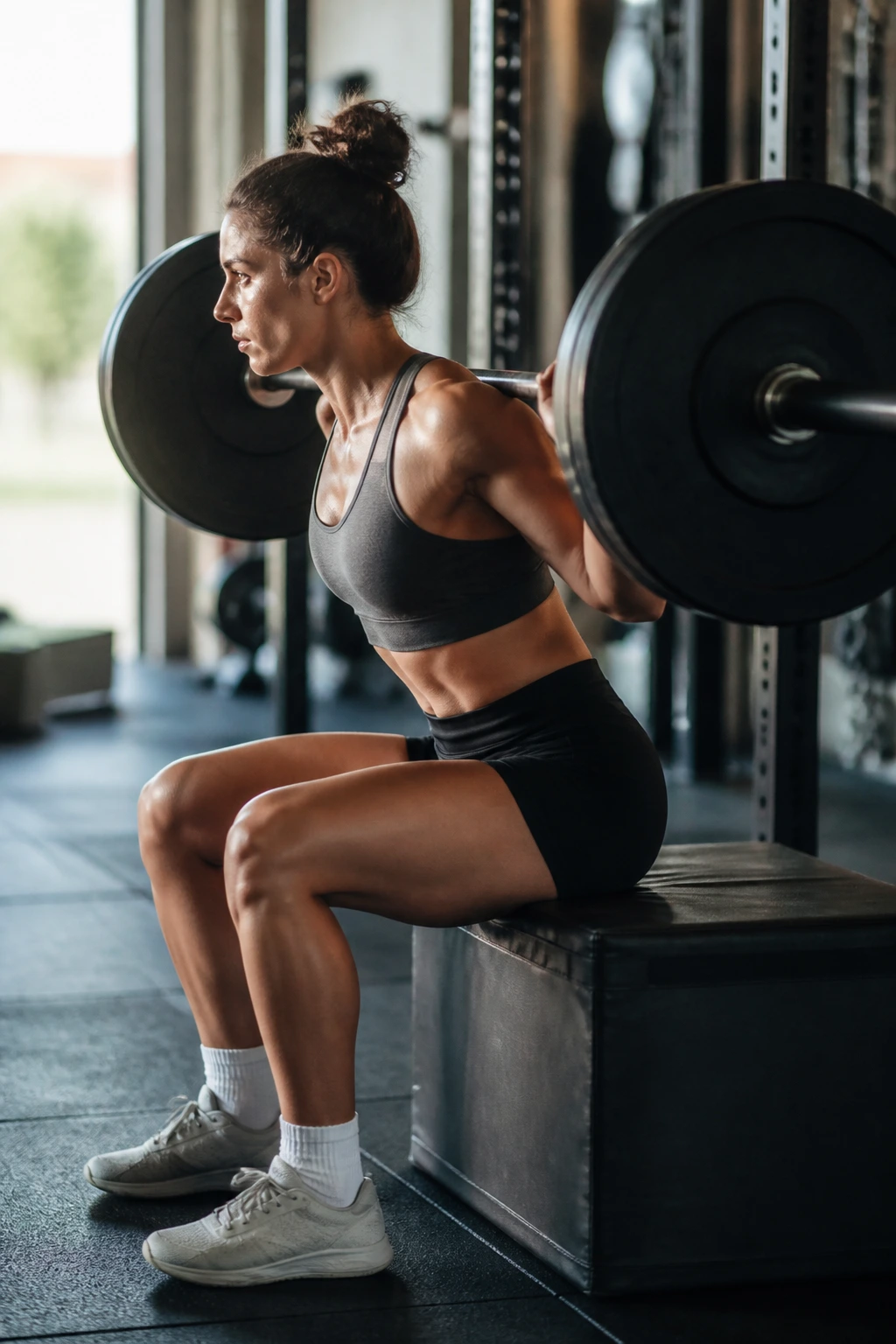
A box squat is useful when you want consistent depth and a little more power out of the bottom. You sit back to a box or bench, pause without collapsing, then stand back up with intent.
The box gives you a target, which helps if your squat depth changes from rep to rep. It also teaches you not to dive-bomb every descent. Sit under control, touch lightly, and keep the torso braced. Do not rock backward and launch off the box like a spring. That turns the rep into a mess.
Some lifters use box squats to reinforce good depth. Others use them for strength work because the pause removes stretch reflex from the equation. Either way, the lift rewards patience. If your lower body training needs a lesson in consistency, this one teaches it fast.
25. Sled Pushes and Backward Drags
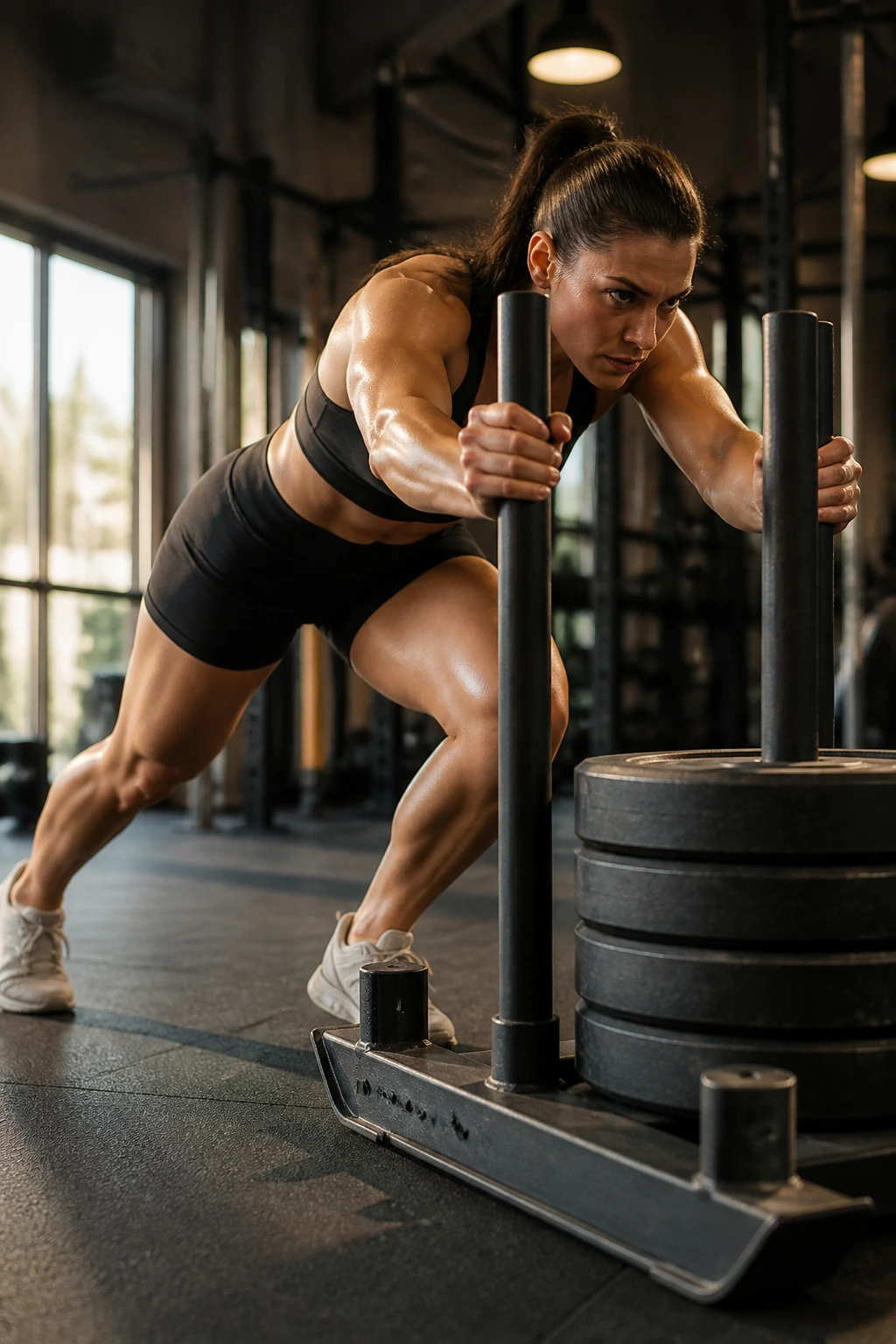
Sled work is one of the cleanest ways to finish a lower-body session without beating up your joints. Pushes light up the quads, glutes, and lungs. Backward drags hit the quads hard and feel oddly kind on the knees.
The beautiful part is how simple it is. Load the sled, grab the handles, and move with intent. For pushes, keep the torso braced and drive through short, forceful steps. For backward drags, stay tall, lean back slightly through the harness or strap, and keep the steps crisp. No drama. Just work.
- Try 4 to 6 pushes of 15 to 25 meters.
- Rest 45 to 90 seconds between efforts.
- Use backward drags for 2 to 4 trips of the same distance.
- Keep the load heavy enough to feel it, not so heavy that you stop moving.
If your leg day feels stale, finish here. It is hard in a straight, honest way, and it leaves your lower body tired without the usual barbell punishment.
