



A lot of lower-body training goes wrong before the first rep. The plan is too random, the weights are too light, and the set-up feels like an afterthought.
The best leg and glute workouts at the gym for women are usually the plain-looking ones: a squat, a hinge, a thrust, a lunge. Heavy. Controlled. Repeated with intent. That’s the part most people skip, which is why their workouts stay busy but never get much done.
Glutes do not grow from wishful thinking. They respond to loaded hip extension, enough range of motion, and reps that stay clean when the last few start to burn. Quads like deep knee bend. Hamstrings like a stretch they can control. Calves want patience, which is a frustrating answer, but it’s still the right one.
You also do not need all twenty-five moves in one session. You’d be sore for the wrong reasons. Pick a few that fit your body, your equipment, and the day’s energy, then make those reps count. That’s where lower-body training gets useful, and where the mirror stops being the only thing that changes.
1. Barbell Back Squat
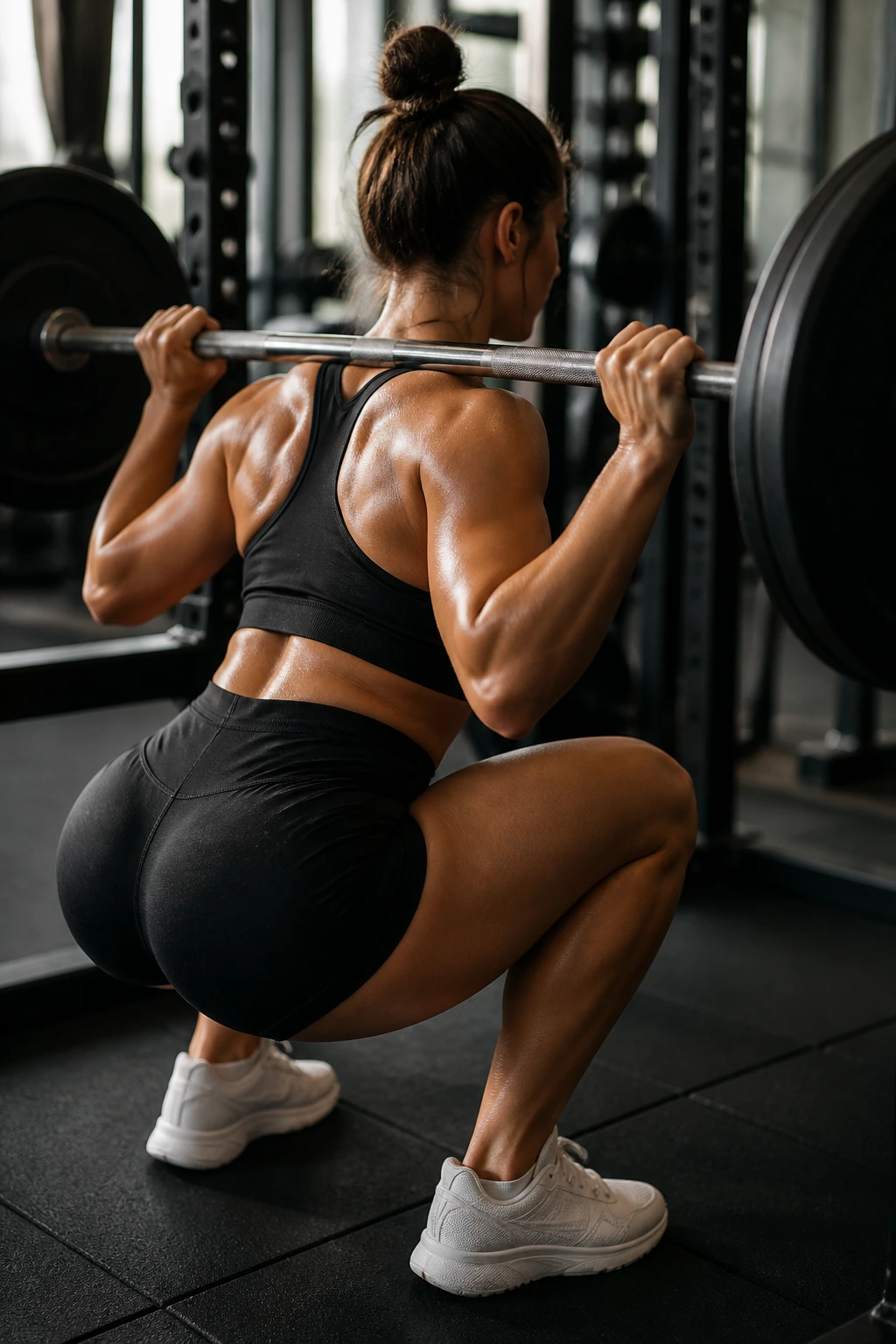
If you only had room for one big lower-body lift, this would be the one. The barbell back squat hits the quads, glutes, adductors, and trunk together, which is why it keeps showing up in real training programs long after the novelty wears off.
What makes it worth keeping is not the ego load. It’s the way it teaches you to brace, sit into your legs, and produce force from the floor instead of muscling the weight with your back. Go heavy enough that the set matters, but not so heavy that depth turns into a guess.
What to feel in the rep
- The bar stays over your midfoot.
- Your knees travel forward without your heels peeling up.
- The last third of the descent feels tight, not loose.
- The drive up starts through the floor, not by throwing your chest.
Best range: 3 to 8 reps for strength, 8 to 10 if you want more volume without turning the set into cardio.
2. Barbell Hip Thrust
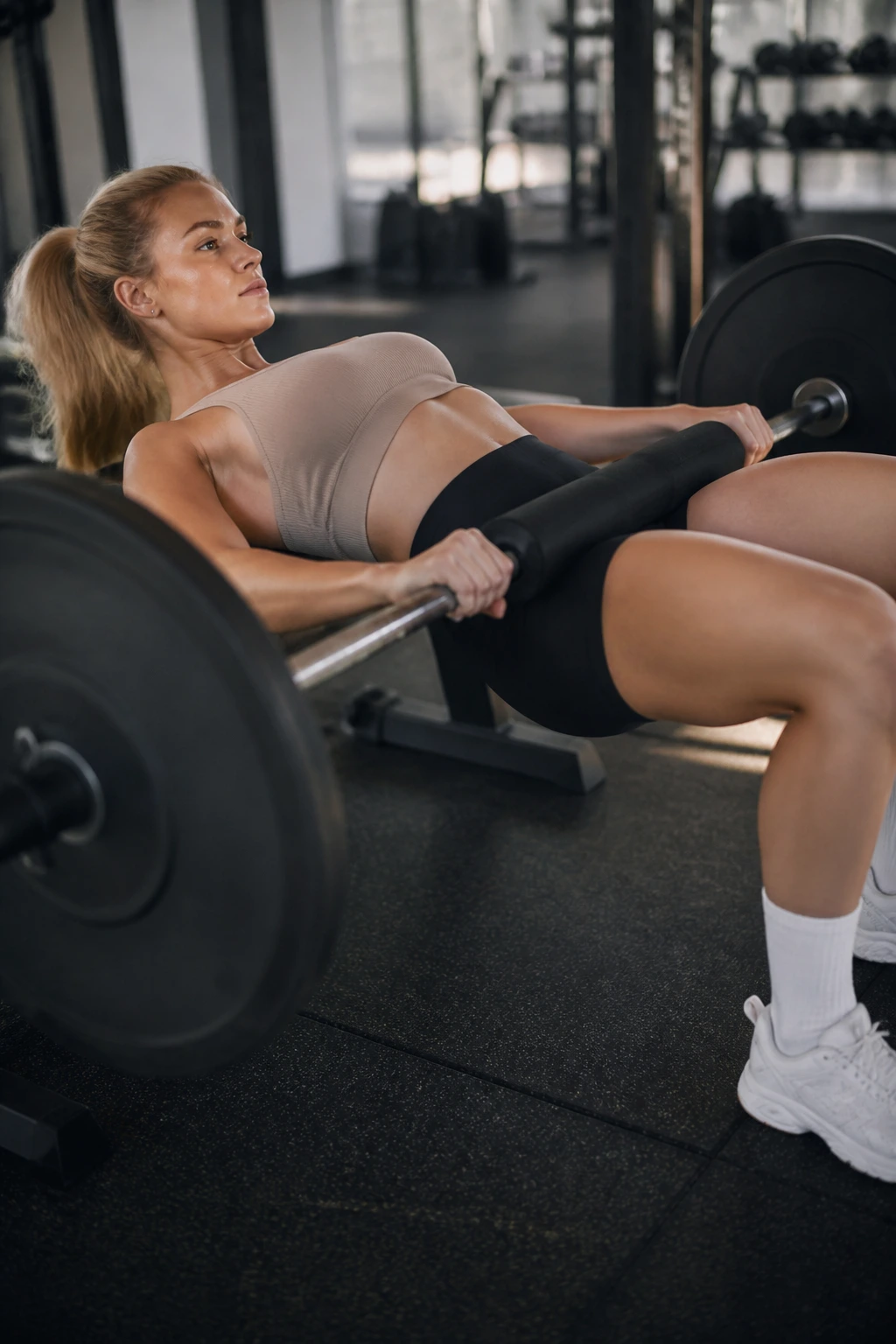
A hip thrust looks simple from across the gym. Once the bar is loaded, it teaches patience fast.
This is one of the cleanest glute builders in the room because the top of the rep is pure hip extension. Set your upper back on a bench, plant your feet so your shins are close to vertical at the top, and keep your ribs down. If you arch hard through the lower back, you’re stealing work from the glutes.
A full pause at lockout matters here. One second is enough. Two if you can keep the pelvis tucked and the chin slightly down. That tiny pause is where the rep starts to count. If you feel the move mostly in your lower back, shorten the range and fix the rib position before adding more weight.
3. Romanian Deadlift
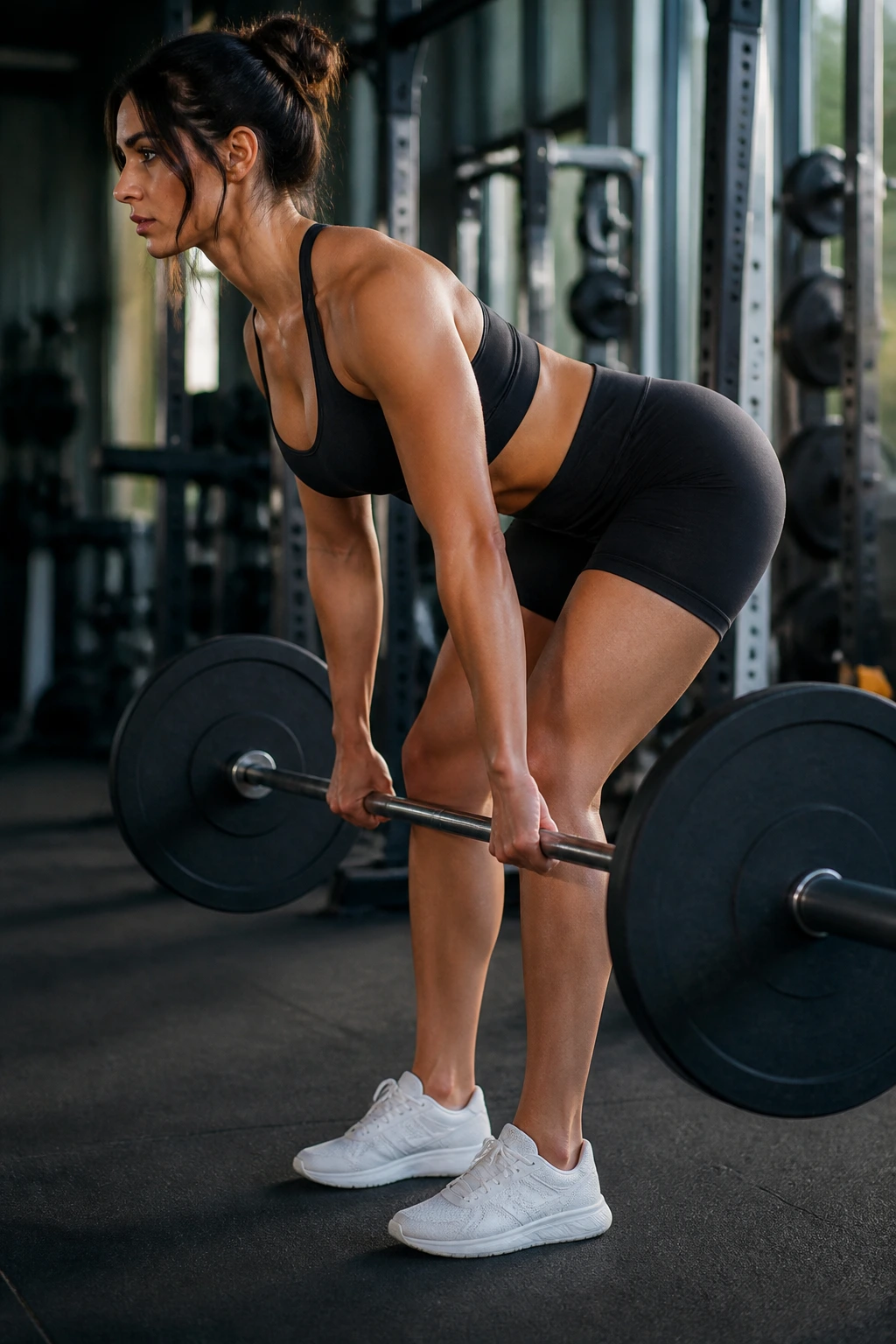
Why does the Romanian deadlift show up in so many serious lower-body plans? Because it loads the hamstrings in a stretched position, and they tend to like that. A lot.
The movement is a hinge, not a squat. Keep a soft bend in the knees, push the hips back, and let the bar slide close to the thighs and shins. Once the hamstrings feel stretched and your spine wants to move, stop the descent. You do not get extra points for chasing the floor.
How to feel the hinge
- Think “hips back,” not “torso down.”
- Keep the bar close enough to graze your legs.
- Pause before the back rounds.
- Stand up by driving the hips through, not by yanking your shoulders back.
Dumbbells work well here if a barbell feels awkward. Six to 10 controlled reps is a strong place to start.
4. Bulgarian Split Squat
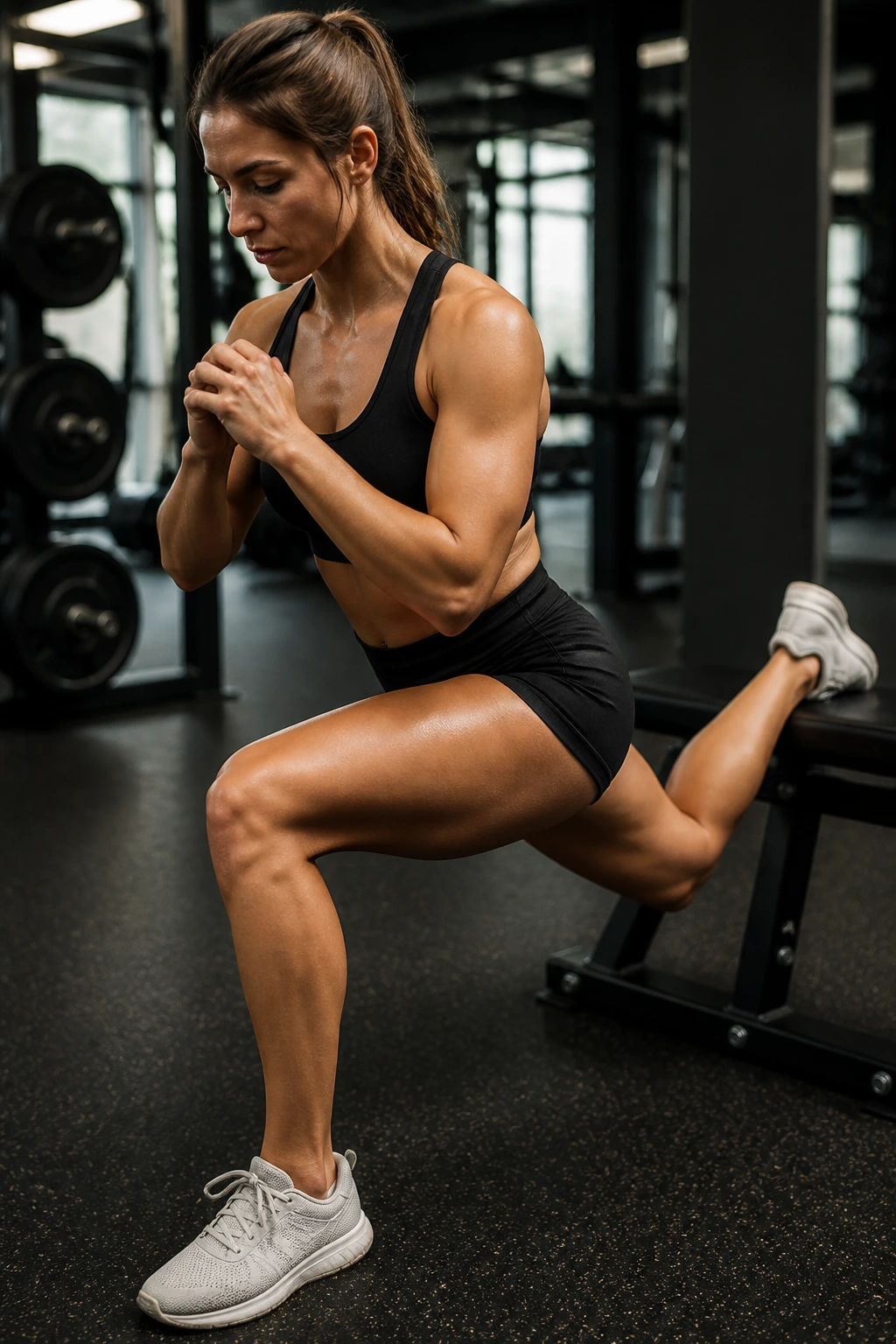
Bulgarian split squats are rude in the best possible way. One set will tell you a lot about your balance, your hip control, and whether your right side is secretly doing more work than your left.
The front leg does the real lifting. Keep the back foot on a bench or box, but don’t let it become a crutch. A slightly forward torso leans the load into the glutes; a more upright torso shifts more work to the quads. Both can be useful. The mistake is treating the move like a balance drill instead of a leg builder.
Start with bodyweight or light dumbbells and take your time on the way down. The bottom position should feel stable, not collapsed. Eight to 12 reps per leg is plenty when you’re doing them honestly.
5. Leg Press
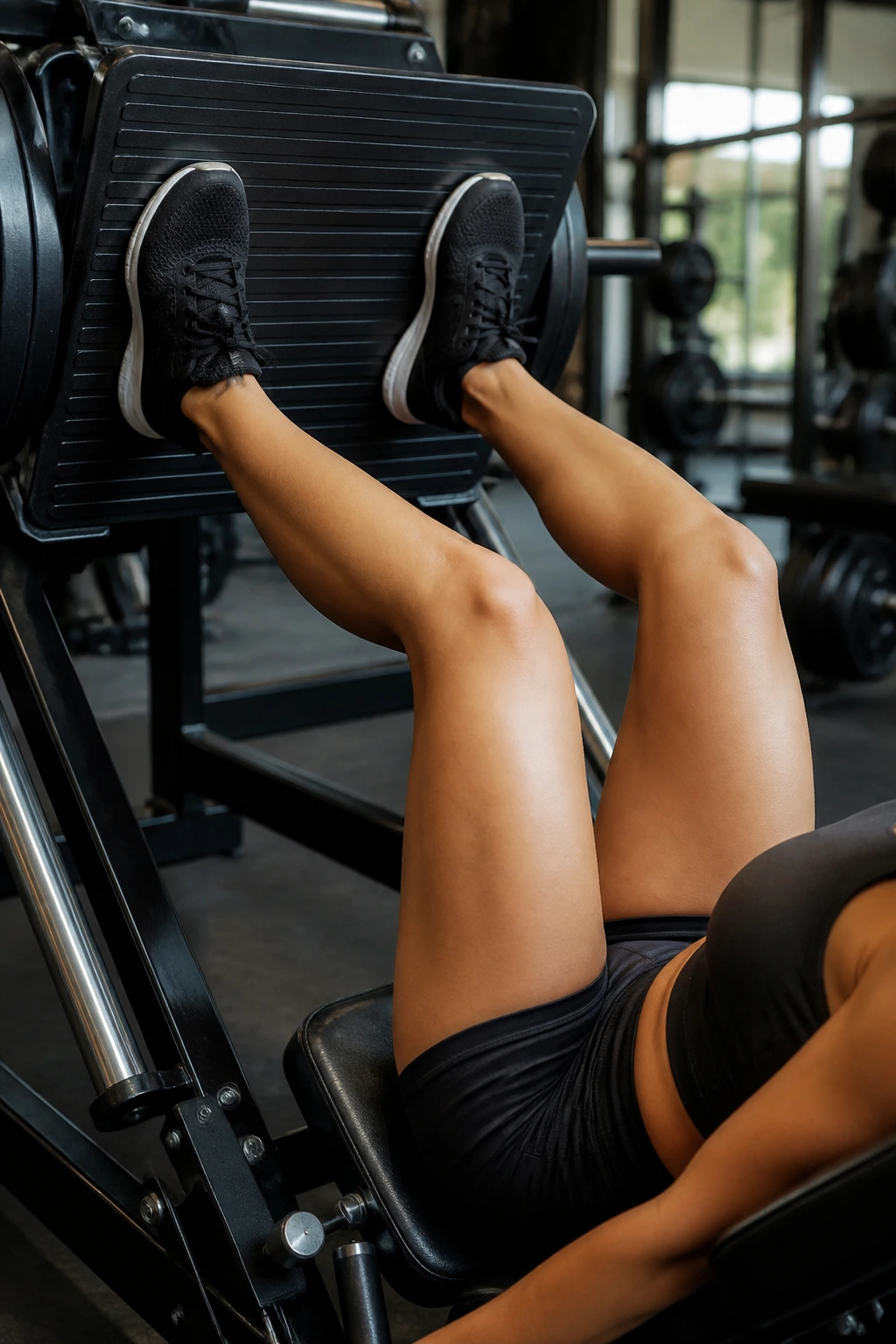
The leg press gets dismissed by people who rush the setup and bounce the sled like they’re trying to start a lawnmower. Used well, it is one of the easiest ways to load the legs hard without spending half the set worrying about balance.
Foot position changes the whole feel. Higher on the platform usually shifts more work toward the glutes and hamstrings. Lower on the platform tends to light up the quads more. Either way, keep your lower back from peeling off the pad at the bottom — that’s the part that turns a strong rep into a sloppy one.
Control the descent for at least two seconds. Don’t lock the knees with a snap at the top. Ten to 15 reps is the sweet spot for most people who want leg growth without trashing their joints.
6. Cable Glute Kickback
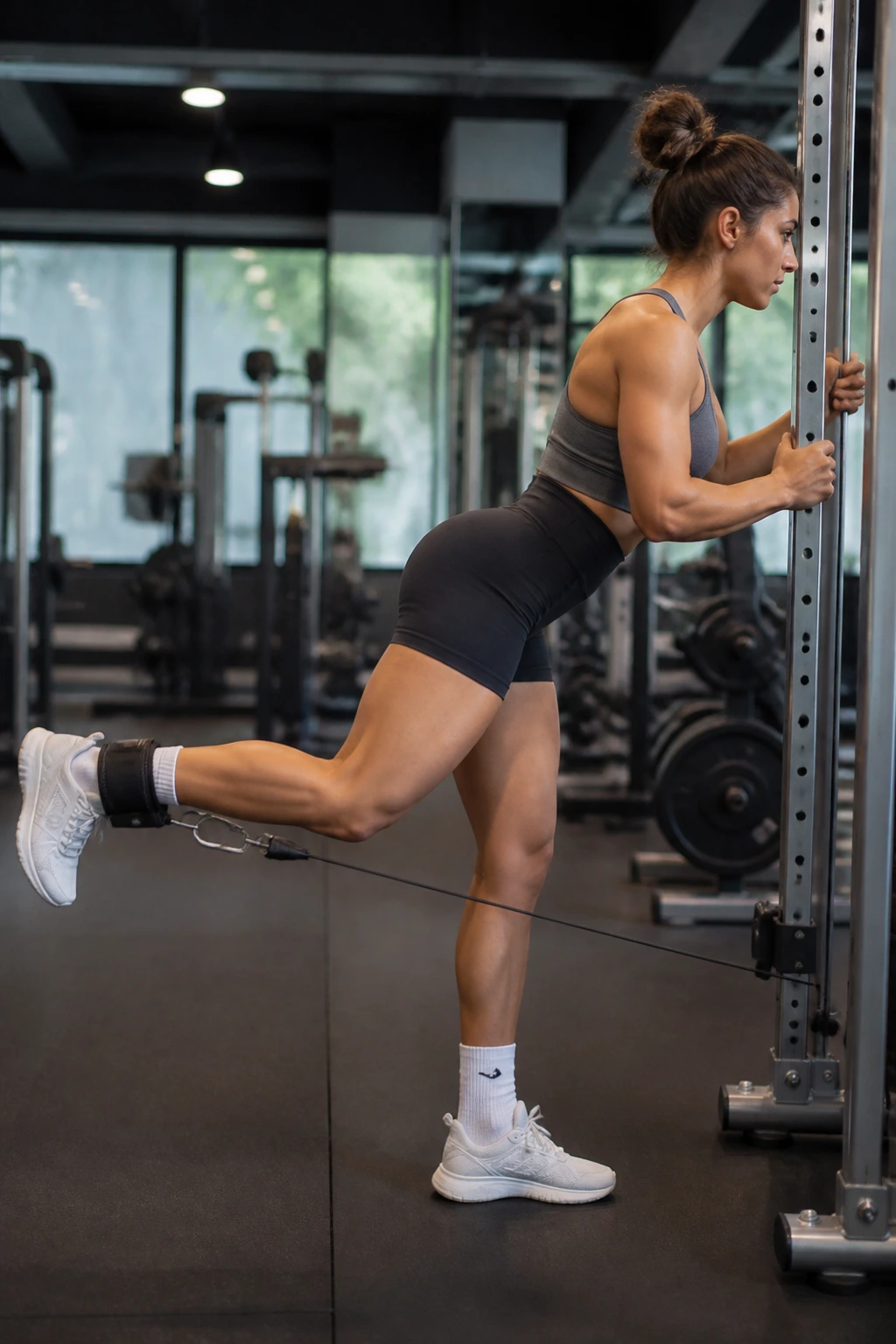
A cable kickback is not a main lift. It’s a finisher. That said, it can smoke the glutes if you keep the pelvis quiet and stop swinging the leg like a pendulum.
Set the ankle cuff low, hold the machine frame for balance, and lean your torso slightly forward. The standing leg should stay planted. The working leg moves back in a controlled arc until the glute is fully squeezed — not until your lower back takes over because the rep got too big.
Cable setup that pays off
- Keep the standing foot flat.
- Brace your torso before each rep.
- Pause for a full second at the back.
- Lower the leg slowly instead of letting it fall.
Twelve to 20 reps works well here, especially after squats or thrusts when the big stuff is already done.
7. Smith Machine Squat
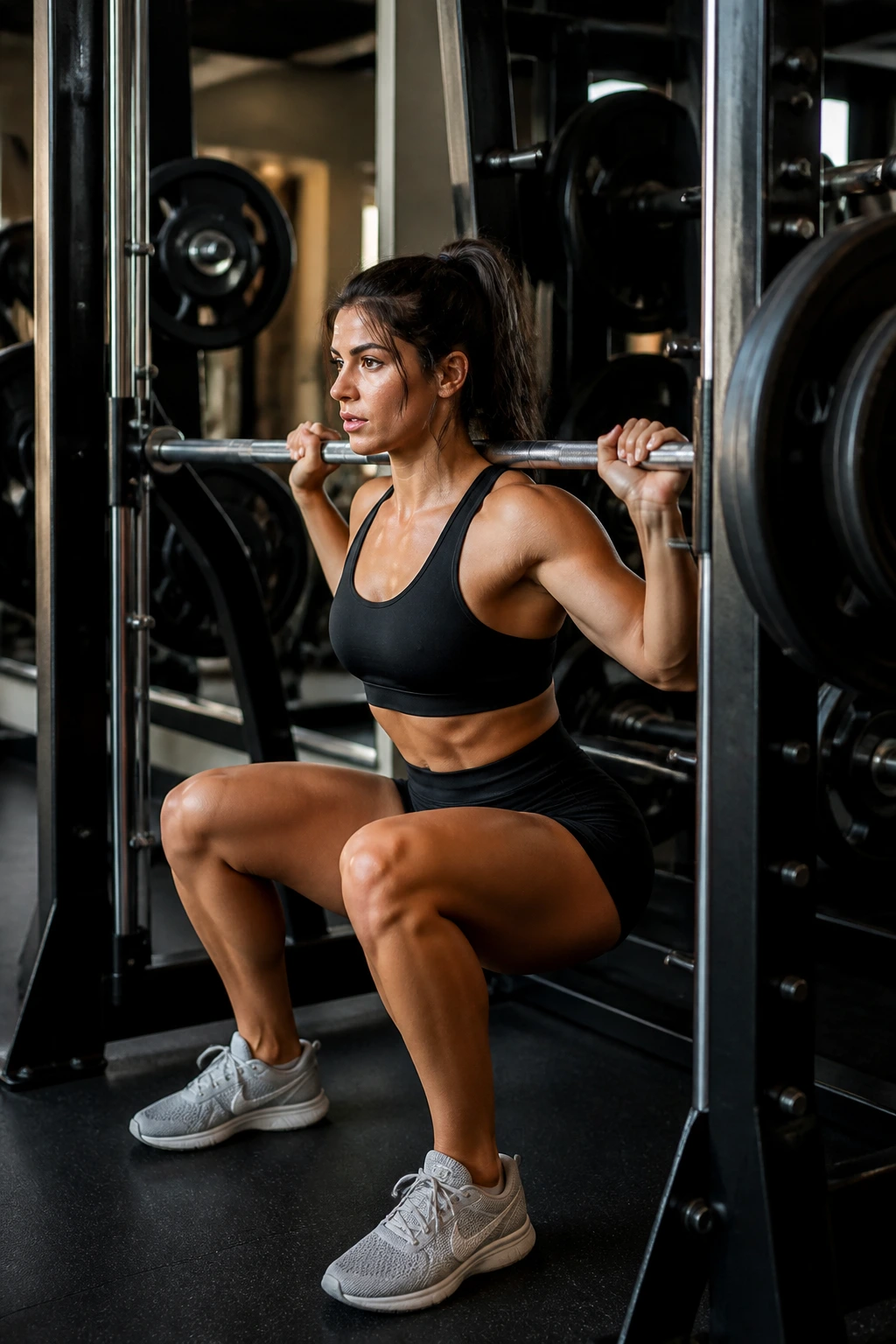
Smith machine squats get a bad rap from people who use the machine like a shortcut. Used well, they’re useful because the fixed bar path removes a lot of balance work and lets you focus on pushing the legs hard.
The foot position is usually a little farther forward than a free barbell squat, but not so far that the movement turns into a half-hip hinge. Sit between your heels, keep your torso braced, and let the knees bend deeply if your ankles allow it. The machine is there to support the line of the lift, not to force a fake version of a squat.
This is a good choice for higher reps, especially when you want quad and glute work without needing a spotter. Eight to 12 reps is a clean range, and the last few reps should still look controlled.
8. Walking Lunge
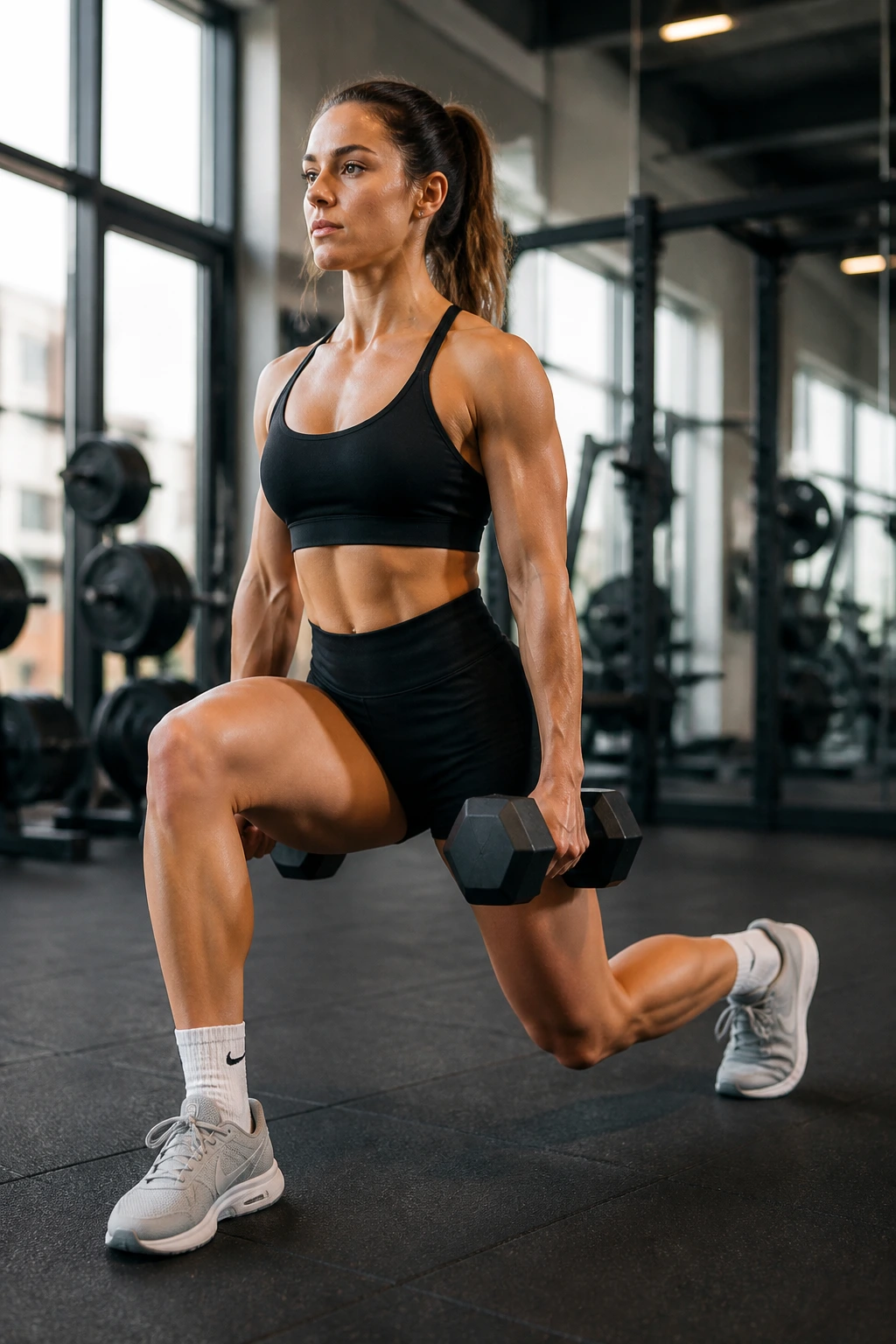
Walking lunges look simple until you do twenty steps with real dumbbells. Then they become a test of lungs, hips, and whether your core can keep the torso from wobbling all over the floor.
A longer stride leans the work more toward the glutes. A shorter stride shifts things toward the quads. Keep the chest tall, step under control, and don’t rush the transition from one leg to the other. That’s where most people lose the rep.
Do these on a clear stretch of floor, not jammed beside five other lifters. You’ll be glad you did. Ten to 16 steps per leg is plenty for a hard lower-body session.
9. Reverse Lunge
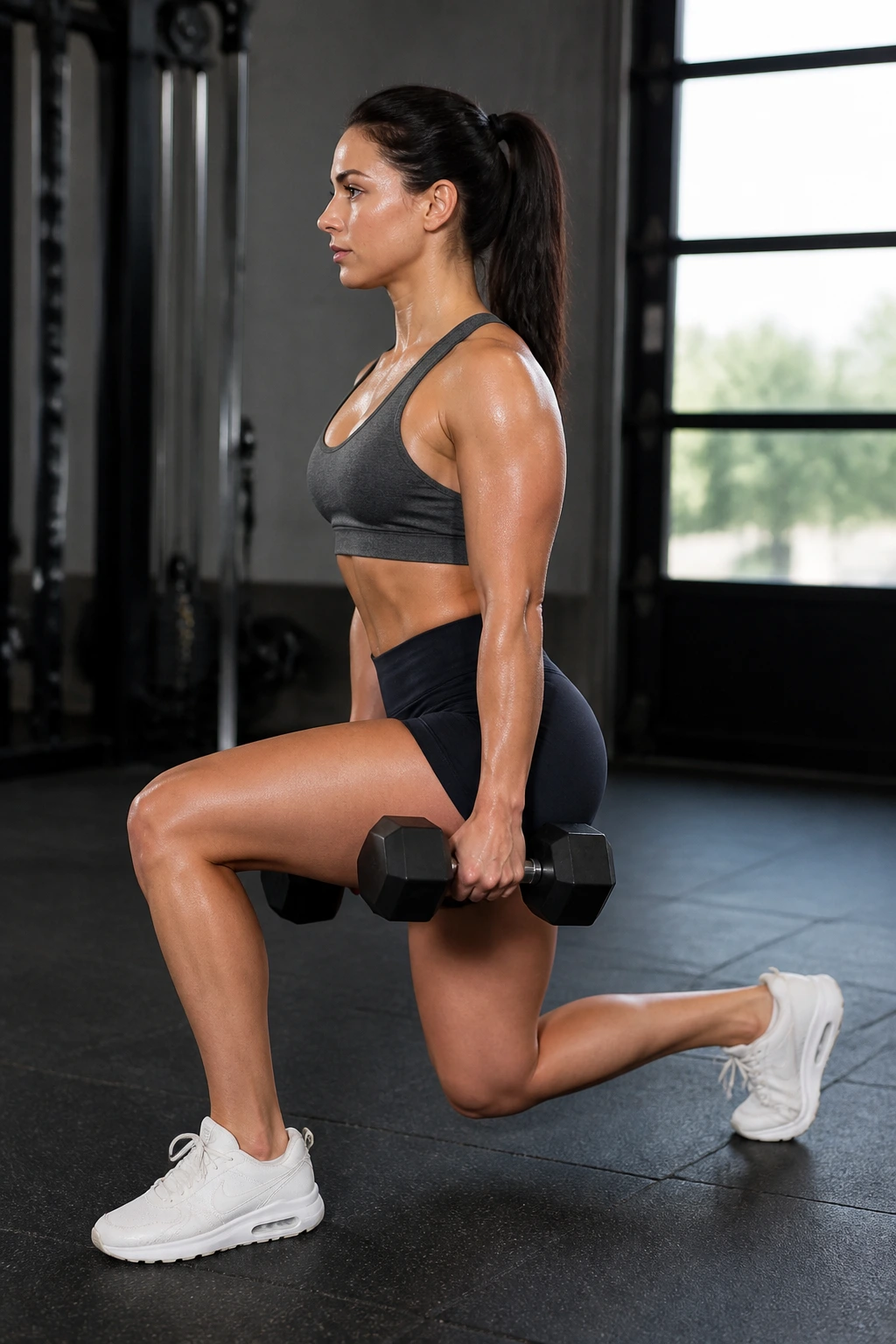
If forward lunges make your knees grumble, reverse lunges are usually the cleaner option. The front leg does the bulk of the work, but the backward step gives you more control and usually feels friendlier on the joints.
Step back, not down. Keep the front foot flat and the front shin angled in a way that feels natural for your body. A slight forward lean shifts more work into the glutes; a taller torso makes the quads do more. Both are useful, and both are better than lunging so fast that you lose the bottom position.
Dumbbells at your sides are enough. You do not need a barbell here. Eight to 12 reps per leg keeps the set honest without turning it into a wobble contest.
10. Seated Leg Curl
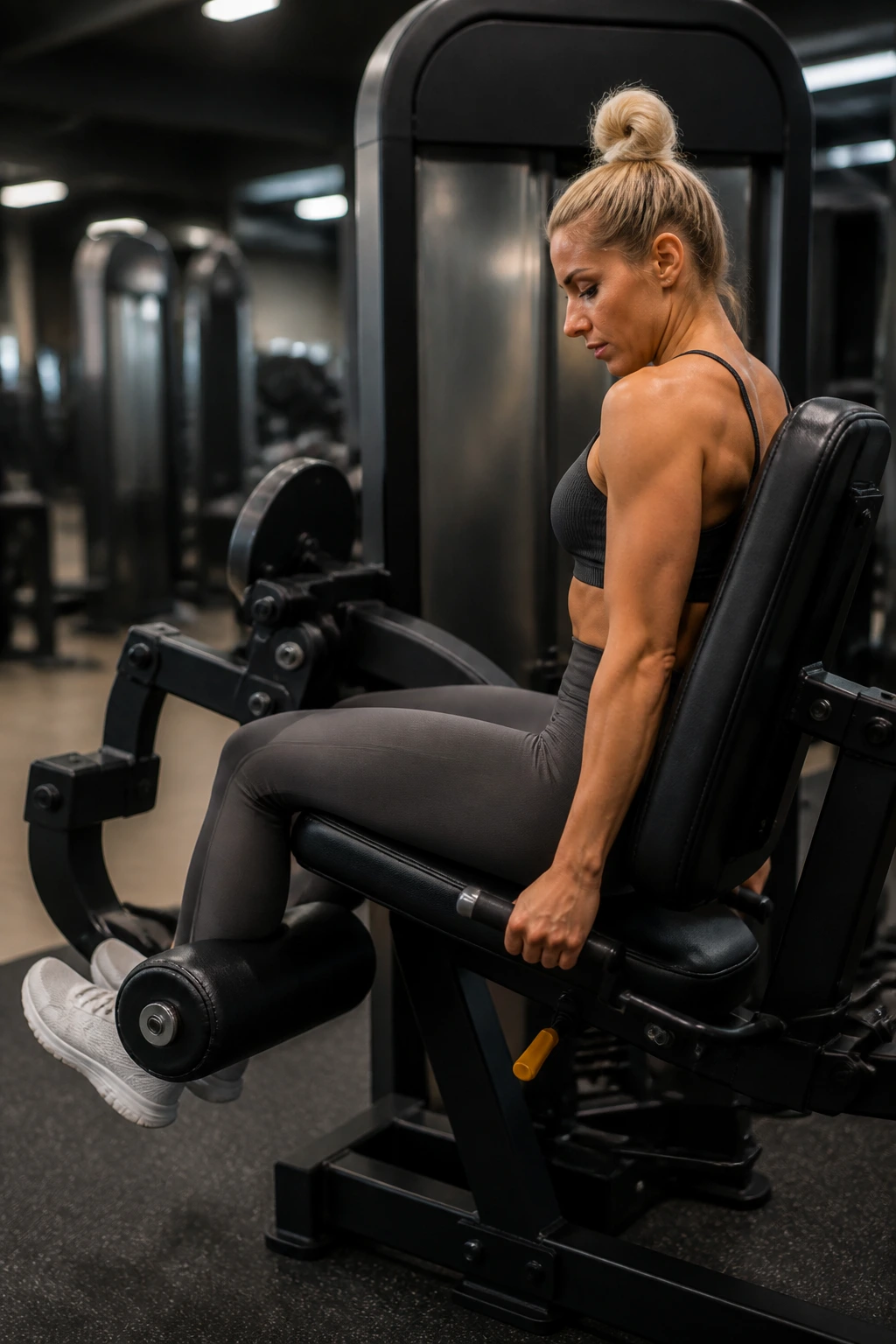
The seated leg curl is one of those machines that looks boring until you use it correctly and realize your hamstrings were undertrained all along.
Seat yourself so the knee joint lines up with the machine’s pivot point. The pad should sit just above the ankles, not halfway up the calves. Once you curl, keep the hips pinned down and resist the urge to jerk the weight up with momentum. The hamstrings should feel stretched at the start and squeezed hard at the top.
Machine details that matter
- Set the back pad tight enough to stop sliding.
- Keep the knees in line with the machine axis.
- Lower the weight under control.
- Stop before the stack slams.
Ten to 15 reps works well, and a slower lowering phase makes the set far more effective than adding extra plates.
11. Lying Leg Curl
The lying leg curl hits the hamstrings from a different angle than the seated version, which is why I like rotating between the two instead of pretending one makes the other useless.
Lie face down, set the pad just above the heels, and press the hips into the bench before the first rep starts. That hip pressure matters. Without it, people tend to swing the pelvis up and turn the movement into a lower-back shrug with a bent knee.
The range should feel smooth. No snapping at the bottom. No throwing the legs down on the return. If the machine has a tendency to lift your hips, reduce the load and slow the negative. Ten to 15 clean reps beats fifteen sloppy ones every time.
12. Hack Squat
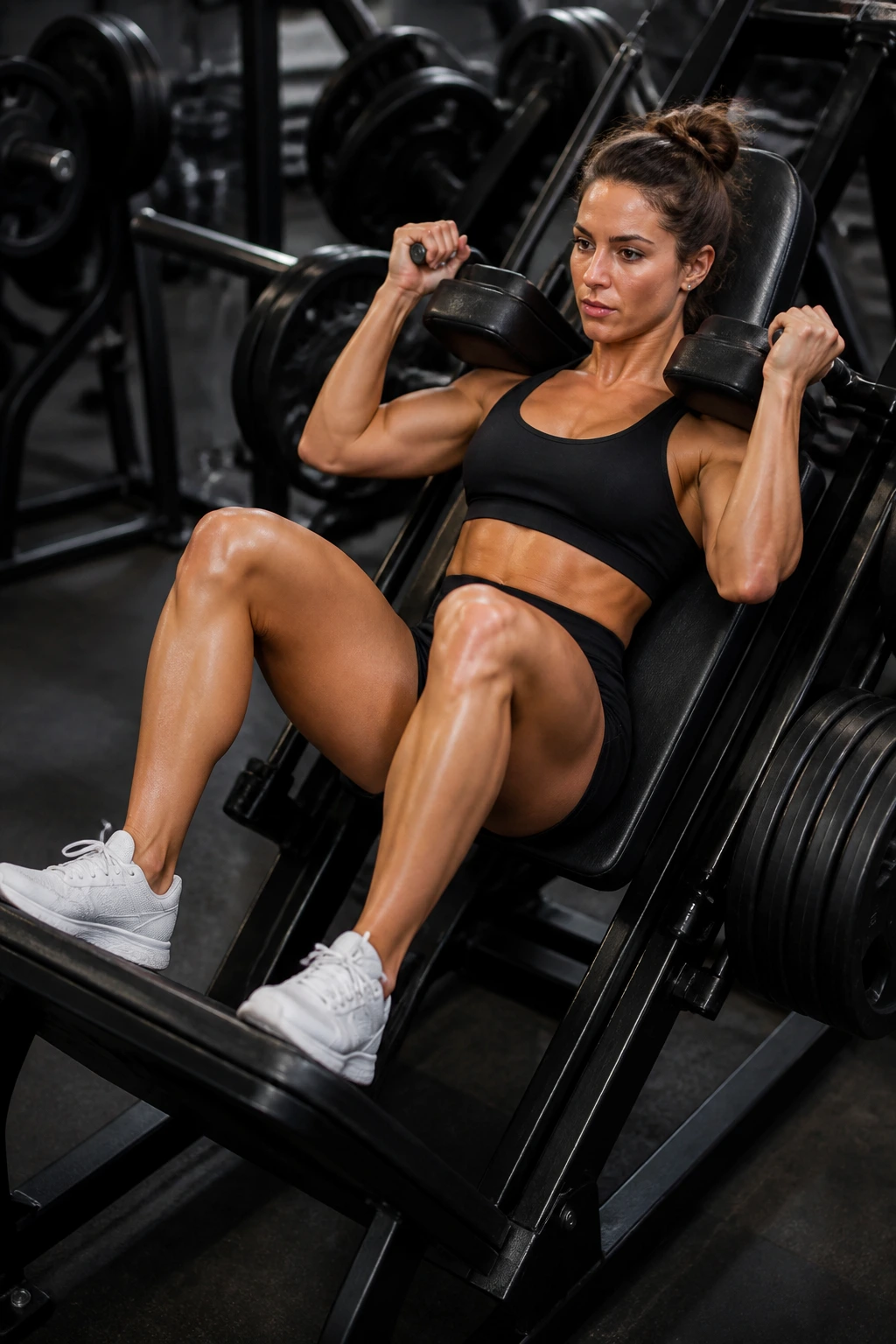
Want squat work without having to fight the bar for balance? The hack squat is a good answer.
The back support lets you load the legs hard, which is great for quad work and still useful for glutes when you keep depth honest. Foot placement changes the feel quite a bit. Lower on the platform usually increases knee bend and quad demand. A slightly higher setup tends to bring the hips in more.
Where to place your feet
- Lower on the platform for more quad bias.
- Slightly higher for more glute and hip work.
- Keep the whole foot down through the bottom.
- Don’t slam into the stop at the deepest point.
If your gym’s hack squat machine has a harsh bottom stop, control the descent and stop a hair above it. Eight to 15 reps is a strong working range here.
13. Sumo Deadlift
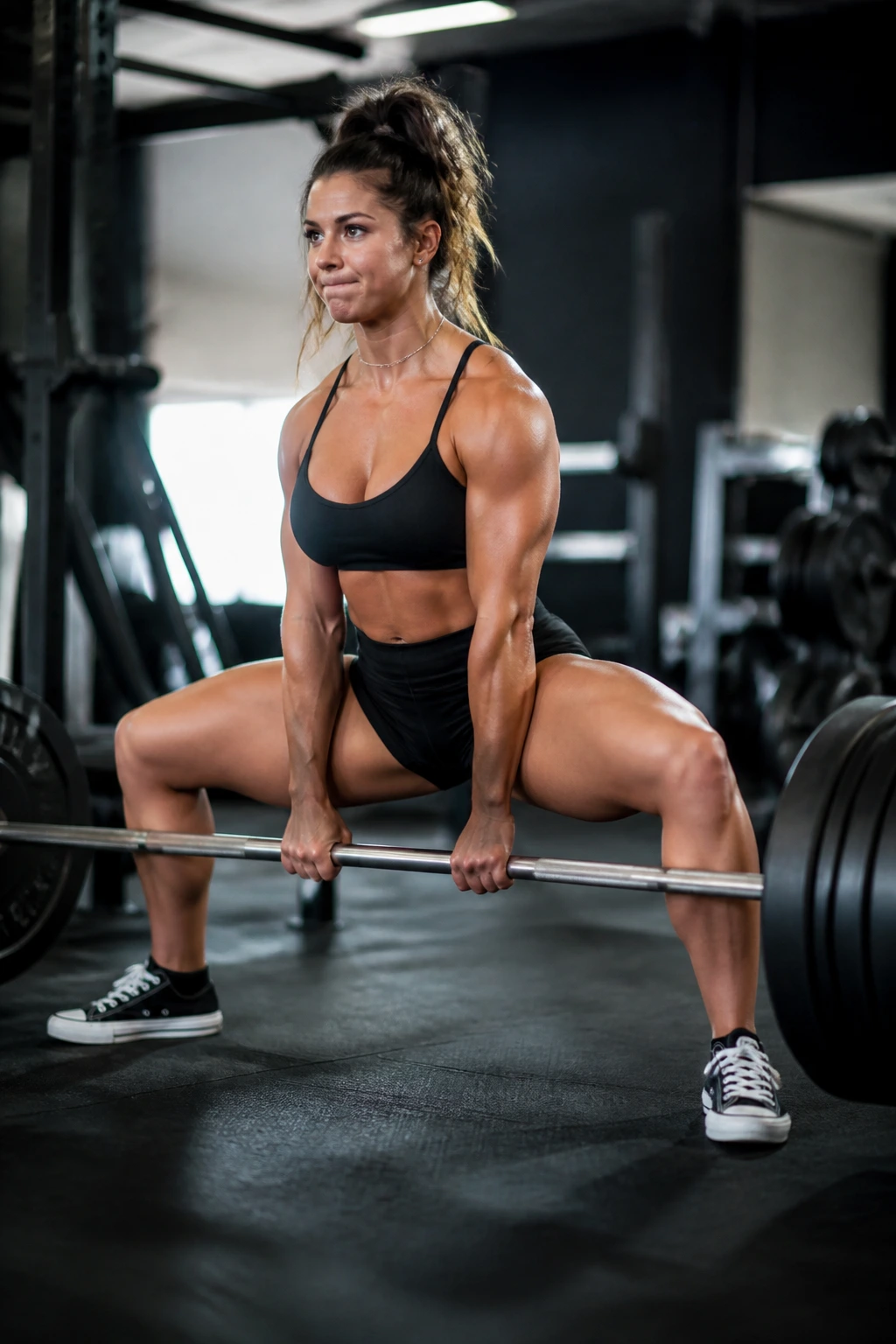
A wide stance deadlift shifts the work in a way that regular stance pulling does not. The glutes, adductors, and inner thighs all get pulled into the job, and that can make the sumo deadlift a very useful lower-body builder.
Set your stance wide enough that your shins can stay close to vertical, but not so wide that your hips feel jammed. Turn the toes out, brace hard, and pull the slack out of the bar before it leaves the floor. That little pre-tension keeps the lift from turning jerky.
The bar should travel close. It should not drift out in front of you. Three to six reps is enough for heavy work, and if your hips hate the stance, there’s no prize for forcing it.
14. Step-Up
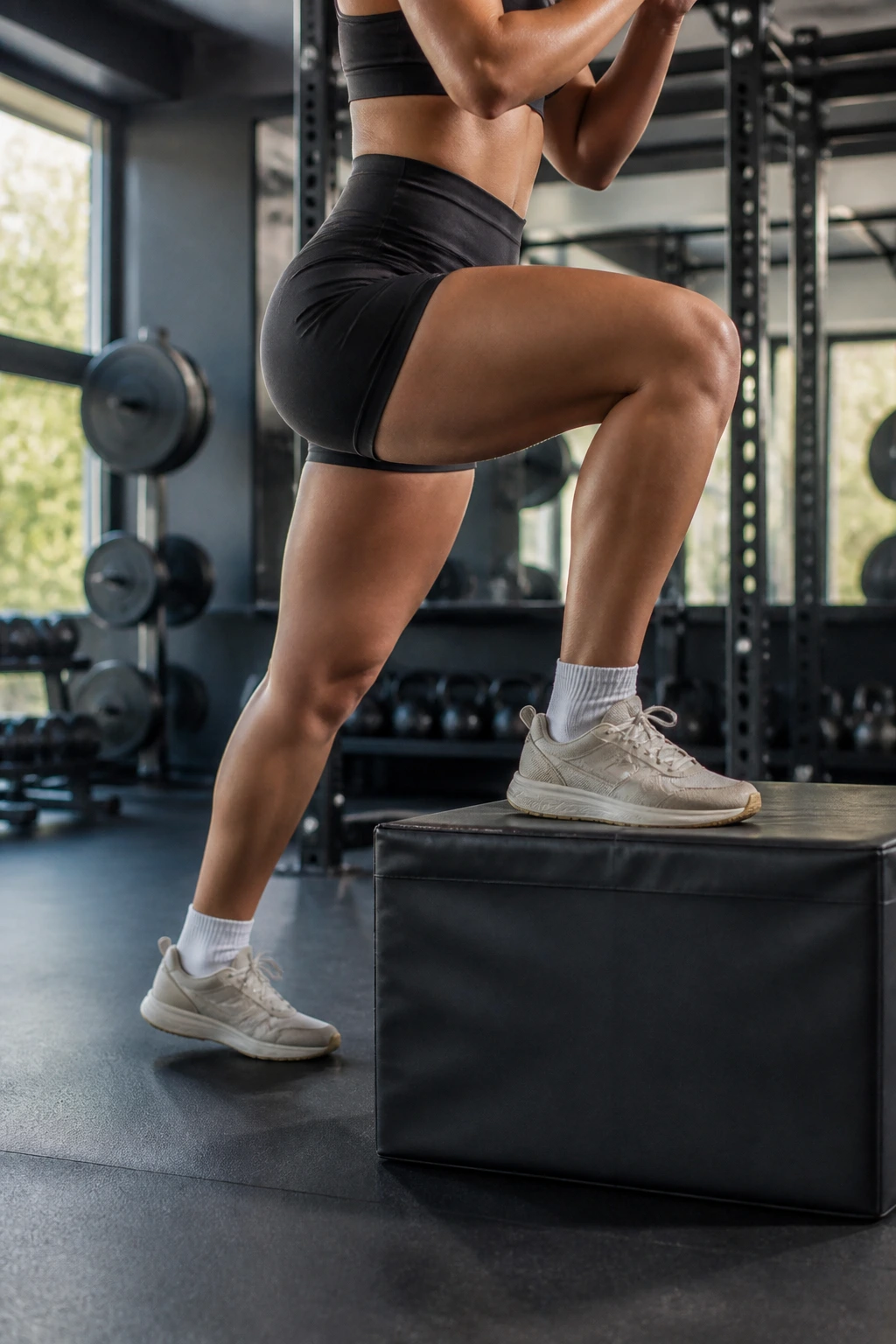
Step-ups look humble until the box gets high enough to matter. Then they start exposing all the small leaks in single-leg strength.
Pick a box that lets the working thigh get close to parallel, or slightly below, without you having to shove off the back leg. Put the whole foot on the box. Drive through the front heel and midfoot. The back leg is there for balance, not propulsion.
A lot of people swing the free leg so hard that they turn the movement into a jump with a box in the middle. Don’t. Eight to 12 reps per leg is usually enough, and slower reps make the glutes work harder than frantic ones.
15. Cable Pull-Through
A cable pull-through is a hinge pattern that lets you feel the glutes without loading the spine the way a barbell hinge can.
Stand facing away from a low pulley, hold the rope between your legs, and walk a step or two forward to create tension. Push the hips back, keep the chest proud without over-arching, then snap the hips through until the glutes finish the rep. The rope should move because the hips move — not because the shoulders drag it around.
This is one of my favorite warm-up-to-finisher moves because it gives you a clean hip hinge without much setup drama. Twelve to 15 reps is a smart range, and a slow return keeps the tension where it belongs.
16. Glute Bridge
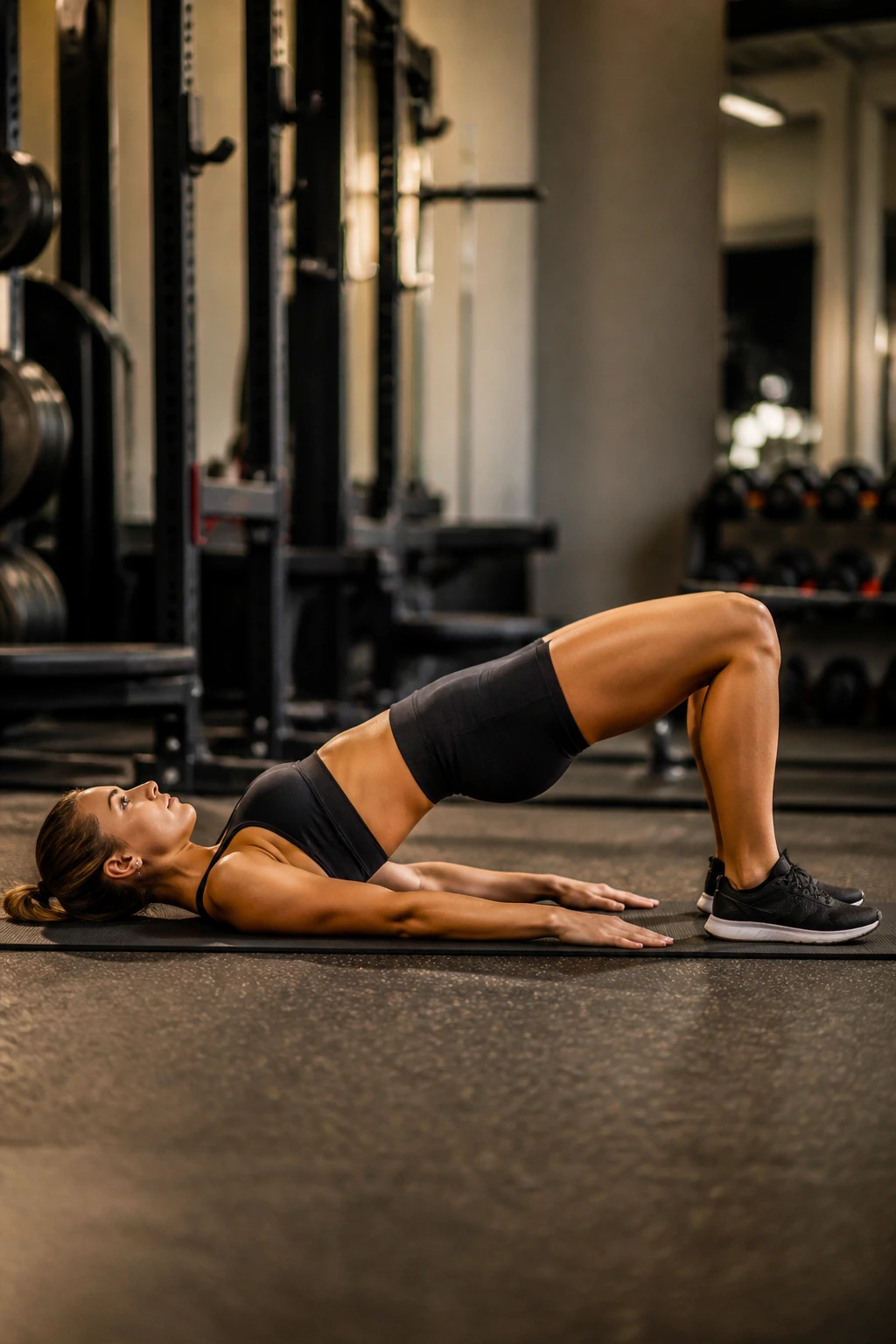
The floor makes this move more honest. There’s less range than a hip thrust, fewer setup pieces, and less chance of turning the top of the rep into a back extension.
Lie on your back, feet planted close enough that you can push through the heels, and drive the hips up until the glutes squeeze hard. Hold the top for a second, then lower under control. If you keep your feet too far away, the hamstrings tend to take over. Too close, and the knees get cramped.
This is a great choice when the gym is packed, when your shoulders hate the bench position, or when you want a cleaner warm-up before heavier thrusts. Fifteen to 20 reps is a strong place to work, and a brief pause at the top makes it much harder.
17. Hip Abduction Machine
This machine looks small. Then your glute medius starts yelling.
The hip abduction machine targets the outer glutes, the muscles that help keep the pelvis stable when you walk, climb stairs, or stand on one leg. Sit tall, press the knees out with control, and don’t let the torso rock back and forth like you’re trying to cheat through a heavy deadlift. A small forward lean can shift the tension a bit more into the glutes if the seat design allows it.
What to avoid
- Don’t slam the stack.
- Don’t bounce out of the bottom.
- Don’t twist your hips open.
- Don’t use so much load that the back starts moving first.
Fifteen to 25 reps works well here. The burn should come from the hips, not from the machine catching you on the way back in.
18. Hip Adduction Machine
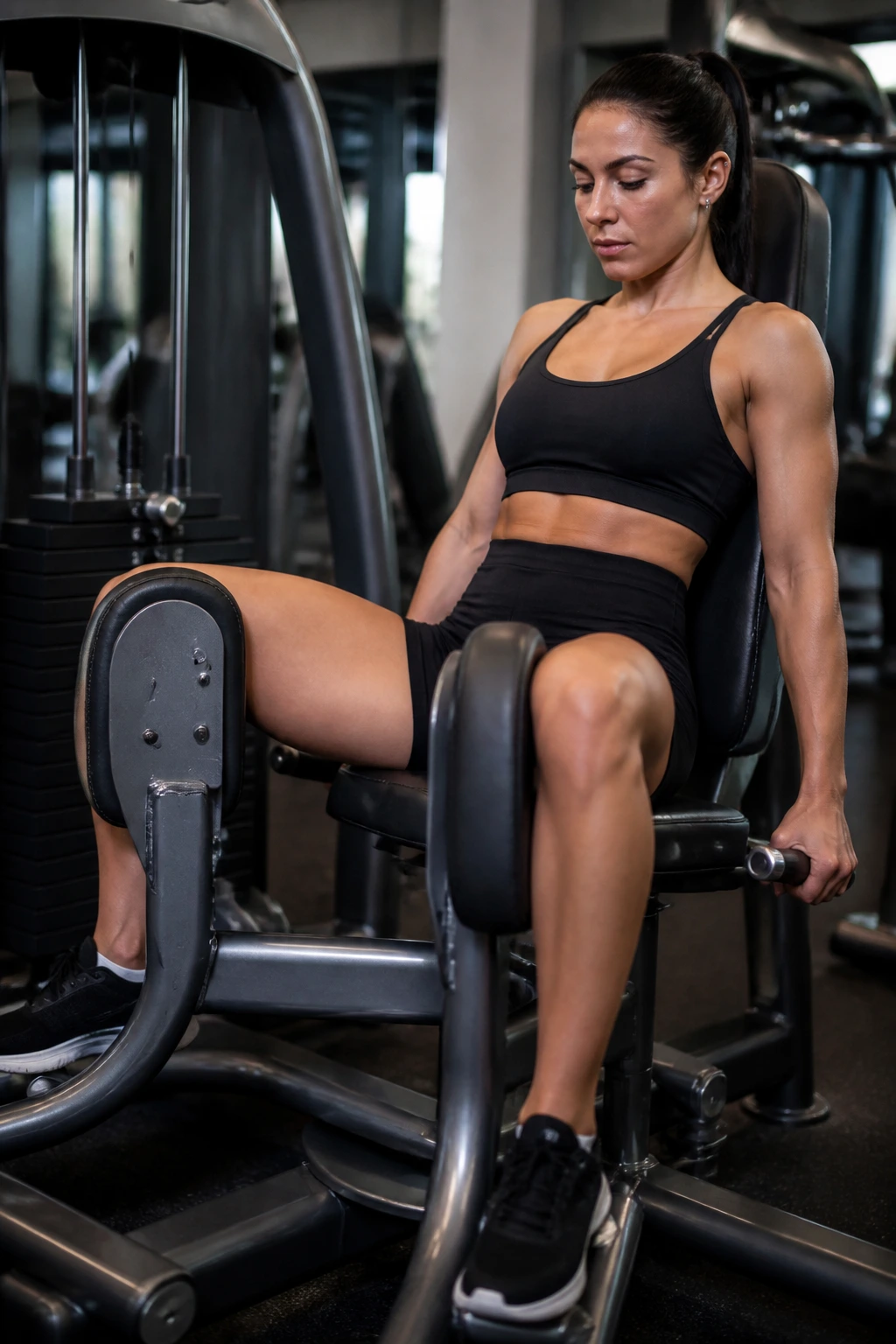
Inner thigh work gets ignored way too often. That’s a mistake.
The adductors help stabilize the pelvis, support squats and deadlifts, and keep single-leg work from feeling like a loose mess. Set the pads so they sit comfortably against the inner thigh, brace lightly, and bring the legs together with control. The return should be slow. If the stack slams, the load is too high.
This machine can feel awkward at first, and that’s normal. The point is not to impress anyone beside you. The point is to strengthen a muscle group that quietly does more than people think. Twelve to 20 reps is a good working range, especially near the end of a lower-body session.
19. Curtsy Lunge
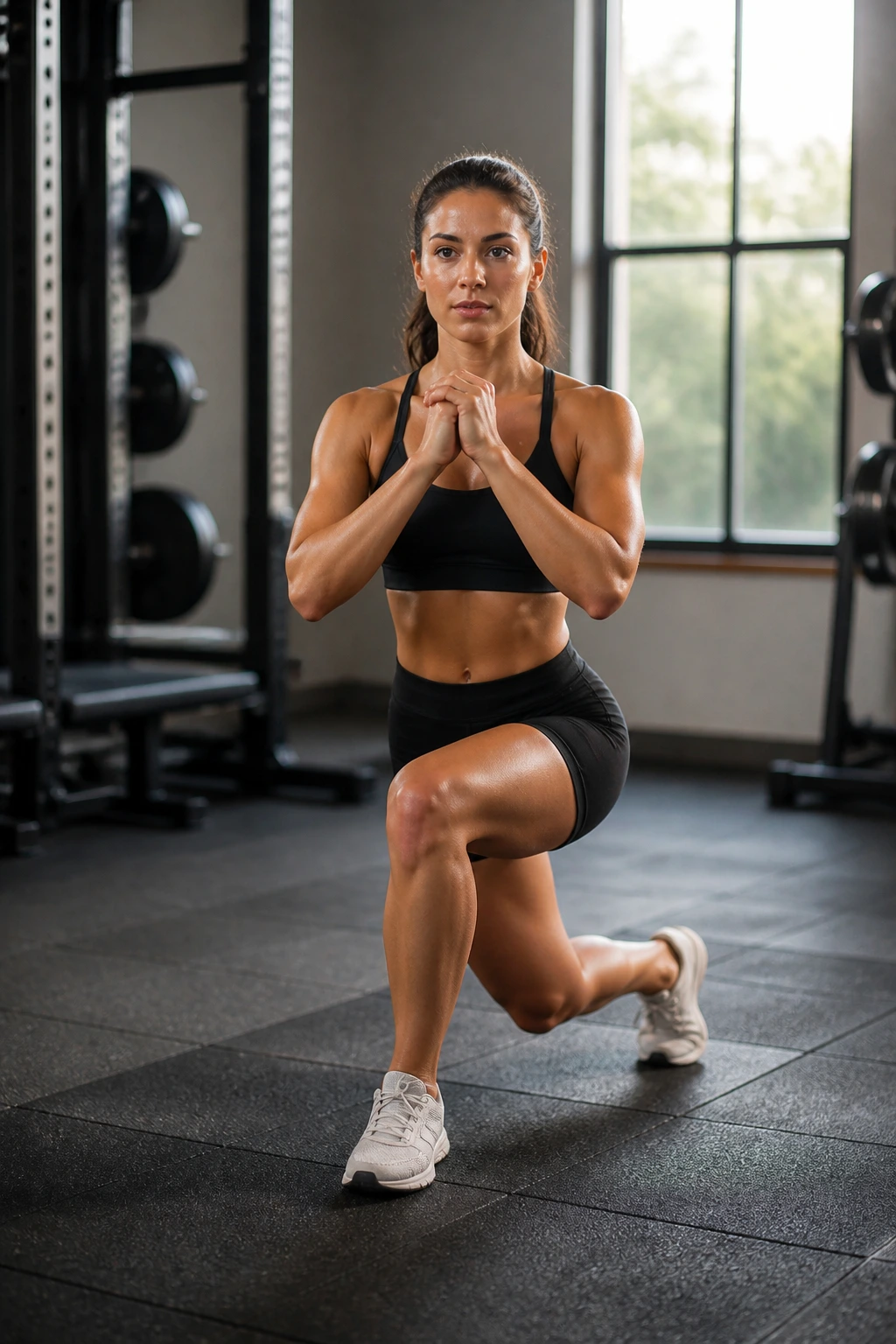
I treat curtsy lunges like seasoning, not the main dish. A little can be useful. Too much gets weird fast.
Step one leg back and across the body, then lower under control. That angle lights up the glute medius and the side of the hip in a way that straight-forward lunges do not. The tradeoff is that the knee path can feel awkward for some people, especially if hip mobility is limited or the knee prefers a cleaner line.
Keep the cross-behind step small at first. There is no need to turn it into a dramatic dance move. Eight to 12 reps per leg is enough, and if the knee complains, skip it and choose a reverse lunge instead.
20. Lateral Lunge
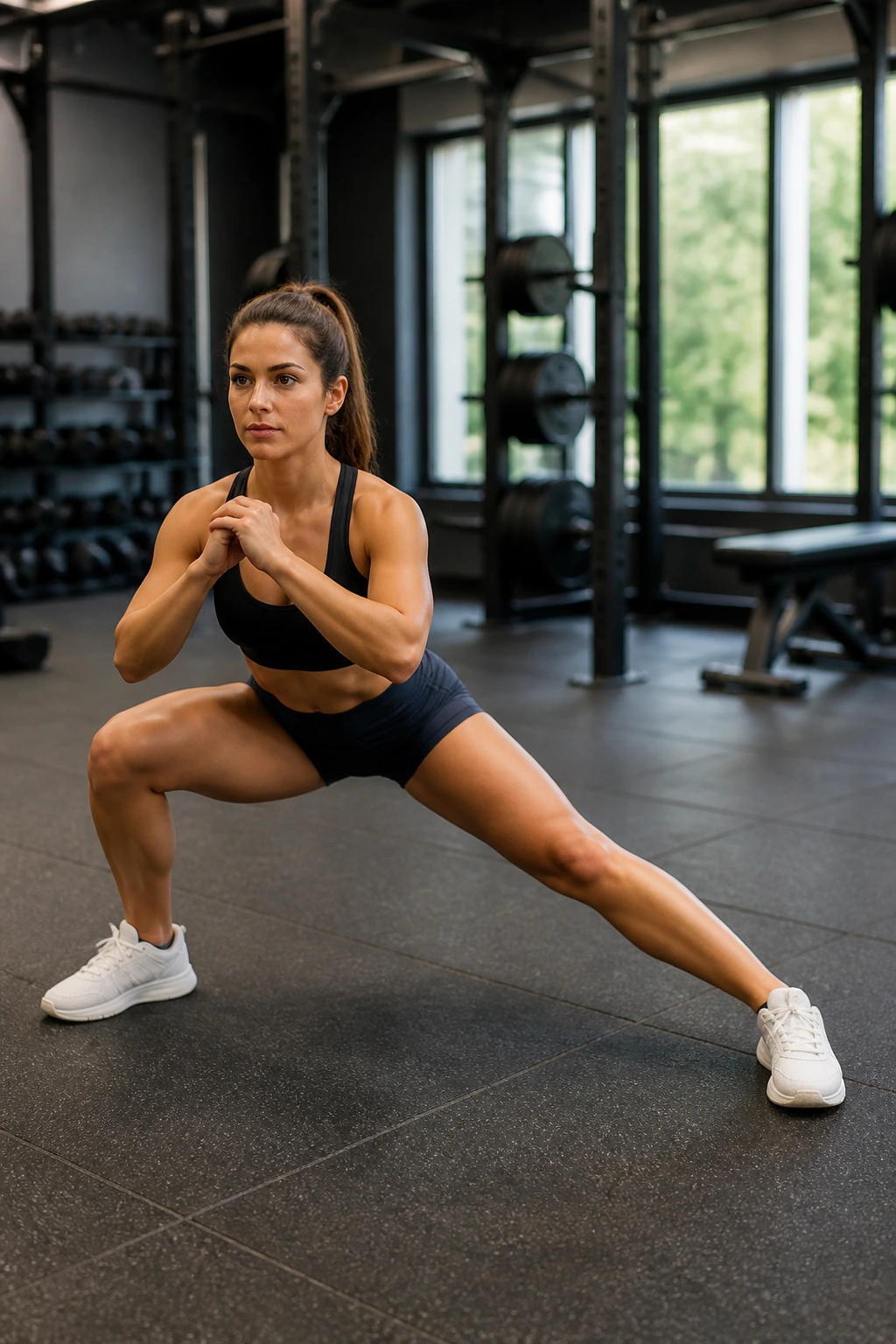
Why bother with side-to-side work? Because hips do not only move front to back, and a lot of lower-body training ignores that.
A lateral lunge loads the adductors, glute medius, and inner thigh while giving the hips a very different challenge from squats and presses. Step wide, sit into one hip, and keep the opposite leg straighter. The bent leg should feel loaded through the heel and midfoot, not twisted at the knee.
What to watch for
- Keep the working foot flat.
- Sit back into the hip instead of dropping straight down.
- Start bodyweight if your mobility is limited.
- Hold a dumbbell at the chest once the pattern feels smooth.
Six to 10 reps per side is enough to get the job done.
21. Dumbbell Stiff-Leg Deadlift
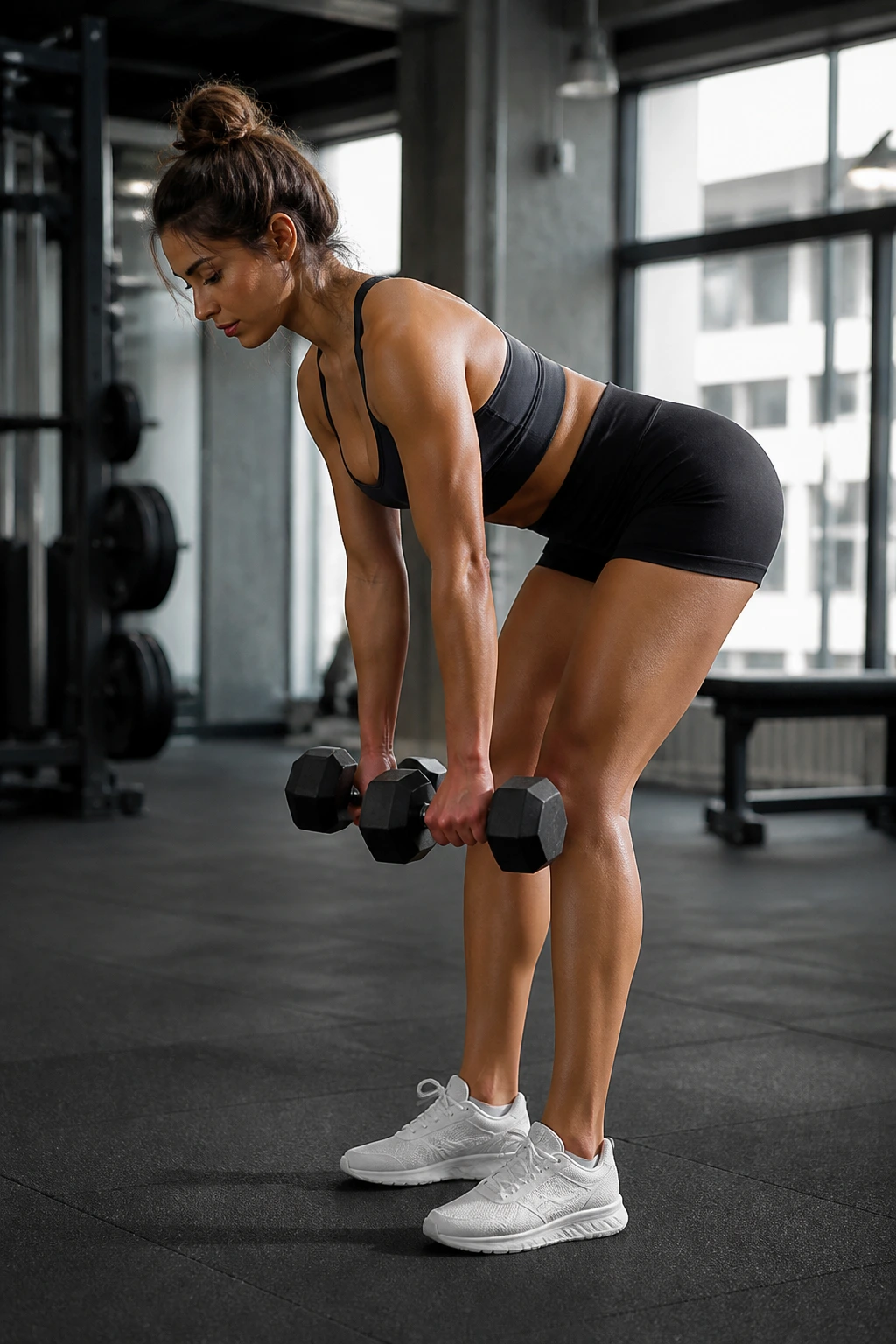
The stiff-leg deadlift is close enough to the Romanian deadlift that people mix them up, but the feel is different enough that your hamstrings will know.
The knees stay more fixed here, which increases the stretch. That can be useful, but it also means there’s less room to get sloppy. Keep the dumbbells close to the legs, stop the descent before the back rounds, and stand up by driving the hips forward. If your hamstrings are tight, do not force extra depth just because the dumbbells can reach the floor.
This is a strong accessory for people who want more hamstring length and control. It also works well when you want a hinge variation without a barbell. Eight to 12 reps is usually enough, and lighter loads go farther than people expect.
22. Frog Pumps
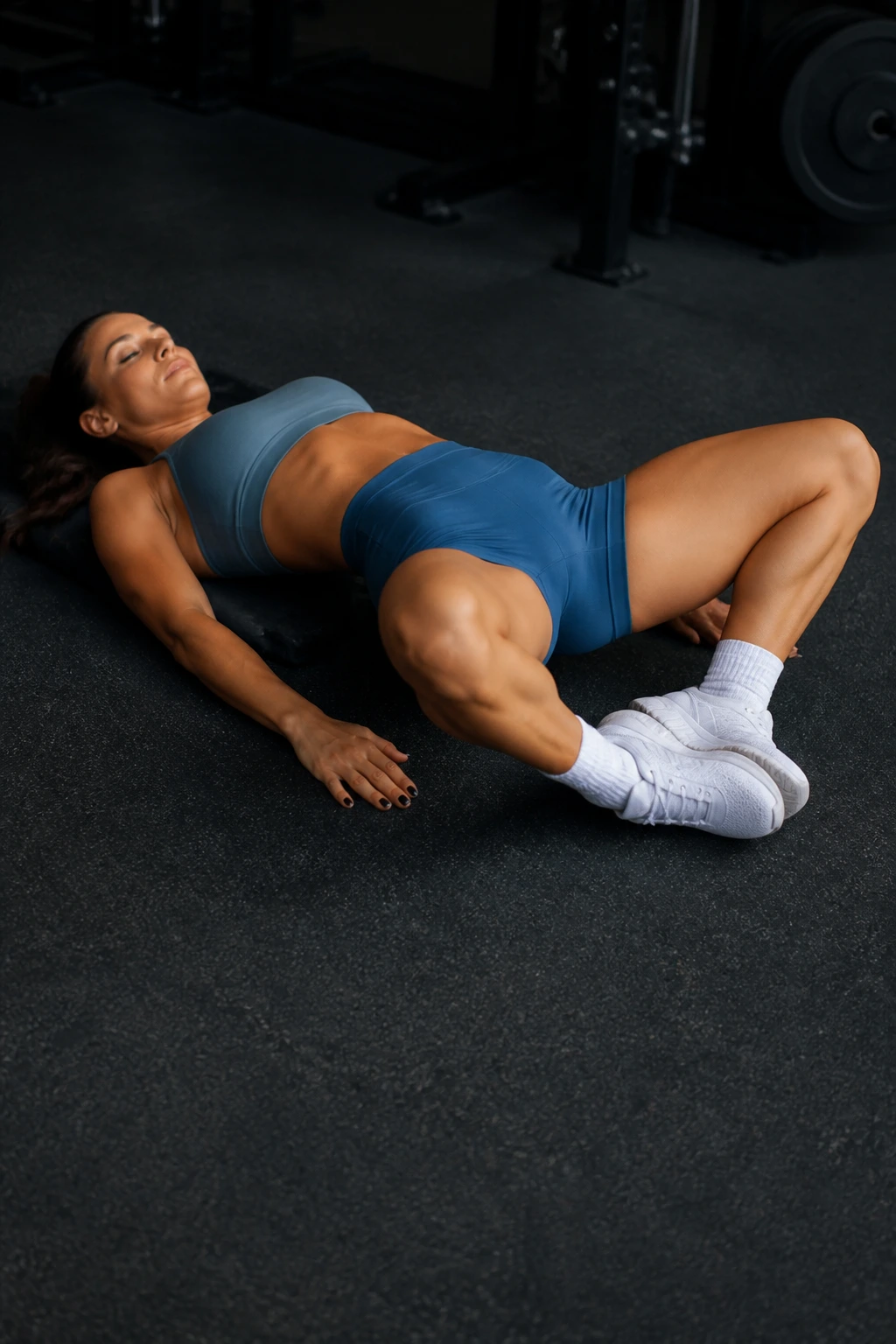
These look silly. They work.
Lie on your back, bring the soles of the feet together, let the knees fall open, and pump the hips up in a short range. The movement is tiny compared with a thrust or bridge, but the glutes stay under constant tension if you keep the reps crisp. That’s the whole point.
Frog pumps are a smart finisher after hip thrusts, or a simple option on days when the gym is crowded and you want a quick glute burn without waiting for equipment. Twenty to 40 reps is common here. If you want to make them nastier, add a one-second squeeze at the top and keep the rest short.
23. Reverse Hyperextension
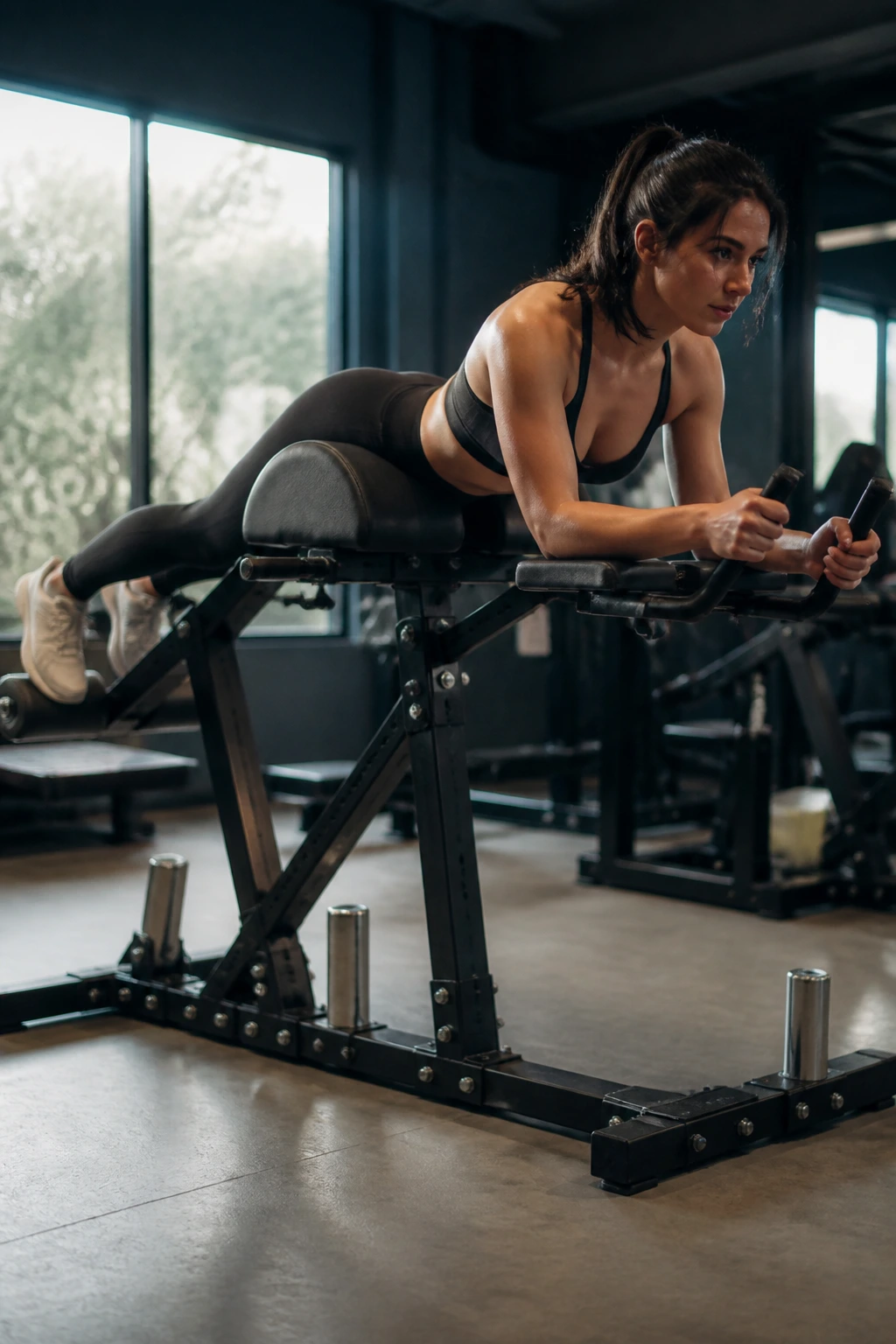
If your gym has a reverse hyper machine, don’t rush past it. It can be a useful glute and posterior-chain tool when you keep the swing under control.
The pad supports the hips while the legs move behind you and then return under the body. The glutes should drive the swing, not the lower back. That sounds obvious. It isn’t always obvious when people start loading it and turning the machine into a momentum contest.
How to load it
- Start with bodyweight.
- Keep the movement smooth and small.
- Add load only if the machine stays stable.
- Stop the swing before the lower back takes over.
Ten to 15 controlled reps is a good start. It’s one of those exercises that feels almost too gentle until the set is over.
24. Leg Extension
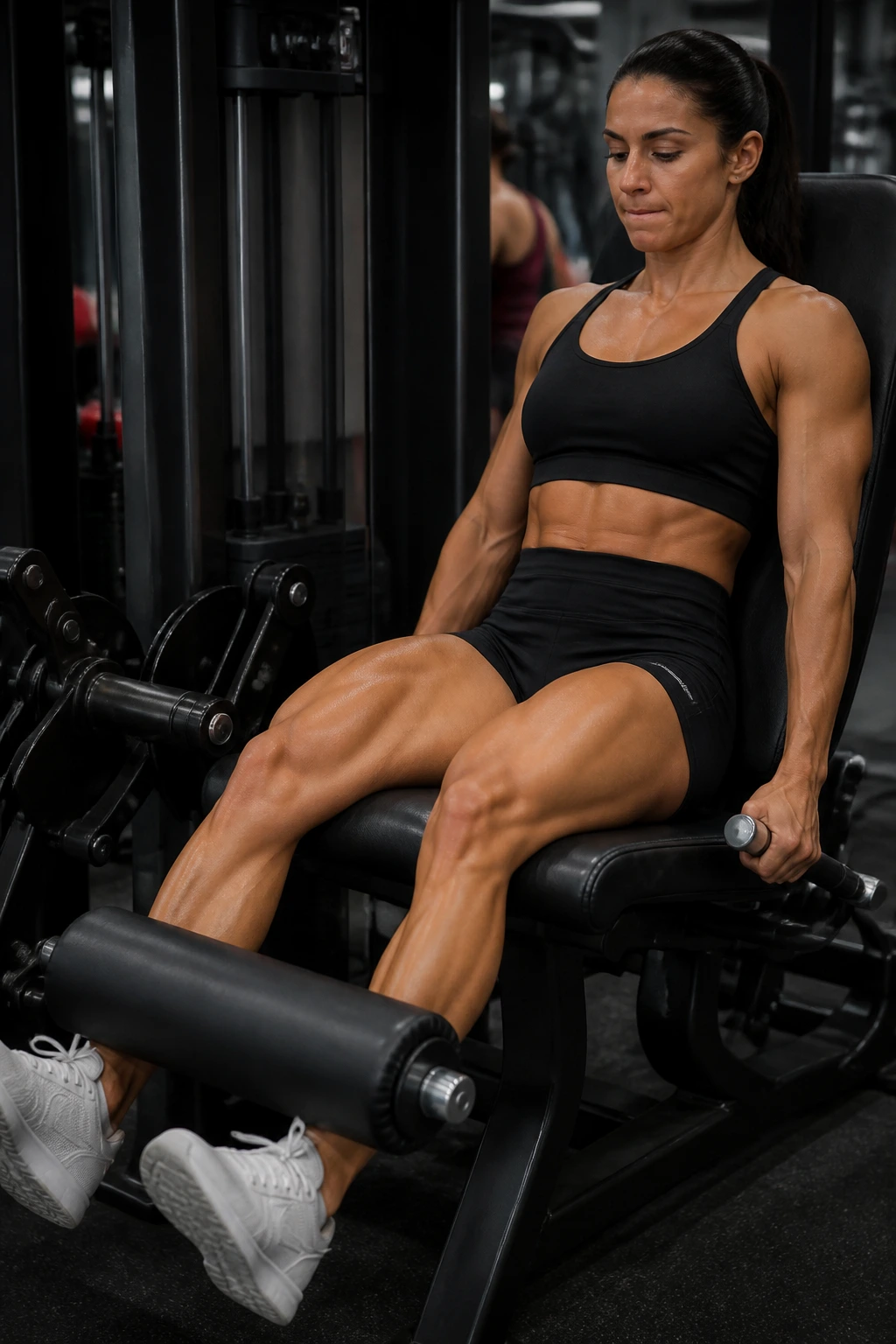
The leg extension is one of those moves people dismiss after one sloppy, ego-heavy set.
Used well, it isolates the quads cleanly. Sit all the way back in the pad, line the knee up with the machine pivot, and extend the legs under control. The squeeze at the top matters, but so does the lowering phase. If you kick the weight up and drop it down, you’re mostly teaching the machine how to be loud.
If your knees are sensitive, lighten the load and shorten the range a little. That’s not failure. That’s smart training. Twelve to 20 reps works well when you want quad detail without another heavy compound.
25. Standing Calf Raise
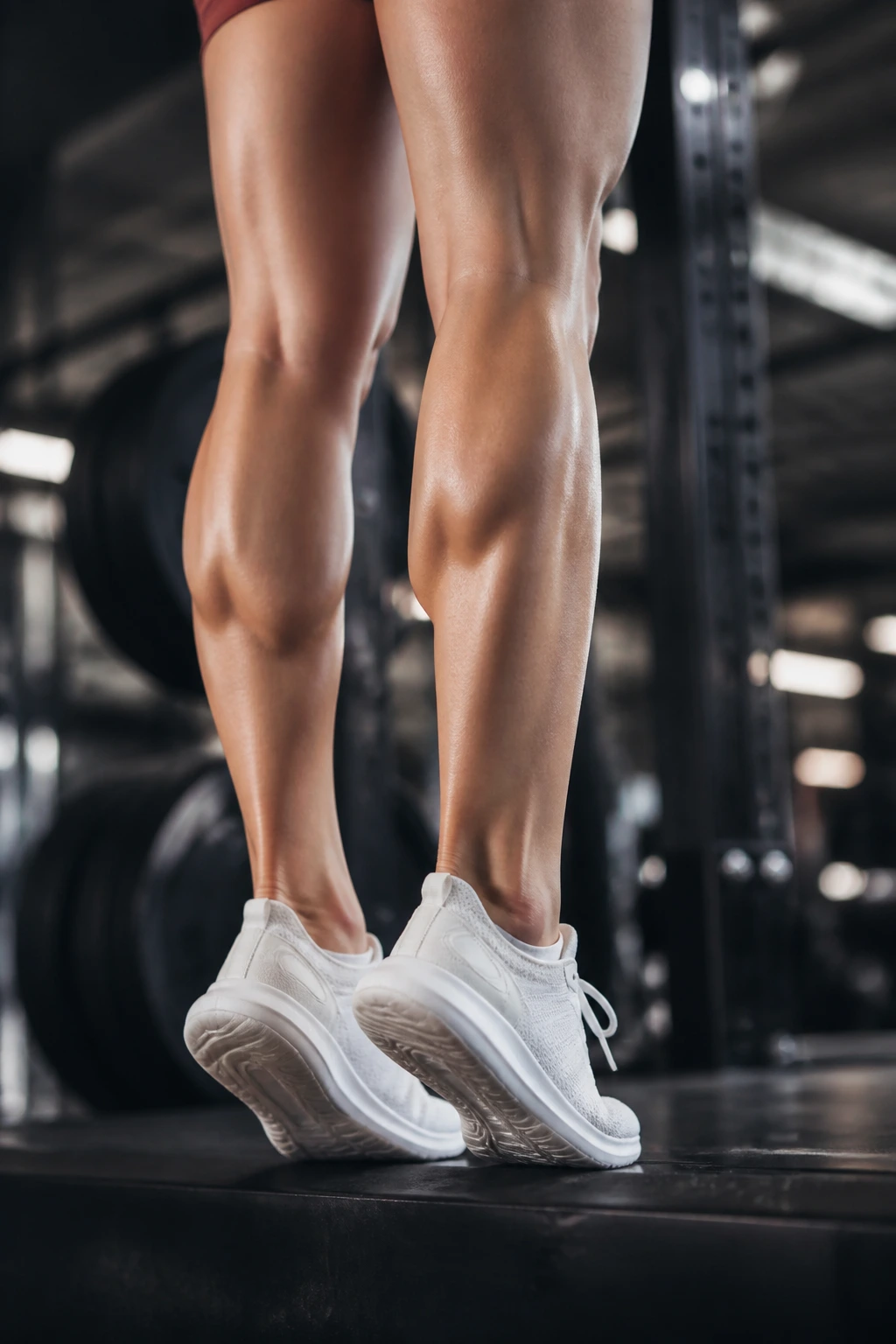
Strong legs look more complete when the calves are not ignored.
The standing calf raise targets the gastrocnemius, the larger calf muscle that crosses the knee and ankle. Stand tall, let the heels drop into a full stretch, then rise onto the balls of the feet and pause at the top. The stretch at the bottom matters more than most people think. Bouncing through the rep with tiny movement and a heavy stack is a waste of time.
If the standing version feels too easy, slow the lowering phase to three seconds and hold the top for one full second. Seated calf raises are useful too, but this standing version is the cleaner place to start. Ten to 20 reps with full range beats heavier partials every time.
Final Thoughts
The best lower-body days usually follow a simple pattern: one big lift, one single-leg move, one hinge, and one machine or isolation exercise that cleans up whatever the big lifts miss. That’s enough. More than enough, usually.
For many women, that mix is what makes leg training feel useful instead of random. Squats and presses build the base. Hinges and curls keep the back side honest. Abduction, adduction, and calf work round out the parts that get skipped when workouts are rushed.
My blunt advice: keep a log, chase cleaner reps before ugly load, and build the session around a few movements you can repeat well. If a workout leaves you stronger next week, that’s the one worth keeping.
