



Building stronger legs is rarely about finding a magic move. It is about consistent tension, technical precision, and the willingness to let your muscles fatigue until they truly have nothing left to give. You have likely seen people in the gym bouncing through half-reps or swinging weights around, looking more like they are fighting the equipment than training. That is not how you build a foundation. Real leg strength comes from controlling the movement, understanding how to hinge or squat correctly, and respecting the fact that your lower body requires more recovery time than almost any other muscle group.
When you really commit to developing your legs, you start to feel different when you walk, run, or simply sit down. Your gait changes. You stop feeling fragile. Whether your goal is sheer mass, explosive power, or just the ability to hike a steep trail without your lungs giving out before your legs do, the process remains the same. You need a mix of heavy compounds, unilateral work to iron out imbalances, and isolation movements to target the specific fibers that are stubborn to grow.
Do not try to cram all of these into one session. That is a recipe for injury and extreme soreness that keeps you out of the gym for days. Instead, use this as a library of movements. Pick the ones that address your specific weak points, rotate them based on your programming, and prioritize form over the weight on the bar every single time. Your joints will thank you later.
1. Back Squat
The back squat is the standard by which all lower body strength is measured. It forces you to stabilize a load across your upper back, which requires core engagement and total body coordination. If you do not have the hip mobility to hit depth, stop adding weight. It is better to squat an empty bar or light dumbbells to a full range of motion than to ego-lift massive weight while barely bending your knees.
Setting Up the Bar
Position the bar on your traps, not your neck. Keep your feet shoulder-width apart, toes pointed slightly outward. As you descend, think about pushing your knees out, rather than letting them collapse inward. This creates the room your hips need to sink down. Keep your chest up—not vertical, but proud—and drive through your mid-foot.
Pro tip: If you struggle with heel lift, look at your ankle mobility. Tight ankles are often the hidden reason people cannot keep their heels planted.
2. Romanian Deadlift
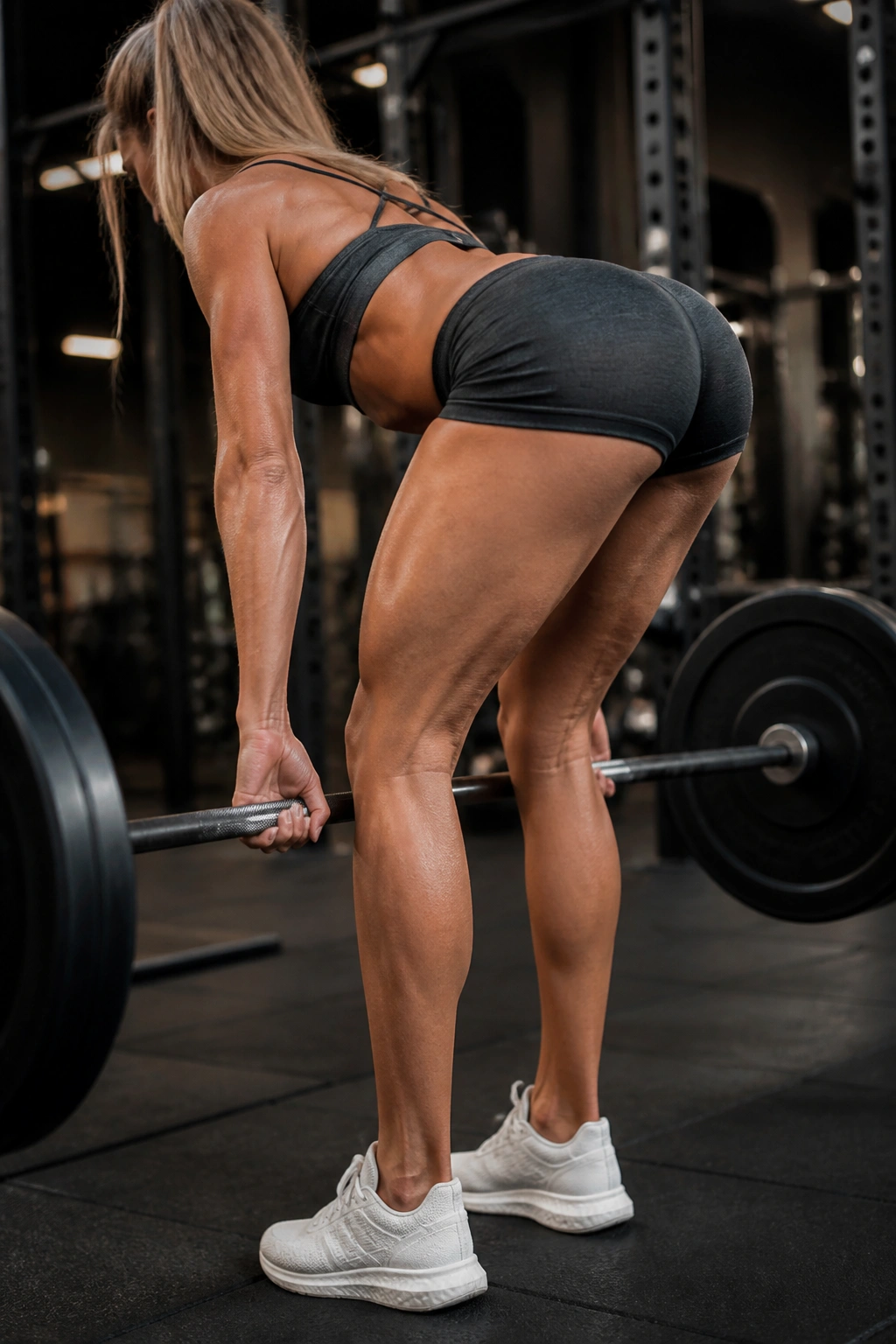
The Romanian deadlift, or RDL, is arguably the best move for posterior chain development. It targets the hamstrings and glutes through a deep stretch. Unlike a standard deadlift where the bar starts from the floor, you start from the top. Lower the weight by pushing your hips back as far as possible, keeping the bar glued to your shins the entire time.
You should feel a significant tension in the back of your legs. If you feel this in your lower back, you have gone too far or your core is loose. Reset. Keep a slight, soft bend in your knees, but do not let them travel forward during the descent. The goal is to maximize the stretch in the hamstrings. Only go as low as your flexibility allows before your back starts to round.
3. Bulgarian Split Squat
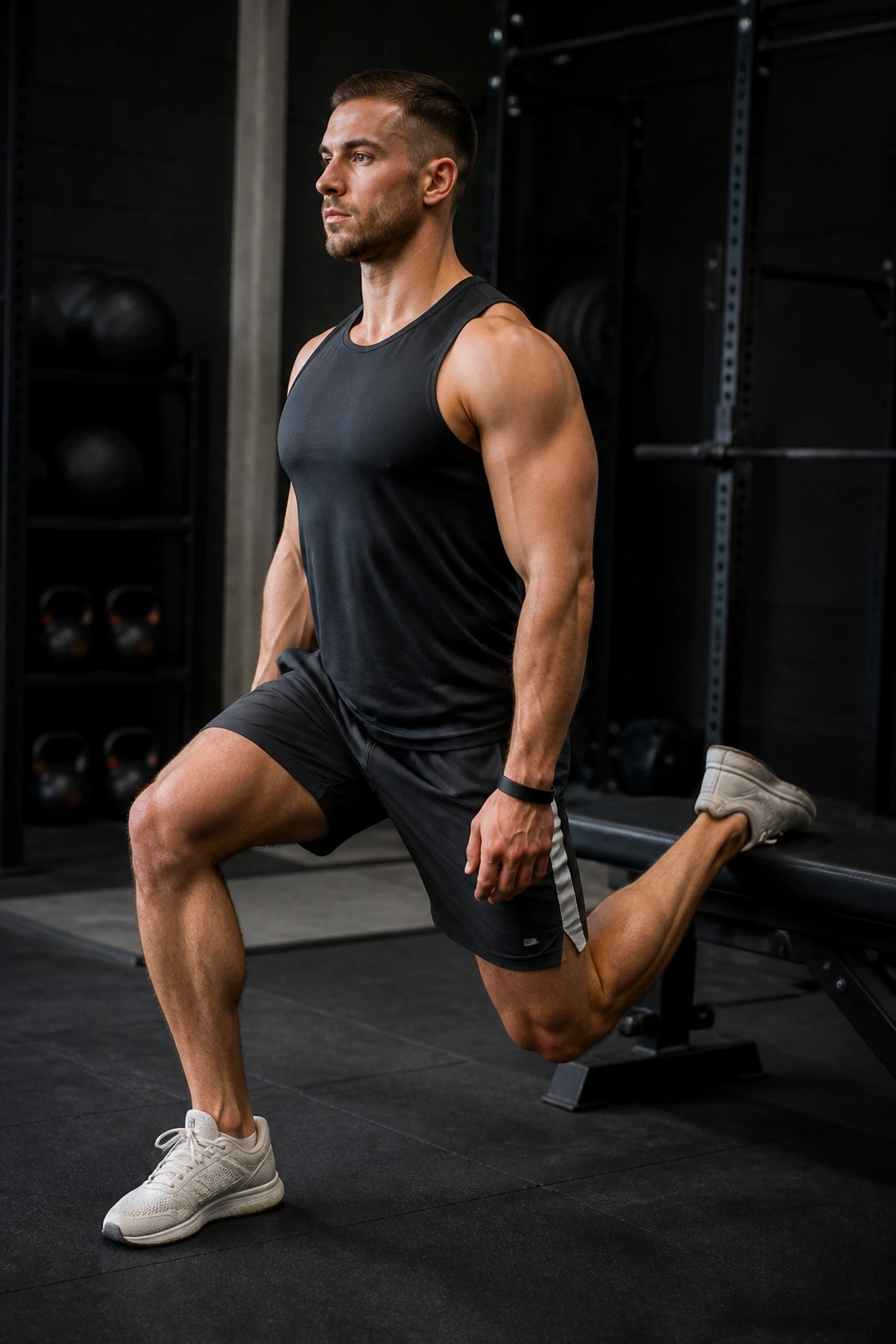
Many people despise the Bulgarian split squat, and that is exactly why it is so effective. It is a single-leg exercise that demands stability, balance, and pure quad strength. By elevating your rear foot on a bench, you isolate the front leg and force it to do almost all of the work. This is the ultimate tool for fixing strength imbalances between your left and right sides.
How to Master the Balance
Do not place your foot directly behind you. Stagger your stance slightly wide. This provides a base of support so you aren’t wobbling like a pendulum. As you descend, lean your torso slightly forward to bias the glutes, or keep it upright to focus more on the quads. Try to sink your back knee toward the floor, not just toward your front heel. It is harder than it looks.
4. Goblet Squat
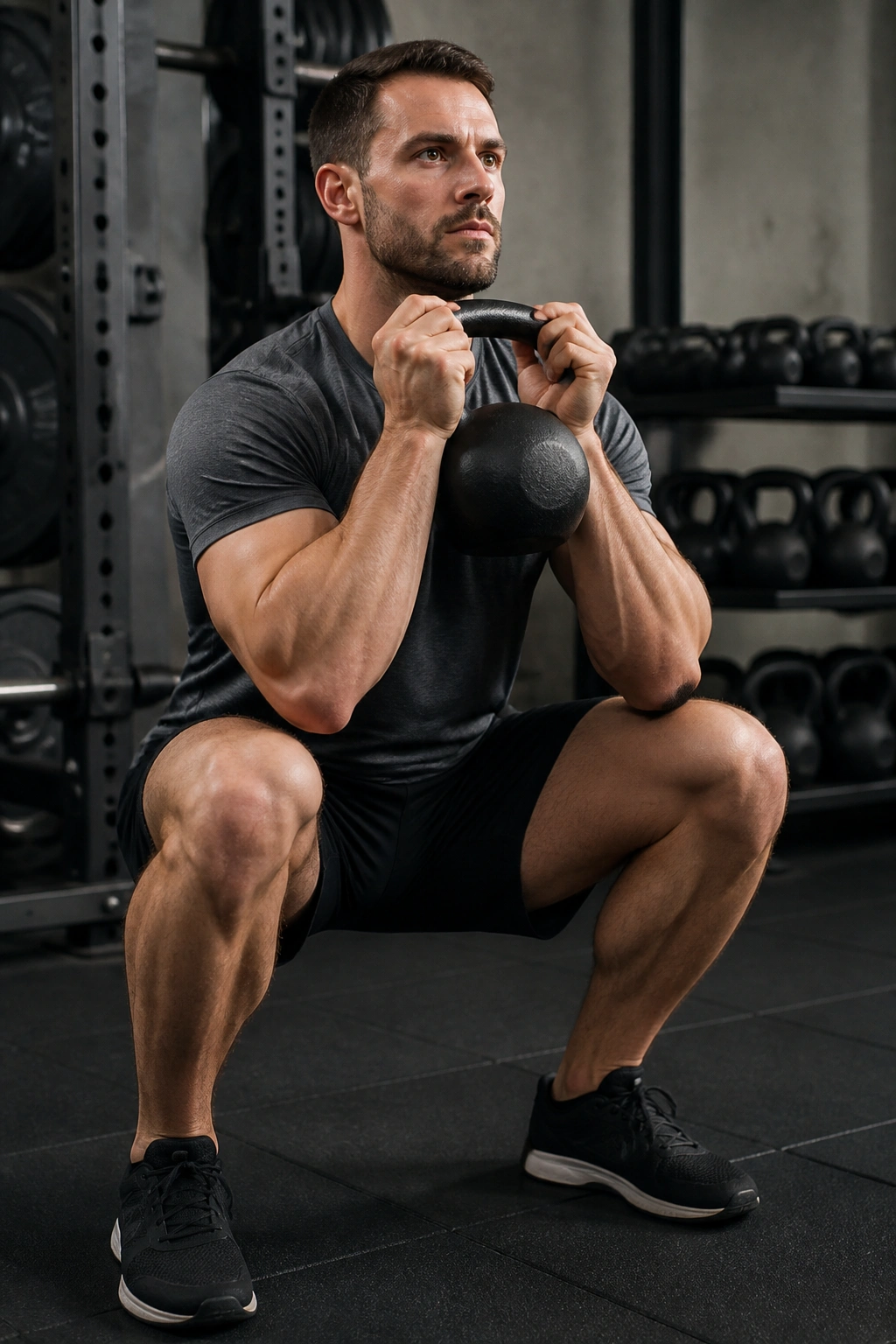
The goblet squat is a fantastic teaching tool and a brutal finisher. By holding a kettlebell or dumbbell at chest height, you act as a counterweight. This allows you to sit much deeper into your squat than you might with a back squat, while simultaneously keeping your torso upright. It is nearly impossible to round your back if you hold the weight properly against your sternum.
This move forces you to keep your core braced. If you let the weight drift away from your body, it will pull you forward and wreck your form. Keep those elbows tucked in. Use this for high-rep sets—think 15 to 20 reps—to really get the quads burning. It is less about max weight and more about the quality of the squat pattern.
5. Walking Lunges
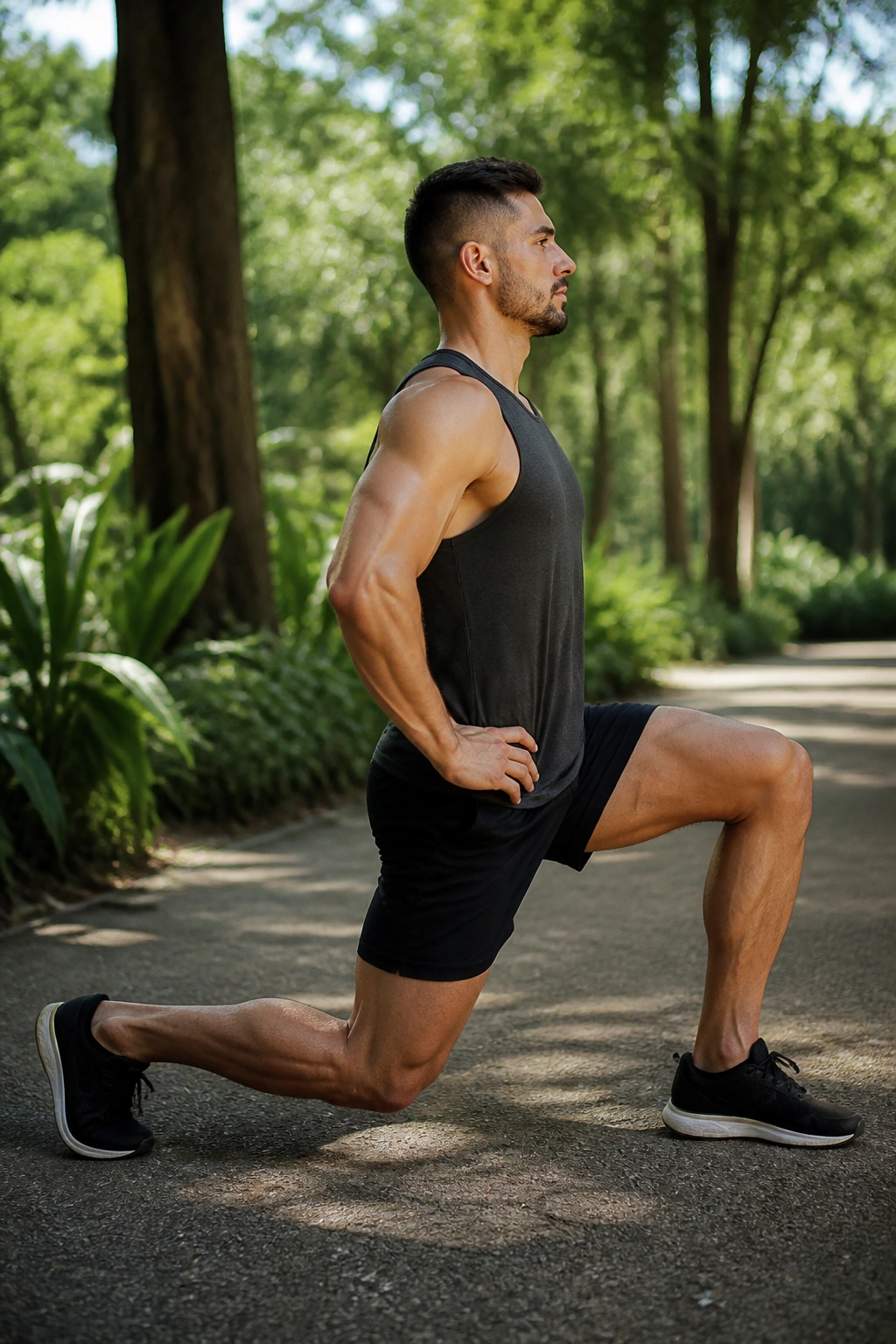
Walking lunges are functional, brutal, and effective. They teach you to control your body while moving through space. Most people rush these, taking short, choppy steps that do not activate the muscles fully. Take long strides. When your front foot plants, your shin should be vertical or slightly angled, and your back knee should almost touch the ground.
Maintain an upright posture throughout the movement. If you find yourself tipping forward, you are likely too fatigued or lack the core stability to handle the load. You can perform these with dumbbells at your sides, a barbell on your back, or even bodyweight if you are just starting. Regardless of the load, the focus is on the stretch in the trailing leg and the drive through the lead heel.
6. Leg Press
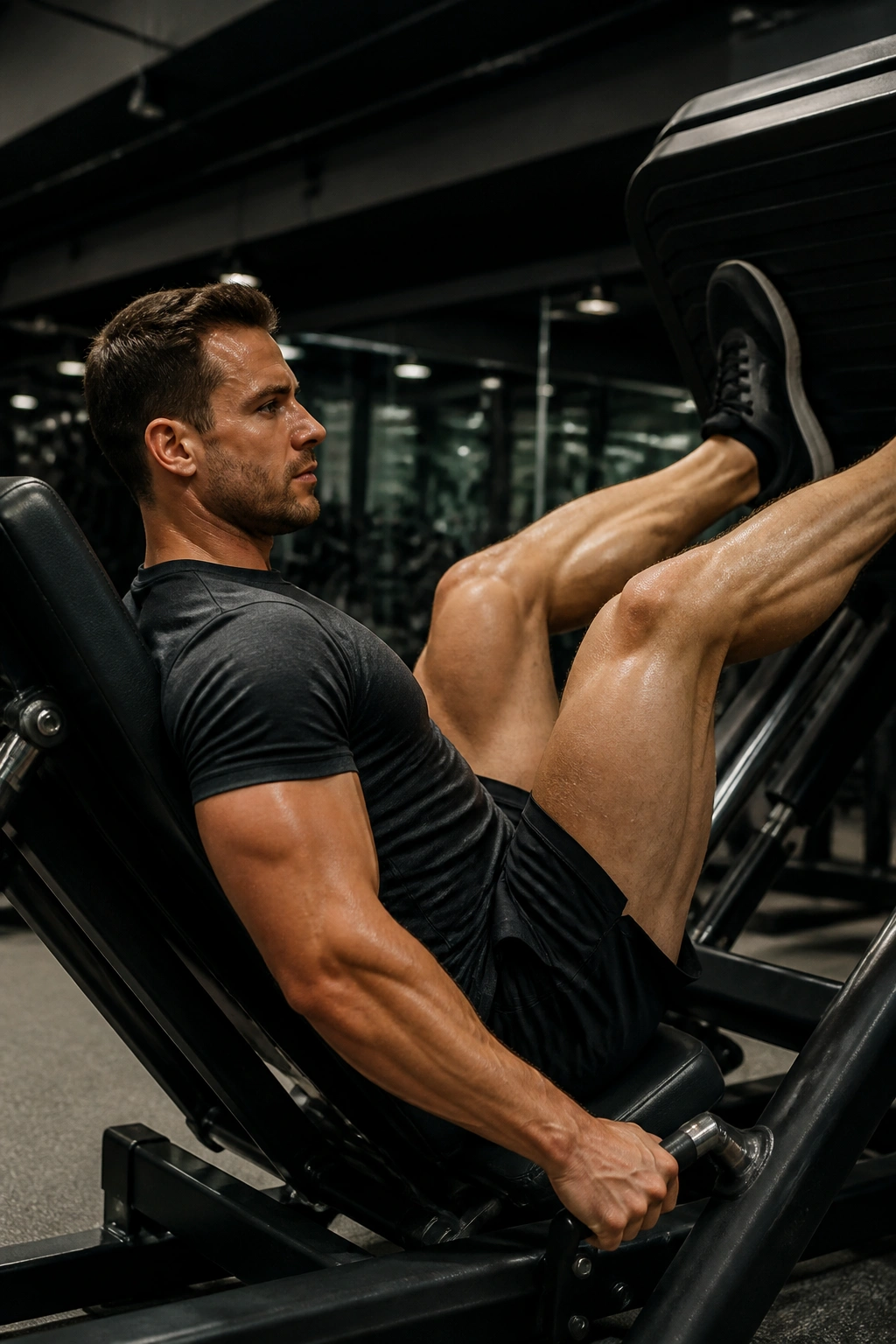
The leg press often gets a bad reputation, but it is a safe way to move heavy volume for your legs without taxing your lower back. The key is in foot placement. A high foot placement on the platform engages more glutes and hamstrings, while a lower placement shifts the emphasis to the quadriceps. Experiment with your stance to see what feels best.
Crucial warning: Never lock your knees at the top of the rep. That puts the stress on your joints instead of your muscles, which is a one-way ticket to knee pain. Keep a soft bend in the knees at the peak of the movement. Also, keep your lower back pressed firmly against the pad; if your butt lifts off the seat at the bottom, your range of motion is too aggressive for your current mobility.
7. Glute Bridge
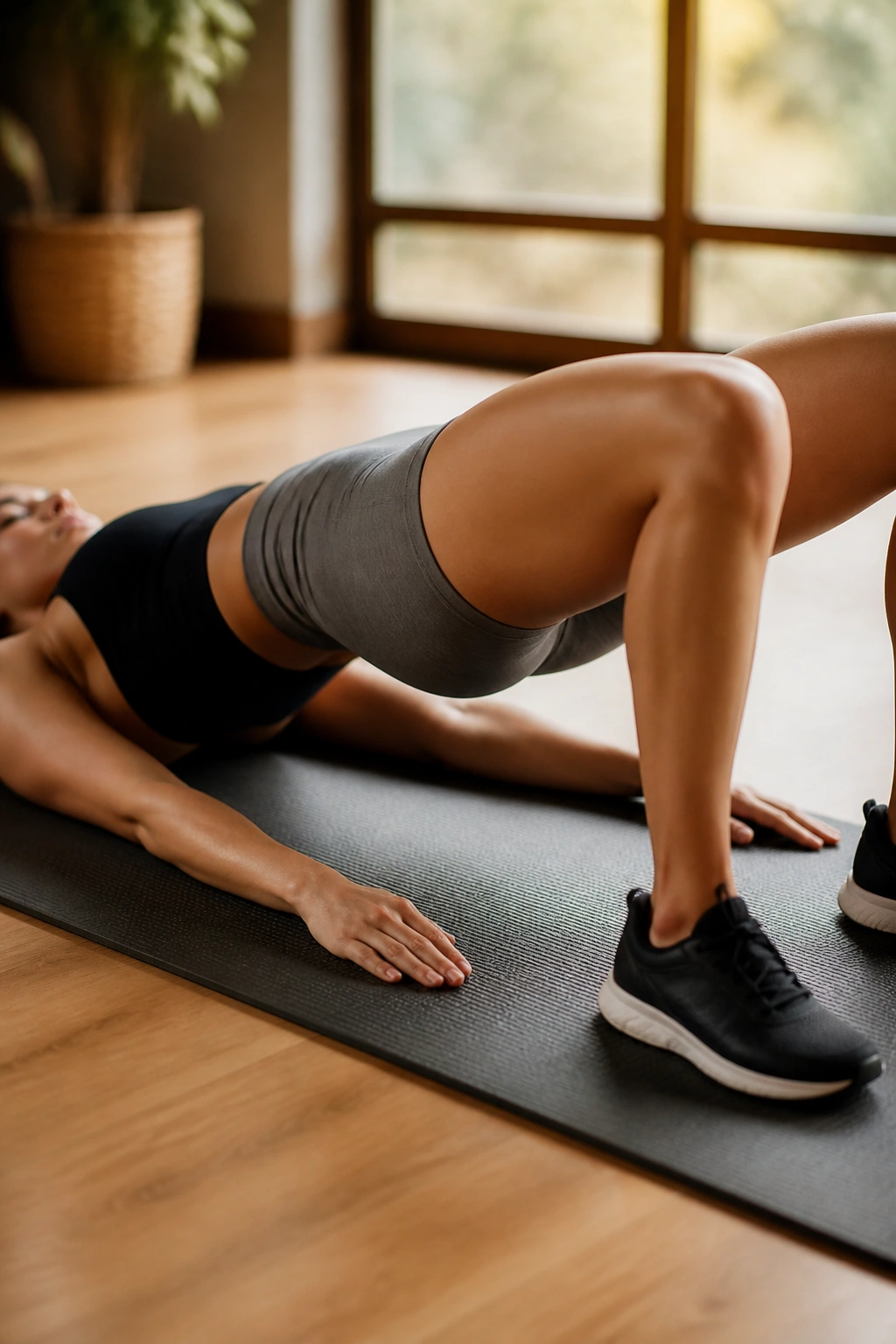
The glute bridge is the foundational movement for hip extension. You lie flat on your back, knees bent, feet on the floor, and drive your hips toward the ceiling. The movement is small, but if you squeeze your glutes at the top and pause, it is incredibly effective. It requires almost no equipment, making it a great staple for warm-ups or home workouts.
Many people make the mistake of using their lower back to bridge. You should feel this in the glutes and hamstrings. To correct this, tuck your chin toward your chest and keep your ribs down. This prevents your spine from arching. If you want to increase the intensity, place a weight plate on your lap or do these single-legged.
8. Hip Thrust
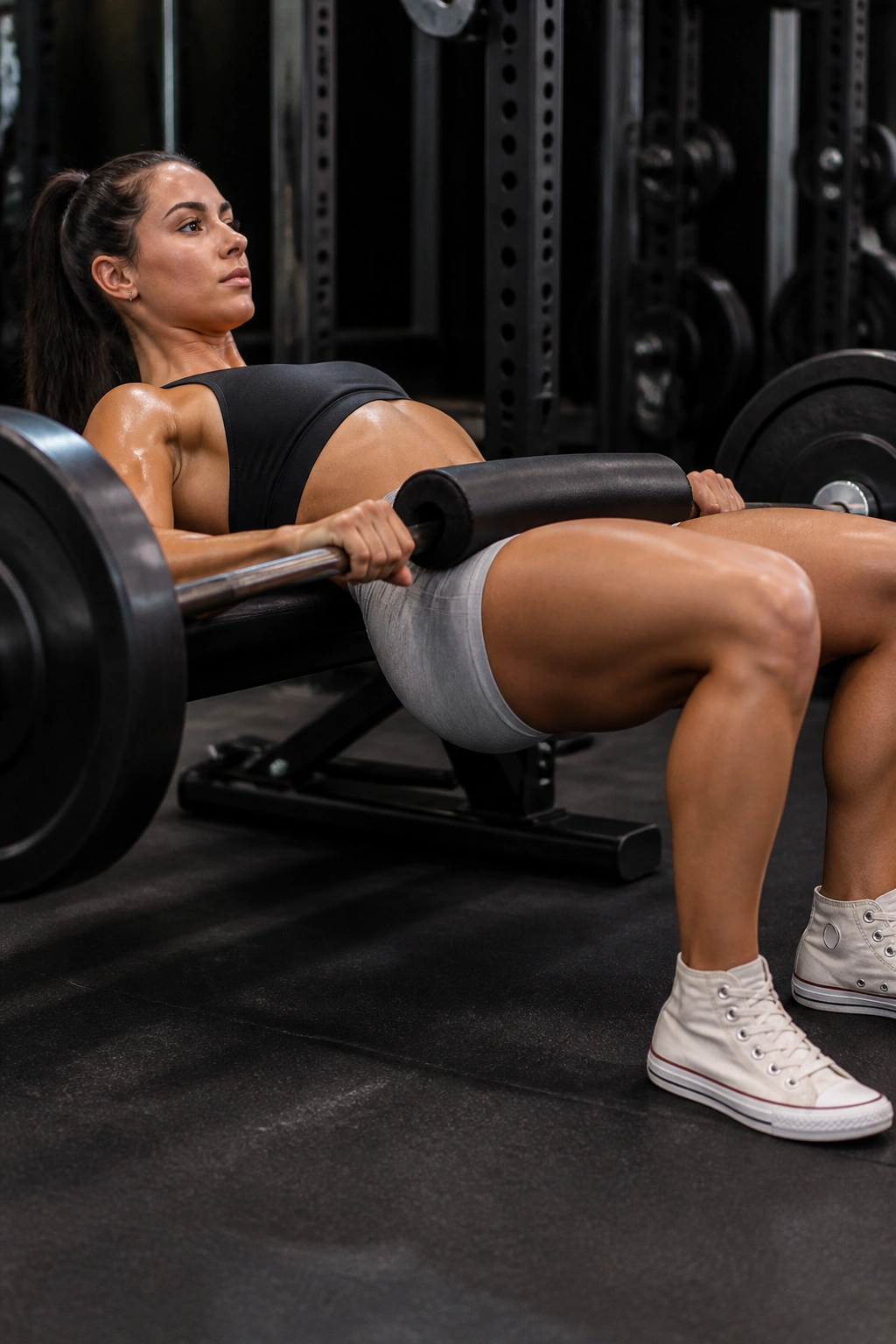
If the glute bridge is the foundation, the hip thrust is the power move. With your upper back supported on a bench and a heavy barbell across your hips, you can load significant weight. This is the move for building glute mass. Because of the leverage, you can move much heavier loads here than you can with squats or deadlifts.
Tips for Success
- Use a pad or a rolled-up mat for the bar. It will dig into your hip bones otherwise.
- Keep your shins vertical at the top of the movement.
- Look forward, not up at the ceiling.
- Drive through your heels. If you push through your toes, you will feel it in your quads instead.
9. Kettlebell Swing
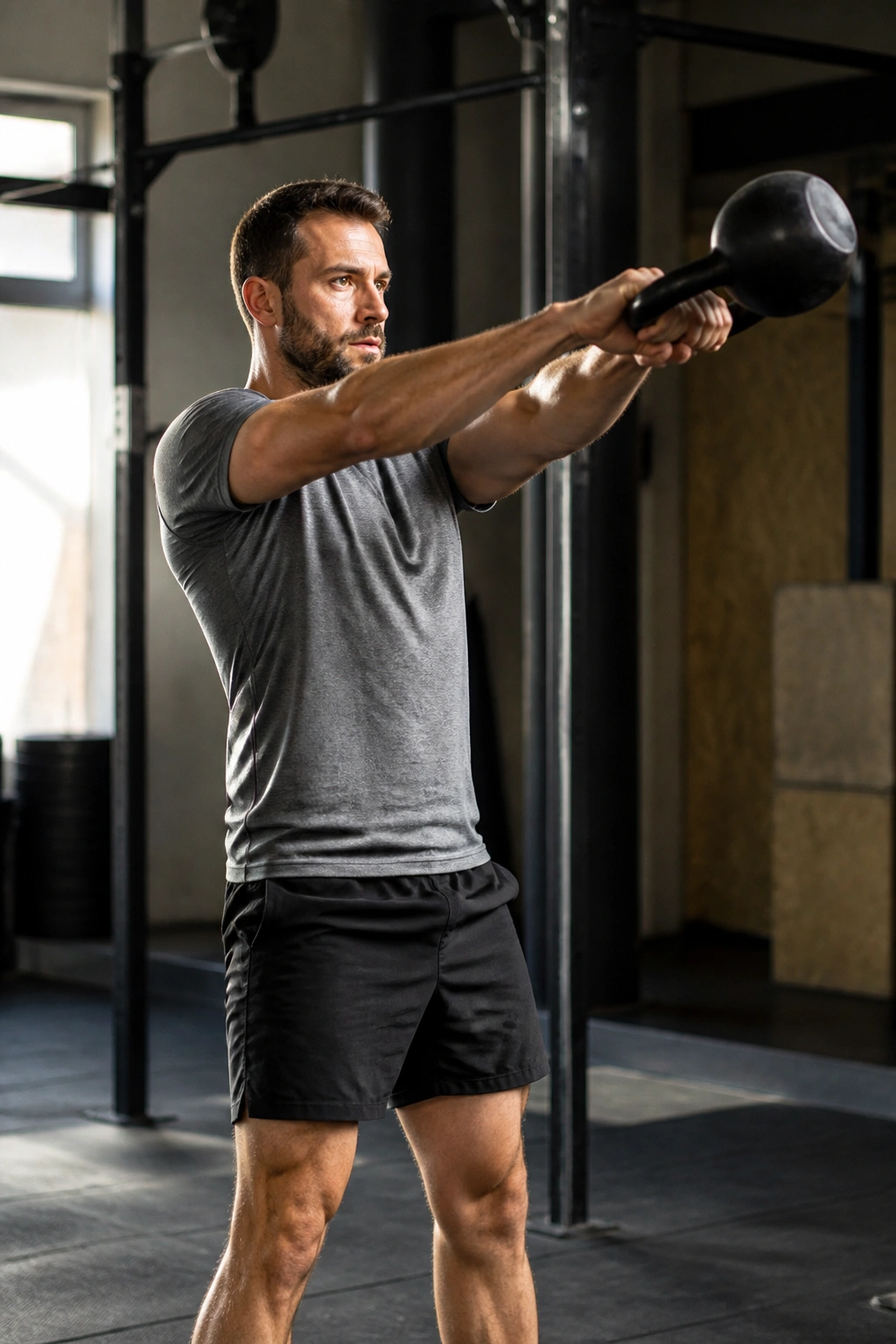
The kettlebell swing is a hip-hinge movement that builds explosive power and posterior chain strength. It is not a squat. It is a snap. You want to hinge at the hips, pushing them backward, then snap them forward forcefully to propel the bell upward. Your arms are just ropes holding the weight; the power comes from your glutes and hamstrings, not your shoulders.
If your arms are getting tired before your legs, you are lifting the bell. Stop that. Let the bell float at the top. The tension should be at the bottom of the swing when the bell is between your legs. When you come up, squeeze your glutes so hard you could crack a walnut. That is the feeling you are looking for.
10. Leg Extension
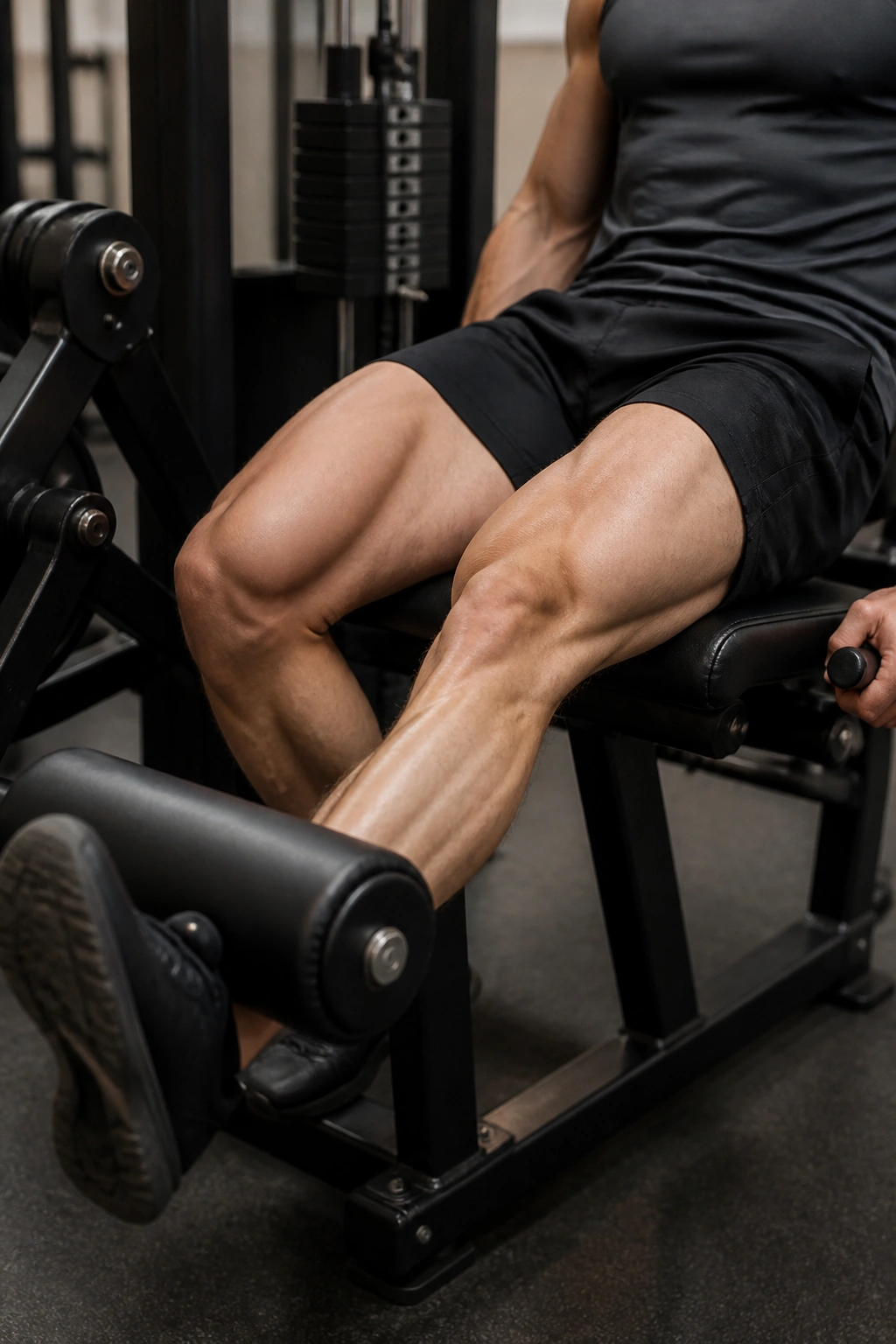
Leg extensions are the quintessential isolation exercise for the quads. They are great for adding finishing volume at the end of a leg day or for focusing on the teardrop muscle near the knee. Because this is a single-joint movement, you do not need to go heavy. In fact, going heavy here is usually a mistake that leads to knee pain.
Focus on the squeeze at the top. Extend your legs fully, hold the contraction for a full second, and then lower the weight slowly. The eccentric—or lowering—portion is where the real growth happens. Control the weight on the way down for three seconds. Do not let the stack slam down.
11. Lying Leg Curl
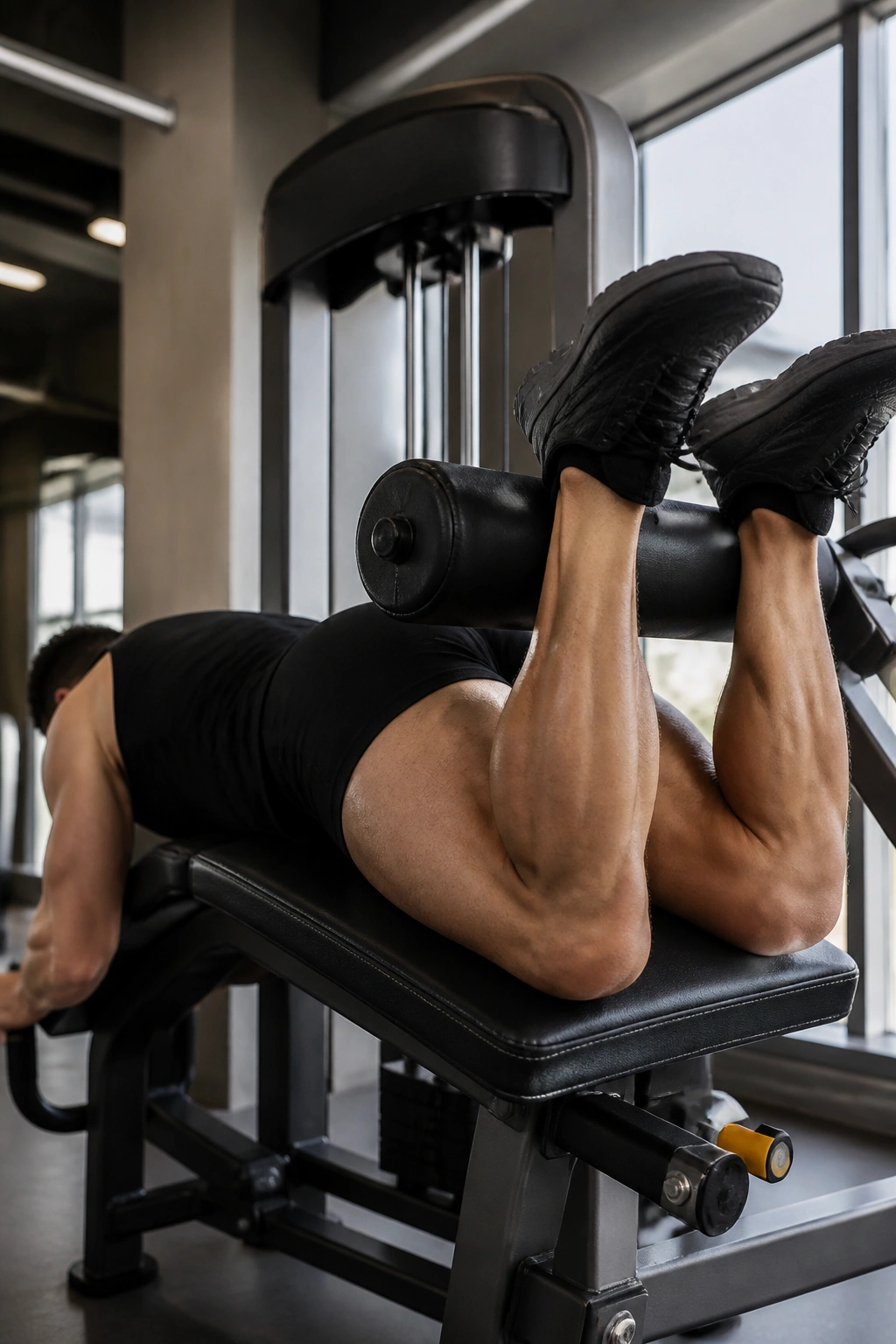
This machine targets the hamstrings by flexing the knee. Just like the leg extension, this is an isolation movement. You need to keep your hips pressed down into the bench throughout the entire movement. A common mistake is letting your hips rise off the pad, which takes the tension off the hamstrings and puts it on your lower back.
Engage your core to stabilize your pelvis. When you pull the weight toward your glutes, think about curling from your heels. If you find your feet are turning inward or outward, keep them neutral. Consistency in your foot position is key to hitting the hamstrings evenly.
12. Sumo Deadlift
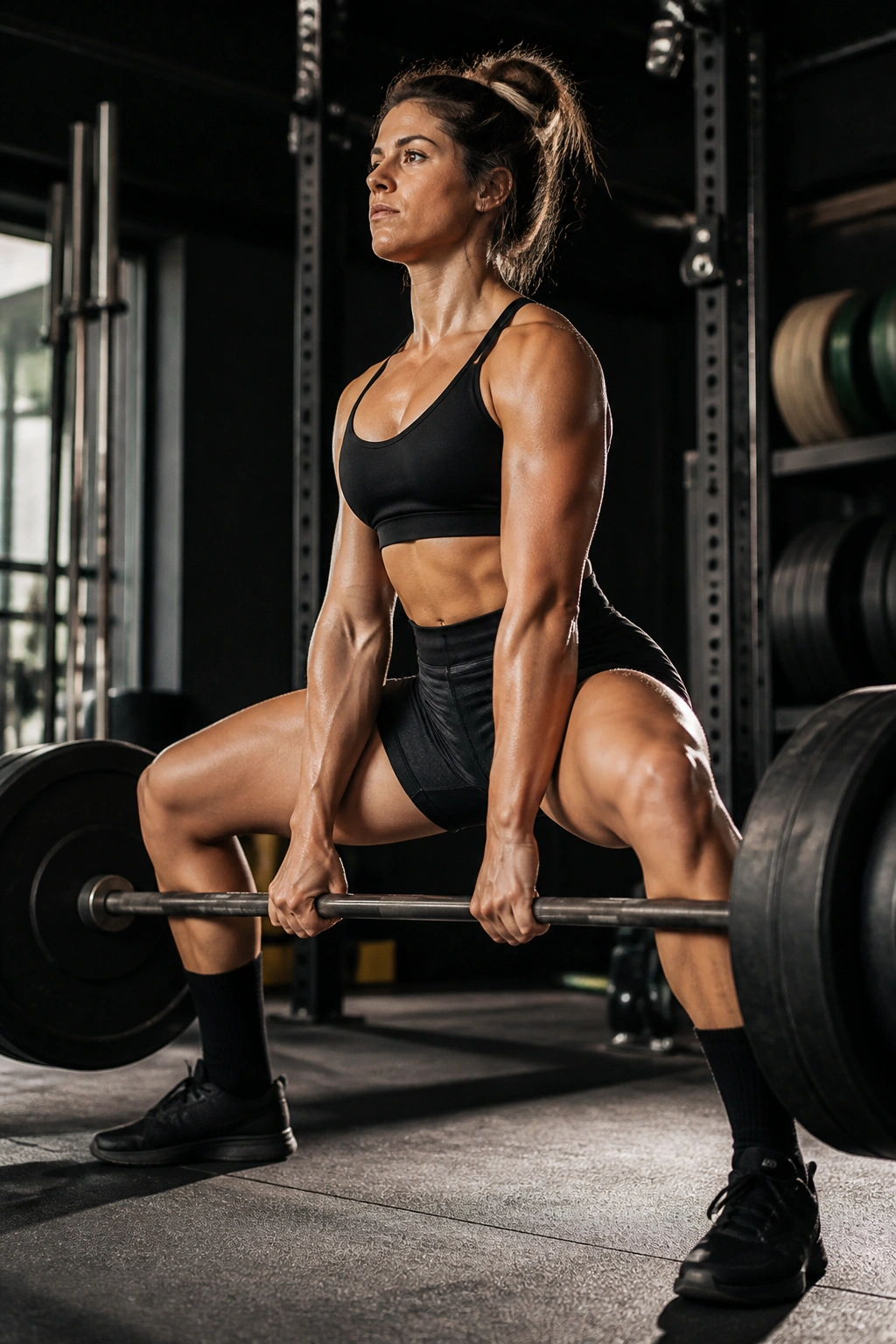
The sumo deadlift uses a much wider stance than a conventional deadlift, with your hands placed inside your legs. This shift in stance reduces the range of motion slightly and allows you to keep your torso more upright. It places a significantly higher demand on the inner thighs (adductors) and glutes.
Because your torso is more vertical, it is generally easier on the lower back than a conventional deadlift. However, it requires significant hip mobility to get into the starting position. Make sure your knees track over your toes. If your knees are collapsing inward, you need to widen your stance or lighten the weight.
13. Step-Ups
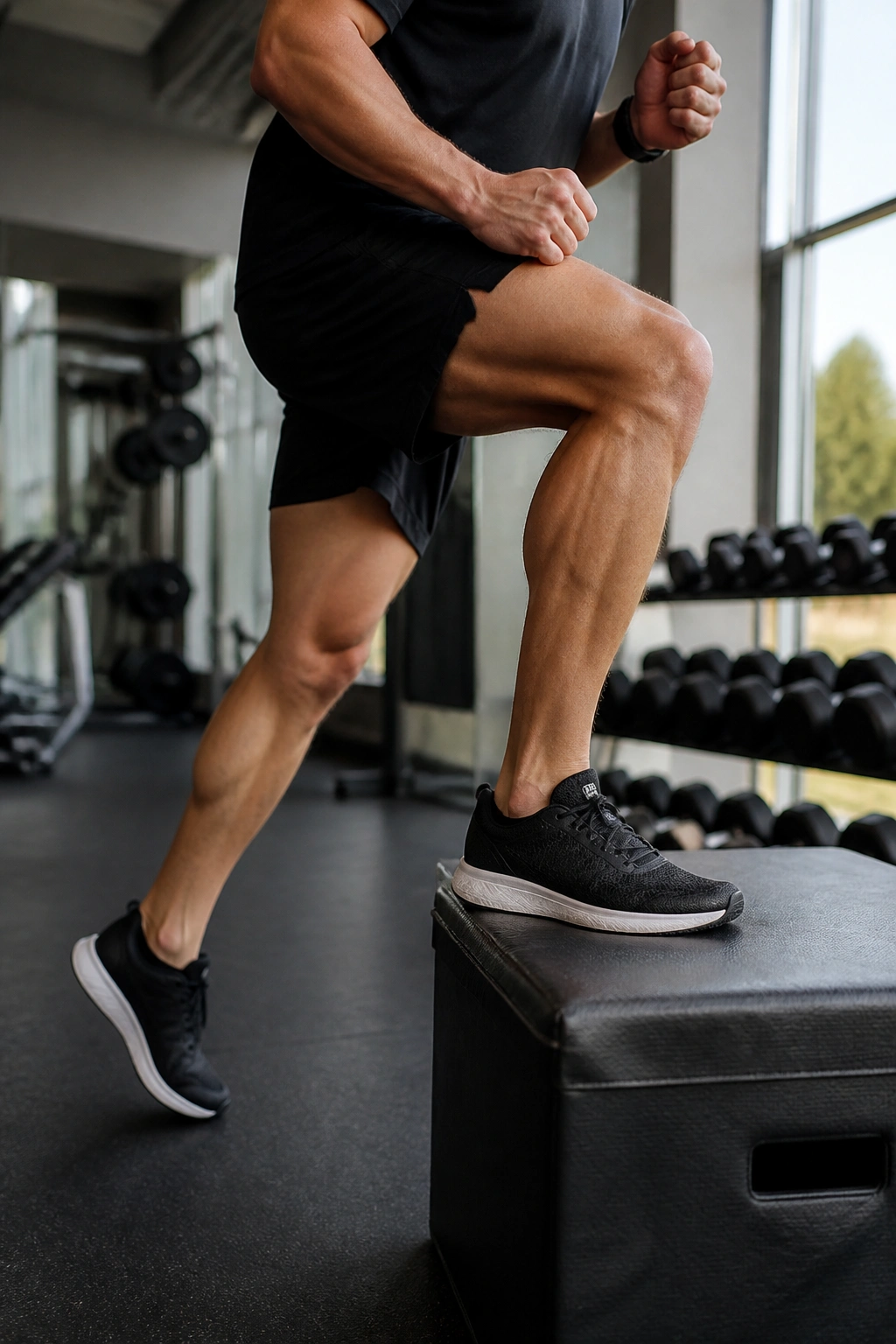
Step-ups are one of the most underrated leg exercises. They are essentially a unilateral squat, but with a focus on stabilization. Find a box or bench that is roughly knee-height. Place one foot on the box and drive your entire body up. The key here is not to push off the floor with your trailing foot. Use only the leg on the box.
If you are just using momentum from the back leg, you are cheating yourself. If you are struggling, reduce the box height. It is better to step onto a lower box with good form than to haul yourself up onto a high box using your back leg to help.
14. Lateral Lunges
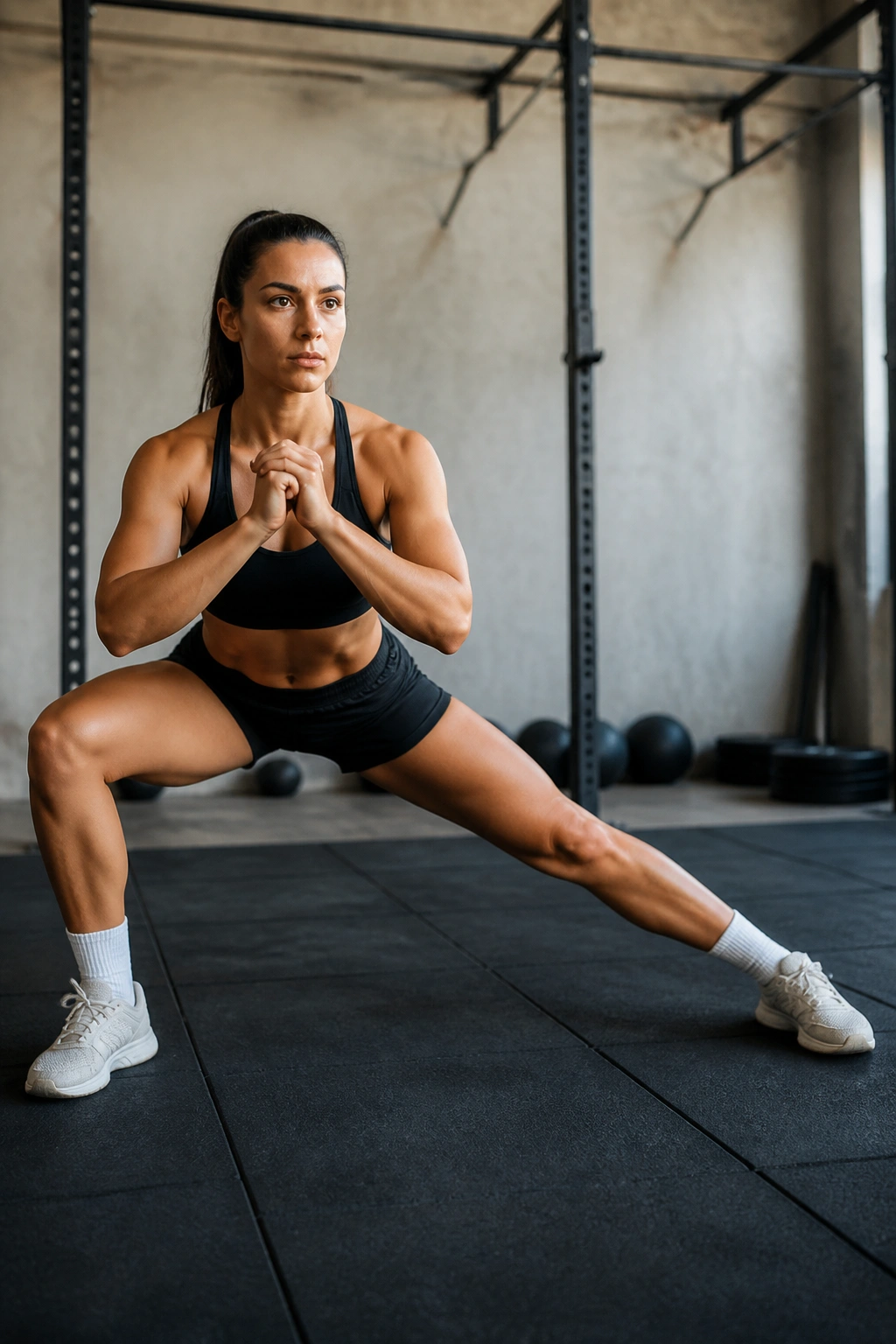
We spend most of our lives moving forward and backward. Lateral lunges force you to move in the frontal plane, which hits the adductors and helps with hip health. Step out to the side, keeping one leg straight and bending the other. Keep your chest up and your hips back.
You should feel a deep stretch in the inner thigh of the straight leg. It can feel awkward at first if you are not used to it. Start with bodyweight only. Once you master the mechanics, you can hold a kettlebell in the goblet position to add some challenge. This is great for hip mobility and overall leg stability.
15. Calf Raises
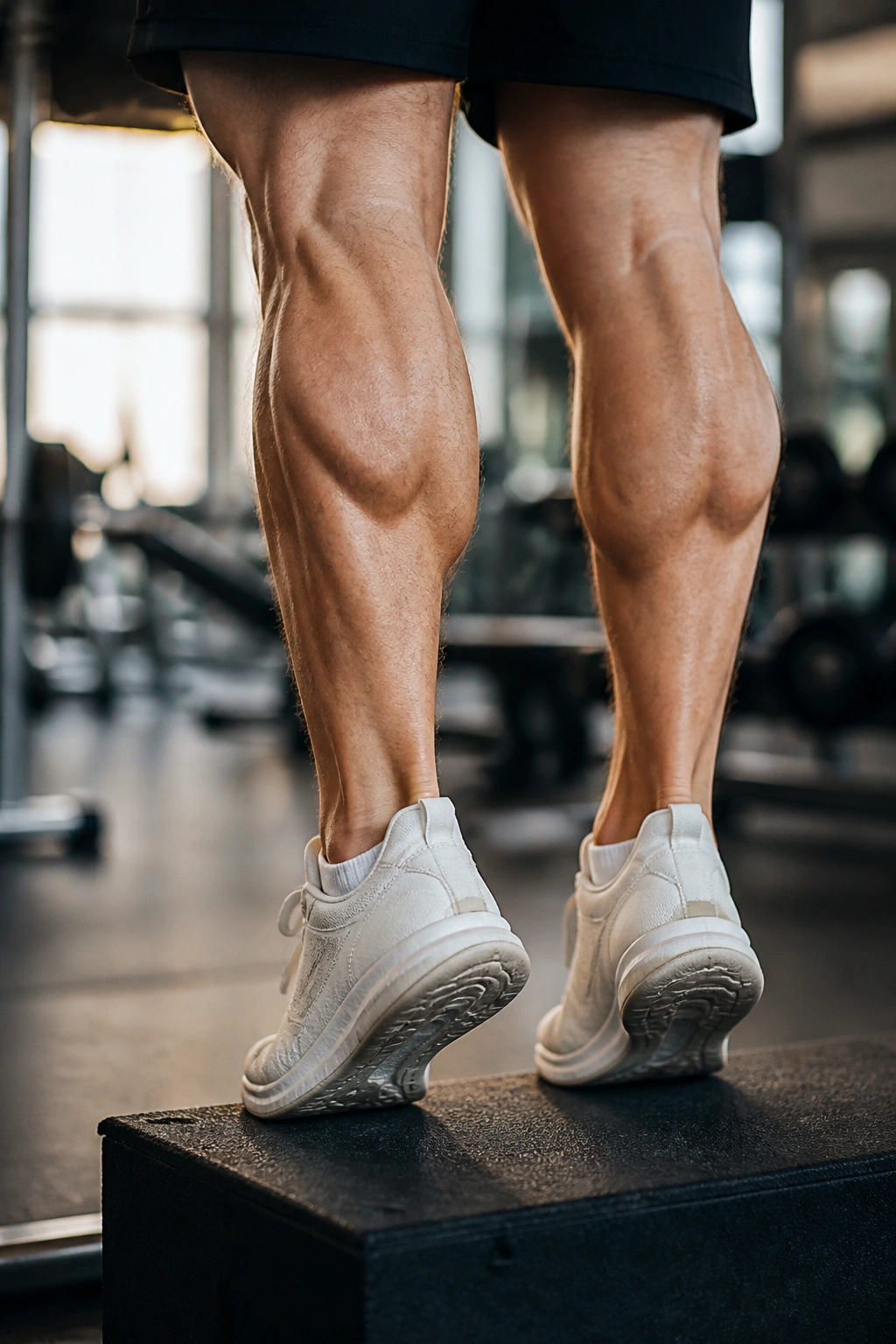
Calves are notoriously difficult to grow for many people. The secret? They need volume, and they need time under tension. Stop bouncing. If you are doing calf raises, spend two seconds on the way up, hold the squeeze at the peak for one second, and take three seconds to lower.
You can do these standing or seated. Standing calf raises target the gastrocnemius, while seated calf raises shift the focus to the soleus. Do both if you want complete calf development. Do not skimp on the stretch at the bottom. Drop your heels as far as they will go to maximize the range of motion.
16. Hack Squat
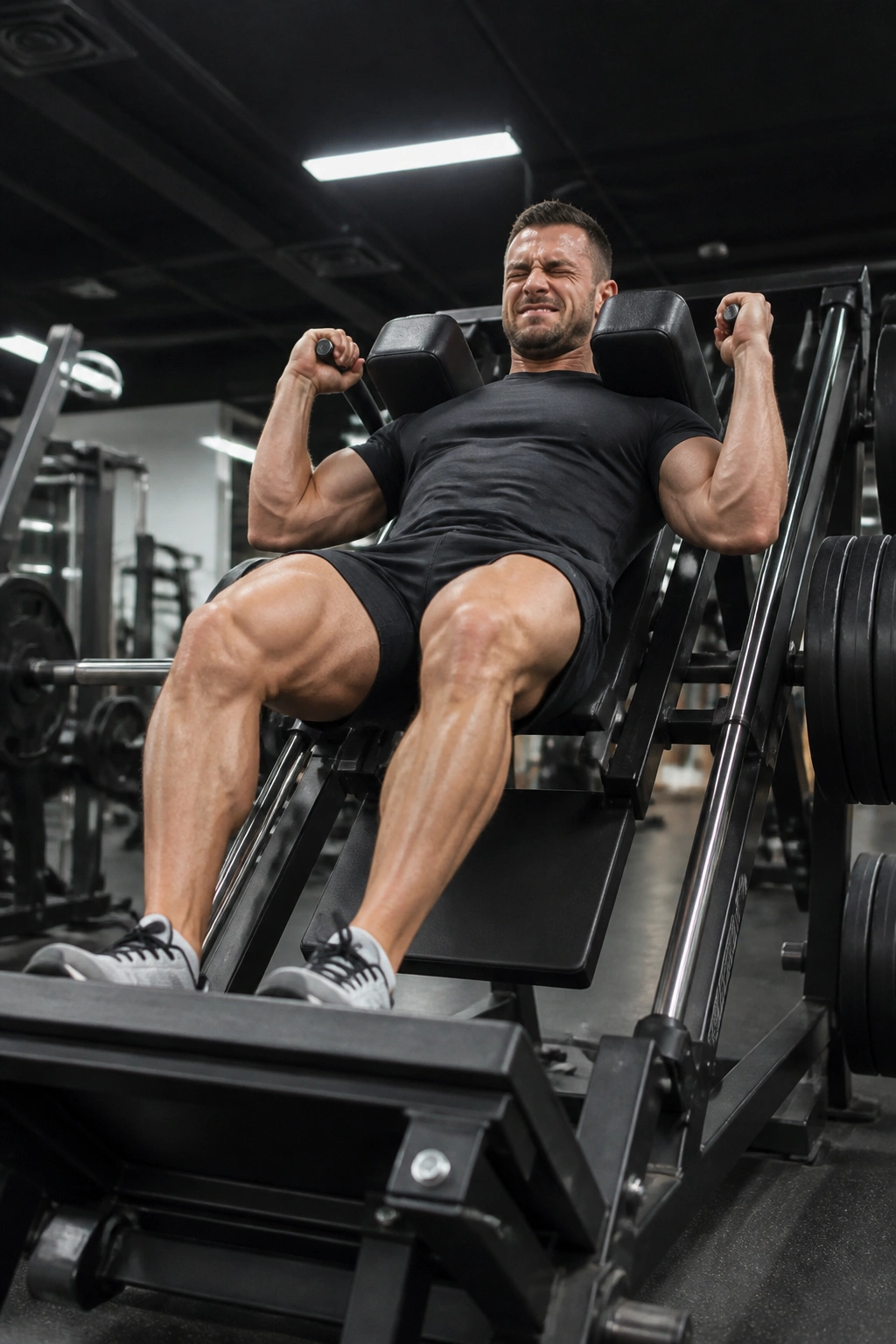
The hack squat machine is a godsend for anyone who wants to squat heavy without worrying about the bar on their back or the instability of free weights. It keeps your back in a fixed position, which allows you to really push your quads to failure. It is particularly good if you have a history of back issues that prevent heavy back squatting.
Set your feet low on the platform if you want maximum quad recruitment. If you want to involve more glutes, move your feet higher. Just be aware that the hack squat puts a lot of pressure on the knees. If you feel sharp pain, stop immediately and check your foot position.
17. Good Mornings
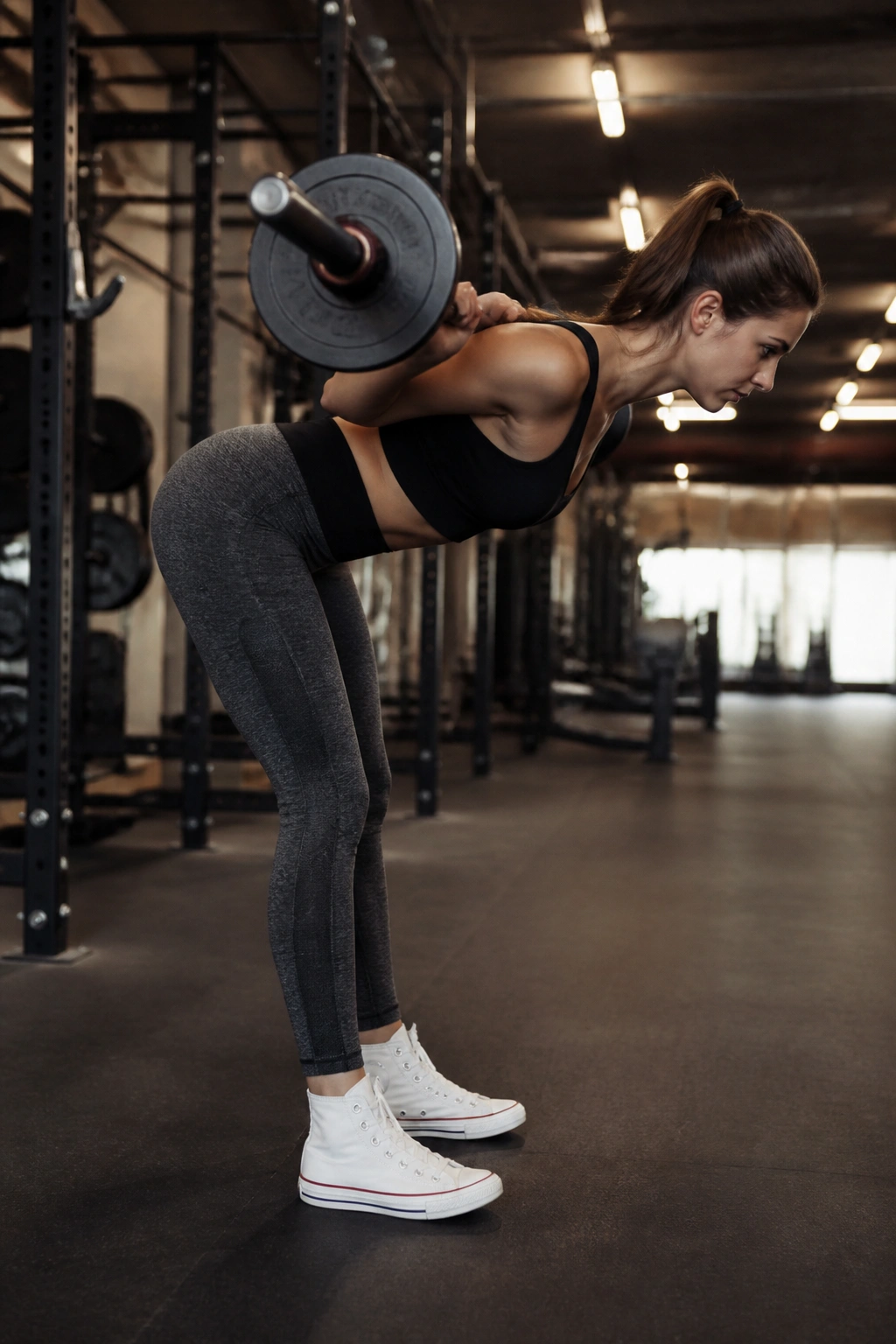
Good mornings look like a half-deadlift, but they are actually a hinge exercise that targets the lower back, glutes, and hamstrings. With a barbell on your back (lower than a high-bar squat), you push your hips back while keeping your knees slightly bent. Your torso hinges forward until it is nearly parallel to the floor.
This move demands a rock-solid core. If you cannot maintain a neutral spine, do not do this exercise. The load should be light. This is not a move for max weight; it is a move for control and muscular endurance in the posterior chain. Feel the tension in your hamstrings and use your glutes to snap back to the starting position.
18. Nordic Hamstring Curls
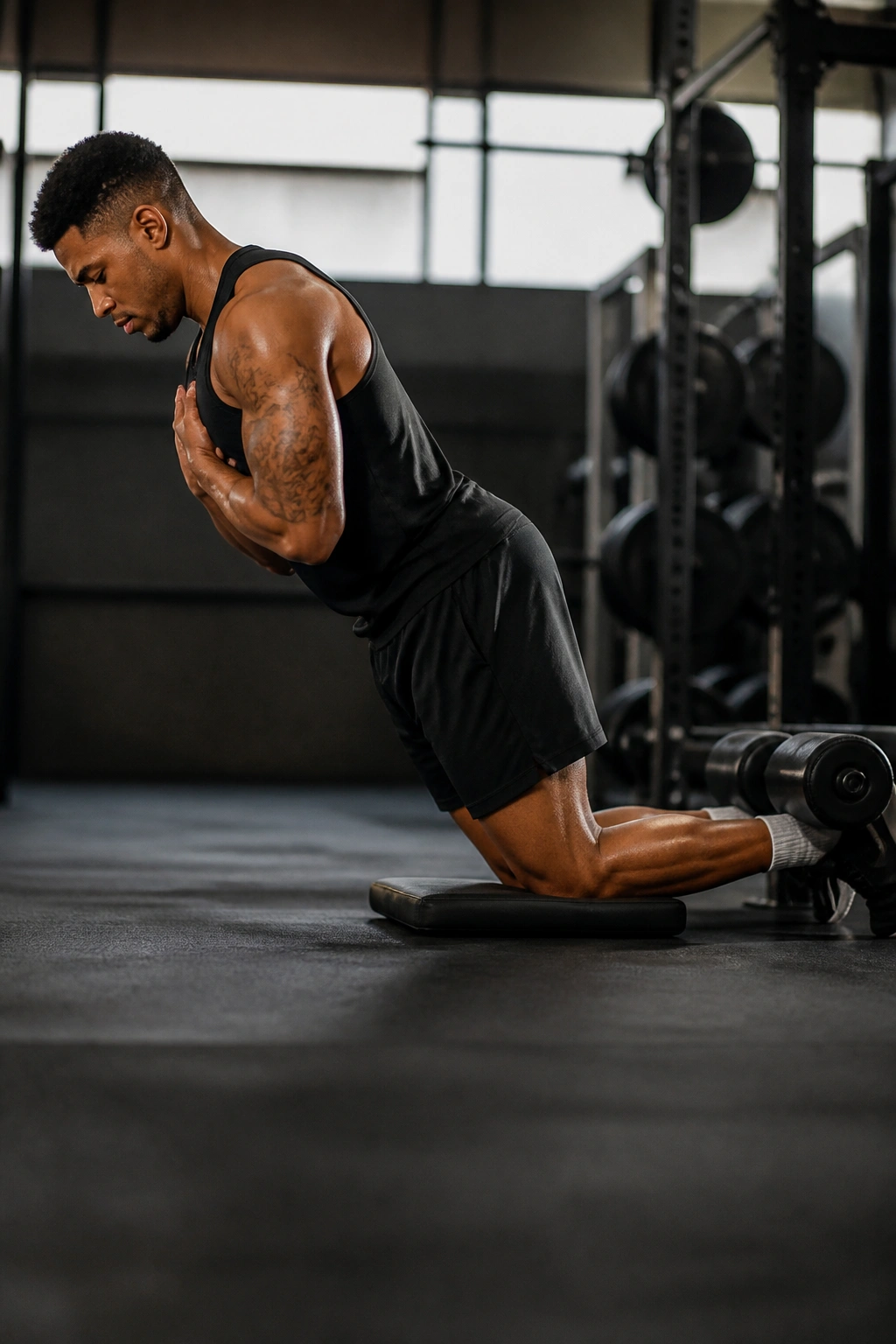
If you want bulletproof hamstrings, Nordic curls are the gold standard. You kneel on a pad with your feet secured by a partner or under a heavy object. Slowly lower your torso toward the floor, keeping your back straight and your hips fully extended. It is an eccentric-only movement, meaning your muscles are working while lengthening.
You will likely not be able to lower yourself all the way to the floor at first. That is fine. Use your hands to catch yourself, push back up, and fight the gravity on the way down as long as you can. This exercise is incredibly demanding and will leave your hamstrings sore for days, so introduce it slowly.
19. Box Jumps
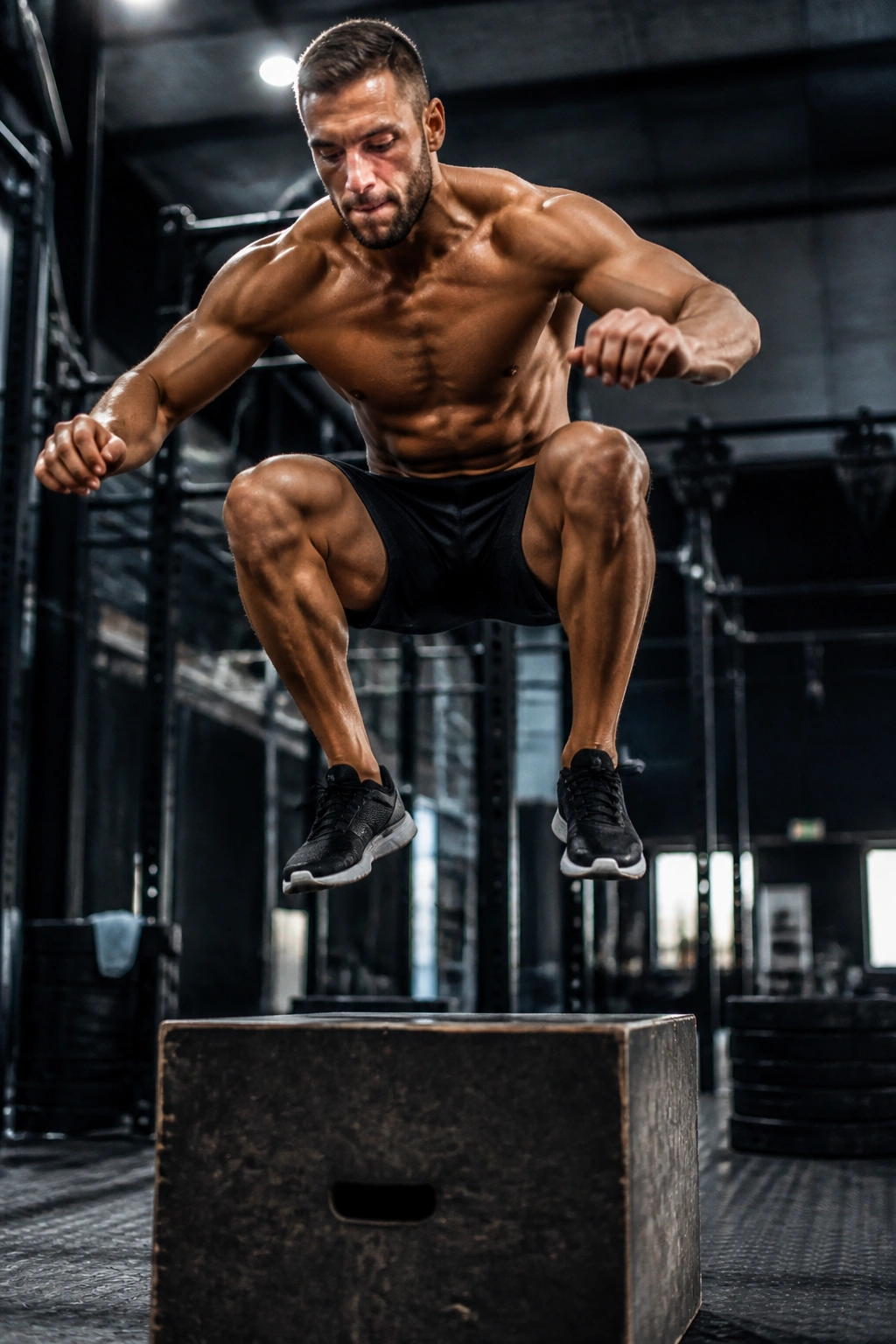
We have talked a lot about heavy lifting, but explosive power is just as important for leg health and athleticism. Box jumps teach your legs to generate force quickly. The goal is to land softly. If you sound like a sack of bricks hitting the ground, you are doing it wrong. Your landing should be silent.
Use a box height that allows you to maintain good form. Do not choose a box so high that you have to tuck your knees to your chest just to land on top of it. Jump up, land in a quarter-squat, and stand tall. Step down—do not jump down. Jumping down increases the impact on your joints significantly, and the benefit is minimal compared to the risk.
20. Seated Leg Curl
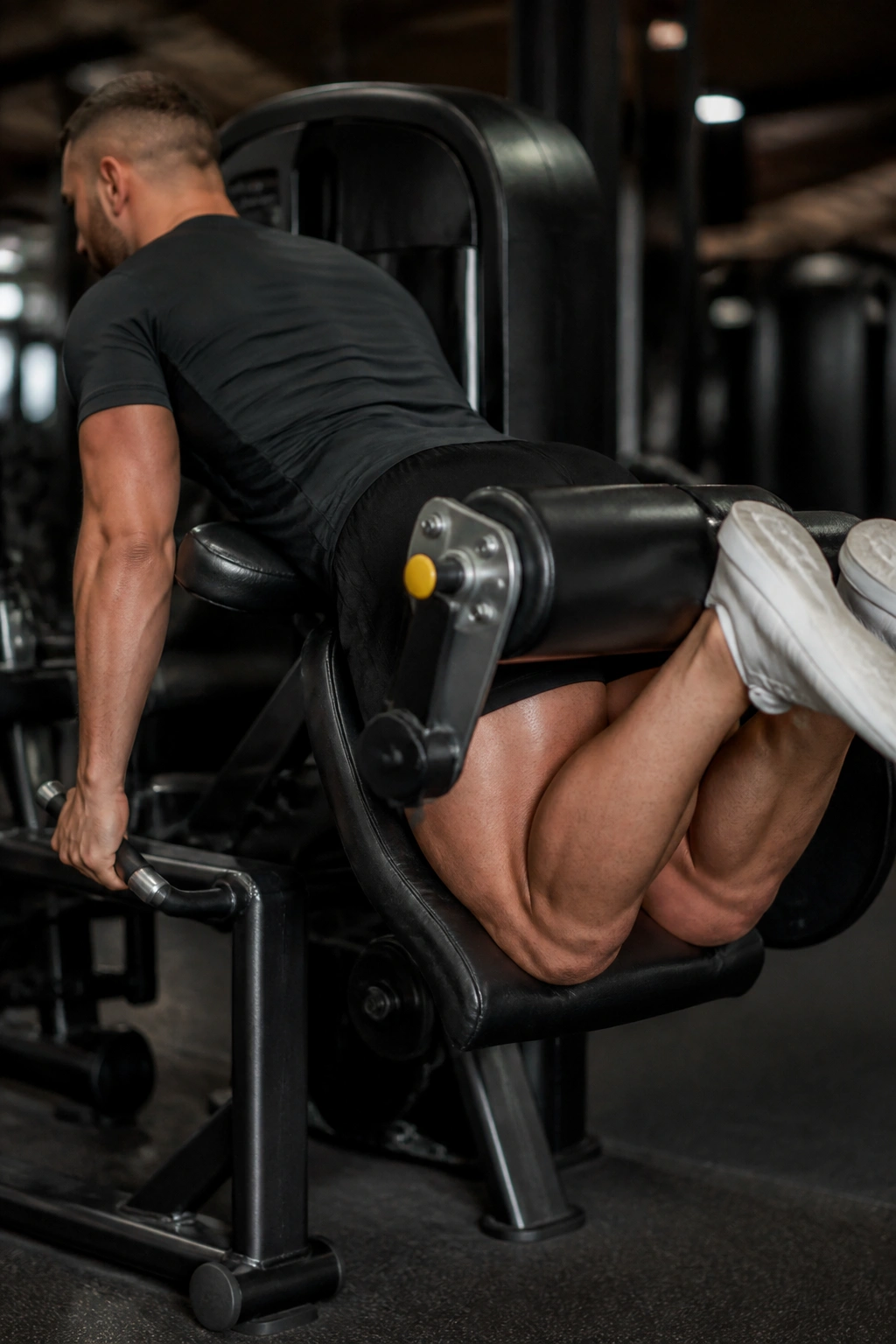
Most gyms have both a lying and a seated leg curl. If you have the choice, the seated version is often superior for hamstring isolation. The seated position stretches the hamstrings from the hip, which puts them in a more mechanically advantageous position for hypertrophy.
Keep your lower back against the seat. Most machines have a pad that goes over your thighs to keep your hips locked in place. Use it. If your hips are popping up, you are losing the benefit of the movement. Control the eccentric, just like you would on the lying version, and squeeze hard at the bottom.
21. Cyclist Squat
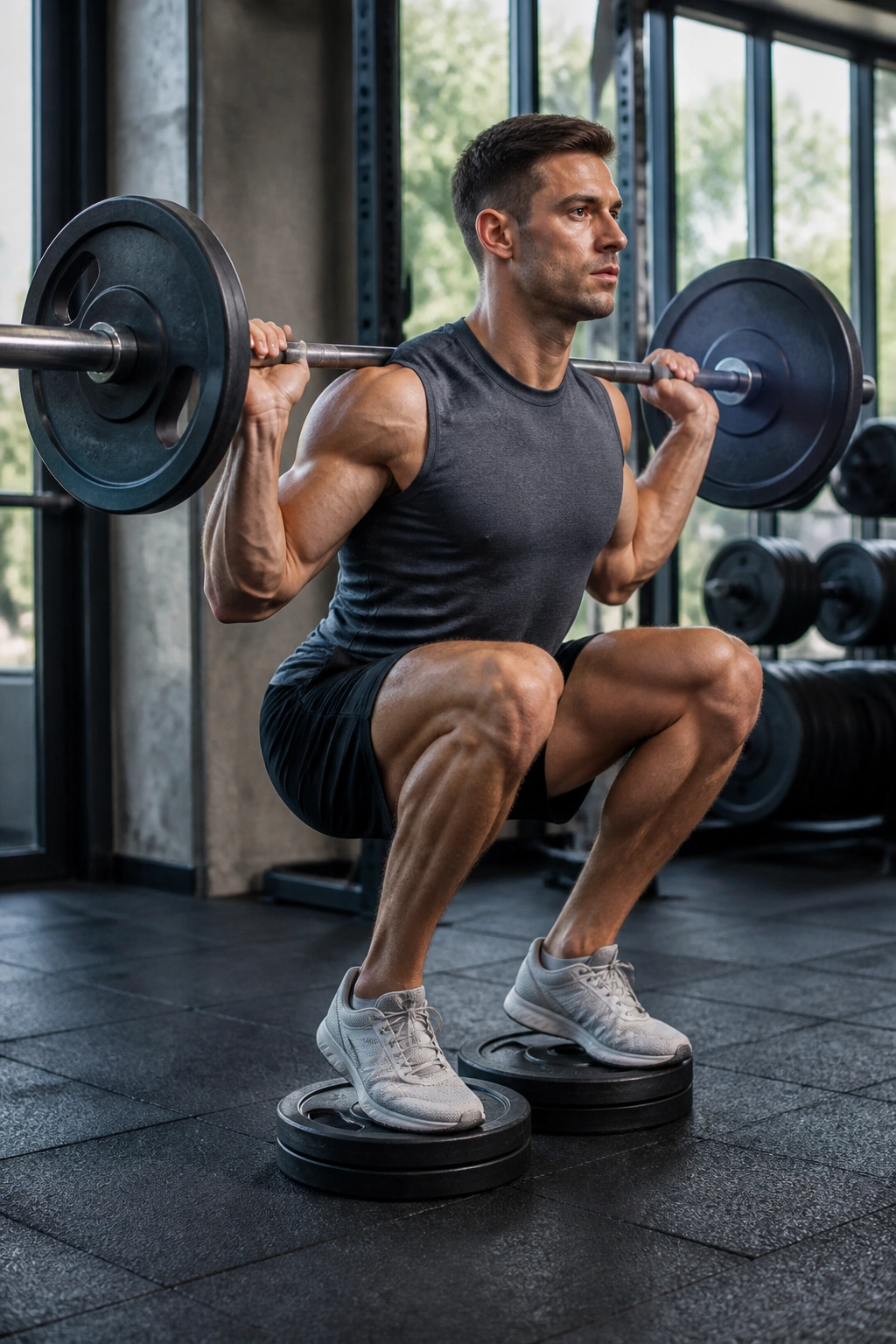
This is a variation of the squat where you place your heels on a small wedge or a pair of weight plates. By elevating your heels, you force your knees to travel further forward and keep your torso completely upright. This removes almost all involvement from the glutes and hips, making it a pure quad-killer.
Because of the extreme knee angle, you do not need heavy weight. A pair of dumbbells at your sides is usually plenty. Use this as a finisher at the end of your leg workout. If you have bad knees, proceed with extreme caution or skip this one entirely, as it places a lot of shear force on the knee joint.
22. Cossack Squat
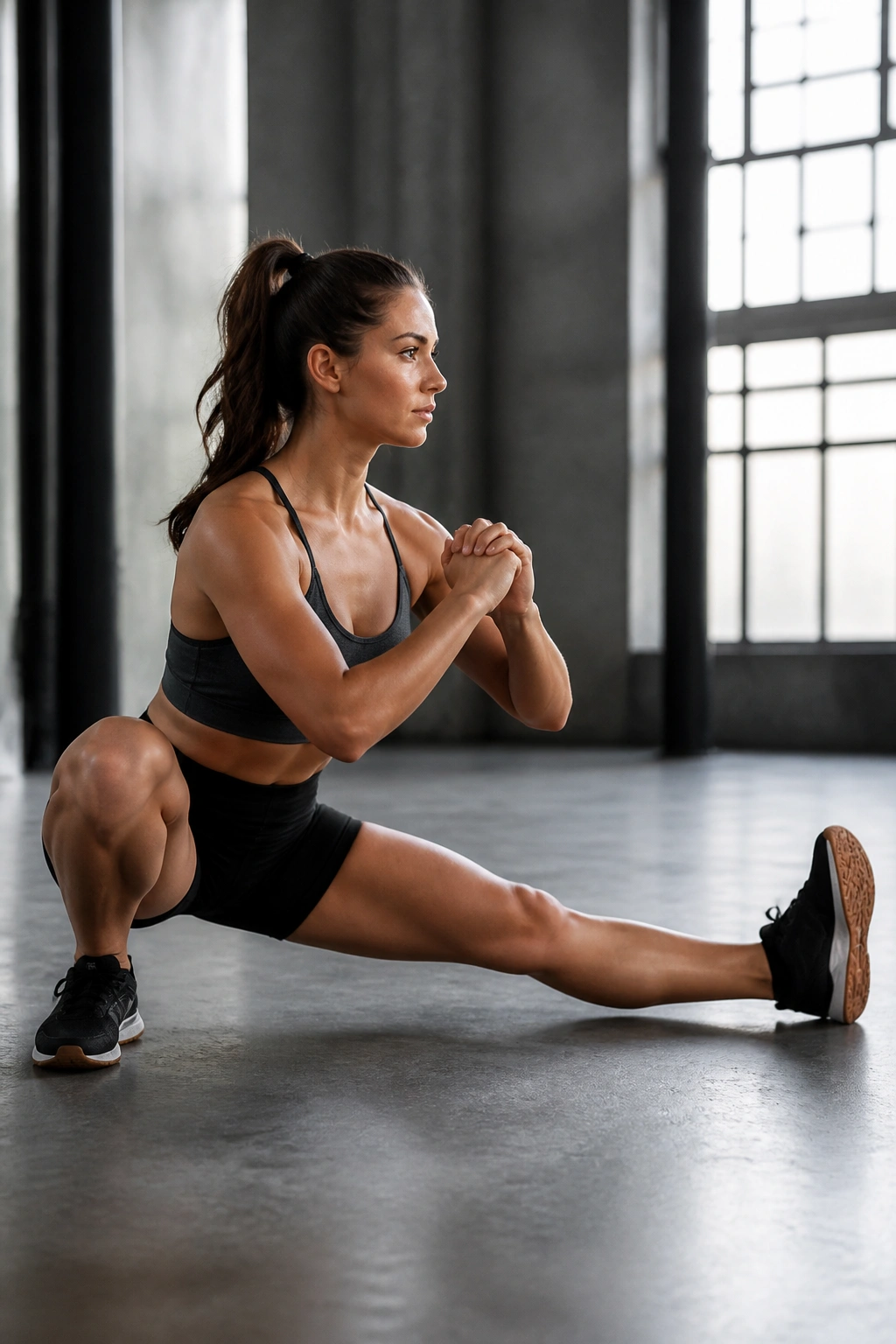
The Cossack squat is a deep, lateral movement that tests your mobility and unilateral strength. You start in a wide stance. Shift your weight to one side, squatting down as deep as you can while keeping the other leg straight and the heel of the bent leg on the floor. It is essentially a side lunge with a deeper range of motion.
This exercise is fantastic for opening up the hips and strengthening the adductors. It requires a lot of balance. If you cannot keep your heel on the floor, you might need to limit your depth until your ankle mobility improves. Treat it as a mobility drill first and a strength exercise second.
Final Thoughts
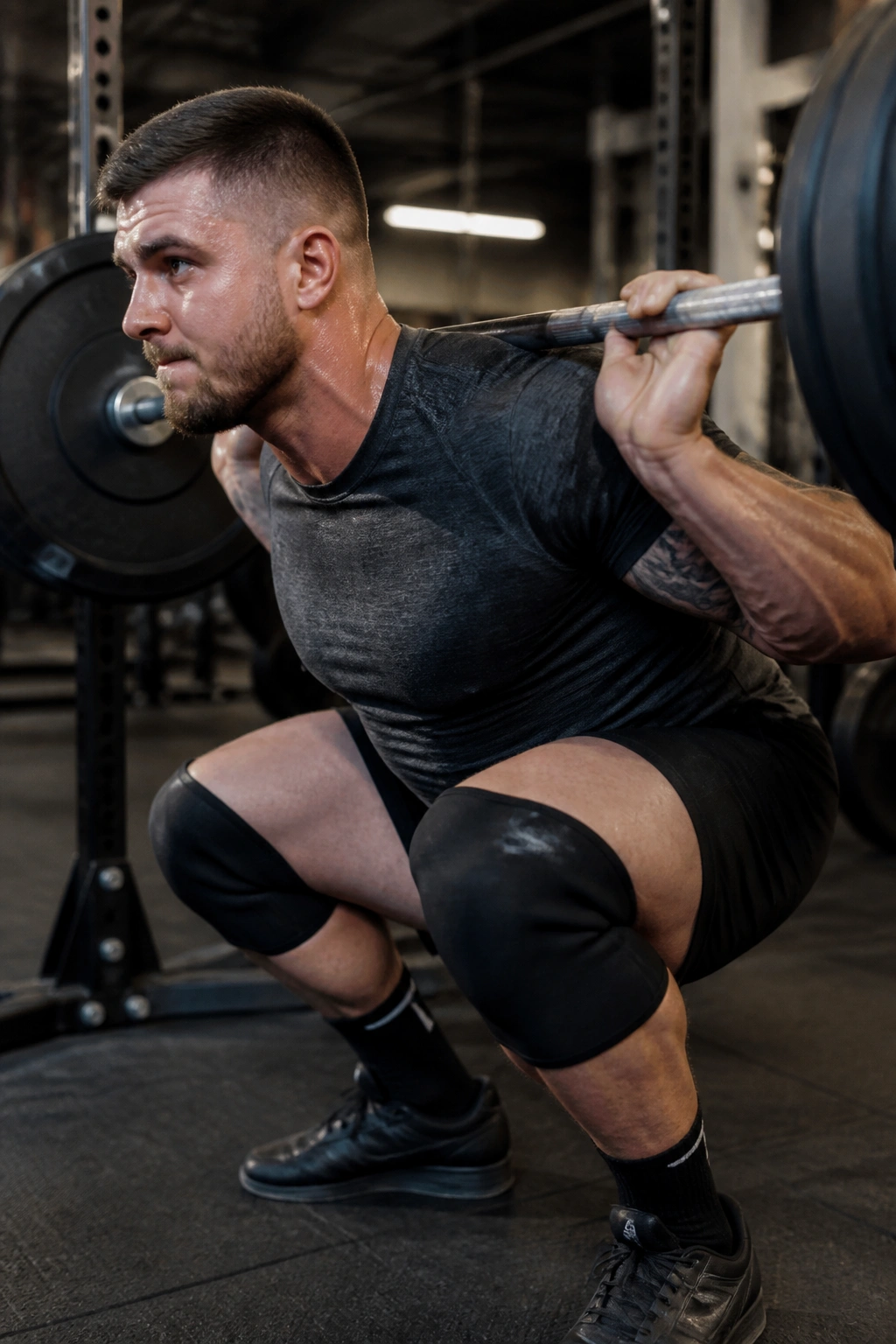
Building a strong lower body is rarely about finding one perfect movement. It is about the cumulative effect of challenging your muscles with different angles, ranges of motion, and intensities. You do not need to do all twenty-two of these every week. In fact, you should not.
Pick four or five movements that align with your goals—perhaps a squat variation, a hinge movement, a unilateral exercise, and some isolation work. Focus on getting strong at those for a few months. When you hit a plateau, rotate in a different move from this list to keep your progress moving forward. Consistency is the only variable that truly matters in the long run. Keep your form tight, prioritize quality over quantity, and keep showing up.
