



Kickboxing cardio workouts for women work because they make you move like you mean it. A clean jab-cross round can wake up your shoulders, core, and lungs faster than a dull steady-state jog, and you do not need a big gym to get there.
A timer, a little floor space, and a pair of shoes with decent grip are enough for a lot of these sessions. Gloves and wraps help if you’re hitting a bag, but plenty of the best rounds here are shadowboxing only, which means you can do them in a bedroom, a garage, or a living room without turning the place upside down.
I like kickboxing work that feels sharp, not sloppy. Once your stance gets lazy, your punches start floating and your neck tightens, and then the cardio turns into an awkward shoulder shrug contest. That’s usually the point where people stop enjoying it.
The useful part is the rhythm. Snap, breathe, reset. A 30-second flurry looks exciting for about half a minute; a clean round with real footwork, good guard, and controlled kicks builds stamina you can actually feel outside the workout.
Short rounds matter. So does the way you recover between them.
1. 10-Minute Jab-Cross Wake-Up
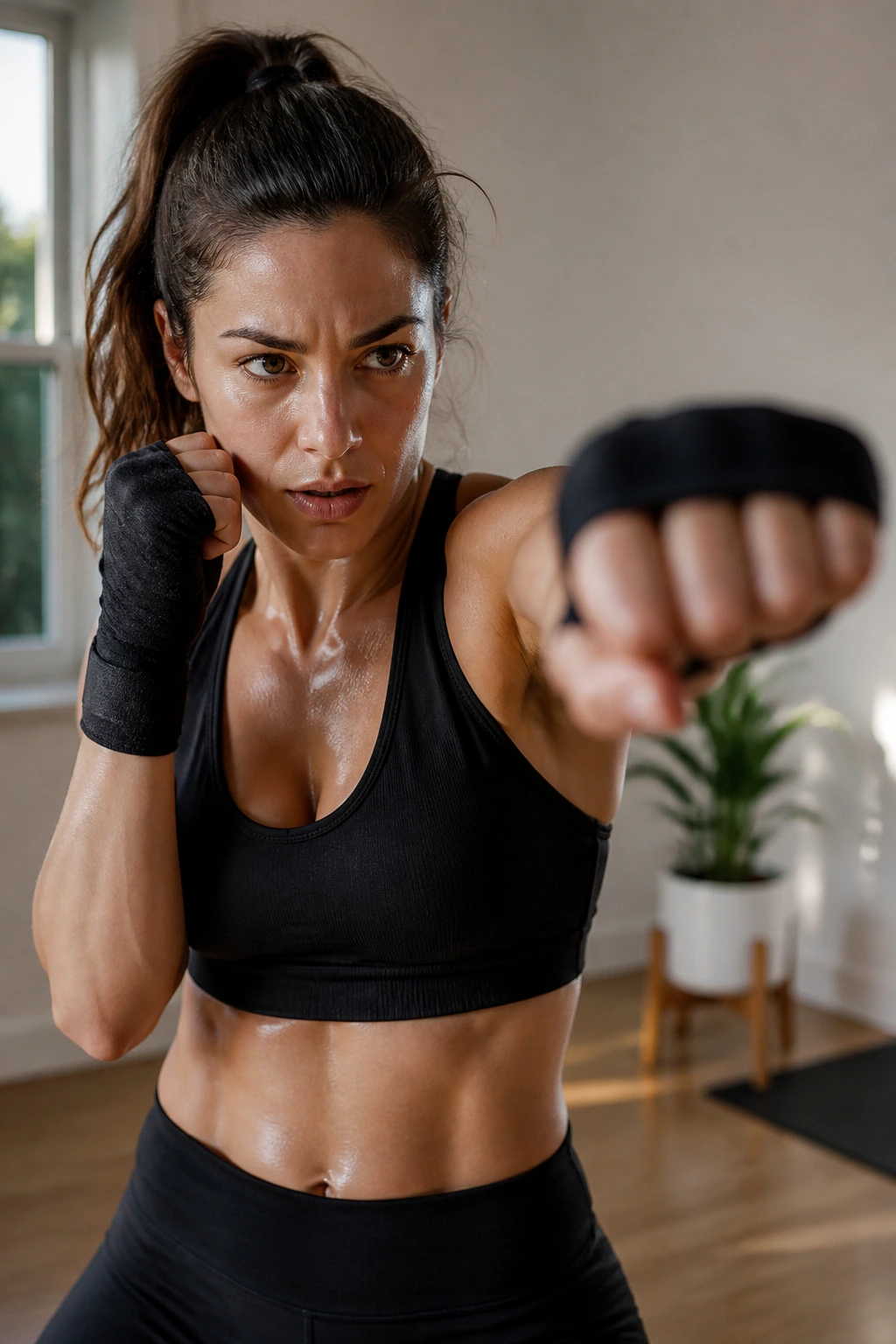
This is the one I’d hand to anyone who says they want a quick kickboxing cardio workout but doesn’t want to think too hard before coffee. Ten minutes, one combo, zero drama. The point is not to look fancy. The point is to get your hands moving, your feet under you, and your breathing a little louder than usual.
Set a timer for five rounds of 1 minute on and 1 minute off, or compress it to ten straight minutes if you’re warmed up already. Keep the combo simple: jab, cross, jab, cross. Step the lead foot out a few inches on the jab, let the back hip rotate on the cross, then bring both hands back to your cheeks. If your elbows flare out like wings, slow down.
What to focus on
- Keep your chin tucked and eyes level.
- Exhale on every punch. Short bursts.
- Let the back heel turn on the cross.
- Move your feet between combo bursts, even if it’s only a tiny shuffle.
Best tip: if your shoulders burn before your heart rate rises, your punches are too big. Shrink the motion and speed up the return to guard.
2. Shadowboxing with High Knees
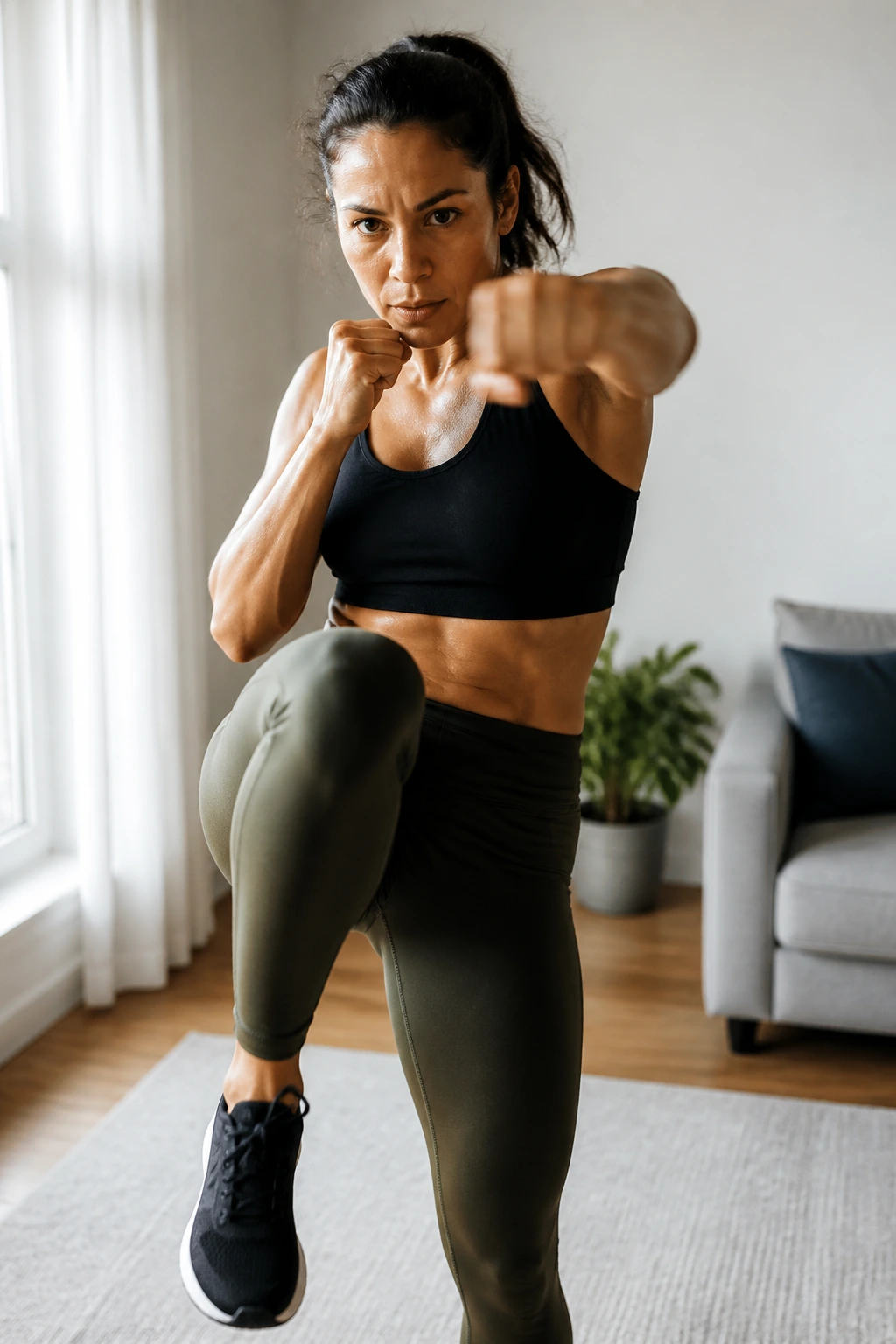
Why does this one feel so mean so fast? Because it steals a little stability from every punch. Add high knees to shadowboxing and your body has to work harder to keep balance, keep rhythm, and keep the upper body from flopping around like wet laundry.
Try 6 rounds of 45 seconds work and 15 seconds rest. Spend the first 15 seconds on fast jabs and crosses, the next 15 seconds on hooks, and the last 15 seconds on alternating high knees with a punch on each knee drive. If impact is a concern, turn the high knees into a brisk march and keep the hands moving.
Why it works
Your core has to brace every time the knee lifts. That makes the punches feel cleaner, because sloppy rotation gets exposed quickly when one leg is off the floor. The cardio cost goes up too, and that’s the whole point of the drill.
How to scale it
- Beginner: march in place and punch at chest height.
- Intermediate: add knee drives to waist level.
- Advanced: throw one jab-cross on every third knee.
One small thing matters here: keep the ribs stacked over the hips. If you fold forward to chase speed, the workout turns into a lower-back complaint.
3. 3-Minute Heavy Bag Rounds
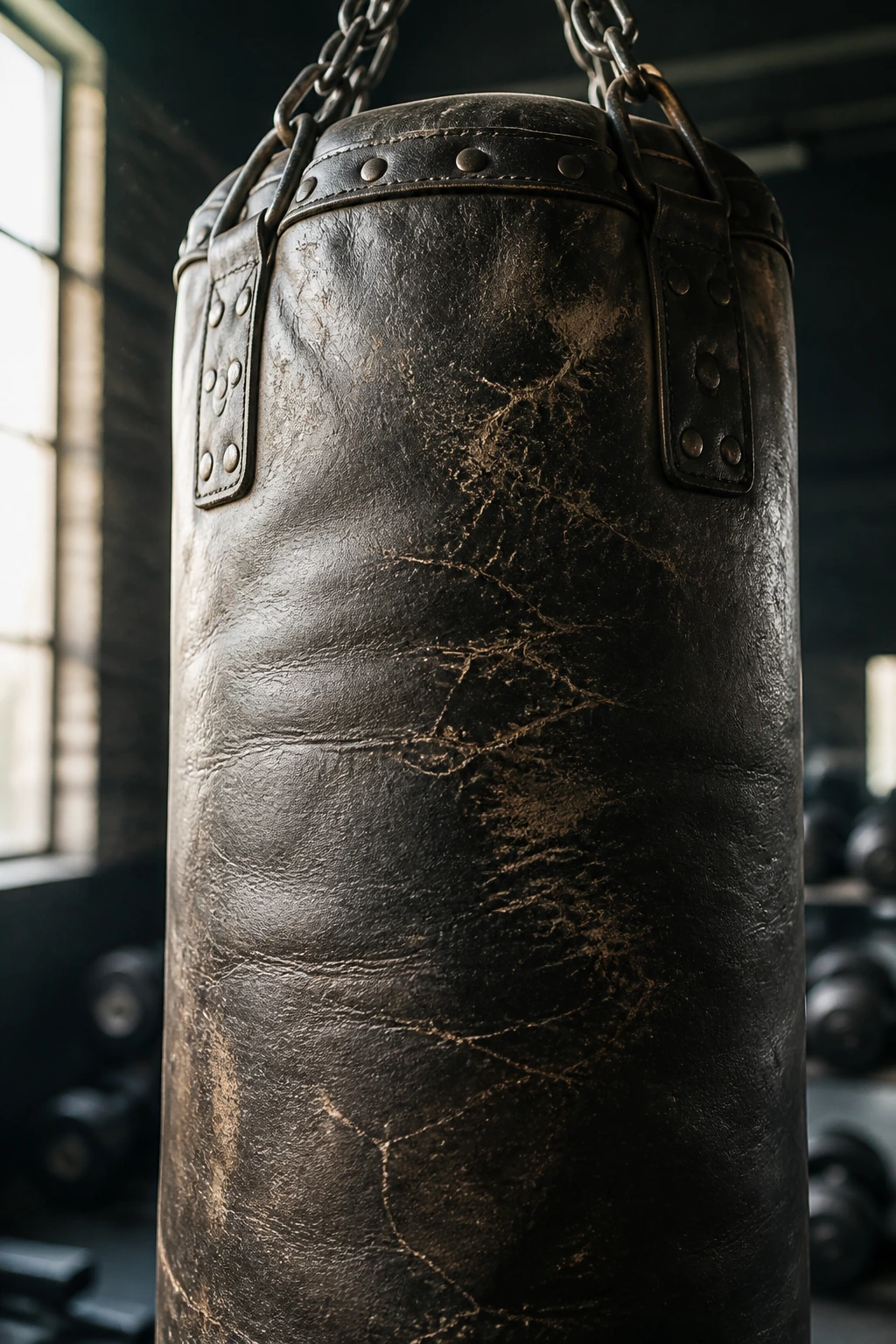
A heavy bag changes the whole feel of kickboxing. Suddenly you get feedback. You can hear if a punch lands flat, feel whether a kick is snapping or smearing, and tell right away when your stance has wandered.
Do 4 to 6 rounds of 3 minutes with 45 seconds of rest. Round one can be jab-cross only. Round two adds hooks. Round three brings in front kicks or roundhouse kicks. Round four is the dirty one: 10 seconds fast, 10 seconds smooth, back and forth until the bell. Wear wraps, and use gloves that actually fit your hands. Too-baggy gloves make people punch weird.
Round structure
- 0:00–1:00: jab-cross, step out, reset.
- 1:00–2:00: jab-cross-hook, then pivot out.
- 2:00–3:00: punch-kick combinations, one side at a time.
Bag cues
Listen for a crisp thud, not a slap. That usually means your wrist stayed straight and your fist landed in a cleaner line. If the bag swings like a wrecking ball, you’re leaning too far in.
This is a good one when you want to feel strong, not just sweaty.
4. Tabata Knee-Strike Burner
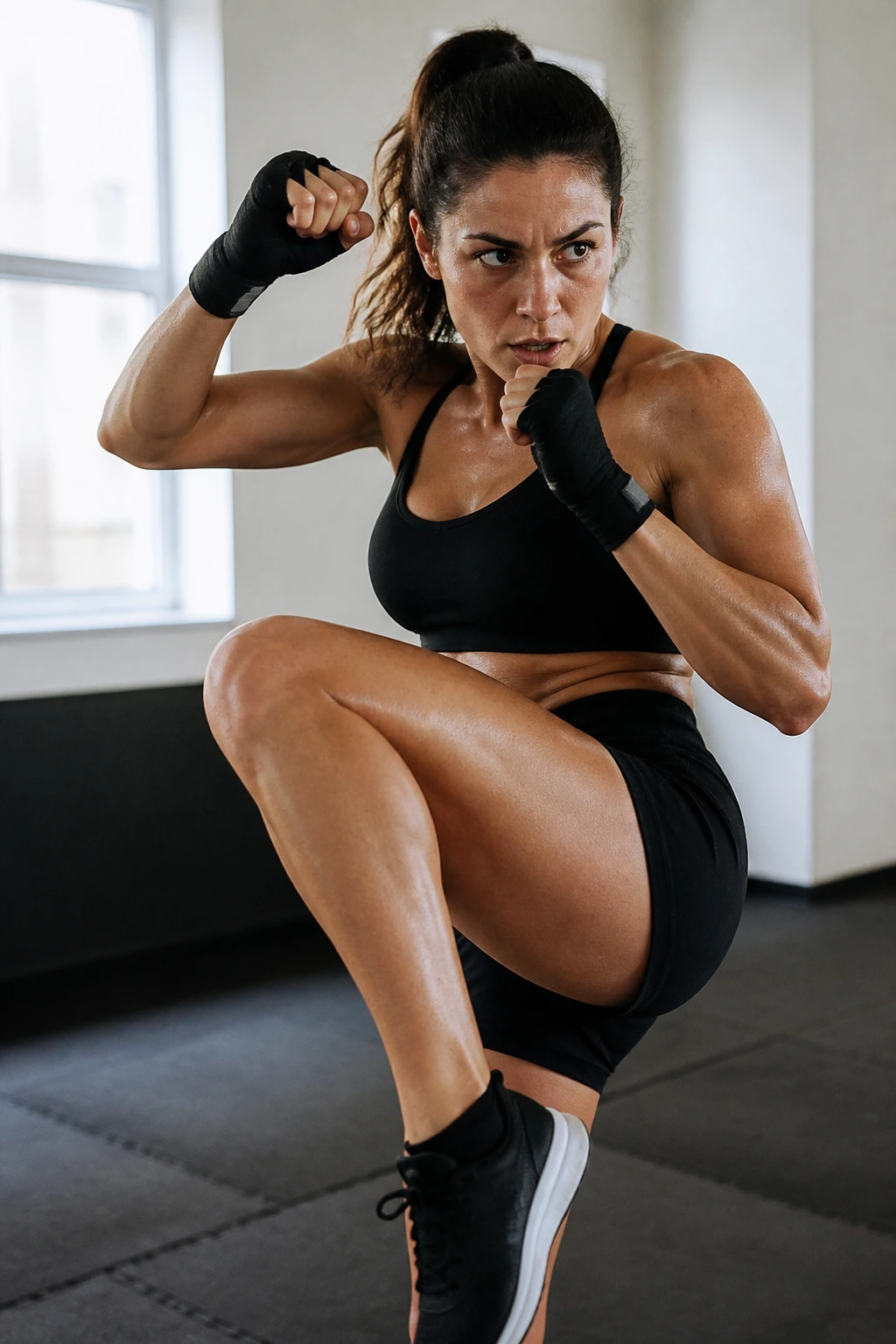
Twenty seconds sounds harmless until you do it with knees. Then it gets rude.
Set up 8 rounds of 20 seconds hard work and 10 seconds rest. Alternate right knee, left knee, then add a quick jab-cross between each drive if you want a bigger cardio hit. The trick is to snap the knee up from the hip while keeping your chest tall. Do not toss your head forward just because your legs are moving fast.
For a cleaner version, hold a light guard and work in place. For a harder version, add a tiny hop on the standing leg before each knee drive. That extra bounce makes the heart rate climb fast, but it also punishes sloppy balance, so be honest about your level.
A clean Tabata pattern
- Round 1: right knee
- Round 2: left knee
- Round 3: right knee + cross
- Round 4: left knee + cross
- Repeat once
No heroics here. Sharp knees, quick recovery, and a real pause between bursts will beat frantic flailing every time.
5. The 10-9-8-7 Kickboxing Ladder
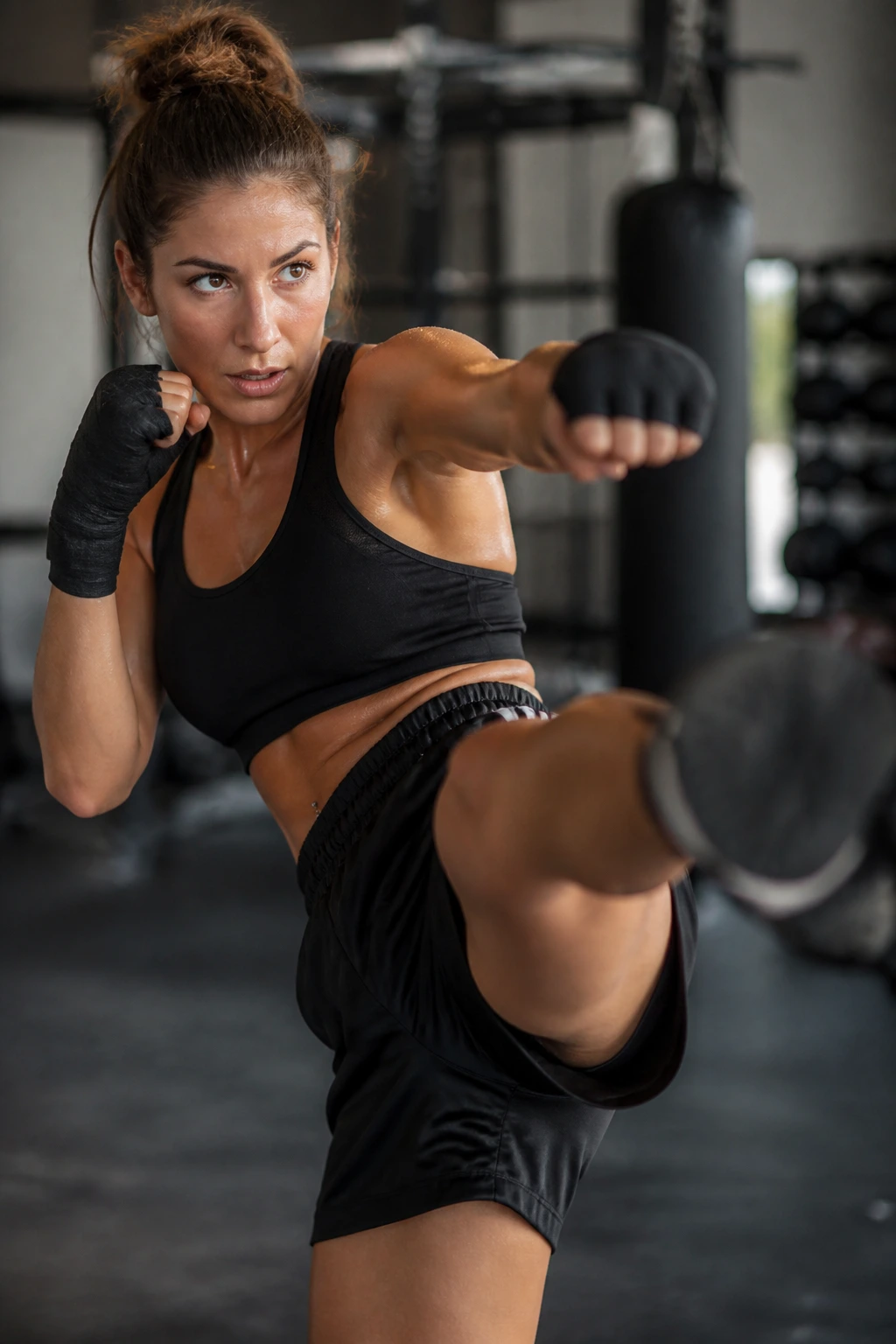
A ladder makes the workout feel like a game, and that’s useful on days when your brain wants to negotiate. Start with 10 reps of a combo, then 9, then 8, all the way down until you hit 1. The combo can be jab-cross-hook, jab-cross-front kick, or jab-cross-hook-kick if you want to earn your lunch.
Take 15 to 20 seconds of rest between rungs if you need it. That’s not cheating. It keeps the form tidy. The first few rounds should feel almost too easy. Then the middle of the ladder starts asking for real attention, and the last three rungs get spicy because your breathing is no longer polite.
How to use it
- Beginner: use one punch combo and one kick combo.
- Intermediate: alternate upper body and lower body rungs.
- Advanced: keep the rest under 15 seconds.
A ladder like this is especially good when you hate long intervals. There’s always one more rung, and that tiny bit of structure keeps you moving.
6. Low-Impact Cardio Kickboxing March
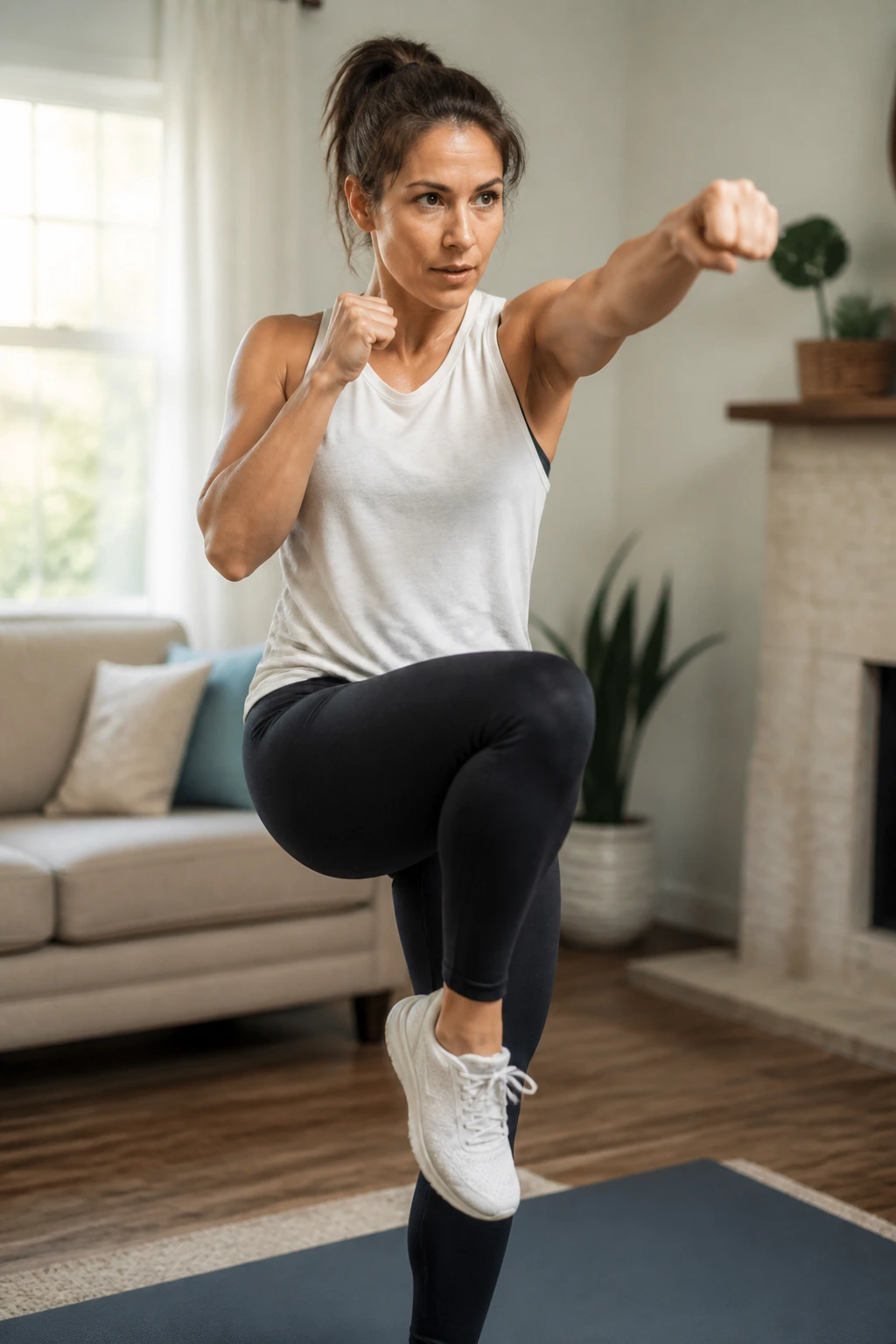
Some days your joints want a break from bouncing, and that’s fine. Low-impact kickboxing still builds stamina. It just does it without the floor-pounding part that can leave ankles and knees grumpy the next day.
Do 5 rounds of 4 minutes with 30 seconds rest. March in place instead of jumping, and keep every strike crisp. Jab-cross from a narrow stance. Step out for hooks. Drive front kicks low and controlled, with the knee lifting first and the foot extending second. If you’re in a small apartment or training early while everyone else is still asleep, this is the version that won’t sound like a stampede.
Quiet moves to build around
- Marching jab-cross
- Step-touch hooks
- Low front kicks
- Side steps with guard held high
The secret here is not speed. It’s continuous motion. Keep the feet alive, keep the hands up, and your heart rate will still climb.
7. Hook-and-Hook Core Twist
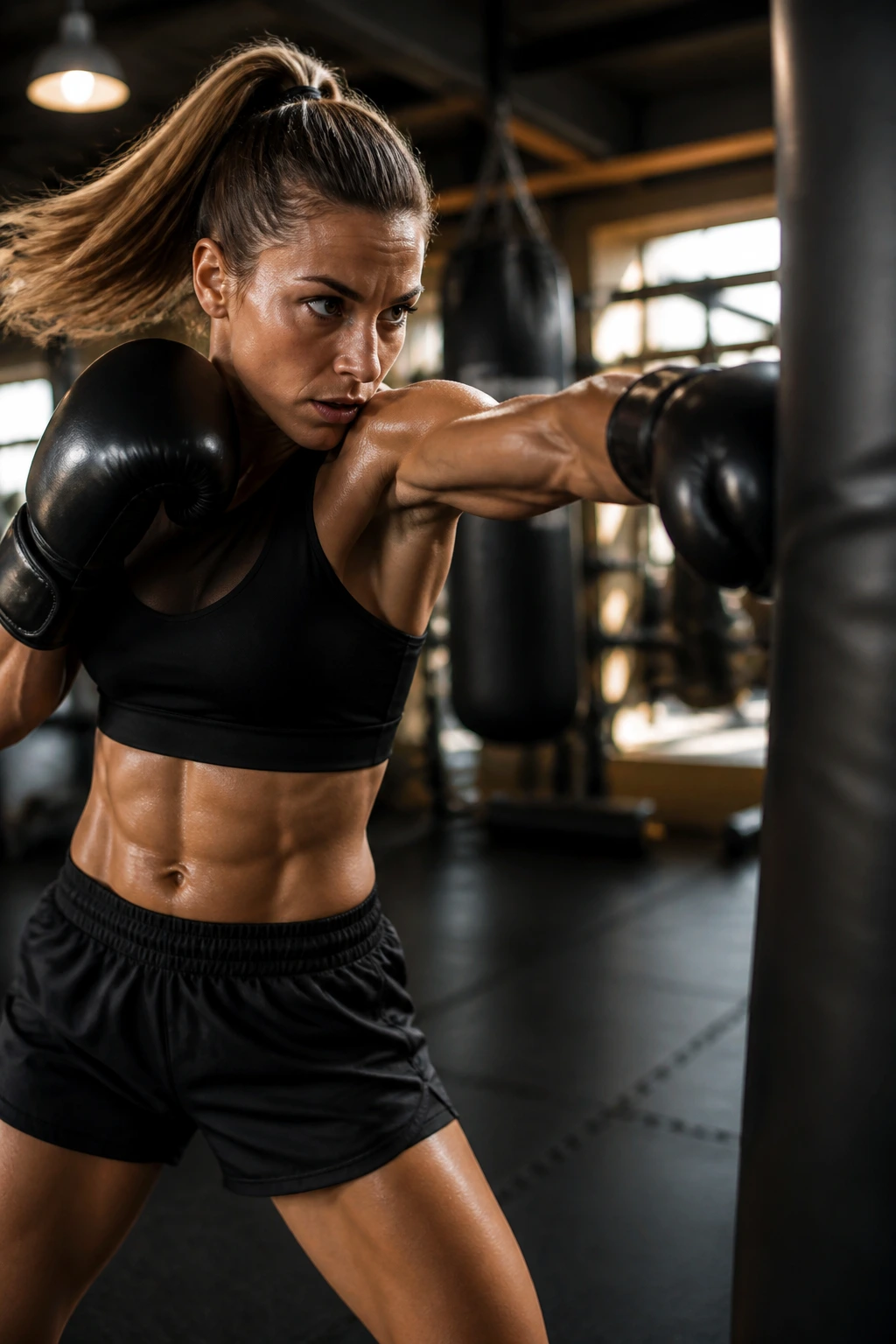
Hooks look like arm work from a distance. They’re not. Good hooks come from the ribs, the obliques, the hips, and a little bit of attitude. If you do them right, your waist lights up fast.
Run 4 rounds of 45 seconds on and 15 seconds off. Throw two hooks on one side, two on the other, then add a small step or pivot after each pair. The upper body should rotate as a unit, not twist separately like you’re trying to wring out a towel. Keep your back heel light and your wrist straight.
Feel it here
- Side of the waist
- Front of the shoulder
- Outside hip on the rotating side
Common mistake
People often swing the arm and forget the body. That turns the hook into a loose arm wave and leaves a lot of power, and a lot of cardio effect, on the table.
If you want more burn, shorten the rest and keep the hook compact. Big, sloppy hooks gas you out faster in a bad way.
8. Roundhouse Kick Intervals
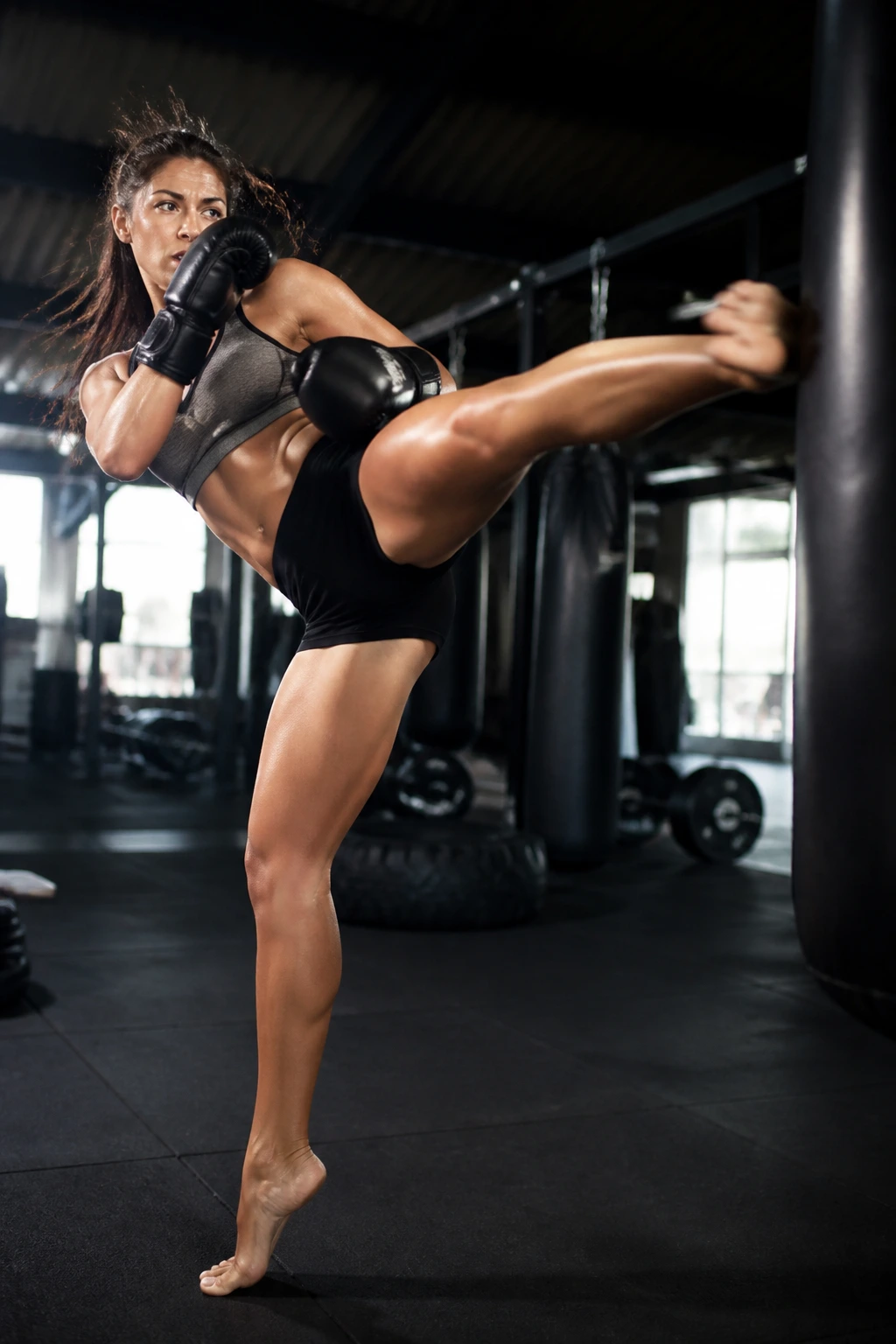
Roundhouse kicks make you tired because they ask for balance, rotation, and timing all at once. The leg itself is only part of the story. The hips do most of the work, and the standing foot has to pivot or the whole thing jams up.
Try 6 rounds of 30 seconds per side with 20 seconds to reset. Throw 3 to 5 clean roundhouse kicks on one side, then switch. The standing foot turns out, the hip opens, and the shin or instep whips across the target line. If you can’t keep your chest from diving, kick lower. Knee height is plenty for training.
Technique check
- Pivot the standing foot.
- Lift the knee first.
- Turn the hip over.
- Bring the kicking leg back fast.
One good kick beats three ugly ones. Every time.
This is a great round when you want your lower body to do more than squat and lunge. It makes the body feel athletic, not just tired.
9. Punch-Kick Combo Pyramid
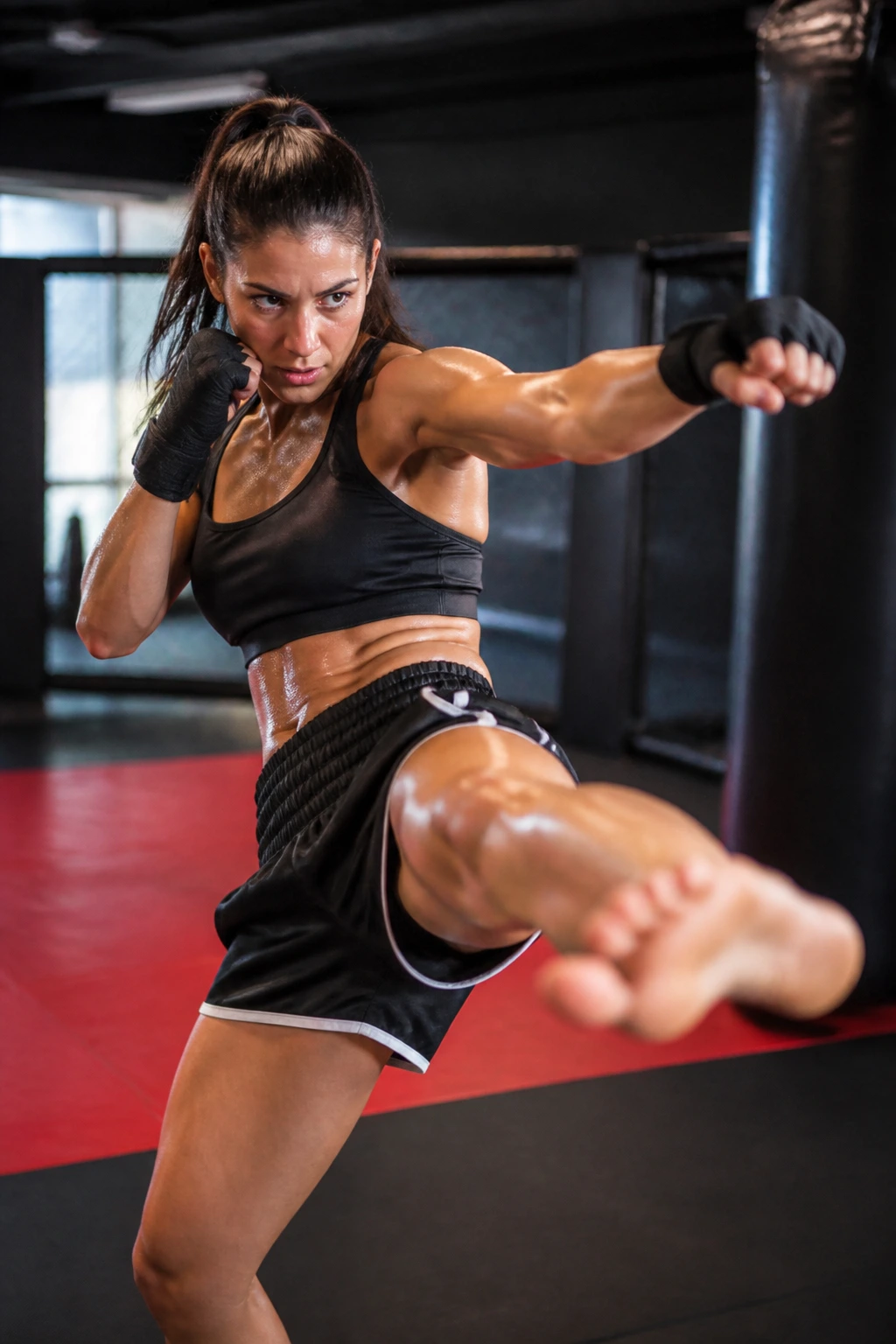
A pyramid is one of the best ways to keep the brain engaged while the lungs are working. Start with a small combo and build it up: 2 punches and 2 kicks, then 4 and 4, then 6 and 6, then 8 and 8, and walk it back down again.
You can use any punch-kick pair you like. Jab-cross with front kicks works well. Jab-cross-hook with roundhouse kicks is harder. The real trick is keeping the movement clean as the count rises. Once you hit the middle of the pyramid, people usually start rushing the kick and losing the guard.
If you want a simple structure, use 30 seconds to perform the combo and 15 seconds to breathe between levels. That’s enough rest to keep form from falling apart without letting the heart rate dump completely.
The pyramid shape makes the session feel longer than it is, which is exactly why it works. You stay mentally busy and physically honest.
10. Defense and Footwork Flow
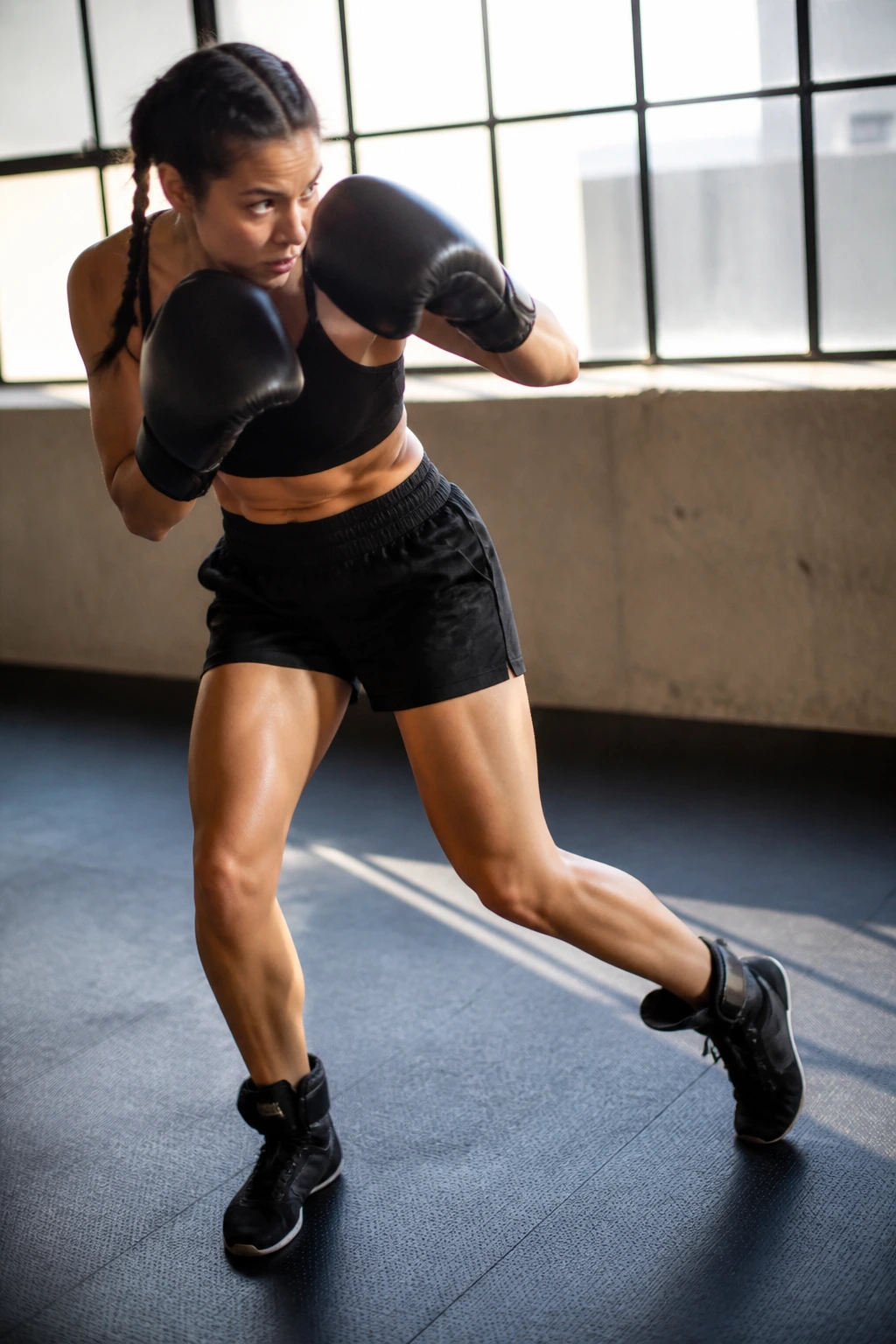
A lot of people skip defense because it doesn’t feel flashy. Bad move. Slips, rolls, pivots, and back steps are what make kickboxing feel smooth instead of frantic, and they turn a plain cardio block into something that wakes up the whole body.
Set up 5 rounds of 3 minutes. Move first, punch second. Slip left, jab-cross. Roll under an imaginary hook, hook-cross. Pivot out, then throw two quick jabs. The pace should feel like you’re solving a little pattern puzzle while your breathing gets harder. You are training the feet to cooperate instead of just standing there and swinging.
What to drill
- Slip outside the lead hand
- Roll under an imagined hook
- Pivot on the lead foot
- Step back, then re-enter with a jab
Defense work is sneaky cardio. Your pulse climbs because the feet never stop, and the upper body stays tense enough to keep the movement sharp.
11. Uppercuts and Mountain Climbers
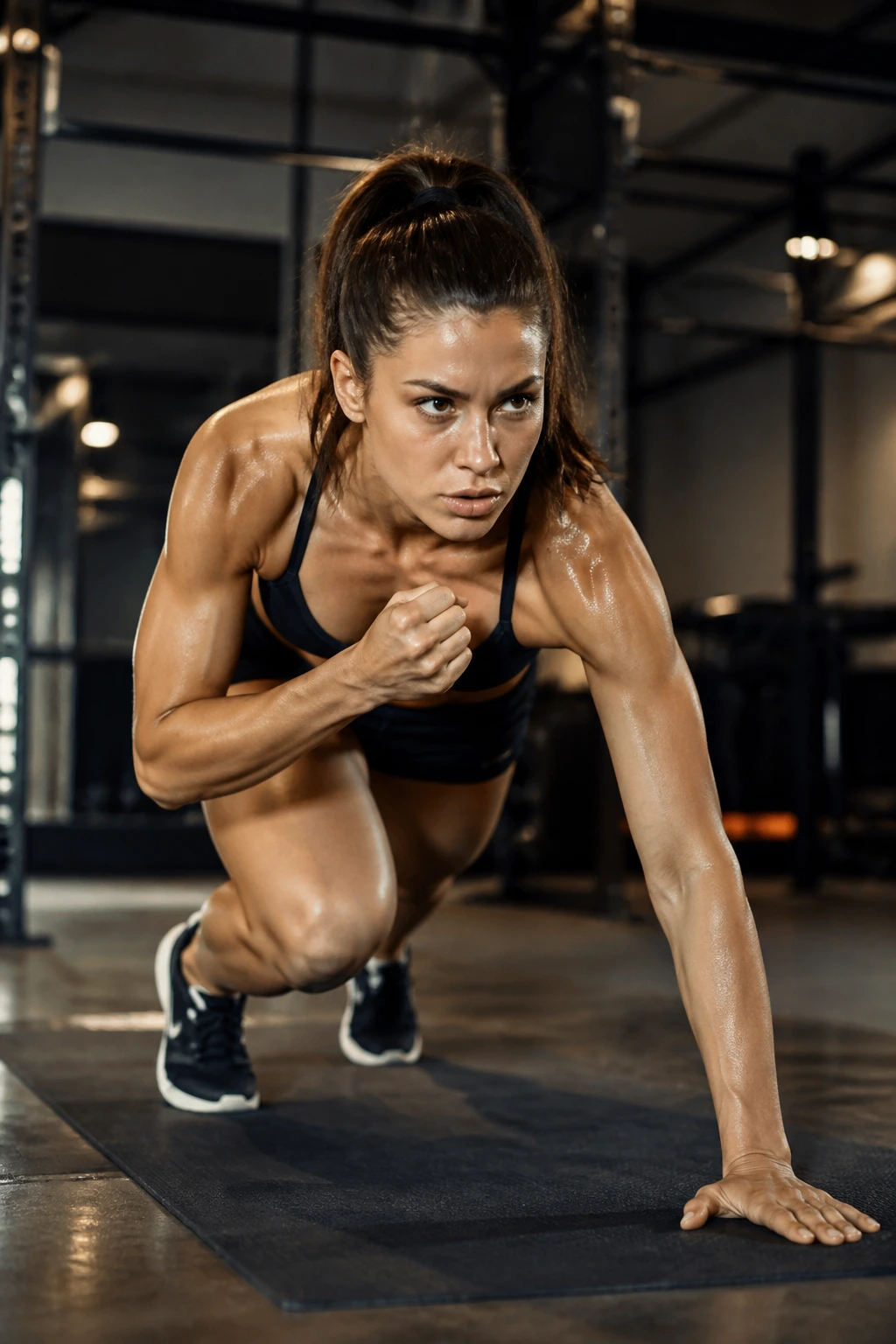
This one starts standing and ends on the floor, which is a nice way to keep boredom from creeping in. Uppercuts hit the front of the body and the rotation line. Mountain climbers drive the heart rate up and bring the core into the mess.
Run 4 rounds of 2 minutes. Spend the first 45 seconds on uppercut flurries, the next 45 seconds on mountain climbers, and the final 30 seconds on a punch combination of your choice. If your wrists hate floor work, do the climbers on an incline or skip them entirely and march hard in place.
How to run it
- 45 seconds uppercuts
- 45 seconds mountain climbers
- 30 seconds jab-cross
- 30 seconds rest
The transition from standing to floor keeps your breathing from settling. That’s the whole point. You never really get to coast.
No fancy setup, no tricky choreography. Just a hard little sandwich of movement.
12. Stair-Step Fighter Circuit
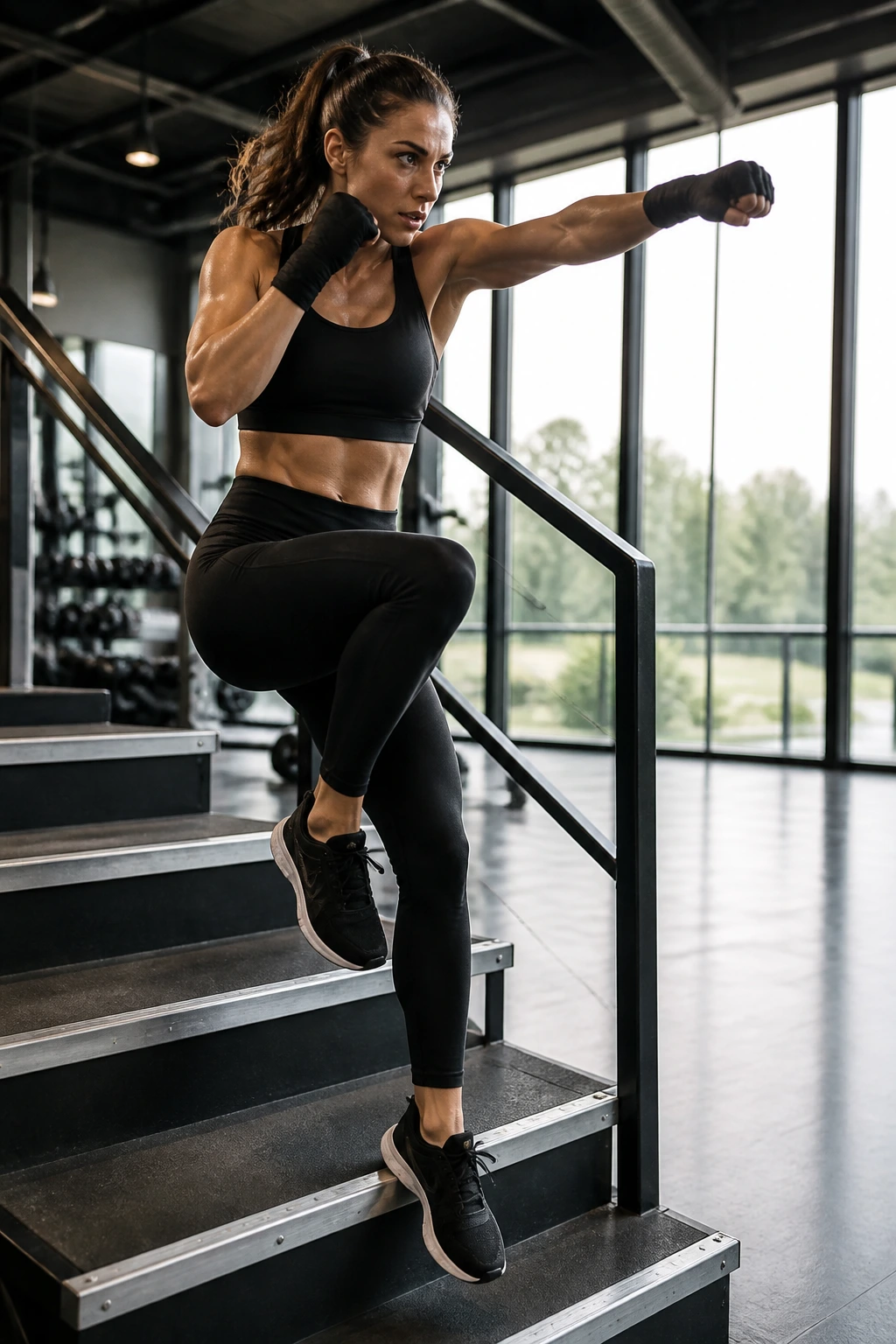
Your calves know when the stairs show up. So do your lungs. Use a stair, a step platform, or even a sturdy curb if that’s what you’ve got. The idea is simple: step up, strike, step down, reset.
Do 6 rounds of 1 minute. Step up with the right foot, throw a jab-cross. Step down. Switch sides on the next rep. After a few rounds, add a knee drive at the top or a front kick as you step down. If your step is high, keep the kicks low and controlled. There’s no medal for nearly tripping off a staircase.
Good choices for this circuit
- 6- to 8-inch step for beginners
- 8- to 10-inch step for intermediate work
- A sturdy single stair if space is tight
This workout is especially good when you want glutes and cardio in the same session. It feels practical, not performative.
13. Speed Round Shadowboxing
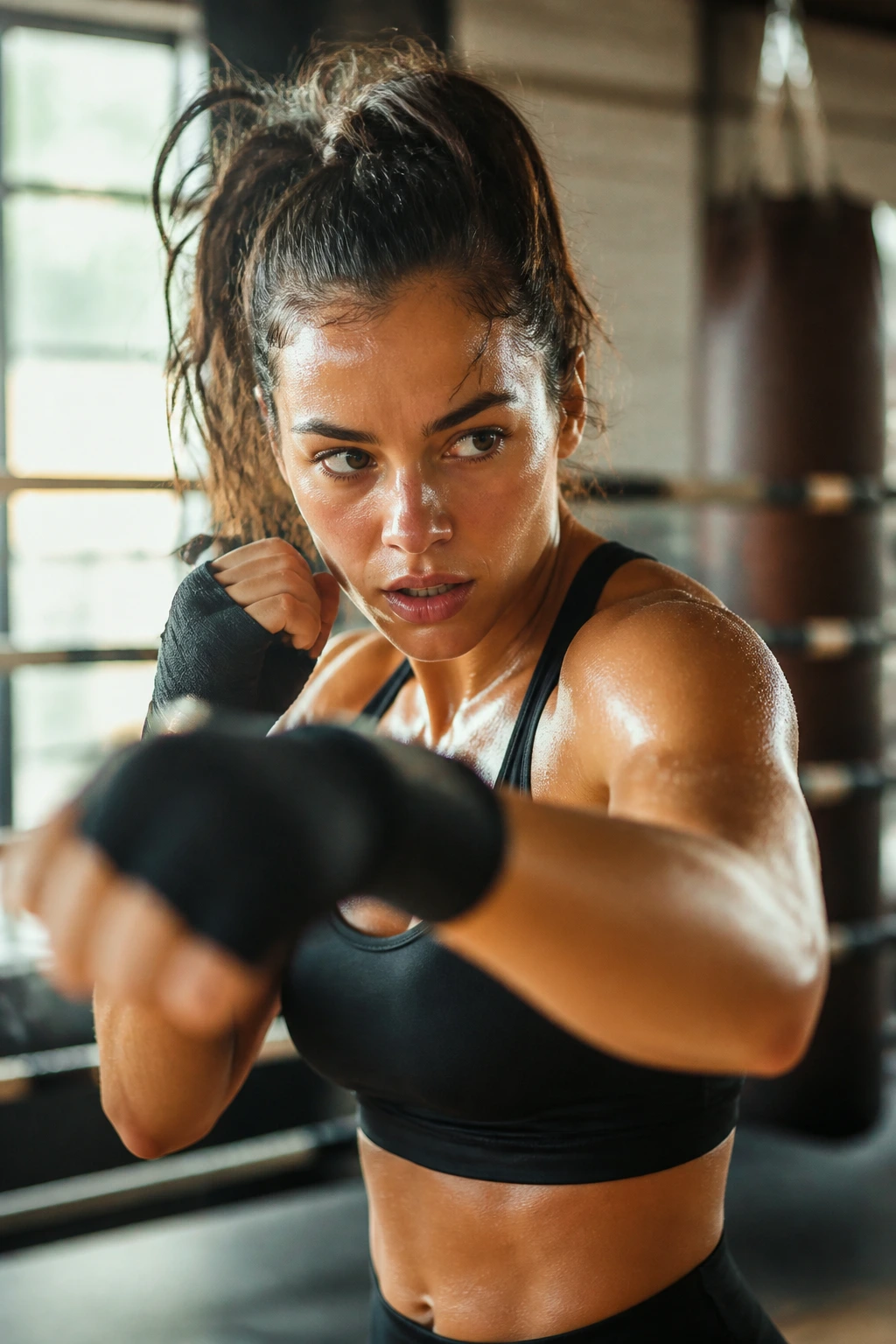
Speed rounds are about loose shoulders and quick returns. Not wild punching. Not flailing. The clean version is faster than the messy version anyway.
Try 10 rounds of 30 seconds fast and 30 seconds easy. During the fast section, throw short jab-crosses, single hooks, and tiny pivots. During the easy section, move, breathe, and reset the stance. If your traps start climbing toward your ears, the pace is too high. Drop the power and keep the speed.
What to watch for
- Loose jaw
- Soft knees
- Hands back to guard
- Small steps, not big lunges
This one is sneaky because it looks easy until round six. Then the shoulders start talking. That’s normal. Keep the punches short and the feet light.
If you only have a few minutes, this is one of the best ways to make them count.
14. Power Round Heavy Bag
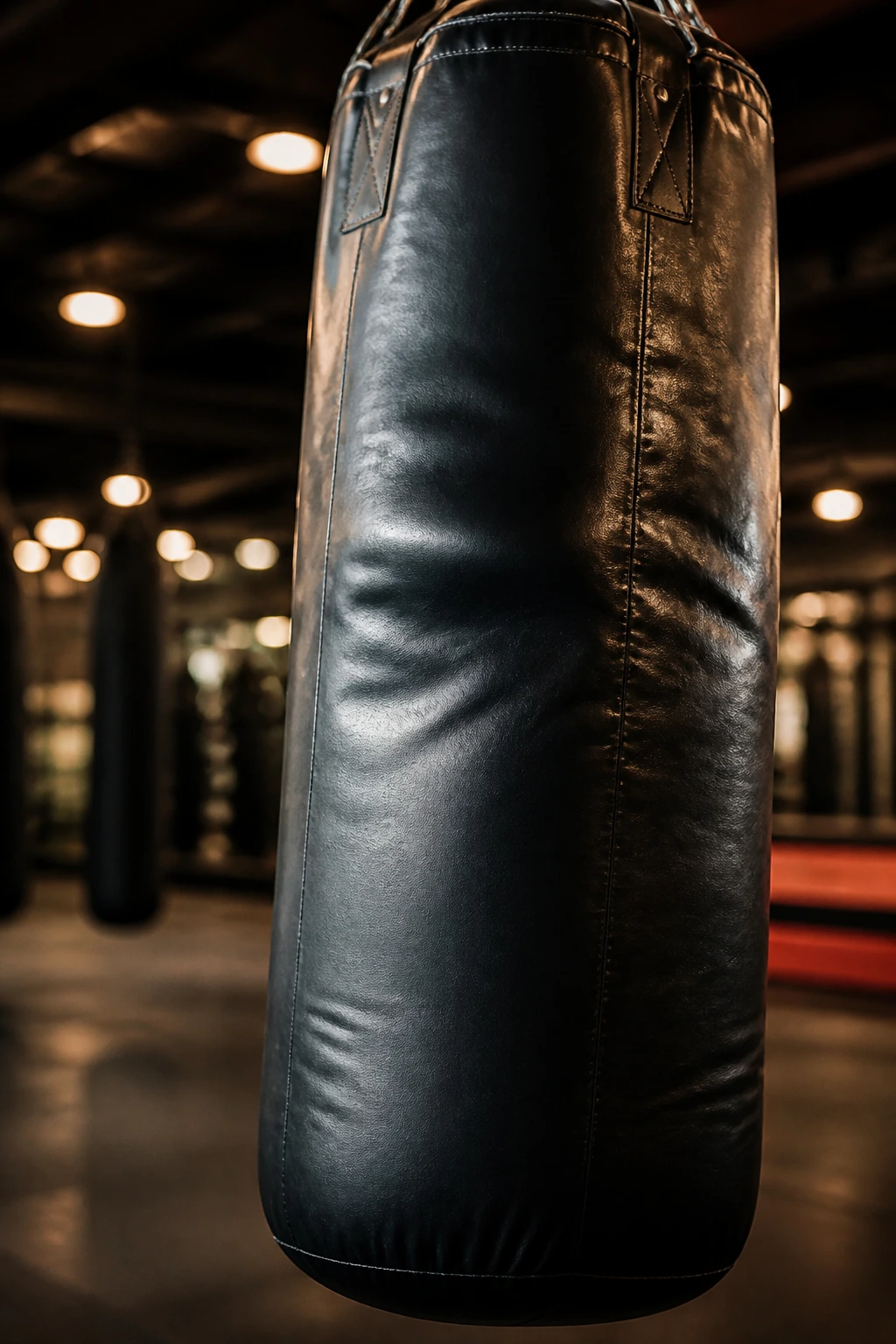
This is the opposite of the speed round above. Fewer shots, harder shots, longer breath between them. You’re not chasing pace here. You’re chasing impact, clean form, and the feeling that your whole body is behind the punch.
Do 4 to 5 rounds of 2 minutes with 1 minute rest. Pick one combo and make it count: jab-cross-hook, cross-hook-cross, or jab-cross-front kick. Hit the bag, step out, reset, hit it again. After 30 seconds, many people start swinging from the arms. Stop that. Rotate the hips, keep the chin tucked, and let the feet do enough work to protect the knees.
Better power choices
- 3 hard punches, then move
- 2 punches and 1 kick
- 1 punch, 1 pivot, 1 punch
Bag work like this can be messy if you rush it. The fix is boring but useful: fewer reps, better shape, cleaner breathing.
15. Glute-Focused Kick Circuit
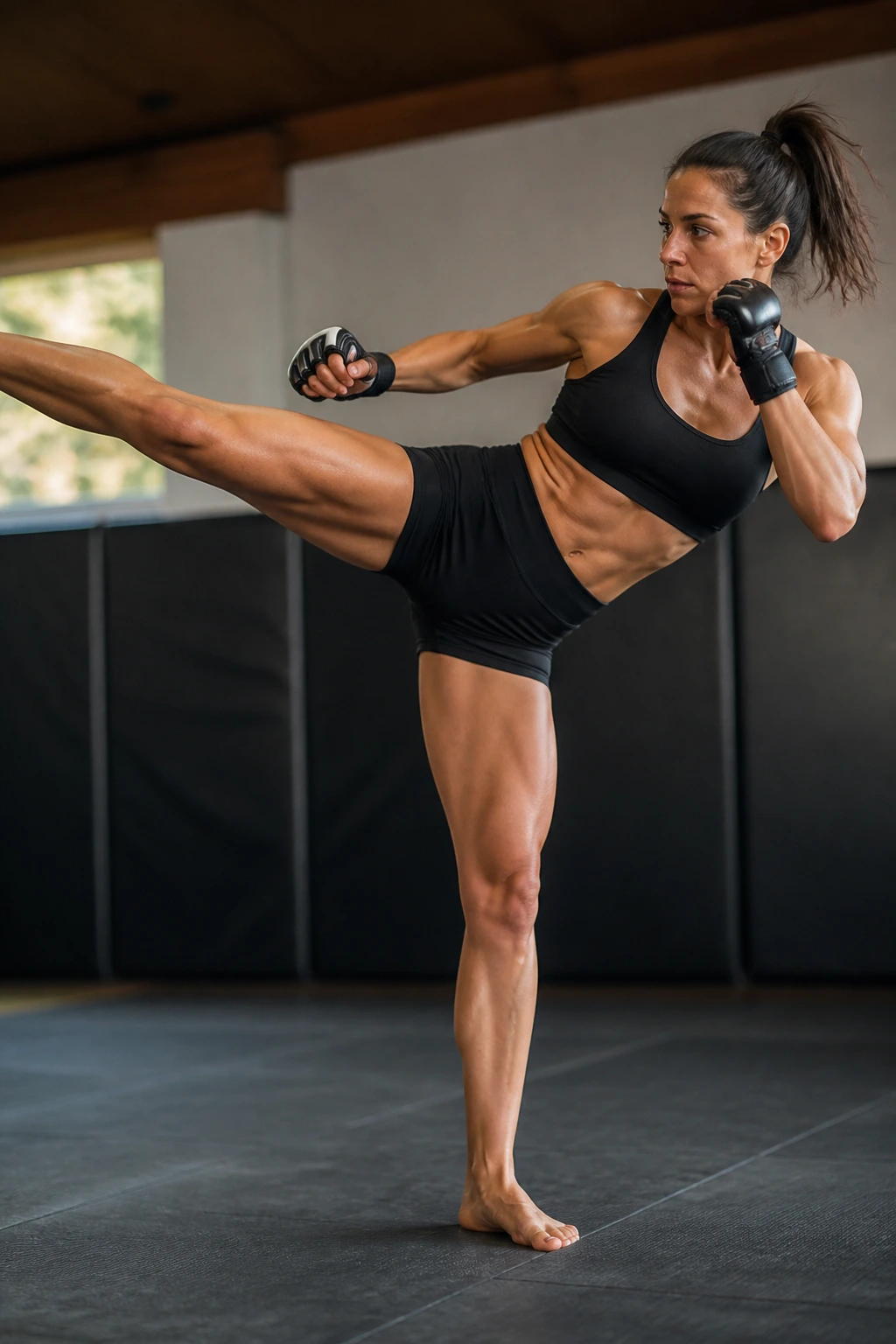
Want your kicks to feel cleaner? Start with the hips and glutes. Weak or sleepy glutes make every kick feel clumsy, and the body starts stealing power from the lower back, which is not a bargain I recommend.
Build 5 rounds of 3 minutes. Use side kicks, rear kicks, and low roundhouse kicks, then pair each kick with a squat or a reverse lunge. The squat wakes up the legs. The kick asks the hip to extend or rotate. Put the two together and the burn gets honest quickly.
How to set it up
- 30 seconds squat to side kick
- 30 seconds reverse lunge to rear kick
- 30 seconds low roundhouse kicks
- 30 seconds rest
If balance is shaky, hold onto a wall or keep one hand on a chair between reps. No shame there. Stable reps beat fancy collapses.
This one has a nice side effect: your posture usually feels more stacked after you finish.
16. Jump-Rope and Jab Intervals
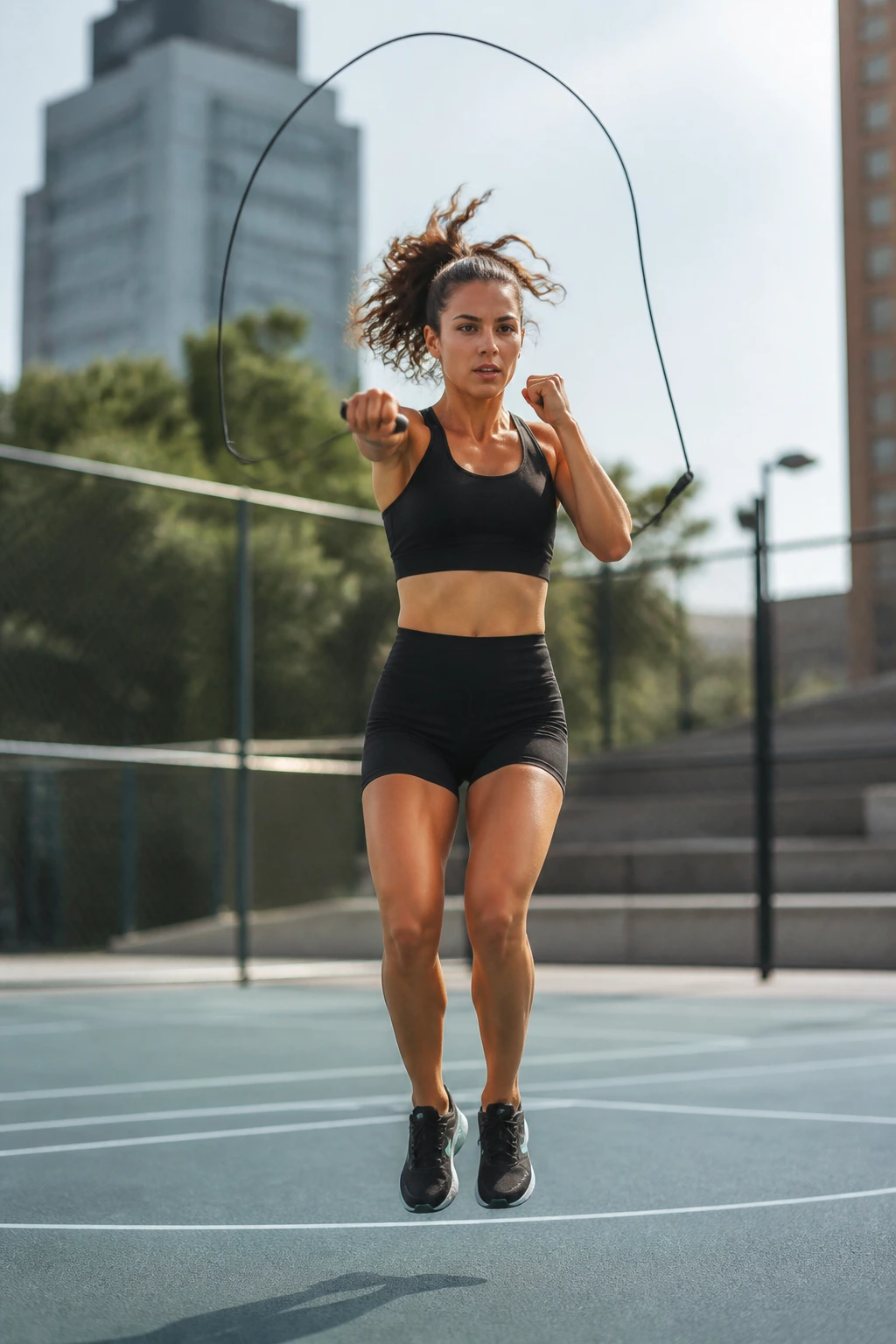
A rope and two fast hands can turn a dull workout into a nasty cardio block. Jump rope gets the feet quick. Jab work keeps the upper body honest. Put them together and you’ve got a session that feels old-school in the best way.
Run 8 rounds of 1 minute. Do 30 seconds of jump rope, then 30 seconds of jab-cross shadowboxing. If you trip on the rope, shrug it off and restart the rhythm. If you don’t have a rope, do ghost jumps or quick step-taps and keep the hands moving. The point is bounce and coordination, not perfect tricks.
Easy swaps
- Rope hops for beginners
- Alternating footwork for intermediate
- High-knee rope rhythm for advanced
I like this one for days when I want a sweat fast and don’t want to think too hard. The timing is simple, but the body still has to coordinate a lot of moving pieces.
17. EMOM Fight Minute Workout
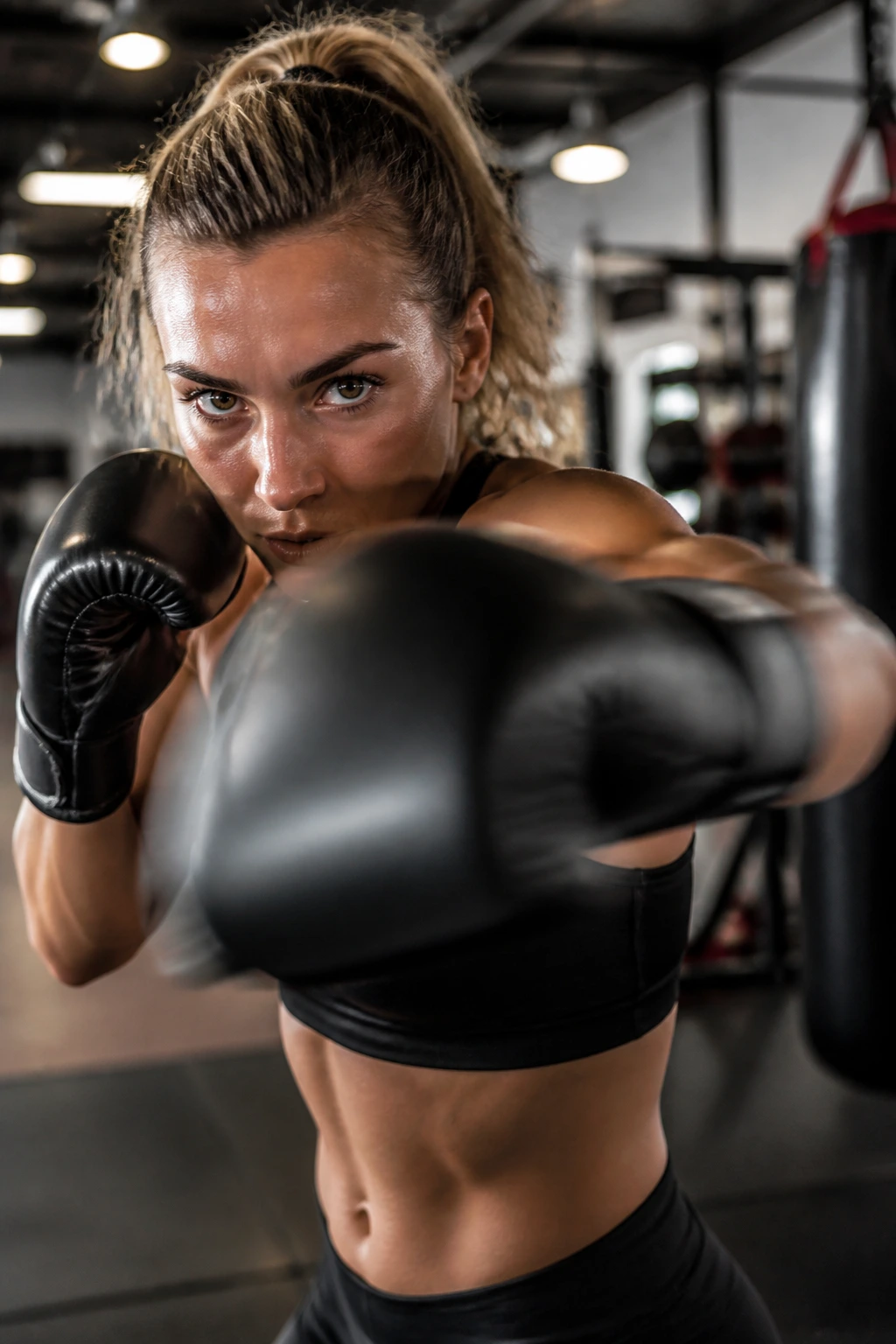
An EMOM keeps you honest because the next minute starts whether you feel ready or not. Every minute on the minute, hit a short block of work, then use the remaining seconds to breathe and reset.
Try a 20-minute EMOM with a 4-minute rotation:
- Minute 1: 12 jab-cross combinations
- Minute 2: 10 roundhouse kicks, alternating sides
- Minute 3: 12 uppercuts
- Minute 4: 20 seconds of fast footwork and 20 seconds of shadowboxing
Repeat that loop five times. If you finish early, you get rest. If you finish late, the number is too high and needs trimming. That feedback is useful, and a little unforgiving, which is part of the appeal.
The best EMOMs leave you working hard without smearing the form. Once your reps turn into mush, drop the count by two or three and keep the quality high.
18. Partner Mirror Drill
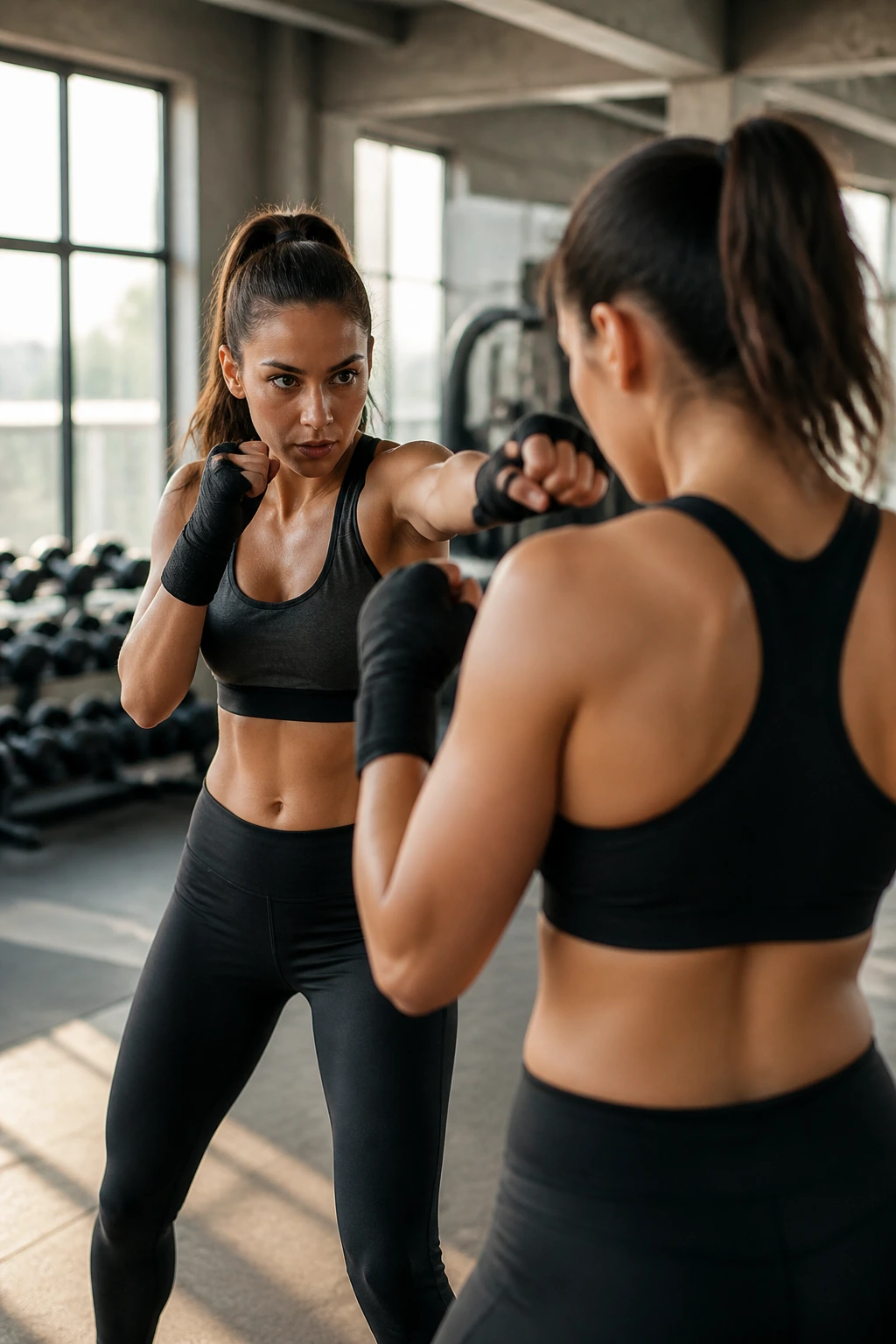
Two people, one mirror, zero excuses. The mirror drill is one of the best ways to turn kickboxing cardio into a game instead of a solo grind. One person leads, the other copies. After a minute, switch.
Set a timer for 6 rounds of 90 seconds. The leader moves laterally, throws short combinations, and changes levels with slips, pivots, or knee lifts. The follower mirrors every move as cleanly as possible. Keep the combinations simple enough to track: jab-cross, hook-cross, jab-kick, pivot-jab. If you’re training with a friend, this one will make both of you laugh and sweat at the same time.
How to keep it sharp
- Stay in front of each other
- Use small, visible changes
- Switch leaders often
- Keep the combo count low
The drill works because you’re reacting, not just repeating. That changes the brain work, and the cardio tends to climb without warning.
19. No-Equipment Apartment Routine
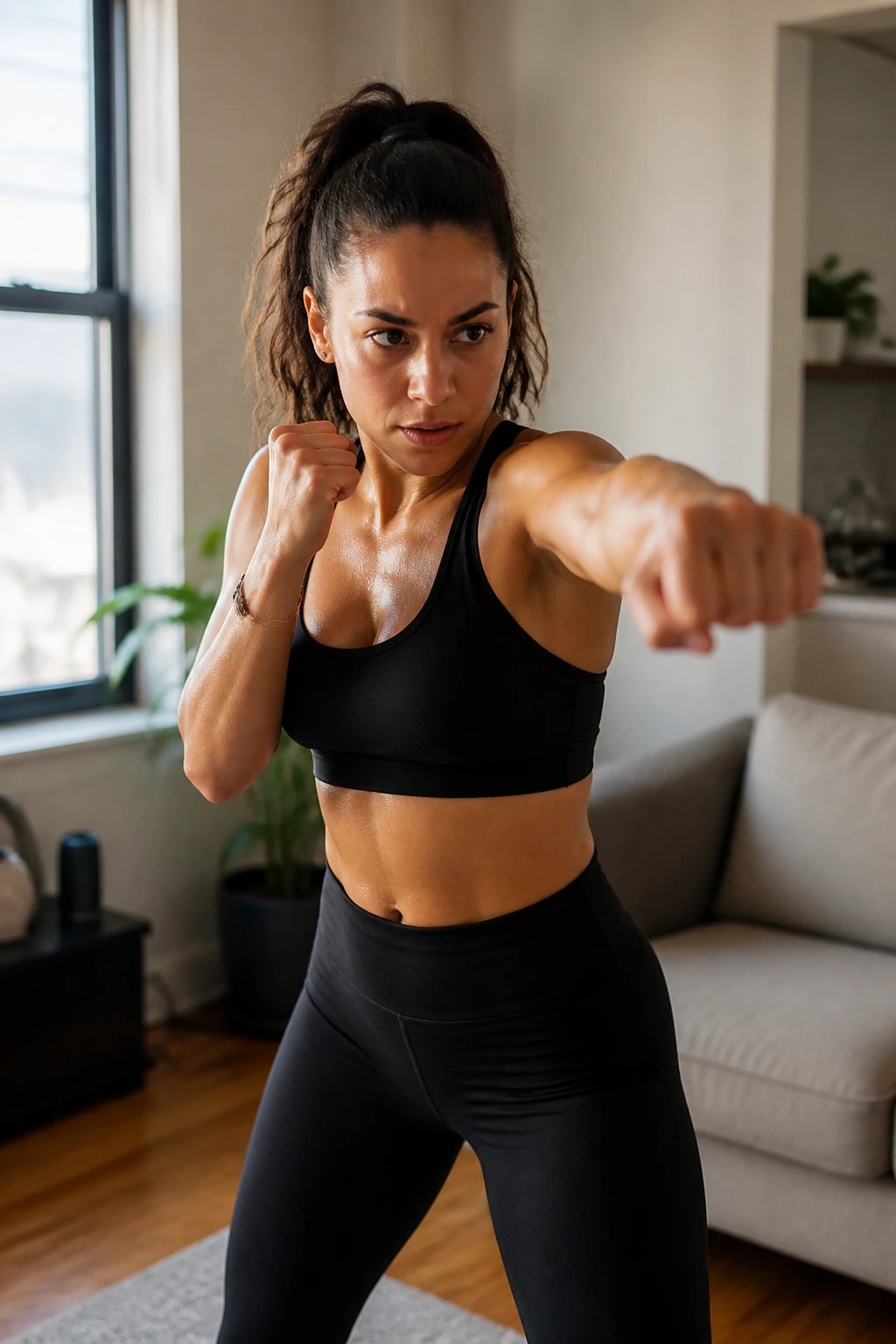
You do not need jumping to get sweaty. You do not need a bag, either. A quiet apartment routine can still hit hard if the movement stays constant and the punches stay crisp.
Use 3 rounds of 5 minutes with 1 minute of easy marching between rounds. Keep the feet soft and close to the floor. Jab-cross, step back, hook, knee drive, side step, repeat. If you live above someone with a short fuse, this is the one that lets you train without rattling the floorboards. That matters more than people like to admit.
Quiet moves to lean on
- Marching punches
- Low knee drives
- Step-touch hooks
- Controlled front kicks
- Pivots without hops
The workout feels quieter, but it doesn’t have to feel easy. Slow the impact, not the rhythm.
20. Light Dumbbell Boxing Blast
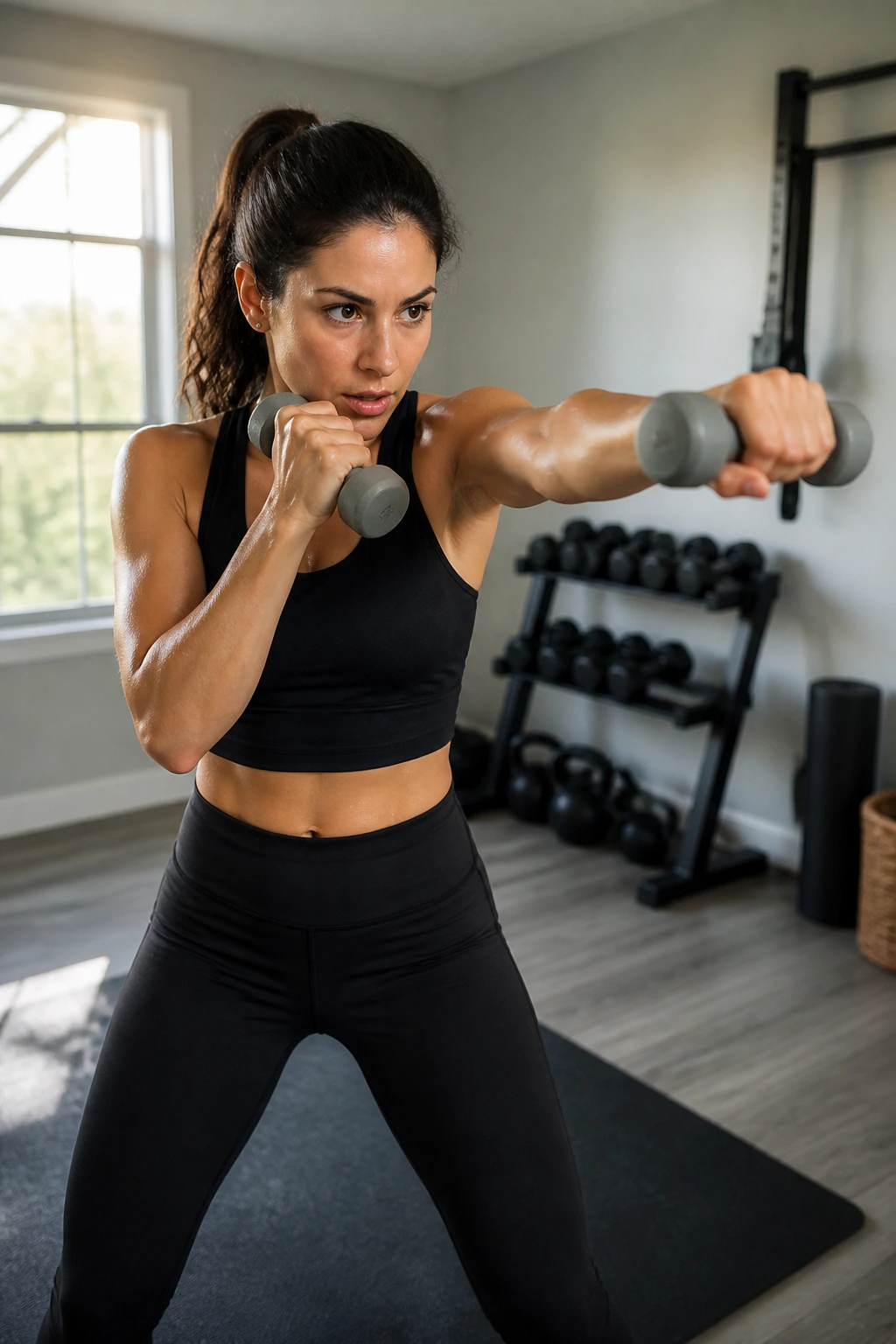
Heavy dumbbells and fast punches are a bad match. They slow the hands down, tug on the shoulders, and turn good form into a mess. Light dumbbells are a different story, but “light” means light: 1 to 3 pounds, tops, or even a pair of water bottles if that’s easier on the wrists.
Run 6 rounds of 45 seconds on and 15 seconds off. Use straight punches only, no wild hooks, and keep the range small. The goal is shoulder endurance, not showy power. If your neck starts tightening, put the weights down and finish the round empty-handed. That is usually the smarter move.
Safety notes
- Keep elbows soft.
- Don’t punch above shoulder height.
- Stop if wrists bend back.
- Drop the weights if form slows down.
This session is useful, but it is not the one I’d hand to a beginner right away. Hands-free shadowboxing is usually the better place to start.
21. Boxing and Burpee Finisher
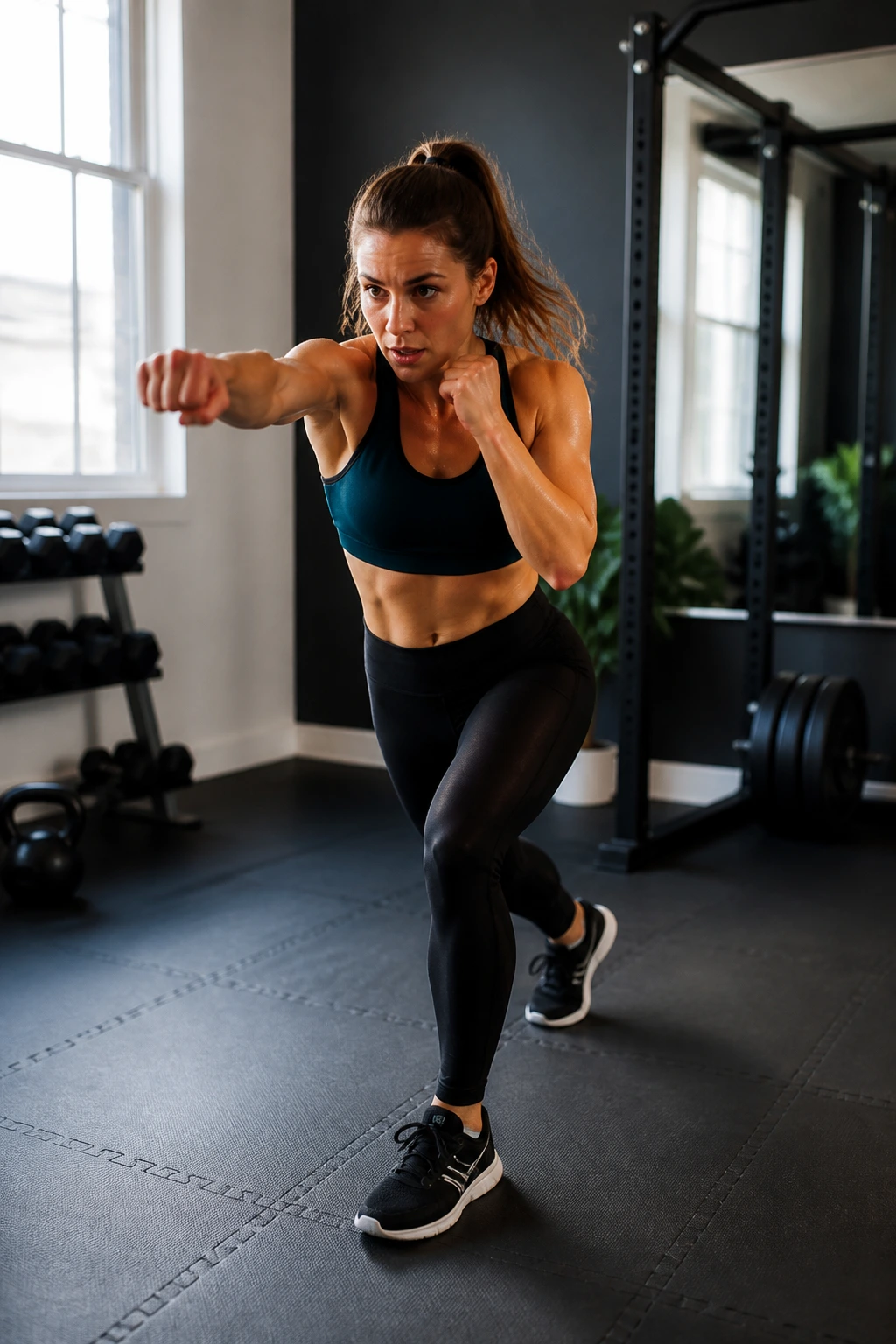
Need six minutes that make your whole body pay attention? Here you go. This finisher stacks punch speed with a floor move, so your heart rate climbs and stays up.
Do 6 rounds of 20 seconds of fast boxing and 10 seconds of step-back burpees. Keep the boxing simple: jab-cross, jab-cross-hook, repeat. On the burpee, step your feet back instead of jumping if you want to spare your knees or keep the noise down. That version still works.
Make it safer
- Step back instead of jumping back
- Skip the push-up if wrists are cranky
- Shorten the boxing range if shoulders tire early
I like this as the last piece of a workout, not the first. Your form is already warm, and the finisher gets to do the ugly, sweaty work it was built for.
Not a cute drill. A useful one.
22. Recovery Shadowboxing Flow
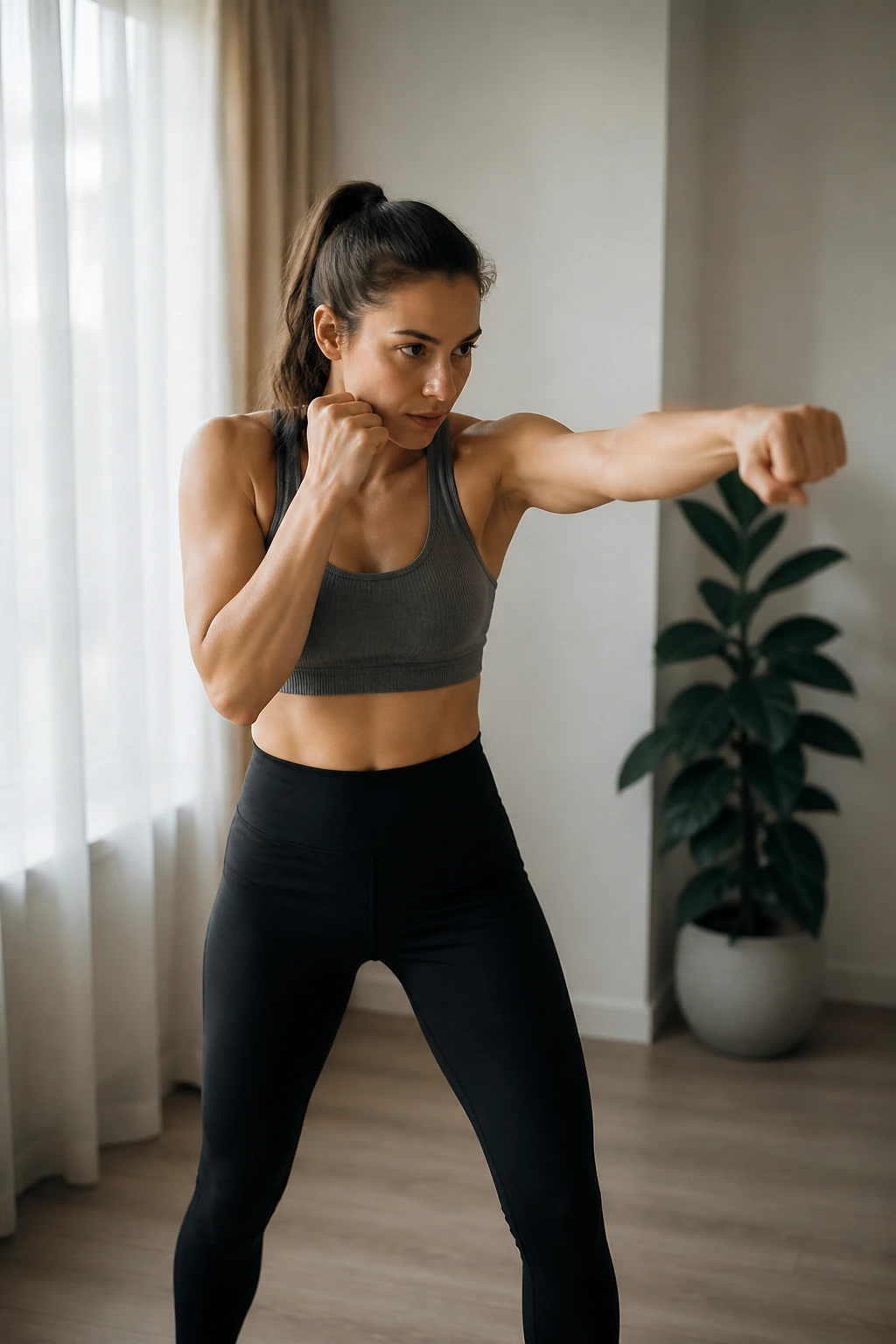
Some workouts should leave you looser, not wrecked. Recovery shadowboxing does exactly that. It keeps the joints moving, the breathing steady, and the body from turning stiff after harder training days.
Set aside 15 to 20 minutes and keep the intensity low. Move through easy punches, slow knee lifts, gentle pivots, and relaxed step-touches. Breathe through the nose when you can, or at least try to make the exhale longer than the inhale. The room should feel calmer when you finish, not louder.
Use this day for shape, not speed. Smooth jabs, soft hooks, controlled kicks. If you feel yourself chasing sweat, you’re missing the point.
A recovery round like this can be the difference between feeling wrecked for two days and being ready to train again tomorrow.
23. Fight-Round Endurance Session
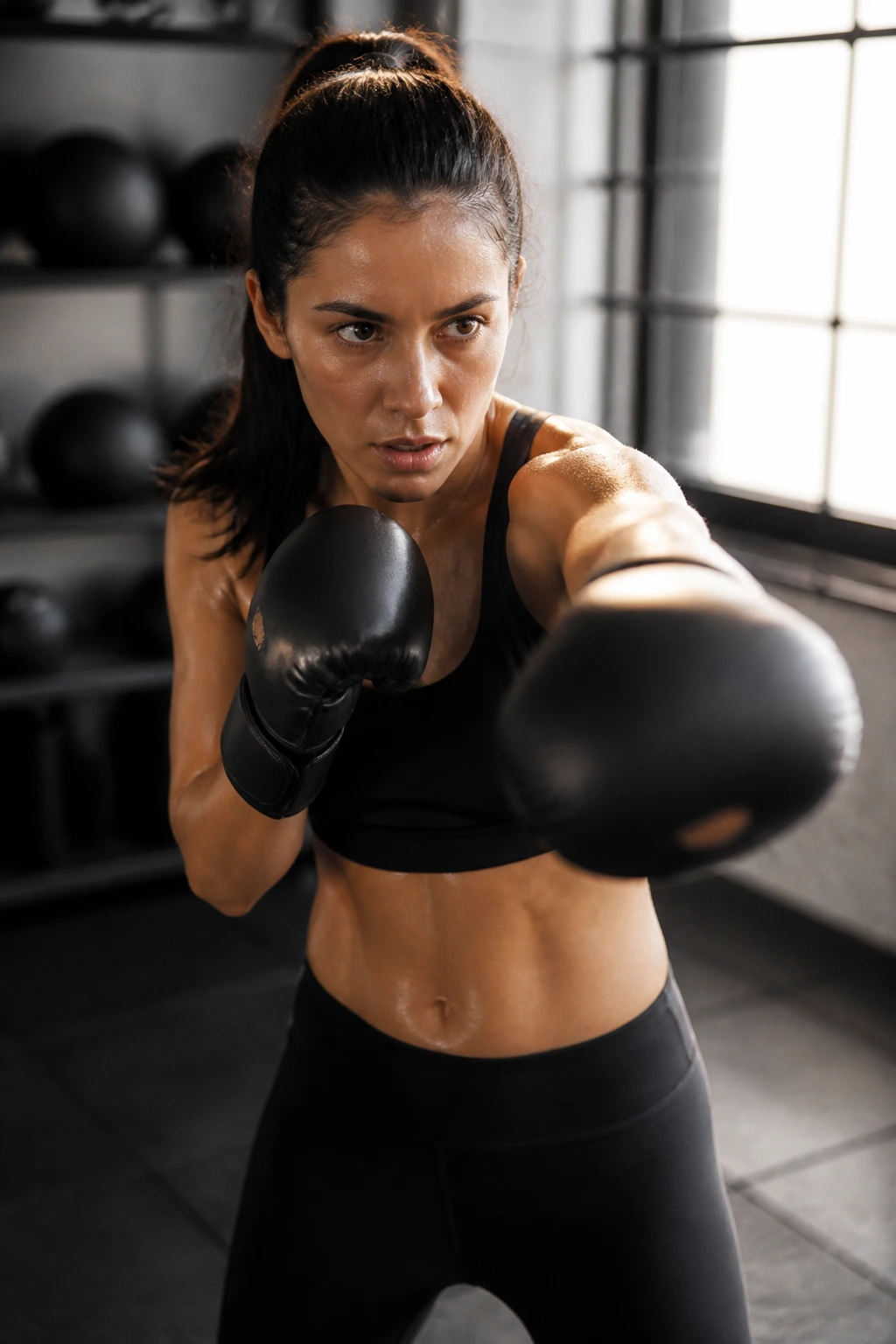
Five-minute rounds tell the truth. You can fake a 90-second burst. Five straight minutes exposes your pacing, your guard, and the way your breathing falls apart when the combos get messy.
Run 5 rounds of 5 minutes with 1 minute of rest. Start each round with a minute of movement, then a minute of punching, then a minute of kick combinations, then a minute of mixed defense, then finish with 60 seconds of fast clean work. If that sounds long, it is. That’s why it builds stamina.
Round map
- Minute 1: footwork only
- Minute 2: jab-cross and hooks
- Minute 3: kicks and knees
- Minute 4: slips and pivots
- Minute 5: your best combination at steady pace
This is the workout I’d pick for anyone who wants to feel like their tank got bigger. It’s not glamorous, and that’s part of why it works.
24. Full-Body Kickboxing Ladder
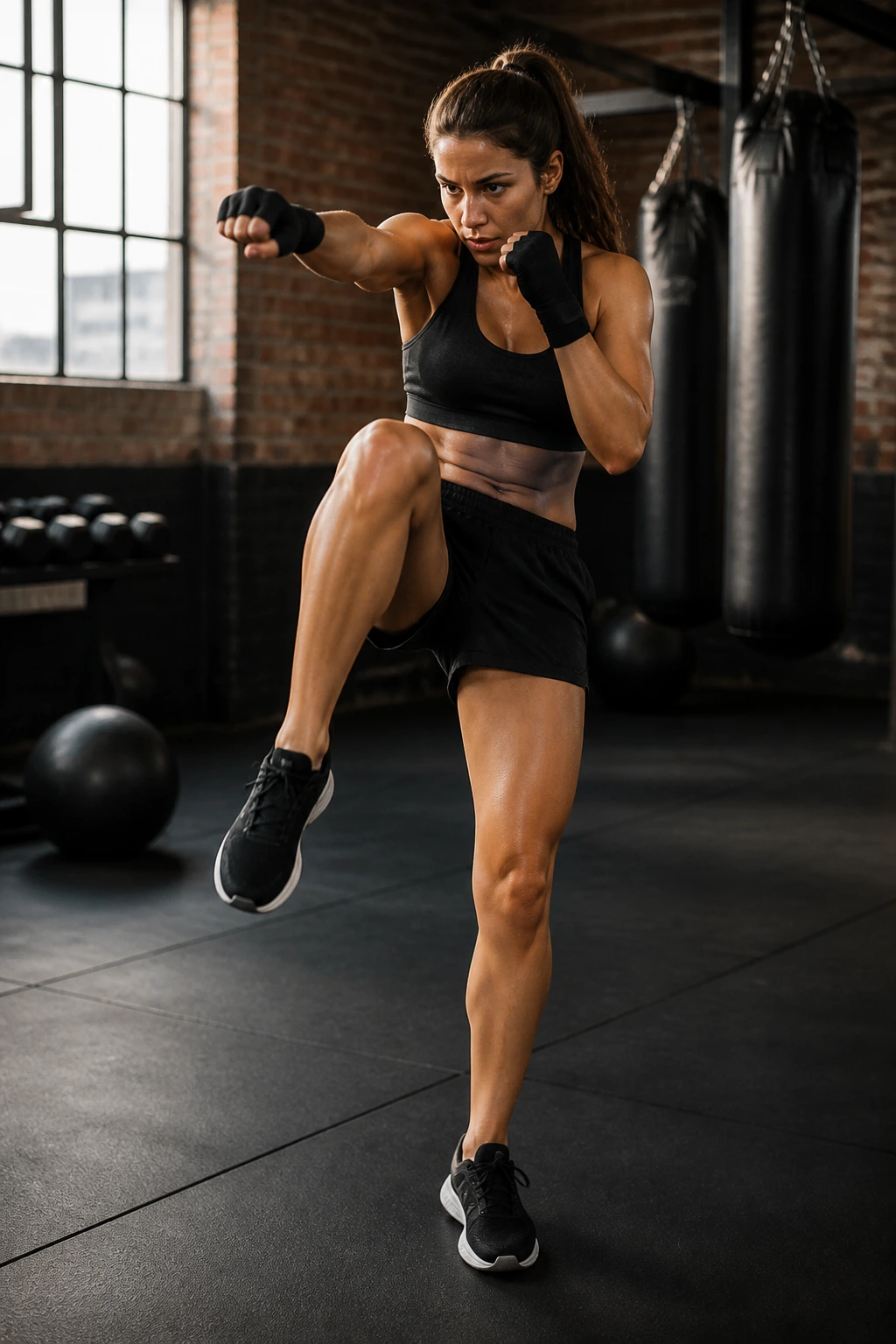
Unlike a straight interval block, this one stacks pieces until the whole body is lit up. Start with a 12-rep combo, then go to 10, 8, 6, and 4. Each level uses a bigger mix of moves: punches, knees, kicks, and a little footwork between each set.
Use this pattern: 12 jab-crosses, 10 knee strikes, 8 front kicks, 6 hook-crosses, 4 roundhouse kicks. Rest 20 to 30 seconds between levels. If you want more volume, run the ladder twice. If your form fades, stop after one pass and call it enough. That’s not quitting. That’s training with a brain.
Why this one lands well
- The punch work wakes up the upper body.
- The kicks keep the hips active.
- The changing rep count stops the mind from drifting.
This is a nice middle ground between technical work and pure sweat. You get both, which is usually the sweet spot.
25. The Weekly Finale Workout
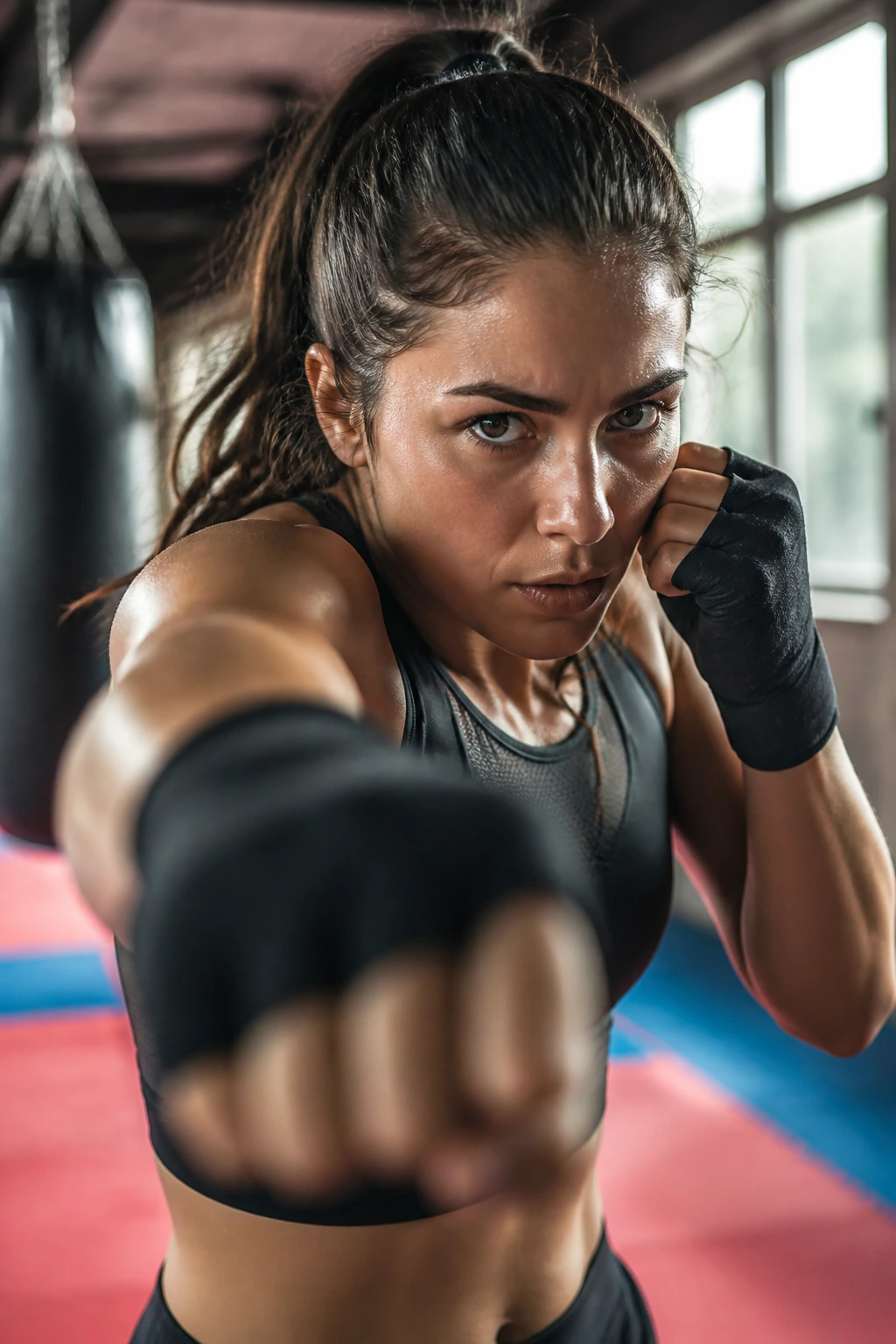
Save this one for the day you want a full-body finish without making it feel like punishment. It blends the best pieces from the list: footwork, punches, kicks, and a short hard burst at the end. It’s flexible, which I love. A workout that can bend a little is a workout you’ll actually use.
Run 4 rounds of 4 minutes with 1 minute rest. Round one is jab-cross and movement. Round two adds hooks and slips. Round three brings in front kicks and knees. Round four is your choice: speed round, power round, or a mix of both. Finish with 30 seconds of all-out shadowboxing and 30 seconds of slow breathing. Clean, simple, done.
How to finish strong
- Keep the first round smoother than you think.
- Save the hardest kicks for round three.
- Let the final minute feel messy on purpose.
- Walk for one minute after you stop.
That’s the real trick with kickboxing cardio. You don’t need every round to be heroic. You need a plan that lets you show up, move well, and leave with enough left in the tank to come back again.
