



Gym floors can look like a puzzle when you first walk in. Rows of pads, cables, levers, footplates — every machine seems to promise something different, and half the labels sound more confident than helpful.
That confusion costs people time. It also leads to the usual mess: someone uses a machine meant for controlled leg work as if it were a max-effort power lift, someone else skips a perfectly good back machine because they do not know what it trains, and the cardio corner turns into a guessing game.
The good news is that gym machines are usually straightforward once you know the job each one does. Some are built for steady cardio. Some isolate one muscle so you can train it without a balancing act. Some sit in that middle ground and let you move a lot of weight with less chaos than a barbell. Different tool, different purpose.
Once you can look at a machine and name its main use, the whole room gets easier to read. And a lot less annoying.
1. Treadmill
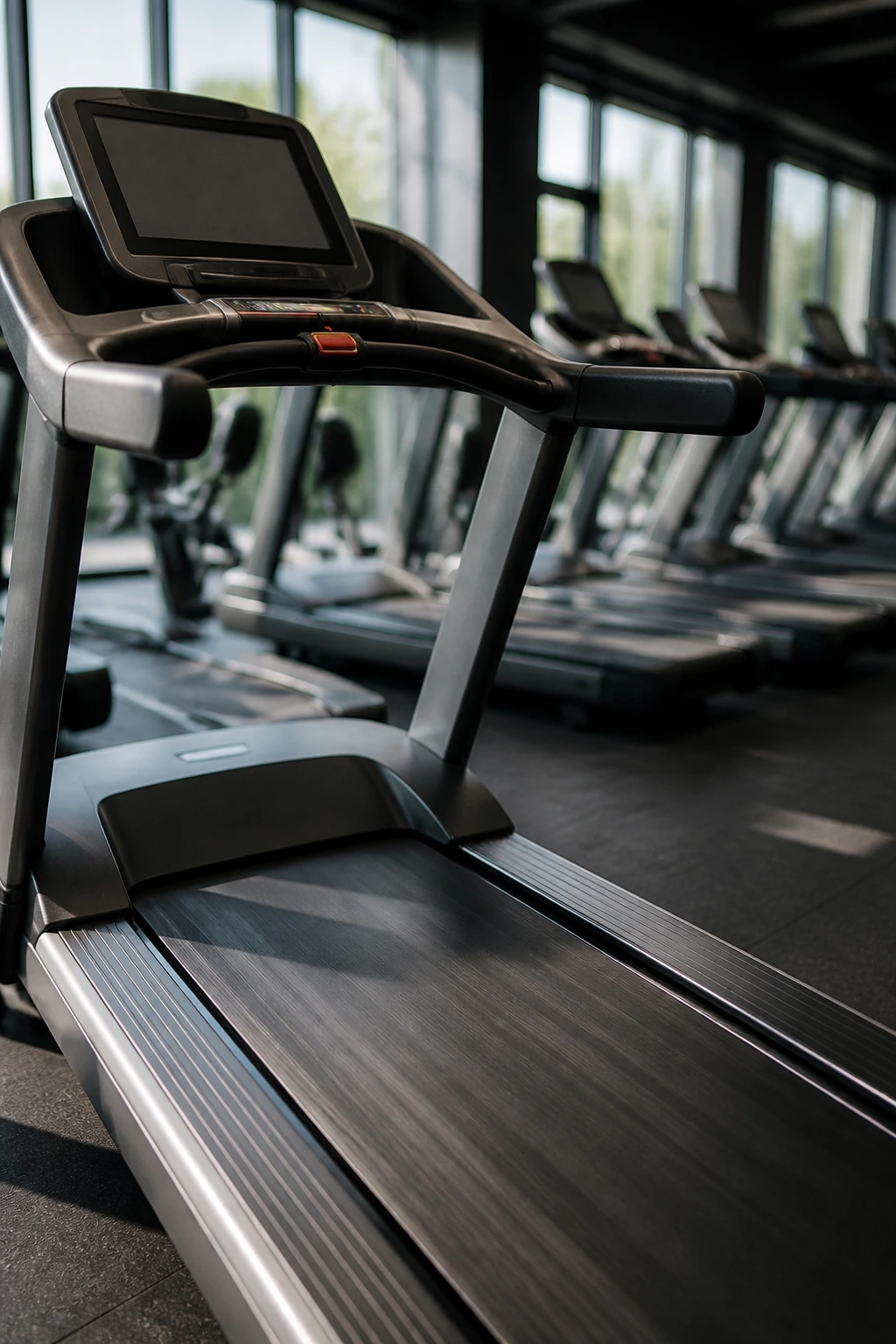
The treadmill is the machine most people recognize first, and for good reason. It’s the simplest way to walk, jog, sprint, or build an incline workout without worrying about weather, traffic, or uneven ground.
It’s best for steady cardio, warm-ups, interval training, and basic walking plans. If you want a machine that lets you control speed and incline in exact amounts, this is the one. A brisk 20-minute walk at 3.5 mph is a different animal from a 1-minute run at 8 mph followed by a recovery walk, and the treadmill handles both without fuss.
What It’s Good For
- Brisk walking for low-impact cardio
- Jogging and running when the weather is bad
- Incline walking to push your heart rate up without sprinting
- Interval work with clear speed changes
One honest warning: do not hang on the rails the whole time. That turns the workout into something much easier than you think, and it also changes your stride in a way that can bother your hips and lower back.
2. Stationary Bike
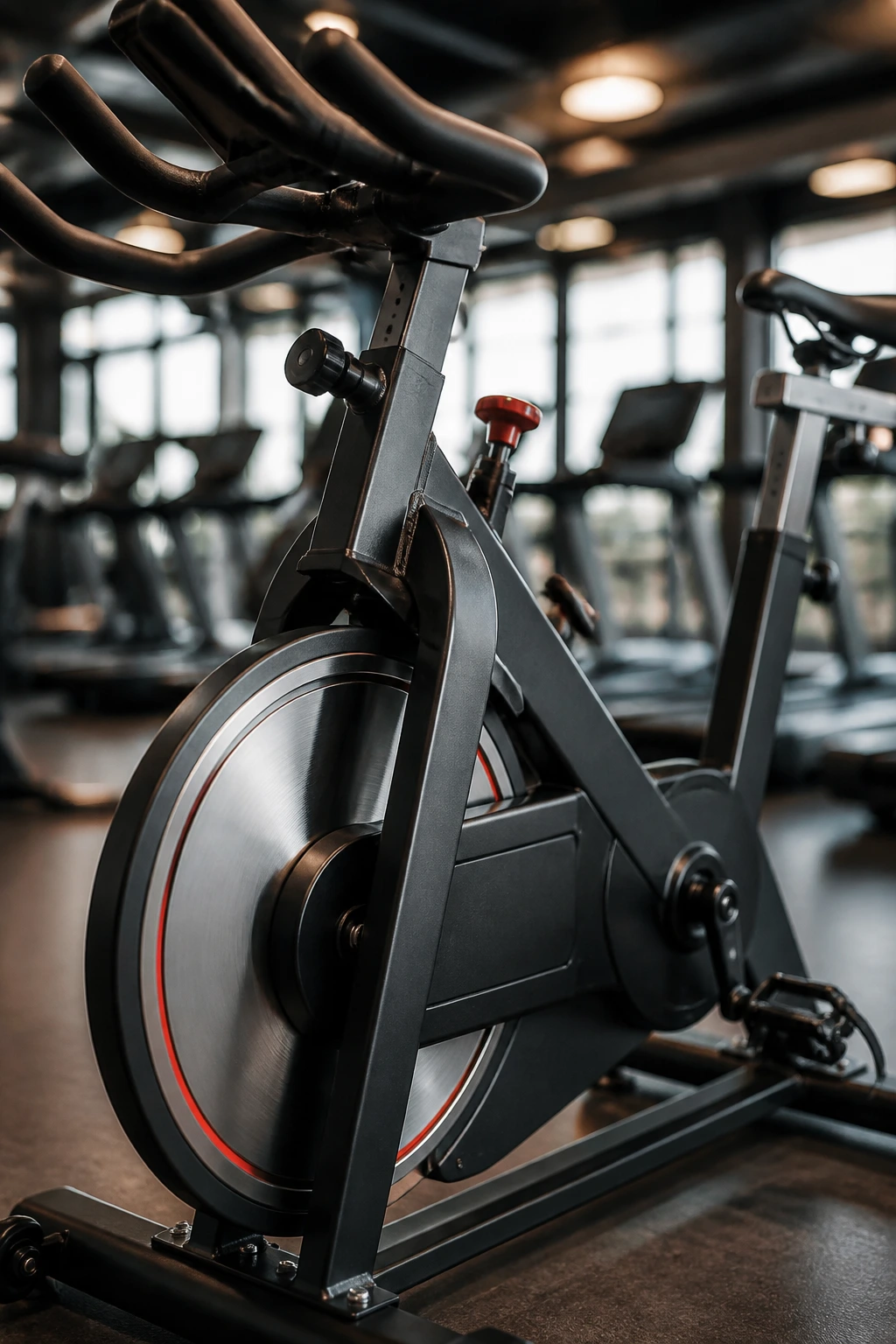
A stationary bike is one of the easiest machines to recover on, but that does not make it easy if you turn the resistance up. The pedals keep your body supported, which is why bikes are friendly for beginners, older lifters, and anyone whose knees do not love pounding.
It’s for cardio, yes, but also for days when you want work without impact. A 30-minute ride at moderate resistance can leave your legs warm and your lungs busy without the joint stress that comes with running. Recumbent bikes lean back and spread your weight out; upright bikes feel closer to a road bike and tend to ask more from your core.
The best use is honest pacing. If you can talk in full sentences the whole time, the resistance is probably too low for training. If your knees are bouncing and your hips are rocking, it is too high.
3. Rowing Machine
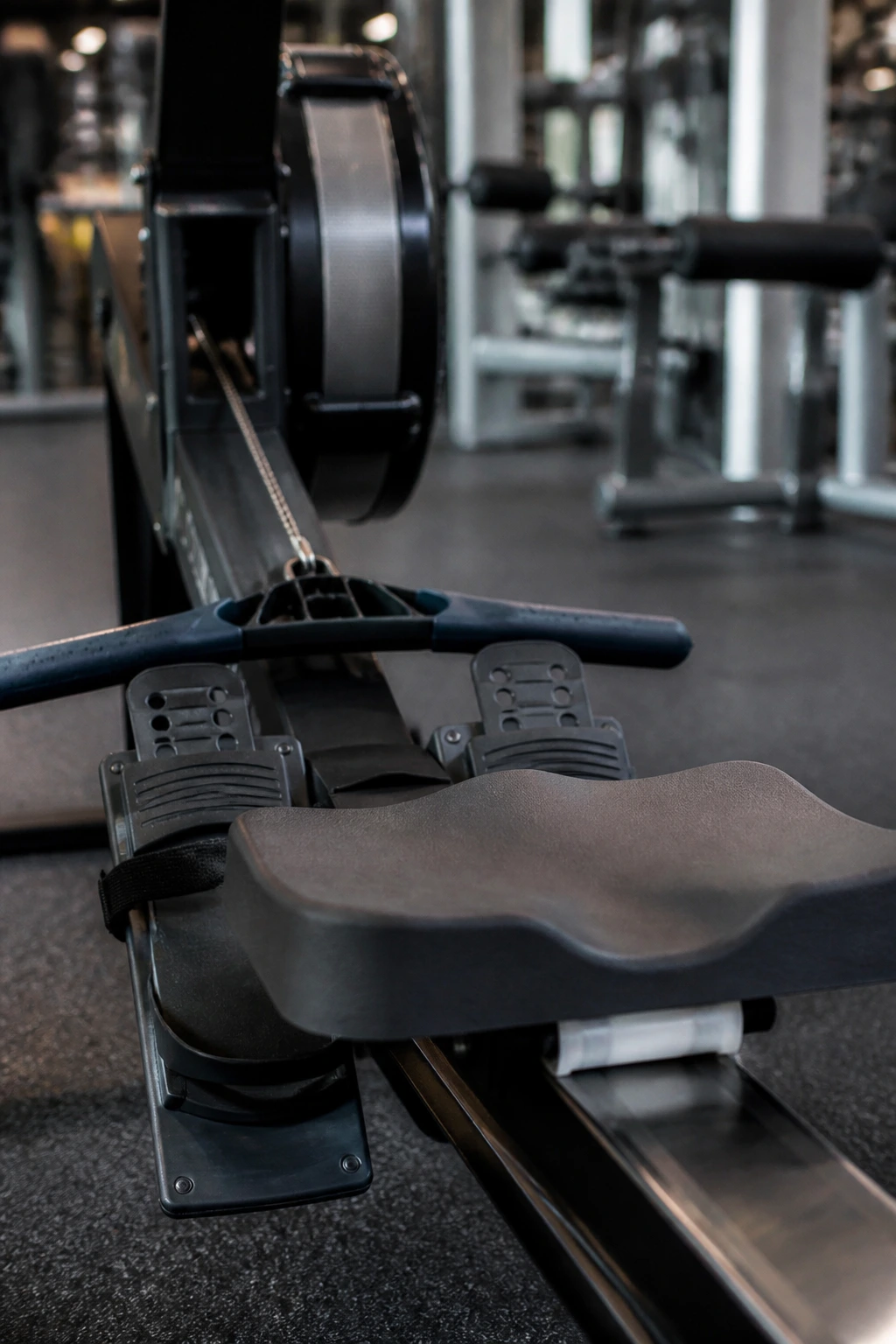
Why do so many people sweat like they’ve been chased after 5 minutes on the rower? Because it asks a lot from the whole body at once.
A rowing machine is for cardio, yes, but it also trains the legs, back, glutes, and grip in one smooth pull. The catch is that form matters. Drive with the legs first, then swing the torso, then finish with the arms. On the way back, reverse it: arms, torso, legs. Mess up that order and the row becomes an awkward arm workout with a sore lower back attached.
What to Feel
- Strong push through the feet
- A clean pull from the back, not a yank from the shoulders
- A quiet return with control
- Breathing that matches the stroke rhythm
How to Use It
Set the damper or resistance low enough that you can keep good form for 500 meters or 10 minutes without slumping. A smooth stroke beats a frantic one. Every time.
4. Elliptical Trainer
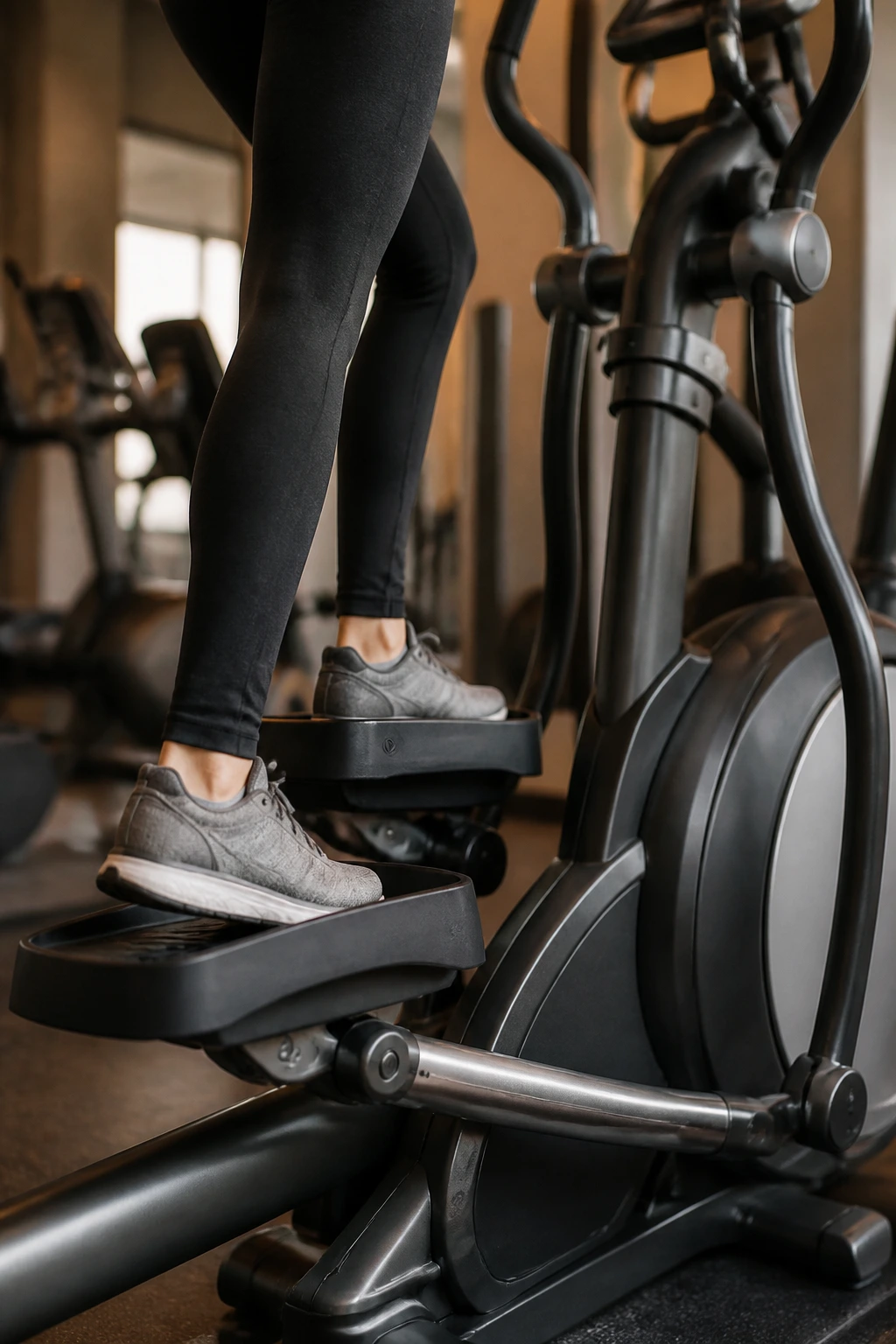
The elliptical is for cardio when you want a moving workout without the pounding of running. Your feet stay on the pedals, which makes it easier on the joints than a treadmill for a lot of people.
It looks gentle from across the room. Don’t be fooled. Turn the resistance or incline up, and your legs will feel the burn fast, especially through the quads and glutes. The machine also lets you push and pull with the handles, so your upper body can join the work if you want it to.
I like the elliptical for long sessions when you want to keep moving without that harsh impact that can stack up after repeated runs. It is also useful during a warm-up, because you can go from easy to hard in a few minutes without changing machines.
5. Stair Climber
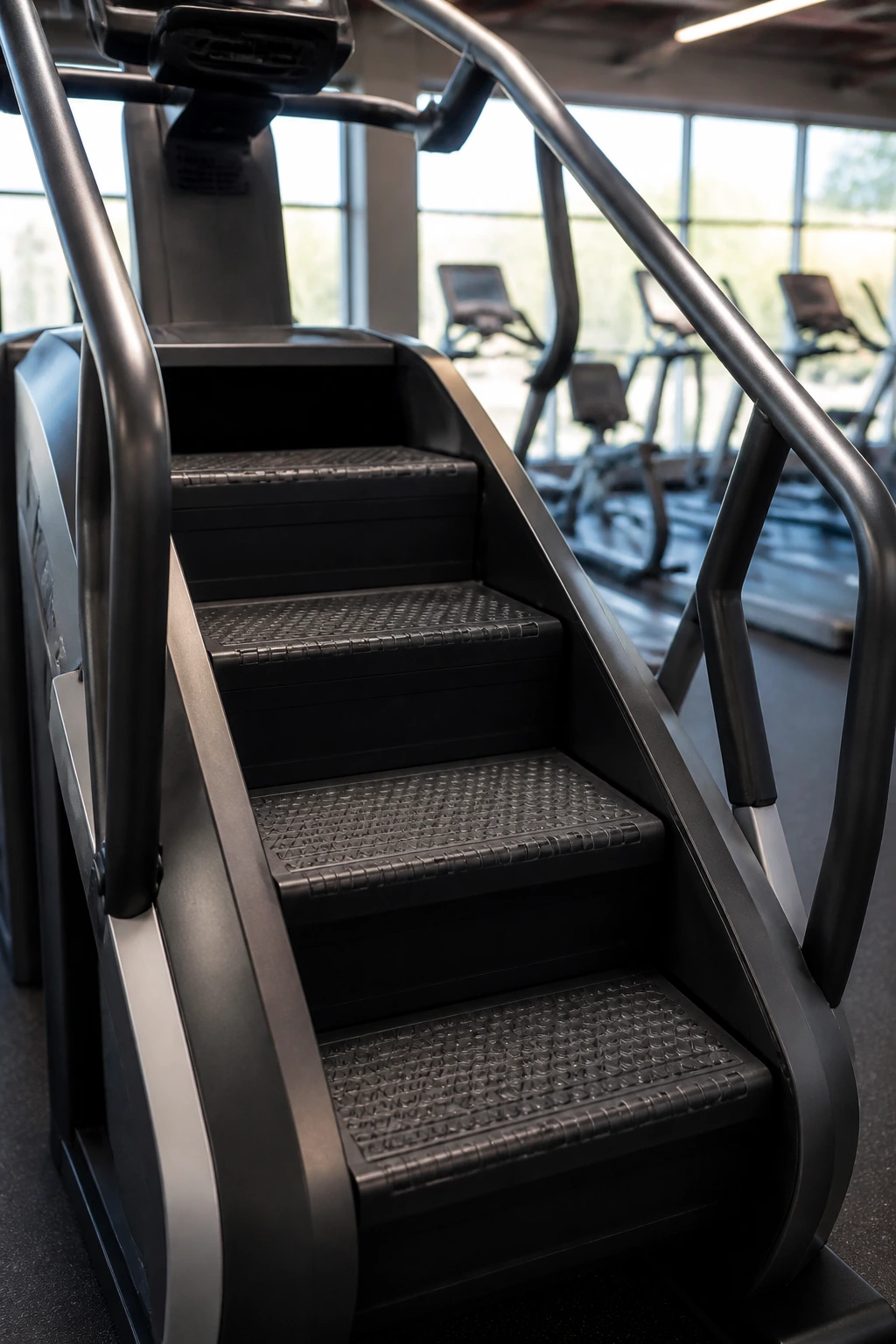
The stair climber is basically a stairwell that never ends, which sounds rude until you want your glutes and lungs to work at the same time. It’s for cardio, but it hits the legs harder than a bike or elliptical because you keep lifting your body weight step after step.
It’s a favorite for people who want a lower-body sweat session without jumping. The big thing here is posture. Leaning heavily on the rails turns a hard machine into a fake one, and your glutes do less. Stay tall, keep a slight forward lean from the ankles, and let the steps do the work.
A short session can be enough. Ten minutes on a stair climber can light up your legs faster than a long, easy walk. It’s sneaky like that.
6. Leg Press
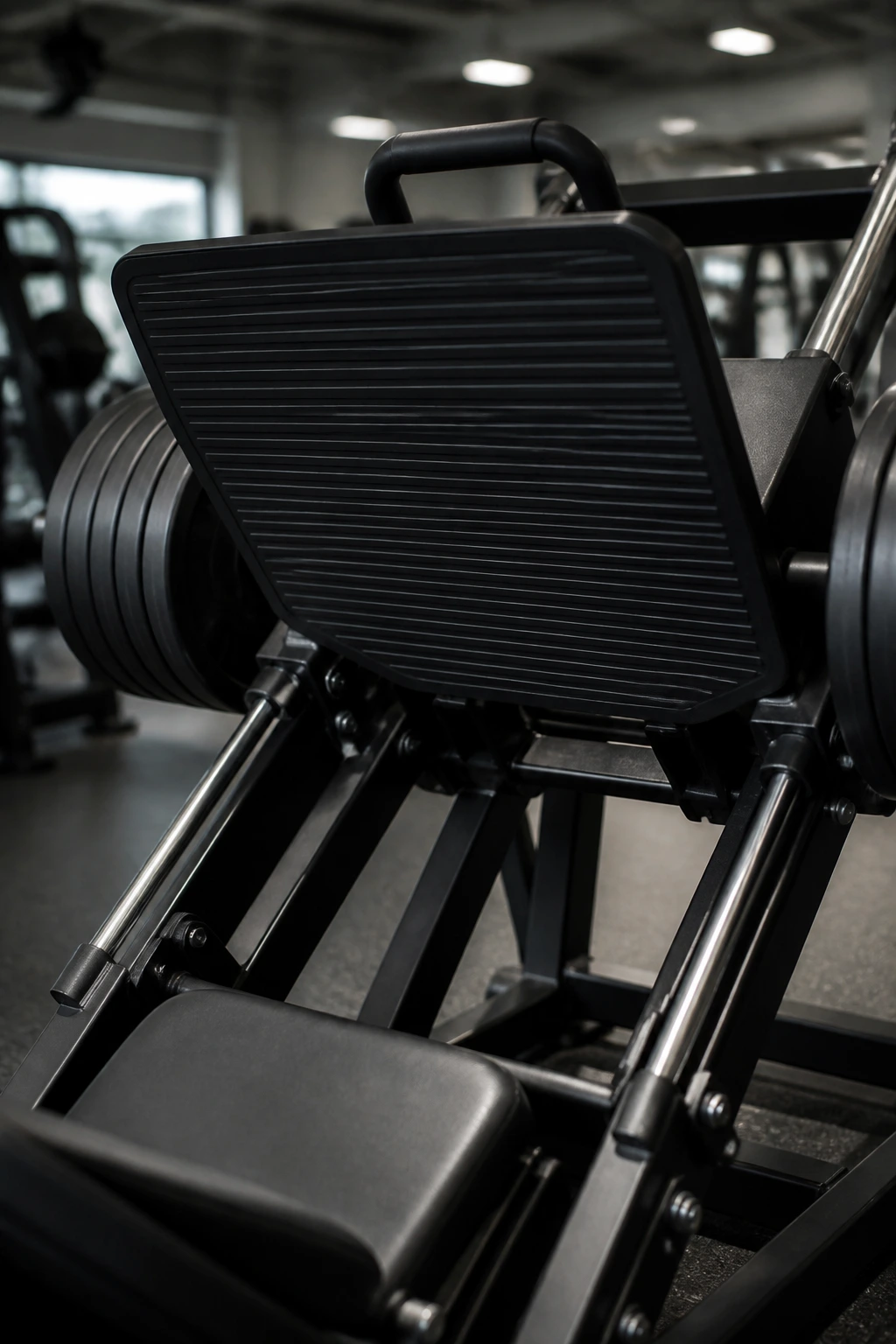
The leg press is for hard leg work without balancing a barbell on your back. That’s its whole appeal, and it’s a good one. You sit, plant your feet on a sled or platform, and drive the weight away with your legs.
It mainly trains the quads, glutes, and hamstrings, depending on foot placement and depth. Put your feet lower and closer together, and the quads usually take more of the load. Put them higher and wider, and the glutes and hamstrings get more say. The movement is still a compound leg exercise either way.
Watch Your Range
- Lower the sled until your knees bend comfortably without your hips curling off the seat
- Keep your heels down
- Don’t lock your knees hard at the top
- Use a controlled descent instead of dropping the weight
The most common mistake is loading too much and cutting the range short. That’s not impressive. It’s just a half-rep with extra drama.
7. Leg Extension
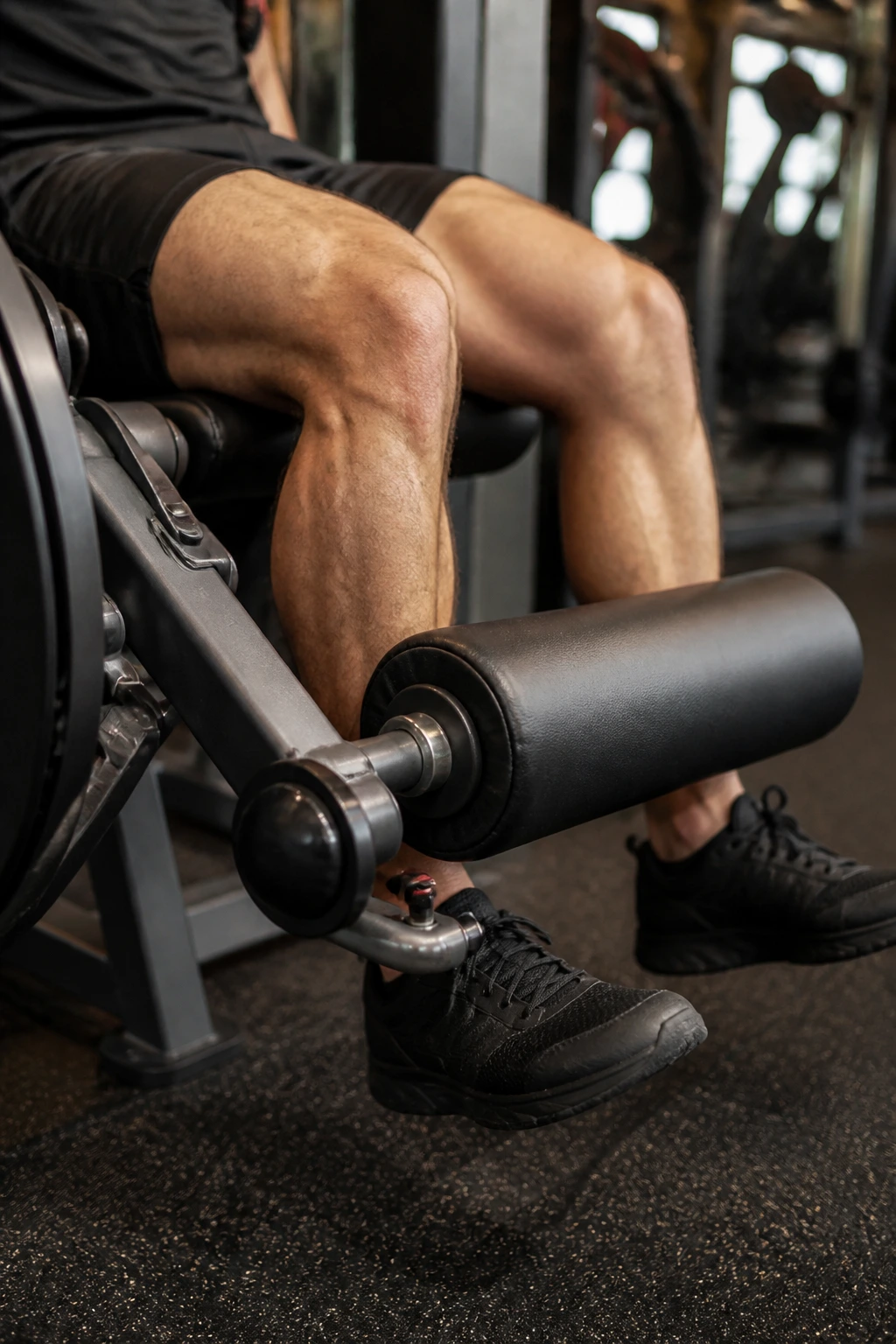
The leg extension is a pure quad machine. That’s the point, and there’s no need to dress it up as something else.
You sit down, hook your shins under the pad, and straighten your knees against resistance. It isolates the quadriceps in a way most leg exercises do not. If you want to feel the front of your thighs working without your glutes and hamstrings stealing the show, this is the cleanest machine in the room.
Best Uses
- Extra quad volume after squats or presses
- Warming up the knees with light controlled reps
- Finishing a leg session with a focused burn
The range is small, so people rush it. Don’t. Slow reps matter here, and a brief pause at the top makes the exercise feel much more honest. If your knees are sensitive, use lighter weight and smooth tempo. Heavy, jerky extensions are a bad trade.
8. Leg Curl
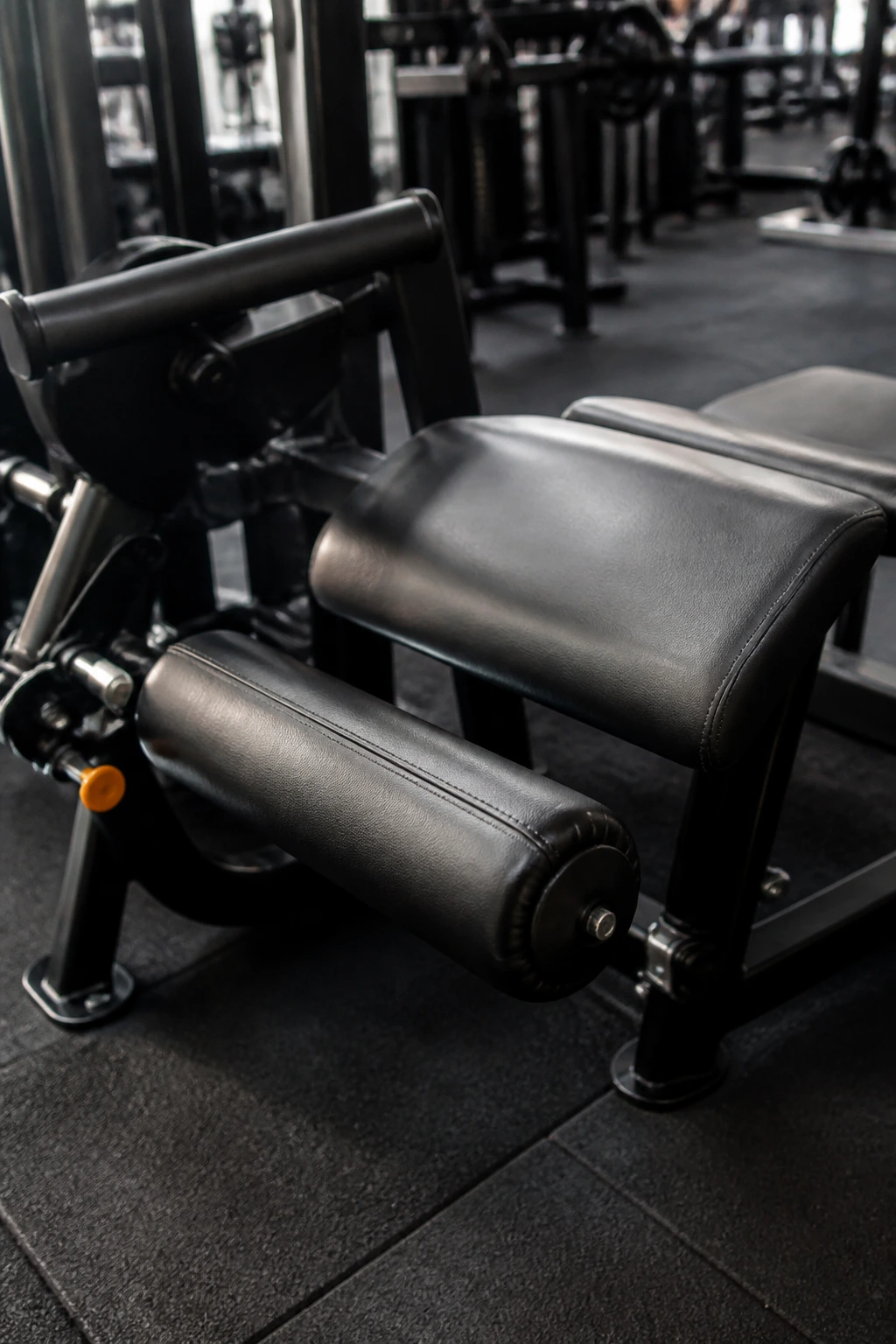
The leg curl does the opposite job from the leg extension. It trains the hamstrings by bending the knee against resistance, which is why it pairs so well with quad work.
There are seated and lying versions, and each one feels a little different. Seated curls often give the hamstrings a deeper stretch because your hips stay flexed. Lying curls can feel more straightforward and are common in many gyms. Either way, the goal is the same: pull the pad with control, squeeze the back of the thigh, and lower slowly.
A lot of lifters ignore hamstring machines until they notice how much those muscles affect sprinting, knee support, and even how their legs look from the side. This one fills a real gap.
9. Hack Squat Machine
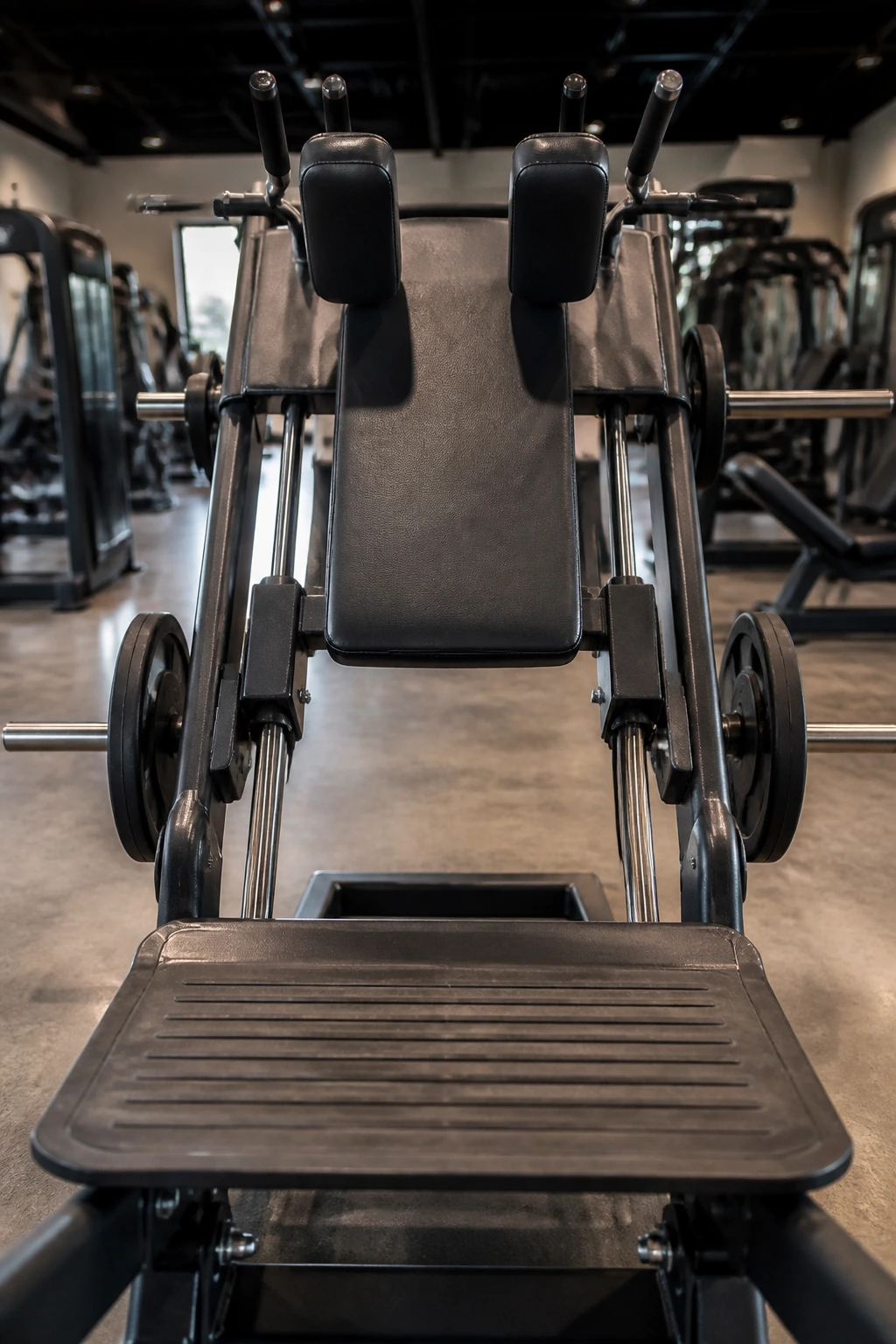
The hack squat machine is for people who want squat pattern training with more back support and a fixed path. It is not the same as a free squat, and that’s fine. It gives you a stable track and lets you focus on leg drive.
Your feet usually sit on a platform while your shoulders rest under pads. As you lower, your knees bend and your hips drop in a controlled line. The machine shifts a lot of the challenge into the quads, especially if you keep your feet lower on the platform.
The obvious upside is load without balance demands. The less obvious one is consistency. Every rep follows the same path, which makes it easier to judge progress from week to week. It can also be brutal in a very specific way. Your thighs will tell you so.
10. Smith Machine
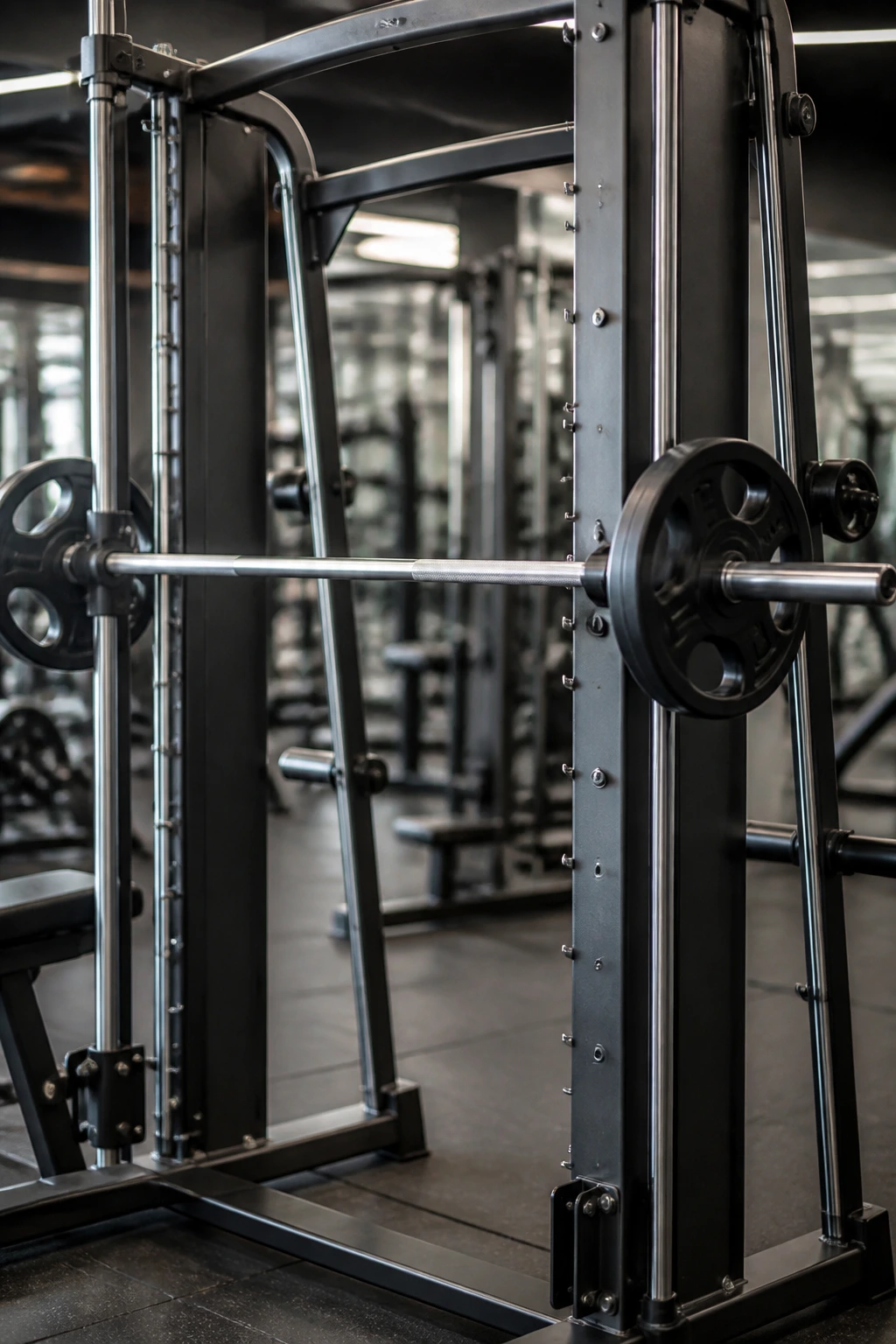
People argue about the Smith machine a lot. Some praise it. Some act like it ruins everything. That’s too simple.
The Smith machine is a barbell fixed on rails, which makes the path more controlled than a free bar. It’s useful for squats, presses, split squats, hip thrusts, and even some row variations when you want stability and don’t want to worry about the bar drifting. That fixed path can make it easier to train close to failure without a spotter.
Where It Helps
- Learning movement patterns
- Training alone with less setup
- Keeping reps more controlled on fatigue-heavy sets
- Making certain lifts feel safer for high-rep work
Where It Can Feel Awkward
- Movements that need a natural bar path
- Some squat positions, depending on the machine angle
- Heavy lifts that reward free movement
Use it as a tool, not a religion. That sounds obvious, but a lot of gym arguments start because people forget that simple point.
11. Cable Machine
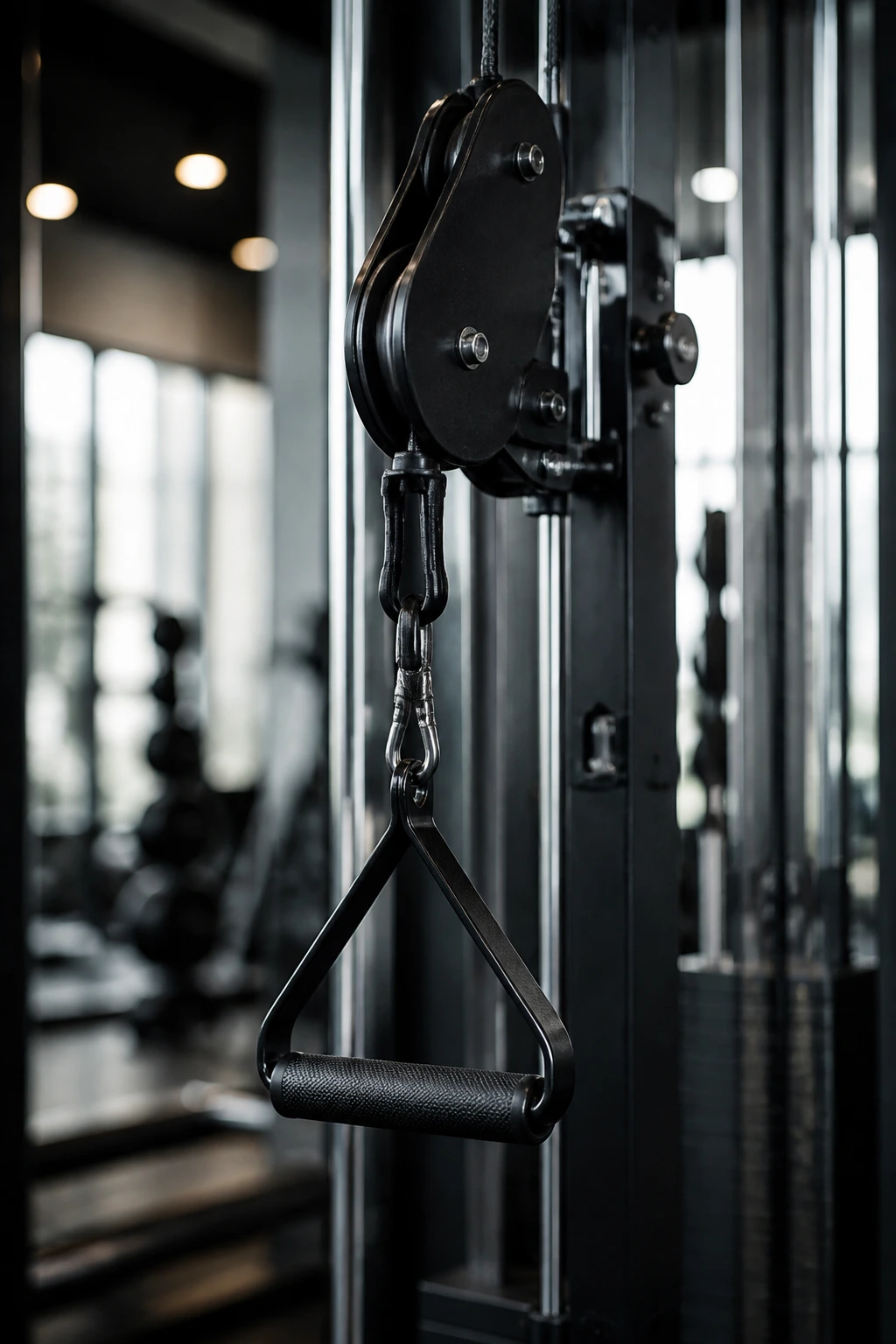
A cable machine, or functional trainer, is one of the most useful pieces of equipment in the room. It’s not flashy. It’s just useful, over and over, in a way that never gets old.
You can train the chest, back, shoulders, arms, core, glutes — almost anything with a handle, rope, ankle strap, or bar attachment. The big advantage is tension. Cables keep resistance on the muscle through much of the movement, which changes how an exercise feels compared with dumbbells or a barbell.
The machine earns its keep for accessories and isolation work. Cable rows, face pulls, triceps pressdowns, cable flyes, Pallof presses, woodchops — all of them live here. If your gym has only one machine you can use for a thousand different things, this is probably it.
12. Lat Pulldown
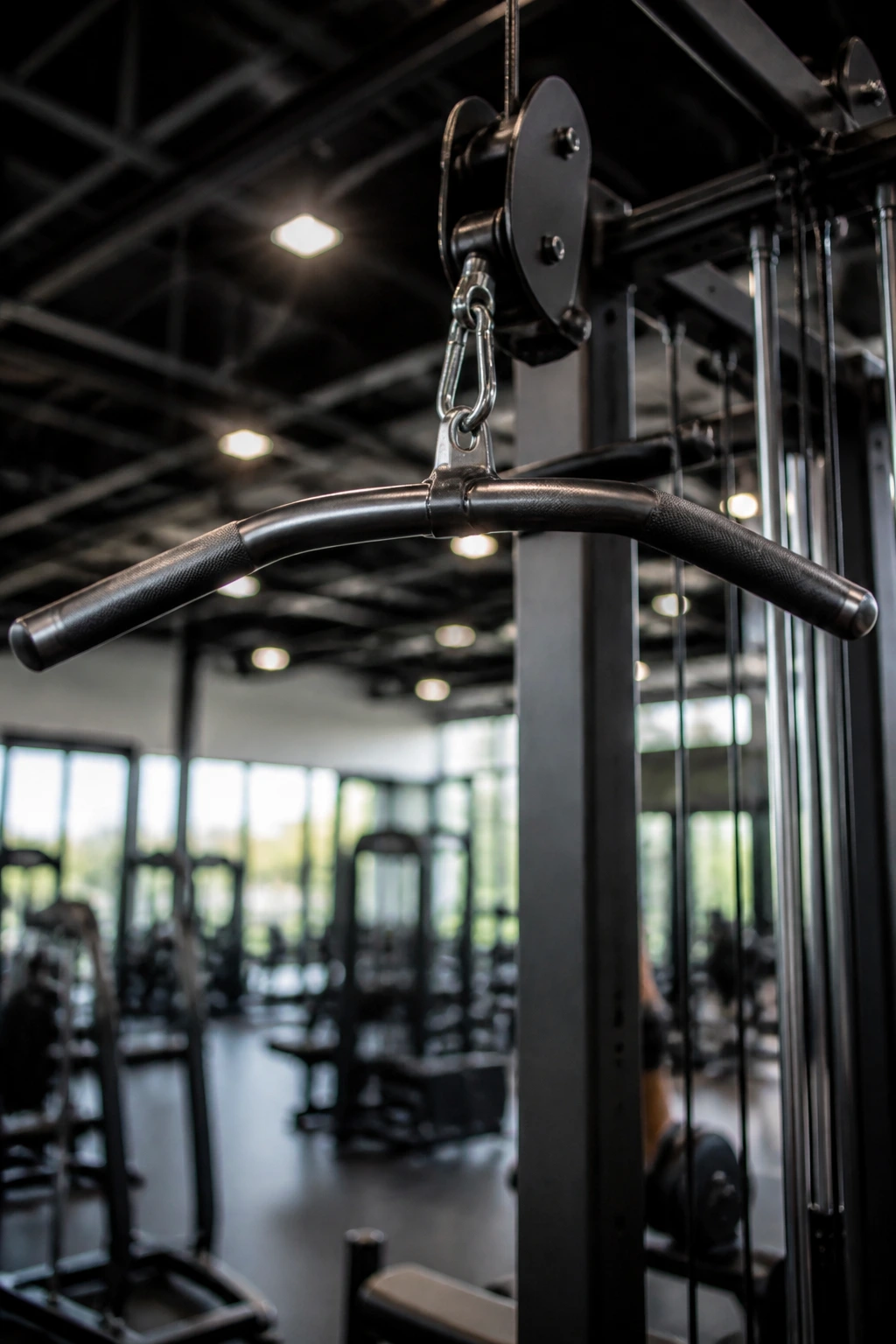
The lat pulldown is for building your back, especially the lats, which run along the sides of your back and help give that wider look many people chase.
You sit down, grab the bar overhead, and pull it to your upper chest with control. The movement is similar to a pull-up, but the machine supports your body and lets you choose the load more precisely. That makes it useful for beginners, for higher-rep back work, and for anyone who wants more practice before moving to pull-ups.
A Clean Rep Looks Like This
- Chest stays tall
- Elbows drive down, not just back
- Bar comes to the upper chest or collarbone area
- Shoulders stay out of your ears
Pulling behind the neck is a bad habit in most cases. It usually gives you less useful work and a crankier shoulder position. Straight to the front is the smarter path.
13. Seated Row Machine
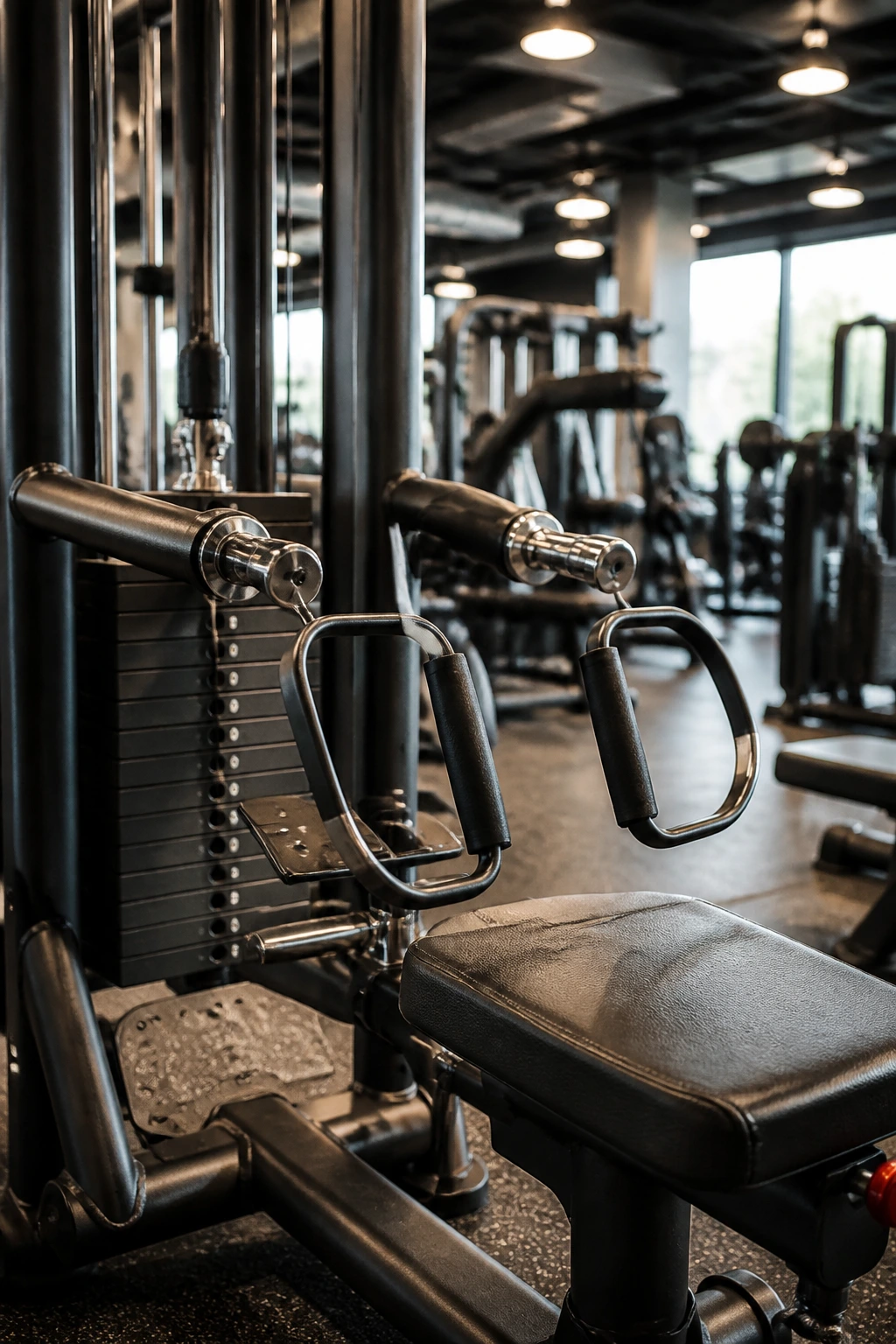
The seated row machine trains the mid-back, rear shoulders, and lats by making you pull the handles toward your torso. It’s one of the best machines for posture muscles, the ones that help keep your upper body from slumping forward all day.
What I like here is the feedback. If you yank with your arms, you feel it immediately. If you keep your chest up and pull the elbows back while squeezing the shoulder blades, the middle back takes over. That clean line of effort is why seated rows show up in so many back routines.
It’s also one of the easiest places to fix bad habits. Use a slow return. Let the shoulder blades stretch forward a little. Then pull again without rocking your body. No heaving. No half-swing nonsense.
14. Chest Press Machine
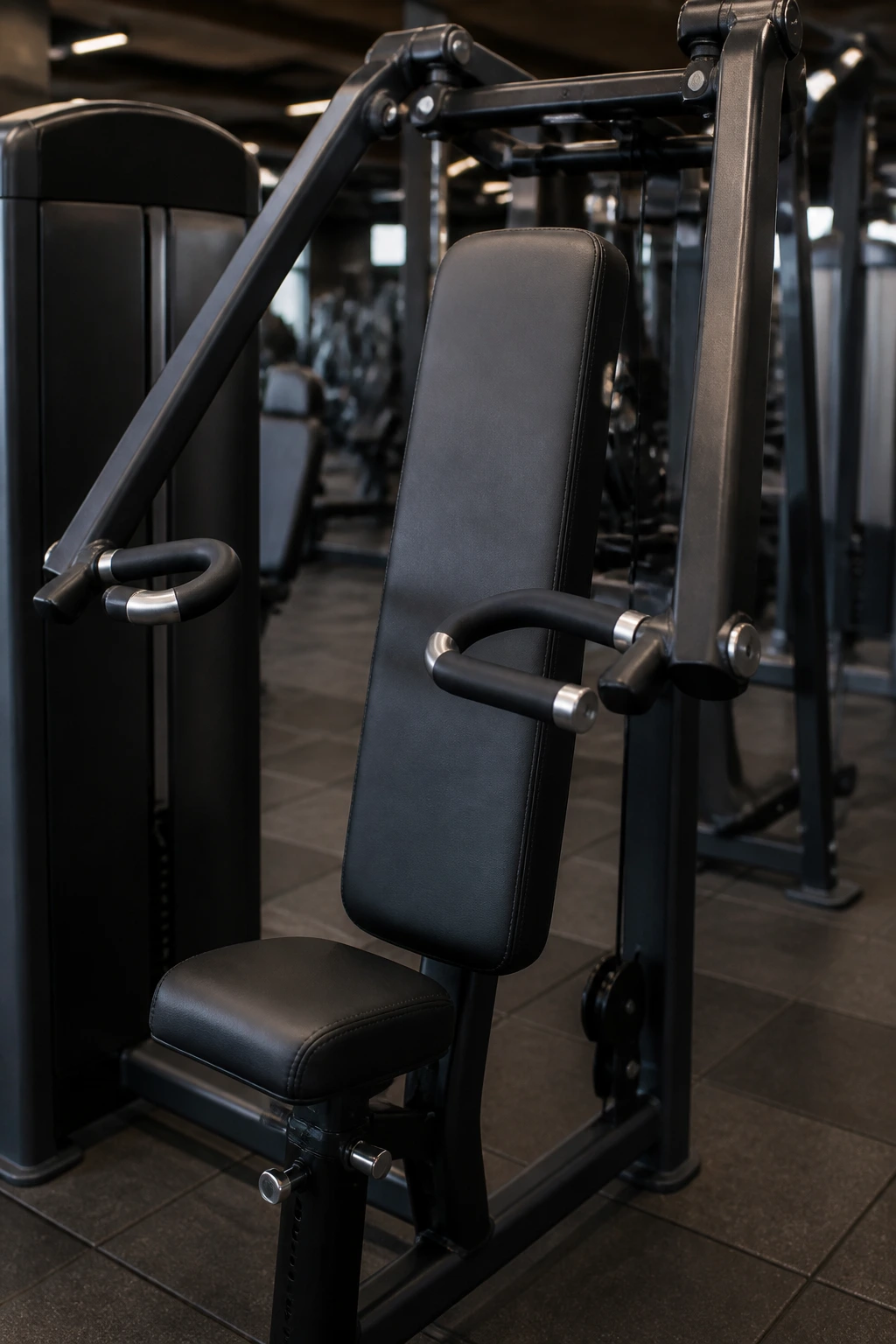
The chest press machine is for pressing the weight away from your chest without the wobble of a barbell bench press. It trains the pectorals, front shoulders, and triceps, and it’s a solid option when you want a straightforward pushing movement.
It’s especially helpful if you are still learning how to press. The seat, handles, and fixed path give you a repeatable setup, which means less guesswork about bar path or elbow angle. It can also be a nice choice when you want to push hard but do not want to deal with spotters or unracking a heavy bar.
The best reps feel smooth on the way out and controlled on the way back. If the machine bangs the stack or your shoulders shrug up by your ears, the load is too high.
15. Pec Deck / Chest Fly Machine
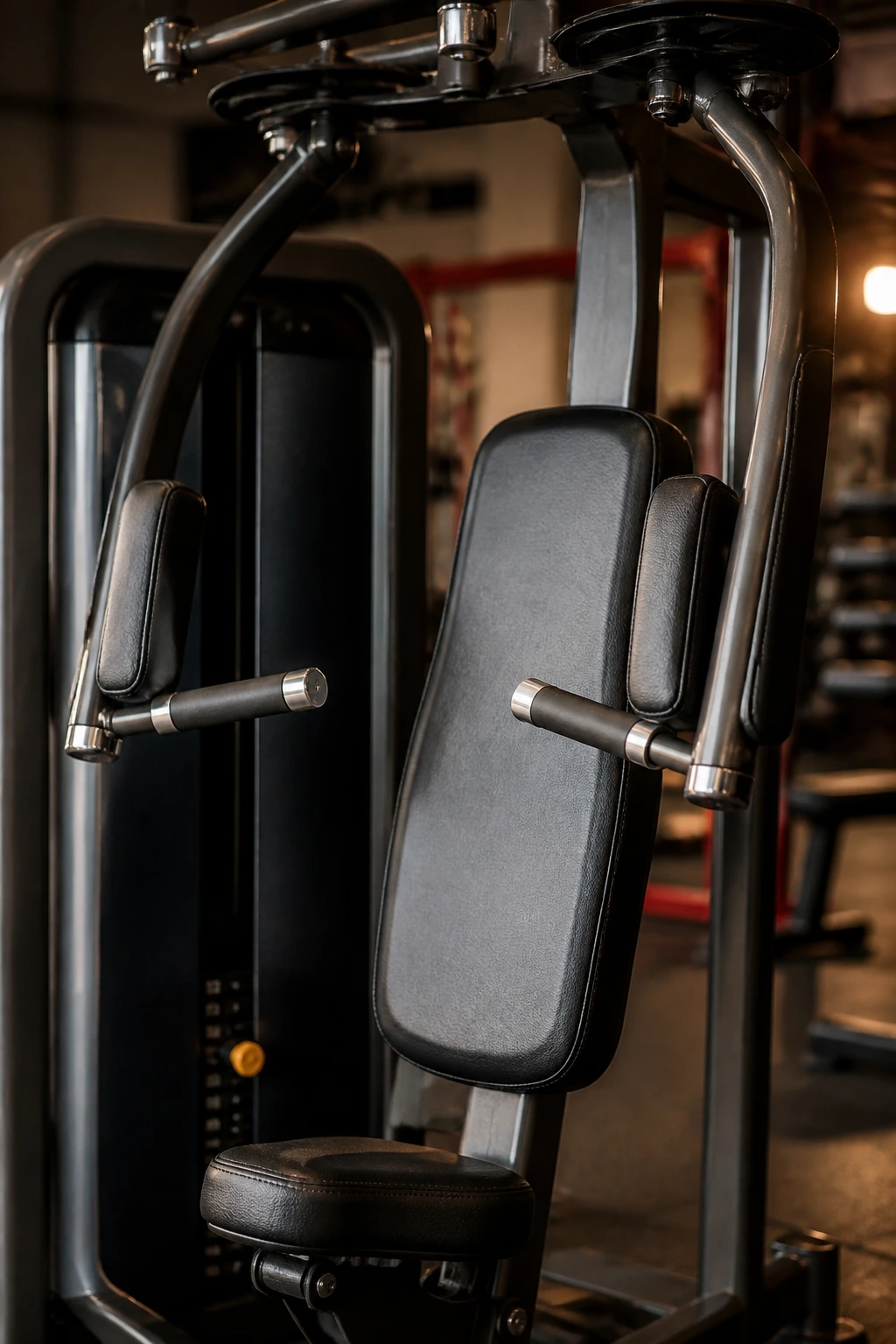
The pec deck is for chest isolation, plain and simple. It brings the arms together in a hugging motion, which makes the chest work without much help from the triceps.
This is not a replacement for pressing. It sits beside pressing. That matters. A press builds the chest with a compound pattern; the pec deck gives you a cleaner squeeze and a strong stretch through the pecs, especially when the seat is adjusted so the handles line up with mid-chest.
Why People Keep It in a Program
- Helps finish the chest after benching
- Keeps tension on the pecs with little setup
- Gives a stable way to train the chest if shoulder balance is tricky
Go light enough to control the stretch. The machine can tempt people into sloppy, shoulder-heavy reps if they load it like a strength lift. It’s better as a controlled accessory than an ego machine.
16. Shoulder Press Machine
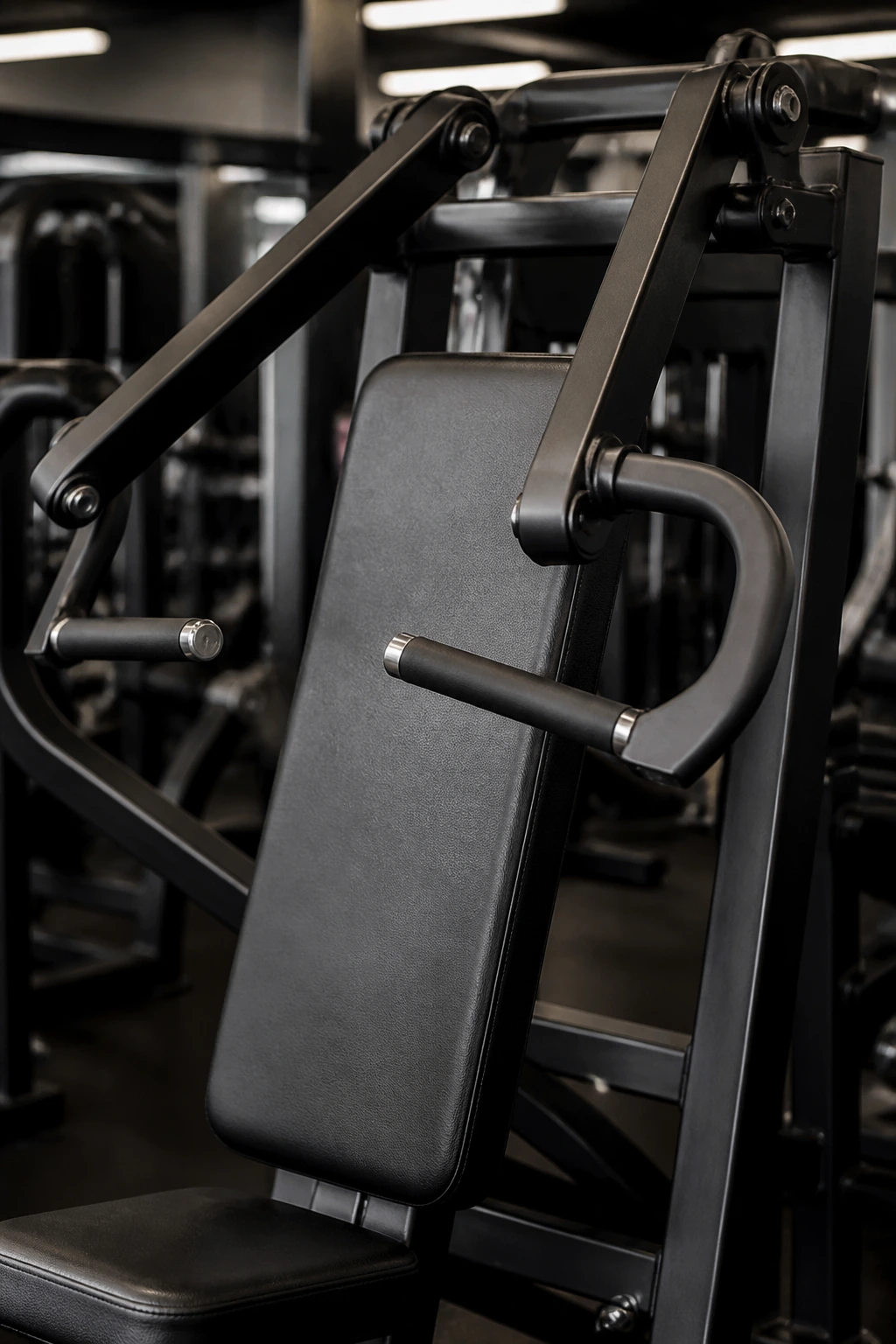
The shoulder press machine is for overhead pressing with support under your back and seat. It trains the delts, triceps, and upper chest a little, depending on the machine angle and your elbow path.
This is one of those machines that feels simple until you get the seat wrong. If the handles start too low, you end up pressing from a weak position. If they start too high, the top half of the rep can get weird and shallow. Set the seat so the handles start around ear or chin level, then press without shrugging.
It’s a smart choice when you want shoulder work without stabilizing a free bar overhead. Heavy dumbbells are great too, but the machine lets you focus on the pressing part and keep the reps cleaner.
17. Assisted Pull-Up Machine
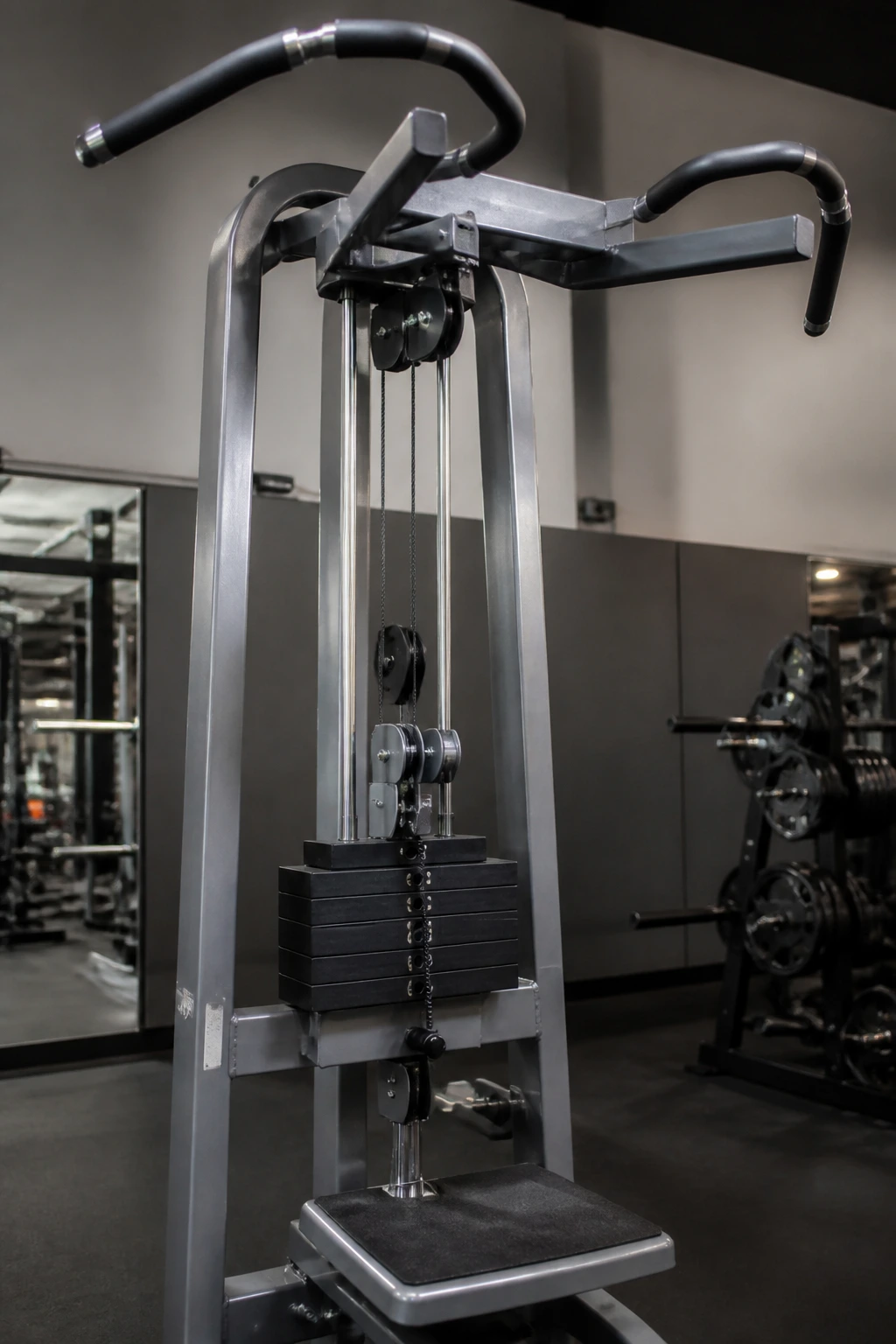
Not everyone starts with pull-ups. That’s fine. The assisted pull-up machine exists because bodyweight pulling is hard, and strength has to start somewhere.
You kneel or stand on a counterweighted platform, grip the handles, and pull your chest toward the bar while the machine helps lift some of your body weight. As you get stronger, you reduce the assistance. That makes it a real progression tool, not a shortcut.
Best Uses
- Learning the pull-up pattern
- Building back and arm strength for unassisted reps
- Training higher rep ranges with cleaner form
- Practicing different grips, if the machine allows it
The biggest mistake is using so much assistance that the movement feels like a trampoline. At that point, the back isn’t doing much. Pick a level that makes the last few reps honest.
18. Dip Machine
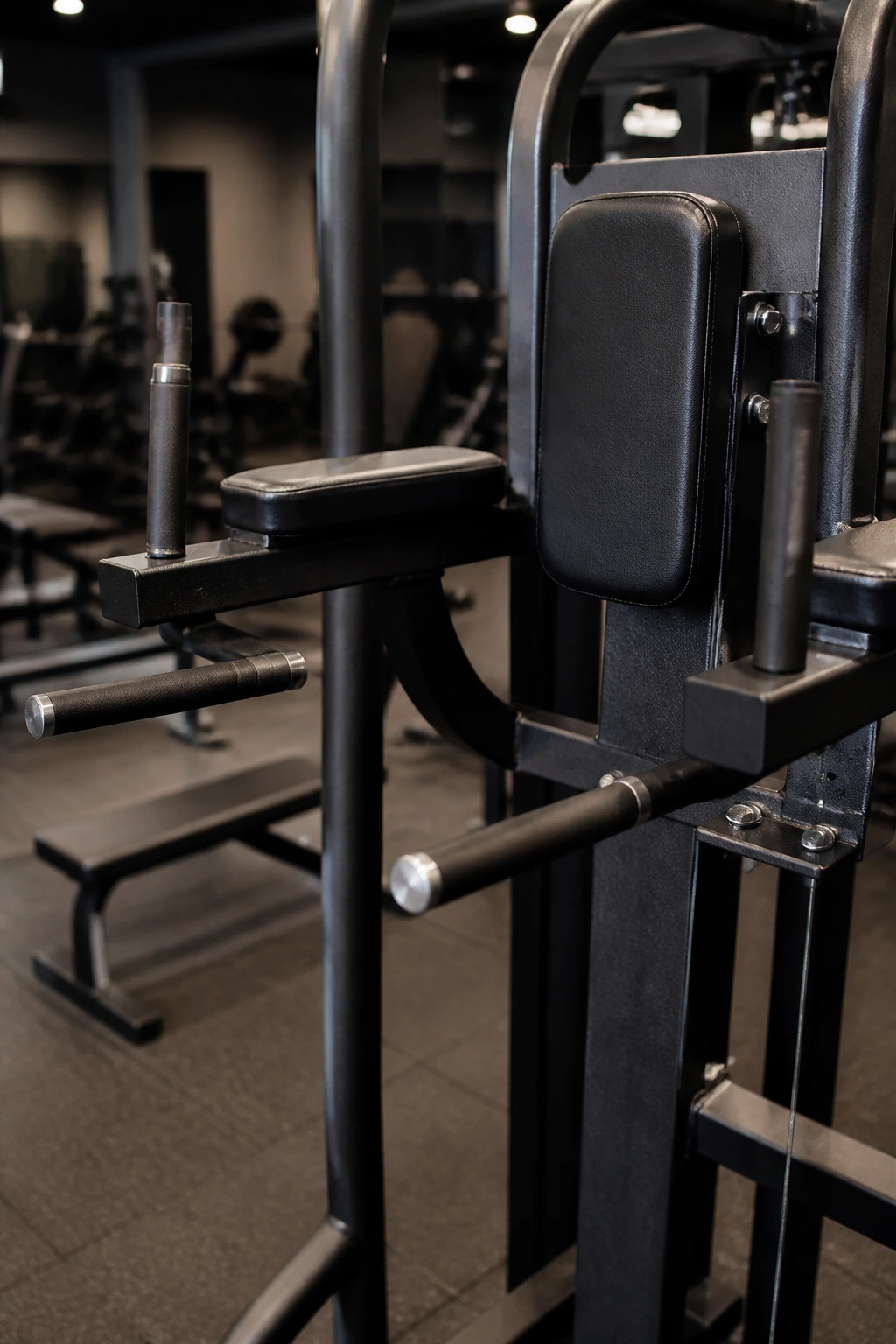
The dip machine is for chest, triceps, and shoulder pressing strength without carrying your full body weight. Some versions are assisted, and some let you load the movement more directly. Either way, the pattern is the same: press your body downward and upward through the handles.
Leaning forward tends to shift more work to the chest. Staying more upright pushes the triceps harder. That simple angle change is why dips show up in both chest and arm work.
The machine helps people who want dip benefits without the joint strain that can happen on straight parallel bars, especially if shoulder mobility is limited. Keep the motion controlled. If you drop too deep and your shoulders roll forward, it stops being a smart rep.
19. Glute Bridge / Hip Thrust Machine
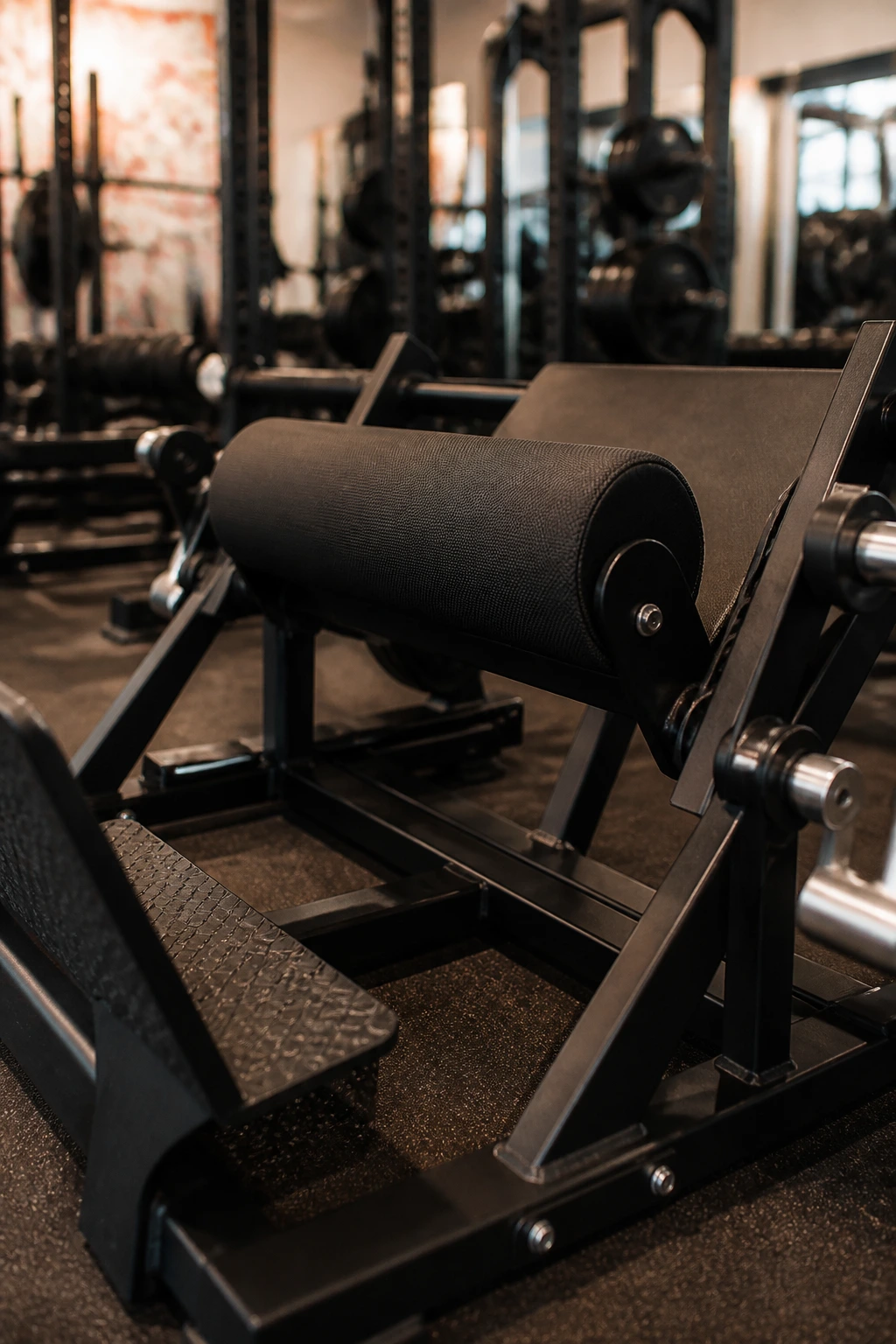
The glute bridge machine is for one thing first and foremost: making the glutes work hard. It’s built for hip extension, which means you drive your hips up against resistance and squeeze at the top.
This is one of the most direct lower-body machines in the gym. Squats and presses involve the glutes, sure, but this puts them in the spotlight. If you want a machine that lets you train the backside without much lower-back fatigue, it’s hard to beat.
A good rep feels like the hips are doing the lifting, not the lower back. Your shins should be close to vertical at the top, and the pause there should feel like a hard squeeze, not a shrug. It’s a bit awkward the first time you use it. Then it starts making sense fast.
20. Abductor Machine
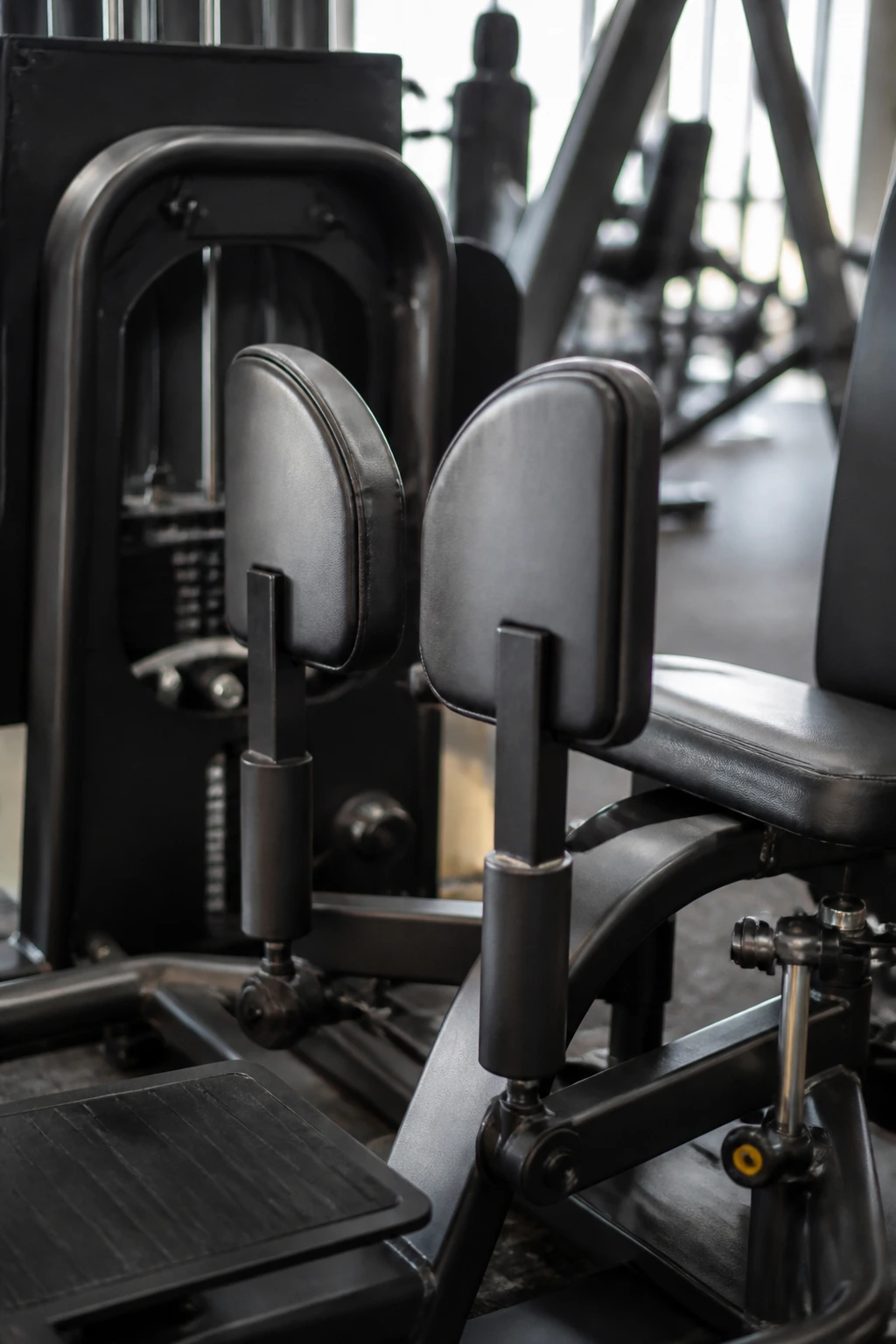
The abductor machine trains the outer hips, especially the glute medius and smaller stabilizing muscles around it. You sit down, press your knees outward against resistance, and feel the side of the hip wake up.
People often write this machine off because it looks too easy. Then they try it properly and their hips light up within a few sets. The movement is small, but that does not mean it is useless. Those outer-hip muscles help with pelvic stability, walking mechanics, and control in single-leg work.
Use It For
- Hip warm-ups before leg day
- Extra glute work after squats or presses
- Controlled rehab-style loading, when appropriate
- Finishing sets that build a deep side-hip burn
Don’t bounce the pads. Hold the open position for a second. That tiny pause matters more than a lot of people think.
21. Adductor Machine
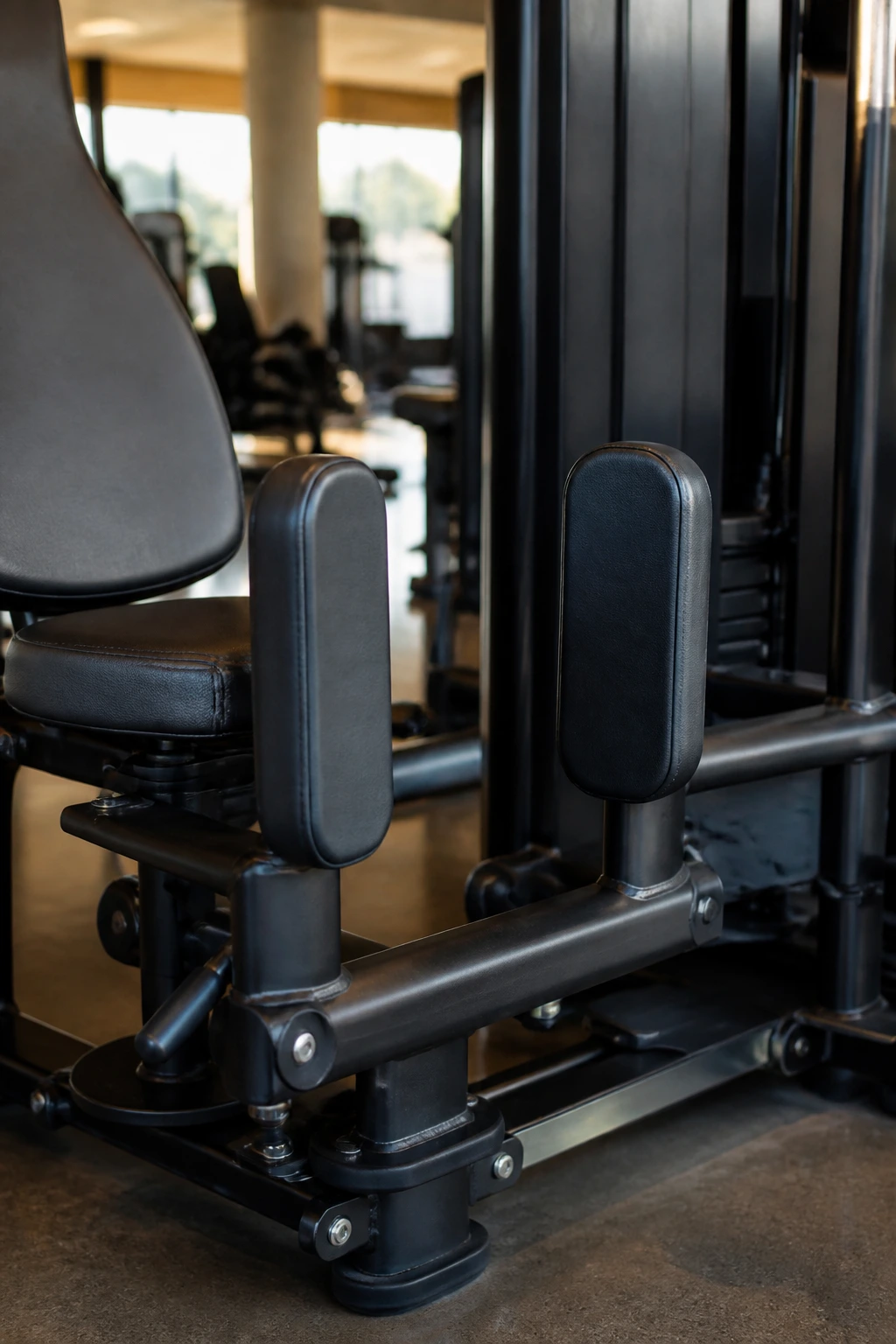
The adductor machine is the inside-thigh version of the abductor machine. Instead of pushing the legs apart, you squeeze them together against resistance.
The inner thighs do more than most people give them credit for. They help control the hips in squats, lunges, running, and side-to-side movement. The adductor machine gives them focused work without asking your whole lower body to join the party.
I like this machine because it makes a muscle group that often gets ignored feel unmistakable. The range is short, so the quality of the squeeze matters. Set the seat well, move smoothly, and avoid slamming the stack. If you’ve ever felt a cramped, sharp tug in the groin on this machine, the load was too high or the setup was off.
22. Calf Raise Machine
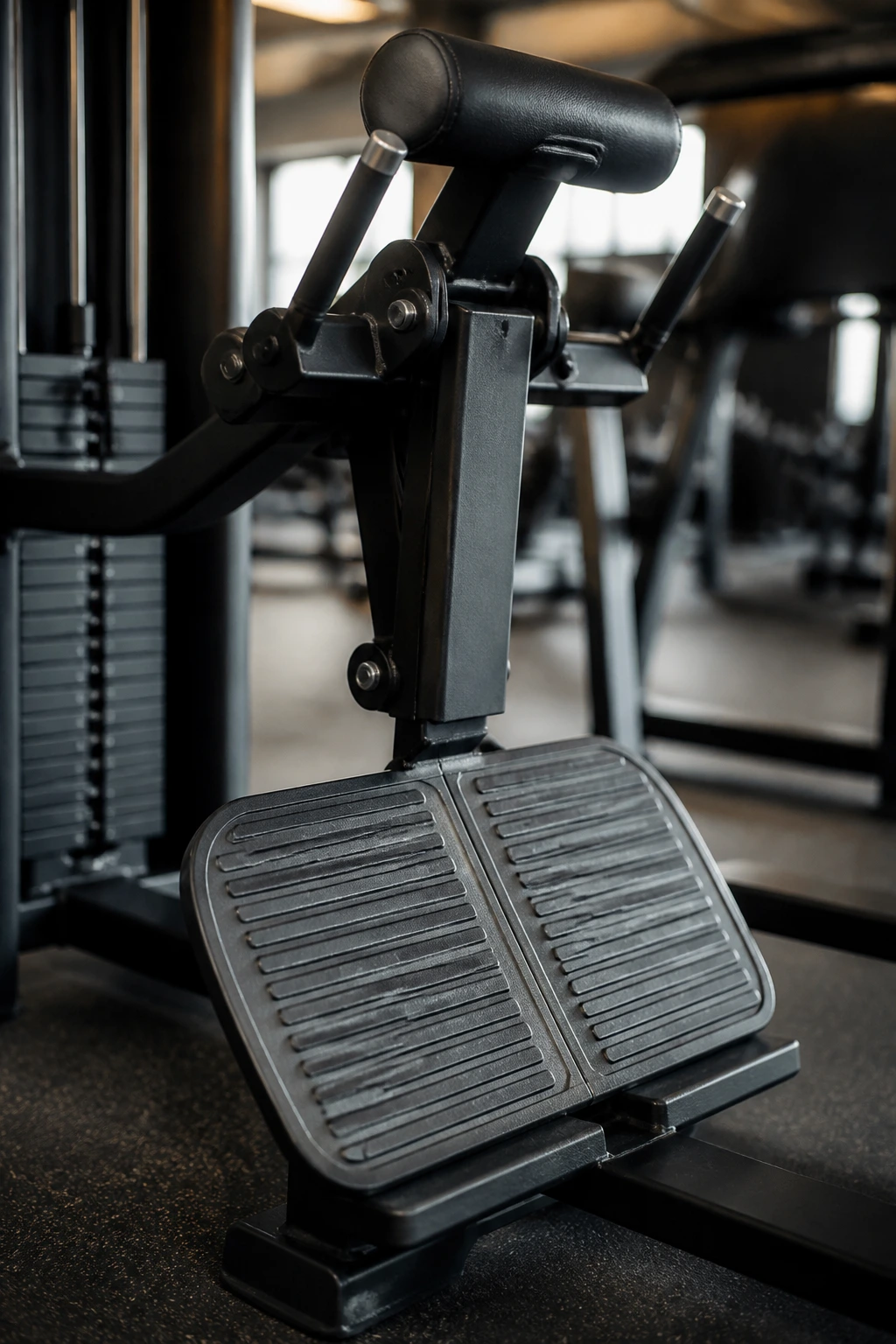
The calf raise machine is for the muscles below the knee — the gastrocnemius and soleus — which sound technical but mostly just mean the big calf muscles that help you push off the floor.
You can use standing, seated, or angled versions. Standing versions tend to hit the calf with the knee straight. Seated versions bend the knee and shift more work to the soleus underneath. Both matter if you care about lower-leg strength, ankle control, or just building calves that don’t vanish in a pair of shorts.
What Good Reps Feel Like
- Full stretch at the bottom
- A hard pause at the top
- No bouncing through the ankles
- Slow lowering under control
Calves are stubborn. That is part of their reputation. Quick reps with a huge stack usually do less than slower reps with full range. Annoying, yes. True, too.
23. Back Extension Machine
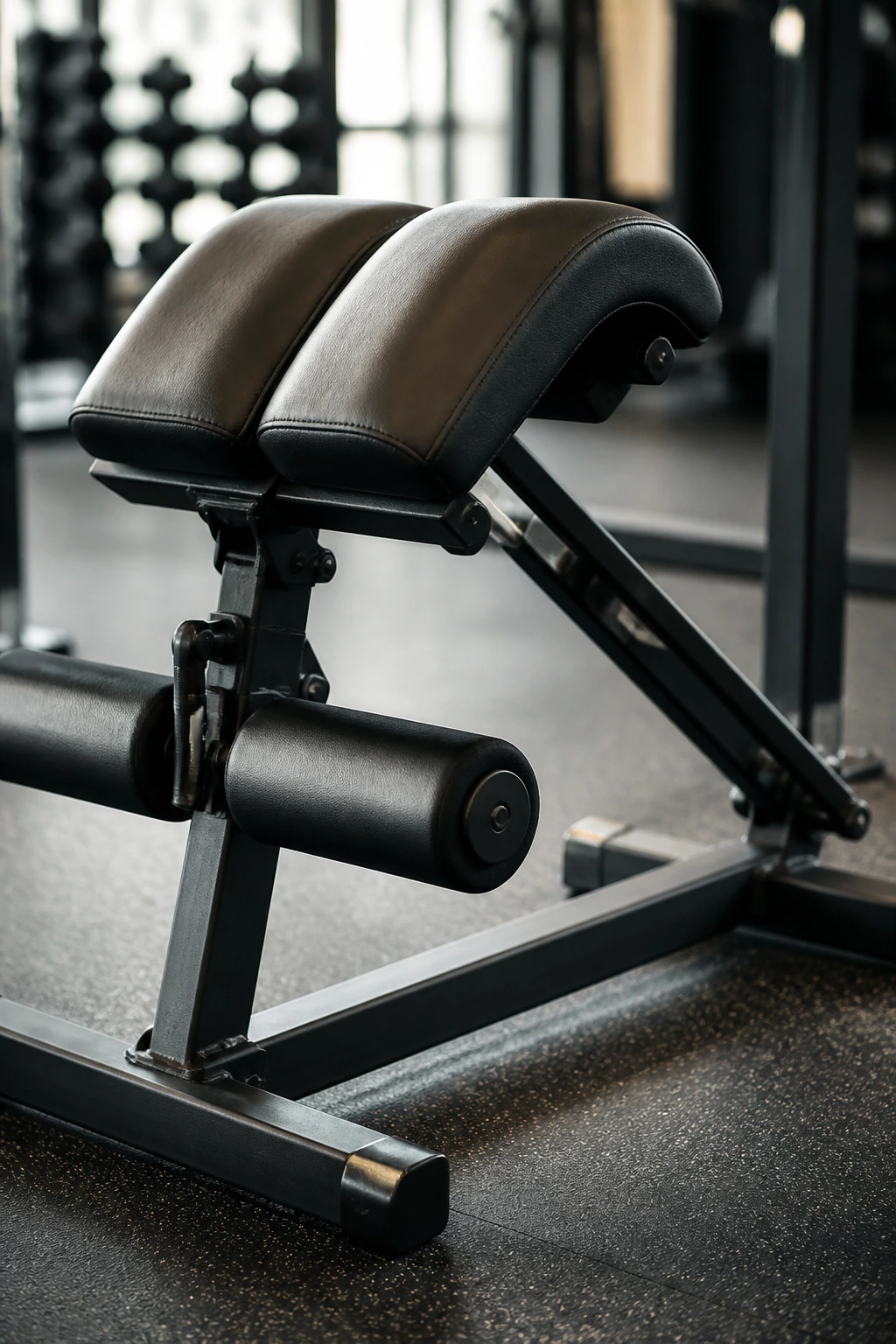
The back extension machine trains the spinal erectors, glutes, and hamstrings through a hip-hinge style movement. It is not just for the lower back, though the name makes it sound that way.
Used well, it teaches control through the posterior chain. You lower the torso with the spine neutral, then extend at the hips until the body is in line. Used badly, it turns into a sloppy hyperextension with too much spinal movement and too much momentum. That is where people get themselves into trouble.
A smart setup matters here. Pad position should let your hips move freely. If the pad sits too high or too low, the motion feels off. Keep the ribs down, move slowly, and stop at a straight-line finish rather than leaning way back like you are trying to show off for nobody.
24. Ab Crunch Machine
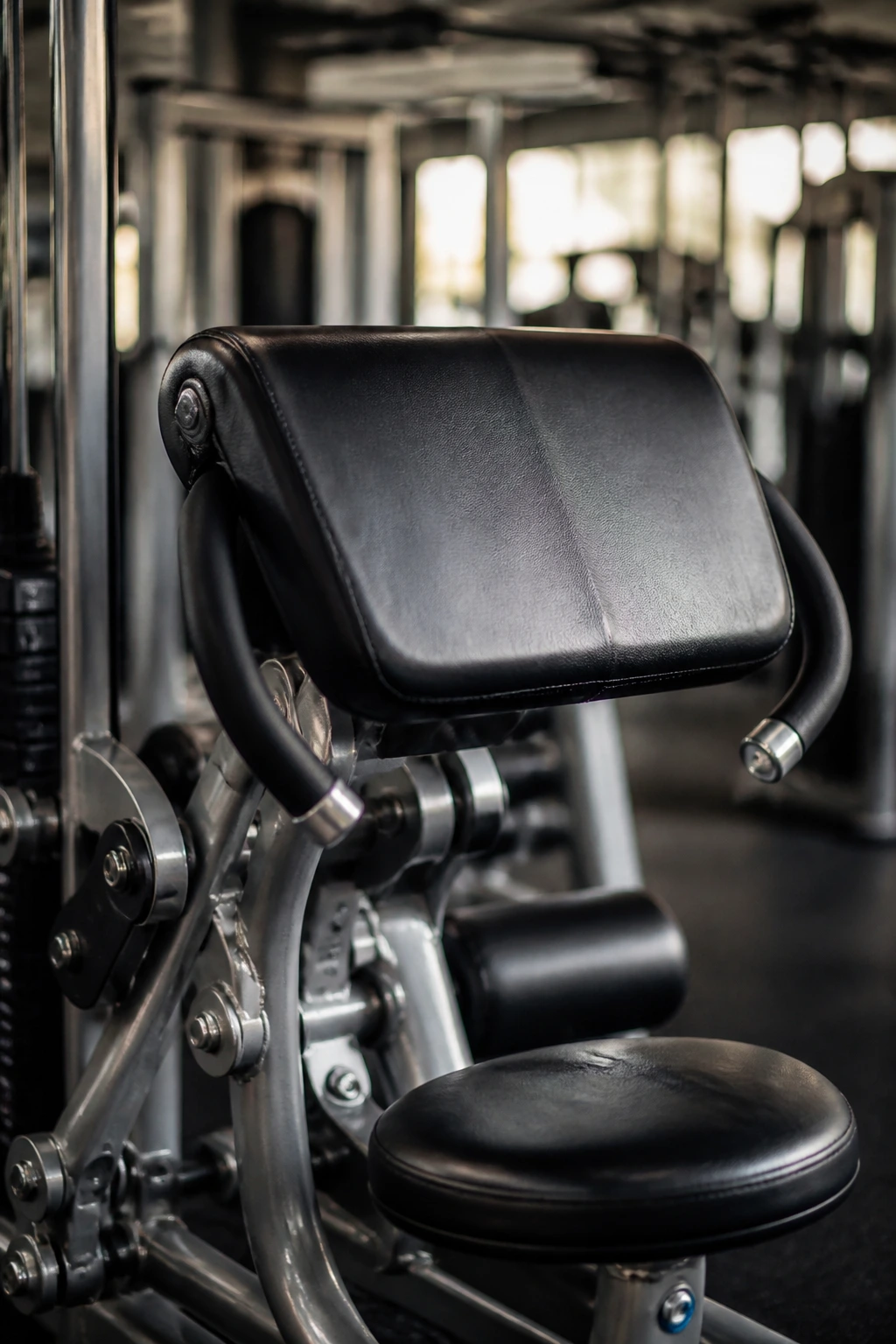
The ab crunch machine is for direct core flexion. It lets you load the abs the same way you would load other muscles, which is useful if you want the core to do more than brace during big lifts.
It works best when the movement comes from curling the ribs toward the pelvis, not from yanking the shoulders down with your arms. The machine can be surprisingly useful because it gives the abs resistance through a range that floor crunches often do not match. Small movement, real tension.
A Better Way to Think About It
- Exhale as you crunch
- Keep the neck relaxed
- Pause briefly at the bottom
- Return under control instead of snapping back
A lot of people use this machine too fast. That turns it into a momentum exercise. Slow it down and the abs show up a lot more clearly.
25. Rotary Torso Machine
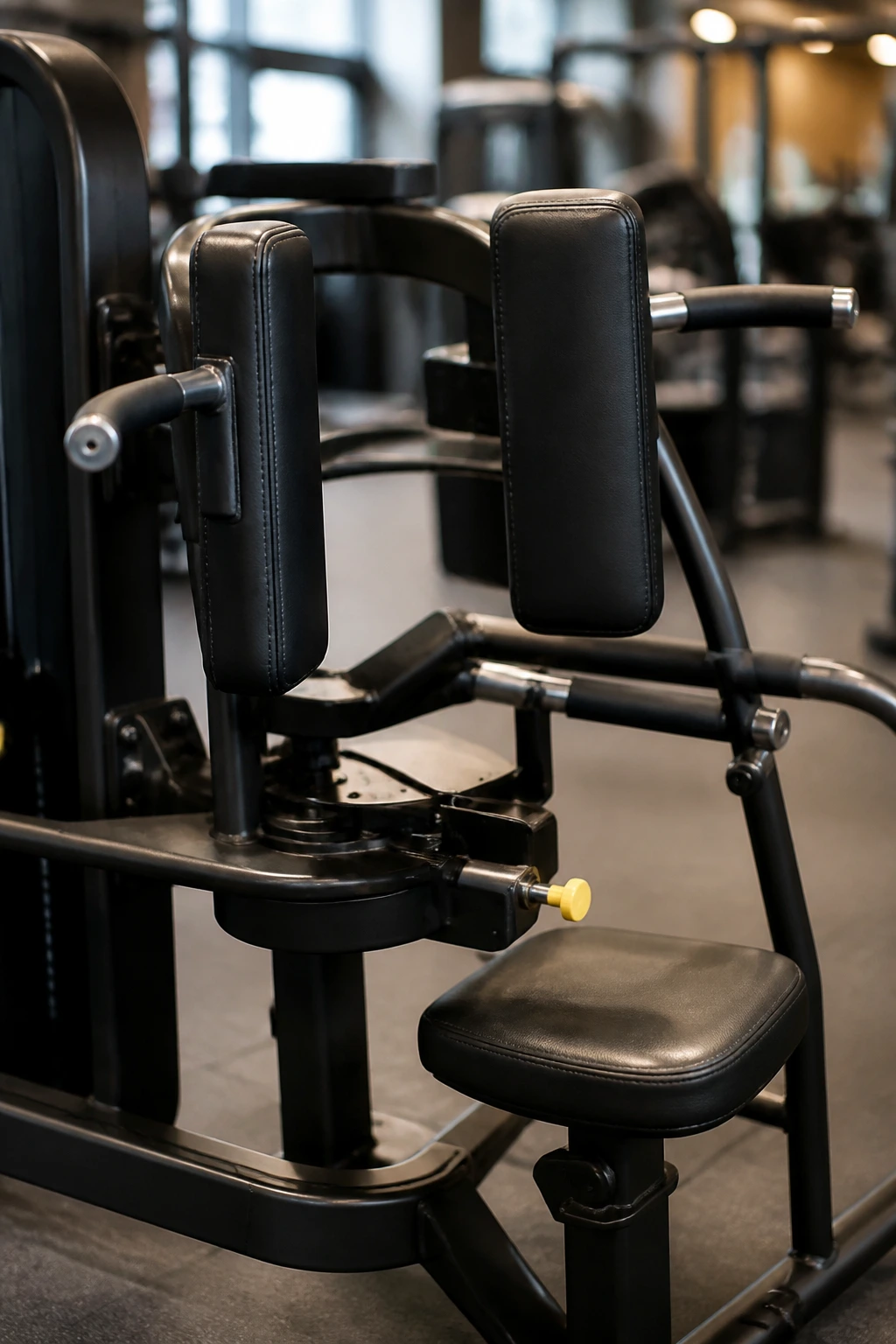
The rotary torso machine trains the obliques and deep trunk muscles by letting you rotate against resistance. It’s a core machine that people either ignore or use badly, and the difference usually comes down to speed.
This is not a giant twisting contest. The goal is control through rotation, then control on the way back. Done well, it can help with trunk strength, rotational power, and general core resilience. Done sloppily, it becomes a jerky machine ride with little payoff.
Set the seat so the pads contact your torso evenly. Use a moderate load, keep your hips anchored, and move through a comfortable range. If your lower back complains, lighten the weight and shorten the twist. The obliques work best when the motion is clean, not forced.
Final Thoughts
A gym with 25 machines can feel crowded until you know what each piece is actually doing. After that, the room gets simpler. The treadmill is for pacing your heart rate. The leg press is for loaded leg work without a bar on your back. The cable machine becomes the place where small, useful movements live.
Some machines are better for beginners. Some are better for finishing work. A few, like the Smith machine or assisted pull-up machine, sit in the middle and earn their keep by making hard movements more manageable. That mix is the whole point. Not every tool has to do everything.
If you walk into a gym and can name the job of half the floor, your workout choices get sharper fast. And sharper choices usually beat random ones.
