



Muscle building tips for beginner women get tangled up fast because the internet loves to turn strength training into a personality test. You do not need a six-day split, a room full of machines, or workouts that leave you too wrecked to sit down the next day.
What you do need is a plain plan, enough food, enough rest, and the nerve to make a few sets hard. That’s the part people skip. They chase new exercises, new routines, new “burn” tricks, then wonder why their lifts never move and their arms still feel the same after eight weeks.
Muscle growth is not mysterious. Give your body a reason to adapt, repeat that reason long enough, and recover like you mean it. The first signs are usually boring in the best way: a squat that feels steadier, a row that no longer wobbles, a pair of jeans that fits differently through the thighs before the mirror gives you any dramatic news.
The smartest place to start is with training you can repeat without dreading it.
1. Start With a Full-Body Plan for Beginner Women
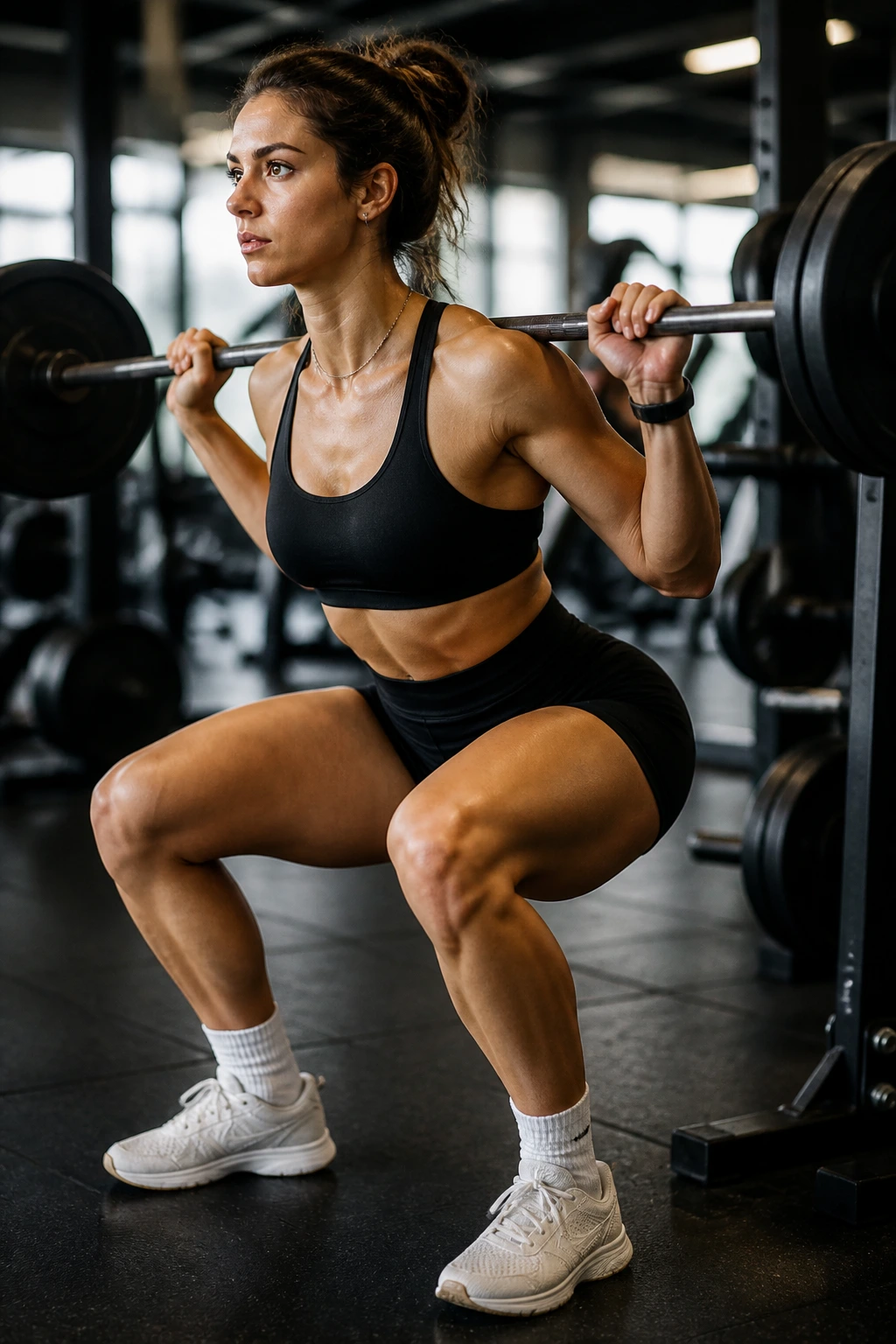
Three honest full-body workouts beat seven random gym visits. Every time.
A full-body plan gives beginner women more chances to practice the same lifts, which matters more than people think. If you train your legs, back, chest, and shoulders multiple times per week, the movements stop feeling foreign. That repetition also makes it easier to see progress, because you’re comparing the same squat, the same row, the same press instead of guessing whether a new machine is “working.”
I’d rather see you do three sessions a week with a simple lineup than chase a complicated split you can’t keep up with. Keep the main lifts the same for 6 to 8 weeks. Use 4 to 6 exercises, 2 to 4 sets each, and let the numbers climb a little at a time.
- You practice the basics more often.
- You recover better between sessions.
- You can tell when strength is actually going up.
That last part matters. A full-body plan makes progress visible, and visible progress is the stuff that keeps people in the game.
2. Learn the Five Big Movement Patterns Before Chasing Fancy Exercises
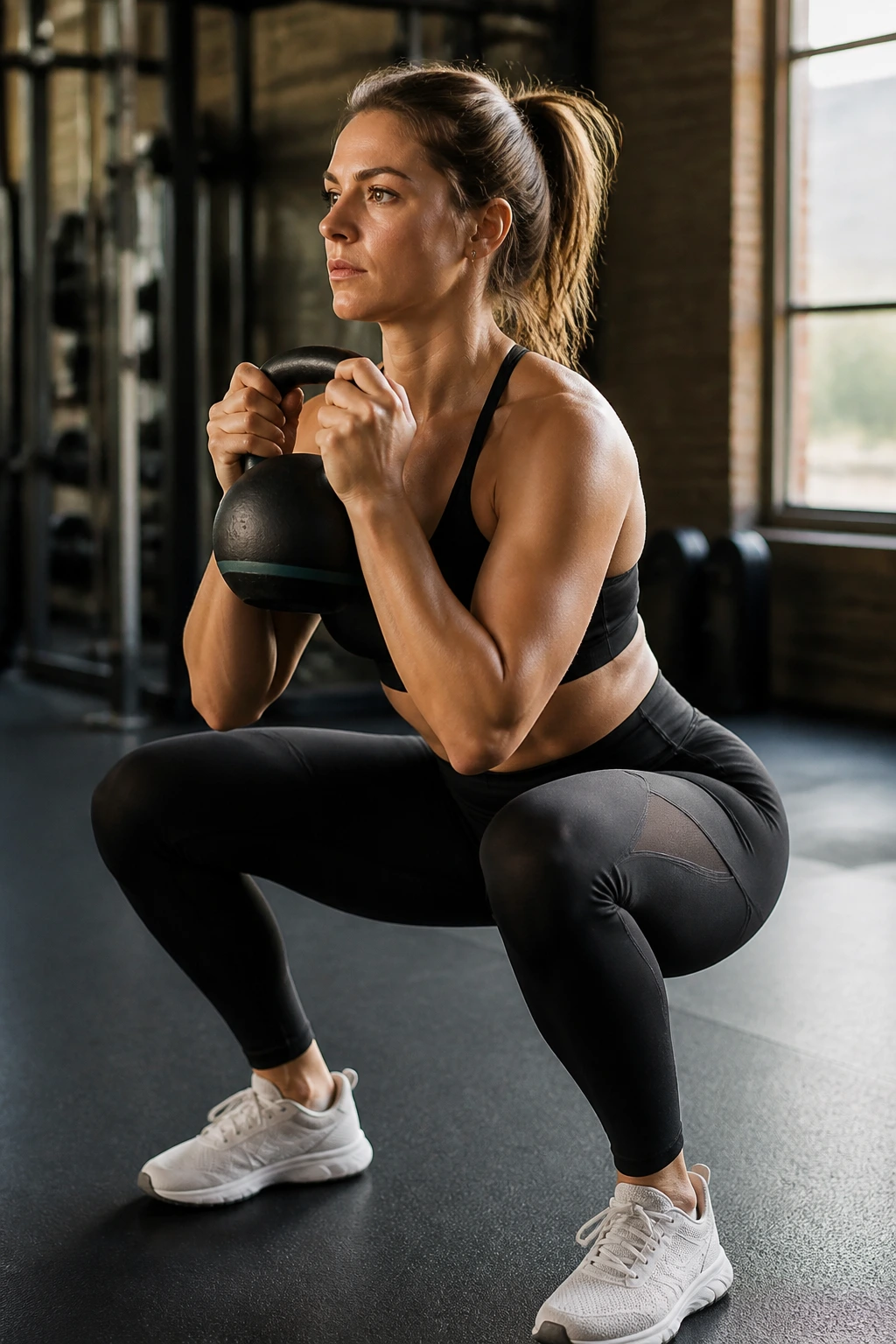
Why do some workouts build muscle and others just make you tired? Usually because the good ones cover the big movement patterns and the noisy ones do not.
Every solid beginner plan has some version of squat, hinge, push, pull, and carry. That is the whole game dressed in gym clothes. Squats and leg presses train the legs. Hinges like Romanian deadlifts teach the hips and hamstrings to work. Pushes cover chest and shoulders. Pulls hit the back. Carries teach your whole body to stay tight while moving.
The five patterns, stripped down
- Squat: goblet squat, leg press, hack squat, split squat
- Hinge: Romanian deadlift, hip hinge with dumbbells, hip thrust
- Push: dumbbell bench press, machine chest press, overhead press
- Pull: seated row, lat pulldown, dumbbell row
- Carry: farmer carry, suitcase carry, loaded walk
You do not need a circus of movements. You need enough coverage that no major muscle group gets ignored. A beginner woman who learns these five patterns well is building a base that will still make sense years later.
3. Use Machines If They Help You Learn Better
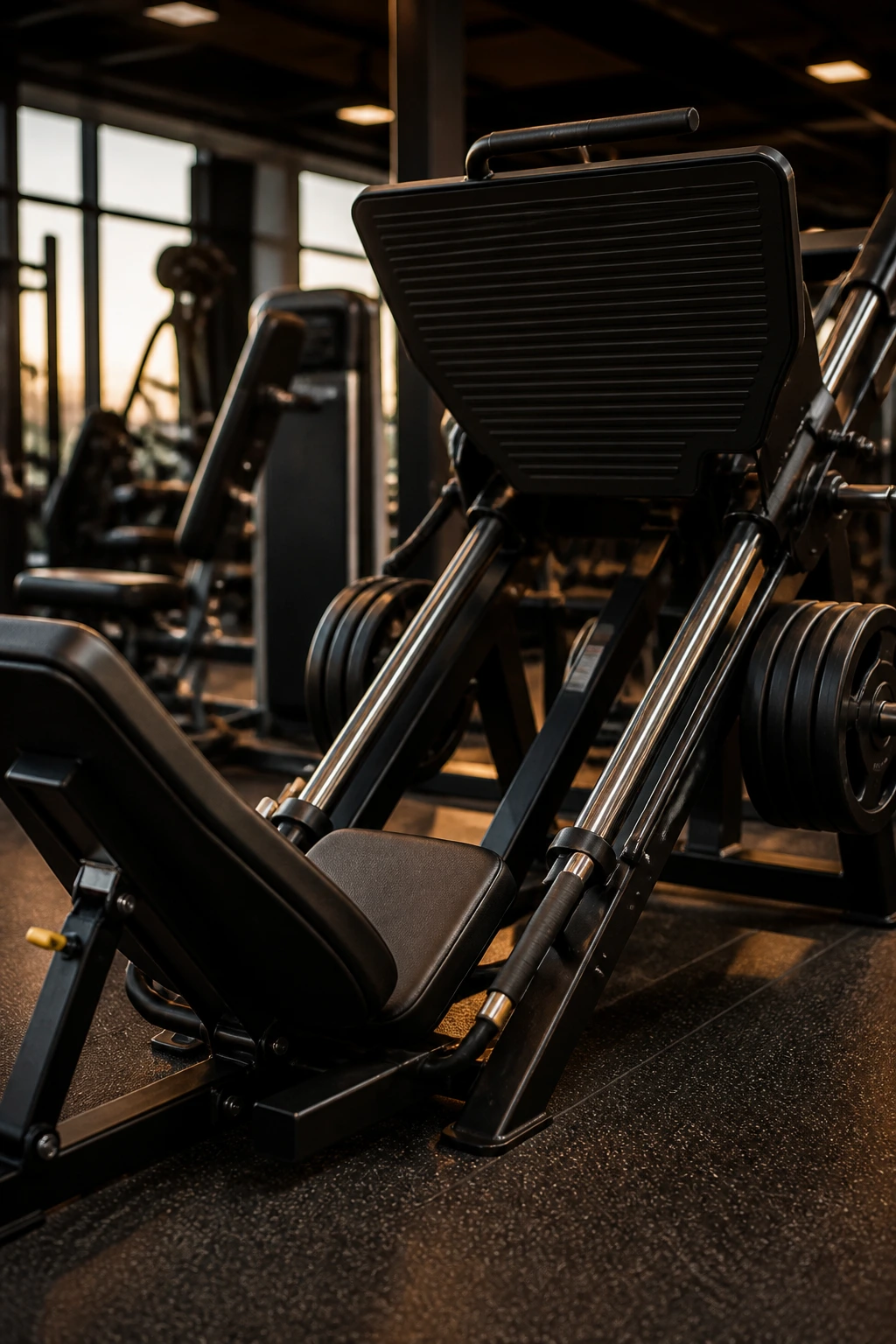
If a dumbbell press makes you wobble like a baby deer, a machine is not a downgrade. It is a smart tool.
Machines are useful because they remove some of the balance demands and let you focus on the muscle doing the work. That matters a lot when you are learning how hard a set should feel. A seated row, leg press, lat pulldown, or chest press machine can help you train close to failure without turning the whole set into a juggling act.
I like machines for beginners for one simple reason: they make it easier to repeat good reps. Good reps build skill. Skill builds confidence. Confidence keeps you from bailing out of sets the moment they start to feel demanding.
Start with a machine if:
- You cannot yet feel the target muscle working.
- The setup on free weights feels awkward.
- You want to learn how hard a set should feel without worrying about balance.
Free weights matter too. But they do not earn points just for being free weights. If the machine lets you get cleaner work done, use the machine and move on with your life.
4. Use Heavier Weights Than You Think, But Keep Form Clean
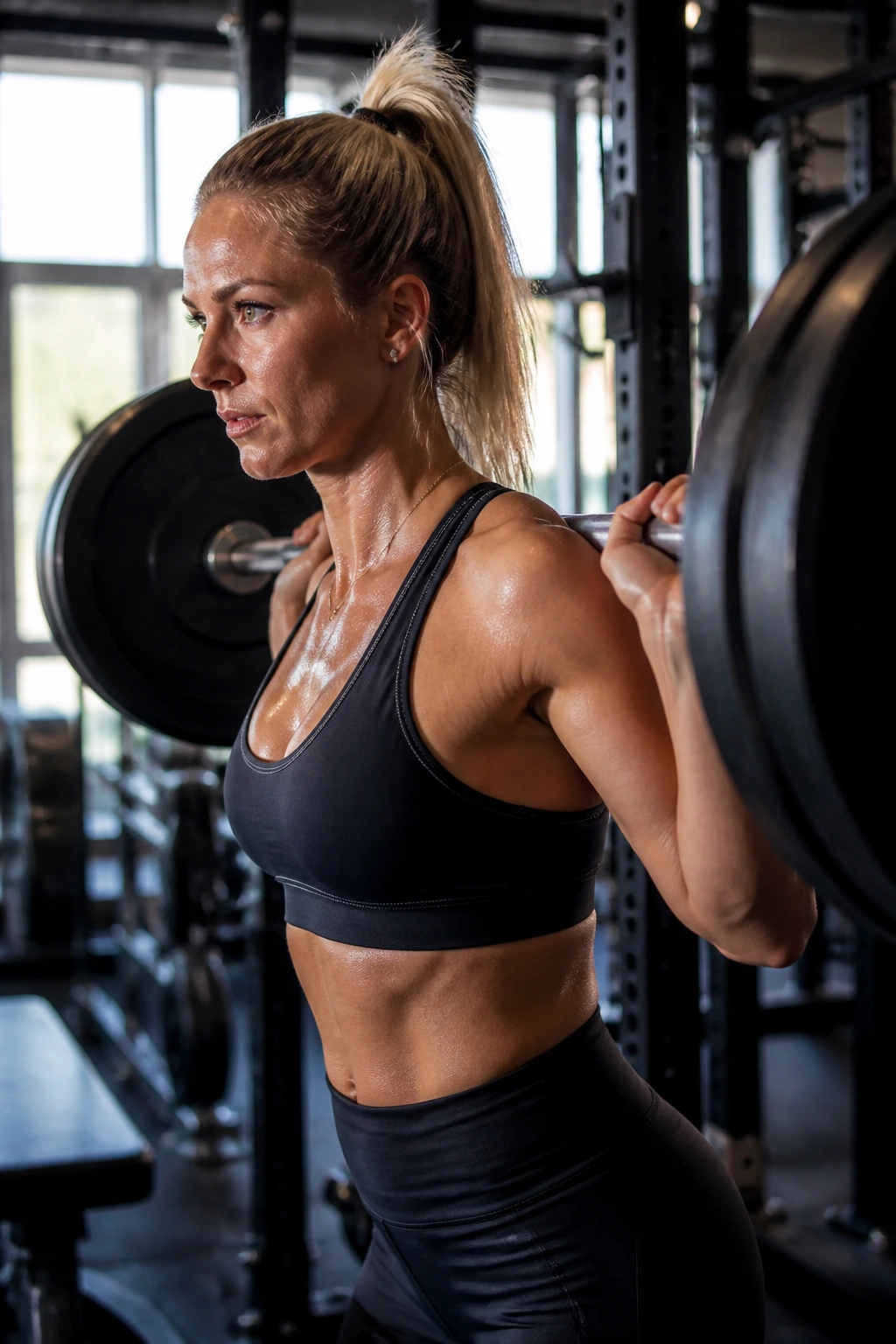
Light weights have a place. They are not the whole story.
A lot of beginner women start too light because they worry about bulk, fear getting it wrong, or assume a set should feel “easy enough to finish.” That approach usually stalls fast. Muscle grows when the set is hard enough to force adaptation, and for most beginner lifters that means the last 2 to 3 reps should feel slow while form still stays together.
What hard should feel like
Your breathing gets sharper. Your pace slows. The last rep or two should look clean, but they should not look casual. If you could have done 8 more reps, the set was probably too light to matter much.
That does not mean yanking on weights you cannot control. It means using a load that makes the muscle work. For many beginner lifts, a range of 6 to 12 reps is a useful place to live. If you reach the top of that range with good form, add a little weight next time — even 2.5 to 5 pounds can be enough.
Strong sets are not sloppy sets. They are honest sets.
5. Track Every Set in a Logbook
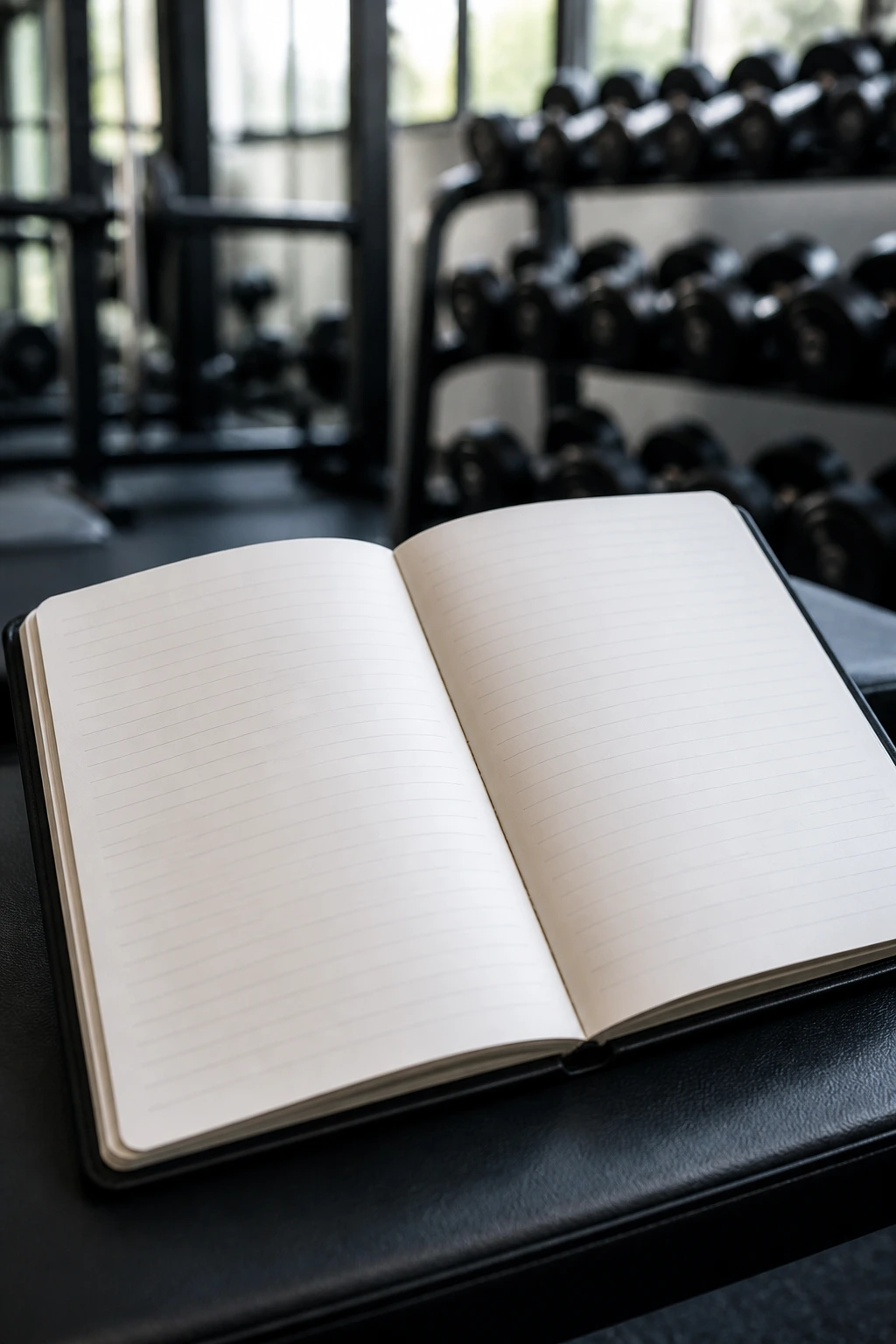
Muscle building gets messy the second you rely on memory. One week feels hard, the next week feels “about the same,” and suddenly you have no idea whether you improved or just sweated more.
A logbook fixes that. Write down the exercise, weight, reps, sets, and how close you got to failure. That last part is useful. If a set of dumbbell presses felt like you had 1 or 2 reps left, you can repeat or add a little weight next time. If you had five reps left, the load was too light.
A simple log to keep
- Exercise name
- Weight used
- Reps for each set
- Rest time
- A quick note like “last rep slow” or “left side shaky”
That’s enough. You do not need a giant spreadsheet unless you enjoy that sort of thing. A notebook, notes app, or lifting app works fine. What matters is giving yourself a paper trail so progression stops being a guess.
Progressive overload sounds fancy. It is not. It just means doing a little more over time — one more rep, a slightly heavier dumbbell, one cleaner set, or less wobble in the same lift.
6. Eat Enough for Muscle Growth as a Beginner Woman

Are you training to build muscle, or accidentally eating like you are trying to shrink? That question matters more than people admit.
If your body is under-fueled, lifting still helps, but muscle gain slows down. Beginner women often do the lifting part correctly and then sabotage themselves with tiny meals, skipped snacks, and a constant sense of being a little flat. If your energy crashes during workouts or your weight is dropping quickly, you may be eating too little for growth.
You do not need a huge surplus. Start small. Add one snack, a bigger breakfast, or an extra serving of starch at lunch and see how training feels after a couple of weeks.
Signs you may need more food
- You dread training because you feel drained.
- Your strength stalls for several sessions in a row.
- You’re always hungry at night.
- Recovery takes longer than it should.
Muscle building likes consistency, and food is part of that. Think in terms of regular meals with enough carbs, enough protein, and a little extra total food if you are not gaining anything after a stretch of steady training.
7. Put Protein on Every Plate

A chicken breast is not magic by itself. A scoop of protein powder is not either. What matters is that your body gets enough protein across the day to repair and build tissue after training.
For most active adults, a useful target is around 1.6 to 2.2 grams of protein per kilogram of body weight per day. You do not need to do the math every meal, but the range gives you a sense of scale. A lot of beginner women do better when they aim for 20 to 40 grams of protein per meal, three or four times a day.
Easy protein anchors
- Greek yogurt with fruit and oats
- Eggs plus toast and cottage cheese
- Chicken, rice, and vegetables
- Tofu, edamame, and noodles
- Salmon with potatoes
- Protein shake with a banana after training
I’m a fan of building meals around protein first, then filling in the rest. It keeps things simple. And simple wins when you are busy, hungry, or tired of thinking about macros.
8. Sleep Like Training Depends on It
Muscle is not built during the set. It’s built after the set, when you stop talking to the barbell and give your body time to repair the damage you just created.
Seven to nine hours of sleep is the sweet spot for many people who are lifting regularly. Less than that, and workouts tend to feel heavier, hunger gets louder, and recovery drags. You may still make progress on short sleep, but it turns into a slower, grumpier version of the same plan.
A decent sleep setup does not need to be fancy. A dark room, a cooler bedroom, and a predictable bedtime do most of the work. If you train late, avoid turning the last hour of the night into a second workout through scrolling, snacking, and bright screens.
One poor night will not erase your gains. But a string of them will absolutely make training feel harder than it needs to be.
9. Leave 48 Hours Before Hitting the Same Muscles Hard Again

If you smashed glutes on Monday, turning around and smashing them again on Tuesday is usually a waste.
Muscles need time to recover from hard work, especially when you are new and every lift feels more dramatic than it does later on. For most beginner women, training the same muscle group hard 2 to 3 times per week works well, as long as the sessions are spaced out. That usually means about 48 hours between heavy sessions for the same area.
A simple pattern helps:
- Legs on Monday
- Upper body on Tuesday
- Rest or light cardio on Wednesday
- Legs again on Thursday
You can bend this rule a little. A light upper-body day after a leg day is fine. Another heavy leg day the next morning? Usually not the best use of your energy.
Recovery is not laziness. It is part of the program.
10. Warm Up With Ramp Sets, Not Endless Cardio
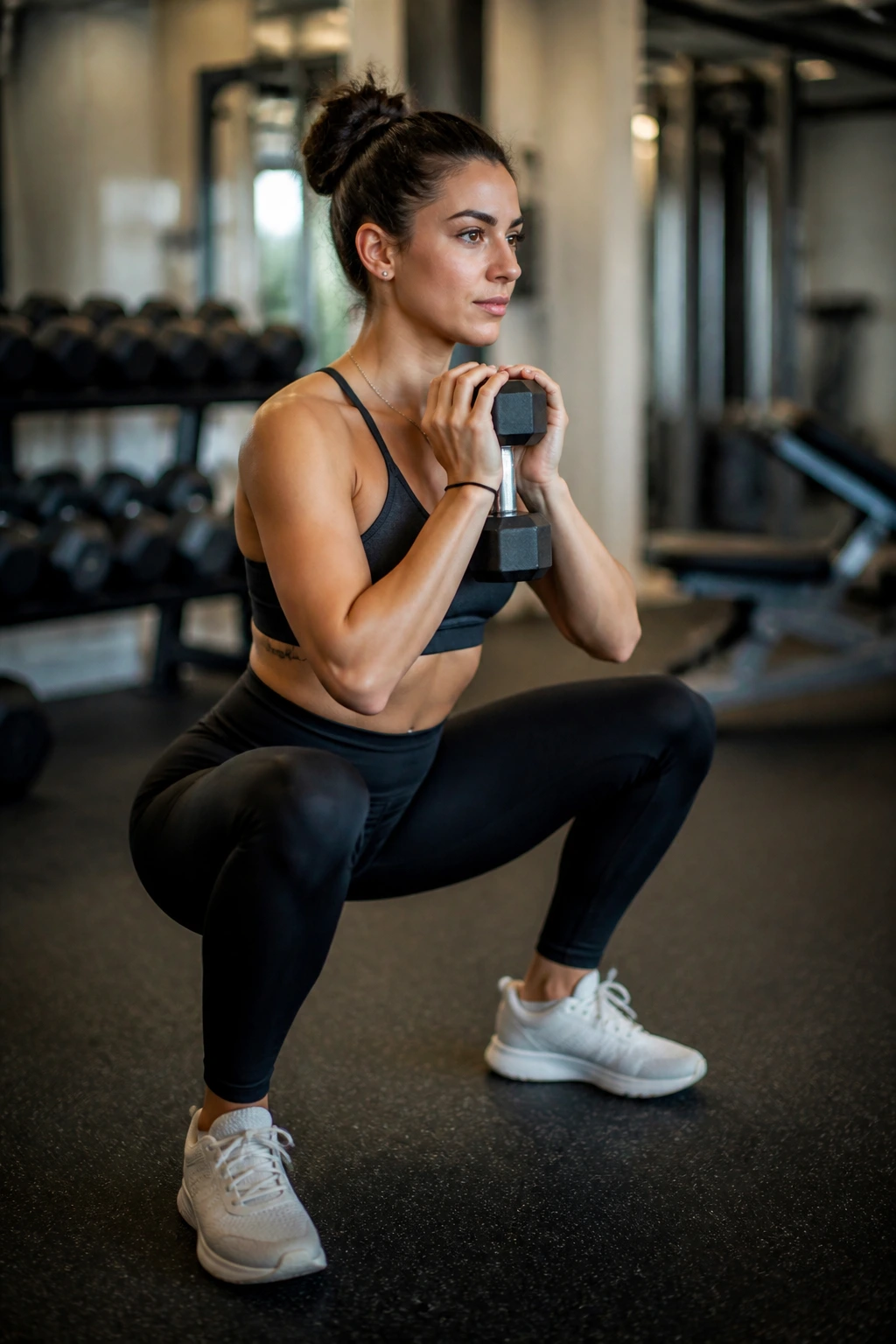
A long treadmill march is not a warm-up plan. It’s a delay.
The goal of warming up before strength training is to get blood moving, wake up the joints, and rehearse the first lift of the day. Five to eight minutes of easy cardio is enough for most beginners. After that, use ramp sets for your main lift: one very light set, then a slightly heavier set, then one or two sets that get you close to your working weight.
A practical example for goblet squats
- 5 minutes brisk walk or bike
- 8 reps with a light dumbbell
- 5 reps with a medium dumbbell
- Start your working sets
That gets your body ready without burning through the energy you need for actual training. It also helps you feel the movement path before the real sets begin. The first working set usually feels better when the warm-up is specific.
11. Use a Full Range of Motion You Can Control
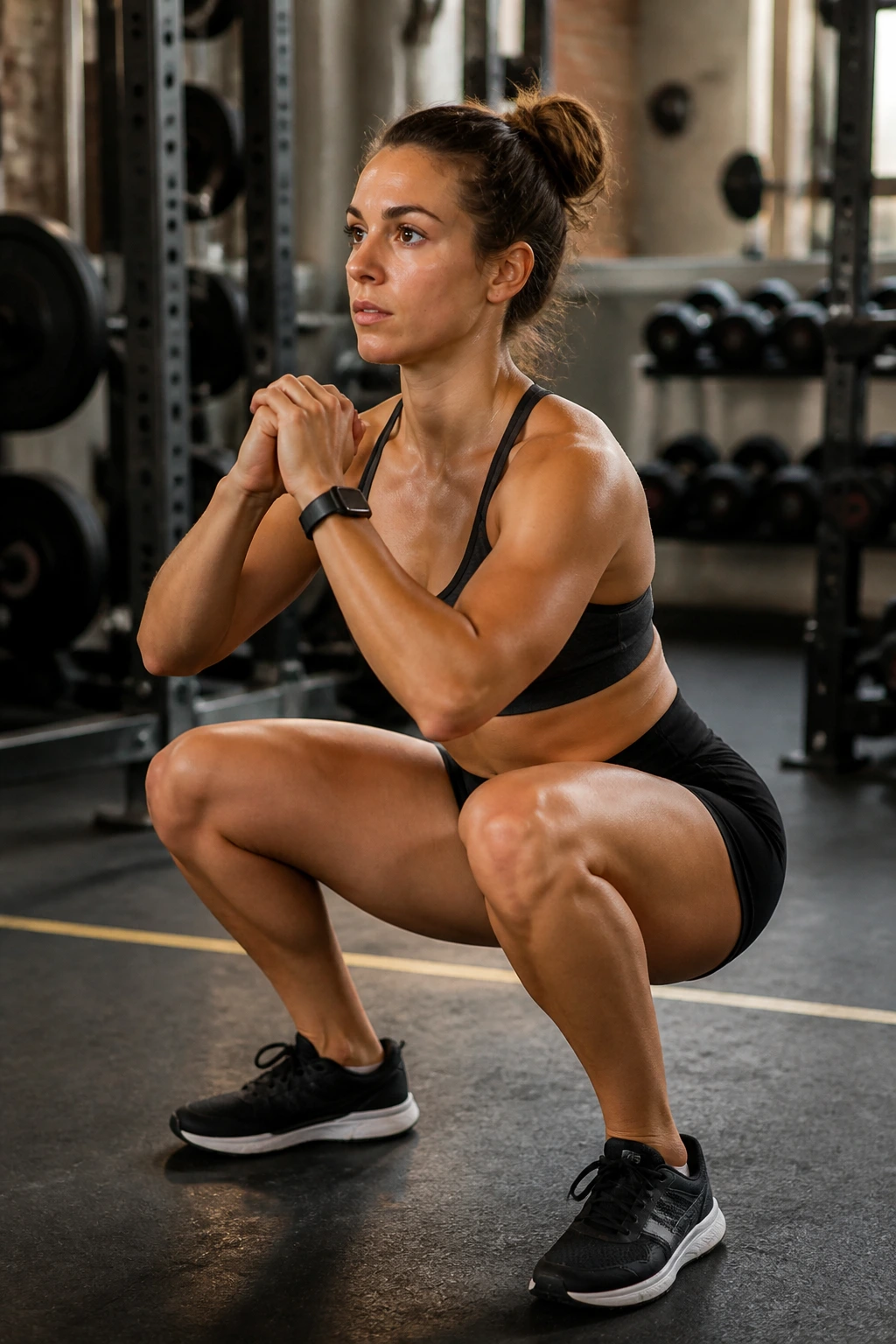
Half reps are tempting when a weight feels heavy. They also let a lot of useful work slip out the door.
A controlled full range of motion teaches your muscles to produce force through more of the lift. That can mean lowering into a squat as far as your current mobility allows, pressing dumbbells all the way down with control, or rowing until the shoulder blade moves through a real stretch and squeeze. You do not need to force ridiculous depth. You do need enough range that the rep feels honest.
What full range looks like in practice
- Squats: thighs lowering as far as you can control without losing position
- Lunges: enough depth to feel the front leg doing work
- Presses: dumbbells or handles come down under control
- Rows: arms extend fully, then pull with intent
The catch is simple. Full range only helps if you own it. If your hips twist, your knees cave, or your back folds like a lawn chair, shorten the range until form is clean, then build from there.
12. Rest Long Enough Between Sets to Lift Well

Thirty-second rests are for circuits. They are not the main event for muscle gain.
If you rush every set, the next set turns into a cardio test, and the weight you can use drops off fast. For big lifts like squats, presses, rows, and deadlifts, resting 2 to 3 minutes is often better. For smaller isolation work like curls or lateral raises, 60 to 90 seconds may be enough.
A simple rest rule
- Big compound lift: 2–3 minutes
- Smaller accessory lift: 60–90 seconds
- If your reps drop hard, rest longer
The point of rest is not to be lazy between sets. It’s to protect quality. A stronger second set beats a winded second set every time. And if you need a timer to keep yourself honest, use one. There is no prize for guessing.
13. Stop Chasing Sweat and Start Chasing Tension
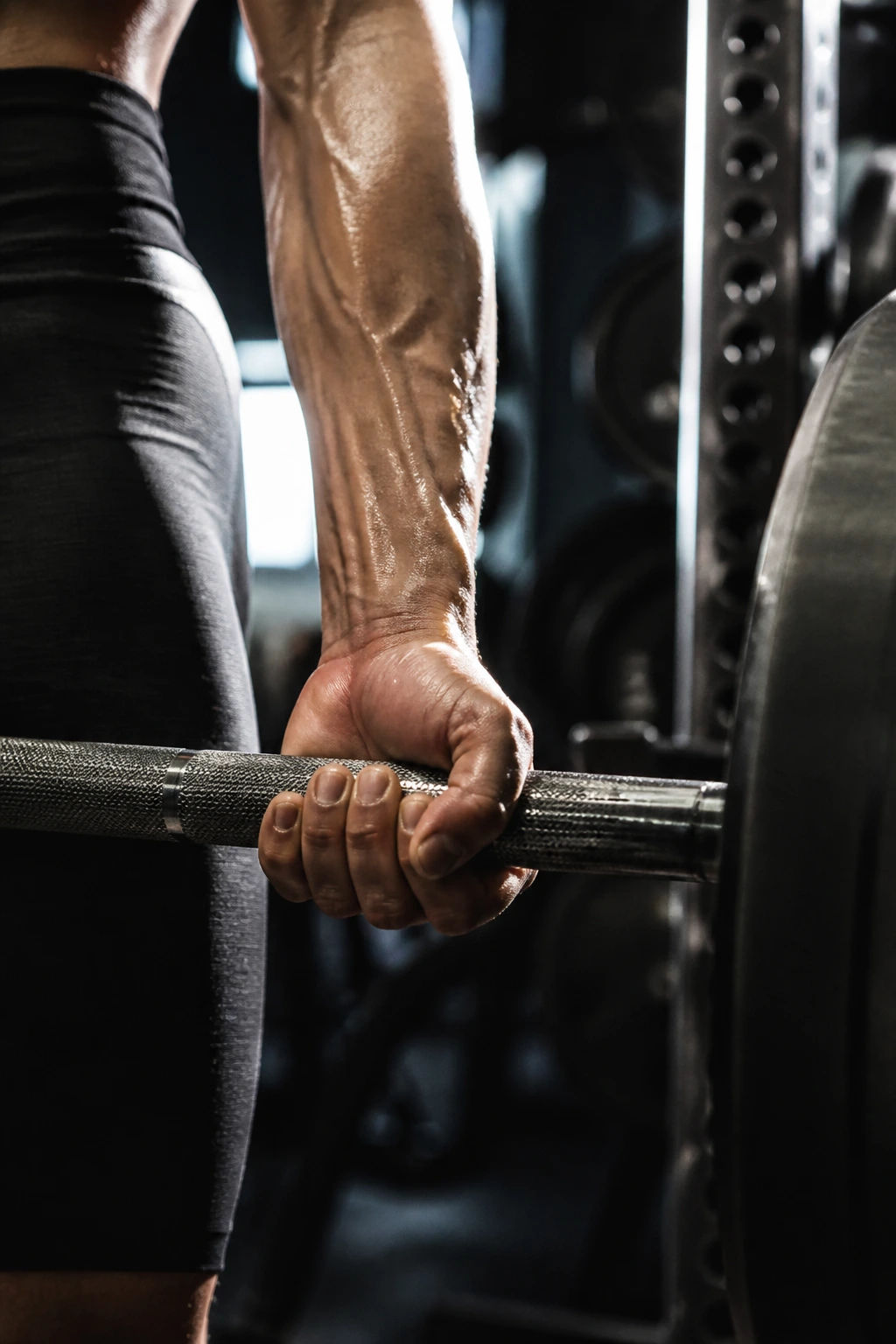
Sweat is not a scorecard.
People love workouts that make them feel demolished, but muscle growth cares more about tension, load, and repeatable effort than how soaked your shirt gets. A row that slows down on the last two reps, a squat that forces your legs to brace, a press that needs real control — that is where the work happens. A sweaty circuit with tiny weights might leave you drenched and not much stronger.
You can still enjoy sweaty training. Just don’t confuse it with a real growth stimulus.
The better question is whether the set was hard enough to challenge the muscle while keeping the rep clean. If you finish a set and feel like you could have talked through it the whole time, that set probably didn’t ask much of you. Hard sets leave a trace. Not a meltdown. Just a clear sense that the muscle had to show up.
14. Build Your Back, Glutes, and Shoulders on Purpose
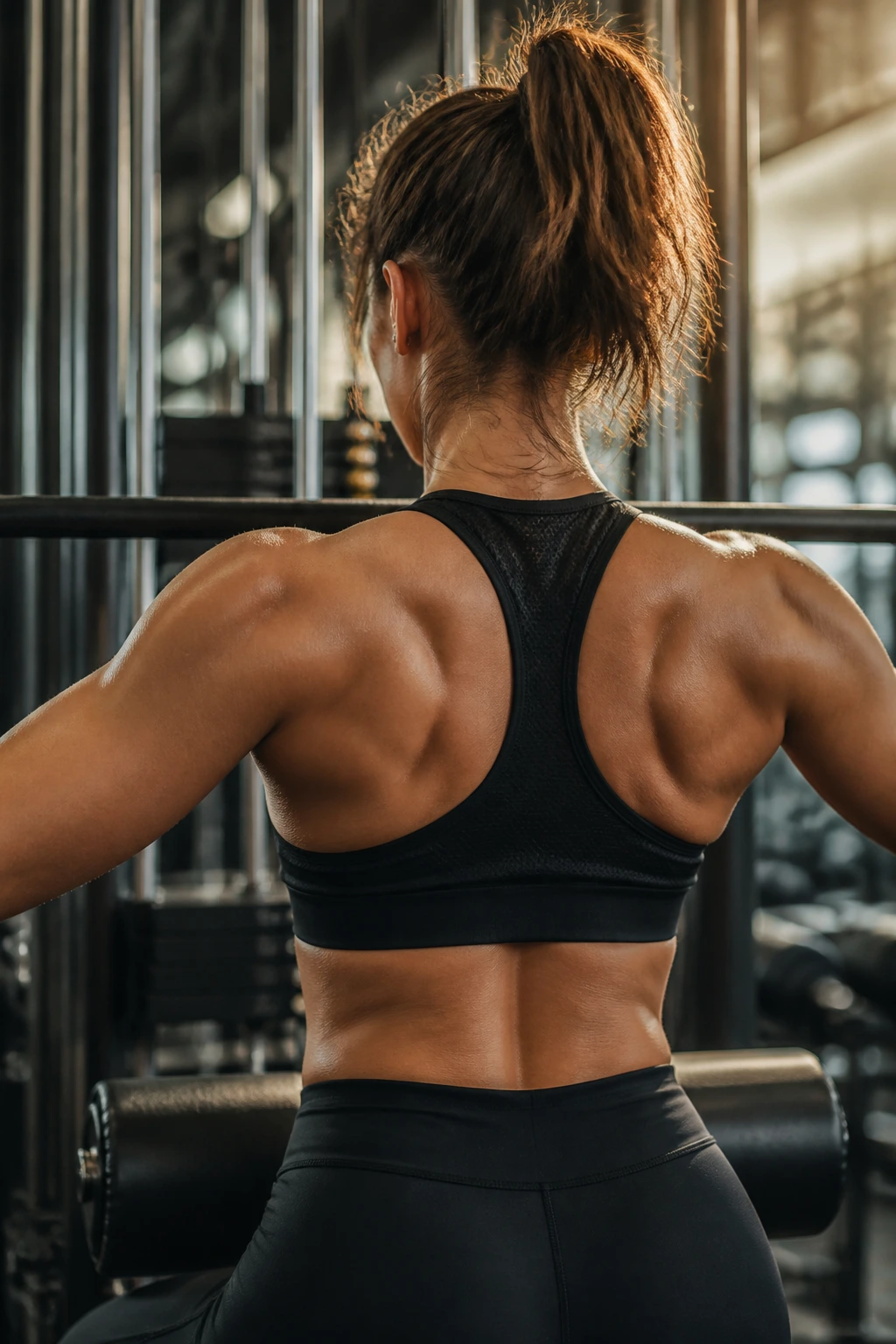
A lot of beginners overfocus on one area and leave the rest undertrained. That usually shows up as endless glute work with very little back training, or a few shoulder movements tucked into the end of a workout with no real plan.
If you want muscle that looks balanced and carries well, train the muscles that shape posture and support the big lifts. Rows, lat pulldowns, reverse flyes, and face pulls help the upper back. Hip thrusts and Romanian deadlifts hit the glutes and hamstrings. Lateral raises build the side delts, which matter more than most people expect for the look of the shoulders.
Smart add-ins for beginner women
- Seated cable row
- Lat pulldown
- Dumbbell Romanian deadlift
- Hip thrust
- Lateral raise
These are not “extra” exercises. They fill gaps. A good back makes pressing feel steadier. Strong glutes and hamstrings make squats and hinges better. Shoulders give the upper body shape that plain chest work won’t create on its own.
15. Pick a Workout Split That Beginner Women Can Repeat
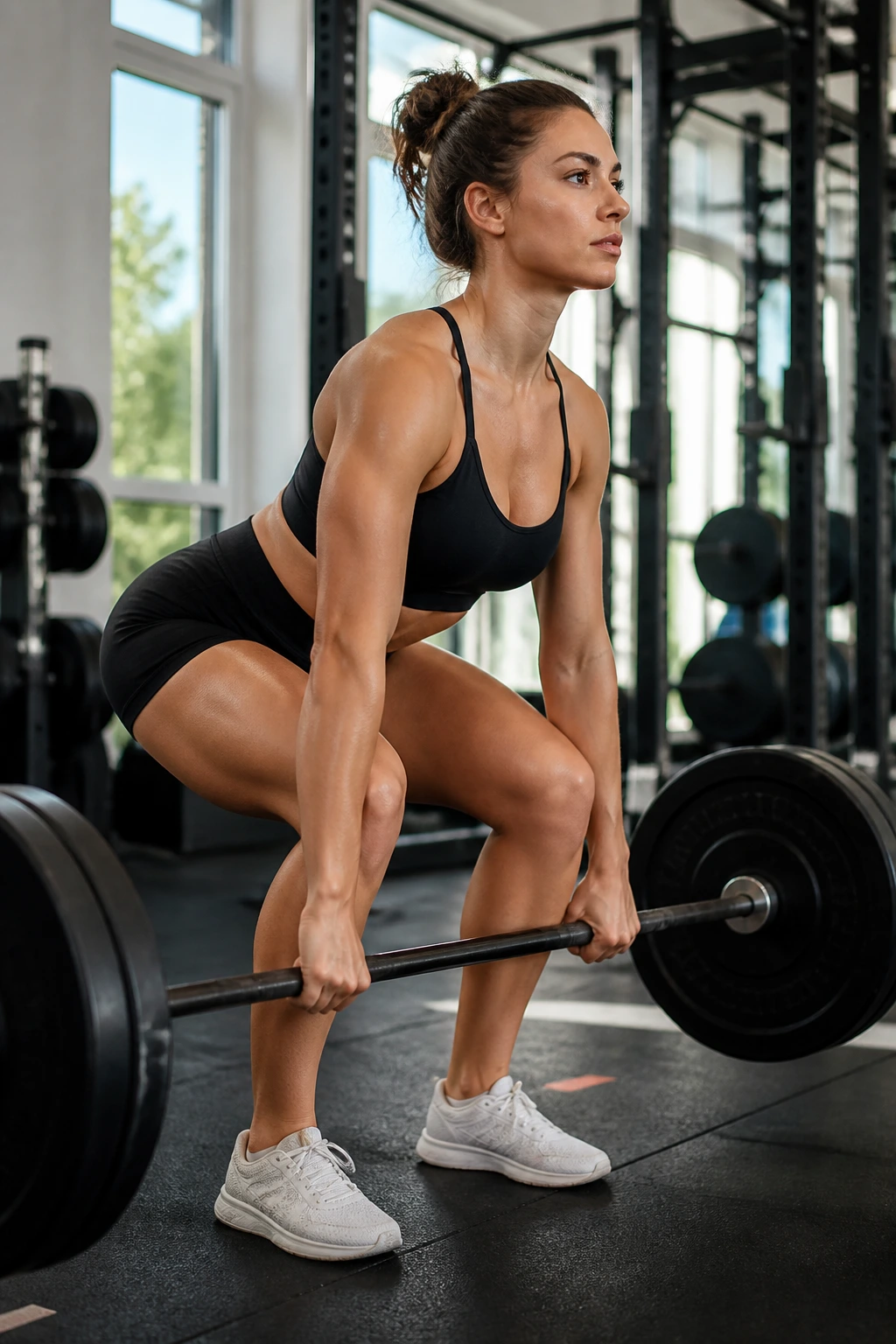
The best split is the one you can actually live with. That sounds boring, but boring is useful here.
A 3-day full-body split works well for a lot of beginner women because it is simple, easy to recover from, and forgiving when life gets messy. A 4-day upper/lower split gives you a little more volume if you enjoy the gym and want shorter sessions. Both can build muscle. The choice comes down to schedule, recovery, and how much time you can honestly give the plan.
A simple 3-day setup
- Day 1: full body
- Day 2: rest or light cardio
- Day 3: full body
- Day 4: rest
- Day 5: full body
A simple 4-day setup
- Day 1: upper body
- Day 2: lower body
- Day 3: rest
- Day 4: upper body
- Day 5: lower body
Pick one and stay with it long enough to learn it. Changing the split every two weeks is a fast way to stay busy without getting stronger.
16. Measure Progress With Photos, Measurements, and Strength Numbers
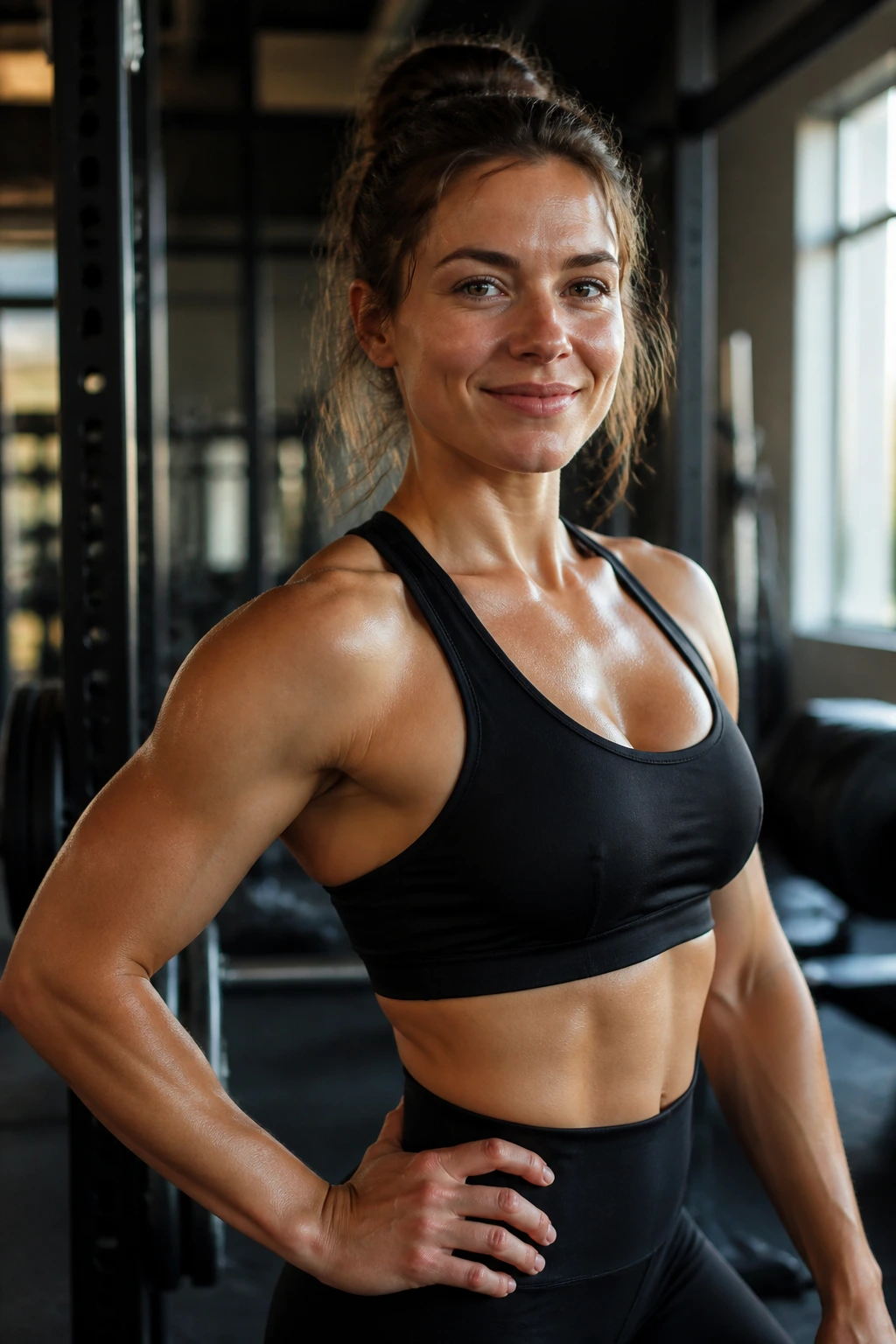
If you only use the scale, you’ll miss half the story.
Muscle gain can happen while body weight stays similar, especially when beginners are still adapting. That’s why photos, measurements, and gym numbers matter. Take front, side, and back photos every 2 to 4 weeks, under the same light, in similar clothing. Measure waist, hips, thighs, and upper arms if you like concrete data. Keep an eye on your lifts too.
Good things to track
- Weight lifted for key exercises
- Reps achieved at a given weight
- Waist, hip, thigh, and arm measurements
- Progress photos in the same pose and lighting
- How a shirt, bra band, or pair of jeans fits
You are looking for trends, not day-to-day drama. One salty meal or one rough sleep night can hide progress on the scale. Photos and strength logs are calmer witnesses.
17. Learn the Difference Between Normal Soreness and Bad Pain

Soreness is normal. Joint pain is not the same thing.
Delayed-onset muscle soreness usually feels dull, tight, or achy and shows up in the muscle you trained. It can make stairs feel rude and sitting down feel dramatic, but it should ease as you warm up. Bad pain is sharper, more specific, and often points to a joint, tendon, or irritated tissue. If a movement causes a pinching feeling, a stab, numbness, swelling, or a limp, stop.
Do not try to “push through” pain just because you heard lifting is supposed to be uncomfortable. It is supposed to be hard. It is not supposed to feel broken. If the pain keeps showing up in the same spot, get it checked by a qualified professional and adjust the exercise until you know what is going on.
That little distinction saves a lot of time.
18. Keep Cardio in the Picture, But Don’t Let It Eat Your Recovery

A lot of beginner women worry that cardio and muscle building cannot live in the same week. They can. They just need different jobs.
Moderate cardio supports heart health, helps with recovery between sets, and makes the whole plan feel less stiff. The problem shows up when cardio volume gets so high that your legs are flat for every squat session. A couple of 20- to 30-minute sessions of brisk walking, cycling, or incline treadmill work is a clean place to start.
If muscle gain is the goal, keep cardio from wrecking lower-body training. Put it after lifting or on separate days if possible. Long runs and heavy leg days can coexist, but they demand more recovery than most beginners expect. There’s no medal for making every week a test of who can tolerate the most fatigue.
19. Get Coaching on the Lifts That Feel Awkward
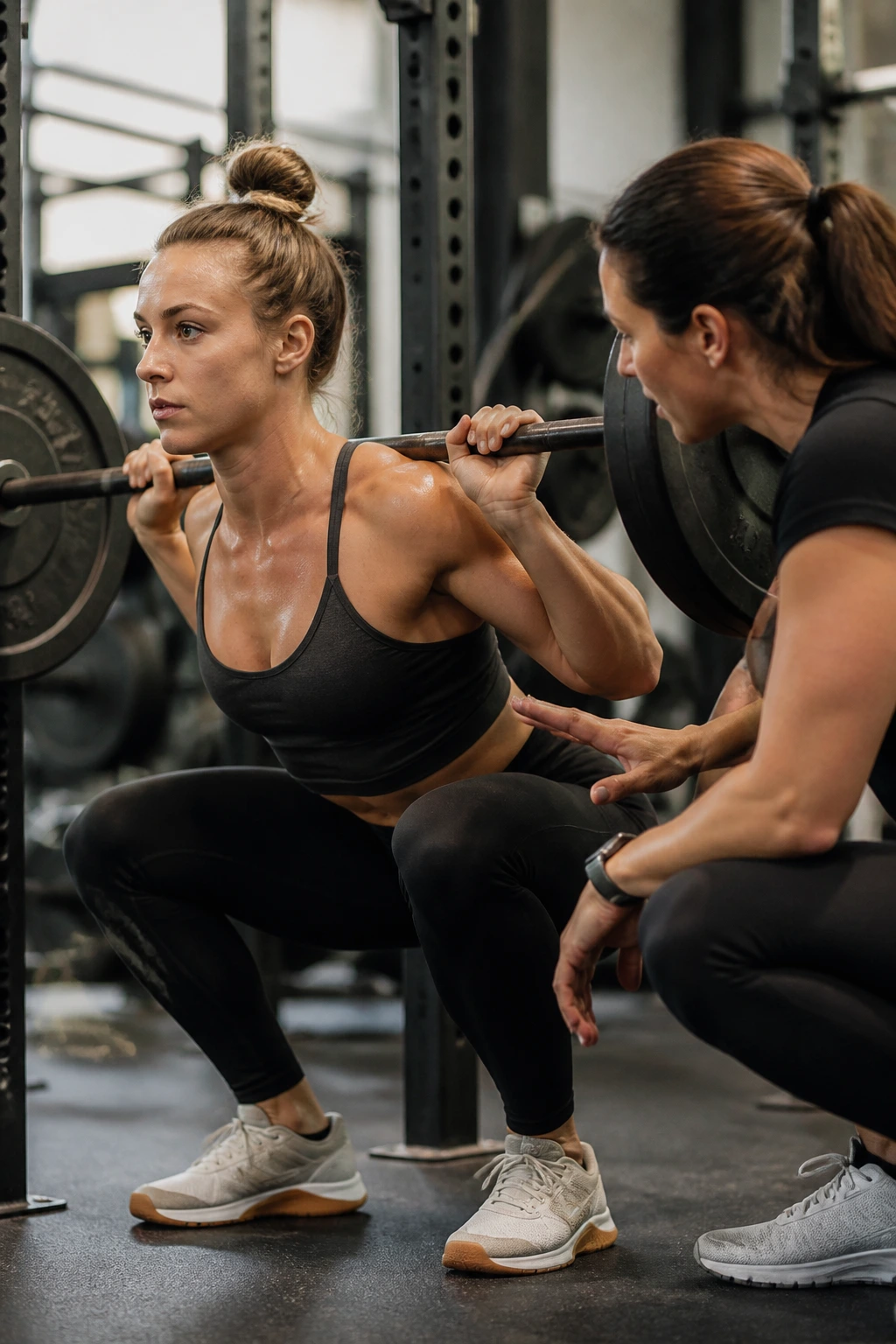
You do not need a coach forever. One or two useful sessions can save months of guessing.
A good coach, trainer, or experienced lifter can help you clean up the lifts that always feel off — usually the squat, hinge, press, or row. Video helps too. Film a set from the side and from a slight front angle. You’ll often spot a weird bar path, a shallow squat, or a shoulder that keeps drifting forward before it becomes a bigger problem.
Where coaching pays off fast
- Learning how to brace your core
- Finding a stable squat stance
- Setting up a hinge without rounding your back
- Pressing without flaring your elbows everywhere
A mirror is fine. It is not a coach. And even a short check-in can give you cues that make training feel less clunky the next day.
20. Keep Going When Muscle Building Feels Slow for Beginner Women
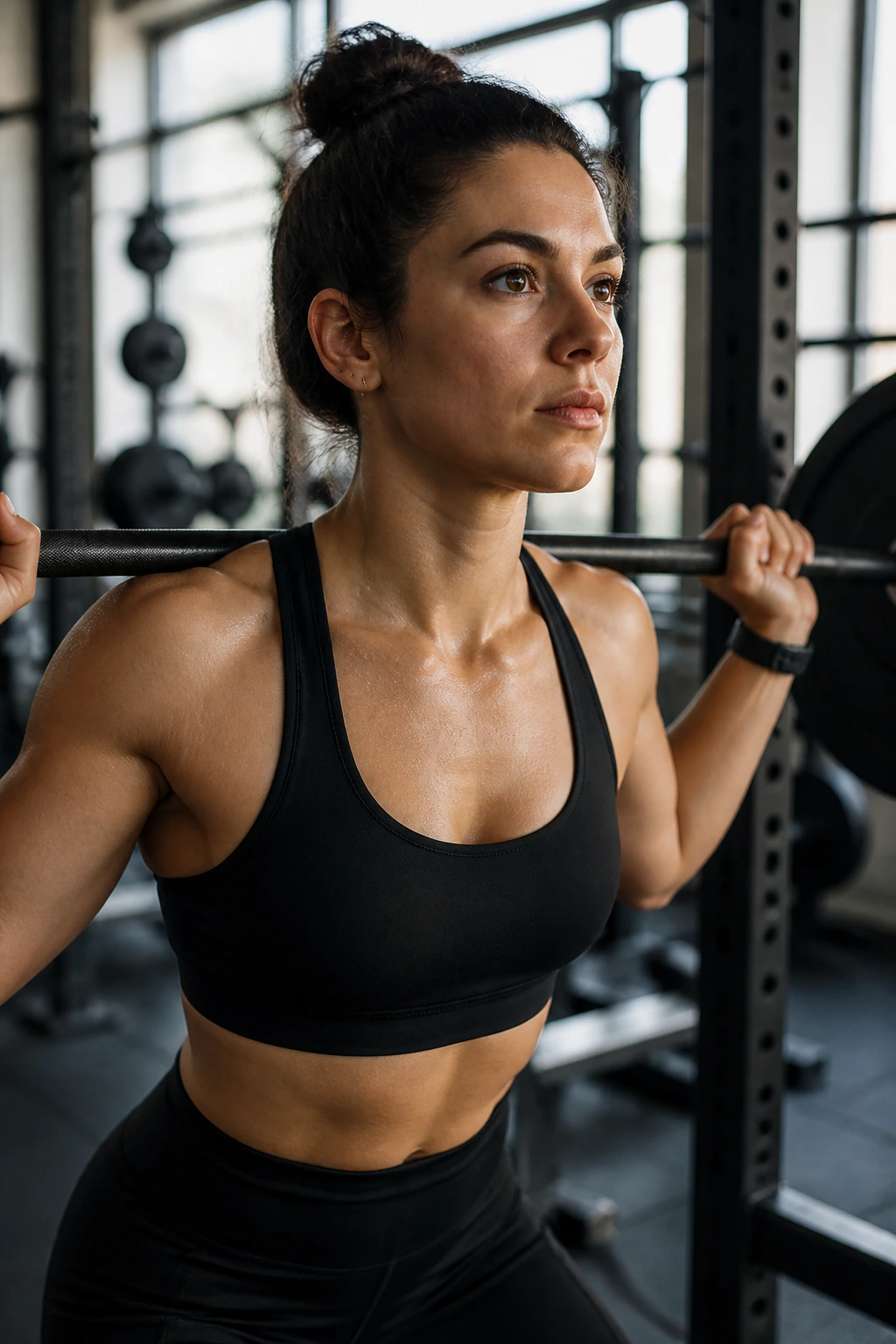
The first stretch of lifting can be oddly discouraging because the body changes in layers. Strength often comes first. Coordination comes next. Visible muscle usually takes longer than people want, which is why patience matters so much.
You may feel stronger before you look different. That is normal. Your clothes may fit a little better around the waist or thighs before the mirror gives you a dramatic reveal. That slow middle phase is where a lot of people quit and then wonder why nothing changed. It changed. They just stopped before the pattern was obvious.
Stick with the same core lifts for long enough to get a real answer. Give the plan 8 to 12 weeks before you judge it, and keep improving one small piece at a time — one more rep, a steadier setup, a little more food, a little more sleep. The people who build the most muscle are rarely the ones who look excited every day. They’re the ones who keep showing up when the excitement wears off.
