



The first week in a gym can feel like walking into a room where everyone speaks in code. One person says “three sets of eight”, another asks if you want a spot on bench, and somebody near the cables mutters “keep two reps in reserve” like that should mean anything to a brand-new lifter.
That language matters more than it looks. Once you know the common gym lingo, you can follow a workout plan without guessing, ask for help without sounding lost, and stop pretending you understood the whiteboard when you absolutely did not.
A lot of gym talk is just shorthand. Some of it is useful, some of it is sloppy, and some of it gets tossed around so often that people forget to explain it. The trick is not memorizing a giant dictionary; it is learning the words that keep you safe, keep your workouts organized, and help you read a training plan without translating every line in your head.
Start with the basics. Rep and set sound tiny, but once those click, the rest of the room gets a lot less mysterious.
1. Rep

A rep is one complete repetition of an exercise. Down and back up. Lower the dumbbell, press it again. Squat down, stand back up. That single cycle is the smallest building block in strength training, and it shows up in almost every program worth following.
A lot of beginners mix up a rep with a set, so here’s the clean version: one rep is one action, while the whole group of reps is the set. If your coach says “10 reps,” they mean you complete that movement 10 times with good control. Not nine and a sloppy half one. Ten.
How it sounds in the gym
- “Do 8 reps on the first set.”
- “That last rep looked rough.”
- “You still had two reps left.”
Quick tip: if the movement turns into a heave, a bounce, or a shrug-fest, the rep probably stopped being useful before you think it did.
2. Set

A set is a block of reps grouped together. That’s the part people write down when they say “3 x 10” or “4 x 6.” The first number is the number of sets, and the second is the number of reps in each set. Simple on paper. Slightly less simple when your legs are shaking after set two.
What matters is that a set gives structure to the workout. Three sets of squats with 90 seconds of rest between them will feel very different from one long set of 30 reps, even if the total number of reps is the same. Rest changes the whole feel of the session.
If you hear someone say, “I’m on my third set,” they mean they’ve already done the exercise at least twice and are back at it again. That tiny sentence carries a lot of information about fatigue, pacing, and how much work is left.
One rep is a moment. A set is a chunk of effort.
3. Form

Why do people keep going on about form like it’s sacred? Because it’s the difference between a lift that trains the right muscles and a lift that turns into a weird full-body survival event.
Form is the way you position and move your body during an exercise. Feet placement. Grip width. Spine position. How far you lower the weight. Whether the bar drifts or stays where it should. Good form usually means the movement is controlled, repeatable, and safe enough to practice again next week without dreading stairs.
What good form usually looks like
- The movement starts in the right place, not wherever you got momentum.
- Your body stays stable instead of twisting around for help.
- The weight moves with control, not a wild yank.
- You could repeat the same rep again without your posture falling apart.
A lot of people chase heavier weight before they can hold position. That’s backward. Learn the path first, then load it. Your joints will thank you.
4. Warm-up

Cold muscles do not love surprise squats. A warm-up is the short prep phase before your main work, and it should wake you up, not wipe you out. I’m talking 5 to 10 minutes of easier movement, plus a few lighter practice sets for the lift you’re about to do.
A good warm-up raises your heart rate a bit, loosens stiff joints, and gets the right muscles firing before the hard work starts. For leg day, that might mean a brisk walk, some bodyweight squats, and two light ramp-up sets with the bar. For upper body, it could be arm circles, band pull-aparts, and lighter presses.
Do not confuse a warm-up with a second workout. If you’re sweating buckets and already tired before your first real set, you went too far.
The best warm-up feels like preparation, not punishment.
5. Cool-down

A cool-down is the quieter ending after the hard stuff is done. People skip it, then wonder why they feel stiff walking to the car. Usually it is 3 to 10 minutes of easy movement, slower breathing, and maybe a little light stretching or mobility work.
It is not the glamorous part of training. Fine. But it helps your body shift out of high gear. A short walk after a hard lifting session, for instance, can bring your breathing down and stop that odd, dizzy feeling some people get when they sit down too fast after heavy work.
I like the cool-down more than most gym people do because it forces a cleaner stop. You are not slamming the brakes. You are easing off them.
And yes, it can be boring. That does not make it useless. If your hips lock up after leg day or your shoulders feel glued in place after pressing, a few calm minutes at the end often feels better than pretending you are too tough for recovery.
6. Tempo

Unlike rep count, tempo changes the speed inside each rep. That matters more than beginners expect. A lift done with a slow lowering phase and a brief pause can feel twice as hard as the same lift done in a rush.
You’ll sometimes see tempo written as numbers, like 3-1-1. That usually means 3 seconds lowering the weight, 1 second pause, 1 second lifting it back up. It is a neat way to control how fast you move without leaving it to guesswork. A slower tempo can make lighter weight feel challenging, and it can also teach you not to fling the bar around.
This is one of those terms that sounds fancier than it is. It just means speed, rhythm, and control. That’s all.
If you want a simple place to start, try a 2-second lower and a controlled lift. It keeps your reps honest without turning every set into a slow-motion drama.
7. Range of Motion

Range of motion is how far you move through an exercise. In a squat, it is how deep you go. In a press, it is how far the bar travels. Full range usually means using the biggest safe movement your body can handle without losing position.
Beginners hear mixed advice here because not every exercise needs the exact same depth forever. But the basic rule is simple: if you only move the weight a few inches, you are often leaving useful work on the table. On the other hand, forcing a deeper range than your joints can handle is a bad trade.
What to look for
- No bouncing out of the bottom.
- No cutting the movement short just to move more weight.
- No pain in the joint itself.
- Smooth control through the hardest part of the lift.
My blunt take: partial reps have a place, but they should not become your whole personality.
8. Mobility

Mobility is not flexibility with a fancier haircut. Flexibility is how far a muscle can lengthen. Mobility is how well you can control a joint through that space. You can touch your toes and still have lousy mobility in your hips or ankles.
That distinction matters in the gym. A tight ankle can make squats feel awkward. Stiff shoulders can make overhead pressing feel pinchy. Mobility work gives those areas a little more room and a lot more control, which usually makes the main lifts feel smoother.
I’m a fan of simple mobility work because it does not need to be dramatic. Five minutes of ankle rocks, hip openers, thoracic rotations, and shoulder circles before training can change how a session feels. Not magic. Just useful.
If a lift feels unstable in the same spot every time, mobility may be part of the answer. Sometimes it is the whole answer. Sometimes it is one piece of the mess.
9. Compound Exercise

Squats, deadlifts, presses, rows. These are the backbone of most beginner programs for a reason. A compound exercise uses more than one joint and usually more than one muscle group at the same time.
That makes compound lifts efficient. One set of squats works quads, glutes, core, and a bunch of stabilizers you did not even know you were asking to show up. One set of rows trains your back while your grip and rear shoulders help out. The whole body has to coordinate.
Classic compound lifts you will hear about
- Squat
- Deadlift
- Bench press
- Overhead press
- Pull-up or assisted pull-up
- Barbell or dumbbell row
For a beginner, compounds are usually where you learn the most. They teach balance, timing, and bracing. Then, once those bigger patterns make sense, the smaller stuff gets easier too.
10. Isolation Exercise

After a heavy back day, a cable curl can feel tiny. That is the point. Isolation exercises focus on one main muscle group and limit how much help comes from everywhere else.
Think biceps curls, leg extensions, lateral raises, and calf raises. They are not flashy, and nobody needs to act dramatic about them. But they can be useful when you want to bring up a lagging muscle, add volume without crushing your nervous system, or finish a workout without loading your spine again.
The catch is that isolation work should not replace all the big lifts. It works best as the extra layer, not the whole plan. If every session is only curls, kickbacks, and leg lifts, your body misses the strength and coordination that compound exercises build.
A simple way to think about it: compounds build the base, isolations polish the edges.
11. Progressive Overload
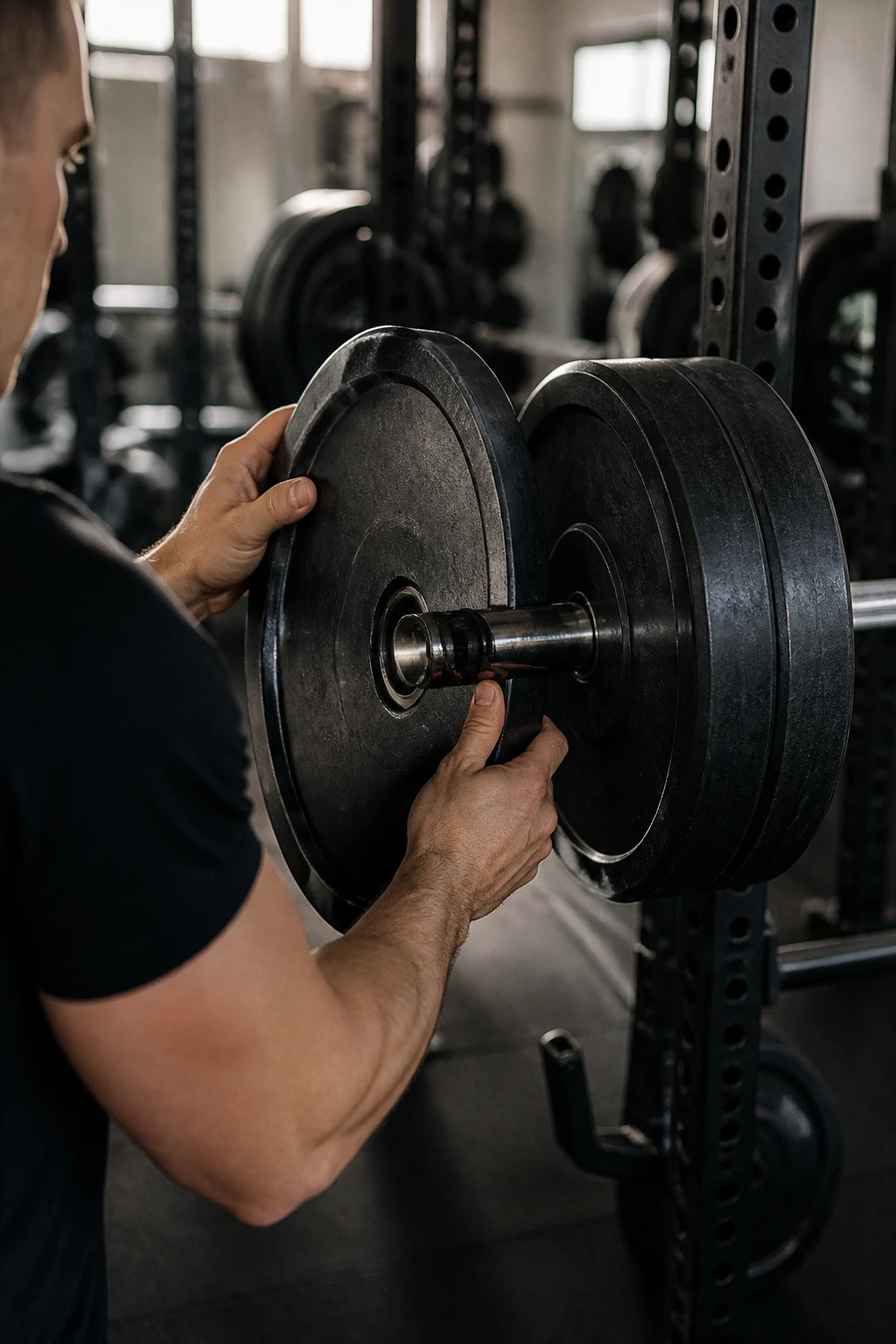
Progressive overload means asking your body to do a little more over time. More weight. More reps. One extra set. Slightly better range. Shorter rest. Cleaner form with the same load. The point is steady challenge, not random chaos.
This is how muscle and strength keep moving forward. If your workouts never change, your body has no reason to adapt. That does not mean you need huge jumps. In fact, tiny jumps are usually smarter. Adding 2.5 to 5 pounds to a lift, or one extra rep across a set, is often enough.
Tiny wins count.
A notebook or phone log helps here because memory gets mushy fast. People swear they lifted more last week. Then you check the numbers and, surprise, they did not. Tracking beats guessing every time.
Progressive overload is the engine under a lot of training plans. It looks boring. It works anyway.
12. RPE

RPE stands for rate of perceived exertion. Translation: how hard the set felt on a scale, usually from 1 to 10. A 10 means all-out effort. A 6 means you had plenty left. A 7 or 8 is where a lot of productive work lives.
Beginners often either sandbag every set or turn every set into a war. RPE helps split the difference. If a coach says keep your sets around RPE 7, they want challenging work without grinding until your face changes color.
The nice part is that RPE teaches you to notice effort instead of chasing some magic number. You start paying attention to bar speed, breathing, and how much control you still have. That makes training feel less random.
If you are new, don’t overthink the scale. Start with the simple question: Could I have done two more reps with decent form? That usually lands you near the right zone.
13. RIR

Reps in reserve, or RIR, is the cousin of RPE. Instead of rating how hard a set felt, you count how many good reps you had left when you stopped. Two reps in reserve means you ended the set when you probably could have done two more.
I like RIR because it sounds less abstract than effort scores. “I had 3 reps left” is easier to picture than “that was an 8.” It also fits beginner training well, since you do not need to be a mind reader to use it.
A simple way to use RIR
- 3 RIR: the set felt easy-ish.
- 2 RIR: solid work, but not a grind.
- 1 RIR: close to the edge.
- 0 RIR: you hit the limit for that set.
A lot of first-time lifters do best staying around 1 to 3 RIR on most working sets. That keeps the sets honest without turning every rep into a crash landing.
14. Failure

Training to failure sounds hardcore. It is also one of the most misunderstood terms in the gym. Failure means you can no longer complete another rep with the target form. That might be technical failure, where the movement breaks down, or absolute failure, where the weight simply will not move.
People use the word loosely, which causes trouble. A set that gets ugly at rep eight is not always a reason to force rep nine with your back doing half the job. Sometimes the smarter move is to stop before form turns to dust.
For beginners, failure is not a goal for every set. It is a tool. Used sparingly, it can help on safer exercises like machine work or isolation lifts. Used constantly, it can beat up recovery and make technique worse.
My advice is plain: learn the difference between hard and reckless. They are not the same thing.
15. Spotter

Why do people keep asking, “Need a spot?” A spotter is the person who helps keep a lift safe, especially on bench press, squat variations, or other exercises where getting stuck would be a bad time.
A good spotter does not yank the bar off you at the first sign of effort. They stay ready, watch the movement, and step in only when needed. That usually means helping you clear the hardest part of the lift, not turning the whole set into a rescue mission.
What a good spotter actually does
- Stays close before the set starts.
- Knows where your safety pins or hooks are.
- Understands the handoff signal.
- Helps only as much as needed.
If you are unsure, ask. Seriously. Most experienced lifters would rather hear a clear request than watch you play hero with a barbell.
A spotter is not just nice to have. On certain lifts, they are part of smart gym etiquette.
16. PR

The first time you add 5 pounds to a lift, the whole gym can feel lighter. That is the feeling people are chasing when they talk about a PR, or personal record. It means you beat your previous best in some way.
A PR is not always the biggest weight you ever touched. It can be an extra rep at the same weight, better form with the same load, or a cleaner one-rep max. That last one matters because a true 1RM, or one-rep max, is the most weight you can lift once with good form.
PRs can look like this
- 135 pounds for 8 reps instead of 7
- A squat that feels more stable at the same weight
- A bench press one-rep max that goes up by 5 pounds
- A pull-up set with one extra clean rep
PRs are fun, sure. They are also useful feedback. They show progress that scales and mirrors may miss.
17. Superset

A superset is when you do two exercises back-to-back with little or no rest in between. Then you rest after both. That setup saves time and makes the session feel denser, which is why you see it in busy gyms and shorter plans.
Sometimes the two exercises hit opposite muscle groups, like a chest press followed by a row. That pairing is tidy because one side works while the other gets a break. Other times, both moves hit the same area, which makes the second exercise burn harder than you expected. That version is more brutal, and I mean that in the plainest way.
Supersets are handy, but they are not always the best idea for heavy compound lifts. If your main goal is maximal strength, you usually want more rest between big sets.
For accessories, though? Great tool. Fast, efficient, slightly rude to your lungs.
18. Drop Set

A drop set starts with a hard set, then you lower the weight and keep going without much rest. Usually the drop is about 20 to 30 percent, though the exact number depends on the exercise and how cooked you are.
That makes drop sets feel nasty in a hurry. They are popular for machine work and dumbbells because you can switch weight fast. They are less practical for big barbell lifts, where swapping plates eats time and form tends to break down fast.
Unlike a straight set, a drop set trades neatness for fatigue. That is the whole point. More burn, more time under tension, more effort in less time. Useful? Yes. Something you need every workout? No.
Best use: as a final set on an accessory exercise when you want extra work without dragging the whole session out.
19. Circuit

A circuit is a string of exercises done one after another with limited rest. You might move from goblet squats to push-ups to rows to planks, then rest and repeat the round. The pace keeps your heart rate up and the workout moving.
A simple circuit might look like this
- 10 goblet squats
- 10 dumbbell rows per side
- 10 push-ups
- 20-second plank
- Rest 60 to 90 seconds
Circuits are useful when you want a mix of strength and conditioning, or when the gym is packed and you do not want to camp on one machine for 20 minutes. They can also get sloppy if you choose too many exercises or too much weight.
The trick is keeping the setup simple. If you need four machines, three bands, and a full map to find them, the circuit has already gotten too cute.
20. AMRAP

AMRAP sounds scarier than it is. It stands for as many reps as possible, though in some class settings it can mean as many rounds as possible. Context matters, which is annoying, but that is gym language for you.
If a coach writes “10-minute AMRAP,” they usually mean keep moving through the listed exercises for 10 minutes and see how many rounds you finish. If the workout says “AMRAP push-ups,” they probably want as many push-ups as you can do with good form before you hit the cap.
That form part matters. A sloppy rep is not a heroic rep. If your body turns into a noodle halfway through, the score is not the point anymore.
Use AMRAP sparingly if you are new. It can be a useful test, but it is easy to overpace the first minute and spend the next nine trying to breathe through a brick.
21. DOMS

What is that soreness two days after a workout? Usually it is DOMS, or delayed onset muscle soreness. It shows up 24 to 48 hours after training, especially when you try a new exercise, increase volume, or use more lowering work than your body is used to.
DOMS feels achy, stiff, and annoying. It usually lives in the muscle belly, not the joint. That part matters. A sore quad after squats is one thing. Sharp pain in the knee or shoulder is a different conversation.
Normal soreness usually looks like this
- Stiffness when you first stand up
- Tender muscles when you press on them
- A dull ache that improves as you move
- Soreness on both sides or in the trained muscle
Light movement, sleep, food, and time help. If the pain is sharp, swollen, or changes how you walk, do not brush it off as ordinary soreness.
22. Deload

Ever show up to the gym and feel oddly flat, even before your warm-up starts? That is the sort of week where a deload makes sense. A deload is a planned period of easier training, where you back off volume, load, or both so your body can recover.
That does not mean you skip training. It means you intentionally dial it down. Some lifters cut sets in half. Others keep the same exercises but reduce weight by 10 to 20 percent. Either way, the goal is to lower fatigue without becoming inactive.
Signs a deload may help
- Bar speed feels slow for no reason.
- Joints feel naggy.
- Your usual weights feel heavier than they should.
- Motivation drops even though you are still trying.
A deload is not a failure. It is maintenance. Skip too many of them and training starts feeling like a grind with no payoff.
23. Bulk

A bulk is a phase where you eat in a calorie surplus so your body has enough fuel to gain muscle and some weight. A smart bulk is not a food free-for-all. It is a controlled increase, often something like 200 to 300 calories above maintenance to start, then adjusted based on how your body responds.
The whole point is to support hard training while gaining slowly enough that you do not pile on unnecessary fat. That takes patience. Slow gains are boring on paper, but they usually look better in the mirror and feel better in your clothes.
People often misuse the word. “I’m bulking” should not mean fast food every night and a shrug when the scale jumps. If you are just eating everything in sight, that is not a plan. That is a drift.
A good bulk pairs extra food with hard training, enough protein, and actual tracking. Otherwise you are mostly just getting bigger.
24. Cut

A cut is the opposite phase. You eat in a calorie deficit to lose body fat while trying to keep as much muscle as possible. The trick is to lose slowly enough that your lifts do not collapse along with the scale.
Most people do better with a moderate deficit instead of a crash diet. Think 300 to 500 calories below maintenance to start, then adjust based on progress, hunger, and training output. Keep protein high, keep lifting, and do not slash everything at once because you got impatient.
Cutting is where gym discipline gets tested. Anyone can train hard when they are eating like a king. It takes more care when food is lower and energy is not as generous. That is also why the weight room still matters on a cut. Lifting tells your body to hang onto muscle.
If a cut makes you weak, exhausted, and obsessed with food, it is probably too aggressive.
25. Macros
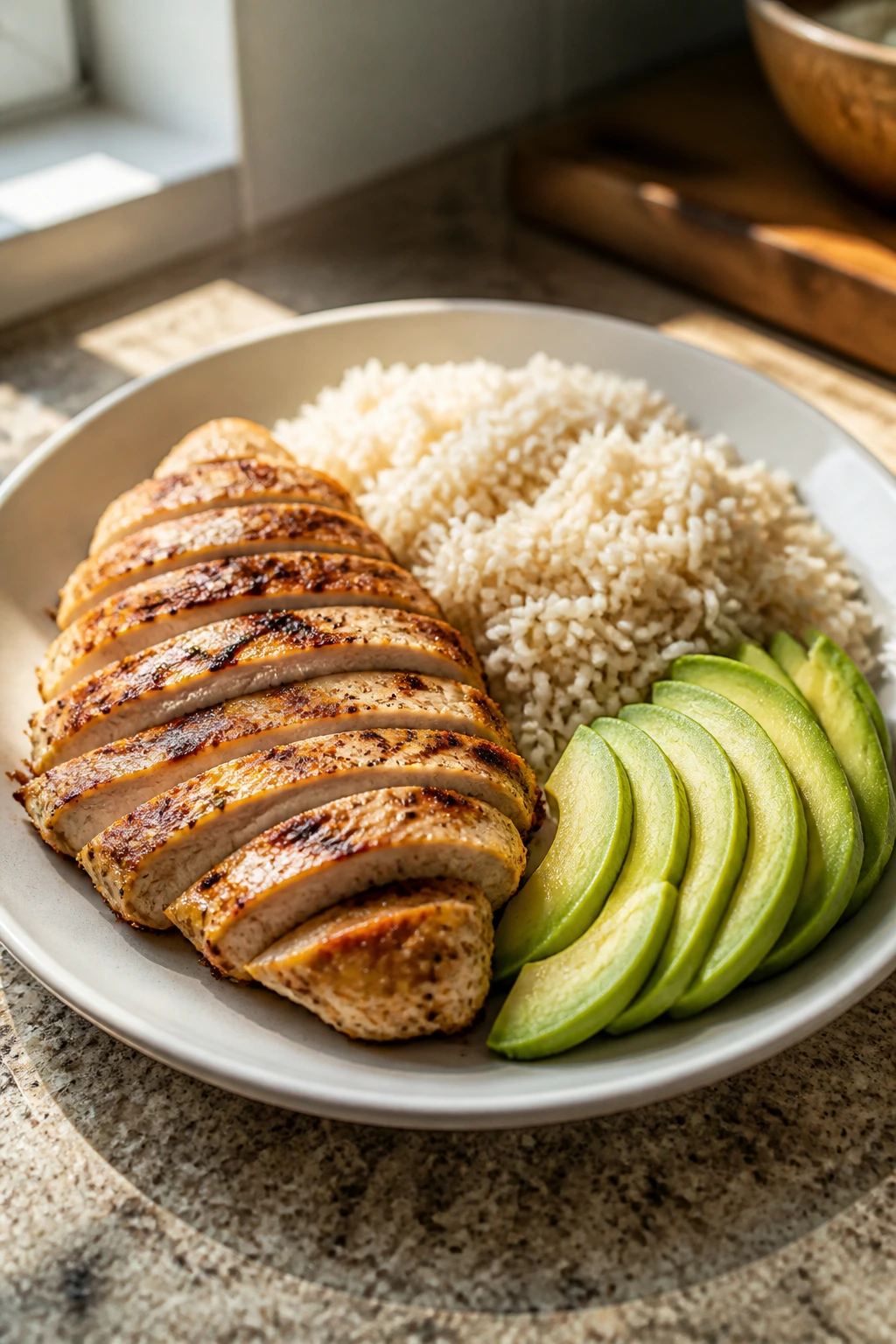
Macros means macronutrients: protein, carbs, and fat. You will hear people talk about macros whenever they are bulking, cutting, or trying to stop eating like a raccoon at random hours.
Protein helps repair muscle. Carbs fuel hard training. Fat supports hormones and keeps meals from feeling like punishment. Once you learn that balance, a lot of diet talk starts making more sense. A bulking plan with too little protein can stall. A cut with too few carbs can make training feel flat. You do not need perfect numbers to get started, but the broad shape matters.
The big three at a glance
- Protein: builds and repairs tissue
- Carbs: power training and recovery
- Fat: supports basic body functions and keeps food satisfying
If all of this still feels like a code sheet, that is normal. Gym lingo sounds noisy until you’ve heard it a few times in context. Then it starts to feel ordinary, which is exactly the point. A good workout plan should look more like a plan and less like a puzzle.
Once these words click, you spend less energy decoding the room and more energy lifting, moving, and actually getting something out of the session.
