



The first workout after birth is rarely a workout. It feels more like a field test: how does your body handle pressure, walking, lifting, bending, feeding, and sleeping when almost everything is still healing?
That’s why the best post baby recovery tips are not glamorous. They’re the boring, repeatable things that protect your pelvic floor, your incision if you had one, your back, your core, and your nerve endings when you’re running on scraps of sleep.
The internet loves a fast comeback. Real postpartum recovery looks messier: bleeding that changes when you do too much, a midsection that feels strangely detached, shoulders that ache from holding a baby in the same shape for hours, and energy that disappears halfway through the day. None of that means you’re failing. It means your body is still doing repair work.
Slow is not lazy.
1. Let the First Weeks Be Recovery, Not a Workout
If you’re still bleeding, sore, swollen, or stitched together, fitness is not the main job. Healing is.
That sounds almost too simple, but it’s the piece people skip. A C-section is abdominal surgery. A vaginal birth can still leave you with tears, bruising, hemorrhoids, and pelvic floor strain. Either way, the first stretch of time is about letting tissue close, swelling settle, and your nervous system stop acting like the house is on fire.
Short walks around the house, gentle standing, and basic self-care count. Hard sessions do not.
- Keep movement light enough that you can speak in full sentences.
- Stop chasing “burn” or sweat as a sign of progress.
- Treat heavier bleeding, pulling, or pressure as a cue to back off.
- Choose rest over random intensity every time.
One rule helps a lot: if your symptoms are louder later that day or the next morning, you did too much. Not forever. Just too much for where your body is right now. That’s useful data, not a moral verdict.
2. Let Symptoms Set the Pace
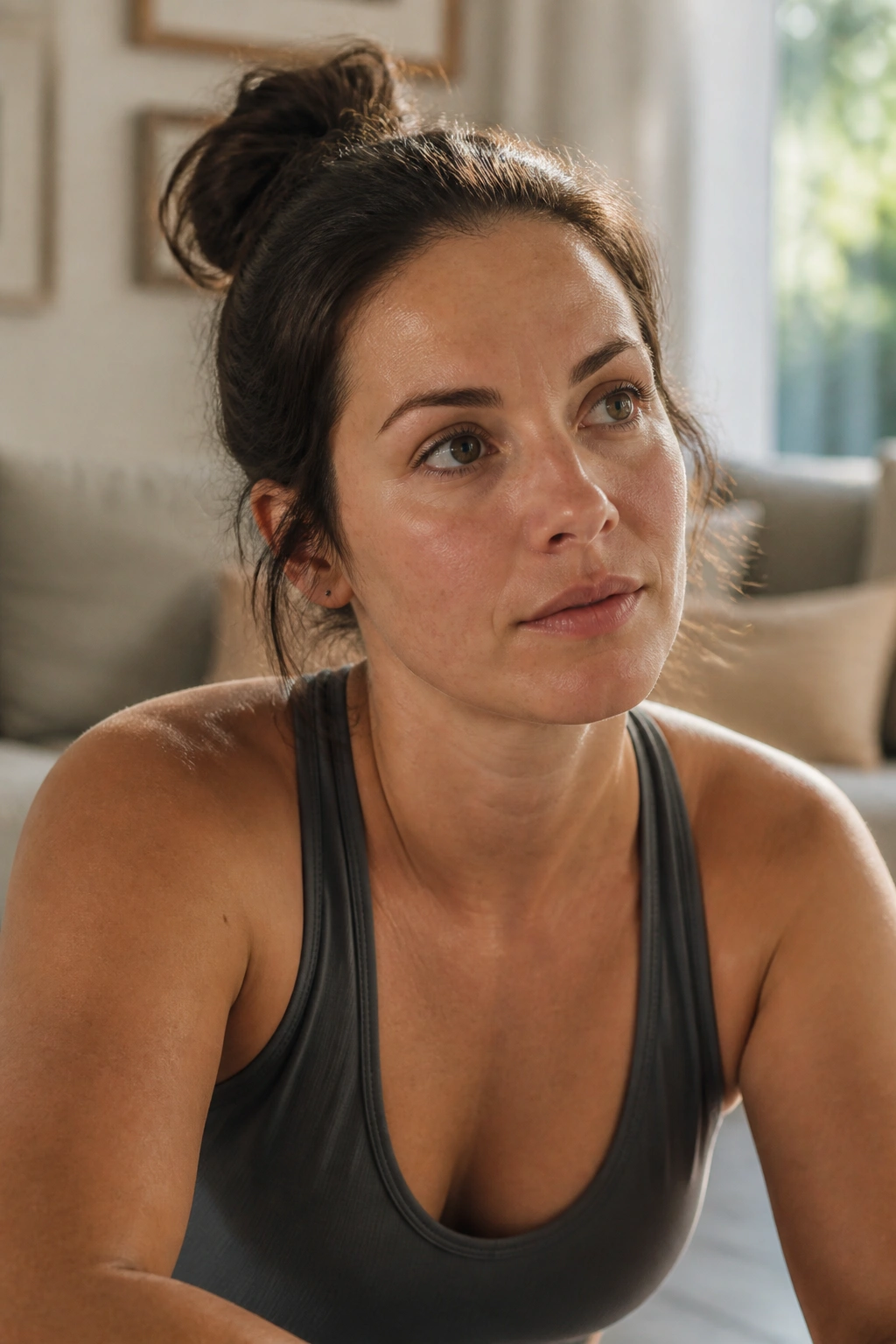
A workout plan is useless if you ignore the feedback your body is already giving you.
Think in traffic lights. Green means your body feels the same or better after activity. Yellow means mild soreness that settles with rest, sleep, and hydration. Red means symptoms jump in a way that matters: more bleeding, pelvic heaviness, leaking, sharp pain, pulling at an incision, or a feeling that something is dropping down.
The traffic-light check
- Green: light soreness, no extra bleeding, no pressure, no leaking.
- Yellow: a little tired or tight, but back to baseline by the next day.
- Red: bleeding gets heavier, your pelvis feels weighted, or pain spikes.
The trick is not to test yourself every single day. The trick is to notice patterns. If a 15-minute walk leaves you dragging and heavier bleeding shows up by evening, cut the walk to 8 minutes for a few days. If a simple bodyweight squat makes you feel vaginal pressure, skip the squats and ask why.
That “why” matters. Pressure, pain, and leaking are not things to grit through. They’re clues.
3. Eat Like Your Body Is Mending Tissue

Your body is rebuilding tissue, blood, hormones, and muscle tone all at once. That takes fuel.
Protein matters more than people think. So do carbs, iron, and enough total calories to keep you upright. If you’re breastfeeding, hunger can feel relentless. Even if you’re not, healing still asks for a lot. Skipping meals because “you’re busy” usually backfires by late afternoon, when you’re shaky, cranky, and too tired to make a sensible choice.
A few solid targets help:
- Aim for 20 to 30 grams of protein per meal.
- Add carbs at most meals: rice, potatoes, fruit, oats, bread.
- Include iron-rich foods like red meat, beans, lentils, spinach, and fortified cereal.
- Pair iron with vitamin C when you can, like peppers, citrus, or berries.
A plate that works might be eggs and toast with fruit, a chicken rice bowl, yogurt with granola and peanut butter, or lentil soup with bread and cheese. Nothing fancy. Just enough.
Skipping meals is not discipline.
4. Drink More Than Your Old Habit
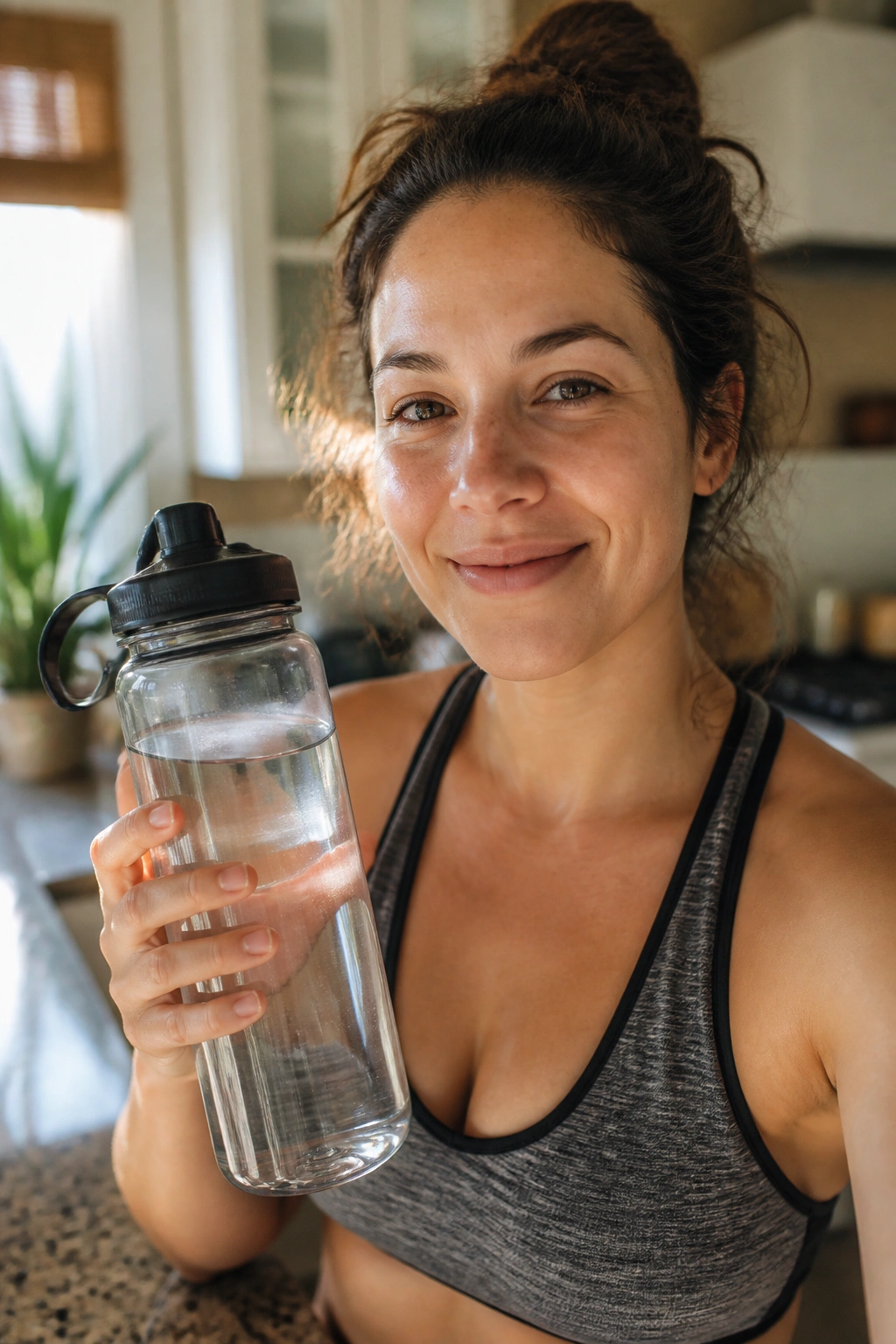
Dry lips, a headache by midday, and that sticky-mouth feeling are boring little signs that often mean you need more water than you think.
Breastfeeding can make hydration feel like a full-time side quest, but even if you’re not nursing, postpartum days are full of reasons to get dehydrated: blood loss, sweating, coffee, stress, and forgetting to drink because someone else needs you every 12 seconds. Keep a bottle where you sit most often. Not where you plan to put it. Where you actually sit.
A simple hydration check
- Urine that stays pale yellow is a decent sign.
- Dark urine usually means you need more fluids.
- Headaches, dizziness, and feeling wired-tired can point to dehydration.
- If you’re sweating a lot or nursing often, plain water may not be enough.
Sometimes a pinch of salt, an electrolyte tablet, or a bowl of soup helps more than another glass of plain water. I’m not precious about it. If a warm broth gets you to drink, use the broth.
And yes, coffee can stay. Just don’t let it replace everything else.
5. Exhale Before You Brace
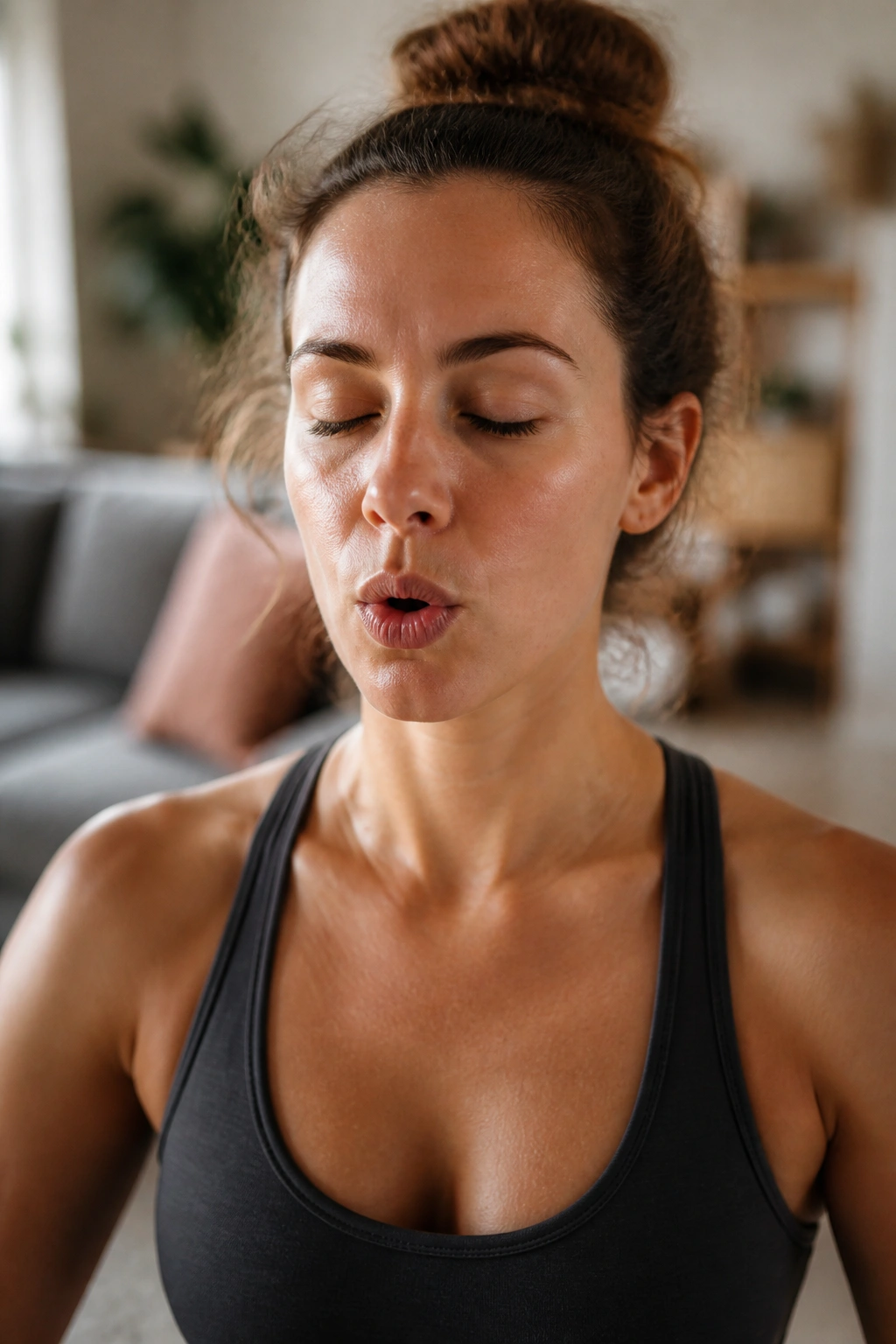
A hard brace is not the same thing as a helpful brace.
A lot of new parents tighten their whole middle when they stand, pick up the baby, carry groceries, or climb stairs. That gripping feeling may seem protective, but it can push pressure downward and make your core work worse, not better. A softer strategy usually wins: exhale on effort, then move.
What the breath should feel like
On an inhale, your ribs should expand a little to the sides and back. On the exhale, your ribs soften down and your belly gently narrows. You are not sucking your stomach in like a photo pose. You’re letting pressure move in a way your body can manage.
A few good cues:
- Inhale through the nose before lifting.
- Exhale as you stand, step, or press.
- Keep your jaw loose.
- If you find yourself holding your breath, slow down.
If you feel a tampon-like heaviness, doming along the midline of your belly, or persistent leaking, that’s a sign to simplify the movement. Sometimes the fix is a smaller range. Sometimes it’s a different exercise entirely. And sometimes it’s a pelvic floor assessment, which is worth more than another round of random Kegels.
6. Walk in Tiny, Repeatable Doses
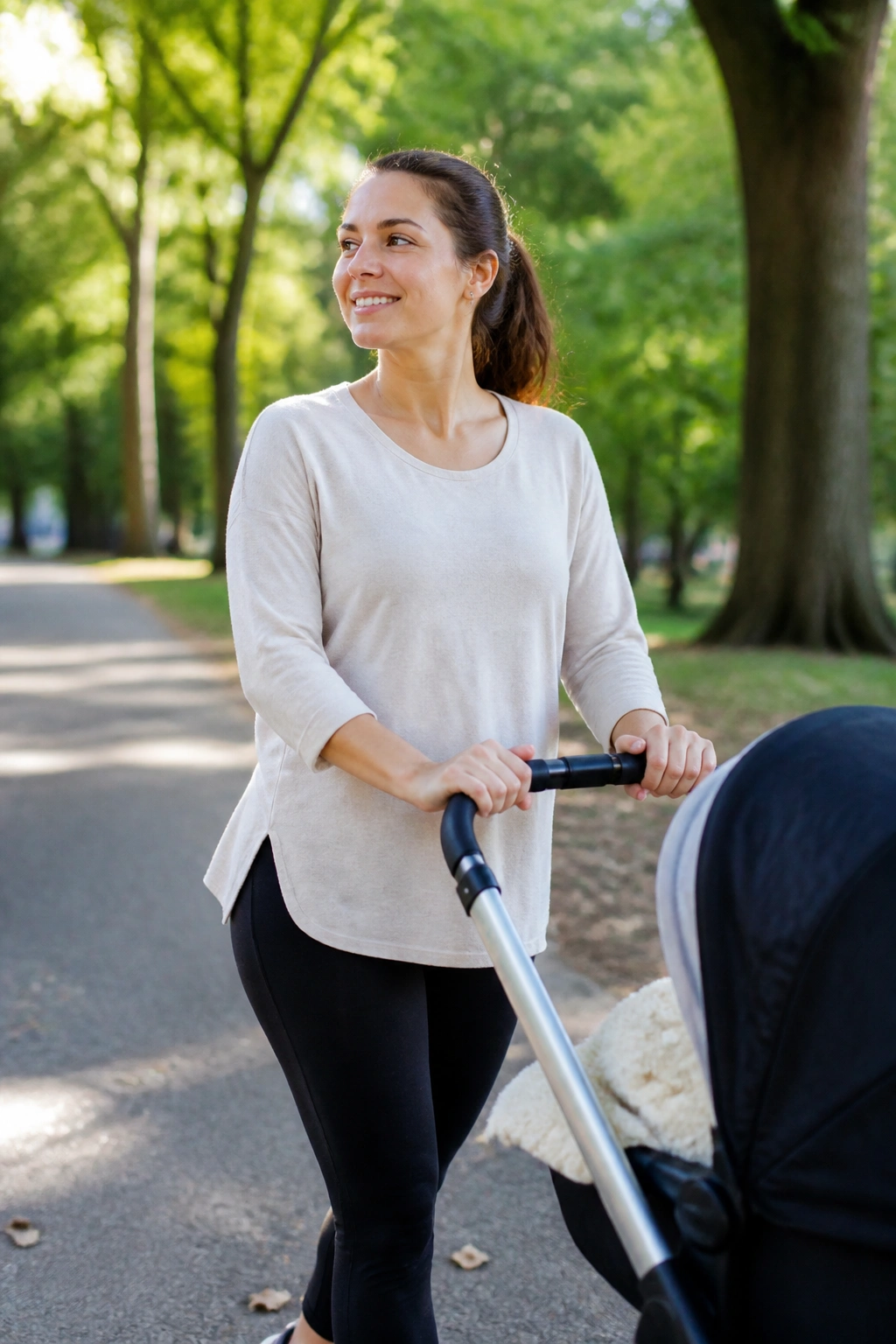
A stroller walk that feels fine at noon can still leave you wrecked by dinner.
Walking is excellent postpartum rehab because it asks for just enough from your legs, lungs, and trunk without throwing in impact. It also gives you a clean way to track recovery. If a flat 5-minute loop goes well for three days in a row, try 7 or 8 minutes. If your body gets noisy afterward, pull back and keep the route shorter.
That sounds dull. It works anyway.
A walking progression that usually behaves
- Start with 5 to 10 minutes on flat ground.
- Keep the pace easy enough that you could talk.
- Hold the stroller with a relaxed grip, not a death grip.
- Increase time by 2 to 5 minutes only when symptoms stay quiet.
Hills, stairs, long shopping trips, and “I’ll just carry the baby too” can all turn a mild walk into a full-body tax. There’s nothing wrong with wanting more movement. There’s something wrong with pretending that more movement is always better.
7. Reconnect With Your Core Before Any Crunches
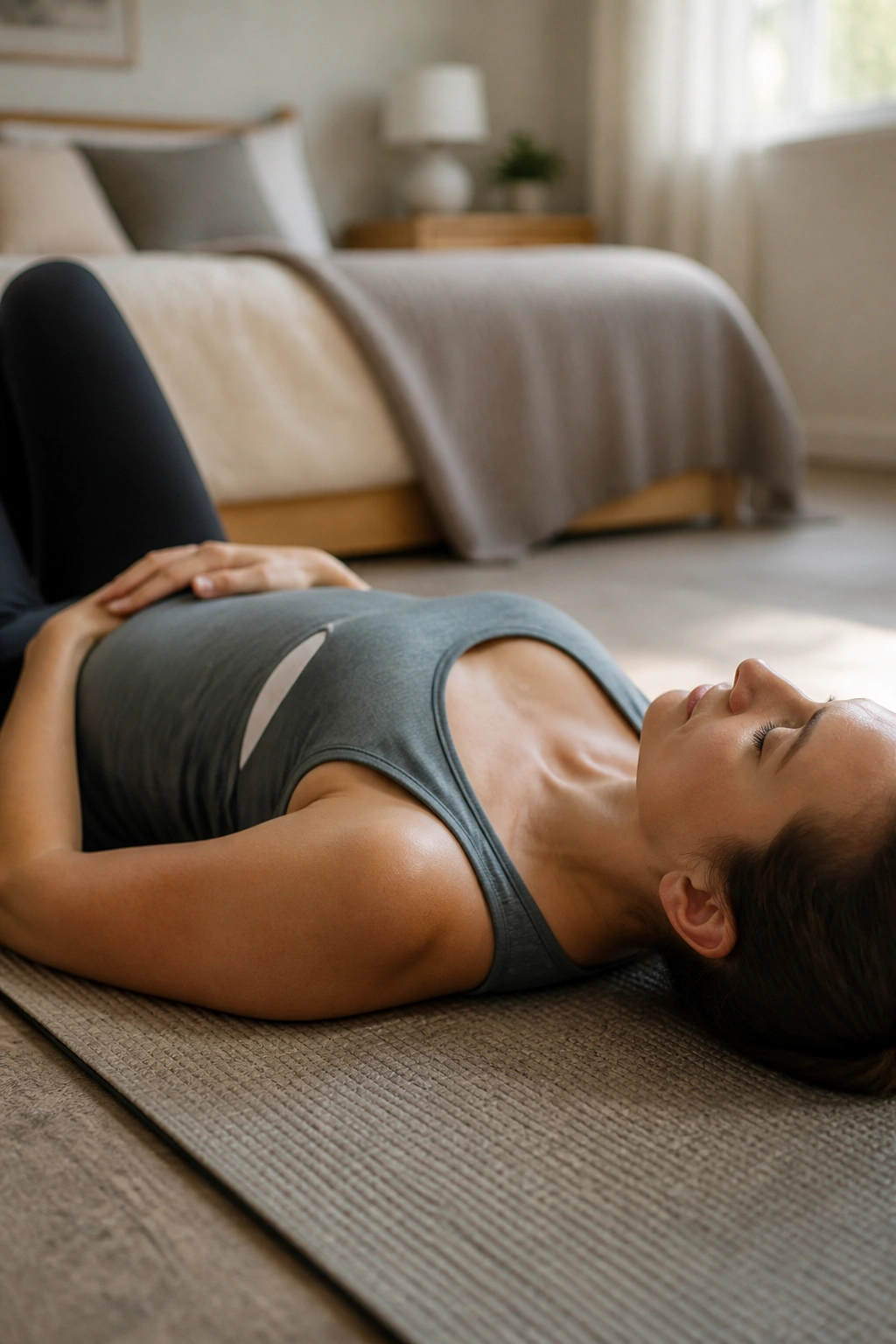
Why does a plank feel wrong even when you can hold it?
Because postpartum core recovery is not about proving you can still grind through abdominal work. It’s about getting your deep system to talk to itself again: diaphragm, pelvic floor, transverse abdominis, and the rest of the trunk. After birth, that connection can feel fuzzy, weak, sleepy, or just absent for a while.
The midline bulge people call diastasis recti can show up as doming or coning down the center of the belly when pressure rises. That doesn’t automatically mean something is broken, but it does mean you should scale things intelligently.
Better early options
- Heel slides with slow breathing.
- Dead bug regressions with feet on the floor.
- Bird dog holds with a short reach, not a full extension.
- Side planks from the knees only if they feel calm.
A crunch isn’t evil. It’s just not the first tool I’d reach for. Start with movements that let you keep the ribs stacked, the belly flat or gently active, and the pelvic floor calm. If the belly domes, the load is too high or the control isn’t there yet.
8. Bring in a Pelvic Floor Physical Therapist
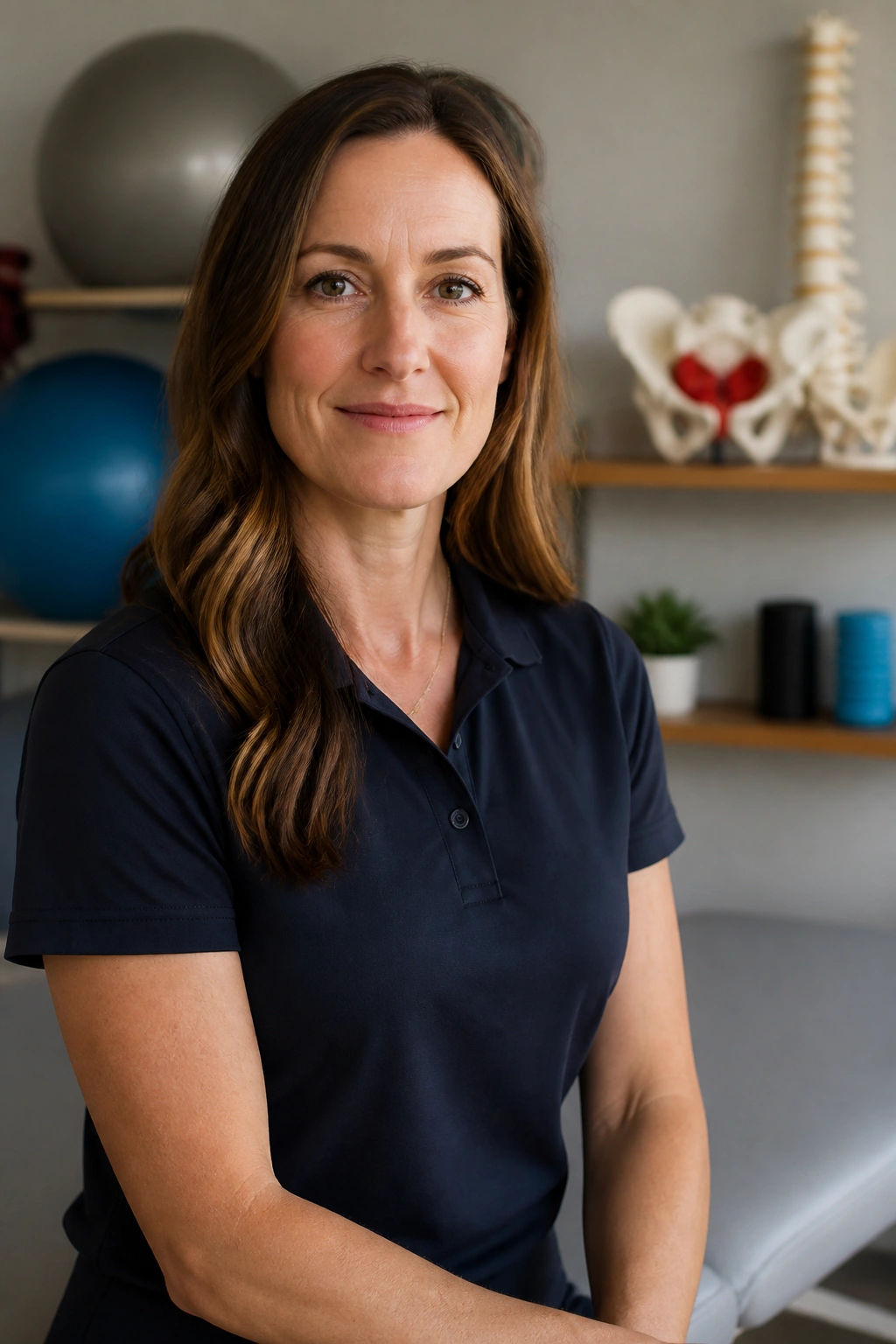
If you have leakage, heaviness, pain with sex, constipation, or a feeling that your pelvic floor is simply not right, guessing gets old fast.
A pelvic floor physical therapist can check far more than whether you can do a Kegel. They look at how you breathe, how you bear down on the toilet, how you stand up from the couch, how a scar moves, and whether your muscles are weak, tight, overactive, or a mix of all three. That mix is common. People assume postpartum muscles only need strengthening. Sometimes they need to relax first.
What they often assess
- Pelvic pressure or prolapse symptoms.
- Abdominal separation and pressure management.
- Scar tissue from tearing or a C-section.
- Constipation, straining, and bowel habits.
- Pain with movement, sex, or exercise.
You do not need to wait until things are awful. If your body feels off and you keep talking yourself out of it, book the appointment. A good assessment can save months of random trial and error.
9. Care for Scars and Tender Tissue
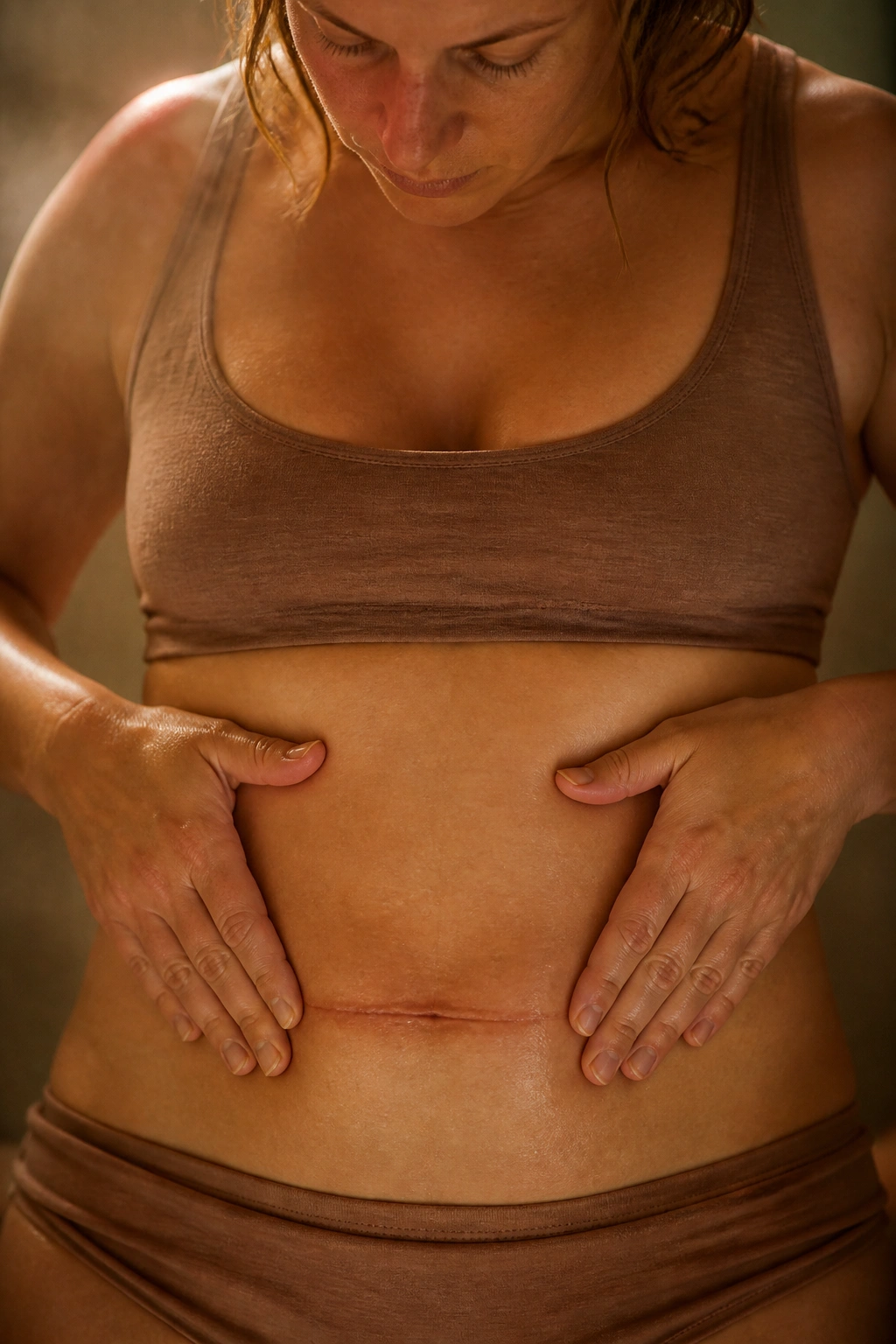
A scar that looks healed can still feel stiff, numb, zappy, or oddly tender.
That’s normal. Tissue doesn’t wake up on a perfect schedule. A C-section scar may feel tight when you stand up straight, when you reach overhead, or when the baby arches in your arms and you instinctively brace. Perineal stitches can create a whole different kind of tension. Either way, gentle tissue care can help once your clinician clears you and the skin is fully closed.
A simple scar routine
- Wash your hands.
- Use clean fingers and gentle pressure.
- Move the skin in tiny circles, side to side, and up and down.
- Spend 2 to 5 minutes on the area after a warm shower.
Do not push through sharp pain. Do not massage an open incision. Do not assume numbness means nothing is happening. Scars can also affect how your ribs, hips, and abs move, which is why they deserve attention instead of being ignored for a year.
10. Guard Sleep Like It Matters

Sleep loss changes everything.
It makes a minor ache feel huge. It makes a manageable day feel impossible. It makes food choices worse and patience shorter. So yes, the advice to rest is annoyingly basic, but it’s basic because it matters. If someone offers a nap, take the nap. If someone offers to fold laundry, let them fold the laundry.
The old line about sleeping when the baby sleeps gets mocked because it sounds neat and unrealistic. Fair enough. Use the better version: sleep when you can, not when your house is spotless.
Small things that help
- Stack one real nap into the day if you can.
- Split nights with a partner or helper when possible.
- Keep water, snacks, and diapers close to your bed or chair.
- Lower the bar for everything that does not keep a human alive.
If you get one deep sleep block and one half-decent nap, that’s a win. You do not need perfect sleep hygiene. You need enough rest to think straight and heal without feeling wrung out.
11. Treat Mood Swings, Anxiety, and Rage as Health Clues

Why does a tiny problem suddenly feel enormous?
Because postpartum mood shifts are real, and they can hit harder than people expect. Some days feel flat. Some feel tearful. Some bring anxious looping thoughts that will not shut up. Other days, the emotion is anger, not sadness, and that can surprise people the most. None of this makes you weak or dramatic.
Watch for symptoms that stick around or get heavier: persistent sadness, panic, obsessive checking, racing thoughts, dread, trouble sleeping even when the baby is asleep, or feeling detached from the baby or from yourself. Intrusive thoughts can happen too, and they’re scary. If they show up, tell someone.
- If symptoms feel intense or last longer than a couple of weeks, reach out.
- If you have thoughts of harming yourself or the baby, get urgent help right away.
- If you can’t function normally, that is a health issue, not a character flaw.
You deserve real support, not a shrug and a cup of tea.
12. Fix the Way You Lift, Carry, and Feed the Baby

A baby carrier, a car seat, and a laundry basket can do more damage than a dumbbell if you twist badly all day.
That’s why posture matters in the plain, unglamorous sense. Keep loads close to your body. Exhale as you stand. Avoid twisting under load. When you pick up the baby, bring the baby to you instead of folding yourself in half around the baby.
Feeding positions matter too. If you’re hunched over a pillow for 40 minutes, your neck and ribs will complain. Raise the baby to chest height, stack pillows under your elbows, and keep one foot on the floor if that helps you stay centered.
Small fixes that save your back
- Hold the car seat with both hands and keep it close.
- Use a changing table or raised surface when possible.
- Switch sides during feeding and carrying.
- Set up little stations so you are not bending to the floor all day.
Your body is doing enough. No need to ask it to become a folding chair too.
13. Return to Exercise in Stages
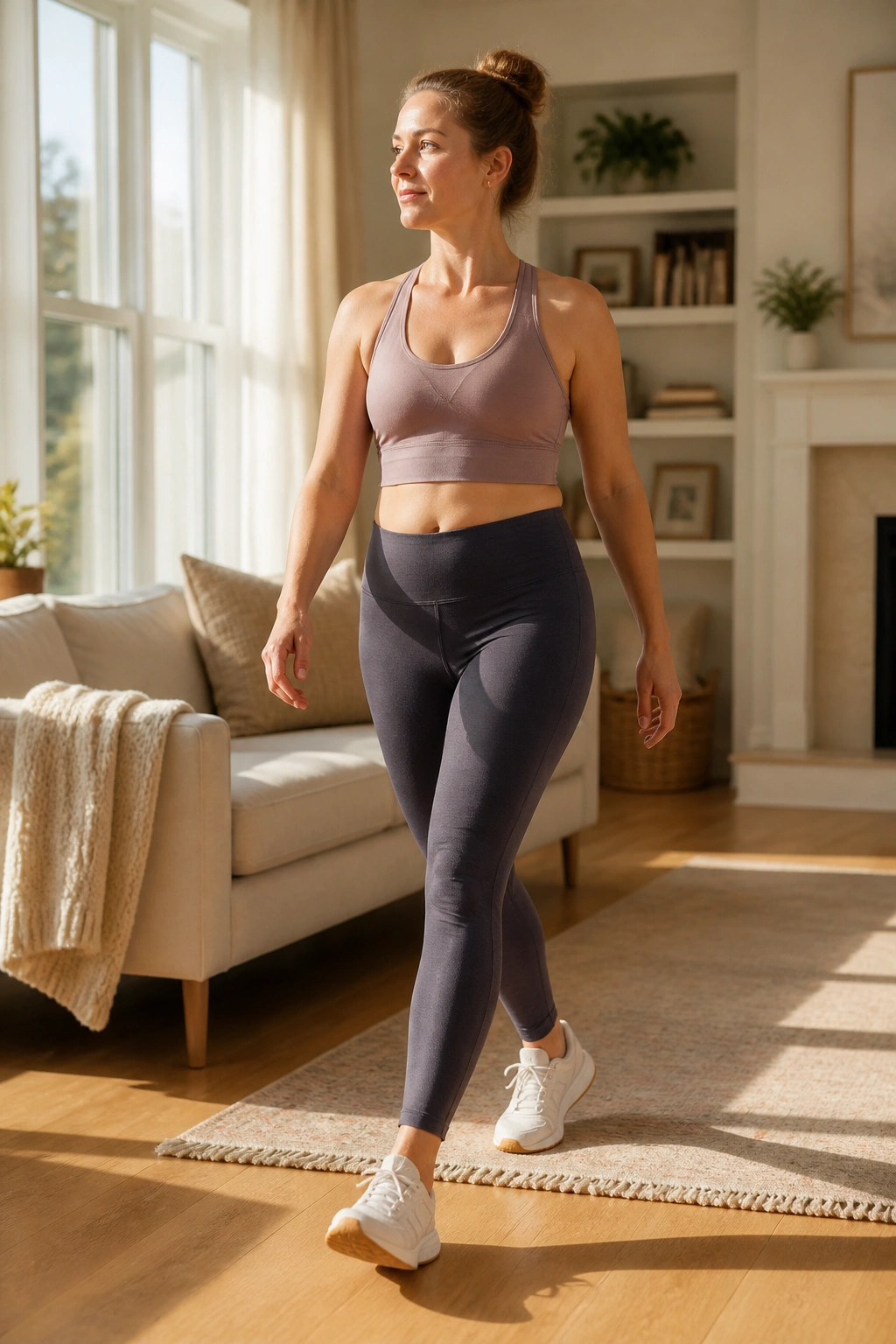
Jumping from stroller walks to burpees is a good way to make your pelvic floor hate you.
A cleaner return looks staged. Phase one is basic movement: breathing, walking, core connection, sleep, and tissue healing. Phase two adds light strength work and a little more load. Phase three brings in impact only if your body keeps giving you calm signals. Not because a calendar says you should. Because your body earned it.
A simple return sequence
Stage 1: Rebuild the base
Gentle walks, breathing drills, heel slides, supported bridges, and basic mobility.
Stage 2: Add strength
Goblet squats, rows, wall push-ups, split squats, and carries with light dumbbells.
Stage 3: Test impact
Small hops, short jog intervals, or low-volume plyometrics only if there’s no leakage, heaviness, or bleeding change.
If symptoms spike, you back up a stage. That is not failure. That is good coaching.
14. Choose Strength Moves That Make You Feel Solid Again
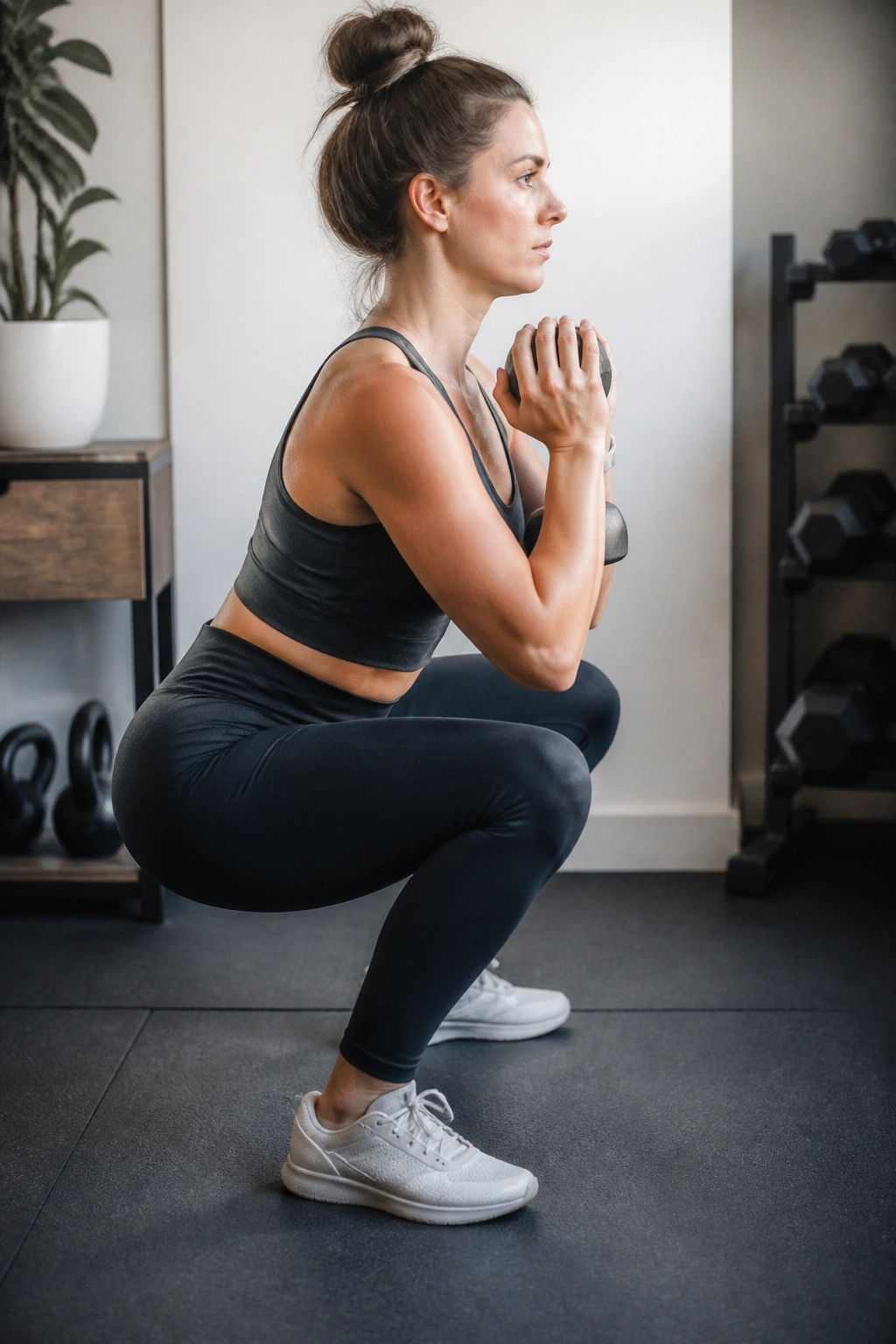
Strength training is useful postpartum because it teaches your body to produce force without panicking.
I like simple lifts that let you stay organized: goblet squats, Romanian deadlifts with light dumbbells, split squats, seated rows, wall or incline push-ups, glute bridges, and farmer carries. You do not need a circus of exercises. You need movements you can repeat with good form and enough control to keep your breath steady.
A decent starting dose might be 2 sets of 8 to 12 reps with a weight that feels like you could do 2 or 3 more reps if you had to. Rest 60 to 90 seconds. If you’re shaking and holding your breath, the load is too much right now.
- Keep feet planted.
- Move through a range you can own.
- Stop before form falls apart.
- Build slowly, not heroically.
And please, skip the ego. No one wins a prize for rushing back to the heaviest dumbbells in the room.
15. Give Tight Hips, Neck, and Upper Back Some Mobility

Feeding a baby can turn your chest into a locked door.
The body likes to collect stiffness in predictable places after birth: upper back, neck, hips, hip flexors, and the little muscles around the rib cage. Mobility work won’t fix everything, but it can make breathing easier, lifting smoother, and sleep a little less miserable.
A small, sane mobility menu
- Cat-cow for 5 to 8 slow breaths.
- Open-book thoracic rotations on each side.
- Half-kneeling hip flexor stretch for 30 to 45 seconds.
- Doorway chest stretch, gentle only.
- Ankle rocks if your calves and feet feel stuck.
Don’t turn stretching into punishment. If a stretch makes you brace harder or feel pelvic pressure, back off. You want the kind of mobility that leaves you looser, not the kind that makes your body clamp down in protest.
16. Ease Back Into Intimacy Only When It Feels Comfortable

Painful sex is not something to grin through.
After birth, vaginal dryness, scar tenderness, and pelvic floor tension can all make intimacy feel weird or painful. A C-section does not avoid this either, because abdominal pain, fatigue, and overall sensitivity can still get in the way. The fix is usually patience, communication, and sometimes a little outside help.
Use more time, more lubrication, and less pressure. If penetration hurts, stop. If the area feels dry or irritated, that’s a clue, not a personality flaw. If the thought of sex makes you tense up before anything even happens, start with touch, massage, or just being close without a goal.
You do not owe anyone a fast return to anything. If pain keeps showing up, bring it to a clinician or pelvic floor therapist. That conversation is more useful than pretending everything is fine.
17. Keep Medical Follow-Ups and Red Flags on Your Radar

Some symptoms are not part of normal recovery.
Heavy bleeding that soaks a pad in an hour, large clots, fever, foul-smelling discharge, chest pain, shortness of breath, one-sided calf swelling, a worsening incision, severe headaches, or vision changes all deserve prompt medical attention. So does pain that keeps getting worse instead of better. So does a bulge or heavy pelvic pressure that doesn’t settle.
Bring your questions to follow-ups, even the awkward ones. Ask about leakage, constipation, pain with sex, incision numbness, headaches, or a feeling that your organs are sitting lower than they should. Write symptoms down if that makes the appointment easier.
A quick red-flag checklist
- Fever or chills.
- Soaking through pads fast.
- Foul-smelling discharge.
- One-sided leg swelling or pain.
- Chest pain or trouble breathing.
- Severe mood symptoms or scary thoughts.
A lot of people try to “wait and see” longer than they should. I’m not a fan of that. If something feels off, ask. That’s what follow-up care is for.
18. Build a Tiny Weekly Baseline and Protect It

The best recovery plan is the one you can repeat on a day that goes sideways.
Forget perfect streaks. Pick a baseline that survives real life: two short walks, two strength sessions, daily breathing, and one longer rest block. That may sound small. It isn’t. Small is what lets you keep going when sleep is ugly and the baby decides naps are offensive.
A simple weekly baseline might look like this:
- 3 to 4 five-minute breathing sessions
- 2 to 3 walks of 10 to 20 minutes
- 2 strength sessions of 20 to 30 minutes
- 1 mobility reset when your neck and hips feel tight
If a week collapses, restart without punishment. If you only do 10 minutes, count it. If you do more, great. The point is to make recovery ordinary enough that it actually happens, because that’s what carries you through the first year: not dramatic comebacks, just steady proof that your body can keep adapting.
Final Thoughts

Your body does not need to “bounce back.” It needs room, fuel, sleep, attention, and a plan that respects the fact that birth changed the job for a while.
The strongest postpartum recovery is usually the least flashy one. It looks like walking a little, eating enough, breathing on purpose, and saying no to exercises that punish pressure before the tissues are ready. Not glamorous. Very effective.
If you keep one idea from these post baby recovery tips, make it this: listen for the day-after response. That’s where the truth lives.
