



Most leg days are too quad-heavy and not nearly glute-heavy enough. You see it all the time: people squat, press, and lunge their way through a session, then wonder why their glutes never seem to get the memo. The fix is not more random volume. It’s choosing glute focused leg workouts for women that actually put the hips, not just the knees, to work.
The glutes are not one muscle with one job, either. The glute max drives hip extension, the glute med helps keep the pelvis steady, and the glute min works quietly in the background when you’re doing single-leg work or side-to-side moves. If you want shape, strength, and better lower-body balance, you need all three doing their share.
Heavy hip thrusts matter. So do split squats, step-ups, hinges, lunges, and lateral work. I like workouts that feel honest: easy to load, hard to fake, and specific enough that you can tell whether they’re working by the third set. That’s where the real progress happens.
1. Barbell Hip Thrusts and Front-Foot Elevated Split Squats
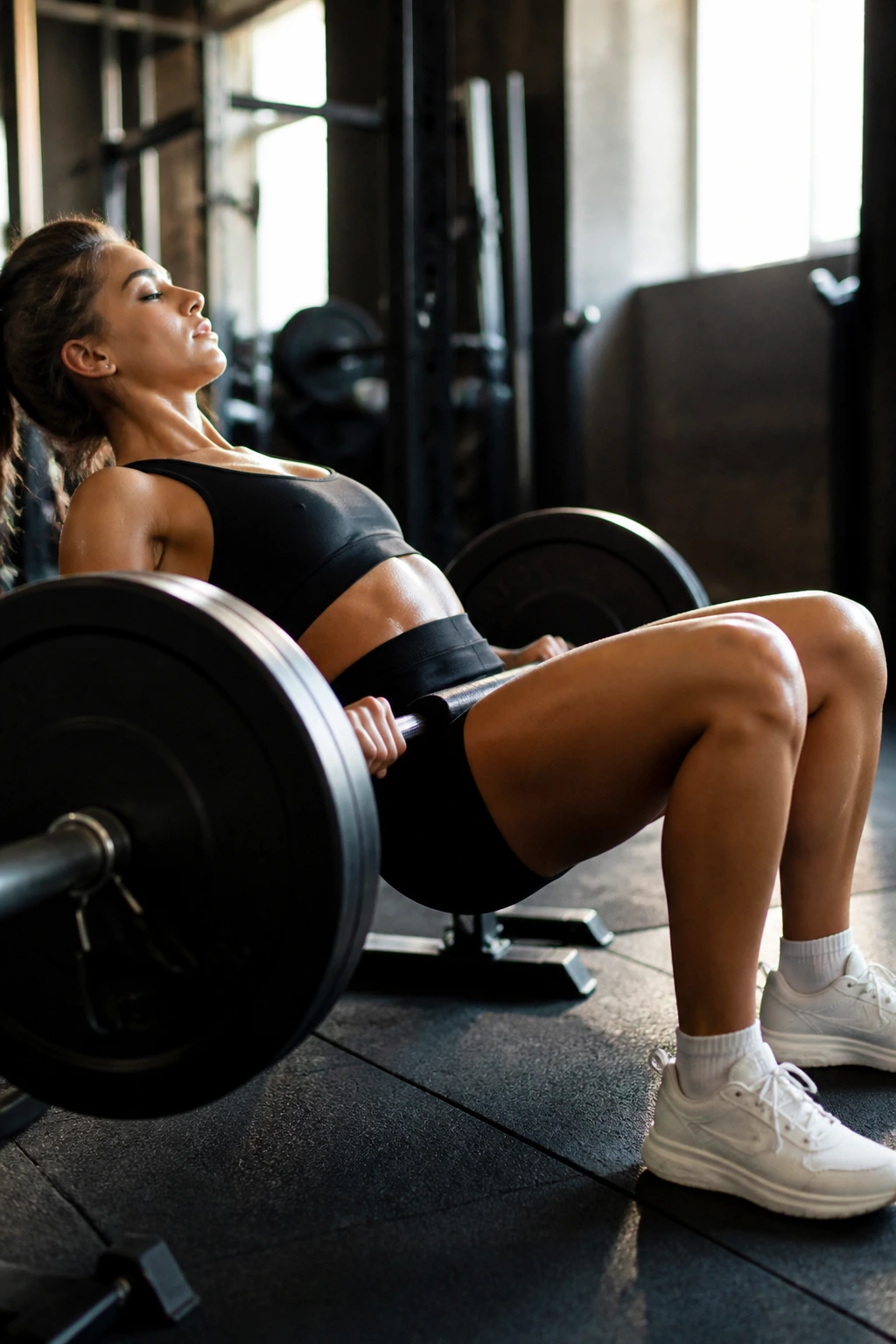
This is the kind of workout that leaves no doubt about where the work went. The barbell hip thrust loads the glute max in a short range where you can really squeeze, while the front-foot elevated split squat puts the front leg in a deeper hip angle and asks the glute to stabilize hard.
How to Run It
- 4 sets of 6 to 8 barbell hip thrusts
- 3 sets of 8 to 10 front-foot elevated split squats per side
- Rest 90 seconds between thrust sets and 60 to 75 seconds between split squats
- Use a 2-second hold at the top of each thrust
Keep your ribs down on the thrust. If you arch your lower back to get higher, the set is over before it starts. On the split squat, a small forward torso lean is fine; it helps keep the load on the glute instead of dumping everything into the front knee.
Best for: lifters who want a heavier glute day and can handle a barbell setup.
2. Romanian Deadlifts and Dumbbell Glute Bridges
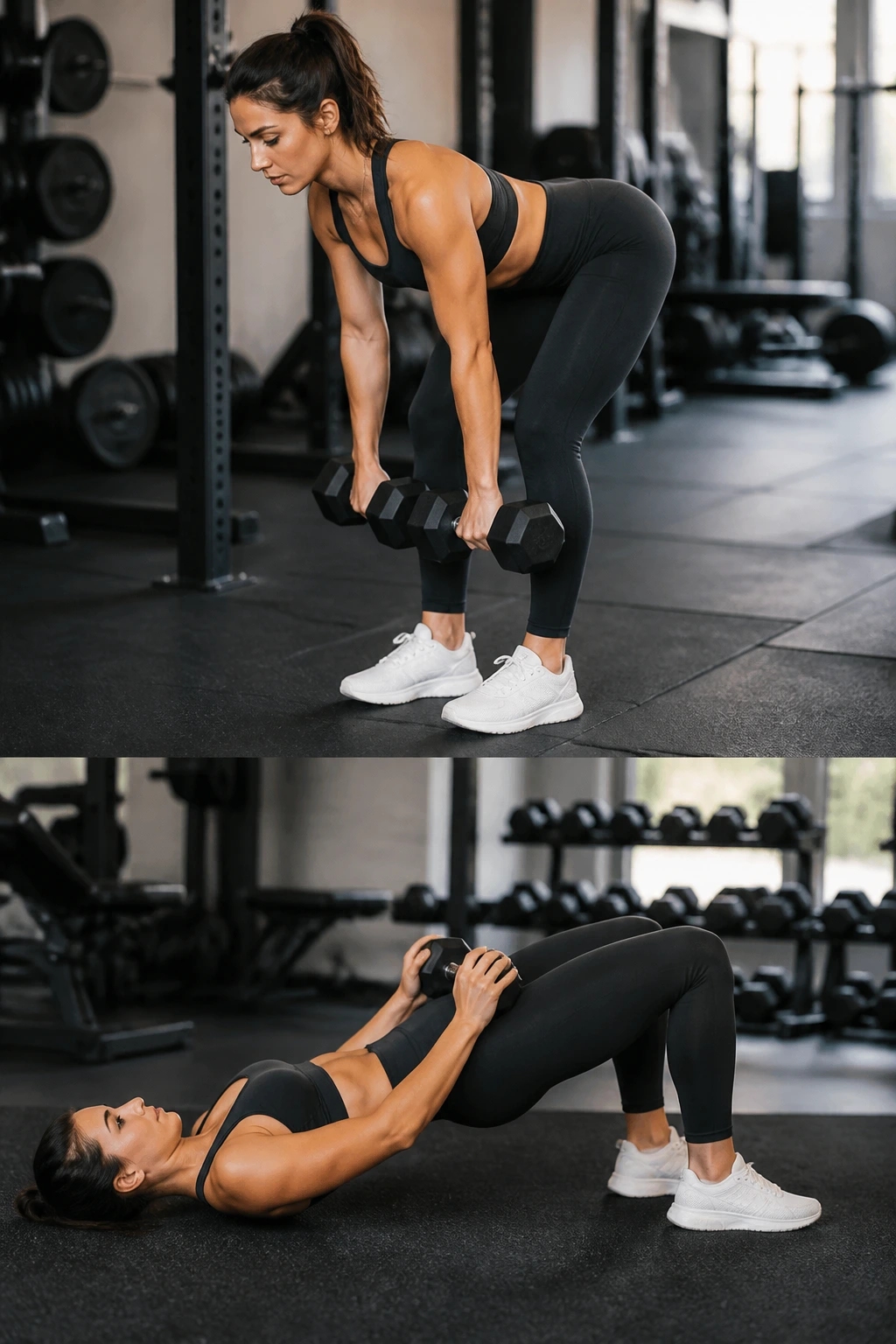
A hinge plus a bridge is one of my favorite pairings because it covers two different jobs. The Romanian deadlift loads the glutes and hamstrings through a long stretch, and the dumbbell glute bridge finishes the job with a hard squeeze when the hips are already a little tired.
Do the RDL first. Three or 4 sets of 8 to 10 reps is enough if your form stays clean. Keep the dumbbells or bar close to your thighs, soften the knees, and stop the hinge when your back starts wanting to round. Then move to 3 sets of 12 to 15 dumbbell glute bridges with a 1-second pause at the top.
This one feels smooth when you get it right. It feels ugly when you don’t. Heavy but sloppy is just a faster way to irritate your lower back.
3. Bulgarian Split Squats with a Glute Bias
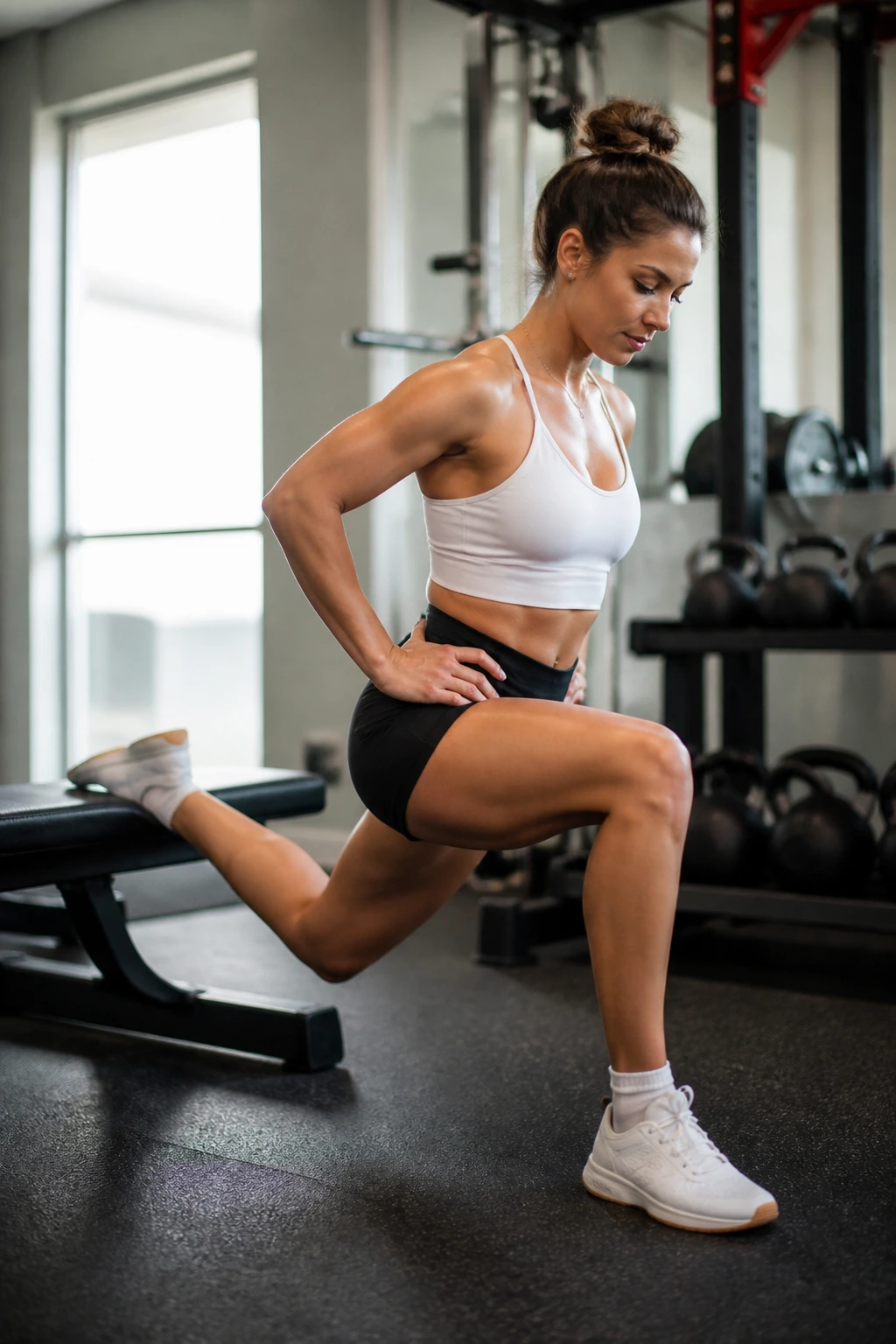
Why do so many good lower-body programs keep coming back to Bulgarian split squats? Because they expose weak links fast. One side has to work, balance has to hold, and there’s nowhere to hide if your setup is off.
What Makes the Glute Bias Work
Put the front foot a little farther forward than you would for a quad-dominant split squat. Keep the torso slightly inclined and think about sitting down and back, not straight down. That small shift changes the angle at the hip and puts more of the load into the glute of the front leg.
- 3 to 4 sets of 8 to 12 reps per side
- Lower for 2 to 3 seconds
- Stop 1 rep before your balance turns sloppy
- Use dumbbells only after your bodyweight reps feel steady
A lot of people rush these. Don’t. The slow descent is where the work happens.
4. Step-Ups and Reverse Lunges
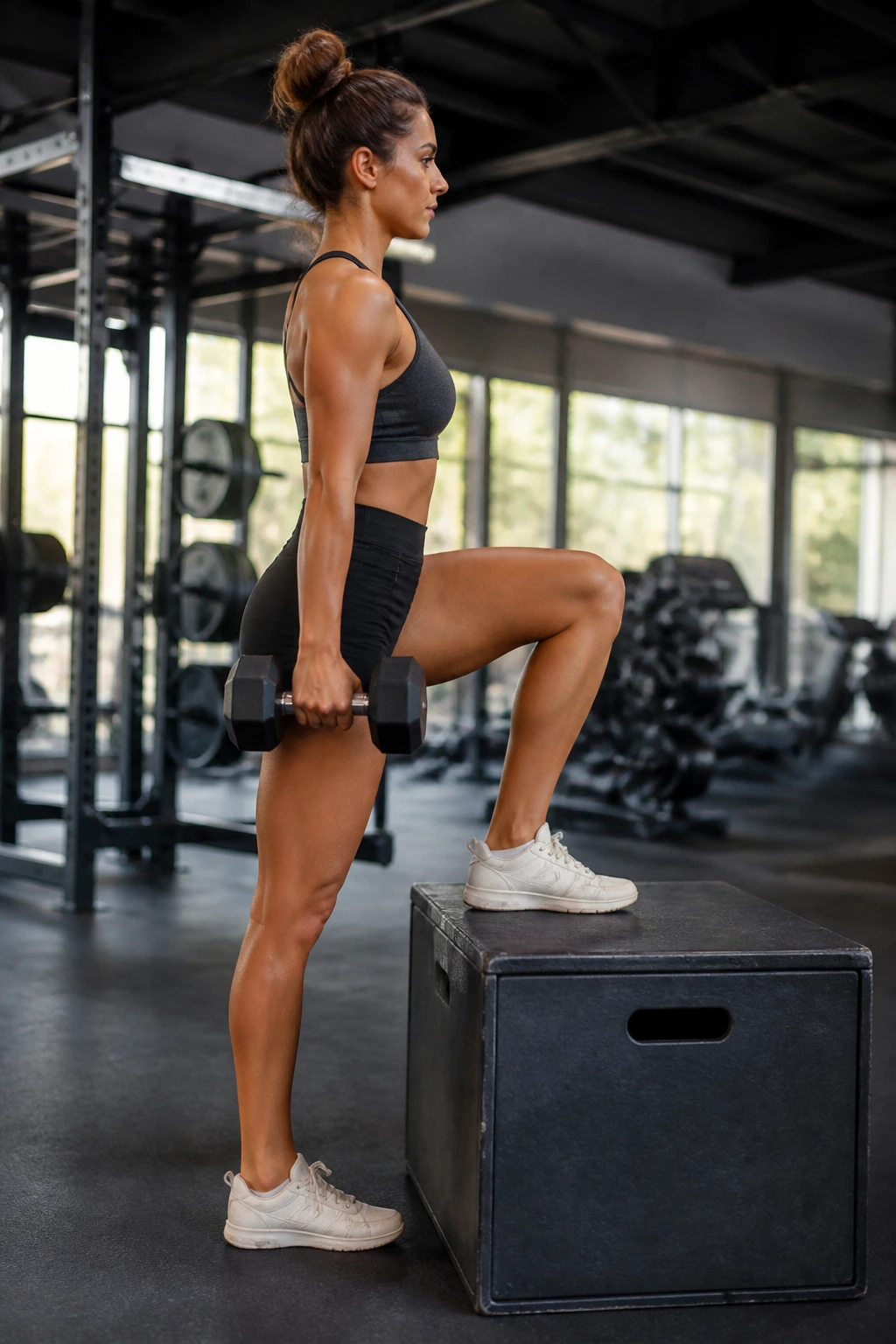
This combo feels simple, which is exactly why people underestimate it. Step-ups teach you to drive through one leg without bouncing off the back leg, and reverse lunges let the front glute take over in a way that forward lunges often don’t.
Picture a box or bench around knee height, maybe a little lower if you’re still learning. Drive up through the planted foot, stand tall at the top, then step down with control. After that, switch to reverse lunges and keep your front shin fairly vertical so the hip can do more of the work.
- 3 sets of 10 step-ups per side
- 3 sets of 8 to 10 reverse lunges per side
- Hold dumbbells only if you can keep the same tempo on every rep
No rush. The top of the box is not a place to jump.
5. Sumo Squats and Frog Pumps
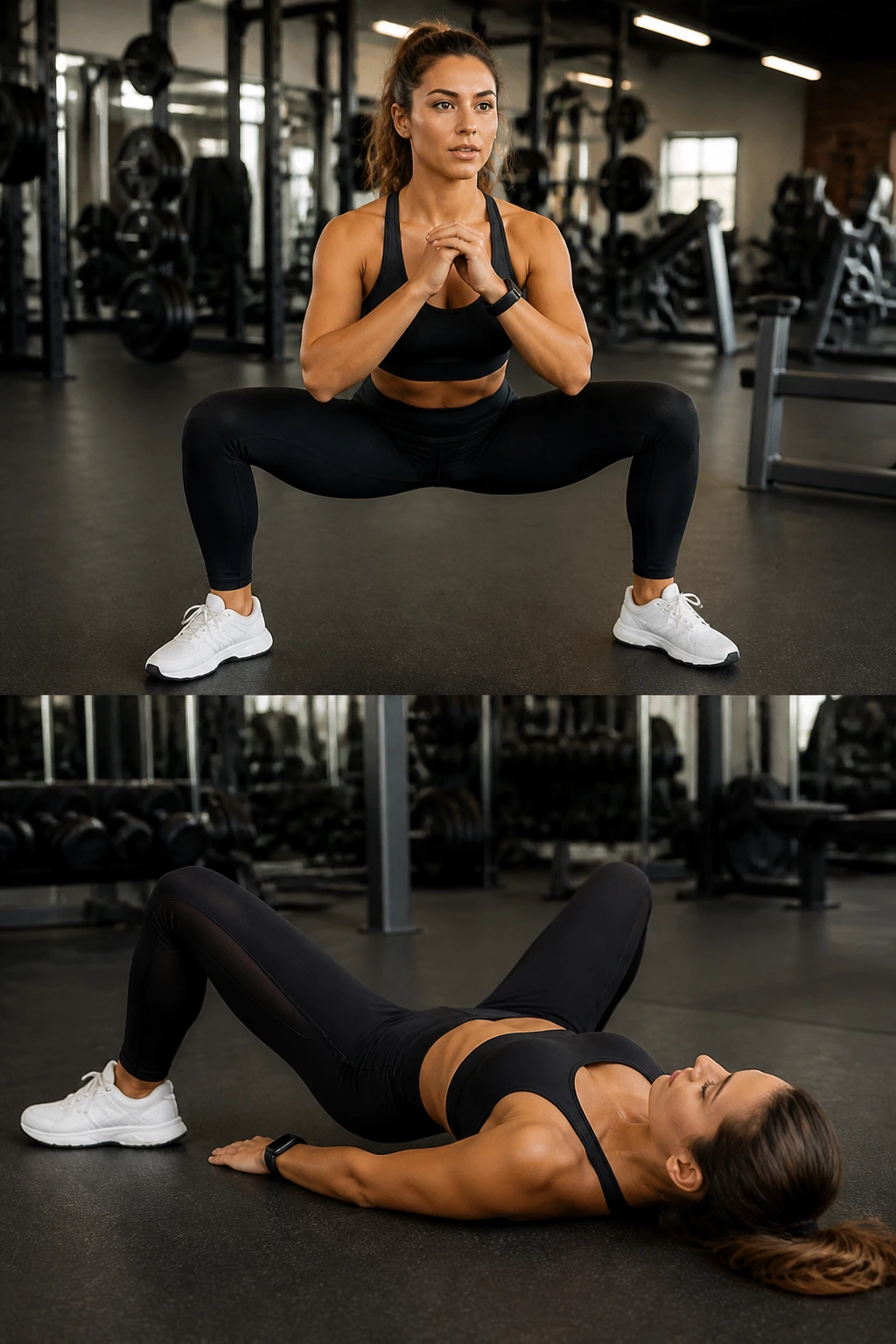
This is a blunt little workout. It starts with a wide stance that lets you sit into the hips, then ends with frog pumps, which are basically a high-rep glute squeeze that lights up the backside in a hurry.
Sumo squats are a good pick when you want the glutes and inner thighs to share the workload. Keep your feet wide, toes turned out a bit, and sit down between your hips instead of folding forward. Then go straight to frog pumps on the floor: soles of the feet together, knees out, short hip bridges for 20 to 30 reps.
That second move looks almost too easy. It isn’t.
Use 3 sets of 10 to 12 sumo squats and 3 sets of 20 to 30 frog pumps. If the squats feel too knee-forward, widen the stance a touch and slow the descent.
6. High-Foot Leg Press Glute Day
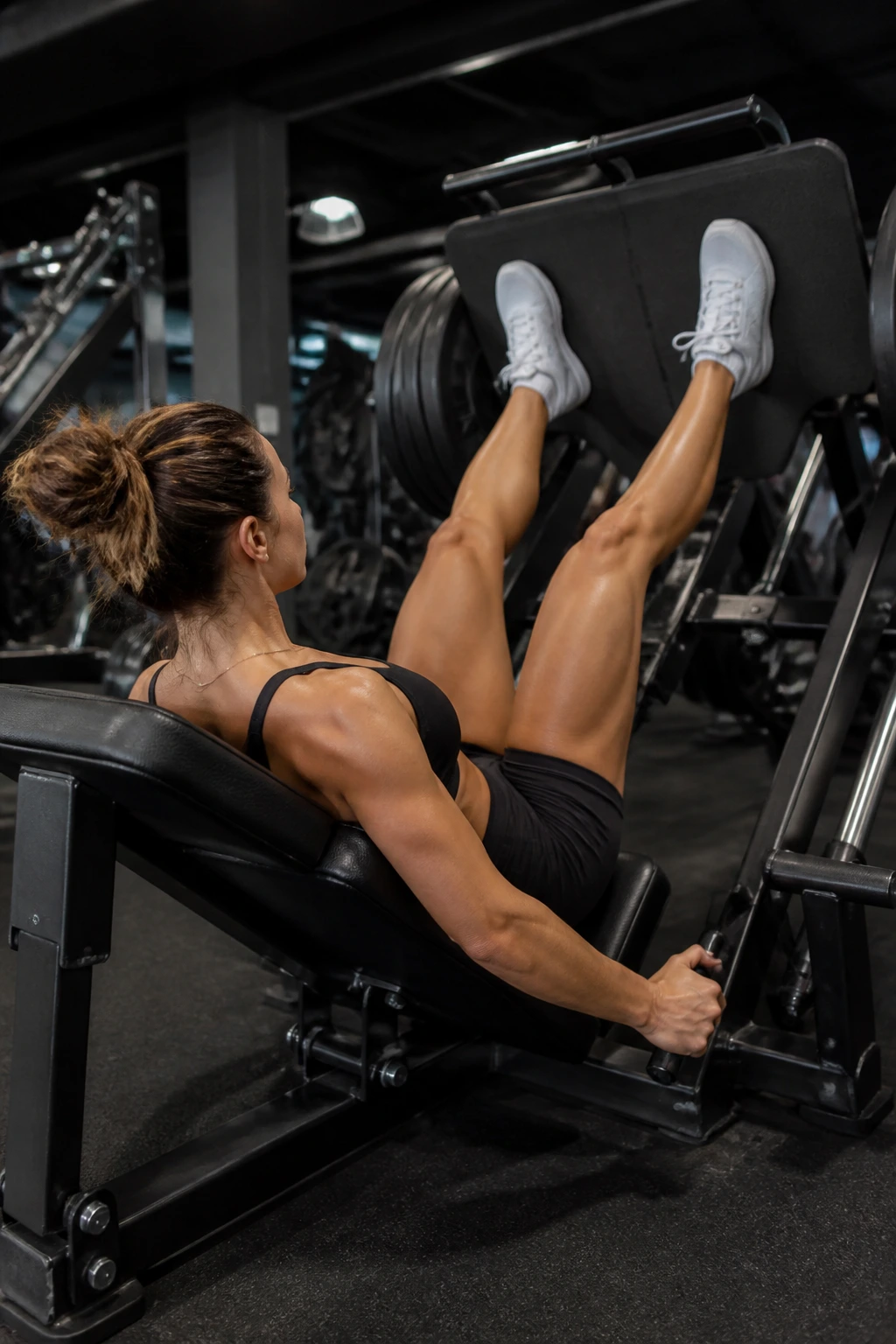
I like leg press work when the setup is honest. Put the feet too low and it turns into a quad party. Put them high and a little wide, and the hips have to fold enough that the glutes stay in the game.
This is one of the easiest ways to load the lower body hard without needing a ton of balance or spinal load. Set your feet high on the platform, push through the heels and midfoot, and lower until your hips stay tucked against the pad. If your pelvis starts peeling off the seat, the depth is too much or the load is too high.
Do 4 sets of 10 to 12 reps, then slow the last 3 reps of each set. Heavy leg press is fine here, but only if the range stays clean. Sloppy depth is not glute work. It’s cheating with extra steps.
7. Cable Pull-Throughs and Band Lateral Walks
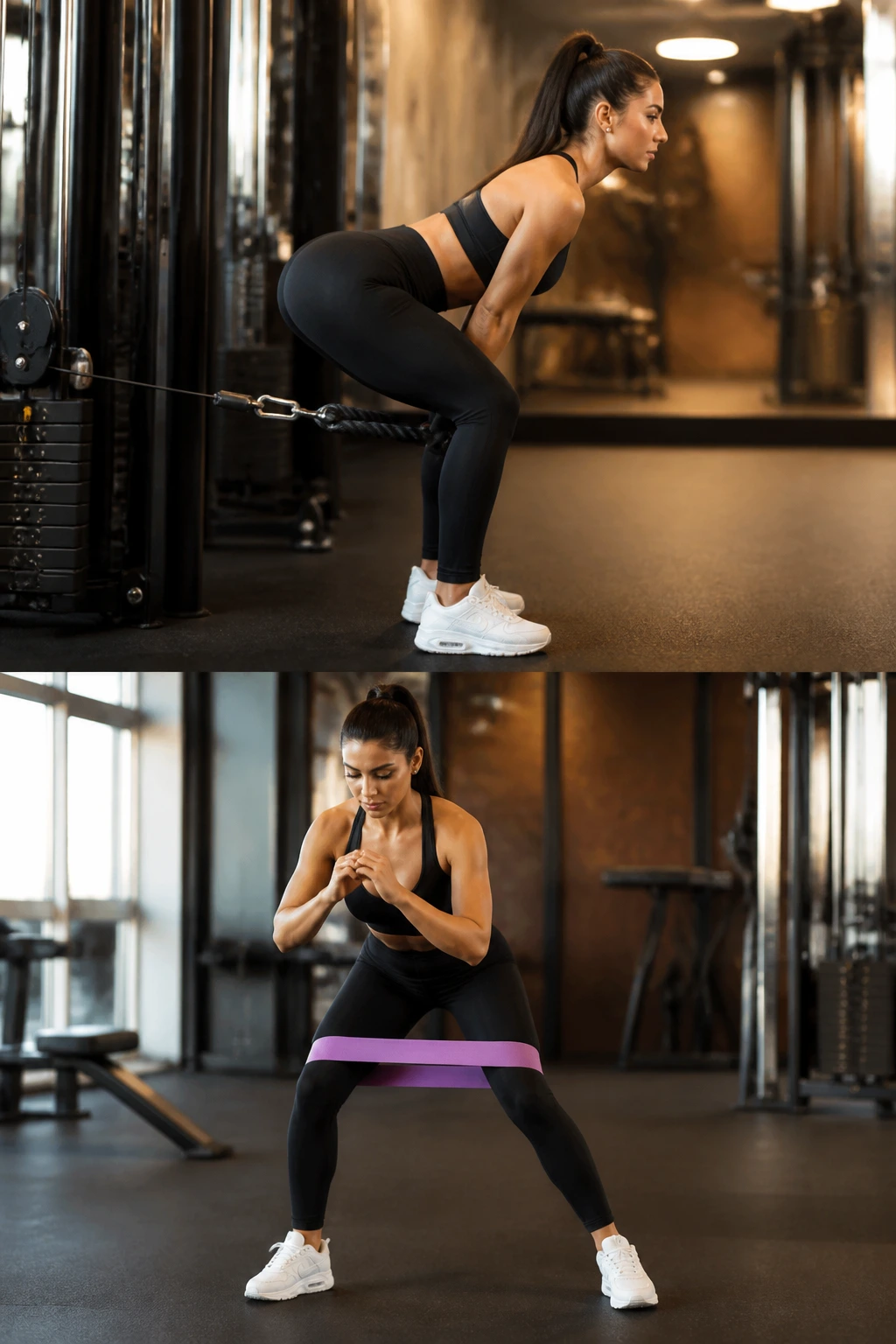
This is a sneaky good pair because it attacks the glutes from two angles. The pull-through loads hip extension, and the band walk wakes up the glute medius, which is the muscle that keeps your knees from collapsing inward when you get tired.
How I’d Use It
Start with 3 or 4 sets of 12 to 15 cable pull-throughs. Stand a few steps away from the cable stack, hinge back, and snap the hips forward without leaning into a low-back arch. Then take a mini band, place it around the ankles or just above the knees, and walk 10 to 15 steps each way for 3 rounds.
This one works well as a glute primer before a heavier lift, but it also stands on its own as a lighter day. You should feel the side of the hip working during the band walks. If you only feel your calves burning, the band is too low or your stance is too narrow.
8. Reverse Lunges and Single-Leg RDLs
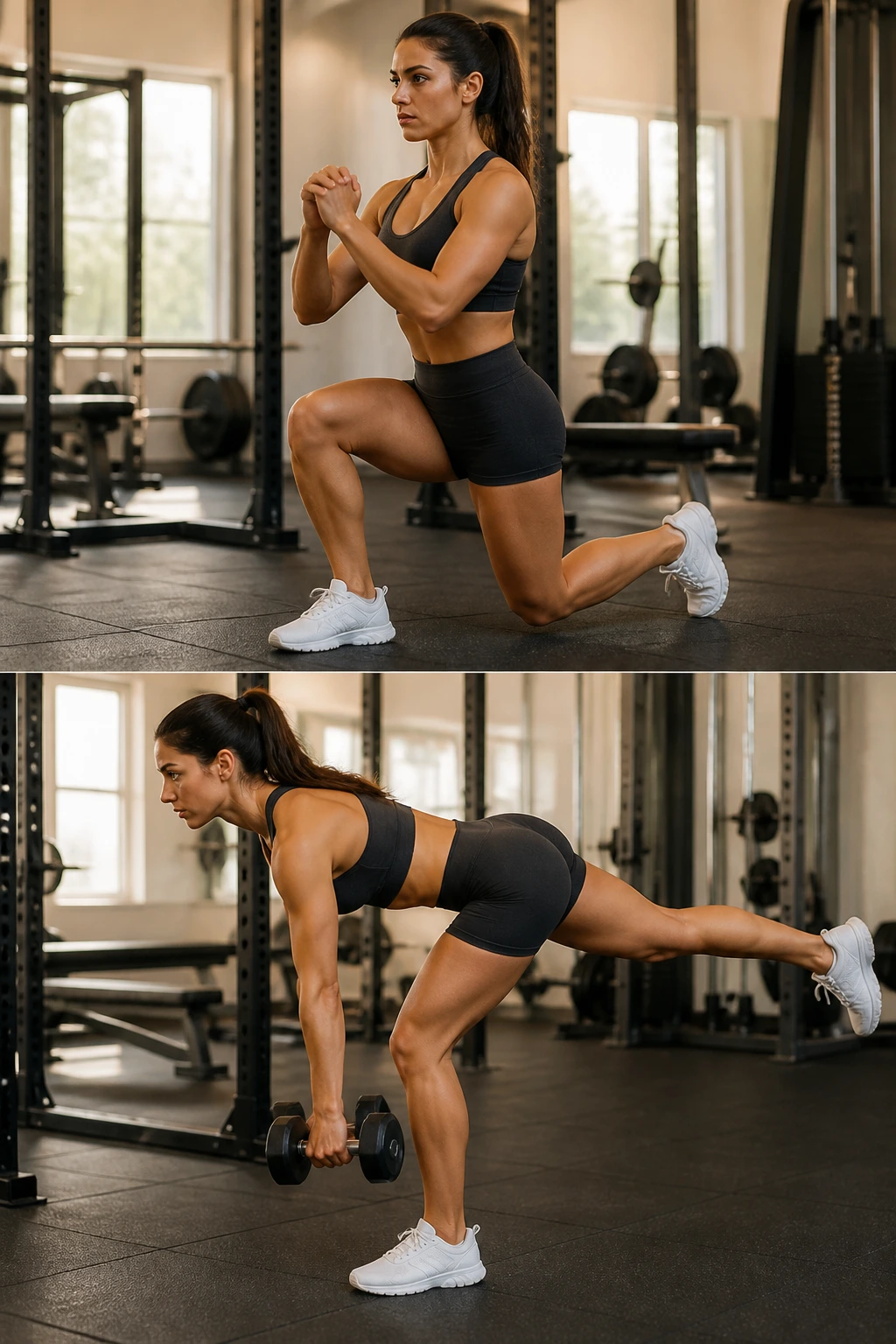
What if you want a workout that hits the glutes without the same squat pattern over and over? This is a strong answer. Reverse lunges cover knee flexion with less forward knee stress, and single-leg RDLs challenge the hip hinge, balance, and glute control on one side at a time.
Keep the reverse lunge controlled. Step back, lower with a slight forward lean, then drive up through the front heel. For the single-leg RDL, square your hips to the floor and let the back leg reach long behind you like a counterweight. That long reach is what helps the glute load.
How to Use It
- 3 sets of 8 to 10 reverse lunges per side
- 3 sets of 8 to 10 single-leg RDLs per side
- Rest 60 to 90 seconds between sets
If your standing foot starts wobbling on the RDL, shorten the range a little and own the position first.
9. Smith Machine Glute Squats
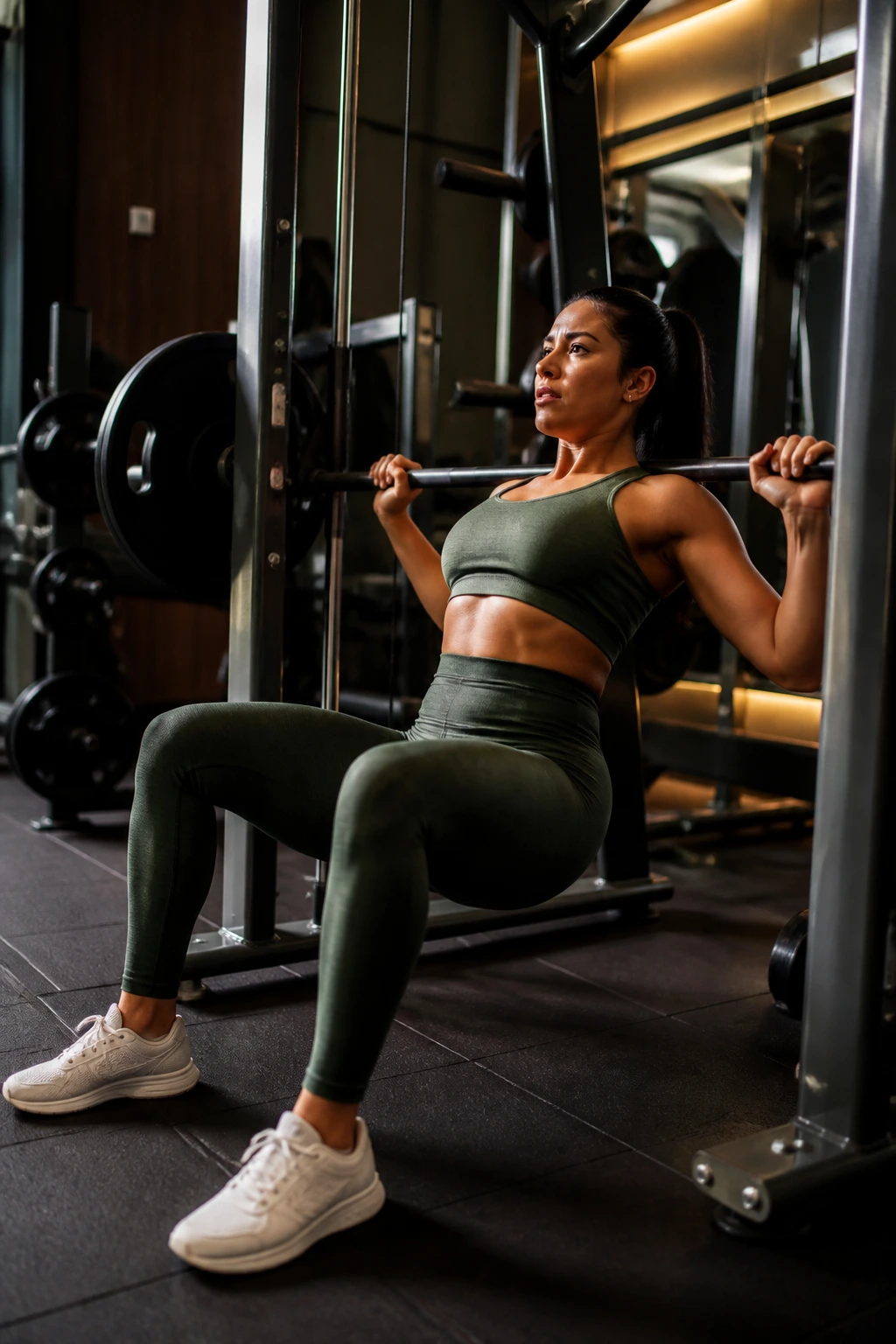
The Smith machine gets dismissed a lot, and I think that’s a mistake. Used well, it gives you a stable bar path so you can sit back, load the hips, and keep the focus on the glutes instead of fighting for balance.
The trick is foot placement. Step your feet a bit forward so the torso can lean naturally and the hips can travel behind you. That shifts the line of pull into the glutes more than a standard upright squat would. If your feet are too close under the bar, it turns into a knee-dominant squat fast.
Do 4 sets of 8 to 12 reps. Add a slow 3-second lower if you want more tension without loading the bar to the ceiling. Simple machine, tough set. That’s the sweet spot.
10. Curtsy Lunges and Hip Abduction
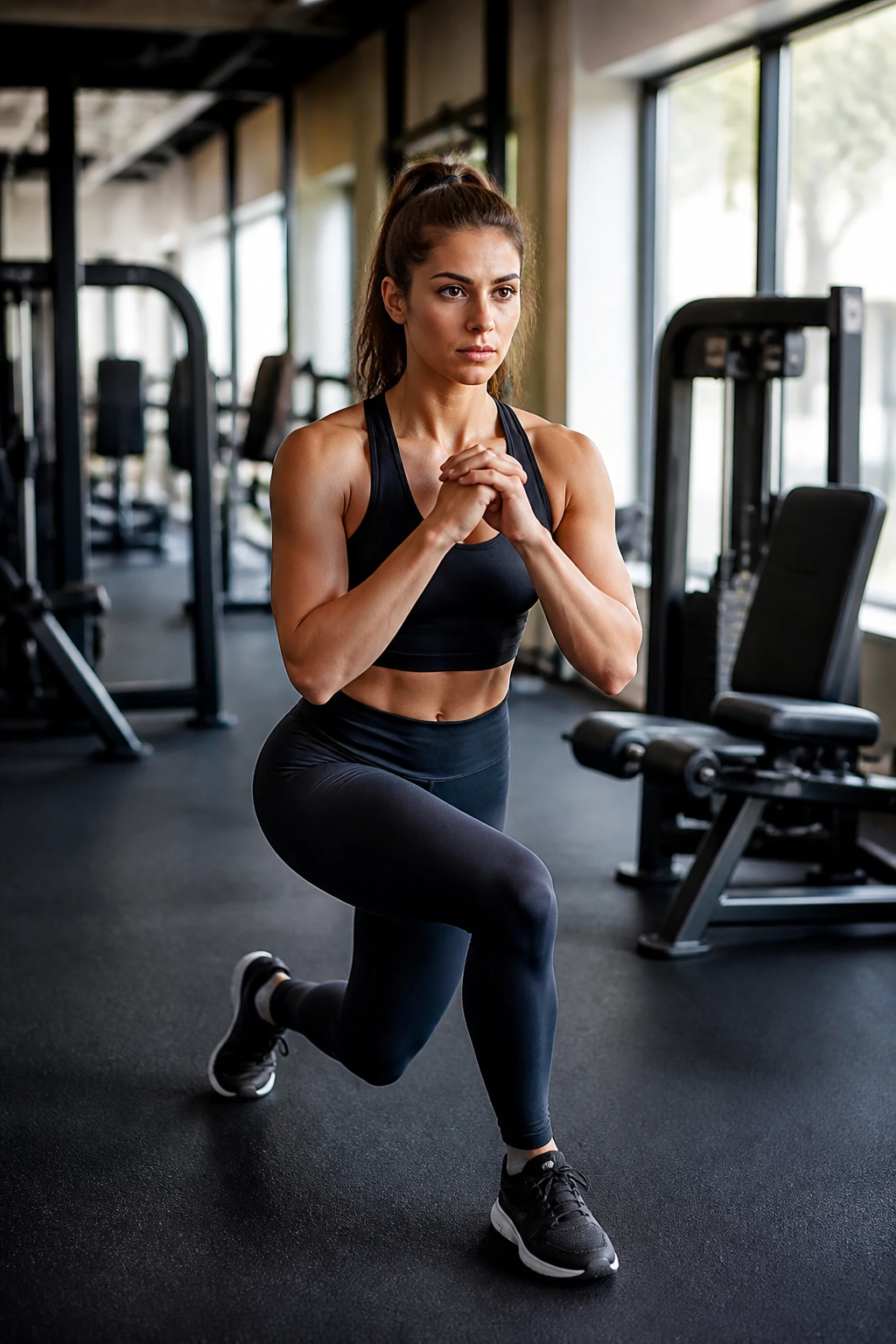
Curtsy lunges are not everybody’s favorite, and I get why. If your knees hate twisty positions, skip them. But when they feel fine, they can hit the side glute and outer hip in a way that a straight lunge won’t.
Step one leg back and across, keeping your chest tall and your weight controlled through the front foot. Then pair it with a hip abduction move — a machine, cable, or side-lying version — so the glute medius gets direct work instead of just helping in the background.
Use 3 sets of 10 curtsy lunges per side and 3 sets of 15 to 20 abductions. The abduction should feel like a steady burn on the side of the hip, not a swinging-leg contest. If you’re swinging, the stack is too heavy.
11. Single-Leg Hip Thrusts and Hamstring Curls
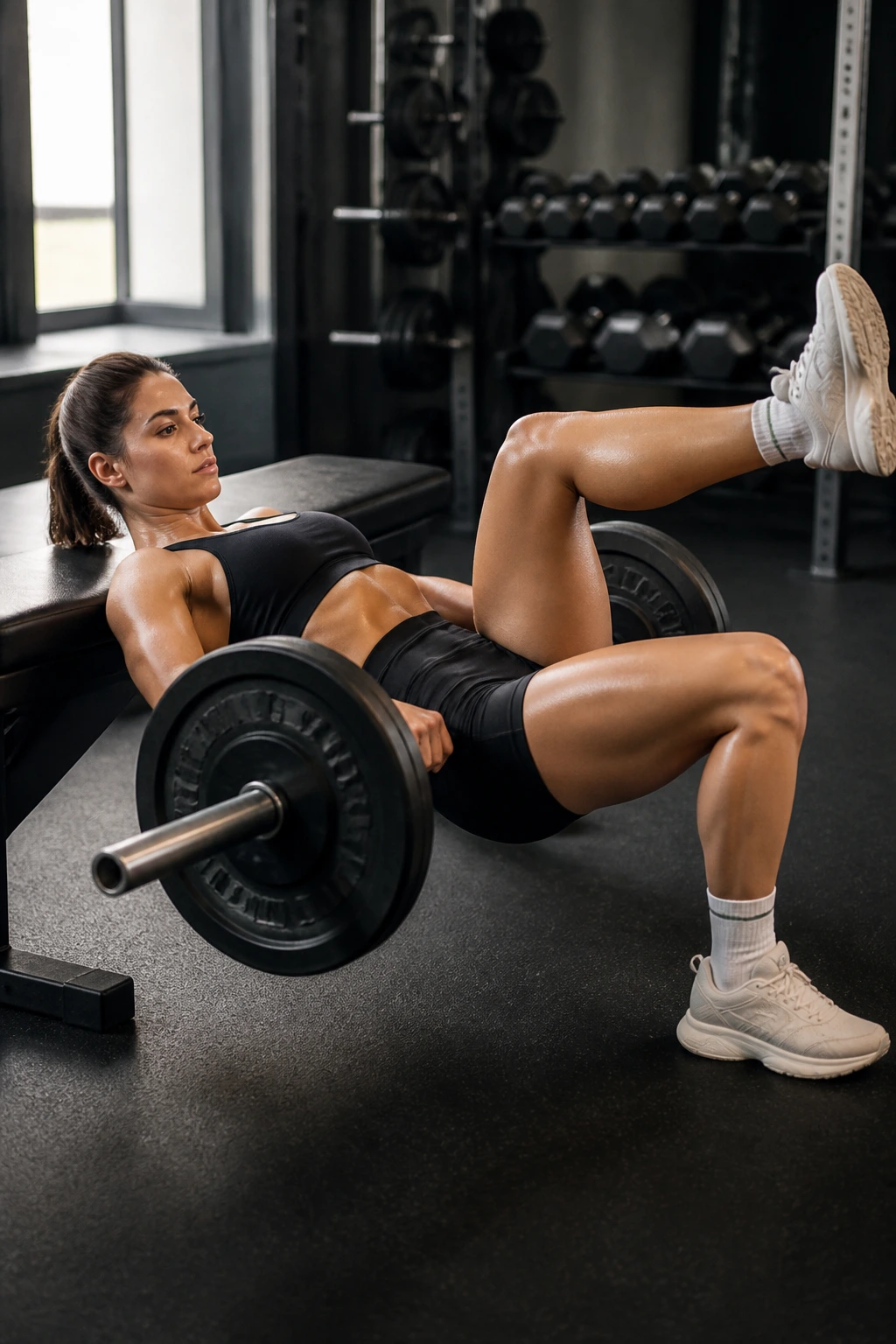
This is a clean pairing when you want one move that isolates the glute hard and one move that supports the back side of the leg. The single-leg hip thrust is awkward in the best way; it forces each side to carry its own weight, and the hamstring curl keeps the posterior chain honest.
Why It Works So Well
A single-leg bridge or thrust exposes side-to-side strength gaps fast. You’ll know within two reps if one hip is doing more of the work. That feedback is useful.
- 3 sets of 10 to 12 single-leg hip thrusts per side
- 3 sets of 12 to 15 hamstring curls
- Hold the top of each thrust for 1 second
- Keep the hips level instead of twisting open
If the single-leg version cramps your hamstring, move the foot a little farther from the body and make sure the shin is near vertical at the top. Cramping usually means the setup needs adjusting, not that the exercise is wrong.
12. Hack Squats with Feet High and Wide
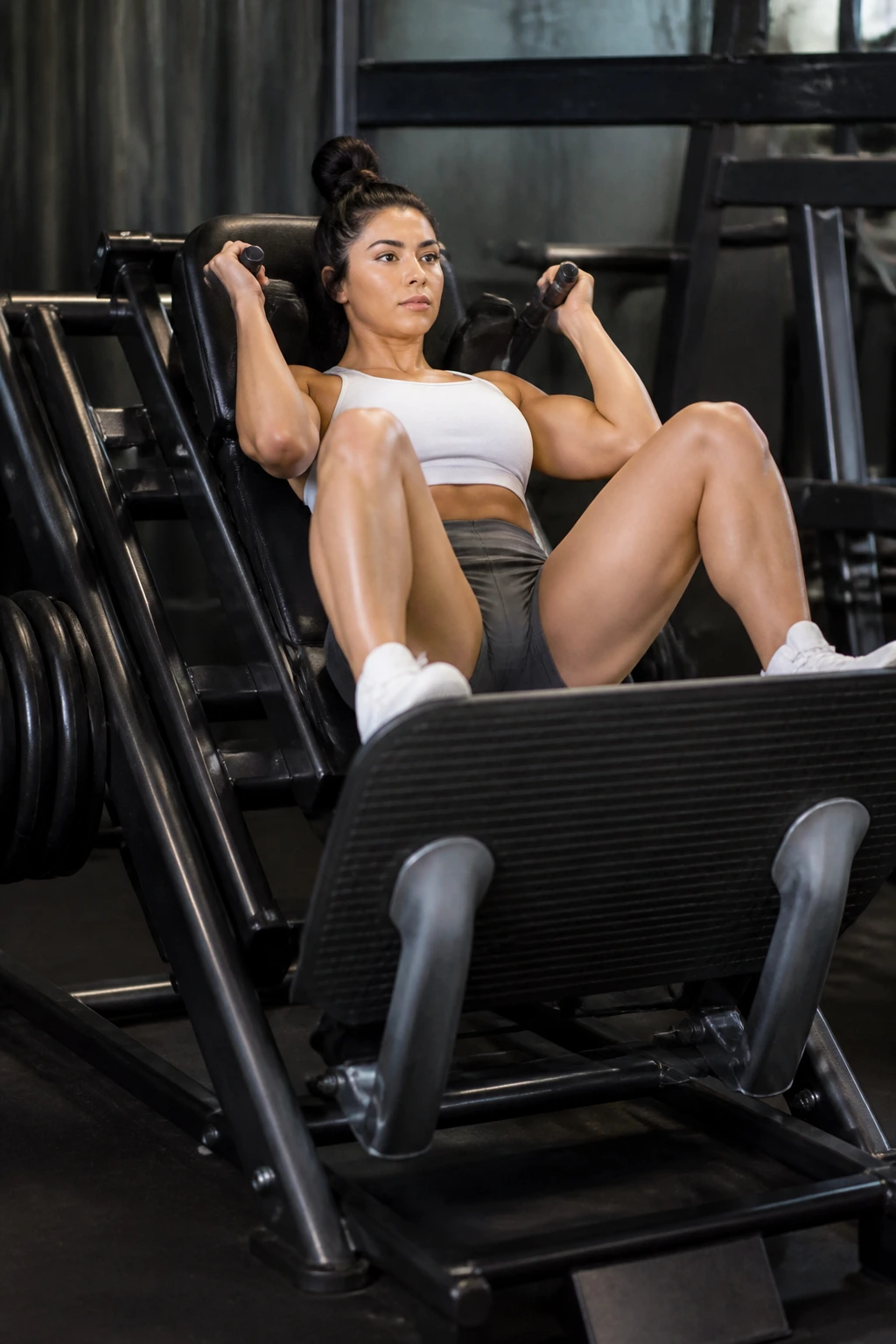
Hack squats can turn into quad work fast. Put the feet low on the platform and the knees will dominate the whole session. Put them higher and a touch wider, and the glutes get to share more of the load.
This one is a machine-day favorite because you can push hard without worrying about balance. Lower under control until your hips are as deep as they can go without the lower back peeling away from the pad. Then drive through the heels and midfoot. The bottom position should feel like a deep hip bend, not a knee collapse.
Use 4 sets of 8 to 10 reps. If you want more glute tension, pause for 1 second at the bottom. That little pause kills the bounce, which is exactly why it works.
13. Walking Lunge Ladders
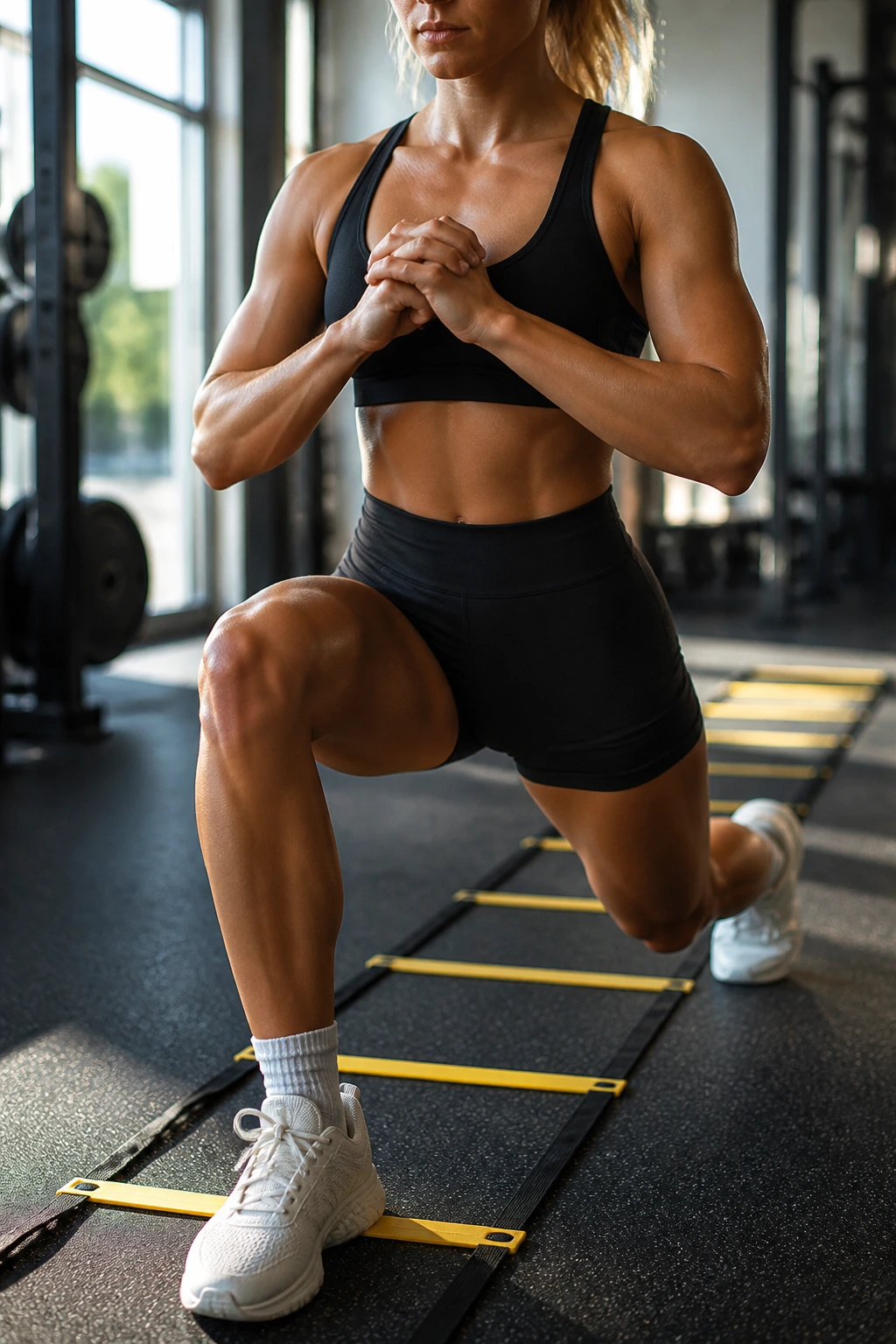
A walking lunge ladder looks harmless until the last few reps. Then the glutes start to complain, the legs get heavy, and every step feels like it takes more planning than it should.
The ladder format keeps the workout simple: 6 reps each leg, then 8 each, then 10 each, maybe up to 12 each if your form stays tidy. Use bodyweight or light dumbbells first. Walking lunges get sloppy fast when the stride is too short, so keep the steps long enough that the front hip has room to load.
Quick Rules
- Stay tall through the torso
- Let the back knee travel down softly
- Push through the front heel to stand
- Stop the set when your balance turns choppy
This is a better glute day than people think. It’s also a humbling one.
14. Deficit Split Squats
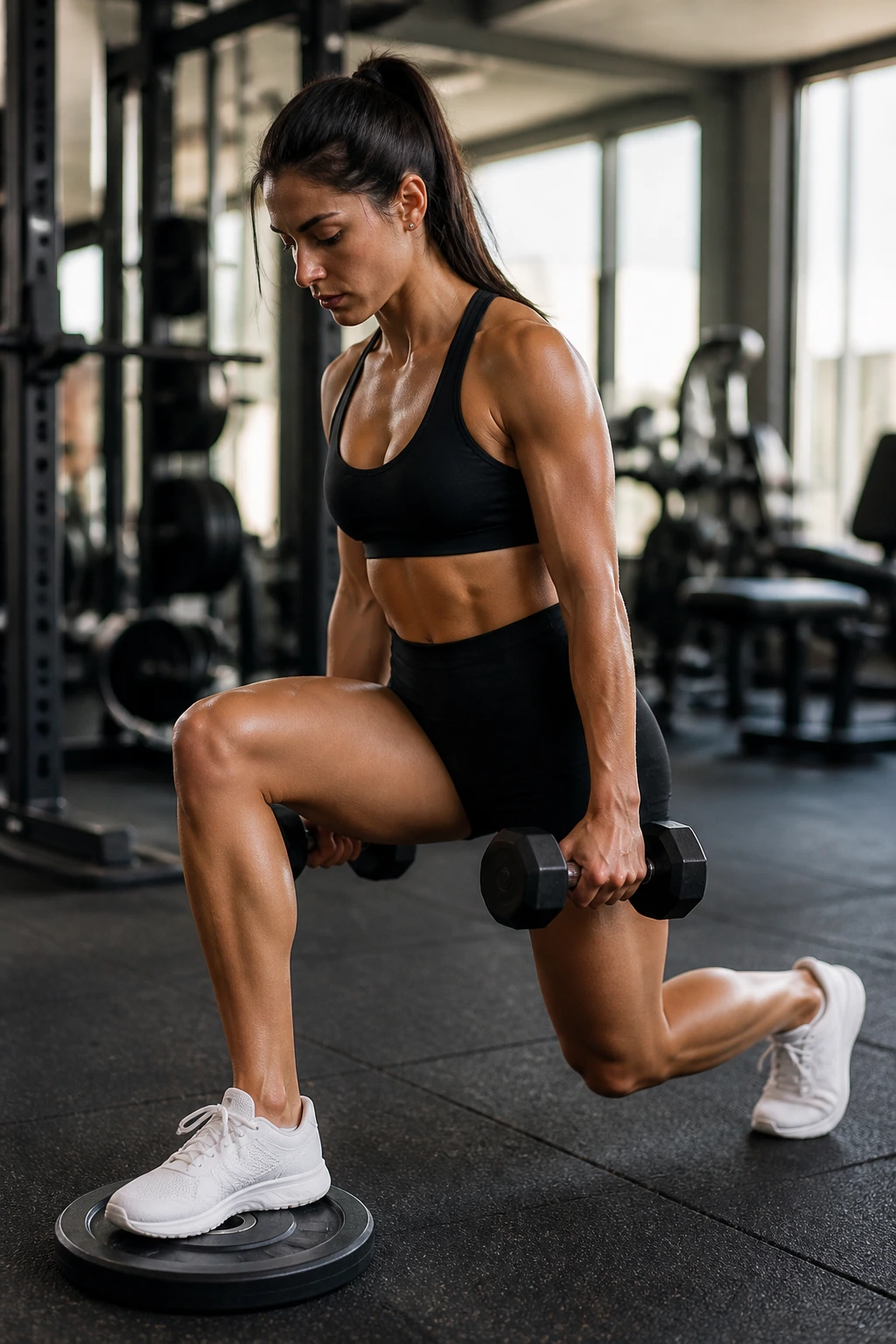
Put your front foot on a small plate, step, or low block, and you get more range of motion without needing a circus-level setup. That extra depth can make a big difference in how much work the glute gets, especially if you’re trying to grow the muscle and not just survive the session.
I like deficit split squats because they force patience. You can’t just bounce out of the bottom if the range is deeper and the tempo is slow. Use dumbbells at your sides and keep the torso slightly forward, but not folded over. You want tension, not collapse.
Three sets of 8 to 10 per side is enough for most people. If your knee feels cranky, make the deficit smaller. More range is useful only when you can own it.
15. B-Stance RDLs and Glute Bridges
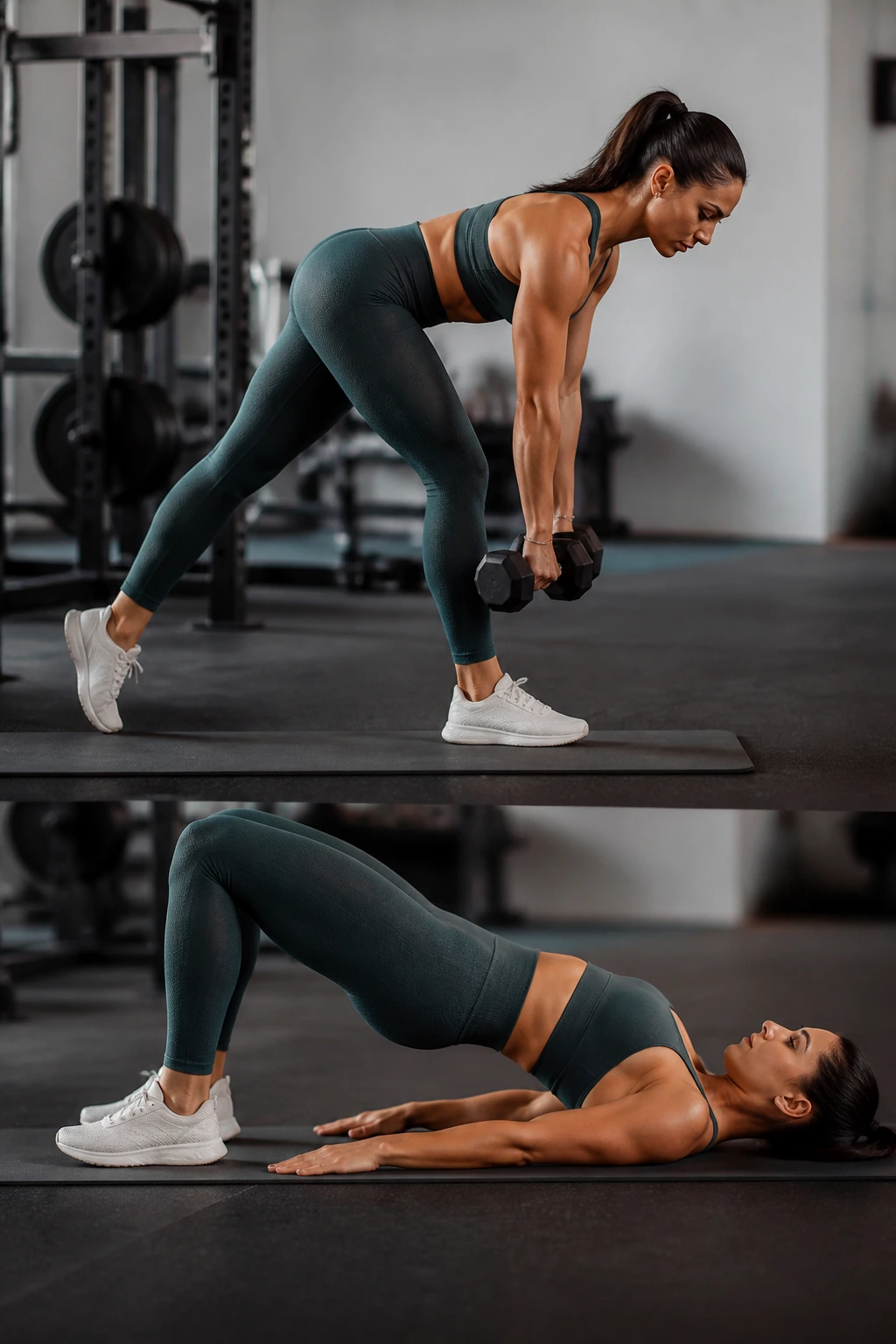
B-stance work is the middle ground between bilateral and single-leg training, and that’s why it’s so useful. One leg stays the main driver while the back toe stays light for balance, which makes the hinge easier to control than a true single-leg RDL.
The B-stance RDL loads the glute and hamstring on the working side. The glute bridge finishes the session with a shorter-range squeeze that feels good after all that hinging. Keep the back toe about a foot behind you, with only a small amount of pressure on it. If you’re leaning on it, it’s no longer helping in a useful way.
Do 3 sets of 10 B-stance RDLs per side and 3 sets of 15 bridges. Slow, controlled, and boring in the best sense. Boring is often where the results live.
16. Box Squats with Mini-Band Abduction
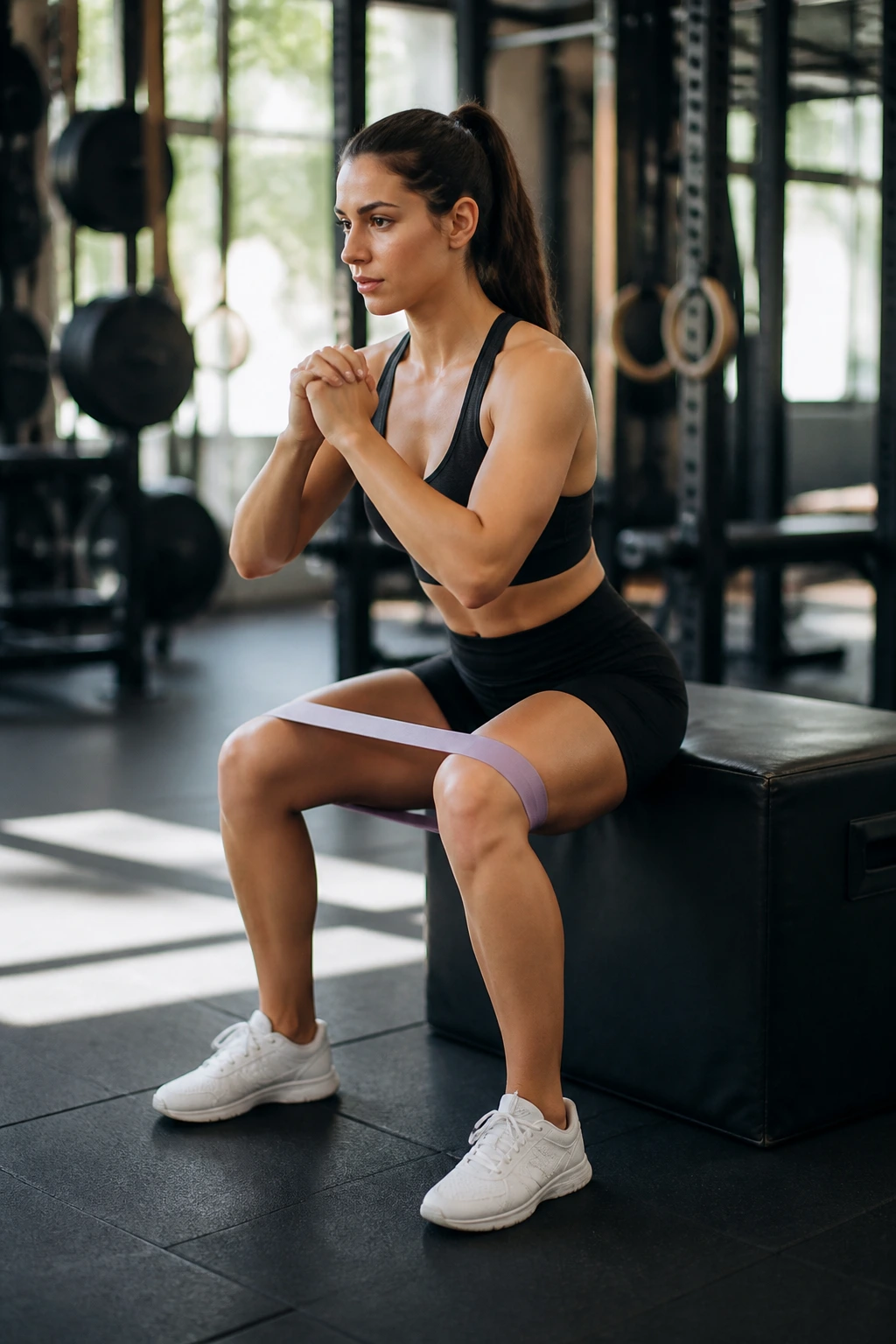
Box squats are great when you want a clean target for depth and a reason to sit back instead of dropping forward. Add a mini-band above the knees and you get a little extra glute medius work while you squat, which helps keep the knees tracking well.
The box should not be a crash pad. Touch it, do not flop onto it. Sit down under control, keep light tension in the band, and stand by driving the feet into the floor. If the knees cave in on the way up, the band is either too loose to matter or the load is too heavy for the current set.
Program It Like This
- 4 sets of 6 to 8 box squats
- 2 to 3-second lower on each rep
- 15 to 20 band abduction pulses after each set
That last bit burns in a way that’s hard to fake. Good.
17. Cable Kickbacks and Goblet Squats
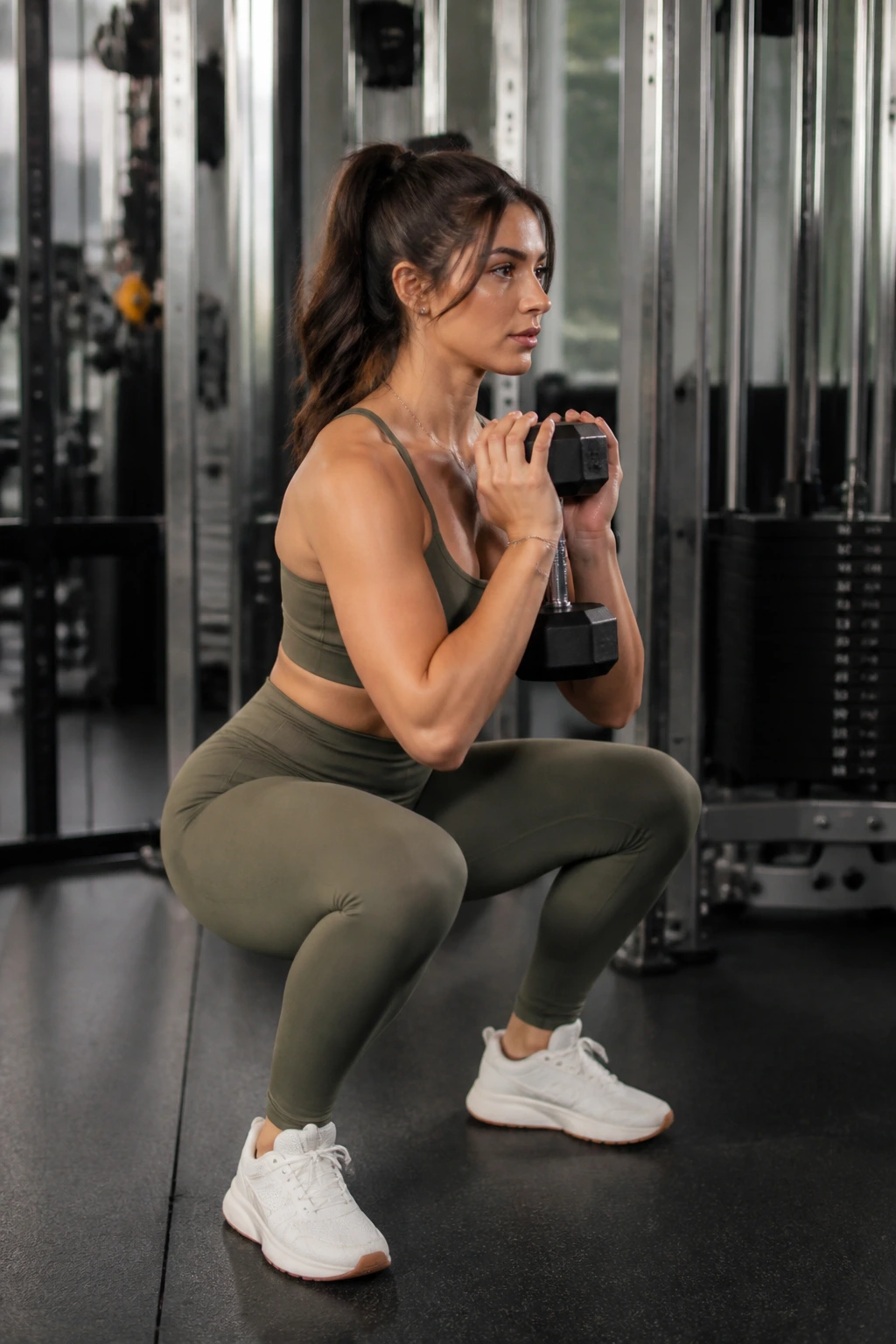
Cable kickbacks are one of those moves people either love or ignore. I’m in the first camp when they’re used as a targeted accessory, not a main lift. The cable keeps tension on the glute through the whole arc, and the goblet squat adds a simple, upright squat pattern that still lets the hips work.
Do the goblet squat first if you want a more complete leg session. Do the kickbacks first if you want to wake the glutes up before the squat. Both versions work.
What to Watch For
- Keep the kicking leg straight enough to isolate the glute
- Don’t swing the torso
- Use a light pause when the leg reaches full extension
- Goblet squats work best with a slow lower and a strong stand
Three sets of 12 goblet squats and 3 sets of 15 kickbacks per side is a nice pairing. You should feel the glutes, not your lower back, on the cable work.
18. Lateral Lunges and Sled Drags
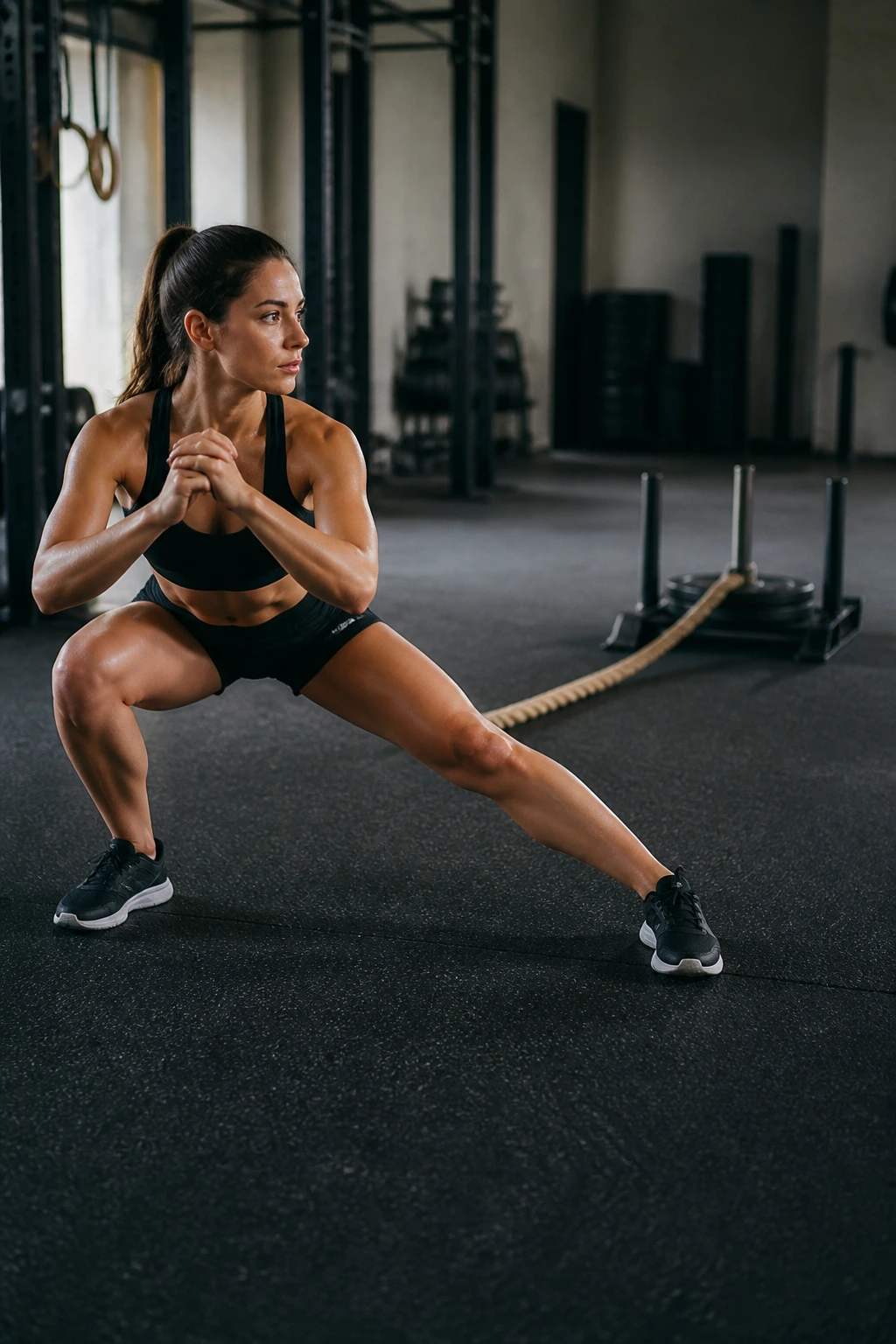
Side-to-side work gets ignored too often. That’s a mistake, because the glutes do not only work when you move forward and backward. They also help control lateral motion, which is why lateral lunges and sled drags deserve a spot in a smart lower-body plan.
A lateral lunge loads one hip while the other leg stays long. Keep the push-off smooth and sit into the moving hip. Then drag a sled backward or laterally if you have one available. Backward sled work is one of the friendliest ways to load the legs without a lot of joint drama.
Use 3 sets of 8 lateral lunges per side and 4 sled drags of 20 to 30 meters. If you don’t have a sled, a heavy incline treadmill walk with the machine off and a belt or harness substitute can work in a pinch, but the sled is still cleaner.
19. Stability Ball Ham Curls and Dumbbell Hip Thrusts
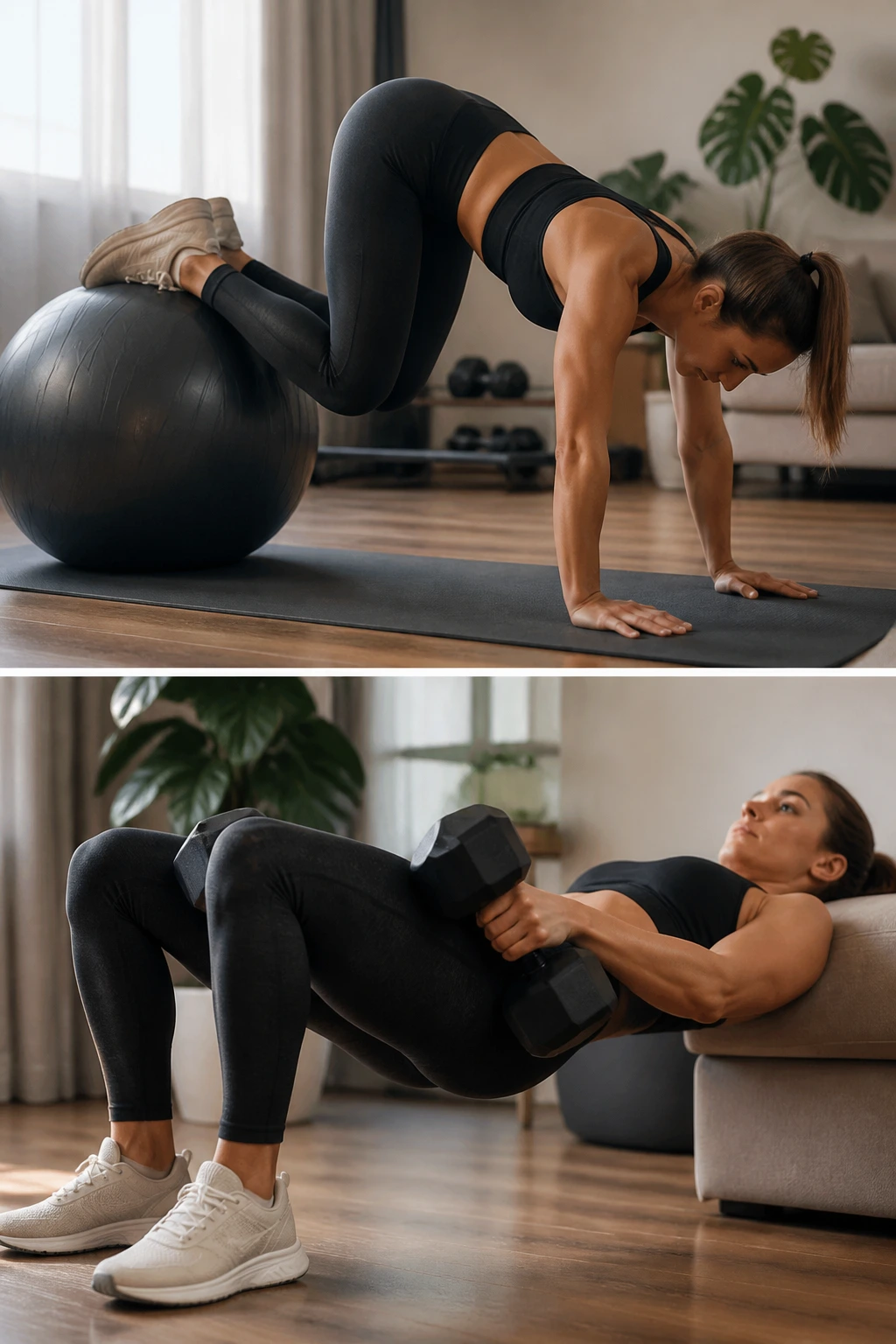
This workout is a little old-school, and that’s part of the appeal. The hamstring curl on a stability ball looks simple, but it forces you to brace your hips and control the ball while the hamstrings and glutes fight to keep you from sliding around. Then the dumbbell hip thrust brings the focus back to pure glute force.
How to Pair Them
Start with 3 sets of 10 to 15 stability ball curls. Keep the hips lifted the whole time if you can. If the hips sag, shorten the range and rebuild. Then do 3 to 4 sets of 12 dumbbell hip thrusts with a 2-second squeeze at the top.
This is a good home or travel-friendly session if you have a ball and a dumbbell. It’s also a nice change from machine work, which can leave your hips feeling stiff after a while. Not every good glute day needs a stack of plates.
20. Kettlebell Swings and Pause Squats
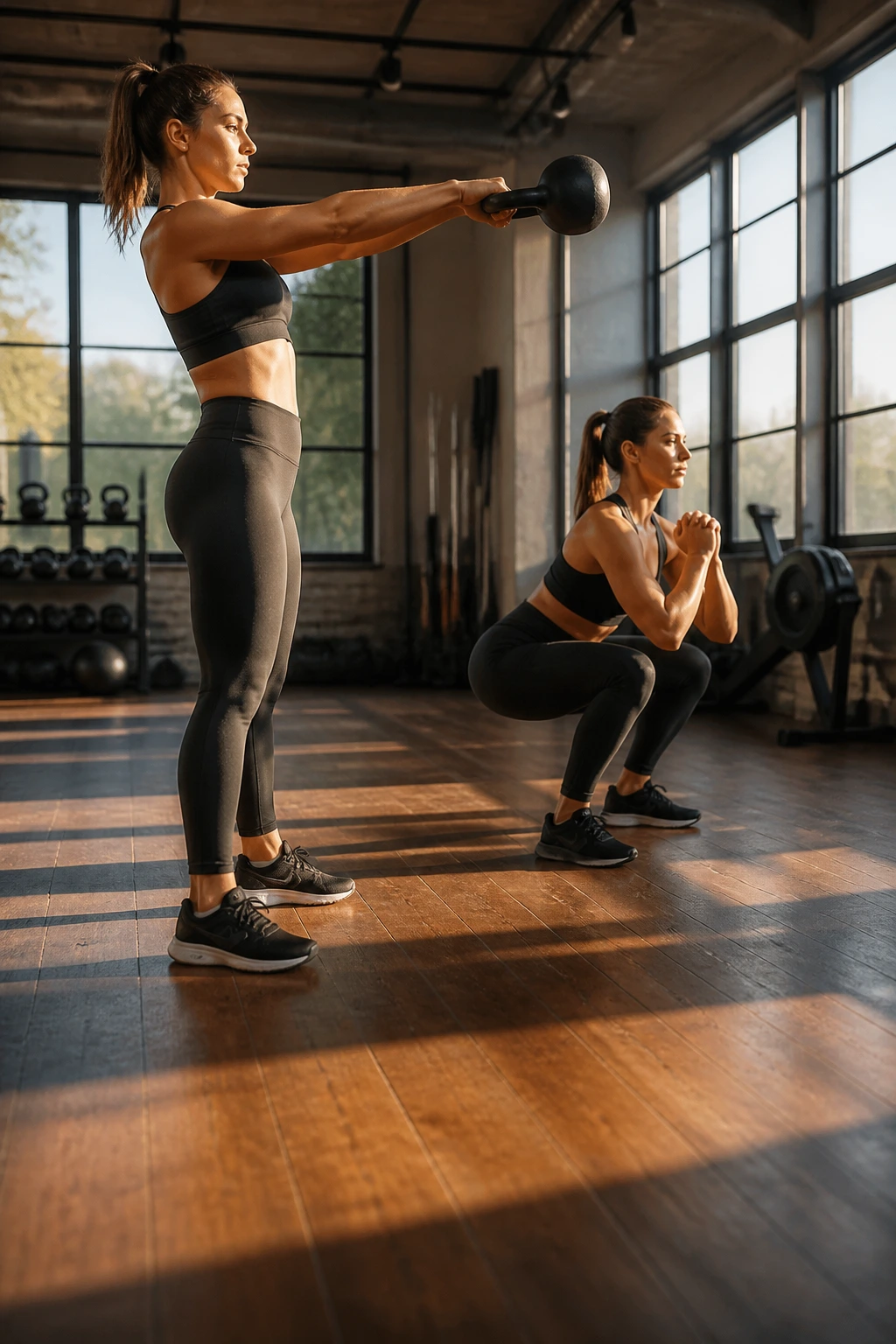
Some workouts are built for pure muscle burn. This one is built for power plus tension. The kettlebell swing trains hip snap and fast glute extension, and the pause squat makes you own the bottom position instead of bouncing through it.
The swing should come from the hips, not the arms. The kettlebell floats because the hips drive it, and the glutes should feel like they’re doing the snapping work. Then drop into pause squats with a 2-second hold at the bottom. That pause strips away momentum, which makes the glutes and quads both earn their keep.
Use 4 sets of 15 swings and 3 sets of 8 pause squats. If your lower back starts feeling the swings more than your glutes, the bell is probably too heavy or the hinge is too shallow.
21. Band-Only Home Glute Workout
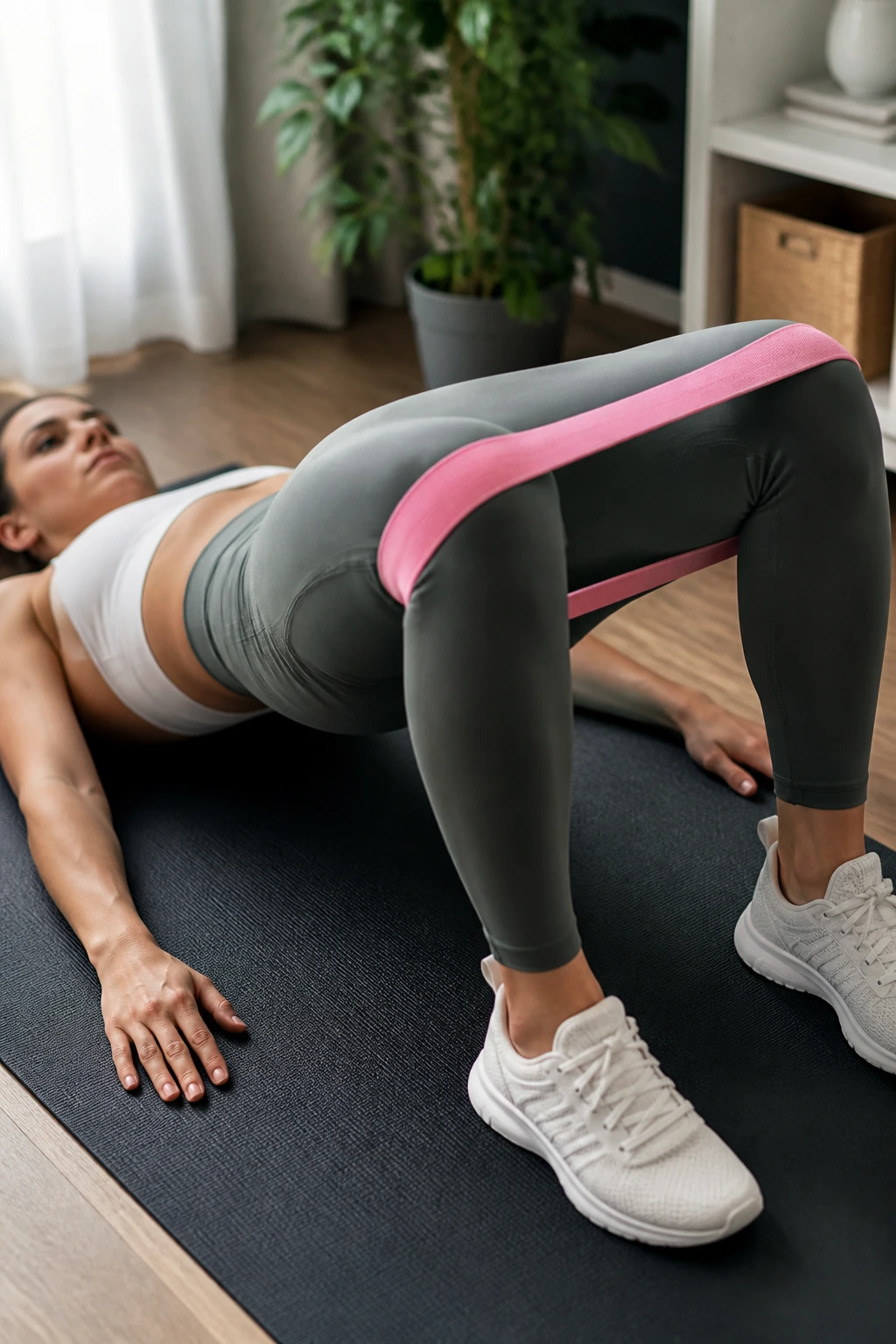
No gym. No problem. A band-only session can still hit the glutes hard if you pick the right moves and keep the tempo tight. This is the one I’d use on a busy day when I still want my lower body to feel worked without dragging myself to a rack.
Simple Home Sequence
- 20 banded glute bridges
- 15 standing kickbacks per side
- 20 lateral band steps each way
- 15 banded squat pulses
- 2 to 4 rounds total
Keep the band tension constant. If the band goes slack, the exercise gets easier for the wrong reason. You want a steady burn on the side of the hip and a squeeze through the top of the bridge. Nothing fancy. It works because it stays honest and easy to repeat.
22. Dumbbell Deadlifts and Pulse Squats
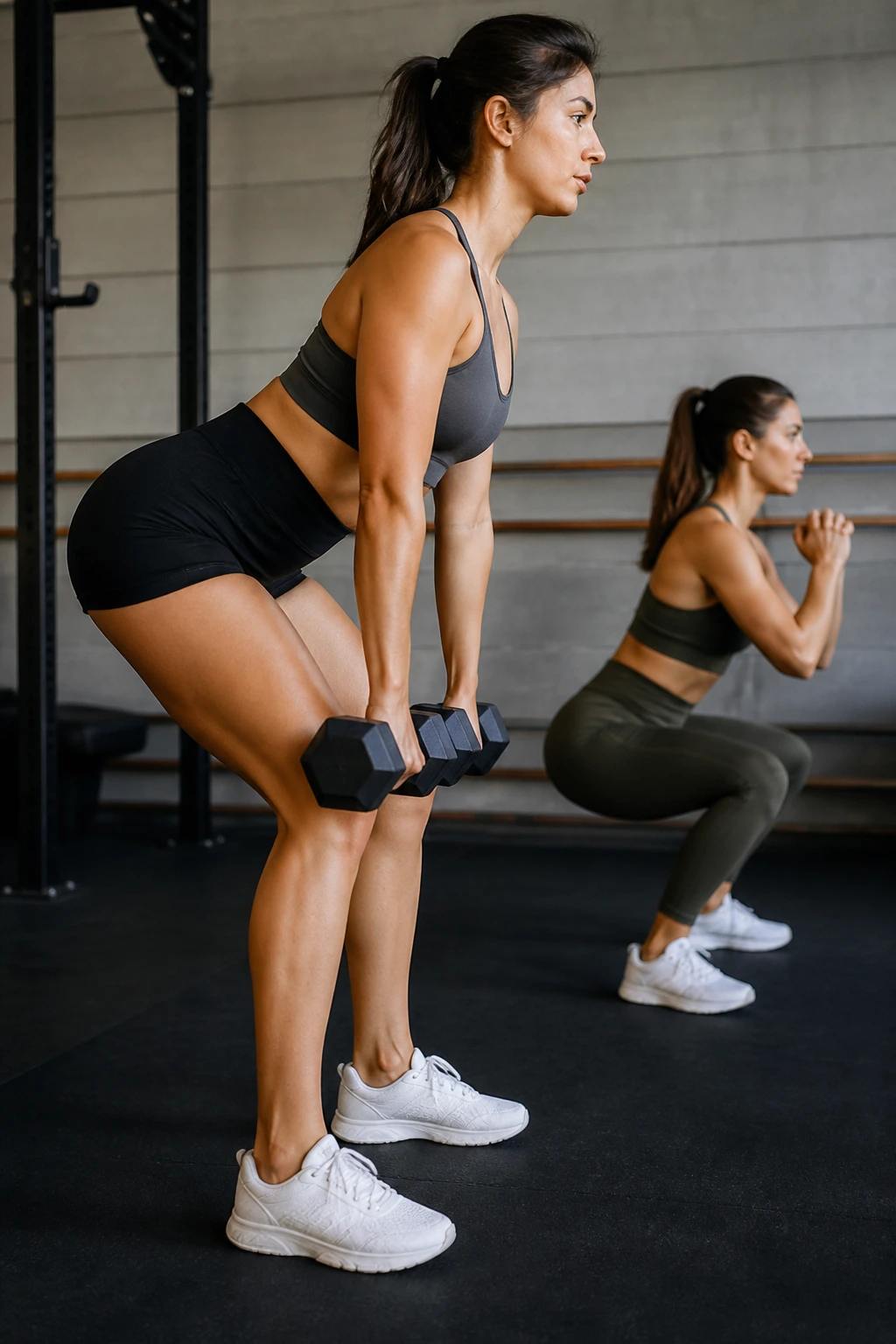
This pairing gives you one longer-range hinge and one shorter-range squat burn. Dumbbell deadlifts keep the glutes and hamstrings loaded through the descent, and pulse squats keep the legs under constant tension once the big movement is done.
Use a stance that feels stable and let the dumbbells travel close to the legs. The deadlift should feel like a hip movement, not a back bend. Then move to pulse squats with a small range at the bottom, keeping the torso proud and the heels planted. A pulse is not a bounce. It’s a controlled partial rep.
Three sets of 10 to 12 deadlifts and 2 sets of 20 to 30 pulse squats is enough for most people. It’s a straightforward burner, which is part of why it ends up in so many good leg-day rotations.
23. Glute Bridge Marches and Reverse Lunges
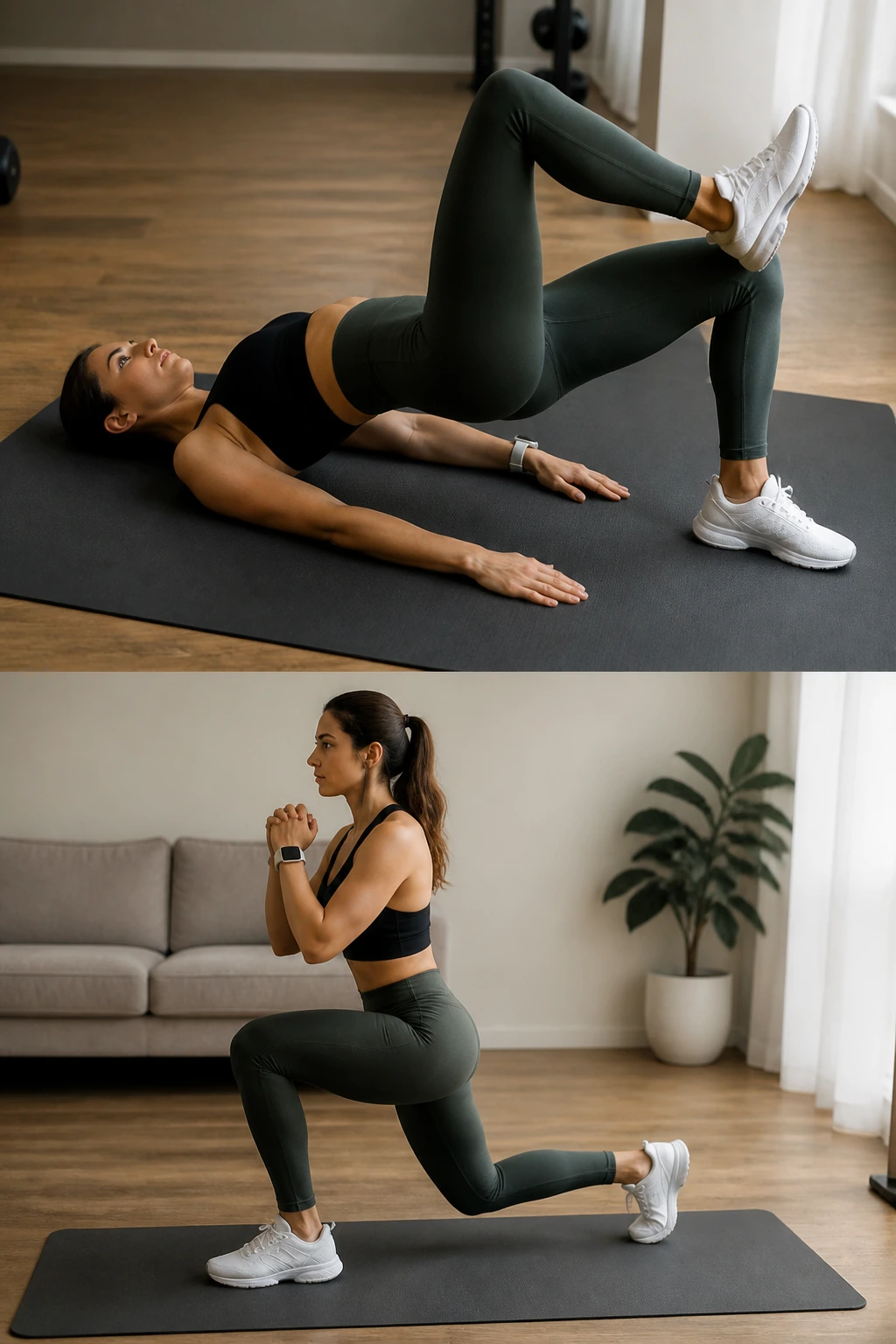
This one is a little more subtle than some of the heavy hitters, and that’s why I like it. The bridge march forces the hips to stay level while one leg lifts at a time, and the reverse lunge gives you a solid single-leg pattern without the forward knee drive that can bother some people.
Setup Details
Lie on the floor for the bridge march, lift the hips, and alternate knees up without letting the pelvis twist. If you feel it in the low back, lower the hips a bit and reset. Then stand up and do reverse lunges with a medium stride so the front glute and hamstring can share the load.
- 3 sets of 10 bridge marches per side
- 3 sets of 8 reverse lunges per side
- Pause for 1 second in the top of each bridge
That pause matters. It keeps the glutes honest instead of turning the move into a fast hip flop.
24. Tempo Front-Foot Elevated Split Squats
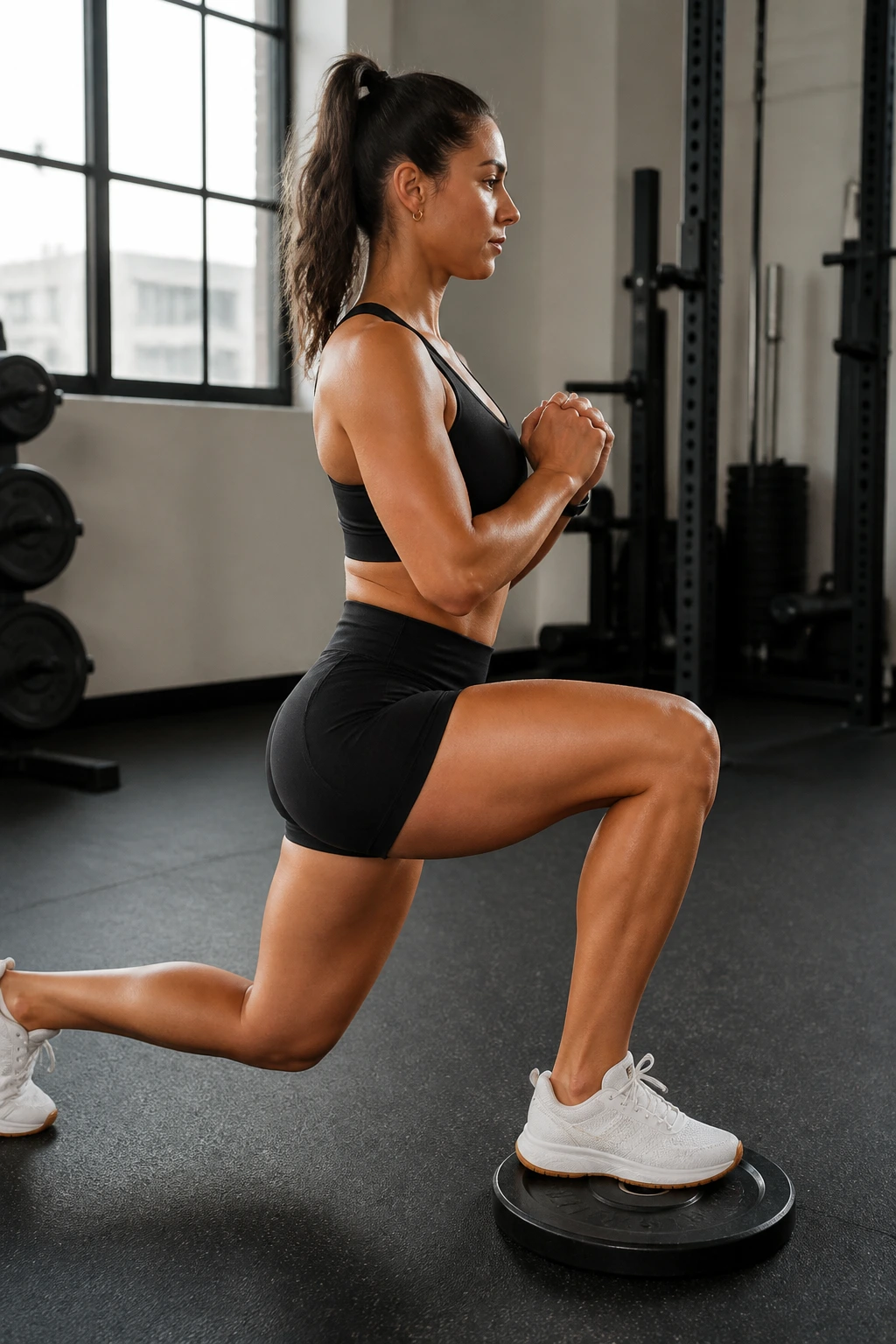
Tempo changes everything. A front-foot elevated split squat already gives you more range; slow the lowering phase and you get a workout that stays in the glutes long enough to make a difference.
Use a small plate or low step under the front foot, hold dumbbells if you can stay balanced, and lower for 3 seconds before standing back up. That slow lower makes the glute work harder at the bottom, where a lot of people normally rush. It also gives you time to notice if your torso is folding too far or your knee is drifting where it shouldn’t.
How to Feel It Better
- Keep the front heel heavy
- Drive up through the whole foot
- Stop at 8 to 10 reps per side
- Reduce load before you cut the tempo
This one is deceptively hard. Good tempo always is.
25. Full Lower-Body Glute Circuit
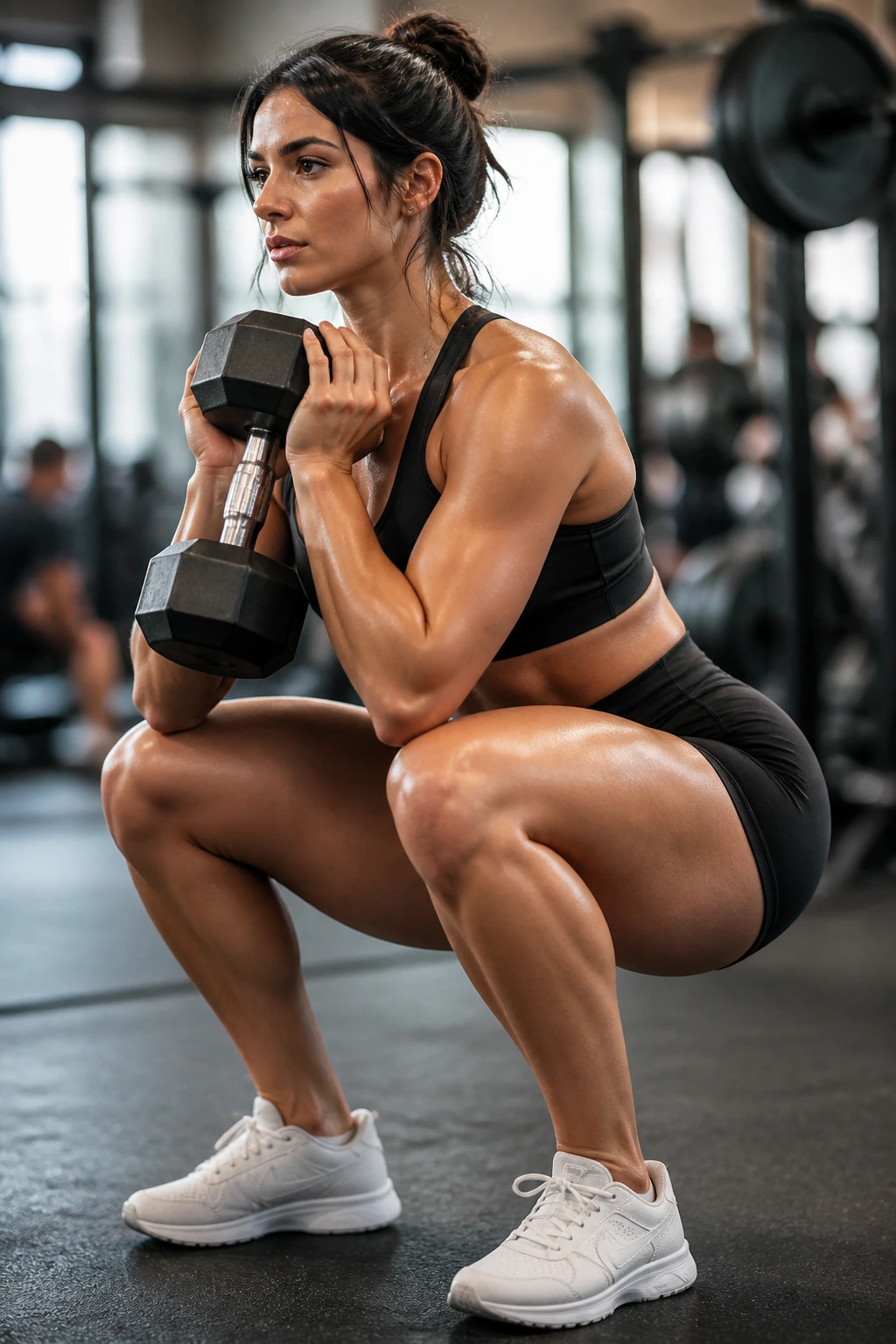
If you want one workout that feels like a proper lower-body session and still keeps the glutes in the lead, this is the one to save. It mixes a squat pattern, a hinge, a unilateral move, and a finisher, so you get the whole package without the workout drifting into random chaos.
Run 3 rounds of the following:
- 10 goblet squats
- 10 dumbbell Romanian deadlifts
- 8 reverse lunges per side
- 20 banded glute bridges
- 15 lateral band steps each way
Rest 90 seconds between rounds. Keep the load moderate enough that your form stays clean by the last round, because that’s where people usually fall apart. If you want a harder version, add a second set of bridges at the end. If you’re short on time, cut the lunges to 6 per side and keep the rest.
This is the workout I’d hand to someone who wants a practical glute day without a lot of fuss. Strong, simple, hard to fake.
