



A lunge looks harmless until rep six, when your front thigh starts humming and your balance gets a little less noble.
That’s why lunge workout variations matter so much. A forward step, a step back, a side step, a loaded rack position — each one changes what your legs have to do, and each one changes the story your knees, hips, and glutes have to tell. Some versions build raw quad strength. Some hit the glutes harder. Some teach control. A few are sneaky little monsters that make your heart rate climb faster than you expected.
I’ve always liked lunges because they show you the truth. If one side is weaker, you feel it. If your hips are tight, you feel that too. If your torso collapses every time you drop down, the floor tattles on you. No fancy machine can fake it. A lunge just asks whether your body can own the shape.
So here’s the practical part: the best lunge variation isn’t always the hardest one. It’s the one that gives you the right training effect without turning your form into soup. Start with the basics, then work toward the more demanding versions once the simple ones feel clean and controlled.
1. Forward Lunge
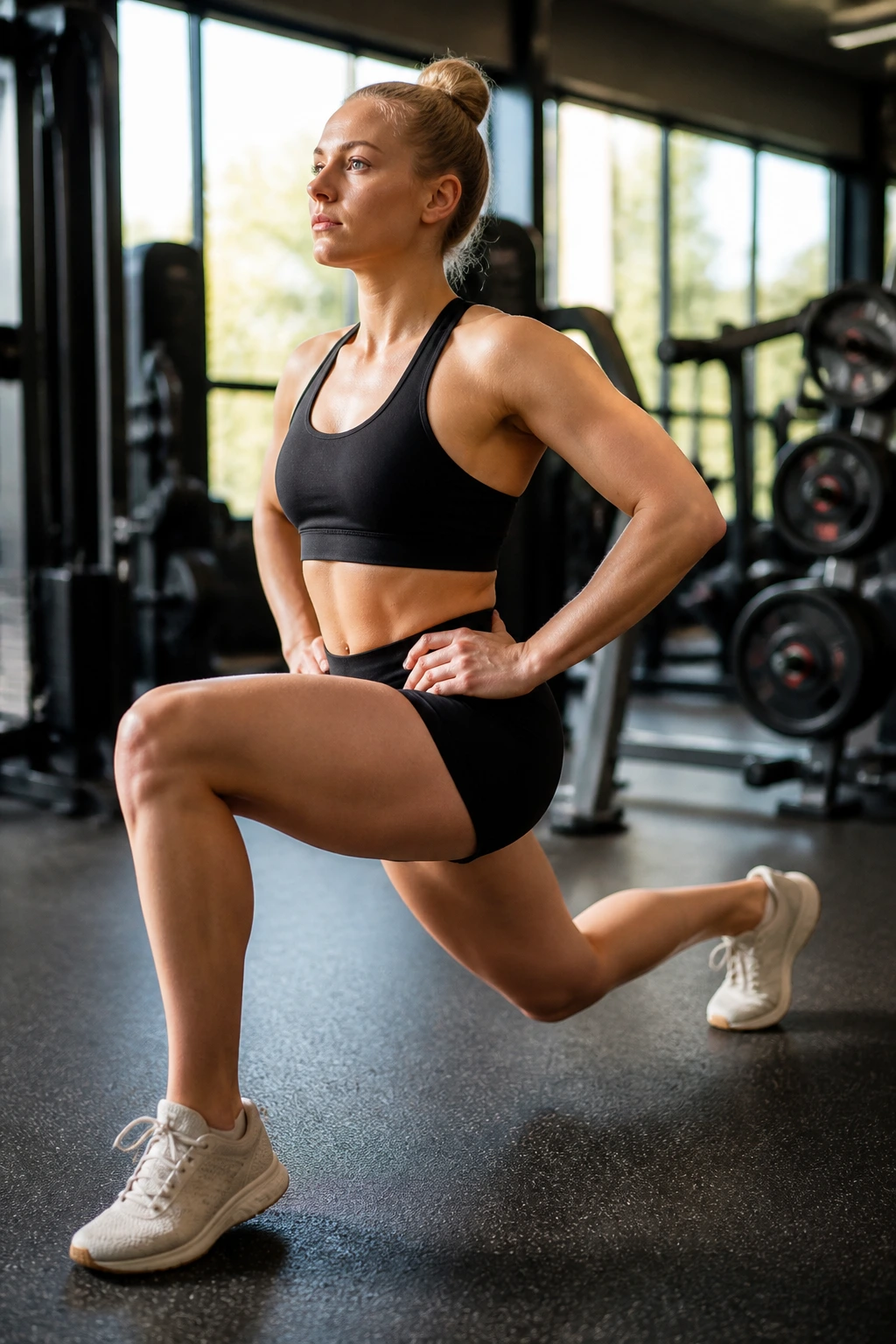
The forward lunge is the old standard, and it still earns its place because it teaches you how to absorb force and then stand back up under control. Step forward, lower until both knees bend, then drive through the front foot. Simple setup. Serious work.
I like this version for lifters who want to feel the quads and glutes working together. A shorter step makes the front knee travel more and puts more load on the thigh. A longer step shifts more work into the glute and hip. That little change matters more than most people think.
Why It Still Deserves a Spot
A forward lunge also exposes sloppy foot pressure fast. If your front heel pops up or your knee caves inward, the rep tells on you. That feedback is useful. Annoying, but useful.
- Keep the front foot planted from heel to big toe.
- Lower under control for about 2 seconds.
- Tap the back knee lightly to the floor, or stop just above it.
- Stand tall without lunging your chest forward.
Best cue: think “down and back up,” not “fall forward and hope.”
2. Reverse Lunge
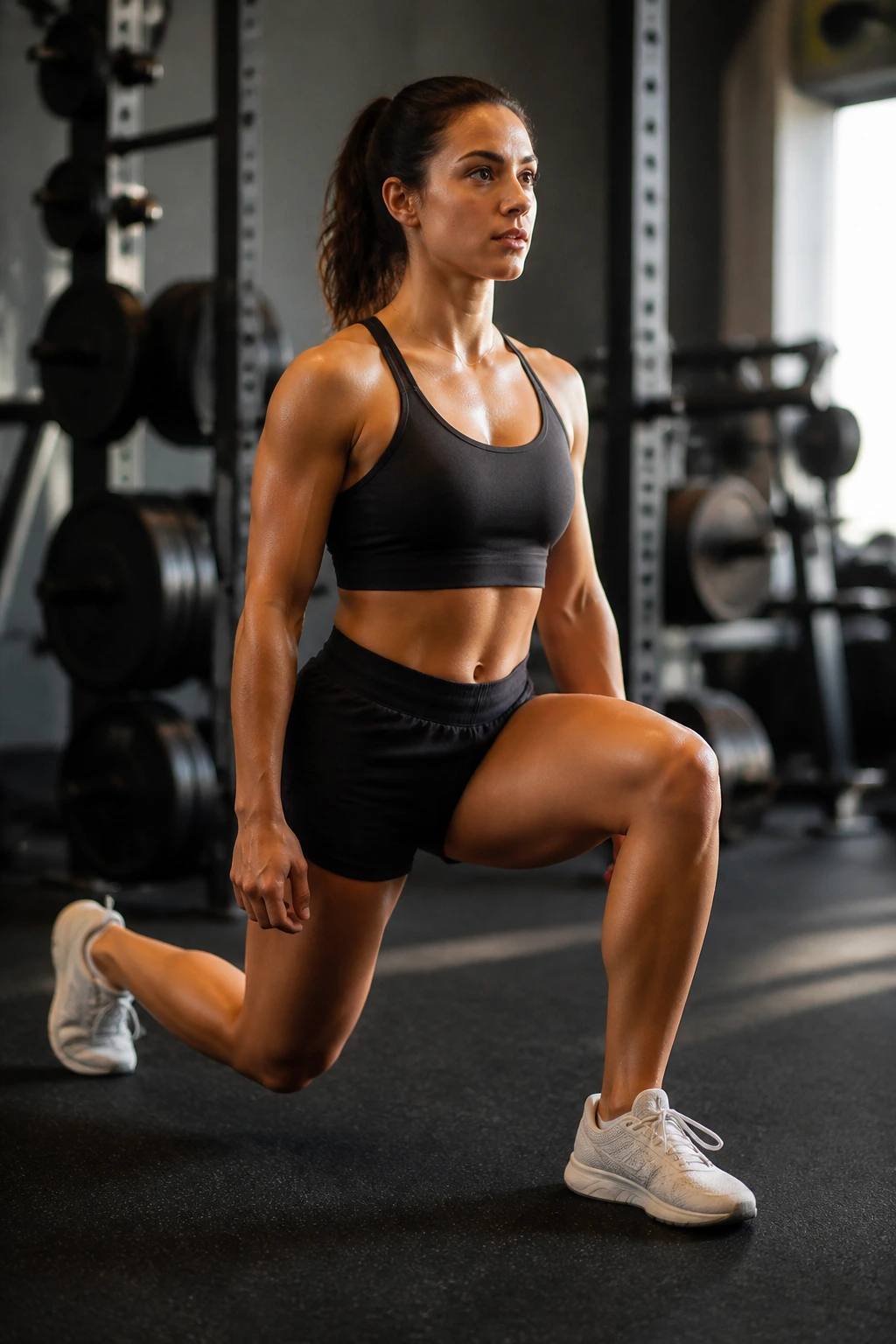
Why do so many people end up preferring the reverse lunge? Because it tends to feel friendlier on the knees while still giving the legs a real job to do. Instead of stepping forward and catching your bodyweight, you step back, which usually makes the movement smoother and a little easier to organize.
That doesn’t make it soft. Not even close. The front leg still does most of the work, and the back step gives you a cleaner line of force through the hip and quad. I reach for reverse lunges when someone wants strength without the messy impact that sometimes shows up in forward lunges.
What Makes It So Useful
The shin on the front leg can stay more vertical, which is one reason many people find this version easier to repeat for sets of 8 to 12 reps per leg. It also tends to feel more stable when you add dumbbells.
Good Setup Cues
- Step back about 1 to 1.5 foot-lengths.
- Keep the front foot flat.
- Lower until the front thigh is near parallel.
- Push the floor away instead of yanking yourself upright.
A clean reverse lunge usually looks calm. It should not look frantic.
3. Walking Lunge
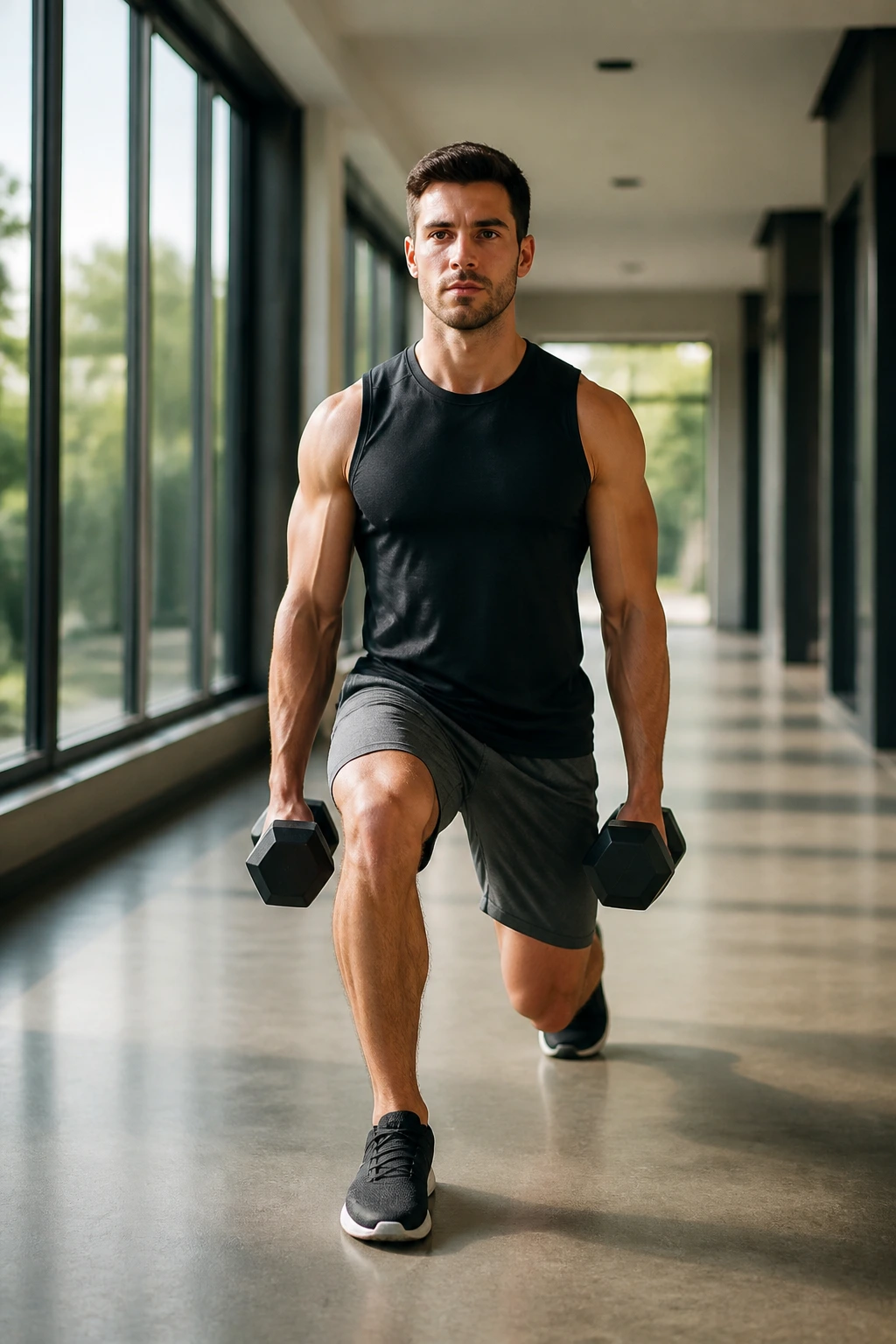
If you want a lunge that feels like strength work and conditioning work had a child, this is the one. The walking lunge keeps you moving forward, which makes every rep a little less predictable and a little more demanding on your balance and rhythm.
That forward travel changes everything. You don’t get to settle into one stance and relax. Your hips have to keep organizing themselves rep after rep, and your core has to keep your trunk from wobbling all over the place. It’s a nice choice when you want leg fatigue that shows up in the lungs too.
How to Keep It Clean
- Take a step long enough to keep the front heel down.
- Avoid rushing the second half of the rep.
- Keep your chest stacked over your hips.
- Use a hallway, turf strip, or open floor space so you’re not clipping furniture.
Walking lunges shine in moderate rep ranges, usually 8 to 16 total steps. I wouldn’t chase heavy loading here first. Clean footwork beats ego every time.
4. Alternating Lunge
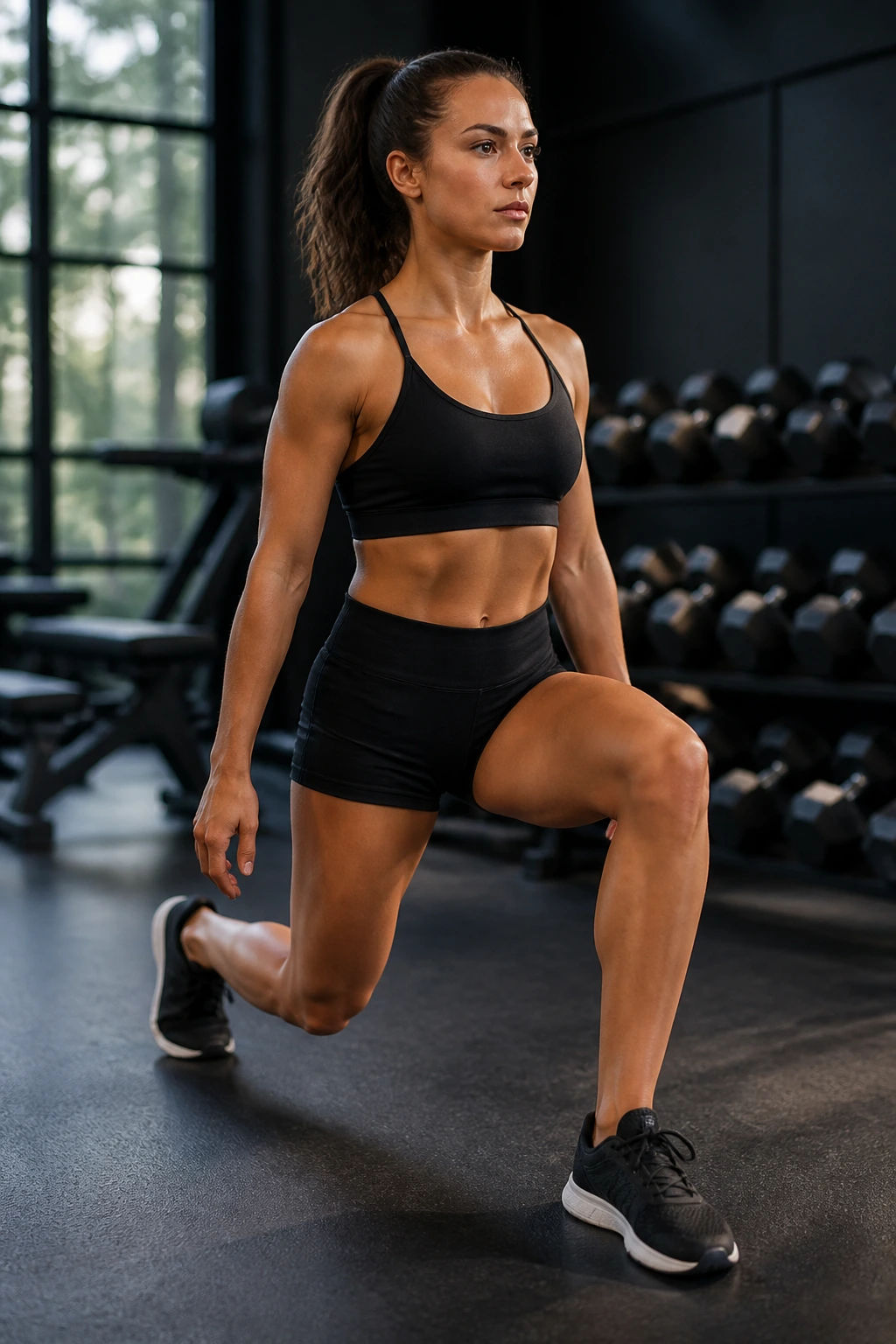
Alternating lunges are the equalizer. One side, then the other, then back again — no long pause, no chance to disappear into a comfortable groove. That makes them a smart choice when you want even work on both legs and a little bit of pace.
Start slower than you think. Seriously. The first few reps set the tone, and if you rush them, the rest of the set usually gets sloppy. A smooth alternating lunge can feel almost meditative for the first half and then turn into a burn parade by the end.
What I like here is the way the movement exposes side-to-side differences without making the workout complicated. If your left leg sinks deeper or your right foot wobbles more, you see it right away. No mystery.
Best use: higher-rep sets of 10 to 20 total reps when you want leg endurance and clean symmetry.
5. Stationary Split Squat
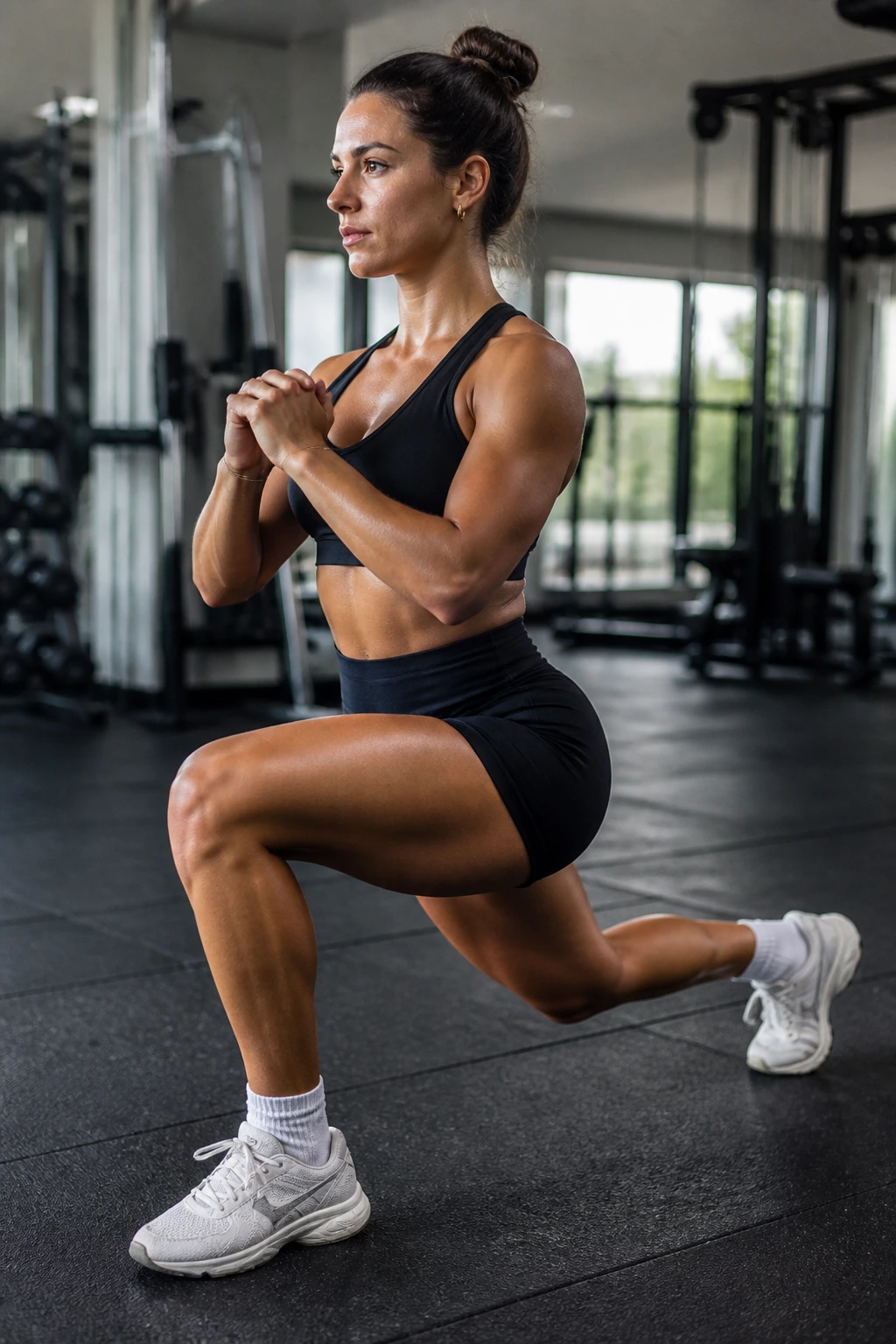
The stationary split squat is what you want when the goal is to build leg strength without the extra noise of stepping. Your feet stay planted, which means the whole movement becomes more about loading the front leg and less about balance gymnastics.
That makes it a favorite for people who want to grow the quads and glutes with less coordination demand. It’s also one of the easiest lunge patterns to load well with dumbbells, because the stance stays fixed and you can focus on depth, torso position, and foot pressure.
Why It Matters
There’s less momentum here. Good. Momentum is often the problem.
- Keep about 2 to 3 feet between your feet, depending on your build.
- Lower straight down, not diagonally forward.
- Pause for a split second at the bottom if you want to make it harder.
- Drive through the front heel and midfoot.
This one is a workhorse. Plain, dependable, and brutally honest.
6. Bulgarian Split Squat
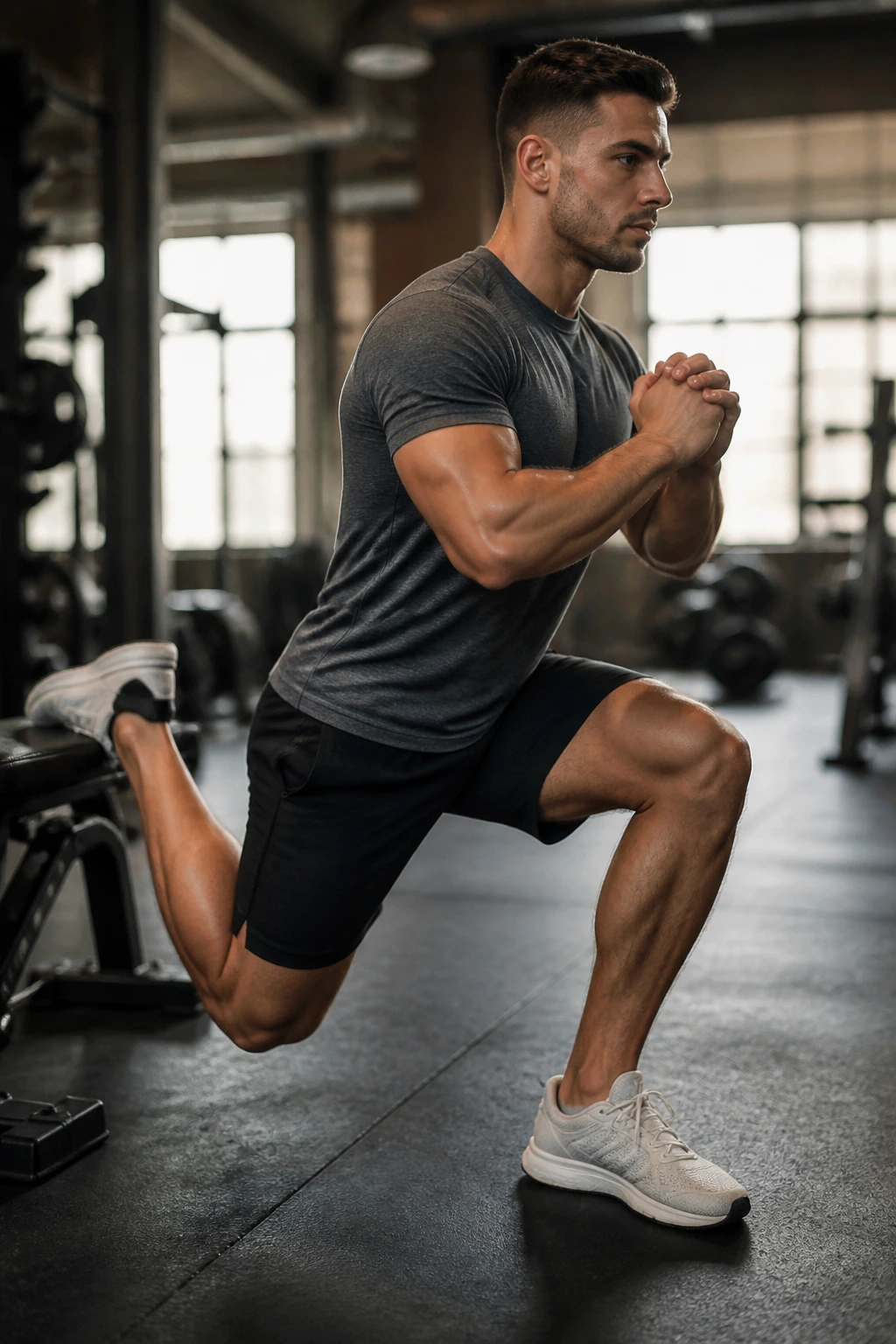
Everybody calls the Bulgarian split squat a leg builder. They’re right.
The back foot on a bench or box changes the whole feel of the exercise, because the front leg has to do almost everything while the back leg is basically there for balance. That means deeper range of motion, more load on the front thigh, and a lot of work through the glute if you keep the torso slightly forward.
What Makes It Different
The rear foot should stay light. If you’re dumping weight into the back leg, the front leg doesn’t get the same training effect.
A decent starting point is a bench around 12 to 18 inches high. If that height feels awkward, use a lower box or a sturdy step. Start with bodyweight first. Plenty of strong people underestimate how much this version asks for.
- Set the front foot far enough forward that your heel stays down.
- Keep the front knee tracking over the toes, not collapsing inward.
- Lower until the front thigh is close to parallel, or a touch lower if your hips allow it.
- Stop chasing depth if your low back starts to arch.
This one bites back if you get sloppy.
7. Lateral Lunge
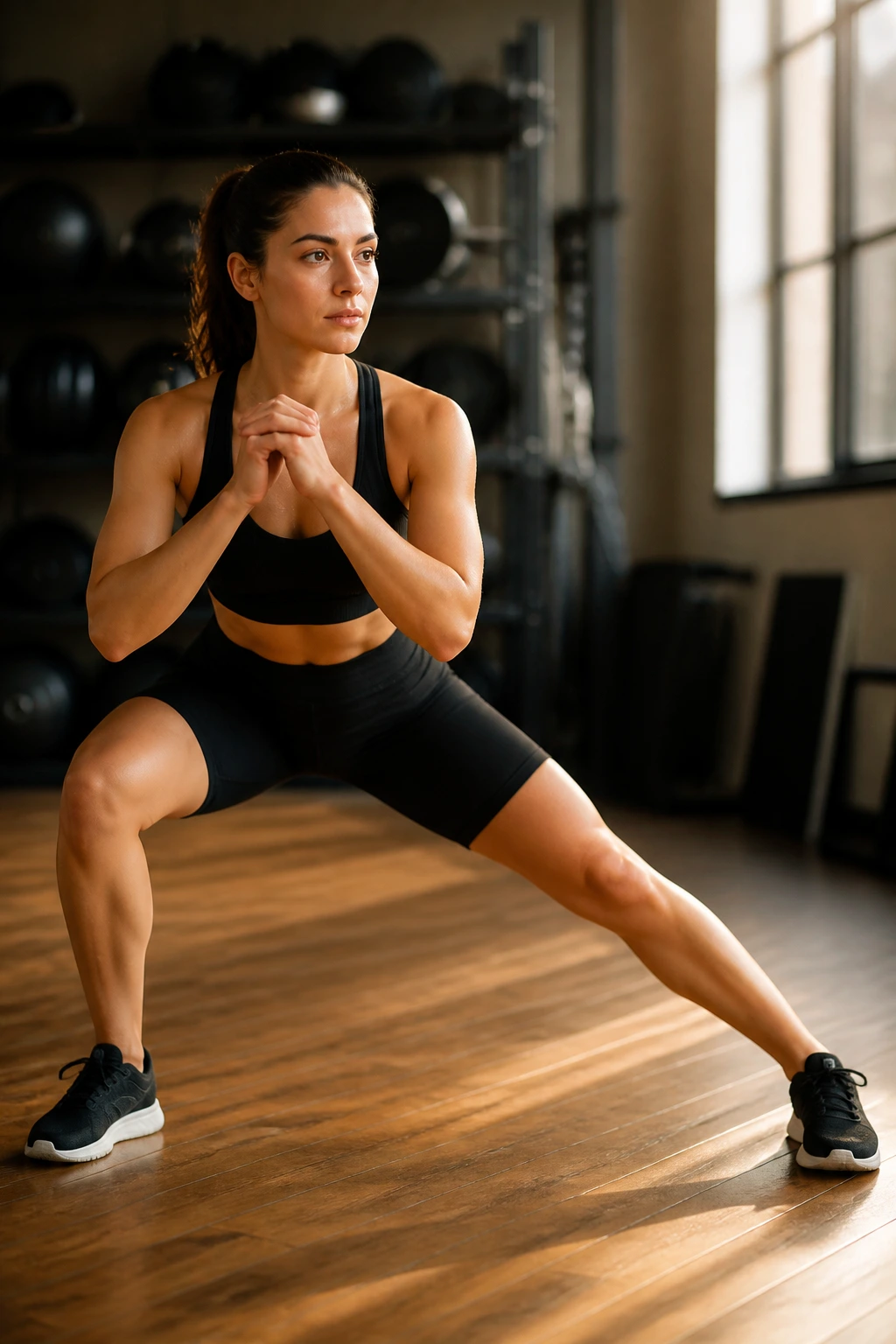
Step sideways and your inner thigh wakes up fast. That’s the lateral lunge’s whole personality, and it’s a good one to have in the mix because most leg training lives in the forward-and-back plane.
A lateral lunge hits the adductors, glute medius, and quads in a way that feels different from a split squat or reverse lunge. It also teaches you to sit back into one hip while the other leg stays long, which is a useful skill if your hips get sticky or your stance work feels one-dimensional.
What to Watch For
- Send the hips back toward the working leg.
- Keep the non-working leg straight but not locked hard.
- Plant the stepping foot flat.
- Don’t let the knee collapse inward at the bottom.
How to Make It Better
Use a light dumbbell goblet-style if bodyweight feels too easy. A set of 6 to 10 reps per side is usually enough to make the adductors complain in a useful way. The first few reps often feel awkward. That’s normal. Side-to-side strength tends to feel weird before it feels natural.
8. Curtsy Lunge
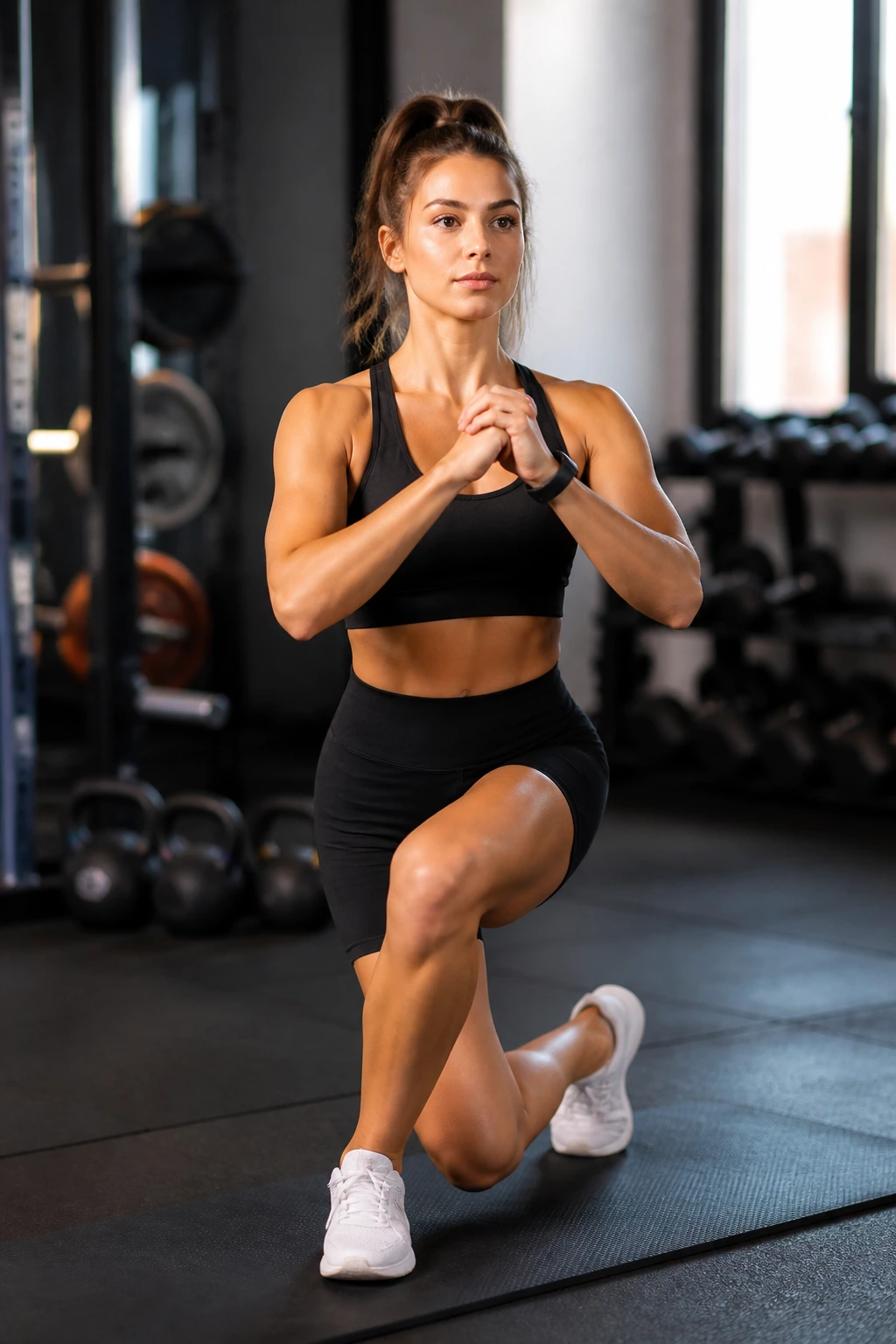
The curtsy lunge looks a little odd the first time you do it. Cross one leg behind the other, sink down, stand back up. Done. But the weirdness is part of the point, because the cross-body angle asks more from the outer hip and glutes than a straight-back step usually does.
I like curtsy lunges for people who want more hip work without needing a barbell on their back. They’re also a nice reminder that your lower body doesn’t only need forward strength. It needs control when the legs move off-center too.
That said, don’t force a huge crossover. A shallow cross is enough. If the knee twists or the pelvis shifts wildly, back off the range and clean it up. The movement should feel controlled, not theatrical.
This is one of those exercises that looks prettier in theory than in bad form. Keep it small and deliberate.
9. Front-Foot-Elevated Lunge
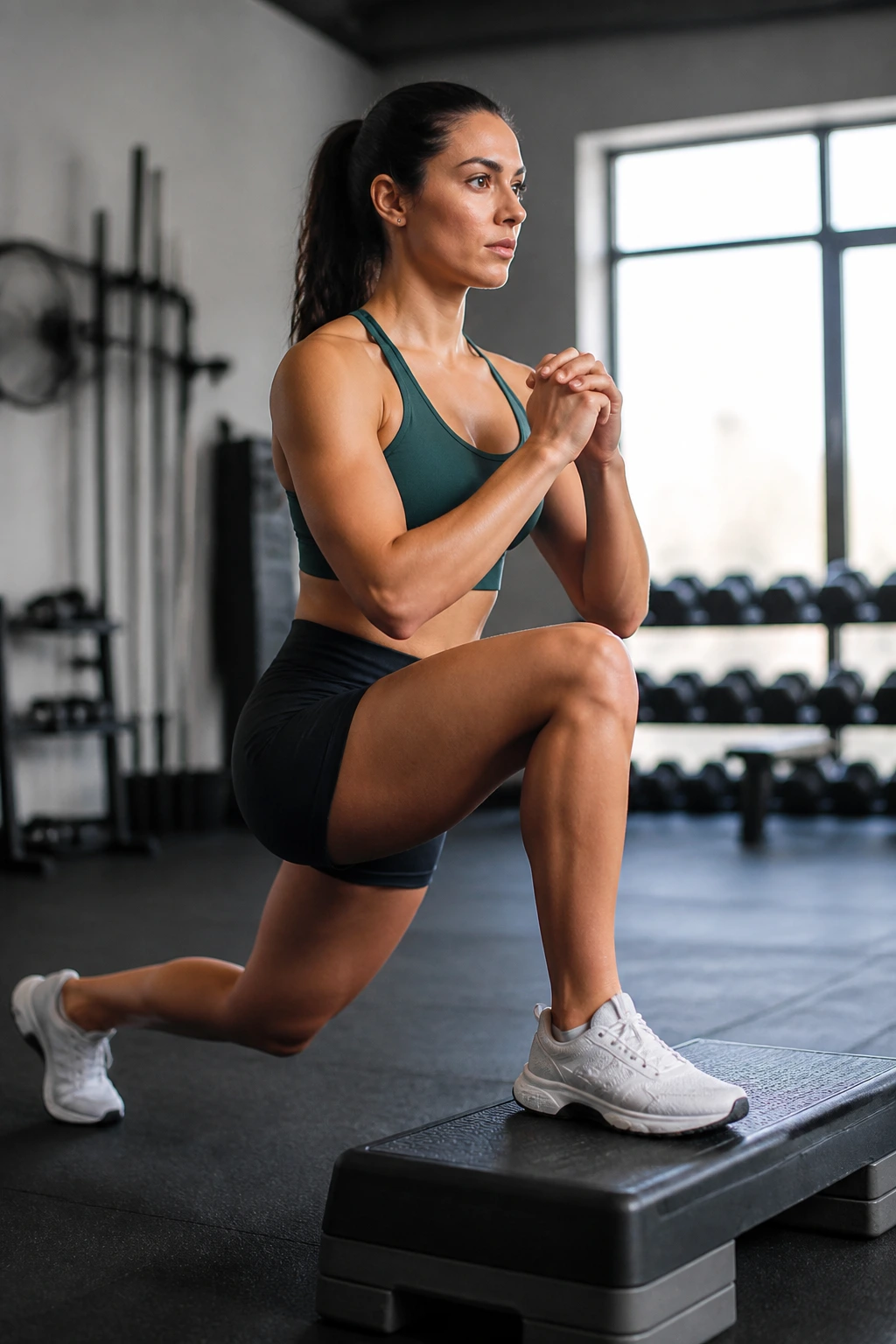
A small elevation under the front foot can turn a normal lunge into a deeper, more demanding range-of-motion drill. That extra drop gives the working leg more stretch at the bottom, which makes the quads and glutes work harder on the way back up.
I use this variation when someone already owns the basic lunge pattern and wants a little more depth without jumping to something fancy. A 2- to 4-inch plate or step is enough. You do not need to stand on a mountain.
A Clean Way to Set It Up
- Place the front foot on a stable plate or low box.
- Keep the back foot on the floor.
- Lower under control until you feel a strong stretch in the front leg.
- Stand up without bouncing out of the bottom.
If your pelvis tips forward or your lower back starts taking over, the box is too high. Drop it. The best range is the one you can control all the way through, not the one that looks dramatic from across the room.
10. Deficit Reverse Lunge
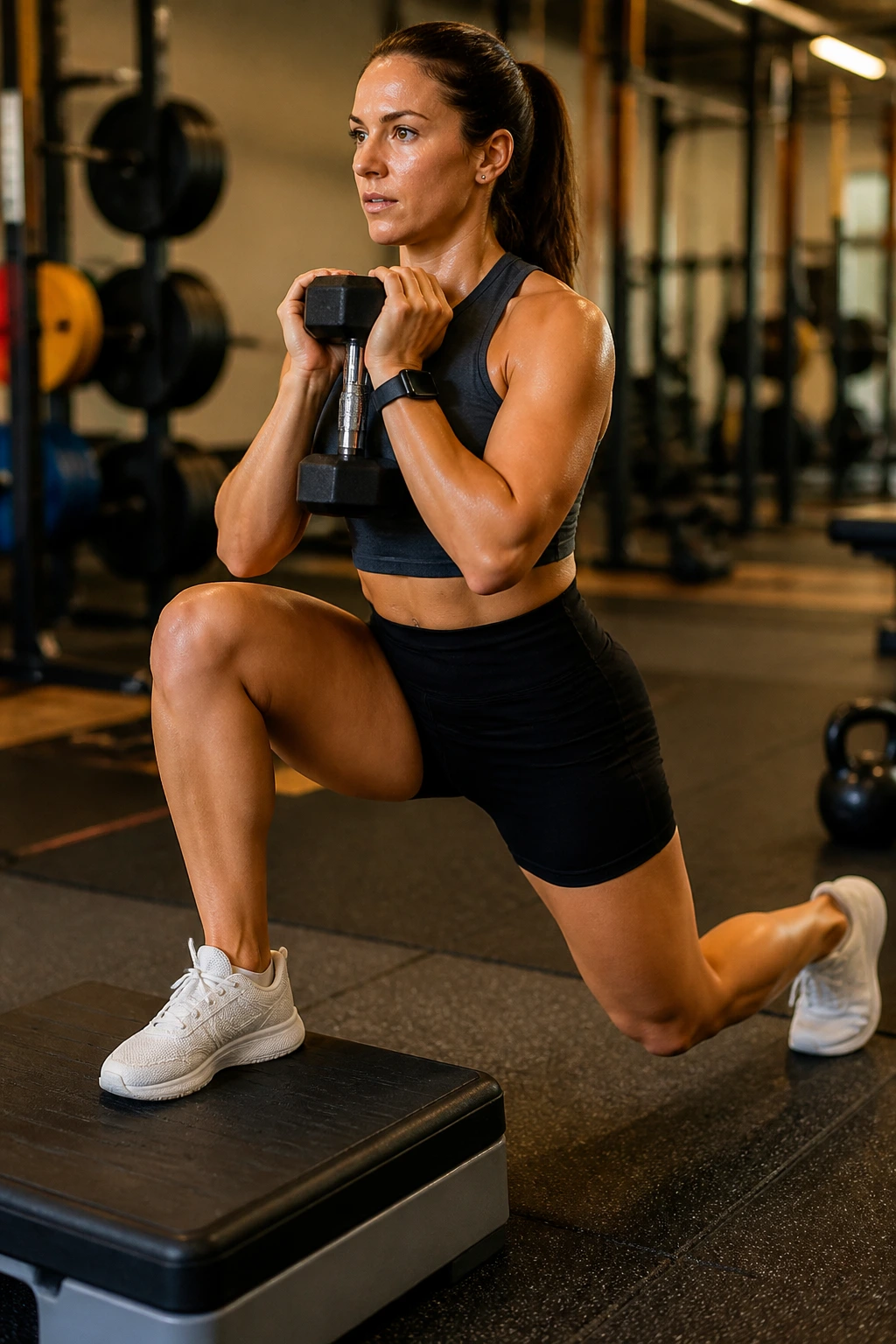
Why use a deficit reverse lunge instead of the regular version? Because the lower start point gives you extra depth and a longer working range, which can light up the front leg in a way that standard reverse lunges sometimes don’t.
Stand on a small platform, then step one leg back off the edge. That tiny height change changes the bottom position enough to make the rep feel longer and more demanding. It also asks for a little more ankle and hip control, which is useful if your regular range feels easy.
Keep These Details Tight
- Use a platform around 2 to 3 inches high at first.
- Step back slowly so you don’t slam the rear foot down.
- Keep the front heel flat.
- Stop the descent if the front arch collapses.
This version can expose weak ankles fast. That is not a flaw. It’s the whole reason to use it.
11. Pulse Lunge
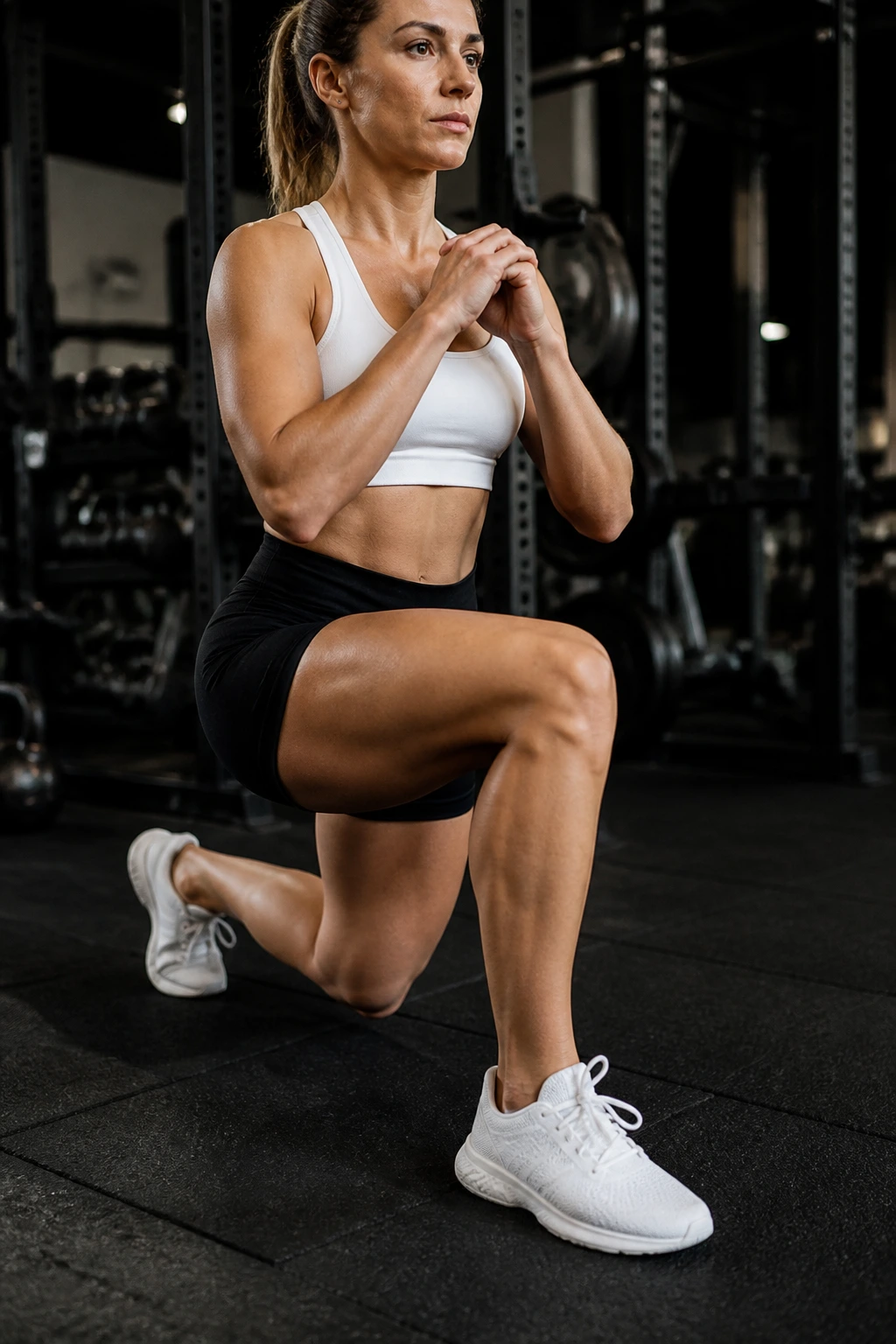
Pulse lunges are pure fire.
They’re not the prettiest rep in the room, and they’re not trying to be. You settle into the bottom half of the lunge and work a short range of motion — maybe 1 to 2 inches up and down — to keep tension where the leg is already under the most stress. Great finisher. Terrible place to hide weak form.
I like pulse lunges after a heavier lunge pattern or squat pattern, when the goal is to milk a little more work out of the quads and glutes without needing a ton of load. High reps are common here, but the real trick is keeping the motion small and steady instead of bouncing like a broken spring.
One clean pulse set can humble you faster than a much heavier set with sloppy depth. Funny how that works.
12. Jump Lunge
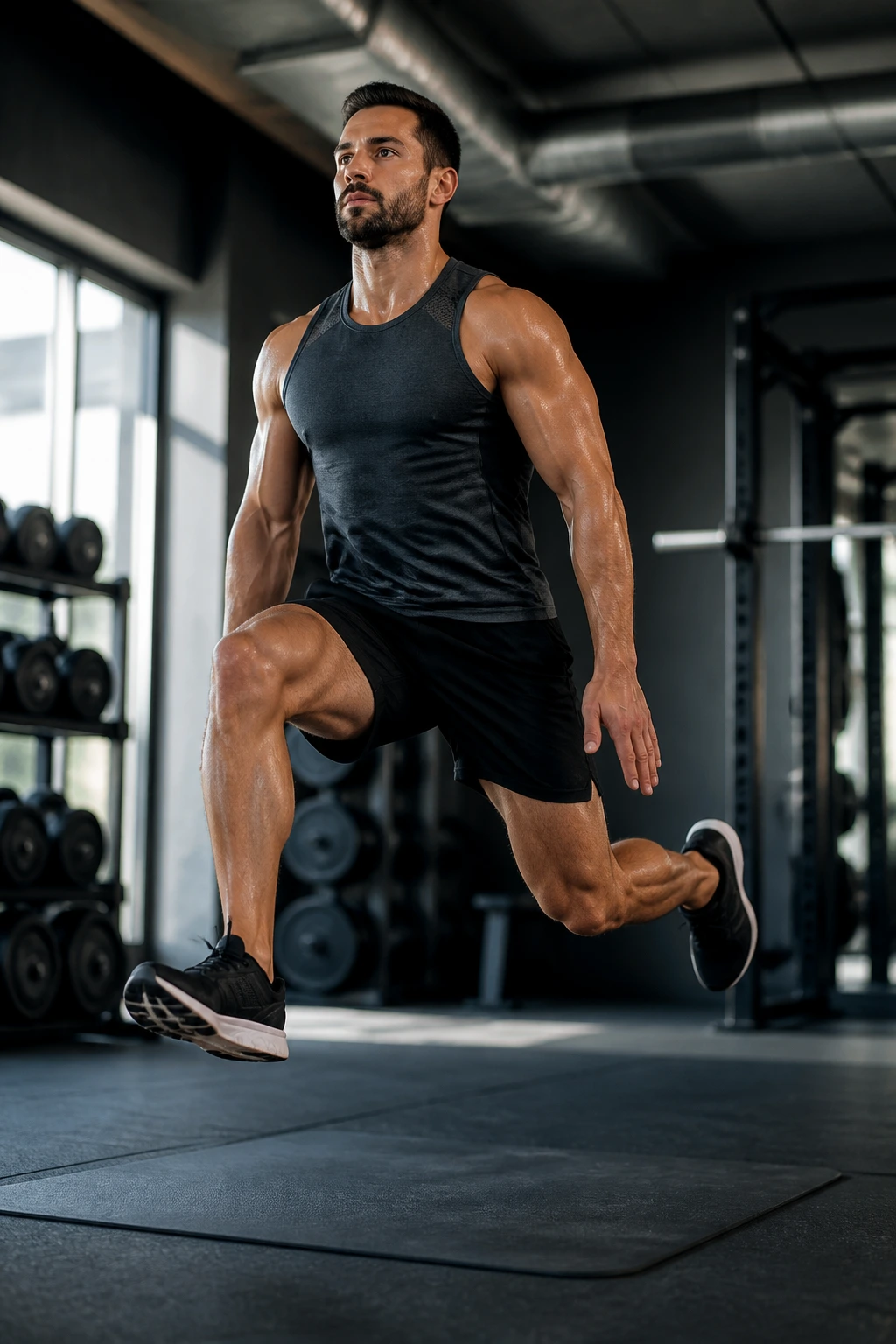
A jump lunge is not the same job as a strength lunge. Different beast. Here you’re training power, landing control, and quick force production, not slow grinding strength.
That means the landing matters more than the jump height. Keep the torso stacked, land softly, and absorb through the hips and knees without crashing into the floor. If the landing sounds loud, the rep probably needs work.
How to Keep It Crisp
- Jump only as high as you can land well.
- Switch legs in the air with control.
- Land with a soft knee bend, not a locked joint.
- Stop the set when your landings get sloppy.
Use jump lunges for short sets — think 4 to 8 reps per side or brief timed intervals. They’re taxing. They also ask for enough coordination that fatigue can turn into chaos fast, which is why I’d rather see fewer good reps than a long mess.
13. Overhead Lunge
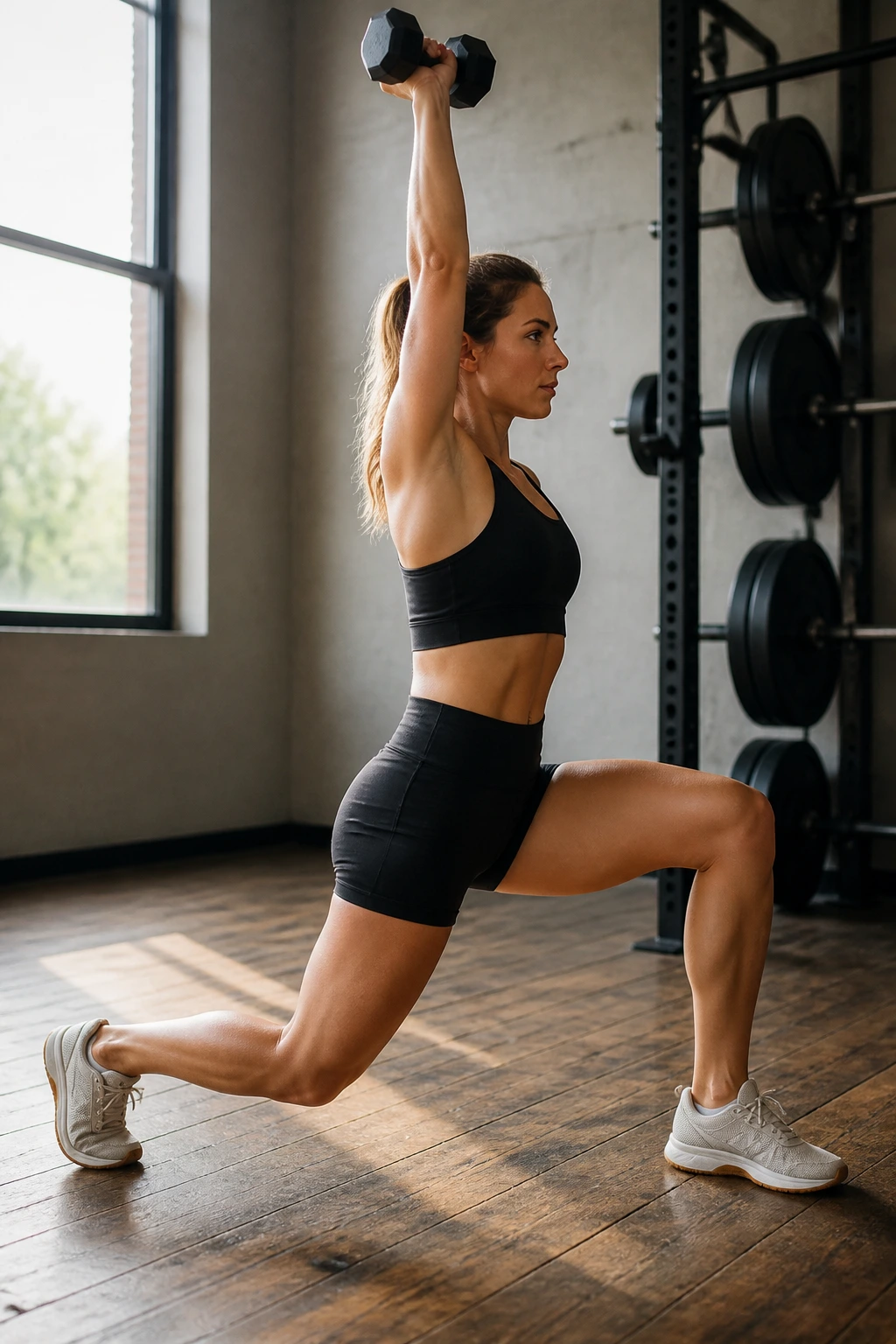
Put weight overhead and the lunge turns into a full-body balance test. Your legs still do the main work, but your ribcage, shoulders, and upper back now have to help keep you from tipping backward or arching through the low back.
This is a favorite when I want somebody to stay tall. A dumbbell, kettlebell, or light bar overhead changes the game immediately. If the core goes soft, the load tells on you within a rep or two.
The load should stay light. That’s not me being cautious for the sake of it. It’s because the overhead position turns a leg move into a stability drill, and heavy weight usually steals the point. If you can’t keep your ribs down and your biceps near your ears, the set is too heavy.
Clean reps here feel long and upright. That’s the look.
14. Goblet Lunge
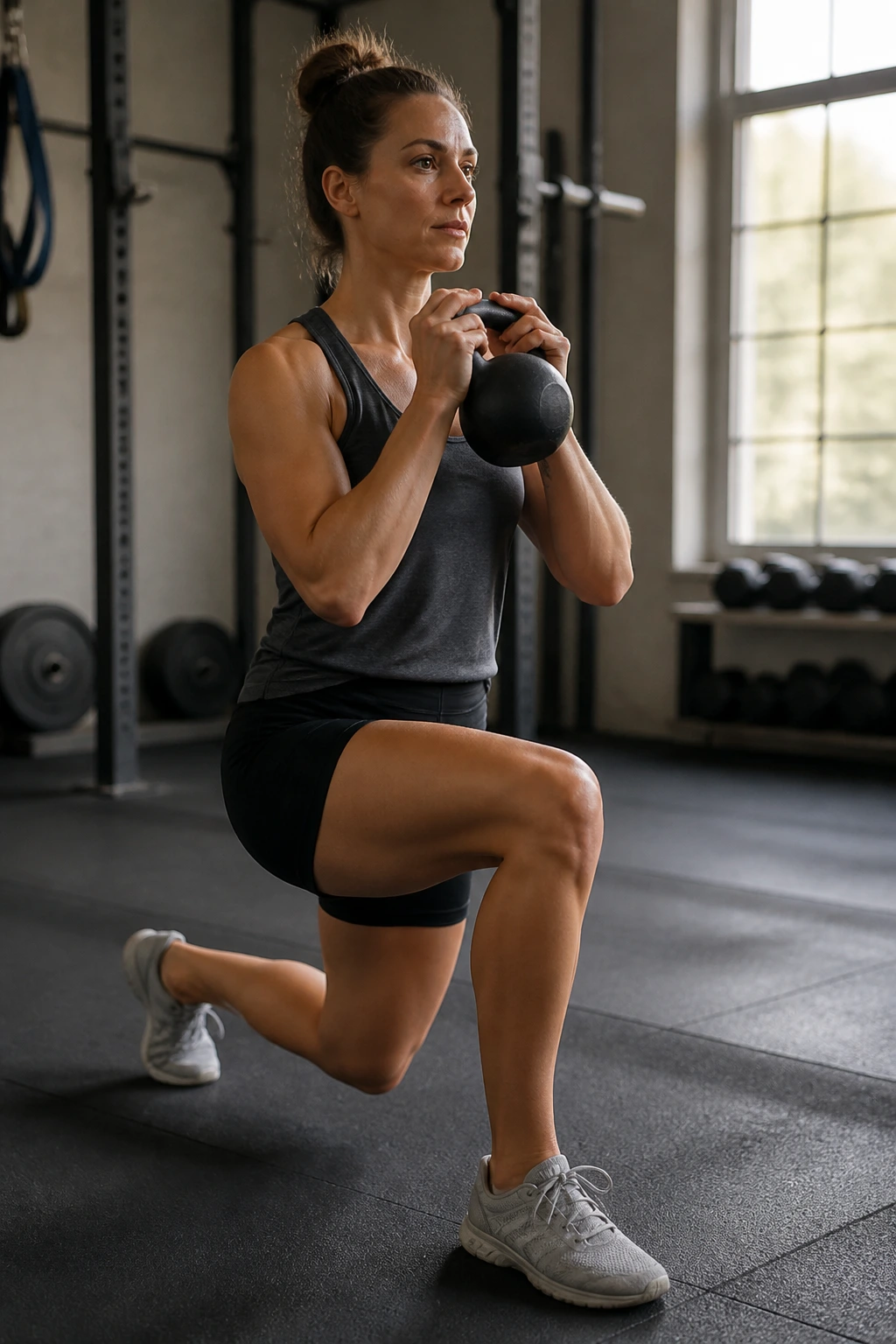
The goblet lunge is one of my favorite teaching tools because the weight in front of the chest naturally encourages a more upright torso. That makes it easier to stay honest with your posture while still loading the legs.
Hold a dumbbell or kettlebell close to your sternum and step into a lunge or split squat. The front load shifts your center of mass forward a little, which often helps the quads work harder without making the movement feel unstable. It’s friendly, but not easy.
I reach for goblet lunges when someone wants to learn clean depth, or when they need a lower-complexity version before moving into front rack or barbell work. The grip is simple. The cue is simple. The burn is not.
A set of 8 to 12 reps per leg is usually enough to make the legs talk back.
15. Front Rack Lunge
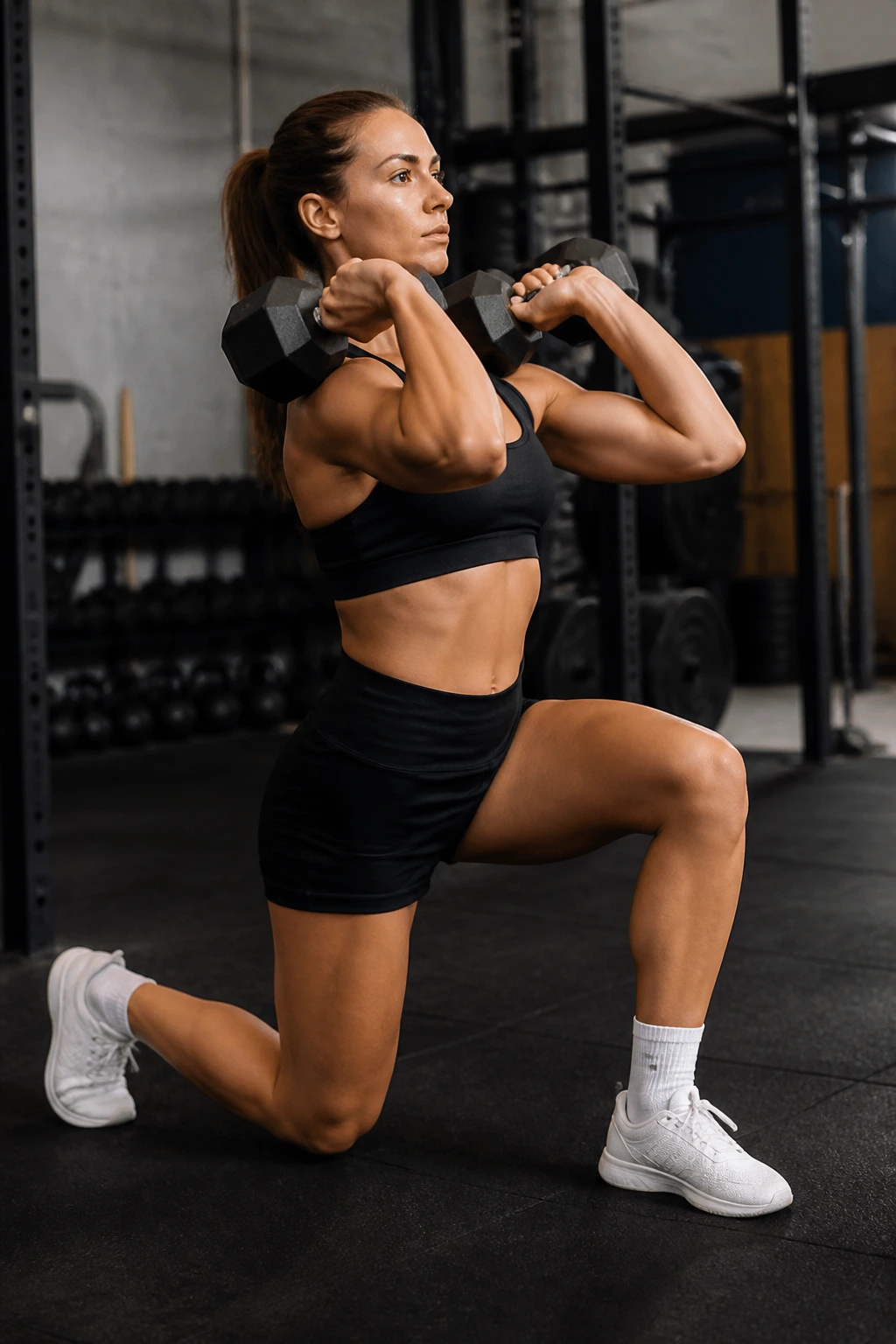
Can a lunge be both hard and tidy? Yes. Front rack lunges are the proof.
Holding dumbbells or kettlebells at the shoulders puts the load in front of you, which makes the core brace harder and often lights up the quads more than a suitcase or back-loaded version. It also asks your upper back to stay switched on, which is part of why the movement feels so compact and serious.
The Catch
The rack position can get sloppy fast if the elbows droop or the wrists fold back. Keep the elbows slightly forward, the ribs down, and the weight close.
- Use moderate load before chasing heavy weight.
- Keep your chest tall but not flared.
- Step under control; don’t rush the bottom.
- Breathe at the top, brace, then go again.
This is one of the cleanest ways to make a lunge feel loaded without a barbell on your back. It rewards discipline. It does not reward ego.
16. Suitcase Lunge
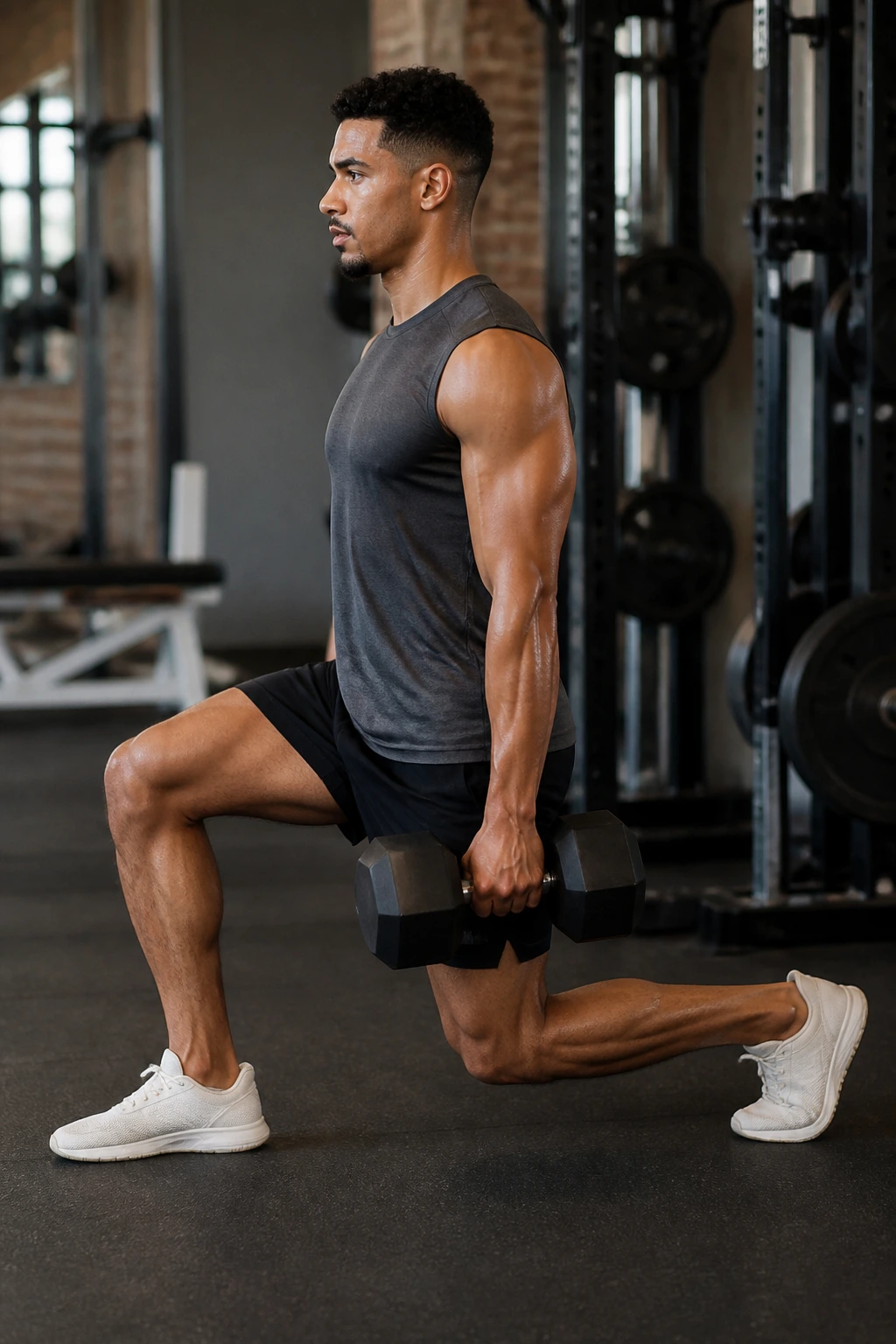
Put a heavy dumbbell in one hand and the whole exercise gets honest in a hurry. The suitcase lunge asks your body not to lean, twist, or cheat toward the load, which means your trunk has to work harder than it looks like it should.
I like this one because the asymmetry is the point. Your side body — especially the obliques and glute medius — has to keep your torso from sliding toward the dumbbell. That anti-tilt demand turns a regular lunge into a balance and trunk-strength drill.
A Few Useful Details
- Hold the weight on the side opposite the working leg for extra trunk demand.
- Keep the shoulders level.
- Walk the dumbbell up and down only if your grip stays relaxed.
- Switch sides every set so the body doesn’t get lopsided.
The suitcase lunge is a quiet little reminder that strong legs don’t work alone. They need a trunk that can keep up.
17. Rotational Lunge
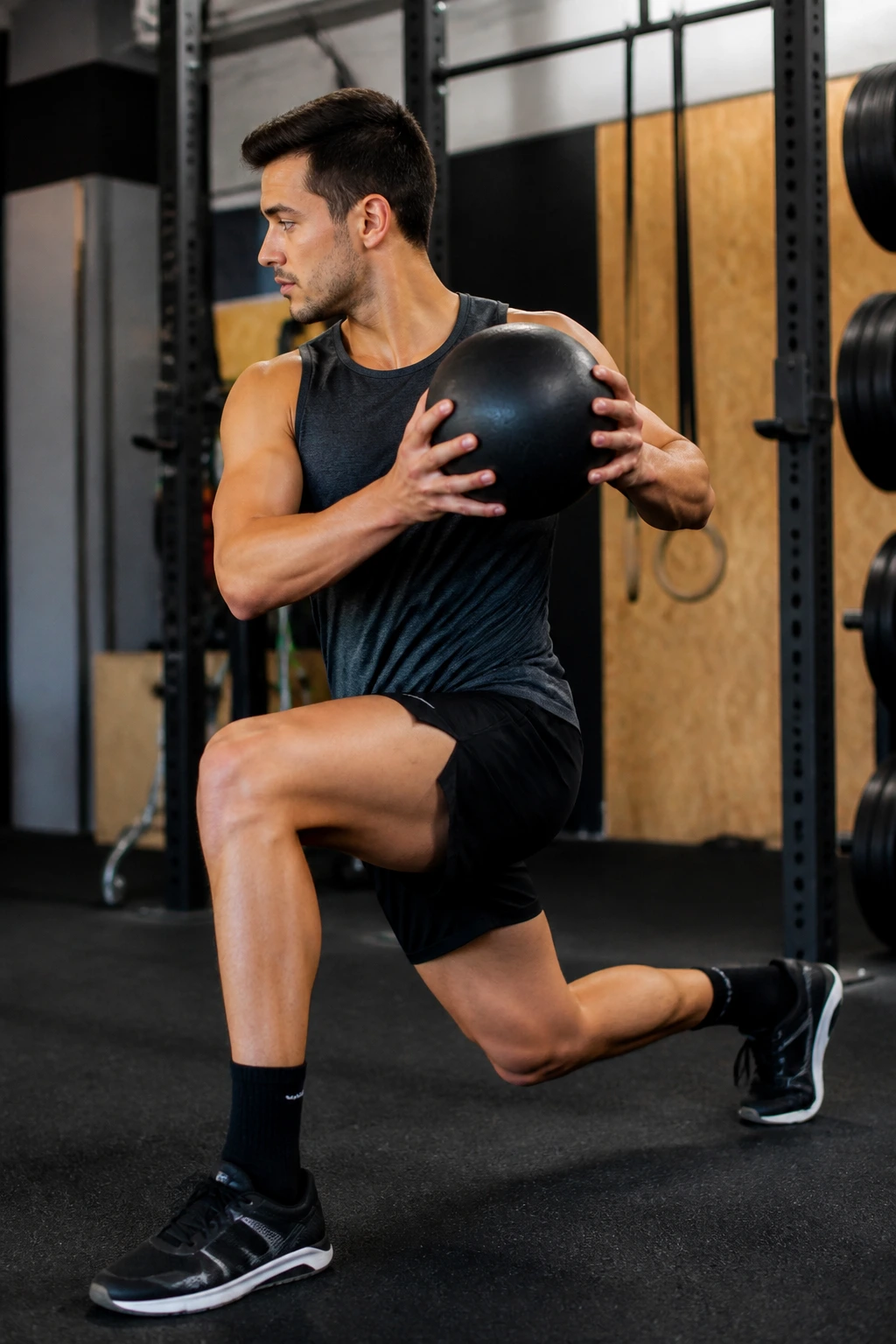
A rotational lunge adds a torso twist to the bottom of the movement, and that twist changes how the hips and core behave under load. The key is keeping the rotation controlled and coming from the upper back, not yanking the knee around like it’s part of the steering system.
This version earns its keep when you want coordination, trunk control, and a little more athletic feel. It can be done with bodyweight, a medicine ball, or a light plate. I’d keep the load light at first. The body has enough to think about without making the rep into a circus act.
Where It Helps Most
- Warm-ups for field sports or court work.
- Light accessory work when you want trunk involvement.
- Home sessions where you want a harder lunge without heavy weights.
The front knee should stay stable while the torso rotates. If the knee twists sharply, the rep got too big. Shrink the motion and clean it up.
18. Knee-Drive Lunge
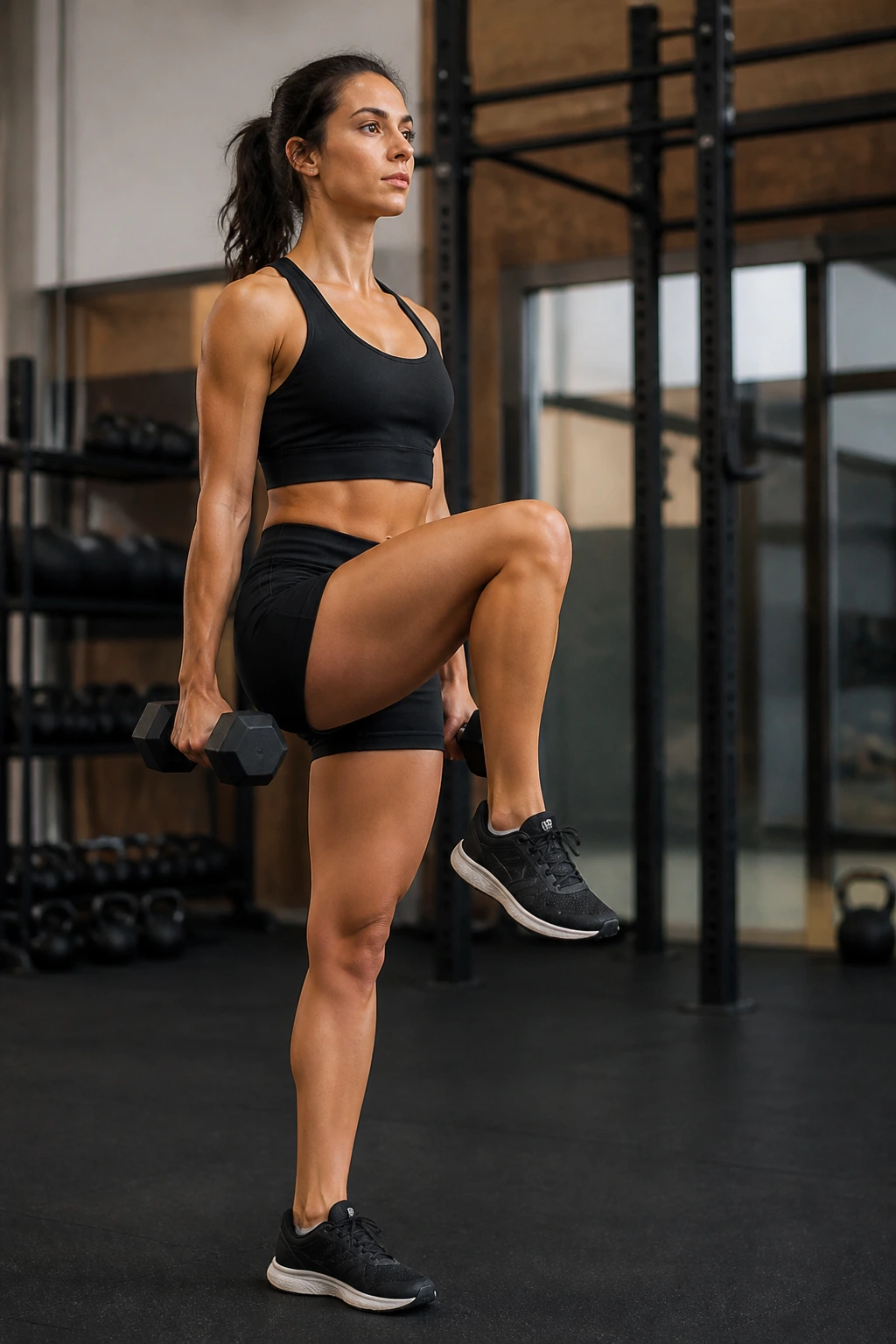
A knee-drive lunge adds a little snap at the top. Step back, stand up, then drive the front knee up toward hip height or close to it. That top-end knee drive makes the movement feel more athletic and forces a clean finish on every rep.
I like this pattern for people who need balance, hip flexor work, and a bit more rhythm in their lower-body training. The pause at the top matters. If you rush through it, the movement loses its shape and turns into sloppy stepping.
The standing leg should feel like it has to stabilize for a second before the knee comes up. That pause is the good stuff. It teaches control through the whole chain, not just at the bottom.
Use bodyweight or very light dumbbells first. Heavy loading tends to turn the knee drive into a wobble, and wobble is not the goal.
19. Lunge with Reach
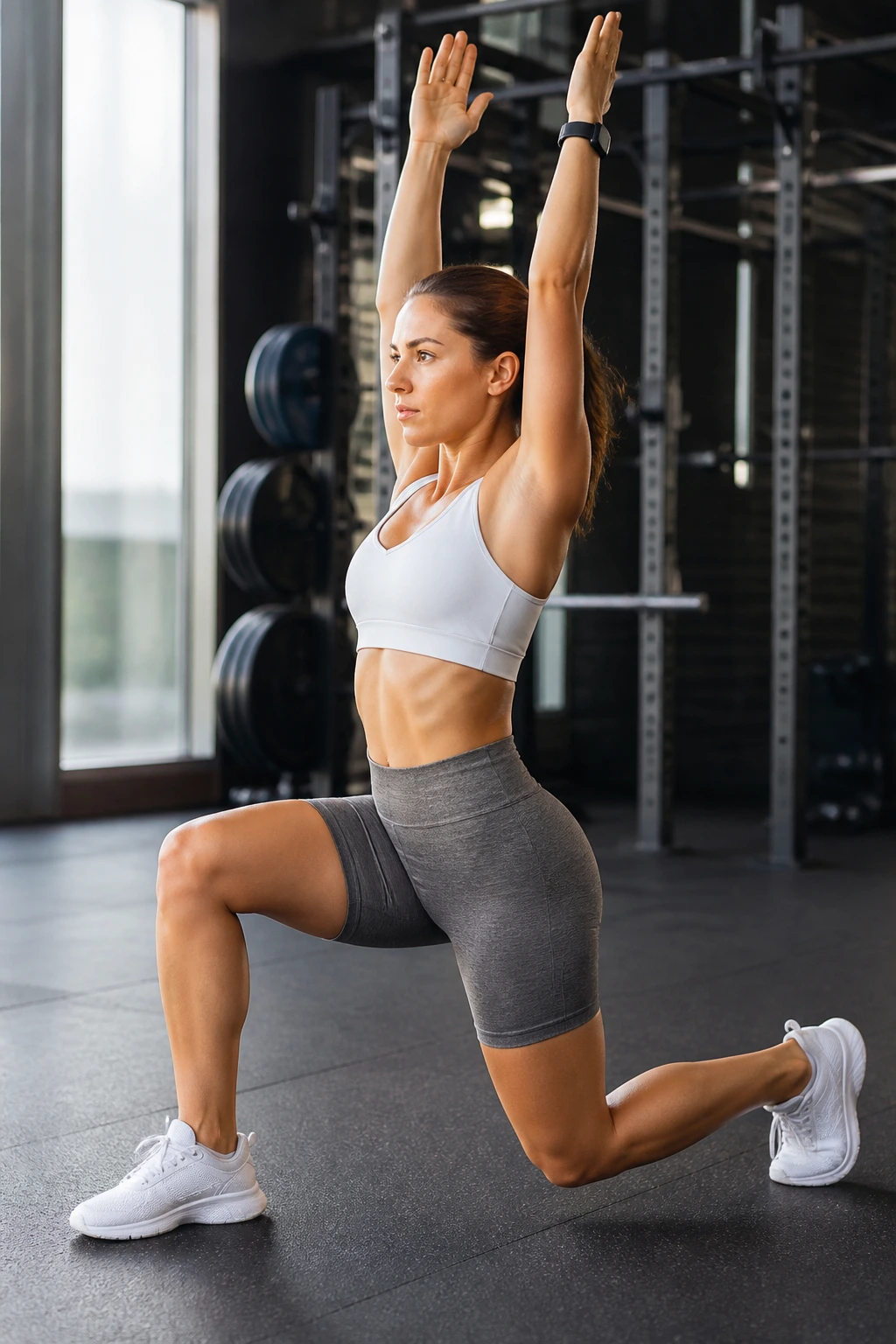
Reach your arms forward, overhead, or diagonally across the body while you lunge, and the whole pattern changes. The reach shifts your center of mass and makes your core work harder to keep you from tipping or twisting too far.
This is one of those variations that looks mild until you feel it. The lower body still works, but the added reach forces more balance, more trunk control, and more attention to body position. I like it as a warm-up, a mobility drill, or a lighter accessory when heavy loading is not the point.
A Simple Way to Use It
- Reach with both arms overhead for more torso challenge.
- Reach straight forward if you want a cleaner balance drill.
- Add a diagonal reach if you want a little more hip and trunk rotation.
Keep the reach smooth. A sloppy arm swing is not the same thing. The movement should feel long, controlled, and deliberate — almost like you’re trying to draw a line through the air.
20. Clock Lunge
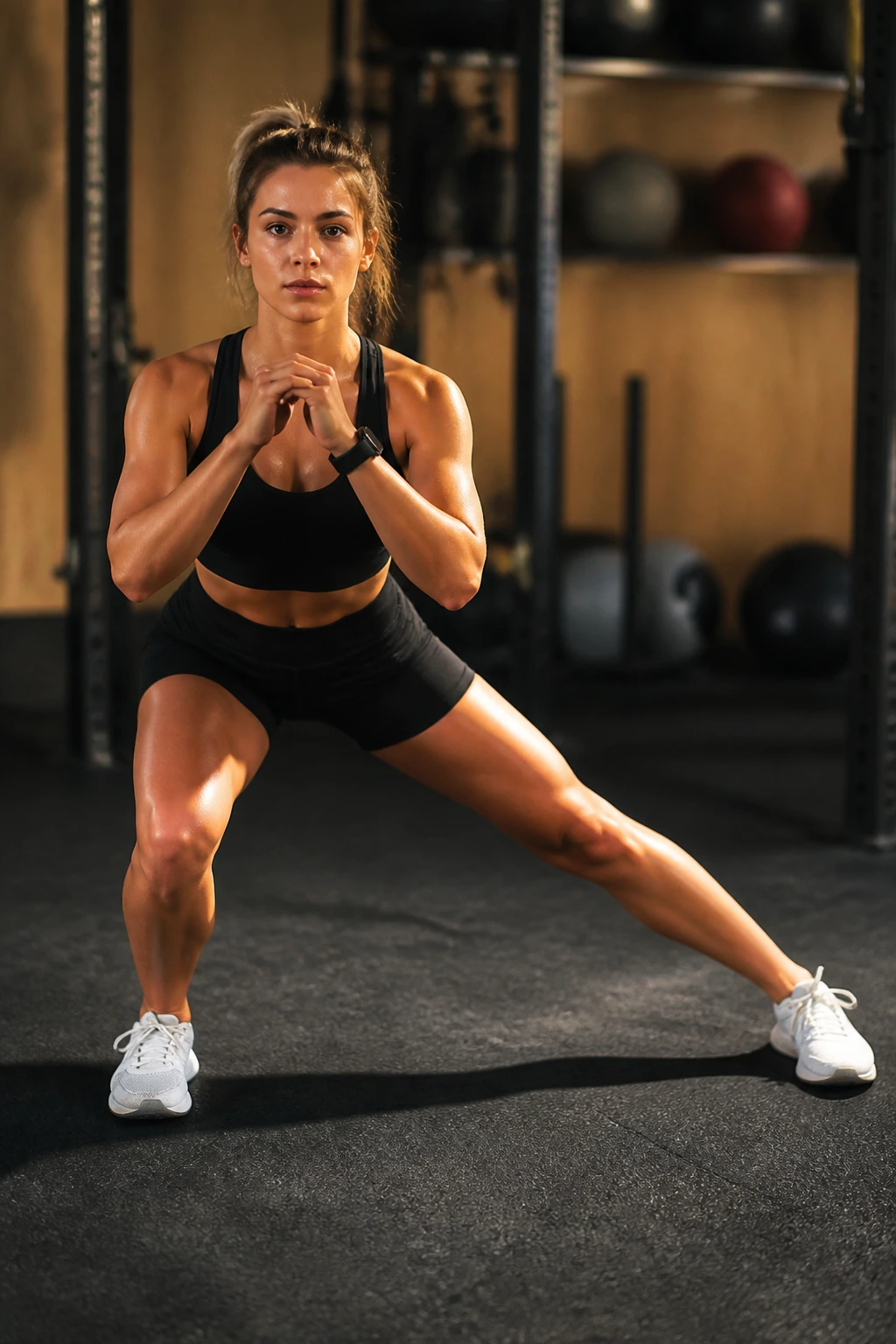
What if one lunge pattern could show you where your weak spots are in about ten minutes? Clock lunges do a decent job of that.
Imagine the standing leg as the center of a clock. You step the other leg to 12 o’clock, 3 o’clock, 6 o’clock, 9 o’clock, and sometimes the diagonals in between. Each direction changes the hip angle, the balance challenge, and the load on the standing leg in a different way. It’s a smart finisher and a smart assessment tool. You can feel the difference between directions fast.
I like this one when the legs are already warm and I want one last round of honest work. The beauty is that it never feels identical from step to step. Forward steps test braking. Side steps light up the adductors. Diagonal steps ask for more control than people expect.
If you want stronger legs, this is the part people skip too often: train them from more than one angle, but don’t abandon the stable, loadable basics. A good reverse lunge or split squat should still be the anchor. The flashy stuff has a job, but the heavy, controlled reps build the foundation.
