



Finding a routine that actually sticks is the hardest part of any fitness journey. You sit on your mat, looking at a blank screen, wondering if you are doing the movements correctly or just flailing around. It happens to everyone. The beauty of Pilates lies in its precision, but that exact focus on form is precisely what makes beginners nervous. You do not need a reformer, a private instructor, or an expensive studio membership to start building the foundational strength, posture, and core control that this method is famous for. You just need a bit of guidance, a quiet corner, and a clear idea of what works for your specific goals.
Choosing the right video from the vast ocean of free content requires a filter. Many instructors move too fast, or they skip the cues that explain why you are tucking your pelvis or keeping your ribs down. The best beginner videos are the ones that talk you through the “scoot” of the abdominals and the placement of the spine. When you find the right one, it feels less like a workout and more like a physical therapy session that happens to leave you shaking.
Let’s look at the specific types of free Pilates workouts that offer the most value for someone just getting started.
1. The Classic Mat Fundamentals
There is a specific, rigorous order to traditional Pilates mat work. When you search for “classic mat,” look for videos that prioritize Joseph Pilates’ original exercises—the Hundred, the Roll Up, the Leg Circles. These aren’t flashy, but they are the bedrock of the practice.
Why This Matters
Most modern, modified versions of Pilates skip the fundamentals to get to the “burn.” That is a mistake. The classic order teaches you the sequence of movement and how one exercise prepares your body for the next.
- Look for: Instructors who spend time explaining the “Pilates scoop”—that sensation of pulling your navel toward your spine while knitting your ribs together.
- The benefit: You learn how to stabilize your torso before moving your limbs.
- Red flag: If the video moves instantly into complex moves like the Teaser without warming up, skip it.
2. The 10-Minute Morning Kickstart
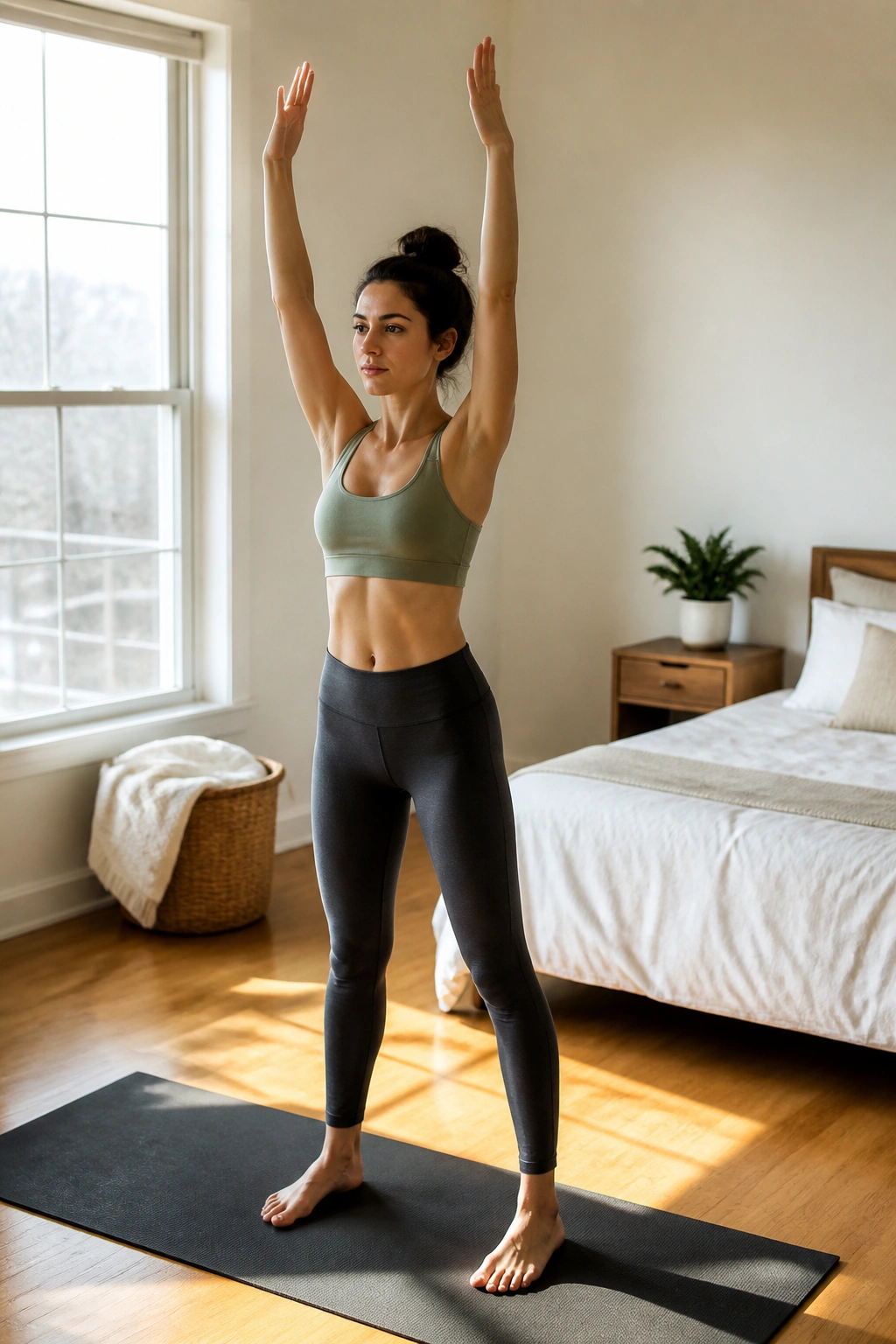
When you are short on time, you might be tempted to skip a workout entirely. A 10-minute flow is the antidote to that impulse. These videos are designed to wake up the spine, mobilize the hips, and get blood flowing to the brain without requiring a full hour of commitment.
Think of these as an internal alarm clock. You aren’t aiming for muscle failure here; you are aiming for alignment. You want to finish the ten minutes feeling taller and more alert, not depleted. Focus on finding instructors who emphasize breath synchronization—inhaling to prepare, exhaling to move. If you finish the video and feel like you have just had a good yawn and a stretch, you have done it right.
3. Pilates Sequences for Lower Back Relief
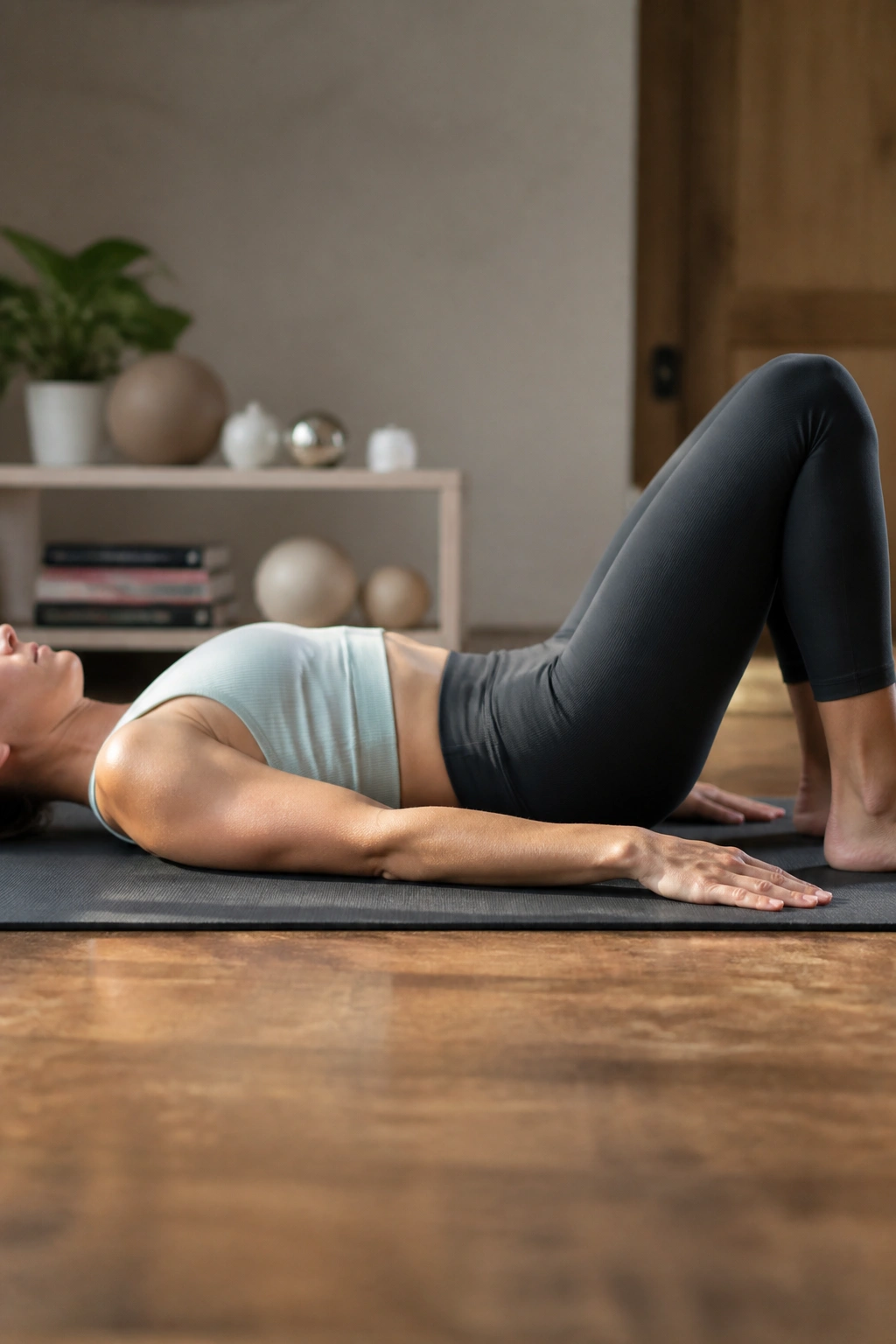
If you sit in a chair for the better part of the day, your lower back is likely taking the brunt of that tension. Pilates is legendary for its ability to rehabilitate and strengthen the muscles surrounding the lumbar spine.
What to Look For
You want a video that specifically focuses on “neutral spine” and “imprinting.” Neutral spine is that natural, slight curve in your lower back. Imprinting involves gently pressing that curve into the mat.
- The goal: Relieving pressure on the vertebrae.
- Watch for: Cues like “keep the weight heavy in the tailbone” and “soften the front of the hips.”
- Avoid: Any video that encourages extreme arching or aggressive spinal extension if you are currently experiencing pain.
4. Dedicated Core and Transverse Abdominis Work
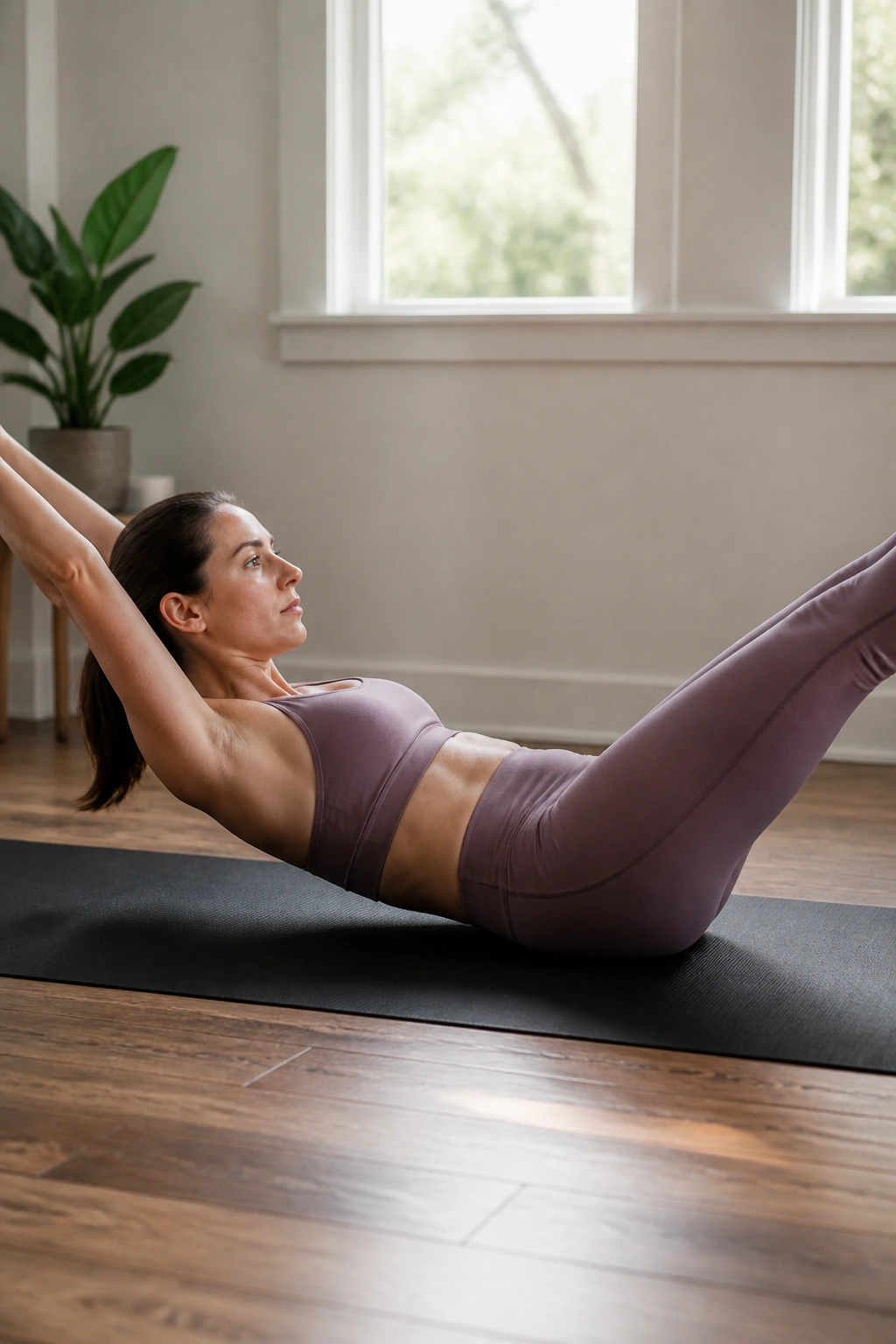
Everyone wants “abs,” but in Pilates, we are talking about the transverse abdominis—the deep, corset-like muscle that wraps around your waist. This isn’t about doing a thousand crunches; it is about isometric holds and precise, controlled movements.
When you do a proper Pilates ab series, you should feel a distinct sensation deep inside your stomach, not in your neck or your hip flexors. If your neck starts to hurt during a series of leg lifts, stop. It usually means your core isn’t taking the load yet. Take a break, reset your back against the floor, and try again with smaller, more controlled movements.
5. Standing Pilates for Stability
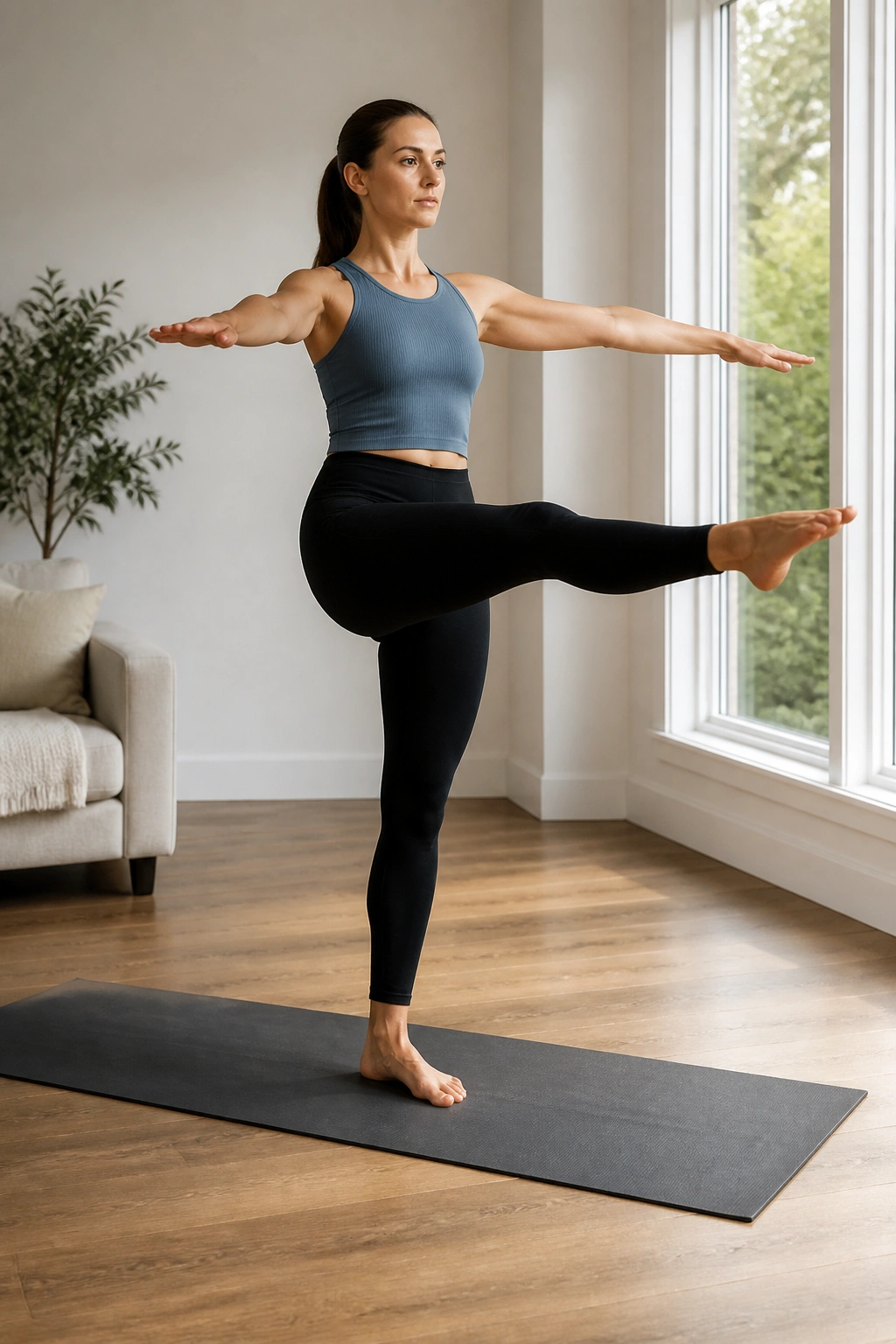
Sometimes you just don’t want to get on the floor. Standing Pilates is a fantastic, underrated way to improve balance and work the stabilizing muscles in your legs and ankles. It mimics the functional movements you do in daily life—walking, standing, reaching.
These videos often incorporate small lunges or slow, controlled leg lifts while balancing on one leg. The challenge here is not the intensity; it is the wobble. If you find yourself shaking uncontrollably, that is actually good. That vibration is your stabilizing muscles firing up to keep you upright.
6. Full-Body Lengthening and Flexibility
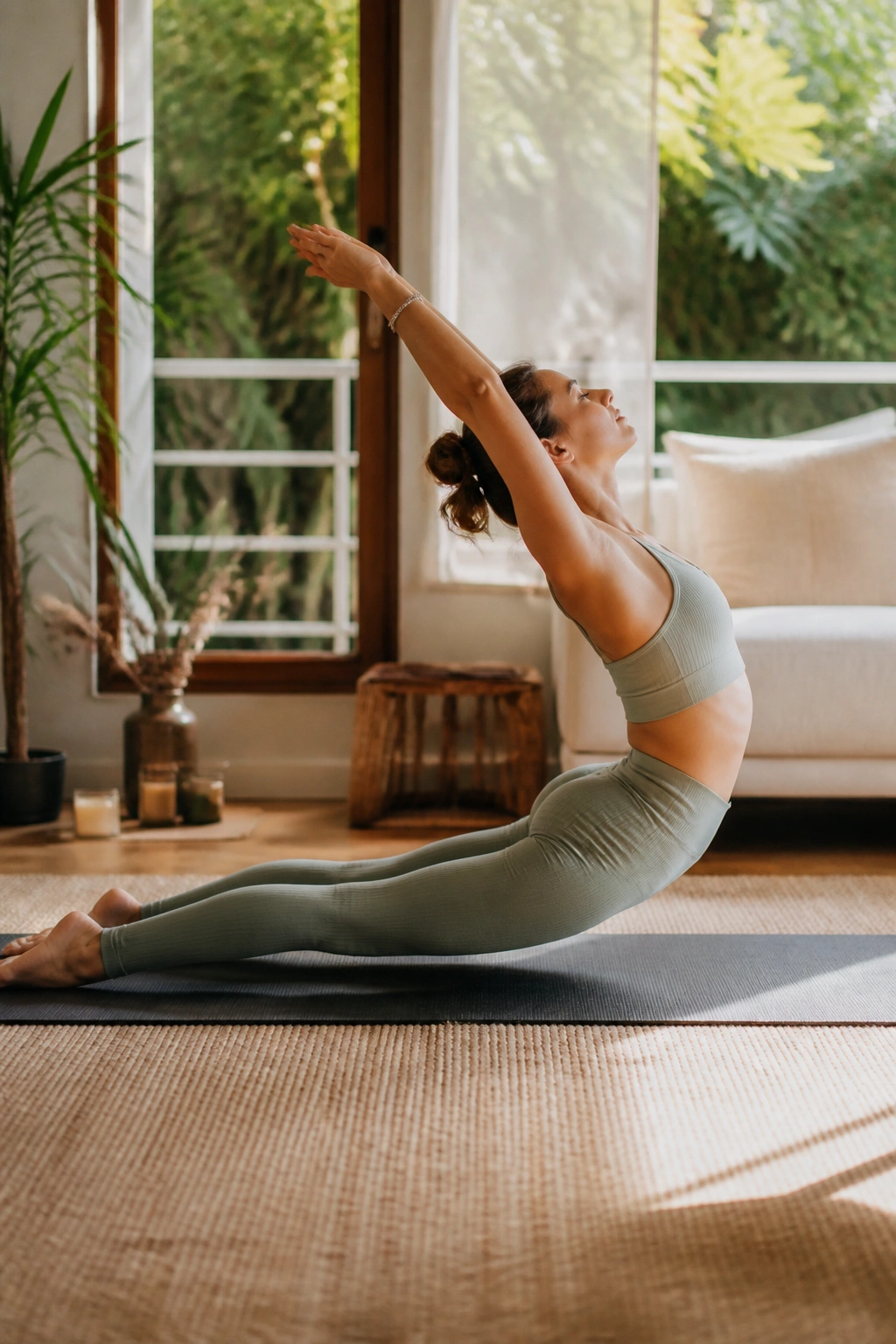
Pilates is often described as “strength training with a stretch.” This is exactly why it produces that long, lean muscle look. Look for “stretching” or “lengthening” in the video titles. These sessions prioritize the eccentric phase of muscle contraction—meaning you focus on the return movement, stretching the muscle as it lengthens.
The sensation should be a dull, pleasant pull, never a sharp pain. Pay close attention to the shoulders; if they are creeping up toward your ears, you are losing the benefit of the stretch. Keep them pressed down into the mat or away from your neck.
7. Desk-Bound Relief for Hunching
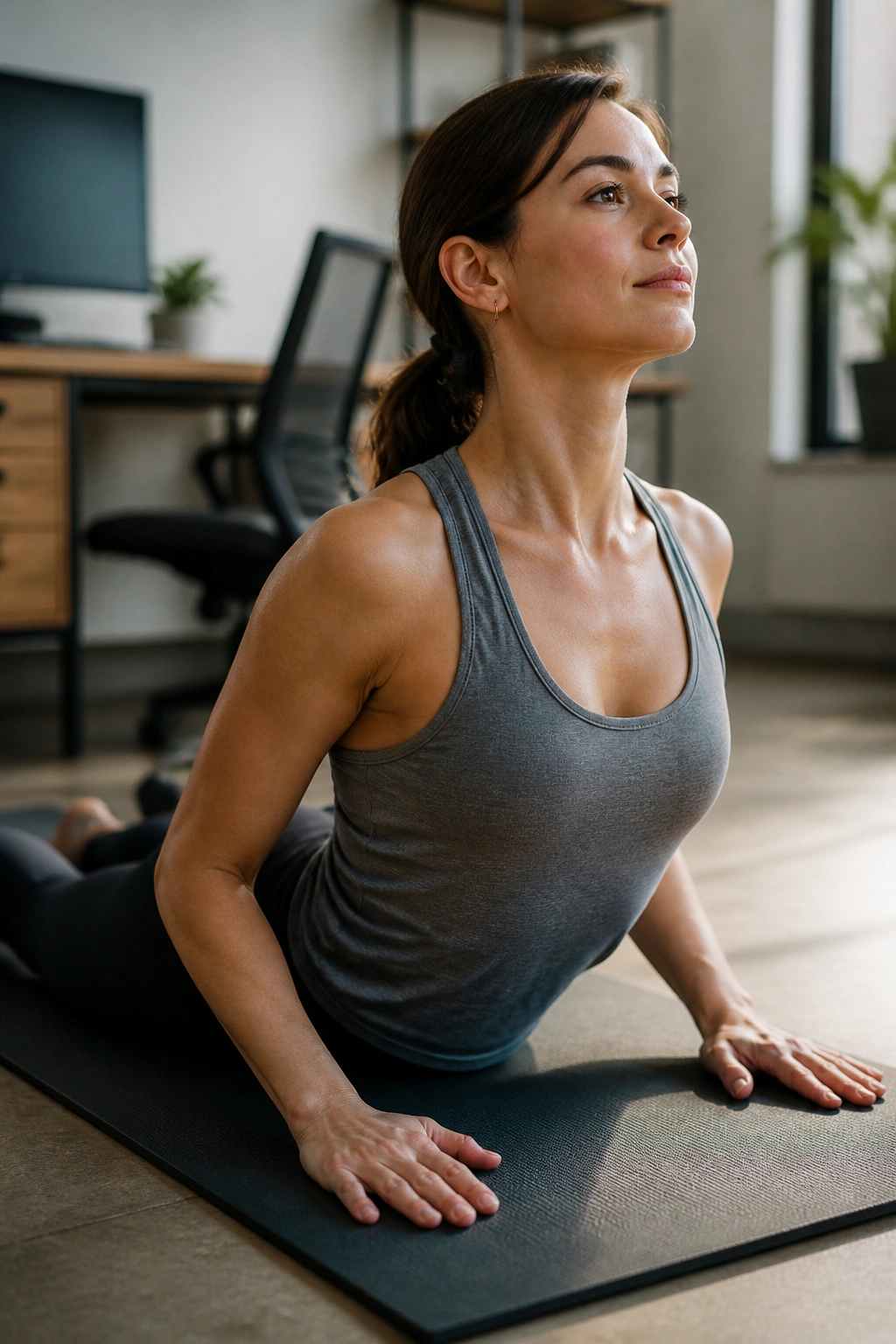
We all have “computer posture.” The shoulders round forward, the chest collapses, and the neck juts out. Pilates is perhaps the best tool available to counteract this. A dedicated “posture-fix” Pilates video will focus on thoracic extension—opening up the upper back.
These routines often use prone exercises (lying on your stomach) to lift the chest and strengthen the back muscles. This pulls the shoulders back into their natural, rested position. It is uncomfortable at first because your muscles are used to being slack, but the relief you feel afterward is immediate.
8. Prenatal and Gentle Pregnancy Flows
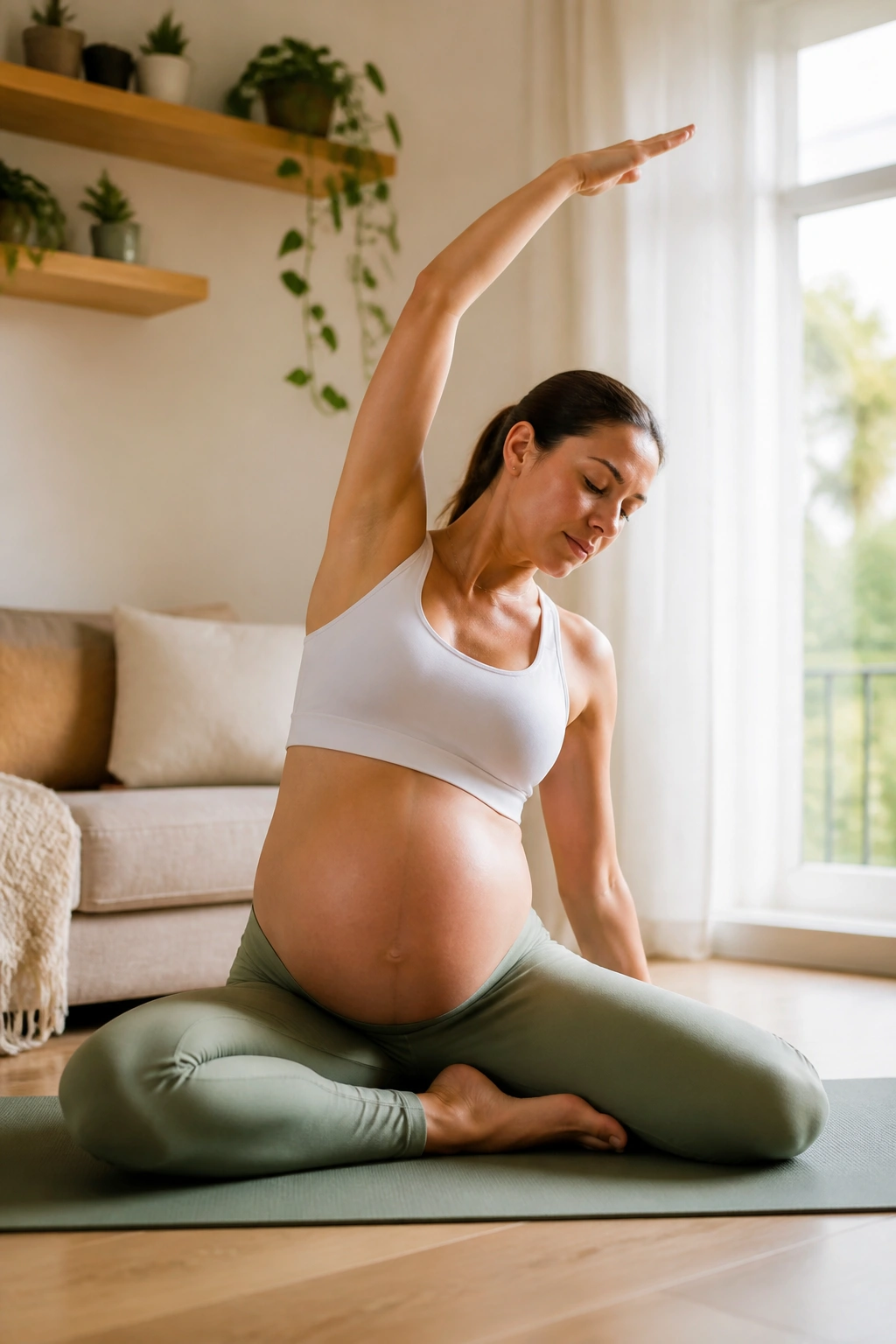
If you are expecting, you have to be much more mindful of your core engagement and balance. The good news is that Pilates is widely considered one of the safest and most effective forms of exercise during pregnancy.
Look for videos specifically labeled “prenatal” or “modifications for pregnancy.” They will avoid lying flat on your back for extended periods after the first trimester and focus on keeping the pelvis open and stable. Even if you aren’t pregnant, these videos are great for anyone who needs a slower, more deliberate, and incredibly gentle workout.
9. Glute-Focused Pilates Sculpting
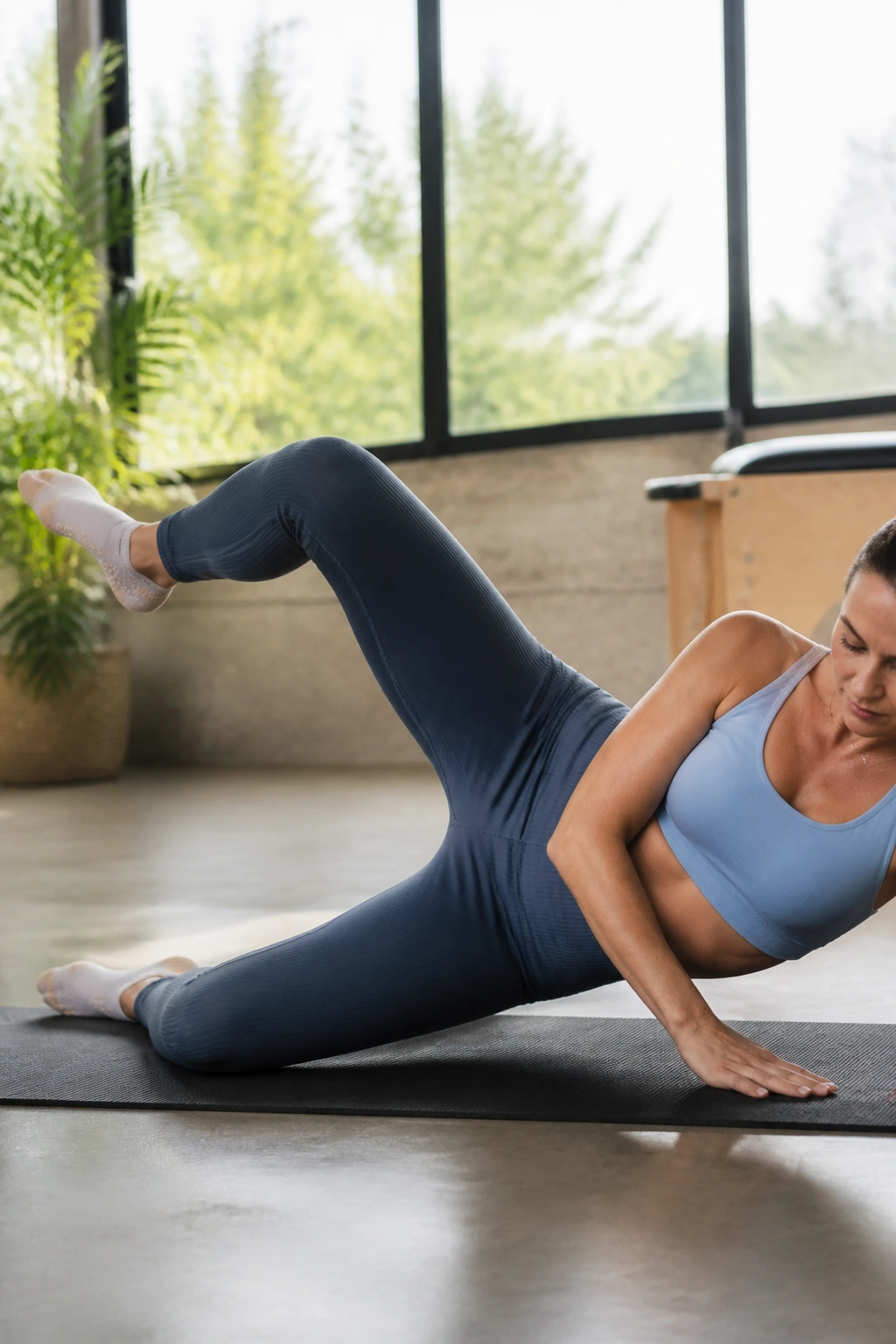
You can get a serious glute burn without ever touching a heavy weight. Pilates glute work often involves side-lying leg series—clamshells, side kicks, and leg circles. These are deceptive. They look simple, but by the tenth repetition, your glutes will be burning.
Technique Notes
- The key: Stabilize the hips. Do not let your body roll forward or backward as you move your leg.
- Visual cue: Imagine your hips are headlights. They should stay pointed forward, never tilting toward the ceiling or floor.
- Tip: If you are not feeling it, slow down. Pulse on the beat of the movement rather than rushing through the reps.
10. Posture Correction and Thoracic Openers
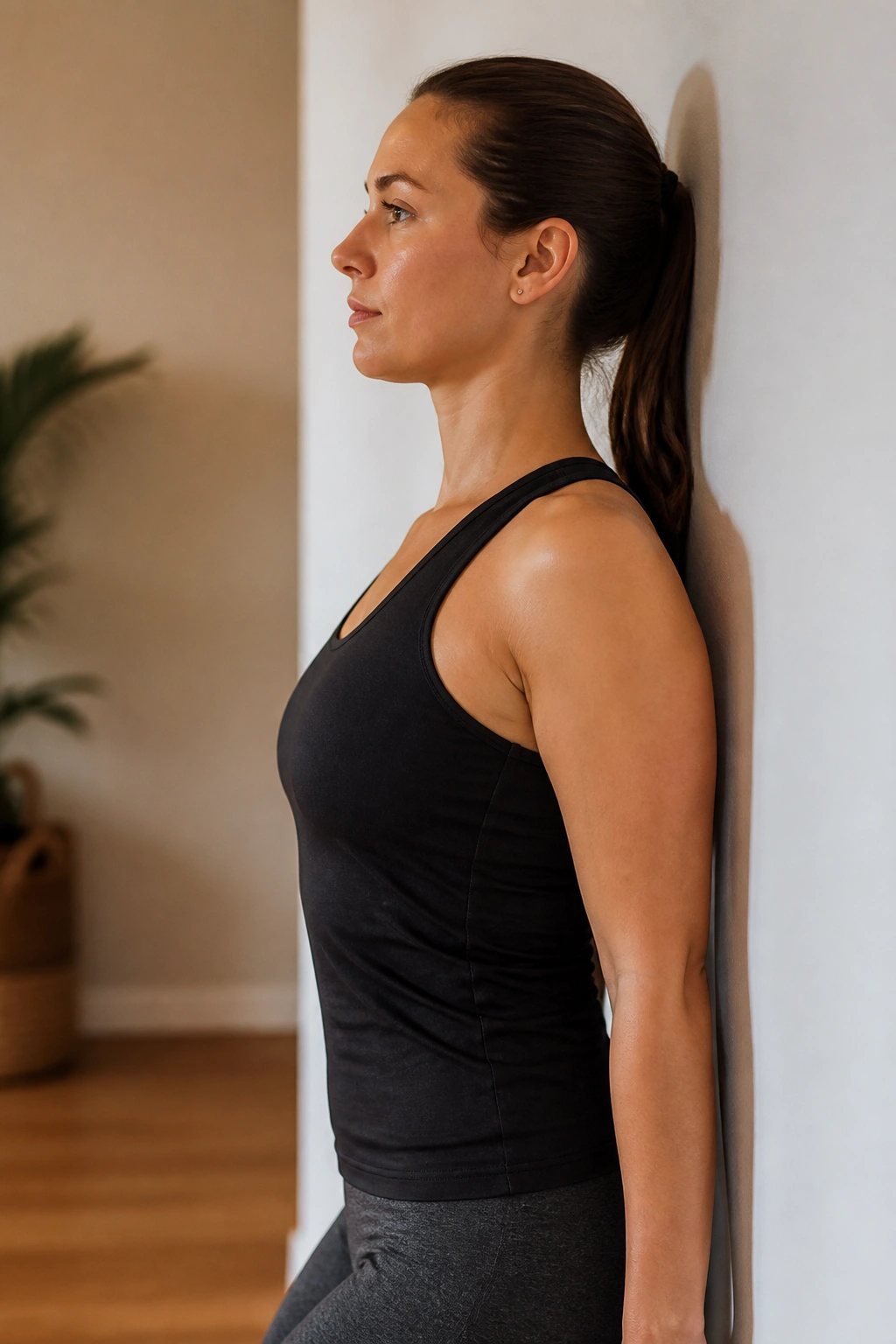
This goes beyond just “fixing hunching.” It is about retraining your brain to hold your body in alignment. You want videos that emphasize scapular (shoulder blade) movement.
Many instructors will cue you to “glide your shoulder blades into your back pockets.” This is the gold standard for posture. If a video keeps returning to this cue, you have found a good teacher. Your goal is to develop the muscle memory to hold this position even when you aren’t exercising, such as when you are standing in line for coffee.
11. Arm and Upper Body Definition
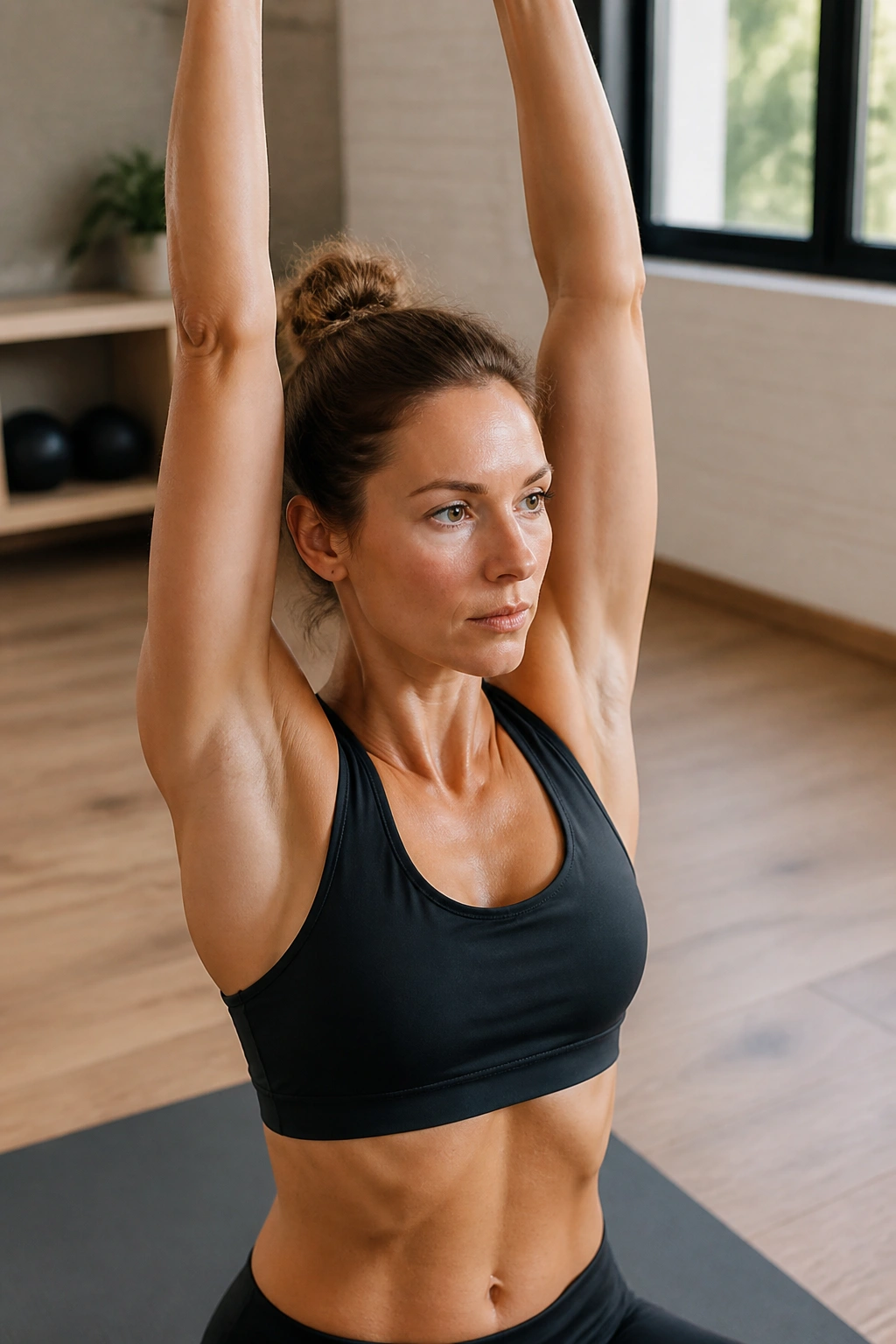
Pilates isn’t just about the core. The arm work is brutal in the best way possible. It involves holding your arms out in space, resisting the “pull” of gravity, and adding tiny, pulsing movements.
You don’t need hand weights for this. Your own arms provide enough resistance when you tense the muscles and move with intent. The burn happens because you are keeping the muscles under constant tension without dropping them to your sides. Resist the urge to shake your arms out too early; that burn is where the change happens.
12. Using Small Props for Resistance
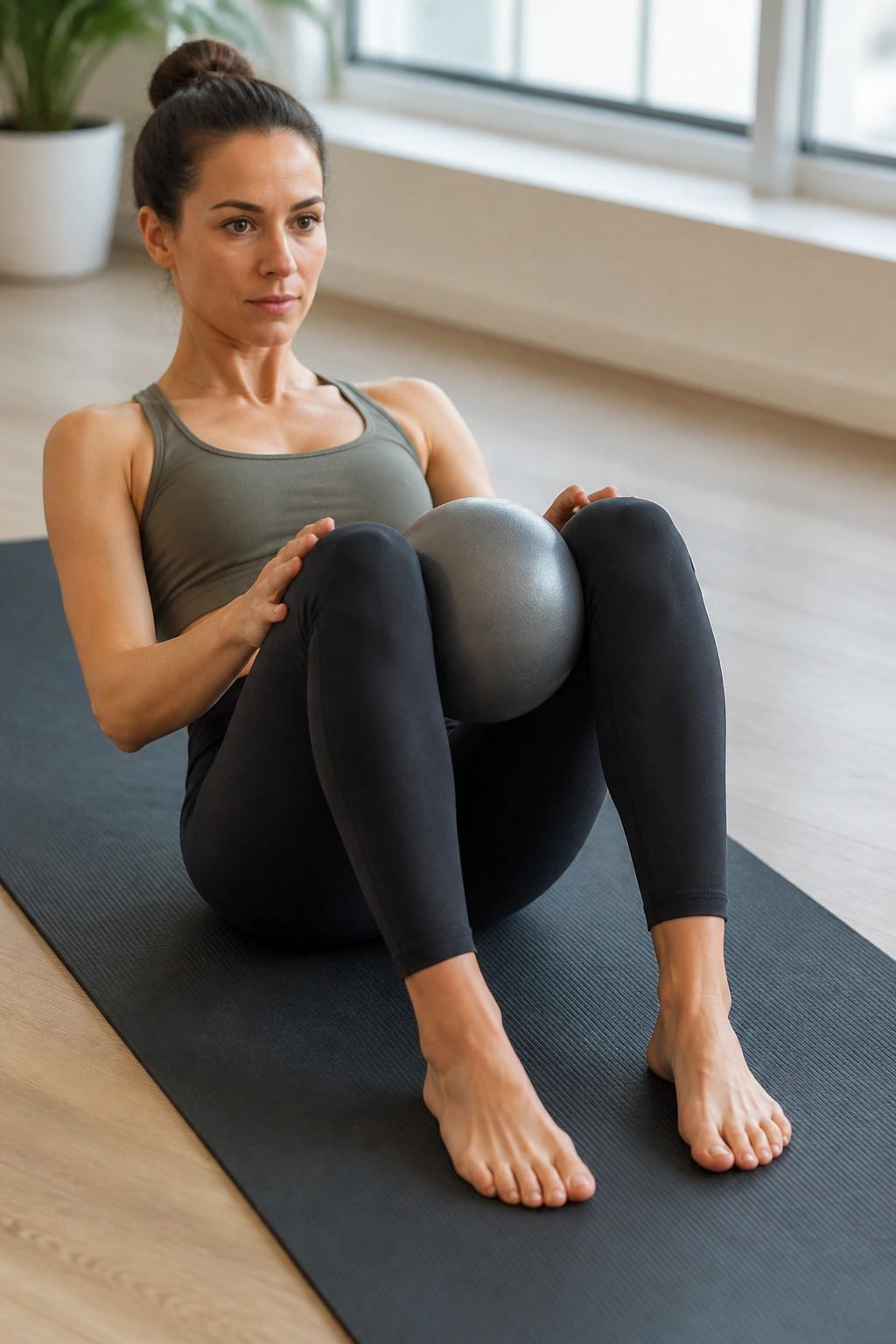
If you find a video that uses a “Pilates ball,” “Magic Circle,” or a resistance band, give it a shot. These props act as feedback tools. A small squishy ball between your knees forces you to engage your inner thighs (adductors), which are directly linked to your pelvic floor and core.
You do not need to buy expensive equipment to follow these videos. A rolled-up towel often serves as a perfect substitute for a ball, and a pair of leggings can work as a resistance band if you are creative. The prop is just there to remind you to squeeze or push.
13. Gentle Active Recovery Days
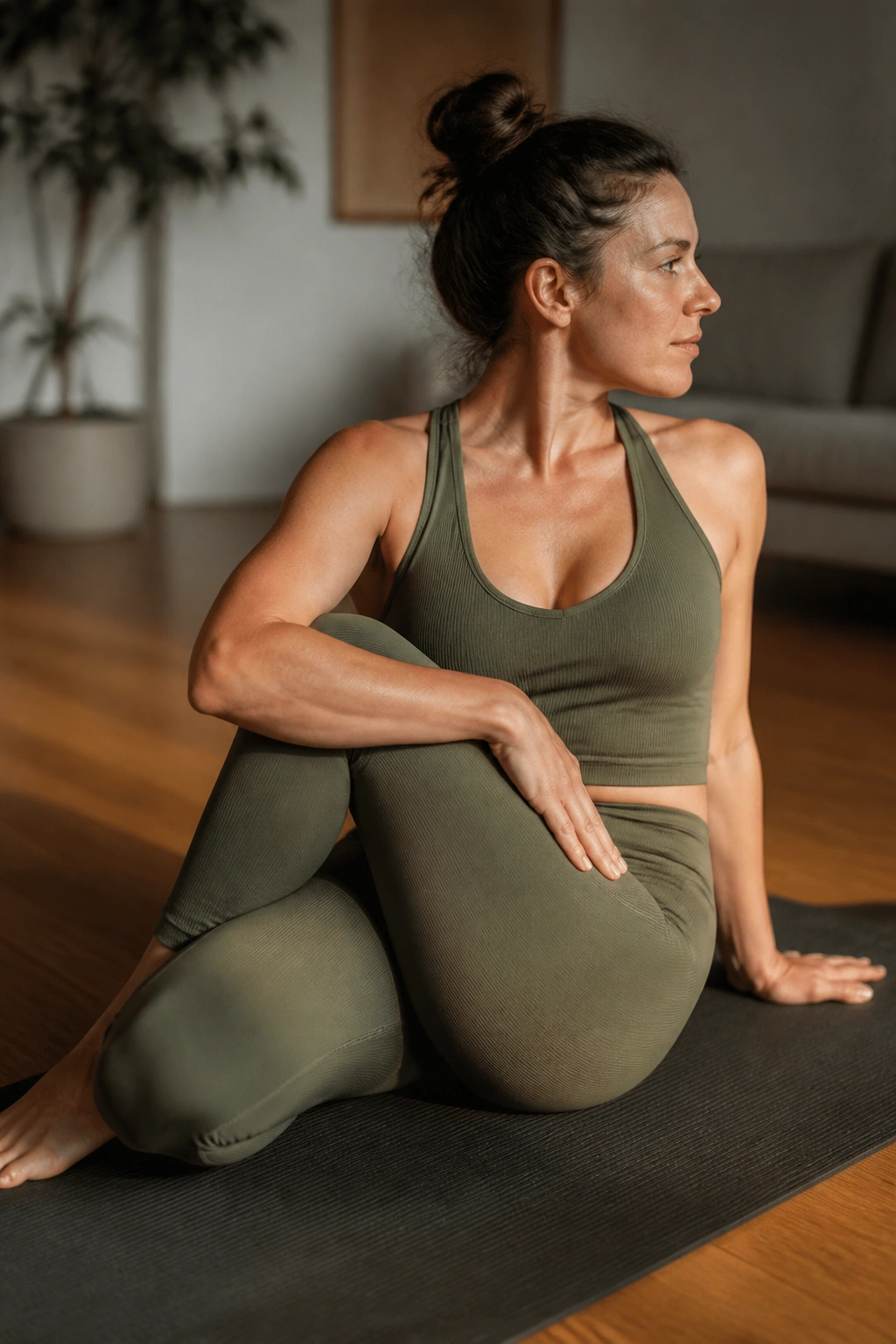
Some days, you are sore from a run or a heavy lift. That is not the day to do a high-intensity Pilates class. Look for “active recovery” or “gentle flow” videos.
These sessions should be slow, rhythmic, and soothing. They help flush out lactic acid and increase circulation to the muscles, which actually speeds up recovery time. If the video includes intense planks or rapid-fire abs, it is not an active recovery class. Skip it and find something that focuses on mobility and joint health.
14. High-Energy “Pop” Pilates
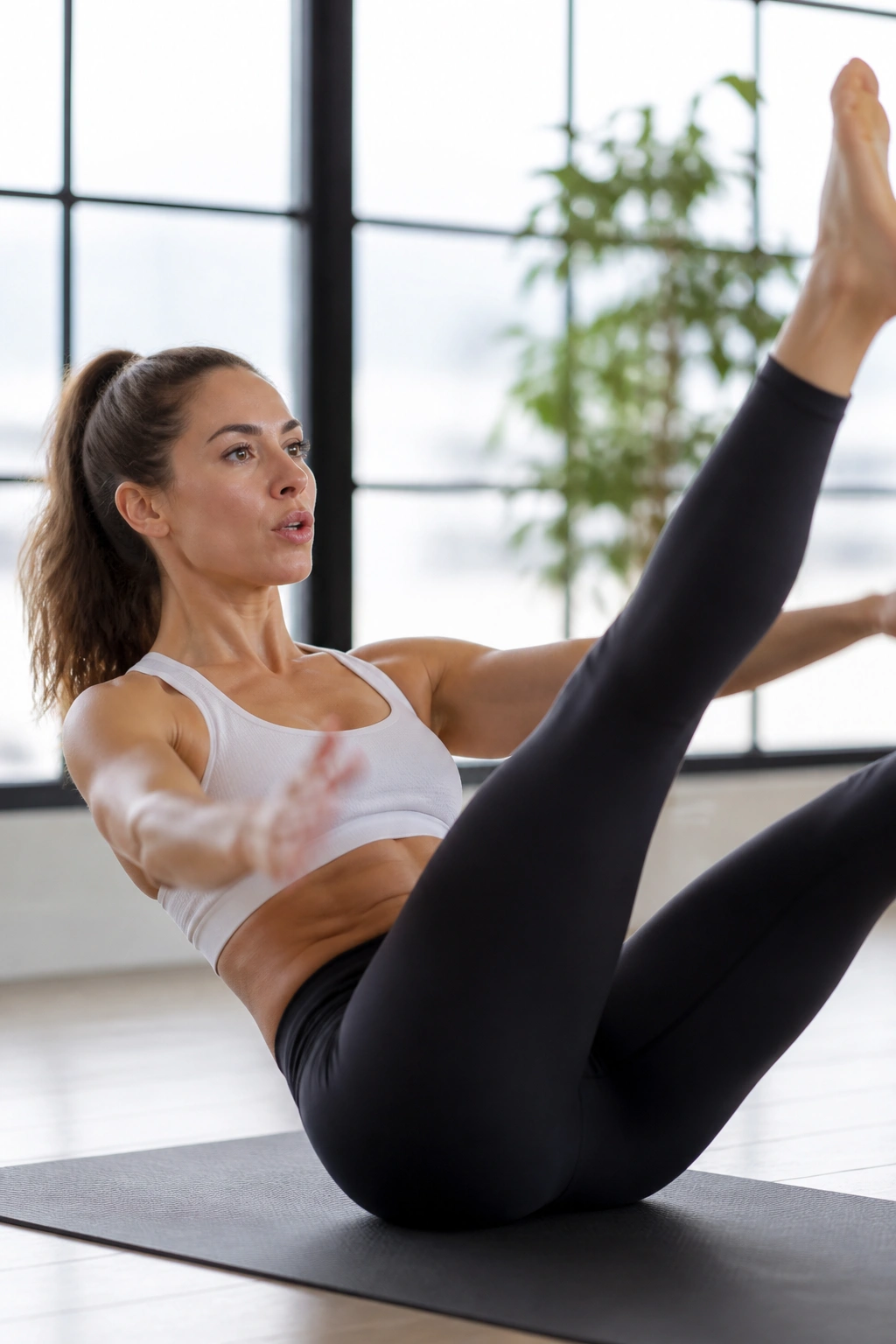
Sometimes you need a beat to keep you moving. “Pop” Pilates style videos are set to music and tend to be faster, more rhythmic, and dare I say, fun. They feel more like a dance or a rhythmic workout.
This is a great entry point if you find slow, classical Pilates too boring. The danger here is form. Because it is faster, it is easy to “cheat” and use momentum rather than muscle control. If you catch yourself swinging your limbs, pause, slow down, and re-engage your core.
15. Physiotherapy-Led Clinical Sequences
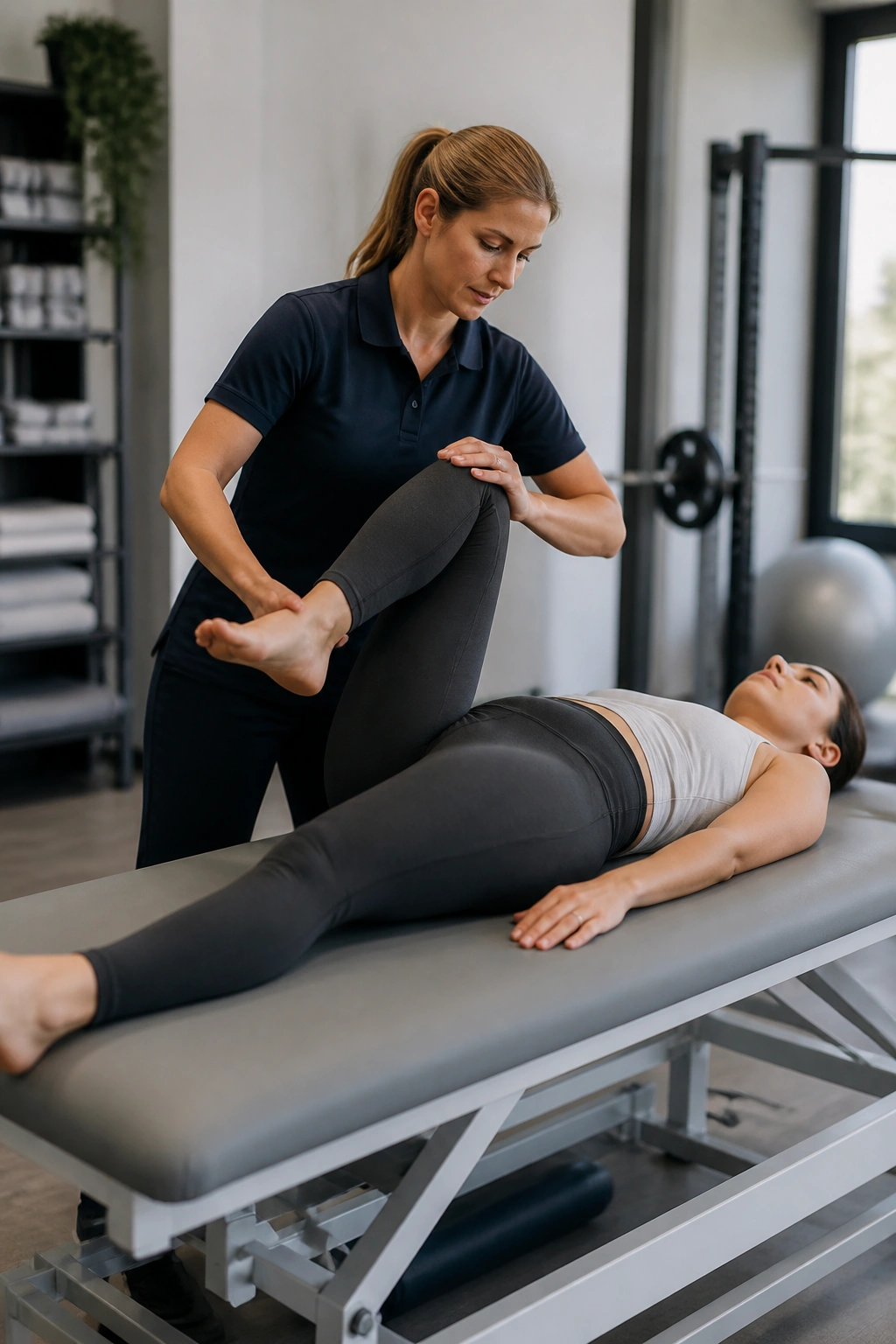
There is a specific niche of Pilates videos taught by actual physiotherapists or clinical Pilates instructors. These are pure gold. They are usually less about the “look” of the workout and more about the mechanics of how your joints and muscles function.
They might spend five minutes explaining the anatomy of your hip socket before you even start moving. It might sound dry, but it is the single best way to learn proper form. When you learn why a movement is safe, you stop fearing it and start mastering it.
16. Pilates for Runners and Cyclists
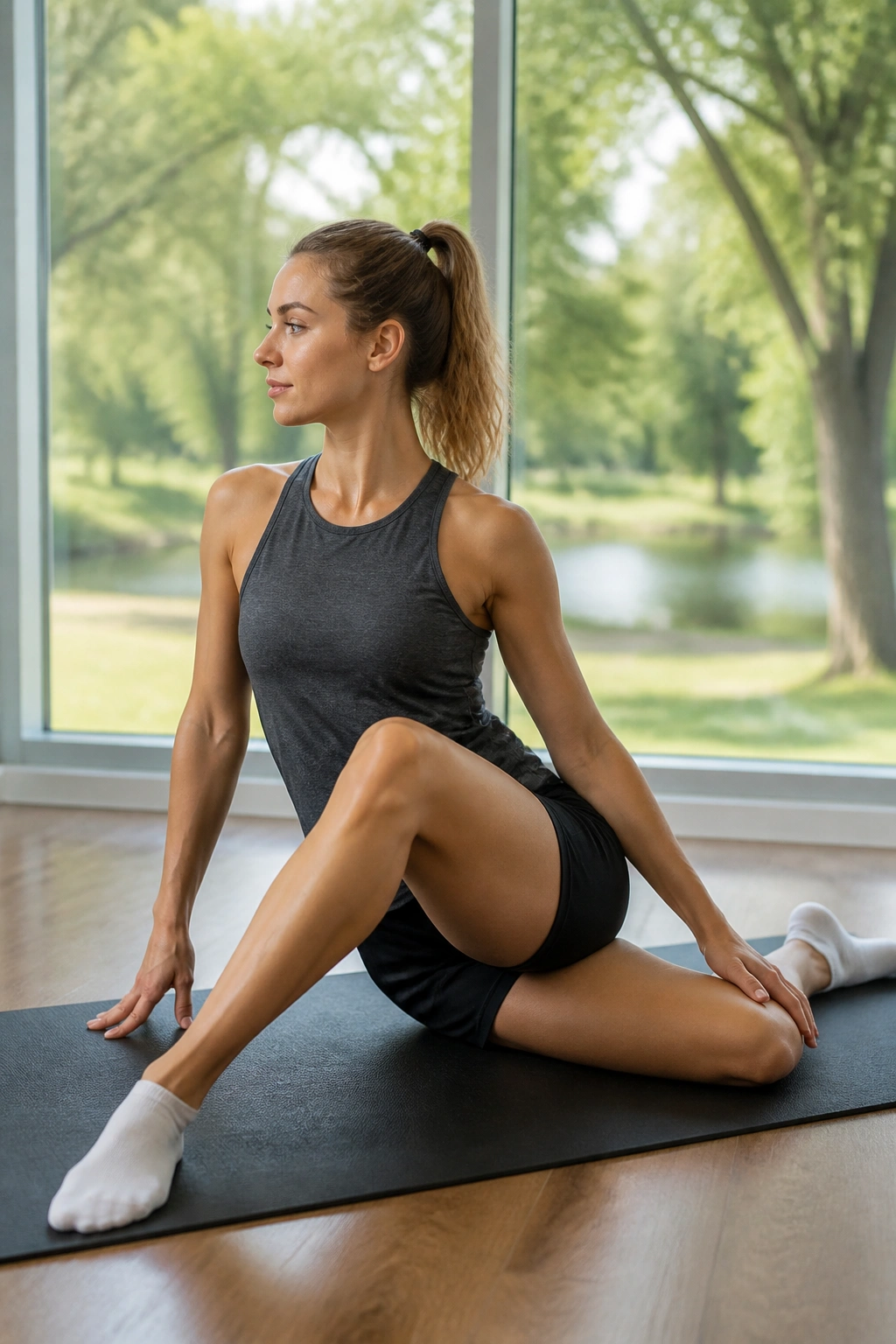
If you run or bike, your hip flexors are likely tight, and your glutes are probably underactive (a condition known as “glute amnesia”). Pilates is the ultimate corrective training for endurance athletes.
Look for videos titled “Pilates for Runners.” They focus on hip opening, glute strengthening, and core stability—the exact things endurance athletes neglect. This type of cross-training can do more to prevent injury than almost anything else. Even if you only do it once a week, your running mechanics will improve.
17. The 15-Minute Lunchtime Express
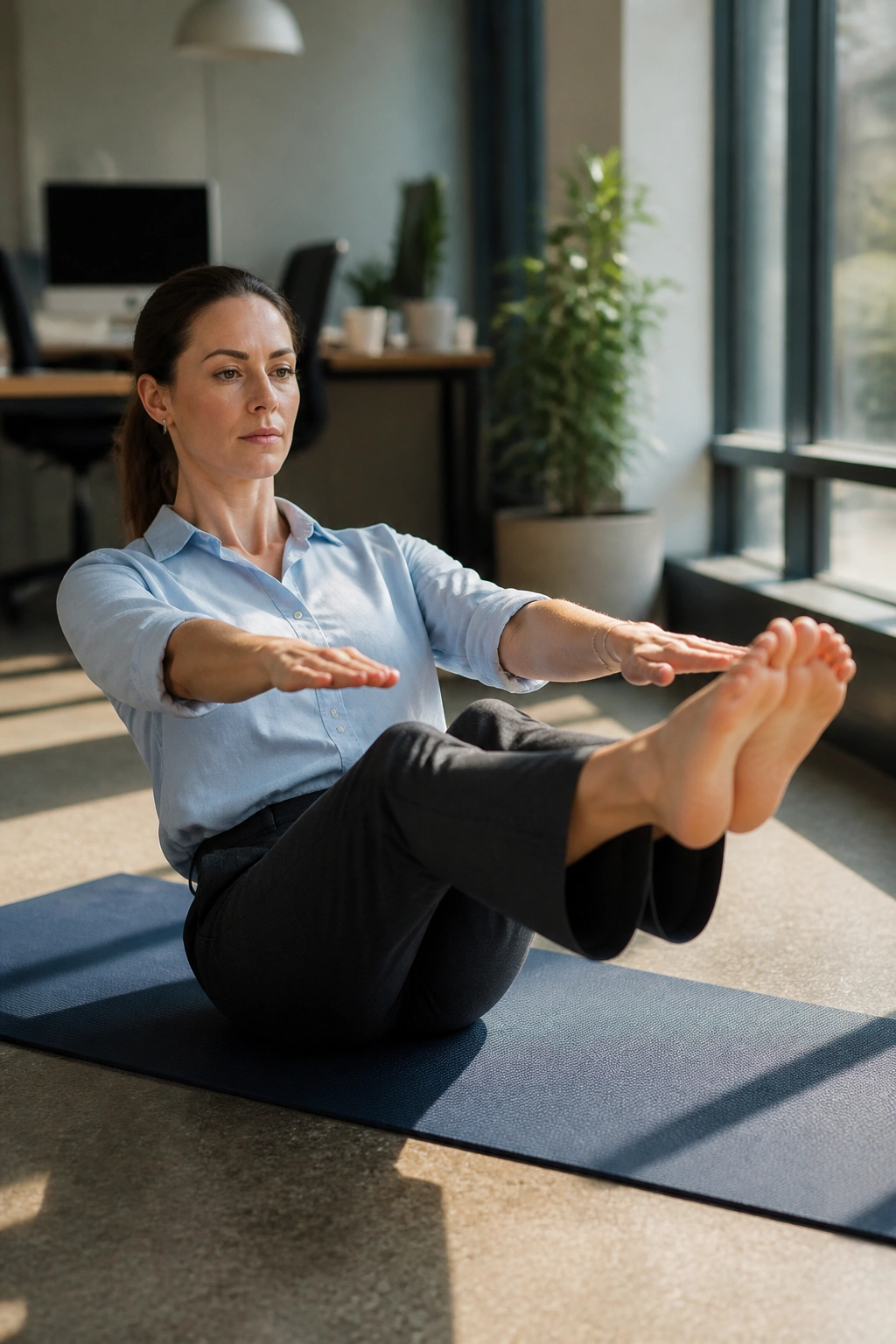
You can get a surprisingly effective workout in 15 minutes if you don’t waste time. Lunchtime Pilates videos are usually high-density, meaning they move from one exercise to the next with minimal setup.
These are not for the absolute beginner who needs to learn every move from scratch. Use these once you have done a few “Fundamentals” classes and know the basic shapes (the Hundred, the Saw, the Swan). It is a great way to break up a sedentary day without needing a shower afterward.
18. Breathwork and Mind-Body Integration
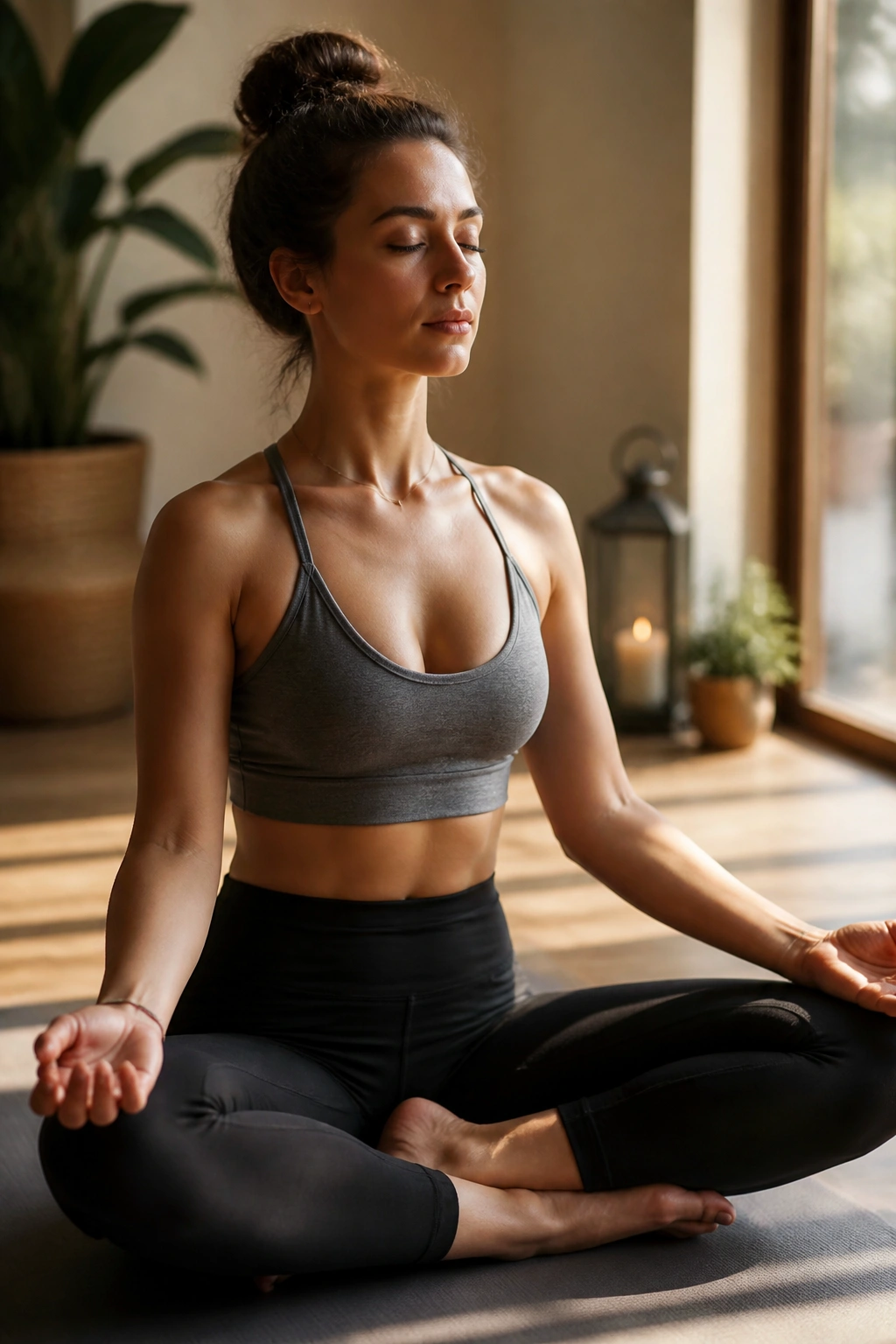
Pilates is unique because it is a mental workout as much as a physical one. You cannot do it while distracted. The breathing technique—lateral thoracic breathing, where you breathe into the sides of your ribs rather than your belly—is key.
Look for videos that explicitly mention “mind-body connection.” These instructors will cue your breath as much as your movement. “Inhale through the nose, exhale through the mouth with a pursed-lip sigh.” Mastering this rhythm is what turns a series of stretches into a deep, internal workout.
19. Zero-Experience Absolute Beginner Classes
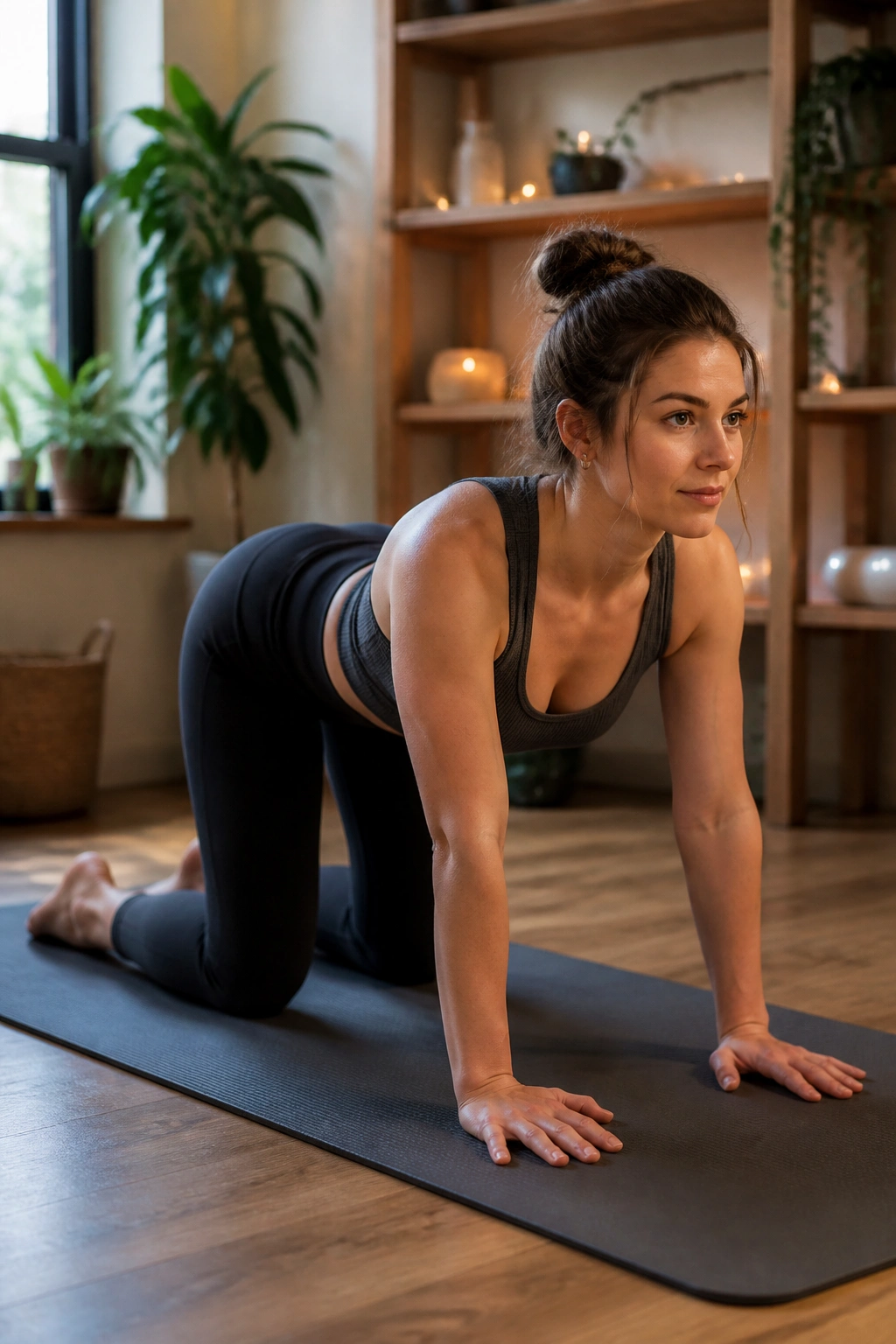
Never feel pressured to start with an “intermediate” class just because it looks impressive. Look for videos with titles like “Absolute Beginner” or “Pilates 101.” These videos assume you do not know the difference between a “Tabletop” position and a “Bridge.”
A good 101 class will spend time on the setup: “Check your feet are hip-width apart,” “Make sure your heels are aligned with your sit bones.” This level of detail is exactly what you need to build a safe foundation. If the instructor is just saying “do 10 reps,” they are skipping the most important part of teaching.
20. Stability Challenges and Balance Work
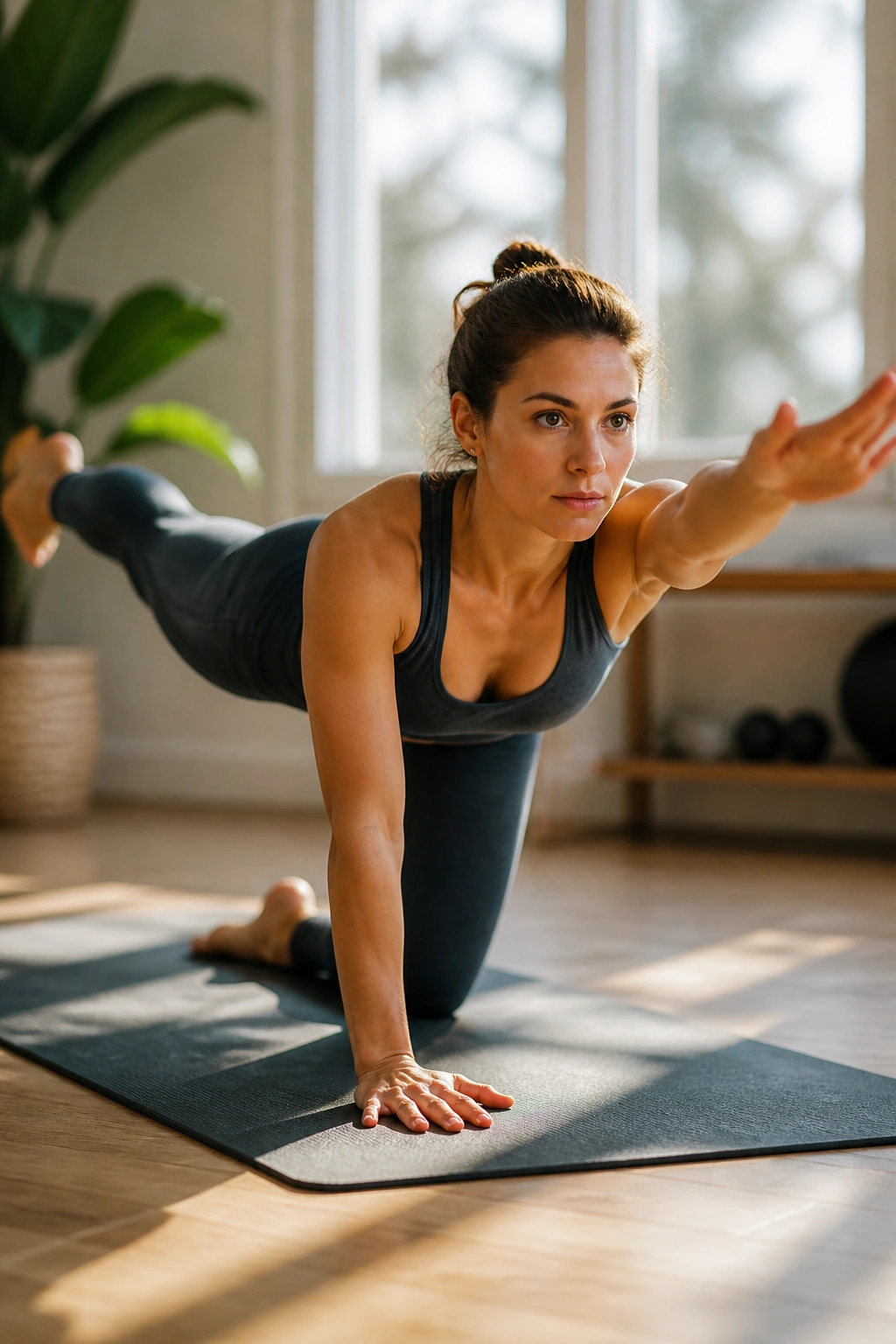
Once you have mastered the basics, you need to challenge your stability. This is when you move from static exercises to dynamic ones—like lifting an arm and the opposite leg at the same time while holding a plank.
This type of work forces your deep stabilizers to coordinate. It is incredibly frustrating at first—you will feel like a newborn giraffe—but it is the most effective way to improve your overall body control. Don’t get discouraged if you fall over. Reset, laugh, and try again.
21. Pelvic Floor Awareness Sessions
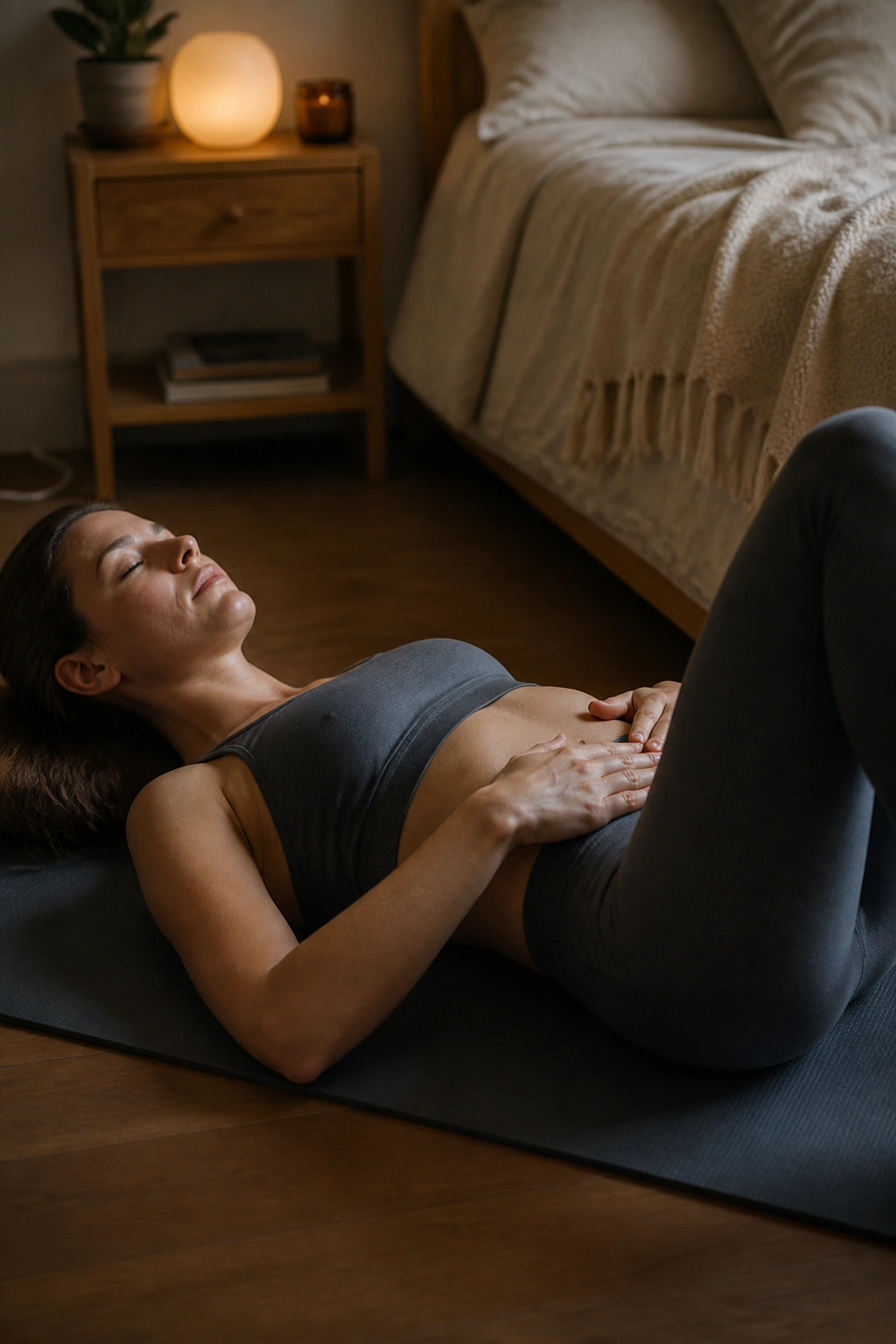
The pelvic floor is often the “hidden” player in Pilates. It is the base of your core. Without a strong pelvic floor, you cannot fully engage your deep abdominals. Some instructors specialize in pelvic floor work, often using terms like “Kegel” or “transverse recruitment.”
These sessions are incredibly valuable, especially for long-term health. They aren’t high-sweat, but they are high-focus. You will learn to activate muscles you didn’t even know you had. It is a slow, quiet work that pays massive dividends in overall core strength.
22. Compact Travel Routines
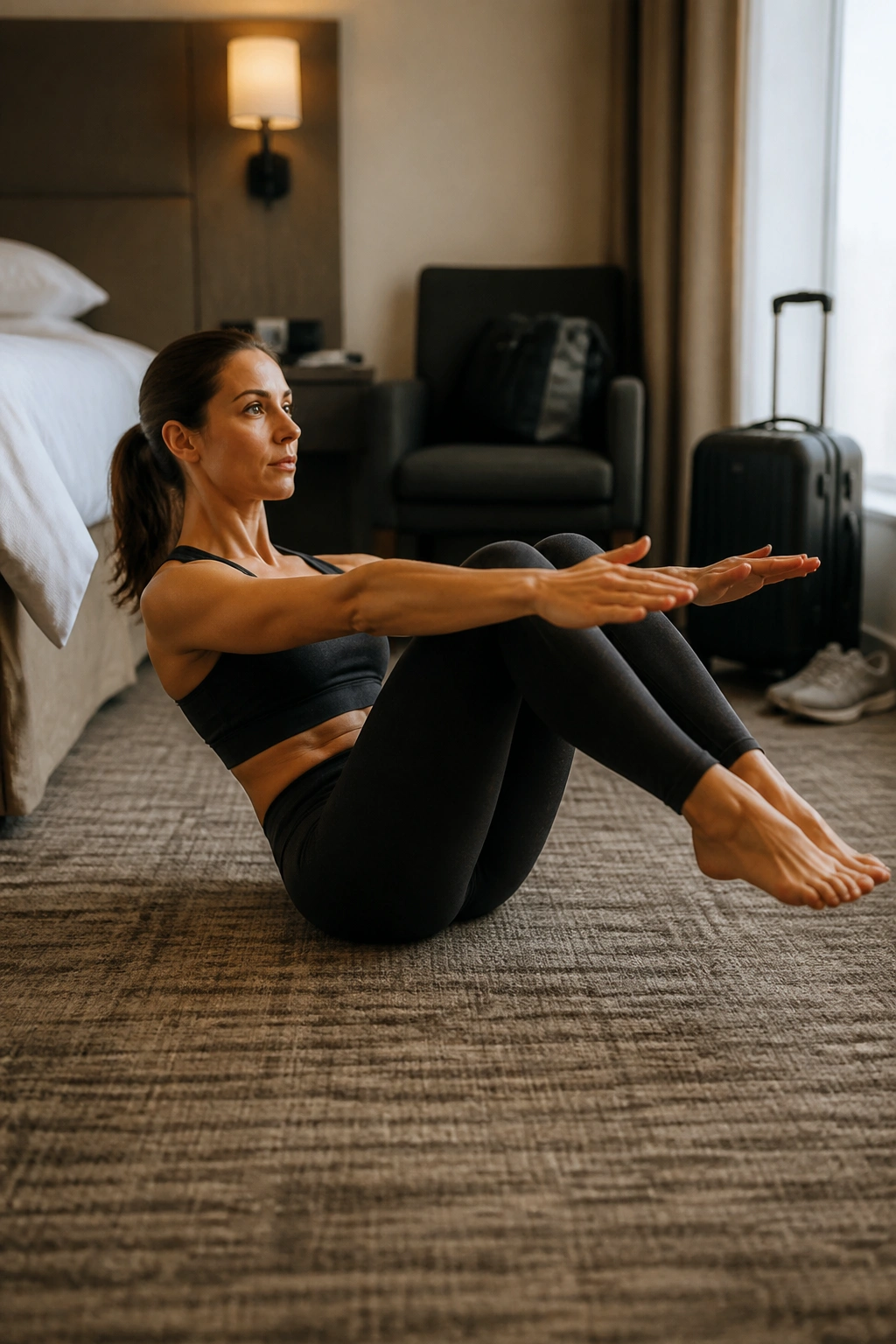
If you travel, you know how hard it is to maintain a fitness routine. You are in a hotel room with limited space and no equipment. Travel Pilates videos are designed for this exact scenario.
They usually require no more space than the length of your body and focus on exercises that can be done entirely on a carpet or rug. It’s about maintenance—keeping your hips open and your core active while you are away from your regular setup. It keeps the “rust” off your joints.
23. Strength-Focused Pilates for Men
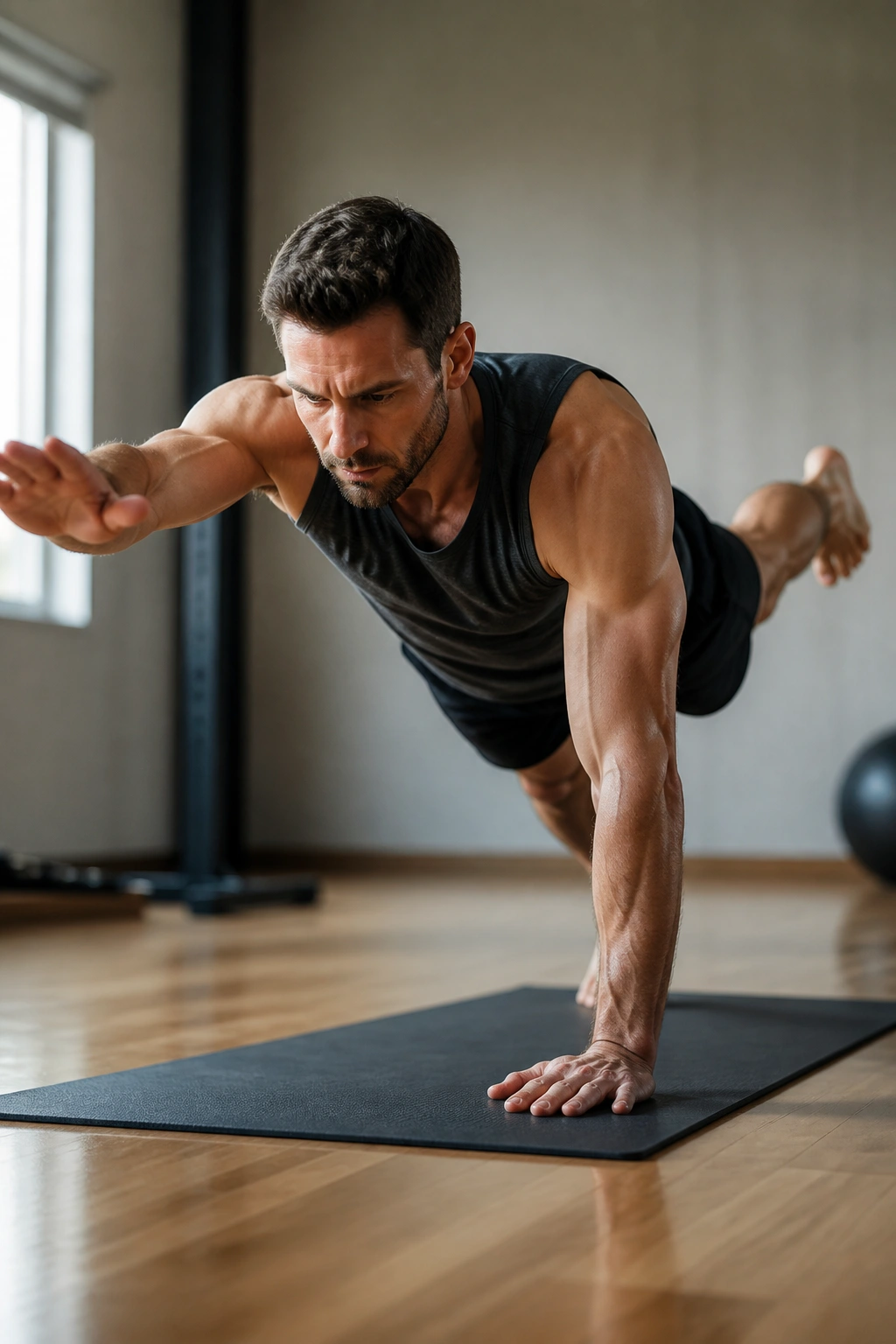
There is a persistent myth that Pilates is “not for men.” That is nonsense. Historically, Joseph Pilates developed the method as a conditioning tool for athletes and dancers. Strength-focused Pilates classes for men often ramp up the intensity of the plank series, the push-up variations, and the endurance holds.
They remove the “flowy” element and replace it with sustained tension. It is just as difficult, if not more so, than traditional weightlifting. If you are looking for pure, raw core strength without the artistic flourishes, seek out these types of sessions.
24. Pre-Sleep Calming Flows
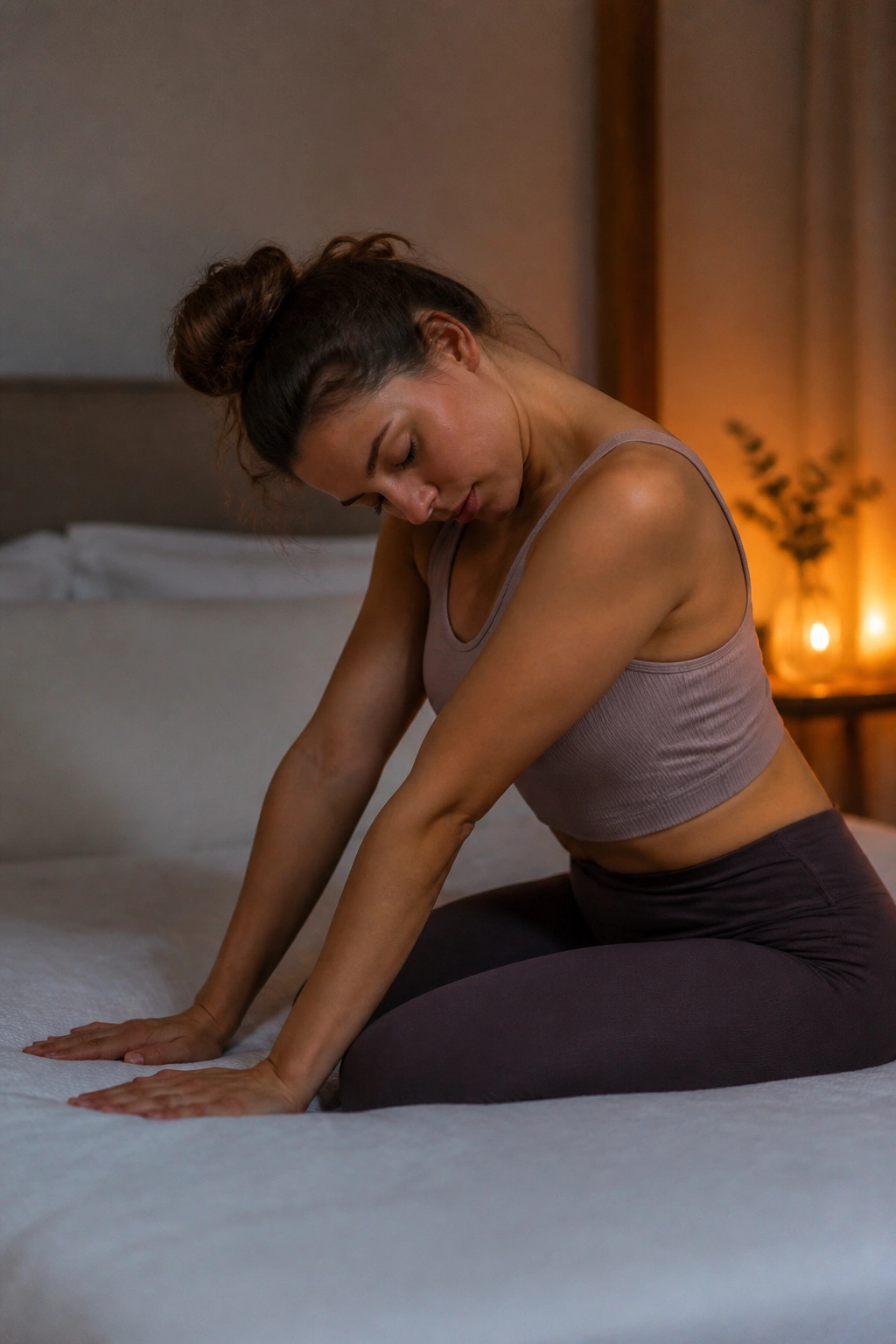
Can you do Pilates before bed? Yes, provided the workout is focused on release, not activation. Look for “bedtime Pilates” or “nighttime stretching.”
These videos should focus on releasing the tension of the day. Think of gentle spinal rolls, slow cat-cow movements, and focused deep breathing. You want to finish the video feeling sleepy, not energized. This is the opposite of the “Morning Kickstart” videos—it is all about parasympathetic nervous system activation.
25. Full-Length 45-Minute Endurance Sessions
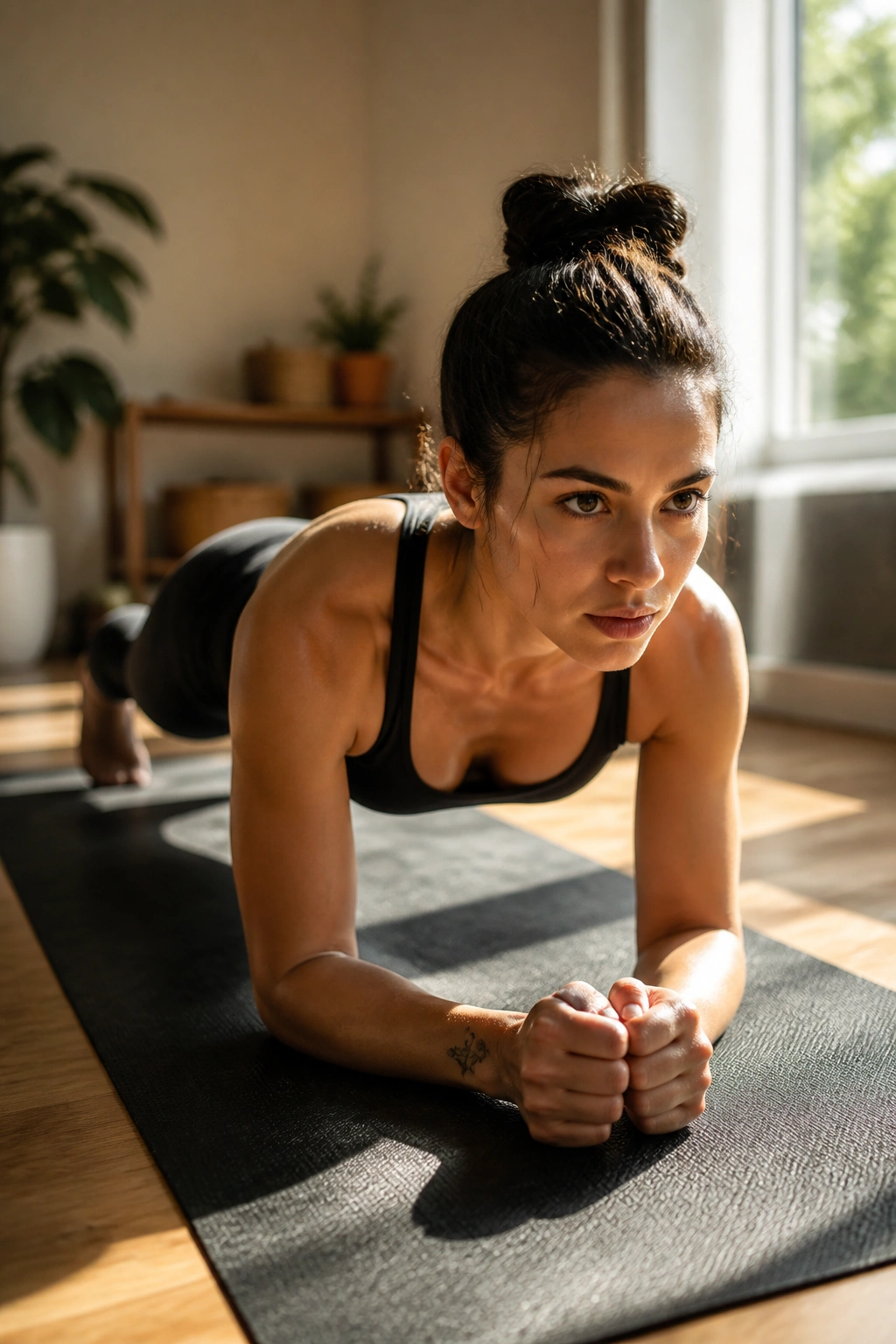
Once you have reached the point where you feel comfortable with the vocabulary and the moves, you should aim for a full-length, 45-minute class. This is where the endurance comes in.
In a shorter video, you might do an exercise for 30 seconds. In a 45-minute endurance class, you might hold a variation for two full minutes. The fatigue that sets in toward the end of these longer classes is where your form truly gets tested. Can you keep your ribs down when you are tired? Can you keep your neck relaxed when your abs are screaming? That is the ultimate test of your progress.
Final Thoughts
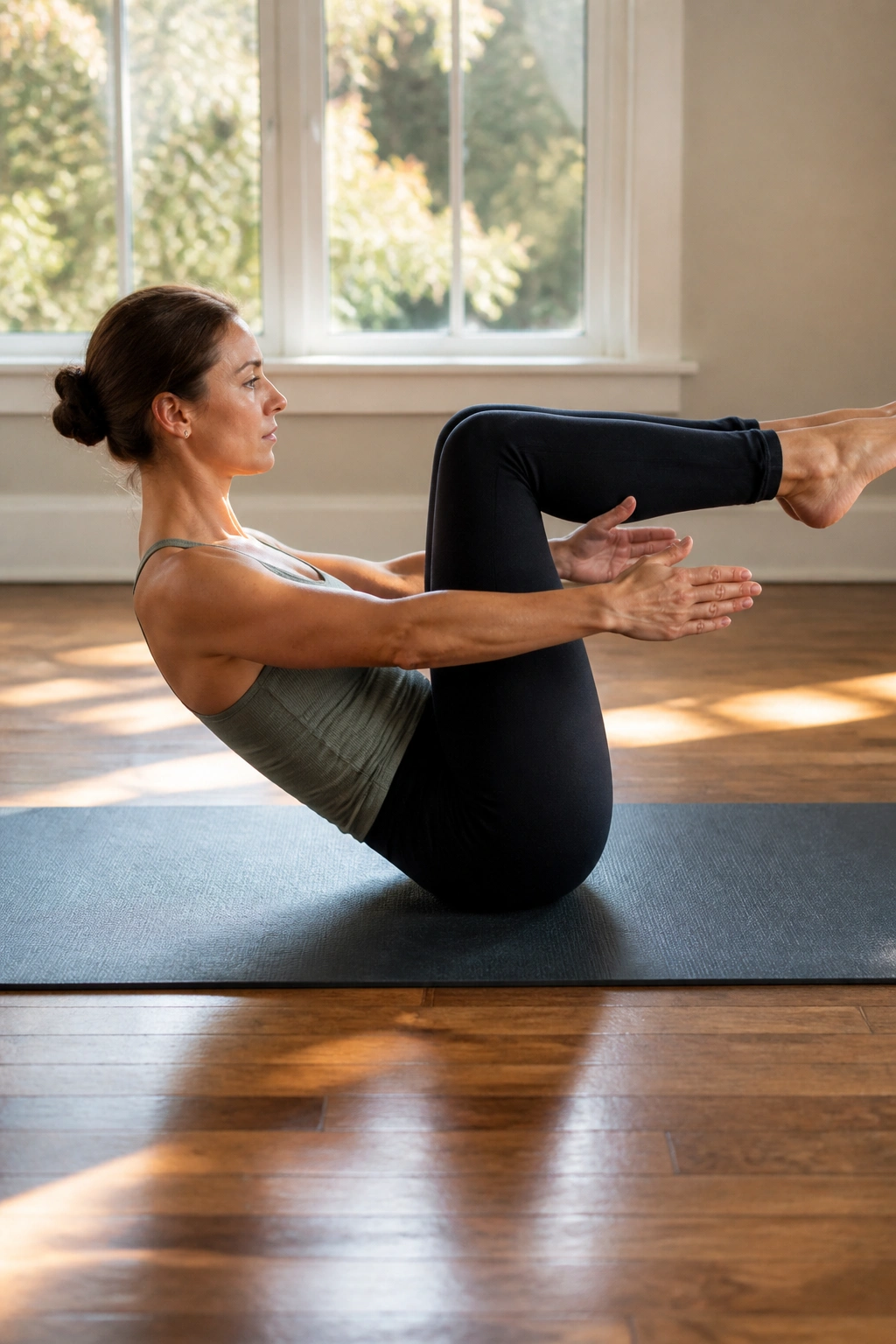
The “best” video is simply the one that helps you show up on your mat consistently. Do not get hung up on finding the perfect instructor or the most aesthetic studio setting. The mechanics of a neutral spine, a scooped core, and an active breath are the same whether they are taught in a high-end studio or a spare bedroom.
Start with the basics. If you are struggling with a specific move, go back to a fundamental, absolute-beginner video. There is zero shame in revisiting the foundation; in fact, the most experienced practitioners do it constantly. Your body changes day to day, and your workout should adapt to that. Listen to what your joints and muscles are telling you, move with control rather than speed, and keep coming back to the mat. That is the only secret to Pilates that actually matters.
