



The concept of “bulking” often conjures up images of teenagers eating fast food, tubs of ice cream, and anything else in sight just to watch the scale climb. We’ve all seen it. The “dirty bulk” might pack on weight, but much of that weight isn’t the muscle you actually want. It’s lethargy, bloating, and a layer of fat that makes the eventual “cutting” phase twice as long and twice as miserable.
Clean bulking is the smarter, more disciplined cousin of that approach. It is about fueling your body with nutrient-dense, high-quality calories that support muscle hypertrophy without turning your digestive system into a war zone. You are looking for a moderate caloric surplus, not an all-out assault on your metabolism. The goal is to provide the raw materials your body needs to repair and build muscle tissue while keeping your insulin sensitivity sharp and your energy levels stable. When you eat with purpose, you don’t just grow; you grow with a physique that looks athletic even in the off-season.
1. Chicken Breast
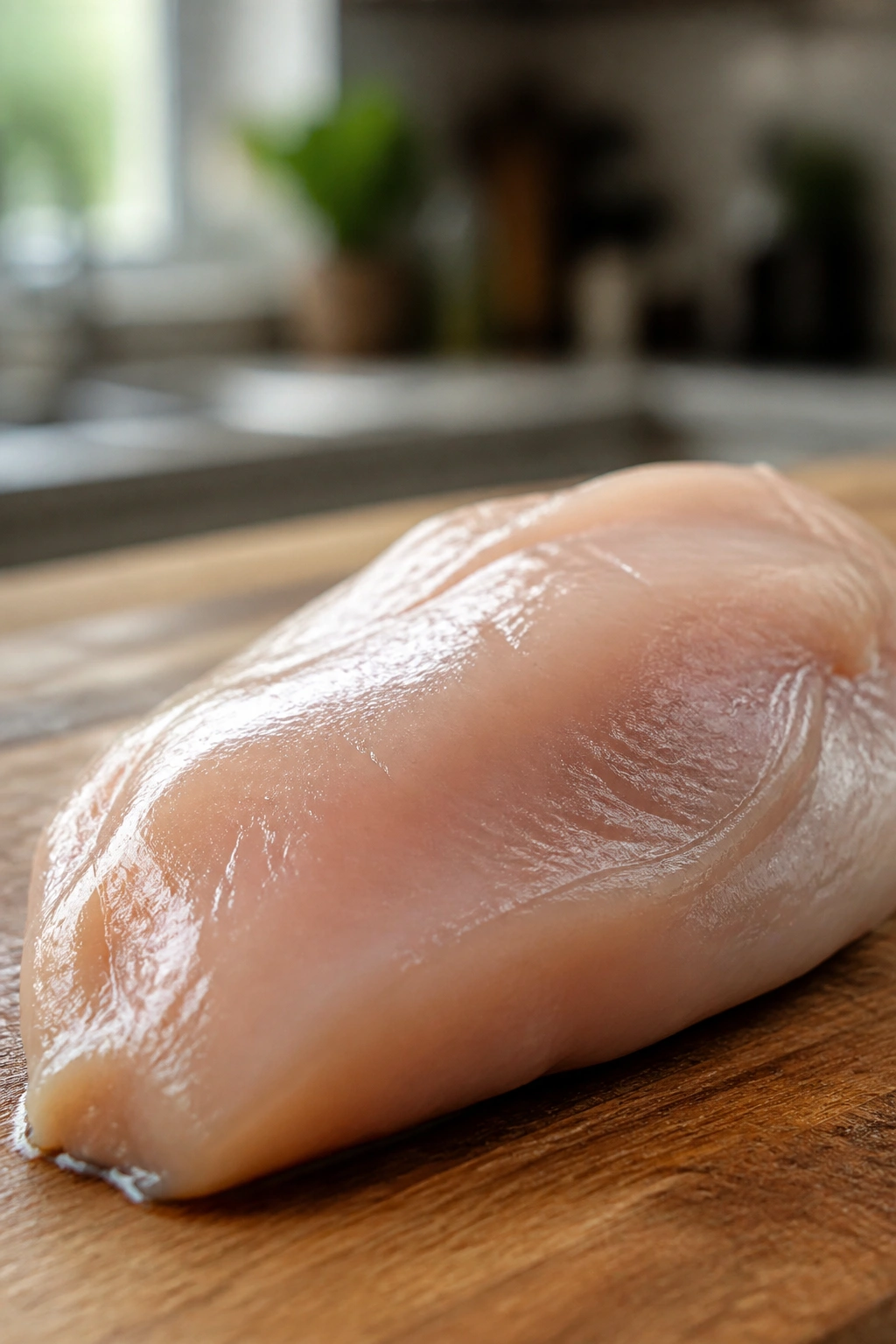
Chicken breast is the industry standard for a reason. It is incredibly lean, meaning almost every calorie you consume is coming directly from high-quality protein. When you are looking to pack on mass, you need to hit specific protein targets, and chicken allows you to do that without worrying about accidental fat intake. I find that the key to avoiding burnout is the preparation method. Dry, flavorless poultry will make anyone quit their diet within a week.
The Secret to Staying Consistent
You do not have to boil it. Try brining your chicken in saltwater for thirty minutes before cooking. It changes the texture completely, keeping it juicy even after it cools down. If you are prepping for a full week, shredding the cooked meat and tossing it with a bit of salsa or mustard can make it much easier to hit those high volume targets when you are tired of plain food.
- Protein-to-calorie ratio is among the highest of any whole food.
- Versatility in seasoning means you can switch from Mexican-style to Mediterranean without changing the macros.
- Digestive comfort is usually high for most people compared to red meat.
Pro tip: Buy in bulk, vacuum seal, and freeze. You will save money and always have a protein source ready.
2. Lean Beef
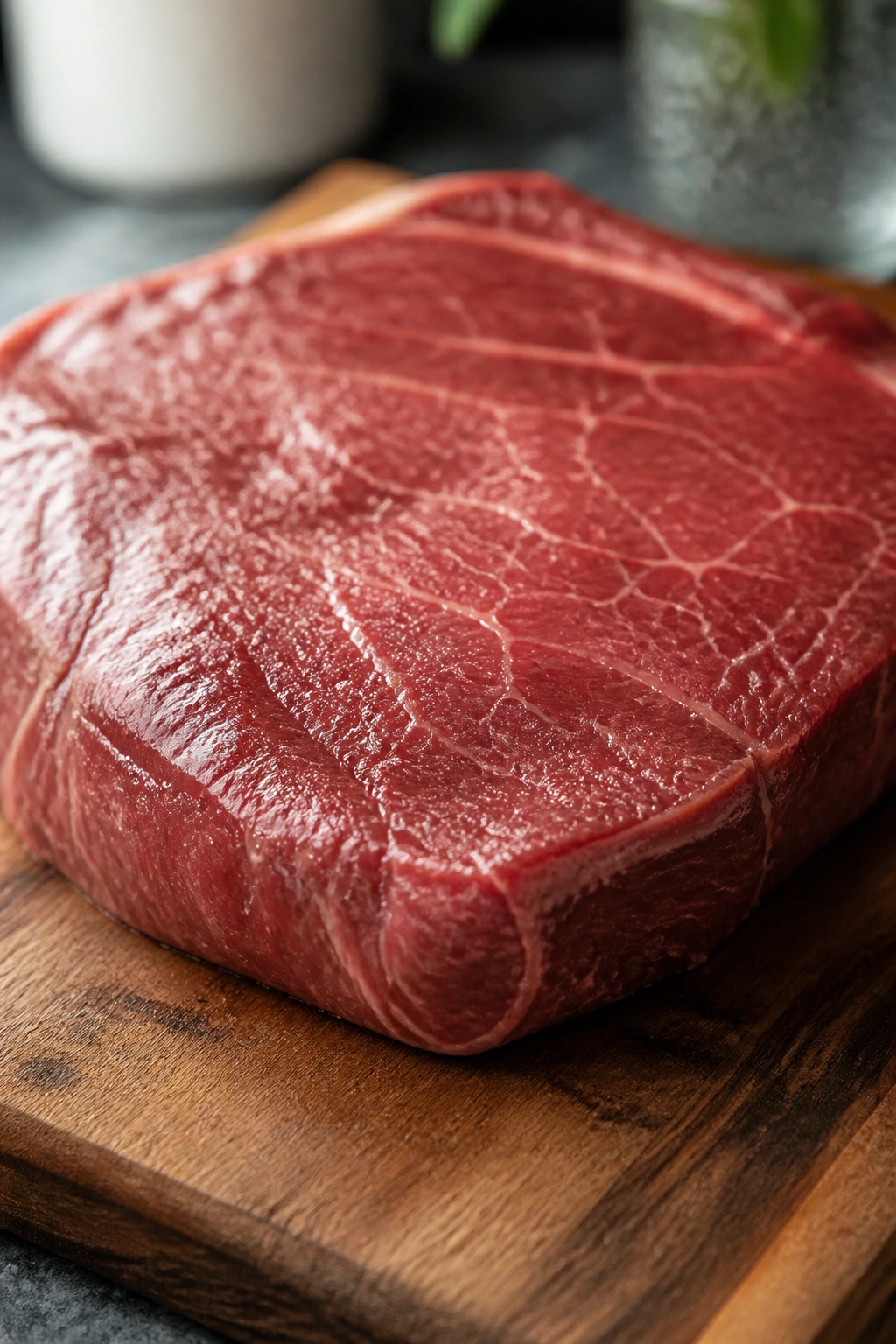
While chicken is the staple, beef provides something chicken cannot: creatine, iron, and a distinct micronutrient profile that supports testosterone production. Opt for 90% lean or higher ground beef or sirloin cuts. You want the muscle-building benefits of red meat without the excessive saturated fat that can leave you feeling sluggish.
Why It Matters for Performance
The natural creatine found in beef is a major bonus. While you might supplement with creatine monohydrate, getting it from whole food sources adds a layer of nutritional value. The B-vitamins in beef are also essential for energy production. During a heavy training block, those B-vitamins act like the spark plugs for your metabolism.
- High bioavailability of amino acids.
- Rich in zinc and B12, which are often depleted by intense training.
- Provides more satiety than lighter protein sources, which helps if you struggle with snacking.
Don’t be afraid to eat red meat. Just be mindful of the source and the fat content, and it becomes a cornerstone of any serious mass-gaining plan.
3. Wild-Caught Salmon
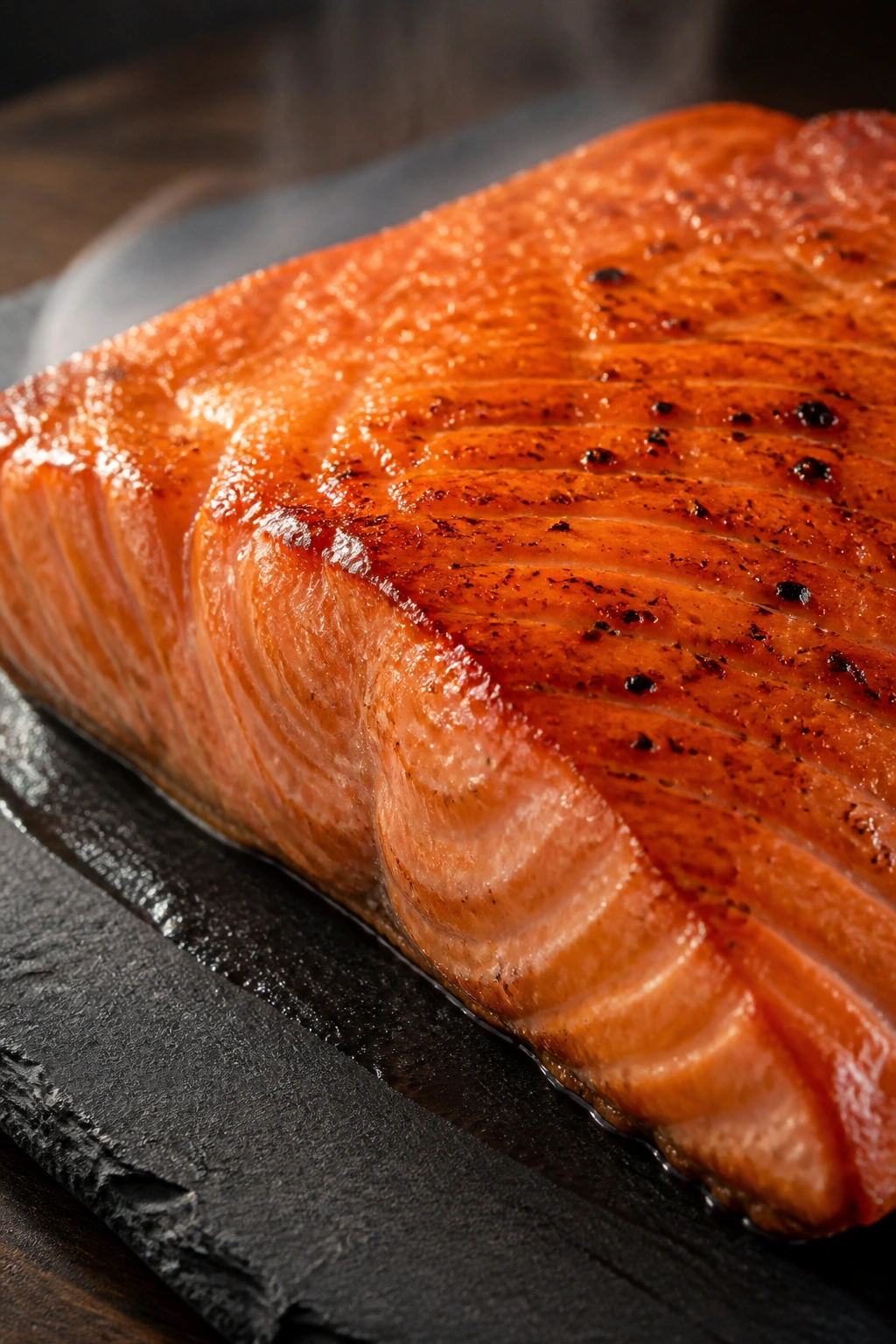
Salmon is a nutritional powerhouse. It is packed with omega-3 fatty acids, specifically EPA and DHA. These fats are essential for reducing the inflammation that occurs after a brutal leg day. If you want to grow, you have to recover, and salmon is effectively a natural anti-inflammatory recovery meal.
How to Fit It Into a Bulk
Salmon is calorie-dense, which is a massive advantage when you are trying to increase your intake without eating massive volumes of food. If you find yourself struggling to hit your caloric ceiling, a salmon fillet can provide an extra 300 to 400 calories without feeling like a chore.
- High in potassium, which helps with muscle contractions.
- Contains astaxanthin, a powerful antioxidant that may improve endurance.
- The fats are heart-healthy and keep your hormonal profile optimized.
Most people skip fish because of the prep time, but salmon fillets cook in under ten minutes in a hot pan. It is faster than ordering takeout and infinitely better for your goals.
4. Whole Eggs
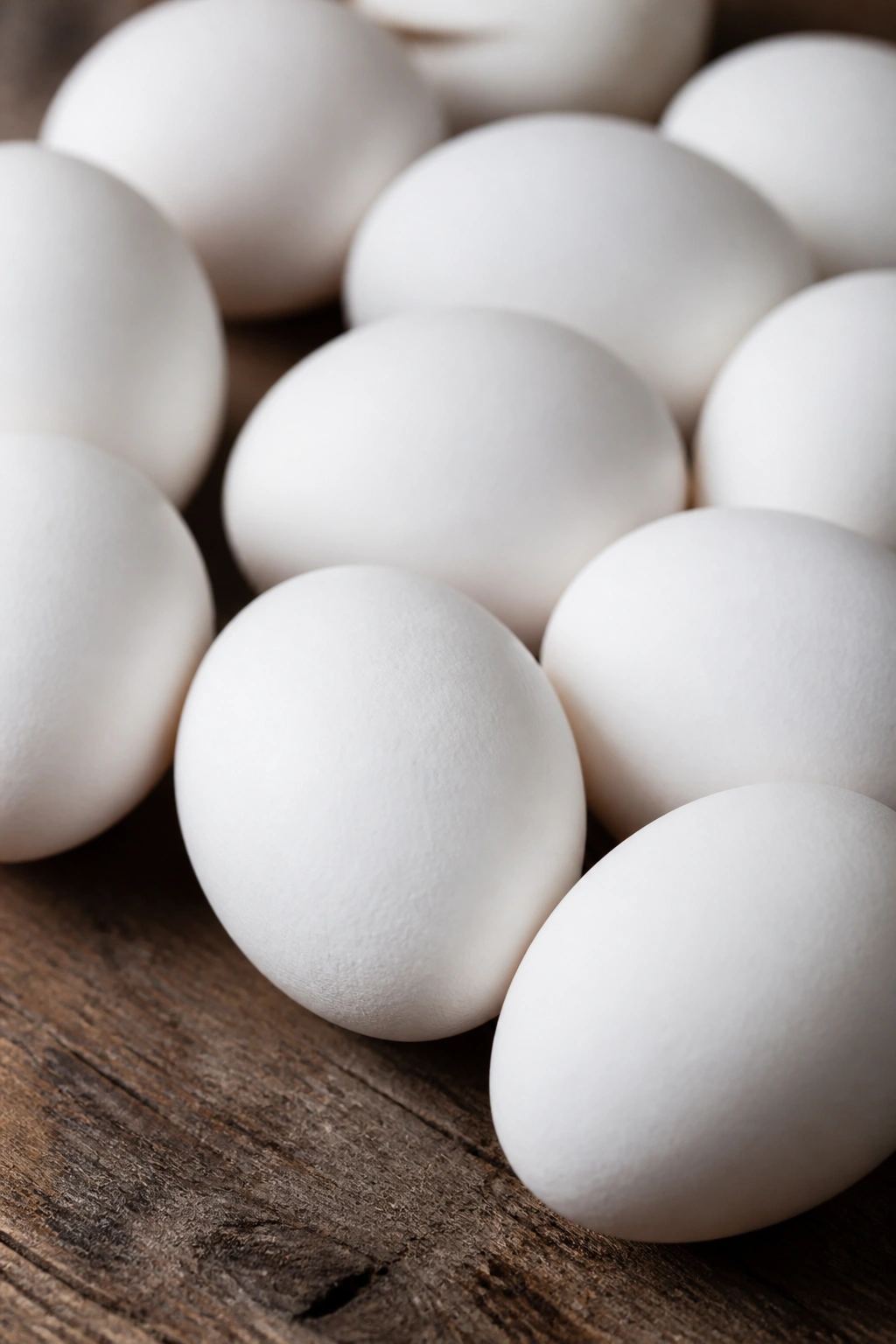
There is a long-standing debate about eggs and cholesterol, but for the vast majority of lifters, whole eggs are a non-negotiable food. The yolk contains the bulk of the nutrients, including choline, which is crucial for brain function and muscle contraction. If you toss the yolks, you are throwing away half the value of the food.
The Muscle-Building Profile
Eggs contain leucine, a branched-chain amino acid that acts as a primary trigger for muscle protein synthesis. You want that leucine signal going off regularly throughout the day. Eating eggs gives you a high-quality protein that is easy to digest and incredibly inexpensive.
- The most bioavailable protein source on the planet.
- Rich in vitamin D, which many people lack, especially during winter months.
- Very affordable, making it perfect for high-volume eating.
Do not overthink it. Scrambled, poached, or hard-boiled—the nutritional value stays largely the same. Just ensure you are eating enough of them to make a difference.
5. Greek Yogurt
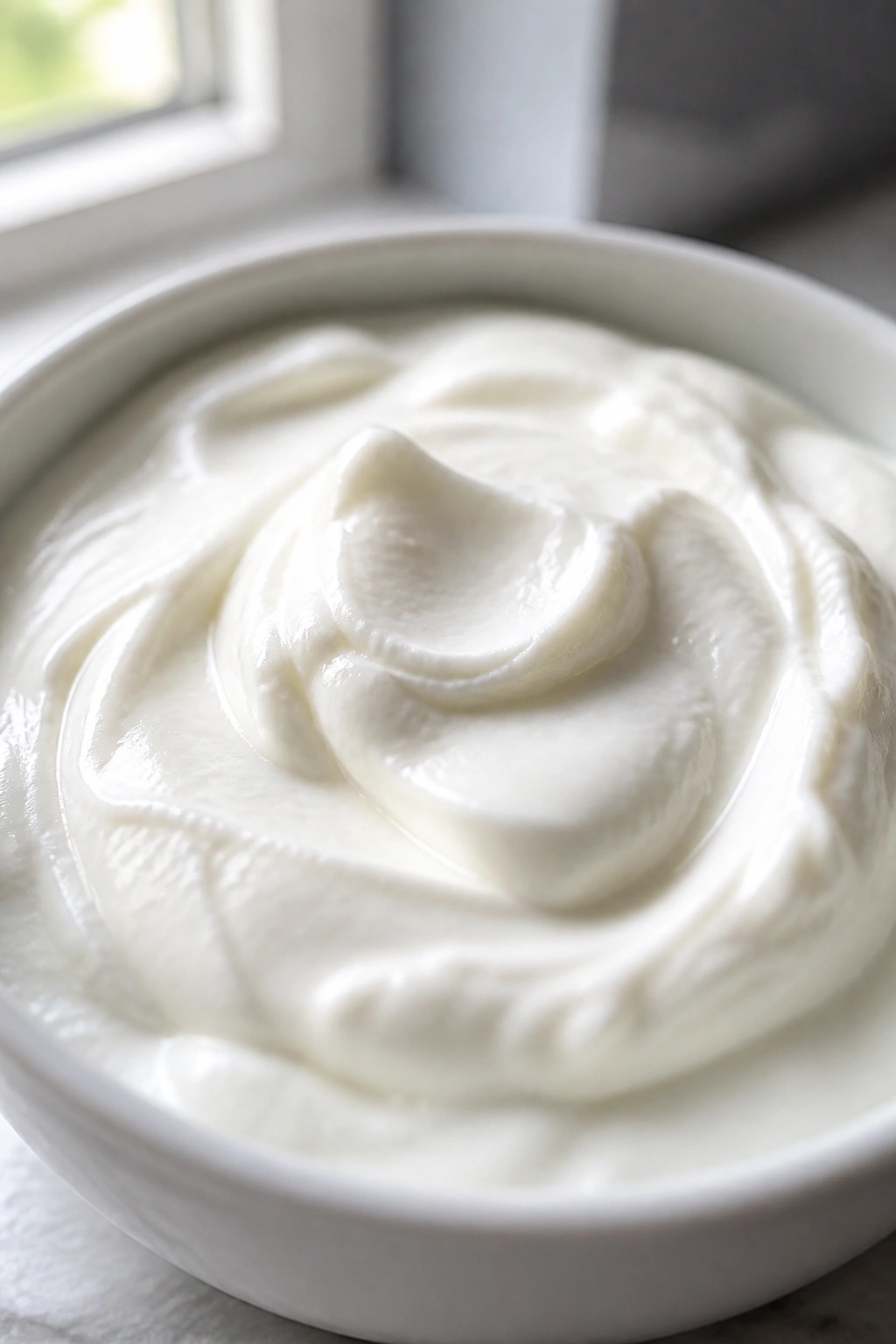
Greek yogurt is not just for breakfast. It is a fantastic tool for clean bulking because it provides a mix of slow-digesting casein protein and fast-digesting whey protein. This dual-action absorption means you get a quick spike in amino acids followed by a sustained release, which is ideal for keeping your body in an anabolic state.
Making It Work for You
If you find the plain variety too tart, add a splash of vanilla extract or a handful of berries. It keeps the sugar content low while making it palatable. For a clean bulk, stick to 2% or 5% fat versions. You need those extra calories, and the fat content makes the yogurt much more satisfying.
- Packed with probiotics that support gut health.
- Casein content makes it an ideal pre-bed snack to prevent muscle breakdown while you sleep.
- Can easily be mixed with protein powder if you need to spike the protein content further.
When your digestion is on point, nutrient absorption improves. Yogurt is an easy, low-effort way to ensure your gut is functioning correctly while you increase your food intake.
6. Oats
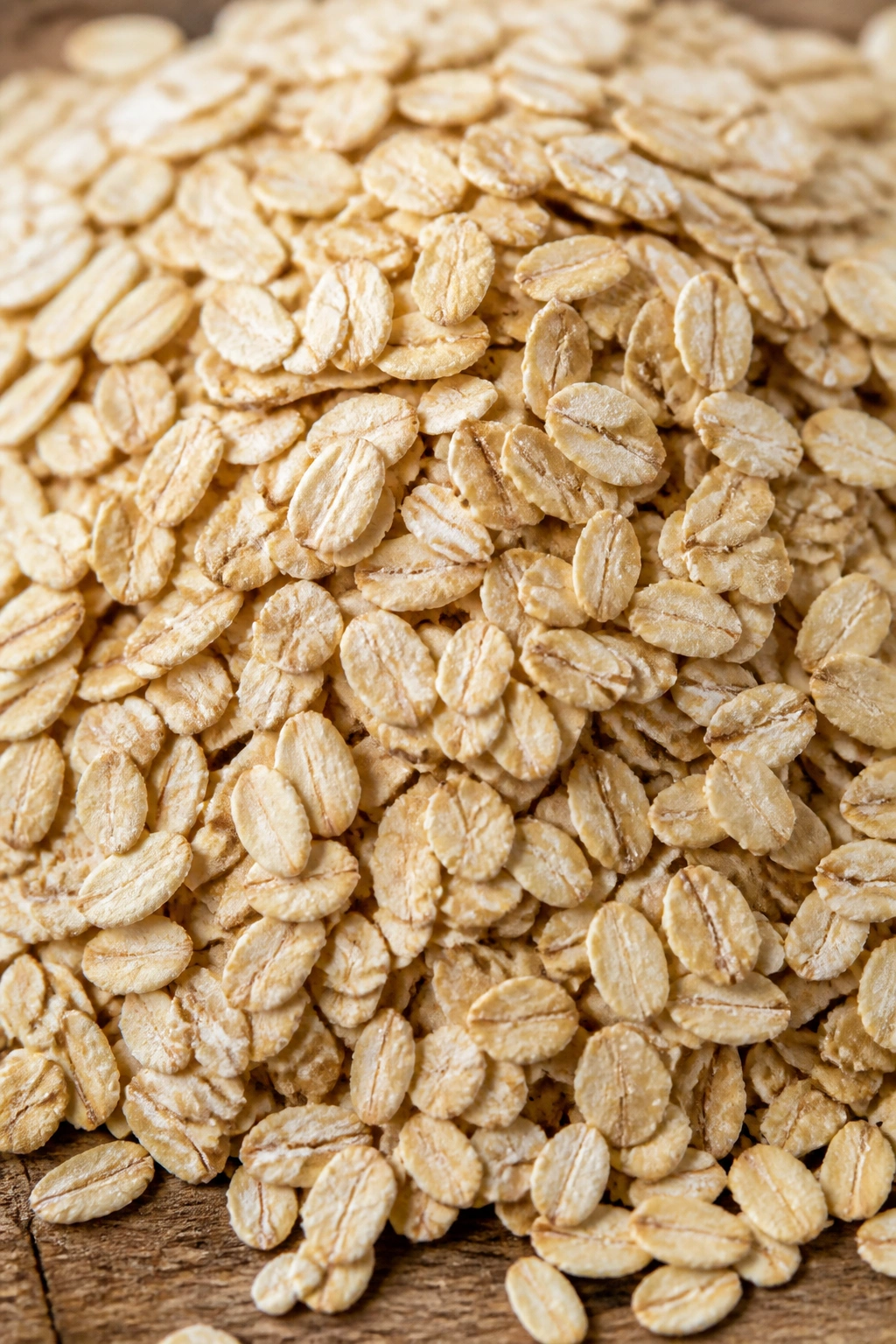
Carbohydrates are the fuel for your workouts. If you try to bulk on low-carb diets, you will likely find your intensity dropping and your pump feeling flat. Oats are the gold standard for clean carbohydrates. They provide a sustained release of energy rather than the spike-and-crash you get from refined sugar.
The Strategy for Volume
Oats are incredibly expandable. A half-cup of dry oats looks small, but once cooked, the volume is significant. This is a blessing when you have to eat four or five meals a day. You can blend them into a shake if you are struggling to eat enough solid food, or cook them into a bowl with some nut butter and fruit.
- Rich in fiber, which keeps your blood sugar levels stable throughout the day.
- Contains beta-glucan, which is great for heart health.
- Very cheap and shelf-stable, making it the ultimate budget-friendly bulking staple.
Stop reaching for sugary cereals when you need extra calories. A bowl of oatmeal with a scoop of protein powder mixed in is one of the best mass-building meals you can make.
7. Brown Rice
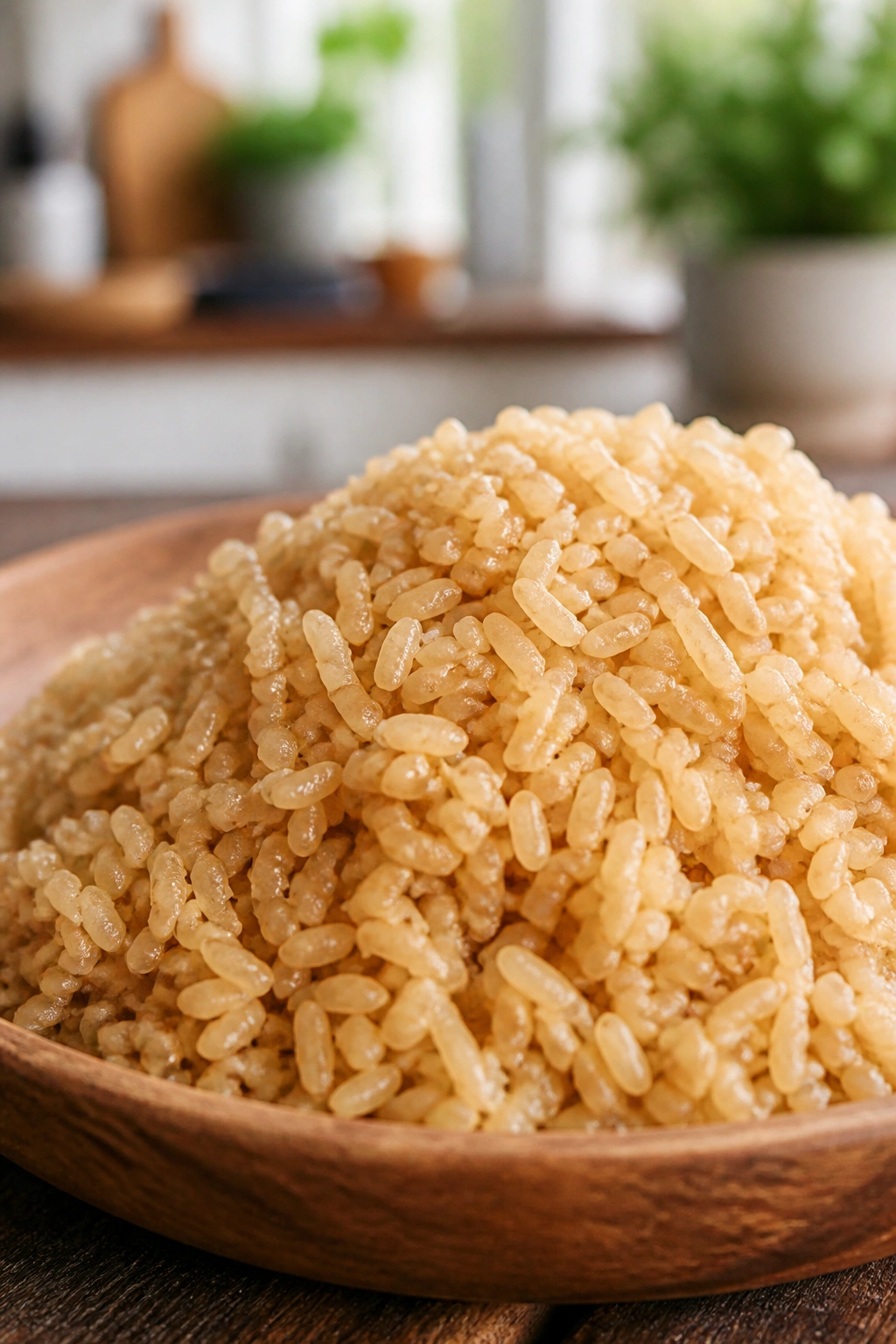
Brown rice is a complex carbohydrate that provides sustained energy. Unlike white rice, which can spike insulin rapidly, brown rice contains more fiber and micronutrients, specifically magnesium and selenium. During a long, clean bulk, keeping your insulin sensitivity high is the key to preventing fat gain.
Why It Beats Refined Carbs
It is not that white rice is “bad” for bulking—it is actually great for post-workout glycogen replenishment—but for your main meals, brown rice keeps you full and energized for longer. If you feel like your energy crashes in the middle of the day, swapping your carb source to brown rice is usually the fix.
- Provides magnesium, which aids in sleep quality and muscle relaxation.
- Acts as a perfect canvas for lean meats and healthy fats.
- Takes longer to digest, preventing the hunger pangs that lead to poor snacking choices.
If you struggle with digestion, soak your rice for thirty minutes before cooking. It makes a noticeable difference in how heavy you feel after a meal.
8. Sweet Potatoes
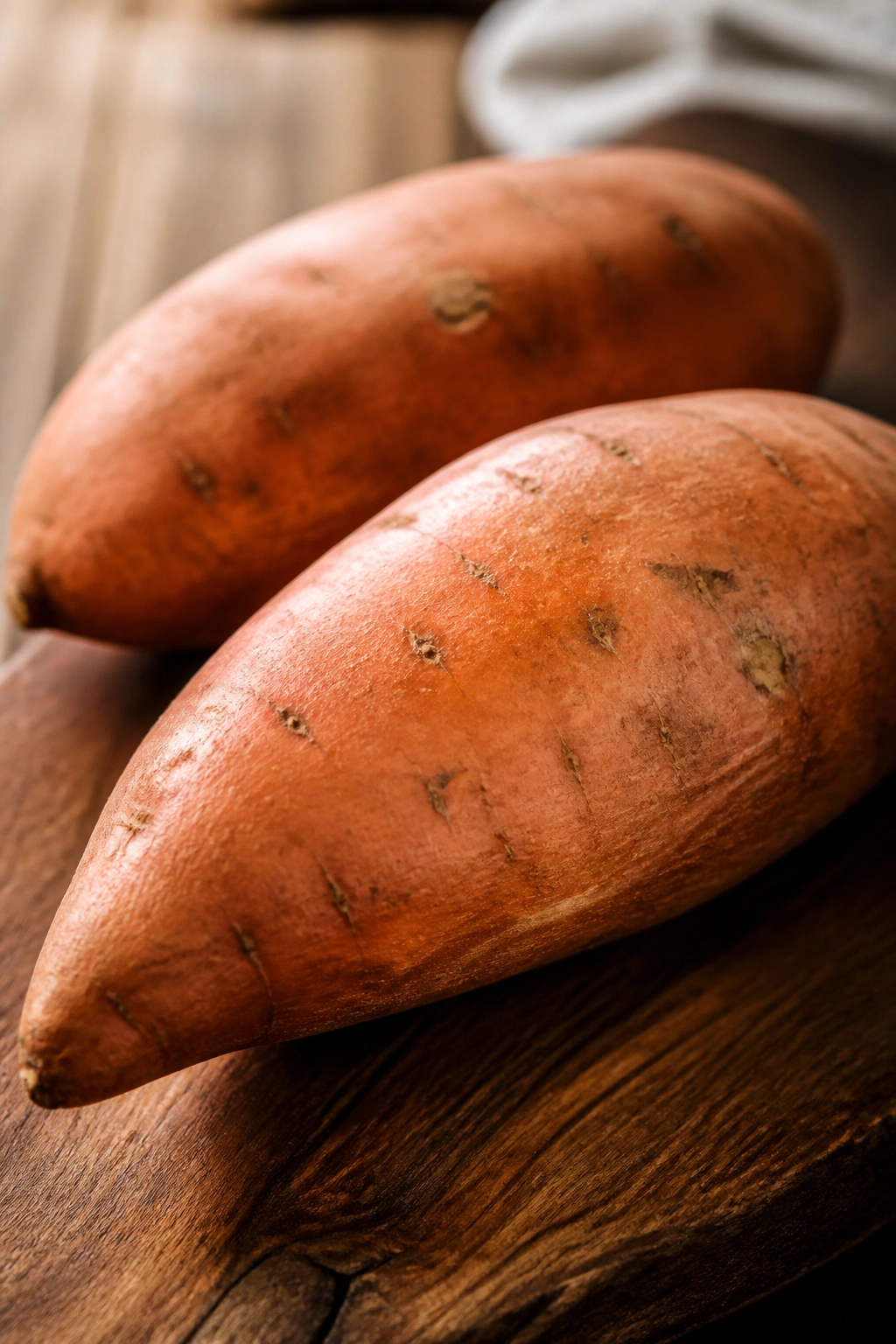
Sweet potatoes are the ultimate nutrient-dense carbohydrate. They are loaded with vitamin A and vitamin C, and they provide a texture that is far more satisfying than plain white potatoes. They provide glycogen replenishment for your muscles while keeping your immune system robust.
The Flavor Advantage
Because they are naturally sweet, you do not need to drown them in butter or sugar to make them taste good. A little cinnamon or salt is all it takes. This makes them a perfect food to rotate in when you are getting bored of rice and pasta.
- Excellent source of potassium to balance out sodium intake.
- Complex carbohydrates that support steady energy levels during training.
- Very high satiety factor, which helps if you have a massive appetite but need to keep it clean.
You can bake them, mash them, or air-fry them into wedges. Just keep the skins on to get the extra fiber and micronutrients.
9. Quinoa
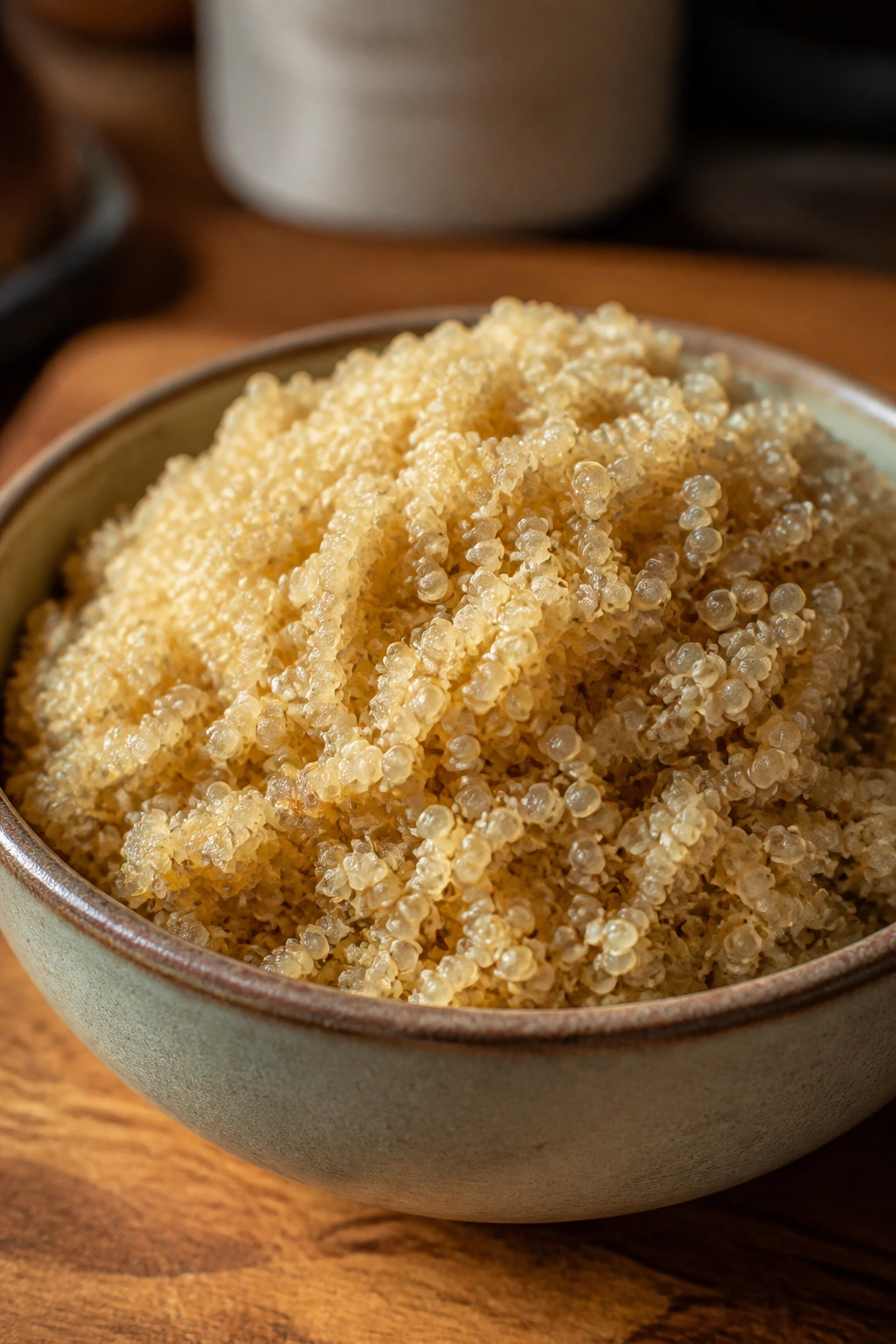
Quinoa is one of the few plant-based foods that is a complete protein, meaning it contains all nine essential amino acids. While you shouldn’t rely on it as your sole protein source, it is a fantastic “bonus” protein that boosts your intake while providing a high-quality carbohydrate source.
Integrating It Into Your Diet
Think of quinoa as the “crouton” of your bowl. It adds a nice texture to salads or mixed meat bowls. It is easy to cook in batches, and it stays fresh in the fridge for a few days. If you are bored of standard grains, this is the change of pace you need.
- Contains more protein per cup than almost any other grain.
- High in magnesium and iron.
- Gluten-free, which is helpful if you find wheat-based carbs bloat you.
Consistency is hard. By rotating grains like quinoa into your routine, you avoid food fatigue, which is the silent killer of any diet plan.
10. Almonds
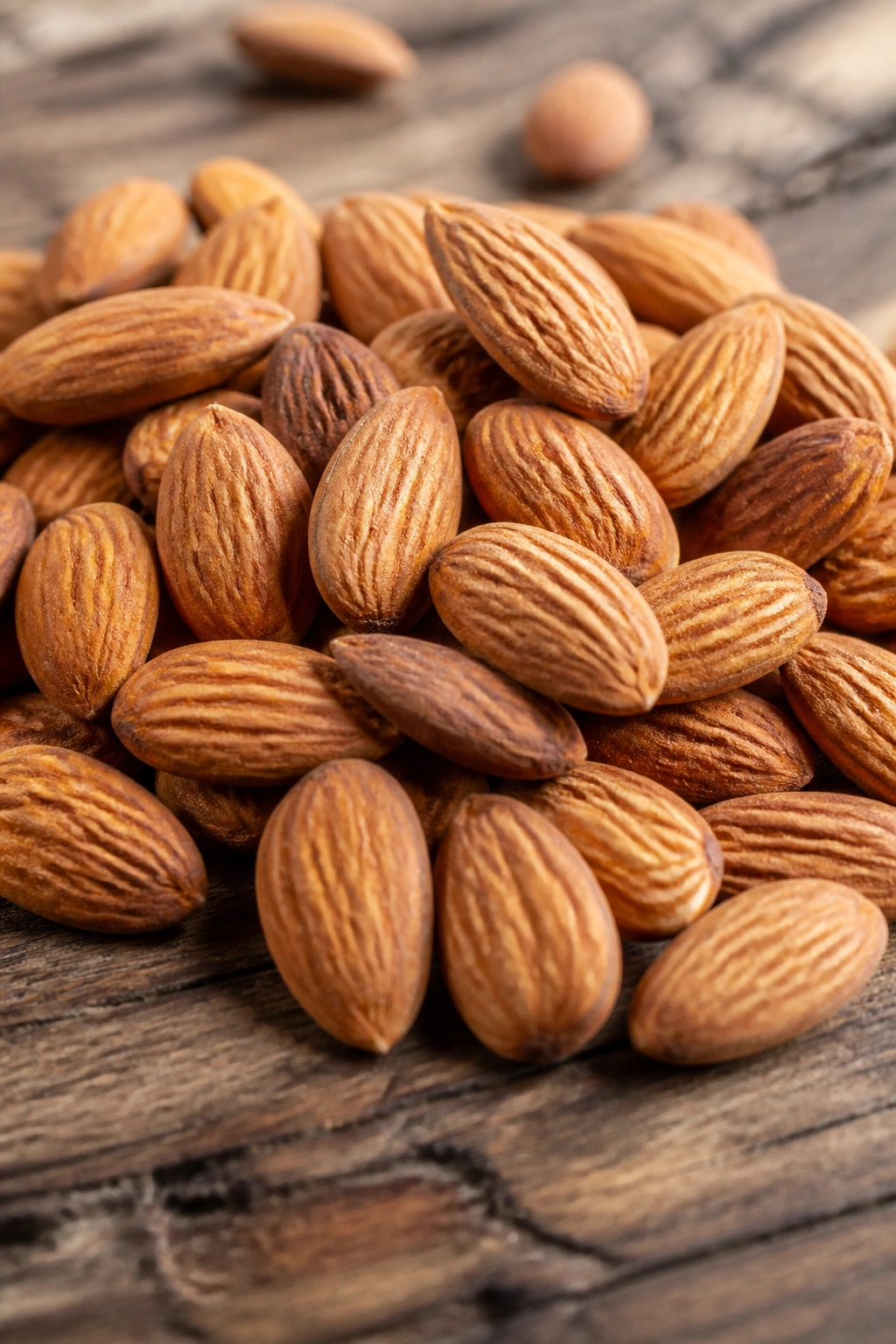
Nuts are a lifesaver when you need to bump up calories without adding volume. A handful of almonds is roughly 160 calories, which is a significant boost if you are trying to hit a surplus. They are high in monounsaturated fats, which are essential for hormone production.
Using Them Smartly
It is very easy to overeat nuts because they are so calorie-dense. The trick is to portion them out. Do not eat out of the bag while sitting on the couch. Measure them, throw them in a container, and eat them as part of your meal or as a mid-day snack.
- High in vitamin E, which acts as an antioxidant.
- Convenient and requires zero preparation.
- Great texture for adding to Greek yogurt or oatmeal.
If you have a fast metabolism and need to gain weight, almonds are an easy way to sneak in an extra 500 calories a day without feeling stuffed.
11. Avocado
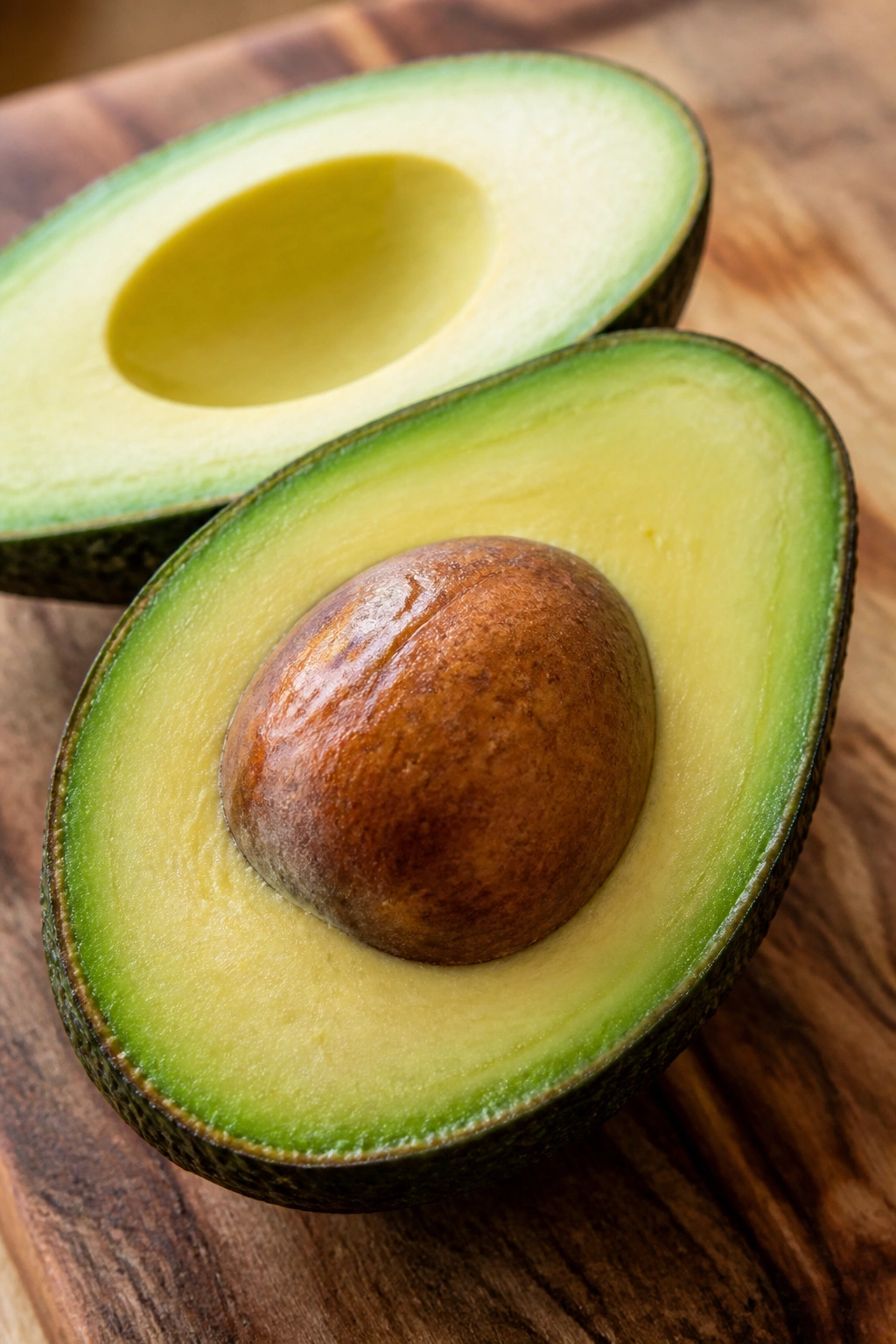
Avocado is nature’s butter. It is creamy, packed with healthy fats, and contains more potassium than a banana. When you are bulking, finding sources of healthy fat that don’t make you feel greasy is important. Avocado fits that bill perfectly.
Why It’s Underrated
The fat in avocado helps your body absorb the fat-soluble vitamins (A, D, E, and K) from the rest of your meal. If you are eating a giant bowl of vegetables and chicken, adding half an avocado ensures you actually extract the nutrients from those vegetables. It makes your food more efficient.
- Contains oleic acid, which helps reduce inflammation.
- Adds a creamy consistency to smoothies or salads.
- Provides sustained satiety, preventing you from getting hungry an hour after eating.
Mash it onto whole-grain toast or dice it up and toss it into a bowl of lean ground beef. It is a simple addition that pays dividends.
12. Olive Oil
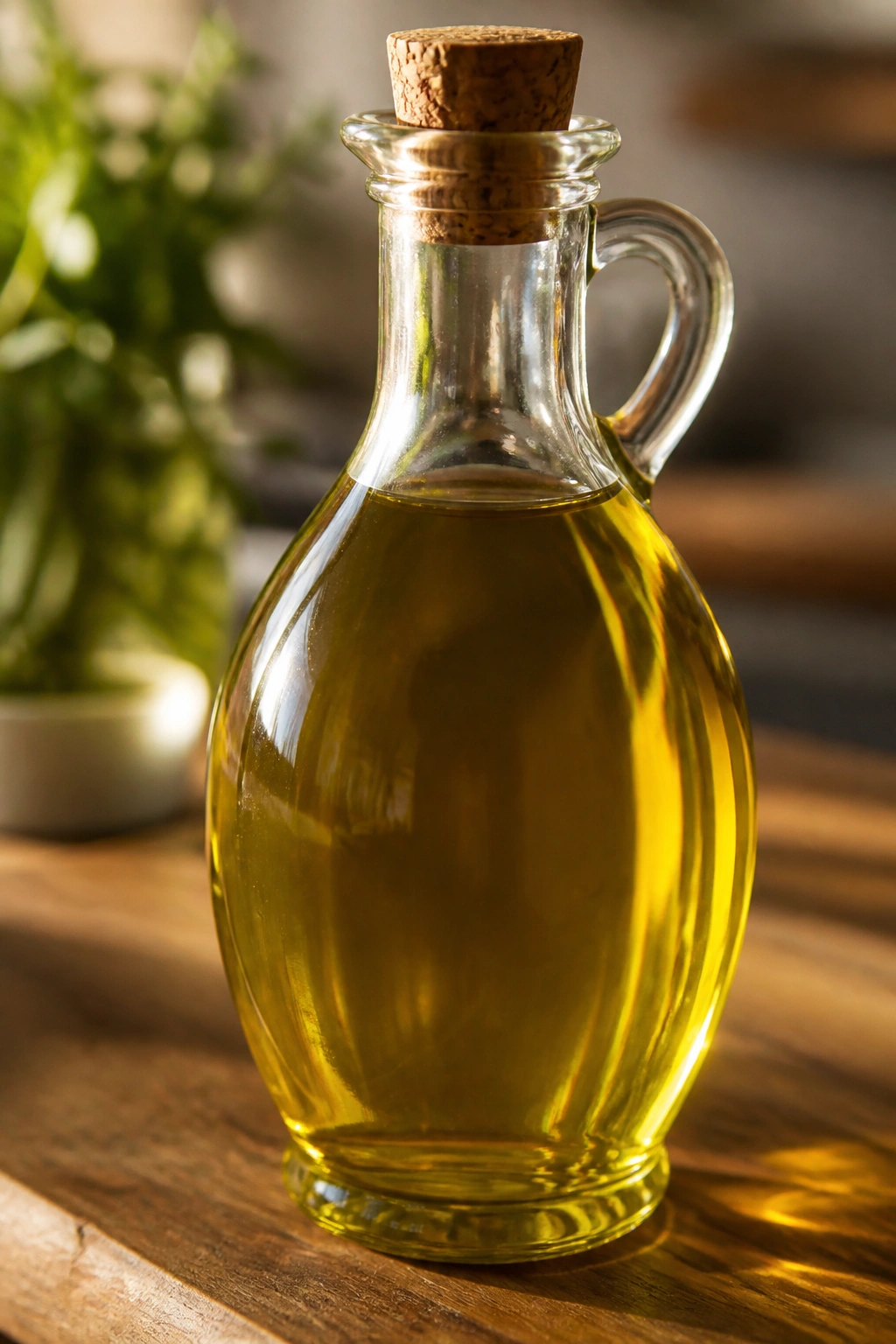
Olive oil is the easiest way to add calories without volume. If you are struggling to hit your caloric surplus, you don’t necessarily need to eat more food; you just need to make the food you are eating more calorie-dense. A single tablespoon of olive oil is roughly 120 calories.
How to Use It Without Making a Mess
Drizzle it over your cooked vegetables. Drizzle it over your chicken. Stir it into your rice. It adds a subtle, savory flavor and ensures you are getting high-quality fats. It is almost undetectable in most dishes, yet it moves the needle on your daily caloric intake significantly.
- Heart-healthy monounsaturated fats.
- Anti-inflammatory properties that support recovery.
- The ultimate “stealth” calorie adder for people who struggle to eat enough food.
Do not cook with it on extremely high heat, as it has a lower smoke point than oils like avocado oil. Use it as a finishing oil or for medium-heat cooking to preserve its quality.
13. Whey Protein Isolate
While whole foods are king, whey protein isolate is a tactical tool. It is not about replacing food; it is about convenience and speed. Post-workout, you want a protein source that hits your bloodstream fast to stop muscle breakdown and start the rebuilding process. That is where whey shines.
Quality Matters
Not all powders are created equal. Look for an isolate that doesn’t have a massive ingredient list of fillers, gums, and artificial sweeteners. You want pure protein. If you are trying to gain weight, you can easily turn a shake into a mass-gainer by adding oats, peanut butter, and fruit to the blender.
- Extremely fast digestion speed for post-training recovery.
- Convenient when you are on the go.
- Easy to mix into other foods like yogurt or oatmeal.
Think of whey as insurance. If you have a busy day and can’t get a proper meal in, a scoop of whey mixed with a banana is infinitely better than missing a meal entirely.
14. Cottage Cheese
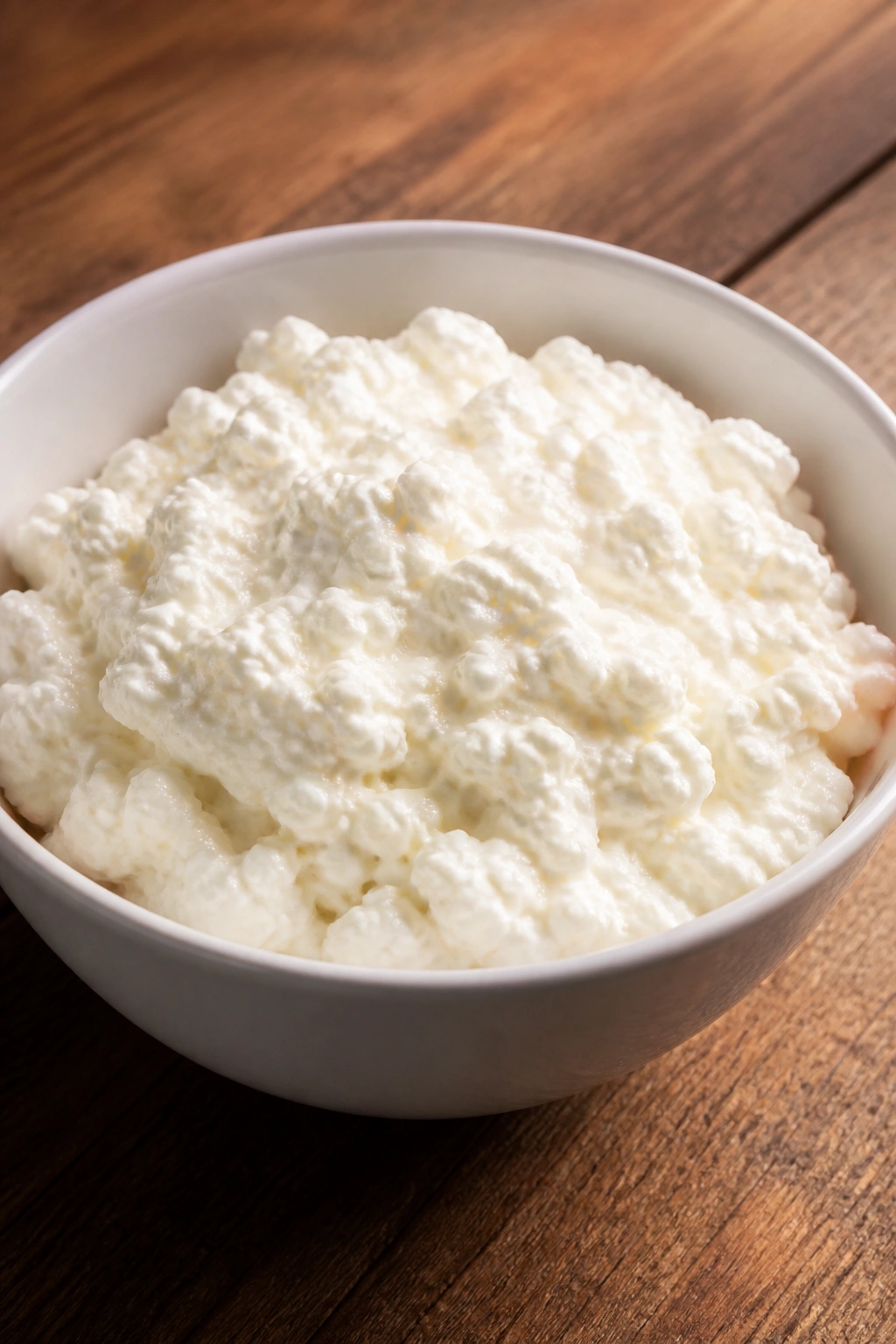
Cottage cheese is a classic bodybuilding staple that has fallen out of style, which is a mistake. It is extremely high in casein protein, which digests slowly. This makes it one of the best foods you can eat before bed. It provides a steady drip of amino acids throughout the night while you are fasting.
Making It Palatable
If you cannot stand the texture, try blending it. It makes a creamy, high-protein base that you can sweeten with a bit of honey or savory with cracked black pepper and diced cucumber. It is cheap, shelf-stable in the fridge, and highly effective.
- One of the most cost-effective protein sources available.
- High in calcium, which is important for bone density.
- Sustained-release protein keeps you from waking up hungry.
It is a simple, no-prep food. If you are serious about clean bulking, keep a tub in your fridge at all times.
15. Lentils
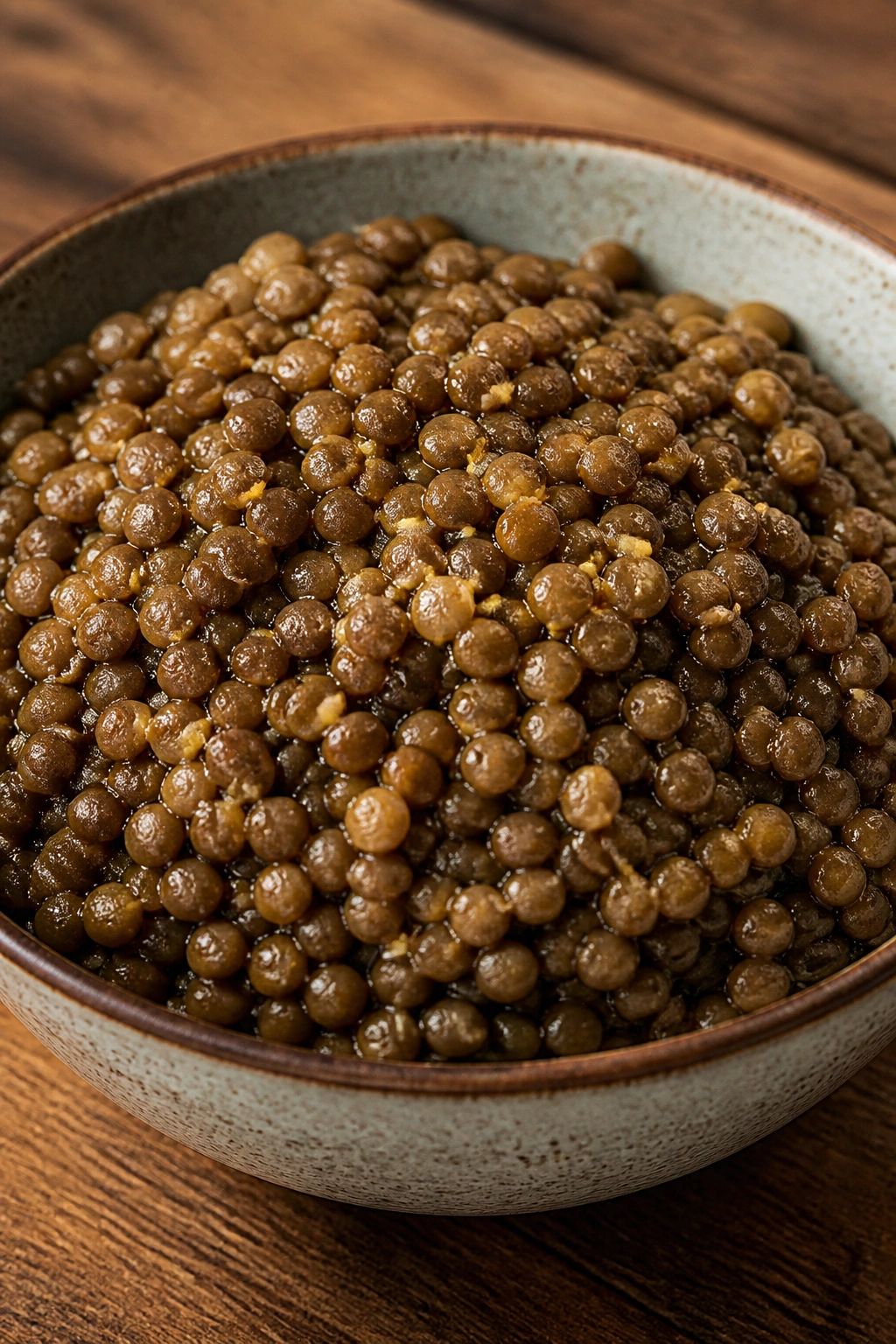
Lentils are the secret weapon for anyone who needs to boost their fiber and plant-based protein intake. They are incredibly cheap and provide a hearty, filling base for meals. When you are eating a lot of food, your digestion can take a hit. The fiber in lentils keeps everything moving smoothly.
Adding Them to the Rotation
Lentils are surprisingly versatile. You can put them in soups, stews, or even mix them into ground meat to stretch your meals. Because they have a distinct earthiness, they pair well with stronger spices like cumin, turmeric, or chili powder.
- High fiber content supports gut health and regular digestion.
- Rich in iron and folate.
- Complex carbs that provide stable energy.
If you feel like your diet is getting too repetitive with rice and potatoes, lentils are the perfect switch. They add depth, texture, and a huge boost of micronutrients.
16. Spinach
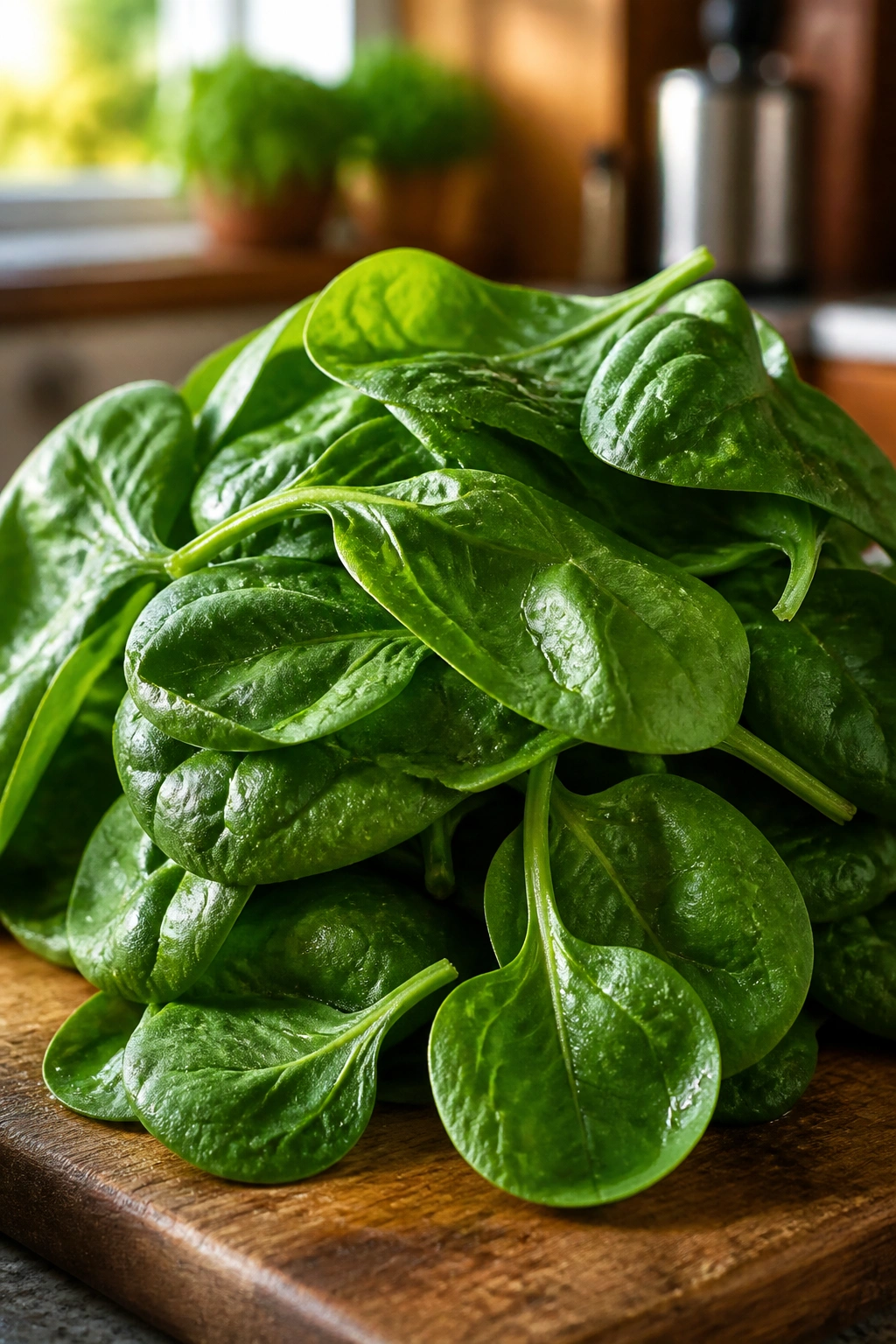
You cannot talk about bulking without mentioning vegetables. Spinach is dense in iron, magnesium, and vitamin K. While it isn’t going to give you massive calories, it ensures that your body is operating at an optimal level so you can process all the other food you are eating.
The Volume Hack
Spinach shrinks down to nothing when cooked. You can eat three or four cups of raw spinach in one sitting if you sauté it with a little garlic and olive oil. This is an easy way to get a massive dose of micronutrients without feeling like you are eating a salad the size of your head.
- High in nitrates, which may improve muscle efficiency.
- Packed with antioxidants to combat training stress.
- Easy to blend into smoothies without affecting the flavor.
Do not ignore the greens. A clean bulk requires a healthy internal environment, and spinach is the easiest way to keep your blood chemistry in balance.
17. Broccoli
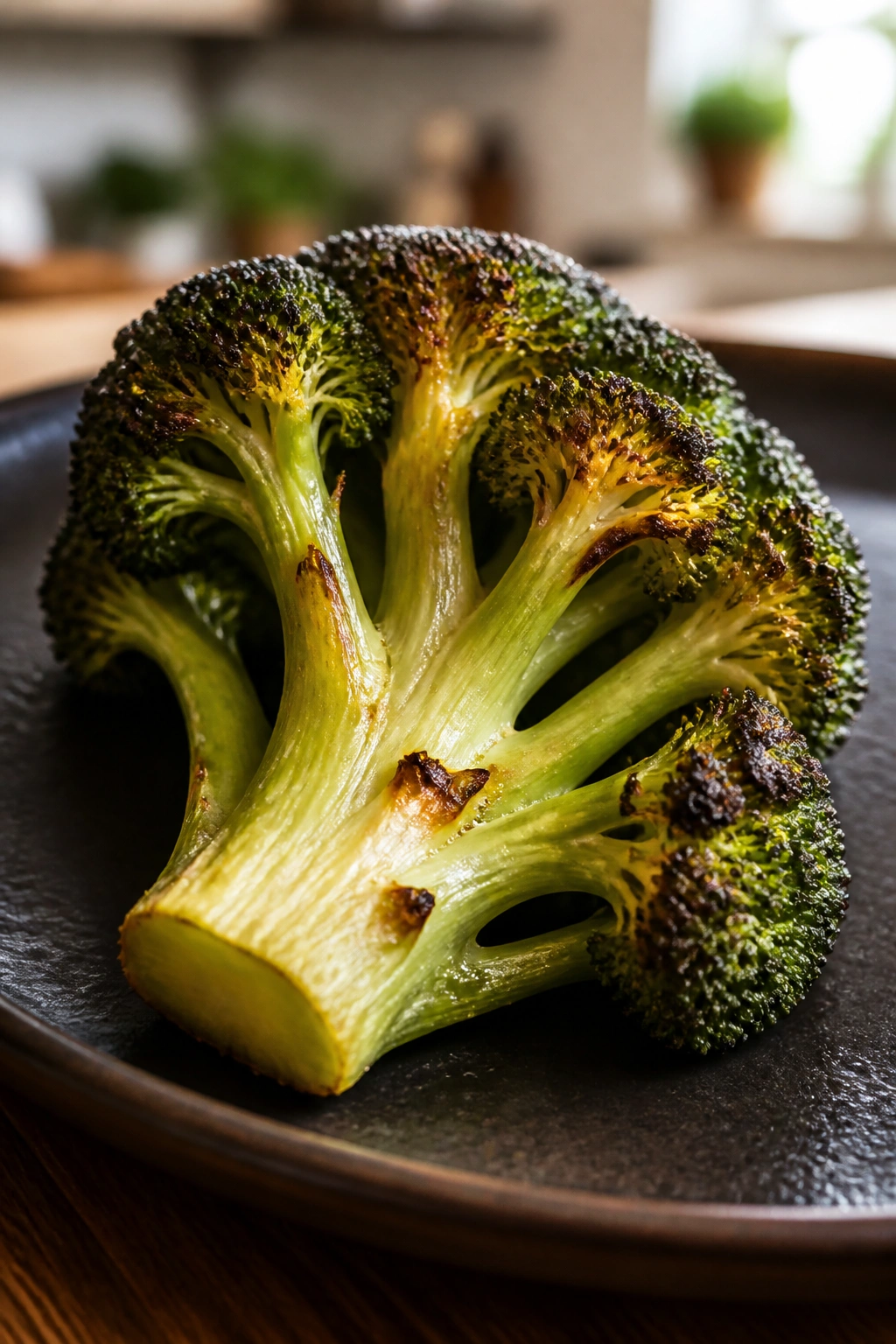
Broccoli is the classic bodybuilder vegetable. It contains indole-3-carbinol, a compound that may help regulate estrogen levels, which is a helpful benefit for someone looking to build a lean, hard physique. It is also packed with fiber to help with digestion.
Mastering the Prep
Stop boiling your broccoli until it is a mushy gray mess. Roast it with salt, pepper, and a little parmesan cheese, or air-fry it until the edges are crispy. When it tastes good, you will actually eat it.
- High in vitamin C for immune support.
- Provides volume to your meals, which helps with satiety.
- Low calorie, allowing you to eat a lot of it without impacting your bulk.
If you are eating high amounts of protein and complex carbs, you need the fiber to keep your digestion from stalling. Broccoli is the solution.
18. Blueberries
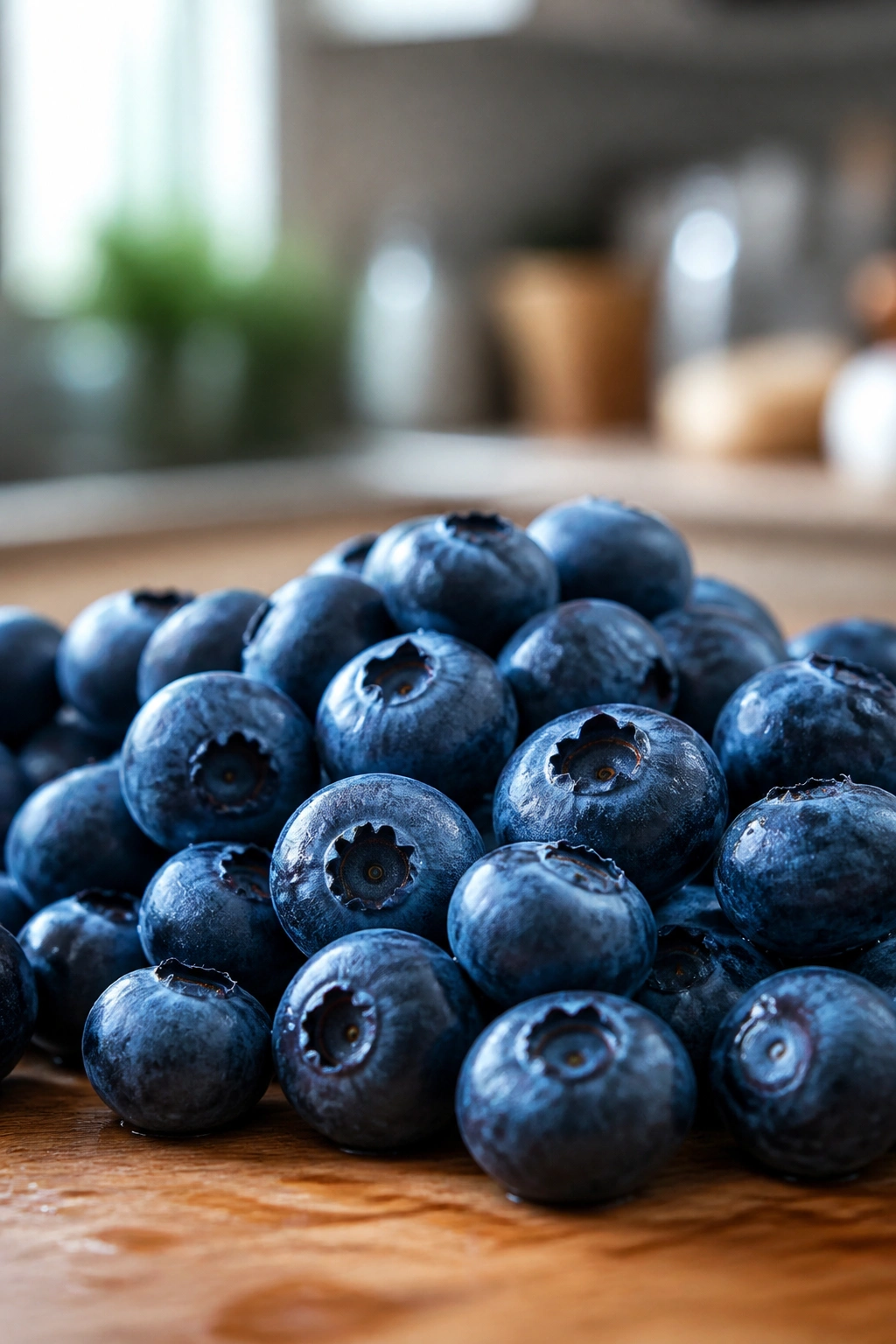
Blueberries are the best fruit for a bulk. They are low on the glycemic index compared to other fruits, meaning they won’t cause massive insulin spikes, and they are packed with antioxidants. These antioxidants are vital for managing the systemic inflammation caused by heavy lifting.
The Ease of Use
You can throw a cup of frozen blueberries into your morning oats or a post-workout shake and be done with it. They add flavor, moisture, and a significant nutrient boost with almost zero prep time.
- High levels of anthocyanins, which improve blood flow.
- Low calorie density, perfect for balancing out higher-calorie meals.
- Convenient and delicious.
When you are in the middle of a long bulking phase, fresh fruit provides a much-needed mental break from the “meat and rice” routine. Keep them in your freezer.
19. Natural Peanut Butter
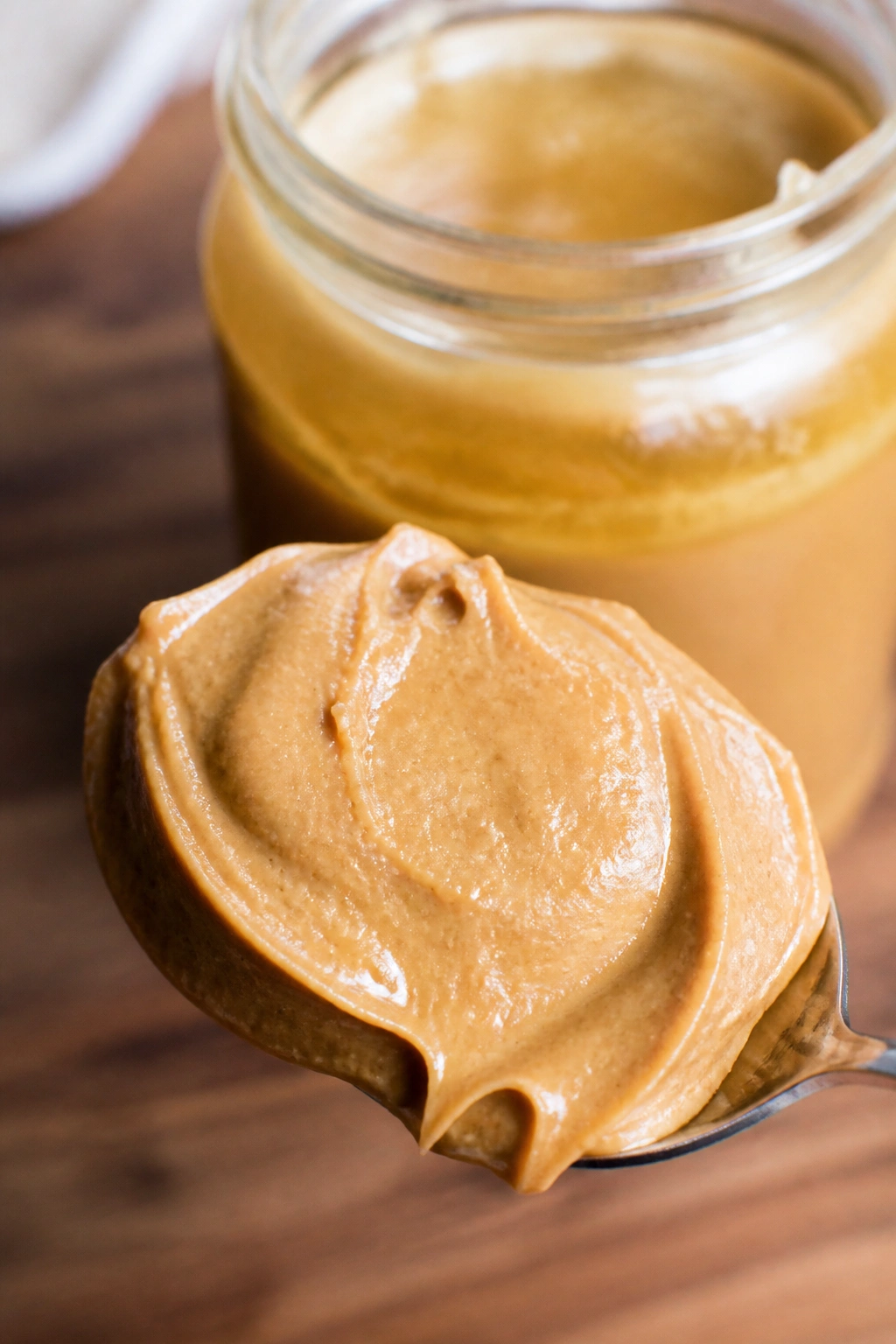
Natural peanut butter—meaning the kind with only peanuts and maybe salt in the ingredient list—is a lifesaver. It is calorie-dense, healthy, and delicious. If you are struggling to eat enough calories, a couple of spoonfuls of peanut butter is the easiest way to bridge the gap.
Avoiding the Traps
Do not buy the commercial stuff filled with added sugar and hydrogenated vegetable oils. That is just junk. Look for the jars where the oil separates at the top. Yes, you have to stir it, but that is a sign of a real food product.
- High in healthy fats and magnesium.
- Provides a quick 200 calories per two tablespoons.
- Satisfies cravings for something sweet and savory.
Use it in your oatmeal, on toast, or just eat it off the spoon. It is the gold standard for adding calories that aren’t just empty sugar.
20. Tuna
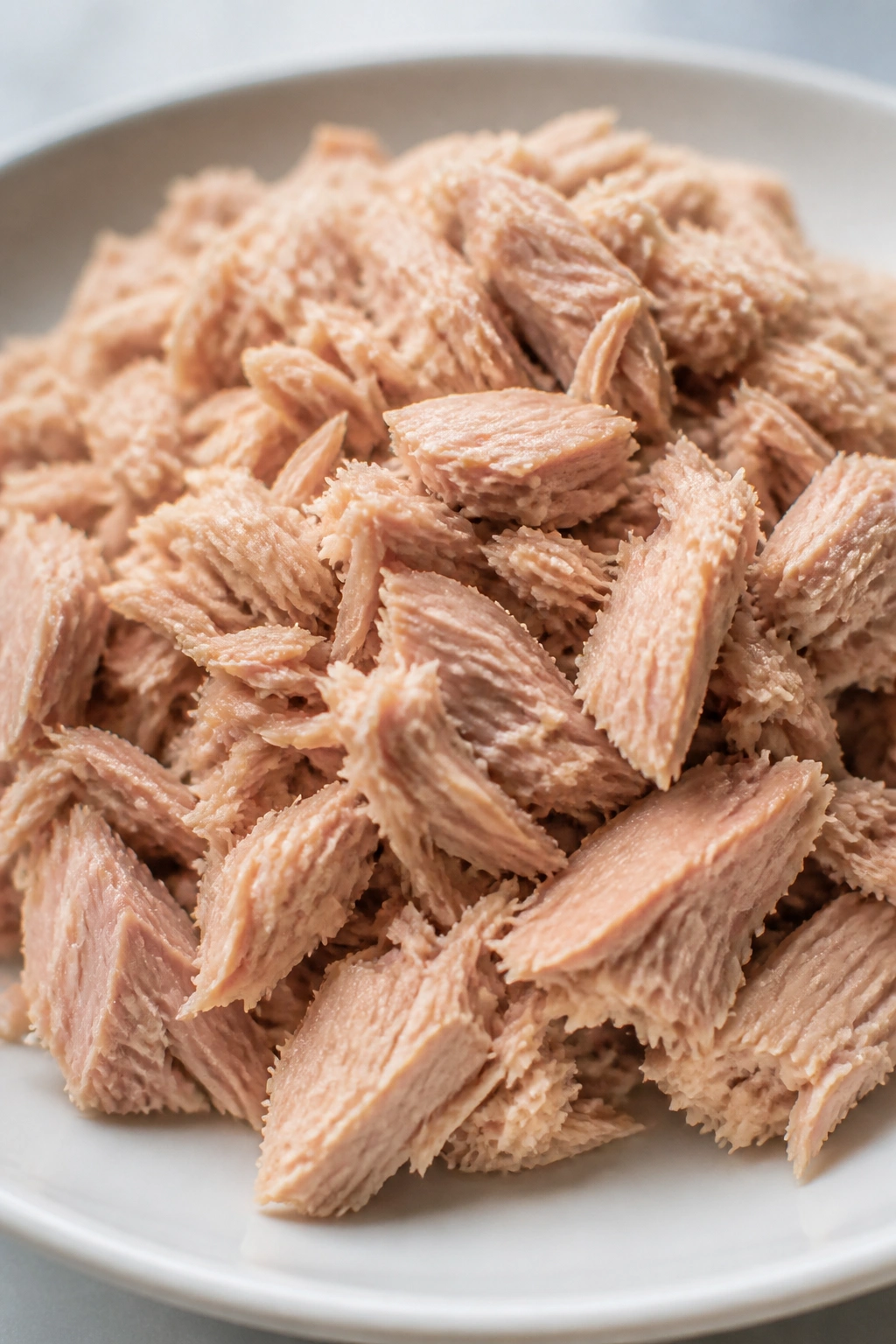
Canned tuna is the ultimate convenience food. It is essentially pure protein with almost zero fat or carbs. It is perfect for those days when you are at work and didn’t have time to meal prep. It is also extremely cheap compared to fresh fish or steak.
Elevating the Flavor
Plain tuna can be dry and boring. Mix it with a little avocado, some mustard, or even a bit of light mayo to improve the texture and add some healthy fats. If you want to make it a meal, throw it over some brown rice and you have a complete, high-protein, clean bulking meal in under three minutes.
- Extremely high protein-to-calorie ratio.
- Rich in B vitamins.
- Shelf-stable, so you can keep a stash in your desk or gym bag.
Just don’t overdo it with the daily frequency to keep your mercury intake low—but as a staple a few times a week, it is hard to beat.
21. Turkey
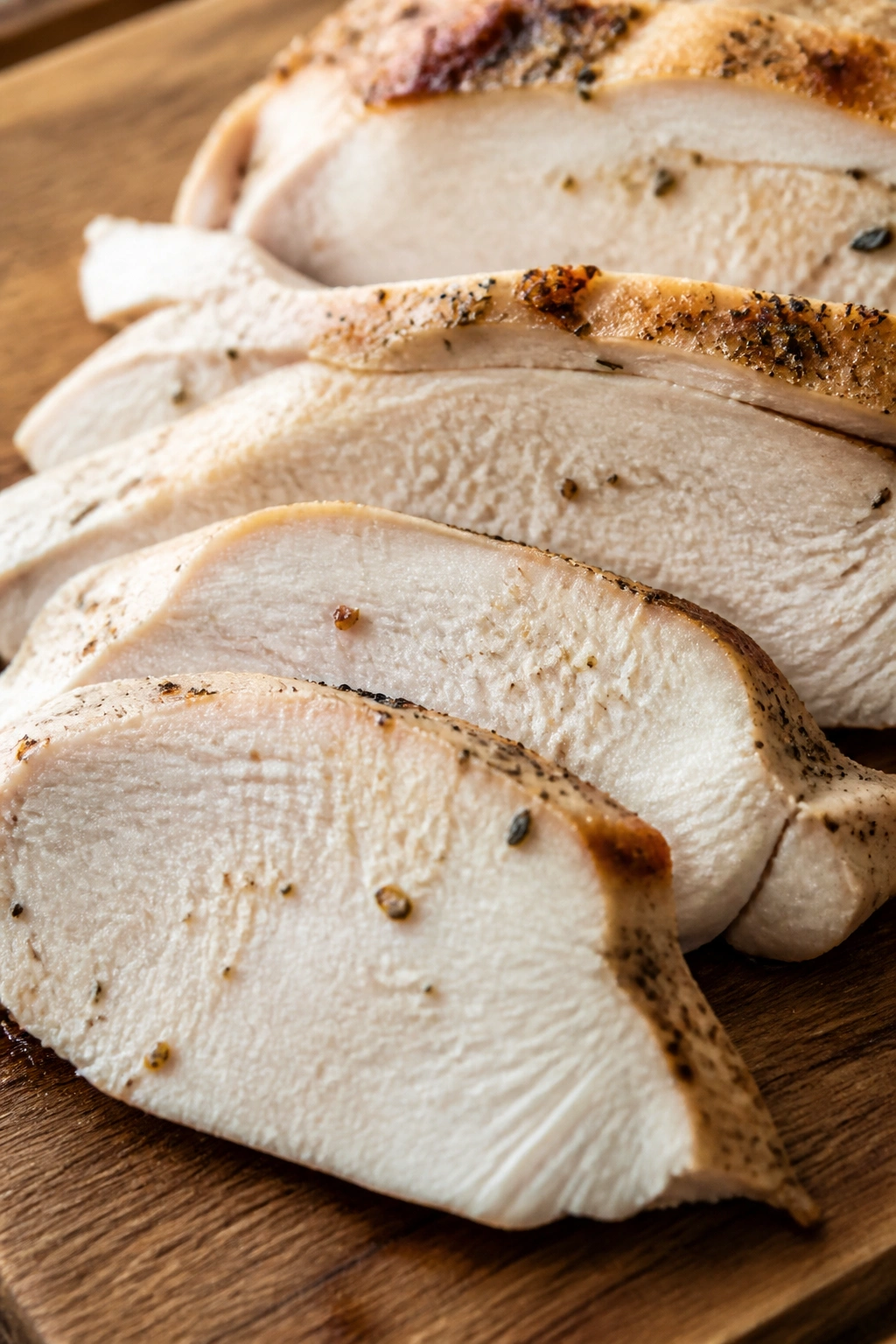
Turkey is leaner than even chicken breast. If you are finding that your clean bulk is getting a little too dirty and you feel like you are putting on fat, swapping your protein source to turkey is an easy way to tighten up your macros without dropping your food volume.
Making It Work
Turkey can dry out faster than chicken, so be careful not to overcook it. If you are buying ground turkey, cook it with plenty of herbs and spices to give it some character. It is an excellent canvas for whatever flavors you are craving that day.
- Contains tryptophan, which can help with sleep quality.
- Very low calorie, giving you room to add fats elsewhere in your diet.
- High protein density.
Variety prevents boredom. If you have been eating chicken for six months, turkey will feel like a brand new meal.
22. Hemp Seeds
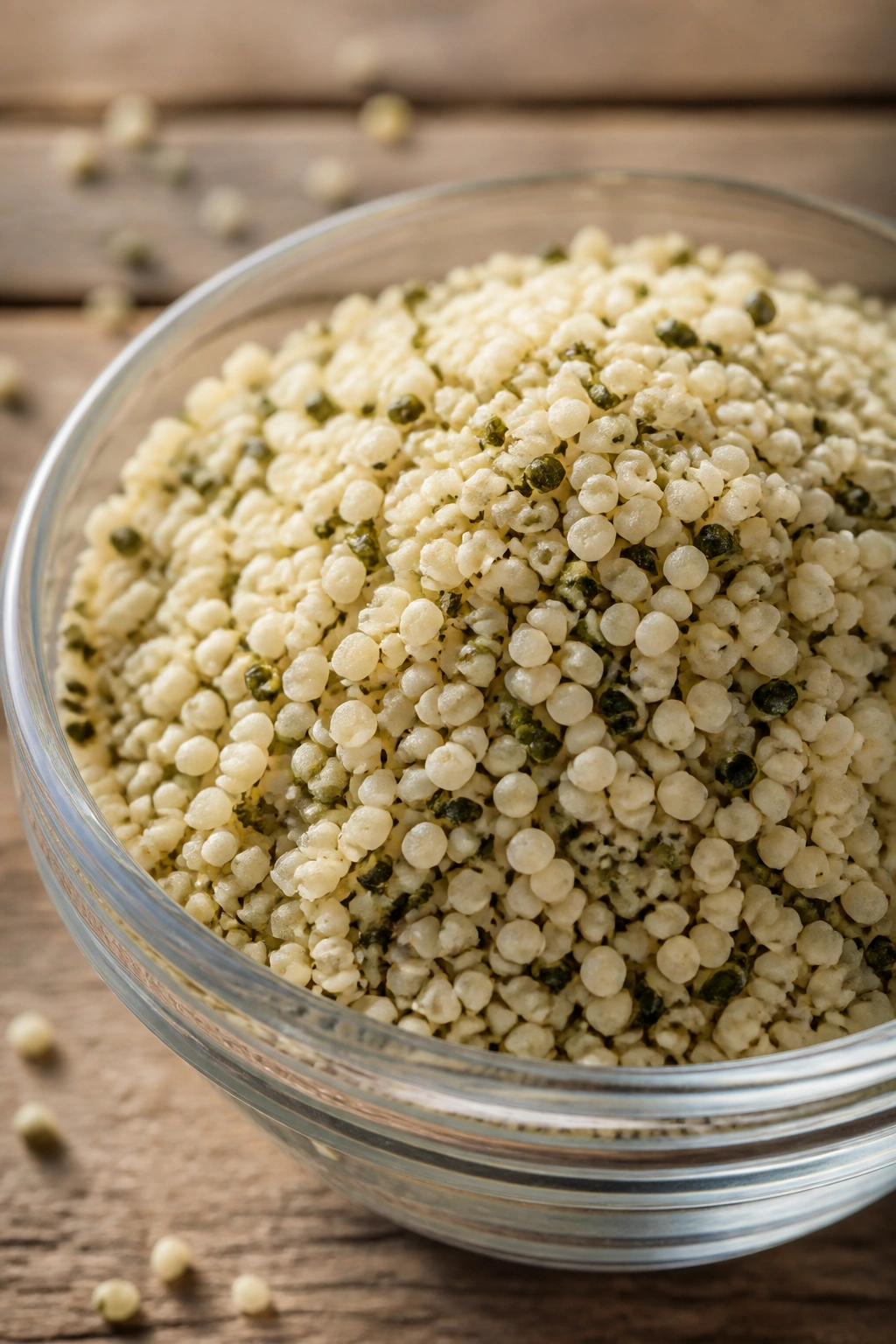
Hemp seeds are a bit of a secret weapon. They are high in protein, healthy fats, and minerals like magnesium and iron. They have a nutty flavor that works perfectly in smoothies, on top of yogurt, or mixed into oatmeal. They are an easy way to “hack” your meals for more nutrition.
Why They Are Unique
Hemp seeds are unique because of their ratio of omega-6 to omega-3 fatty acids. They also contain gamma-linolenic acid (GLA), an anti-inflammatory fat that is fairly rare in the diet. For an athlete, that extra support for inflammation management is always a win.
- Complete protein source with all essential amino acids.
- Easy to digest.
- Adds a subtle crunch to soft foods.
You don’t need a lot—a tablespoon or two is enough to boost the nutrient profile of your breakfast.
23. Pumpkin Seeds
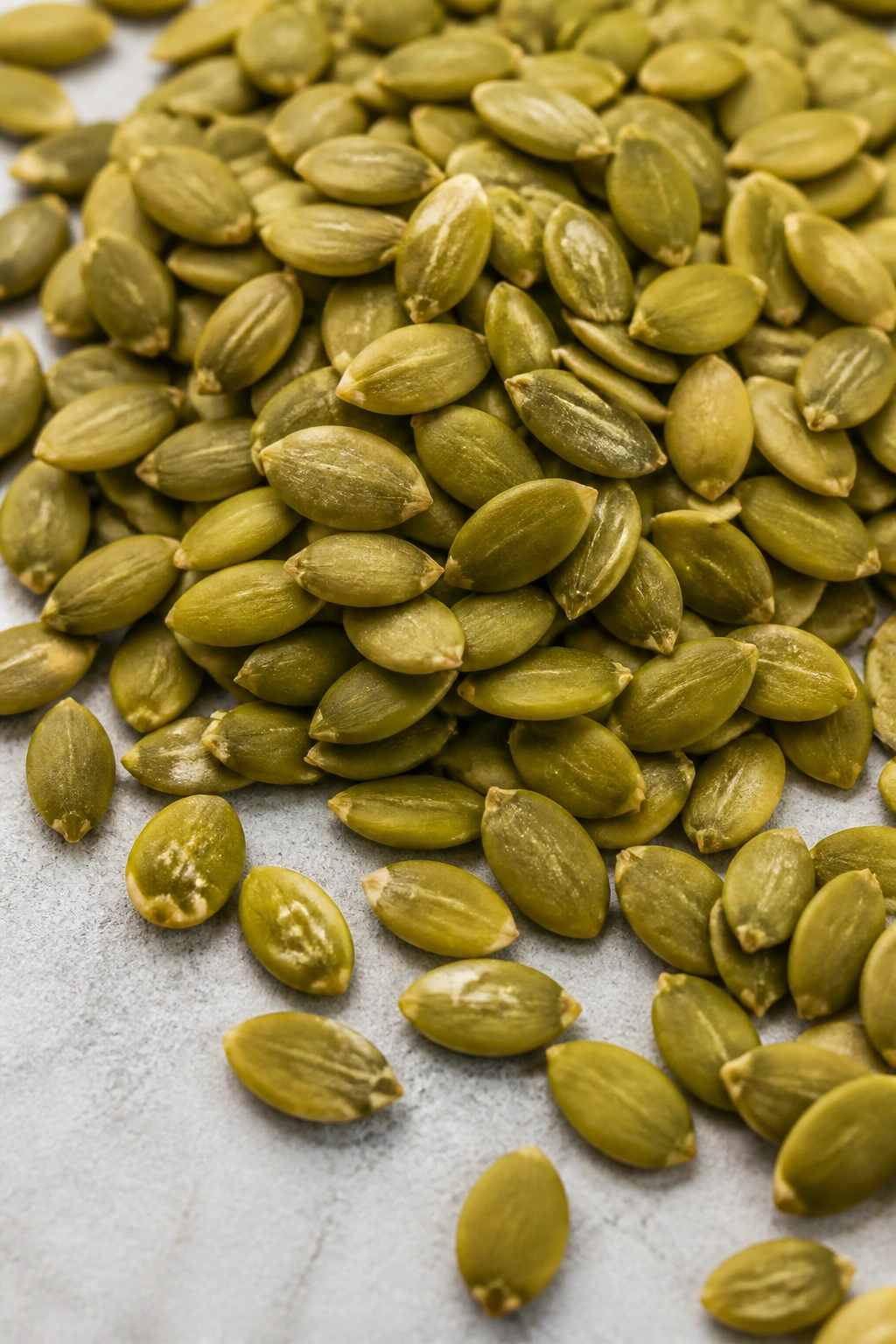
Pumpkin seeds, or pepitas, are fantastic for testosterone health because they are one of the best food sources of zinc. Zinc is a mineral that most lifters are deficient in, and it plays a major role in hormone production. They are also calorie-dense and easy to snack on.
Incorporating Them
Throw them into a salad or mix them into a trail mix with almonds and dried fruit. They have a great texture and a savory flavor that keeps you coming back for more. They are much better than reaching for a bag of chips.
- High in magnesium for sleep and muscle function.
- Provides a good amount of healthy fats for hormonal support.
- Adds a nice crunch to otherwise soft meals.
If you want to support your hormonal profile naturally, a handful of pumpkin seeds a few times a week is a very easy habit to start.
24. Buckwheat
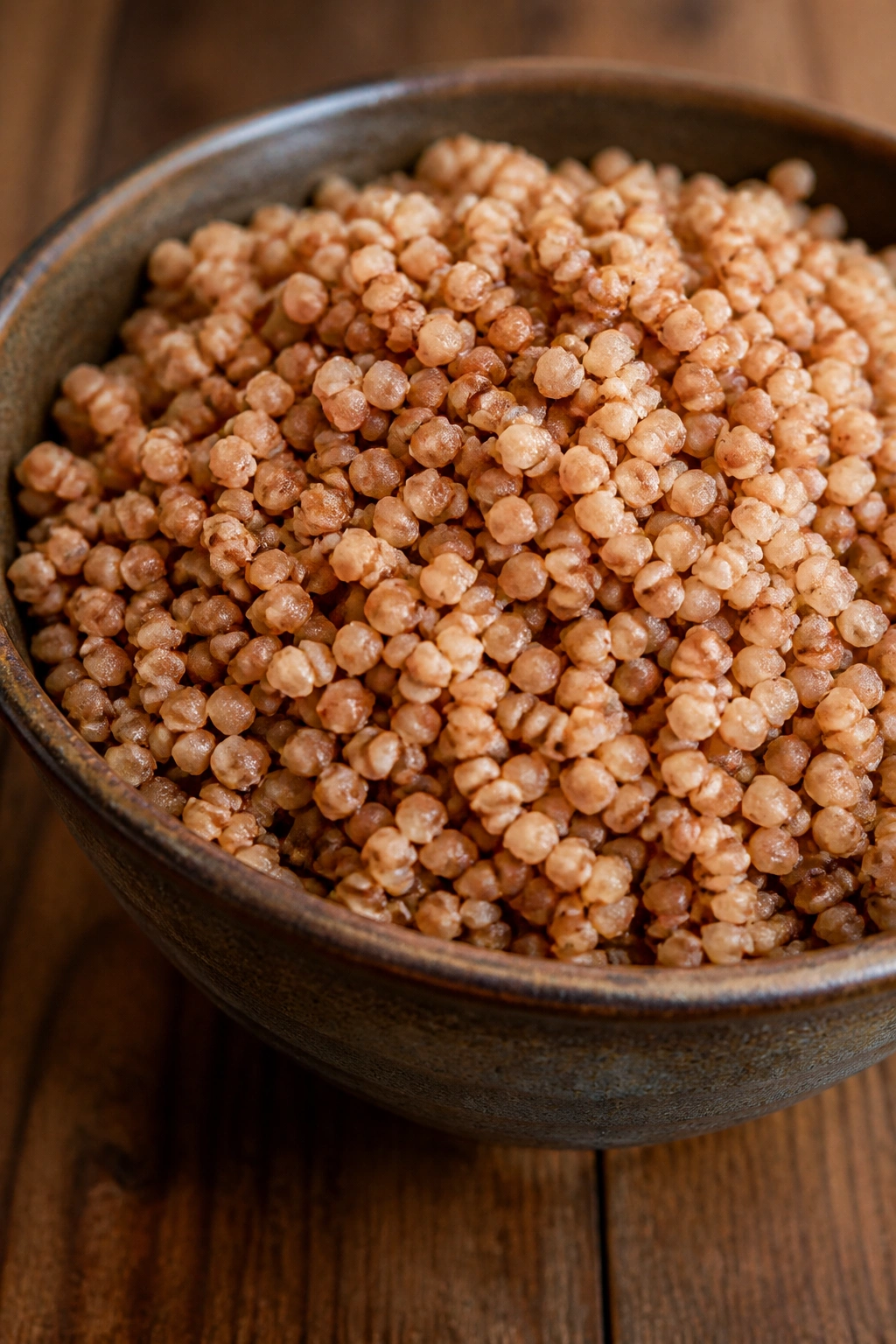
Buckwheat is a grain that is actually a seed, making it a pseudocereal. It is gluten-free, high in protein, and rich in rutin, a flavonoid that helps with circulation. If you find that other grains make you bloated, buckwheat might be the answer.
Preparing It Right
Cook it like rice. It has an earthy, nutty flavor that works well with hearty stews or savory meat bowls. Because it has more protein than rice, it feels a bit more “substantial” as a side dish.
- Good source of complex carbs for steady energy.
- High in fiber for digestion.
- Unique mineral profile compared to wheat-based carbs.
It is a great way to rotate your grain sources so you don’t get bored. It keeps your diet diverse and interesting.
25. Cod
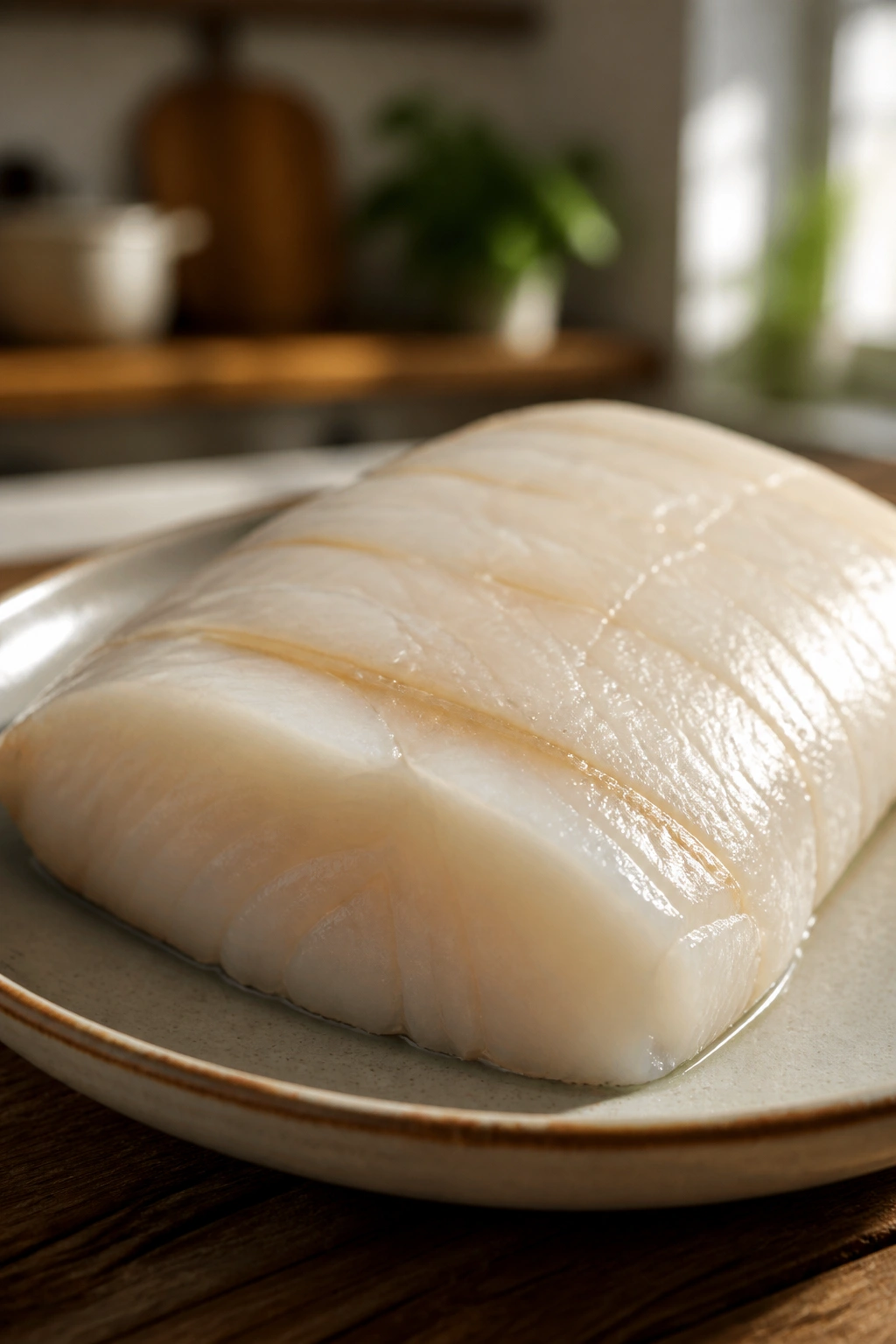
Cod is the ultimate “volume” protein. It is incredibly low in calories and almost entirely protein. If you are at the end of the day and you need to hit your protein goal but you are out of calories, cod is your best friend. You can eat a massive amount of it without putting a dent in your caloric surplus.
The Strategy
Treat cod as your “gap filler.” If your dinner needs more protein but the fat and carb macros are already maxed out for the day, bake a piece of cod. It is simple, effective, and gets the job done without any fluff.
- Extremely high protein density.
- Neutral flavor that takes on whatever seasoning you use.
- Easy to digest, even in large quantities.
It is not the most calorie-dense food, which is why it is last on this list—but it is an essential tool for the precision required in a long-term clean bulk.
Final Thoughts
Clean bulking is a game of consistency, not intensity. It is not about hitting one giant meal that makes you feel sick; it is about hitting your macros, day in and day out, with foods that make you feel good. You want to train hard, recover well, and provide the fuel that allows your body to perform at its peak.
Start by looking at your current diet and identifying where the “dirty” calories are coming from. Swap those out for the nutrient-dense options listed above. Do not try to change your entire diet overnight. Pick three or four of these foods, get comfortable prepping them, and build from there. Your physique—and more importantly, your long-term health—will thank you for it.
