



The struggle of the bulk is real, and it’s rarely about the protein. Anyone who has spent months trying to pack on serious muscle knows the feeling of staring down a bowl of cold rice, absolutely dreading the next bite. You have hit your protein target, your fats are in line, but that massive caloric surplus required for growth feels like a mountain you just cannot climb. Digestion becomes your biggest enemy. You feel lethargic, bloated, and like you’re carrying a bowling ball in your gut.
This is where your choice of carbohydrates becomes the deciding factor between a successful bulk and just spinning your wheels. Not all carbs are created equal, especially when you are forcing your body to consume more than it wants. Some digest quickly, leaving you hungry for the next meal in two hours. Others sit in your stomach like lead, stalling your metabolism and killing your appetite for the rest of the day.
The secret isn’t just “eating more.” It is about eating strategically so you can fit those calories in without feeling like you are constantly on the verge of a food coma. We are looking for density, digestibility, and fueling performance in the gym. Here are 20 of the best carbohydrate sources to make your bulk easier, more effective, and a lot less miserable.
1. Oats
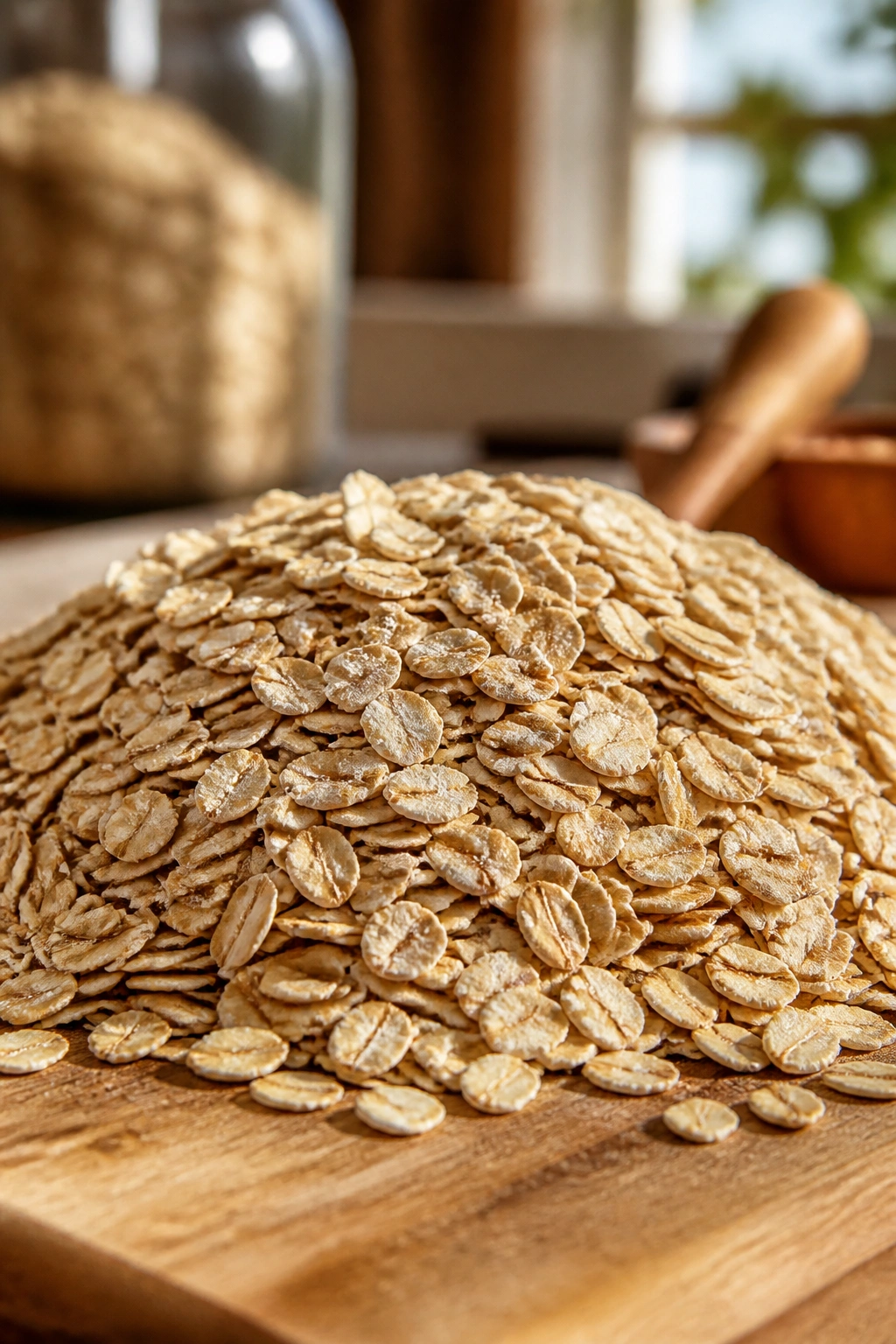
Oats are the gold standard for a reason. They are slow-digesting, affordable, and incredibly versatile. If you are struggling to hit your caloric goals, you can blend these into a shake with peanut butter and whey protein, effectively drinking 500 calories without feeling like you’ve stuffed yourself.
Why They Work for Bulking
Oats contain beta-glucan, a type of soluble fiber that helps stabilize blood sugar. Unlike sugary cereals that cause a massive insulin spike and subsequent crash, oats provide a steady stream of energy. This is crucial when you need to sustain your energy levels through a heavy leg day.
The “Oat Shake” Strategy
If eating a bowl of oatmeal is too bulky, grind a cup of dry rolled oats in a blender until they become a fine powder. Add your protein, a tablespoon of almond butter, and milk. You now have a high-calorie “gainer” shake that goes down in seconds. This technique saves your jaw from fatigue and your stomach from feeling overly full.
2. Sweet Potatoes
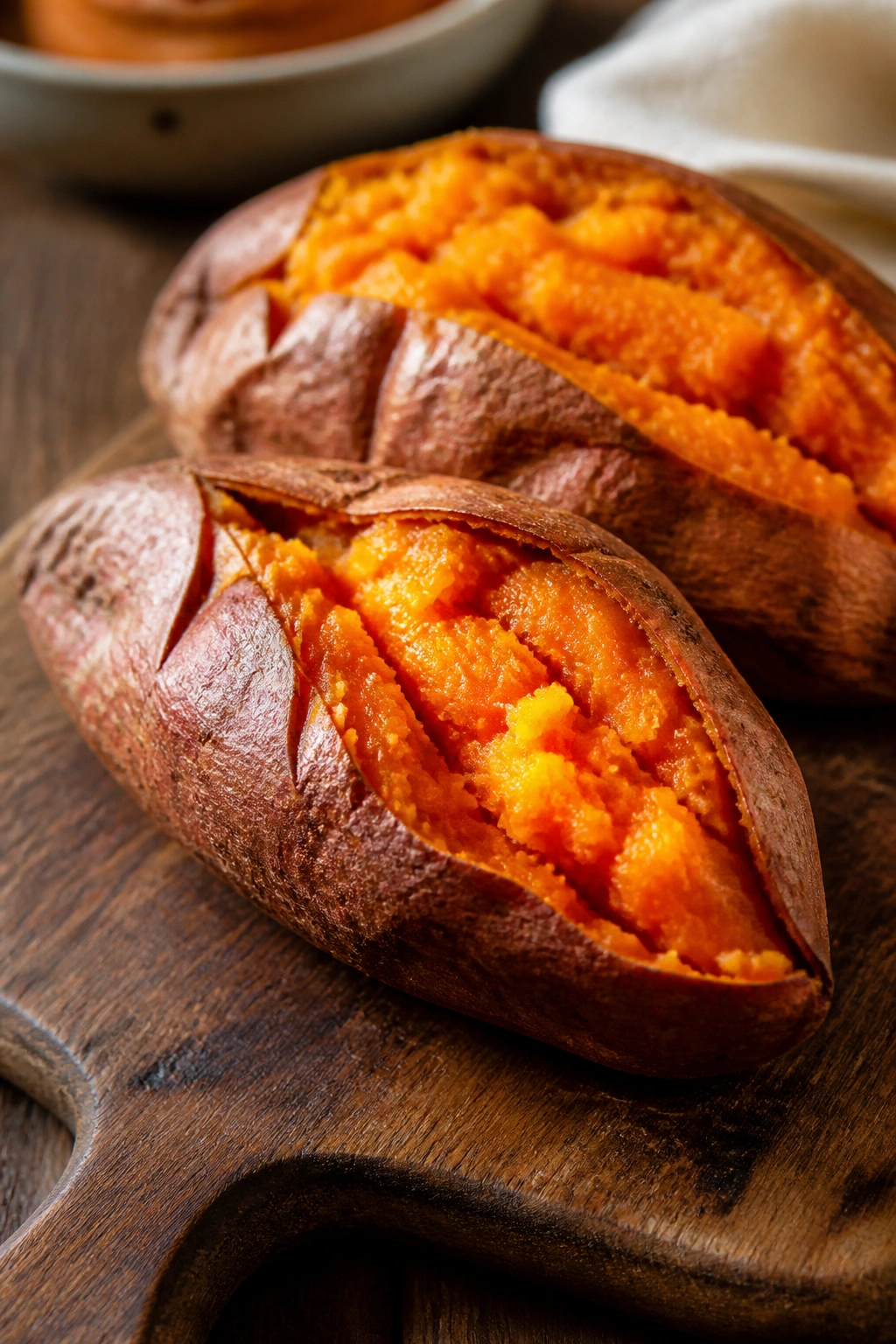
Sweet potatoes are the heavy lifter of the bodybuilding world. They offer a significant carbohydrate punch but with a higher micronutrient density than white rice or pasta. They are packed with vitamin A and potassium, which helps with electrolyte balance during intense training blocks.
The Volume Problem
The downside is the volume. Eating three baked sweet potatoes is a chore. A better approach is to bake them until they are soft, scoop out the flesh, and mash them with a little olive oil or coconut milk. This breaks down the structure, making it significantly easier to consume a larger quantity in one sitting.
3. Quinoa
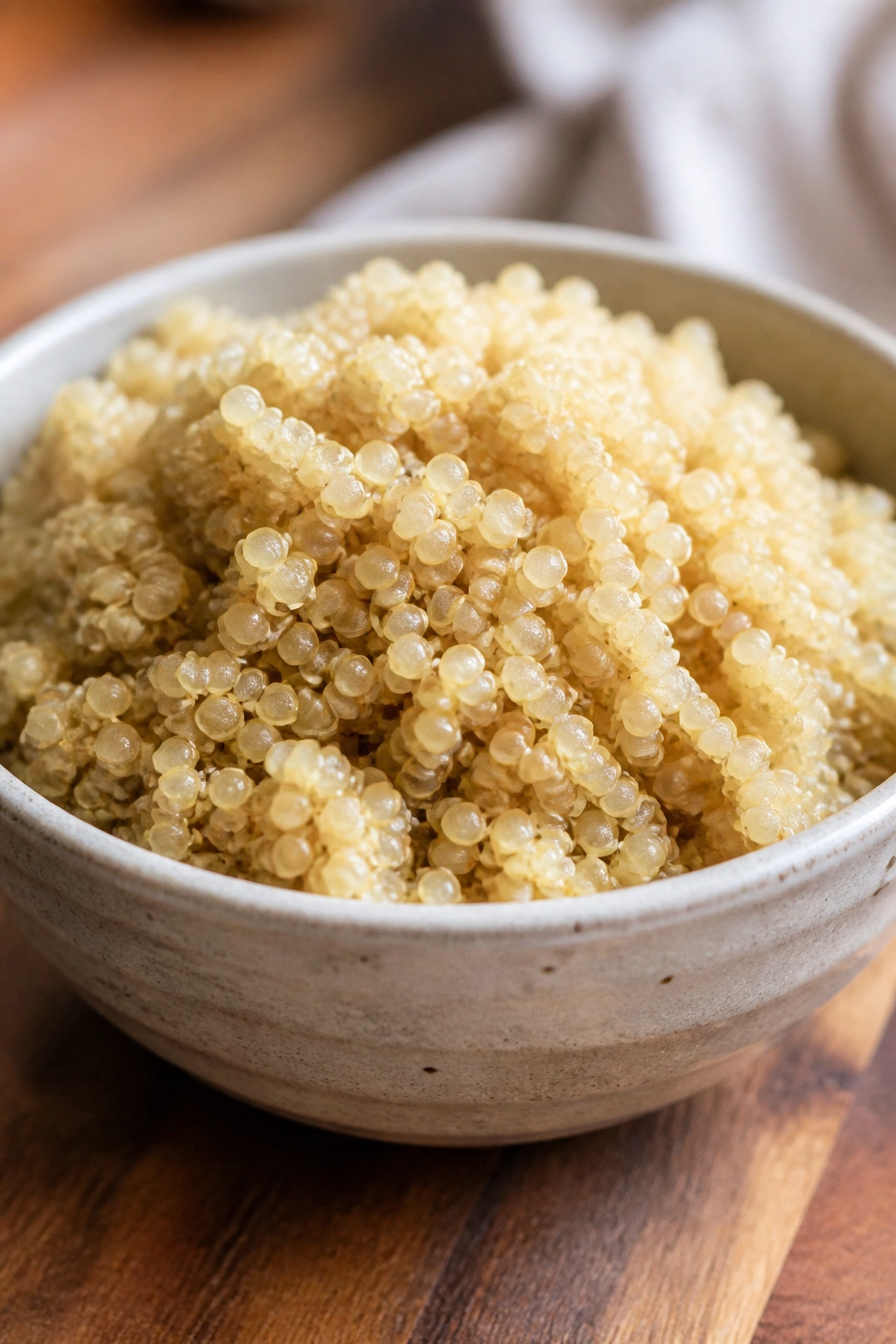
Think of quinoa as the “protein-spiking” carb. While it is technically a carbohydrate source, it contains all nine essential amino acids. It is essentially a complete protein on its own. For a bulk, this is an excellent tool because every calorie you consume contributes slightly more to your amino acid pool than plain rice or pasta would.
Preparation Tip
Quinoa can taste grassy if you just boil it in water. Toast the dry grains in a pan for two minutes before adding your liquid. This nuttiness makes it much more palatable when you are eating it three times a day.
4. Brown Rice
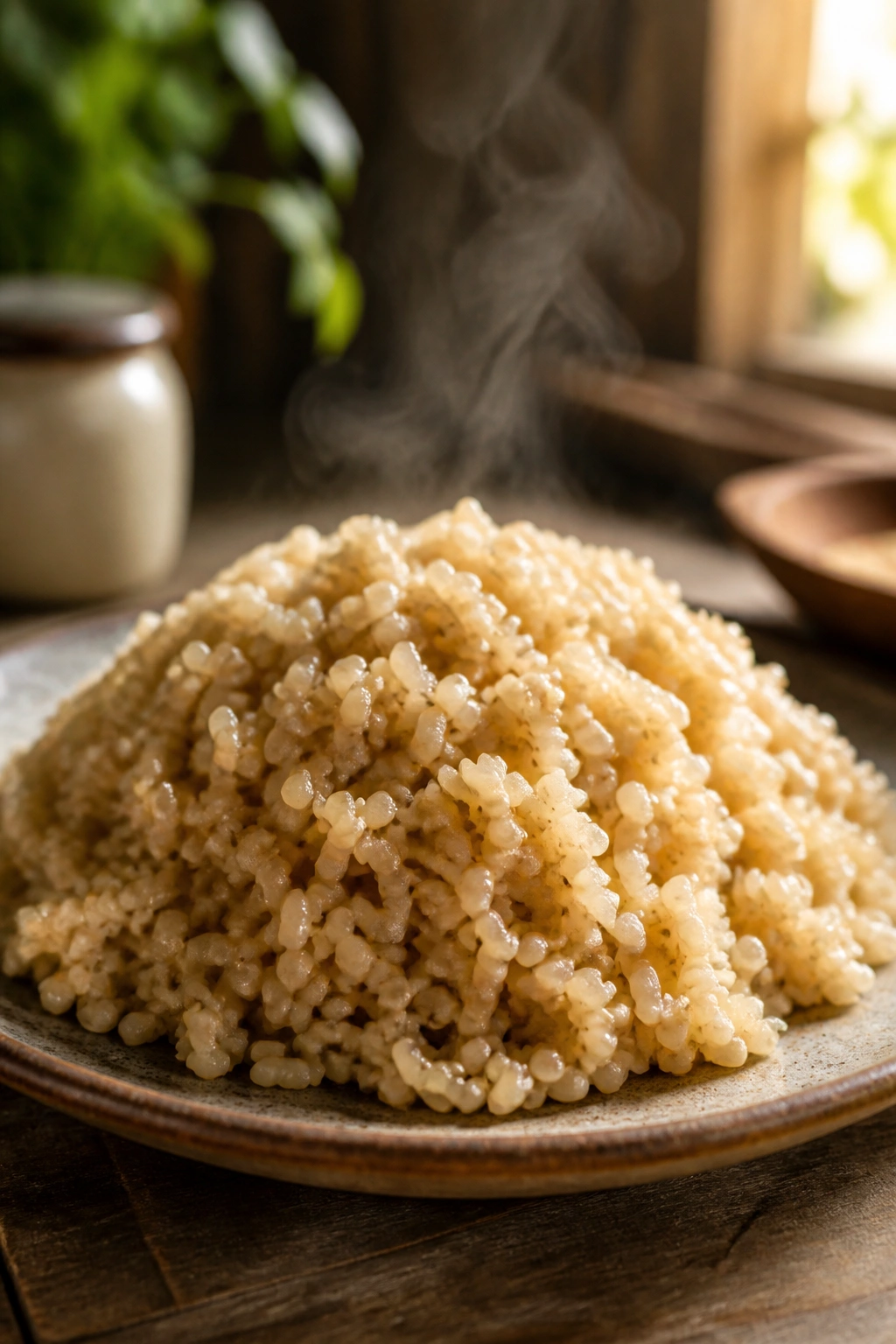
Brown rice is a classic bodybuilding staple, but many guys avoid it because it takes a long time to cook and is harder to digest than white rice. However, the fiber content keeps you feeling full longer, which might be a downside if you need to eat again in two hours. Use this earlier in the day when your next meal is further away.
Digestive Considerations
If brown rice leaves you feeling bloated, consider soaking it for a few hours before cooking. This simple step starts the breakdown of phytic acid, making the grain gentler on your digestive system. It is a small change that saves you from the mid-afternoon bloat.
5. Bananas
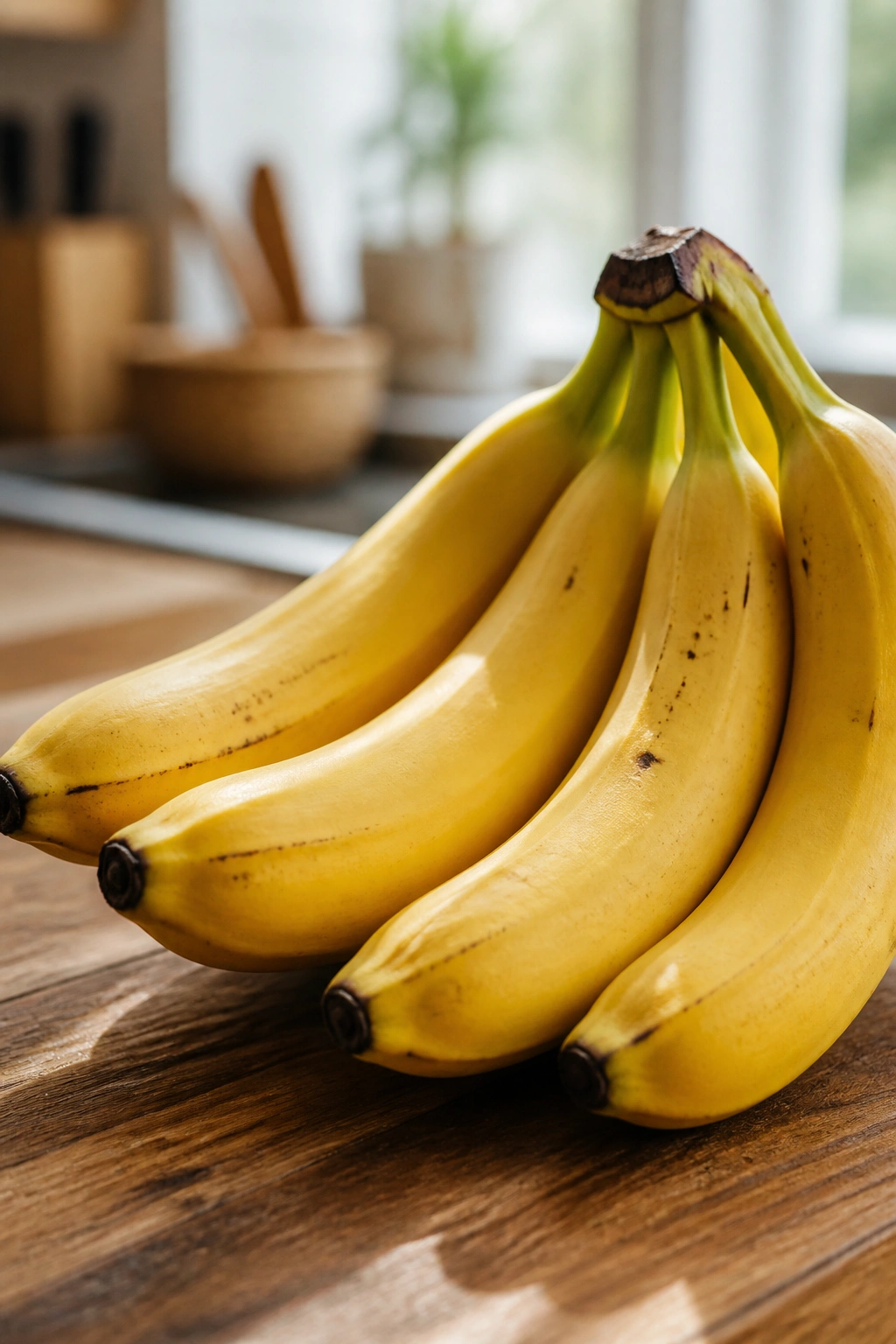
Bananas are the ultimate “convenience carb.” They are essentially nature’s energy bar. During a bulk, you need glycogen replenishment immediately following a workout. A banana provides simple sugars that hit the bloodstream fast, spiking insulin just enough to shuttle nutrients into your depleted muscle cells.
When to Eat Them
Eat one immediately post-workout. If you are really struggling to gain weight, throw two into your morning oatmeal or a smoothie. The sugars here are not your enemy—they are the fuel that prevents your body from burning its own muscle tissue for energy during your next training session.
6. Pasta (Whole Grain and Chickpea)
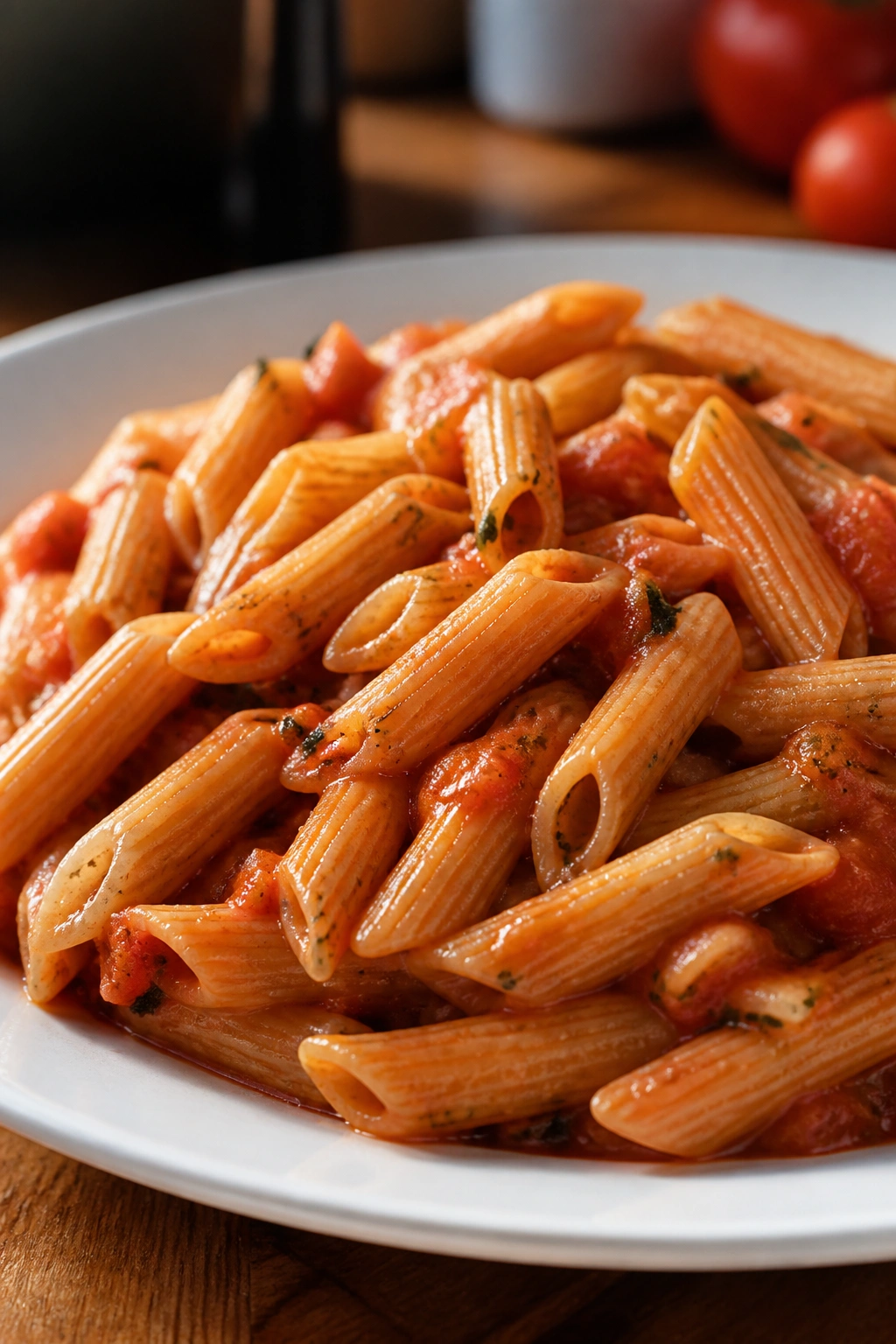
Pasta is a density king. You can eat a massive amount of calories in a relatively small volume. If you switch to chickpea or lentil-based pasta, you are adding a significant protein boost alongside the carbs. It is a cheat code for hitting macros without feeling like you are eating for two hours straight.
The Sauce Trap
Be careful with sauces. Creamy alfredo sauces add massive calories, which is great for a dirty bulk, but if you want to stay relatively lean while gaining mass, stick to a hearty tomato sauce with ground turkey or lean beef. You get the carbs, the protein, and the fiber without the unnecessary saturated fat that can cause sluggishness.
7. White Potatoes
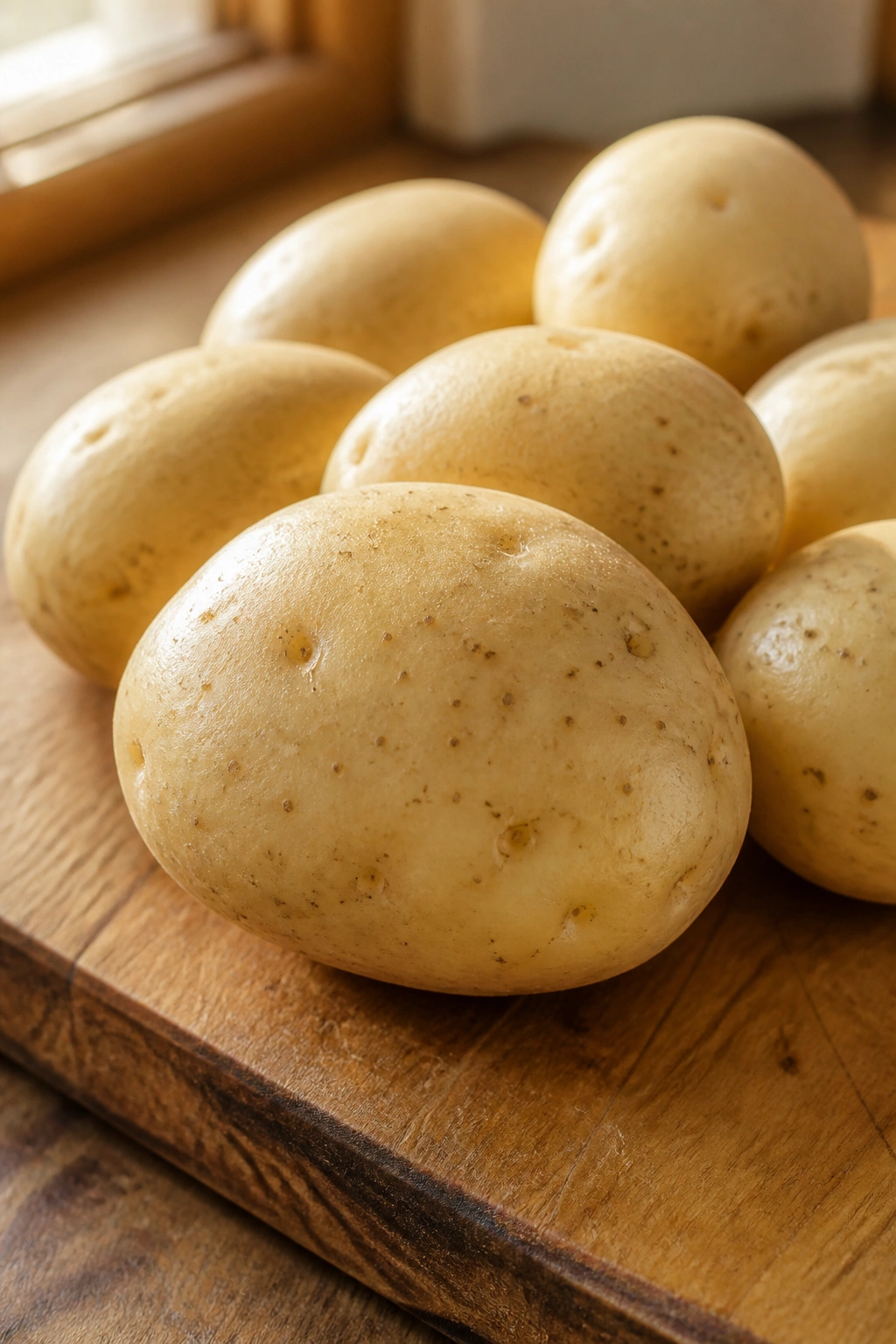
Don’t let the “white” label scare you. White potatoes are incredibly high on the satiety index, but they digest faster than sweet potatoes, which makes them perfect for pre-workout or post-workout meals. They don’t linger in your stomach, meaning you can get back to training or back to your next meal faster.
The Prep Advantage
Potatoes are cheap and incredibly easy to mass-prepare. Bake a tray of ten of them at once. When you are busy or tired, you have an instant, digestible carb source ready to go. A splash of hot sauce or a bit of Greek yogurt on top makes them palatable even when you are sick of the taste.
8. Berries
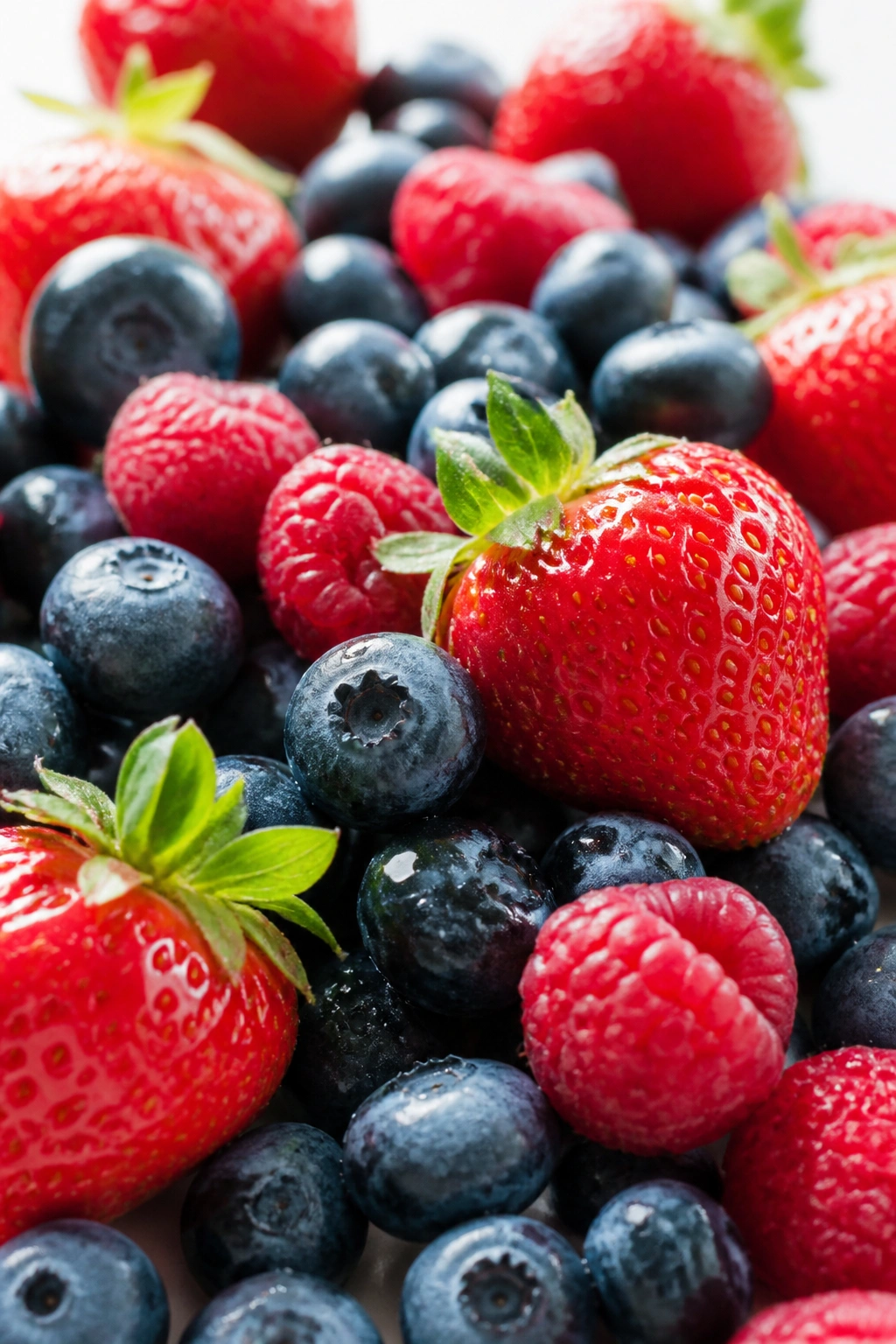
While berries aren’t dense in calories, they are the secret weapon for avoiding the “bulking flu.” When you are eating thousands of calories, inflammation can skyrocket. Blueberries, strawberries, and raspberries are loaded with antioxidants that combat the systemic inflammation caused by heavy training and massive food intake.
How to Include Them
Don’t rely on them for your main calorie source. Think of them as a garnish. Throw a cup of berries into your shakes or on top of your oatmeal. They provide a tart, refreshing flavor that breaks up the monotony of bland, starchy carb sources like rice and potatoes.
9. Beans and Legumes
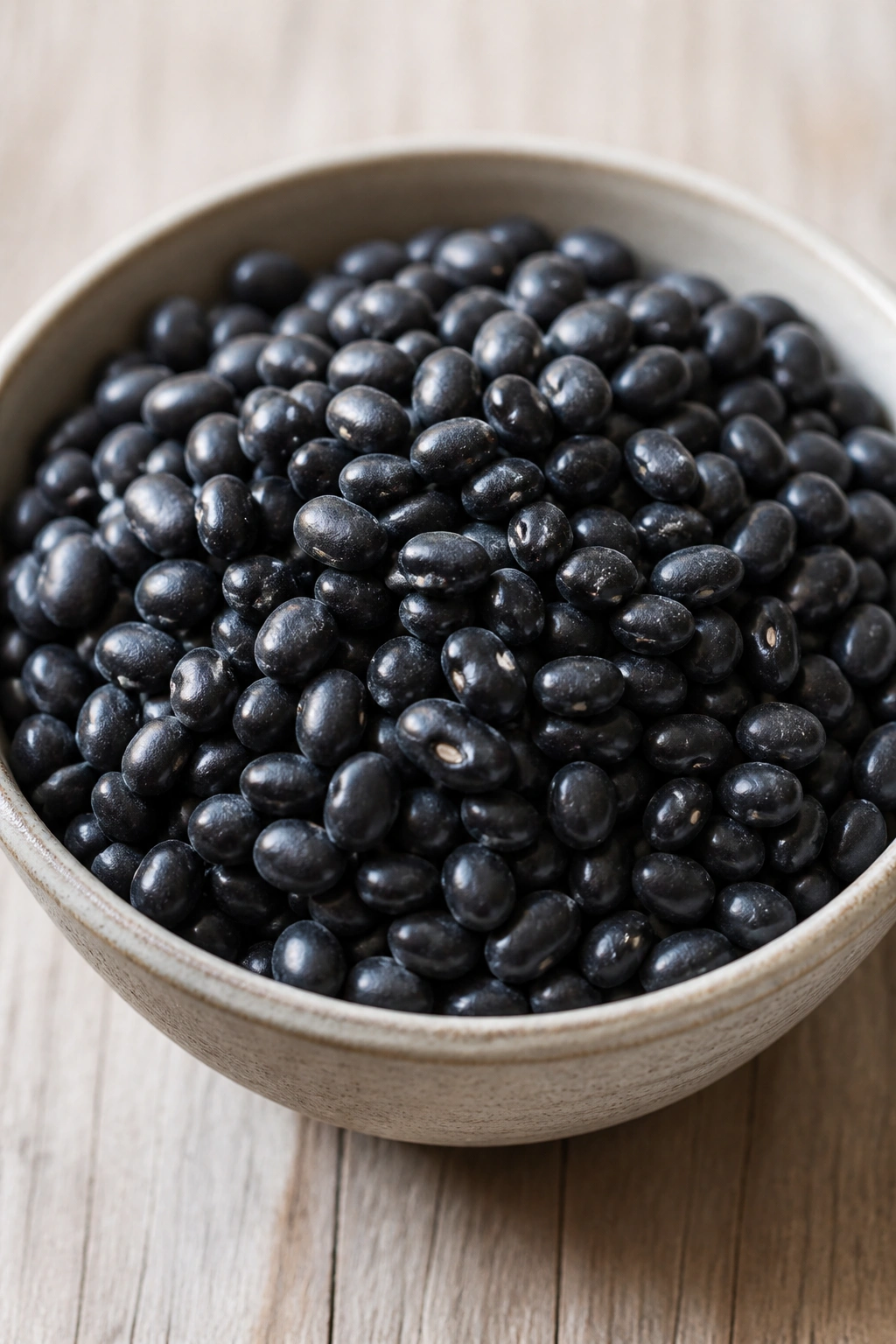
Black beans, kidney beans, and chickpeas are powerhouses. They bridge the gap between protein and carbohydrates. They are dense, filling, and slow-digesting. If your goal is to gain weight without the rapid body fat accumulation that comes from pure sugar, beans are a superior choice.
The Gas Factor
Let’s be honest: beans can cause digestive distress. Start small. If you aren’t used to high fiber intake, jumping into 200g of beans per meal will ruin your day. Start with 50g and slowly work your way up as your gut bacteria adjust to the increased fiber load.
10. Greek Yogurt
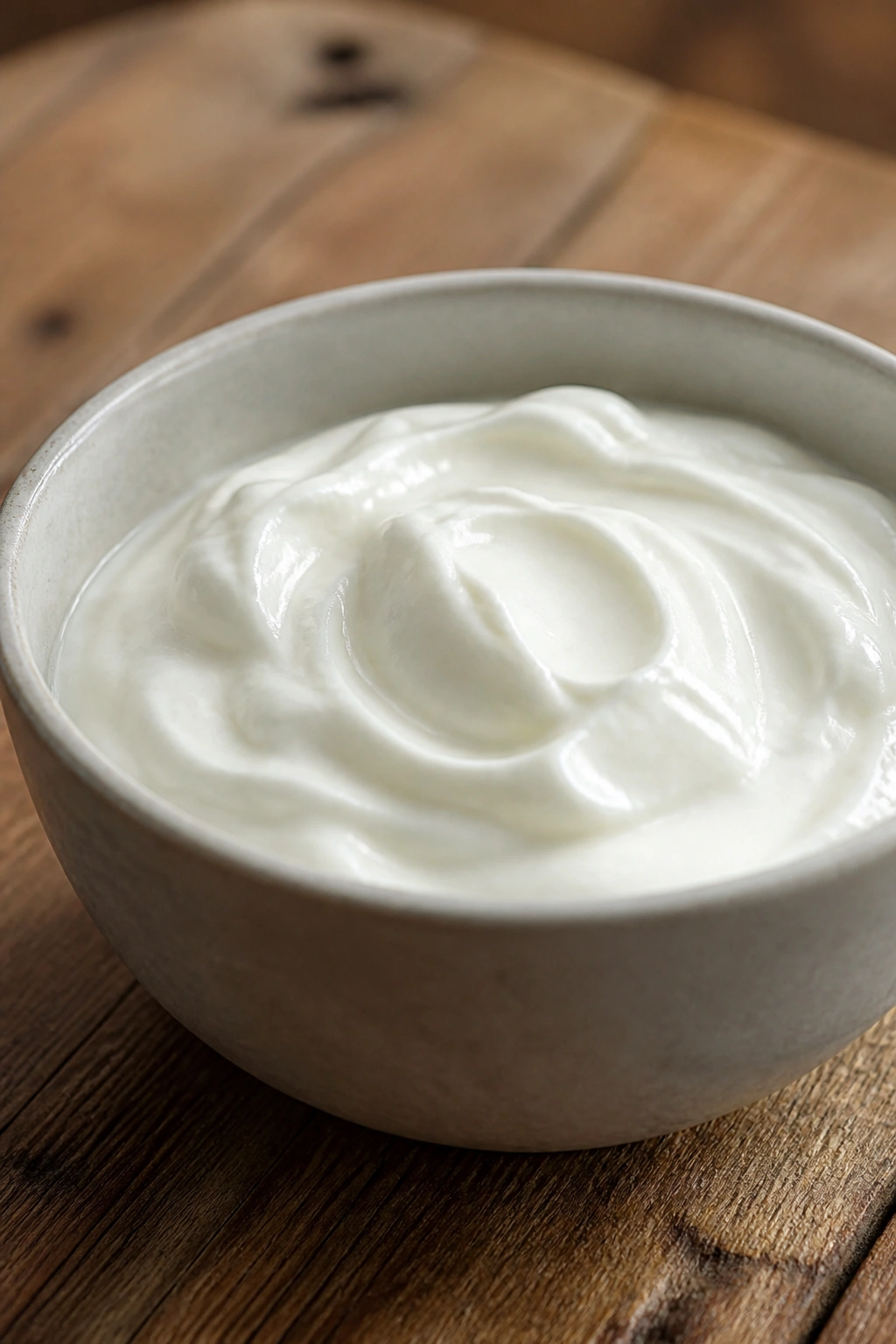
Okay, this is technically a protein source, but high-quality Greek yogurt contains a decent amount of naturally occurring milk sugar (lactose). If you buy the flavored versions (watch the added sugar), you get a substantial amount of carbohydrates. It is one of the easiest ways to get calories in without chewing.
The Dairy Synergy
The combination of casein protein and milk carbs makes this an ideal pre-bed snack. It digests slowly throughout the night, providing a trickle of amino acids while you sleep. Just make sure your stomach tolerates dairy well, or you will be waking up for the wrong reasons.
11. Squash (Butternut and Acorn)
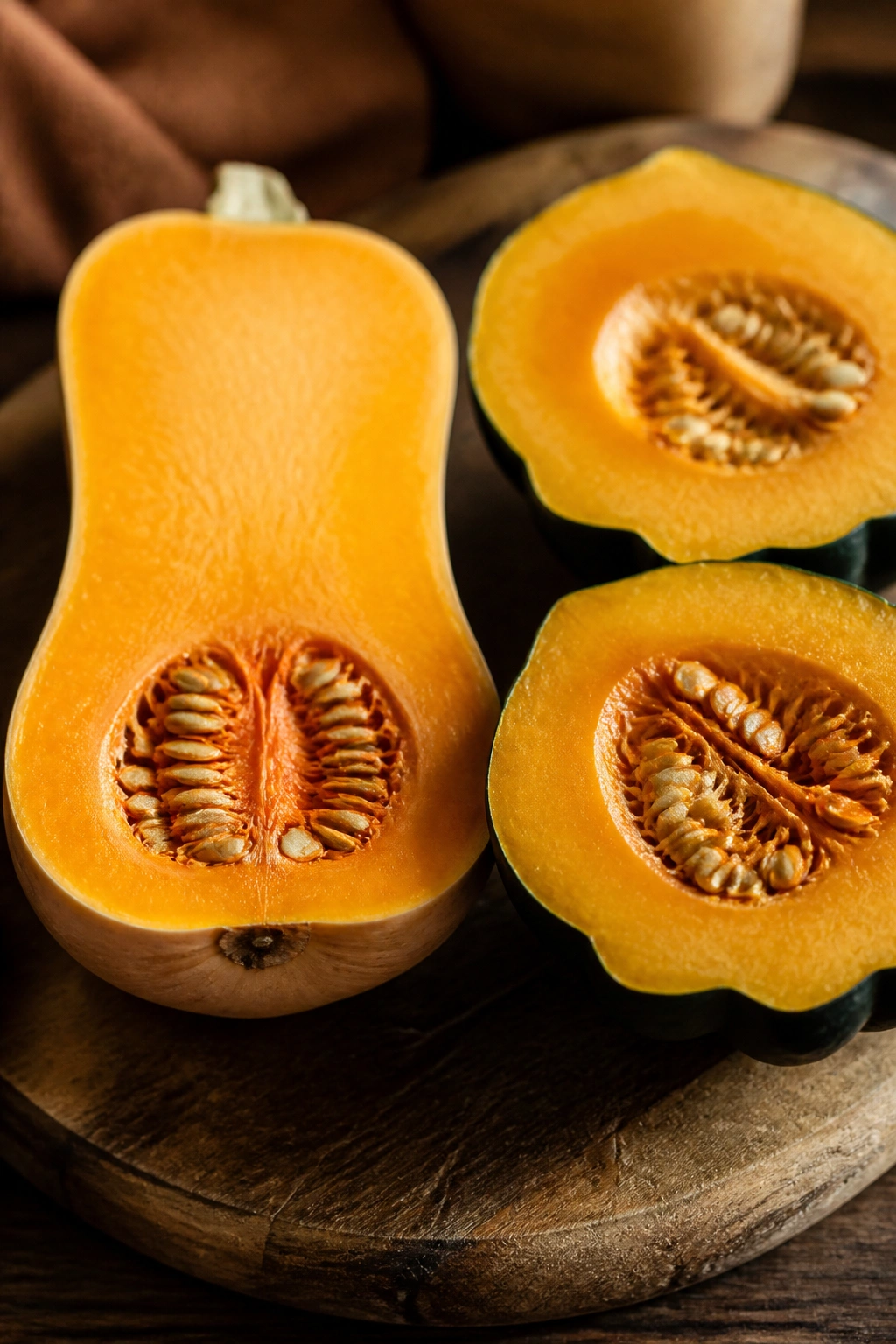
Winter squash is like the “light” version of sweet potatoes. It has a slightly lower caloric density, which is helpful if you are struggling with feeling heavy and full. It is high in fiber and keeps your digestion moving, which is critical when you are forcing down large amounts of food.
Roasted vs. Pureed
Roasted squash cubes are great, but pureeing them into a soup is the pro-move for bulking. A thick, savory soup goes down much faster than roasted vegetables, allowing you to hit your caloric target with less effort. Add a bit of butter or cream to the soup if you need more calories.
12. Ezekiel Bread
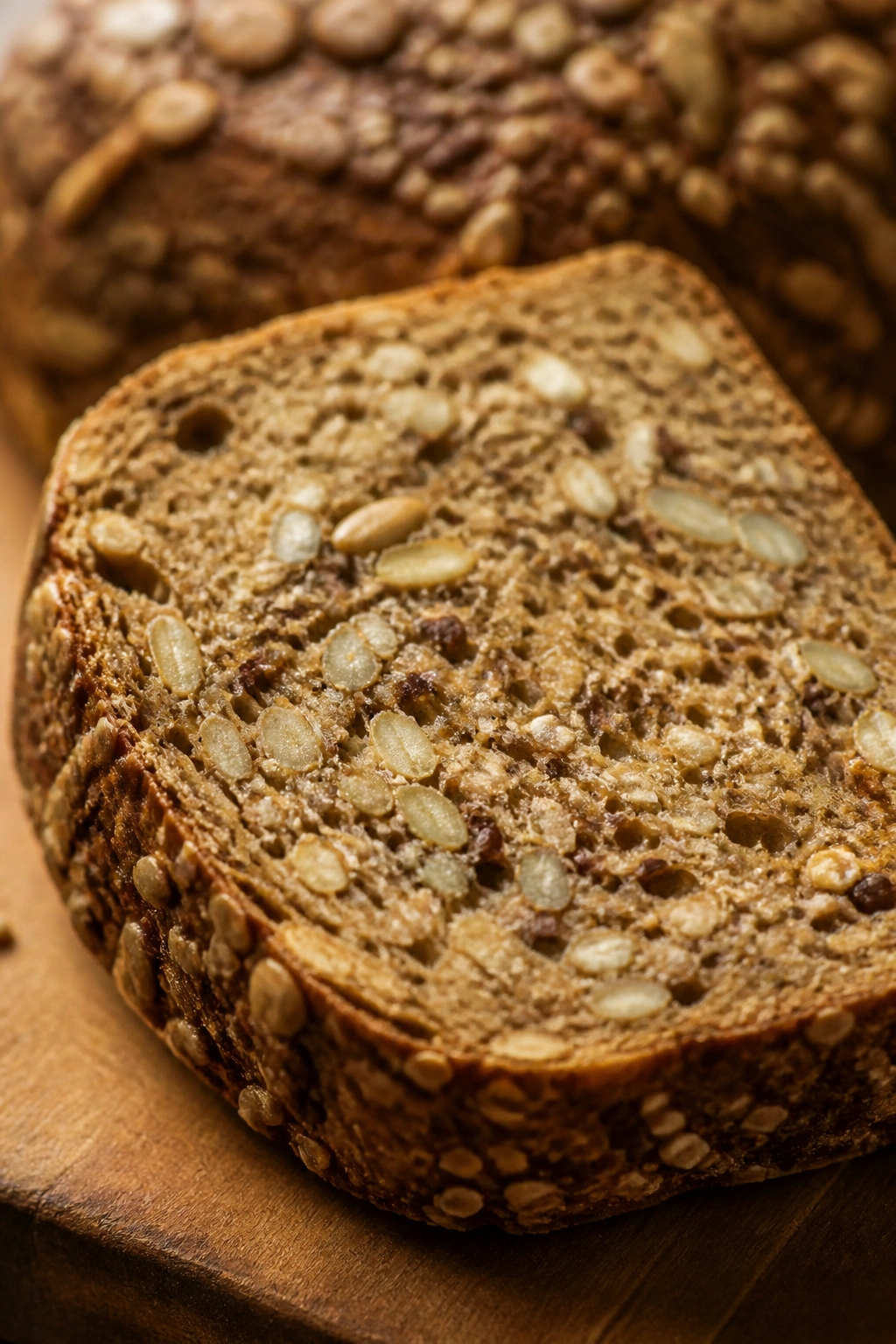
Standard white bread is essentially empty calories. Ezekiel bread, or sprouted grain bread, is different. Because the grains are sprouted, the nutrients are more bioavailable, and the fiber content is higher. It provides a more sustained energy release than standard bread, preventing the sharp peaks and valleys in your blood sugar.
The Sandwich Hack
Two slices of sprouted grain bread with two tablespoons of peanut butter and a banana is over 400 calories. That is an incredibly fast, portable, and effective meal for a bulk. It takes less than two minutes to make and is easy to carry to work or school.
13. Buckwheat
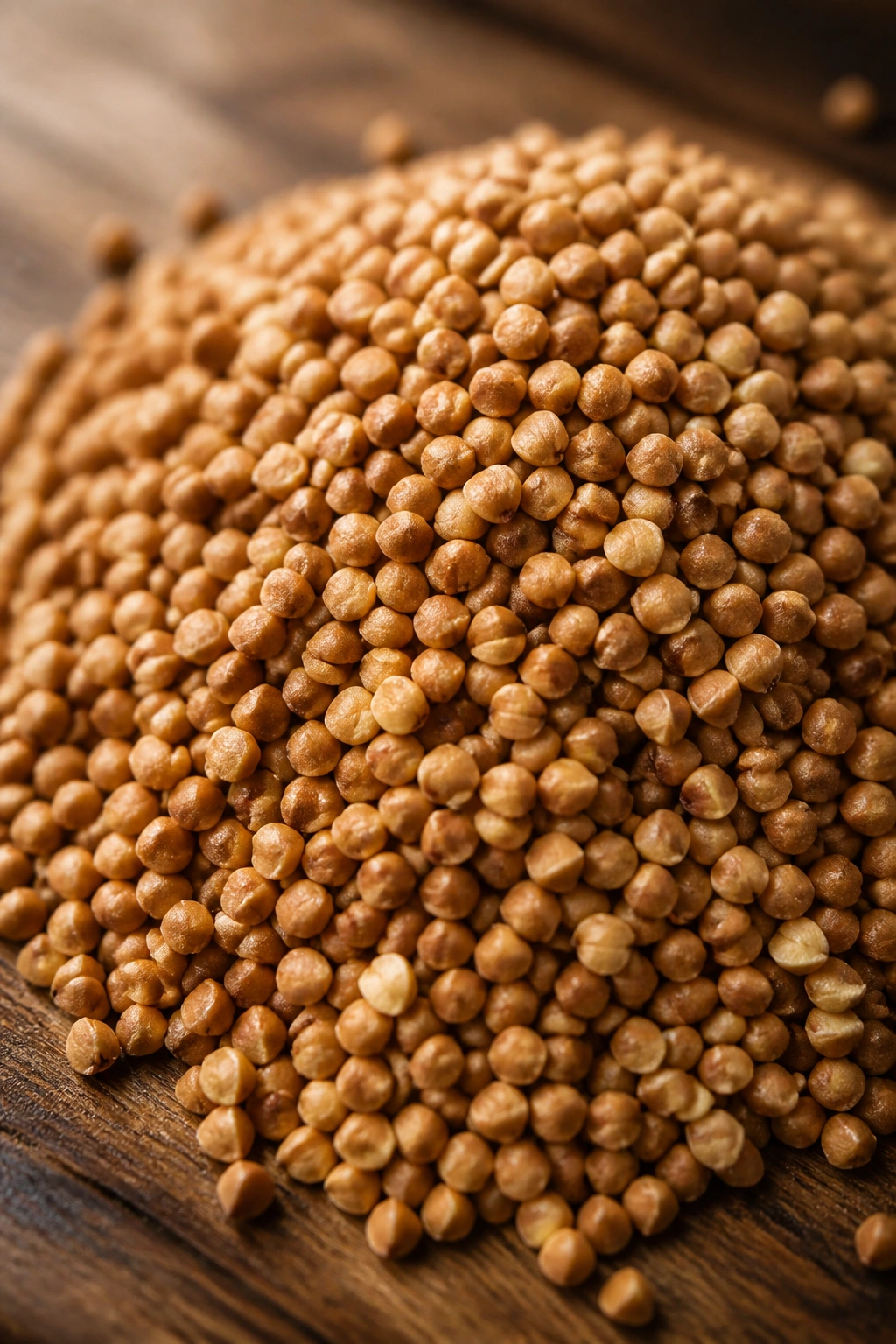
Buckwheat is a gluten-free pseudocereal that is packed with minerals like magnesium and manganese. Magnesium is especially important for muscle relaxation and sleep, which are vital for recovery. It has a nutty, robust flavor that stands up well to heavy savory meals.
Texture Note
Buckwheat groats can be a bit crunchy or chewy depending on how they are cooked. If you want a smoother texture, boil them a little longer or mix them into a porridge consistency. It’s an acquired taste, but it’s a nutritional step up from standard couscous or white pasta.
14. Dried Fruit
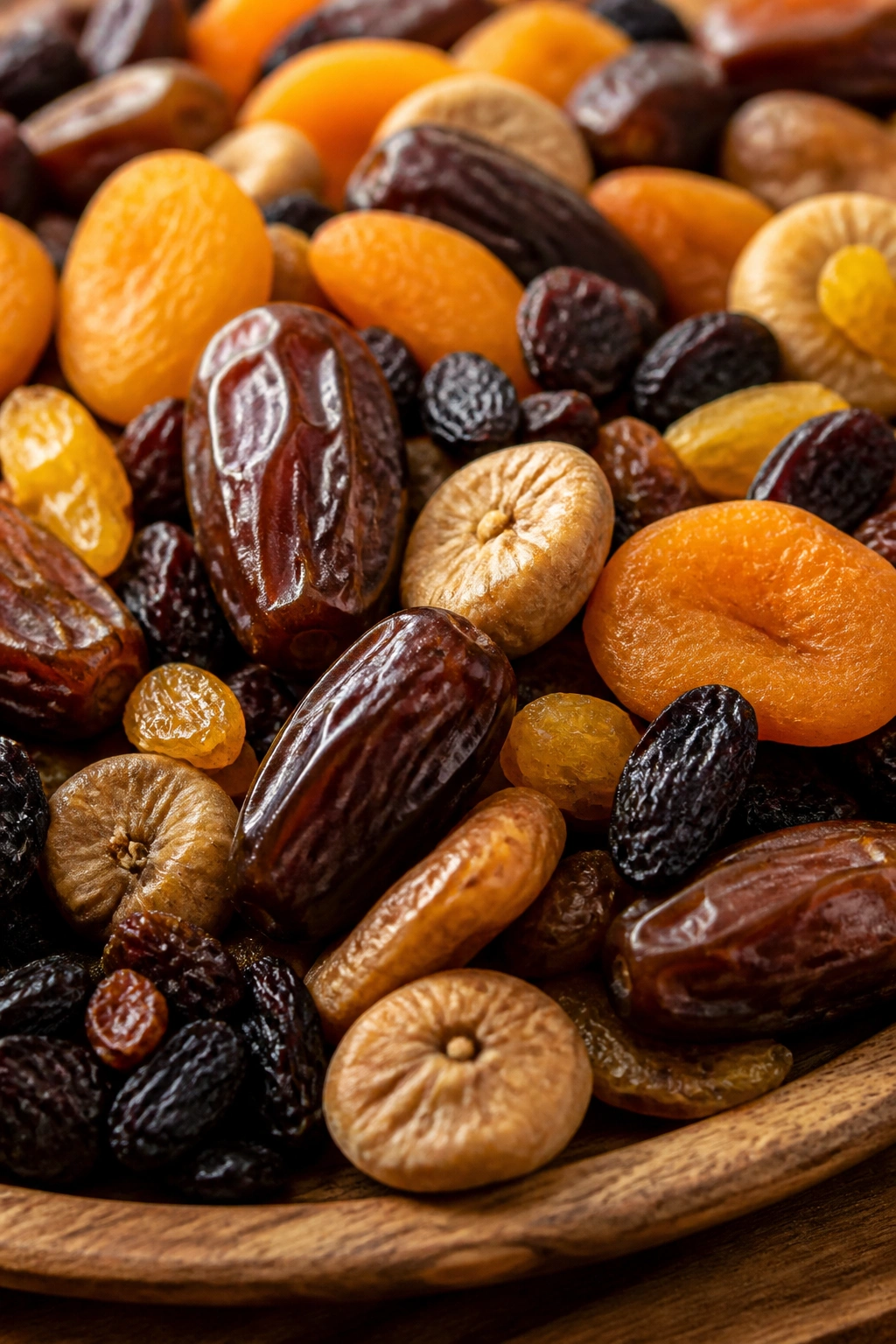
When you are deep into a bulk and simply cannot chew another bite of rice, dried fruit is your best friend. Raisins, dates, apricots, and figs are incredibly calorie-dense because the water has been removed. You can get 300 calories in a handful of dates compared to two cups of cooked rice.
The Warning
These are simple sugars. They hit the bloodstream fast. Use them as a peri-workout tool—either right before training for a quick energy boost or immediately after to spike insulin for nutrient uptake. Do not eat them while sitting on the couch all day, or you will likely just store them as body fat.
15. Corn
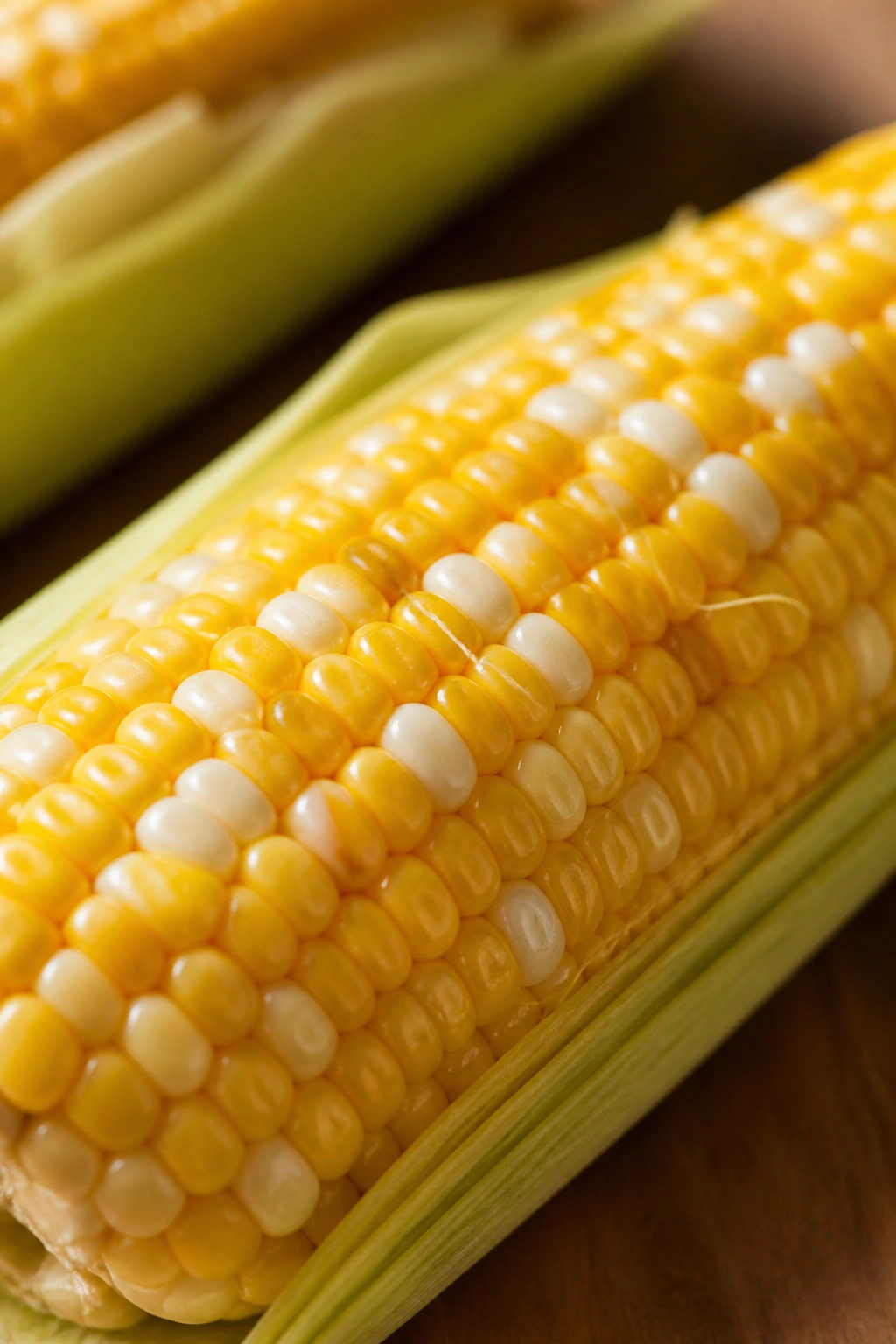
Corn is often dismissed as a “filler” vegetable, but in the context of bulking, it is a legitimate starch source. It is sweet, palatable, and contains a decent amount of fiber. If you are burnt out on potatoes and rice, corn provides a totally different flavor profile that can trick your palate into wanting to eat more.
Cornmeal or Whole Kernel?
Whole kernels are better for fiber and satiety. Cornmeal (polenta) is great for density. A bowl of creamy polenta with some Parmesan cheese and ground meat is a calorie-dense meal that feels like a treat rather than a chore. It is a great way to rotate your starches so you don’t get bored.
16. Beetroot
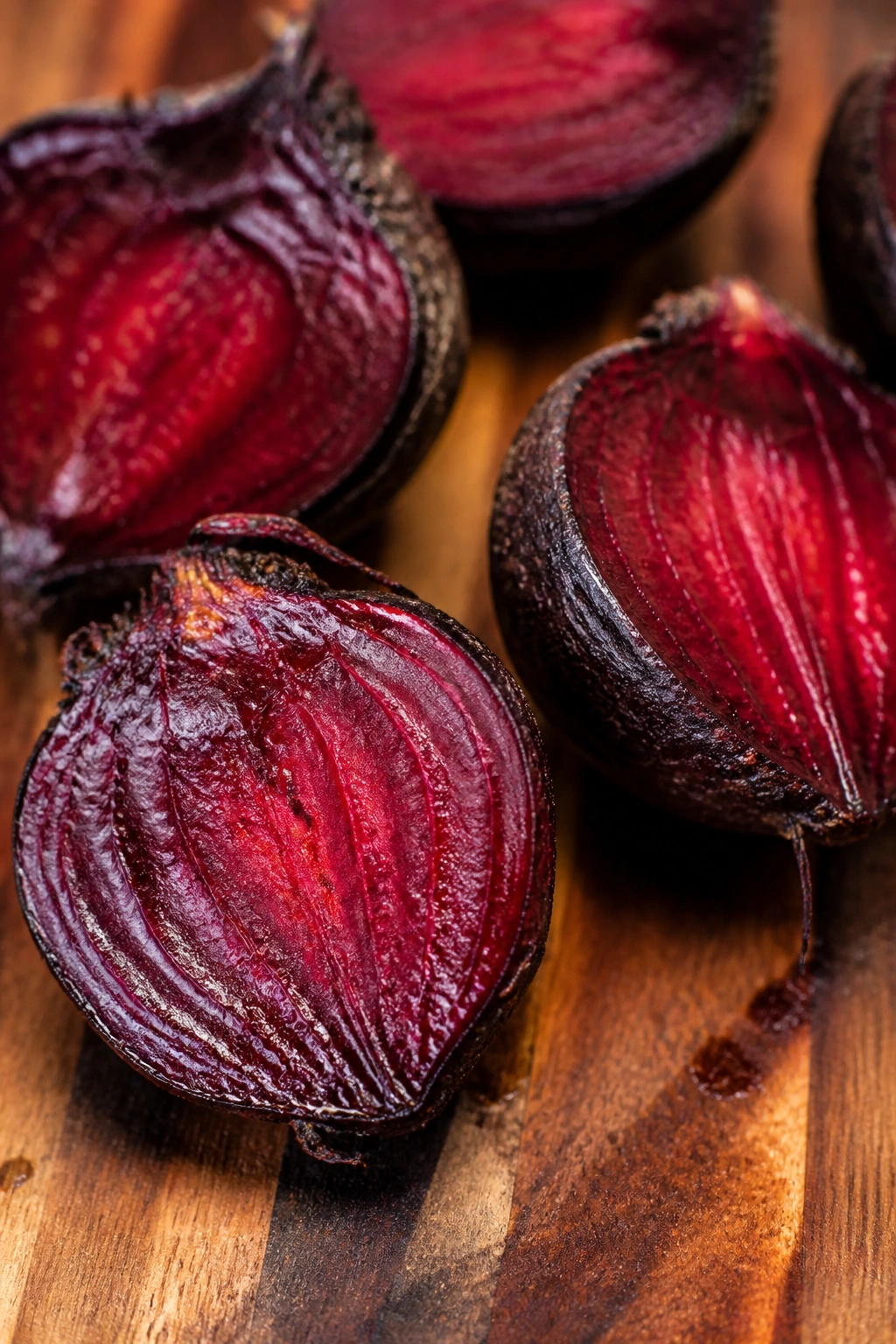
Beetroot is a wildcard. It isn’t a “main” starch, but it has a unique ability to improve exercise performance due to its high nitrate content. Nitrates increase nitric oxide in the blood, which can improve blood flow to working muscles (the “pump”).
The Practical Application
Add diced beets to your salads or roast them alongside your other tubers. You won’t get a huge carb load, but you will get the performance-enhancing benefits that make your training sessions more intense. Higher intensity equals better muscle-building stimulus.
17. Apples
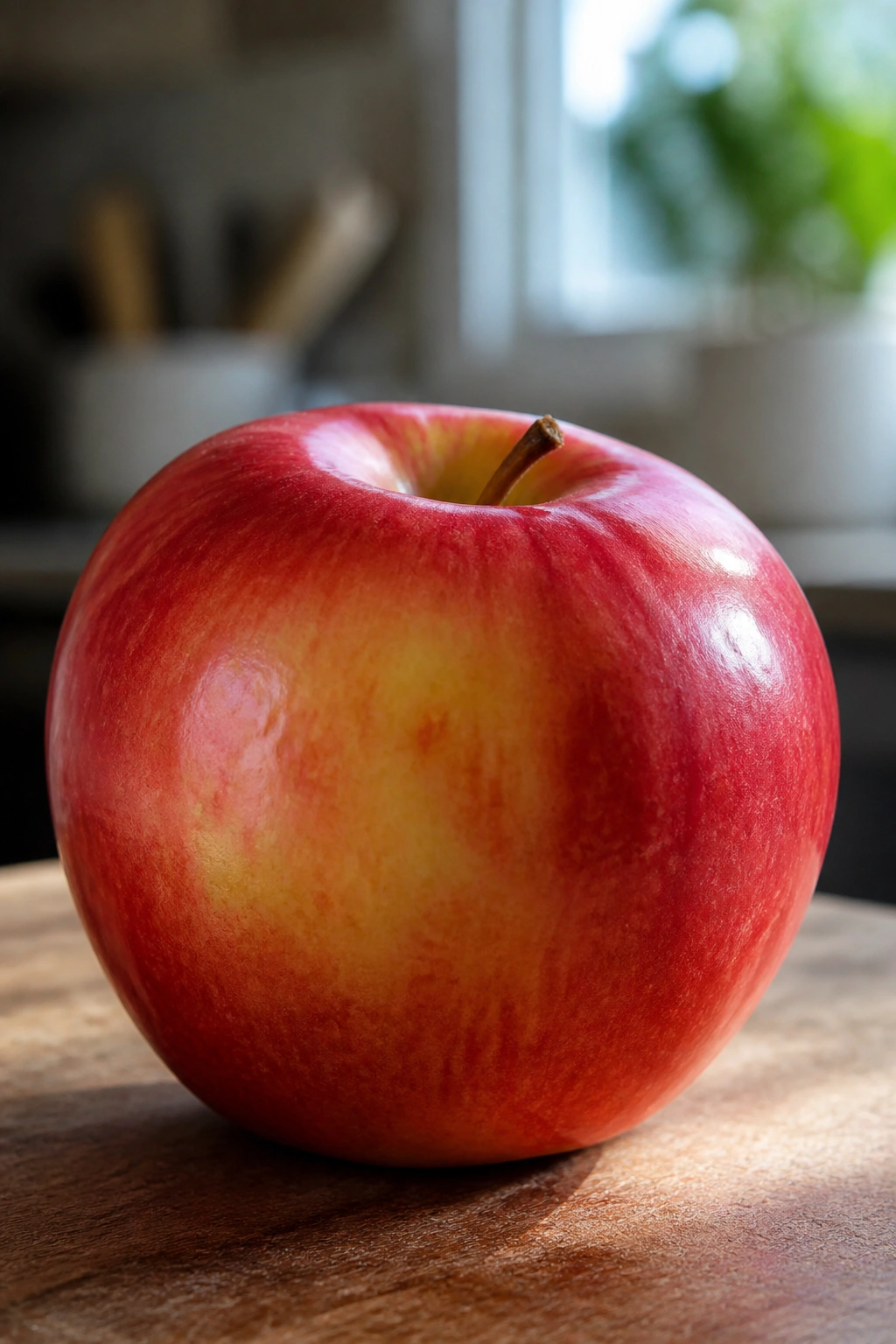
Apples are fantastic for digestion. They contain pectin, a type of fiber that can help keep your gut moving when you are over-consuming calories. The crunch is also a nice change of pace from the soft, mushy texture of most cooked carb sources.
Eating Strategy
Don’t peel them. Most of the nutrients are in the skin. Pair a sliced apple with some almond butter or walnuts. It is a low-effort snack that helps you hit your caloric goals without the “starchy” feeling of heavy grains. It keeps your palate clean.
18. Couscous
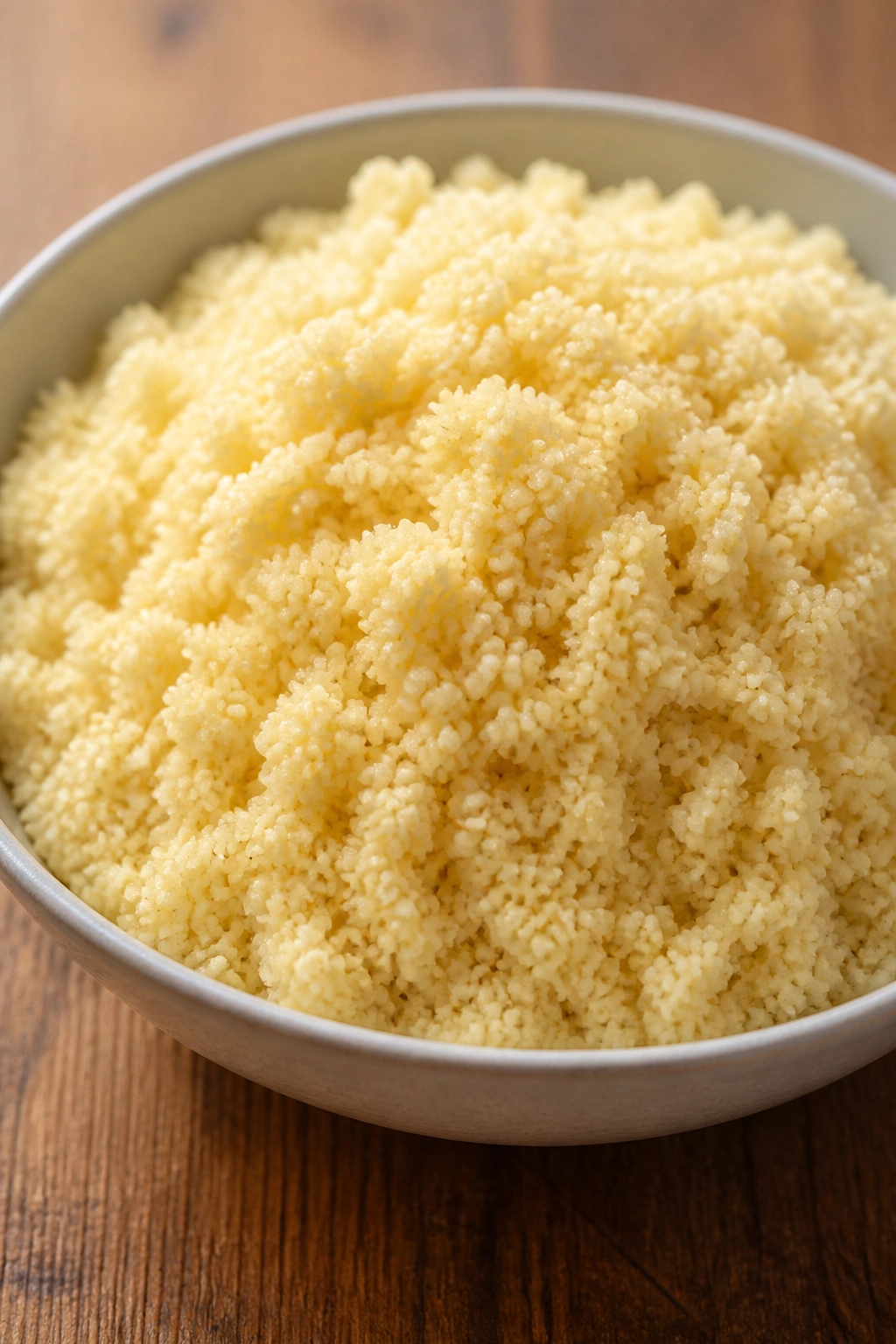
Couscous is just tiny pasta, but its main advantage is speed. It cooks in five minutes. If you forget to meal prep and need to get a meal in before training, couscous is the answer. It is incredibly easy to overeat, which, in the case of a bulk, is exactly what you want.
Flavor Absorption
Because the grains are so small, they absorb sauces and fats better than any other grain. If you toss couscous with a tablespoon of olive oil and some shredded chicken, the fat coats the grains, increasing the calorie density significantly without increasing the volume. It is a density hack.
19. Barley
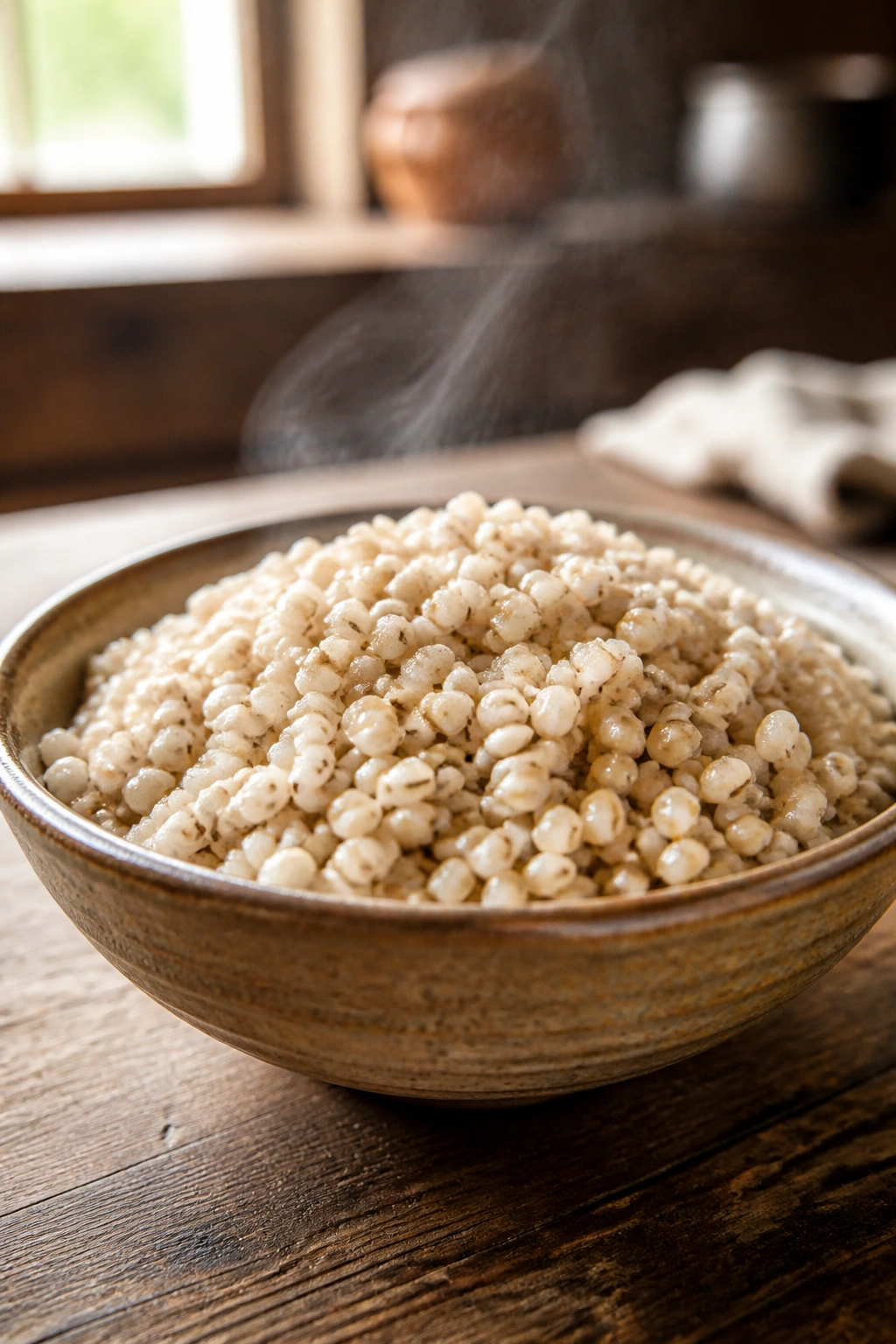
Barley is a slow-burning fuel. It has a chewy texture that keeps you full for a long time, so use this for your first meal of the day or lunch. It is excellent in stews and soups because it holds its texture, unlike rice which can turn into mush.
The Hearty Factor
If you are eating a lot of protein, barley adds a hearty element to your meals that makes them feel like a “real” dinner rather than a bowl of gym food. It feels substantial. When you are eating thousands of calories, the psychological aspect of eating a meal that feels like a meal is underrated.
20. Honey and Maple Syrup
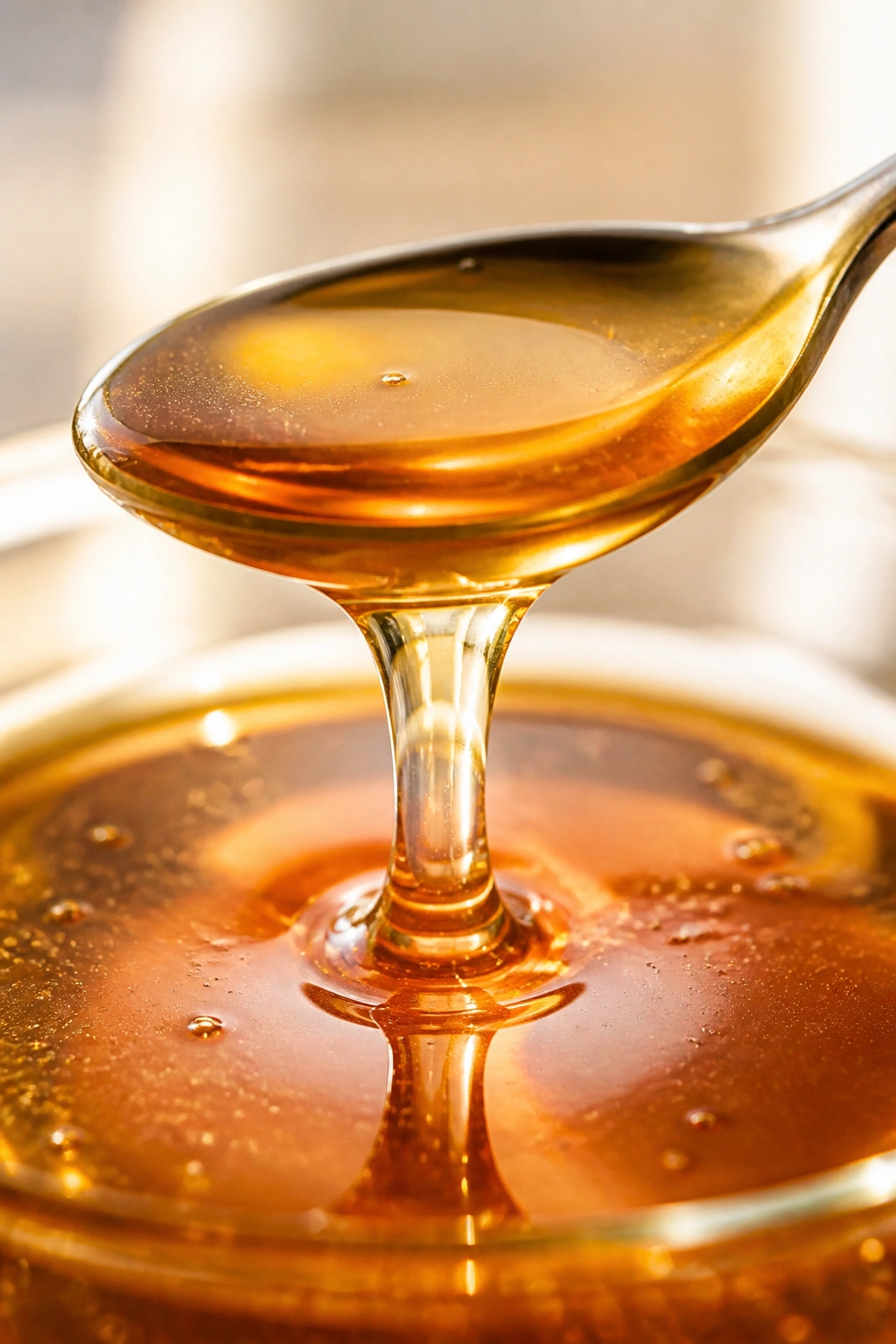
Let’s be clear: these are pure sugar. However, in the context of a hard-gainer looking to pack on mass, they are useful tools. A tablespoon of honey on your oatmeal or mixed into your pre-workout shake is 60+ calories of instant, easily accessible energy.
Moderation is Key
Do not build your diet around these. They are the top-up tools. If you are 200 calories short at the end of the day and you cannot stomach another solid meal, a glass of milk with a tablespoon of maple syrup will get you there without the massive volume of a full plate of food. It is liquid fuel for the desperate.
Final Thoughts
The art of bulking is not just about the numbers on the scale; it is about managing the process so you don’t burn out or end up with severe digestive issues. If you try to force-feed yourself the same plain chicken and rice for months, your appetite will eventually shut down. The monotony kills your consistency.
Use this list to rotate your carb sources. If you feel sluggish, swap the heavy grains for something lighter like white potatoes or bananas. If you feel like you aren’t gaining weight fast enough, increase the density by using oats, pasta, or dried fruit. Keep the variety high, keep the digestion moving, and keep the intensity in the gym high. Your body is a machine, and the fuel you put in determines exactly how it performs when you start moving that iron.
