



The stubborn part of postpartum belly fat is that it is rarely just fat. Some of it is water, some of it is stretched tissue, some of it is your abdominal wall learning how to hold itself again, and some of it is plain body fat that will only move when your habits line up in the same direction.
That gets even trickier while breastfeeding. You need enough fuel to make milk, recover from birth, and keep your energy from crashing at 3 p.m., but you may also be looking at your jeans and wondering why your waist still feels soft. Aggressive dieting is a bad trade here. It can leave you hungry, tired, flat in the gym, and annoyed with everybody in the house.
The better approach is slower and a lot less dramatic. A small calorie deficit, more protein, more walking, smarter strength training, and core work that respects a healing body usually does more than endless ab routines ever will. Hundreds of crunches do not peel fat off one spot. They never did.
So if the goal is to lose belly fat while breastfeeding without tanking milk supply or wrecking recovery, the smart play is to work the basics hard and the gimmicks not at all. Start with the calorie gap. It matters more than any ab challenge.
1. Start With a Small Calorie Deficit
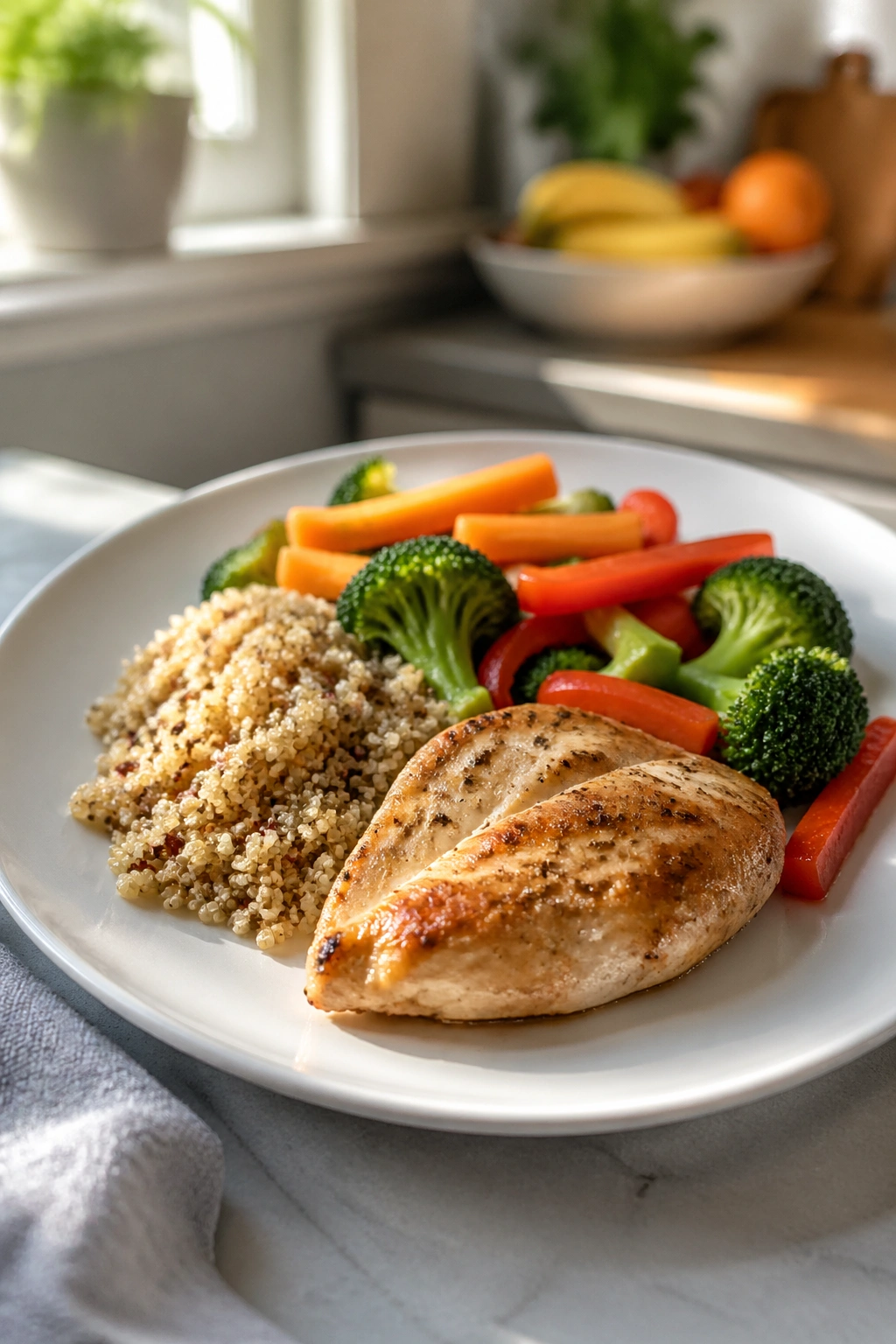
A gentle calorie deficit works better than a hard cut when you’re breastfeeding. That’s not a cute wellness slogan. It’s the difference between steady fat loss and spending your day thinking about toast.
Breastfeeding uses energy, and your body is already doing a demanding job in the background. If you slash food too fast, hunger tends to get louder, workouts feel worse, and the kind of fatigue that comes from broken sleep gets heavier. A modest deficit is much easier to live with, and that matters because the plan only works if you can repeat it tomorrow.
What a small deficit looks like
A good starting point is trimming the extras, not the meals. That might mean one less sugary coffee drink, a smaller serving of chips, or one fewer mindless snack after dinner.
- Keep meals regular instead of skipping breakfast and then raiding the pantry later.
- Trim about 200 to 300 calories from the parts of the day that do not leave you full.
- Leave room for breastfeeding hunger spikes, especially after long gaps between feeds.
- Watch your energy, mood, and supply for a couple of weeks before cutting more.
If your milk supply drops, your headaches show up, or you feel hungry all the time, the cut is too steep.
Signs the deficit is too aggressive
People often miss the early warning signs because they want faster change. That is a mistake.
If you are cold all the time, frustrated by tiny things, obsessed with food, or too wiped out to finish a normal workout, the plan needs to loosen up. A smaller deficit with better food quality usually beats a strict one that makes you quit by Thursday.
2. Keep Protein on Your Plate
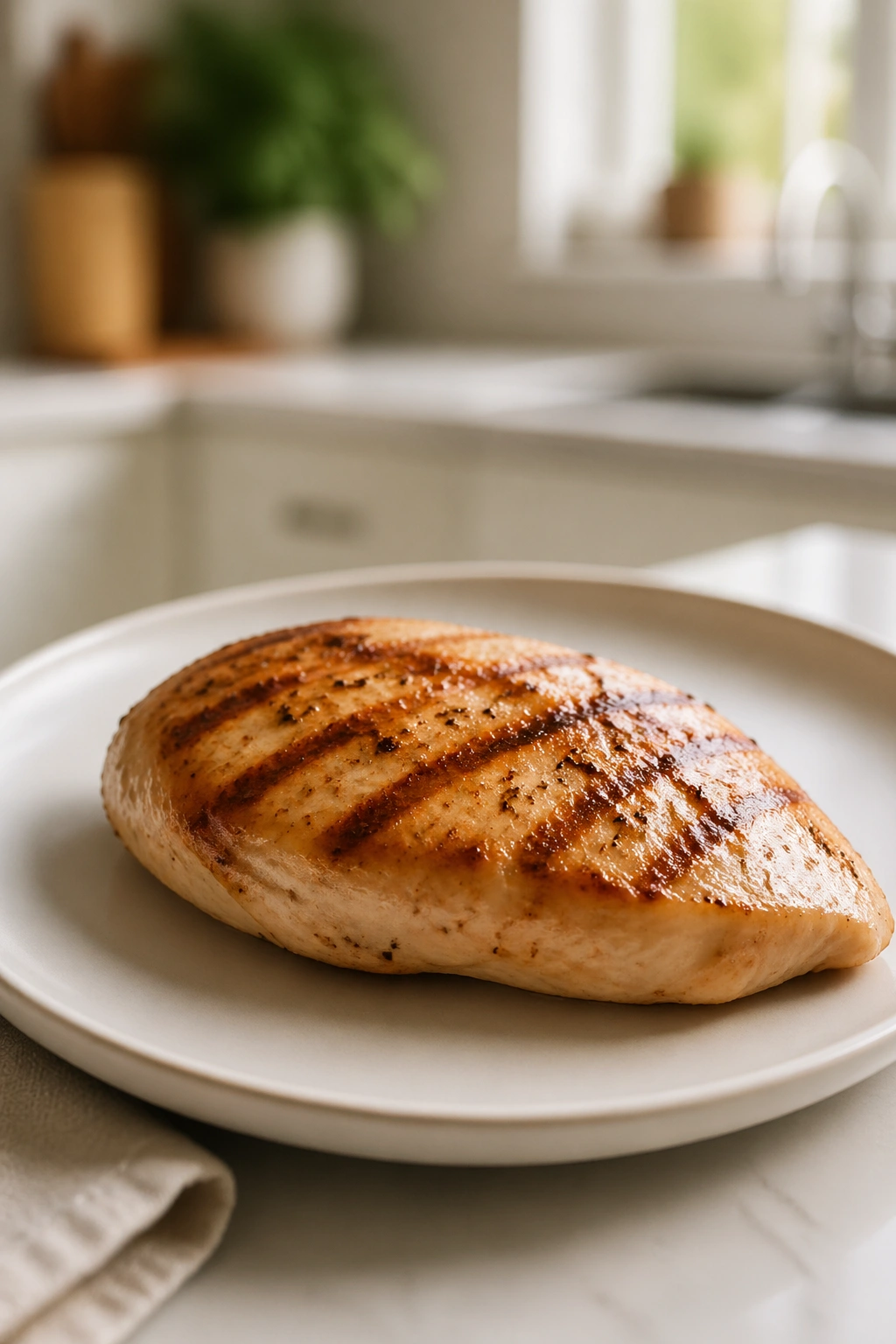
Protein is one of the easiest ways to make fat loss feel less miserable. It keeps you fuller for longer, helps protect muscle while weight is coming off, and makes a meal feel like an actual meal instead of a snack wearing a plate.
That matters a lot when you’re breastfeeding, because random grazing can sneak up fast. A handful of crackers here, a crust there, the spoonful of peanut butter you “didn’t count” — it all adds up. Protein gives the day some shape.
A simple target that works in real life
You do not need to become a protein accountant. A practical goal is 25 to 35 grams at each meal and a smaller hit at snacks when needed.
That might look like:
- 2 to 3 eggs plus Greek yogurt
- Chicken or turkey with rice and vegetables
- Salmon with potatoes and salad
- Tofu or tempeh with noodles and greens
- Cottage cheese with fruit and seeds
Why this helps the waistline
Protein is not magic, but it does two useful things. First, it quiets hunger better than a carb-only meal. Second, it helps protect lean tissue while fat is coming off, which matters because muscle keeps your body looking firmer as the scale moves.
I like protein-first eating for breastfeeding moms because it is boring in the best way. No drama. No tricks. Just fewer 4 p.m. snack attacks.
3. Walk More Than You Think You Need

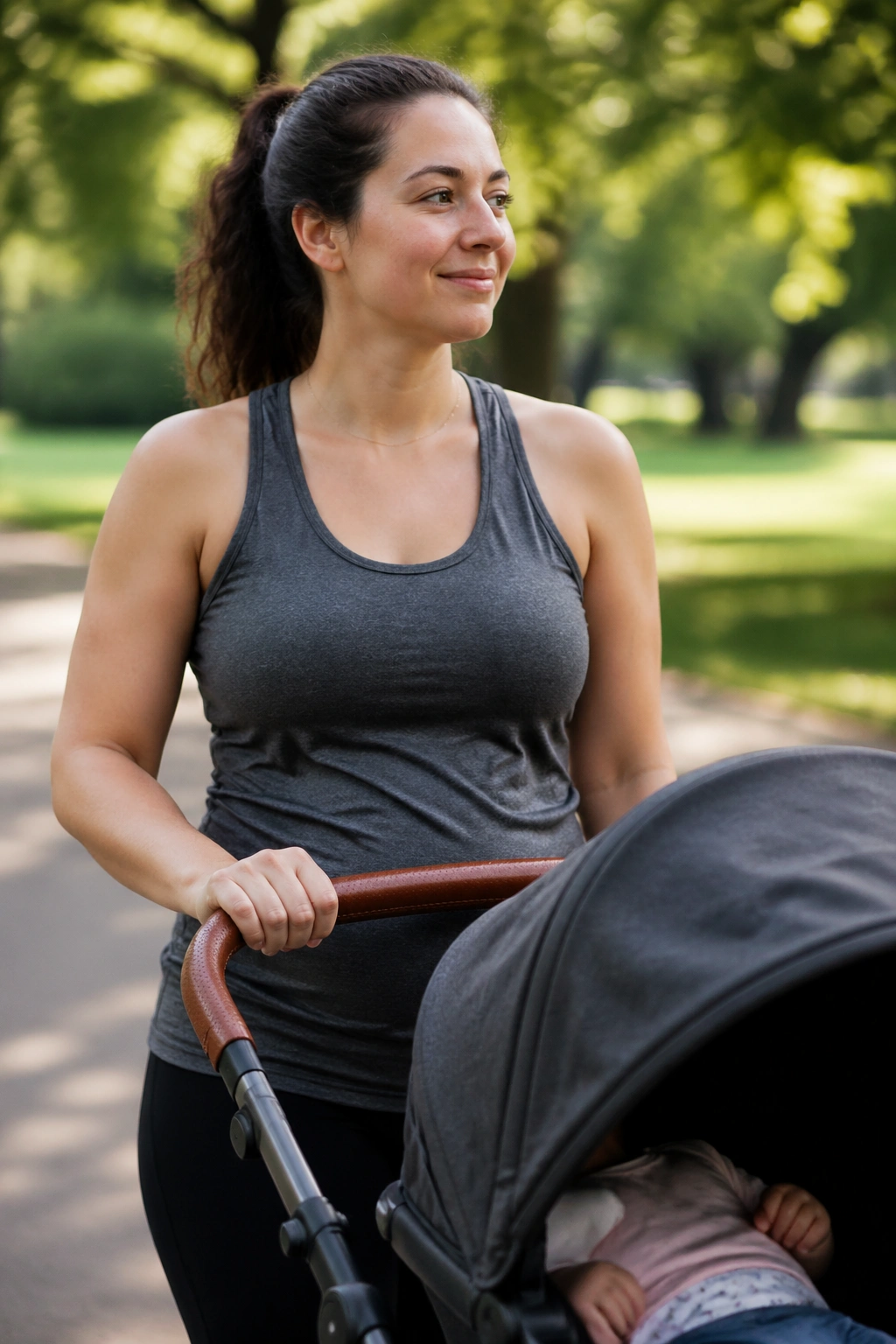
The stroller walk you almost skip after lunch may be the thing that changes your waist more than another hard workout ever will. Walking is underrated because it feels too easy to count. That is exactly why it works.
It raises daily energy burn without making you feel wrecked. It does not usually spike appetite the way intense training can. And if you’re recovering from birth, walking is one of the few forms of movement that tends to fit into a chaotic day without turning into a whole event.
You do not need marathon walks. You need repeatable ones.
Try splitting movement into short blocks:
- 10 minutes after breakfast
- 10 to 15 minutes after lunch
- 10 minutes after dinner
- A few laps while the baby naps
- A phone call walked around the house instead of taken on the couch
If you already track steps, add a small bump rather than chasing some giant number. If you don’t track them, fine. Use your body instead: more standing, more pacing, more walking to settle the baby, more walking because sitting all day makes everything feel stickier.
Boring wins here. That is not exciting, but it is honest.
4. Lift Weights a Few Times a Week
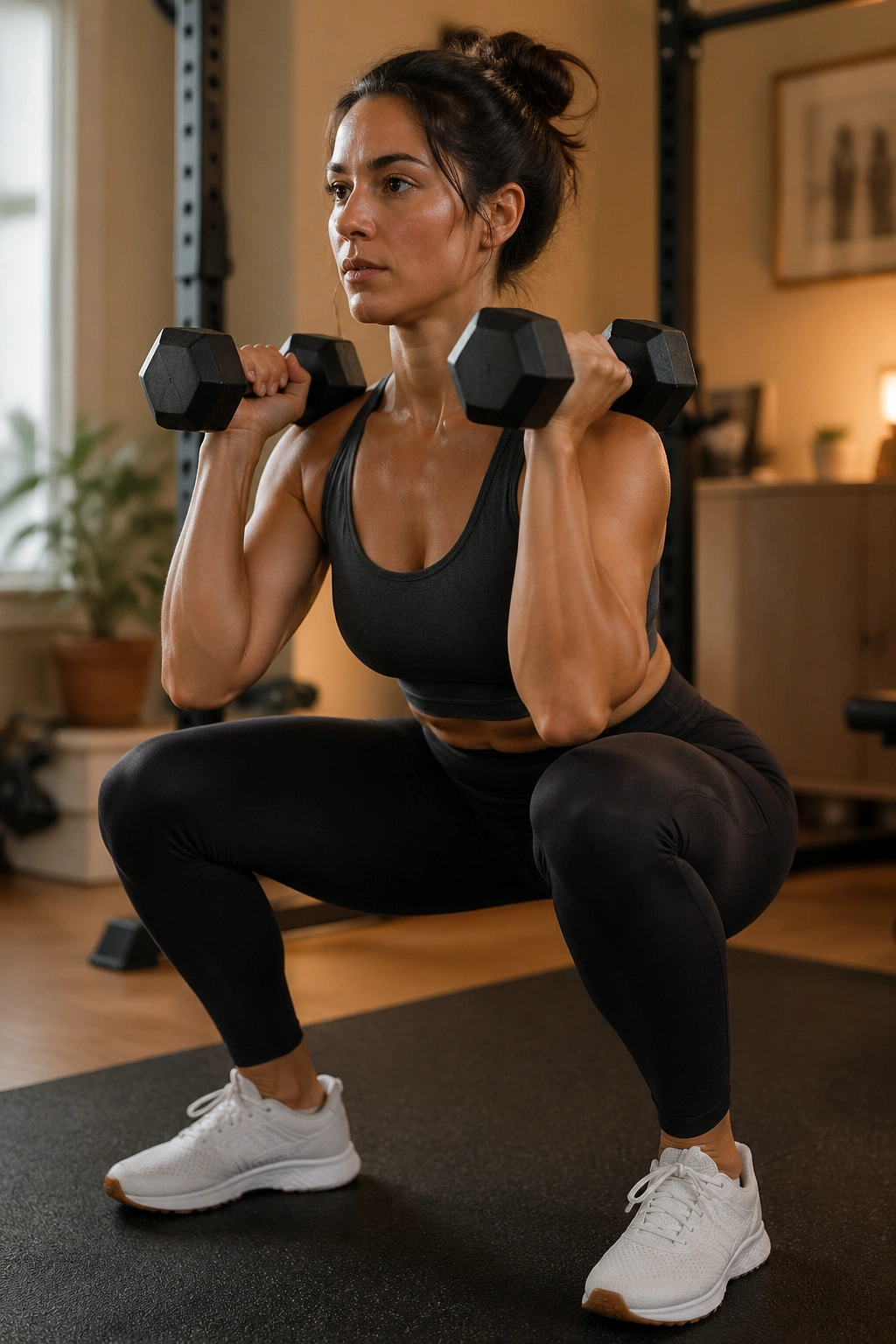
Crunches are not the star here. Squats are.
Strength training helps you keep muscle while fat comes off, and muscle changes how your body looks in a way that endless cardio usually doesn’t. It also helps posture, and posture matters more after birth than most people want to admit. A tired, slumped torso makes the belly look softer than it really is.
The trick is to keep it simple and use movements that cover the whole body.
What to lift
A solid postpartum-friendly strength session usually includes:
- Squats or sit-to-stands
- Hinges like Romanian deadlifts
- Rows for the upper back
- Pushes like incline push-ups or dumbbell presses
- Carries, which are gold for core stability
- Split squats when you want a little more challenge
How hard to go
Two or three sessions a week is enough for most people. Start with 2 to 3 sets of 6 to 12 reps for each move, and stop with a couple of reps left in the tank. You should feel worked, not flattened.
Exhale on the hard part of the lift. Stand up from the squat, push the weight away, or pull the dumbbell to your ribs while breathing out. If you hold your breath and your belly domes or your pelvic floor feels heavy, back off a little and clean up the form.
That is the whole point. Train hard enough to change, not hard enough to pay for it for two days.
5. Rebuild Your Deep Core

If your midline domes when you sit up, that is a clue, not a failure. A lot of postpartum bellies are not just fat. They are also dealing with a deep core that needs retraining.
This is where people get annoyed, because they want a flatter stomach and end up hearing about slow marching drills and breathing. Still, these basics matter. If the deep core and pelvic floor are not coordinating well, heavy ab work can make the belly look puffier or make workouts feel worse.
Safer core moves to start with
Try these if they feel smooth and there is no doming down the center:
- Heel slides
- Dead bugs
- Bird dogs
- Side planks from the knees
- Standing marches with controlled breathing
- Marching bridges
What to pause if you see coning or pressure
Some moves are too aggressive too soon for many postpartum bodies:
- Full sit-ups
- Crunches that push the belly out
- Double leg lowers
- Long planks if they cause doming
- Heavy lifts done with a big breath hold
This is not about being fragile. It is about being smart. A core that handles pressure better lets your other workouts feel cleaner, and that matters for everything else you do.
6. Protect Sleep and Lower Stress

Short nights. Bigger cravings.
That may sound blunt, but it is true enough to matter. Broken sleep tends to make hunger harder to manage, and breastfeeding parents often get hit with a double problem: the baby wakes up, then the next day the pantry starts calling your name. Not because you lack willpower. Because you are tired.
Stress does not create fat out of thin air. But it does change how easy it is to eat well, how much movement you want, and whether a workout feels doable or like one more thing to survive.
So the goal is not perfect calm. That would be a joke. The goal is to make the day a little less punishing.
A few things help more than people expect:
- Take a nap when a nap is possible, even if it is short.
- Put one workout session on the calendar and let the rest be bonus movement.
- Keep snacks planned so exhaustion does not turn into random grazing.
- Get outside for 10 minutes when the house feels too small.
- Ask for one protected block of rest instead of waiting for a full free day that may never show up.
And if you need to hear it plainly: missing sleep does not mean you failed. It means you need a plan that works inside real life.
7. Time Workouts Around Feeding and Pumping

Should you train before or after a feeding? That depends on what feels best in your body, but the timing can make a huge difference in comfort.
Full breasts can make jumps, runs, and even brisk strength work feel annoying or painful. Pumping or nursing beforehand can help, especially if you plan to do anything bouncy or involve a lot of upper-body movement. It is not mandatory, but it often makes the session far less awkward.
Before training
A good pre-workout setup might look like this:
- Feed or pump 20 to 30 minutes before exercise if your breasts feel full
- Put on a supportive bra that keeps everything contained
- Drink water before you start, not after you feel behind
- Eat a small snack if you have gone a long stretch without food
After training
Once the session is over, eat a normal meal if hunger is there. Protein plus carbs tends to work well: eggs and toast, yogurt and fruit, chicken and rice, tofu and noodles. Nothing fancy.
A small detail matters here. If you know a workout tends to trigger leaking, breast discomfort, or tension in your midsection, do not force it into the wrong time of day. A lower-impact session after feeding may be smarter than trying to power through a run with full breasts and a grumpy core.
Choose the slot you can repeat. That beats the perfect slot you never manage to use.
8. Cut the Sneaky Calories

Liquid calories are sneaky. So are the little bites you take while packing lunch, finishing the baby’s leftovers, or standing at the counter with a spoon in your hand.
This is where a lot of breastfeeding parents get tripped up. The main meals look fine. The extras are the problem. Sweet coffee drinks, juice, fancy teas, pastries, handfuls of trail mix, and “tasting” food three times while cooking can erase a small deficit without making you feel satisfied.
The usual trouble spots
Look first at these:
- Sugar-heavy coffee drinks
- Large pours of juice or sweetened tea
- Alcohol, if you choose to drink it
- Crackers, chips, and snacks eaten straight from the bag
- Peanut butter and nut butters that turn into half a meal
- Leftover bites taken while cleaning up
Easy fixes that do not feel miserable
You do not need to ban everything. That usually backfires. Pick a few switches that save calories without making you feel deprived.
- Make coffee less sugary, or keep the sweet stuff small.
- Put snacks on a plate instead of eating from the bag.
- Use a real lunch or dinner plate so portions are visible.
- Keep a water bottle nearby before you reach for food out of habit.
- Choose one planned snack with protein instead of five random ones.
Planned eating is easier than reactive eating. That line sounds simple because it is. You do not need more discipline. You need fewer food surprises.
9. Build Meals Around Fiber and Water-Rich Foods
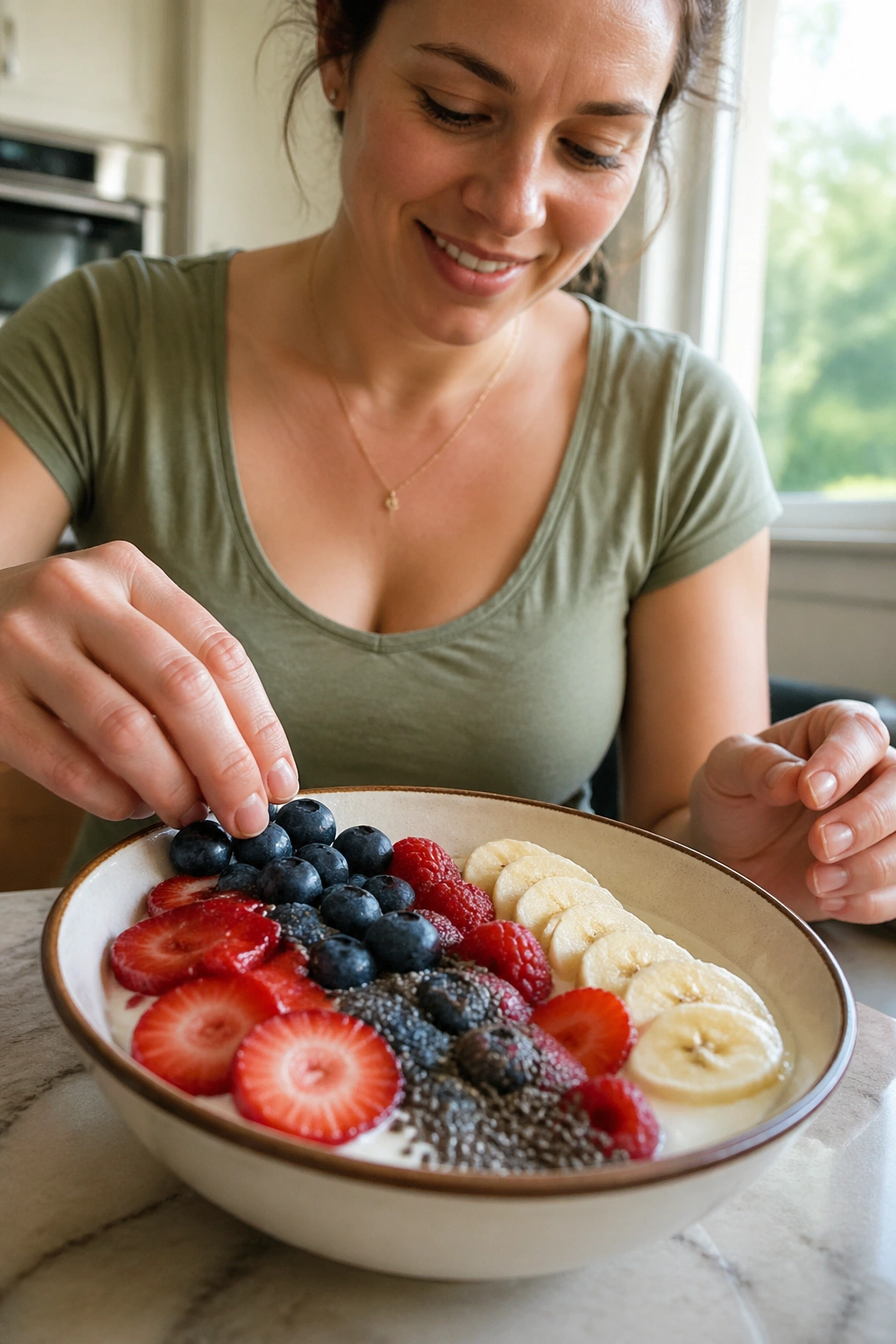
A bowl that fills the plate does more than a tiny snack ever will. Fiber-rich food gives your stomach something to work with, and water-rich foods help the meal feel big without adding a ton of calories.
That is useful when breastfeeding because thirst and hunger can feel tangled together. A person thinks they need food, when what they really need is a full glass of water and a meal that is not built out of dry cereal and vibes.
Think in anchors. Oats, beans, lentils, berries, apples, potatoes, soups, salads, cucumbers, melon, and leafy greens all help.
Good fiber anchors
- Oatmeal with fruit and seeds
- Bean chili with extra vegetables
- Big salads topped with chicken, tofu, or eggs
- Soup with potatoes, carrots, and lentils
- Yogurt bowls with berries and chia seeds
A small caution
If you jump from low fiber to very high fiber overnight, your stomach may rebel. Gas and bloating can make the belly look and feel worse for a bit, which is not the result anyone wants. Increase it gradually and drink more water with it.
That last part matters. Fiber without fluids is a bad trade. Fiber with fluids is a different story.
10. Watch for Diastasis Recti and Pelvic Floor Signs

A bigger belly after birth is not always fat.
Sometimes it is the abdominal wall still healing. Sometimes it is posture. Sometimes it is fluid retention, stretched tissue, or a deep core that is not holding pressure well yet. If you keep attacking the wrong problem, the fix feels useless and frustrating.
This section matters because a lot of postpartum women try harder ab work when the body is asking for gentler work.
Signs worth paying attention to
- A ridge or dome along the midline when you sit up or lift
- A belly that pushes outward during planks or heavy lifts
- Leaking when you cough, run, or jump
- Heaviness or pressure in the pelvic area
- Back pain that shows up with basic core exercises
- A feeling that your torso cannot brace well under load
If those sound familiar, a pelvic floor physical therapist can be a very good next step. That is not overkill. It can save months of guessing.
This is the section people skip, then wonder why crunches make them look puffier. The body is not being stubborn. It is giving feedback.
11. Use Short Workouts You Can Repeat
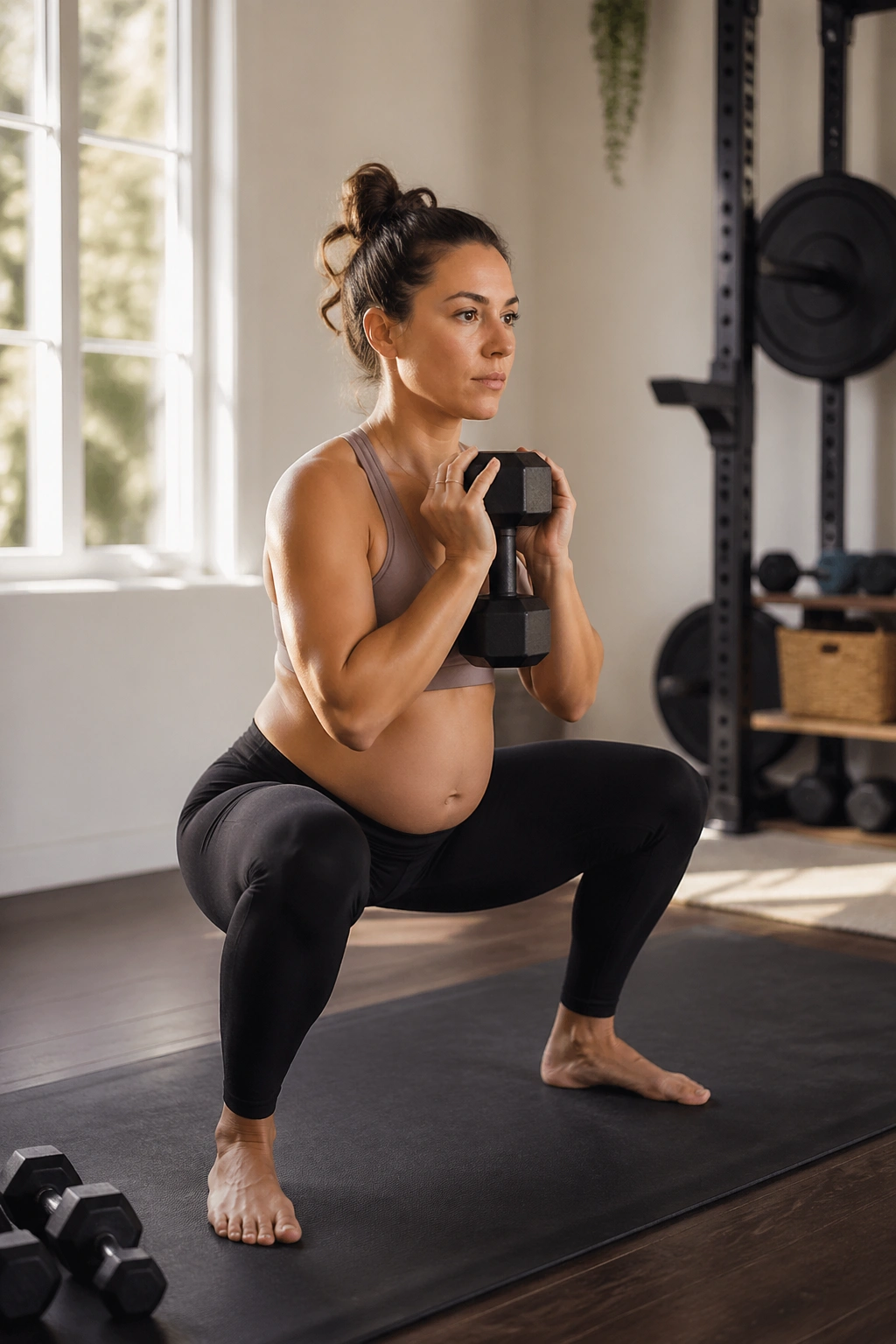
Twenty minutes counts.
It counts a lot more than the perfect hour you never get to do. For breastfeeding parents, the best workout is the one that survives naps, feeding breaks, unfinished dishes, and a baby who changes the plan with zero warning.
That is why short, repeatable sessions often work better than long, heroic ones. They are easier to recover from, easier to fit in, and less likely to leave you starving afterward.
A simple 20-minute circuit
Try two or three rounds of the following:
- 8 to 10 goblet squats
- 8 to 10 dumbbell rows per side
- 6 to 10 incline push-ups
- 8 to 10 Romanian deadlifts
- 30 seconds of suitcase carry on each side
- 30 to 45 seconds of marching in place or easy walking
Rest 30 to 60 seconds between moves if you need it. Keep the pace steady. You should be breathing harder by the end, but not leaking, doming, or feeling like your pelvis is carrying a bowling ball.
Why short sessions work
A short workout is easier to repeat three times a week than a longer one you dread. It also makes recovery easier, which matters when sleep is broken and the baby still runs the schedule.
Some days, the “workout” is two sets and a walk. Fine. Do that. Consistency beats intensity when life is already intense.
12. Track the Right Signs and Adjust Slowly
What should you measure when the scale stalls?
Start with the things that matter and ignore the noisy stuff. Weight can swing because of hydration, feedings, sleep, salt, bowel movements, and all the other ordinary body things that happen while you are breastfeeding. A single weigh-in does not tell the story.
Try watching these instead:
- Waist measurement at the navel, taken once a week
- How your jeans and leggings fit
- Energy in the afternoon
- Hunger between meals
- Strength in your lifts
- Whether your milk supply feels steady
- How often you are walking or training
If nothing has changed after a few weeks, adjust one lever. Not five.
Maybe you trim one snack. Maybe you add a 10-minute walk after lunch. Maybe you bump protein at breakfast. Maybe you stop drinking calories that do not keep you full. Small changes are easier to keep and easier to judge.
Do not rush the process, either. A breastfeeding body is doing more than weight loss. It is healing, feeding, and adapting at the same time. That deserves a slower hand.
If the scale is stubborn but your waist is easing down, your strength is rising, and your energy is steadier, you are moving in the right direction. That is the version worth keeping.
