



The reality of training hard is that your hunger will eventually outpace your motivation to cook. You reach a point where the standard “healthy” diet—lean protein, massive piles of steamed broccoli, and maybe a small serving of brown rice—just doesn’t cut it anymore. Your performance stalls. You feel lethargic during your heavy compound sets. You aren’t recovering. That’s the moment you realize the math of your lifestyle has shifted. You are burning more than you are bringing in, and to build muscle, you have to eat like it is your job.
Many women enter the gym with a fear of the surplus. They worry that eating more will immediately result in unwanted fat gain rather than the lean tissue they are actually after. But muscle is metabolically expensive. It requires energy to grow, and that energy has to come from somewhere. If you want to see the numbers on the bar move up over the months, you have to accept that your body needs a caloric cushion. It is not about “dirty bulking” with junk food; it is about choosing energy-dense, nutrient-rich sources that fuel your central nervous system and repair your fibers.
You need to shift your mindset from “what is the lowest calorie option?” to “what helps me hit my macros while keeping my digestion functional?” A surplus of 200 to 400 calories above your maintenance is the sweet spot for most. It is enough to signal growth without necessitating a massive fat cut later. The following list is not exhaustive, but it covers the non-negotiables—the foods that provide the best bang for your buck in terms of density, quality, and satiety.
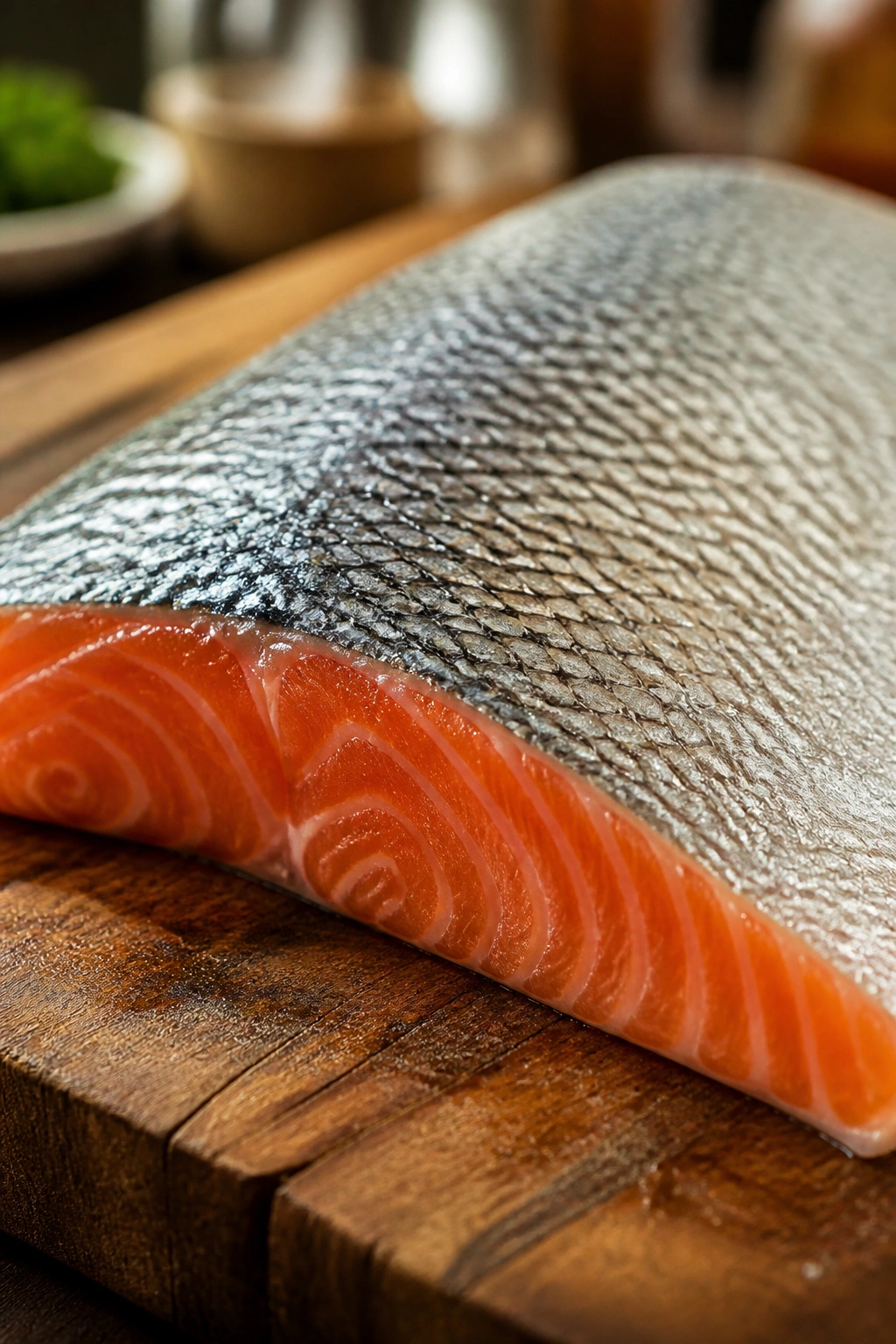
1. Salmon
Salmon is arguably the king of the bulk for a reason. You are getting high-quality protein, obviously, but the real benefit for a woman who trains heavy is the fat profile. You get a massive dose of omega-3 fatty acids, which help manage inflammation after a grueling session. When you are training four or five days a week, your joints take a beating. Omega-3s help mitigate that wear and tear.
Why It’s Superior to Lean White Fish
While tilapia or cod are fine for fat loss phases, they are essentially just protein. Salmon provides roughly double the caloric density of white fish. A 6-ounce fillet can easily push you toward 300-350 calories. It is easier to hit your numbers when you don’t have to chew through a pound of dry chicken breast.
Pro tip: Buy wild-caught if your budget allows, but don’t stress if you have to stick to farmed. The protein and fat content are still vastly superior to almost any other lean protein source you would reach for. Cook it with skin on to lock in the juices.
2. Rolled Oats
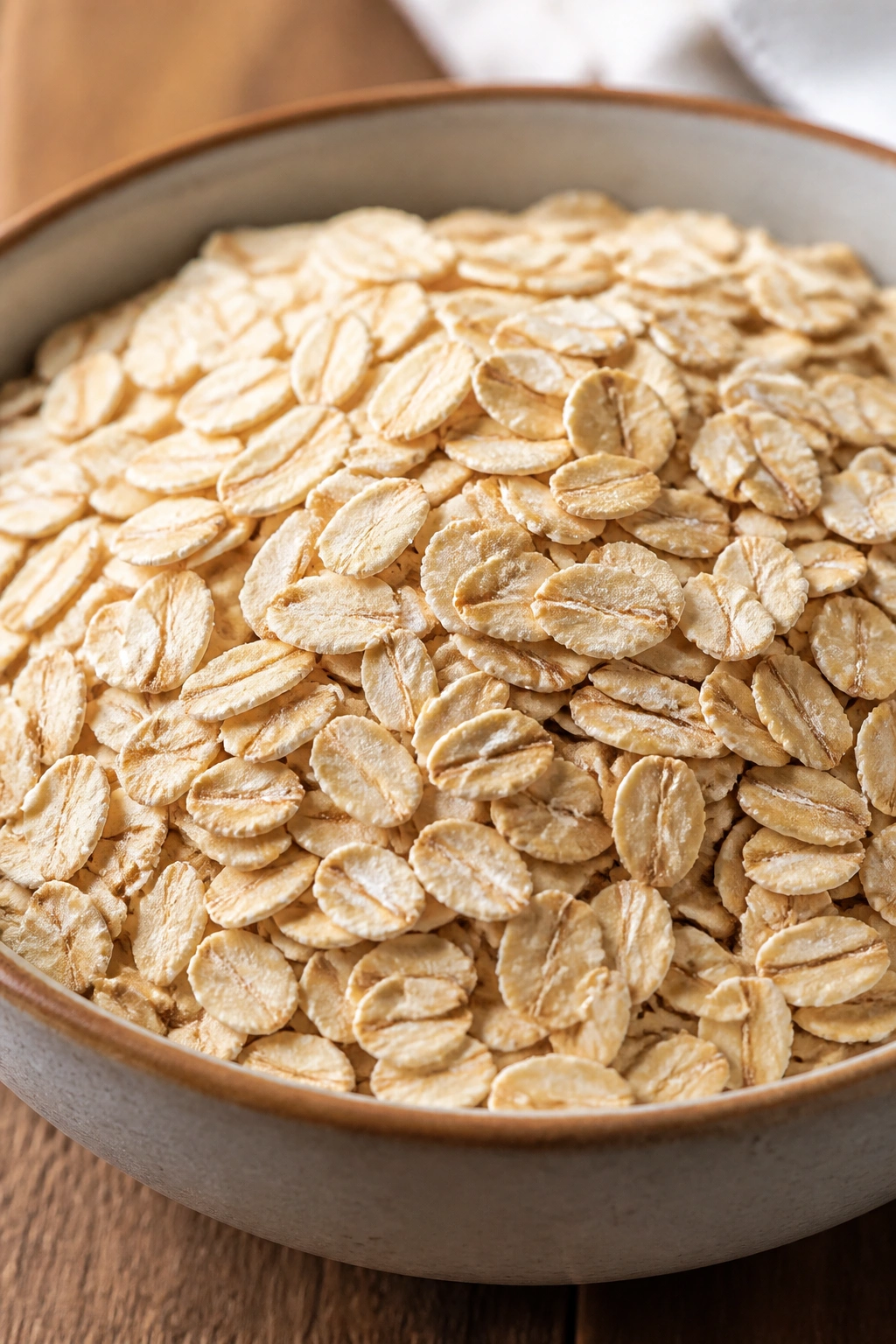
Carbohydrates are the primary fuel for high-intensity lifting. If your glycogen stores are empty, your performance will suffer. Oats are a classic bodybuilding staple because they digest relatively slowly, providing a sustained release of energy rather than the spike-and-crash you get from sugary cereals. They are incredibly cheap and versatile.
How to Make Them Calorie-Dense
Eating plain, water-based oatmeal is a rookie mistake during a bulk. It is filling but calorie-poor. You need to upgrade your bowl. Stir in a scoop of protein powder, a tablespoon of peanut butter, and a handful of berries. Suddenly, you have a 600-calorie meal that doesn’t feel like a chore to finish.
If you struggle with the texture, try overnight oats. Let them soak in milk or yogurt in the fridge while you sleep. The soaking process makes them easier to digest, which is critical when you are eating five times a day.
3. Greek Yogurt
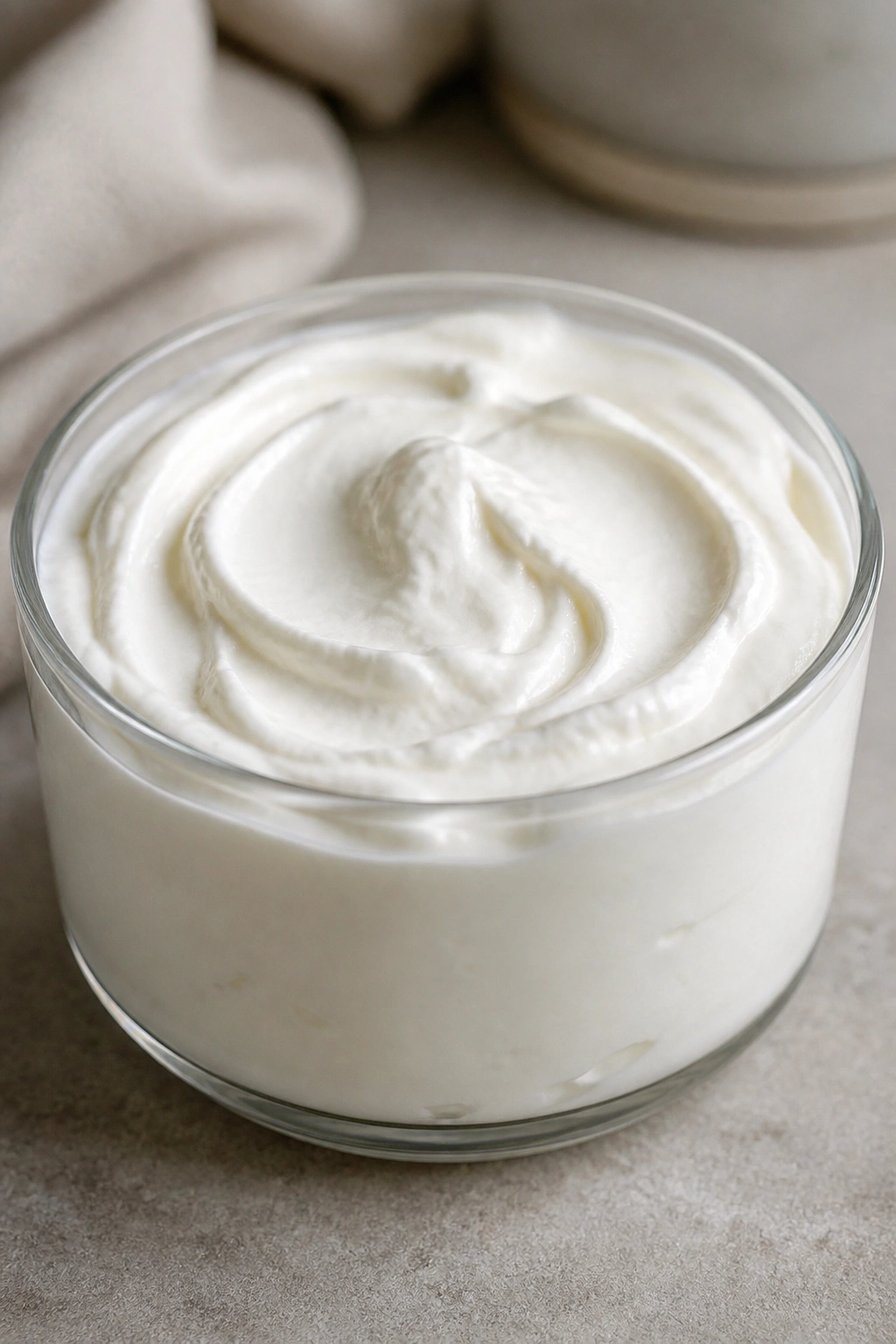
The protein content in Greek yogurt is impressive, but it is the casein protein that makes it a secret weapon for muscle growth. Casein digests slowly, which means it feeds your muscles amino acids for hours after you finish your meal. This makes it an ideal pre-bedtime snack to prevent muscle catabolism while you sleep.
Choosing the Right Kind
Skip the “non-fat” labels. You are bulking. Go for the 5% or even the 10% fat versions. The extra fat doesn’t just add flavor; it adds significant calories that you likely need. Full-fat dairy has also been shown in some observational studies to be more satiating, meaning you are less likely to feel overly stuffed but more likely to stay energized.
4. Sweet Potatoes
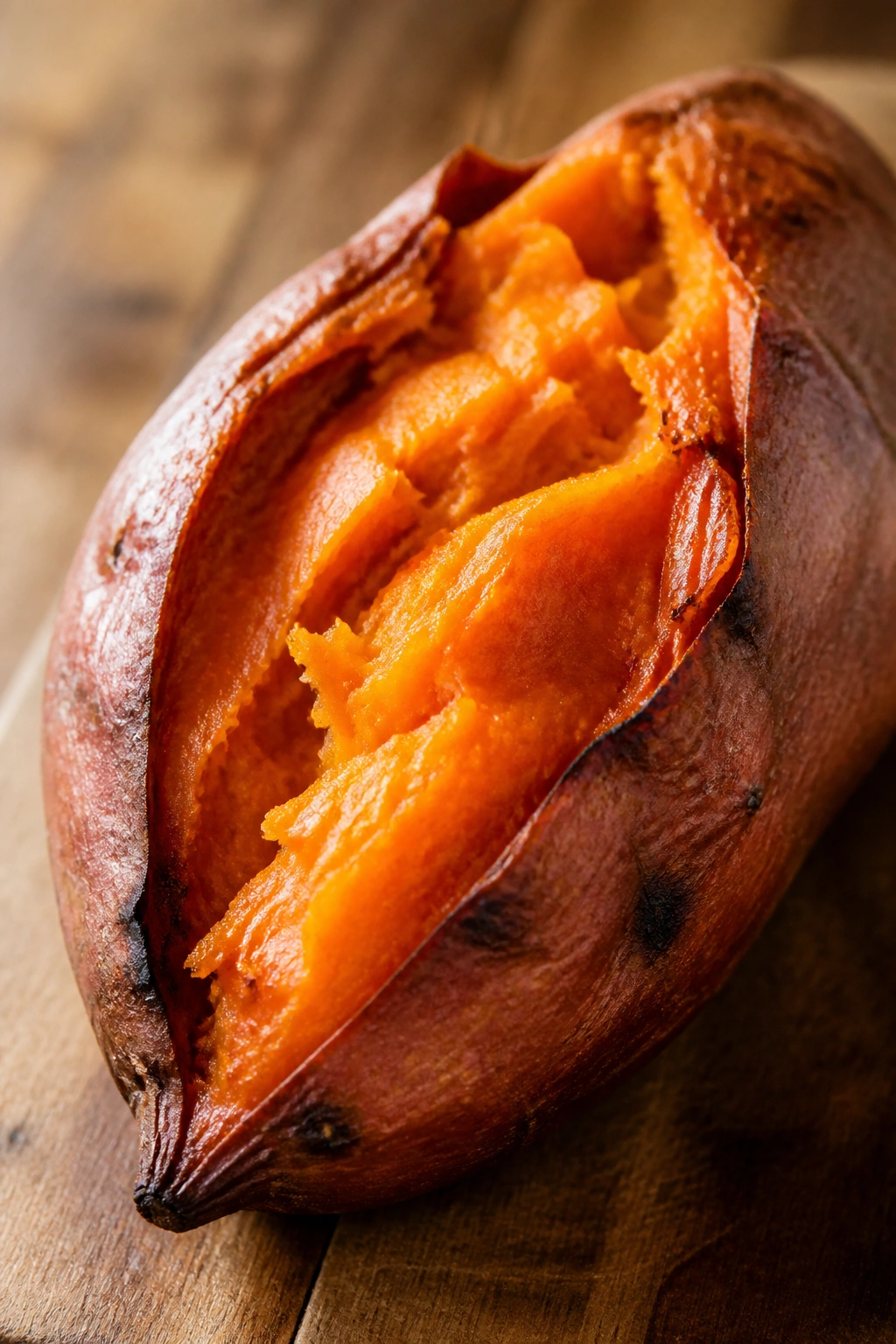
When you need to fill out your glycogen stores, the sweet potato is your best friend. They are packed with complex carbohydrates and vitamins, particularly potassium, which is essential for muscle contractions and preventing cramps during heavy sets.
Digestion and Volume
One of the biggest hurdles during a bulk is the feeling of being constantly “full.” Sweet potatoes are dense but not overly fiber-heavy in a way that causes bloating for everyone. You can easily eat a large sweet potato alongside a protein source without feeling like you have swallowed a brick. Roast them with a little olive oil or coconut oil to add even more calories without significantly increasing the volume of the food.
5. Avocado
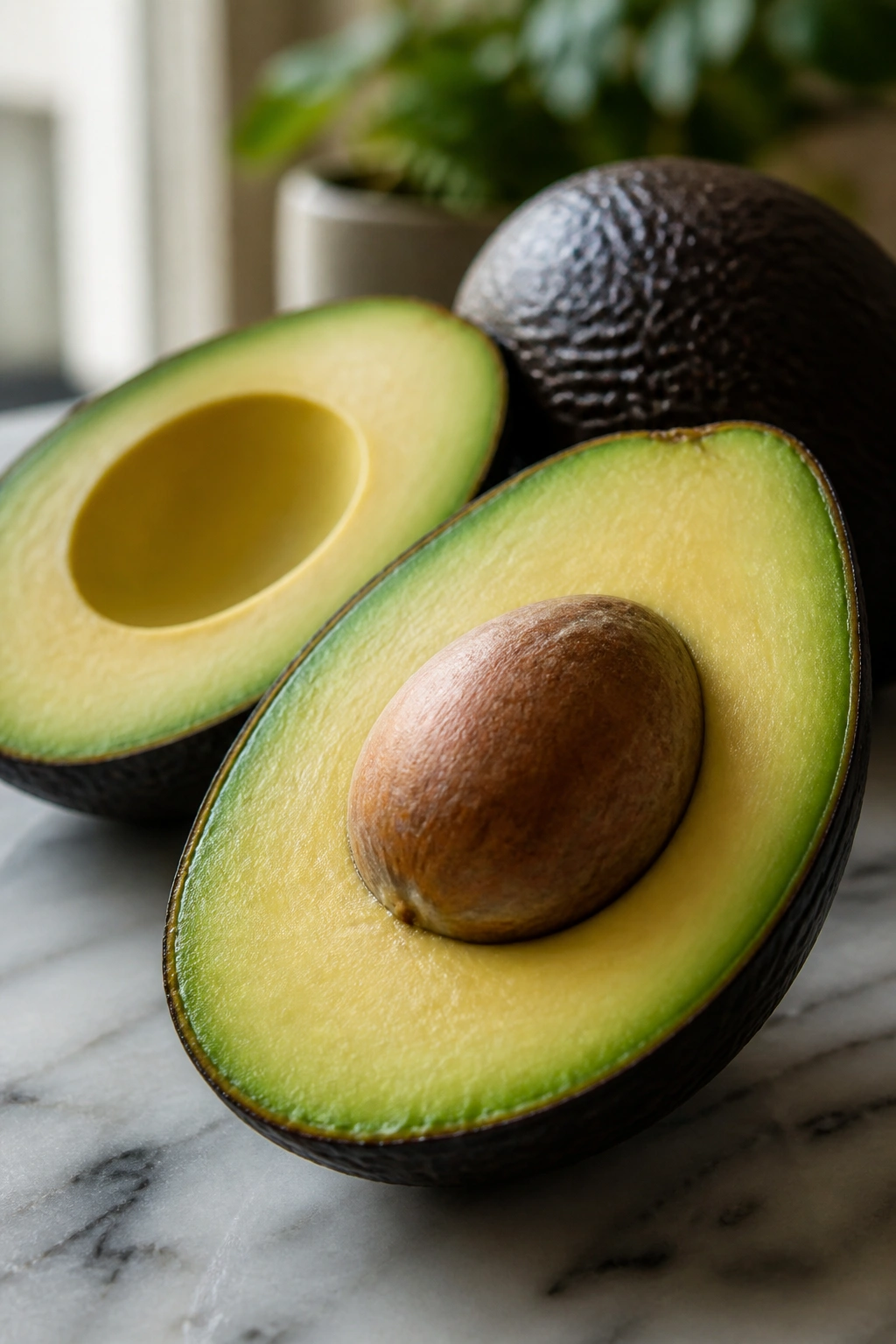
Avocado is one of the easiest ways to sneak calories into your diet without realizing it. A single medium avocado can pack 250 to 300 calories, most of which comes from monounsaturated fats. These fats are excellent for hormonal health, which is a major consideration for women.
Strategic Consumption
Don’t just eat them on toast. You can blend avocado into smoothies to create a creamy texture, mash them into eggs, or slice them up as a side dish for your chicken. They are effectively tasteless in a smoothie, especially if you have fruit like berries or bananas in there. If you are struggling to eat enough in a single sitting, adding half an avocado to your meal is the easiest calorie boost you can find.
6. Whole Eggs
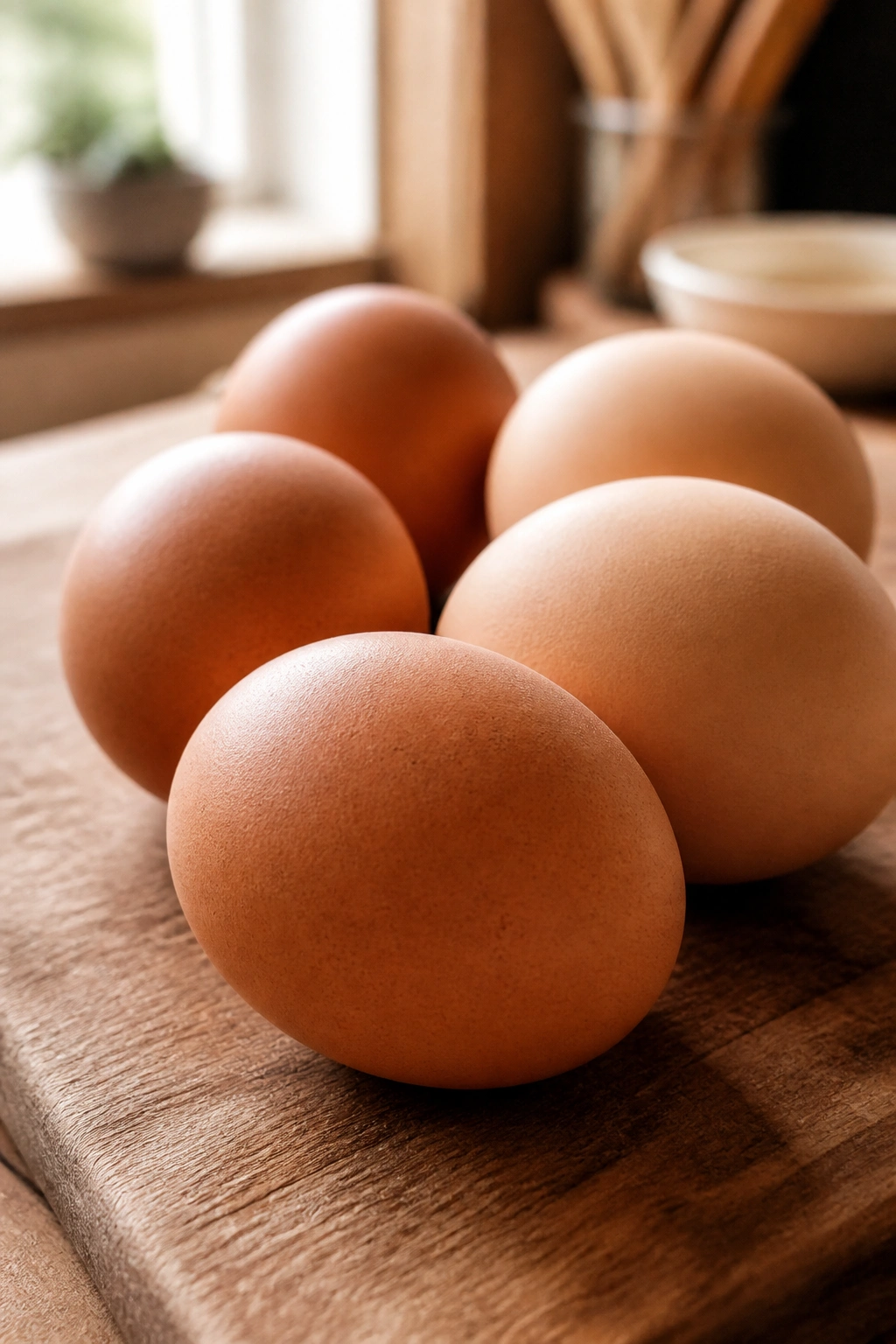
The egg is often called the “gold standard” of protein because of its bioavailability—your body absorbs and utilizes the protein in eggs more efficiently than almost any other source. While egg whites are fine, the yolk is where the nutrition lives. It contains the vitamins, minerals, and healthy fats that support testosterone and estrogen levels.
The Whole Package
Eat the yolks. Do not throw them away. If you find you need more protein, eat three whole eggs and add a carton of pasteurized liquid egg whites to the scramble. This keeps the fat moderate while bumping up the protein synthesis potential of the meal. It is a simple, no-nonsense way to ensure you are getting a complete amino acid profile every morning.
7. Chicken Thighs
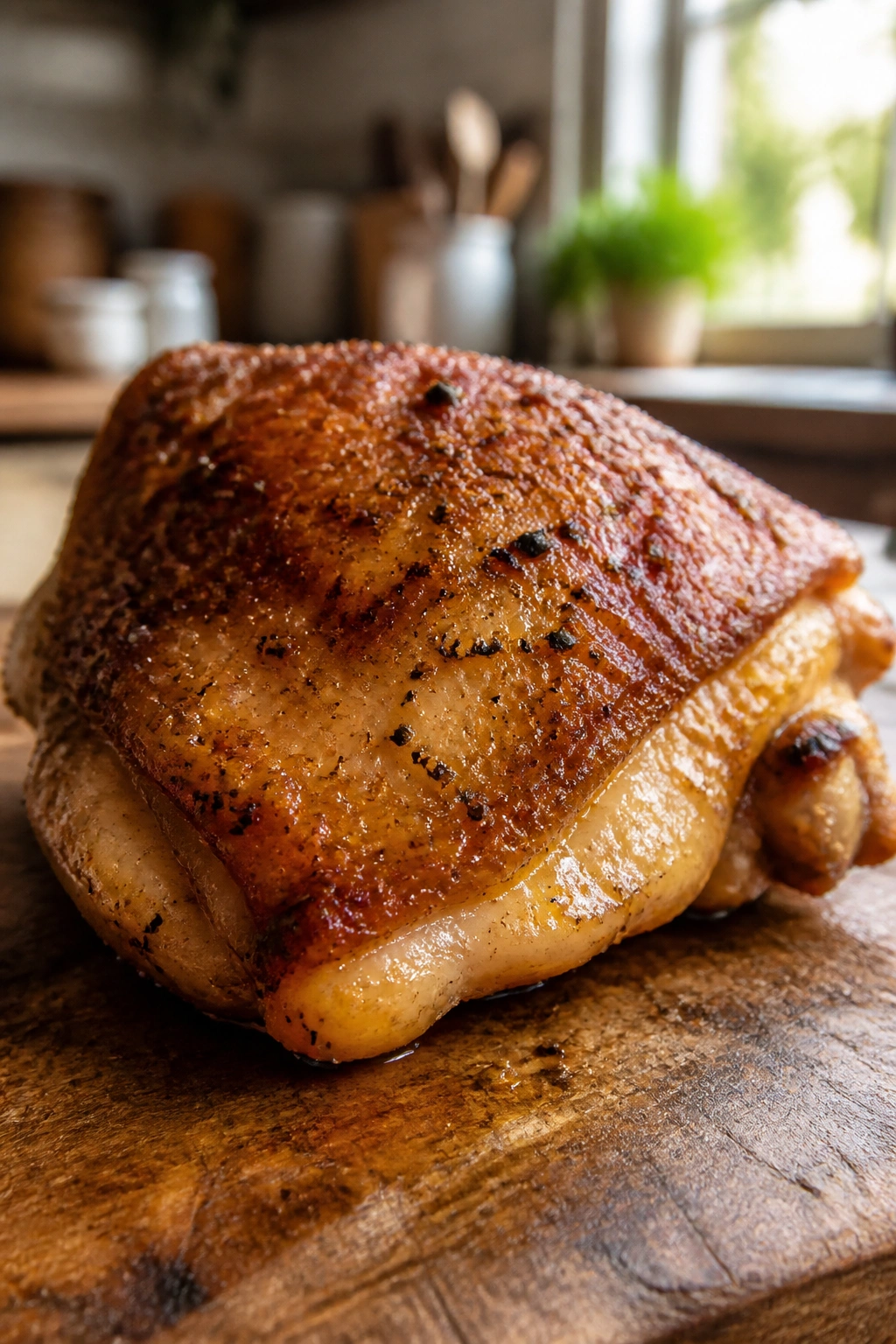
Chicken breast is the default for most people, but it is lean, dry, and boring. Chicken thighs are the superior choice for bulking. They have more fat, more flavor, and are much more forgiving to cook. You can overcook a thigh by five minutes and it still tastes decent; overcook a breast and you are chewing on shoe leather.
Why the Extra Fat Matters
The extra fat content in thighs means they are more calorie-dense, which helps you reach your surplus targets without needing to add extra sauces or oils. They pair perfectly with rice or pasta. If you are prepping meals for the week, thighs hold their moisture in the fridge much better than breasts, making your meal prep taste fresh even on day four.
8. Natural Nut Butters
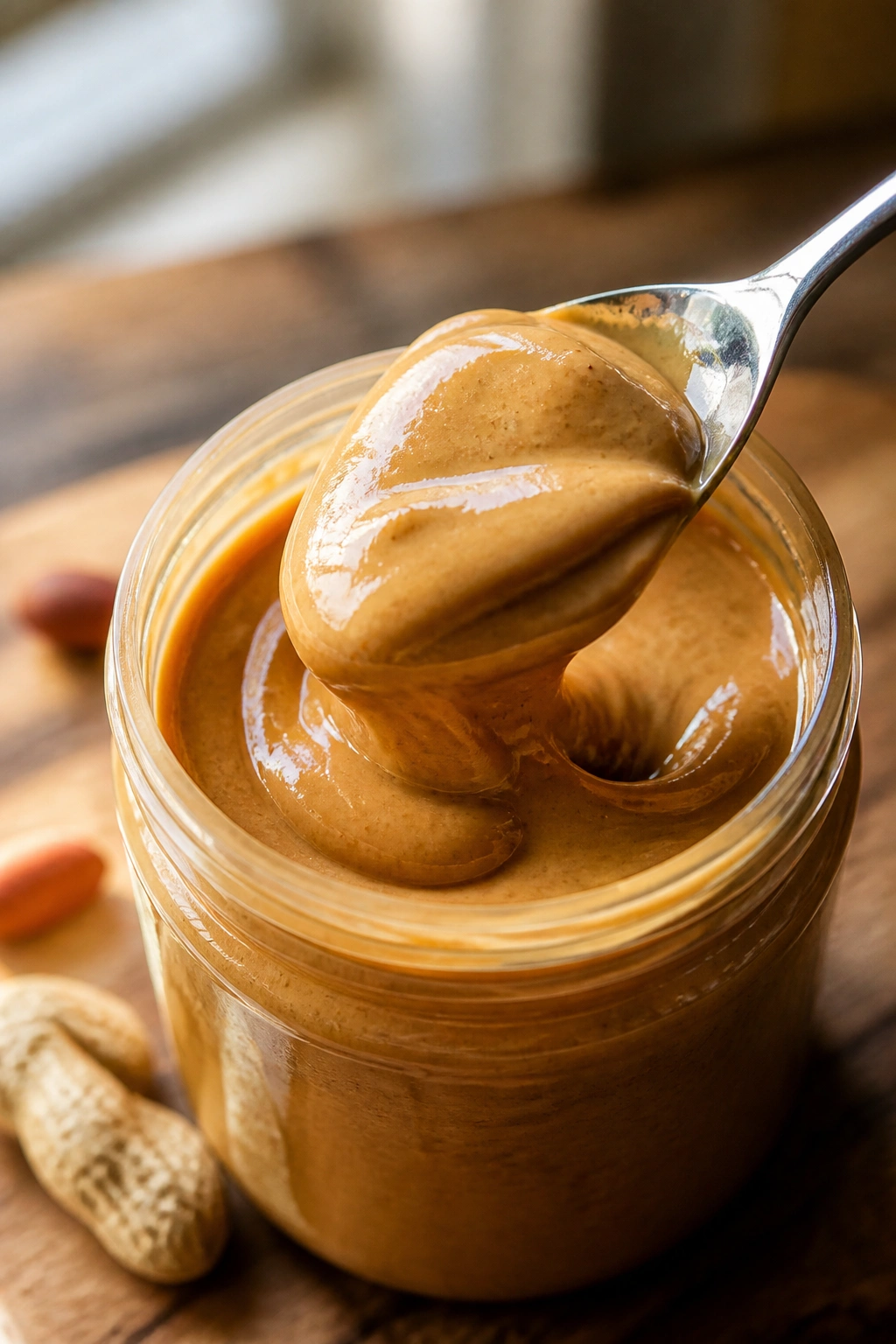
Peanut butter, almond butter, cashew butter—it doesn’t matter which one you pick, as long as it is natural. Two tablespoons of peanut butter contain roughly 190 calories. It is incredibly easy to accidentally (or intentionally) eat four tablespoons in a sitting.
The Calorie Multiplier
This is your “secret weapon” for hitting your macros. If you are short on calories at the end of the day, a single tablespoon of nut butter is an instant 100-calorie fix. You can put it on rice cakes, swirl it into oatmeal, or mix it into a shake. It is the most calorie-dense food on this list that requires zero cooking. Just make sure to check the label for added sugars—you want the kind where the only ingredient is the nut itself.
9. Quinoa
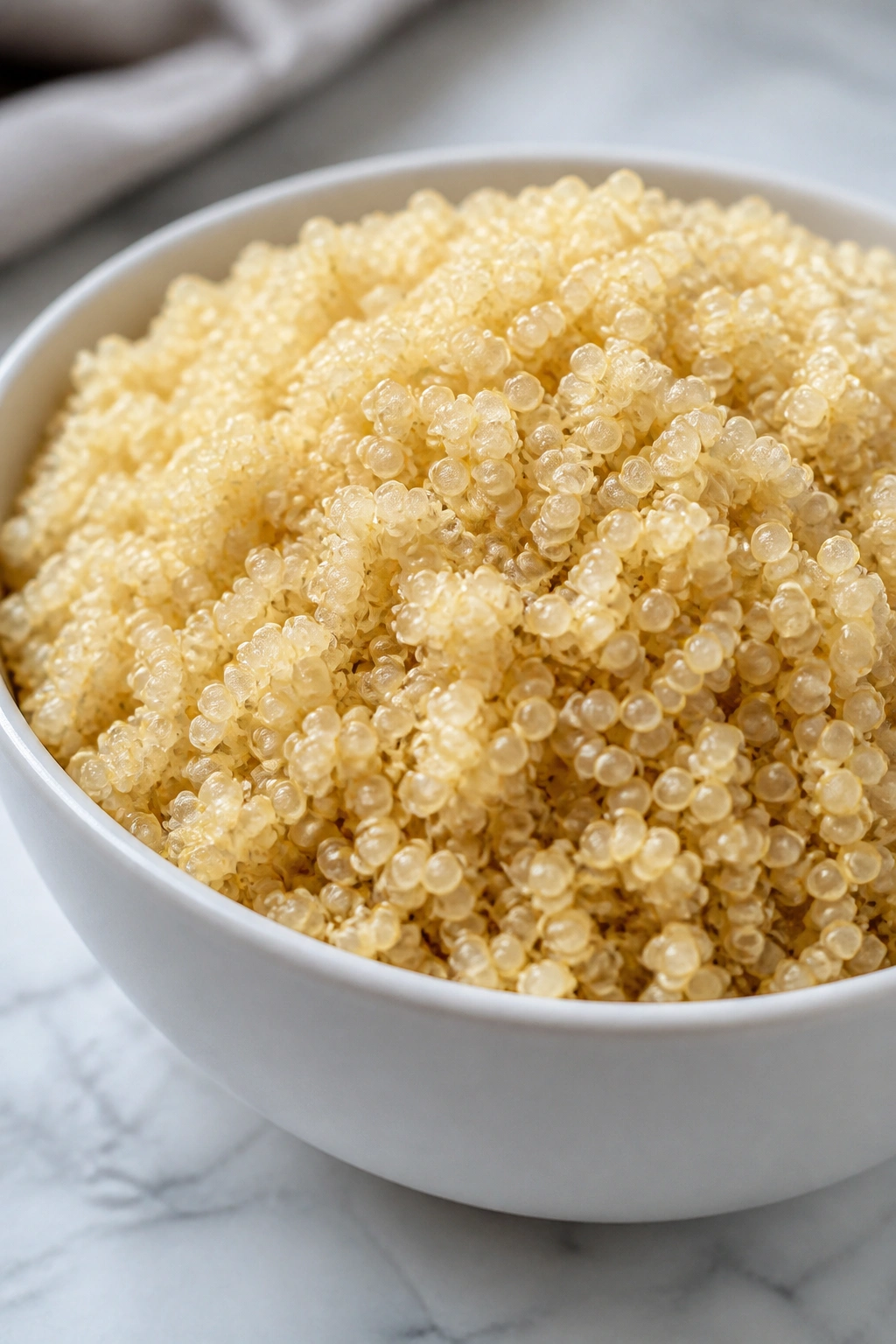
Quinoa is a seed, but it acts like a grain. It is one of the few plant-based sources that is a complete protein, meaning it contains all nine essential amino acids. For women who want to include plant proteins in their rotation, this is the foundation.
Texture and Versatility
Quinoa has a nutty flavor and a texture that works in almost everything. You can cook it in chicken broth instead of water to add a bit of flavor and sodium, which helps with muscle pumps. Use it as a base for grain bowls, mix it into salads, or just eat it as a side. It is denser than white rice, so a smaller portion goes a long way, but it packs more micronutrients, including magnesium and iron.
10. Ground Beef
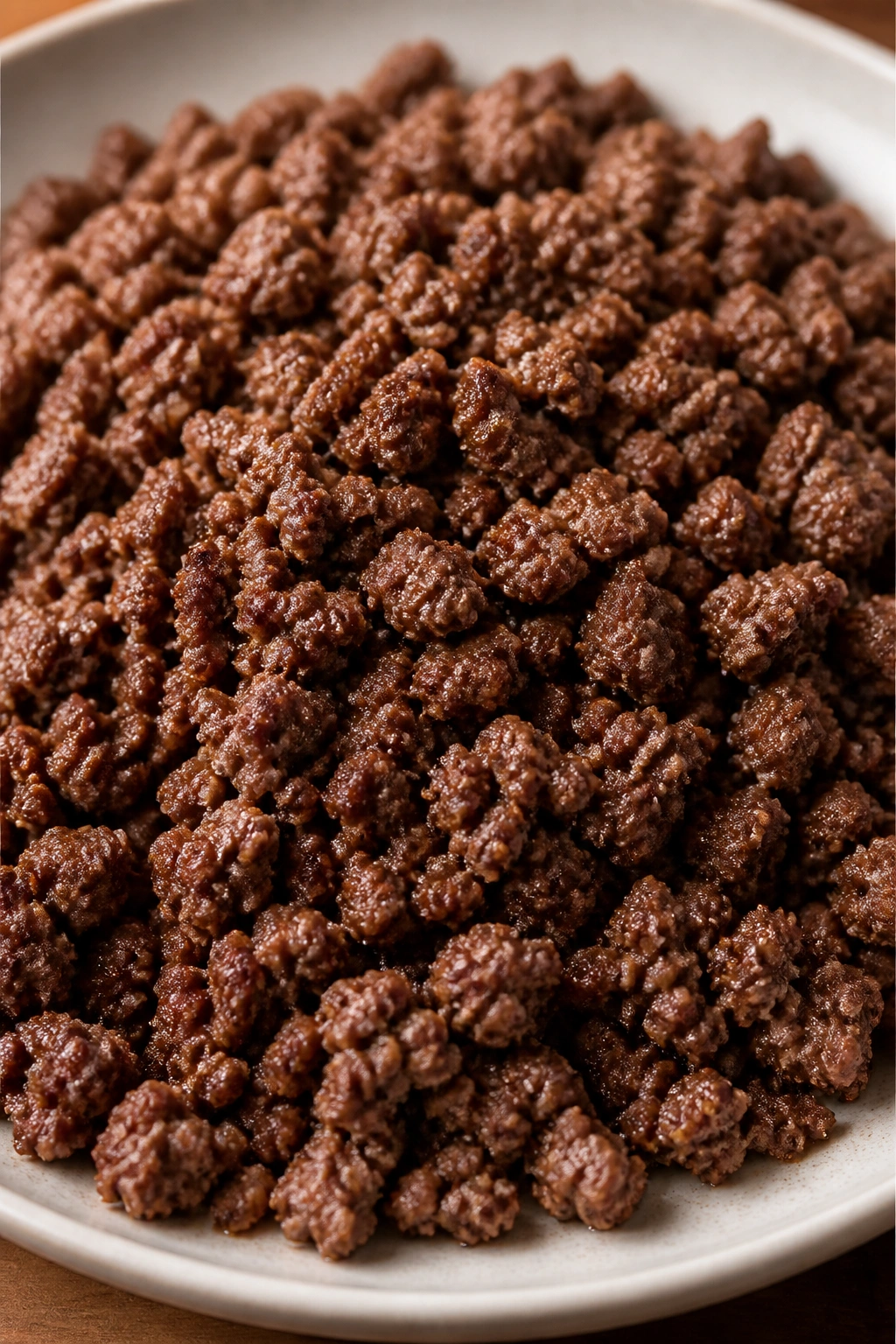
If you want to get stronger, you need to eat red meat. Ground beef is rich in creatine, B vitamins, and iron—all of which are critical for women who are lifting heavy. Iron deficiency is common among active women, and ground beef is a highly absorbable source of heme iron.
The 80/20 Rule
Go for the 80/20 ground beef. The “20” refers to the fat content. You want that fat. It adds calories and flavor, making the meal more enjoyable. If you choose 95% lean beef, you are essentially eating dry, expensive protein. Ground beef is versatile enough that you can make tacos, stir-fries, or meat sauces for pasta without feeling like you are eating the same thing every day.
11. Whole Milk
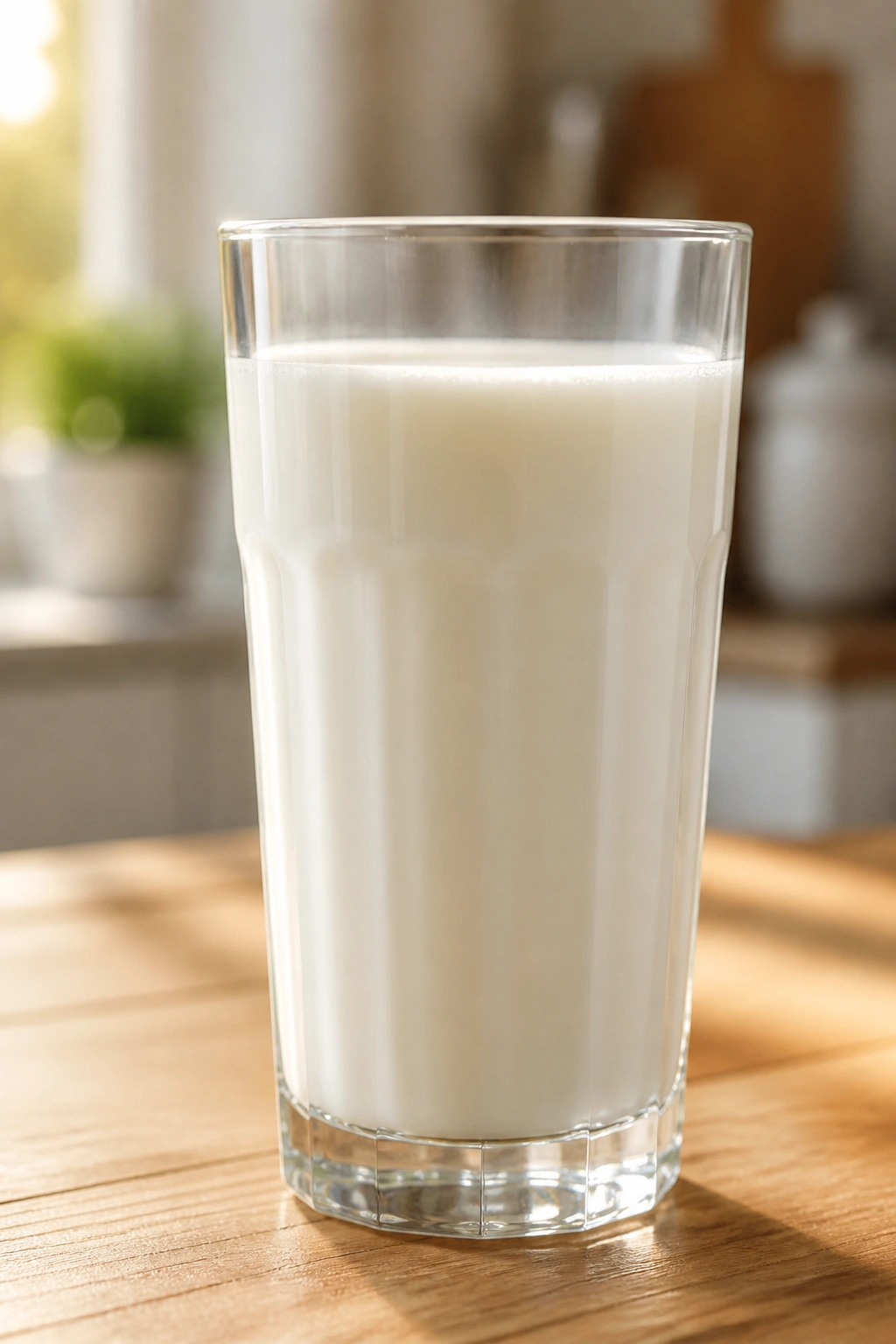
Liquid calories are the biggest cheat code for bulking. When you are full, drinking your calories is much easier than chewing them. Whole milk provides a balance of carbs, fats, and protein, all in one glass.
Lactose Intolerance?
If you are sensitive to dairy, you might skip this, but for everyone else, a glass of whole milk with your meals is an easy way to tack on 150 calories. It is particularly effective post-workout, as the combination of simple sugars (lactose) and high-quality protein helps kickstart recovery. If you do not like the taste of straight milk, use it as the base for your protein shakes instead of water.
12. Olive Oil
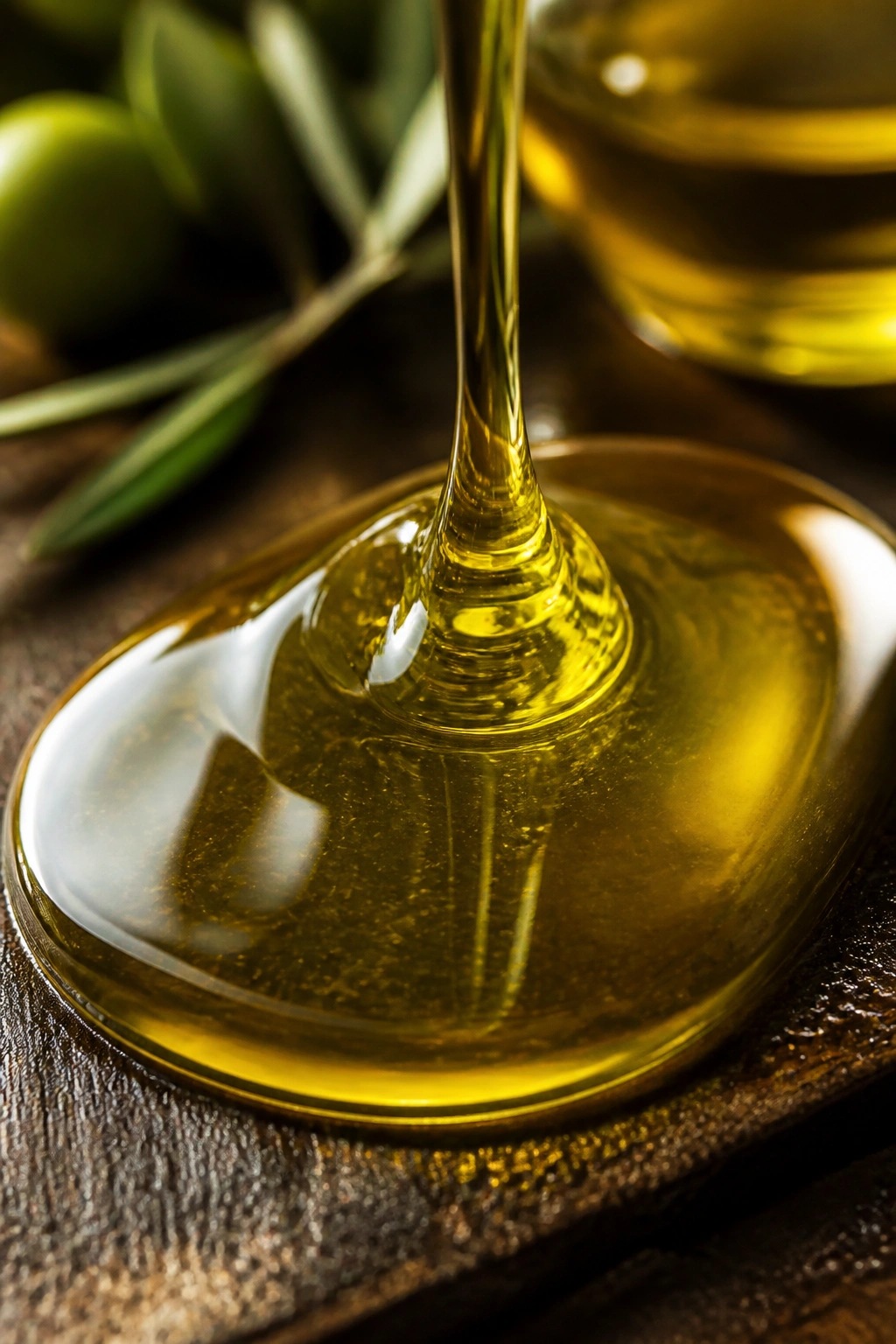
This is not a food you sit down and eat a bowl of, but it is an essential tool. Olive oil is pure fat, providing 9 calories per gram. Adding a tablespoon to your meal adds 120 calories without noticeably increasing the volume of your food.
The Sneaky Calorie
Drizzle it over your roasted vegetables, mix it into your pasta, or use it to sauté your meat. You can double the calorie count of a side of broccoli just by tossing it in a tablespoon of extra virgin olive oil. It is heart-healthy, high in antioxidants, and practically invisible in terms of how “full” you feel after eating. This is how you close the gap on days when you feel like you just cannot eat another bite.
13. Lentils
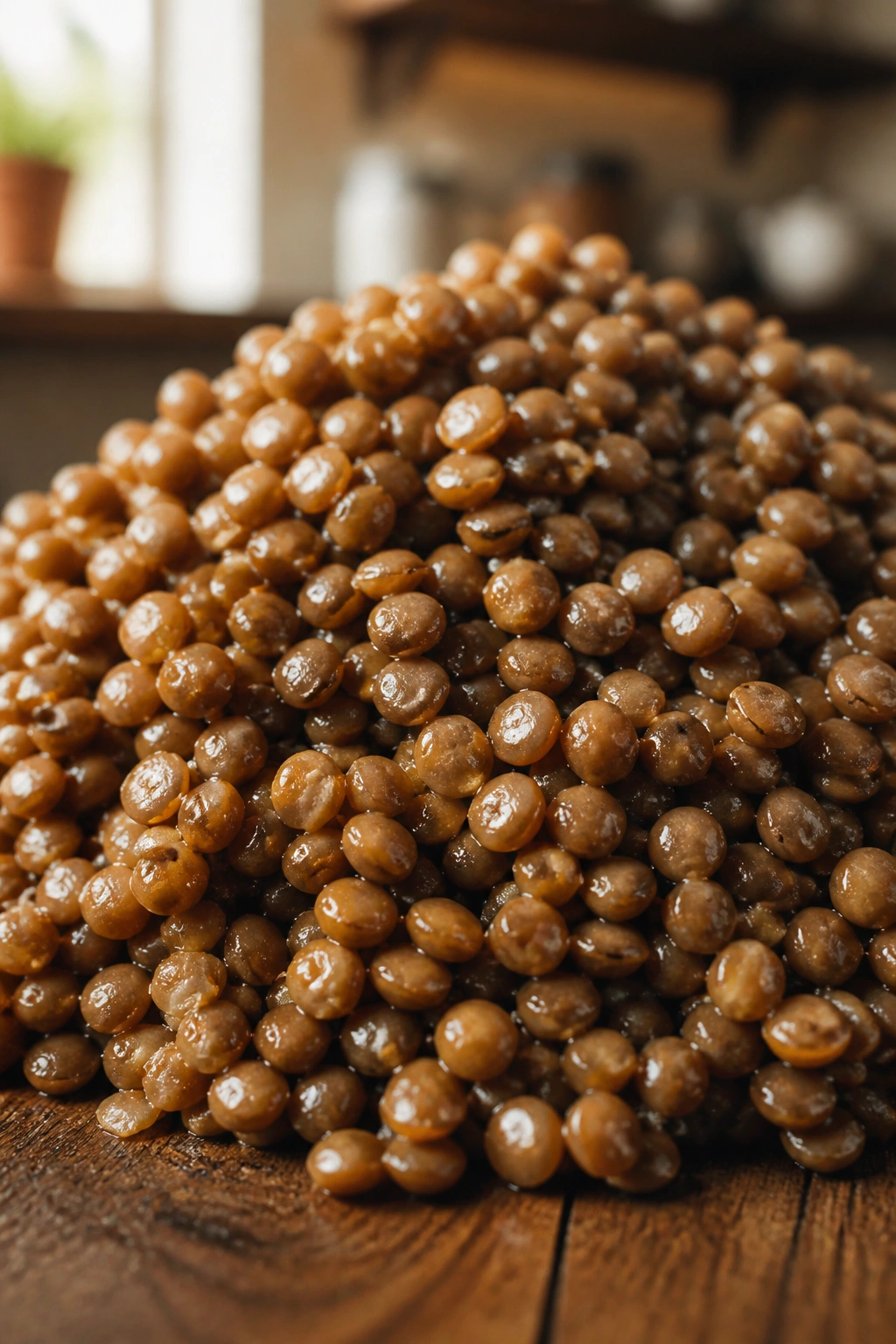
Lentils are an underrated powerhouse. They are packed with fiber, protein, and complex carbohydrates. They digest a bit more slowly than some other carbs, which provides steady energy. For women who suffer from digestive issues with heavy meat consumption, lentils are a great way to bolster your protein and carb intake without the “heavy” feeling of steak.
Preparation Tips
Lentils are cheap and shelf-stable. They soak up flavors, so if you cook them in a stew or a curry, they become incredibly flavorful. They are also excellent mixed with ground beef—do a 50/50 split of beef and lentils in a taco mix. You get the iron from the beef and the fiber/carbs from the lentils, and you won’t even notice the texture difference.
14. Dark Chocolate
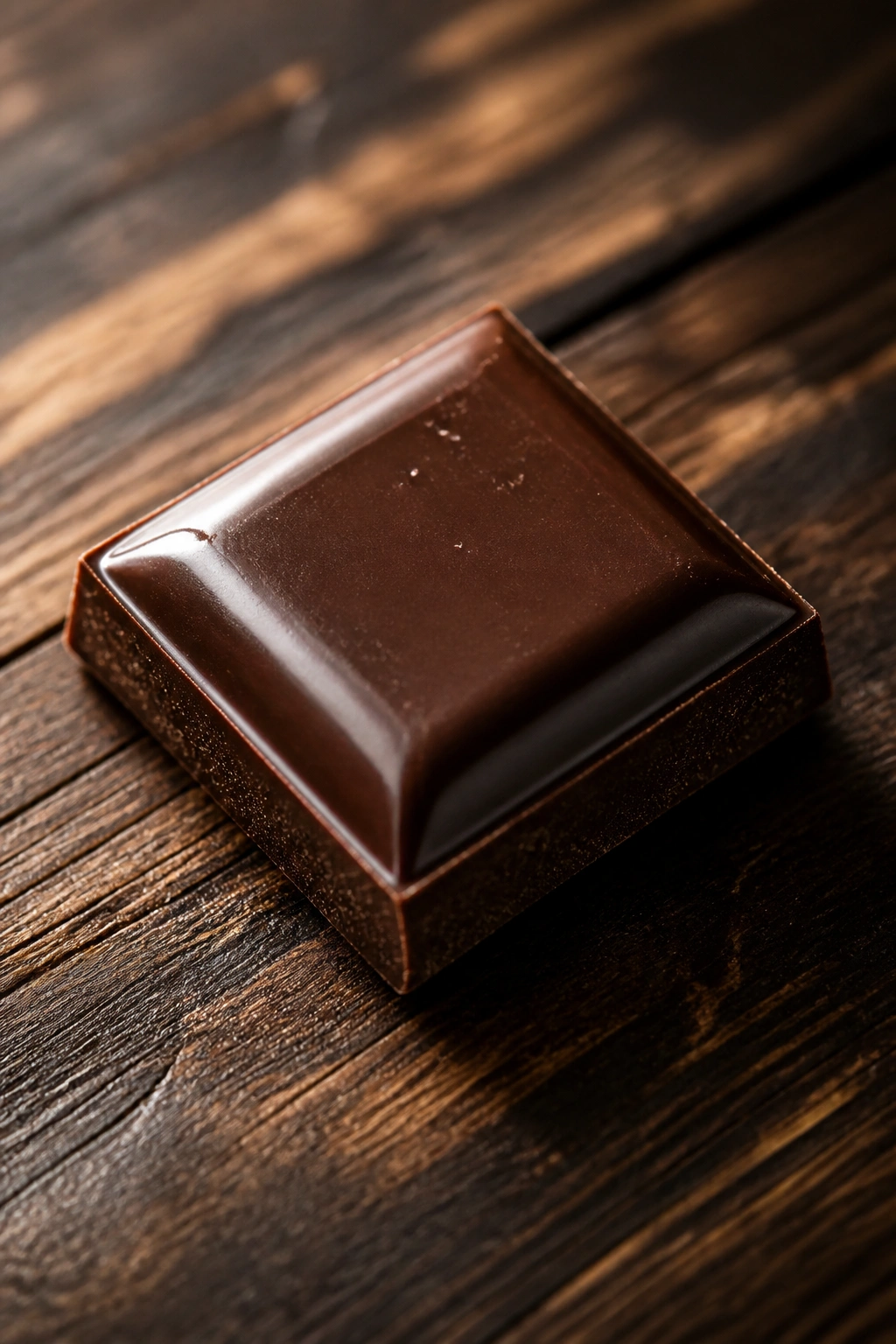
A bulk does not have to be miserable. Dark chocolate is surprisingly calorie-dense, and it is rich in antioxidants. A few squares of 70% or higher dark chocolate can provide a quick boost of energy and satisfy that sweet tooth, which often flares up when you are in a caloric surplus.
Portion Control
The key here is moderation. It is easy to polish off a whole bar, which is essentially just candy. Stick to one or two squares as a post-dinner treat. It provides a little extra fat and sugar that helps you recover, but more importantly, it keeps you sane. Mental health matters during a long bulking phase, and a little chocolate goes a long way.
15. Bananas
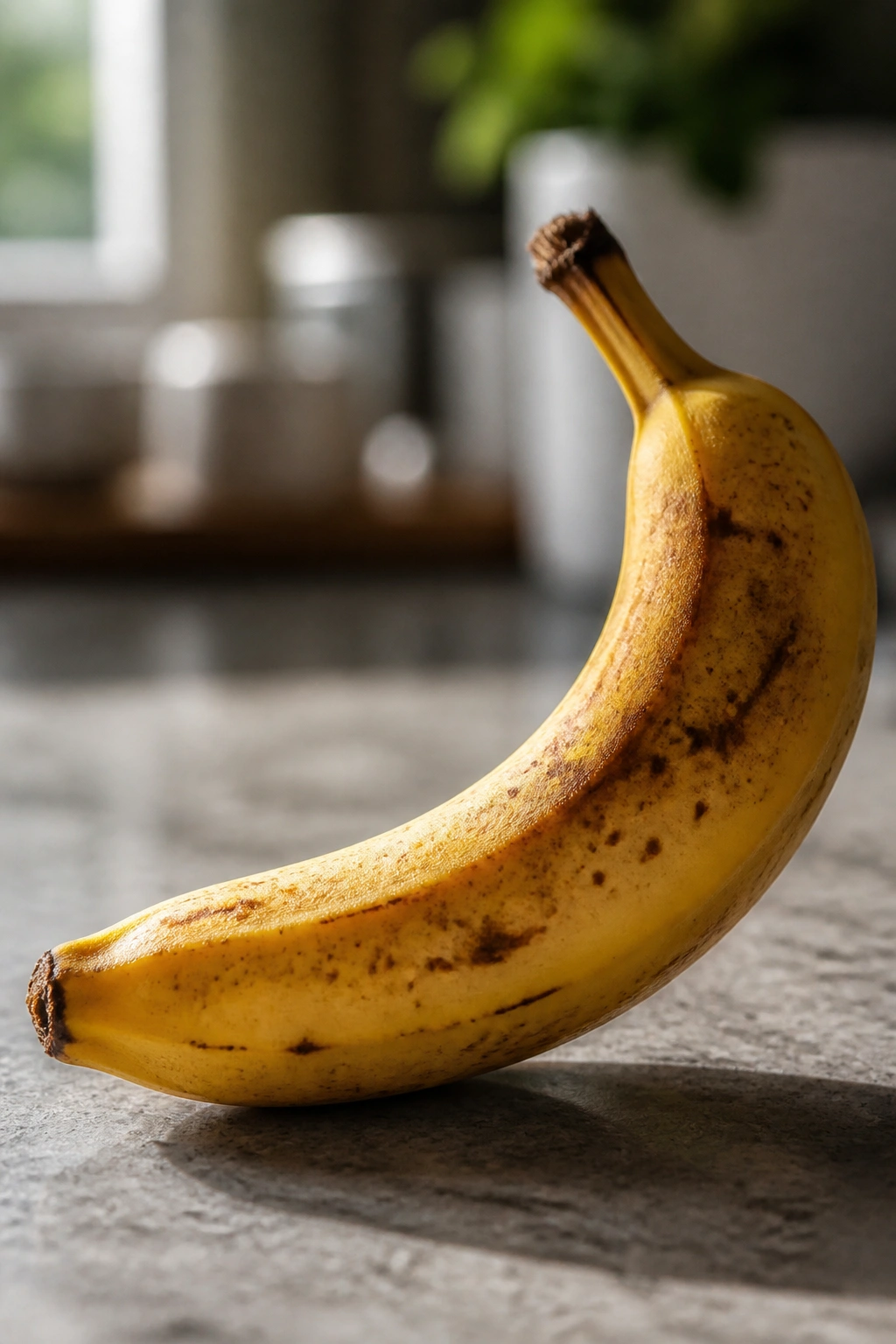
Bananas are the perfect pre-workout carb. They are easily digestible, high in potassium, and offer a quick spike of blood sugar that you can use to fuel your heavy sets. They are also portable, making them the ultimate gym-bag snack.
The Ripeness Factor
Eat them when they are spotted with brown spots. That is when the starch has converted to sugar, making them much easier to digest and quicker to provide energy. If you are struggling with nausea during workouts, try half a banana twenty minutes before you start. It is light enough not to sit in your stomach but packs enough energy to get you through your warm-up and first few working sets.
16. Cottage Cheese
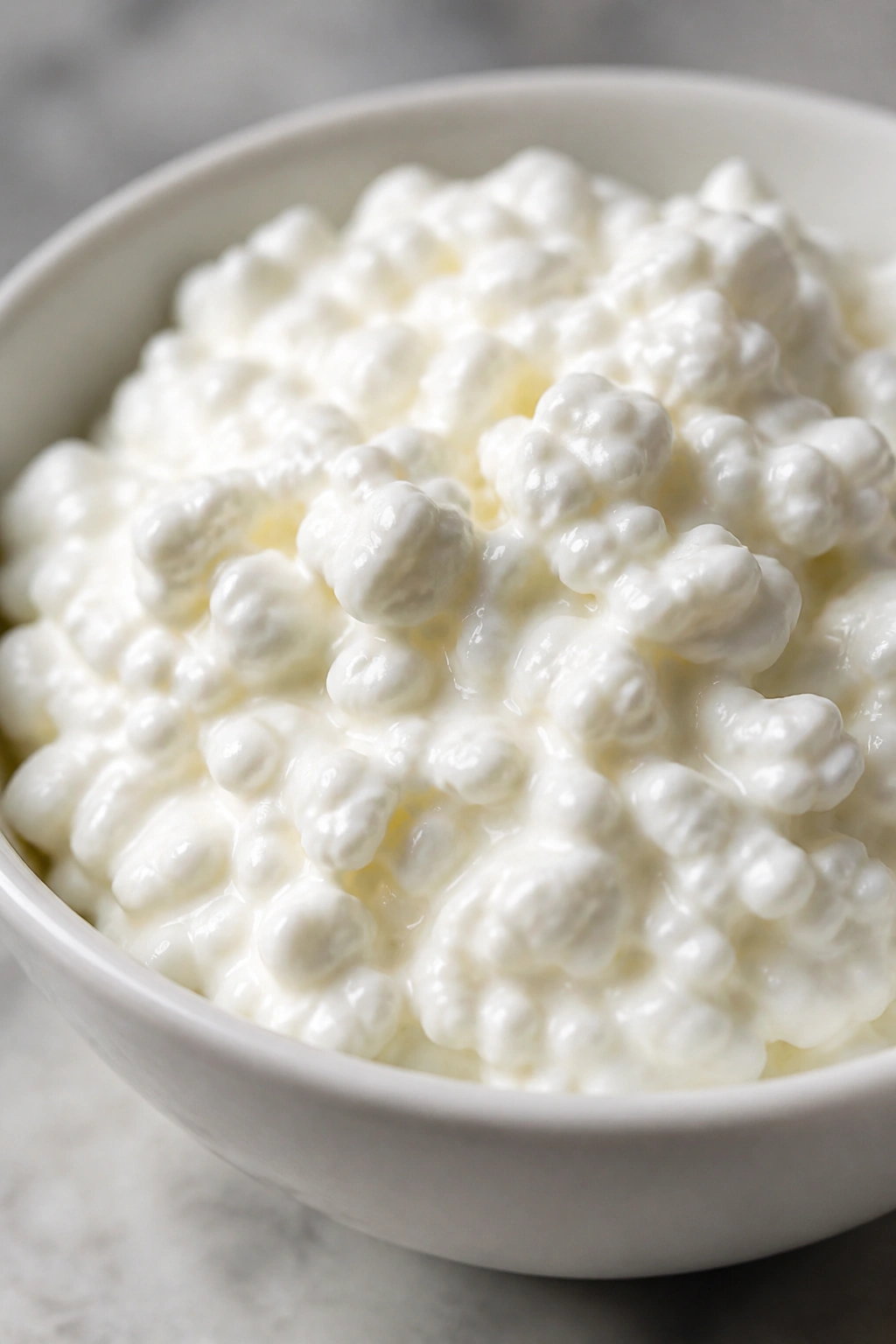
Cottage cheese is the slow-digesting protein sibling to Greek yogurt. It is packed with casein, which makes it perfect for a pre-sleep snack. It is also surprisingly high in sodium, which can actually be helpful if you are sweating a lot during your workouts and need to replace electrolytes.
How to Eat It
If you hate the texture, blend it. Yes, blend it. It turns into a creamy, mousse-like consistency that you can mix with cocoa powder and sweetener for a high-protein pudding. You get all the benefits of the protein without the weird lumpy texture that puts so many people off.
17. White Rice
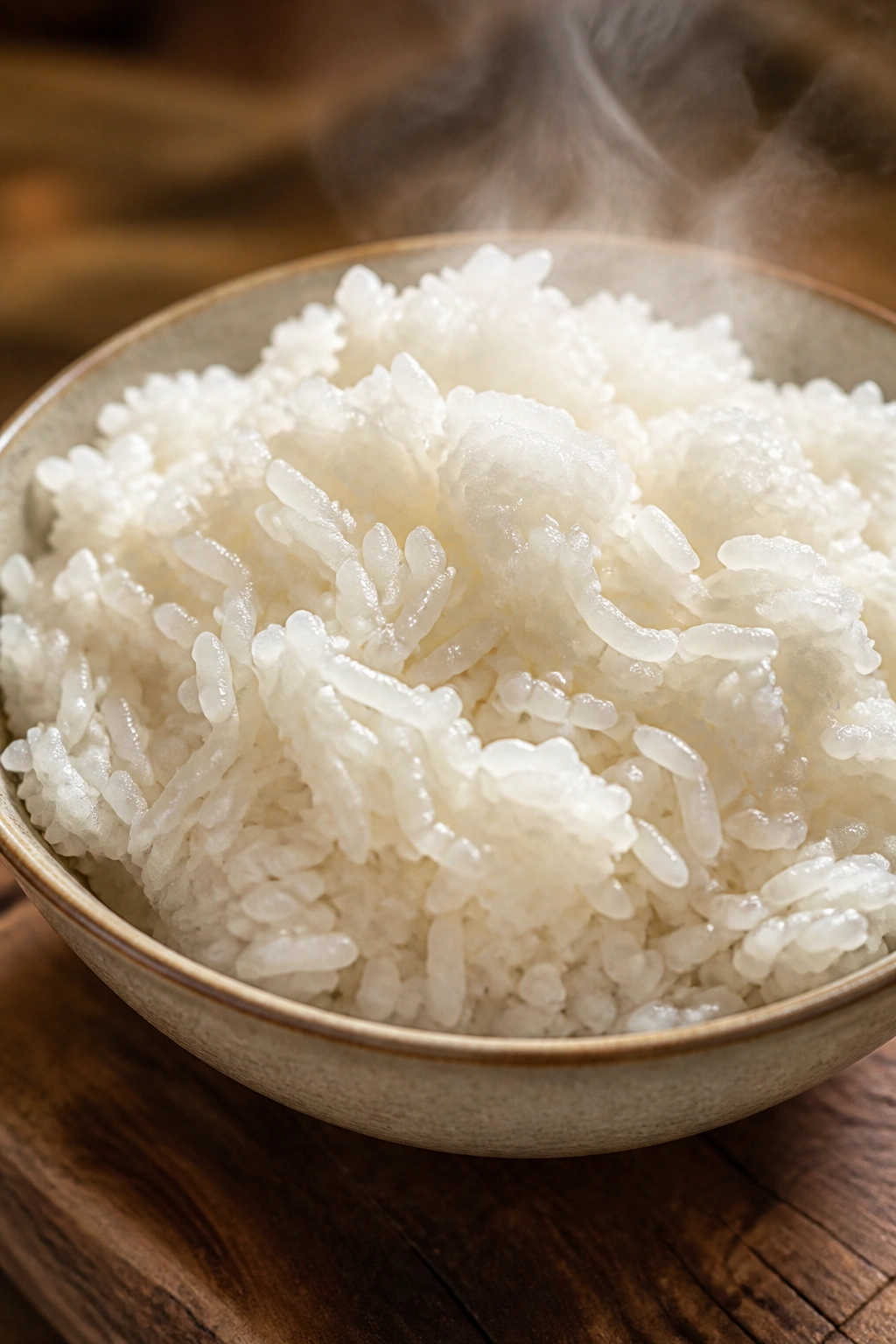
While brown rice gets all the health press, white rice is king for bulking. It is easily digested, which means you can eat more of it more frequently without the bloating that often comes with high-fiber grains. It is essentially pure fuel, ready to be used as glycogen.
The Volume Factor
You can eat an enormous bowl of white rice, and an hour later, you are ready to eat again. That is exactly what you want when you are trying to force-feed your muscles. It is the perfect blank canvas—pair it with chicken, beef, fish, or tofu. Season it with soy sauce, butter, or hot sauce to keep your palate interested.
18. Hemp Seeds
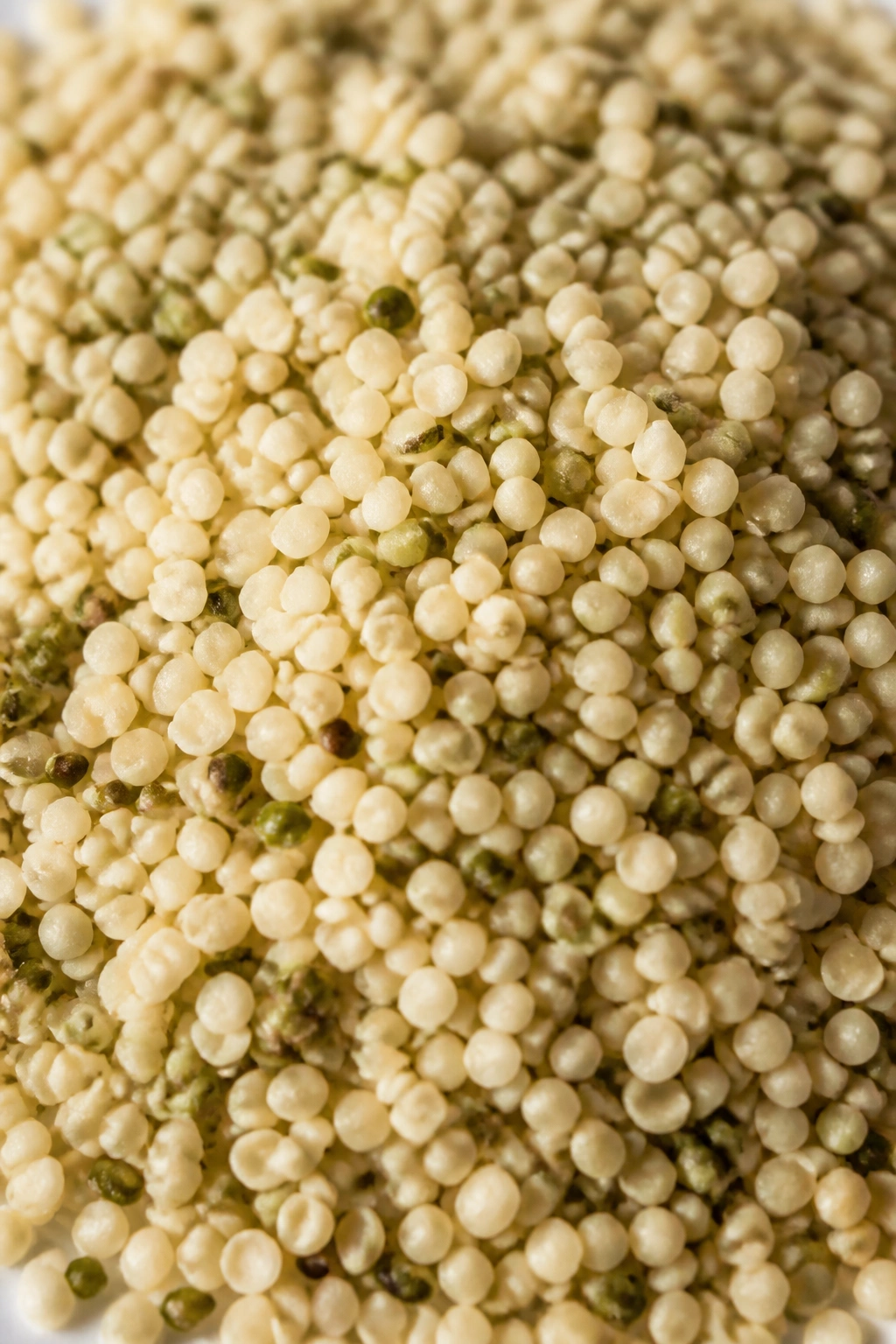
Hemp seeds are a small but mighty addition. They contain healthy fats and a decent amount of protein. They have a subtle, nutty flavor that works well in almost anything.
The Easy Add-In
The best way to use hemp seeds is as a topper. Sprinkle them on your yogurt, your oatmeal, your salads, or your avocado toast. They add 50-100 calories without you even noticing. It is a “passive” way to add calories to your diet. You don’t have to cook them, you don’t have to prepare them; you just sprinkle them on and eat.
19. Canned Tuna
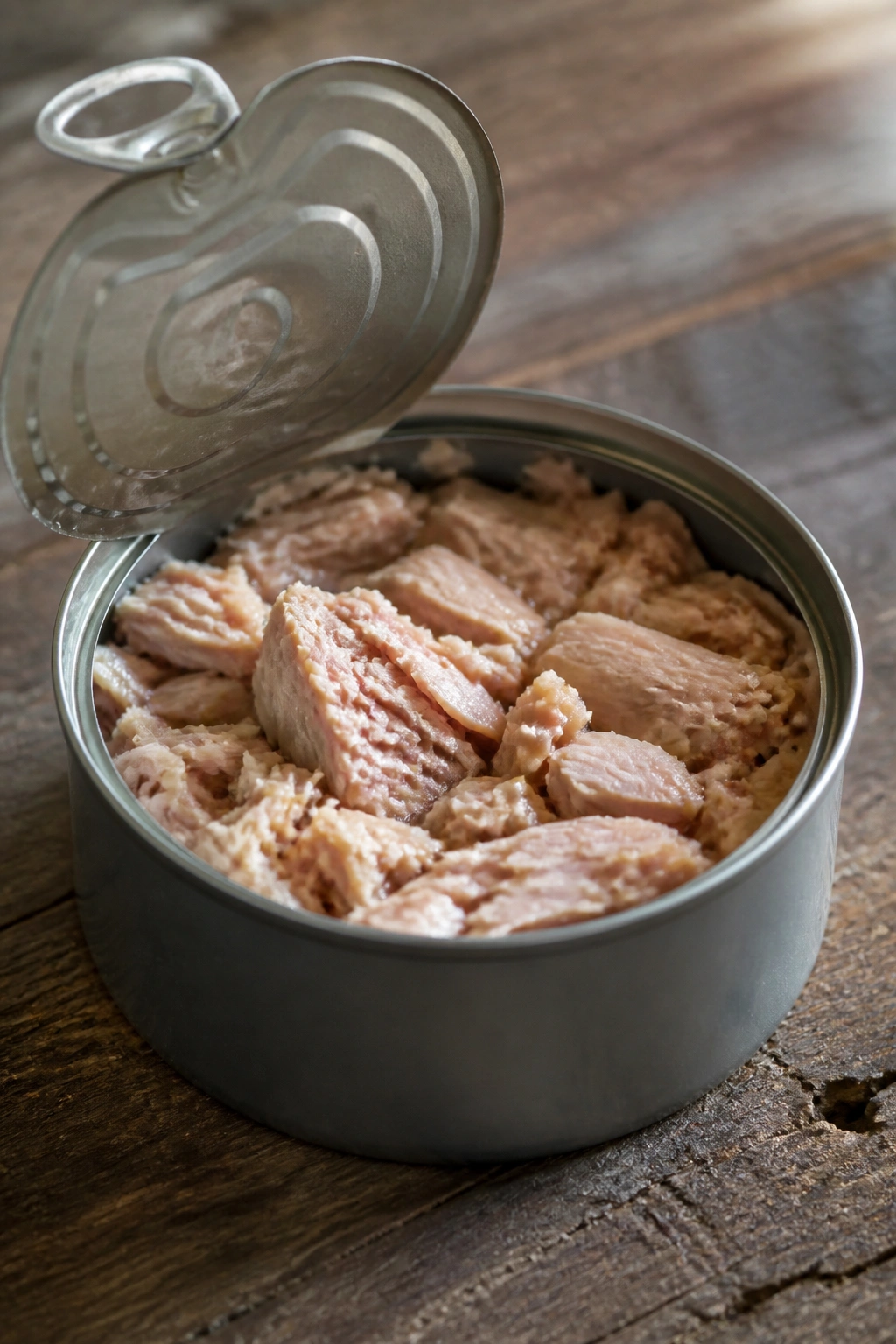
Tuna is convenient, shelf-stable, and pure protein. While it doesn’t have the fat content of salmon, it is the ultimate “I have no time to cook” meal. Mix it with mayonnaise or avocado, add some seasoning, and you have a high-protein snack in two minutes.
Quality Control
Be mindful of mercury intake if you are eating it every single day. Stick to skipjack or “light” tuna rather than albacore for daily consumption, and aim to mix it up with other protein sources. It is an excellent post-workout snack if you mix it with some crackers or rice for the carb pairing.
20. Pumpkin Seeds (Pepitas)
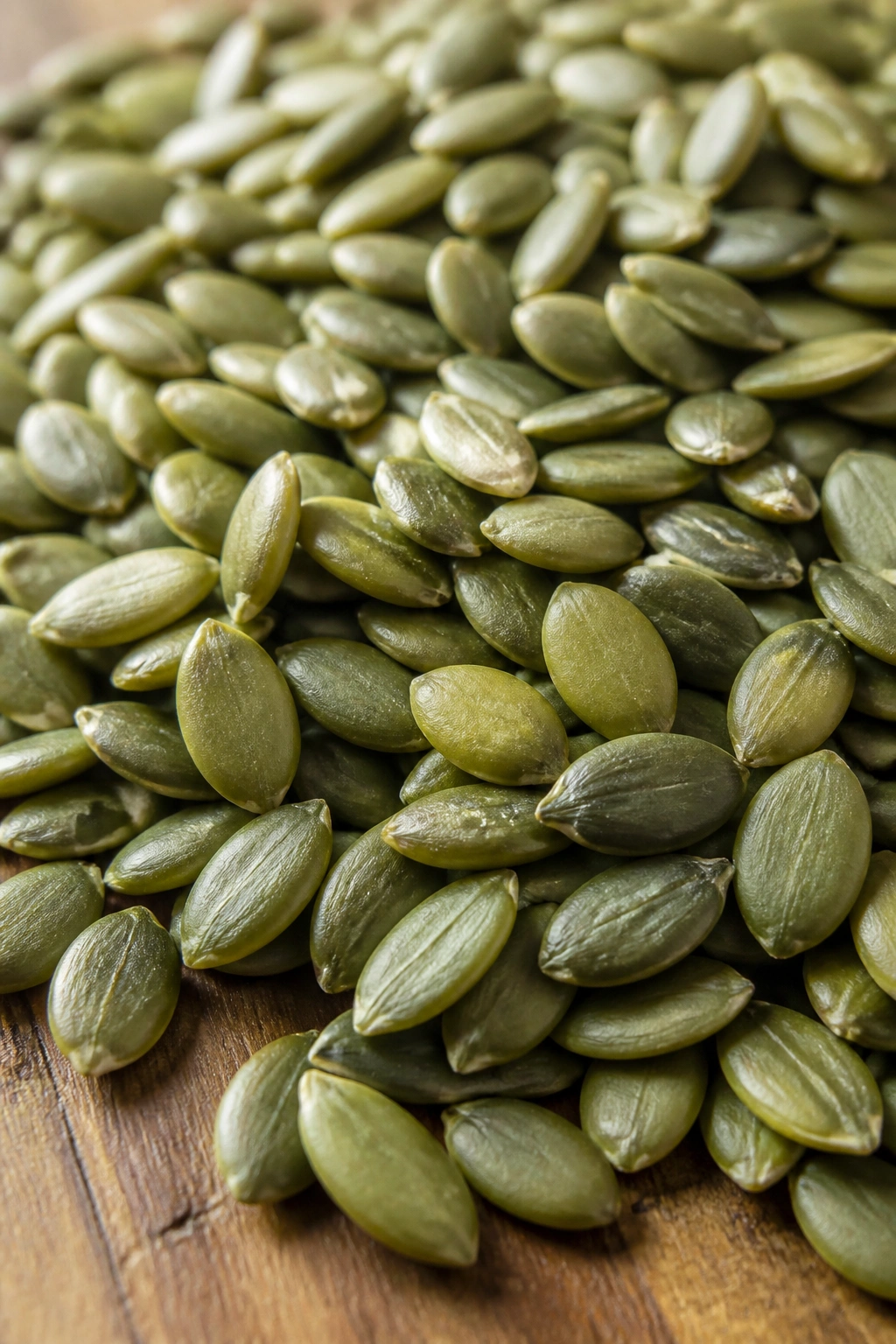
Pumpkin seeds are a nutritional powerhouse, loaded with magnesium, zinc, and healthy fats. Zinc is particularly important for immune function and protein synthesis. These are excellent for snacking.
The Crunch Factor
When you are tired of soft foods (oatmeal, rice, yogurt), you need a crunch. Pumpkin seeds satisfy that texture craving while adding significant calories. Keep a bag in your gym bag or at your desk. A quarter-cup is an easy 150-180 calories.
21. Pasta
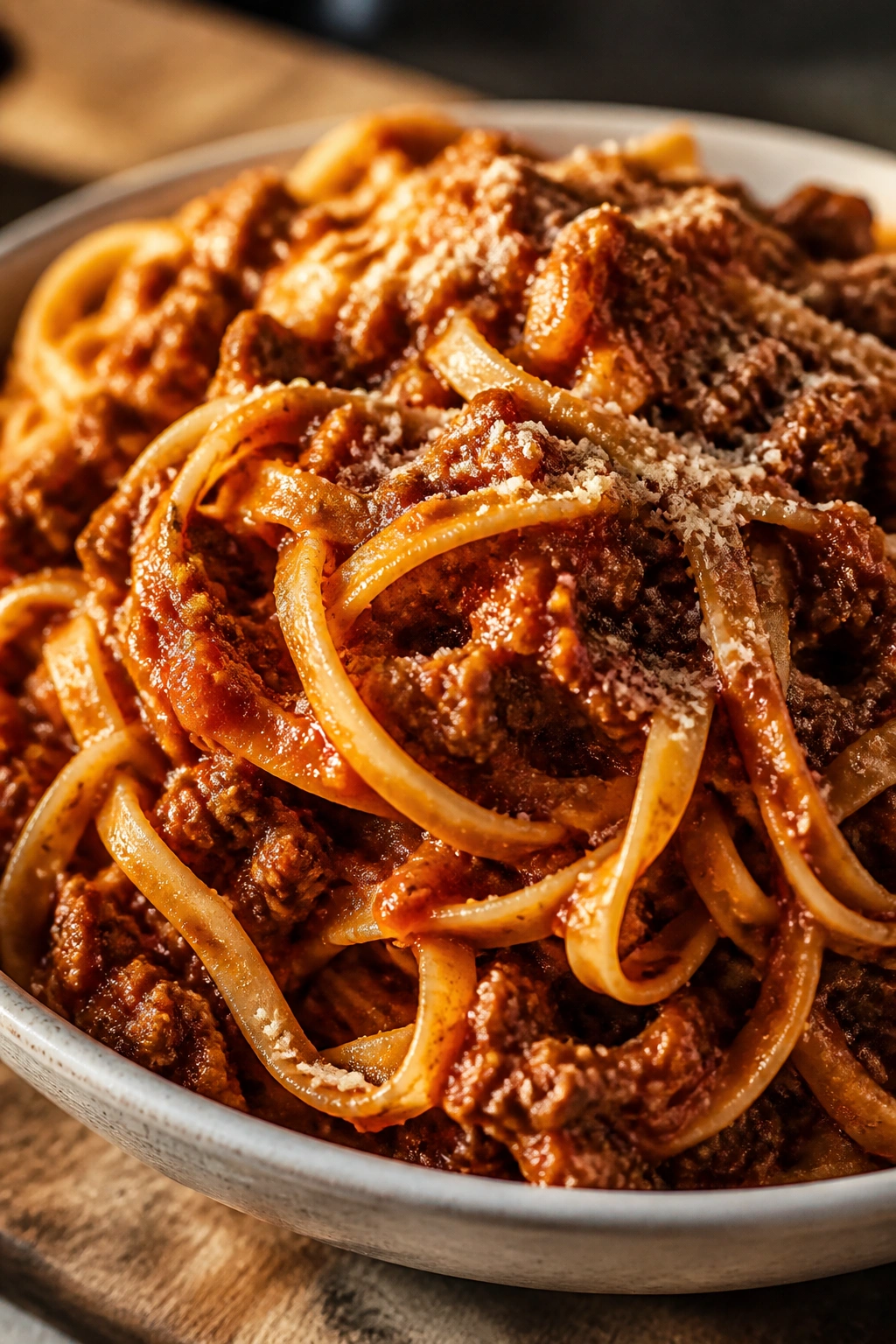
There is no reason to fear pasta. It is a calorie-dense carbohydrate that is perfect for bulking. If you are struggling to eat enough food, a massive bowl of pasta is often easier to put down than an equivalent amount of rice or potatoes.
The Sauce Hack
Pasta is just the vehicle for the sauce. Use that to your advantage. A hearty meat sauce made with ground beef or a pesto sauce made with olive oil and parmesan cheese can turn a 400-calorie bowl of pasta into an 800-calorie meal. It is efficient, delicious, and effective.
22. Dates
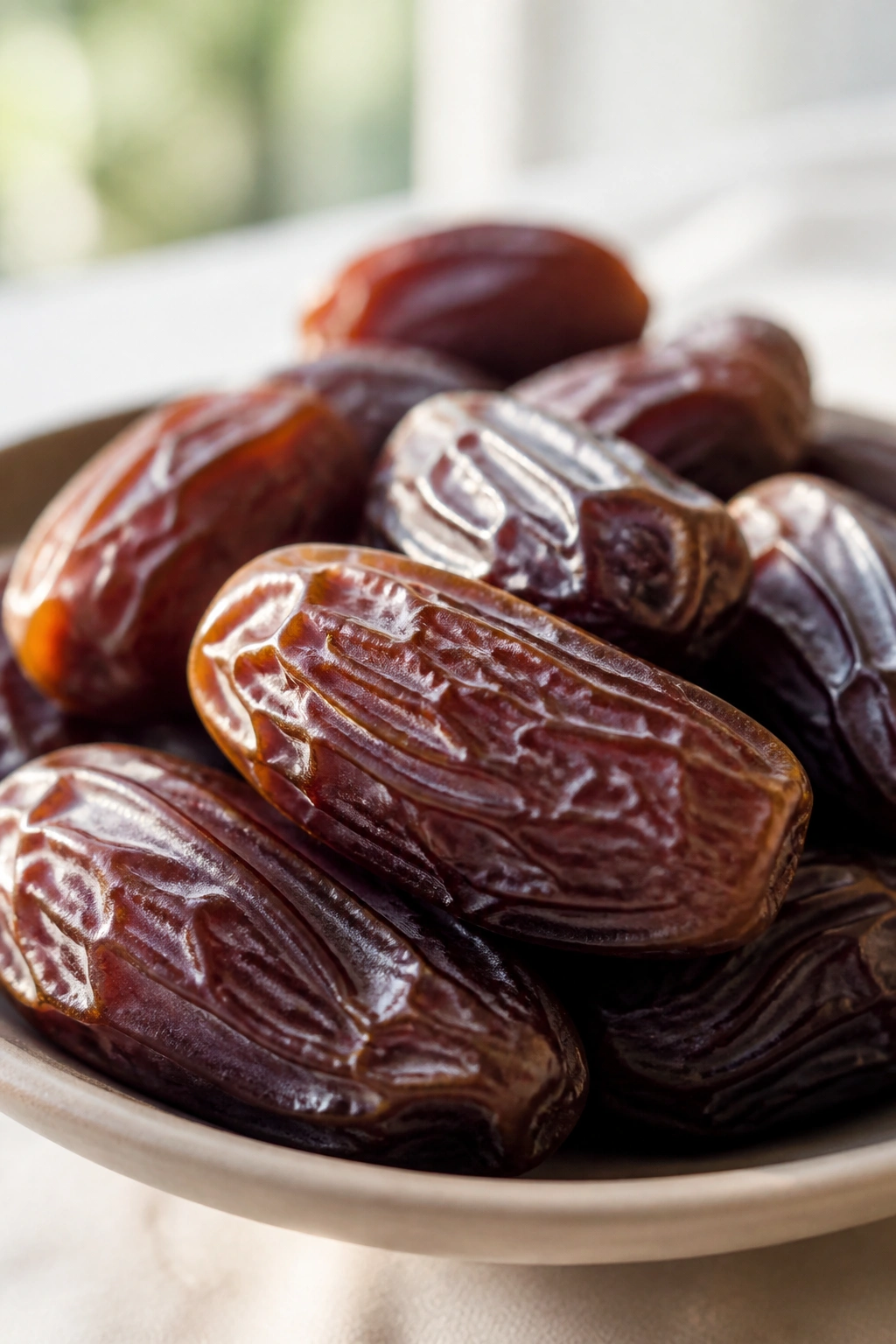
Dates are nature’s candy. They are incredibly calorie-dense due to their high sugar content, but that sugar is packaged with fiber and minerals. They are fantastic pre-workout if you need a quick energy hit.
Stuffed Dates
For a high-calorie snack, pit a Medjool date and stuff it with a teaspoon of almond butter and a walnut half. It is a flavor explosion that provides a massive hit of quick carbs and healthy fats. It is one of the most effective ways to bridge the gap between meals when your appetite is low.
23. Coconut Milk
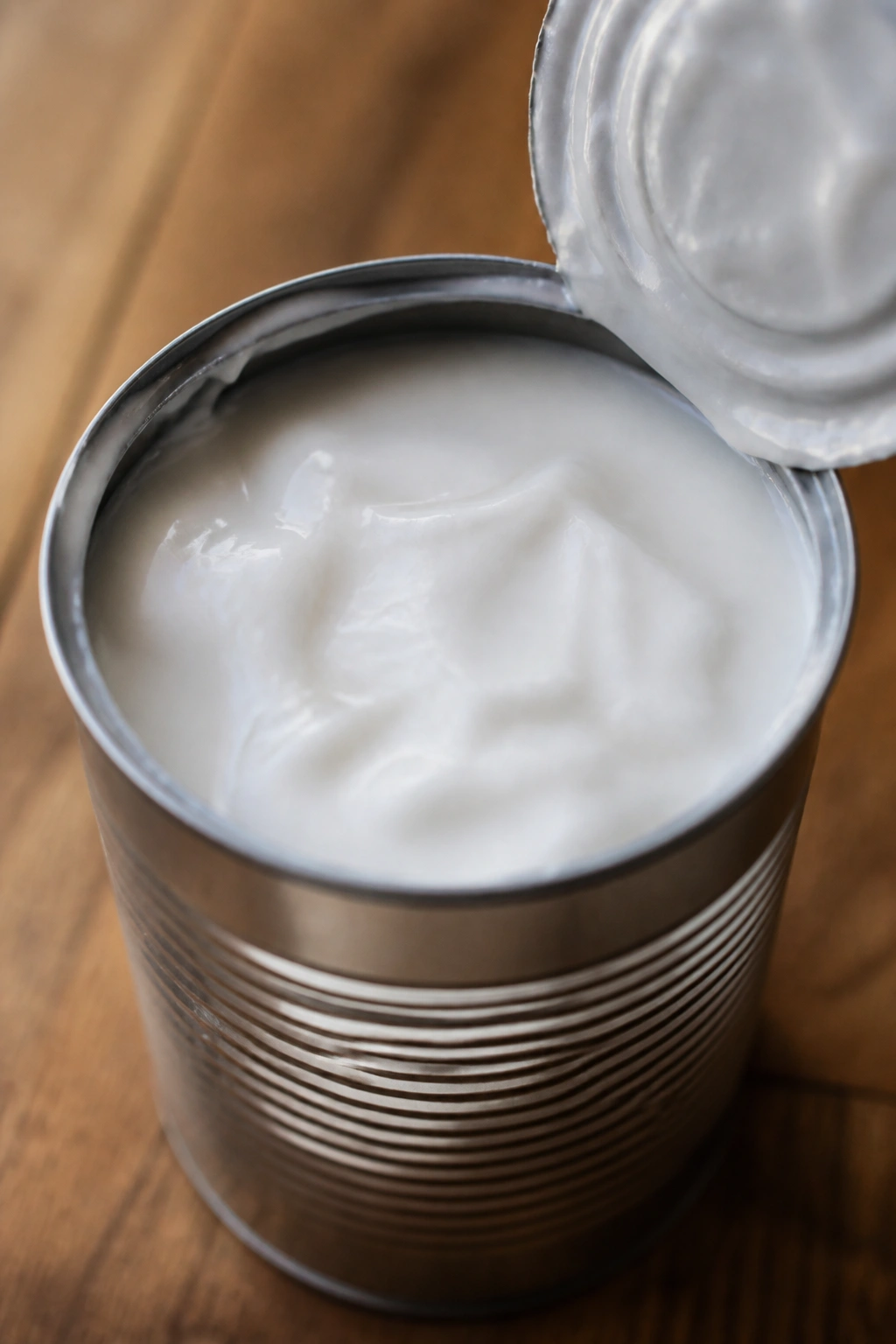
Full-fat canned coconut milk is extremely calorie-dense. It is not something you drink by the glass, but adding it to curries, smoothies, or oatmeal is a fantastic way to boost the fat content of your meals.
Creamy Comfort
It adds a rich, creamy texture that makes food feel more indulgent. If you are doing a stir-fry, use coconut milk as the base for the sauce. You get the calories from the fat, and the flavor profile is perfect for savory dishes.
24. Hummus
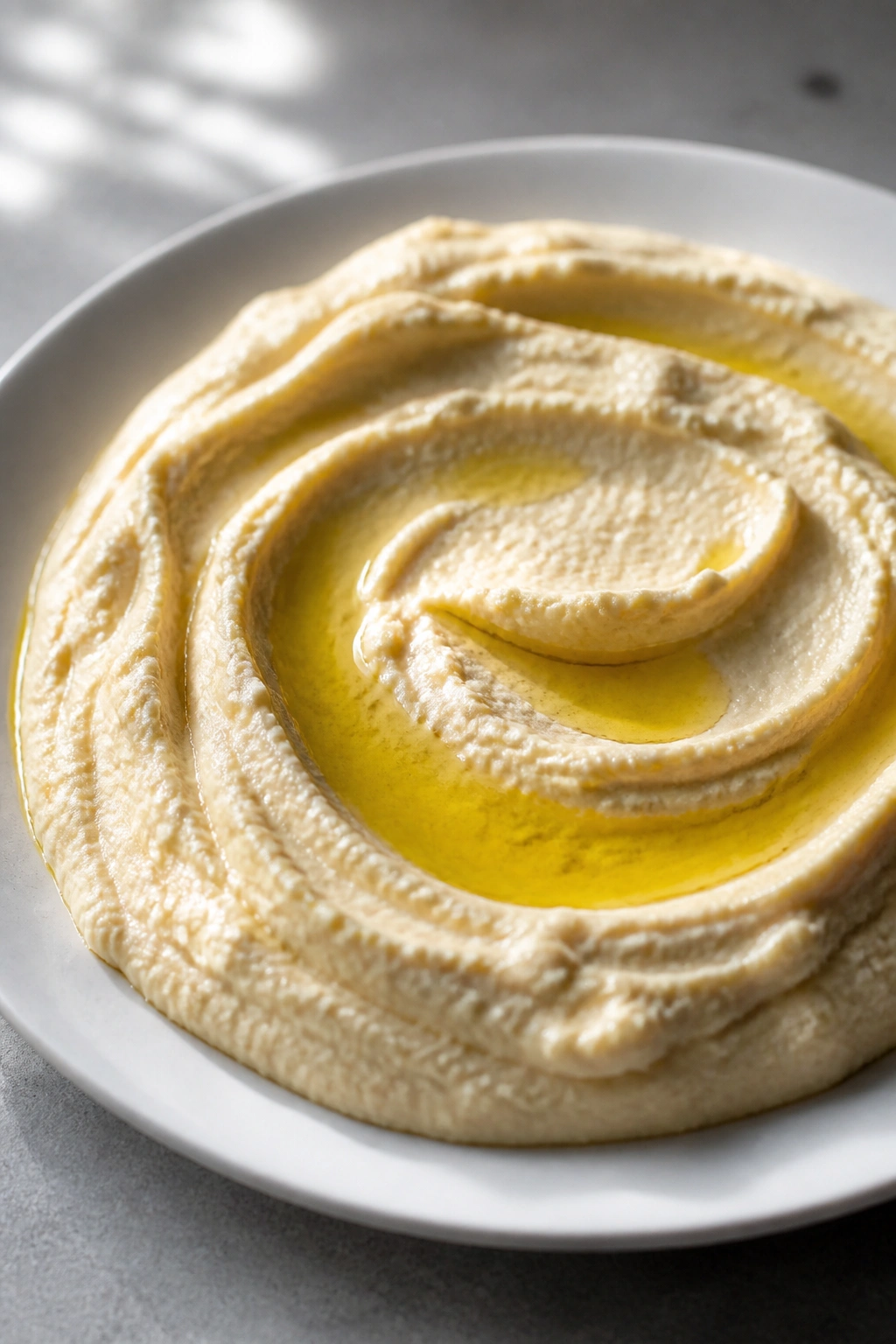
Hummus is a blend of chickpeas, tahini (sesame paste), and olive oil. It is a trifecta of carbs, fat, and a little protein. It is one of the best snacks available for a bulk.
Dip Everything
Use hummus as a dip for carrots, cucumbers, or whole-grain crackers. It turns a boring vegetable snack into a calorie-dense meal component. You can easily eat a half-cup of hummus, which is a significant calorie intake, without feeling overly full.
25. Whey Protein Powder
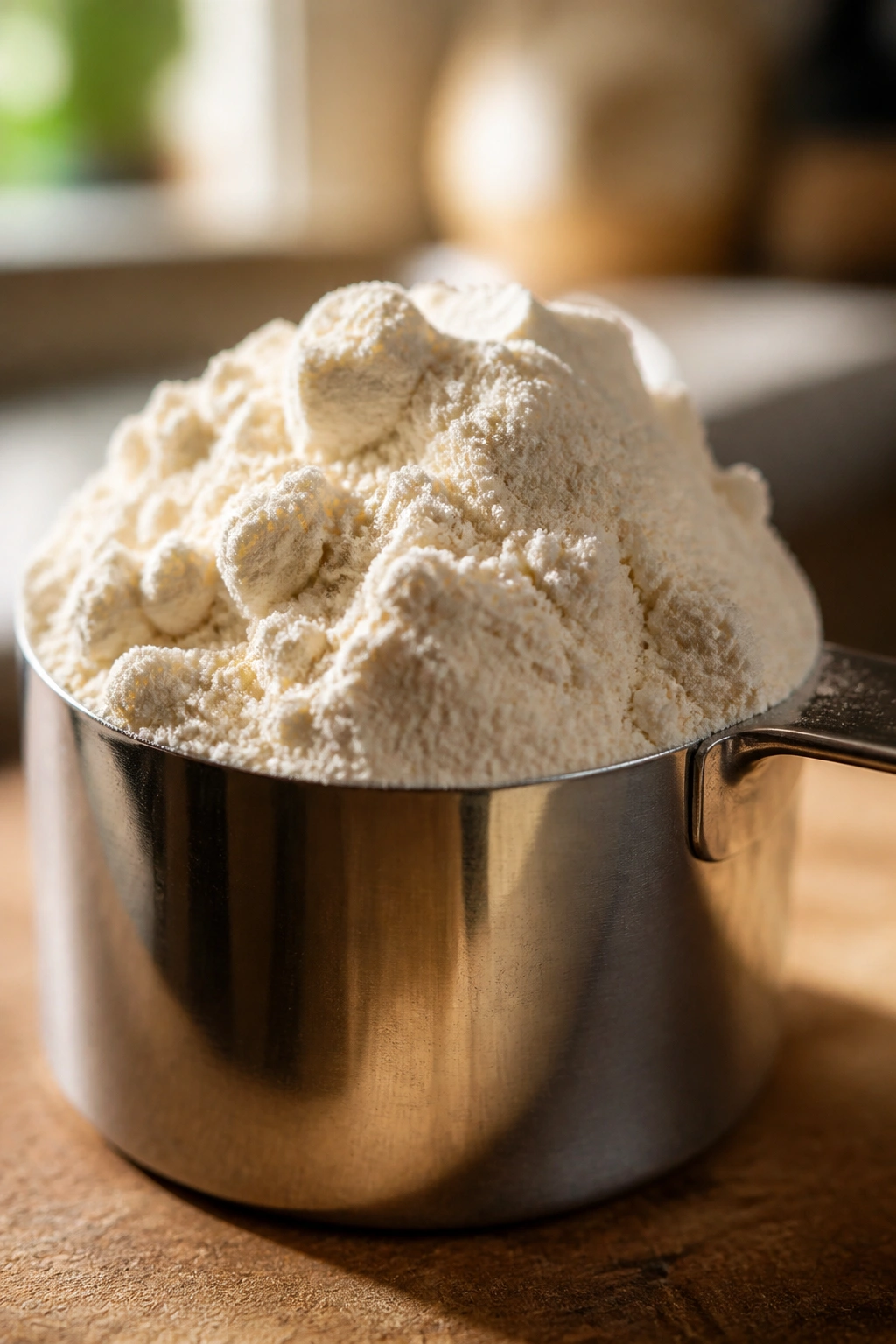
While whole foods should always be your priority, a high-quality whey protein powder is a tool, not a crutch. It is the fastest, easiest way to hit your protein targets after a workout.
Mixing It Up
Do not just mix it with water. Use milk. Add a tablespoon of peanut butter. Add half a banana. Suddenly, you have a 500-calorie shake that tastes like a dessert. It is the easiest way to ensure you hit your protein goals on days when your appetite is low and you just cannot force yourself to eat another piece of chicken.
Final Thoughts
Bulking is a marathon, not a sprint. If you try to eat everything in sight in a single week, you will likely end up with digestive issues and a lot of unnecessary body fat. The goal is to consistently hit a modest surplus, week after week. Use these foods to make that surplus attainable.
Prioritize nutrient density first, but do not be afraid of “easy” calories like liquid shakes, nut butters, and oils when you are hitting a wall. Your performance in the gym is the ultimate indicator of whether your strategy is working. If your strength is climbing and your lifts feel explosive, you are doing it right. Stay the course, keep your food quality high, and let the process of muscle building take its time. Consistency beats intensity every single time, even at the dinner table.
