



A steady weekly routine usually wins over a heroic Monday and a collapsed Thursday. That sounds almost boring, which is exactly why it works. The body likes rhythm more than drama, and most people do better with a plan they can repeat than with a plan that tries to impress everyone in the room.
The trick is to build a week that has shape without feeling like punishment. A few short strength sessions. Some easy cardio. A little mobility. One harder day, maybe two if you recover well. That’s enough to make real progress for most people, and it’s much easier to keep doing when work gets messy, sleep gets short, or your motivation decides to stay home.
I’m a big fan of routines that can survive imperfect weeks. A 20-minute walk still counts. So does a 15-minute dumbbell circuit, a bike ride that keeps your breathing steady, or five minutes of stretching after a long sit. If every session has to be perfect, the whole thing tends to break. If the plan has slack built into it, you keep showing up.
These 25 fitness ideas are meant to plug into a real week, not a fantasy one. Some are hard, some are light, and a few are more like anchors that keep the rest of the schedule from drifting apart. That mix matters. It’s what makes a routine feel steady instead of random.
1. A 20-Minute Brisk Walk Loop
A brisk walk is the most underrated fitness idea on earth. It looks too simple to matter, then you do it three or four times a week and notice your legs feel looser, your head clears faster, and you’re not quite as wiped out by the small stuff.
Pick a route with one little challenge: a hill, a long block, a park loop, or a few flights of stairs. Keep the pace high enough that you can talk, but not sing. If you want a quick check, your breathing should be deeper than usual by the end, yet not frantic. That sweet spot makes the walk count without turning it into a slog.
How to Make It Stick
- Use the same route for two weeks so you can feel progress.
- Wear shoes you’d actually walk in twice a week, not just once.
- Add 5 minutes before you chase speed.
- If weather is rough, walk indoors at a mall, track, or treadmill.
Best use: the day after a harder workout, or the day you can’t face much else.
2. A Two-Day Full-Body Dumbbell Split
Two full-body strength sessions can carry a whole week better than a complicated split that eats your schedule alive. I like this setup because it keeps the main lifts close together, which makes it easier to remember what you’re doing and easier to measure progress.
On day one, choose a squat pattern, a press, and a row. On day two, switch the angles: hinge, overhead press, pull-down or pull-up, maybe a lunge. Keep each move to 2 to 4 hard sets of 6 to 12 reps. That range is simple, and it works.
A Clean Template
- Goblet squat or dumbbell front squat
- Dumbbell bench press or floor press
- One-arm row
- Romanian deadlift
- Overhead press
- Split squat or reverse lunge
Rest 60 to 90 seconds between sets if you’re short on time, or up to 2 minutes if the weight is heavy. Do not chase exhaustion on every set; leave one or two reps in the tank so you can come back next week and do it again.
3. Stair Intervals That Fit Between Errands
Stairs are brutally honest. Ten minutes on a stairwell can teach you more about your conditioning than a long, easy stroll ever will. They also fit into odd pockets of the week, which is half the reason I keep coming back to them.
Try 30 seconds of steady climbing, then 60 to 90 seconds of easy walking back down. Repeat that 6 to 10 times. If you’re new to it, keep the effort at a controlled pace and focus on smooth foot placement instead of speed. The first few rounds should feel manageable. By the last two, your calves and lungs will both have opinions.
Stair intervals are especially good when you want a short session that still feels like training. They also pair well with a walking day, because the total impact stays moderate if you don’t turn every workout into a race.
4. A Short Mobility Flow for Stiff Mornings
Stiff mornings have a way of making everything else harder. A 10-minute mobility flow won’t solve every ache, but it can make your joints feel less creaky and your first workout feel less awkward.
Start with neck circles or gentle nods, then move into shoulder rolls, hip circles, a deep squat hold, and a few controlled spinal twists. After that, do something that opens the hips and hamstrings, like a lunge with a reach or a seated forward fold with bent knees. Keep the pace slow. This is not a sweat session.
A good mobility flow should leave you feeling more open, not tired. That’s the point. If you finish and your body feels warmer, looser, and a little taller, you did it right.
5. A Zone 2 Bike Ride That Never Feels Punishing
Easy aerobic work has a place in almost every week. A bike ride at a conversational pace is one of the cleanest ways to get it. You can build stamina, clear out the stiffness from hard training, and spare your joints from extra pounding.
The effort should sit in a range where you can talk in full sentences without gasping. That usually means 20 to 45 minutes, depending on your base. If you track heart rate, keep it comfortably below the hard-training zone. If you do not track anything, use your breathing and the “could I keep this up?” test.
This is the session I’d keep for the busiest weeks. It gives you a useful training effect without making you dread the next workout. And unlike a hard spin class, it doesn’t leave you cooked.
6. A Push-Up and Row Circuit at Home
This is the kind of home workout I trust when time is tight and equipment is limited. Push-ups and rows hit opposite sides of the upper body, which keeps the session balanced instead of turning it into another chest-only grind.
Do 8 to 15 push-ups, then 8 to 12 rows per side with a dumbbell, band, or backpack. Rest 30 to 60 seconds and repeat for 3 to 5 rounds. If full push-ups are rough, elevate your hands on a bench or couch. If rows feel too light, slow the lowering phase to 3 seconds.
What Makes It Work
- The push trains pressing strength.
- The row keeps shoulders happier.
- The circuit format saves time.
- The short rests keep your heart rate up.
Watch the shoulders. If they start shrugging toward your ears, reset your posture before the next round.
7. A Recovery Yoga Session After a Heavy Day
Not every session needs to feel like a test. A recovery yoga routine can be the difference between dragging around with stiff hips and actually moving well the next day.
Keep it gentle. Think child’s pose, low lunge, pigeon variation, cat-cow, and a slow hamstring stretch. Hold each position for 20 to 40 seconds and breathe through your nose if you can. The goal is to soften, not to win a flexibility contest.
I like recovery yoga after lower-body strength work or a long run, when the legs feel heavy and the lower back starts talking back. It’s also a smart evening session because it can lower the volume on the whole day. That calm matters.
8. Hill Sprints or Fast Incline Walks
Short hills change the feel of a week fast. They build power, wake up your glutes, and push your heart rate up without needing a long workout. But they need respect. Sprinting recklessly on flat ground is one thing; charging uphill with decent form is cleaner and usually kinder on the joints.
Start with 6 to 8 efforts of 10 to 20 seconds. Walk all the way back down, breathe normally, then go again. If you’re not ready for true sprints, use a steep incline on a treadmill and power-walk hard for 30 to 45 seconds instead. That version still bites.
The best part? You can keep the whole session under 20 minutes. That makes it easier to slot into a weekly routine without turning your calendar inside out.
9. A Core Session Built Around Carries and Planks
A lot of people treat core work like endless crunches. I think that’s a waste. A better core session teaches your torso to stay steady while the rest of you moves, which is what actually happens in daily life and in most lifts.
Use front planks, side planks, dead bugs, suitcase carries, and farmer carries. Do each for 20 to 40 seconds, or carry a heavy dumbbell for 20 to 30 steps per side. Two to four rounds is enough. If your lower back takes over, shorten the hold and clean up your position.
A Simple Order
- Dead bug for control
- Plank for bracing
- Side plank for anti-tilt strength
- Carry for real-world tension
This is quiet work. It won’t feel flashy, but it makes almost everything else feel more stable.
10. A Lower-Body Day With Squats, Hinges, and Lunges
If your week needs one meat-and-potatoes strength session, make it this one. Squats, hinges, and lunges cover the legs in a way that feels complete without becoming endless.
A basic version looks like this: 3 sets of squats, 3 sets of Romanian deadlifts, and 2 to 3 sets of lunges. Keep the reps between 6 and 12. Rest long enough to keep your form sharp, because sloppy leg work gets ugly fast. If you’re using bodyweight only, slow the tempo down and make each rep deliberate.
I like this session on a day when you’ve got enough energy to train, but not enough patience for a complicated plan. It’s direct. It does the job.
11. A Dance Cardio Session in Your Living Room
Dance cardio sounds playful because it is, but it can also be sneaky hard. Ten minutes in, your shoulders are warm, your calves are awake, and your breathing is deeper than you expected.
Pick music with a clear beat and move continuously for 15 to 30 minutes. Don’t worry about looking good. That’s a trap. What matters is that you keep moving your feet, change direction, and let your arms work. A few quick squats or knee lifts between songs keep the whole thing from turning too easy.
This is one of my favorite options for people who hate “exercise” but can handle movement that feels like a party. It’s also a solid low-pressure way to keep a weekly routine from getting stale.
12. A Rowing Machine Workout That Builds Engine Fast
Rowing gives you a lot for the time you put in. Legs, back, arms, lungs. It’s efficient and a little unforgiving, which I mean as a compliment.
A Good Starter Setup
- 5 minutes easy rowing
- 6 rounds of 1 minute hard, 1 minute easy
- 5 minutes easy cool-down
Keep the hard minutes smooth, not frantic. The stroke should feel like a powerful leg drive followed by a clean pull, not a yanking match with the handle. If you row like you’re trying to win a fistfight with the machine, your form falls apart fast.
Short rowing workouts are useful when you want measurable effort without pounding your joints. They also make it easier to track progress because distance, pace, and split time are easy to compare from one week to the next.
13. A Pilates-Style Core and Posture Session

A Pilates-style session is a nice reset when your week has too much sitting and not enough controlled movement. The work is slower, but don’t confuse slower with easy. Your abs, hips, and upper back will know the difference.
Focus on dead bugs, bird dogs, leg lowers, glute bridges, and controlled roll-downs. Keep the reps clean and the range honest. If your lower back arches to cheat the movement, shorten the range. That’s not a failure; that’s good training.
Why I Keep It Around
It helps with posture. It makes bracing easier. And it keeps the smaller stabilizers from getting lazy.
You can use this session on a recovery day or after a walk. Twenty minutes is enough. More is fine, but not necessary.
14. A Kettlebell Swing and Get-Up Combination
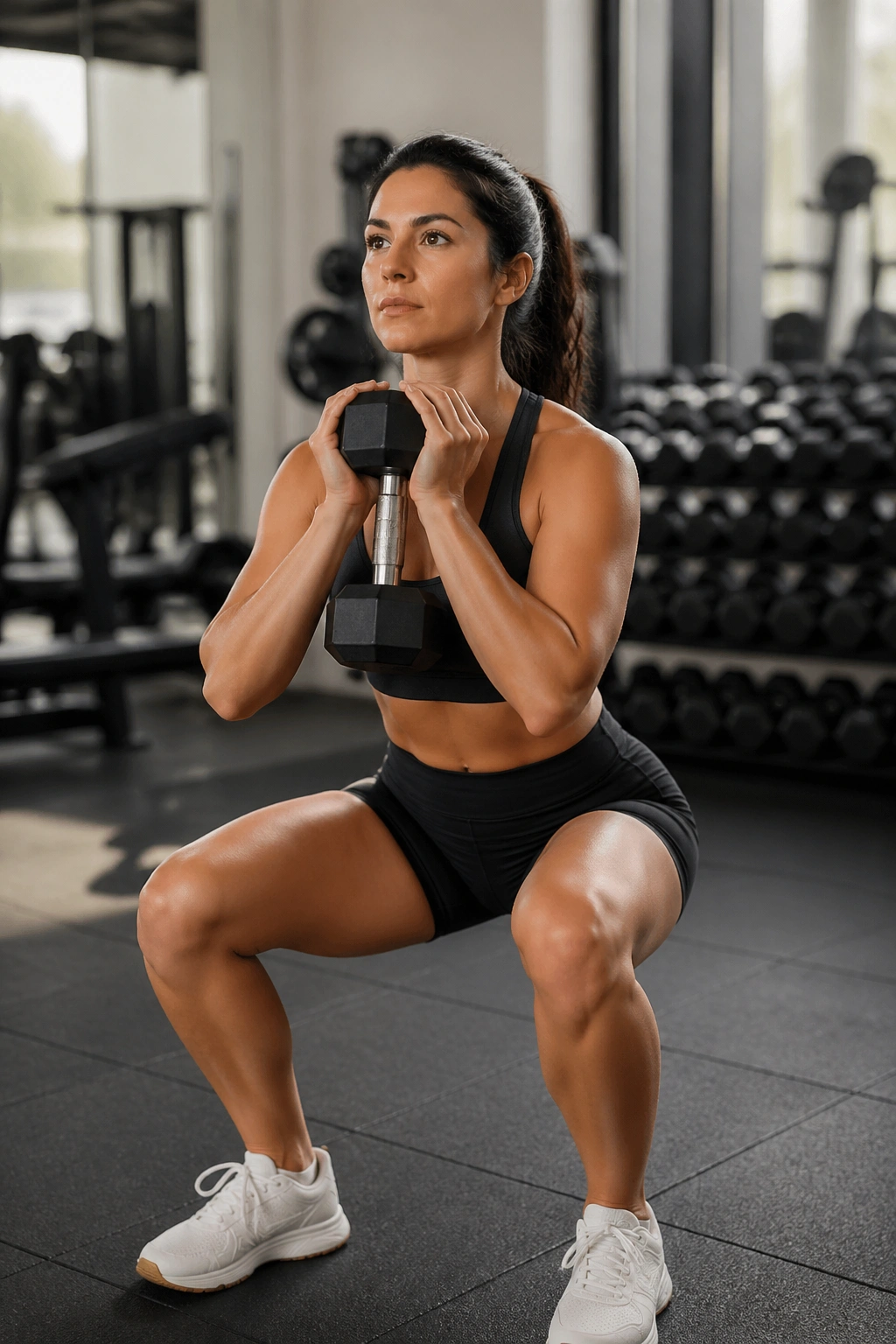
Few sessions feel as complete in so little time. Kettlebell swings hit the hips hard, and get-ups teach control, balance, and shoulder stability in a way that plain cardio never will.
Start with 10 swings, then 1 get-up on each side. Rest as needed. Repeat for 5 to 8 rounds. If you’re newer to the pattern, use a lighter bell and practice each piece separately before you combine them. The swing should pop from the hips, not lift with the arms. The get-up should feel slow and careful.
This is the kind of workout I’d keep for a week when I want strength and conditioning in the same package. It’s efficient, and it doesn’t waste motion.
15. A Weekend Hike or Ruck With a Set Distance

A long walk in the woods, on trails, or around town can do more for your weekly consistency than another indoor workout you hate. Add a light pack and you’ve got a ruck, which bumps up the challenge without asking your body to sprint.
Pick a distance you can actually finish without limping home—2 to 5 miles is enough for most people starting out. Keep the pack light, around 5 to 15 pounds at first. If your shoulders start rounding or your stride gets sloppy, the load is too much.
Keep an Eye On
- Foot comfort
- Pack fit
- Pace you can sustain
- How your calves feel the next day
The point is not to prove anything. It’s to build a habit that gives you fresh air, steady effort, and a cleaner head by the end.
16. A Tempo Run That Teaches Pacing
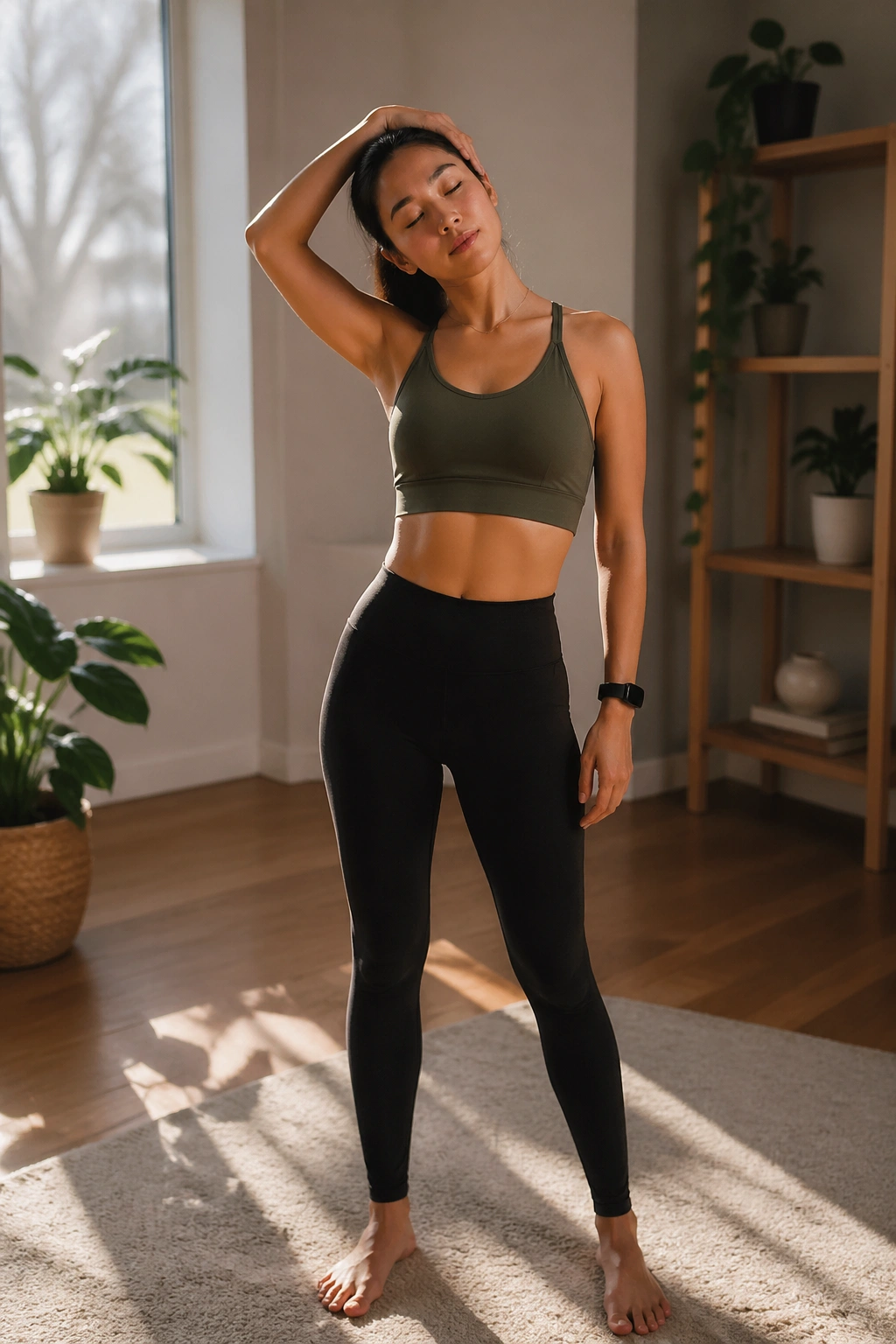
A tempo run sits in that useful middle space between easy jogging and full-speed work. It teaches you how to hold a tough pace without blowing up, which is a skill a lot of runners never practice enough.
Warm up for 10 minutes, then run 10 to 20 minutes at a pace that feels controlled but uncomfortable. You should be breathing hard, yet still able to keep the pace from the first mile to the last. Cool down with another 5 to 10 minutes of easy jogging or walking.
I like tempo runs because they’re honest. Go out too fast and the workout turns ugly. Start too slow and you won’t get much from it. Find the middle and hold it.
17. A Single-Leg Balance and Stability Session

Most people are stronger on one side than they think. Single-leg work shows you the truth fast, and it’s useful truth. Balance, ankle control, hip stability, all of it matters when you walk, run, climb stairs, or lift weight off the floor.
Try split squats, step-downs, single-leg Romanian deadlifts, and single-leg calf raises. Use a wall for balance if needed. Work for 2 to 3 sets of 8 to 10 reps per side, moving slowly enough that the standing leg has to do the real work.
A session like this looks small on paper. It isn’t. If your knees wobble or your foot collapses inward, you’ve found something worth fixing before it turns into a bigger problem.
18. A Pull-Up or Lat Row Progression Day
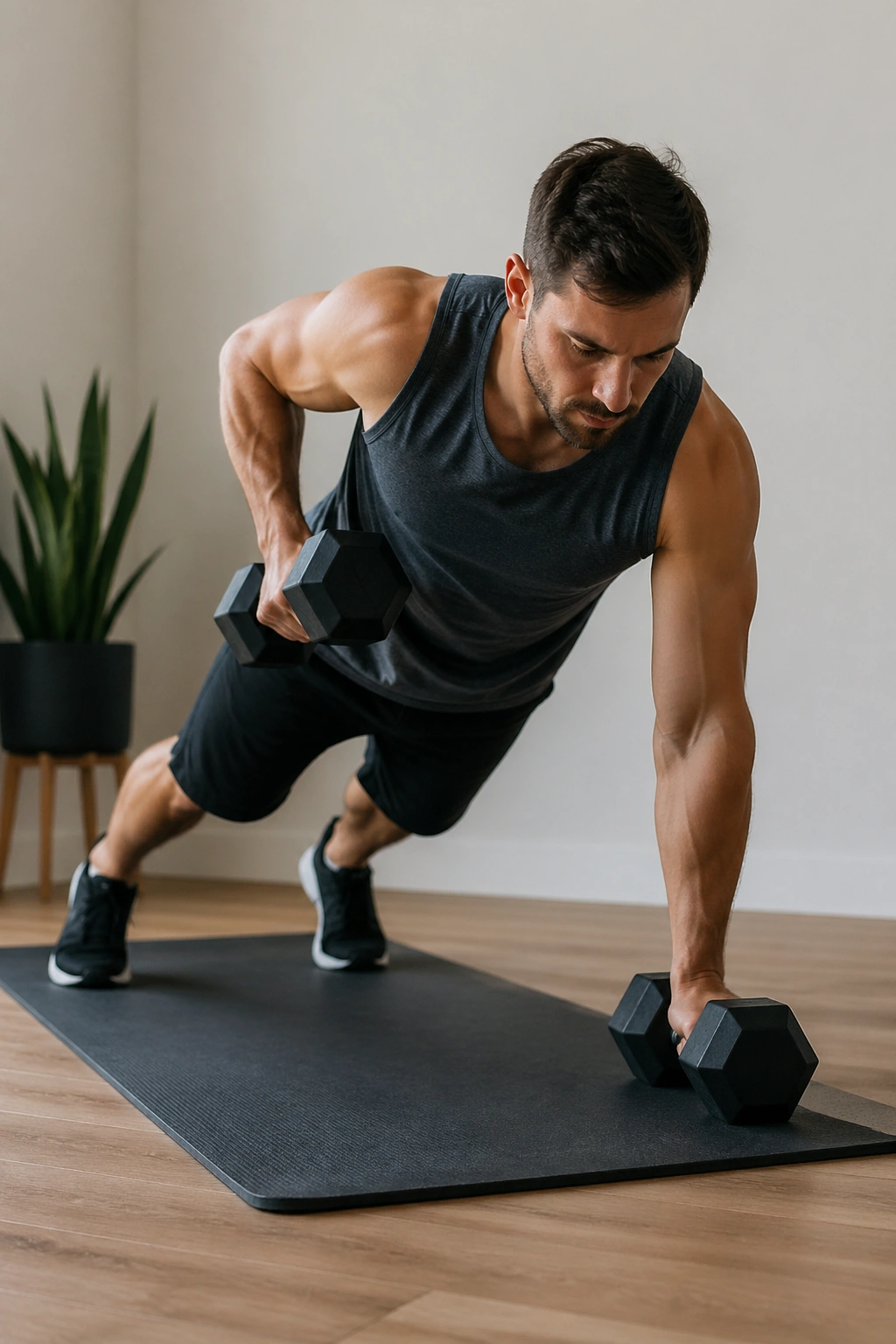
If your back work has been drifting, give it its own day. Pulling strength gets ignored when people only chase push-ups and presses, and that’s a good way to end up lopsided.
Start with assisted pull-ups, banded pull-downs, inverted rows, or one-arm dumbbell rows. Use 3 to 5 sets of 5 to 10 reps. Keep the shoulder blades moving cleanly: down and back on the pull, controlled on the way down. If full pull-ups are too much, do slow negatives or hold the top position for 5 to 10 seconds.
A Simple Progression
- Week one: 3 sets of 5 assisted reps
- Week two: 3 sets of 6 assisted reps
- Week three: add a pause at the top
- Week four: reduce assistance a little
That kind of slow progress is boring in the best way.
19. A Shadowboxing Workout for Cardio and Coordination
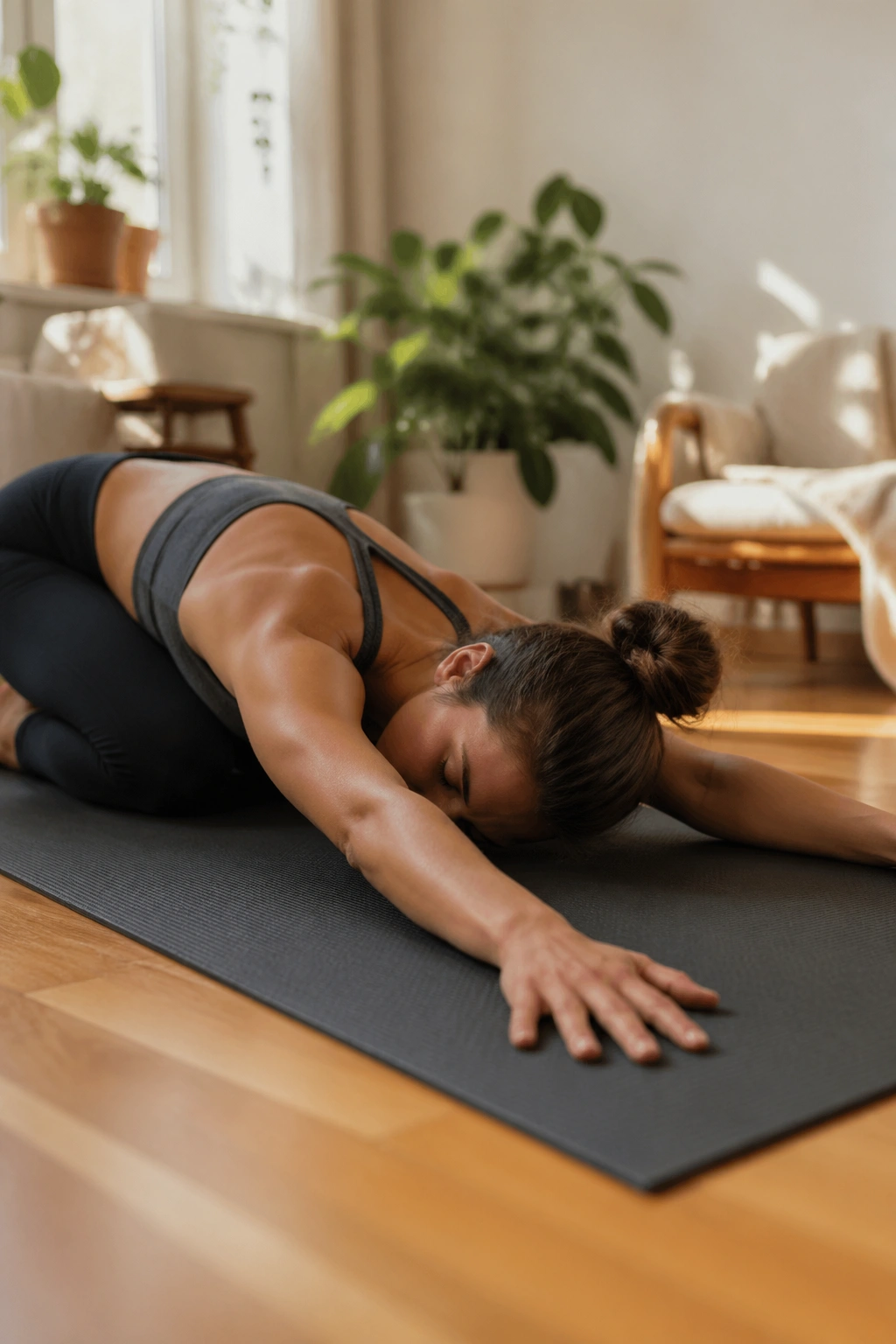
Shadowboxing is one of those workouts that feels almost too simple until your shoulders start burning and your feet get tangled. It’s cardio, coordination, and rhythm all at once.
Set a timer for 2 to 4 minute rounds, with 30 to 60 seconds of rest. Move around, throw straight punches, add hooks, slip side to side, and keep your hands coming back to your face. You do not need to be fancy. Clean footwork matters more than flashy combinations.
I like this for a week that feels mentally heavy. There’s something useful about punching the air for a few rounds. It clears out the static.
20. A Swim Session That Feels Easy on Joints

Swimming is a gift when your knees, ankles, or back need a break from impact. It still asks for effort, but the water takes some of the load off, which changes everything.
If you’re not a strong swimmer, keep it simple: 10 laps easy, rest, 6 laps a little faster, rest, then 10 laps easy again. If you’re more experienced, use intervals based on time, like 8 x 50 meters with short rests. Stay relaxed between efforts so your stroke doesn’t turn choppy.
The best swim sessions feel smooth rather than frantic. If you come out of the pool with that clean, tired feeling in your shoulders and lungs, you’ve done enough.
21. A Farmer Carry and Grip Day
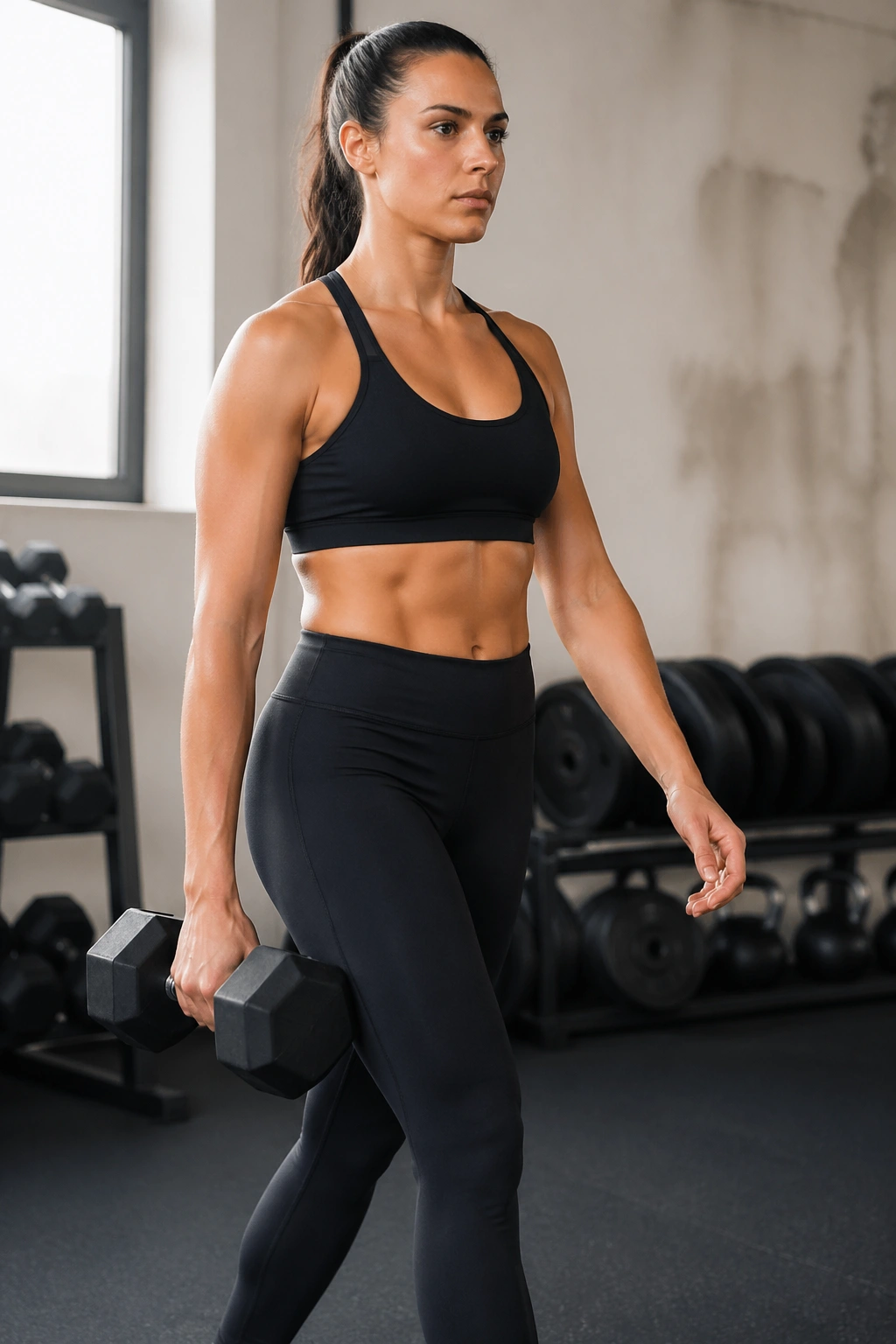
There’s something satisfying about carrying heavy things on purpose. Farmer carries train grip, posture, and core tension at the same time, and they don’t require much setup.
Grab two dumbbells or kettlebells, stand tall, and walk 20 to 40 steps. Rest, then repeat for 4 to 8 rounds. If you only have one heavy weight, do suitcase carries on one side at a time. Your body will try to lean away from the load; resist that urge and keep your ribs stacked over your hips.
This is one of the most practical strength ideas on the list. It helps with groceries, luggage, yard work, and any session where your grip usually gives up early.
22. A Meal-Walk Habit After Breakfast or Dinner
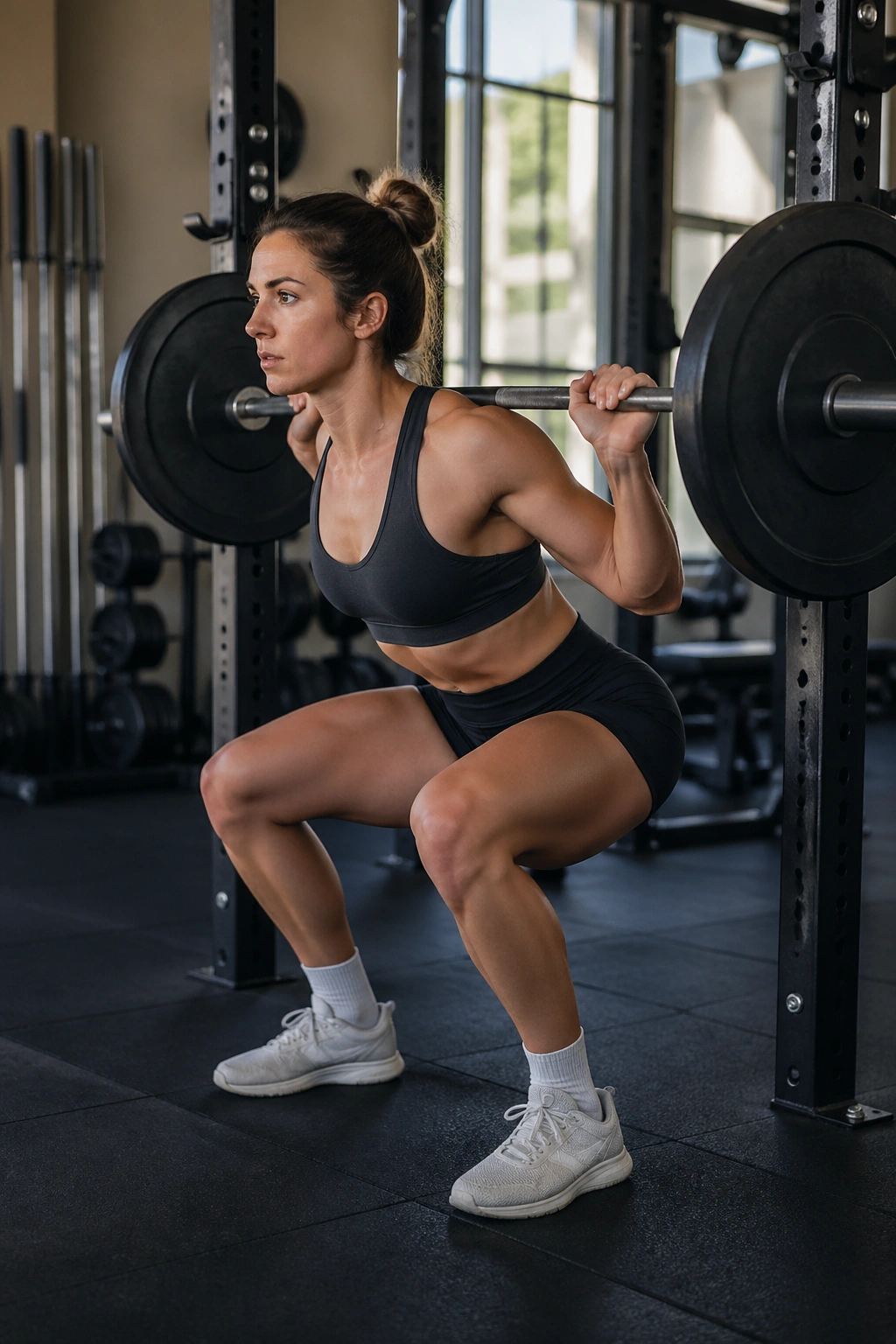
This one sounds modest because it is. A short walk after eating can become the easiest anchor in your week, and easy anchors are worth their weight in gold.
How to Build It
- Walk 5 to 10 minutes after breakfast.
- Or walk 10 to 15 minutes after dinner.
- Keep the pace light, not aggressive.
- Use the same shoes every time so the habit feels automatic.
You can count this as movement, not a workout in the sweaty sense. That’s fine. The win is consistency. A tiny daily walk keeps your total weekly activity from falling apart on crowded days, and it often leads to a longer walk once you’re out there.
23. A Light Full-Body Circuit on Busy Days
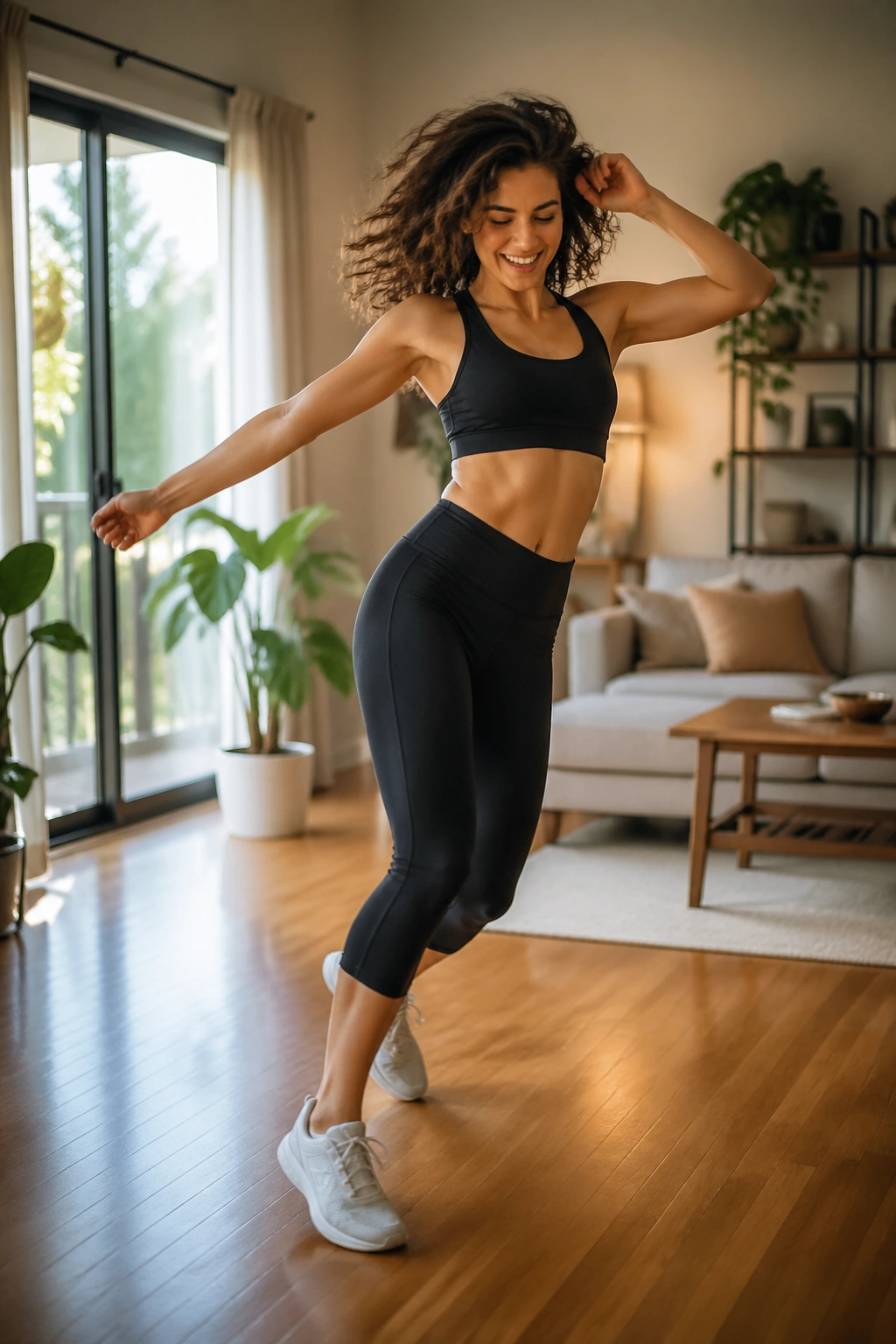
When a week gets messy, a light circuit saves the whole thing from turning into nothing. This is not the day to chase records. It’s the day to touch every major movement pattern and keep momentum alive.
Pick five moves: squat, push, hinge, pull, and carry or core. Do 30 to 40 seconds of work on each, then rest 20 to 30 seconds before the next one. Repeat for 3 rounds. A backpack, resistance band, dumbbells, or even bodyweight is enough.
Keep the effort moderate. You should finish feeling activated, not flattened. That distinction matters. If you overcook this session, it stops being the rescue plan it’s supposed to be.
24. A Weekly Benchmark Workout to Track Progress
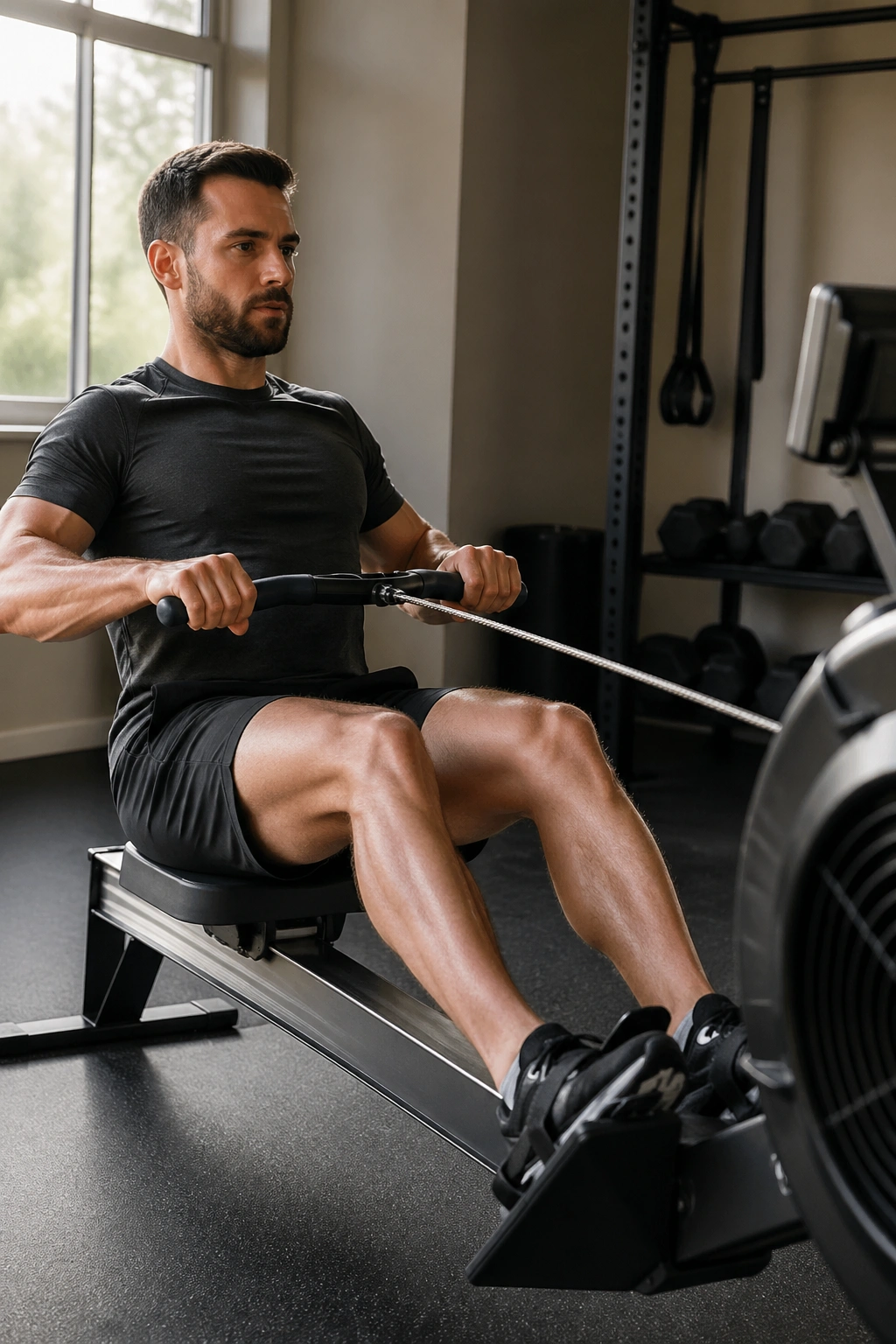
Do you need a benchmark? Maybe not every week, but enough to know whether the plan is doing anything. A small test session cuts through guesswork and makes the whole routine feel less vague.
Pick one repeatable workout: 1-mile walk time, max push-ups in 2 minutes, 500-meter row time, plank hold, or a fixed dumbbell circuit. Use the same setup each time. Same shoes. Same order. Same rest. If you change the rules, you can’t compare the result.
A Good Benchmark Should Be
- Easy to repeat
- Safe to retest
- Short enough to fit in one session
- Hard enough to matter
I like this idea because progress becomes visible. That’s motivating in a way a random workout rarely is.
25. A Rest Day That Still Includes Five Minutes of Movement
Rest day does not mean doing nothing all day and then wondering why your back feels stiff at dinner. Five minutes is enough to keep your body from turning into a cardboard box.
Stand up. Roll your shoulders. Do 10 bodyweight squats, 10 calf raises, a few hip circles, and a slow walk around the block or hallway. That’s it. No sweat needed. No countdown timer needed if you hate one.
This kind of day matters more than people admit. It protects the weekly routine by making recovery feel active instead of empty, and that keeps you more willing to train hard when the next session comes around.
Final Thoughts
A steady weekly routine doesn’t need fireworks. It needs repeatable pieces that fit your life, recover well, and cover the basics without draining your willpower. That usually means a few strength sessions, a few easy movement days, and one or two harder efforts that you can actually sustain.
If you want the cleanest starting point, pick two strength ideas, two cardio ideas, and one mobility or recovery idea, then repeat that structure for a few weeks before you tinker with it. The real win is not novelty. It’s the boring-looking week that keeps showing up.
