



The first few pages of a fitness diary can look boring. Then a pattern starts showing up: the sessions that felt flat came after short sleep, low water, and a lunch that barely counted as lunch.
That is where a fitness diary earns its keep. Not in the dramatic before-and-after stuff people love to post, but in the tiny clues that explain why one workout felt smooth and the next one felt like you were dragging a sled through wet sand.
You do not need a fancy notebook for this. A paper pad, notes app, spreadsheet, or one of those plain little journals with a pen clipped to the side will do the job if you keep the entries short and honest.
Fine is not useful.
1. Daily Energy Score for Your Fitness Diary

A daily energy score is the fastest way to catch fatigue before it turns into a bad workout. I like this one because it takes ten seconds, and ten seconds is about all most people can spare on a busy morning.
How to score it
Use a 1-to-5 scale and write one short reason beside the number. A 1 means you feel foggy, heavy, and slow to get going. A 5 means you feel sharp, springy, and ready to move without much coaxing.
- 1 = dragging, foggy, or flat
- 2 = below average, but functional
- 3 = steady and normal
- 4 = alert and loose
- 5 = high drive, quick legs, good focus
Add one clue behind the number: sleep, soreness, stress, food, or hydration. That tiny note is where the pattern lives.
My favorite rule: score yourself before coffee, before training, and before you talk yourself into “I’m fine.” That gives you a cleaner read.
2. Workout Session Log That Captures the Real Work

A workout that only lives in your head tends to become a better story than it really was. The log should be plain, almost blunt: exercise name, sets, reps, load, and one line about how the session felt.
Write the top set first, because that is usually the part that matters most. Then jot the rest. If you did three sets of eight squats at 135 pounds and the last two reps on set three turned into a grind, say that. Don’t sand it down into “good session.” Good for who?
A useful session log also catches the boring details that end up mattering. Maybe your rest periods crept from 90 seconds to 3 minutes. Maybe the gym was crowded, so your pace changed. Maybe your warm-up set felt stiff until rep four. Those notes sound small. They are not.
Keep it ruthless. If the note can’t help you make the next workout better, it’s probably fluff.
3. Reps-in-Reserve Notes for Lifting Days

People love chasing numbers, then wonder why progress stalls. Reps in reserve, or RIR, keeps that from happening by forcing you to write how close a set really came to failure.
A set with 3 RIR means you could have done three more clean reps. 1 RIR means one more rep was there, maybe two if you were feeling brave. 0 RIR means you hit failure or landed right on its edge. That one detail tells you a lot more than “felt hard.”
How to use it
After your hardest set, write the reps, the load, and the RIR estimate. A line like “Bench press 185 x 5 @ 1 RIR” gives you more training value than a vague “bench went okay.” The next time you repeat that lift, you can see whether the weight moved better, felt easier, or demanded more rest.
Use this especially for compound lifts. Deadlifts, presses, rows, squats. The big ones hide fatigue fast.
One sentence can save a month of guessing.
4. Sleep Notes and Wake-Up Quality

A rough night can turn a normal training day into a frustrating one, and your diary should catch that before you blame your program. I prefer simple sleep notes over obsessive tracking because they are easier to stick with and easier to read later.
Write hours slept, how many times you woke up, and how you felt in the first 15 minutes after getting out of bed. That last part matters more than people think. A person can technically get eight hours and still wake up feeling like they slept under a rock.
You can also note whether you needed extra caffeine to feel normal, whether your joints felt sticky, or whether you had that dull, slow-brain feeling that makes warm-ups drag. Those clues connect fast to performance.
Sleep is not just a recovery box to check. It changes bar speed, patience, coordination, and how much effort a warm-up takes. Write the messy version, not the polite version.
5. Soreness Map for Legs, Back, and Shoulders

A body map sounds fussy until you use it for a week and realize how much easier it is to separate normal soreness from “something feels off.” Marking the exact area beats saying “I’m sore everywhere,” which is usually half true and not very helpful.
Draw a quick outline of your body, front and back, and rate sore spots from 0 to 10. A 2 or 3 is the familiar ache that shows up after training. A 7 or 8 is the kind of soreness that changes how you walk, reach, or sit down. That difference matters.
What to mark on the page
- Quads, hamstrings, glutes, calves
- Lower back, upper back, lats
- Front delts, side delts, triceps, elbows
- Hips, knees, ankles, wrists
You can also add a little symbol for sharp pain, which is not the same as muscle soreness. Sharp pain gets attention. Regular soreness gets patience.
This page works because it turns vague discomfort into something you can actually compare from one day to the next.
6. Body Measurements at the Same Time of Day

The scale has a bad habit of sounding more dramatic than it should. Body measurements give you a quieter, more useful view of progress, especially when you take them under the same conditions every time.
Measure the waist, hips, chest, upper arm, and thigh with a soft tape measure. Use the same spots each time. Same hand placement, same tension on the tape, same time of day if you can manage it. Loose tape gives fake hope. Tight tape gives fake panic.
This is where a diary beats memory. A waist that drops half an inch over several weeks might matter more than a scale that bounces around three pounds after a salty meal or a hard leg day. And a stubborn thigh measurement can tell you that your training is building muscle even when the mirror is slow to cooperate.
Best of all, this page gives you proof when motivation is wobbly. Numbers are not magic, but they are honest.
7. Progress Photos With a Repeatable Setup

Photos are easy to mess up. Different lighting, different posture, different pump, different distance from the camera — and suddenly you think your body changed more than it did. A repeatable setup fixes that.
Take front, side, and back photos in the same spot, with the same light, from the same distance. Use the same shorts, the same shirt, and the same relaxed stance. No flexing unless you also flex every other time. No leaning back to look taller. No slouching to look softer. Just stand there like a normal person.
What makes the comparison useful
The point is not to create a glamorous picture. The point is to make the difference visible when your eyes get used to your own reflection. One week might show nothing. Three or four sets of photos can show posture changes, waist changes, shoulder shape, or leg definition that are hard to notice day to day.
Keep the photo note short: date, time, light source, and anything unusual about the day. A note like “post-workout pump, bright window light” saves you from comparing apples to oranges later.
8. Step Count and Daily Movement Outside the Gym

A hard gym session can fool you into thinking you moved enough for the day. Sometimes you did. Sometimes you sat for nine hours, took one workout, and called it active. A step log keeps that honest.
Write the exact step count from your phone or watch, then add a short note about the day’s shape. Was it a desk day? A long commute? Did you take a 20-minute walk after dinner? That context explains why a training day felt better or worse than expected.
The magic here is not hitting some universal number. The magic is spotting your own pattern. Some people feel best when their daily movement is steady and low-drama. Others do better with one long walk and a shorter session of lifting. A diary shows which one is yours.
If you hate counting steps, track total walk time instead. Same idea. Less fuss.
9. Hydration Notes Inside a Fitness Diary

Water intake sounds boring until your legs feel like concrete halfway through a workout. Then it suddenly feels worth tracking.
Why bother with hydration in a fitness diary? Because dehydration sneaks around wearing other labels. It can look like fatigue, brain fog, low drive, or a workout that feels strangely hard for no obvious reason.
How to keep it simple
Write down one of these:
- Total water in ounces or liters
- Number of bottles or bottles refilled
- Whether you added electrolytes
- If your urine was pale, dark, or somewhere in between
You do not need to turn this into a chemistry report. A short note like “2 liters, one electrolyte packet, thirsty during warm-up” is enough to spot a pattern after a few days.
Track it around training too. Some people drink fine all day and still show up under-hydrated before lifting. That detail matters, especially when the room is warm or the session runs long.
10. Pre-Workout Meal Timing and Fuel Notes
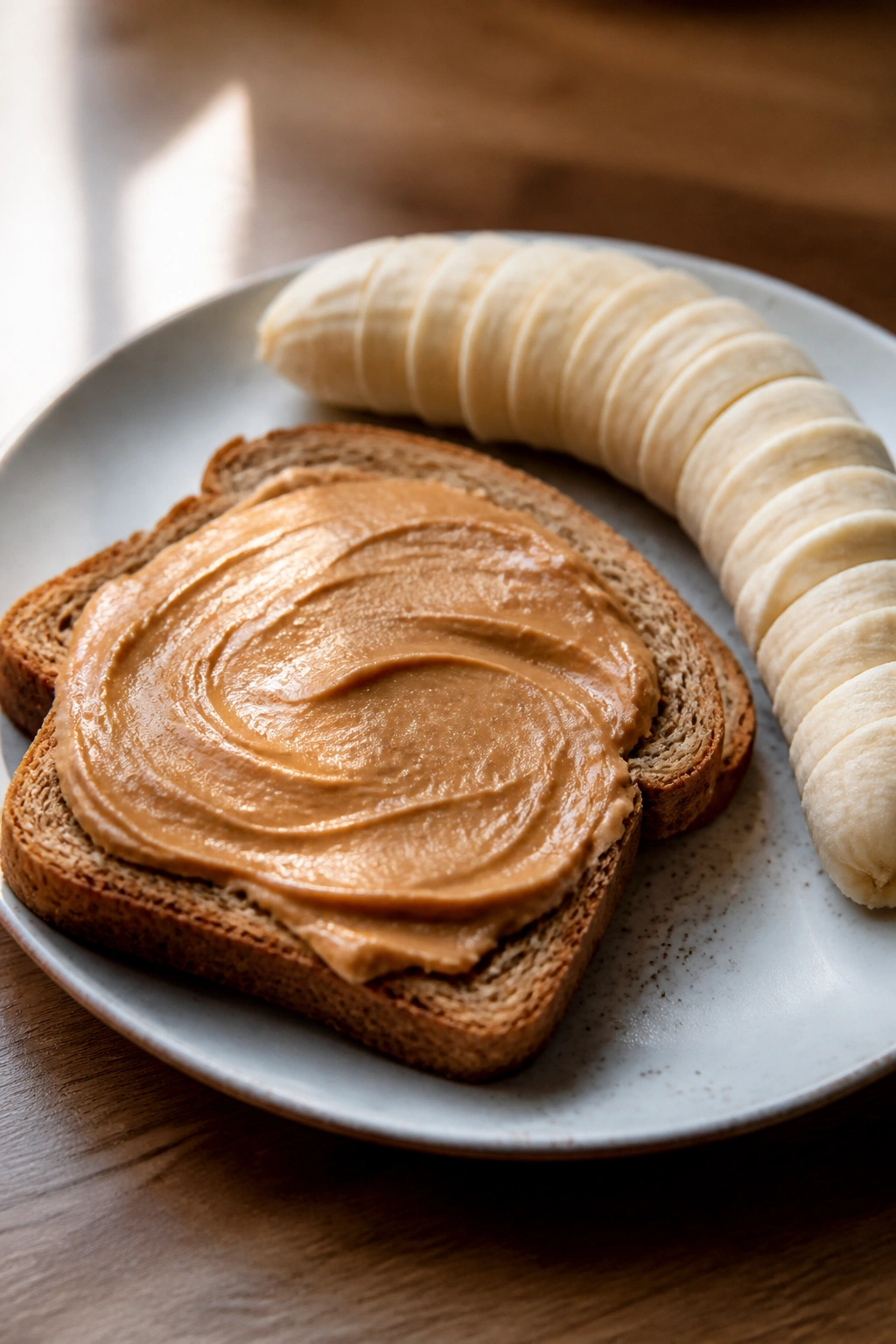
I have seen plenty of people blame their program when the real problem was that they trained after a weird meal. Too little food, too much food, or food too close to the session can all change how training feels.
Write what you ate, how long before the workout you ate it, and how your stomach felt during warm-up. A banana 30 minutes before a run feels different from pasta two hours before squats. A shake can sit beautifully. A greasy meal can sit like a brick.
What to note
- Food type
- Approximate time before training
- Hunger level before the session
- Any stomach slosh, cramps, or heaviness
- Energy midway through the workout
You are not trying to build a perfect nutrition plan here. You are trying to figure out what your body tolerates before different kinds of work. That is a cleaner, more useful question.
One line can be enough: “Toast and peanut butter 45 minutes before lifting, stomach fine, energy dipped near the end.” That is the kind of detail that helps next time.
11. Mood and Stress Snapshot

Mood and stress look soft on paper, but they hit training hard. A tense workday can make your body feel tight before you even touch a barbell, and a low mood can flatten effort even when your muscles are fine.
Keep this page almost embarrassingly simple. Rate mood from 1 to 5, rate stress from 1 to 5, and add one note about what pushed the number up or down. Maybe it was a bad commute. Maybe it was a calm morning. Maybe nothing dramatic happened and you still felt off. That happens too.
The point is not to pathologize your life. The point is to stop pretending every poor session came from your program. Sometimes your nervous system was busy before the workout started.
Mood tracking also helps with consistency. If you notice that you skip more sessions after stressful days, you can plan shorter workouts, lower expectations, or a lighter warm-up instead of quitting the whole day.
12. Warm-Up and Mobility Streak

A long mobility routine looks noble. It also tends to vanish when you’re late, tired, or annoyed. A streak tracker keeps the useful pieces alive without turning warm-up into a second workout.
Compare two approaches. One is a giant 20-minute stretch block that you swear you’ll do and then skip after a bad commute. The other is a tight 5-minute sequence you actually repeat. The second one wins more often because it is easier to protect.
A simple streak page might include
- 3 minutes of brisk walking or cycling
- 1 hip drill
- 1 shoulder drill
- 1 movement prep for the day’s main lift
Mark an X each time you complete it. That’s enough. No essay required.
The value comes from repetition. The same warm-up, done often, teaches your body what training feels like. It also makes your notes cleaner, because you’re starting from a more consistent place.
13. Heart Rate and Recovery Markers
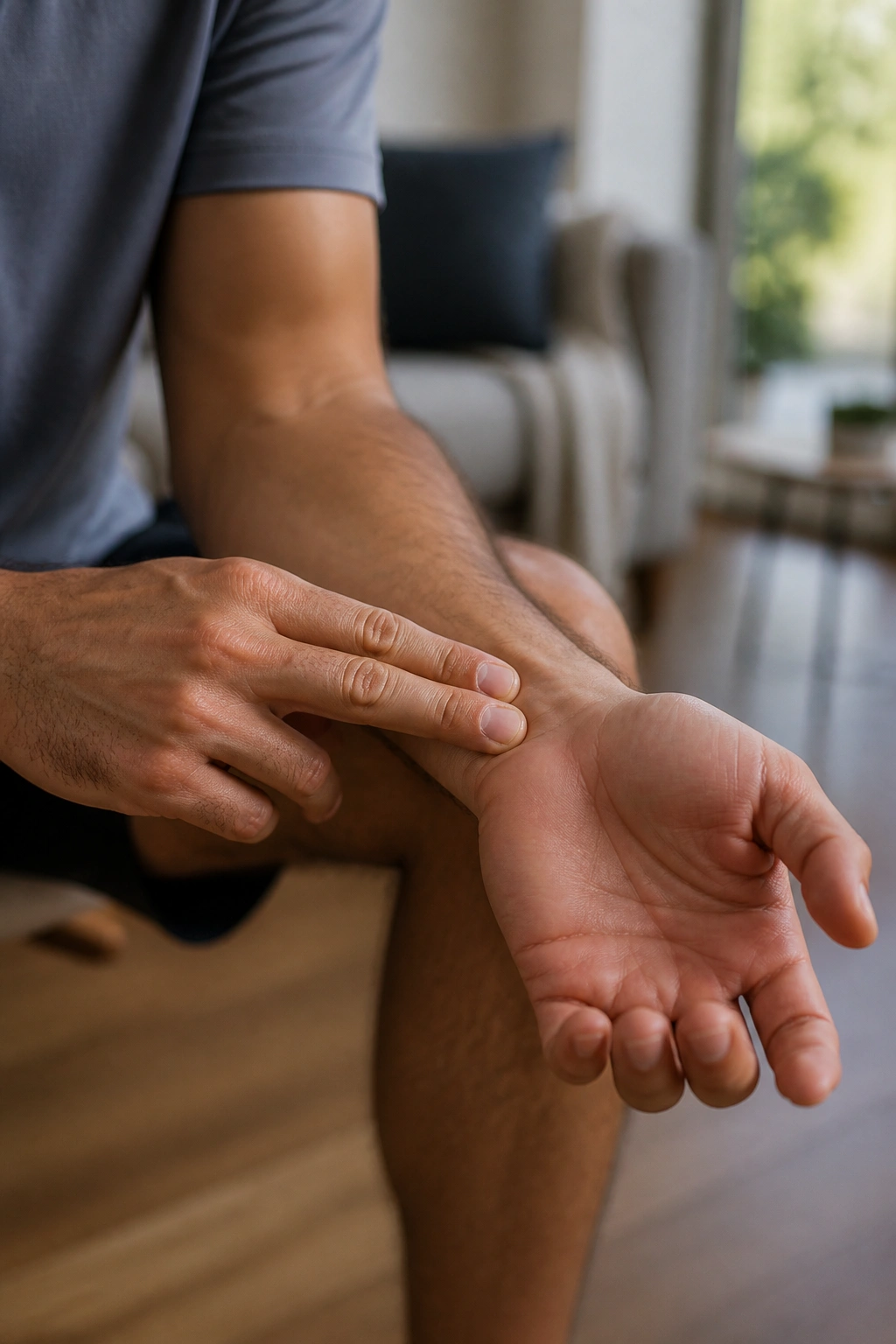
Heart rate gives you a window into fatigue that the mirror cannot. If you track it in a simple way, it can show whether your body is recovering, stressed, or just having an ordinary noisy day.
A practical diary note might include resting heart rate, heart rate after one minute of recovery, or the pulse you see after a steady walk, bike, or run. You do not need a chest strap if you do not have one. A watch or even a manual check can still teach you something.
Why this page matters
If your resting number stays higher than usual for several days, that can line up with poor sleep, low fuel, sickness, or training fatigue. If your heart rate drops quickly after exercise, that often suggests you’re recovering better from effort. Not perfectly. Life is messier than that. But patterns still show up.
Keep the note short and consistent. Same time, same body position, same method gives you better comparisons than a fancy device used randomly.
14. Flexibility and Range-of-Motion Check

A flexible body is nice. A body that can move where you need it to move is better. Your diary should track that difference with a couple of repeatable checks.
Pick 2 or 3 movements and test them the same way each week. You might note a deep squat hold, an overhead reach, or a toe touch. Record what side feels tighter, where you stop, and whether the motion feels smooth or stuck.
A nice detail here: write what changed after warm-up versus what never changes. Some stiffness disappears after five minutes. Some does not. That tells you whether you need more general movement or targeted work.
A clean entry might say
- Left ankle felt stiff
- Deep squat got easier after 2 minutes
- Right shoulder still pinches overhead
- Hips felt looser after walking
You’re not chasing perfection. You’re checking whether your joints are giving you enough room to train well.
15. Personal Record Sheet for Lifts and Time Trials

A PR sheet should be clean enough that you can scan it later and know exactly what happened. If your notes are messy, the personal record turns into a scrapbook instead of a training tool.
Why do clean PR sheets matter? Because a true progress marker is more than “I think I did more.” You want the exact lift, the exact rep count, and the exact condition that produced it. That might be a squat triple, a push-up max set, a 2-kilometer row, or a 1-mile run time.
How to write a strong PR entry
- Exercise or test
- Load, distance, or time
- Reps or pace
- RPE or RIR
- One note about setup, shoes, warm-up, or recovery
If you hit a new pull-up max after a long warm-up and a lot of sleep, note that. If the number came during a rough week, note that too. The context is half the story.
A PR is useful. A documented PR is useful for months.
16. Pain, Niggles, and Warning Signs

A fitness diary should tell you when to back off, not just when to push harder. That is why I always like a section for pain, twinges, and the little “hmm, that felt odd” moments that people usually ignore.
A good entry separates muscle soreness from joint pain, sharp pain, and pain that changes your movement. Those are not the same thing. Not even close. If your knee only aches after a hard leg day, that’s one conversation. If your knee catches on the first rep and changes your squat depth, that is another.
What to write
- Exact location
- What movement brings it on
- How strong it feels, on a 1-to-10 scale
- Whether it fades during warm-up or gets worse
- If you changed the session because of it
That last part matters. The diary should show not just the symptom, but the choice you made because of it. Pain you ignore tends to show up in bigger clothes later.
17. Rest Day Reflection Page

Rest days are not empty days. They are where training gets stitched together, and your notes should treat them that way.
A rest day page works best when it is honest rather than noble. Write what actually helped: a walk, more sleep, a lighter meal, a stretch session that felt good, or simply doing less. Write what did not help too. Sitting all day might leave you stiff. A late-night scroll fest might leave you foggy the next morning. That sort of thing.
This page becomes useful when your recovery starts feeling random. It shows which rest-day habits leave you fresher for the next session and which ones just eat time. You may even notice that you recover better with two 15-minute walks than with one long stretch session. Or the other way around.
No need to turn a rest day into a self-improvement parade. Just keep the notes plain.
18. Consistency Calendar With Simple Checkboxes

Some people write paragraphs. Others need boxes. If you are busy, a checkbox grid can keep your training life from slipping through the cracks.
The appeal is obvious: you can mark a day in under five seconds. That makes it more likely you’ll stick with it when the week turns strange. A plain calendar can track workouts completed, steps hit, mobility done, water goals, or bedtime before a certain hour if that matters to you.
Why a checkbox page works
It shows streaks and gaps without making you stare at a blank page. A blank page can feel judgmental. Boxes feel manageable. One checkmark is small, but small wins compound fast when they happen six or seven times in a row.
Keep the categories limited. Four boxes is better than twelve. Too many boxes and the page becomes a chore, which defeats the whole point.
If you need a dead-simple system, use green for done, yellow for partial, red for skipped. That’s enough to spot the pattern.
19. Clothing Fit Check and Waistband Notes

Clothes tell the truth in a way mirrors often do not. A waistline that feels looser, sleeves that sit differently, or leggings that stop fighting your thighs can all show progress before the scale does.
This page is especially useful if your weight swings a bit from water, carbs, or hard training. A belt notch tells a different story than a single noisy weigh-in. Same with jeans that button easier in the morning but not after dinner. That’s normal, so note the context.
What to write down
- Jeans size or belt notch
- Shirt sleeve fit
- Waistband comfort
- How a sports bra, shorts, or leggings feel
- Any piece of clothing that changed noticeably
You can be specific without getting precious about it. “Black jeans easier on the third notch” says more than “clothes fit better.” The more exact you are, the easier it is to trust the note later.
20. Training Split Quality Rating

Not every training day deserves the same amount of praise. Your push day, pull day, leg day, or full-body session may look balanced on paper and still feel wildly different in practice.
A split-quality rating helps you see that. Give each session a 1-to-5 score for how well it matched your goal, how hard it was to recover from, and whether it left you better or just wrecked. That sounds simple because it is.
What makes this different
A regular workout log records what you did. A split-quality note tells you whether the split itself makes sense. If leg day keeps wrecking your next two sessions, that is useful information. If upper body sessions feel stale because the volume is too spread out, same story.
This is the page for adjustments, not ego. You can lower volume, move a heavy lift, or shorten a session based on what your notes show. Sometimes the fix is tiny. Sometimes the split is the problem.
Write one sentence after the score: what you’d keep, what you’d trim, and what you’d repeat.
21. Goal Ladder With Micro Targets

Big goals are fine. They are also lousy at getting you through a random Tuesday. A goal ladder breaks the big thing into smaller steps you can actually check off.
Think of it like this: one top goal, one monthly target, one weekly target, and one daily action. If your top goal is to run 5 kilometers without stopping, the monthly target might be “run 8 minutes continuously,” the weekly target might be “3 runs,” and the daily action might be “put on shoes and start the warm-up.” Simple. Clear. Hard to argue with.
A simple ladder setup
- Big goal
- Monthly checkpoint
- Weekly target
- Daily habit
This page helps because it stops all-or-nothing thinking. You can miss one rung and still keep climbing. That matters on messy weeks, which is most weeks.
The trick is to keep each rung specific enough that you can tell if you did it. “Get fitter” is useless. “Walk 20 minutes after dinner” is useful.
22. Travel and Schedule Disruption Log

Travel, overtime, family obligations, and random life chaos can wreck a clean training rhythm. A disruption log keeps those weeks from feeling like failure.
Write what changed: sleep, hotel bed, long drive, late meetings, missed meals, no gym access, whatever it was. Then write the adjustment you made. Maybe it was a 20-minute bodyweight circuit in a hotel room. Maybe it was two brisk walks and a short mobility session. Maybe you skipped the hard work and preserved energy for the next day.
What to capture
- What disrupted the schedule
- What training you actually did
- What felt harder than usual
- What saved the day
- What you’d do again
This page stops you from pretending every week should look identical. It shouldn’t. A smart diary gives you a record of how you adapted, which is often more valuable than a perfect session you never got to repeat.
23. Form Cues and Technique Reminders

A good form cue can change a lift fast. A bad one can clutter your brain until the movement feels awkward and robotic. A diary page for cues helps you remember the ones that actually worked.
Write one or two cues per lift, not a whole speech. “Brace before you descend” may be all you need for squats. “Drive elbows back” might clean up your row. “Push the floor away” can help a deadlift feel less like a back yank and more like a leg drive. The exact cue matters less than whether it changed the movement in the right direction.
The page also helps you spot cue overload. If you need six reminders to do one lift, something is off. Maybe the load is too high. Maybe the drill is too complicated. Maybe you need a simpler setup.
A short cue list is better than a long motivational speech.
24. Monthly Review Page for Your Fitness Diary

A monthly review page saves you from collecting notes that never get used. You sit down, flip back through the month, and look for the same details showing up again and again.
What improved? What kept annoying you? Which workouts felt best? Which days were dragged down by poor sleep, low food, or too much sitting? That kind of review turns raw notes into a useful map.
A clean review page can ask
- Which three sessions felt strongest?
- Which three sessions felt worst?
- What showed up before good workouts?
- What showed up before bad ones?
- What should I repeat next month?
This is where your diary starts feeling less like paperwork and more like a coach in pencil form. You can spot trends without pretending every day matters equally.
Keep the review short enough that you’ll actually do it. Fifteen minutes is plenty if your notes are decent.
25. What Actually Changed

A good fitness diary does not need to be deep every day. It needs to be honest enough that you can see change when it is still small. That is the whole point of all these pages: catch the signals before they blur together.
The best entries are rarely the prettiest ones. They are the plain notes about sleep, energy, soreness, steps, and whether a lift felt smoother than it did last week. Small, specific details beat dramatic summaries every time.
And if you ever feel stuck, go back to the pages that tell the truth fastest. Energy score. Workout log. Sleep. Recovery. Those four alone can explain a surprising amount. The rest is useful too, but those are the ones I would protect if I had to keep the diary down to a single page.
