



Heat changes the workout.
Hot weather workout routines have to do two jobs at once: build fitness and stop your body from spending every ounce of energy on cooling itself. A session that feels normal on a mild day can feel rude in a heat wave. Same pace. Same shoes. Different planet.
If you have ever stepped outside for a run, felt the humidity hit your face, and noticed your shirt sticking before the warm-up was done, you already know the problem. The fix is not to quit moving. It is to choose sessions that respect the temperature, the sun, and the fact that your heart rate climbs faster when the air feels heavy.
The smartest hot-weather training is rarely flashy. It is usually shorter, a little earlier, a little slower, or done somewhere with shade, water, a fan, or air conditioning. That sounds less dramatic than a heroic noon run on a baked sidewalk. Good. Drama is overrated when the pavement is hot enough to make bad decisions for you.
1. Dawn Brisk-Walk Intervals
A fast walk looks ordinary until the air turns thick. Then it becomes one of the most useful hot weather workout routines you can do, because you can keep your effort up without pounding your joints or cooking yourself before breakfast.
A simple 25-minute format
- Walk easy for 5 minutes.
- Pick up the pace for 2 minutes until you’re breathing harder but still in control.
- Back off for 2 minutes.
- Repeat that cycle 4 to 5 times.
- Finish with 3 to 5 minutes of easy walking.
Keep the route shaded if you can. A tree-lined loop is better than a sunny straightaway, and it usually feels 10 degrees kinder even when the thermometer says nothing changed.
This is the routine I like for very hot mornings, especially if you are trying to stay consistent without turning every session into a grind. The pace should feel brisk, not frantic. You should be able to speak in short sentences, but you do not want to hold a full conversation.
The nice part is how easy it is to scale. Add a small backpack, turn it into a gentle hill route, or trim the intervals down to 90 seconds if the humidity is ugly. No ego. That’s the whole point.
2. Pool Jogging and Water-Walk Repeats
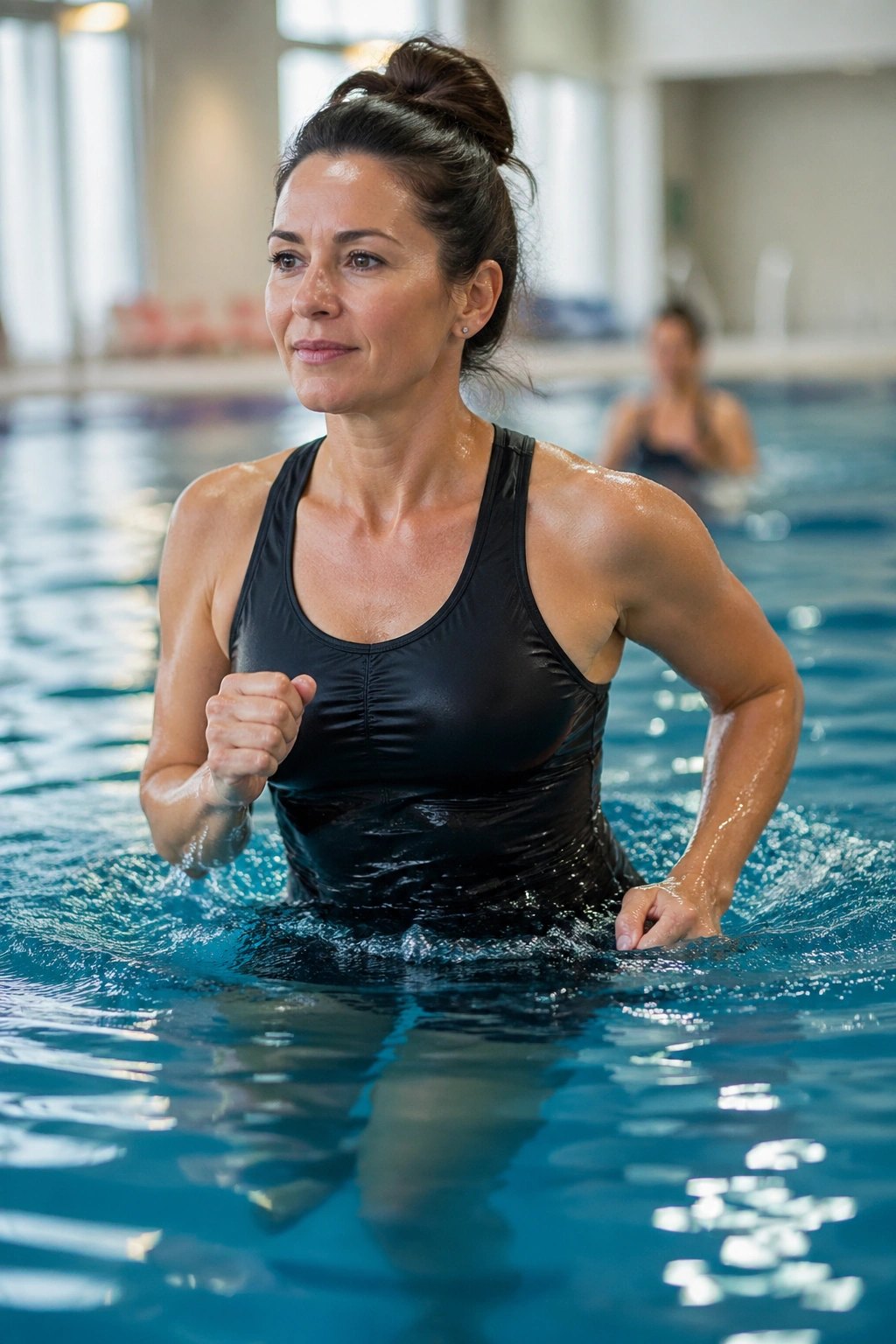
Water is the closest thing to air-conditioning for cardio. Pool jogging works because it gives you resistance without the impact and a cooling layer that keeps the session from feeling like a punishment.
Use the deep end if you know how to stay upright there, or stay in waist- to chest-deep water and move with purpose. A basic set looks like this: 5 minutes of easy water walking, 8 rounds of 30 seconds of fast jogs or high-knee drives, then 60 seconds of slow walking. Finish with another 5 minutes easy.
The big win here is that your muscles still work hard even though your body is not taking the full hit of pavement or direct sun. Your shoulders, core, and legs all have to stabilize against the water. That makes the routine sneakier than it looks from the pool deck.
If you’re the type who gets bored fast, alternate water jogs with side shuffles or backward walking. Just don’t stay out in the sun between sets longer than you need to. Wet skin feels cooler; standing around on a hot deck does not.
3. Shaded Hill Sprints

Sprints are not off the table when it’s hot. They just need a smarter hill. A short incline under trees, beside a building, or on a shaded path changes the whole feel of the workout because it limits top speed and shortens ground contact.
How short to keep them
- Warm up for 10 minutes with walking and easy strides.
- Sprint uphill for 6 to 8 seconds.
- Walk back down slowly for full recovery.
- Repeat 6 to 10 times.
- Stop while your form still looks sharp.
That last part matters. If your knees start flaring out or your stride gets sloppy, the session is done. Heat already makes people sloppy enough.
What makes hills useful is not just the cardio hit. It is the way they force power without asking you to sprint flat out. Your effort climbs fast, but the total distance stays tiny, and that means less time spent baking under the sun. One steep hill can replace a much longer run when the weather is rude.
Skip this if the hill is fully exposed and the pavement is radiating heat. A shaded hill is training. A sun-broiled hill is stubbornness.
4. Indoor EMOM Bodyweight Circuit
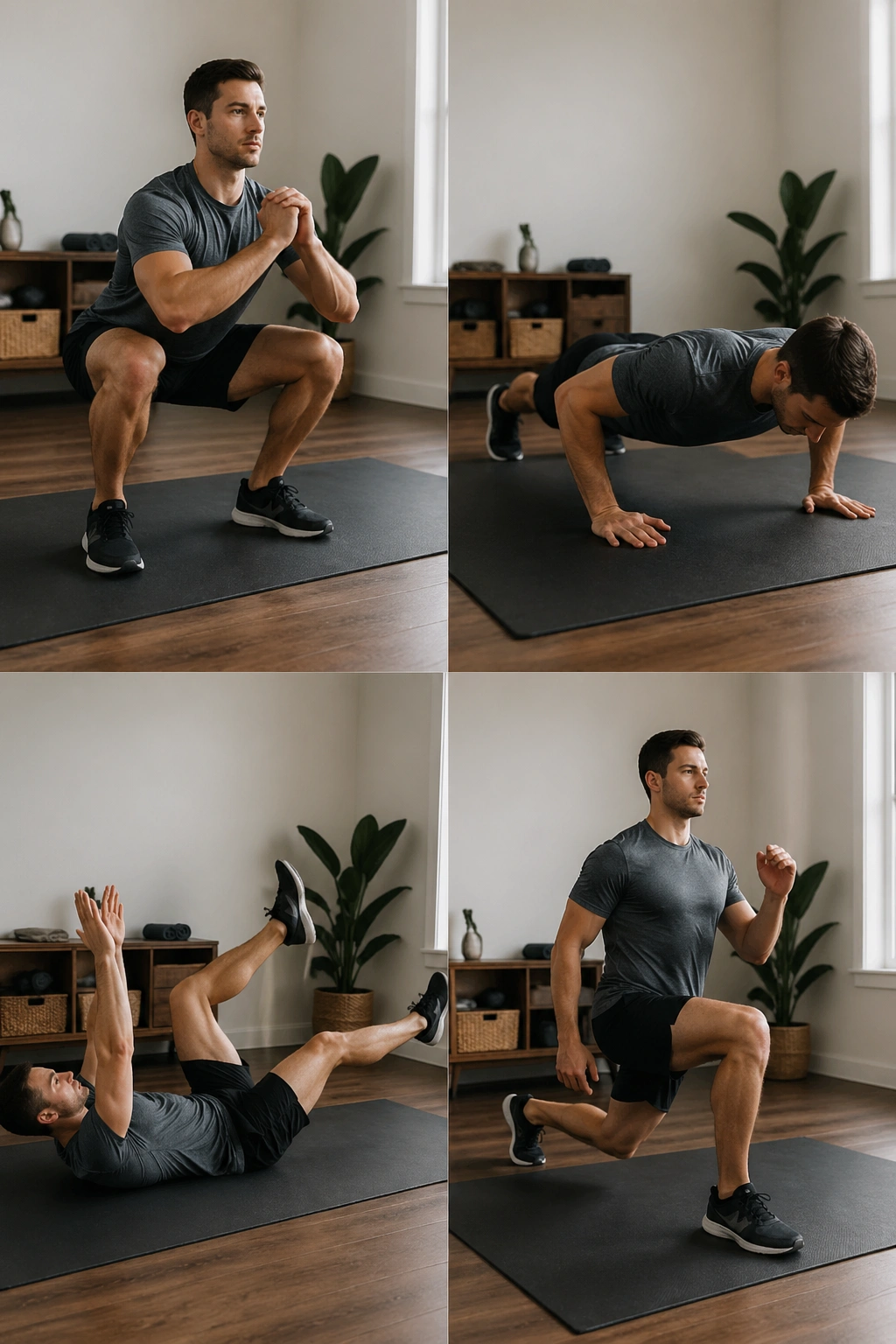
No pool, no shade, no problem? Mostly yes. An indoor EMOM can keep your fitness moving when the heat index makes outdoor training feel dumb. EMOM means “every minute on the minute,” which is a tidy way to pack work into a short block of time.
Try 12 minutes to start:
- Minute 1: 10 bodyweight squats
- Minute 2: 8 push-ups
- Minute 3: 12 dead bugs
- Minute 4: 10 reverse lunges per leg
- Repeat that sequence 3 times
Leave 15 to 20 seconds of breathing room each minute. If you are gasping at the 40-second mark, the reps are too high for the day. Drop them. There’s no prize for turning your living room into a steam room.
A fan helps. A mat helps. So does a floor that does not squeak every time you lunge. The beauty of this setup is that it keeps the work honest without asking for much space or equipment. Short, clean reps beat sloppy heroic reps every time in hot weather.
If you want more variety, swap dead bugs for plank shoulder taps or glute bridges. Keep it compact. The room is already warm enough.
5. Treadmill Incline Hike
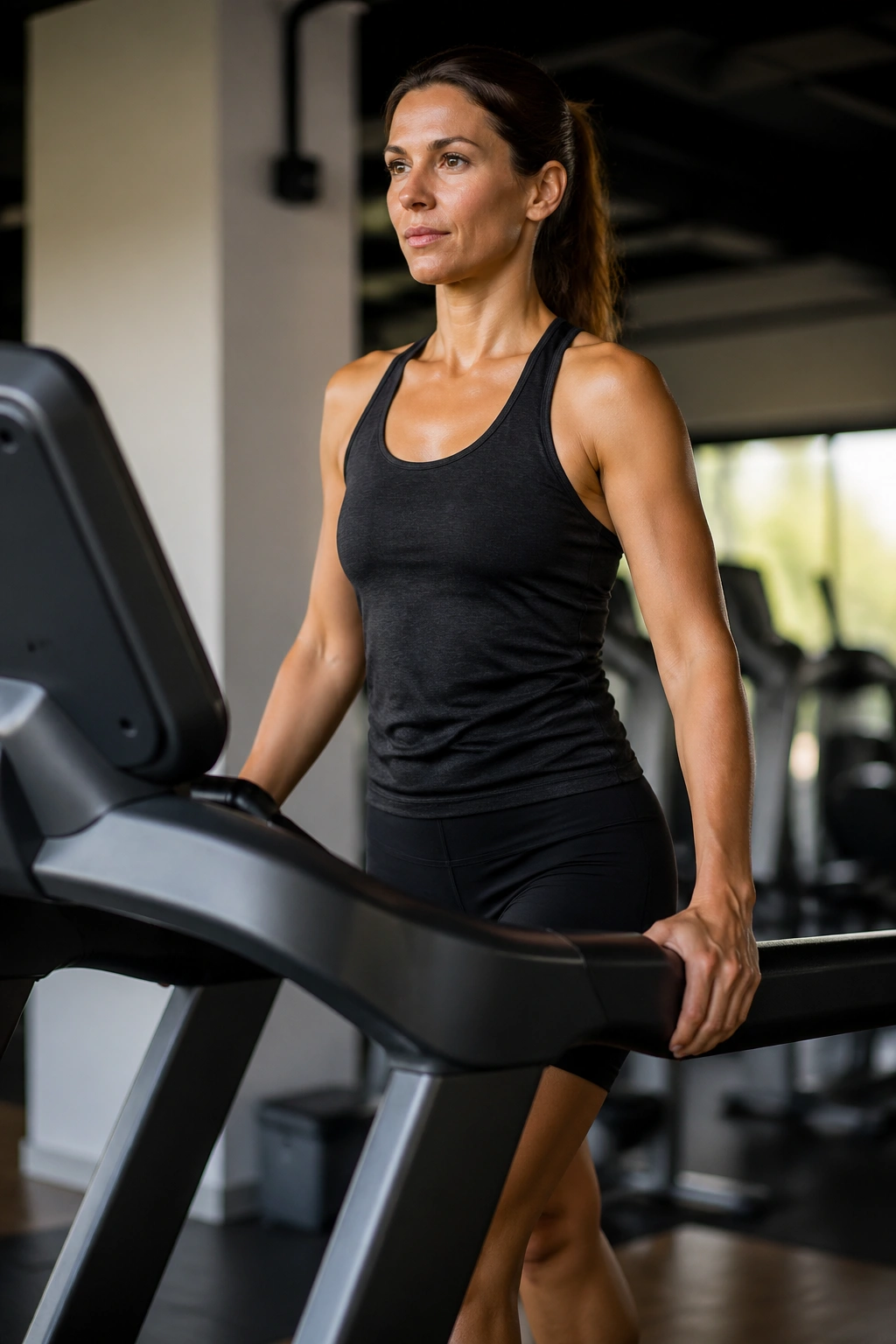
A steep treadmill walk can do more than a sweaty run when the weather is hot. It gives you the lungs, the leg work, and the calorie burn without the extra stress of pounding through sticky outdoor air.
Set the incline between 6 and 12 percent and walk for 20 to 45 minutes at a pace you can hold with decent posture. For most people, that means somewhere around 2.5 to 3.8 mph, but the exact number matters less than how it feels. You should be working, not hanging on for dear life.
Keep your chest up and avoid the habit of leaning on the rails. People do that when they get tired, and it quietly turns the session into a fake workout. If your hands are carrying your body weight, the treadmill is doing less than it should.
This one is useful for steady-state cardio, fatiguing the legs a bit, and keeping your routine intact when the sidewalk outside feels like a skillet. A slightly longer warm-up helps here, because the incline can wake up your calves fast. No need to race it. Just make the hill do the work.
6. Rowing Machine Intervals
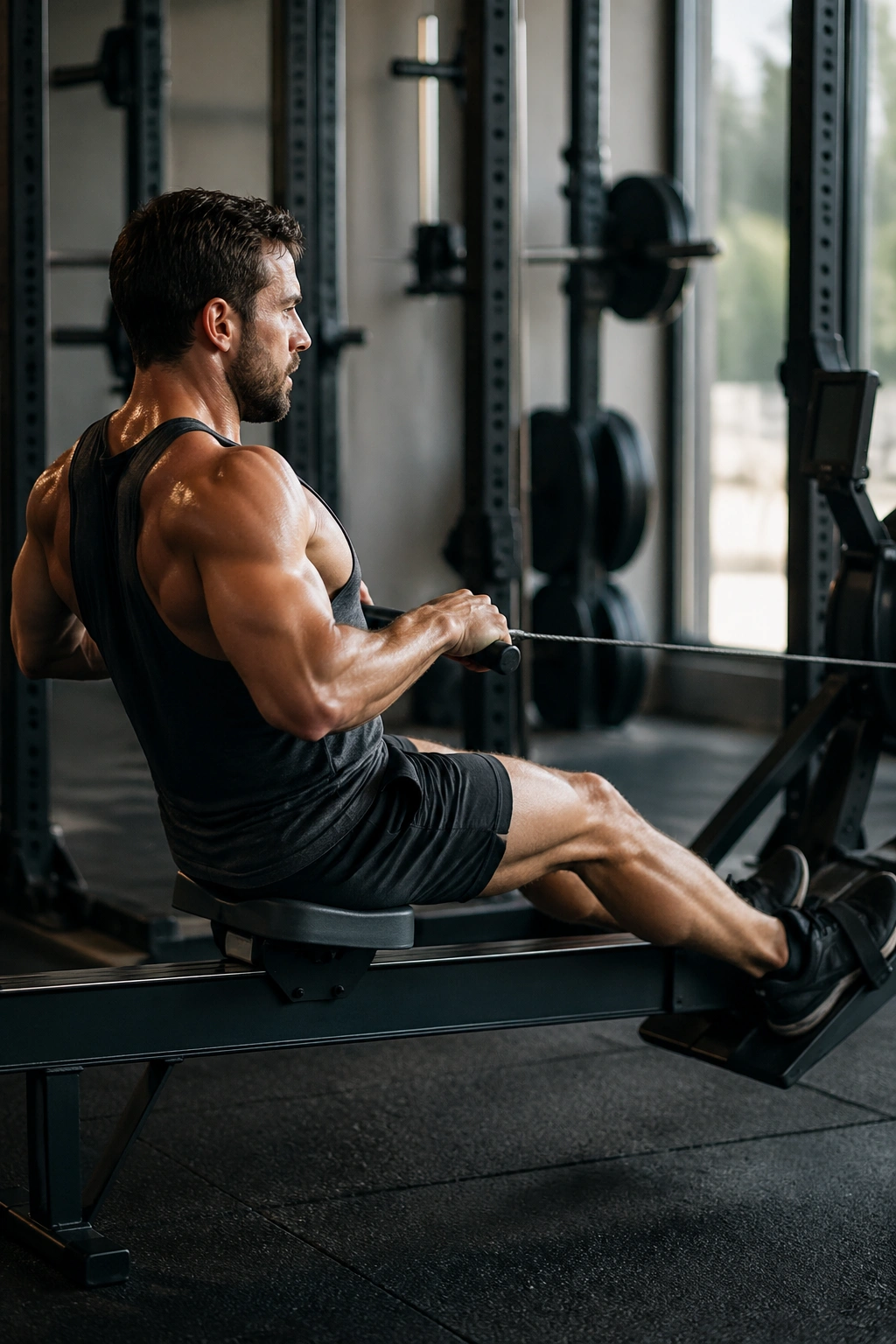
The rower makes a strange promise: you can gas out without pounding the pavement. It keeps the body busy from legs to back to arms, and it usually feels kinder in hot weather than anything that asks you to run in place.
A clean interval session looks like this: 5 minutes easy, then 5 rounds of 3 minutes at a hard but controlled pace with 2 minutes very easy between rounds. If you’re newer to rowing, cut that to 4 rounds and stop before your form gets ugly.
What to keep an eye on
- Drive with the legs first.
- Keep the stroke smooth, not jerky.
- Relax the shoulders on the recovery.
- Use a moderate damper setting, not the heaviest one.
That last point gets ignored a lot. Heavy resistance can make rowing feel macho, but it can also make your stroke clunky and shorten the session fast. A cleaner stroke matters more than a brutal setting.
The rower is also one of the best indoor options when the air outside feels thick enough to chew. You still sweat, but you stay out of the sun, and that alone changes the whole equation.
7. Kettlebell Complex in the Garage
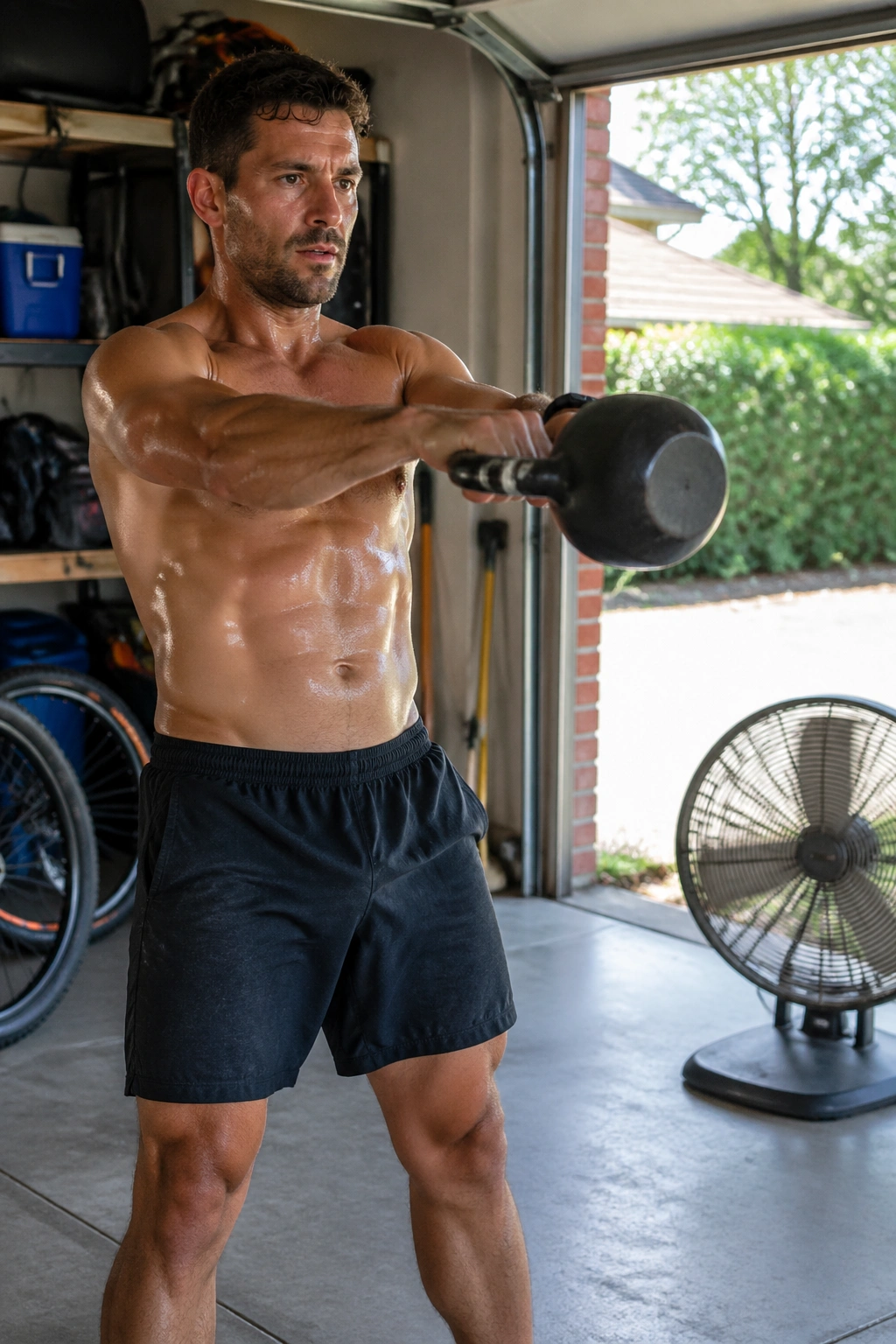
Short kettlebell work is useful when the garage feels like a furnace and you want something direct. A complex means you string a few moves together without setting the bell down, which gives you a full-body hit in a small amount of time.
Try 4 to 6 rounds of this with one kettlebell:
- 5 swings
- 5 cleans per side
- 5 front squats per side
- 5 presses per side
Rest 90 seconds between rounds. If that number looks intimidating, cut it in half and keep the movement crisp. Hot weather is not the place for ugly reps and hero pacing.
The best part is how little space it needs. One bell. One patch of floor. Maybe a fan pointed at your face if you’re lucky. This is not a long workout, and that’s the point. The density does the work for you.
I would not do this in a closed garage with no airflow. If the room feels still and sticky before you start, move the session inside or choose something less aggressive. Heat plus sloppy kettlebell work is a bad combination.
8. Sunrise Zone 2 Bike Ride
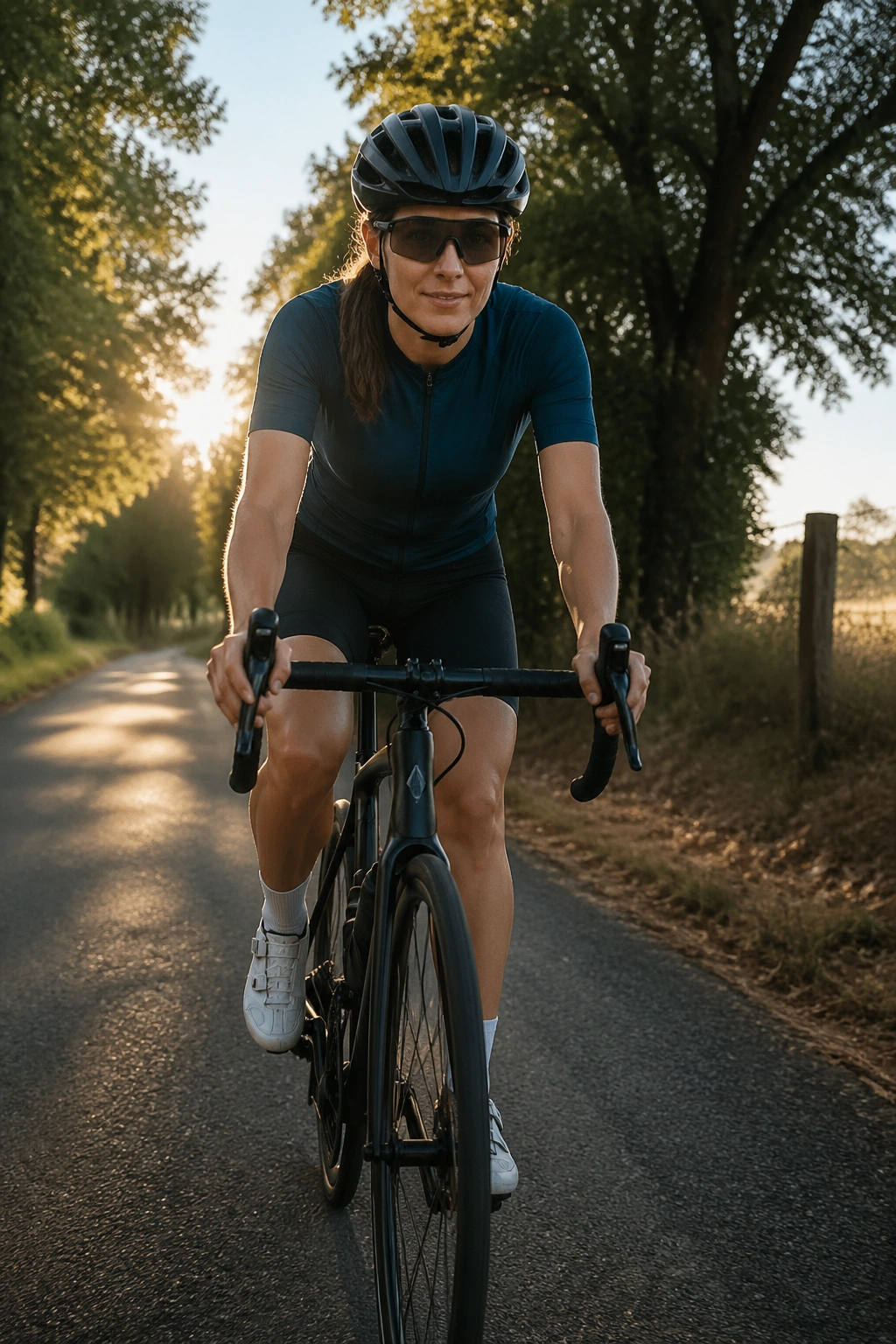
This is the routine I trust when the day is already getting warm before breakfast. A bike ride in that easy aerobic zone where you can still talk is one of the few sessions that feels generous instead of mean.
Aim for 45 to 75 minutes at a pace that stays smooth. Zone 2, in plain language, means you’re working steadily but you’re not fighting for breath. Your legs turn over without that grinding, trapped feeling that comes from pushing too hard in heat.
A few details make a big difference:
- Shift to an easier gear sooner than you think.
- Carry more water than you expect to need.
- Keep cadence steady rather than muscling big gears.
- Choose a route with shade or light traffic.
The bike is friendly to hot weather because air moves around you while you ride. That airflow matters. It doesn’t erase heat, but it changes how fast you overheat.
This is a good one for people who want endurance without the punchy stress of intervals. It also works well after a hard day because it leaves you energized instead of flattened. That matters more than most people admit.
9. Stairwell Climb Repeats
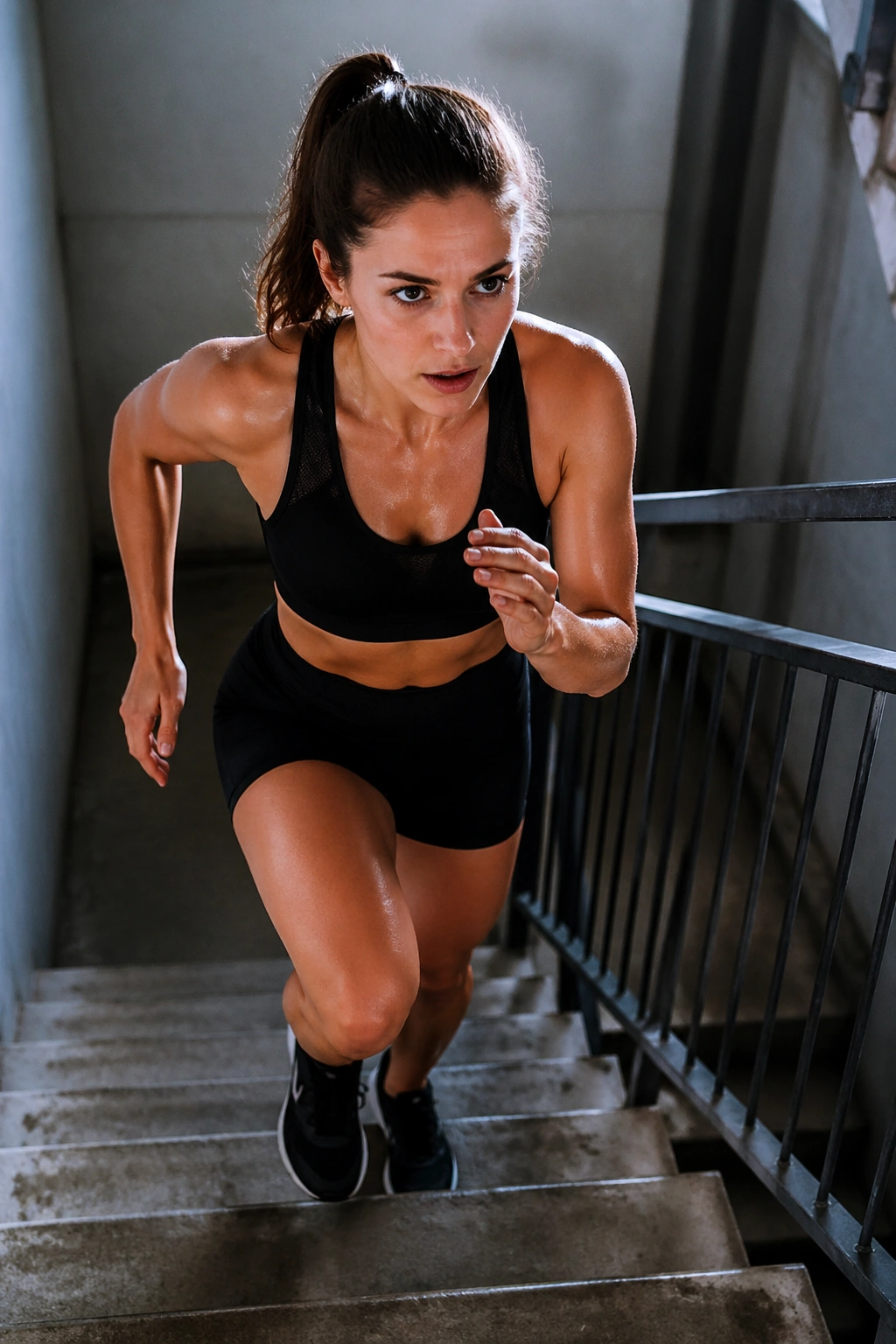
Stairs are ugly and useful. They turn a hot-weather workout into an indoor grind that builds legs, lungs, and a little bit of humility, which is honestly not a bad trio.
Find a stairwell with a decent number of steps and repeat a simple pattern: climb for 30 to 45 seconds at a strong pace, walk down slowly, rest 30 to 60 seconds, then go again for 8 to 12 rounds. If the building is busy, keep your footprint small and your pace controlled.
How to keep it safe
- Use the handrail on the way down if you need it.
- Stay off the stairs if your shoes are slick.
- Shorten the session the second your landings get heavy.
- Stop if your knees feel sharp pressure, not just muscle fatigue.
The descent is where people get careless. Don’t. That’s usually when the legs get loose and the ankles wobble.
This works beautifully for hot months because the whole session can happen out of direct sun. No baking pavement. No long exposure. You get the cardio hit without the weather making itself the main character.
10. Yoga-Strength Flow in a Cool Room
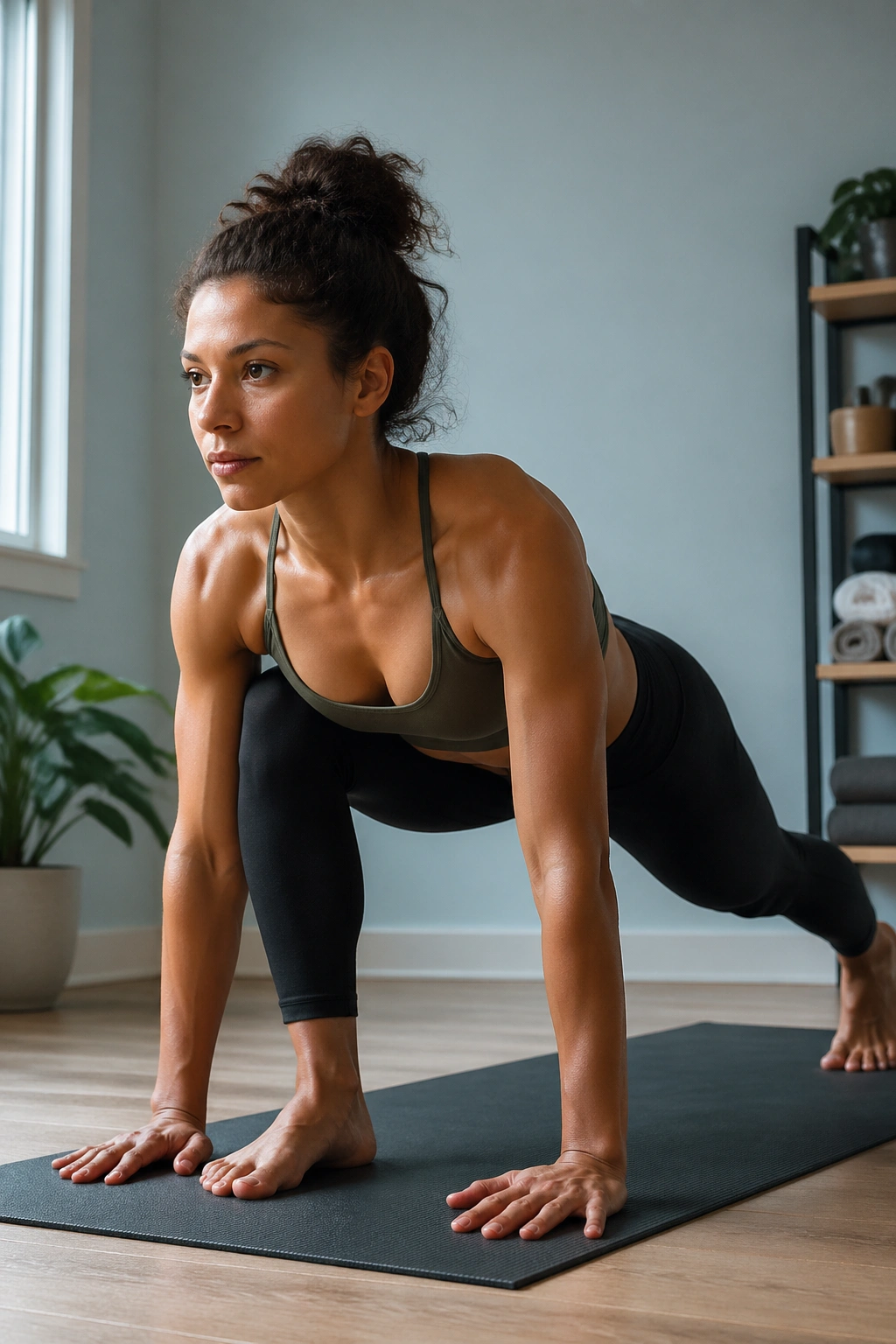
Not every hot-weather routine has to leave you wrecked. Some days, the smartest move is a flow that keeps you moving, opens tight hips and shoulders, and gives your nervous system a break.
A good version blends yoga shapes with a few strength holds: cat-cow, downward dog, low lunge, plank, chair pose, side angle, glute bridge, then a slow fold. Spend 20 to 30 minutes moving between them without rushing. You should feel warm and loose, not drenched and desperate.
This kind of session shines after a sweaty day or on the kind of morning when the air feels heavy before you’ve even opened the curtains. It keeps your mobility from falling apart when heat makes you want to do nothing.
I like this routine because it sounds soft and turns out not to be. A held plank in a warm room can wake up the whole trunk, and a slow lunge holds more tension than people expect. You can make it easier or harder by changing how long you stay in each shape. Nothing fancy. Just steady, deliberate work.
11. Battle Rope Rounds

Few tools create more work in less time than battle ropes. They are blunt, noisy, and perfect for hot weather because each round is short enough that you can train hard without sitting in the heat forever.
Try 10 to 12 rounds of 15 seconds hard and 45 seconds easy. If you’re feeling good, extend the hard work to 20 seconds. If you’re not, keep it short and clean. The session should feel intense, but it should not drag on.
A few good rope patterns keep it from getting stale:
- Alternating waves
- Double slams
- Side-to-side waves
- Power slams with a squat
Your grip and shoulders will burn before your lungs give out. That’s normal. What you want to avoid is flinging the ropes with ugly posture, because that turns the movement into a shrug parade.
Battle ropes are a strong choice when you have access to a covered patio, a garage with airflow, or an indoor gym. They give you that satisfying full-body fatigue without demanding a long time outdoors. In hot weather, short and sharp wins.
12. Tree-Lined Trail Walk-Jog Mix

Keep running? Yes, but stop treating every run like a race. A walk-jog mix on a shaded trail lets you stay in the game while taking enough pressure off your body to survive the heat.
Use a simple pattern: 3 minutes walking, 2 minutes easy jogging, repeat for 30 to 40 minutes. Or, if the day is rough, do 90 seconds jog, 90 seconds walk, and keep that going until you hit your time goal. The trail should be under trees if possible, because shade changes the whole mood.
The footing matters here. Uneven dirt, roots, and gravel can wake up your ankles and calves, so wear shoes with some grip and pay attention to where you step. Speed is not the point. Staying smooth is.
This is one of those routines that keeps runners honest during hot stretches. You still build aerobic capacity. You still keep your legs moving. You just stop pretending the weather has no vote. That’s smarter, and it usually leads to fewer miserable workouts.
13. Dumbbell AMRAP Indoors
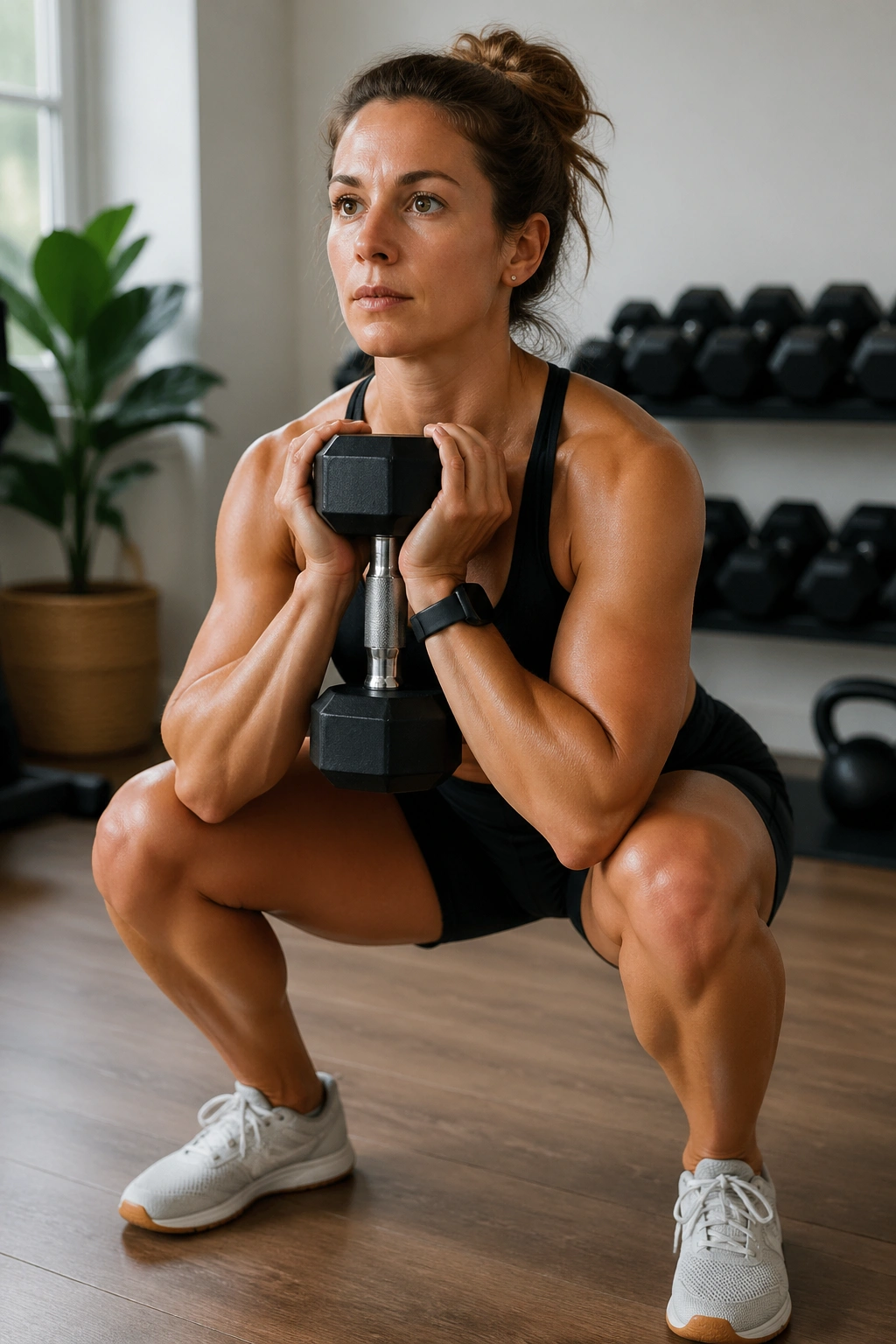
AMRAP training belongs in hot weather because it is compact. AMRAP means “as many rounds as possible,” but that sounds more aggressive than it needs to be. Think of it as a controlled density workout, not a reason to collapse.
Set a timer for 12 minutes and cycle through a small circuit with moderate dumbbells:
- 8 goblet squats
- 8 bent-over rows
- 6 reverse lunges per leg
- 8 floor presses
Keep the weights light enough that your last round looks like your first. That matters. If the room is warm, you do not want to be hanging on for dear life by minute 8.
This style works because the pauses are short and the setup is simple. You can stand in one room, move through the list, and be done before the heat gets annoying. Do not chase failure. Chase clean repetitions and steady breathing.
If you want to make it harder, add a fifth move like suitcase carries or dead bugs. If you want it easier, cut the round count, not the form. Bad reps in heat feel worse and count less.
14. Jump Rope Micro-Intervals
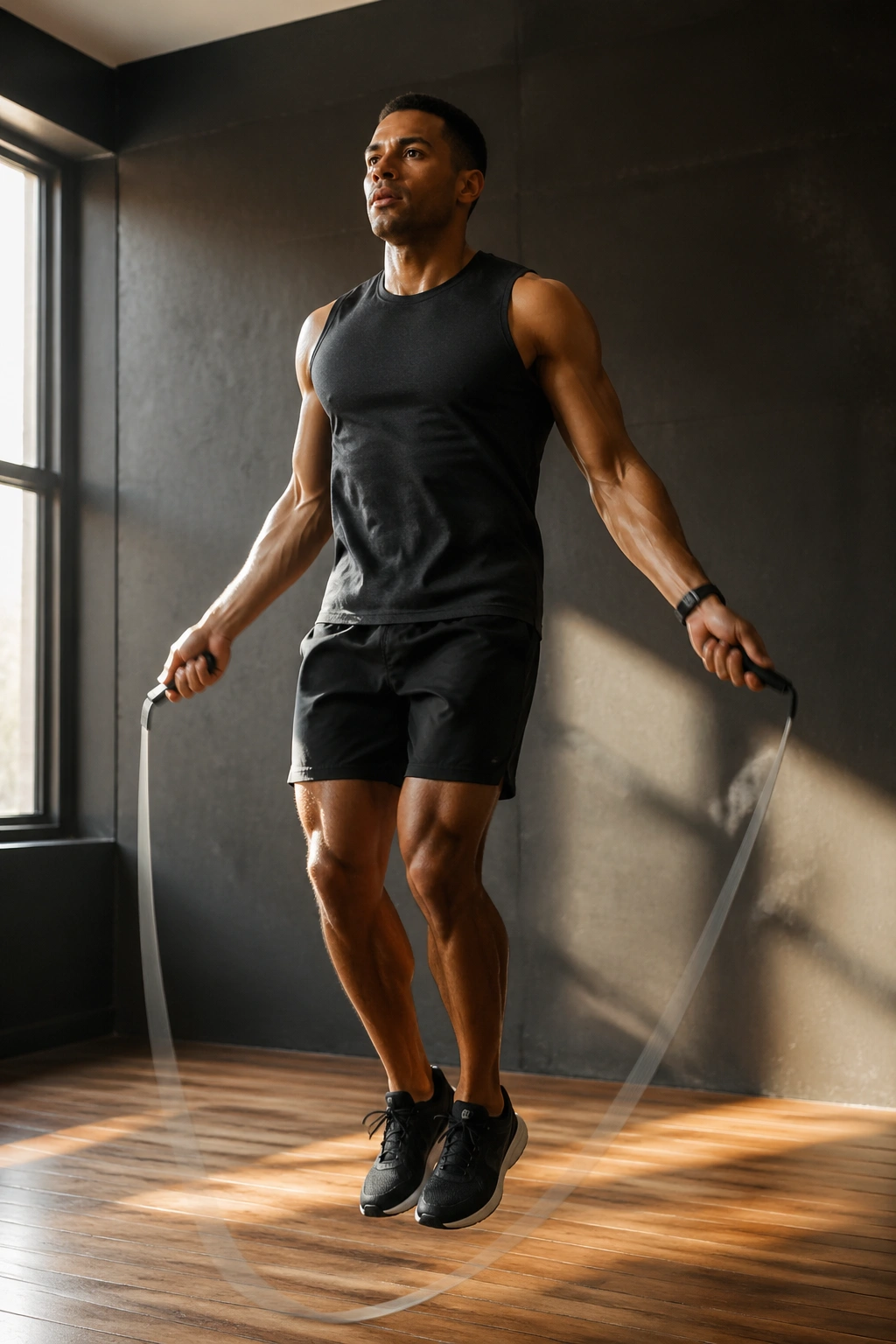
Can you skip rope when the air feels like soup? Yes, if you keep it short and indoors. Jump rope is one of the fastest ways to raise your heart rate, which is great until heat turns the session into a mess. Micro-intervals fix that.
Try 20 seconds on, 40 seconds off, for 10 to 15 rounds. Or do 30 seconds on, 30 seconds off if you’re more practiced. A smooth floor, decent shoes, and enough ceiling height matter more than fancy footwork.
How to make it work
- Use a soft bounce, not giant jumps.
- Switch to a boxer step when your calves tighten.
- Keep the wrists turning the rope, not the shoulders.
- Stop before your landing gets loud and clumsy.
That last cue is useful. Loud landings usually mean fatigue is creeping in, and fatigue plus heat can turn small mistakes into sore shins.
This routine is cheap, fast, and easy to scale. If the room is warm, the interval structure keeps the total stress in check. Short bursts make rope work feel sharp instead of punishing.
15. Beach Sand Workout
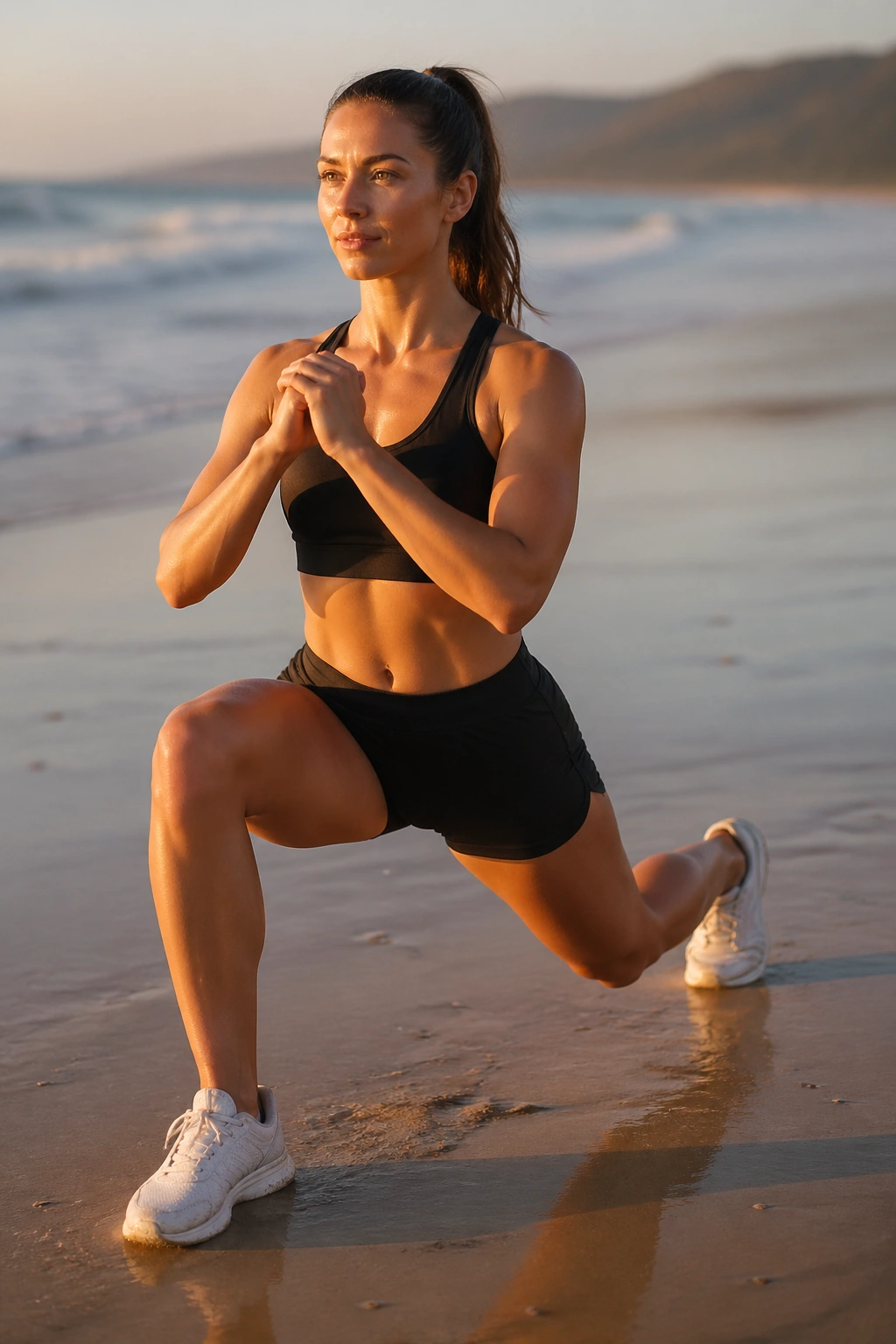
Beach workouts can be great, but only if you respect the sand and the sun. Hot dry sand in the middle of the day is a fast way to make a smart plan feel foolish. Wet sand near the water, early or late, is the better call.
A useful sand circuit is simple: walking lunges, lateral shuffles, bear crawls, push-ups, and a short sprint or two if the surface is firm enough. Two to four rounds is usually plenty. The unstable ground makes every rep cost a little more.
That soft surface is the whole reason people like sand work, but it also taxes your calves and ankles. If your feet start to feel wobbly or your Achilles tendon feels tight, back off. Sand does not care about your calendar.
This one is more fun than it is precise, which is part of the charm. Keep the volume modest, bring water, and wear shoes if the sand is too hot to touch comfortably. Barefoot only makes sense when the surface is cool and safe.
16. Shadow Boxing Rounds

Shadow boxing is sneaky good when you need sweat without equipment. It is light on the joints, light on setup, and heavy enough on the lungs to count as real work. In hot weather, that combination is gold.
Do 3-minute rounds with 1 minute of rest. Ten to twelve rounds is plenty for most people, and six is enough if you are just trying to keep the habit alive. Mix jabs, crosses, hooks, slips, pivots, and a few knees if that’s part of your style.
A fan helps here. So does a cool room and a little room to move. You don’t need to throw hard. You need to stay active, sharp, and tall through the trunk. The better your footwork, the less awkward the session feels.
I like this routine because it gives you cardio, coordination, and a mental reset in one shot. If your day is hot and sticky and your brain is fried, ten minutes of clean rounds can feel more useful than forcing a bigger workout.
17. Resistance Band Travel Routine
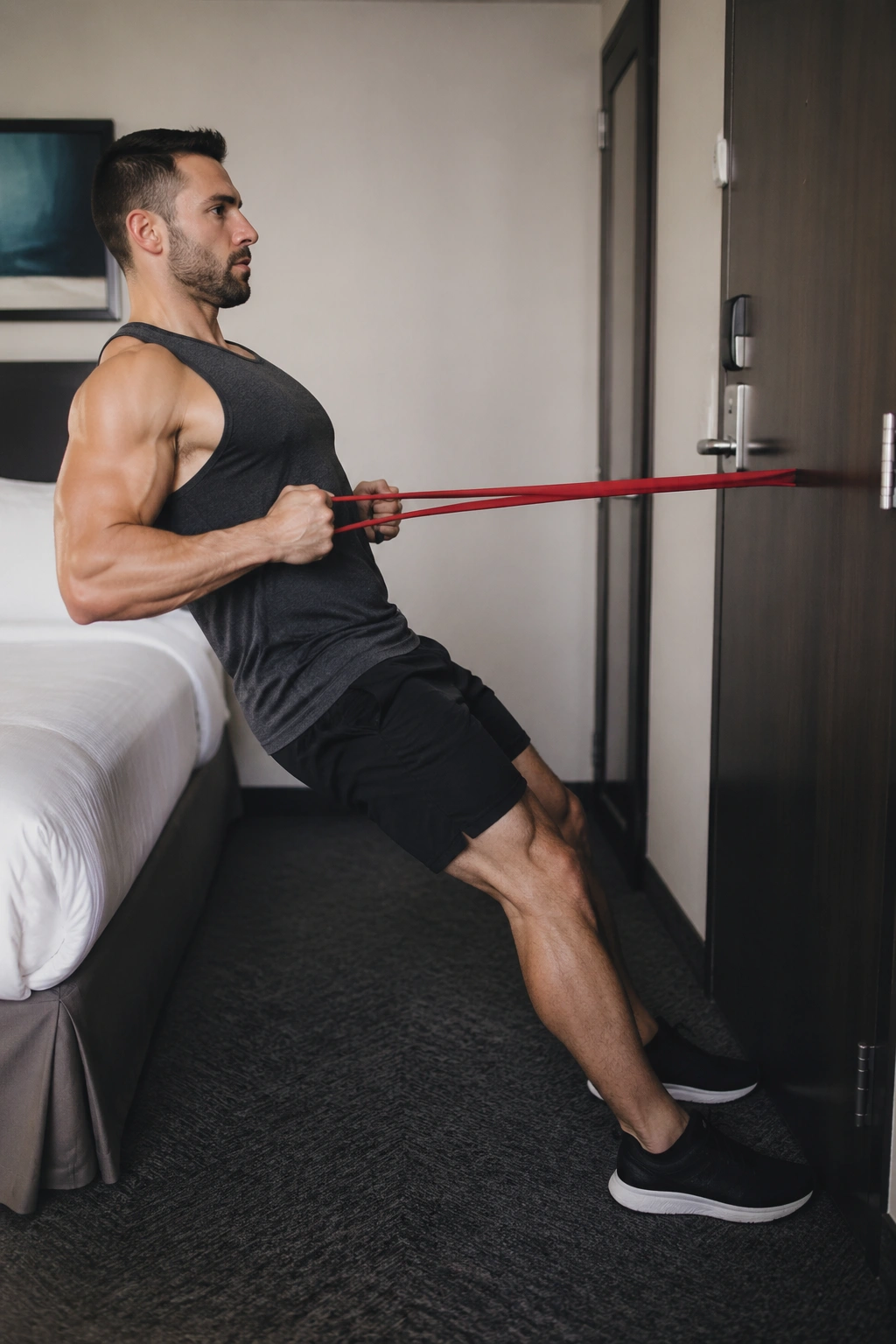
Hotel room. Rental house. Tiny patio. Resistance bands make sense in all of them, and they make even more sense when hot weather turns long workouts into bad ideas. They pack flat, take up no space, and still let you train the whole body.
Use a light to medium band and cycle through rows, presses, pull-aparts, glute bridges, lateral walks, and banded deadlifts. Keep it to 15 to 25 minutes. If the anchor point is sketchy, skip it and use moves you can do with the band under your feet or around your hands.
A simple travel circuit
- 12 band rows
- 12 band presses
- 15 pull-aparts
- 12 glute bridges
- 10 lateral steps each way
Repeat 3 to 5 rounds, resting as needed. The burn sneaks up on you because bands stay hard through the whole range of motion.
This is not flashy, and that’s exactly why it works. You can finish it before the room starts feeling stuffy, and you can do it again tomorrow without needing special equipment. Consistency beats novelty when the weather is working against you.
18. Paddleboard or Canoe Core Session

Water changes everything. A calm paddleboard or canoe session gives you movement, balance, and a steady core demand while keeping you much closer to cool than a road workout would. If you have access to safe water, this is one of the most enjoyable hot weather workout routines on the list.
Keep the pace relaxed for 20 to 40 minutes. The point is not to fight the water. It is to stay tall, rotate through the trunk, and let the arms and hips work together. If you are on a paddleboard, your legs will stay engaged just from balancing. If you’re in a canoe, the torso rotation does a lot of the work.
A life jacket or buoyancy aid matters if conditions call for it. So does reading the water before you launch. Choppy water turns a calm session into a hard one fast.
I like this because it does not feel like punishment. It feels like moving. That counts. A lot more than people admit, honestly. If your goal is to stay active in hot weather without dreading the session, water-based training is hard to beat.
19. Mobility and Breathwork Reset
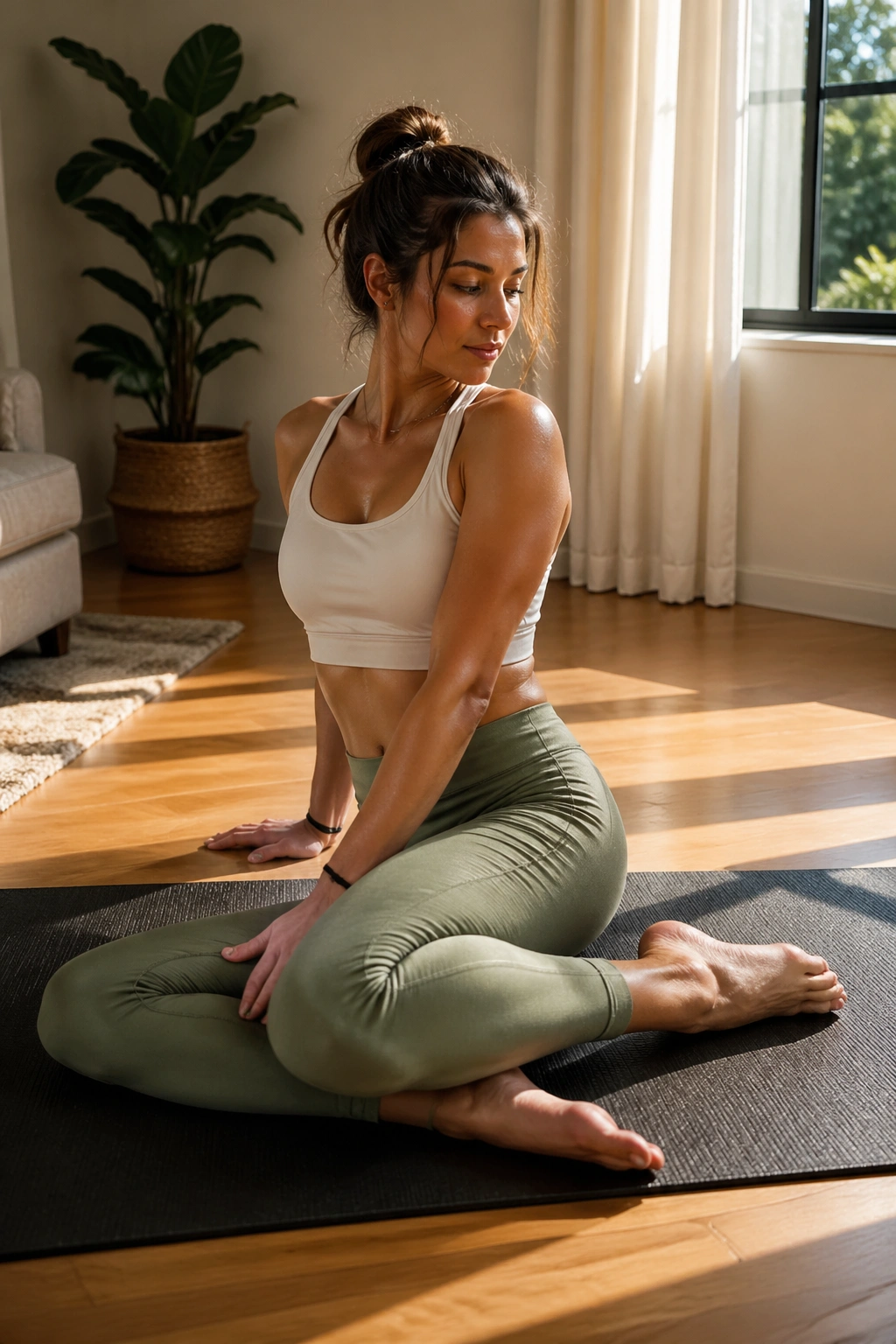
Some hot days call for less intensity, not zero training. A mobility and breathwork session keeps the body from stiffening up while giving your nervous system a chance to cool down, literally and figuratively.
Spend 15 to 20 minutes on a small group of moves: 90/90 hip switches, thoracic rotations, calf stretches, child’s pose, and a slow hip flexor lunge. Pair those with nasal breathing or long exhales. You do not need to make it weird. You do need to slow down.
A few rounds is enough:
- 5 slow breaths in child’s pose
- 8 hip switches per side
- 6 thoracic rotations per side
- 30 seconds per calf stretch
- 30 seconds per hip flexor stretch
This kind of work is easy to dismiss because it doesn’t leave you wrecked. That’s a mistake. Keeping joints loose and breathing under control is part of training, especially when heat has already taken a bite out of your energy.
Do it after a hard session, before bed, or on a day when the weather makes everything feel heavier than it should. It’s a quieter kind of progress, but it stacks up.
20. Sunset Recovery Walk and Stretch Ladder

End the day with something you can actually stick to. A sunset walk followed by a short stretch ladder is simple, low-stress, and perfect for the kind of evening when your body wants motion but not punishment.
Walk for 15 to 25 minutes once the air cools a bit. Keep the pace easy enough that you can feel your breathing settle. Then spend another 8 to 12 minutes on a short stretch sequence: calves, hamstrings, hip flexors, chest, and upper back. Hold each stretch for about 30 seconds, then switch sides.
If the day was brutal, this routine counts. If you already trained hard earlier, it helps you loosen up and wind down. If you missed your workout, this is still better than doing nothing and promising yourself a massive session tomorrow. Promises are cheap. Repeating a small routine is not.
I like this finish because it leaves the day cleaner than it found it. The walk gets the legs moving without heat stress, and the stretch ladder gives tight shoulders and hips somewhere to go. Sometimes the best hot-weather routine is the one that feels almost too easy, because easy is what you can repeat.
