



Gym bag must haves for women who lift are not about stuffing every pocket with random gear. They’re about removing the little annoyances that can turn a solid training day into a sloppy one: slippery hands, loose hair, a dead water bottle, socks that smell like last week.
A good bag feels boring in the best way. The shoes are there, the wraps are there, the snack is there, and you’re not improvising with a sleeve or a crumpled receipt from the glove box. That matters more when you train heavy, because heavy sets punish small mistakes fast.
The smartest setup is part performance gear, part hygiene kit, part backup plan. One day you’re pulling a belt out for squats. Another day you’re grateful for a spare sports bra because your warm-up turned into a sweat fest. A third day it’s a lock, because your phone, keys, and lip balm should not be floating around loose in a shared locker room.
1. Flat Lifting Shoes That Live in Your Gym Bag
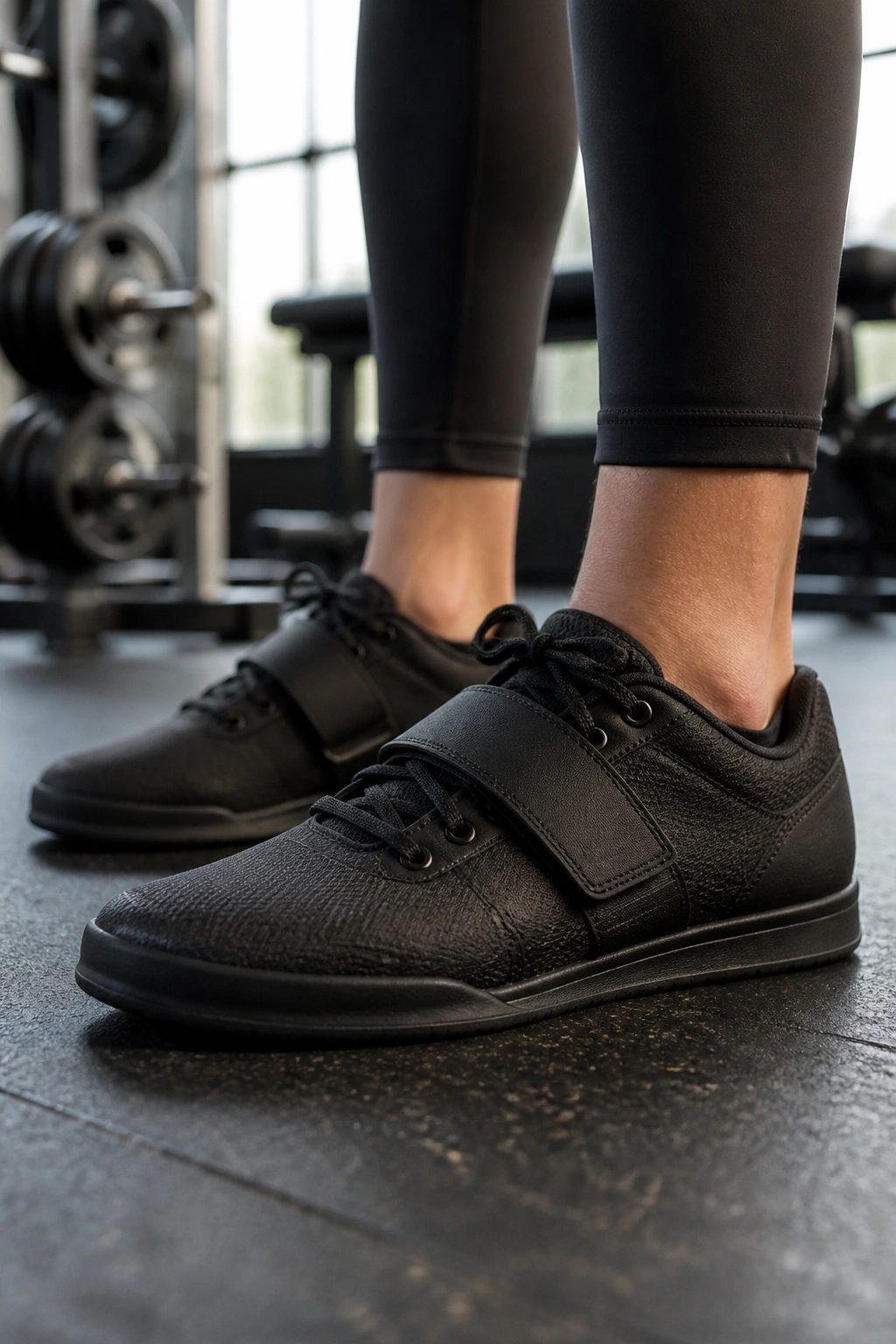
Flat shoes are the easiest upgrade to overlook. Cushy running shoes feel fine on the walk in, then they wobble under a loaded bar.
Why Flat Soles Beat Soft Foam
A shoe with a stable, low-compression sole gives you a cleaner base for squats, deadlifts, and rows. Your foot stays planted instead of sinking into foam, which means less wobble and better force transfer from the floor.
A pair with a wide toe box also helps. Your toes can spread a little, which makes the shoe feel more secure during heavy leg work. I like shoes that are plain and a little ugly in the best possible way — no giant heel, no squish, no drama.
- Look for: flat sole, firm midsole, grippy outsole
- Skip for lifting: thick foam runners and soft walking shoes
- Best for: squats, deadlifts, hip thrusts, machine work
- Not ideal for: long treadmill sessions or sprint work
Pro tip: Keep your lifting shoes in your bag and wear them only for training. That sounds fussy, but it keeps the soles cleaner and makes them feel like “work shoes,” which is exactly what they are.
2. A Water Bottle That Holds More Than Three Sips
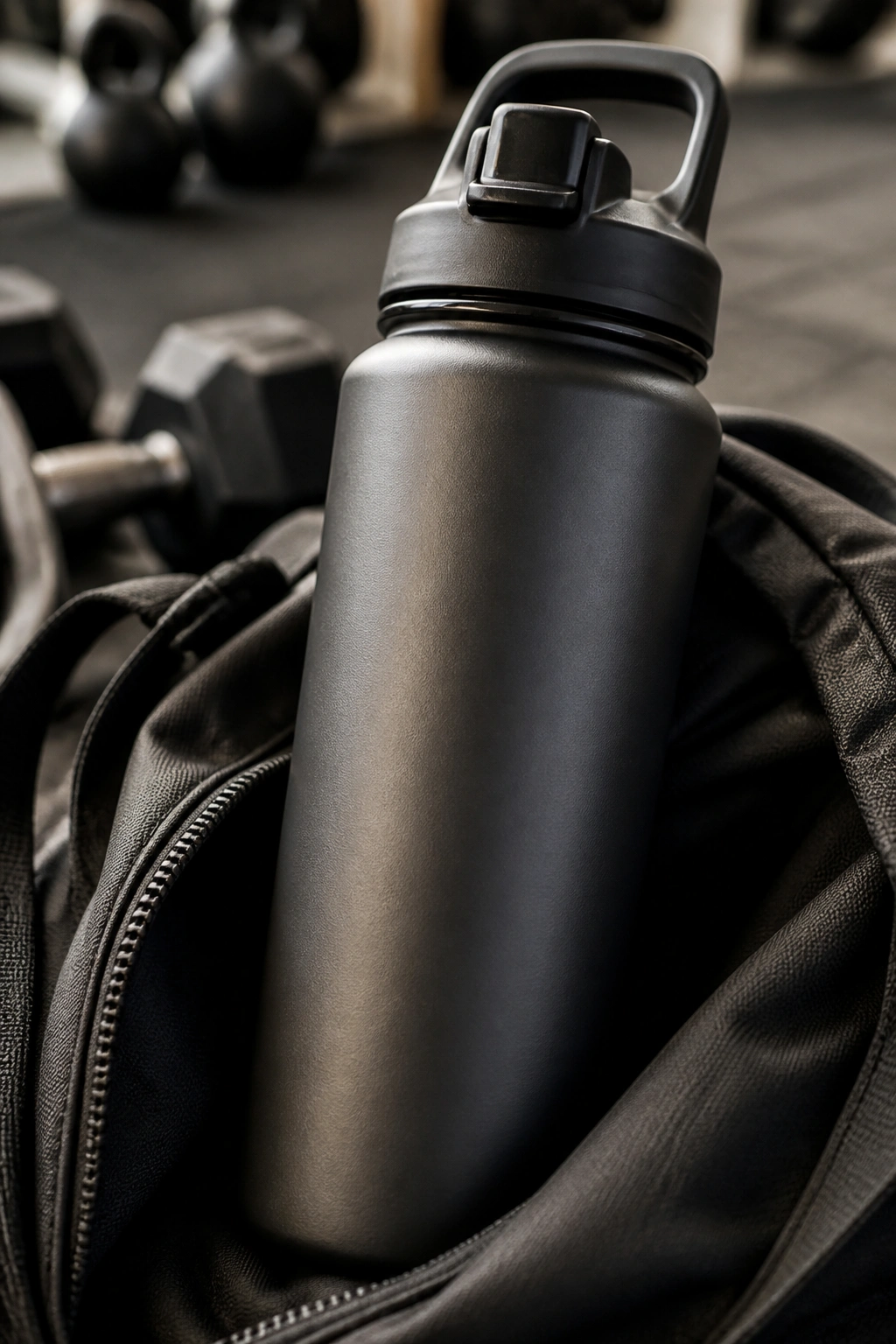
How much water does a lifting session actually burn through? More than you think, especially if you train in a warm room or chain back-to-back sets without much rest.
A 24- to 32-ounce bottle is the sweet spot for most people. Smaller bottles run out fast and turn into a nuisance. Bigger ones can be awkward to carry around, which is how they end up sitting in the car while you’re already halfway through warm-ups.
I’d choose a bottle with a tight, leak-proof lid and a mouth wide enough to add ice. Metal bottles keep water colder, which is nice if you’re one of those people who takes a long time to drink. Clear plastic bottles with time marks are handy too, though I find them a little less durable over time.
A bottle in your gym bag should never smell weird. If it does, scrub the cap threads and the gasket, because that sour plastic smell shows up fast once protein drinks and lukewarm water have lived together too long.
3. A Lifting Belt for Heavy Squats and Deadlifts
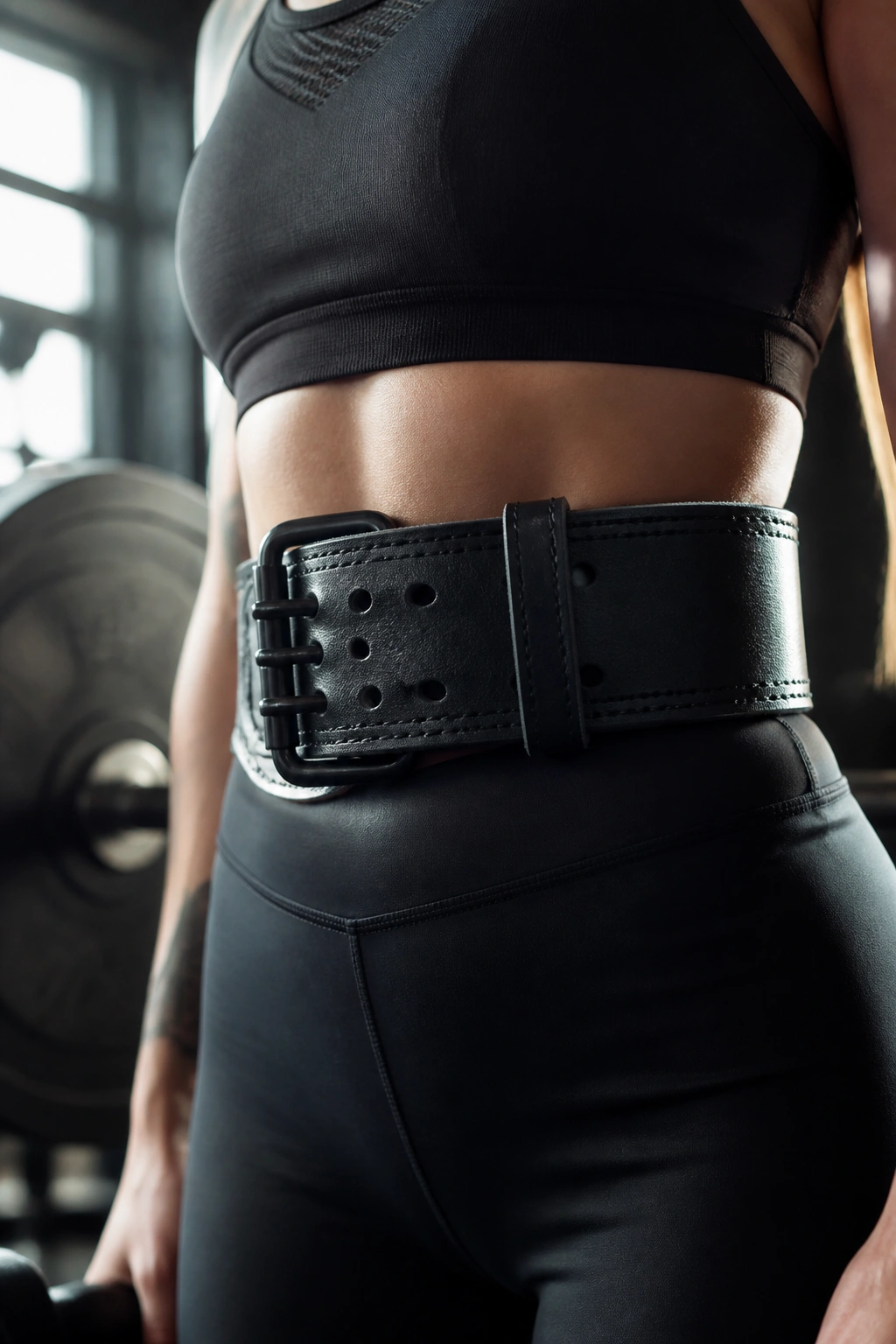
A belt earns its keep on the third heavy set, not during warm-up with an empty bar. That’s where it makes sense for most lifters.
A 10mm lever or prong belt gives your torso something solid to brace against when the load gets serious. It’s not magic, and it won’t fix sloppy bracing. What it does is give your trunk a bit more pressure to push against, which can make heavy squats and deadlifts feel steadier.
When It Helps
A belt is most useful when you’re working near your top sets, testing a heavy single, or pushing a hard set of 3 to 5 reps. It can also help on overhead presses if your core tends to fold back under load.
What to Watch For
- Too wide, and it digs into your ribs.
- Too loose, and it does almost nothing.
- Too stiff, and it can feel like a cardboard wall.
Pick one that fits your torso, not the one your friend swears by. Shorter torsos usually do better with a belt that doesn’t take over the whole waistline. A good belt should feel firm, not punishing.
4. Wrist Wraps That Keep Pressing Days From Feeling Sloppy
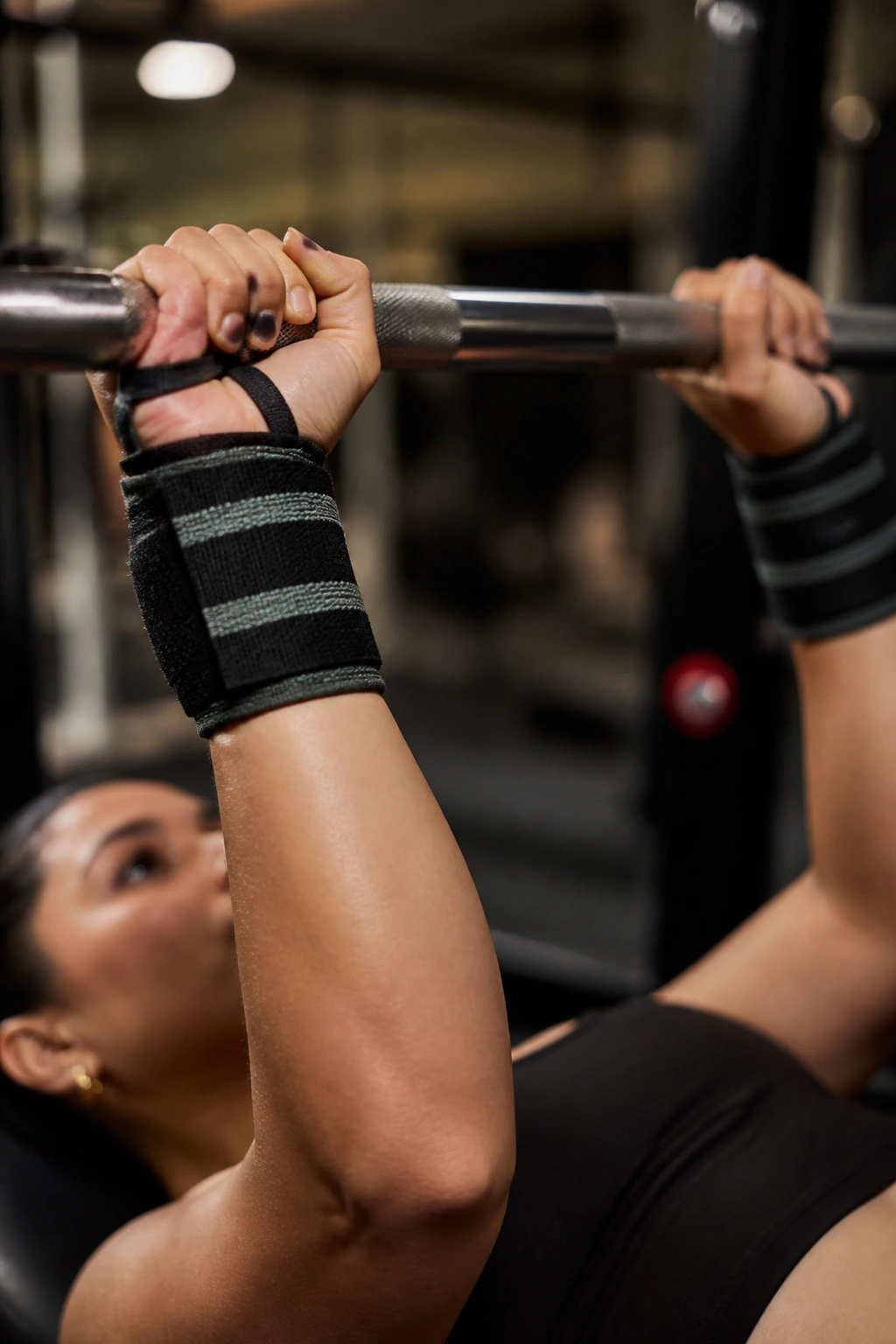
Do wrist wraps matter if your wrists don’t hurt? Yes, especially if your pressing days include bench, overhead work, or front-rack positions that make your wrists bend back harder than they should.
A wrap gives your wrist joint a little extra support so the hand stacks more neatly over the forearm. That matters when the bar gets heavy and your wrists start to drift. You feel it first as a small ache, then as a weird weak spot where the bar seems to sit wrong in your hands.
I like wraps in the 12- to 18-inch range for most lifters. Shorter ones are fine for a bit of support without feeling bulky. Longer ones get stiffer and more aggressive, which can be useful, but they’re not always pleasant for a full session.
Use them on pressing work, not all day. If you wear them for every exercise, your wrists never get a chance to do their own job.
5. Mini Resistance Bands for Warm-Ups and Glute Work
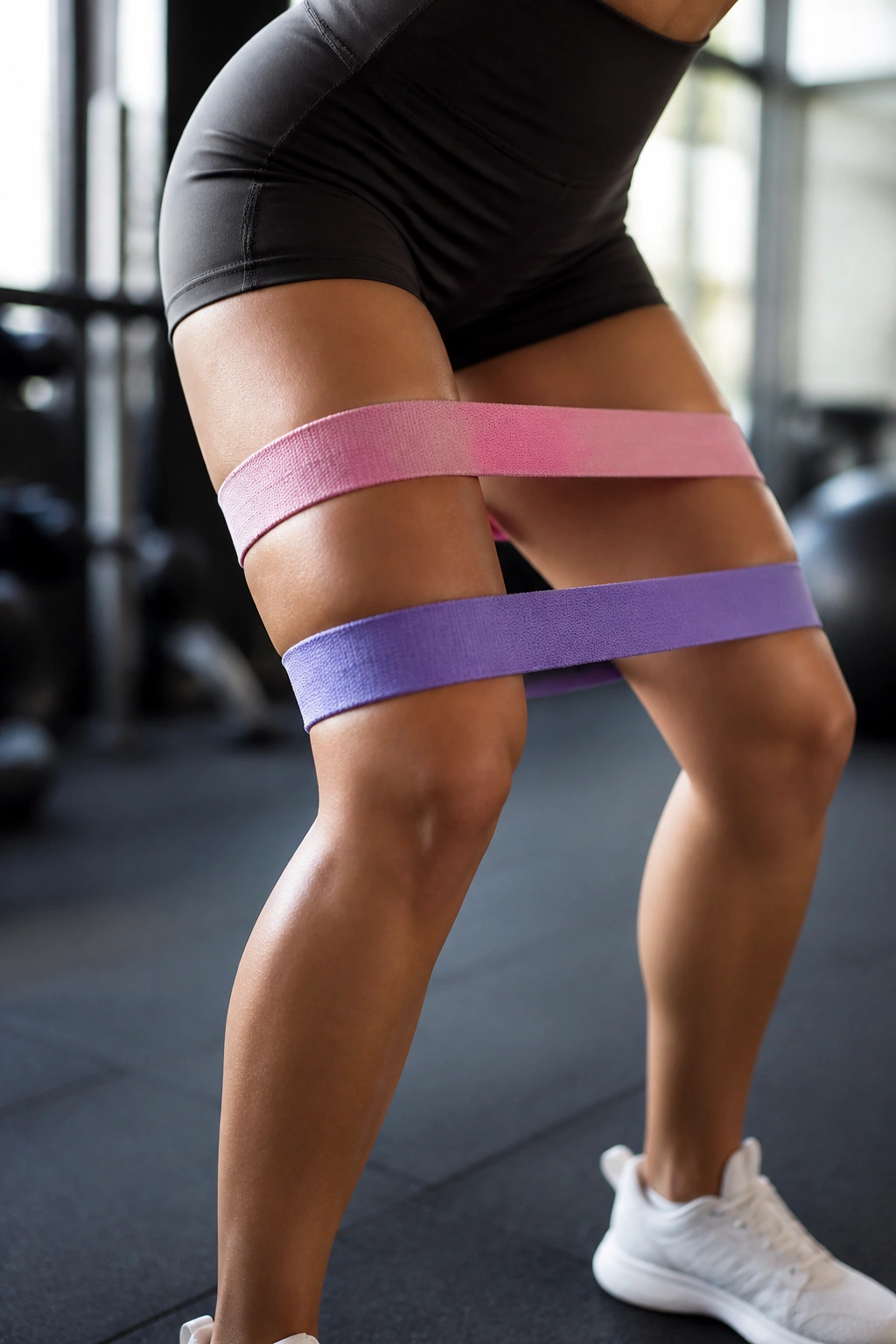
A mini band takes up almost no room, which is exactly why it deserves a spot in the bag. People think of it as a warm-up toy until their glutes wake up under a set of squats and the difference feels obvious.
I’d pack two levels of resistance: one light and one medium. The light band works for lateral walks, clamshells, and shoulder warm-ups. The medium band is useful for glute bridges, monster walks, and getting your hips to fire before lower-body work.
What Makes It Useful
- Helps you warm up without needing floor space
- Fits in a side pocket
- Works for lower body and upper body activation
- Gives you something to do if a machine is taken
The trick is not turning band work into a show. Ten controlled steps each way is enough for most warm-ups. If your knees cave in during squats, the band isn’t a fix by itself, but it does help you feel the right muscles before the bar gets loaded.
6. Chalk or Liquid Chalk for Sweaty Hands
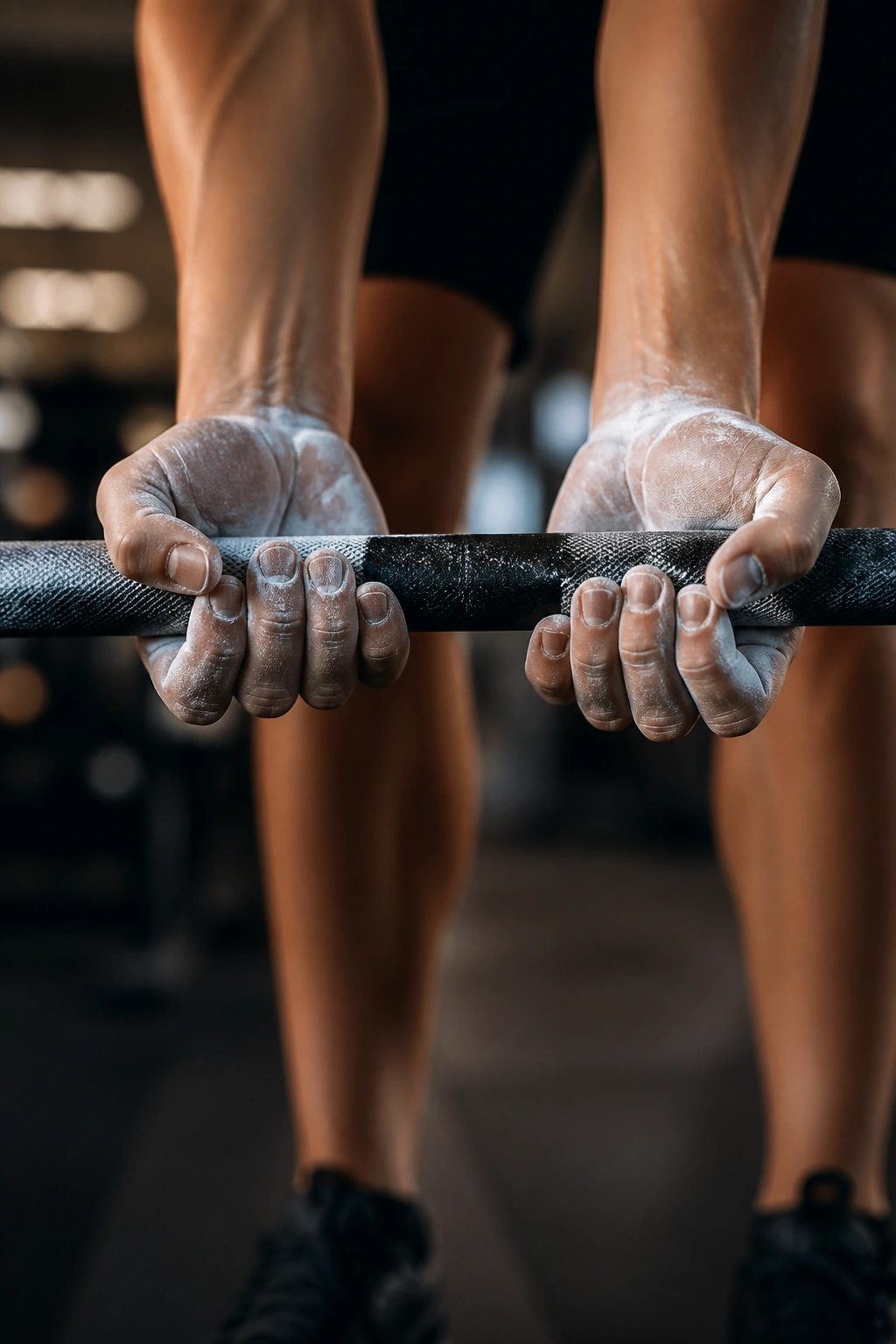
Sweaty hands can ruin a deadlift faster than weak grip. That’s not dramatic. It’s just annoying truth.
Loose chalk is messy, but it works. Liquid chalk is cleaner and easier when your gym doesn’t love clouds of white dust on the floor. Both help with grip on deadlifts, pull-ups, heavy rows, and barbell holds when your palms start slicking up halfway through a set.
If your gym allows it, keep a small chalk block or a travel-size liquid chalk bottle in a zip bag. The bag matters. Chalk dust has a way of sneaking into everything, including your headphones case, which is deeply irritating.
Pick the Version That Fits Your Gym
- Loose chalk: best grip, messier bag
- Liquid chalk: cleaner, a little easier on shared equipment
- Travel pouch: stops the whole bag from getting dusty
A quick layer is enough. You do not need to coat your hands like you’re baking bread. A thin film, rubbed into dry palms, usually does the job.
7. A Quick-Dry Towel That Saves Your Seat and Your Sanity
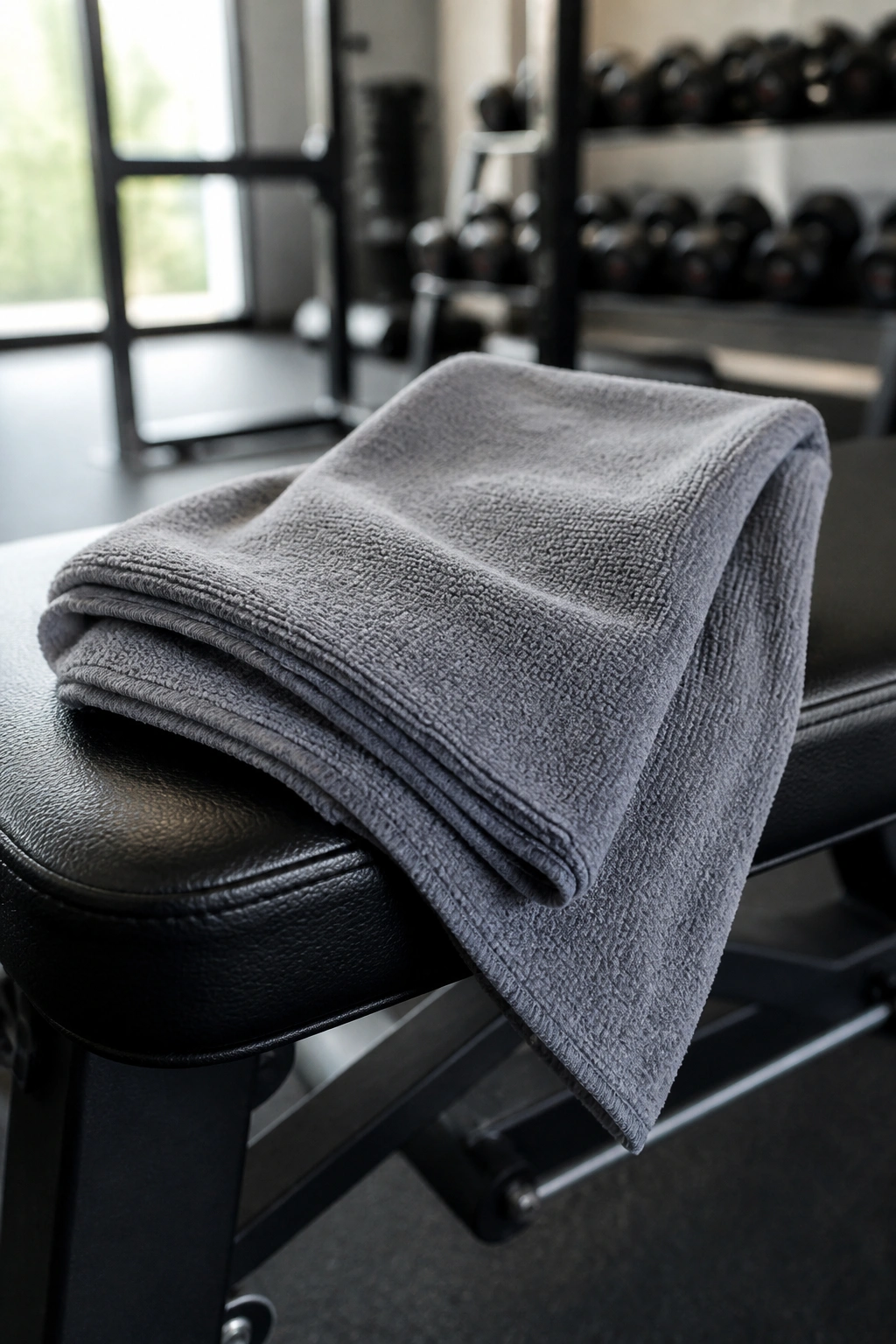
The first thing you notice about a good gym towel is what it doesn’t do. It doesn’t stay soggy. It doesn’t smell like mildew after one humid week in the bag. It doesn’t shed fuzz across the bench.
A microfiber towel around 12 x 24 inches is a smart size for most lifters. Big enough to wipe sweat off your face and shoulders. Small enough to fold flat into a side pocket without turning your bag into a laundry basket.
I like having one towel for my face and another, smaller cloth for machines if the gym gets crowded. That keeps the wet, salty feel off your hands between sets. It’s not glamorous, but it makes the whole session feel more under control.
A towel also cuts down on that weird post-lift chill when sweat cools on your neck. Little thing. Big difference.
8. Deodorant and Body Wipes for the Walk Back Out
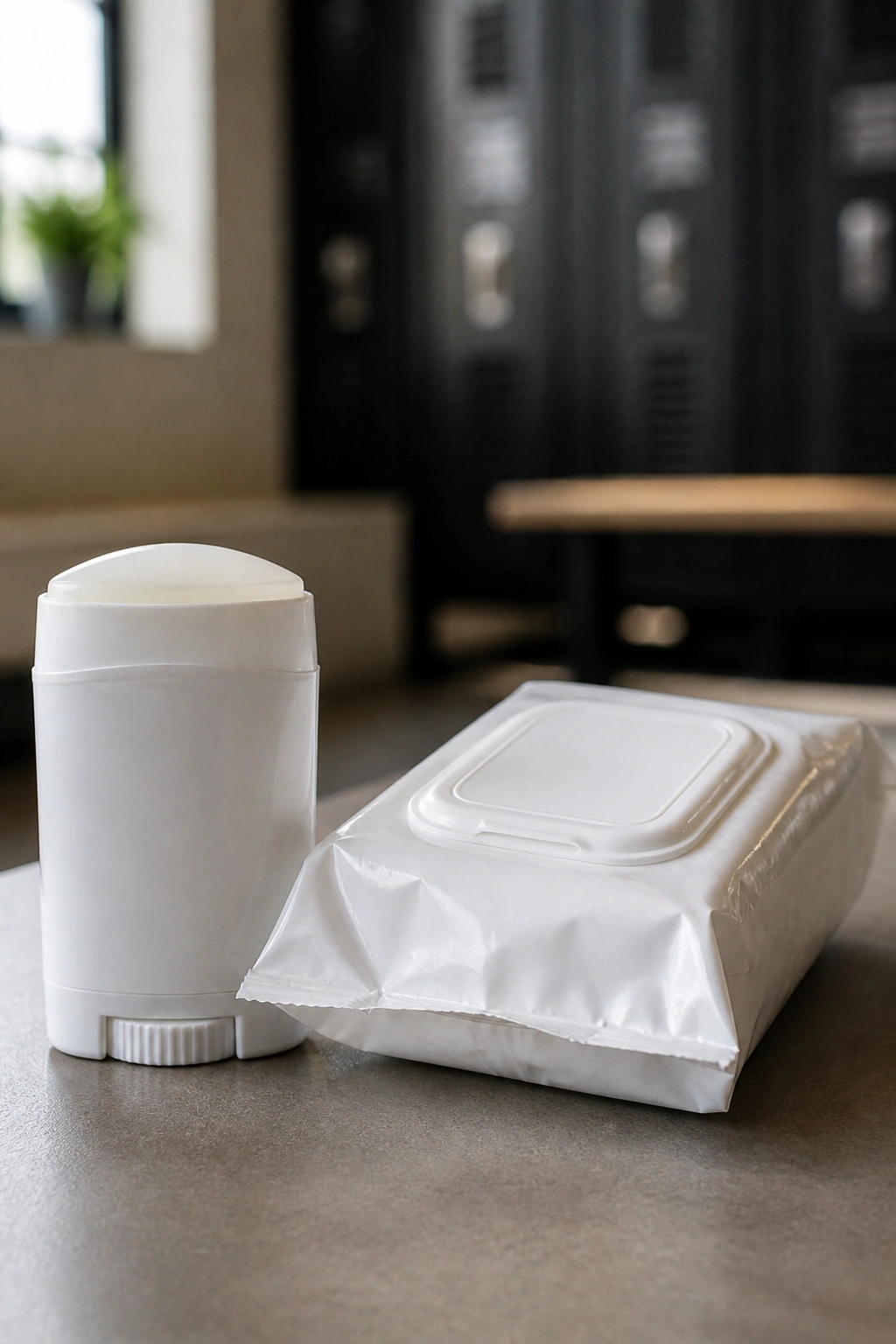
A gym bag without deodorant is optimism, and optimism does not defeat sweat.
A travel-size deodorant belongs in the side pocket where you can grab it fast after training. Body wipes are the other half of the equation. They help when you have somewhere to go after the gym and don’t want to sit in your own sweat for the rest of the day.
What to Pack
- Travel-size solid deodorant
- Unscented body wipes
- Small packet of face wipes if your skin gets shiny fast
- A tiny zip pouch so lids don’t open in the bag
Skip anything heavily perfumed if your skin gets irritated easily. The goal is clean, not fragrant enough to announce your arrival from the parking lot. And if you’re prone to underarm chafing, make sure the product you use doesn’t sting right after shaving. That mistake teaches itself fast.
9. Hair Ties, a Claw Clip, and a Headband
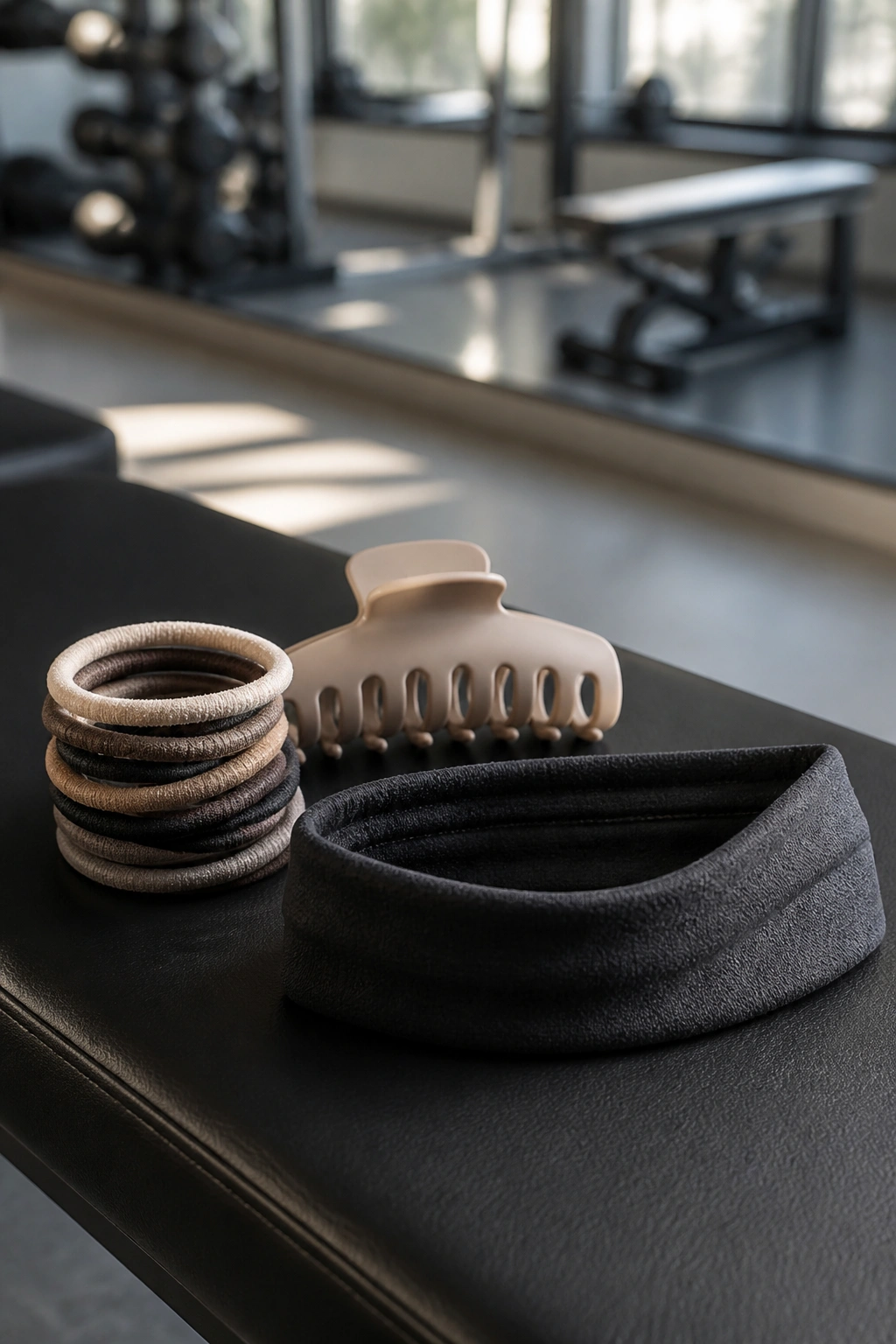
A single hair tie is not enough. Not when you’re on set four and one slips, another snaps, and the third disappears into the bottom of the bag like it owed you money.
A smart hair kit has three different jobs covered. Hair ties hold tight during heavy lifts. A claw clip is easier for warm-ups, stretching, or the long drive home. A sweatband or soft headband keeps baby hairs off your face when the room is hot and your forehead is doing its own thing.
Tie, Clip, or Band?
- Hair ties: best for secure buns and ponytails during lifting
- Claw clip: quick, gentle, good for after training
- Headband: keeps sweat from running into your eyes
I like to keep these in a tiny pouch so I’m not doing the pre-workout pocket scramble. The extra few seconds matter less than the fact that you’re not forced to use a broken tie from the bottom of your tote.
10. A Spare Sports Bra for the Days That Get Sweaty Fast
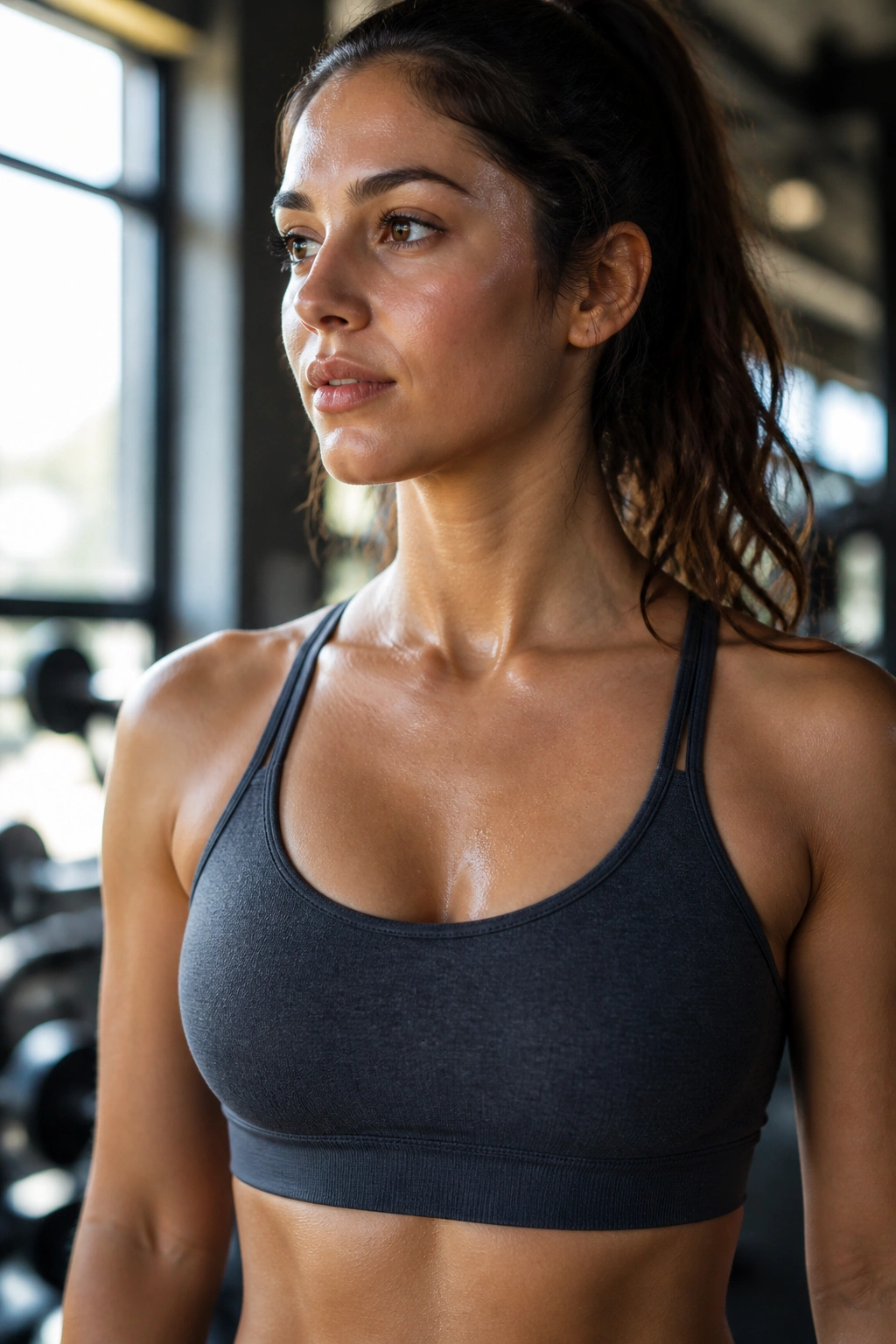
A spare sports bra feels excessive until you need one. Then it feels like genius.
If your training day includes heavy lower-body work, long accessory blocks, or a sweaty finish on the bike or rower, one bra can go from dry to miserable fast. A backup gives you an option when the one you wore in starts feeling damp, stretched, or plain uncomfortable.
Pick one with the same support level you actually train in. If you need medium support for lifting, pack medium support. A fancy high-impact bra that you hate breathing in is not a useful backup, no matter how expensive it was.
I’d also look for a smooth fabric that dries fast and doesn’t rub under the arms. Seam placement matters more than most people think. One irritating edge can distract you through the whole session.
11. A Protein Snack That Isn’t an Afterthought
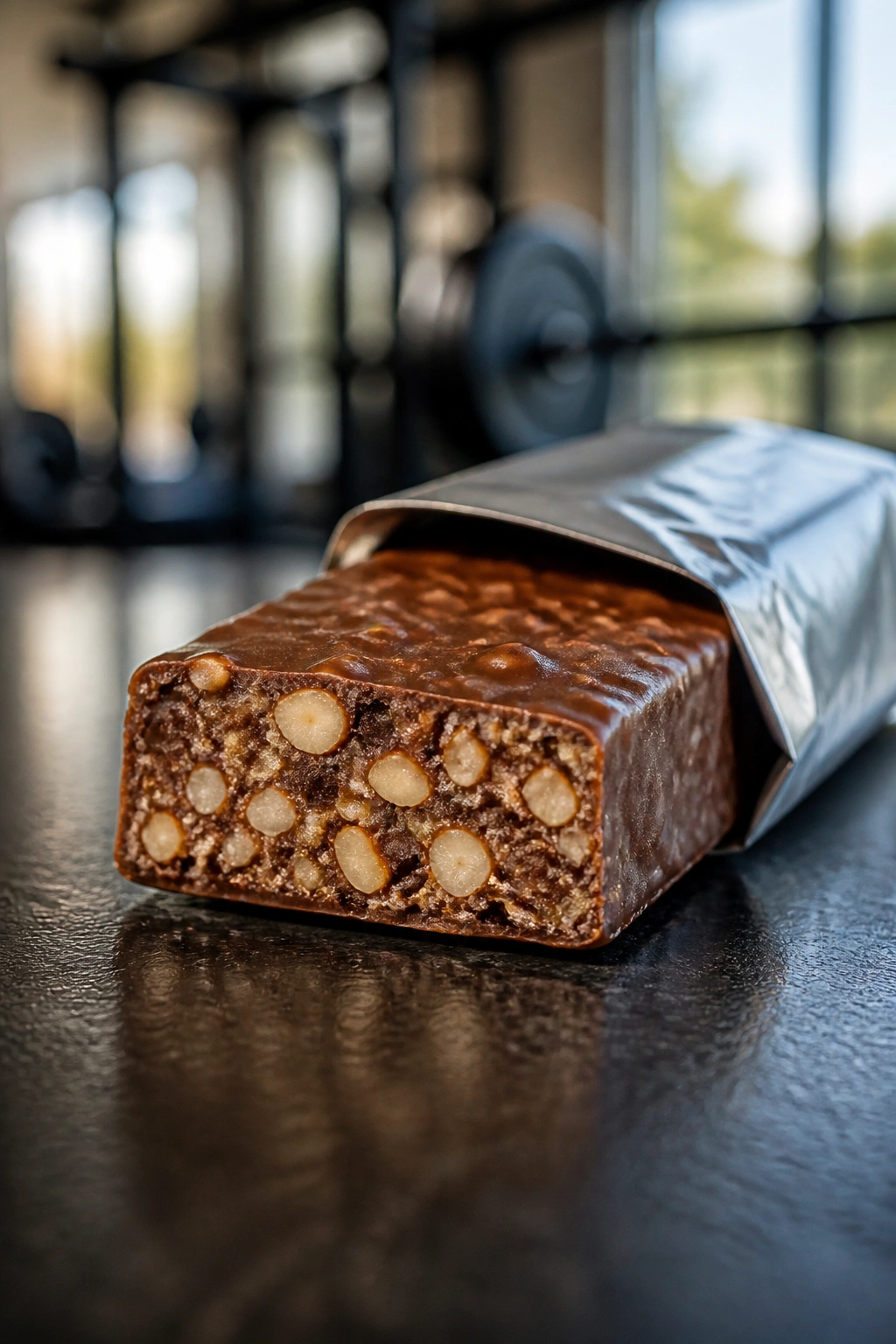
Training hard on an empty tank is a bad bargain. You can get through it, sure. But the session usually feels flatter, and recovery tends to drag.
A good bag snack has some protein and a little carb, especially if you lift before a long work stretch or a busy commute. Think protein bar, jerky, banana, trail mix, or a ready-to-drink shake. You want something that survives heat, doesn’t crush in the bag, and doesn’t require a fork.
Easy Choices That Actually Work
- A protein bar with 15 to 20 grams of protein
- Beef or turkey jerky
- Banana with peanut butter packet
- Trail mix with nuts and dried fruit
- Shelf-stable shake for days when you’re rushing
The best snack is the one you’ll actually eat. If a bar tastes like chalky drywall, it’s going to sit there forever. Pack the thing you don’t resent.
12. A Lock and a Small Zip Pouch for Locker Room Stuff
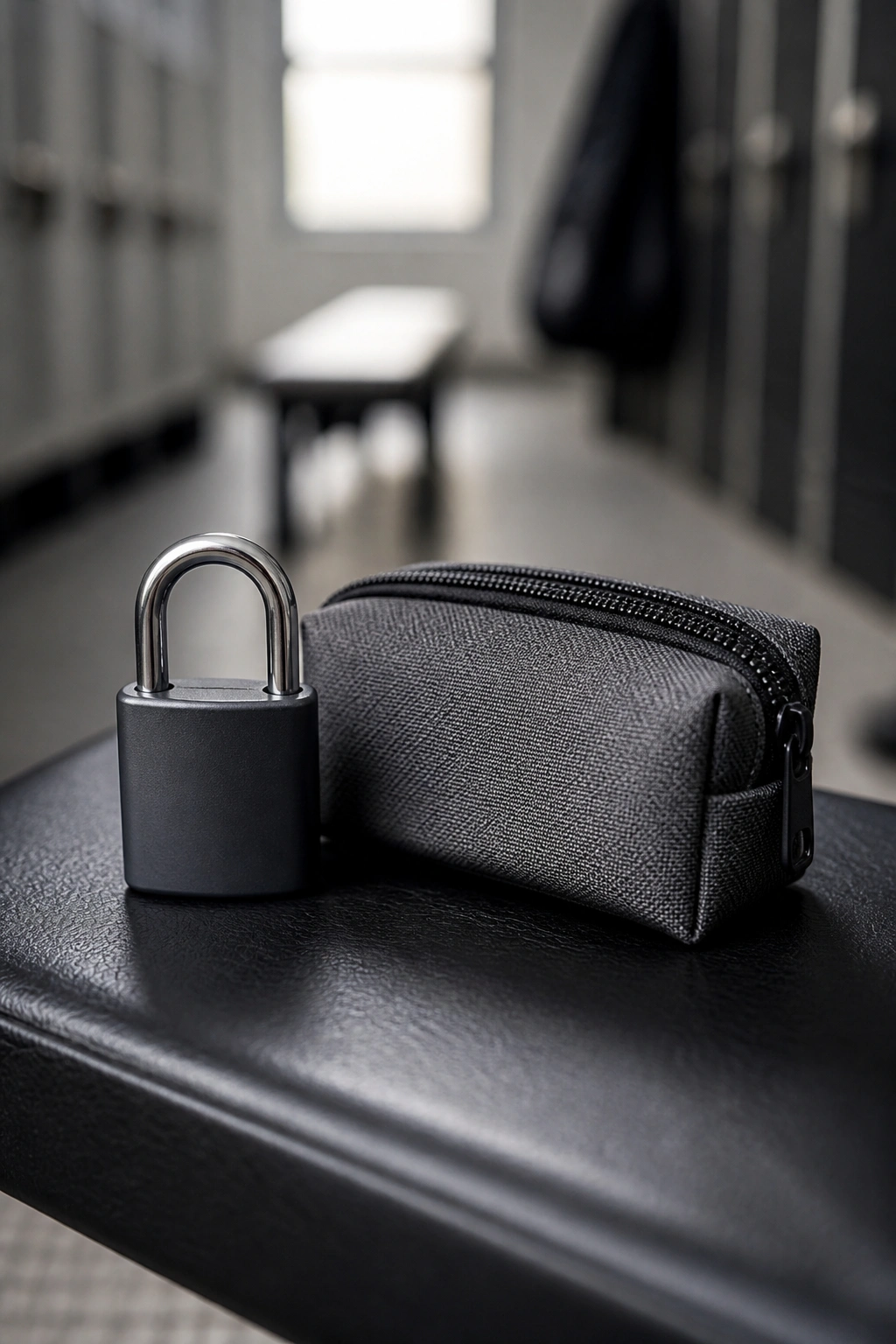
Shared lockers are convenient right up until they aren’t. A small combo lock and a zip pouch fix that problem in a clean, low-drama way.
The lock keeps your bag shut in a busy locker room or storage cubby. The pouch keeps tiny items from disappearing into the bottom of the main compartment. Keys, headphones, cards, lip balm, hair ties — all the little things that vanish when they’re left loose.
A flat pouch beats a bulky makeup bag here. It slides in beside a shoe, doesn’t swallow space, and makes it easier to spot what you need fast. I’d keep one pouch for valuables and one for grooming bits if your bag has the room.
Small details matter in shared spaces. Nobody wants to dig through a heap of straps and socks looking for a set of car keys while trying not to be late.
13. Headphones That Survive Sweat and Shoulder Days
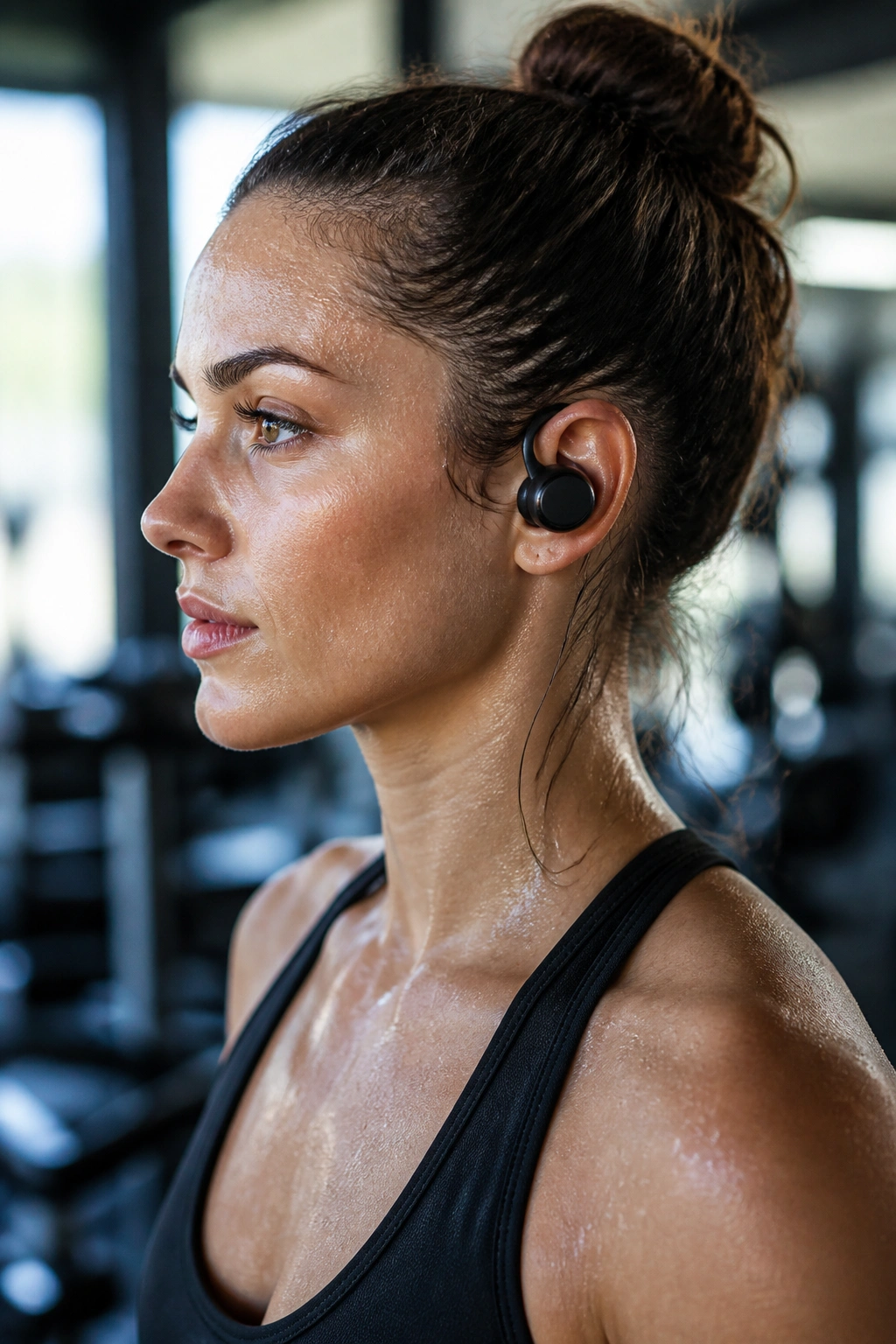
Are headphones a luxury? Not if your training days feel better with your own music and a little mental space.
Look for earbuds or headphones with sweat resistance, a stable fit, and enough battery life to last several sessions. A pair that slips out during a deadlift set is not just annoying — it breaks focus at the exact wrong time. I prefer earbuds with ear hooks or tips that lock in a little better, because the cheap, loose ones never stay put for me.
What to Look For
- Sweat resistance: at least light moisture protection
- Battery life: long enough for back-to-back workouts
- Controls: easy to adjust with sweaty hands
- Case: small enough for a side pocket
A wired pair still has a place if you’re rough on gear, but most lifters end up wanting wireless because there’s less to snag on a cable during rows or cable work. Either way, keep them in a case. Tossed loose into a gym bag, they get gross fast.
14. A Training Log and Pen for Keeping Track of Real Progress
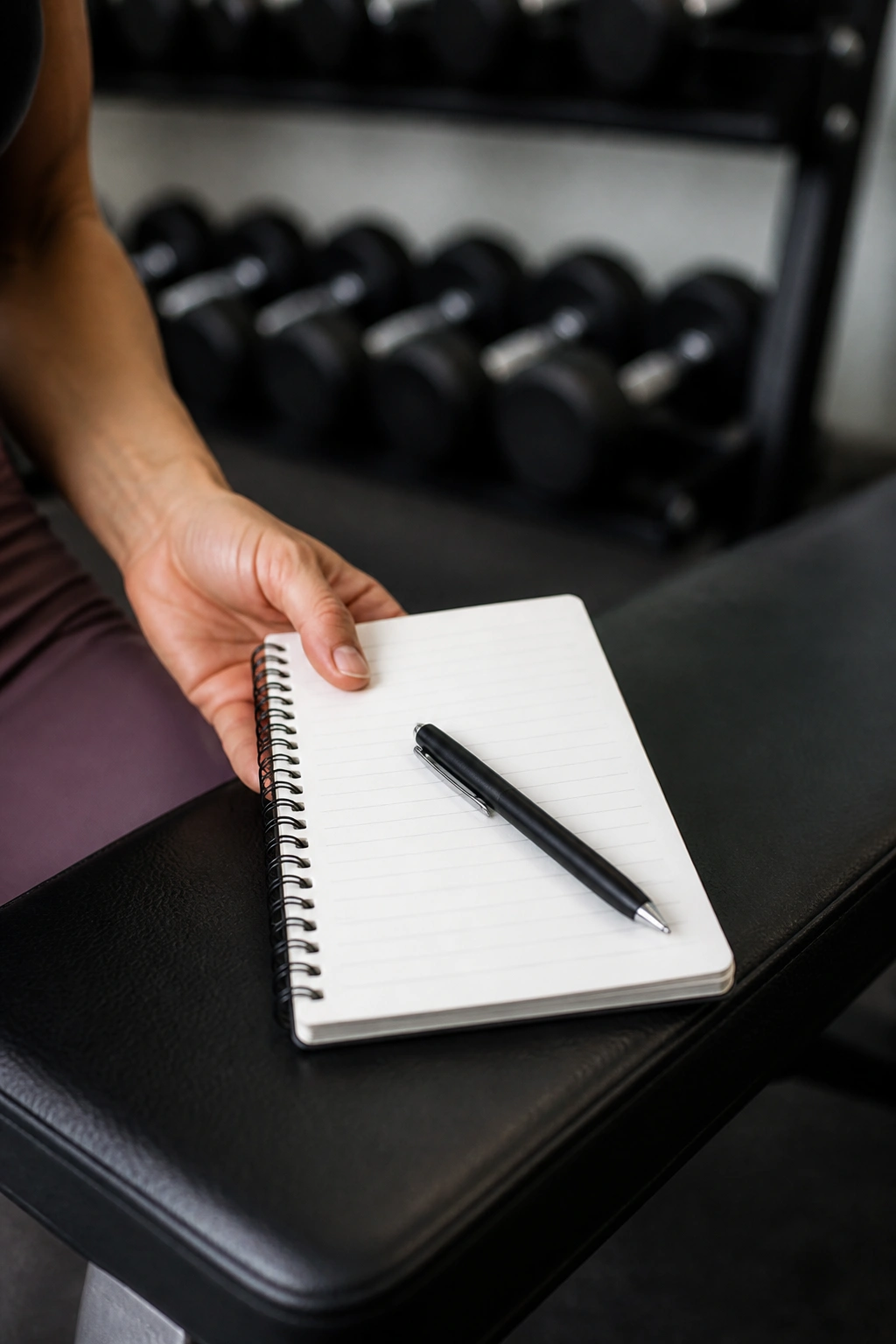
A lot of people think they remember their sets. They don’t. Not accurately.
A tiny notebook or even an index-card stack makes a difference when you’re trying to add weight, repeat a rep target, or see whether last week’s top set actually felt different. Write down sets, reps, load, and a quick note like “bar speed slow on last two reps” or “felt easy, add 5 next time.”
That level of detail sounds nerdy until you’re stuck wondering why your squat stalled. Then it feels useful. Fast.
A pen sounds old-fashioned, and that’s exactly why it works. No battery. No dead app. No accidental distraction from a phone screen that turns into ten unrelated notifications before you’ve logged the set you came to record.
If you prefer a phone app, fine. Keep a pen anyway. Phones die. Pens don’t.
15. Lifting Straps for Pull Days That Outgrow Your Grip
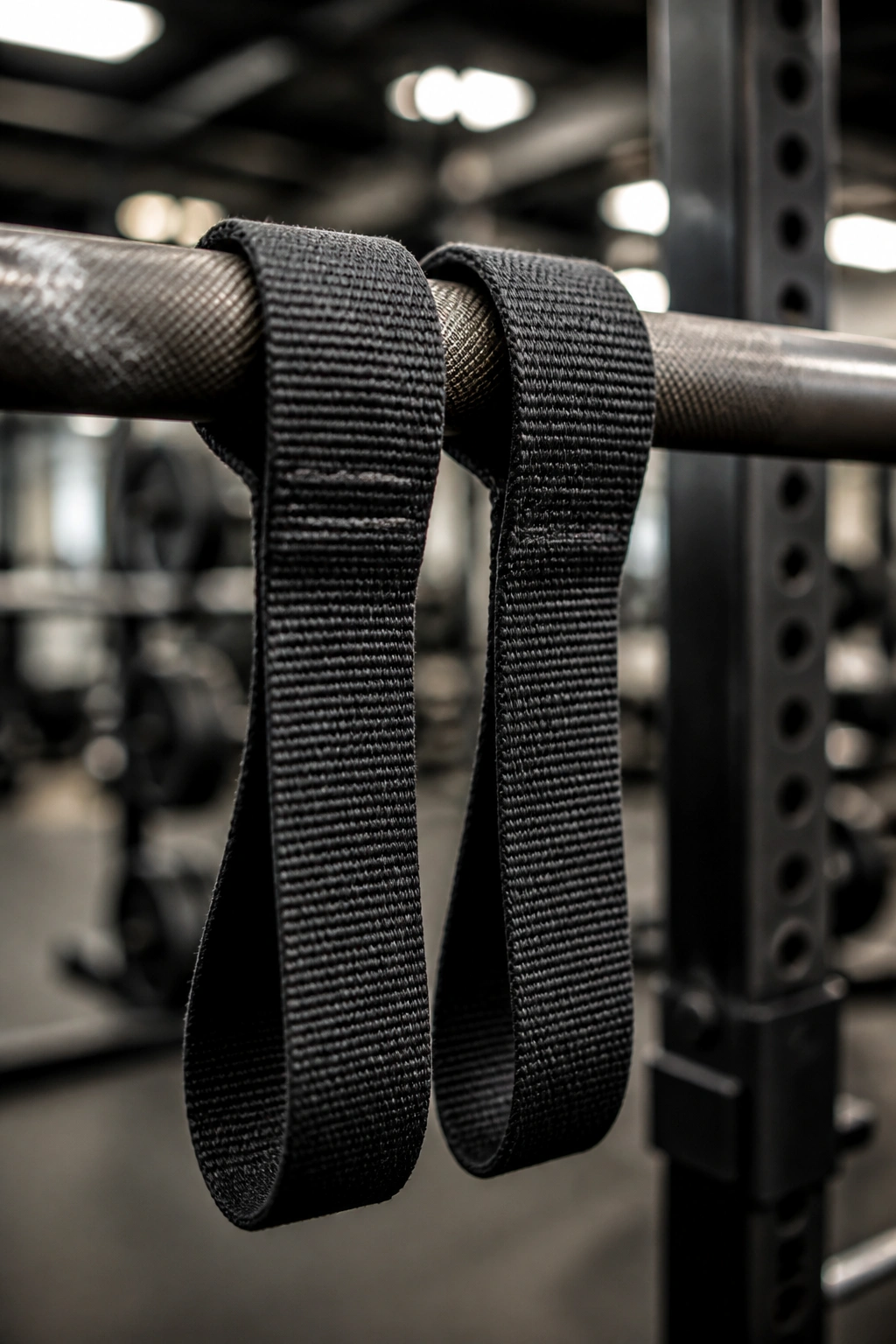
Lifting straps and wrist wraps are not the same thing, and your bag should treat them like different tools.
Straps help when your back, hamstrings, or lats still have work left but your grip gives out early. That shows up on deadlifts, barbell rows, Romanian deadlifts, and heavy pulldowns. They wrap around the bar and reduce how hard your hands have to fight just to hold on.
A good pair is usually cotton or cotton-blend, flat, and not too padded. Thick padded straps can feel bulky and annoying when you’re trying to get set up fast. I like the simple ones that lie flat and don’t twist around the wrist.
Use straps to extend a set when grip is the limiter. Don’t use them as a crutch on every pull. Grip strength still matters, and you want some of that work to happen naturally.
16. Electrolytes for Hot Rooms and Long Sessions
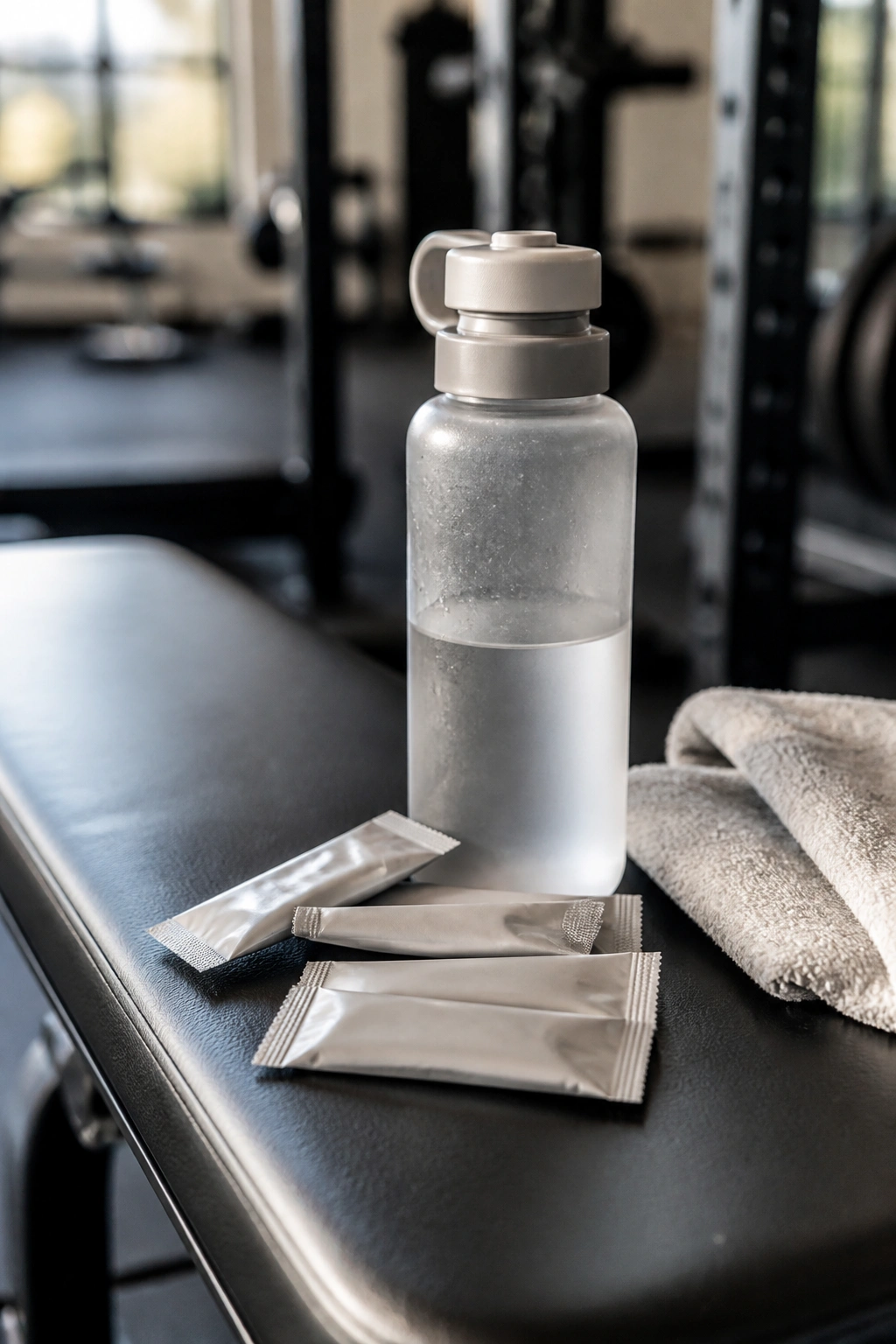
A bottle of plain water is fine until you’re drenched, crampy, and halfway through a long session in a warm gym. That’s where electrolytes start earning their spot.
A small packet or tablet can help replace sodium, potassium, and sometimes magnesium after a heavy sweat session. I’m not talking about magic powder here. I’m talking about a practical way to make water more useful when you’ve been sweating through leg day or a double-session day.
The best version is the one that dissolves cleanly and doesn’t taste like candy mixed with chemicals. Some people want a strong flavor. I usually prefer something milder because too-sweet mixes get old fast.
Pack It Like This
- 1 to 3 single-serve packets
- A spare tablet tube if you sweat a lot
- A water bottle that can handle shaking without leaking
Use them when the session is long, the room is hot, or you know you’re prone to feeling flat after training. If plain water works fine for you, keep it simple.
17. A Mini First-Aid Kit for Blisters, Cuts, and Annoying Little Problems
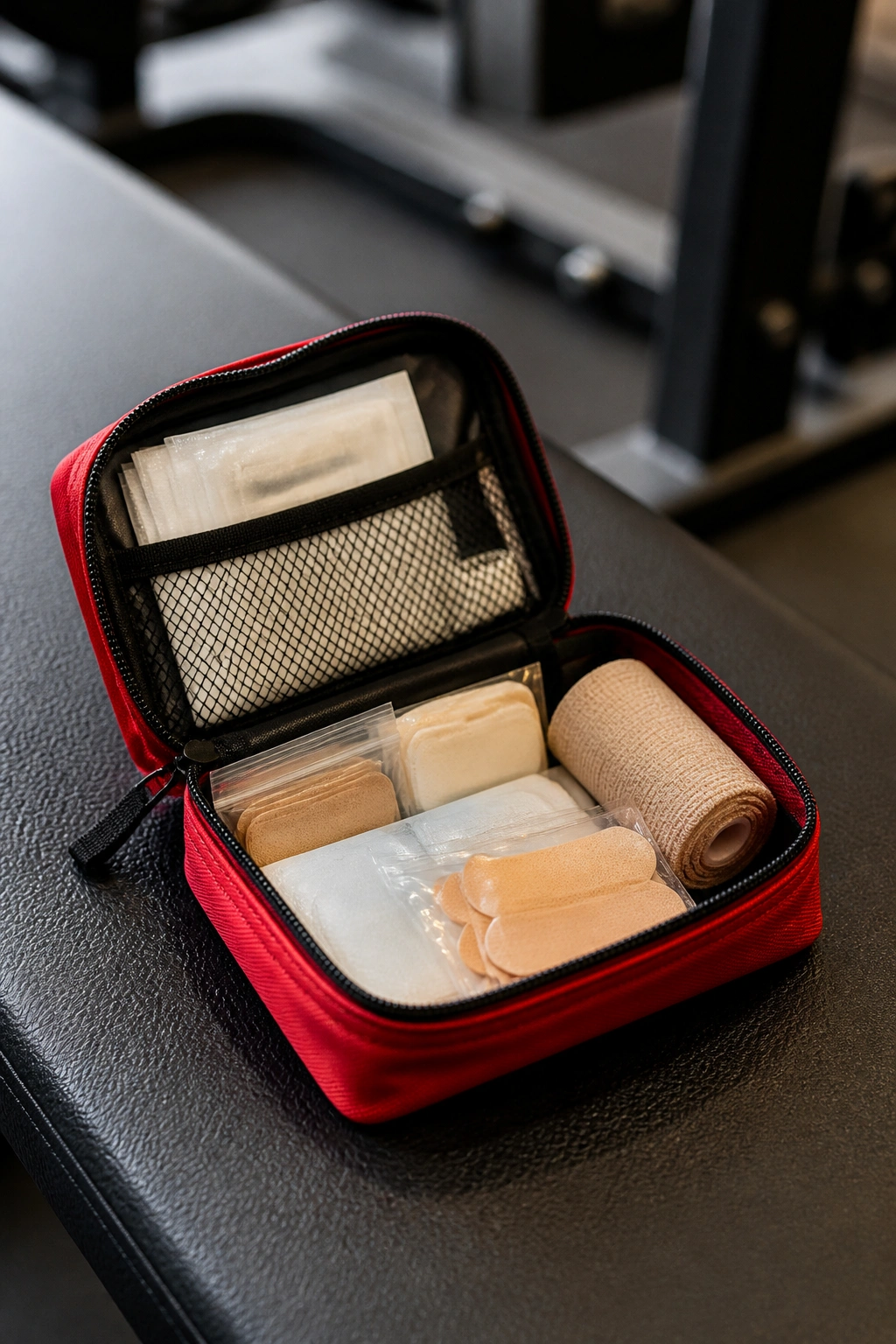
A small first-aid kit is one of those bag items that feels invisible until the day it saves your workout.
I’d keep bandages, blister pads, alcohol wipes, a couple of small gauze squares, and athletic tape in a zip case. That covers the usual gym annoyances: a rubbed heel, a nicked finger, a peeled blister, or skin that hates the knurling on a barbell more than it should.
What Belongs In It
- Band-Aids in two sizes
- Blister pads or hydrocolloid patches
- Alcohol wipes
- Athletic tape or small finger tape
- A couple of gauze squares
Don’t make it huge. A bulky first-aid pouch turns into clutter. The point is to solve small problems fast so you can finish training or at least get home without limping from a shoe rub that started at minute five.
18. A Mesh Laundry Bag That Keeps the Bag from Turning Funky
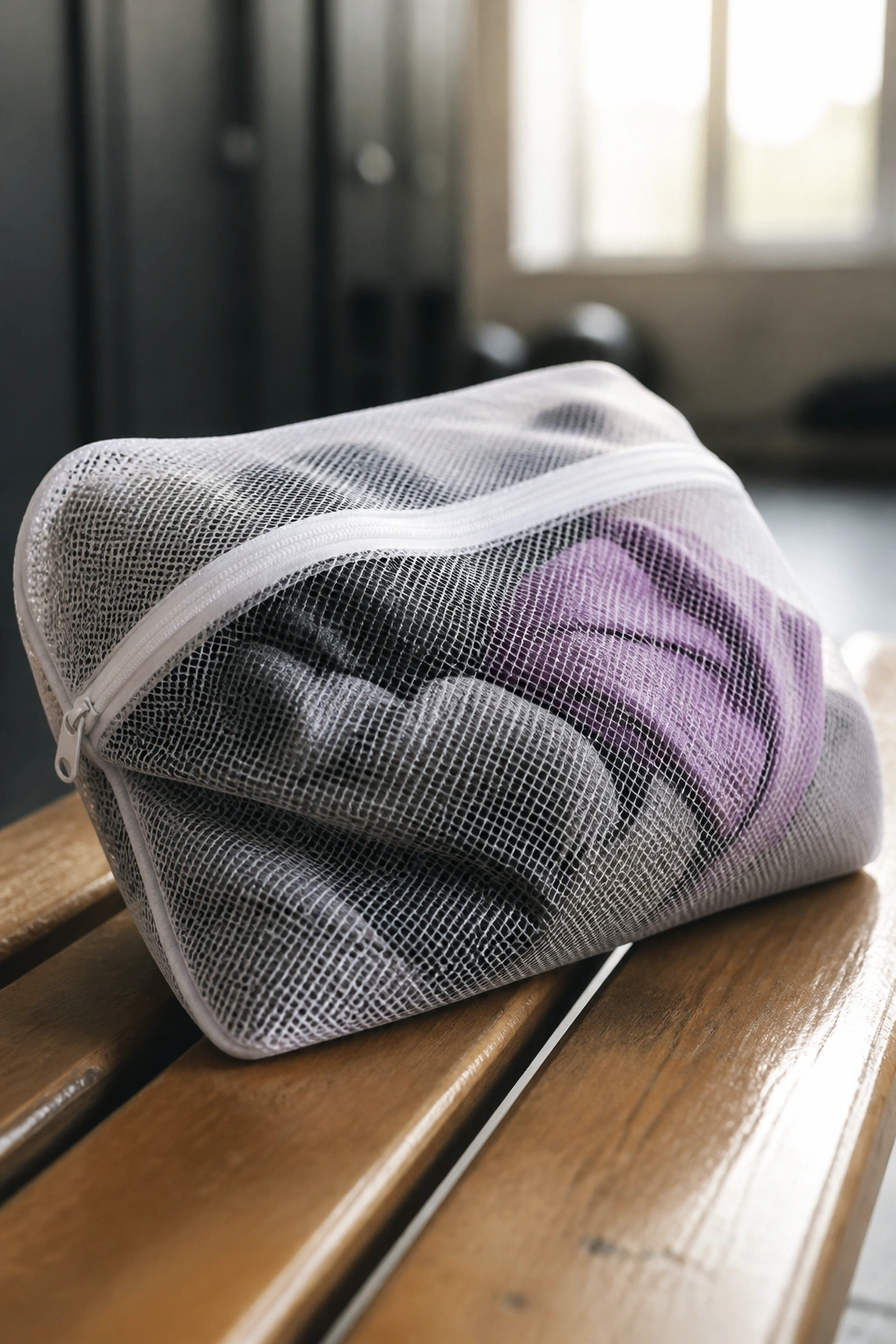
A mesh laundry bag doesn’t look glamorous. That’s fine. It’s one of the smartest things you can keep in a gym bag.
Sweaty clothes, damp socks, and a drenched sports bra should not be tossed loose next to clean wraps or your charger. A small mesh or wet bag keeps the mess contained and makes post-workout cleanup easier. It also helps when you train before work and don’t want your entire bag smelling like a locker room by noon.
I like one that zips shut and folds flat when empty. That way it takes almost no room on dry days, but it’s there when you need it. If your gym bag has ever developed that stubborn sour smell, this is the fix I’d start with.
A plastic grocery bag can work in a pinch. A mesh bag works better because it breathes, which helps sweaty gear dry instead of stewing. That alone is worth the pocket space.
A well-packed bag doesn’t make the workout for you. It just takes away the small stuff that gets in the way, which is often the difference between a session that feels smooth and one that feels like a scavenger hunt. Keep the essentials tight, keep the extras honest, and the whole training week runs cleaner.
