



The best attainable fitness goals are the ones you can keep on a tired Wednesday, not the ones that look heroic in a notebook. If a goal falls apart the second work runs long, the kids get sick, or your sleep is a mess, it was never built for real life in the first place. Attainable fitness goals need to survive bad moods, busy weeks, and the occasional very unglamorous day.
That’s the difference between progress and theater. A lot of people set goals that sound inspiring and then quietly ignore them because they asked for too much, too soon, with too little structure. A goal that needs perfect motivation is a fantasy. A goal that fits into your actual schedule is a tool.
So the smart move is to choose targets that are measurable, flexible, and boring enough to repeat. Boring helps. Boring gets done. And once you stop chasing dramatic promises, you can build the kind of fitness that sticks around long enough to matter.
1. Walk 20 Minutes After Dinner Four Days a Week
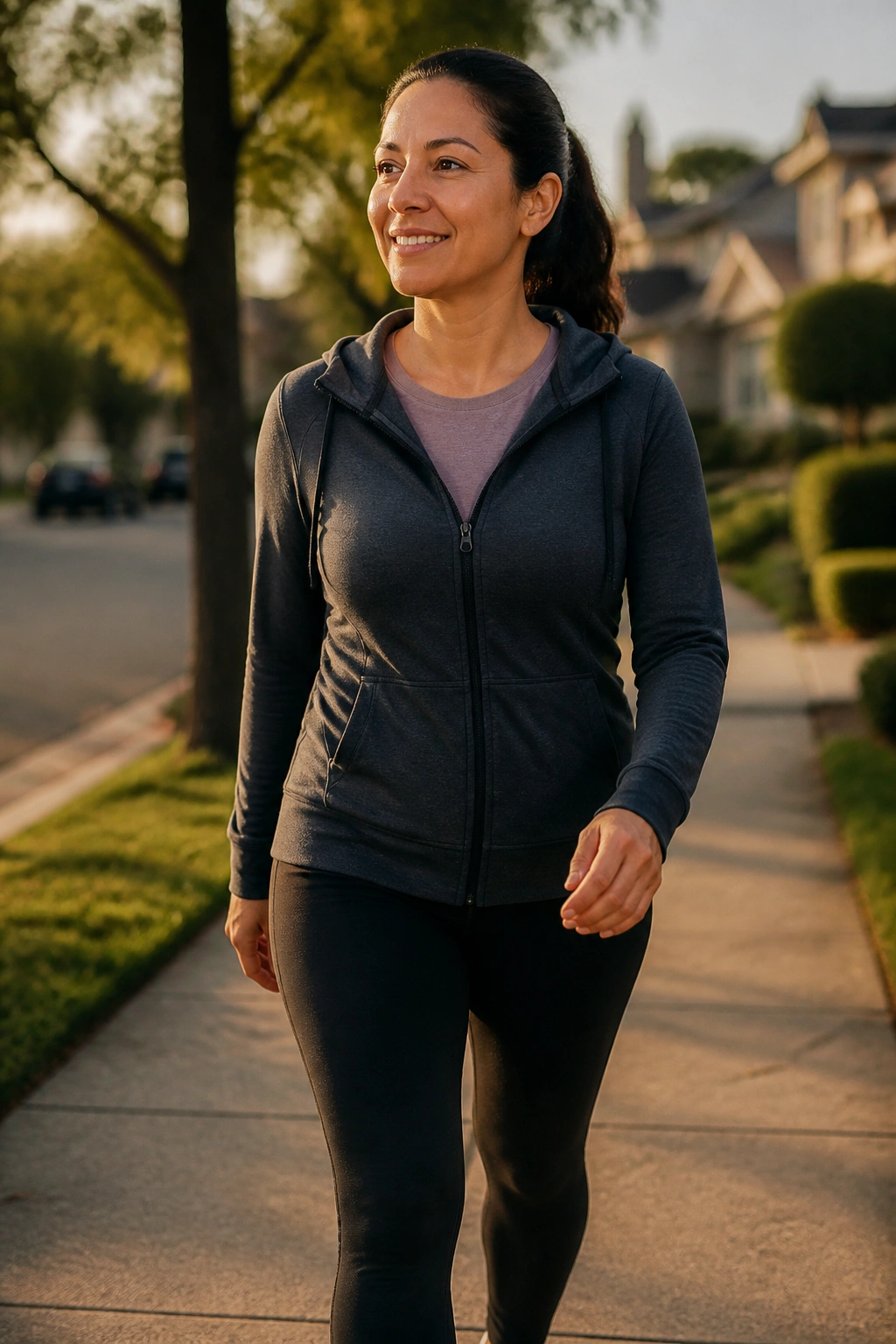
This is one of the cleanest goals on the list because it asks for a tiny slice of time, not a lifestyle overhaul. Twenty minutes is long enough to matter and short enough that most people can protect it if they stop treating it like a bonus and start treating it like part of the day.
Why It Works
A post-dinner walk gives you a built-in trigger. Dinner ends, shoes go on, out the door. That little chain matters more than motivation because it removes the “Should I work out?” debate that usually kills momentum.
It also works for people who hate the gym or live with unpredictable schedules. You do not need equipment, a shower, or a change of clothes. If you can walk around the block, through a mall, or on a treadmill at an easy pace, you can do this goal.
Start with four nights a week. If that feels heavy, make it three and keep the same time of day. The point is to attach movement to something that already happens. After a few weeks, you may notice the walk becomes the thing that signals the day is over.
Easy ways to make it stick:
- Keep walking shoes by the door.
- Pick the route before dinner ends.
- Use a podcast or playlist only for the walk.
- Start with 10 minutes if 20 feels too big.
Best cue: if the goal feels slightly annoying but not impossible, you’ve got the right size.
2. Lift Weights Twice a Week

Two strength sessions a week sounds modest. It is modest. That’s why it works for people with jobs, families, cranky knees, and lives that do not revolve around barbells.
If you want a goal that helps with muscle, bone health, posture, and daily strength, this one earns its keep. A pair of full-body sessions can cover the big movement patterns: squat, hinge, push, pull, and carry. You do not need an hour and a half. Thirty to forty-five minutes is enough if you stay focused.
A lot of public-health guidance lands in the same place here: a few days of moderate movement plus at least two days of muscle work. That combination is hard to beat because it covers both heart health and strength without asking you to become a gym person overnight.
Keep the sessions short and repeatable. Same days if possible. Same general order of exercises helps too, because less decision-making means fewer skipped workouts.
A sane structure
- 2 lower-body moves
- 2 upper-body moves
- 1 core or carry exercise
- 2 to 3 sets each
The goal is not to leave the gym destroyed. The goal is to keep showing up next week. That’s the part people underestimate.
3. Raise Your Daily Step Floor by 1,000

Most people already know their rough step count, even if they never check it. That’s where this goal gets useful. You are not trying to become a person who lives on a treadmill. You are trying to move a little more than you do now, in a way that doesn’t feel like punishment.
Measure your average week first. Then add 1,000 steps to that number. If you average 4,800, aim for 5,800. If you average 7,200, aim for 8,200. Small jumps work because they leave room for ordinary life.
The trick is to spread the steps across the day instead of hunting for one giant walk. Park farther away. Pace while you take calls. Walk the perimeter of your building after lunch. Do one lap around the house while waiting for coffee to brew. These little fragments add up faster than people think.
What to watch for
If you jump too high, you’ll spend three days sore and then quit. That is a bad trade. Move the floor up by 500 to 1,000 steps and hold it for a few weeks before you move again.
One sharp rule: a step goal should feel like a nudge, not a second job.
4. Eat 20 to 30 Grams of Protein at Breakfast

Breakfast gets ignored a lot, then blamed for everything. That’s unfair, but the meal does set the tone for the rest of the day. If you start with protein, you usually spend less time hunting snacks an hour later, and that makes your food choices calmer all day.
Twenty to thirty grams is a useful target because it’s concrete. Two eggs won’t get you there on their own. Greek yogurt often will. So will cottage cheese, tofu scramble, smoked salmon, protein oats, or a shake paired with fruit and toast. The goal is not perfection. The goal is a breakfast that actually feeds you.
This matters for people who train in the morning, but it helps everyone else too. A protein-heavy breakfast can make the gap between meals easier to handle, which matters when you’re dealing with long meetings, school drop-off, or a commute that eats the first half of your day.
Real-life examples
- Greek yogurt plus berries and nuts
- Three eggs with toast and fruit
- Cottage cheese on whole-grain toast
- Tofu scramble with potatoes
- Oatmeal mixed with protein powder and peanut butter
If you hate breakfast, start smaller. Eat the protein part first and stop pretending coffee counts as food.
5. Run or Walk One Mile Without Stopping

A one-mile nonstop effort is a smart target because it has a clear finish line. It’s short enough to be reachable and long enough to feel meaningful when you get there.
For beginners, the easiest path is a run-walk mix. Run for one minute, walk for two. Repeat until the mile is done. Then slowly make the run segments longer. Don’t chase speed. Chase continuity. The win is finishing the mile without needing to stop and negotiate with yourself every ninety seconds.
This goal is especially good if you want a cardio benchmark that doesn’t require a race, a watch full of metrics, or a gym membership. It also works well for people who like visible progress. The mile doesn’t lie. If you can’t do it yet, that’s fine. If you can, you know it.
How to progress
Start with 15 to 20 minutes total, three times a week. Keep the effort at a pace where you can still talk in short sentences. The first sign of progress is not speed. It’s smoother breathing and less dread before you start.
And yes, walking the mile counts. Then walking part of it counts. Build from there.
6. Build to 10 Clean Push-Ups
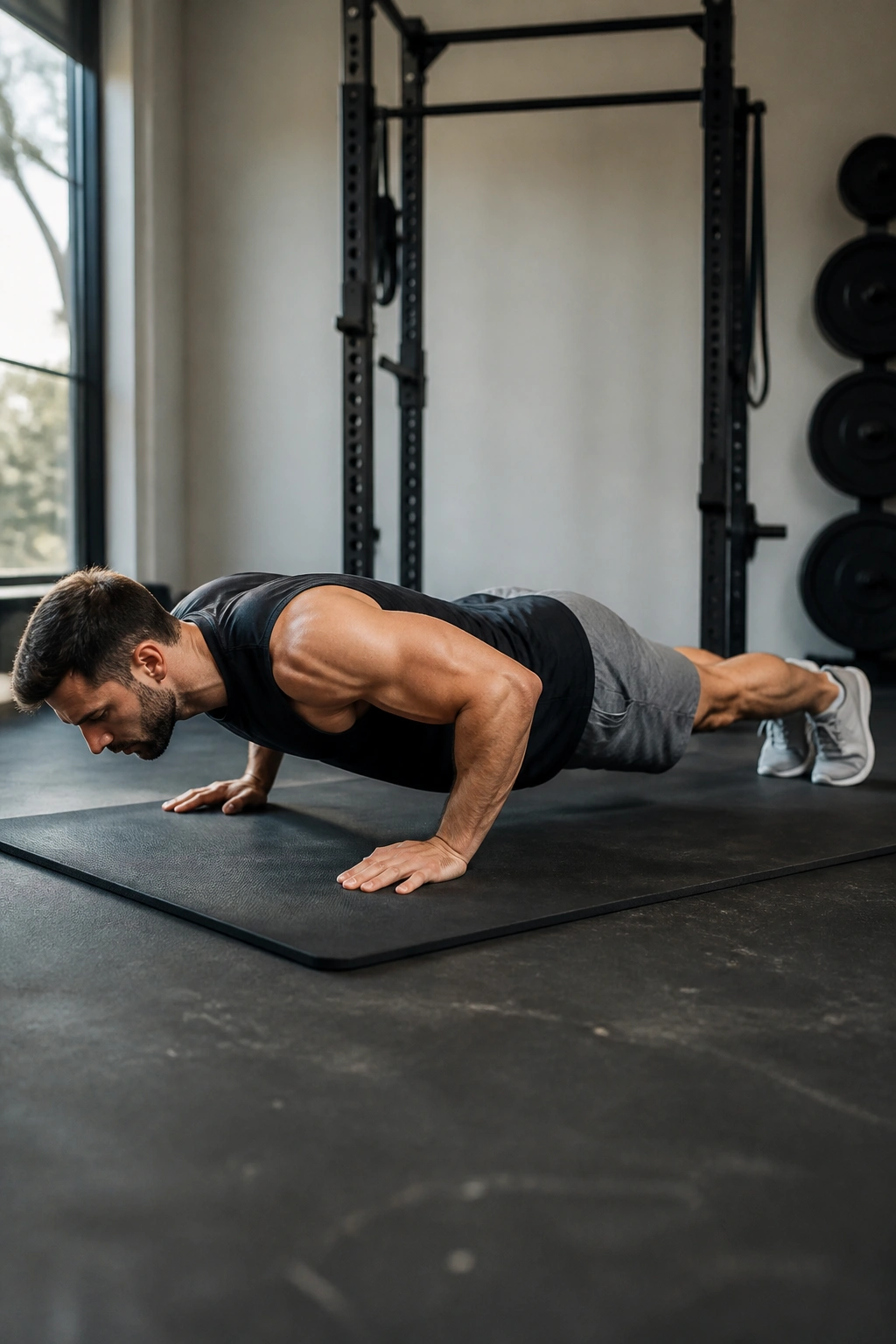
Ten push-ups with good form is a classic goal because it tests strength without needing any gear. It also exposes a lot of things people want to avoid, like weak triceps, shaky core control, and impatience. That’s fine. You can work with that.
If floor push-ups are too much right now, use a bench, a sturdy counter, or even a wall. The body angle changes the load more than most people expect. A counter push-up may be where you start. Floor push-ups may be where you end up. Both count.
What clean form looks like
Your body stays in one line. Your hips do not sag. Your hands stay under your shoulders or slightly wider. Lower under control until your chest is close to the floor or surface, then press back up without bouncing.
A lot of people rush this goal and end up doing half-reps with bent hips. That’s not the point. You want strength you can trust. Start with three sets of the hardest version you can do for 5 to 8 solid reps, then add reps over time.
Useful progression: wall → counter → bench → floor.
7. Carry Heavy Things for 30 Seconds Without Setting Them Down
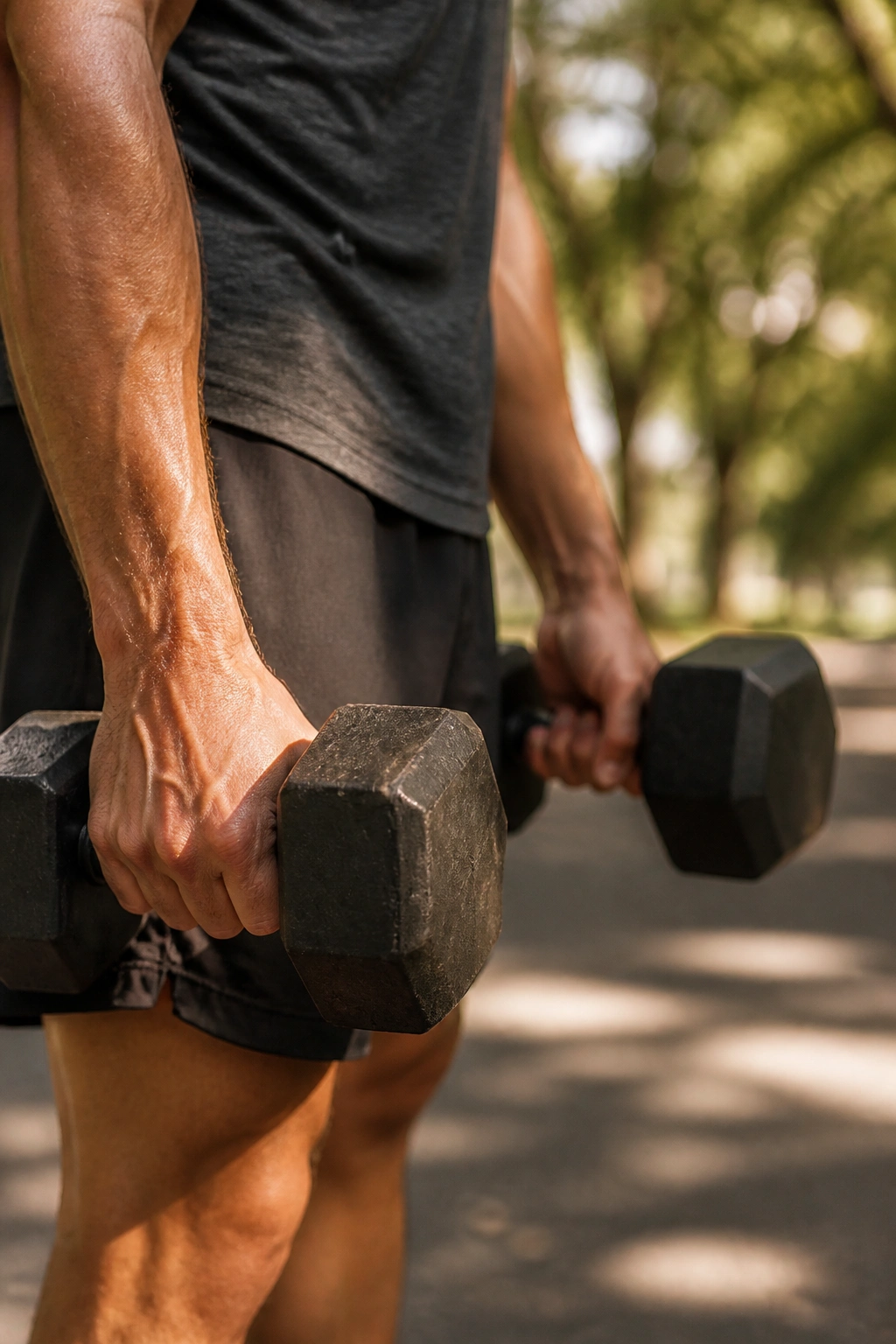
Farmer’s carries are underrated because they look plain. No drama, no fancy machines, no internet mythology. Just you picking up something heavy and walking with it.
That makes them one of the most practical attainable fitness goals around. Carrying weight taxes your grip, core, shoulders, and posture all at once. It also maps neatly to actual life: groceries, laundry baskets, suitcases, toddlers, recycling bins that somehow weigh more every week.
You can use dumbbells, kettlebells, grocery bags, water jugs, or two loaded buckets. Pick a weight that challenges your grip by the end of 30 seconds but doesn’t force you to sway like a shopping cart with a broken wheel.
Make it measurable
- 2 carries per side
- 30 to 45 seconds each
- Rest 60 to 90 seconds between rounds
If you want a simple win, carry heavier things for the same time. If you want a tougher one, keep the weight and walk farther. Either way, the goal teaches your body to stay braced under load. That skill pays off more than people expect.
8. Spend 10 Minutes on Mobility Before Bed
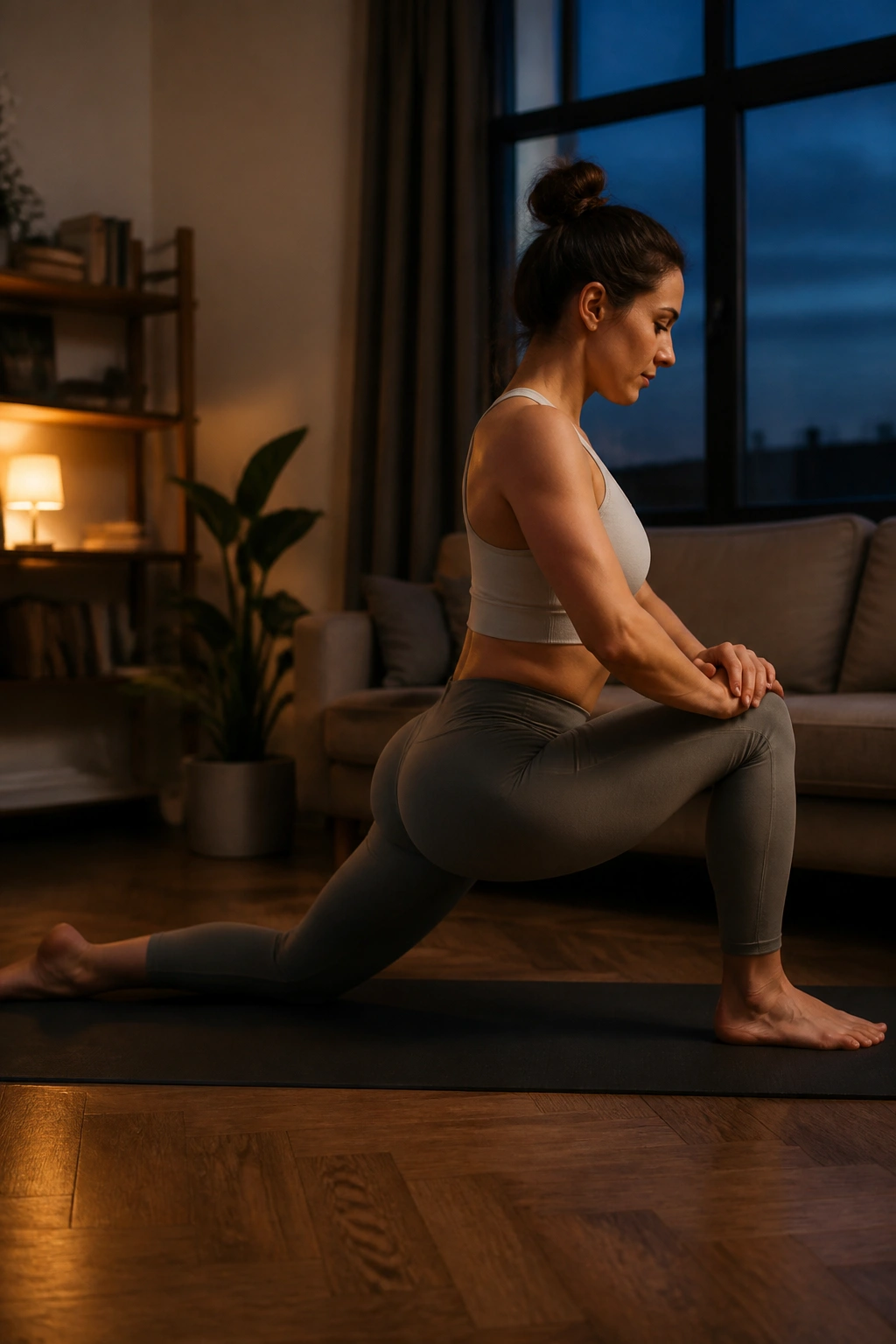
Ten minutes sounds small because it is small. That is the point. Mobility work gets abandoned when it’s treated like a grand event, so make it a short nightly habit instead.
Hips, ankles, upper back, and shoulders are the usual suspects. If you sit a lot, your hips and mid-back tend to get stiff. If you lift or carry kids, your shoulders often feel tight at the end of the day. A short mobility routine can take the edge off both without turning bedtime into a physical therapy clinic.
The goal is not to become bendy for its own sake. The goal is to wake up feeling a little less rusty. Pick four or five moves and repeat them until they’re automatic.
A simple night set
- 1 minute of deep breathing on your back
- 1 minute per side of hip flexor stretch
- 1 minute of ankle rocks
- 1 minute of thoracic rotations
- 1 minute per side of a couch stretch or glute stretch
Keep the room dim. Keep the phone away. If a stretch feels sharp, back off. Mobility should feel like pressure and release, not a fight.
9. Drink Two Liters of Water Before Dinner

Hydration goals get messy when people make them vague. “Drink more water” means almost nothing. “Finish two liters before dinner” gives you a number, a deadline, and a chance to notice what happens when you miss it.
That said, the exact number is less important than the structure. If two liters is too much, use a 750 ml bottle and refill it twice. If that’s still too much, start with one full bottle before lunch and another before dinner. A goal only works if you can see it.
This one helps training more than people realize. When you’re under-hydrated, workouts feel harder, your energy dips earlier, and headaches show up at the worst possible time. A bottle on your desk solves more problems than another motivational quote ever will.
Practical setup
- Drink 250 to 500 ml after waking.
- Keep a bottle where you work.
- Finish one bottle before lunch.
- Finish the second by dinner.
Don’t chase water so aggressively that you ignore electrolytes or basic common sense. Still, for most people, a steady water habit fixes more than it complicates.
10. Keep Your Sleep Window Within One Hour

Fitness falls apart fast when sleep gets random. That’s not dramatic, it’s just annoying biology. If you go to bed at 10 p.m. one night, 1 a.m. the next, and 11:30 p.m. after that, your body never gets a clean rhythm.
A good goal here is a one-hour sleep window. Pick a bedtime and wake time that you can hold most days, then stay within 60 minutes of it. That’s a lot easier than aiming for a perfectly rigid schedule. It also matters more than people admit.
Better sleep tends to make training feel less miserable, hunger feel less chaotic, and recovery feel less sluggish. None of that is magic. It’s just what happens when you stop sending your body a different message every night.
How to make it work
Use a wind-down cue. Dim lights. Stop caffeine earlier than you think you need to. Keep the last 20 minutes of the night dull on purpose. If your schedule shifts, protect the wake time first. That anchor matters.
One stable sleep window can make every other goal easier to hold. It’s not flashy. It is useful.
11. Track Your Workouts for Eight Weeks
This goal sounds boring until you do it. Then it becomes one of the most useful habits in the room.
Write down the exercise, weight, reps, sets, and how hard it felt. That can live in a notebook, a phone note, or a spreadsheet if you enjoy looking organized. The format doesn’t matter nearly as much as the act of recording what happened. Without notes, people guess. With notes, they improve.
Tracking also keeps you honest. If you keep saying you’re “doing the same workout” but the numbers never move, the log shows it. If your lifts go up by five pounds or two reps over a month, that’s real progress. No need to debate it.
What to record
- Exercise name
- Weight or resistance
- Reps and sets
- Rest time if you care about detail
- One sentence about effort or energy
This is one of those goals that sounds small and turns out to be a compass. You can’t steer well if you don’t know where you’ve been.
12. Cook or Pack Three Home Meals a Week
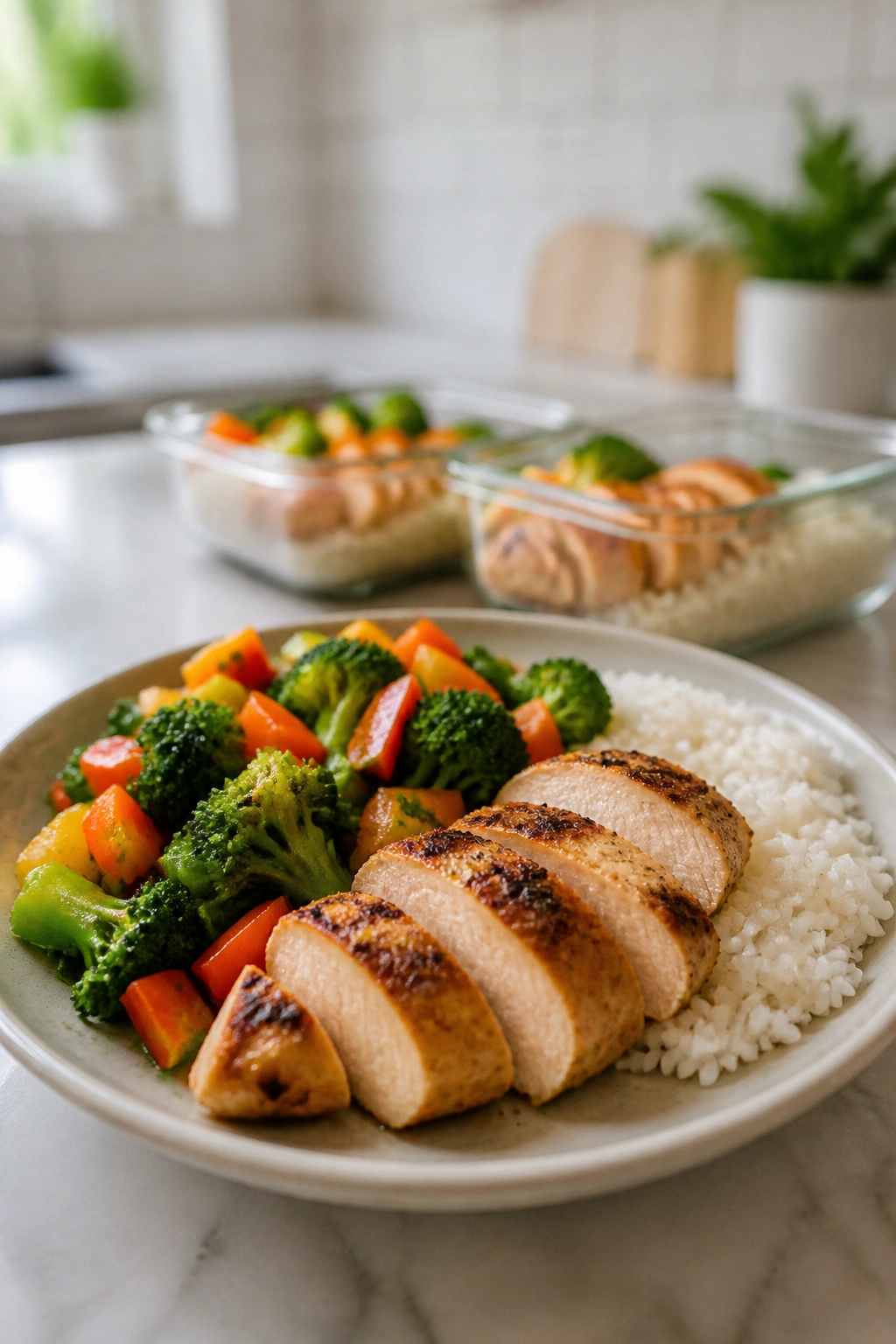
Food supports training whether people like that answer or not. If your meals are chaotic, your energy usually follows the same pattern. Three home meals a week is a fair target because it helps without turning dinner into a production.
A home meal does not need to be complicated. Chicken and rice. Beans, eggs, and salsa. Salmon, potatoes, and frozen vegetables. A big salad with chickpeas and bread. The point is to control the ingredients enough that you can eat a solid meal without guessing what’s in it or spending a fortune.
This goal helps in two ways. First, it makes protein and vegetables easier to get consistently. Second, it creates a little predictability around calories and portions, which matters if you’re trying to maintain weight or change it.
A realistic rule
Pick three meals and repeat them for a month. Not forever. Just long enough that grocery shopping stops feeling like a gamble.
If cooking every night is too much, pack lunch instead. Same idea. Less chaos. More follow-through.
13. Add One Cardio Session Where You Can Still Talk

A lot of people think cardio has to leave them bent over and gasping. It doesn’t. One of the smartest goals you can set is a session where you can still speak in full sentences. That’s usually brisk walking, easy cycling, rowing at a calm pace, or a light jog.
This kind of work builds a base. You can recover from it. You can repeat it. You can stack it around strength training without wrecking your legs for two days. That makes it a good fit for people who want better stamina without turning every workout into a punishment.
If you want a simple test, use the talk test. If you can say a few sentences without panting, you’re in the right neighborhood. If you can sing, you may be going a touch too easy. If you can only grunt, slow down.
Good ways to use it
- 30-minute brisk walk
- 20-minute easy bike ride
- 15 to 25 minutes on a rower
- Light jog with a friend
This is the cardio most real people can keep doing. That’s why it matters.
14. Leave Two Reps in the Tank on Most Sets

Here’s the blunt version: training to failure every time makes a lot of people tired, sore, and inconsistent. That’s not a badge of honor. It’s a fast route to dreading the gym.
Leaving two reps in the tank means stopping a set when you could still do two more with decent form. It keeps the work hard enough to build strength while leaving enough energy to train again soon. For most people, that balance beats the heroic, all-out approach they saw in a clip online.
You can use this on squats, presses, rows, curls, lunges, and machine work. The goal is steady effort, not collapse. That matters a lot if you’re juggling work stress, parenting, or anything else that already drains your battery.
What it feels like
The last rep should slow down. Your form should stay clean. You should feel challenged, not wrecked.
A small warning: if you always stop too early, you may undertrain. But if you always chase failure, you’ll burn out. Two reps in reserve is a sensible middle ground for most non-competitive lifters.
15. Keep One Small Goal for 90 Days

Big resets are seductive. New shoes, new app, new plan, new personality. Then the whole thing falls apart because life remained life. A 90-day small goal is a better bet.
Choose one thing you can repeat without a dramatic mood shift. Ten-minute walks. Two lifting sessions. A step floor. A sleep window. A protein breakfast. Keep it small enough that you can do it on boring days, because boring days are most days.
The reason this works is simple: repetition builds identity faster than intensity does. One solid habit held for 90 days does more than six ambitious goals that last for eleven days each. You begin to trust yourself, and that changes how the rest of your plan feels.
Pick the goal with the least friction
- If you miss workouts, choose the 10-minute minimum.
- If energy crashes hard, pick sleep or breakfast protein.
- If you sit all day, pick steps or walking.
- If strength feels shaky, pick two lifting sessions.
Keep the target small. Keep the timeline long. Then protect the streak like it matters, because it does.
The nicest part? Once one small goal feels normal, you can add the next one without turning your week upside down. That’s how real fitness gets built. Quietly. Repeatedly. Without the drama that usually burns people out.
