



The fastest way to ruin a fitness plan is to make it feel like punishment.
The best fitness challenge calendars for women don’t rely on guilt, and they don’t ask for perfect mornings, empty schedules, or a miracle burst of motivation. They work because they make movement small enough to start on a random Tuesday after work, when your brain is foggy and the laundry still isn’t folded. That matters more than people admit.
A good calendar also has to respect real bodies. Some weeks you want heavy squats and hard intervals. Some weeks you need walking, mobility, and a little less noise from your own to-do list. That’s not laziness. That’s how people stay consistent long enough to get stronger, move better, and stop feeling like exercise runs their life.
The old advice about “just be consistent” leaves out the part where consistency needs a structure that fits actual human beings. A challenge calendar should give you a clear target, a little momentum, and enough breathing room that missing one workout doesn’t turn into a full-scale emotional meltdown. That’s the sweet spot. Not perfection. Not chaos.
1. The 30-Day Strength Ladder Calendar

If you want one calendar that builds confidence fast, start here.
A strength ladder is simple on paper and sneaky in practice. You begin with a manageable amount of work — maybe three full-body sessions a week, 25 to 35 minutes each — and you add a small step every week: one more set, a little more weight, or a slightly slower tempo. The point is steady progression, not chasing soreness like it’s a medal.
How the month climbs
- Week 1: 3 full-body workouts, 2 walks, 2 rest or mobility days
- Week 2: Add one extra set to your main lifts
- Week 3: Increase dumbbell weight by 2 to 5 pounds, if form stays clean
- Week 4: Keep the load and shorten rest breaks by 10 to 15 seconds
That kind of calendar works because it gives your nervous system time to catch up. You’re not reinventing the workout every day. You’re repeating the same patterns until they feel less clumsy and more solid.
Pro tip: pick 4 anchor moves — squat, hinge, push, pull — and keep them in the calendar for the whole month. Bored? Maybe. Effective? Absolutely.
2. The 7,000-Step Walking Calendar

Walking sounds easy until you try to do it every day on purpose.
That’s why a step calendar works better than a vague “move more” promise. Seven thousand steps is a useful middle ground for a lot of people: enough to count, not so high that a missed day ruins the week. You can split it into pieces — 10 minutes before breakfast, 15 after lunch, 20 after dinner — and suddenly the number looks less intimidating.
The beauty of a walking challenge is that it doesn’t fight the rest of your training. It supports it. A brisk walk helps recovery after lower-body days, keeps your joints from stiffening up, and gives you a place to put restless energy without lighting your legs on fire. Some women do best with one long walk; others prefer three short ones. Both work.
No fancy gear. No gym bag. Just shoes that don’t hate your feet.
3. The Low-Impact Cardio and Core Calendar
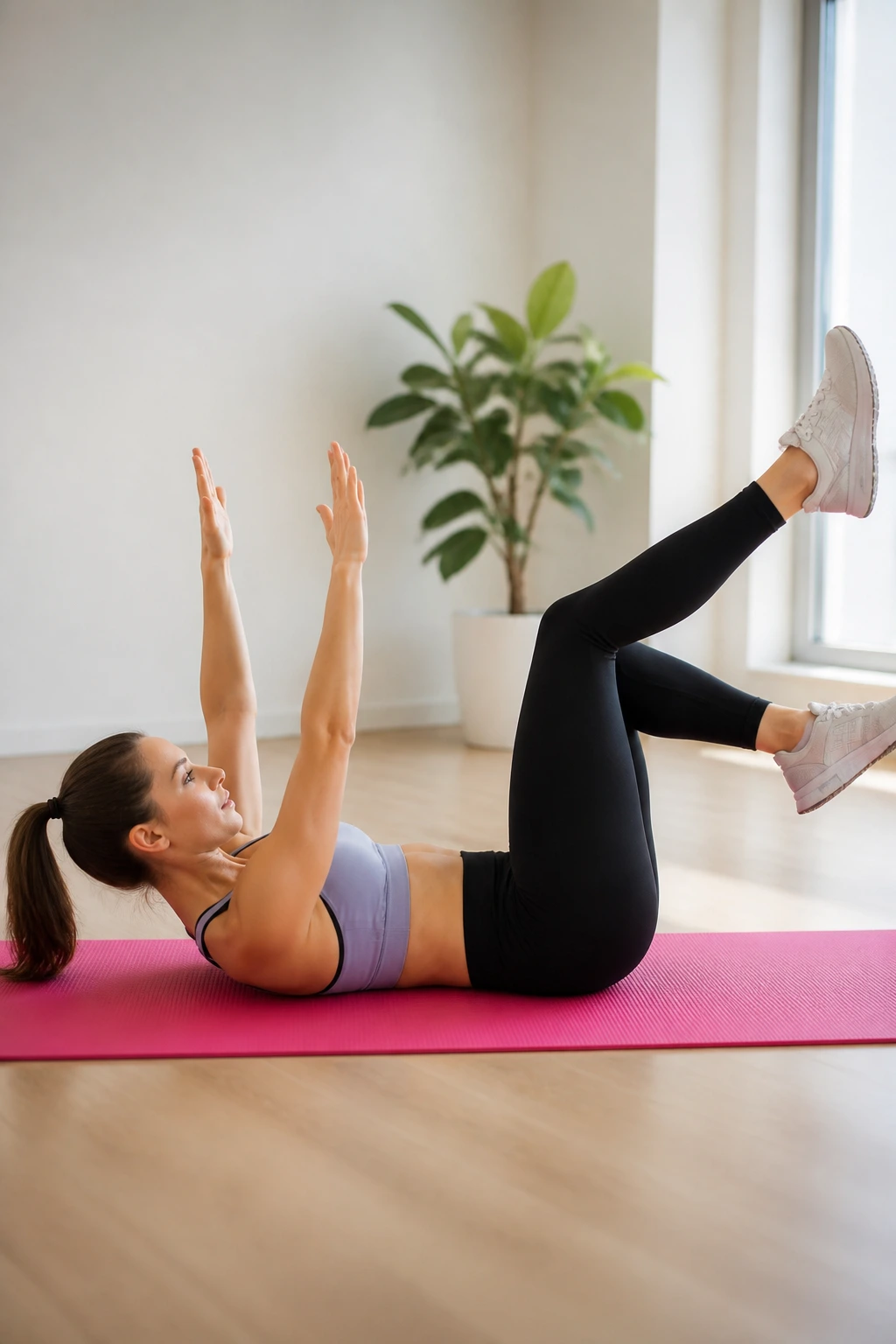
Want sweat without beating up your knees?
This calendar is for the days when jumping feels like a bad idea but doing nothing feels worse. Think incline walking, cycling, rowing, marching intervals, and step patterns that keep both feet close to the floor. Pair those sessions with short core blocks, and you’ve got a plan that feels active without sounding like a crash course in punishment.
How to use it
A clean weekly rhythm looks like this:
- Monday: 25 minutes low-impact cardio
- Tuesday: 12 minutes core stability
- Wednesday: 25 minutes low-impact cardio
- Thursday: mobility or rest
- Friday: 20 minutes cardio intervals
- Saturday: 10 to 15 minutes core plus stretching
- Sunday: walk or full rest
The core work should be calm and controlled — dead bugs, heel taps, bird dogs, side planks. Not endless crunches. Those can have a place, sure, but they’re not the whole story.
This calendar is friendly to sore backs, tender knees, and anyone who wants training that leaves room for the rest of life.
4. The Dumbbell Sculpt Calendar

A pair of dumbbells can do more than most people think.
That’s the whole point of this calendar. It uses moderate weights, clean rep ranges, and a repeatable split to build muscle without making every workout feel like a test. I like calendars like this because they’re honest: you show up, lift a little heavier over time, and stop expecting a magic shape from random workouts.
The usual rhythm is four days a week — lower body, upper body, glutes and shoulders, then full body. Most moves live in the 8 to 12 rep range, with 45 to 60 seconds of rest. Heavy enough to matter, light enough that your form doesn’t fall apart by rep six.
What makes it work:
- Same 5 to 6 exercises for 4 weeks
- Slightly heavier dumbbells when the top reps feel smooth
- One full rest day after the hardest lower-body session
- A short finisher only if you still have gas in the tank
That last part matters. A sculpt calendar should feel challenging, not theatrical.
5. The Pilates Mat Calendar
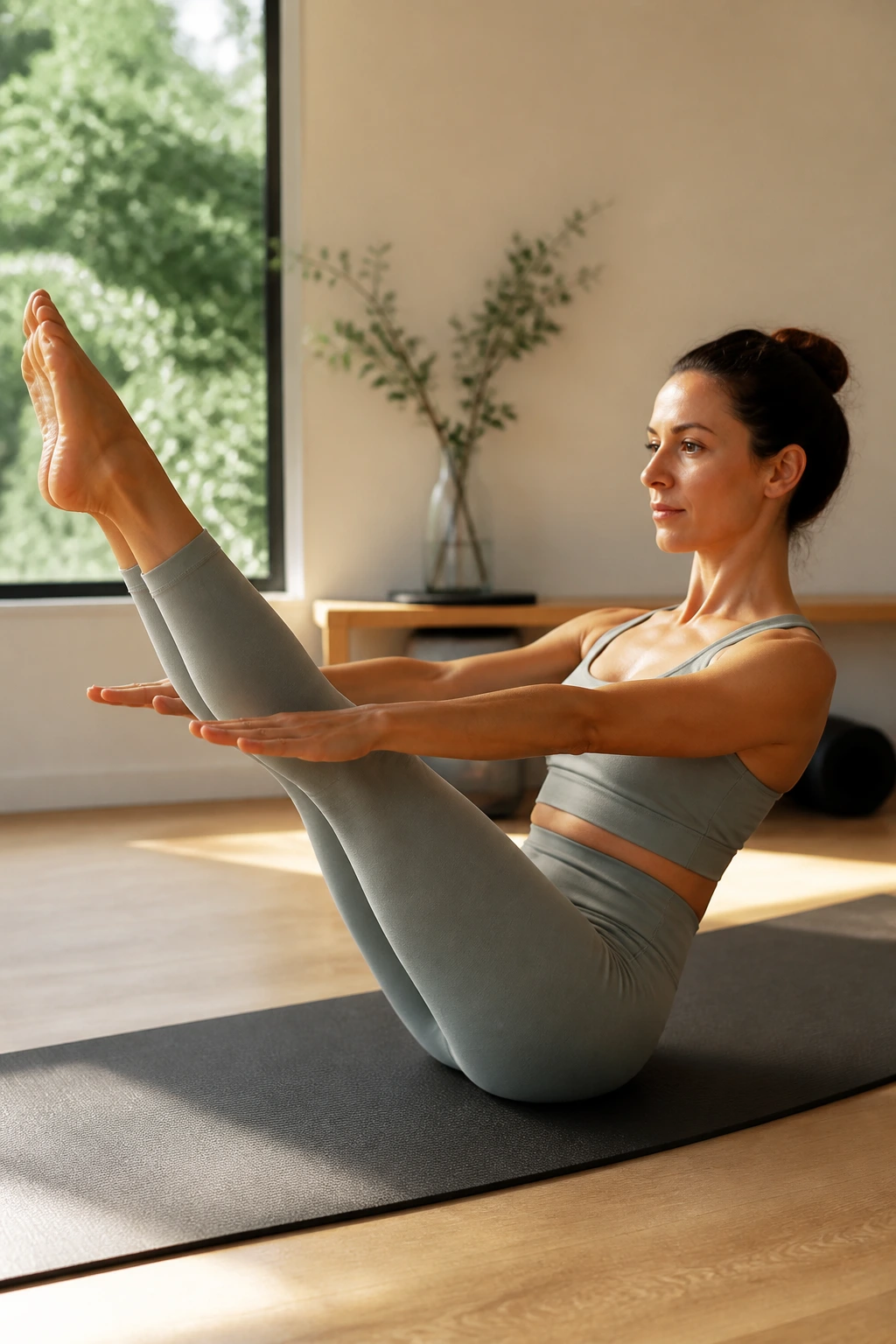
Pilates gets misunderstood a lot.
People hear “Pilates” and think easy stretching with fancy music. Not if it’s done well. A solid mat-based calendar can leave your abs trembling, your hip flexors awake, and your posture a little less slouchy by the end of the second week. The trick is slow control, not speed. Speed ruins the point.
A nice version of this calendar runs five days a week and keeps the sessions around 20 to 30 minutes. One day can focus on core work, another on glutes, another on mobility, and the rest on full-body flows that keep your ribs stacked over your hips instead of flaring everywhere. It’s especially good if your lower back tends to complain when you try to do too much too soon.
Breathing matters here more than people expect. Exhale on the hard part. Keep the movements small enough that you don’t cheat them. Your body should feel worked, not thrashed.
And yes, you can do it in socks on your living room floor. That’s part of the appeal.
6. The Glute and Leg Builder Calendar

Unlike a general body plan, this one puts lower body growth front and center.
That doesn’t mean skipping everything else. It means giving your legs and glutes three focused sessions a week, then balancing the rest with upper-body work, walking, or mobility so your body doesn’t turn into a permanent staircase of fatigue. Hip thrusts, Romanian deadlifts, split squats, step-ups, and band walks earn their place here because they give you something measurable to build on.
What a good week looks like
- Day 1: Glutes and hamstrings
- Day 2: Upper body and core
- Day 3: Quads and glutes
- Day 4: Walk or mobility
- Day 5: Full lower-body session
- Day 6: Light cardio
- Day 7: Rest
The rep ranges can shift a little. Heavy work lives around 6 to 8 reps. Lighter accessory work can run 12 to 15. You need both if you want shape and strength, not just a tired feeling in your thighs.
This is a sharp pick if you like seeing progress in the mirror and in the numbers on the dumbbells.
7. The Arms and Back Posture Calendar

If your shoulders live near your ears, this one will feel like a relief.
Most women spend a ridiculous amount of time doing front-facing work — typing, carrying bags, holding kids, driving, scrolling, cooking, whatever. The upper back gets ignored. Then the shoulders round forward and everyone acts surprised. A posture calendar fixes that by building rows, reverse flys, face pulls, presses, and carries into the week on purpose.
Rows matter.
A simple version runs three upper-body sessions and two light mobility days. One session can be push-heavy, one can be pull-heavy, and one can mix both with a little arm work at the end. Keep the sets controlled. Think 8 to 12 reps, full range, and a pause where the shoulder blades actually meet instead of fluttering around.
Good posture is not a costume. It’s strength.
And once the back gets stronger, even boring things like standing in line feel a little easier.
8. The Yoga and Mobility Reset Calendar

Some calendars are meant to wake you up. This one is meant to loosen the screws.
A yoga and mobility reset works best when the sessions are short, frequent, and not too precious. Twenty minutes a day is plenty. You’re aiming for hips that open a little easier, a thoracic spine that turns without grumbling, and calves that don’t feel like old rope after sitting too long. Longer holds help, but so does consistency.
A good week might include two flow days, two deep-stretch days, and three lighter reset sessions. Use blocks if you need them. Use the couch if your hamstrings are stubborn. The best mobility calendar is the one you’ll actually finish, not the one that looks elegant on paper and gets abandoned by Thursday.
Try this rhythm:
- Monday: gentle flow
- Tuesday: hips and hamstrings
- Wednesday: spine rotation
- Thursday: light stretch
- Friday: balance and ankles
- Saturday: longer reset
- Sunday: off or a walk
This plan won’t make you sweat much. That’s fine. It makes the hard workouts feel less like a joint protest.
9. The HIIT and Recovery Calendar

Do you want hard workouts without frying your system?
Then don’t stack high-intensity sessions back to back. That’s where a lot of people go off the rails. They do a brutal circuit on Monday, another on Tuesday, then wonder why their legs feel flat and their motivation falls through the floor. A smarter HIIT calendar pairs short bursts of intensity with real recovery.
A clean setup is two HIIT days, two moderate cardio days, two recovery days, and one full rest day. Work intervals can be as short as 20 seconds on, 40 seconds off, or 30 seconds on, 30 seconds off. The goal is sharp effort, not turning every round into a survival story.
The recovery days matter just as much as the hard ones. Walk. Stretch. Breathe. Sleep like it’s part of the program, because it is.
If you like structure, this calendar scratches the itch. If you hate structure, it still may save you from doing too much too soon. Both are useful.
10. The Postpartum-Friendly Return Calendar
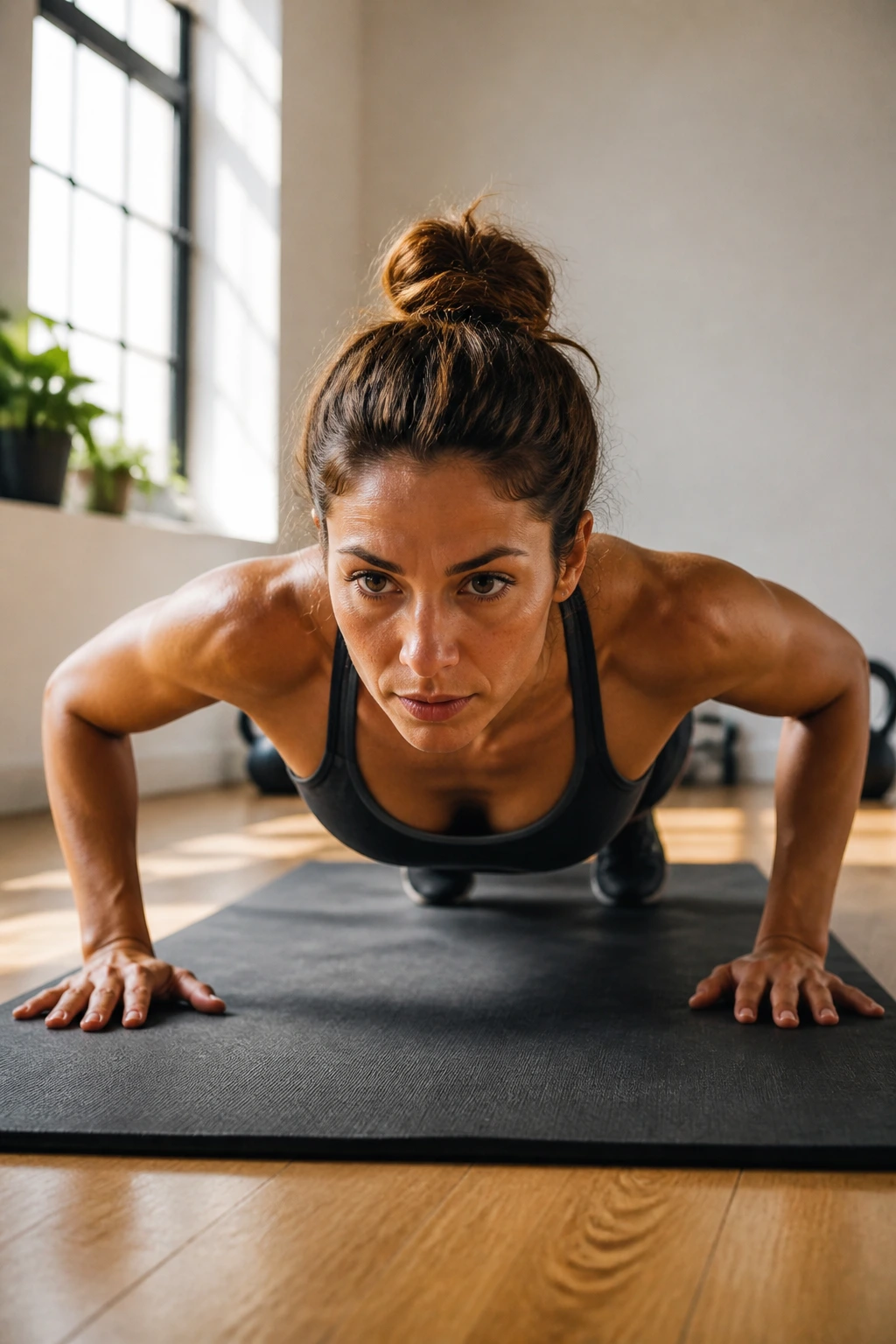
Six weeks after birth is not the time to chase burpees.
This calendar is about easing back into movement with respect for healing, not ego. That means doctor or midwife clearance first, then a return plan built around breathing, walking, gentle core work, pelvic floor coordination, and small doses of strength. It should feel conservative. That’s the point.
The first month of a postpartum return often looks almost boring from the outside. Short walks. Glute squeezes. Dead bugs with tiny ranges. Supported bridges. Upper-body presses with light resistance. You’re checking for signs like heaviness, leaking, pressure, or pain — and if those show up, you slow down and adjust. No drama.
A good week might include three short strength sessions, two walks, and two mobility days. Ten to twenty minutes is enough at first. That tiny window still counts.
This kind of calendar is not weak. It’s careful. There’s a difference.
11. The Cycle-Synced Training Calendar

Does your energy stay exactly the same every week? Mine doesn’t either.
That’s why cycle-synced training can be so useful. It uses the rough shape of a monthly cycle to guide effort: harder lifting and faster intervals when energy tends to feel better, then lower-impact work or lighter volume when fatigue, cramps, or mood shifts show up. It is not a rigid rulebook. Bodies are messy. Schedules are messier.
A practical way to set it up
- Higher-energy days: heavier strength work, short sprints, challenging circuits
- Lower-energy days: walking, mobility, Pilates, lighter dumbbell sessions
- Menstrual days: keep sessions short and adjust based on how you feel
- Late luteal days: cut volume before you hit the wall
The key is to track patterns, not worship a calendar date. If your cycle is irregular, use energy, sleep, and recovery as the guide. A lot of women do better when they stop forcing every workout to live at the same intensity.
This calendar works because it feels like permission and structure at the same time. That’s a rare combo.
12. The Home-Only No-Equipment Calendar
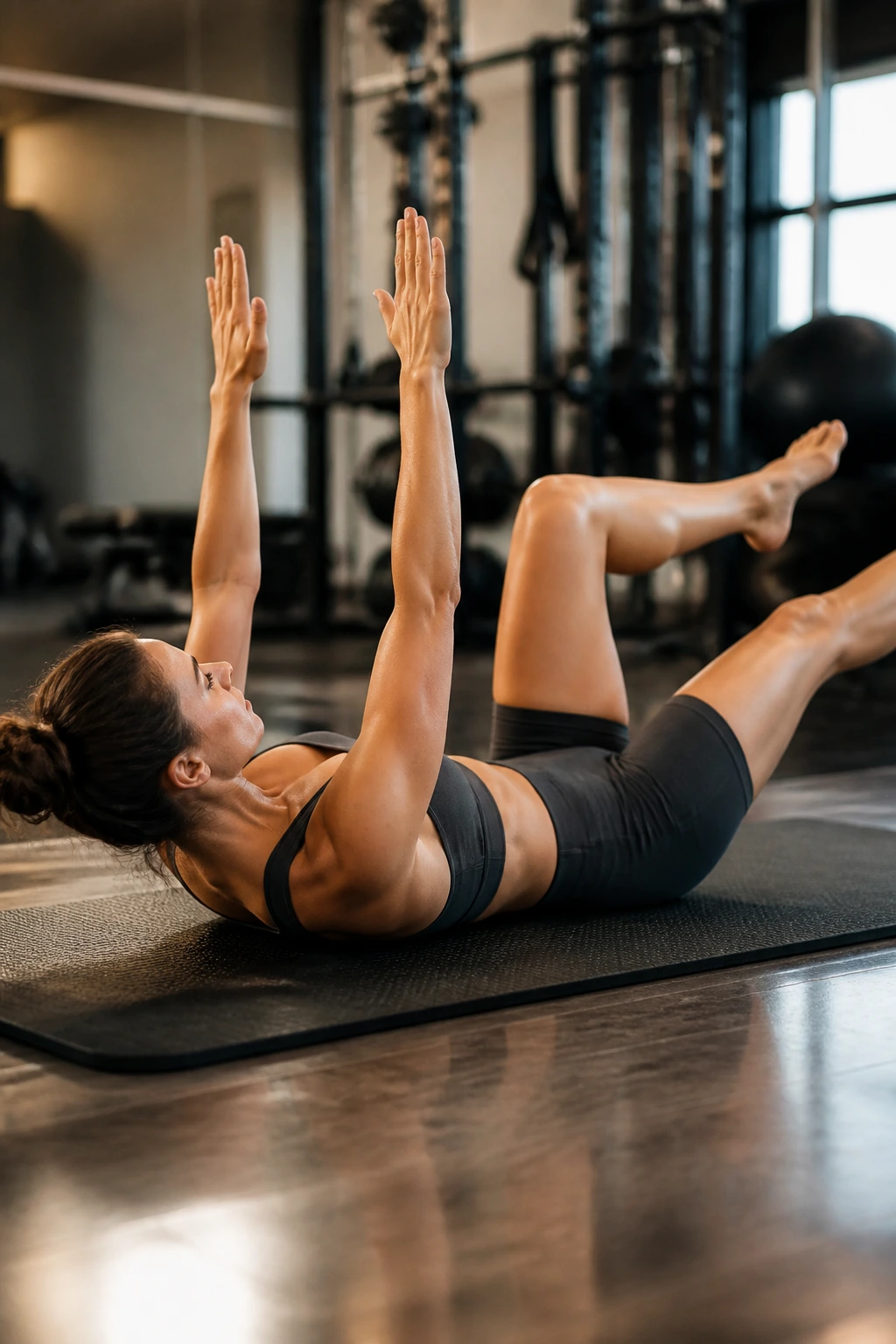
No gym. No problem.
At least, not if the calendar is built well. A home-only plan works when it uses bodyweight movements, a chair, a sturdy step, maybe a backpack with books, and enough variety to keep you from zoning out. You do not need a pile of gear to get a real workout. You need a repeatable pattern.
A solid week can look like three bodyweight strength days, two cardio days, one mobility day, and one rest day. Squats, lunges, push-ups, glute bridges, mountain climbers, plank holds — the usual suspects still work when they’re programmed with intention. The trick is progression: slower tempo, deeper range, extra reps, shorter rest.
A home calendar is also kinder on scheduling. No commute. No waiting for a machine. No awkward small talk with the one guy hogging the cable row.
That convenience is not a small thing. It’s the reason the plan survives.
13. The Gym Beginner Confidence Calendar
Repetition is the point.
A lot of gym beginners think they need variety every day or they’ll get bored. Usually, the opposite is true. Confidence comes from seeing the same machines and dumbbells enough times that they stop feeling mysterious. A beginner calendar should repeat the same 5 or 6 moves for a full month: leg press, chest press, lat pulldown, dumbbell Romanian deadlift, seated row, and maybe a simple carry or incline walk.
That repetition does two things. It makes your form cleaner, and it cuts down the panic that comes from walking in and guessing what to do next. Start with 2 sets of 8 to 10 reps. By the second week, you’ll usually know what weight feels right. By the fourth, the room stops feeling like a test.
This is a smart calendar for anyone who’s been “starting” for a while.
And once the machines feel familiar, the whole gym feels less theatrical.
14. The 10-Minute Micro-Workout Calendar
Ten minutes counts.
That sentence should be printed on half the fitness calendars people own. A micro-workout plan works because it turns the all-or-nothing trap into something you can actually keep. You do not need a perfect hour. You need a repeatable ten-minute window that shows up even on ugly days.
A simple calendar uses one micro session a day, or two shorter sessions if your schedule is chopped up. One day might be squats, push-ups, and a plank. Another might be fast marching, glute bridges, and shoulder taps. Another could be pure mobility. Keep the moves familiar so you’re not spending five of those ten minutes deciding what to do.
Use these rules:
- Stop chasing “making it count” with exhaustion
- Keep a mat or dumbbells where you can see them
- Pick workouts that fit the space you have
- Repeat the same 3 to 4 templates for a week before changing them
Micro-workouts are small, but they’re sneaky. Enough of them add up.
15. The Cardio Base-Building Calendar
Not every cardio day should leave you bent over and gasping.
A base-building calendar keeps most sessions in a steady, moderate zone. Think brisk walking, cycling, rowing, or an easy jog where you can still talk in short sentences. That talk test matters more than fancy numbers for a lot of people. If you can chatter through the entire session, you’re probably too low. If you can’t say your own name, you’ve gone too hard for a base day.
A week might include three steady sessions of 30 to 45 minutes, one interval day, and two easy recovery days. That’s enough to build stamina without making every workout feel like a dare. It also plays nicely with strength training, which is where many women get the best long-term payoff.
This calendar is patient. Boring, even. And that’s a compliment.
Because boring cardio is the kind you keep doing.
16. The Core Stability Calendar
A stronger core is not the same thing as a six-pack.
That’s a useful distinction, because a lot of women have been sold endless crunches for no good reason. A core stability calendar focuses on the muscles that keep you from folding, twisting, or leaning too far under load. Dead bugs, bird dogs, side planks, Pallof presses, suitcase carries — those are the real workhorses.
The moves that earn their place
- Anti-extension: dead bug, hollow hold variation
- Anti-rotation: Pallof press, plank shoulder taps
- Anti-lateral flexion: side plank, suitcase carry
- Breathing coordination: 90/90 breathing, slow exhale drills
A good week only needs four short sessions, maybe 12 to 15 minutes each. Slow reps matter. So does control. If your ribs flare and your low back arches, the exercise is probably too hard right now.
This calendar pairs well with nearly everything else in the list. It’s the quiet fixer.
17. The Full-Body Dumbbell EMOM Calendar
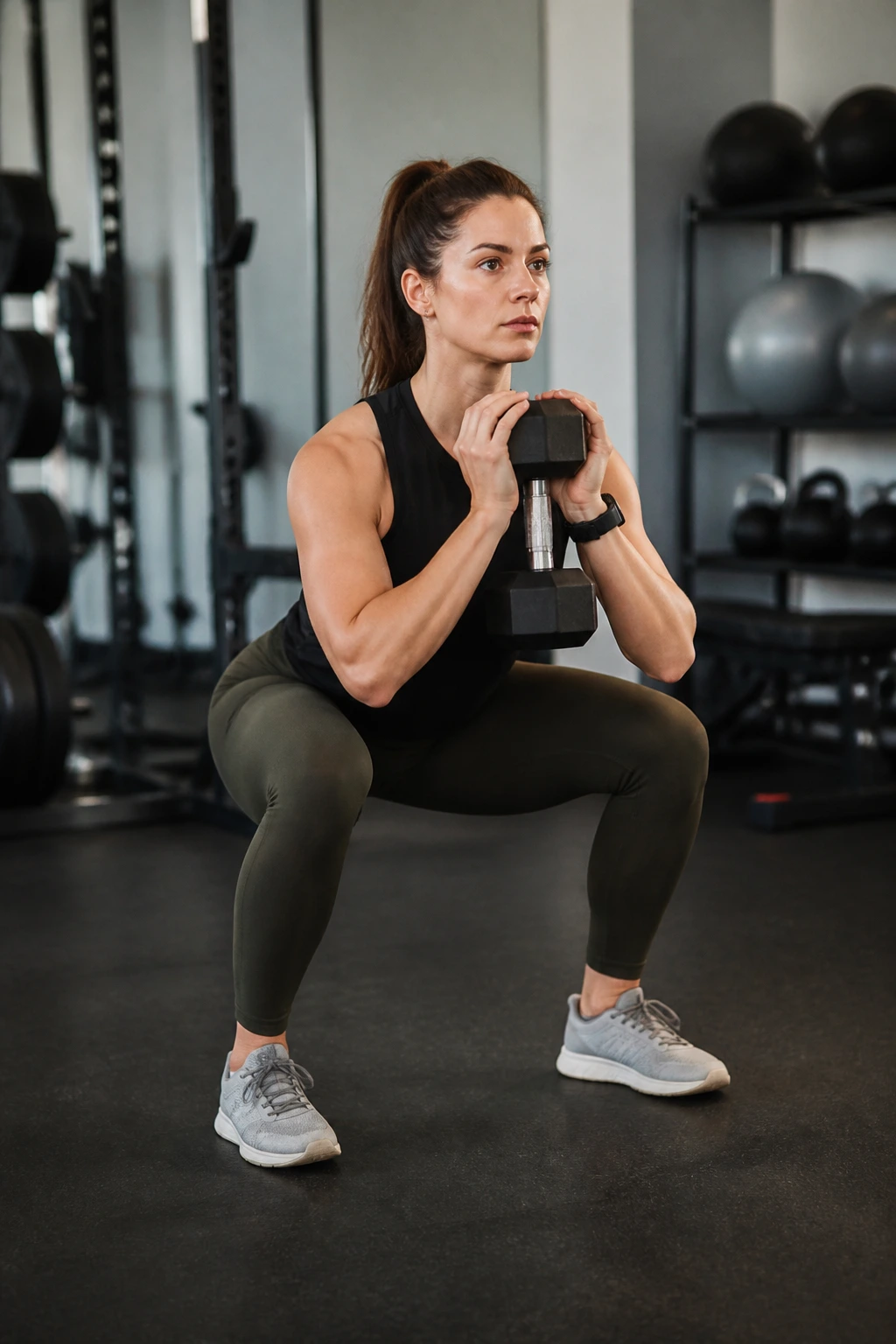
Twenty minutes, one minute at a time. That’s the whole charm.
EMOM means “every minute on the minute,” and it works beautifully for people who like structure without a lot of decision-making. You start a move at the top of the minute, finish your reps, and rest for whatever time is left before the next minute begins. It feels tight, efficient, and a little bossy in a good way.
A beginner version might use four rounds of four moves: goblet squats, dumbbell rows, push presses, and glute bridges. If the last 15 seconds of every minute turn into a panic, the weights are too heavy. If you’re resting for 45 seconds and chatting, they’re too light. You want a clean middle ground.
This calendar is especially nice for women who like the feeling of a hard workout without spending an hour in it.
Short. Sharp. Done.
18. The Running Starter Calendar

The mistake most new runners make is trying to run every step.
A better calendar uses walk-run intervals and gives your joints and lungs time to adapt. Week one might be one minute of jogging followed by two minutes of walking, repeated six to eight times. Week two can shift to 90 seconds running, 90 seconds walking. By week three, try two minutes on, one minute off. Keep it modest. That’s how you build a running habit without turning your shins into a complaint department.
A simple progression
- Week 1: 1:2 run-walk ratio
- Week 2: 1.5:1.5 ratio
- Week 3: 2:1 ratio
- Week 4: 3:1 ratio or a longer easy run
Shoes matter here. Not because you need a fancy brand, but because a poor fit will make a tiny problem feel huge. So does running too fast. Stay slower than your ego wants.
Running starts to feel like a real skill once you stop rushing it.
19. The Dance Cardio Calendar
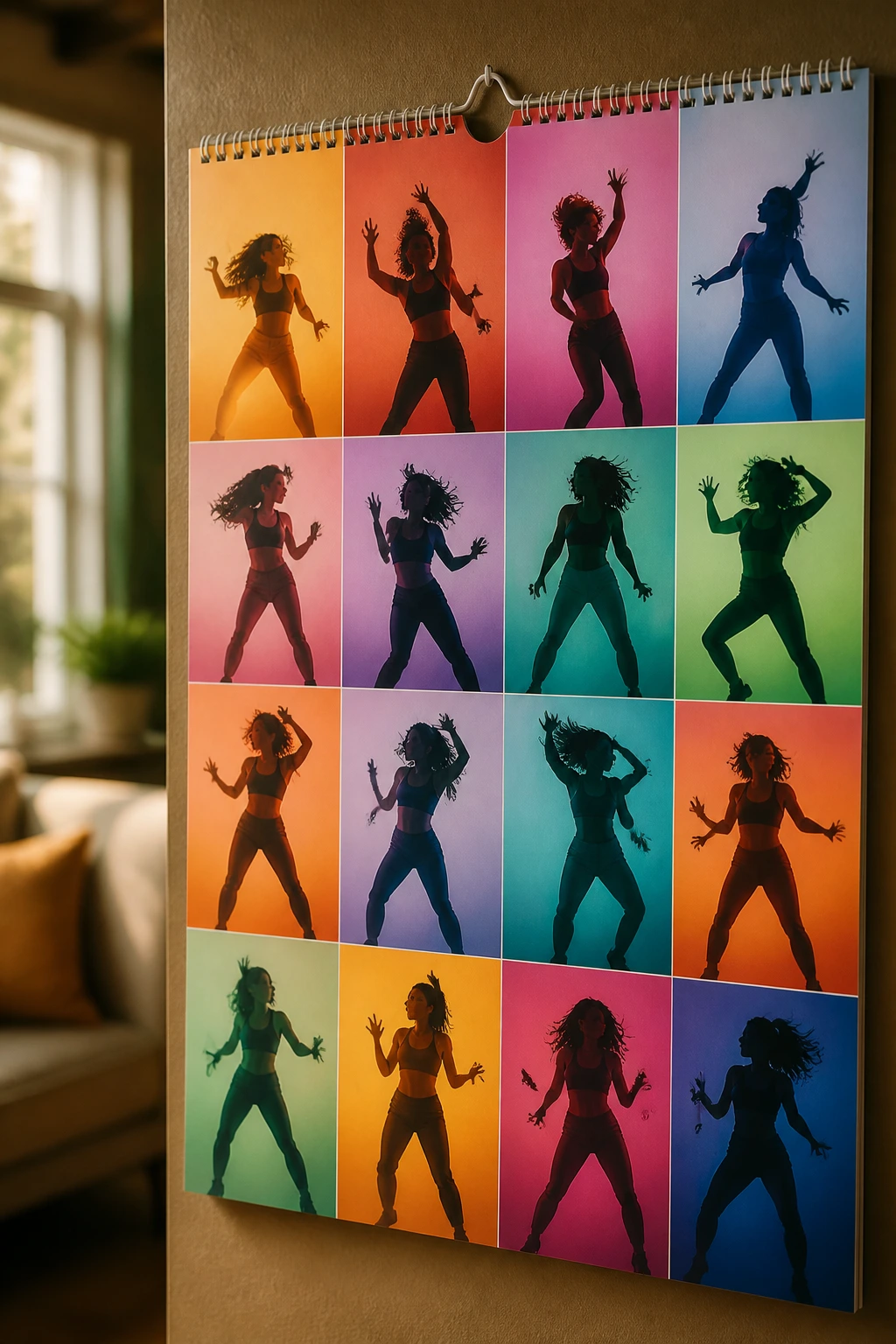
If treadmills bore you, use music.
Dance cardio calendars are underrated because they don’t feel like “exercise” in the usual sense. They feel like movement you can stick with. A good week usually includes three to four dance sessions of 20 to 30 minutes, plus a couple of strength or mobility days so your body stays balanced. The steps can be simple. They don’t need to look polished. You’re trying to keep moving, sweat a little, and stay interested.
What makes this style useful is the mood shift. A good playlist changes the whole tone of the workout. The steps repeat enough to be learned, but the rhythm keeps the brain engaged. That’s a big deal if you hate repetitive cardio.
It’s also very home-friendly. Small room? Fine. No equipment? Better. The calendar holds up even when the day has already been annoying.
Sometimes the best plan is the one that feels less like a chore.
20. The Mobility-for-Sitting Calendar
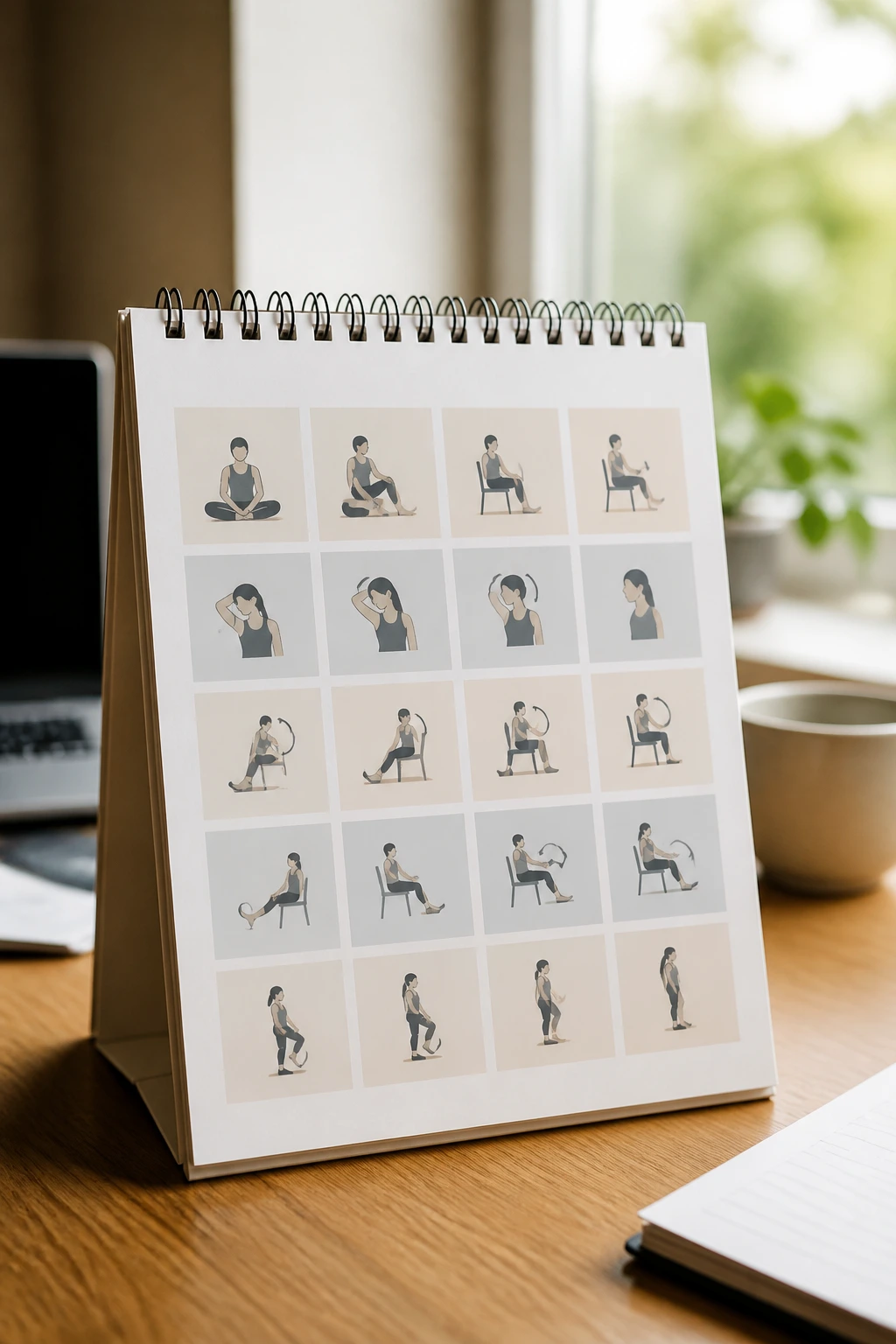
Desk life does a number on the body.
So does driving, standing behind a counter, carrying a kid on one hip, or folding over a laptop for hours. A mobility-for-sitting calendar focuses on the spots that tend to lock up first: hips, thoracic spine, neck, ankles, and calves. Short sessions twice a day can make a bigger difference than one heroic stretch session on Sunday night.
The moves should be familiar and repeatable. Hip flexor stretches, open-book rotations, calf rocks, chin tucks, glute squeezes, deep squat holds with support. Nothing fancy. Just enough to undo some of the stiffness that builds quietly during the day.
This plan is especially good when exercise starts to feel harder than it should. Sometimes the issue is not fitness. It’s sitting.
A few minutes can change the tone of the whole afternoon.
21. The Bodyweight Progression Calendar
Can you get stronger without weights? Yes. If the calendar gets harder on purpose.
The mistake with bodyweight plans is doing the same set of easy moves forever. A real progression calendar changes the challenge week by week. You can start with slower tempo squats, then move to split squats, then add single-leg work, then reduce rest. Push-ups can move from wall to incline to floor. Planks can go from short holds to longer holds or more demanding variations.
How the difficulty rises
- Week 1: slow tempo, basic range of motion
- Week 2: add reps
- Week 3: switch to one-sided work
- Week 4: shorten rest or add a round
That kind of climb matters because it gives bodyweight training a spine. Without progression, it’s just movement. With progression, it becomes training.
This calendar works well for home workouts, travel weeks, or anyone who wants to get stronger without chasing heavier equipment every month.
22. The Push-Up and Plank Calendar
This one gets underestimated all the time.
Push-ups and planks sound basic, so people dismiss them. Then they try a real calendar built around them and realize how much upper-body and core work they’ve been skipping. The challenge is simple: three short sessions a week, each one a mix of push-up progressions, plank holds, and shoulder stability drills.
Start where your body actually is. Incline push-ups on a bench or counter are a real push-up variation. So are knee push-ups, slow negatives, and paused holds at the bottom. Pair those with front planks, side planks, and shoulder taps. Keep the session around 15 to 20 minutes.
Your wrists may complain at first. Wraps or dumbbells can help if the floor angle bugs you. Your shoulders will get stronger in a way you feel in everyday life — carrying groceries, pushing doors, lifting bags overhead.
Simple does not mean easy.
23. The Stress-Reset Evening Calendar
Some days you don’t need a harder workout. You need a quieter one.
That’s what this calendar is for. It’s built around evening movement that lowers the noise instead of raising it — a walk after dinner, a ten-minute stretch, a few rounds of breathing with gentle core work, maybe a slow yoga flow if your head feels busy. It works well for women who carry tension in the neck, hips, and jaw and don’t want to go to bed feeling wired.
A sample evening rhythm
- 5 minutes easy walk
- 5 minutes hip and spine mobility
- 3 minutes breathing or box breathing
- 5 minutes light stretching
You can do more, but you do not need to. The point is to shift gears. Lower the lights. Slow the pace. Let the body know the day is over.
That tiny ritual can keep you from raiding the fridge out of stress and then calling it hunger.
24. The Booty Band Calendar
Mini-bands look harmless. They are not.
A booty band calendar uses short, focused lower-body sessions to wake up the glutes and strengthen the muscles around the hips. It’s a nice add-on for people who already lift, and a solid main plan if you want home workouts that are short but spicy. Lateral walks, clamshells, standing abductions, glute bridges, and banded squats all belong here.
The band should challenge you before you finish the set, not after you’ve lost all form. That’s a useful rule. If your knees cave in and your torso starts swaying like a shopping cart with one bad wheel, the band is too strong or the movement is too fast.
This calendar is a good travel option, a decent warm-up option, and a sneaky way to keep your glutes awake on busy weeks. It’s not the whole lower-body story, but it fills a gap many plans miss.
Short sessions. Strong burn. Out the door.
25. The Maintenance Month Calendar
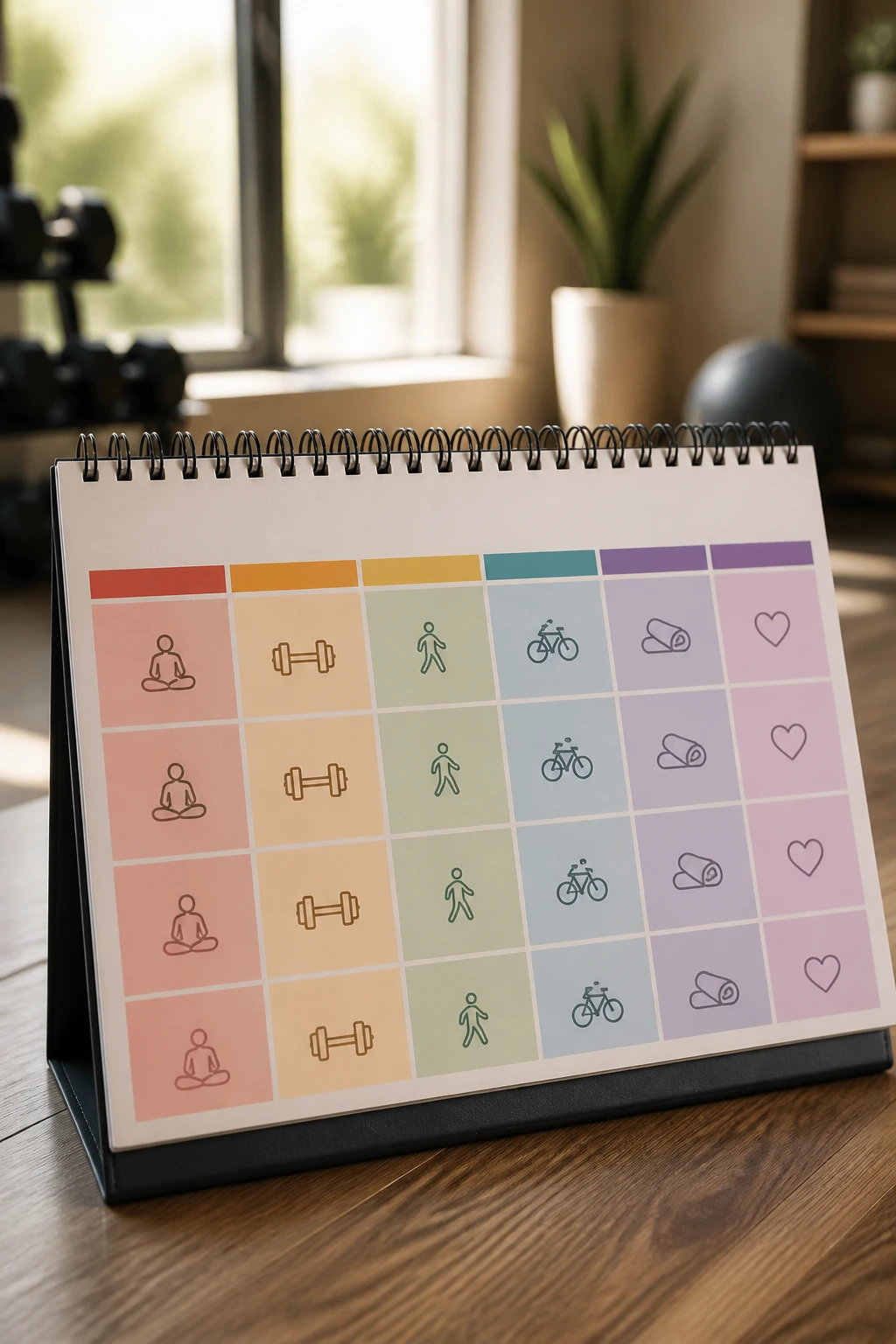
Once you’ve built a good base, maintenance is not a downgrade.
It’s a skill. A maintenance calendar protects the habits you’ve already earned without demanding constant escalation. This is the plan I wish more people used when life gets noisy: three strength sessions, two cardio sessions, two mobility or walk days, and two true rest days if needed. The exact split can move around, but the idea stays the same — keep the engine running without grinding it down.
A maintenance month often feels calmer than a challenge month, and that’s a good thing. You still train. You still move. You just stop treating every week like a test you must pass to deserve the next one. Some women use this calendar after a harder block. Others live here most of the time because work, family, and stress already take enough.
The smartest challenge calendar is the one you can repeat without dreading it.
That’s the whole game, really. Pick the style that fits your body, your schedule, and your actual personality — then let it do its quiet work.
