



Most bodybuilding programs for women at the gym fall apart for one boring reason: they ask for too much variety and not enough repetition.
Muscle doesn’t care about novelty. It cares about hard sets, clear progress, and a weekly rhythm you can repeat when work runs long and your motivation is hanging by a thread.
The best plans are not circus acts. They usually revolve around squat patterns, hinges, presses, rows, and a handful of isolation moves that let the target muscle do the work.
Boring works.
That’s the part people skip. Then they wonder why their legs, back, or shoulders stall even though they’re “doing a lot.” A good bodybuilding program gives you structure without making the gym feel like a second job, and the right one depends on how often you train, how well you recover, and which body parts you actually care about growing.
1. Three-Day Full-Body Bodybuilding Program for Women at the Gym
Full-body training is the safest bet for a lot of lifters because it spreads the work out and keeps each lift fresh. If you only have three gym days, this style is hard to beat.
Why It Works
You hit every major muscle group three times a week, which gives you plenty of practice without burying your legs in one brutal session. A Monday-Wednesday-Friday setup also leaves room for recovery, and that matters more than people like to admit.
A simple version looks like this:
- Day 1: Squat, dumbbell bench press, seated row, leg curl, cable abduction
- Day 2: Hip thrust, lat pulldown, shoulder press, Bulgarian split squat, triceps pressdown
- Day 3: Leg press, incline press, chest-supported row, Romanian deadlift, lateral raise
Keep most movements in the 6 to 12 rep range, with 2 to 4 sets per exercise. Add weight only after your top reps look clean and controlled. That last part matters. Sloppy reps are not a badge of honor.
This is the kind of program I like for beginners, returners, or anyone who wants muscle without the mental clutter of a six-day split. It builds confidence fast.
2. Four-Day Upper/Lower Split
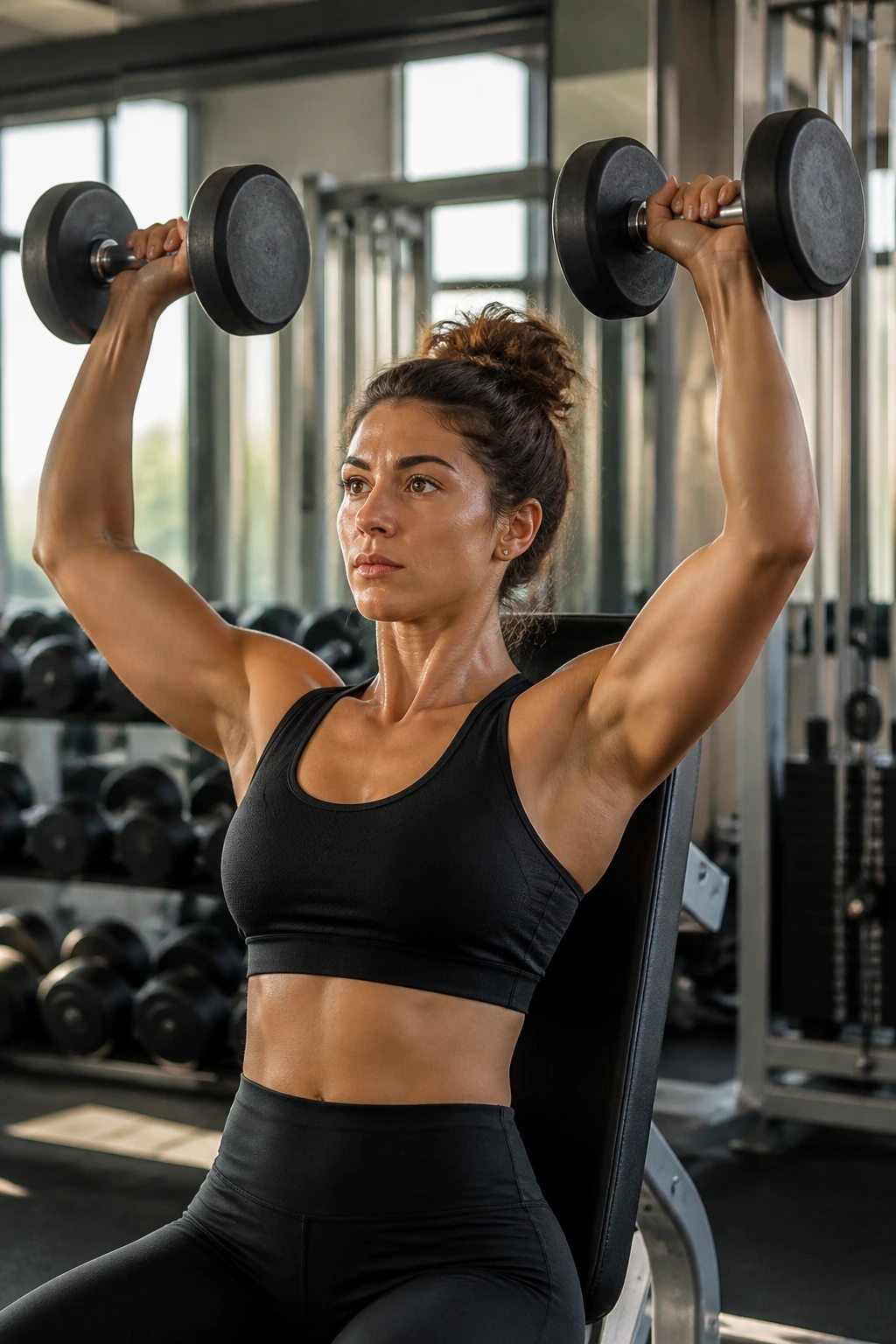
Why split the week in half? Because upper/lower is the sweet spot for a lot of women who want a bodybuilder look but don’t want marathon sessions.
Upper days usually run about 50 to 70 minutes, lower days a little longer if you care about glutes and hamstrings. That balance makes the split easy to sustain, which is half the battle.
A clean version is Monday upper, Tuesday lower, Thursday upper, Friday lower. On upper days, use one press, one row, one vertical pull, and one or two shoulder or arm moves. On lower days, pair a quad-dominant lift with a hinge, then finish with glutes and calves.
What makes this split so useful is the way it lets you push harder without turning every session into a grind. You can give legs their own attention and still keep chest, back, and shoulders moving forward. It’s a plain setup. Plain is good. Plain gets done.
3. Push-Pull-Legs Bodybuilding Program for Women
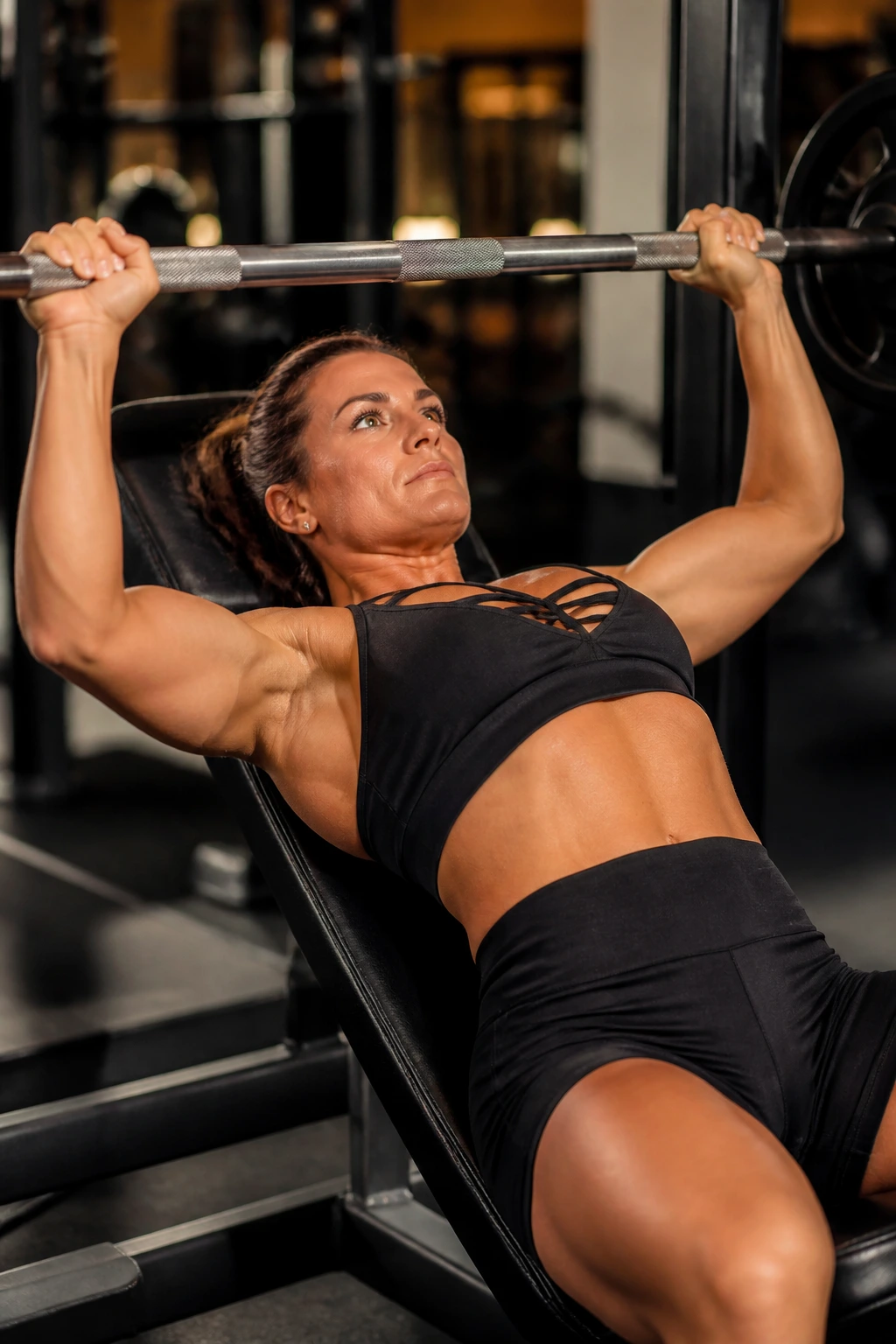
A push-pull-legs program looks simple because it is, and that’s a strength rather than a weakness.
Push day covers chest, shoulders, and triceps. Pull day hits back, rear delts, and biceps. Leg day is where quads, glutes, hamstrings, and calves get most of the work. If you like clean categories, this split feels almost tidy.
How to Run It Without Burning Out
- 3-day version: Push, pull, legs, then rest
- 5-day version: Push, pull, legs, upper, lower
- 6-day version: Push, pull, legs, push, pull, legs
The 3-day rotation is easier to recover from, while the 6-day version works better for experienced lifters who enjoy short, focused sessions. I’d keep compound lifts around 3 to 4 sets of 5 to 8 reps and accessories at 8 to 15 reps.
The real appeal here is rhythm. You walk into the gym already knowing what the day is for. No wandering. No guessing. Just work.
4. Glute-Focused Four-Day Program
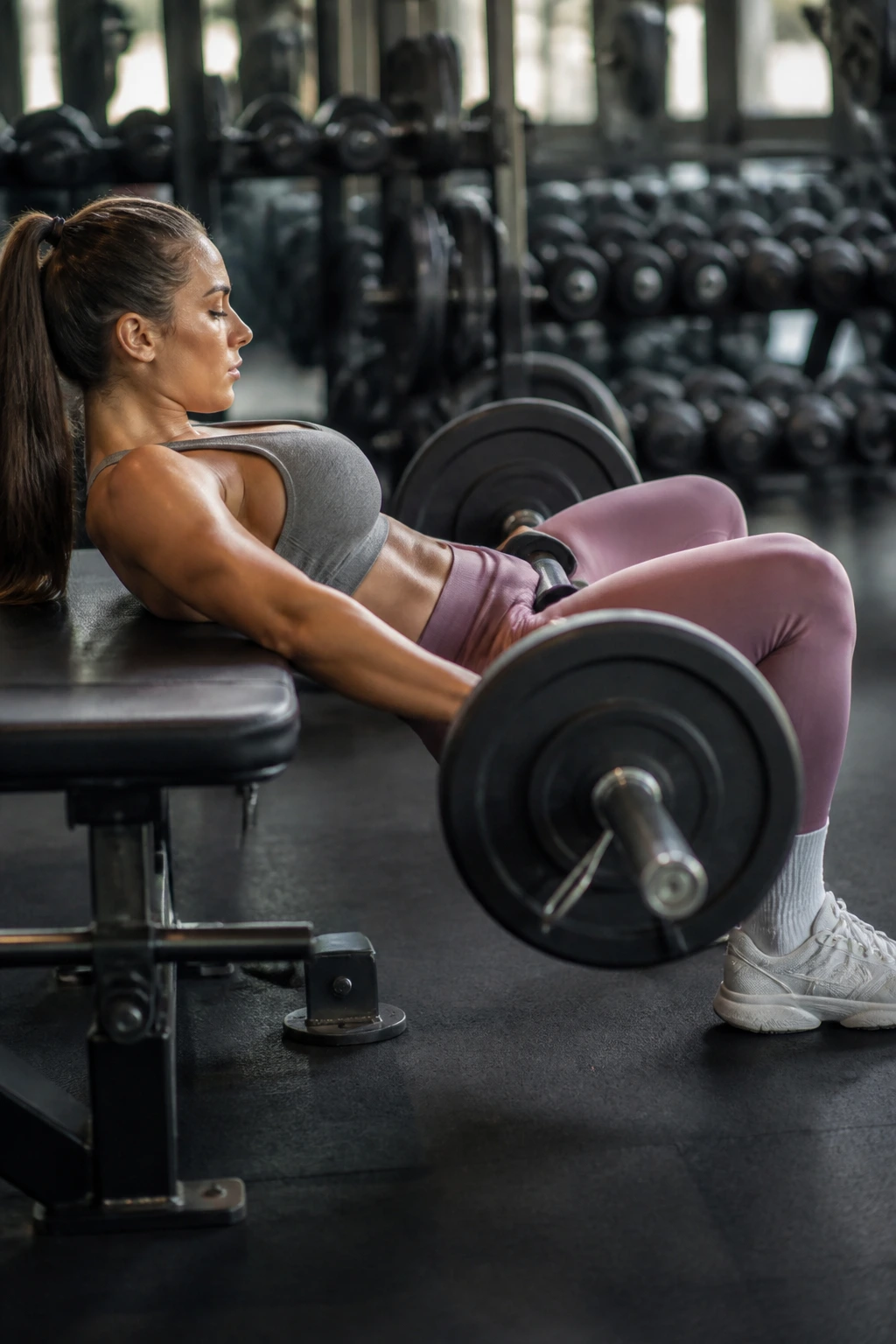
Picture a lifter who cares most about her glutes, wants stronger legs, and is tired of programs that treat lower body work like an afterthought. This is where a glute-focused split earns its place.
Two lower days give the glutes room to grow, and two upper days keep the rest of the body balanced. That balance matters. A lot of “glute only” plans leave the upper body flat and undertrained, and the result looks unfinished.
A strong version might use hip thrusts, Romanian deadlifts, Bulgarian split squats, cable kickbacks, seated abductions, and step-ups. The best glute work usually shows up in two places: hip extension and deep loaded stretch. That means you want both thrusting and hinging, not just one or the other.
My blunt advice: don’t turn every lower session into a thousand-band-abduction circus. The glutes like hard sets, not endless fluff.
Keep one upper day press-heavy and the other row-heavy so your shoulders and back keep pace. The glutes may be the star, but the rest of the cast still matters.
5. Beginner Machine-First Bodybuilding Program
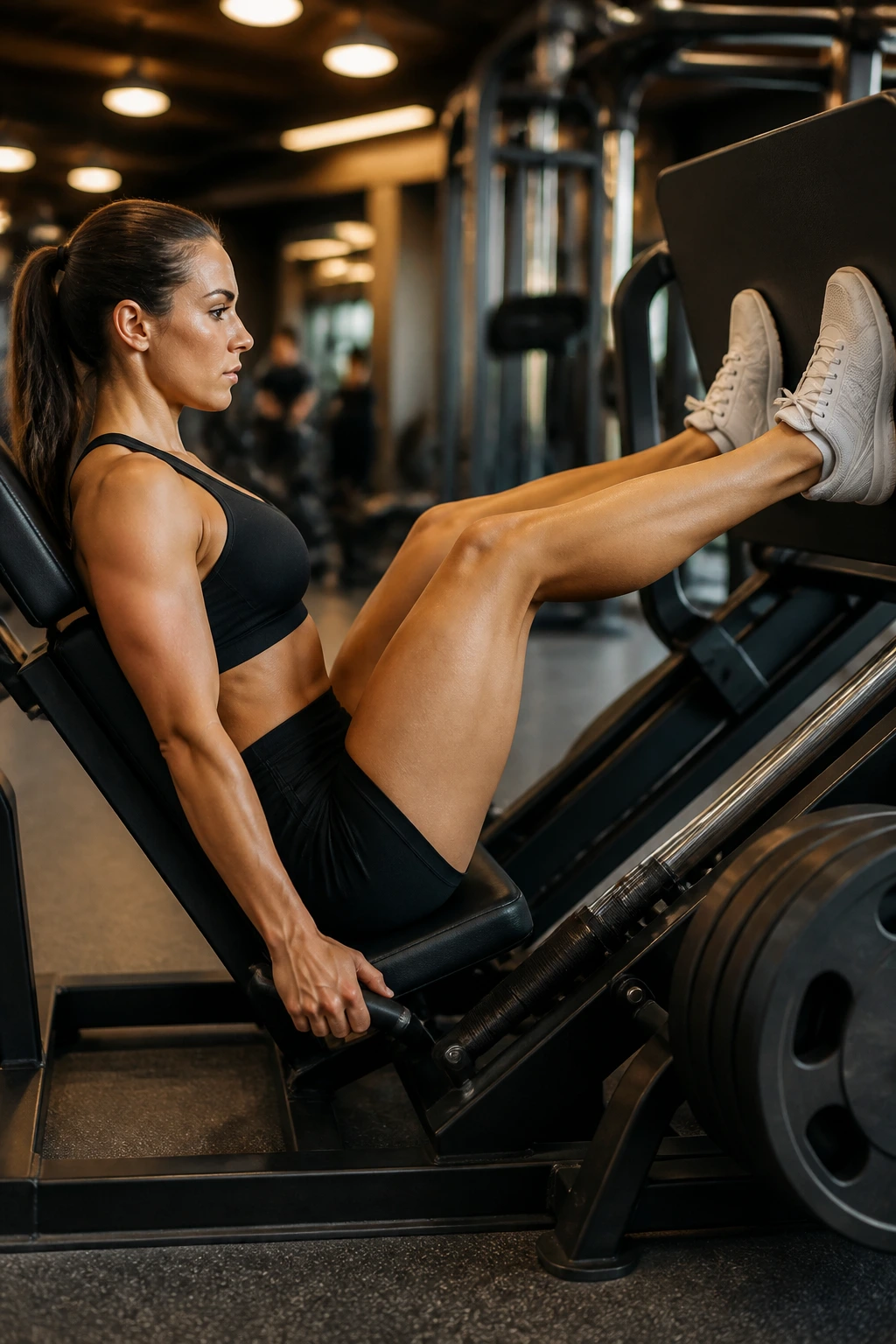
Machines are underrated, and people get weirdly snobby about them.
For a beginner, they solve a lot of problems at once: balance, setup, confidence, and the awkward learning curve that comes with free weights. A leg press tells you exactly where to sit. A chest press removes the wobble. A lat pulldown lets you feel your back working without turning the lift into a wrestling match.
That matters because early progress is often about building trust with the gym. If someone keeps missing the right bar path or losing balance on split squats, the plan stops being useful fast. Machines keep the focus on effort and range of motion, which is what a new lifter actually needs.
A beginner machine program can run three or four days a week with leg press, hack squat, chest press, row, pulldown, shoulder press, leg curl, and cable work for arms and glutes. Keep the reps in the 8 to 12 range, rest about 60 to 90 seconds, and stop a rep or two before form falls apart.
It’s not fancy. It works.
6. Five-Day Body-Part Split
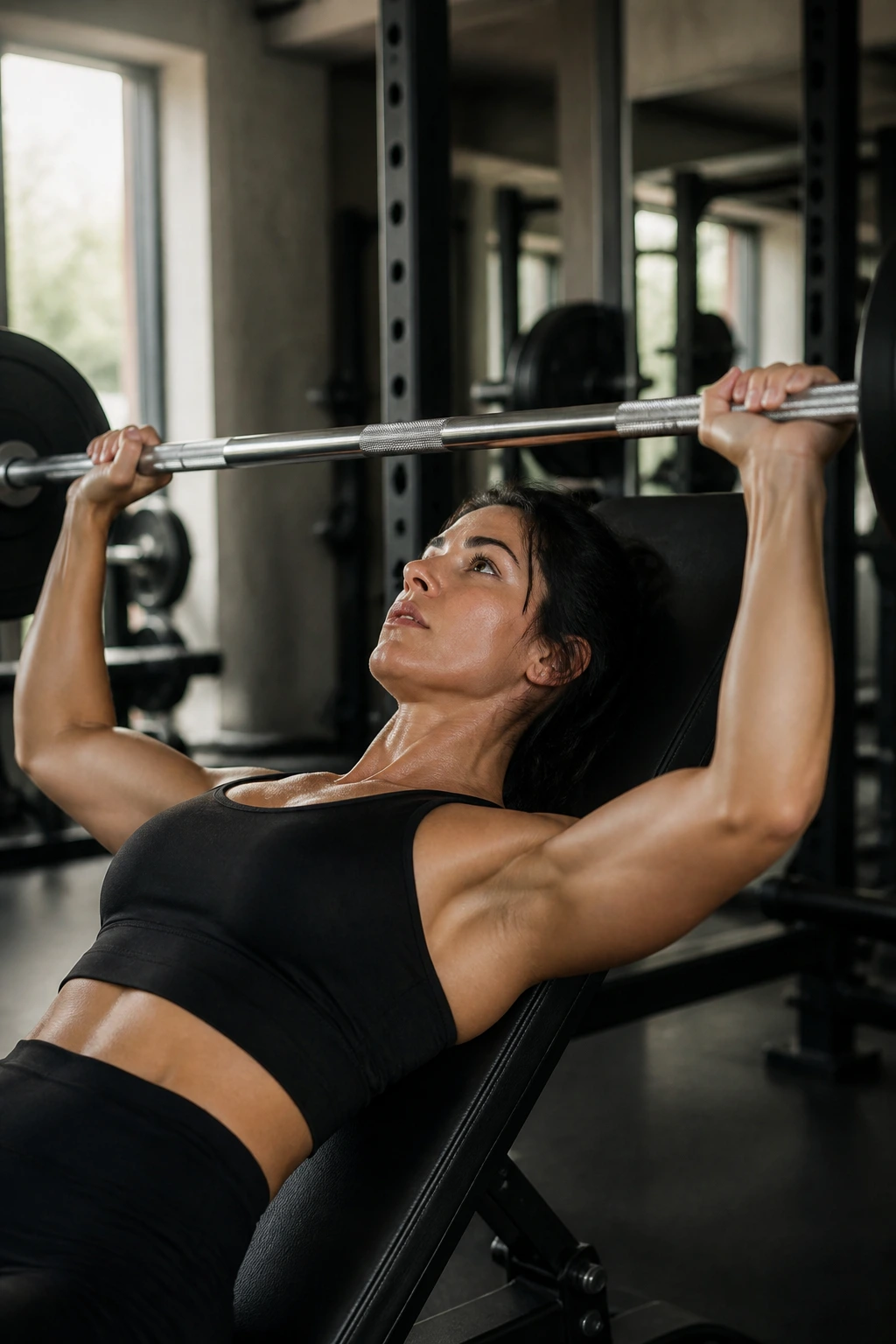
Unlike full-body plans, a body-part split gives each session one clear job, and some women love that. Chest day is chest day. Back day is back day. No mixing, no rush.
That style suits intermediate lifters who want longer workouts and enjoy the feeling of a muscle getting fully covered before they leave the gym. It also makes it easier to stack more sets onto a stubborn area like shoulders, glutes, or back without dragging the whole week down.
A five-day split might look like chest, back, legs, shoulders, and arms with glutes folded into the lower work. The upside is focus. The downside is recovery gets tighter, especially if you go hard on every single set. You cannot train like a maniac five days a week and expect every session to feel fresh.
Best use case? A lifter who already knows the main lifts, likes training often, and wants longer sessions with less switching around. If you’re brand new, this is probably too much structure too soon.
7. Powerbuilding Program for Women
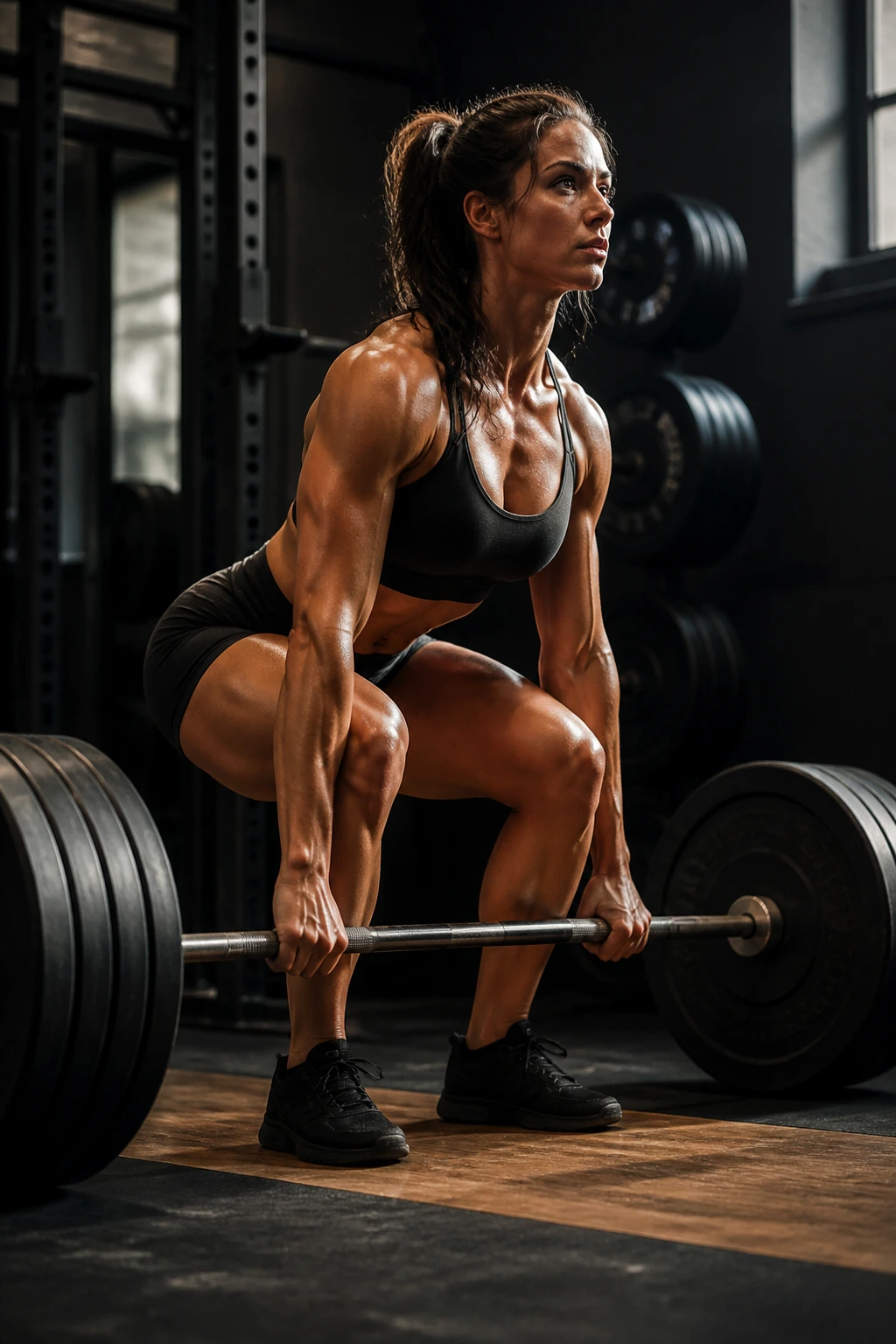
Heavy work belongs here.
Powerbuilding mixes strength work with bodybuilding volume, and that combination suits women who want to move bigger numbers without losing the shape work that makes the physique look finished. Start the day with one big lift in the 3 to 5 rep range, then shift into hypertrophy work for the rest of the session.
Heavy First, Pump Second
A lower day might open with squat or trap-bar deadlift, then move to hack squat, leg curl, and hip thrust. An upper day could begin with bench press or overhead press, then roll into pulldowns, rows, lateral raises, and arms.
That first lift should feel serious. The rest should feel controlled.
A powerbuilding setup works well if you like checking progress on the bar, not just in the mirror. I also like it for lifters who get bored easily. There’s enough heavy work to feel rewarding, but enough pump work to keep the session from turning into a powerlifting clone.
Stay honest with load jumps. If your top set gets ugly, don’t rush the weight.
8. Dumbbell-Only Bodybuilding Program
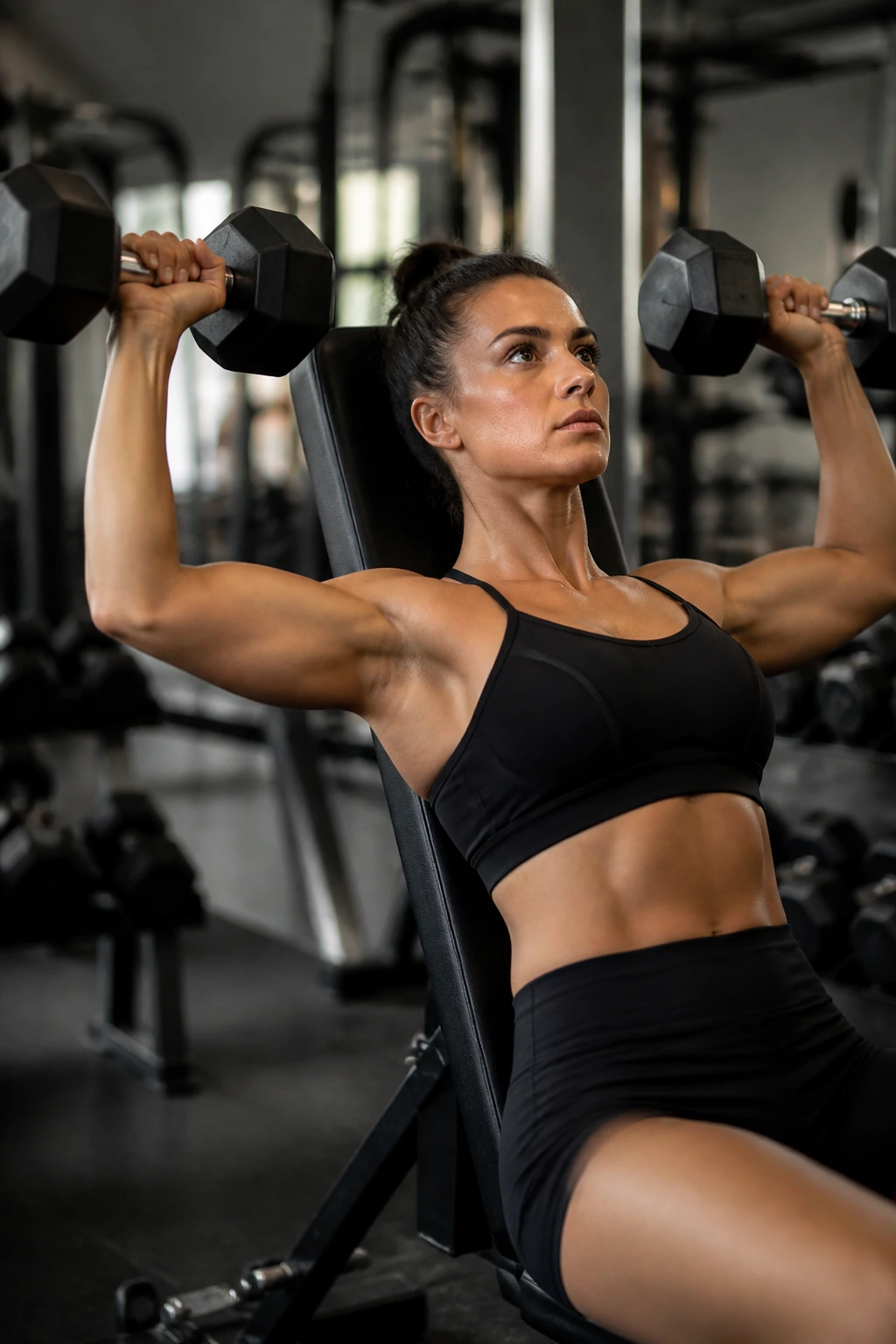
A dumbbell-only plan saves more gym sessions than people admit, especially when the platform is crowded and every barbell bench is taken. No waiting. No drama.
The beauty of dumbbells is that they force each side to work on its own. That can clean up imbalances quickly, and it often makes the shoulders and chest feel more natural in pressing movements. You also get a smoother path on rows, presses, split squats, lunges, and RDLs.
A solid dumbbell-only week might lean on goblet squats, Romanian deadlifts, incline dumbbell presses, one-arm rows, split squats, Arnold presses, lateral raises, and hammer curls. Most of those lifts fit nicely into 8 to 15 reps.
The catch is grip fatigue. Dumbbells can become a forearm workout if you’re not careful, so keep rests a little longer on heavy rows and presses. And yes, you can build a real physique this way. Not a fake one. A real one.
9. Strength-Hypertrophy Alternating Blocks
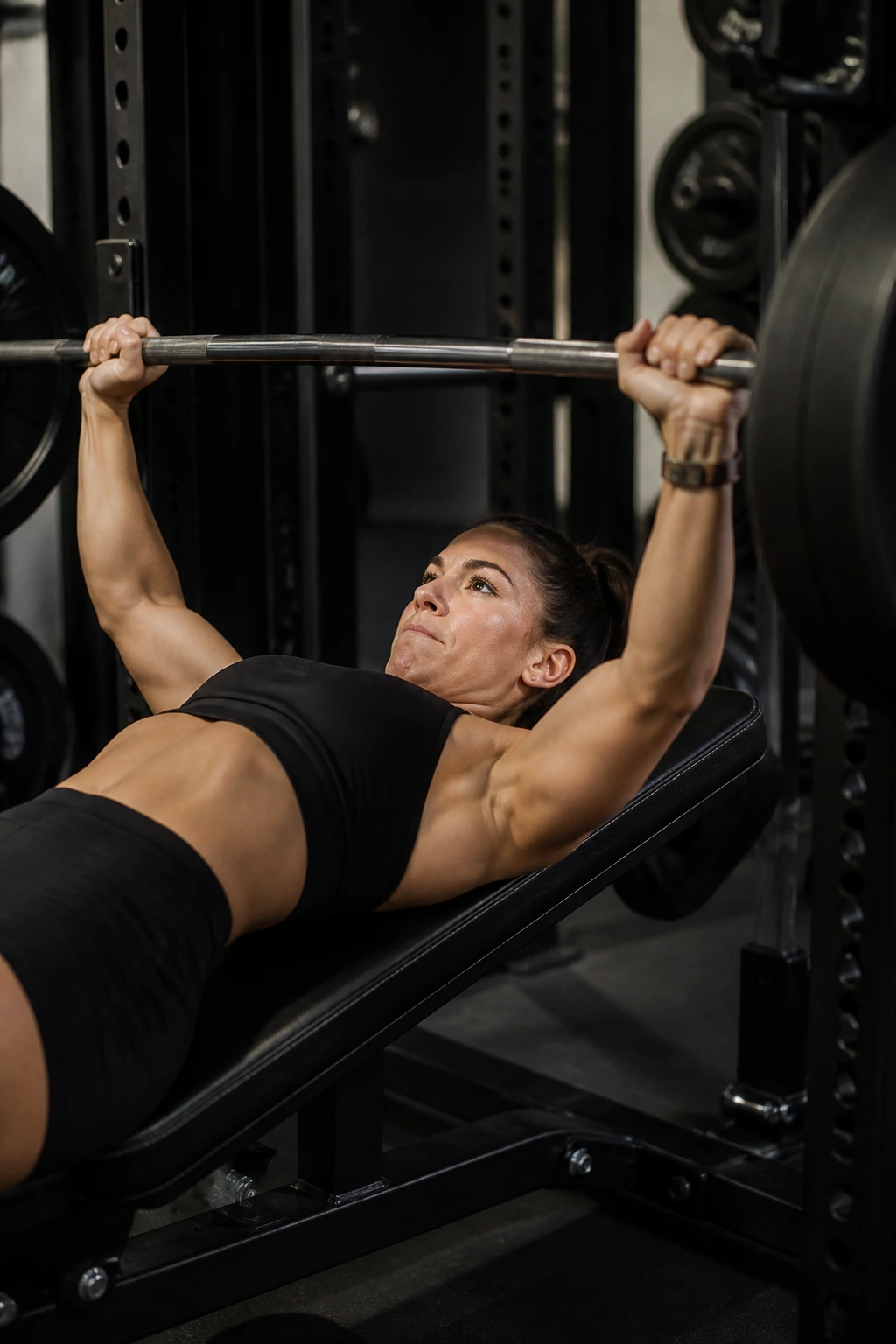
Four to six weeks of one goal, then a change. That’s the whole idea, and it works better than trying to chase everything at once.
A strength block focuses on lower reps, longer rests, and fewer total exercises. A hypertrophy block shifts the emphasis to volume, moderate reps, and more accessory work. The body usually responds well to that change because the stimulus stops feeling stale.
You might spend the first block building squat, hip thrust, bench press, and row strength. The next block then uses that new strength to push more total reps and better muscle growth. I like this approach for women who stall easily or feel like they’ve been “doing the same workout forever.”
It also teaches patience, which is rare and useful. Instead of judging progress by one lift every week, you judge it by how the whole block feels and how much cleaner the reps get.
If you’re the kind of lifter who loves spreadsheets, this one is a dream.
10. 45-Minute Express Program
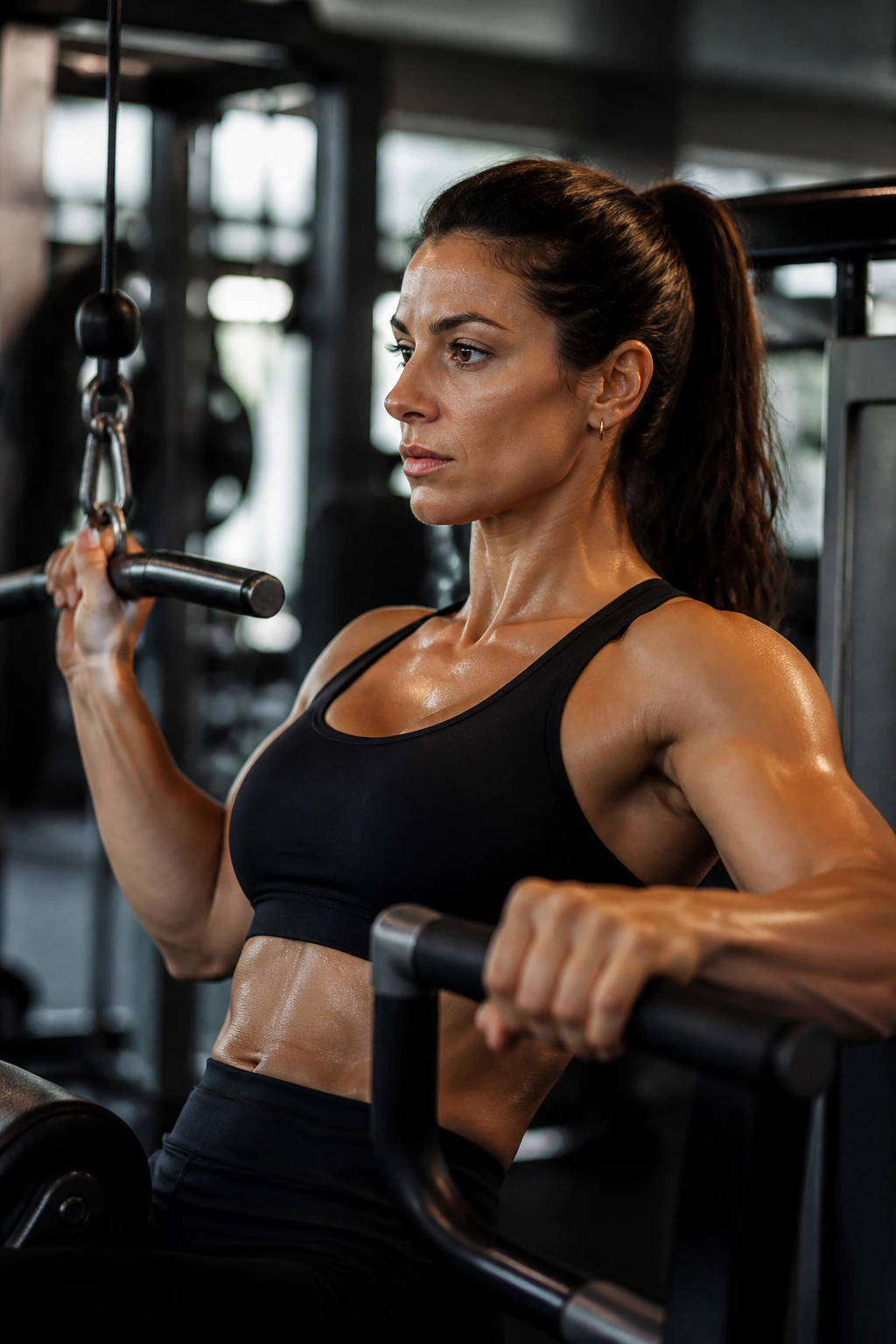
Forty-five minutes is enough.
Not for everything, and not for endless exercise hopping, but enough for a focused bodybuilding session if you keep the rules simple. Pick one lower-body compound, one upper-body push, one upper-body pull, one isolation move, and one finishing set for glutes or shoulders.
A clean 45-minute day might look like this:
- Leg press, 3 sets of 8 to 10
- Chest press and seated row, done as a superset, 3 rounds
- Dumbbell Romanian deadlift, 3 sets of 8 to 12
- Lateral raise, 2 sets of 12 to 15
- Cable abduction or triceps pressdown, 2 sets of 12 to 20
Rest about 45 to 75 seconds between paired movements. Keep transitions fast. No long phone scrolls. No staring into space between sets.
This style suits women with jobs, kids, or just a lower tolerance for endless gym sessions. It is not glamorous, and that’s exactly why it lasts.
11. High-Volume Growth Program for Women
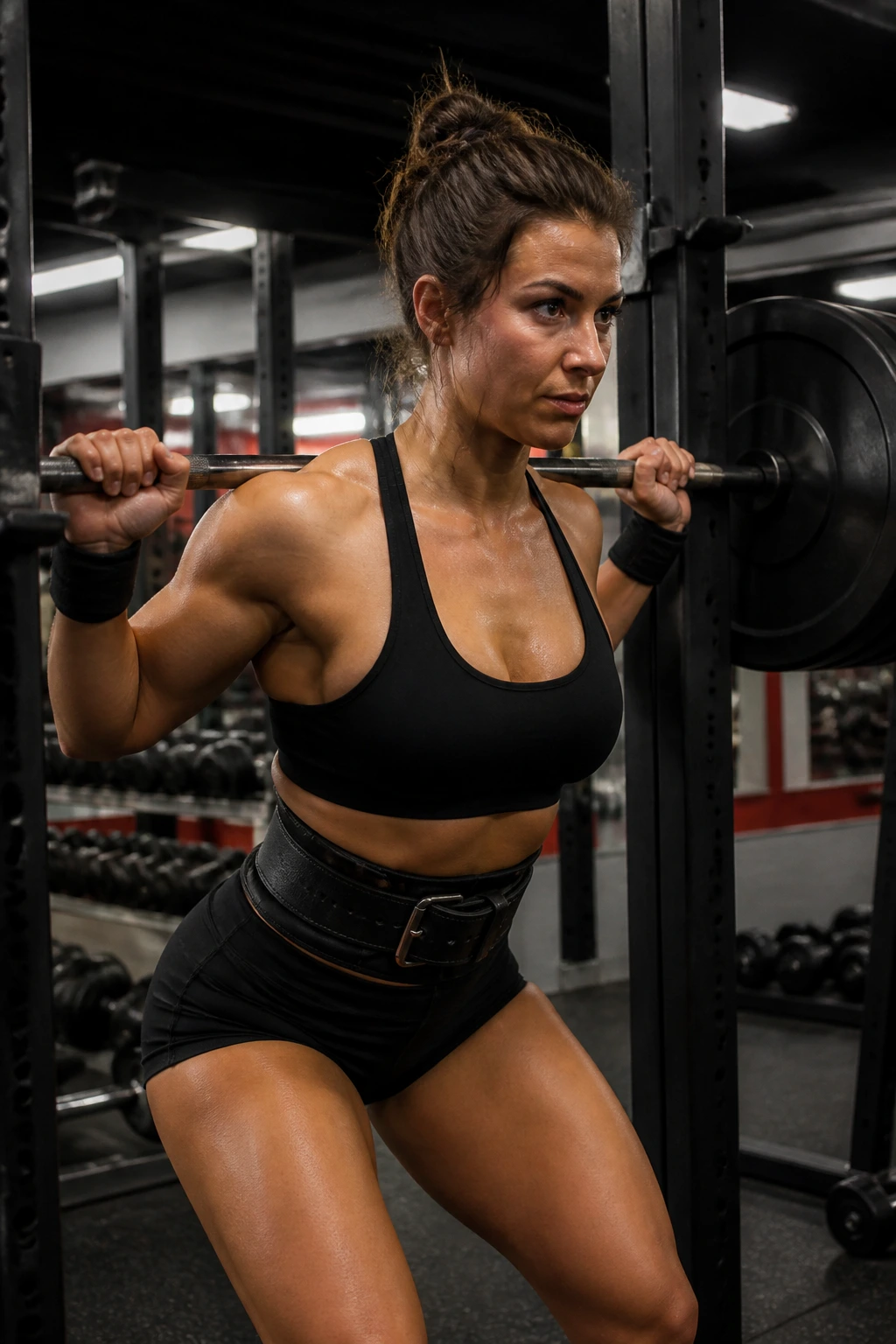
Do high-volume bodybuilding programs for women at the gym work? Yes, if the rest of your life can support them.
Volume means more hard sets per muscle each week, often around 16 to 20 sets for a priority area like glutes, back, or quads. That can drive growth fast, but only when sleep, food, and recovery are handled with some discipline. If you train hard on fumes, the program will feel like punishment.
A high-volume week usually needs smart exercise selection. Too many compounds and you’re cooked. Too many isolation lifts and you lose the big stimulus. The sweet spot is usually one main lift, two or three accessories, and a few smaller movements that let you chase the target muscle without frying your whole nervous system.
This is not beginner territory. You need enough training history to know what hard sets feel like and what recovery looks like. The upside is obvious: more chances to practice, more total work, and more growth if your body tolerates it.
Food matters here. So does sleep. No magic tricks.
12. Joint-Friendly Bodybuilding Program
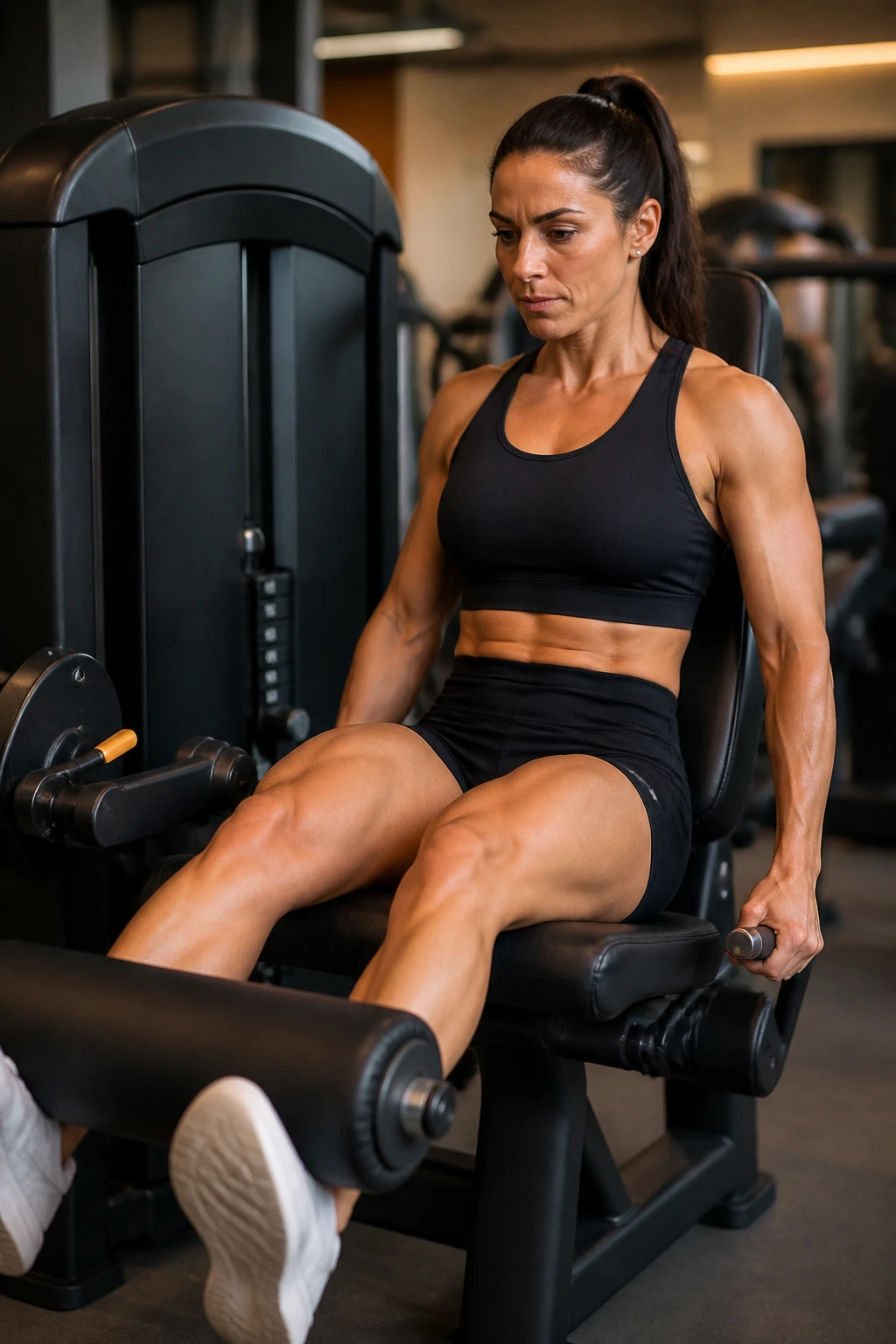
Your knees will tell you fast when a program is too aggressive.
A joint-friendly plan leans on machines, cables, moderate rep ranges, and slow, controlled lowers. It’s a smart choice for lifters who feel beat up by heavy barbell work or who need a lower-stress way to stay consistent. That doesn’t make the program soft. It makes it sustainable.
Think leg press instead of deep barbell squats, chest-supported rows instead of sloppy bent-over rows, and cable work instead of endless free-weight balancing. Use tempos that give you control, like a 3-second lowering phase on leg extensions or hamstring curls. That little detail can make a big difference in how the joints feel.
A useful joint-friendly week might include two lower sessions, two upper sessions, and no set taken to failure. Keep at least 1 to 3 reps in reserve on most work. You should finish sessions tired, not wrecked.
That’s the point. Train hard enough to grow, but not so hard that you dread the stairs afterward.
13. Upper-Body Emphasis Program
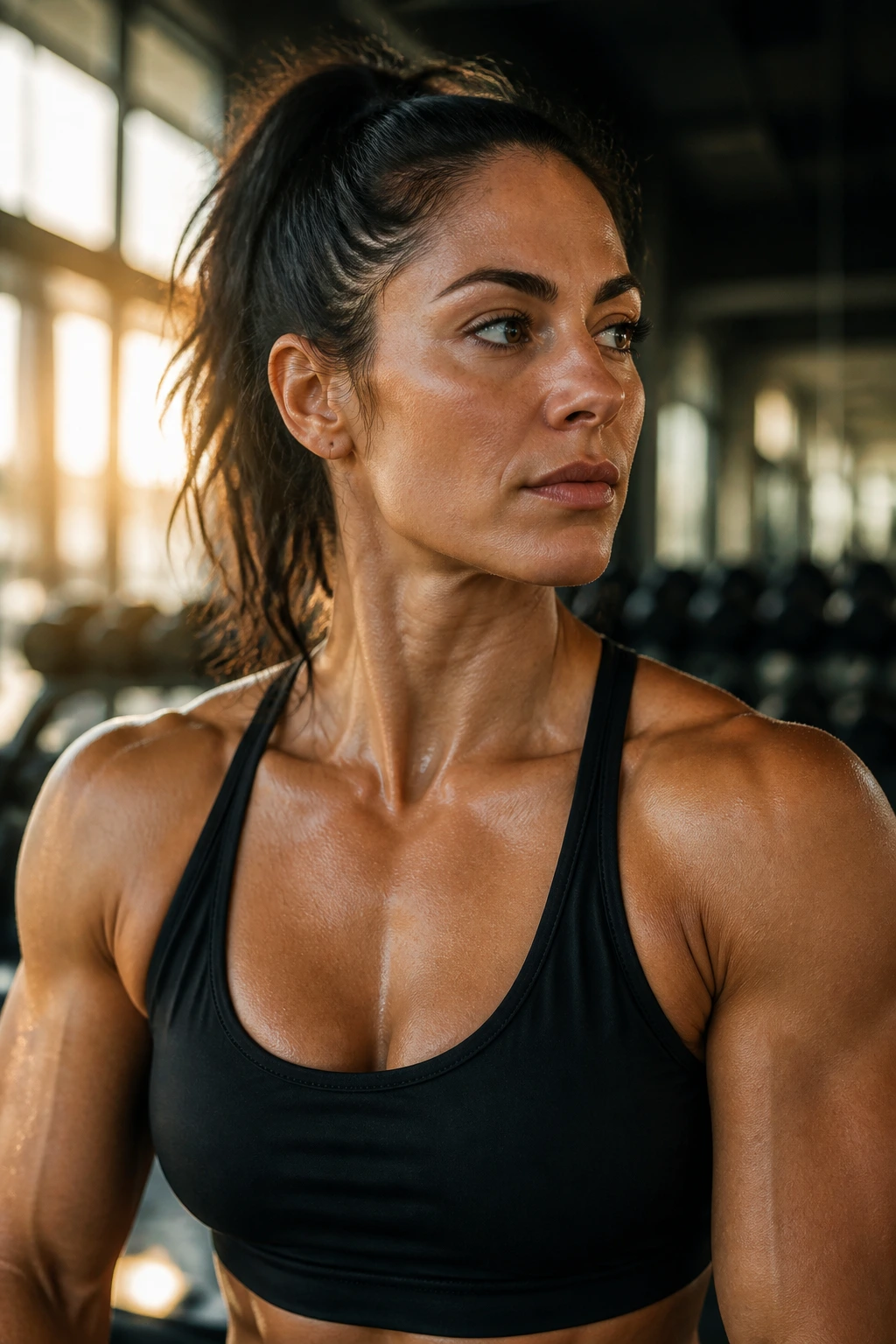
Shoulders and upper back change how a physique reads from a distance.
That’s why an upper-body emphasis program can be such a smart move for women who already build legs easily or simply want more shape through the torso. Wider-looking shoulders, a stronger back, and a bit of chest work make the whole frame look more athletic and balanced.
The danger is neglecting the lower body. Don’t do that. Even a torso-focused plan needs a maintenance dose of squats, hinges, or leg press work, or the week starts looking lopsided. I’d usually run two upper days with one or two lower sessions tucked in beneath them.
A good upper emphasis split might center on rows, pulldowns, incline presses, shoulder press, lateral raises, rear delts, and arms. Use some heavier compound work early, then finish with controlled pump sets. That gives you both the strength and the shape work.
If your favorite pump is in your shoulders and upper back, this is the plan that leans into it instead of fighting it.
14. Lower-Body Twice-Weekly Program
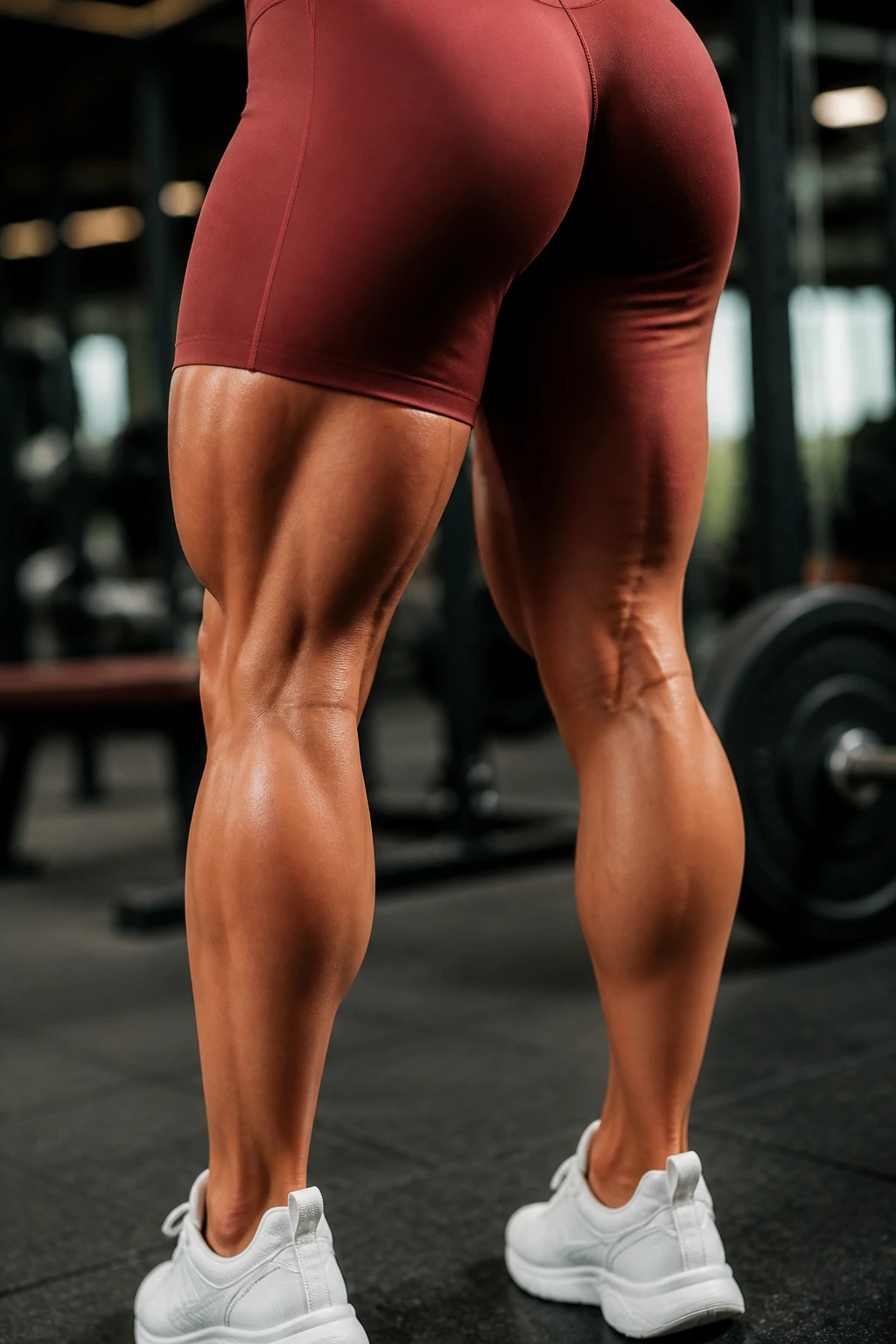
Two lower-body days a week can change everything.
One day can be quad-dominant, with squat patterns, leg press, split squats, and leg extensions. The other can lean posterior-chain heavy, with hip thrusts, Romanian deadlifts, hamstring curls, and back extensions. That split gives the legs enough attention without turning one workout into a two-hour crawl.
This is a nice option for women who want visible leg development but still want upper-body days that don’t feel rushed. It also helps with recovery because each lower session has a different job. Your quads get one kind of stress. Your glutes and hamstrings get another.
A simple version is upper, lower, rest, upper, lower, rest, rest. That week feels sane. And sane plans get repeated.
If you’ve been smashing legs once a week and wondering why progress feels slow, this is a clean fix. Frequency matters more than people think, especially for lower body growth.
15. Plateau-Breaker Program
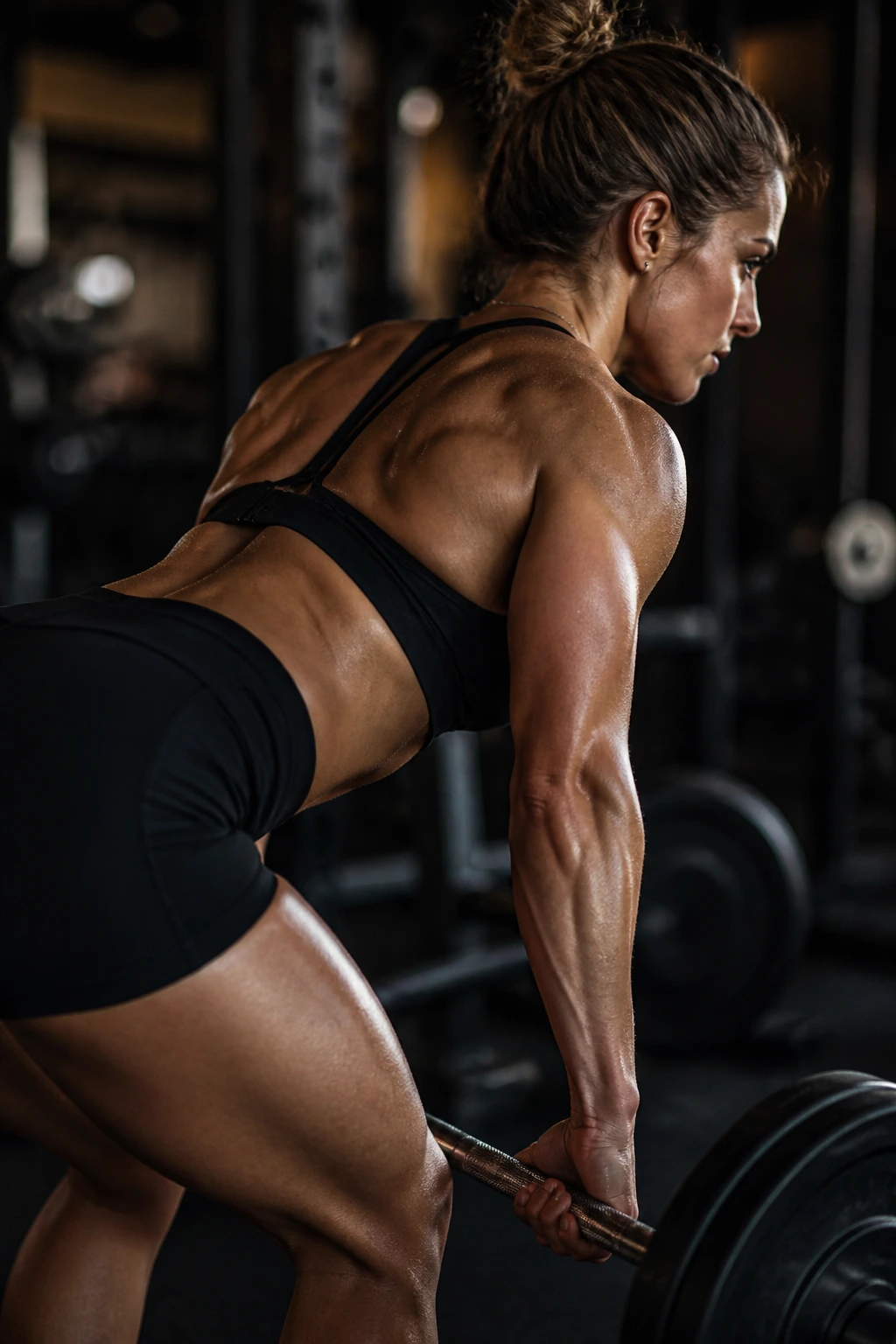
Stalled lifts need a reset, not more motivation.
If your squat, hip thrust, or row has been stuck for months, the problem is usually not laziness. It’s repetition without a new angle. A plateau-breaker program changes the stimulus in a way your body can notice.
One strong method is top set plus back-off work. You might do one hard set of 5 reps on a main lift, then drop the load by 10 to 15 percent and do two or three more sets for 6 to 8 reps. Another option is rep cycling: spend a few weeks in the 6 to 8 range, then move to 10 to 12, then back down again.
What to Swap First
- Change the main variation, not everything
- Keep the same muscle target for 4 to 6 weeks
- Track reps, not just weight
- Deload before the lift gets ugly
This style works because it keeps your training honest. If you never change the stress, your body has no reason to adapt. Simple. Annoying. True.
16. Athletic Physique Program
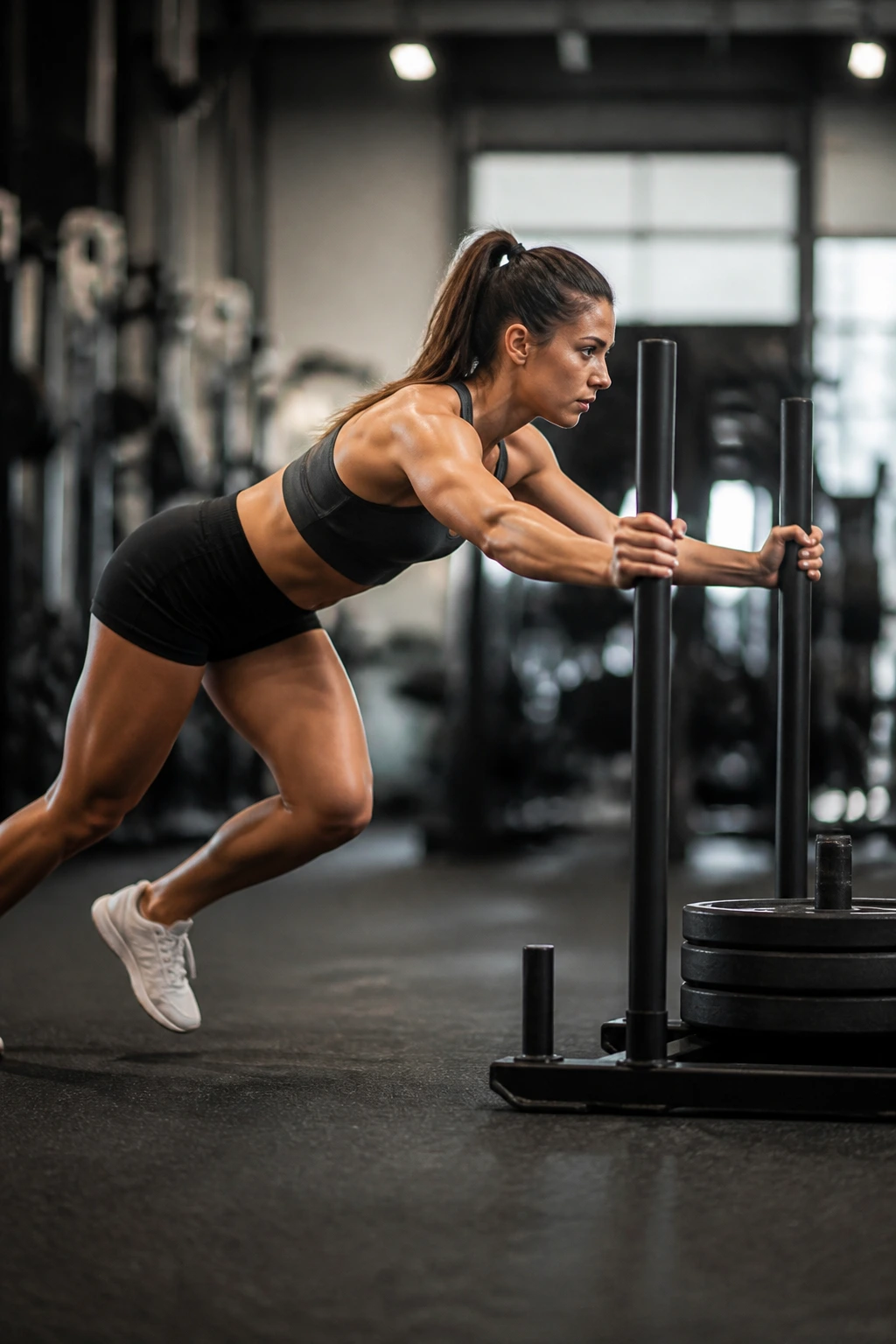
Athletic bodybuilders don’t train like sprinters, and they don’t train like powerlifters either.
They borrow a little from both. The gym work still centers on muscle growth, but the plan includes sled pushes, carries, jumps, or step-ups that keep the body moving well. That mix can be a great fit for women who want a physique that looks strong and feels useful.
I like this style when someone wants curves, shape, and a bit of work capacity. The sessions might open with a jump series or a short sled push, then move into squats, rows, presses, and single-leg work. Finish with small accessories. Don’t turn the conditioning piece into a punishment session.
Keep the Athletic Part Small
- 5 to 8 minutes of jumps or carries
- 2 to 4 heavy lifts
- 2 to 3 accessories
- Stop before form gets messy
The trick is restraint. You want athletic flavor, not a CrossFit detour. That distinction matters a lot.
17. Recovery-First Program
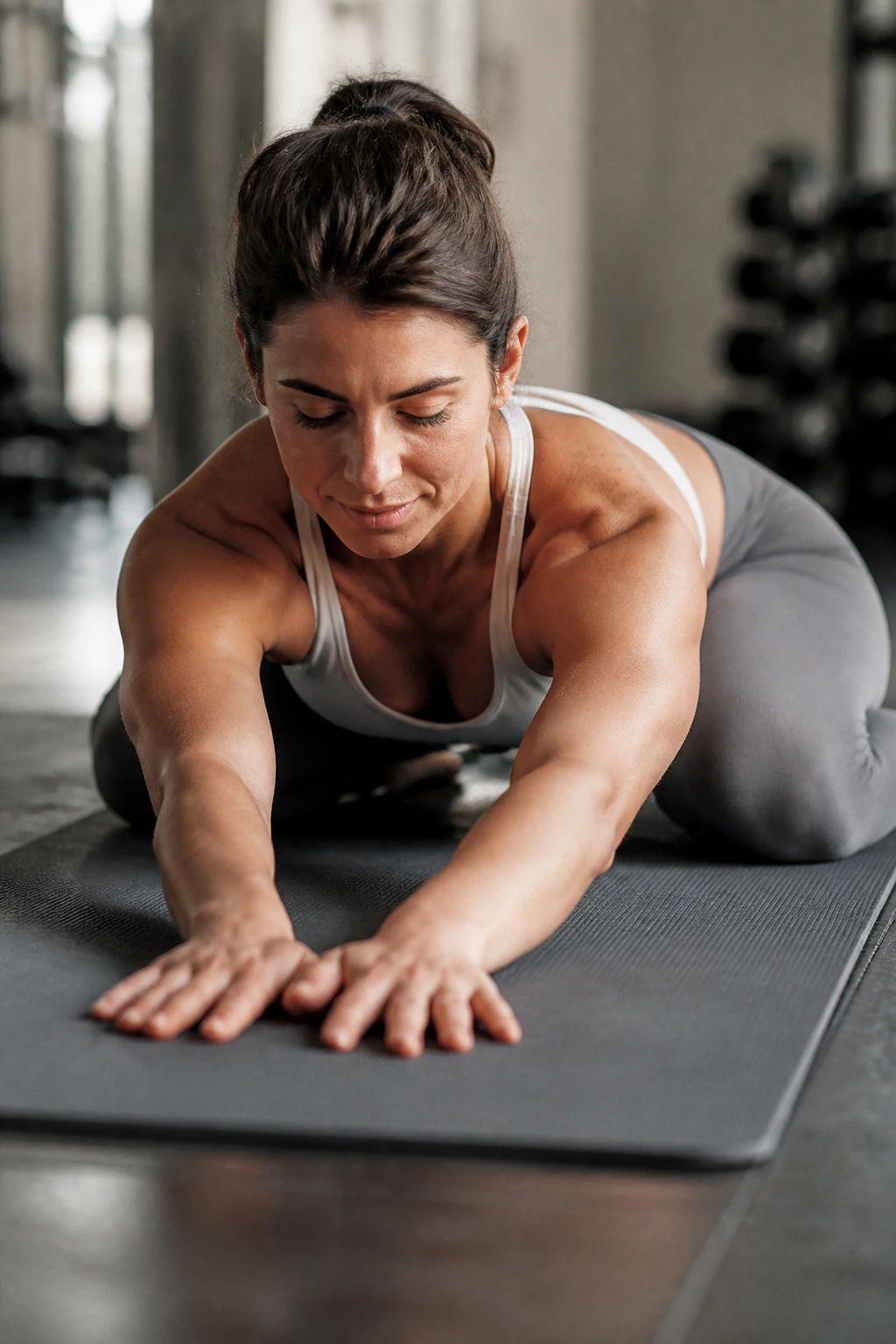
Recovery comes first when sleep is messy.
A recovery-first bodybuilding program lowers the weekly stress so you can keep training without digging a hole you can’t climb out of. That usually means three or four lifting days, fewer sets taken close to failure, and a heavier reliance on clean movement quality over punishment-style volume.
This is a smart choice for women juggling demanding jobs, long commutes, family stuff, or just a rough season outside the gym. You still get stronger. You still grow. The pace is slower, but the consistency is cleaner.
A useful rule here is to leave 2 reps in reserve on most sets and save true grindy sets for one or two key lifts per week. That may sound tame, but it often leads to better training weeks because you’re not walking around half-dead. A six-week deload cycle can help too, especially if joints or sleep start grumbling.
Not every good program feels hard in the same way. Some feel controlled. This is one of them.
18. Six-Day Advanced Split
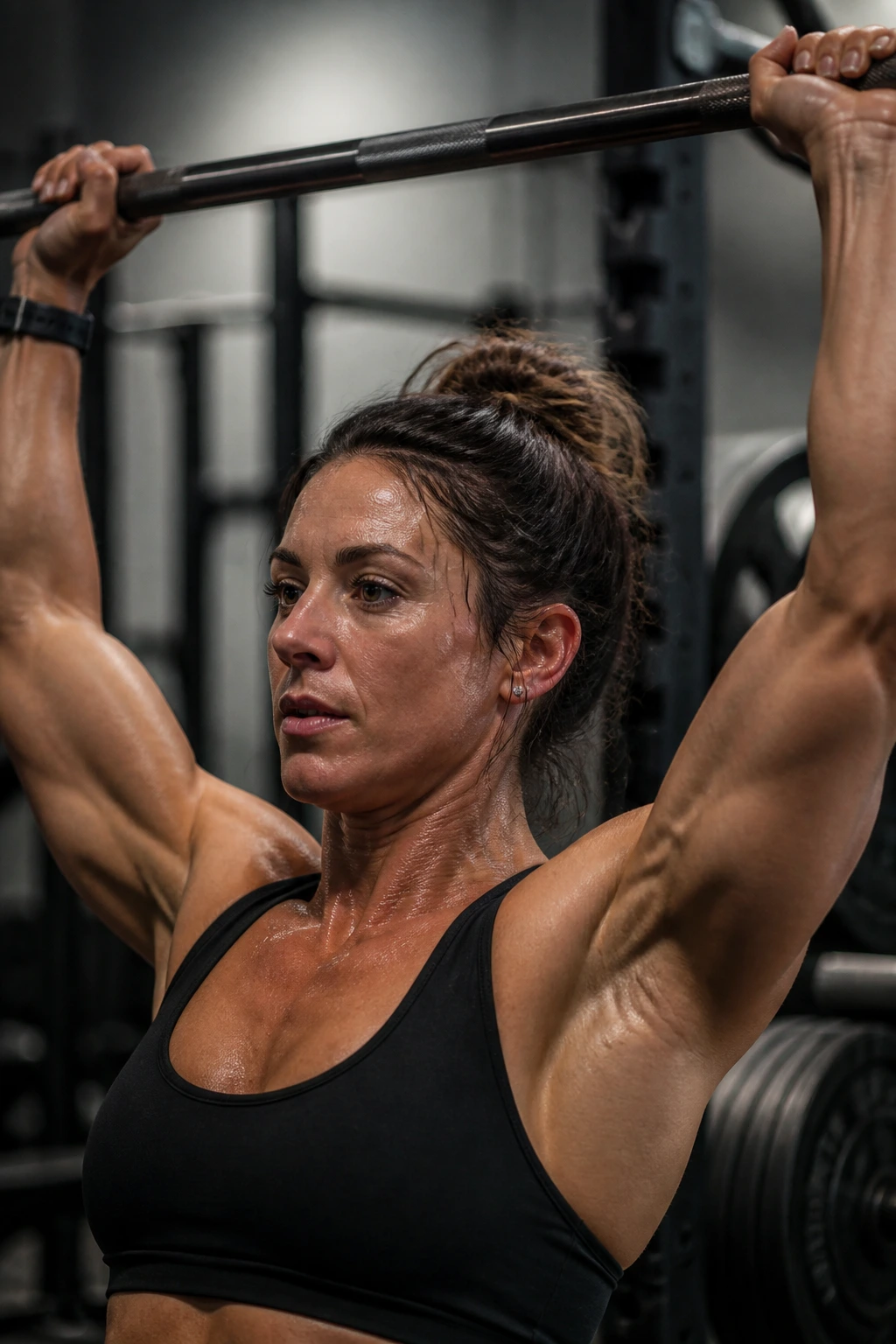
Six days is a lot.
It can work beautifully for experienced lifters who know their recovery limits and enjoy shorter, more focused sessions. It can also go sideways fast if every workout turns into an ego contest. So the split matters.
A common setup is push, pull, legs, push, pull, legs. Another option is chest/back, legs, shoulders, glutes, arms, lower. The point is to spread volume across the week so each session stays sharp instead of bloated.
This style suits women who have already built a base, already know how to recover, and want more room for volume on priority muscles. It’s not the place to be sloppy with sleep or nutrition. If those pieces are off, six sessions feel like too much housework.
Keep your sessions tight. Think 45 to 70 minutes, not two-hour marathons. The real skill here is restraint, and that is harder than it sounds.
19. Leaning-Out While Keeping Muscle Program
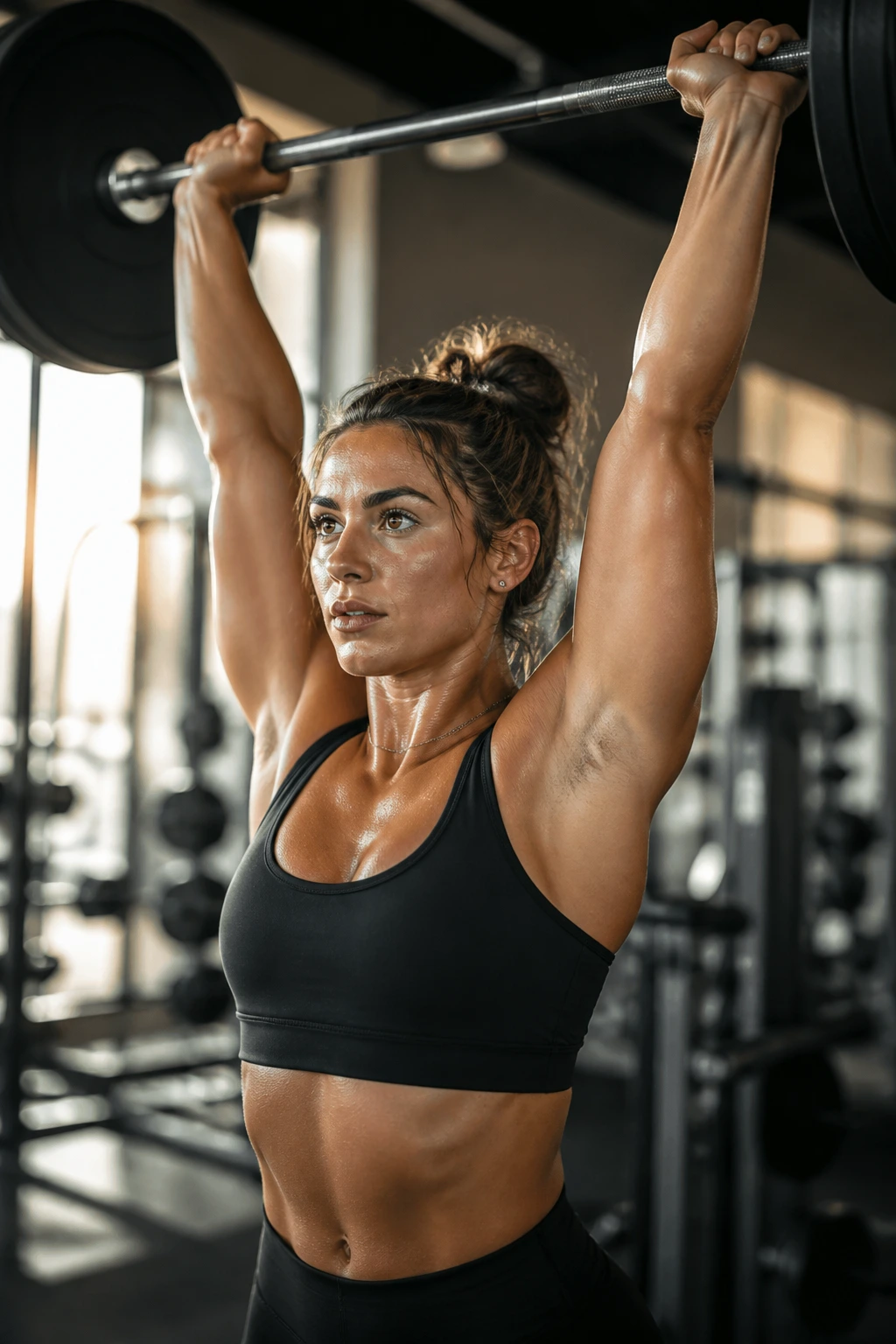
Cutting calories does not mean cutting muscle.
A bodybuilding plan during a lean-out phase should protect the lifts that matter most. Keep your main compounds in the routine, keep your protein high, and trim extra fluff before you trim the hard work. That’s the cleanest way to hold onto size while body fat comes down.
The volume usually drops a bit here. Instead of chasing endless sets, you might keep 8 to 12 hard sets per muscle each week and focus on maintaining strength on the big patterns. Heavy-ish squats, presses, rows, and hinges tell the body to keep the muscle around. That signal matters.
Cardio can help, but it should not crush leg recovery. Low-impact work like incline walking or cycling tends to play nicer with bodybuilding training than random all-out sessions. I’d rather see someone do consistent moderate cardio than ruin leg day with a ton of fatigue.
This program is about discipline, not drama. Clean training. Clean food. No panic.
20. Glute-and-Hamstring Specialization Program
The best glute and hamstring work usually starts with a stretch you can feel.
That means Romanian deadlifts, seated leg curls, back extensions, long-stride split squats, and hip thrusts done with enough control to keep tension where it belongs. If your hamstrings never feel loaded at the bottom of a rep, you’re probably moving too fast or cutting the range short.
The Exercises That Matter
- Romanian deadlift: 3 to 4 sets of 6 to 10
- Seated leg curl: 3 to 5 sets of 10 to 15
- Hip thrust: 3 to 4 sets of 8 to 12
- Back extension with glute bias: 2 to 3 sets of 12 to 15
- Cable kickback or abduction: 2 to 4 sets of 15 to 20
This program is great for women who want the back of the leg to grow instead of just the front. The downside is that it can beat up your lower back if you get sloppy, so keep your torso position honest and stop chasing numbers that turn the lift into a shrug.
Strong glutes are built on repetition. Not drama.
21. Chest-and-Back Balance Program
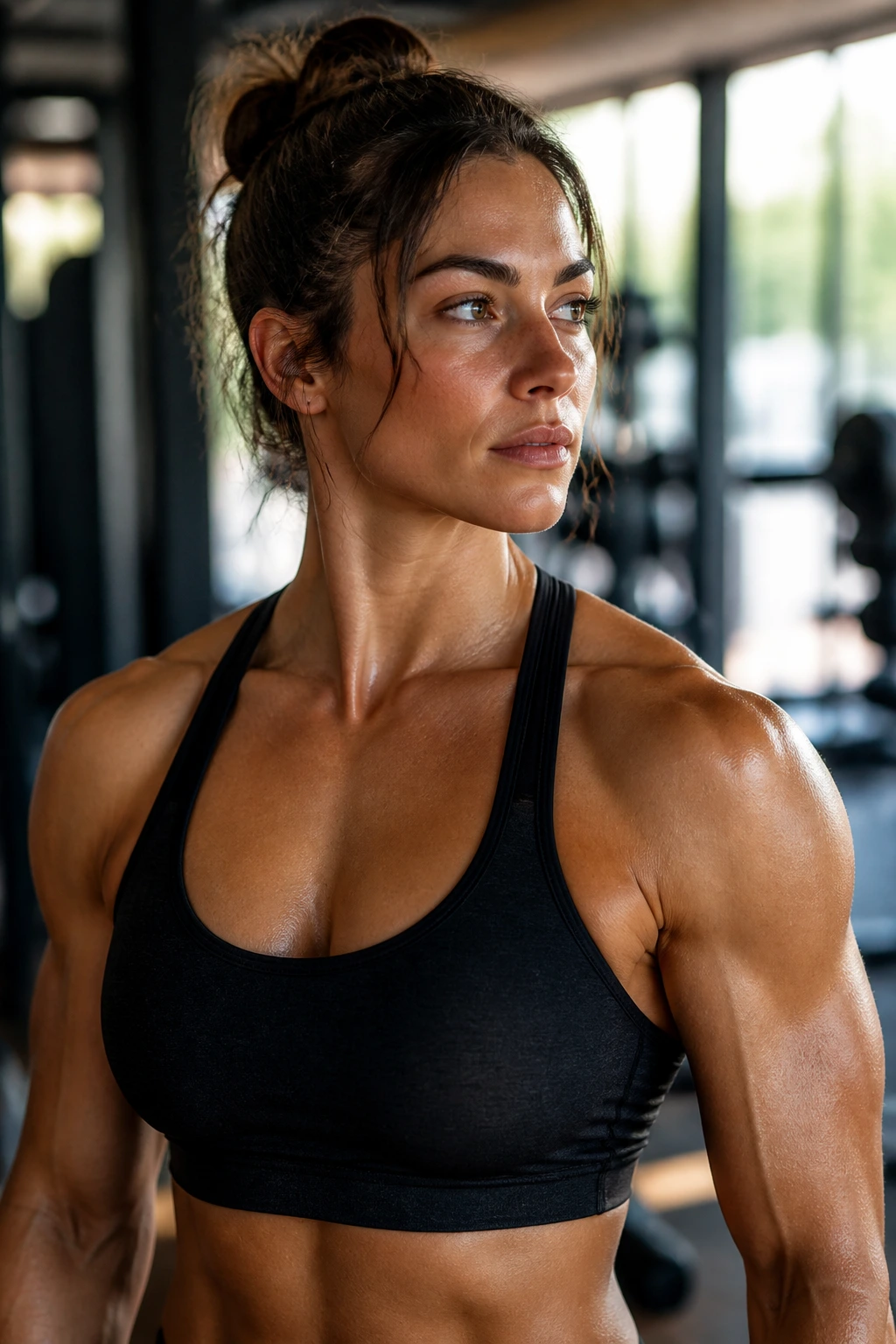
Do women need chest and back days? Yes, if they want a balanced physique and better posture under load.
A lot of lifters give all their attention to legs and shoulders, then wonder why their upper body looks unfinished. Chest and back work fills that gap fast. Rows, pulldowns, incline presses, flat presses, and face pulls can change how the torso sits and how clothes drape across the frame.
A balanced upper-body week might pair a horizontal press with a row, then a vertical press with a pulldown. That keeps the front and back of the torso from drifting too far apart. I also like this style for lifters who spend long hours sitting, because a stronger back usually helps the shoulders feel less rounded forward.
The key is not to chase chest work only. Back volume matters just as much, sometimes more. If you want a torso that looks strong from every angle, train both sides with the same seriousness.
22. Minimalist Four-Exercise Program
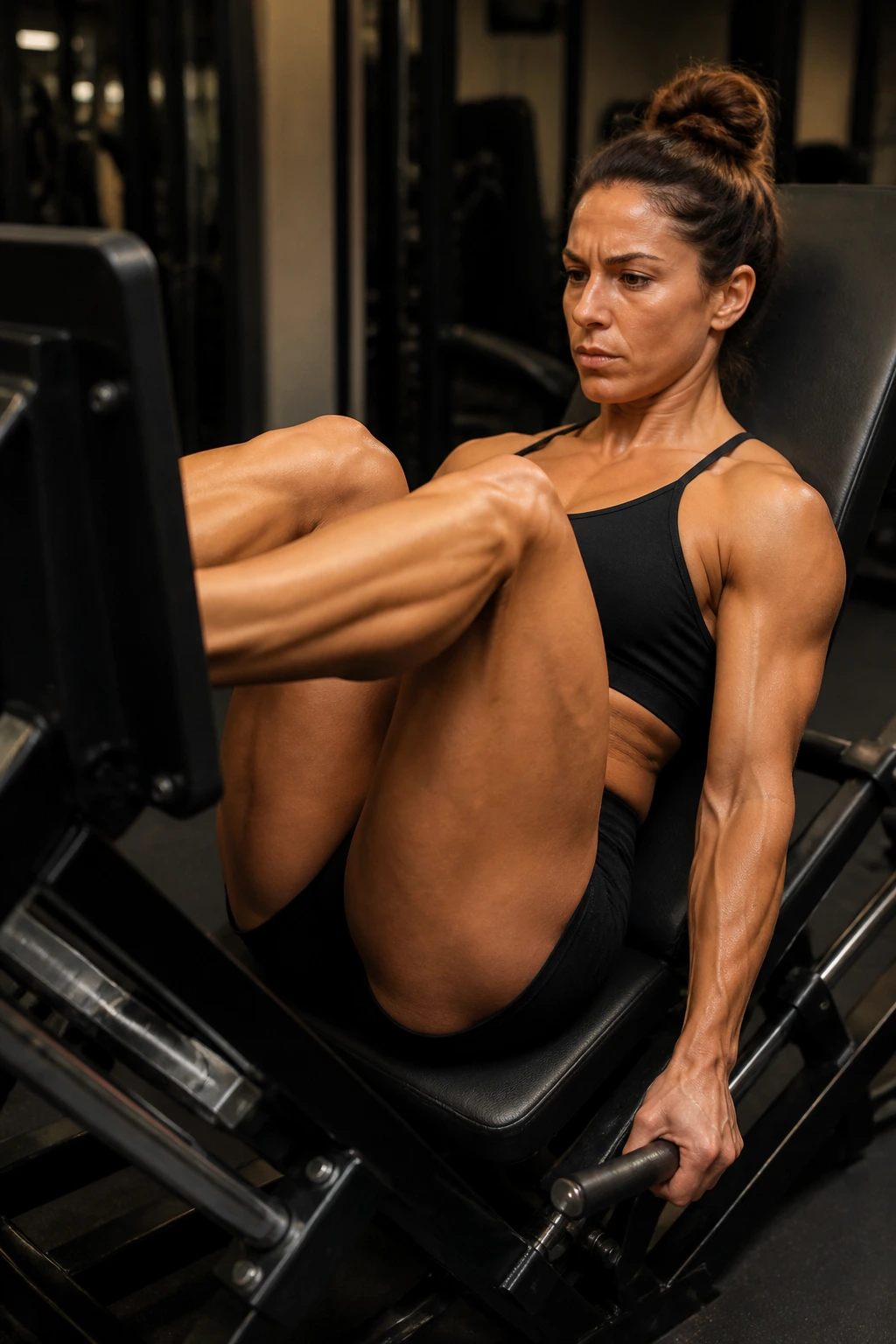
Four exercises. That’s the whole idea.
A minimalist plan is not lazy. It’s sharp. You pick one squat or leg pattern, one hinge, one push, and one pull, then repeat them long enough to get better. That kind of focus can be a lifesaver for women who hate cluttered sessions and want the shortest path to a solid workout.
A session might be leg press, Romanian deadlift, chest press, and seated row. Another day might swap in hack squat, lat pulldown, incline dumbbell press, and hip thrust. Do 3 to 4 sets on each movement and keep the rest periods honest.
This style works best when consistency is the priority. It keeps you from turning a training day into a scavenger hunt for the perfect exercise. No wasted energy. No decision fatigue. Just four lifts and done.
The interesting part is how well this can work over months. Simple plans are easier to repeat, and repetition is where muscle growth gets its teeth.
23. Hybrid Strength + Cardio Program
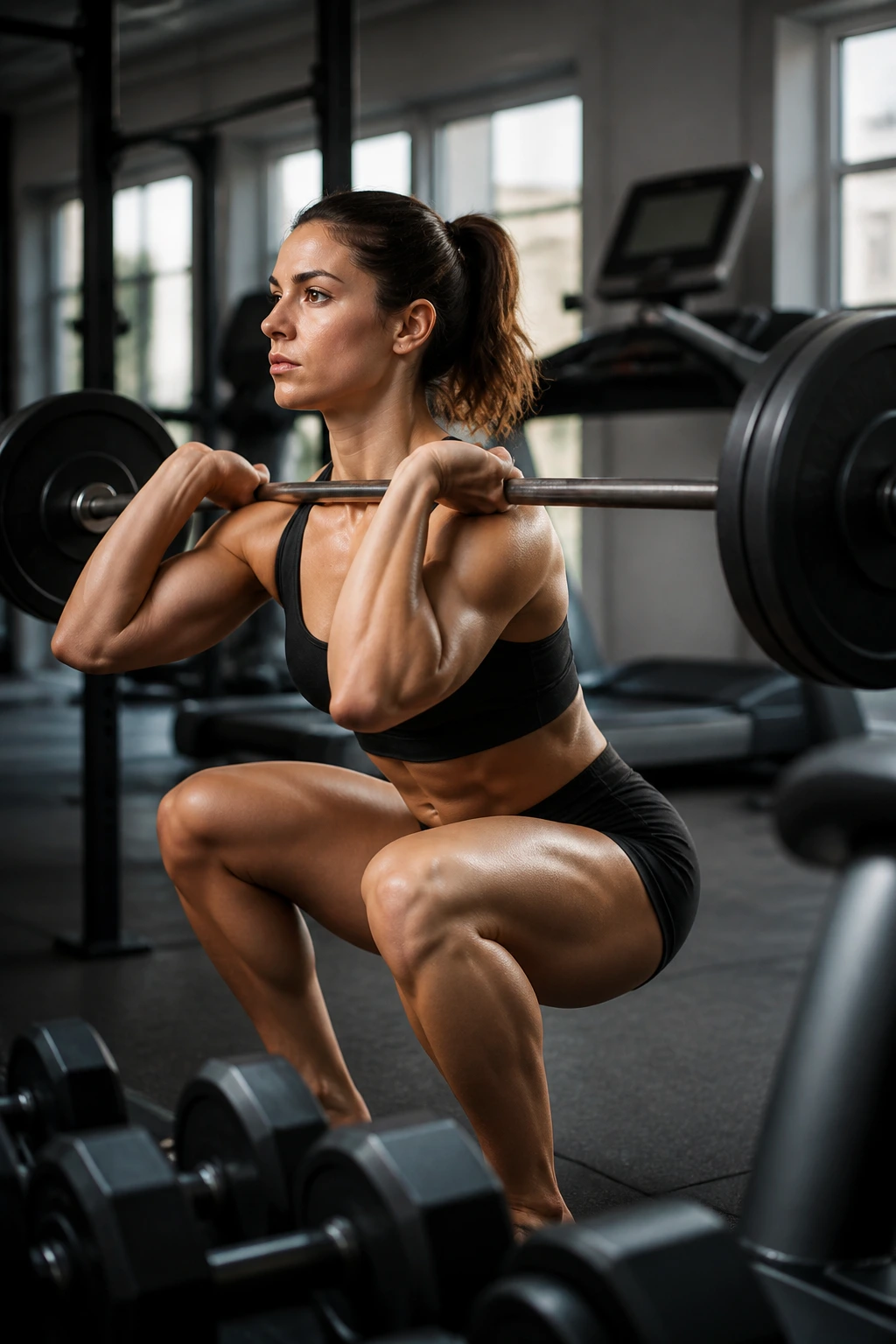
Lift first, cardio second.
That order keeps the bodybuilding work from getting watered down. A hybrid program can fit women who want muscle, better work capacity, and a little extra calorie burn without living on the treadmill. The trick is to keep the two parts from stepping on each other.
A useful week might include four lifting days and two low-impact cardio days. Put your hardest lower-body work away from long cardio sessions if you can. A brisk incline walk, cycling, or rowing for 20 to 30 minutes is plenty for most people. More is not always better, especially if leg growth matters.
One Clean Weekly Layout
- Monday: Upper
- Tuesday: Lower
- Wednesday: Cardio
- Thursday: Upper
- Friday: Lower
- Saturday: Cardio or light pump work
- Sunday: Rest
This split works because it protects the lifting quality while still giving you the conditioning work you want. That’s the whole game. Keep the priorities in order.
24. Busy-Week Maintenance Program
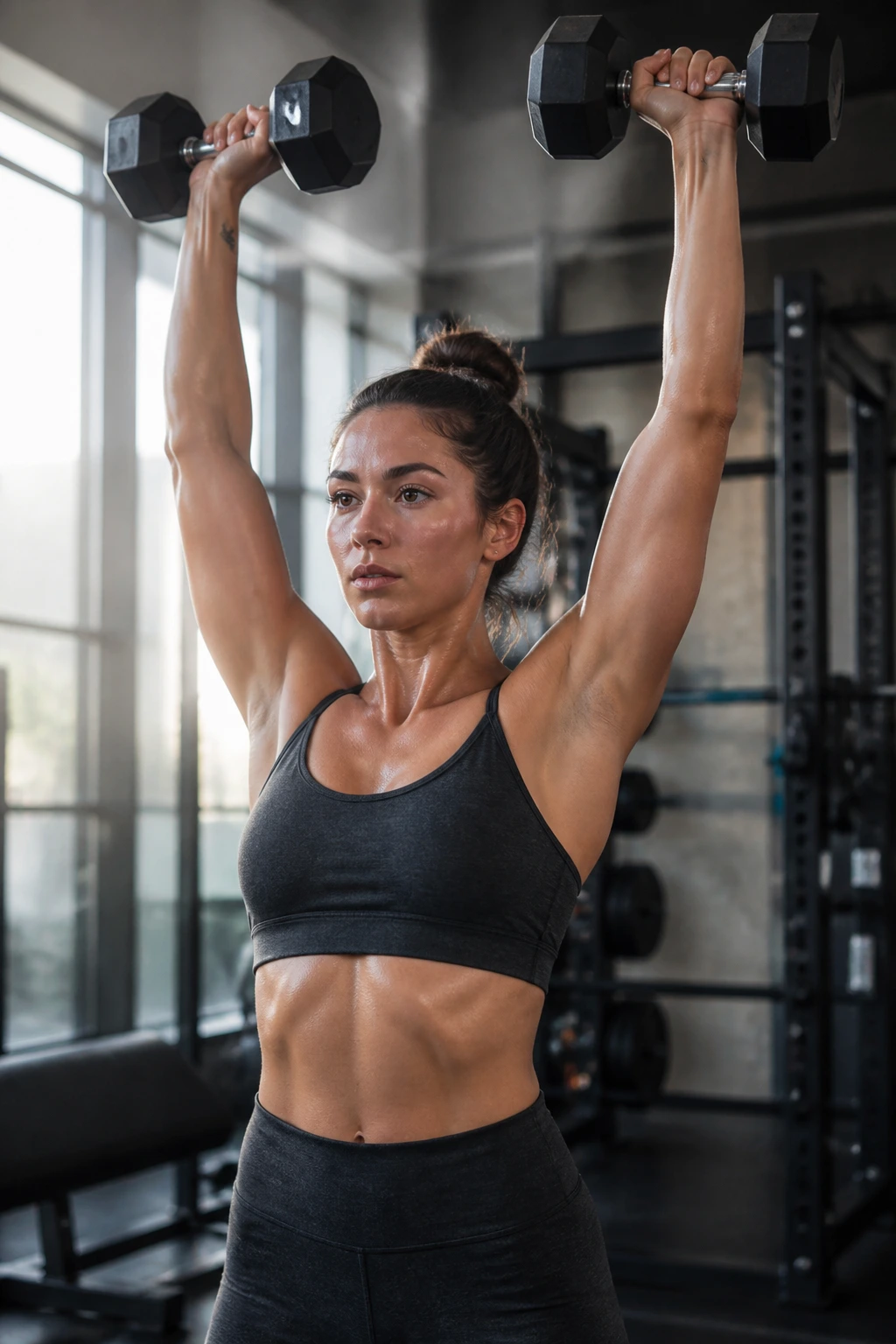
Busy weeks demand a different kind of honesty.
Sometimes the goal is not gain. Sometimes the goal is to keep your lifts alive, keep your joints happy, and leave the gym feeling like you still run the schedule instead of the other way around. A maintenance program does that with two full-body sessions and one optional pump day if life opens a window.
You can keep the main lifts in, cut the fluff, and use slightly lower volume. Think squat or leg press, a hinge, a press, a row, and one isolation move for glutes or shoulders. That’s enough to hold momentum for a surprisingly long time.
This is where people get tripped up. They think a smaller week means failure. It doesn’t. It means you made a smart adjustment instead of pretending you had more energy than you did. That’s grown-up training, and it saves progress.
Use this template when travel, work, or family stuff crowds the calendar. You’ll be glad you did.
25. The Best Bodybuilding Program for Women at the Gym Is the One You Can Repeat
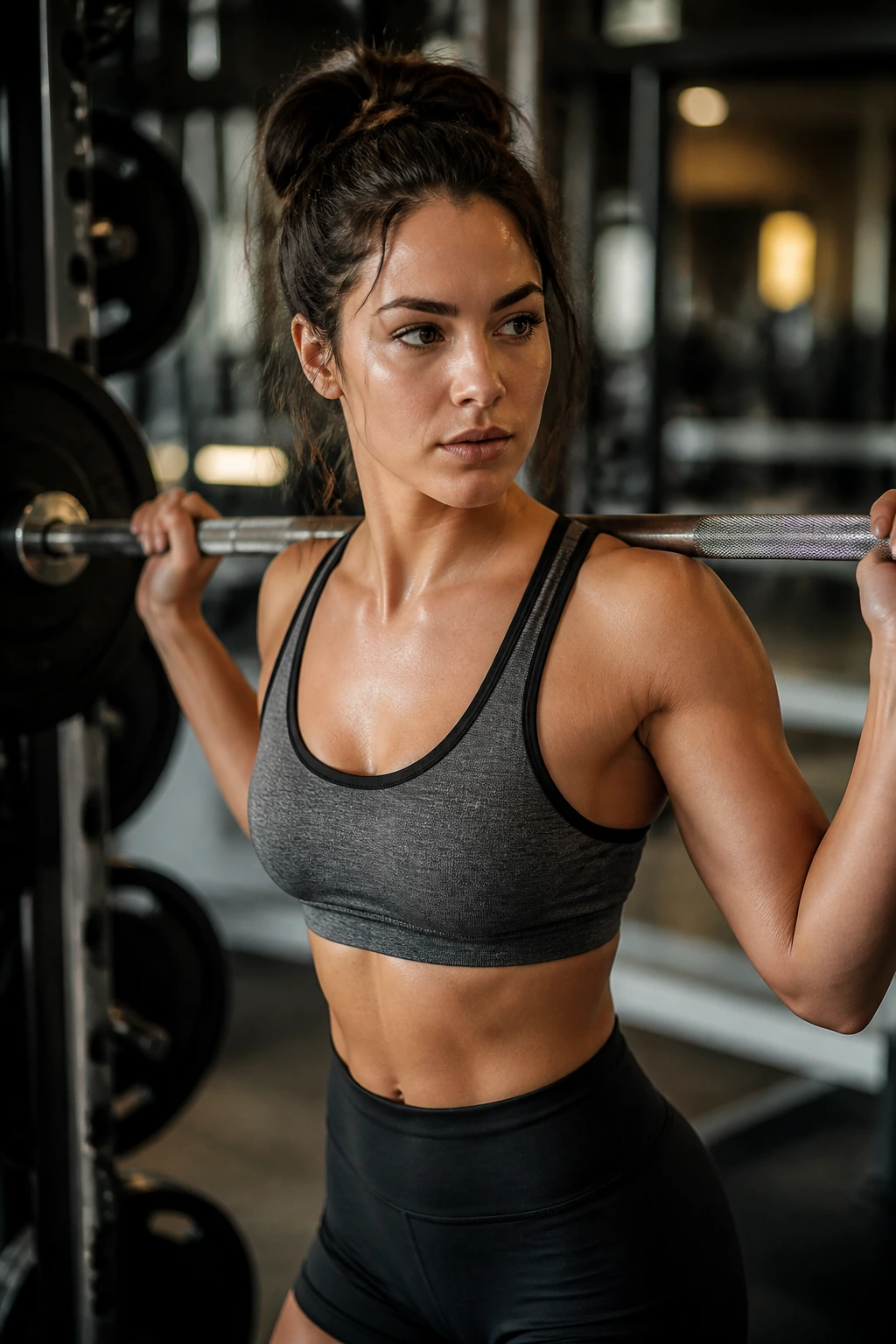
The best bodybuilding program for women at the gym is the one you can repeat without dreading it.
That sounds almost too plain, but plain wins. A three-day full-body plan, a four-day upper/lower split, or a more advanced six-day setup can all build a strong physique if the plan matches your life and you keep showing up. The wrong program on paper is often the right one in practice if it gets done week after week.
If you recover well and like frequency, pick a higher-frequency split. If you want shorter sessions and clearer focus, use a body-part split or a minimalist plan. If your goal is glute growth, give lower body two real days and stop pretending one half-hearted leg day is enough. The muscles you train hard and often are the ones that tend to move.
I’d start with the program that feels almost a little too easy to stick with. That is usually the honest choice. Then train it hard, track your lifts, and give it enough weeks to prove itself.
