



Free workout plans for beginner women get messy fast when they’re built for someone who already knows the difference between a goblet squat and a split squat and has enough energy to care. If your real life looks more like a desk job, a busy kitchen, a school run, or a long day that leaves your legs heavy by 7 p.m., you need something simpler than a glossy fitness calendar.
The useful stuff is usually plain. A brisk walk. A few bodyweight moves. Light dumbbells if you own them. Enough structure to stop you from wondering what to do, but not so much that you quit because the plan feels like homework. That balance matters more than perfect form on day one.
A lot of beginners think they need to “go hard” to see change. They do not. A steady plan with 20 to 30 minutes of work, a sensible warm-up, and a clear way to make the next week a little harder will take you much farther than a punishing session you dread repeating.
And yes, women can absolutely build strength, improve stamina, and feel better in their clothes without living in a gym. Some of the best plans are the boring-looking ones you can stick with, so the first few below lean hard into that idea.
1. Free Workout Plan for the True Beginner
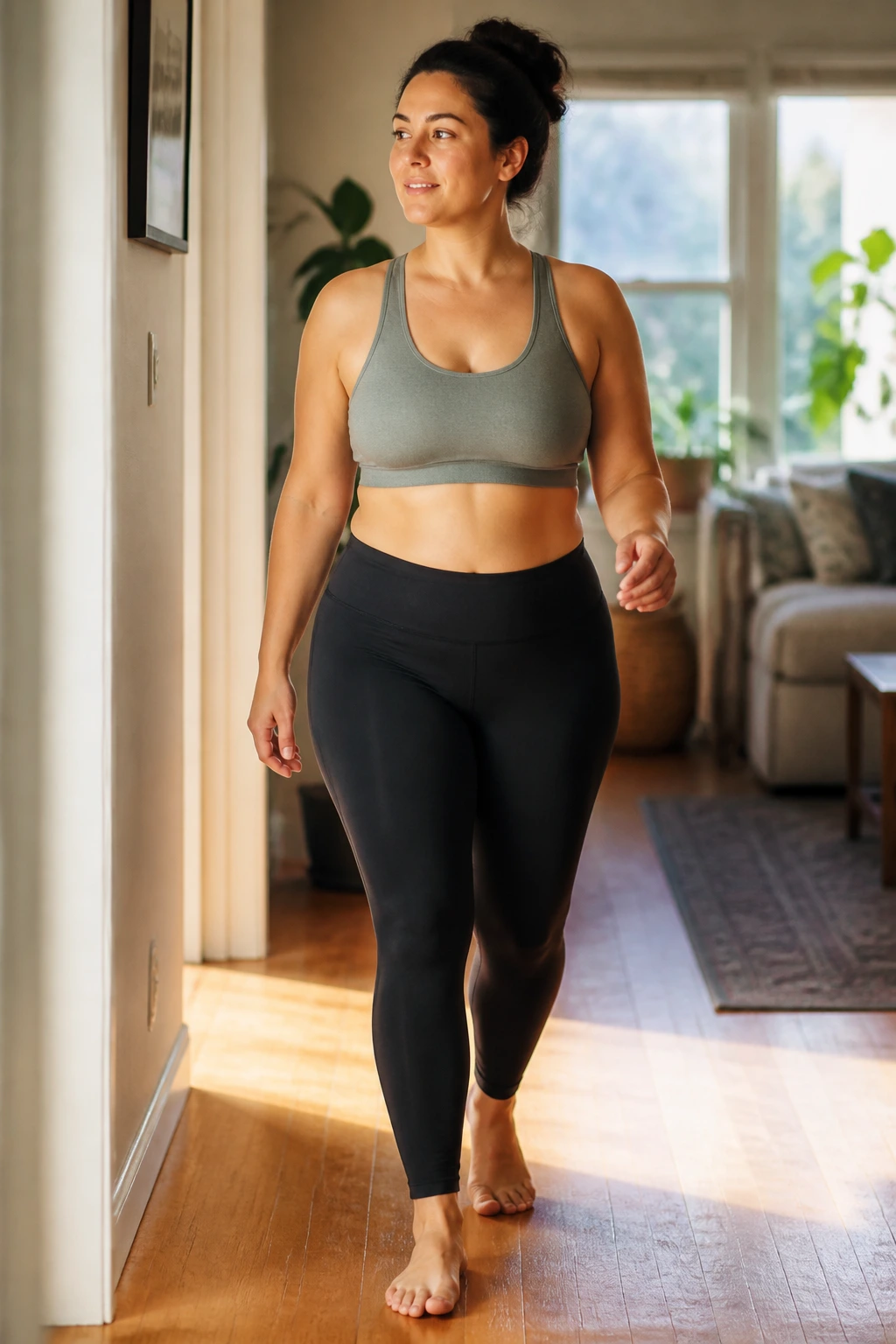
If you’re starting from zero, start smaller than you think you need to. A 10-minute walk, five bodyweight squats, and a little shoulder work can be a real workout when your body is not used to moving on purpose.
What the week looks like
Three days a week is enough here. Walk for 10 to 15 minutes on day one, do a short bodyweight circuit on day two, then repeat the walk or a gentle mobility session on day three. That rhythm keeps the habit alive without making every day feel like a test.
I like this plan because it removes the drama. No jumping. No complicated moves. No lying on the floor wondering whether you’re doing anything right.
- 5-minute easy walk
- 2 rounds of 8 squats, 8 wall pushups, 10 glute bridges
- 3 deep breaths between moves
- 5-minute stretch for calves, hips, and chest
Keep the pace conversational. If you can’t talk in short sentences, you’re going harder than this plan asks for.
2. 3-Day Bodyweight Strength Plan
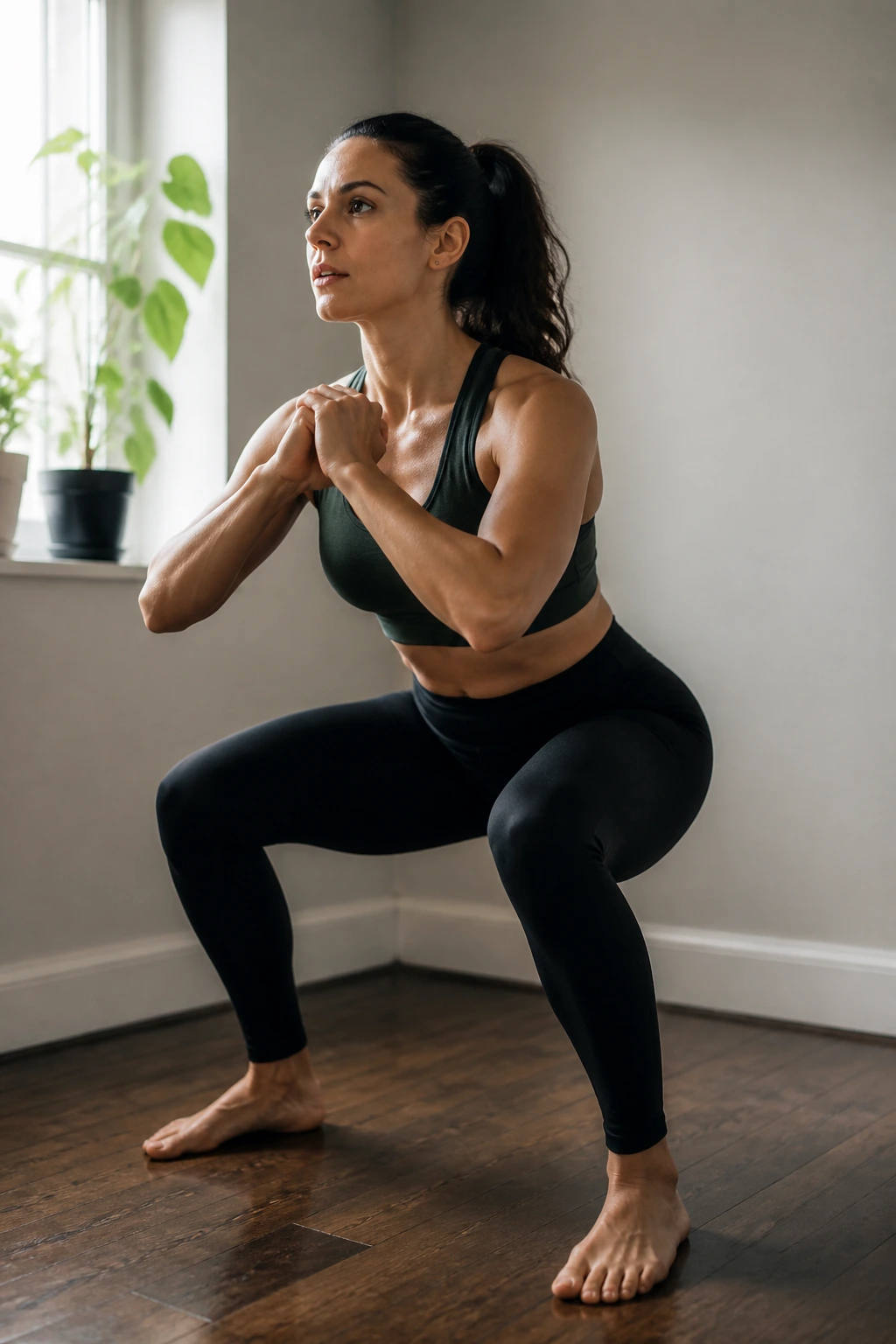
Bodyweight training is a smart starting point because it teaches your body the shapes that matter: squat, hinge, push, pull, brace. That sounds technical, but it just means you’re learning how to move with control instead of flinging yourself through reps.
Try this on Monday, Wednesday, and Friday. You’ll do the same basic session each time, and that repetition helps more than people expect. The goal is to make each move feel a little smoother, not to turn every workout into a contest.
Sample session
- Squats: 2 sets of 8 to 10
- Incline pushups on a counter or wall: 2 sets of 6 to 8
- Glute bridges: 2 sets of 10 to 12
- Bird dog: 2 sets of 6 per side
- Dead bug: 2 sets of 6 per side
Rest about 45 seconds between sets. Short enough to stay warm, long enough to keep your form clean.
The best part? You can do this in a tiny space. The worst part? It feels almost too simple at first. That’s normal. Simple is the point.
3. Walking Intervals and Core Plan
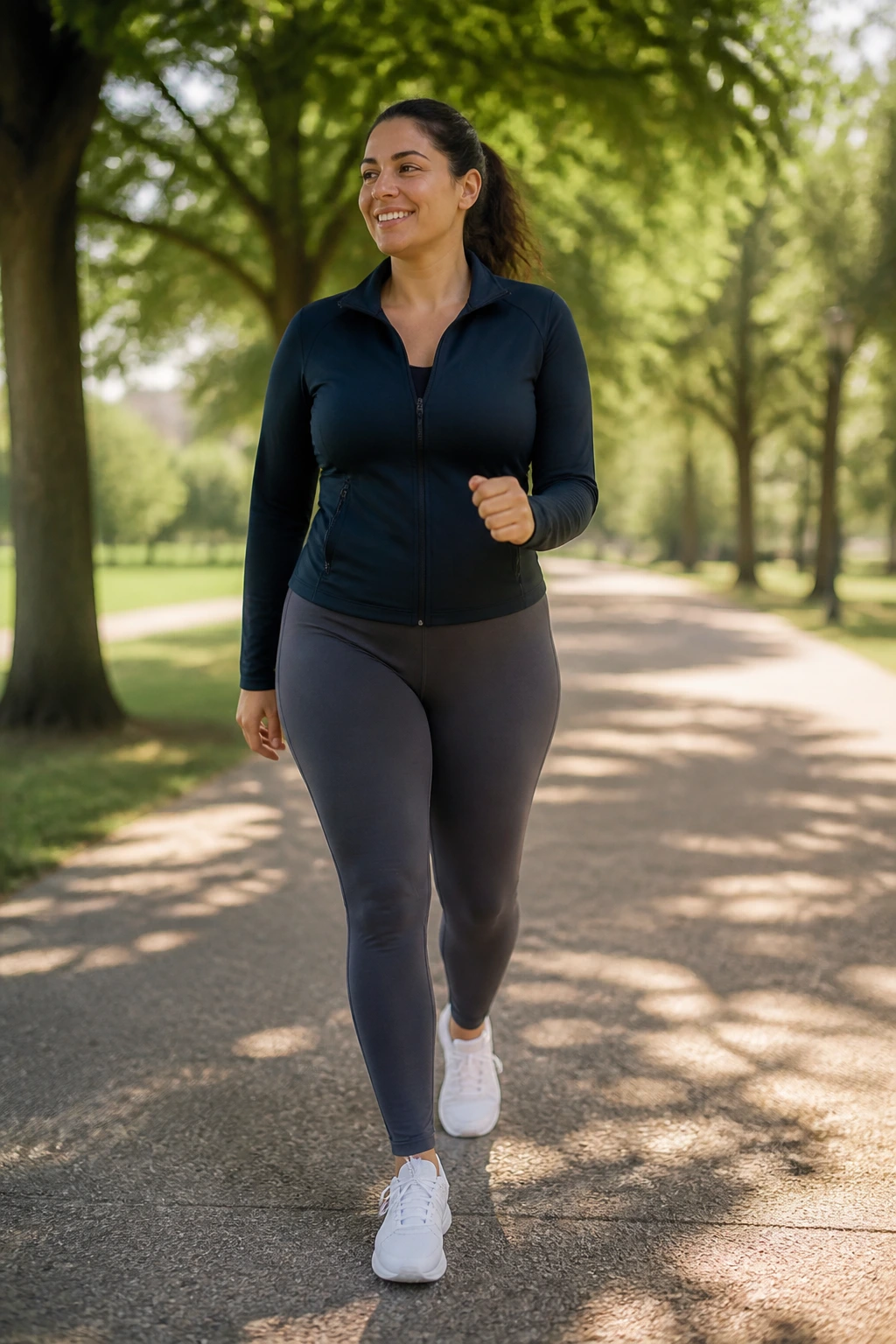
Why do walking intervals work so well for beginners? Because they raise your heart rate without beating up your joints. You get a cardio effect, but you’re still in control of the pace, and that’s a huge deal if you’re rebuilding confidence.
Use this plan on any three nonconsecutive days. Walk for 3 minutes at an easy pace, then 1 minute at a brisk pace, and repeat that cycle 6 to 8 times. After the walk, spend 6 to 8 minutes on core work.
How to finish the session
- Dead bug: 2 sets of 6 per side
- Side plank from knees: 2 sets of 15 to 20 seconds per side
- Glute bridge hold: 2 sets of 20 seconds
- Standing knee lifts: 2 sets of 10 per side
The core work matters because it helps you stay tall when you walk, climb stairs, or carry groceries. Nothing fancy. Just useful.
If you want a plan that feels active without being punishing, this one sits in a sweet spot. It also scales nicely. Add one more interval before you make the walks faster.
4. Dumbbell Starter Plan for Small Spaces
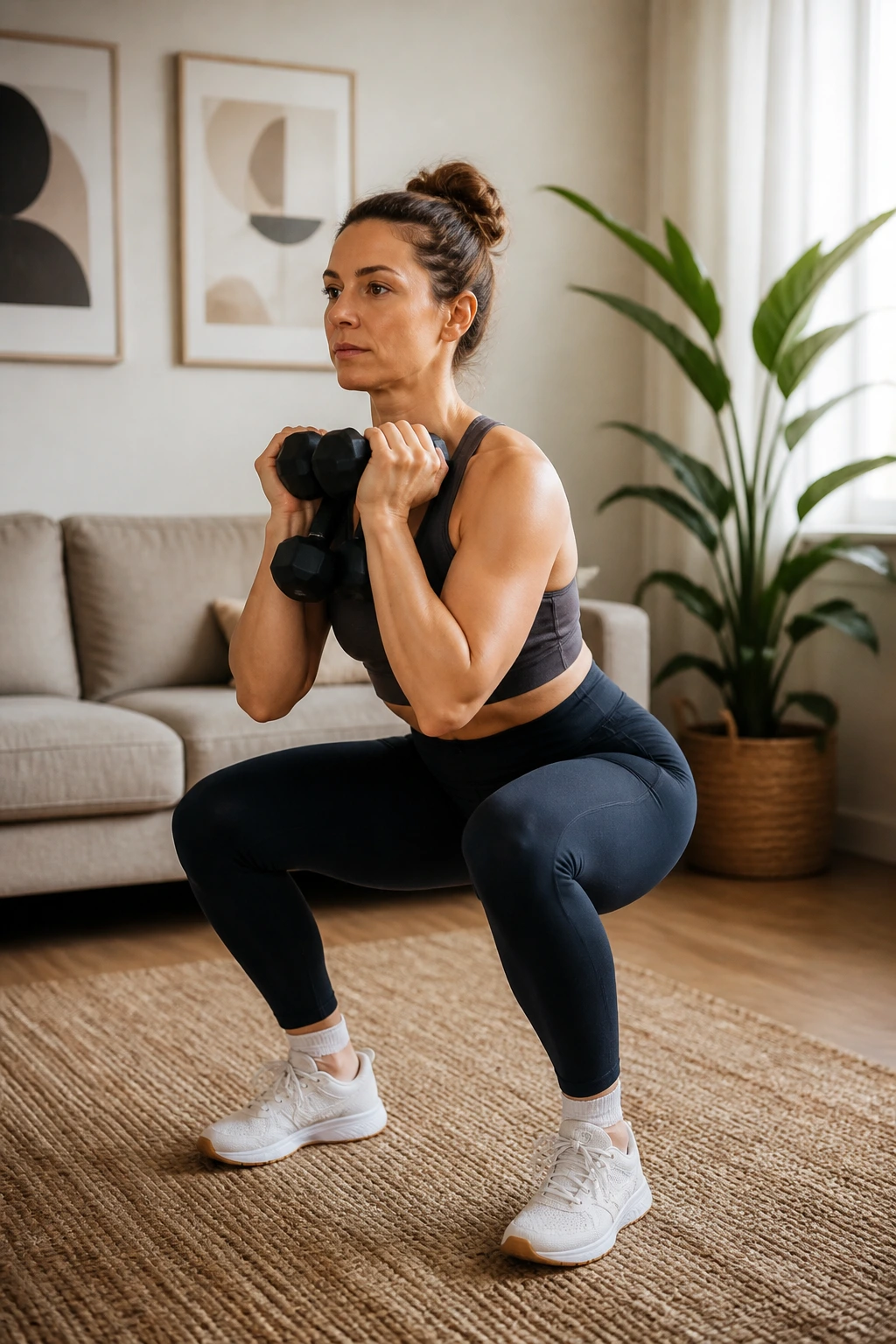
A pair of light dumbbells opens up a lot of options, and you do not need heavy weights to get started. Two 3- to 8-pound dumbbells are enough for many beginners, especially if your main goal is learning good movement and waking up dormant muscles.
I’d use this as a full-body plan twice a week, with one walking day between sessions. The exercises are straightforward, but they hit the big muscle groups in a way bodyweight-only plans sometimes miss.
A simple session
- Goblet squat: 2 sets of 8
- Dumbbell Romanian deadlift: 2 sets of 8
- One-arm row: 2 sets of 8 per side
- Dumbbell floor press: 2 sets of 8
- Standing shoulder press: 2 sets of 6 to 8
Pick a weight that feels easy on the first two reps and honest by the last two. If your back starts arching or your shoulders shrug up toward your ears, the weight is too much.
I like dumbbells for beginners because they make progress visible. One week you use a lighter pair, then a slightly heavier one, and suddenly the plan has a built-in way to grow.
5. Free Workout Plan Built Around Low-Impact Cardio
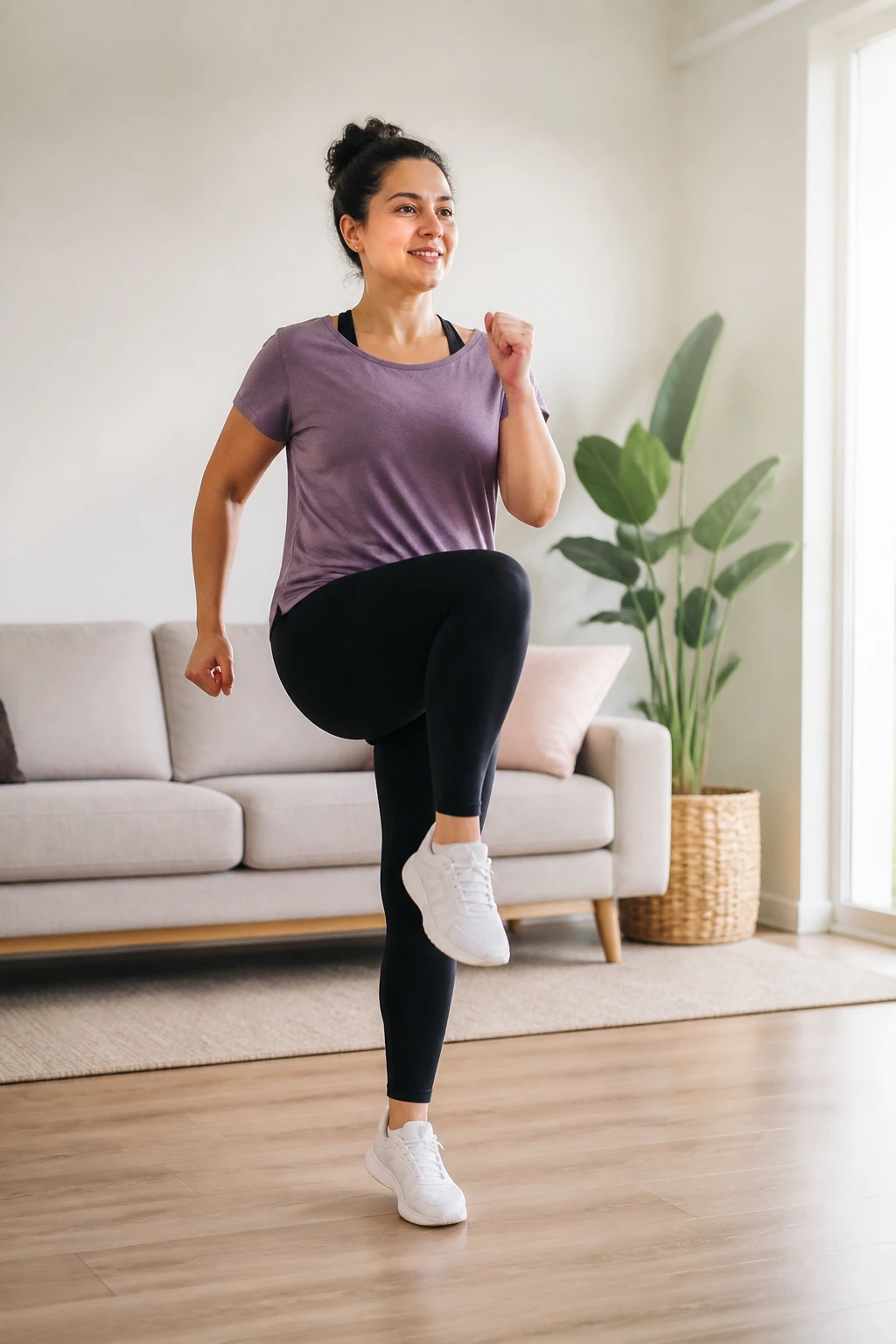
Not everyone wants jumps, burpees, or noise. Good. You don’t need them. Low-impact cardio can still make you sweat, breathe hard, and improve your stamina if you build it with enough intention.
A strong version of this plan uses marching, step touches, side shuffles, shadow boxing, and fast walking. Put them together in 30-second blocks with 15 to 30 seconds of rest. Do four rounds, and you’ve got a workout that feels alive without pounding your knees or the floor below you.
The trick is pace, not drama. Move faster during the work periods, soften up during the rest, and keep your shoulders relaxed instead of scrunched around your ears. That’s the difference between a useful session and a frantic one.
If you’re easing into fitness after a long break, this plan can be a good bridge. It gives you the breathing challenge of cardio, but none of the “I hate this” feeling that kills consistency.
6. Resistance Band Plan for Legs and Back
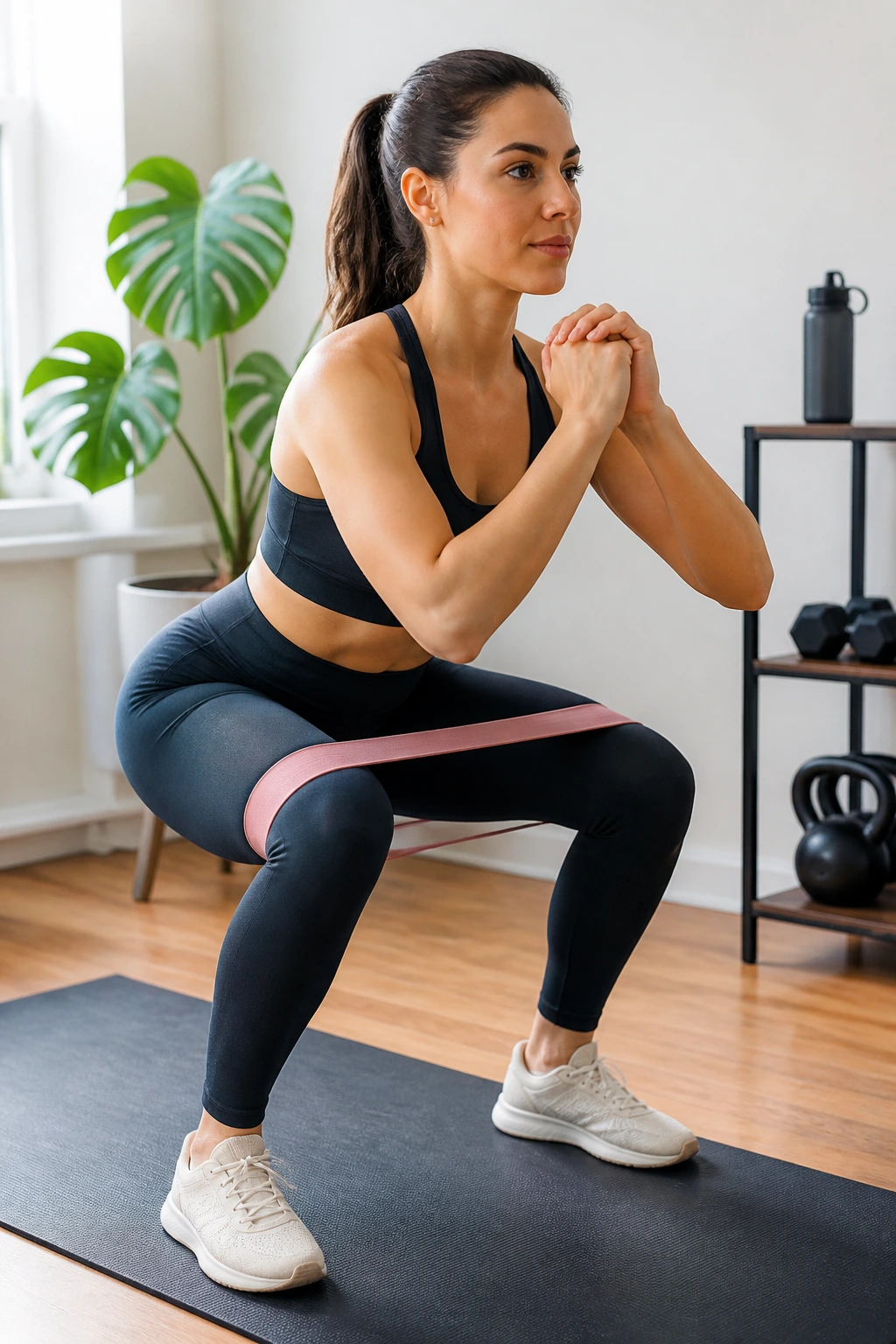
Resistance bands are cheap, quiet, and annoyingly effective. They’re also a nice choice if you want to work your legs and upper back without buying a pile of equipment.
This plan works well three times a week because bands load the muscles in a smooth way. There’s less joint stress than with some free weights, and the moves are easy to learn once you feel the band tension in your hands.
Three moves that carry the plan
- Banded squat: 2 to 3 sets of 10
- Banded row: 2 to 3 sets of 10
- Banded lateral walk: 2 sets of 8 steps each way
You can add glute bridges with a band above the knees and a banded chest press if you want a little more variety. Keep the band tension moderate. If the band snaps you back or forces ugly form, it’s too strong.
I especially like this plan for women who sit a lot during the day. Rows and lateral walks wake up the upper back and hips in a way that feels practical, not flashy.
7. Pilates-Style Core and Posture Plan
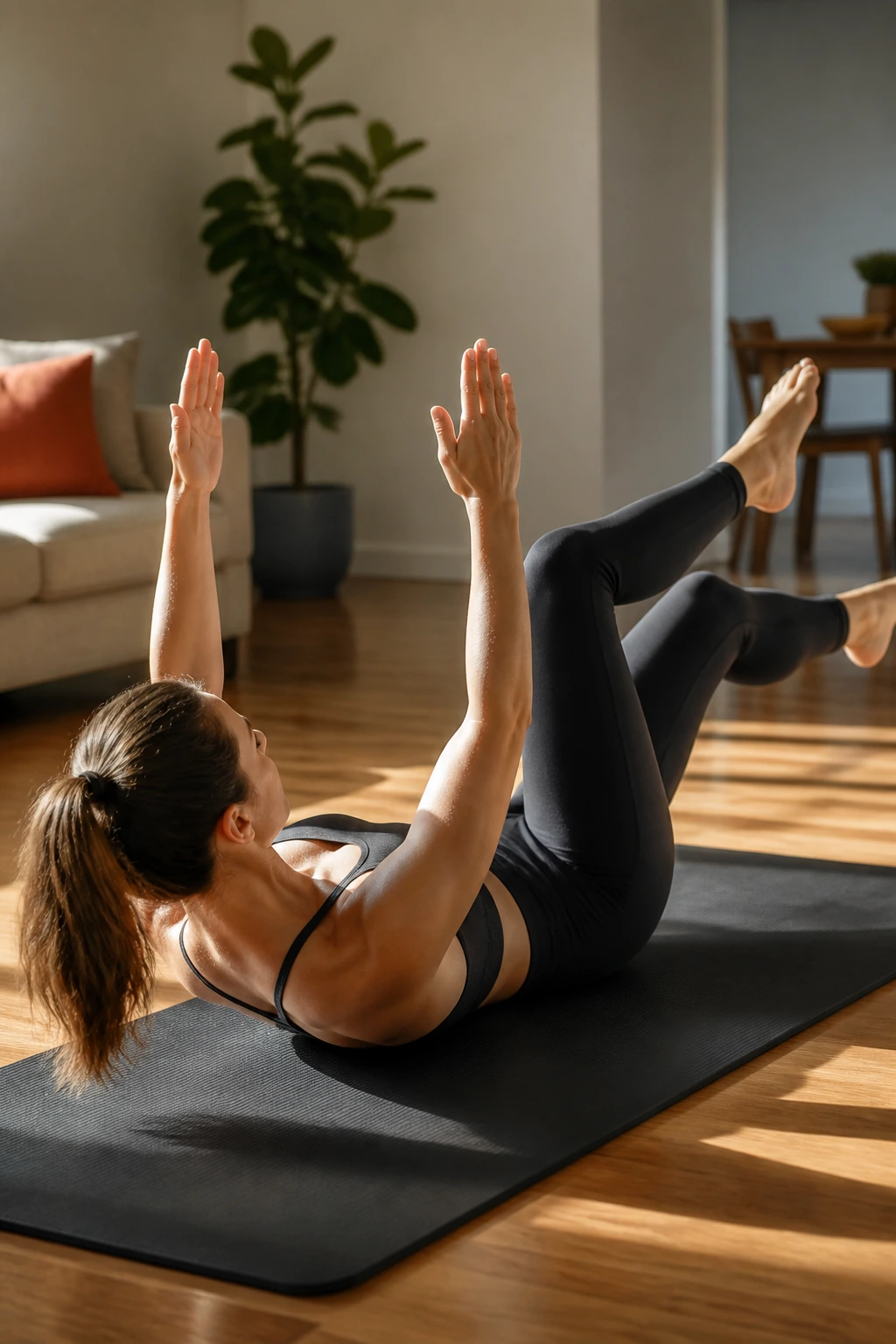
Pilates-style work is often misunderstood. It is not about fancy posing. It’s about small, controlled movements, deep core engagement, and learning how to hold your trunk steady while your limbs move around it.
Use this plan on two or three days a week. A mat, a little floor space, and about 20 minutes are enough. The movements are slow on purpose, which makes them harder than they look. That’s a good thing.
What the session should feel like
Your lower ribs should stay tucked down. Your neck should stay relaxed. Your low back should not be doing all the work. If any of those things start to fall apart, shorten the range of motion and keep going.
- Hundred prep or breathing drills
- Dead bug variations
- Glute bridge with a hold
- Side-lying leg lifts
- Forearm plank from knees
This plan is especially useful if your back feels cranky after sitting. It teaches control, and control is what most beginners are missing, not motivation.
8. Beginner HIIT Plan Without Jumping
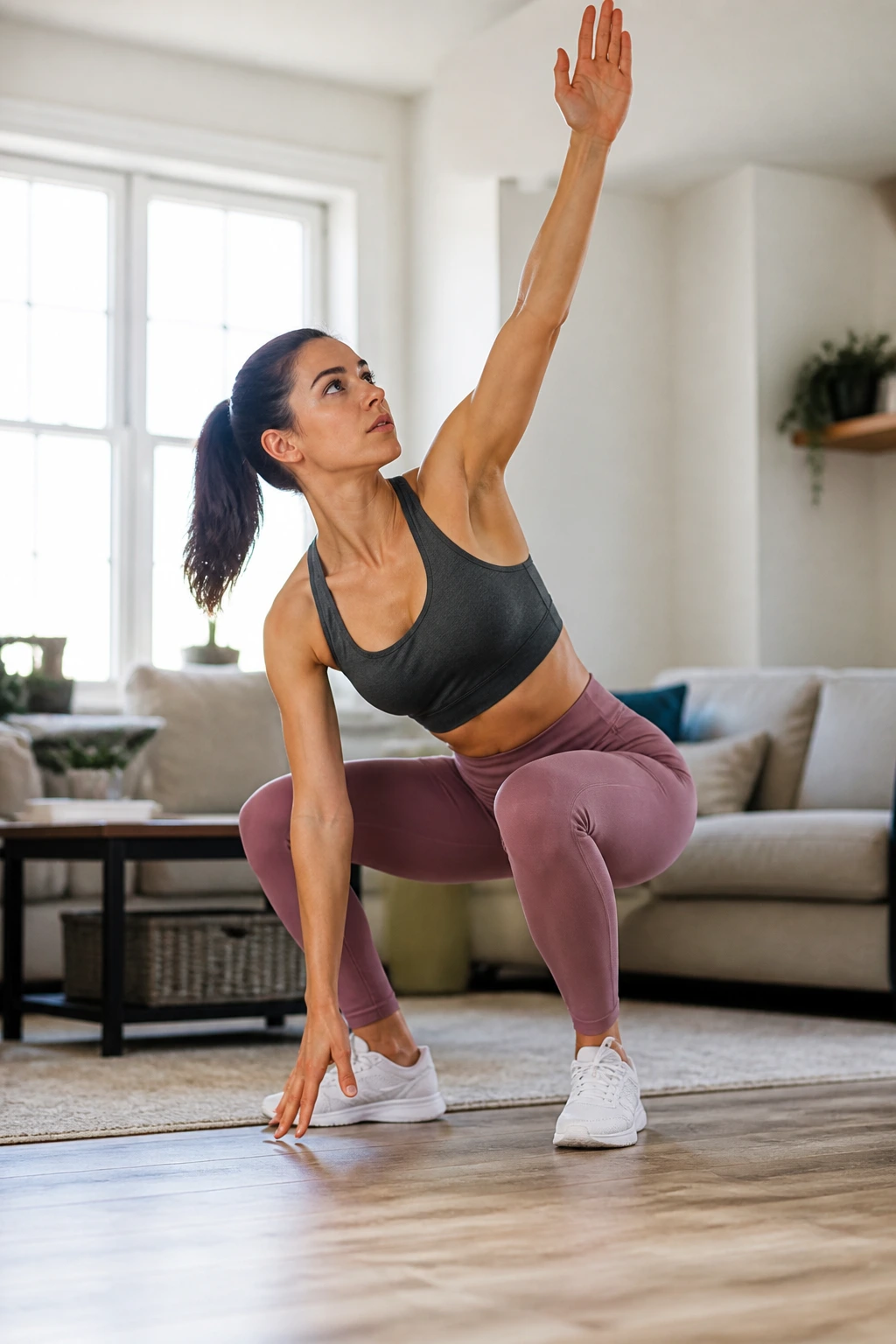
Can HIIT work for a beginner? Yes, if you keep the work periods short, the rest periods honest, and the exercises low impact. The problem with most beginner HIIT videos is not the idea. It’s the pace. They move like everyone already has gym lungs.
This version is calmer. Do 20 seconds of work, then 40 seconds of rest, and repeat for 10 to 15 minutes. That’s plenty. Choose moves like bodyweight squats, standing punches, march-in-place knees, and incline pushups.
The 4-move circuit
- Squat to reach
- Standing cross-body punches
- Marching high knees
- Wall pushups
Rotate through the four moves, then rest for a full minute after each round. If your form gets sloppy, slow down. If you’re gasping before the first round ends, the work window is too long.
This is a good plan for people who like a timer and dislike lingering. It gets the job done without asking you to become a different person to do it.
9. Yoga and Mobility Plan for Sore Mornings
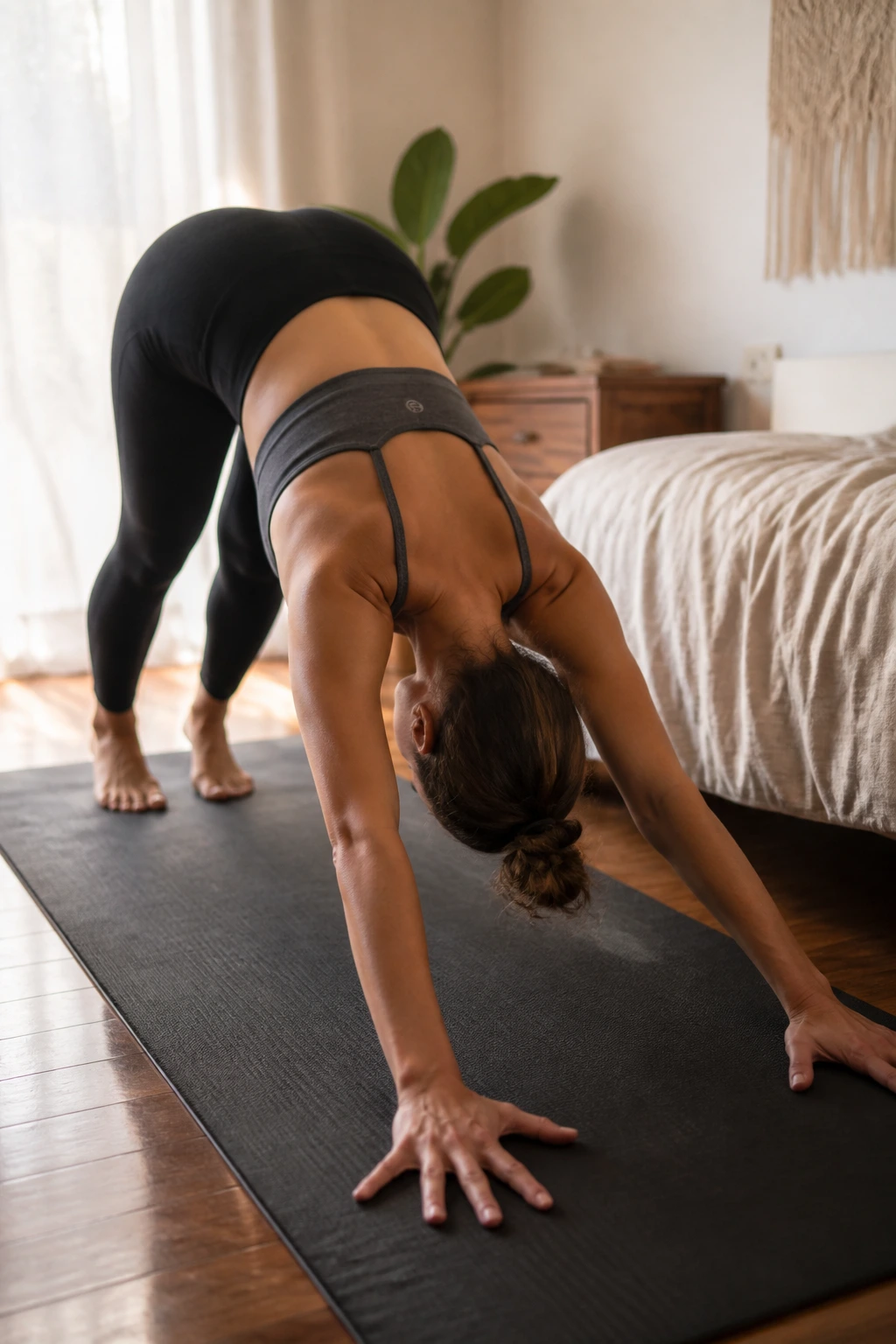
Some mornings call for movement that feels more like oiling a creaky door than training for a race. That’s where yoga and mobility work earn their place.
I’d use this as an off-day plan, not a main fitness plan. Twenty minutes of gentle flow can loosen hips, calves, upper back, and shoulders, which is often enough to make the next workout feel better. Don’t chase deep stretches. Chase ease.
Start with cat-cow, then move into downward dog, low lunge, seated twist, and child’s pose. Hold each shape for 20 to 30 seconds and breathe slowly through your nose if you can. If a position pinches, back off by an inch or two. That tiny adjustment matters.
This is one of those plans that feels almost too soft to count. It counts. Especially if your body gets stiff from driving, desk work, or standing around in unsupportive shoes.
10. Stair Climb Plan for Home or Apartment
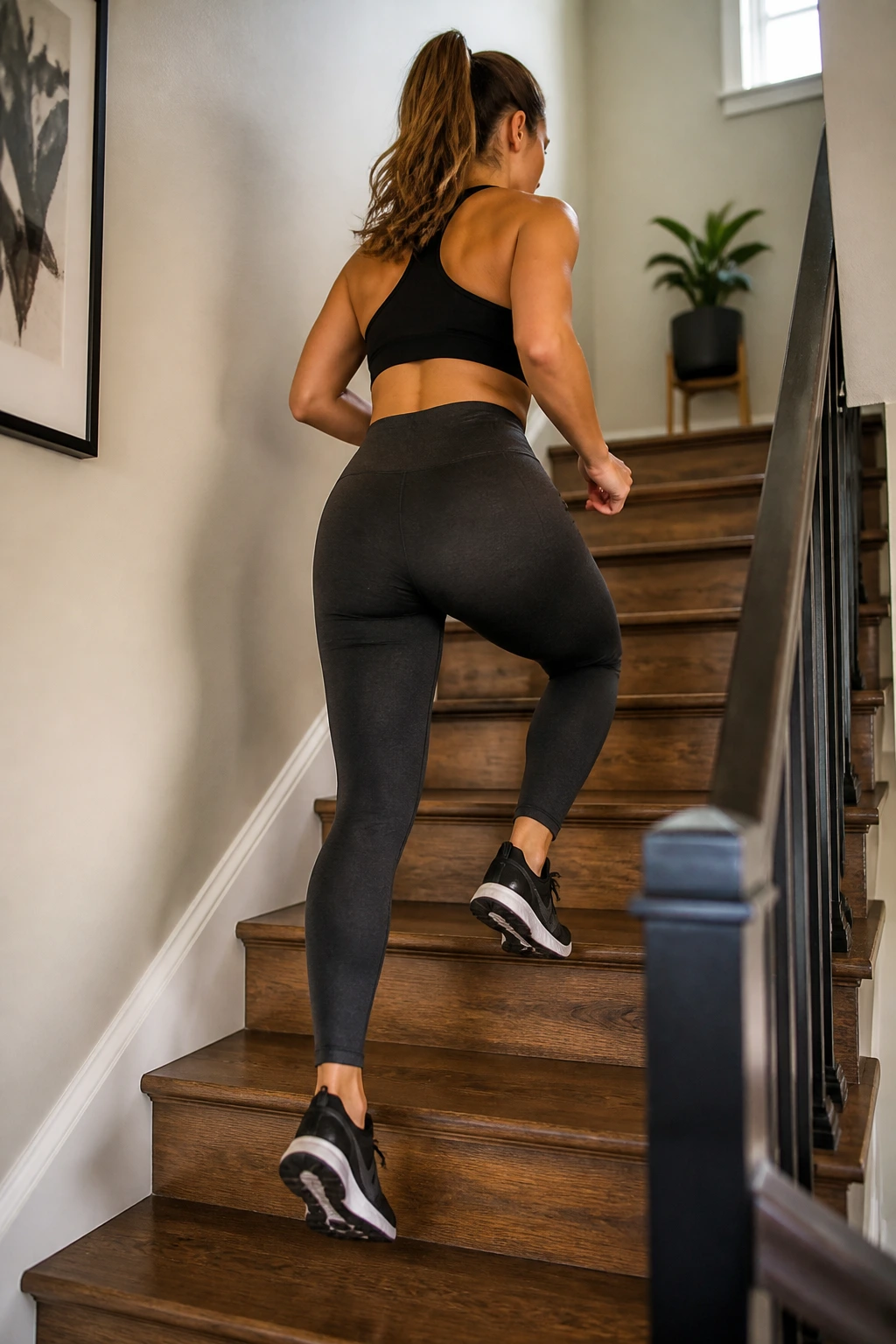
Stairs are sneaky. A few minutes up and down a flight can spike your heart rate, light up your glutes, and leave your calves talking back to you. You don’t need a fancy machine for that.
Use a staircase, a sturdy step, or even the bottom stair in a hallway. Start with 5 rounds of climbing up for 30 seconds and walking down for recovery. Add one round each week until you’re up to 10.
Keep it safe and clean
- Wear shoes with grip
- Keep one hand near the rail
- Step fully onto the stair, not halfway
- Stop if your knees feel sharp pain
You can pair this with 5 minutes of core work or call it a day right after the climbs. Either way, it’s efficient. A little brutal, in a polite way.
This plan is not for someone who wants a gentle stroll. It’s for someone who wants a short workout that feels earned.
11. Dance Cardio Plan for People Who Hate Counted Reps

If counting reps makes you sigh before you even start, dance cardio is worth a look. It can be as simple as putting together eight counts of marching, side steps, knee lifts, and arm swings, then repeating the pattern until the timer runs out.
The real value here is compliance. People stick with workouts that don’t feel like homework, and dance-style movement is easier to return to than a lot of rigid programs. You can keep the intensity low or push it hard, depending on the music and your mood.
Try three songs in a row, then take a 60-second break. Repeat that block twice. You’ll get 15 to 20 minutes of movement without staring at a spreadsheet or trying to remember a complicated sequence.
I also like this plan because it doesn’t punish imperfect rhythm. That’s a relief. You’re not auditioning for anything.
12. Upper-Body Confidence Plan
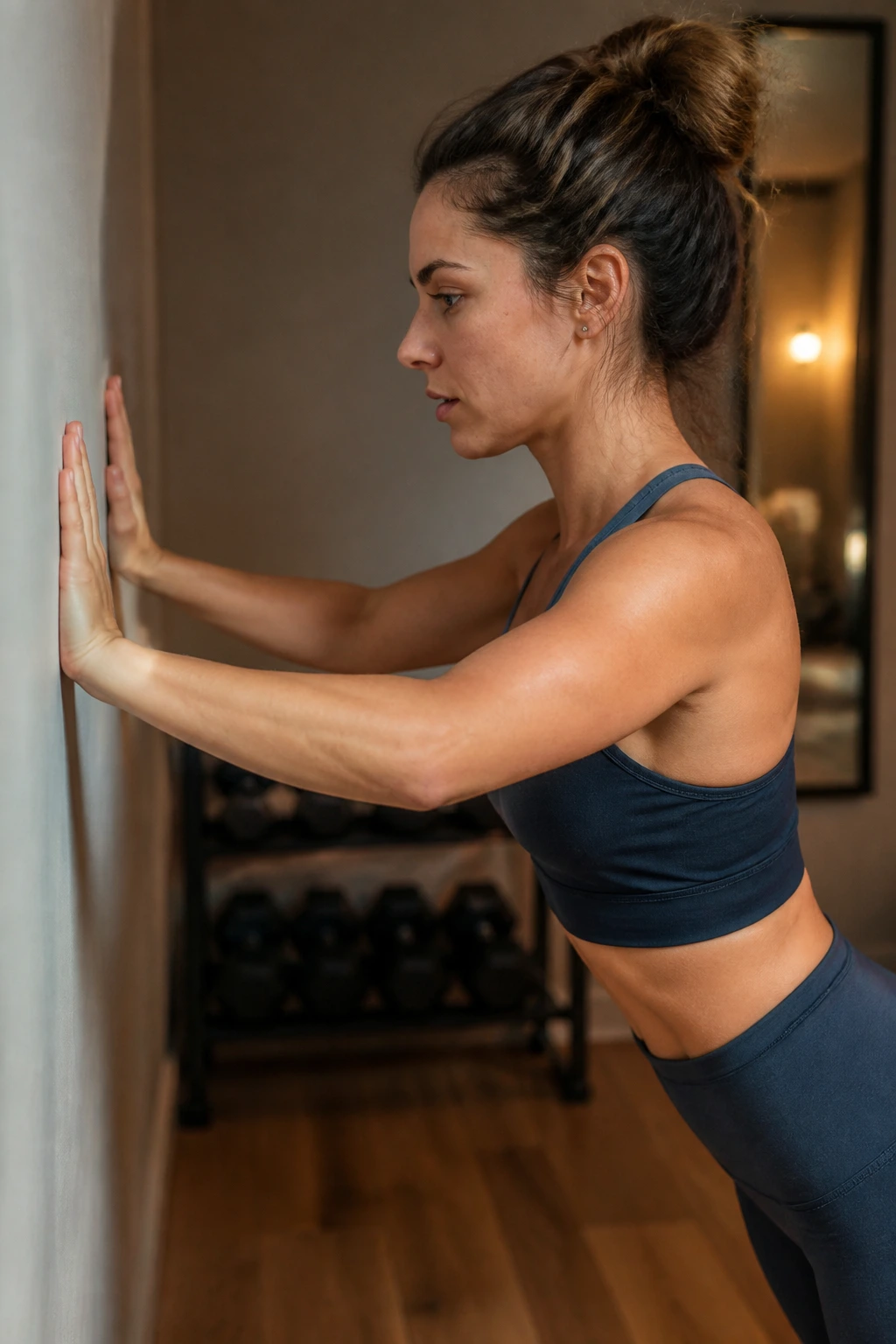
A lot of beginners hide from upper-body training because they assume they need pushups on the floor and big dumbbells to count. Not true. You can build a useful upper-body base with a wall, a bench, and a pair of light weights.
This plan is about posture, pulling strength, and getting your shoulders to feel less like dead weight at the end of the day. It works well twice a week.
What to include
- Wall or incline pushups
- One-arm dumbbell rows
- Shoulder presses
- Reverse flys with light weights or bands
- Farmer carry with light dumbbells for 30 to 45 seconds
Keep the reps in the 6 to 10 range. If your neck tightens, the load is too heavy or your setup is off. Rows usually matter more than beginners think, because they help pull the shoulders back after a lot of sitting and scrolling.
This is not about “toning arms,” a phrase I could happily retire forever. It’s about strength that shows up in real life when you lift bags, open jars, and carry groceries without getting annoyed.
13. Glutes and Legs Plan
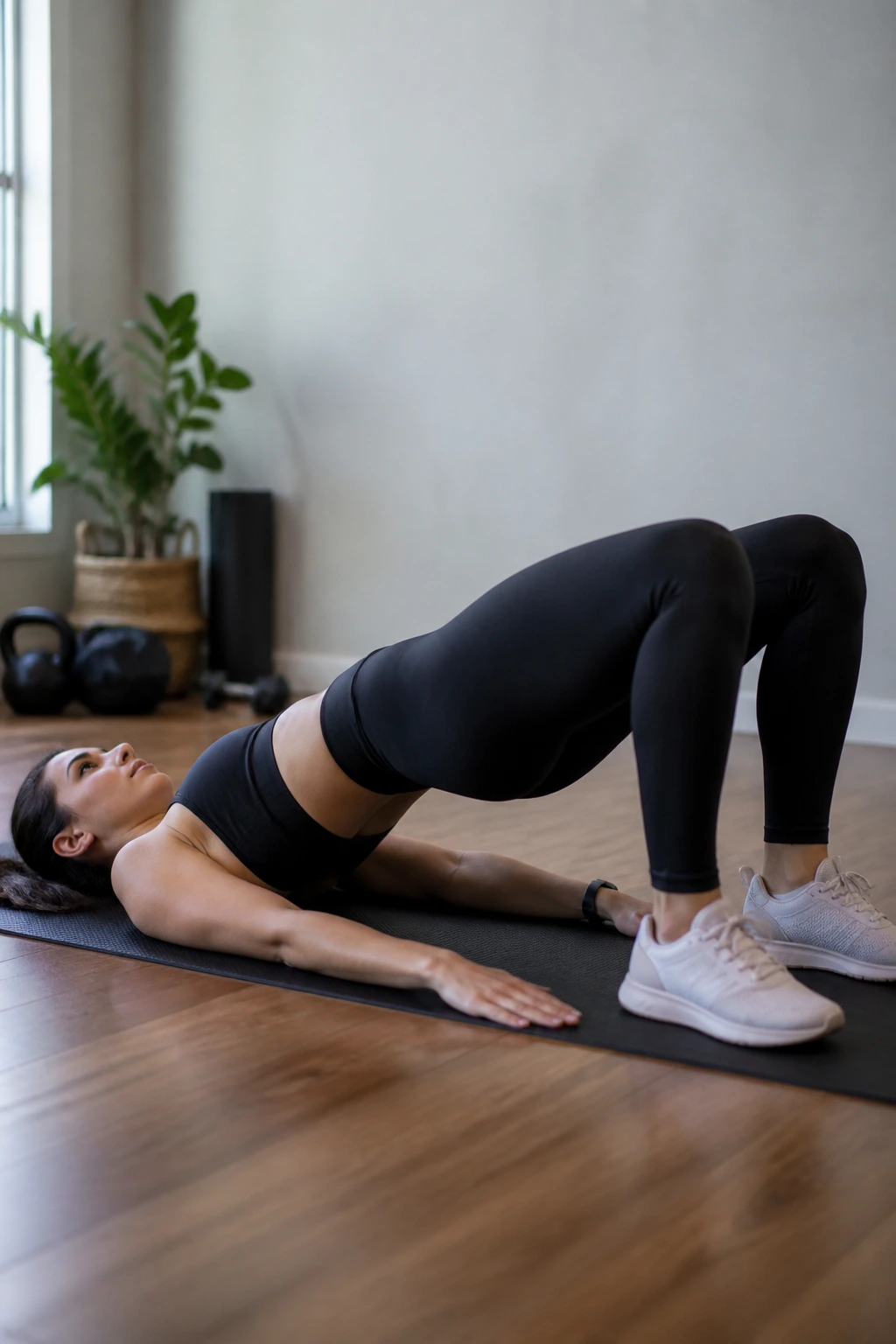
The best beginner leg plans are not all squats, all the time. You need squats, yes, but you also need hinges, steps, and single-leg work so the hips and knees learn to share the job.
Use this plan once or twice a week, with a rest day after if your legs are new to training. Start with glute bridges, then move to bodyweight squats, step-ups, and split squats. Add a slow tempo — three seconds down on the squat — if you want more challenge without heavier weights.
I like this plan because it teaches balance as much as strength. Split squats expose weak spots fast. Step-ups show you whether your hips are doing the work or whether your lower back is sneaking in.
If your thighs shake a little on the first few sessions, that is fine. Shaking is not the enemy. Collapsing form is.
14. Desk-Job Reset Plan
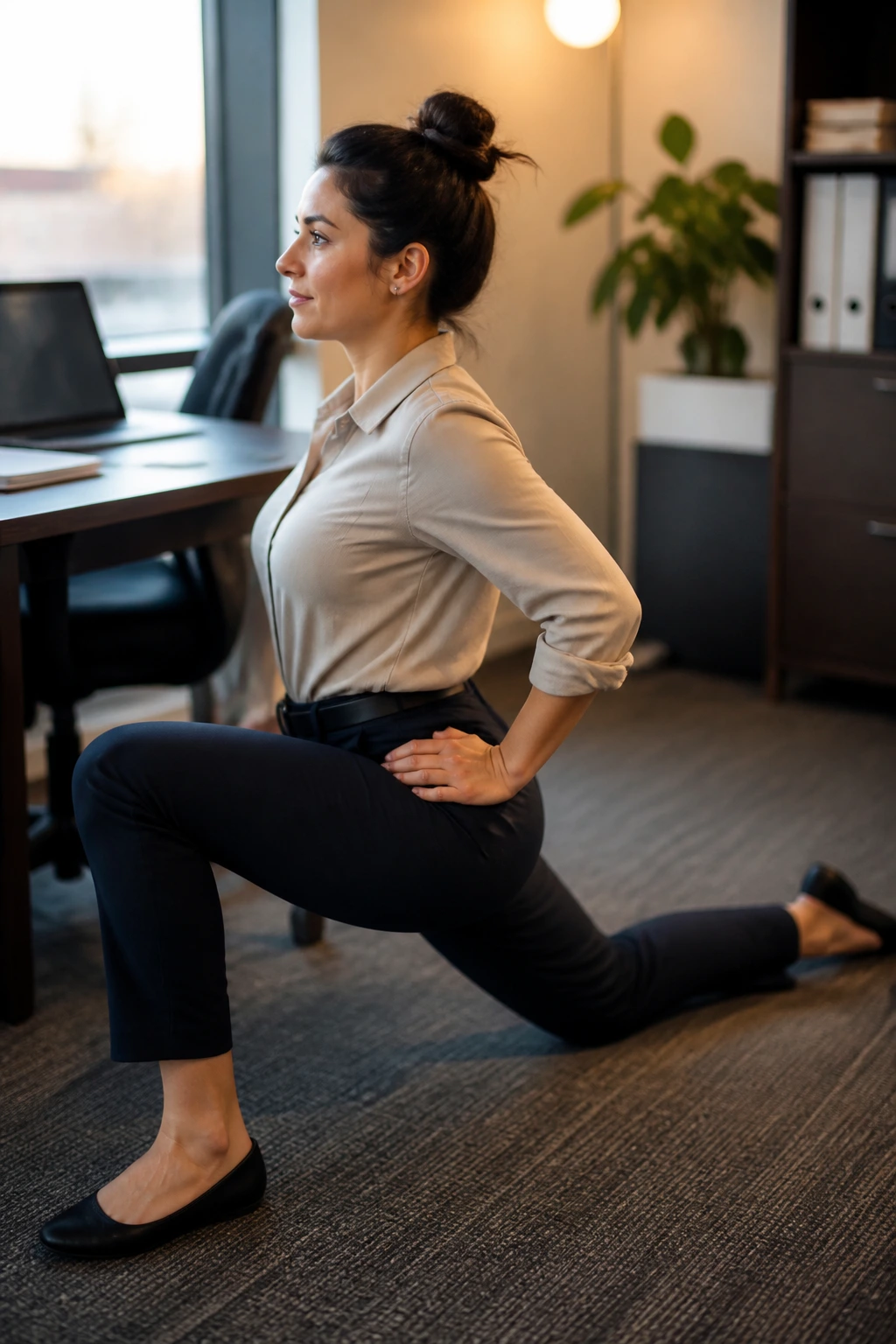
Sitting all day does weird things to the body. Hips feel sticky. Upper backs round forward. Glutes go quiet. A good desk-job reset plan should feel like a reset, not a punishment for having a chair.
Do this one at the end of the workday or right after you log off. The session can be under 20 minutes and still pull its weight. Start with hip flexor stretches, then move to thoracic rotations, glute bridges, and band pull-aparts or wall angels.
Best order for the session
- Open the hips
- Move the upper back
- Wake up the glutes
- Finish with a short walk
That order matters because stiff hips often change how your lower back feels, and tight upper backs make breathing and posture feel harder than they should. A short walk after the mobility work helps everything settle.
This plan is not flashy. It is useful. There’s a difference.
15. Run-Walk Plan for Total Newcomers

Running is easier when you stop trying to run the whole time. That sounds almost too obvious, but people fight it constantly. A run-walk plan gives your joints, lungs, and confidence a chance to catch up with each other.
Start with 1 minute of easy jogging and 2 minutes of walking for 20 minutes total. Do that twice a week. After a few sessions, shift to 90 seconds of jogging and 2 minutes of walking. Then 2 minutes and 2 minutes. Slow progress is still progress.
The pace should feel almost awkwardly easy. You should finish thinking, “I could do more,” not “I need to lie down.” That restraint is what keeps beginners from burning out.
If your shins complain, shorten the jogs before you quit. Most people make the mistake of trying to run too fast, not too little.
16. Kettlebell Starter Plan
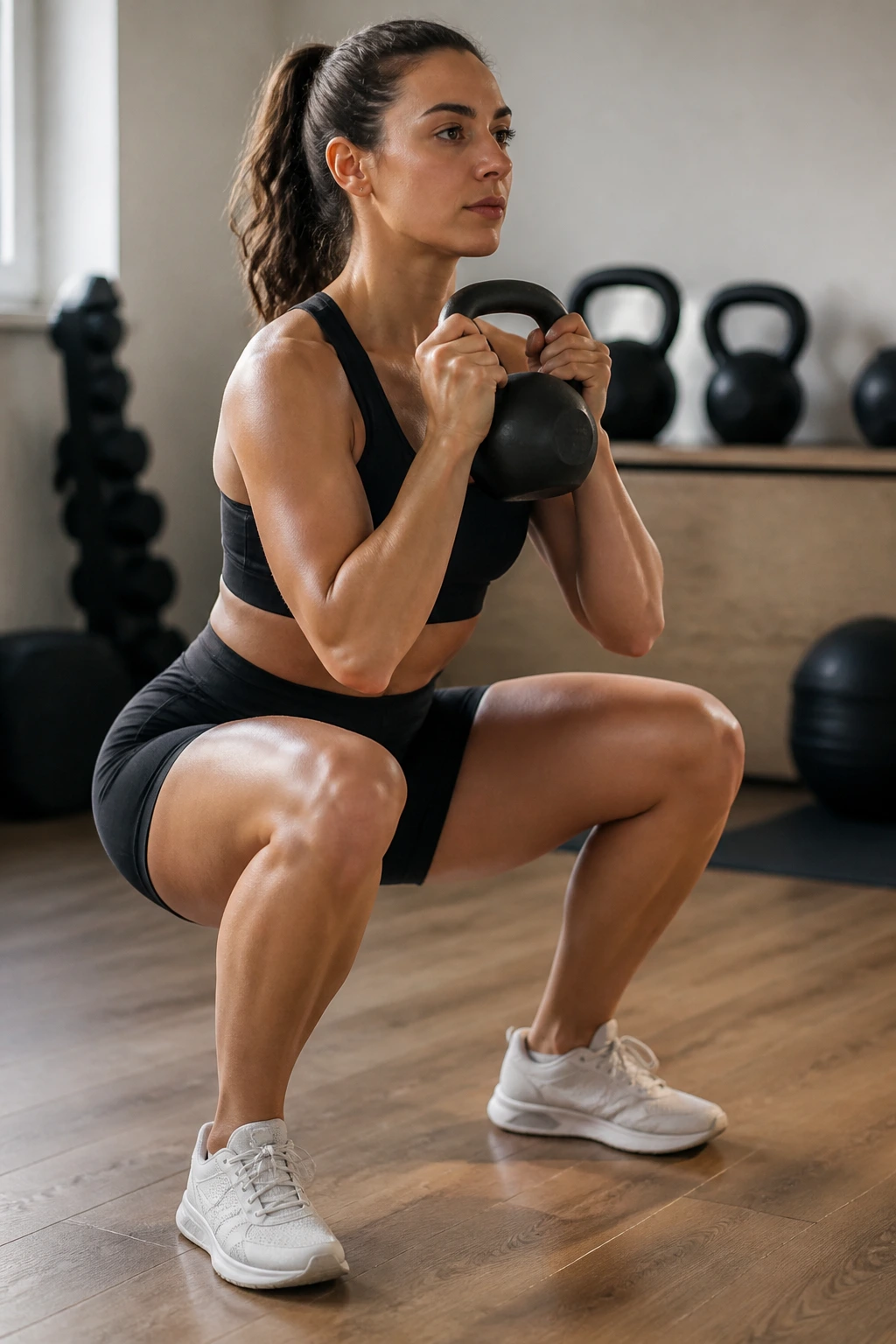
Kettlebells are great when you want a tool that can handle squats, deadlifts, carries, and swings later on. Early on, though, keep the moves simple. A lot of people rush to swings before they’ve earned them.
Start with a light kettlebell and practice the deadlift, goblet squat, and suitcase carry. That trio teaches hip hinge, leg strength, and grip without asking for anything wild. Two sessions a week is enough.
What it should look like
- Kettlebell deadlift: 2 sets of 8
- Goblet squat: 2 sets of 8
- Suitcase carry: 3 walks of 20 to 30 seconds per side
If your back rounds on the deadlift, the weight is too far from you or too heavy. Keep the bell close to your legs and stand up like you’re pushing the floor away.
This plan feels sturdy. There’s a clean, honest quality to it that I like.
17. Quiet Apartment-Friendly Plan
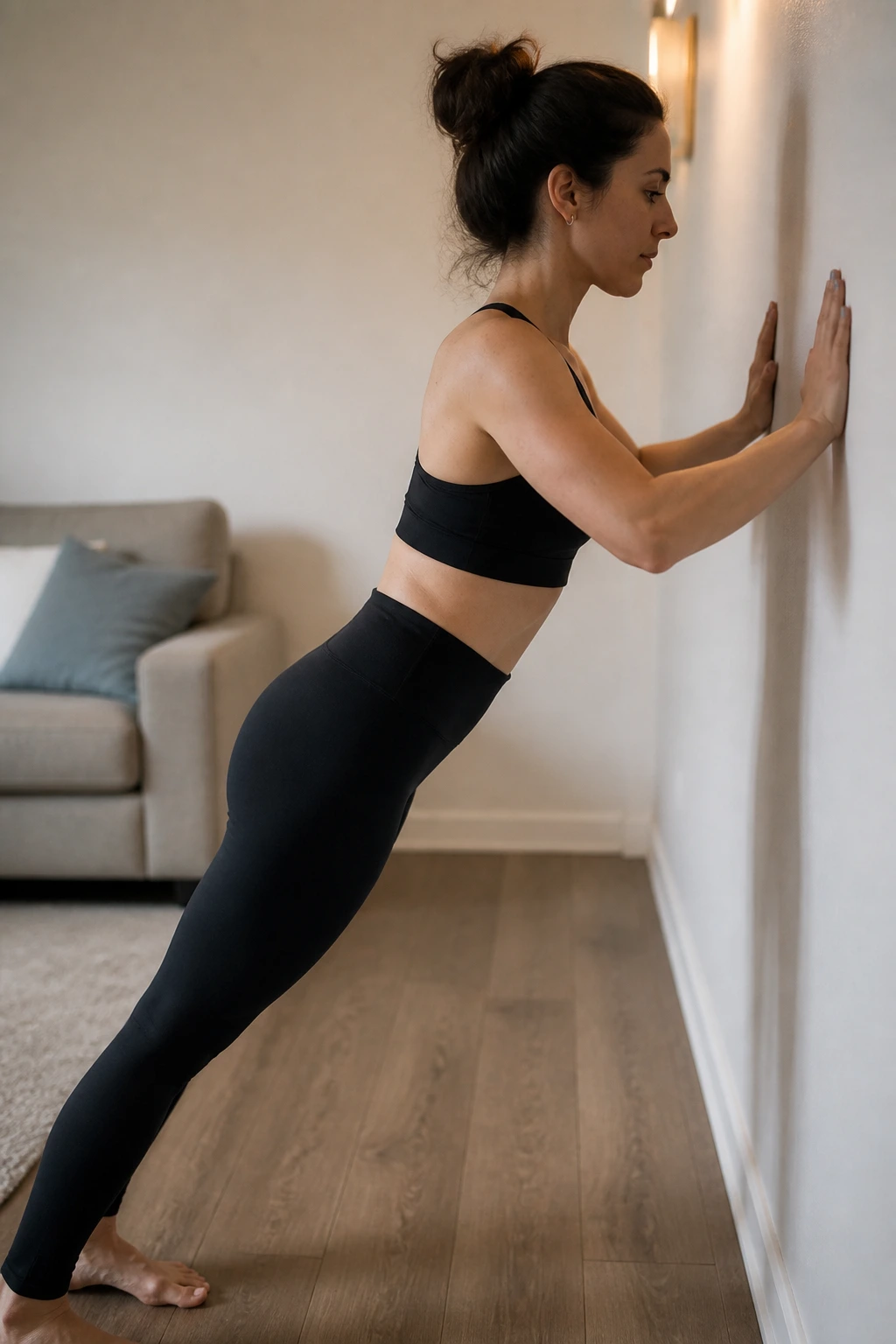
Some workouts sound like a stampede. That’s a problem if you live upstairs, share walls, or just hate noisy exercise. Quiet training has a place, and it’s a good one.
Use slow, controlled strength moves: squats, glute bridges, dead bugs, bird dogs, wall pushups, and step-backs instead of jumps. A timer can still be part of the plan, but the volume stays low. No thumping. No tossing equipment around. No apologizing to the neighbor below you.
A quiet 20-minute circuit
- 10 squats
- 8 wall pushups
- 10 glute bridges
- 6 bird dogs per side
- 20-second plank from knees
Repeat for 3 rounds with 30 to 45 seconds of rest.
The beauty of this plan is that you can do it on low-energy days without psyching yourself out. Quiet does not mean easy. It means controlled.
18. 4-Week Progression Plan
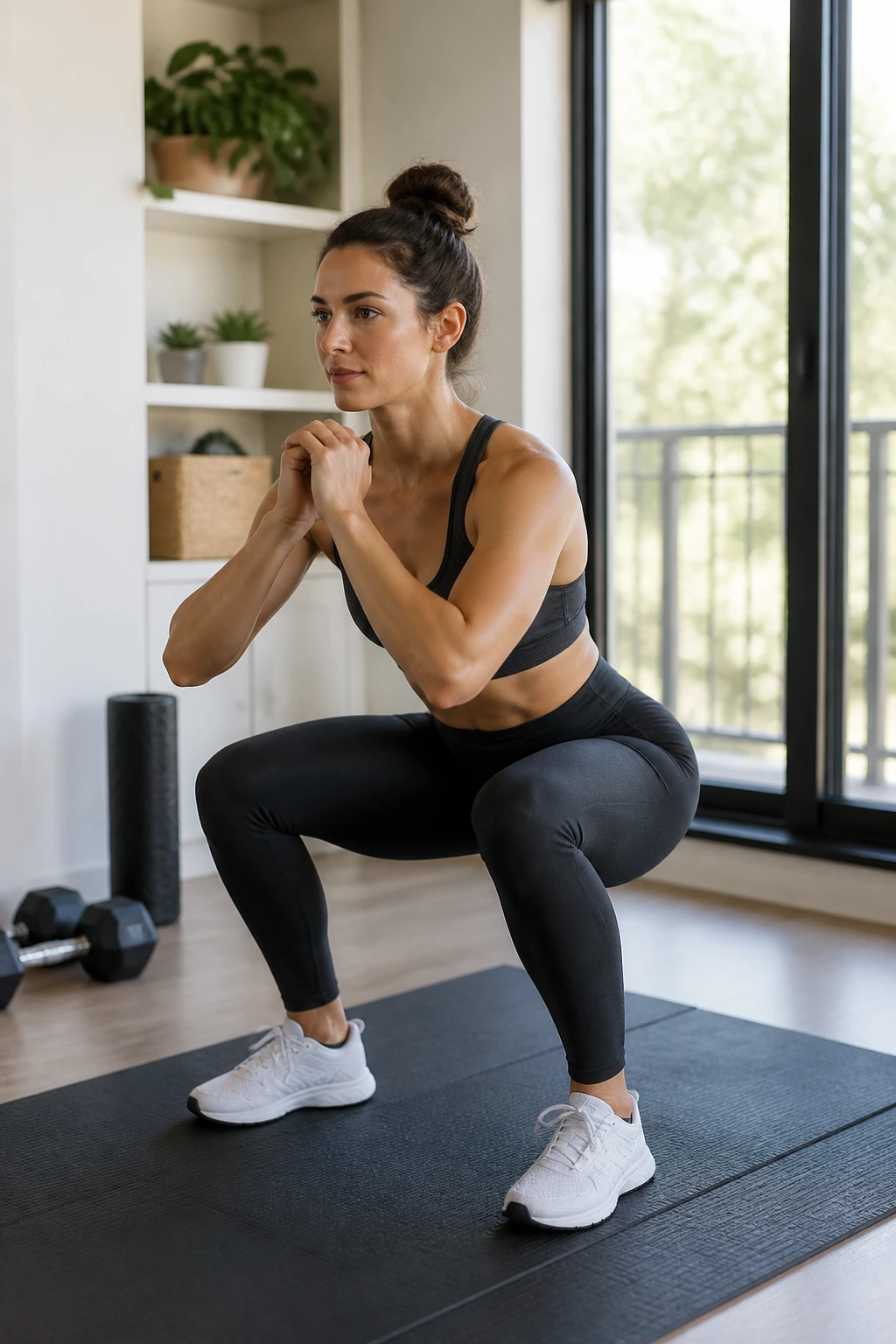
A workout plan gets useful when it tells you what to do after week one. This is where a lot of free plans fall apart. They give you a starting point and then vanish.
Here’s the simple fix: keep the exercises the same for four weeks, and change one small thing each week. Add 1 or 2 reps, one extra round, or 5 extra minutes of walking. Only one change at a time. That’s enough.
A clean progression pattern
- Week 1: learn the moves
- Week 2: add a few reps
- Week 3: shorten the rest by 10 to 15 seconds
- Week 4: add one round or a little more resistance
This works because your body needs repetition before it needs novelty. New exercises can be fun, but too much novelty leaves you sore, confused, and inconsistent.
If you want a plan that actually builds momentum, this is the one to copy into a notebook and keep on the fridge.
19. Weekend-Only Full-Body Plan
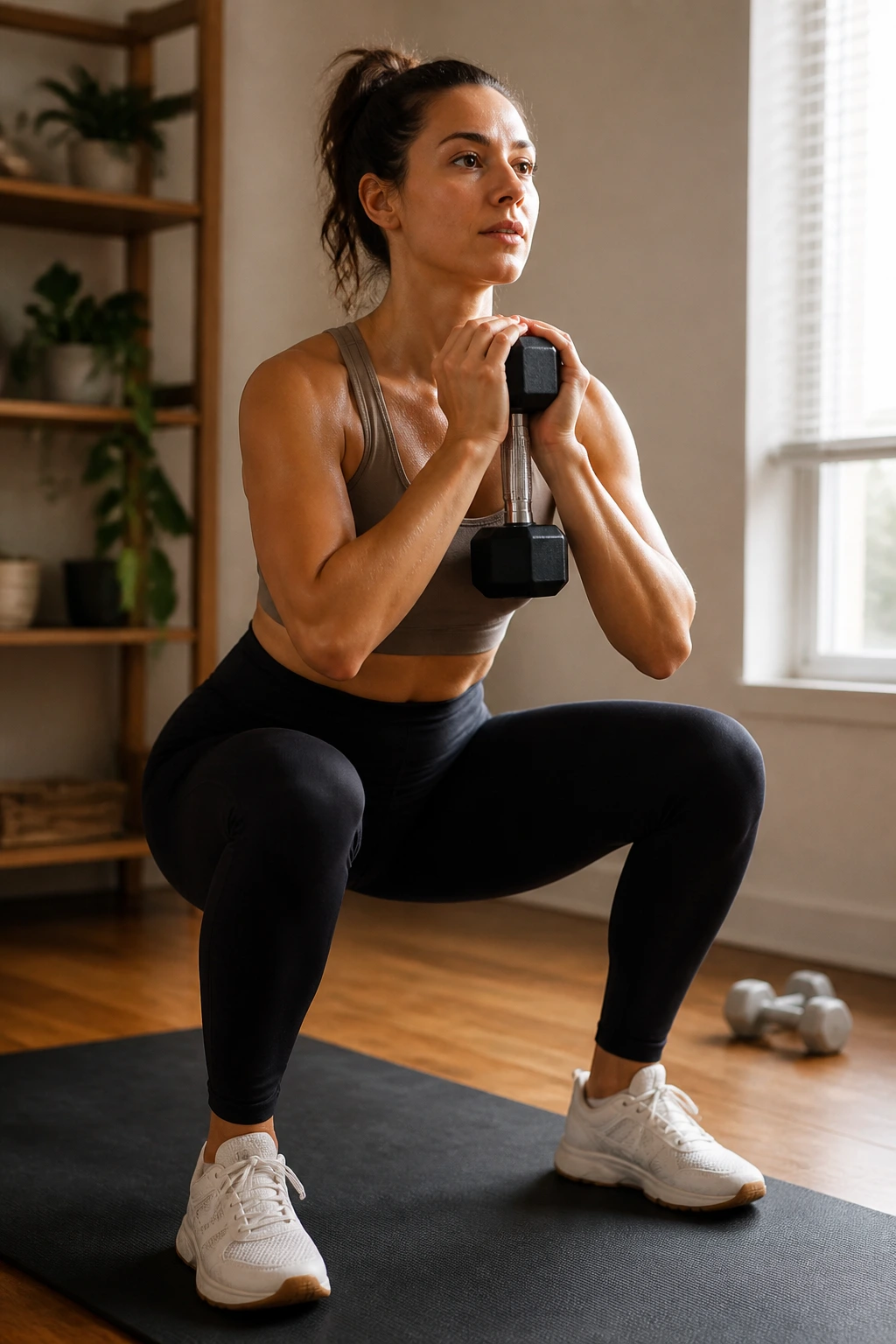
Not everyone trains three or four times a week. Some people only have Saturday and Sunday, and forcing a weekday schedule onto them is a fast way to create guilt.
This plan uses two longer sessions, one focused on lower body and core, the other on upper body and cardio. Each session can run 35 to 45 minutes, which gives you enough time to warm up properly and still finish with energy.
Weekend split
- Saturday: squats, glute bridges, step-ups, dead bug, short walk
- Sunday: rows, pushups, shoulder press, suitcase carry, dance cardio or brisk walking
You can keep the rest of the week light with a few walks and one mobility session. That’s it. No need to turn Sunday into a punishment for being busy Monday through Friday.
I like this plan for real life. Real life is messy. A plan that survives a messy calendar has more value than a perfect one you never touch.
20. Free Workout Plan You Can Repeat Every Week
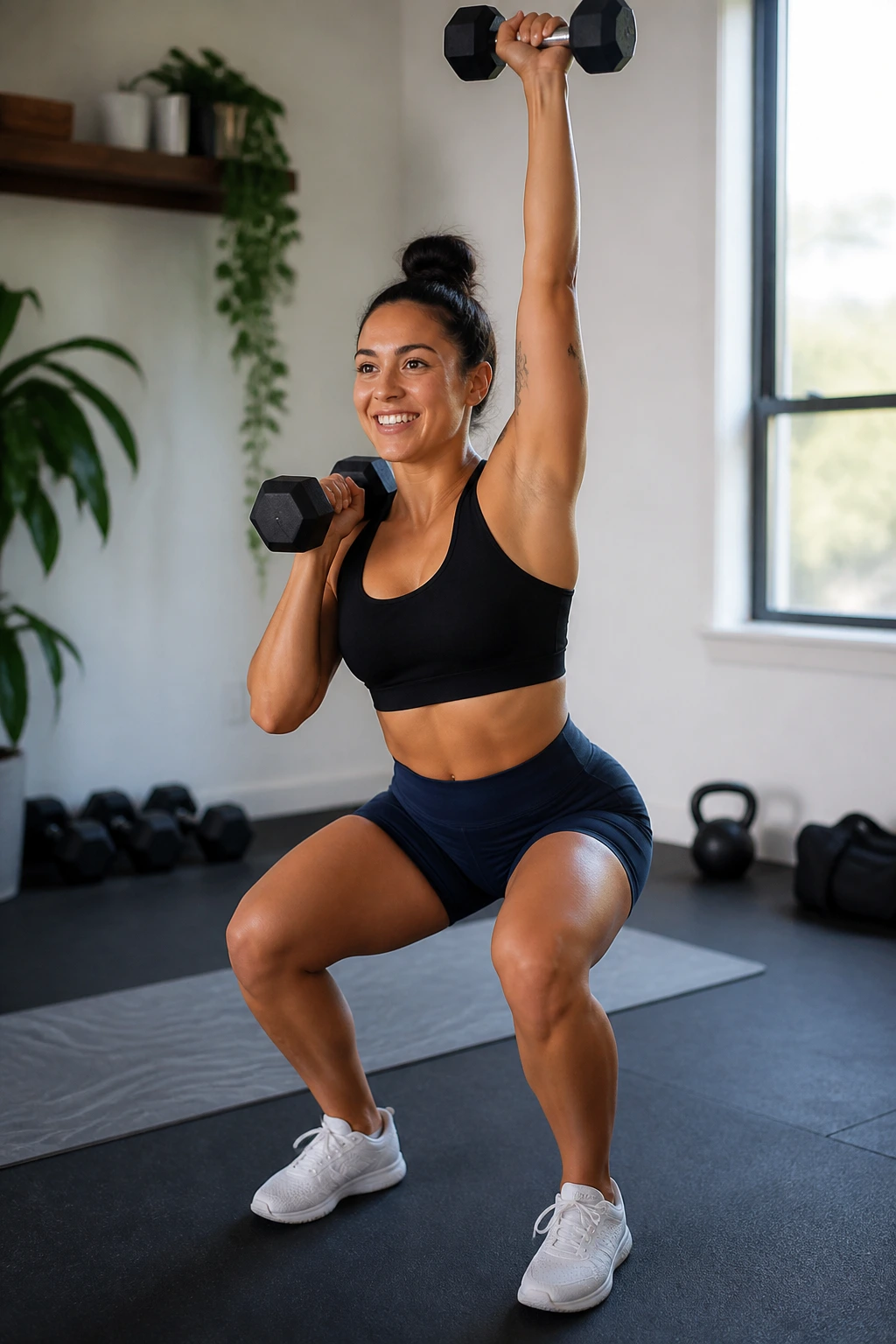
The best free workout plans are the ones you can repeat without negotiating with yourself every time. That means a short weekly loop: two strength sessions, two cardio sessions, one mobility day, and one rest day that you actually treat like rest.
A simple version looks like this: Monday strength, Tuesday walk, Wednesday mobility, Thursday strength, Friday cardio, Saturday easy walk or dance, Sunday off. The details can change, but the shape stays the same. That shape matters.
You do not need to chase exhaustion. You need a plan that fits ordinary weeks, awkward weeks, and the weeks when your energy is somewhere under the sofa cushions. Start with the easiest version you’ll still respect, then make it a little harder only after it feels boring.
That’s the part most beginners miss. Boring is often what works.
A good plan should make you feel capable, not trapped. If you finish a session and think, “I could do that again,” you’re in the right place.
