



Strong arms matter long before sleeveless anything gets involved. The best bicep and tricep workouts for women don’t need glitter, giant machines, or a ten-exercise circus. They need a few honest movements, enough load to make the last reps matter, and clean form that doesn’t turn every curl into a hip thrust.
Triceps do more than people give them credit for. They help shape the back of the arm, yes, but they also drive pressing strength, plank stability, push-ups, and any movement where your elbow has to straighten against resistance. Biceps matter on the pulling side, and you feel their value any time you carry a bag, row a dumbbell, or hold something awkward out in front of you for more than ten seconds. That stuff adds up.
The mistake I see most is not lack of effort. It’s sloppy effort. Too much swing on curls, too much elbow flare on extensions, too little control on the way down. A set of 8 clean reps can do more for your arms than 20 loose ones that turn into a shoulder party. Clean reps win.
Some of these moves use dumbbells. Some use cables, bands, benches, or just your body and a patch of floor. Pick the ones your joints like, pair one biceps move with one triceps move, and build a small routine you can repeat without dreading it. Start with the curl you can control without rocking your ribs.
1. Alternating Dumbbell Curl
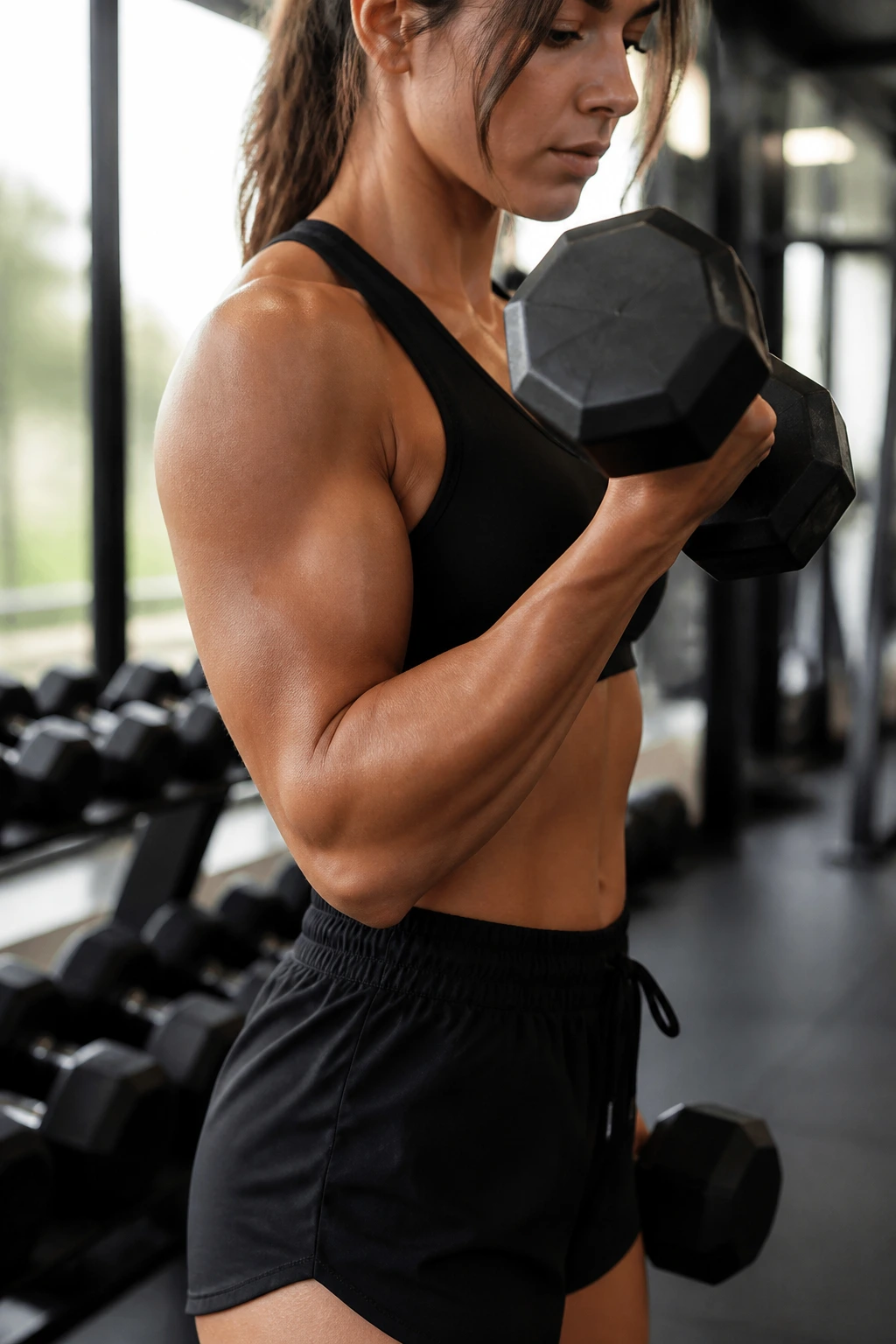
The alternating dumbbell curl is the easiest place to start because it forces you to pay attention to one arm at a time. That matters more than people think. When you’re not rushing both sides together, it’s easier to keep your shoulder quiet, your wrist straight, and your elbow pinned near your ribs.
Use a weight that lets you lower the dumbbell for 2 to 3 seconds without losing shape. A good working range is 3 sets of 8 to 12 reps per arm, with a small pause near the top before you lower. Don’t swing the weight up. If your chest leans back or your hips start helping, the dumbbell is too heavy.
- Keep your palm facing forward as you curl.
- Stop the rep before your shoulder rolls forward.
- Exhale near the top, then lower under control.
Best use: warm-up sets, beginner arm days, or the first curl in a biceps block when you want strict form before fatigue shows up.
2. Hammer Curl
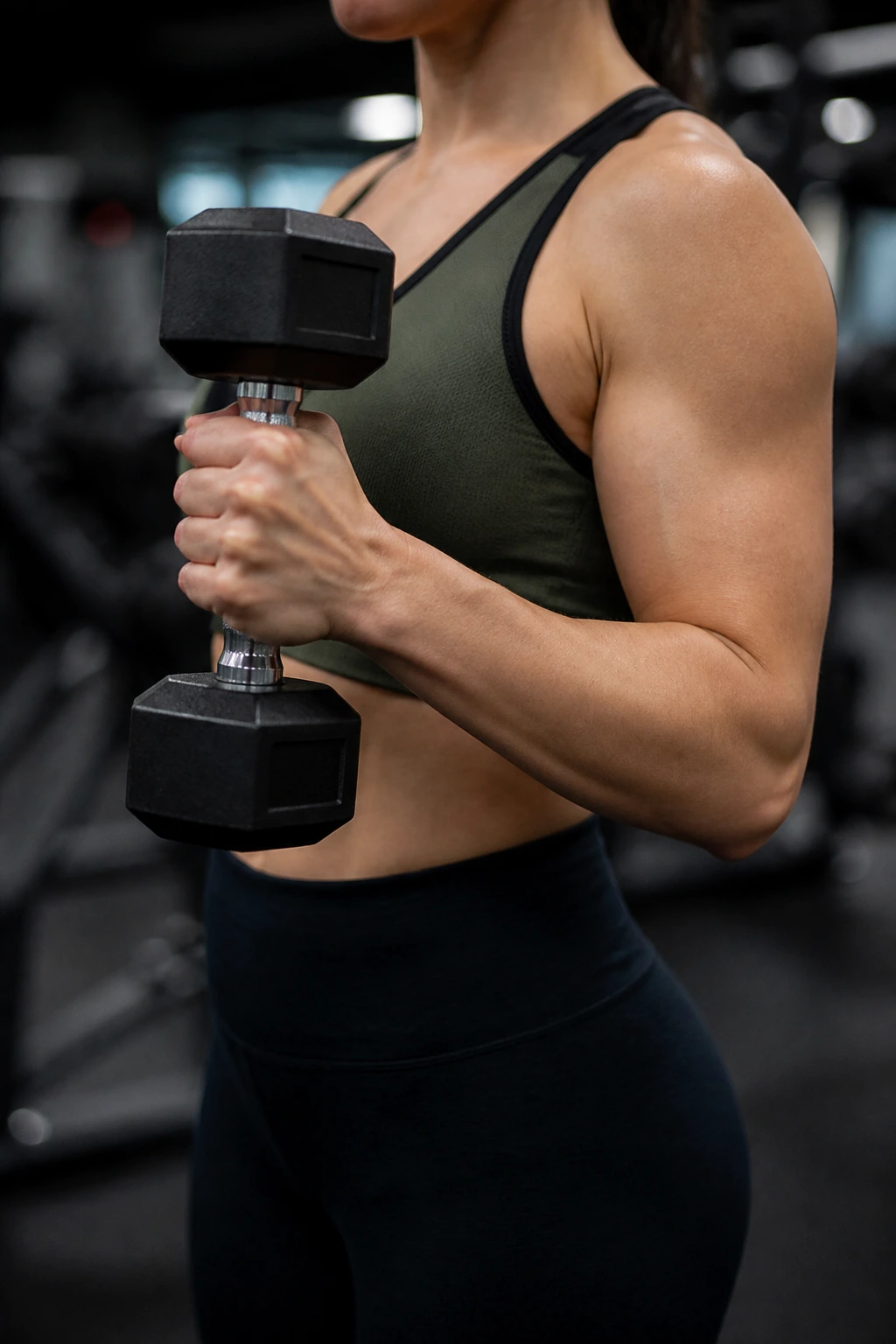
Hammer curls look plain. They aren’t. The neutral grip shifts work toward the brachialis and forearm, which is one reason they can make the upper arm feel thicker without needing wild weight. They’re also kinder to wrists that hate the fully supinated curl position.
I like hammer curls for women who want arm strength but don’t want that tight, pinchy feeling in the elbow that some curl variations can bring. Keep the dumbbells like you’re holding two grocery bags, not turning the thumbs inward. Three sets of 10 to 12 reps is a clean target, and you can rest 45 to 60 seconds between sets.
Simple rule: if the top of the rep looks identical to the bottom because you’re shrugging or swinging, slow down. The forearm should stay stacked under the elbow. That’s where the work lives.
3. Incline Dumbbell Curl
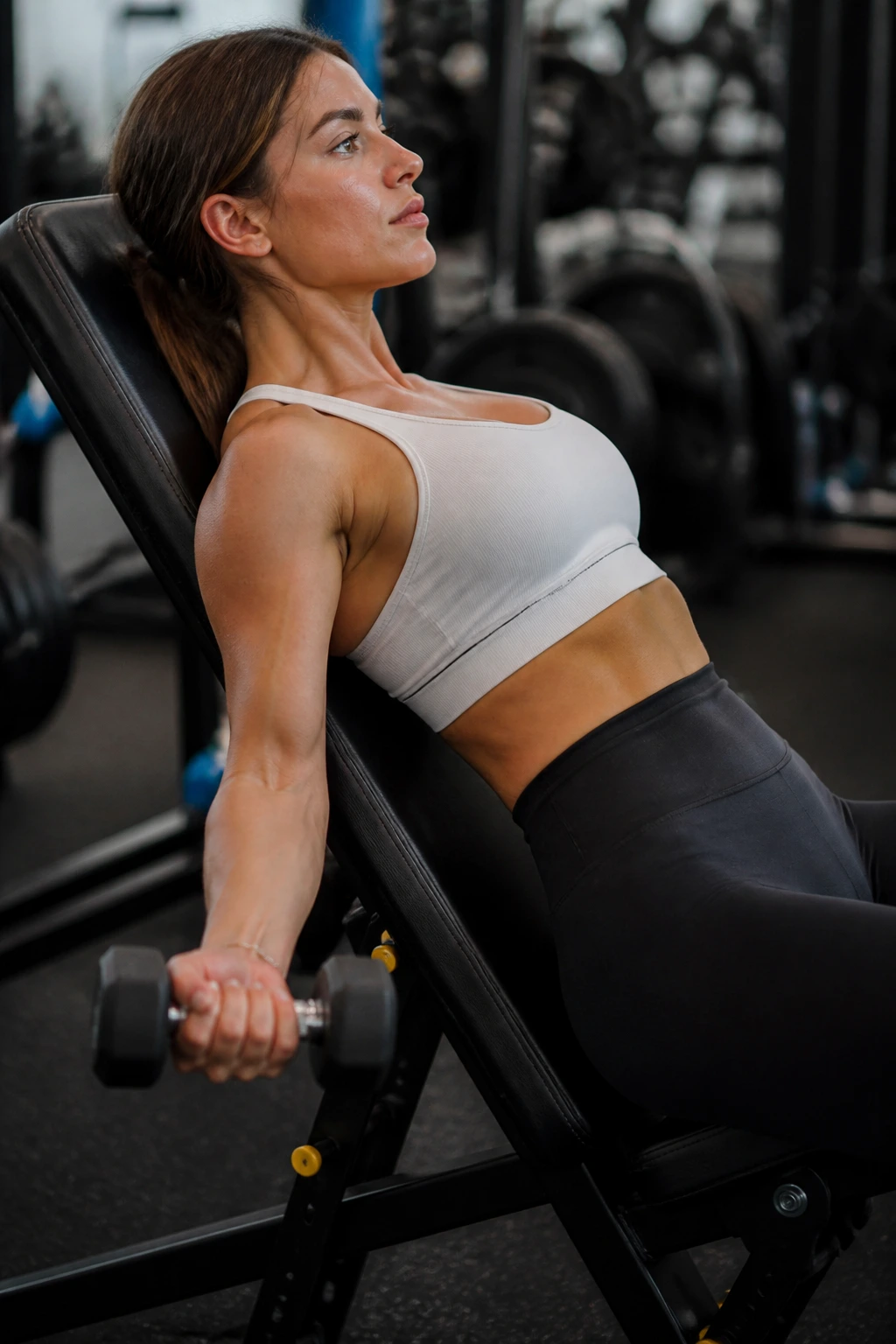
An incline bench changes this exercise more than people expect. When your back is set at about 30 to 45 degrees, your arms hang slightly behind your torso, which puts the biceps under a bigger stretch at the bottom. That stretch is the whole point here.
Why the Bench Angle Matters
The long head of the biceps gets a bigger say when the upper arm starts behind the body. That doesn’t mean the other parts are asleep. It means the exercise feels longer, slower, and harder to fake. Use lighter dumbbells than you’d use for standing curls and aim for 2 to 4 sets of 8 to 10 reps.
Let your shoulder blades stay back on the bench. Don’t reach your elbows forward to “help” the rep. The dumbbells should move in a smooth arc, and the bottom position should feel stretched, not sloppy. If the shoulder pops forward, the bench angle is probably too steep or the weight is too ambitious.
4. Concentration Curl
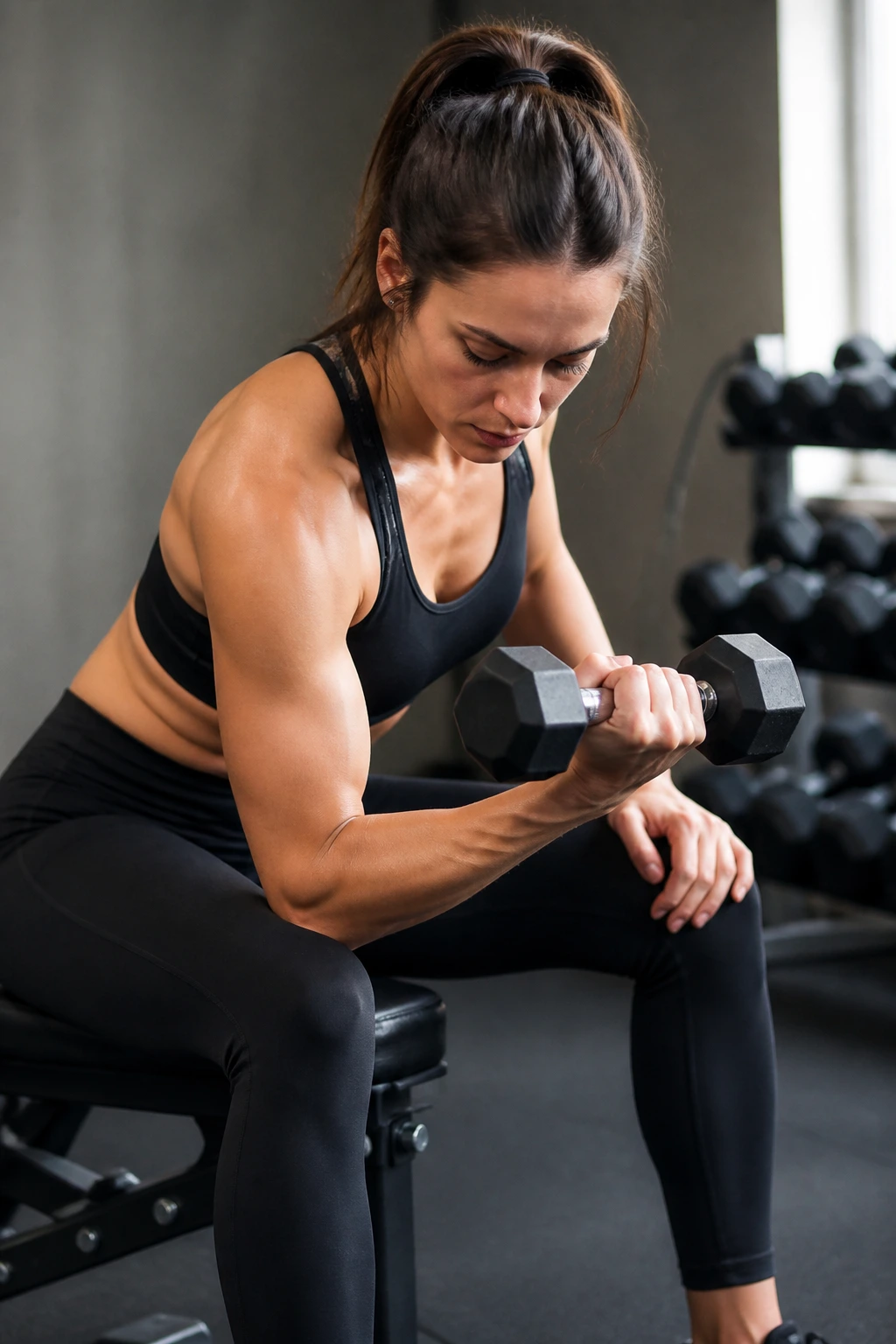
The concentration curl is the one I use when I want a biceps rep to feel honest. Sit down, brace your elbow against the inside of your thigh, and curl without trying to turn the move into a body English contest. It’s slow, a little old-school, and very good at exposing weak form.
One clean set can tell you a lot. If you need to twist your torso or nudge your knee to get the dumbbell moving, the load is too high. Two or three sets of 10 to 12 reps is plenty. Hold the top for a full second and let the squeeze happen before you lower.
The beauty of this one is the finish. The rep ends when your biceps says it’s over, not when momentum decides to rescue you. That makes it useful for smaller training spaces, and it’s easy on people who want a focused arm day without a lot of setup.
5. Preacher Curl
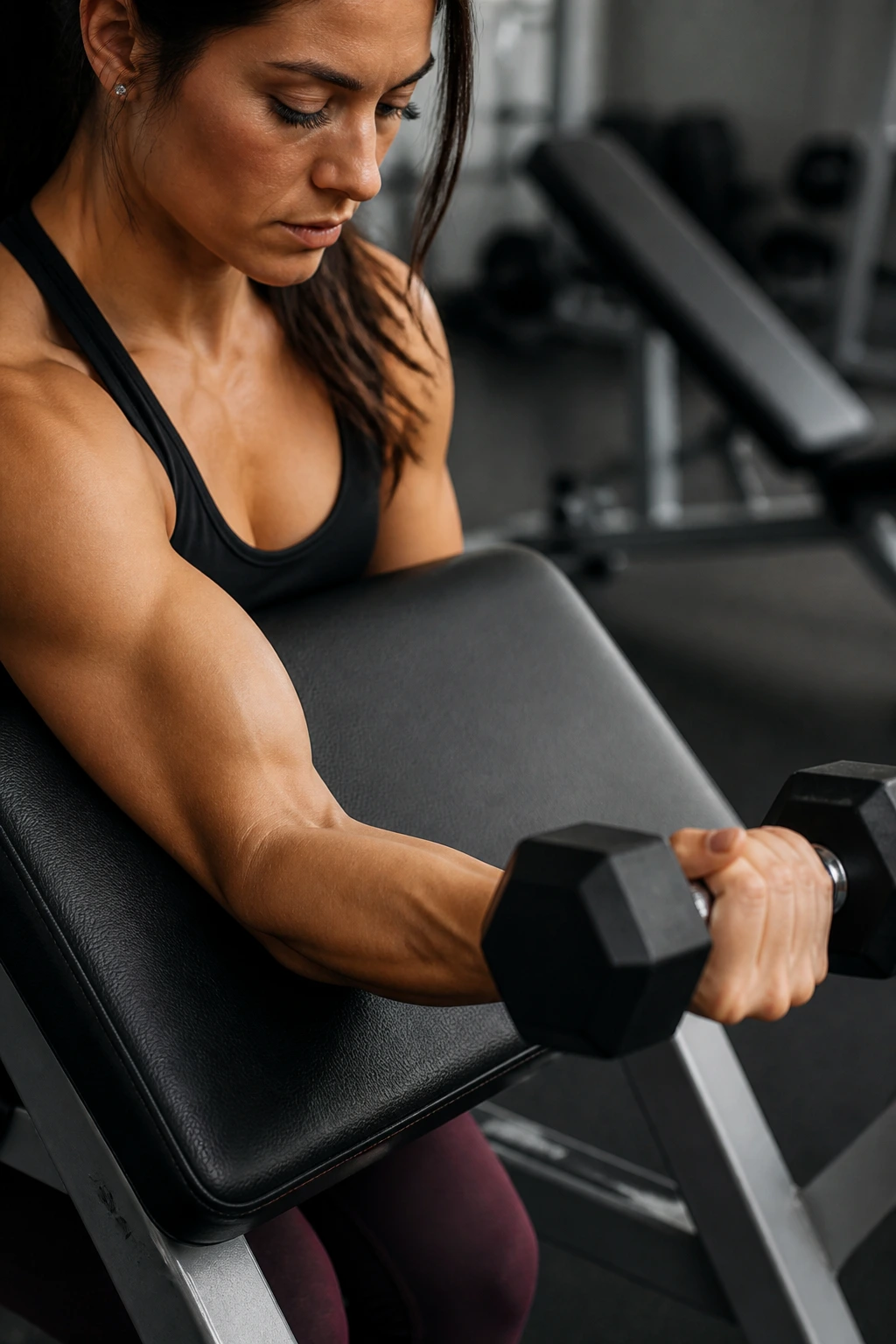
Preacher curls are strict in the best possible way. Your upper arm rests on the pad, so the body can’t help much, and that makes the biceps do nearly all the work. If you like clear feedback, this is a good one. If you like cheating, it’s deeply annoying.
Use a curl bar, EZ bar, dumbbells, or a preacher station with a pad that supports the arm without jamming the elbow. Three sets of 8 to 12 reps works well for most people. Stop a touch short of full elbow lockout if your joints feel cranky. That tiny adjustment can save a lot of irritation.
No bouncing off the bottom. Seriously. The lower half of the rep should feel controlled and smooth, not like a spring. If the bar is slapping into the pad, you’re trying to impress the room instead of training the muscle.
6. Zottman Curl
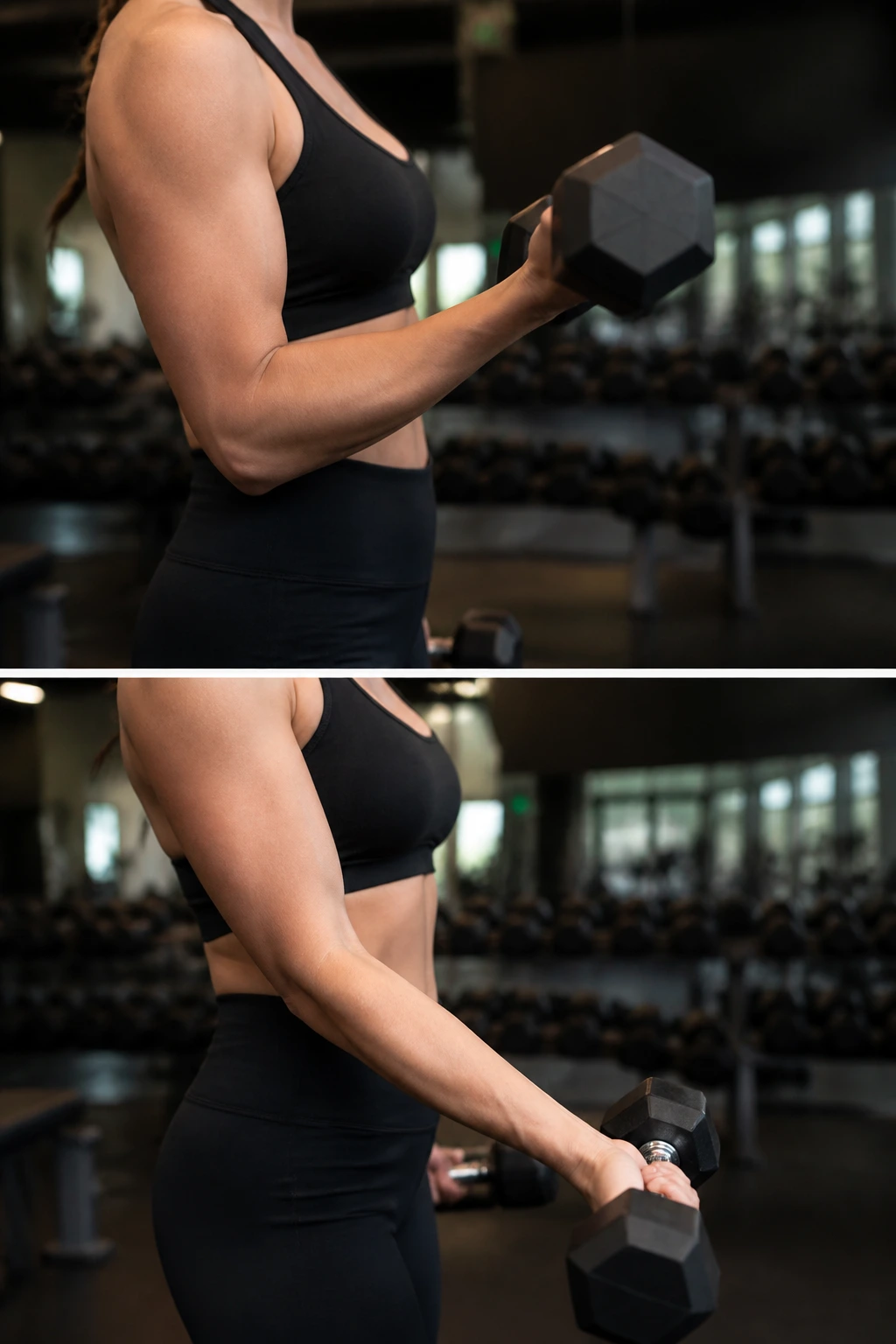
Unlike a regular curl, the Zottman curl asks for two jobs in one rep. You curl up with a palm-up grip, then rotate at the top and lower with the palm facing down. That makes it a sneaky forearm and grip exercise in addition to a biceps move.
I like it because the lowering phase is the part most people rush, and here the lowering phase matters a lot. Use lighter dumbbells than normal. Two to three sets of 8 to 10 reps is enough. If the wrists feel twisted or the dumbbells start wandering all over the place, the load is too much.
This one suits people who want a little extra forearm work without adding a separate exercise. It also pairs well with rowing or pull-down work, since grip fatigue becomes the limiting factor before the set turns into junk.
7. Cable Curl
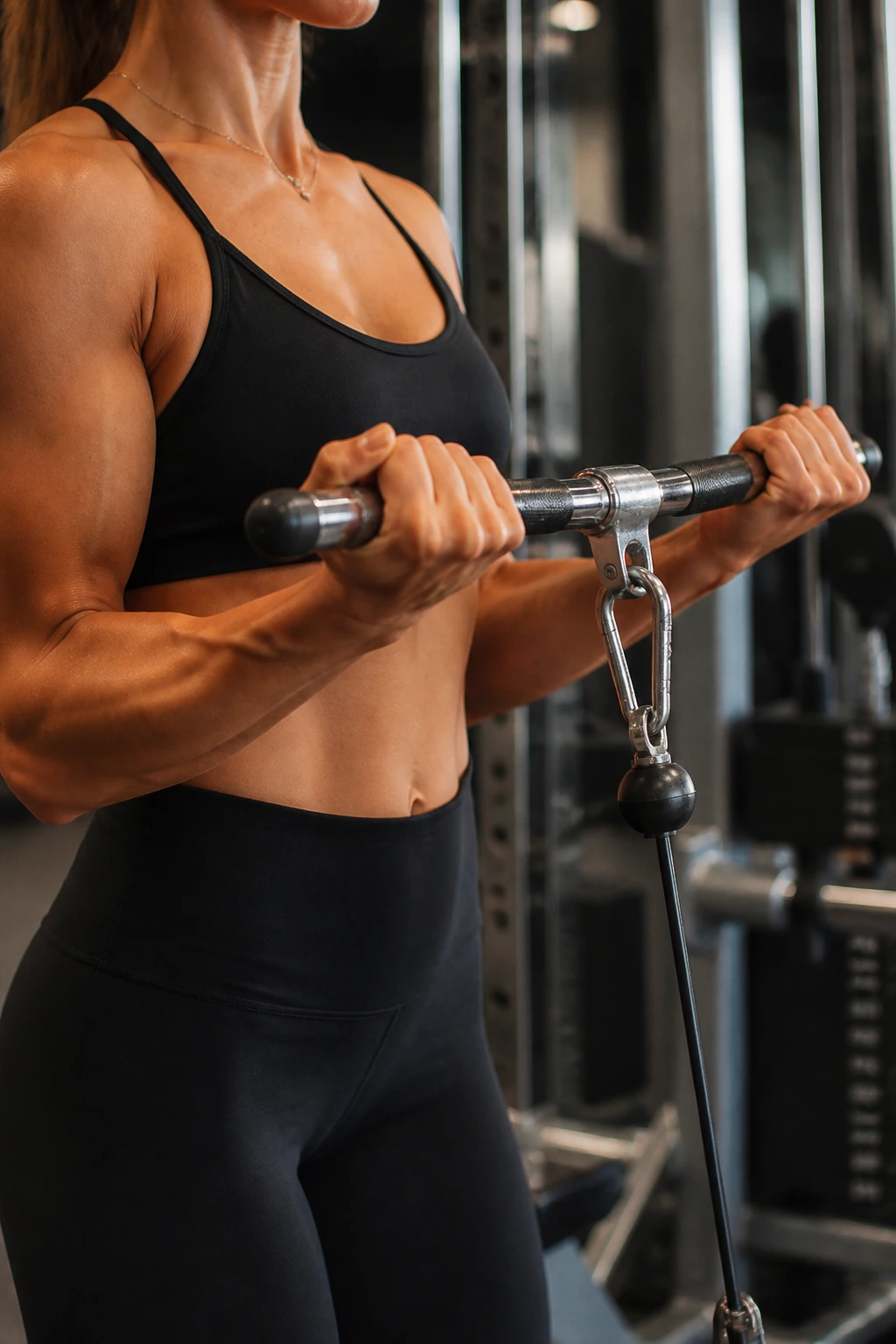
Cable curls feel boring until the last five reps. Then the constant tension starts to matter, because the cable doesn’t give you that relaxed bottom position you get from dumbbells. The muscle stays on the hook the whole time.
Set the pulley low, step forward a little, and let your elbows stay near your sides. A straight bar gives a classic feel; a rope gives you a slightly looser wrist angle. Three sets of 12 to 15 reps is a smart range because the cable keeps the burn honest even with moderate weight.
My favorite cue: think “curl around the elbow,” not “lift the hand.” That small mental shift helps keep the upper arm still. If your torso is rocking back and forth, move one pin down on the stack and clean it up.
8. Resistance Band Curl
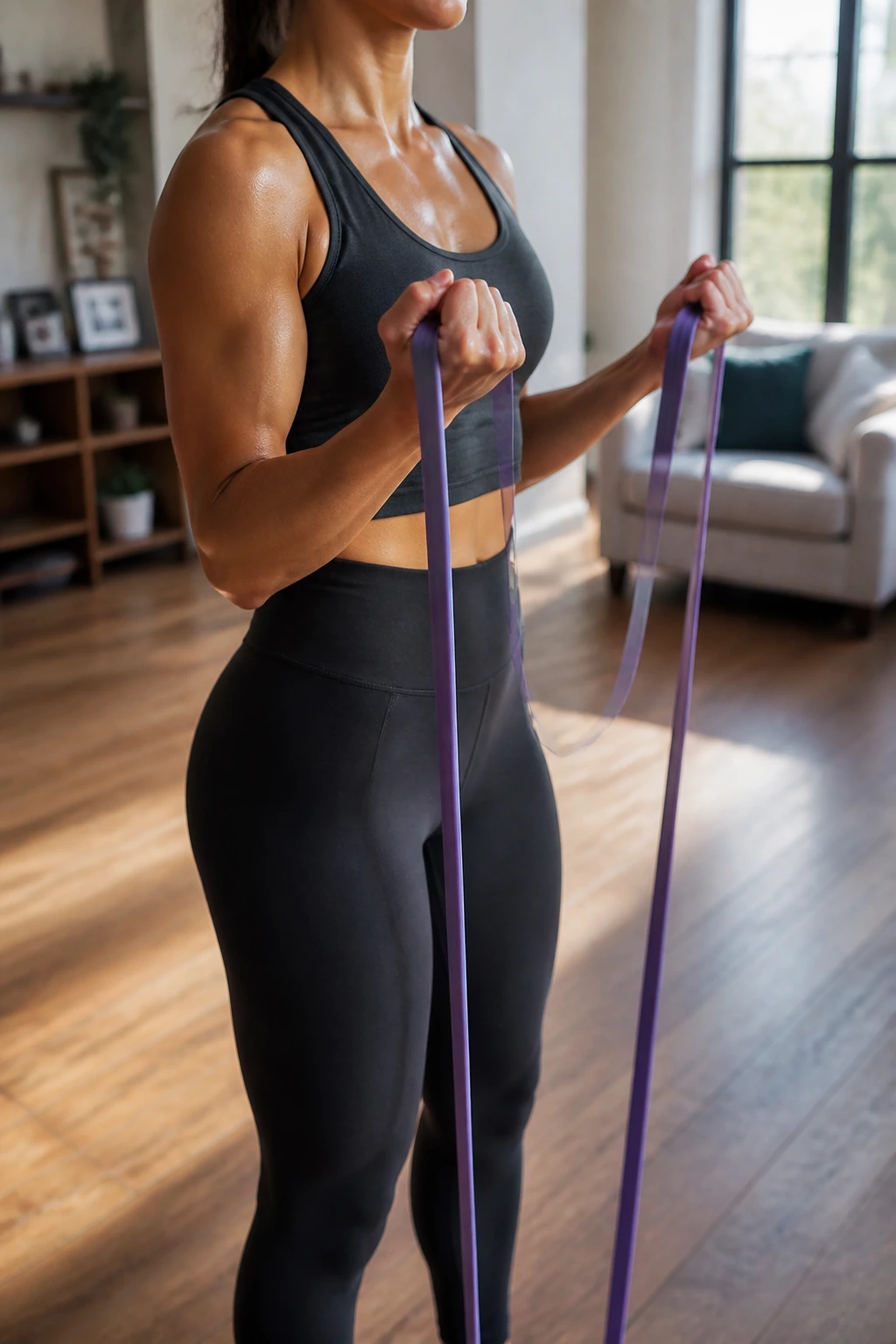
A resistance band can humble you. That sounds dramatic, but it’s true. Bands feel easier at the bottom and harder near the top, which is a nice change when dumbbells start to feel stale or when you’re training at home with limited gear.
What to Watch For
- Stand on the band with feet hip-width apart.
- Keep the band under steady tension before the first rep.
- Use 12 to 20 reps and stop when the top half starts turning into a shrug.
- Step wider for more resistance; step narrower if your form gets messy.
The band curl is a good finisher because it’s easy to do a lot of quality reps without needing a bench or a rack. It also travels well, which is useful if your training space is tiny or your schedule is a mess.
9. Reverse Curl
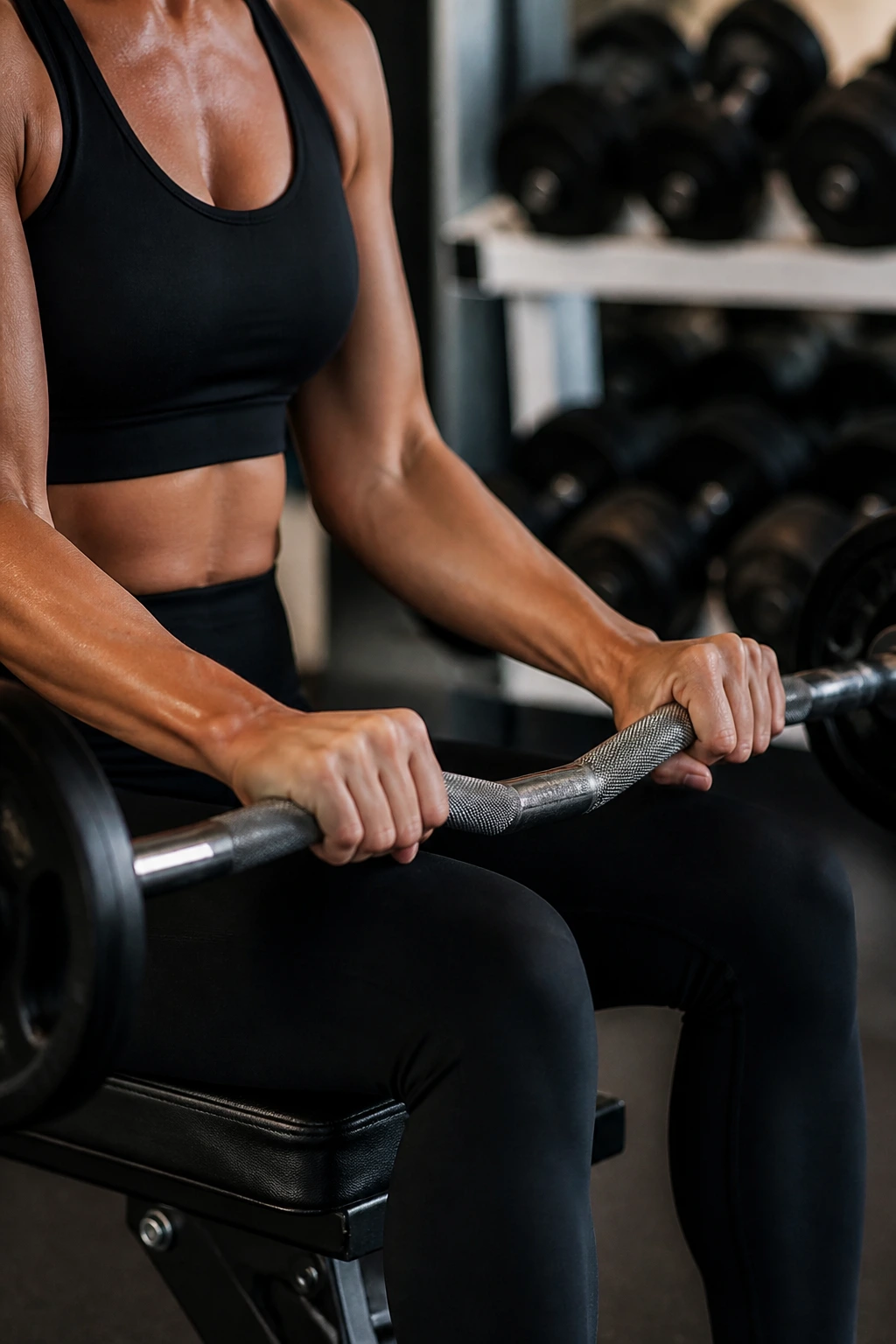
Reverse curls look odd the first time you do them. The palm faces down, the wrist stays neutral, and the exercise shifts away from pure biceps curling toward the forearms and the upper arm muscle underneath. That makes it a solid choice if you want stronger-looking arms from a different angle.
Use an EZ bar or dumbbells and keep the load lighter than you’d expect. Three sets of 10 to 12 reps is usually enough, and the lowering phase should stay slow. The moment your wrists bend back, the exercise starts to feel ugly in a bad way.
I like reverse curls after pulling work because they help with grip and elbow control. They’re also a nice reminder that arm training isn’t only about the front of the upper arm. The whole chain matters.
10. Chin-Up
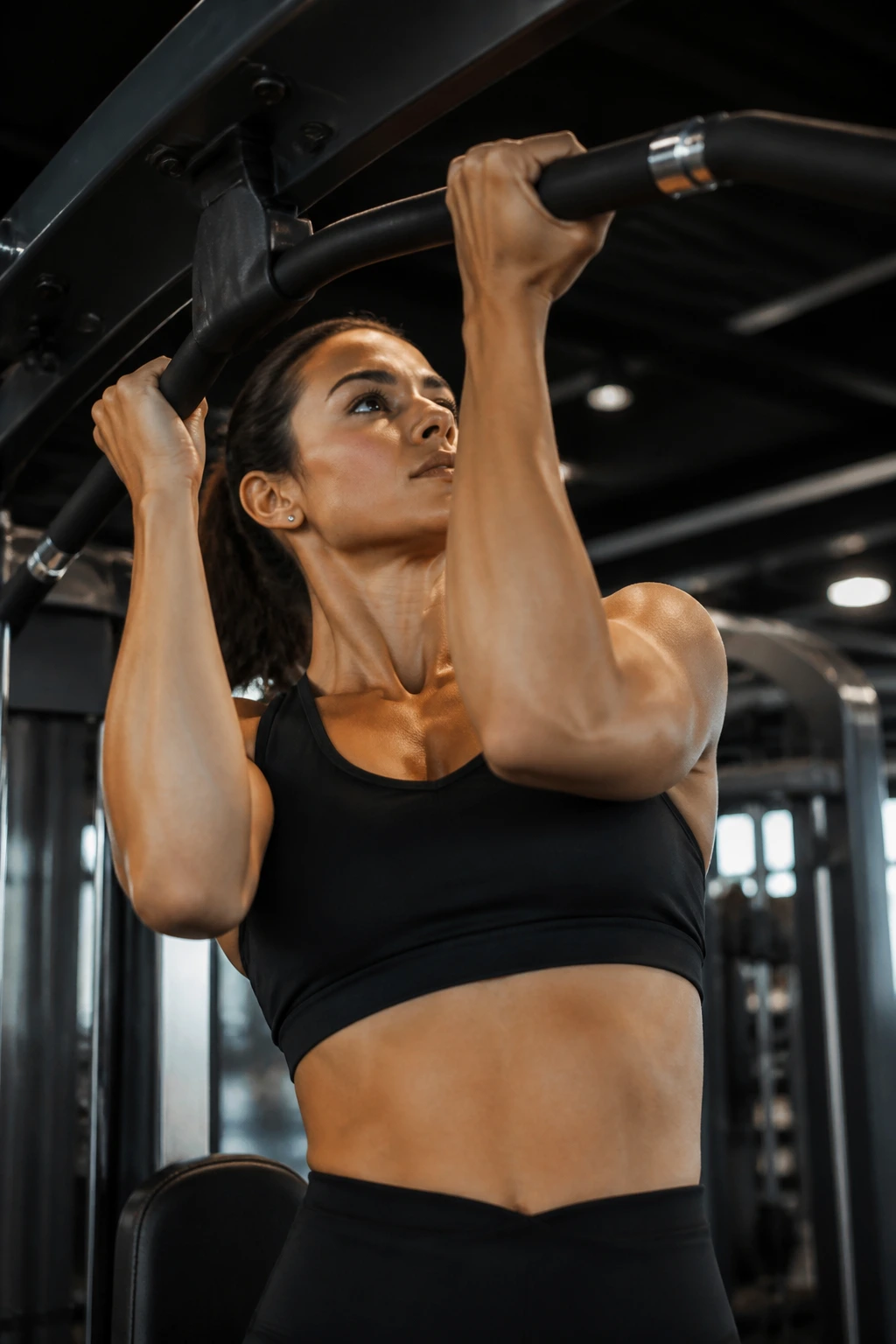
Can chin-ups count as arm work? Absolutely. The underhand grip gives the biceps a big role, and the triceps still help stabilize the pressing side of the elbow joint. If you want an exercise that feels honest, this is one of the best.
How to Make It Work
Use an assisted chin-up machine, a band, or a low bar if full bodyweight reps are still out of reach. Start with 3 to 5 reps if you’re working on full chin-ups, or do 3 sets of slow negatives where you jump or step to the top and lower for 3 to 5 seconds.
The key is not chasing ugly reps. A smooth assisted chin-up beats three half-reps with a flailing kick every time. And if you can only hold the top for two seconds, that still counts. That still builds strength.
11. Drag Curl
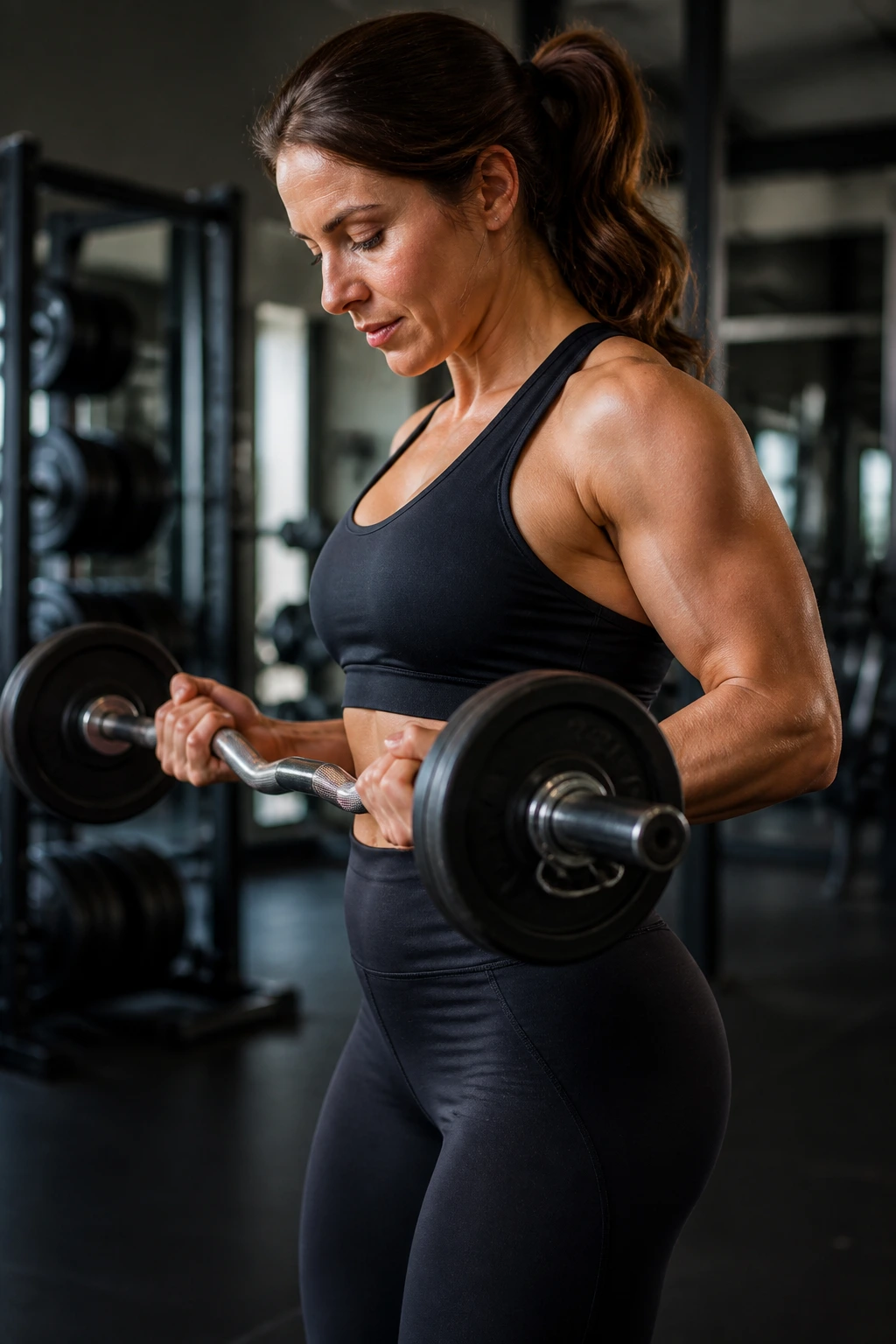
Drag curls are a little strange in the best way. Instead of curling the bar in a big arc, you keep it close to your torso and drag it upward while the elbows travel back. That reduces the front-delt takeover you get with sloppy curls.
The bar should skim the shirt, not swing out in front of it. Use an EZ bar if your wrists like the angle, and keep the weight moderate. Three sets of 8 to 10 reps is plenty. The top of the rep usually feels shorter than a standard curl, which is exactly why it works.
This move is great for people who tend to turn every curl into a shoulder raise. It forces a tighter line and makes the biceps do more of the lifting. No fireworks. Just cleaner work.
12. Spider Curl
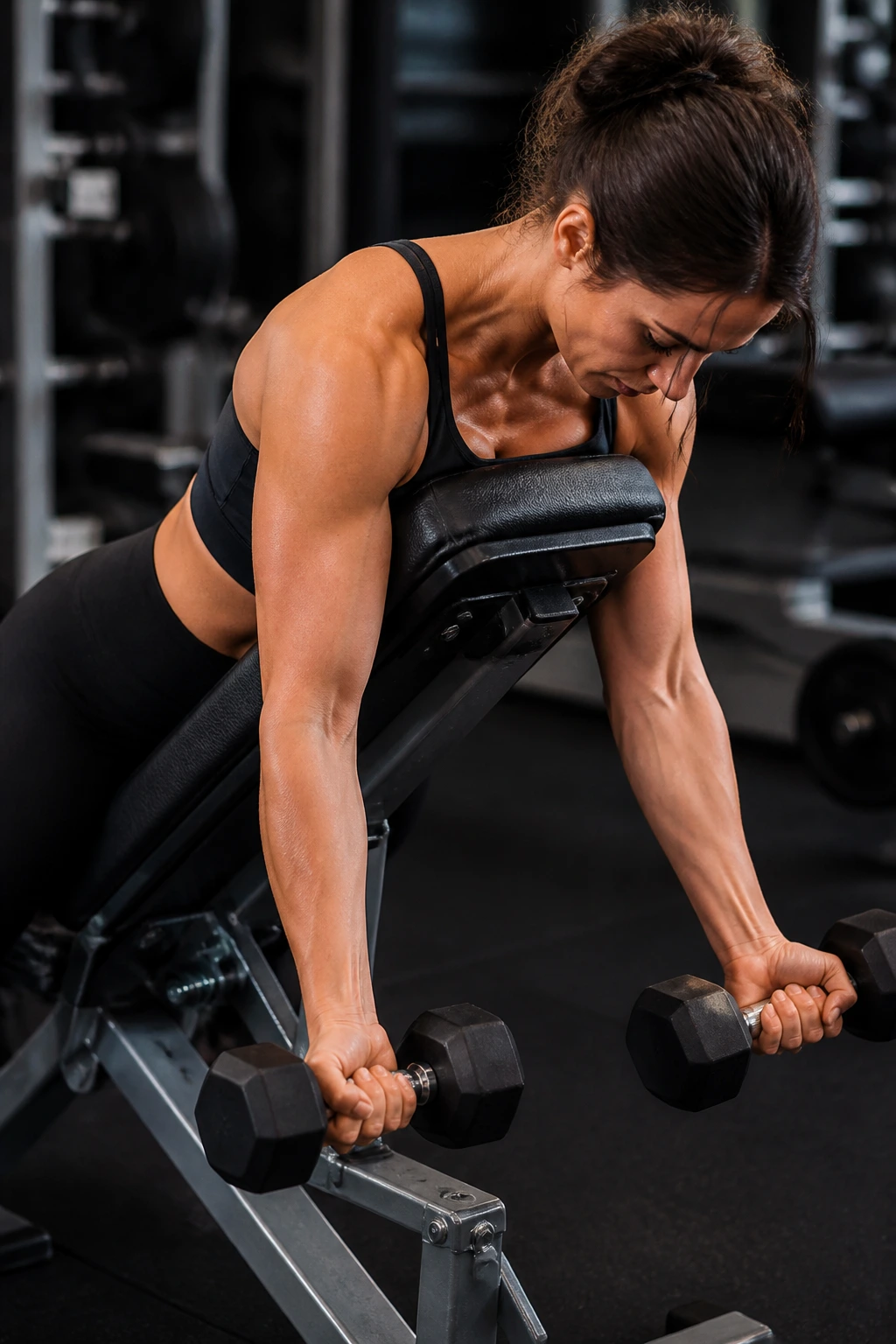
Spider curls punish sloppy swinging. That’s the whole appeal. Lie chest-down on an incline bench, let your arms hang straight, and curl from that dead-hang position without using your back to launch the weight. It’s strict, and it tells the truth.
Why It Feels So Different
Because your chest is supported, there’s nowhere to hide. The elbows stay fairly still, the range feels direct, and the top of the curl usually gives a sharp squeeze. Use 2 to 4 sets of 10 to 15 reps with a load that stays smooth all the way through. If you have to jerk the dumbbells up, the weight is too high.
One-sentence version: it’s a great move for people who get bored with standard curls.
13. Dumbbell Kickback
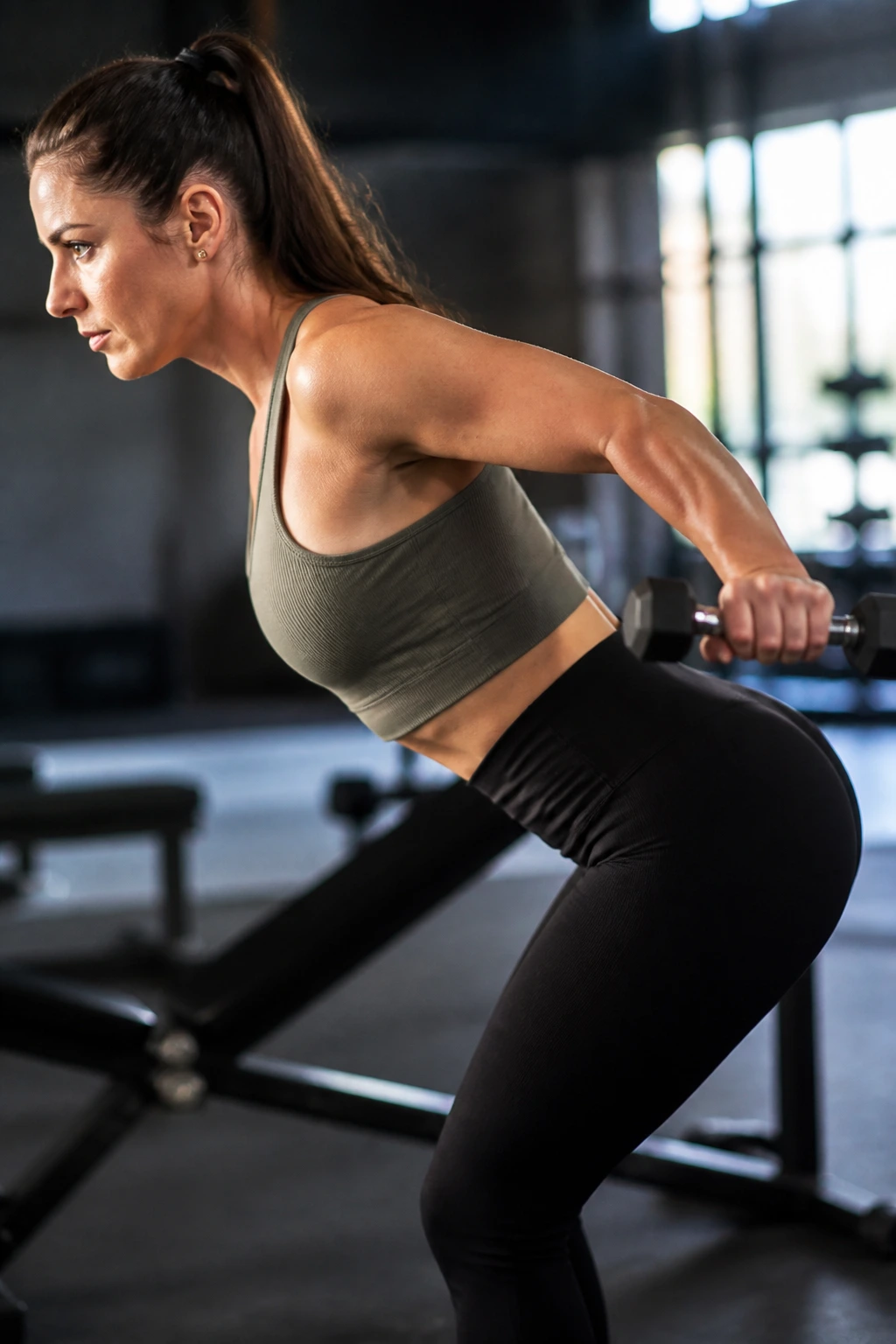
Kickbacks get dismissed a lot, and some of that criticism is fair. They’re not the main event. The resistance curve is awkward, and they stop being useful the moment you start heaving the dumbbell around. Still, as a finisher, they can light up the triceps in a way that feels very direct.
Keep your upper arm parallel to the floor, hinge at the hips, and straighten the elbow without letting the shoulder swing. Two to three sets of 12 to 15 reps is enough. Use a lighter dumbbell than your ego wants. That sentence saves wrists, elbows, and dignity.
I like kickbacks after pushdowns or presses, not before them. They’re a finishing tool, not the first tool out of the box. Done well, they give a crisp lockout and a clean triceps squeeze.
14. Rope Triceps Pushdown
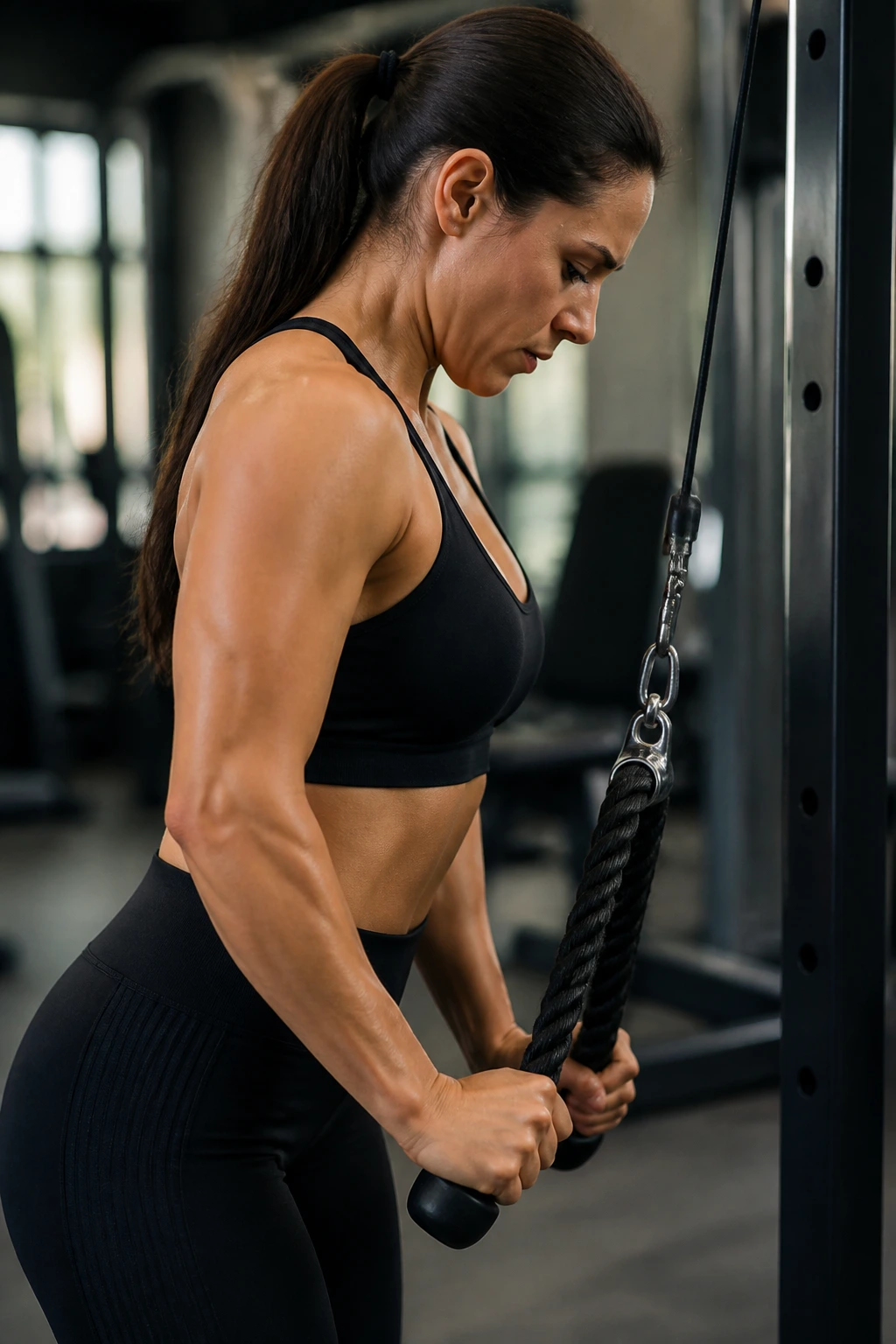
The rope pushdown is the workhorse of triceps training. It’s easy to set up, easy to feel, and useful for almost anybody who wants stronger arm extension without a lot of fuss. The rope also lets your hands separate at the bottom, which gives a nicer end-range squeeze.
Little Details Matter Here
- Keep your elbows tucked close to your sides.
- Press the rope down until your arms are fully straight, then split the rope slightly apart.
- Use 3 sets of 10 to 15 reps.
- Pause for 1 second at lockout instead of bouncing right back up.
The cable should move smoothly. If your torso leans forward on every rep, reduce the weight and keep your ribs down. That one fix usually makes the exercise feel cleaner right away.
15. Overhead Dumbbell Triceps Extension
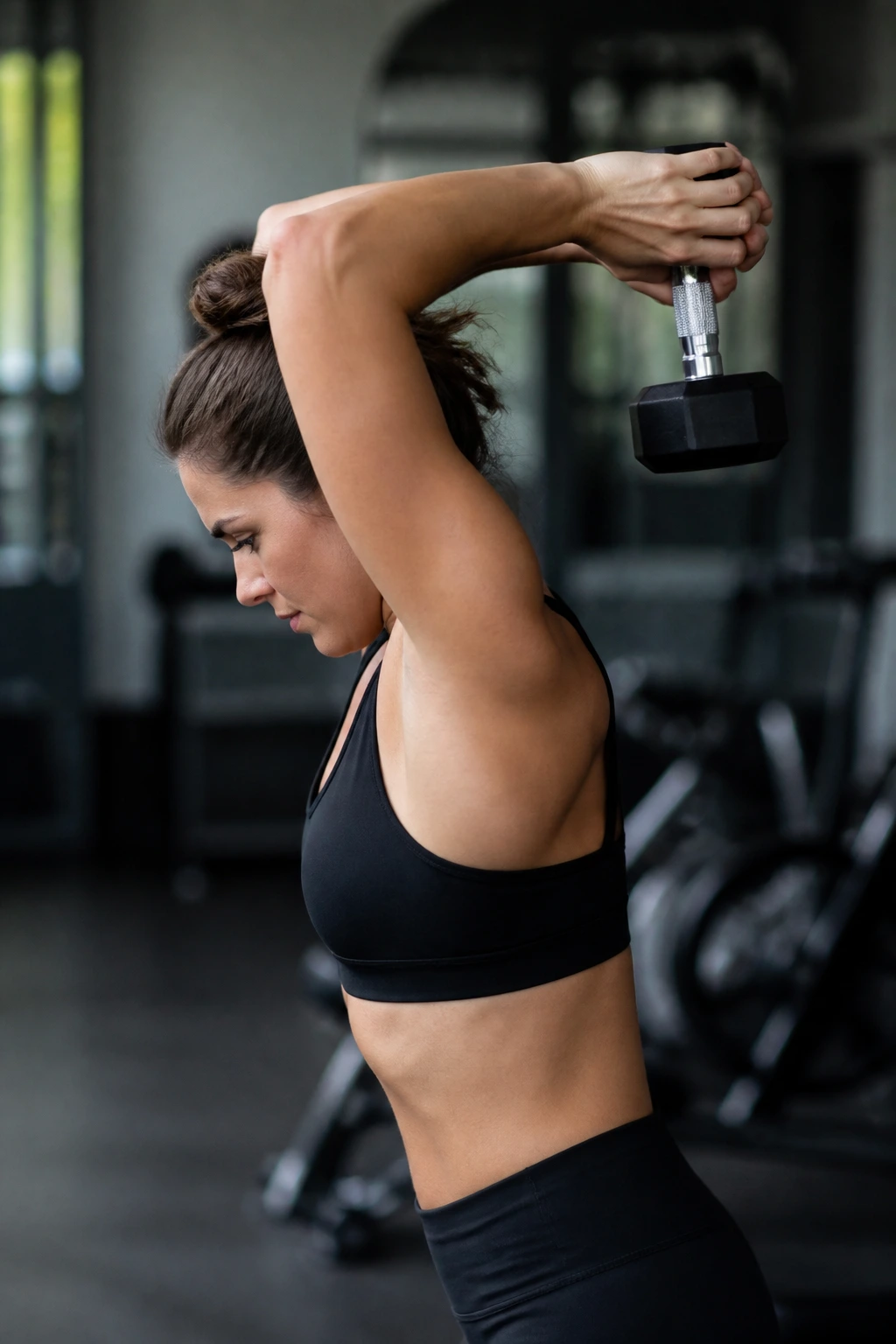
The overhead extension puts the triceps, especially the long head, into a stretched position. That matters because the long head crosses the shoulder joint, so overhead work hits it from a different angle than pushdowns do. If you only do one triceps pattern, this is not the one I’d choose. If you do a few, it earns a place.
Use one dumbbell held with both hands or a single dumbbell in one hand. Keep your ribs down and avoid turning the lower back into a trampoline. Three sets of 10 to 12 reps is a good target. The elbows can flare slightly, but they should not wander all over the place.
A small forward lean is fine. A big backbend is not. If the weight is forcing you into that shape, drop it and keep the stretch where it belongs: in the triceps.
16. Skull Crusher
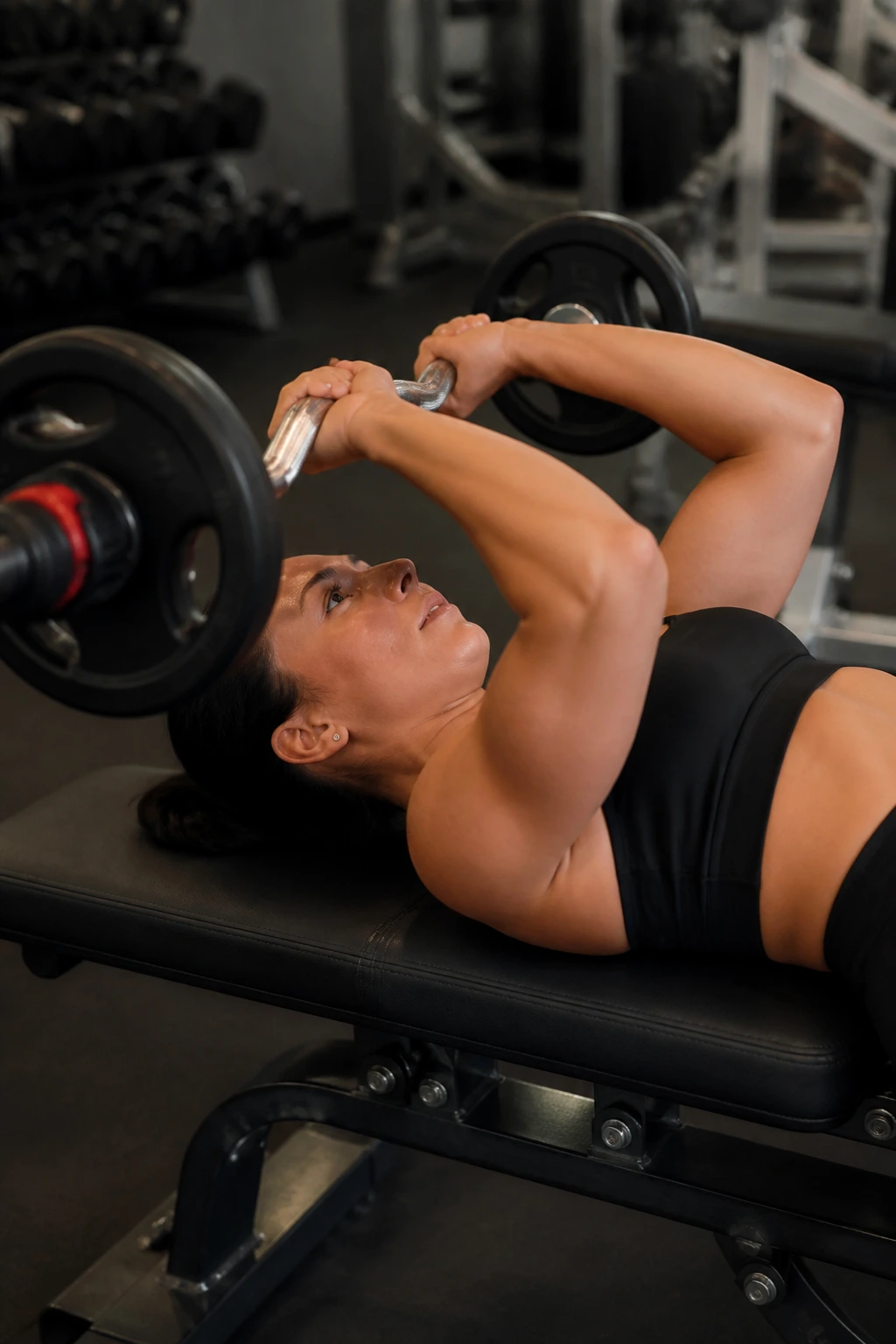
Skull crushers earn their nickname when people rush them. Slow it down and the exercise becomes a much better tool. Lie on a bench or the floor, bend only at the elbows, and lower the weight toward the forehead or slightly behind it, depending on what feels best on your elbows.
An EZ bar is often friendlier than a straight bar. Dumbbells work too. Three sets of 8 to 10 reps is a sensible range, especially if you control the lowering phase for 2 to 3 seconds. The upper arm should stay fairly still, which is where a lot of people get lazy.
If the elbows complain, try the floor version first. The floor shortens the range a little and can take some pressure off the joint. Not glamorous. Very useful.
17. Close-Grip Push-Up
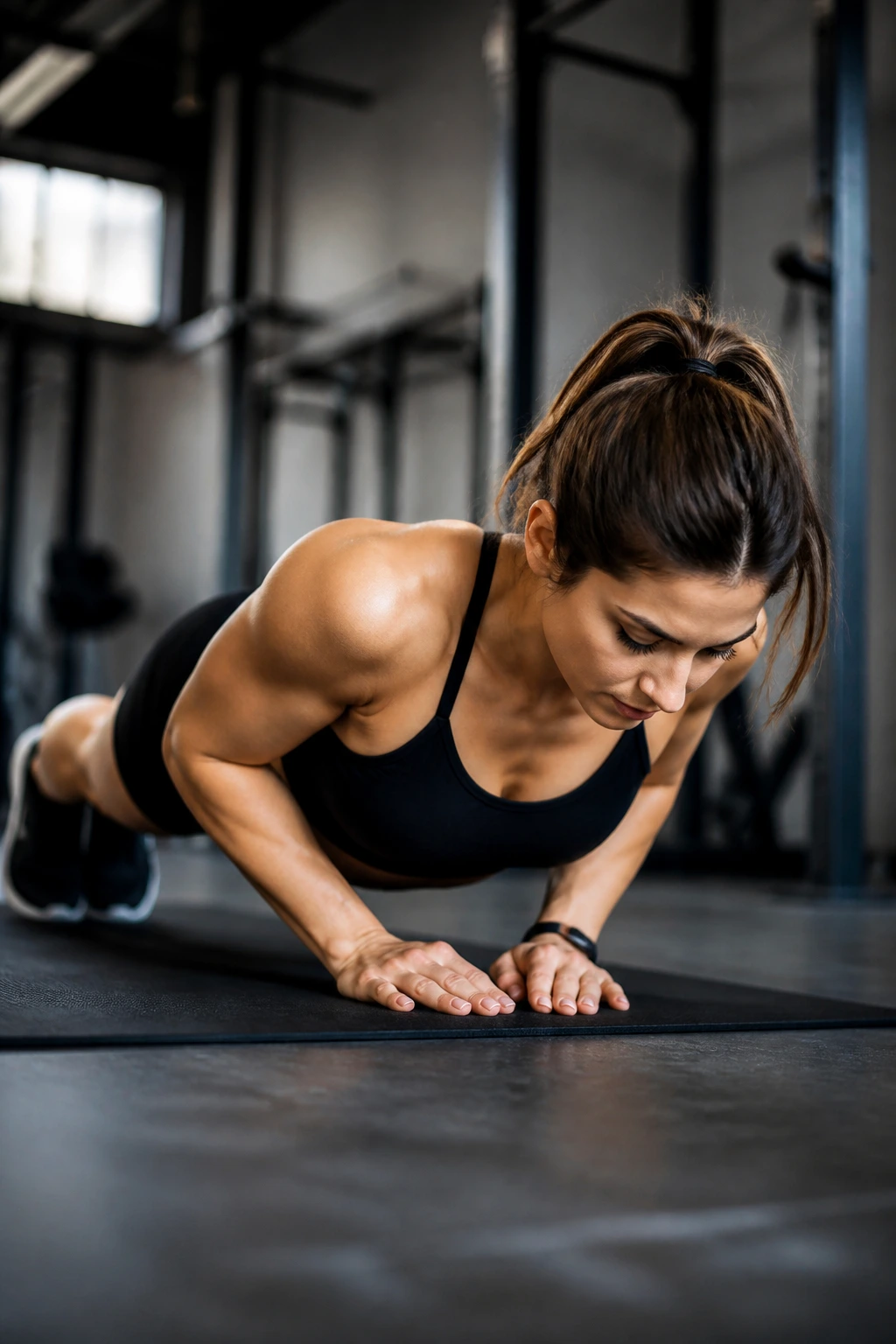
Close-grip push-ups are more triceps-heavy than most people think. The hands stay closer together, the elbows track near the torso, and the triceps have to help finish each rep without the chest doing all the talking. That makes this a strong bodyweight option for home training or travel days.
You do not need to force a tiny diamond shape if that irritates your wrists. A hand position just inside shoulder width is enough. Start with your hands on a bench or bench-height surface if the full floor version is too hard. Three sets to near-failure usually works well, but stop before your hips sag.
One clean rep matters more than a pile of ugly ones. If you keep the torso rigid and lower under control, this move earns its place fast.
18. Bench Dip
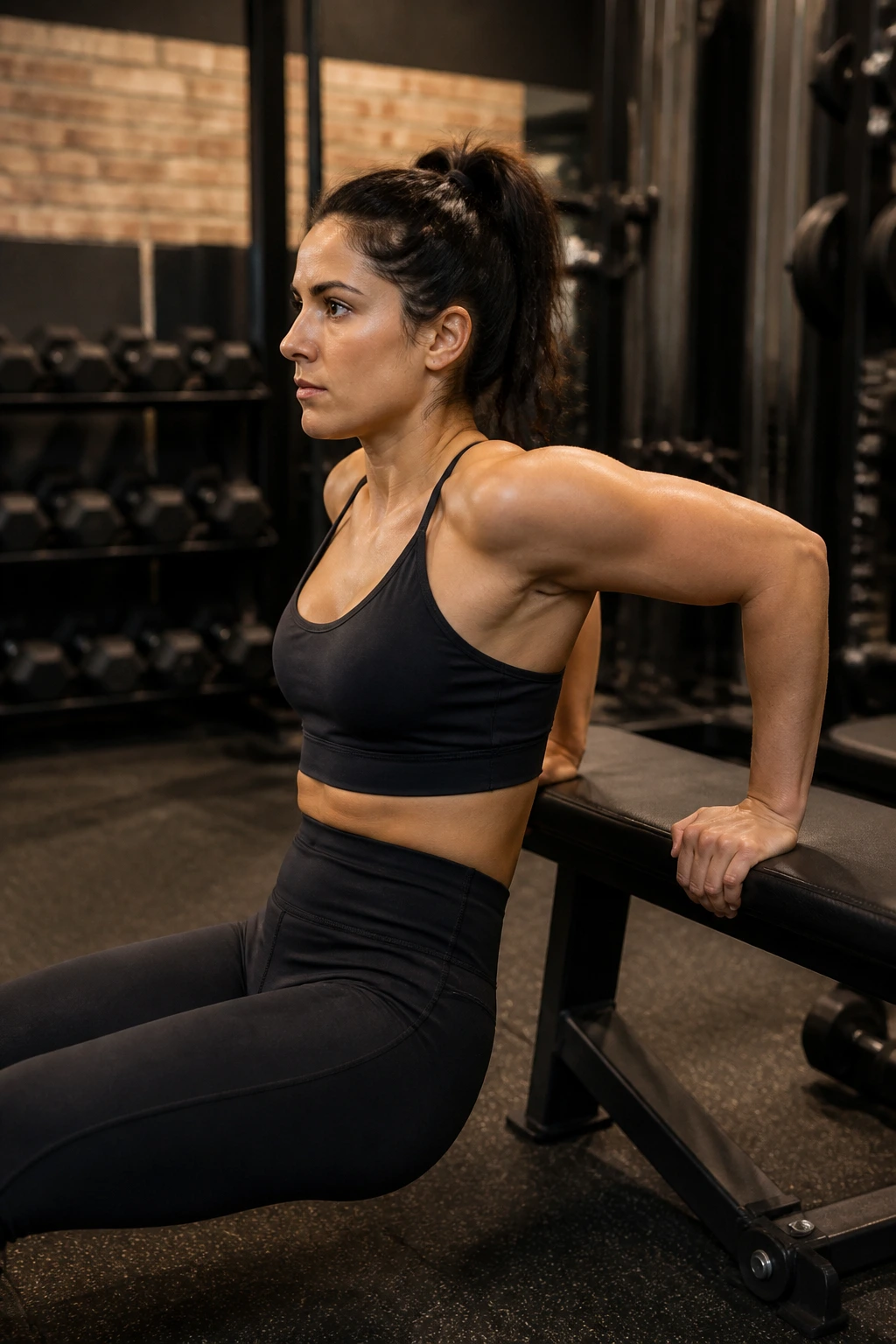
Bench dips are useful, but not sacred. Some people love them. Some shoulders hate them. I’m in the second camp for a lot of beginners, which is why I treat them like a tool, not a requirement. Done carefully, they can hit the triceps well.
Keep the hands on the bench edge, slide the hips close, and lower only until the upper arm is about parallel to the floor. Two to three sets of 8 to 12 reps is plenty. If the front of the shoulder feels pinched or cranky, stop and choose another exercise.
A smaller range often works better than the deep, dramatic version people copy from videos. You’re trying to load the triceps, not test how far the shoulder can fold.
19. Single-Arm Cable Pushdown
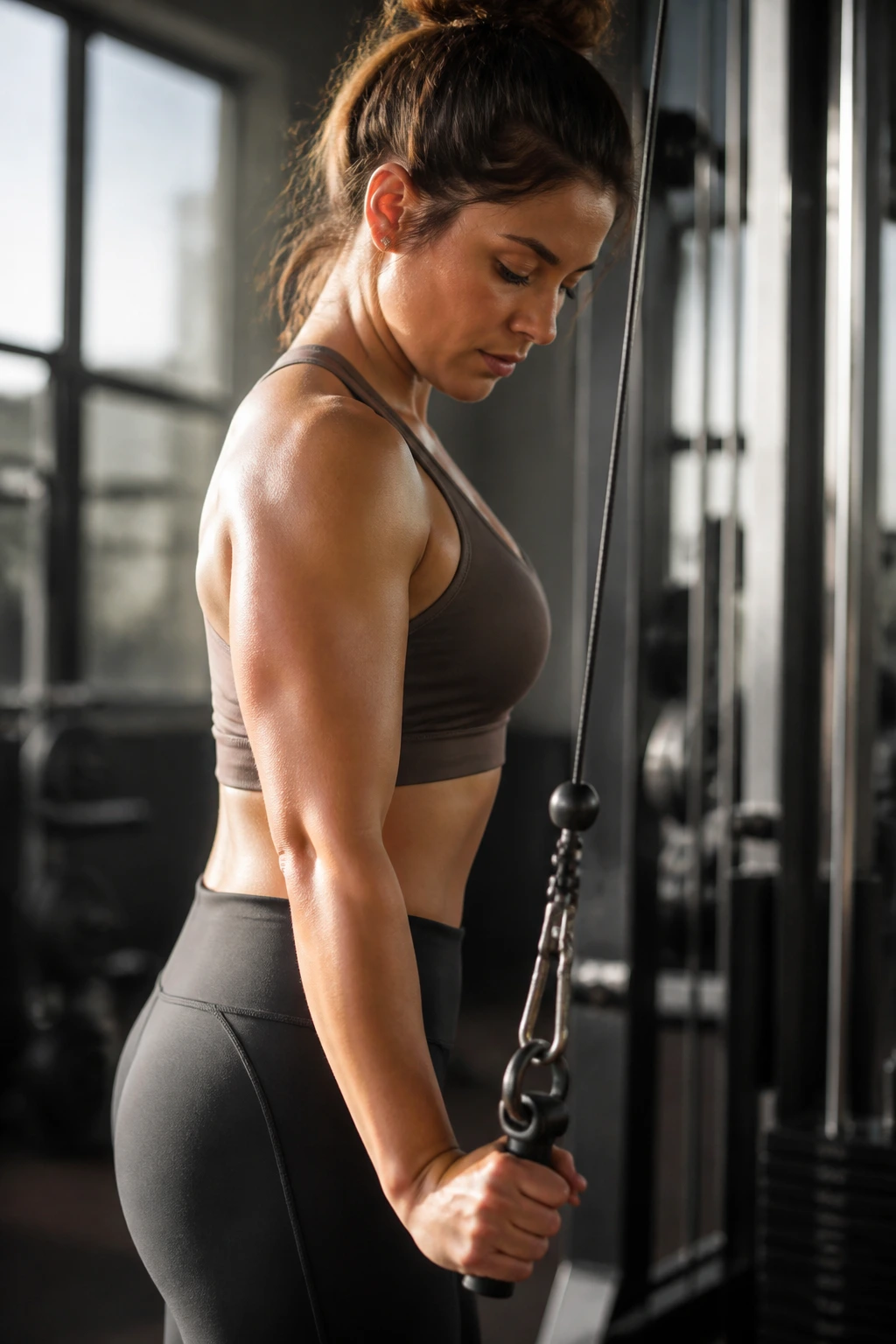
Single-arm cable pushdowns solve a common problem: one side always doing more work than the other. The cable also gives you a cleaner lockout and makes it easier to notice whether your elbow is drifting. Small detail. Big difference.
Set the handle high, keep your upper arm close to your side, and press down until the elbow is fully straight. Pause for a beat, then return slowly. Three sets of 12 reps per side is a smart place to start. The one-arm setup also gives a better feel for the triceps contraction than some two-hand setups do.
If one arm finishes way ahead of the other, start the next set with the weaker side. That’s a simple fix that helps more than people expect.
20. Rope Overhead Cable Extension
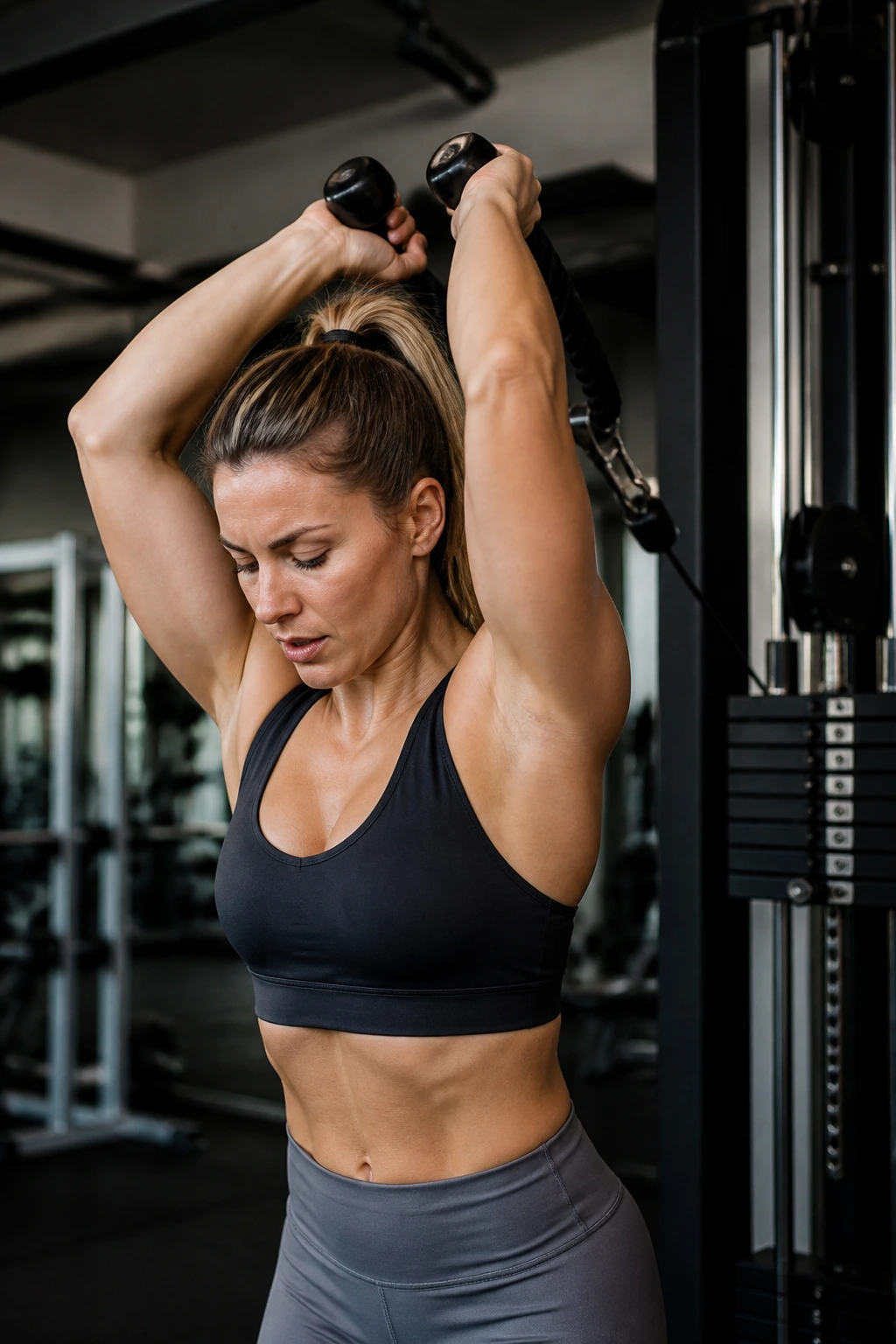
Rope overhead extensions give you the long-head triceps stretch without asking you to manage a dumbbell behind your head. The cable keeps tension in the stretch, which is the part that makes this move feel different from a simple overhead dumbbell version.
How to Set It Up
Step away from the stack a little, let your elbows point forward, and keep your ribs from flaring. The rope should travel behind your head on the way down and come forward as you extend. Two to three sets of 12 to 15 reps usually feels right, especially if you want a lighter joint-friendly option.
One-sentence version: this is the move for people who want triceps work without the awkward balance of a heavy dumbbell.
21. Tate Press
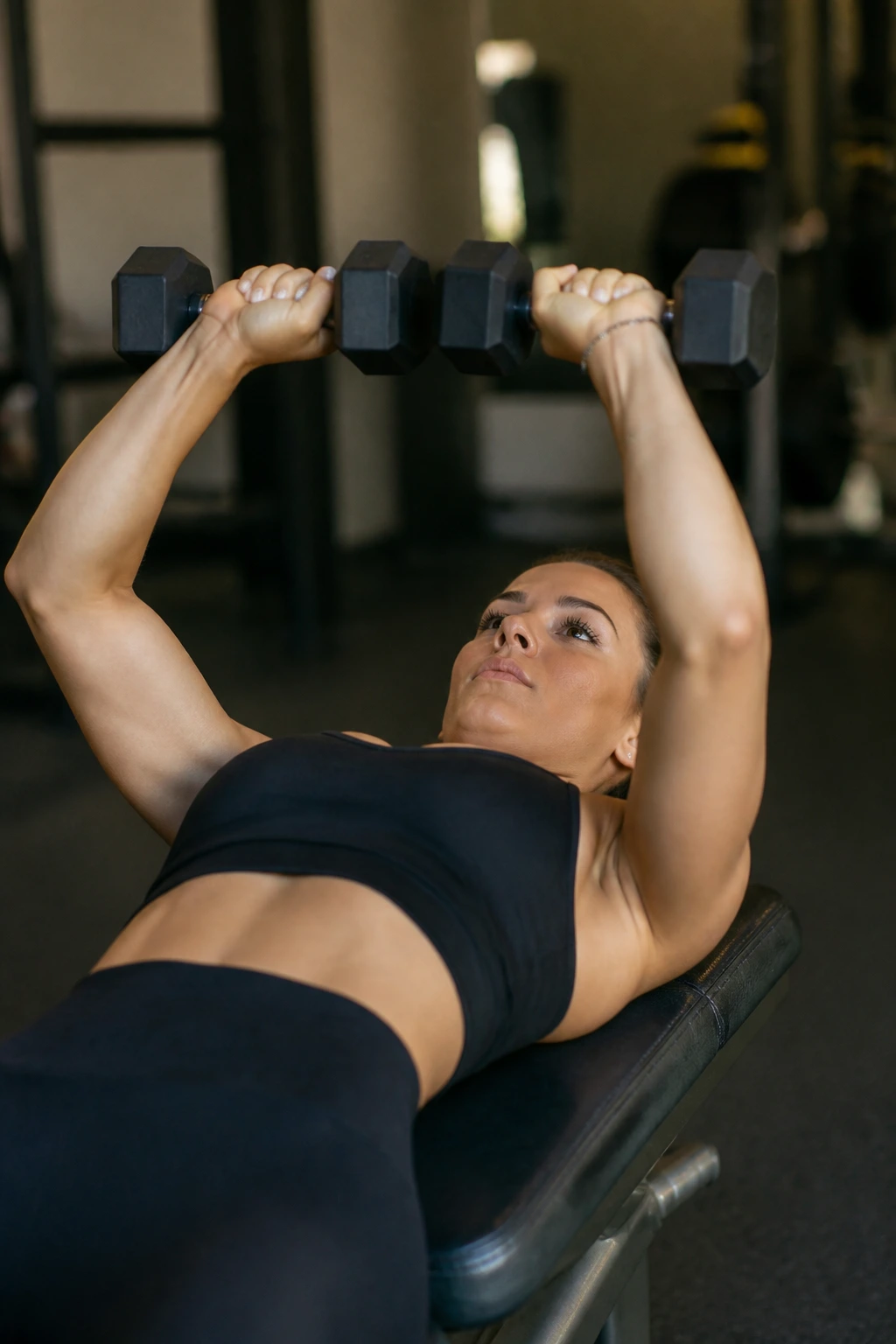
The Tate press looks awkward the first time, and that’s part of why I like it. You lie on a bench with dumbbells above your chest, then lower them by bending the elbows out and down before pressing back up. The angle is unusual, but it keeps tension in a part of the triceps that standard pressing often misses.
Use light dumbbells. Seriously. Three sets of 10 to 12 reps is enough, and the rep should stay smooth. If the shoulders start doing the work, the load is too high or the elbows are flaring too wide.
This one suits lifters who already know basic triceps work and want something a little different without jumping to more load. It feels weird. It works.
22. Floor Triceps Extension
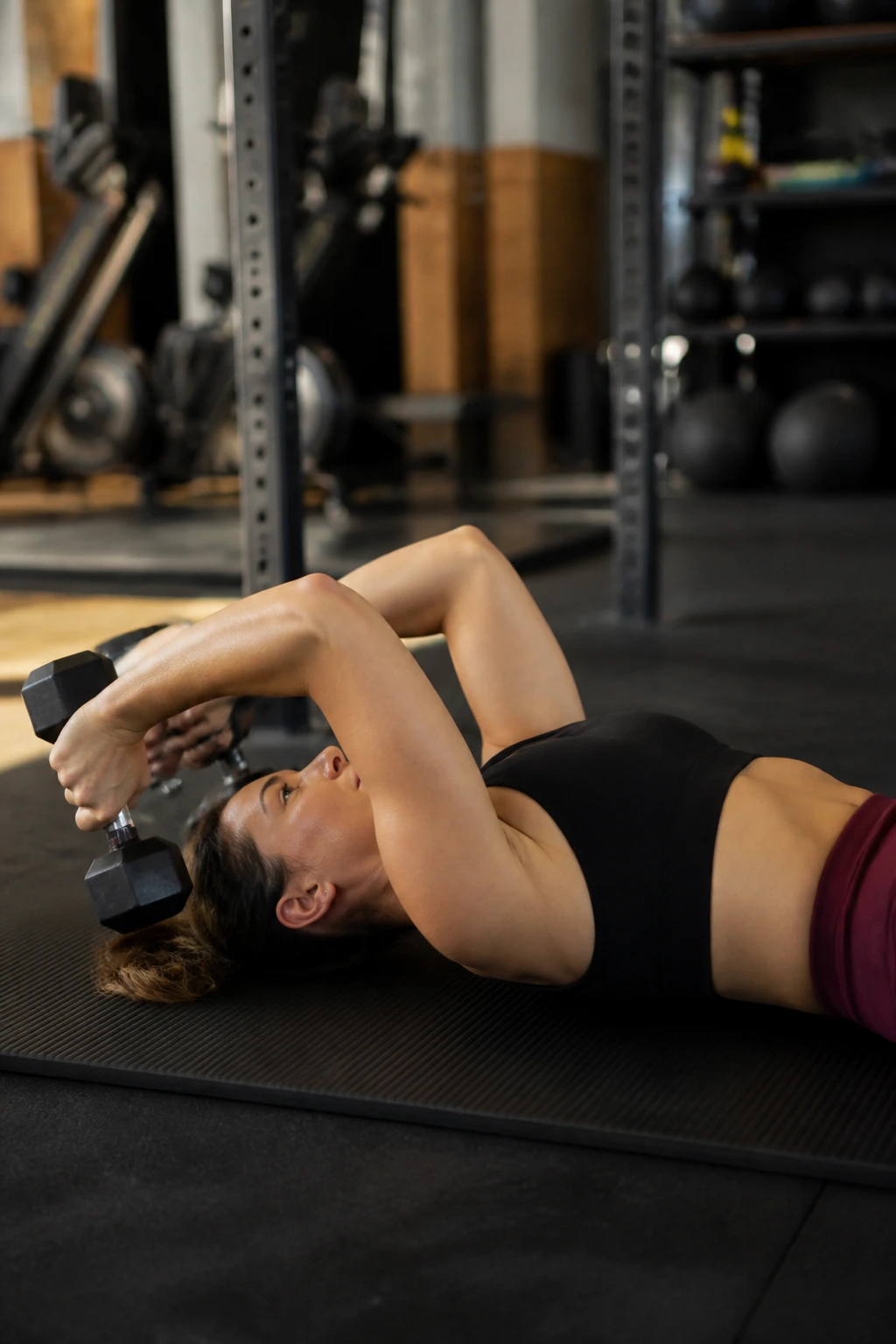
Floor triceps extensions are a cleaner, simpler cousin of the skull crusher. Because your upper arm hits the floor at the bottom, the range of motion is slightly shorter and usually friendlier on the elbows and shoulders. That makes it a smart swap when the bench version feels rough.
Use dumbbells or an EZ bar, keep the upper arm from wandering, and lower until your triceps lightly tap the floor. Three sets of 10 to 12 reps works well. The floor should act like a stop sign, not a bounce pad.
I like this for people who want triceps work without a deep stretch that feels too aggressive. It’s not flashy, but it’s easy to repeat week after week.
23. Diamond Push-Up
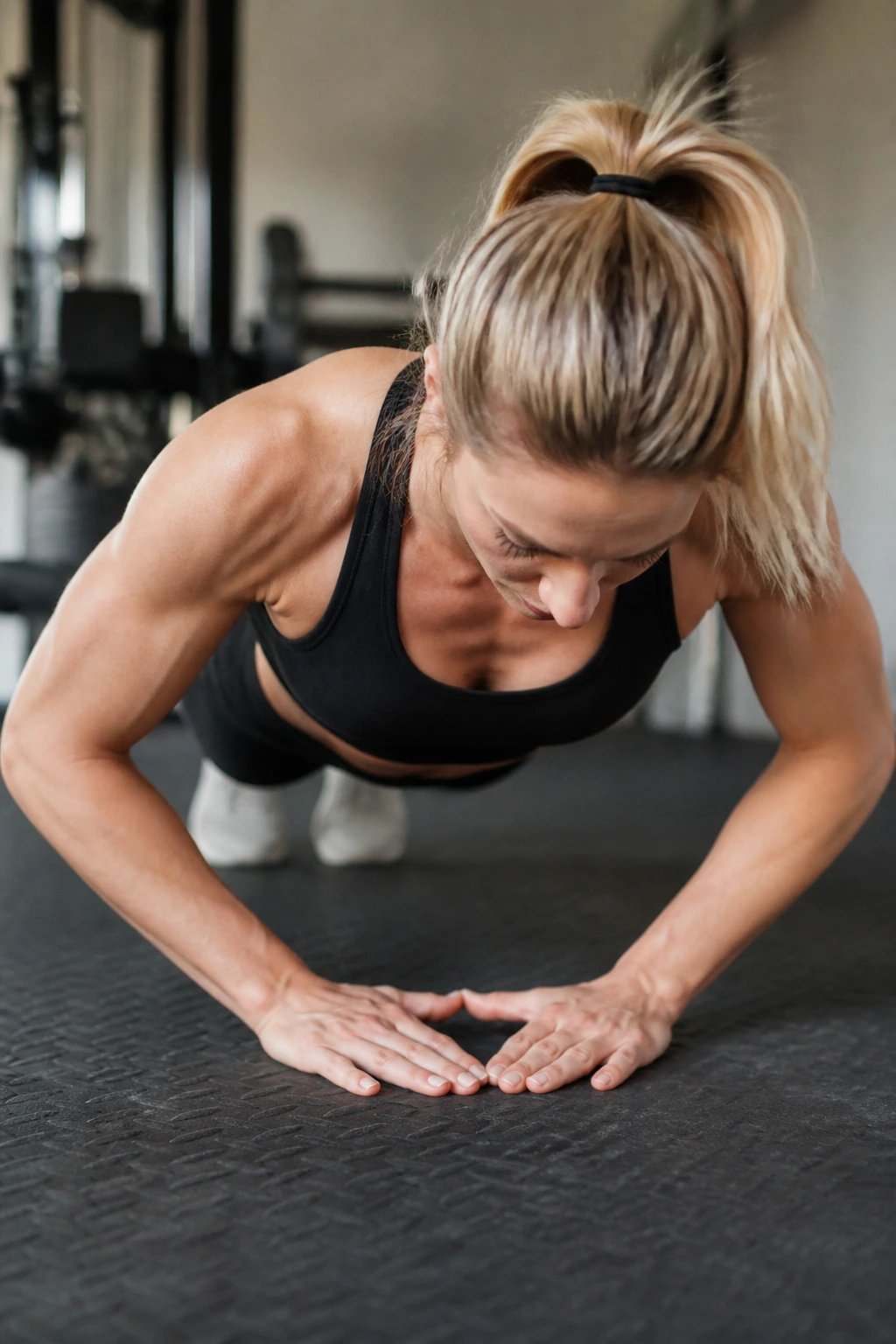
Diamond push-ups are a test. Not just of strength, but of control. The closer hand position shifts more stress onto the triceps, and the tighter elbow path makes sloppy reps obvious fast. If you want a bodyweight move that teaches discipline, this is it.
If a full diamond shape bothers your wrists, make the hands a little wider and use push-up handles or dumbbells as grips. Two to four sets of 6 to 12 reps is a solid target. Elevate your hands on a bench if needed; that version still counts and is often cleaner than a half-rep floor struggle.
The torso should move like one board. No snake hips. No half-hearted dip. Just a strong, controlled press from the floor.
24. Curl-and-Pressdown Superset
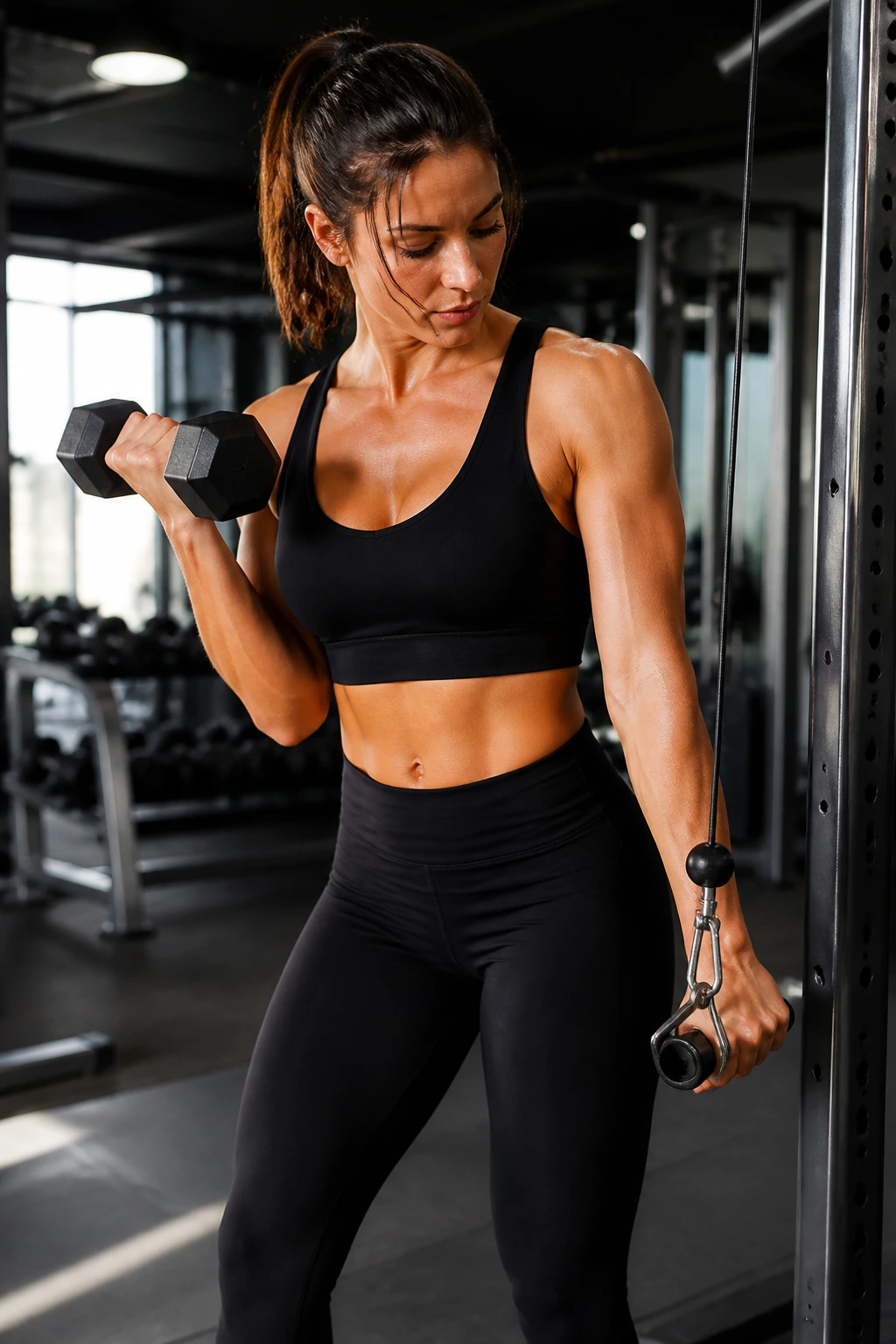
A curl-and-pressdown superset changes the pace fast. One set for biceps, one set for triceps, short rest, repeat. It’s simple, efficient, and a little humbling when you realize how fast your arms get noisy after the second round.
A Simple Pairing
Pick one curl, like alternating dumbbell curls, and one triceps move, like rope pushdowns. Do 10 to 12 reps of each, rest 30 to 45 seconds, then repeat for 3 to 4 rounds. If you want a home version, swap in band curls and band pressdowns. The point is not to chase chaos. The point is to keep the pace tight enough that your arms stay under tension.
This style works well for women who want a straightforward arm day without a long list of machines. It also keeps the session moving, which I appreciate more than I probably should.
25. 10-Minute Arm Finisher Ladder
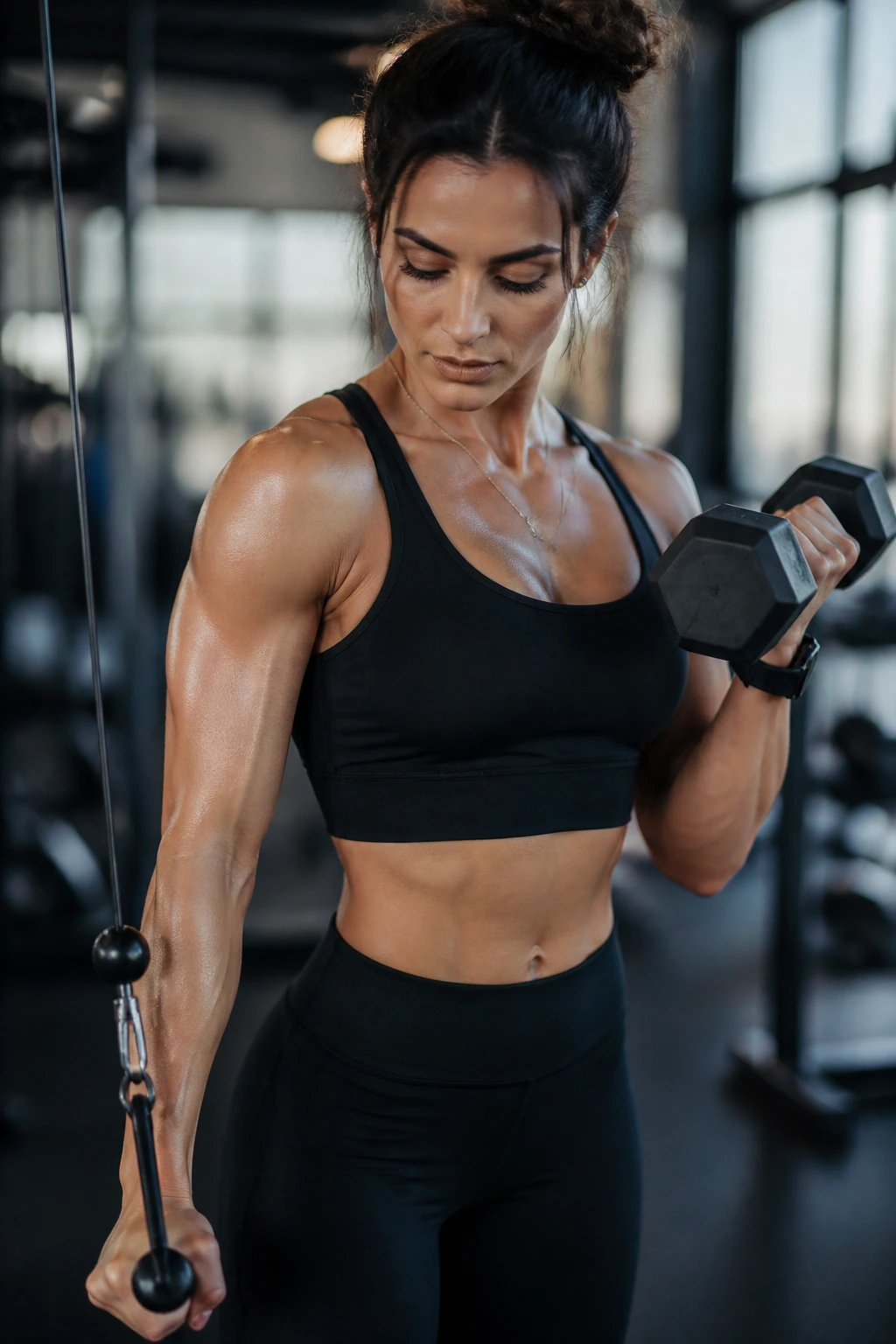
The best finisher is the one you’ll actually repeat. A simple ladder works well: 10 curls, 10 pushdowns, 8 curls, 8 pushdowns, 6 curls, 6 pushdowns. Use dumbbells, cables, or bands, and keep the rest short enough that the burn builds but not so short that form falls apart.
You can do this after a full upper-body workout or as a short standalone arm block. If the last two rounds turn sloppy, stop there. That’s not failure. That’s a sensible exit. One hard finisher is enough; three sloppy ones are just wasted time.
Pick four or five exercises from this list, pair one biceps move with one triceps move, and keep coming back to them long enough to get stronger. Arms respond well to consistency, plain and simple. Not magic. Just good work, done with enough care to matter.
